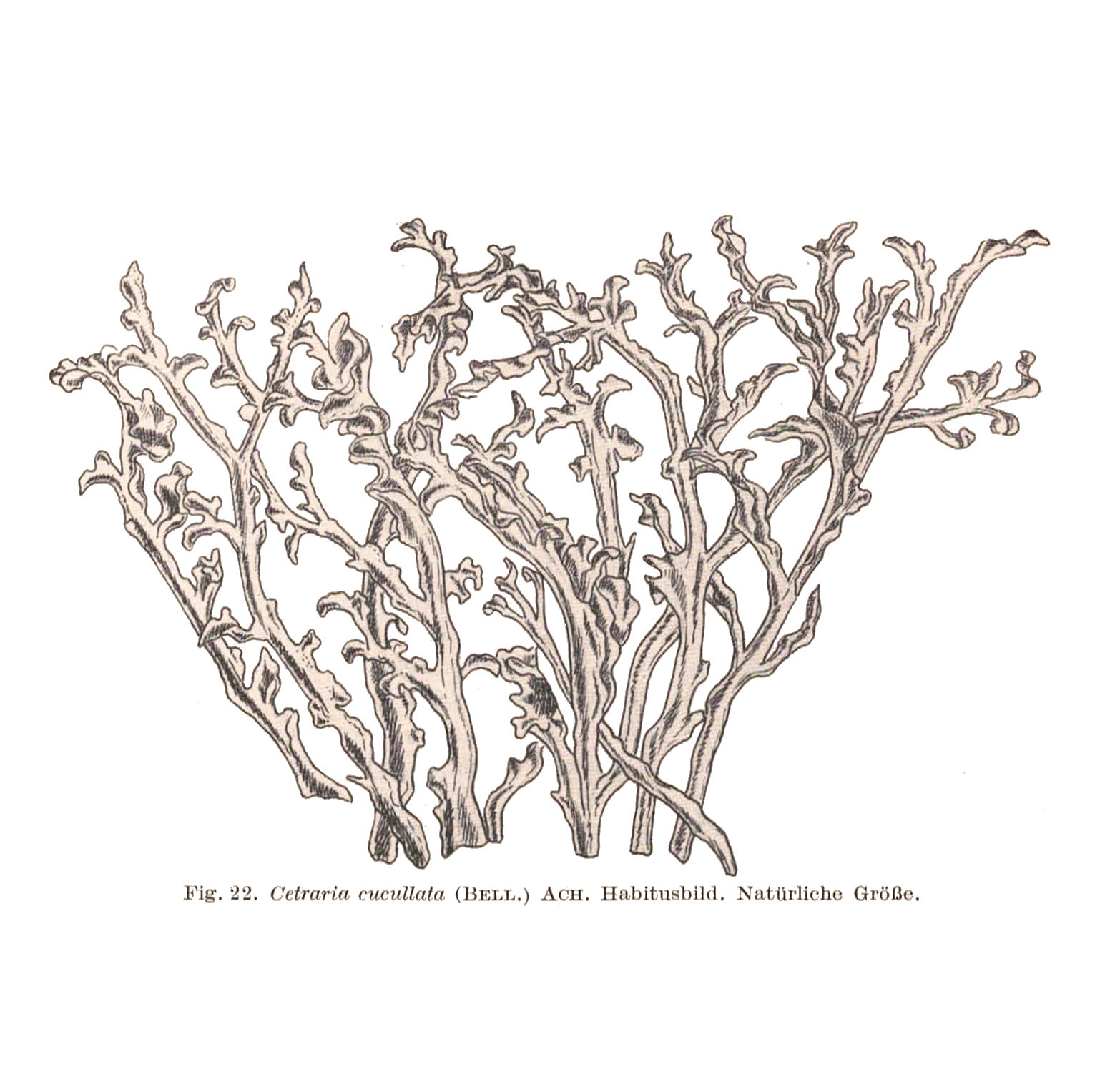
Nephromopsis cucullata (Bellardi) Divakar, A. Crespo & Lumbsch
in Divakar & al., Fungal Diversity, 84: 112, 2017. Basionym: Lichen cucullatus Bellardi - Osserv. Bot.: 54, 1788.
Synonyms: Allocetraria cucullata (Bellardi) Randlane & Saag; Cetraria cucullata (Bellardi) Ach.; Flavocetraria cucullata (Bellardi) Kärnefelt & A. Thell
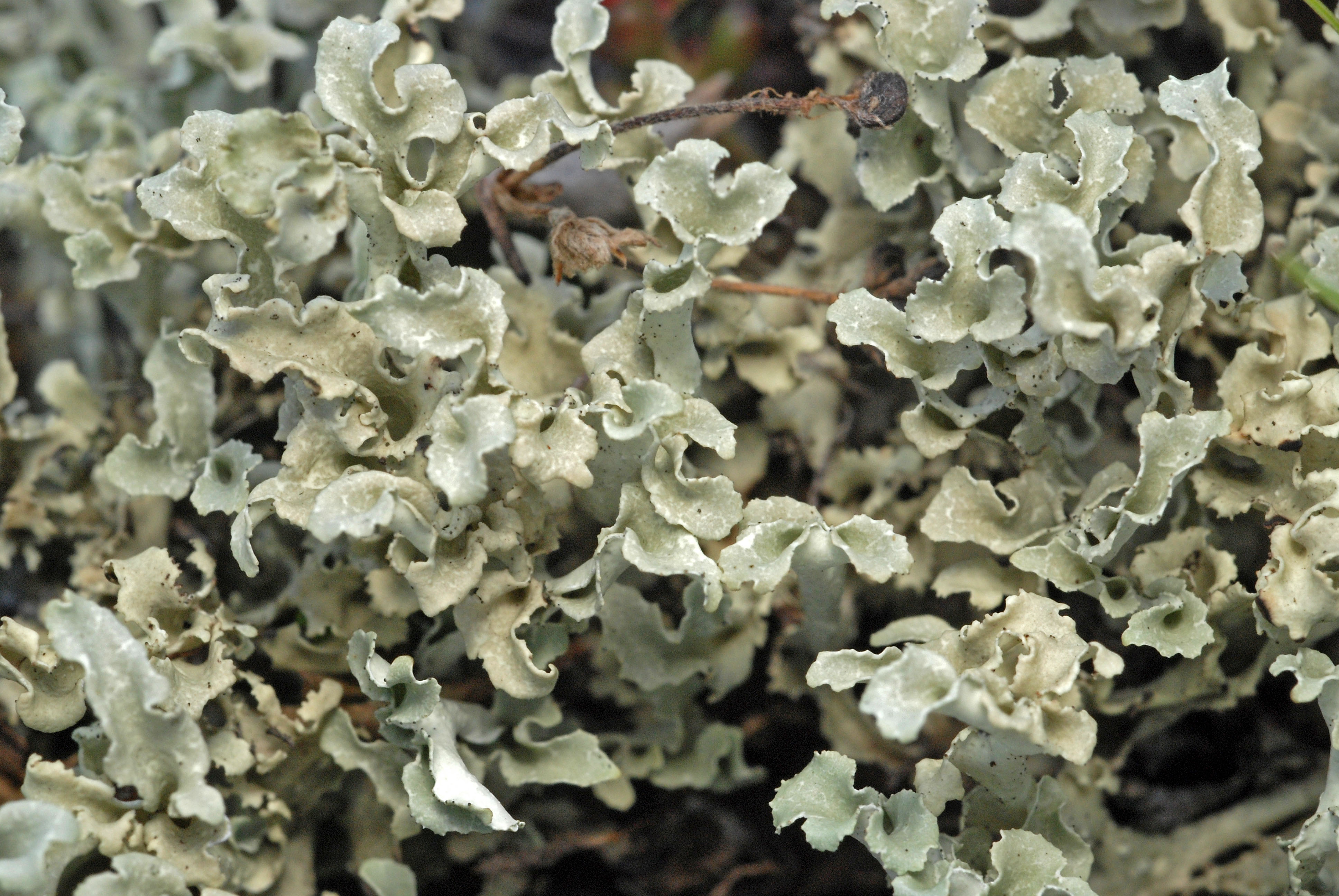
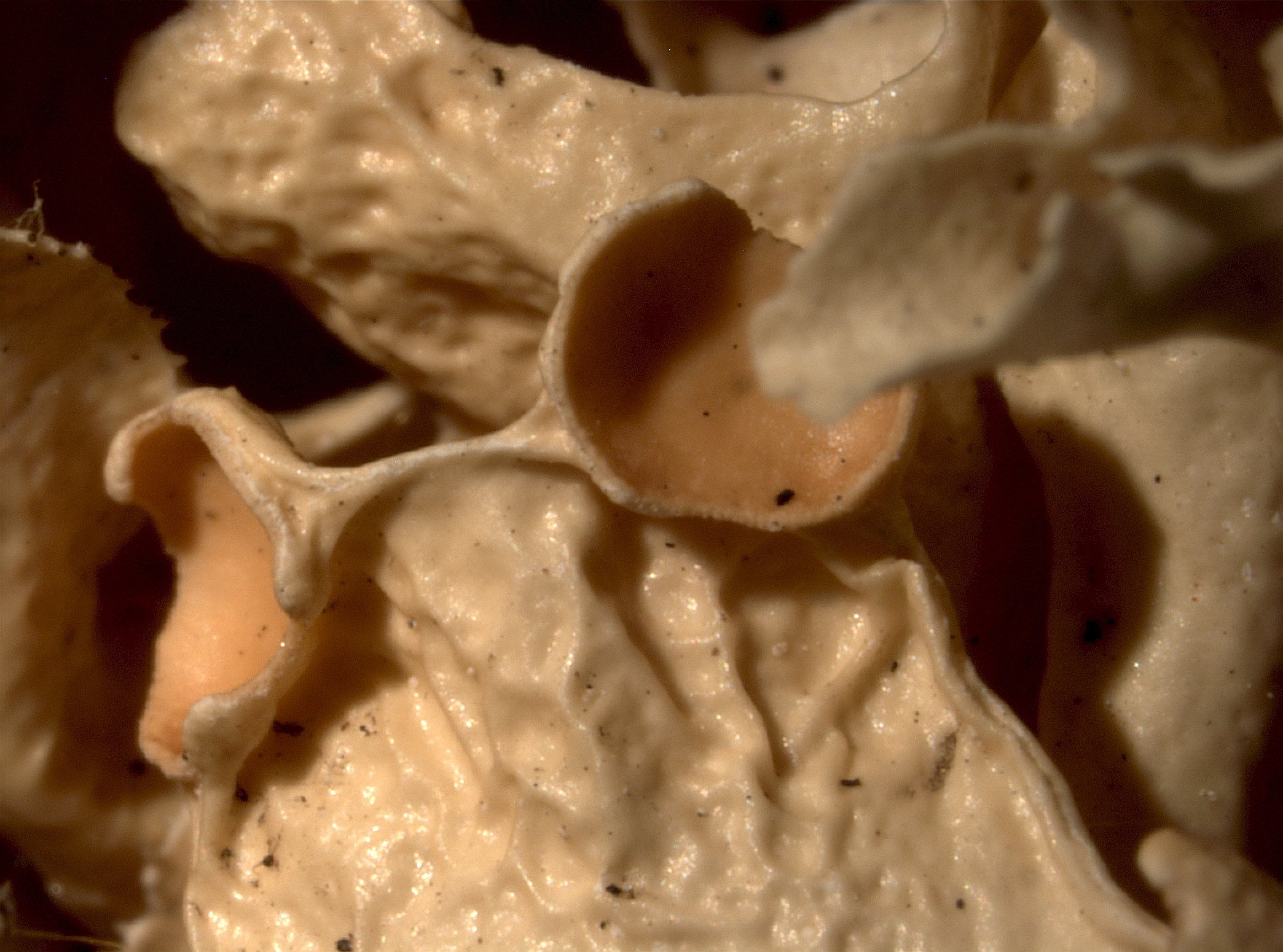
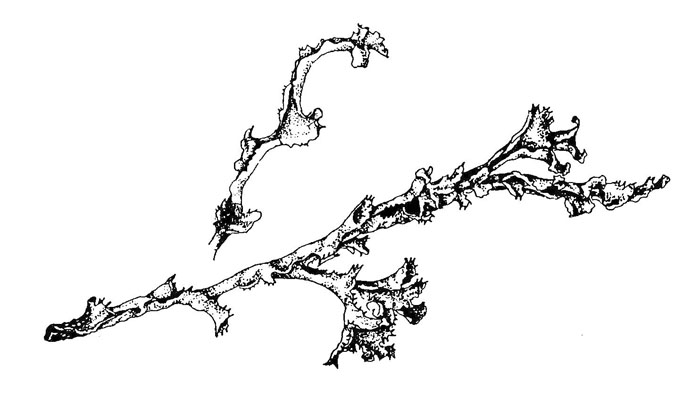
Description: Thallus fruticose, once or twice dichotomously branched, cream-coloured, smooth and glossy, deep red-purple to violet at the necrotic base, loosely attached, sometimes forming compact mats. Lobes flattened, smooth, canaliculate to subtubular, erect to ascending, 2-4(-8) cm tall, to 5(-10) mm wide, often white-maculate on upper surface, the margins with black, short-spinulose pycnidia; lower surface corticate, with narrow, marginal, whitish pseudocyphellae. Cortex thin, paraplectenchymatous in upper part; medulla white, rather lax. Apothecia extremely rare, zeorine, submarginal at lobe-ends, with a brown disc. Epithecium brownish; hymenium and hypothecium colourless. Asci 8-spored, narrowly clavate, with a small axial body and a distinct, K/I+ blue ring-structure in the rather large tholus, approaching the Lecanora-type. Ascospores 1-celled, hyaline, ellipsoid, 5-10 x 3-5.5 µm. Pycnidia black, immersed in marginal projections. Conidia swollen at both ends, c. 6 x 1 µm. Photobiont chlorococcoid. Spot tests: cortex K-, C-, KC+ yellowish, P-: medulla K-, C-, KC-, P-; reddish basal parts K+ red. Chemistry: cortex with usnic acid; medulla with lichesterinic and protolichesterinic acids; basal necrotic parts with anthraquinones.
Growth form: Fruticose
Substrata: soil, terricolous mosses, and plant debris
Photobiont: green algae other than Trentepohlia
Reproductive strategy: mainly asexual, by thallus fragmentation
Commonnes-rarity: (info)
Alpine belt: common
Subalpine belt: very rare
Montane belt: absent
Dry submediterranean belt: absent
Humid submediterranean belt: absent
Padanian area: absent
pH of the substrata:
1 2 3 4 5

Solar irradiation:
1 2 3 4 5
Aridity:
1 2 3 4 5
Eutrophication:
1 2 3 4 5
Poleotolerance:
0 1 2 3
Altitudinal distribution:
1 2 3 4 5 6
Rarity
absent
extremely rare
very rare
rare
rather rare
rather common
common
very common
extremely common
Loading data...
Occurrence data
Predictive map
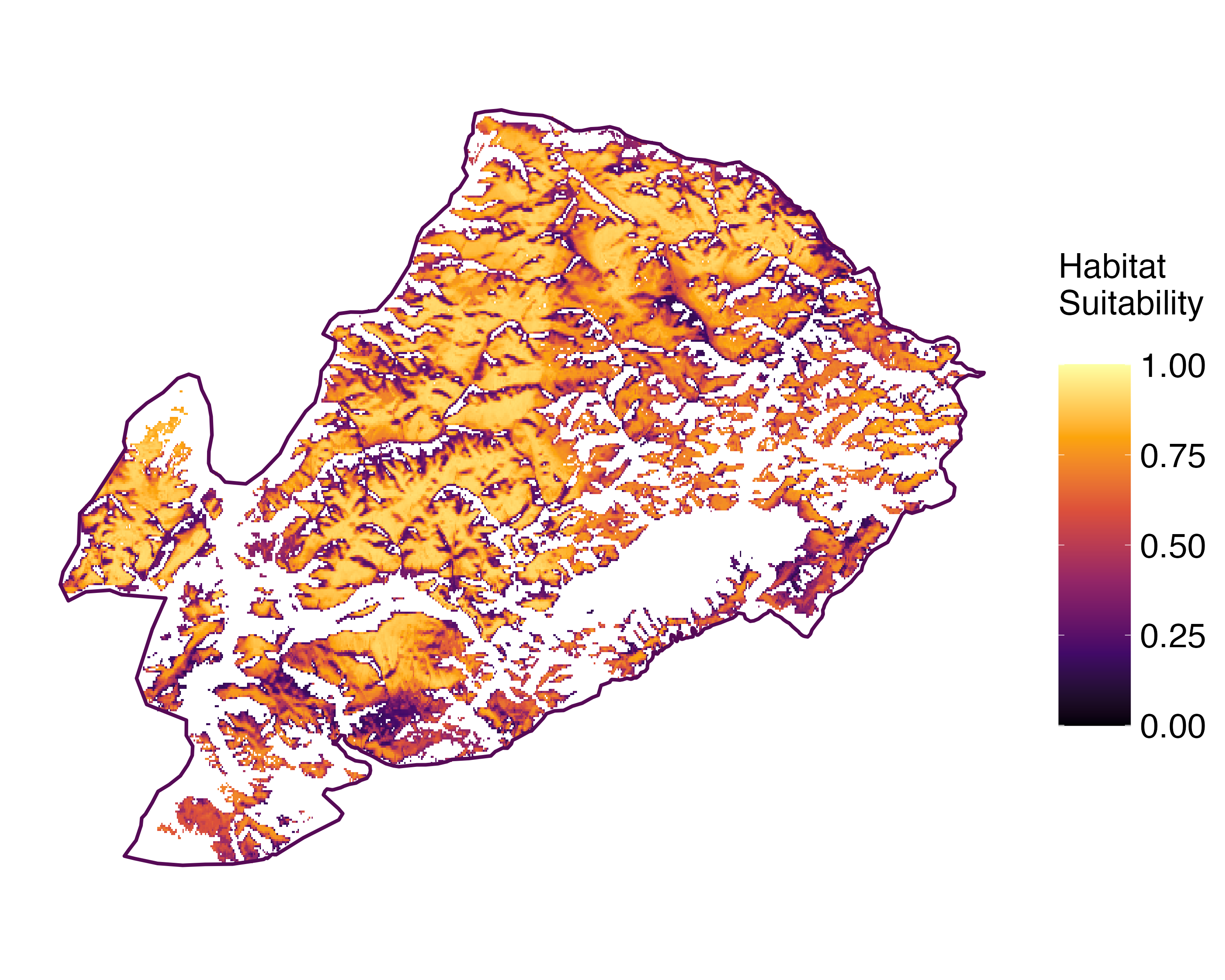 Current prediction (1981-2010)
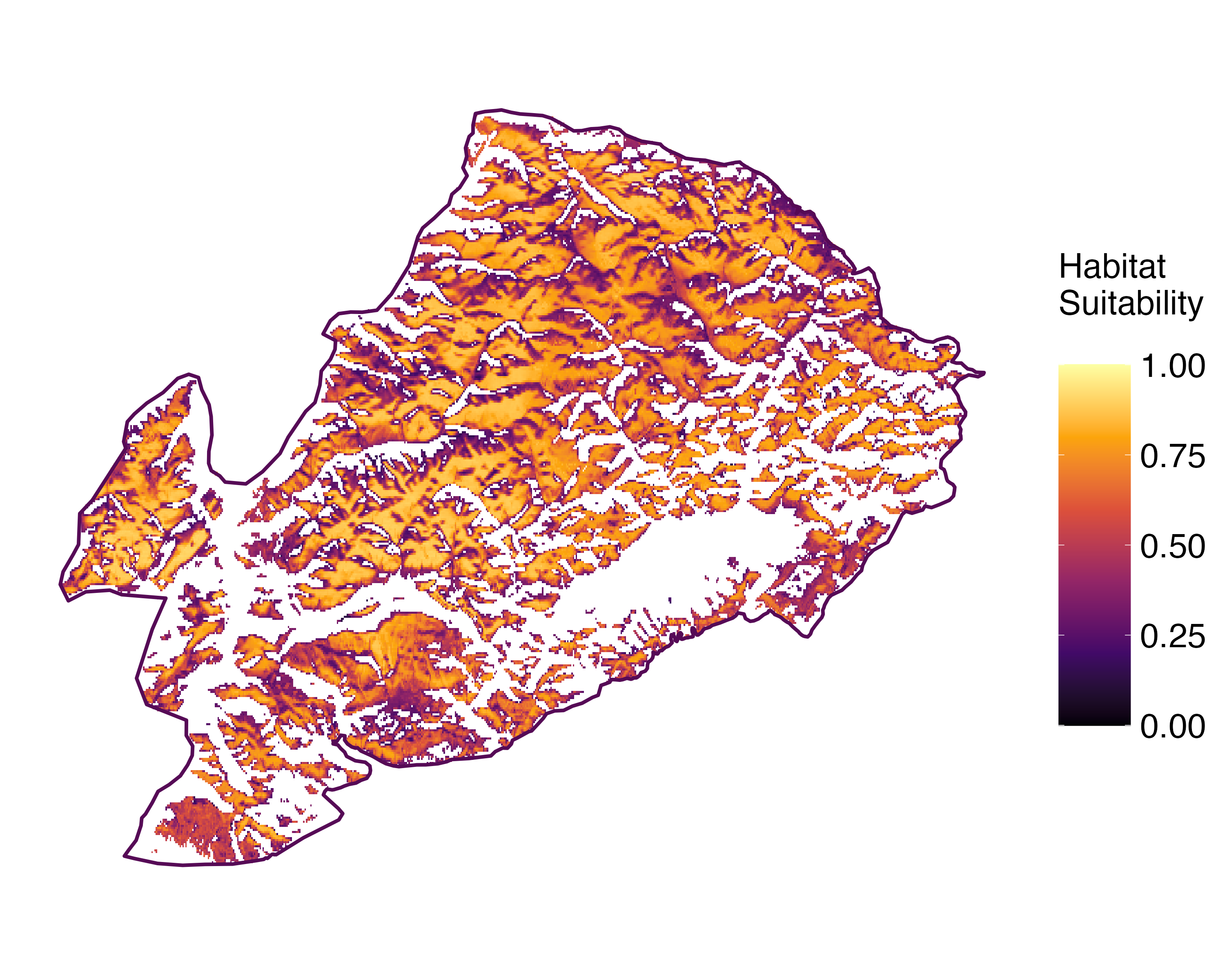 Future prediction (2071-2100) SSP 1-2.6
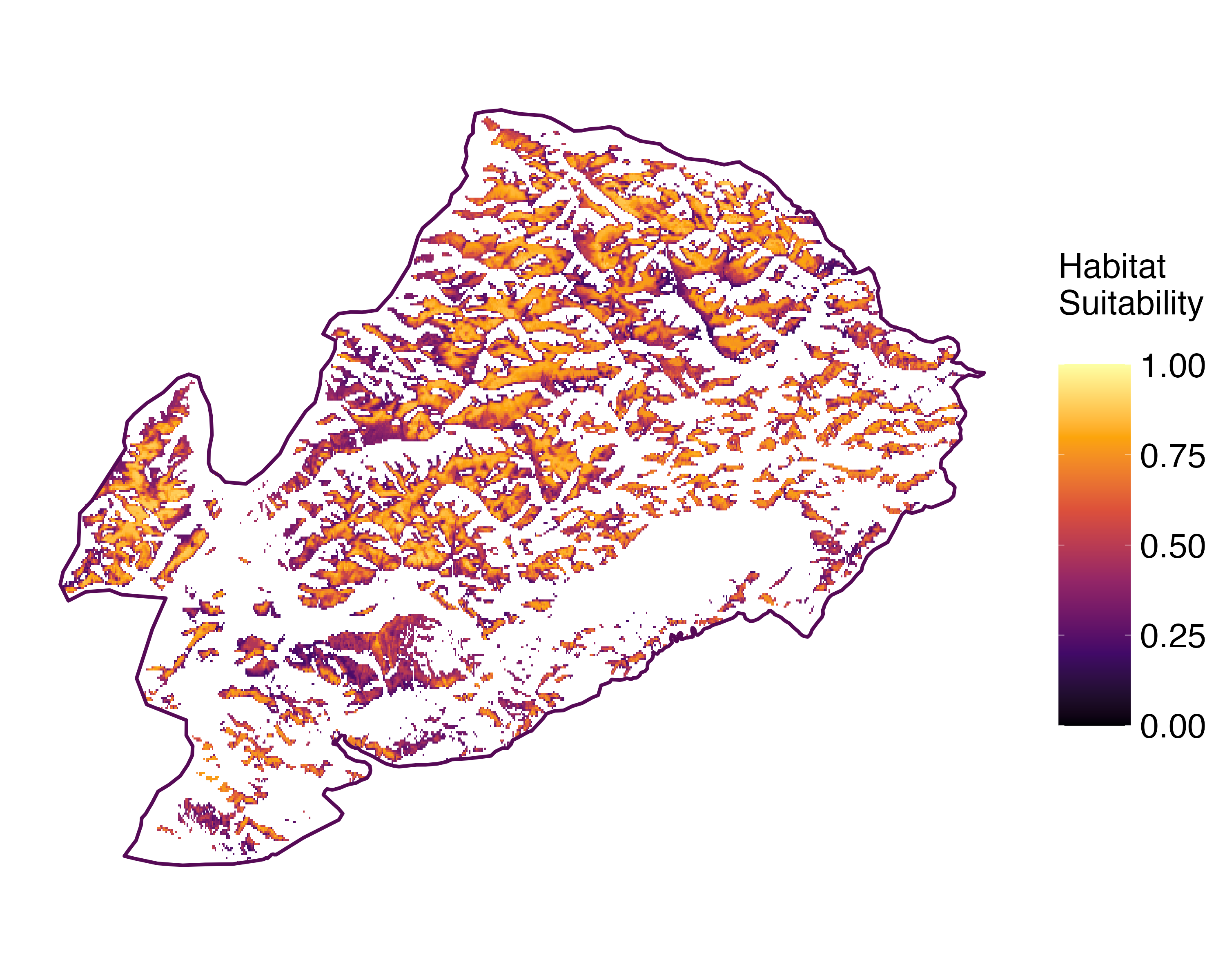 Future prediction (2071-2100) SSP 5-8.5Predictive maps according to Francesconi et al. 2025
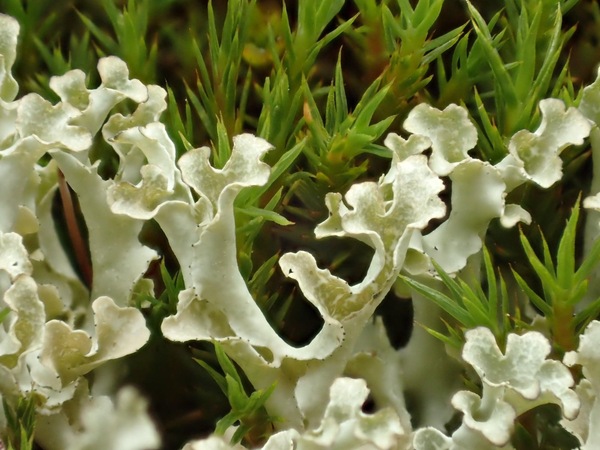
Mark Rahill
Mt. Washington, New Hampshire -USA
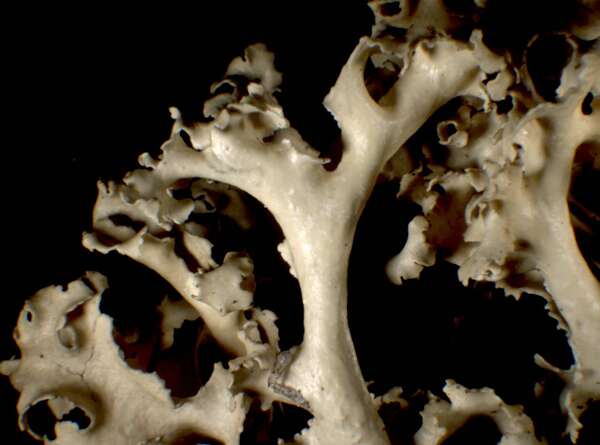
P.L. Nimis; Owner: Department of Life Sciences, University of Trieste
Herbarium: TSB (8712)
2001/12/05
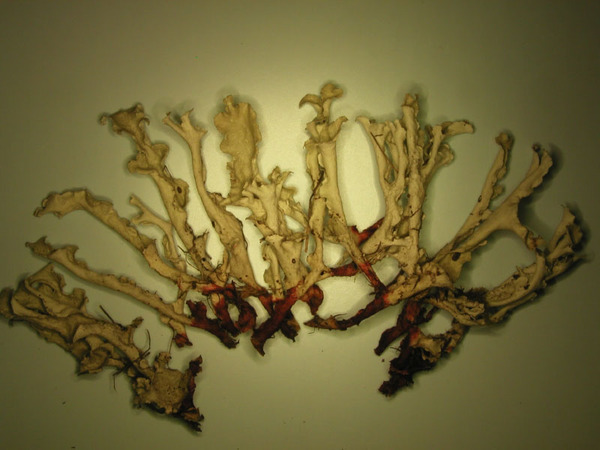
Andres Saag; Owner: University of Tartu
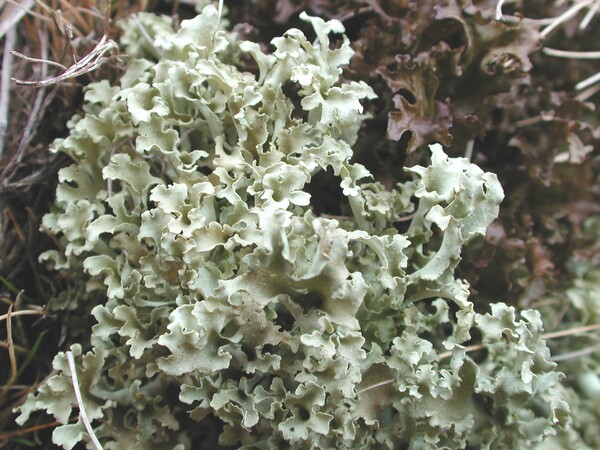
Juri Nascimbene - CC BY-SA 4.0; Owner: ITALIC - Dyades Project - Dept. of Life Sciences, University of Trieste
Italy, Trentino-Alto Adige, Trento, Monte Bondone
2014
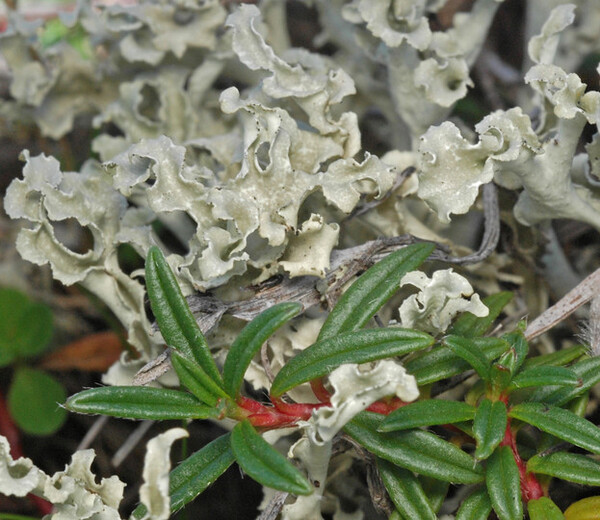
Leif Stridvall
Courtesy: Anita Stridvall
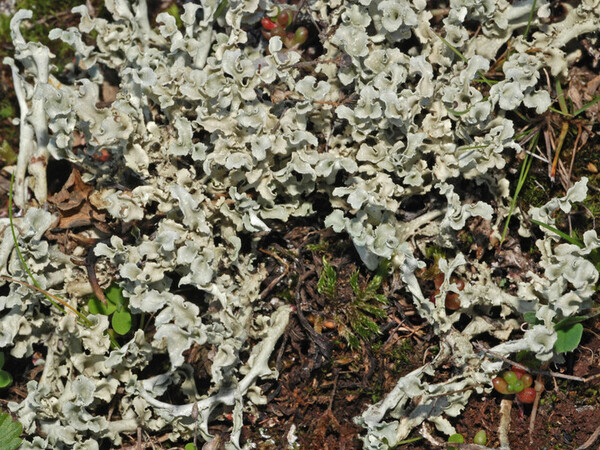
Leif Stridvall
Courtesy: Anita Stridvall
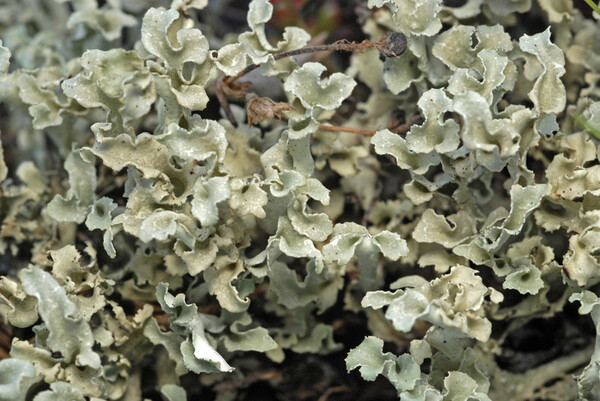
Leif Stridvall
Courtesy: Anita Stridvall
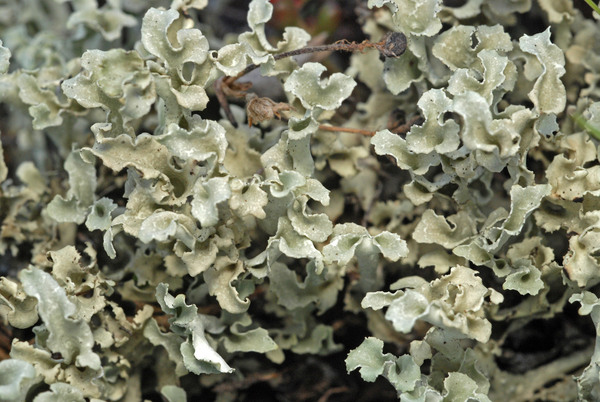
Leif Stridvall - Source: http://www.stridvall.se/la/galleries.php
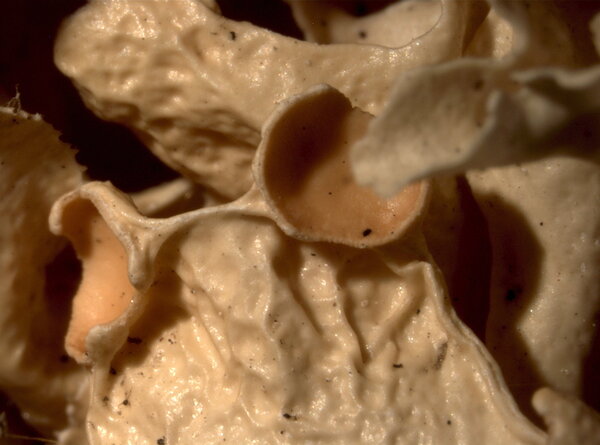
P.L. Nimis CC BY-SA 4.0
TSB 44065
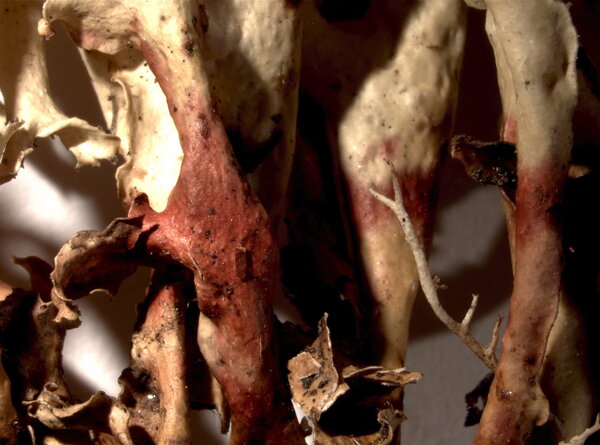
P.L. Nimis CC BY-SA 4.0
TSB 44065
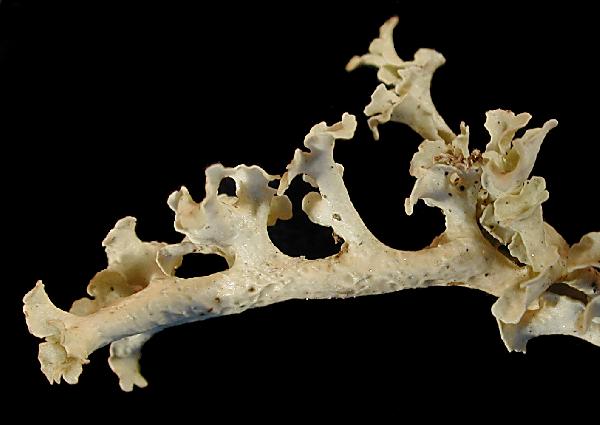
Ulrich Kirschbaum CC BY-SA 4.0 - Source: https://www.thm.de/lse/ulrich-kirschbaum/flechtenbilder
Sweden: Dalarna.
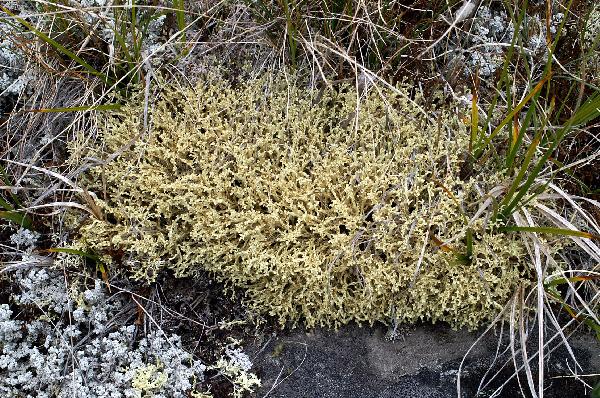
Wolfgang von Brackel - CC BY-4.0
Greenland, Blomsterdalen
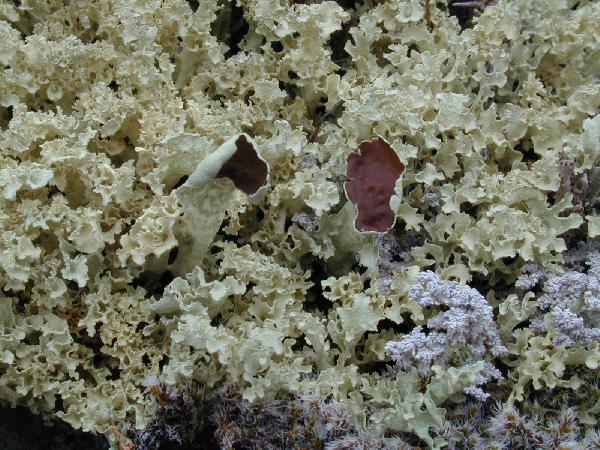
Wolfgang von Brackel - CC BY-4.0
Greenland, Blomsterdalen
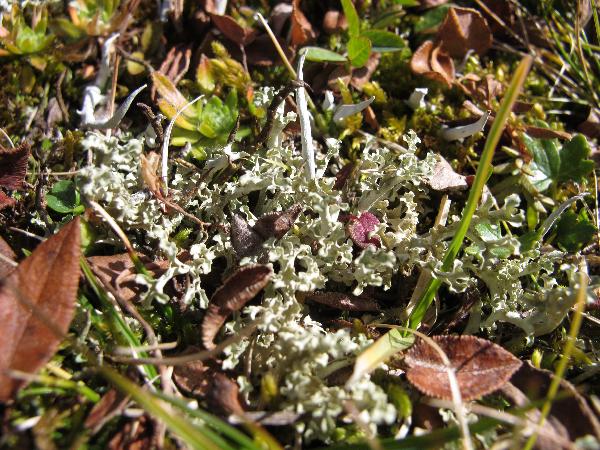
Wolfgang von Brackel - CC BY-4.0
Germany, Bavaria, Frauenalp
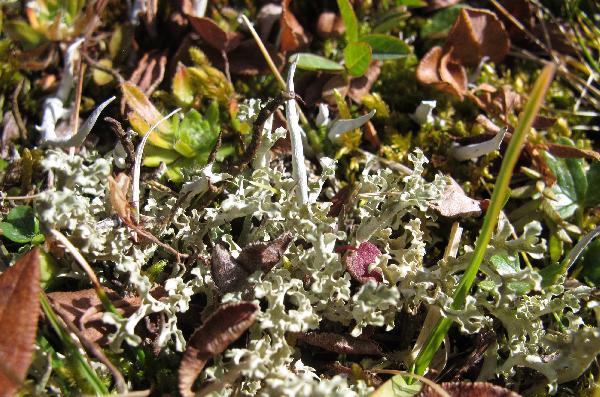
Wolfgang von Brackel - CC BY-4.0
Germany, Bavaria, Frauenalp
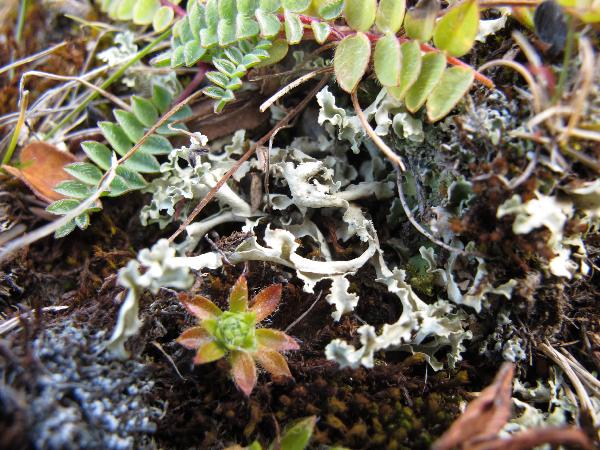
Wolfgang von Brackel - CC BY-4.0
Germany, Bavaria, Frauenalp

Felix Schumm - CC BY 4.0
[KU457], Japan. Hokkkaido. Prov. Ishikari: Takanegahara, Daistsu
Mts., Among mosses, 1750 m. Leg. H. Kashiwadani (no. 16528) and Y,
Endo, 5.8.1980, det. H. Kashiwadani. EX S. KUROKAWA AND H.
KASHUWADANI LICHENES RARIORES ET CRITICI EXSICCATI NR. 457. - As Cetraria c.

Felix Schumm - CC BY 4.0
[KU457], Japan. Hokkkaido. Prov. Ishikari: Takanegahara, Daistsu
Mts., Among mosses, 1750 m. Leg. H. Kashiwadani (no. 16528) and Y,
Endo, 5.8.1980, det. H. Kashiwadani. EX S. KUROKAWA AND H.
KASHUWADANI LICHENES RARIORES ET CRITICI EXSICCATI NR. 457. - As Cetraria c.

Felix Schumm - CC BY 4.0
[OH460], Russia. Oblast Magadan: around a small lake, 120 km NE of
Atoka (61°11'45'' N, 153°55'52'' E. On humus, 935 m. Leg. Y. Ohmura
(no. 9600 m), L. Yakovchenko & E. Zheludeva, 8.8.2012, det. Y.
Ohmura. EX Y. OHMURA LICHENES MINUS COGNITI EXSICCATI NR. 460. - As Flavocetraria c.
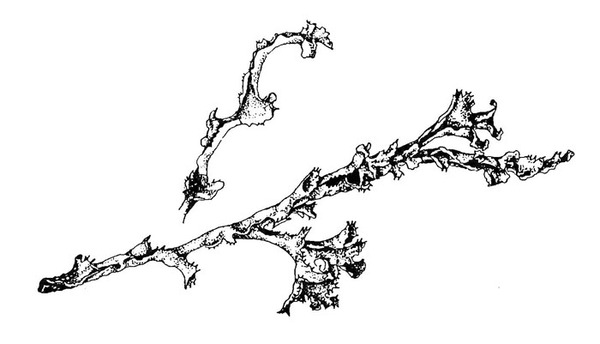
Triin Aimla; Owner: University of Tartu
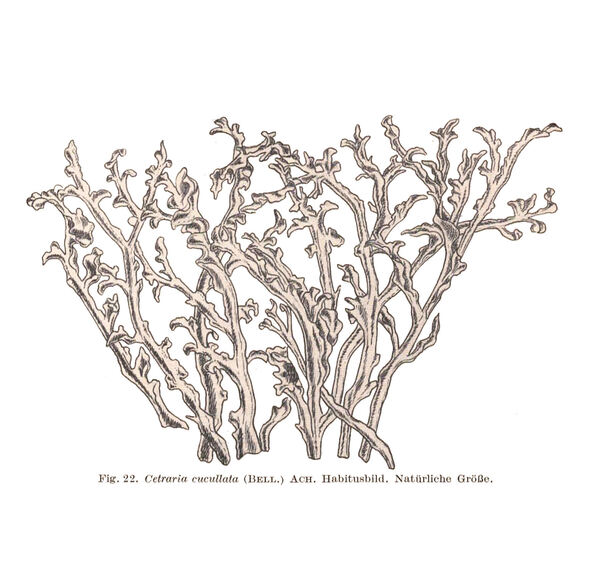
Hillmann J. 1936. Parmeliaceae. In: Rabenhorst’s Kryptogamen-Flora von Deutschland, Österreich und der Schweiz. 2nd, IX, Die Flechten, Abt. 5, 3. Borntraeger\Leipzig, pp. 1-309.
Growth form: Fruticose
Substrata: soil, terricolous mosses, and plant debris
Photobiont: green algae other than Trentepohlia
Reproductive strategy: mainly asexual, by thallus fragmentation
Commonnes-rarity: (info)
Alpine belt: common
Subalpine belt: very rare
Montane belt: absent
Dry submediterranean belt: absent
Humid submediterranean belt: absent
Padanian area: absent
pH of the substrata:
| 1 | 2 | 3 | 4 | 5 |
Solar irradiation:
| 1 | 2 | 3 | 4 | 5 |
Aridity:
| 1 | 2 | 3 | 4 | 5 |
Eutrophication:
| 1 | 2 | 3 | 4 | 5 |
Poleotolerance:
| 0 | 1 | 2 | 3 |
Altitudinal distribution:
| 1 | 2 | 3 | 4 | 5 | 6 |
Rarity
absent
extremely rare
very rare
rare
rather rare
rather common
common
very common
extremely common
Loading data...
Occurrence data
Predictive map
Current prediction (1981-2010)Future prediction (2071-2100) SSP 1-2.6Future prediction (2071-2100) SSP 5-8.5Predictive maps according to Francesconi et al. 2025
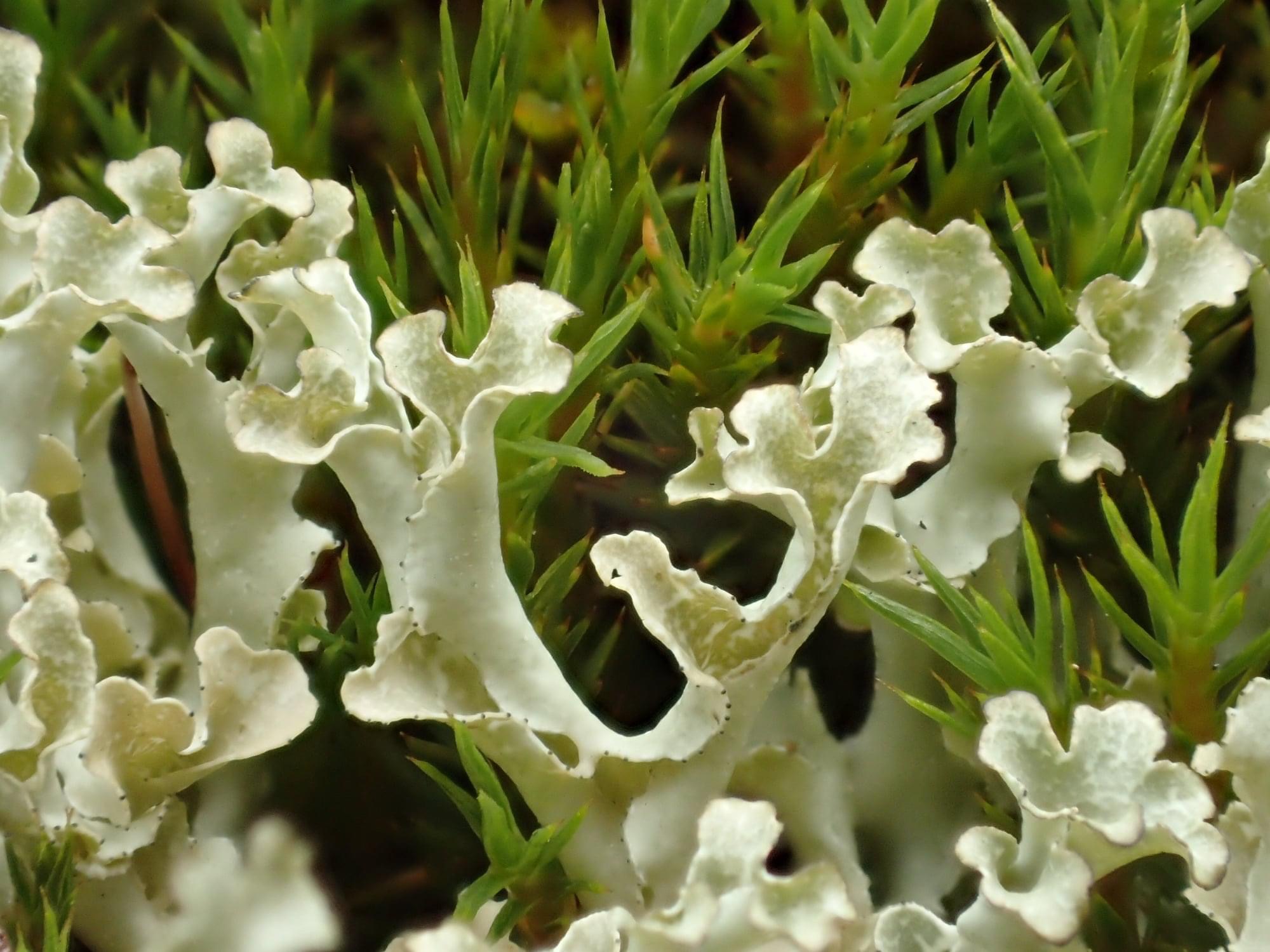
Mark Rahill
Mt. Washington, New Hampshire -USA
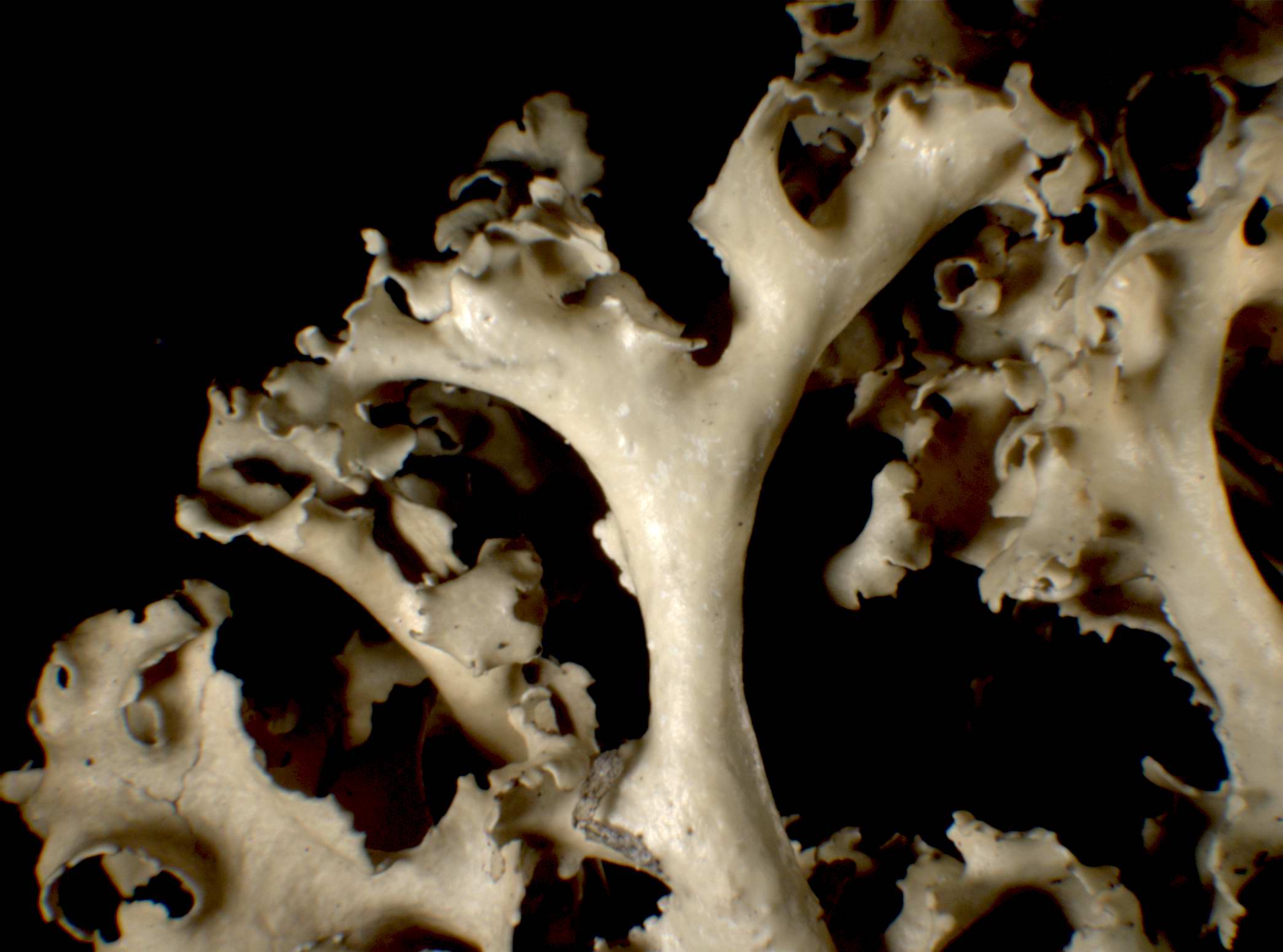
P.L. Nimis; Owner: Department of Life Sciences, University of Trieste
Herbarium: TSB (8712)
2001/12/05
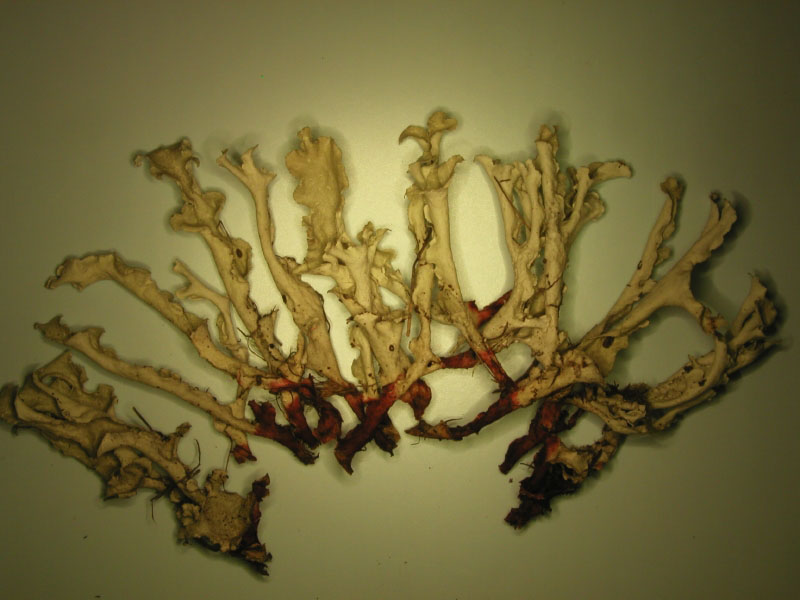
Andres Saag; Owner: University of Tartu

Juri Nascimbene - CC BY-SA 4.0; Owner: ITALIC - Dyades Project - Dept. of Life Sciences, University of Trieste
Italy, Trentino-Alto Adige, Trento, Monte Bondone
2014

Leif Stridvall
Courtesy: Anita Stridvall
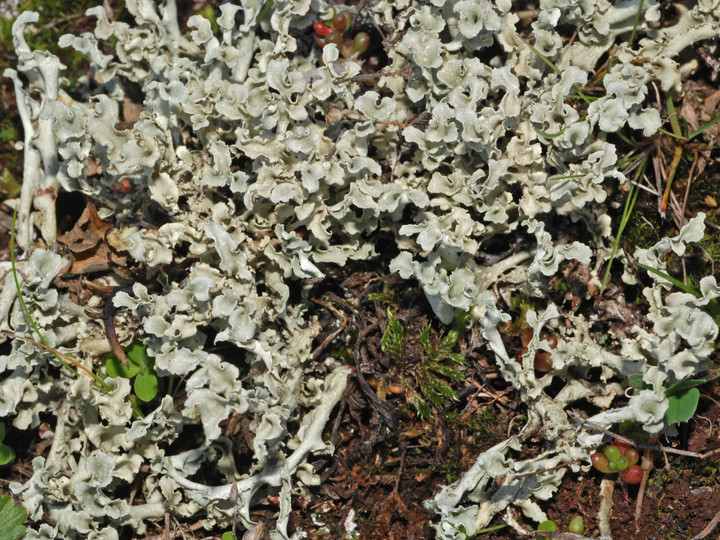
Leif Stridvall
Courtesy: Anita Stridvall
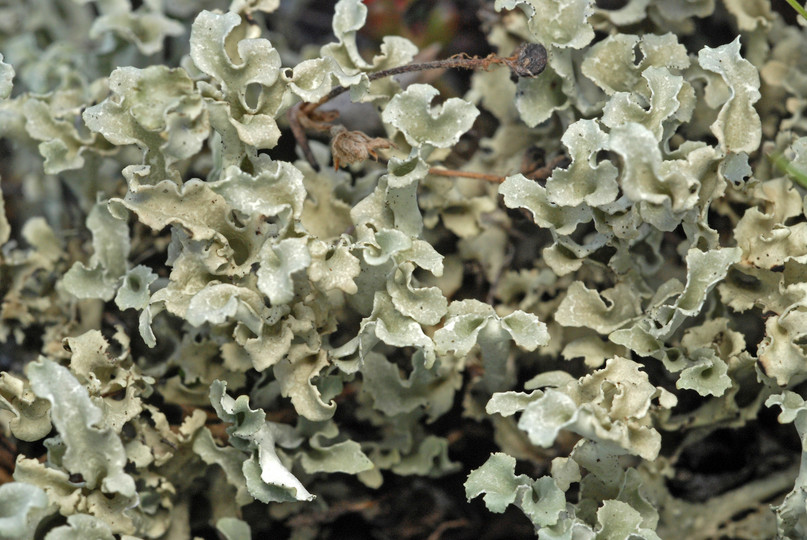
Leif Stridvall
Courtesy: Anita Stridvall
Leif Stridvall - Source: http://www.stridvall.se/la/galleries.php
P.L. Nimis CC BY-SA 4.0
TSB 44065

P.L. Nimis CC BY-SA 4.0
TSB 44065

Ulrich Kirschbaum CC BY-SA 4.0 - Source: https://www.thm.de/lse/ulrich-kirschbaum/flechtenbilder
Sweden: Dalarna.

Wolfgang von Brackel - CC BY-4.0
Greenland, Blomsterdalen

Wolfgang von Brackel - CC BY-4.0
Greenland, Blomsterdalen

Wolfgang von Brackel - CC BY-4.0
Germany, Bavaria, Frauenalp

Wolfgang von Brackel - CC BY-4.0
Germany, Bavaria, Frauenalp

Wolfgang von Brackel - CC BY-4.0
Germany, Bavaria, Frauenalp

Felix Schumm - CC BY 4.0
[KU457], Japan. Hokkkaido. Prov. Ishikari: Takanegahara, Daistsu Mts., Among mosses, 1750 m. Leg. H. Kashiwadani (no. 16528) and Y, Endo, 5.8.1980, det. H. Kashiwadani. EX S. KUROKAWA AND H. KASHUWADANI LICHENES RARIORES ET CRITICI EXSICCATI NR. 457. - As Cetraria c.

Felix Schumm - CC BY 4.0
[KU457], Japan. Hokkkaido. Prov. Ishikari: Takanegahara, Daistsu Mts., Among mosses, 1750 m. Leg. H. Kashiwadani (no. 16528) and Y, Endo, 5.8.1980, det. H. Kashiwadani. EX S. KUROKAWA AND H. KASHUWADANI LICHENES RARIORES ET CRITICI EXSICCATI NR. 457. - As Cetraria c.

Felix Schumm - CC BY 4.0
[OH460], Russia. Oblast Magadan: around a small lake, 120 km NE of Atoka (61°11'45'' N, 153°55'52'' E. On humus, 935 m. Leg. Y. Ohmura (no. 9600 m), L. Yakovchenko & E. Zheludeva, 8.8.2012, det. Y. Ohmura. EX Y. OHMURA LICHENES MINUS COGNITI EXSICCATI NR. 460. - As Flavocetraria c.
Triin Aimla; Owner: University of Tartu