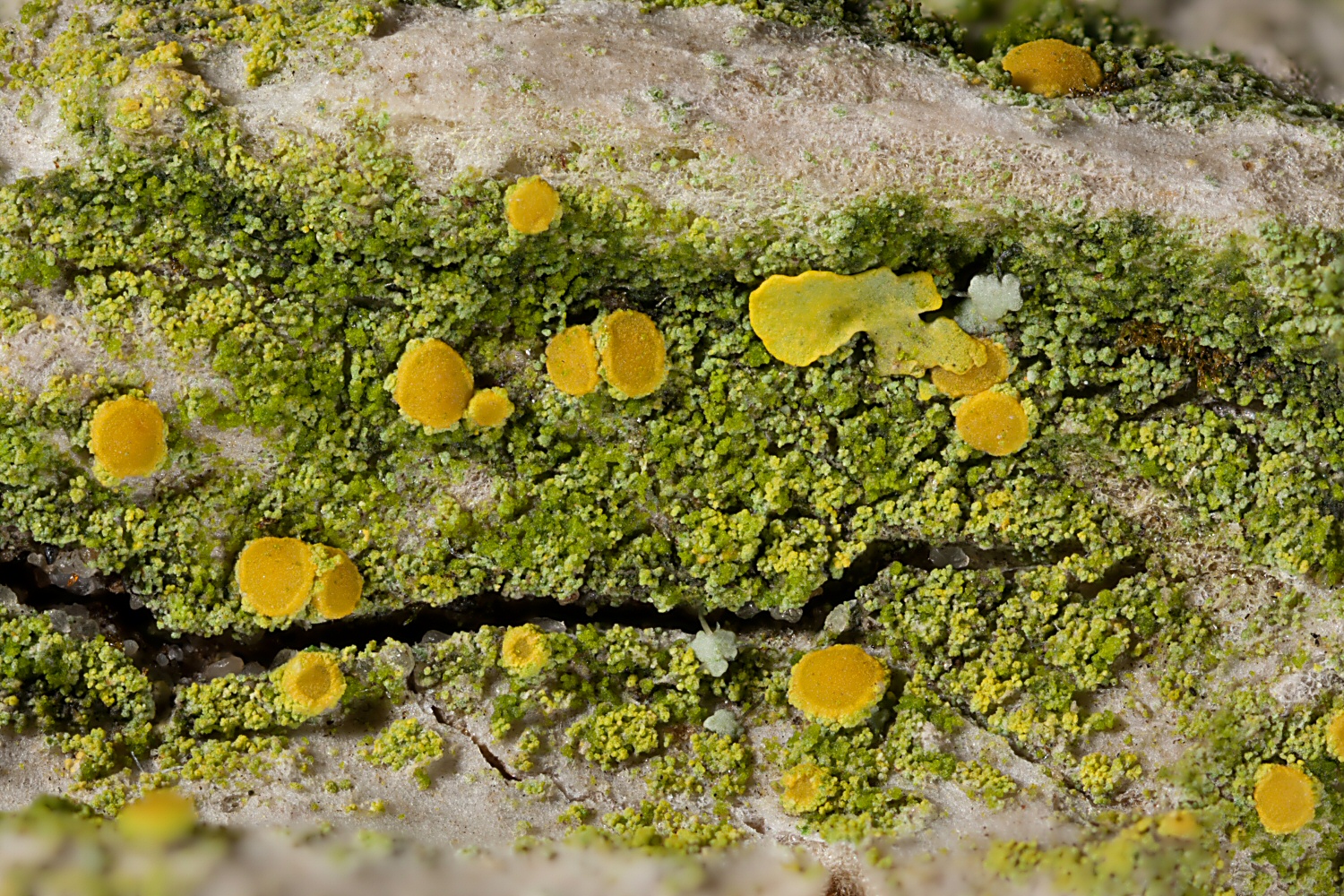
Polycauliona phlogina (Ach.) Arup, Frödén & Søchting
in Arup & al., Nord. J. Bot., 31: 53, 2013. Basionym: Parmelia citrina var. phlogina Ach. - Meth. Lich.: 180, 1803.
Synonyms: Caloplaca citrina f. phlogina (Ach.) D. Hawksw.; Caloplaca phlogina (Ach.) Flagey; Scythioria phlogina (Ach.) S.Y. Kondr., Kärnefelt, Elix, A. Thell & Hur
Distribution: N - VG, Frl, Ven, TAA, Lomb, Piem, Emil, Lig. C - Tosc, Marc, Laz, Mol (Ravera & Genovesi 2012, Genovesi & Ravera 2014), Sar. S - Camp, Pugl, Cal, Si.
Description: Thallus crustose, episubstratic, pale yellow-orange to yellowish grey in shade-forms, thin, continuous and film-like or consisting of 0.1-0.3 mm wide, convex, round to irregular areoles, forming 0.3-3 cm wide patches, sorediate. Soralia initially orbicular then confluent, the soredia 30-50(-60) µm thick, bright yellow, grey-yellow or greenish yellow (rarely whitish), tending to spread over the whole thallus surface. Apothecia usually present, zeorine, sessile to slightly raised, 0.3-0.8(-1.7) mm across, with a deep yellow to orange-yellow, often thinly white-pruinose disc, a usually paler, 25-50(-60) µm thick proper margin and an often sorediate, finally often excluded thalline margin. Thalline exciple up to 125 µm wide, paraplectenchymatous; proper exciple of irregularly radiating, thick-walled hyphae; epithecium yellowish orange, granular, K+ purple-red; hymenium colourless, 55-85 µm high; paraphyses simple to sparingly branched, 1.5-2.5 µm thick at mid-level, with an enlarged, up to 7 µm wide apical cell; hypothecium colourless, 25-65 µm high. Asci 8-spored, clavate, functionally unitunicate, apically thickened with a broad internal beak, the inner part of apex and external cap I+ blue, Teloschistes-type. Ascospores 2-celled, polarilocular, hyaline, ellipsoid to broadly ellipsoid, 9-14 x 4-7.5 µm, the equatorial thickening (“septum”) 2.5-5(-6) µm. Pycnidia immersed, orange-yellow. Conidia broadly ellipsoid, 2.5-3.5 x 1-1.5 µm. Photobiont chlorococcoid. Spot tests: soredia and apothecia K+ purple-red (rarely K- in maritime forms or in shade-forms with low amounts of anthraquinones), C-, KC-, P-. Chemistry: apothecia and usually also soredia with parietin, fallacinal, emodin, teloschistin and parietinic acid corresponding to chemosyndrome A of Søchting (1997). Note: on nutrient-rich bark and eutrophicated lignum. For a long time this species was regarded as a mainly corticolous ecotype of Flavoplaca citrina. According to Sérusiaux & al. (1999) and Arup (2006), it is however distinct, so much that it was included into a different genus, Polycauliona, by Arup & al. (2013). Several Italian records, especially from Central and Southern Italy, require confirmation. For further information see Nimis (2016) and Vondrák & al. (2010).
Growth form: Crustose
Substrata: bark and lignum
Photobiont: green algae other than Trentepohlia
Reproductive strategy: mainly asexual, by soredia, or soredia-like structures (e.g. blastidia)
Pioneer species
Commonnes-rarity: (info)
Alpine belt: absent
Subalpine belt: absent
Oromediterranean belt: absent
Montane belt: rare
Submediterranean belt: very rare
Padanian area: extremely rare
Humid submediterranean belt: extremely rare
Humid mediterranean belt: absent
Dry mediterranean belt: absent
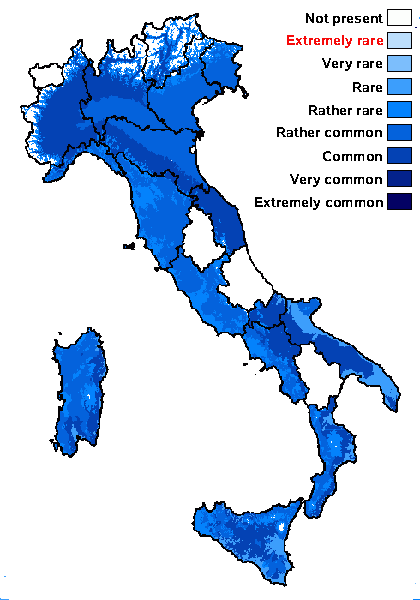
Predictive model
Herbarium samples
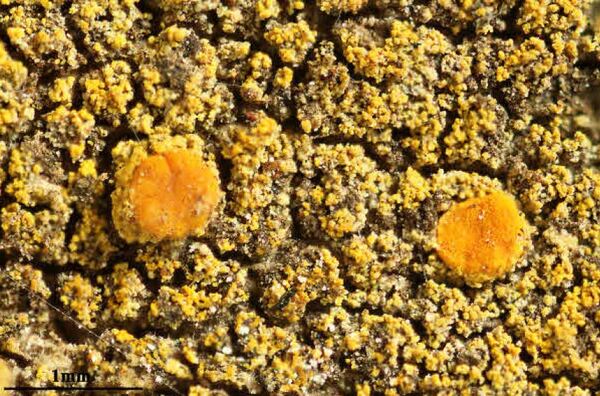

Felix Schumm – CC BY-SA 4.0
[9252], Spanien, Kanaren, La Gomera: Bei Las Hayas an der Straße nach Arure. 28°07.742' N, 17°17.761 W, 955 m, an Phoenix canariensis.Sonnig, trocken. Leg. F. Schumm, 12.02.2002, et. A. Aptroot 2016.
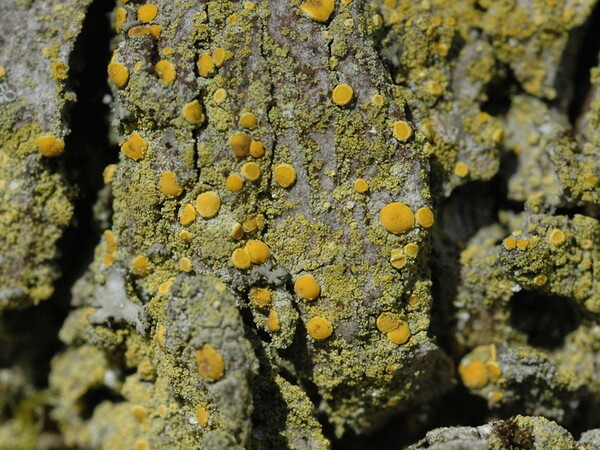
Source: http://www.stridvall.se/la/galleries.php
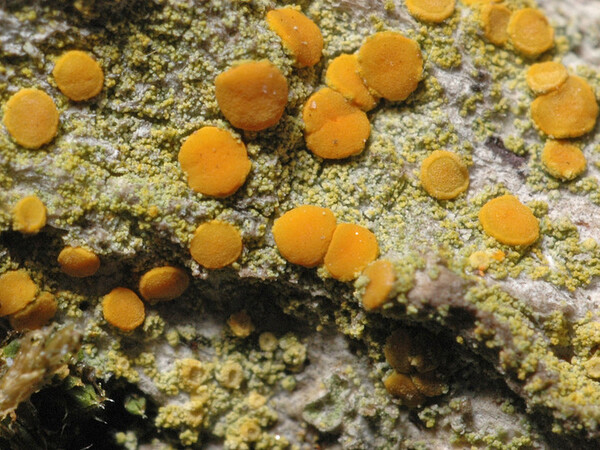
Leif Stridvall - Source: http://www.stridvall.se/la/galleries.php (Courtesy: Anita Stridvall)
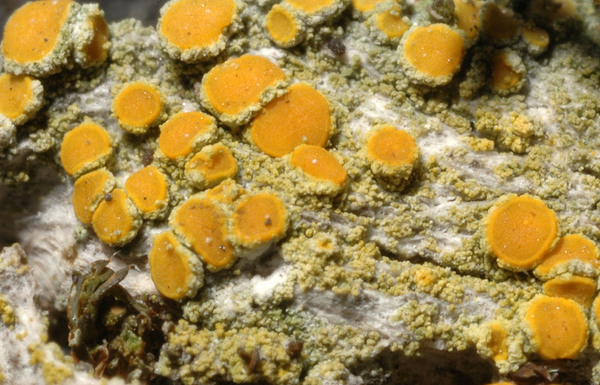
Leif Stridvall - Source: http://www.stridvall.se/lichens/gallery/
Courtesy: Anita Stridvall
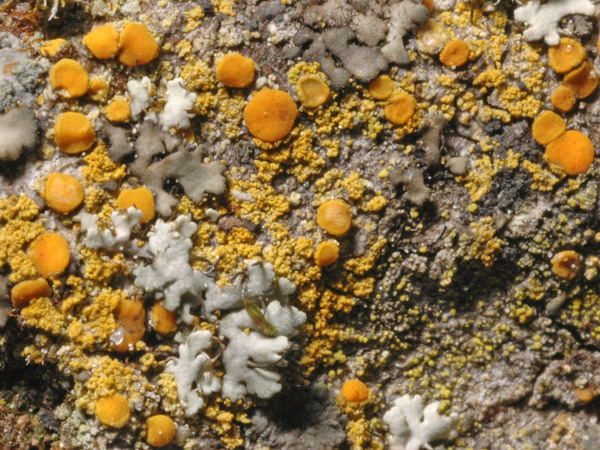
Leif Stridvall - Source: http://www.stridvall.se/lichens/gallery/
Courtesy: Anita Stridvall
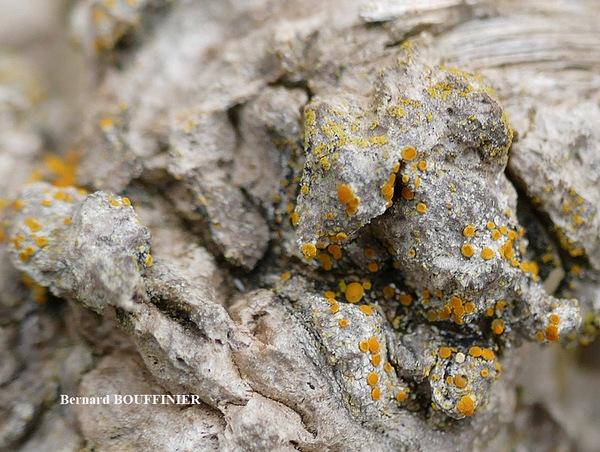
Bernard Bouffinier - Source: http://www.lichensmaritimes.org/index.php?task=fiche&lichen=1024&lang=en
France, Plouarzel
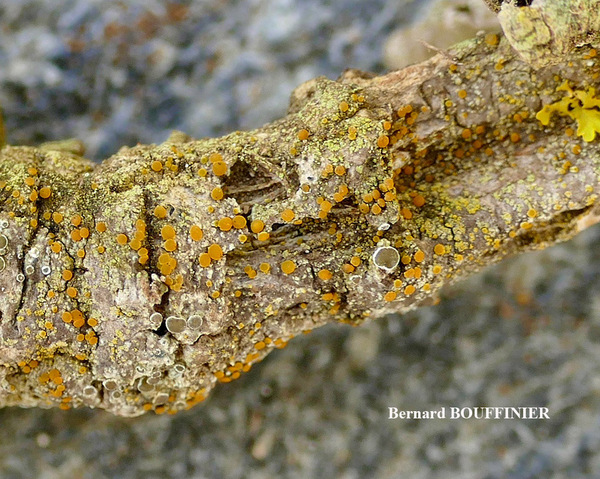
Bernard Bouffinier - Source: http://www.lichensmaritimes.org/index.php?task=fiche&lichen=1024&lang=en
France, Plouarzel
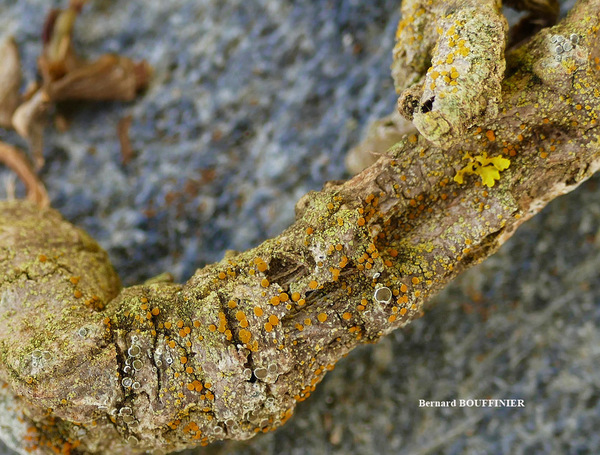
Bernard Bouffinier - Source: http://www.lichensmaritimes.org/index.php?task=fiche&lichen=1024&lang=en
France, Plouarzel
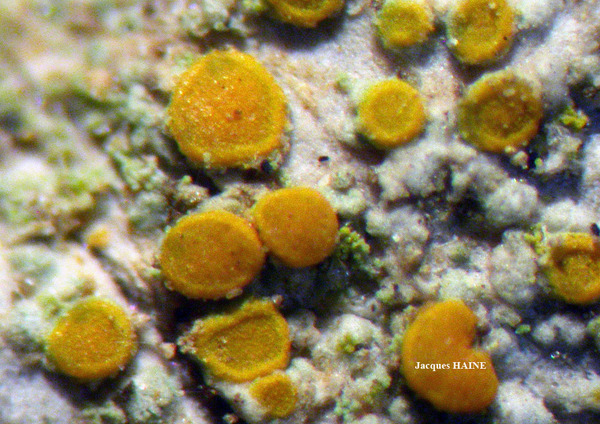
Bernard Bouffinier - Source: http://www.lichensmaritimes.org/index.php?task=fiche&lichen=1024&lang=en
France, Plouarzel
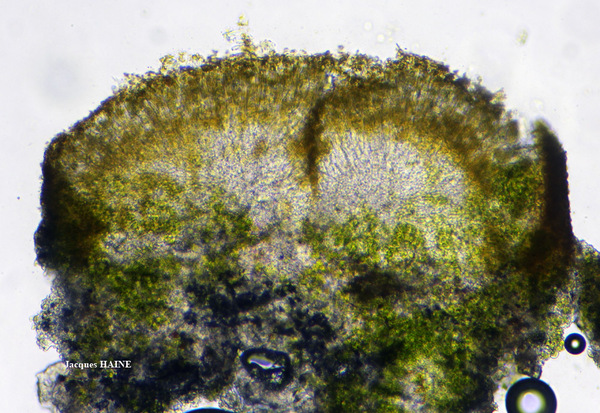
Jacques Haine - Source: http://www.lichensmaritimes.org/index.php?task=fiche&lichen=1024&lang=en
France, Plouarzel
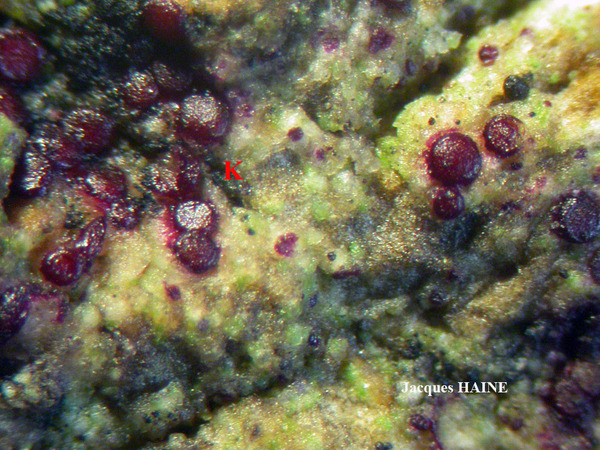
Jacques Haine - Source: http://www.lichensmaritimes.org/index.php?task=fiche&lichen=1024&lang=en
France, Plouarzel
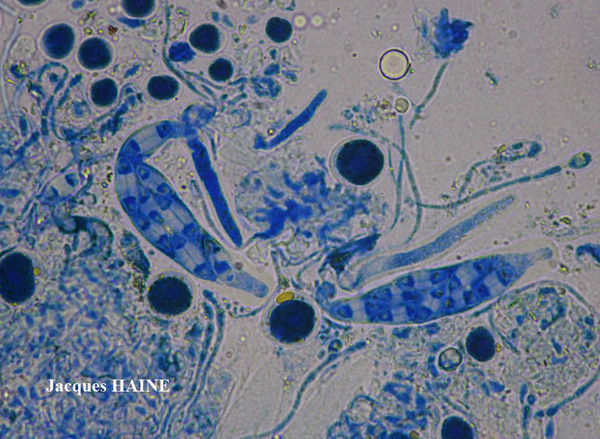
Jacques Haine - Source: http://www.lichensmaritimes.org/index.php?task=fiche&lichen=1024&lang=en
France, Plouarzel
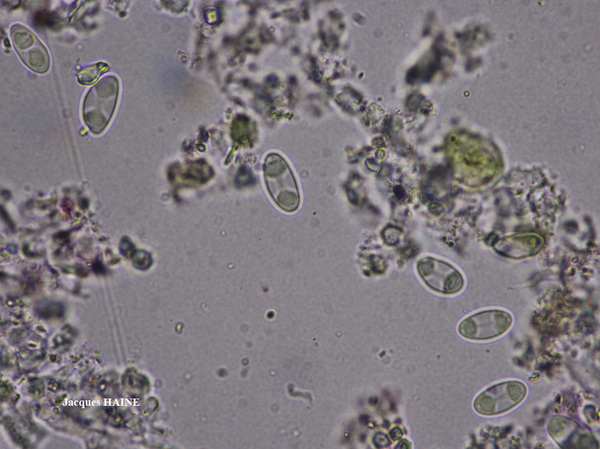
Jacques Haine - Source: http://www.lichensmaritimes.org/index.php?task=fiche&lichen=1024&lang=en
France, Plouarzel
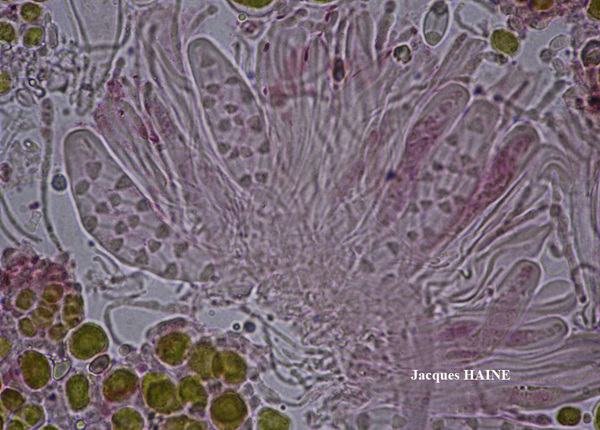
Jacques Haine - Source: http://www.lichensmaritimes.org/index.php?task=fiche&lichen=1024&lang=en
France, Plouarzel
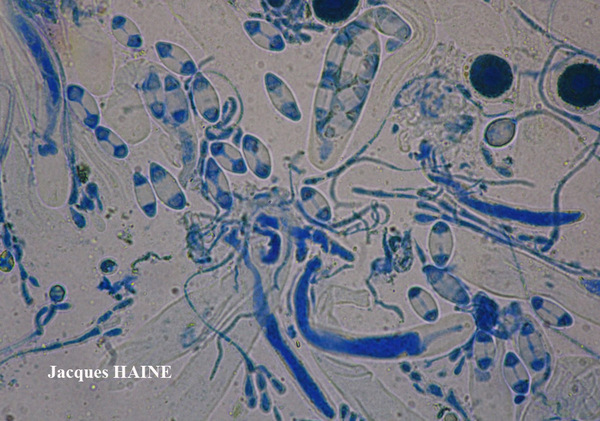
Jacques Haine - Source: http://www.lichensmaritimes.org/index.php?task=fiche&lichen=1024&lang=en
France, Plouarzel
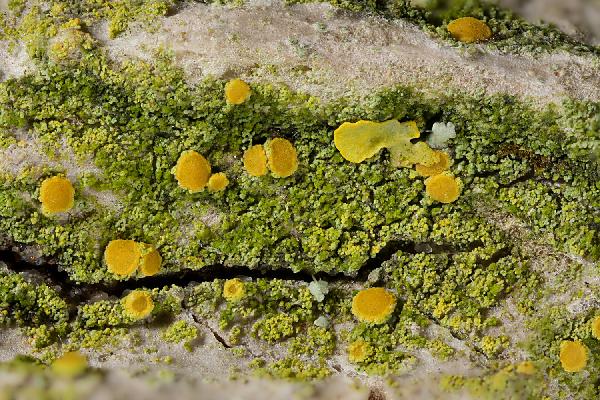
Ulrich Kirschbaum CC BY-SA 4.0 - Source: https://www.thm.de/lse/ulrich-kirschbaum/flechtenbilder
Central Europe: Germany. (Coll/ident: Eichler/Cezanne).
Growth form: Crustose
Substrata: bark and lignum
Photobiont: green algae other than Trentepohlia
Reproductive strategy: mainly asexual, by soredia, or soredia-like structures (e.g. blastidia)
Pioneer species
Commonnes-rarity: (info)
Alpine belt: absent
Subalpine belt: absent
Oromediterranean belt: absent
Montane belt: rare
Submediterranean belt: very rare
Padanian area: extremely rare
Humid submediterranean belt: extremely rare
Humid mediterranean belt: absent
Dry mediterranean belt: absent
Predictive model
| Herbarium samples |
 INDEX FUNGORUM
 GBIF
GBIF
 DOLICHENS
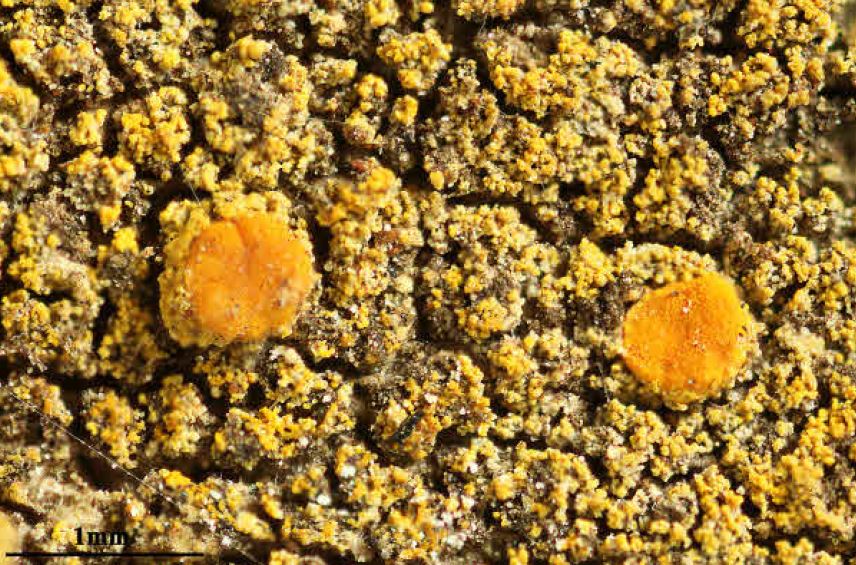
Felix Schumm – CC BY-SA 4.0
[9252], Spanien, Kanaren, La Gomera: Bei Las Hayas an der Straße nach Arure. 28°07.742' N, 17°17.761 W, 955 m, an Phoenix canariensis.Sonnig, trocken. Leg. F. Schumm, 12.02.2002, et. A. Aptroot 2016.
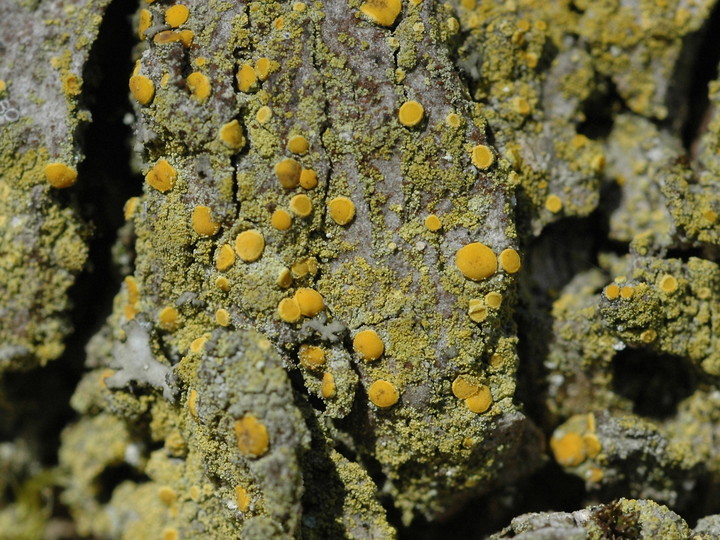
Source: http://www.stridvall.se/la/galleries.php
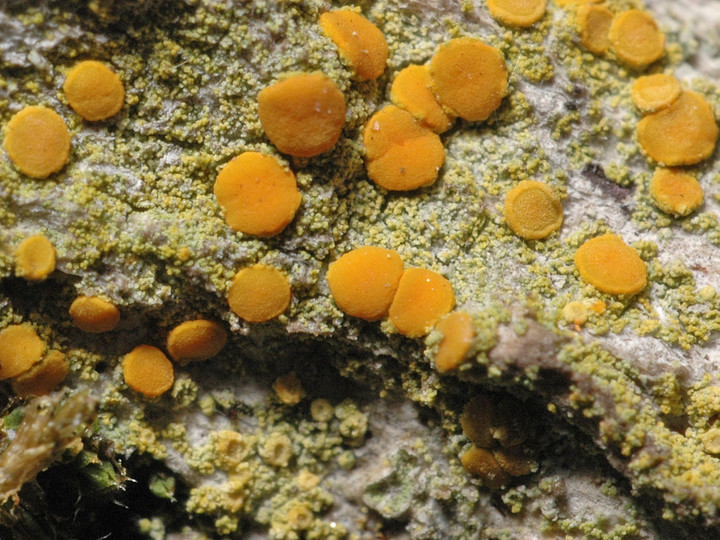
Leif Stridvall - Source: http://www.stridvall.se/la/galleries.php (Courtesy: Anita Stridvall)
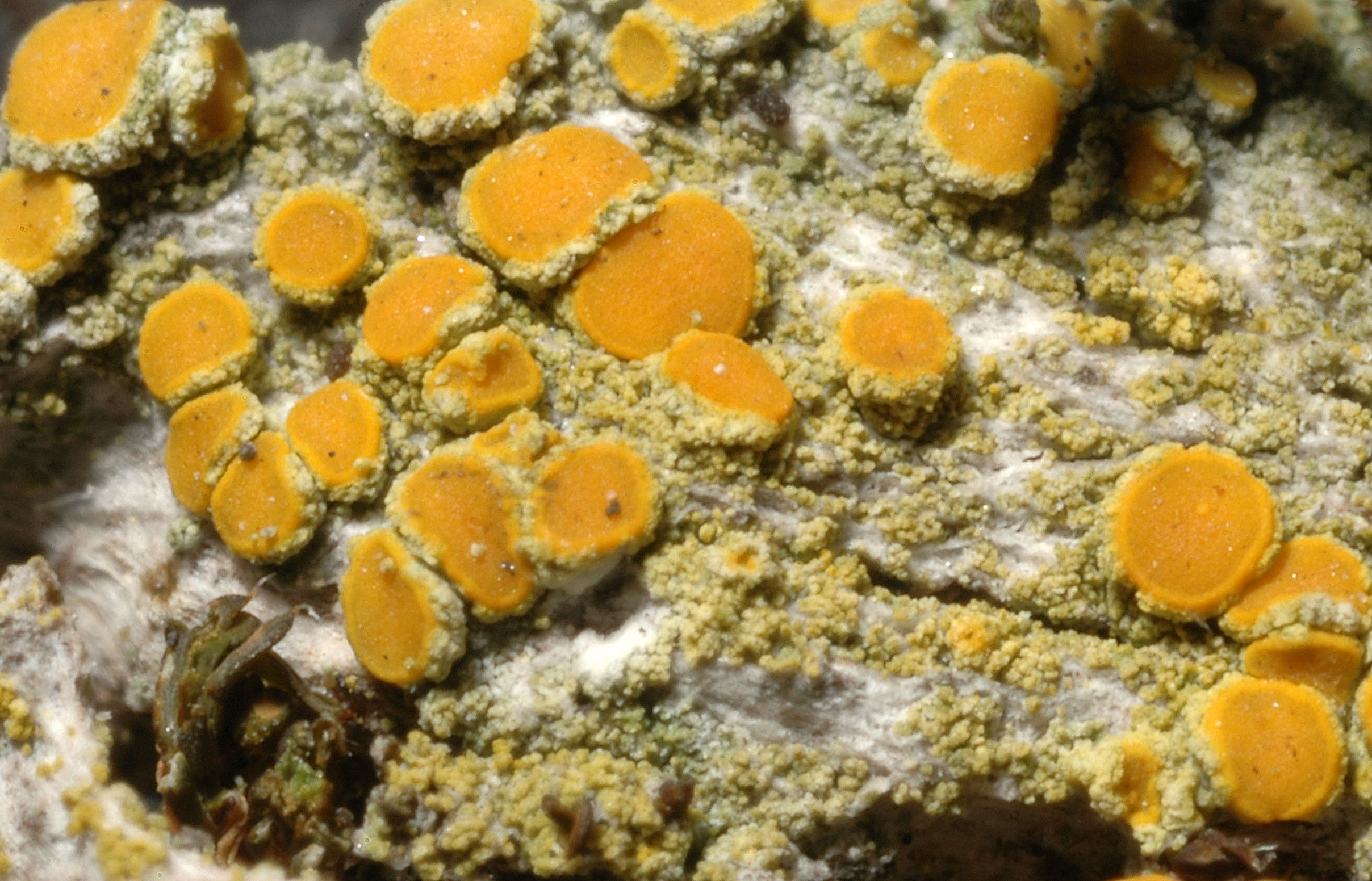
Leif Stridvall - Source: http://www.stridvall.se/lichens/gallery/
Courtesy: Anita Stridvall
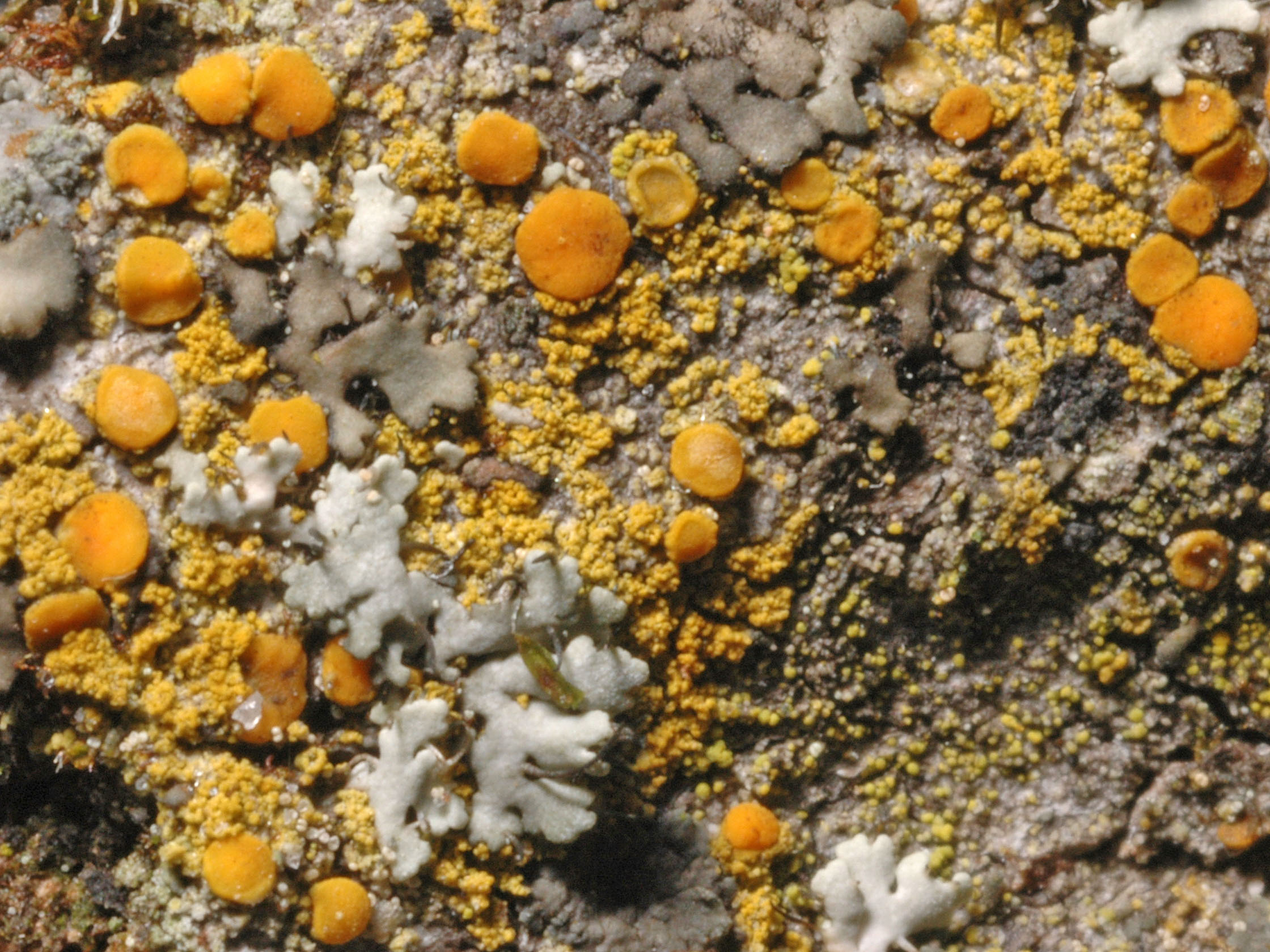
Leif Stridvall - Source: http://www.stridvall.se/lichens/gallery/
Courtesy: Anita Stridvall
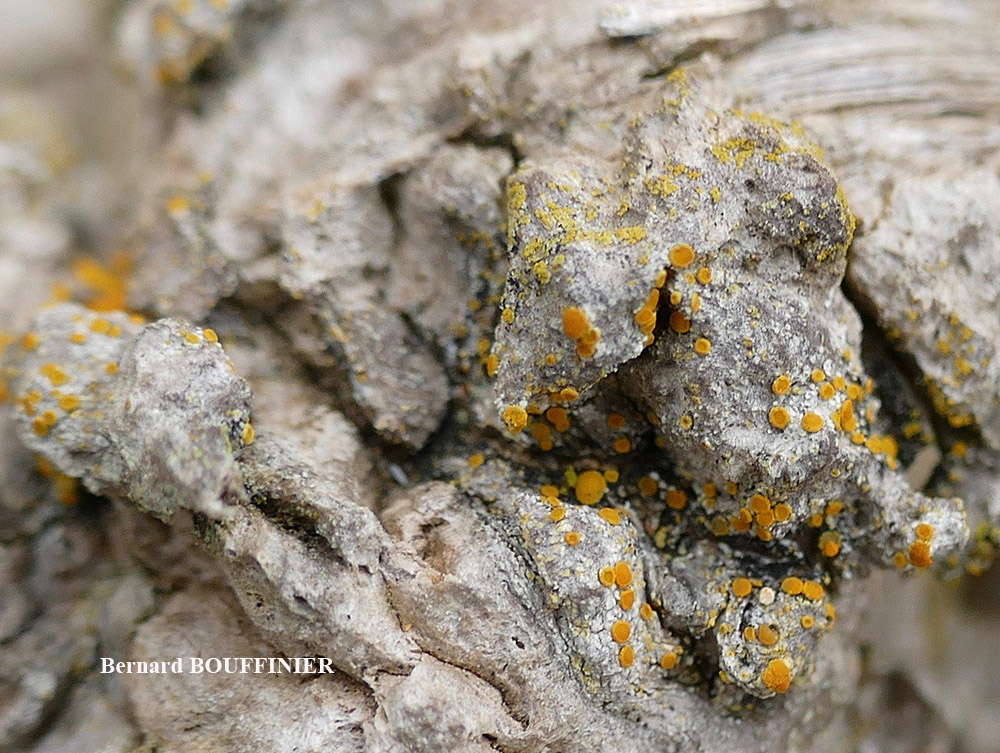
Bernard Bouffinier - Source: http://www.lichensmaritimes.org/index.php?task=fiche&lichen=1024&lang=en
France, Plouarzel
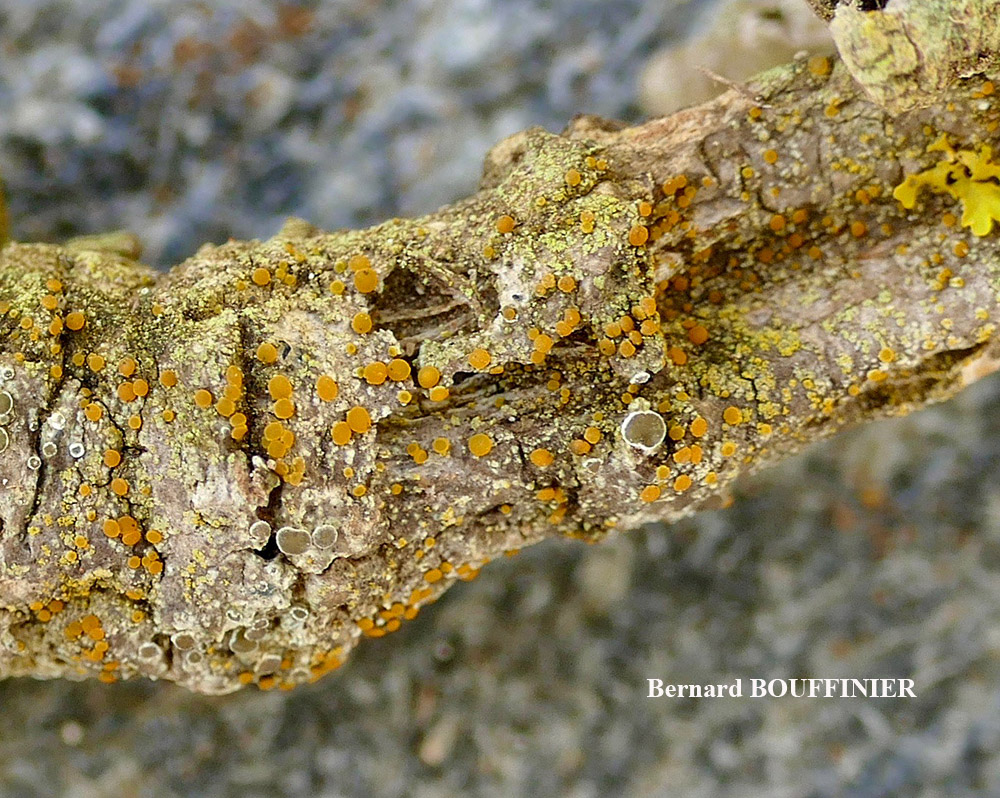
Bernard Bouffinier - Source: http://www.lichensmaritimes.org/index.php?task=fiche&lichen=1024&lang=en
France, Plouarzel
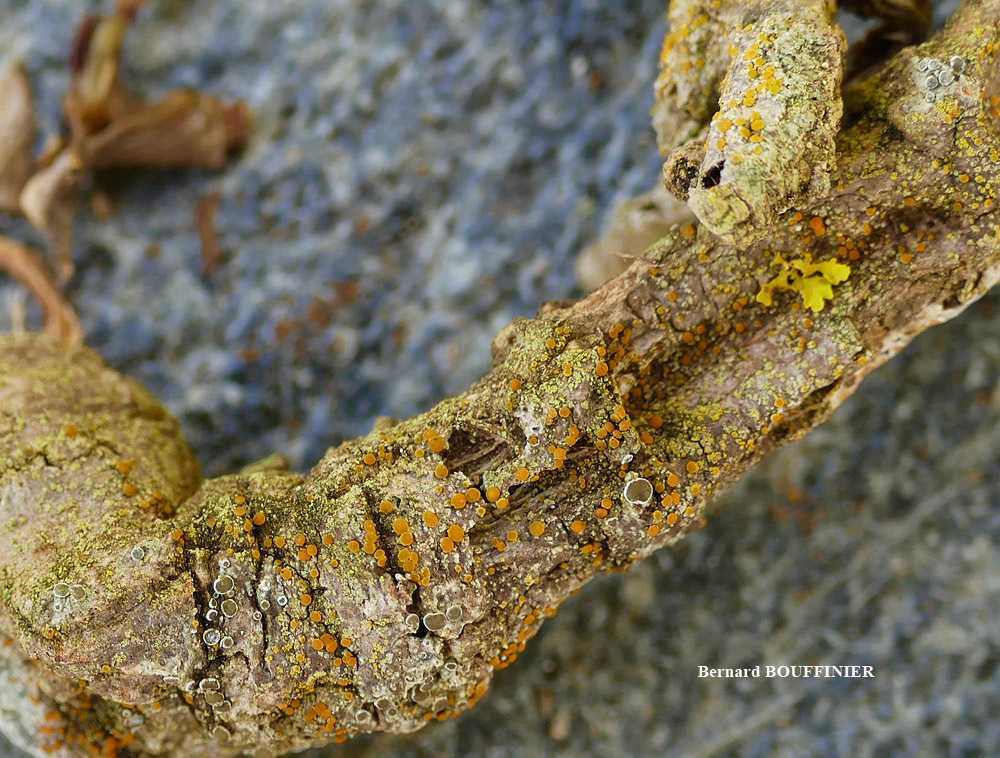
Bernard Bouffinier - Source: http://www.lichensmaritimes.org/index.php?task=fiche&lichen=1024&lang=en
France, Plouarzel
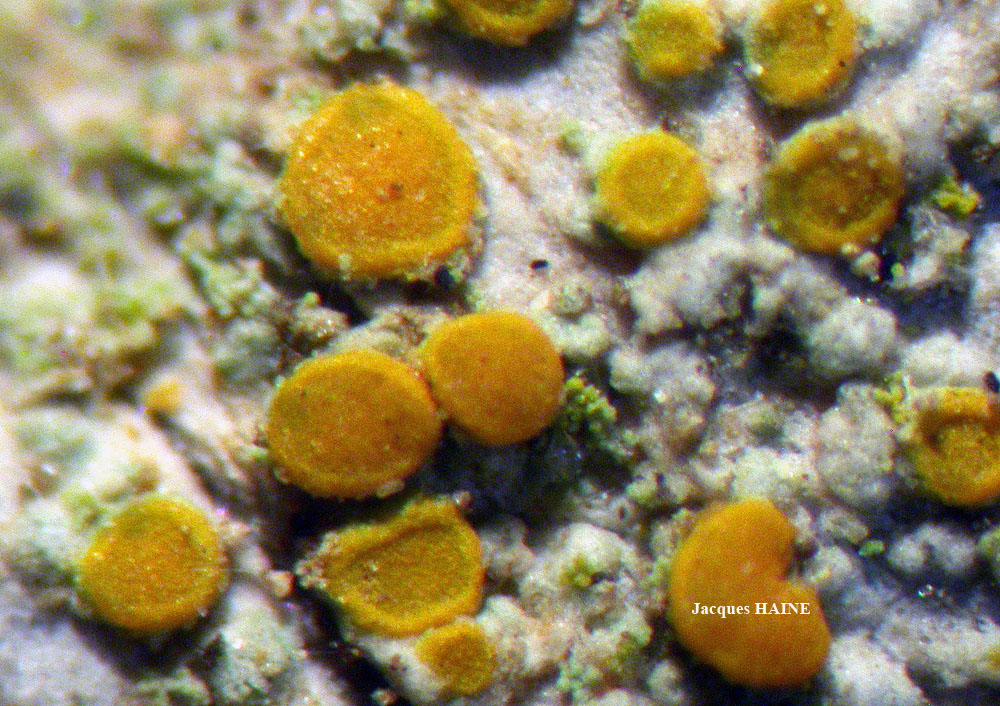
Bernard Bouffinier - Source: http://www.lichensmaritimes.org/index.php?task=fiche&lichen=1024&lang=en
France, Plouarzel
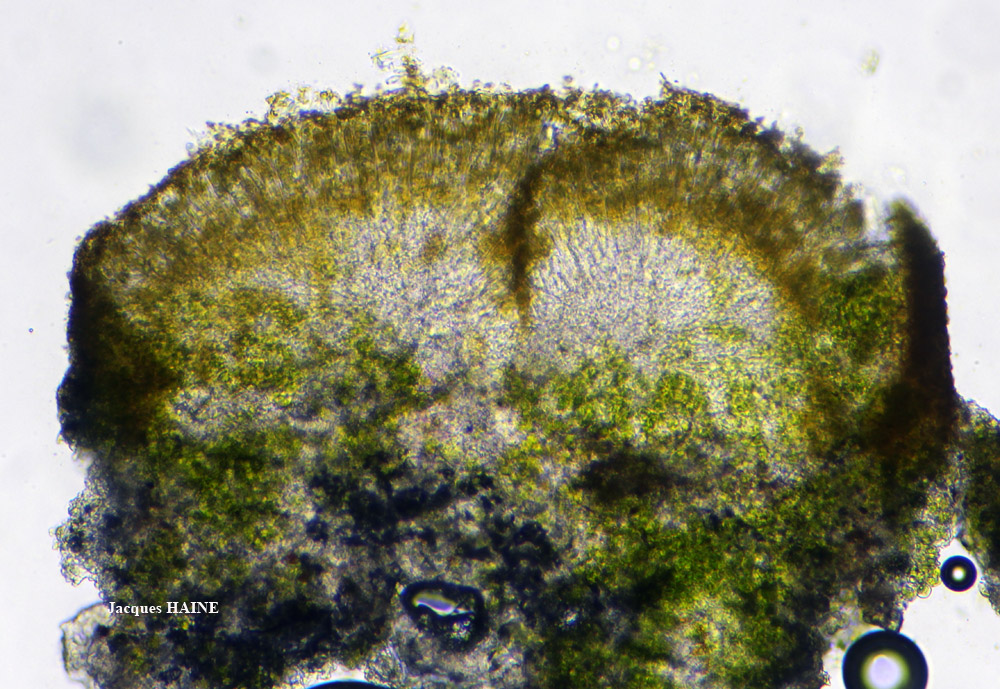
Jacques Haine - Source: http://www.lichensmaritimes.org/index.php?task=fiche&lichen=1024&lang=en
France, Plouarzel
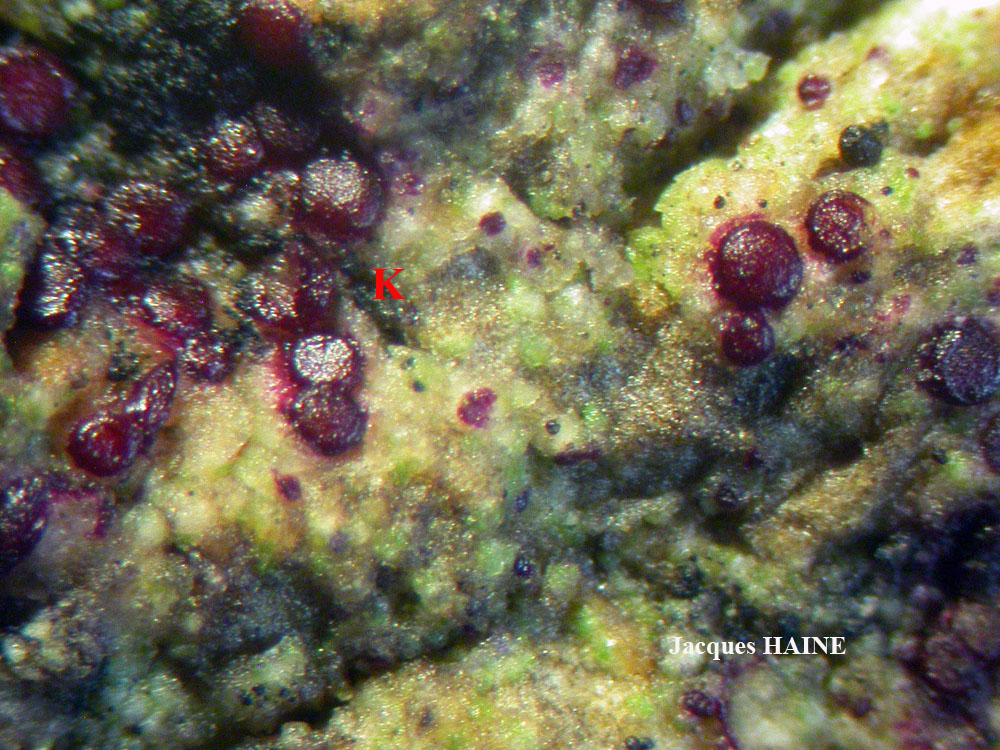
Jacques Haine - Source: http://www.lichensmaritimes.org/index.php?task=fiche&lichen=1024&lang=en
France, Plouarzel
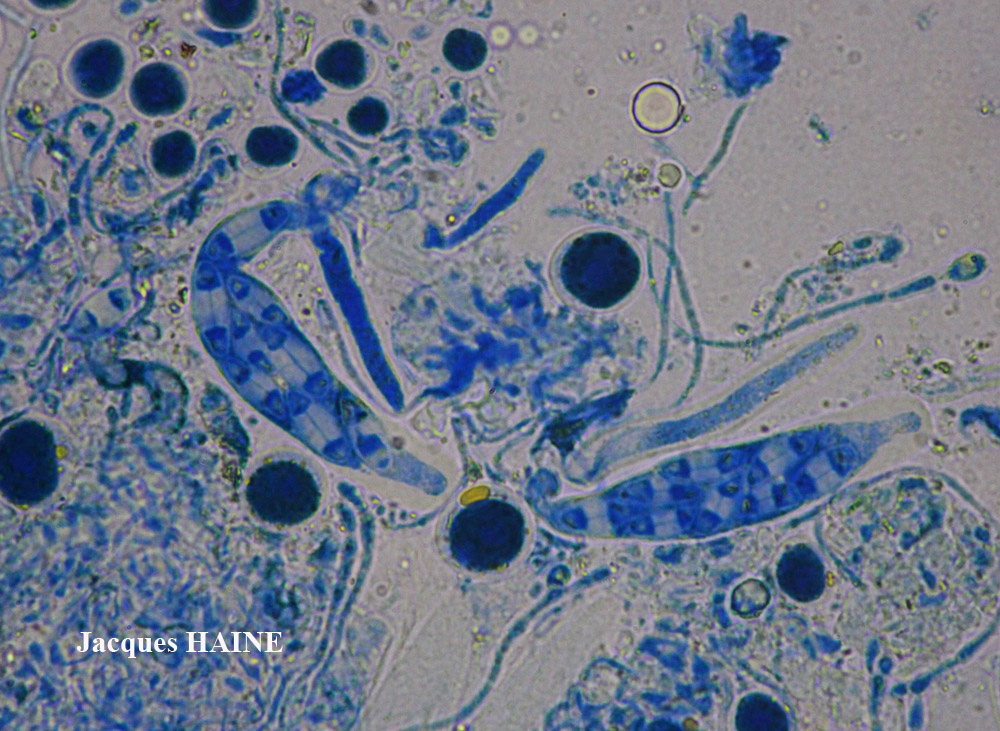
Jacques Haine - Source: http://www.lichensmaritimes.org/index.php?task=fiche&lichen=1024&lang=en
France, Plouarzel
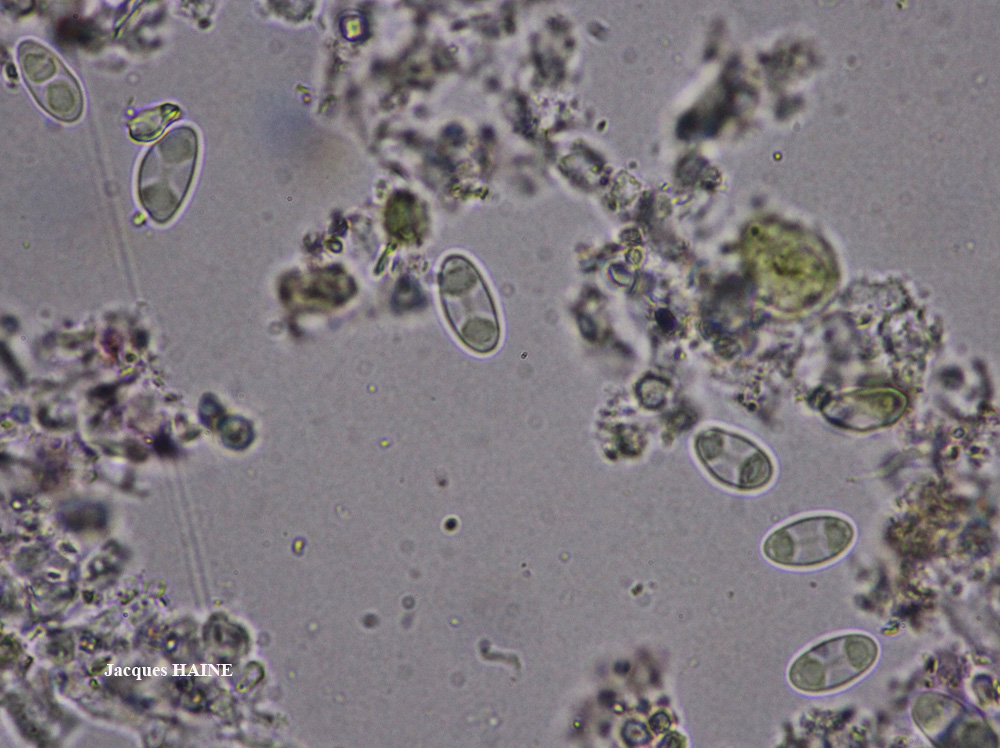
Jacques Haine - Source: http://www.lichensmaritimes.org/index.php?task=fiche&lichen=1024&lang=en
France, Plouarzel
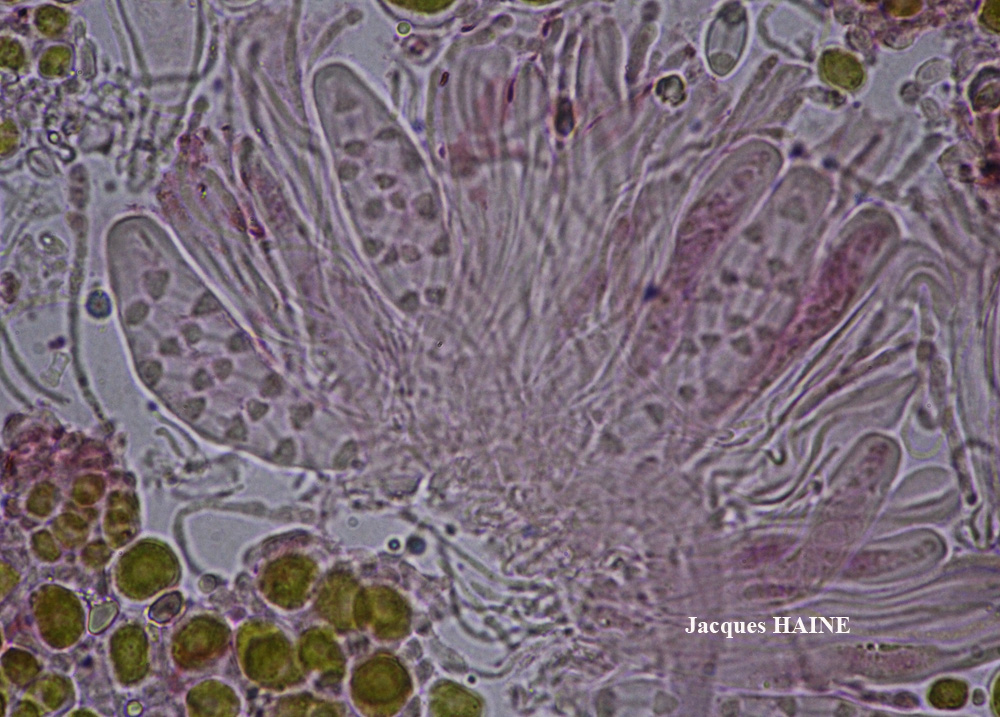
Jacques Haine - Source: http://www.lichensmaritimes.org/index.php?task=fiche&lichen=1024&lang=en
France, Plouarzel
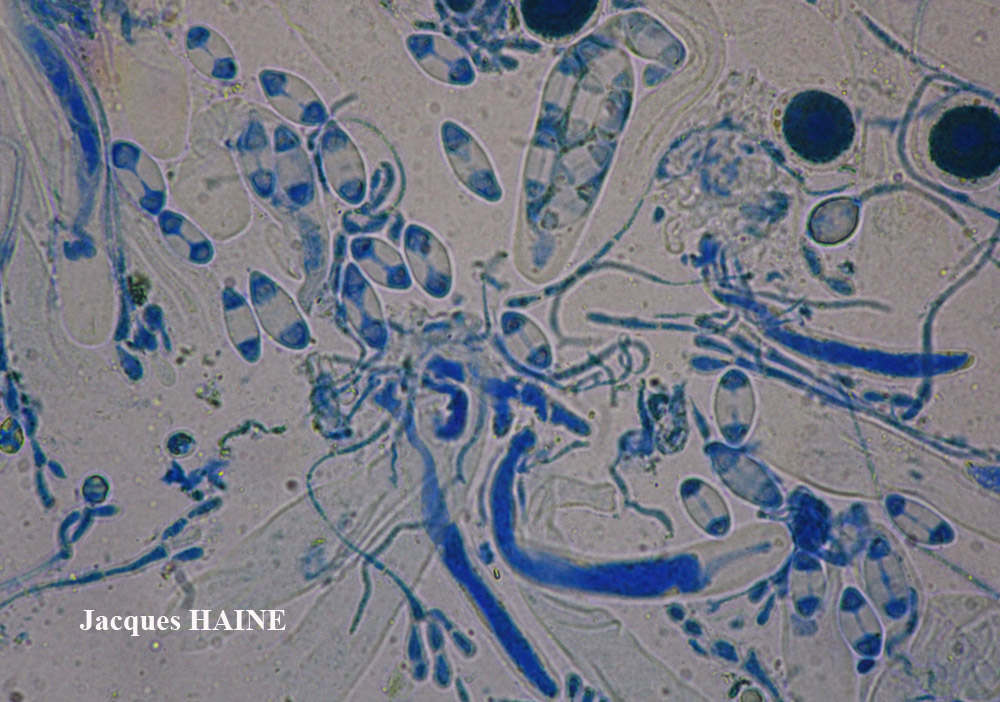
Jacques Haine - Source: http://www.lichensmaritimes.org/index.php?task=fiche&lichen=1024&lang=en
France, Plouarzel