Thelocarpon epibolum Nyl. var. epithallinum (Leight.) G. Salisb.
North West. Nat.: 70, 1953. Basionym: Thelocarpon epithallinum Leight. - Ann. Mag. nat. Hist., Ser. 3, 18: 24, 1866.
Synonyms:
Distribution: N - Ven (Brackel 2013, 2016), TAA (Nascimbene & al. 2007b, Brackel 2013, 2016).
Description: Thallus not lichenized, reduced to small, 0.1-0.16 mm wide, scattered, conical to globose, bright yellow-pruinose fruiting warts, often growing on the thalli of Peltigera- or Solorina-species. Ascocarps frequent, perithecioid, ovoid or conical, immersed in the warts, with a concave, not exposed disc (opening through a small apical pore). Exciple 15-30 μm thick, colourless, without algae; hymenial gel hemiamyloid, I+ reddish, K/I+ blue; paraphyses simple, slender, not apically thickened, as long as the asci, not forming an epithecium. Asci many-spored, flask-shaped, tapering to apex, persistent, the wall I , the apex sometimes (in young asci only) with a thin I+ blue structure. Ascospores 1-celled, hyaline, oblong-obtuse, thin-walled, (6-)8-10(-12) x c. 3 μm. Pycnidia rare, flask-shaped, immersed in partly yellow-pruinose warts, with a colourless wall. Conidia oblong-obtuse, simple to 2-septate. Photobiont absent. Spot tests: K-, C-, KC-, P-. Chemistry: yellow pruina with pulvinic acid derivatives.
Note: this variety, characterised by having larger spores, usually grows on the thalli of Peltigera- or Solorina -species, and may be probably more widespread in the Alps. However, according to Nimis & al. (2018) the two varieties are not clearly distinguishable, as the spore dimensions of var. epithallinum lie within the variation range of those of var. epibolum.
Growth form: Lichenicolous fungus
Substrata: lignum, soil, terricolous mosses, and plant debris
Reproductive strategy: mainly sexual
paras Solorina and Peltigera
Commonnes-rarity: (info)
Alpine belt: very rare
Subalpine belt: very rare
Oromediterranean belt: absent
Montane belt: very rare
Submediterranean belt: absent
Padanian area: absent
Humid submediterranean belt: absent
Humid mediterranean belt: absent
Dry mediterranean belt: absent
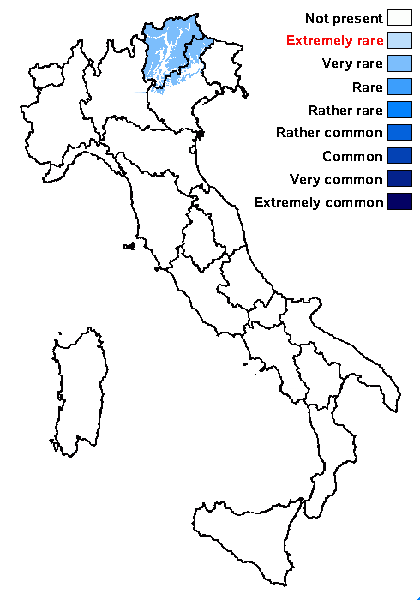
Predictive model
Herbarium samples
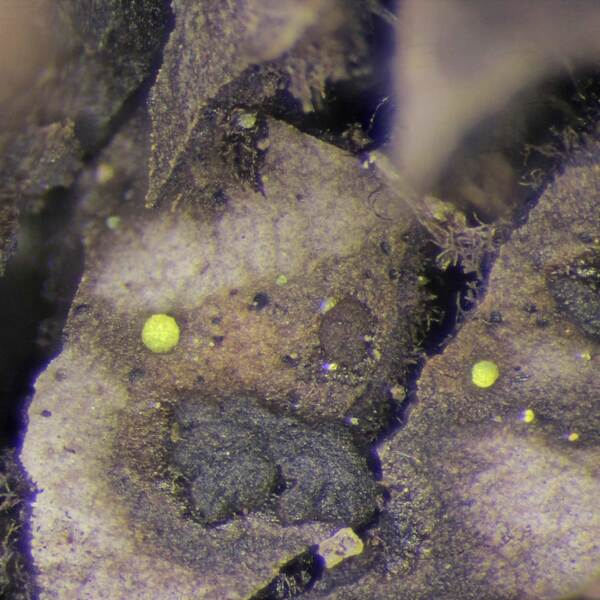
http://fungi.myspecies.info/sites/fungi.myspecies.info/files/A18764.jpg - Licence: CC BY-NC 3.
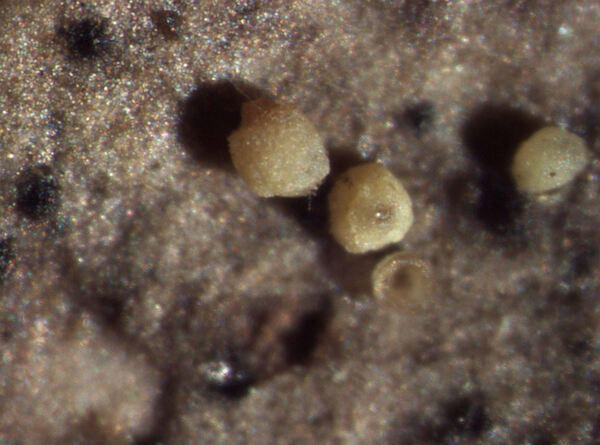

Pier Luigi Nimis - CC BY-SA 4.0
TSB 14678
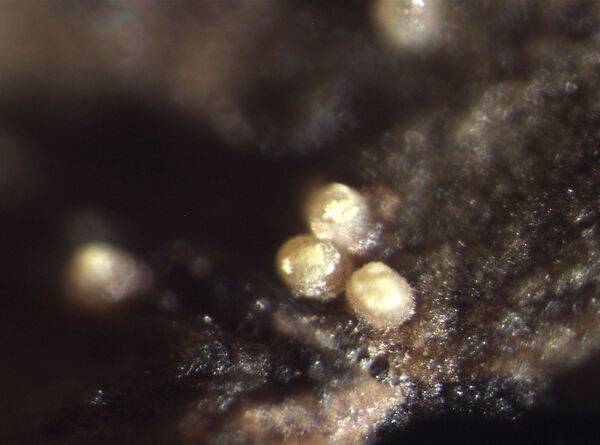
Pier Luigi Nimis - CC BY-SA 4.0
TSB 14678
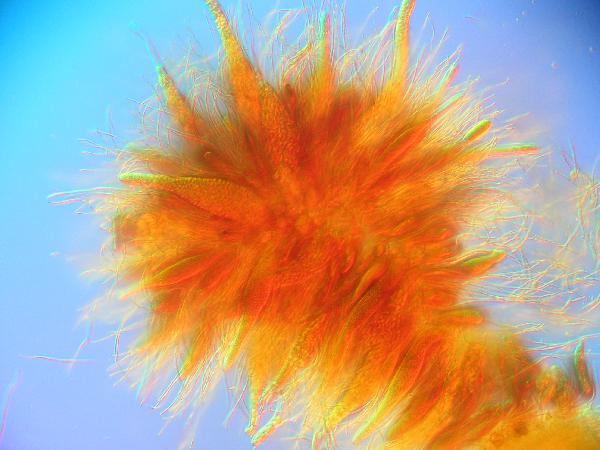
Wolfgang von Brackel - CC BY-4.0
on Protopannaria pezizoides
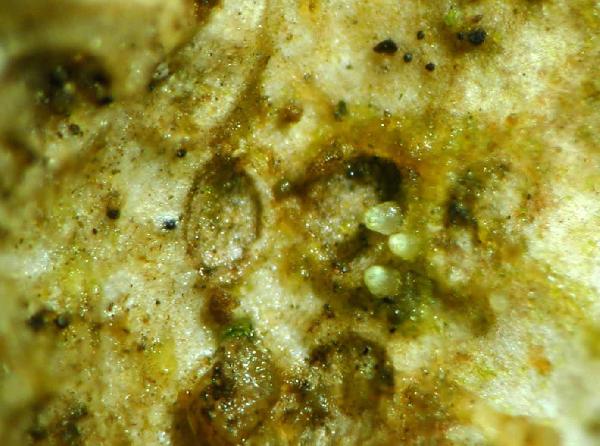
Wolfgang von Brackel - CC BY-4.0
on Peltigera didactyla - Germany, Bavaria, Röthenbach
Growth form: Lichenicolous fungus
Substrata: lignum, soil, terricolous mosses, and plant debris
Reproductive strategy: mainly sexual
paras Solorina and Peltigera
Commonnes-rarity: (info)
Alpine belt: very rare
Subalpine belt: very rare
Oromediterranean belt: absent
Montane belt: very rare
Submediterranean belt: absent
Padanian area: absent
Humid submediterranean belt: absent
Humid mediterranean belt: absent
Dry mediterranean belt: absent
Predictive model
| Herbarium samples |
 INDEX FUNGORUM
 GBIF
GBIF
 DOLICHENS
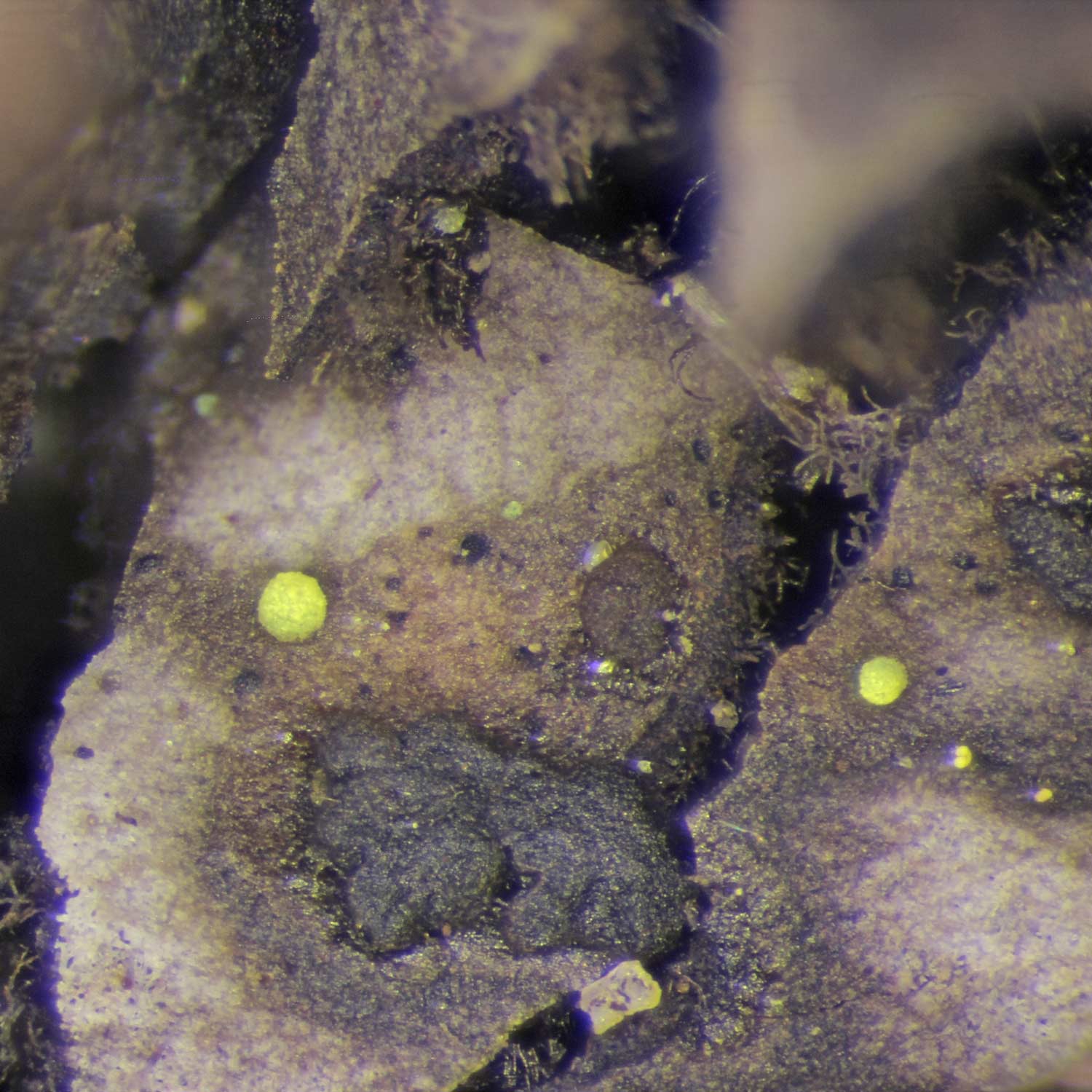
http://fungi.myspecies.info/sites/fungi.myspecies.info/files/A18764.jpg - Licence: CC BY-NC 3.
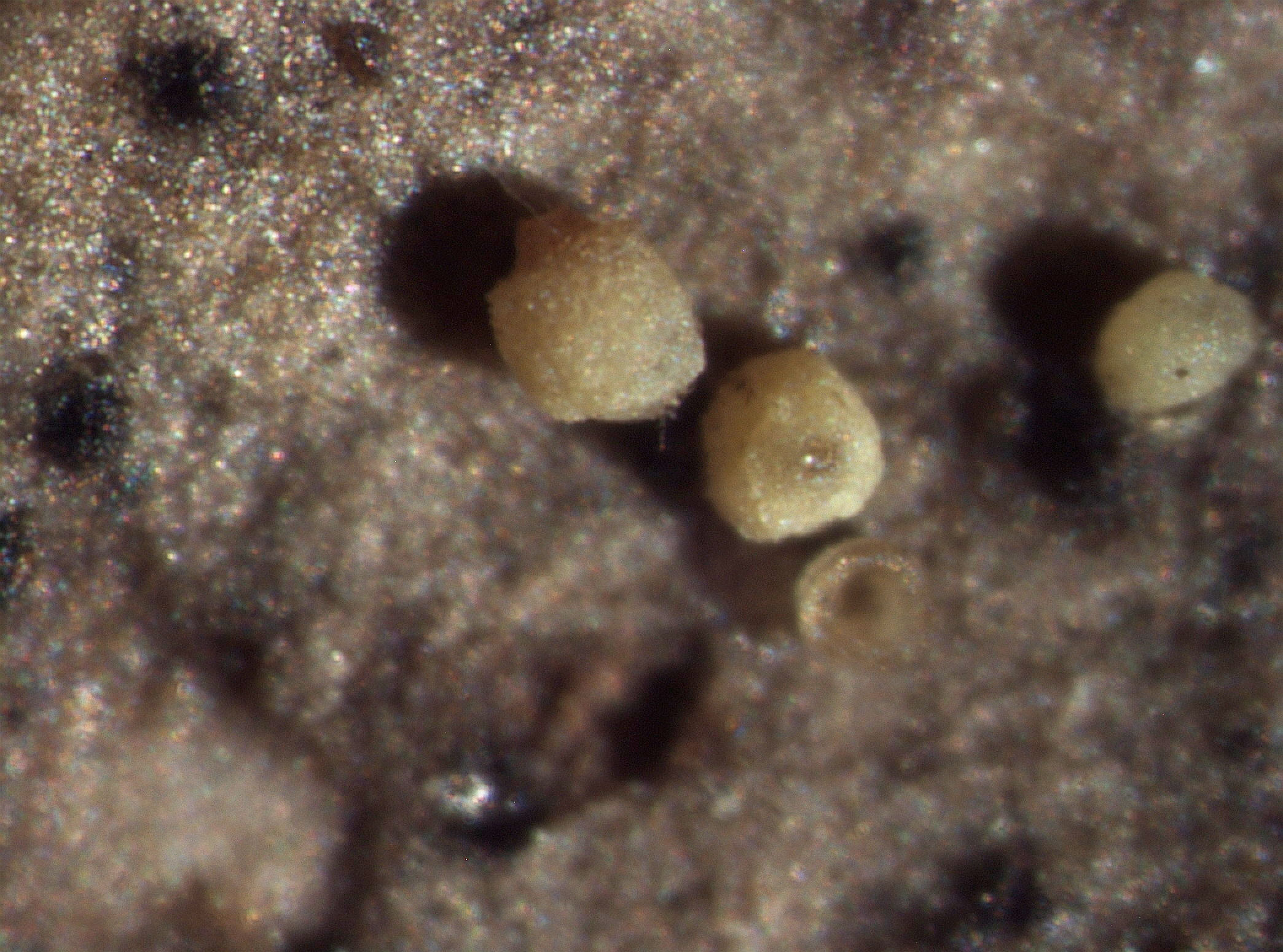
Pier Luigi Nimis - CC BY-SA 4.0
TSB 14678
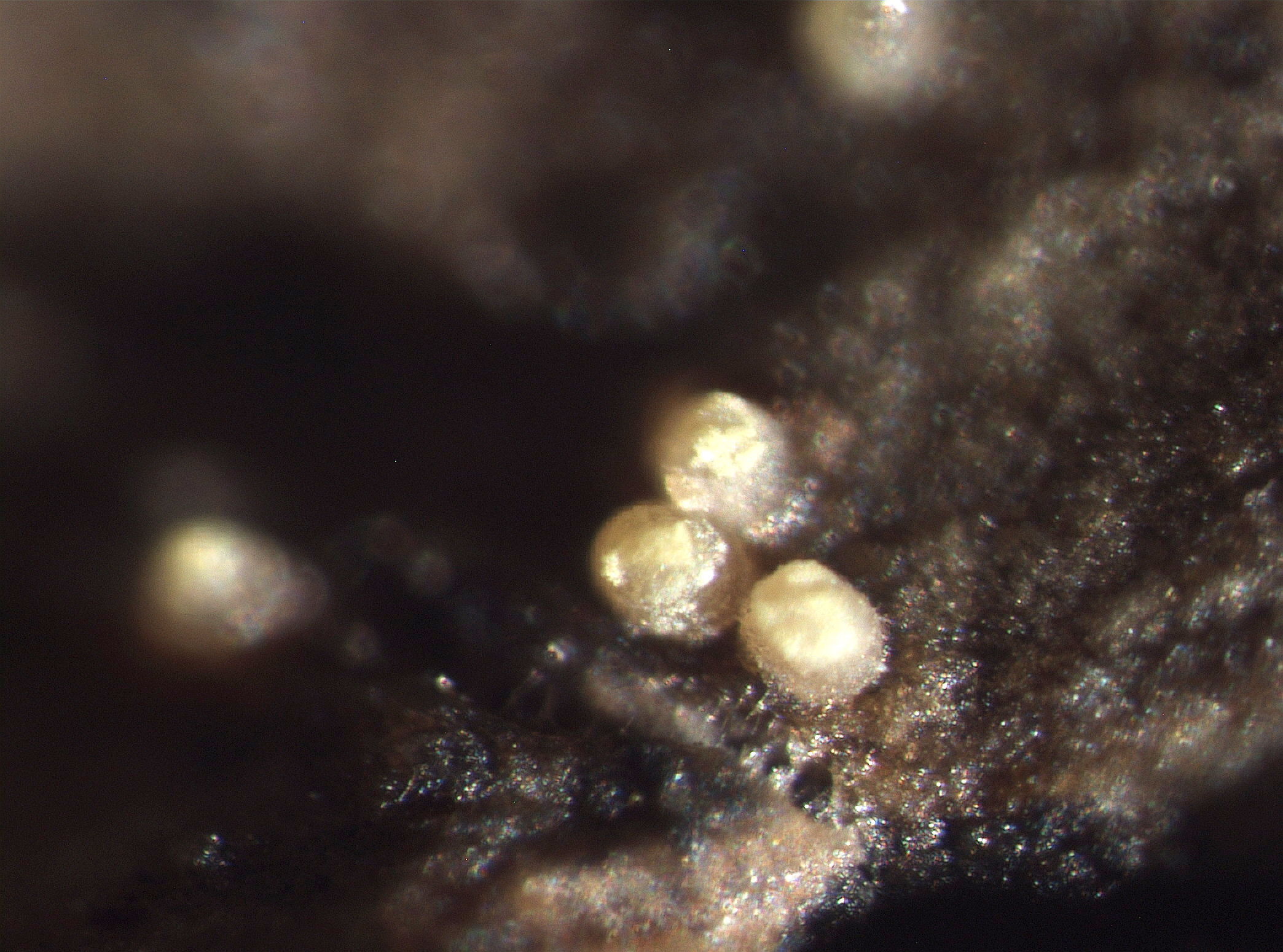
Pier Luigi Nimis - CC BY-SA 4.0
TSB 14678

Wolfgang von Brackel - CC BY-4.0
on Protopannaria pezizoides