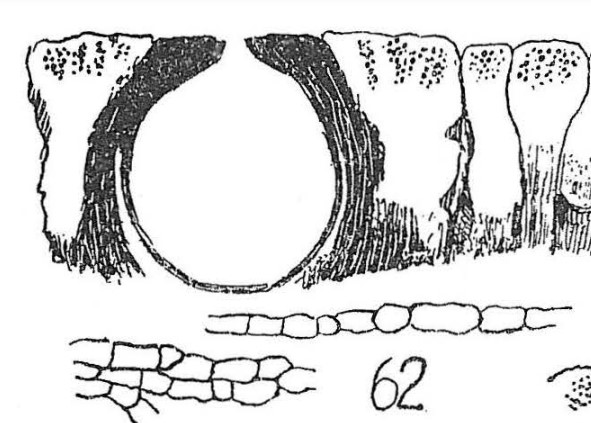
Verrucaria procopii Servít
Stud. Bot. Čechoslov. 7: 76, 1946
Synonyms: Verrucaria nigrescens f. tectorum auct. Ital. non (A. Massal.) Coppins & Aptroot; Verrucaria tectorum auct. ital. non (A. Massal.) Körb.
Distribution: VG (Castello 2002, Martellos & Castello 2004), Frl (Nimis & Salvadori 1998, Nascimbene & al. 2009b), Ven, Lomb (Favero-Longo & al. 2023), Piem, VA (TO 3015), Emil (Nimis & al. 1996, Fariselli & al. 2020), Lig (Valcuvia & al. 2000). C - Tosc (TSB 45738), Marc (Nimis & Tretiach 1999), Umb (Panfili 2000, Ravera & al. 2006), Abr (Nimis & Tretiach 1999). S - Camp (Garofalo & al. 1999, 2010, Ricciardi & al. 2000, Nimis & Tretiach 2004), Pugl (Garofalo & al. 1999, Nimis & Tretiach 1999), Bas (Nimis & Tretiach 1999), Si (TSB 45807).
Description: Thallus crustose, episubstratic, up to 0.5 mm thick in central part, brown to brown-black when dry, olive-black when wet, areolate, often delimited by a black, fimbriate prothallus, the areoles slightly constricted at base, scabrous, the margins and sometimes the upper surface often with subglobose, dark brown to black, up to 40 μm thick, corticate isidioid outgrowths (which are darker than thallus). Cortex up to 30 μm thick, mostly colourless (but that of the marginal parts of areoles often brownish), often overlain by a thin epoinecral later; algal layer 50-100 μm thick; medulla up to 400 μm thick, whitish and paraplectenchymatous in upper part, reddish brown and prosoplectenchymatous in lower part, not forming a black basal layer. Perithecia rare, black, fully to 2/3 immersed into larger, up to 0.5 mm wide areoles, 0.3-0.4 mm across, often covered by a thin thalline layer, the upper, naked part 0.15-0.2 mm across. Involucrellum black, up to 80 μm thick, reaching to base-level; exciple subglobose to pyriform, 0.2-0.35 mm across, the wall brown in outer part, colourless in inner part; hamathecium of periphysoids measuring c. 35 x 3 μm, interascal filaments absent; hymenial gel hemiamyloid, I+ red (I+ blue at very low concentrations of I), K/I+ blue. Asci 8-spored, clavate, I-, fissitunicate, the wall thickened above, with an ocular chamber, dehiscent by extrusion of an endotunica to form a delicate rostrum, Verrucaria-type, 80-90 x 18-20 μm. Ascospores 1-celled, hyaline, ellipsoid, 19-24(-26) x 9-12 μm. Photobiont chlorococcoid. Spot tests: K-, C-, KC-, P-, UV-. Chemistry: without lichen substances.Note: an often misunderstood species, apparently widespread in Europe on calciferous rocks at low altitudes, with a few records from the Eastern Alps (Austria). Most of the Italian records cited by Nimis (2016) as V. tectorum refer to this species. For further information see Krzewicka (2012) and Roux & Coll. (2025).
Growth form: Crustose
Substrata: rocks
Photobiont: green algae other than Trentepohlia
Reproductive strategy: mainly asexual, by isidia, or isidia-like structures (e.g. schizidia)
Commonnes-rarity: (info)
Alpine belt: absent
Subalpine belt: absent
Oromediterranean belt: absent
Montane belt: very rare
Submediterranean belt: rather common
Padanian area: rare
Humid submediterranean belt: rather rare
Humid mediterranean belt: rare
Dry mediterranean belt: rare
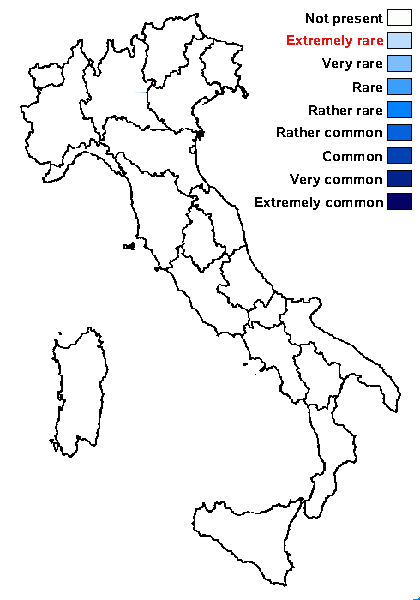
Predictive model
Herbarium samples
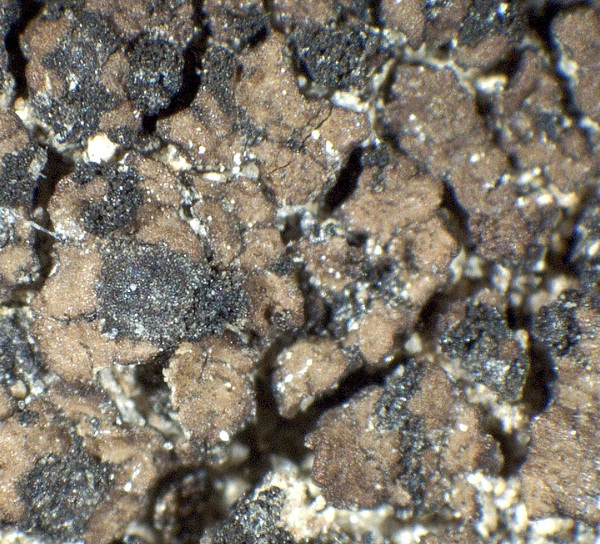

P.L. Nimis CC BY-SA 04
TSB 21155
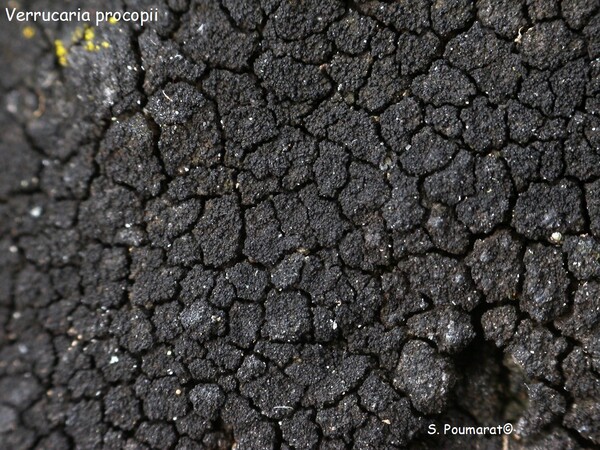
Serge Poumarat - Source: http://mycologie.catalogne.free.fr/lichenPhoto2021/Verrucaria_procopii_3.jpg
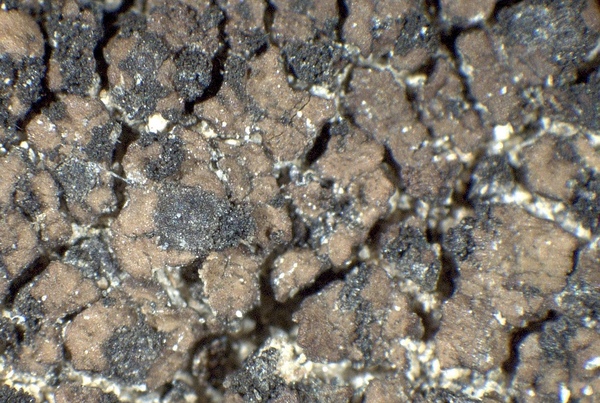
Pier Luigi Nimis - CC BY-SA 4.0; Owner: Department of Life Sciences, University of Trieste
Herbarium: TSB (21155)
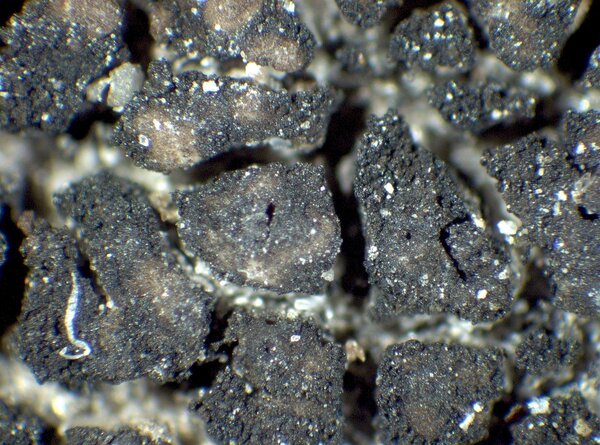
S. Martellos; Owner: Department of Life Sciences, University of Trieste
Italy, Emilia-Romagna, Ravenna, Brisighella, near the Sanctuary; altitude: 200 m.
Herbarium: TSB (20582)
2007/03/08
on a wall
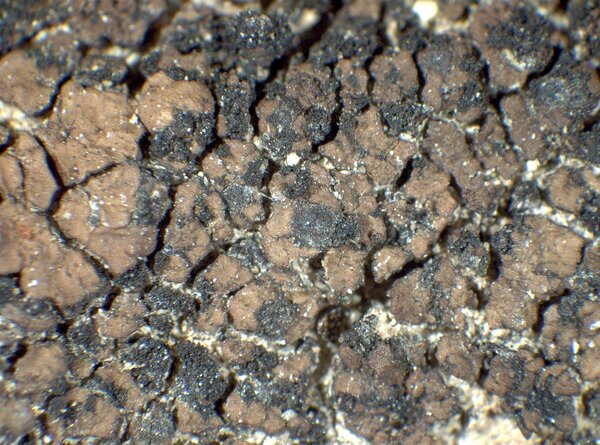
S. Martellos; Owner: Department of Life Sciences, University of Trieste
Spain, Andalusia, Sevilla, Roman theater of Italica; altitude: 50.
Herbarium: TSB (21155)
2007/03/08
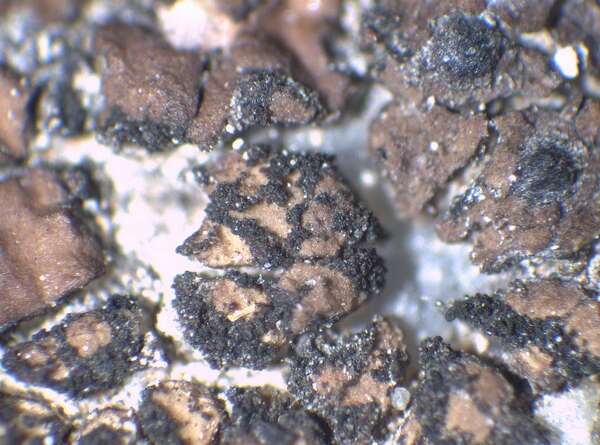
P.L. Nimis; Owner: Department of Life Sciences, University of Trieste
Herbarium: TSB (21159)
2003/03/17
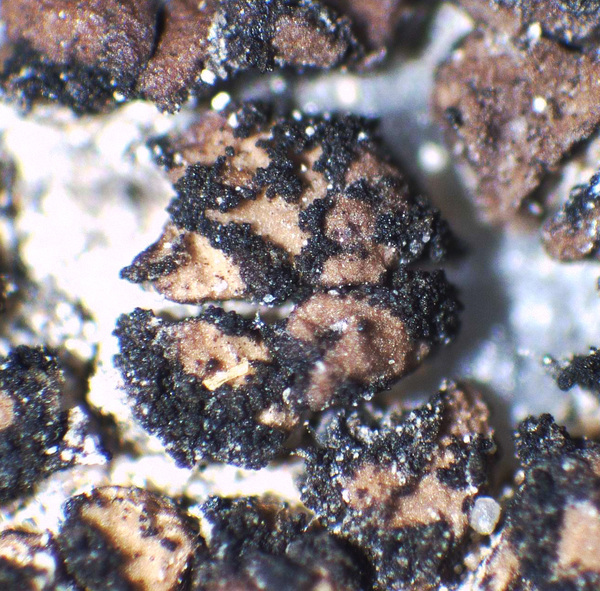
P.L. Nimis CC BY-SA 04
TSB 21159
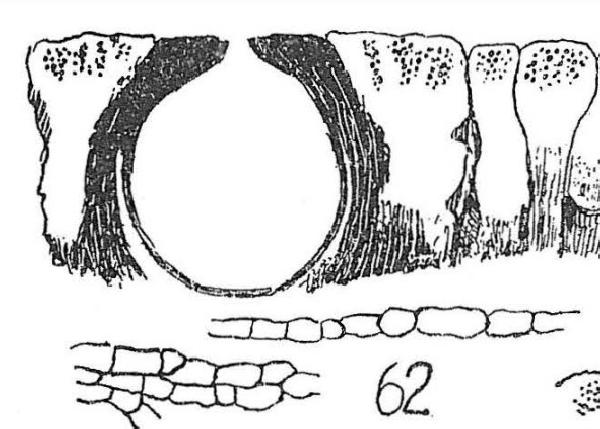
Source: Servit, M 1949: Nove nebo mene zname druhy lisejnikove celedi Verrucariaceae. Species Verrucariacearum (Lichenes) novae vel minus cognitae. - Sbornik Narodniho Musea v Praze 5(9): 1-51. Tab.3 - Public Domain
Growth form: Crustose
Substrata: rocks
Photobiont: green algae other than Trentepohlia
Reproductive strategy: mainly asexual, by isidia, or isidia-like structures (e.g. schizidia)
Commonnes-rarity: (info)
Alpine belt: absent
Subalpine belt: absent
Oromediterranean belt: absent
Montane belt: very rare
Submediterranean belt: rather common
Padanian area: rare
Humid submediterranean belt: rather rare
Humid mediterranean belt: rare
Dry mediterranean belt: rare
Predictive model
| Herbarium samples |
 INDEX FUNGORUM
 GBIF
GBIF
 DOLICHENS
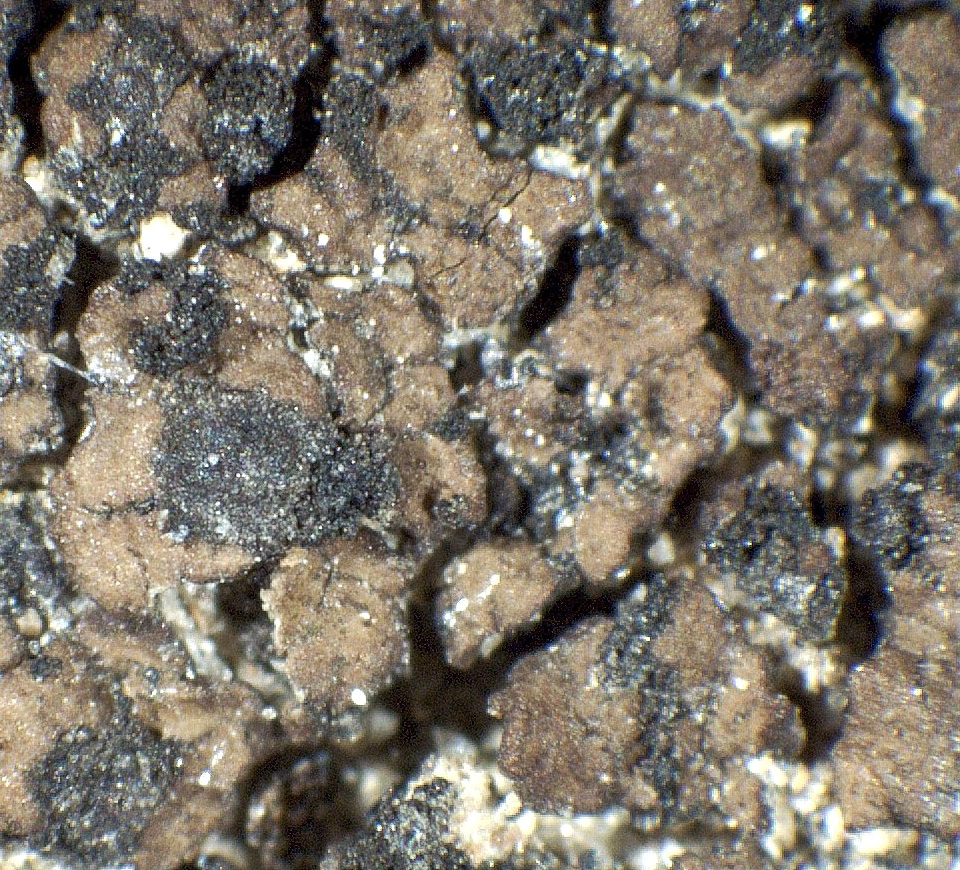
P.L. Nimis CC BY-SA 04
TSB 21155
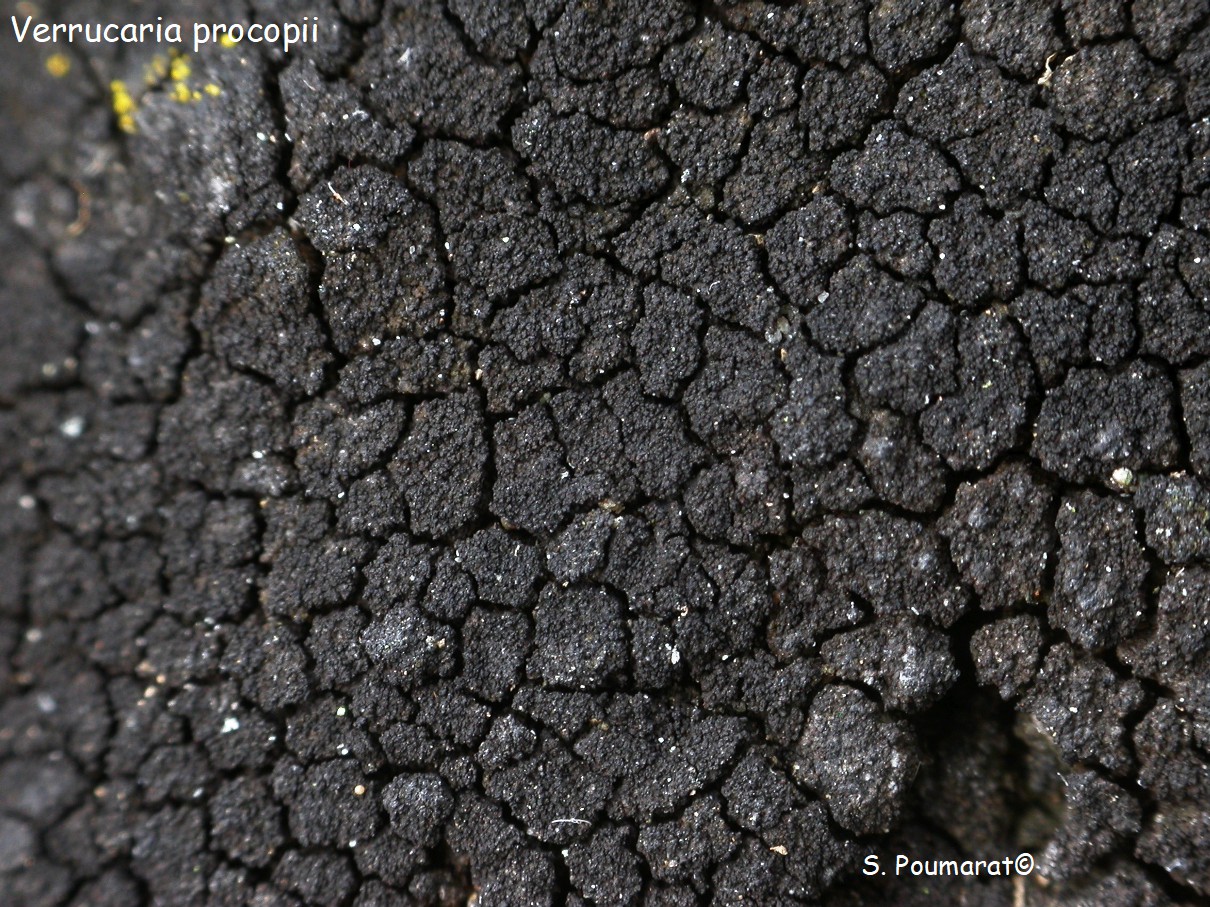
Serge Poumarat - Source: http://mycologie.catalogne.free.fr/lichenPhoto2021/Verrucaria_procopii_3.jpg
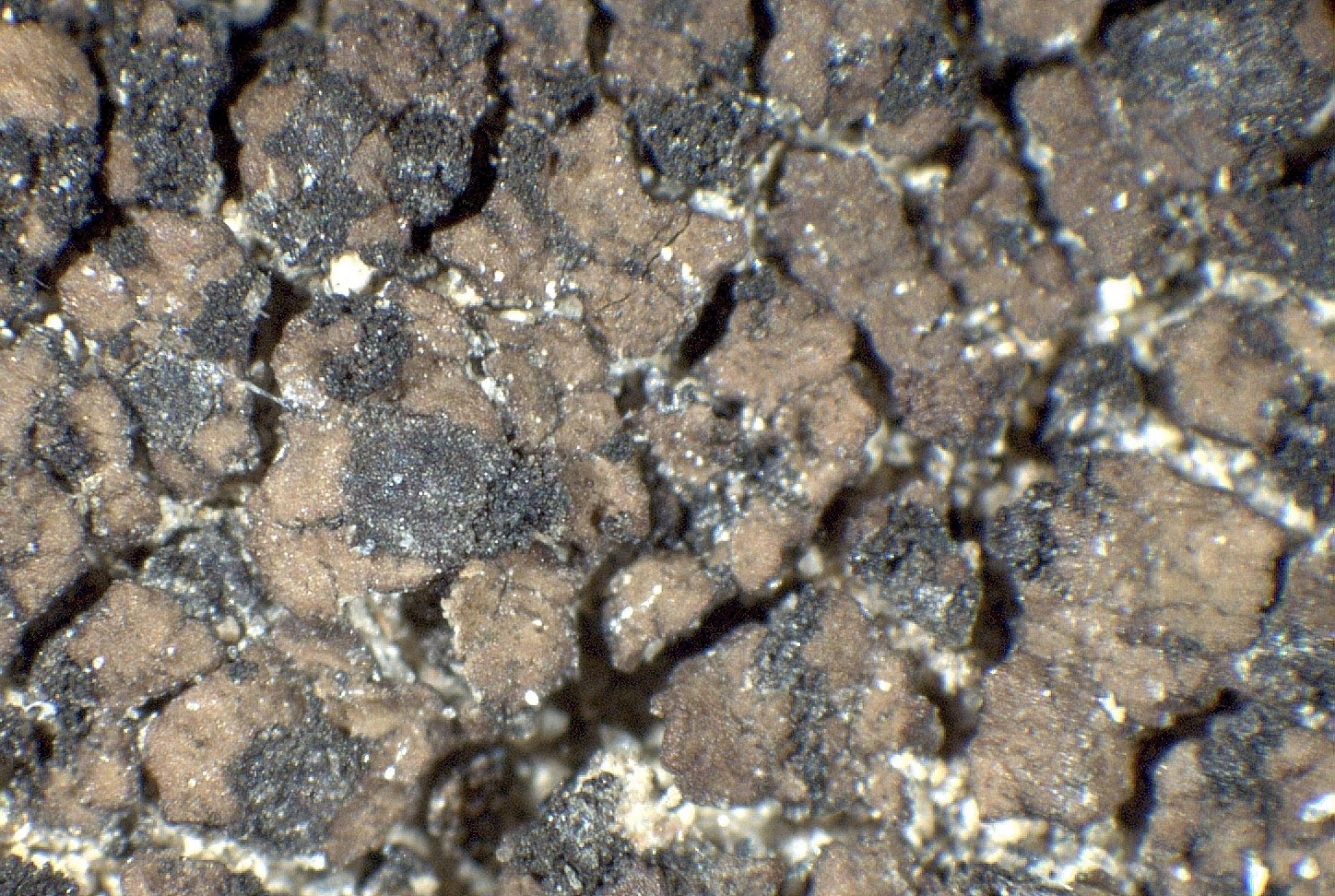
Pier Luigi Nimis - CC BY-SA 4.0; Owner: Department of Life Sciences, University of Trieste
Herbarium: TSB (21155)
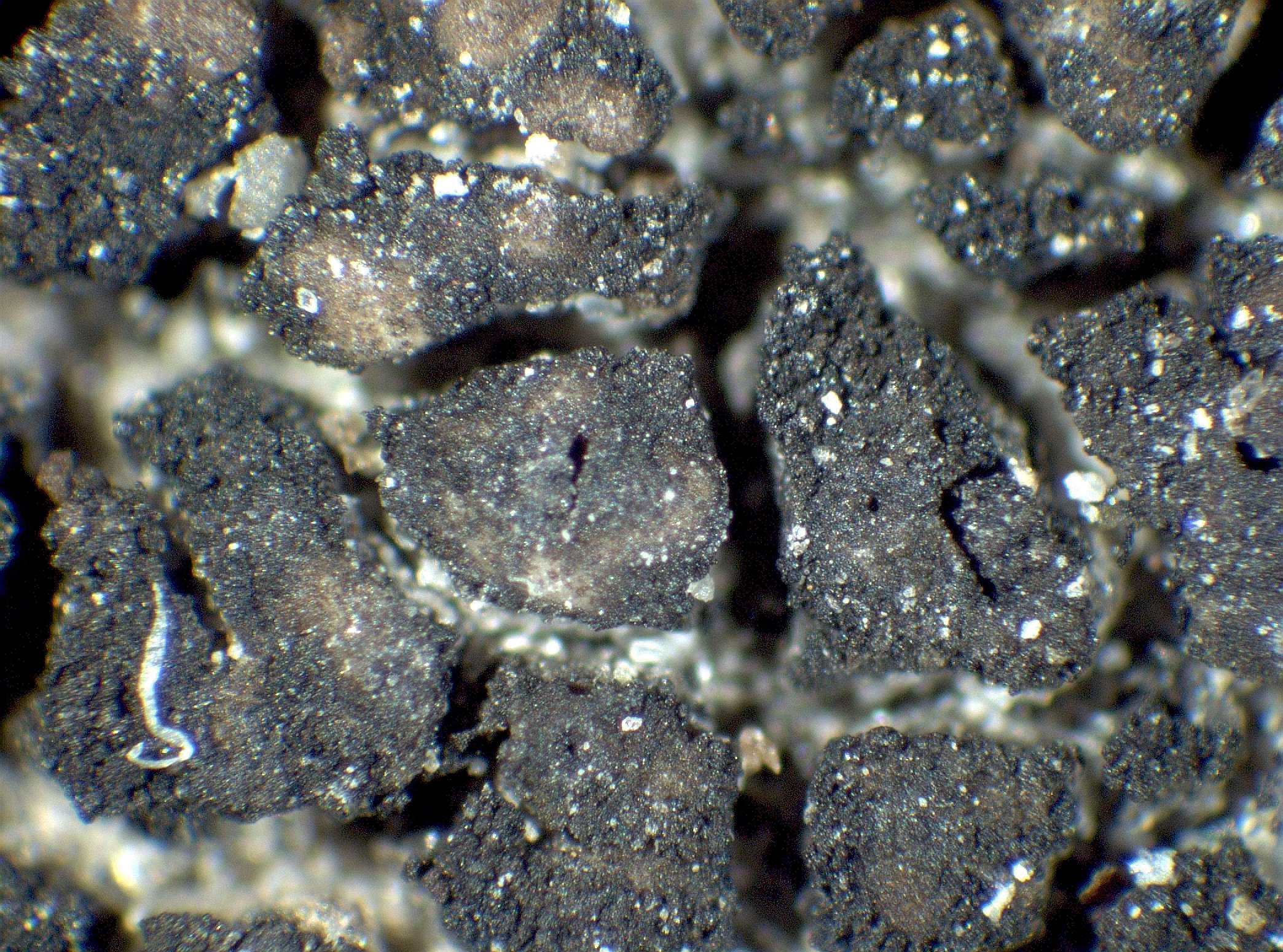
S. Martellos; Owner: Department of Life Sciences, University of Trieste
Italy, Emilia-Romagna, Ravenna, Brisighella, near the Sanctuary; altitude: 200 m.
Herbarium: TSB (20582)
2007/03/08
on a wall
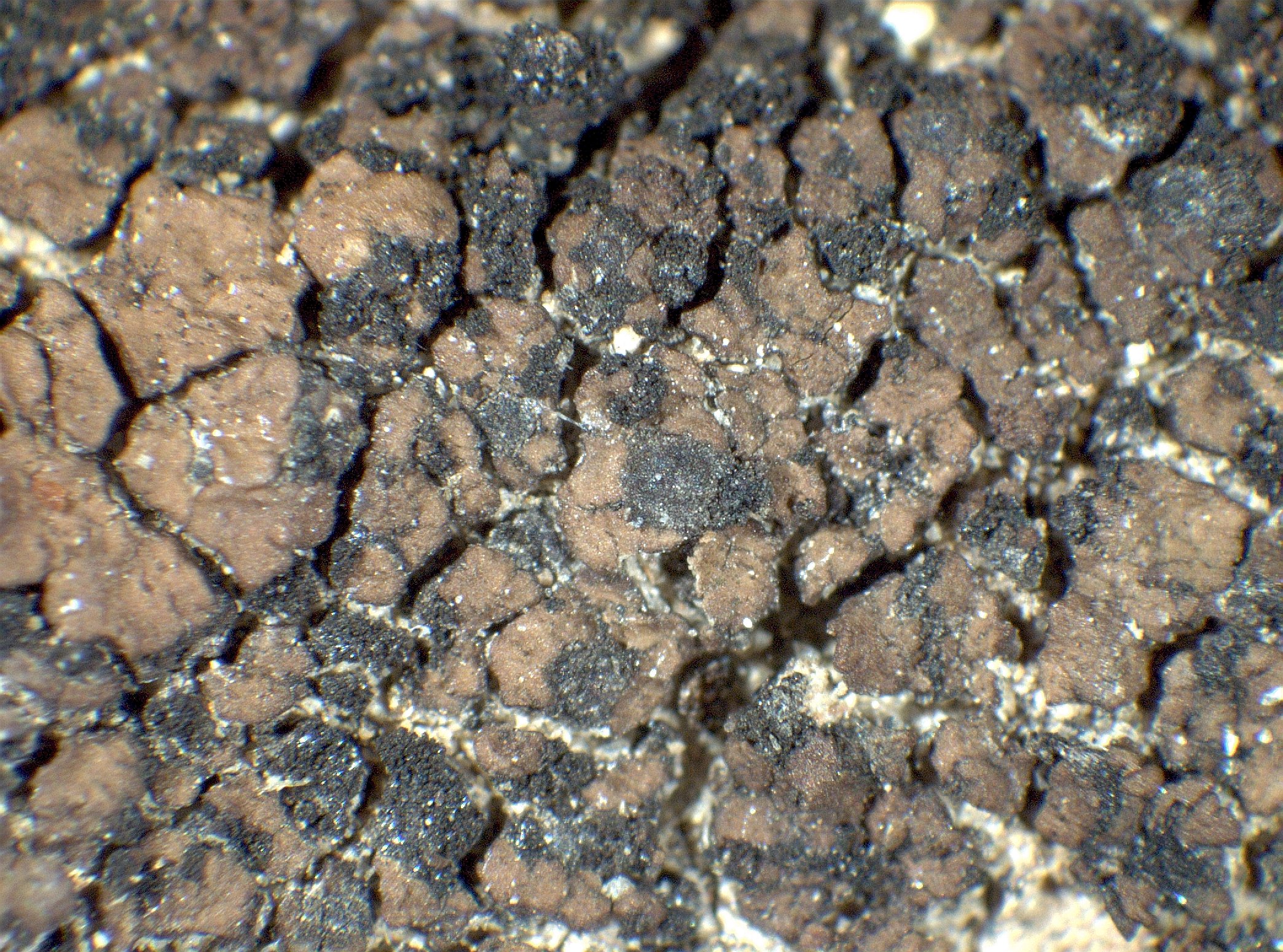
S. Martellos; Owner: Department of Life Sciences, University of Trieste
Spain, Andalusia, Sevilla, Roman theater of Italica; altitude: 50.
Herbarium: TSB (21155)
2007/03/08
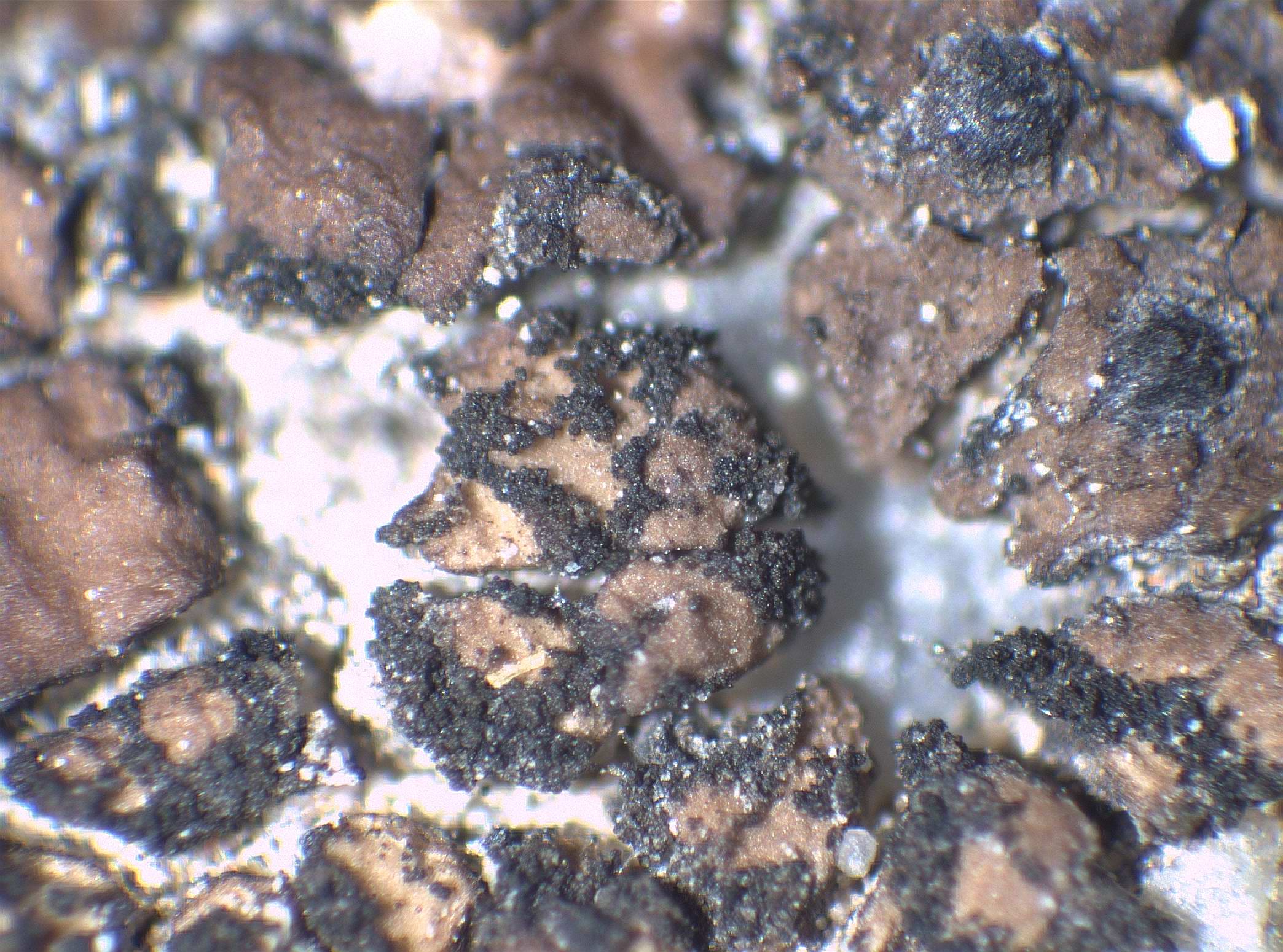
P.L. Nimis; Owner: Department of Life Sciences, University of Trieste
Herbarium: TSB (21159)
2003/03/17
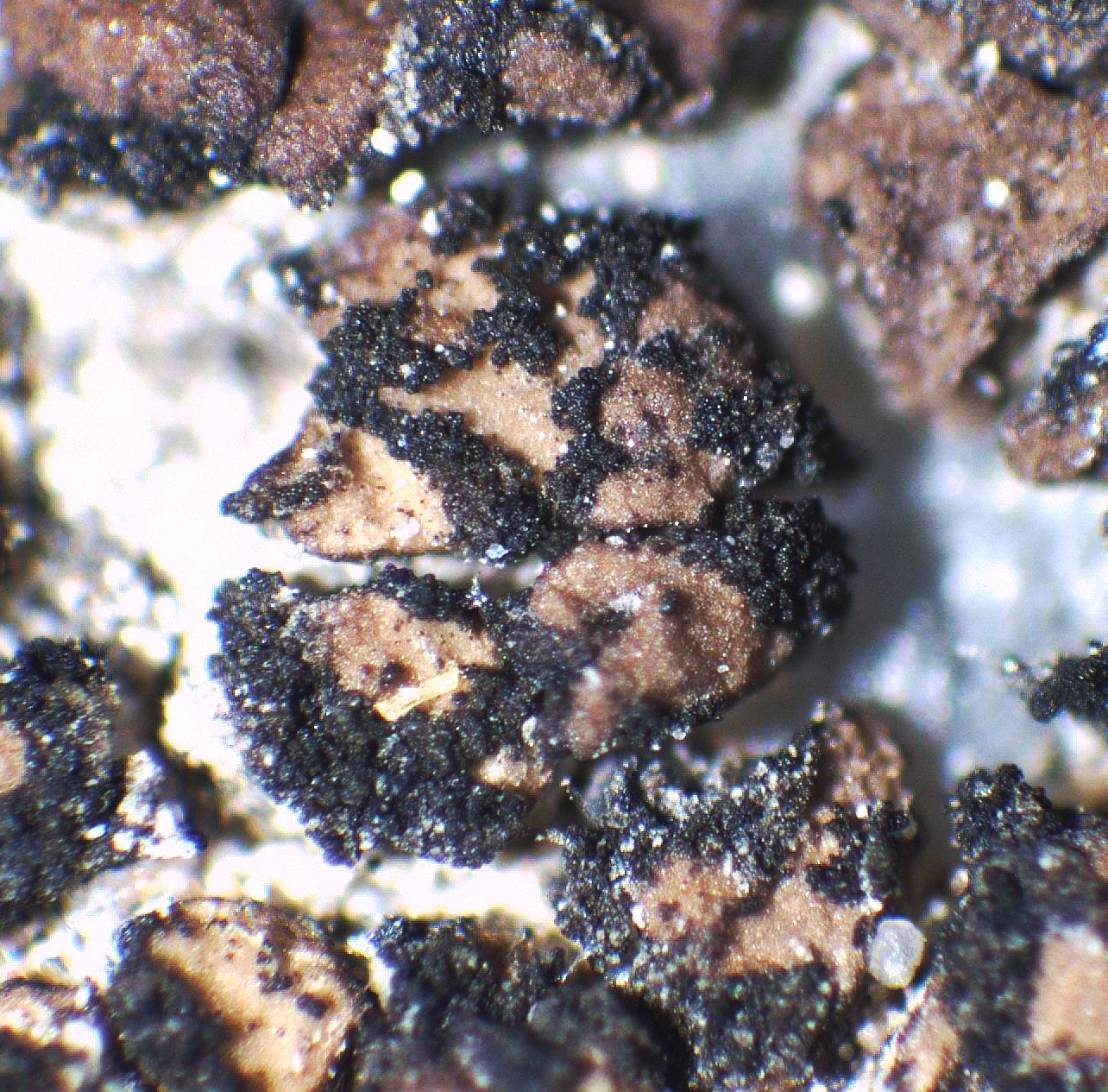
P.L. Nimis CC BY-SA 04
TSB 21159