Rhizocarpon richardii (Nyl.) Zahlbr.
Cat. Lich. Univ., 4: 341, 1926. Basionym: Lecidea richardii Lamy ex Nyl. - Flora, 58: 446, 1875.
Synonyms: Rhizocarpon atlanticum I.M. Lamb; Rhizocarpon constrictum Malme; Rhizocarpon constrictum subsp. richardii (Nyl.) Clauzade & Cl. Roux
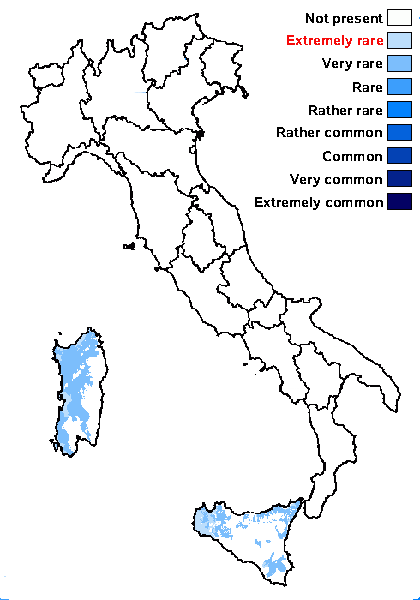
Distribution: C - Sar (Rizzi & al. 2011), S - Si (Brackel 2008c).
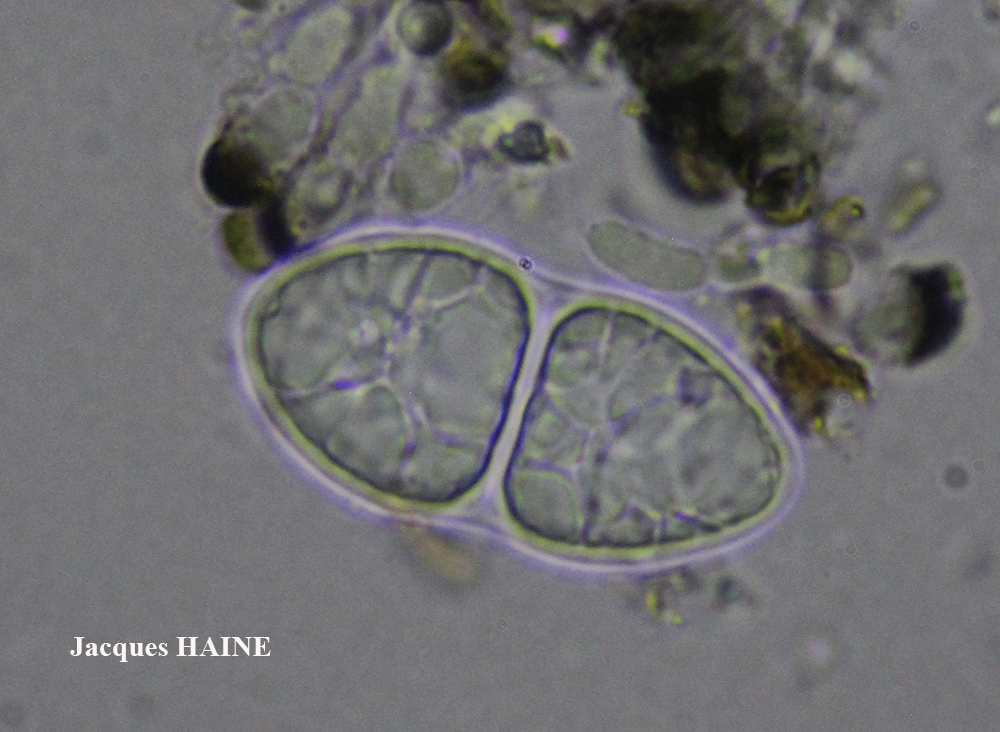
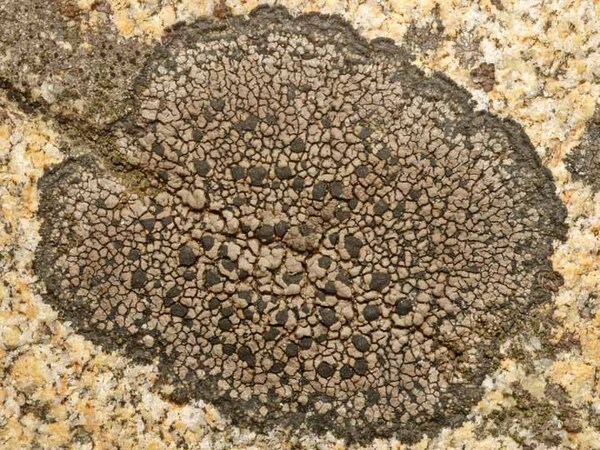
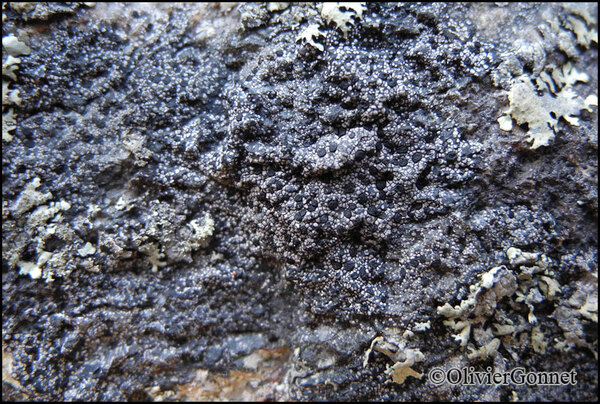
Description: Thallus crustose, episubstratic, rimose-areolate, grey to brown, often with a violet tinge, forming small patches that often coalesce into up to 8 cm wide larger thalli delimited by a black prothallus. Areoles angular, contiguous, flat to slightly convex, 0.4-0.8(-1) mm wide. Medulla white, I+ blue. Apothecia lecideine, black, epruinose, to 1 mm across, black, irregular to orbicular in shape, with a flat to slightly convex disc and a thin, sometimes often excluded proper margin. Proper exciple thin, containing crystals dissolving in K, brown-black at the rim, pale brown to colourless within, K-; epithecium olivaceous green to grey-black, with crystals dissolving in K, reacting K- or K+ intensifying green; hymenium colourless, 80-100 μm high; paraphysoids strongly conglutinate, richly branched and anastomosing, apically clavate; hypothecium dark red-brown, K-. Asci 8-spored, clavate, fissitunicate, with a well-developed tholus, lacking an ocular chamber, Rhizocarpon-type. Ascospores mainly 1-septate (rarely with secondary transverse or oblique septa when old), strongly constricted at the primary septum, persistently hyaline or turning pale brown with age, 22-27(-32) x 11-14 μm, with an evident gelatinous sheath. Photobiont chlorococcoid. Spot tests: thallus K-, C-, KC-, P-: medulla K- or K+ yellow, C+ red, KC+ red, P- or P+ orange. Chemistry: medulla with variable amounts of gyrophoric, stictic and norstictic acids.Note: in Atlantic Europe this species is restricted to the supralittoral belt of siliceous rock shores, where it occupies the driest, most rapidly draining places; occasionally, it also occurs in inland rock outcrops exposed to westerly winds, and this is the case of the only Italian record from Sardinia. Another record, whose identification is not fully certain, is that by Brackel (2008c) from Sicily.
Growth form: Crustose
Substrata: rocks
Photobiont: green algae other than Trentepohlia
Reproductive strategy: mainly sexual
Taxon bound to maritime-coastal situations
Commonnes-rarity: (info)
Alpine belt: absent
Subalpine belt: absent
Oromediterranean belt: absent
Montane belt: absent
Submediterranean belt: absent
Padanian area: absent
Humid submediterranean belt: very rare
Humid mediterranean belt: extremely rare
Dry mediterranean belt: absent
Predictive model
Leif Stridvall - Source: http://www.stridvall.se/la/galleries.php
Courtesy Danièle et Olivier Gonnet - Source: https://www.afl-lichenologie.fr/Photos_AFL/Photos_AFL_R/Textes_R2/Rhizocarpon_richardii_richardii.htm
France, 24/10/2011 - sur rocher granitique - Corse - (20) - Ciniccia Site Archéologique De Cucuruzzu, alt. 730m
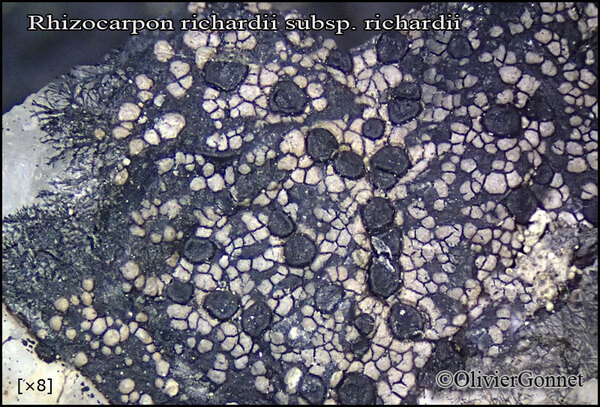
Courtesy Danièle et Olivier Gonnet - Source: https://www.afl-lichenologie.fr/Photos_AFL/Photos_AFL_R/Textes_R2/Rhizocarpon_richardii_richardii.htm
France, 24/10/2011 - sur rocher granitique - Corse - (20) - Ciniccia Site Archéologique De Cucuruzzu, alt. 730m
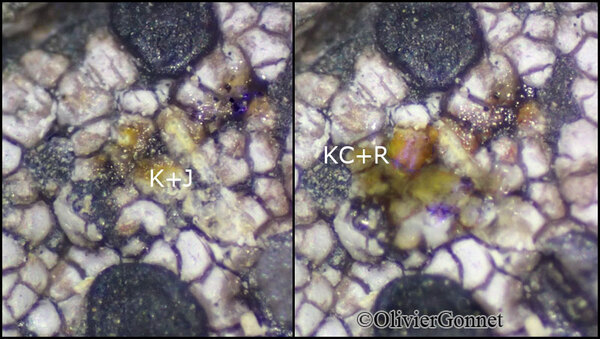
Courtesy Danièle et Olivier Gonnet - Source: https://www.afl-lichenologie.fr/Photos_AFL/Photos_AFL_R/Textes_R2/Rhizocarpon_richardii_richardii.htm
France, 24/10/2011 - sur rocher granitique - Corse - (20) - Ciniccia Site Archéologique De Cucuruzzu, alt. 730m
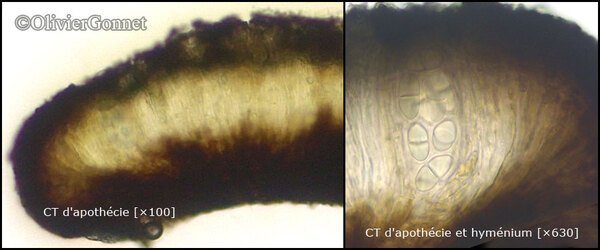
Courtesy Danièle et Olivier Gonnet - Source: https://www.afl-lichenologie.fr/Photos_AFL/Photos_AFL_R/Textes_R2/Rhizocarpon_richardii_richardii.htm
France, 24/10/2011 - sur rocher granitique - Corse - (20) - Ciniccia Site Archéologique De Cucuruzzu, alt. 730m
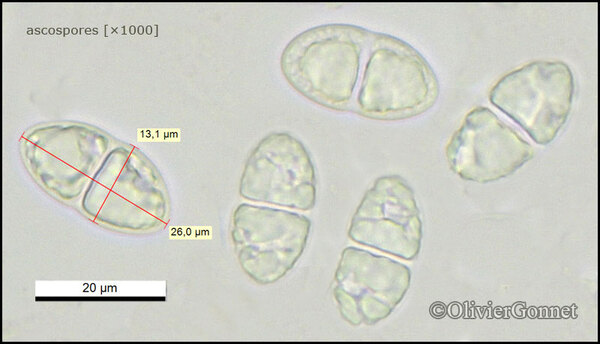
Courtesy Danièle et Olivier Gonnet - Source: https://www.afl-lichenologie.fr/Photos_AFL/Photos_AFL_R/Textes_R2/Rhizocarpon_richardii_richardii.htm
France, 24/10/2011 - sur rocher granitique - Corse - (20) - Ciniccia Site Archéologique De Cucuruzzu, alt. 730m
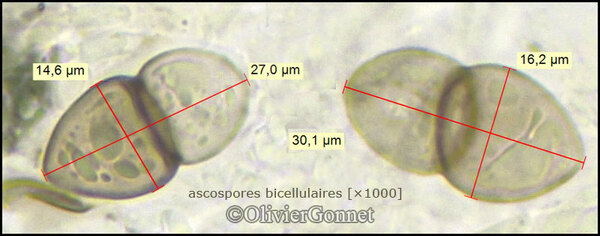
Courtesy Danièle et Olivier Gonnet - Source: https://www.afl-lichenologie.fr/Photos_AFL/Photos_AFL_R/Textes_R2/Rhizocarpon_richardii_richardii.htm
France, 24/10/2011 - sur rocher granitique - Corse - (20) - Ciniccia Site Archéologique De Cucuruzzu, alt. 730m
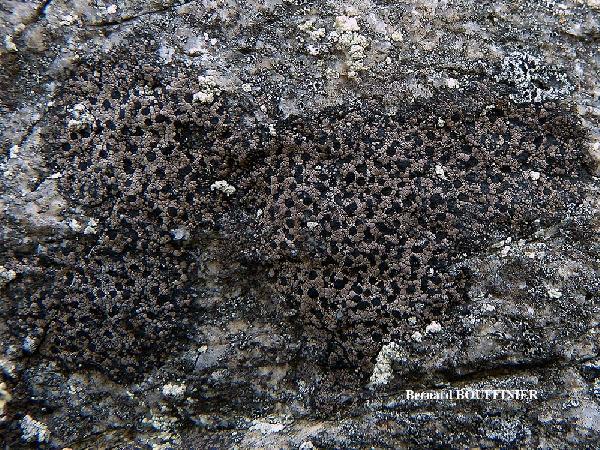
Bernard Bouffinier - Source: http://www.lichensmaritimes.org/index.php?task=fiche&lichen=51&lang=en
France, Ouessant
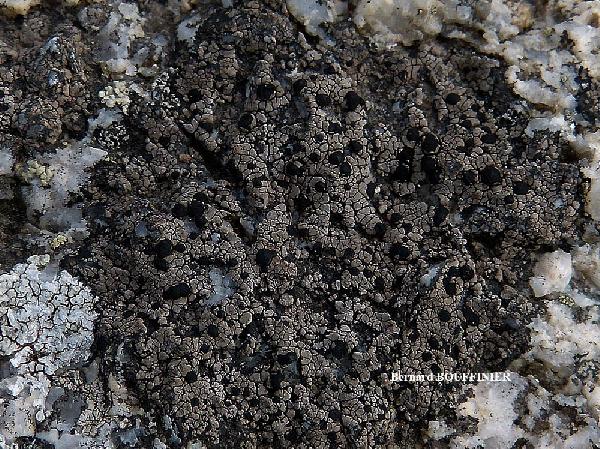
Bernard Bouffinier - Source: http://www.lichensmaritimes.org/index.php?task=fiche&lichen=51&lang=en
France, Ouessant
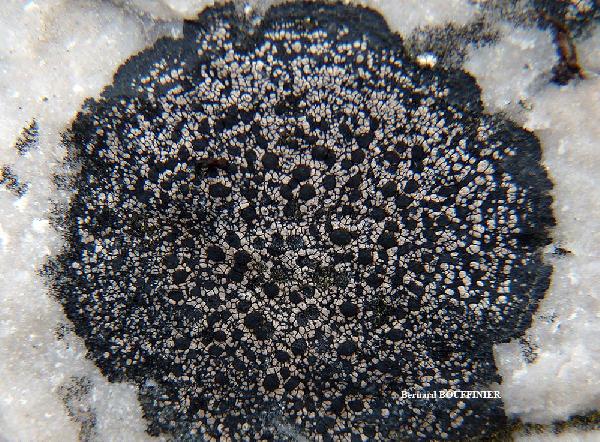
Bernard Bouffinier - Source: http://www.lichensmaritimes.org/index.php?task=fiche&lichen=51&lang=en
France, Pointe de Pen-Hir
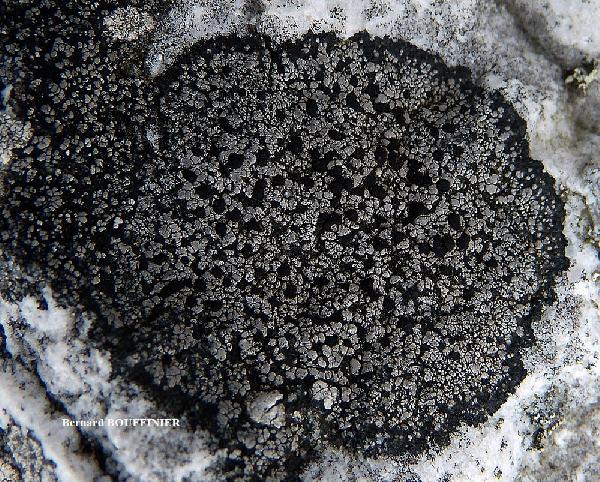
Bernard Bouffinier - Source: http://www.lichensmaritimes.org/index.php?task=fiche&lichen=51&lang=en
France, Pointe de Pen-Hir
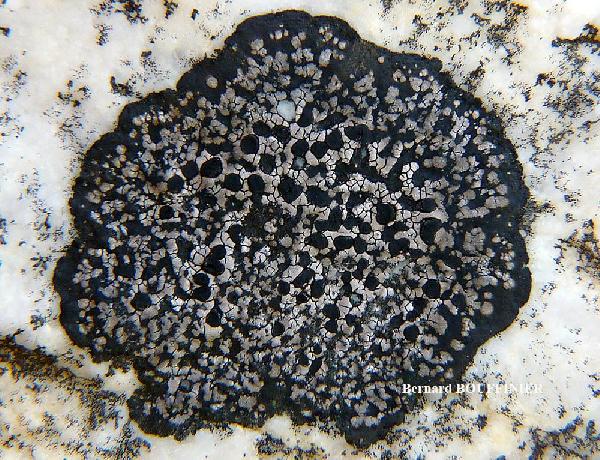
Bernard Bouffinier - Source: http://www.lichensmaritimes.org/index.php?task=fiche&lichen=51&lang=en
France, Lagatjar
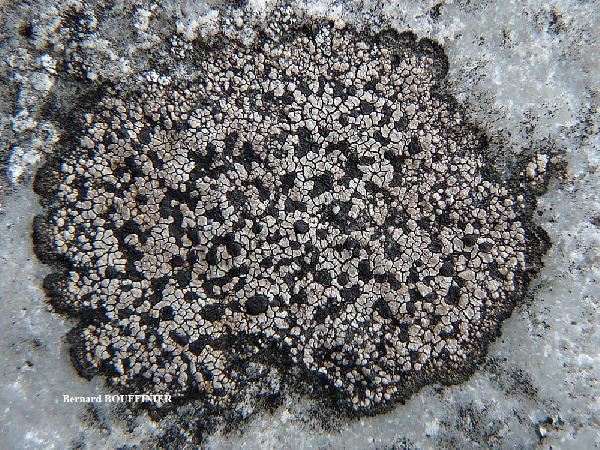
Bernard Bouffinier - Source: http://www.lichensmaritimes.org/index.php?task=fiche&lichen=51&lang=en
France, Ile Vierge
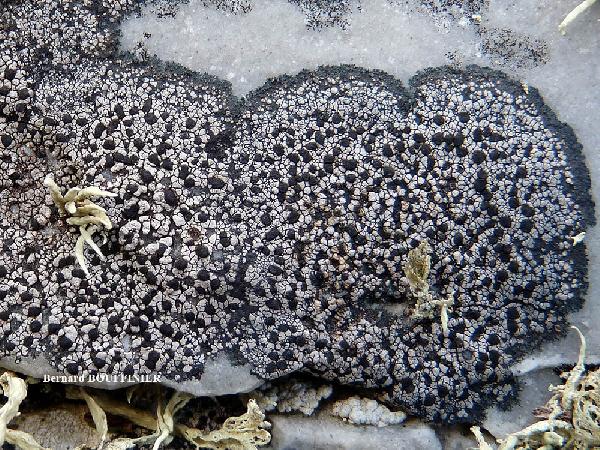
Bernard Bouffinier - Source: http://www.lichensmaritimes.org/index.php?task=fiche&lichen=51&lang=en
France, Cap de la Chèvre
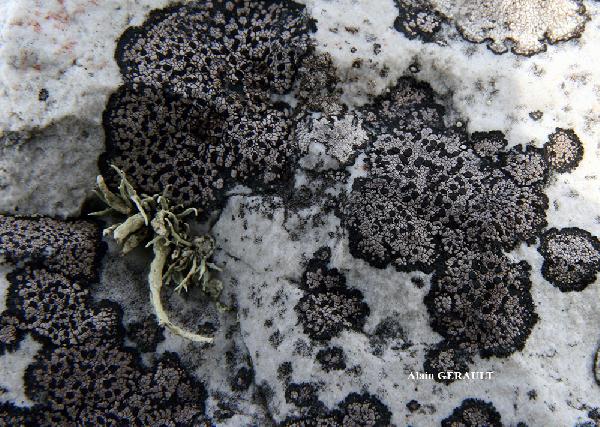
Alain Gerault - Source: http://www.lichensmaritimes.org/index.php?task=fiche&lichen=51&lang=en
France, Dinan Nord
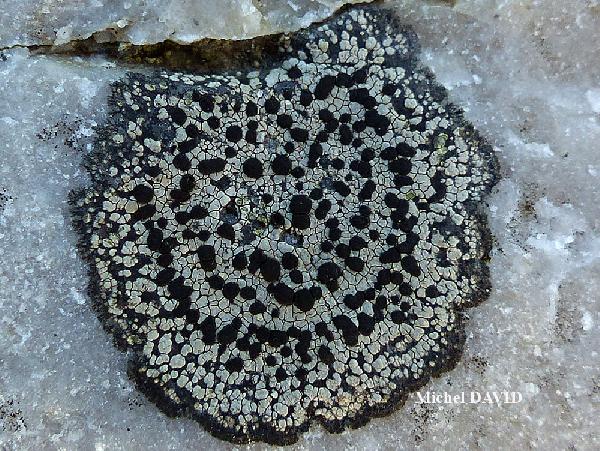
Michel David - Source: http://www.lichensmaritimes.org/index.php?task=fiche&lichen=51&lang=en
France, Pointe de Pen-Hir
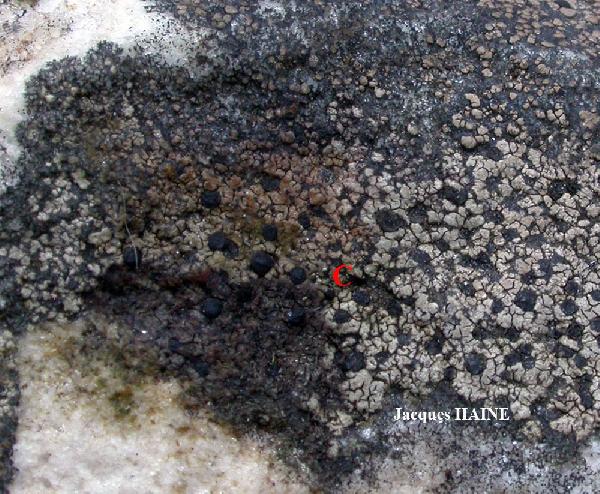
Jacques Haine - Source: http://www.lichensmaritimes.org/index.php?task=fiche&lichen=51&lang=en
France, Crozon
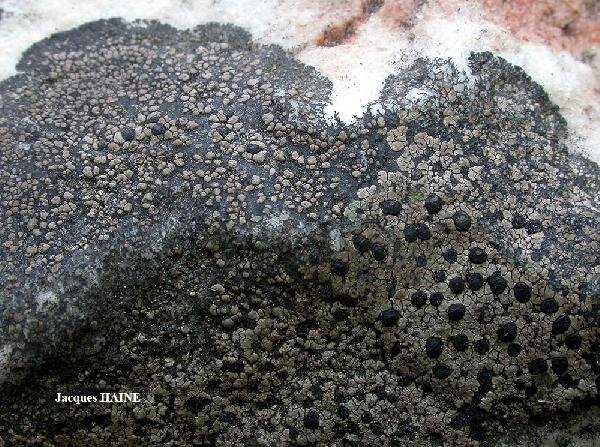
Jacques Haine - Source: http://www.lichensmaritimes.org/index.php?task=fiche&lichen=51&lang=en
France, Crozon
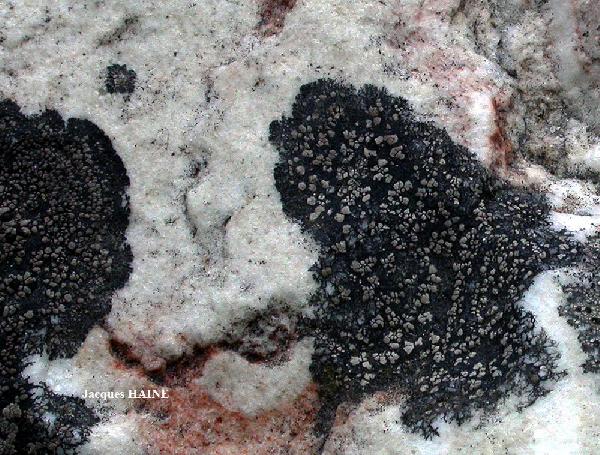
Jacques Haine - Source: http://www.lichensmaritimes.org/index.php?task=fiche&lichen=51&lang=en
France, Crozon
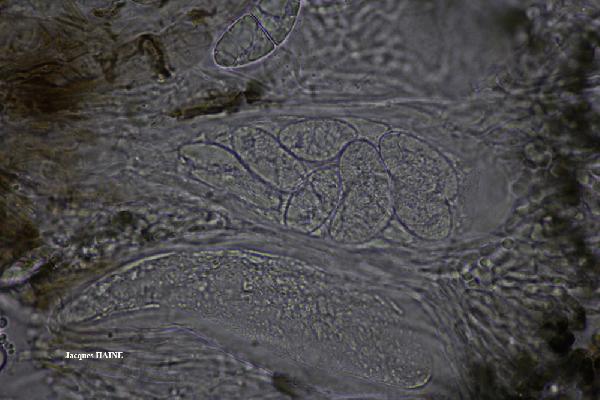
Jacques Haine - Source: http://www.lichensmaritimes.org/index.php?task=fiche&lichen=51&lang=en
France, Crozon
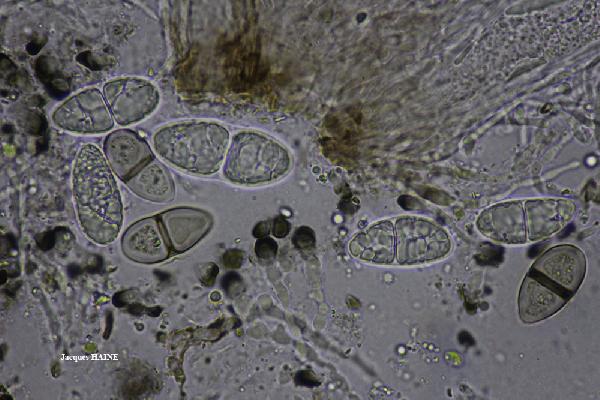
Jacques Haine - Source: http://www.lichensmaritimes.org/index.php?task=fiche&lichen=51&lang=en
France, Crozon
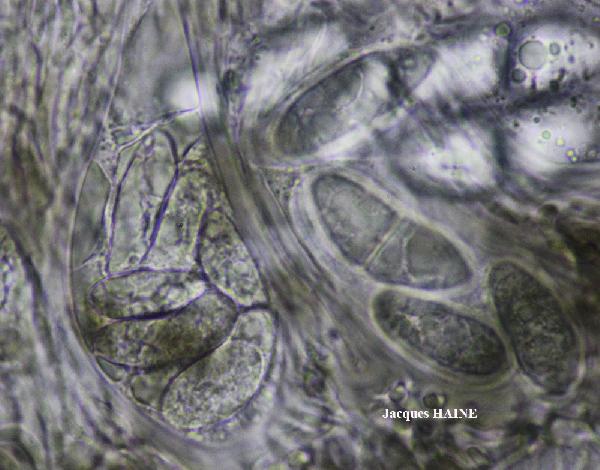
Jacques Haine - Source: http://www.lichensmaritimes.org/index.php?task=fiche&lichen=51&lang=en
France, Crozon
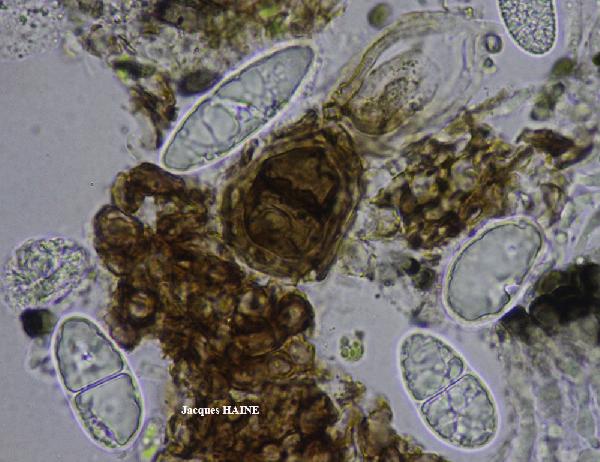
Jacques Haine - Source: http://www.lichensmaritimes.org/index.php?task=fiche&lichen=51&lang=en
France, Crozon
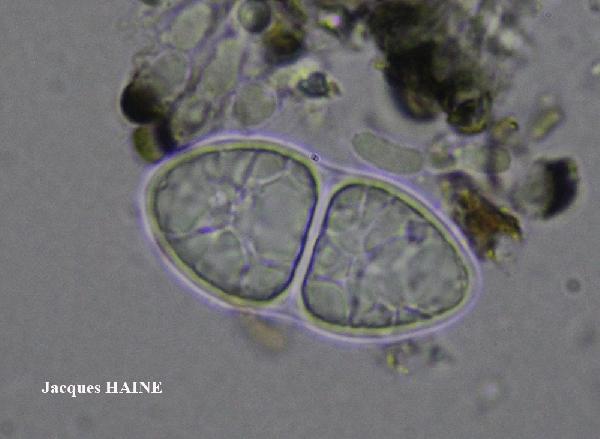
Jacques Haine - Source: http://www.lichensmaritimes.org/index.php?task=fiche&lichen=51&lang=en
France, Crozon
Growth form: Crustose
Substrata: rocks
Photobiont: green algae other than Trentepohlia
Reproductive strategy: mainly sexual
Taxon bound to maritime-coastal situations
Commonnes-rarity: (info)
Alpine belt: absent
Subalpine belt: absent
Oromediterranean belt: absent
Montane belt: absent
Submediterranean belt: absent
Padanian area: absent
Humid submediterranean belt: very rare
Humid mediterranean belt: extremely rare
Dry mediterranean belt: absent
Predictive model
 Index Fungorum
 GBIF
GBIF
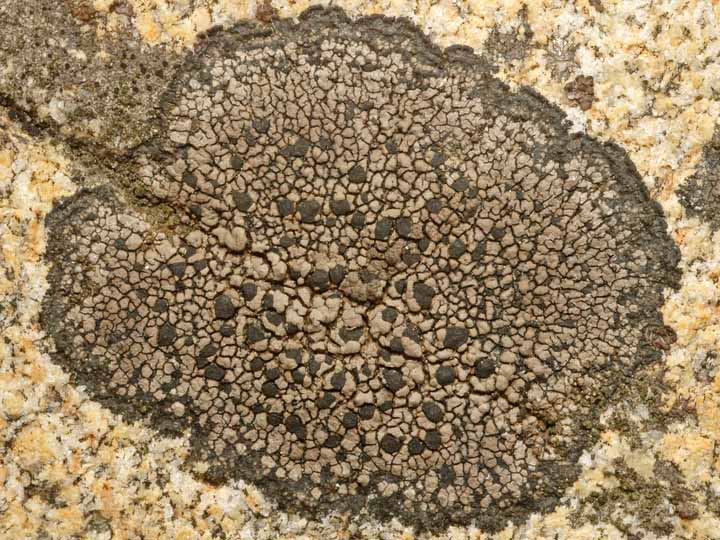
Leif Stridvall - Source: http://www.stridvall.se/la/galleries.php
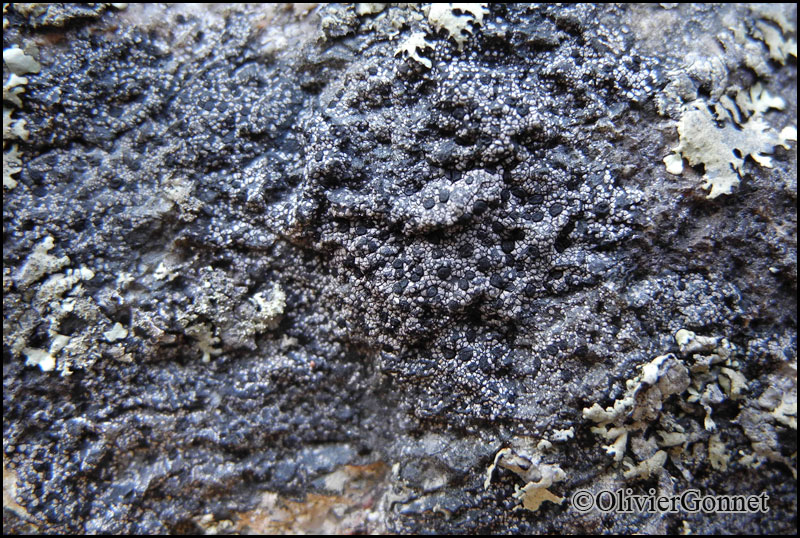
Courtesy Danièle et Olivier Gonnet - Source: https://www.afl-lichenologie.fr/Photos_AFL/Photos_AFL_R/Textes_R2/Rhizocarpon_richardii_richardii.htm
France, 24/10/2011 - sur rocher granitique - Corse - (20) - Ciniccia Site Archéologique De Cucuruzzu, alt. 730m
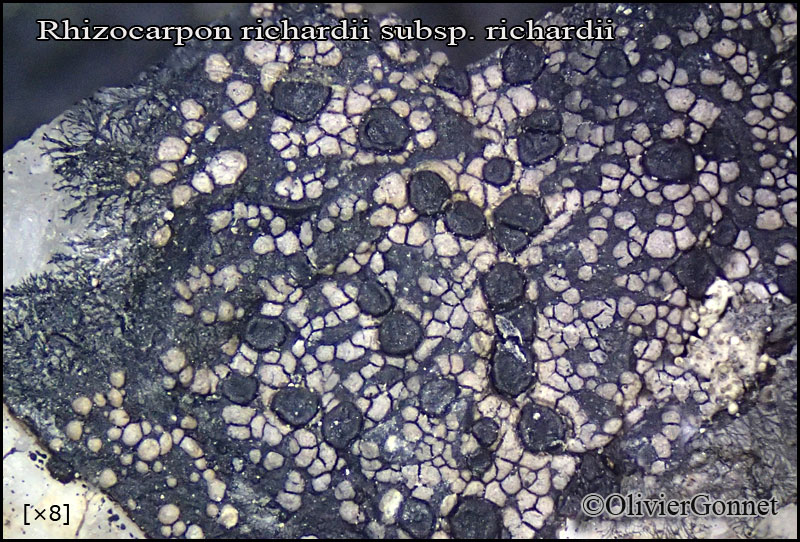
Courtesy Danièle et Olivier Gonnet - Source: https://www.afl-lichenologie.fr/Photos_AFL/Photos_AFL_R/Textes_R2/Rhizocarpon_richardii_richardii.htm
France, 24/10/2011 - sur rocher granitique - Corse - (20) - Ciniccia Site Archéologique De Cucuruzzu, alt. 730m
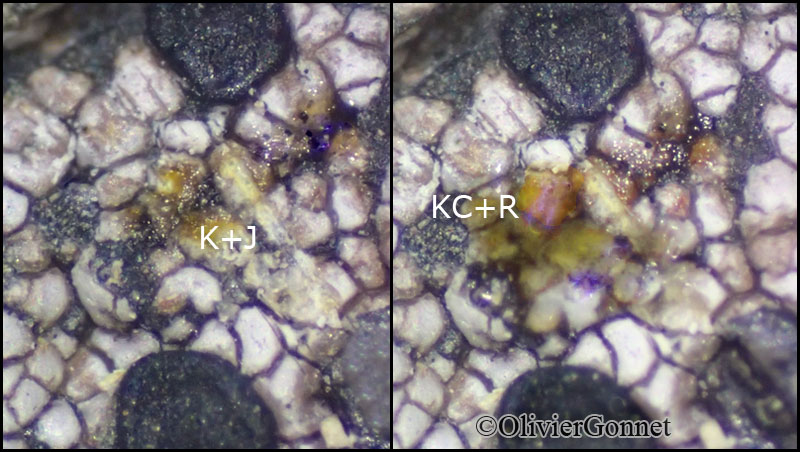
Courtesy Danièle et Olivier Gonnet - Source: https://www.afl-lichenologie.fr/Photos_AFL/Photos_AFL_R/Textes_R2/Rhizocarpon_richardii_richardii.htm
France, 24/10/2011 - sur rocher granitique - Corse - (20) - Ciniccia Site Archéologique De Cucuruzzu, alt. 730m
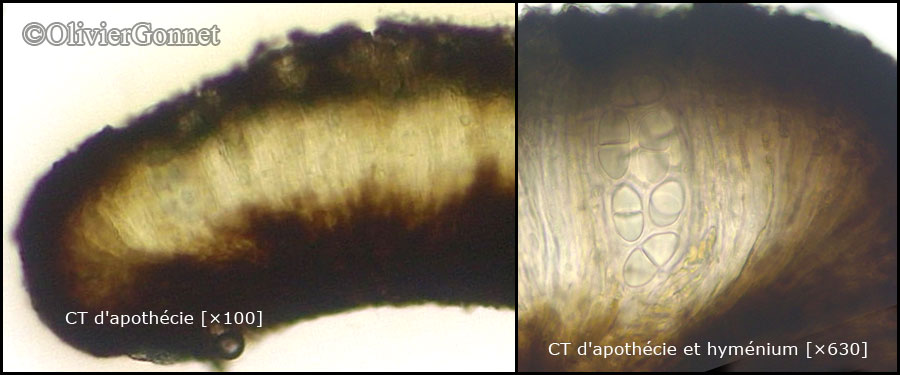
Courtesy Danièle et Olivier Gonnet - Source: https://www.afl-lichenologie.fr/Photos_AFL/Photos_AFL_R/Textes_R2/Rhizocarpon_richardii_richardii.htm
France, 24/10/2011 - sur rocher granitique - Corse - (20) - Ciniccia Site Archéologique De Cucuruzzu, alt. 730m
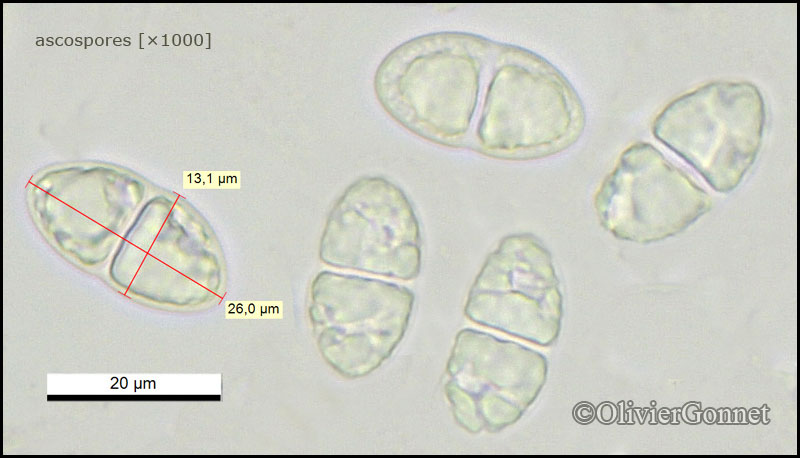
Courtesy Danièle et Olivier Gonnet - Source: https://www.afl-lichenologie.fr/Photos_AFL/Photos_AFL_R/Textes_R2/Rhizocarpon_richardii_richardii.htm
France, 24/10/2011 - sur rocher granitique - Corse - (20) - Ciniccia Site Archéologique De Cucuruzzu, alt. 730m
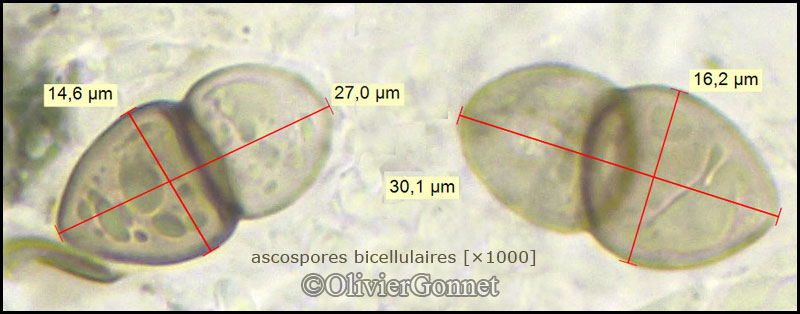
Courtesy Danièle et Olivier Gonnet - Source: https://www.afl-lichenologie.fr/Photos_AFL/Photos_AFL_R/Textes_R2/Rhizocarpon_richardii_richardii.htm
France, 24/10/2011 - sur rocher granitique - Corse - (20) - Ciniccia Site Archéologique De Cucuruzzu, alt. 730m
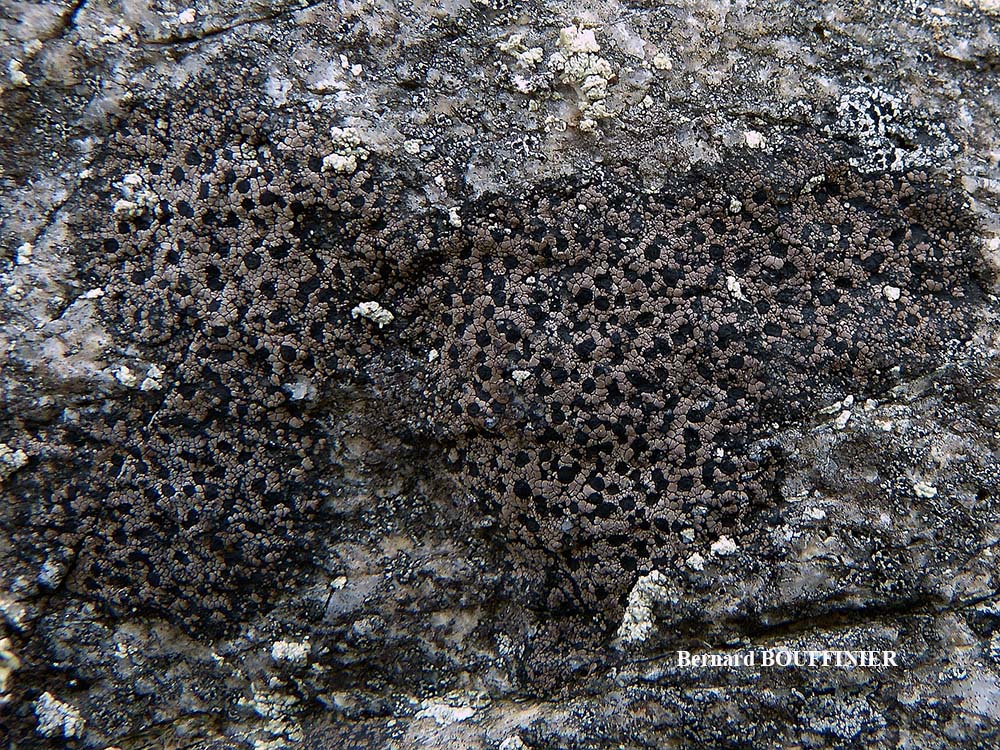
Bernard Bouffinier - Source: http://www.lichensmaritimes.org/index.php?task=fiche&lichen=51&lang=en
France, Ouessant
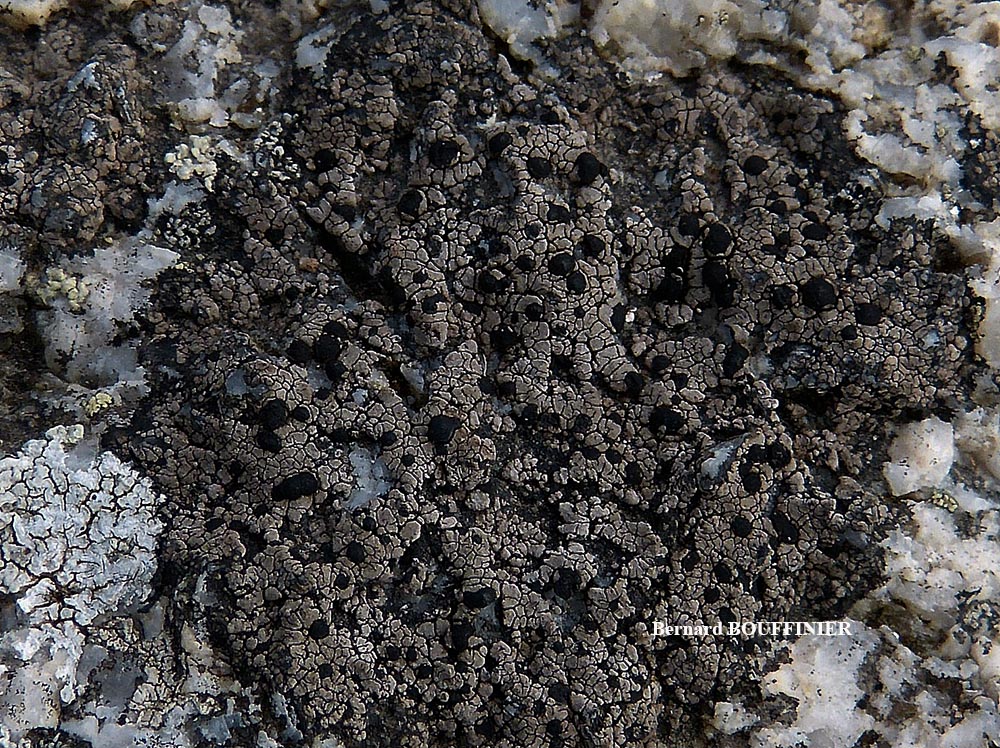
Bernard Bouffinier - Source: http://www.lichensmaritimes.org/index.php?task=fiche&lichen=51&lang=en
France, Ouessant
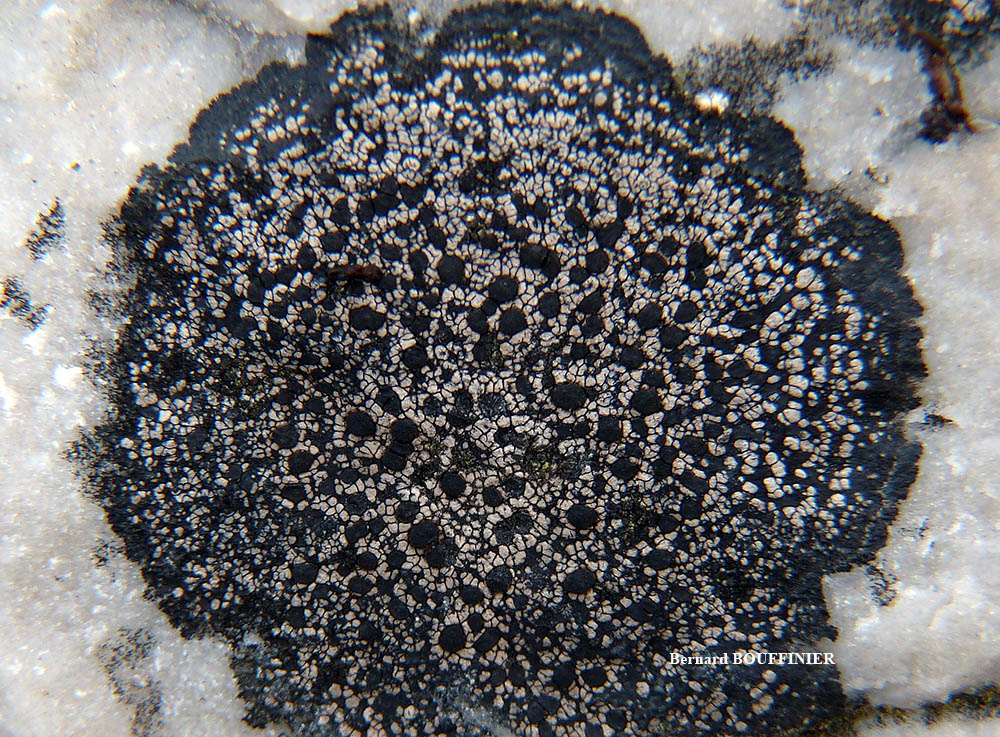
Bernard Bouffinier - Source: http://www.lichensmaritimes.org/index.php?task=fiche&lichen=51&lang=en
France, Pointe de Pen-Hir
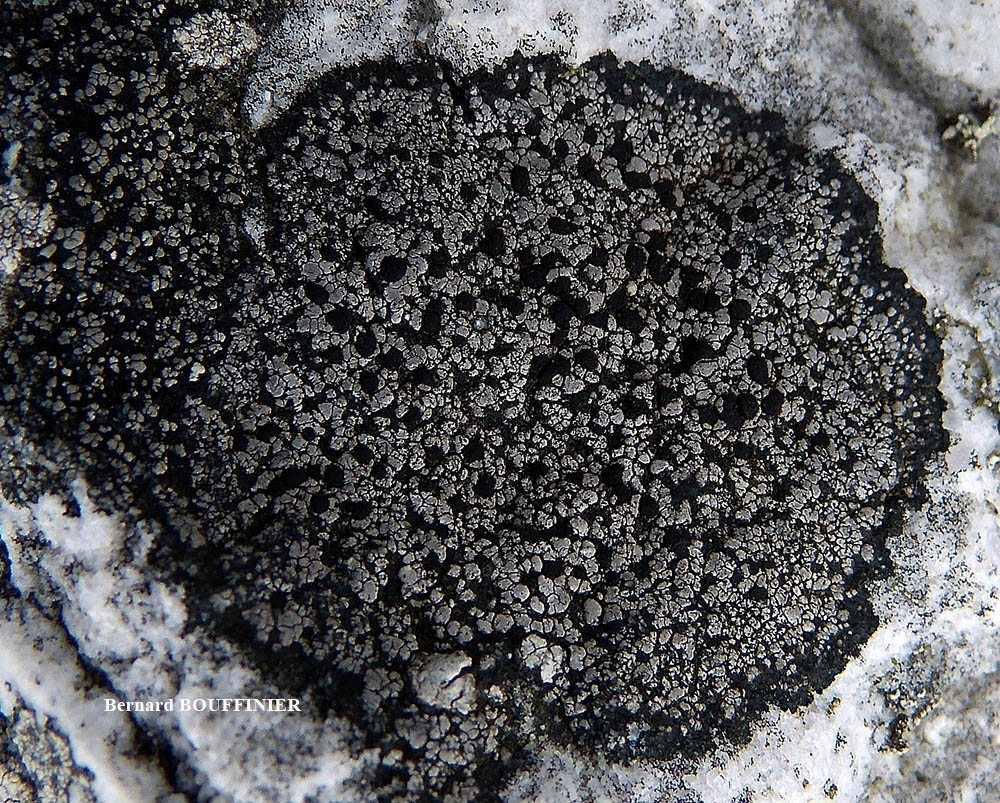
Bernard Bouffinier - Source: http://www.lichensmaritimes.org/index.php?task=fiche&lichen=51&lang=en
France, Pointe de Pen-Hir
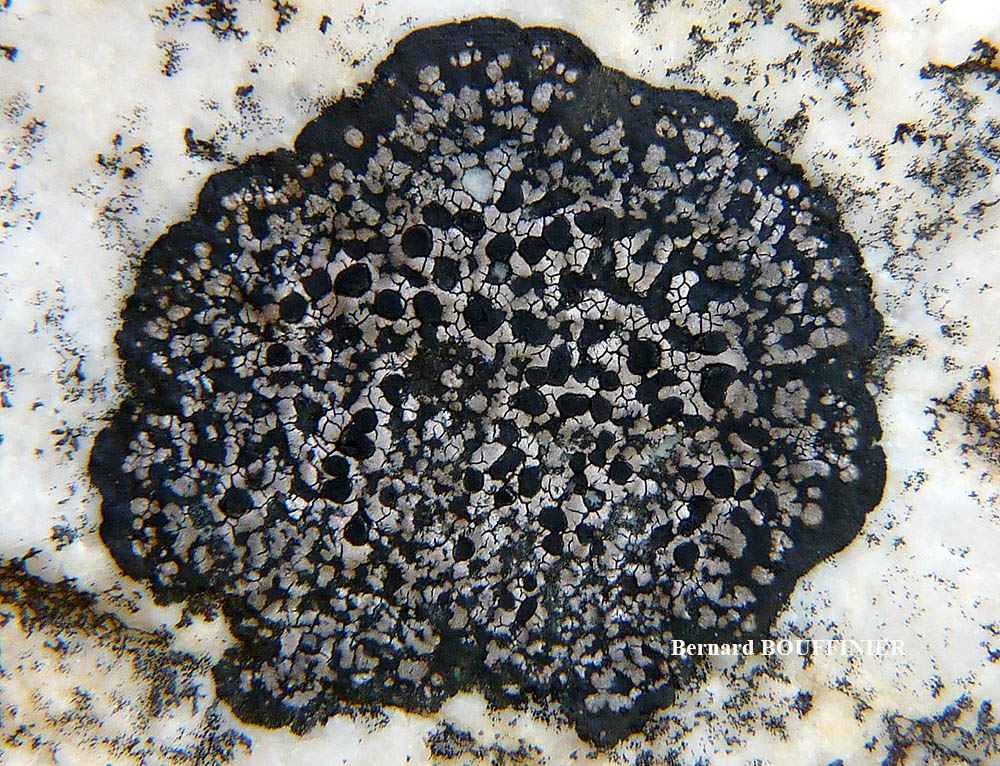
Bernard Bouffinier - Source: http://www.lichensmaritimes.org/index.php?task=fiche&lichen=51&lang=en
France, Lagatjar
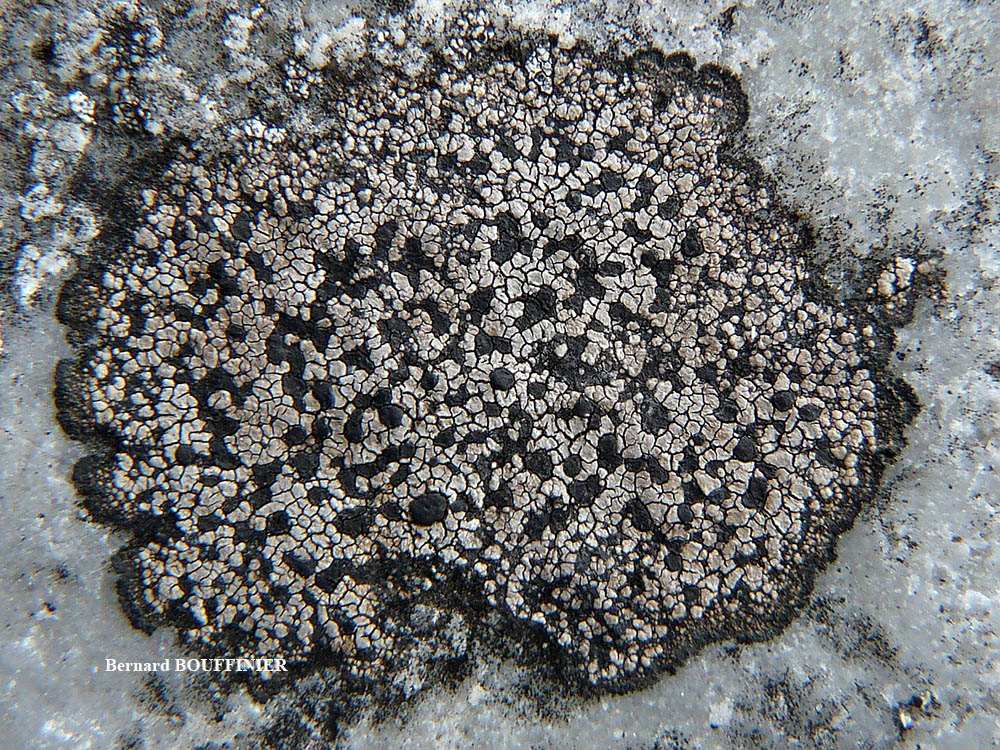
Bernard Bouffinier - Source: http://www.lichensmaritimes.org/index.php?task=fiche&lichen=51&lang=en
France, Ile Vierge
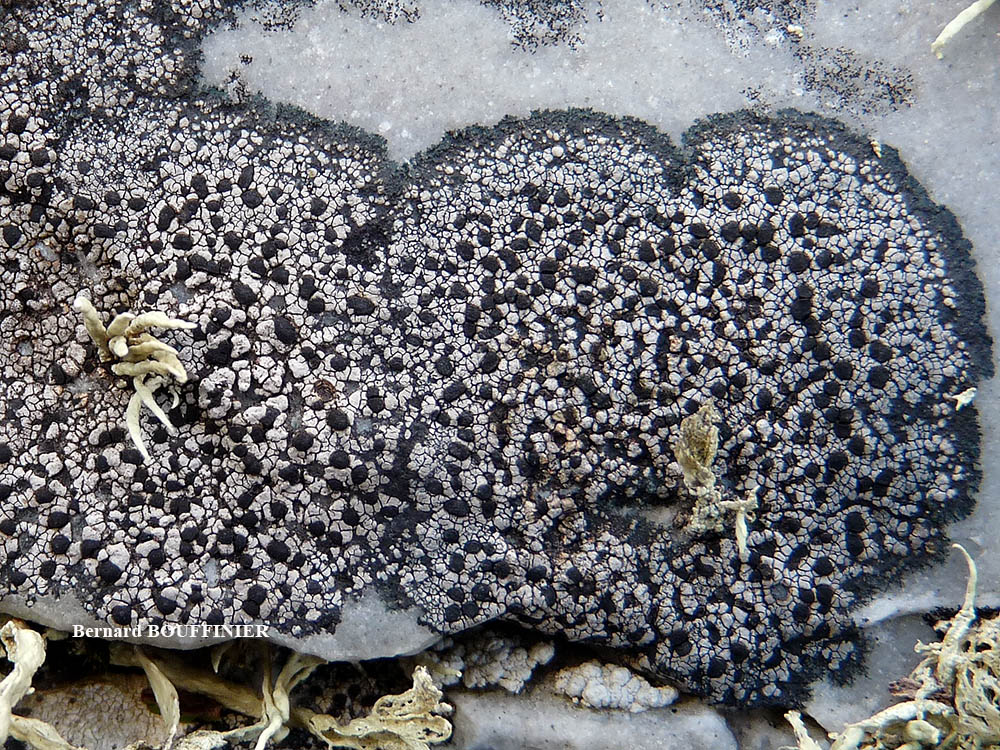
Bernard Bouffinier - Source: http://www.lichensmaritimes.org/index.php?task=fiche&lichen=51&lang=en
France, Cap de la Chèvre
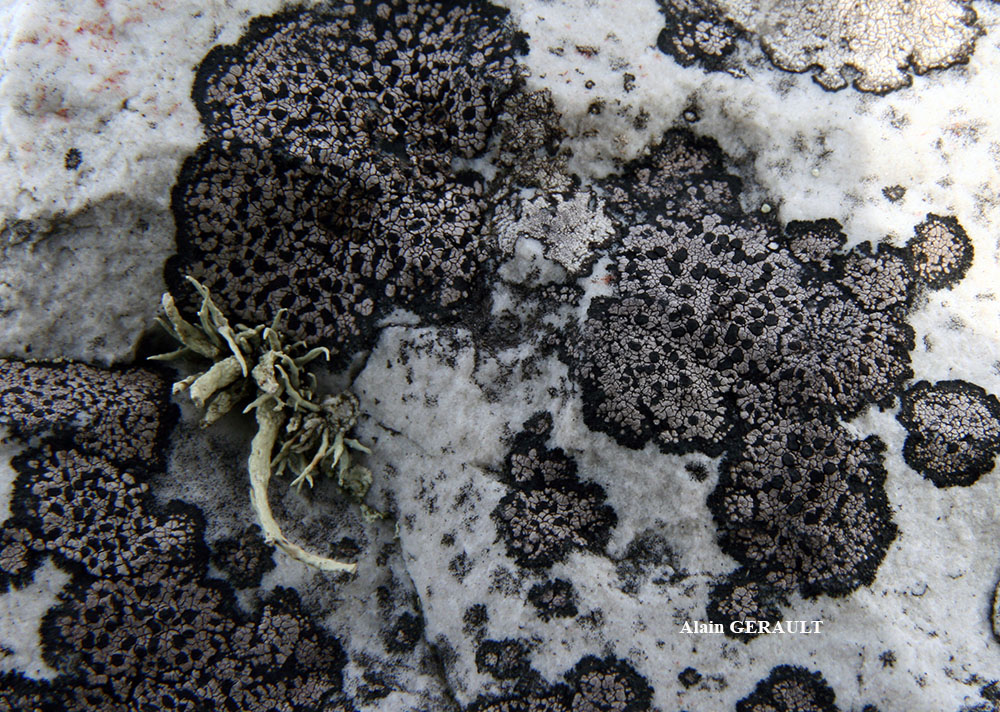
Alain Gerault - Source: http://www.lichensmaritimes.org/index.php?task=fiche&lichen=51&lang=en
France, Dinan Nord
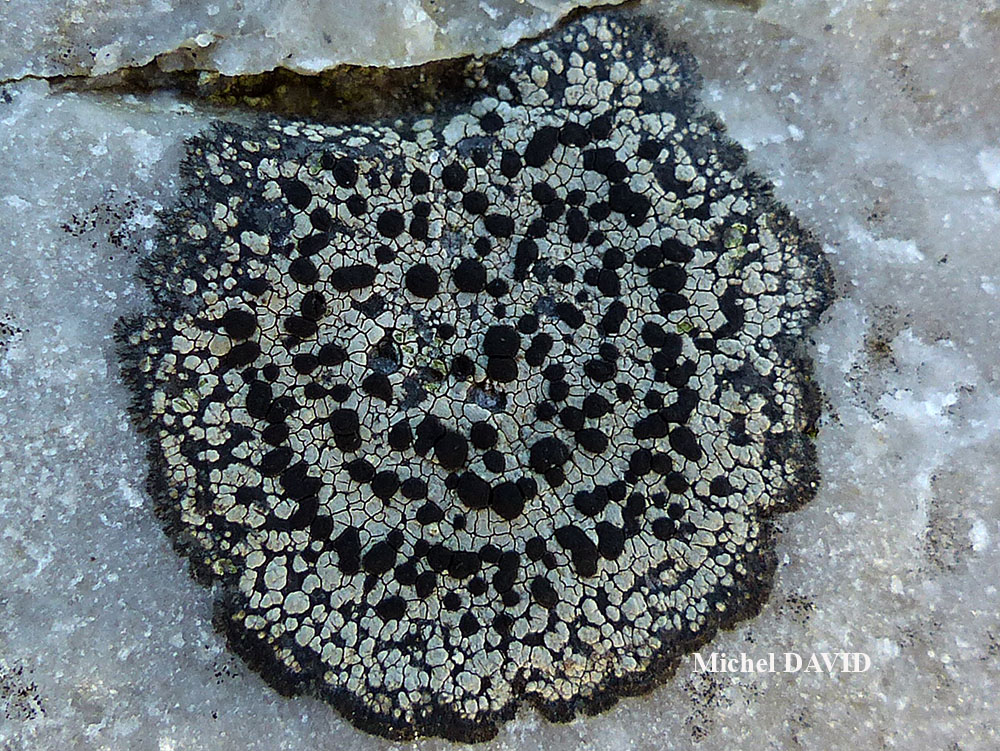
Michel David - Source: http://www.lichensmaritimes.org/index.php?task=fiche&lichen=51&lang=en
France, Pointe de Pen-Hir
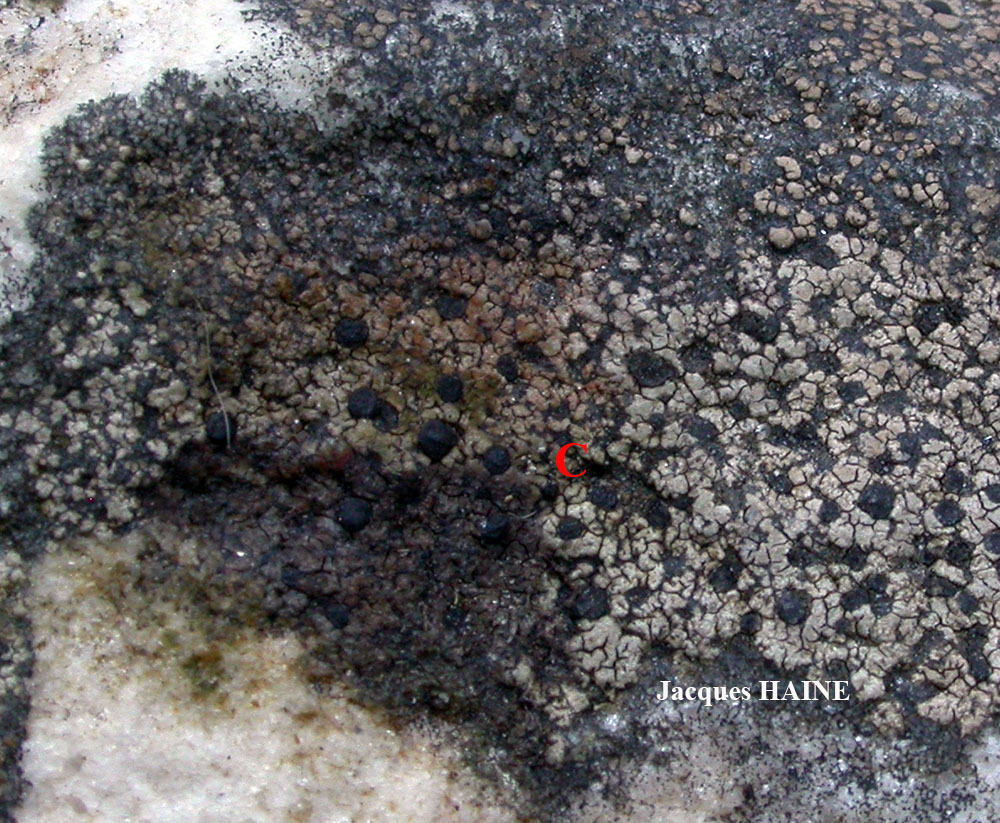
Jacques Haine - Source: http://www.lichensmaritimes.org/index.php?task=fiche&lichen=51&lang=en
France, Crozon
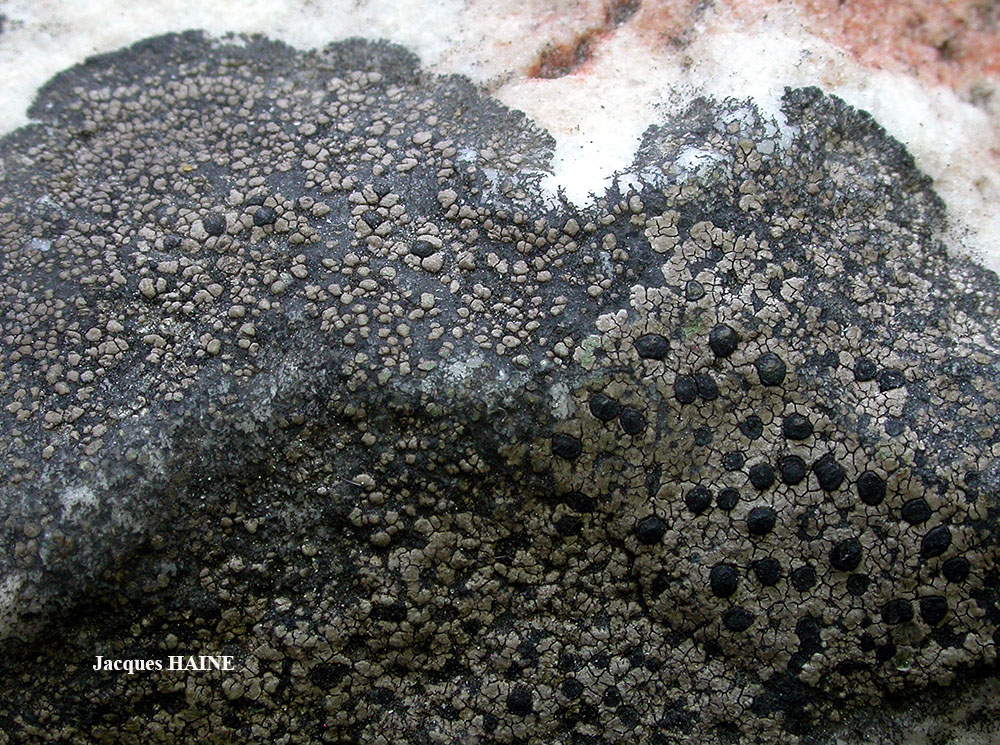
Jacques Haine - Source: http://www.lichensmaritimes.org/index.php?task=fiche&lichen=51&lang=en
France, Crozon
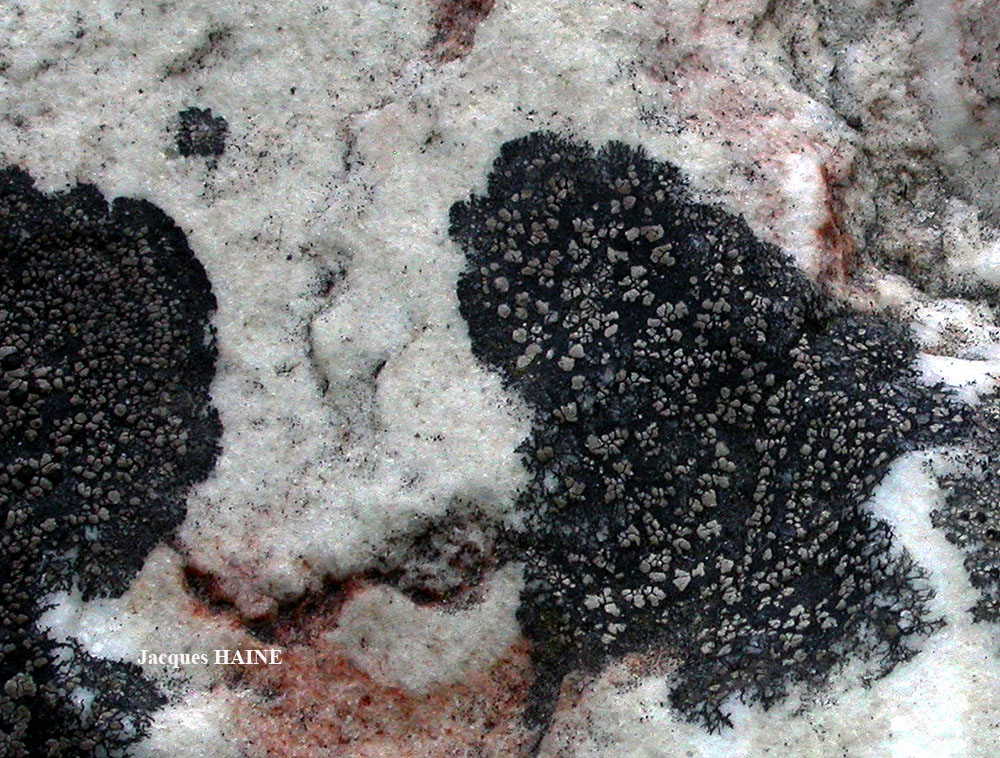
Jacques Haine - Source: http://www.lichensmaritimes.org/index.php?task=fiche&lichen=51&lang=en
France, Crozon
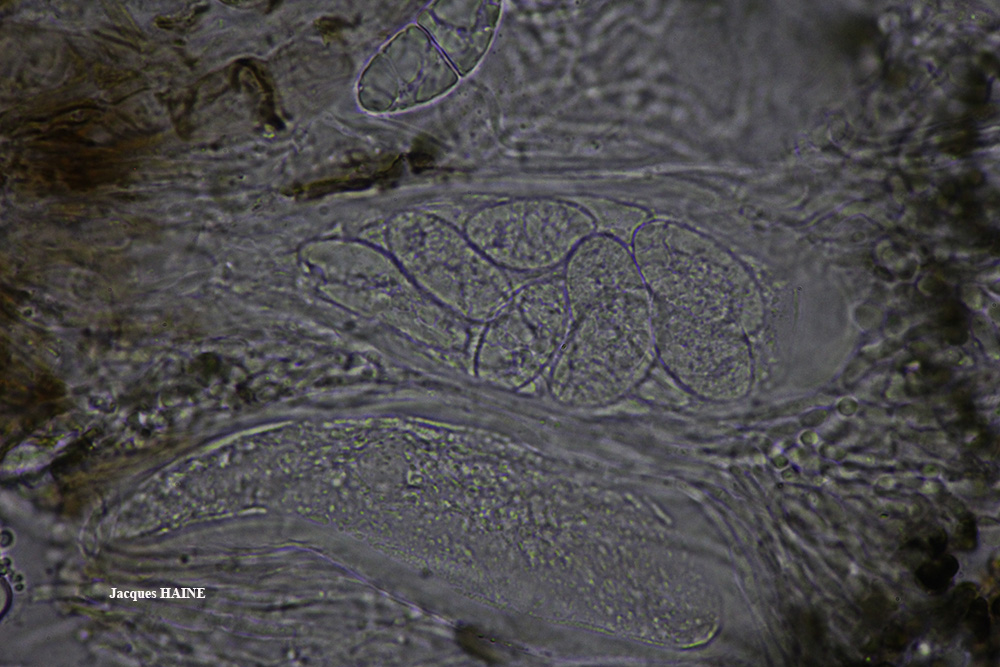
Jacques Haine - Source: http://www.lichensmaritimes.org/index.php?task=fiche&lichen=51&lang=en
France, Crozon
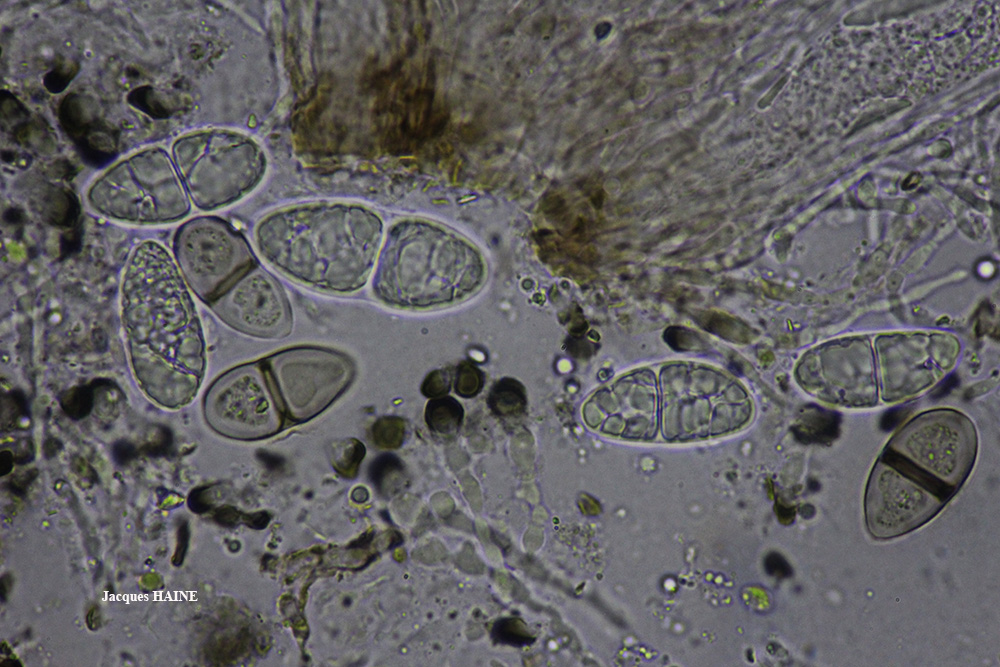
Jacques Haine - Source: http://www.lichensmaritimes.org/index.php?task=fiche&lichen=51&lang=en
France, Crozon
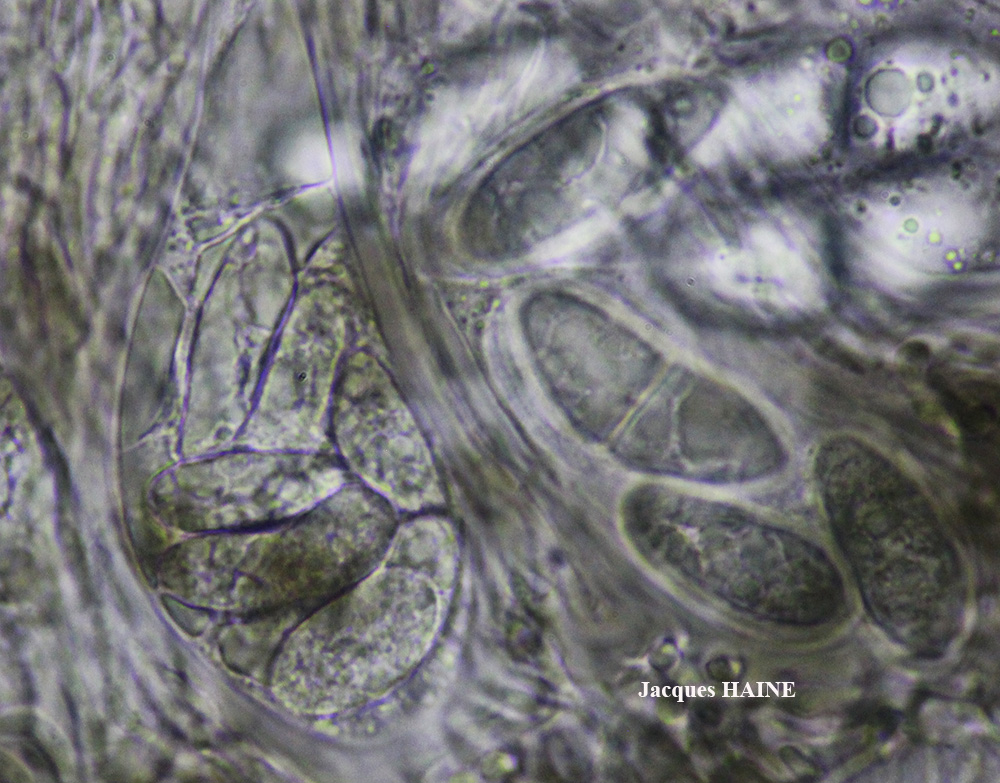
Jacques Haine - Source: http://www.lichensmaritimes.org/index.php?task=fiche&lichen=51&lang=en
France, Crozon
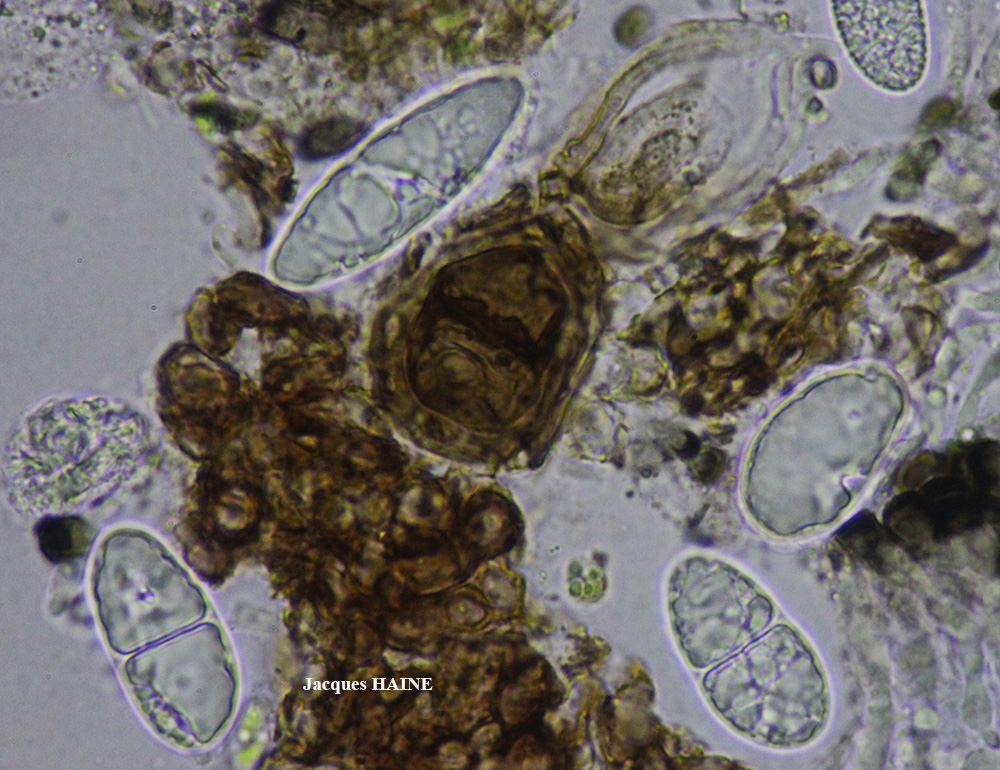
Jacques Haine - Source: http://www.lichensmaritimes.org/index.php?task=fiche&lichen=51&lang=en
France, Crozon