Anzina carneonivea (Anzi) Scheid. var. carneonivea
in Vezda, Sched. ad Lich. Sel. Exs., 73: 5 (nr. 1815), 1982. Basionym: Gyalolechia carneonivea Anzi - Atti Soc. Ital. Sc. Nat., 11: 163, 1868.
Synonyms: Caloplaca carneonivea (Anzi) Jatta; Diphratora carneonivea (Anzi) Jatta; Gyalecta carneonivea (Anzi) Lettau; Lecidea carneonivea (Anzi) Arnold; Pertusaria carneonivea (Anzi) Vain.; Pertusaria infralapponica Vain.; Pertusaria tauriscorum Zahlbr.; Secoliga carneonivea (Anzi) Arnold; Varicellaria carneonivea (Anzi) Erichsen
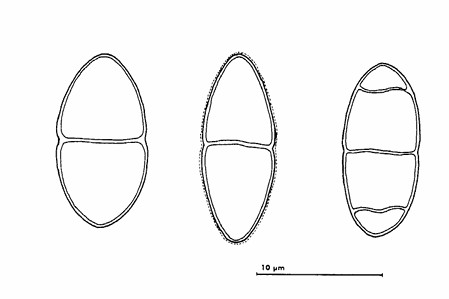
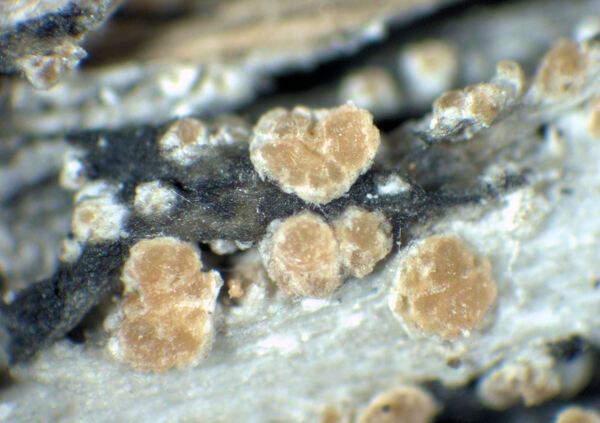
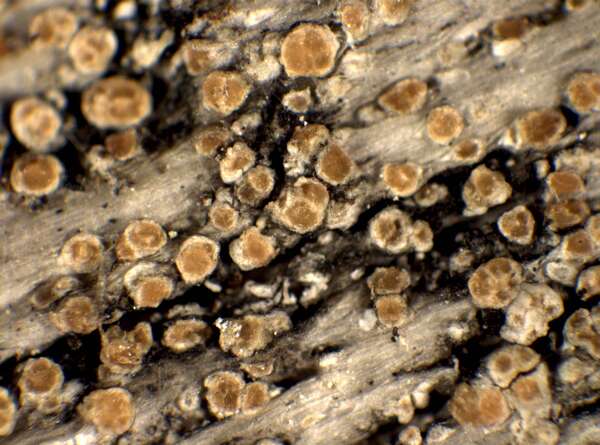
Description: Thallus crustose, whitish grey to pale grey-green, thin, most often hemiendosubstratic, more or less continuous, without a distinct prothallus, forming large patches especially when growing on rotting wood. Apothecia very common, 0.12-0.3 mm across, immersed in thalline warts, initially single, then becoming confluent, with a yellowish-brown to orange, flat disc and a thin, smooth, paler thalline margin. Thalline exciple more or less developed, especially in older apothecia; proper exciple poorly developed, colourless, of periclinally arranged hyphae; epithecium yellowish brown, K-, C+ red, KC+ red; hymenium colourless, 40-80 µm high, I-, K/I-; paraphysoids c. 1.5 µm thick, branched and anastomosing, the apical cells not swollen; hypothecium colourless, up to 50 µm high. Asci (6-)8-spored, subcylindrical, unitunicate, the apex not thickened, I-, surrounded by an amyloid ring and surmounted by a thin amyloid cap, 70-80 x 15-20 µm. Ascospores 1(-3)-septate, hyaline, ellipsoid to narrowly ellipsoid, thin-walled, with a thin halo, (11-)13-15(-18) x 4.5-7.5 µm. Pycnidia dark, semi-immersed to projecting, 90-160 µm in diam., the ostiole at first punctiform, then enlarged. Conidia pleurogenous, short-bacilliform, 3.5-4.5(-5) x c. 0.7 µm. Photobiont chlorococcoid (Asterochloris). Spot tests: thallus K+ yellowish, C-, KC-, P-; apothecia C+ and KC+ red. Chemistry: apothecia with gyrophoric acid (major) and traces of lecanoric acid.
Growth form: Crustose
Photobiont: green algae other than Trentepohlia
Reproductive strategy: mainly sexual
Commonnes-rarity: (info)
Alpine belt: absent
Subalpine belt: rather rare
Montane belt: very rare
Dry submediterranean belt: extremely rare
Humid submediterranean belt: absent
Padanian area: absent
pH of the substrata:
1 2 3 4 5

Solar irradiation:
1 2 3 4 5
Aridity:
1 2 3 4 5
Eutrophication:
1 2 3 4 5
Poleotolerance:
0 1 2 3
Altitudinal distribution:
1 2 3 4 5 6
Rarity
absent
extremely rare
very rare
rare
rather rare
rather common
common
very common
extremely common
Loading data...
Occurrence data
Predictive map
P.L. Nimis CC BY-SA 4.0
TSB 9205
P.L. Nimis; Owner: Department of Life Sciences, University of Trieste
Herbarium: TSB (9205)
2001/11/21
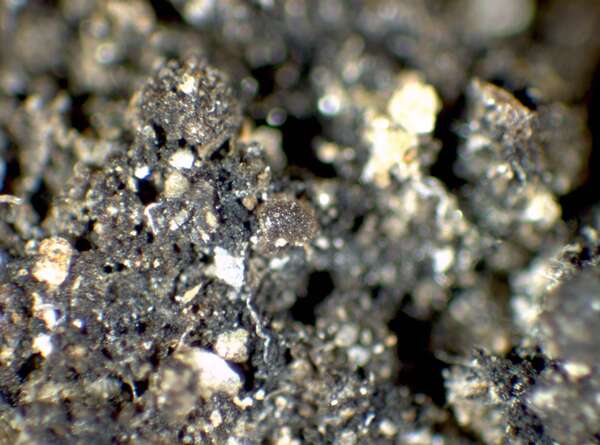
P.L. Nimis; Owner: Department of Life Sciences, University of Trieste
Herbarium: TSB (13672)
2001/12/27
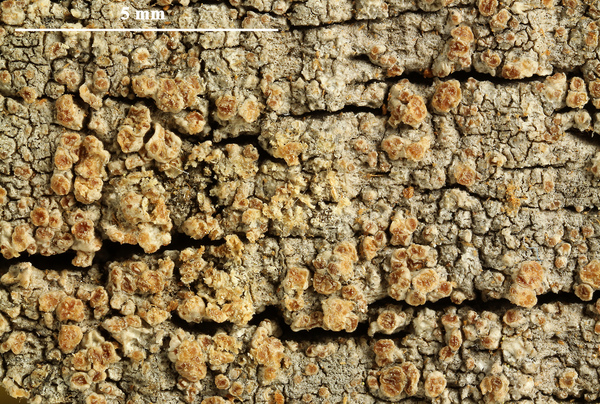
Felix Schumm; Owner: CC BY-SA 4.0
[TSB_17534], Italia, Veneto, Carnic Alps, Prov. Belluno, loc. Casera Razzo, c. 1750 m, on decaying stump of Picea. Leg. P.L. Nimis & M. Tretiach, 09.09.1993
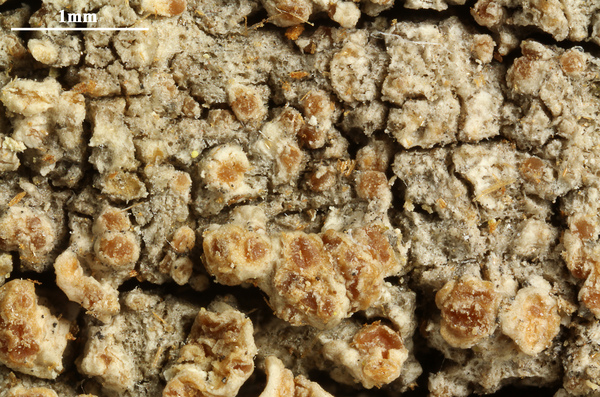
Felix Schumm; Owner: CC BY-SA 4.0
[TSB_17534], Italia, Veneto, Carnic Alps, Prov. Belluno, loc. Casera Razzo, c. 1750 m, on decaying stump of Picea. Leg. P.L. Nimis & M. Tretiach, 09.09.1993
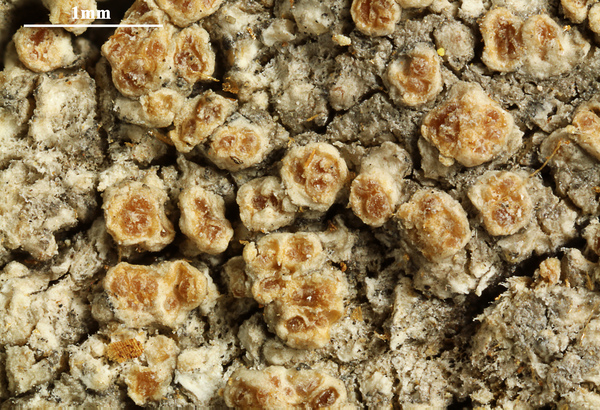
Felix Schumm; Owner: CC BY-SA 4.0
[TSB_17534], Italia, Veneto, Carnic Alps, Prov. Belluno, loc. Casera Razzo, c. 1750 m, on decaying stump of Picea. Leg. P.L. Nimis & M. Tretiach, 09.09.1993
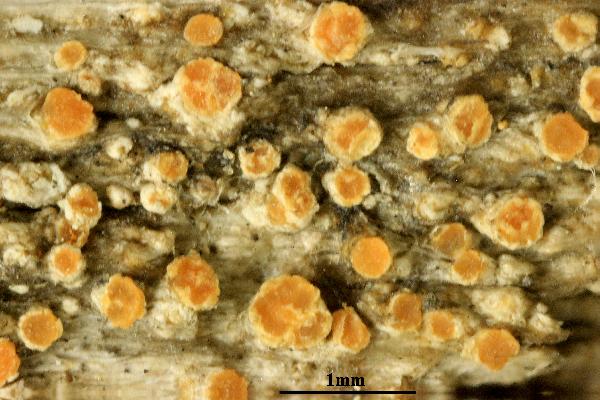
Felix Schumm - CC BY 4.0
[VZ1066], Suecia. Vermlandia. Södra Finnskoga Paroecia, Ivanna, 500
m. Supra muscos ad saxa. Leg. S. W. Sundell (no. 8166), 4.7.1972. EX
A. VEZDA: LICHENES SELECTI EXSICCATI NR. 1066.
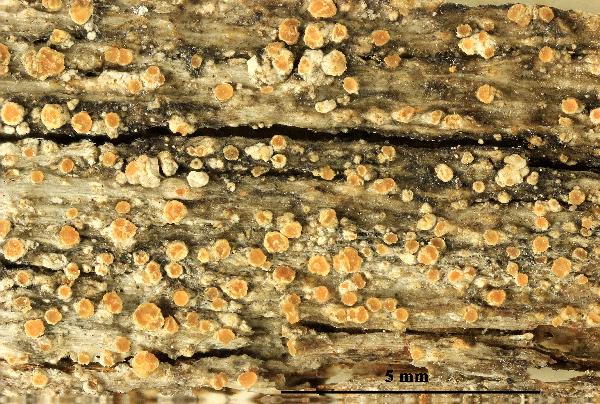
Felix Schumm - CC BY 4.0
[VZ1066], Suecia. Vermlandia. Södra Finnskoga Paroecia, Ivanna, 500
m. Supra muscos ad saxa. Leg. S. W. Sundell (no. 8166), 4.7.1972. EX
A. VEZDA: LICHENES SELECTI EXSICCATI NR. 1066.
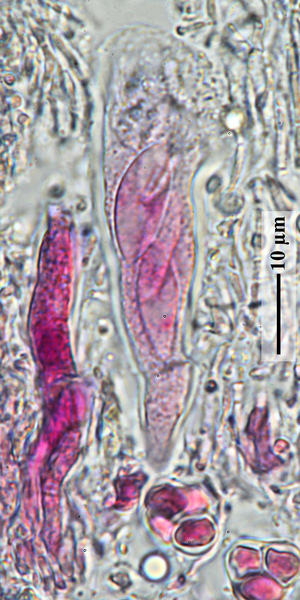
Felix Schumm - CC BY-SA 4.0
[TSB_17534], Italia, Veneto, Carnic Alps, Prov. Belluno, loc. Casera Razzo, c. 1750 m, on decaying stump of Picea. Leg. P.L. Nimis & M. Tretiach, 09.09.1993
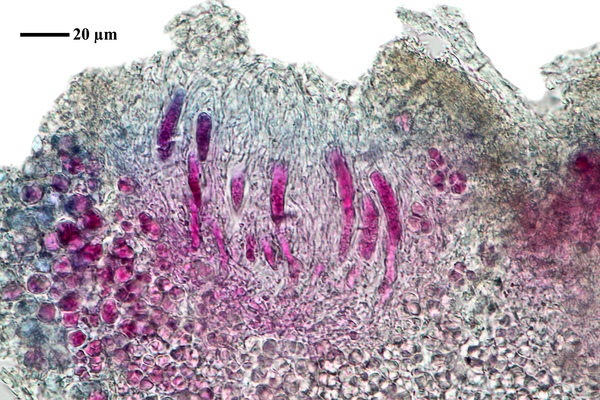
Felix Schumm - CC BY-SA 4.0
[TSB_17534], Italia, Veneto, Carnic Alps, Prov. Belluno, loc. Casera Razzo, c. 1750 m, on decaying stump of Picea. Leg. P.L. Nimis & M. Tretiach, 09.09.1993
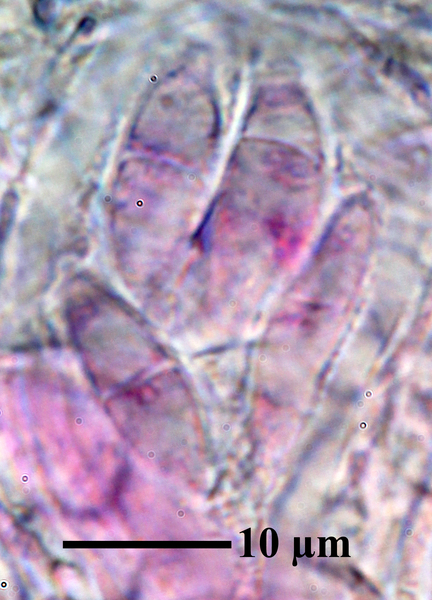
Felix Schumm - CC BY-SA 4.0
[TSB_17534], Italia, Veneto, Carnic Alps, Prov. Belluno, loc. Casera Razzo, c. 1750 m, on decaying stump of Picea. Leg. P.L. Nimis & M. Tretiach, 09.09.1993
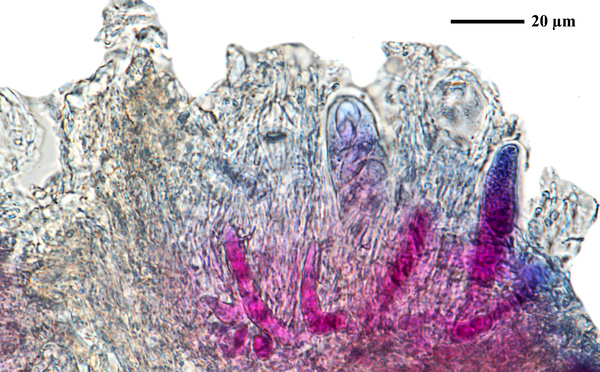
Felix Schumm - CC BY-SA 4.0
[TSB_17534], Italia, Veneto, Carnic Alps, Prov. Belluno, loc. Casera Razzo, c. 1750 m, on decaying stump of Picea. Leg. P.L. Nimis & M. Tretiach, 09.09.1993
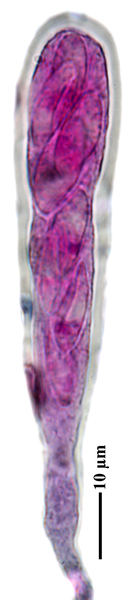
Felix Schumm - CC BY-SA 4.0
[TSB_17534], Italia, Veneto, Carnic Alps, Prov. Belluno, loc. Casera Razzo, c. 1750 m, on decaying stump of Picea. Leg. P.L. Nimis & M. Tretiach, 09.09.1993
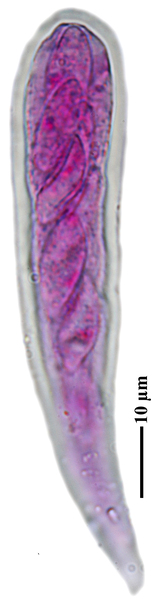
Felix Schumm - CC BY-SA 4.0
[TSB_17534], Italia, Veneto, Carnic Alps, Prov. Belluno, loc. Casera Razzo, c. 1750 m, on decaying stump of Picea. Leg. P.L. Nimis & M. Tretiach, 09.09.1993
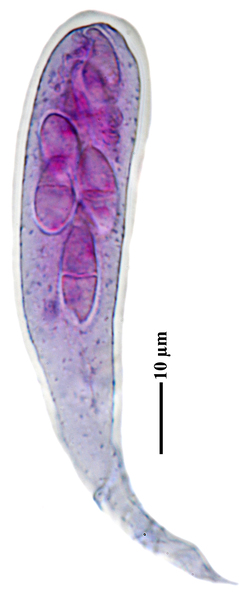
Felix Schumm - CC BY-SA 4.0
[TSB_17534], Italia, Veneto, Carnic Alps, Prov. Belluno, loc. Casera Razzo, c. 1750 m, on decaying stump of Picea. Leg. P.L. Nimis & M. Tretiach, 09.09.1993
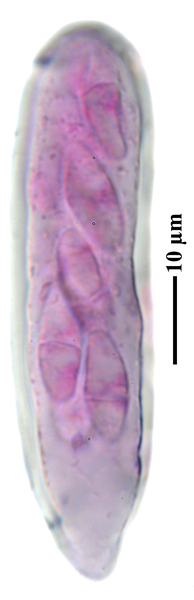
Felix Schumm - CC BY-SA 4.0
[TSB_17534], Italia, Veneto, Carnic Alps, Prov. Belluno, loc. Casera Razzo, c. 1750 m, on decaying stump of Picea. Leg. P.L. Nimis & M. Tretiach, 09.09.1993
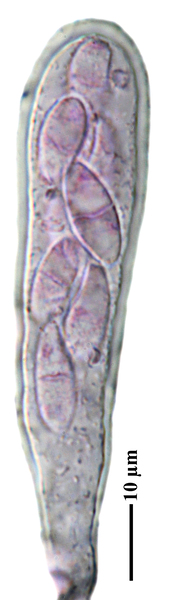
Felix Schumm - CC BY-SA 4.0
[TSB_17534], Italia, Veneto, Carnic Alps, Prov. Belluno, loc. Casera Razzo, c. 1750 m, on decaying stump of Picea. Leg. P.L. Nimis & M. Tretiach, 09.09.1993
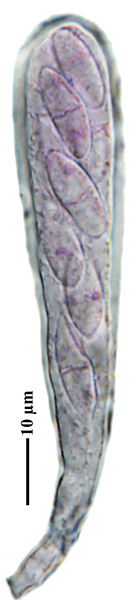
Felix Schumm - CC BY-SA 4.0
[TSB_17534], Italia, Veneto, Carnic Alps, Prov. Belluno, loc. Casera Razzo, c. 1750 m, on decaying stump of Picea. Leg. P.L. Nimis & M. Tretiach, 09.09.1993
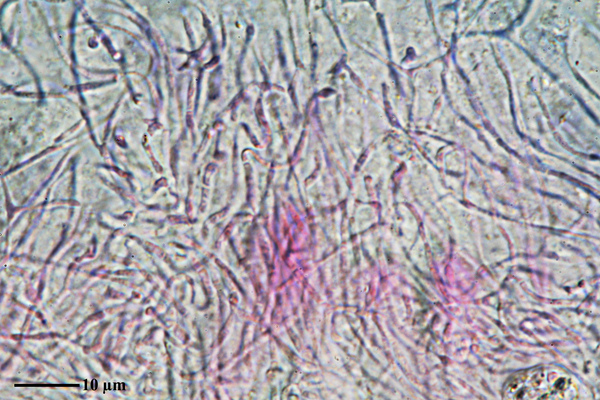
Felix Schumm - CC BY-SA 4.0
[TSB_17534], Italia, Veneto, Carnic Alps, Prov. Belluno, loc. Casera Razzo, c. 1750 m, on decaying stump of Picea. Leg. P.L. Nimis & M. Tretiach, 09.09.1993
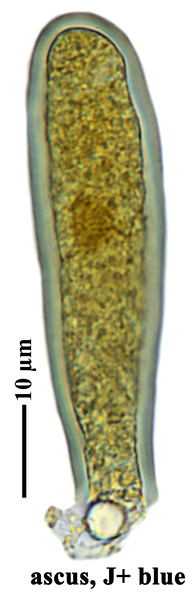
Felix Schumm - CC BY-SA 4.0
[TSB_17534], Italia, Veneto, Carnic Alps, Prov. Belluno, loc. Casera Razzo, c. 1750 m, on decaying stump of Picea. Leg. P.L. Nimis & M. Tretiach, 09.09.1993
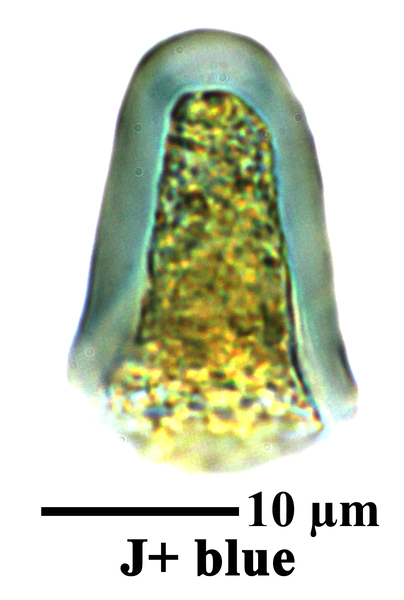
Felix Schumm - CC BY-SA 4.0
[TSB_17534], Italia, Veneto, Carnic Alps, Prov. Belluno, loc. Casera Razzo, c. 1750 m, on decaying stump of Picea. Leg. P.L. Nimis & M. Tretiach, 09.09.1993
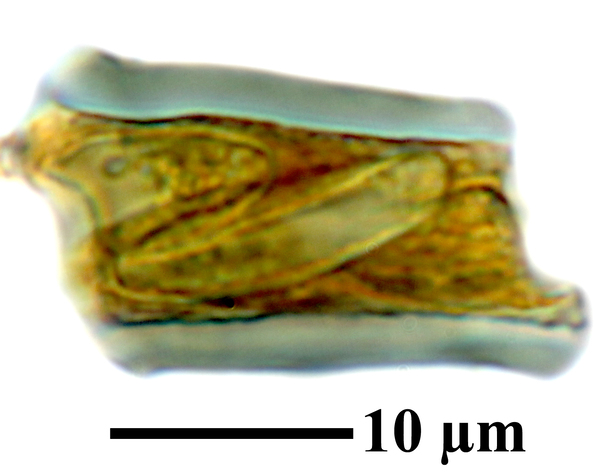
Felix Schumm - CC BY-SA 4.0
[TSB_17534], Italia, Veneto, Carnic Alps, Prov. Belluno, loc. Casera Razzo, c. 1750 m, on decaying stump of Picea. Leg. P.L. Nimis & M. Tretiach, 09.09.1993
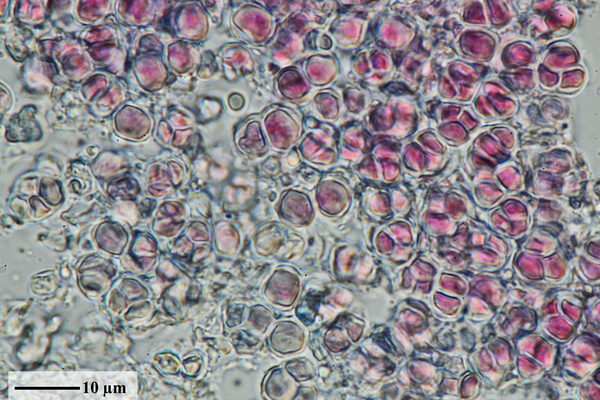
Felix Schumm - CC BY-SA 4.0
[TSB_17534], Italia, Veneto, Carnic Alps, Prov. Belluno, loc. Casera Razzo, c. 1750 m, on decaying stump of Picea. Leg. P.L. Nimis & M. Tretiach, 09.09.1993
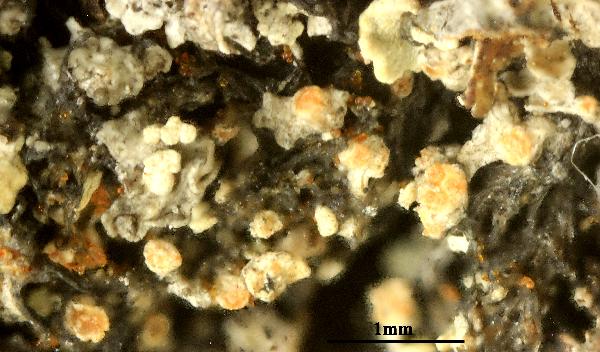
Felix Schumm - CC BY-SA 4.0
[VZ1066], Suecua. Vermlandia. Södra Finnskoga Paroecia, Ivanna, 500
m. Supra muscos ad saxa. Leg. S. W. Sundell (no. 8166), 4.7.1972. EX
A. VEZDA: LICHENES SELECTI EXSICCATI NR. 1066. As Varicellaria carneonivea
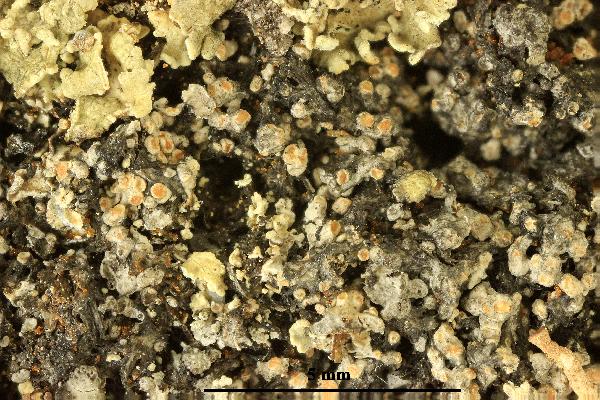
Felix Schumm - CC BY-SA 4.0
[VZ1066], Suecua. Vermlandia. Södra Finnskoga Paroecia, Ivanna, 500
m. Supra muscos ad saxa. Leg. S. W. Sundell (no. 8166), 4.7.1972. EX
A. VEZDA: LICHENES SELECTI EXSICCATI NR. 1066. As Varicellaria carneonivea
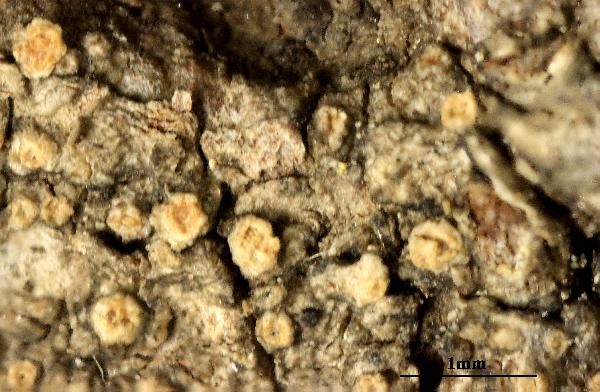
Felix Schumm - CC BY-SA 4.0
[VZ1114], Romania. Distr. Hunedoara. Montes Retezat, supra lacum
Zanoaga, 1950 m. Ad corticem Pini montanae. Leg. A. Vezda,
5.6.1972. EX A. VEZDA: LICHENES SELECTI EXSICCATI NR. 1114. As Varicellaria carneonivea
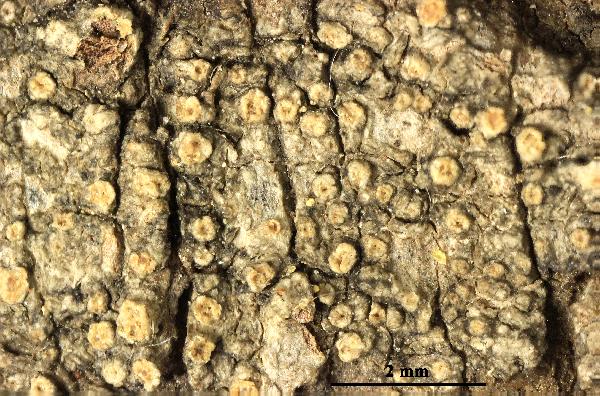
Felix Schumm - CC BY-SA 4.0
[VZ1114], Romania. Distr. Hunedoara. Montes Retezat, supra lacum
Zanoaga, 1950 m. Ad corticem Pini montanae. Leg. A. Vezda,
5.6.1972. EX A. VEZDA: LICHENES SELECTI EXSICCATI NR. 1114. As Varicellaria carneonivea
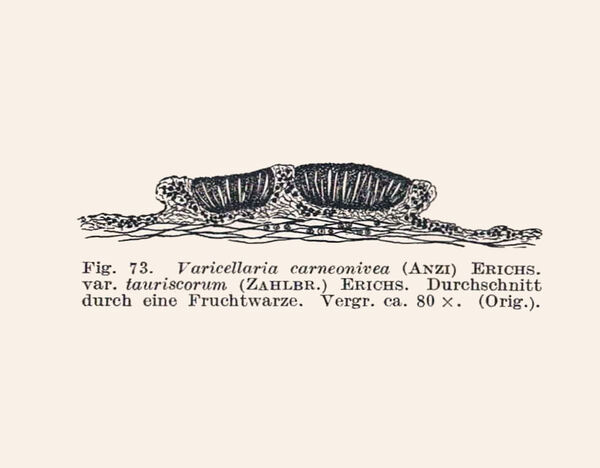
Erichsen C.F.E. 1936. Pertusariaceae. - In: Dr. L. Rabenhorsts Kryptogamenflora von Deutschland, Österreich und der Schweiz. Bd. IX, Abt. 5, T. 1. Akad. Verlagsges., Leipzig, pp. 321-512, 513-728. - Public Domain
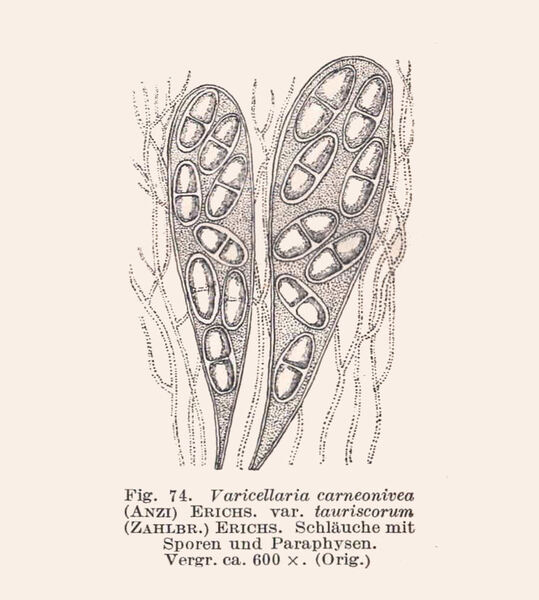
Erichsen C.F.E. 1936. Pertusariaceae. - In: Dr. L. Rabenhorsts Kryptogamenflora von Deutschland, Österreich und der Schweiz. Bd. IX, Abt. 5, T. 1. Akad. Verlagsges., Leipzig, pp. 321-512, 513-728. - Public Domain
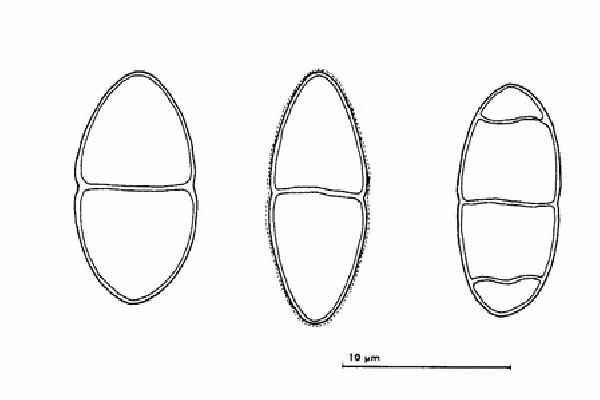
Source: Scheidegger Ch. 1985. Systematische Studien zur Krustenflechte Anzina carneonivea (Trapeliaceae, Lecanorales). Nova Hedwigia, 41: 191-218.
Growth form: Crustose
Photobiont: green algae other than Trentepohlia
Reproductive strategy: mainly sexual
Commonnes-rarity: (info)
Alpine belt: absent
Subalpine belt: rather rare
Montane belt: very rare
Dry submediterranean belt: extremely rare
Humid submediterranean belt: absent
Padanian area: absent
pH of the substrata:
| 1 | 2 | 3 | 4 | 5 |
Solar irradiation:
| 1 | 2 | 3 | 4 | 5 |
Aridity:
| 1 | 2 | 3 | 4 | 5 |
Eutrophication:
| 1 | 2 | 3 | 4 | 5 |
Poleotolerance:
| 0 | 1 | 2 | 3 |
Altitudinal distribution:
| 1 | 2 | 3 | 4 | 5 | 6 |
Rarity
absent
extremely rare
very rare
rare
rather rare
rather common
common
very common
extremely common
Loading data...
Occurrence data
Predictive map
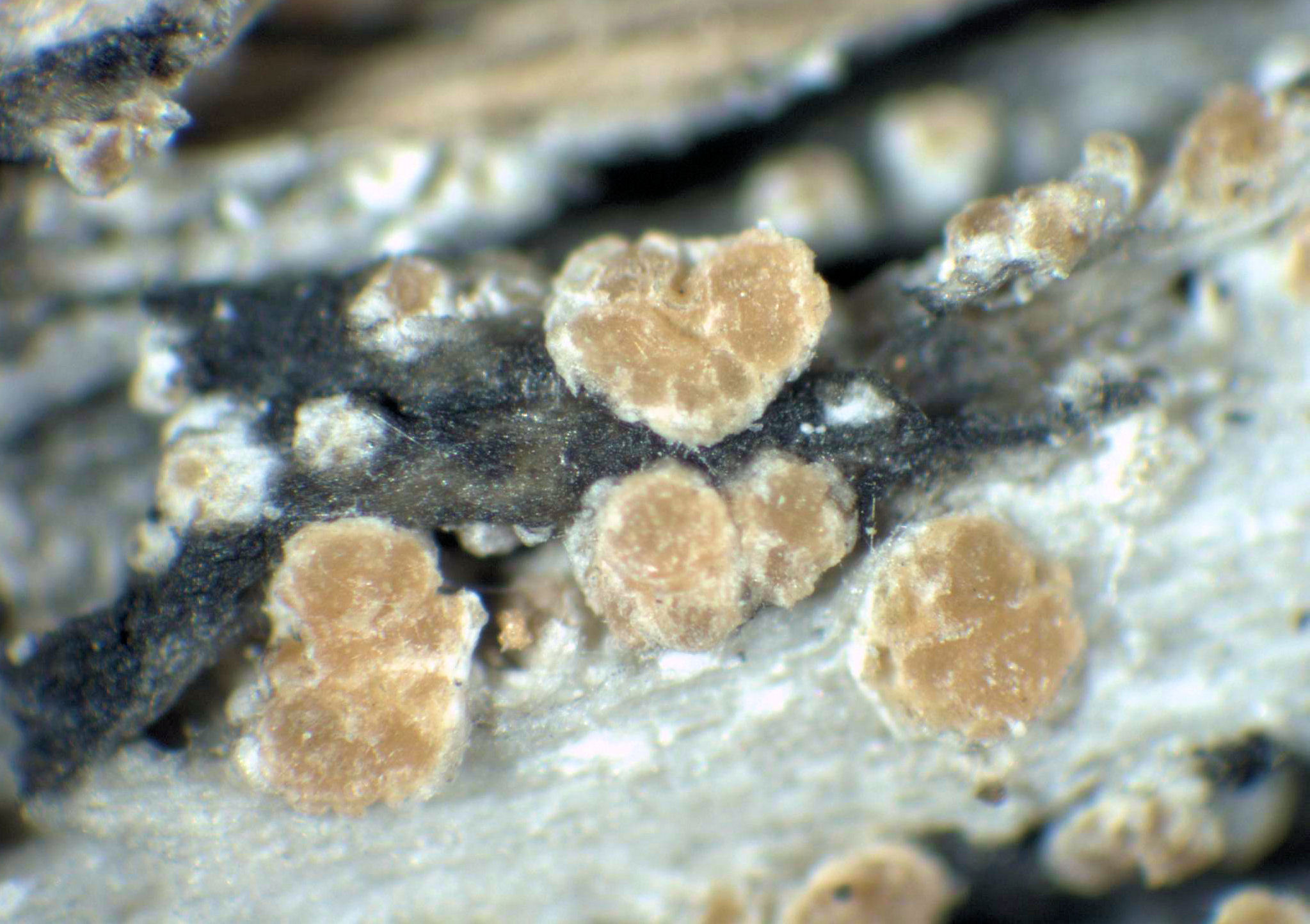
P.L. Nimis CC BY-SA 4.0
TSB 9205

P.L. Nimis; Owner: Department of Life Sciences, University of Trieste
Herbarium: TSB (9205)
2001/11/21
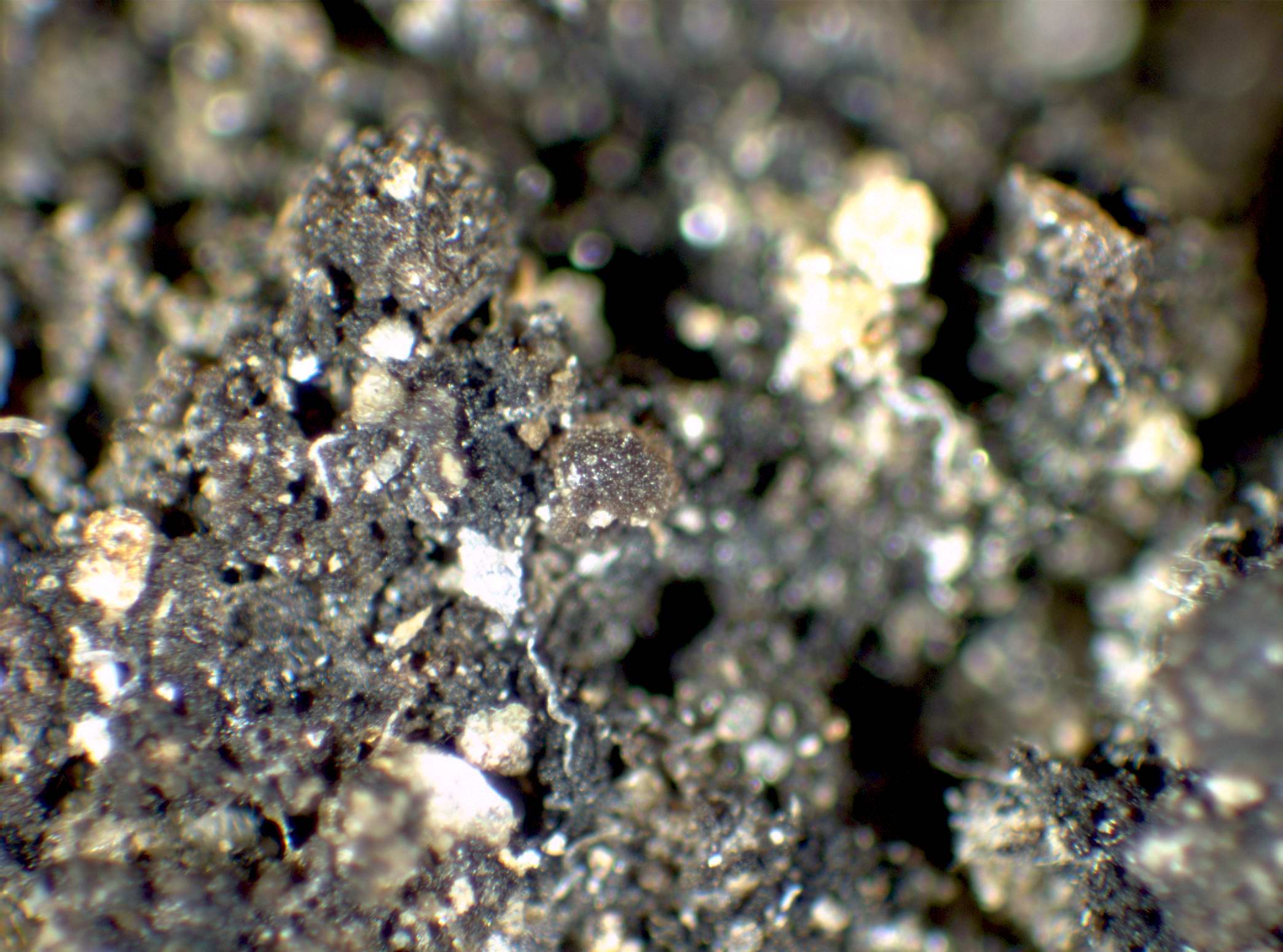
P.L. Nimis; Owner: Department of Life Sciences, University of Trieste
Herbarium: TSB (13672)
2001/12/27
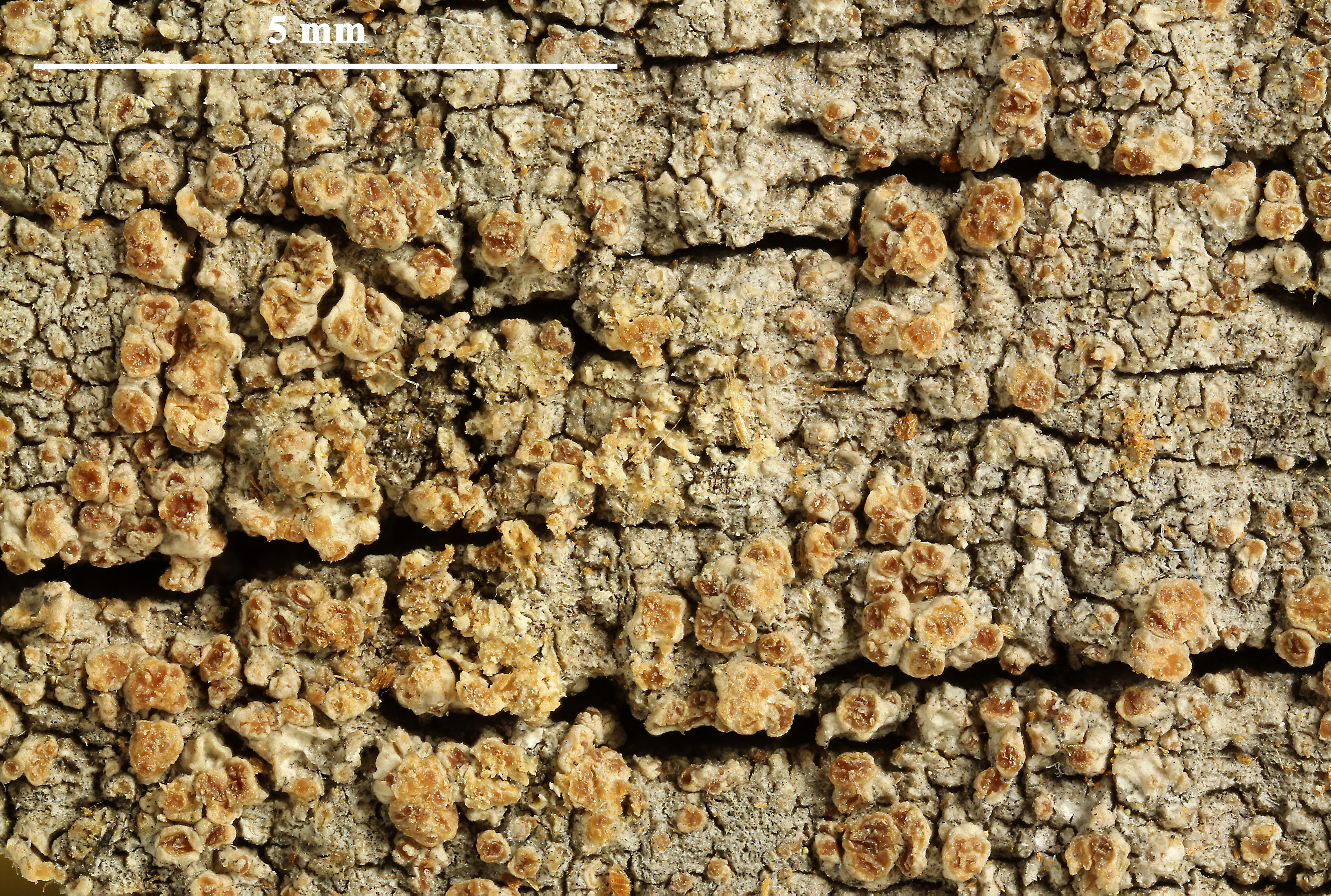
Felix Schumm; Owner: CC BY-SA 4.0
[TSB_17534], Italia, Veneto, Carnic Alps, Prov. Belluno, loc. Casera Razzo, c. 1750 m, on decaying stump of Picea. Leg. P.L. Nimis & M. Tretiach, 09.09.1993
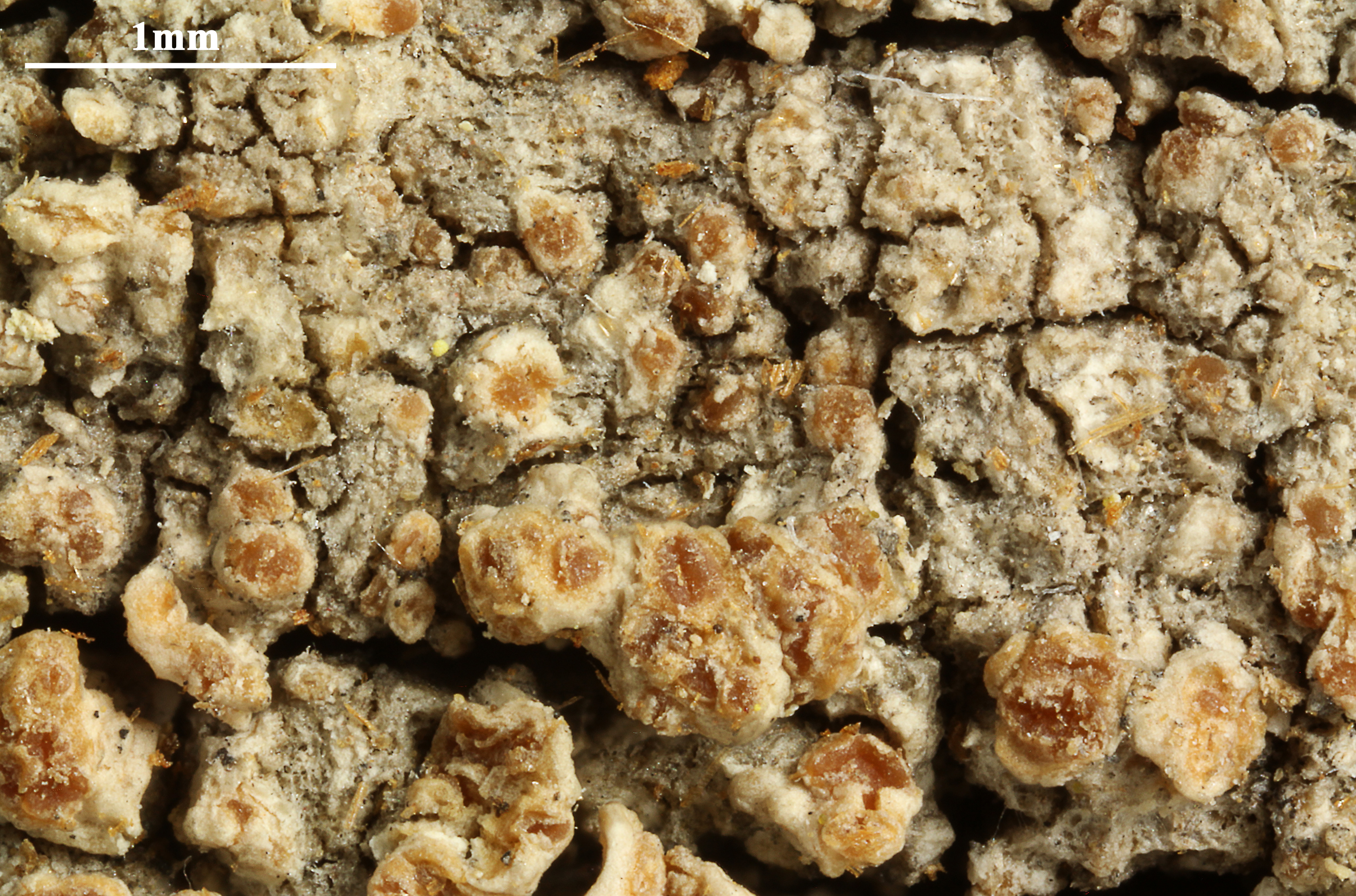
Felix Schumm; Owner: CC BY-SA 4.0
[TSB_17534], Italia, Veneto, Carnic Alps, Prov. Belluno, loc. Casera Razzo, c. 1750 m, on decaying stump of Picea. Leg. P.L. Nimis & M. Tretiach, 09.09.1993
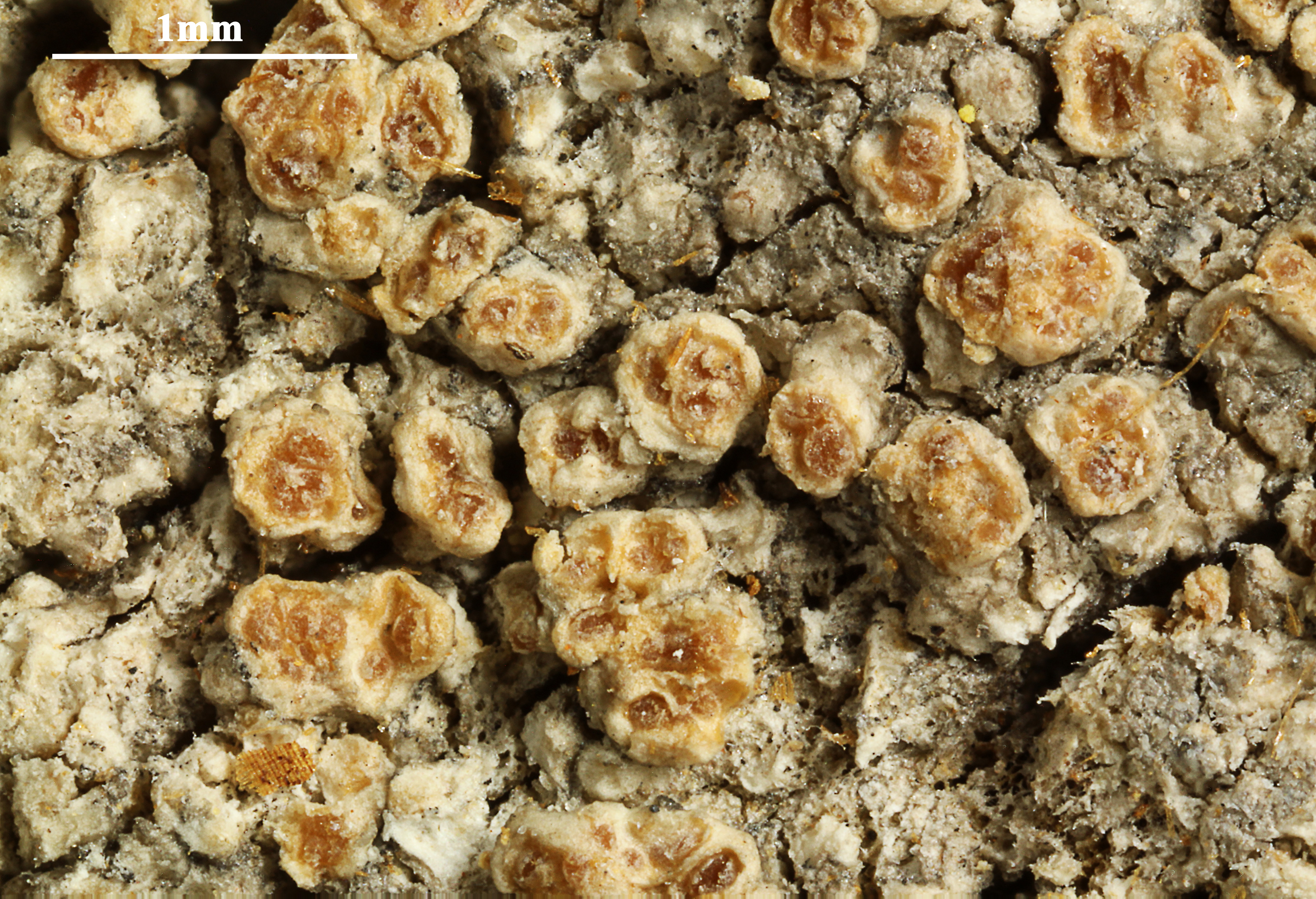
Felix Schumm; Owner: CC BY-SA 4.0
[TSB_17534], Italia, Veneto, Carnic Alps, Prov. Belluno, loc. Casera Razzo, c. 1750 m, on decaying stump of Picea. Leg. P.L. Nimis & M. Tretiach, 09.09.1993

Felix Schumm - CC BY 4.0
[VZ1066], Suecia. Vermlandia. Södra Finnskoga Paroecia, Ivanna, 500 m. Supra muscos ad saxa. Leg. S. W. Sundell (no. 8166), 4.7.1972. EX A. VEZDA: LICHENES SELECTI EXSICCATI NR. 1066.

Felix Schumm - CC BY 4.0
[VZ1066], Suecia. Vermlandia. Södra Finnskoga Paroecia, Ivanna, 500 m. Supra muscos ad saxa. Leg. S. W. Sundell (no. 8166), 4.7.1972. EX A. VEZDA: LICHENES SELECTI EXSICCATI NR. 1066.
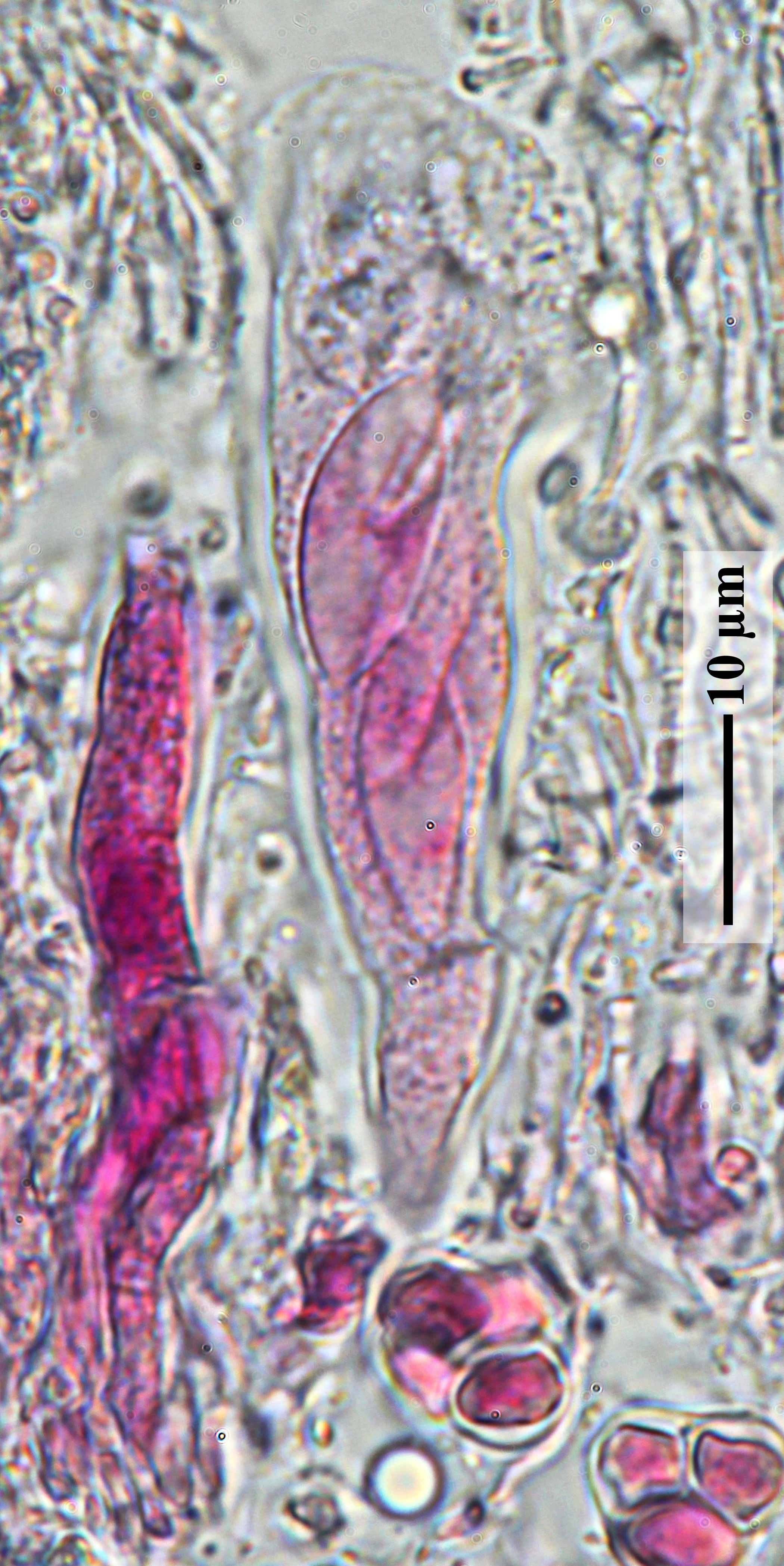
Felix Schumm - CC BY-SA 4.0
[TSB_17534], Italia, Veneto, Carnic Alps, Prov. Belluno, loc. Casera Razzo, c. 1750 m, on decaying stump of Picea. Leg. P.L. Nimis & M. Tretiach, 09.09.1993
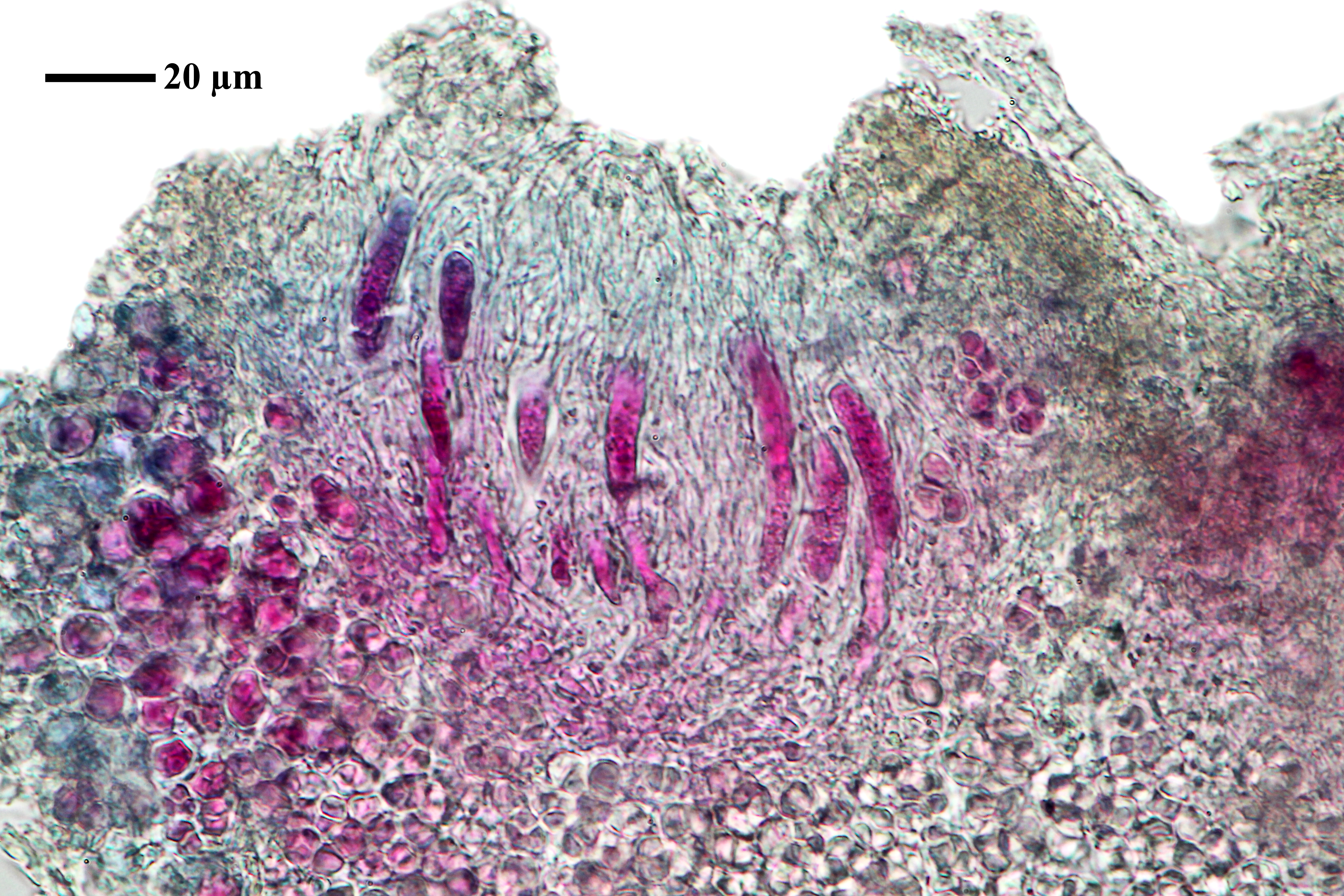
Felix Schumm - CC BY-SA 4.0
[TSB_17534], Italia, Veneto, Carnic Alps, Prov. Belluno, loc. Casera Razzo, c. 1750 m, on decaying stump of Picea. Leg. P.L. Nimis & M. Tretiach, 09.09.1993
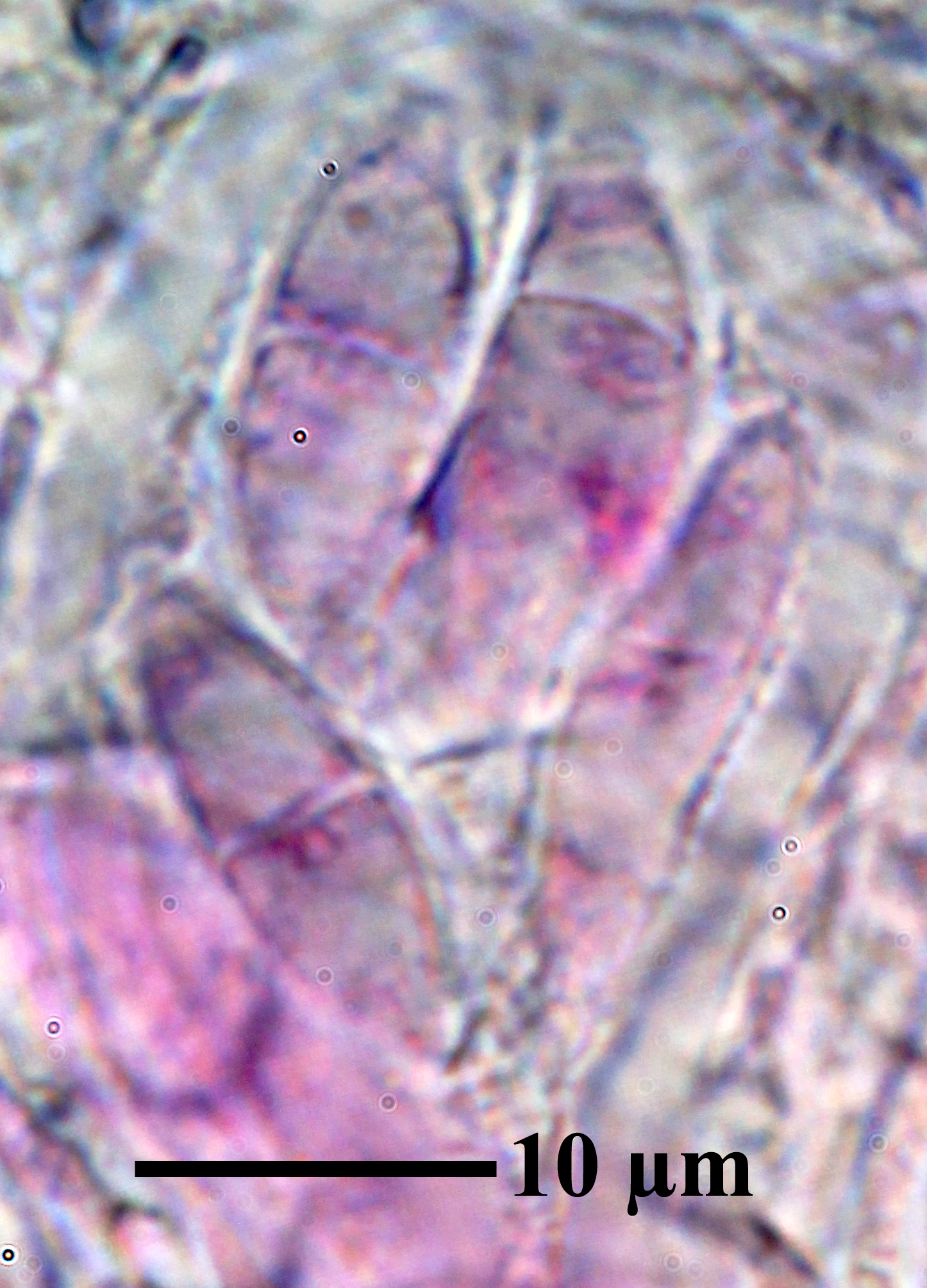
Felix Schumm - CC BY-SA 4.0
[TSB_17534], Italia, Veneto, Carnic Alps, Prov. Belluno, loc. Casera Razzo, c. 1750 m, on decaying stump of Picea. Leg. P.L. Nimis & M. Tretiach, 09.09.1993
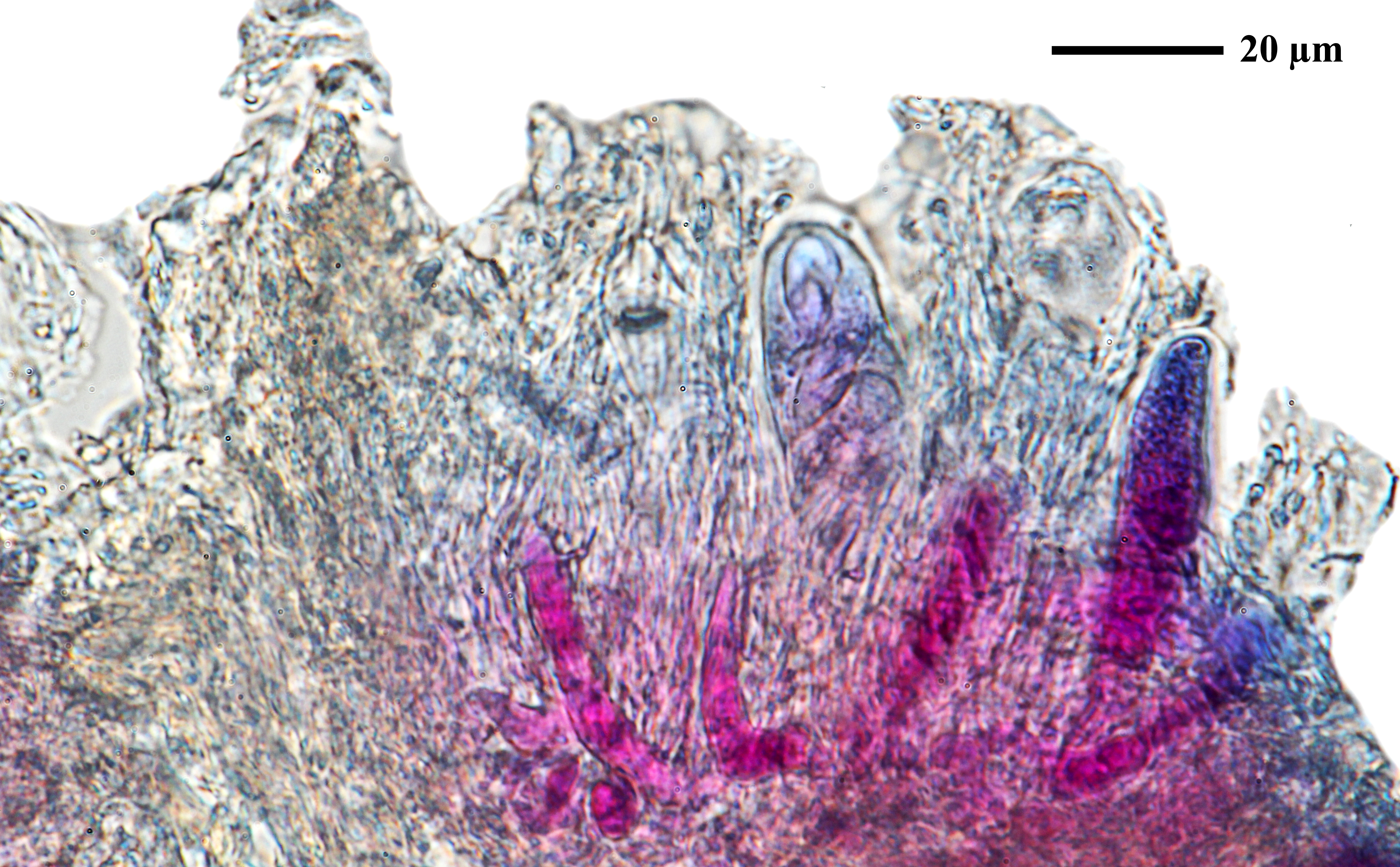
Felix Schumm - CC BY-SA 4.0
[TSB_17534], Italia, Veneto, Carnic Alps, Prov. Belluno, loc. Casera Razzo, c. 1750 m, on decaying stump of Picea. Leg. P.L. Nimis & M. Tretiach, 09.09.1993
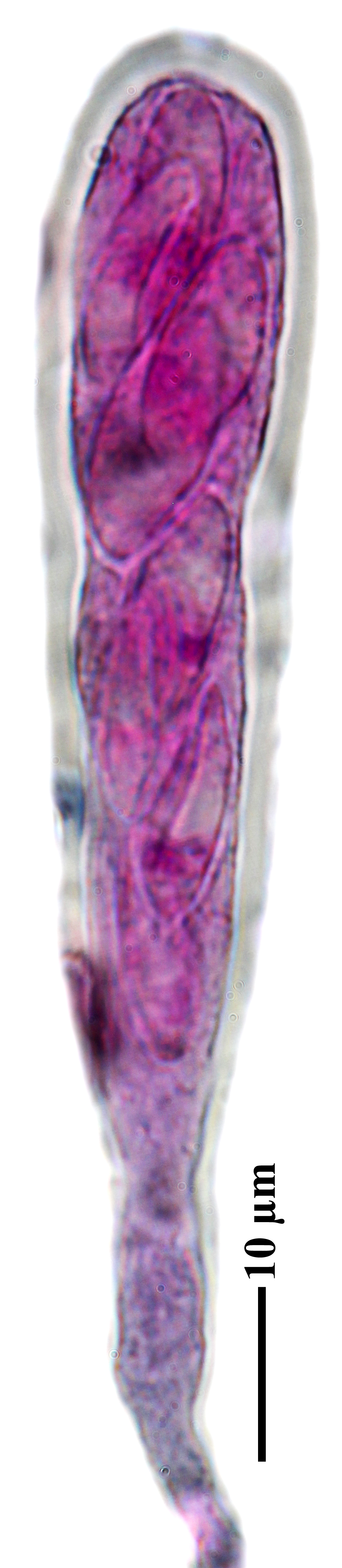
Felix Schumm - CC BY-SA 4.0
[TSB_17534], Italia, Veneto, Carnic Alps, Prov. Belluno, loc. Casera Razzo, c. 1750 m, on decaying stump of Picea. Leg. P.L. Nimis & M. Tretiach, 09.09.1993
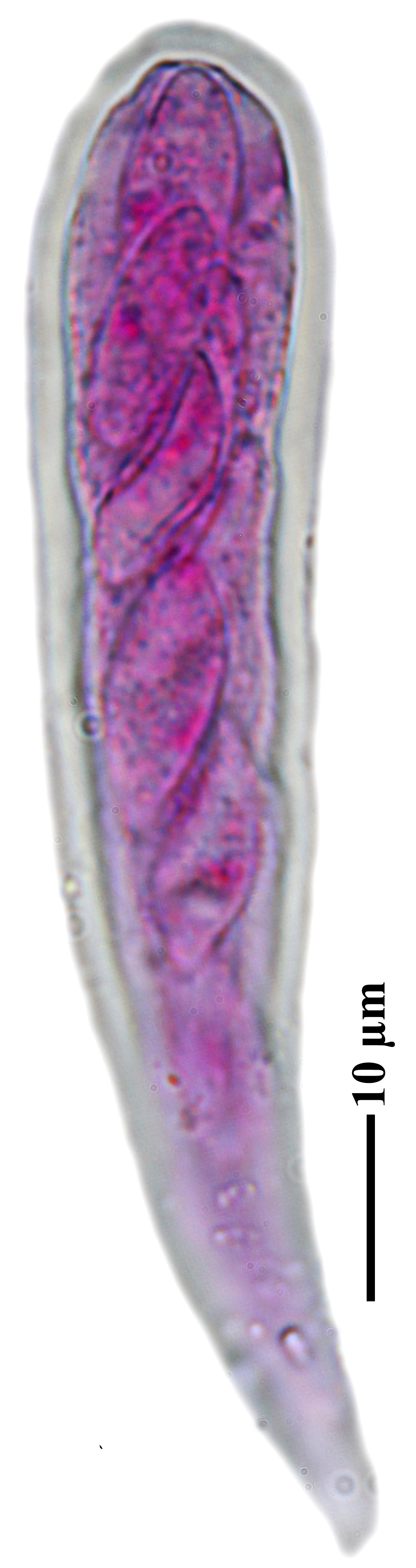
Felix Schumm - CC BY-SA 4.0
[TSB_17534], Italia, Veneto, Carnic Alps, Prov. Belluno, loc. Casera Razzo, c. 1750 m, on decaying stump of Picea. Leg. P.L. Nimis & M. Tretiach, 09.09.1993
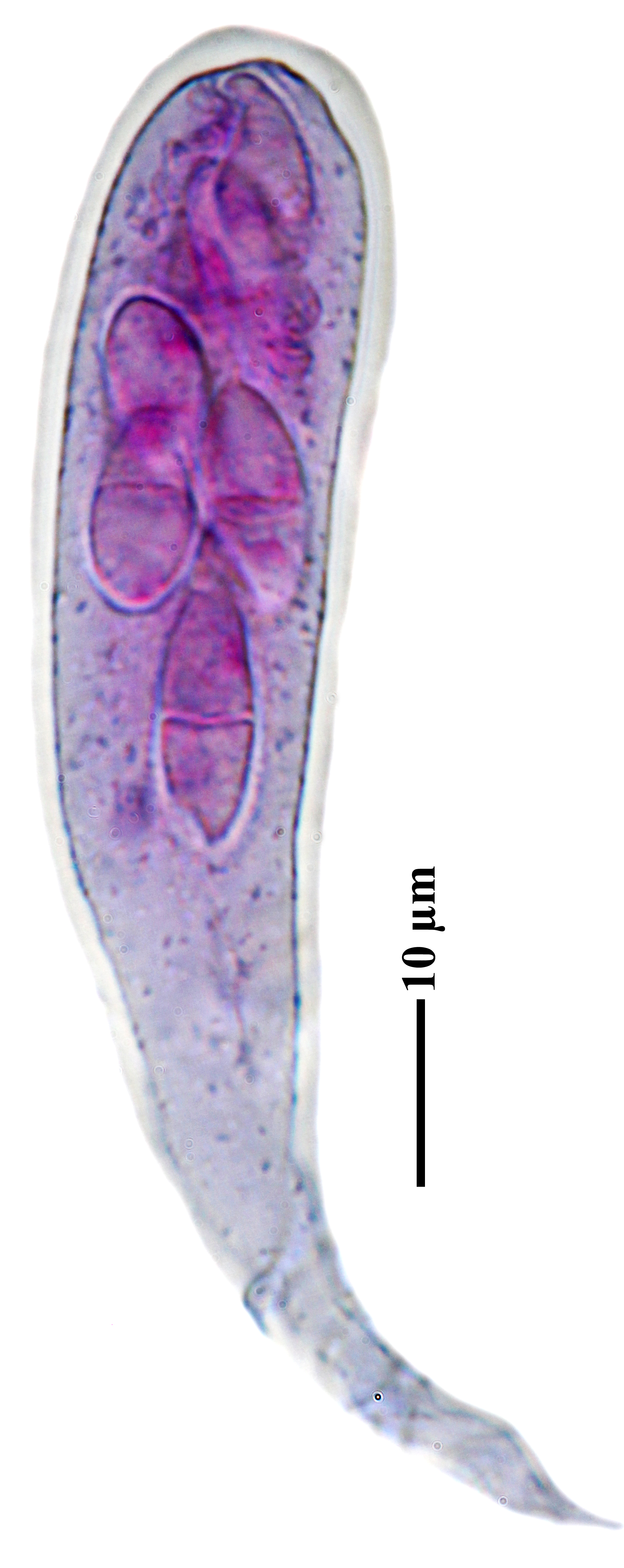
Felix Schumm - CC BY-SA 4.0
[TSB_17534], Italia, Veneto, Carnic Alps, Prov. Belluno, loc. Casera Razzo, c. 1750 m, on decaying stump of Picea. Leg. P.L. Nimis & M. Tretiach, 09.09.1993
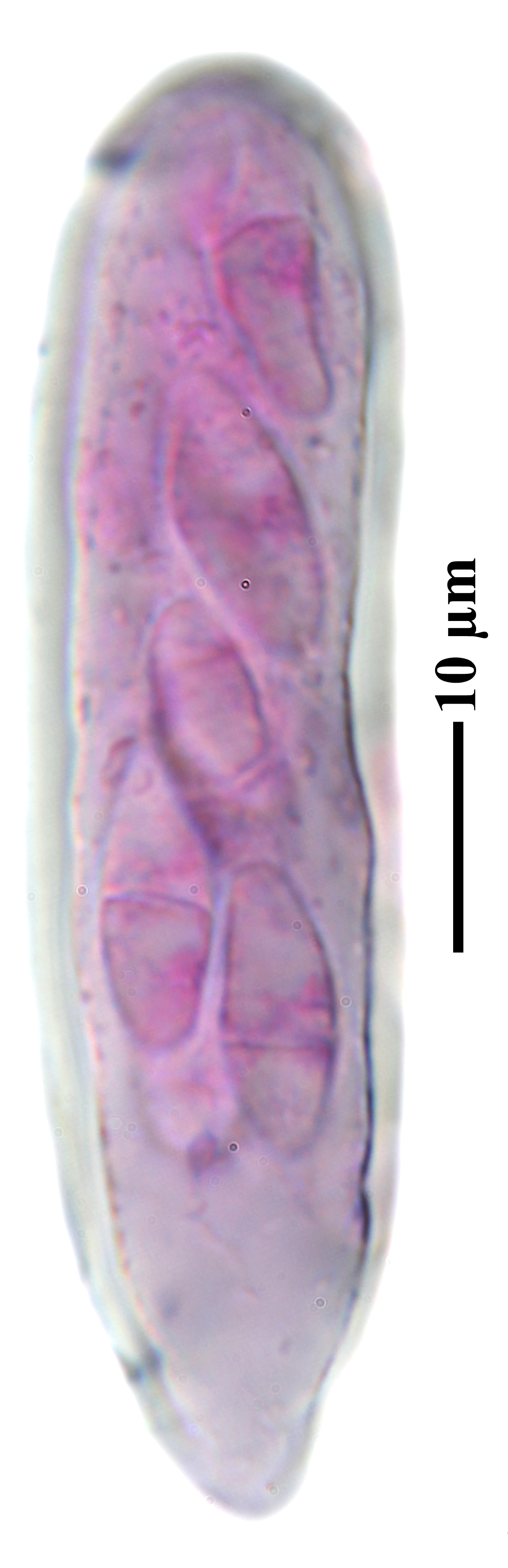
Felix Schumm - CC BY-SA 4.0
[TSB_17534], Italia, Veneto, Carnic Alps, Prov. Belluno, loc. Casera Razzo, c. 1750 m, on decaying stump of Picea. Leg. P.L. Nimis & M. Tretiach, 09.09.1993
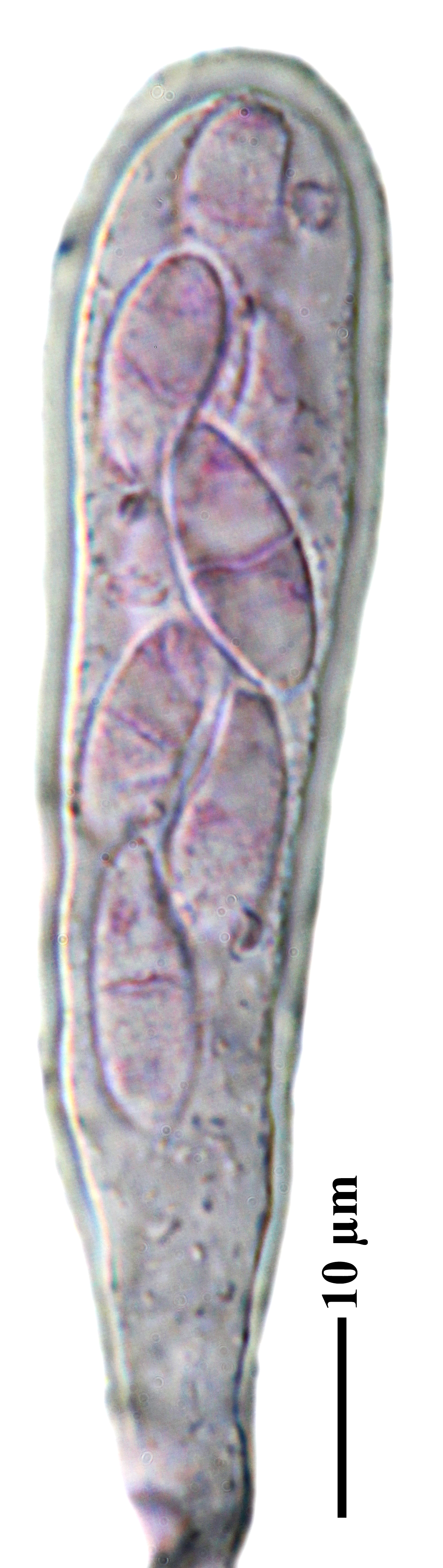
Felix Schumm - CC BY-SA 4.0
[TSB_17534], Italia, Veneto, Carnic Alps, Prov. Belluno, loc. Casera Razzo, c. 1750 m, on decaying stump of Picea. Leg. P.L. Nimis & M. Tretiach, 09.09.1993
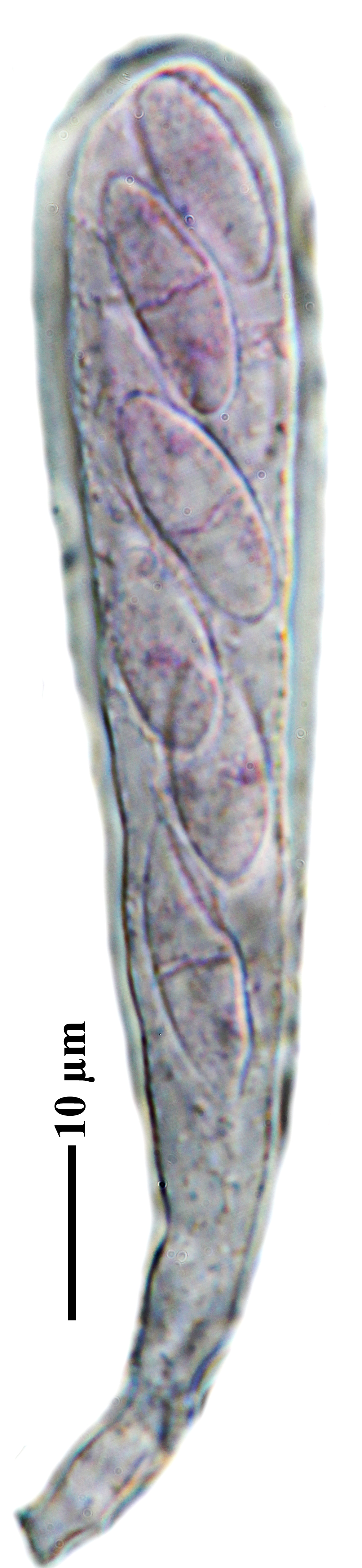
Felix Schumm - CC BY-SA 4.0
[TSB_17534], Italia, Veneto, Carnic Alps, Prov. Belluno, loc. Casera Razzo, c. 1750 m, on decaying stump of Picea. Leg. P.L. Nimis & M. Tretiach, 09.09.1993

Felix Schumm - CC BY-SA 4.0
[TSB_17534], Italia, Veneto, Carnic Alps, Prov. Belluno, loc. Casera Razzo, c. 1750 m, on decaying stump of Picea. Leg. P.L. Nimis & M. Tretiach, 09.09.1993
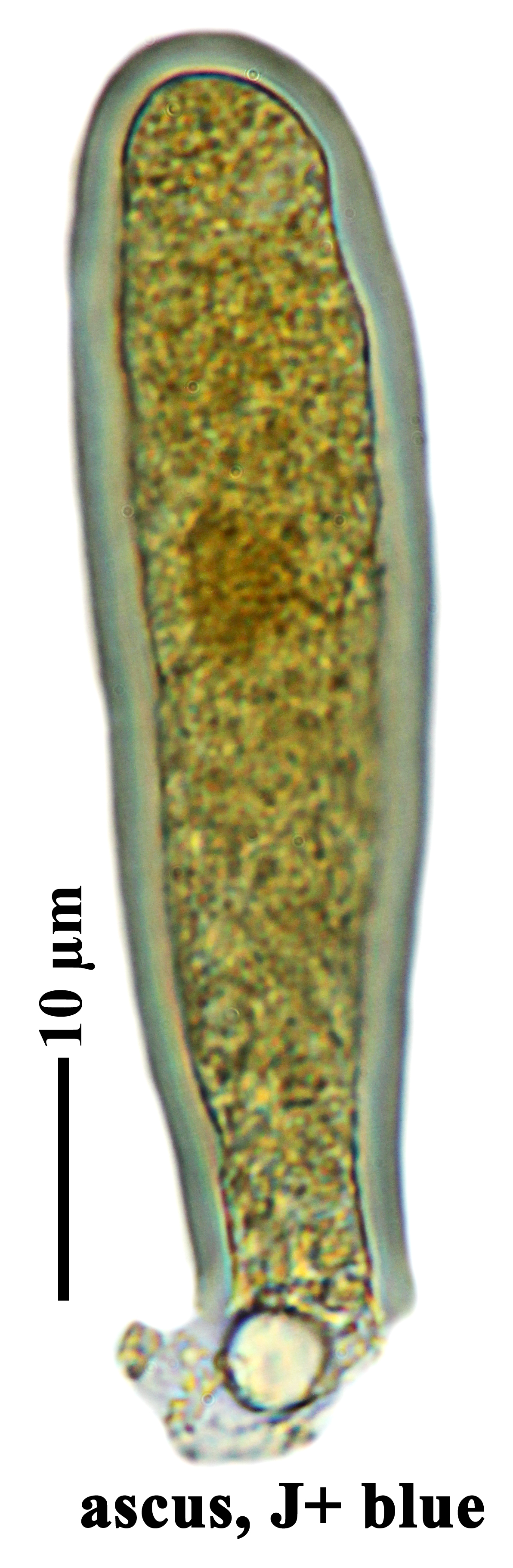
Felix Schumm - CC BY-SA 4.0
[TSB_17534], Italia, Veneto, Carnic Alps, Prov. Belluno, loc. Casera Razzo, c. 1750 m, on decaying stump of Picea. Leg. P.L. Nimis & M. Tretiach, 09.09.1993

Felix Schumm - CC BY-SA 4.0
[TSB_17534], Italia, Veneto, Carnic Alps, Prov. Belluno, loc. Casera Razzo, c. 1750 m, on decaying stump of Picea. Leg. P.L. Nimis & M. Tretiach, 09.09.1993
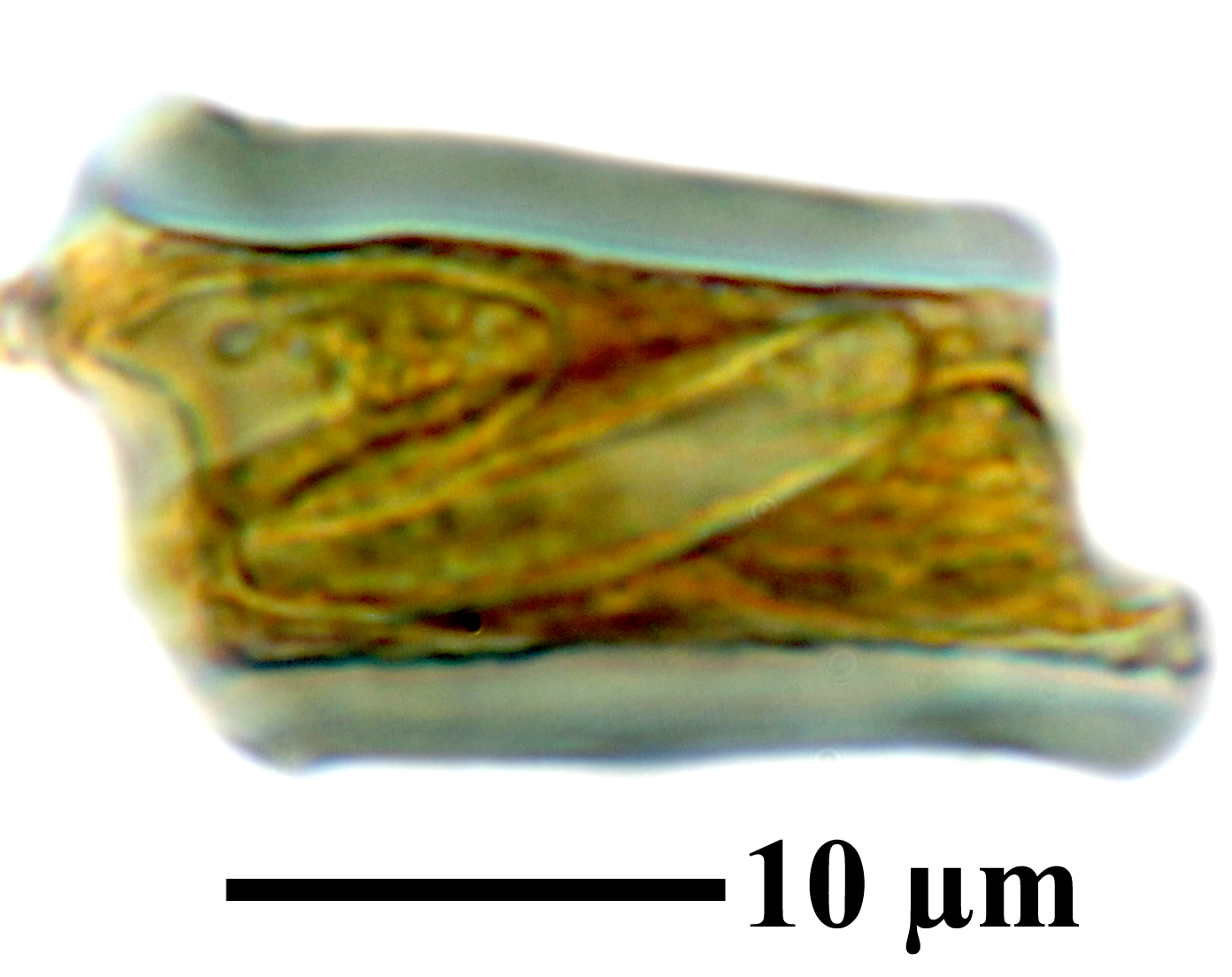
Felix Schumm - CC BY-SA 4.0
[TSB_17534], Italia, Veneto, Carnic Alps, Prov. Belluno, loc. Casera Razzo, c. 1750 m, on decaying stump of Picea. Leg. P.L. Nimis & M. Tretiach, 09.09.1993

Felix Schumm - CC BY-SA 4.0
[TSB_17534], Italia, Veneto, Carnic Alps, Prov. Belluno, loc. Casera Razzo, c. 1750 m, on decaying stump of Picea. Leg. P.L. Nimis & M. Tretiach, 09.09.1993

Felix Schumm - CC BY-SA 4.0
[VZ1066], Suecua. Vermlandia. Södra Finnskoga Paroecia, Ivanna, 500 m. Supra muscos ad saxa. Leg. S. W. Sundell (no. 8166), 4.7.1972. EX A. VEZDA: LICHENES SELECTI EXSICCATI NR. 1066. As Varicellaria carneonivea

Felix Schumm - CC BY-SA 4.0
[VZ1066], Suecua. Vermlandia. Södra Finnskoga Paroecia, Ivanna, 500 m. Supra muscos ad saxa. Leg. S. W. Sundell (no. 8166), 4.7.1972. EX A. VEZDA: LICHENES SELECTI EXSICCATI NR. 1066. As Varicellaria carneonivea

Felix Schumm - CC BY-SA 4.0
[VZ1114], Romania. Distr. Hunedoara. Montes Retezat, supra lacum Zanoaga, 1950 m. Ad corticem Pini montanae. Leg. A. Vezda, 5.6.1972. EX A. VEZDA: LICHENES SELECTI EXSICCATI NR. 1114. As Varicellaria carneonivea

Felix Schumm - CC BY-SA 4.0
[VZ1114], Romania. Distr. Hunedoara. Montes Retezat, supra lacum Zanoaga, 1950 m. Ad corticem Pini montanae. Leg. A. Vezda, 5.6.1972. EX A. VEZDA: LICHENES SELECTI EXSICCATI NR. 1114. As Varicellaria carneonivea
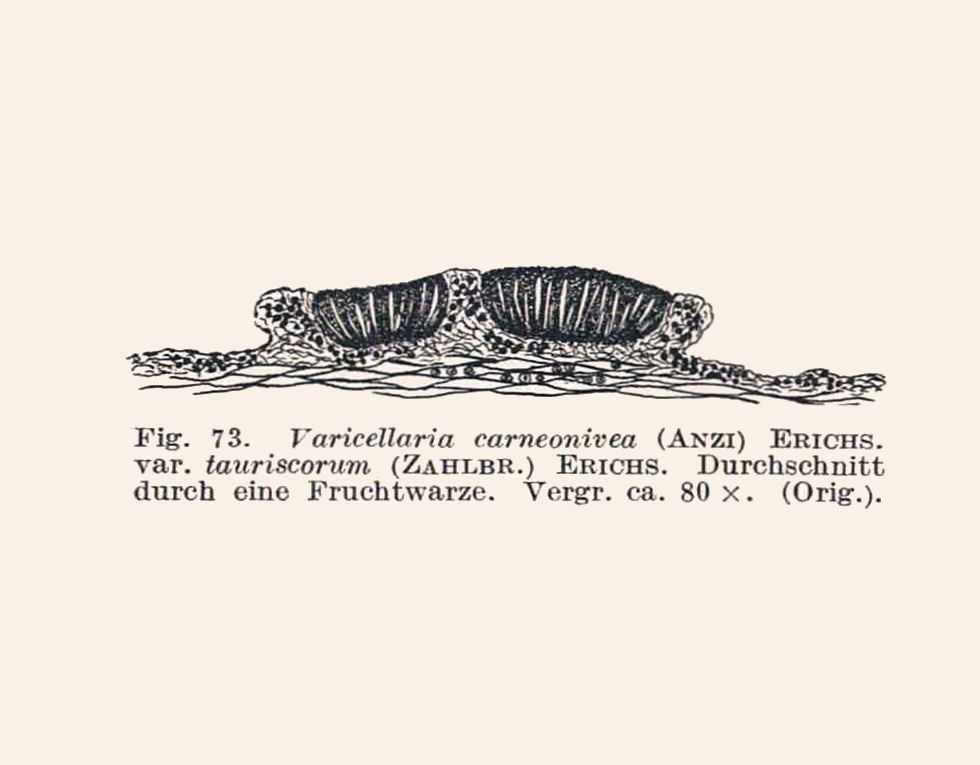
Erichsen C.F.E. 1936. Pertusariaceae. - In: Dr. L. Rabenhorsts Kryptogamenflora von Deutschland, Österreich und der Schweiz. Bd. IX, Abt. 5, T. 1. Akad. Verlagsges., Leipzig, pp. 321-512, 513-728. - Public Domain
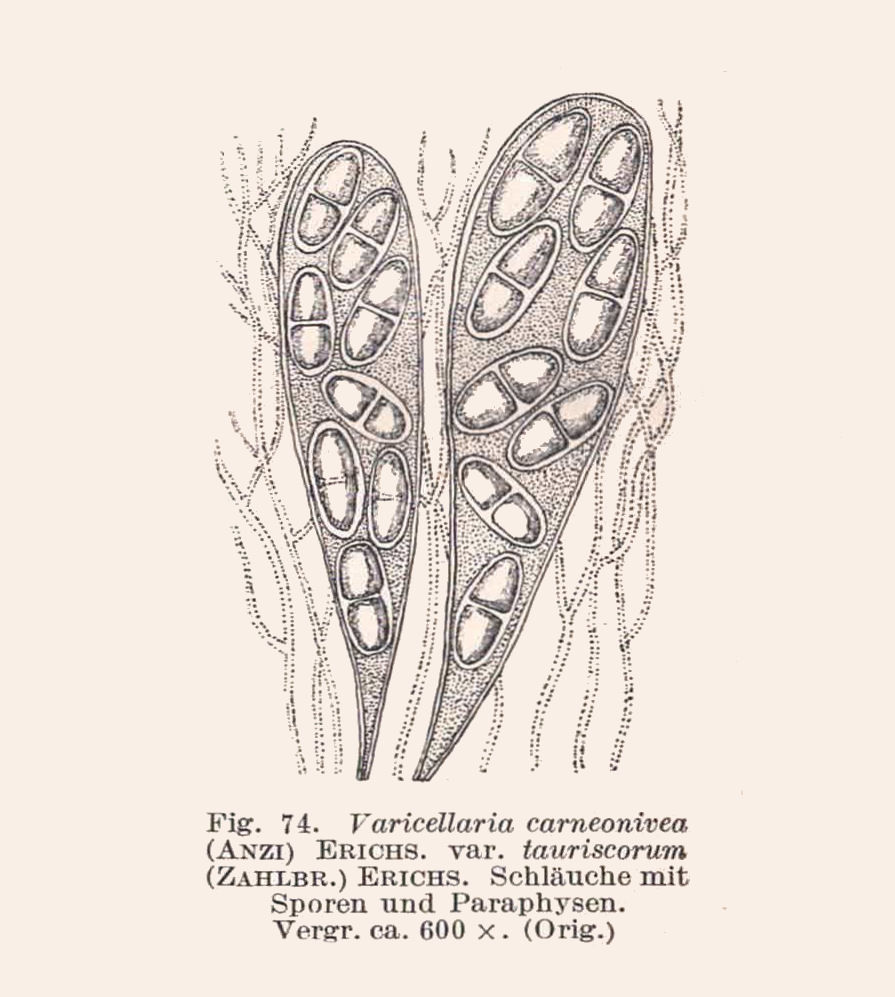
Erichsen C.F.E. 1936. Pertusariaceae. - In: Dr. L. Rabenhorsts Kryptogamenflora von Deutschland, Österreich und der Schweiz. Bd. IX, Abt. 5, T. 1. Akad. Verlagsges., Leipzig, pp. 321-512, 513-728. - Public Domain