Heteroplacidium fusculum (Nyl.) Gueidan & Cl. Roux
Mycol. Res., 111: 1157, 2007. Basionym: Verrucaria fuscula Nyl. - Bot. Not.: 161, 1853.
Synonyms: Dermatocarpon insulare (A. Massal.) Mig.; Dermatocarpon nantianum (H. Olivier) Zahlbr.; Encliopyrenia fuscula (Nyl.) Trevis.; Endocarpon insulare (A. Massal.) A. Massal.; Endopyrenium insulare (A. Massal.) Dalla Torre & Sarnth.; Placidium insulare A. Massal.; Placidium iranicum Szatala; Verrucaria insularis (A. Massal.) Jatta
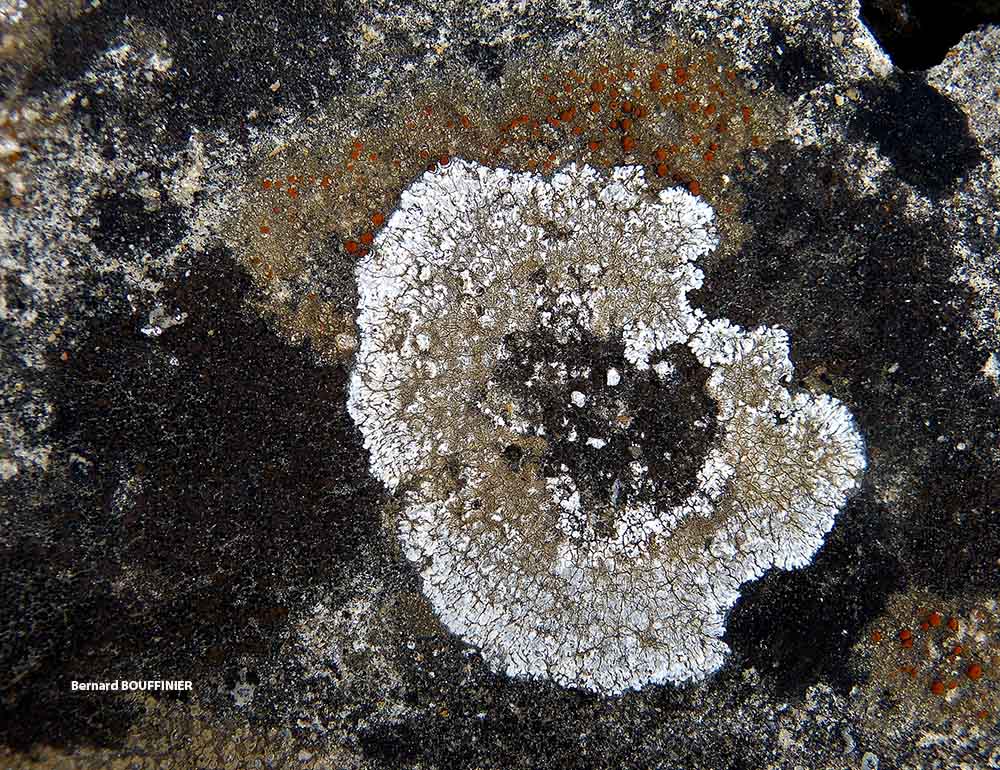
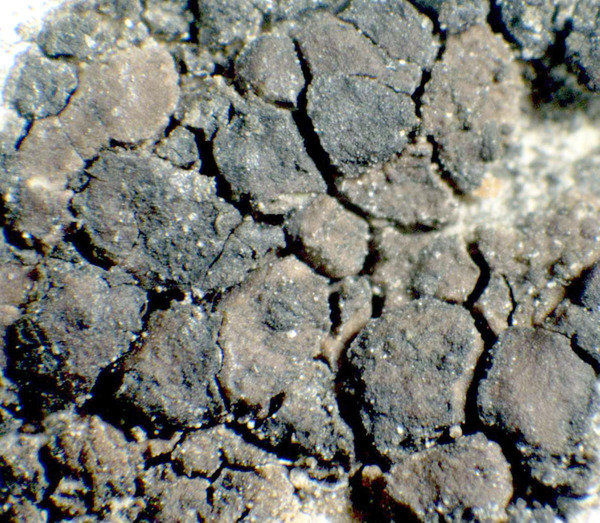
Description: Thallus crustose-areolate to subsquamulose, brown to dark brown (almost black in sun-forms), forming dark islands on the thallus of species of the Circinaria calcarea-complex. Areoles up to c. 2 mm wide and to c. 0.6 µm thick, angular to rounded, flat or slightly convex, constricted at base into short peg-like projections composed of vertically oriented hyphae. Upper cortex pseudoparenchymatous, brown in upper part, 10-25 µm thick, with an epinecral layer; medulla of isodiametrical, 7-10 µm wide cells, but often with some cylindrical hyphae intermixed; lower cortex not clearly delimited. Perithecia more or less globose, 0.2-0.4 mm across, immersed in the areoles, with only the ostiolar region emergent, without involucrellum; exciple initially pale but darkening with age, especially around the ostiole; hamathecium of periphyses and periphysoids, interascal filaments absent; hymenial gel hemiamyloid. Asci 8-spored, clavate, I-, fissitunicate, the wall thickened above, Verrucaria-type, 55-70 x 13-20 µm. Ascospores 1-celled, hyaline, broadly ellipsoid to subglobose, (7-)9-13(-15) x 6-10 µm, biseriately arranged in the asci. Pycnidia black, laminal, immersed, of the Dermatocarpon-type. Conidia simple, cylindrical to bacilliform, 3-5 µm long. Photobiont chlorococcoid (Myrmecia). Spot tests: cortex and medulla K-, C-, KC-, P-, UV-. Chemistry: without lichen substances.
Growth form: Crustose
Substrata: rocks
Photobiont: green algae other than Trentepohlia
Reproductive strategy: mainly sexual
paras Circinaria calcarea s.lat.
Commonnes-rarity: (info)
Alpine belt: absent
Subalpine belt: absent
Montane belt: rare
Dry submediterranean belt: extremely common
Humid submediterranean belt: extremely common
Padanian area: extremely rare
pH of the substrata:
1 2 3 4 5

Solar irradiation:
1 2 3 4 5
Aridity:
1 2 3 4 5
Eutrophication:
1 2 3 4 5
Poleotolerance:
0 1 2 3
Altitudinal distribution:
1 2 3 4 5 6
Rarity
absent
extremely rare
very rare
rare
rather rare
rather common
common
very common
extremely common
Loading data...
Occurrence data
Predictive map
P.L. Nimis CC BY-SA 04
TSB 26844
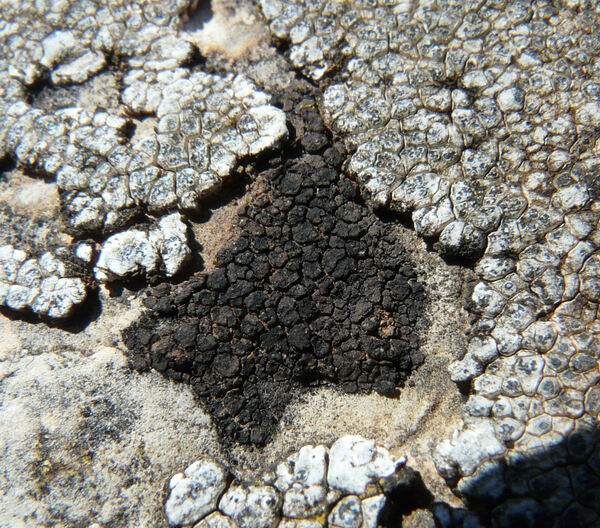
A. Moro; Owner: Department of Life Sciences, University of Trieste
Sicilia, TP, Segesta, presso i templi
2008.04.05
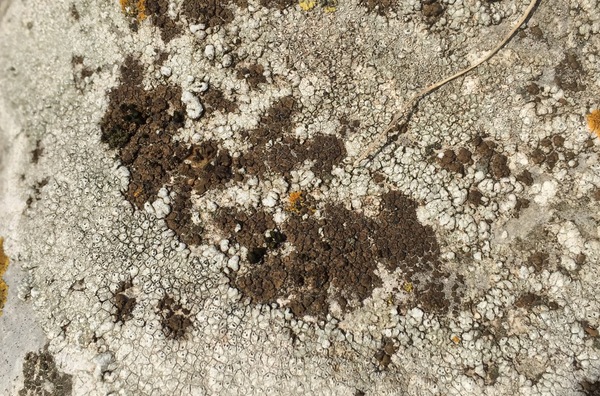
Pier Luigi Nimis; Owner: Department of Life Sciences, University of Trieste
Italy, Friuli Venezia Giulia, Trieste, Trieste Karst, Val Rosandra, San Lorenzo near Belvedere
11/02/2017
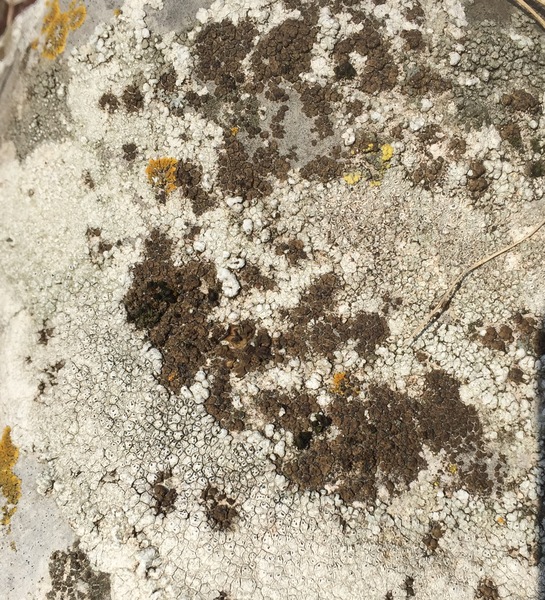
Pier Luigi Nimis; Owner: Department of Life Sciences, University of Trieste
Italy, Friuli Venezia Giulia, Trieste, Trieste Karst, Val Rosandra, San Lorenzo near Belvedere
11/02/2017
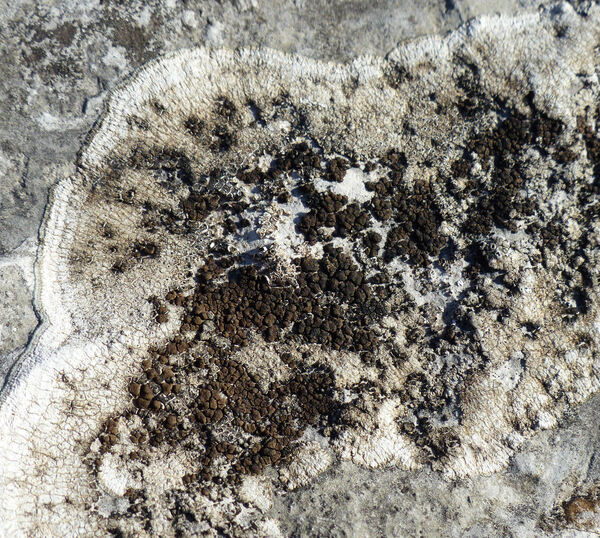
Andrea Moro; Owner: Department of Life Sciences, University of Trieste
italy, Friuli Venezia Giulia, Trieste, Trieste Karst near Borgo Grotta Gigante
16/02/2017
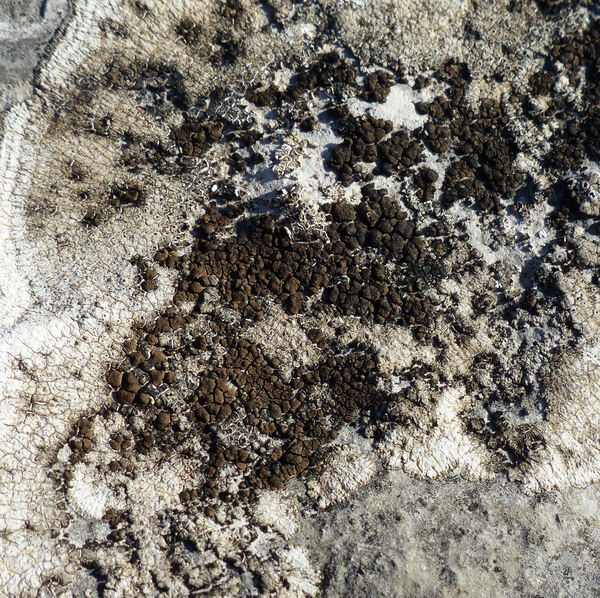
Andrea Moro; Owner: Department of Life Sciences, University of Trieste
italy, Friuli Venezia Giulia, Trieste, Trieste Karst near Borgo Grotta Gigante
16/02/2017
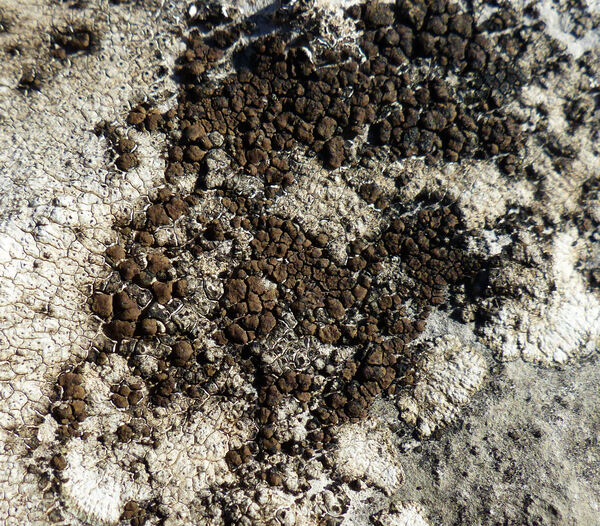
Andrea Moro; Owner: Department of Life Sciences, University of Trieste
italy, Friuli Venezia Giulia, Trieste, Trieste Karst near Borgo Grotta Gigante
16/02/2017
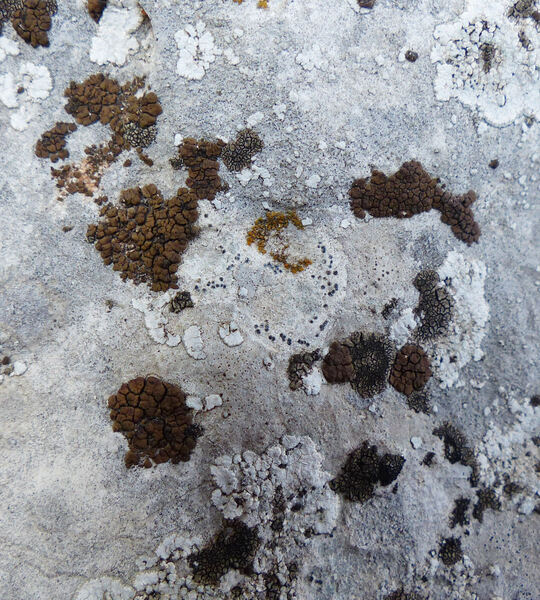
Andrea Moro; Owner: Department of Life Sciences, University of Triedte
Italy, Friuli Venezia Giulia, Trieste, Trieste Karst, Rocca di Monrupino
20/02/2017
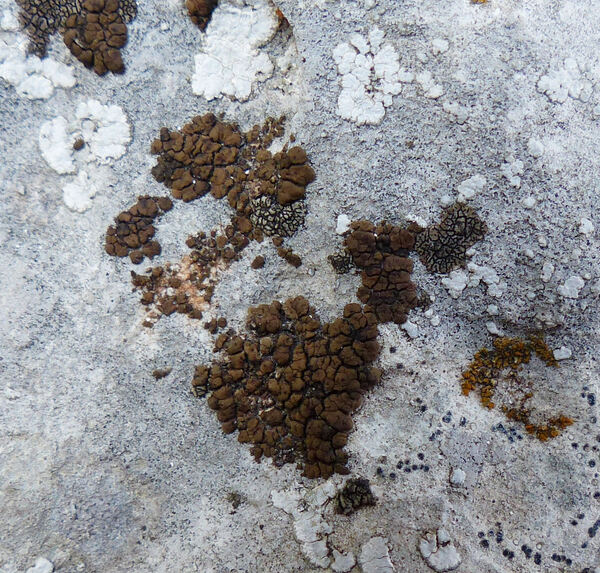
Andrea Moro; Owner: Department of Life Sciences, University of Triedte
Italy, Friuli Venezia Giulia, Trieste, Trieste Karst, Rocca di Monrupino
20/02/2017
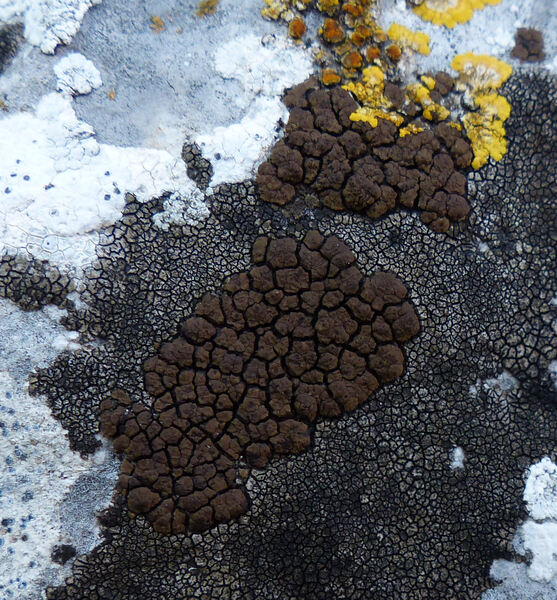
Andrea Moro; Owner: Department of Life Sciences, University of Triedte
Italy, Friuli Venezia Giulia, Trieste, Trieste Karst, Rocca di Monrupino
20/02/2017
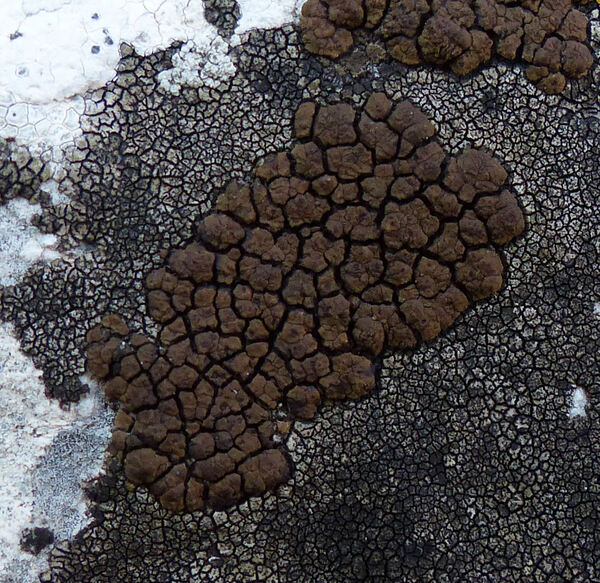
Andrea Moro; Owner: Department of Life Sciences, University of Triedte
Italy, Friuli Venezia Giulia, Trieste, Trieste Karst, Rocca di Monrupino
20/02/2017
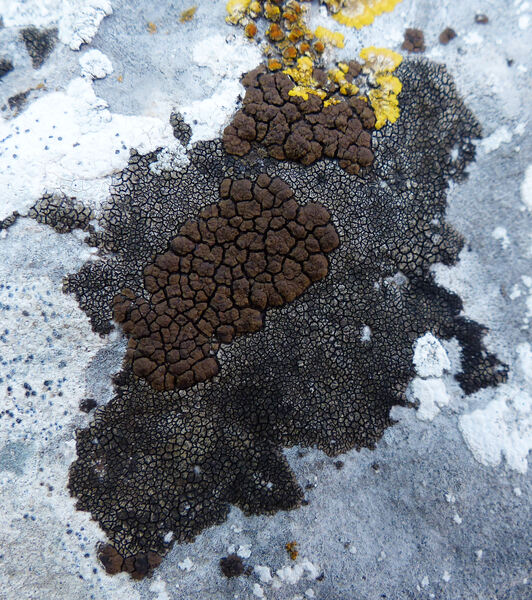
Andrea Moro; Owner: Department of Life Sciences, University of Triedte
Italy, Friuli Venezia Giulia, Trieste, Trieste Karst, Rocca di Monrupino
20/02/2017
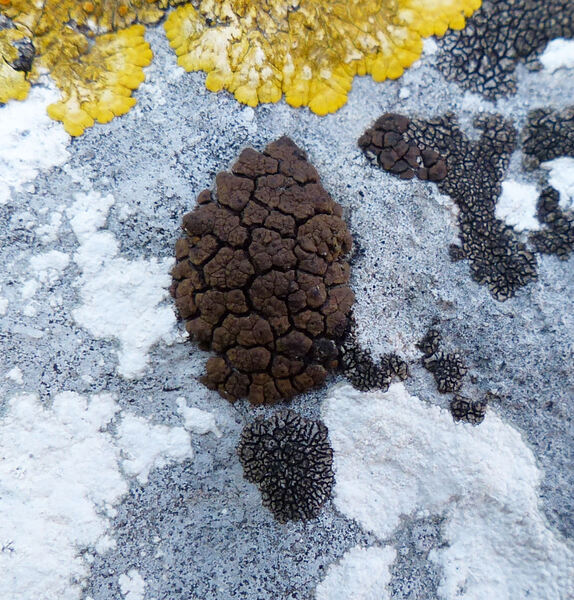
Andrea Moro; Owner: Department of Life Sciences, University of Triedte
Italy, Friuli Venezia Giulia, Trieste, Trieste Karst, Rocca di Monrupino
20/02/2017
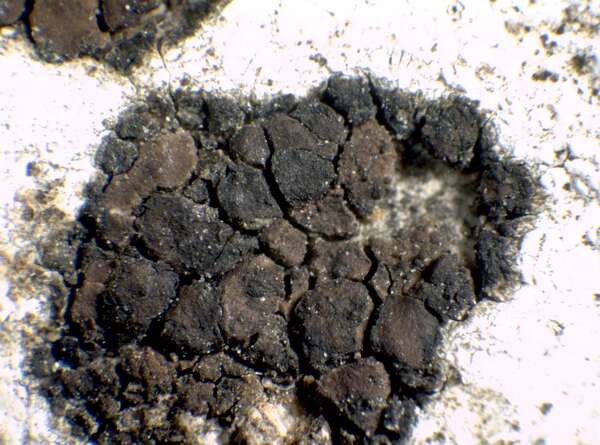
P.L. Nimis; Owner: Department of Life Sciences, University of Trieste
Herbarium: TSB (26844)
2001/12/11
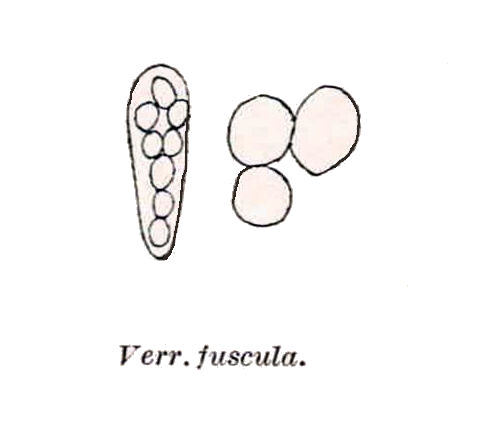
Zschacke, H. (1934) Epigloeaceae, Verrucariaceae und Dermatocarpaceae. In: Dr. L. Rabenhorst‘s Kryptogamen-Flora, Band 9, Abt. 1, Teil 1. Akademische Verlagsgesellschaft, Leipzig, 695 pp. - Public Domain
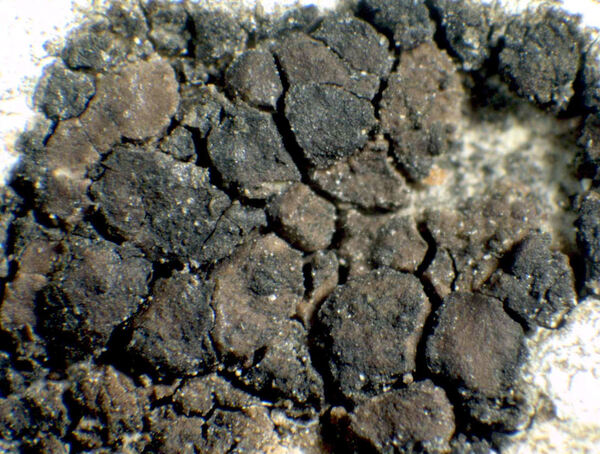
P.L. Nimis CC BY-SA 4.0
TSB 26844
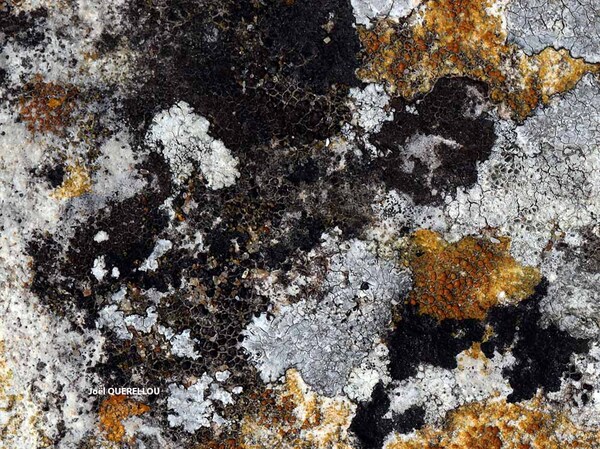
Joël Querellou - Source: http://www.lichensmaritimes.org/index.php?task=fiche&lichen=655&lang=en
France, Ile d'Aix
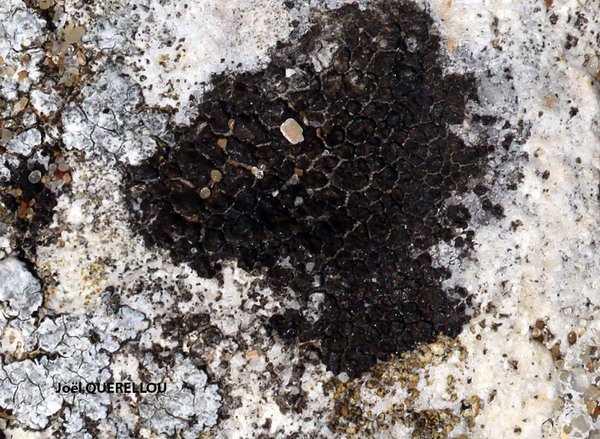
Joël Querellou - Source: http://www.lichensmaritimes.org/index.php?task=fiche&lichen=655&lang=en
France, Ile d'Aix
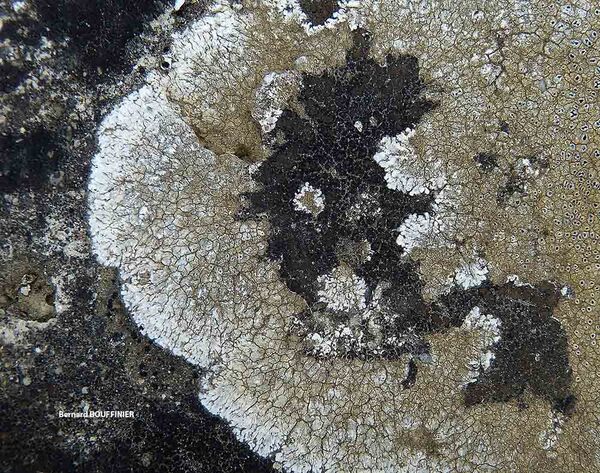
Bernard Bouffinier - Source: http://www.lichensmaritimes.org/index.php?task=fiche&lichen=655&lang=en
France, L'Aber Le Four à Chaux
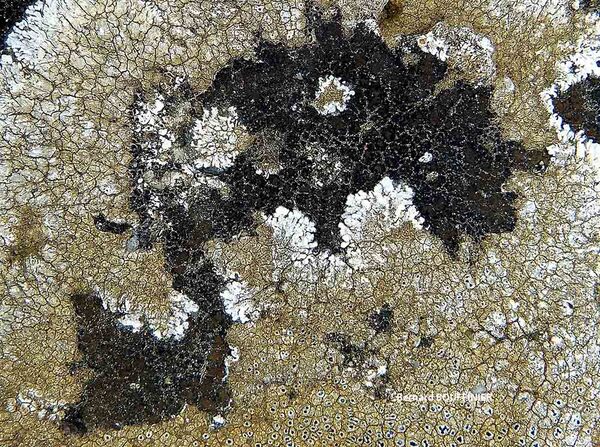
Bernard Bouffinier - Source: http://www.lichensmaritimes.org/index.php?task=fiche&lichen=655&lang=en
France, L'Aber Le Four à Chaux
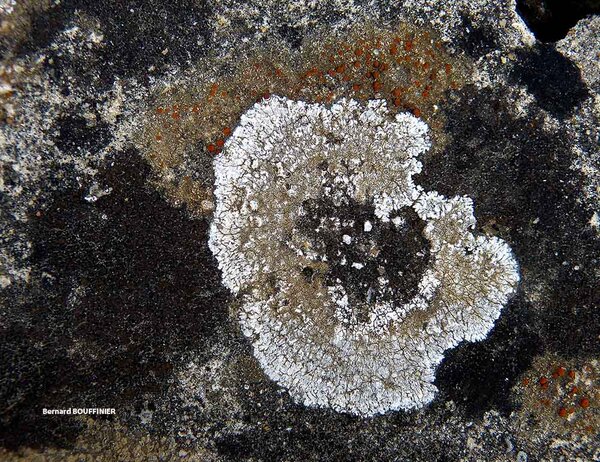
Bernard Bouffinier - Source: http://www.lichensmaritimes.org/index.php?task=fiche&lichen=655&lang=en
France, L'Aber Le Four à Chaux
Growth form: Crustose
Substrata: rocks
Photobiont: green algae other than Trentepohlia
Reproductive strategy: mainly sexual
paras Circinaria calcarea s.lat.
Commonnes-rarity: (info)
Alpine belt: absent
Subalpine belt: absent
Montane belt: rare
Dry submediterranean belt: extremely common
Humid submediterranean belt: extremely common
Padanian area: extremely rare
pH of the substrata:
| 1 | 2 | 3 | 4 | 5 |
Solar irradiation:
| 1 | 2 | 3 | 4 | 5 |
Aridity:
| 1 | 2 | 3 | 4 | 5 |
Eutrophication:
| 1 | 2 | 3 | 4 | 5 |
Poleotolerance:
| 0 | 1 | 2 | 3 |
Altitudinal distribution:
| 1 | 2 | 3 | 4 | 5 | 6 |
Rarity
absent
extremely rare
very rare
rare
rather rare
rather common
common
very common
extremely common
Loading data...
Occurrence data
Predictive map
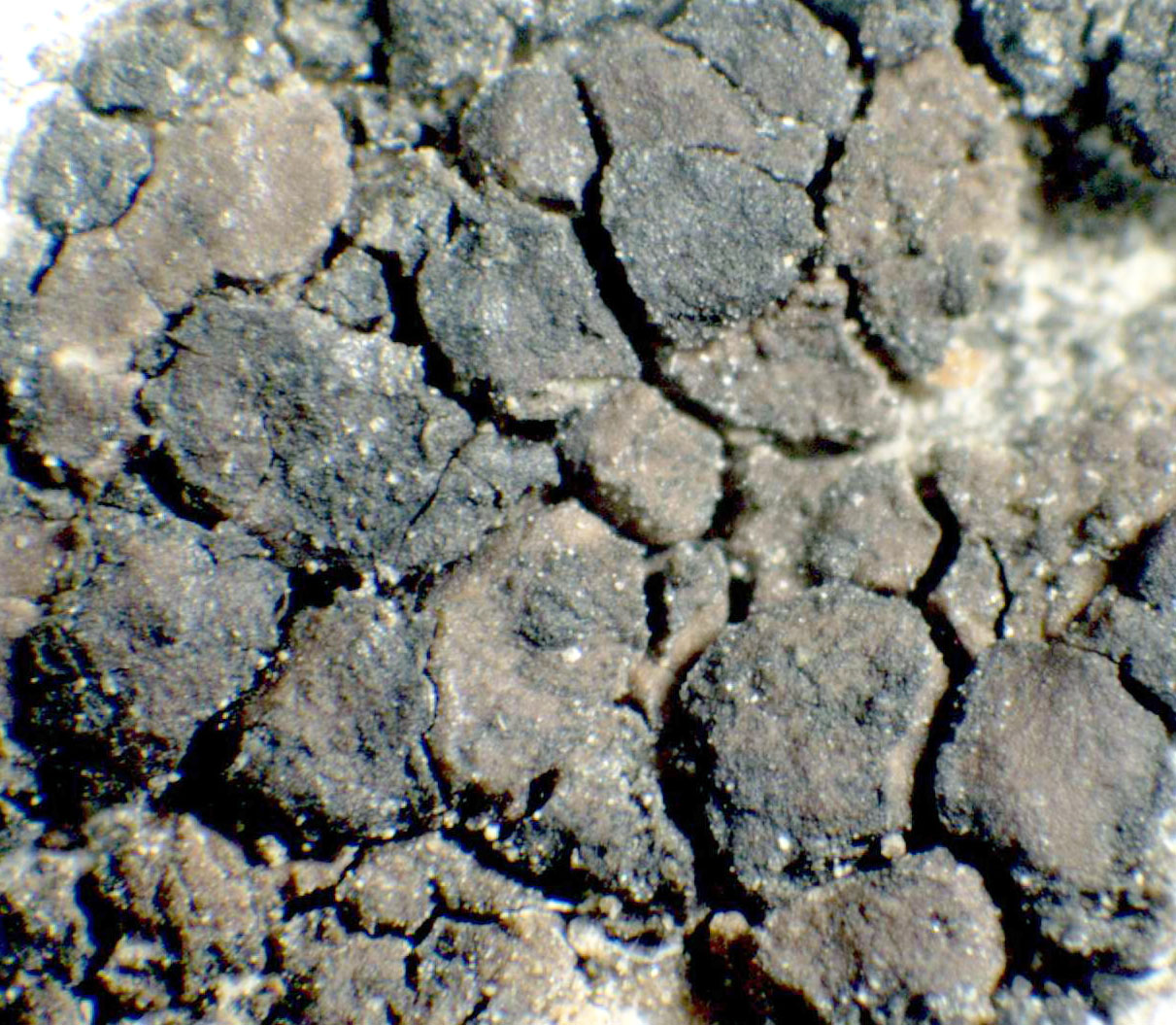
P.L. Nimis CC BY-SA 04
TSB 26844
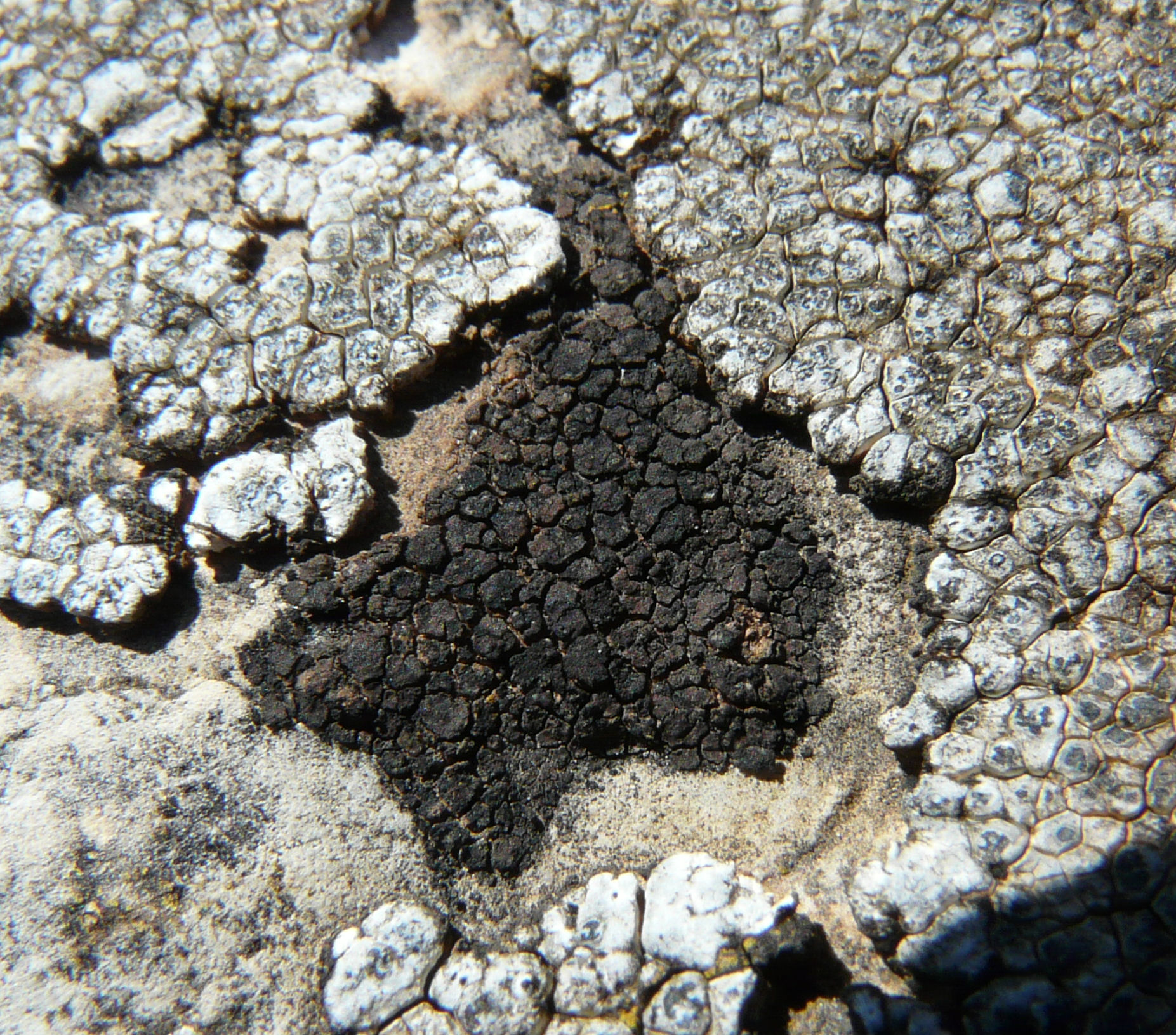
A. Moro; Owner: Department of Life Sciences, University of Trieste
Sicilia, TP, Segesta, presso i templi
2008.04.05
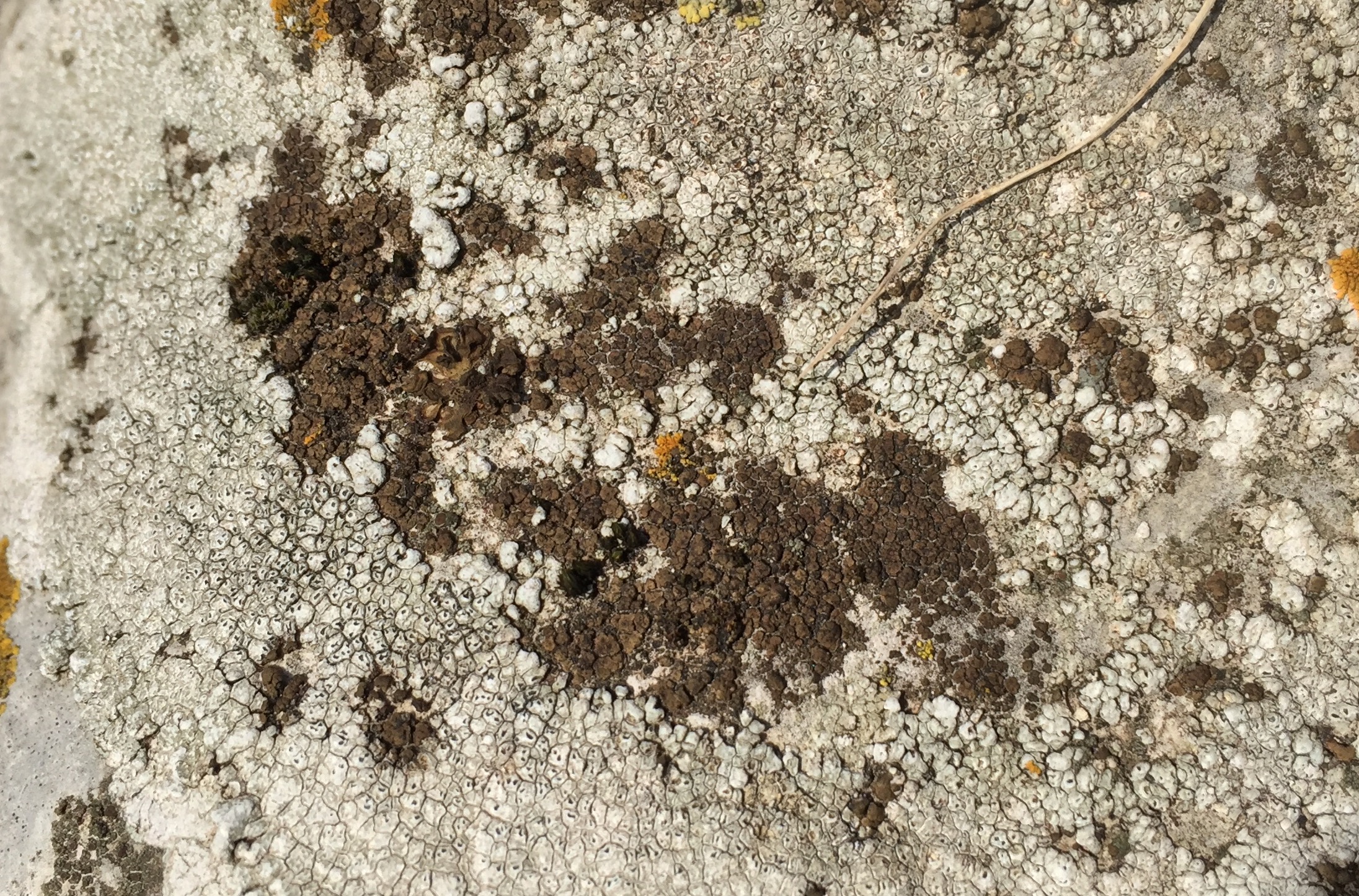
Pier Luigi Nimis; Owner: Department of Life Sciences, University of Trieste
Italy, Friuli Venezia Giulia, Trieste, Trieste Karst, Val Rosandra, San Lorenzo near Belvedere
11/02/2017
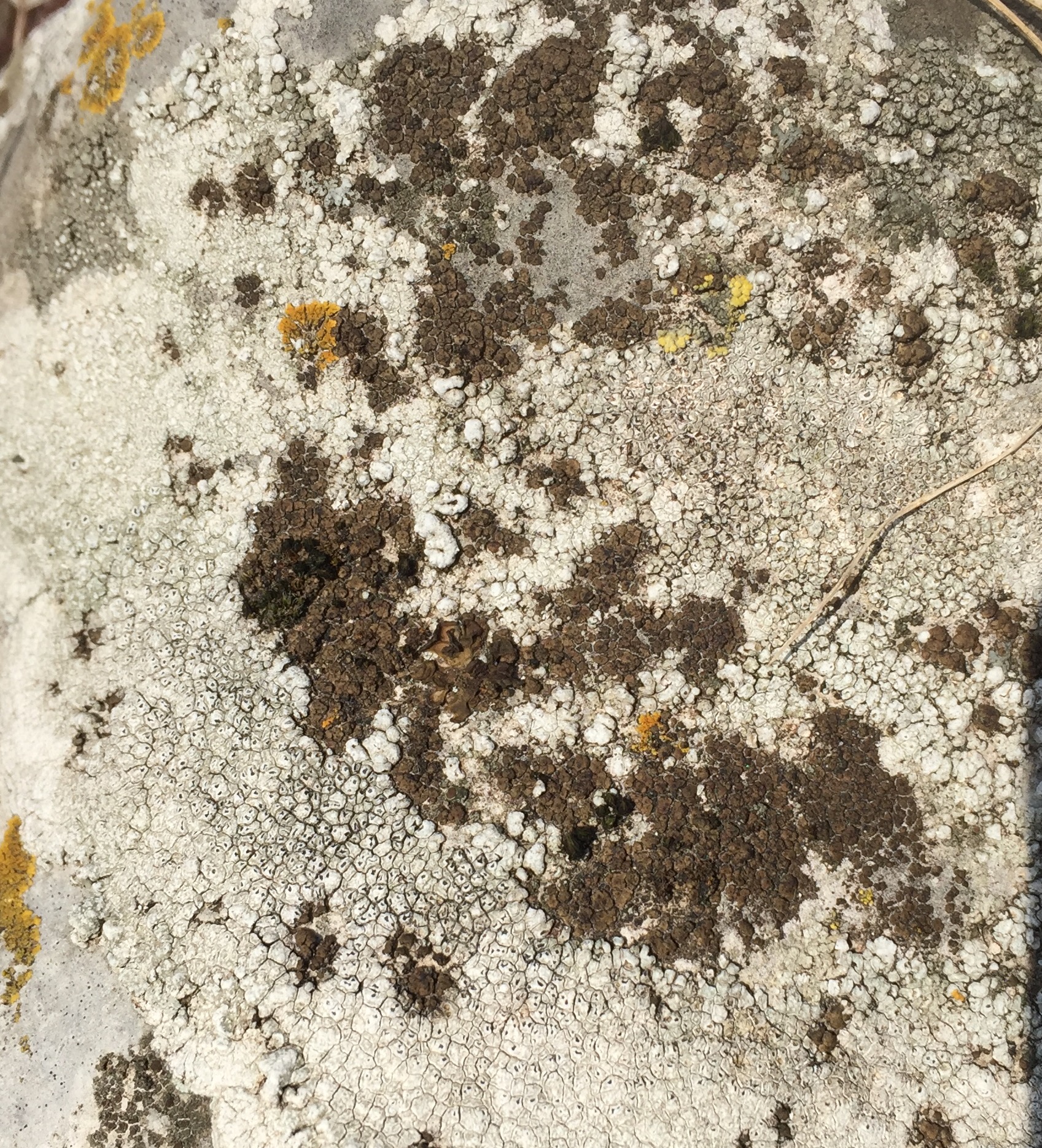
Pier Luigi Nimis; Owner: Department of Life Sciences, University of Trieste
Italy, Friuli Venezia Giulia, Trieste, Trieste Karst, Val Rosandra, San Lorenzo near Belvedere
11/02/2017

Andrea Moro; Owner: Department of Life Sciences, University of Trieste
italy, Friuli Venezia Giulia, Trieste, Trieste Karst near Borgo Grotta Gigante
16/02/2017
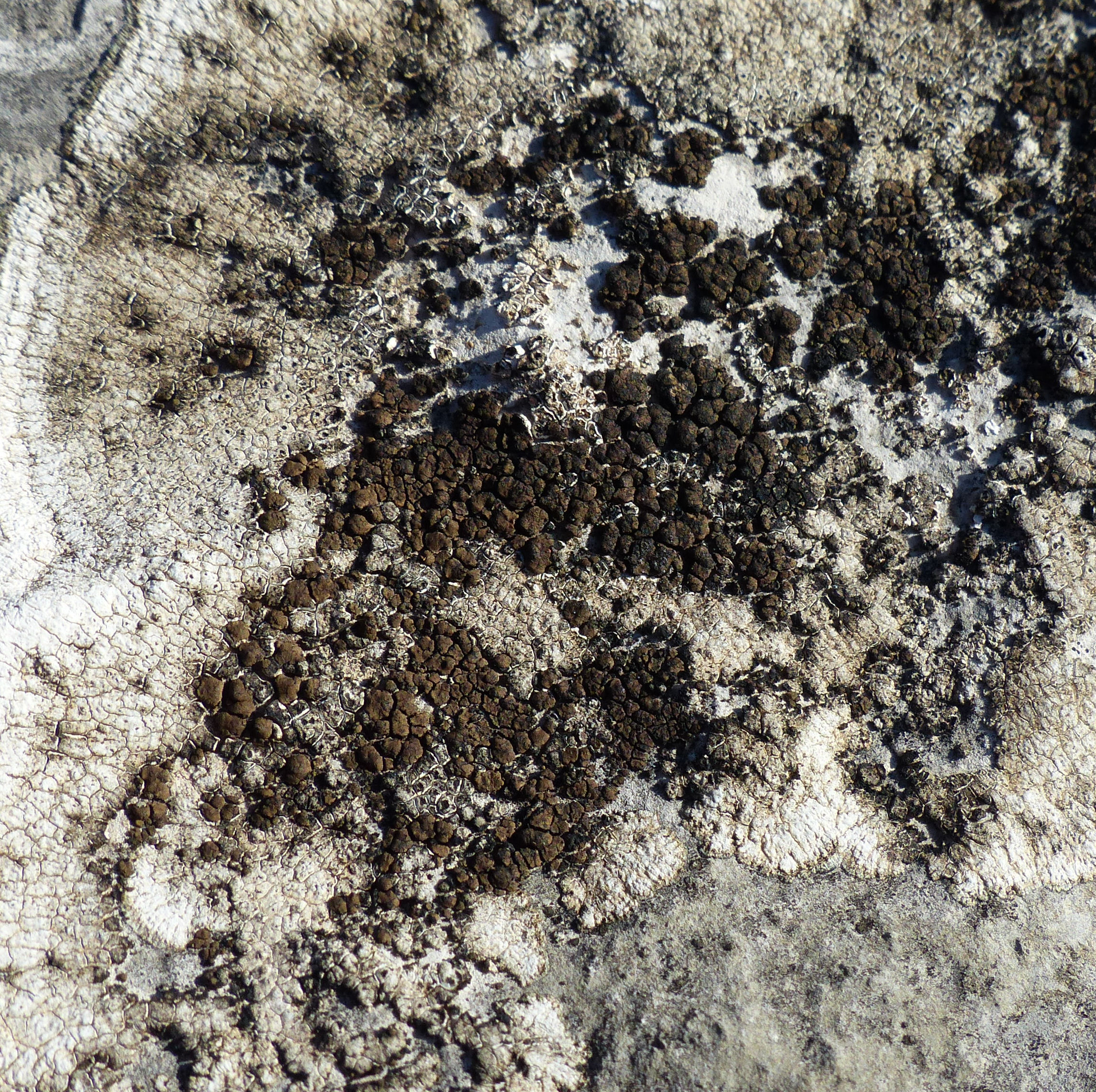
Andrea Moro; Owner: Department of Life Sciences, University of Trieste
italy, Friuli Venezia Giulia, Trieste, Trieste Karst near Borgo Grotta Gigante
16/02/2017
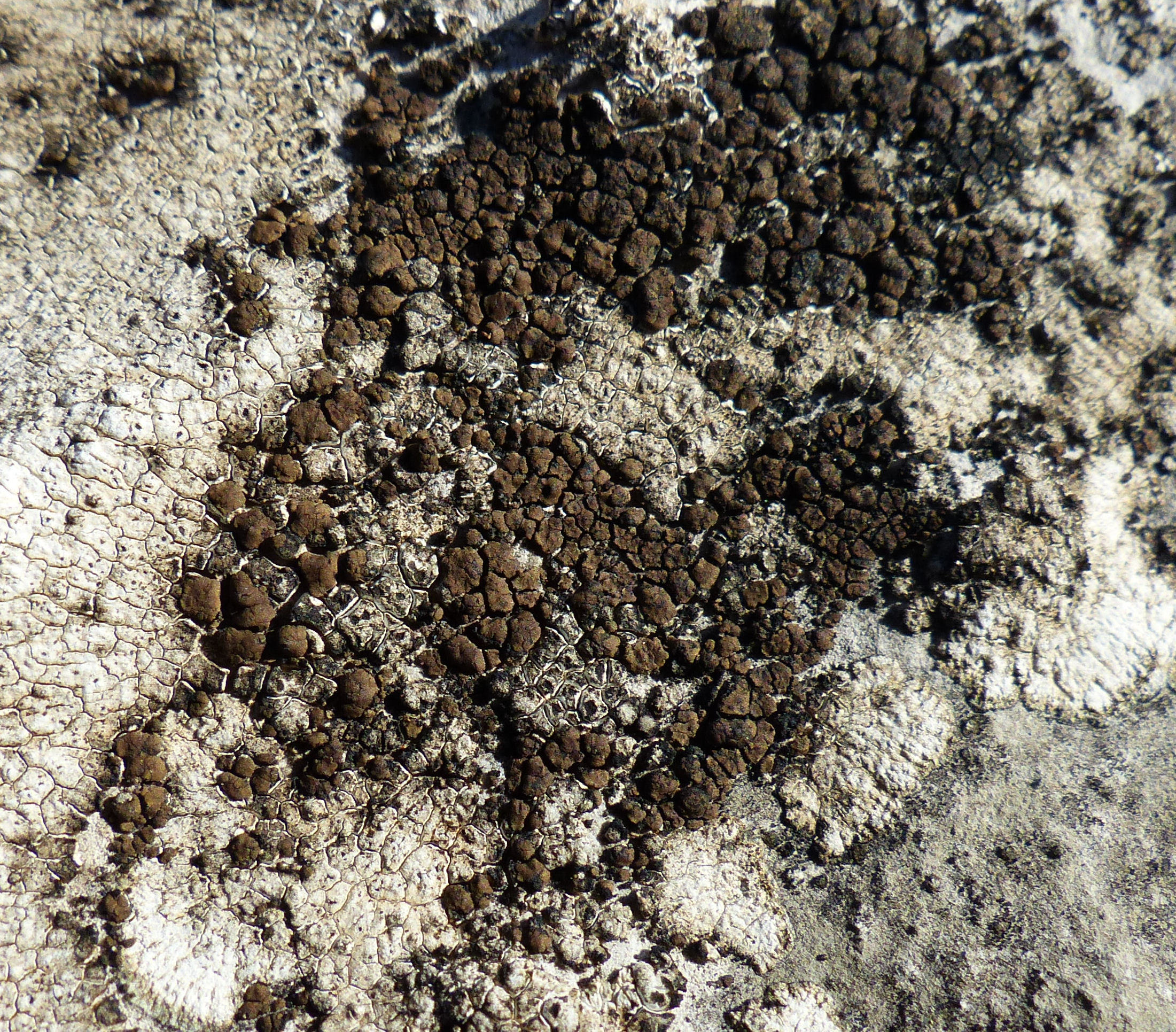
Andrea Moro; Owner: Department of Life Sciences, University of Trieste
italy, Friuli Venezia Giulia, Trieste, Trieste Karst near Borgo Grotta Gigante
16/02/2017
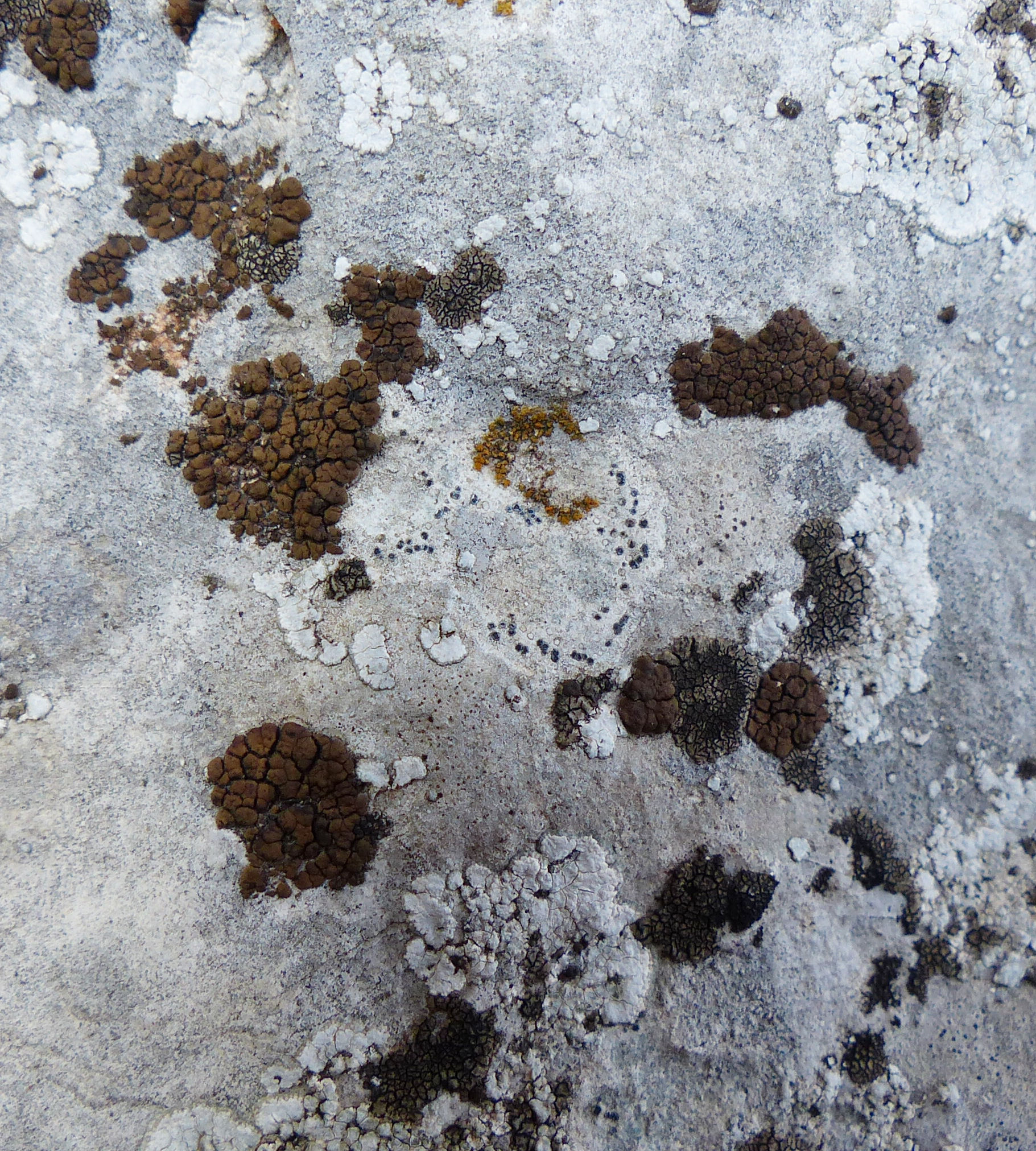
Andrea Moro; Owner: Department of Life Sciences, University of Triedte
Italy, Friuli Venezia Giulia, Trieste, Trieste Karst, Rocca di Monrupino
20/02/2017

Andrea Moro; Owner: Department of Life Sciences, University of Triedte
Italy, Friuli Venezia Giulia, Trieste, Trieste Karst, Rocca di Monrupino
20/02/2017

Andrea Moro; Owner: Department of Life Sciences, University of Triedte
Italy, Friuli Venezia Giulia, Trieste, Trieste Karst, Rocca di Monrupino
20/02/2017
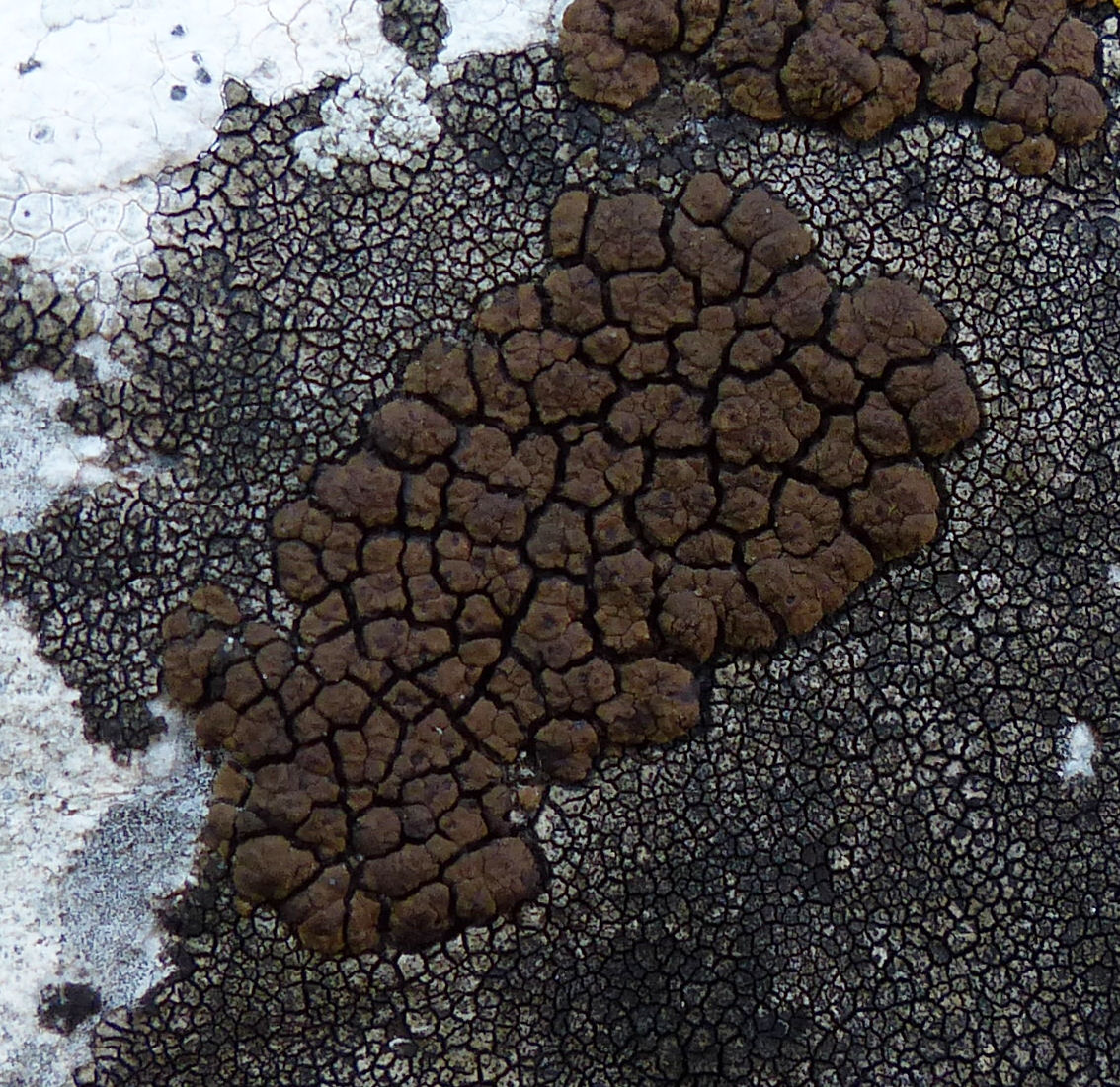
Andrea Moro; Owner: Department of Life Sciences, University of Triedte
Italy, Friuli Venezia Giulia, Trieste, Trieste Karst, Rocca di Monrupino
20/02/2017
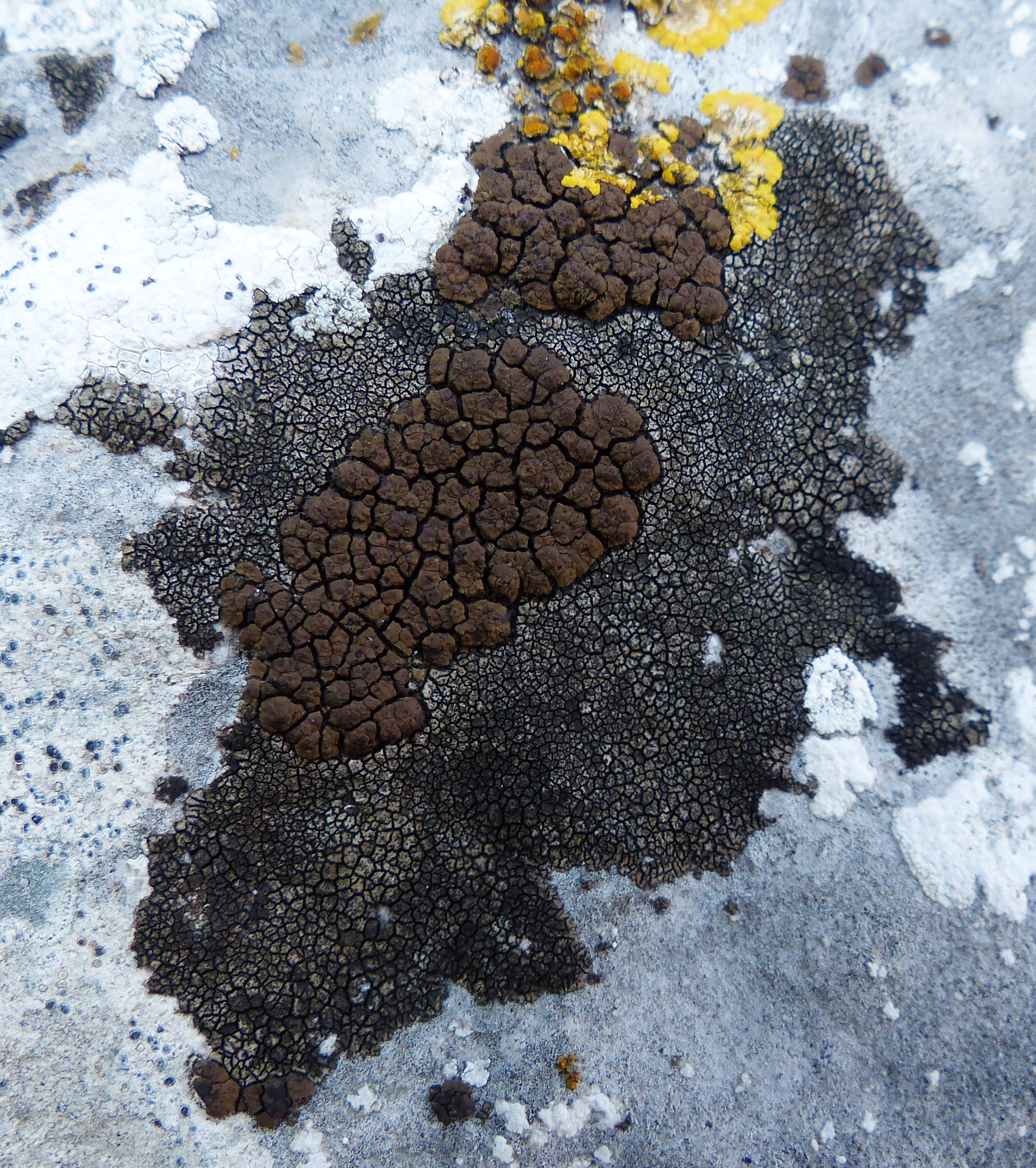
Andrea Moro; Owner: Department of Life Sciences, University of Triedte
Italy, Friuli Venezia Giulia, Trieste, Trieste Karst, Rocca di Monrupino
20/02/2017
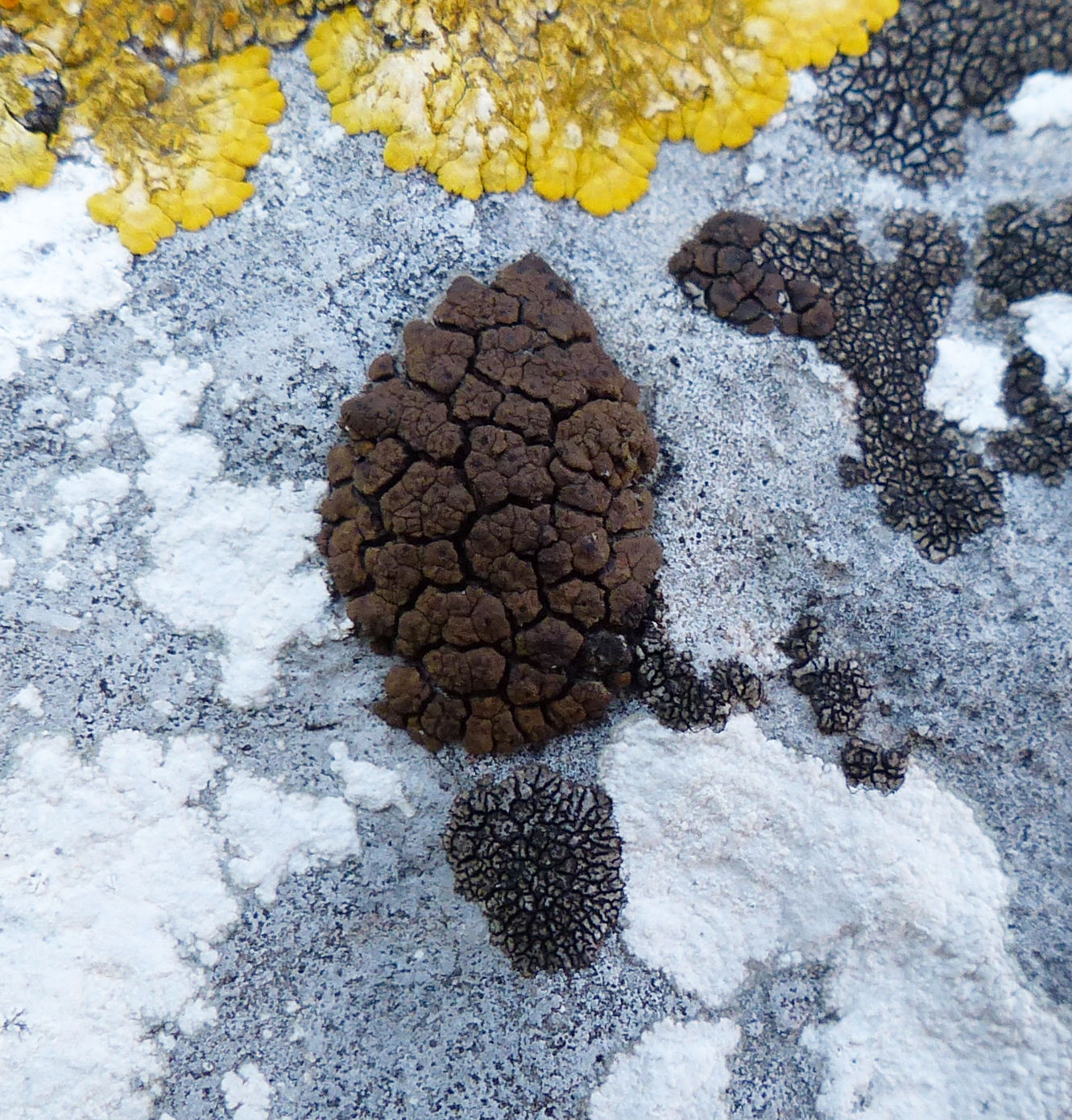
Andrea Moro; Owner: Department of Life Sciences, University of Triedte
Italy, Friuli Venezia Giulia, Trieste, Trieste Karst, Rocca di Monrupino
20/02/2017
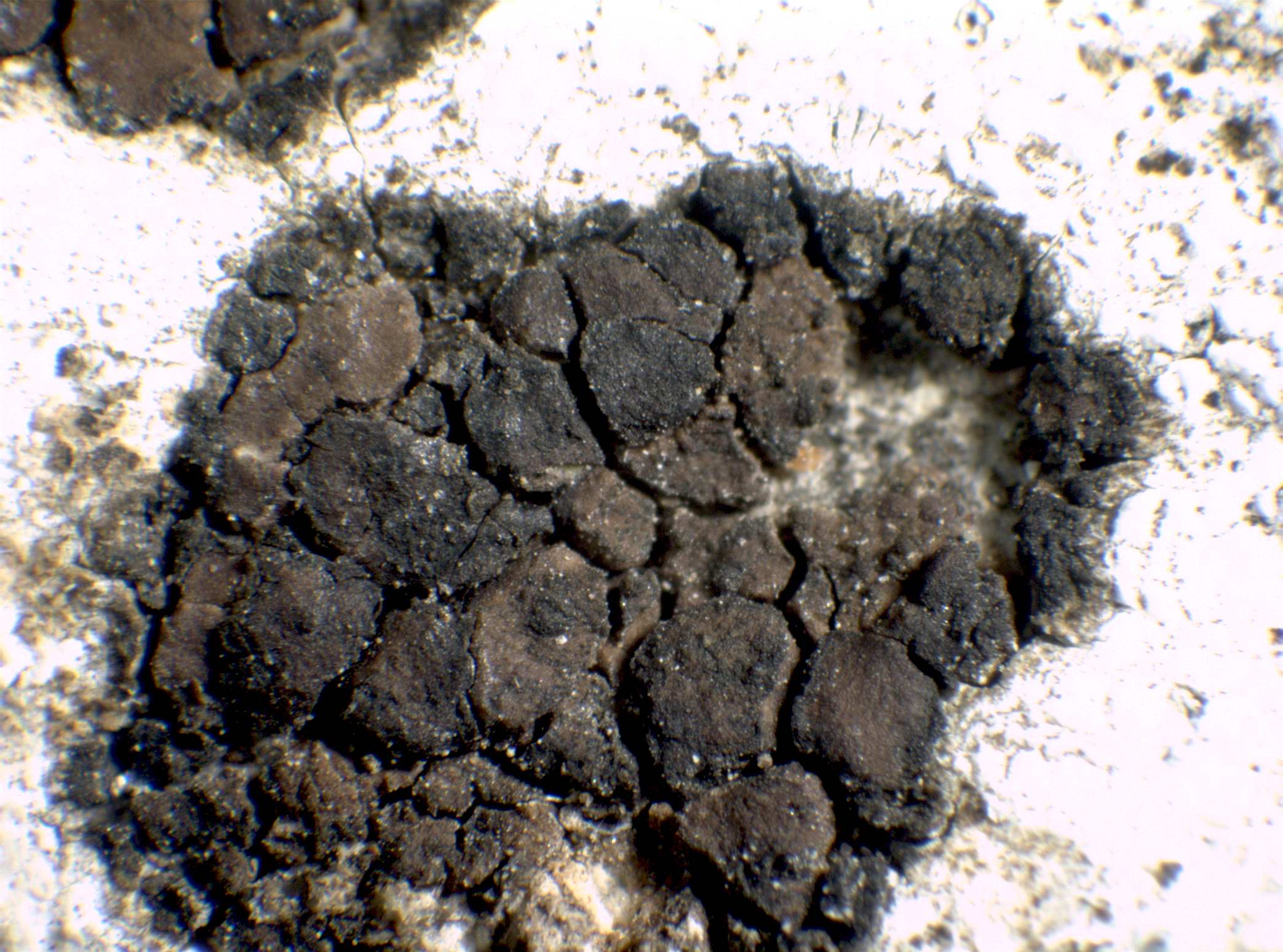
P.L. Nimis; Owner: Department of Life Sciences, University of Trieste
Herbarium: TSB (26844)
2001/12/11

Zschacke, H. (1934) Epigloeaceae, Verrucariaceae und Dermatocarpaceae. In: Dr. L. Rabenhorst‘s Kryptogamen-Flora, Band 9, Abt. 1, Teil 1. Akademische Verlagsgesellschaft, Leipzig, 695 pp. - Public Domain

P.L. Nimis CC BY-SA 4.0
TSB 26844
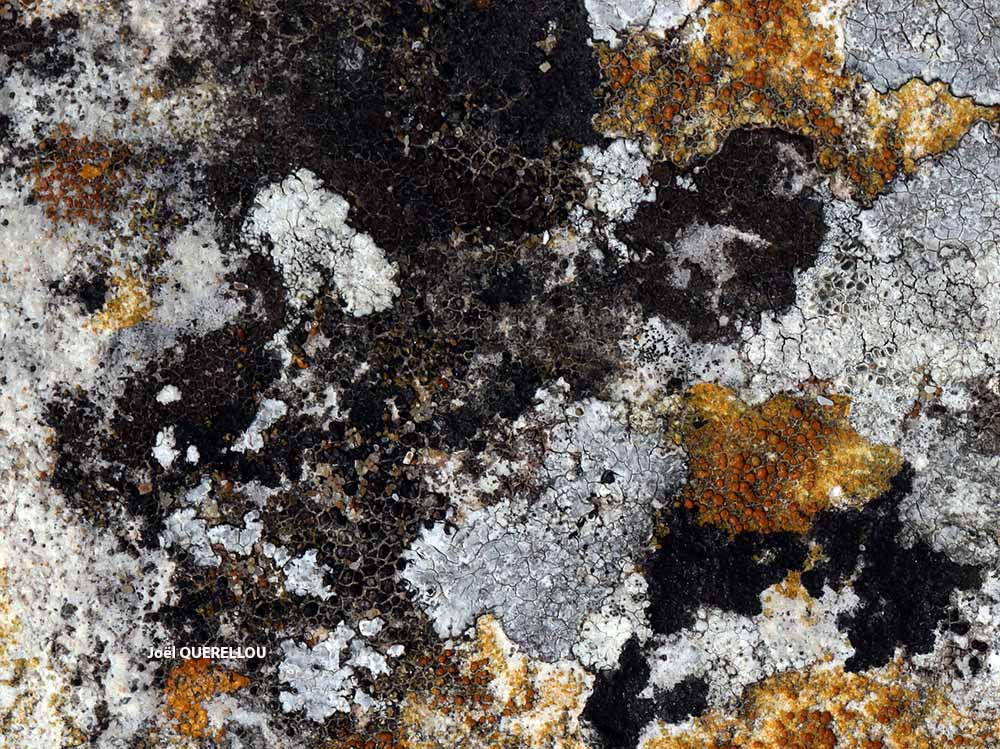
Joël Querellou - Source: http://www.lichensmaritimes.org/index.php?task=fiche&lichen=655&lang=en
France, Ile d'Aix
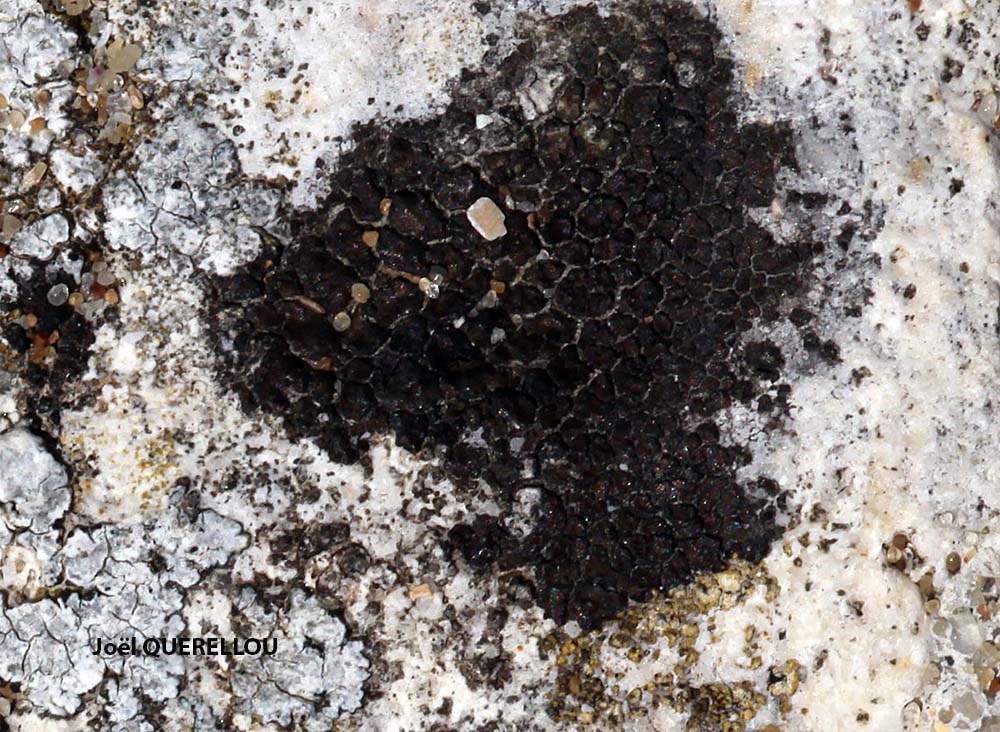
Joël Querellou - Source: http://www.lichensmaritimes.org/index.php?task=fiche&lichen=655&lang=en
France, Ile d'Aix
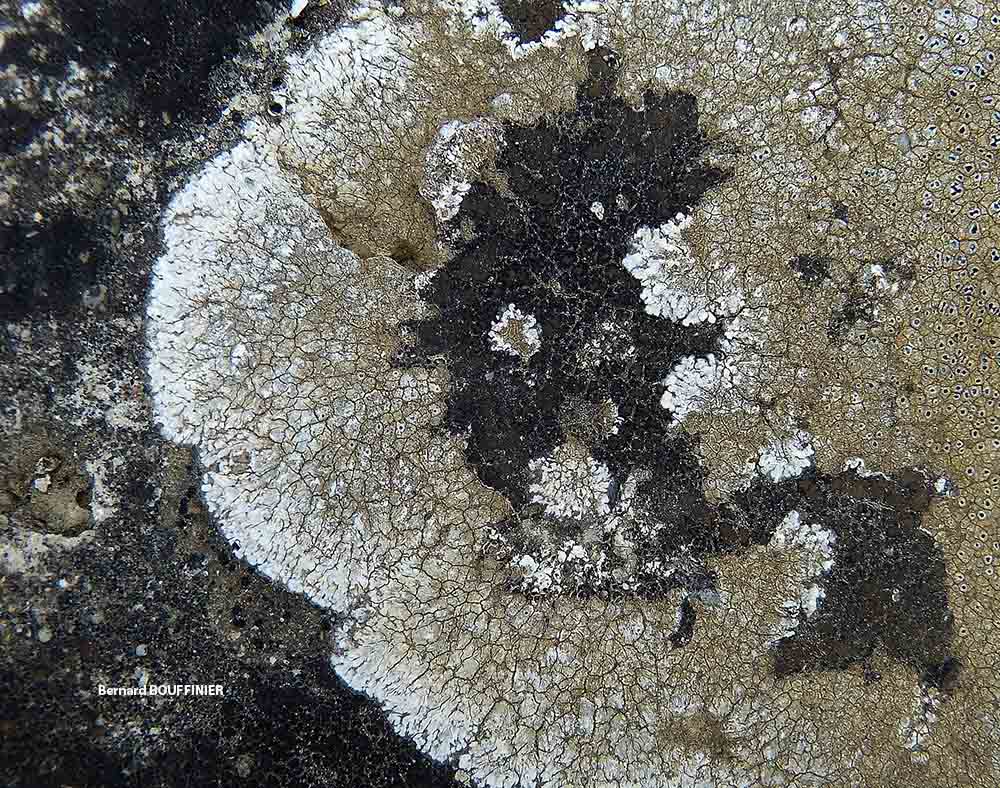
Bernard Bouffinier - Source: http://www.lichensmaritimes.org/index.php?task=fiche&lichen=655&lang=en
France, L'Aber Le Four à Chaux
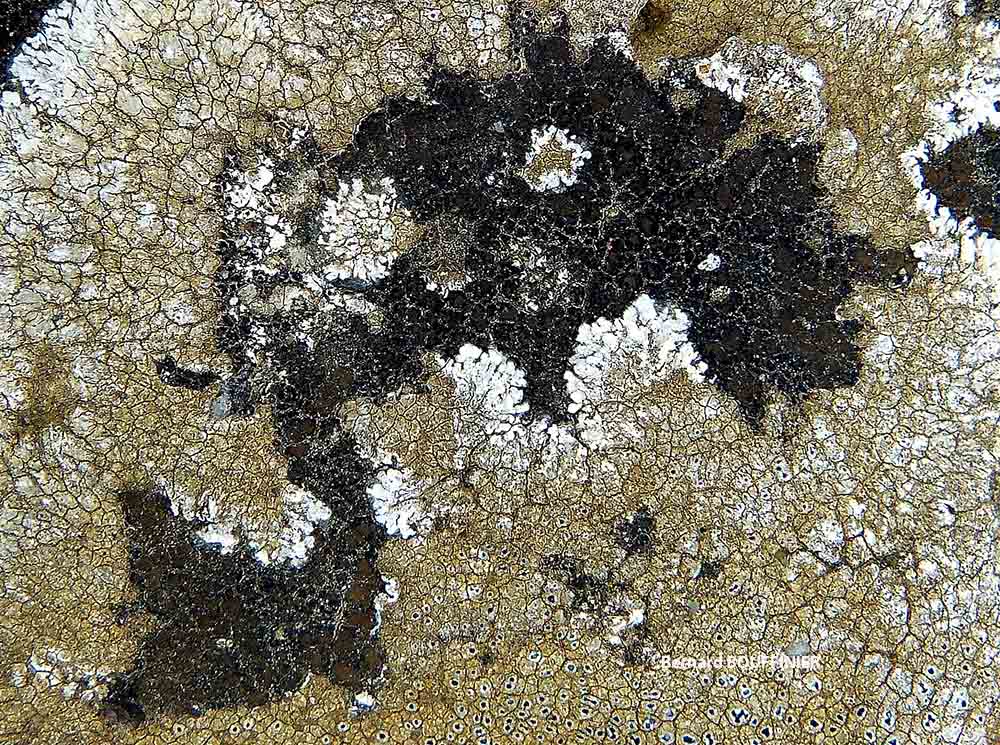
Bernard Bouffinier - Source: http://www.lichensmaritimes.org/index.php?task=fiche&lichen=655&lang=en
France, L'Aber Le Four à Chaux