Hypogymnia austerodes (Nyl.) Räsänen
Ann. Bot. Soc. Zool.-Bot. Fenn. Vanamo, 18, 1: 13, 1943. Basionym: Parmelia austerodes Nyl. - Flora, 64: 537, 1881.
Synonyms: Parmelia farinacea var. obscurascens Bitter; Parmelia obscurata Bitter non auct.; Parmelia obscurata var. isidiata (Lynge) H. Magn.
Description: Thallus foliose, heteromerous, dorsiventral, adpressed, forming more or less regular, up to 5(-8) cm wide rosettes, the lobes contiguous, (0.5-)1-2(-3) mm wide, clearly swollen especially at the tips. Upper surface greenish grey to brown in peripheral parts, often mottled black, somehow glossy, with laminal, diffuse soredia developing from subisidiose, pustulate papillae. Lower surface black, brownish near the margins and at apex, glossy, erhizinate. Upper cortex of tightly packed, more or less anticlinally oriented hyphae, the cell walls with Cetraria-type lichenan; medulla soon becoming hollow, lining the cavity inside the lobes, the ceiling of the cavity white, the floor pale to dark grey; lower cortex dark, paraplectenchymatous. Apothecia extremely rare, lecanorine, sessile, to 6 mm across, with a brown disc and a thin thalline margin. Epithecium brown; hymenium and hypothecium colourless; paraphyses coherent, simple or sparingly branched in upper part. Asci 8-spored, clavate, Lecanora-type. Ascospores 1-celled, hyaline, broadly ellipsoid, 6.5-7.5 x 4.5-5 µm. Photobiont chlorococcoid. Spot tests: upper cortex K+ yellow, C-, KC-, P- or P+ pale yellow, UV-; medulla K-, C-, KC+ orange-red, P-, UV+ pale blue-violet. Chemistry: upper cortex with atranorin and chloroatranorin; medulla with physodic acid (major), 3-hydroxyphysodic acid (accessory), 2'-O-methylphysodic acid (accessory), plus an unknown substance.
Growth form: Foliose, narrow lobed
Photobiont: green algae other than Trentepohlia
Reproductive strategy: mainly asexual, by soredia, or soredia-like structures (e.g. blastidia)
Commonnes-rarity: (info)
Alpine belt: absent
Subalpine belt: rare
Montane belt: very rare
Dry submediterranean belt: absent
Humid submediterranean belt: absent
Padanian area: absent
pH of the substrata:
1 2 3 4 5

Solar irradiation:
1 2 3 4 5
Aridity:
1 2 3 4 5
Eutrophication:
1 2 3 4 5
Poleotolerance:
0 1 2 3
Altitudinal distribution:
1 2 3 4 5 6
Rarity
absent
extremely rare
very rare
rare
rather rare
rather common
common
very common
extremely common
Loading data...
Occurrence data
Predictive map
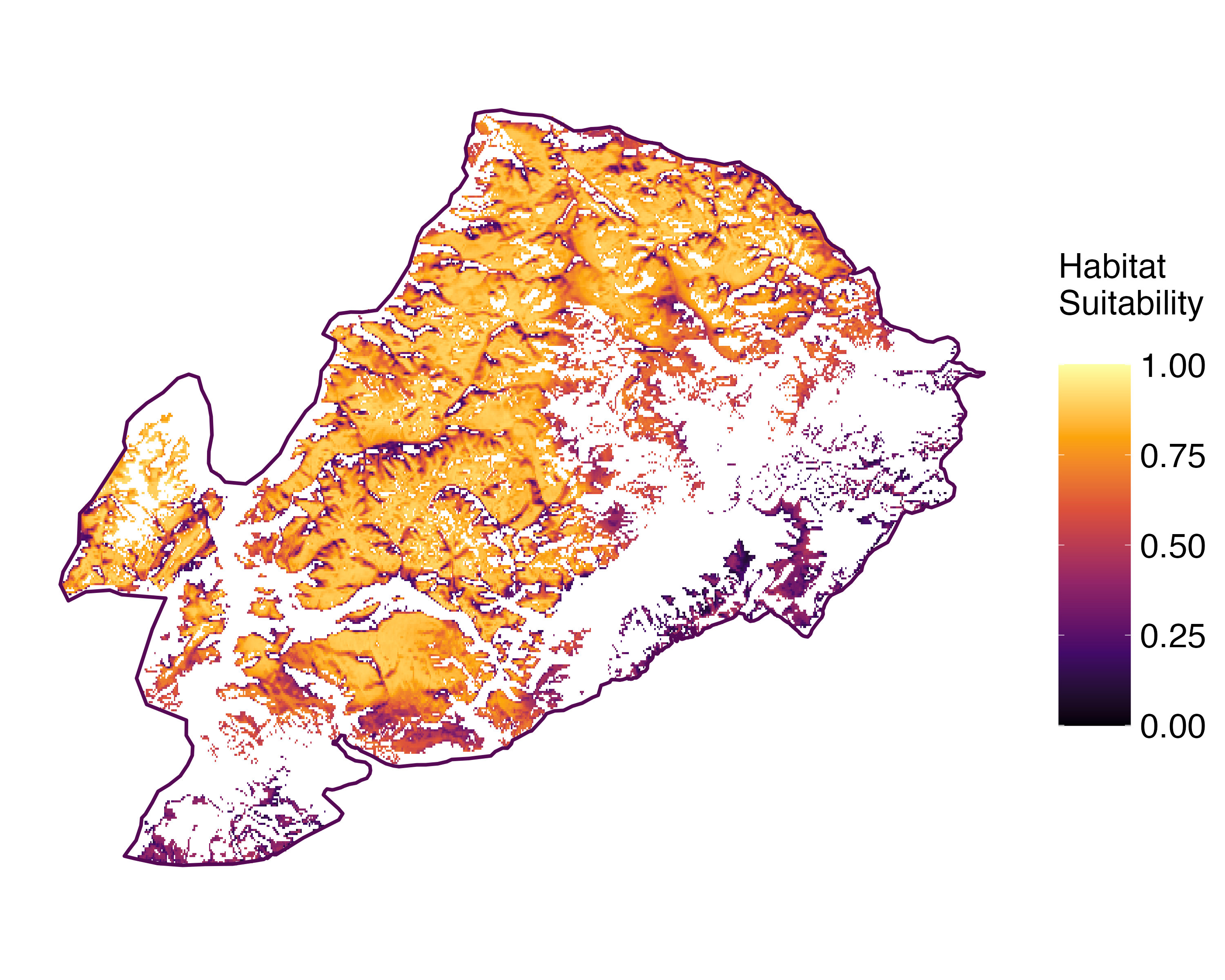 Current prediction (1981-2010)
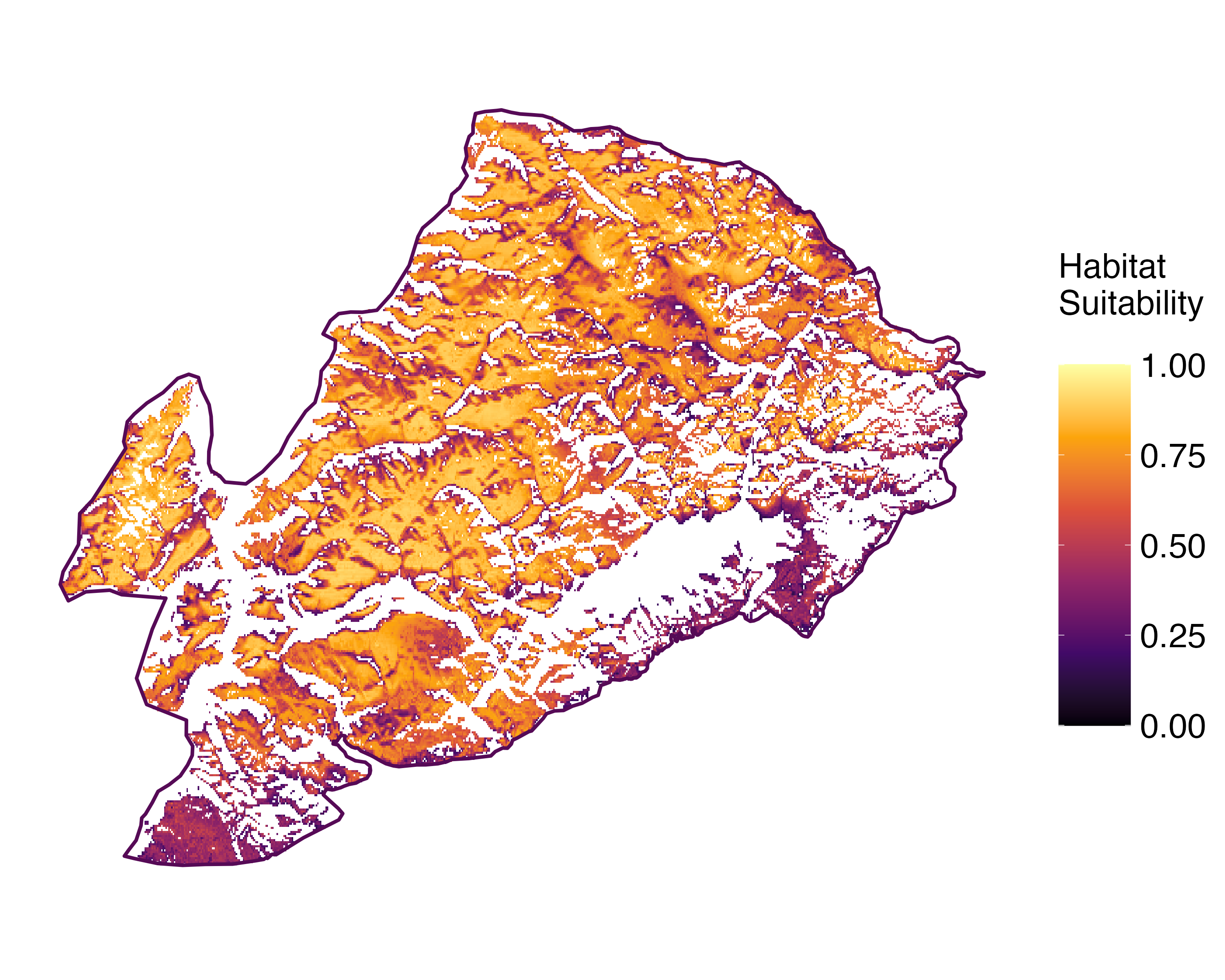 Future prediction (2071-2100) SSP 1-2.6
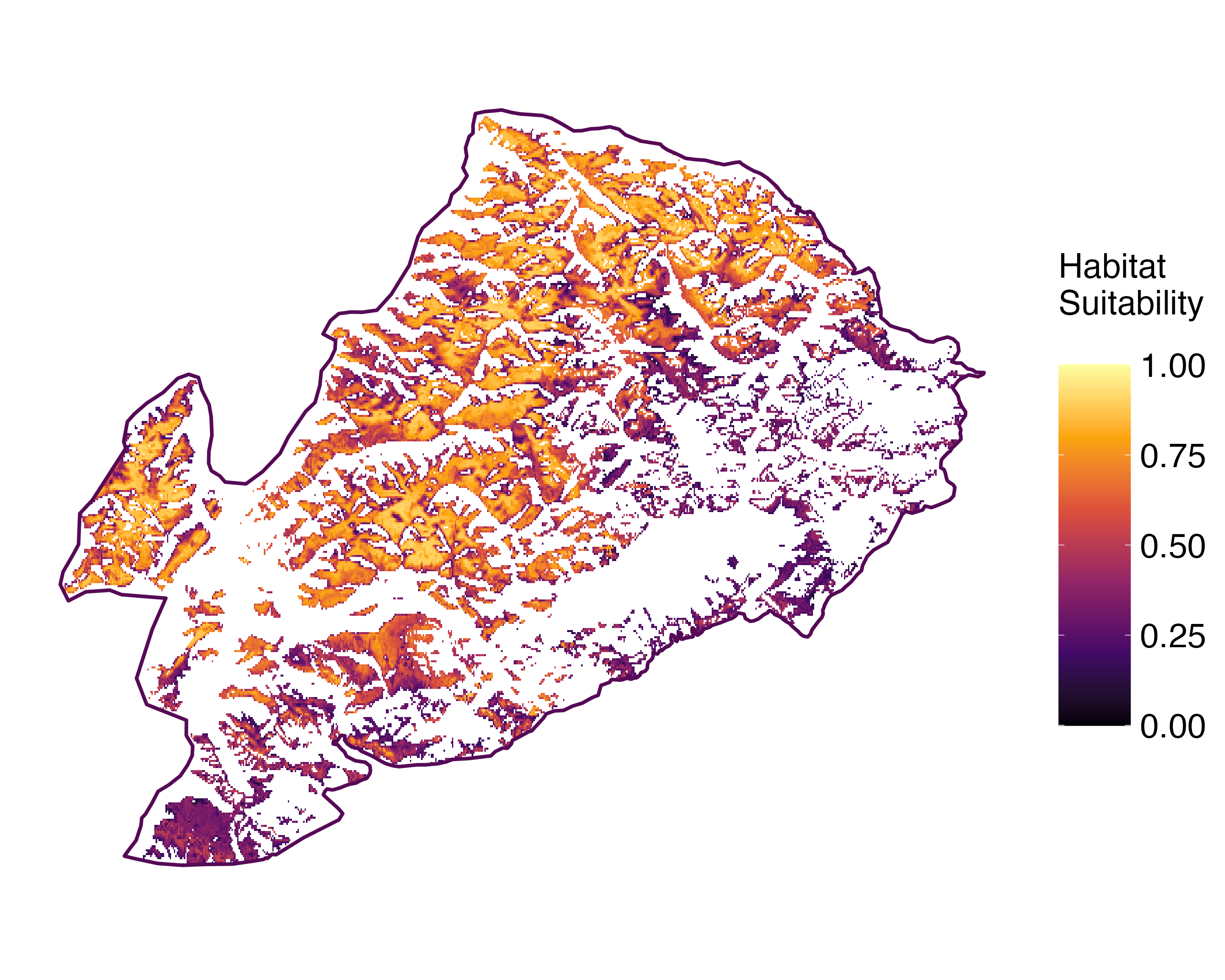 Future prediction (2071-2100) SSP 5-8.5Predictive maps according to Francesconi et al. 2025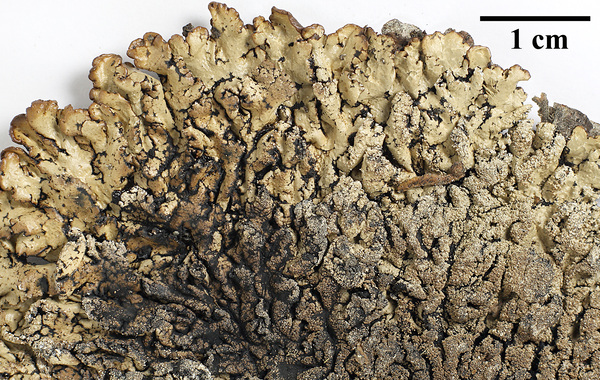
Felix Schumm - CC BY-SA 4.0
[2642], Schweiz, Nationalpark, zwischen Zernez und Ova Spin, ca. 1800 m, auf Pinus im Pinus-Erica-Wald, zusammen mit Usneen, Letharia vulpina etc. (Bodenpflanzen: Polygala chamaebuxus, Daphne striata). Leg. Schumm 04.07.1978, det. Schumm 1978.
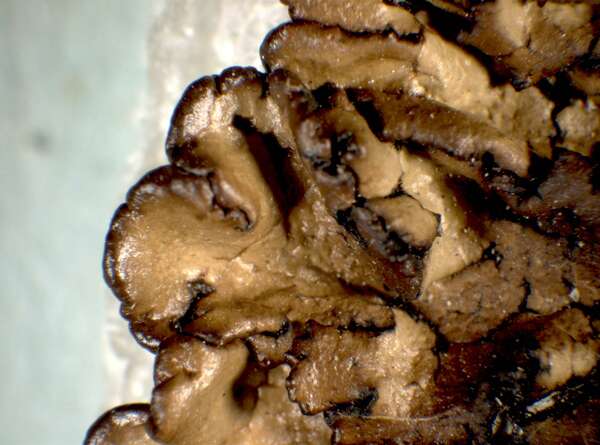
P.L. Nimis; Owner: Department of Life Sciences, University of Trieste
Herbarium: TSB (2566)
2001/12/12
tip of lobes
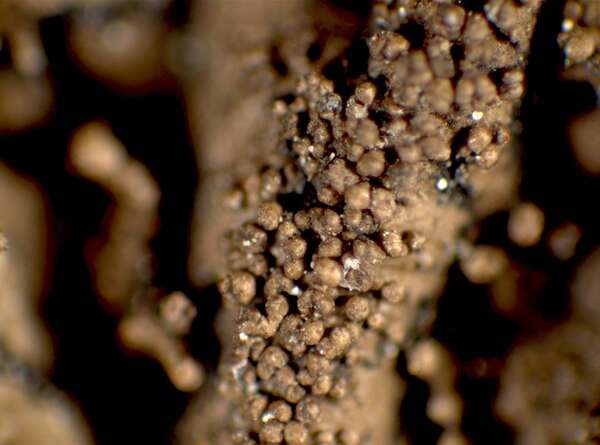
P.L. Nimis; Owner: Department of Life Sciences, University of Trieste
Herbarium: TSB (2566)
2001/12/12
isidia
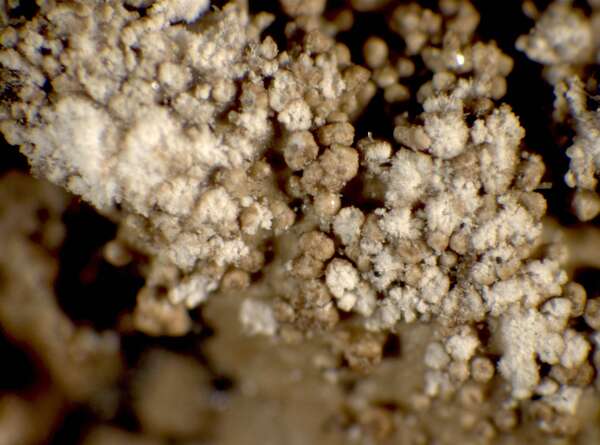
P.L. Nimis; Owner: Department of Life Sciences, University of Trieste
Herbarium: TSB (2566)
2001/12/12
old isidia becoming sorediose
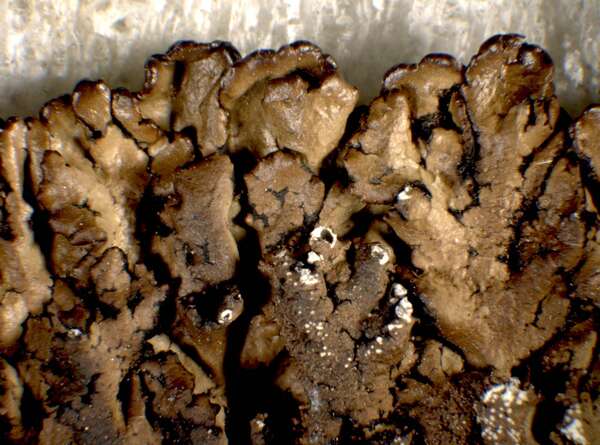
P.L. Nimis; Owner: Department of Life Sciences, University of Trieste
Herbarium: TSB (2566)
2001/12/12
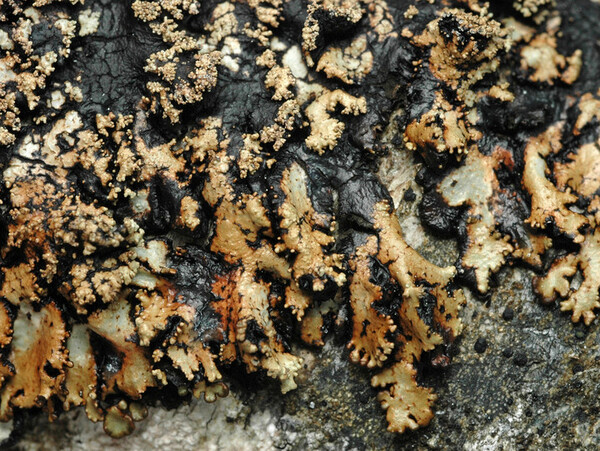
Leif Stridvall - Source: http://www.stridvall.se/la/galleries.php
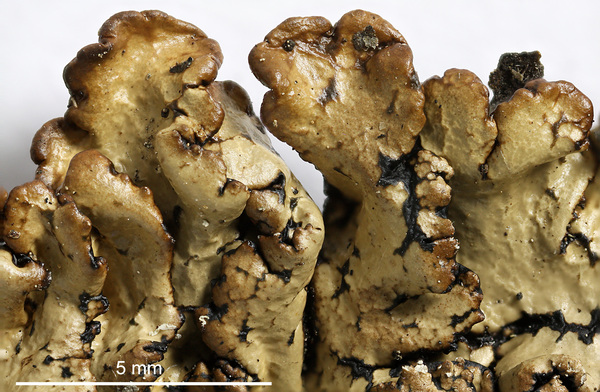
Felix Schumm - CC BY-SA 4.0
[2642], Schweiz, Nationalpark, zwischen Zernez und Ova Spin, ca. 1800 m, auf Pinus im Pinus-Erica-Wald, zusammen mit Usneen, Letharia vulpina etc. (Bodenpflanzen: Polygala chamaebuxus, Daphne striata). Leg. Schumm 04.07.1978, det. Schumm 1978.
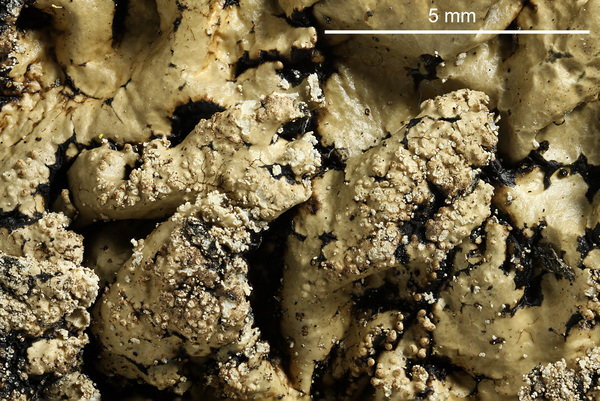
Felix Schumm - CC BY-SA 4.0
[2642], Schweiz, Nationalpark, zwischen Zernez und Ova Spin, ca. 1800 m, auf Pinus im Pinus-Erica-Wald, zusammen mit Usneen, Letharia vulpina etc. (Bodenpflanzen: Polygala chamaebuxus, Daphne striata). Leg. Schumm 04.07.1978, det. Schumm 1978.
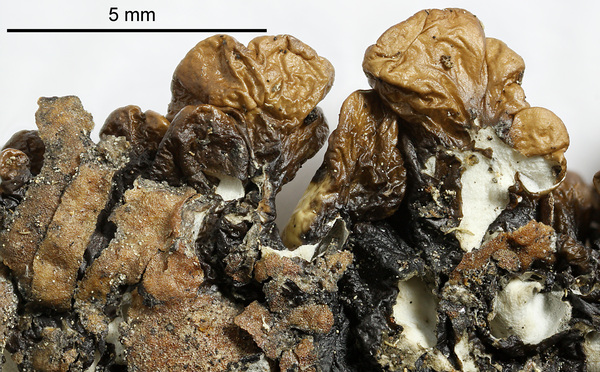
Felix Schumm - CC BY-SA 4.0
[2642], Schweiz, Nationalpark, zwischen Zernez und Ova Spin, ca. 1800 m, auf Pinus im Pinus-Erica-Wald, zusammen mit Usneen, Letharia vulpina etc. (Bodenpflanzen: Polygala chamaebuxus, Daphne striata). Leg. Schumm 04.07.1978, det. Schumm 1978.
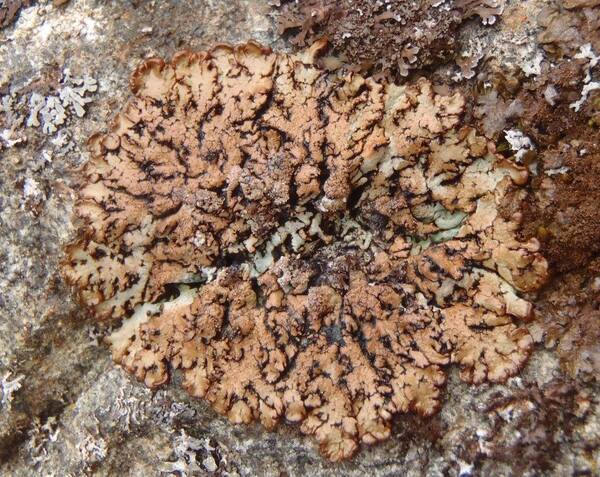
Curtis Randall Björk, - CC BY-SA 4.0
Near Hope Bay, Nunavut, Northwest Territories, Canadaries, CanadaIsland, British Columbia, Canada
19.07.2014
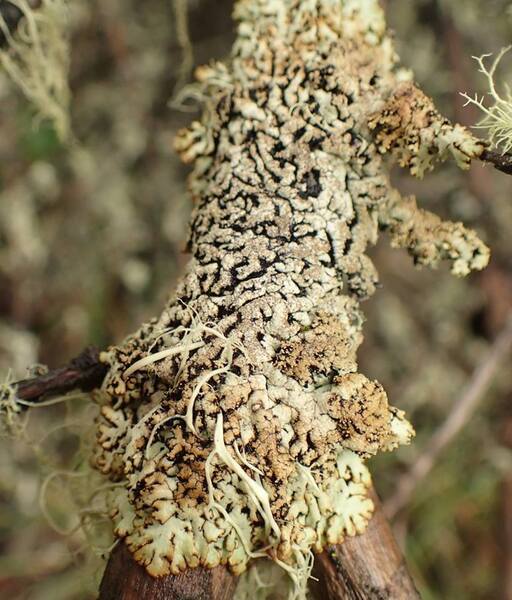
Curtis Randall Björk, - CC BY-SA 4.0
Northern British Columbia, Canada
2017
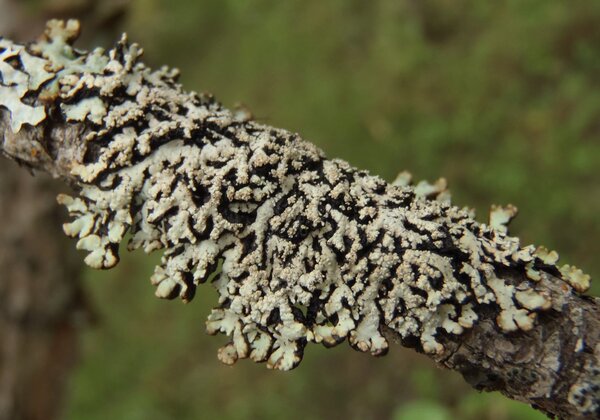
Curtis Randall Björk - CC BY-SA 4.0
Clearwater Valley, British Columbia, Canada
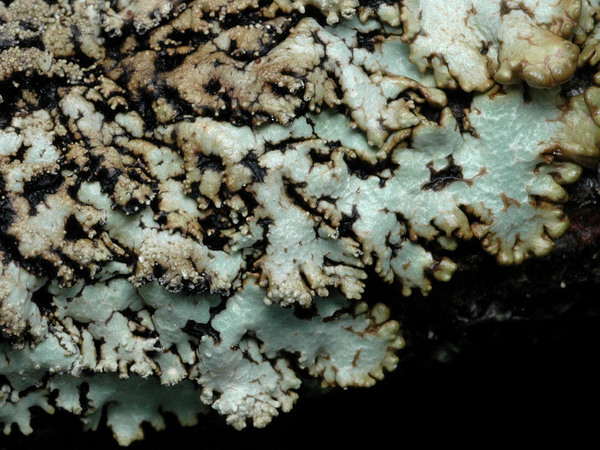
Leif Stridvall - Source: http://www.stridvall.se/lichens/gallery/
Courtesy: Anita Stridvall
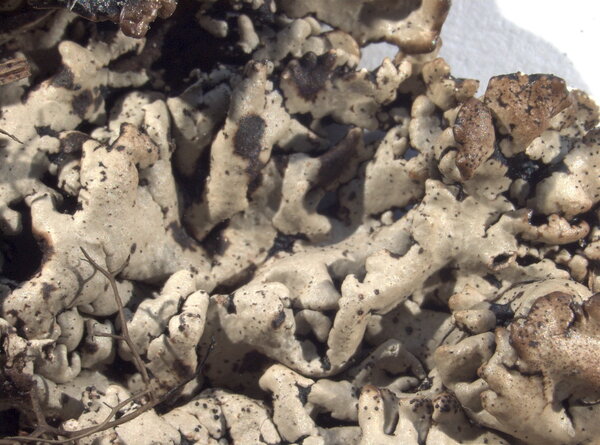
Pier Luigi Nimis - Department of Life Sciences, University of Trieste - CC BY-SA 4.0
TSB 37315
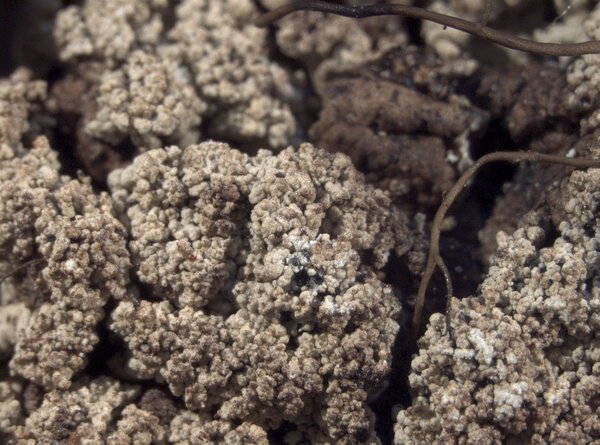
Pier Luigi Nimis - Department of Life Sciences, University of Trieste - CC BY-SA 4.0
TSB 37315
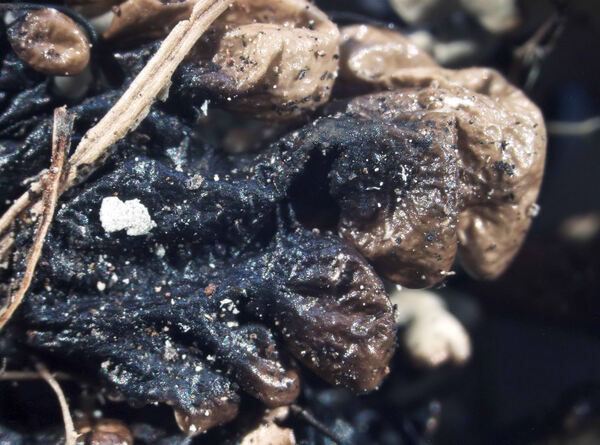
P.L. Nimis CC BY-SA 04
TSB 37315
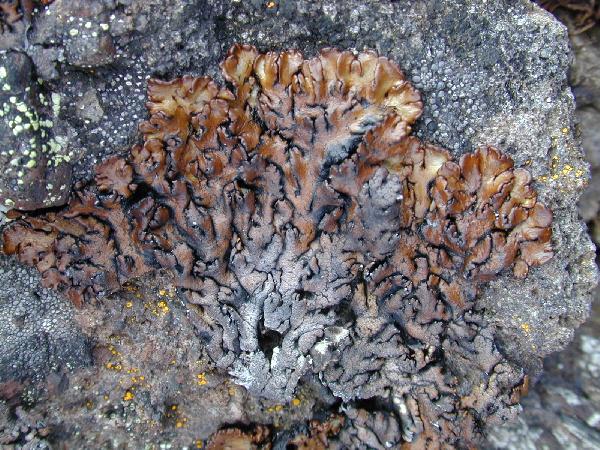
Wolfgang von Brackel - CC BY-4.0
Greenland, Suuluaqqap
Growth form: Foliose, narrow lobed
Photobiont: green algae other than Trentepohlia
Reproductive strategy: mainly asexual, by soredia, or soredia-like structures (e.g. blastidia)
Commonnes-rarity: (info)
Alpine belt: absent
Subalpine belt: rare
Montane belt: very rare
Dry submediterranean belt: absent
Humid submediterranean belt: absent
Padanian area: absent
pH of the substrata:
| 1 | 2 | 3 | 4 | 5 |
Solar irradiation:
| 1 | 2 | 3 | 4 | 5 |
Aridity:
| 1 | 2 | 3 | 4 | 5 |
Eutrophication:
| 1 | 2 | 3 | 4 | 5 |
Poleotolerance:
| 0 | 1 | 2 | 3 |
Altitudinal distribution:
| 1 | 2 | 3 | 4 | 5 | 6 |
Rarity
absent
extremely rare
very rare
rare
rather rare
rather common
common
very common
extremely common
Loading data...
Occurrence data
Predictive map
Current prediction (1981-2010)Future prediction (2071-2100) SSP 1-2.6Future prediction (2071-2100) SSP 5-8.5Predictive maps according to Francesconi et al. 2025
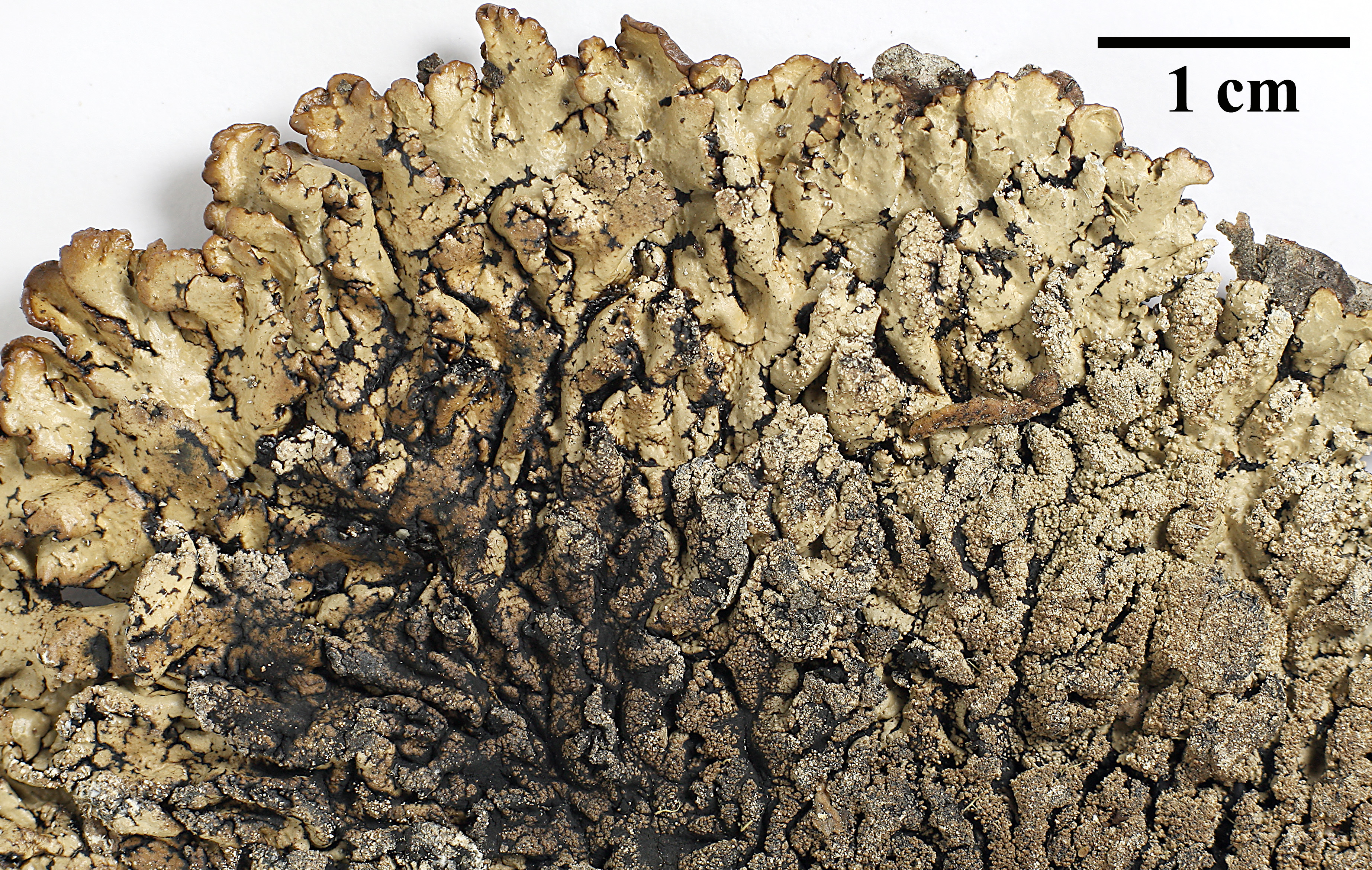
Felix Schumm - CC BY-SA 4.0
[2642], Schweiz, Nationalpark, zwischen Zernez und Ova Spin, ca. 1800 m, auf Pinus im Pinus-Erica-Wald, zusammen mit Usneen, Letharia vulpina etc. (Bodenpflanzen: Polygala chamaebuxus, Daphne striata). Leg. Schumm 04.07.1978, det. Schumm 1978.
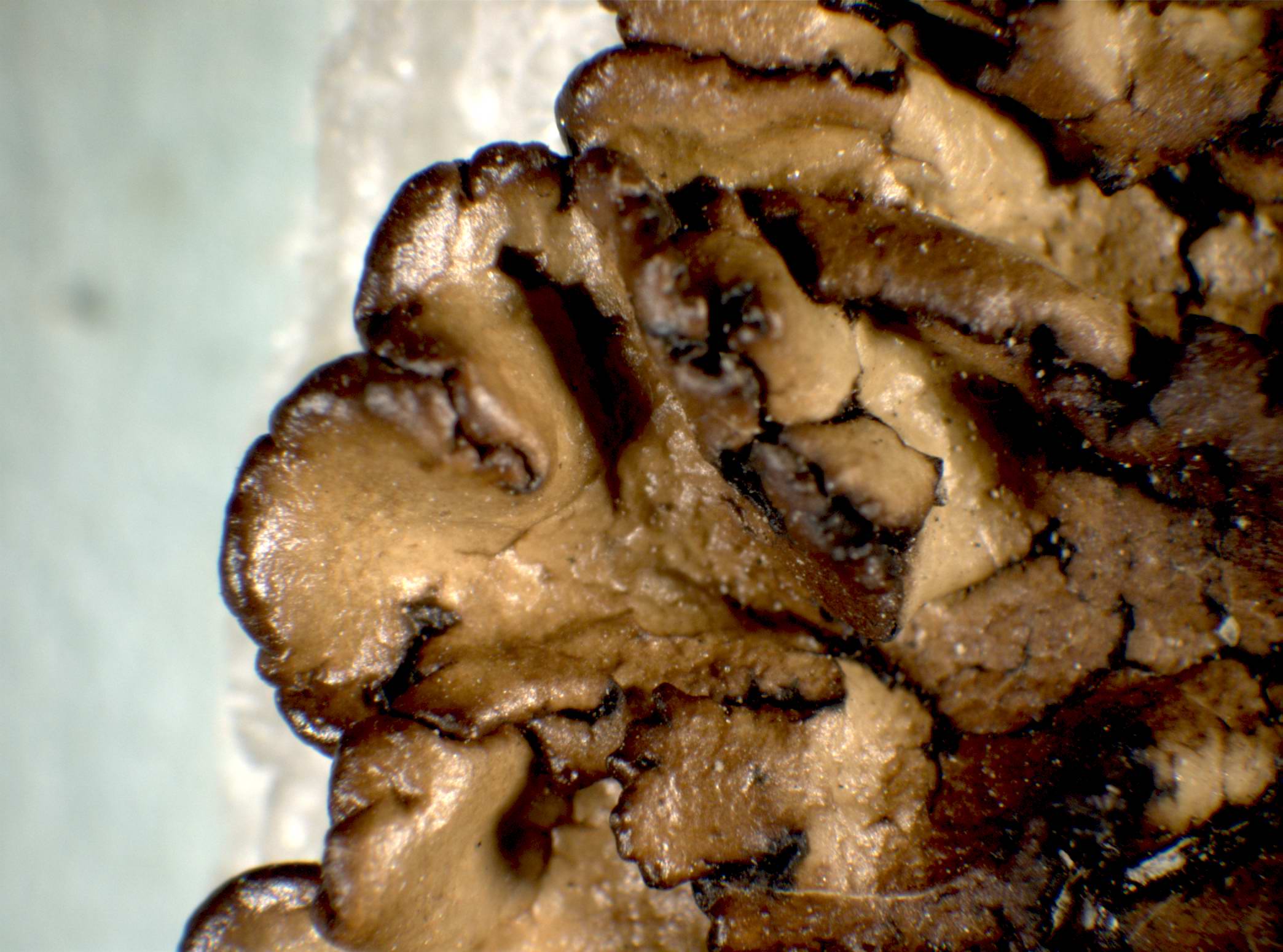
P.L. Nimis; Owner: Department of Life Sciences, University of Trieste
Herbarium: TSB (2566)
2001/12/12
tip of lobes
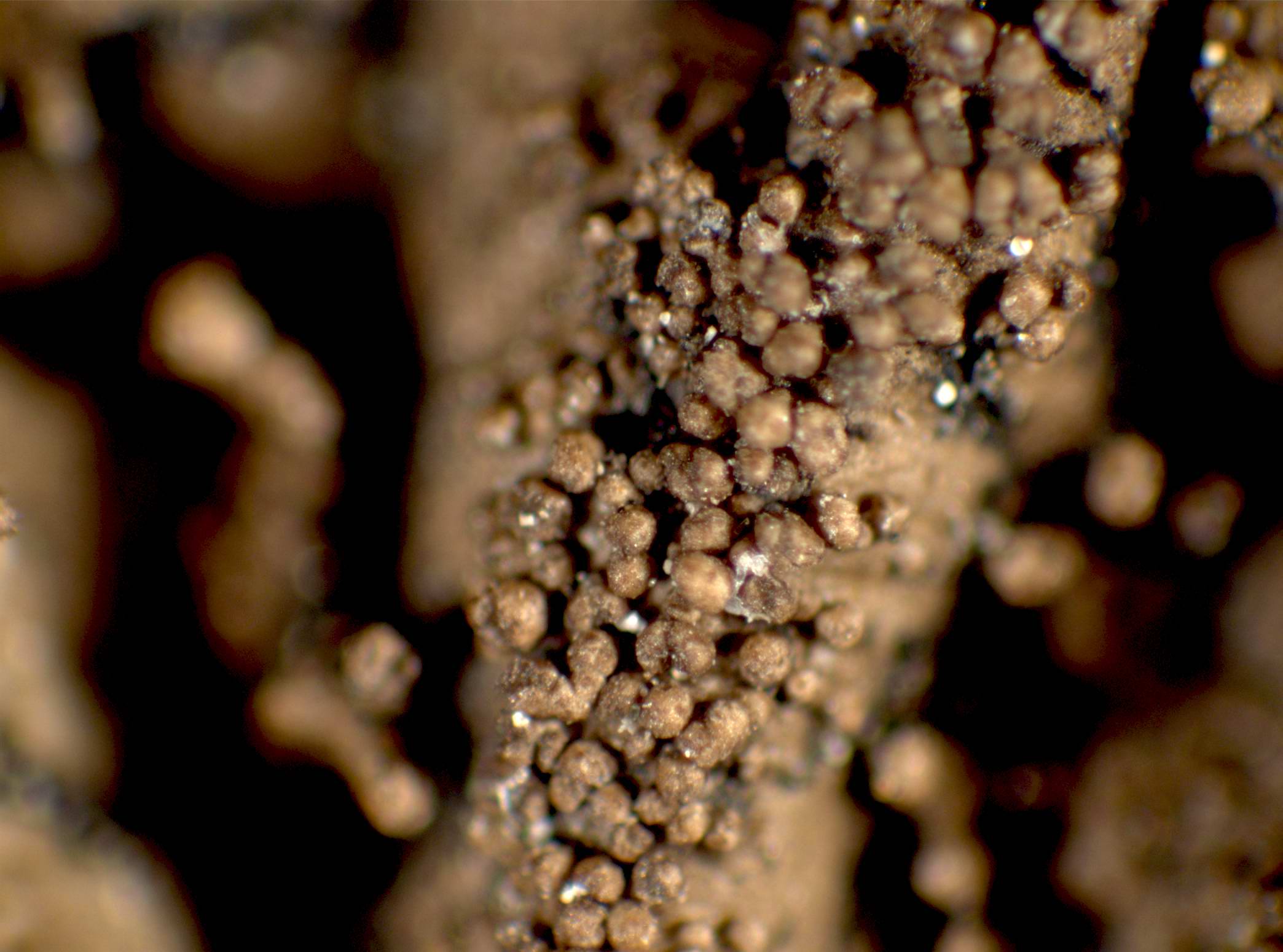
P.L. Nimis; Owner: Department of Life Sciences, University of Trieste
Herbarium: TSB (2566)
2001/12/12
isidia
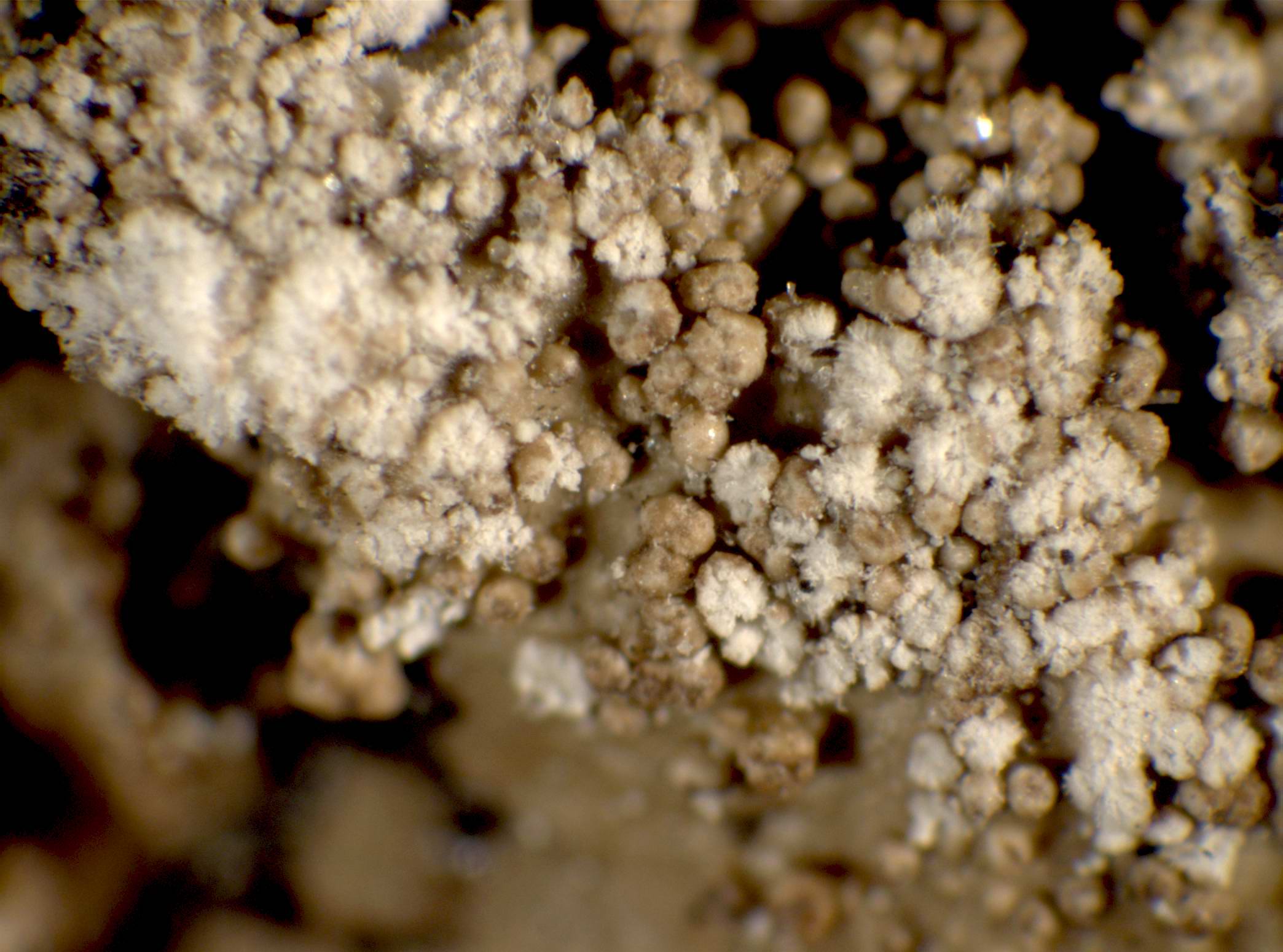
P.L. Nimis; Owner: Department of Life Sciences, University of Trieste
Herbarium: TSB (2566)
2001/12/12
old isidia becoming sorediose
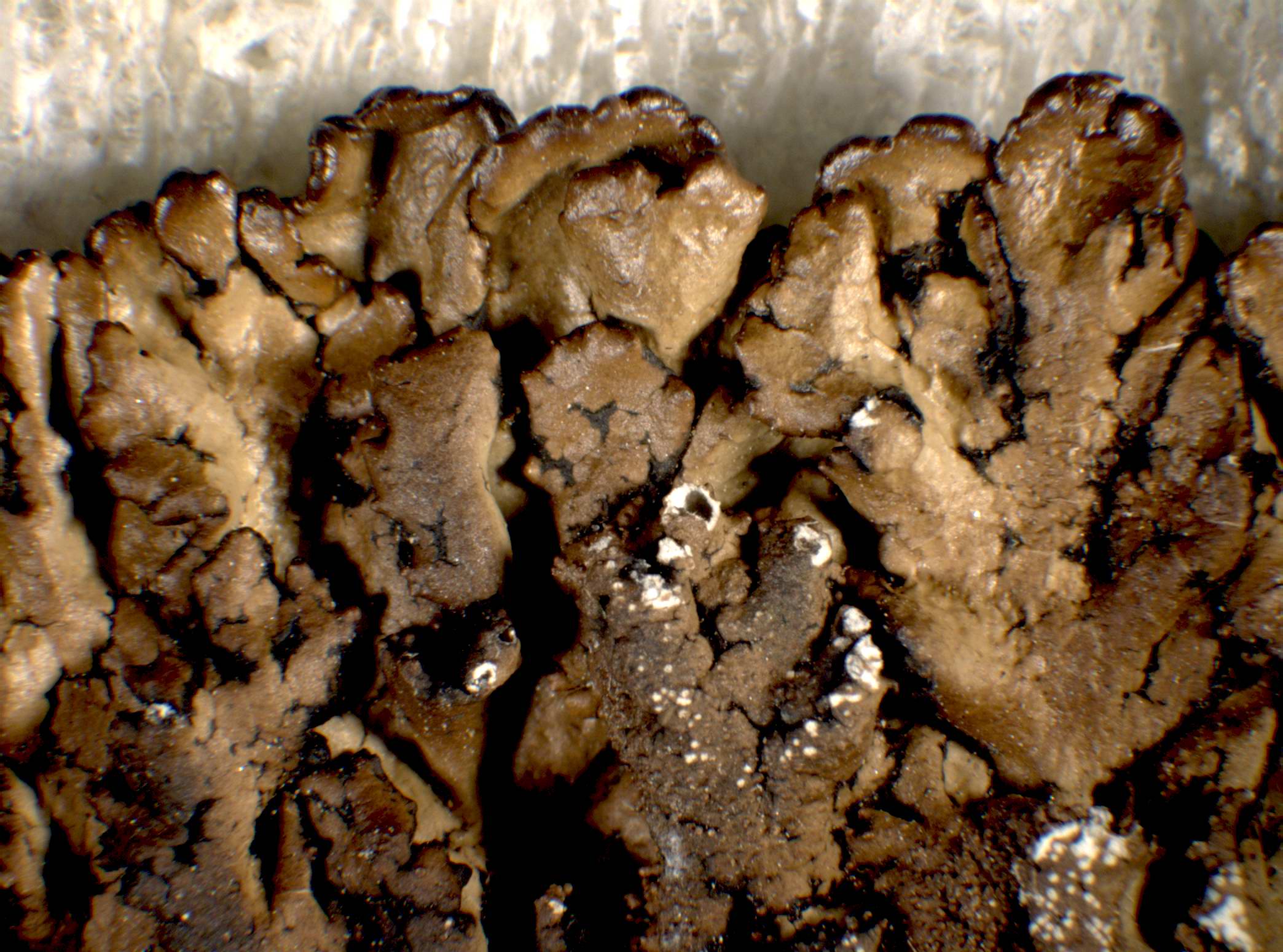
P.L. Nimis; Owner: Department of Life Sciences, University of Trieste
Herbarium: TSB (2566)
2001/12/12
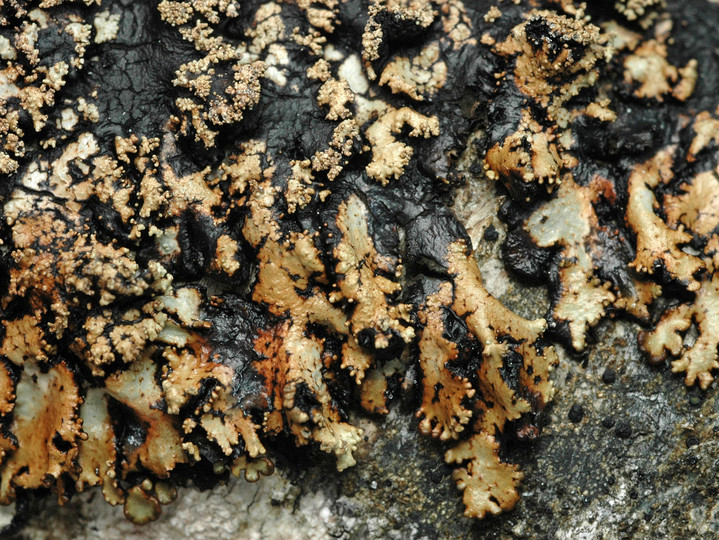
Leif Stridvall - Source: http://www.stridvall.se/la/galleries.php
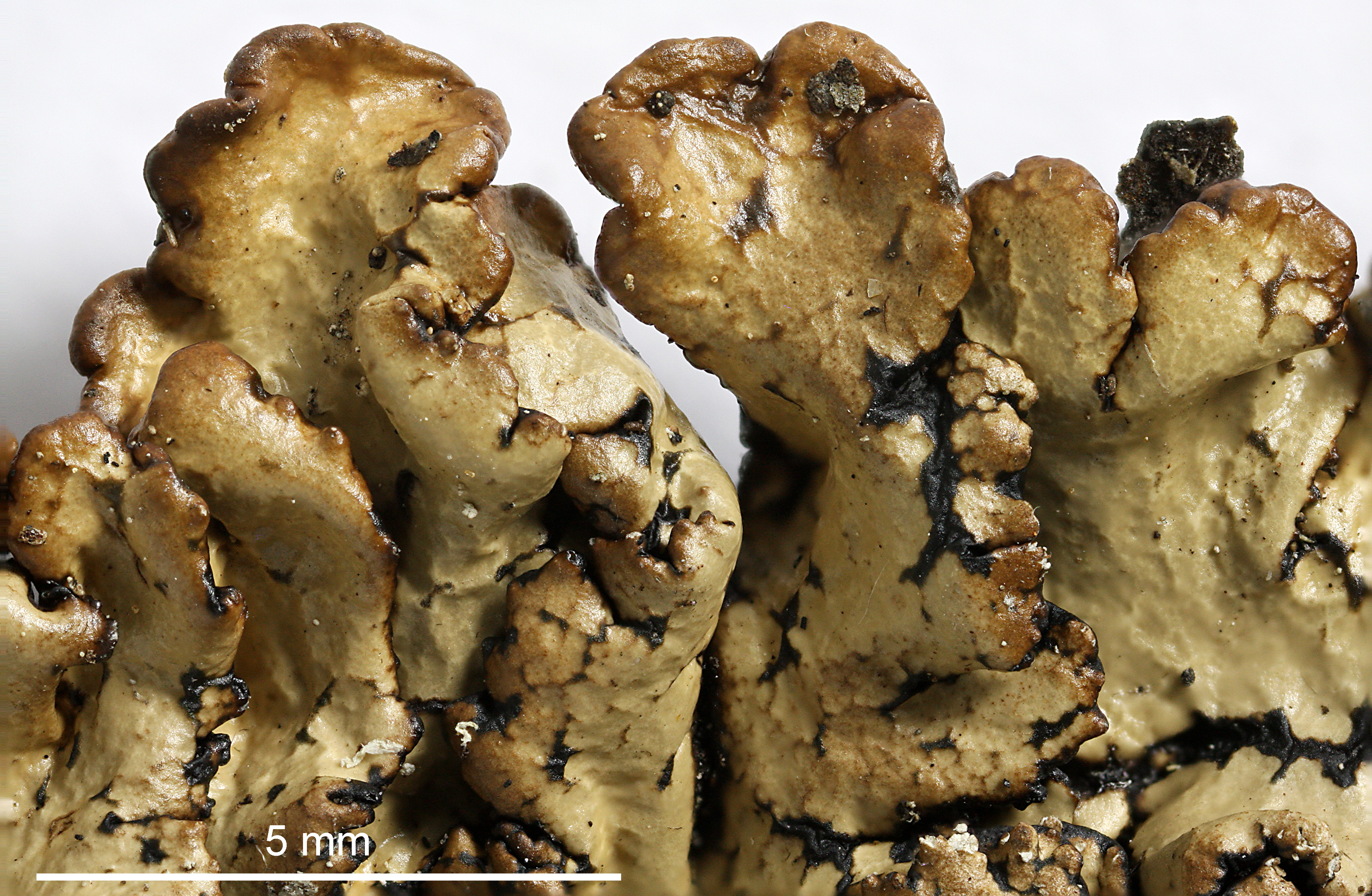
Felix Schumm - CC BY-SA 4.0
[2642], Schweiz, Nationalpark, zwischen Zernez und Ova Spin, ca. 1800 m, auf Pinus im Pinus-Erica-Wald, zusammen mit Usneen, Letharia vulpina etc. (Bodenpflanzen: Polygala chamaebuxus, Daphne striata). Leg. Schumm 04.07.1978, det. Schumm 1978.
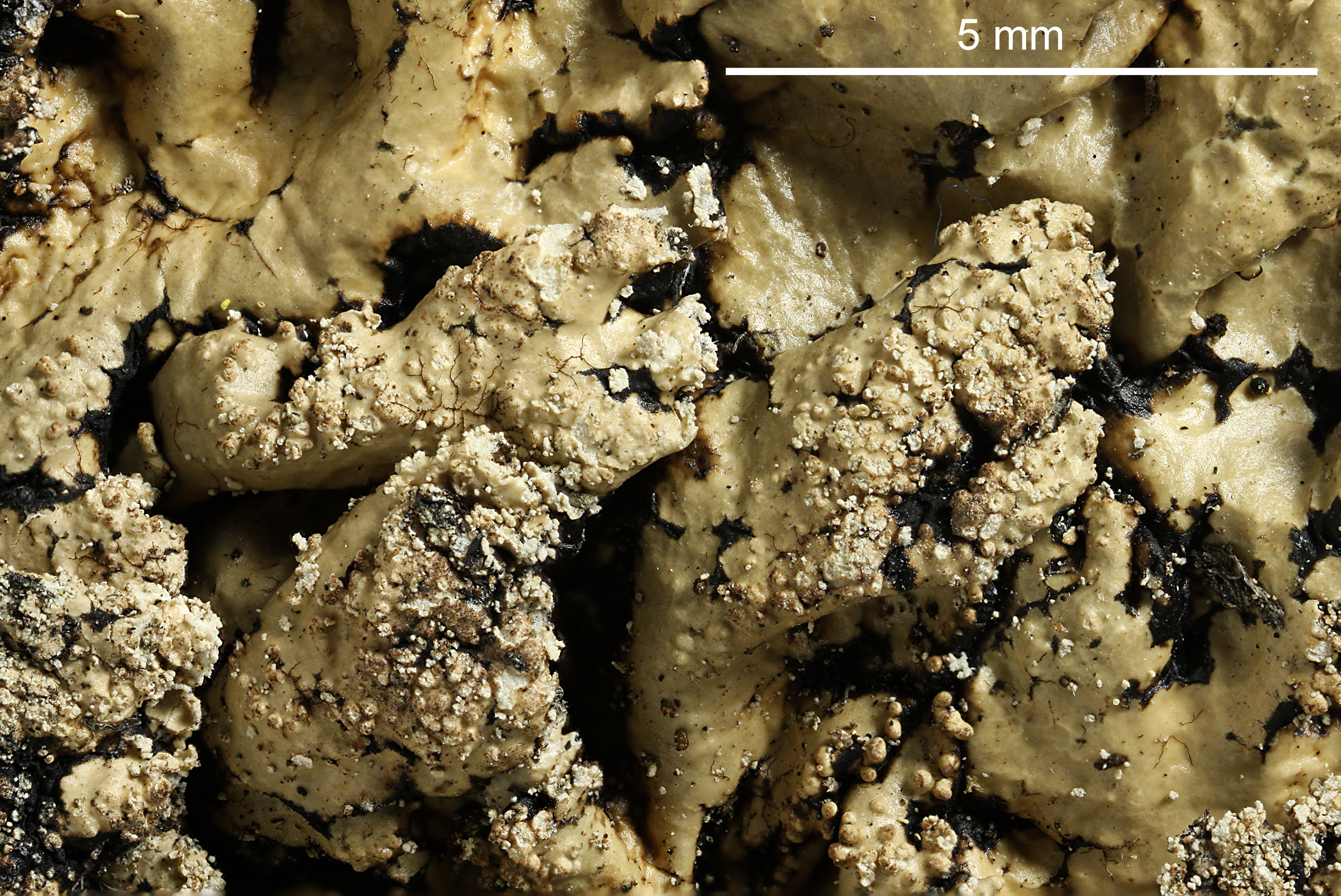
Felix Schumm - CC BY-SA 4.0
[2642], Schweiz, Nationalpark, zwischen Zernez und Ova Spin, ca. 1800 m, auf Pinus im Pinus-Erica-Wald, zusammen mit Usneen, Letharia vulpina etc. (Bodenpflanzen: Polygala chamaebuxus, Daphne striata). Leg. Schumm 04.07.1978, det. Schumm 1978.
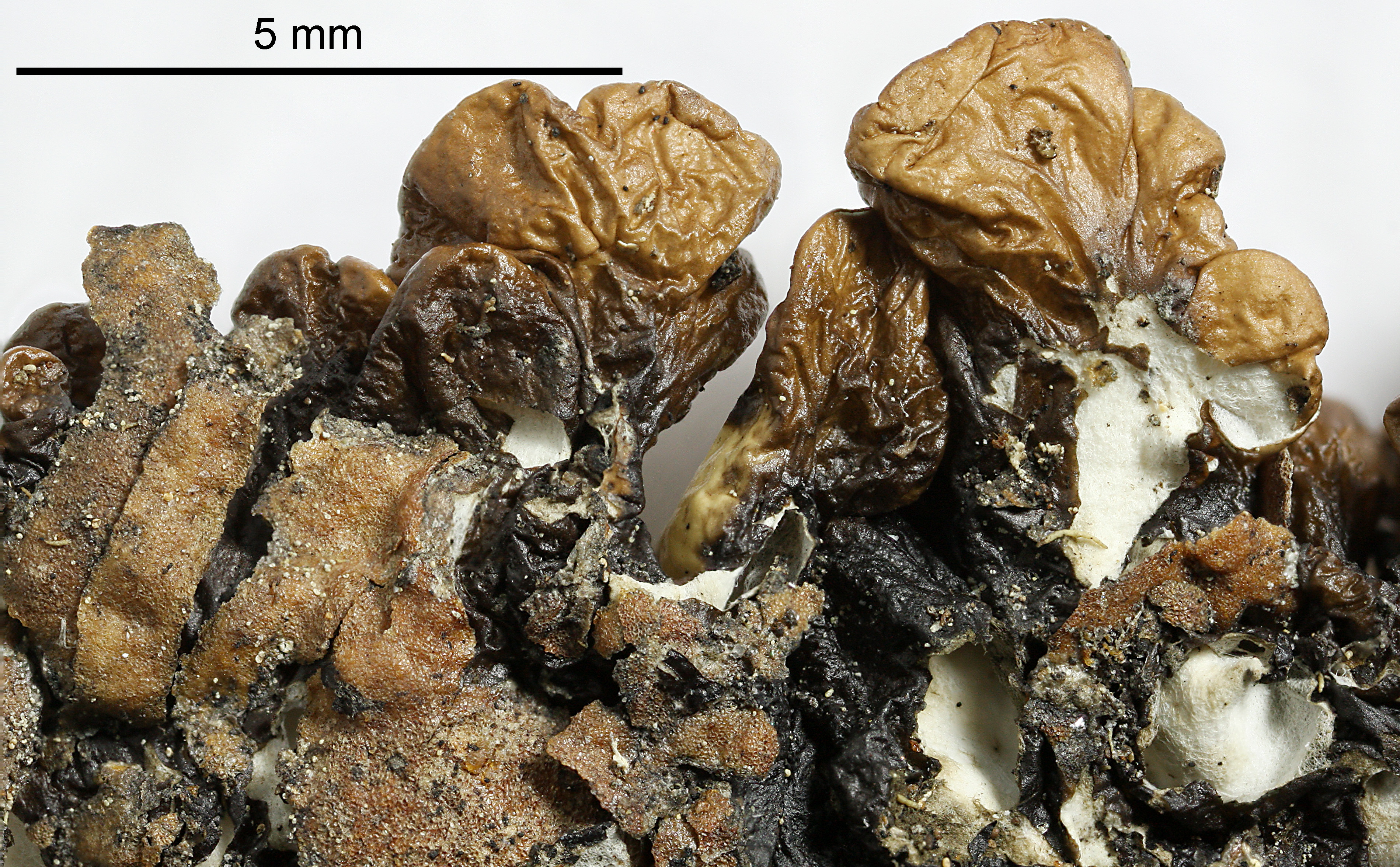
Felix Schumm - CC BY-SA 4.0
[2642], Schweiz, Nationalpark, zwischen Zernez und Ova Spin, ca. 1800 m, auf Pinus im Pinus-Erica-Wald, zusammen mit Usneen, Letharia vulpina etc. (Bodenpflanzen: Polygala chamaebuxus, Daphne striata). Leg. Schumm 04.07.1978, det. Schumm 1978.
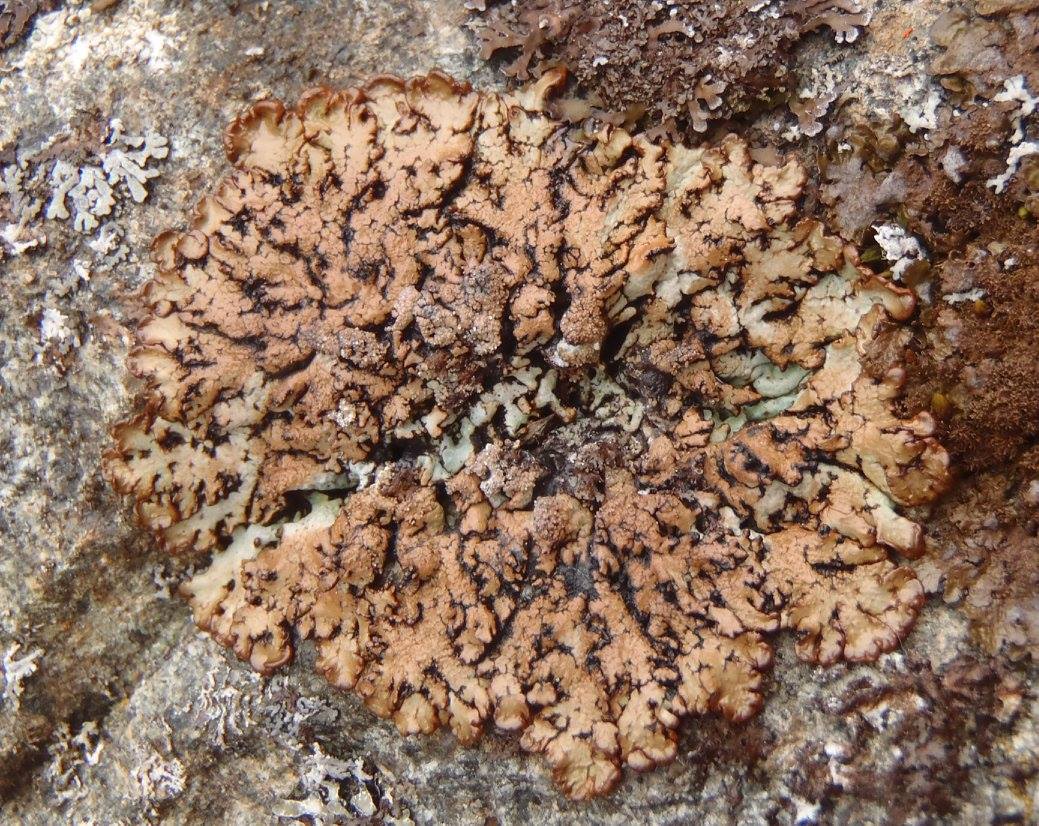
Curtis Randall Björk, - CC BY-SA 4.0
Near Hope Bay, Nunavut, Northwest Territories, Canadaries, CanadaIsland, British Columbia, Canada
19.07.2014

Curtis Randall Björk, - CC BY-SA 4.0
Northern British Columbia, Canada
2017
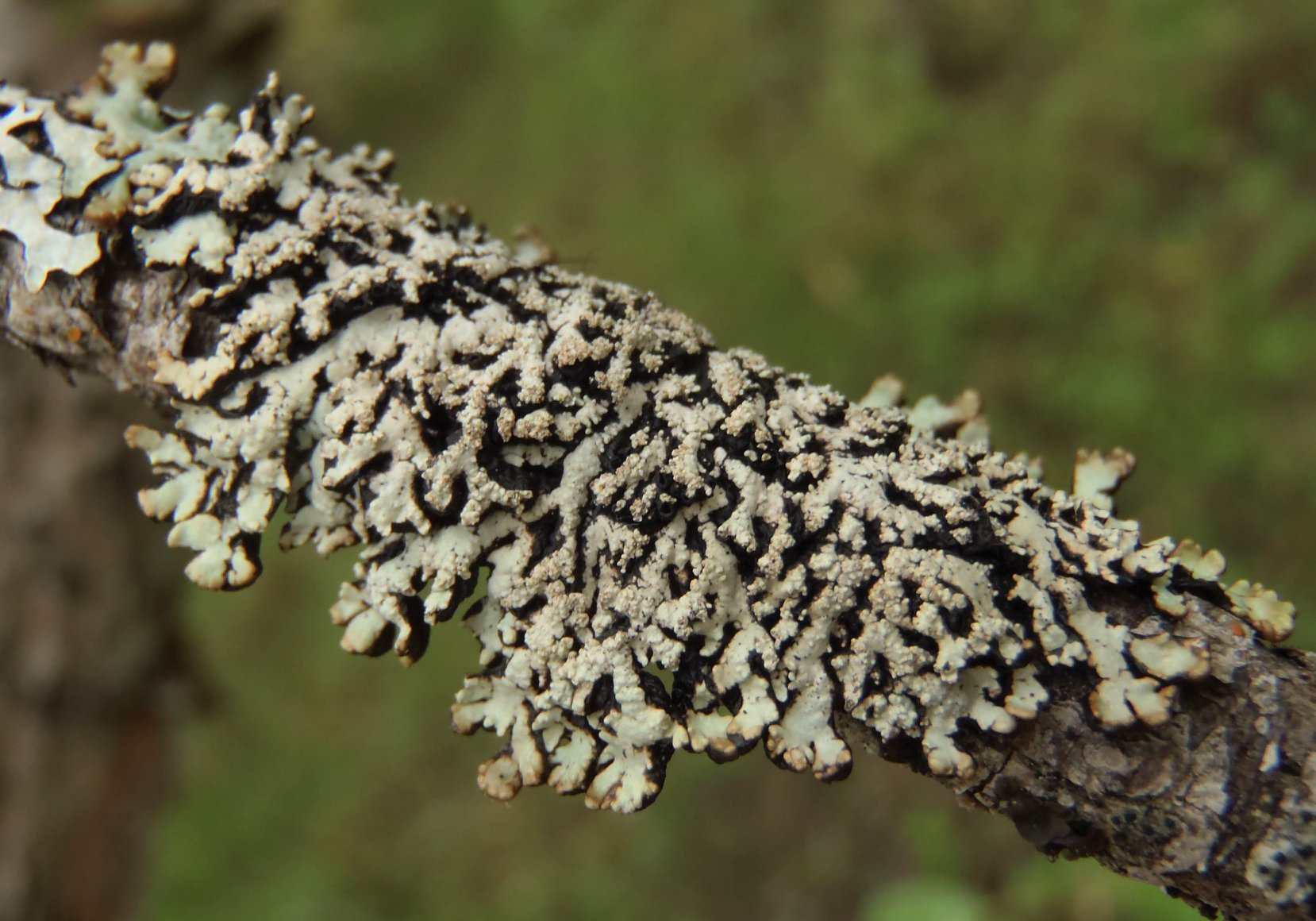
Curtis Randall Björk - CC BY-SA 4.0
Clearwater Valley, British Columbia, Canada
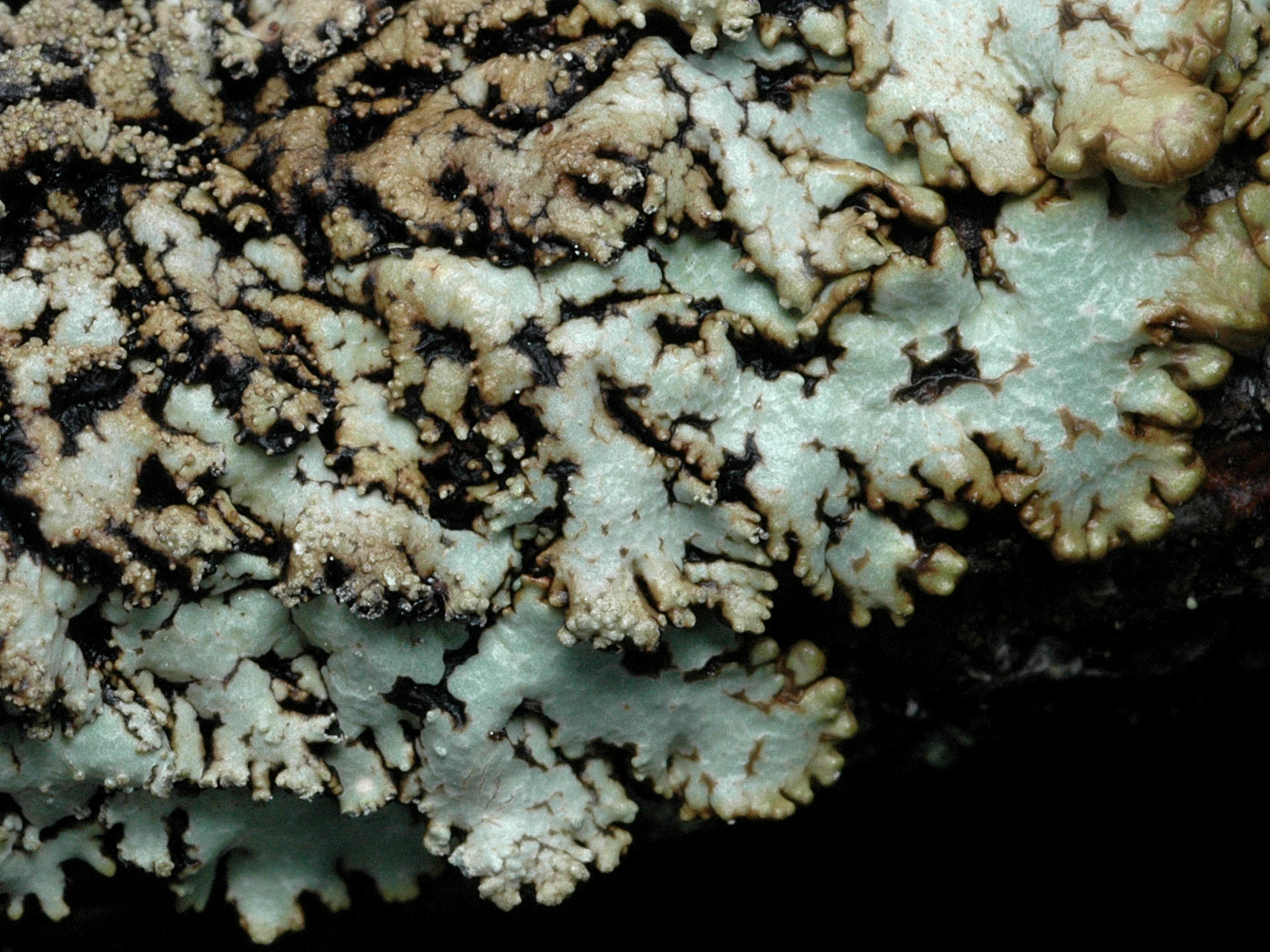
Leif Stridvall - Source: http://www.stridvall.se/lichens/gallery/
Courtesy: Anita Stridvall
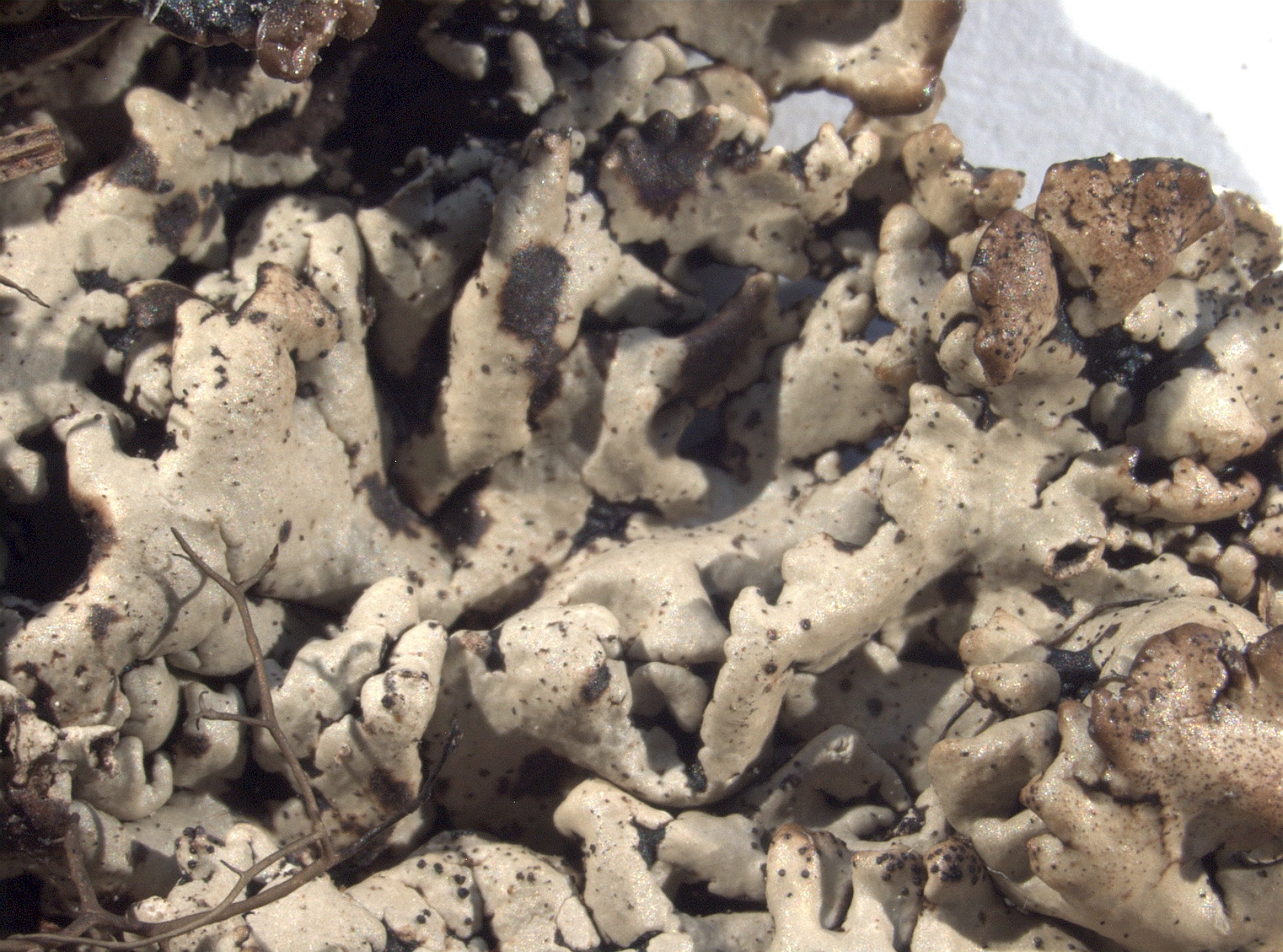
Pier Luigi Nimis - Department of Life Sciences, University of Trieste - CC BY-SA 4.0
TSB 37315
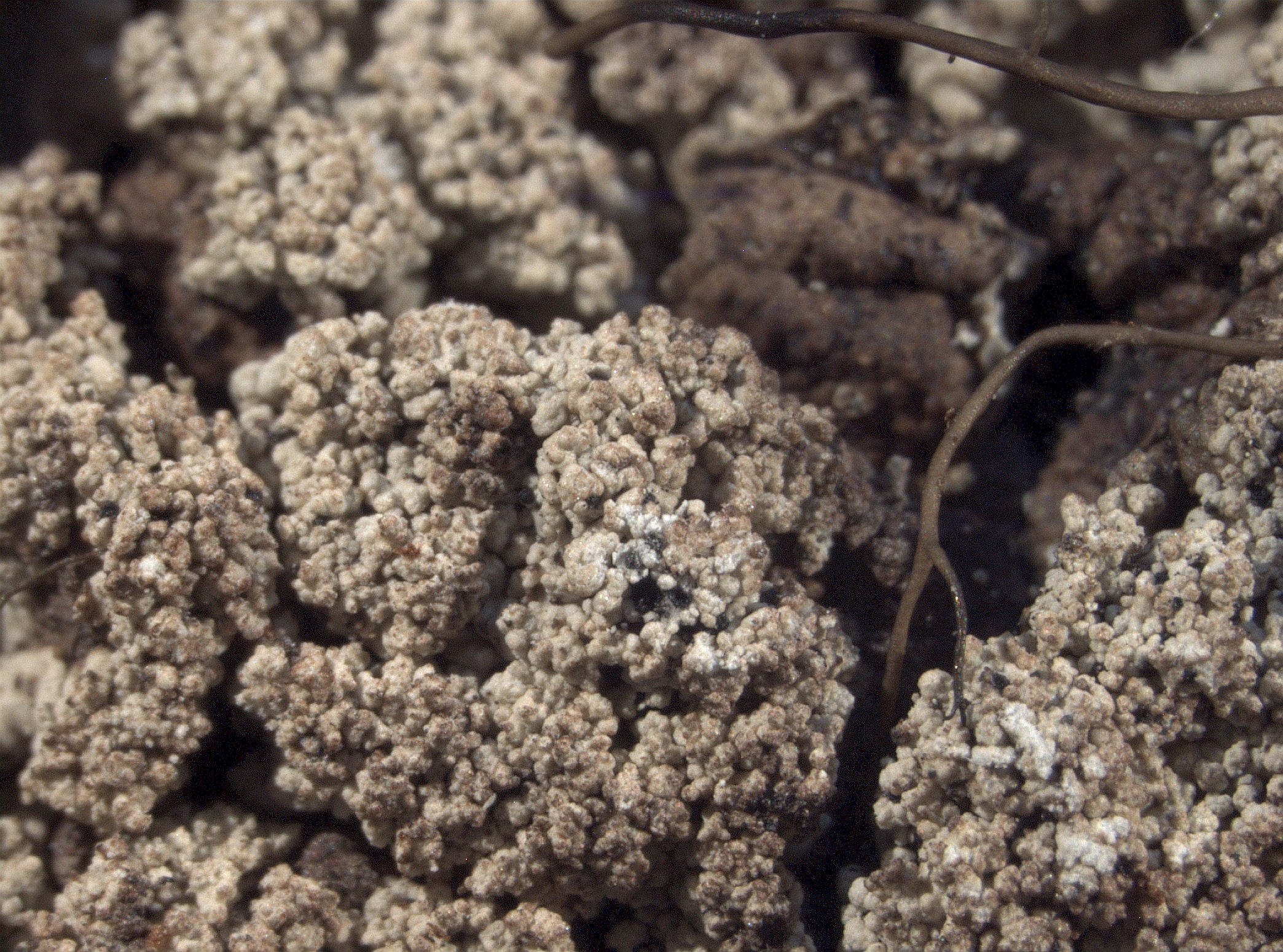
Pier Luigi Nimis - Department of Life Sciences, University of Trieste - CC BY-SA 4.0
TSB 37315

P.L. Nimis CC BY-SA 04
TSB 37315