Hypogymnia bitteri (Lynge) Ahti
Ann. Bot. Fenn., 1: 20, 1964. Basionym: Parmelia bitteri Lynge - Skr. Vidensk.-Selsk. Christiania, Math. Naturvidensk. Kl., 7: 138, 1921.
Synonyms: Hypogymnia obscurata auct.; Parmelia obscurata auct. et sensu Bitter
Description: Thallus foliose, heteromerous, dorsiventral, adpressed, forming more or less regular, up to 9(-12) cm wide rosettes, the lobes contiguous, (0.5-)1-3(-4) mm broad, clearly swollen especially in apical parts. Upper surface greenish grey to brown in sun-forms and/or in peripheral parts, dark-mottled, rather glossy, becoming rugose, with mainly terminal, blue-grey or whitish grey, capitate soralia both on the main lobes and on short, upturned, lateral lobes, sometimes also with secondarily diffuse laminal soredia. Lower surface black, erhizinate. Upper cortex of tightly packed, more or less anticlinally oriented hyphae, the cell walls with Cetraria-type lichenan; medulla soon becoming hollow, lining the cavity inside the lobes, the ceiling of the cavity white or dark, the floor dark; lower cortex dark, paraplectenchymatous. Apothecia and pycnidia extremely rare (not observed in Italian material). Spot tests: upper cortex K+ yellow, C-, KC-, P- or P+ pale yellow, UV-; medulla K-, C-, KC+ orange-red, P-, UV- or UV+ pale blue-violet. Chemistry: upper cortex with atranorin and chloroatranorin; medulla with physodic acid (major), 3-hydroxyphysodic acid, 2'-O-methylphysodic acid (minor and/or accessory), and an unknown accessory substance.
Growth form: Foliose, narrow lobed
Substrata: bark
Photobiont: green algae other than Trentepohlia
Reproductive strategy: mainly asexual, by soredia, or soredia-like structures (e.g. blastidia)
Commonnes-rarity: (info)
Alpine belt: absent
Subalpine belt: rather rare
Montane belt: rare
Dry submediterranean belt: absent
Humid submediterranean belt: absent
Padanian area: absent
pH of the substrata:
1 2 3 4 5

Solar irradiation:
1 2 3 4 5
Aridity:
1 2 3 4 5
Eutrophication:
1 2 3 4 5
Poleotolerance:
0 1 2 3
Altitudinal distribution:
1 2 3 4 5 6
Rarity
absent
extremely rare
very rare
rare
rather rare
rather common
common
very common
extremely common
Loading data...
Occurrence data
Predictive map
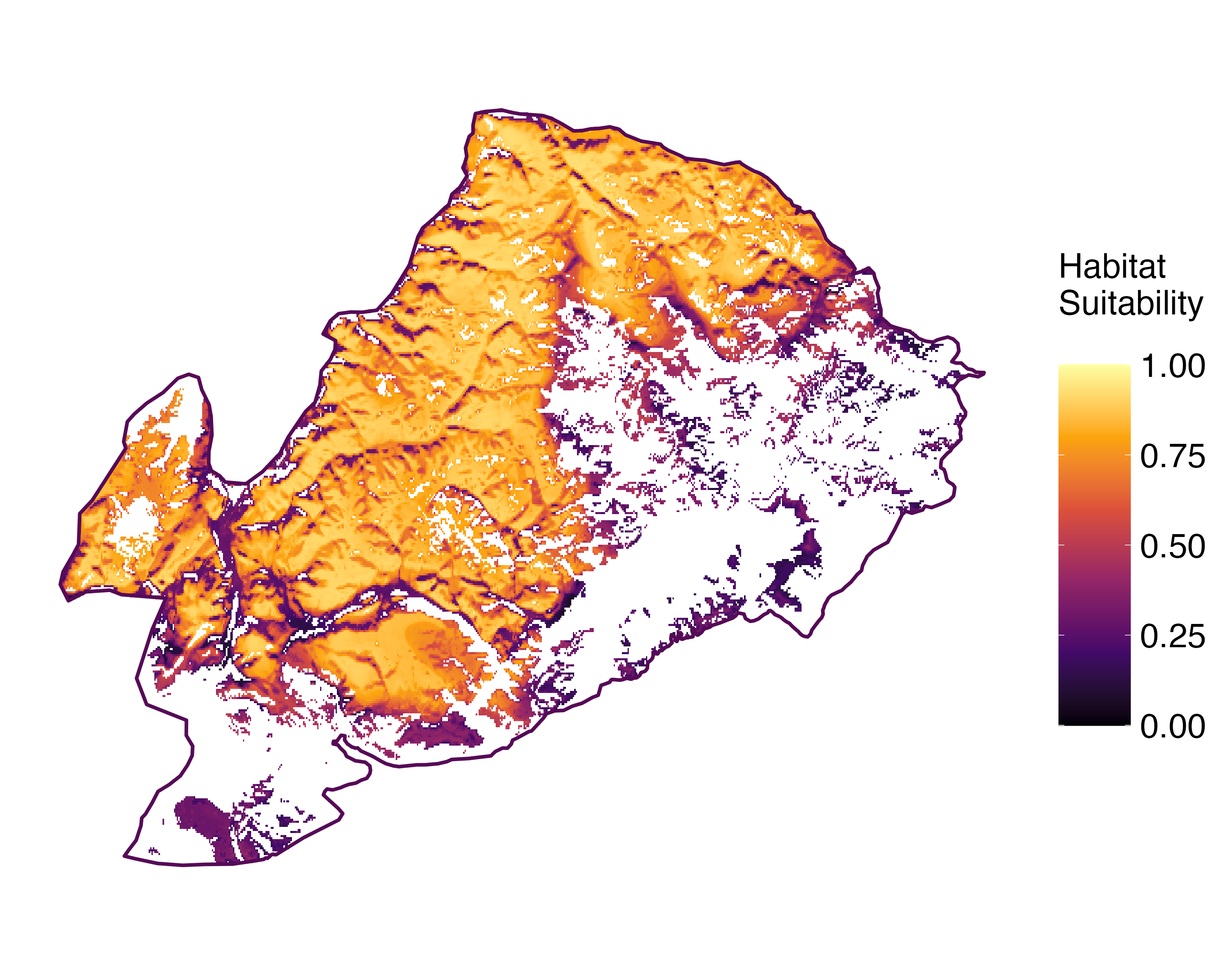 Current prediction (1981-2010)
 Future prediction (2071-2100) SSP 1-2.6
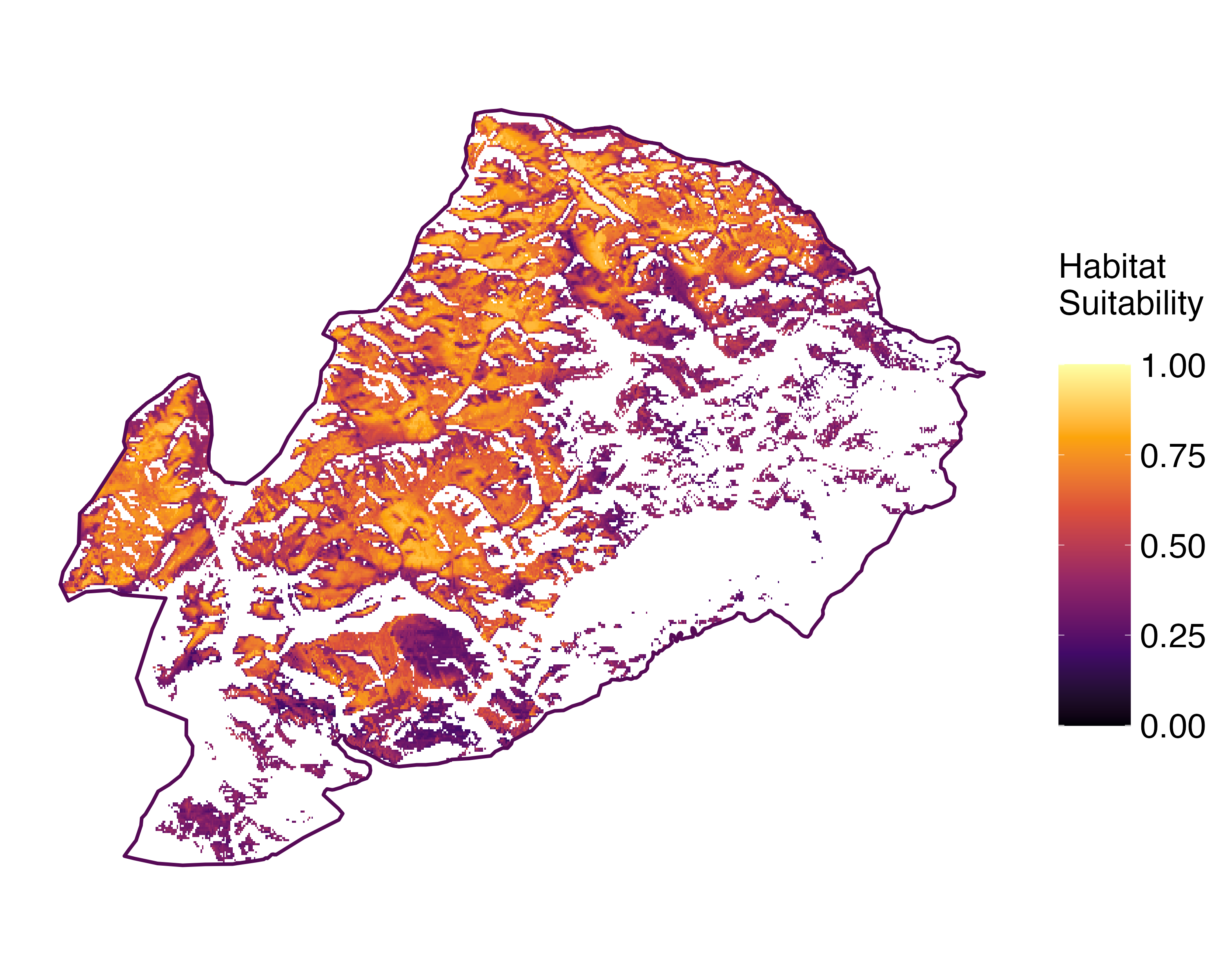 Future prediction (2071-2100) SSP 5-8.5Predictive maps according to Francesconi et al. 2025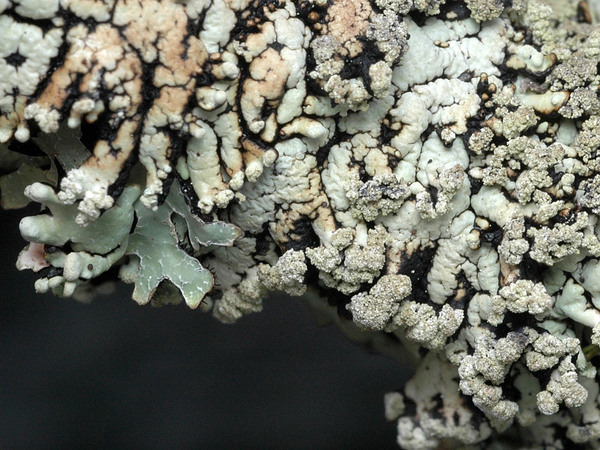
Leif Stridvall - Source: http://www.stridvall.se/lichens/gallery/
Courtesy: Anita Stridvall
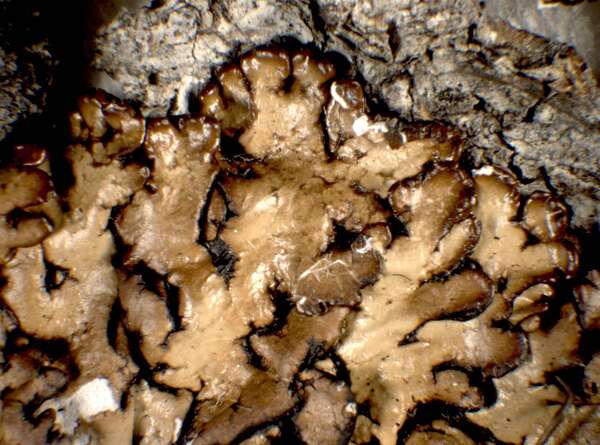
P.L. Nimis; Owner: Department of Life Sciences, University of Trieste
Herbarium: TSB (9457)
2001/12/12
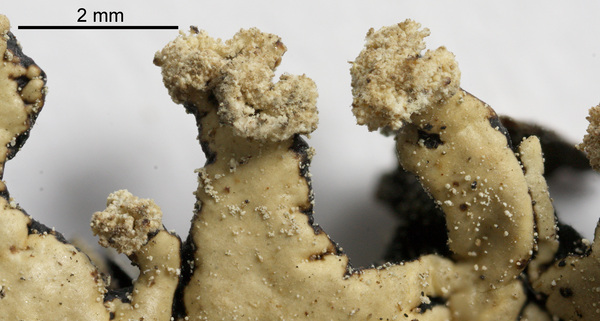
Felix Schumm - CC BY-SA 4.0
[1055], Österreich, Land Salzburg, Tennengebirge (bei Bischofshofen), Anton-Proksch-Haus bei Werfenweng, Ladenberghöhe, ca. 1630 m. Leg. Schumm 19.08.1969, det. Schumm 1969
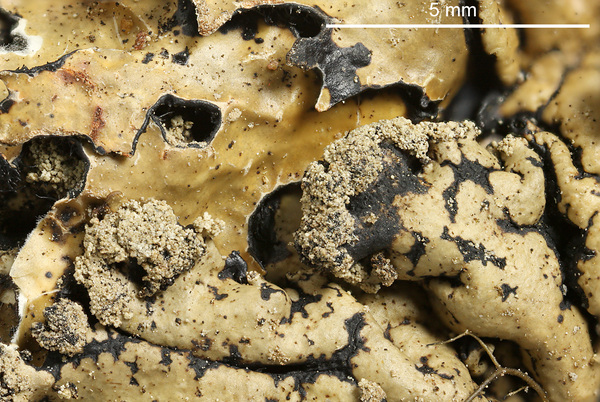
Felix Schumm - CC BY-SA 4.0
[1055], Österreich, Land Salzburg, Tennengebirge (bei Bischofshofen), Anton-Proksch-Haus bei Werfenweng, Ladenberghöhe, ca. 1630 m. Leg. Schumm 19.08.1969, det. Schumm 1969
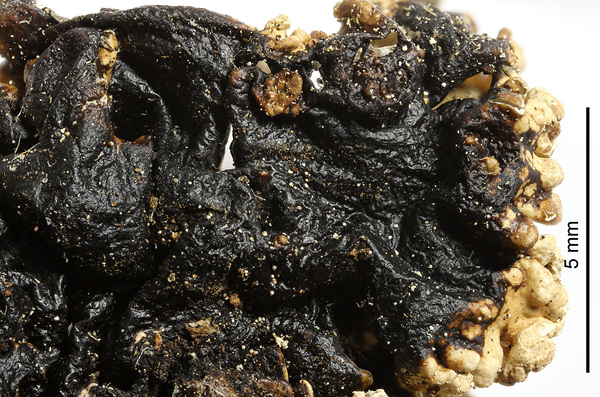
Felix Schumm - CC BY-SA 4.0
[1055], Österreich, Land Salzburg, Tennengebirge (bei Bischofshofen), Anton-Proksch-Haus bei Werfenweng, Ladenberghöhe, ca. 1630 m. Leg. Schumm 19.08.1969, det. Schumm 1969
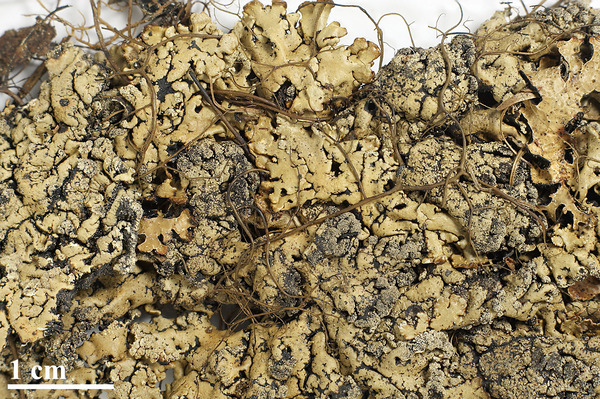
Felix Schumm - CC BY-SA 4.0
[1055], Österreich, Land Salzburg, Tennengebirge (bei Bischofshofen), Anton-Proksch-Haus bei Werfenweng, Ladenberghöhe, ca. 1630 m. Leg. Schumm 19.08.1969, det. Schumm 1969
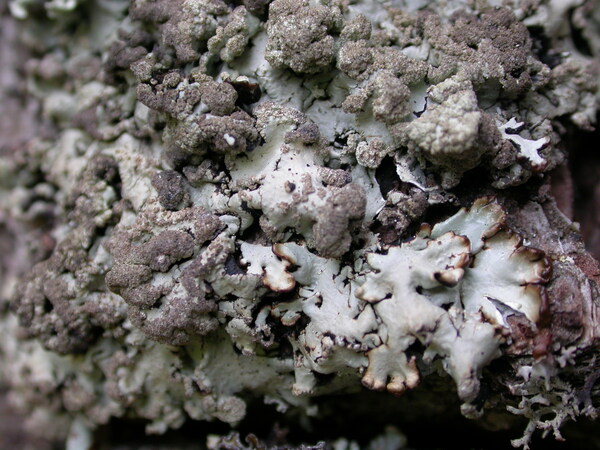
Juri Nascimbene - CC BY-SA 4.0
Stelvio National Park, Reg. Trentino-Alto Adige Prov. Trento, Italy.
07.2005
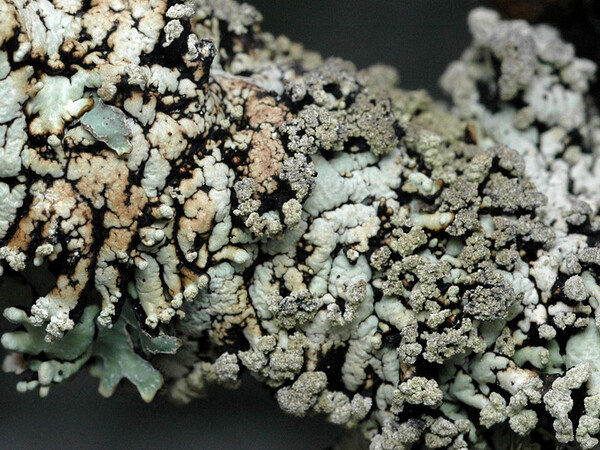
Leif Stridvall - Source: http://www.stridvall.se/la/galleries.php
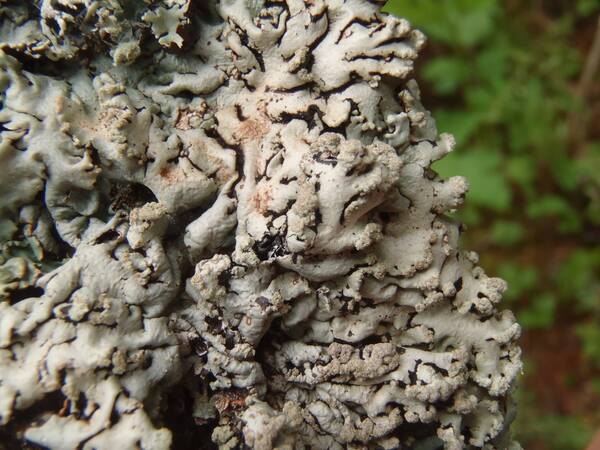
Curtis Randall Björk - CC BY-SA 4.0
near Tumbler Ridge, British Columbia, Canada
pale, forest form
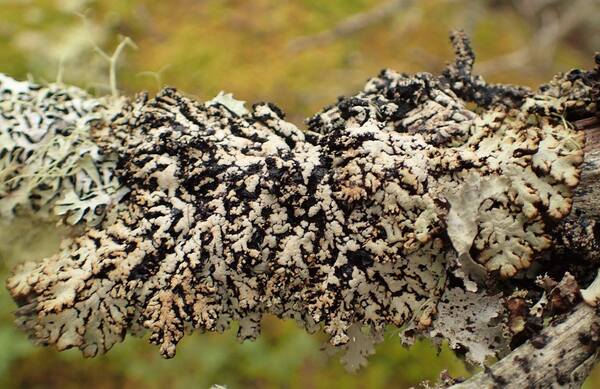
Curtis Randall Björk, - CC BY-SA 4.0
Sugarbowl-Grizzly Den Provincial Park, British Columbia, Canada
August 2017
as v. tilesii
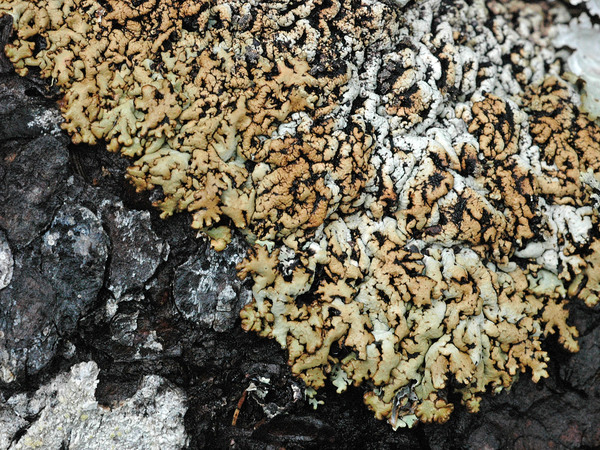
Leif Stridvall - Source: http://www.stridvall.se/lichens/gallery/
Courtesy: Anita Stridvall
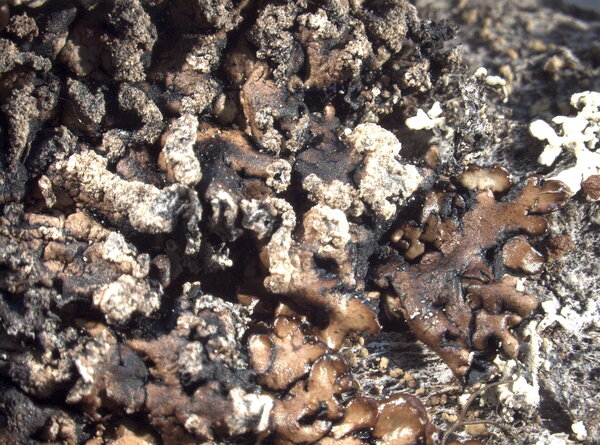
Pier Luigi Nimis - Department of Life Sciences, University of Trieste - CC BY-SA 4.0
TSB 37317
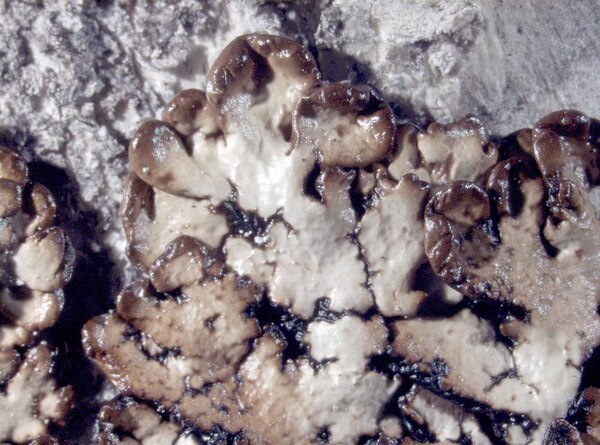
P.L. Nimis CC BY-SA 04
TSB 41580
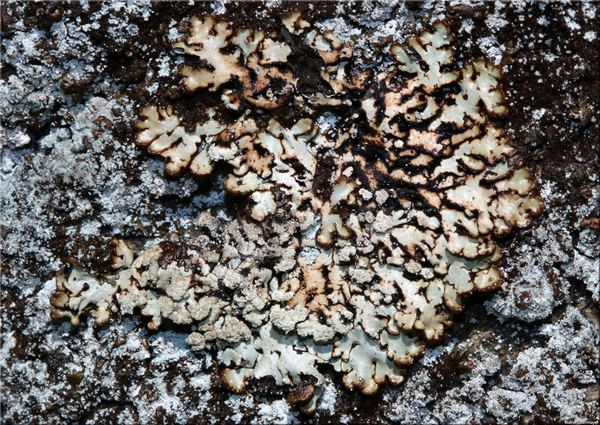
Walter Obermayer CC BY-SA 4.0 - Source: Lichens of Noricum - http://lichens-of-noricum.uni-graz.at/
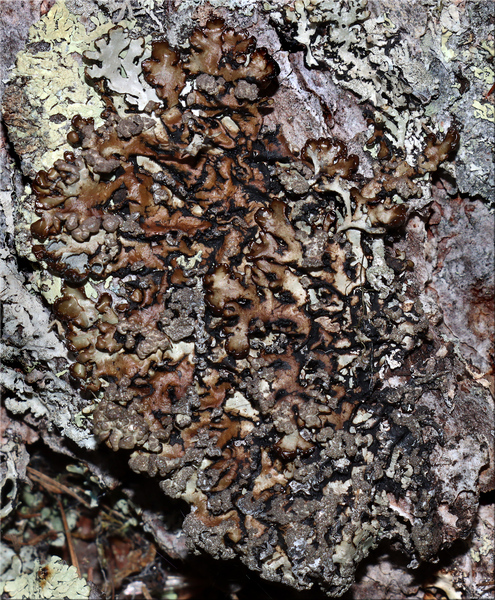
Walter Obermayer CC BY-SA 4.0 - Source: Lichens of Noricum - http://lichens-of-noricum.uni-graz.at/
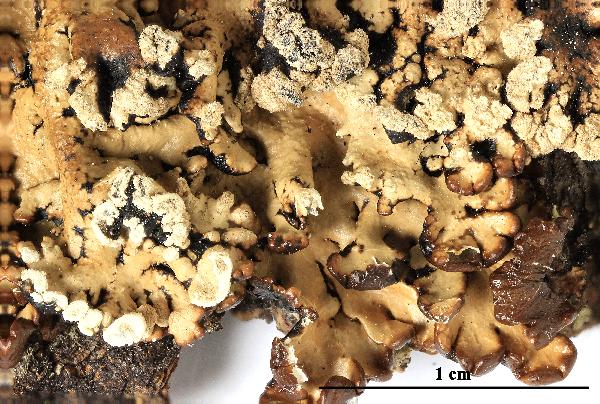
Felix Schumm - CC BY 4.0
[VZ1541], Suecia. Torne Lappmark, Vittangi Paroecia. Ounistunturi.
Ad corticem (Picea abies). Leg. S. Ahlner, 8.8.1935. EX A. VEZDA
LICHENES SELECTI EXSICCATI NR. 1541.
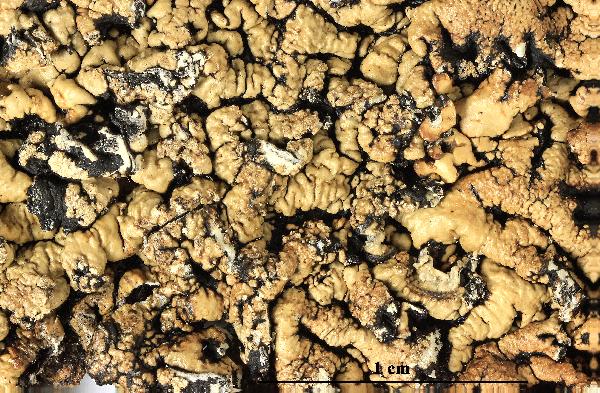
Felix Schumm - CC BY 4.0
[VZ1541], Suecia. Torne Lappmark, Vittangi Paroecia. Ounistunturi.
Ad corticem (Picea abies). Leg. S. Ahlner, 8.8.1935. EX A. VEZDA
LICHENES SELECTI EXSICCATI NR. 1541.
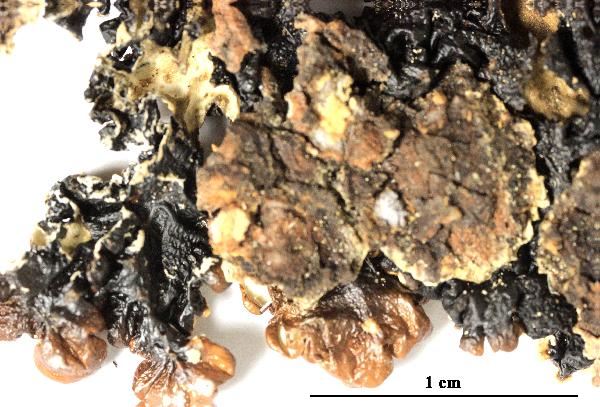
Felix Schumm - CC BY 4.0
[VZ1541], Suecia. Torne Lappmark, Vittangi Paroecia. Ounistunturi.
Ad corticem (Picea abies). Leg. S. Ahlner, 8.8.1935. EX A. VEZDA
LICHENES SELECTI EXSICCATI NR. 1541.
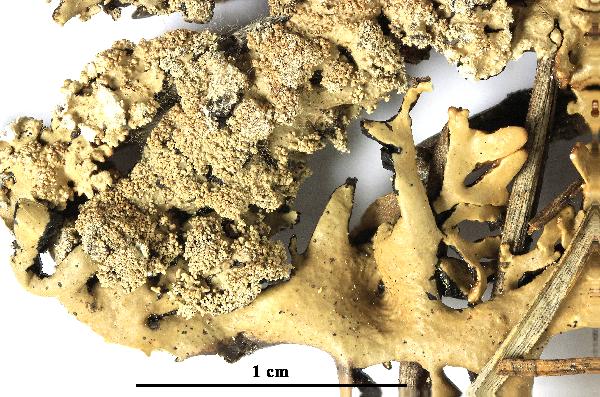
Felix Schumm - CC BY 4.0
[VZ1746], URSS. Caucasus Magnus, regio m ontis Elbrus. Verch.
Baksan, in valle torrentis Adyrsu, 1900 m. Supra muscos , ad saxa in
ripa torrentis. Leg. A. Vezda, 25.6.1980. EX A. VEZDA LICHENES SELECTI
EXSICCATI NR. 1746.
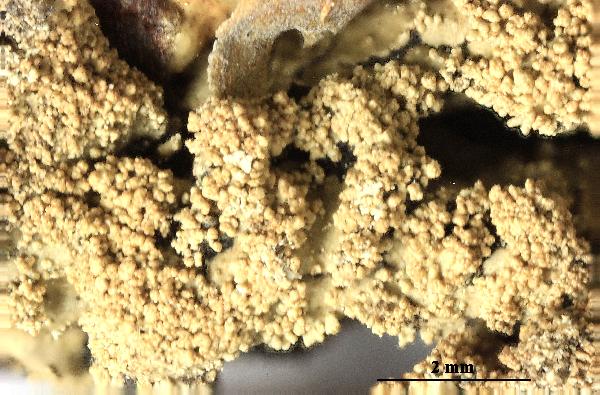
Felix Schumm - CC BY 4.0
[VZ1746], URSS. Caucasus Magnus, regio m ontis Elbrus. Verch.
Baksan, in valle torrentis Adyrsu, 1900 m. Supra muscos , ad saxa in
ripa torrentis. Leg. A. Vezda, 25.6.1980. EX A. VEZDA LICHENES SELECTI
EXSICCATI NR. 1746.
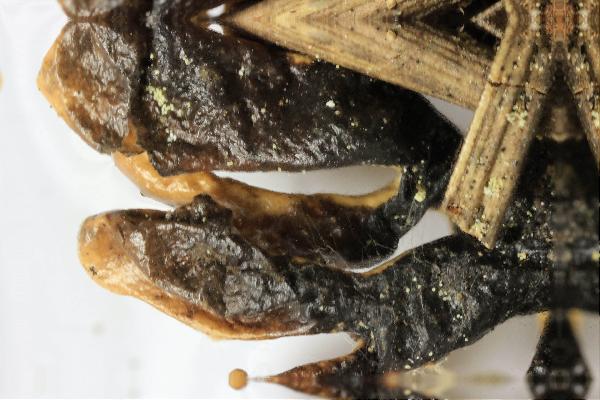
Felix Schumm - CC BY 4.0
[VZ1746], URSS. Caucasus Magnus, regio m ontis Elbrus. Verch.
Baksan, in valle torrentis Adyrsu, 1900 m. Supra muscos , ad saxa in
ripa torrentis. Leg. A. Vezda, 25.6.1980. EX A. VEZDA LICHENES SELECTI
EXSICCATI NR. 1746.
Growth form: Foliose, narrow lobed
Substrata: bark
Photobiont: green algae other than Trentepohlia
Reproductive strategy: mainly asexual, by soredia, or soredia-like structures (e.g. blastidia)
Commonnes-rarity: (info)
Alpine belt: absent
Subalpine belt: rather rare
Montane belt: rare
Dry submediterranean belt: absent
Humid submediterranean belt: absent
Padanian area: absent
pH of the substrata:
| 1 | 2 | 3 | 4 | 5 |
Solar irradiation:
| 1 | 2 | 3 | 4 | 5 |
Aridity:
| 1 | 2 | 3 | 4 | 5 |
Eutrophication:
| 1 | 2 | 3 | 4 | 5 |
Poleotolerance:
| 0 | 1 | 2 | 3 |
Altitudinal distribution:
| 1 | 2 | 3 | 4 | 5 | 6 |
Rarity
absent
extremely rare
very rare
rare
rather rare
rather common
common
very common
extremely common
Loading data...
Occurrence data
Predictive map
Current prediction (1981-2010)Future prediction (2071-2100) SSP 1-2.6Future prediction (2071-2100) SSP 5-8.5Predictive maps according to Francesconi et al. 2025
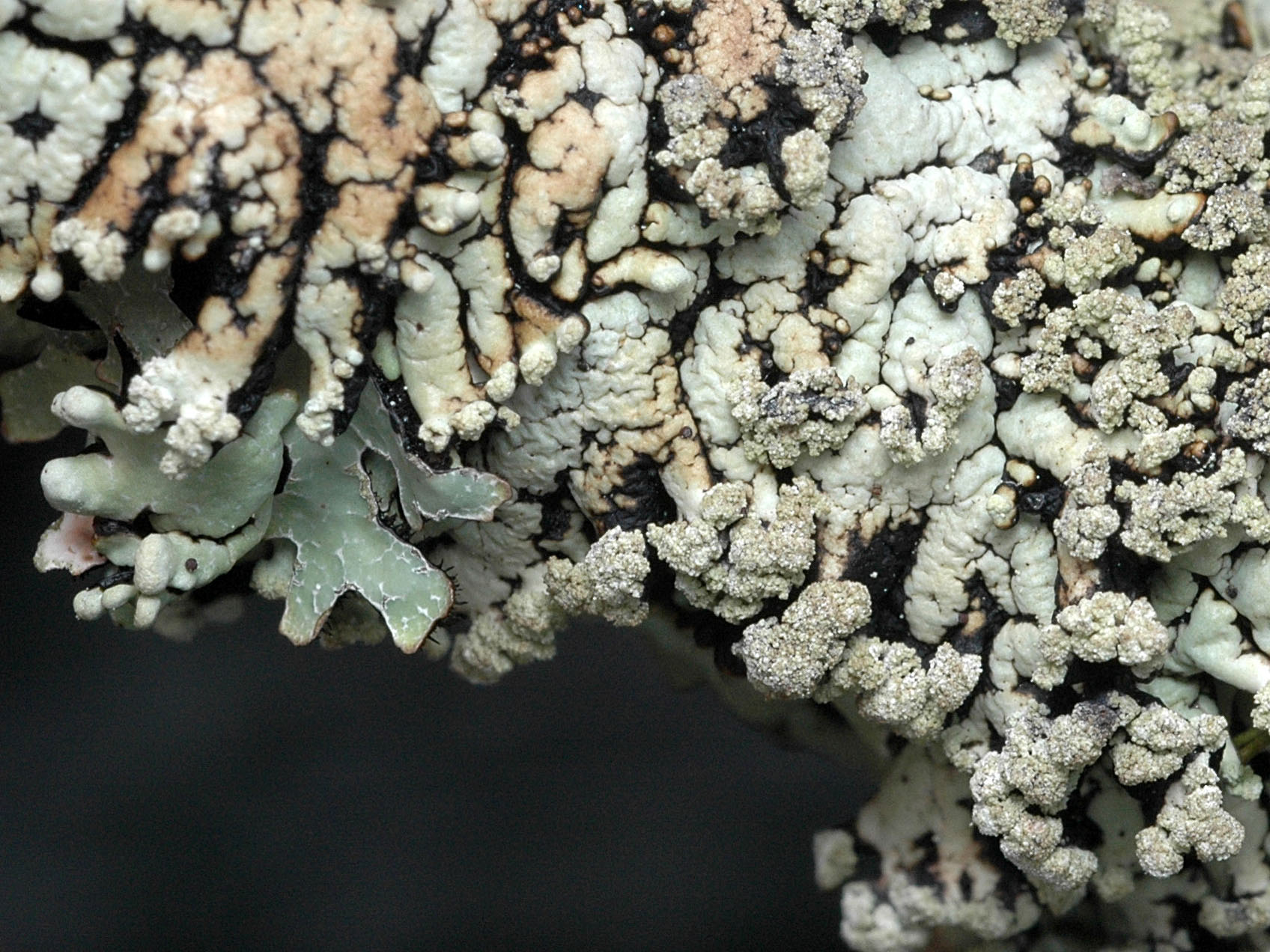
Leif Stridvall - Source: http://www.stridvall.se/lichens/gallery/
Courtesy: Anita Stridvall
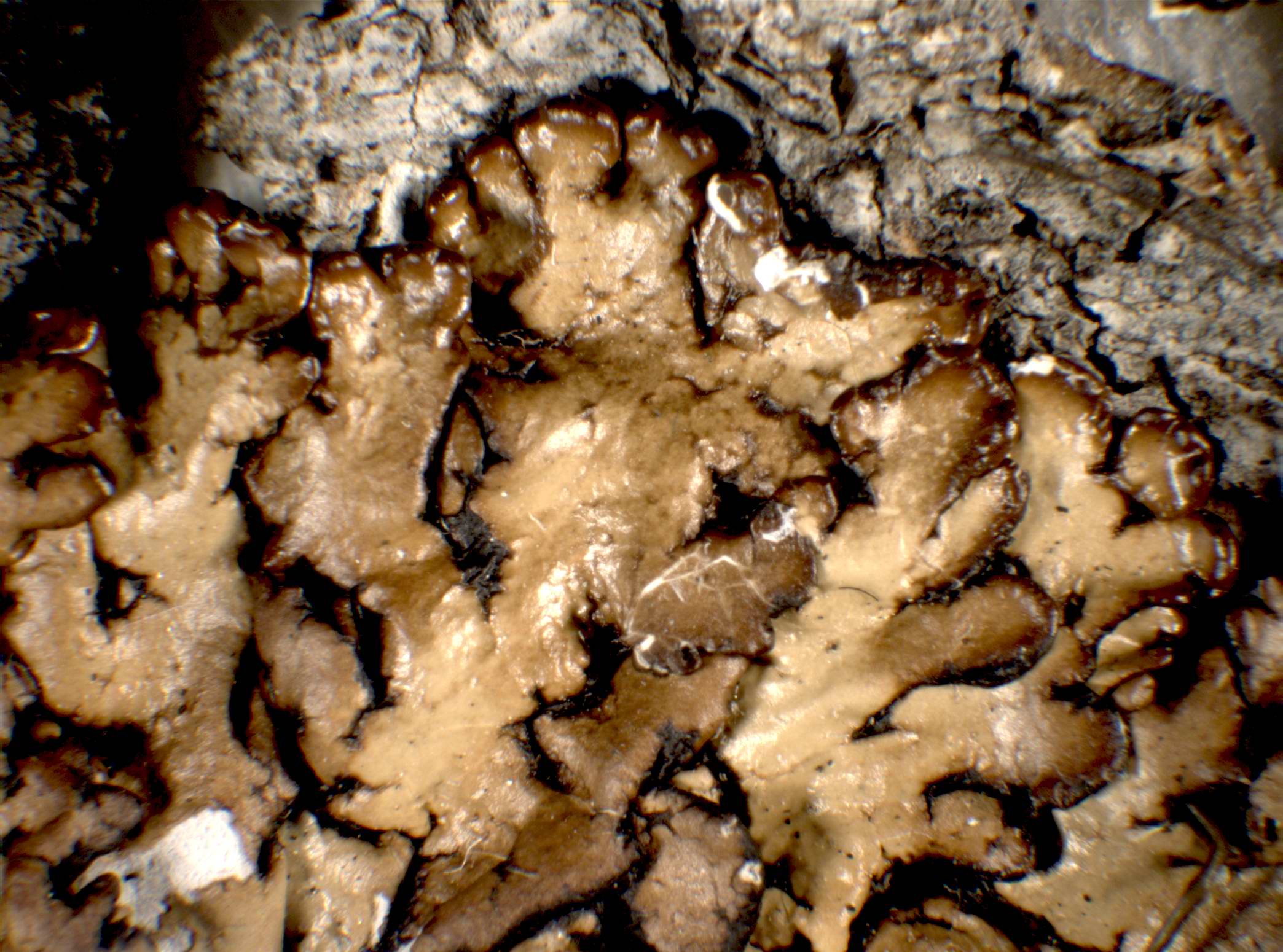
P.L. Nimis; Owner: Department of Life Sciences, University of Trieste
Herbarium: TSB (9457)
2001/12/12

Felix Schumm - CC BY-SA 4.0
[1055], Österreich, Land Salzburg, Tennengebirge (bei Bischofshofen), Anton-Proksch-Haus bei Werfenweng, Ladenberghöhe, ca. 1630 m. Leg. Schumm 19.08.1969, det. Schumm 1969
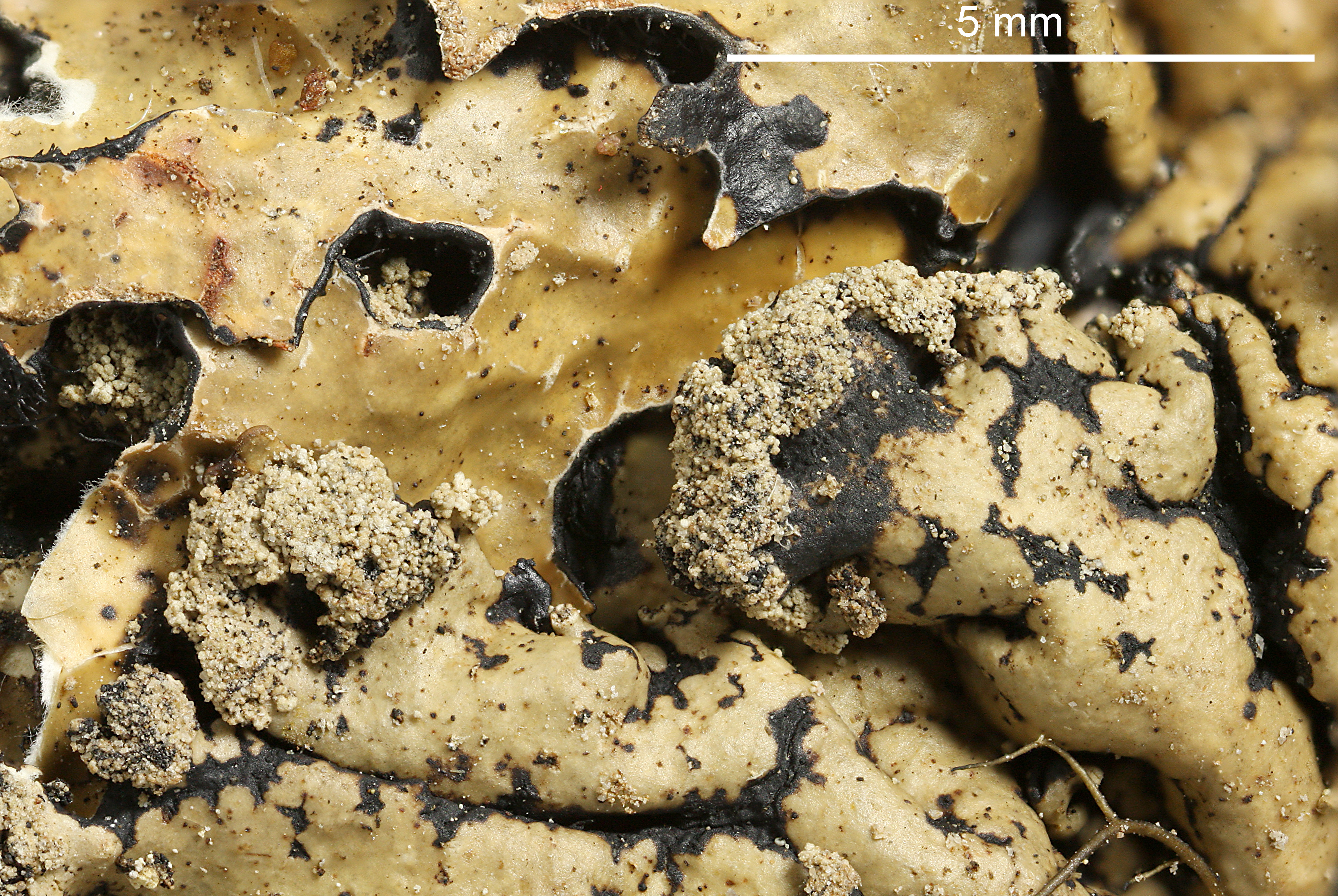
Felix Schumm - CC BY-SA 4.0
[1055], Österreich, Land Salzburg, Tennengebirge (bei Bischofshofen), Anton-Proksch-Haus bei Werfenweng, Ladenberghöhe, ca. 1630 m. Leg. Schumm 19.08.1969, det. Schumm 1969

Felix Schumm - CC BY-SA 4.0
[1055], Österreich, Land Salzburg, Tennengebirge (bei Bischofshofen), Anton-Proksch-Haus bei Werfenweng, Ladenberghöhe, ca. 1630 m. Leg. Schumm 19.08.1969, det. Schumm 1969
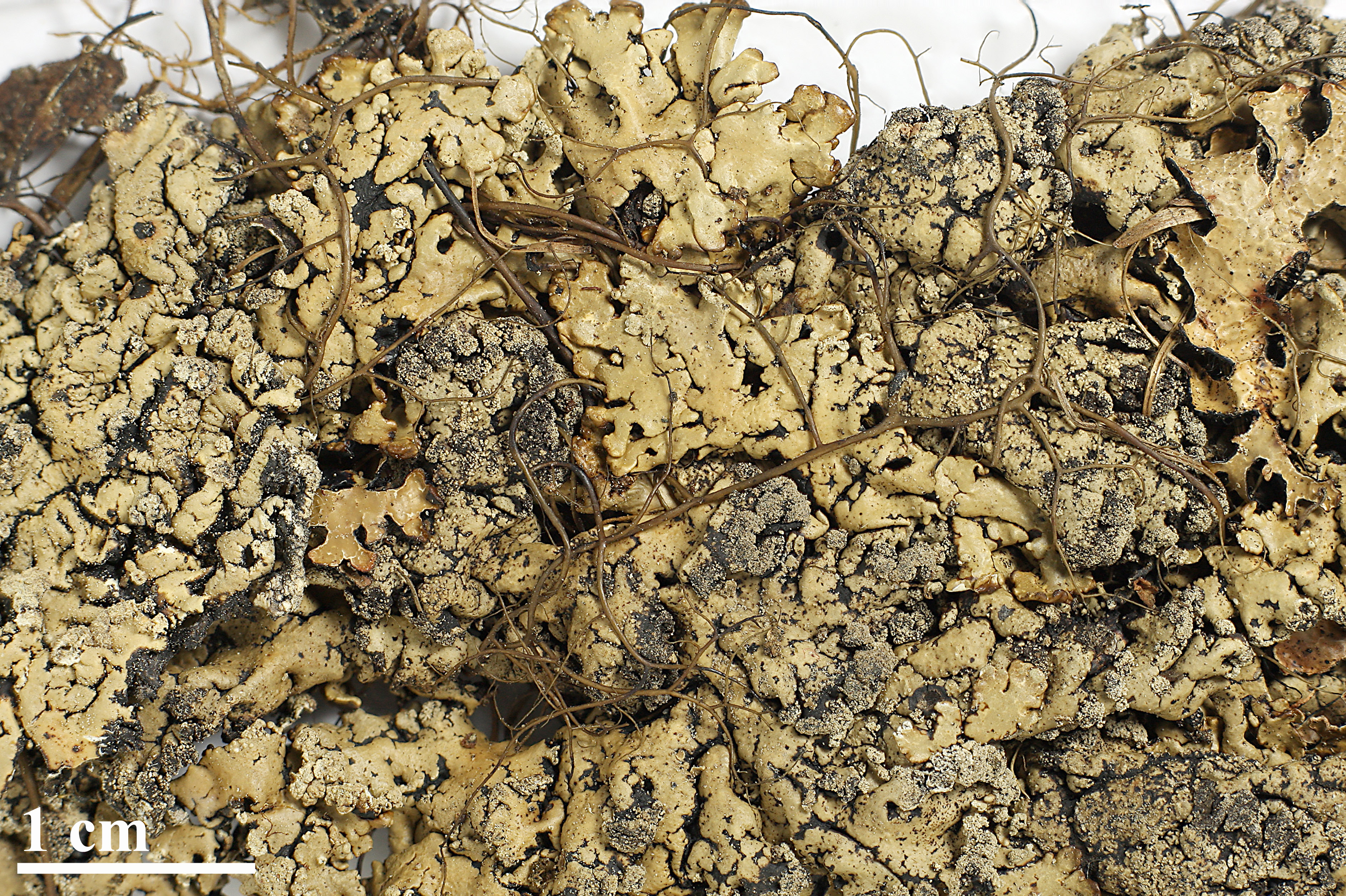
Felix Schumm - CC BY-SA 4.0
[1055], Österreich, Land Salzburg, Tennengebirge (bei Bischofshofen), Anton-Proksch-Haus bei Werfenweng, Ladenberghöhe, ca. 1630 m. Leg. Schumm 19.08.1969, det. Schumm 1969
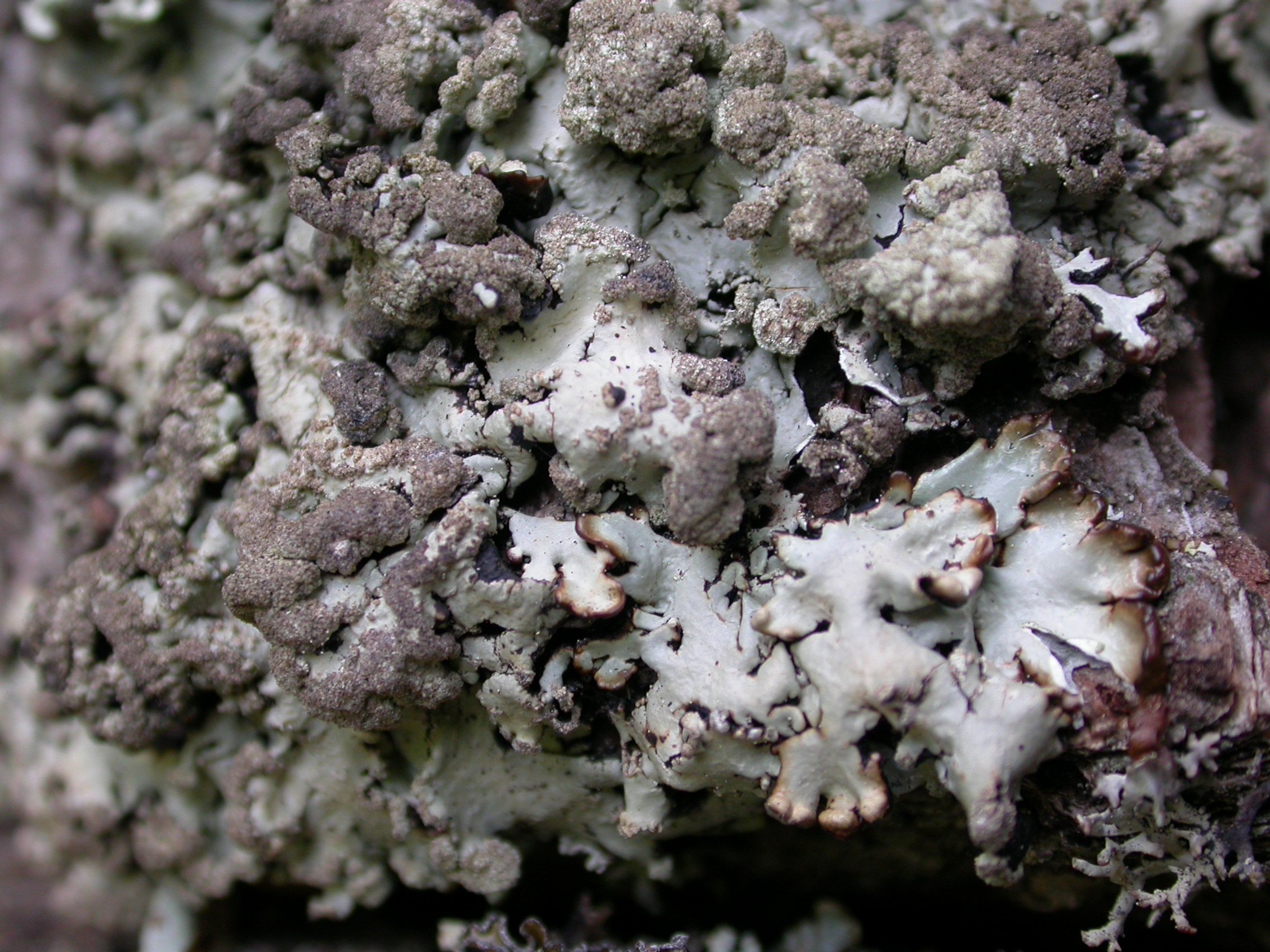
Juri Nascimbene - CC BY-SA 4.0
Stelvio National Park, Reg. Trentino-Alto Adige Prov. Trento, Italy.
07.2005
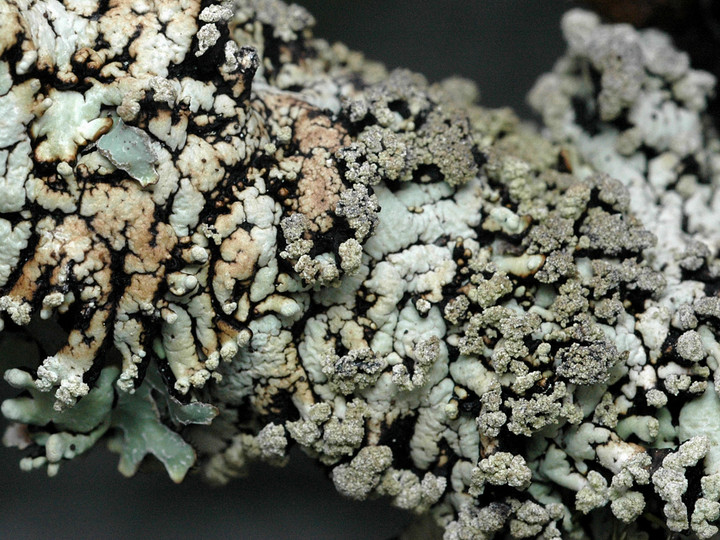
Leif Stridvall - Source: http://www.stridvall.se/la/galleries.php

Curtis Randall Björk - CC BY-SA 4.0
near Tumbler Ridge, British Columbia, Canada
pale, forest form

Curtis Randall Björk, - CC BY-SA 4.0
Sugarbowl-Grizzly Den Provincial Park, British Columbia, Canada
August 2017
as v. tilesii
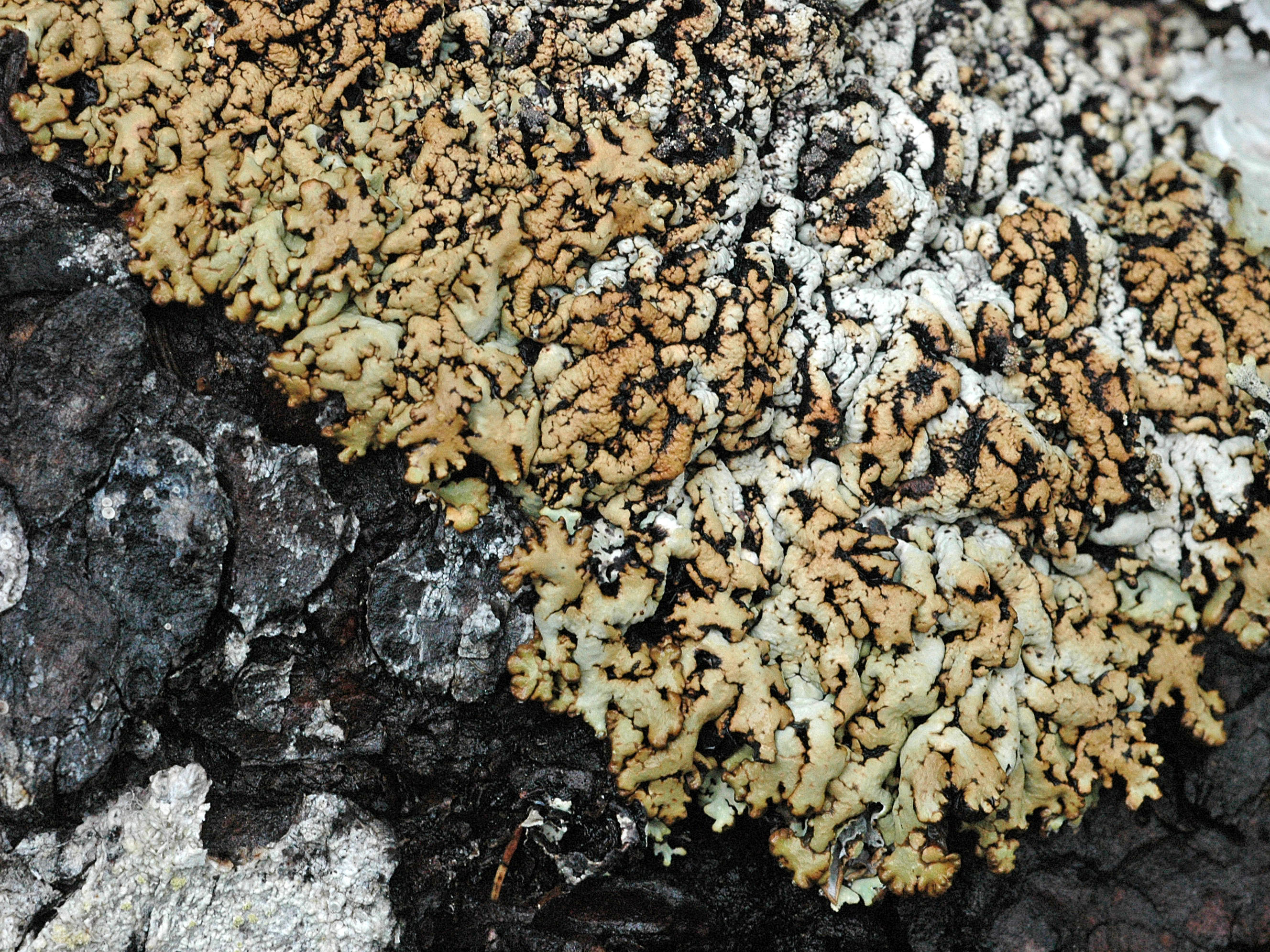
Leif Stridvall - Source: http://www.stridvall.se/lichens/gallery/
Courtesy: Anita Stridvall
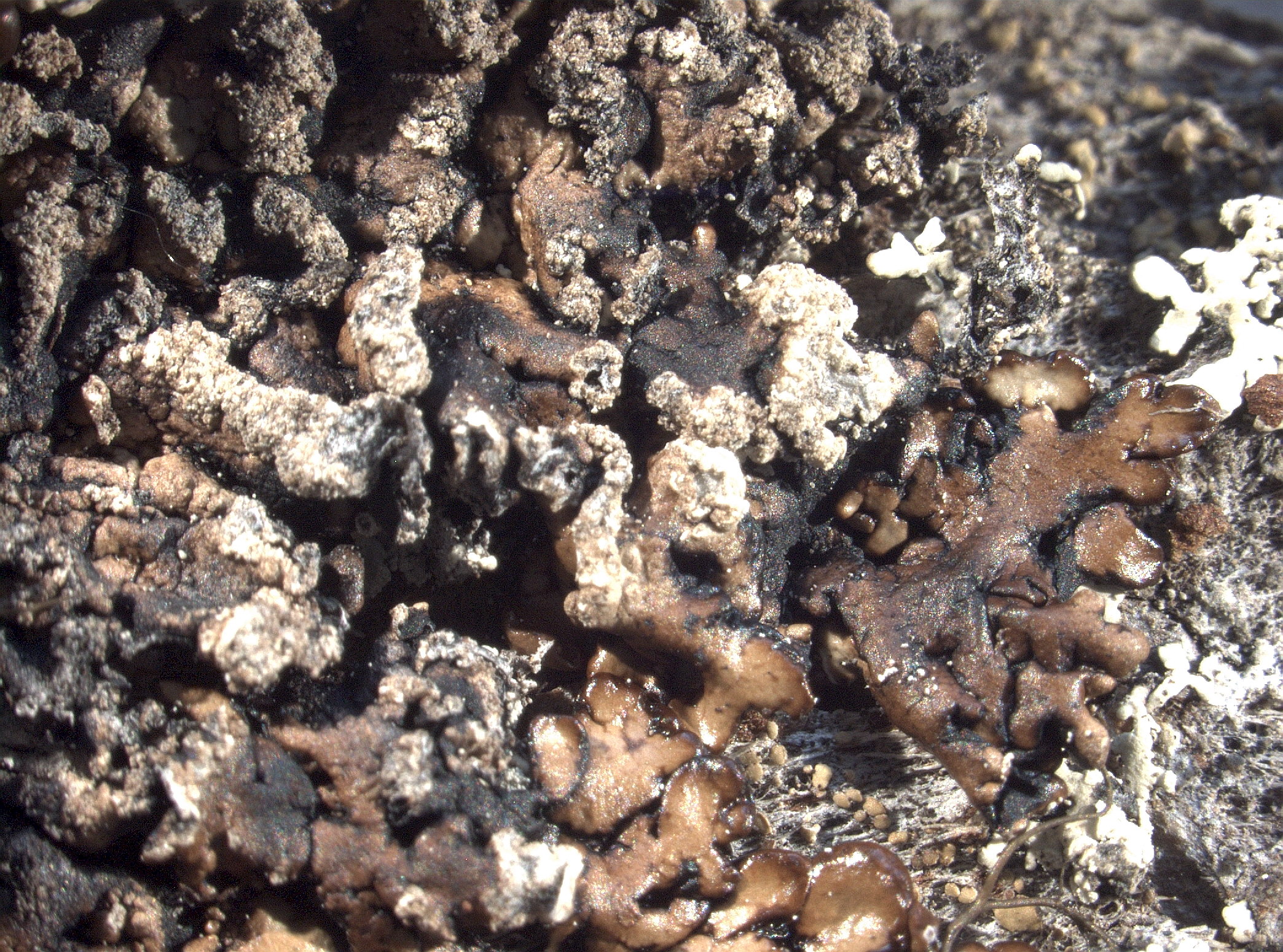
Pier Luigi Nimis - Department of Life Sciences, University of Trieste - CC BY-SA 4.0
TSB 37317
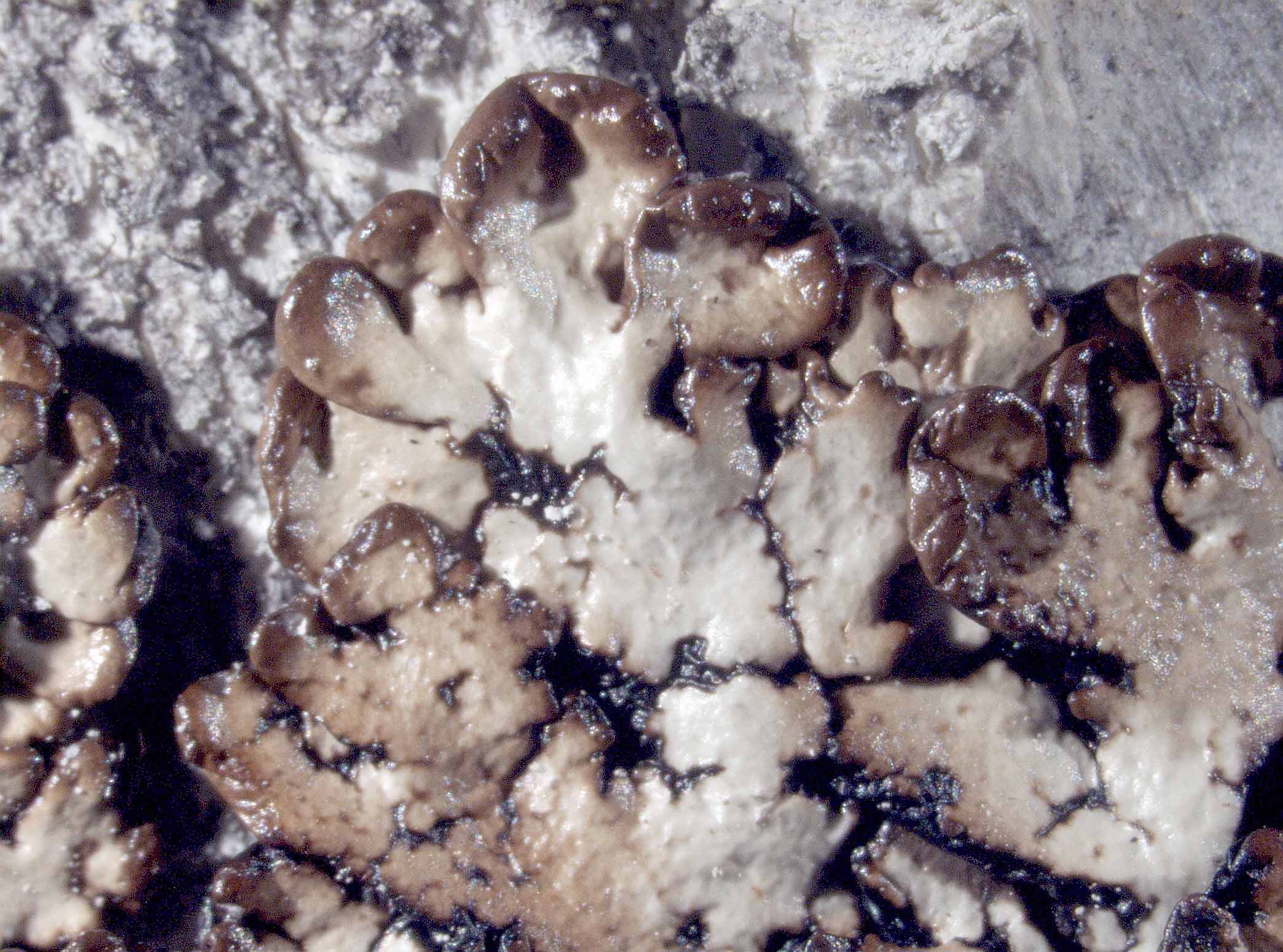
P.L. Nimis CC BY-SA 04
TSB 41580
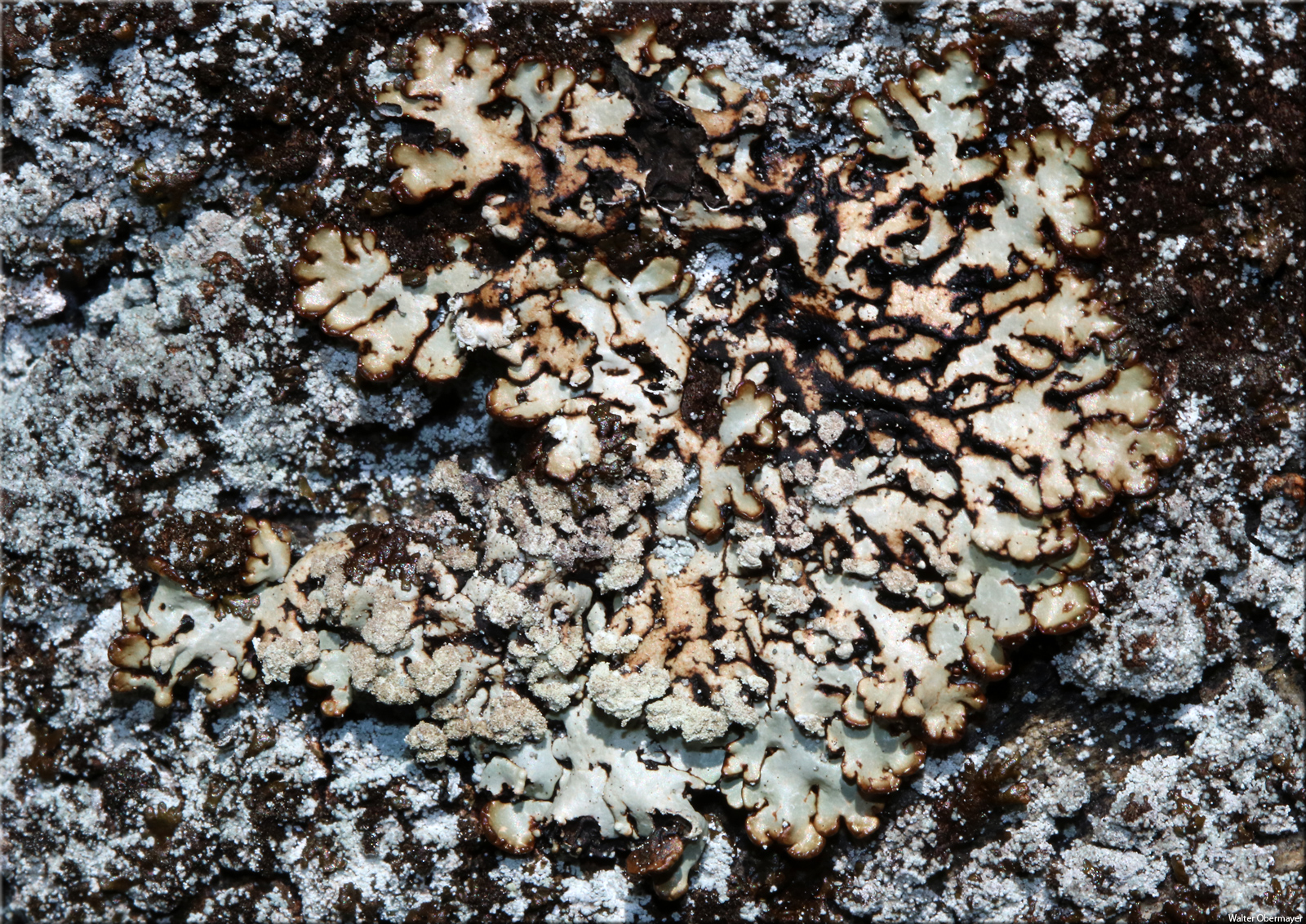
Walter Obermayer CC BY-SA 4.0 - Source: Lichens of Noricum - http://lichens-of-noricum.uni-graz.at/

Walter Obermayer CC BY-SA 4.0 - Source: Lichens of Noricum - http://lichens-of-noricum.uni-graz.at/

Felix Schumm - CC BY 4.0
[VZ1541], Suecia. Torne Lappmark, Vittangi Paroecia. Ounistunturi. Ad corticem (Picea abies). Leg. S. Ahlner, 8.8.1935. EX A. VEZDA LICHENES SELECTI EXSICCATI NR. 1541.

Felix Schumm - CC BY 4.0
[VZ1541], Suecia. Torne Lappmark, Vittangi Paroecia. Ounistunturi. Ad corticem (Picea abies). Leg. S. Ahlner, 8.8.1935. EX A. VEZDA LICHENES SELECTI EXSICCATI NR. 1541.

Felix Schumm - CC BY 4.0
[VZ1541], Suecia. Torne Lappmark, Vittangi Paroecia. Ounistunturi. Ad corticem (Picea abies). Leg. S. Ahlner, 8.8.1935. EX A. VEZDA LICHENES SELECTI EXSICCATI NR. 1541.

Felix Schumm - CC BY 4.0
[VZ1746], URSS. Caucasus Magnus, regio m ontis Elbrus. Verch. Baksan, in valle torrentis Adyrsu, 1900 m. Supra muscos , ad saxa in ripa torrentis. Leg. A. Vezda, 25.6.1980. EX A. VEZDA LICHENES SELECTI EXSICCATI NR. 1746.

Felix Schumm - CC BY 4.0
[VZ1746], URSS. Caucasus Magnus, regio m ontis Elbrus. Verch. Baksan, in valle torrentis Adyrsu, 1900 m. Supra muscos , ad saxa in ripa torrentis. Leg. A. Vezda, 25.6.1980. EX A. VEZDA LICHENES SELECTI EXSICCATI NR. 1746.