Lecania cyrtella (Ach.) Th. Fr.
Lichenogr. Scand., 1: 294, 1871. Basionym: Lecidea cyrtella Ach. - Meth. Lich.: 67, 1803.
Synonyms: Biatora anomala var. cyrtella (Ach.) Rabenh.; Biatora cyrtella (Ach.) W. Mann; Biatora microcyrtella Anzi; Biatora phacodoides Anzi; Biatorina cyrtella (Ach.). Körb.; Biatorina heterobaphia Anzi; Biatorina pseudocyrtella Anzi; Catillaria heterobaphia (Anzi) Lettau; Lecaniella cyrtella (Ach.) Jatta; Lecidea austriaca Zahlbr.; Lecidea microcyrtella (Anzi) Jatta?; Lecidea phacodoides (Anzi) Jatta; Lecidea subalpina Zahlbr.; Sporoblastia cyrtella (Ach.) Trevis.
Description: Thallus crustose, very thin, continuous to somehow granular and uneven, pale to dirty grey-green or white. Apothecia lecanorine at least when young, round, adpressed, emergent to sessile, 0.2-0.7 mm across, with a brownish to (rarely) almost black, flat to finally convex disc (translucent and dark-spotted when wet), and a rather thin, smooth to crenulate, often finally excluded, white or pale grey thalline margin. Proper exciple thin, dark brown; epithecium pale brown, often with fine pigment granules; hymenium colourless, (38-)43-57(-60) µm high; paraphyses coherent, mostly simple, 1.5-2 µm thick at mid-level, the apical cells 2-3(-4) µm wide; hypothecium colourless. Asci 8-spored, clavate, with a K/I+ blue apical dome penetrated by a narrow, K/I- apical cushion surrounded by a narrow, deeply K/I+ blue zone, the wall K/I- but surrounded by an I+ red-brown, K/I+ blue outer layer, the ocular chamber relatively small, Biatora-type. Ascospores 1-septate, hyaline, narrowly ellipsoid, oblong to almost fusiform, straight to (often) slightly curved at maturity, 9-15(-17) x (3-)4-5 µm, without a gelatinous perispore. Pycnidia rare, immersed, the wall pale brown in upper part, colourless below. Microconidia thread-like, curved, 17-20 x c. 0.5 µm. Photobiont chlorococcoid. Spot tests: thallus K-, C-, KC-, P-, UV-. Chemistry: without lichen substances.
Growth form: Crustose
Substrata: bark
Photobiont: green algae other than Trentepohlia
Reproductive strategy: mainly sexual
Commonnes-rarity: (info)
Alpine belt: absent
Subalpine belt: absent
Montane belt: rather rare
Dry submediterranean belt: very common
Humid submediterranean belt: very common
Padanian area: rather rare
pH of the substrata:
1 2 3 4 5

Solar irradiation:
1 2 3 4 5
Aridity:
1 2 3 4 5
Eutrophication:
1 2 3 4 5
Poleotolerance:
0 1 2 3
Altitudinal distribution:
1 2 3 4 5 6
Rarity
absent
extremely rare
very rare
rare
rather rare
rather common
common
very common
extremely common
Loading data...
Occurrence data
Predictive map
 Current prediction (1981-2010)
 Future prediction (2071-2100) SSP 1-2.6
 Future prediction (2071-2100) SSP 5-8.5Predictive maps according to Francesconi et al. 2025
P.L. Nimis CC BY-SA 4.0
TSB 11891

Walter Obermayer CC BY-SA 4.0 - Source: Lichens of Noricum - http://lichens-of-noricum.uni-graz.at/

P.L. Nimis; Owner: Department of Life Sciences, University of Trieste
Herbarium: TSB (35088)
2002/08/06
a shade form with very pale apothecia

Domenico Puntillo; Owner: Domenico Puntillo
Italy

Courtesy Danièle et Olivier Gonnet - Source: https://www.afl-lichenologie.fr/Photos_AFL/Photos_AFL_L/Texte_L_3/Lecania_cyrtella.htm
France, Sur Juniperus phoenicea - Bonifacio - Corse
28/3/2016

Courtesy Danièle et Olivier Gonnet - Source: https://www.afl-lichenologie.fr/Photos_AFL/Photos_AFL_L/Texte_L_3/Lecania_cyrtella.htm
France, Sur Juniperus phoenicea - Bonifacio - Corse
28/3/2016

Courtesy Danièle et Olivier Gonnet - Source: https://www.afl-lichenologie.fr/Photos_AFL/Photos_AFL_L/Texte_L_3/Lecania_cyrtella.htm
France, Sur Juniperus phoenicea - Bonifacio - Corse
28/3/2016

Courtesy Danièle et Olivier Gonnet - Source: https://www.afl-lichenologie.fr/Photos_AFL/Photos_AFL_L/Texte_L_3/Lecania_cyrtella.htm
France, Sur Juniperus phoenicea - Bonifacio - Corse
28/3/2016

Courtesy Danièle et Olivier Gonnet - Source: https://www.afl-lichenologie.fr/Photos_AFL/Photos_AFL_L/Texte_L_3/Lecania_cyrtella.htm
France, Sur Juniperus phoenicea - Bonifacio - Corse
28/3/2016

Courtesy Danièle et Olivier Gonnet - Source: https://www.afl-lichenologie.fr/Photos_AFL/Photos_AFL_L/Texte_L_3/Lecania_cyrtella.htm
France, Sur Juniperus phoenicea - Bonifacio - Corse
28/3/2016

Courtesy Danièle et Olivier Gonnet - Source: https://www.afl-lichenologie.fr/Photos_AFL/Photos_AFL_L/Texte_L_3/Lecania_cyrtella.htm
France, Sur Juniperus phoenicea - Bonifacio - Corse
28/3/2016

Courtesy Danièle et Olivier Gonnet - Source: https://www.afl-lichenologie.fr/Photos_AFL/Photos_AFL_L/Texte_L_3/Lecania_cyrtella.htm
France, Sur Juniperus phoenicea - Bonifacio - Corse
28/3/2016

Jacques Haine - Source: http://www.lichensmaritimes.org/index.php?task=fiche&lichen=557&lang=en
France, Ardennes, on Sambucus

Jacques Haine - Source: http://www.lichensmaritimes.org/index.php?task=fiche&lichen=557&lang=en
France, Ardennes, on Sambucus

Jacques Haine - Source: http://www.lichensmaritimes.org/index.php?task=fiche&lichen=557&lang=en
France, Ardennes, on Sambucus

Jacques Haine - Source: http://www.lichensmaritimes.org/index.php?task=fiche&lichen=557&lang=en
France, Ardennes, on Sambucus

Jacques Haine - Source: http://www.lichensmaritimes.org/index.php?task=fiche&lichen=557&lang=en
France, Ardennes, on Sambucus

Jacques Haine - Source: http://www.lichensmaritimes.org/index.php?task=fiche&lichen=557&lang=en
France, Ardennes, on Sambucus

Ulrich Kirschbaum CC BY-SA 4.0 - Source: https://www.thm.de/lse/ulrich-kirschbaum/flechtenbilder
Central Europe; Germany: Hesse. (Coll/ident: Eichler/Cezanne).

Ulrich Kirschbaum CC BY-SA 4.0 - Source: https://www.thm.de/lse/ulrich-kirschbaum/flechtenbilder
Central Europe; Germany: Hesse. (Coll/ident: Eichler/Cezanne).

Wolfgang von Brackel - CC BY-4.0
Germany, Bavaria, Hohenfels

Collezione lichenologica Abramo Massalongo del Museo di Storia Naturale G. Ligabue di Venezia - Autori: Seggi, Linda; Trabucco, Raffaella Proprietà: Fondazione Musei Civici di Venezia - CC BY-NC
Italy, Veneto, in op. Tregnago
as Biatorina cyrtella
Growth form: Crustose
Substrata: bark
Photobiont: green algae other than Trentepohlia
Reproductive strategy: mainly sexual
Commonnes-rarity: (info)
Alpine belt: absent
Subalpine belt: absent
Montane belt: rather rare
Dry submediterranean belt: very common
Humid submediterranean belt: very common
Padanian area: rather rare
pH of the substrata:
| 1 | 2 | 3 | 4 | 5 |
Solar irradiation:
| 1 | 2 | 3 | 4 | 5 |
Aridity:
| 1 | 2 | 3 | 4 | 5 |
Eutrophication:
| 1 | 2 | 3 | 4 | 5 |
Poleotolerance:
| 0 | 1 | 2 | 3 |
Altitudinal distribution:
| 1 | 2 | 3 | 4 | 5 | 6 |
Rarity
absent
extremely rare
very rare
rare
rather rare
rather common
common
very common
extremely common
Loading data...
Occurrence data
Predictive map
Current prediction (1981-2010)Future prediction (2071-2100) SSP 1-2.6Future prediction (2071-2100) SSP 5-8.5Predictive maps according to Francesconi et al. 2025

P.L. Nimis CC BY-SA 4.0
TSB 11891
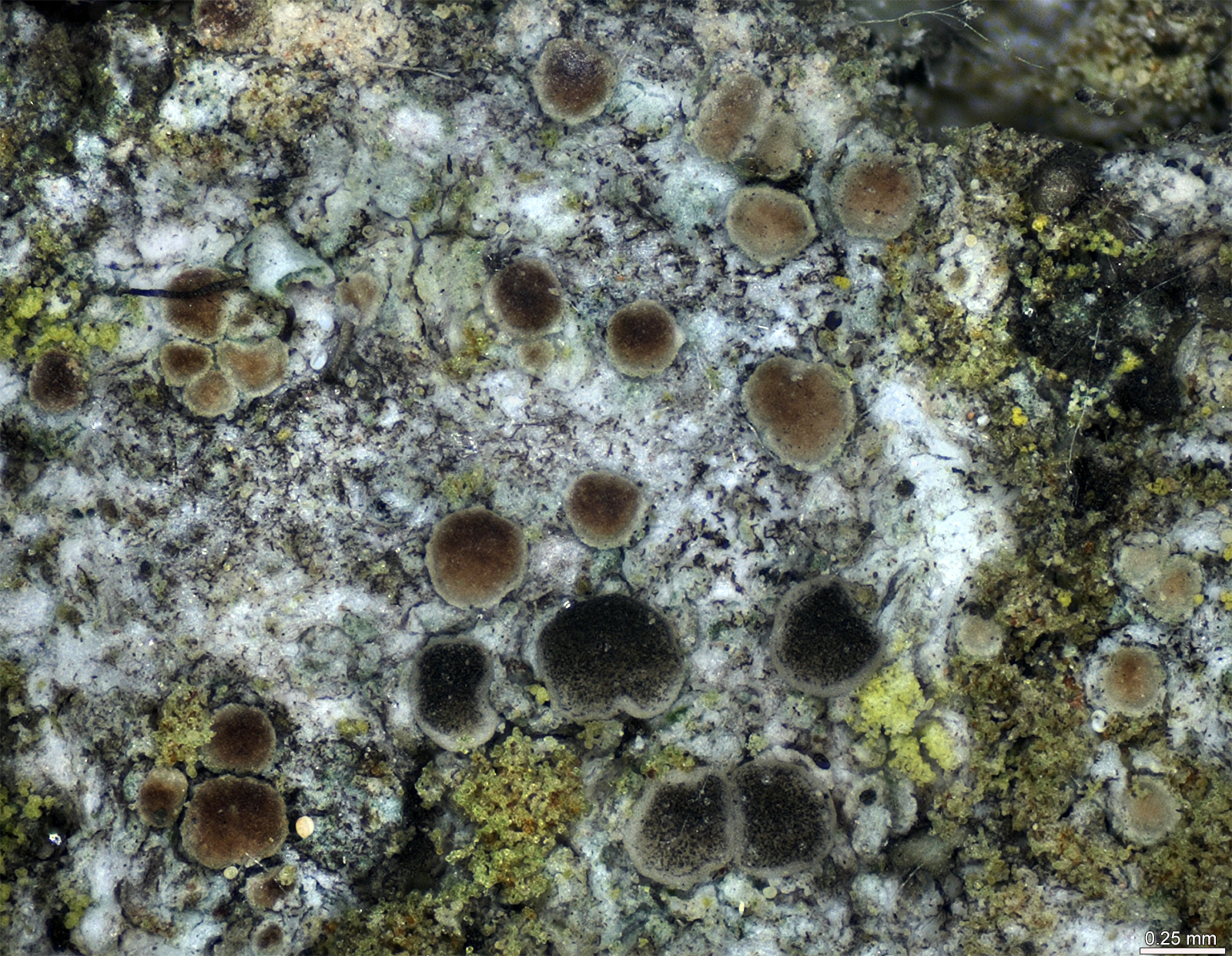
Walter Obermayer CC BY-SA 4.0 - Source: Lichens of Noricum - http://lichens-of-noricum.uni-graz.at/

P.L. Nimis; Owner: Department of Life Sciences, University of Trieste
Herbarium: TSB (35088)
2002/08/06
a shade form with very pale apothecia

Domenico Puntillo; Owner: Domenico Puntillo
Italy

Courtesy Danièle et Olivier Gonnet - Source: https://www.afl-lichenologie.fr/Photos_AFL/Photos_AFL_L/Texte_L_3/Lecania_cyrtella.htm
France, Sur Juniperus phoenicea - Bonifacio - Corse
28/3/2016
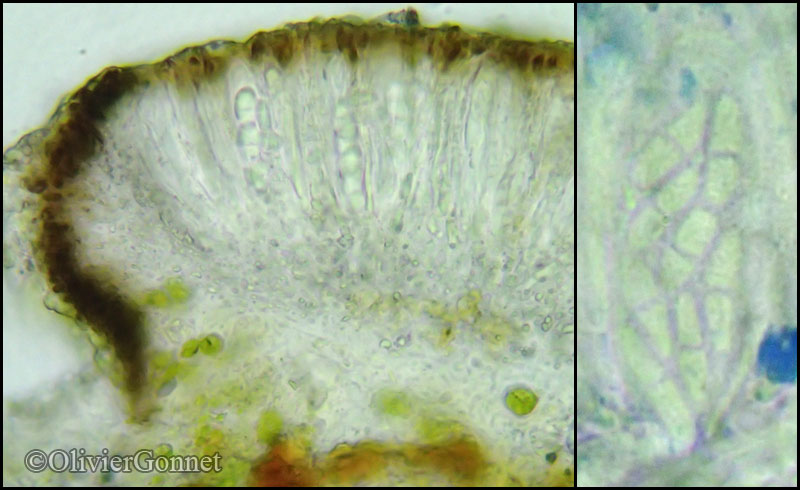
Courtesy Danièle et Olivier Gonnet - Source: https://www.afl-lichenologie.fr/Photos_AFL/Photos_AFL_L/Texte_L_3/Lecania_cyrtella.htm
France, Sur Juniperus phoenicea - Bonifacio - Corse
28/3/2016
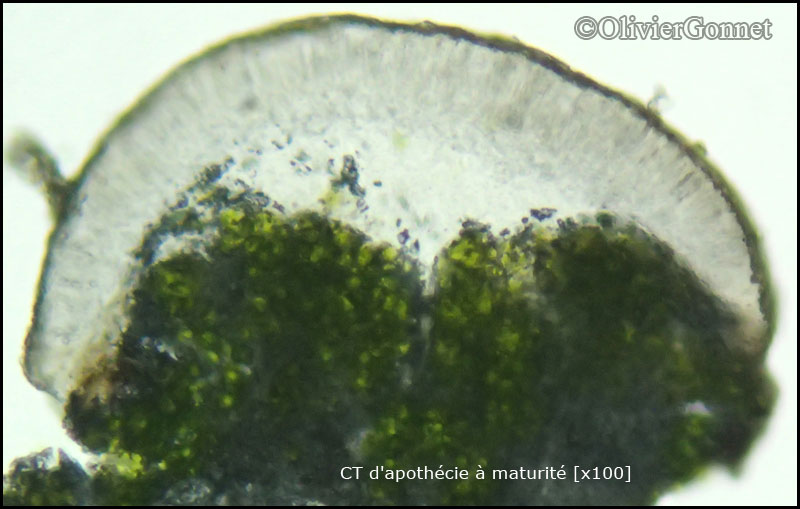
Courtesy Danièle et Olivier Gonnet - Source: https://www.afl-lichenologie.fr/Photos_AFL/Photos_AFL_L/Texte_L_3/Lecania_cyrtella.htm
France, Sur Juniperus phoenicea - Bonifacio - Corse
28/3/2016
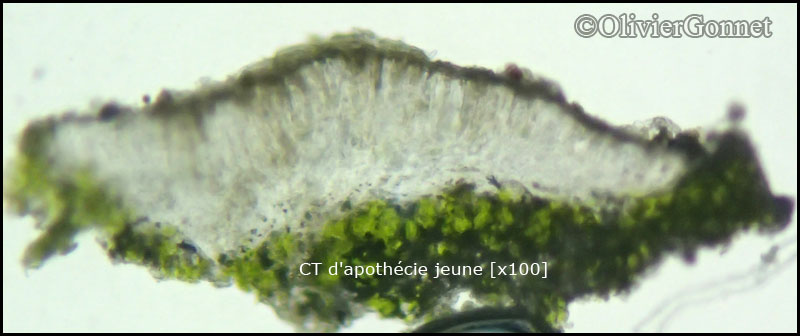
Courtesy Danièle et Olivier Gonnet - Source: https://www.afl-lichenologie.fr/Photos_AFL/Photos_AFL_L/Texte_L_3/Lecania_cyrtella.htm
France, Sur Juniperus phoenicea - Bonifacio - Corse
28/3/2016

Courtesy Danièle et Olivier Gonnet - Source: https://www.afl-lichenologie.fr/Photos_AFL/Photos_AFL_L/Texte_L_3/Lecania_cyrtella.htm
France, Sur Juniperus phoenicea - Bonifacio - Corse
28/3/2016
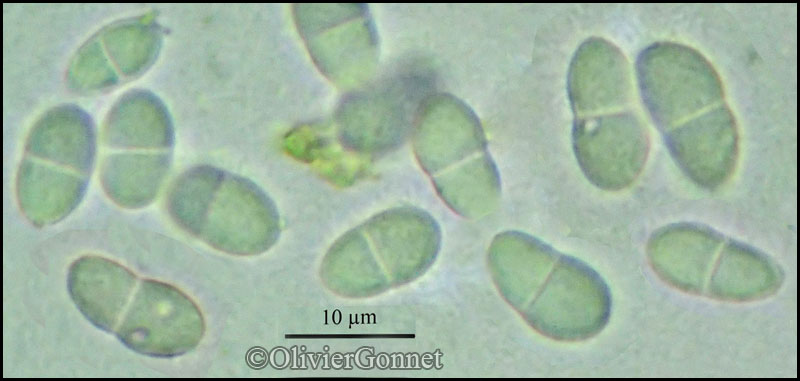
Courtesy Danièle et Olivier Gonnet - Source: https://www.afl-lichenologie.fr/Photos_AFL/Photos_AFL_L/Texte_L_3/Lecania_cyrtella.htm
France, Sur Juniperus phoenicea - Bonifacio - Corse
28/3/2016

Courtesy Danièle et Olivier Gonnet - Source: https://www.afl-lichenologie.fr/Photos_AFL/Photos_AFL_L/Texte_L_3/Lecania_cyrtella.htm
France, Sur Juniperus phoenicea - Bonifacio - Corse
28/3/2016
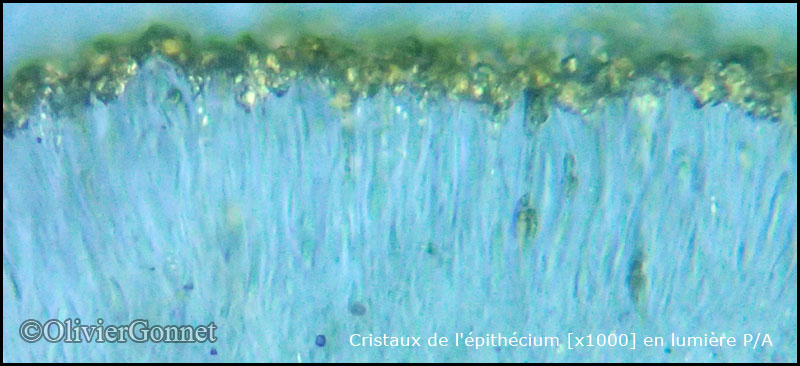
Courtesy Danièle et Olivier Gonnet - Source: https://www.afl-lichenologie.fr/Photos_AFL/Photos_AFL_L/Texte_L_3/Lecania_cyrtella.htm
France, Sur Juniperus phoenicea - Bonifacio - Corse
28/3/2016

Jacques Haine - Source: http://www.lichensmaritimes.org/index.php?task=fiche&lichen=557&lang=en
France, Ardennes, on Sambucus

Jacques Haine - Source: http://www.lichensmaritimes.org/index.php?task=fiche&lichen=557&lang=en
France, Ardennes, on Sambucus

Jacques Haine - Source: http://www.lichensmaritimes.org/index.php?task=fiche&lichen=557&lang=en
France, Ardennes, on Sambucus

Jacques Haine - Source: http://www.lichensmaritimes.org/index.php?task=fiche&lichen=557&lang=en
France, Ardennes, on Sambucus

Jacques Haine - Source: http://www.lichensmaritimes.org/index.php?task=fiche&lichen=557&lang=en
France, Ardennes, on Sambucus

Jacques Haine - Source: http://www.lichensmaritimes.org/index.php?task=fiche&lichen=557&lang=en
France, Ardennes, on Sambucus

Ulrich Kirschbaum CC BY-SA 4.0 - Source: https://www.thm.de/lse/ulrich-kirschbaum/flechtenbilder
Central Europe; Germany: Hesse. (Coll/ident: Eichler/Cezanne).

Ulrich Kirschbaum CC BY-SA 4.0 - Source: https://www.thm.de/lse/ulrich-kirschbaum/flechtenbilder
Central Europe; Germany: Hesse. (Coll/ident: Eichler/Cezanne).

Wolfgang von Brackel - CC BY-4.0
Germany, Bavaria, Hohenfels