Lecidea umbonata (Hepp) Mudd
Man. Brit. Lich.: 204, 1861. Basionym: Biatora umbonata Hepp - Flecht. Eur.: nr. 257, 1857.
Synonyms: Lecidea acosmeta Lettau; Lecidea exornans (Arnold) Nyl.; Lecidea omphaliza Lettau; Lecidea umboniza Nádv.; Lecidella exornans (Arnold) Arnold; Lecidella umbonata (Hepp) Körb.; Lecidella umbonata f. exornans Arnold
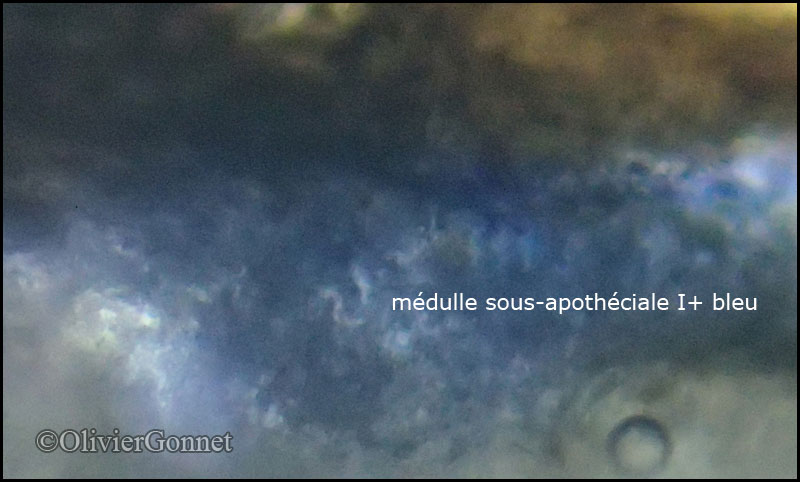
Description: Thallus crustose, episubstratic, chalky white to grey-white, 0.3-1.5 mm thick, continuous to faintly rimose, frequently delimited by a thin, black hypothalline line. Medulla white, mostly I+ blue. Apothecia lecideine, dull black, immersed to adnate, usually angular, 0.5-1.5(-2.5) mm across, with a flat to finally convex, frequently umbonate disc and a well-developed, undulate, raised proper margin. Proper exciple green or green-black and N+ purple in outer part, paler within; epithecium green to green-brown or black-brown, K-, N+ purple; hymenium colourless to pale pink, rarely pale green, 50-80 μm high; paraphyses coherent, simple or sparingly branched and anastomosing, 1.8-2.2 μm thick at mid-level, the apical cells capitate, to 4.5 μm wide; hypothecium colourless to pale ochraceous brown. Asci 8-spored, narrowly clavate, thick-walled, with a K/I+ pale blue tholus and a strongly amyloid, thin apical cushion, surrounded by a I+ blue outer layer, Lecidea-type. Ascospores 1-celled (but with a conspicuous plasma bridge and appearing 2-celled), hyaline, blunt ellipsoid, (8-)10-13(-15) x 5-7(-8) μm, not halonate. Pycnidia rare, black, immersed. Conidia bacilliform, 8-12 μm long. Photobiont chlorococcoid. Spot tests: thallus K-, C-, KC-, P-, UV-. Chemistry: thallus without lichen substances.
Growth form: Crustose
Substrata: rocks
Photobiont: green algae other than Trentepohlia
Reproductive strategy: mainly sexual
Commonnes-rarity: (info)
Alpine belt: common
Subalpine belt: rather common
Montane belt: absent
Dry submediterranean belt: absent
Humid submediterranean belt: absent
Padanian area: absent
pH of the substrata:
1 2 3 4 5

Solar irradiation:
1 2 3 4 5
Aridity:
1 2 3 4 5
Eutrophication:
1 2 3 4 5
Poleotolerance:
0 1 2 3
Altitudinal distribution:
1 2 3 4 5 6
Rarity
absent
extremely rare
very rare
rare
rather rare
rather common
common
very common
extremely common
Loading data...
Occurrence data
Predictive map
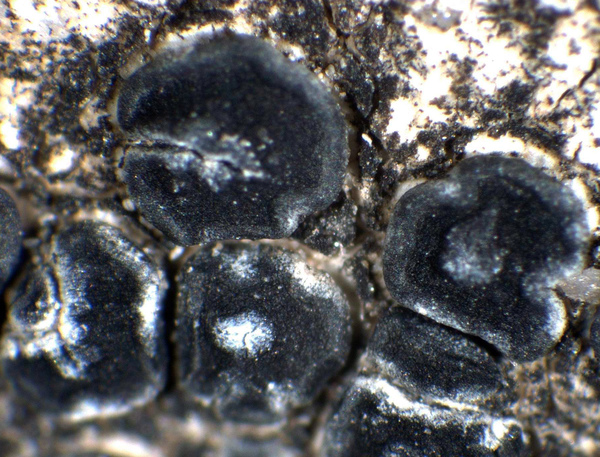
P.L. Nimis CC BY-SA 04
TSB 33961
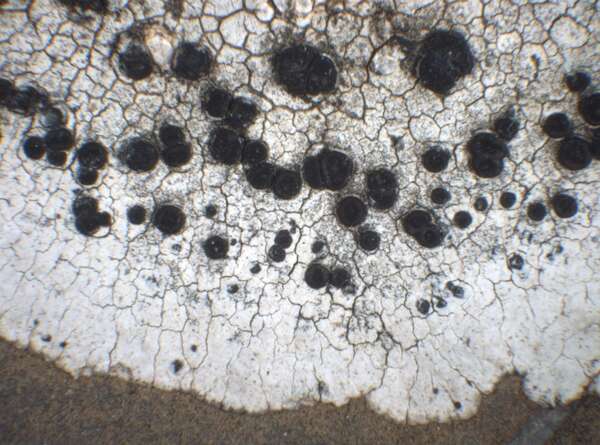
P.L. Nimis; Owner: Department of Life Sciences, University of Trieste
Herbarium: TSB (33669)
2003/03/12
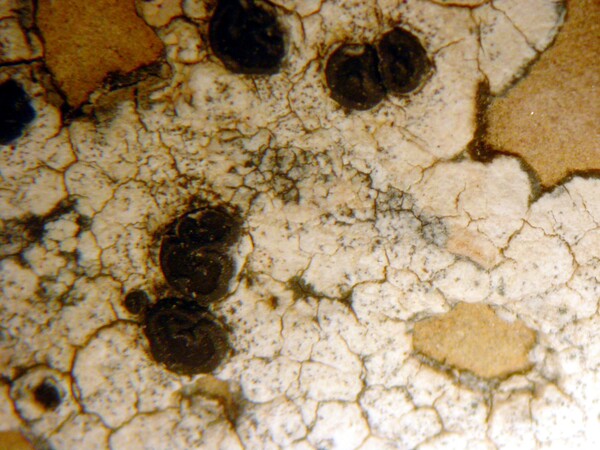
Juri Nascimbene - CC BY-SA 4.0
Italy, Trentino-Alto Adige, Bolzano/Bozen, Sciliar/Schlern
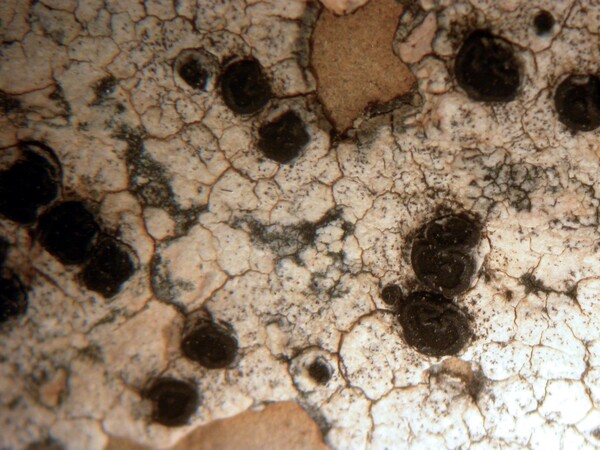
Juri Nascimbene - CC BY-SA 4.0
Italy, Trentino-Alto Adige, Bolzano/Bozen, Sciliar/Schlern
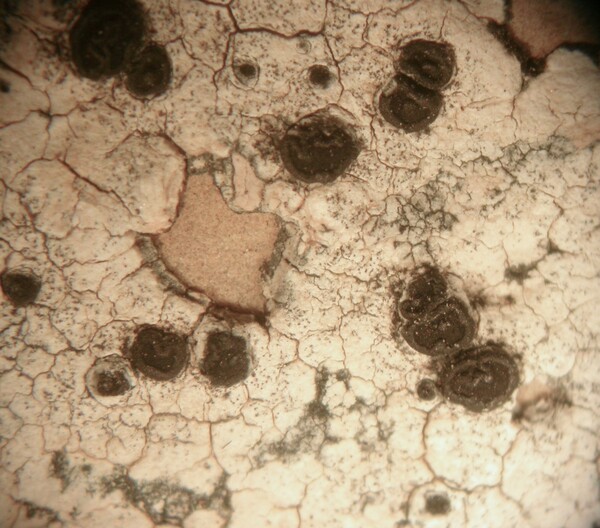
Juri Nascimbene - CC BY-SA 4.0
Italy, Trentino-Alto Adige, Bolzano/Bozen, Sciliar/Schlern
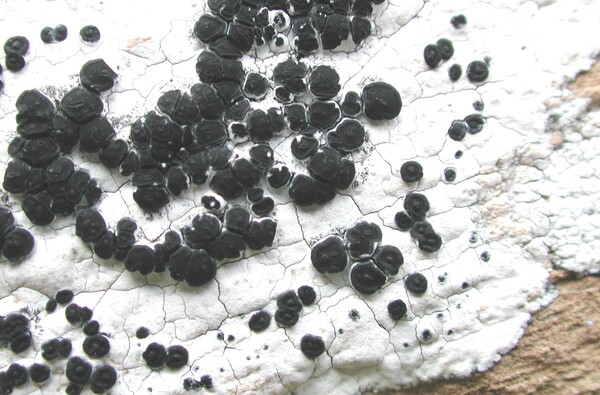
Juri Nascimbene – CC BY-SA 4.0; Owner: Department of ùLife Sciences, University of Trieste
Vette Feltrine, Prov. Belluno, Veneto,Italy
2006
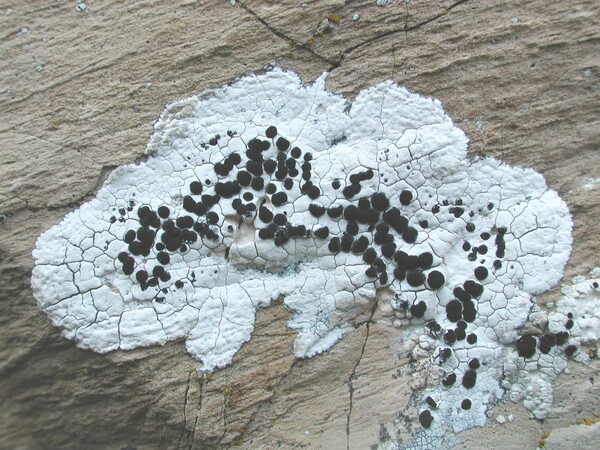
Juri Nascimbene – CC BY-SA 4.0; Owner: Department of ùLife Sciences, University of Trieste
Vette Feltrine, Prov. Belluno, Veneto,Italy
2006
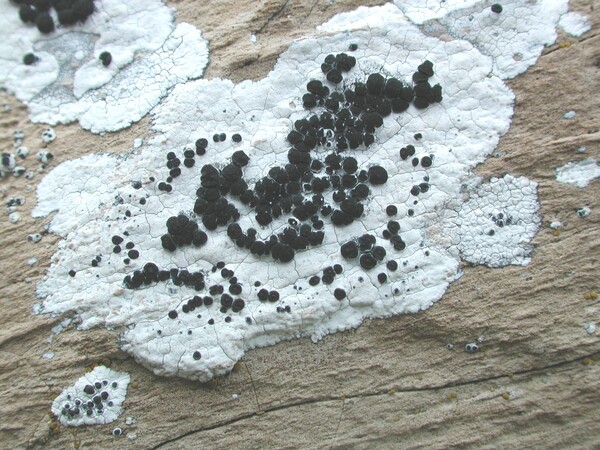
Juri Nascimbene – CC BY-SA 4.0; Owner: Department of ùLife Sciences, University of Trieste
Vette Feltrine, Prov. Belluno, Veneto,Italy
2006
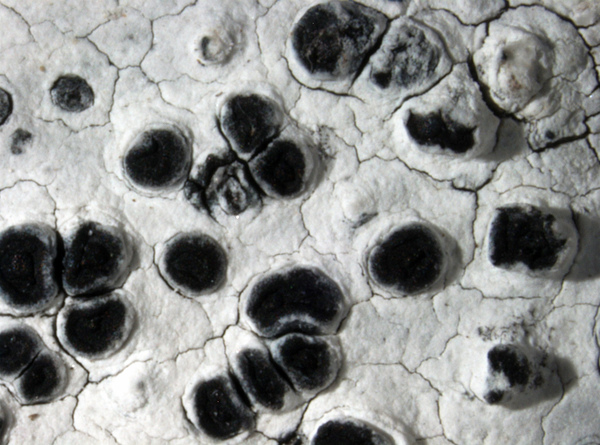
P.L. Nimis CC BY-SA 04
Herb. J. Nascimbene
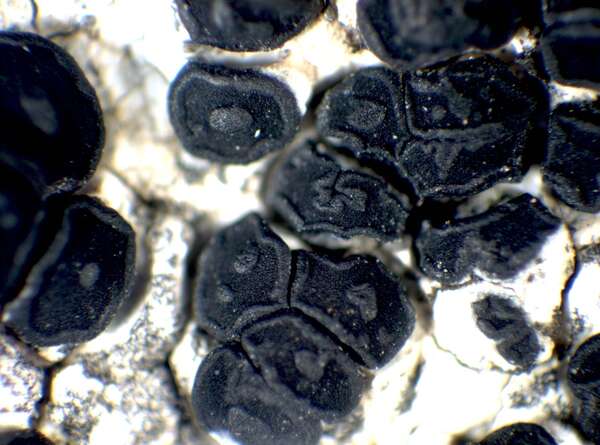
P.L. Nimis; Owner: Department of Life Sciences, University of Trieste
Herbarium: TSB (33198)
2001/12/08
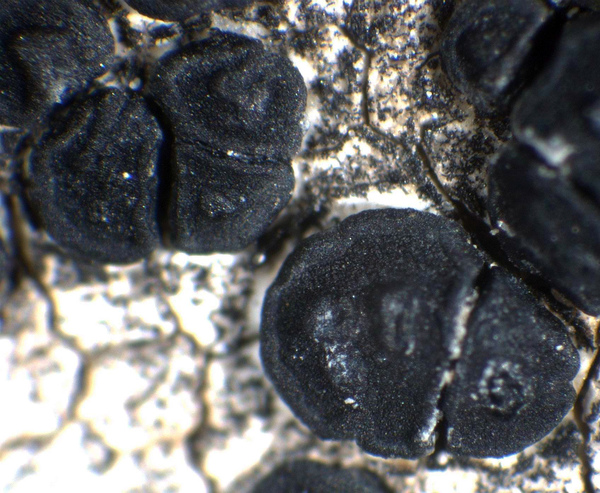
P.L. Nimis CC BY-SA 04
TSB 33961
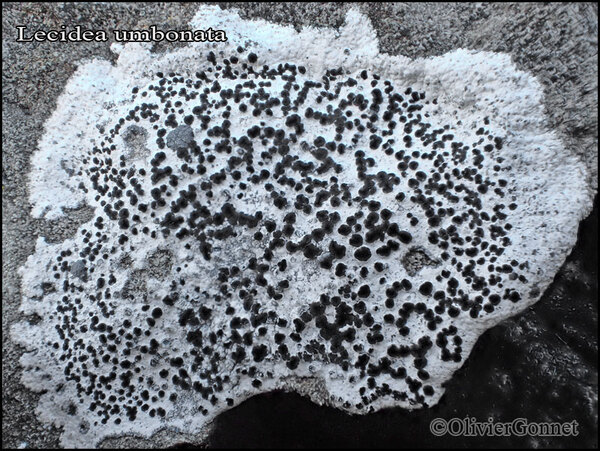
Courtesy Danièle et Olivier Gonnet - Source: https://www.afl-lichenologie.fr/Photos_AFL/Photos_AFL_L/Lecidea_umbonata.htm
France, Flaines, les grandes platières - Haute-Savoie
31/08/2015
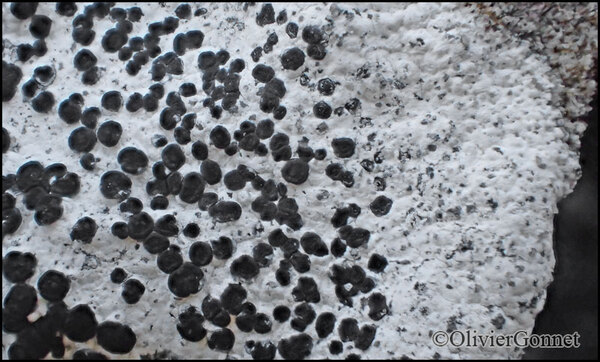
Courtesy Danièle et Olivier Gonnet - Source: https://www.afl-lichenologie.fr/Photos_AFL/Photos_AFL_L/Lecidea_umbonata.htm
France, Flaines, les grandes platières - Haute-Savoie
31/08/2015
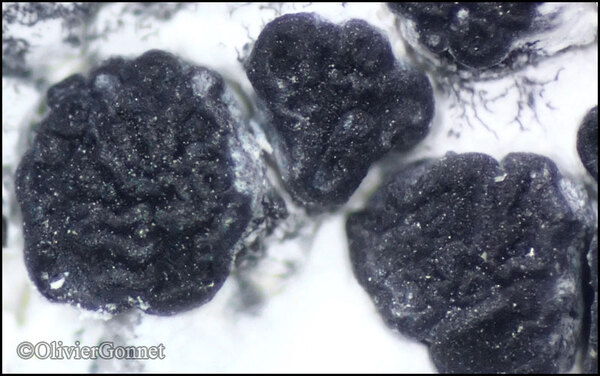
Courtesy Danièle et Olivier Gonnet - Source: https://www.afl-lichenologie.fr/Photos_AFL/Photos_AFL_L/Lecidea_umbonata.htm
France, Flaines, les grandes platières - Haute-Savoie
31/08/2015
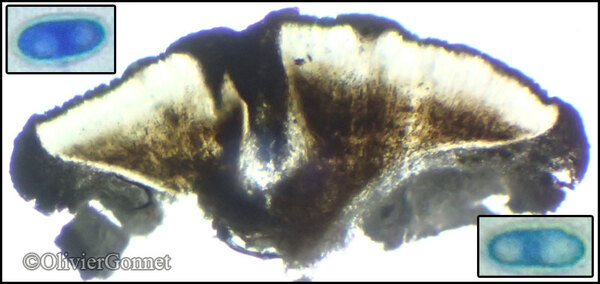
Courtesy Danièle et Olivier Gonnet - Source: https://www.afl-lichenologie.fr/Photos_AFL/Photos_AFL_L/Lecidea_umbonata.htm
France, Flaines, les grandes platières - Haute-Savoie
31/08/2015
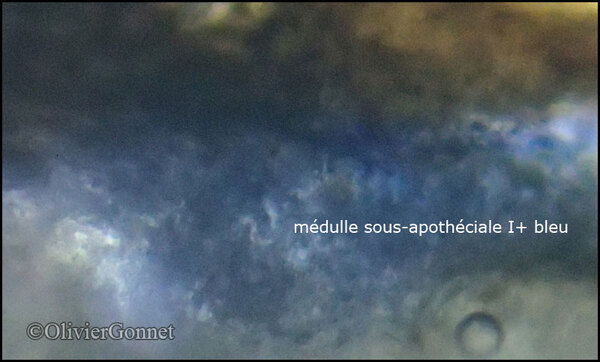
Courtesy Danièle et Olivier Gonnet - Source: https://www.afl-lichenologie.fr/Photos_AFL/Photos_AFL_L/Lecidea_umbonata.htm
France, Flaines, les grandes platières - Haute-Savoie
31/08/2015
Growth form: Crustose
Substrata: rocks
Photobiont: green algae other than Trentepohlia
Reproductive strategy: mainly sexual
Commonnes-rarity: (info)
Alpine belt: common
Subalpine belt: rather common
Montane belt: absent
Dry submediterranean belt: absent
Humid submediterranean belt: absent
Padanian area: absent
pH of the substrata:
| 1 | 2 | 3 | 4 | 5 |
Solar irradiation:
| 1 | 2 | 3 | 4 | 5 |
Aridity:
| 1 | 2 | 3 | 4 | 5 |
Eutrophication:
| 1 | 2 | 3 | 4 | 5 |
Poleotolerance:
| 0 | 1 | 2 | 3 |
Altitudinal distribution:
| 1 | 2 | 3 | 4 | 5 | 6 |
Rarity
absent
extremely rare
very rare
rare
rather rare
rather common
common
very common
extremely common
Loading data...
Occurrence data
Predictive map
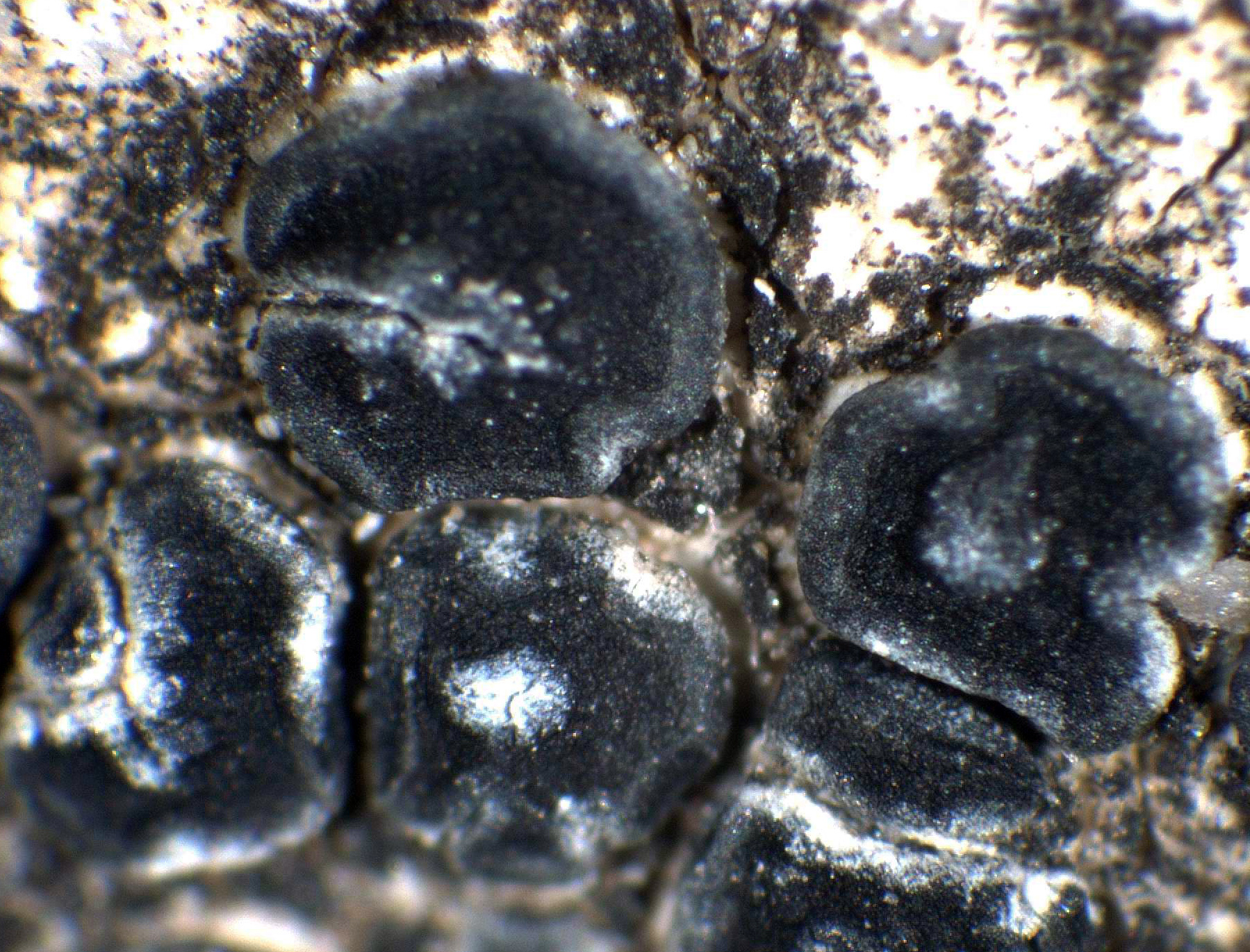
P.L. Nimis CC BY-SA 04
TSB 33961
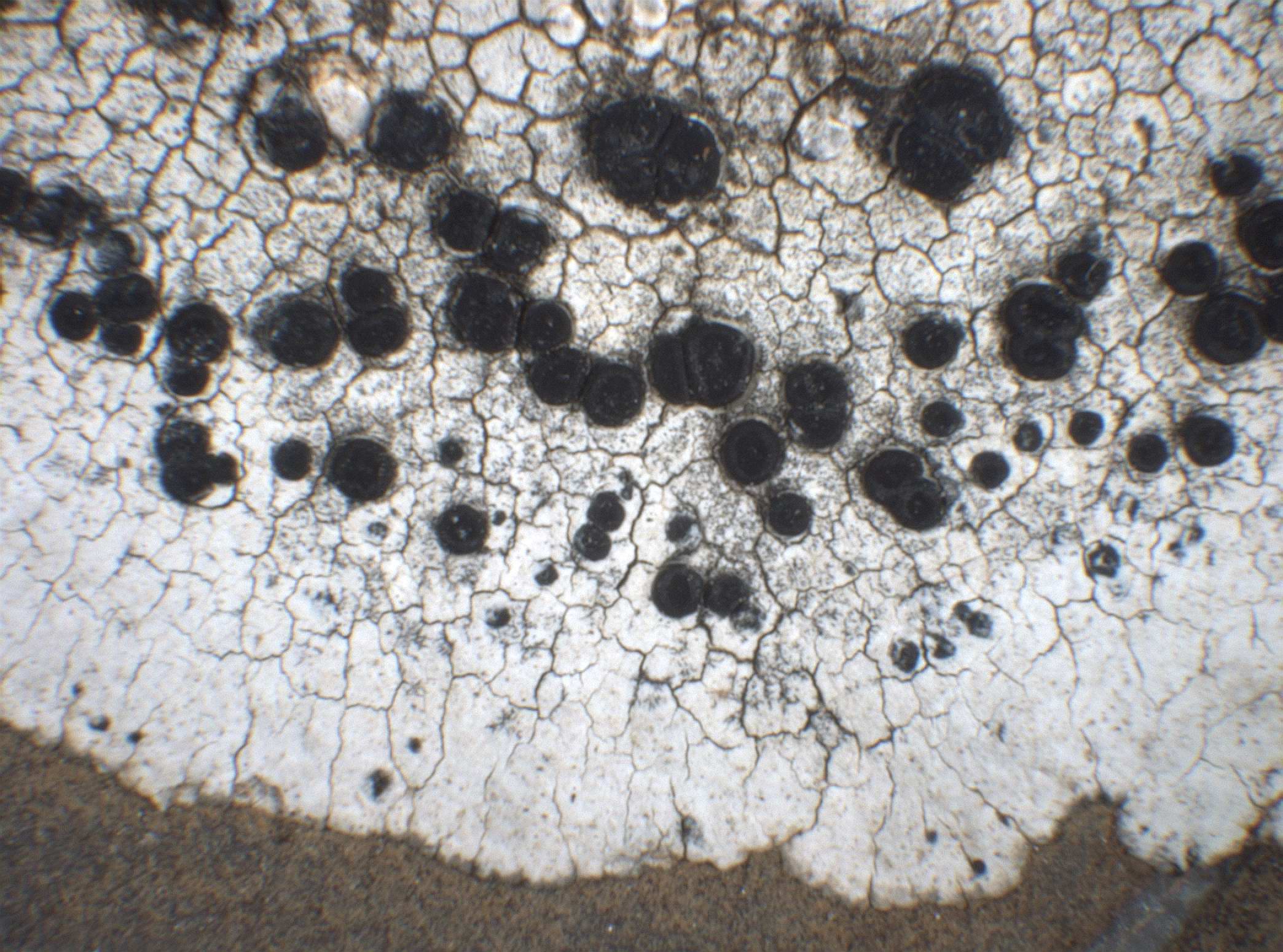
P.L. Nimis; Owner: Department of Life Sciences, University of Trieste
Herbarium: TSB (33669)
2003/03/12
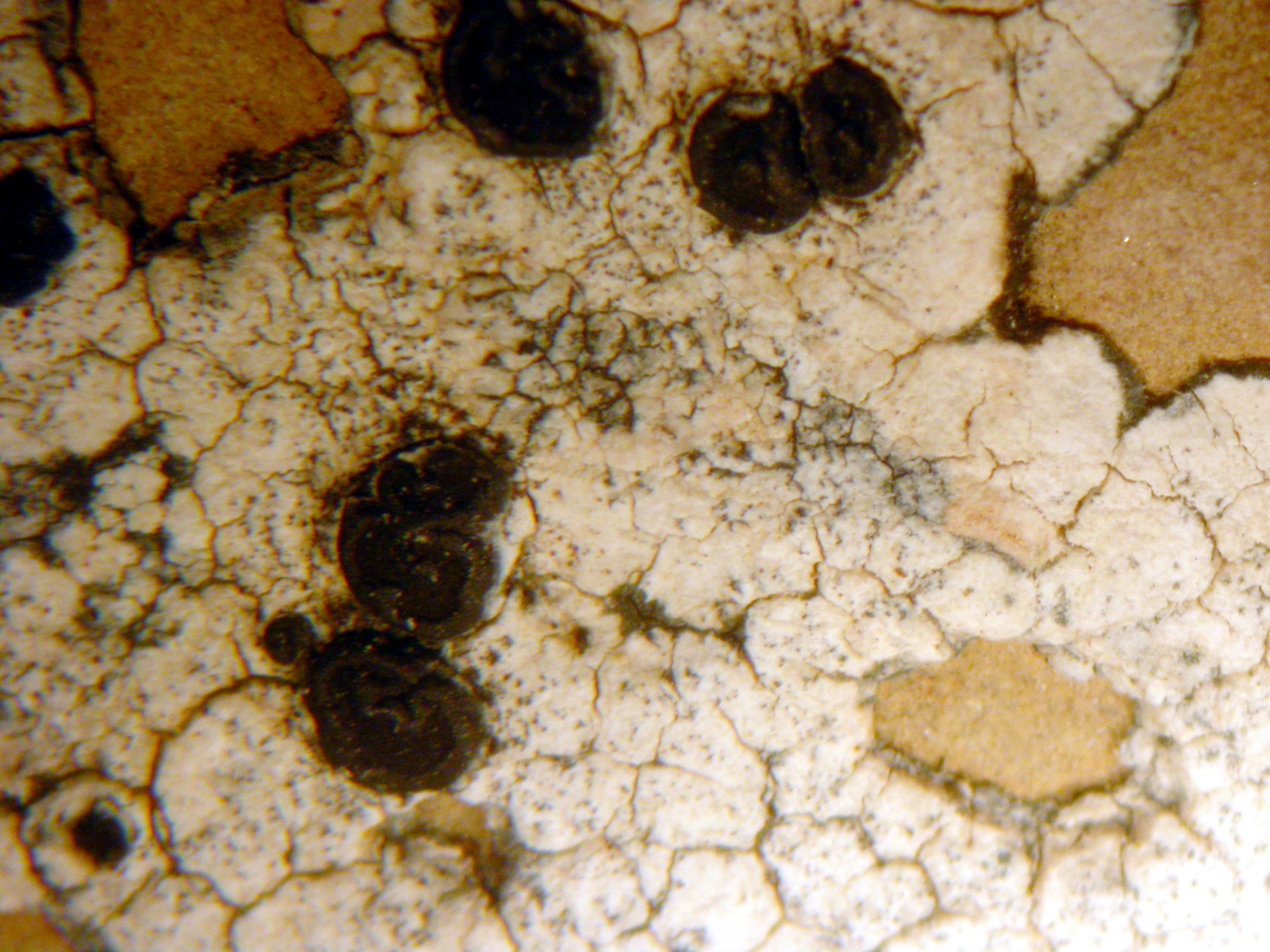
Juri Nascimbene - CC BY-SA 4.0
Italy, Trentino-Alto Adige, Bolzano/Bozen, Sciliar/Schlern

Juri Nascimbene - CC BY-SA 4.0
Italy, Trentino-Alto Adige, Bolzano/Bozen, Sciliar/Schlern

Juri Nascimbene - CC BY-SA 4.0
Italy, Trentino-Alto Adige, Bolzano/Bozen, Sciliar/Schlern
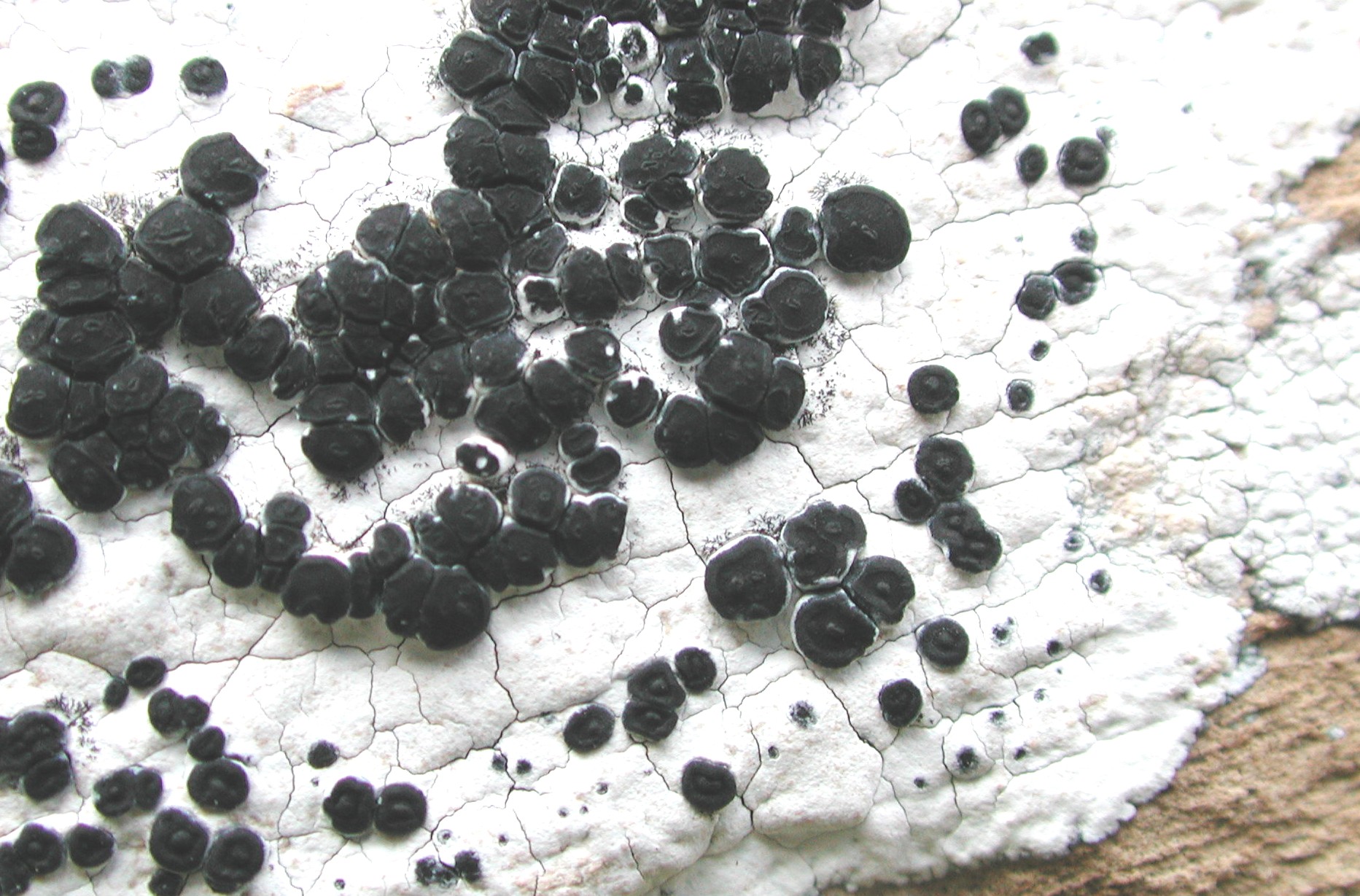
Juri Nascimbene – CC BY-SA 4.0; Owner: Department of ùLife Sciences, University of Trieste
Vette Feltrine, Prov. Belluno, Veneto,Italy
2006
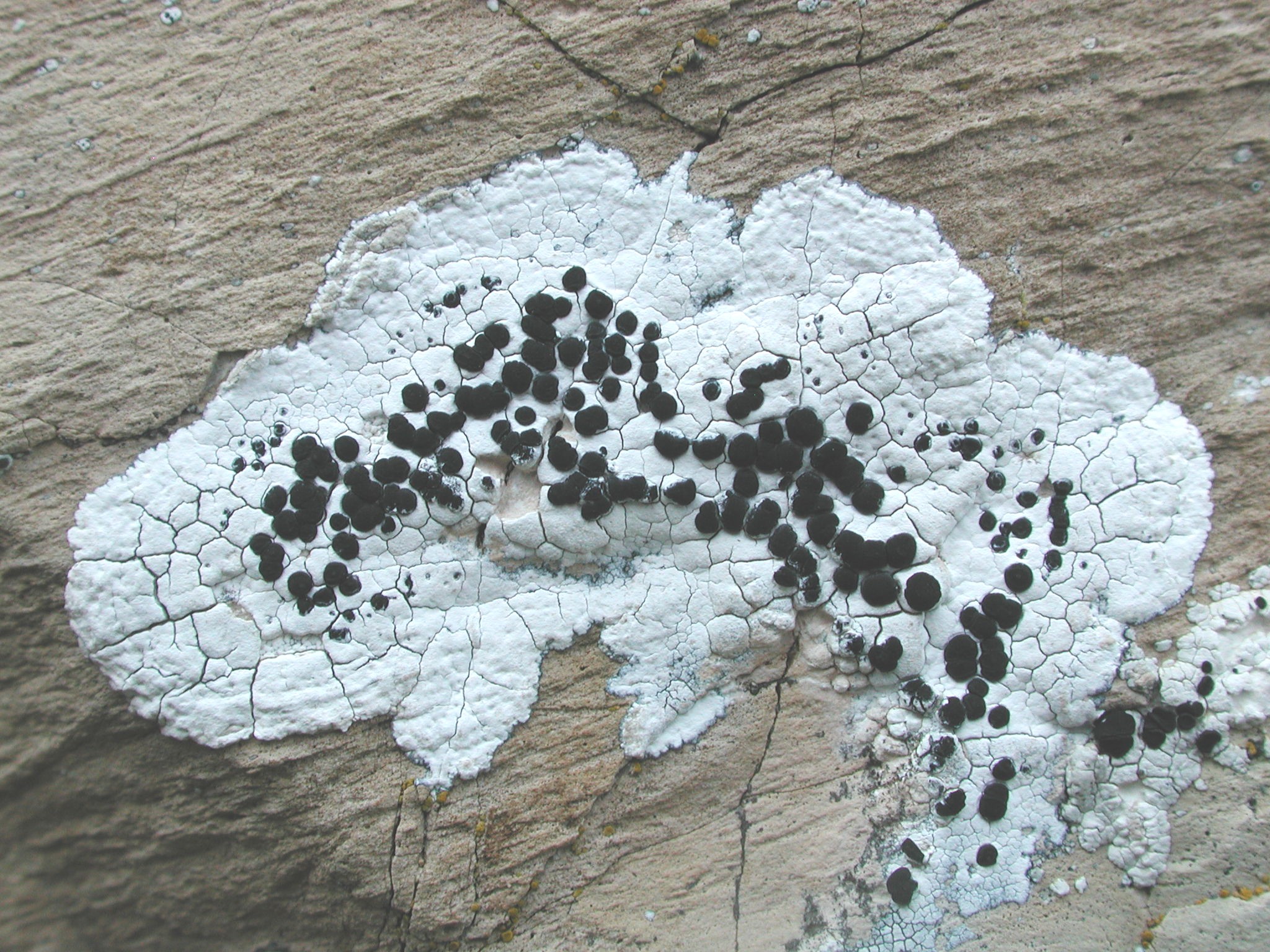
Juri Nascimbene – CC BY-SA 4.0; Owner: Department of ùLife Sciences, University of Trieste
Vette Feltrine, Prov. Belluno, Veneto,Italy
2006
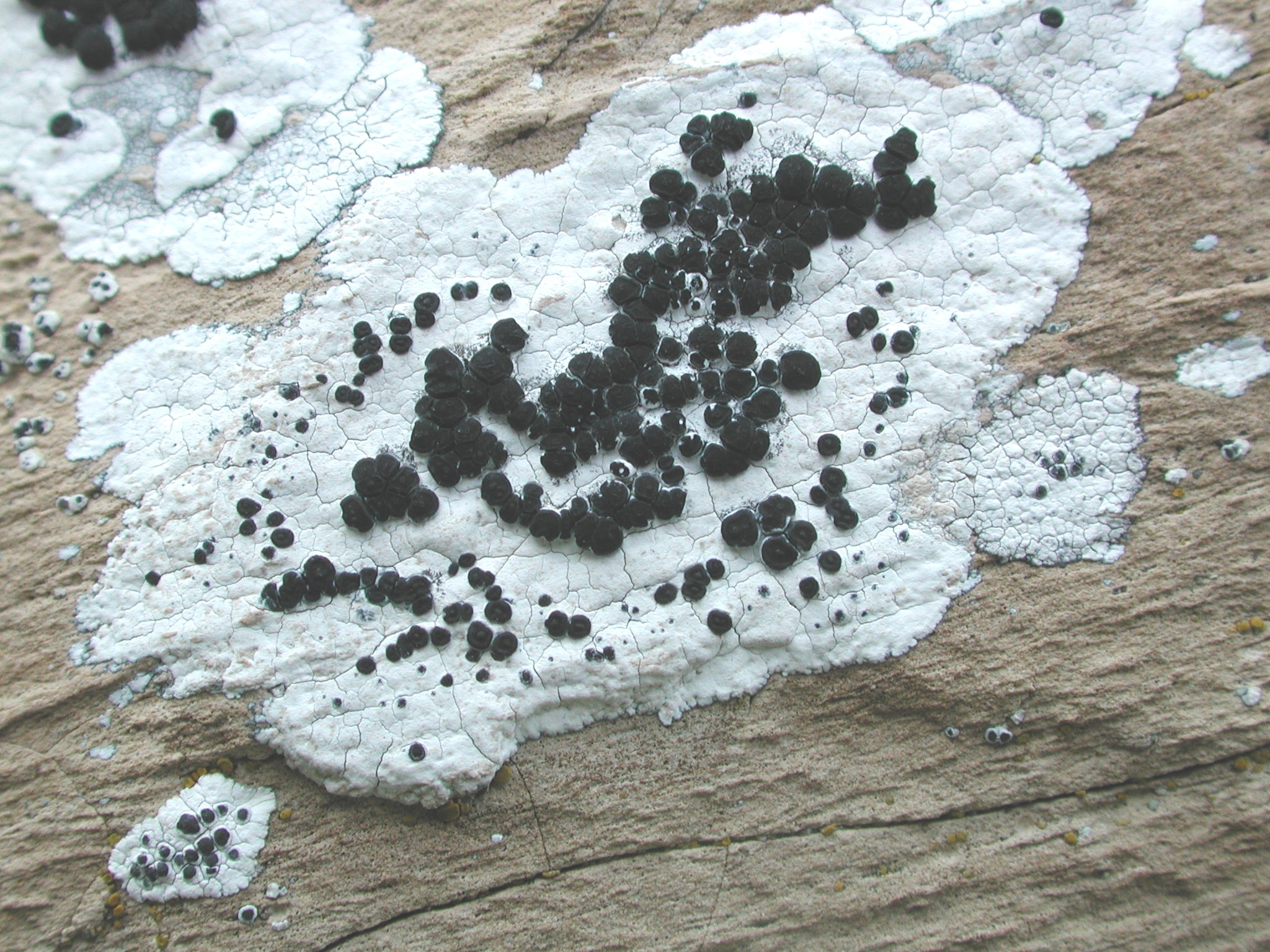
Juri Nascimbene – CC BY-SA 4.0; Owner: Department of ùLife Sciences, University of Trieste
Vette Feltrine, Prov. Belluno, Veneto,Italy
2006

P.L. Nimis CC BY-SA 04
Herb. J. Nascimbene
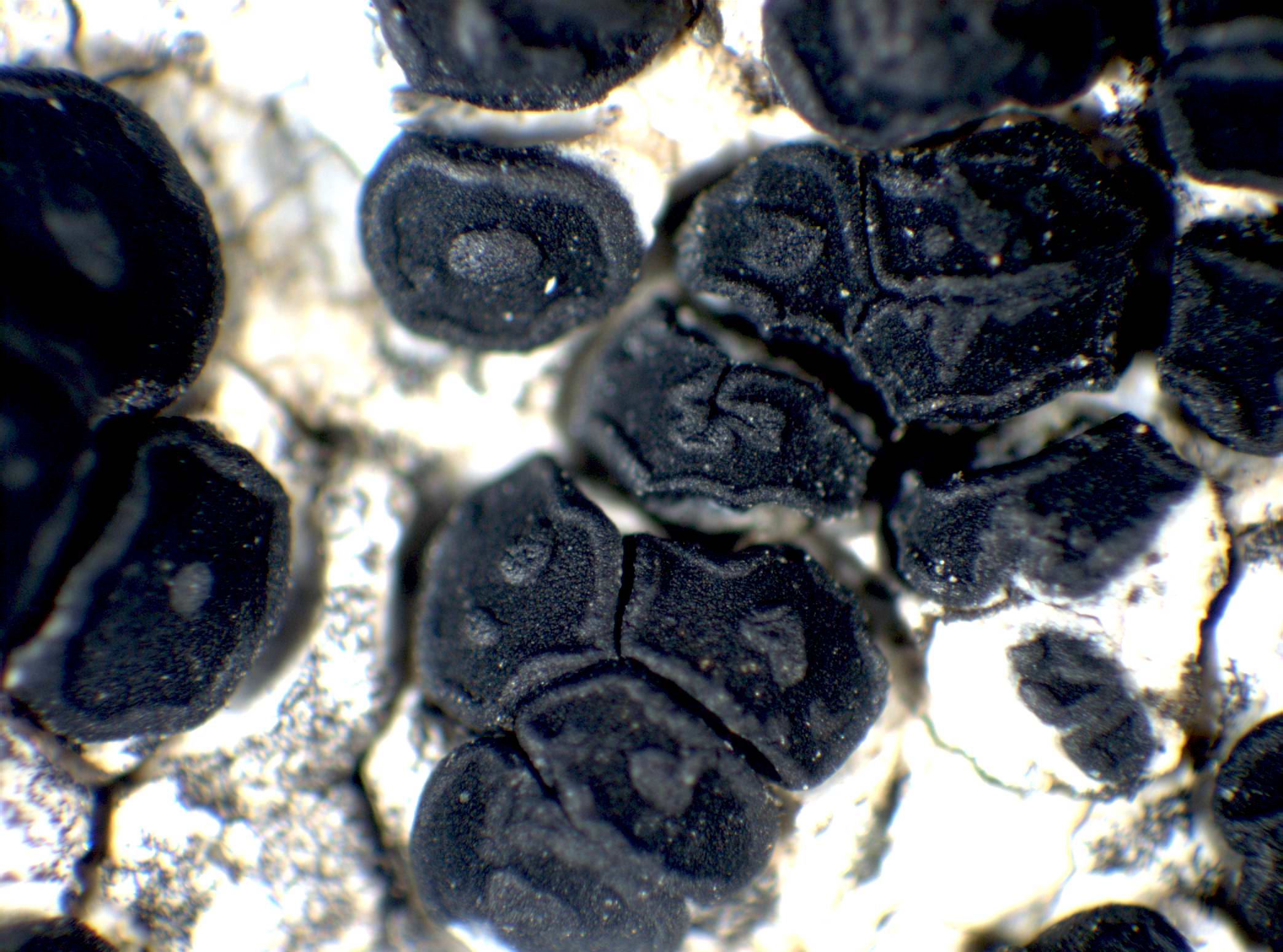
P.L. Nimis; Owner: Department of Life Sciences, University of Trieste
Herbarium: TSB (33198)
2001/12/08
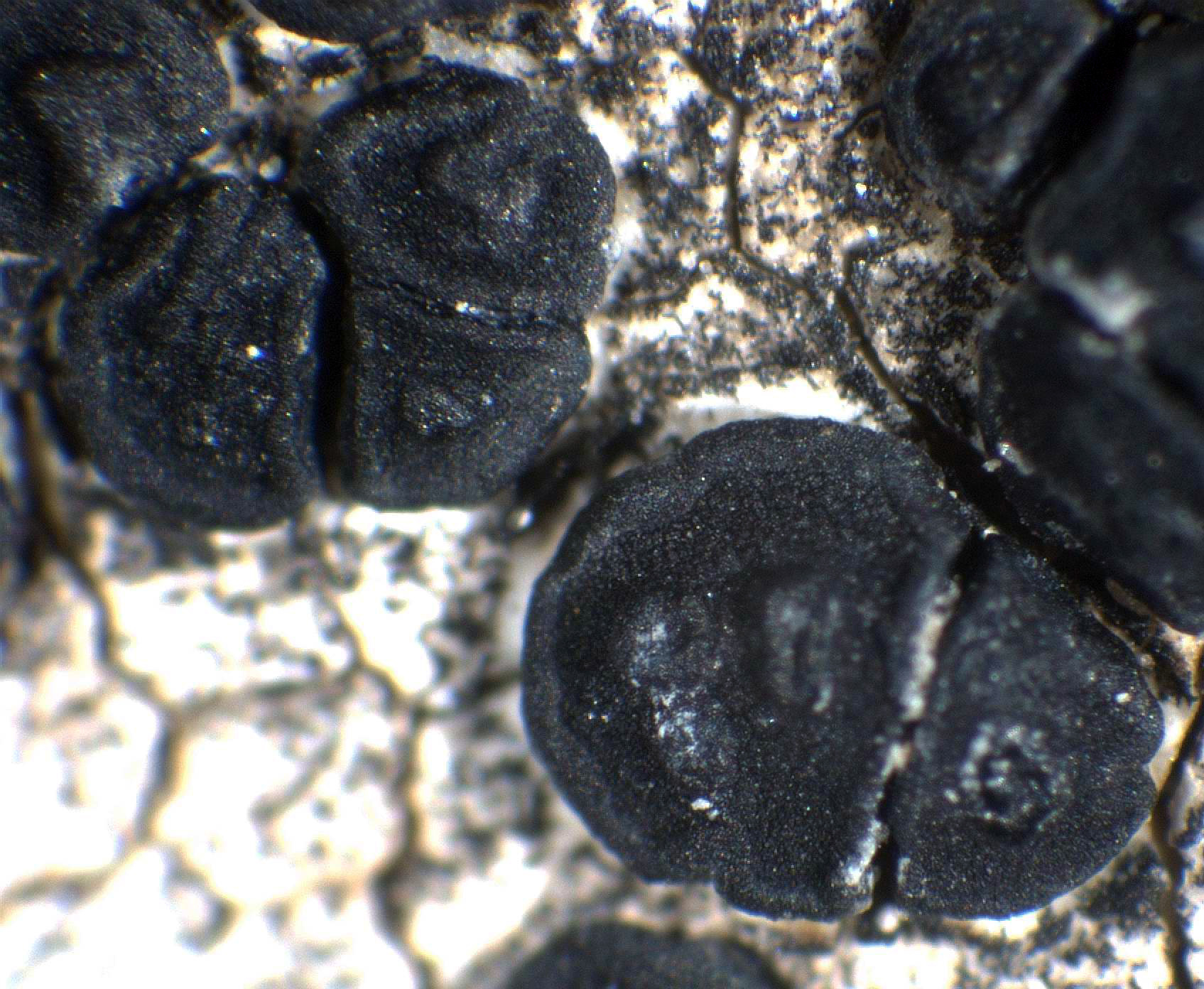
P.L. Nimis CC BY-SA 04
TSB 33961
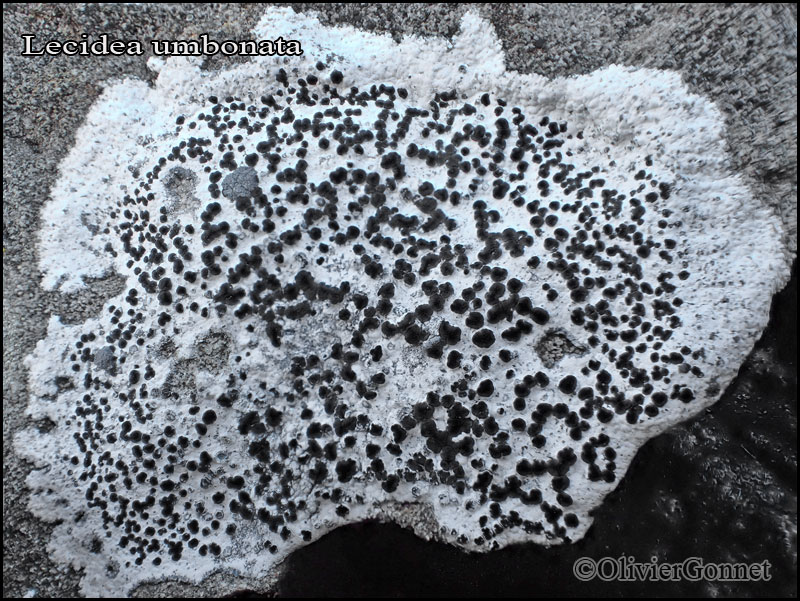
Courtesy Danièle et Olivier Gonnet - Source: https://www.afl-lichenologie.fr/Photos_AFL/Photos_AFL_L/Lecidea_umbonata.htm
France, Flaines, les grandes platières - Haute-Savoie
31/08/2015
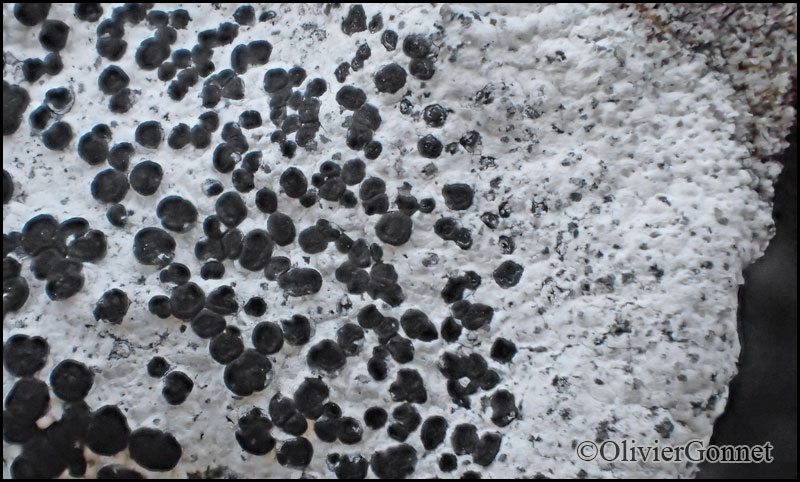
Courtesy Danièle et Olivier Gonnet - Source: https://www.afl-lichenologie.fr/Photos_AFL/Photos_AFL_L/Lecidea_umbonata.htm
France, Flaines, les grandes platières - Haute-Savoie
31/08/2015
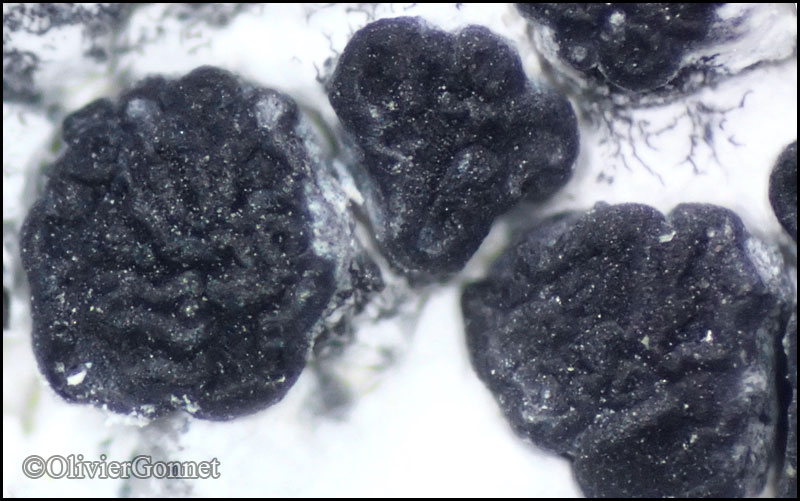
Courtesy Danièle et Olivier Gonnet - Source: https://www.afl-lichenologie.fr/Photos_AFL/Photos_AFL_L/Lecidea_umbonata.htm
France, Flaines, les grandes platières - Haute-Savoie
31/08/2015
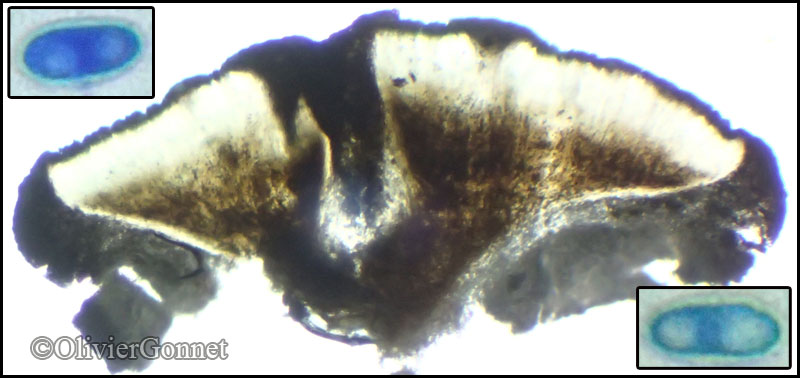
Courtesy Danièle et Olivier Gonnet - Source: https://www.afl-lichenologie.fr/Photos_AFL/Photos_AFL_L/Lecidea_umbonata.htm
France, Flaines, les grandes platières - Haute-Savoie
31/08/2015