Lepraria lobificans Nyl.
Flora, 56: 196, 1873.
Synonyms: Lepraria santosii Argüello & A. Crespo
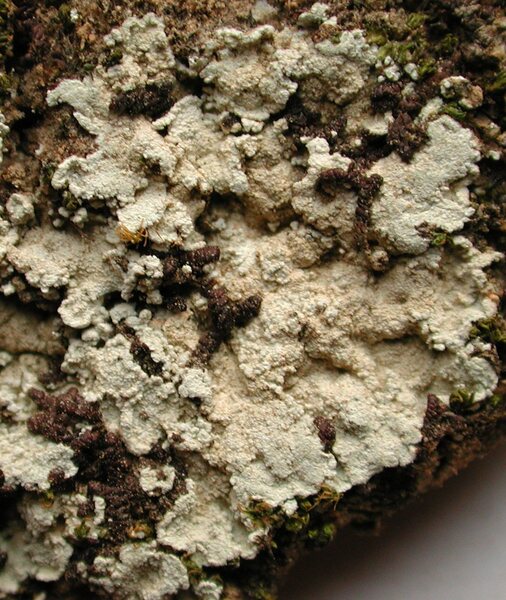
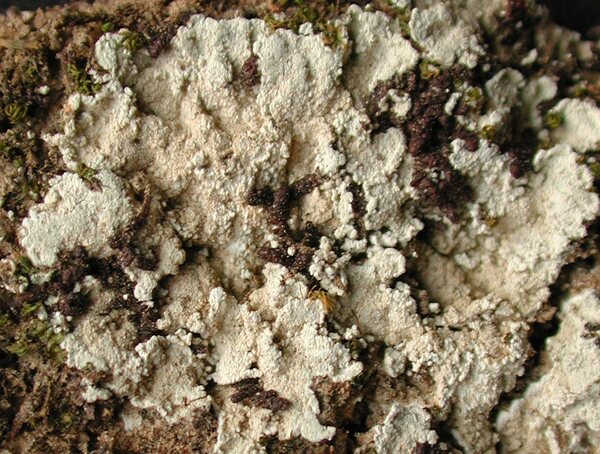
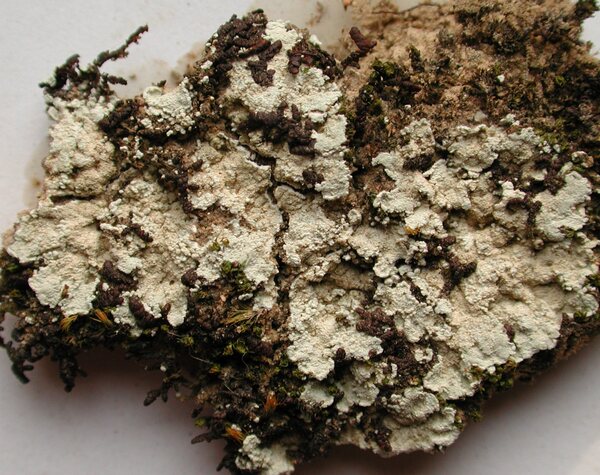
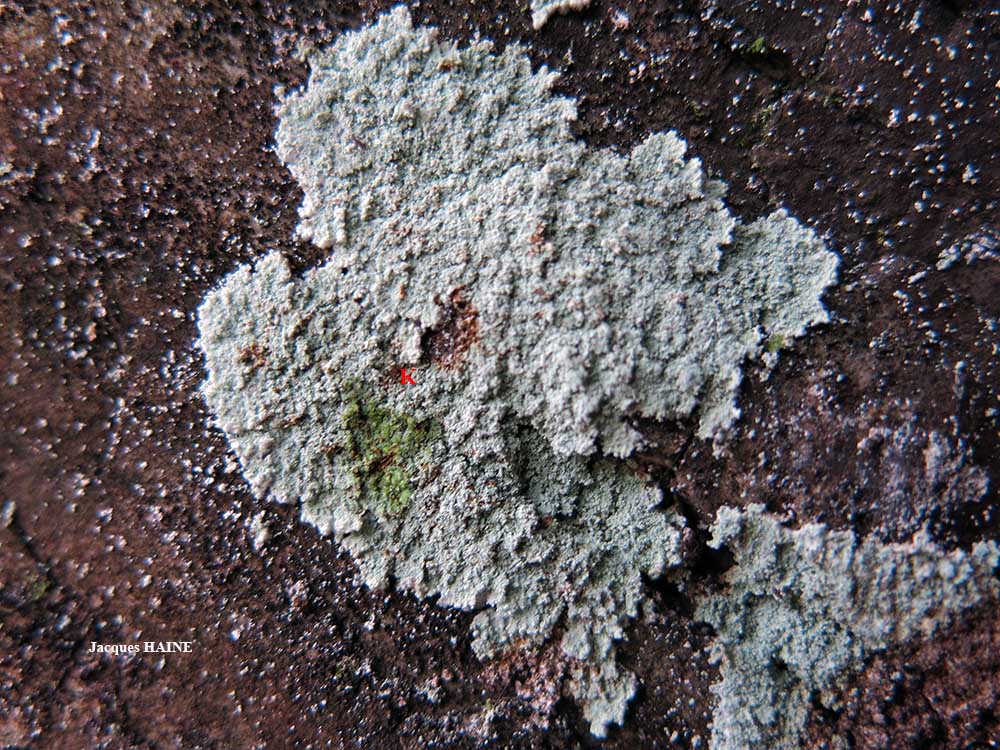
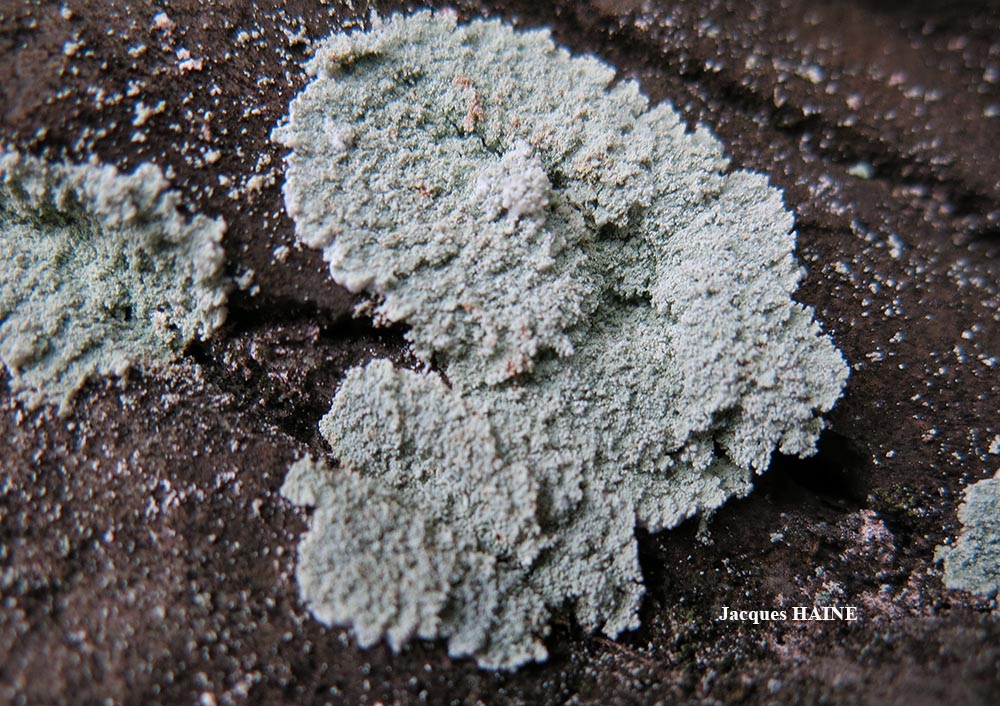
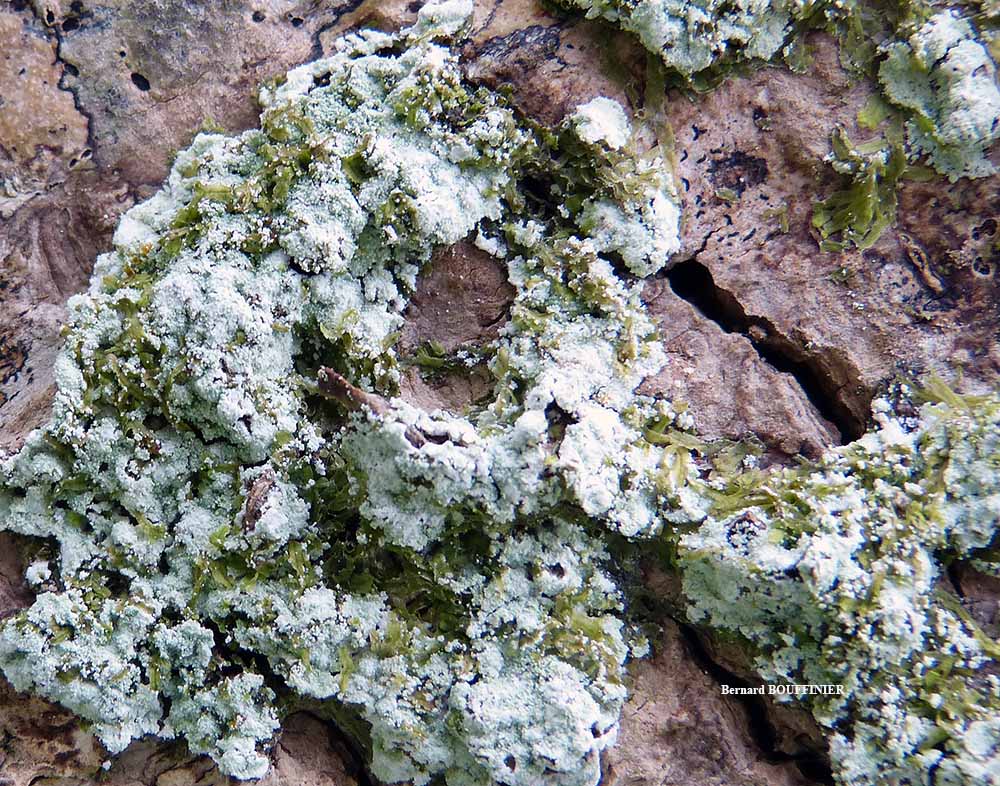
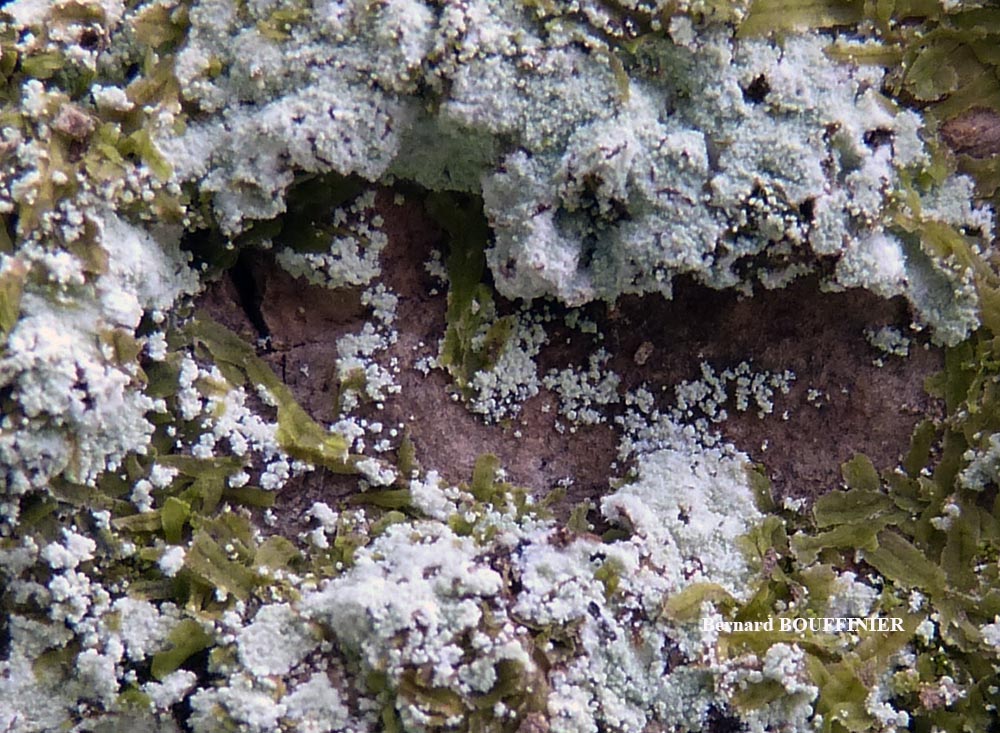
Description: Thallus leprose to subcrustose, generally well-delimited and forming regular, confluent rosettes, dirty white to pale grey with a bluish tinge, (0.16-)0.25-0.35(-0.47) mm thick, the margins distinct, usually well-developed, with a raised, thick margin. Cortex absent; hypothallus generally poorly developed, formed by light brown hyphae, K-; prothallus absent. Central part of thallus granular, tightly attached to the substratum, the granules ecorticate, soredia-like, ellipsoid to irregularly shaped, (0.22–)0.28-0.35(-0.65) mm in diam., devoid of crystals, surrounded by a weft of up to 100 µm long, hyaline, projecting hyphae; hypothallus compact, composed of tightly intertwined hyphae. Photobiont chlorococcoid, the cells 10-16 µm wide. Spot tests: K+ yellow-brownish, C-, KC-, P+ orange, UV- or UV+ pink. Chemistry: different chemotypes: 1) atranorin, roccellic acid, zeorin, stictic and constictic acids; 2) atranorin, UV+ vivid pink unknown, stictic and constictic acids; 3) atranorin, roccellic acid, stictic and constictic acids; 4) atranorin, roccellic acid, stictic and constictic acids, fumarprotocetraric or protocetraric acids; 5) atranorin. roccellic acid, protocetraric acid; 6) atranorin, roccellic acid, protocetraric acid, fumarprotocetraric acid; 7) atranorin, roccellic acid, fumarprotocetraric acid.
Growth form: Leprose
Substrata: soil, terricolous mosses, and plant debris
Photobiont: green algae other than Trentepohlia
Reproductive strategy: mainly asexual, by soredia, or soredia-like structures (e.g. blastidia)
Commonnes-rarity: (info)
Alpine belt: absent
Subalpine belt: absent
Montane belt: absent
Dry submediterranean belt: absent
Humid submediterranean belt: rather rare
Padanian area: absent
pH of the substrata:
1 2 3 4 5

Solar irradiation:
1 2 3 4 5
Aridity:
1 2 3 4 5
Eutrophication:
1 2 3 4 5
Poleotolerance:
0 1 2 3
Altitudinal distribution:
1 2 3 4 5 6
Rarity
absent
extremely rare
very rare
rare
rather rare
rather common
common
very common
extremely common
Loading data...
Occurrence data
Predictive map
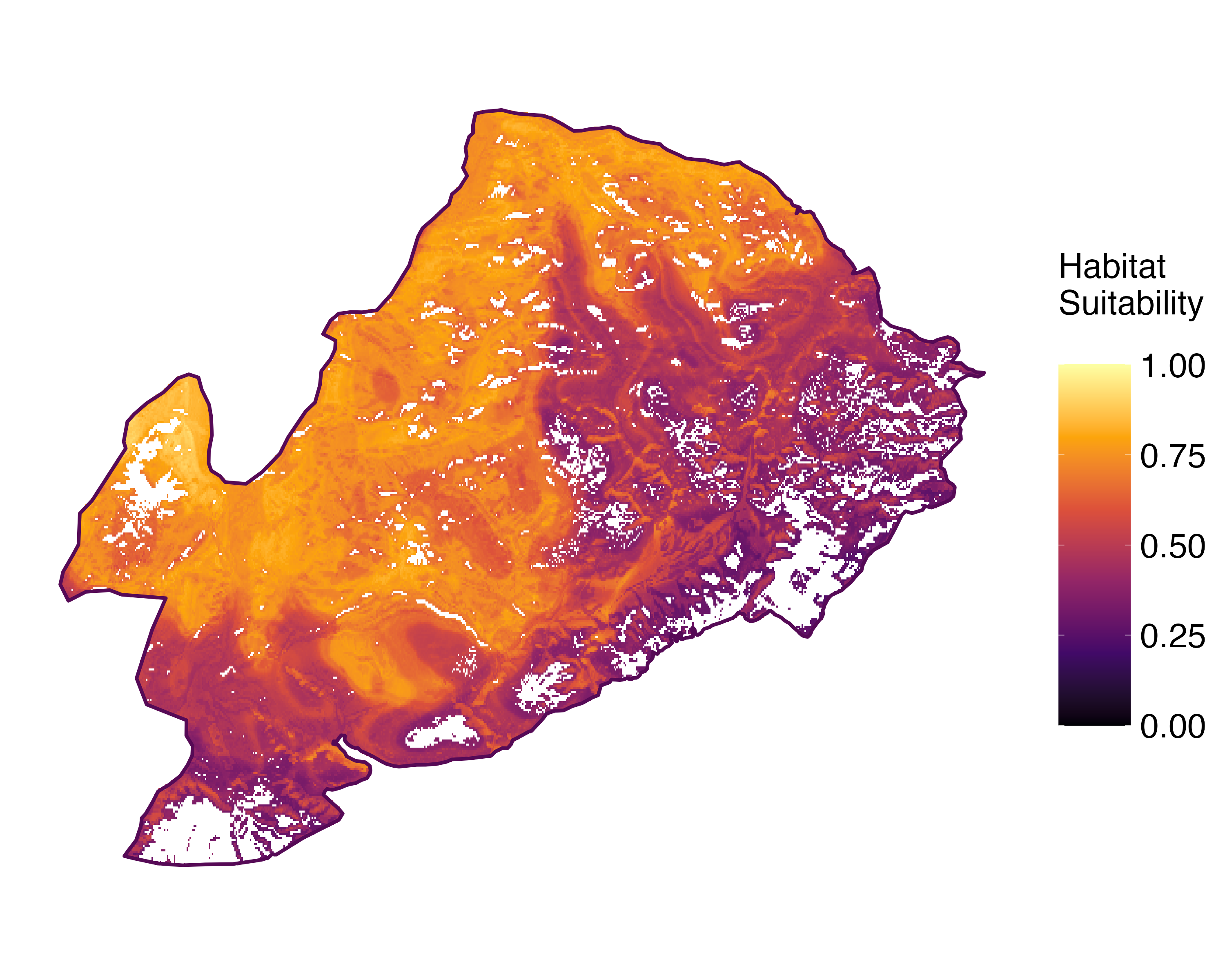 Current prediction (1981-2010)
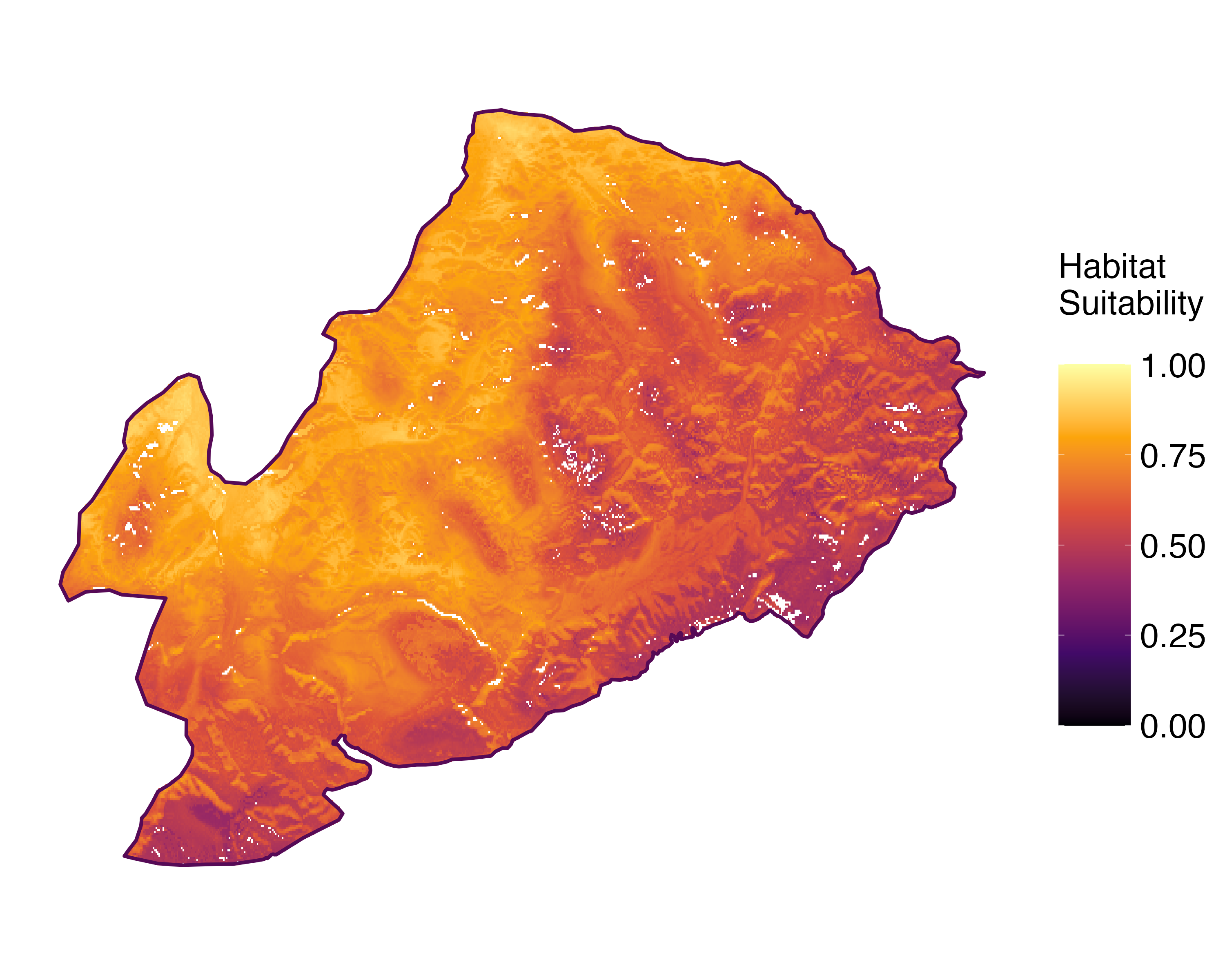 Future prediction (2071-2100) SSP 1-2.6
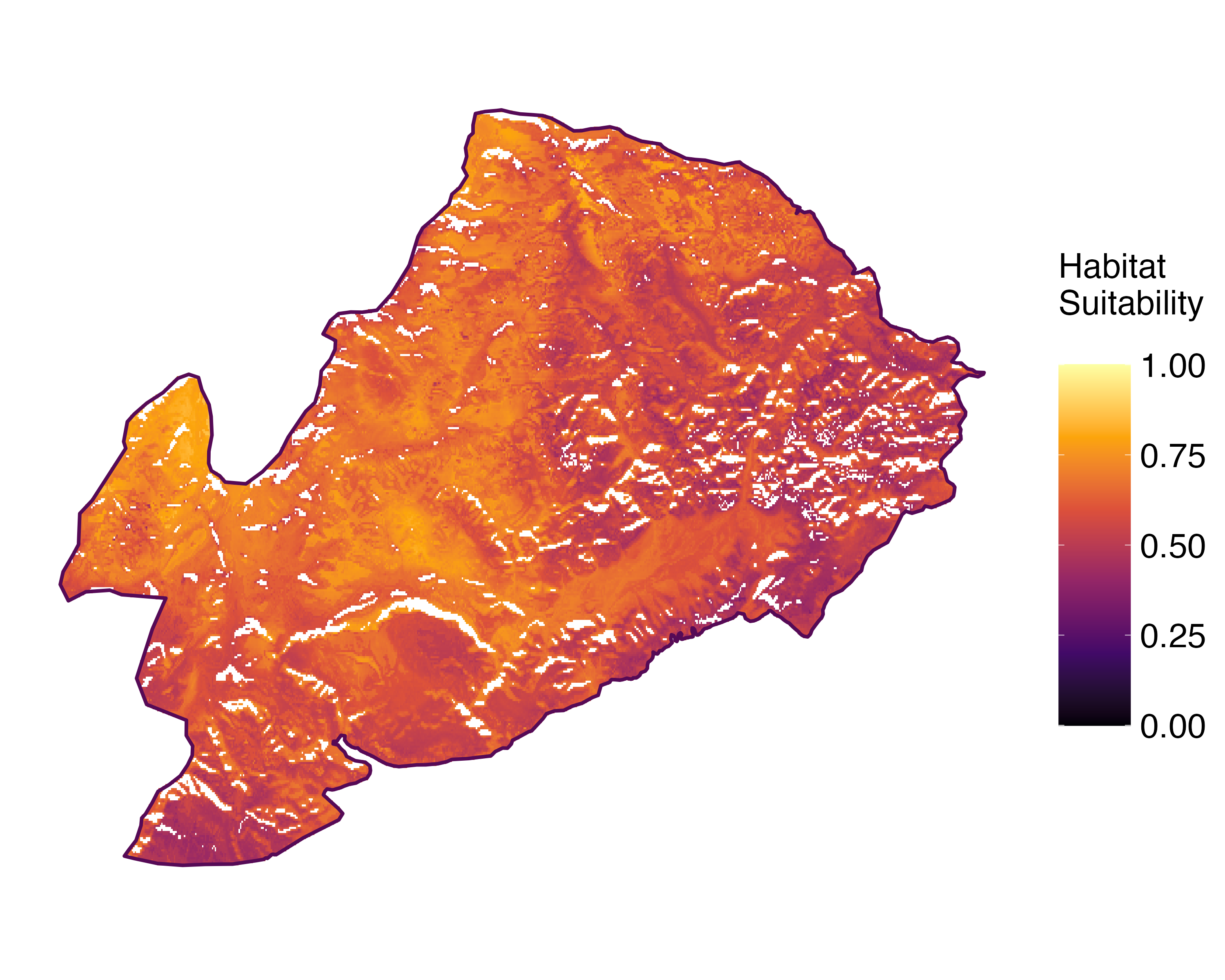 Future prediction (2071-2100) SSP 5-8.5Predictive maps according to Francesconi et al. 2025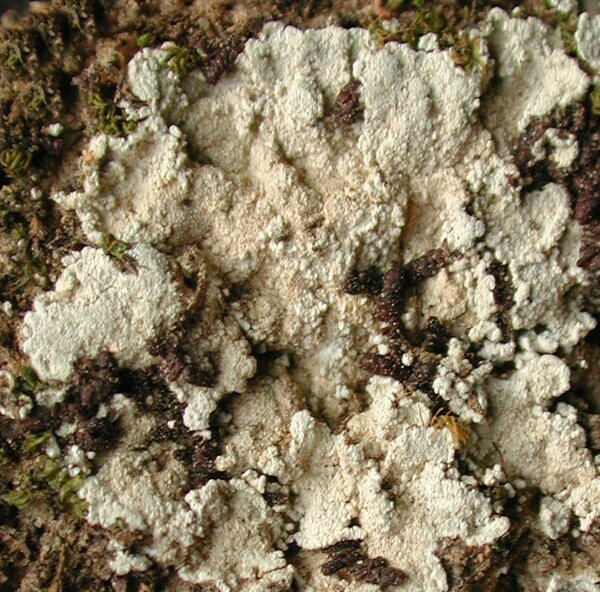
Elena Pittao CC BY-SA 4.0
Herbarium: TSB37896
Elena Pittao CC BY-SA 4.0
Herbarium: TSB37896
Elena Pittao CC BY-SA 4.0
Herbarium: TSB37896
Elena Pittao CC BY-SA 4.0
Herbarium: TSB37896
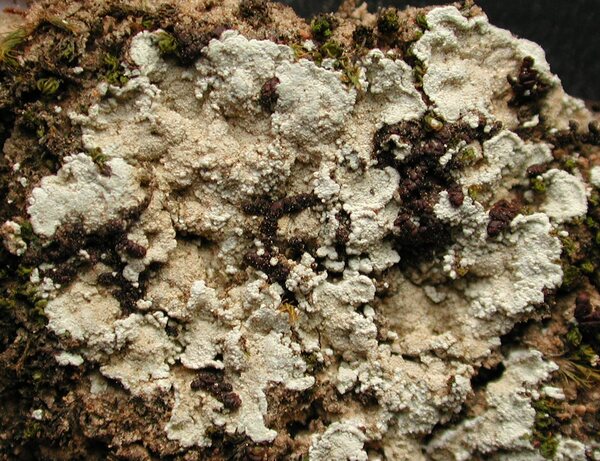
Elena Pittao CC BY-SA 4.0
Herbarium: TSB37896
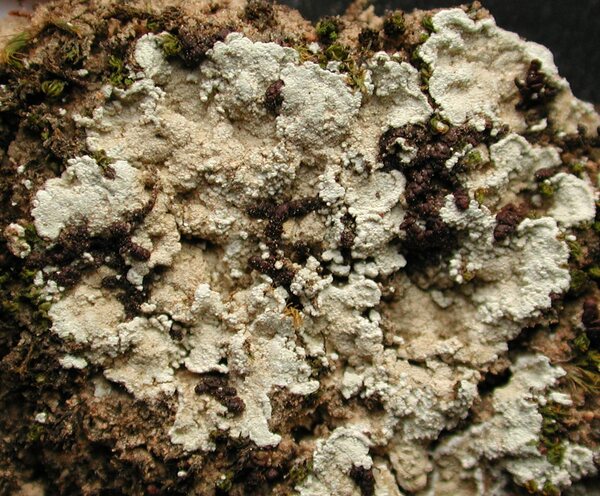
Elena Pittao CC BY-SA 4.0
Herbarium: TSB37896

Elena Pittao CC BY-SA 4.0
Herbarium: TSB37896
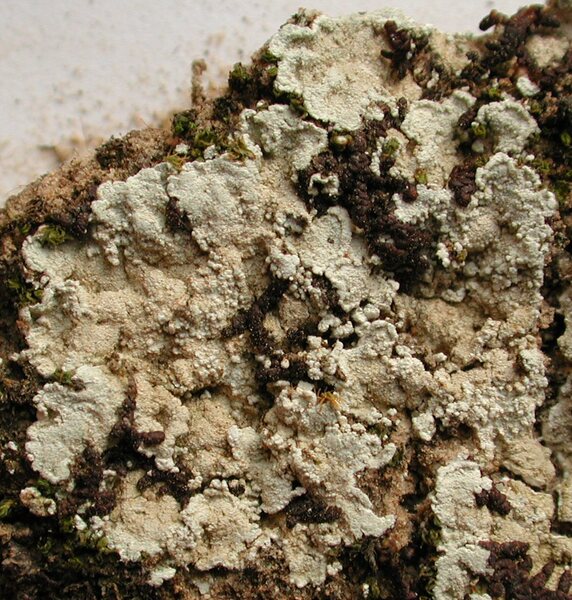
Elena Pittao CC BY-SA 4.0
Herbarium: TSB37896

Elena Pittao CC BY-SA 4.0
Herbarium: TSB37896
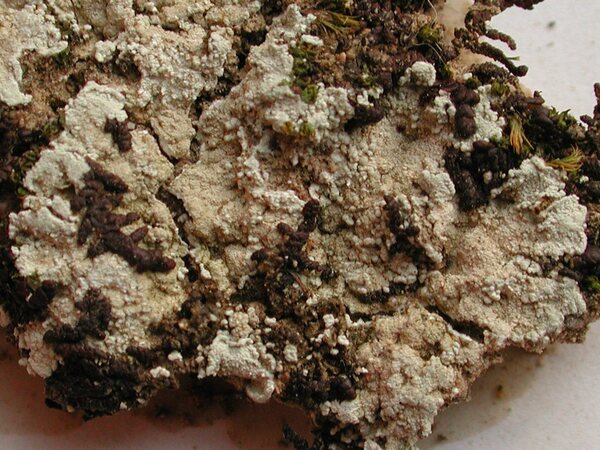
Elena Pittao CC BY-SA 4.0
Herbarium: TSB37896
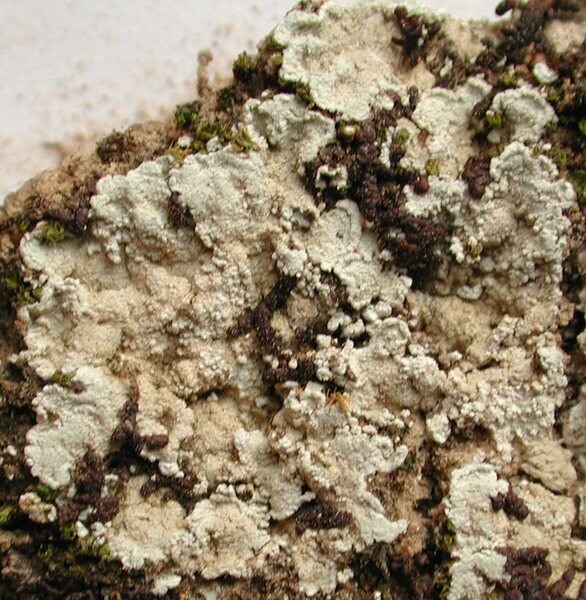
Elena Pittao CC BY-SA 4.0
Herbarium: TSB37896
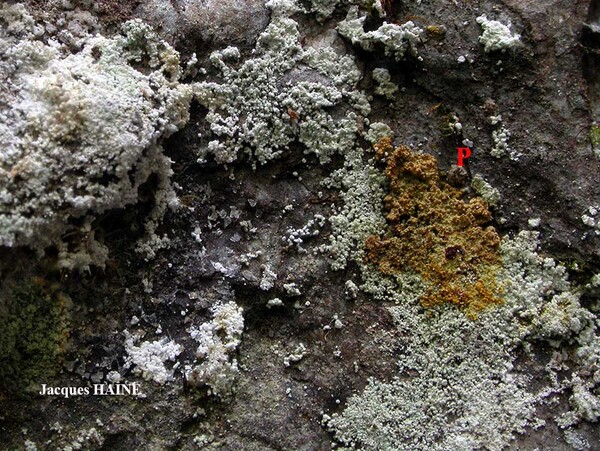
Jacques Haine - Source: http://www.lichensmaritimes.org/index.php?task=fiche&lichen=691&lang=en
France, Ardennes
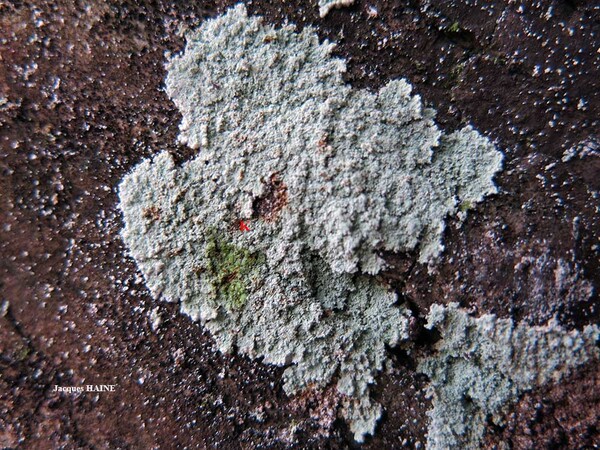
Jacques Haine - Source: http://www.lichensmaritimes.org/index.php?task=fiche&lichen=691&lang=en
France, Ardennes
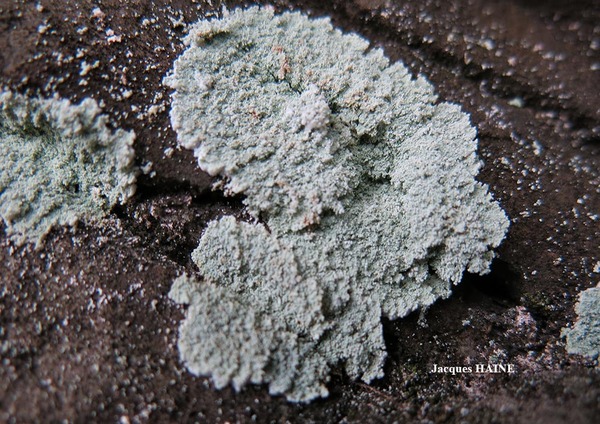
Jacques Haine - Source: http://www.lichensmaritimes.org/index.php?task=fiche&lichen=691&lang=en
France, Ardennes
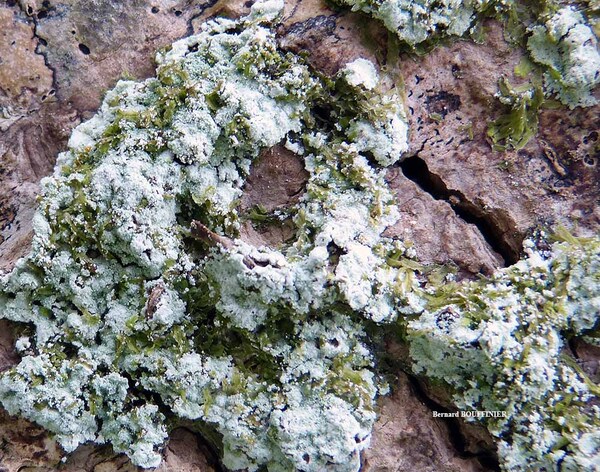
Bernard Bouffinier - Source: http://www.lichensmaritimes.org/index.php?task=fiche&lichen=691&lang=en
France, Crozon
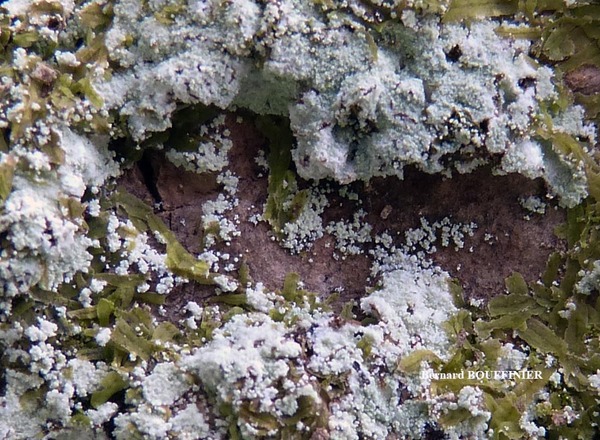
Bernard Bouffinier - Source: http://www.lichensmaritimes.org/index.php?task=fiche&lichen=691&lang=en
France, Crozon
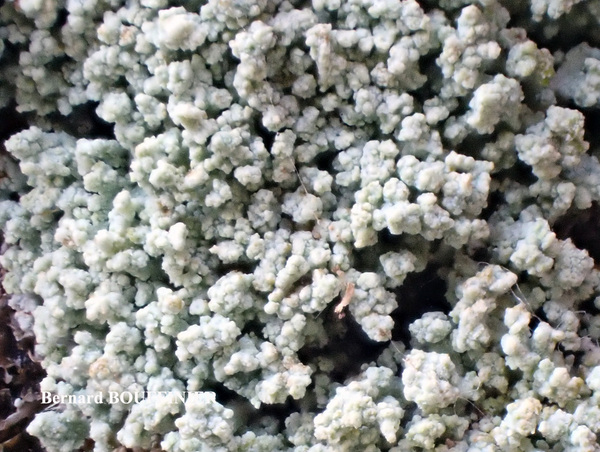
Bernard Bouffinier - Source: http://www.lichensmaritimes.org/index.php?task=fiche&lichen=691&lang=en
France, Lanveoc
on schist
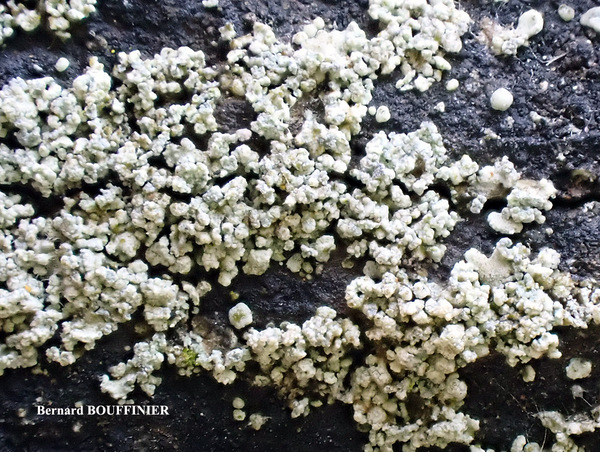
Bernard Bouffinier - Source: http://www.lichensmaritimes.org/index.php?task=fiche&lichen=691&lang=en
France, Lanveoc
on schist
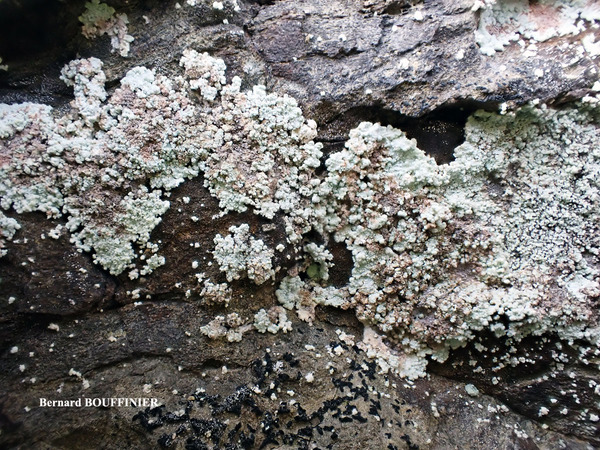
Bernard Bouffinier - Source: http://www.lichensmaritimes.org/index.php?task=fiche&lichen=691&lang=en
France, Lanveoc
on schist
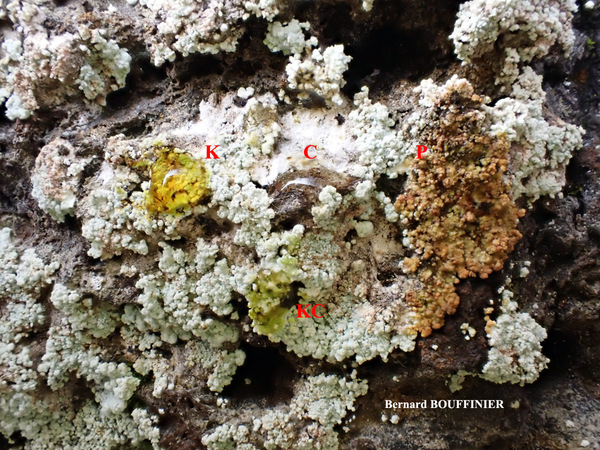
Bernard Bouffinier - Source: http://www.lichensmaritimes.org/index.php?task=fiche&lichen=691&lang=en
France, Lanveoc
on schist
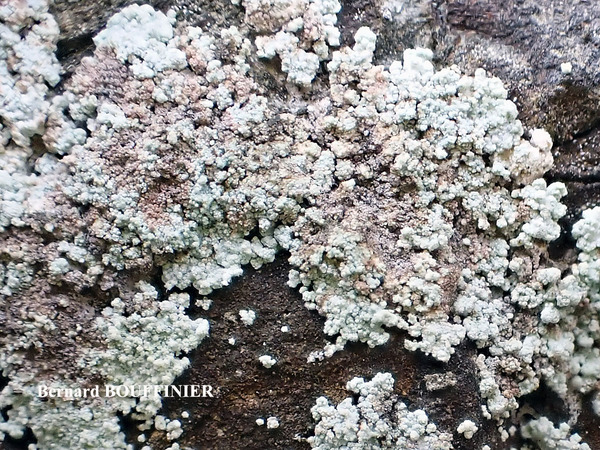
Bernard Bouffinier - Source: http://www.lichensmaritimes.org/index.php?task=fiche&lichen=691&lang=en
France, Lanveoc
on schist

Bernard Bouffinier - Source: http://www.lichensmaritimes.org/index.php?task=fiche&lichen=691&lang=en
France, Lanveoc
on schist
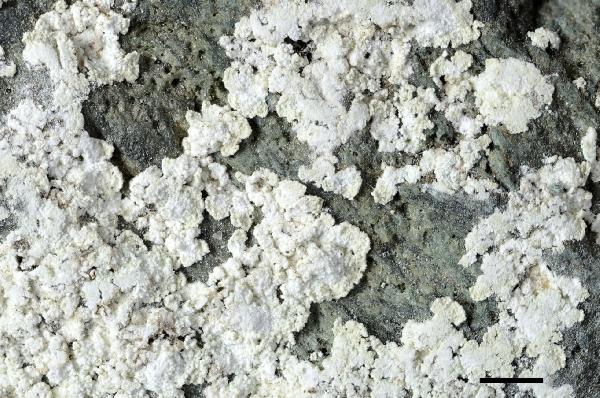
Source: Timdal, E. & Tønsberg, T. 2021. Lepraria lobificans (syn. L. santosii) and L. sylvicola new to northern Europe from Norway. Graphis Scripta 33 (3): 50–58. Oslo. ISSN 2002-4495. - CC BY-4.0
Lepraria lobificans, Norway (BG-L-98010). Scale bar = 2 mm. Photo E. Timdal.
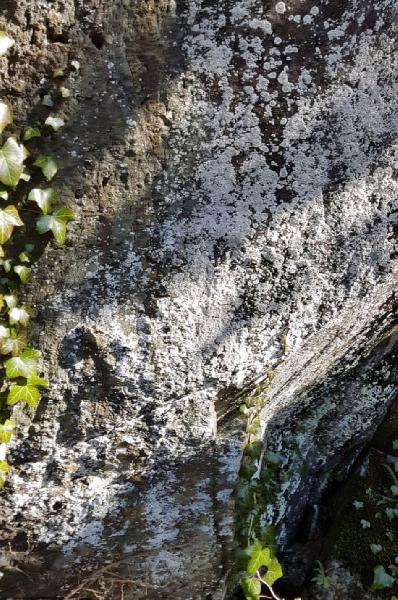
Source: Timdal, E. & Tønsberg, T. 2021. Lepraria lobificans (syn. L. santosii) and L. sylvicola new to northern Europe from Norway. Graphis Scripta 33 (3): 50–58. Oslo. ISSN 2002-4495. - CC BY-4.0
close-ups of the population represented by BG-
L-105286. Photos T. Tønsberg 2021-03-16.
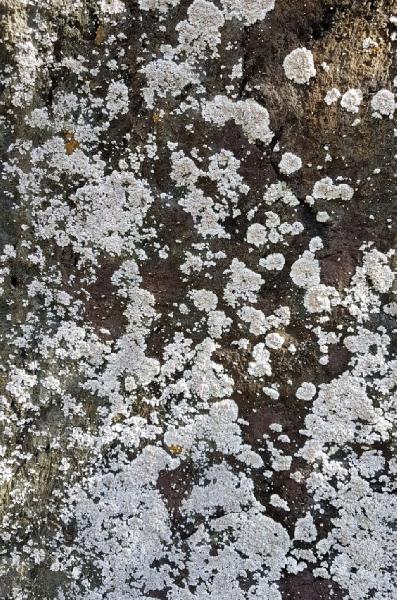
Source: Timdal, E. & Tønsberg, T. 2021. Lepraria lobificans (syn. L. santosii) and L. sylvicola new to northern Europe from Norway. Graphis Scripta 33 (3): 50–58. Oslo. ISSN 2002-4495. - CC BY-4.0
close-ups of the population represented by BG-
L-105286. Photos T. Tønsberg 2021-03-16.
Growth form: Leprose
Substrata: soil, terricolous mosses, and plant debris
Photobiont: green algae other than Trentepohlia
Reproductive strategy: mainly asexual, by soredia, or soredia-like structures (e.g. blastidia)
Commonnes-rarity: (info)
Alpine belt: absent
Subalpine belt: absent
Montane belt: absent
Dry submediterranean belt: absent
Humid submediterranean belt: rather rare
Padanian area: absent
pH of the substrata:
| 1 | 2 | 3 | 4 | 5 |
Solar irradiation:
| 1 | 2 | 3 | 4 | 5 |
Aridity:
| 1 | 2 | 3 | 4 | 5 |
Eutrophication:
| 1 | 2 | 3 | 4 | 5 |
Poleotolerance:
| 0 | 1 | 2 | 3 |
Altitudinal distribution:
| 1 | 2 | 3 | 4 | 5 | 6 |
Rarity
absent
extremely rare
very rare
rare
rather rare
rather common
common
very common
extremely common
Loading data...
Occurrence data
Predictive map
Current prediction (1981-2010)Future prediction (2071-2100) SSP 1-2.6Future prediction (2071-2100) SSP 5-8.5Predictive maps according to Francesconi et al. 2025
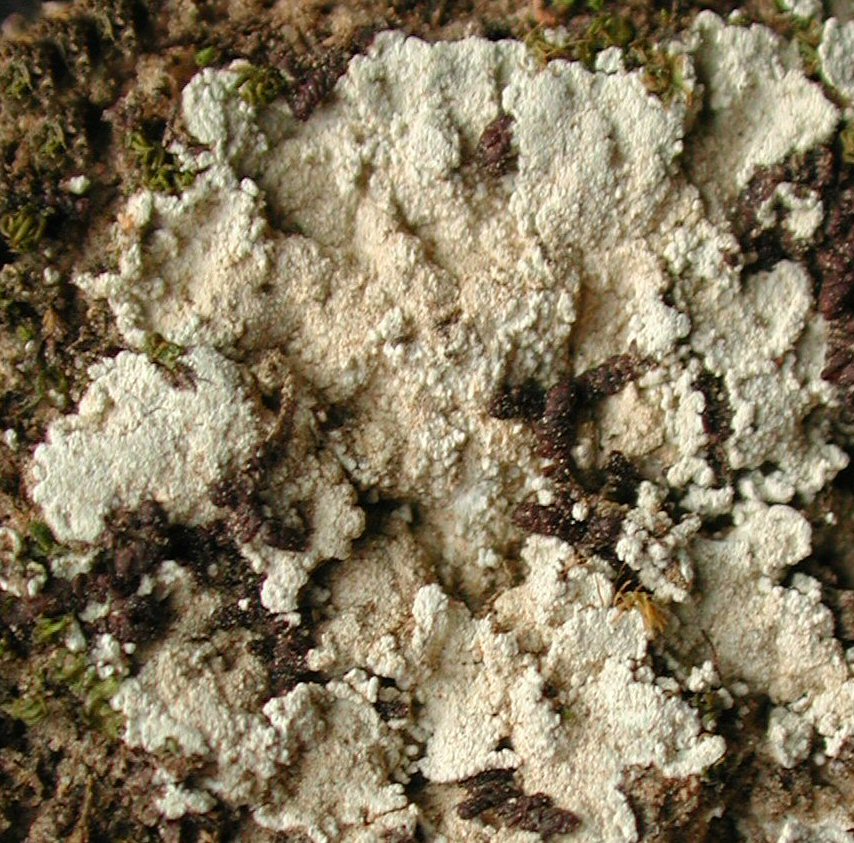
Elena Pittao CC BY-SA 4.0
Herbarium: TSB37896
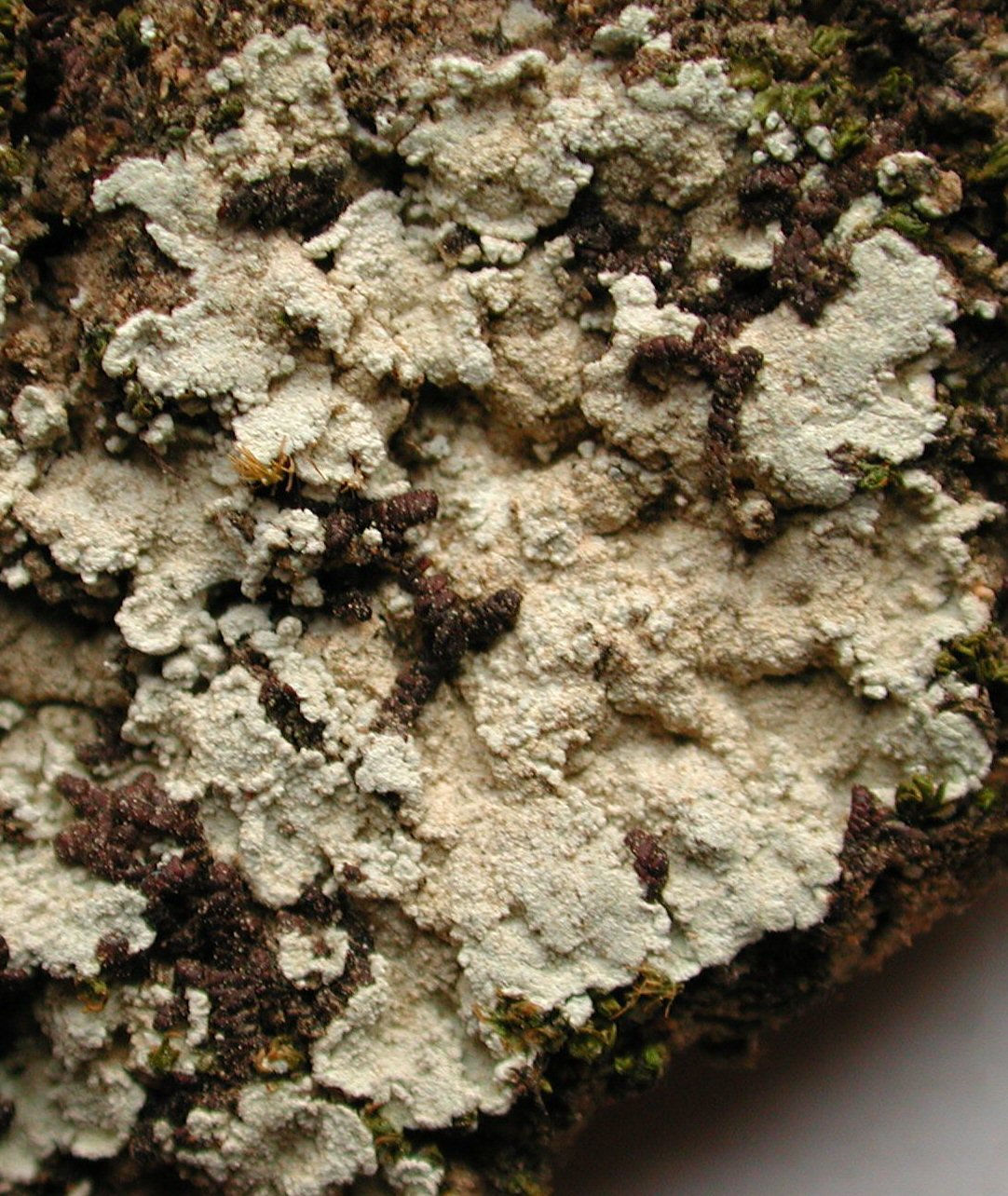
Elena Pittao CC BY-SA 4.0
Herbarium: TSB37896
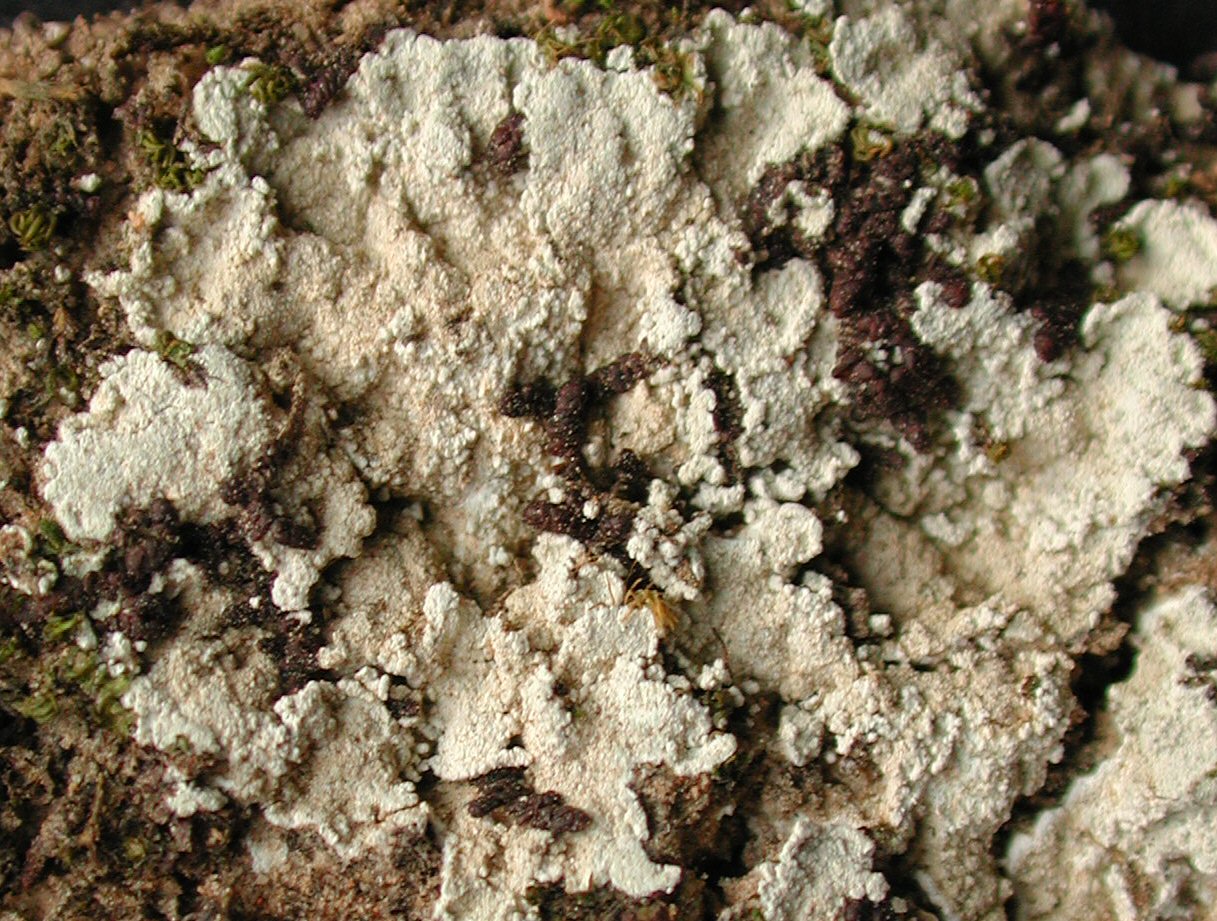
Elena Pittao CC BY-SA 4.0
Herbarium: TSB37896
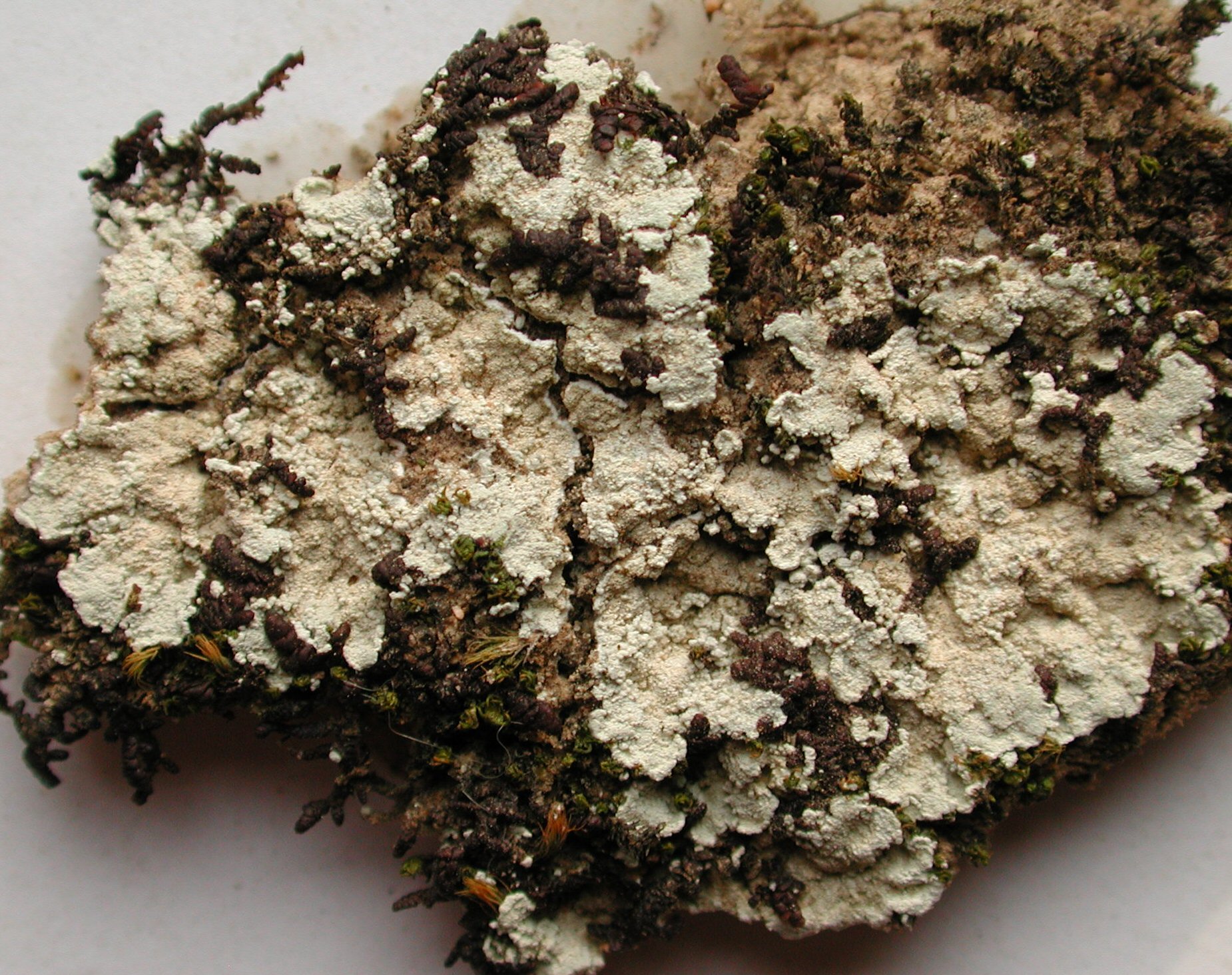
Elena Pittao CC BY-SA 4.0
Herbarium: TSB37896
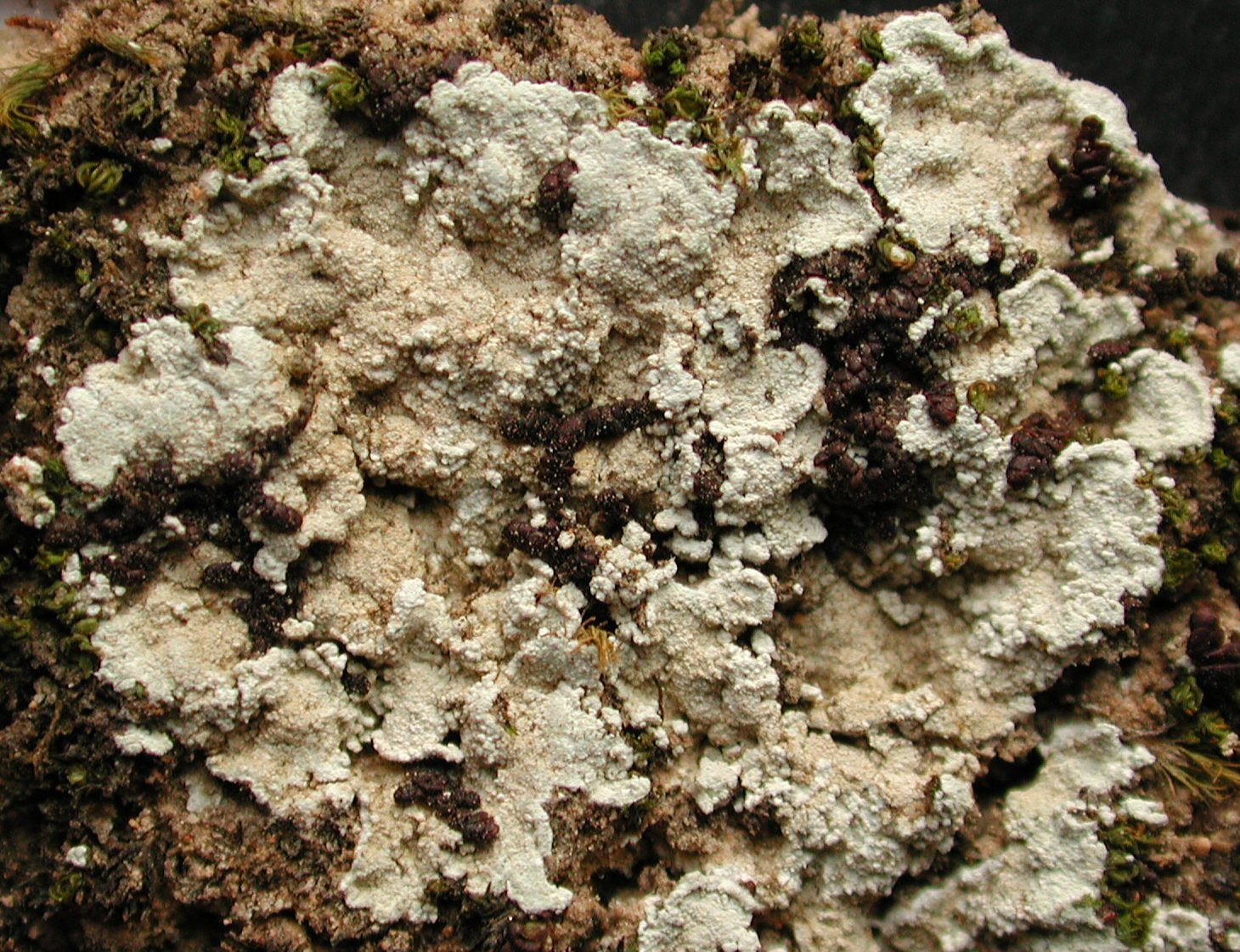
Elena Pittao CC BY-SA 4.0
Herbarium: TSB37896
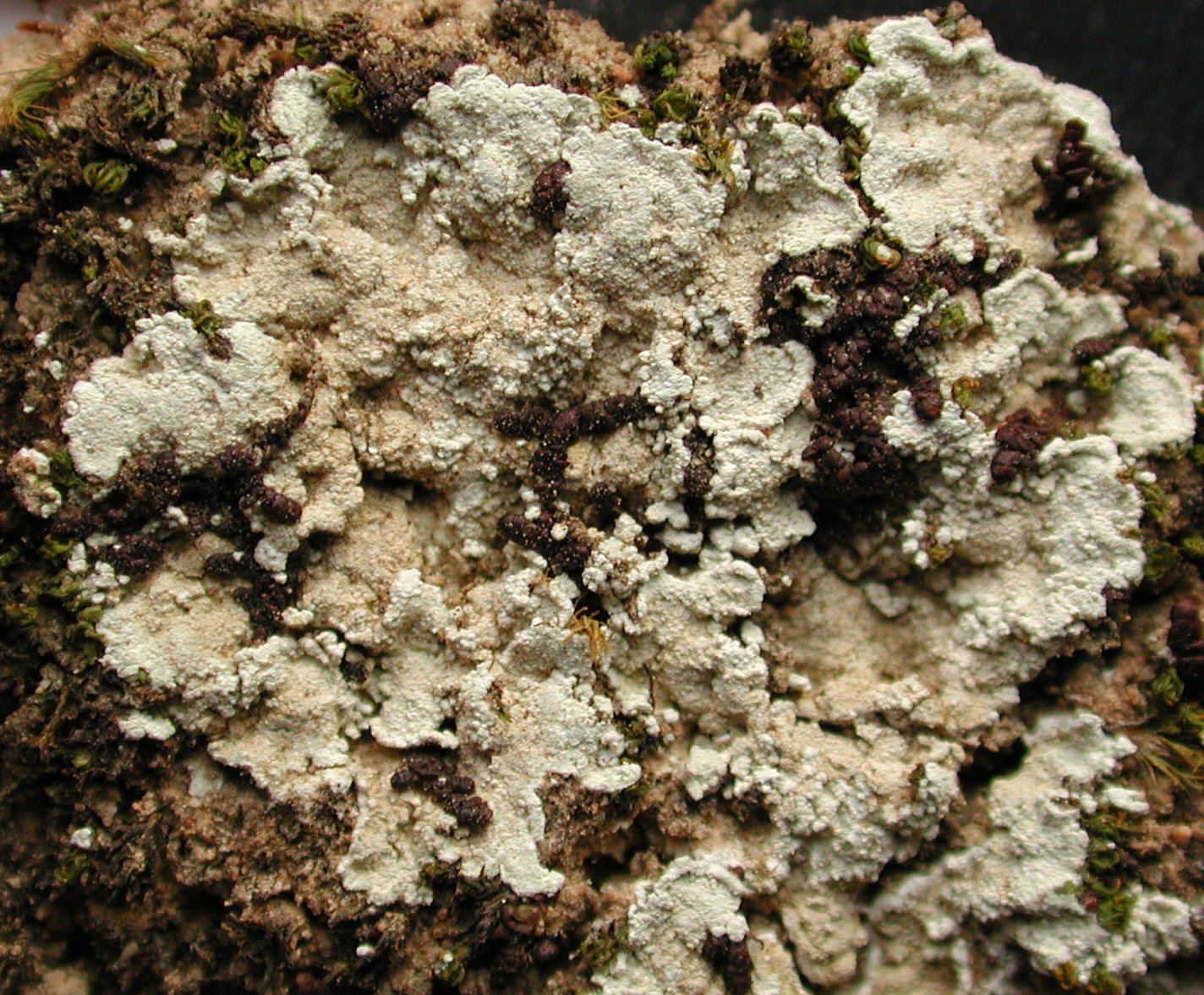
Elena Pittao CC BY-SA 4.0
Herbarium: TSB37896
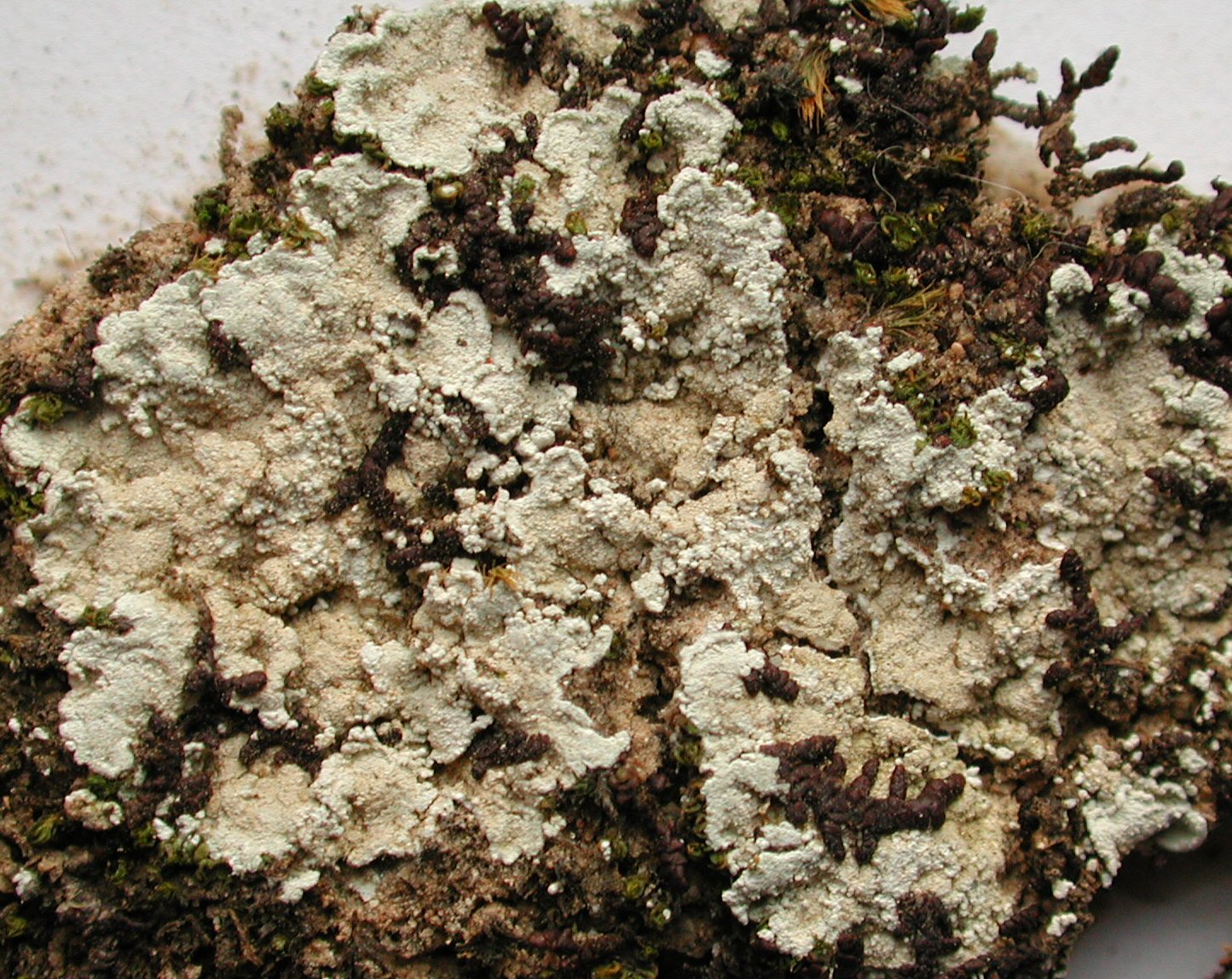
Elena Pittao CC BY-SA 4.0
Herbarium: TSB37896
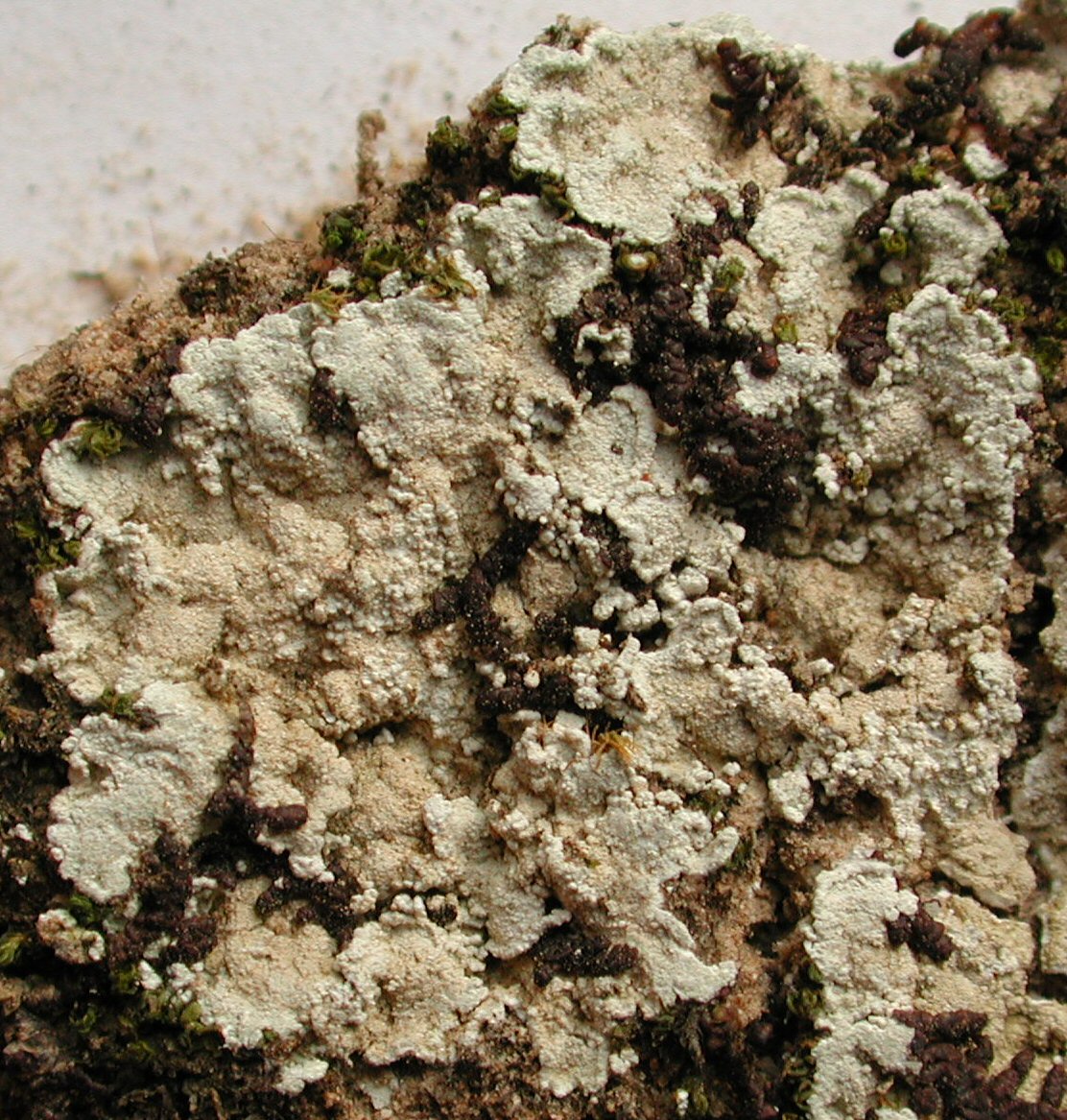
Elena Pittao CC BY-SA 4.0
Herbarium: TSB37896

Elena Pittao CC BY-SA 4.0
Herbarium: TSB37896

Elena Pittao CC BY-SA 4.0
Herbarium: TSB37896
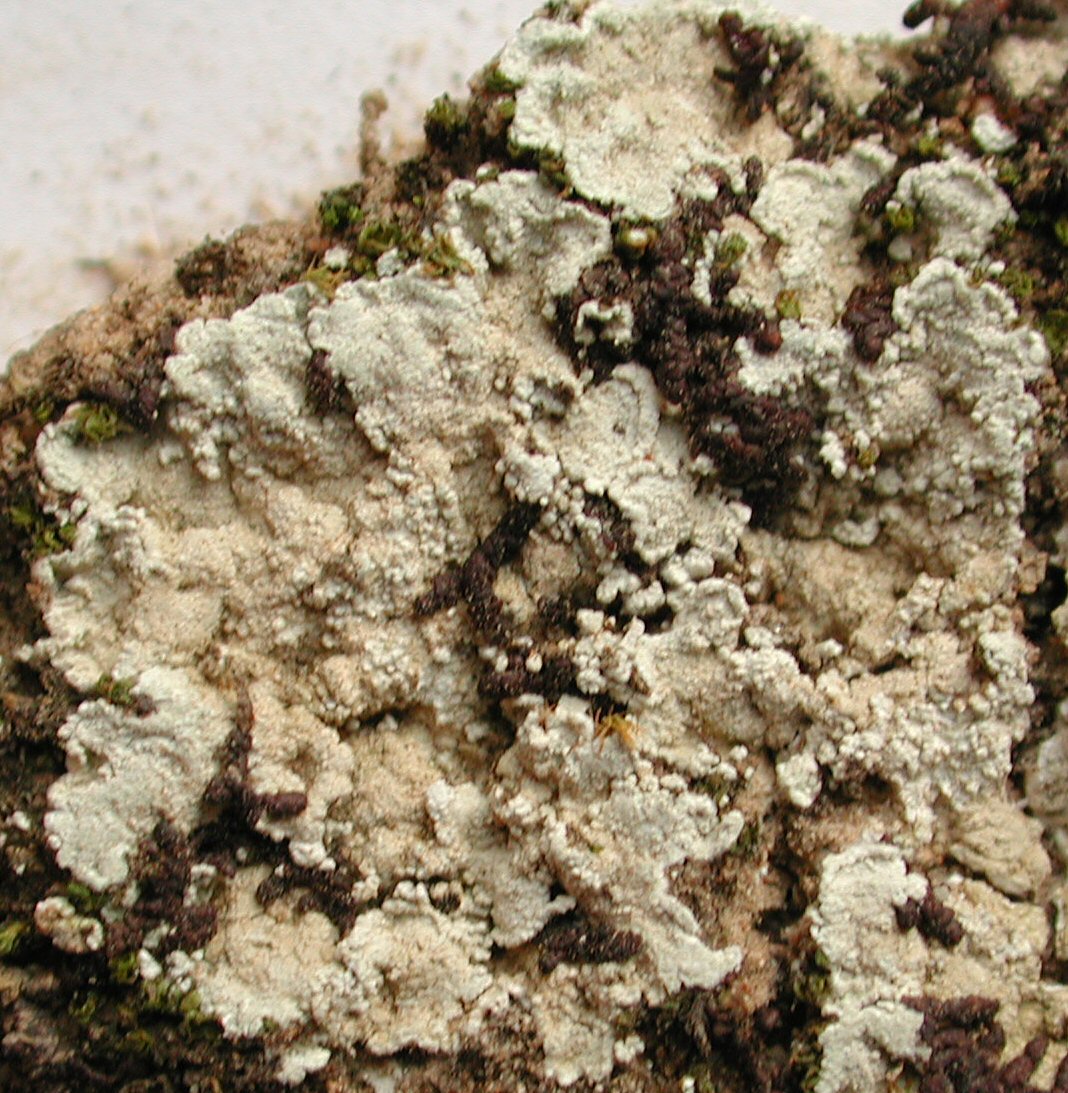
Elena Pittao CC BY-SA 4.0
Herbarium: TSB37896
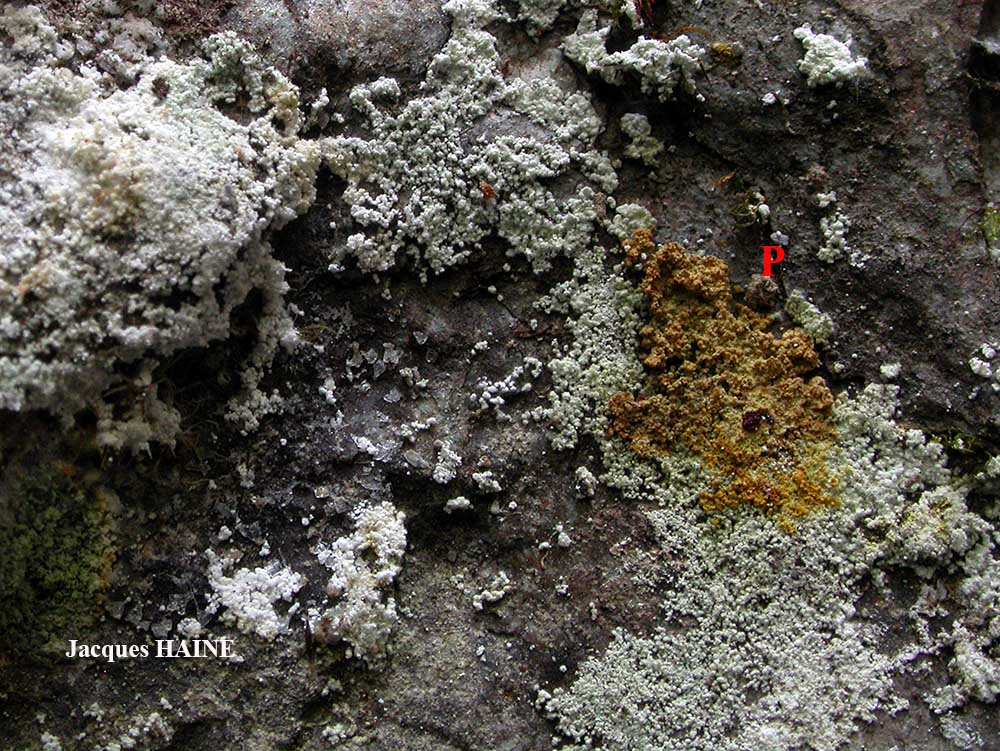
Jacques Haine - Source: http://www.lichensmaritimes.org/index.php?task=fiche&lichen=691&lang=en
France, Ardennes
Jacques Haine - Source: http://www.lichensmaritimes.org/index.php?task=fiche&lichen=691&lang=en
France, Ardennes
Jacques Haine - Source: http://www.lichensmaritimes.org/index.php?task=fiche&lichen=691&lang=en
France, Ardennes
Bernard Bouffinier - Source: http://www.lichensmaritimes.org/index.php?task=fiche&lichen=691&lang=en
France, Crozon
Bernard Bouffinier - Source: http://www.lichensmaritimes.org/index.php?task=fiche&lichen=691&lang=en
France, Crozon
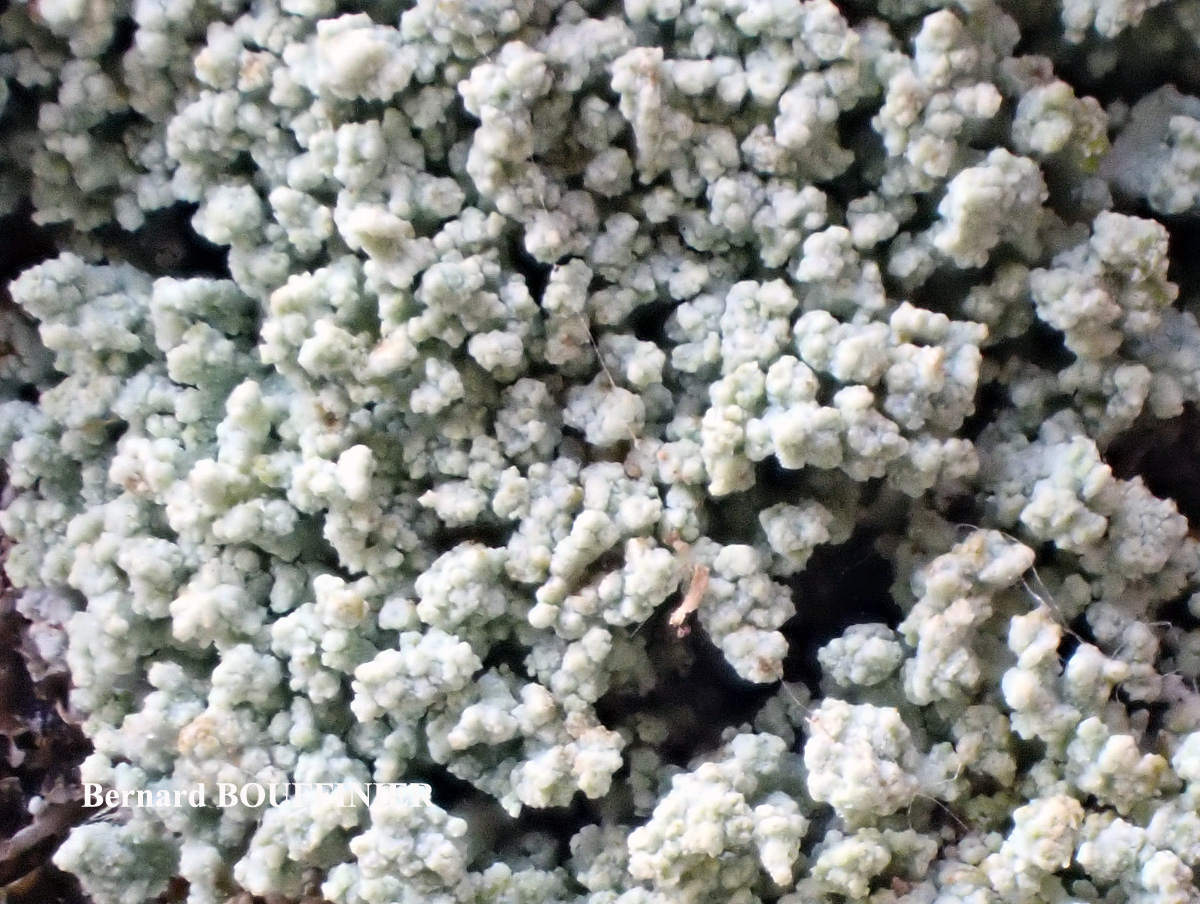
Bernard Bouffinier - Source: http://www.lichensmaritimes.org/index.php?task=fiche&lichen=691&lang=en
France, Lanveoc
on schist
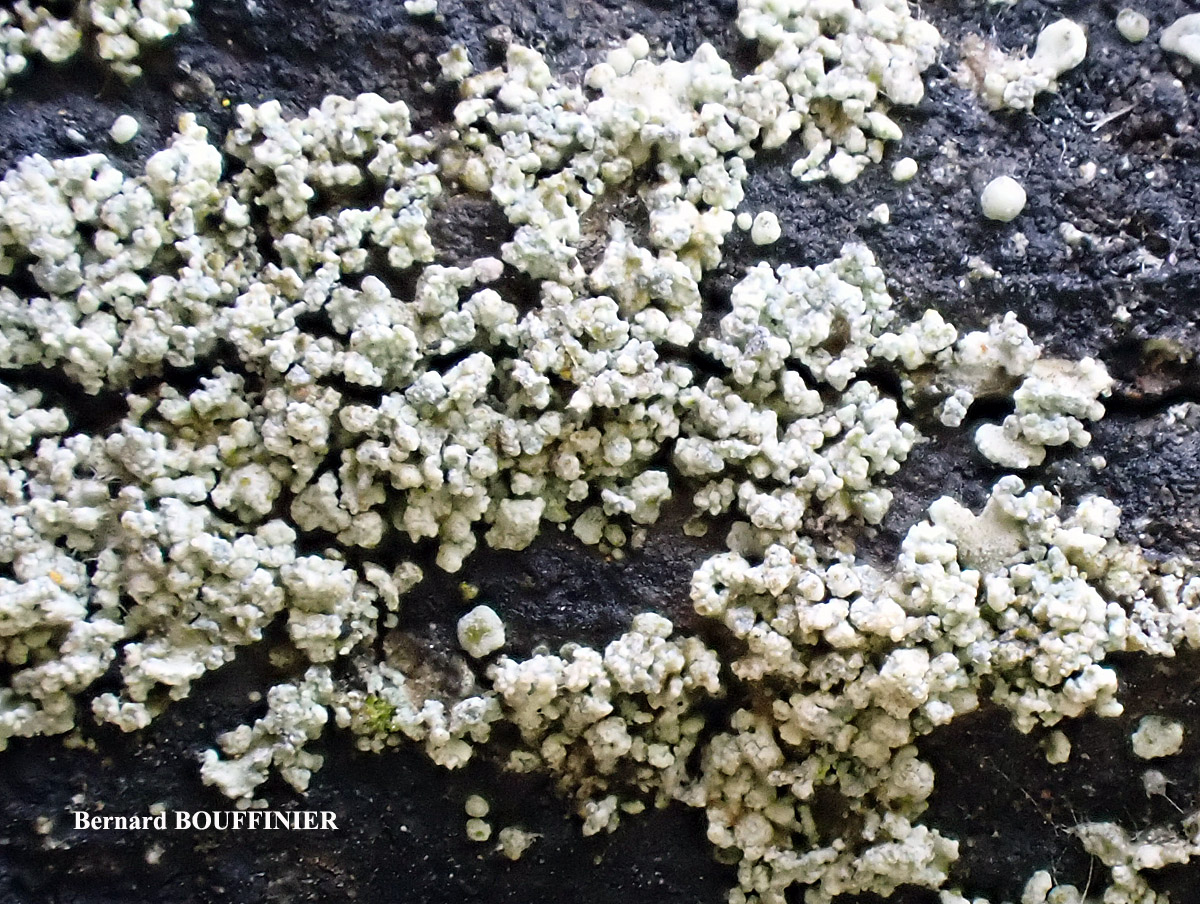
Bernard Bouffinier - Source: http://www.lichensmaritimes.org/index.php?task=fiche&lichen=691&lang=en
France, Lanveoc
on schist
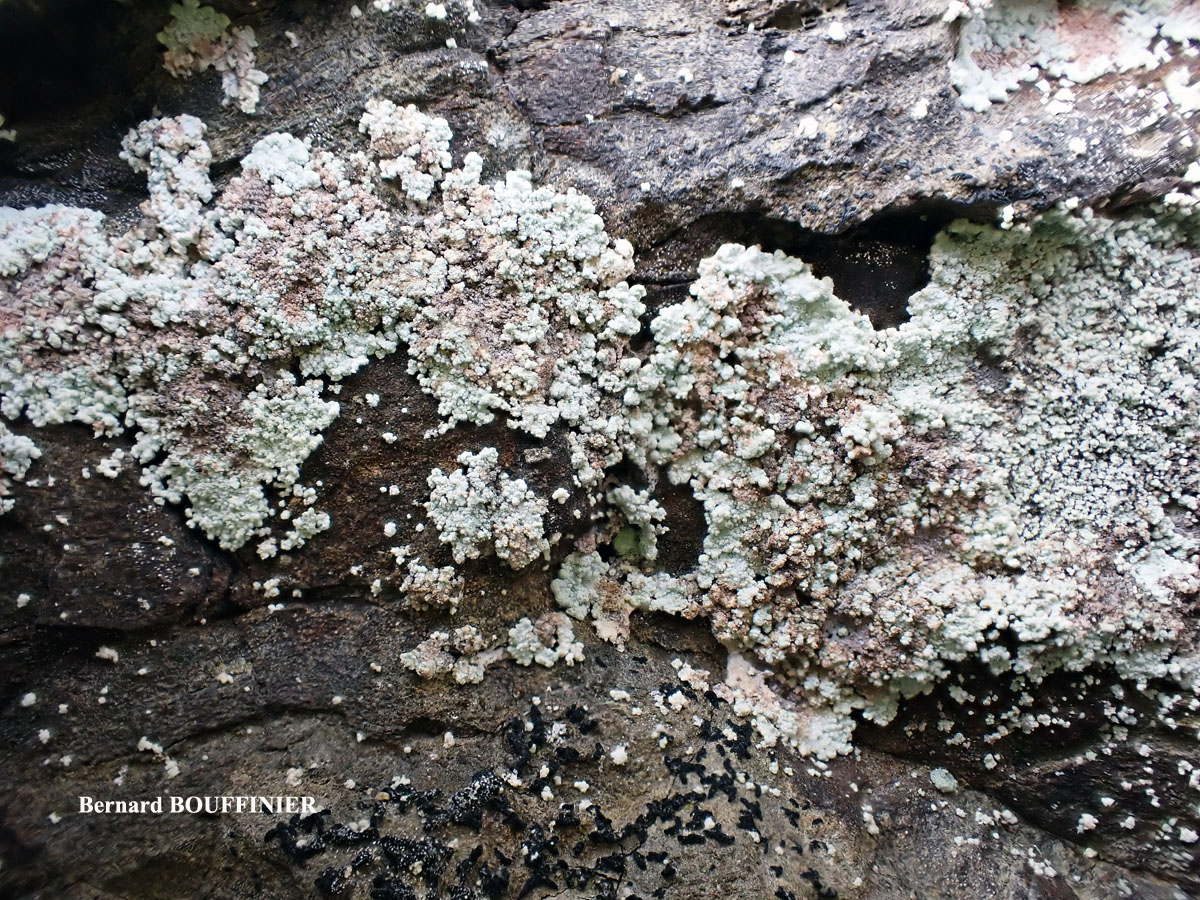
Bernard Bouffinier - Source: http://www.lichensmaritimes.org/index.php?task=fiche&lichen=691&lang=en
France, Lanveoc
on schist
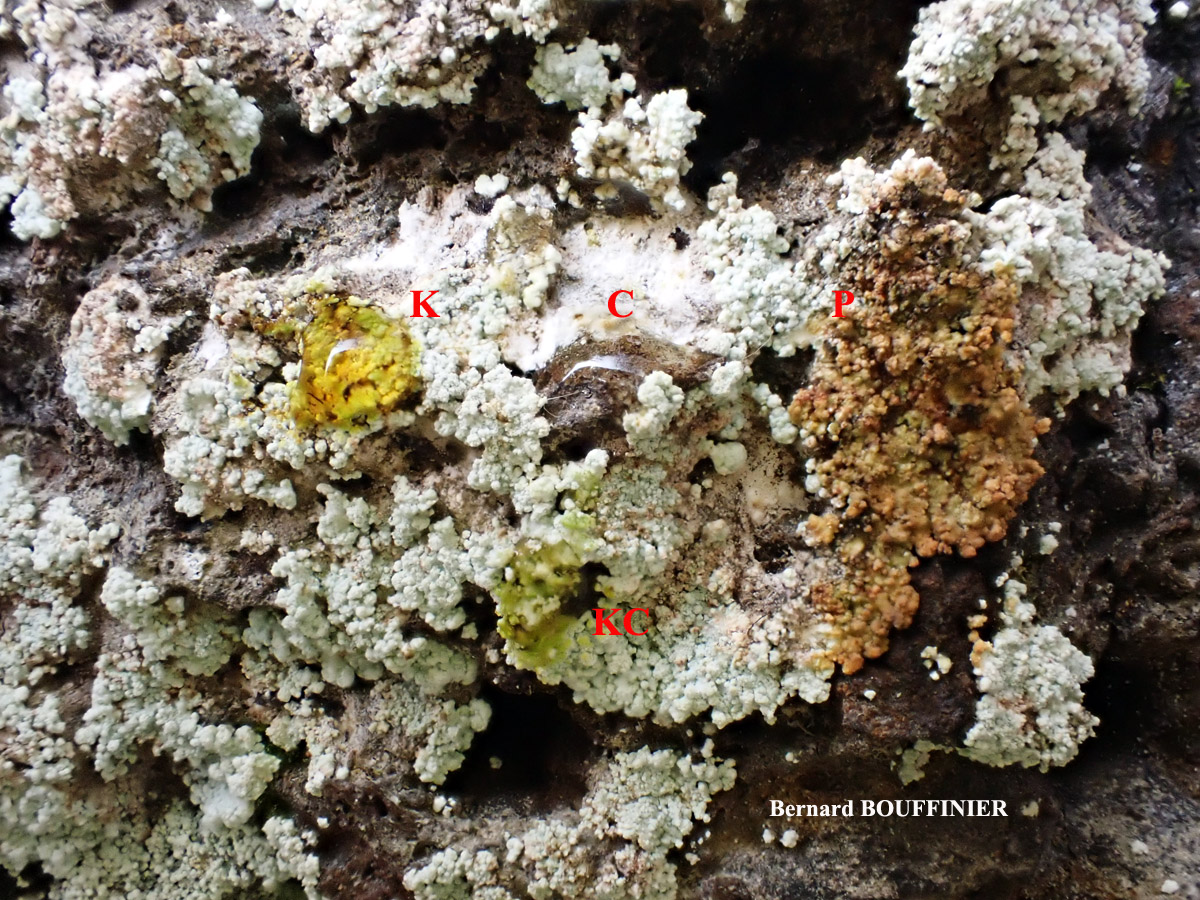
Bernard Bouffinier - Source: http://www.lichensmaritimes.org/index.php?task=fiche&lichen=691&lang=en
France, Lanveoc
on schist
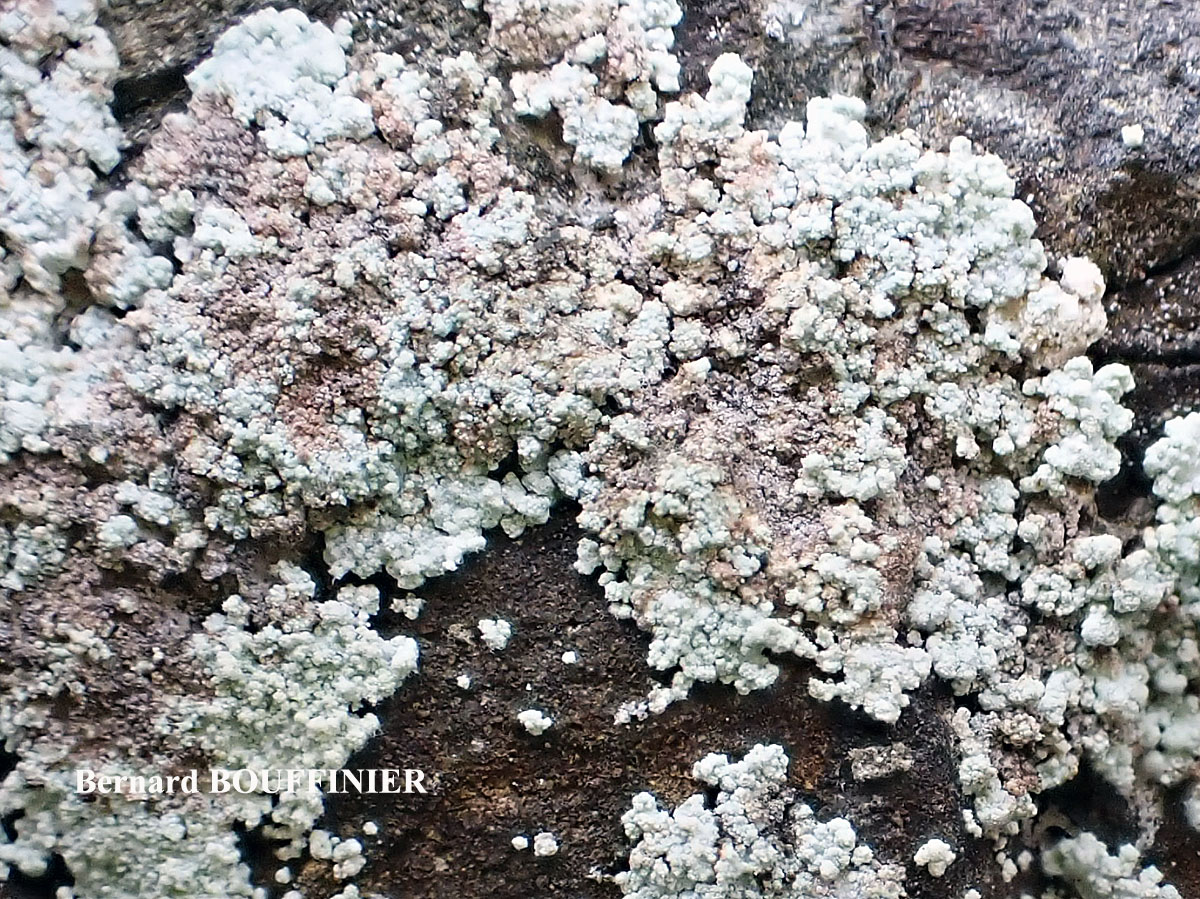
Bernard Bouffinier - Source: http://www.lichensmaritimes.org/index.php?task=fiche&lichen=691&lang=en
France, Lanveoc
on schist
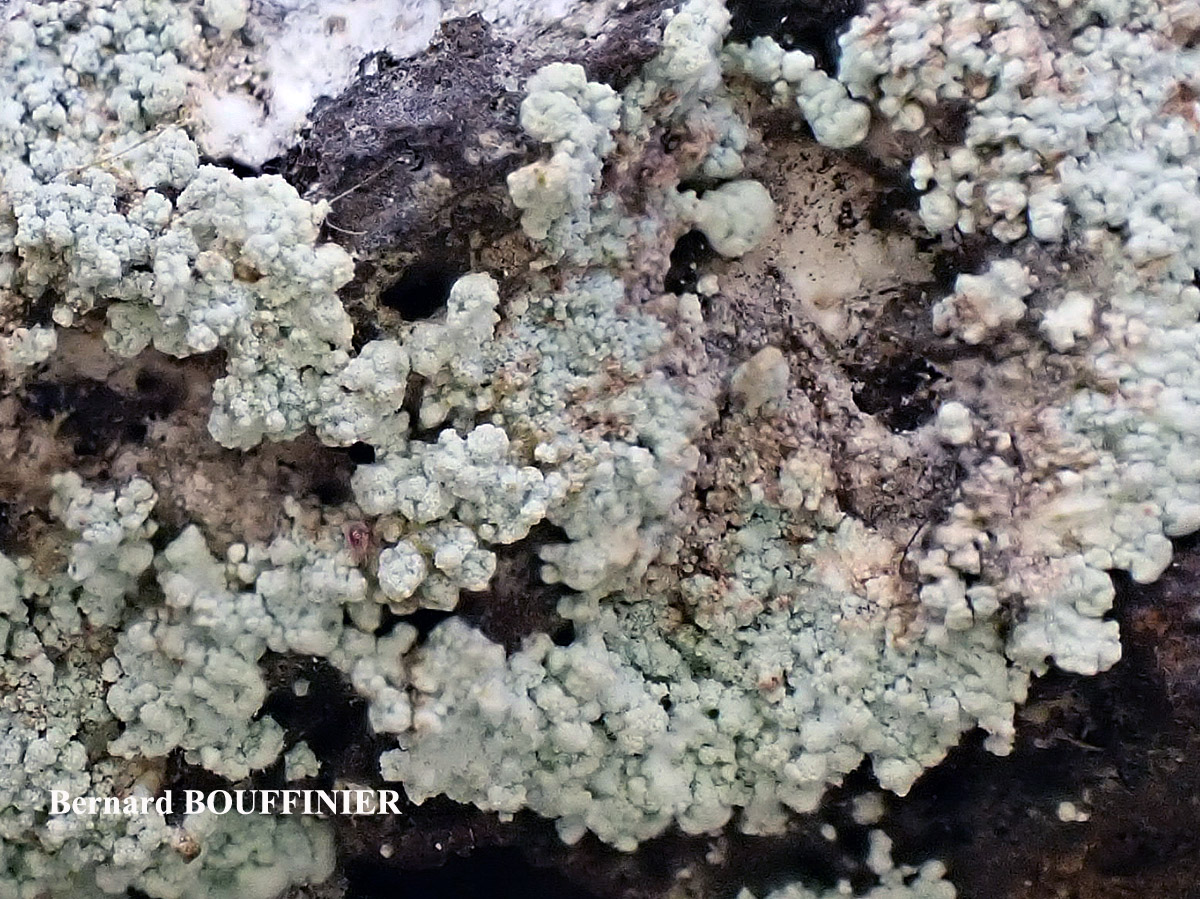
Bernard Bouffinier - Source: http://www.lichensmaritimes.org/index.php?task=fiche&lichen=691&lang=en
France, Lanveoc
on schist

Source: Timdal, E. & Tønsberg, T. 2021. Lepraria lobificans (syn. L. santosii) and L. sylvicola new to northern Europe from Norway. Graphis Scripta 33 (3): 50–58. Oslo. ISSN 2002-4495. - CC BY-4.0
Lepraria lobificans, Norway (BG-L-98010). Scale bar = 2 mm. Photo E. Timdal.

Source: Timdal, E. & Tønsberg, T. 2021. Lepraria lobificans (syn. L. santosii) and L. sylvicola new to northern Europe from Norway. Graphis Scripta 33 (3): 50–58. Oslo. ISSN 2002-4495. - CC BY-4.0
close-ups of the population represented by BG- L-105286. Photos T. Tønsberg 2021-03-16.