Lopadium disciforme (Flot.) Kullh.
Not. Sällsk. Fauna Fl. Fenn., 11: 275, 1870. Basionym: Heterothecium pezizoideum var. disciforme Flot. - Bot. Zeit., 8: 553, 1850.
Synonyms: Lopadium pezizoideum var. disciforme (Flot.) Körb.; Sporopodium pezizoideum var. disciforme (Flot.) Vain.
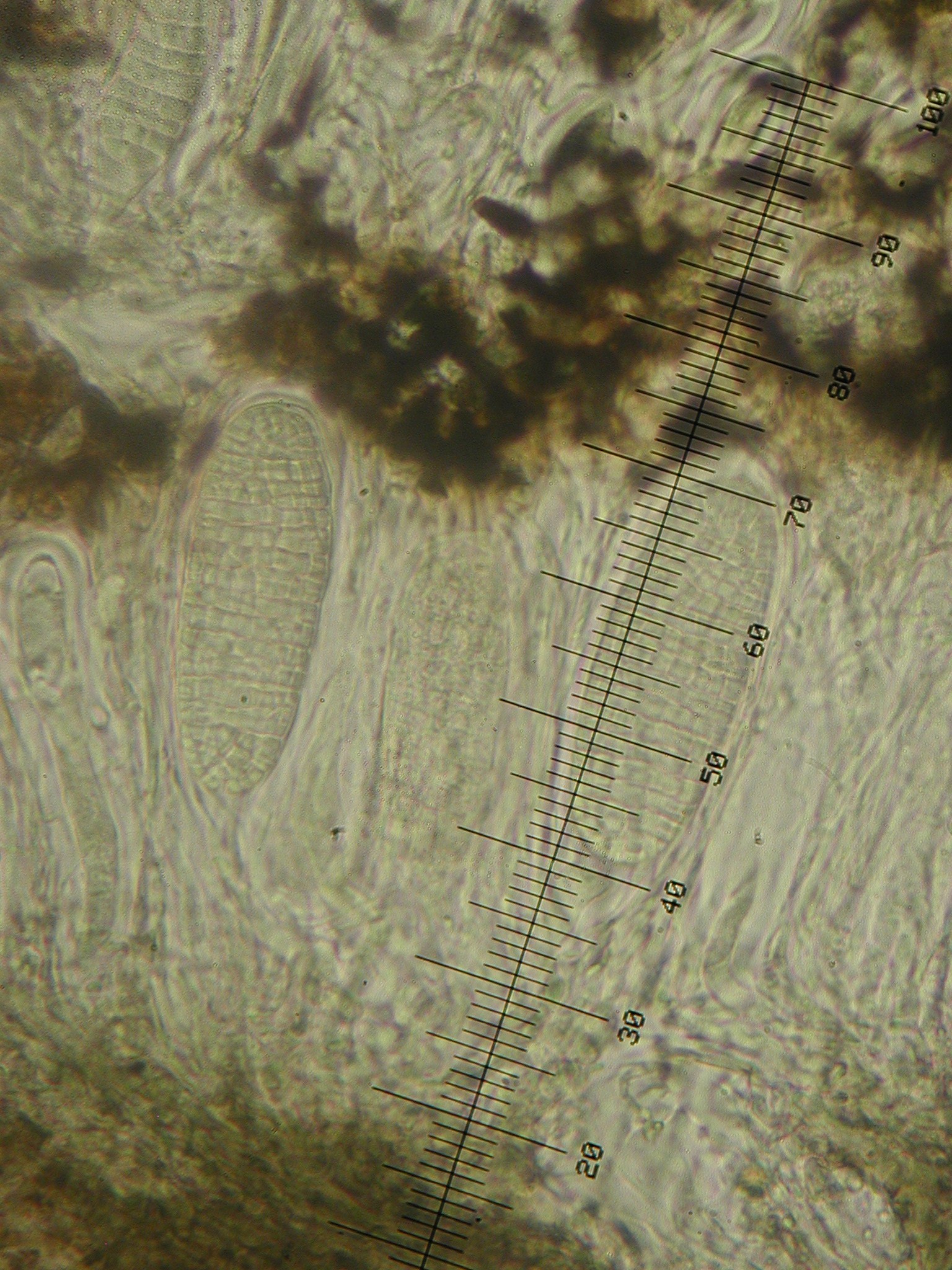
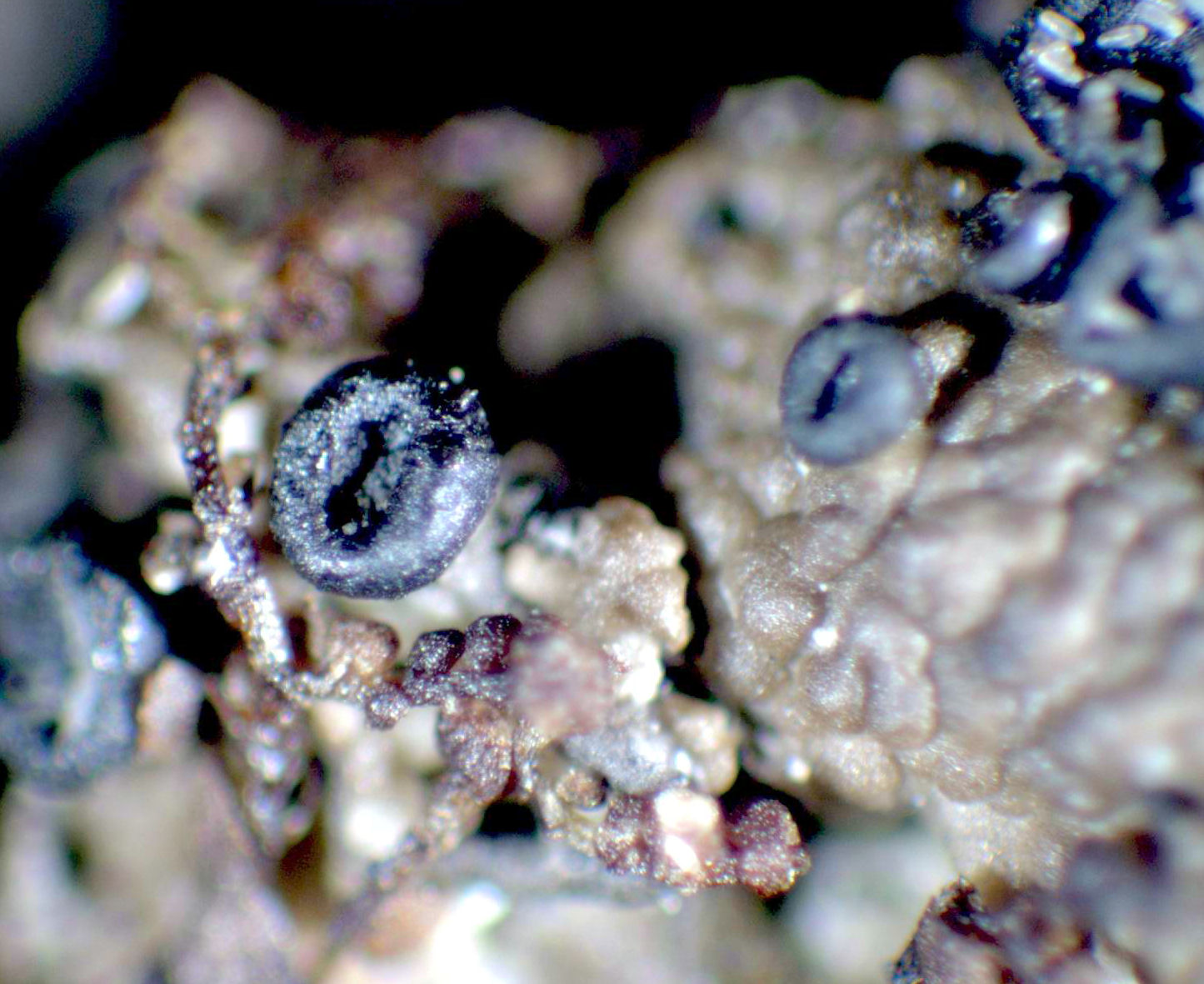
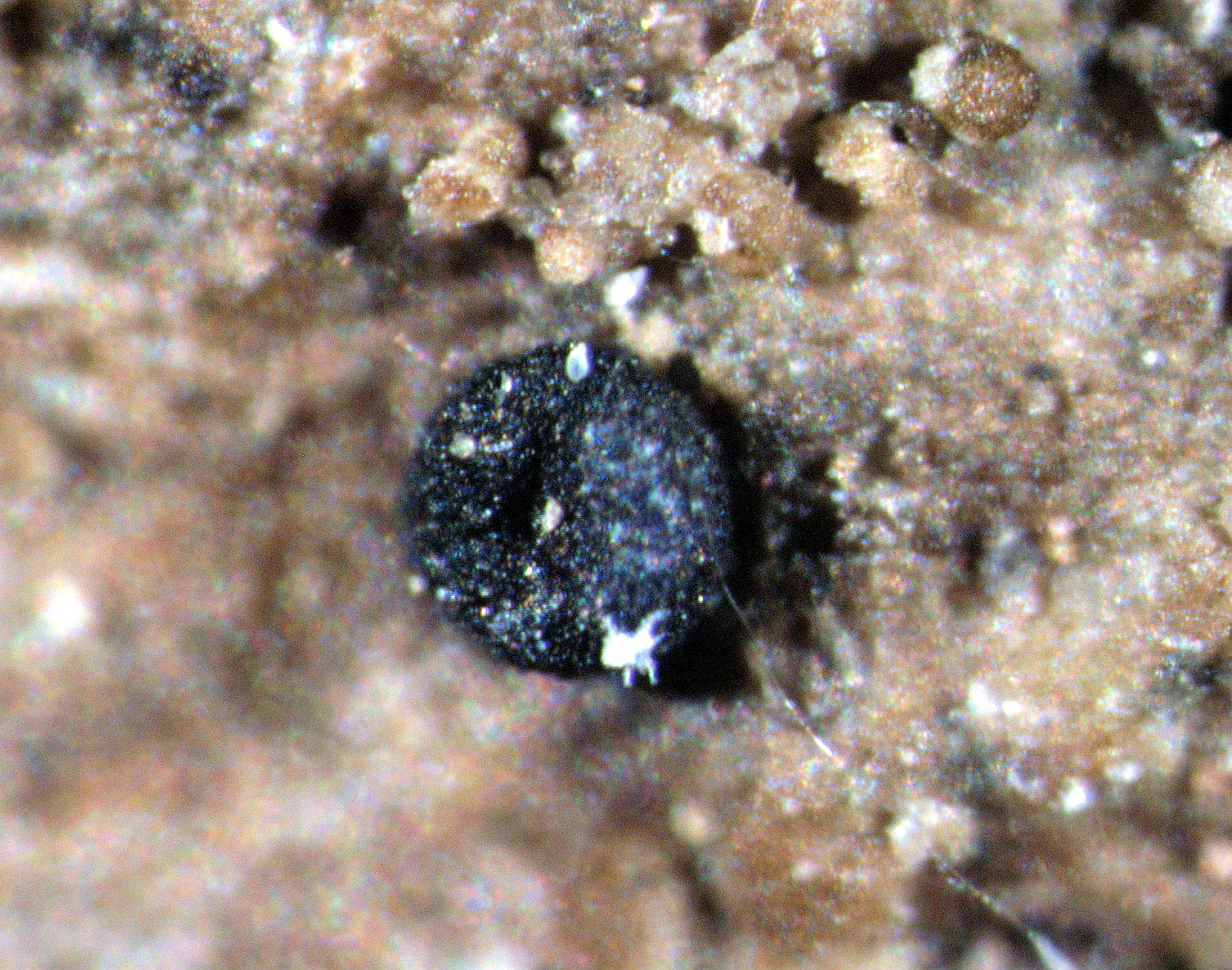
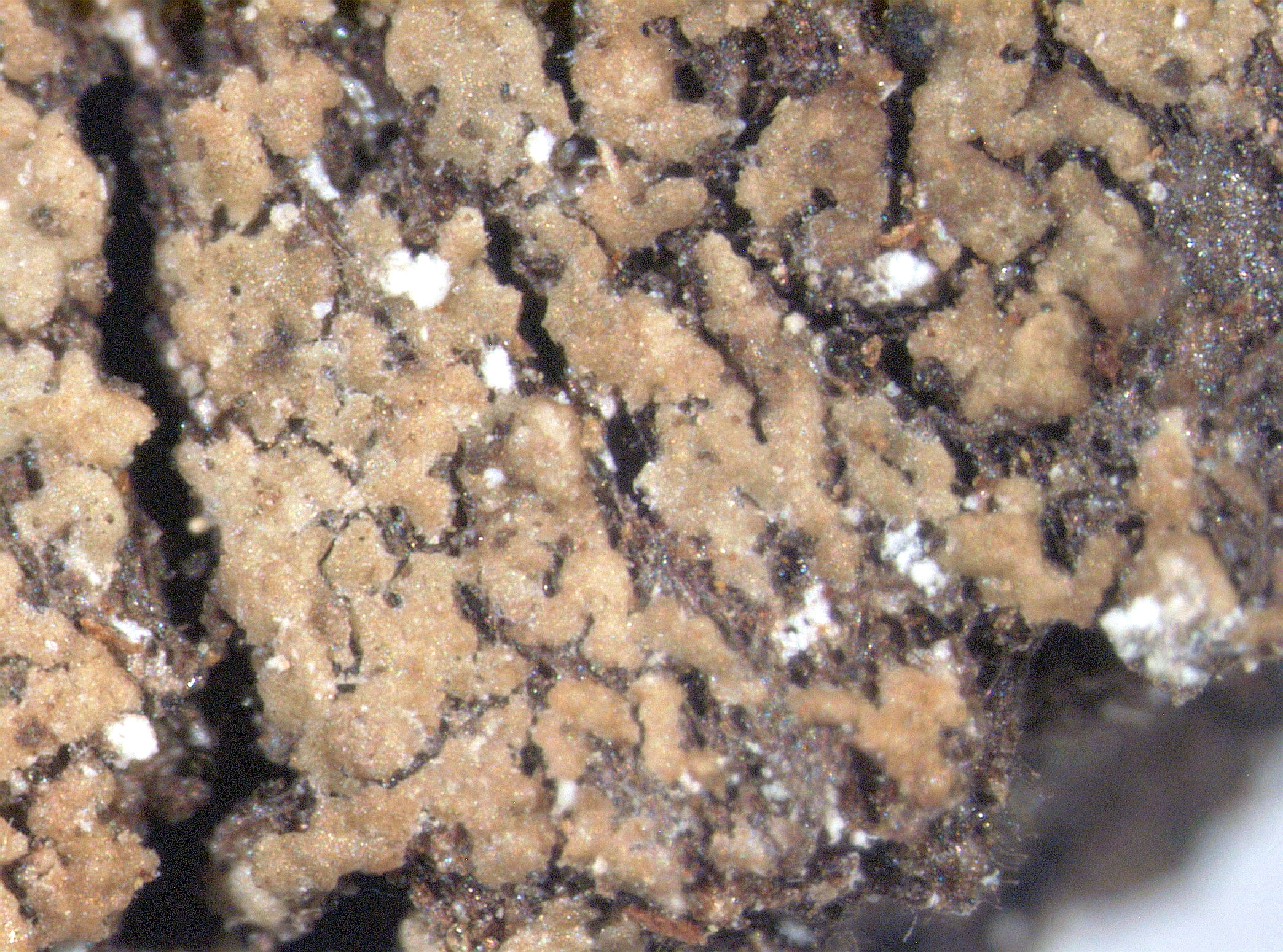
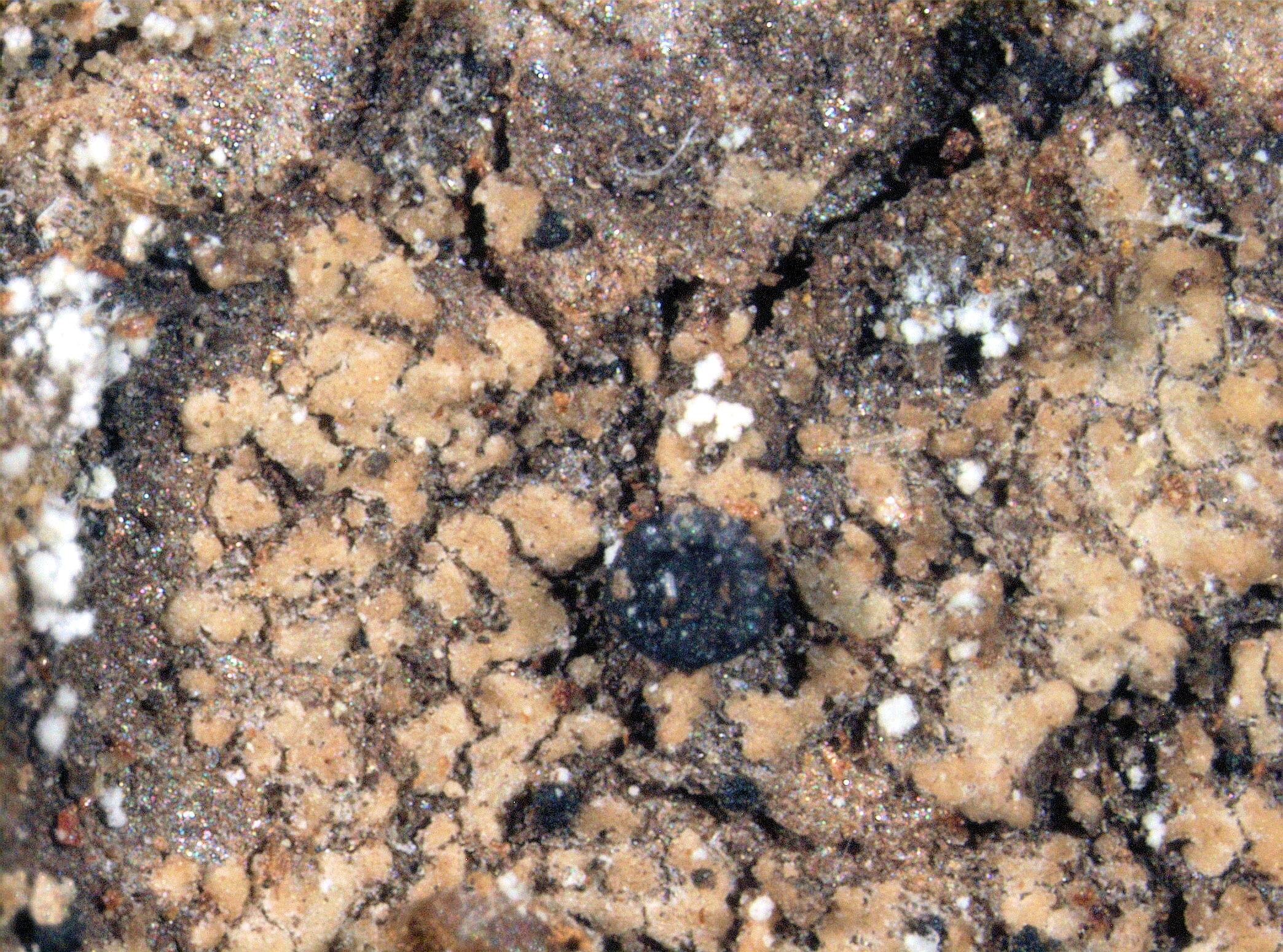
Description: Thallus crustose, episubstratic, areolate-subsquamulose or granulose, the areoles 0.1-0.4 mm wide, sometimes with small, marginal, isidia-like granules, dark brown to green-brown, turning green when wet, usually paler at margins. Apothecia lecideine, black, 0.4-1 mm across, sessile and strongly constricted at base, with a markedly concave to flat disc, and a thick, smooth, prominent proper margin. Exciple paraplectenchymatous, of radiating hyphae, dark red-brown in outer part, paler within; epithecium dark brown; hymenium colourless; paraphyses simple or forked in upper part, up to 2.5 µm thick at mid-level, the apical cells 4-7 µm wide, with a conical dark cap; hypothecium brown-black, K-. Asci 1-spored, ellipsoid to clavate-cylindrical, thick-walled, the outer layer K/I+ blue, without a distinct apical dome, with a thin, K/I+ blue zone under the wall. Ascospores strongly muriform, hyaline (overmature spores sometimes pale yellowish brown), oblong-ellipsoid, 70-115 x 20-47 µm. Photobiont chlorococcoid. Spot tests: K-, C-, KC-, P-, UV-. Chemistry: without lichen substances.
Growth form: Crustose
Substrata: bark
Photobiont: green algae other than Trentepohlia
Reproductive strategy: mainly sexual
Commonnes-rarity: (info)
Alpine belt: absent
Subalpine belt: extremely rare
Montane belt: very rare
Dry submediterranean belt: extremely rare
Humid submediterranean belt: absent
Padanian area: absent
pH of the substrata:
1 2 3 4 5

Solar irradiation:
1 2 3 4 5
Aridity:
1 2 3 4 5
Eutrophication:
1 2 3 4 5
Poleotolerance:
0 1 2 3
Altitudinal distribution:
1 2 3 4 5 6
Rarity
absent
extremely rare
very rare
rare
rather rare
rather common
common
very common
extremely common
Loading data...
Occurrence data
Predictive map

P.L. Nimis CC BY-SA 4.0
TSB 44173

Juri Nascimbene - CC BY-SA 4.0
Paneveggio, Reg. Trentino-Alto Adige Prov. Trento, Italy.
2009

Curtis Randall Björk – CC BY-SA 4.0
British Columbia, Clearwater Valley, Grouse Creek area Date: 2012-05-02 On trunk of Betula papyrifera in humid forest

Domenico Puntillo; Owner: Domenico Puntillo
Italy

P.L. Nimis CC BY-SA 4.0
TSB 38859

Pier Luigi Nimis - CC BY-SA 4.0
TSB 44173

Juri Nascimbene - CC BY-SA 4.0
Paneveggio, Reg. Trentino-Alto Adige Prov. Trento, Italy.
2009

P.L. Nimis CC BY-SA 4.0
TSB 41253

P.L. Nimis CC BY-SA 4.0
TSB 20771

P.L. Nimis CC BY-SA 4.0
TSB 38899

P.L. Nimis CC BY-SA 4.0
TSB 41253

P.L. Nimis CC BY-SA 4.0
TSB 41253

P.L. Nimis CC BY-SA 4.0
TSB 41253

P.L. Nimis CC BY-SA 4.0
TSB 44173

P.L. Nimis CC BY-SA 4.0
TSB 44173

Juri Nascimbene - CC BY-SA 4.0
Paneveggio, Reg. Trentino-Alto Adige Prov. Trento, Italy.
2009
Growth form: Crustose
Substrata: bark
Photobiont: green algae other than Trentepohlia
Reproductive strategy: mainly sexual
Commonnes-rarity: (info)
Alpine belt: absent
Subalpine belt: extremely rare
Montane belt: very rare
Dry submediterranean belt: extremely rare
Humid submediterranean belt: absent
Padanian area: absent
pH of the substrata:
| 1 | 2 | 3 | 4 | 5 |
Solar irradiation:
| 1 | 2 | 3 | 4 | 5 |
Aridity:
| 1 | 2 | 3 | 4 | 5 |
Eutrophication:
| 1 | 2 | 3 | 4 | 5 |
Poleotolerance:
| 0 | 1 | 2 | 3 |
Altitudinal distribution:
| 1 | 2 | 3 | 4 | 5 | 6 |
Rarity
absent
extremely rare
very rare
rare
rather rare
rather common
common
very common
extremely common
Loading data...
Occurrence data
Predictive map

P.L. Nimis CC BY-SA 4.0
TSB 44173

Juri Nascimbene - CC BY-SA 4.0
Paneveggio, Reg. Trentino-Alto Adige Prov. Trento, Italy.
2009
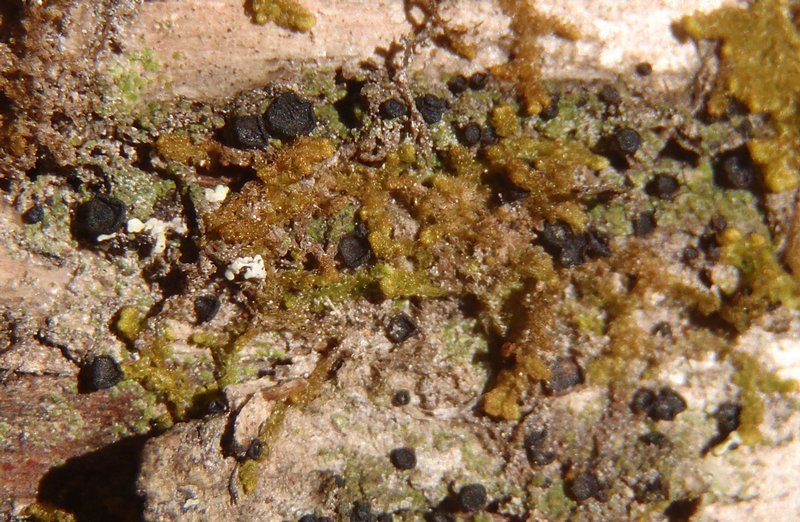
Curtis Randall Björk – CC BY-SA 4.0
British Columbia, Clearwater Valley, Grouse Creek area Date: 2012-05-02 On trunk of Betula papyrifera in humid forest
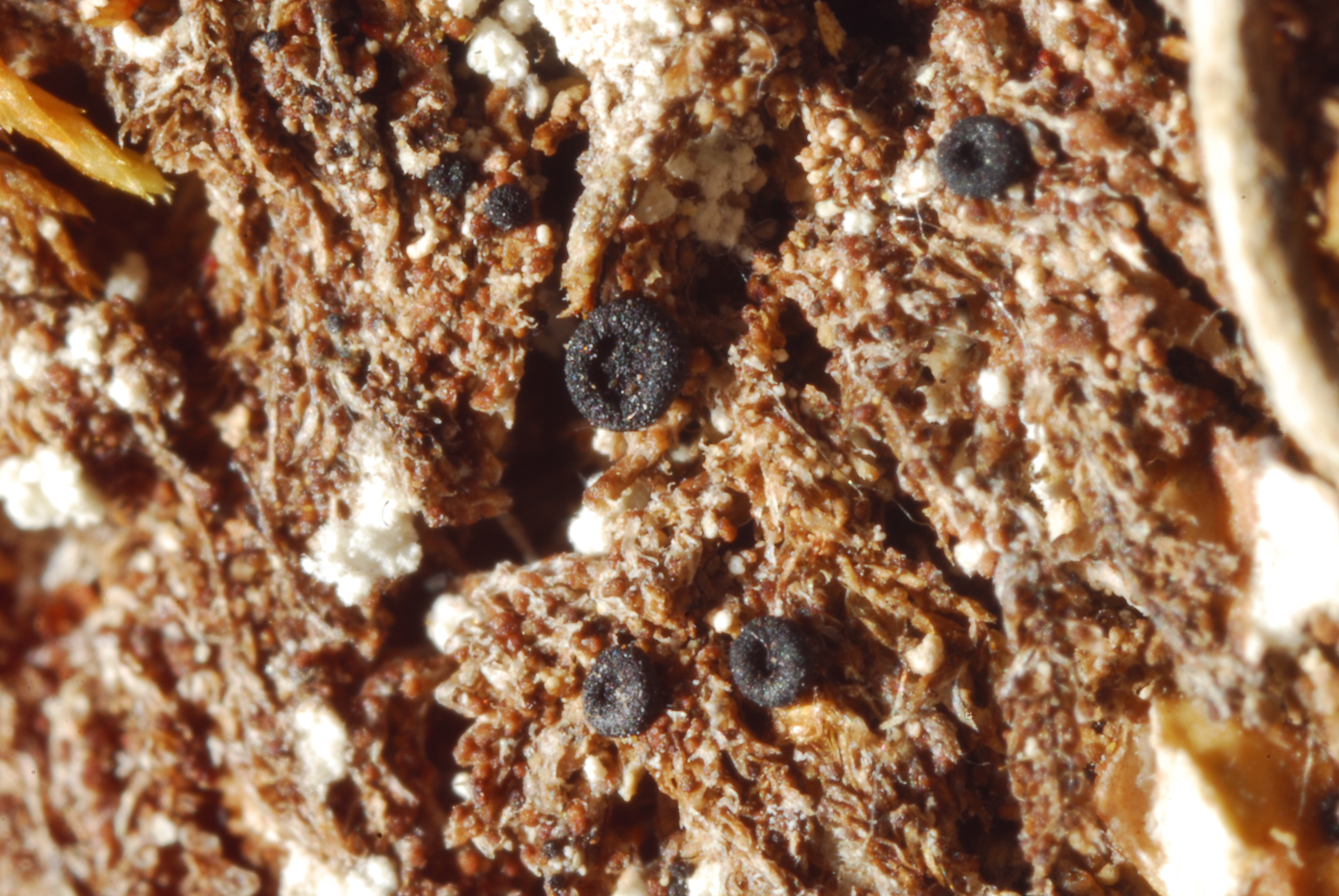
Domenico Puntillo; Owner: Domenico Puntillo
Italy
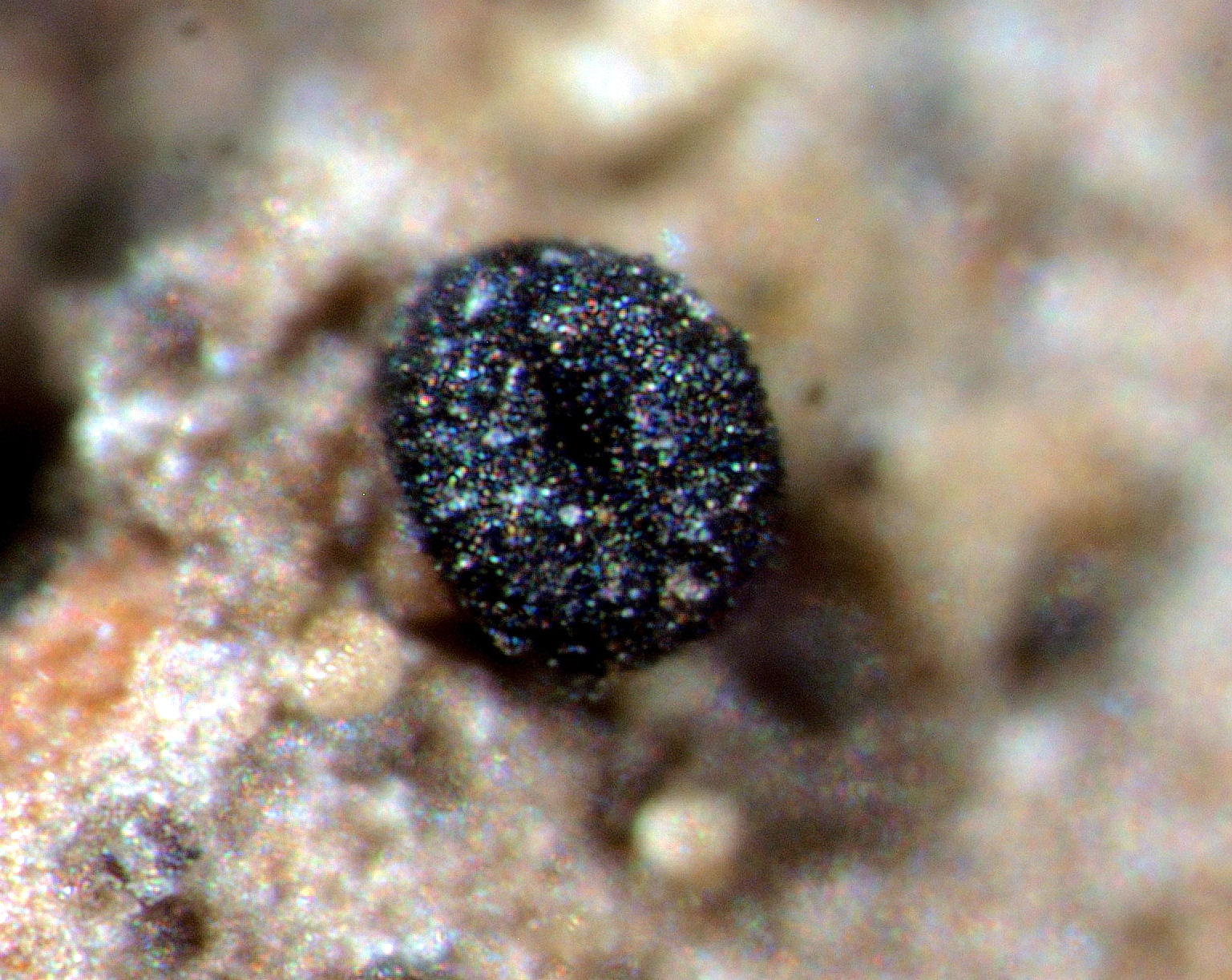
P.L. Nimis CC BY-SA 4.0
TSB 38859
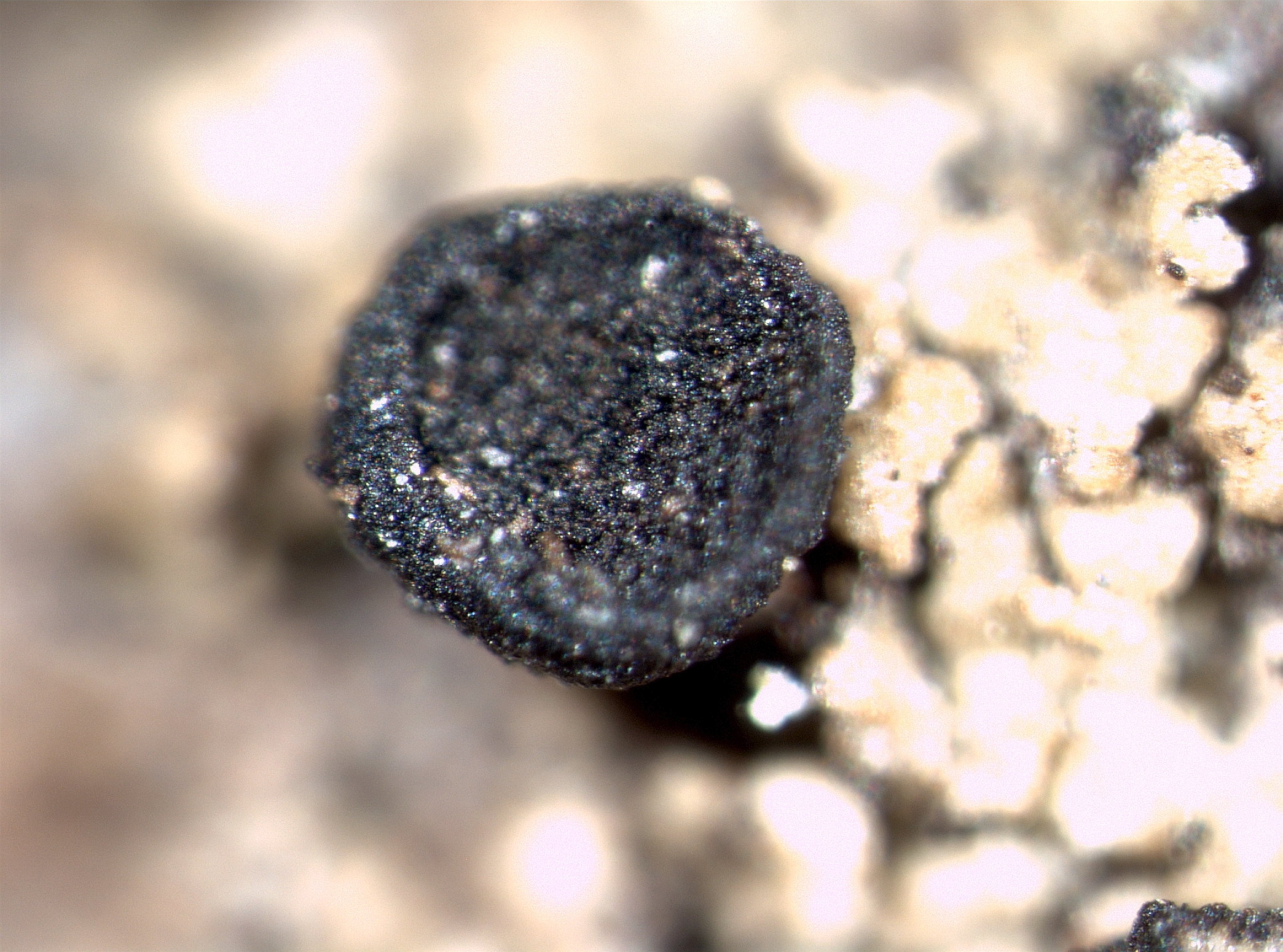
Pier Luigi Nimis - CC BY-SA 4.0
TSB 44173
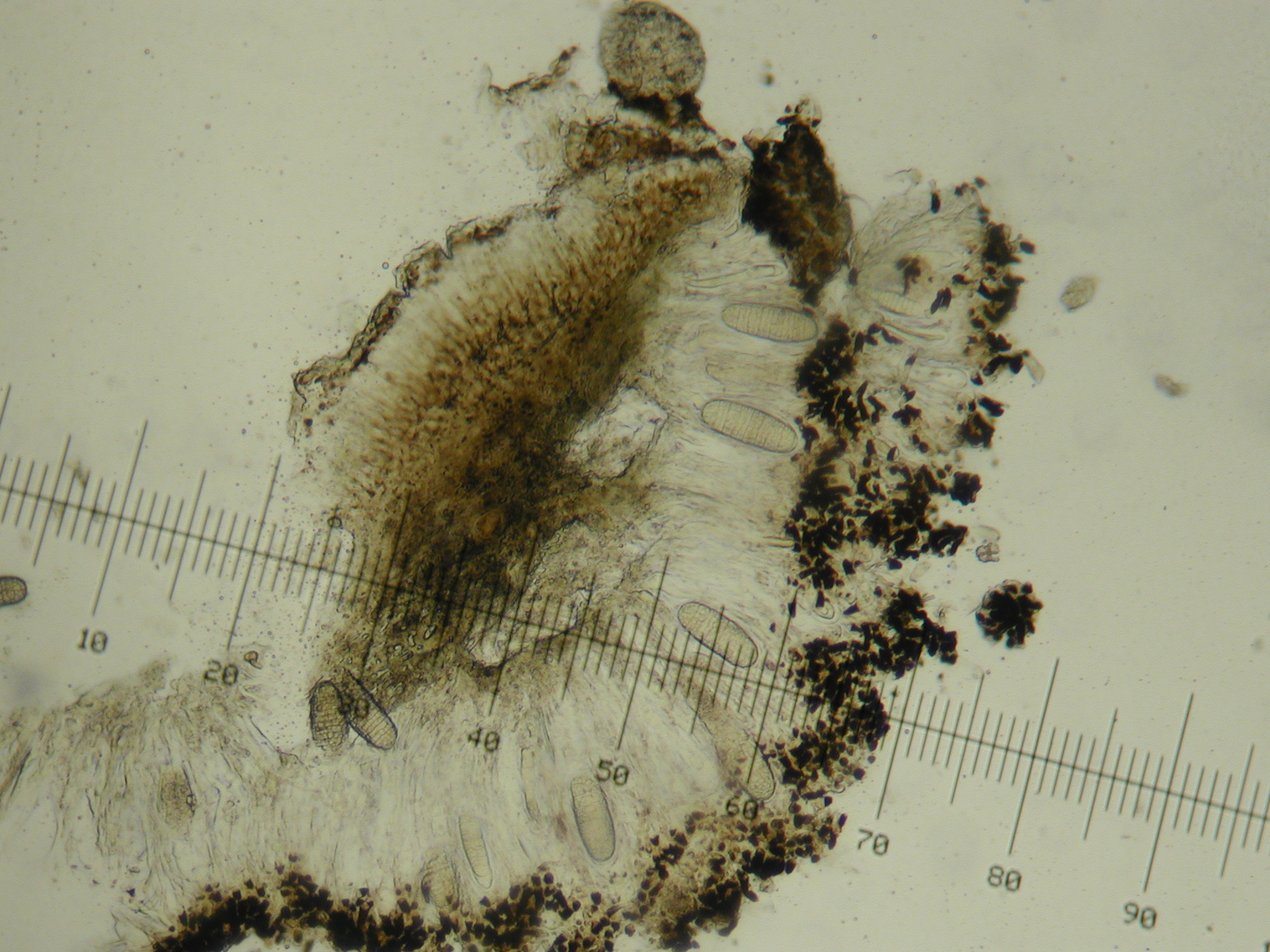
Juri Nascimbene - CC BY-SA 4.0
Paneveggio, Reg. Trentino-Alto Adige Prov. Trento, Italy.
2009

P.L. Nimis CC BY-SA 4.0
TSB 41253
P.L. Nimis CC BY-SA 4.0
TSB 20771
P.L. Nimis CC BY-SA 4.0
TSB 38899

P.L. Nimis CC BY-SA 4.0
TSB 41253
P.L. Nimis CC BY-SA 4.0
TSB 41253
P.L. Nimis CC BY-SA 4.0
TSB 41253
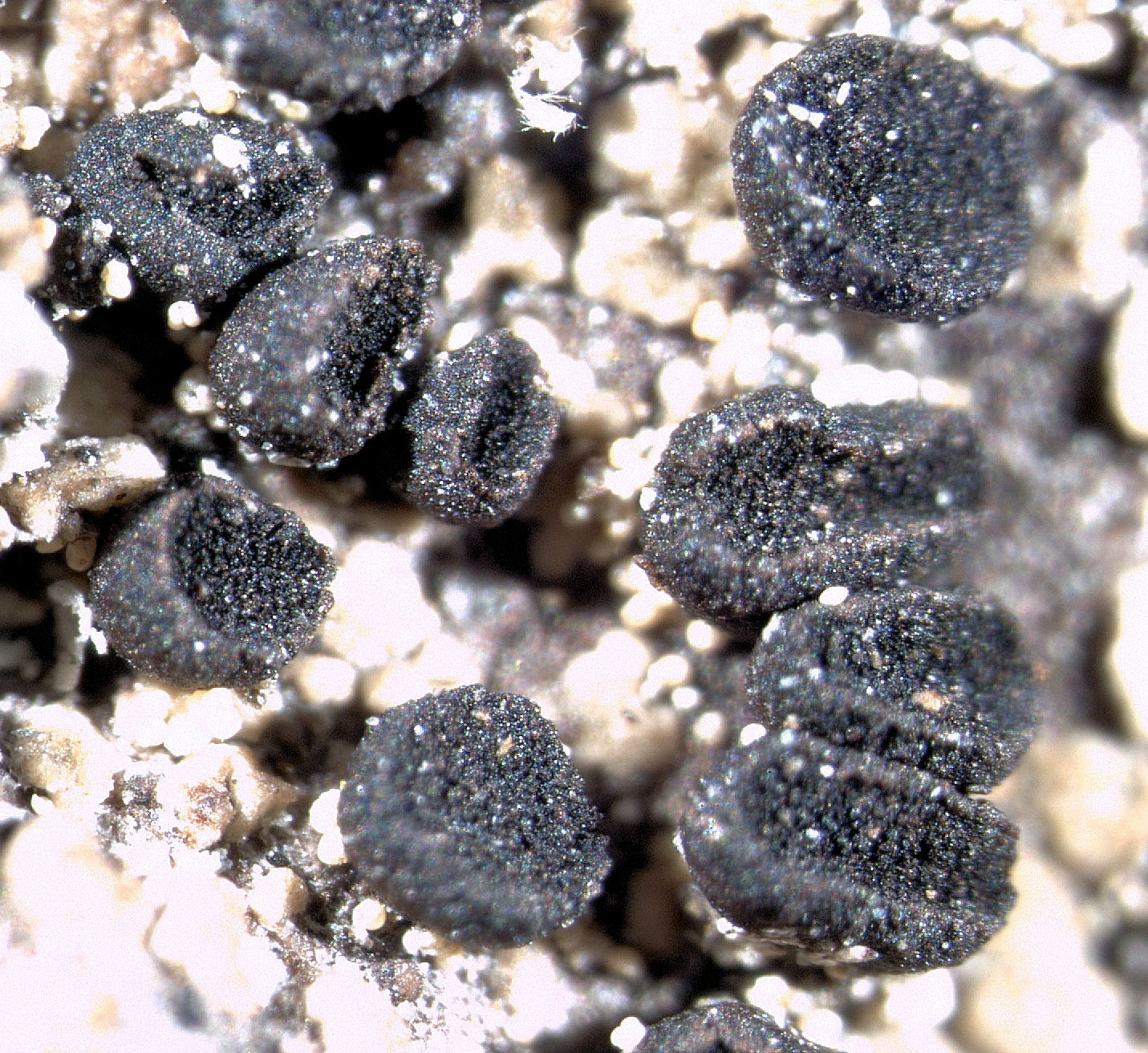
P.L. Nimis CC BY-SA 4.0
TSB 44173

P.L. Nimis CC BY-SA 4.0
TSB 44173