Massalongia carnosa (Dicks.) Körb.
Syst. Lich. Germ.: 109, 1855. Basionym: Lichen carnosus Dicks. - Fasc. Pl. Crypt. Brit., 2: 21, 1790.
Synonyms: Biatora carnosa (Dicks.) Rabenh.; Lecanora muscorum Ach.; Pannaria muscorum (Ach.) Delise; Pannaria muscorum var. determinata Nyl.; Pannularia muscorum (Ach.) Stizenb.
Description: Thallus small-foliose to subsquamulose, heteromerous, 130-200 μm thick, red brown to blackish brown and often somehow glossy when dry, dark green to almost black when wet. Lobes crowded, initially rounded, then often elongate and c. twice as long as wide, flattened, 0.5-1.5(-2) mm wide, 0.5-3(-10) mm long, irregularly branched and overlapping, often forming 1-3 cm wide rosettes, the margins dissected by numerous, flattened, usually paler, isidia-like lobules or warts; lower surface whitish to pale brown, with sparse, pale brown rhizines. Upper cortex paraplectenchymatous, 25-30 μm thick; lower surface ecorticate, but with densely interwoven, longitudinally arranged hyphae. Apothecia rare, rounded, without a thalline margin, sessile to substipitate, up to 2 mm across, with a red-brown to flesh-coloured disc and a thin, paler brown, sometimes short-hairy proper margin. Proper exciple 100-150 μm wide, paraplectenchymatous, of isodiametrical cells; epithecium brownish, K-; hymenium colourless or brownish, (50-)70-90(-130) μm high, I+ deep blue; paraphyses coherent, simple, straight, 2-6 μm thick, the apical cells slightly swollen; hypothecium colourless, penetrated by photobiont cells. Asci 8-spored, cylindrical, fissitunicate, the thickened apex with a K/I+ blue ring, Fuscidea-type. Ascospores 1(-3)-septate, hyaline, fusiform to narrowly ellipsoid, (11-)15-25(-35) x 4.5-7(-8.5) μm, thin-walled, without epispore. Pycnidia rare, dark, the wall paler below, semi-immersed or projecting, to 0.6 mm in diam. Conidia bacilliform or slightly bifusiform, hyaline, 4-7(-9) x c. 1 μm. Photobiont cyanobacterial (Nostoc, the cells in short chains). Spot tests: K-, C-, KC-, P-, UV-. Chemistry: without lichen substances.
Growth form: Squamulose
Substrata: soil, terricolous mosses, and plant debris
Photobiont: cyanobacteria, filamentous (e.g. Nostoc, Scytonema)
Reproductive strategy: mainly sexual
Commonnes-rarity: (info)
Alpine belt: extremely rare
Subalpine belt: extremely rare
Montane belt: extremely rare
Dry submediterranean belt: absent
Humid submediterranean belt: absent
Padanian area: absent
pH of the substrata:
1 2 3 4 5

Solar irradiation:
1 2 3 4 5
Aridity:
1 2 3 4 5
Eutrophication:
1 2 3 4 5
Poleotolerance:
0 1 2 3
Altitudinal distribution:
1 2 3 4 5 6
Rarity
absent
extremely rare
very rare
rare
rather rare
rather common
common
very common
extremely common
Loading data...
Occurrence data
Predictive map
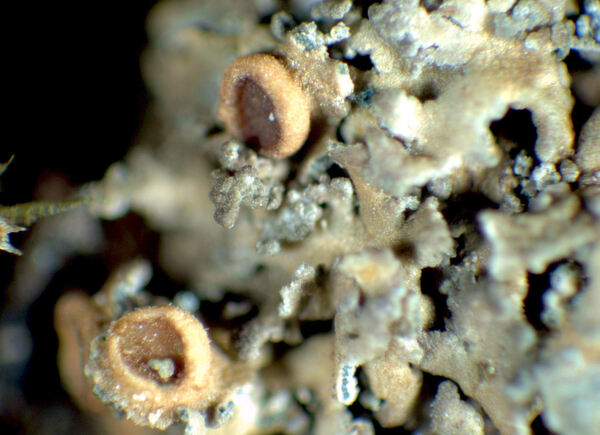
P.L. Nimis CC BY-SA 4.0
TSB 8306
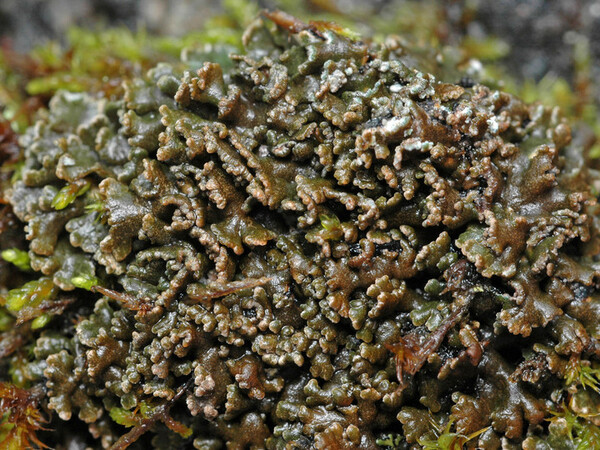
Author: Leif Stridvall - Source: http://www.stridvall.se/la/galleries.php
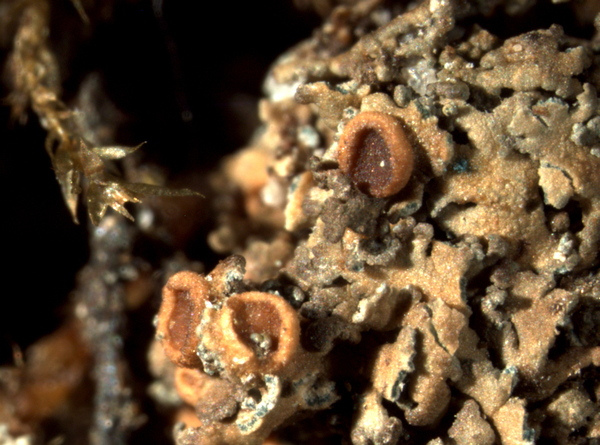
Pier Luigi Nimis - CC BY-SA 4.0
Herbarium: TSB 8306
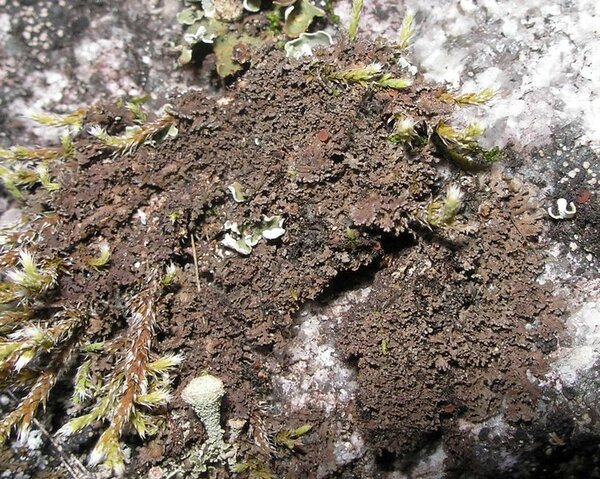
Curtis Randall Björk – CC BY-SA 4.0
British Columbia, Clearwater Valley Date: 2010-11-03 On siliceous boulder talus
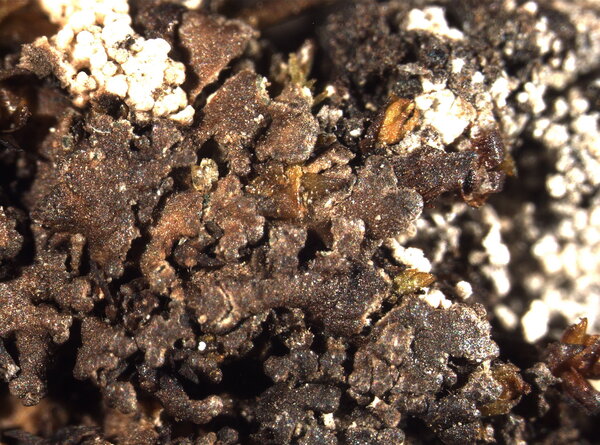
Pier Luigi Nimis - CC BY-SA 4.0
TSB 44038
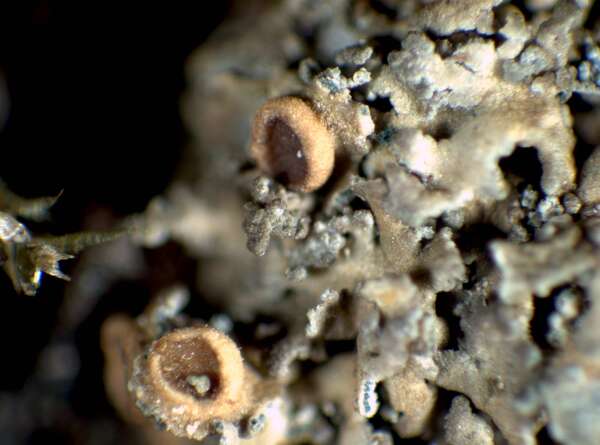
P.L. Nimis; Owner: Department of Life Sciences, University of Trieste
Herbarium: TSB (8306)
2001/11/26
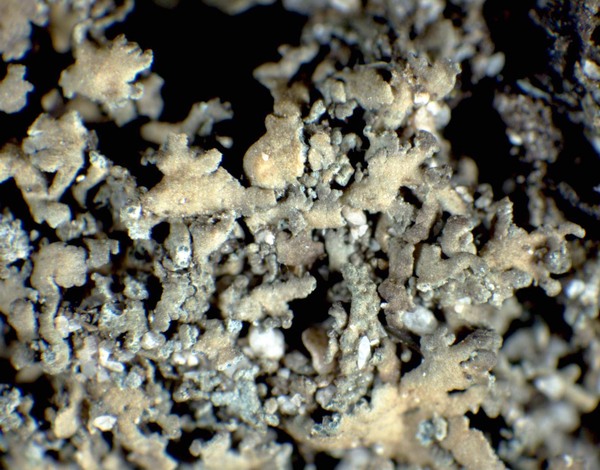
P.L. Nimis - CC BY-SA 04
TSB 8306
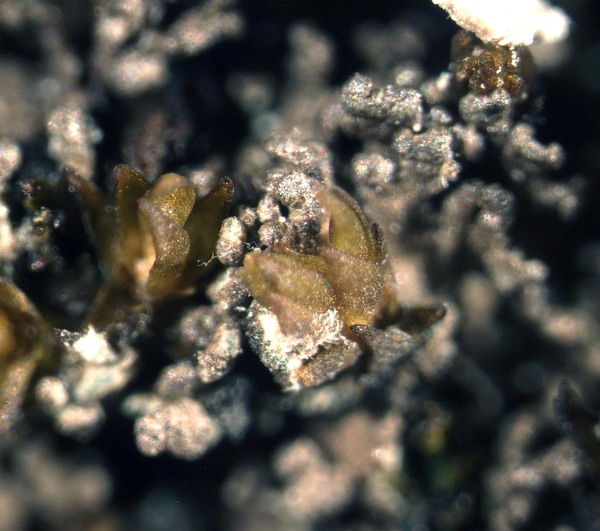
P.L. Nimis - CC BY-SA 04
TSB 44038
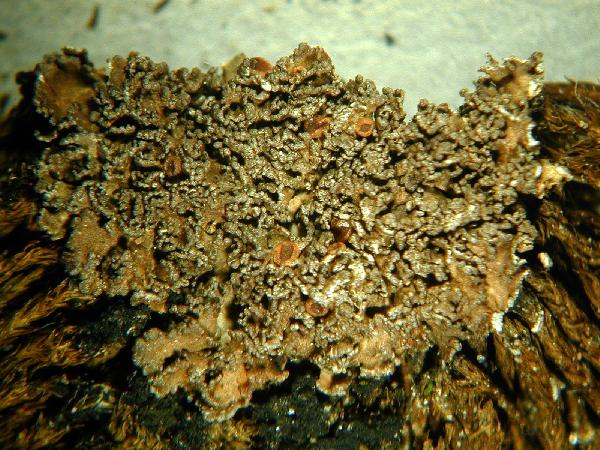
Wolfgang von Brackel - CC BY-4.0
Greenland, Suuluaqqap Qaqqaa
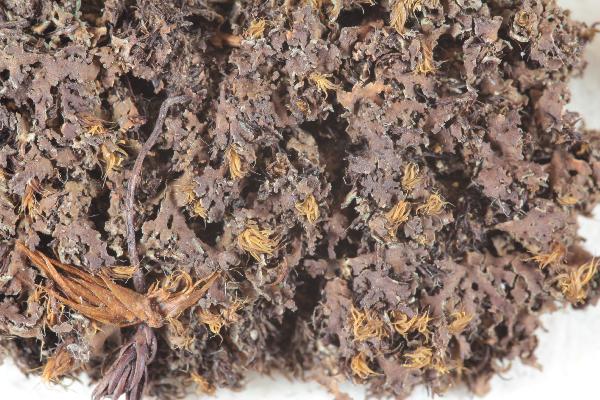
Collezione lichenologica Abramo Massalongo del Museo di Storia Naturale G. Ligabue di Venezia - Autori: Seggi, Linda; Trabucco, Raffaella Proprietà: Fondazione Musei Civici di Venezia - CC BY-NC
Italy, Veneto, in alp. Cadubriae. 1855
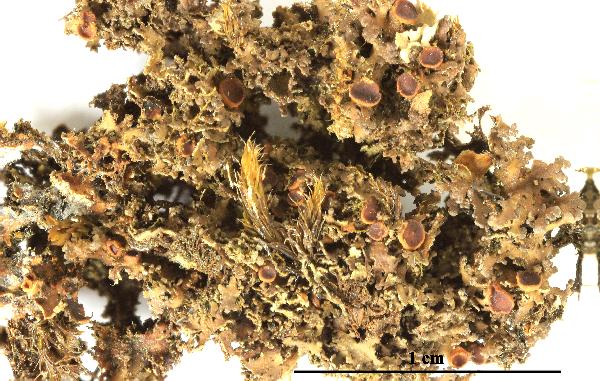
Felix Schumm - CC BY 4.0
[VZ2028], Suecia. Värmlandia: Gräsmark Paroecia, septentriones versus
a Sandnäs, 140 m. Ad rupes praeruptas, supra muscos. Leg. D. W.
Sundell (15960), 1.8.1984. EX A. VEZDA LICHENES SELEXTI EXSICCATI
NR. 2028.
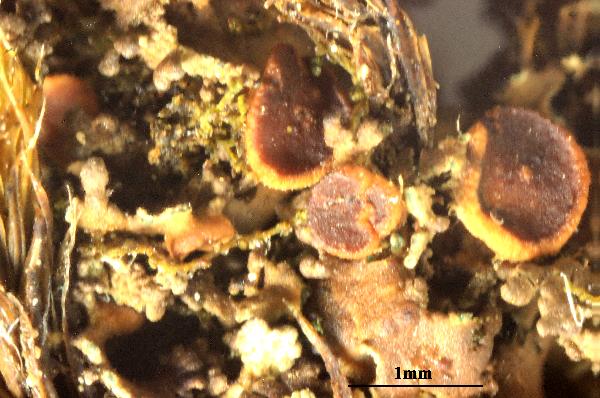
Felix Schumm - CC BY 4.0
[VZ2028], Suecia. Värmlandia: Gräsmark Paroecia, septentriones versus
a Sandnäs, 140 m. Ad rupes praeruptas, supra muscos. Leg. D. W.
Sundell (15960), 1.8.1984. EX A. VEZDA LICHENES SELEXTI EXSICCATI
NR. 2028.

CC BY-4.0 - Source: Jørgensen PM, Andersen HL, Elvebakk A (2019) The genus Massalongia (lichenized ascomycetae) in The Southern Hemisphere. MycoKeys 60: 125-140. https://doi.org/10.3897/mycokeys.60.37725
Growth form: Squamulose
Substrata: soil, terricolous mosses, and plant debris
Photobiont: cyanobacteria, filamentous (e.g. Nostoc, Scytonema)
Reproductive strategy: mainly sexual
Commonnes-rarity: (info)
Alpine belt: extremely rare
Subalpine belt: extremely rare
Montane belt: extremely rare
Dry submediterranean belt: absent
Humid submediterranean belt: absent
Padanian area: absent
pH of the substrata:
| 1 | 2 | 3 | 4 | 5 |
Solar irradiation:
| 1 | 2 | 3 | 4 | 5 |
Aridity:
| 1 | 2 | 3 | 4 | 5 |
Eutrophication:
| 1 | 2 | 3 | 4 | 5 |
Poleotolerance:
| 0 | 1 | 2 | 3 |
Altitudinal distribution:
| 1 | 2 | 3 | 4 | 5 | 6 |
Rarity
absent
extremely rare
very rare
rare
rather rare
rather common
common
very common
extremely common
Loading data...
Occurrence data
Predictive map
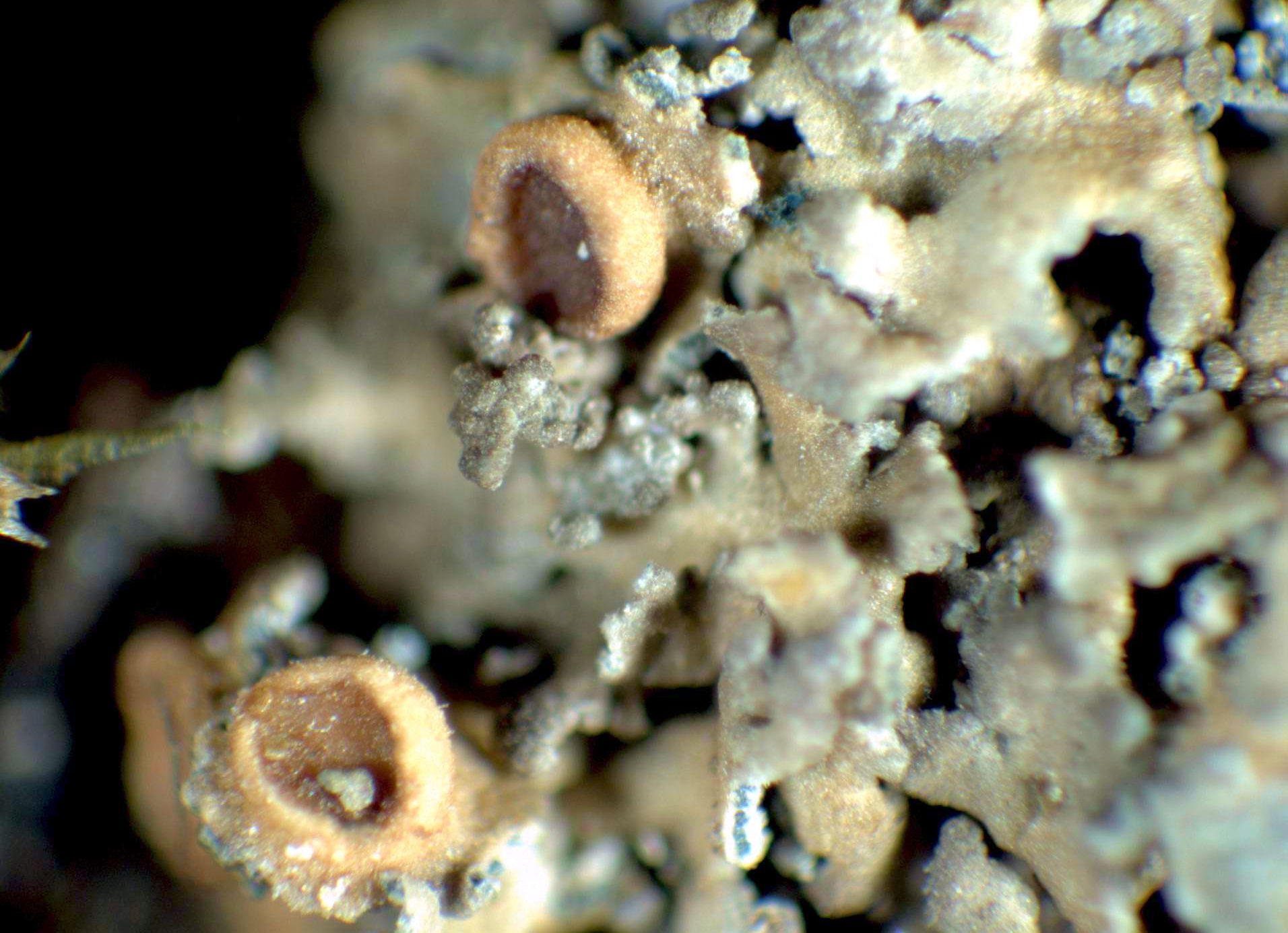
P.L. Nimis CC BY-SA 4.0
TSB 8306
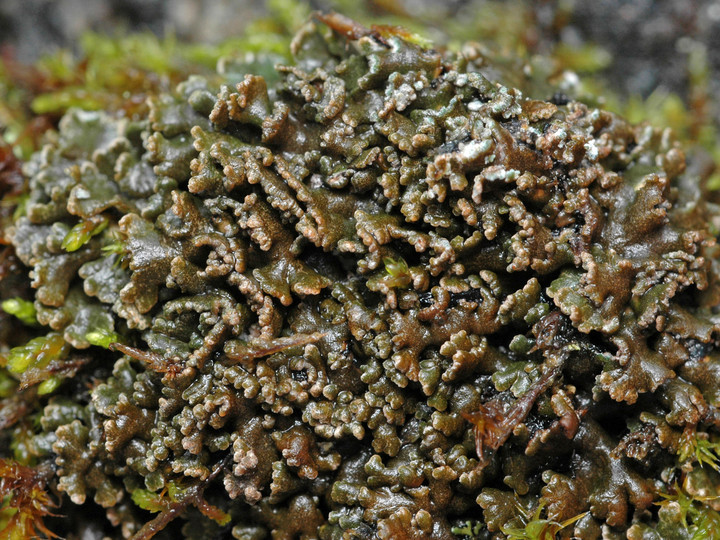
Author: Leif Stridvall - Source: http://www.stridvall.se/la/galleries.php

Pier Luigi Nimis - CC BY-SA 4.0
Herbarium: TSB 8306
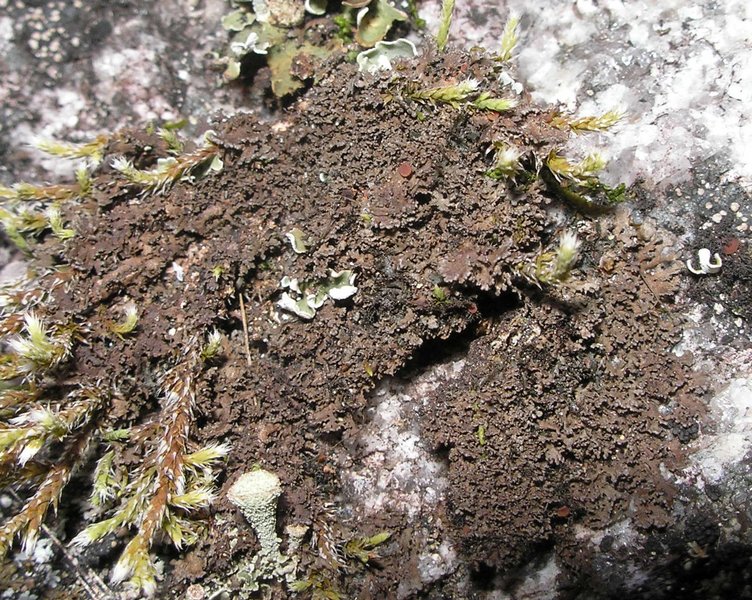
Curtis Randall Björk – CC BY-SA 4.0
British Columbia, Clearwater Valley Date: 2010-11-03 On siliceous boulder talus
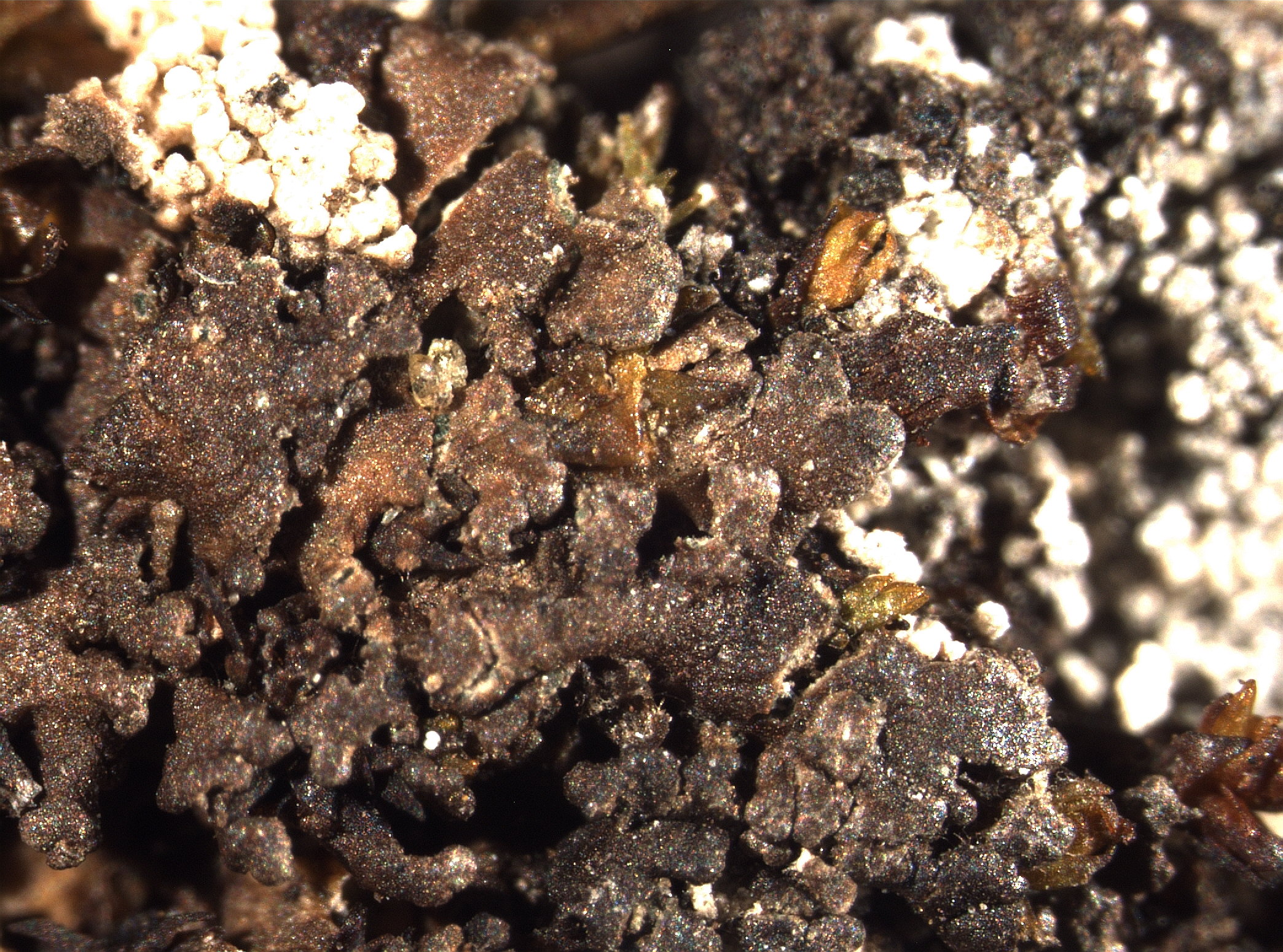
Pier Luigi Nimis - CC BY-SA 4.0
TSB 44038
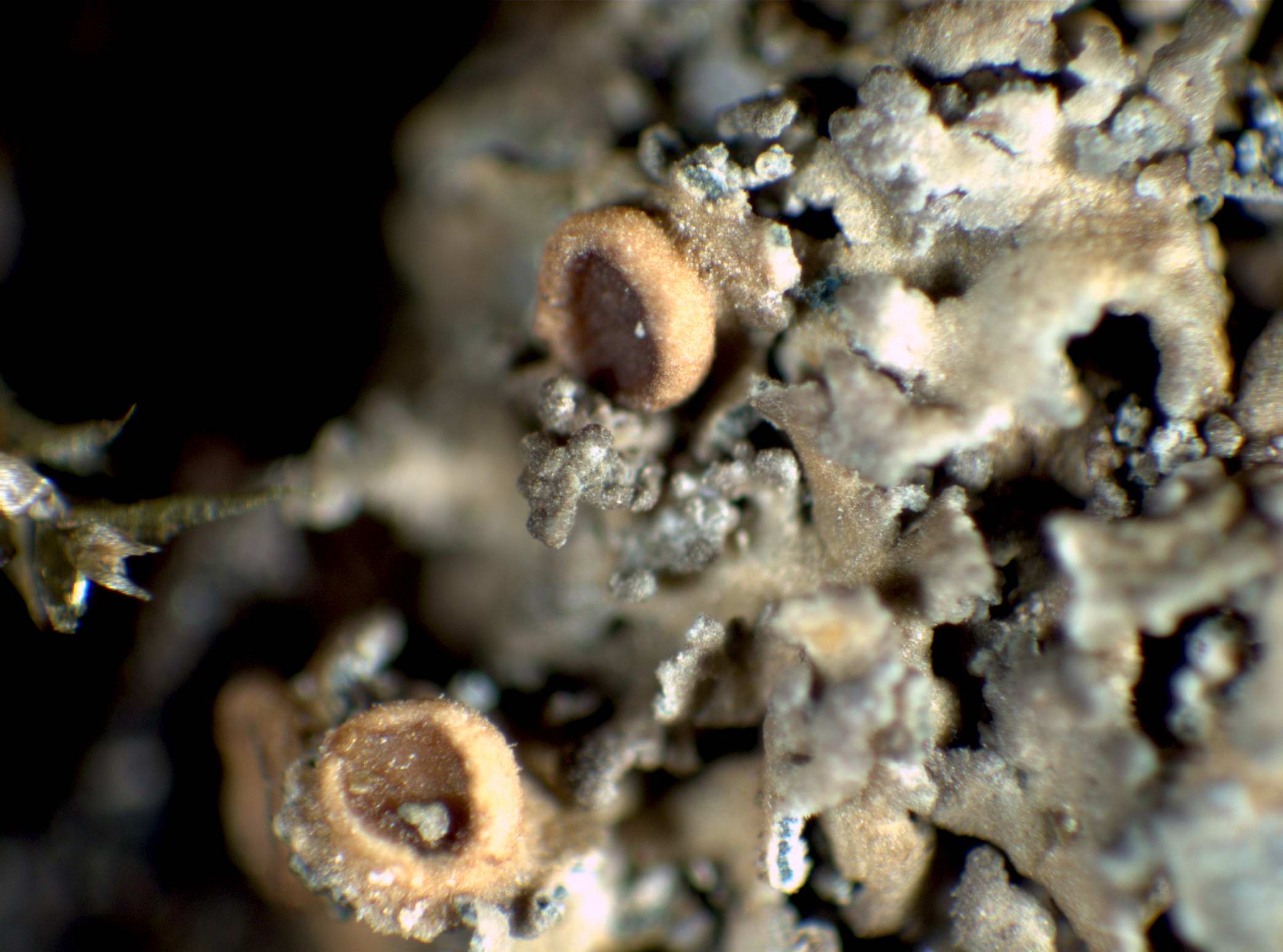
P.L. Nimis; Owner: Department of Life Sciences, University of Trieste
Herbarium: TSB (8306)
2001/11/26
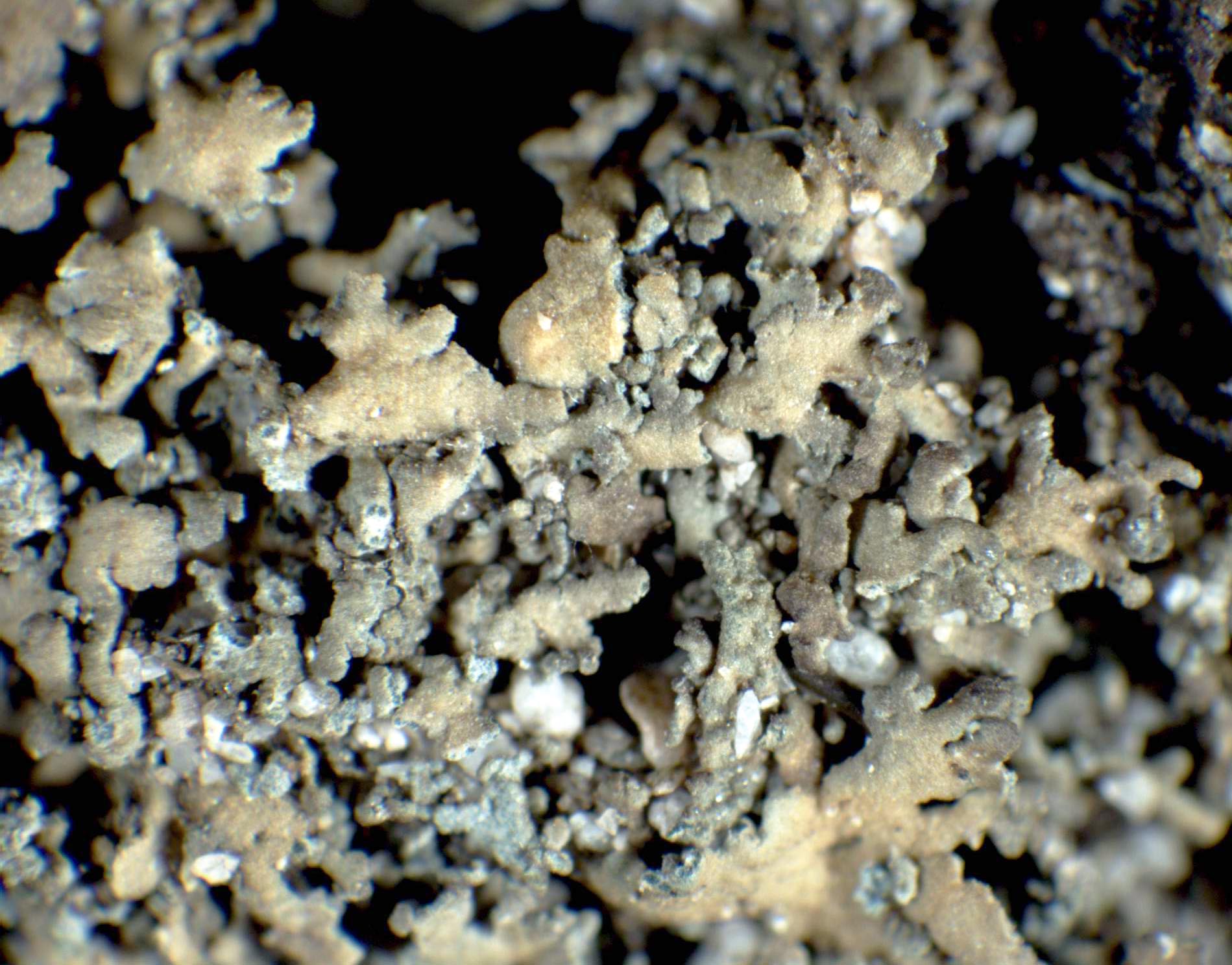
P.L. Nimis - CC BY-SA 04
TSB 8306

P.L. Nimis - CC BY-SA 04
TSB 44038
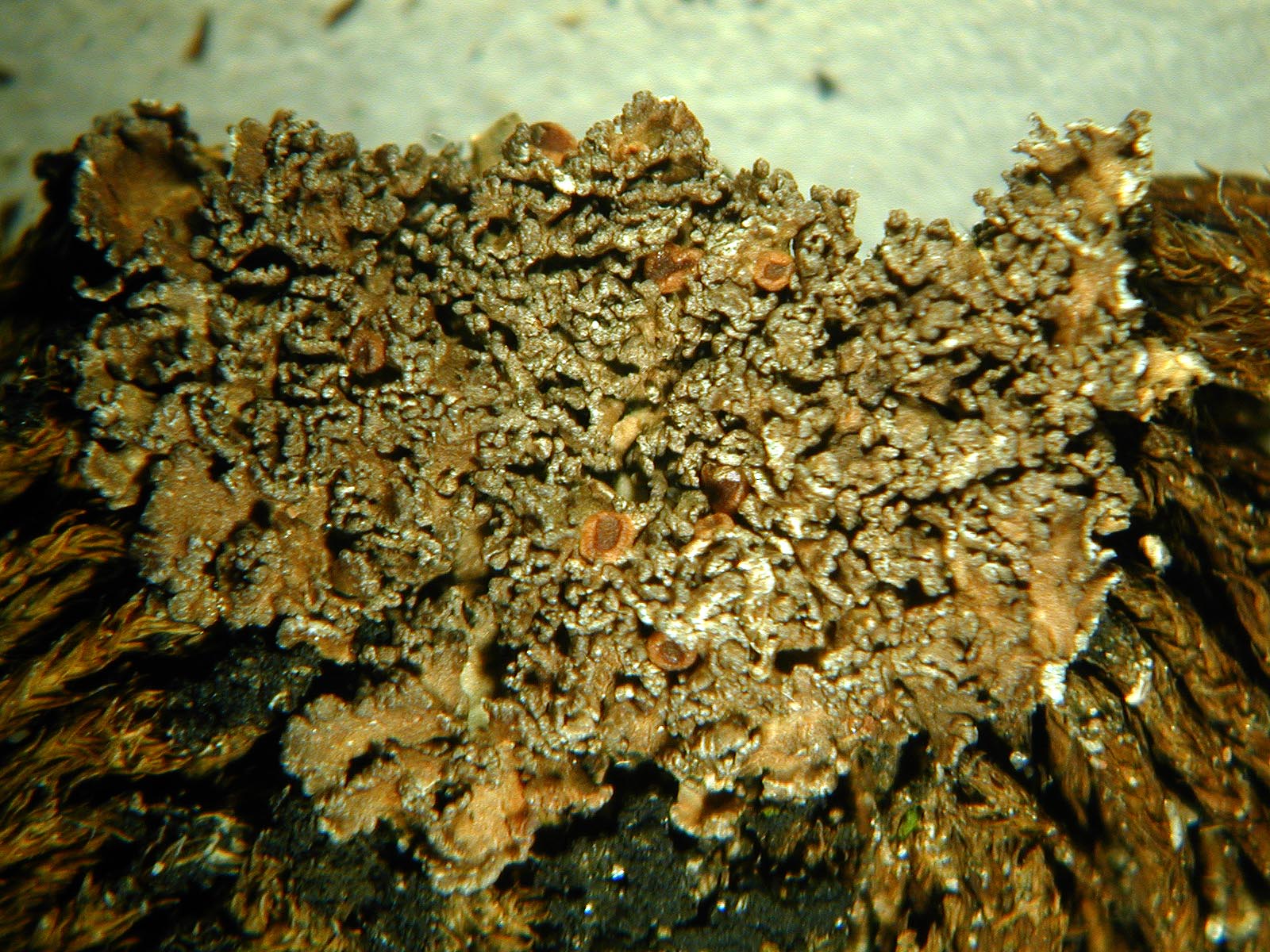
Wolfgang von Brackel - CC BY-4.0
Greenland, Suuluaqqap Qaqqaa

Collezione lichenologica Abramo Massalongo del Museo di Storia Naturale G. Ligabue di Venezia - Autori: Seggi, Linda; Trabucco, Raffaella Proprietà: Fondazione Musei Civici di Venezia - CC BY-NC
Italy, Veneto, in alp. Cadubriae. 1855

Felix Schumm - CC BY 4.0
[VZ2028], Suecia. Värmlandia: Gräsmark Paroecia, septentriones versus a Sandnäs, 140 m. Ad rupes praeruptas, supra muscos. Leg. D. W. Sundell (15960), 1.8.1984. EX A. VEZDA LICHENES SELEXTI EXSICCATI NR. 2028.

Felix Schumm - CC BY 4.0
[VZ2028], Suecia. Värmlandia: Gräsmark Paroecia, septentriones versus a Sandnäs, 140 m. Ad rupes praeruptas, supra muscos. Leg. D. W. Sundell (15960), 1.8.1984. EX A. VEZDA LICHENES SELEXTI EXSICCATI NR. 2028.