Melanelixia fuliginosa (Duby) O. Blanco, A. Crespo, Divakar, Essl., D. Hawksw. & Lumbsch
Mycol. Res., 108: 881, 2004. Basionym: Parmelia olivacea var. fuliginosa Fr. ex Duby - Bot. Gall.: 602, 1830.
Synonyms: Melanelia fuliginosa (Duby) Essl.; Parmelia fuliginosa (Duby) Nyl. non (Ach.) Schaer.; Parmelia glabratula subsp. fuliginosa (Duby) J.R. Laundon; Parmelia glabratula var. fuliginosa (Duby) Grummann
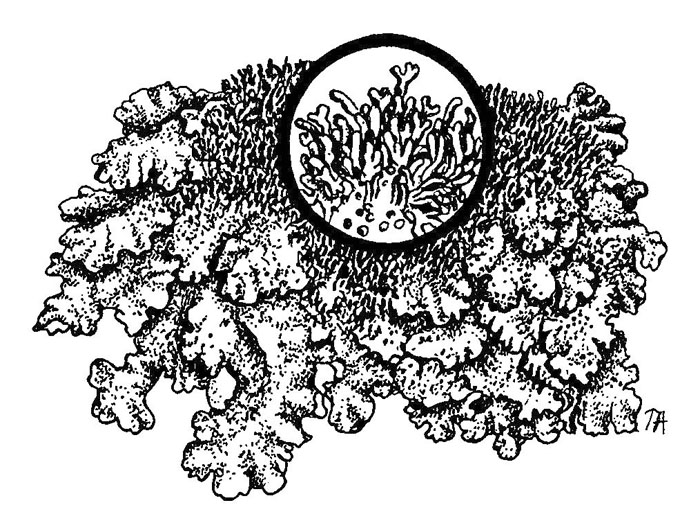
Description: Thallus foliose, heteromerous, dorsiventral, rather loosely attached, forming 2-4(-15) cm wide rosettes. Lobes (1-)2-3(-4) mm wide, dark brown to blackish in sun-forms, greenishbrwon when wet, smooth to wrinkled, often shiny especially at lobe tips, with more or less cylindrical, often branched and coralloid, up to 1.5 mm tall, 0.07-0.12 mm thick, often branched isidia which easily break off leaving white scars, the marginal parts usually isidiate. Lower surface dark brown to black, paler-toward the edges, with mostly simple, up to 1 mm long rhizines. Upper cortex paraplectenchymatous, with a pored epicortex, the cell walls containing isolichenan; medulla white, sometimes patchily orange-brown in lower part; lower cortex paraplectenchymatous. Apothecia rather rare, lecanorine, sessile, to 6 mm across, with a concave to flat, imperforate disc and a papillate-isidiate thalline margin. Epithecium brown; hymenium and hypothecium colourless. Asci 8-spored, clavate, the K/I+ blue tholus penetrated by a faintly amyloid apical cushion with parallel or diverging flanks, the wall K/I-, surrounded by a K/I+ blue outer layer, Lecanora-type. Ascospores 1-celled, hyaline, ellipsoid to broadly ellipsoid, 10-14 x 5-9(-10) μm. Pycnidia rare, dark, immersed. Conidia bacilliform, slightly swollen at both ends, 6-7.5 x c. 1 μm. Photobiont chlorococcoid. Spot tests: upper cortex K-, C-, KC-, P-, N-; medulla K- or rarely patchily K+ purple-violet in the orange-brown parts, C+ red, KC+ red, P-, UV-. Chemistry: medulla with lecanoric and 5-methoxylecanoric acids, sometimes with an orange pigment (rhodophyscin) in patches.
Growth form: Foliose, narrow lobed
Substrata: rocks
Photobiont: green algae other than Trentepohlia
Reproductive strategy: mainly sexual
Commonnes-rarity: (info)
Alpine belt: absent
Subalpine belt: rare
Montane belt: rare
Dry submediterranean belt: very rare
Humid submediterranean belt: absent
Padanian area: absent
pH of the substrata:
1 2 3 4 5

Solar irradiation:
1 2 3 4 5
Aridity:
1 2 3 4 5
Eutrophication:
1 2 3 4 5
Poleotolerance:
0 1 2 3
Altitudinal distribution:
1 2 3 4 5 6
Rarity
absent
extremely rare
very rare
rare
rather rare
rather common
common
very common
extremely common
Loading data...
Occurrence data
Predictive map
 Current prediction (1981-2010)
 Future prediction (2071-2100) SSP 1-2.6
 Future prediction (2071-2100) SSP 5-8.5Predictive maps according to Francesconi et al. 2025
Wolfgang von Brackel - CC BY-4.0
Germany, Bavaria, Tauperlitz bei Hof
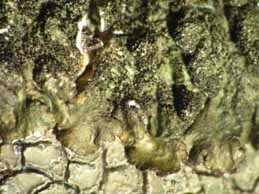
Harrie Sipman – Source http://www.bgbm.fu-berlin.de/sipman/Zschackia/AegeanLichens/CaloplacaAC.htm - As Caloplaca oasis
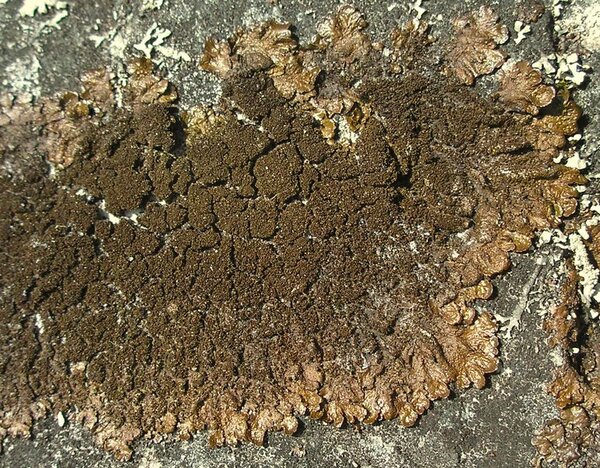
Curtis Randall Björk – CC BY-SA 4.0
Washington, Skagit County, Redondo Beach State Park Date: March, 2008 On rock face, coastal bluff
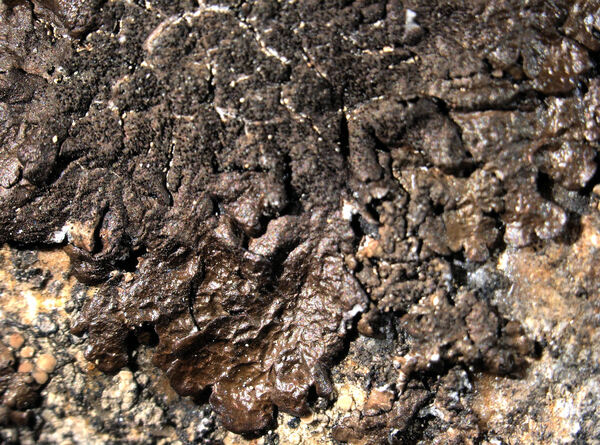
P.L. Nimis CC BY-SA 4.0
TSB 38848
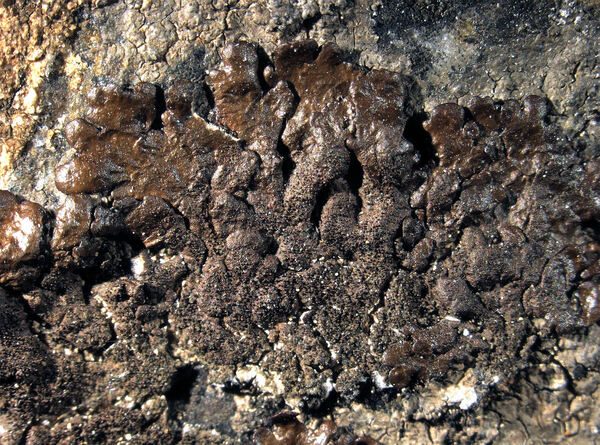
P.L. Nimis CC BY-SA 4.0
TSB 38848
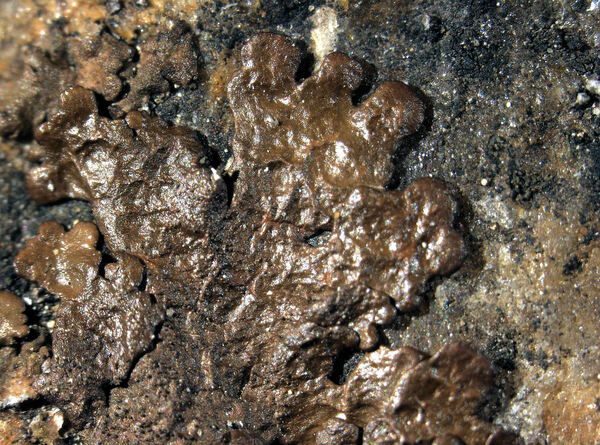
P.L. Nimis CC BY-SA 4.0
TSB 38848
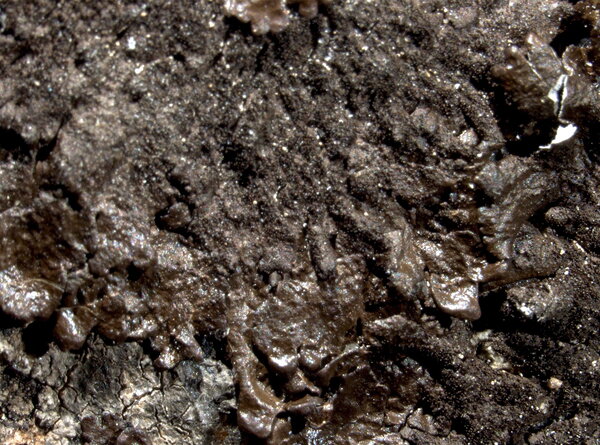
Pier Luigi Nimis - CC BY-SA 4.0
TSB 38848
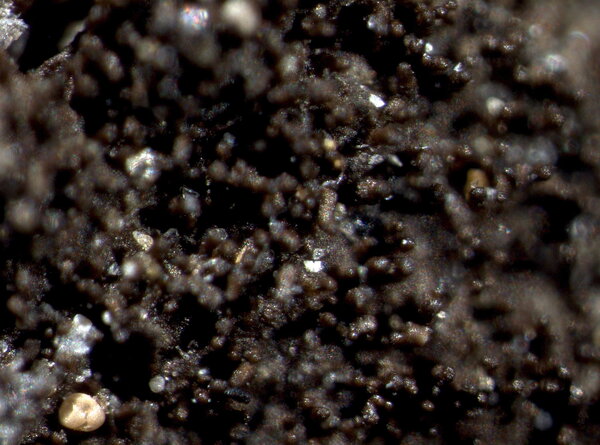
Pier Luigi Nimis - CC BY-SA 4.0
TSB 38848
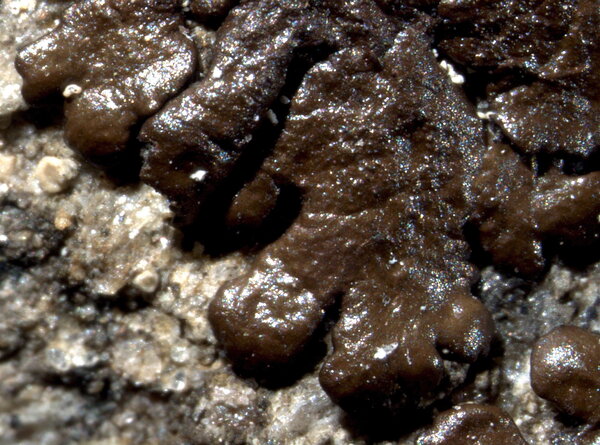
Pier Luigi Nimis - CC BY-SA 4.0
TSB 38848
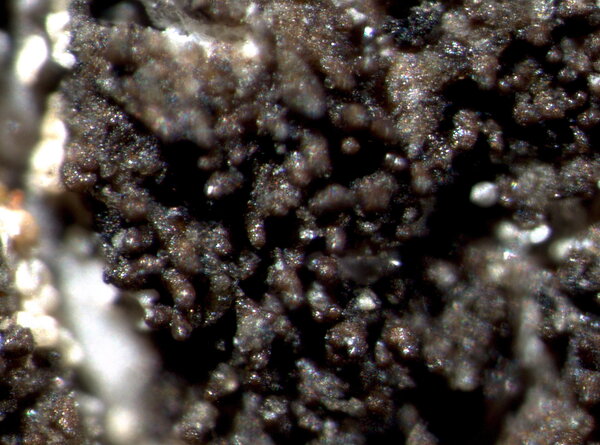
Pier Luigi Nimis - CC BY-SA 4.0
TSB 38848
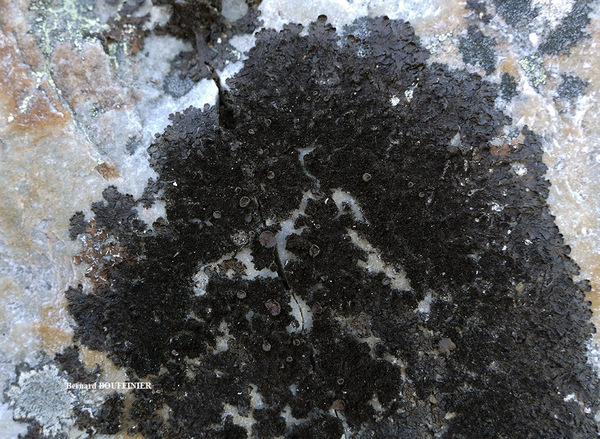
Bernard Bouffinier - Source: http://www.lichensmaritimes.org/index.php?task=fiche&lichen=127&lang=en
France, Pointe de Rostudel
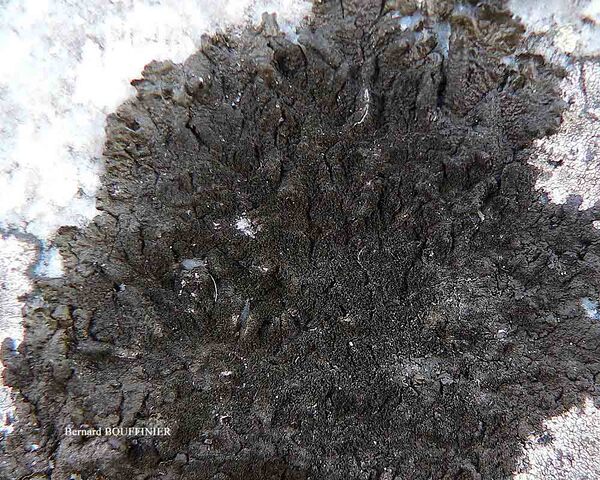
Bernard Bouffinier - Source: http://www.lichensmaritimes.org/index.php?task=fiche&lichen=127&lang=en
France, Pointe de Rostudel
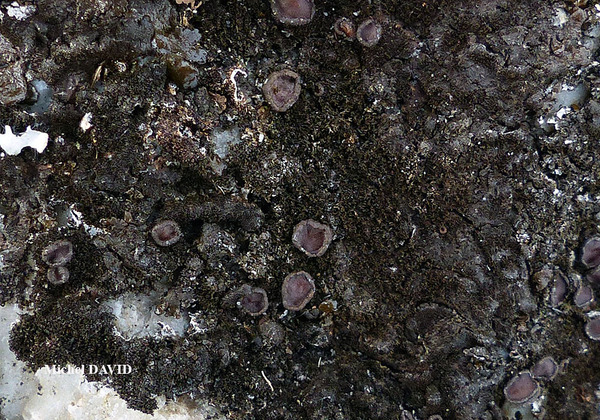
Michel David - Source: http://www.lichensmaritimes.org/index.php?task=fiche&lichen=127&lang=en
France, Pointe de Dinan
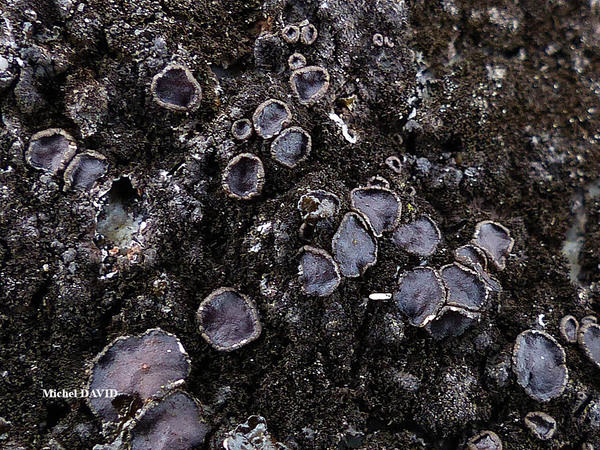
Michel David - Source: http://www.lichensmaritimes.org/index.php?task=fiche&lichen=127&lang=en
France, Kerloc'h, Camaret
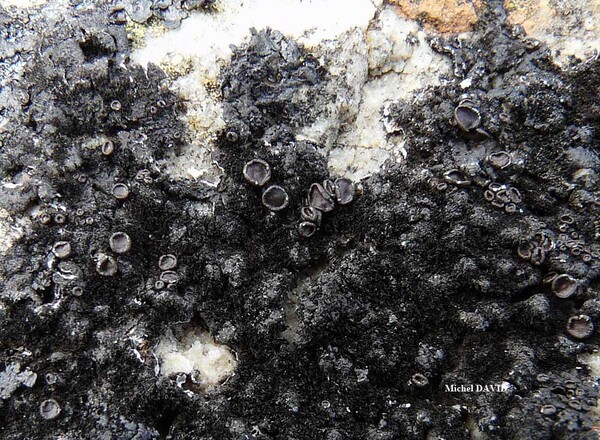
Michel David - Source: http://www.lichensmaritimes.org/index.php?task=fiche&lichen=127&lang=en
France, Kerloc'h
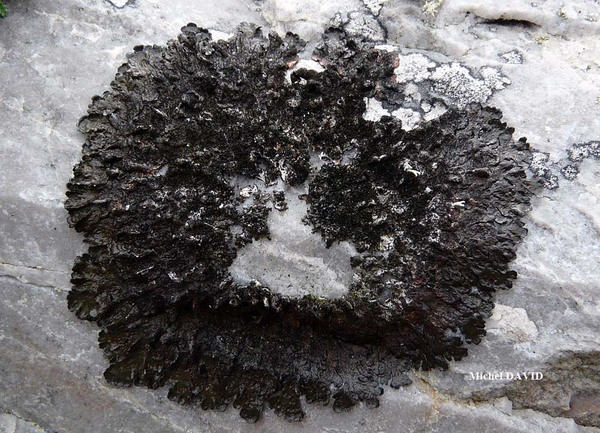
Michel David - Source: http://www.lichensmaritimes.org/index.php?task=fiche&lichen=127&lang=en
France, Portzen
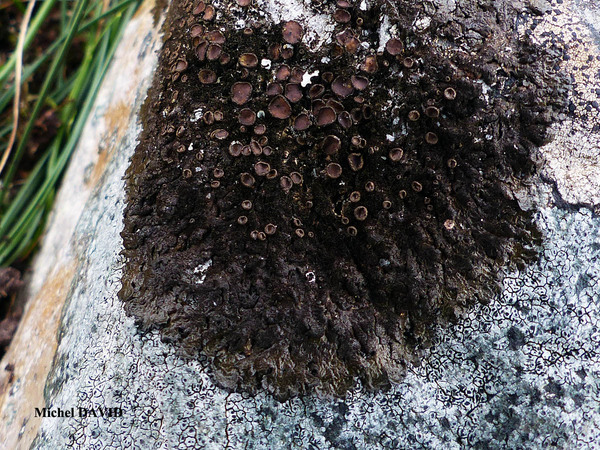
Michel David - Source: http://www.lichensmaritimes.org/index.php?task=fiche&lichen=127&lang=en
France, Kerloc'h
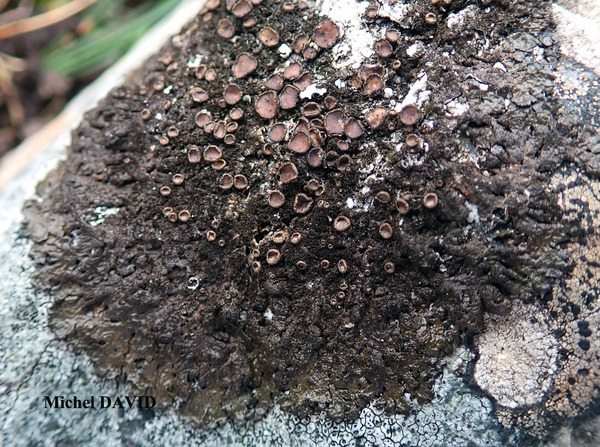
Michel David - Source: http://www.lichensmaritimes.org/index.php?task=fiche&lichen=127&lang=en
France, Kerloc'h
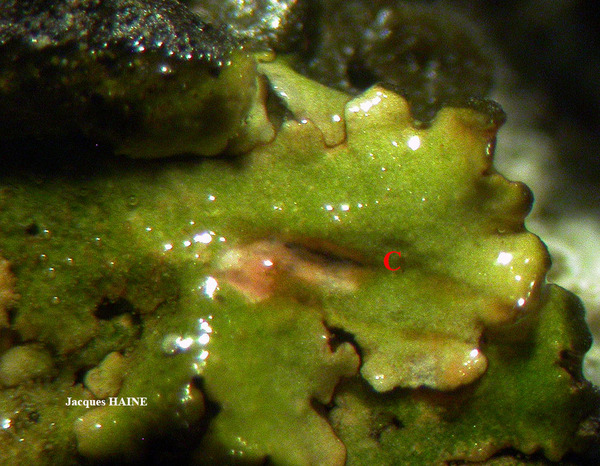
Jacques Haine - Source: http://www.lichensmaritimes.org/index.php?task=fiche&lichen=127&lang=en
France, Pointe de Dinan
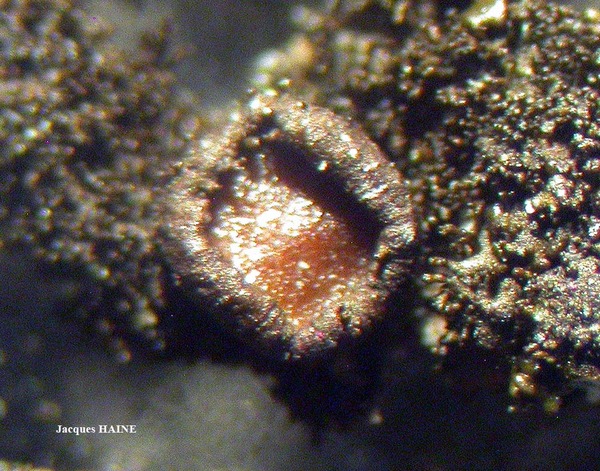
Jacques Haine - Source: http://www.lichensmaritimes.org/index.php?task=fiche&lichen=127&lang=en
France, Pointe de Dinan
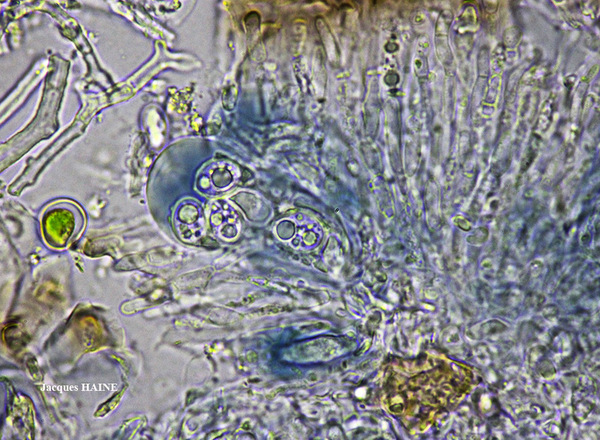
Jacques Haine - Source: http://www.lichensmaritimes.org/index.php?task=fiche&lichen=127&lang=en
France, Pointe de Dinan
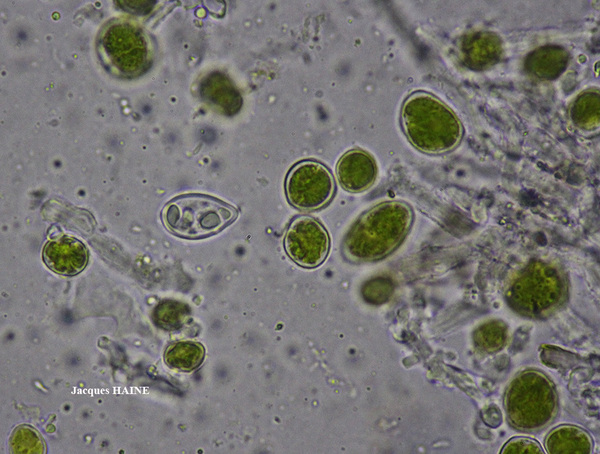
Jacques Haine - Source: http://www.lichensmaritimes.org/index.php?task=fiche&lichen=127&lang=en
France, Pointe de Dinan
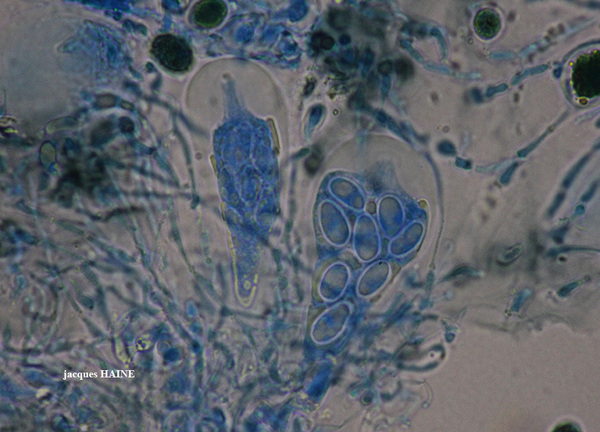
Jacques Haine - Source: http://www.lichensmaritimes.org/index.php?task=fiche&lichen=127&lang=en
France, Pointe de Dinan
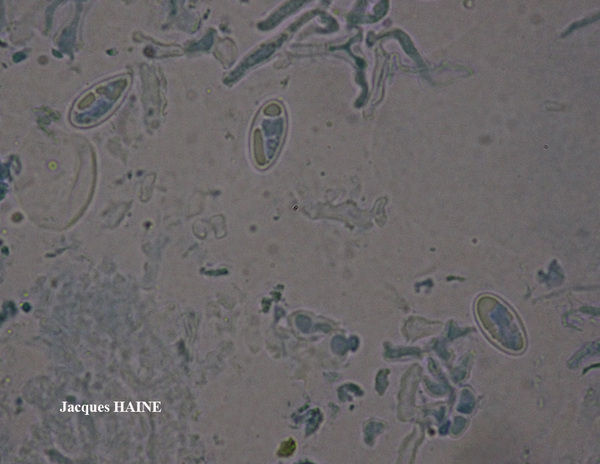
Jacques Haine - Source: http://www.lichensmaritimes.org/index.php?task=fiche&lichen=127&lang=en
France, Pointe de Dinan
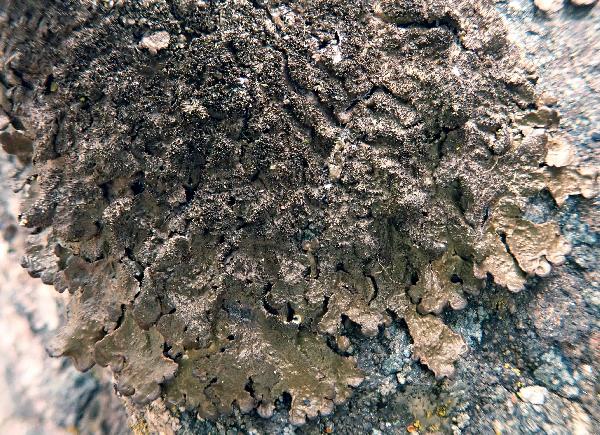
Wolfgang von Brackel - CC BY-4.0
Germany, Bavaria, Jochenstein
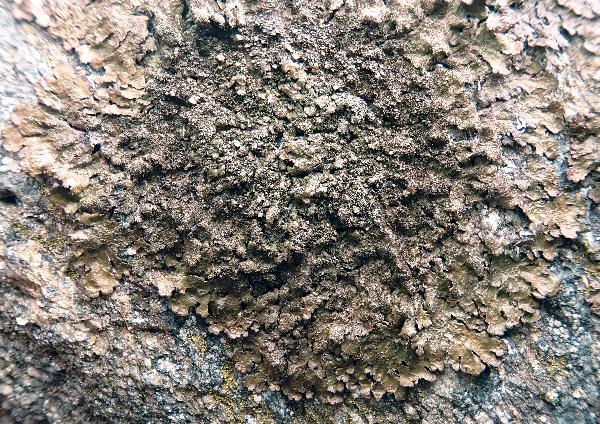
Wolfgang von Brackel - CC BY-4.0
Germany, Bavaria, Jochenstein
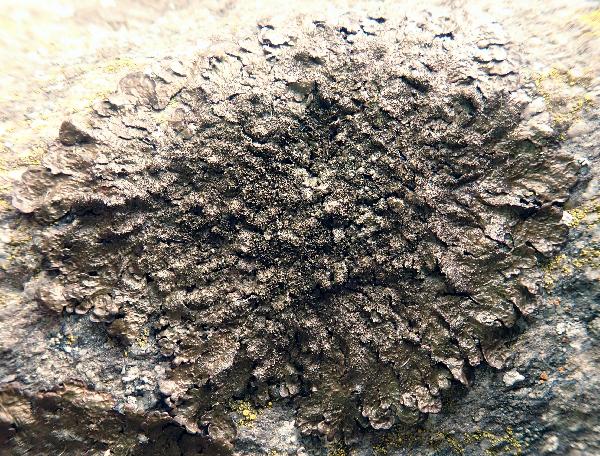
Wolfgang von Brackel - CC BY-4.0
Germany, Bavaria, Jochenstein
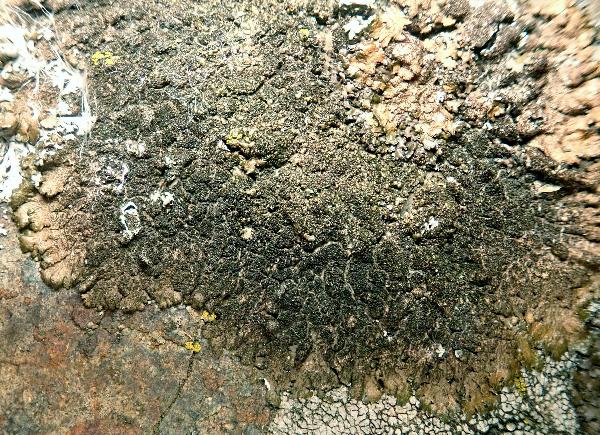
Wolfgang von Brackel - CC BY-4.0
Germany, Bavaria, Tauperlitz bei Hof
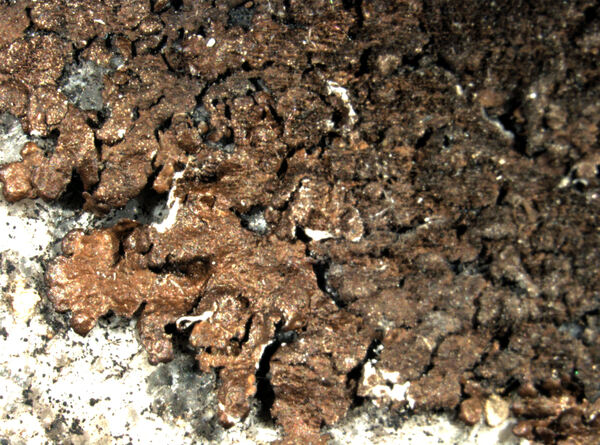
P.L. Nimis CC BY-SA 4.0
TSB 27969
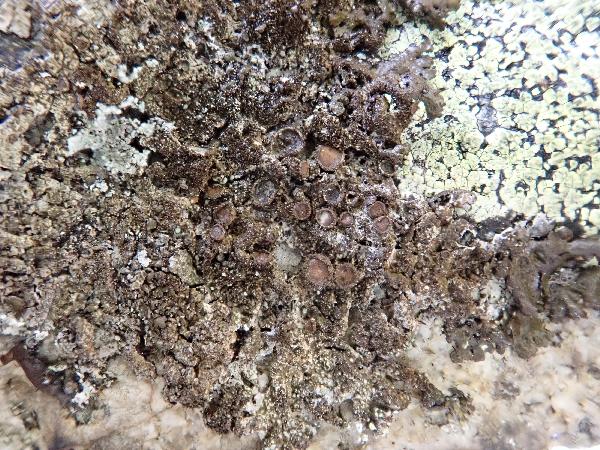
Wolfgang von Brackel - CC BY-4.0
Germany, Bavaria, Hirschstein
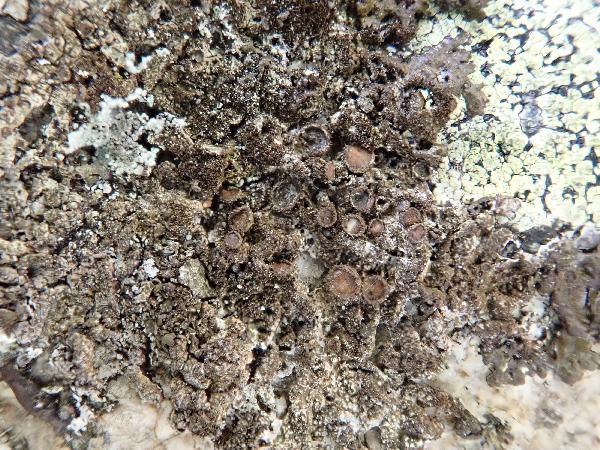
Wolfgang von Brackel - CC BY-4.0
Germany, Bavaria, Hirschstein
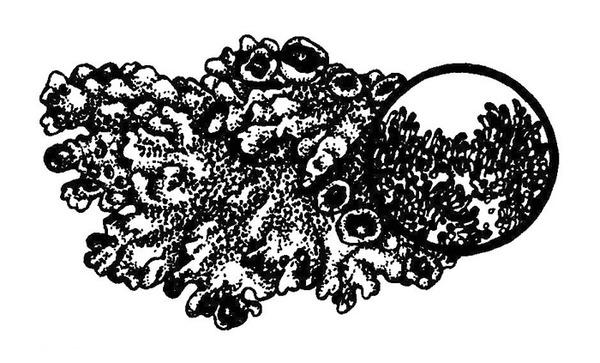
Triin Aimla; Owner: University of Tartu
originally as Melanelia fuliginosa
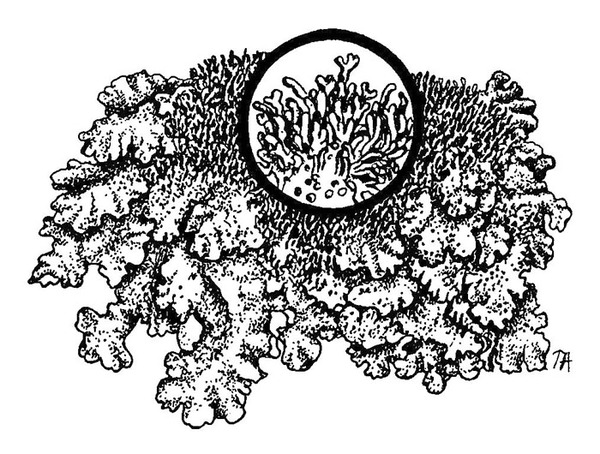
Triin Aimla; Owner: University of Tartu
originally as Melanelia glabratula
Growth form: Foliose, narrow lobed
Substrata: rocks
Photobiont: green algae other than Trentepohlia
Reproductive strategy: mainly sexual
Commonnes-rarity: (info)
Alpine belt: absent
Subalpine belt: rare
Montane belt: rare
Dry submediterranean belt: very rare
Humid submediterranean belt: absent
Padanian area: absent
pH of the substrata:
| 1 | 2 | 3 | 4 | 5 |
Solar irradiation:
| 1 | 2 | 3 | 4 | 5 |
Aridity:
| 1 | 2 | 3 | 4 | 5 |
Eutrophication:
| 1 | 2 | 3 | 4 | 5 |
Poleotolerance:
| 0 | 1 | 2 | 3 |
Altitudinal distribution:
| 1 | 2 | 3 | 4 | 5 | 6 |
Rarity
absent
extremely rare
very rare
rare
rather rare
rather common
common
very common
extremely common
Loading data...
Occurrence data
Predictive map
Current prediction (1981-2010)Future prediction (2071-2100) SSP 1-2.6Future prediction (2071-2100) SSP 5-8.5Predictive maps according to Francesconi et al. 2025

Wolfgang von Brackel - CC BY-4.0
Germany, Bavaria, Tauperlitz bei Hof
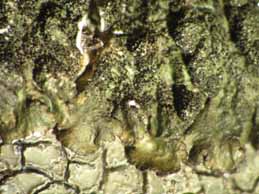
Harrie Sipman – Source http://www.bgbm.fu-berlin.de/sipman/Zschackia/AegeanLichens/CaloplacaAC.htm - As Caloplaca oasis
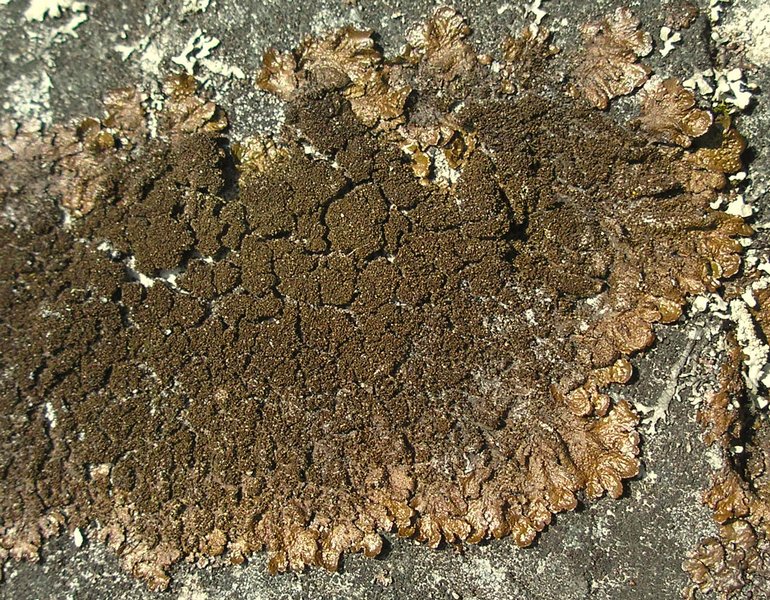
Curtis Randall Björk – CC BY-SA 4.0
Washington, Skagit County, Redondo Beach State Park Date: March, 2008 On rock face, coastal bluff

P.L. Nimis CC BY-SA 4.0
TSB 38848
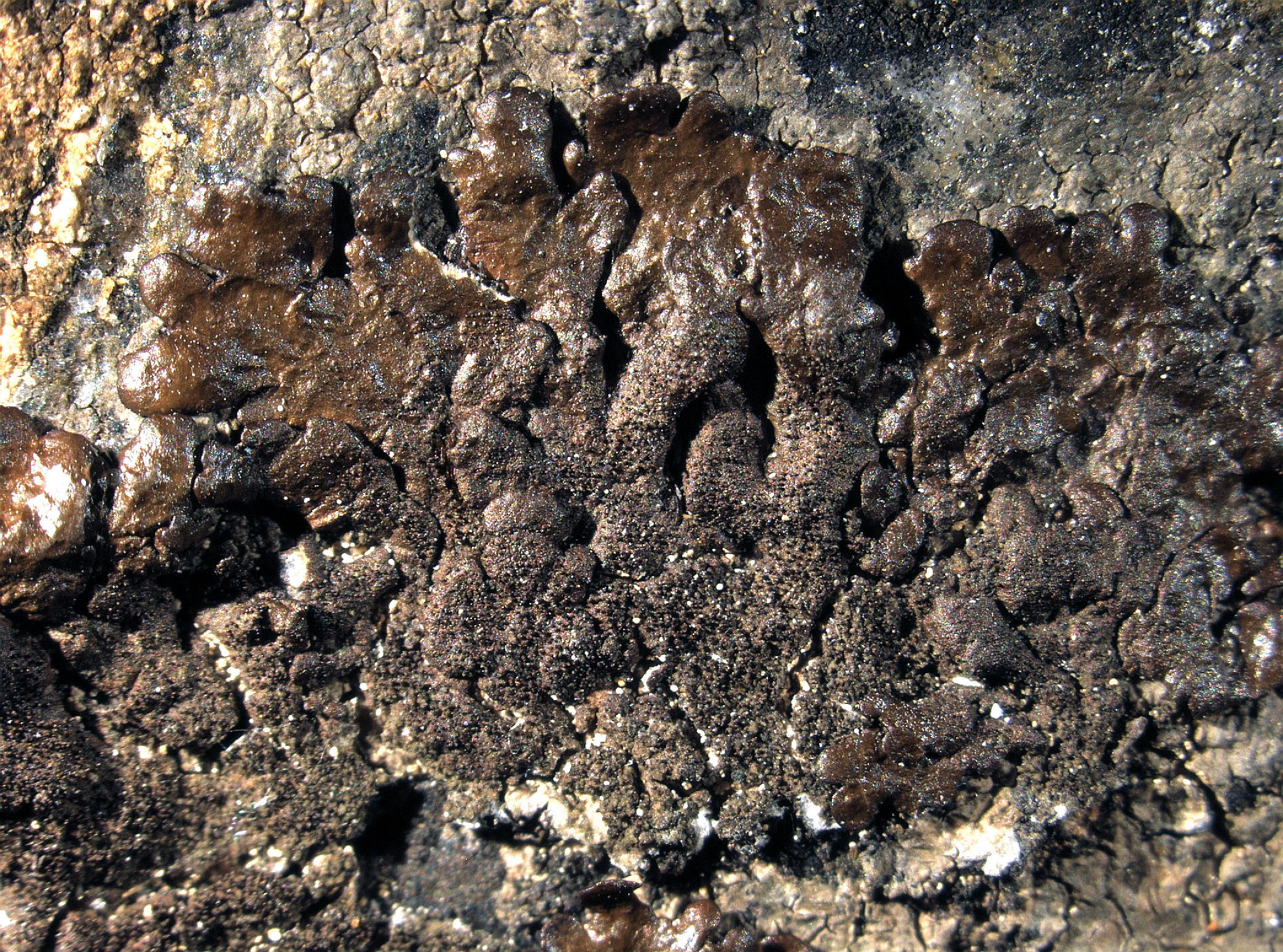
P.L. Nimis CC BY-SA 4.0
TSB 38848
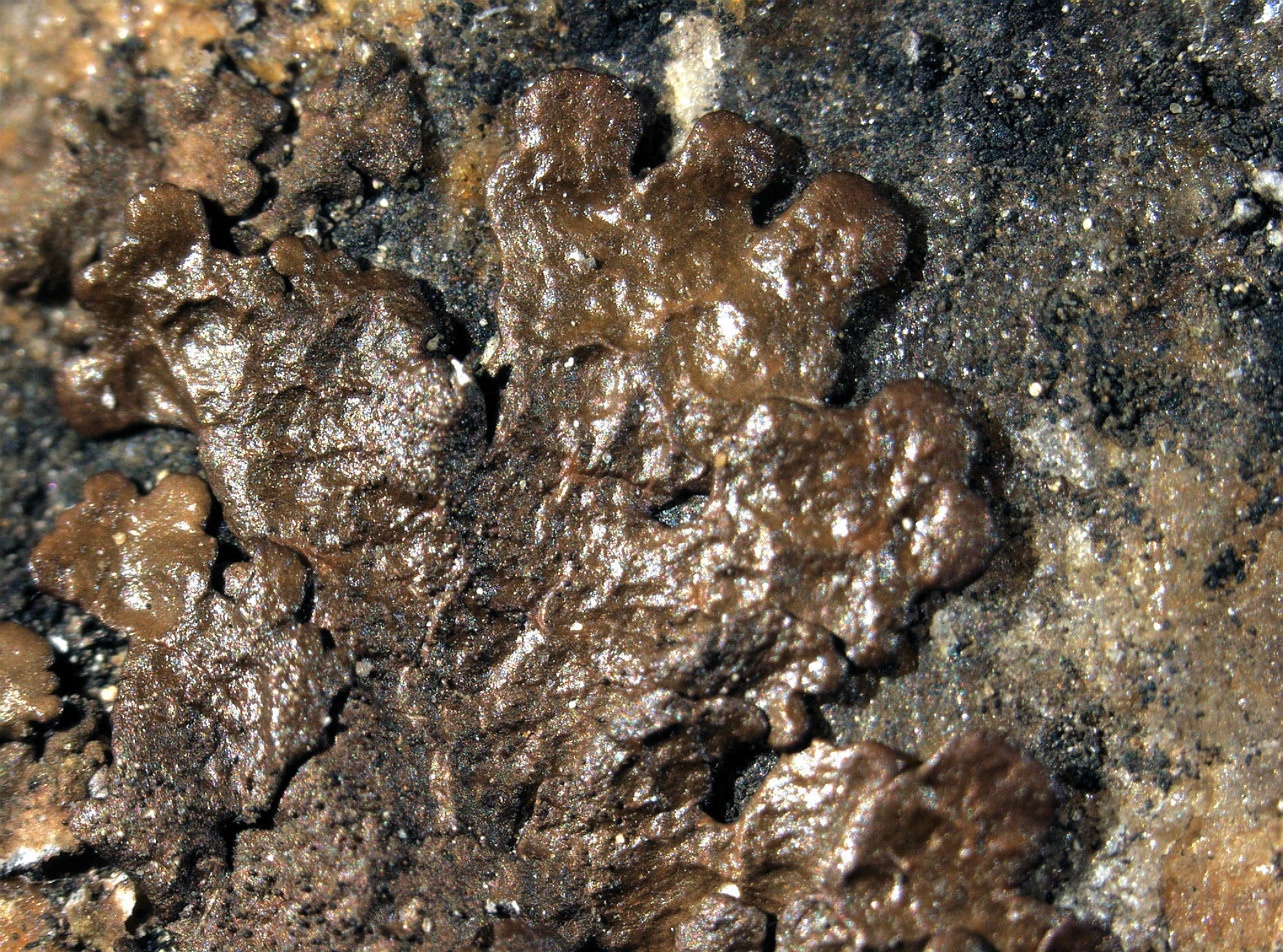
P.L. Nimis CC BY-SA 4.0
TSB 38848

Pier Luigi Nimis - CC BY-SA 4.0
TSB 38848
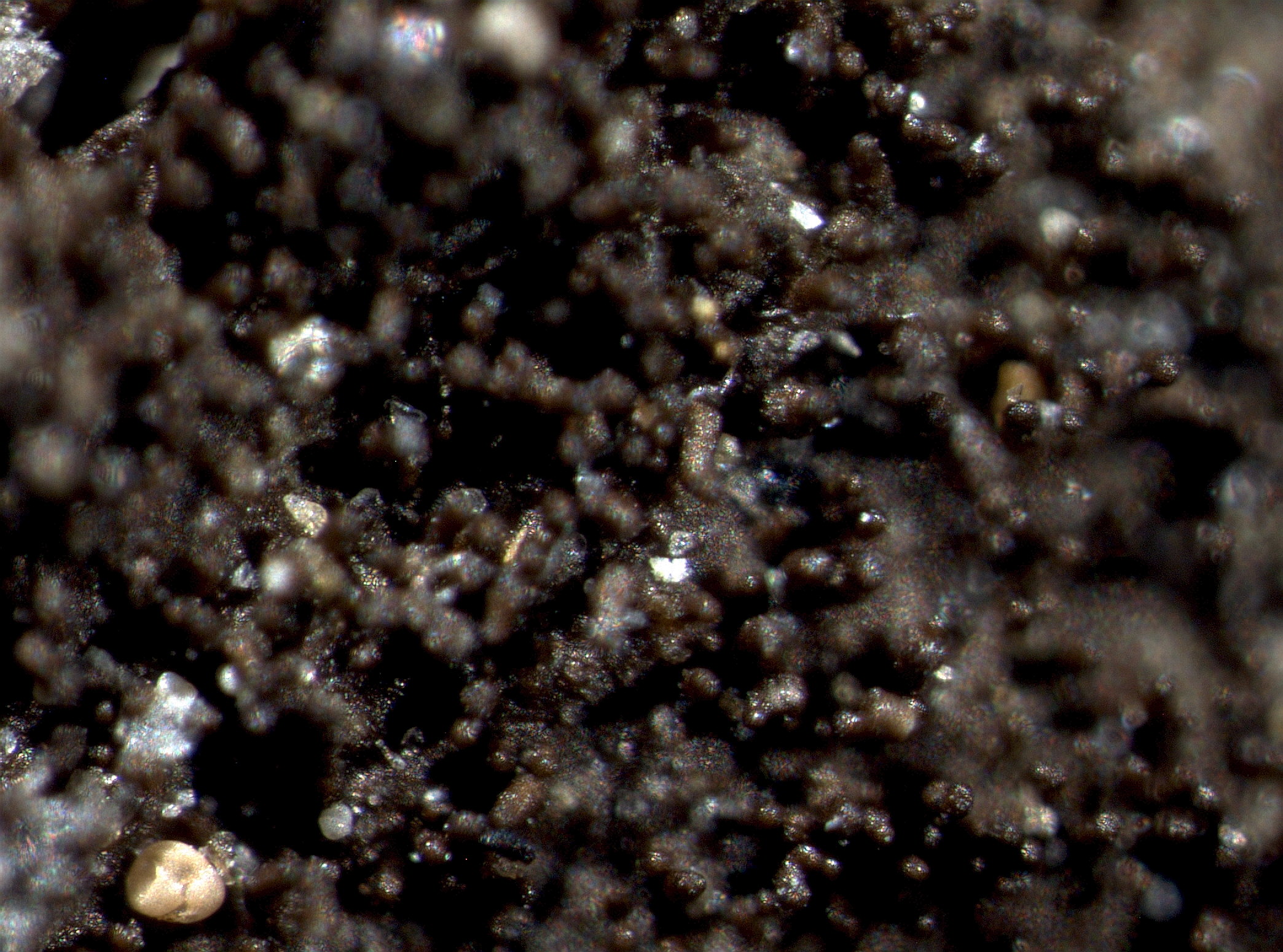
Pier Luigi Nimis - CC BY-SA 4.0
TSB 38848
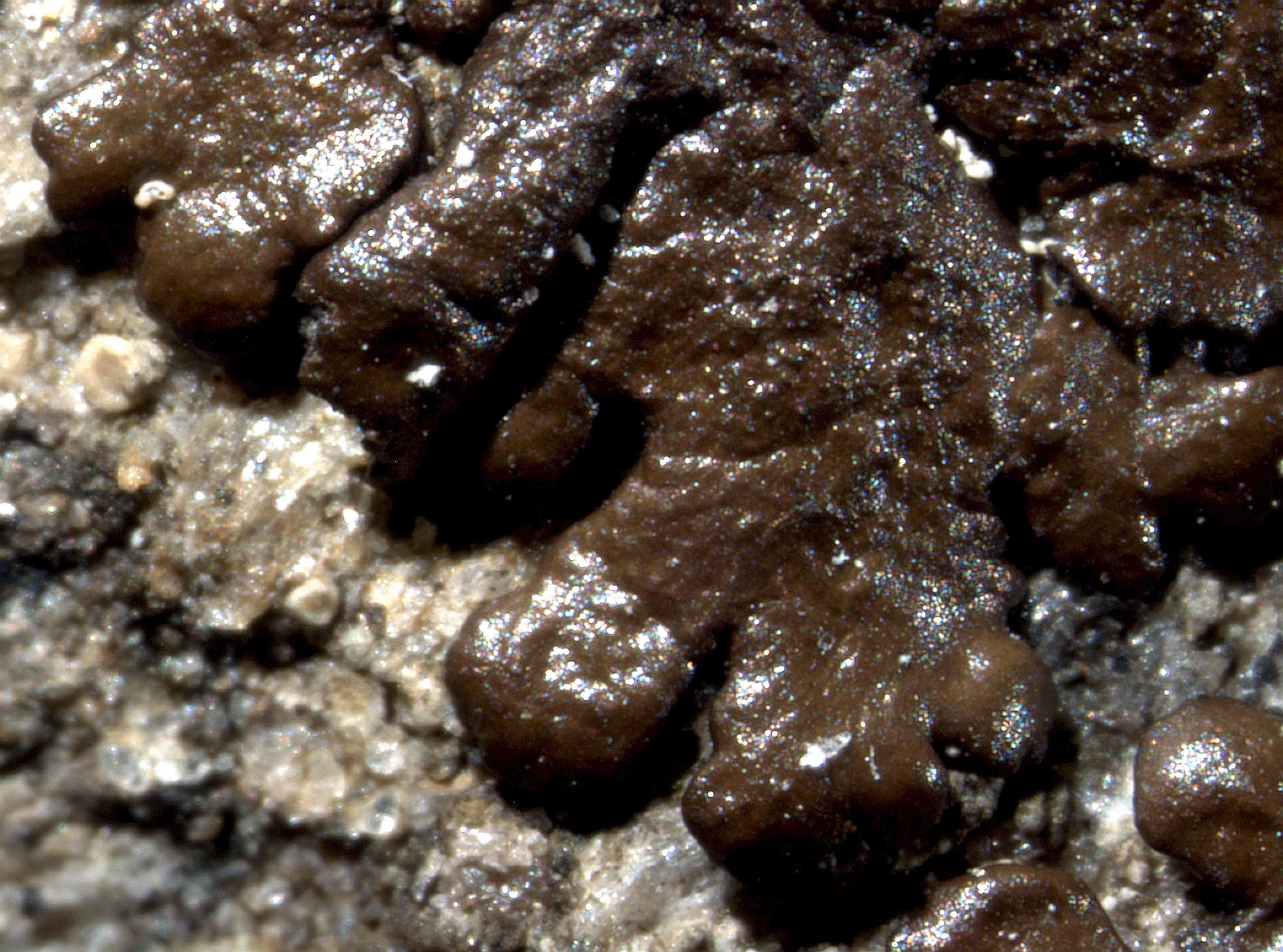
Pier Luigi Nimis - CC BY-SA 4.0
TSB 38848
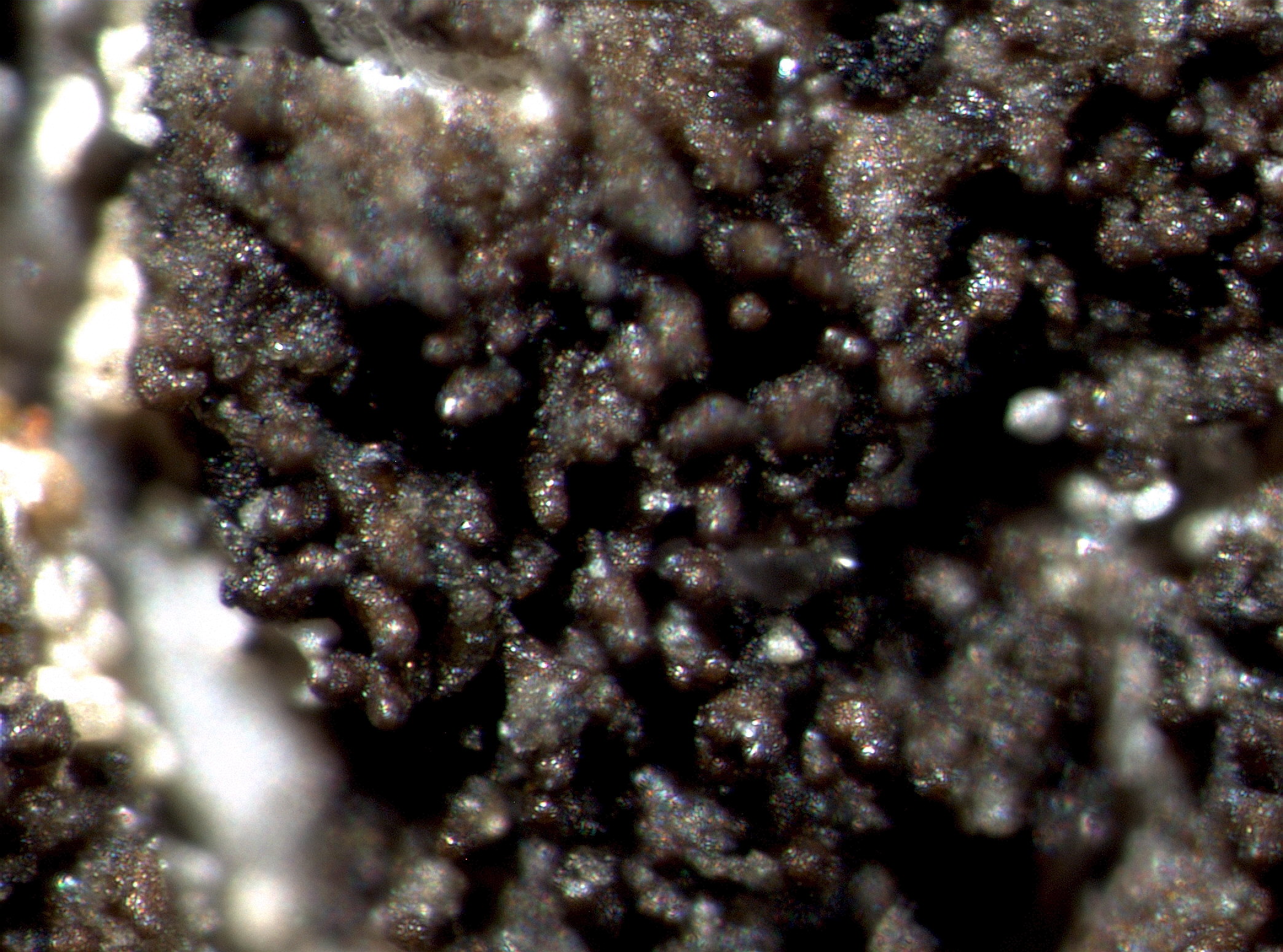
Pier Luigi Nimis - CC BY-SA 4.0
TSB 38848
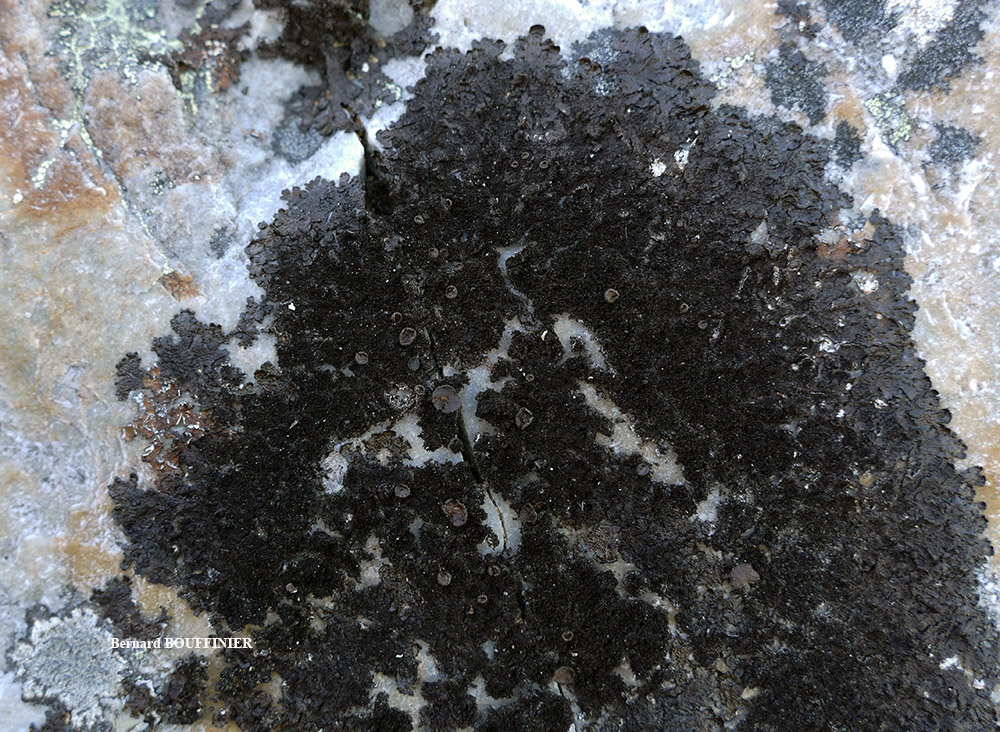
Bernard Bouffinier - Source: http://www.lichensmaritimes.org/index.php?task=fiche&lichen=127&lang=en
France, Pointe de Rostudel
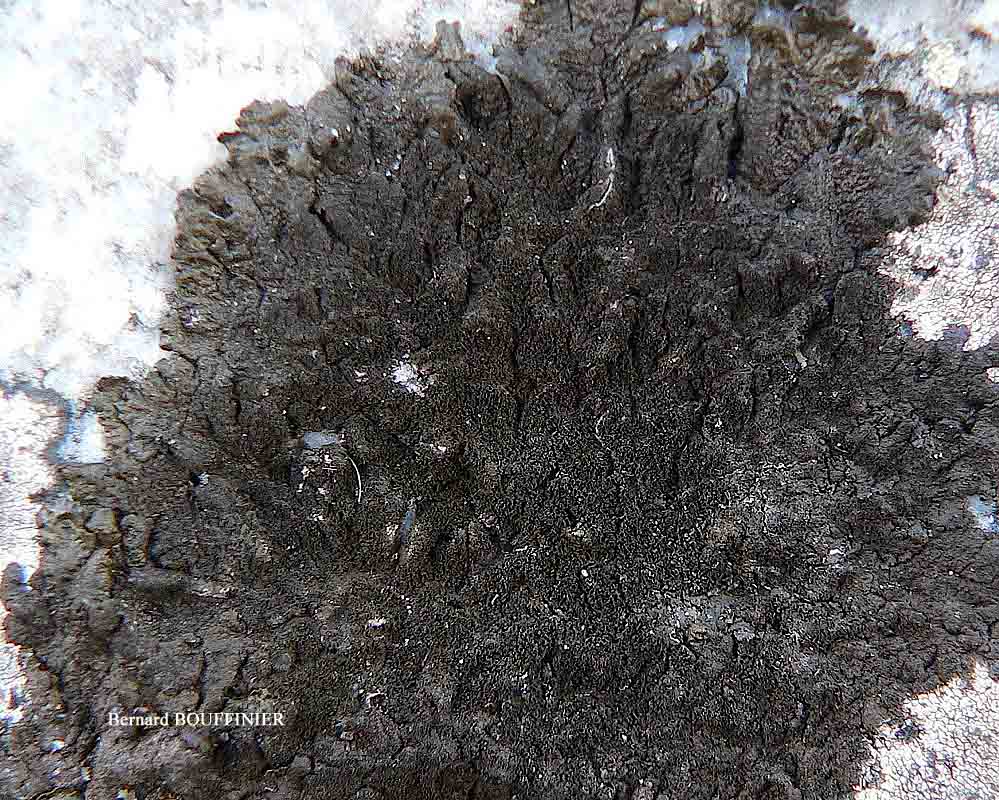
Bernard Bouffinier - Source: http://www.lichensmaritimes.org/index.php?task=fiche&lichen=127&lang=en
France, Pointe de Rostudel
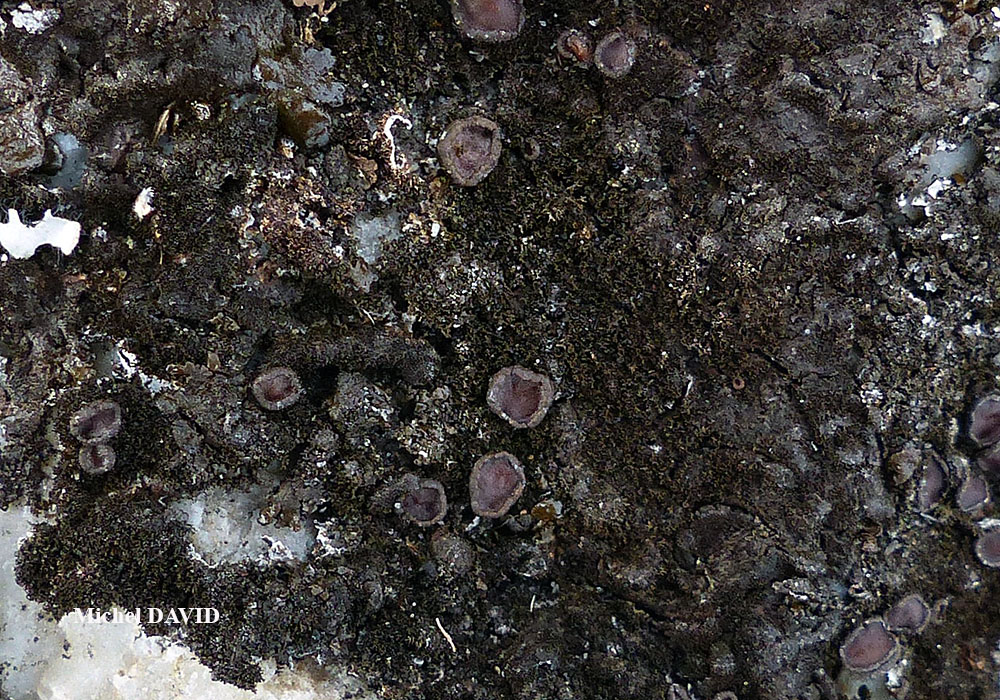
Michel David - Source: http://www.lichensmaritimes.org/index.php?task=fiche&lichen=127&lang=en
France, Pointe de Dinan
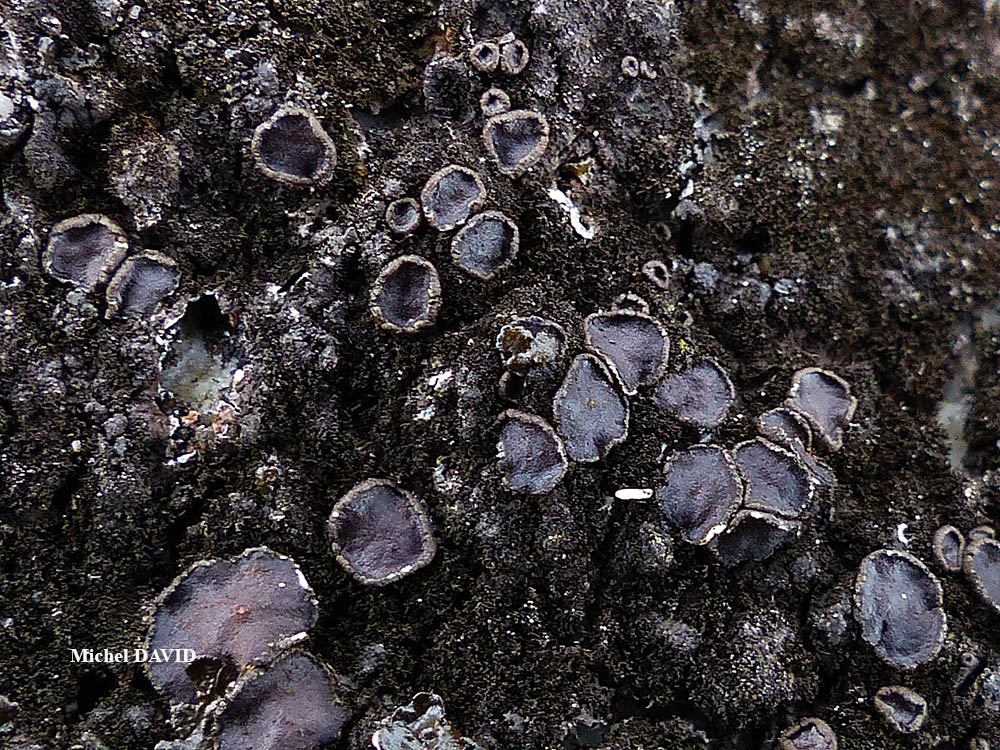
Michel David - Source: http://www.lichensmaritimes.org/index.php?task=fiche&lichen=127&lang=en
France, Kerloc'h, Camaret
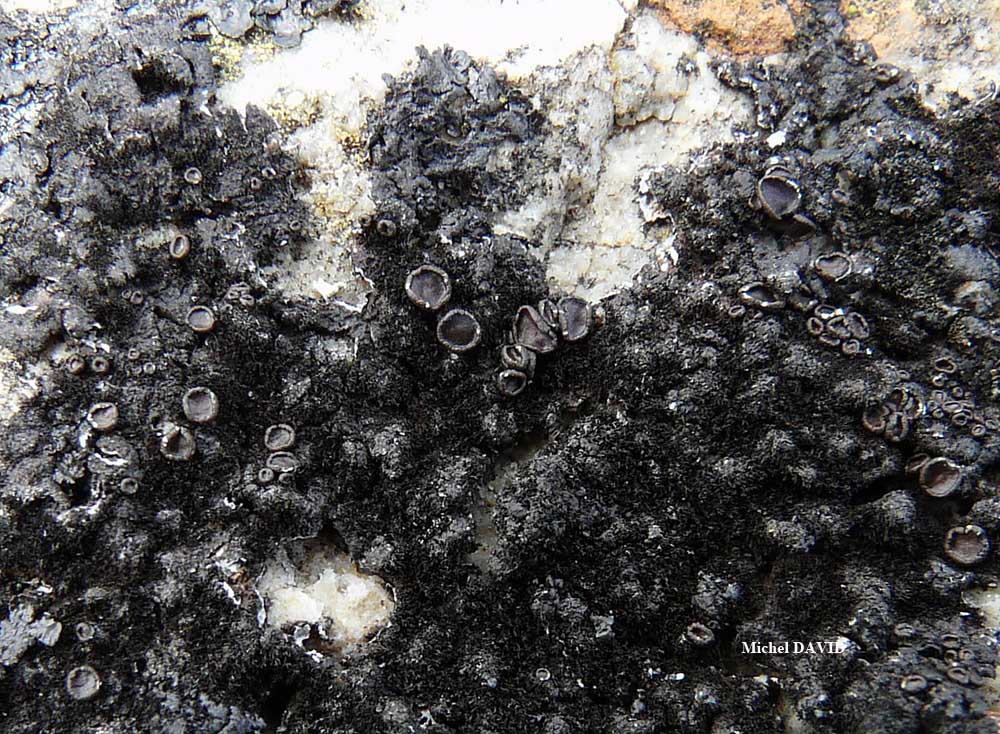
Michel David - Source: http://www.lichensmaritimes.org/index.php?task=fiche&lichen=127&lang=en
France, Kerloc'h
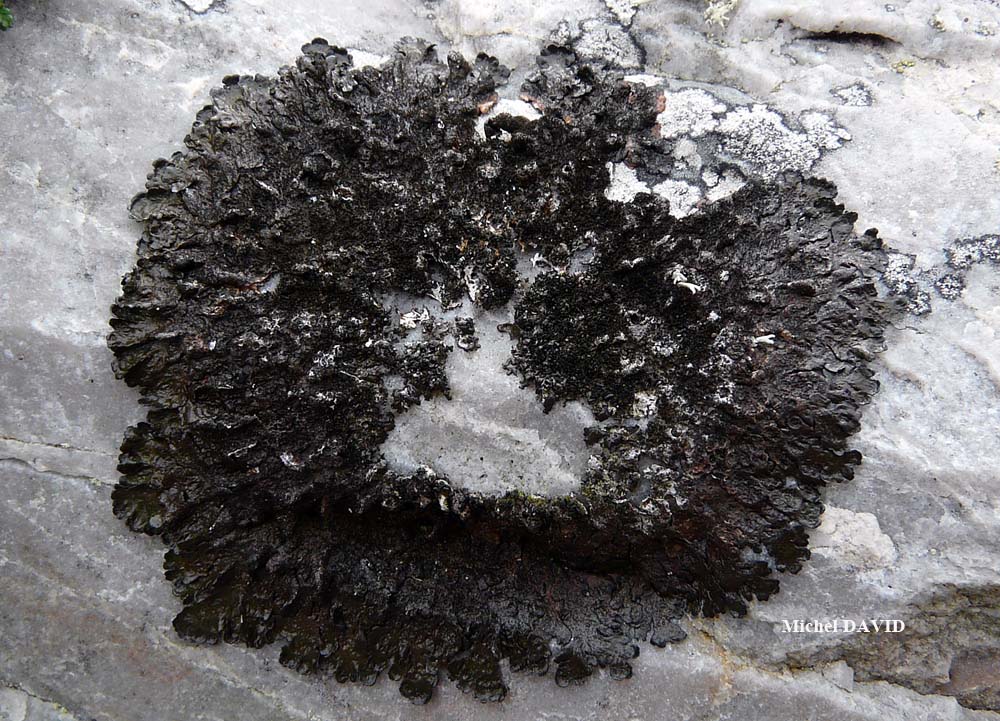
Michel David - Source: http://www.lichensmaritimes.org/index.php?task=fiche&lichen=127&lang=en
France, Portzen
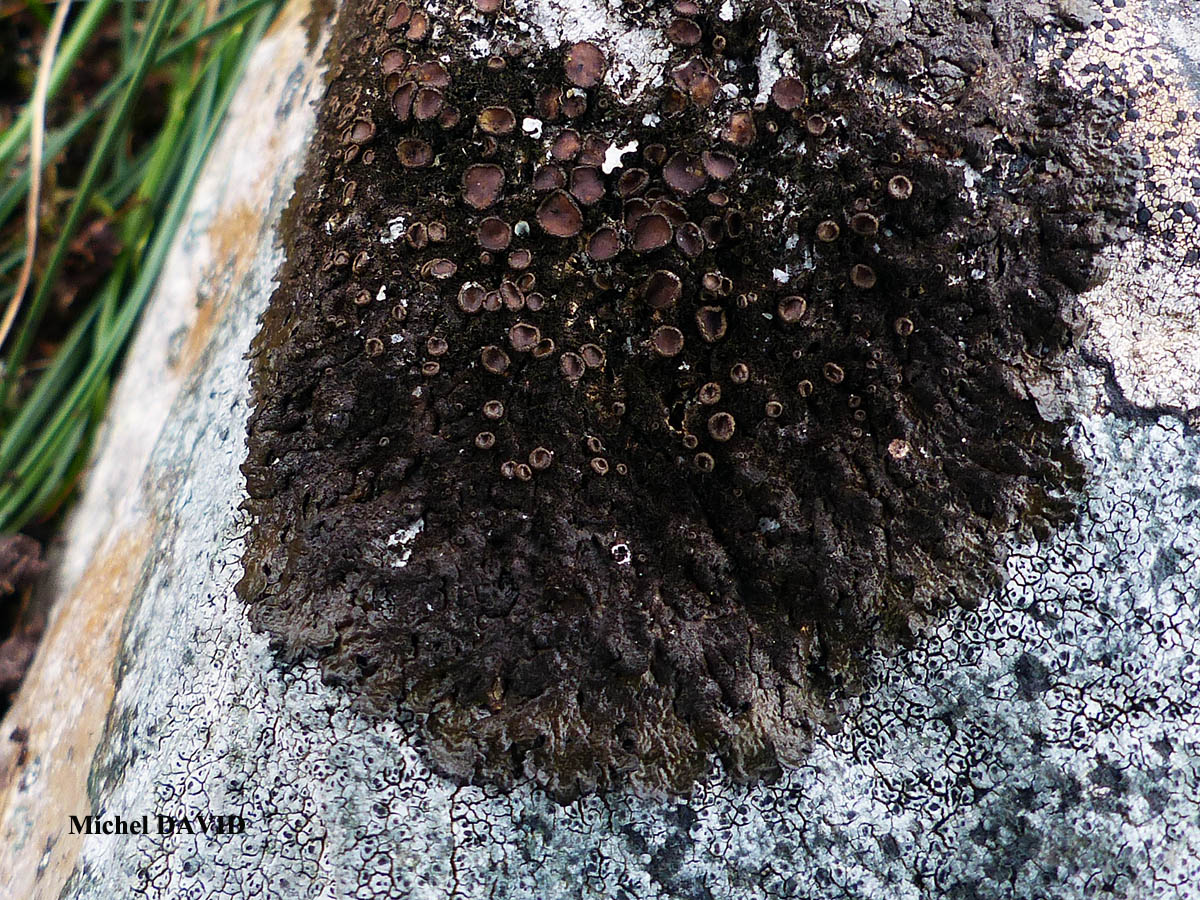
Michel David - Source: http://www.lichensmaritimes.org/index.php?task=fiche&lichen=127&lang=en
France, Kerloc'h
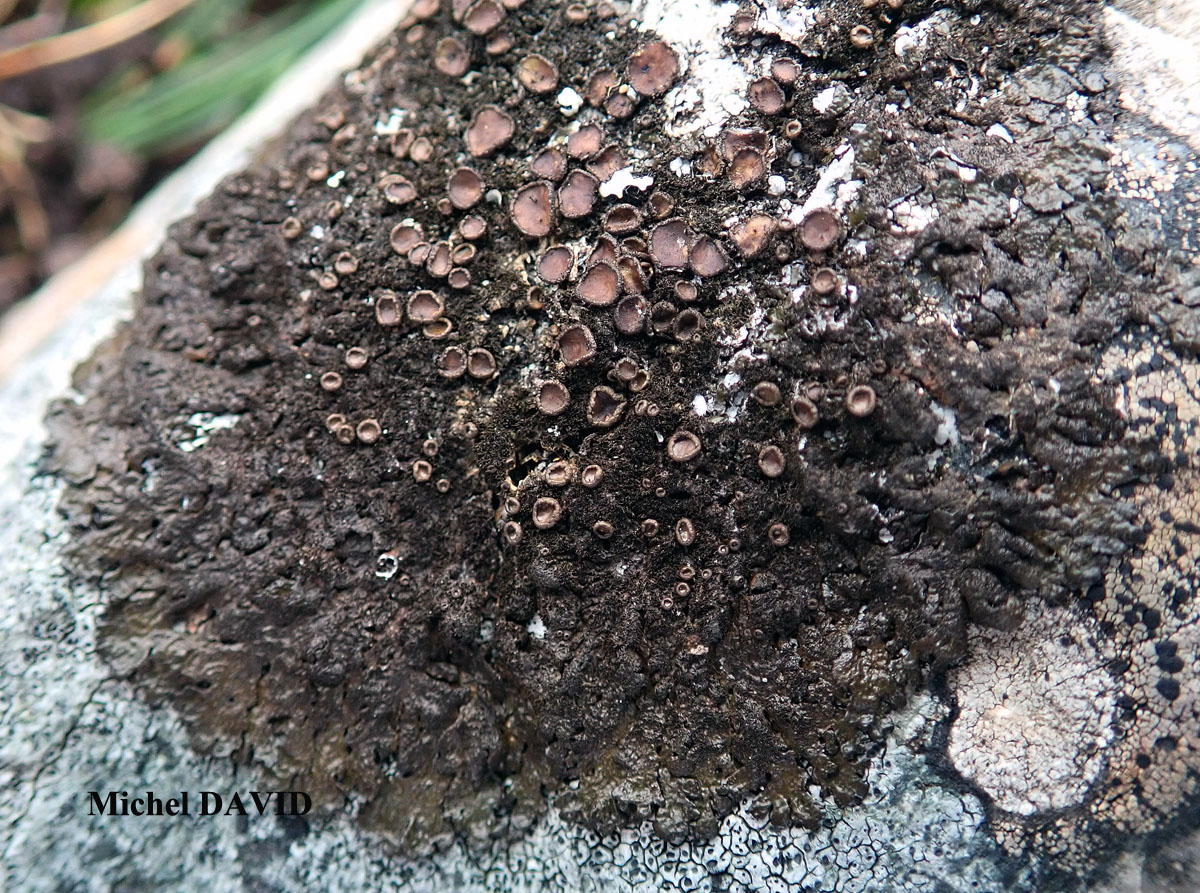
Michel David - Source: http://www.lichensmaritimes.org/index.php?task=fiche&lichen=127&lang=en
France, Kerloc'h
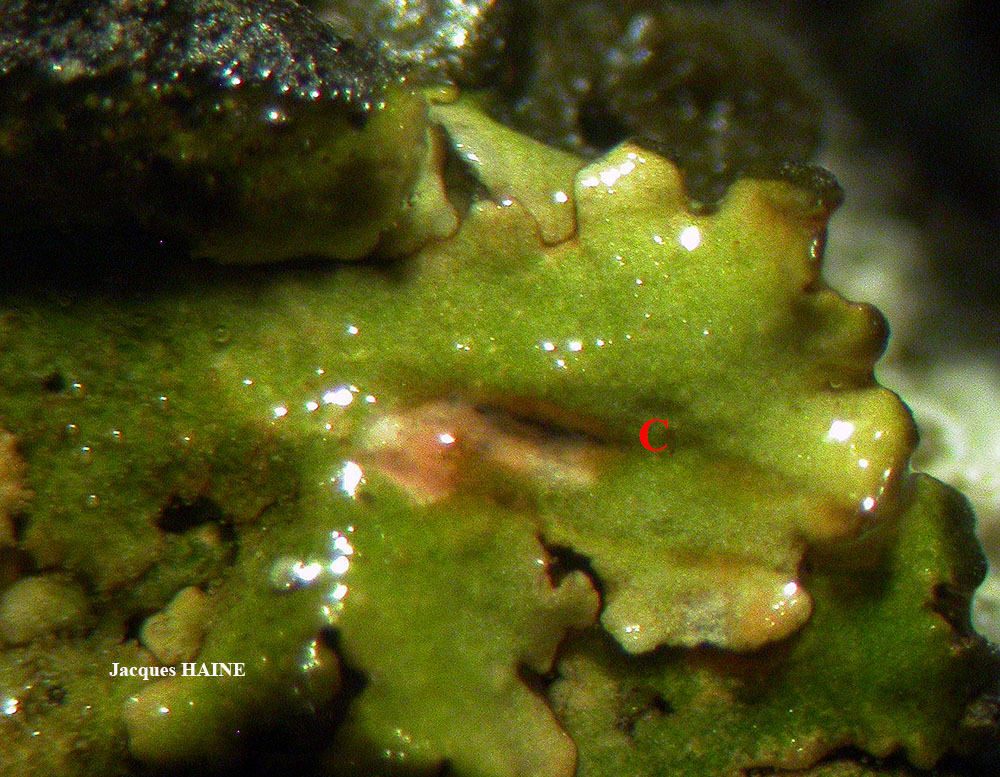
Jacques Haine - Source: http://www.lichensmaritimes.org/index.php?task=fiche&lichen=127&lang=en
France, Pointe de Dinan
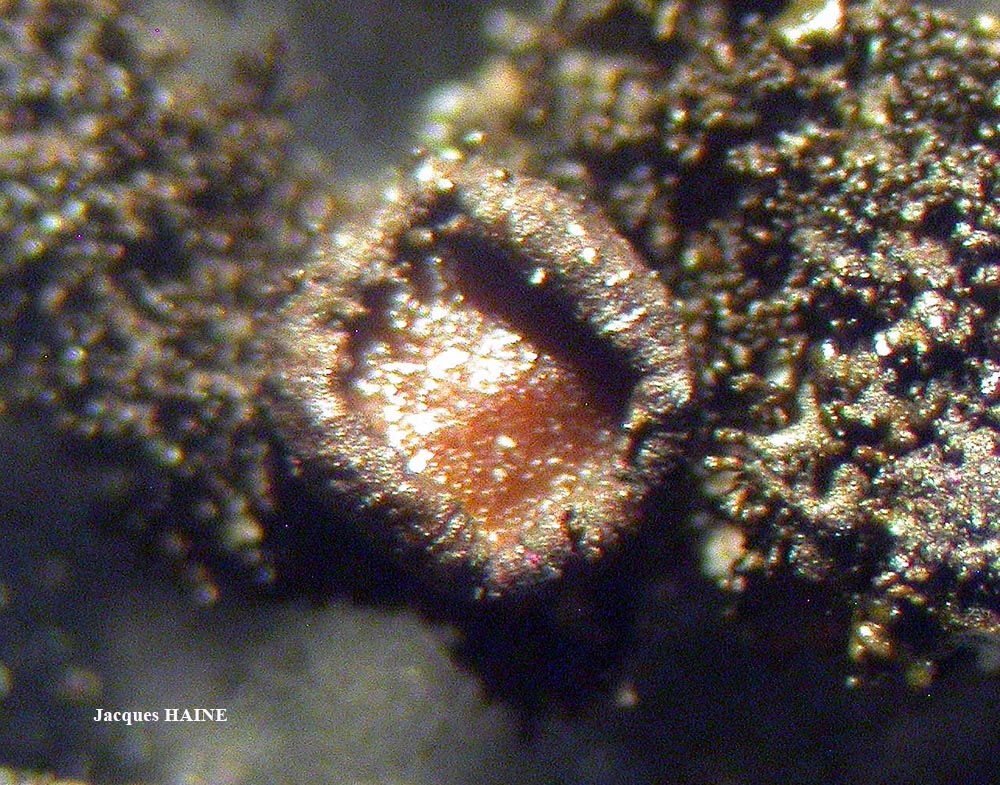
Jacques Haine - Source: http://www.lichensmaritimes.org/index.php?task=fiche&lichen=127&lang=en
France, Pointe de Dinan
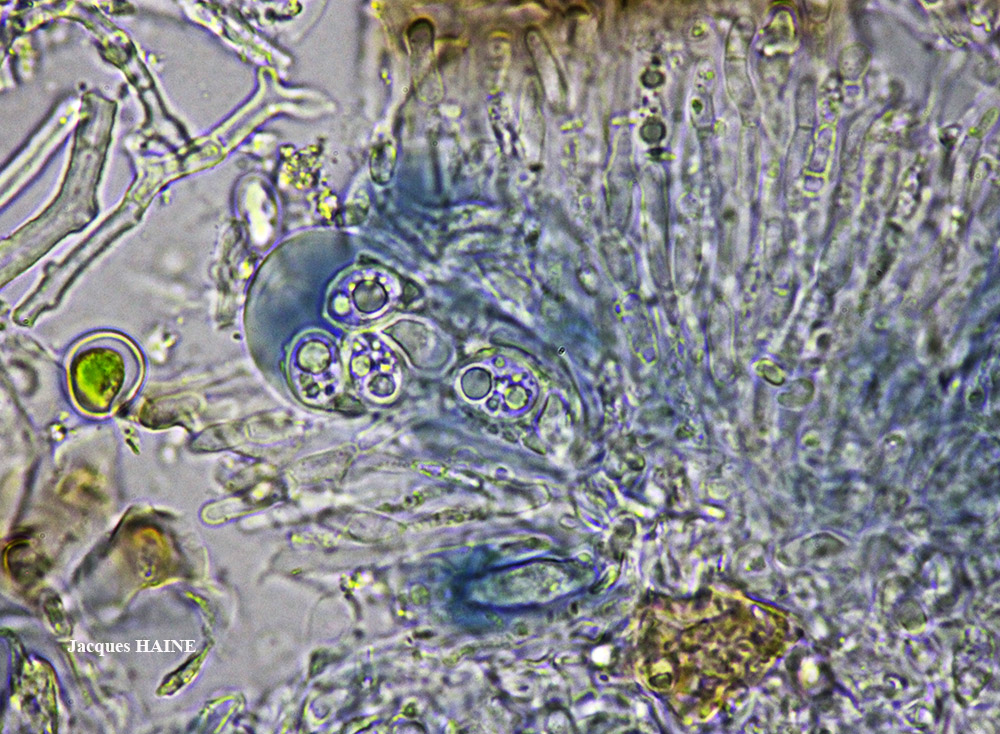
Jacques Haine - Source: http://www.lichensmaritimes.org/index.php?task=fiche&lichen=127&lang=en
France, Pointe de Dinan
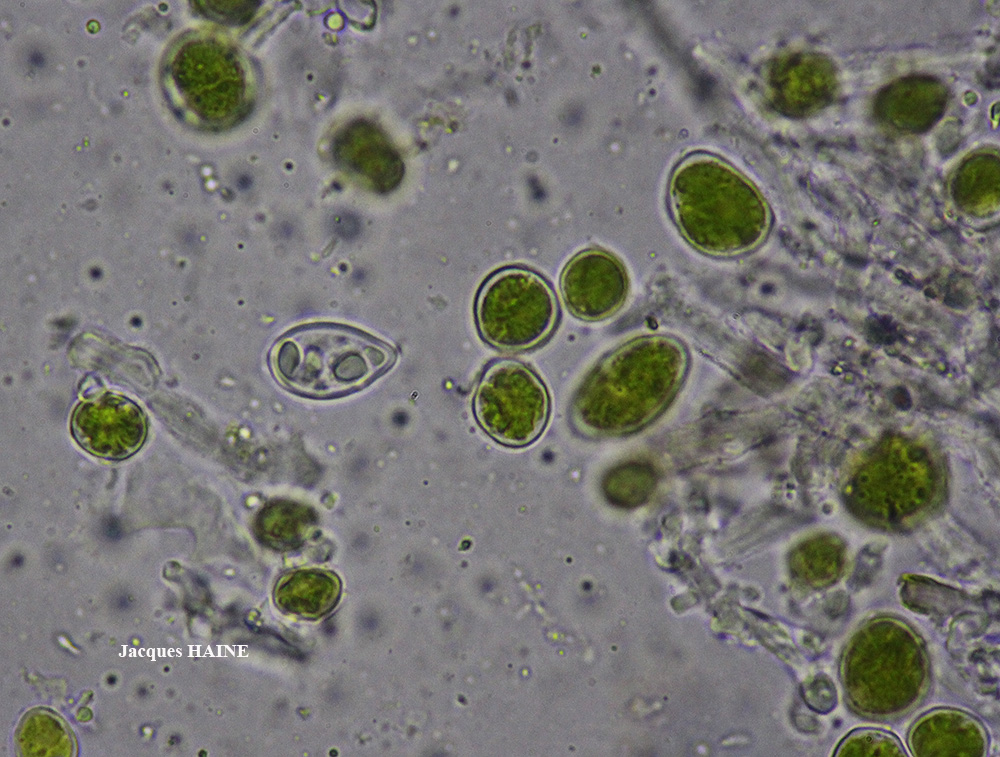
Jacques Haine - Source: http://www.lichensmaritimes.org/index.php?task=fiche&lichen=127&lang=en
France, Pointe de Dinan
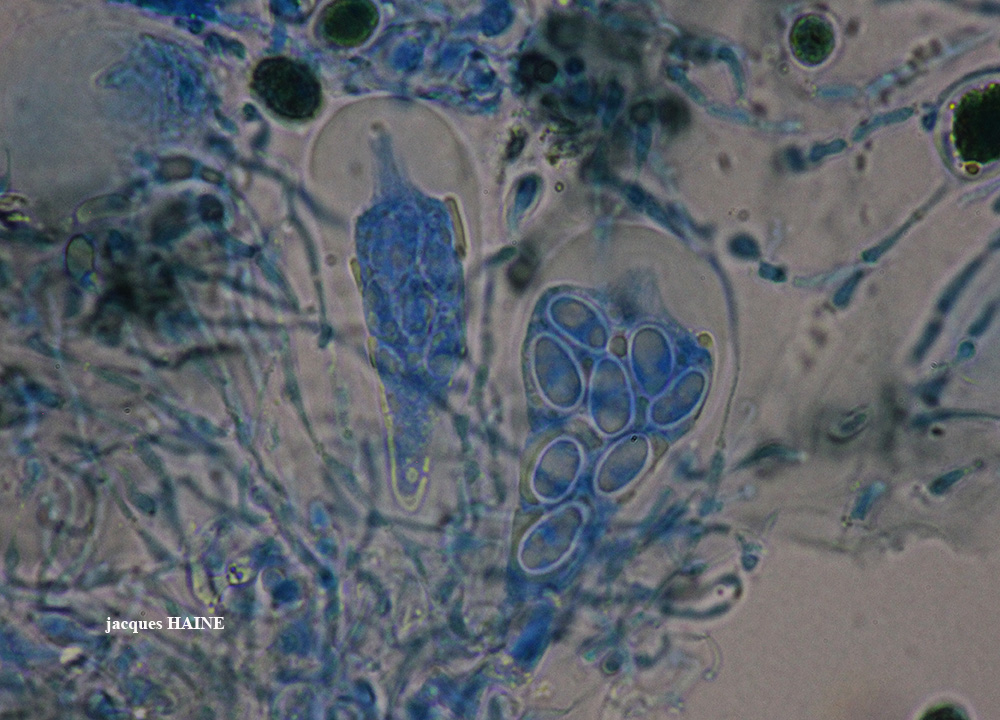
Jacques Haine - Source: http://www.lichensmaritimes.org/index.php?task=fiche&lichen=127&lang=en
France, Pointe de Dinan
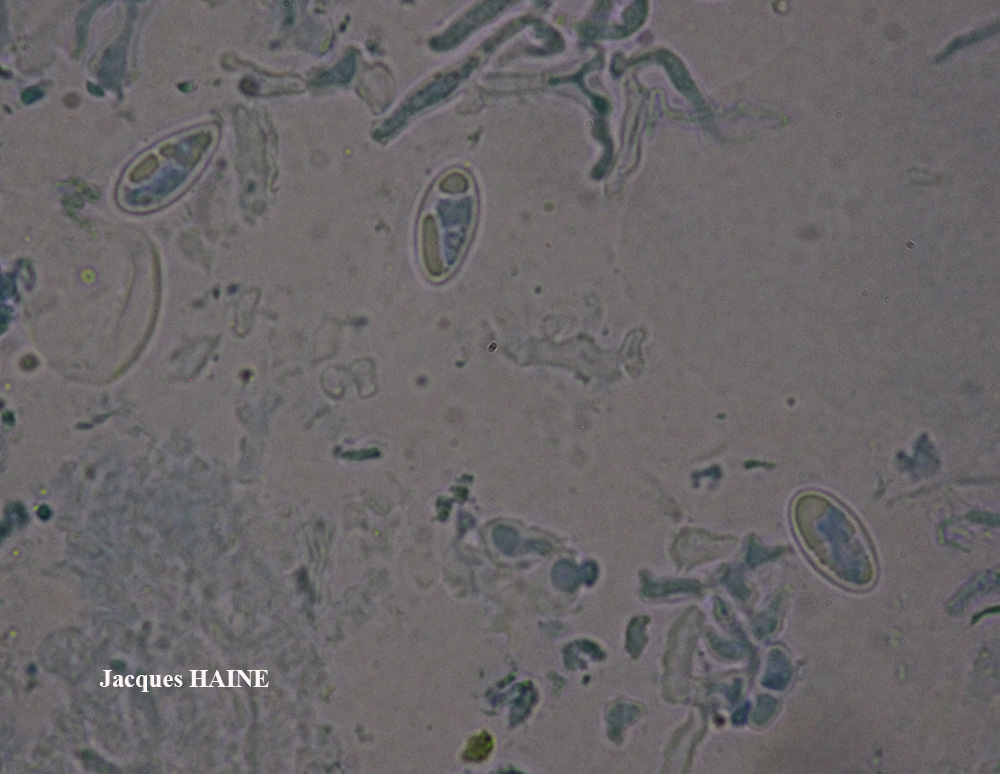
Jacques Haine - Source: http://www.lichensmaritimes.org/index.php?task=fiche&lichen=127&lang=en
France, Pointe de Dinan

Wolfgang von Brackel - CC BY-4.0
Germany, Bavaria, Jochenstein

Wolfgang von Brackel - CC BY-4.0
Germany, Bavaria, Jochenstein

Wolfgang von Brackel - CC BY-4.0
Germany, Bavaria, Jochenstein

Wolfgang von Brackel - CC BY-4.0
Germany, Bavaria, Tauperlitz bei Hof
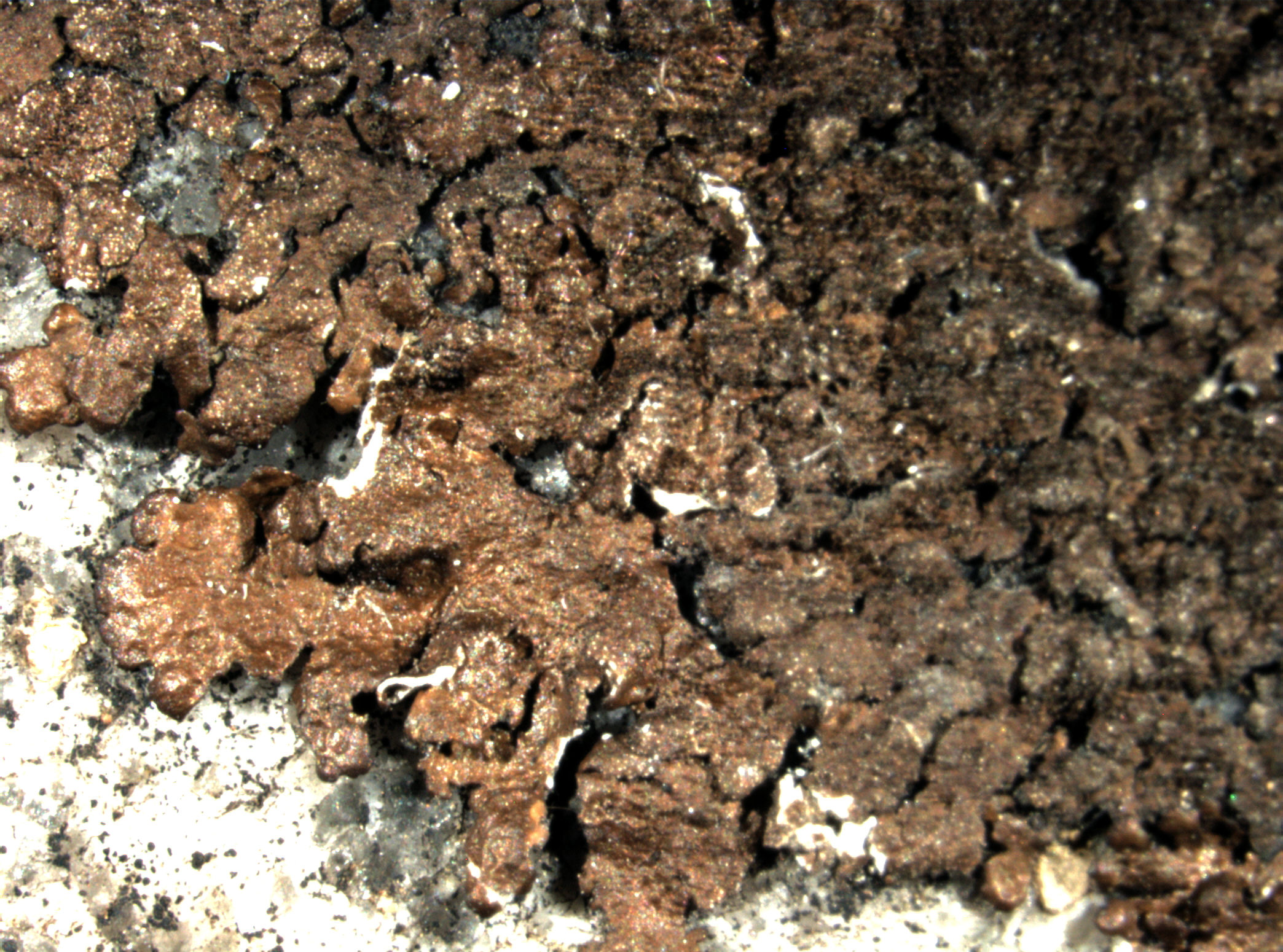
P.L. Nimis CC BY-SA 4.0
TSB 27969

Wolfgang von Brackel - CC BY-4.0
Germany, Bavaria, Hirschstein

Wolfgang von Brackel - CC BY-4.0
Germany, Bavaria, Hirschstein

Triin Aimla; Owner: University of Tartu
originally as Melanelia fuliginosa