Melanohalea exasperatula (Nyl.) O. Blanco, A. Crespo, Divakar, Essl., D. Hawksw. & Lumbsch
Mycol. Res., 108: 882, 2004. Basionym: Parmelia exasperatula Nyl. - Flora, 56: 299, 1873.
Synonyms: Imbricaria olivacea f. papulosa Anzi; Melanelia exasperatula (Nyl.) Essl.; Parmelia aspidota var. exasperatula (Nyl.) P. Syd.; Parmelia papulosa (Anzi) Vain. non Mont.
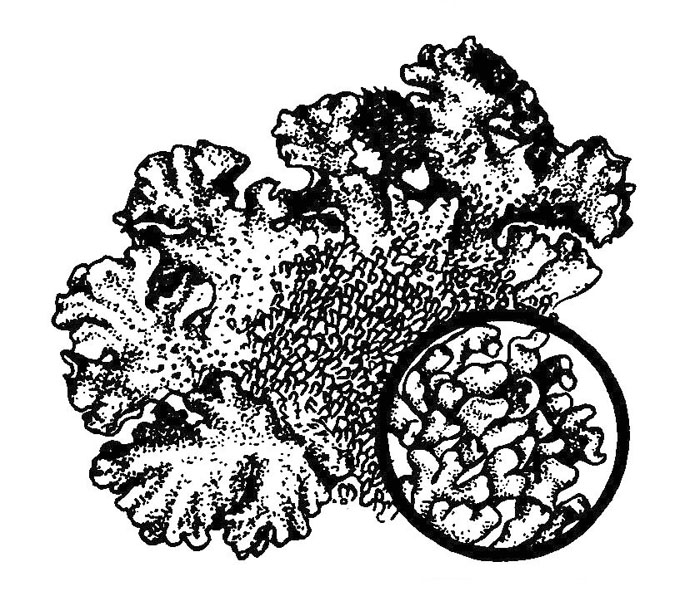
Description: Thallus foliose, heteromerous, dorsiventral, adpressed throughout or more often somewhat raised at the periphery, forming regular or irregular, up to 5 cm wide rosettes, isidiate. Lobes broadly rounded, contiguous to slightly imbricate, (l-)3-5 mm wide, flat but often with reflexed margins, pale to dark olive-brown, smooth or slightly wrinkled, often shiny, especially at the tips, rarely lightly pruinose, densely covered in flattened, clavate to spathulate, prostrate to suberect, hollow, 0.3-1(-2) mm long, 0.14-0.25 mm thick, glossy, simple or bifurcate isidia originating from cylindrical papillae. Lower surface pale tan to dark brown in central parts, with mostly simple rhizines. Upper cortex paraplectenchymatous, with a non-pored epicortex, the cell walls containing isolichenan; medulla white; lower cortex paraplectenchymatous. Apothecia rare, lecanorine, to 3 mm across, sessile, with a brown disc and a usually not isidiate thalline margin. Epithecium brown; hymenium and hypothecium colourless. Asci 8-spored, clavate, the K/I+ blue tholus penetrated by a faintly amyloid apical cushion with parallel or diverging flanks, the wall K/I-, surrounded by a K/I+ blue outer layer, Lecanora-type. Ascospores 1-celled, hyaline, broadly ellipsoid, 8-11 x 4-8 µm. Pycnidia usually absent. Photobiont chlorococcoid. Spot tests: cortex and medulla K-, C-, KC-, P-, N-, UV-. Chemistry: without lichen substances.
Growth form: Foliose, broad lobed
Substrata: bark
Photobiont: green algae other than Trentepohlia
Reproductive strategy: mainly asexual, by isidia, or isidia-like structures (e.g. schizidia)
Commonnes-rarity: (info)
Alpine belt: absent
Subalpine belt: extremely common
Montane belt: rather common
Dry submediterranean belt: very rare
Humid submediterranean belt: very rare
Padanian area: extremely rare
pH of the substrata:
1 2 3 4 5

Solar irradiation:
1 2 3 4 5
Aridity:
1 2 3 4 5
Eutrophication:
1 2 3 4 5
Poleotolerance:
0 1 2 3
Altitudinal distribution:
1 2 3 4 5 6
Rarity
absent
extremely rare
very rare
rare
rather rare
rather common
common
very common
extremely common
Loading data...
Occurrence data
Predictive map
 Current prediction (1981-2010)
 Future prediction (2071-2100) SSP 1-2.6
 Future prediction (2071-2100) SSP 5-8.5Predictive maps according to Francesconi et al. 2025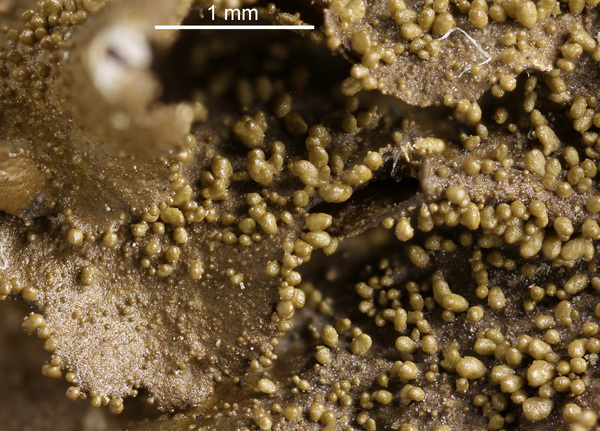
Felix Schumm - CC BY-SA 4.0
[1132], Germany, Baden-Württemberg, Schwäbische Alb, Böhmenkirch, an Malus, ca. 670 m
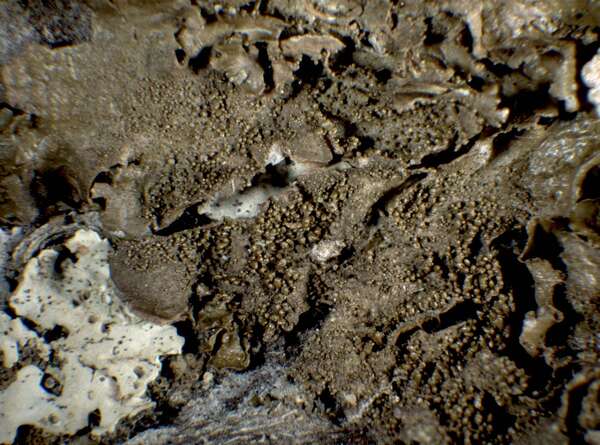
P.L. Nimis; Owner: Department of Life Sciences, University of Trieste
Herbarium: TSB (42350)
2001/12/03
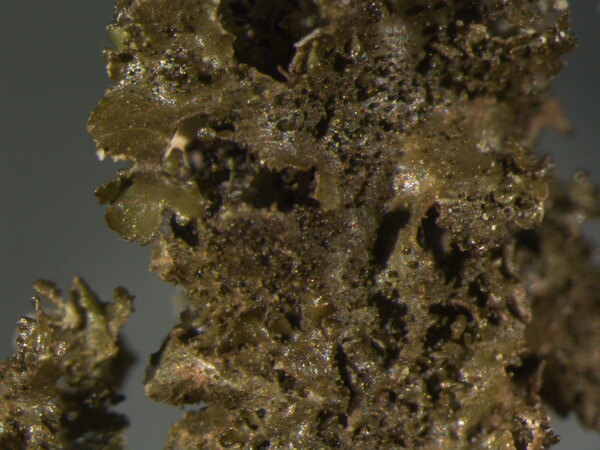
Juri Nascimbene; Owner: Department of Life Sciences, University of Trieste
Italy, Trentino-Alto Adige, Trento, Villa Welsperg, Centro Visitatori del Parco di Paneveggio; altitude: 1030 m
03.04.2009
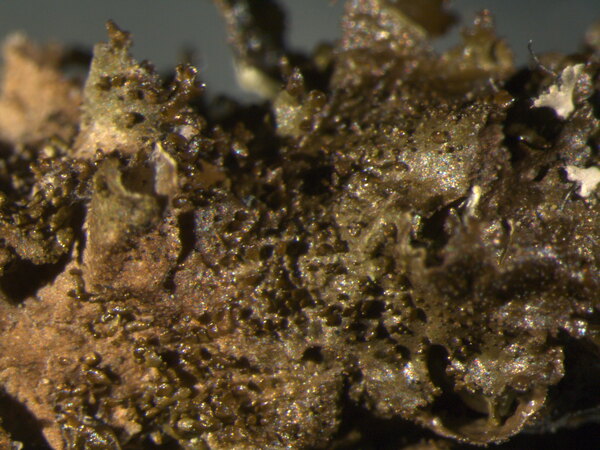
Juri Nascimbene; Owner: Department of Life Sciences, University of Trieste
Italy, Trentino-Alto Adige, Trento, Villa Welsperg, Centro Visitatori del Parco di Paneveggio; altitude: 1030 m
03.04.2009
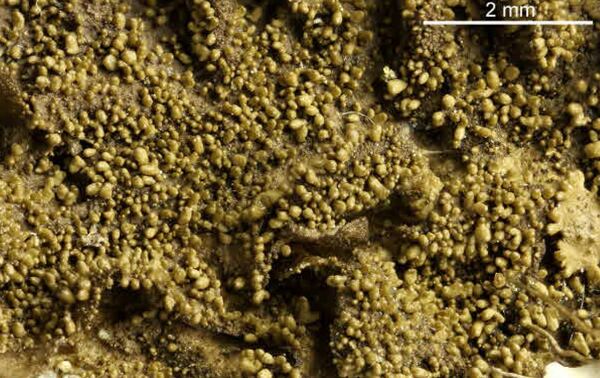
Felix Schumm – CC BY-SA 4.0
[1132], Germany, Baden-Württemberg, Schwäbische Alb, Böhmenkirch, an Malus, ca. 670 m
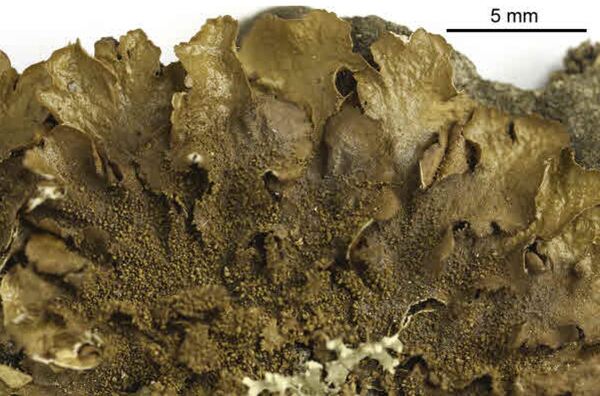
Felix Schumm – CC BY-SA 4.0
[1132], Germany, Baden-Württemberg, Schwäbische Alb, Böhmenkirch, an Malus, ca. 670 m
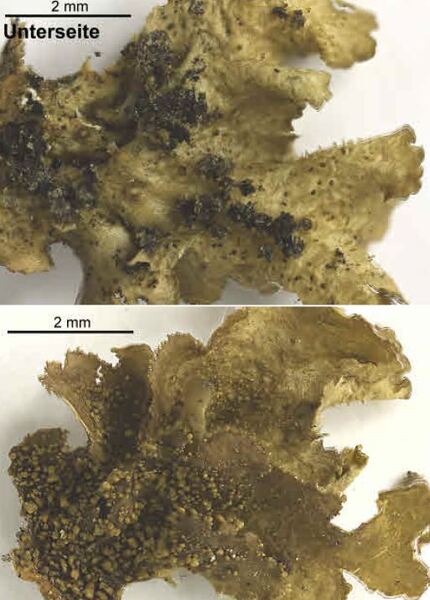
Felix Schumm – CC BY-SA 4.0
[1132], Germany, Baden-Württemberg, Schwäbische Alb, Böhmenkirch, an Malus, ca. 670 m
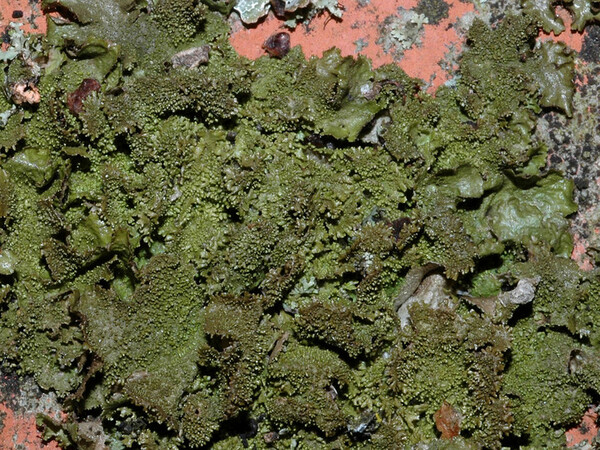
Leif Stridvall - Source: http://www.stridvall.se/la/galleries.php
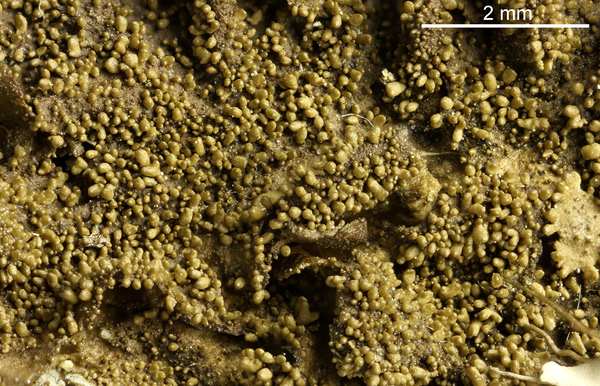
Felix Schumm - CC BY-SA 4.0
[1132], Germany, Baden-Württemberg, Schwäbische Alb, Böhmenkirch, an Malus, ca. 670 m
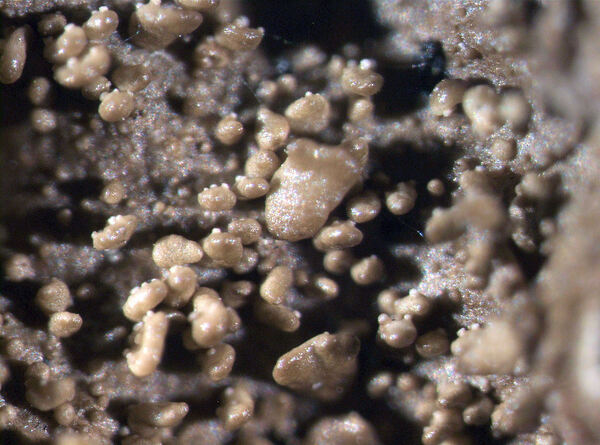
P.L. Nimis CC BY-SA 4.0
TSB 38040
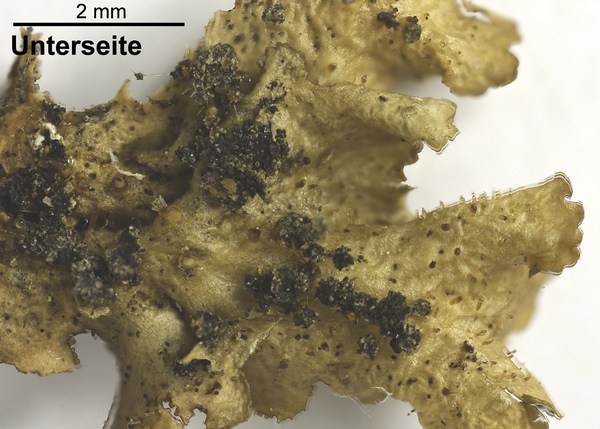
Felix Schumm - CC BY-SA 4.0
[1132], Germany, Baden-Württemberg, Schwäbische Alb, Böhmenkirch, an Malus, ca. 670 m
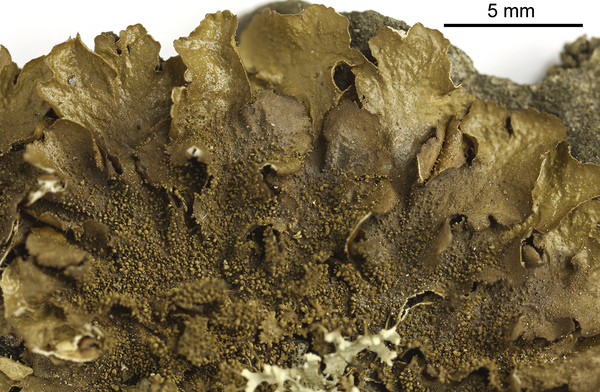
Felix Schumm - CC BY-SA 4.0
[1132], Germany, Baden-Württemberg, Schwäbische Alb, Böhmenkirch, an Malus, ca. 670 m
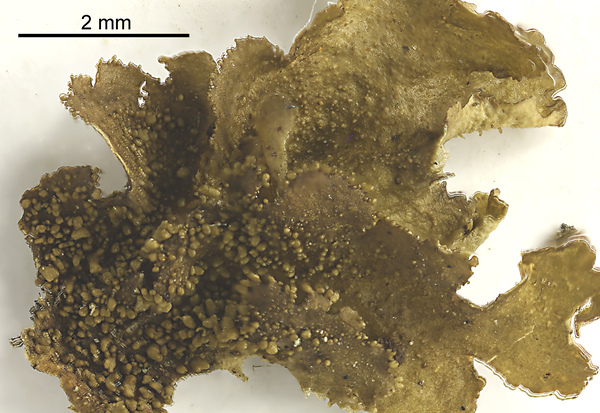
Felix Schumm - CC BY-SA 4.0
[1132], Germany, Baden-Württemberg, Schwäbische Alb, Böhmenkirch, an Malus, ca. 670 m
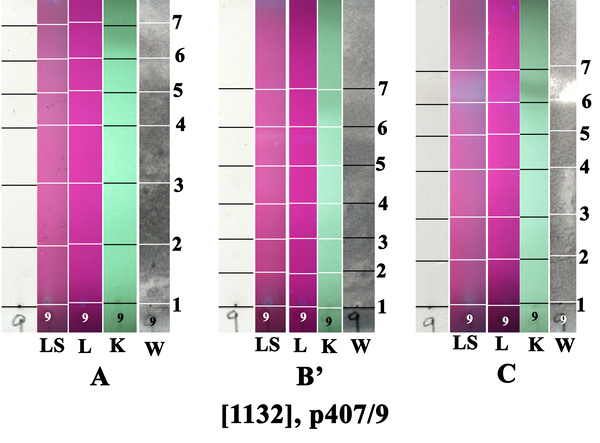
Felix Schumm - CC BY-SA 4.0
[1132], Germany, Baden-Württemberg, Schwäbische Alb, Böhmenkirch, an Malus, ca. 670 m
ohne Flechtensubstanzen
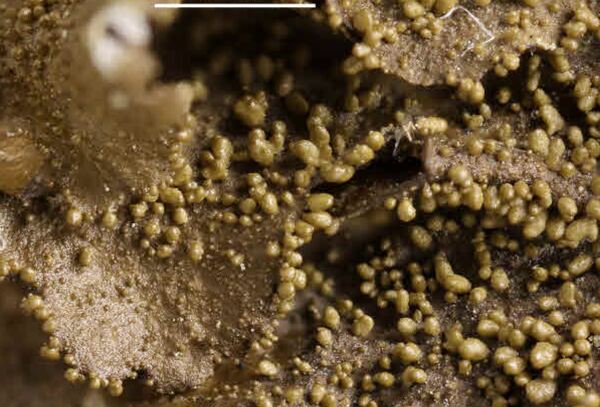
Felix Schumm – CC BY-SA 4.0
[1132], Germany, Baden-Württemberg, Schwäbische Alb, Böhmenkirch, an Malus, ca. 670 m
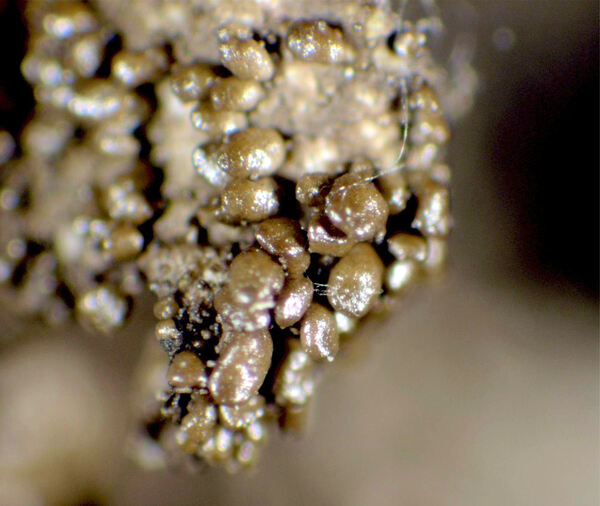
P.L. Nimis CC BY-SA 4.0
TSB 42350
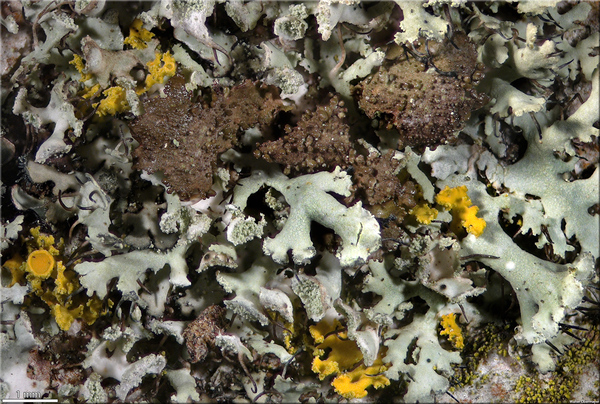
Walter Obermayer CC BY-SA 4.0 - Source: Lichens of Noricum - http://lichens-of-noricum.uni-graz.at/
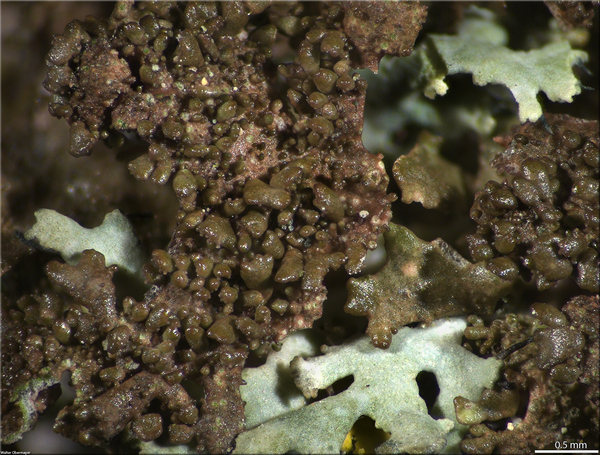
Walter Obermayer CC BY-SA 4.0 - Source: Lichens of Noricum - http://lichens-of-noricum.uni-graz.at/
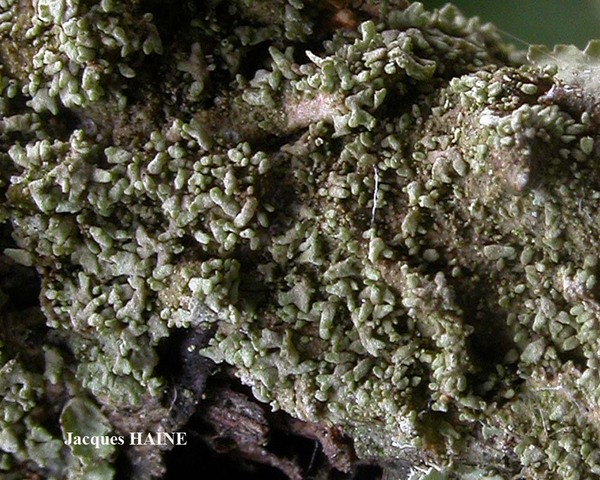
Jacques Haine - Source: http://www.lichensmaritimes.org/index.php?task=fiche&lichen=465&lang=en
France, Drôme Remuzat
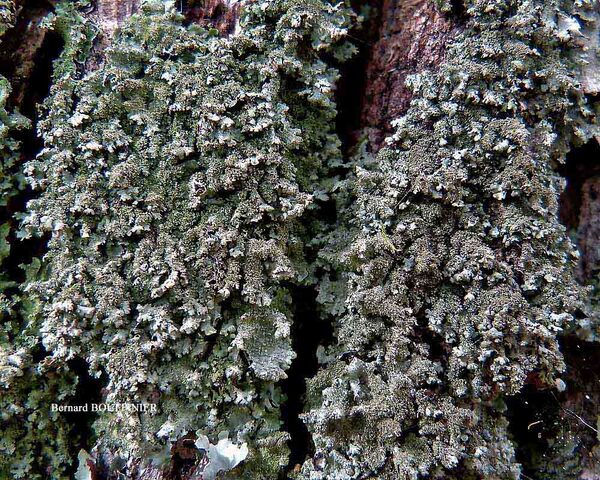
Jacques Haine - Source: http://www.lichensmaritimes.org/index.php?task=fiche&lichen=465&lang=en
France, Plogonnec
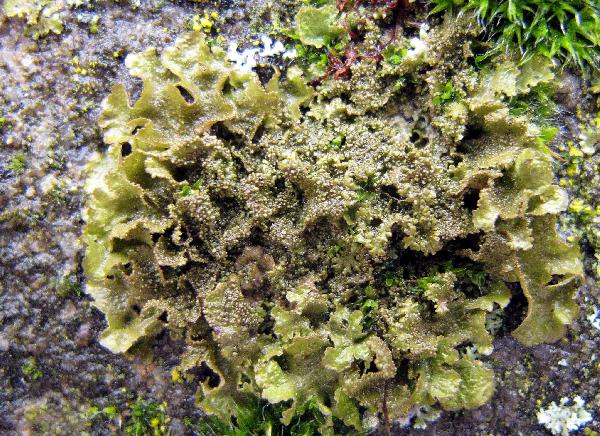
Wolfgang von Brackel - CC BY-4.0
Germany, Bavaria, Nürnberg
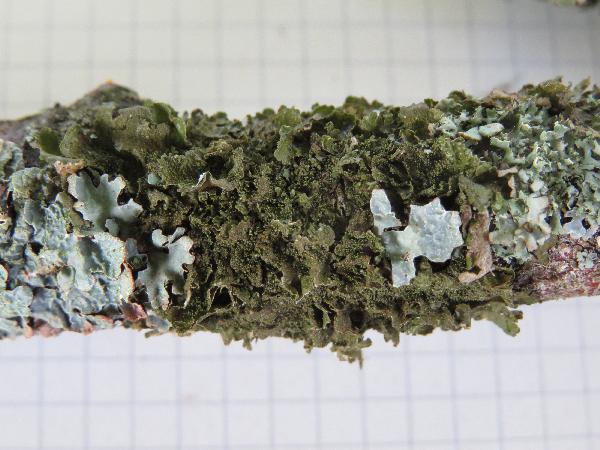
Wolfgang von Brackel - CC BY-4.0
Germany, Bavaria, Rodach
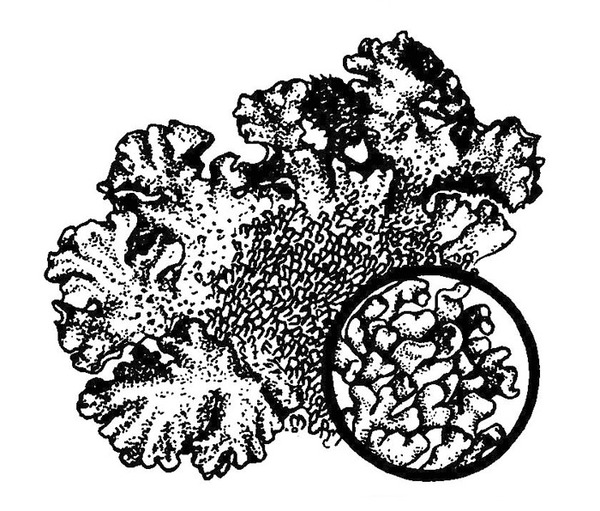
Triin Aimla; Owner: University of Tartu
originally as Melanelia exasperatula
Growth form: Foliose, broad lobed
Substrata: bark
Photobiont: green algae other than Trentepohlia
Reproductive strategy: mainly asexual, by isidia, or isidia-like structures (e.g. schizidia)
Commonnes-rarity: (info)
Alpine belt: absent
Subalpine belt: extremely common
Montane belt: rather common
Dry submediterranean belt: very rare
Humid submediterranean belt: very rare
Padanian area: extremely rare
pH of the substrata:
| 1 | 2 | 3 | 4 | 5 |
Solar irradiation:
| 1 | 2 | 3 | 4 | 5 |
Aridity:
| 1 | 2 | 3 | 4 | 5 |
Eutrophication:
| 1 | 2 | 3 | 4 | 5 |
Poleotolerance:
| 0 | 1 | 2 | 3 |
Altitudinal distribution:
| 1 | 2 | 3 | 4 | 5 | 6 |
Rarity
absent
extremely rare
very rare
rare
rather rare
rather common
common
very common
extremely common
Loading data...
Occurrence data
Predictive map
Current prediction (1981-2010)Future prediction (2071-2100) SSP 1-2.6Future prediction (2071-2100) SSP 5-8.5Predictive maps according to Francesconi et al. 2025
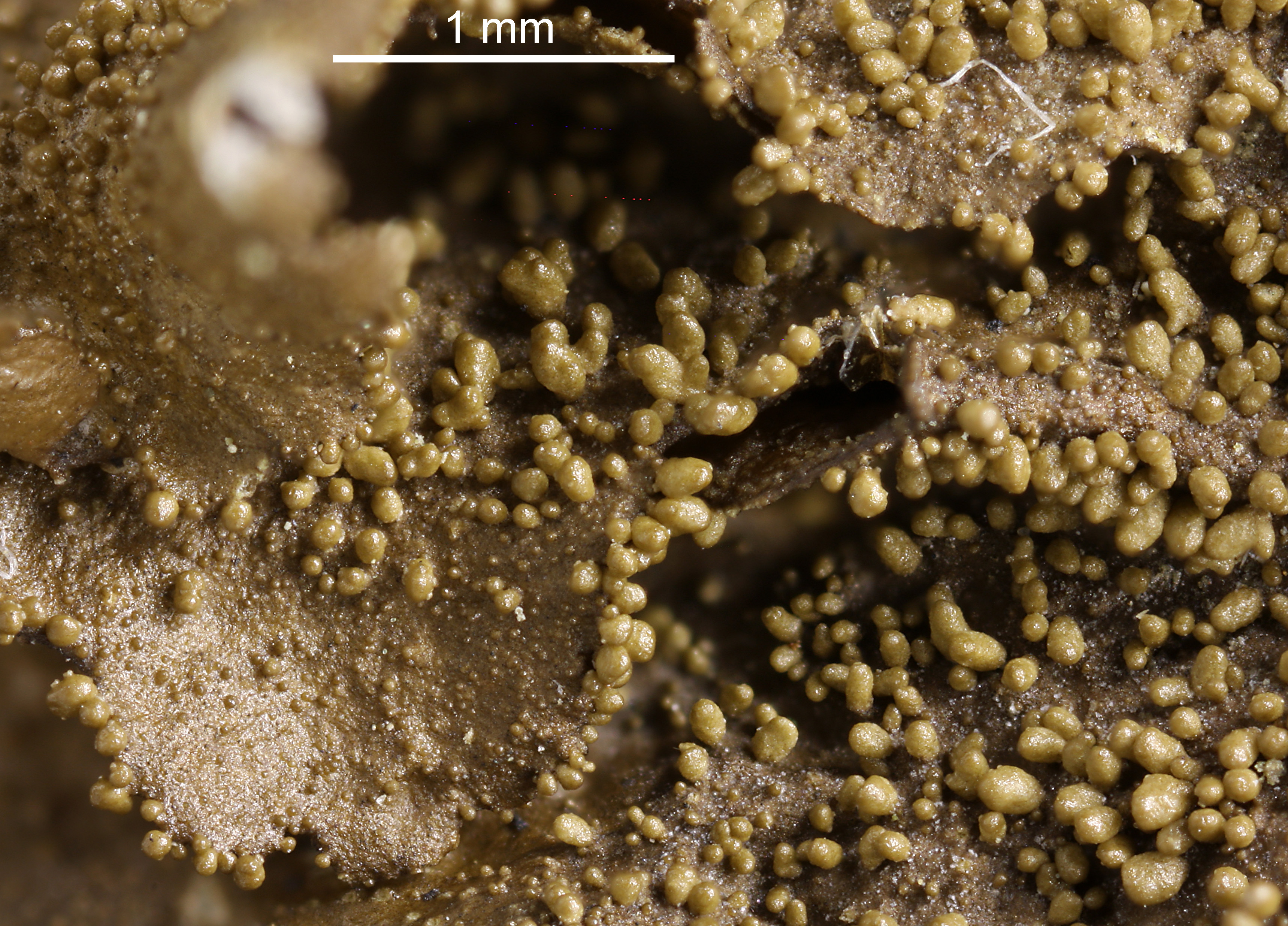
Felix Schumm - CC BY-SA 4.0
[1132], Germany, Baden-Württemberg, Schwäbische Alb, Böhmenkirch, an Malus, ca. 670 m
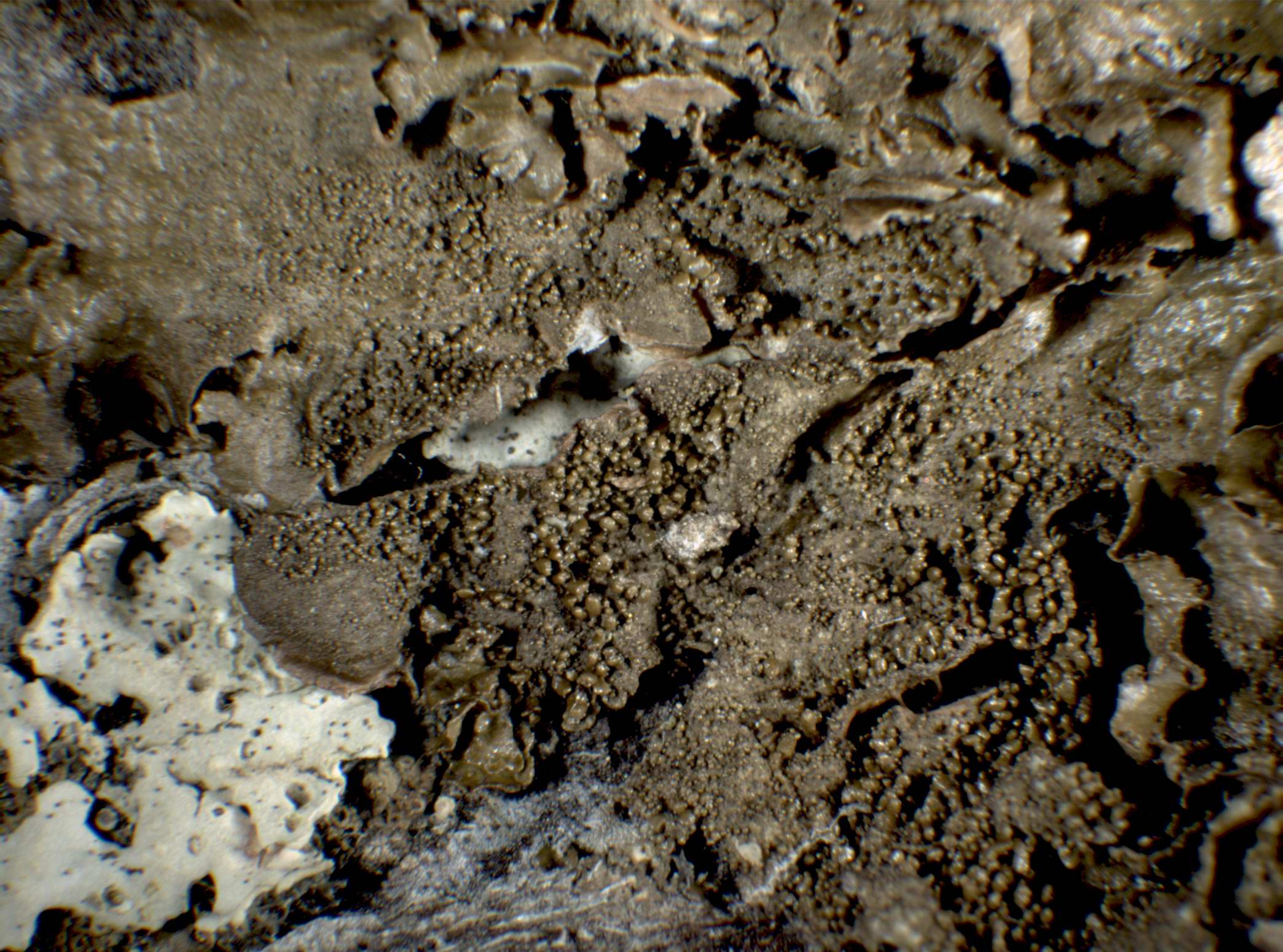
P.L. Nimis; Owner: Department of Life Sciences, University of Trieste
Herbarium: TSB (42350)
2001/12/03
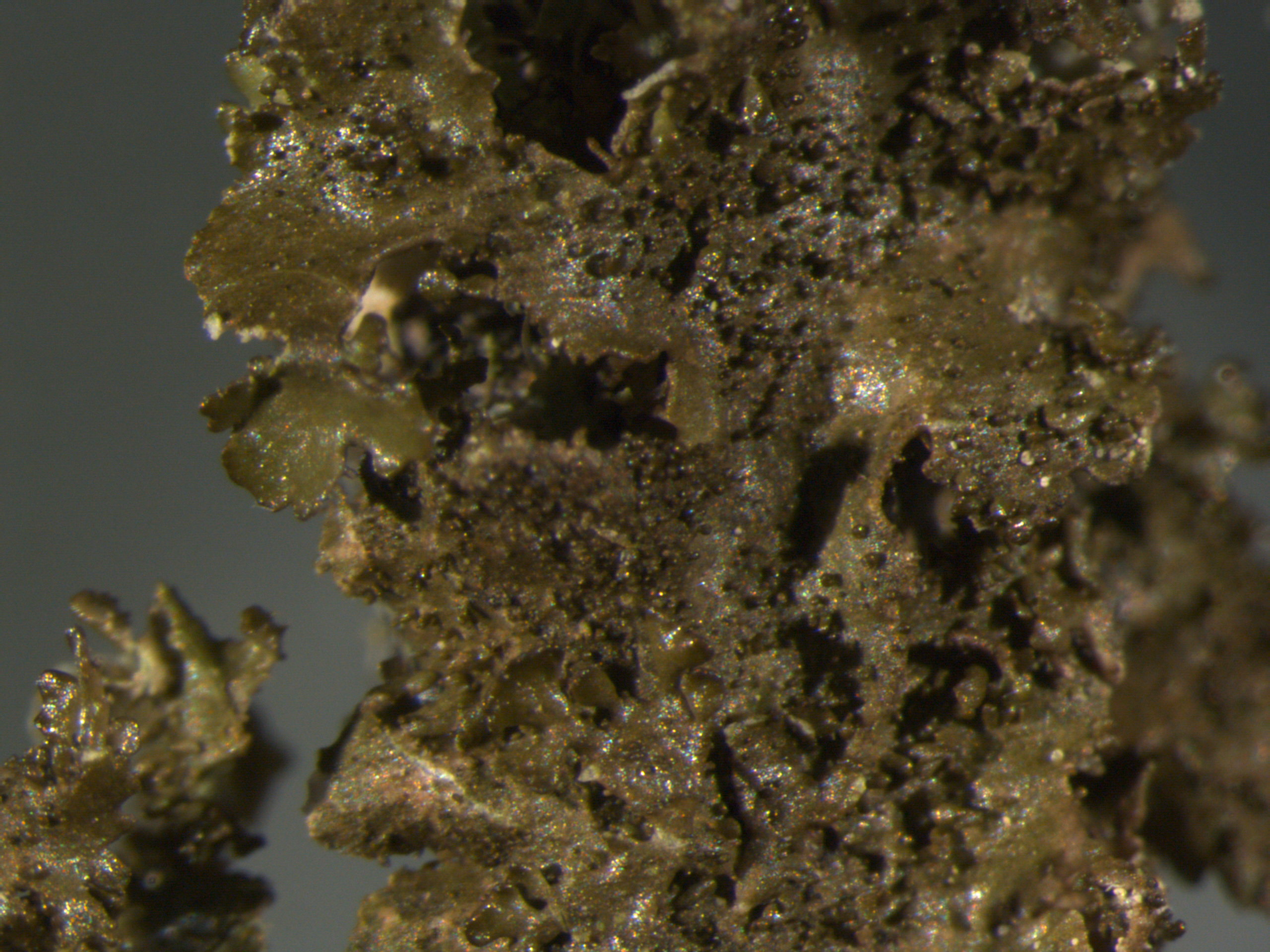
Juri Nascimbene; Owner: Department of Life Sciences, University of Trieste
Italy, Trentino-Alto Adige, Trento, Villa Welsperg, Centro Visitatori del Parco di Paneveggio; altitude: 1030 m
03.04.2009
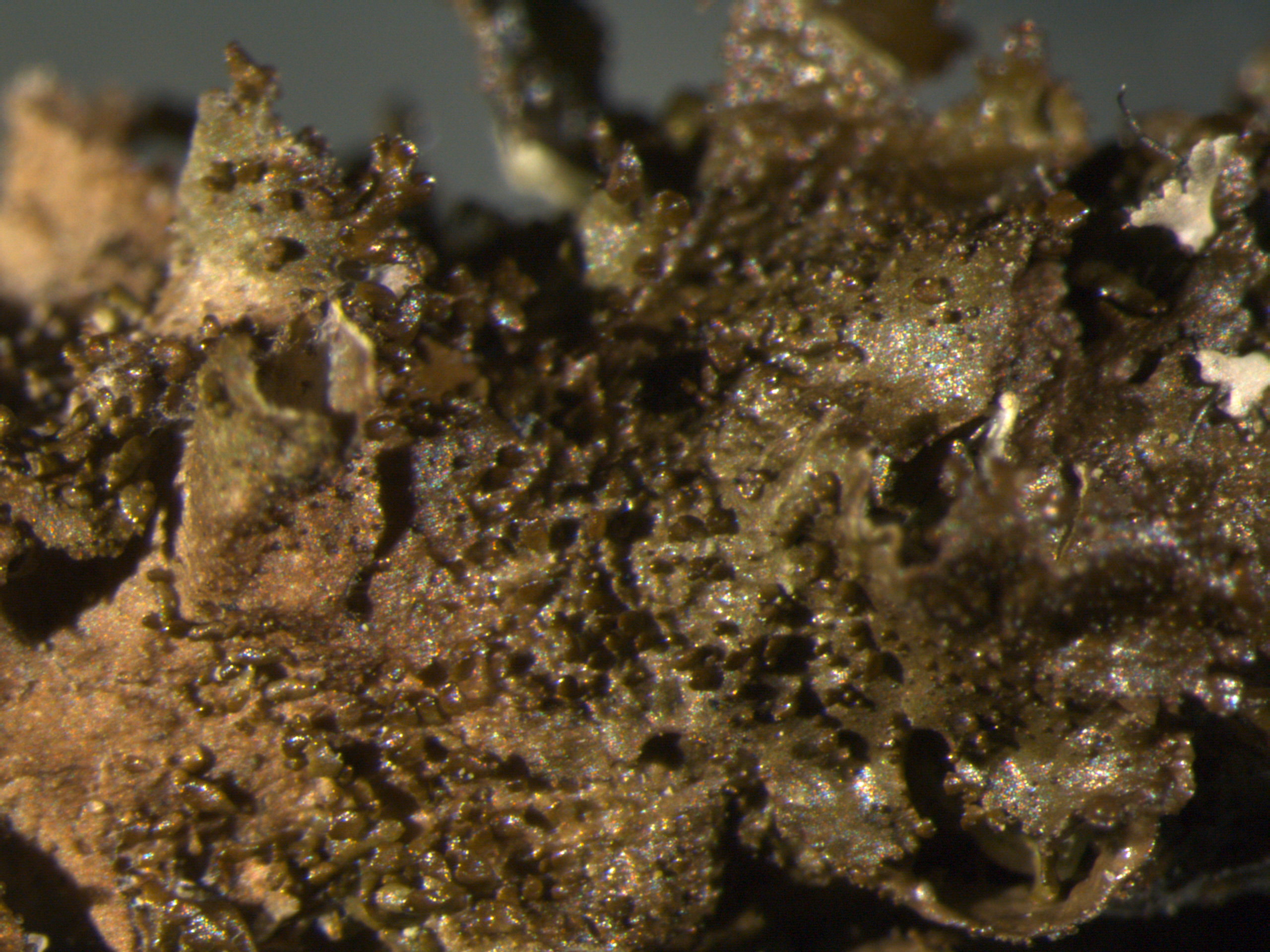
Juri Nascimbene; Owner: Department of Life Sciences, University of Trieste
Italy, Trentino-Alto Adige, Trento, Villa Welsperg, Centro Visitatori del Parco di Paneveggio; altitude: 1030 m
03.04.2009
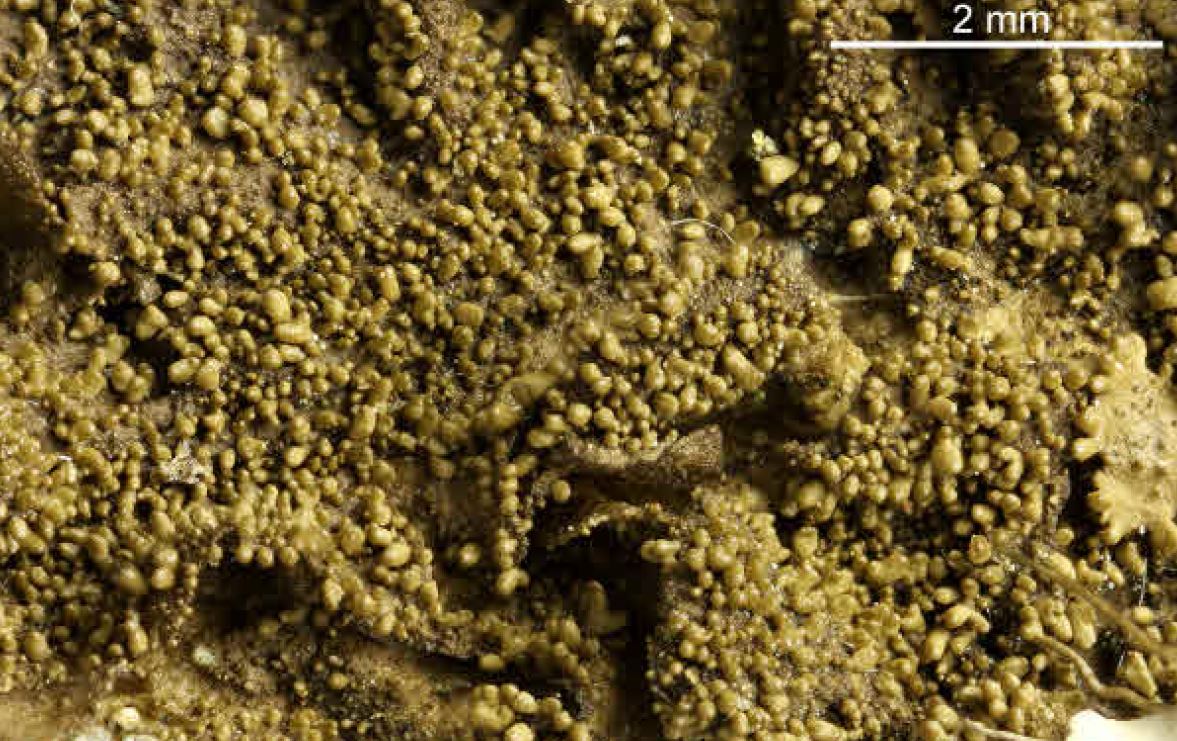
Felix Schumm – CC BY-SA 4.0
[1132], Germany, Baden-Württemberg, Schwäbische Alb, Böhmenkirch, an Malus, ca. 670 m

Felix Schumm – CC BY-SA 4.0
[1132], Germany, Baden-Württemberg, Schwäbische Alb, Böhmenkirch, an Malus, ca. 670 m
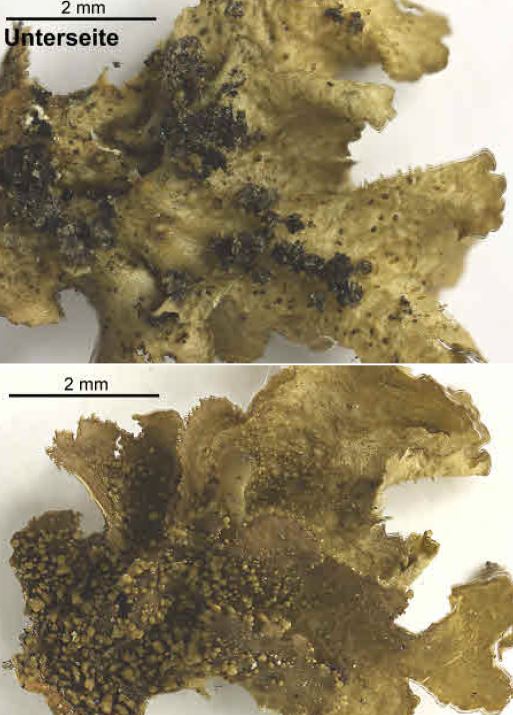
Felix Schumm – CC BY-SA 4.0
[1132], Germany, Baden-Württemberg, Schwäbische Alb, Böhmenkirch, an Malus, ca. 670 m
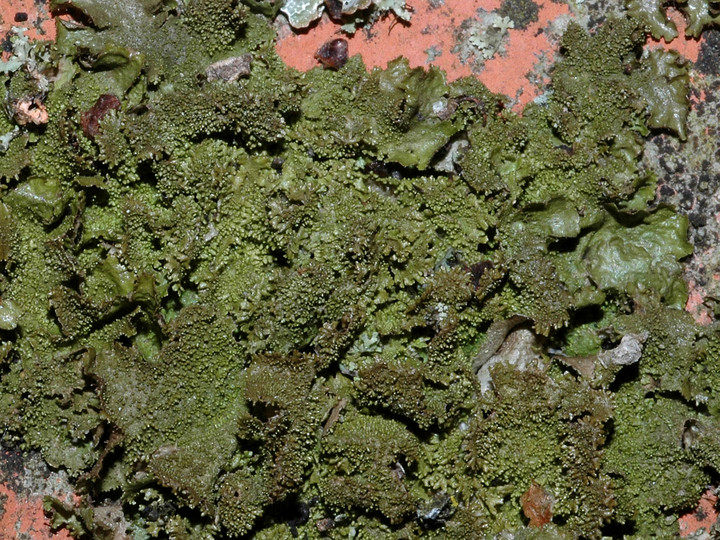
Leif Stridvall - Source: http://www.stridvall.se/la/galleries.php

Felix Schumm - CC BY-SA 4.0
[1132], Germany, Baden-Württemberg, Schwäbische Alb, Böhmenkirch, an Malus, ca. 670 m
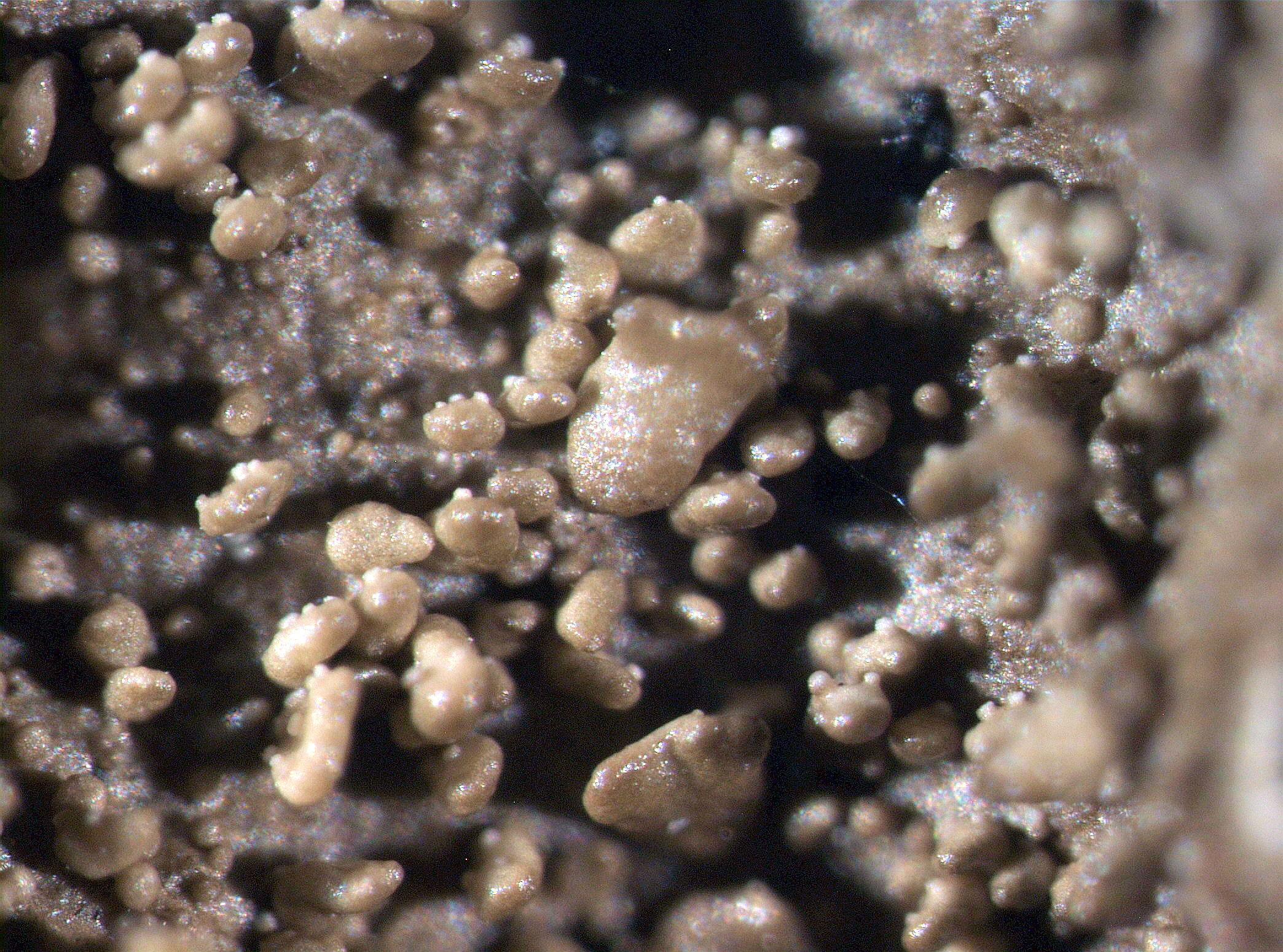
P.L. Nimis CC BY-SA 4.0
TSB 38040
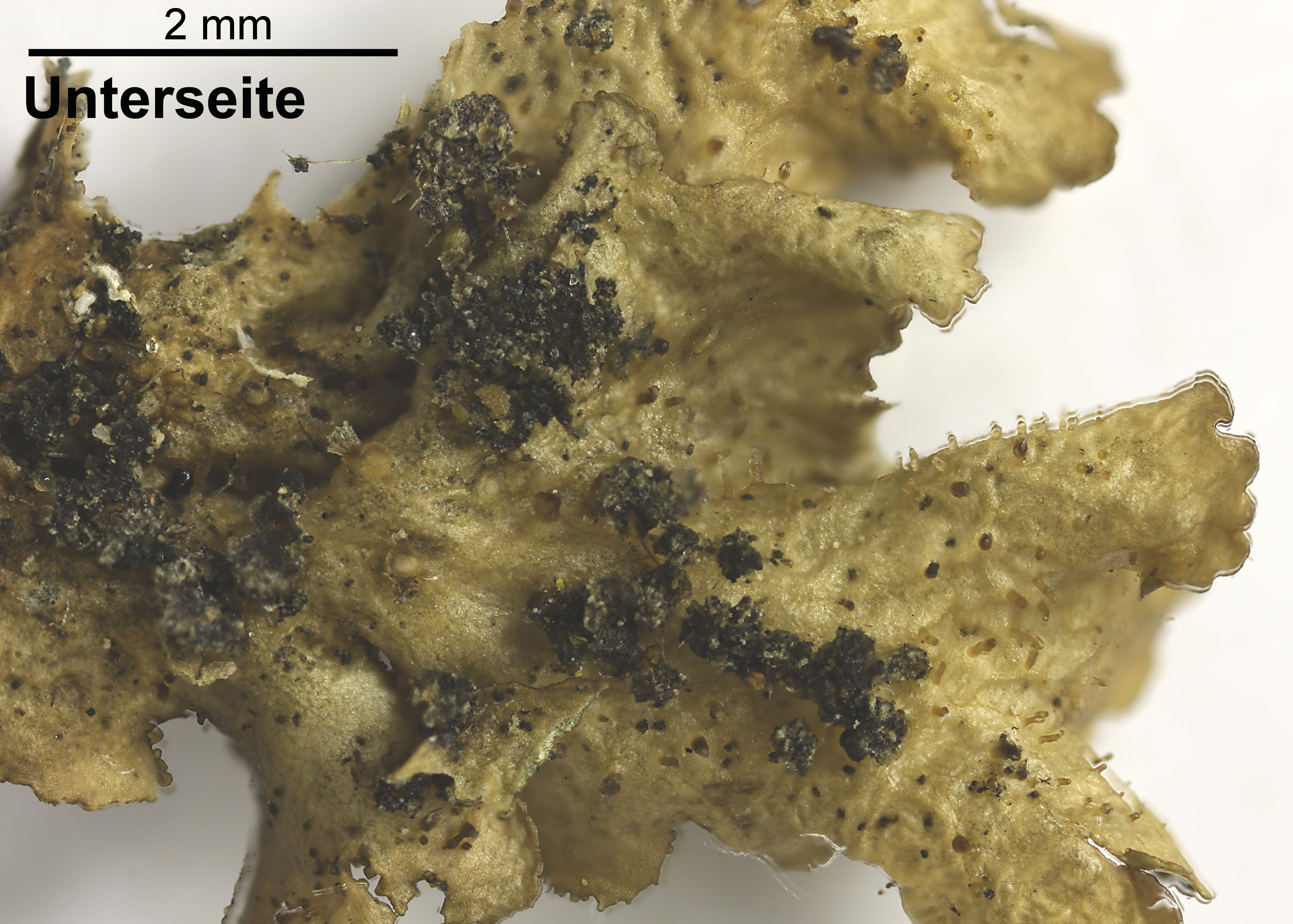
Felix Schumm - CC BY-SA 4.0
[1132], Germany, Baden-Württemberg, Schwäbische Alb, Böhmenkirch, an Malus, ca. 670 m
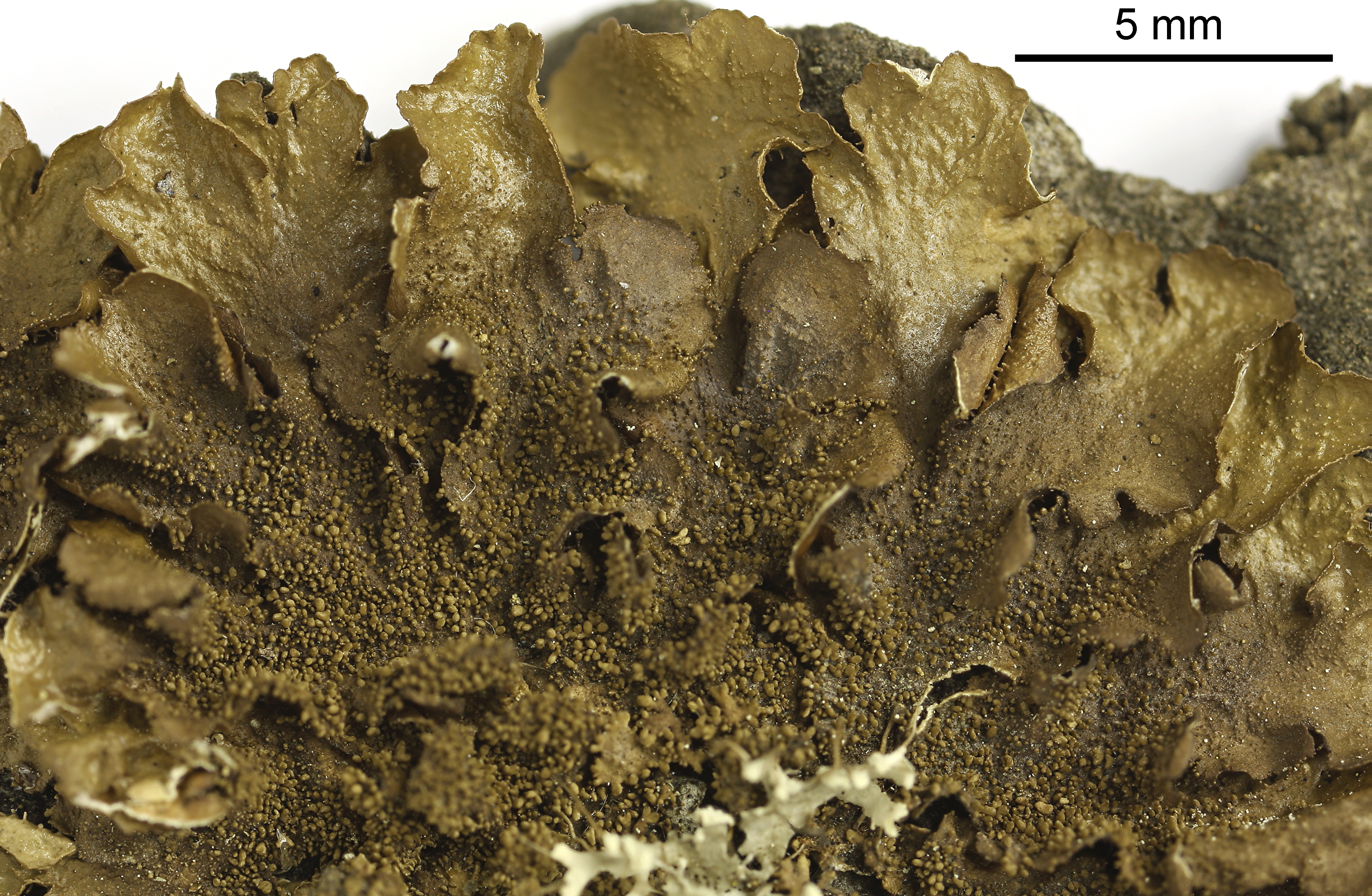
Felix Schumm - CC BY-SA 4.0
[1132], Germany, Baden-Württemberg, Schwäbische Alb, Böhmenkirch, an Malus, ca. 670 m
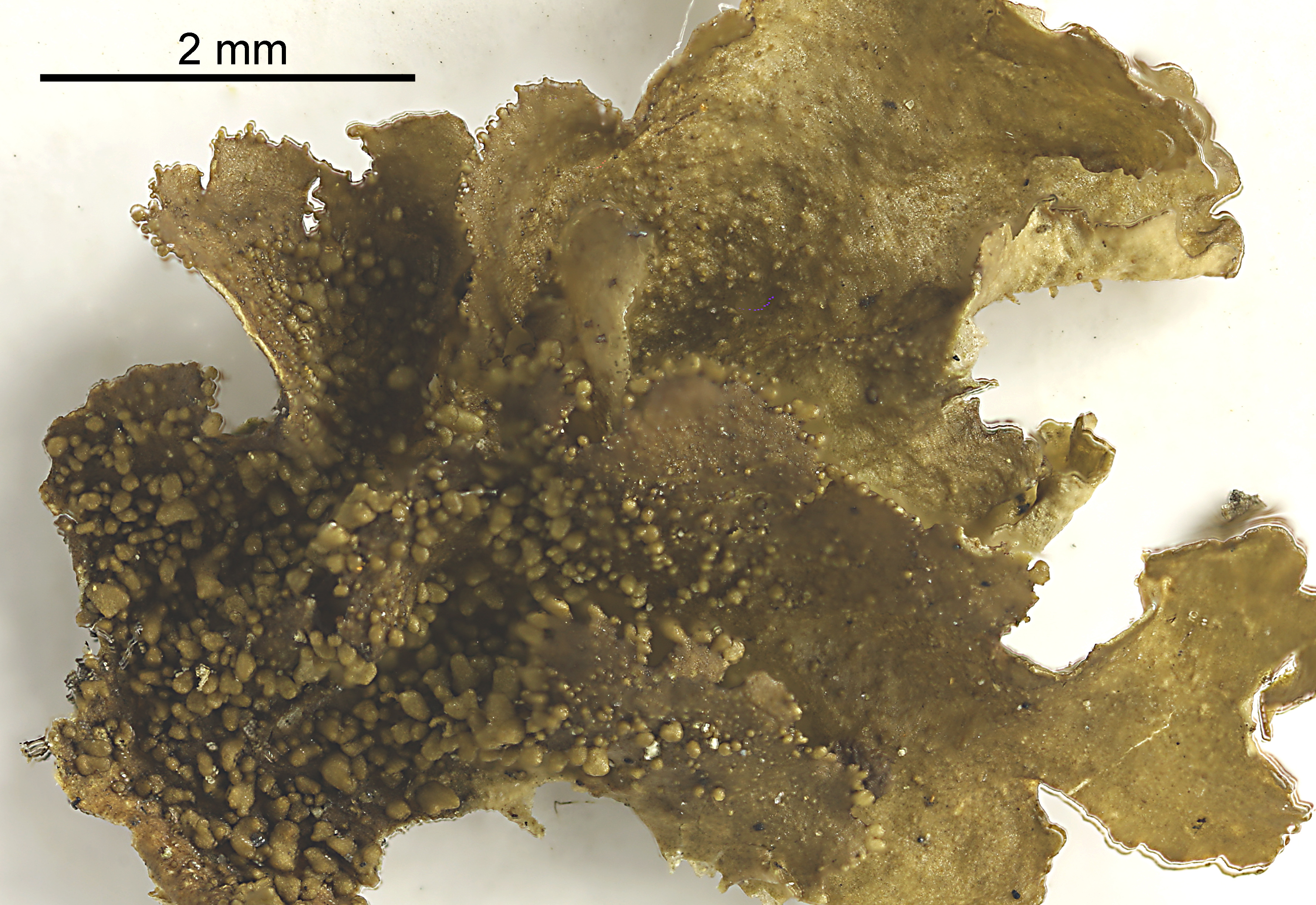
Felix Schumm - CC BY-SA 4.0
[1132], Germany, Baden-Württemberg, Schwäbische Alb, Böhmenkirch, an Malus, ca. 670 m

Felix Schumm - CC BY-SA 4.0
[1132], Germany, Baden-Württemberg, Schwäbische Alb, Böhmenkirch, an Malus, ca. 670 m
ohne Flechtensubstanzen
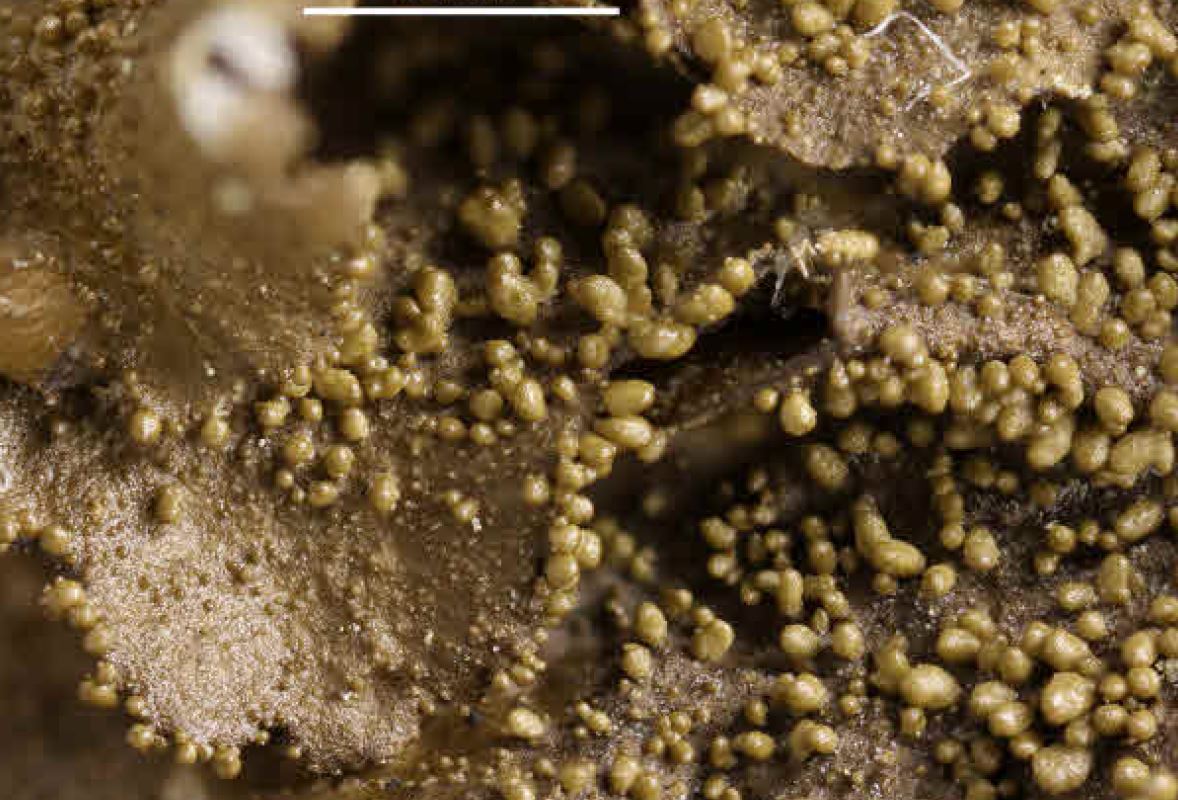
Felix Schumm – CC BY-SA 4.0
[1132], Germany, Baden-Württemberg, Schwäbische Alb, Böhmenkirch, an Malus, ca. 670 m
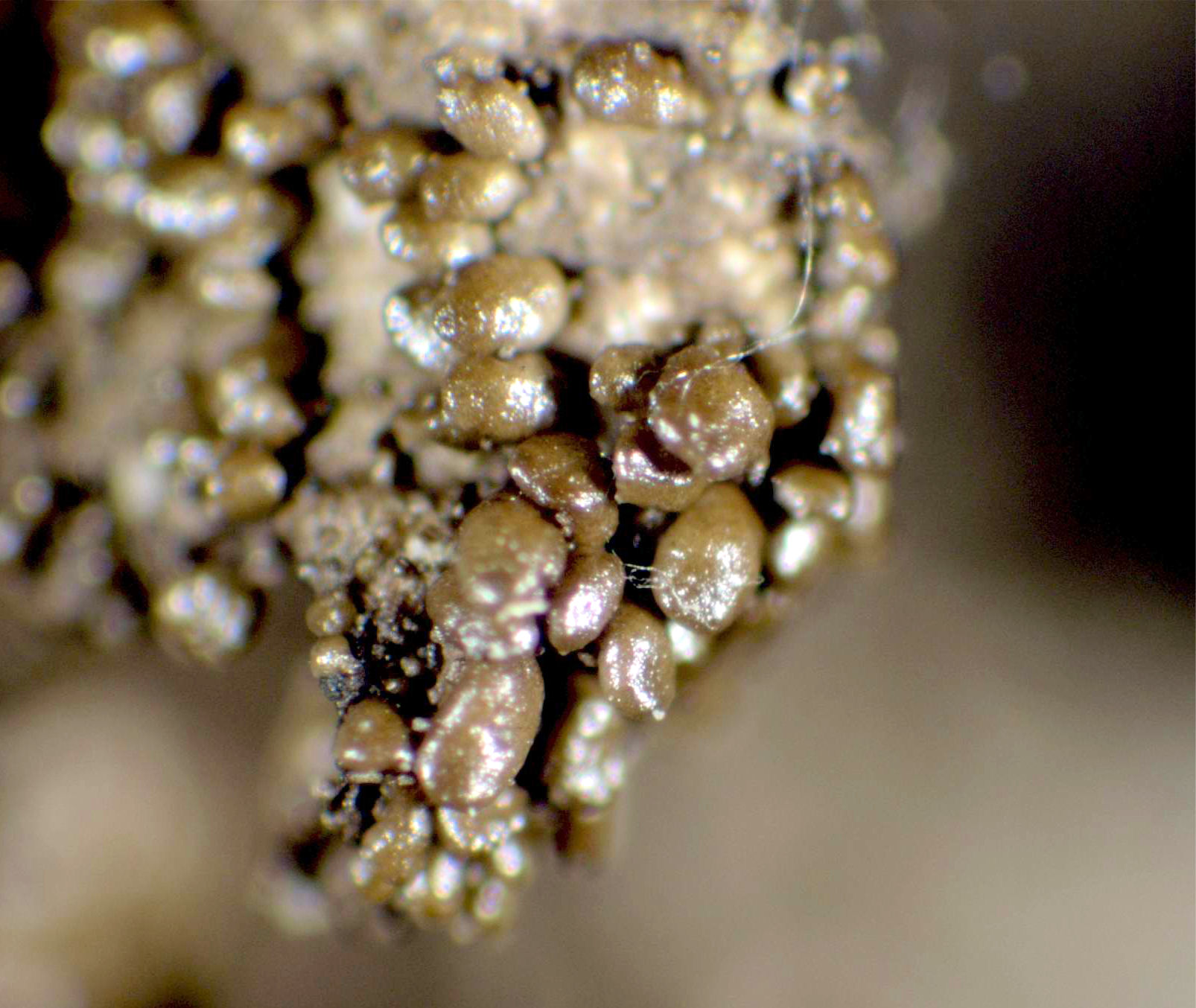
P.L. Nimis CC BY-SA 4.0
TSB 42350
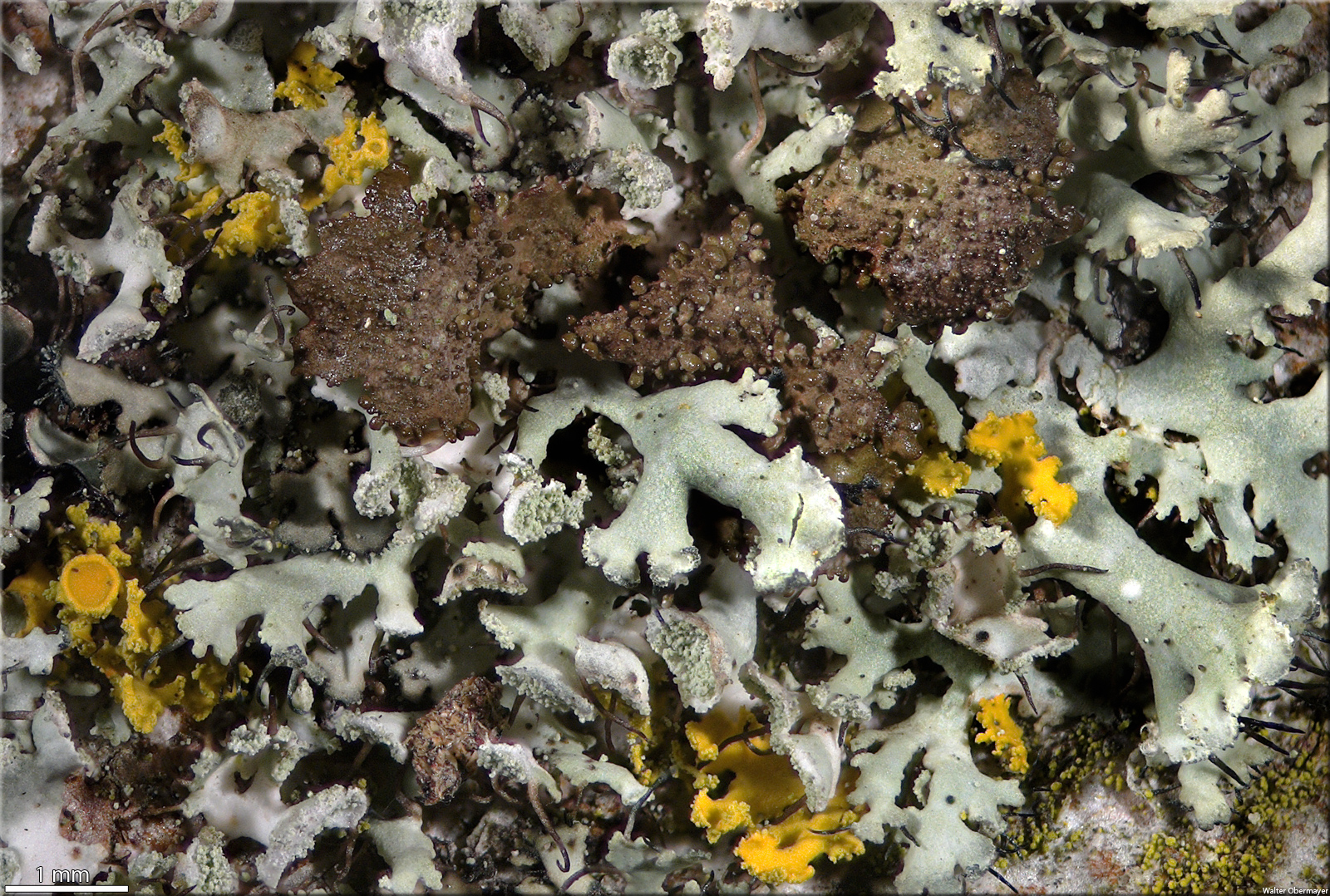
Walter Obermayer CC BY-SA 4.0 - Source: Lichens of Noricum - http://lichens-of-noricum.uni-graz.at/

Walter Obermayer CC BY-SA 4.0 - Source: Lichens of Noricum - http://lichens-of-noricum.uni-graz.at/
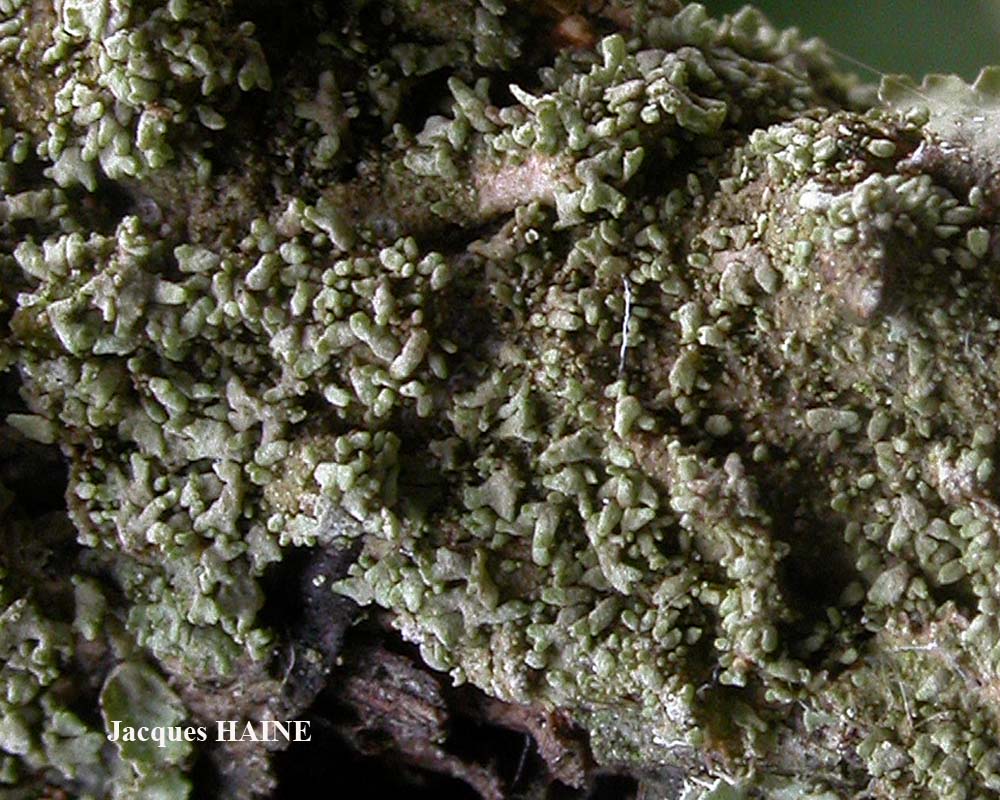
Jacques Haine - Source: http://www.lichensmaritimes.org/index.php?task=fiche&lichen=465&lang=en
France, Drôme Remuzat
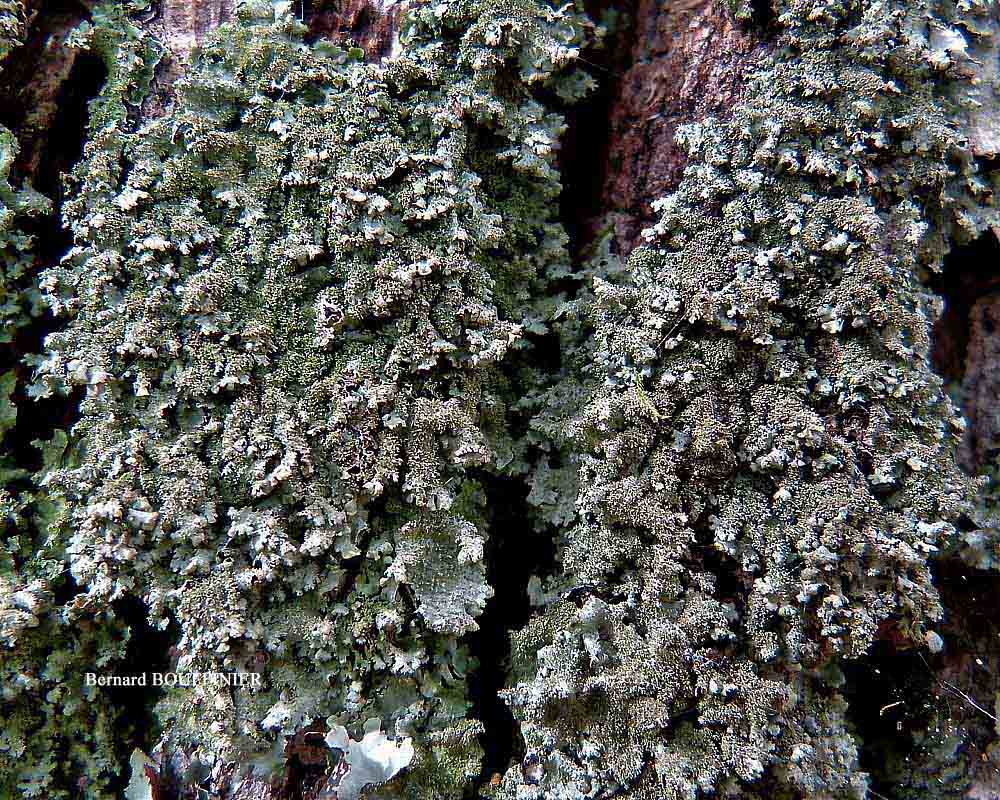
Jacques Haine - Source: http://www.lichensmaritimes.org/index.php?task=fiche&lichen=465&lang=en
France, Plogonnec

Wolfgang von Brackel - CC BY-4.0
Germany, Bavaria, Nürnberg
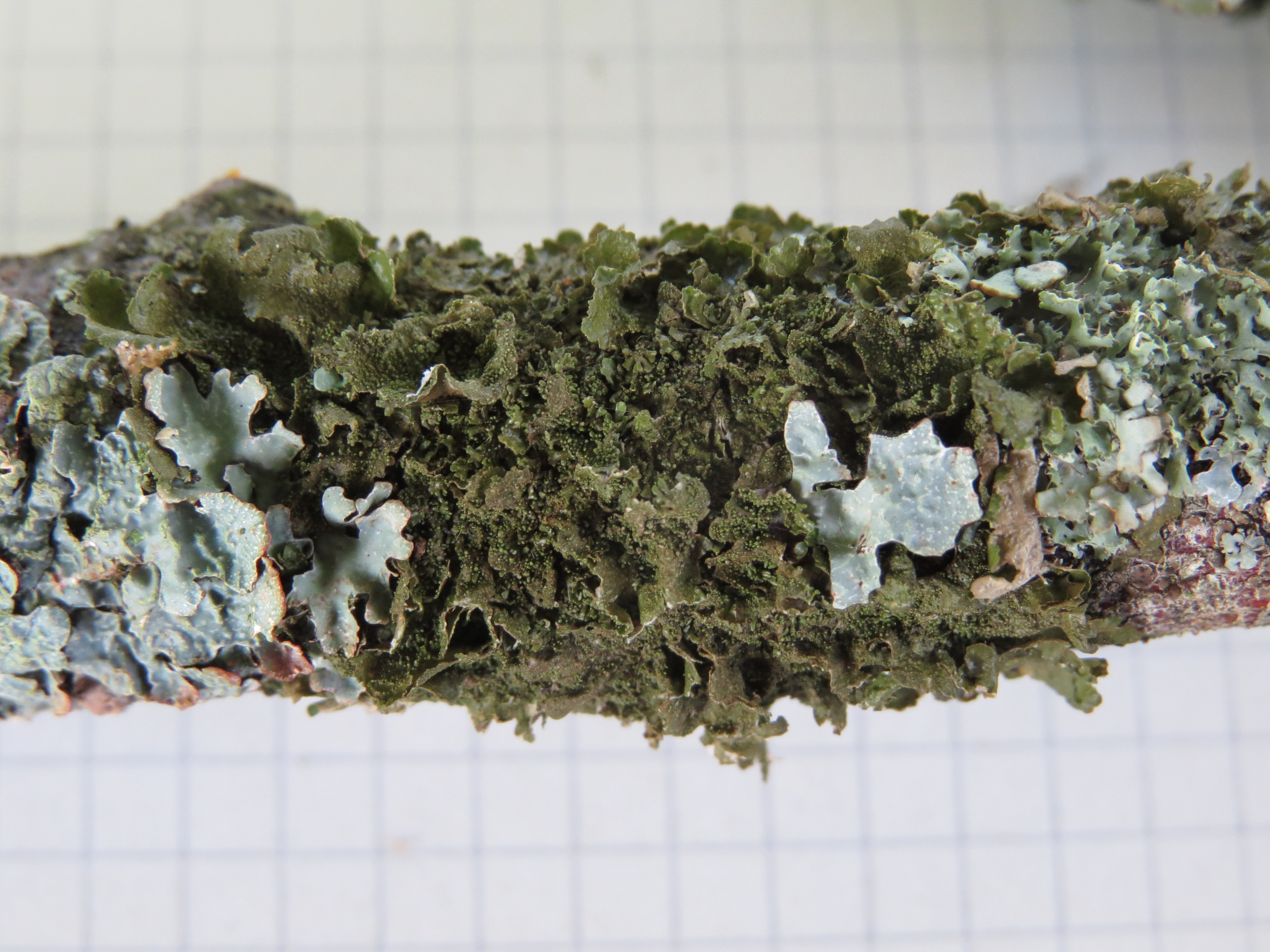
Wolfgang von Brackel - CC BY-4.0
Germany, Bavaria, Rodach