Menegazzia terebrata (Hoffm.) A. Massal.
Neagenea Lichenum: 1, 1854. Basionym: Lobaria terebrata Hoffm. - Deutschl. Fl.: 151, 1796.
Synonyms: Imbricaria terebrata (Hoffm.) Körb.; Menegazzia pertusa (Schaer.) J. Steiner; Parmelia pertusa Schaer.; Parmelia terebrata (Hoffm.) Mart.
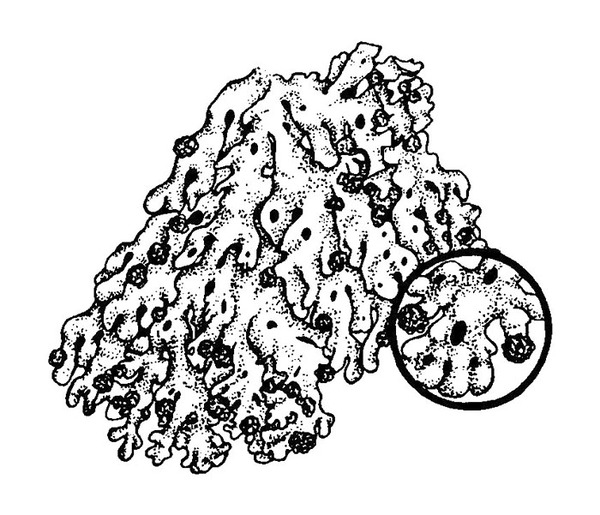
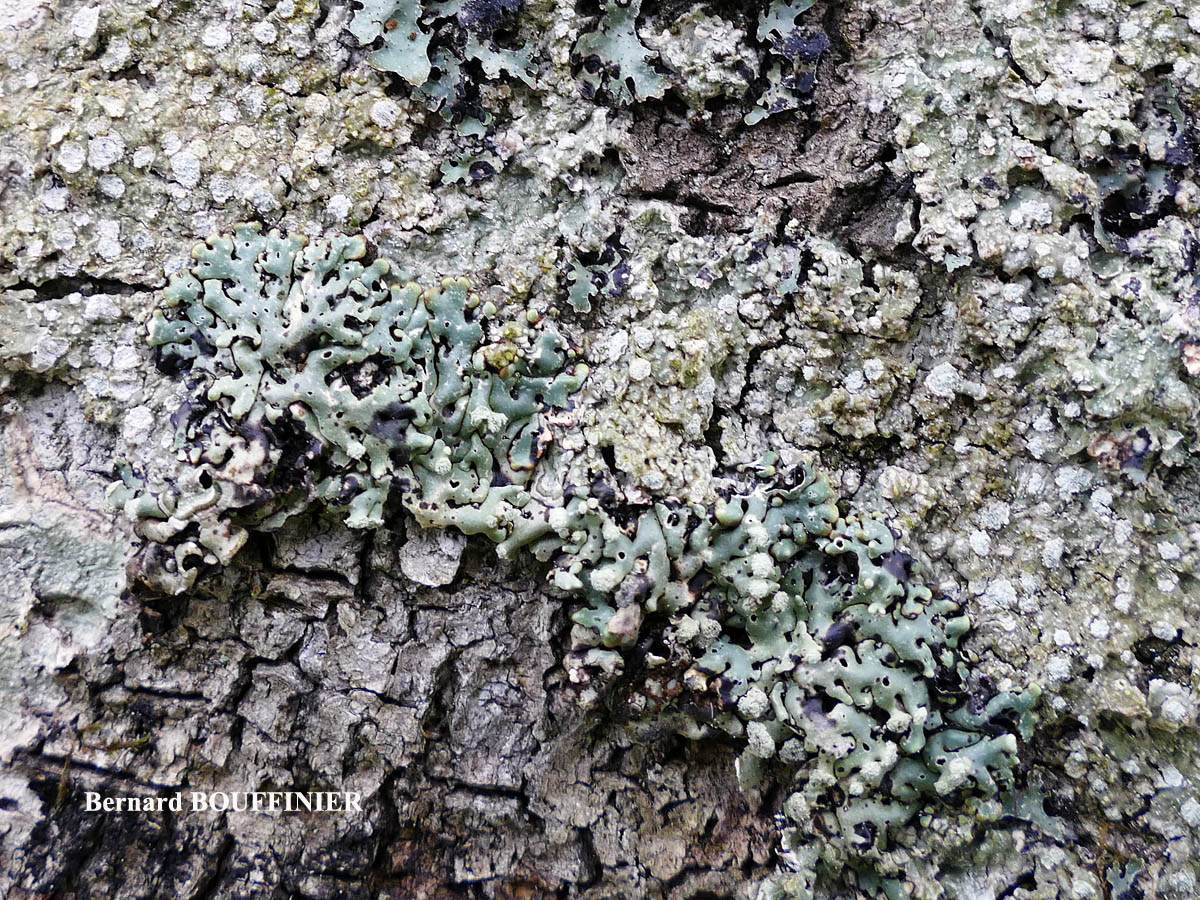
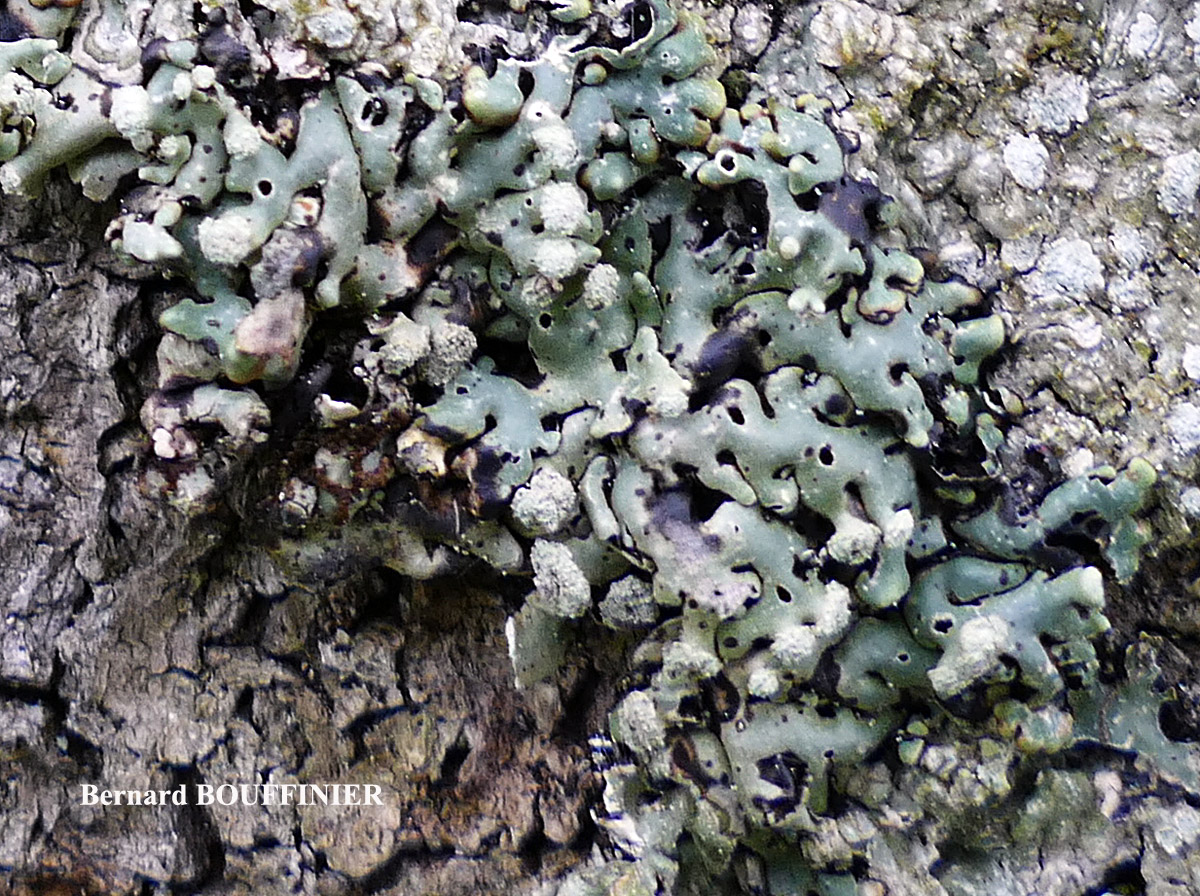
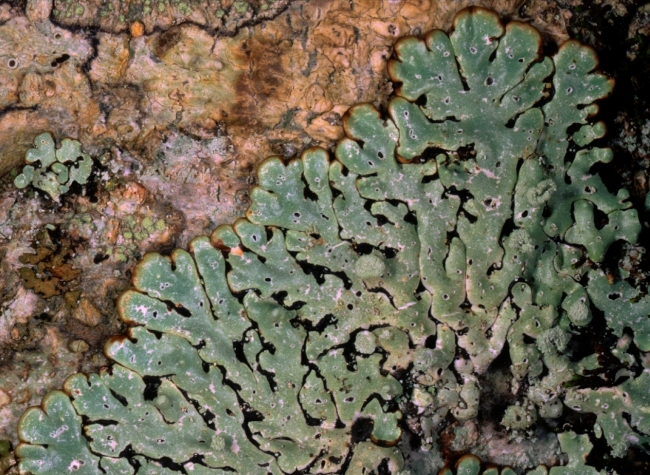
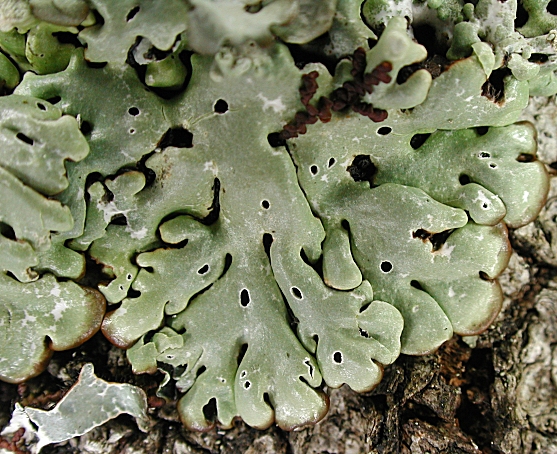
Description: Thallus foliose, heteromerous, dorsiventral, forming up to 10 cm wide, regular rosettes, but often dying in central parts, the lobes closely adnate, up to 2(-2.5) mm wide, rounded at apices, contiguous for much of their length, swollen and hollow inside, grey to greenish grey, often brownish at the ends and along margins, smooth and glossy, with round to oval, mostly <1 mm wide, dark perforations, and whitish, rounded, more or less stalked, capitate, to 1.5 mm wide, not marginally proliferating soralia which later often become ring-shaped (maniciform) with a central opening to the medulla, but never lacerate. Lower surface black, wrinkled, erhizinate. Upper cortex paraplectenchymatous, the cell walls with isolichenan; medulla soon becoming hollow, lining the cavity inside the lobes; lower cortex dark, paraplectenchymatous. Apothecia extremely rare, lecanorine, with a brown disc and a persistent thalline margin. Epithecium brown, non-granular; hymenium colourless, I+ blue; paraphyses richly branched and anastomosing; hypothecium colourless, of thick-walled, conglutinated hyphae. Asci 2-spored, Lecanora-type. Ascospores 1-celled,hyaline, ellipsoid, 50-70 x 30-36 µm, thick-walled. Pycnidia very rare, black, immersed. Conidia c. 5 x 1 µm. Photobiont chlorococcoid. Spot tests: upper cortex K+ yellow, C-, KC-, P-; medulla K+ yellow, C-, KC-, P+ yellow-orange, UV-. Chemistry: upper cortex with atranorin, medulla with stictic, constictic, menegazziaic acids, with or without low amounts of norstictic acid.
Growth form: Foliose, broad lobed
Substrata: bark
Photobiont: green algae other than Trentepohlia
Reproductive strategy: mainly asexual, by soredia, or soredia-like structures (e.g. blastidia)
Most common in areas with a humid-warm climate (e.g. most of Tyrrenian Italy)
Commonnes-rarity: (info)
Alpine belt: absent
Subalpine belt: absent
Montane belt: very rare
Dry submediterranean belt: extremely rare
Humid submediterranean belt: absent
Padanian area: absent
pH of the substrata:
1 2 3 4 5

Solar irradiation:
1 2 3 4 5
Aridity:
1 2 3 4 5
Eutrophication:
1 2 3 4 5
Poleotolerance:
0 1 2 3
Altitudinal distribution:
1 2 3 4 5 6
Rarity
absent
extremely rare
very rare
rare
rather rare
rather common
common
very common
extremely common
Loading data...
Occurrence data
Predictive map
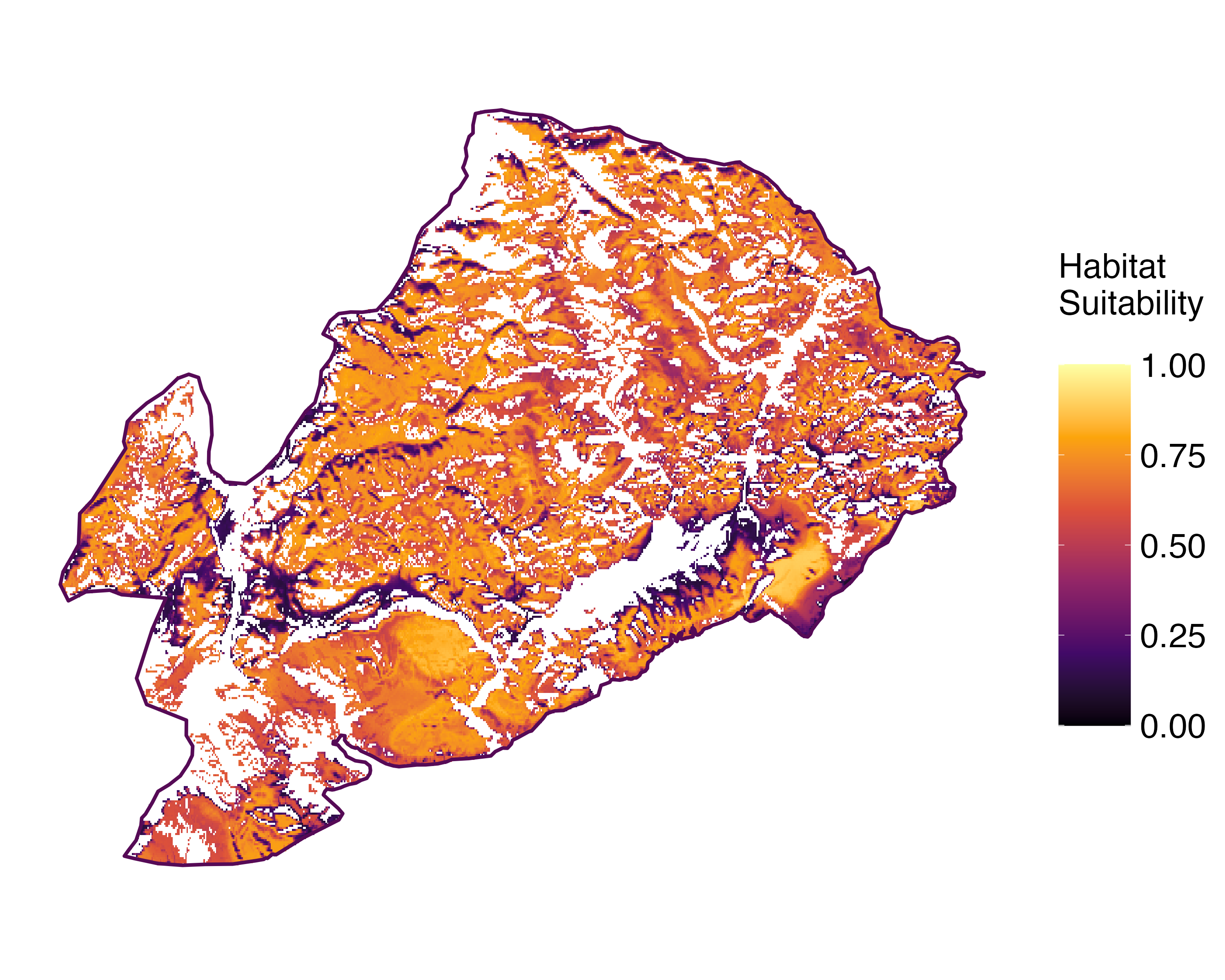 Current prediction (1981-2010)
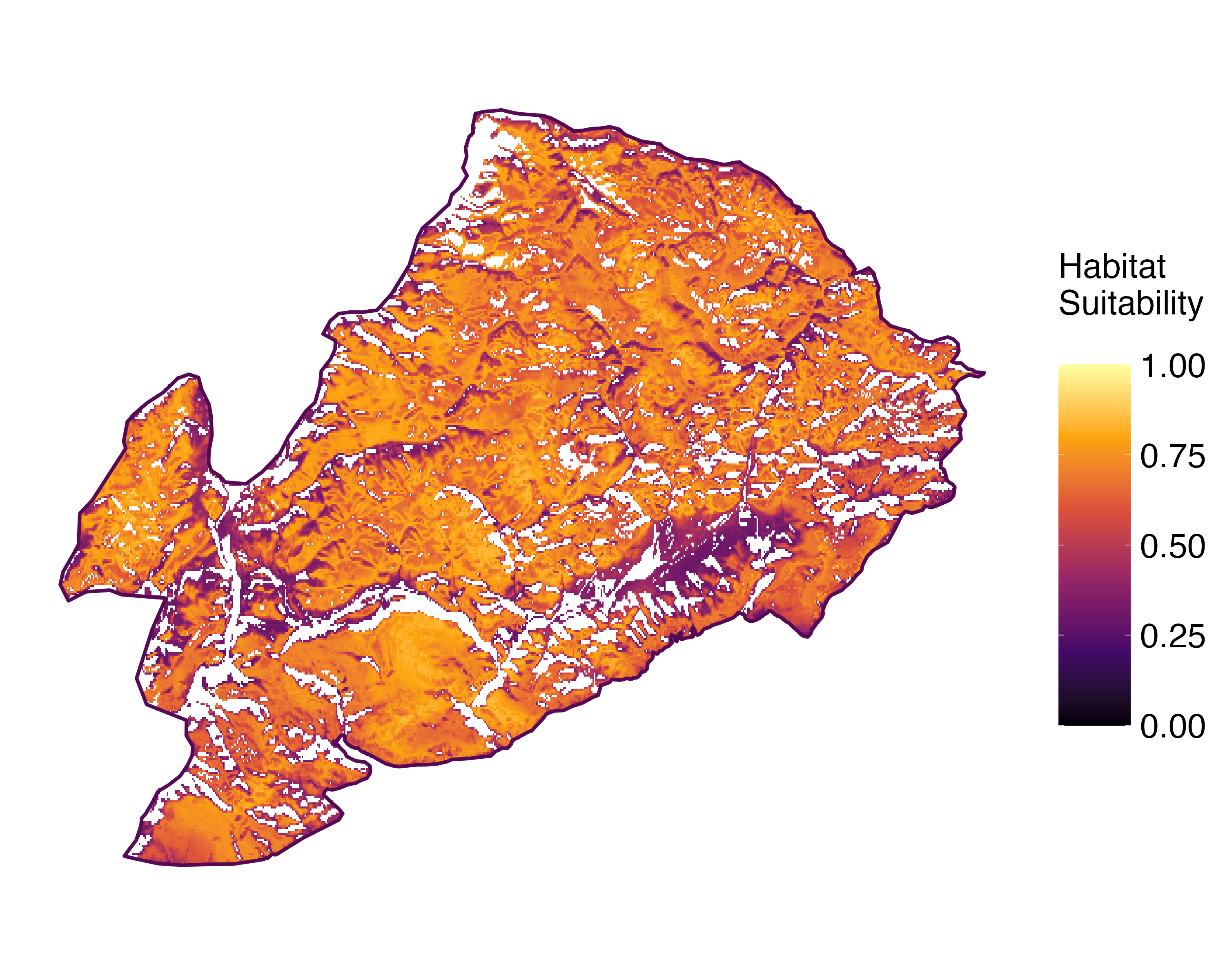 Future prediction (2071-2100) SSP 1-2.6
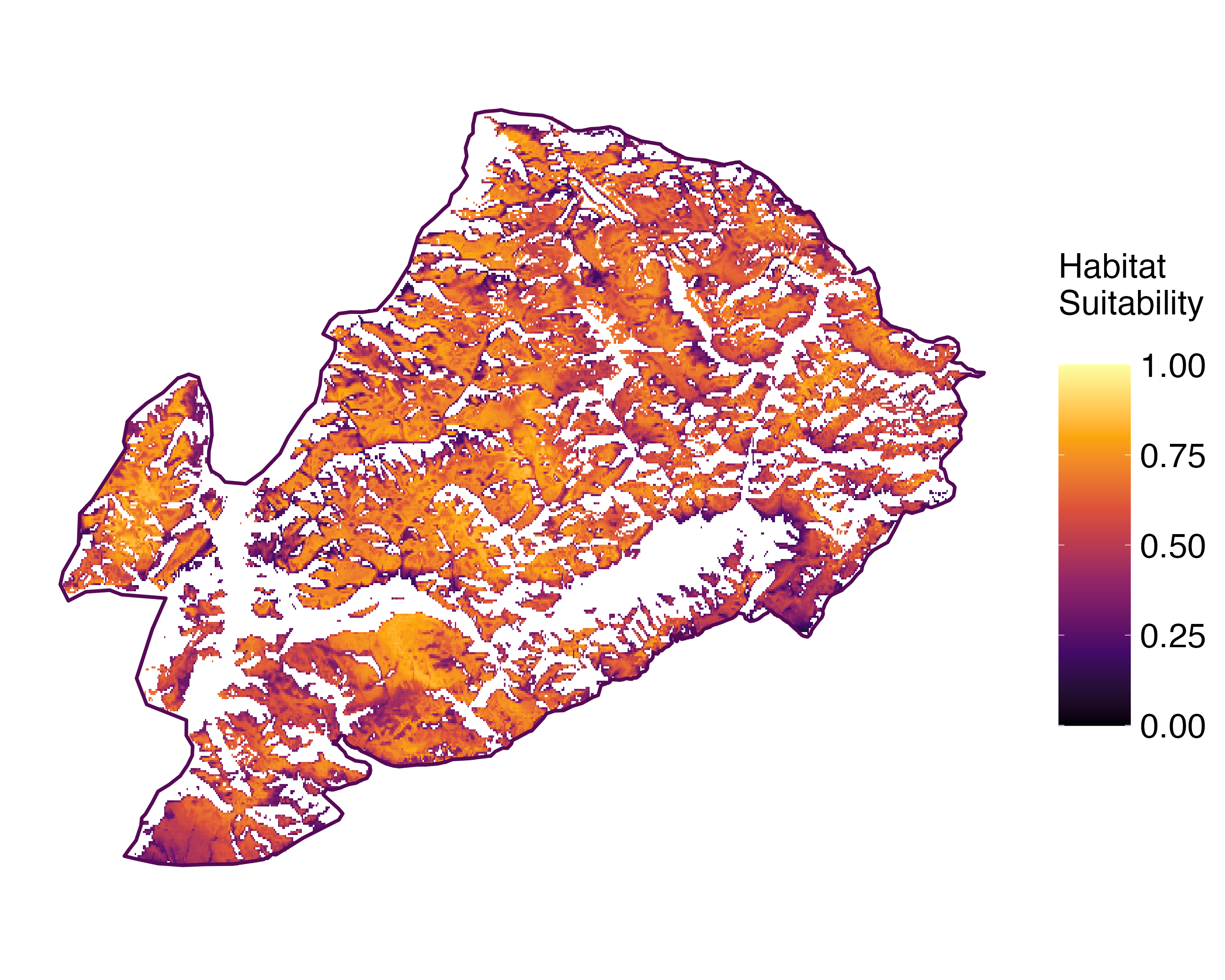 Future prediction (2071-2100) SSP 5-8.5Predictive maps according to Francesconi et al. 2025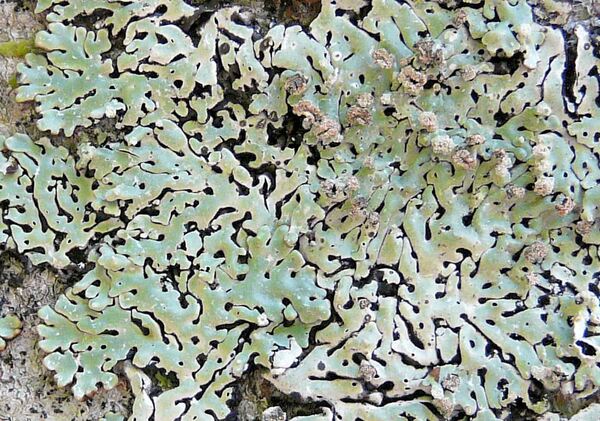
Pier Luigi Nimis - CC BY-SA 4.0; Owner: Department of Life Sciences, University of Trieste
Italy, Friuli Venezia Giulia, Udine, Carnic Alps, Bosco della Stua, Ampezzo Carnico UD
08.2018
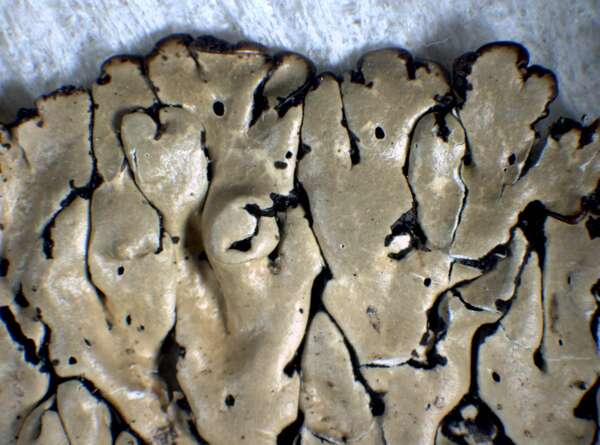
P.L. Nimis; Owner: Department of Life Sciences, University of Trieste
Herbarium: TSB (5136)
2001/11/27
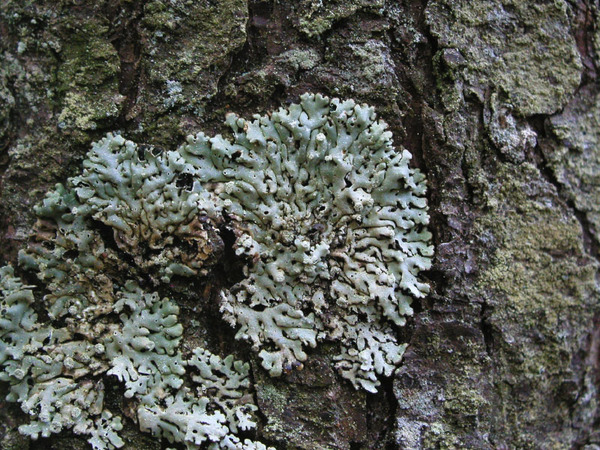
Andres Saag; Owner: University of Tartu
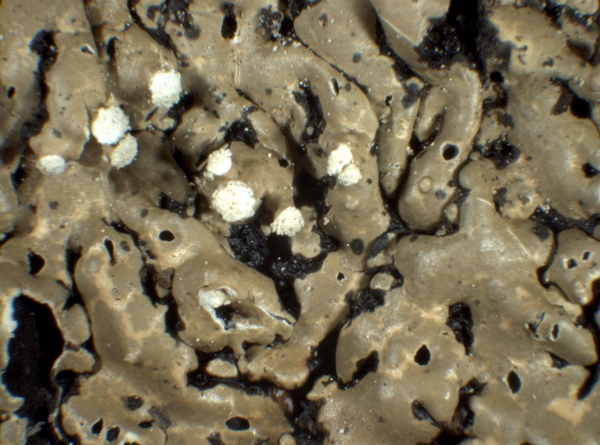
P.L.Nimis; Owner: Department of Life Sciences, University of Trieste
Herbarium: TSB (29259)
2008.03.06
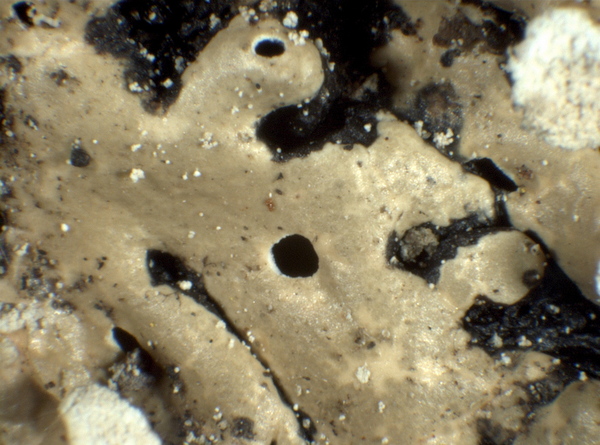
P.L.Nimis; Owner: Department of Life Sciences, University of Trieste
Herbarium: TSB (29259)
2008.03.06
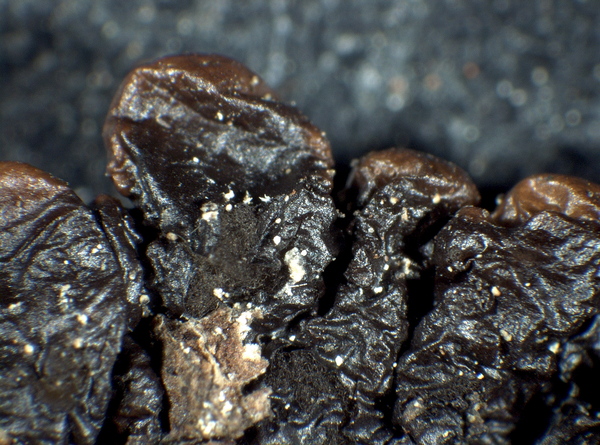
P.L.Nimis; Owner: Department of Life Sciences, University of Trieste
Herbarium: TSB (29259)
2008.03.06
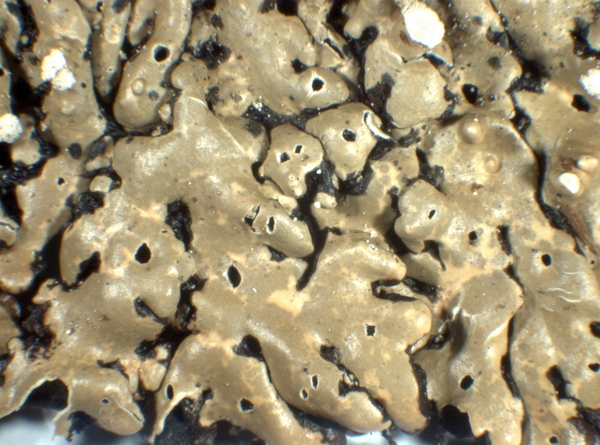
P.L.Nimis; Owner: Department of Life Sciences, University of Trieste
Herbarium: TSB (29259)
2008.03.06
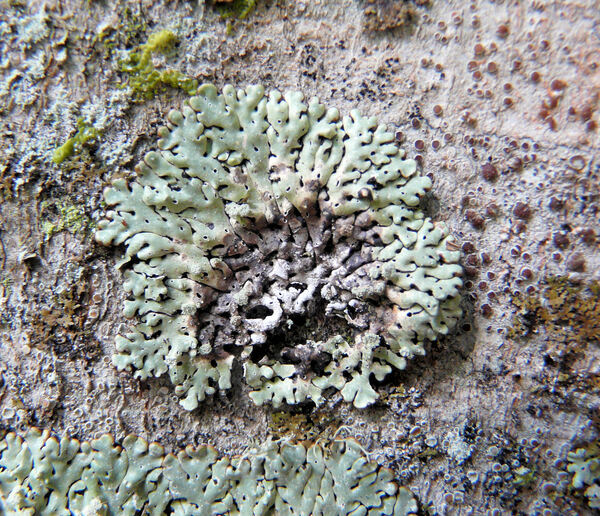
Andrea Moro; Owner: Department of Life Sciences, University of Trieste
Italia, Veneto, BL, Comune di Sappada, pendici boscose del Monte Peralba.
2008.27.08
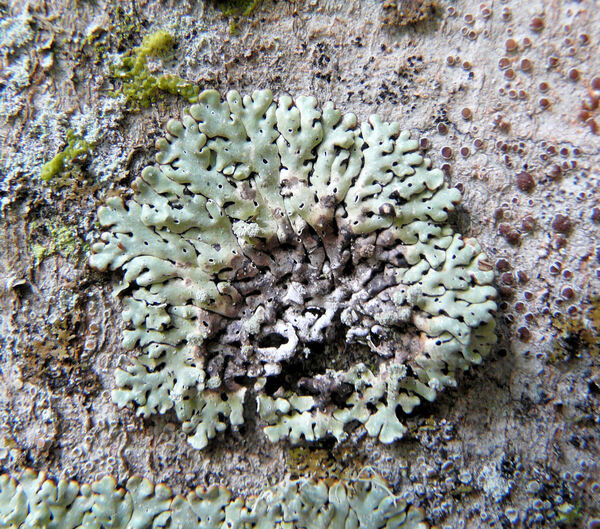
Andrea Moro; Owner: Department of Life Sciences, University of Trieste
Italia, Veneto, BL, Comune di Sappada, pendici boscose del Monte Peralba.
2008.27.08
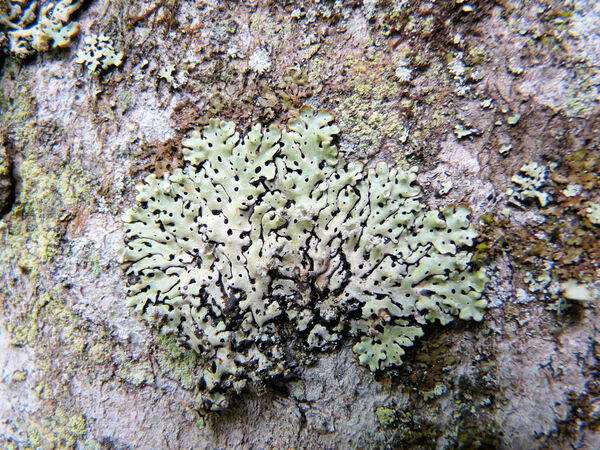
Andrea Moro; Owner: Department of Life Sciences, University of Trieste
Italia, Veneto, BL, Comune di Sappada, pendici boscose del Monte Peralba.
2008.27.08
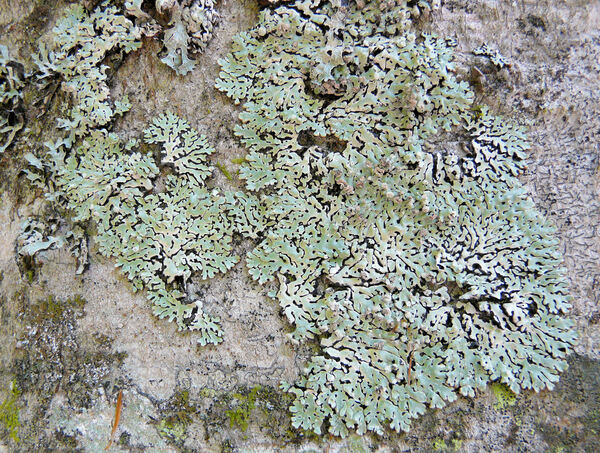
Andrea Moro; Owner: Department of Life Sciences, University of Trieste
Italia, Friuli-Venezia Giulia, UD, Comune di Sauris, Bosco della Stua presso il Lago
2008.26.08
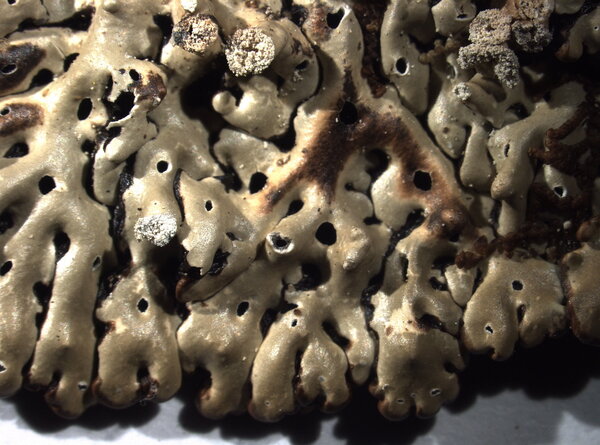
Pier Luigi Nimis - CC BY-SA 4.0
TSB 38747
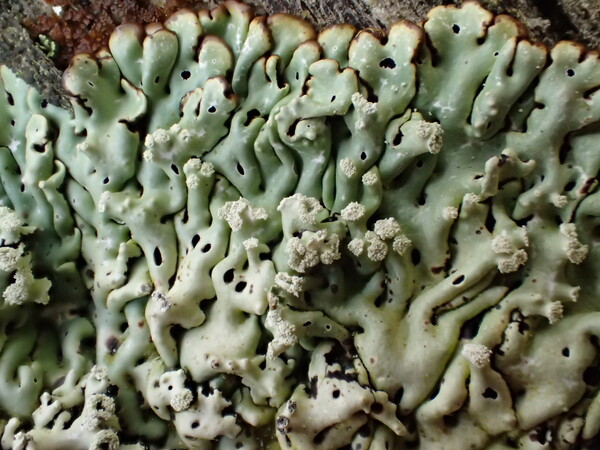
Mark Rahill - CC BY-SA 4.0
USA
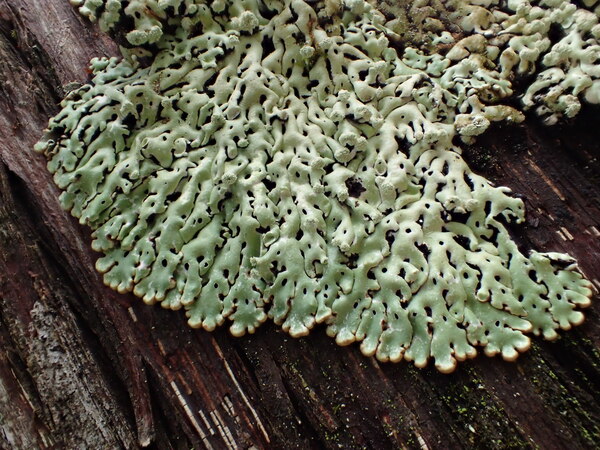
Mark Rahill - CC BY-SA 4.0
USA
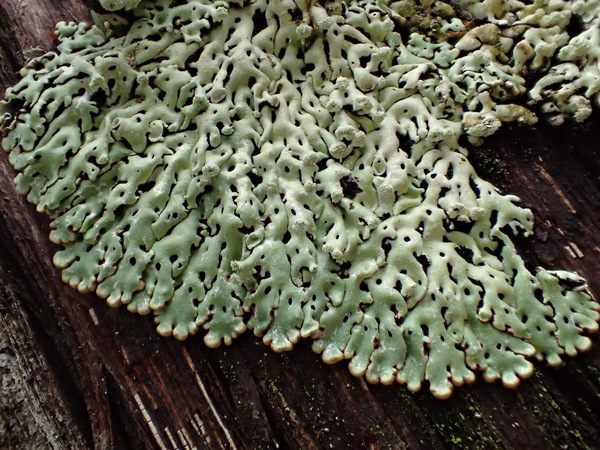
Mark Rahill - CC BY-SA 4.0
USA
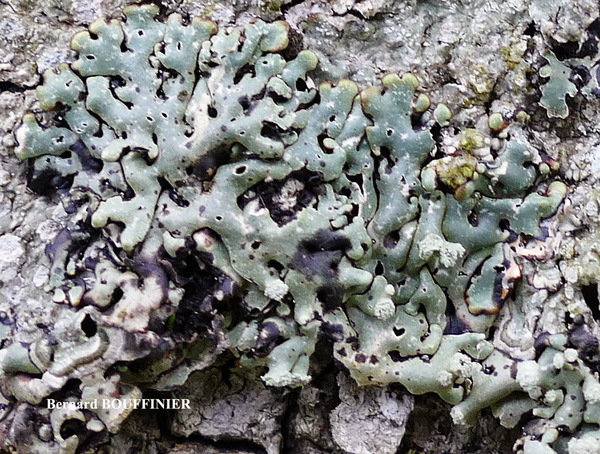
Bernard Bouffinier - Source: http://www.lichensmaritimes.org/index.php?task=fiche&lichen=295&lang=en
France, Pyrénées-Atlantiques Larrau
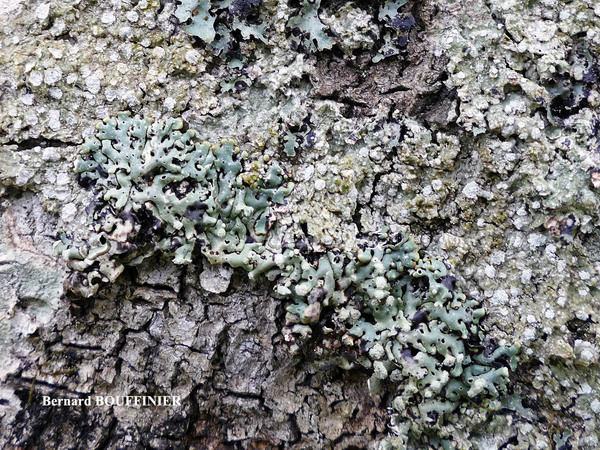
Bernard Bouffinier - Source: http://www.lichensmaritimes.org/index.php?task=fiche&lichen=295&lang=en
France, Pyrénées-Atlantiques Larrau
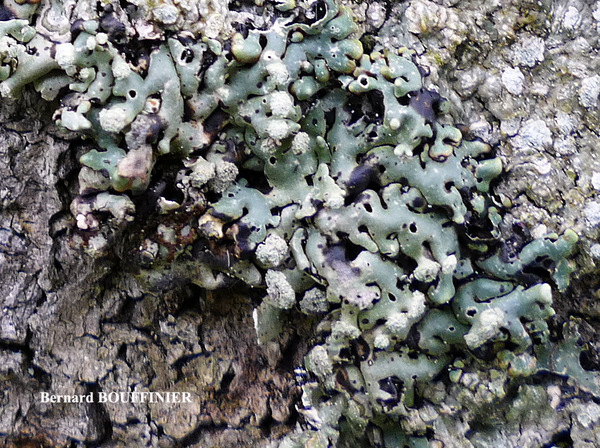
Bernard Bouffinier - Source: http://www.lichensmaritimes.org/index.php?task=fiche&lichen=295&lang=en
France, Pyrénées-Atlantiques Larrau
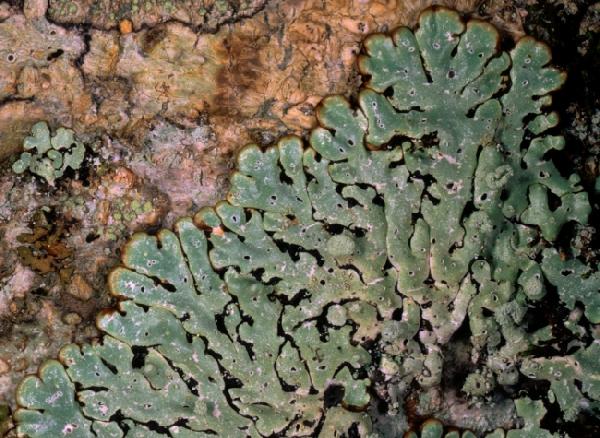
Ulrich Kirschbaum CC BY-SA 4.0 - Source: https://www.thm.de/lse/ulrich-kirschbaum/flechtenbilder
Austria: Alps.
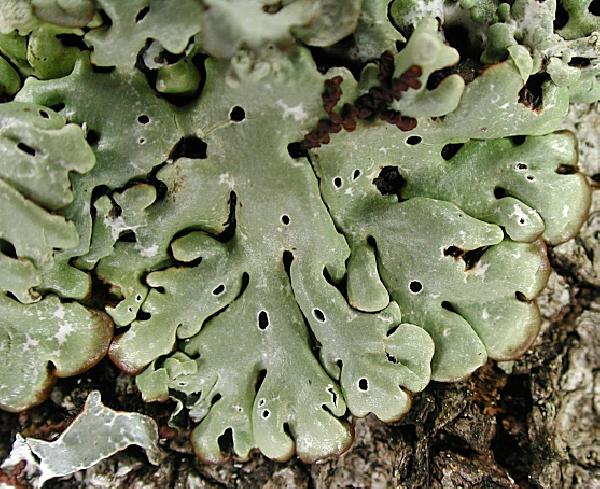
Ulrich Kirschbaum CC BY-SA 4.0 - Source: https://www.thm.de/lse/ulrich-kirschbaum/flechtenbilder
Austria: Alps.
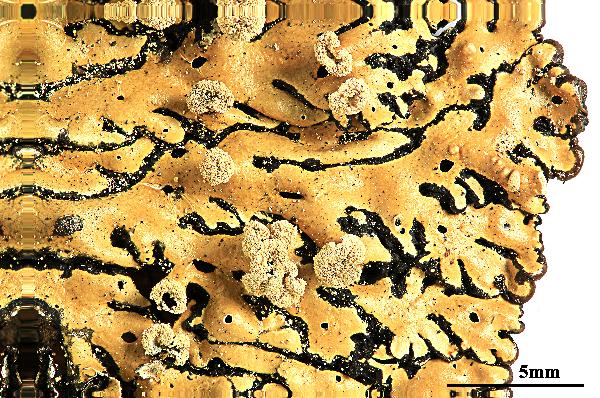
Felix Schumm - CC BY 4.0
[1046]. Österreich, Land Salzburg, Steir. Salzkammergut, Mitterndorf
bei der Sonnenalm, an Laubbaum in Richtung Kampl. Leg. F. Schumm,
31.12.1968, det. F. Schumm, 1968. Chemistry p138/2: atranorin, stictic
acid (major), menegazzaic acid (major), connorstictic acid (minor),
constictic acid (major), norstictic acid (trace).
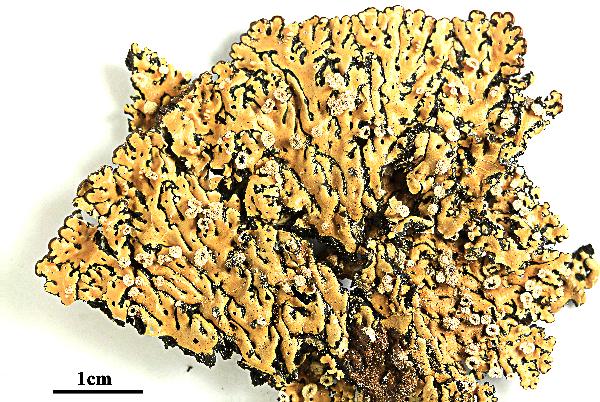
Felix Schumm - CC BY 4.0
[1046]. Österreich, Land Salzburg, Steir. Salzkammergut, Mitterndorf
bei der Sonnenalm, an Laubbaum in Richtung Kampl. Leg. F. Schumm,
31.12.1968, det. F. Schumm, 1968. Chemistry p138/2: atranorin, stictic
acid (major), menegazzaic acid (major), connorstictic acid (minor),
constictic acid (major), norstictic acid (trace).
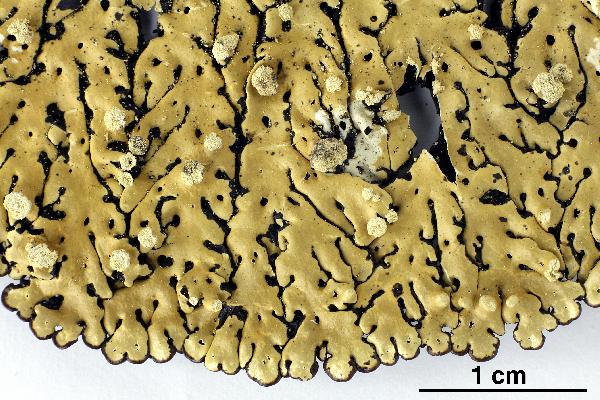
Felix Schumm - CC BY 4.0
[81052], Österreich, Land Salzburg, Steir. Salzkammergut, Mitterndorf
bei der Sonnenalm . Leg. F. Schumm, 06.1967, det.
F. Schumm, 1967, conf. Dr. Alwin Schade.

Wolfgang von Brackel - CC BY-4.0
Germany, Bavaria, Burgberg Oberallgäu
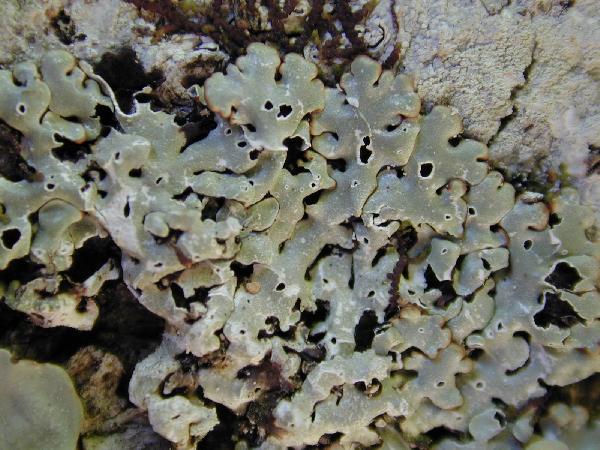
Wolfgang von Brackel - CC BY-4.0
Germany, Bavaria, Burgberg Oberallgäu

Wolfgang von Brackel - CC BY-4.0
Germany, Bavaria, Burgberg Oberallgäu

Wolfgang von Brackel - CC BY-4.0
Germany, Bavaria, Burgberg Oberallgäu
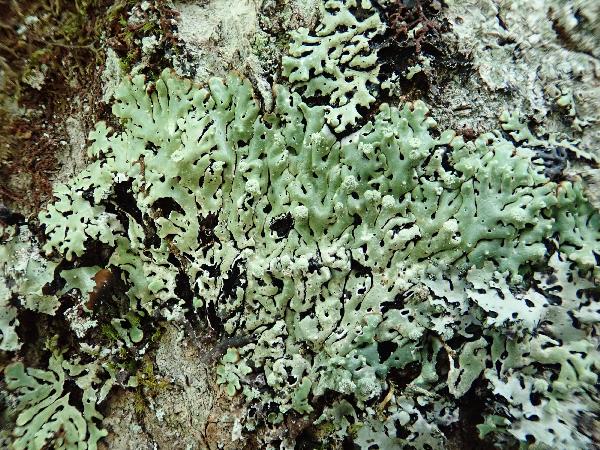
Wolfgang von Brackel - CC BY-4.0
Germany, Bavaria, Elmaubachtal-Ammergebirge

Wolfgang von Brackel - CC BY-4.0
Germany, Bavaria, Elmaubachtal-Ammergebirge

Wolfgang von Brackel - CC BY-4.0
Germany, Bavaria, Zwieslerwaldhaus
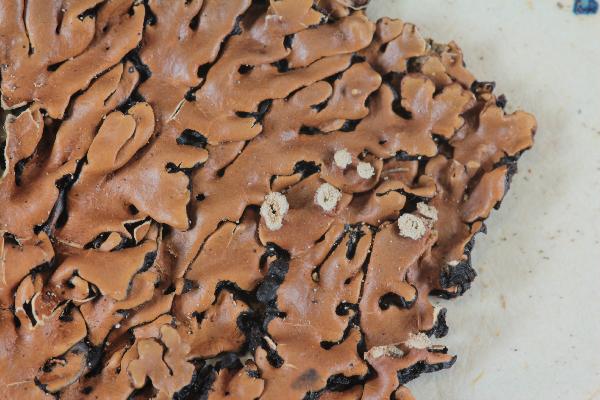
Collezione lichenologica Abramo Massalongo del Museo di Storia Naturale G. Ligabue di Venezia - Autori: Seggi, Linda; Trabucco, Raffaella Proprietà: Fondazione Musei Civici di Venezia - CC BY-NC
in Alp. Cadubriae 1855
Triin Aimla; Owner: University of Tartu
Growth form: Foliose, broad lobed
Substrata: bark
Photobiont: green algae other than Trentepohlia
Reproductive strategy: mainly asexual, by soredia, or soredia-like structures (e.g. blastidia)
Most common in areas with a humid-warm climate (e.g. most of Tyrrenian Italy)
Commonnes-rarity: (info)
Alpine belt: absent
Subalpine belt: absent
Montane belt: very rare
Dry submediterranean belt: extremely rare
Humid submediterranean belt: absent
Padanian area: absent
pH of the substrata:
| 1 | 2 | 3 | 4 | 5 |
Solar irradiation:
| 1 | 2 | 3 | 4 | 5 |
Aridity:
| 1 | 2 | 3 | 4 | 5 |
Eutrophication:
| 1 | 2 | 3 | 4 | 5 |
Poleotolerance:
| 0 | 1 | 2 | 3 |
Altitudinal distribution:
| 1 | 2 | 3 | 4 | 5 | 6 |
Rarity
absent
extremely rare
very rare
rare
rather rare
rather common
common
very common
extremely common
Loading data...
Occurrence data
Predictive map
Current prediction (1981-2010)Future prediction (2071-2100) SSP 1-2.6Future prediction (2071-2100) SSP 5-8.5Predictive maps according to Francesconi et al. 2025

Pier Luigi Nimis - CC BY-SA 4.0; Owner: Department of Life Sciences, University of Trieste
Italy, Friuli Venezia Giulia, Udine, Carnic Alps, Bosco della Stua, Ampezzo Carnico UD
08.2018
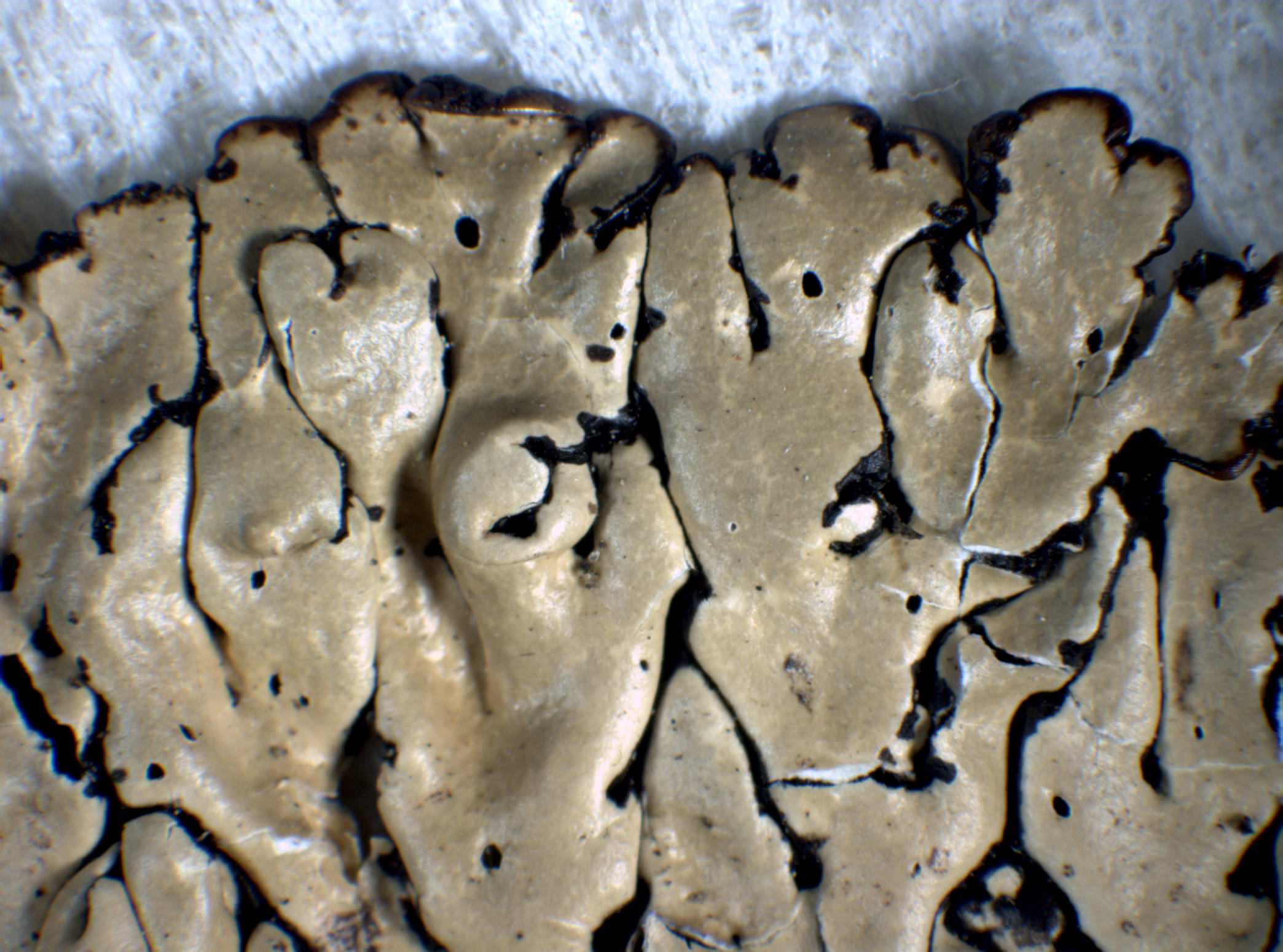
P.L. Nimis; Owner: Department of Life Sciences, University of Trieste
Herbarium: TSB (5136)
2001/11/27
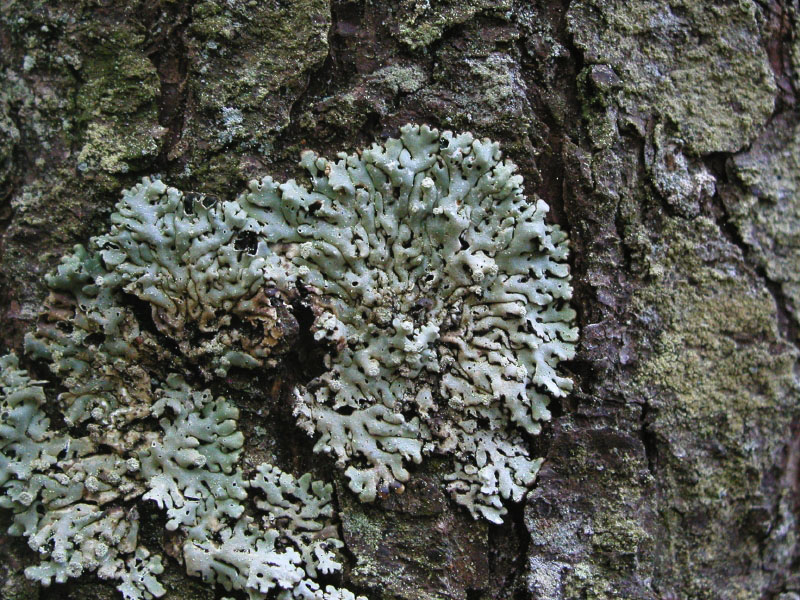
Andres Saag; Owner: University of Tartu
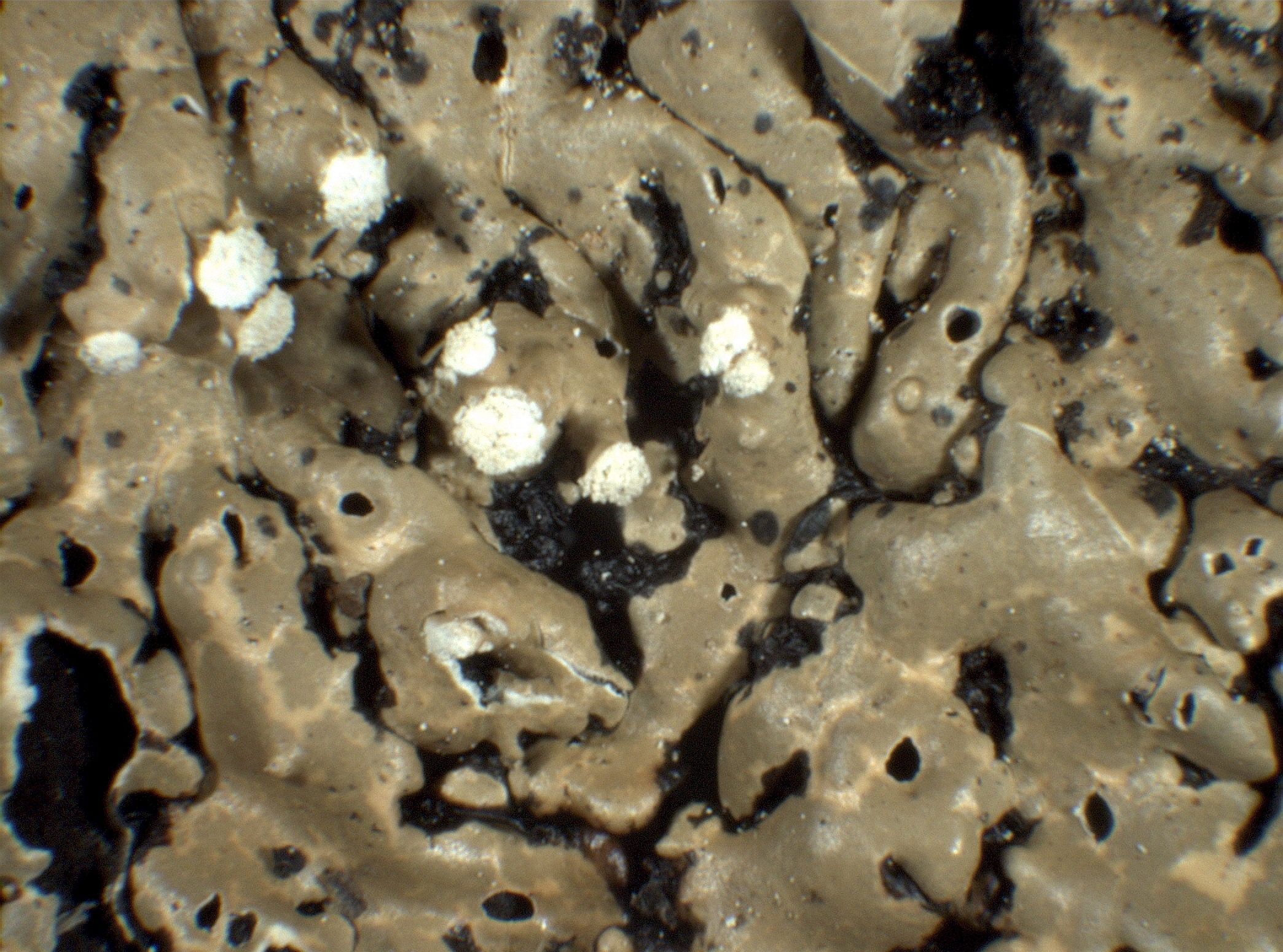
P.L.Nimis; Owner: Department of Life Sciences, University of Trieste
Herbarium: TSB (29259)
2008.03.06

P.L.Nimis; Owner: Department of Life Sciences, University of Trieste
Herbarium: TSB (29259)
2008.03.06
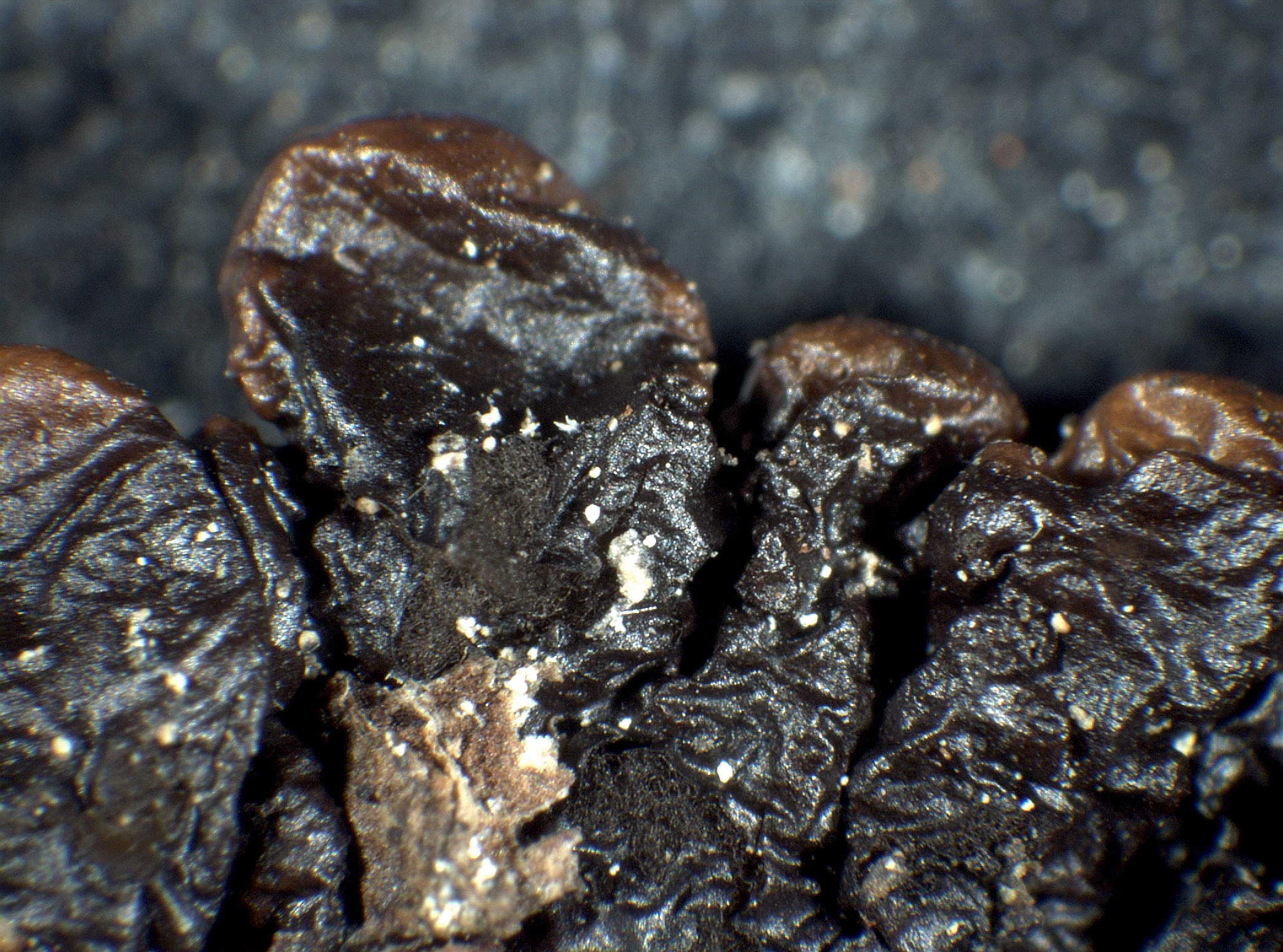
P.L.Nimis; Owner: Department of Life Sciences, University of Trieste
Herbarium: TSB (29259)
2008.03.06
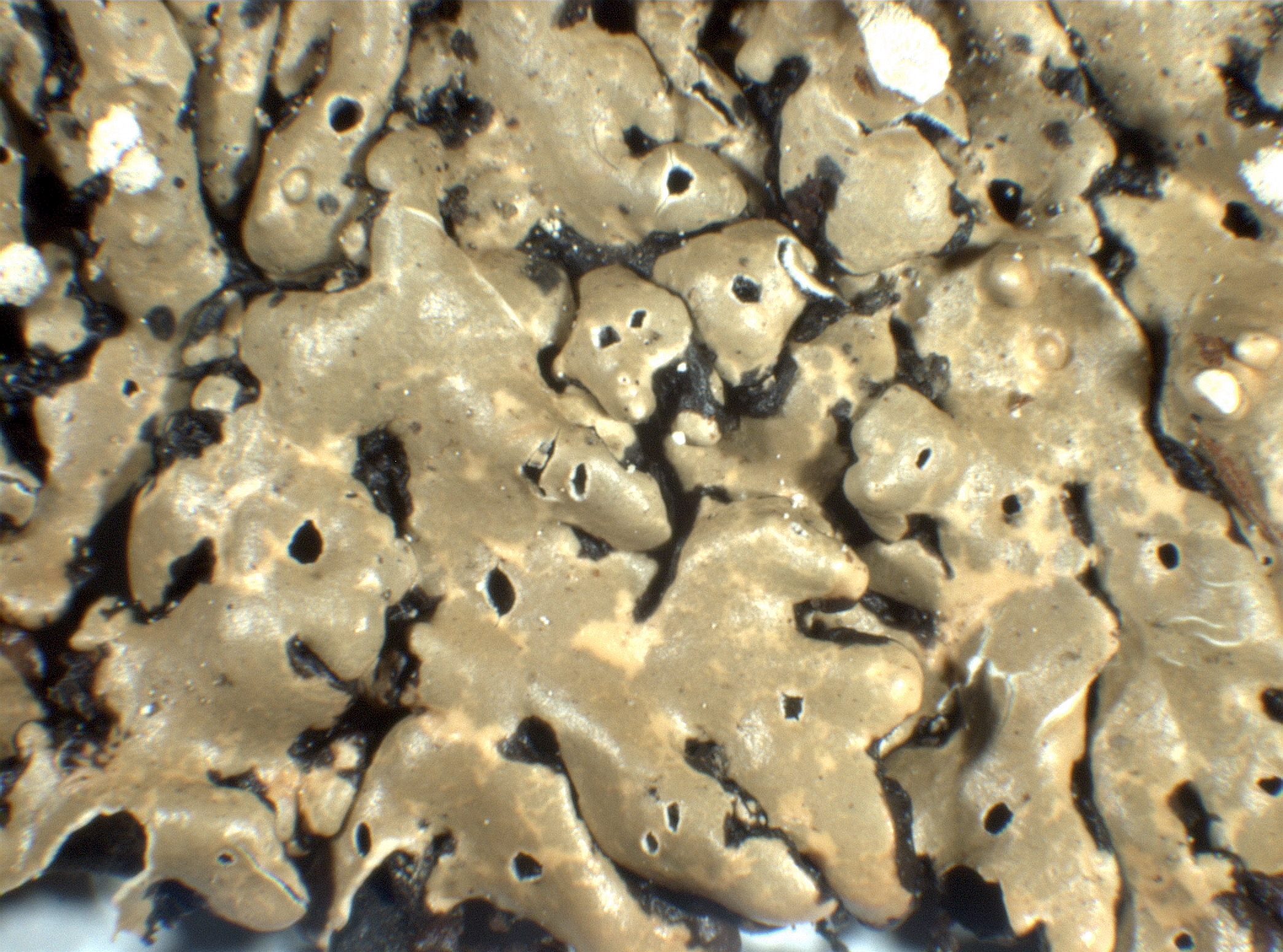
P.L.Nimis; Owner: Department of Life Sciences, University of Trieste
Herbarium: TSB (29259)
2008.03.06
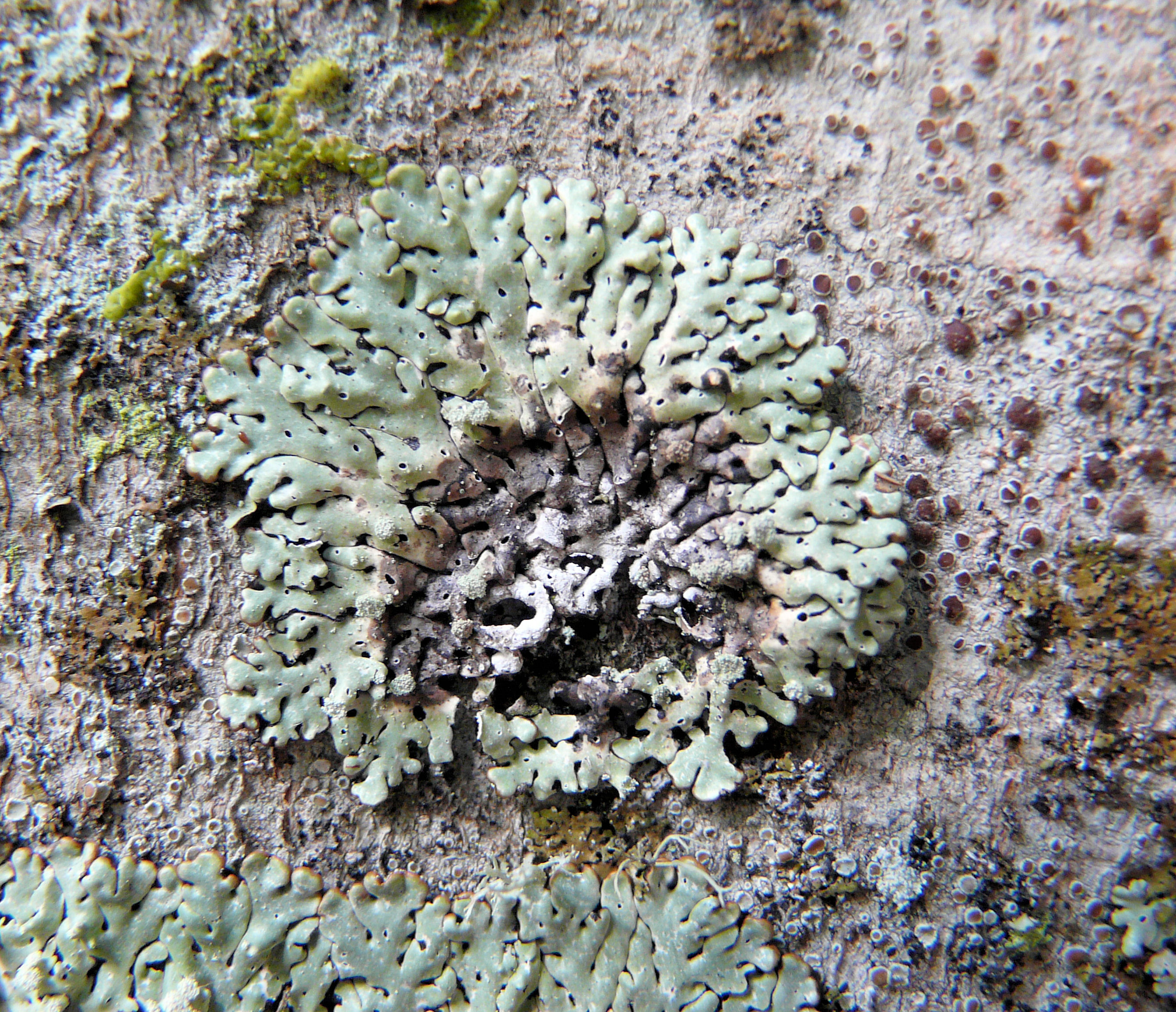
Andrea Moro; Owner: Department of Life Sciences, University of Trieste
Italia, Veneto, BL, Comune di Sappada, pendici boscose del Monte Peralba.
2008.27.08
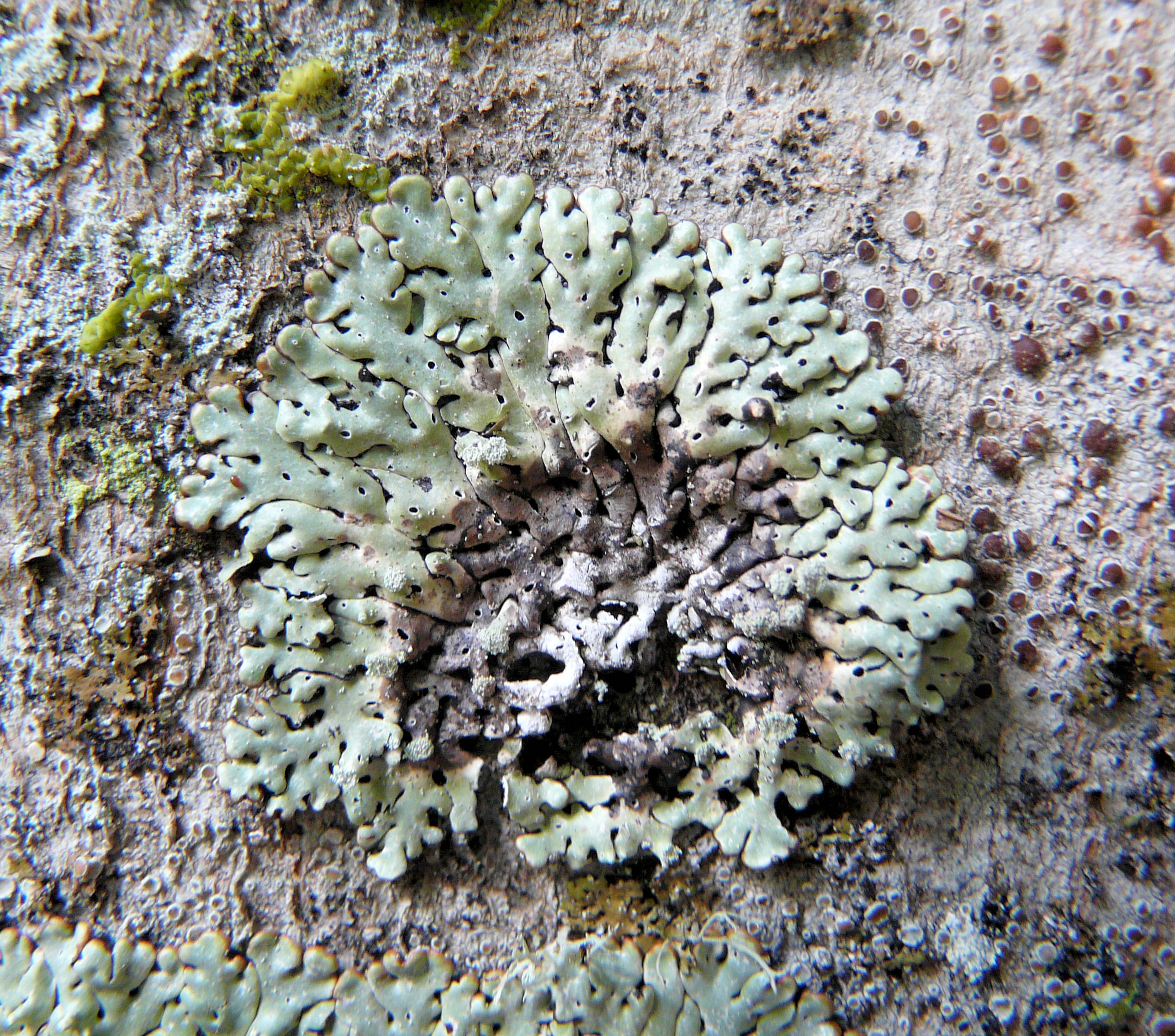
Andrea Moro; Owner: Department of Life Sciences, University of Trieste
Italia, Veneto, BL, Comune di Sappada, pendici boscose del Monte Peralba.
2008.27.08
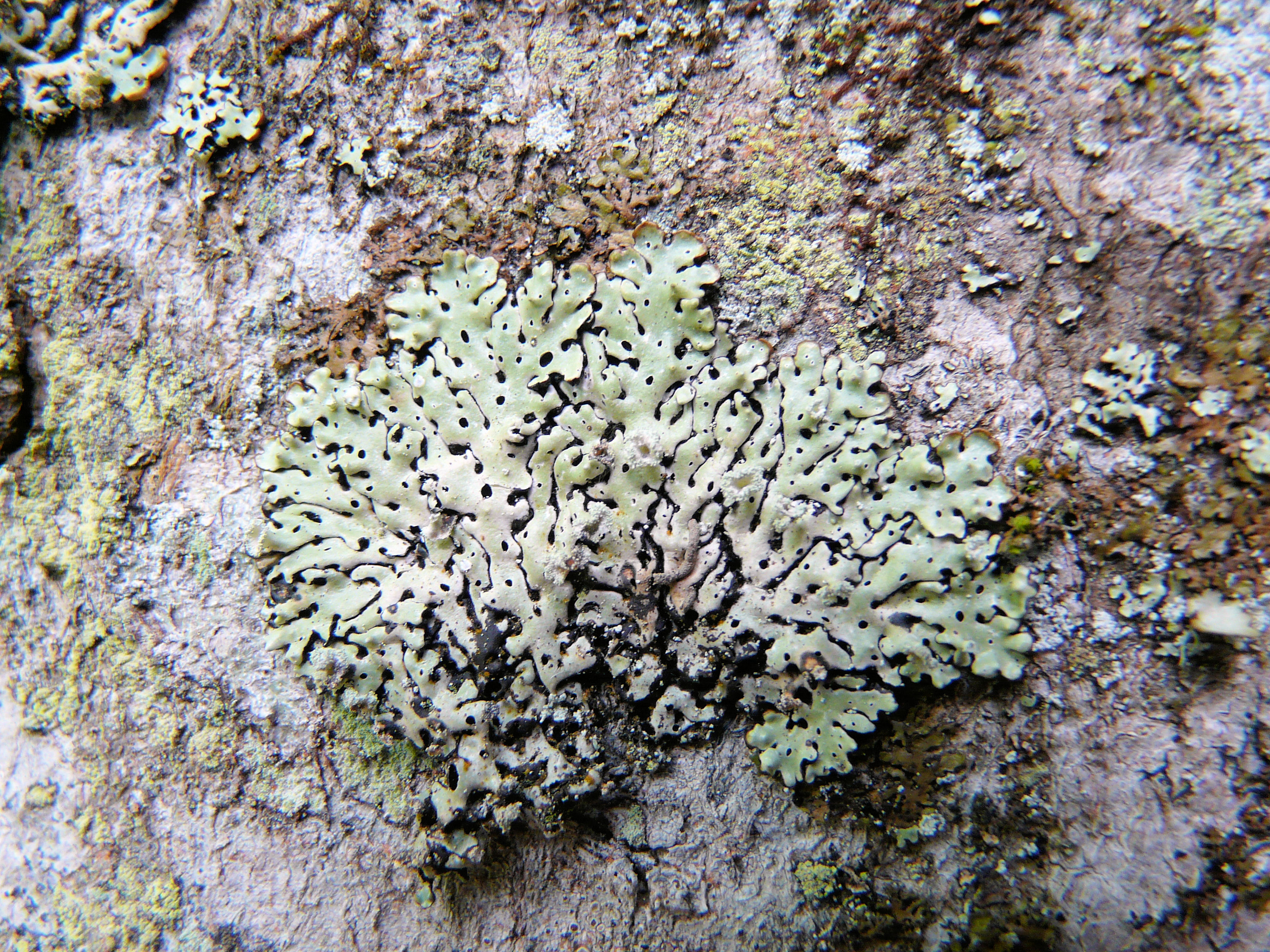
Andrea Moro; Owner: Department of Life Sciences, University of Trieste
Italia, Veneto, BL, Comune di Sappada, pendici boscose del Monte Peralba.
2008.27.08
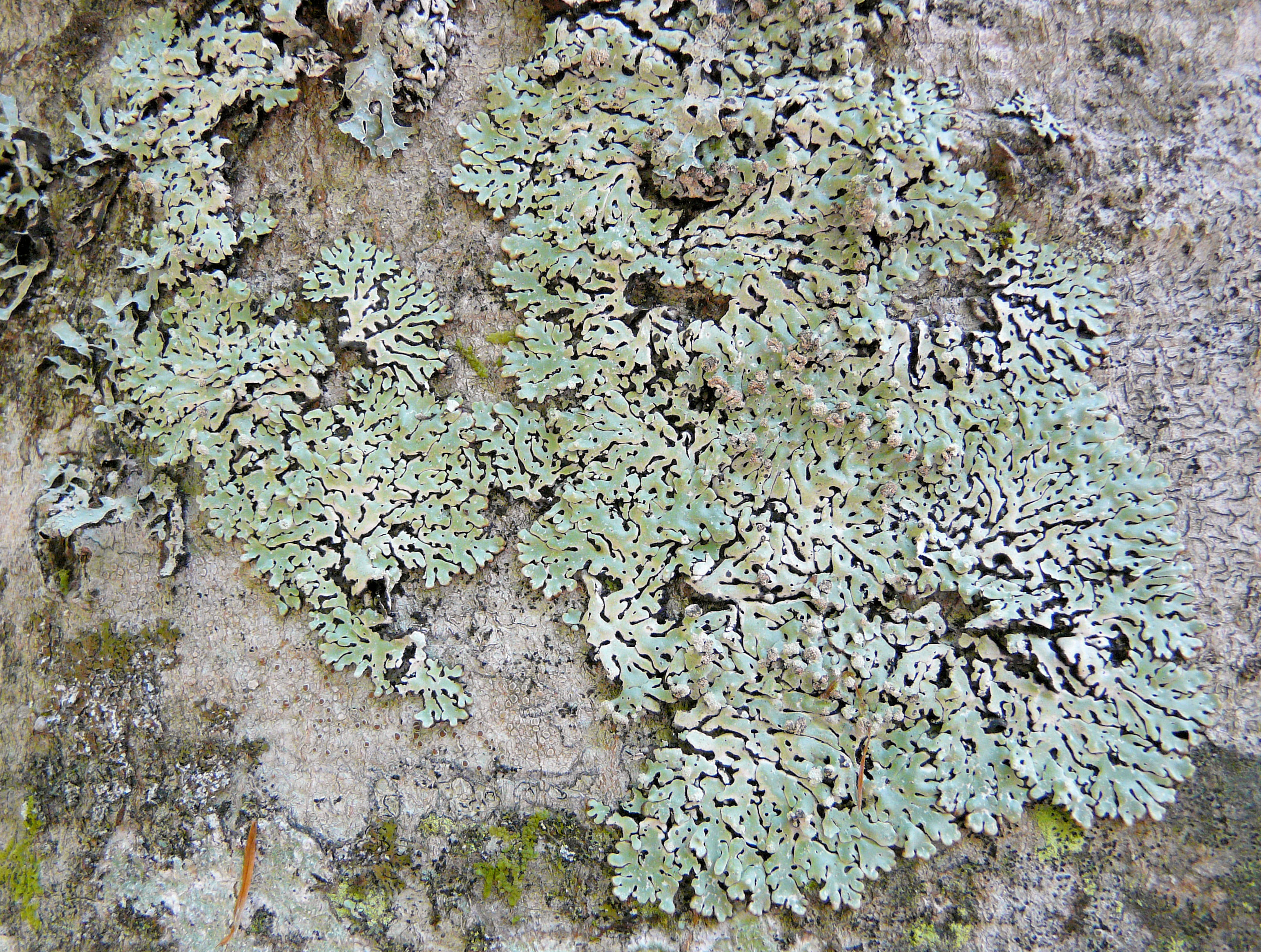
Andrea Moro; Owner: Department of Life Sciences, University of Trieste
Italia, Friuli-Venezia Giulia, UD, Comune di Sauris, Bosco della Stua presso il Lago
2008.26.08
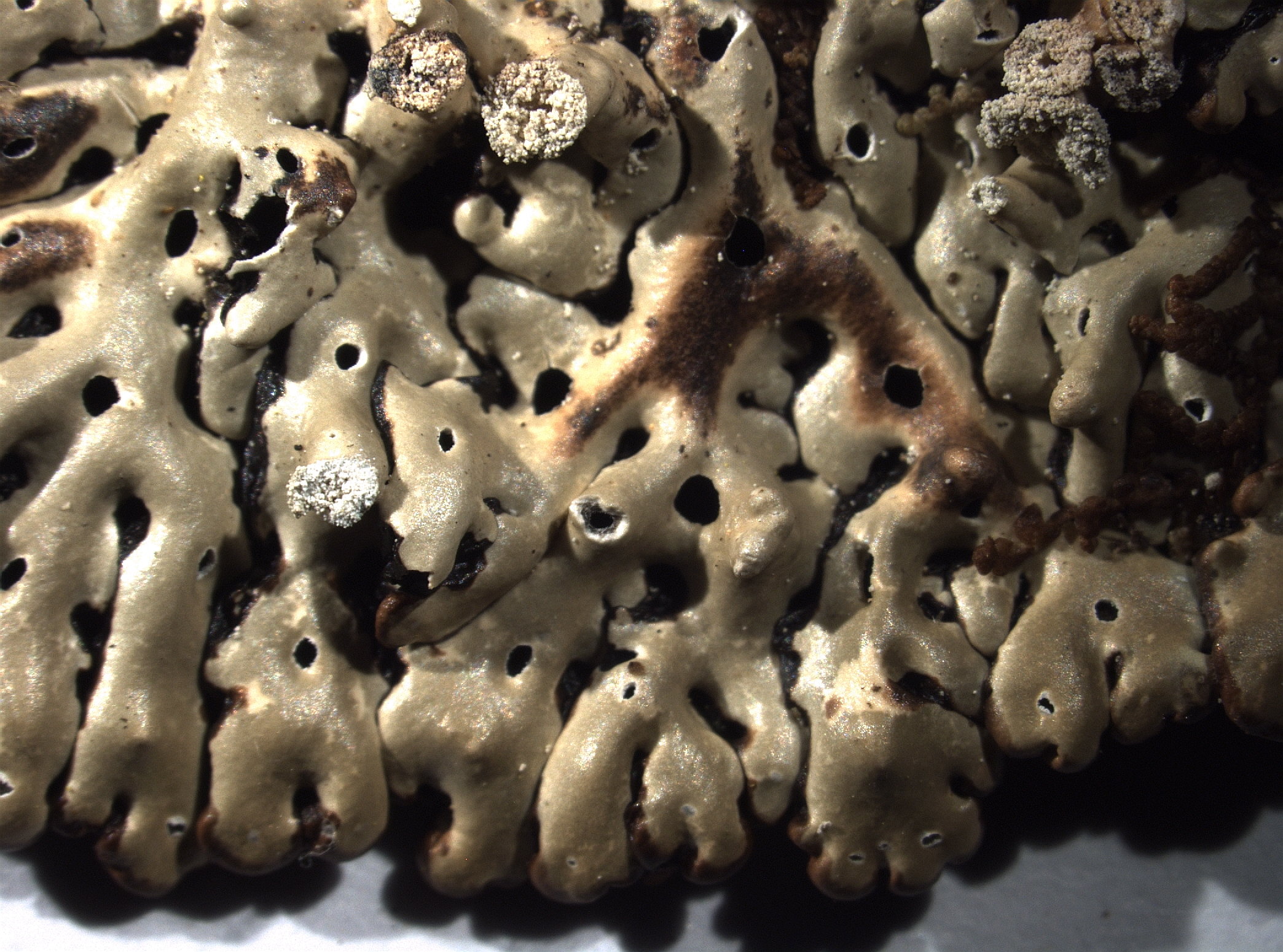
Pier Luigi Nimis - CC BY-SA 4.0
TSB 38747
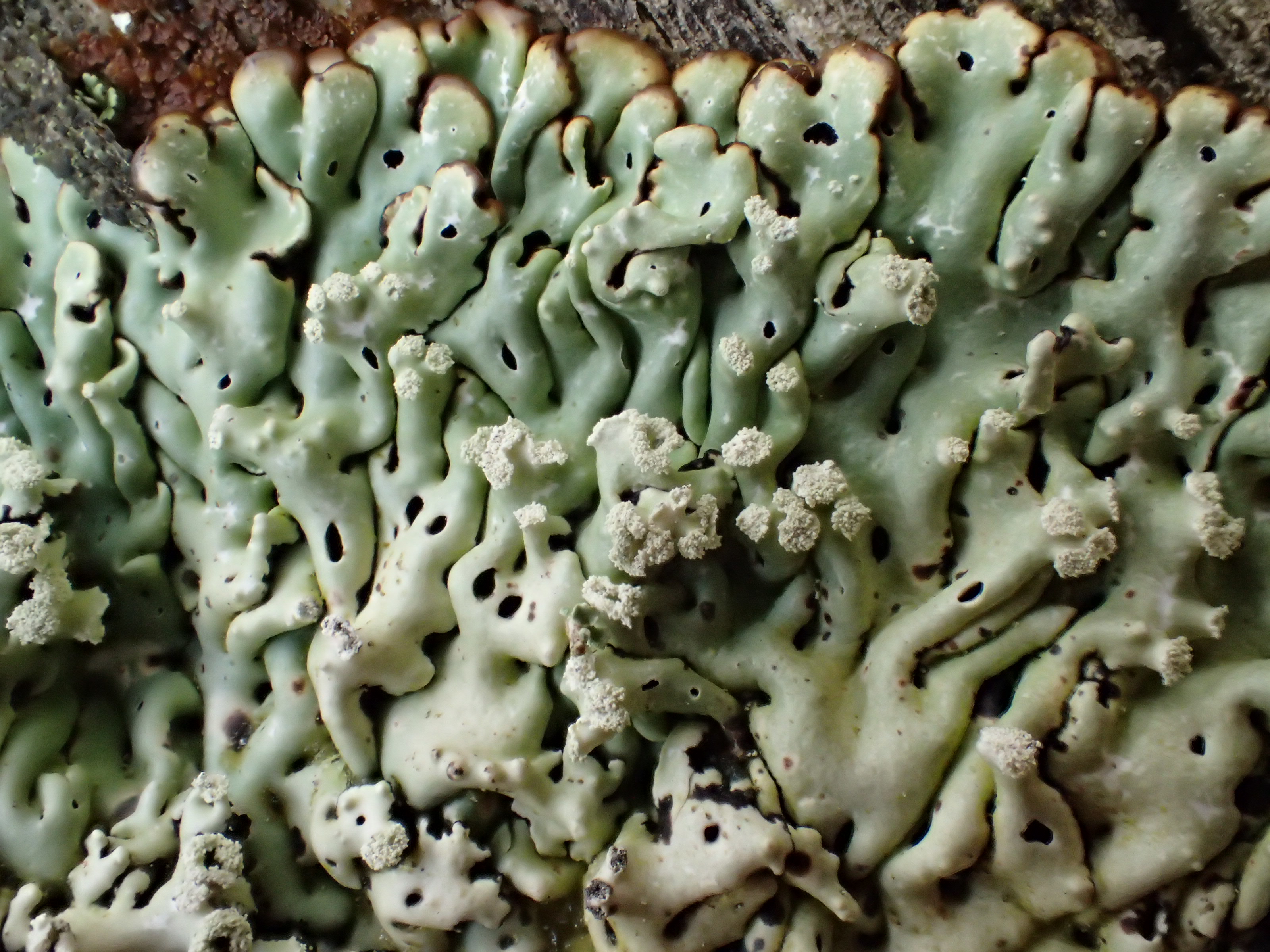
Mark Rahill - CC BY-SA 4.0
USA
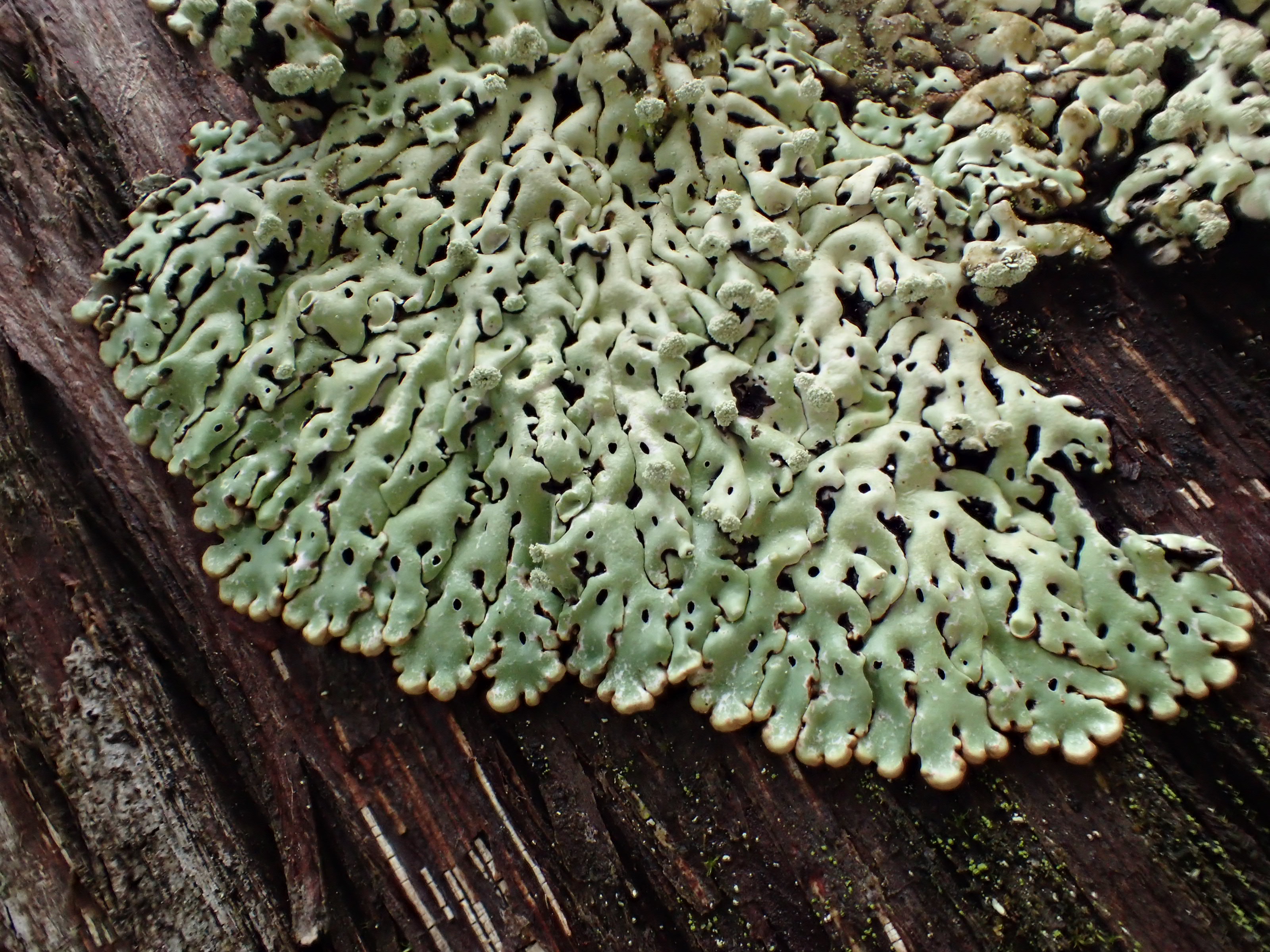
Mark Rahill - CC BY-SA 4.0
USA
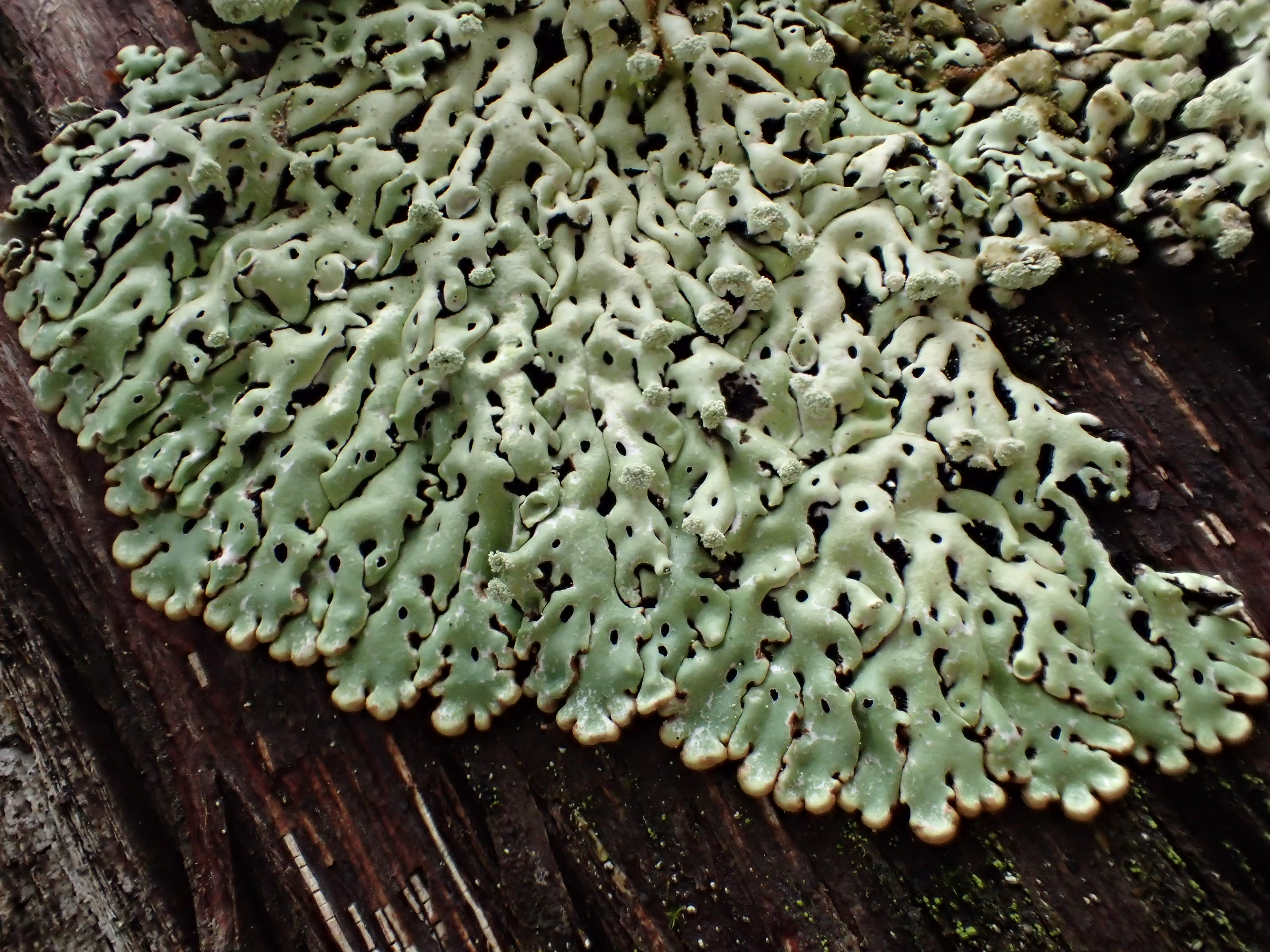
Mark Rahill - CC BY-SA 4.0
USA
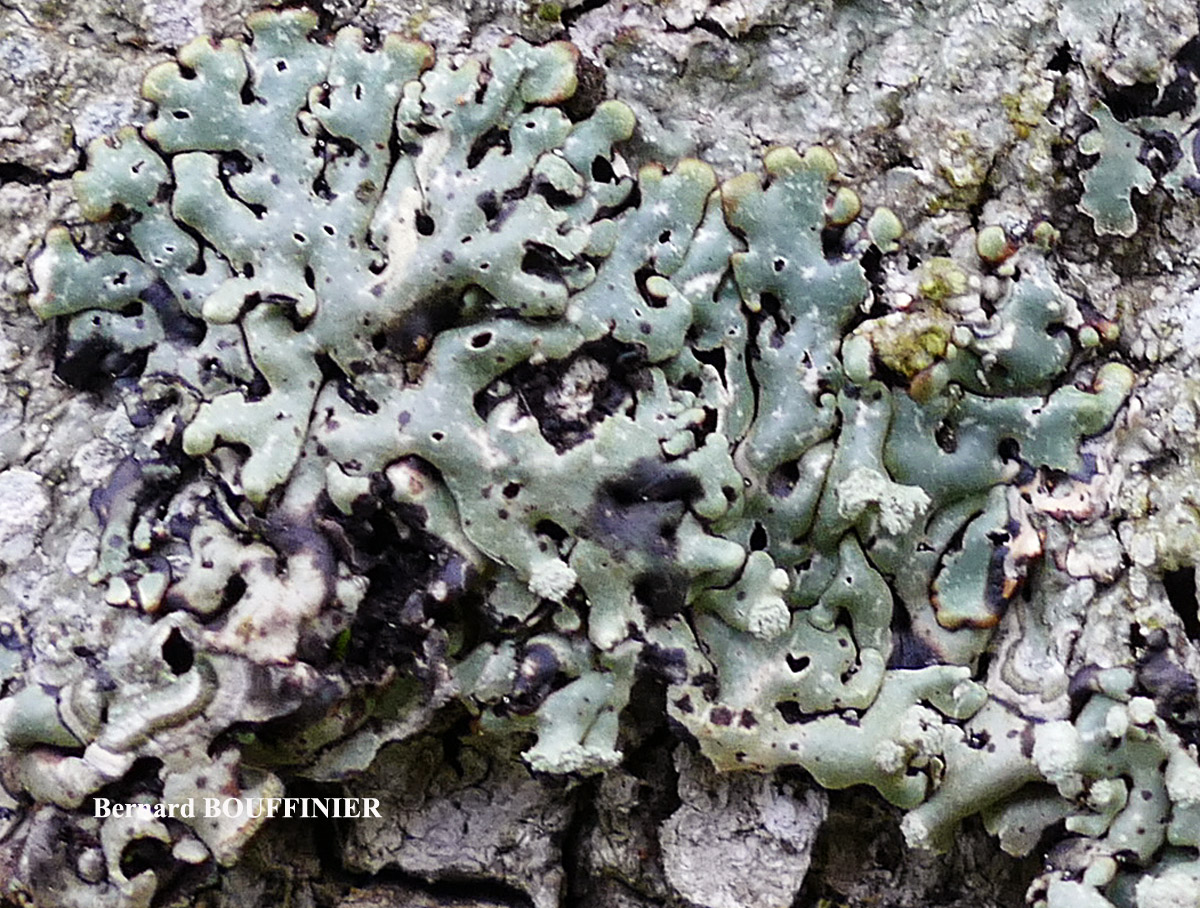
Bernard Bouffinier - Source: http://www.lichensmaritimes.org/index.php?task=fiche&lichen=295&lang=en
France, Pyrénées-Atlantiques Larrau
Bernard Bouffinier - Source: http://www.lichensmaritimes.org/index.php?task=fiche&lichen=295&lang=en
France, Pyrénées-Atlantiques Larrau
Bernard Bouffinier - Source: http://www.lichensmaritimes.org/index.php?task=fiche&lichen=295&lang=en
France, Pyrénées-Atlantiques Larrau
Ulrich Kirschbaum CC BY-SA 4.0 - Source: https://www.thm.de/lse/ulrich-kirschbaum/flechtenbilder
Austria: Alps.
Ulrich Kirschbaum CC BY-SA 4.0 - Source: https://www.thm.de/lse/ulrich-kirschbaum/flechtenbilder
Austria: Alps.

Felix Schumm - CC BY 4.0
[1046]. Österreich, Land Salzburg, Steir. Salzkammergut, Mitterndorf bei der Sonnenalm, an Laubbaum in Richtung Kampl. Leg. F. Schumm, 31.12.1968, det. F. Schumm, 1968. Chemistry p138/2: atranorin, stictic acid (major), menegazzaic acid (major), connorstictic acid (minor), constictic acid (major), norstictic acid (trace).

Felix Schumm - CC BY 4.0
[1046]. Österreich, Land Salzburg, Steir. Salzkammergut, Mitterndorf bei der Sonnenalm, an Laubbaum in Richtung Kampl. Leg. F. Schumm, 31.12.1968, det. F. Schumm, 1968. Chemistry p138/2: atranorin, stictic acid (major), menegazzaic acid (major), connorstictic acid (minor), constictic acid (major), norstictic acid (trace).

Felix Schumm - CC BY 4.0
[81052], Österreich, Land Salzburg, Steir. Salzkammergut, Mitterndorf bei der Sonnenalm . Leg. F. Schumm, 06.1967, det. F. Schumm, 1967, conf. Dr. Alwin Schade.

Wolfgang von Brackel - CC BY-4.0
Germany, Bavaria, Burgberg Oberallgäu

Wolfgang von Brackel - CC BY-4.0
Germany, Bavaria, Burgberg Oberallgäu

Wolfgang von Brackel - CC BY-4.0
Germany, Bavaria, Burgberg Oberallgäu

Wolfgang von Brackel - CC BY-4.0
Germany, Bavaria, Burgberg Oberallgäu

Wolfgang von Brackel - CC BY-4.0
Germany, Bavaria, Elmaubachtal-Ammergebirge

Wolfgang von Brackel - CC BY-4.0
Germany, Bavaria, Elmaubachtal-Ammergebirge

Wolfgang von Brackel - CC BY-4.0
Germany, Bavaria, Zwieslerwaldhaus

Collezione lichenologica Abramo Massalongo del Museo di Storia Naturale G. Ligabue di Venezia - Autori: Seggi, Linda; Trabucco, Raffaella Proprietà: Fondazione Musei Civici di Venezia - CC BY-NC
in Alp. Cadubriae 1855