Micarea lignaria (Ach.) Hedl. var. lignaria
Bih. K. Svenska Vetensk.-Akad. Handl., 3, 18: 93, 1892. Basionym: Lecidea lignaria Ach. - K. Vetensk.-Akad. Nya Handl., 29: 236, 1808.
Synonyms: Bacidia gomphillacea (Nyl.) Zahlbr.; Bacidia granulans sensu H. Magn.; Bacidia lignaria (Ach.) Lettau; Bacidia meizospora (Nyl.) Zahlbr.; Bacidia milliaria (Fr.) Sandst.; Bilimbia lignaria (Ach.) A. Massal.; Bilimbia milliaria (Fr.) Körb.; Lecidea geomaea Taylor; Lecidea meizospora Nyl.; Lecidea milliaria Fr.; Micarea gomphillacea (Nyl.) Vězda
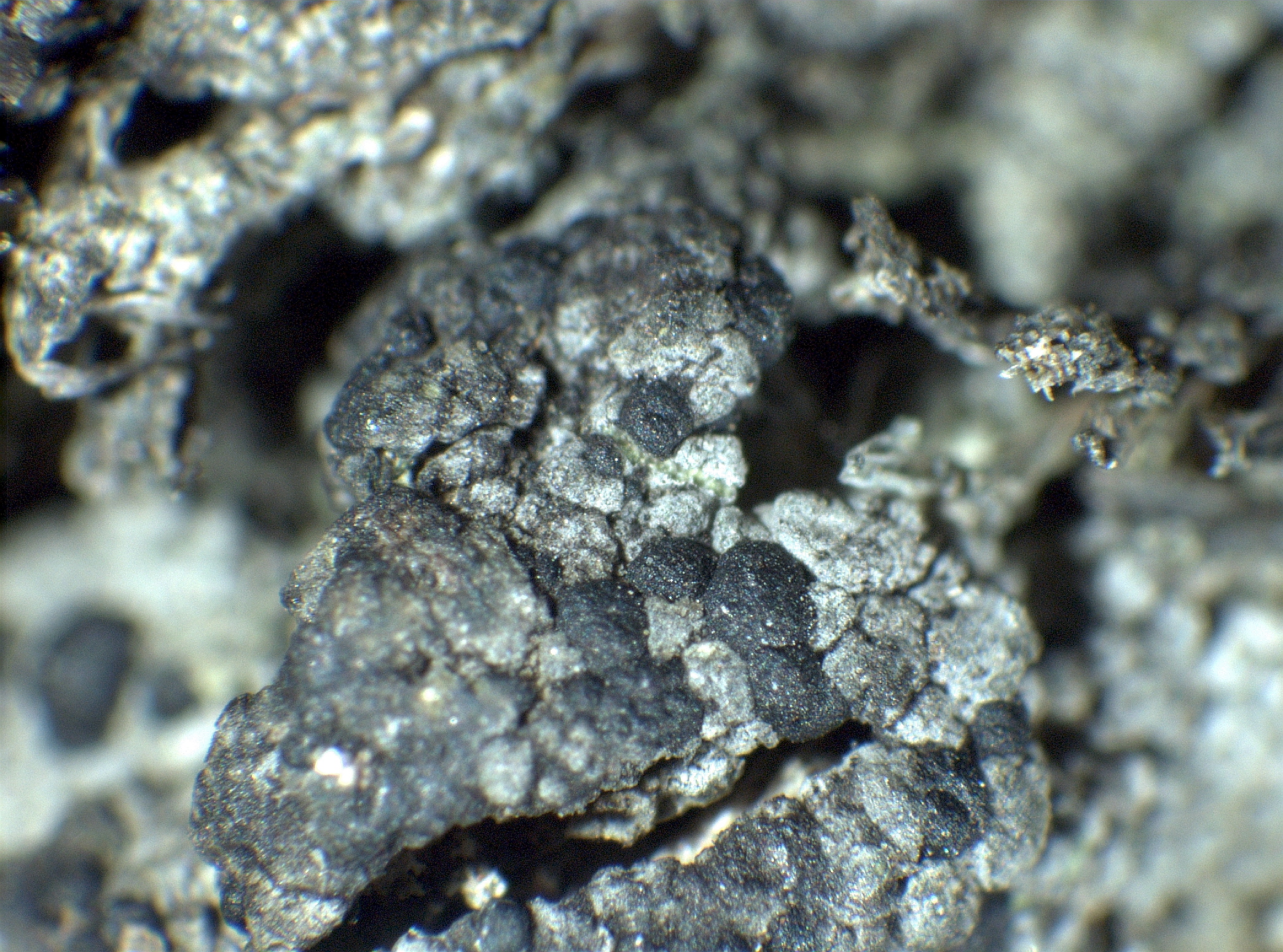
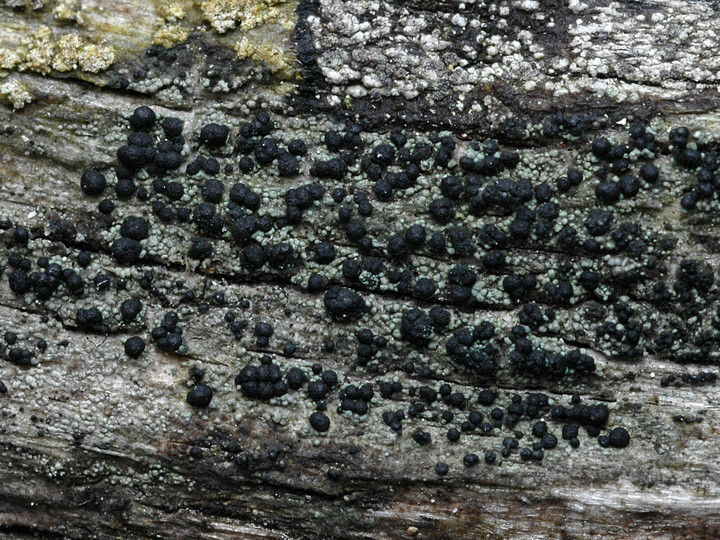
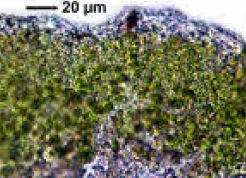
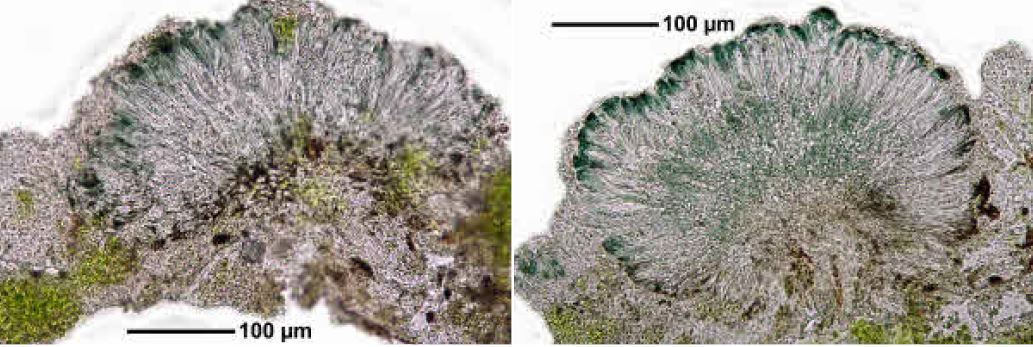
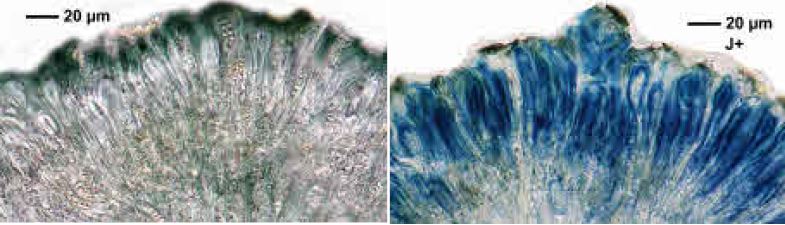
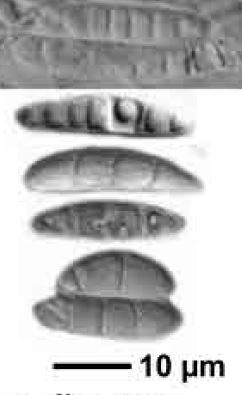
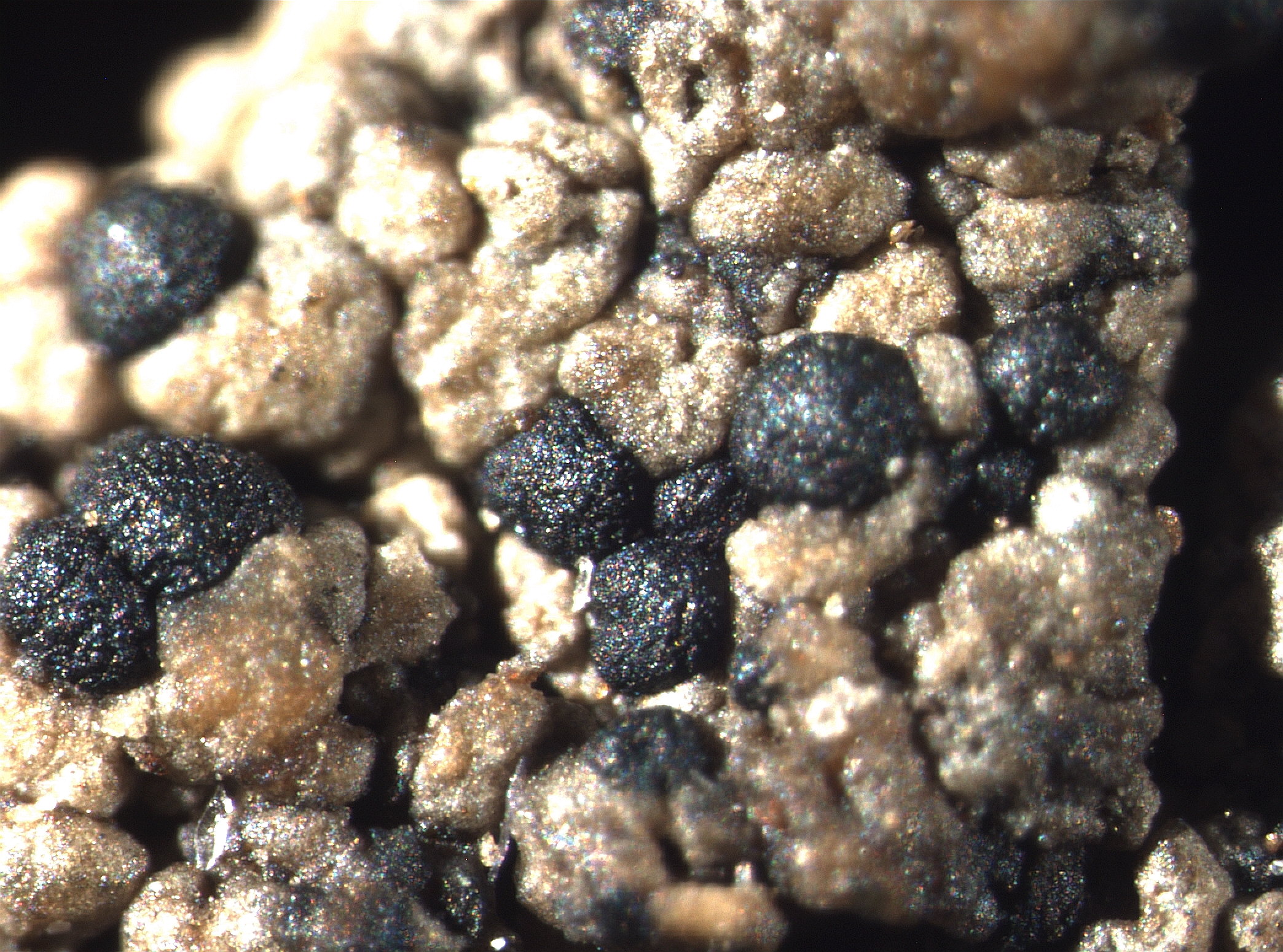
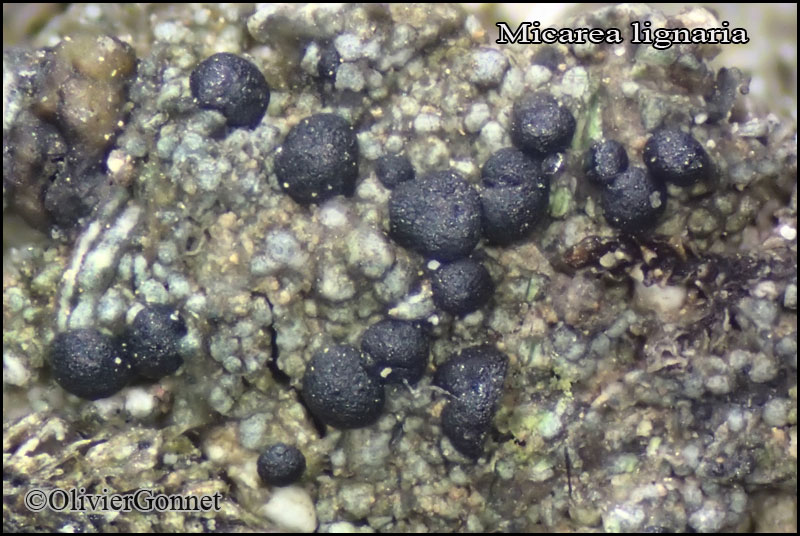
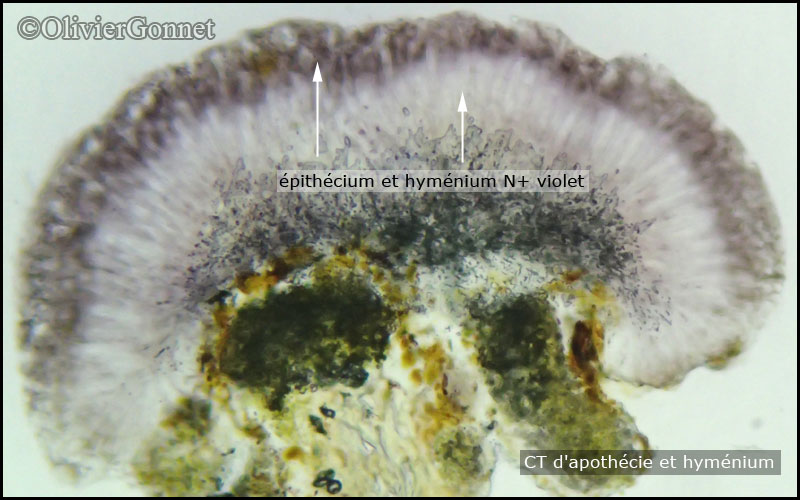
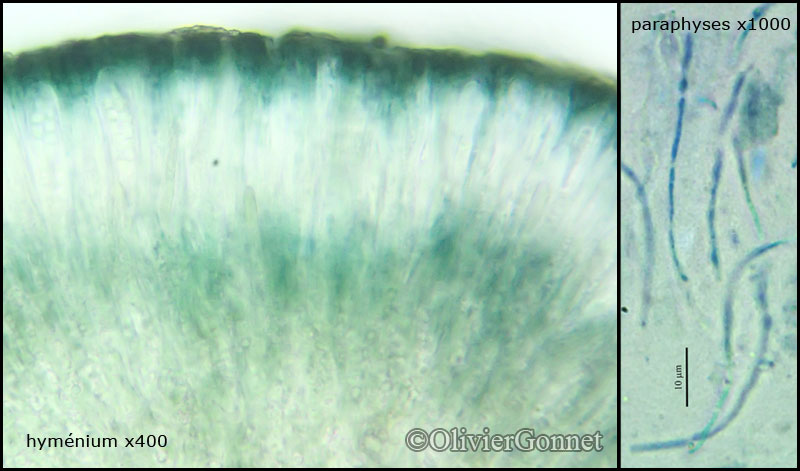
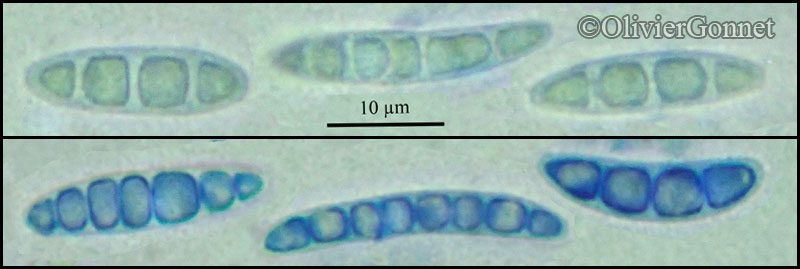
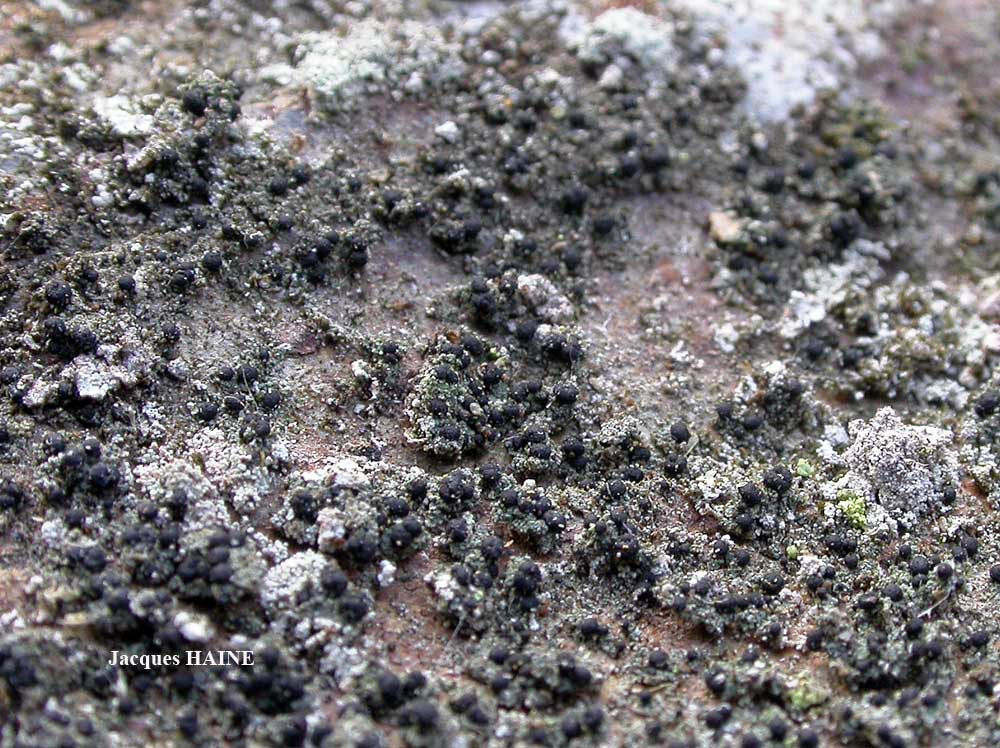
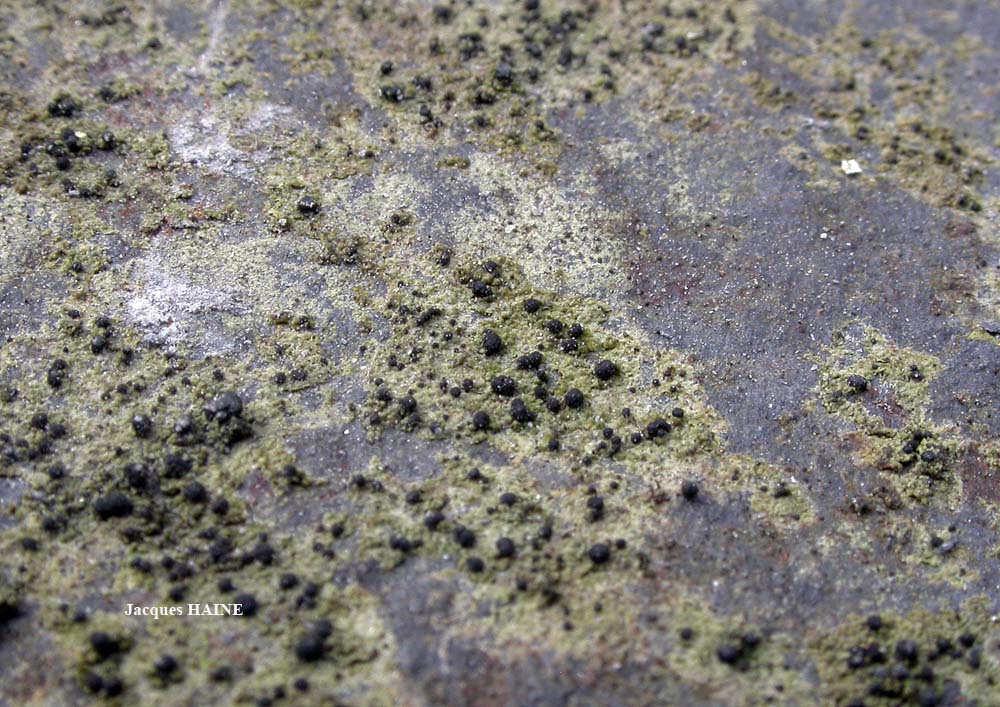
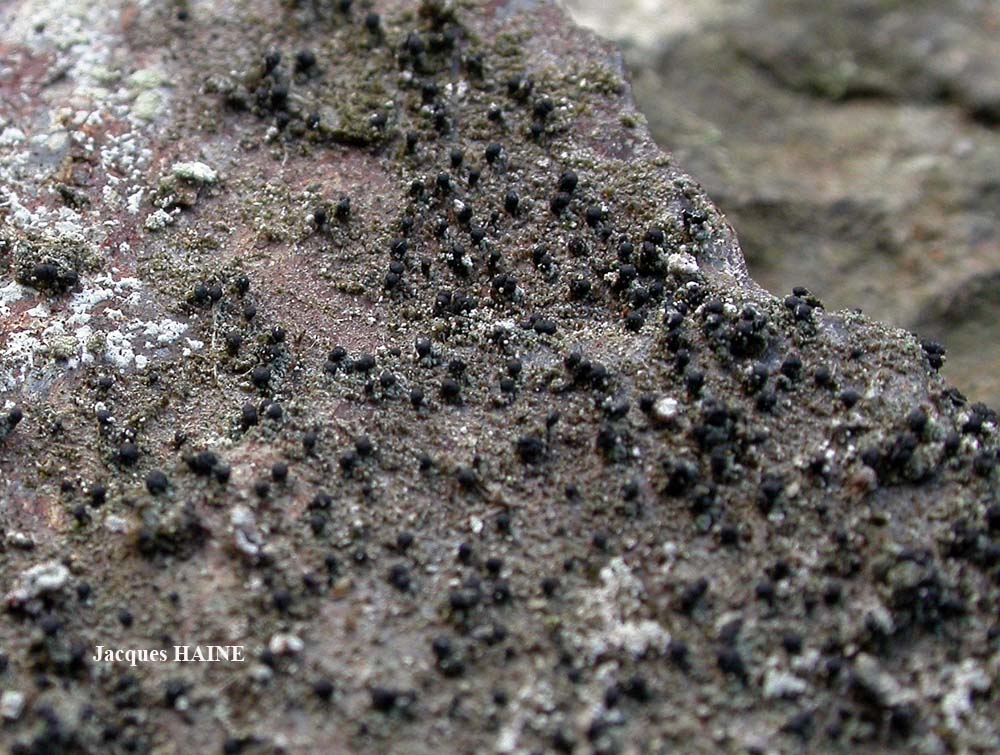
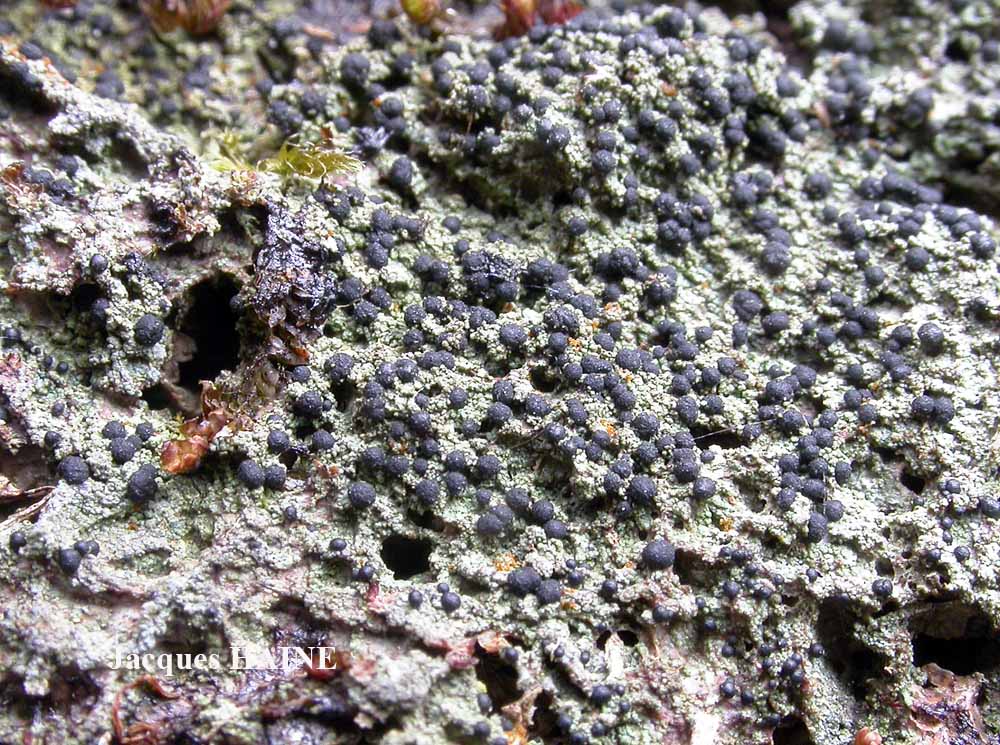
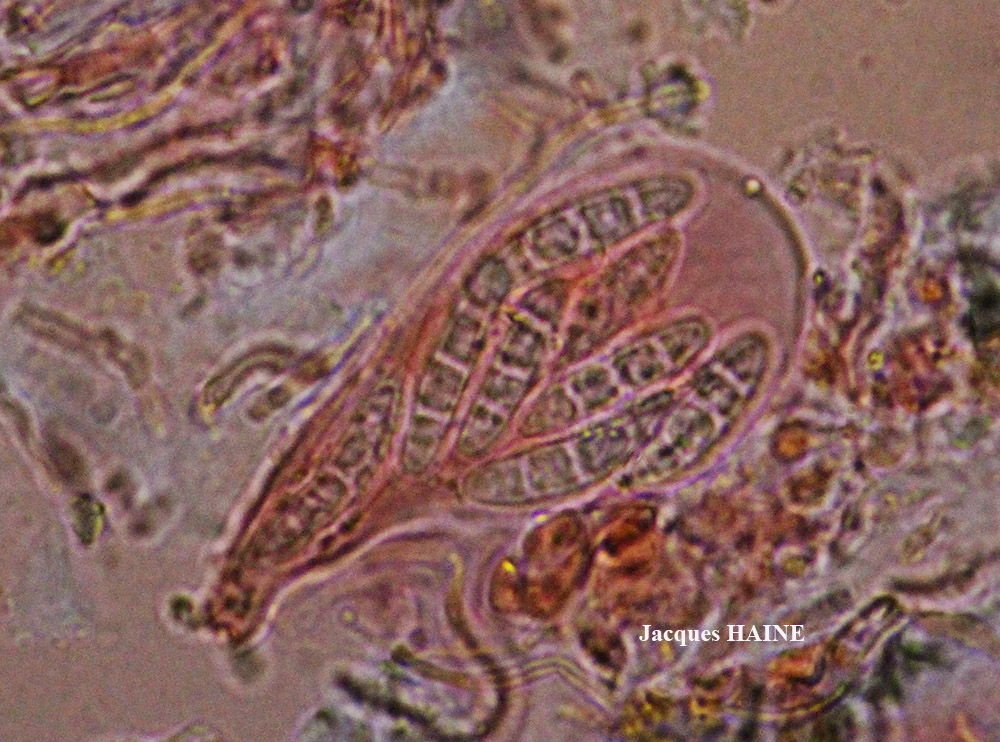
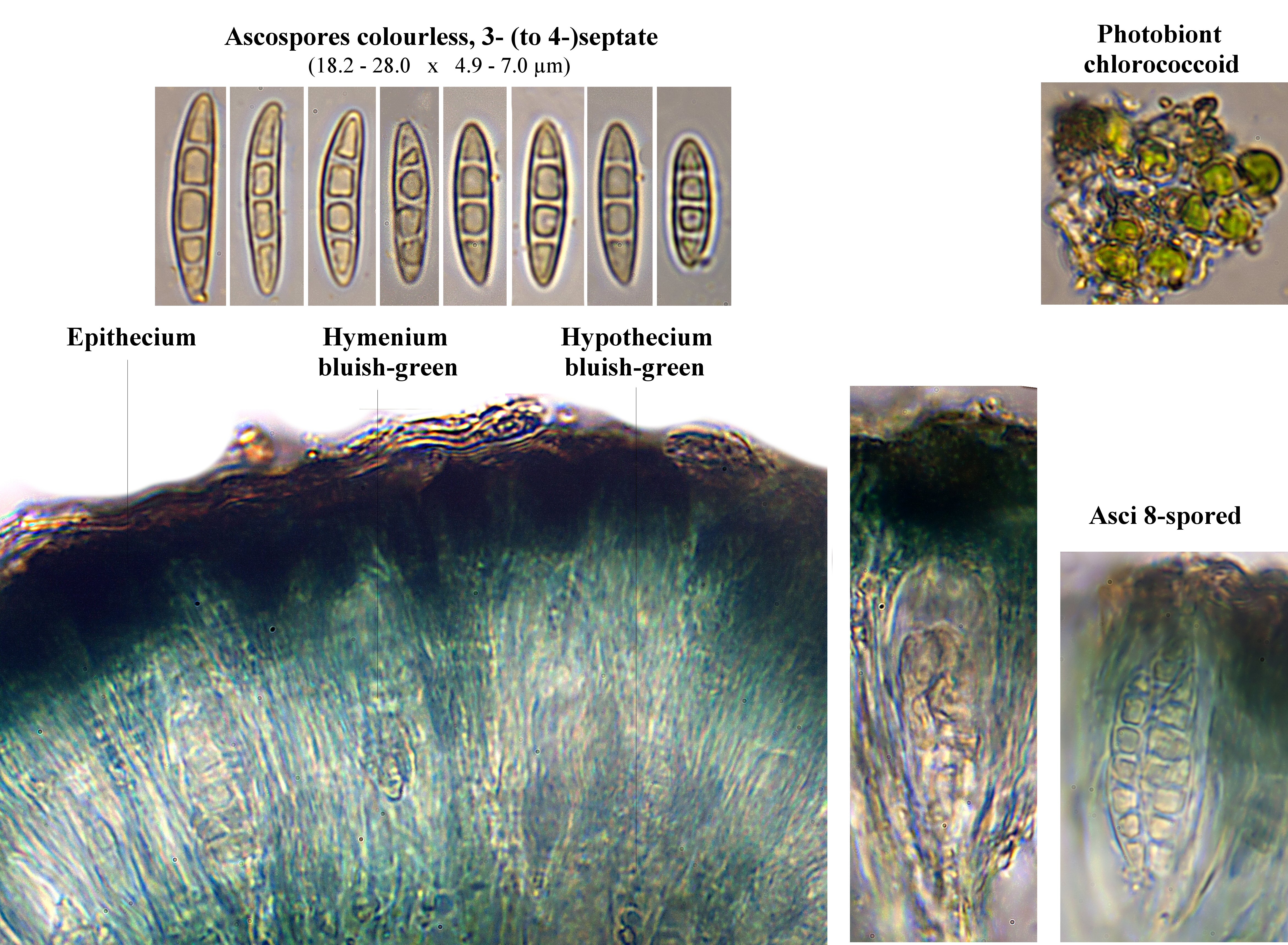
Description: Thallus crustose, composed of whitish grey, ash- to more or less intensive greenish-grey, usually convex-granulose, 0.1-0.3 mm wide areoles, sometimes poorly developed. Areoles with a thick, hyaline, up to 25(-30) μm high amorphous layer. Apothecia micareoid, black or blue-black, sessile to substipitate, often tuberculate, 0.15-0.6(-0.9) mm across, with a convex to almost globose disc, without a proper margin. Proper exciple poorly developed and soon excluded, brownish in outer part, composed of branched, paraphysis-like hyphae; epithecium scarcely differentiated from the hymenium, usually intensive aeruginose or olive-green owing to the pigment present in the gel matrix and walls of paraphyses, K+ intensifying green; hymenium 50-75 μm high, colourless, or olivaceous to blue-green in upper and sometimes lower parts, the pigmented parts K-, N+ red, rarely with a few scattered, minute violaceous granules reacting K+ green; paraphyses numerous, 1.5-2 μm thick at mid-level, simple or sparingly branched in upper part, the apical cells 2.5-3 μm wide; hypothecium pale blue-green or olivaceous, K-, the central part often colourless or pale brown. Asci 8-spored, clavate to cylindrical-clavate, in K/I with a blue outer layer and apical dome and unstained wall, the dome with an apical cushion, 40-50 x 10-16 (-18) μm. Ascospores (3-)4-7-septate, hyaline, fusiform to narrowly fusiform, straight or slightly curved, rounded at one end and acute at the other, (14-)16-36(-38) x (3.5-)4-6(-7) μm. Pycnidia more or less immersed, the wall green (K-) in upper parts, producing three types of conidia: a) curved, 3-7-septate macroconidia measuring 16-22 x c. 1 μm, b) cylindrical to obovoid mesoconidia measuring 4-7 x 1.5-2 μm, c) narrowly cylindrical microconidia measuring 5-7 x c. 0.8 μm. Photobiont micareoid, the cells 4-7 μm wide. Spot tests: thallus K-, C-, KC-, P+ orange-red; apothecial sections C-. Chemistry: thallus with argopsin.
Growth form: Crustose
Photobiont: green algae other than Trentepohlia
Reproductive strategy: mainly sexual
Commonnes-rarity: (info)
Alpine belt: rare
Subalpine belt: rather common
Montane belt: rather common
Dry submediterranean belt: rare
Humid submediterranean belt: rather rare
Padanian area: extremely rare
pH of the substrata:
1 2 3 4 5

Solar irradiation:
1 2 3 4 5
Aridity:
1 2 3 4 5
Eutrophication:
1 2 3 4 5
Poleotolerance:
0 1 2 3
Altitudinal distribution:
1 2 3 4 5 6
Rarity
absent
extremely rare
very rare
rare
rather rare
rather common
common
very common
extremely common
Loading data...
Occurrence data
Predictive map
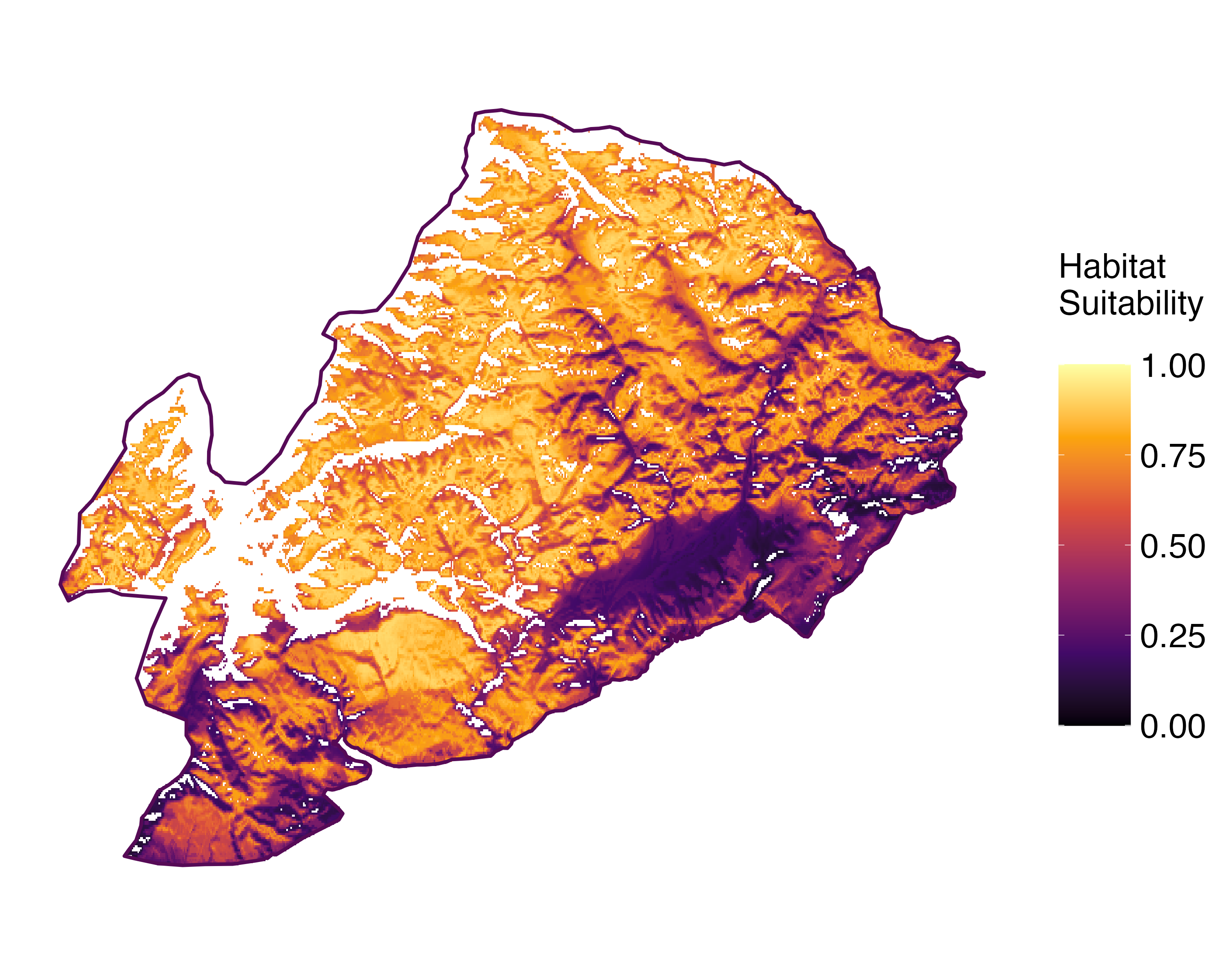 Current prediction (1981-2010)
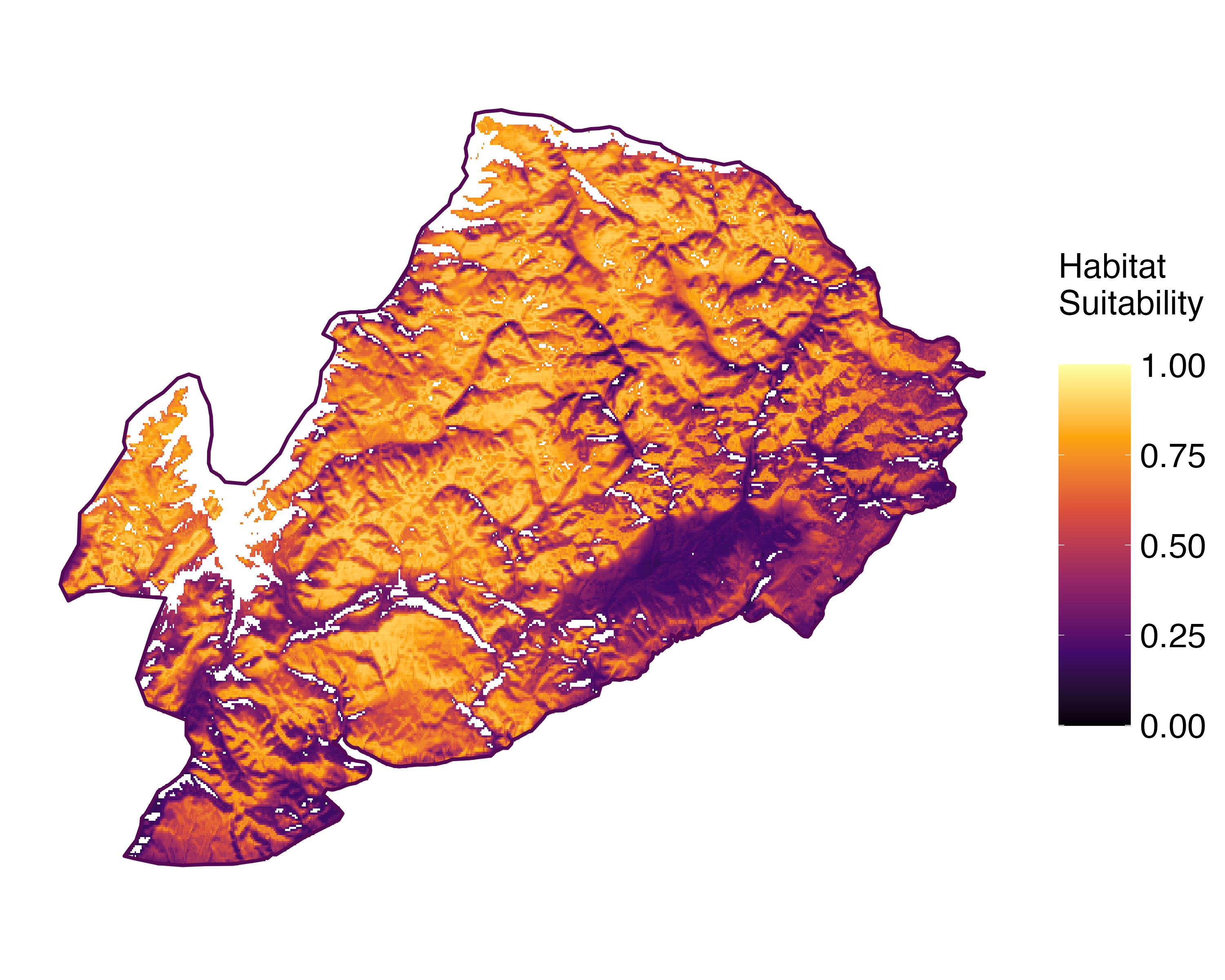 Future prediction (2071-2100) SSP 1-2.6
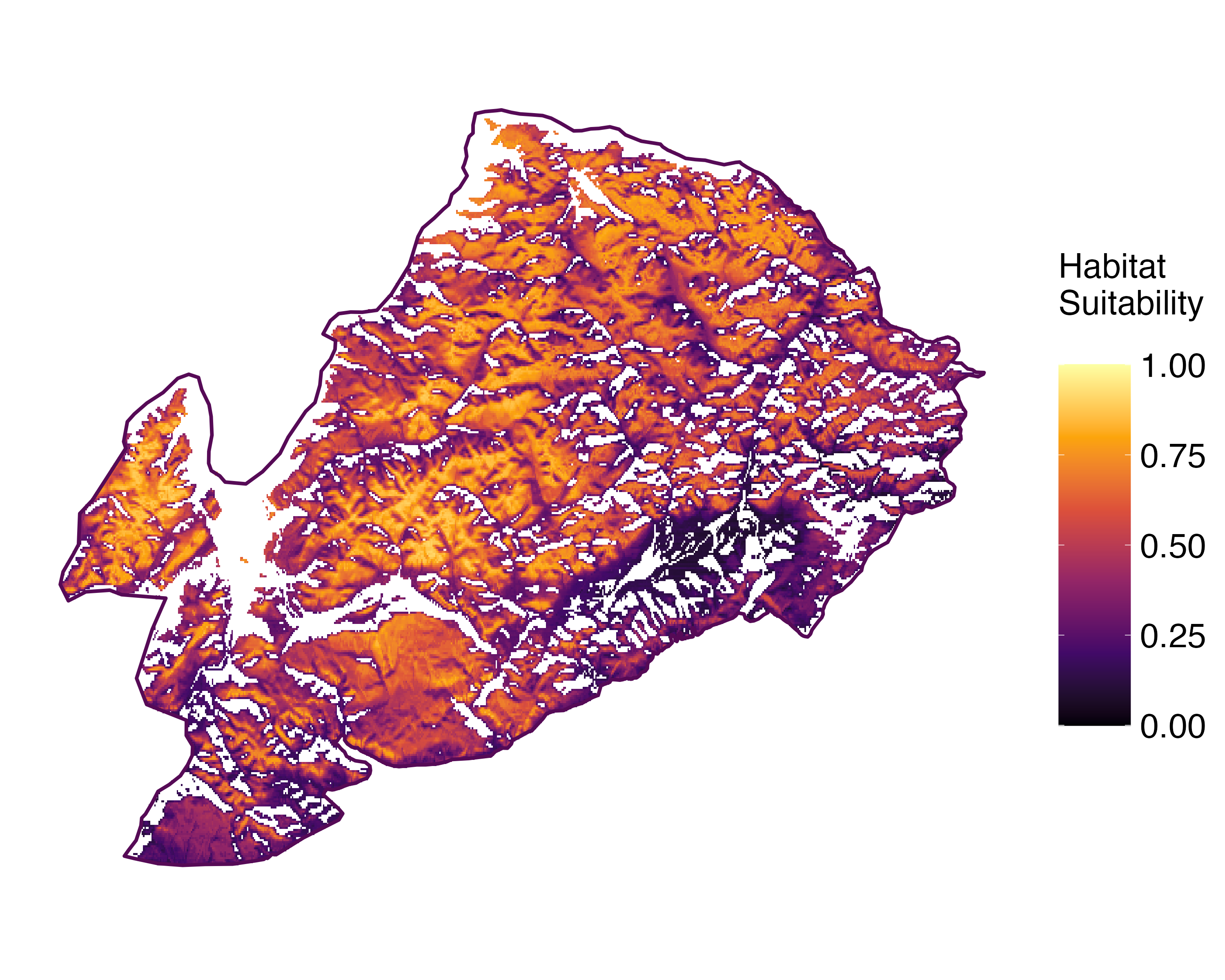 Future prediction (2071-2100) SSP 5-8.5Predictive maps according to Francesconi et al. 2025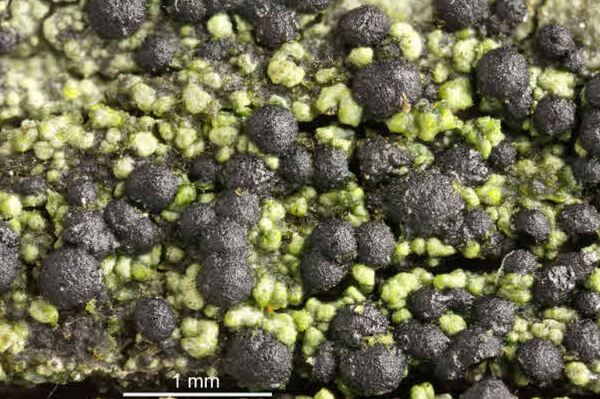
Felix Schumm – CC BY-SA 4.0
[14994], Germany, Bayern, Kreis Traunstein, nahe der Talstation der Seilbahn zum Hochfelln, auf Holzbalken bei 600 m
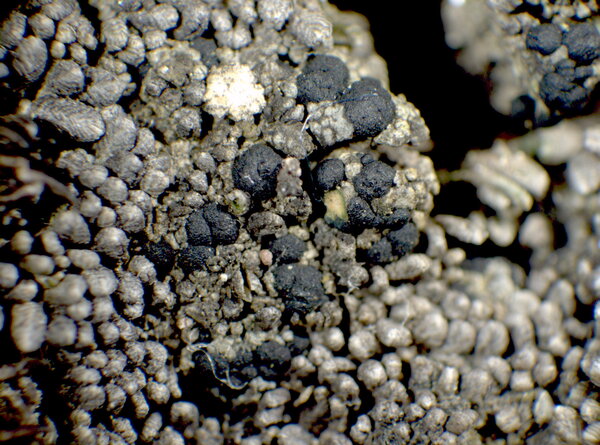
P.L. Nimis; Owner: Department of Life Sciences, University of Trieste
Herbarium: TSB (34650)
2002/01/30
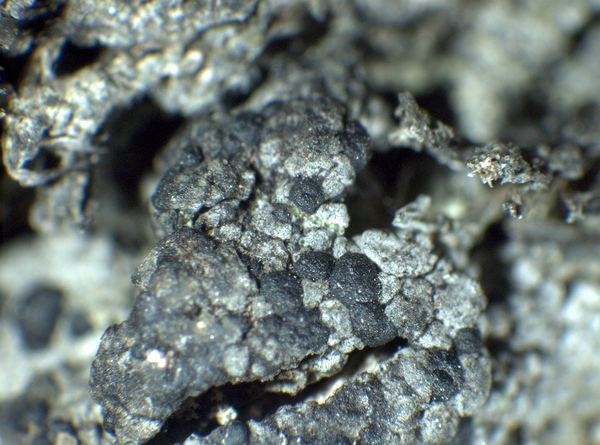
P.L.Nimis; Owner: Department of Life Sciences, University of Trieste
Herbarium: TSB (36789)
2008.02.28
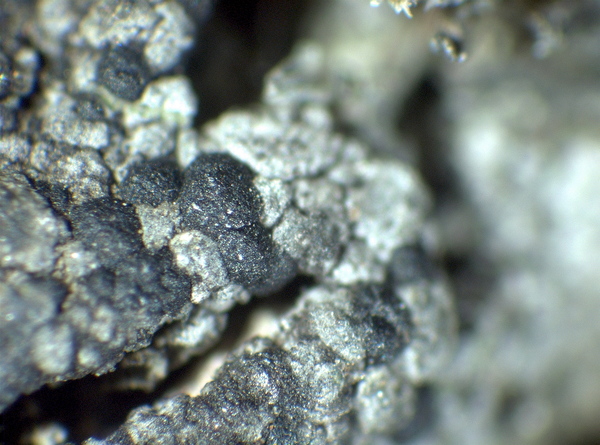
P.L.Nimis; Owner: Department of Life Sciences, University of Trieste
Herbarium: TSB (36789)
2008.02.28
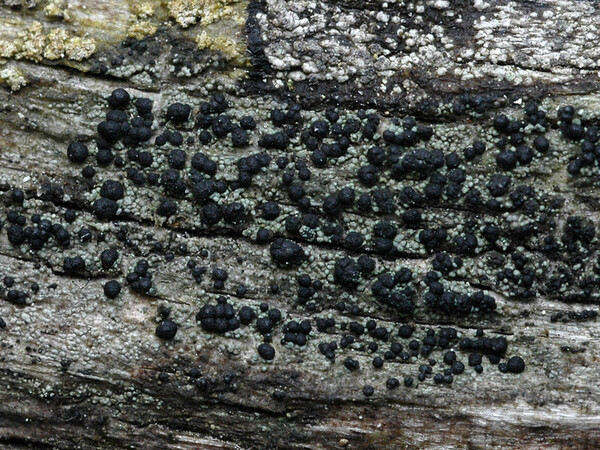
Leif Stridvall - Source: http://www.stridvall.se/la/galleries.php . Courtesy: Anita Stridvall
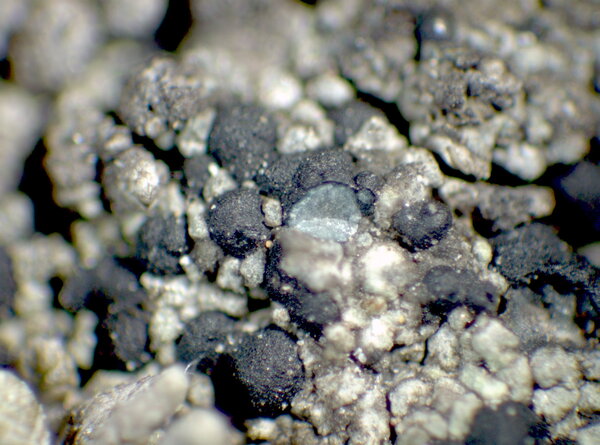
P.L. Nimis; Owner: Department of Life Sciences, University of Trieste
Herbarium: TSB (34650)
2002/01/30
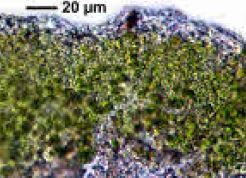
Felix Schumm – CC BY-SA 4.0
[14994], Germany, Bayern, Kreis Traunstein, nahe der Talstation der Seilbahn zum Hochfelln, auf Holzbalken bei 600 m
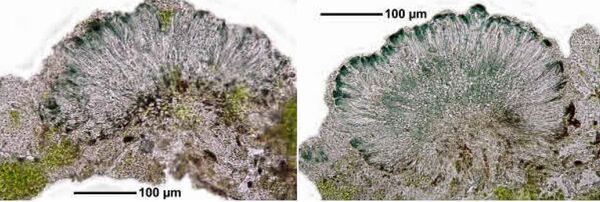
Felix Schumm – CC BY-SA 4.0
[14994], Germany, Bayern, Kreis Traunstein, nahe der Talstation der Seilbahn zum Hochfelln, auf Holzbalken bei 600 m
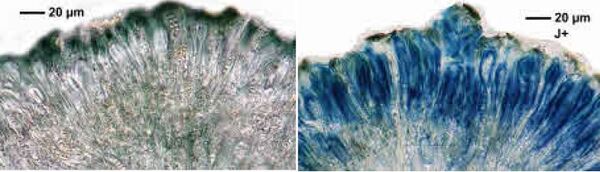
Felix Schumm – CC BY-SA 4.0
[14994], Germany, Bayern, Kreis Traunstein, nahe der Talstation der Seilbahn zum Hochfelln, auf Holzbalken bei 600 m
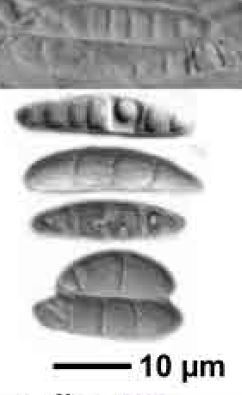
Felix Schumm – CC BY-SA 4.0
[14994], Germany, Bayern, Kreis Traunstein, nahe der Talstation der Seilbahn zum Hochfelln, auf Holzbalken bei 600 m
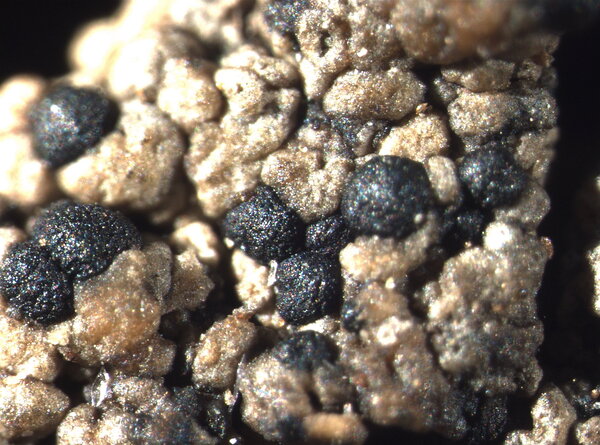
Pier Luigi Nimis - CC BY-SA 4.0
TSB 5242
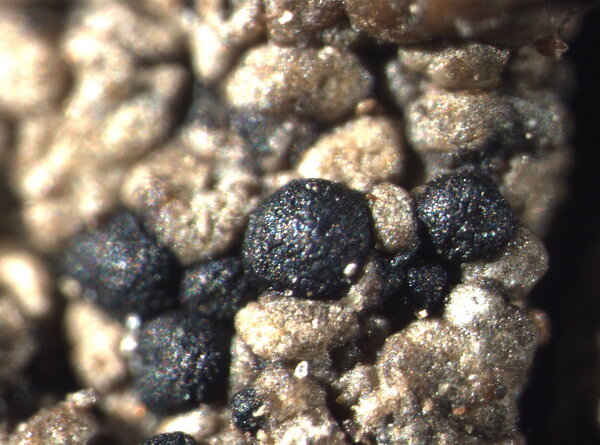
Pier Luigi Nimis - CC BY-SA 4.0
TSB 5242
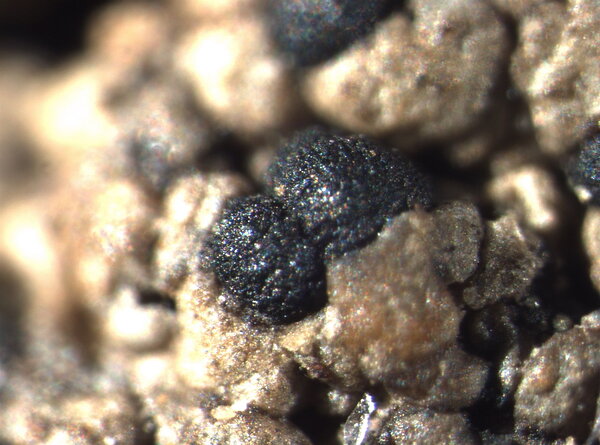
Pier Luigi Nimis - CC BY-SA 4.0
TSB 5242
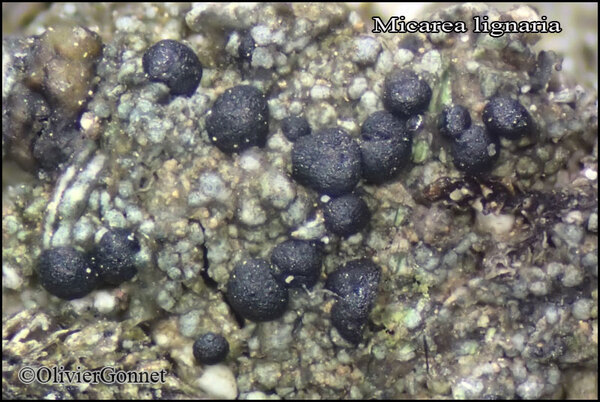
Courtesy Danièle et Olivier Gonnet - Source: https://www.afl-lichenologie.fr/Photos_AFL/Photos_AFL_M/Micarea_lignaria.htm
France, Col Bavella, alt. 1218 m - Corse
25/10/2016
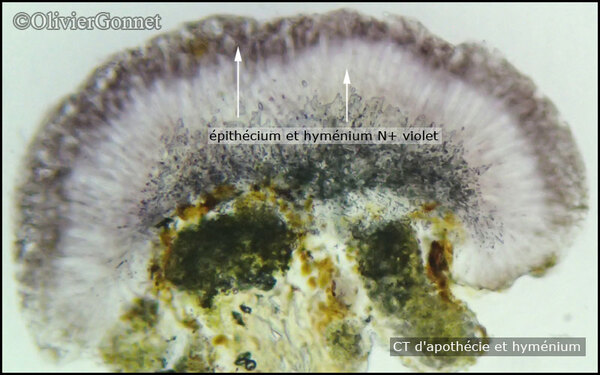
Courtesy Danièle et Olivier Gonnet - Source: https://www.afl-lichenologie.fr/Photos_AFL/Photos_AFL_M/Micarea_lignaria.htm
France, Col Bavella, alt. 1218 m - Corse
25/10/2016
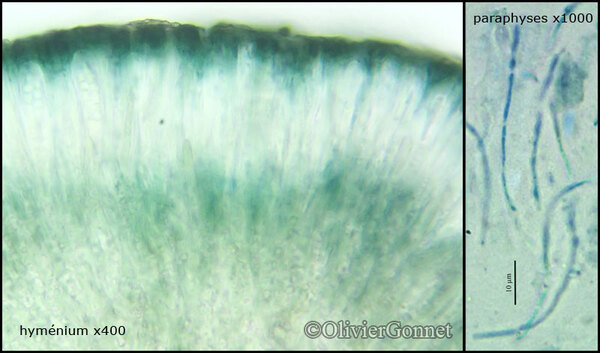
Courtesy Danièle et Olivier Gonnet - Source: https://www.afl-lichenologie.fr/Photos_AFL/Photos_AFL_M/Micarea_lignaria.htm
France, Col Bavella, alt. 1218 m - Corse
25/10/2016
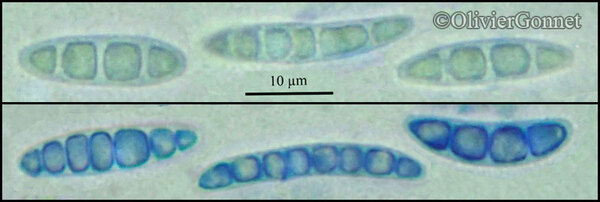
Courtesy Danièle et Olivier Gonnet - Source: https://www.afl-lichenologie.fr/Photos_AFL/Photos_AFL_M/Micarea_lignaria.htm
France, Col Bavella, alt. 1218 m - Corse
25/10/2016
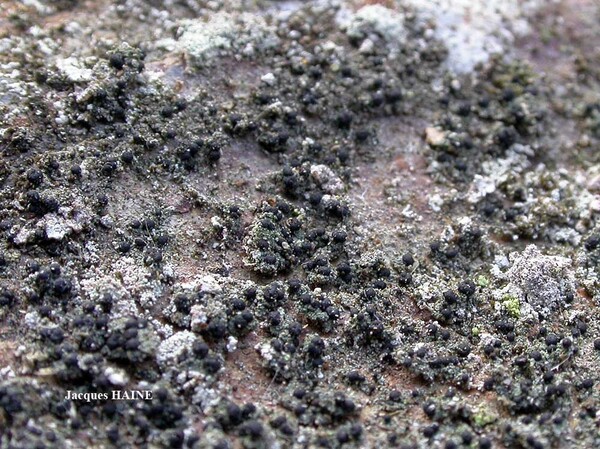
Jacques Haine - Source: http://www.lichensmaritimes.org/index.php?task=fiche&lichen=505&lang=en
France, Monthermé
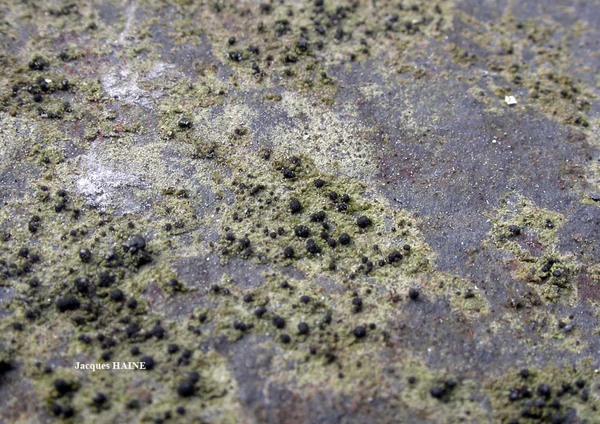
Jacques Haine - Source: http://www.lichensmaritimes.org/index.php?task=fiche&lichen=505&lang=en
France, Monthermé
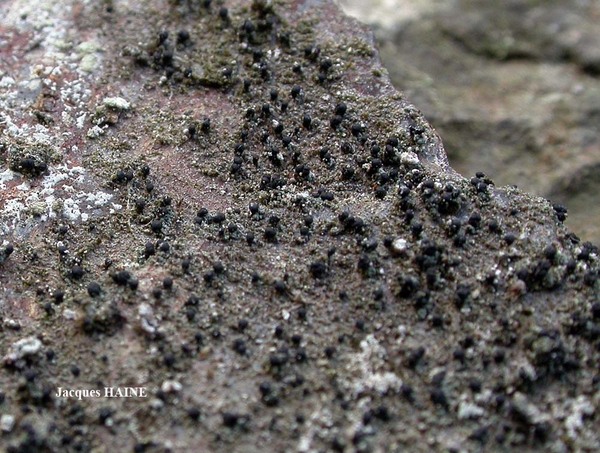
Jacques Haine - Source: http://www.lichensmaritimes.org/index.php?task=fiche&lichen=505&lang=en
France, Monthermé
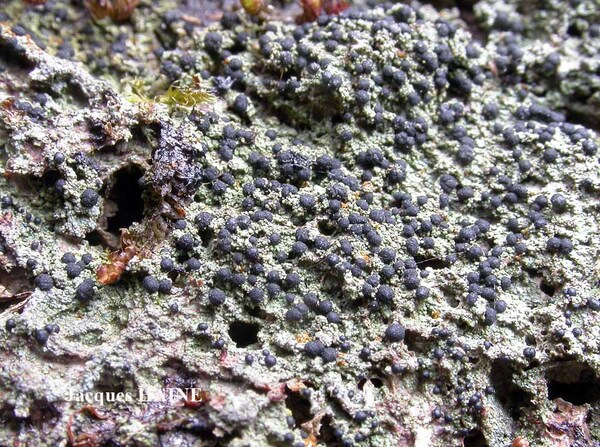
Jacques Haine - Source: http://www.lichensmaritimes.org/index.php?task=fiche&lichen=505&lang=en
France, Monthermé
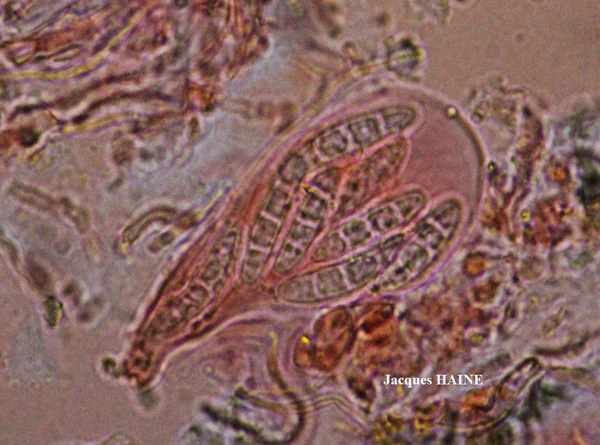
Jacques Haine - Source: http://www.lichensmaritimes.org/index.php?task=fiche&lichen=505&lang=en
France, Monthermé
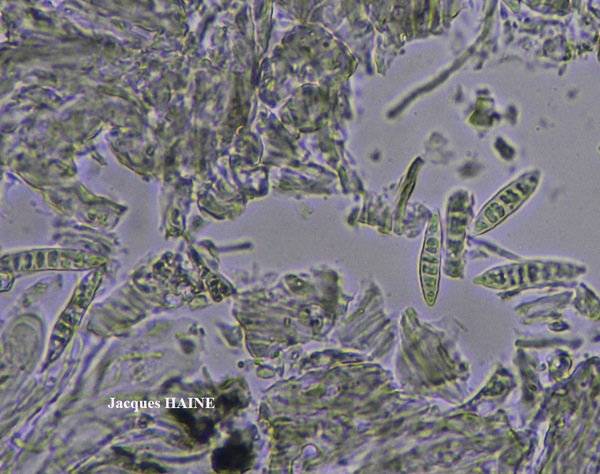
Jacques Haine - Source: http://www.lichensmaritimes.org/index.php?task=fiche&lichen=505&lang=en
France, Monthermé
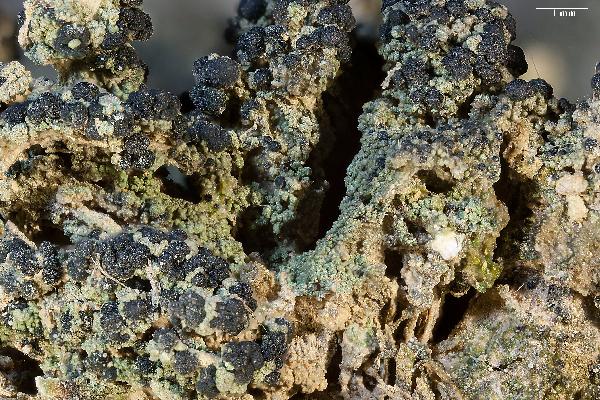
Ulrich Kirschbaum CC BY-SA 4.0 - Source: https://www.thm.de/lse/ulrich-kirschbaum/flechtenbilder
Central Europe; Germany; NRW: Surroundings of Blankenrode. Coll. Hannes Öhm. On dead plant material in an old heavy metal dump.
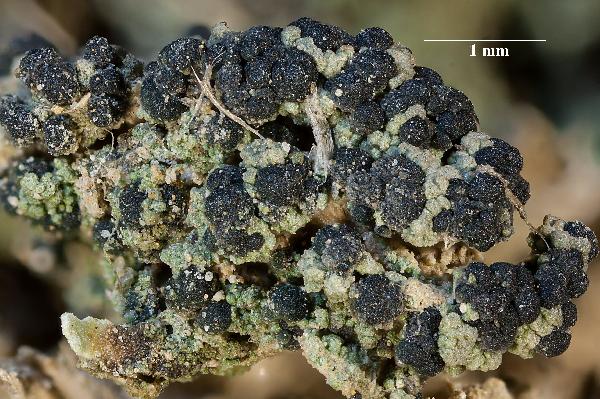
Ulrich Kirschbaum CC BY-SA 4.0 - Source: https://www.thm.de/lse/ulrich-kirschbaum/flechtenbilder
Central Europe; Germany; NRW: Surroundings of Blankenrode. Coll. Hannes Öhm. On dead plant material in an old heavy metal dump.
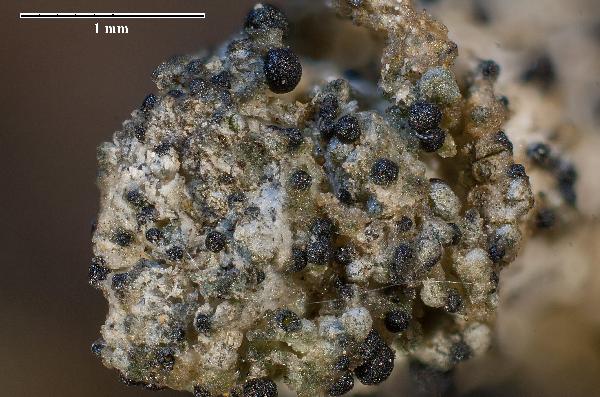
Ulrich Kirschbaum CC BY-SA 4.0 - Source: https://www.thm.de/lse/ulrich-kirschbaum/flechtenbilder
Central Europe; Germany; NRW: Surroundings of Blankenrode. Coll. Hannes Öhm. On dead plant material in an old heavy metal dump.
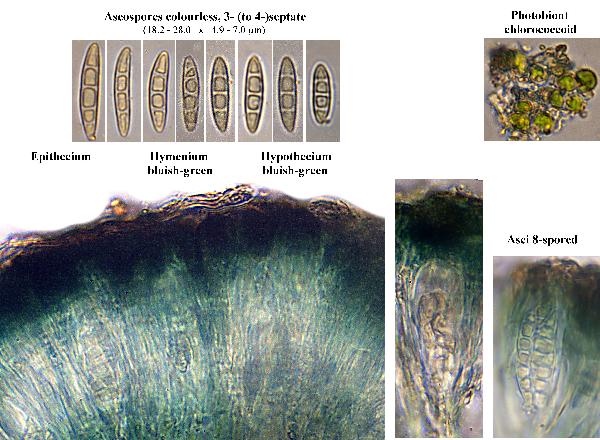
Ulrich Kirschbaum CC BY-SA 4.0 - Source: https://www.thm.de/lse/ulrich-kirschbaum/flechtenbilder
Central Europe; Germany; NRW: Surroundings of Blankenrode. Coll. Hannes Öhm. On dead plant material in an old heavy metal dump.
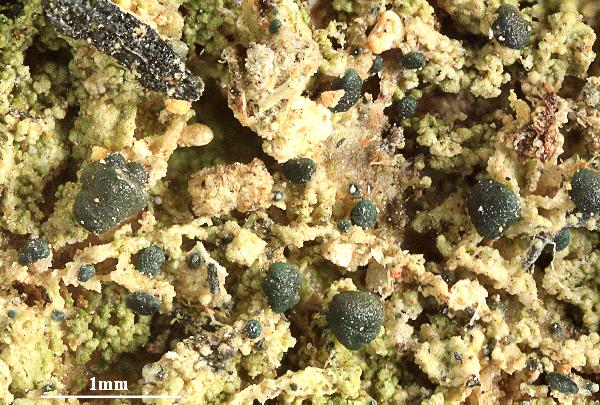
Felix Schumm - CC BY-SA 4.0
[ABL78573], Brazil, Santa Catarina, Garuva, Quiriri, track to summit
area, on exposed siliceous soil along track. 26°01' S, 48°59' W, 900-
1200 m. Leg. A. Aptroot (no 78573), 30 March 2019, det. A. Aptroot
2019. - Apothecia black or blue black, immarginate, convex to globose,
C-. Spores16-36 x 4-6 μm, 3-septate. Thallus K-, C-, KC-.
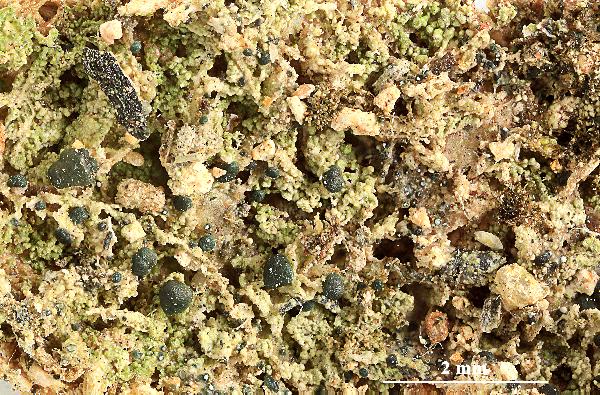
Felix Schumm - CC BY-SA 4.0
[ABL78573], Brazil, Santa Catarina, Garuva, Quiriri, track to summit
area, on exposed siliceous soil along track. 26°01' S, 48°59' W, 900-
1200 m. Leg. A. Aptroot (no 78573), 30 March 2019, det. A. Aptroot
2019. - Apothecia black or blue black, immarginate, convex to globose,
C-. Spores16-36 x 4-6 μm, 3-septate. Thallus K-, C-, KC-.
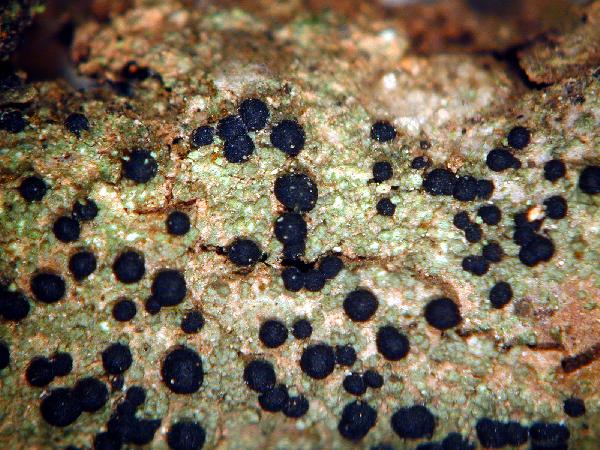
Wolfgang von Brackel - CC BY-4.0
Germany, Bavaria, Schießlweiher
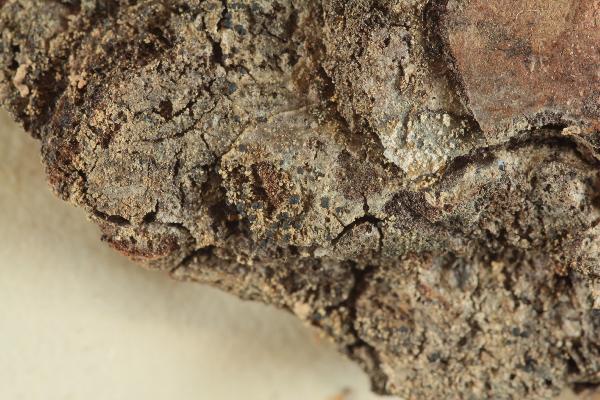
Collezione lichenologica Abramo Massalongo del Museo di Storia Naturale G. Ligabue di Venezia - Autori: Seggi, Linda; Trabucco, Raffaella Proprietà: Fondazione Musei Civici di Venezia - CC BY-NC
Italy, Veneto, in op. Auronzo 1855
as Bilimbia lignaria
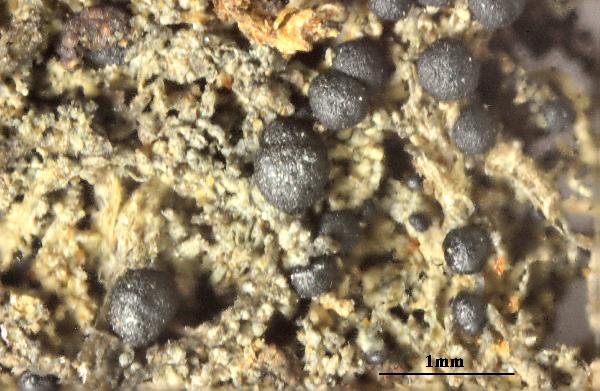
Felix Schumm - CC BY 4.0
[VZ1466], Romania, Carpates, montes Fagara : Simbata de Sus, in
valle Simbata, prope casam alpinam, 1600 m. Supra muscos ad saxa
silicea. Leg. A. Vezda, 10.7.1974. EX A. VEZDA LICHENES SELECTI NR.
1466.
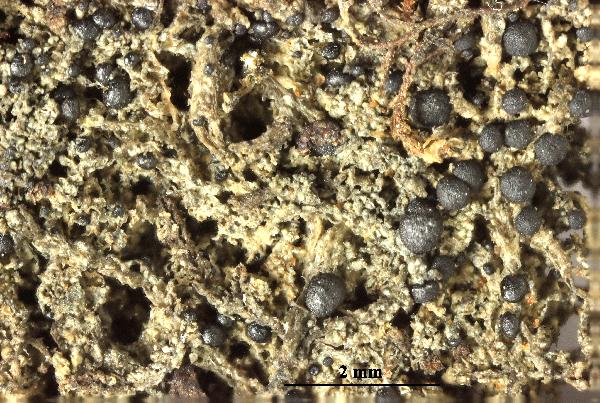
Felix Schumm - CC BY 4.0
[VZ1466], Romania, Carpates, montes Fagara : Simbata de Sus, in
valle Simbata, prope casam alpinam, 1600 m. Supra muscos ad saxa
silicea. Leg. A. Vezda, 10.7.1974. EX A. VEZDA LICHENES SELECTI NR.
1466.
Growth form: Crustose
Photobiont: green algae other than Trentepohlia
Reproductive strategy: mainly sexual
Commonnes-rarity: (info)
Alpine belt: rare
Subalpine belt: rather common
Montane belt: rather common
Dry submediterranean belt: rare
Humid submediterranean belt: rather rare
Padanian area: extremely rare
pH of the substrata:
| 1 | 2 | 3 | 4 | 5 |
Solar irradiation:
| 1 | 2 | 3 | 4 | 5 |
Aridity:
| 1 | 2 | 3 | 4 | 5 |
Eutrophication:
| 1 | 2 | 3 | 4 | 5 |
Poleotolerance:
| 0 | 1 | 2 | 3 |
Altitudinal distribution:
| 1 | 2 | 3 | 4 | 5 | 6 |
Rarity
absent
extremely rare
very rare
rare
rather rare
rather common
common
very common
extremely common
Loading data...
Occurrence data
Predictive map
Current prediction (1981-2010)Future prediction (2071-2100) SSP 1-2.6Future prediction (2071-2100) SSP 5-8.5Predictive maps according to Francesconi et al. 2025
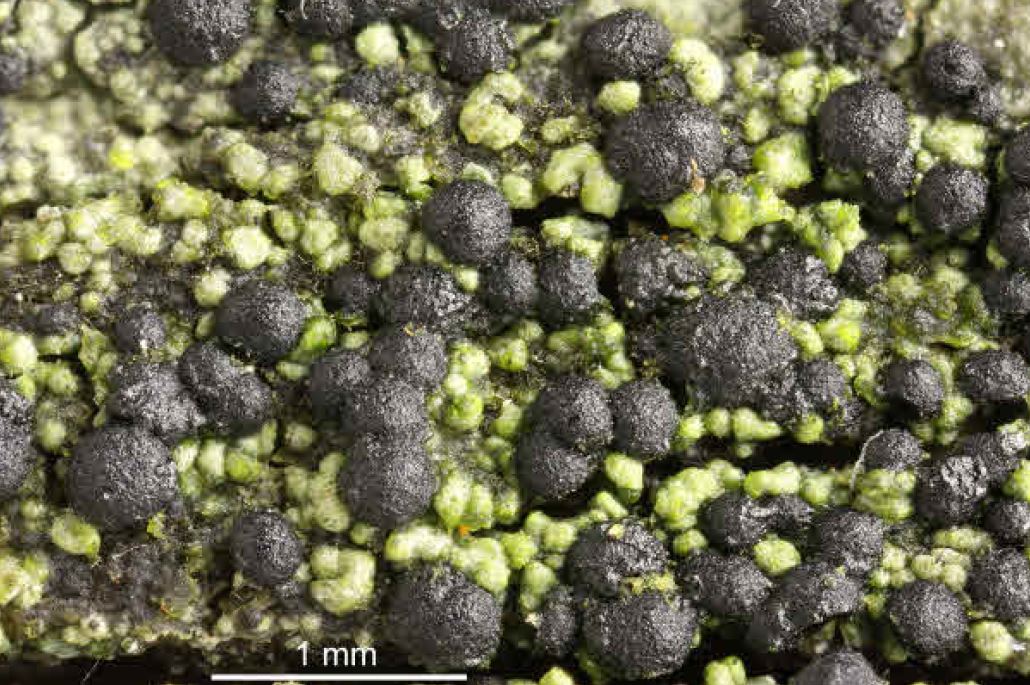
Felix Schumm – CC BY-SA 4.0
[14994], Germany, Bayern, Kreis Traunstein, nahe der Talstation der Seilbahn zum Hochfelln, auf Holzbalken bei 600 m
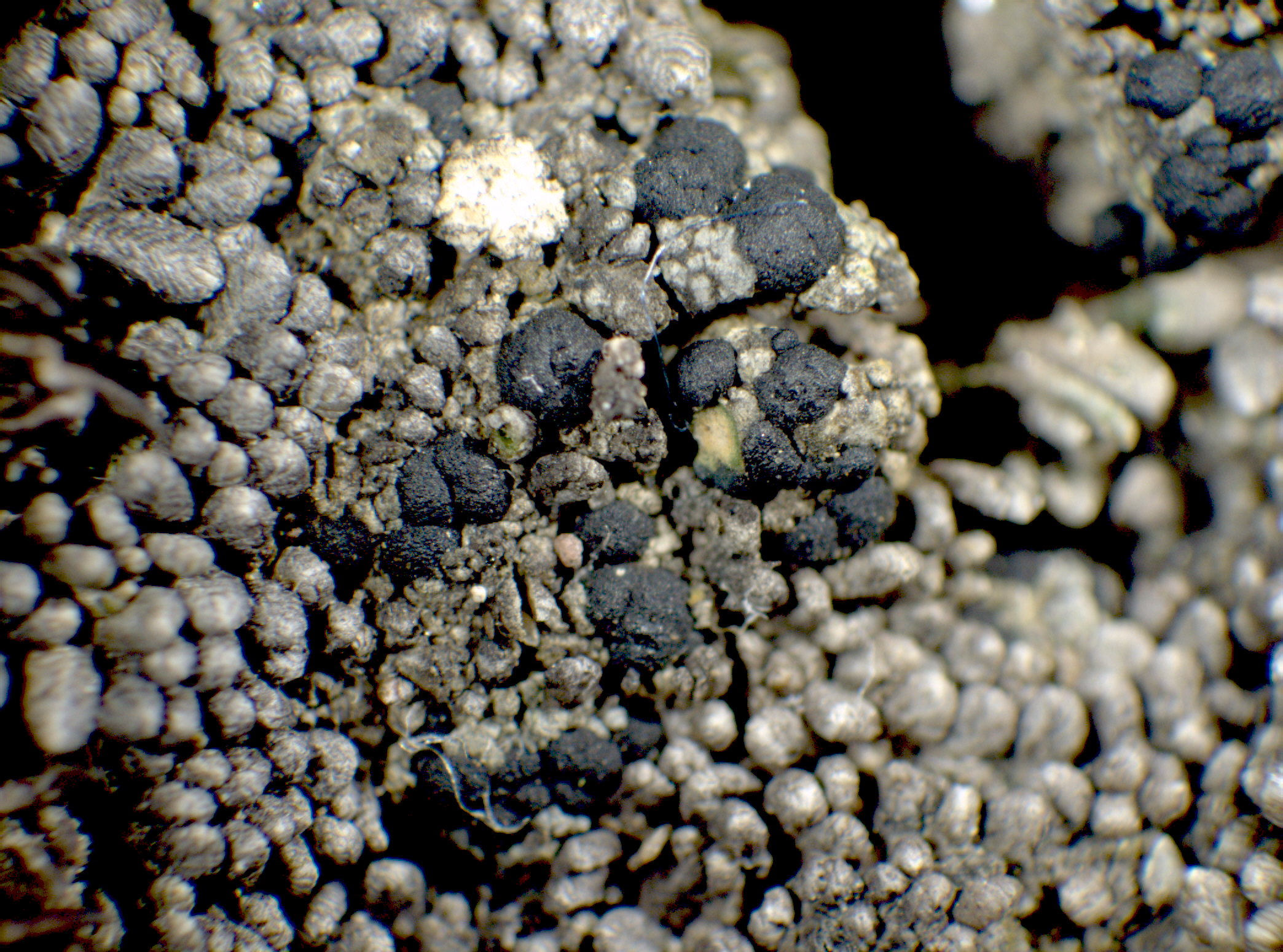
P.L. Nimis; Owner: Department of Life Sciences, University of Trieste
Herbarium: TSB (34650)
2002/01/30
P.L.Nimis; Owner: Department of Life Sciences, University of Trieste
Herbarium: TSB (36789)
2008.02.28

P.L.Nimis; Owner: Department of Life Sciences, University of Trieste
Herbarium: TSB (36789)
2008.02.28
Leif Stridvall - Source: http://www.stridvall.se/la/galleries.php . Courtesy: Anita Stridvall

P.L. Nimis; Owner: Department of Life Sciences, University of Trieste
Herbarium: TSB (34650)
2002/01/30
Felix Schumm – CC BY-SA 4.0
[14994], Germany, Bayern, Kreis Traunstein, nahe der Talstation der Seilbahn zum Hochfelln, auf Holzbalken bei 600 m
Felix Schumm – CC BY-SA 4.0
[14994], Germany, Bayern, Kreis Traunstein, nahe der Talstation der Seilbahn zum Hochfelln, auf Holzbalken bei 600 m
Felix Schumm – CC BY-SA 4.0
[14994], Germany, Bayern, Kreis Traunstein, nahe der Talstation der Seilbahn zum Hochfelln, auf Holzbalken bei 600 m
Felix Schumm – CC BY-SA 4.0
[14994], Germany, Bayern, Kreis Traunstein, nahe der Talstation der Seilbahn zum Hochfelln, auf Holzbalken bei 600 m
Pier Luigi Nimis - CC BY-SA 4.0
TSB 5242

Pier Luigi Nimis - CC BY-SA 4.0
TSB 5242

Pier Luigi Nimis - CC BY-SA 4.0
TSB 5242
Courtesy Danièle et Olivier Gonnet - Source: https://www.afl-lichenologie.fr/Photos_AFL/Photos_AFL_M/Micarea_lignaria.htm
France, Col Bavella, alt. 1218 m - Corse
25/10/2016
Courtesy Danièle et Olivier Gonnet - Source: https://www.afl-lichenologie.fr/Photos_AFL/Photos_AFL_M/Micarea_lignaria.htm
France, Col Bavella, alt. 1218 m - Corse
25/10/2016
Courtesy Danièle et Olivier Gonnet - Source: https://www.afl-lichenologie.fr/Photos_AFL/Photos_AFL_M/Micarea_lignaria.htm
France, Col Bavella, alt. 1218 m - Corse
25/10/2016
Courtesy Danièle et Olivier Gonnet - Source: https://www.afl-lichenologie.fr/Photos_AFL/Photos_AFL_M/Micarea_lignaria.htm
France, Col Bavella, alt. 1218 m - Corse
25/10/2016
Jacques Haine - Source: http://www.lichensmaritimes.org/index.php?task=fiche&lichen=505&lang=en
France, Monthermé
Jacques Haine - Source: http://www.lichensmaritimes.org/index.php?task=fiche&lichen=505&lang=en
France, Monthermé
Jacques Haine - Source: http://www.lichensmaritimes.org/index.php?task=fiche&lichen=505&lang=en
France, Monthermé
Jacques Haine - Source: http://www.lichensmaritimes.org/index.php?task=fiche&lichen=505&lang=en
France, Monthermé
Jacques Haine - Source: http://www.lichensmaritimes.org/index.php?task=fiche&lichen=505&lang=en
France, Monthermé
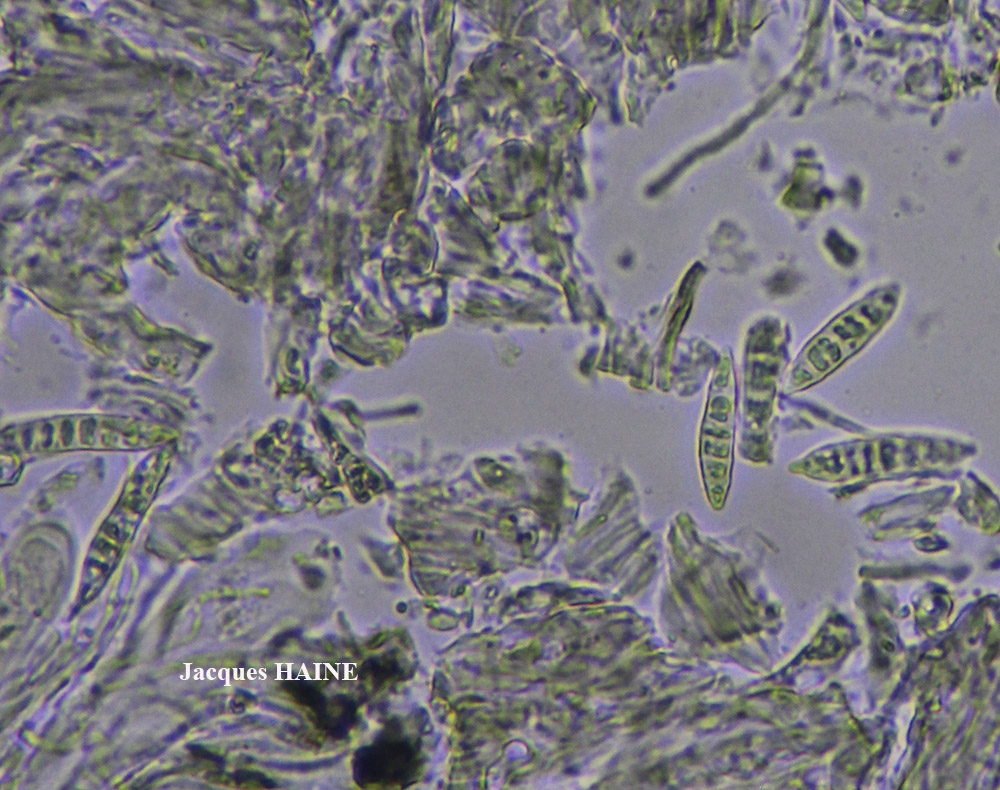
Jacques Haine - Source: http://www.lichensmaritimes.org/index.php?task=fiche&lichen=505&lang=en
France, Monthermé
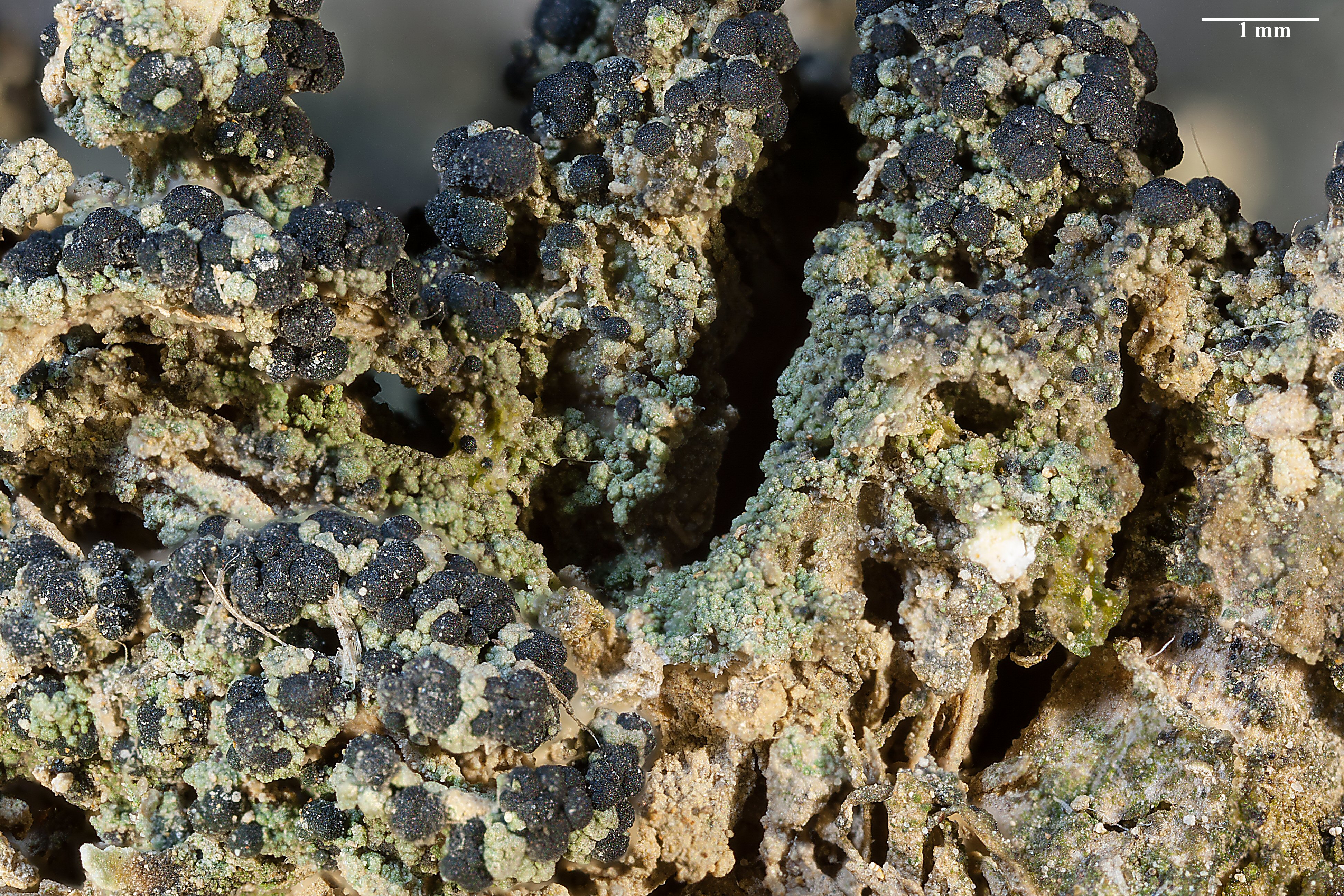
Ulrich Kirschbaum CC BY-SA 4.0 - Source: https://www.thm.de/lse/ulrich-kirschbaum/flechtenbilder
Central Europe; Germany; NRW: Surroundings of Blankenrode. Coll. Hannes Öhm. On dead plant material in an old heavy metal dump.
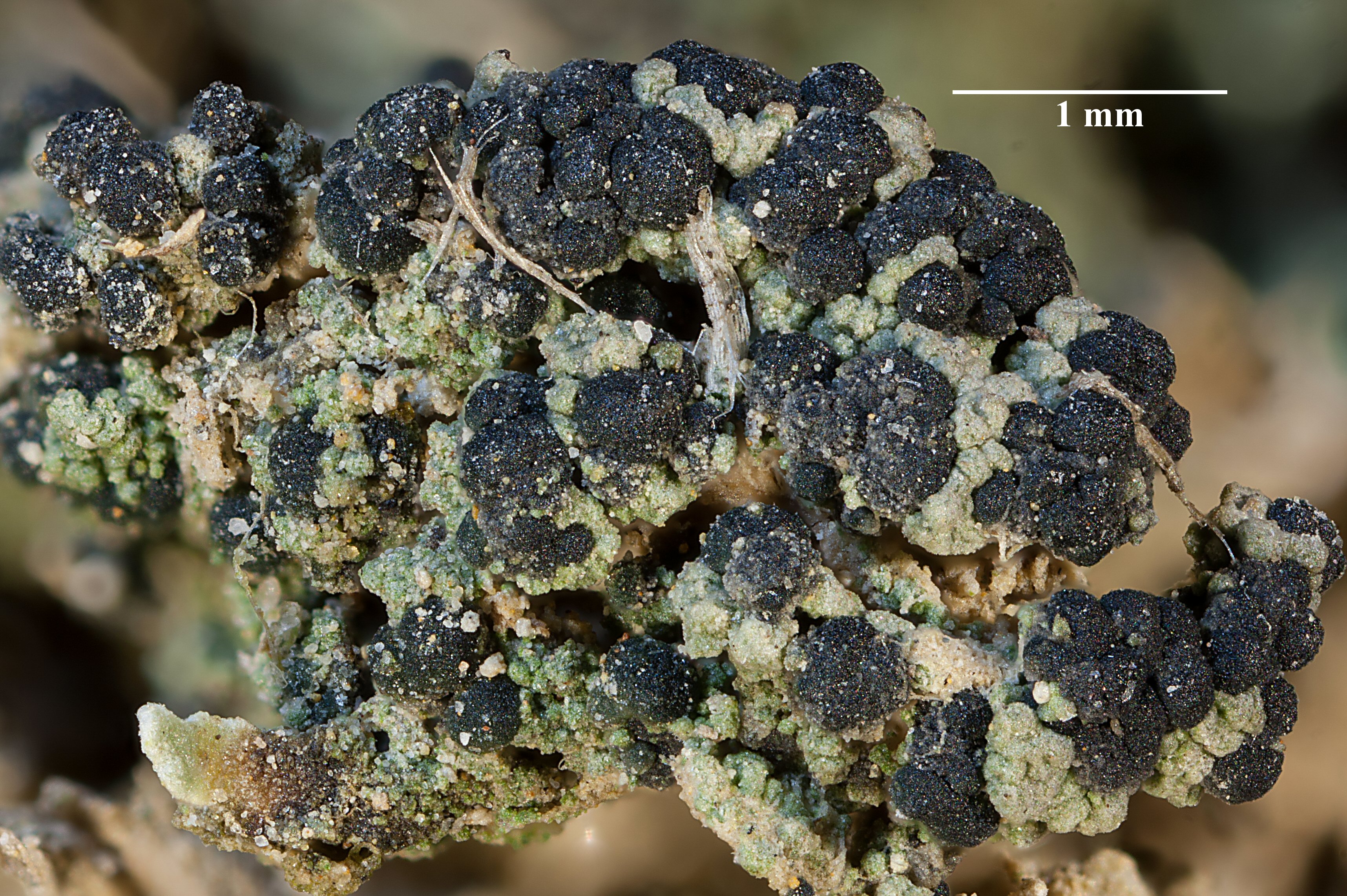
Ulrich Kirschbaum CC BY-SA 4.0 - Source: https://www.thm.de/lse/ulrich-kirschbaum/flechtenbilder
Central Europe; Germany; NRW: Surroundings of Blankenrode. Coll. Hannes Öhm. On dead plant material in an old heavy metal dump.
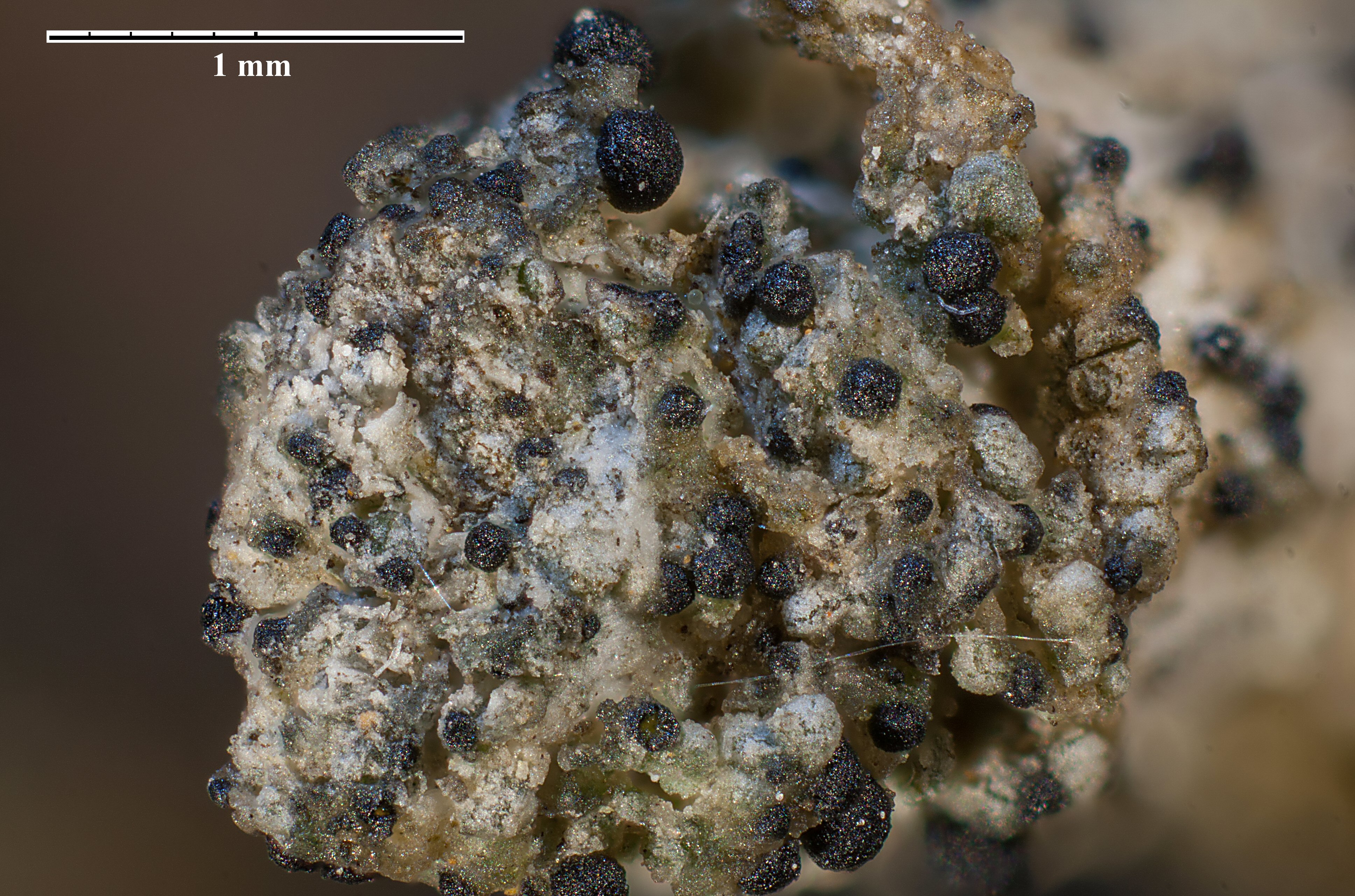
Ulrich Kirschbaum CC BY-SA 4.0 - Source: https://www.thm.de/lse/ulrich-kirschbaum/flechtenbilder
Central Europe; Germany; NRW: Surroundings of Blankenrode. Coll. Hannes Öhm. On dead plant material in an old heavy metal dump.
Ulrich Kirschbaum CC BY-SA 4.0 - Source: https://www.thm.de/lse/ulrich-kirschbaum/flechtenbilder
Central Europe; Germany; NRW: Surroundings of Blankenrode. Coll. Hannes Öhm. On dead plant material in an old heavy metal dump.

Felix Schumm - CC BY-SA 4.0
[ABL78573], Brazil, Santa Catarina, Garuva, Quiriri, track to summit area, on exposed siliceous soil along track. 26°01' S, 48°59' W, 900- 1200 m. Leg. A. Aptroot (no 78573), 30 March 2019, det. A. Aptroot 2019. - Apothecia black or blue black, immarginate, convex to globose, C-. Spores16-36 x 4-6 μm, 3-septate. Thallus K-, C-, KC-.

Felix Schumm - CC BY-SA 4.0
[ABL78573], Brazil, Santa Catarina, Garuva, Quiriri, track to summit area, on exposed siliceous soil along track. 26°01' S, 48°59' W, 900- 1200 m. Leg. A. Aptroot (no 78573), 30 March 2019, det. A. Aptroot 2019. - Apothecia black or blue black, immarginate, convex to globose, C-. Spores16-36 x 4-6 μm, 3-septate. Thallus K-, C-, KC-.
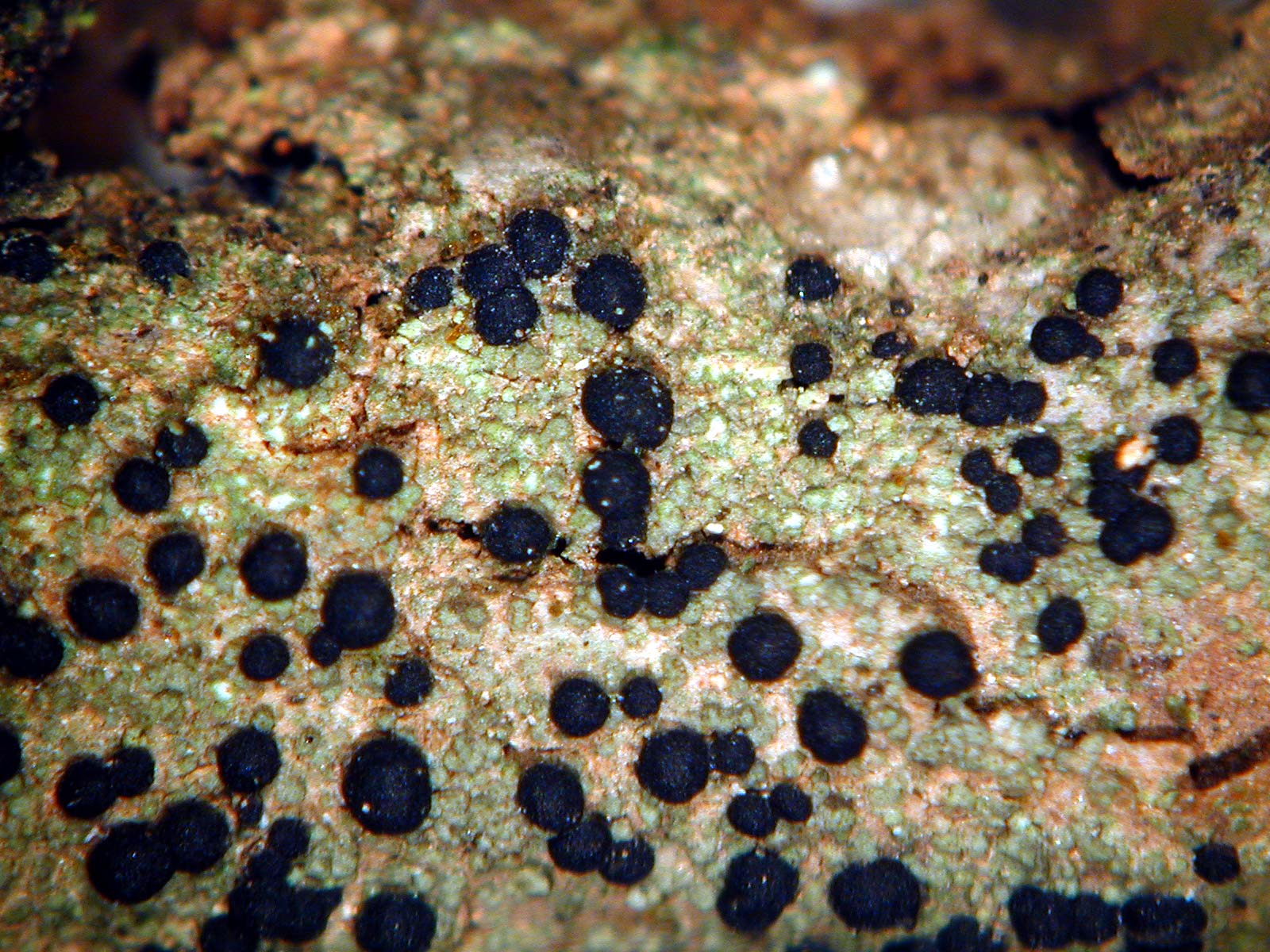
Wolfgang von Brackel - CC BY-4.0
Germany, Bavaria, Schießlweiher

Collezione lichenologica Abramo Massalongo del Museo di Storia Naturale G. Ligabue di Venezia - Autori: Seggi, Linda; Trabucco, Raffaella Proprietà: Fondazione Musei Civici di Venezia - CC BY-NC
Italy, Veneto, in op. Auronzo 1855
as Bilimbia lignaria

Felix Schumm - CC BY 4.0
[VZ1466], Romania, Carpates, montes Fagara : Simbata de Sus, in valle Simbata, prope casam alpinam, 1600 m. Supra muscos ad saxa silicea. Leg. A. Vezda, 10.7.1974. EX A. VEZDA LICHENES SELECTI NR. 1466.