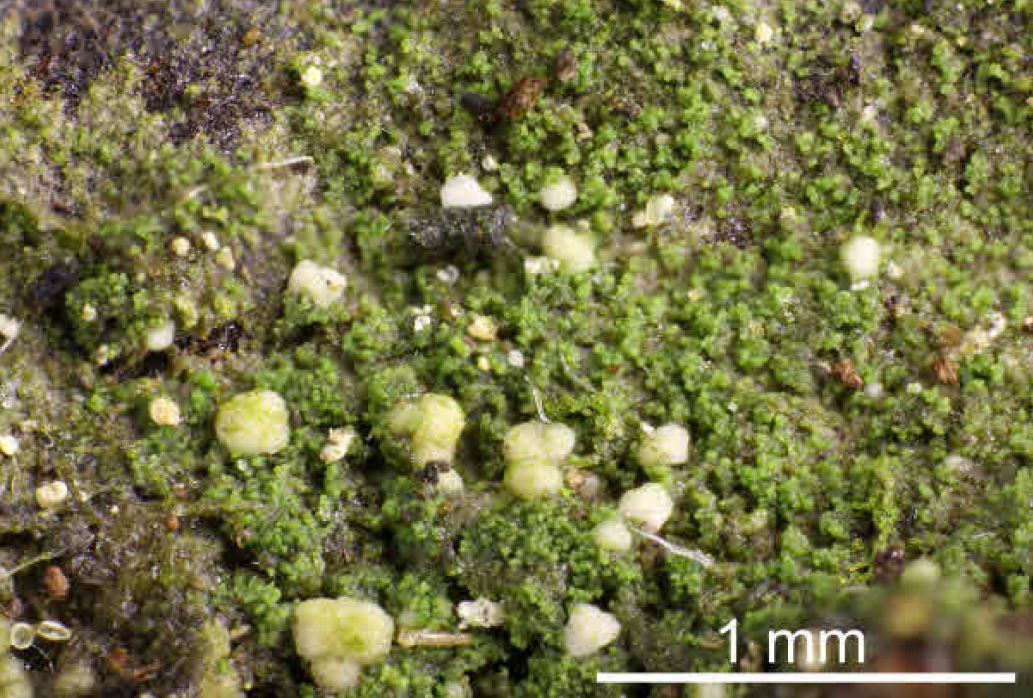
Micarea micrococca (Körb.) Coppins
Gams ex Coppins, Checklist Lich. Great Brit. Ireland: 86, 2002. Basionym: Biatora micrococca Körb. - Parerga Lichenol.: 155, 1860.
Synonyms: Lecidea micrococca (Körb.) Cromb.
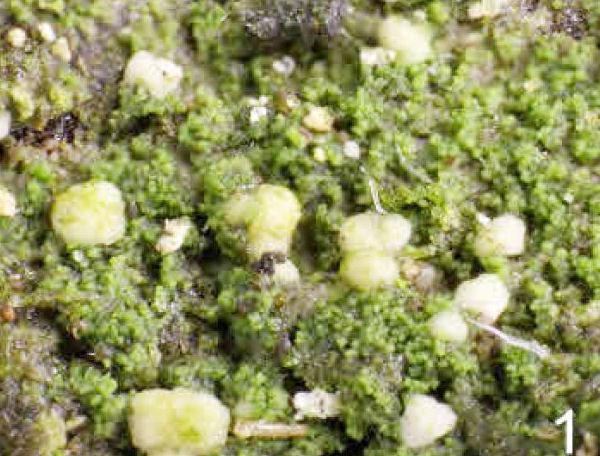
Description: Thallus crustose, thinly episubstratic, effuse, continuous, bright green to olive-green, subgelatinous when wet, composed of small, scattered or aggregated, ecorticate, 12-50 µm wide goniocysts, the darkes ones sometimes surrounded by olivaceous, K± violet pigment, with crystals soluble in K visible under polarized light. Apothecia micareoid, whitish grey to cream-coloured, sessile, (0.1-)0.2-0.3(-0.4) mm across, with a flat to finally strongly convex, sometimes tuberculate, epruinose disc, without a proper margin or sometimes with a paler marginal part. Proper exciple poorly developed, usually indistinct, sometimes evident as a reflexed hyaline zone composed of branched and anastomosing, paraphysis-like hyphae; epithecium colourless or slightly yellowish, K- or K± violet in pigmented forms, C-; hymenium colourless, sometimes with straw-coloured vertical streaks, or dilute olivaceous in upper part, 25-50(-55) µm high; paraphyses numerous, branched and anastomosing, sometimes surrounded by a slightly straw-coloured gel-matrix, (0.5-)0.7-1.2 µm thick, the apical cells 1.5-1.8 µm wide; hypothecium colourless, 40-170 µm high. Asci 8-spored, clavate to cylindrical-clavate, in K/I with a blue outer layer and apical dome and unstained wall, the dome with an apical cushion. Ascospores (0-)1-septate, often constricted at septa, hyaline, ellipsoid or oblong-ovoid, 10-12(-16) x 3-4.5 µm. Pycnidia frequent, white or grey around the ostiole, K+ and C+ more or less violet, of 2 types: a) mesopycnidia 50-150 µm wide, globose or barrel-shaped, with a wide ostiole, producing cylindrical to obpyriform mesoconidia measuring (3.8-)4.5-5.5 x 1.2-1.5 µm; b) micropycnidia 30-60 µm wide, globose, producing bacilliform or narrowly fusiform microconidia measuring 5-8 x 0.8-1 µm. Photobiont micareoid, the cells 4-7 μm wide. Spot tests: thallus and apothecia K-, C-, KC-, P-, UV-. Chemistry: methoxymicareic acid.
Growth form: Crustose
Photobiont: green algae other than Trentepohlia
Reproductive strategy: mainly sexual
Commonnes-rarity: (info)
Alpine belt: absent
Subalpine belt: rare
Montane belt: very rare
Dry submediterranean belt: absent
Humid submediterranean belt: absent
Padanian area: absent
pH of the substrata:
1 2 3 4 5

Solar irradiation:
1 2 3 4 5
Aridity:
1 2 3 4 5
Eutrophication:
1 2 3 4 5
Poleotolerance:
0 1 2 3
Altitudinal distribution:
1 2 3 4 5 6
Rarity
absent
extremely rare
very rare
rare
rather rare
rather common
common
very common
extremely common
Loading data...
Occurrence data
Predictive map

Felix Schumm CC BY-SA 4.0
[14979], Germany, Baden-Württemberg, Rems-Murr-Kreis, Obersteinenberg, 430m. TK 7123

Felix Schumm – CC BY-SA 4.0
[16038], Germany, Baden-Württemberg, Kreis Göppingen, an Zaunpfosten bei Heiningen, 336 m

Felix Schumm – CC BY-SA 4.0
[16038], Germany, Baden-Württemberg, Kreis Göppingen, an Zaunpfosten bei Heiningen, 336 m

Felix Schumm – CC BY-SA 4.0
[16038], Germany, Baden-Württemberg, Kreis Göppingen, an Zaunpfosten bei Heiningen, 336 m

Felix Schumm – CC BY-SA 4.0
[16038], Germany, Baden-Württemberg, Kreis Göppingen, an Zaunpfosten bei Heiningen, 336 m

Einar Timdal - Source: Micarea micrococca (Körb.) Gams ex Coppins

Felix Schumm – CC BY-SA 4.0
[14979], Germany, Baden-Württemberg, Rems-Murr-Kreis, Obersteinenberg, 430m. TK 7123

Felix Schumm – CC BY-SA 4.0
[14979], Germany, Baden-Württemberg, Rems-Murr-Kreis, Obersteinenberg, 430m. TK 7123

Felix Schumm – CC BY-SA 4.0
[14979], Germany, Baden-Württemberg, Rems-Murr-Kreis, Obersteinenberg, 430m. TK 7123

Felix Schumm – CC BY-SA 4.0
[14979], Germany, Baden-Württemberg, Rems-Murr-Kreis, Obersteinenberg, 430m. TK 7123
Growth form: Crustose
Photobiont: green algae other than Trentepohlia
Reproductive strategy: mainly sexual
Commonnes-rarity: (info)
Alpine belt: absent
Subalpine belt: rare
Montane belt: very rare
Dry submediterranean belt: absent
Humid submediterranean belt: absent
Padanian area: absent
pH of the substrata:
| 1 | 2 | 3 | 4 | 5 |
Solar irradiation:
| 1 | 2 | 3 | 4 | 5 |
Aridity:
| 1 | 2 | 3 | 4 | 5 |
Eutrophication:
| 1 | 2 | 3 | 4 | 5 |
Poleotolerance:
| 0 | 1 | 2 | 3 |
Altitudinal distribution:
| 1 | 2 | 3 | 4 | 5 | 6 |
Rarity
absent
extremely rare
very rare
rare
rather rare
rather common
common
very common
extremely common
Loading data...
Occurrence data
Predictive map
Felix Schumm CC BY-SA 4.0
[14979], Germany, Baden-Württemberg, Rems-Murr-Kreis, Obersteinenberg, 430m. TK 7123
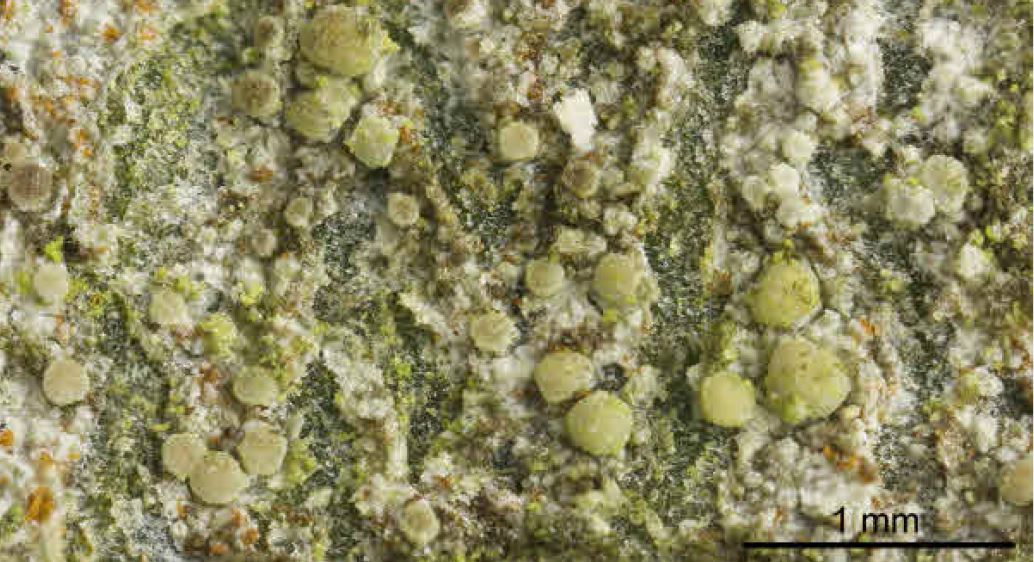
Felix Schumm – CC BY-SA 4.0
[16038], Germany, Baden-Württemberg, Kreis Göppingen, an Zaunpfosten bei Heiningen, 336 m
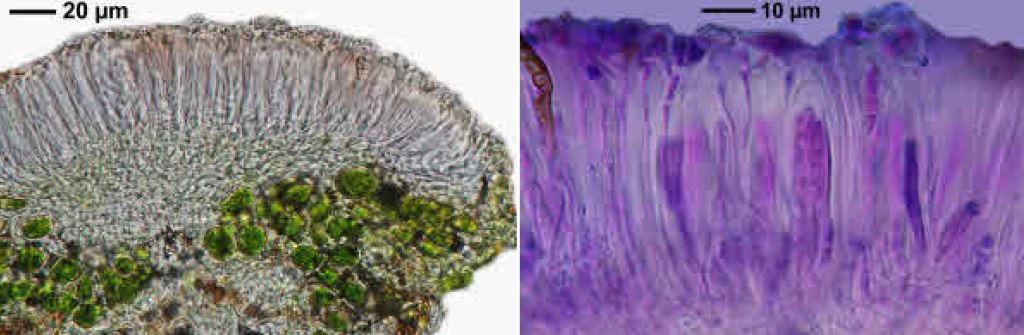
Felix Schumm – CC BY-SA 4.0
[16038], Germany, Baden-Württemberg, Kreis Göppingen, an Zaunpfosten bei Heiningen, 336 m
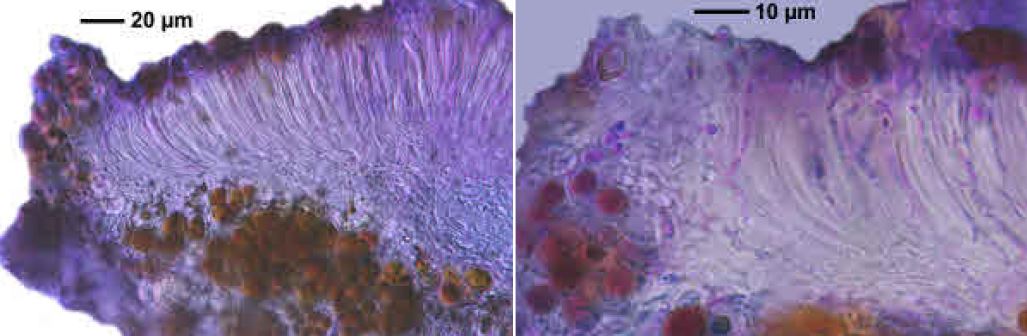
Felix Schumm – CC BY-SA 4.0
[16038], Germany, Baden-Württemberg, Kreis Göppingen, an Zaunpfosten bei Heiningen, 336 m

Felix Schumm – CC BY-SA 4.0
[16038], Germany, Baden-Württemberg, Kreis Göppingen, an Zaunpfosten bei Heiningen, 336 m
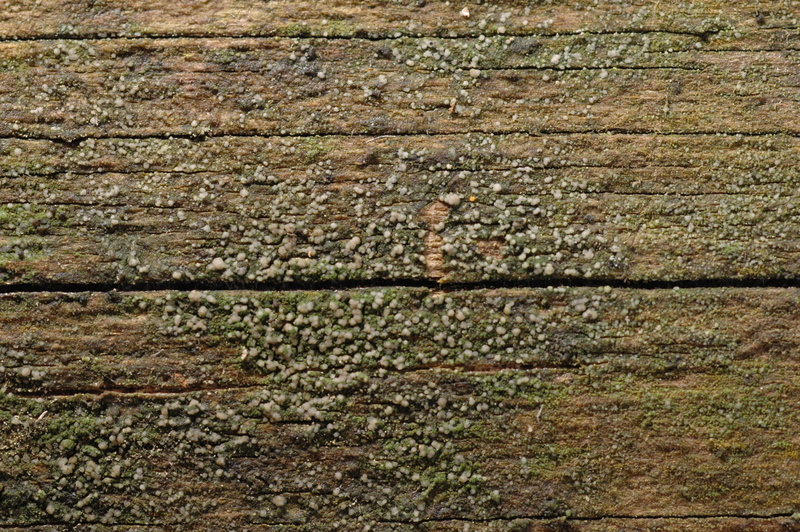
Einar Timdal - Source: Micarea micrococca (Körb.) Gams ex Coppins
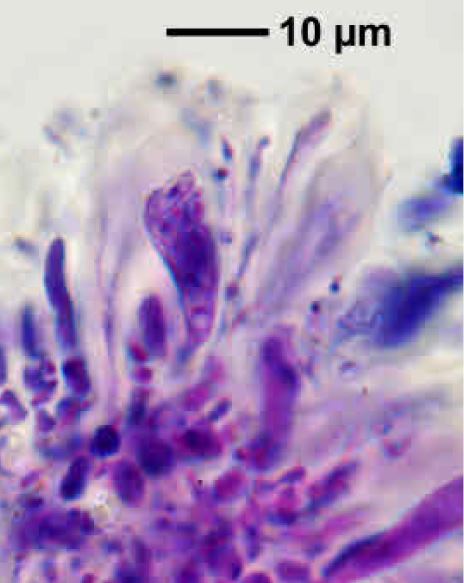
Felix Schumm – CC BY-SA 4.0
[14979], Germany, Baden-Württemberg, Rems-Murr-Kreis, Obersteinenberg, 430m. TK 7123

Felix Schumm – CC BY-SA 4.0
[14979], Germany, Baden-Württemberg, Rems-Murr-Kreis, Obersteinenberg, 430m. TK 7123
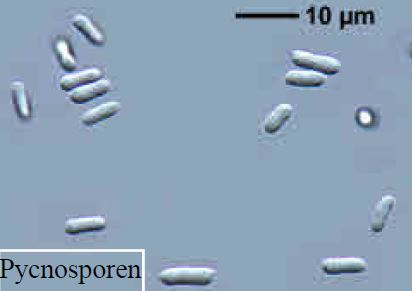
Felix Schumm – CC BY-SA 4.0
[14979], Germany, Baden-Württemberg, Rems-Murr-Kreis, Obersteinenberg, 430m. TK 7123