Miriquidica garovaglii (Schaer.) Hertel & Rambold
Mitt. bot. Staatss. München, 23: 384, 1987. Basionym: Lecidea garovaglii Schaer. - Enum. Crit. Lich. Eur.: 109, 1850.
Synonyms: Biatora aenea var. garovaglii (Schaer.) Jatta; Lecidea aenea (Fr.) Nyl.; Lecidea aenea var. garovaglii (Schaer.) Jatta; Lecidea atrobrunnea var. garovaglii (Schaer.) Jatta; Lecidea glacialis Lynge; Lecidea obscura Ramond; Parmelia aenea Fr. nom. illegit.; Psora aenea (Fr.) Anzi; Psora garovaglii (Schaer.) Anzi
Description: Thallus crustose, episubstratic, 0.5-1.7 mm thick, of flat to convex, 0.2-1(-2) mm wide, pale to dark brown, smooth, shiny areoles developing on a dark hypothallus, forming up to 8(-10) cm wide orbicular patches. Cortex brown in upper part, 12-35 µm thick, with a thick epinecral layer; medulla white, I-. Apothecia lecideine, rounded, sessile and constricted at base, (0.3-)1-1.5(-3.5) mm across, with a blackish brown to black, flat to convex, epruinose disc and a thin, raised, finally sometimes excluded proper margin. Proper exciple grey, dark green or olivaceous brown in outer part, paler within; epithecium brownish, olive brown to greenish, 10-15 µm thick; hymenium colourless or olivaceous green in upper part, 50-70 µm high, I+ blue; paraphyses coherent, mostly branched, rarely anastomosing, 1.7-2.3 µm thick at mid-level, the apical cells up to 3.5 µm wide; hypothecium colourless. Asci 8-spored, clavate, approaching the Lecanora-type, but with a weakly amyloid tholus, lacking an amyloid zone above the axial body and with a thin outer amyloid wall layer. Ascospores 1-celled, hyaline, ellipsoid to oblong, (9-)12-16(-19) x (4-)4.5-6(-7) µm. Pycnidia dark, immersed. Conidia thread-like, curved, 18-26 x c. 1 µm. Photobiont chlorococcoid. Spot tests: cortex K-, C-, KC-, P-; medulla K+ yellow, C-, KC-, P+ orange. Chemistry: miriquidic and stictic acids.
Growth form: Crustose
Substrata: rocks
Photobiont: green algae other than Trentepohlia
Reproductive strategy: mainly sexual
Commonnes-rarity: (info)
Alpine belt: common
Subalpine belt: rather rare
Montane belt: absent
Dry submediterranean belt: absent
Humid submediterranean belt: absent
Padanian area: absent
pH of the substrata:
1 2 3 4 5

Solar irradiation:
1 2 3 4 5
Aridity:
1 2 3 4 5
Eutrophication:
1 2 3 4 5
Poleotolerance:
0 1 2 3
Altitudinal distribution:
1 2 3 4 5 6
Rarity
absent
extremely rare
very rare
rare
rather rare
rather common
common
very common
extremely common
Loading data...
Occurrence data
Predictive map
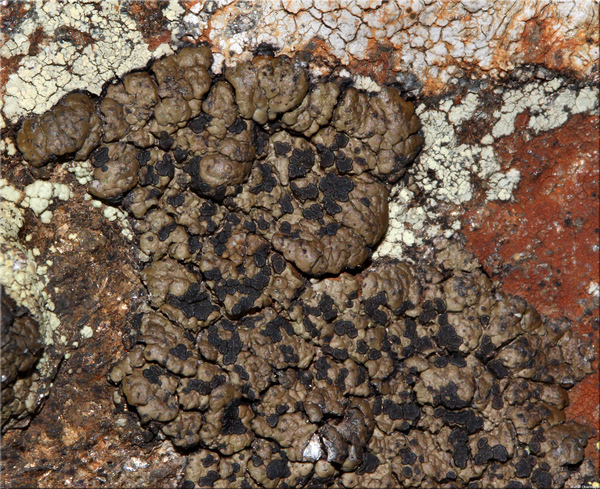
Walter Obermayer CC BY-SA 4.0 - Source: Lichens of Noricum - http://lichens-of-noricum.uni-graz.at/
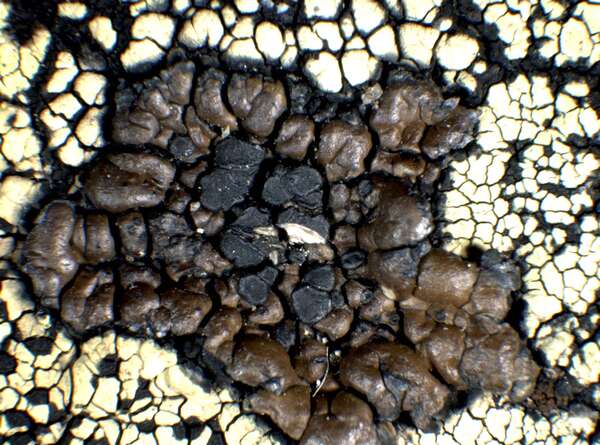
P.L. Nimis; Owner: Department of Life Sciences, University of Trieste
Herbarium: TSB (24616)
2001/11/27
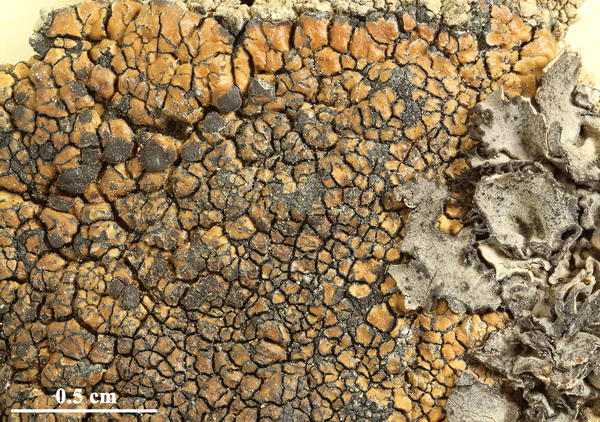
Felix Schumm- CC BY-SA 4.0
[19723], Jugoslavia, Macedonia, distr. Skopje, Tetovo, Šar planina, in monte Popova Šapka, 2000 m, ad saxa schistosa. Leg. A. Vezda & V. Wirth, 10.08.1976. VEZDA: LICHENES SELECTI EXSICCATI 1456.
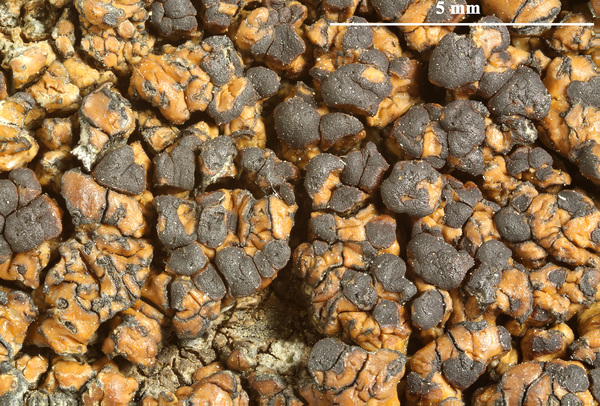
Felix Schumm- CC BY-SA 4.0
[19723], Jugoslavia, Macedonia, distr. Skopje, Tetovo, Šar planina, in monte Popova Šapka, 2000 m, ad saxa schistosa. Leg. A. Vezda & V. Wirth, 10.08.1976. VEZDA: LICHENES SELECTI EXSICCATI 1456.
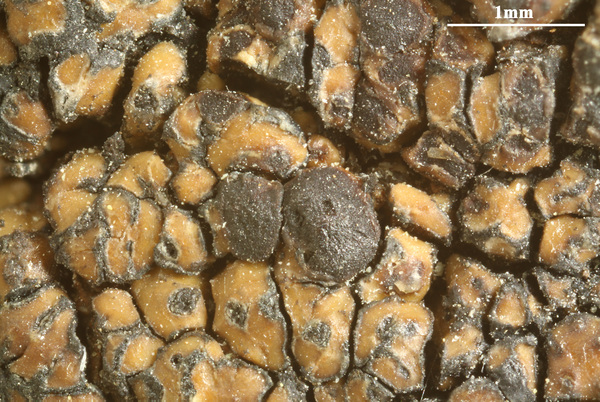
Felix Schumm- CC BY-SA 4.0
[19723], Jugoslavia, Macedonia, distr. Skopje, Tetovo, Šar planina, in monte Popova Šapka, 2000 m, ad saxa schistosa. Leg. A. Vezda & V. Wirth, 10.08.1976. VEZDA: LICHENES SELECTI EXSICCATI 1456.
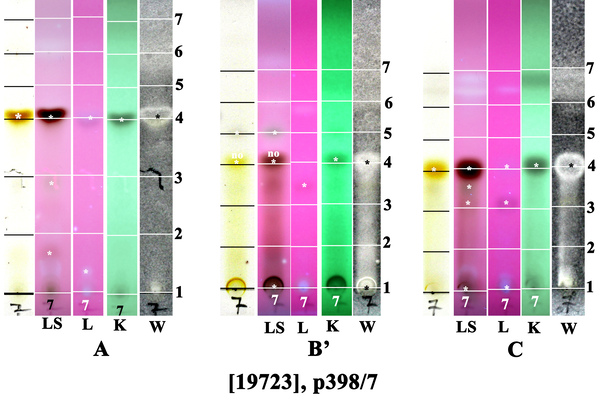
Felix Schumm - CC BY-SA 4.0
[19723], Jugoslavia, Macedonia, distr. Skopje, Tetovo, Šar planina, in monte Popova Šapka, 2000 m, ad saxa schistosa. Leg. A. Vezda & V. Wirth, 10.08.1976. VEZDA: LICHENES SELECTI EXSICCATI 1456.
no: norstictic acid
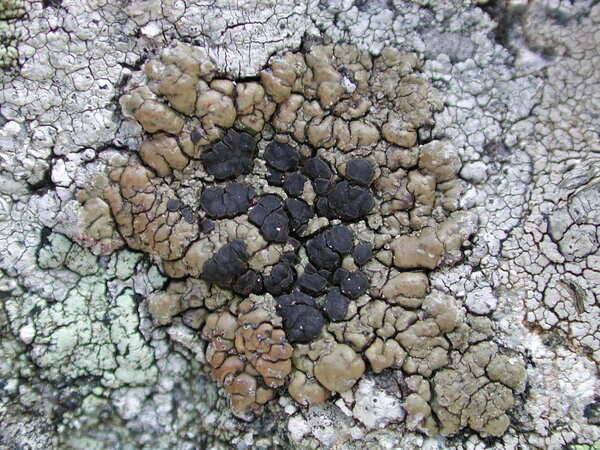
Juri Nascimbene - CC BY-SA 4.0
Mt. Adamello (Alps), Italy
2006
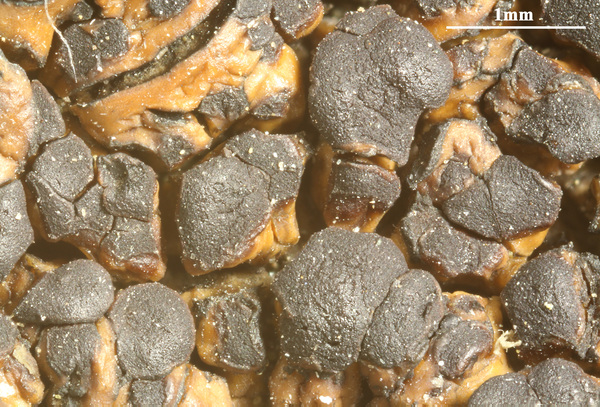
Felix Schumm- CC BY-SA 4.0
[19723], Jugoslavia, Macedonia, distr. Skopje, Tetovo, Šar planina, in monte Popova Šapka, 2000 m, ad saxa schistosa. Leg. A. Vezda & V. Wirth, 10.08.1976. VEZDA: LICHENES SELECTI EXSICCATI 1456.
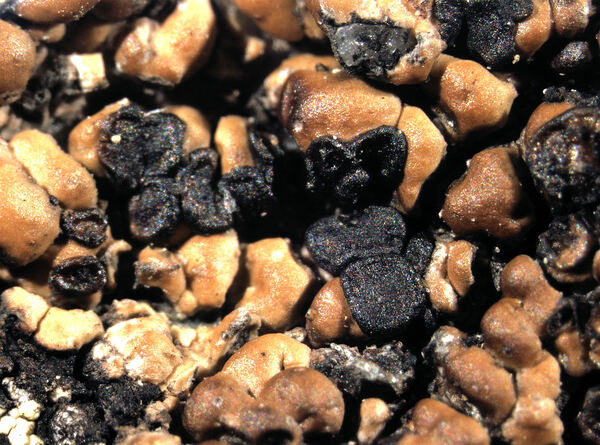
P.L. Nimis CC BY-SA 4.0
TSB 42474
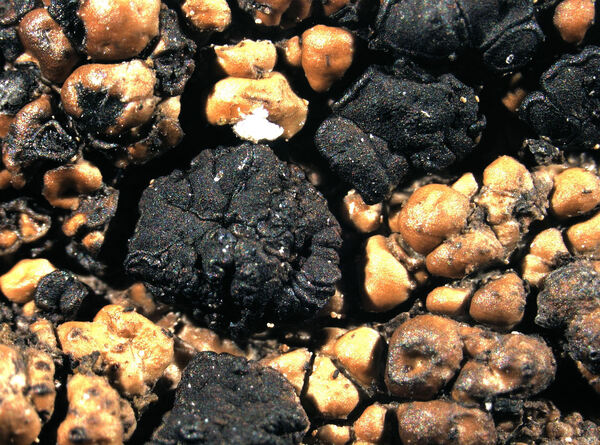
P.L. Nimis CC BY-SA 4.0
TSB 42474
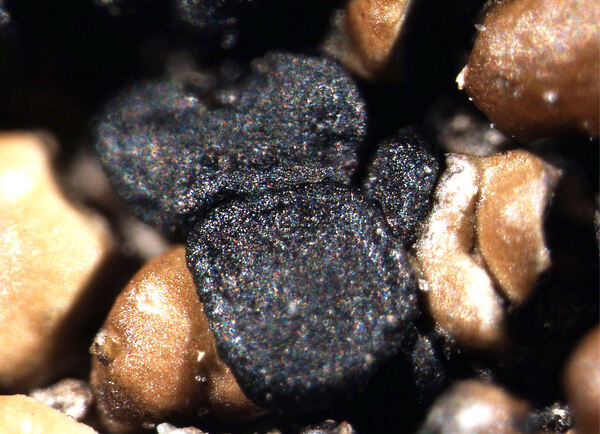
P.L. Nimis CC BY-SA 4.0
TSB 42474
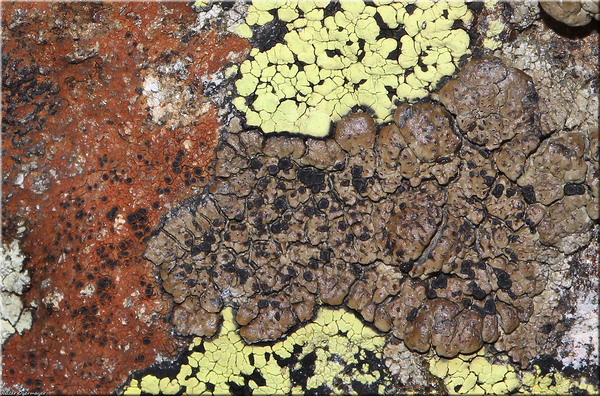
Walter Obermayer CC BY-SA 4.0 - Source: Lichens of Noricum - http://lichens-of-noricum.uni-graz.at/
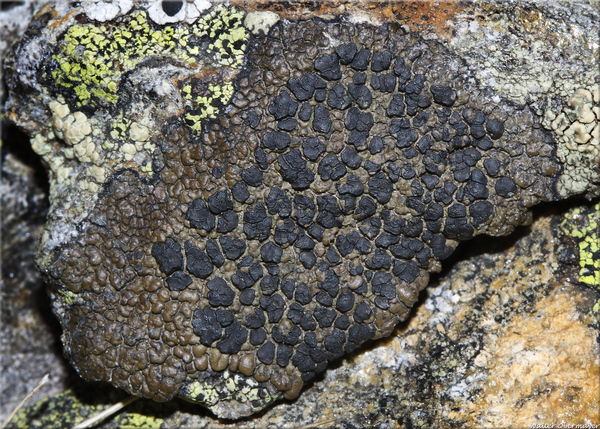
Walter Obermayer CC BY-SA 4.0 - Source: Lichens of Noricum - http://lichens-of-noricum.uni-graz.at/
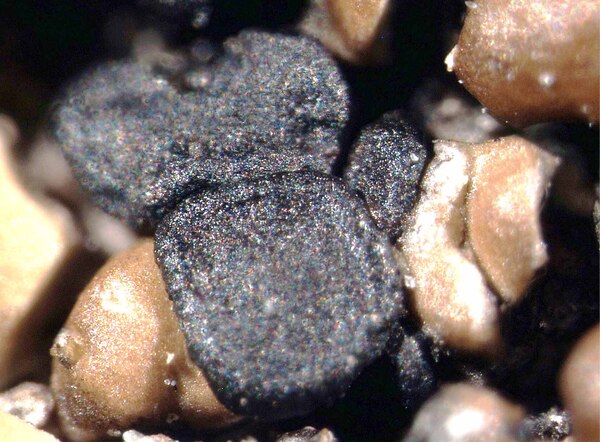
P.L. Nimis CC BY-SA 04
TSB 42474
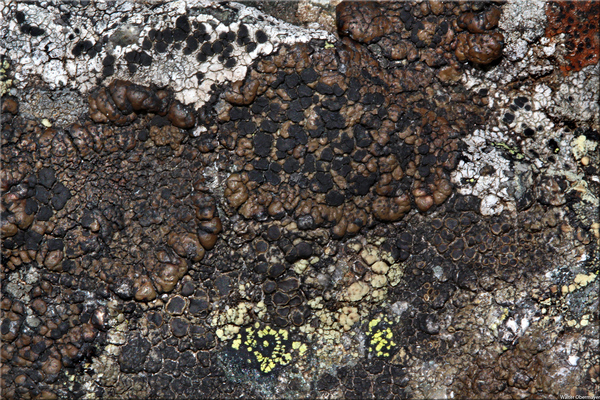
Walter Obermayer CC BY-SA 4.0 - Source: Lichens of Noricum - http://lichens-of-noricum.uni-graz.at/
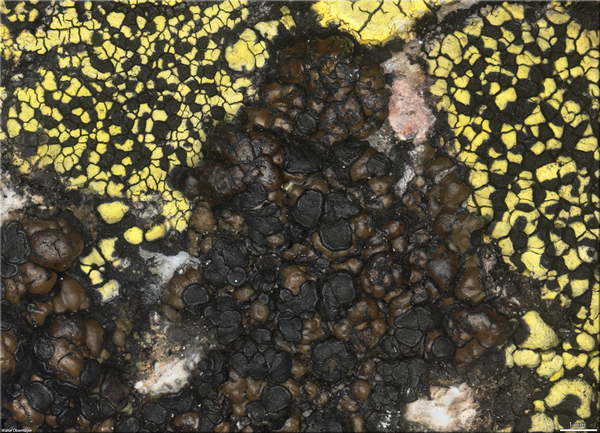
Walter Obermayer CC BY-SA 4.0 - Source: Lichens of Noricum - http://lichens-of-noricum.uni-graz.at/
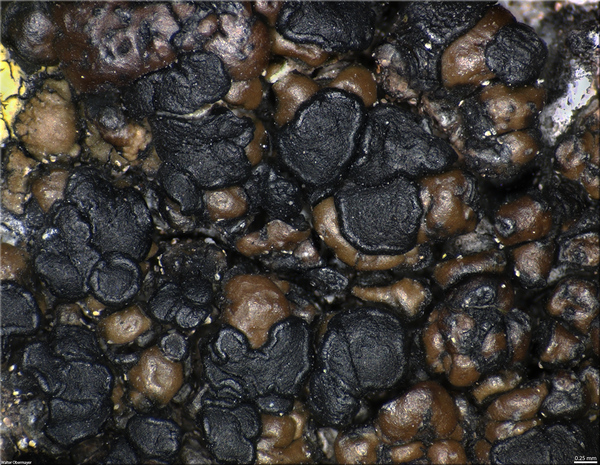
Walter Obermayer CC BY-SA 4.0 - Source: Lichens of Noricum - http://lichens-of-noricum.uni-graz.at/

Wolfgang von Brackel - CC BY-4.0
Germany, Bavaria, Arber

Wolfgang von Brackel - CC BY-4.0
Germany, Bavaria, Arber
Growth form: Crustose
Substrata: rocks
Photobiont: green algae other than Trentepohlia
Reproductive strategy: mainly sexual
Commonnes-rarity: (info)
Alpine belt: common
Subalpine belt: rather rare
Montane belt: absent
Dry submediterranean belt: absent
Humid submediterranean belt: absent
Padanian area: absent
pH of the substrata:
| 1 | 2 | 3 | 4 | 5 |
Solar irradiation:
| 1 | 2 | 3 | 4 | 5 |
Aridity:
| 1 | 2 | 3 | 4 | 5 |
Eutrophication:
| 1 | 2 | 3 | 4 | 5 |
Poleotolerance:
| 0 | 1 | 2 | 3 |
Altitudinal distribution:
| 1 | 2 | 3 | 4 | 5 | 6 |
Rarity
absent
extremely rare
very rare
rare
rather rare
rather common
common
very common
extremely common
Loading data...
Occurrence data
Predictive map
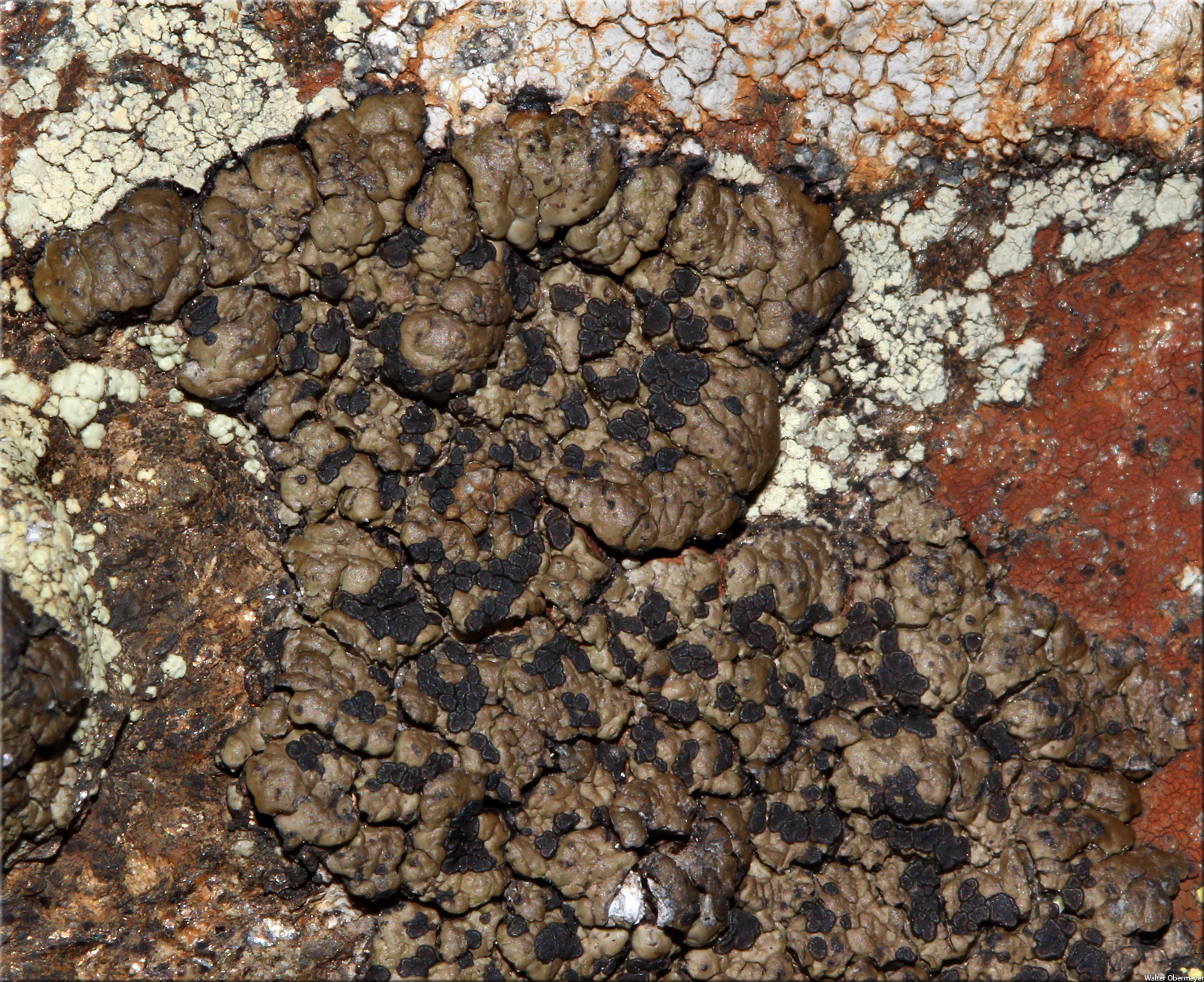
Walter Obermayer CC BY-SA 4.0 - Source: Lichens of Noricum - http://lichens-of-noricum.uni-graz.at/
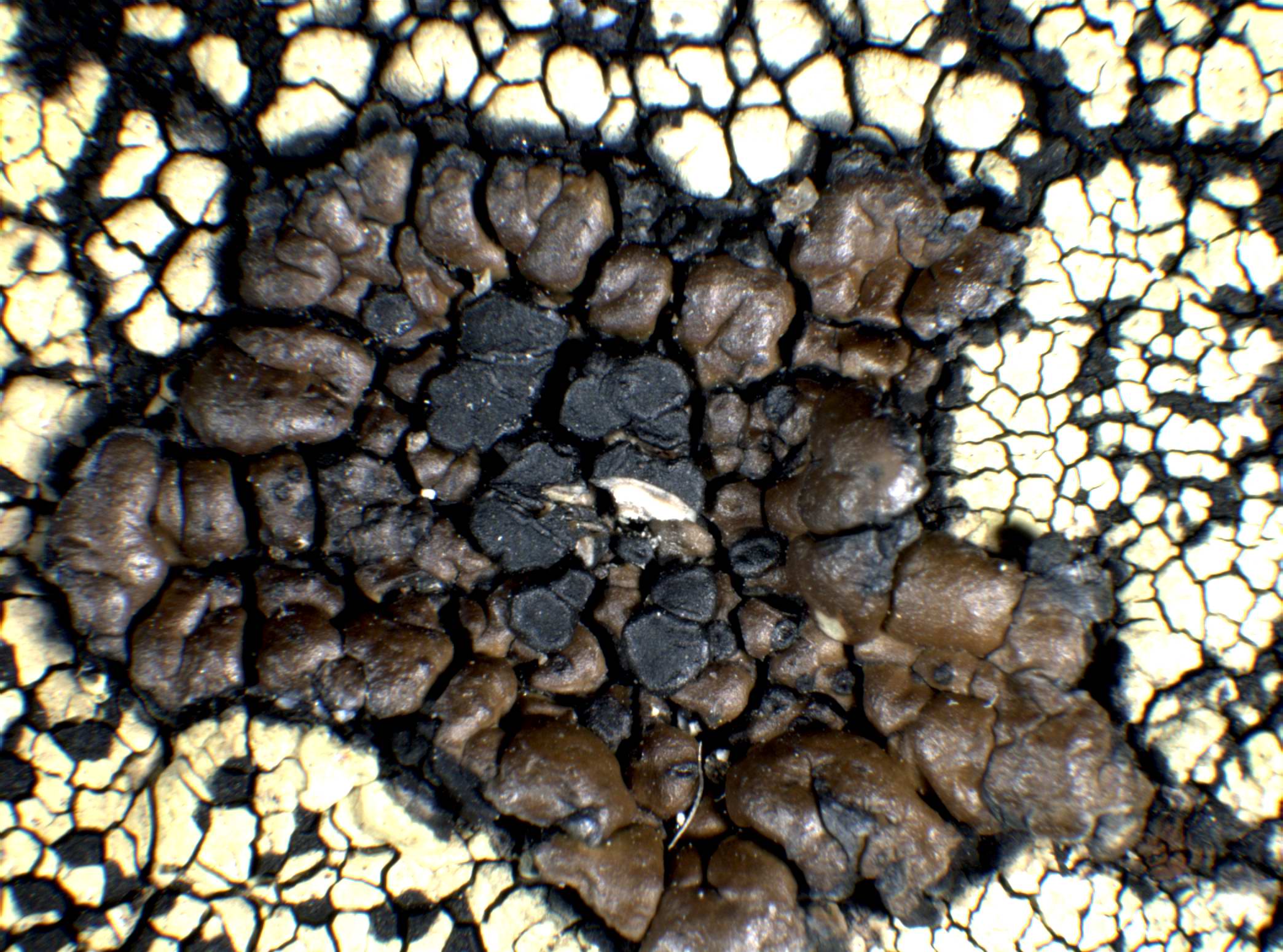
P.L. Nimis; Owner: Department of Life Sciences, University of Trieste
Herbarium: TSB (24616)
2001/11/27
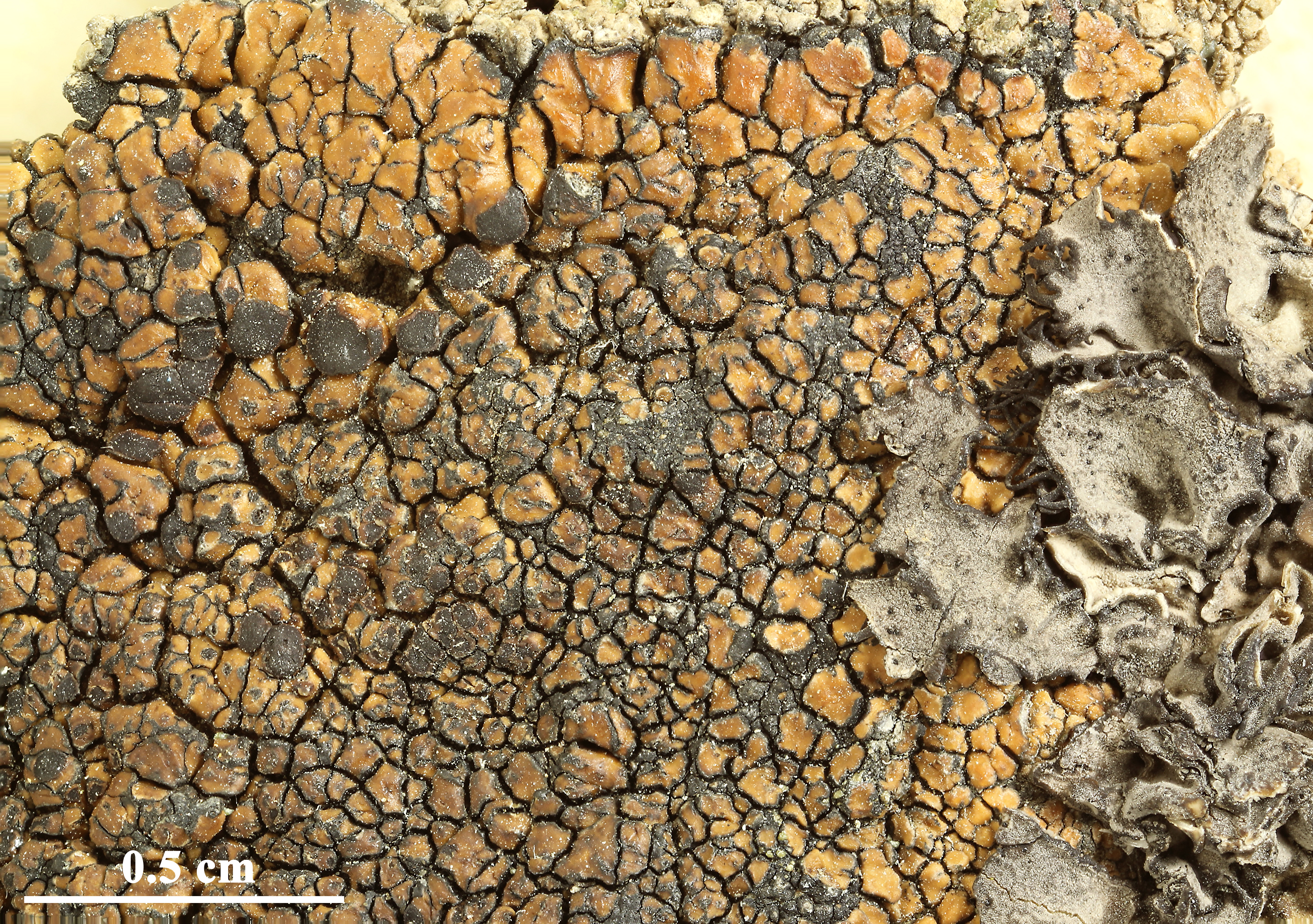
Felix Schumm- CC BY-SA 4.0
[19723], Jugoslavia, Macedonia, distr. Skopje, Tetovo, Šar planina, in monte Popova Šapka, 2000 m, ad saxa schistosa. Leg. A. Vezda & V. Wirth, 10.08.1976. VEZDA: LICHENES SELECTI EXSICCATI 1456.
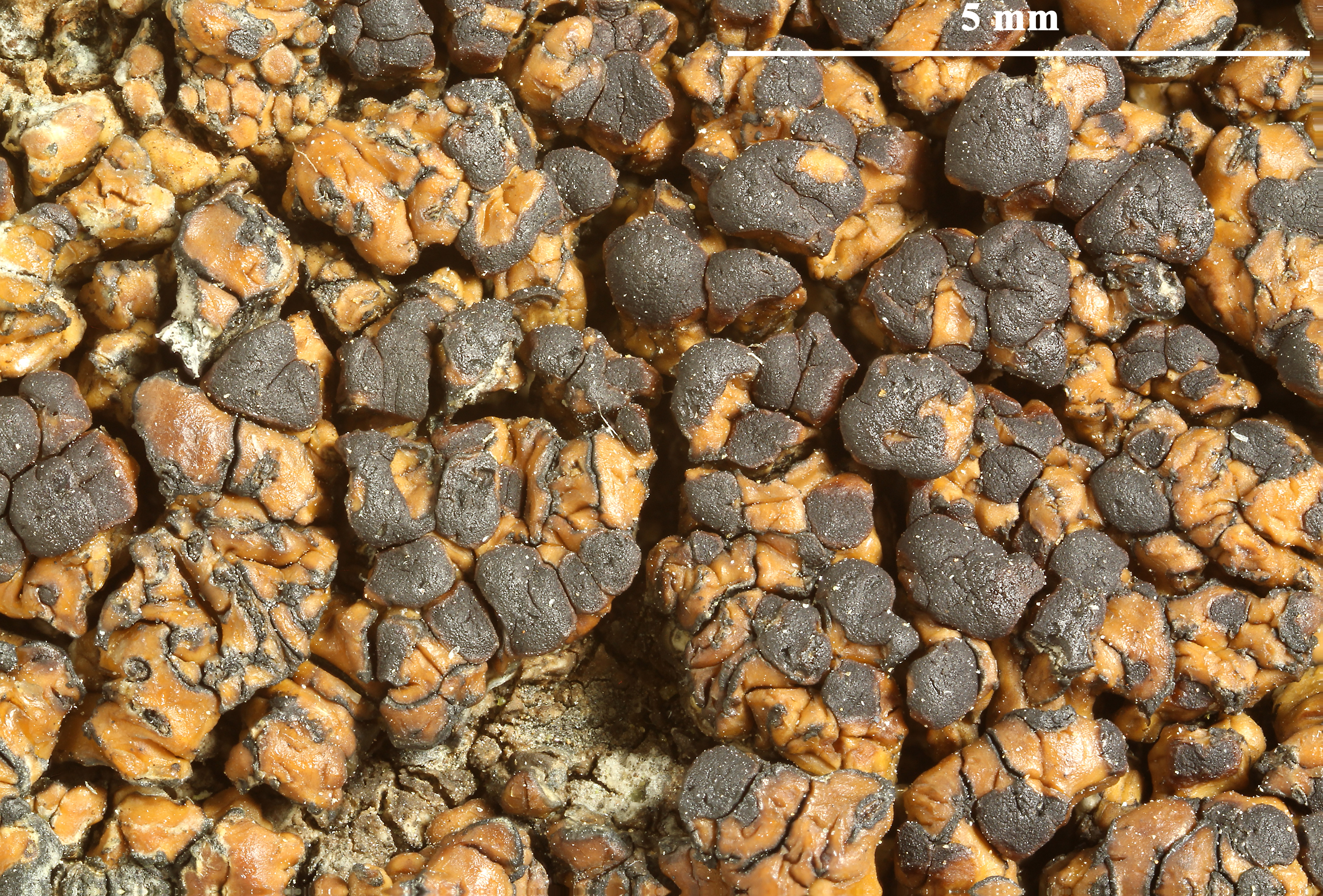
Felix Schumm- CC BY-SA 4.0
[19723], Jugoslavia, Macedonia, distr. Skopje, Tetovo, Šar planina, in monte Popova Šapka, 2000 m, ad saxa schistosa. Leg. A. Vezda & V. Wirth, 10.08.1976. VEZDA: LICHENES SELECTI EXSICCATI 1456.

Felix Schumm- CC BY-SA 4.0
[19723], Jugoslavia, Macedonia, distr. Skopje, Tetovo, Šar planina, in monte Popova Šapka, 2000 m, ad saxa schistosa. Leg. A. Vezda & V. Wirth, 10.08.1976. VEZDA: LICHENES SELECTI EXSICCATI 1456.
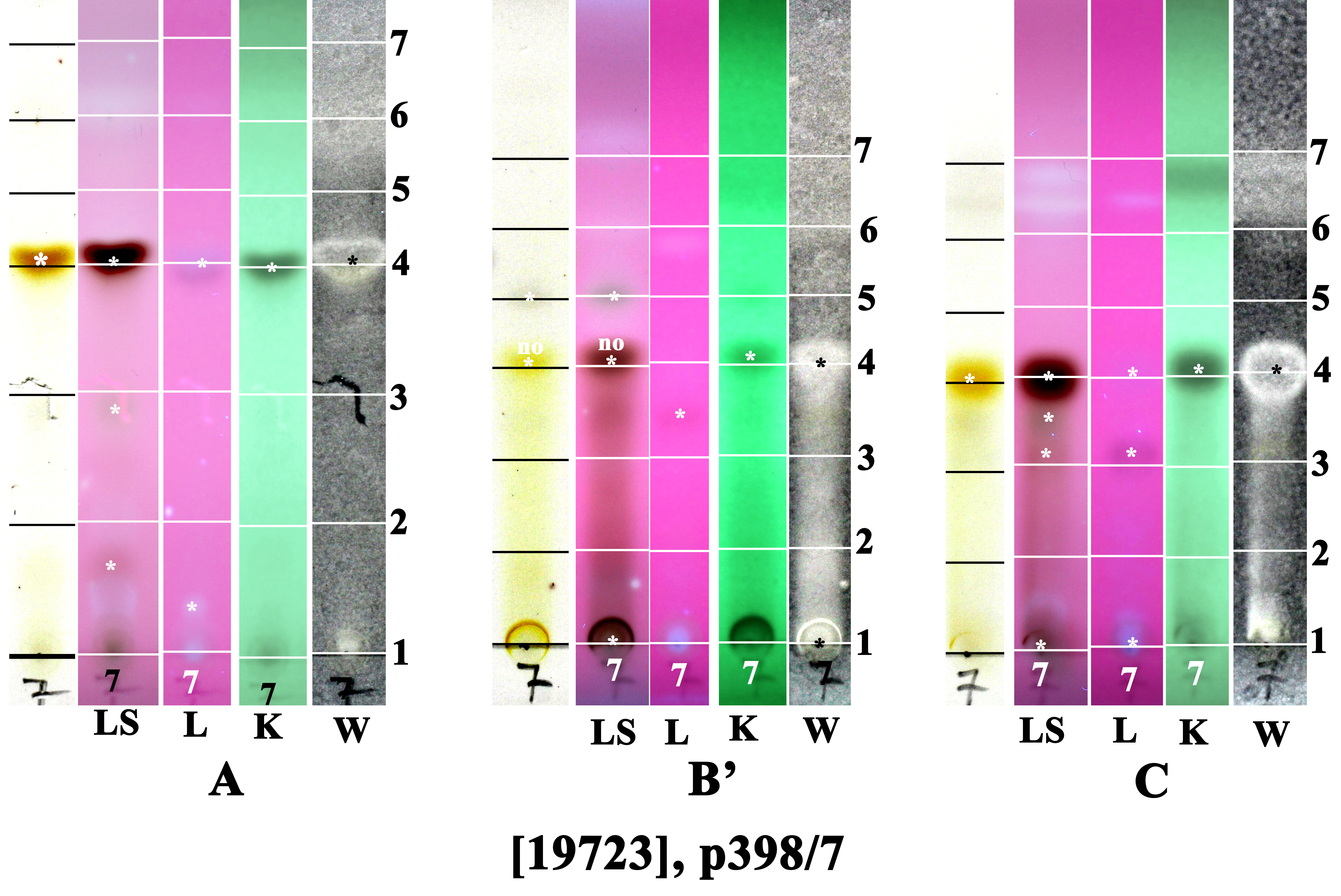
Felix Schumm - CC BY-SA 4.0
[19723], Jugoslavia, Macedonia, distr. Skopje, Tetovo, Šar planina, in monte Popova Šapka, 2000 m, ad saxa schistosa. Leg. A. Vezda & V. Wirth, 10.08.1976. VEZDA: LICHENES SELECTI EXSICCATI 1456.
no: norstictic acid
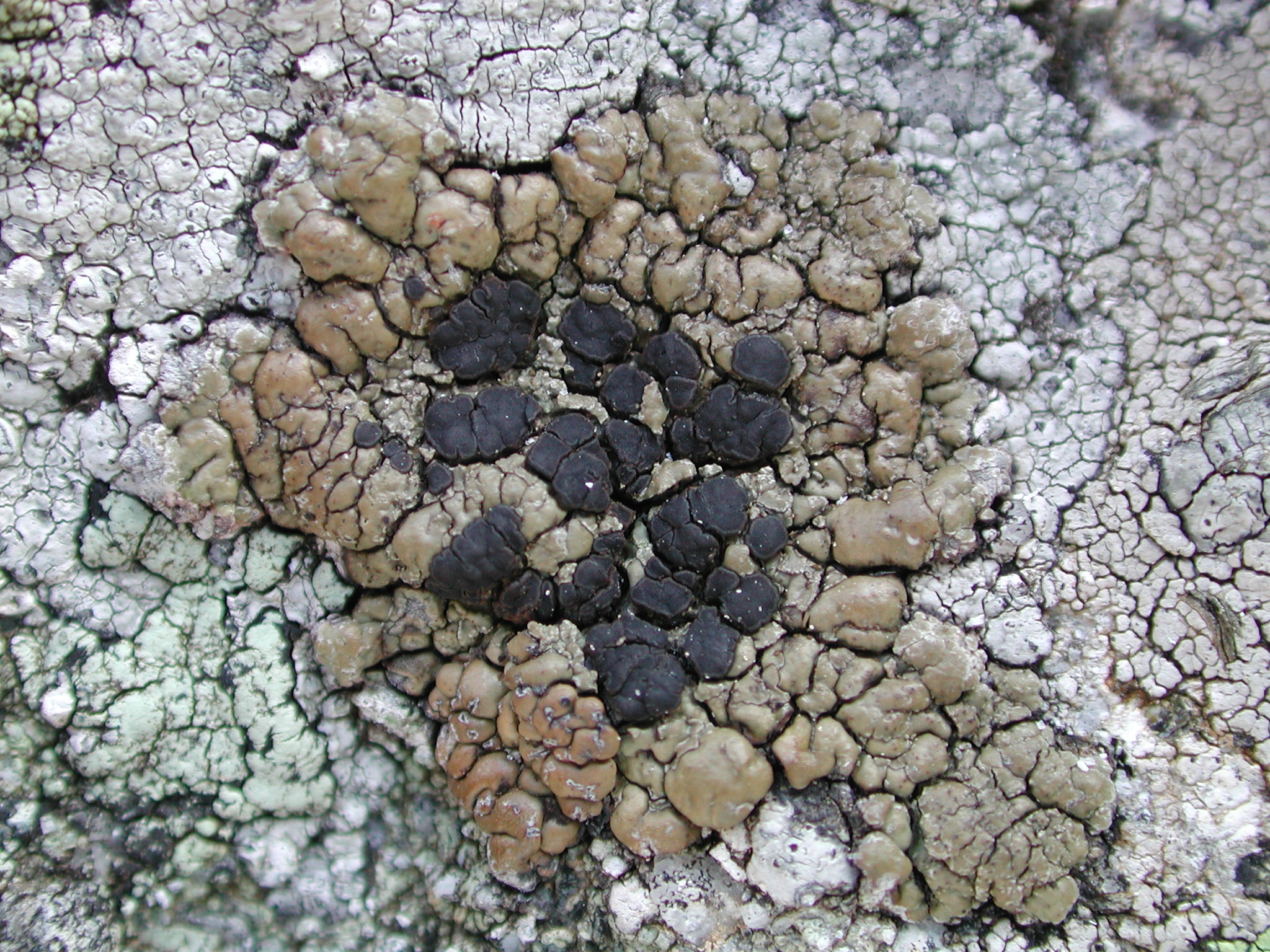
Juri Nascimbene - CC BY-SA 4.0
Mt. Adamello (Alps), Italy
2006
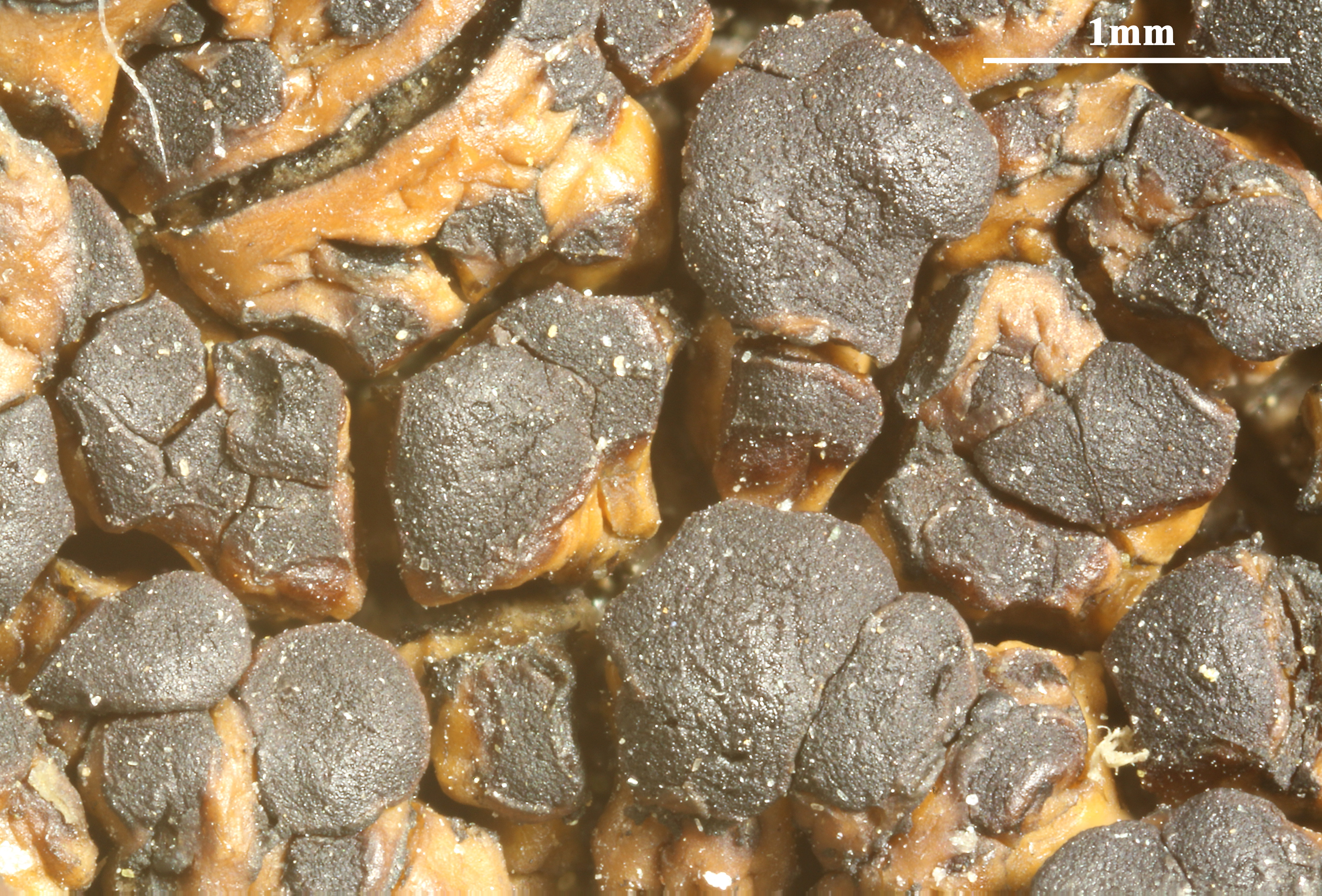
Felix Schumm- CC BY-SA 4.0
[19723], Jugoslavia, Macedonia, distr. Skopje, Tetovo, Šar planina, in monte Popova Šapka, 2000 m, ad saxa schistosa. Leg. A. Vezda & V. Wirth, 10.08.1976. VEZDA: LICHENES SELECTI EXSICCATI 1456.
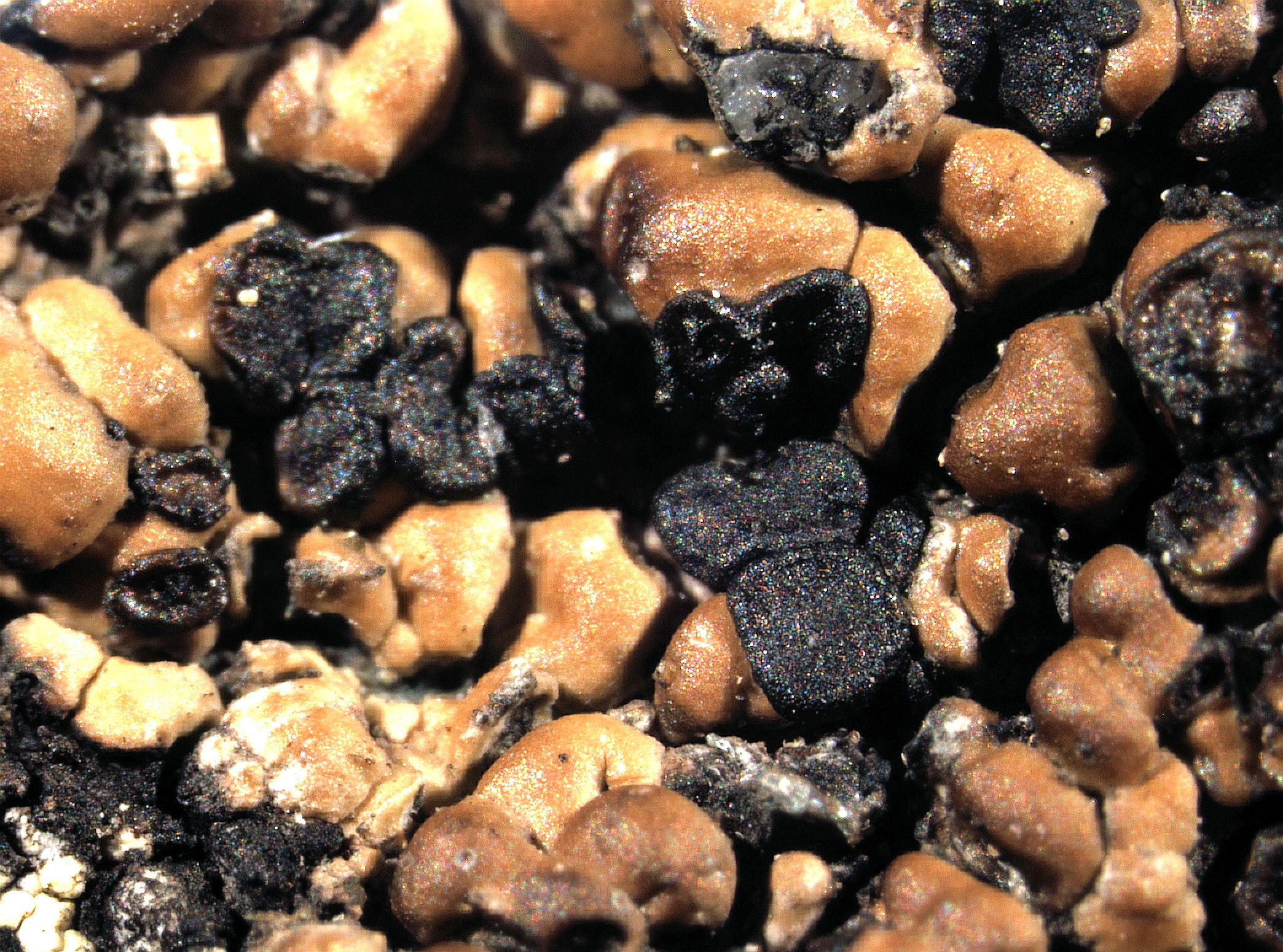
P.L. Nimis CC BY-SA 4.0
TSB 42474
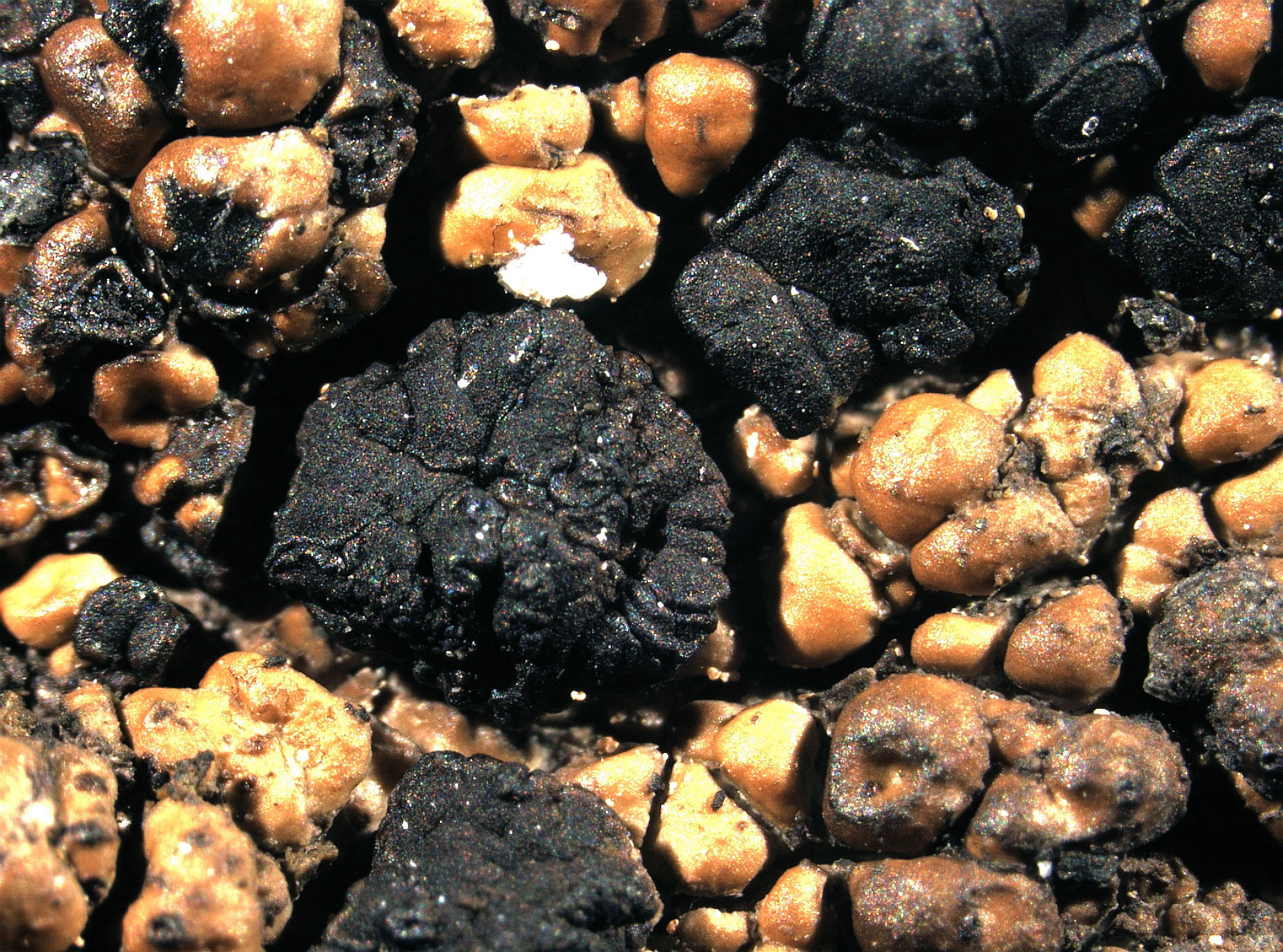
P.L. Nimis CC BY-SA 4.0
TSB 42474
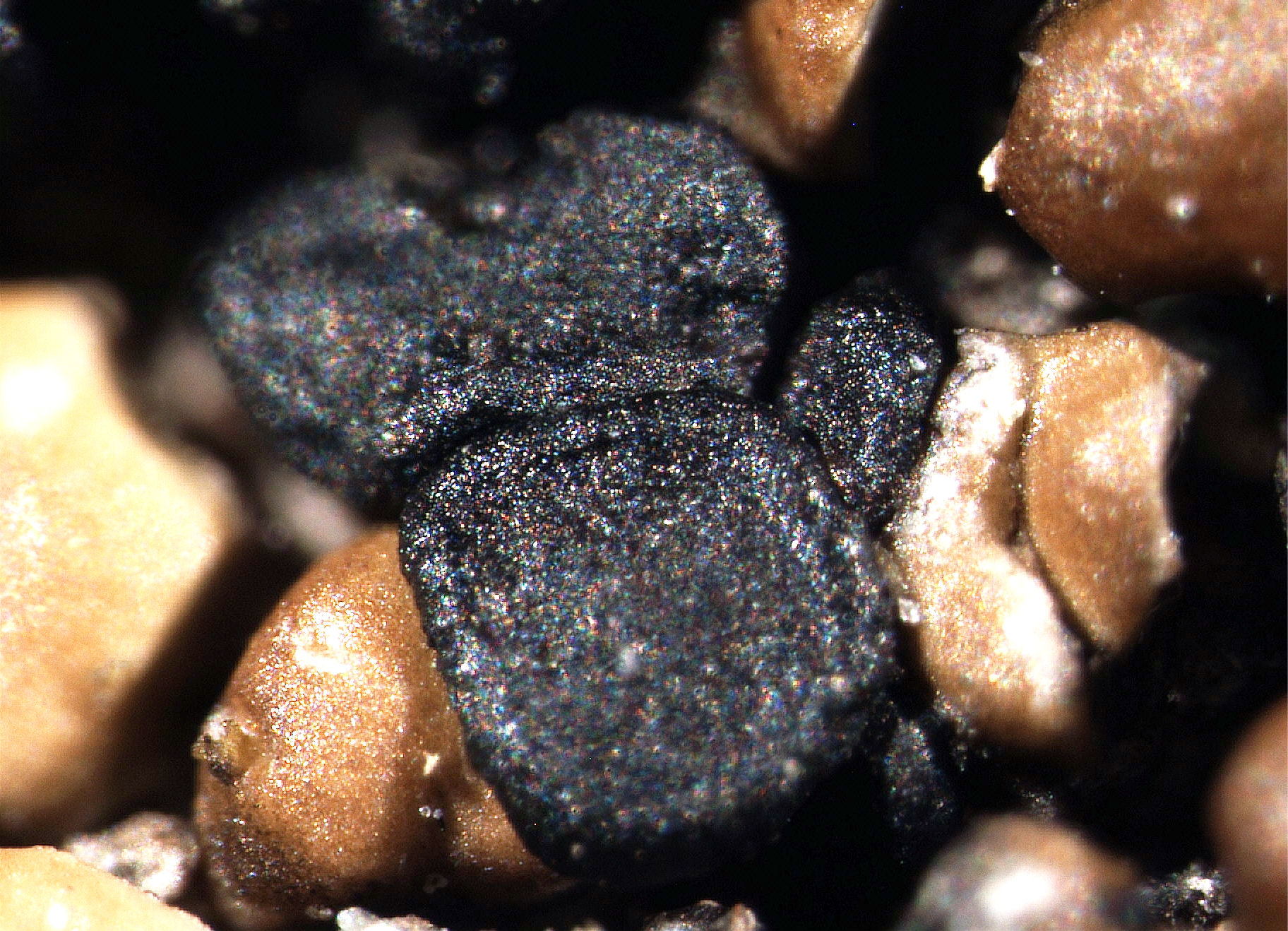
P.L. Nimis CC BY-SA 4.0
TSB 42474
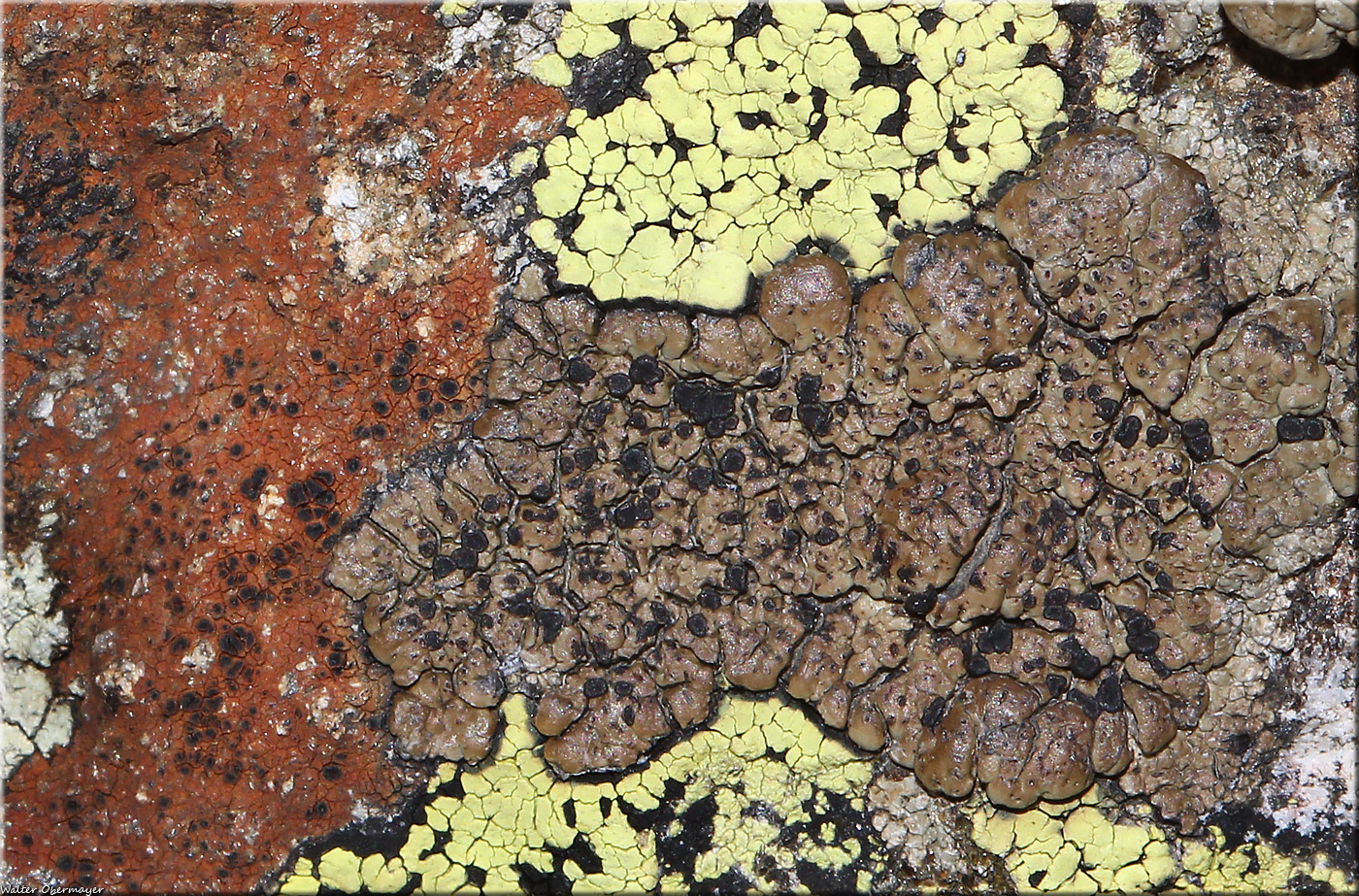
Walter Obermayer CC BY-SA 4.0 - Source: Lichens of Noricum - http://lichens-of-noricum.uni-graz.at/
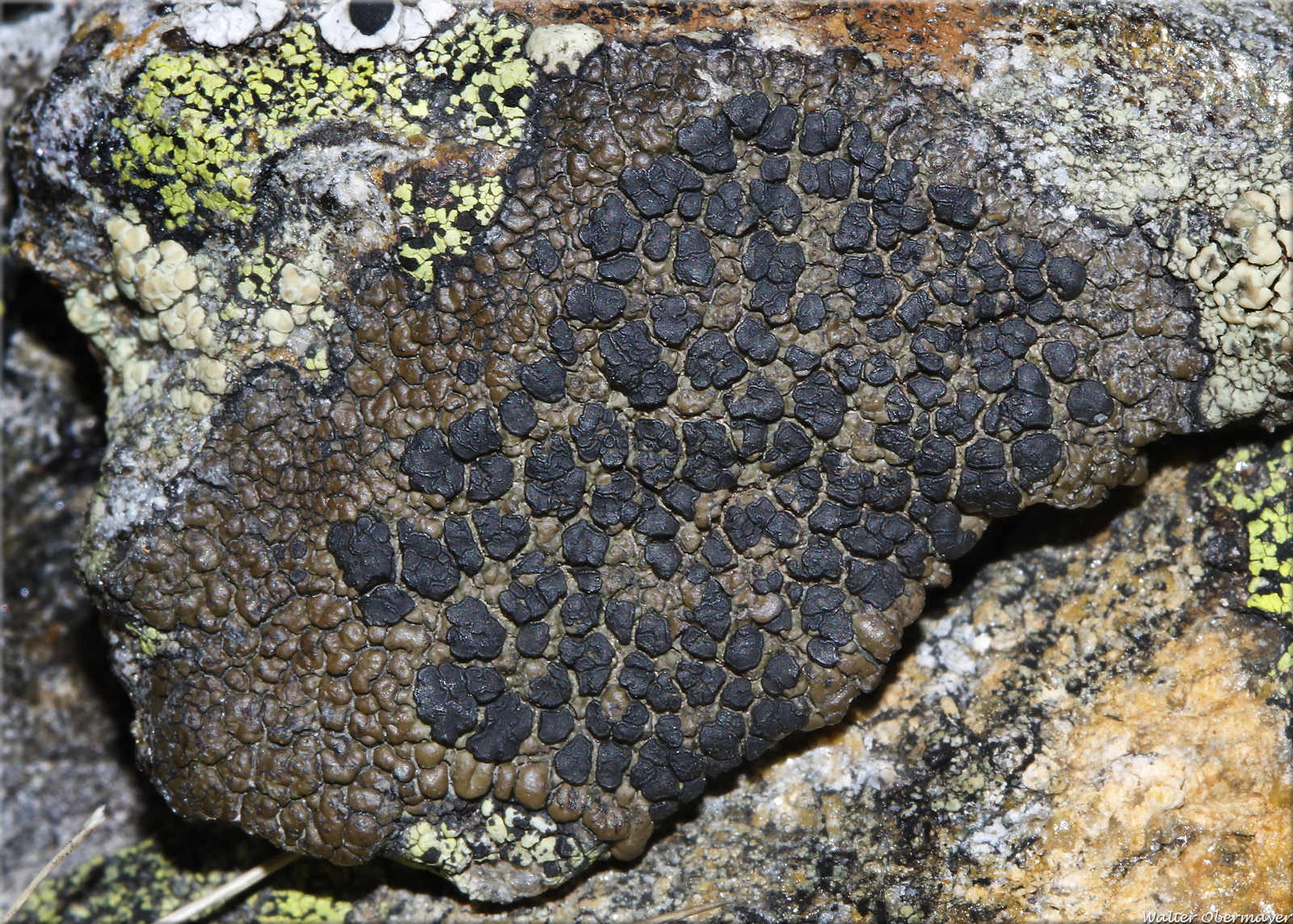
Walter Obermayer CC BY-SA 4.0 - Source: Lichens of Noricum - http://lichens-of-noricum.uni-graz.at/
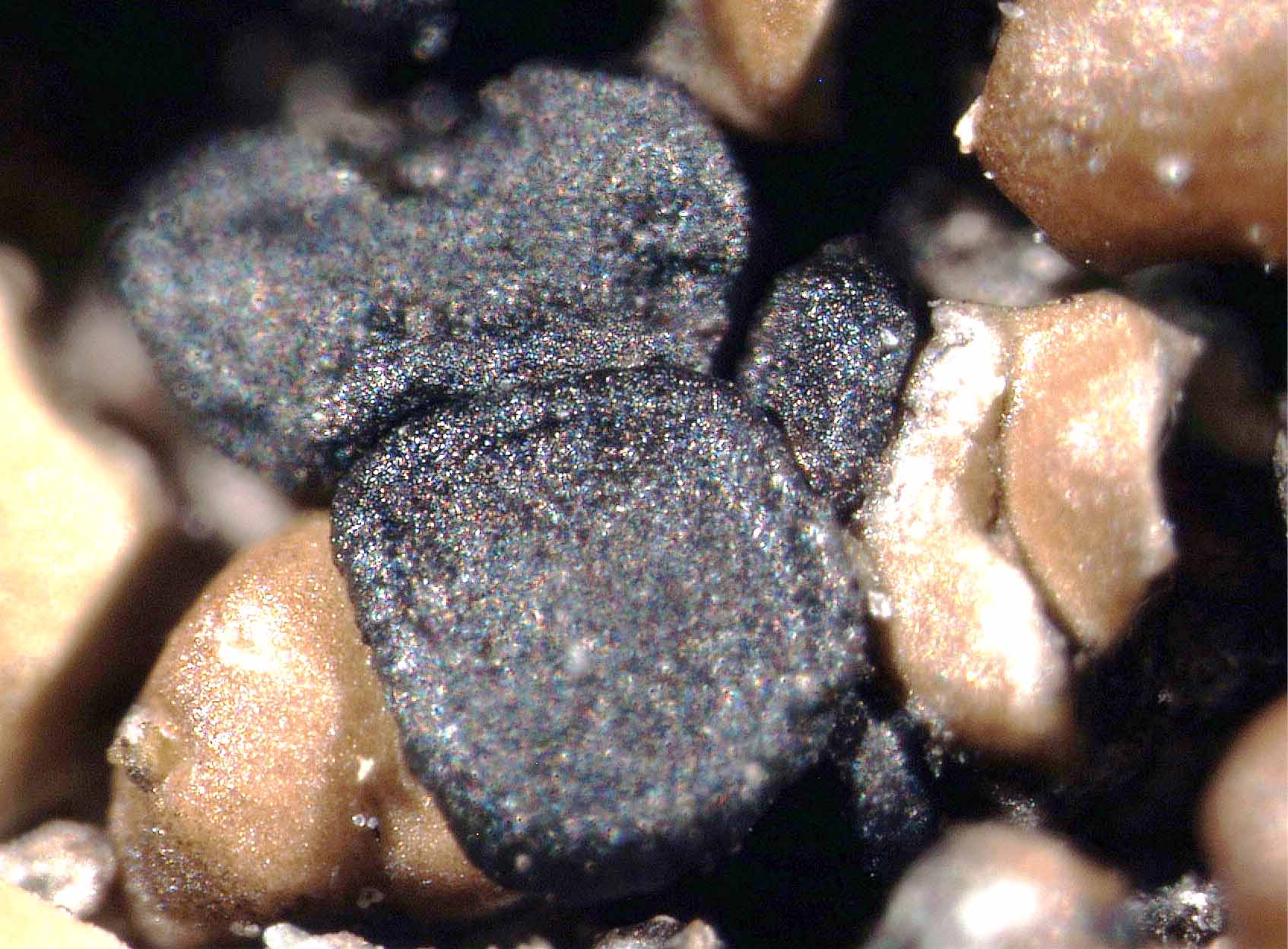
P.L. Nimis CC BY-SA 04
TSB 42474
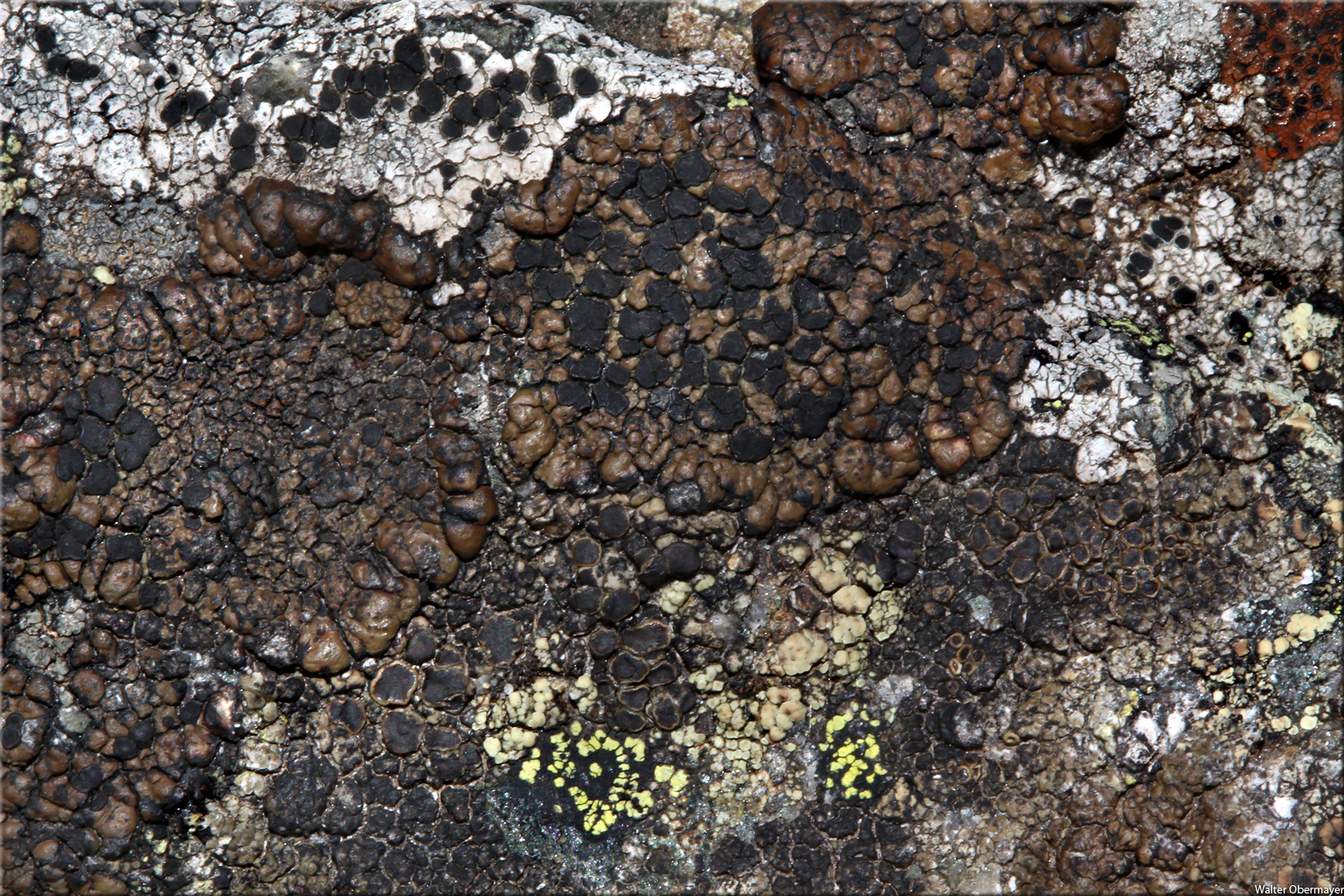
Walter Obermayer CC BY-SA 4.0 - Source: Lichens of Noricum - http://lichens-of-noricum.uni-graz.at/
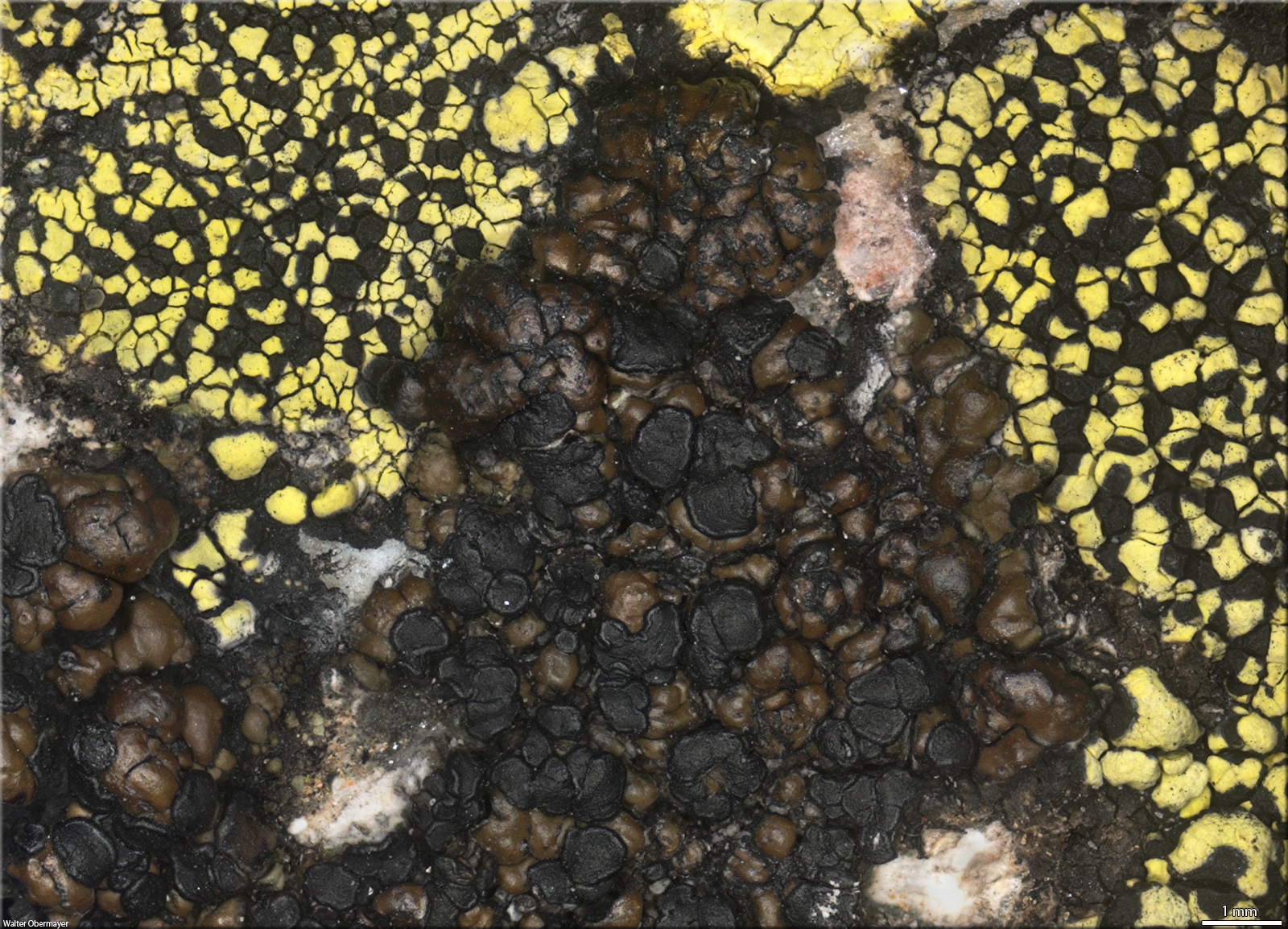
Walter Obermayer CC BY-SA 4.0 - Source: Lichens of Noricum - http://lichens-of-noricum.uni-graz.at/
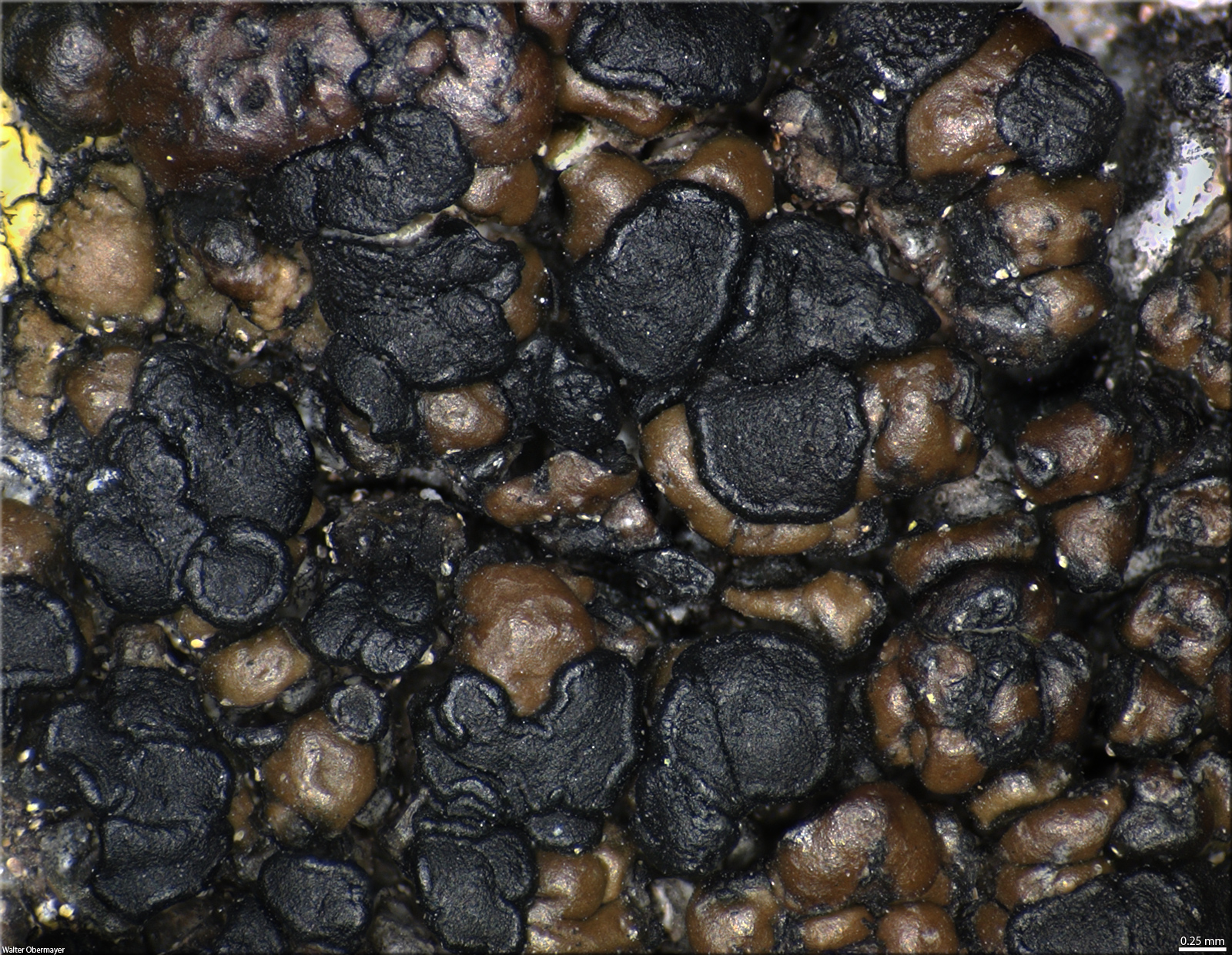
Walter Obermayer CC BY-SA 4.0 - Source: Lichens of Noricum - http://lichens-of-noricum.uni-graz.at/

Wolfgang von Brackel - CC BY-4.0
Germany, Bavaria, Arber