Montanelia disjuncta (Erichsen) Divakar, A. Crespo, Wedin & Essl.
Am. J. Bot., 99: 2022, 2012. Basionym: Parmelia disjuncta Erichsen - Ann. Mycol., 37: 78, 1939.
Synonyms: Melanelia disjuncta (Erichsen) Essl.; Melanelia granulosa Essl.; Parmelia granulosa Lynge nom. illegit.; Parmelia granulosula Oxner; Parmelia sorediata var. coralloidea Lynge
Description: Thallus foliose, heteromerous, dorsiventral, closely adnate, 3-5(-9) cm in diam., sorediate. Lobes contiguous or becoming imbricate, (0.3-)0.8-1(-2) mm wide, usually flat, often broader and pitted at tips. Upper surface dark olive-brown to blackish, paler olive-brown in shade-forms, smooth to rugulose and/or warted in central, older parts, frequently shiny, especially near the periphery, with usually poorly evident, mostly submarginal, punctiform to slightly elongated pseudocyphellae. Soredia granular to isidioid, dark grey to black (abraded soredia white), arranged in punctiform to capitate, sometimes eroded and crateriform, laminal and submarginal soralia partly arising from pseudocyphellae. Lower surface dark brown to black, with dark, mostly simple rhizines. Upper cortex paraplectenchymatous, with a non-pored epicortex, the cell walls containing isolichenan; medulla white; lower cortex paraplectenchymatous. Apothecia rare, lecanorine, up to 3(-5.5) mm across, sessile or short-stipitate, with a concave to flat disc, and an usually sorediate and pseudocyphellate thalline margin. Epithecium brown; hymenium and hypothecium colourless. Asci 8-spored, clavate, Lecanora-type. Ascospores 1-celled, hyaline, ellipsoid, 9-12.5 x 5-7 µm. Pycnidia rare, mostly laminal, immersed. Conidia thickened at both ends, 6-7.5 x 1 µm. Photobiont chlorococcoid. Spot tests: upper cortex K-, C-, KC-, P-, N-; medulla K-, C -, KC- or rarely KC+ very faintly pink, P-, UV+ white. Chemistry: medulla with perlatolic and stenosporic acids (both major).
Growth form: Foliose, broad lobed
Substrata: rocks
Photobiont: green algae other than Trentepohlia
Reproductive strategy: mainly asexual, by soredia, or soredia-like structures (e.g. blastidia)
Commonnes-rarity: (info)
Alpine belt: very rare
Subalpine belt: rare
Montane belt: rare
Dry submediterranean belt: absent
Humid submediterranean belt: absent
Padanian area: absent
pH of the substrata:
1 2 3 4 5

Solar irradiation:
1 2 3 4 5
Aridity:
1 2 3 4 5
Eutrophication:
1 2 3 4 5
Poleotolerance:
0 1 2 3
Altitudinal distribution:
1 2 3 4 5 6
Rarity
absent
extremely rare
very rare
rare
rather rare
rather common
common
very common
extremely common
Loading data...
Occurrence data
Predictive map
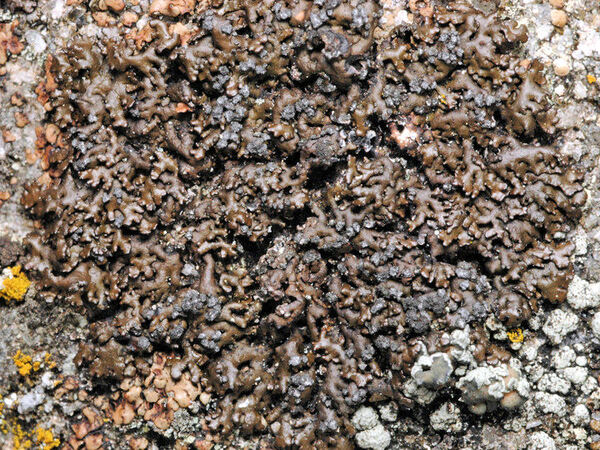
Leif Stridvall http://www.stridvall.se/la/galleries.php
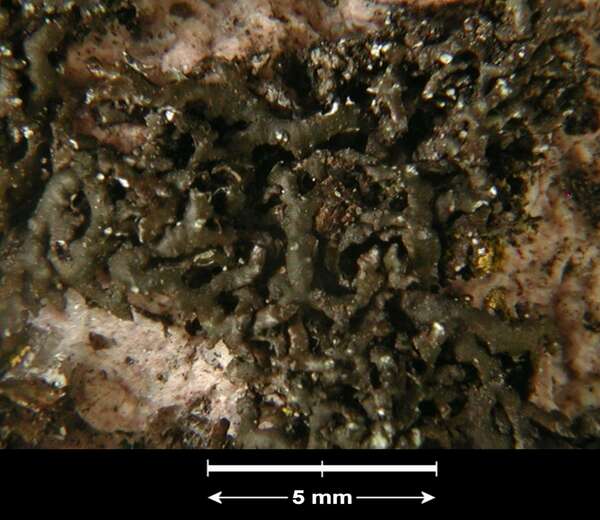
G. Incerti; Owner: Department of Life Sciences, University of Trieste
Herbarium: TSB (33883)
2001/11/26
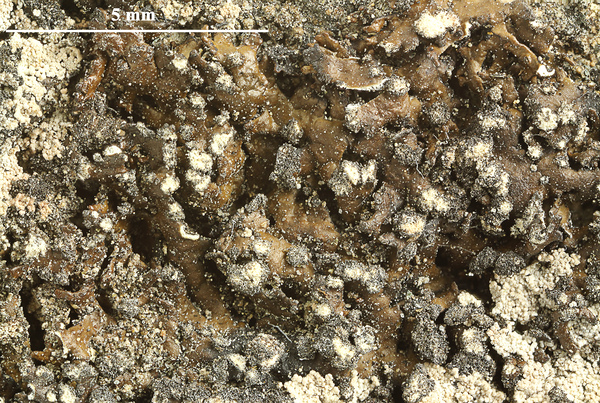
Felix Schumm - CC BY-SA 4.0
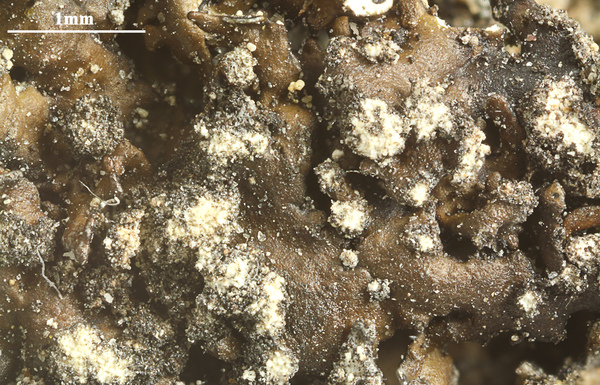
[16791], Canada, Ontario, Onapeng Lake Rd., 2.1 km along road from Highway 144, ca. 16.5 km north of Cartier, Sudbury District, on large boulder at roadside, 46°50.885' N, 81°35.849' W. Leg. S. Roman Olszewski, 17 July 2006 (Nr. 6395m), det. S. Roman Olszewski.
Felix Schumm - CC BY-SA 4.0
[16791], Canada, Ontario, Onapeng Lake Rd., 2.1 km along road from Highway 144, ca. 16.5 km north of Cartier, Sudbury District, on large boulder at roadside, 46°50.885' N, 81°35.849' W. Leg. S. Roman Olszewski, 17 July 2006 (Nr. 6395m), det. S. Roman Olszewski.
Felix Schumm - CC BY-SA 4.0
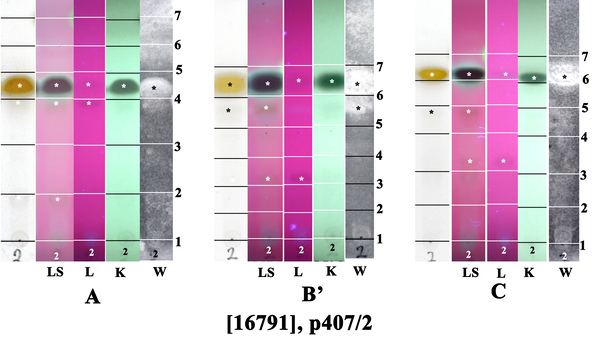
[16791], Canada, Ontario, Onapeng Lake Rd., 2.1 km along road from Highway 144, ca. 16.5 km north of Cartier, Sudbury District, on large boulder at roadside, 46°50.885' N, 81°35.849' W. Leg. S. Roman Olszewski, 17 July 2006 (Nr. 6395m), det. S. Roman Olszewski.
p: perlatolic acid (ggf. gemeinsam mit stenosporic acid), a: ?, b:?.
Felix Schumm - CC BY-SA 4.0
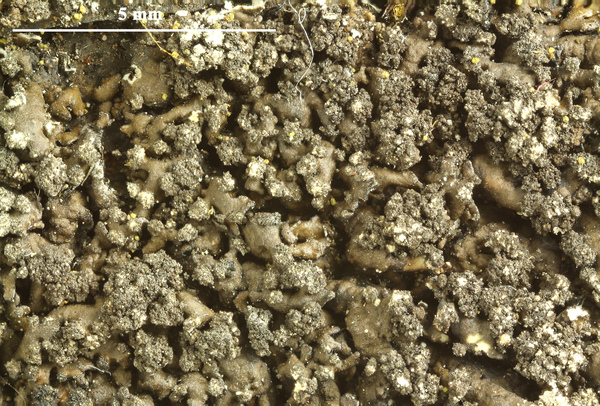
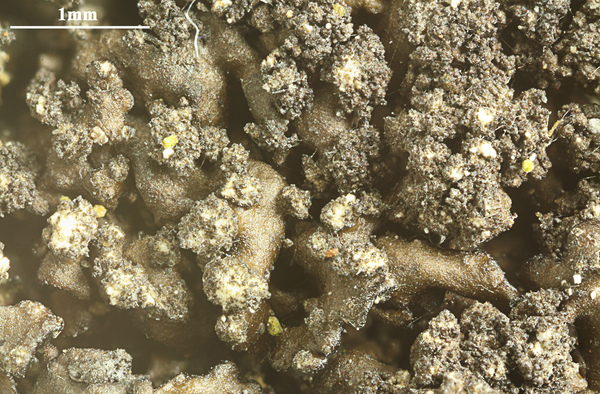
[20306]. Germany, Saxen-Anhalt, Harz, near Darlingerode open air bath, SW-slope of Kapitelsberg, crest path with Quercus coppice and open cliffs. 51.833300° N, 10.715260° E, 410 m. Siliceous shale, locally abundant. MTV 4130/3. Leg. A. Seelemann (Nr. 48), 21.7.2013, det. A. Seelemann, 13.8.2013.
Felix Schumm - CC BY-SA 4.0
[20306]. Germany, Saxen-Anhalt, Harz, near Darlingerode open air bath, SW-slope of Kapitelsberg, crest path with Quercus coppice and open cliffs. 51.833300° N, 10.715260° E, 410 m. Siliceous shale, locally abundant. MTV 4130/3. Leg. A. Seelemann (Nr. 48), 21.7.2013, det. A. Seelemann, 13.8.2013.
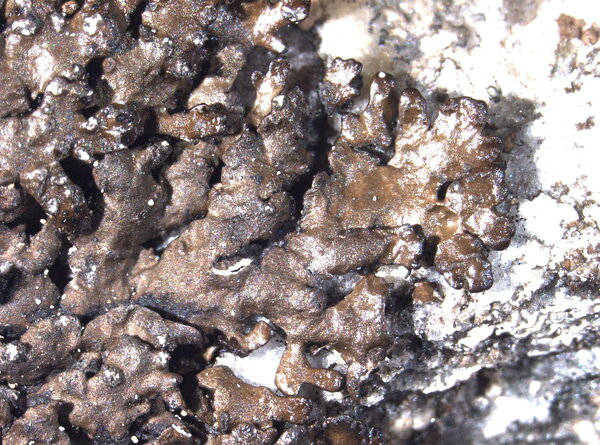
P.L. Nimis - CC BY-SA 4.0
TSB 42000
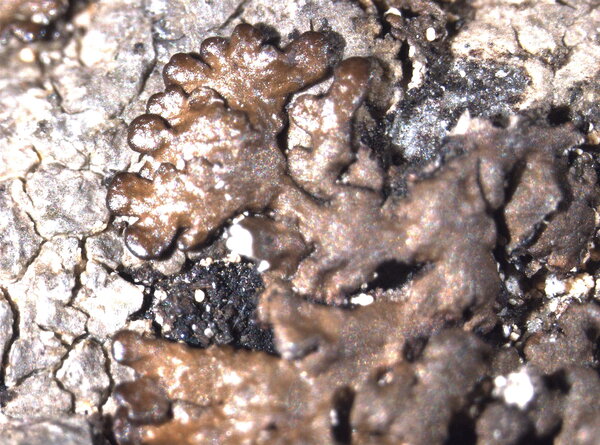
P.L. Nimis - CC BY-SA 4.0
TSB 42000
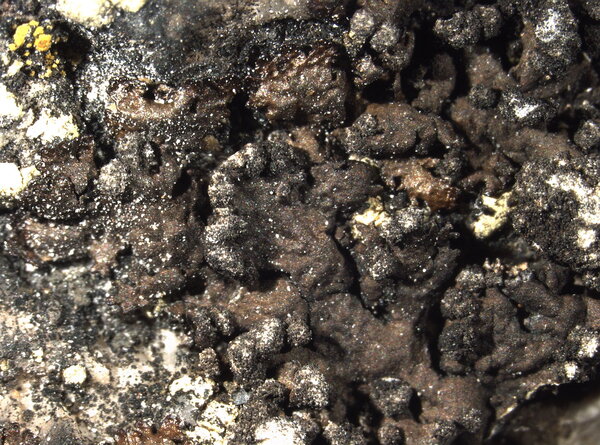
Pier Luigi Nimis CC BY-SA 4.0
TSB 42574
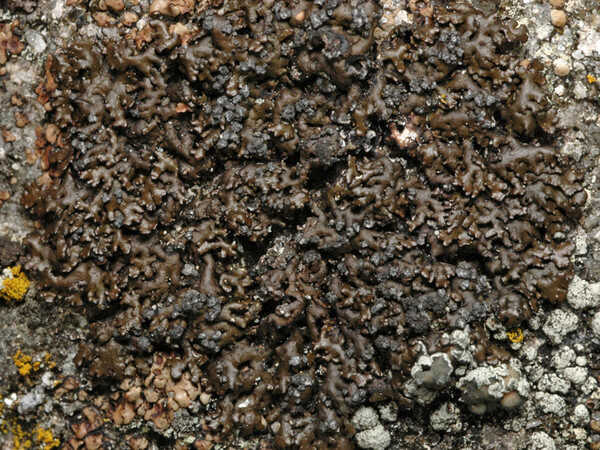
Leif Stridvall - Source: http://www.stridvall.se/la/galleries.php
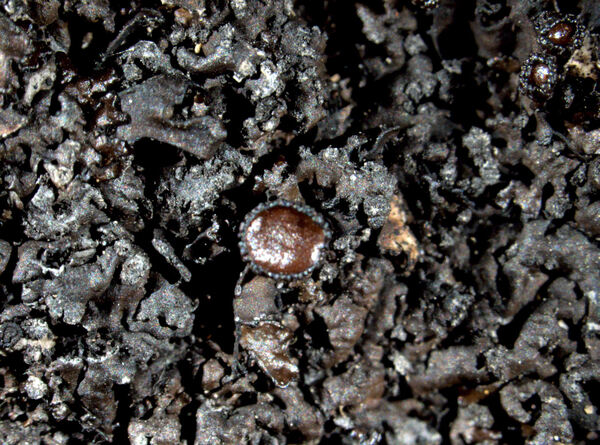
P.L. Nimis CC BY-SA 4.0
TSB 14366
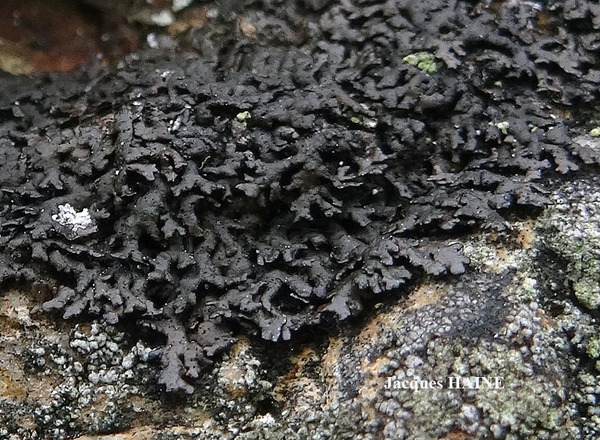
Jacques Haine - Source: http://www.lichensmaritimes.org/index.php?task=fiche&lichen=462&lang=en
France, Monthermé
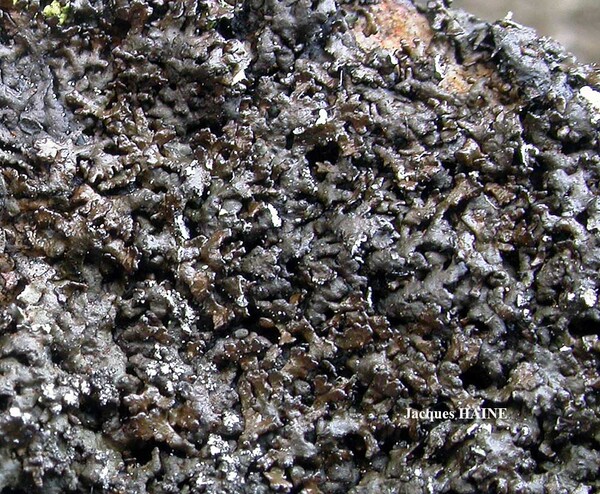
Jacques Haine - Source: http://www.lichensmaritimes.org/index.php?task=fiche&lichen=462&lang=en
France, Monthermé
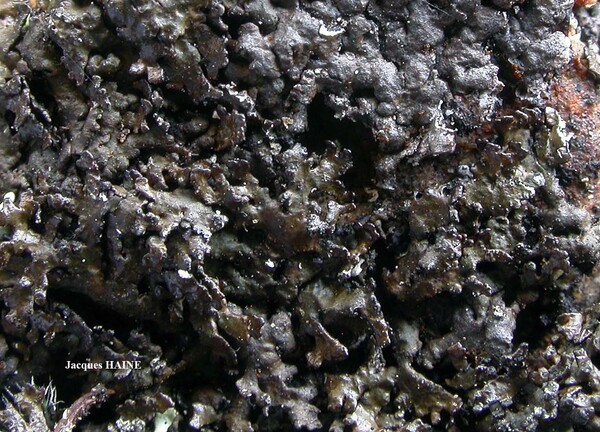
Jacques Haine - Source: http://www.lichensmaritimes.org/index.php?task=fiche&lichen=462&lang=en
France, Monthermé
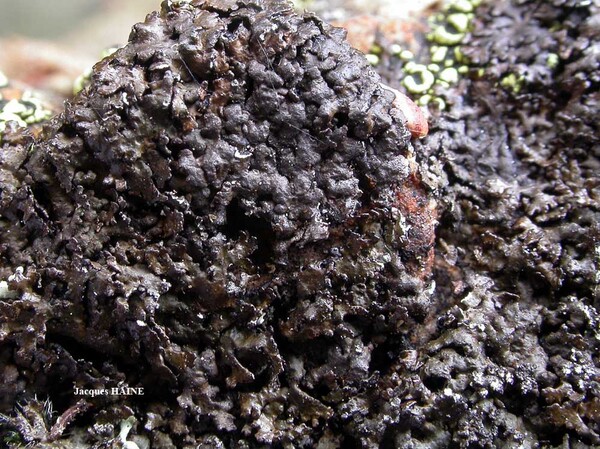
Jacques Haine - Source: http://www.lichensmaritimes.org/index.php?task=fiche&lichen=462&lang=en
France, Monthermé
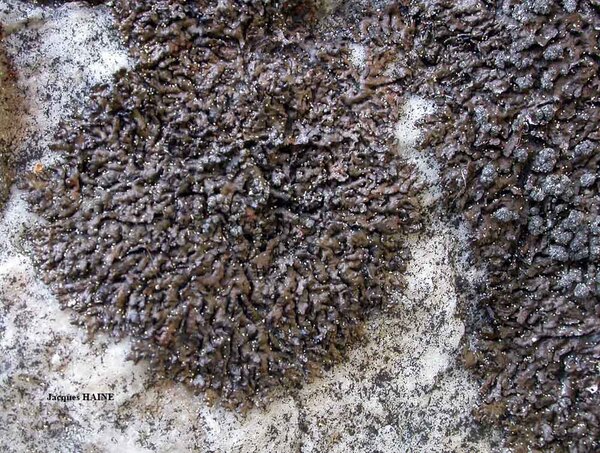
Jacques Haine - Source: http://www.lichensmaritimes.org/index.php?task=fiche&lichen=462&lang=en
France, Monthermé
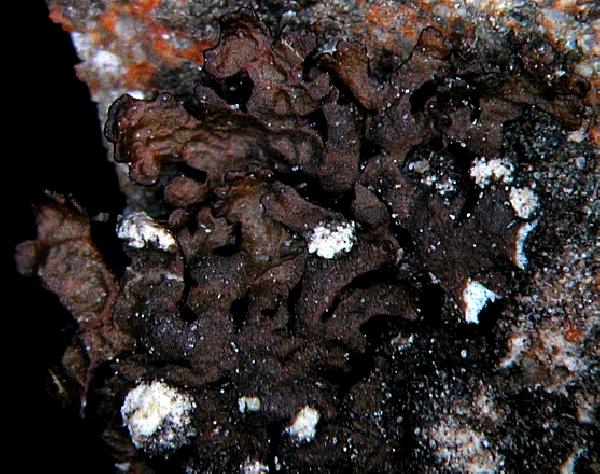
Ulrich Kirschbaum CC BY-SA 4.0 - Source: https://www.thm.de/lse/ulrich-kirschbaum/flechtenbilder
Central Europe; Germany: Hesse. on siliceous rocks
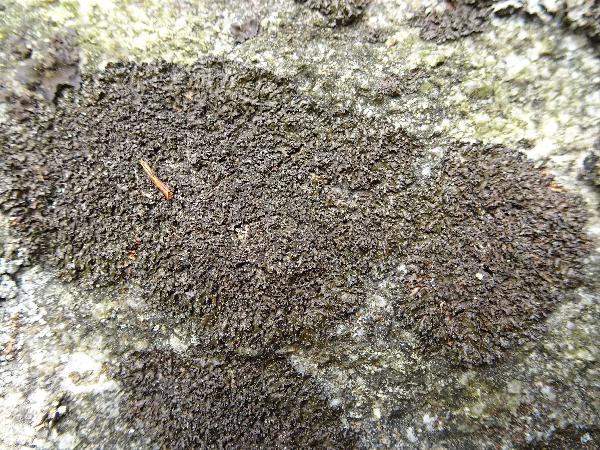
Wolfgang von Brackel - CC BY-4.0
Germany, Bavaria, Bornstein
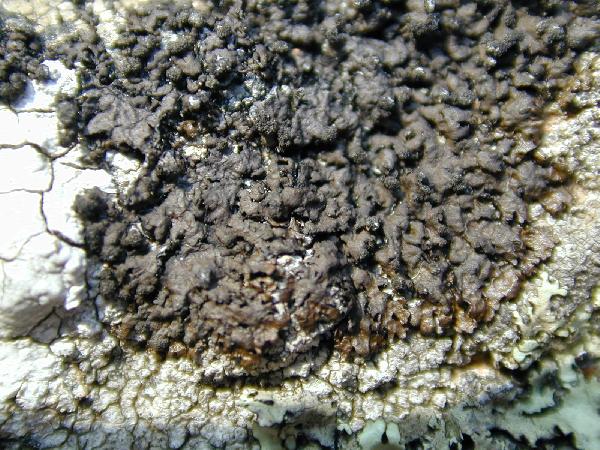
Wolfgang von Brackel - CC BY-4.0
Germany, Bavaria, Föhrenbühl
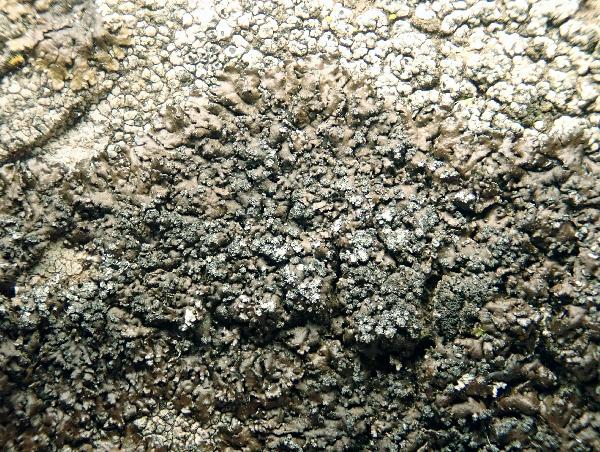
Wolfgang von Brackel - CC BY-4.0
Germany, Bavaria, Tauperlitz bei Hof
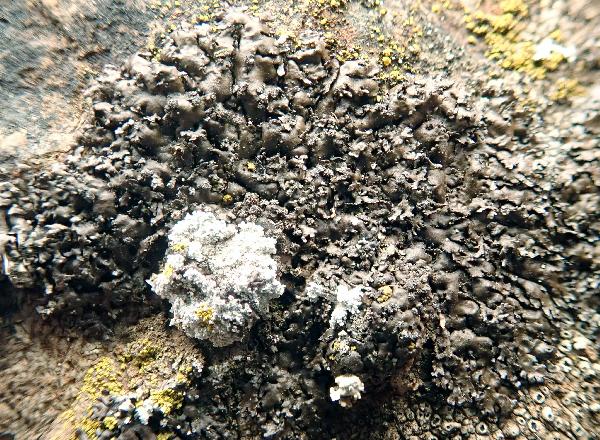
Wolfgang von Brackel - CC BY-4.0
Germany, Bavaria, Tauperlitz bei Hof
Growth form: Foliose, broad lobed
Substrata: rocks
Photobiont: green algae other than Trentepohlia
Reproductive strategy: mainly asexual, by soredia, or soredia-like structures (e.g. blastidia)
Commonnes-rarity: (info)
Alpine belt: very rare
Subalpine belt: rare
Montane belt: rare
Dry submediterranean belt: absent
Humid submediterranean belt: absent
Padanian area: absent
pH of the substrata:
| 1 | 2 | 3 | 4 | 5 |
Solar irradiation:
| 1 | 2 | 3 | 4 | 5 |
Aridity:
| 1 | 2 | 3 | 4 | 5 |
Eutrophication:
| 1 | 2 | 3 | 4 | 5 |
Poleotolerance:
| 0 | 1 | 2 | 3 |
Altitudinal distribution:
| 1 | 2 | 3 | 4 | 5 | 6 |
Rarity
absent
extremely rare
very rare
rare
rather rare
rather common
common
very common
extremely common
Loading data...
Occurrence data
Predictive map
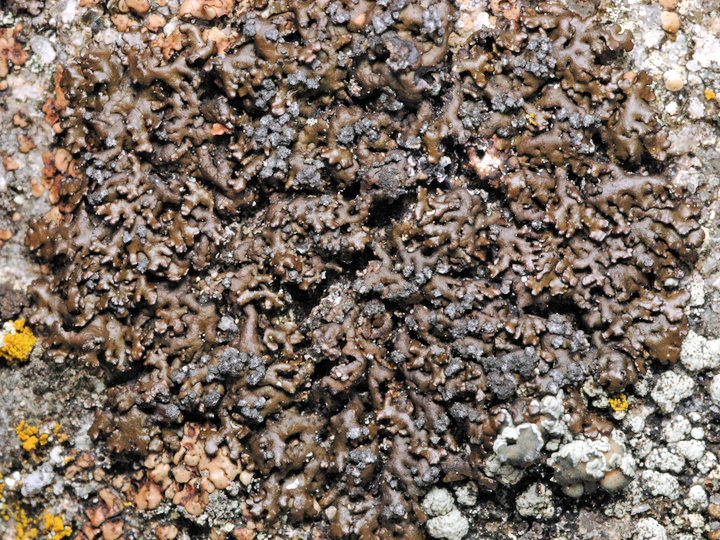
Leif Stridvall http://www.stridvall.se/la/galleries.php
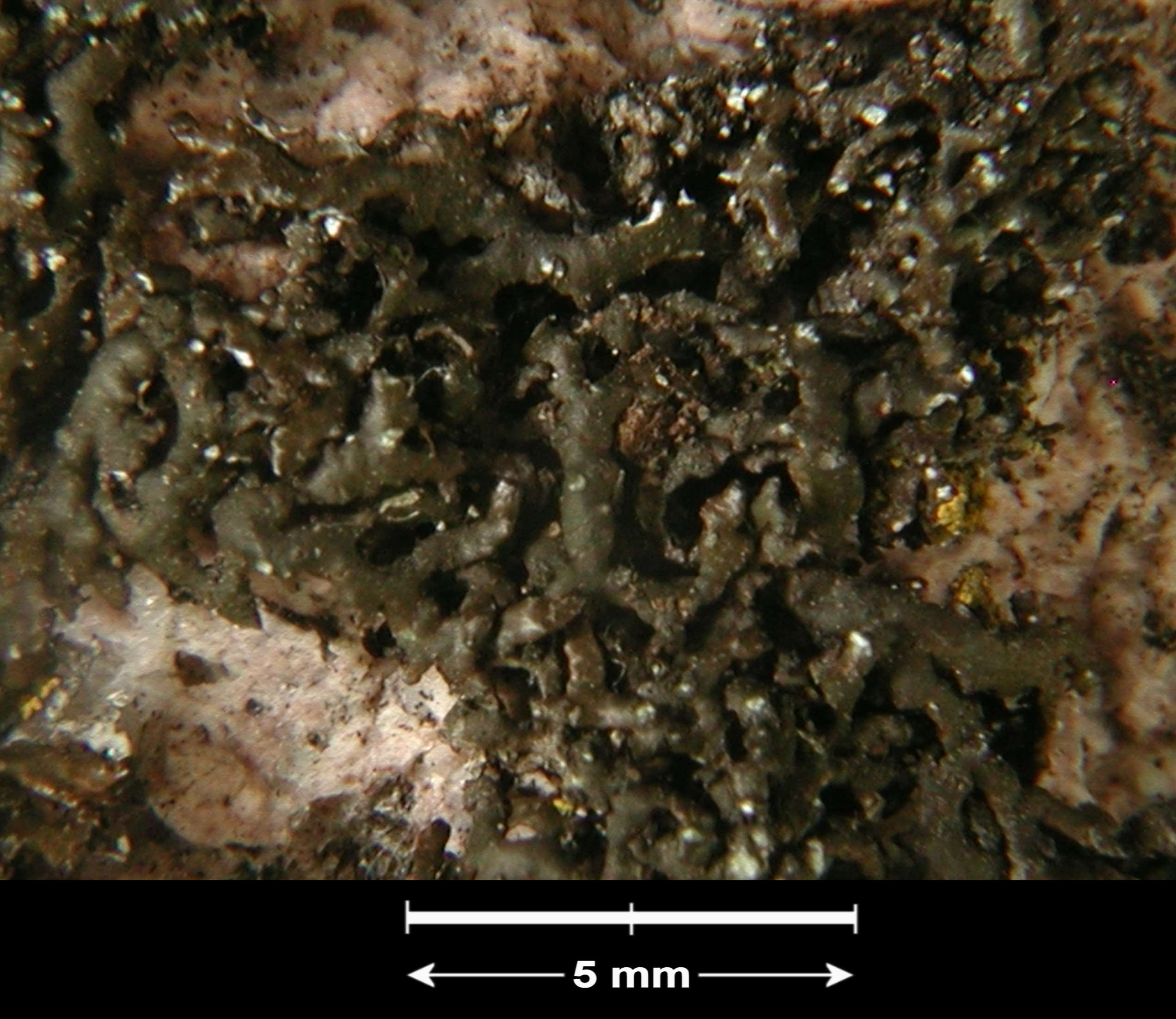
G. Incerti; Owner: Department of Life Sciences, University of Trieste
Herbarium: TSB (33883)
2001/11/26
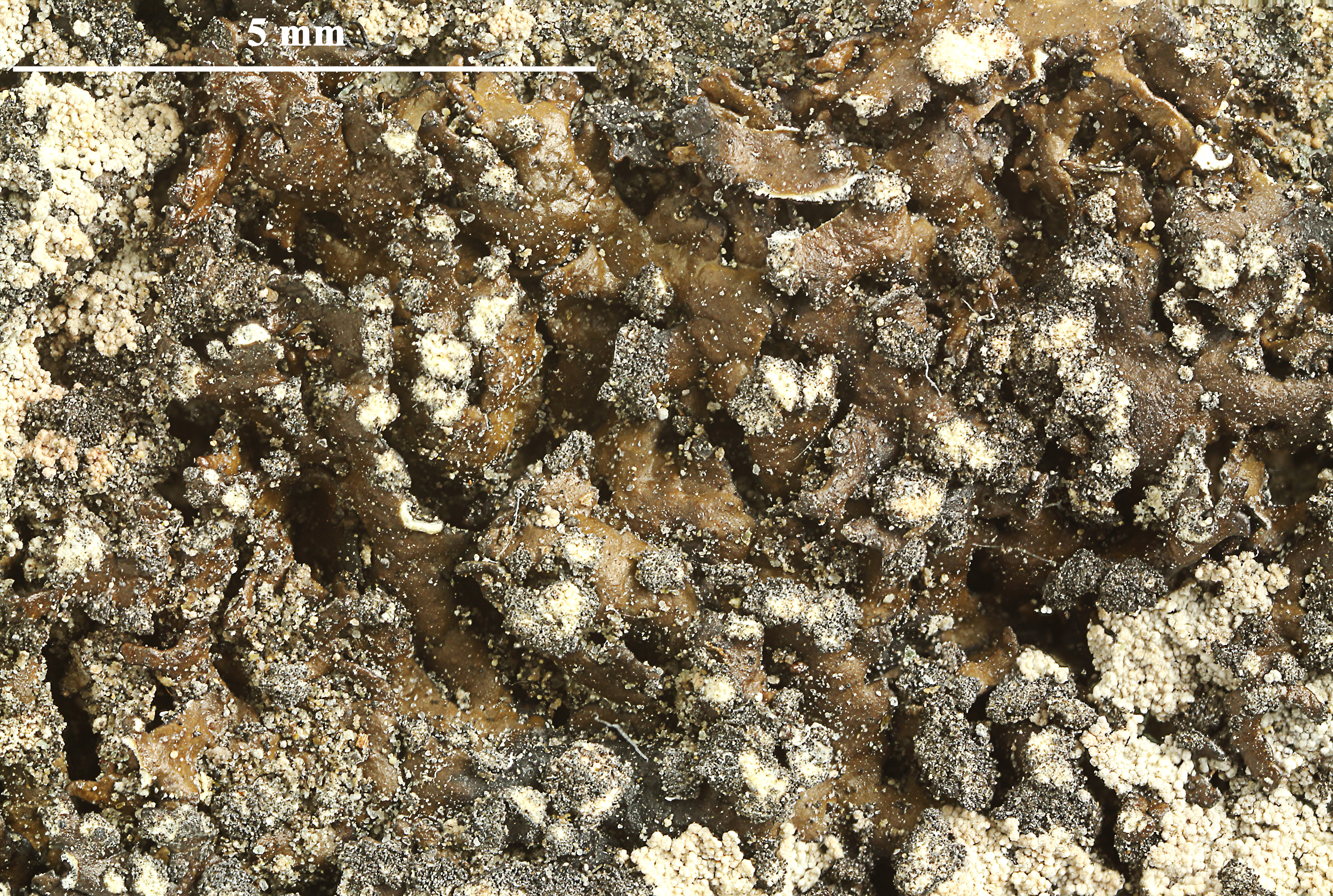
Felix Schumm - CC BY-SA 4.0
[16791], Canada, Ontario, Onapeng Lake Rd., 2.1 km along road from Highway 144, ca. 16.5 km north of Cartier, Sudbury District, on large boulder at roadside, 46°50.885' N, 81°35.849' W. Leg. S. Roman Olszewski, 17 July 2006 (Nr. 6395m), det. S. Roman Olszewski.
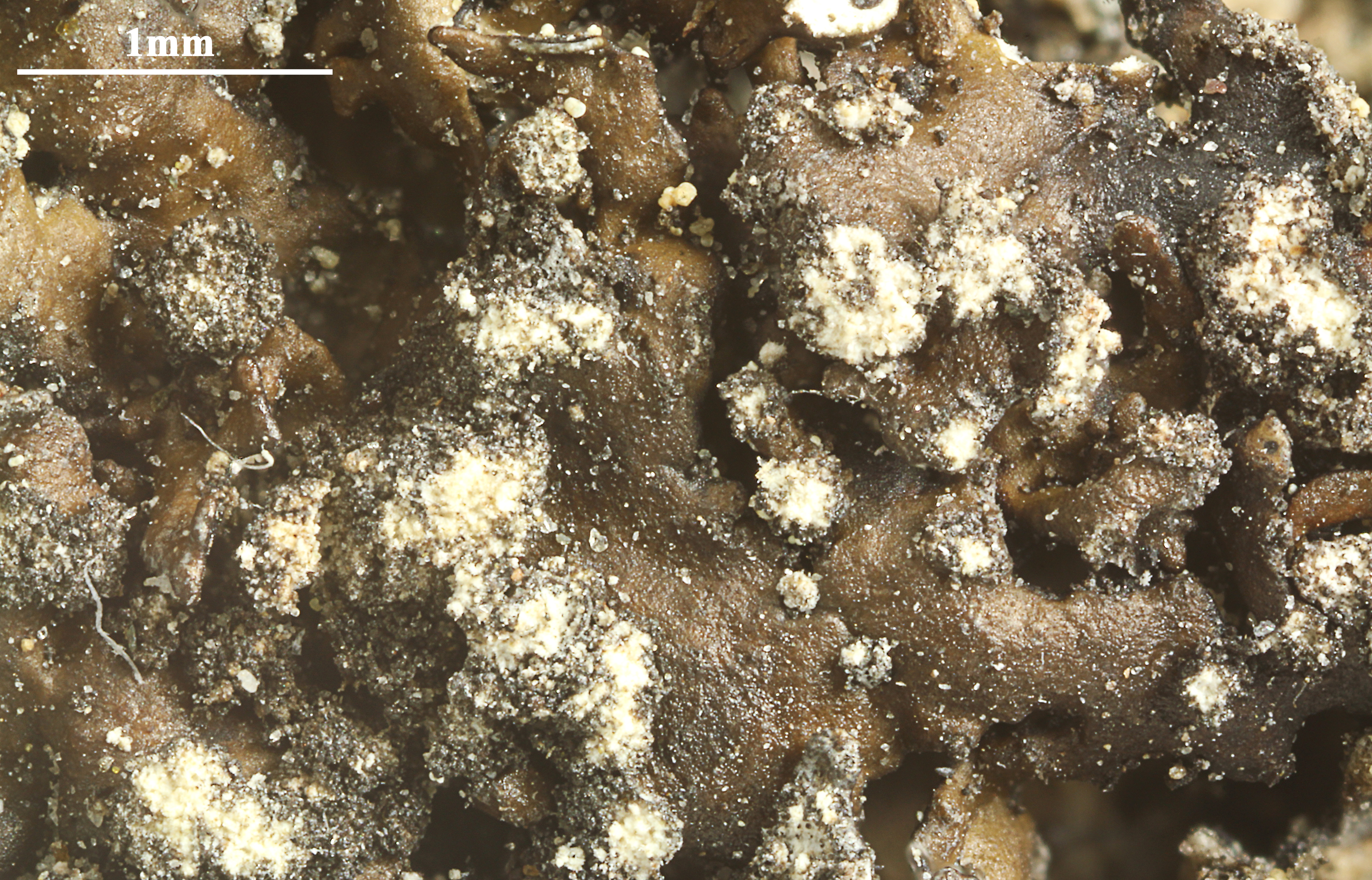
Felix Schumm - CC BY-SA 4.0
[16791], Canada, Ontario, Onapeng Lake Rd., 2.1 km along road from Highway 144, ca. 16.5 km north of Cartier, Sudbury District, on large boulder at roadside, 46°50.885' N, 81°35.849' W. Leg. S. Roman Olszewski, 17 July 2006 (Nr. 6395m), det. S. Roman Olszewski.
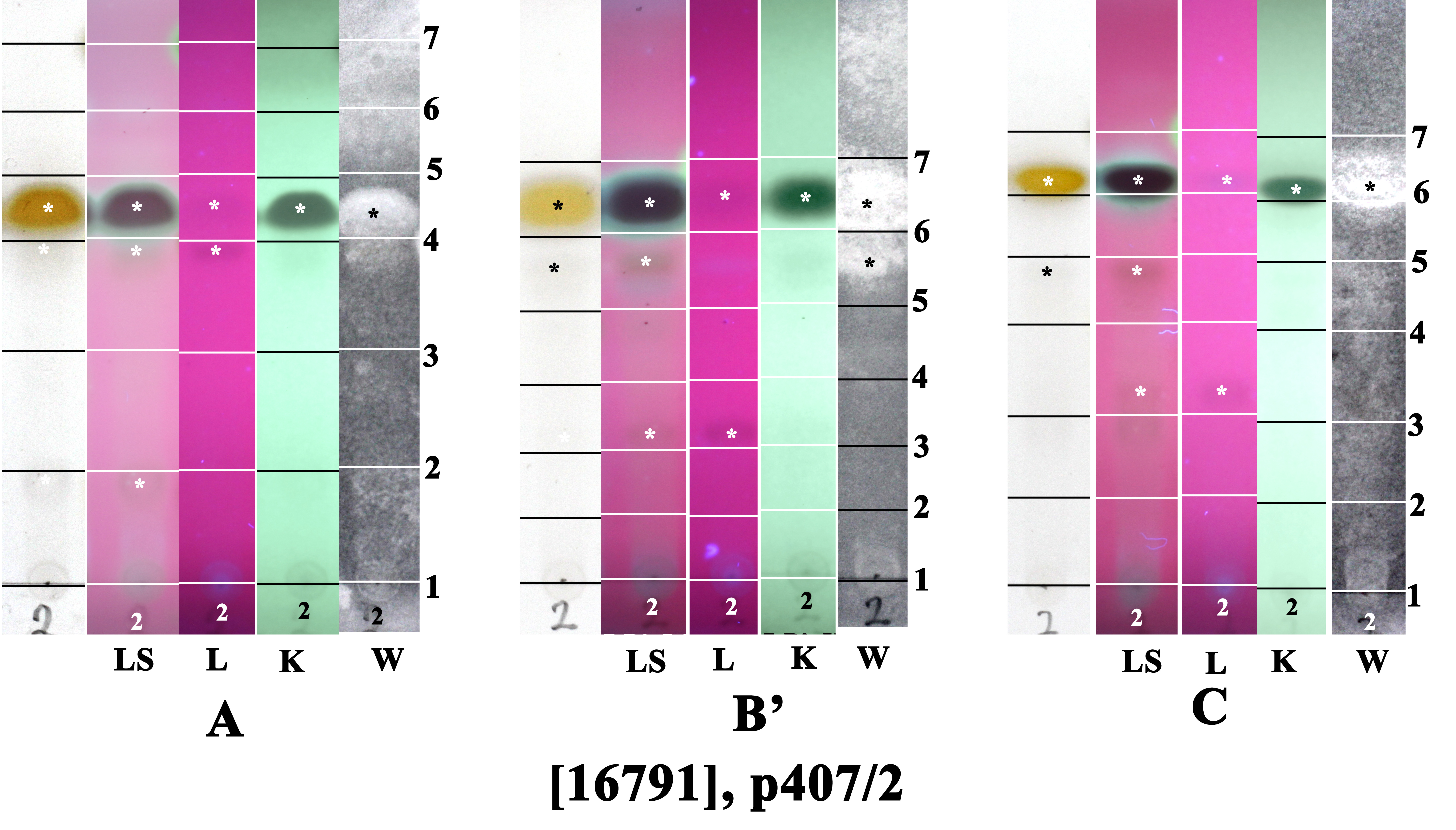
Felix Schumm - CC BY-SA 4.0
[16791], Canada, Ontario, Onapeng Lake Rd., 2.1 km along road from Highway 144, ca. 16.5 km north of Cartier, Sudbury District, on large boulder at roadside, 46°50.885' N, 81°35.849' W. Leg. S. Roman Olszewski, 17 July 2006 (Nr. 6395m), det. S. Roman Olszewski.
p: perlatolic acid (ggf. gemeinsam mit stenosporic acid), a: ?, b:?.

Felix Schumm - CC BY-SA 4.0
[20306]. Germany, Saxen-Anhalt, Harz, near Darlingerode open air bath, SW-slope of Kapitelsberg, crest path with Quercus coppice and open cliffs. 51.833300° N, 10.715260° E, 410 m. Siliceous shale, locally abundant. MTV 4130/3. Leg. A. Seelemann (Nr. 48), 21.7.2013, det. A. Seelemann, 13.8.2013.

Felix Schumm - CC BY-SA 4.0
[20306]. Germany, Saxen-Anhalt, Harz, near Darlingerode open air bath, SW-slope of Kapitelsberg, crest path with Quercus coppice and open cliffs. 51.833300° N, 10.715260° E, 410 m. Siliceous shale, locally abundant. MTV 4130/3. Leg. A. Seelemann (Nr. 48), 21.7.2013, det. A. Seelemann, 13.8.2013.

P.L. Nimis - CC BY-SA 4.0
TSB 42000
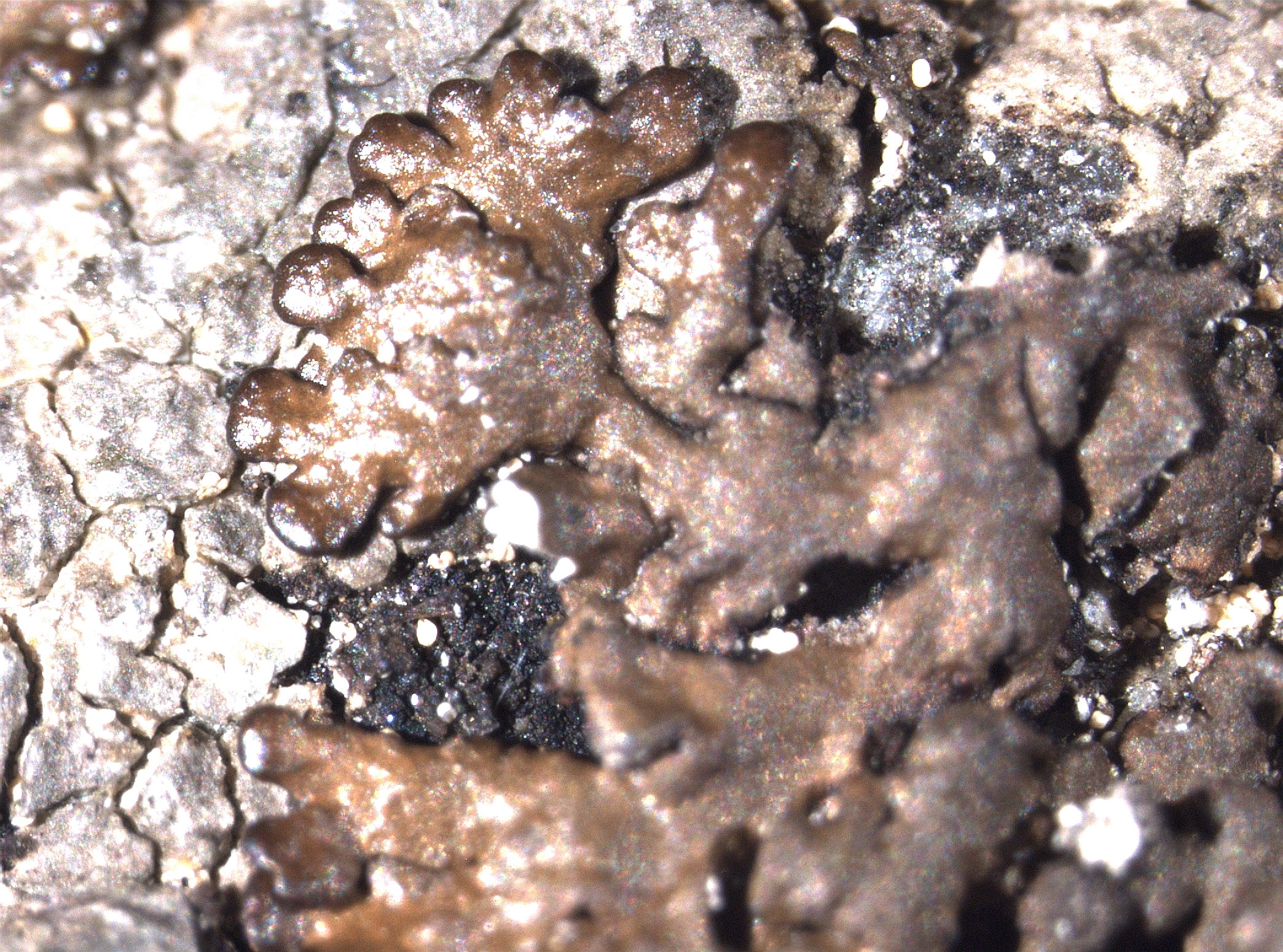
P.L. Nimis - CC BY-SA 4.0
TSB 42000
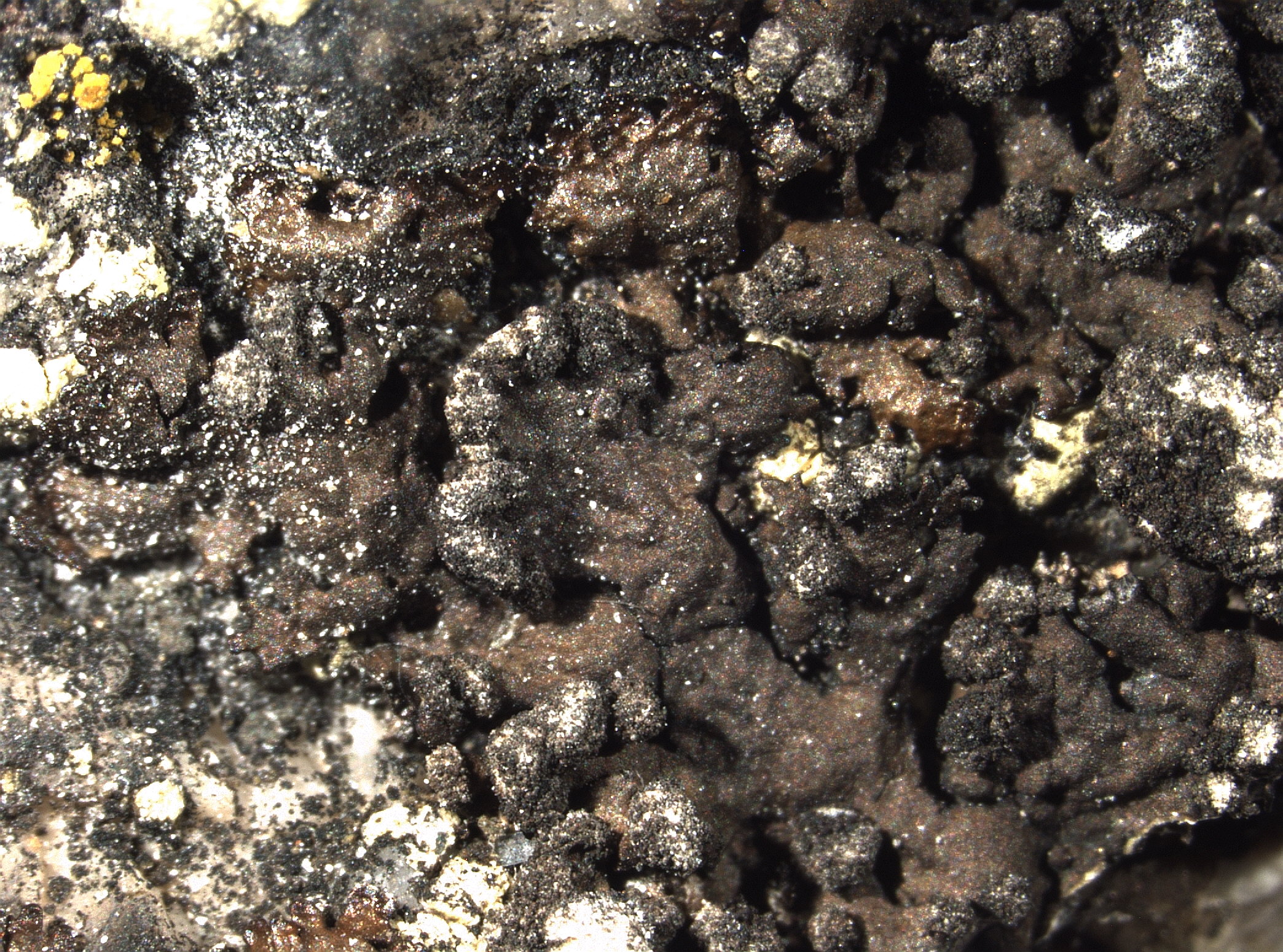
Pier Luigi Nimis CC BY-SA 4.0
TSB 42574
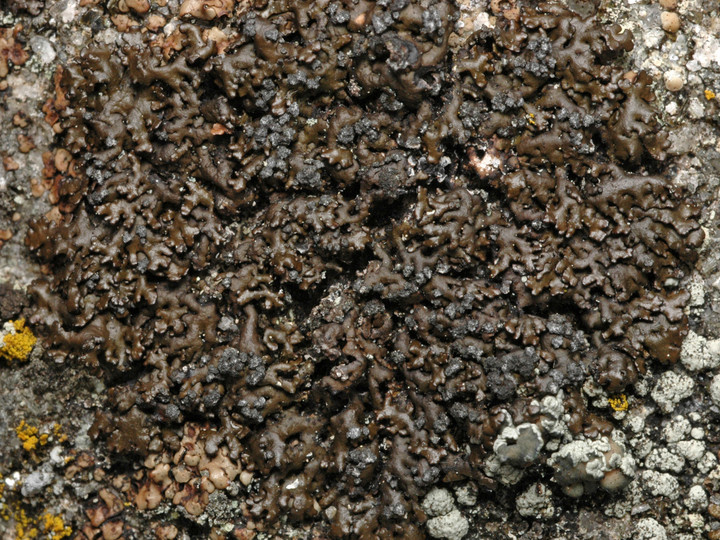
Leif Stridvall - Source: http://www.stridvall.se/la/galleries.php
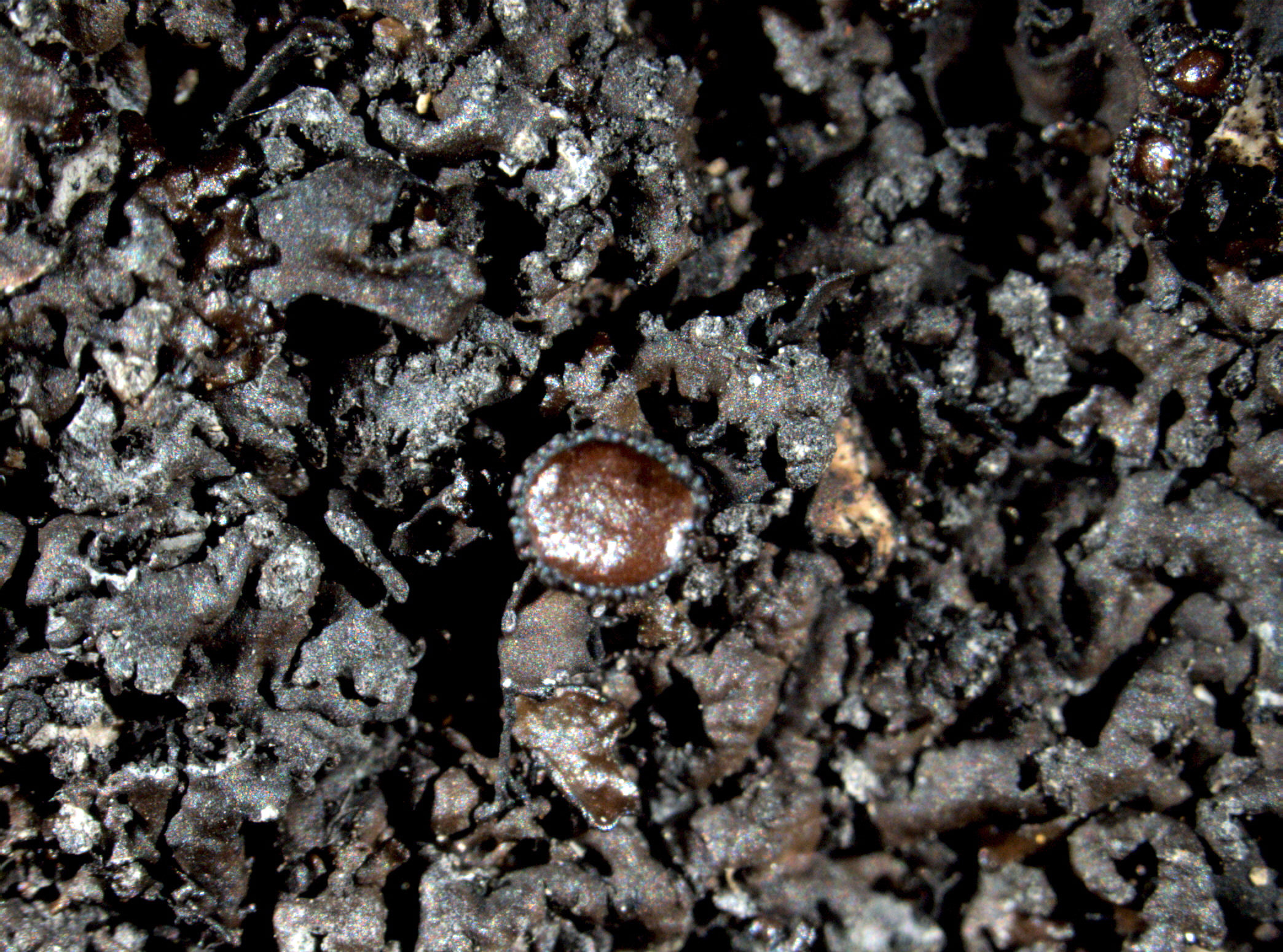
P.L. Nimis CC BY-SA 4.0
TSB 14366
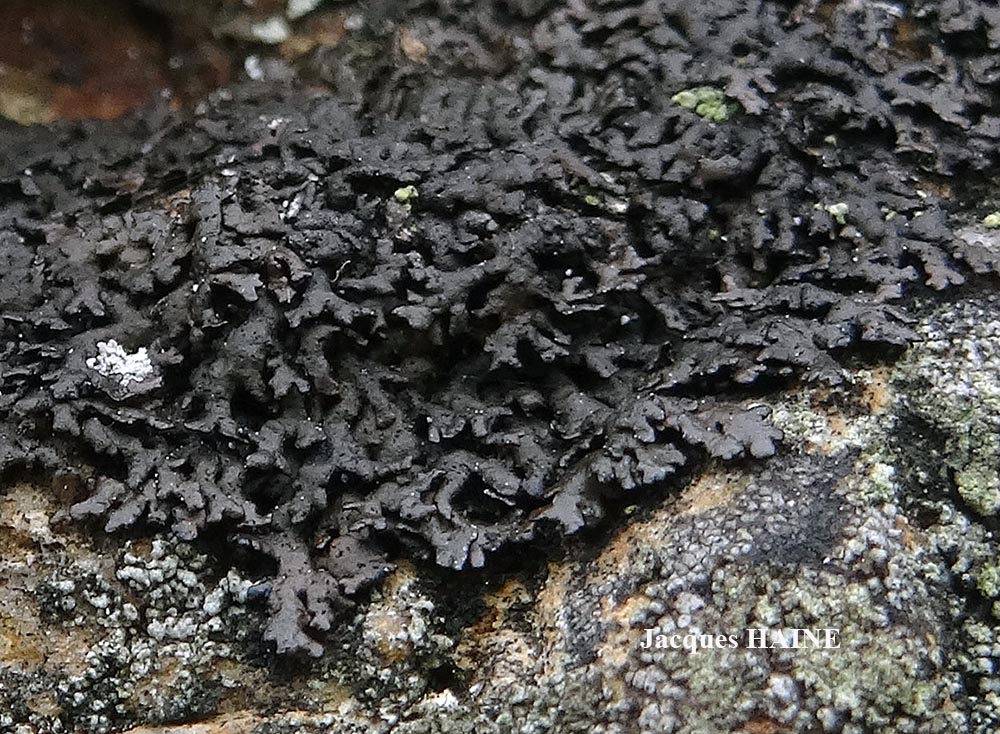
Jacques Haine - Source: http://www.lichensmaritimes.org/index.php?task=fiche&lichen=462&lang=en
France, Monthermé
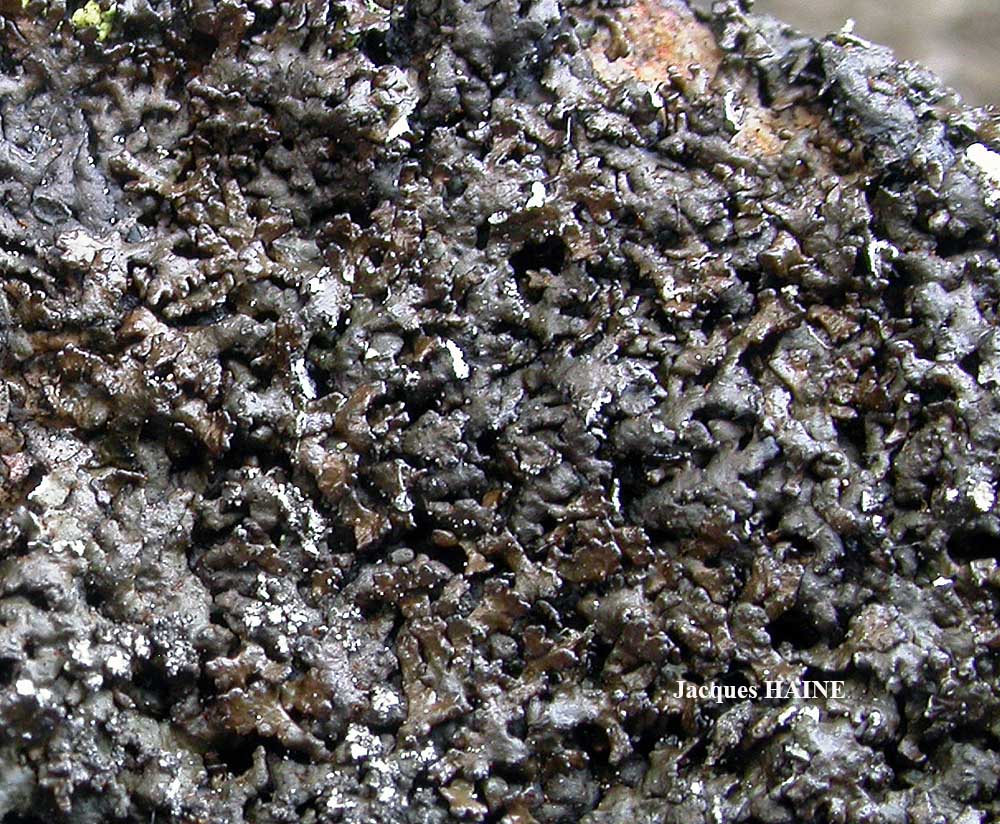
Jacques Haine - Source: http://www.lichensmaritimes.org/index.php?task=fiche&lichen=462&lang=en
France, Monthermé
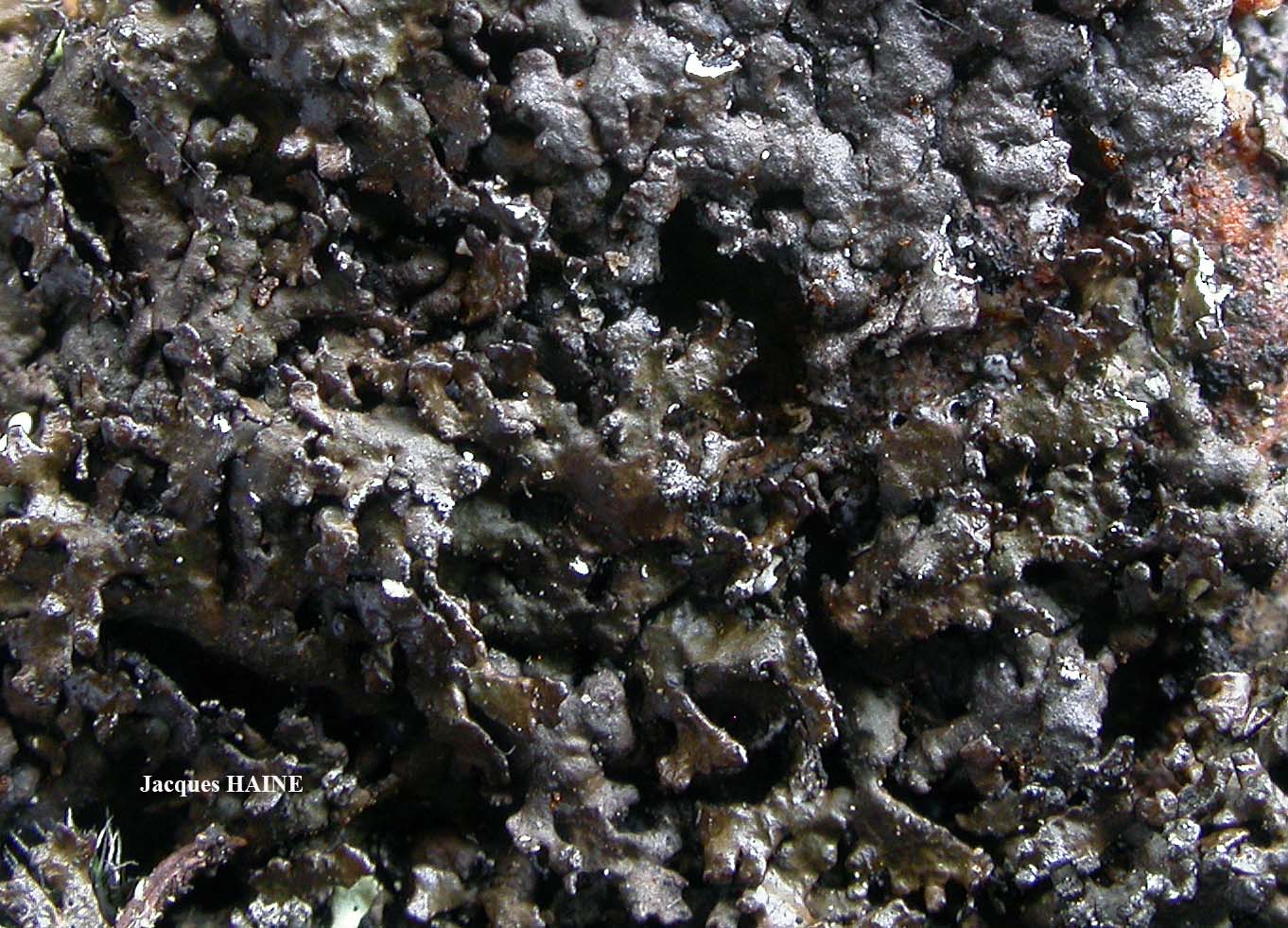
Jacques Haine - Source: http://www.lichensmaritimes.org/index.php?task=fiche&lichen=462&lang=en
France, Monthermé
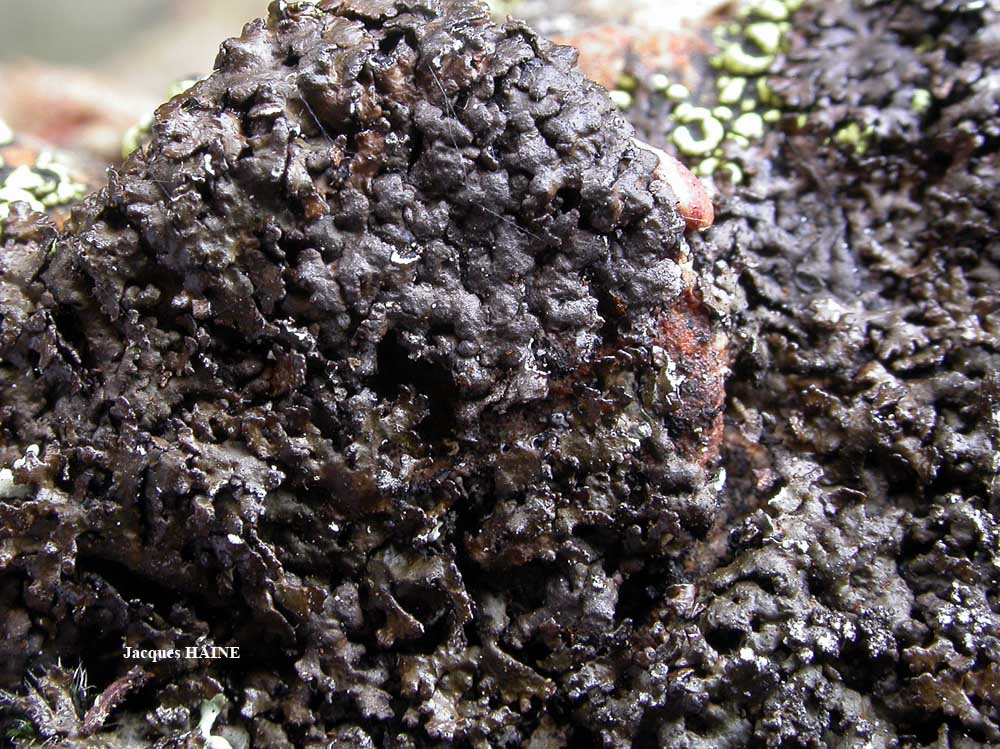
Jacques Haine - Source: http://www.lichensmaritimes.org/index.php?task=fiche&lichen=462&lang=en
France, Monthermé
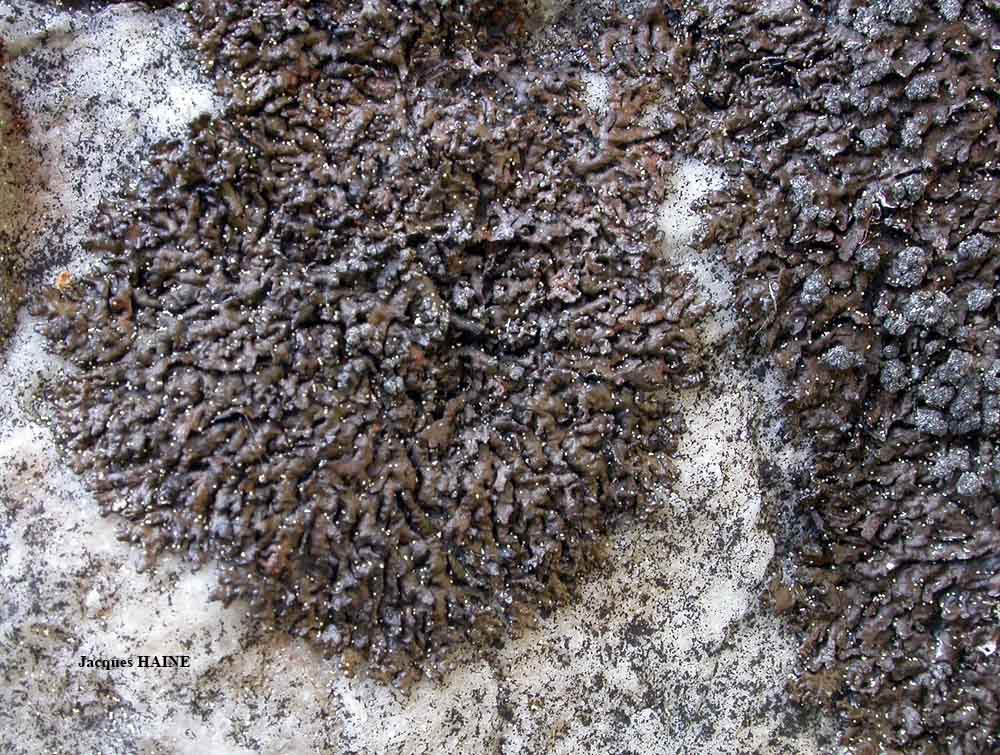
Jacques Haine - Source: http://www.lichensmaritimes.org/index.php?task=fiche&lichen=462&lang=en
France, Monthermé
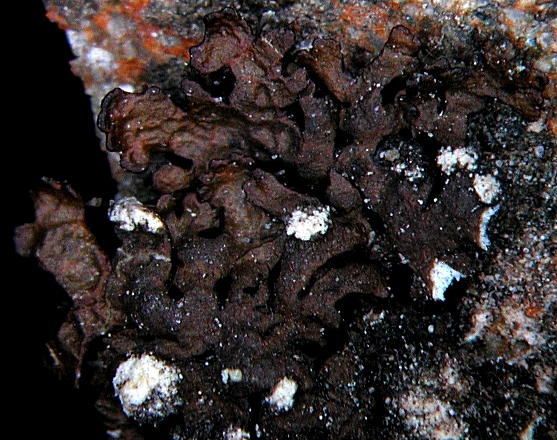
Ulrich Kirschbaum CC BY-SA 4.0 - Source: https://www.thm.de/lse/ulrich-kirschbaum/flechtenbilder
Central Europe; Germany: Hesse. on siliceous rocks

Wolfgang von Brackel - CC BY-4.0
Germany, Bavaria, Bornstein

Wolfgang von Brackel - CC BY-4.0
Germany, Bavaria, Föhrenbühl

Wolfgang von Brackel - CC BY-4.0
Germany, Bavaria, Tauperlitz bei Hof