Montanelia tominii (Oxner) Divakar, A. Crespo, Wedin & Essl.
Am. J. Bot., 99: 2023, 2012. Basionym: Parmelia tominii Oxner - Zh. Bio-Bot. Tsyklu, Kyev, 7-8: 171, 1933.
Synonyms: Melanelia substygia (Räsänen) Essl.; Melanelia tominii (Oxner) Essl.; Parmelia saximontana R.A. Anderson & W.A. Weber; Parmelia substygia Räsänen
Description: Thallus foliose, heteromerous, dorsiventral, adnate to loosely adnate, sometimes pulvinate, up to 10 cm in diam., sorediate. Lobes discrete to imbricate, (0.5-)1-3(-4) mm wide, flat to weakly convex, the upper surface olive-brown to dark brown or blackening, sometimes paler at the periphery, smooth to weakly pitted on lobe-ends, often rather strongly fissured and/or rugose in central parts, dull or rather shiny near the periphery, with laminal, whitish to greyish, punctiform to elongated pseudocyphellae, and granular to weakly isidioid soredia arranged in pale to brown, marginal or laminal, punctiform to capitate soralia partly arising from pseudocyphellae. Lower surface dark brown to black, paler on the lobe ends; with scattered, simple, dark rhizines. Upper cortex paraplectenchymatous, with a non-pored epicortex, the cell walls containing isolichenan; medulla white; lower cortex paraplectenchymatous. Apothecia rather frequent, lecanorine, up to 6 mm across, sessile to short-stipitate, with a concave to flat disc, and an entire to weakly crenate, pseudocyphellate and often sorediate thalline margin. Epithecium brown; hymenium and hypothecium colourless. Asci 8-spored, clavate, Lecanora-type. Ascospores 1-celled, hyaline, ellipsoid, 8-11 x 4.5-7 µm. Pycnidia common, black, mainly laminal, immersed. Conidia bacilliform to bifusiform, 5-7 x c. 1 µm. Photobiont chlorococcoid. Spot tests: upper cortex K-, C-, KC-, P-, N-; medulla K-, C+ pink, KC+ pink-red, P-, UV-. Chemistry: medulla with gyrophoric acid (major), plus other minor substances.
Growth form: Foliose, broad lobed
Substrata: rocks
Photobiont: green algae other than Trentepohlia
Reproductive strategy: mainly asexual, by soredia, or soredia-like structures (e.g. blastidia)
Commonnes-rarity: (info)
Alpine belt: rare
Subalpine belt: very rare
Montane belt: absent
Dry submediterranean belt: absent
Humid submediterranean belt: absent
Padanian area: absent
pH of the substrata:
1 2 3 4 5

Solar irradiation:
1 2 3 4 5
Aridity:
1 2 3 4 5
Eutrophication:
1 2 3 4 5
Poleotolerance:
0 1 2 3
Altitudinal distribution:
1 2 3 4 5 6
Rarity
absent
extremely rare
very rare
rare
rather rare
rather common
common
very common
extremely common
Loading data...
Occurrence data
Predictive map
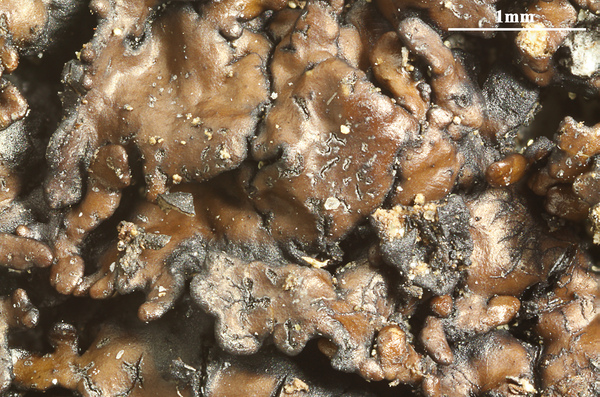
Felix Schumm - CC BY-SA 4.0
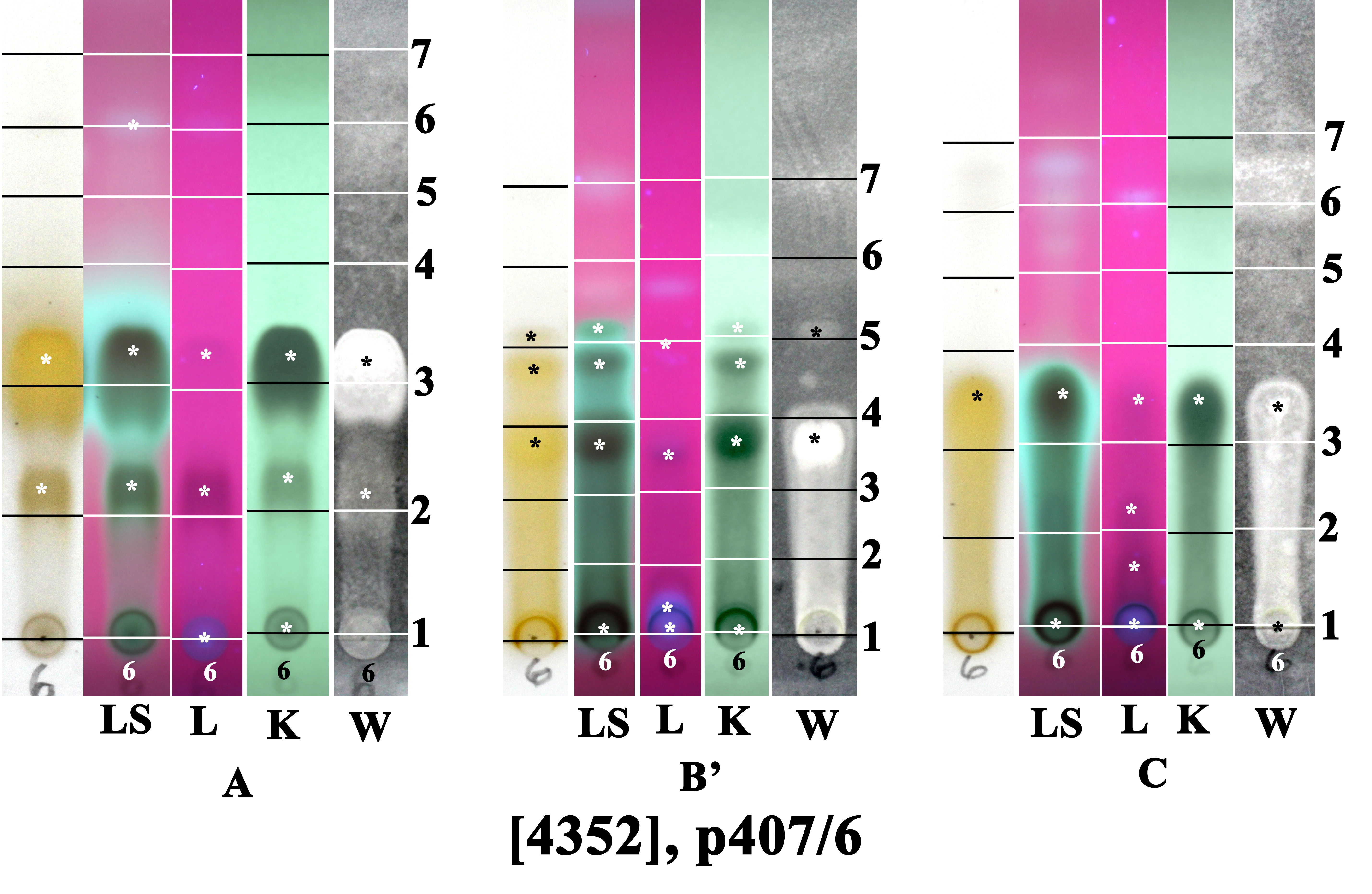
[4352], Schweiz, Kanton Graubünden, Unterengadin, Lavin, auf Granitblöcken oberhalb vom Hotel Crusch Alba, ca. 1460 m. Leg. F. Schumm (SVBL-Exkursion), 25.08.1995, det. F. Schumm. Syn. Parmelia substygia Räs.
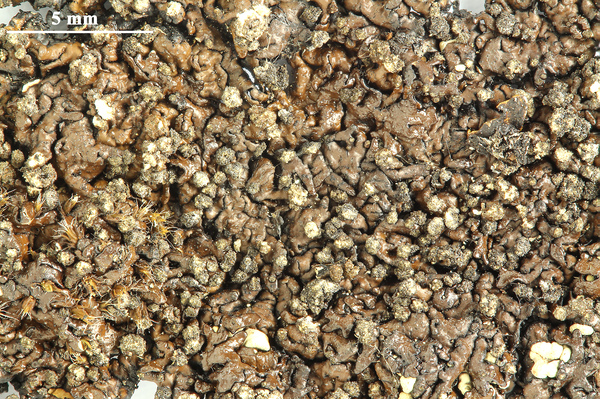
Felix Schumm - CC BY-SA 4.0
[1182], Österreich, Ötztal in Tirol, bei Höfl bei Niederthai, an Gneisgestein, ca. 1600 m. Leg. Lauer 12.08.1961, det. F. Schumm 2019. Ursprünglich von Dr. O. Klement als Parmelia sorediosa Almb. bestimmt, die aber wie M. disjuncta perlatolic acid enthalten müsste
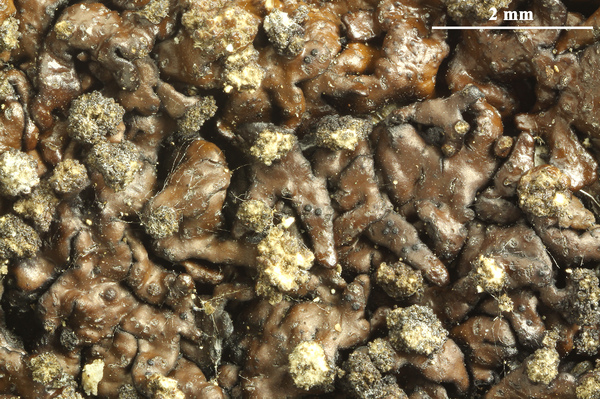
Felix Schumm - CC BY-SA 4.0
[1182], Österreich, Ötztal in Tirol, bei Höfl bei Niederthai, an Gneisgestein, ca. 1600 m. Leg. Lauer 12.08.1961, det. F. Schumm 2019. Ursprünglich von Dr. O. Klement als Parmelia sorediosa Almb. bestimmt, die aber wie M. disjuncta perlatolic acid enthalten müsste
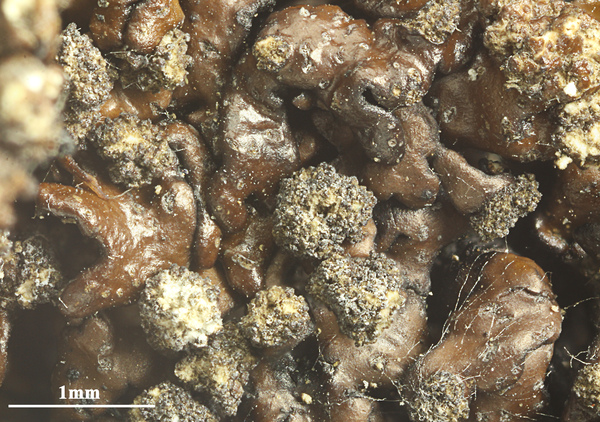
Felix Schumm - CC BY-SA 4.0
[1182], Österreich, Ötztal in Tirol, bei Höfl bei Niederthai, an Gneisgestein, ca. 1600 m. Leg. Lauer 12.08.1961, det. F. Schumm 2019. Ursprünglich von Dr. O. Klement als Parmelia sorediosa Almb. bestimmt, die aber wie M. disjuncta perlatolic acid enthalten müsste
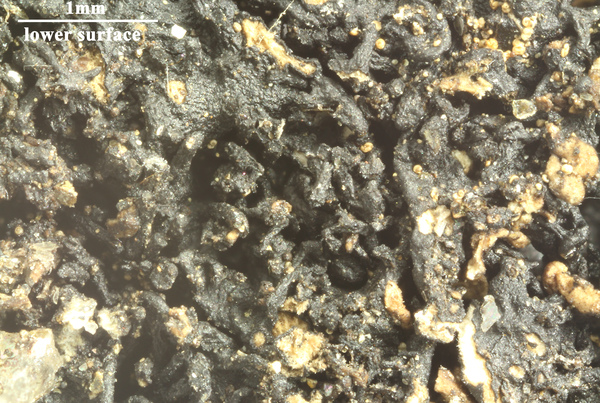
Felix Schumm - CC BY-SA 4.0
[1182], Österreich, Ötztal in Tirol, bei Höfl bei Niederthai, an Gneisgestein, ca. 1600 m. Leg. Lauer 12.08.1961, det. F. Schumm 2019. Ursprünglich von Dr. O. Klement als Parmelia sorediosa Almb. bestimmt, die aber wie M. disjuncta perlatolic acid enthalten müsste
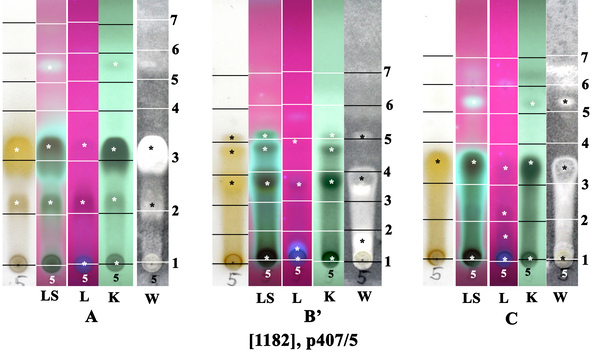
Felix Schumm - CC BY-SA 4.0
[1182], Österreich, Ötztal in Tirol, bei Höfl bei Niederthai, an Gneisgestein, ca. 1600 m. Leg. Lauer 12.08.1961, det. F. Schumm 2019. Ursprünglich von Dr. O. Klement als Parmelia sorediosa Almb. bestimmt, die aber wie M. disjuncta perlatolic acid enthalten müsste
gy: gyrophoric acid, le: lecanoric acid, a=?, b=? (physodalic a.??), c=?; a=?, b=?, c=?
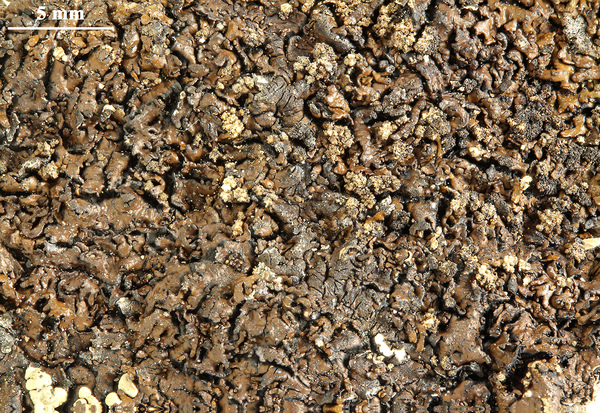
Felix Schumm - CC BY-SA 4.0
[4352], Schweiz, Kanton Graubünden, Unterengadin, Lavin, auf Granitblöcken oberhalb vom Hotel Crusch Alba, ca. 1460 m. Leg. F. Schumm (SVBL-Exkursion), 25.08.1995, det. F. Schumm. Syn. Parmelia substygia Räs.
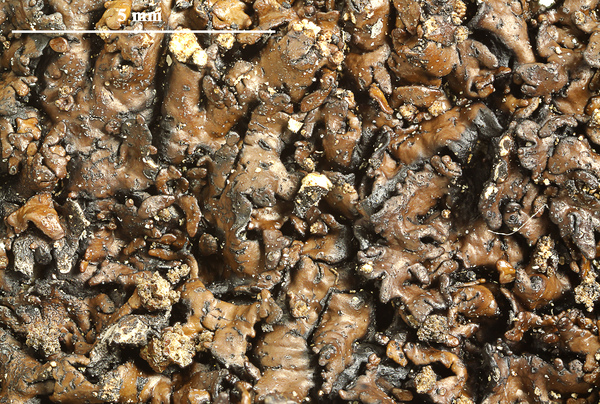
Felix Schumm - CC BY-SA 4.0
[4352], Schweiz, Kanton Graubünden, Unterengadin, Lavin, auf Granitblöcken oberhalb vom Hotel Crusch Alba, ca. 1460 m. Leg. F. Schumm (SVBL-Exkursion), 25.08.1995, det. F. Schumm. Syn. Parmelia substygia Räs.
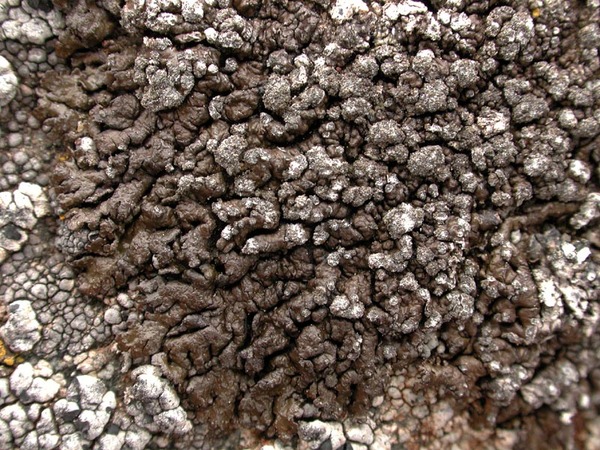
Einar Timdal - Source: http://nhm2.uio.no/lav/web/index.html - CC BY-NC
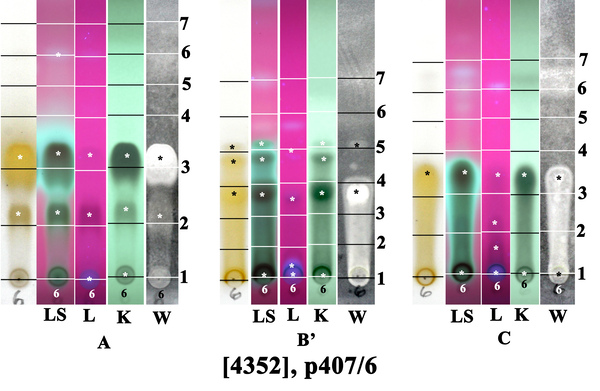
Felix Schumm - CC BY-SA 4.0
[4352], Schweiz, Kanton Graubünden, Unterengadin, Lavin, auf Granitblöcken oberhalb vom Hotel Crusch Alba, ca. 1460 m. Leg. F. Schumm (SVBL-Exkursion), 25.08.1995, det. F. Schumm. Syn. Parmelia substygia Räs.
le: lecanoric acid, gy: gyrophoric acid, a:?, b: ?, c: ?
Growth form: Foliose, broad lobed
Substrata: rocks
Photobiont: green algae other than Trentepohlia
Reproductive strategy: mainly asexual, by soredia, or soredia-like structures (e.g. blastidia)
Commonnes-rarity: (info)
Alpine belt: rare
Subalpine belt: very rare
Montane belt: absent
Dry submediterranean belt: absent
Humid submediterranean belt: absent
Padanian area: absent
pH of the substrata:
| 1 | 2 | 3 | 4 | 5 |
Solar irradiation:
| 1 | 2 | 3 | 4 | 5 |
Aridity:
| 1 | 2 | 3 | 4 | 5 |
Eutrophication:
| 1 | 2 | 3 | 4 | 5 |
Poleotolerance:
| 0 | 1 | 2 | 3 |
Altitudinal distribution:
| 1 | 2 | 3 | 4 | 5 | 6 |
Rarity
absent
extremely rare
very rare
rare
rather rare
rather common
common
very common
extremely common
Loading data...
Occurrence data
Predictive map

Felix Schumm - CC BY-SA 4.0
[4352], Schweiz, Kanton Graubünden, Unterengadin, Lavin, auf Granitblöcken oberhalb vom Hotel Crusch Alba, ca. 1460 m. Leg. F. Schumm (SVBL-Exkursion), 25.08.1995, det. F. Schumm. Syn. Parmelia substygia Räs.
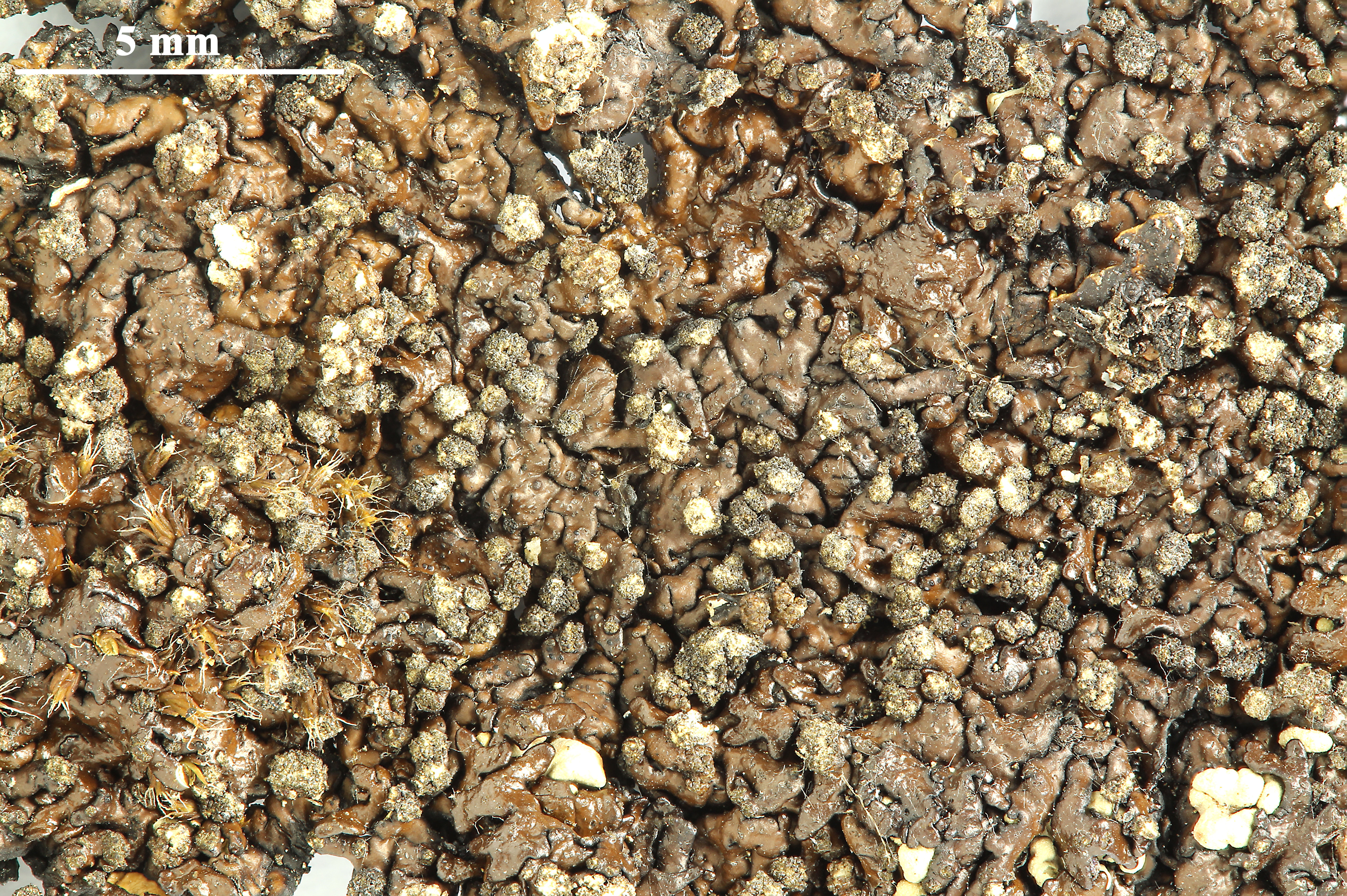
Felix Schumm - CC BY-SA 4.0
[1182], Österreich, Ötztal in Tirol, bei Höfl bei Niederthai, an Gneisgestein, ca. 1600 m. Leg. Lauer 12.08.1961, det. F. Schumm 2019. Ursprünglich von Dr. O. Klement als Parmelia sorediosa Almb. bestimmt, die aber wie M. disjuncta perlatolic acid enthalten müsste
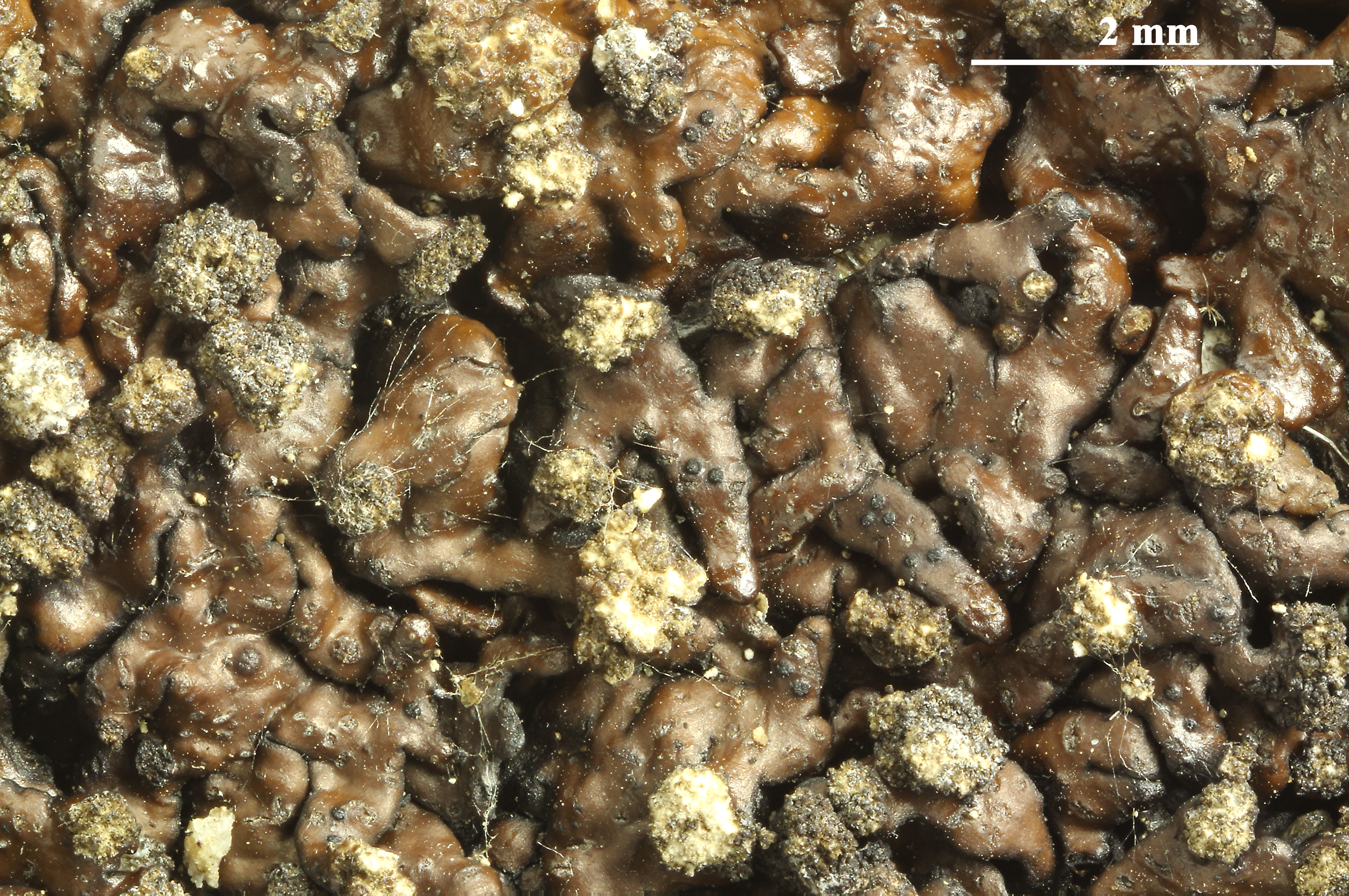
Felix Schumm - CC BY-SA 4.0
[1182], Österreich, Ötztal in Tirol, bei Höfl bei Niederthai, an Gneisgestein, ca. 1600 m. Leg. Lauer 12.08.1961, det. F. Schumm 2019. Ursprünglich von Dr. O. Klement als Parmelia sorediosa Almb. bestimmt, die aber wie M. disjuncta perlatolic acid enthalten müsste
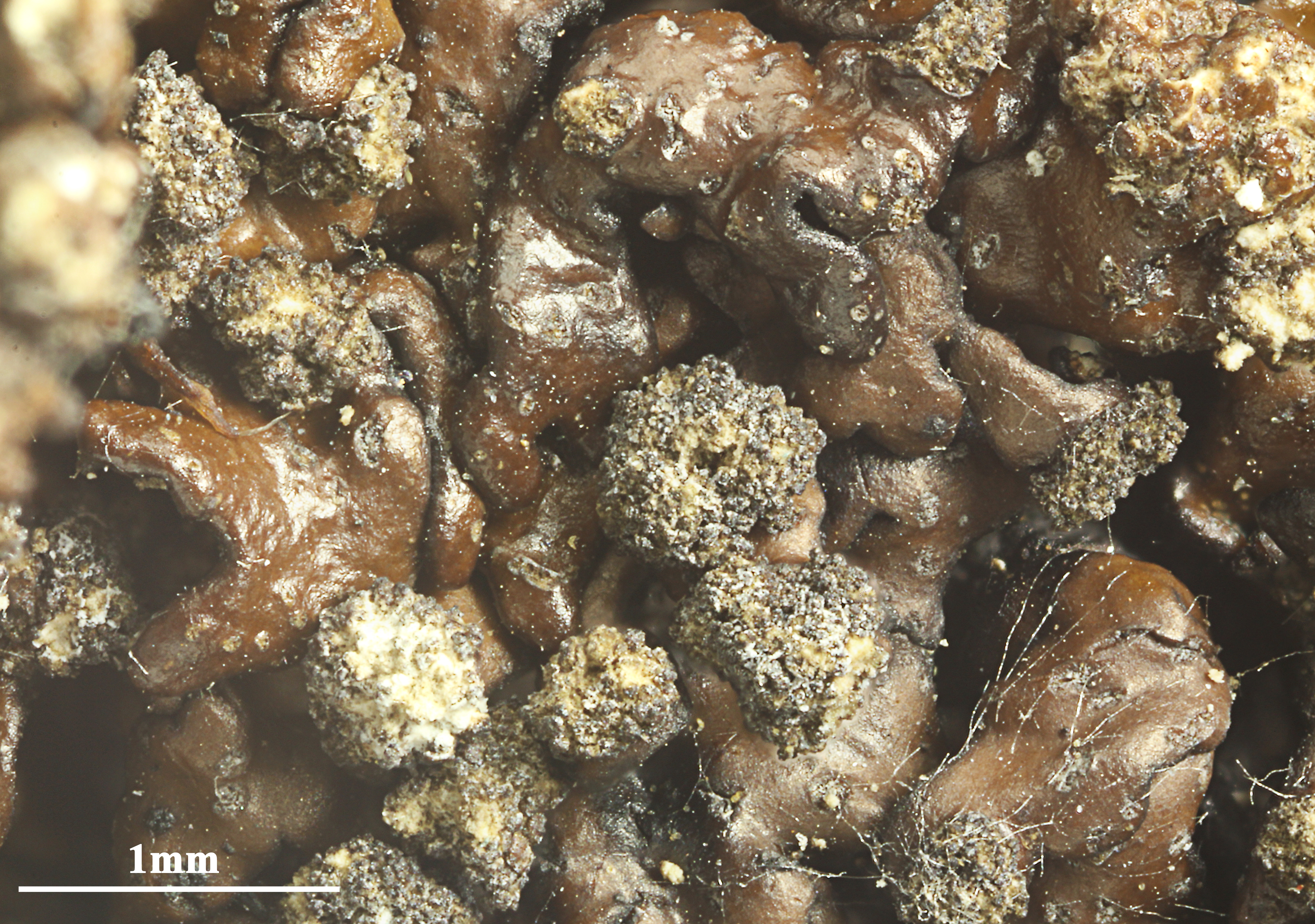
Felix Schumm - CC BY-SA 4.0
[1182], Österreich, Ötztal in Tirol, bei Höfl bei Niederthai, an Gneisgestein, ca. 1600 m. Leg. Lauer 12.08.1961, det. F. Schumm 2019. Ursprünglich von Dr. O. Klement als Parmelia sorediosa Almb. bestimmt, die aber wie M. disjuncta perlatolic acid enthalten müsste
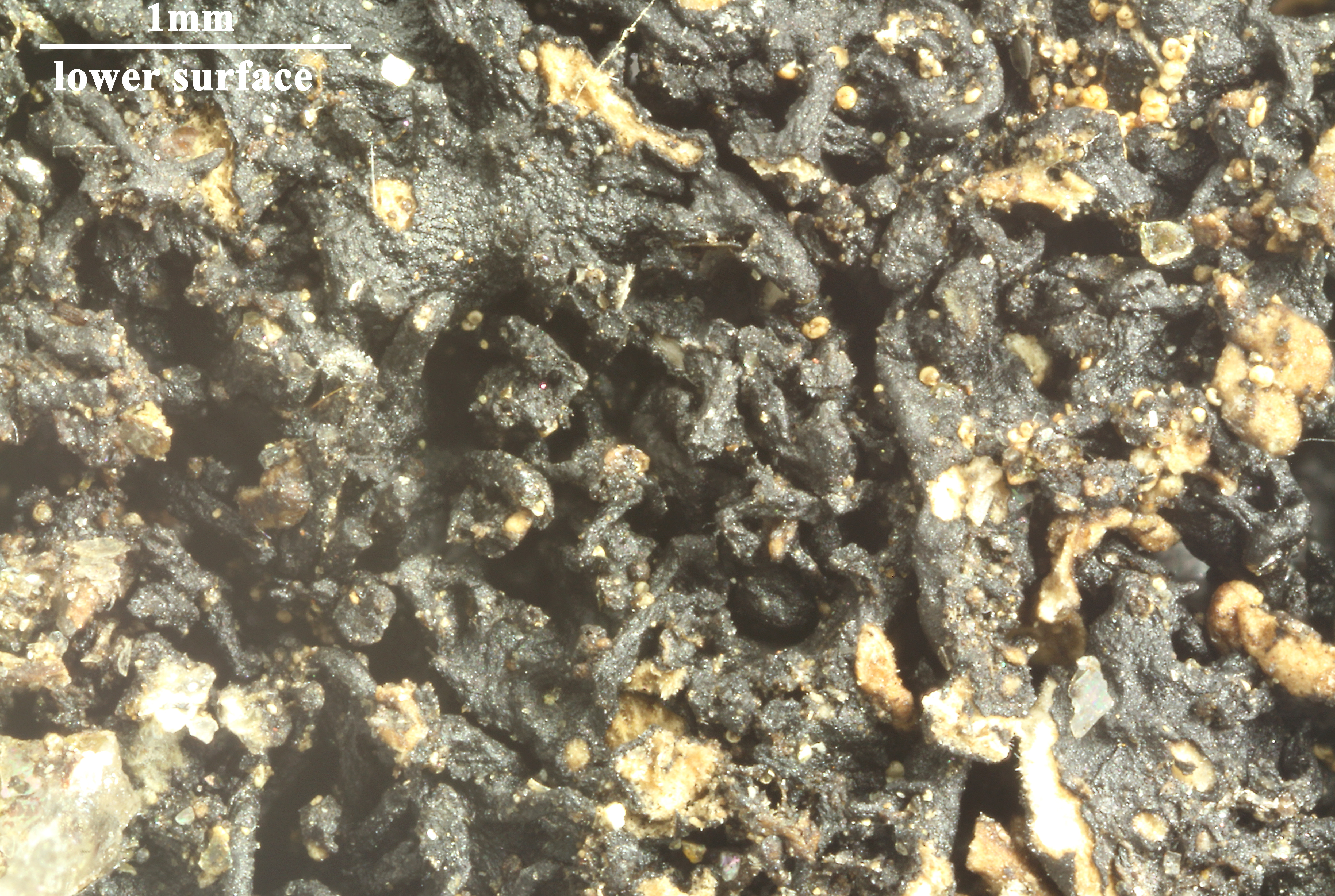
Felix Schumm - CC BY-SA 4.0
[1182], Österreich, Ötztal in Tirol, bei Höfl bei Niederthai, an Gneisgestein, ca. 1600 m. Leg. Lauer 12.08.1961, det. F. Schumm 2019. Ursprünglich von Dr. O. Klement als Parmelia sorediosa Almb. bestimmt, die aber wie M. disjuncta perlatolic acid enthalten müsste
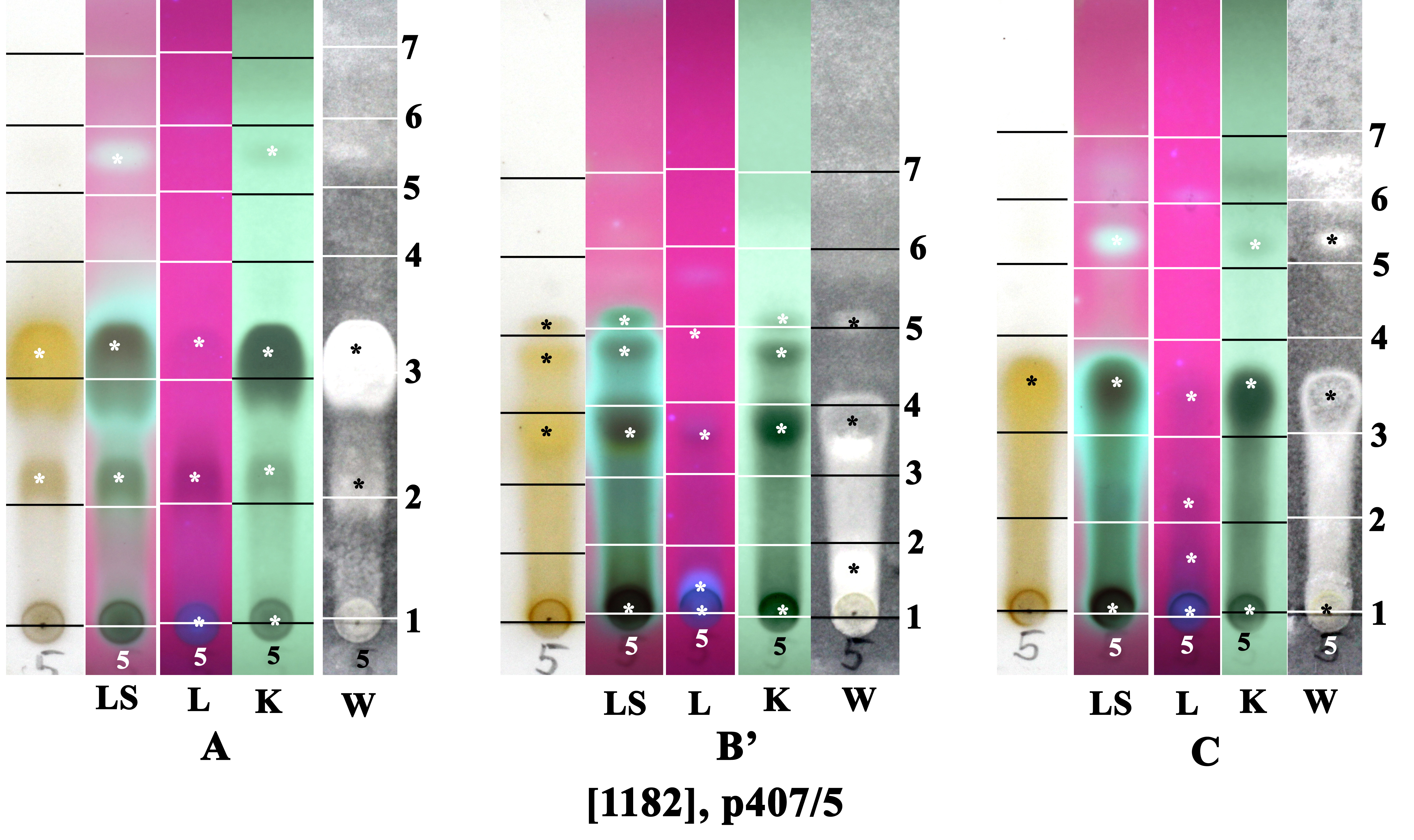
Felix Schumm - CC BY-SA 4.0
[1182], Österreich, Ötztal in Tirol, bei Höfl bei Niederthai, an Gneisgestein, ca. 1600 m. Leg. Lauer 12.08.1961, det. F. Schumm 2019. Ursprünglich von Dr. O. Klement als Parmelia sorediosa Almb. bestimmt, die aber wie M. disjuncta perlatolic acid enthalten müsste
gy: gyrophoric acid, le: lecanoric acid, a=?, b=? (physodalic a.??), c=?; a=?, b=?, c=?
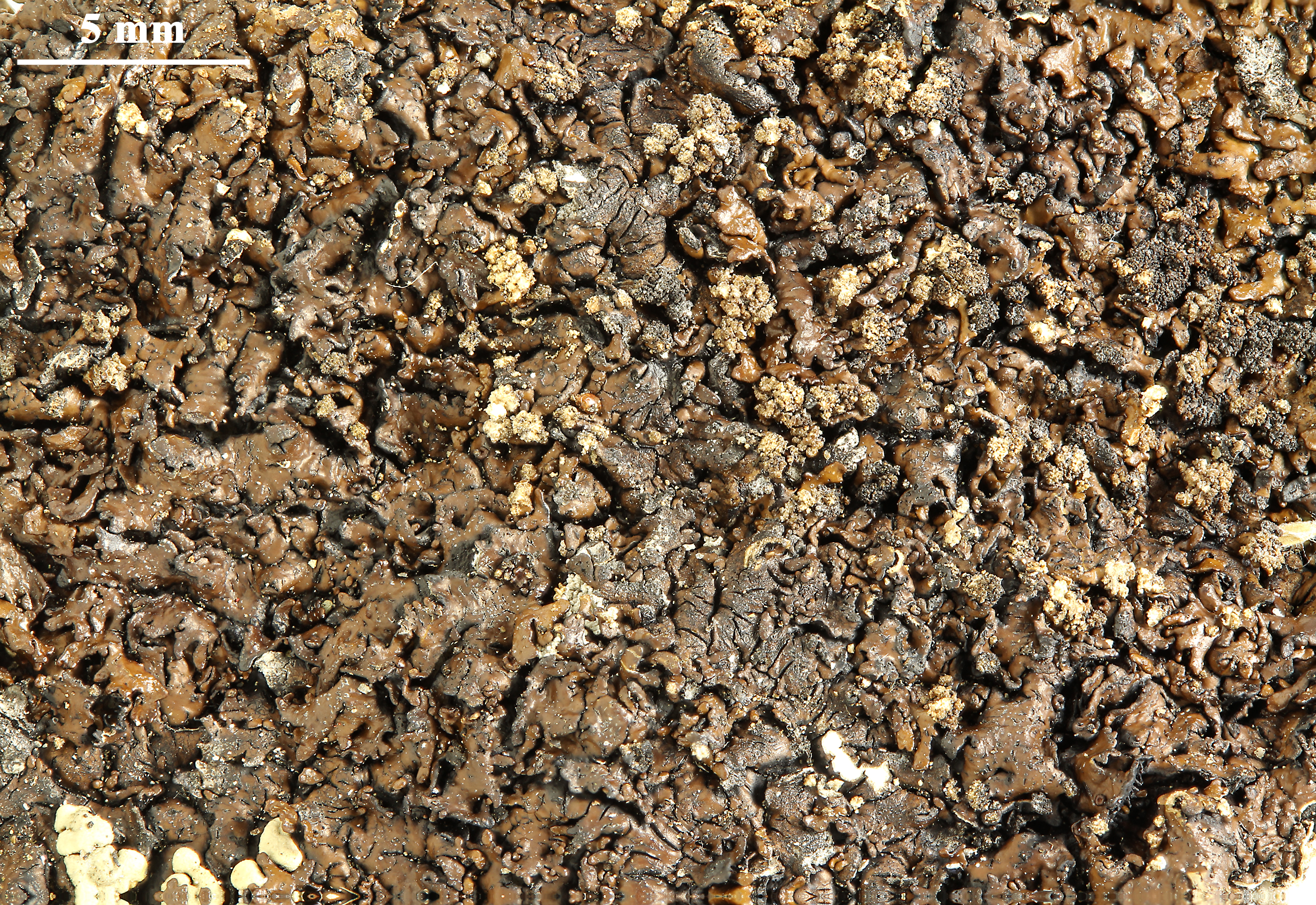
Felix Schumm - CC BY-SA 4.0
[4352], Schweiz, Kanton Graubünden, Unterengadin, Lavin, auf Granitblöcken oberhalb vom Hotel Crusch Alba, ca. 1460 m. Leg. F. Schumm (SVBL-Exkursion), 25.08.1995, det. F. Schumm. Syn. Parmelia substygia Räs.
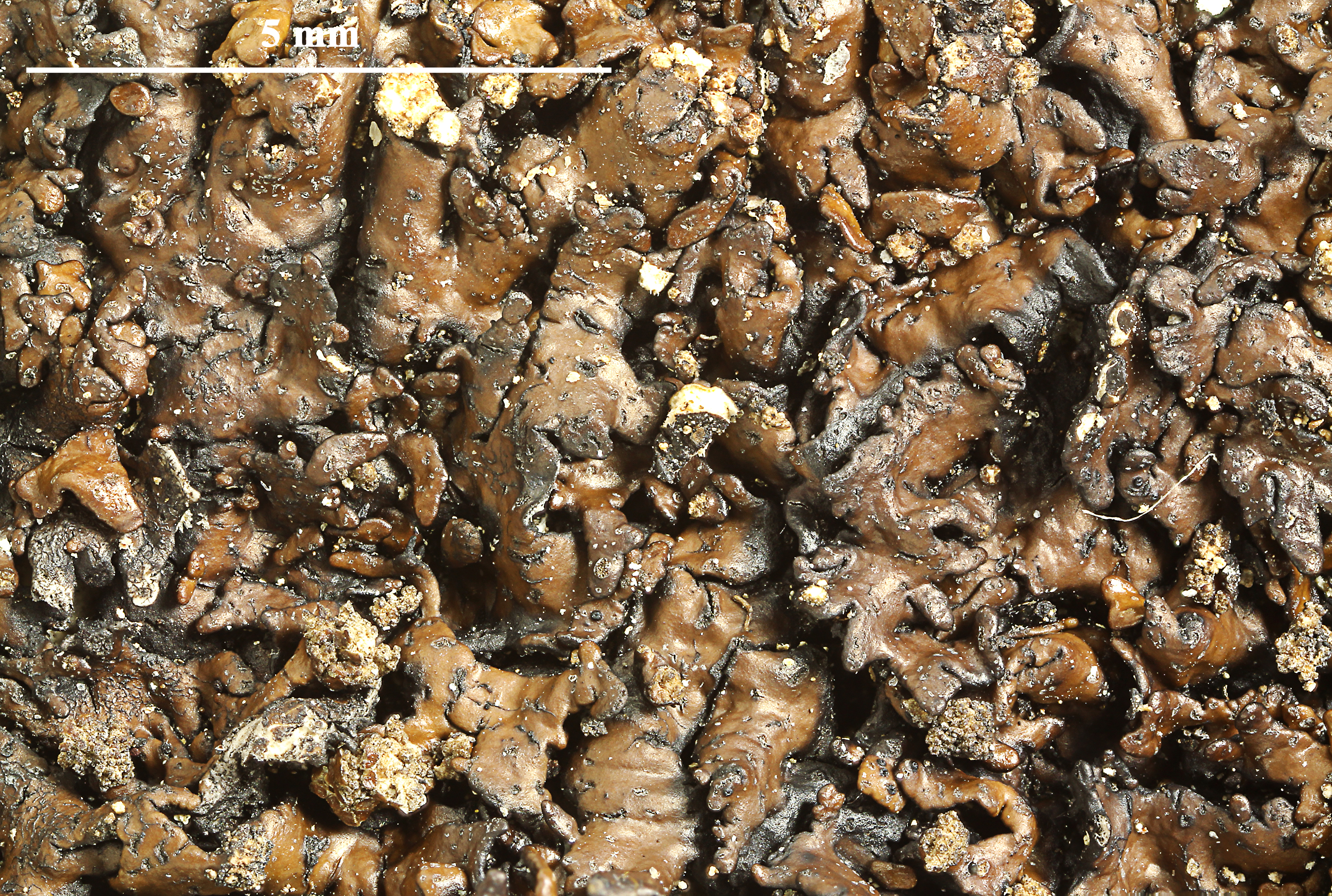
Felix Schumm - CC BY-SA 4.0
[4352], Schweiz, Kanton Graubünden, Unterengadin, Lavin, auf Granitblöcken oberhalb vom Hotel Crusch Alba, ca. 1460 m. Leg. F. Schumm (SVBL-Exkursion), 25.08.1995, det. F. Schumm. Syn. Parmelia substygia Räs.
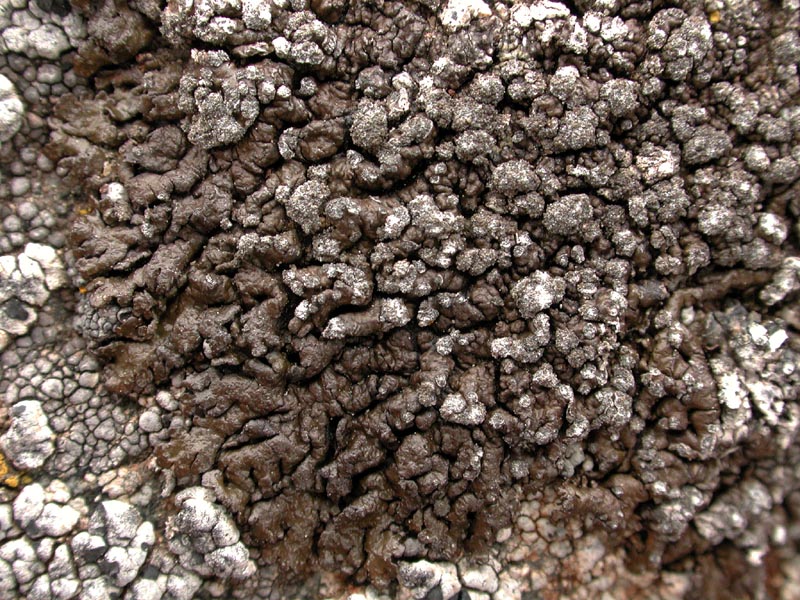
Einar Timdal - Source: http://nhm2.uio.no/lav/web/index.html - CC BY-NC