Mycoblastus sanguinarius (L.) Norman
Nytt Mag. Naturvid., 7: 237, 1853. Basionym: Lichen sanguinarius L. - Sp. Pl.: 1140, 1753.
Synonyms: Lecidea didymospora Stirt.; Lecidea sanguinaria (L.) Ach.; Lecidea sanguinaria var. endorhoda Th. Fr.; Megalospora sanguinaria (L.) A. Massal.; Oedemocarpus sanguinarius (L.) Trevis.
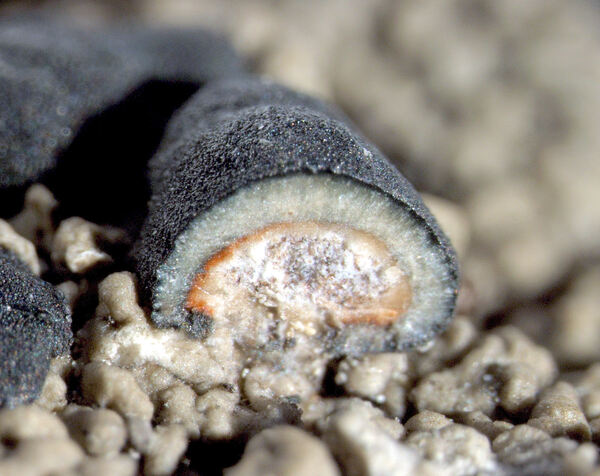
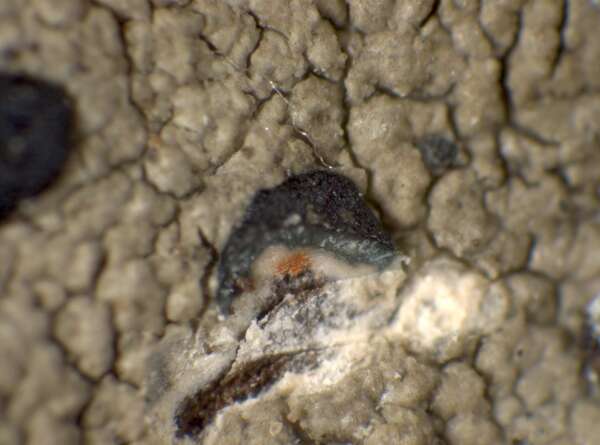
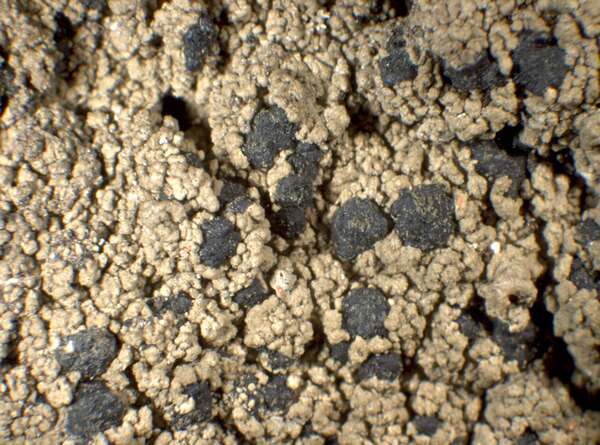
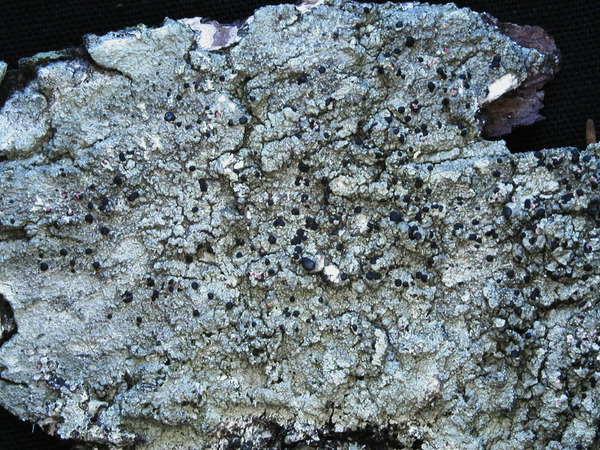
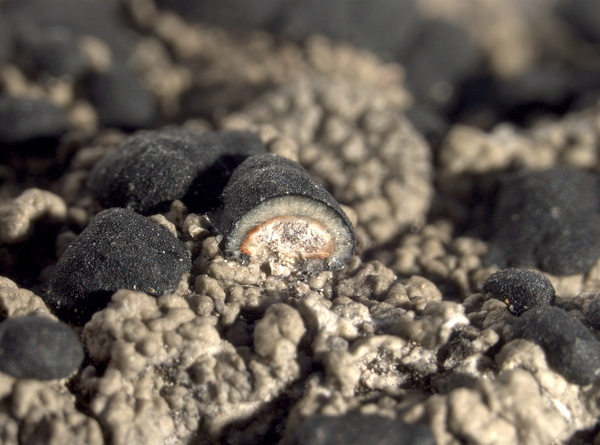
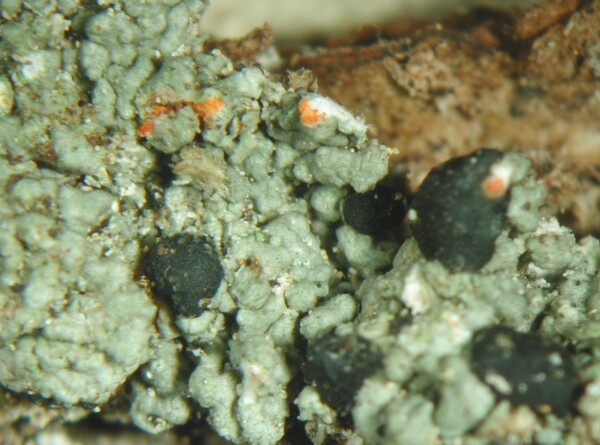
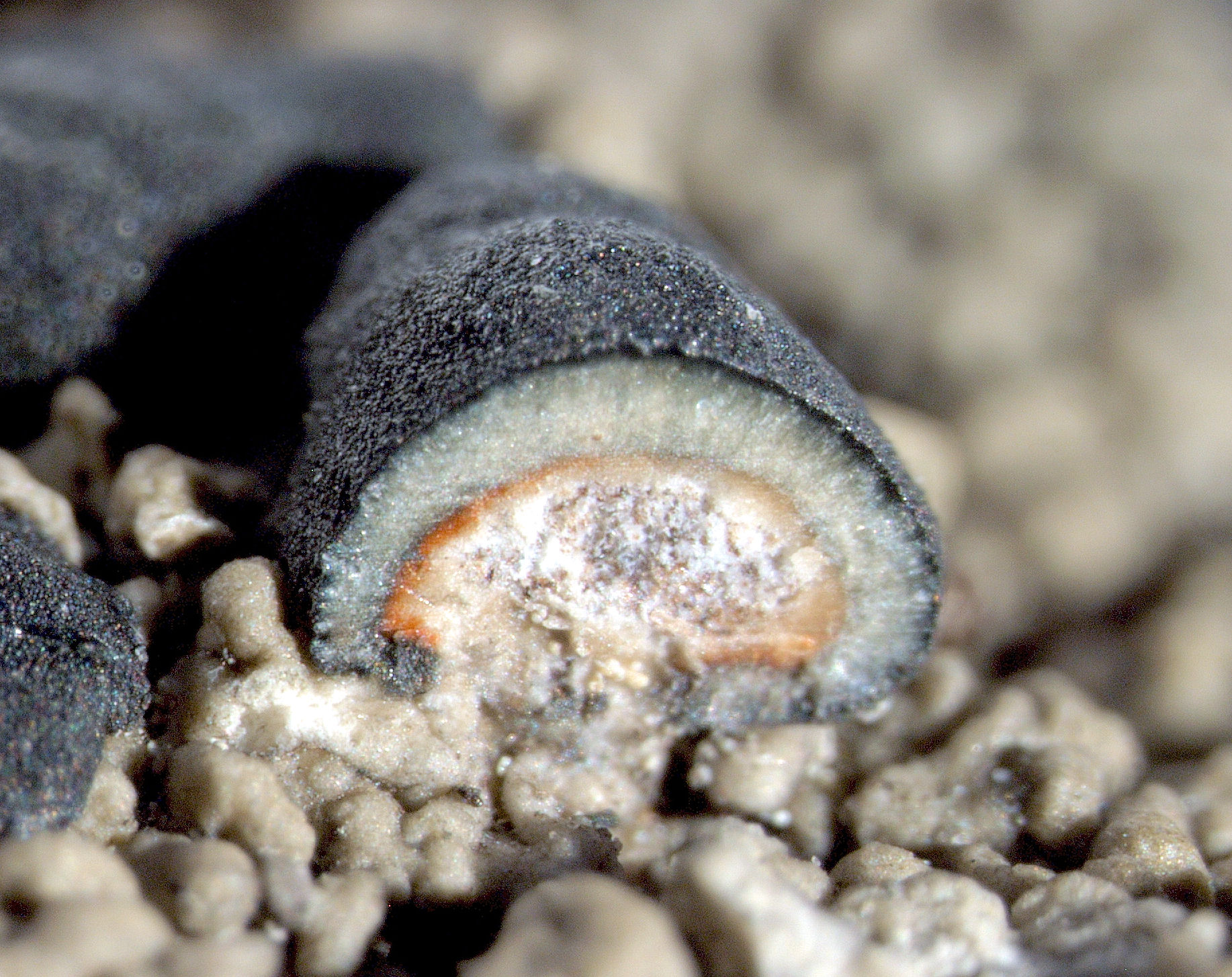
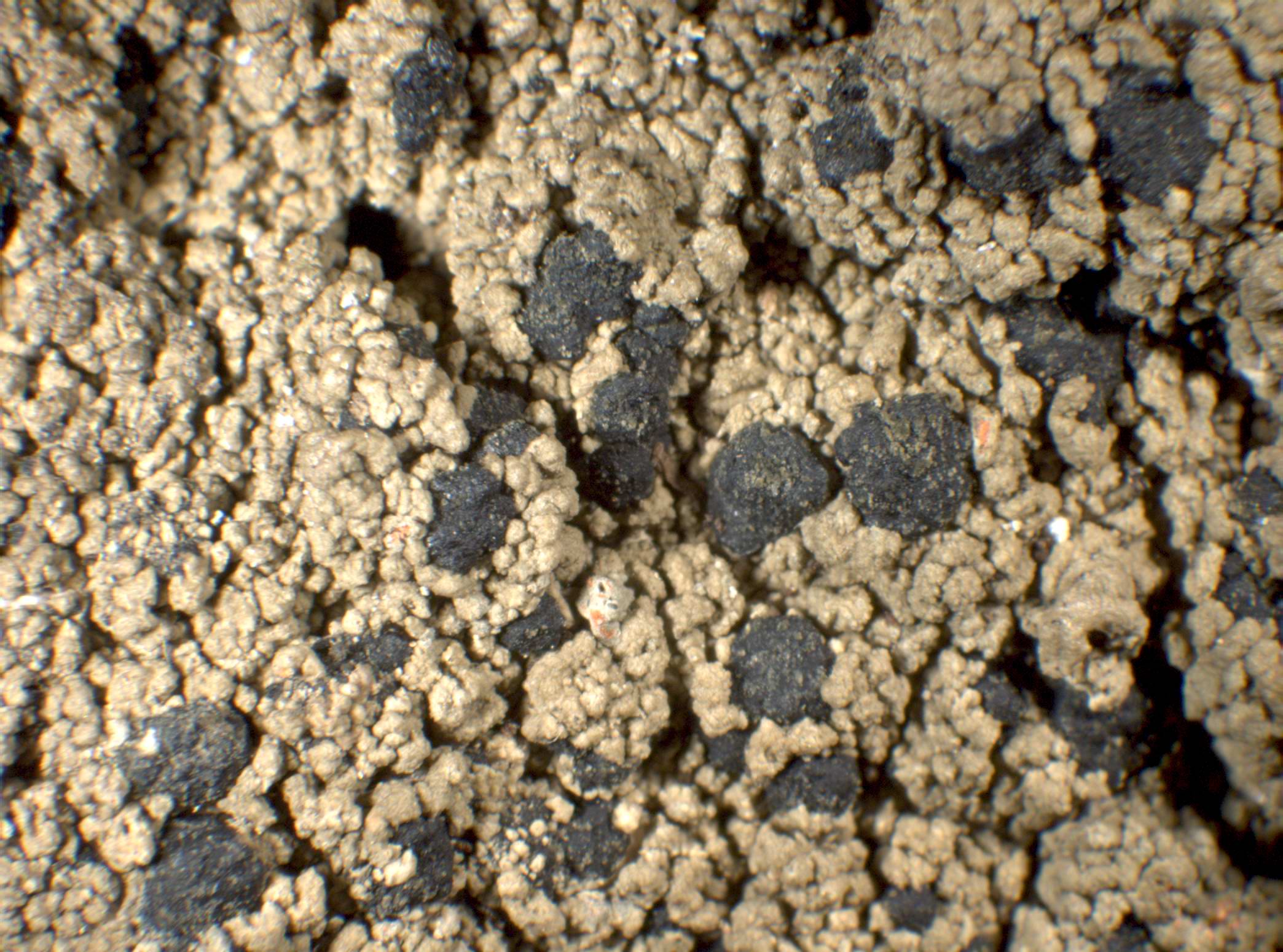
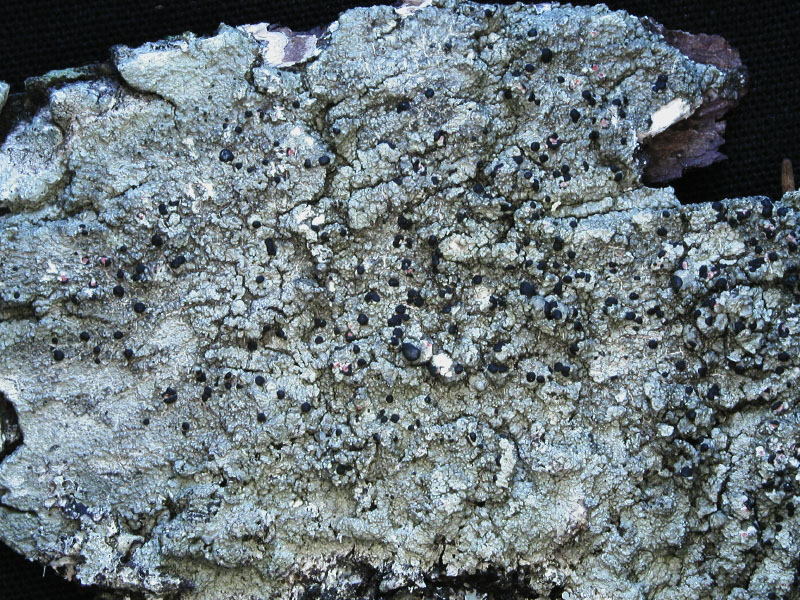
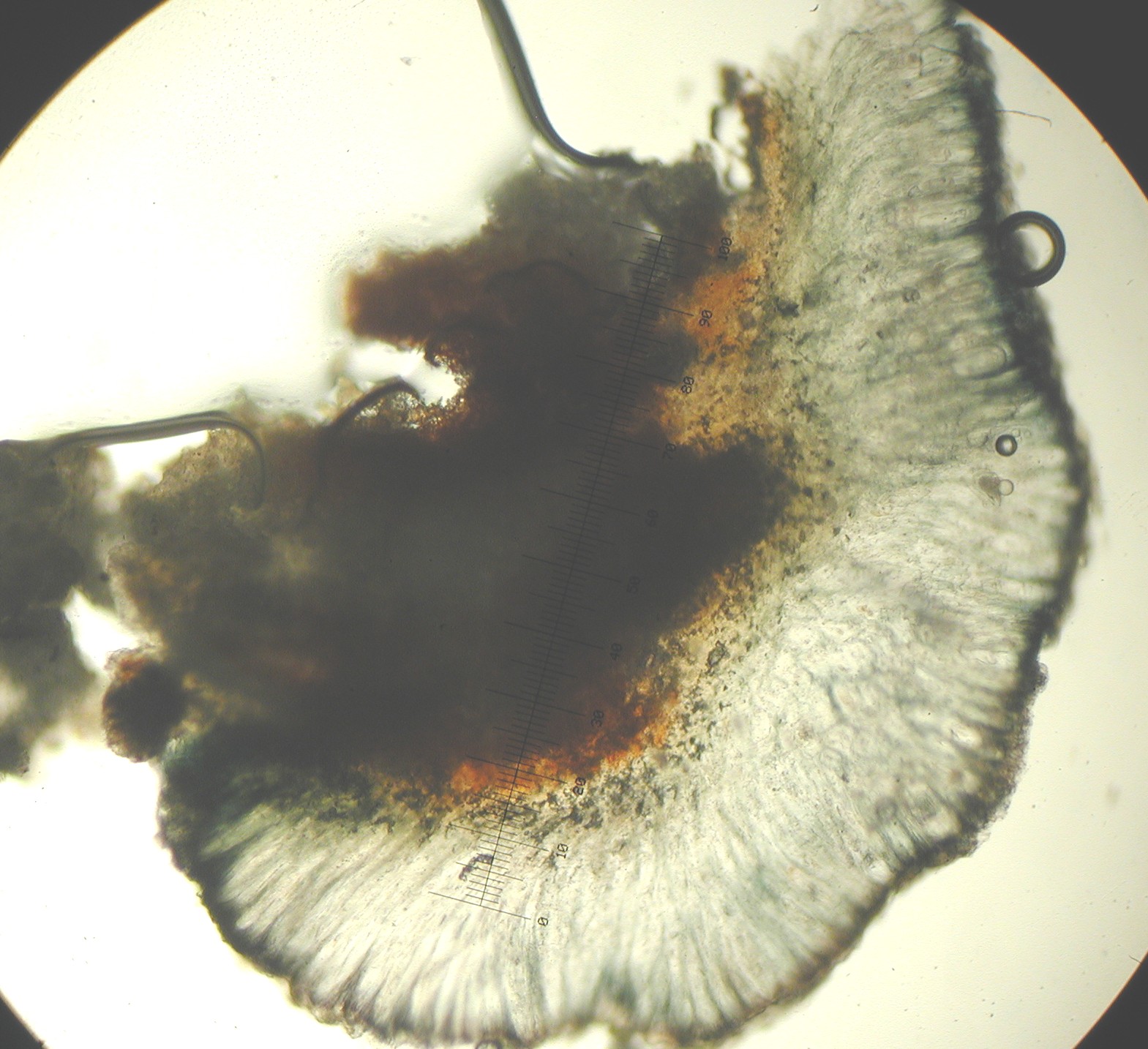
Description: Thallus crustose, episubstratic, pale to dark grey, turning greenish when wet, thick and verrucose, continuous or cracked, sometimes delimited by a pale to dark grey prothallus. Soralia rarely present, rounded, convex, discrete, widely dispersed in scattered groups, often few in number, usually occurring together with apothecia. Apothecia common, biatorine, 0.5-2(-3) mm across, black, with a flat to strongly convex disc and a thin, soon excluded proper margin, developing on a bright carmine-red thalline cushion that may be exposed when the thallus is abraded. Proper exciple reduced, the hyphae vertically arranged and resembling paraphyses; epithecium blue-black; hymenium greenish (Cinereorufa-green pigment), without crystals visible under polarized light; paraphyses branched and anastomosing; hypothecium red-brown in upper part, carmine-red in lower part. Asci 1(-3)-spored, cylindrical-clavate, thick-walled, the apical dome K/I+ blue, with a distinct ocular chamber, the outer layer thickened and forming a K/I+ dark blue apical cap, intermediate between the Biatora and the Bacidia-type. Ascospores 1-celled, hyaline, oblong to cylindrical with flattened apices, 65-100 x (28-)32-50 μm, the wall 5-7 μm thick. Pycnidia common, with a dark green wall K-, N+ reddish, the conidiogenous cells short. Conidia bacilliform, 6-9 x c. 1 μm. Photobiont chlorococcoid. Spot tests: thallus K+ dirty yellow, C-, KC-, P+ yellowish or P-, UV-; hypothecium and the underlying red tissue K+ red, P-, UV-. Chemistry: thallus with atranorin, chloratranorin, rhodocladonic acid, caperatic acid.
Growth form: Crustose
Photobiont: green algae other than Trentepohlia
Reproductive strategy: mainly sexual
Commonnes-rarity: (info)
Alpine belt: absent
Subalpine belt: rare
Montane belt: absent
Dry submediterranean belt: absent
Humid submediterranean belt: absent
Padanian area: absent
pH of the substrata:
1 2 3 4 5

Solar irradiation:
1 2 3 4 5
Aridity:
1 2 3 4 5
Eutrophication:
1 2 3 4 5
Poleotolerance:
0 1 2 3
Altitudinal distribution:
1 2 3 4 5 6
Rarity
absent
extremely rare
very rare
rare
rather rare
rather common
common
very common
extremely common
Loading data...
Occurrence data
Predictive map
E. Pittao CC BY-SA 4.0
TSB 29057
P.L. Nimis; Owner: Department of Life Sciences, University of Trieste
Herbarium: TSB (12965)
2002/02/21
sectioned apothecium with the typical reddish pigment
P.L. Nimis; Owner: Department of Life Sciences, University of Trieste
Herbarium: TSB (12965)
2002/02/21
Andres Saag; Owner: University of Tartu
E. Pittao; Owner: Department of Life Sciences, University of Trieste
Herbarium: TSB (TSB 29057)
20.10.2009
Juri Nascimbene - CC BY-SA 4.0
Paneveggio, Reg. Trentino-Alto Adige Prov. Trento, Italy.
2006
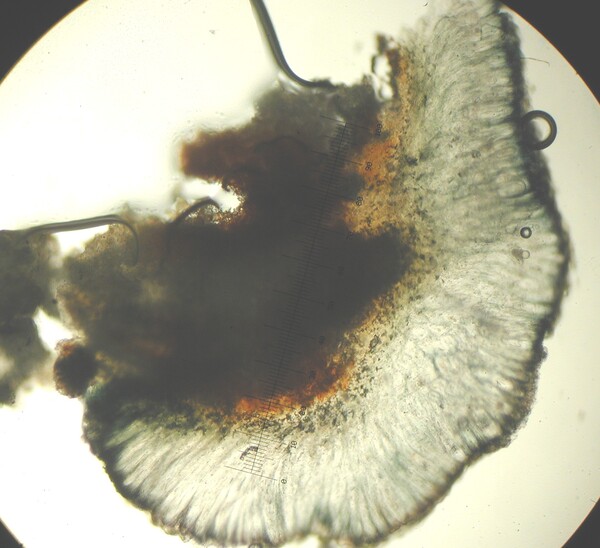
Juri Nascimbene - CC BY-SA 4.0
Paneveggio, Reg. Trentino-Alto Adige Prov. Trento, Italy.
2006
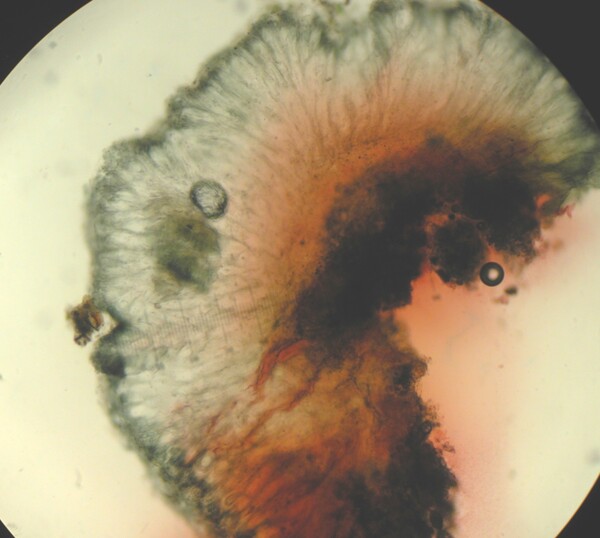
Juri Nascimbene - CC BY-SA 4.0
Paneveggio, Reg. Trentino-Alto Adige Prov. Trento, Italy.
2006
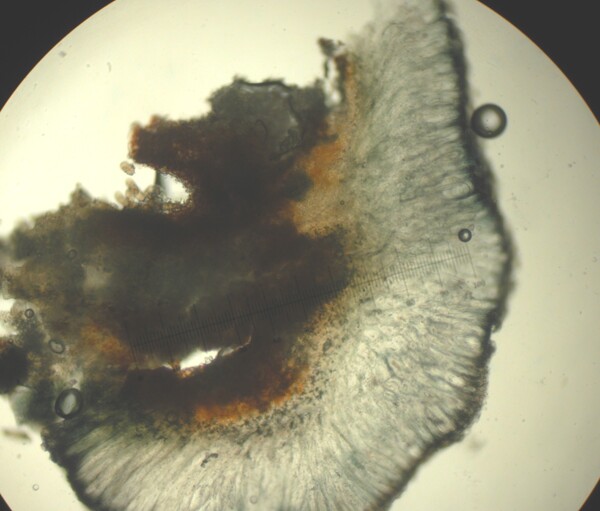
Juri Nascimbene - CC BY-SA 4.0
Paneveggio, Reg. Trentino-Alto Adige Prov. Trento, Italy.
2006
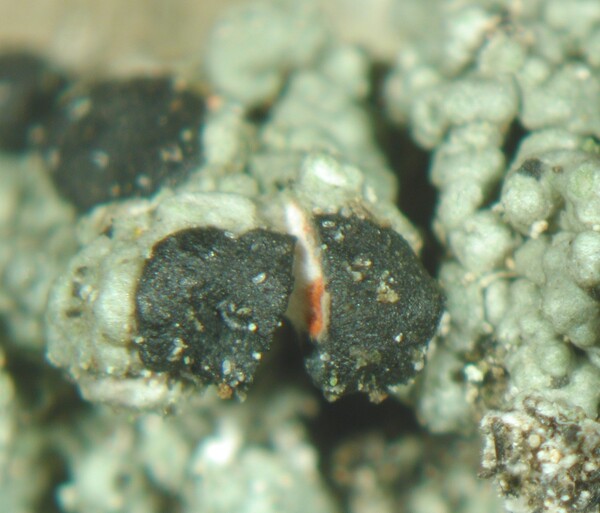
Juri Nascimbene - CC BY-SA 4.0
Paneveggio, Reg. Trentino-Alto Adige Prov. Trento, Italy.
2006

P.L. Nimis CC BY-SA 4.0
TSB 42025
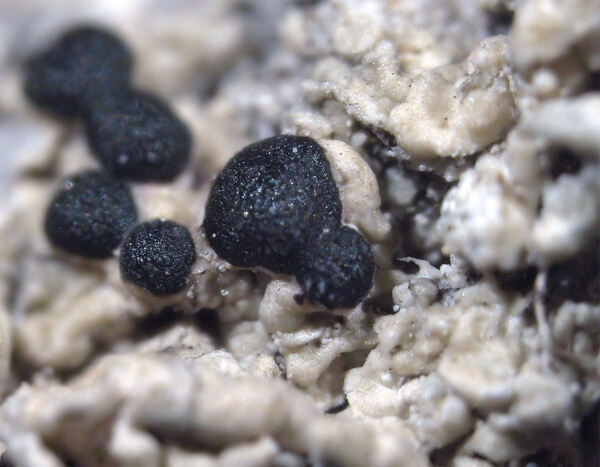
P.L. Nimis CC BY-SA 4.0
TSB 42026
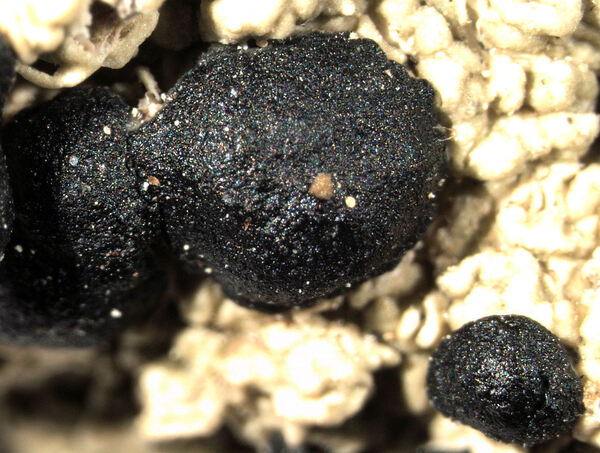
P.L. Nimis CC BY-SA 4.0
TSB 42540
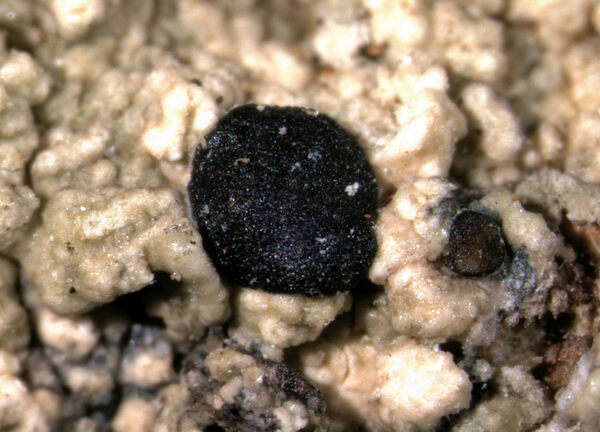
P.L. Nimis CC BY-SA 4.0
TSB 42540
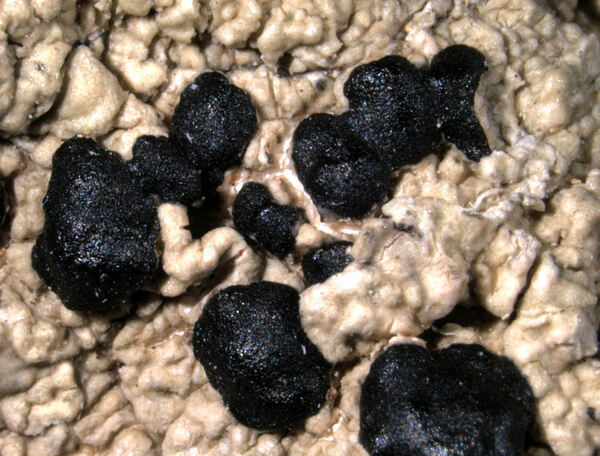
P.L. Nimis CC BY-SA 4.0
TSB 42540
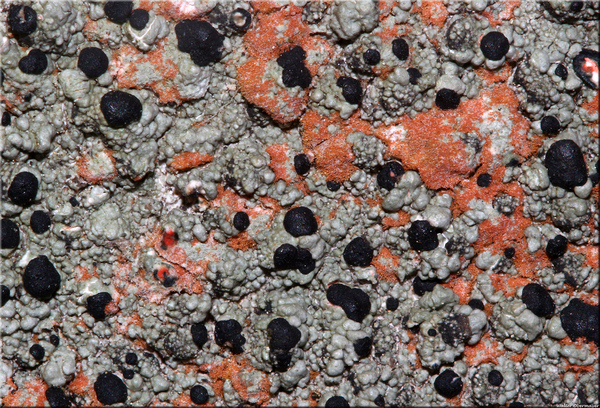
Walter Obermayer CC BY-SA 4.0 - Source: Lichens of Noricum - http://lichens-of-noricum.uni-graz.at/
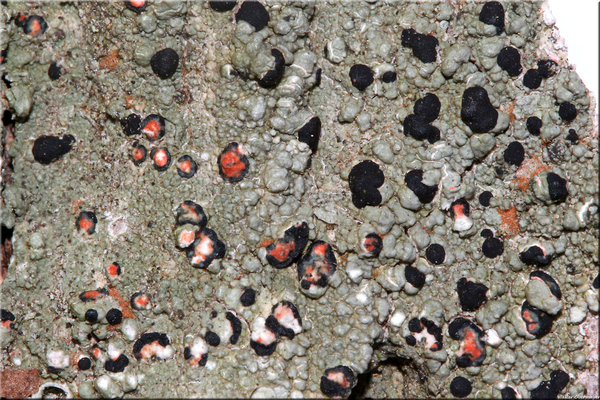
Walter Obermayer CC BY-SA 4.0 - Source: Lichens of Noricum - http://lichens-of-noricum.uni-graz.at/
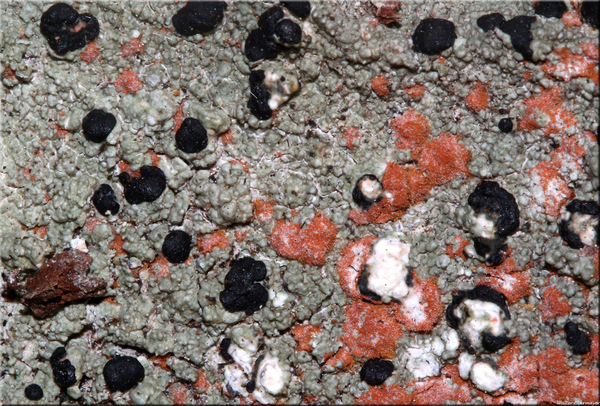
Walter Obermayer CC BY-SA 4.0 - Source: Lichens of Noricum - http://lichens-of-noricum.uni-graz.at/
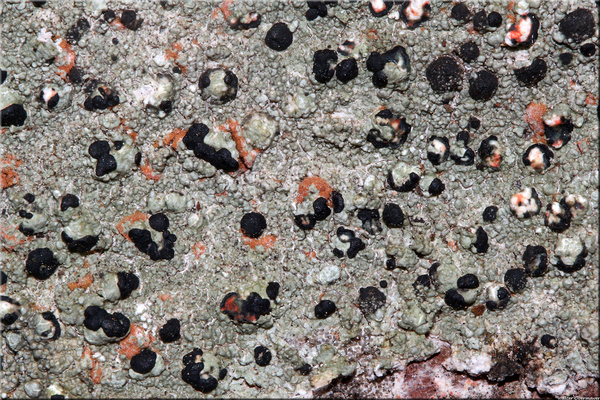
Walter Obermayer CC BY-SA 4.0 - Source: Lichens of Noricum - http://lichens-of-noricum.uni-graz.at/
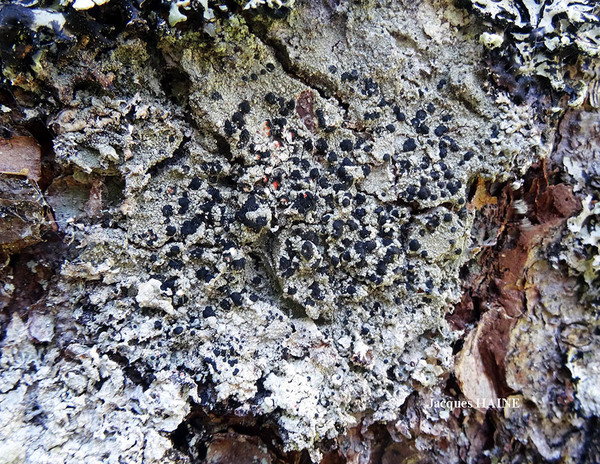
Jacques Haine - Source: http://www.lichensmaritimes.org/index.php?task=fiche&lichen=897&lang=en
France, Jura
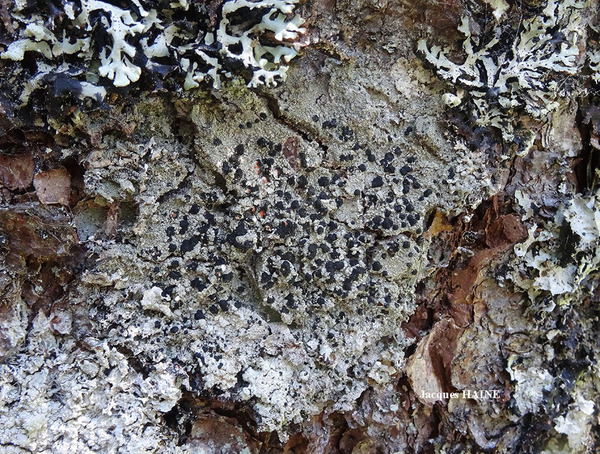
Jacques Haine - Source: http://www.lichensmaritimes.org/index.php?task=fiche&lichen=897&lang=en
France, Jura
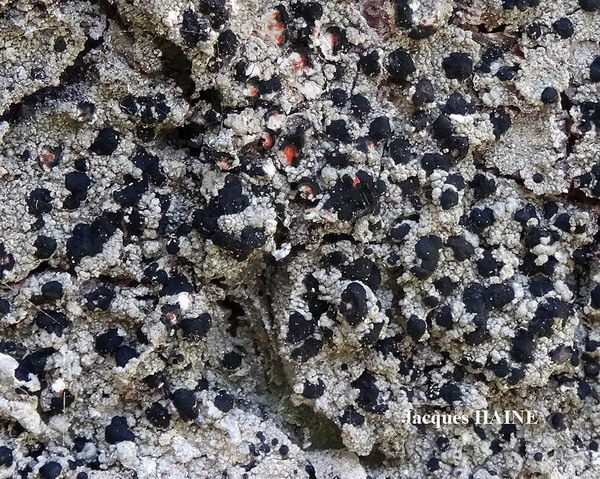
Jacques Haine - Source: http://www.lichensmaritimes.org/index.php?task=fiche&lichen=897&lang=en
France, Jura
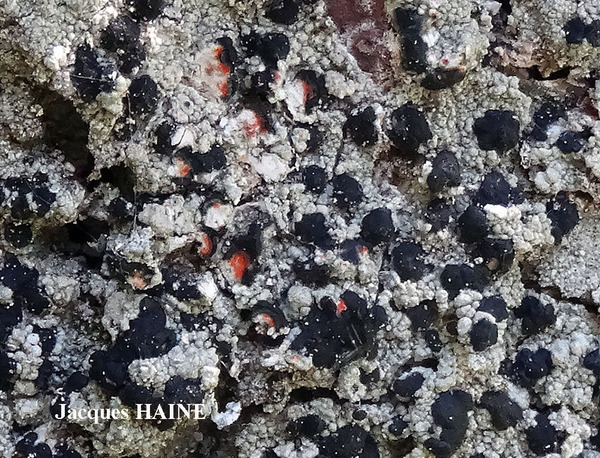
Jacques Haine - Source: http://www.lichensmaritimes.org/index.php?task=fiche&lichen=897&lang=en
France, Jura
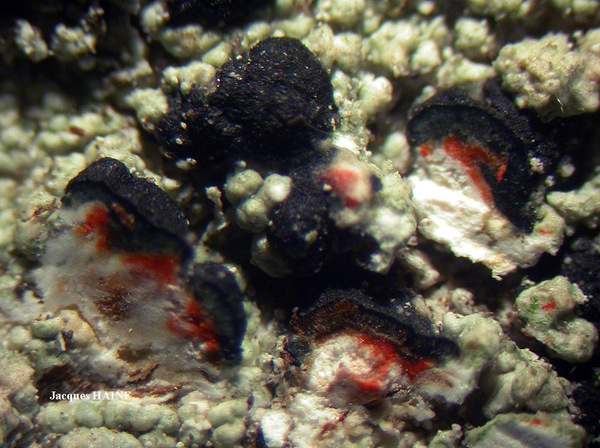
Jacques Haine - Source: http://www.lichensmaritimes.org/index.php?task=fiche&lichen=897&lang=en
France, Jura
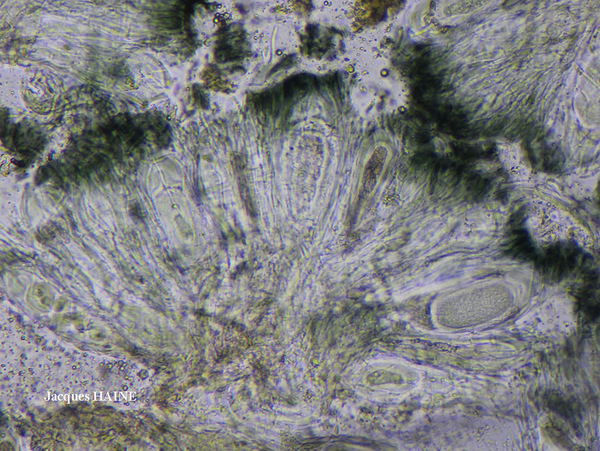
Jacques Haine - Source: http://www.lichensmaritimes.org/index.php?task=fiche&lichen=897&lang=en
France, Jura
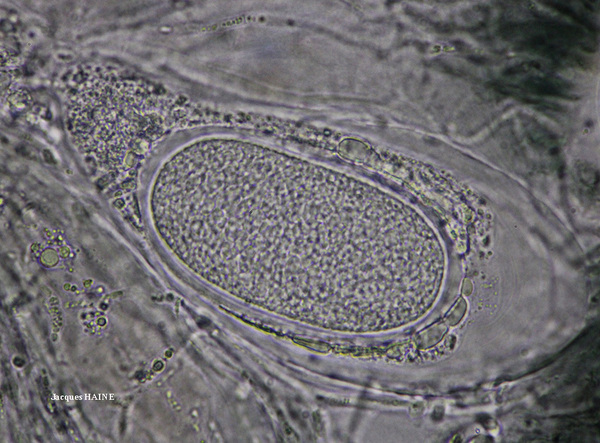
Jacques Haine - Source: http://www.lichensmaritimes.org/index.php?task=fiche&lichen=897&lang=en
France, Jura
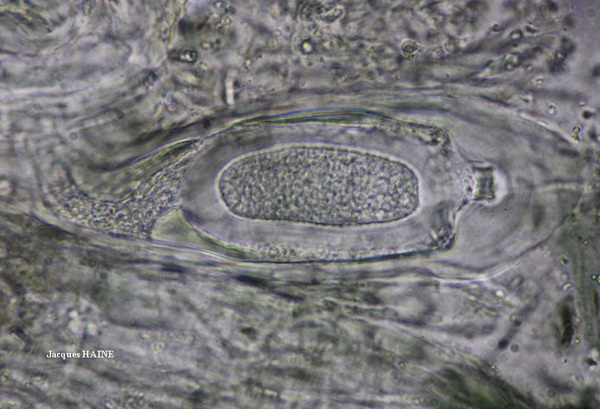
Jacques Haine - Source: http://www.lichensmaritimes.org/index.php?task=fiche&lichen=897&lang=en
France, Jura
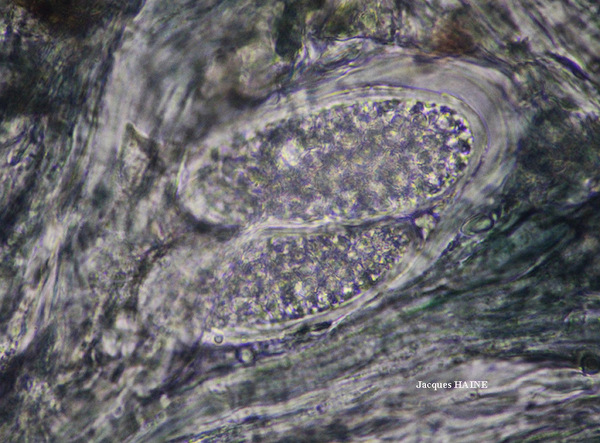
Jacques Haine - Source: http://www.lichensmaritimes.org/index.php?task=fiche&lichen=897&lang=en
France, Jura
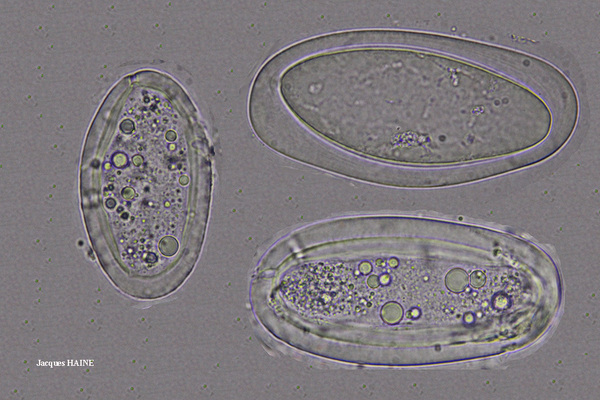
Jacques Haine - Source: http://www.lichensmaritimes.org/index.php?task=fiche&lichen=897&lang=en
France, Jura
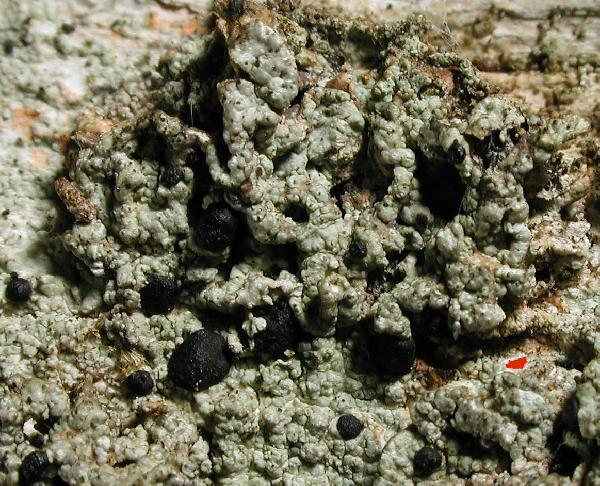
Ulrich Kirschbaum CC BY-SA 4.0 - Source: https://www.thm.de/lse/ulrich-kirschbaum/flechtenbilder
Central Europe: Germany, Hesse, Rhön Mountains. on Betula
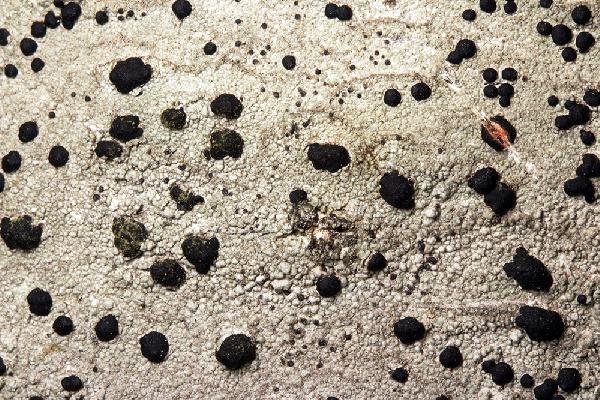
Marta González Garcia - Centro de Estudios Micologicos Asturianos
Spain, Puerto del Connio (Cangas del Narcea-Asturias), 30-VII-2021, en madera decorticada de Betula celtiberica, leg. Jesús Linde, det. M. González, ERD-9113.

Marta González Garcia - Centro de Estudios Micologicos Asturianos
Spain, Puerto del Connio (Cangas del Narcea-Asturias), 30-VII-2021, en madera decorticada de Betula celtiberica, leg. Jesús Linde, det. M. González, ERD-9113.
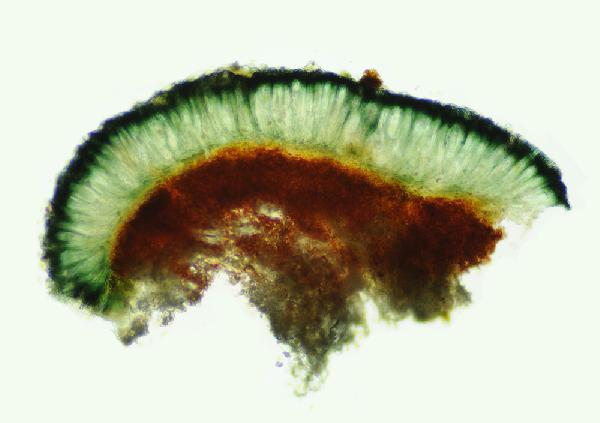
Marta González Garcia - Centro de Estudios Micologicos Asturianos
Spain, Puerto del Connio (Cangas del Narcea-Asturias), 30-VII-2021, en madera decorticada de Betula celtiberica, leg. Jesús Linde, det. M. González, ERD-9113.
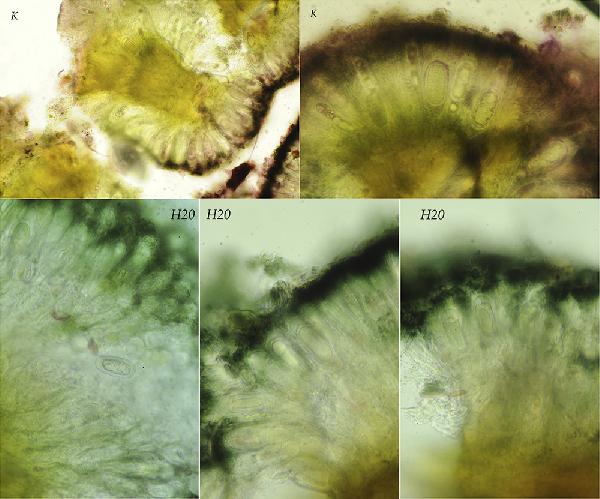
Marta González Garcia - Centro de Estudios Micologicos Asturianos
Spain, Puerto del Connio (Cangas del Narcea-Asturias), 30-VII-2021, en madera decorticada de Betula celtiberica, leg. Jesús Linde, det. M. González, ERD-9113.
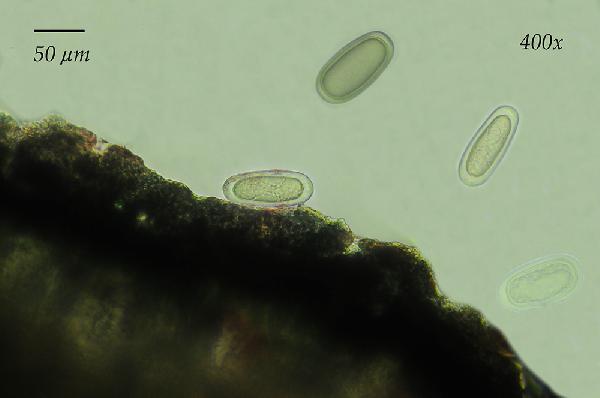
Marta González Garcia - Centro de Estudios Micologicos Asturianos
Spain, Puerto del Connio (Cangas del Narcea-Asturias), 30-VII-2021, en madera decorticada de Betula celtiberica, leg. Jesús Linde, det. M. González, ERD-9113.
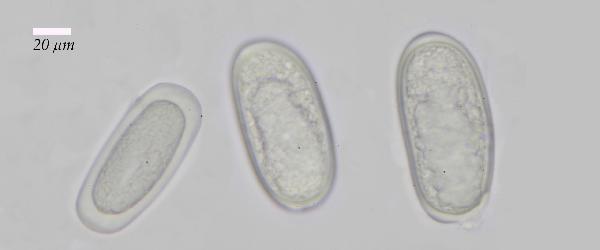
Marta González Garcia - Centro de Estudios Micologicos Asturianos
Spain, Puerto del Connio (Cangas del Narcea-Asturias), 30-VII-2021, en madera decorticada de Betula celtiberica, leg. Jesús Linde, det. M. González, ERD-9113.

Marta González Garcia - Centro de Estudios Micologicos Asturianos
Spain, Puerto del Connio (Cangas del Narcea-Asturias), 30-VII-2021, en madera decorticada de Betula celtiberica, leg. Jesús Linde, det. M. González, ERD-9113.

Collezione lichenologica Abramo Massalongo del Museo di Storia Naturale G. Ligabue di Venezia - Autori: Seggi, Linda; Trabucco, Raffaella Proprietà: Fondazione Musei Civici di Venezia - CC BY-NC
Italy, Veneto, in alp. Cadubriae. 1855
as Megalospora sanguinaria

Collezione lichenologica Abramo Massalongo del Museo di Storia Naturale G. Ligabue di Venezia - Autori: Seggi, Linda; Trabucco, Raffaella Proprietà: Fondazione Musei Civici di Venezia - CC BY-NC
Misit. E. Meyer e sylva Hercinia
as Megalospora sanguinaria
Growth form: Crustose
Photobiont: green algae other than Trentepohlia
Reproductive strategy: mainly sexual
Commonnes-rarity: (info)
Alpine belt: absent
Subalpine belt: rare
Montane belt: absent
Dry submediterranean belt: absent
Humid submediterranean belt: absent
Padanian area: absent
pH of the substrata:
| 1 | 2 | 3 | 4 | 5 |
Solar irradiation:
| 1 | 2 | 3 | 4 | 5 |
Aridity:
| 1 | 2 | 3 | 4 | 5 |
Eutrophication:
| 1 | 2 | 3 | 4 | 5 |
Poleotolerance:
| 0 | 1 | 2 | 3 |
Altitudinal distribution:
| 1 | 2 | 3 | 4 | 5 | 6 |
Rarity
absent
extremely rare
very rare
rare
rather rare
rather common
common
very common
extremely common
Loading data...
Occurrence data
Predictive map
E. Pittao CC BY-SA 4.0
TSB 29057

P.L. Nimis; Owner: Department of Life Sciences, University of Trieste
Herbarium: TSB (12965)
2002/02/21
sectioned apothecium with the typical reddish pigment
P.L. Nimis; Owner: Department of Life Sciences, University of Trieste
Herbarium: TSB (12965)
2002/02/21
Andres Saag; Owner: University of Tartu

E. Pittao; Owner: Department of Life Sciences, University of Trieste
Herbarium: TSB (TSB 29057)
20.10.2009

Juri Nascimbene - CC BY-SA 4.0
Paneveggio, Reg. Trentino-Alto Adige Prov. Trento, Italy.
2006
Juri Nascimbene - CC BY-SA 4.0
Paneveggio, Reg. Trentino-Alto Adige Prov. Trento, Italy.
2006
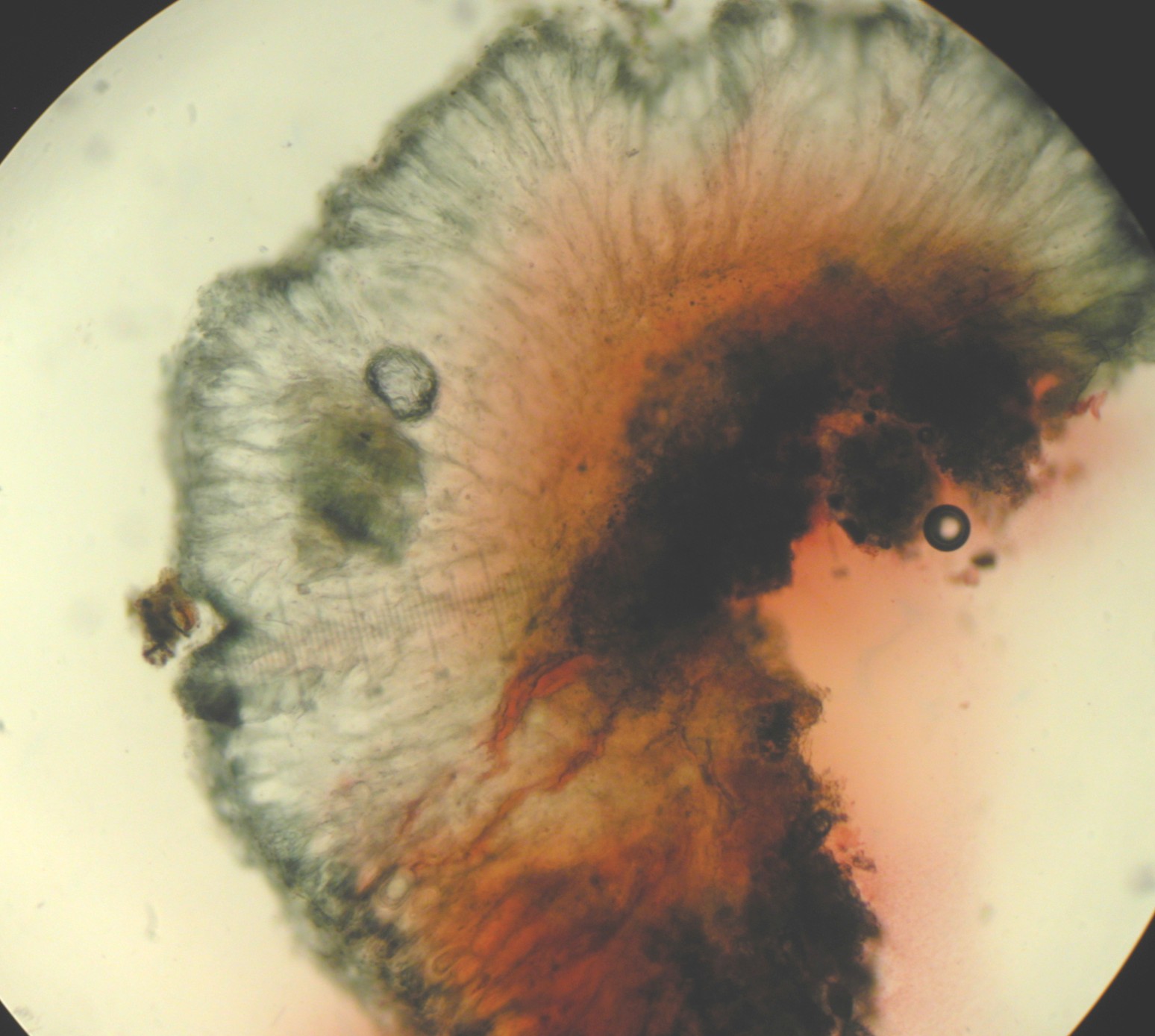
Juri Nascimbene - CC BY-SA 4.0
Paneveggio, Reg. Trentino-Alto Adige Prov. Trento, Italy.
2006
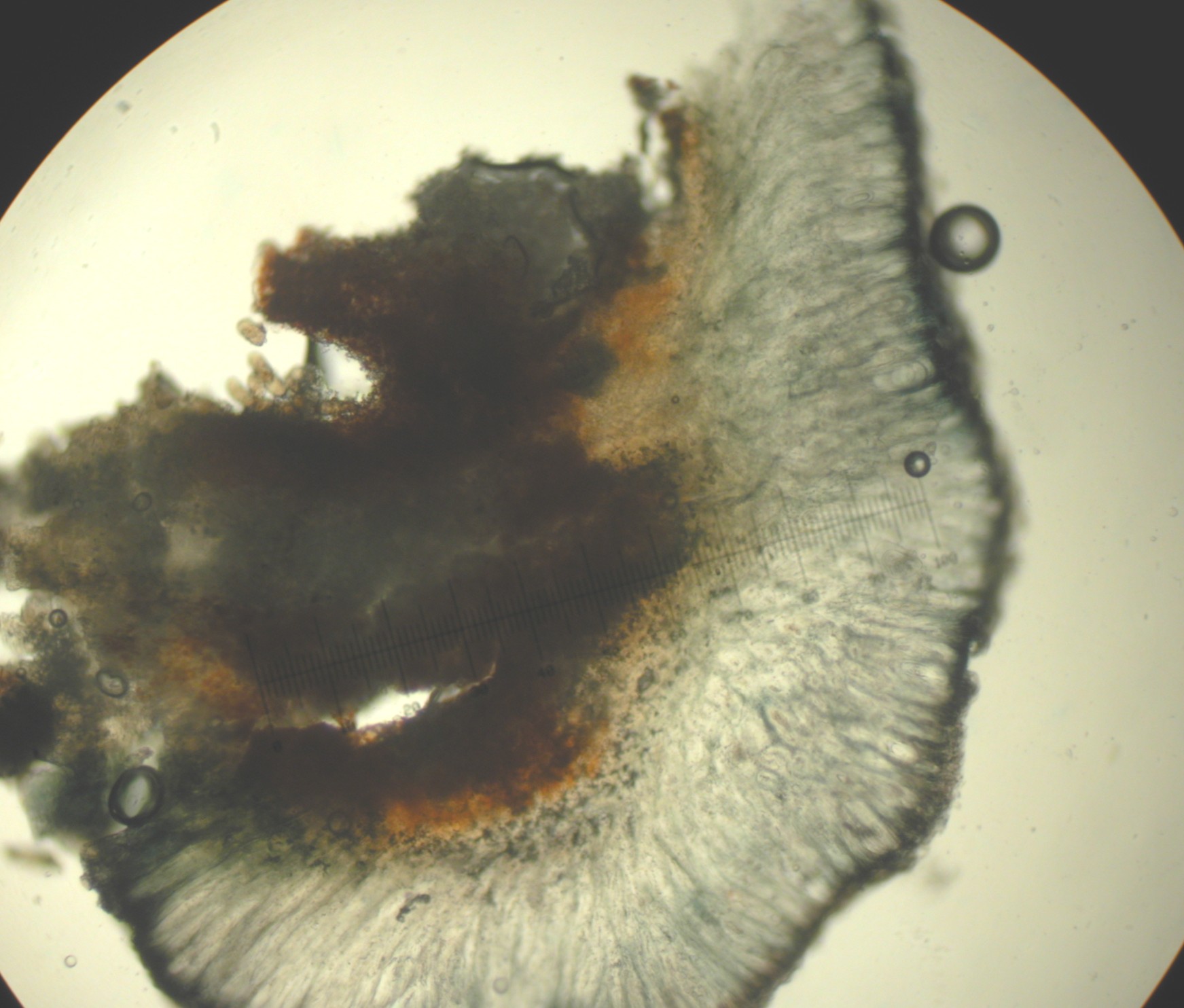
Juri Nascimbene - CC BY-SA 4.0
Paneveggio, Reg. Trentino-Alto Adige Prov. Trento, Italy.
2006
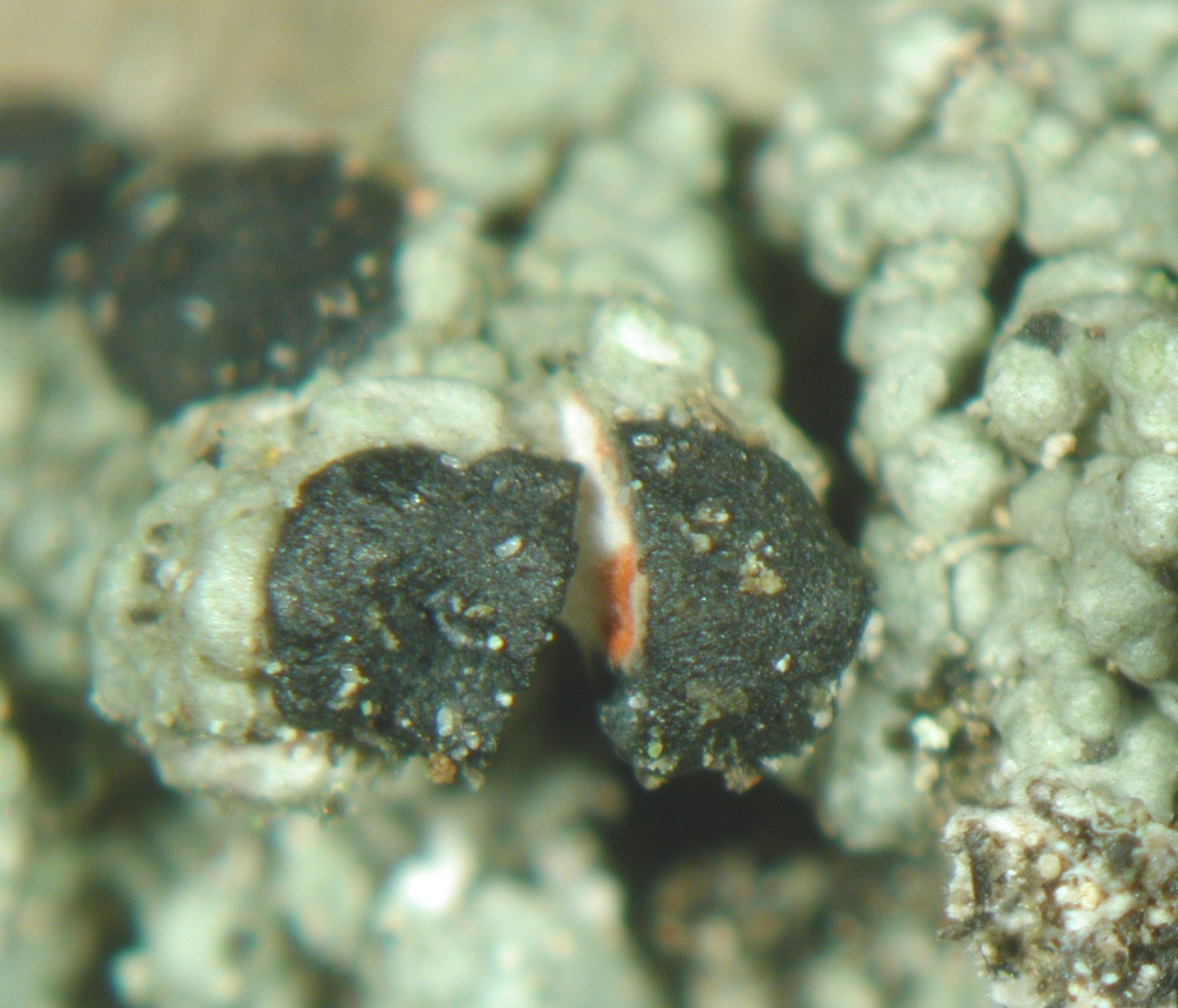
Juri Nascimbene - CC BY-SA 4.0
Paneveggio, Reg. Trentino-Alto Adige Prov. Trento, Italy.
2006
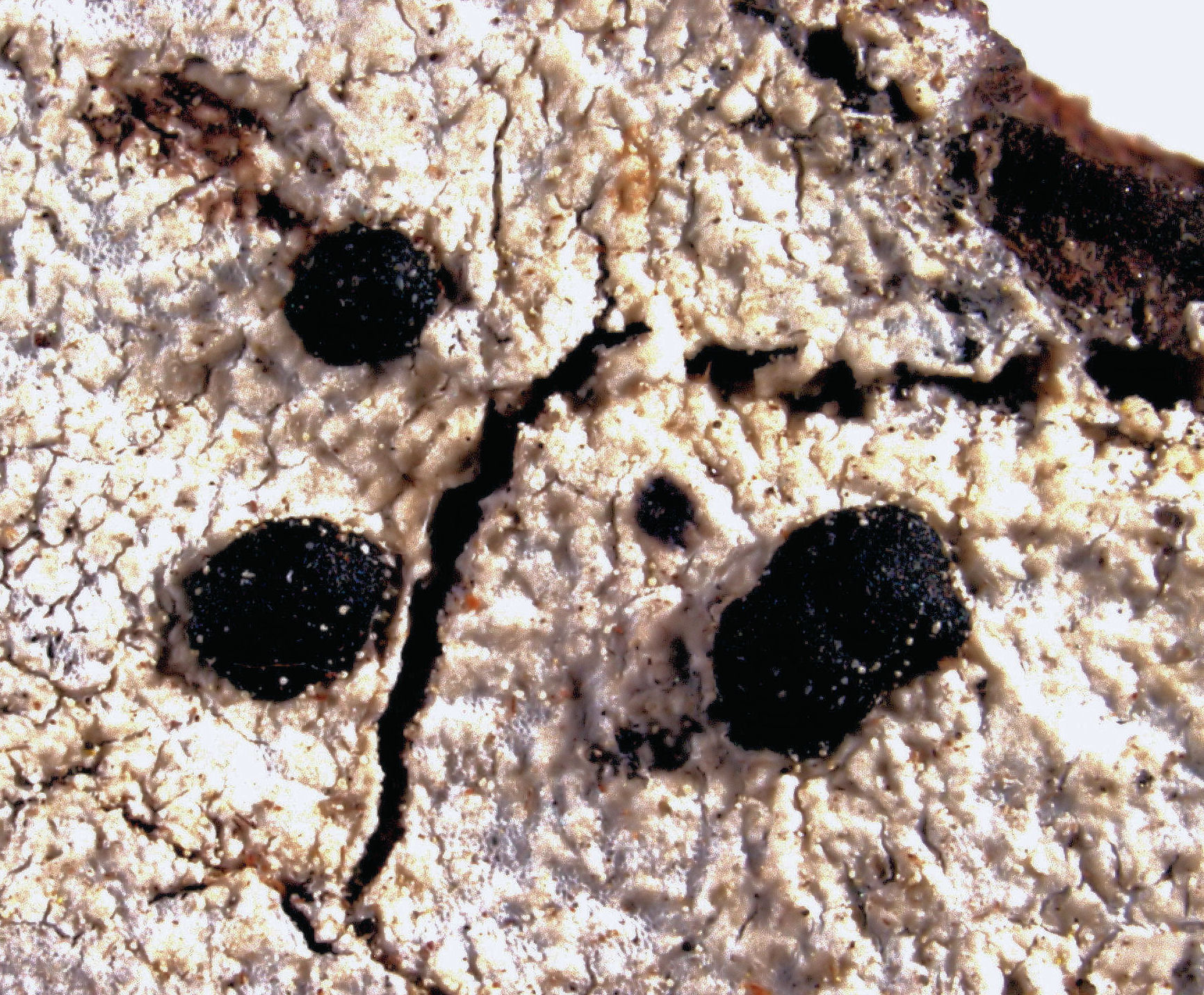
P.L. Nimis CC BY-SA 4.0
TSB 42025
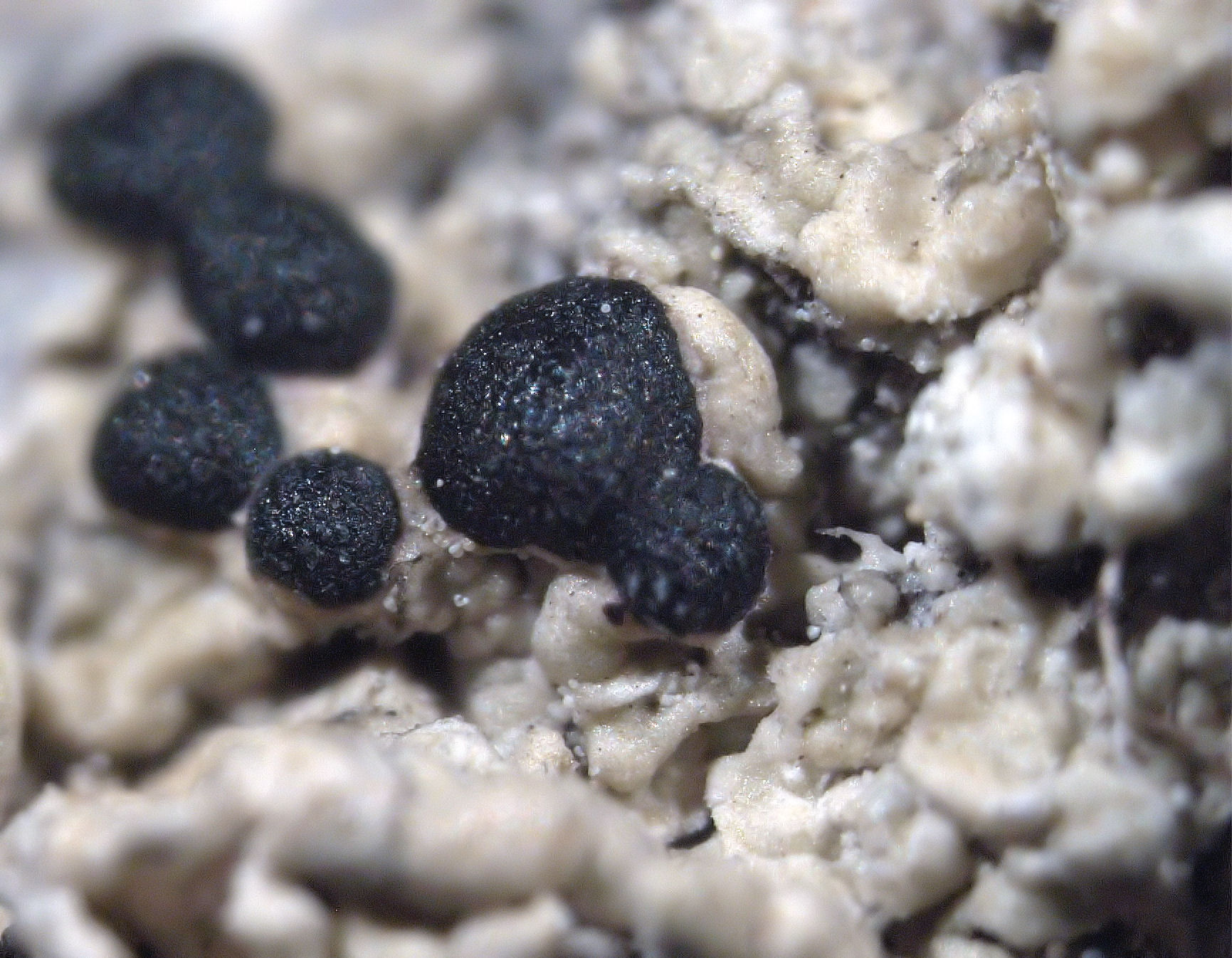
P.L. Nimis CC BY-SA 4.0
TSB 42026

P.L. Nimis CC BY-SA 4.0
TSB 42540
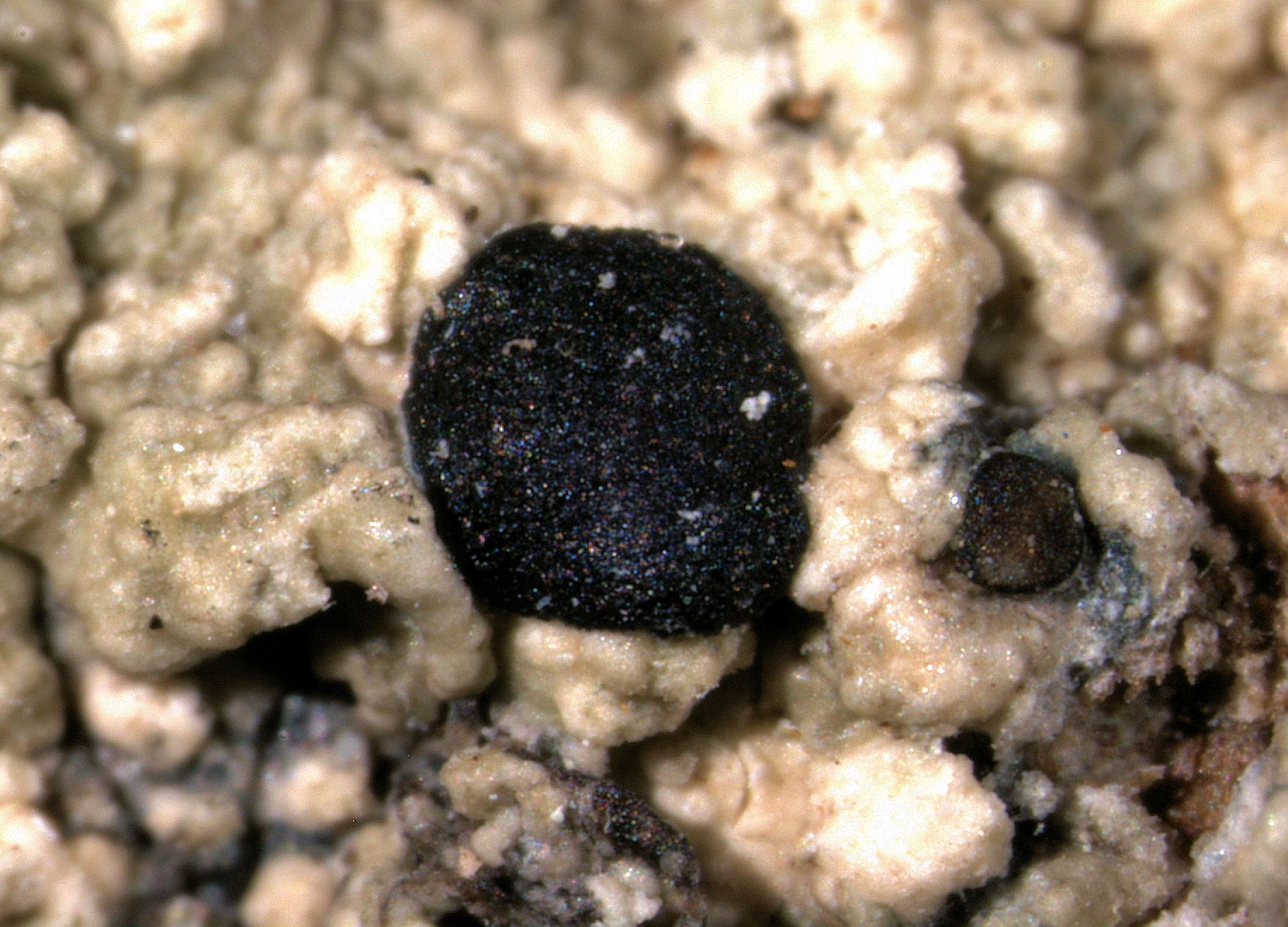
P.L. Nimis CC BY-SA 4.0
TSB 42540
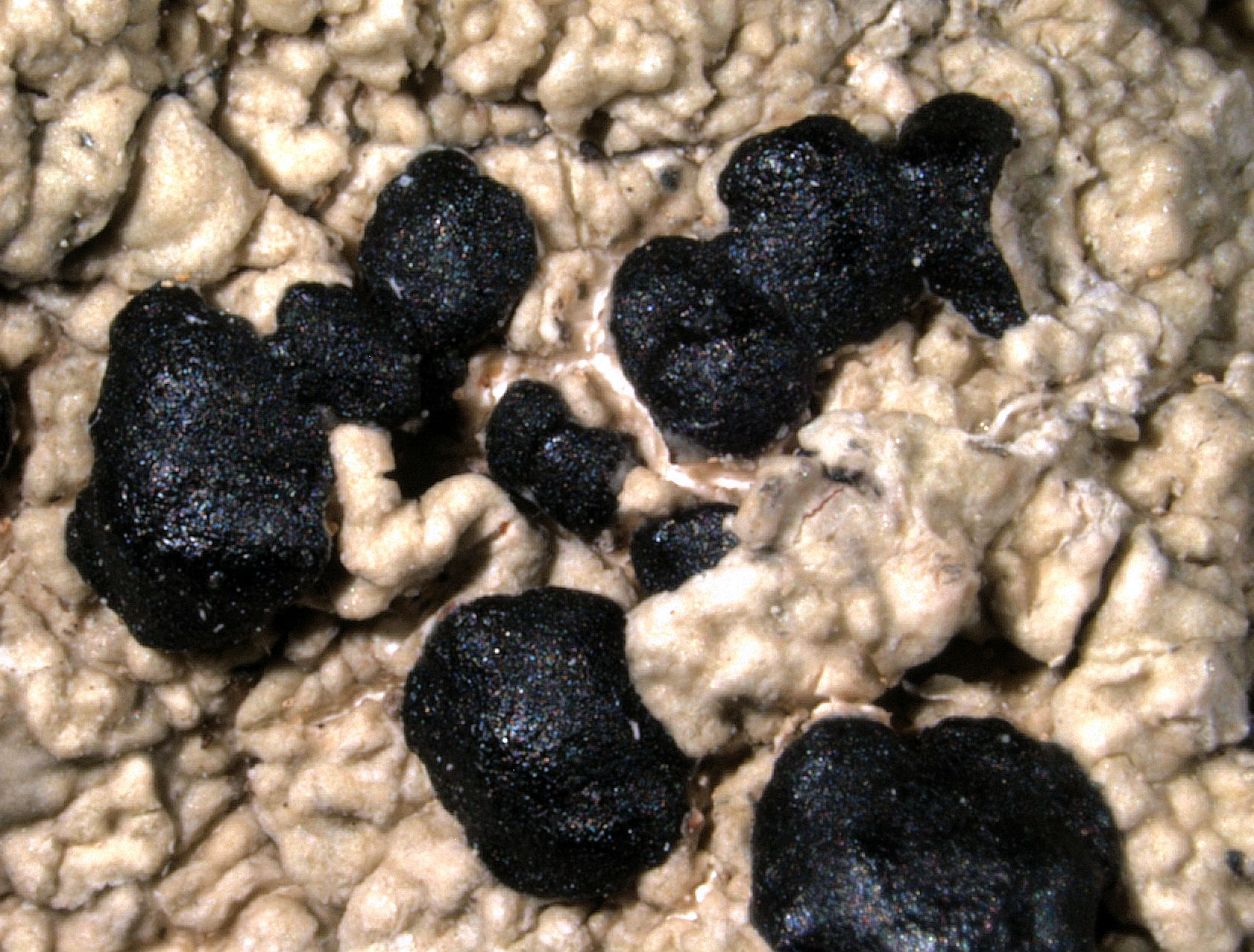
P.L. Nimis CC BY-SA 4.0
TSB 42540

Walter Obermayer CC BY-SA 4.0 - Source: Lichens of Noricum - http://lichens-of-noricum.uni-graz.at/
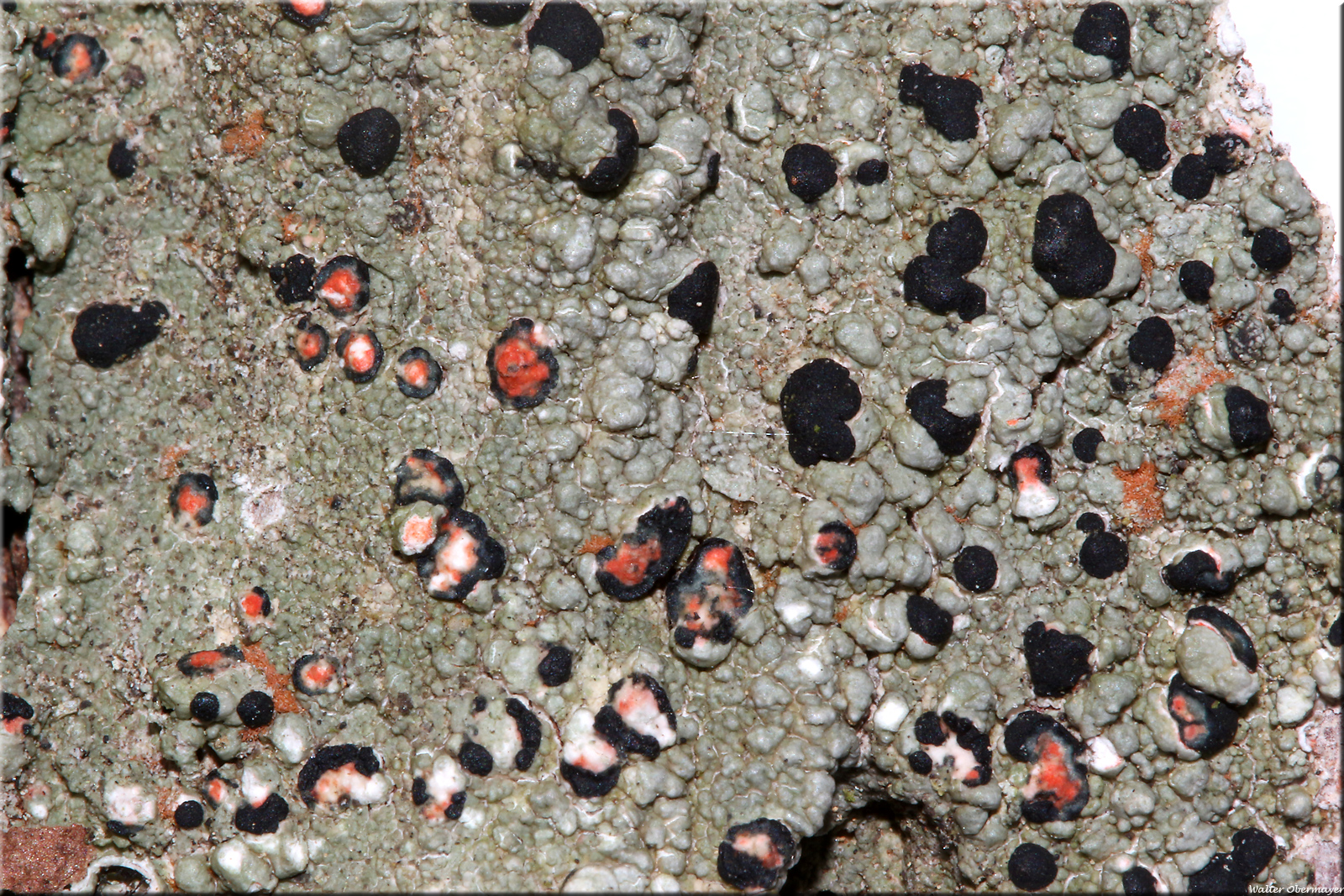
Walter Obermayer CC BY-SA 4.0 - Source: Lichens of Noricum - http://lichens-of-noricum.uni-graz.at/
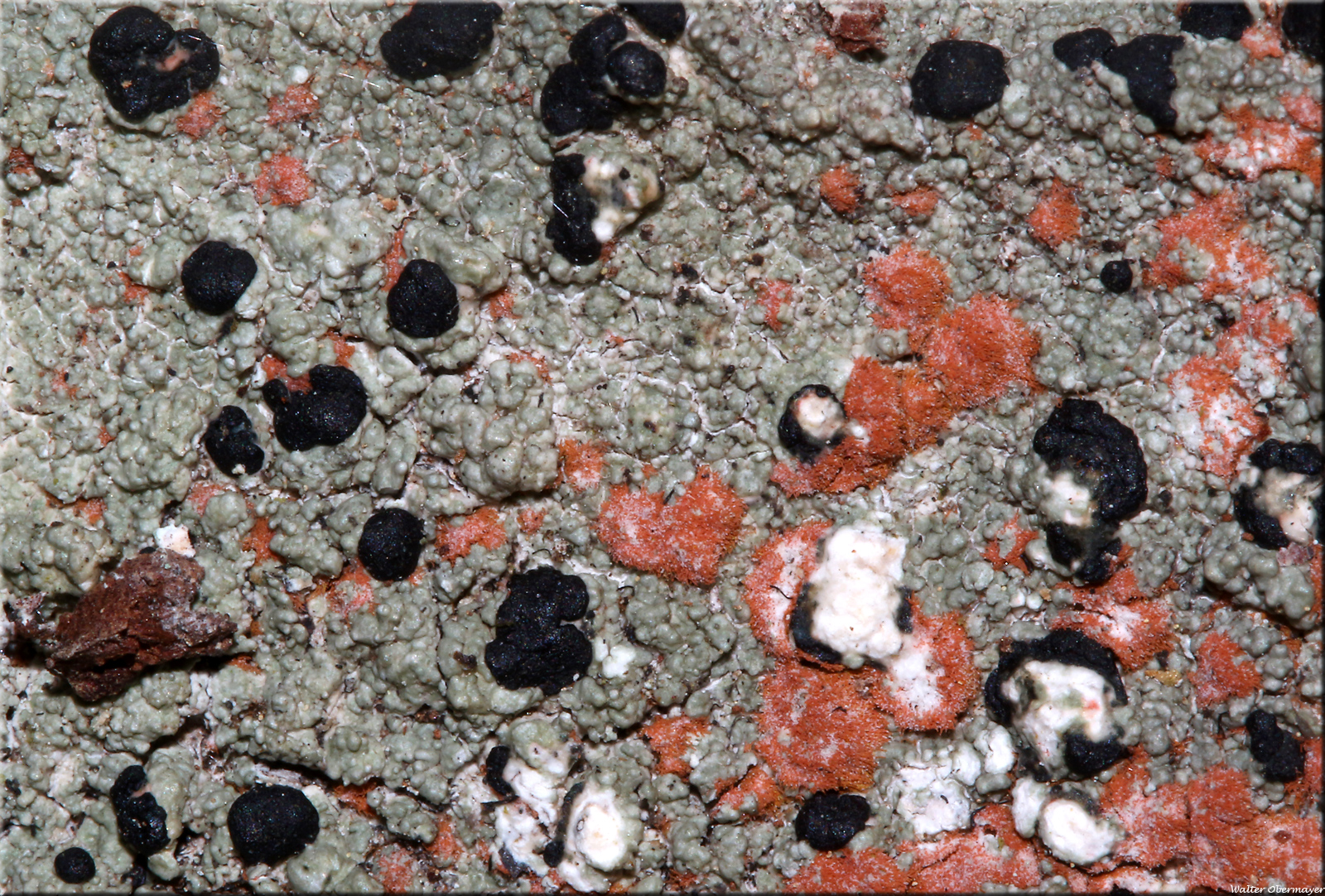
Walter Obermayer CC BY-SA 4.0 - Source: Lichens of Noricum - http://lichens-of-noricum.uni-graz.at/
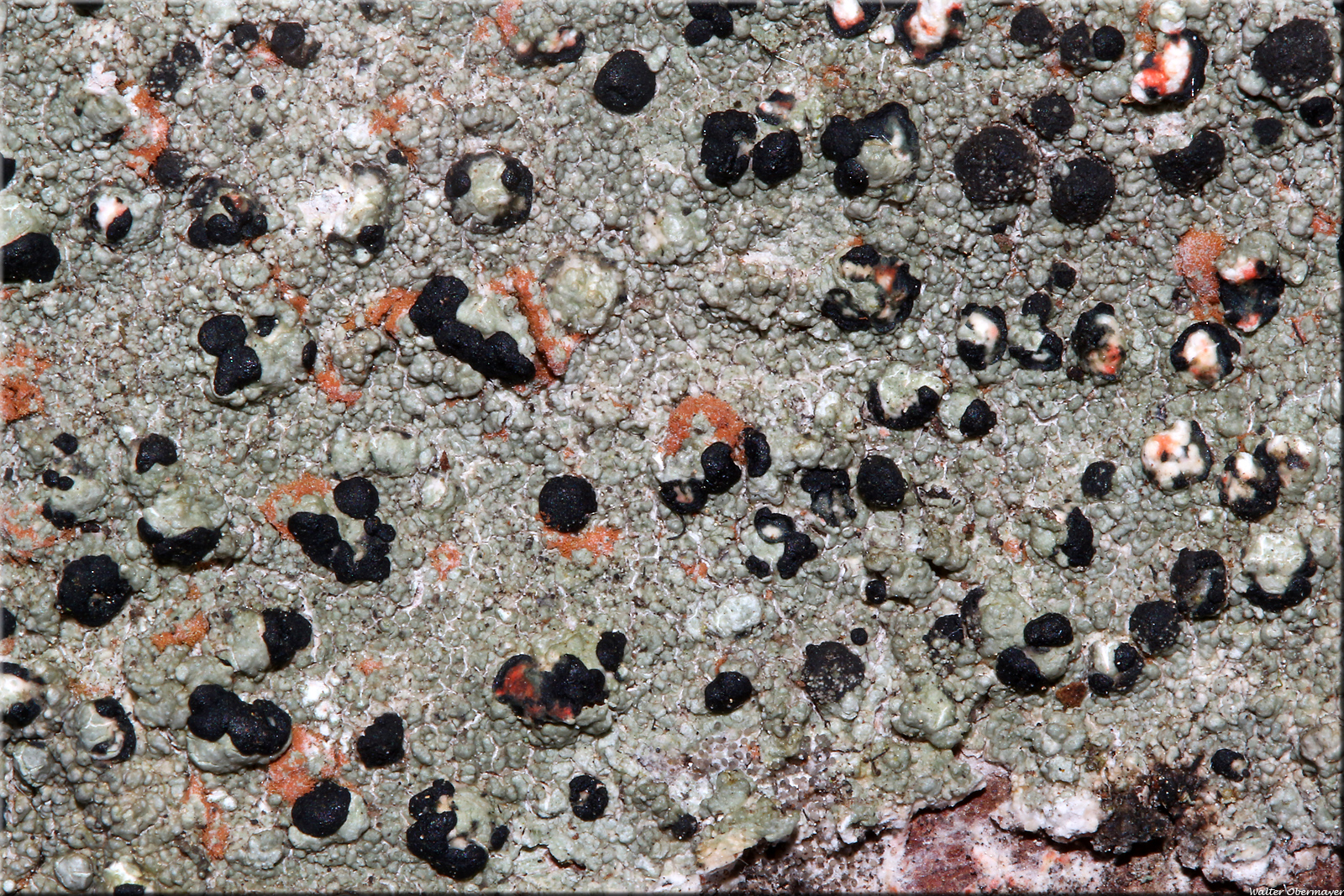
Walter Obermayer CC BY-SA 4.0 - Source: Lichens of Noricum - http://lichens-of-noricum.uni-graz.at/
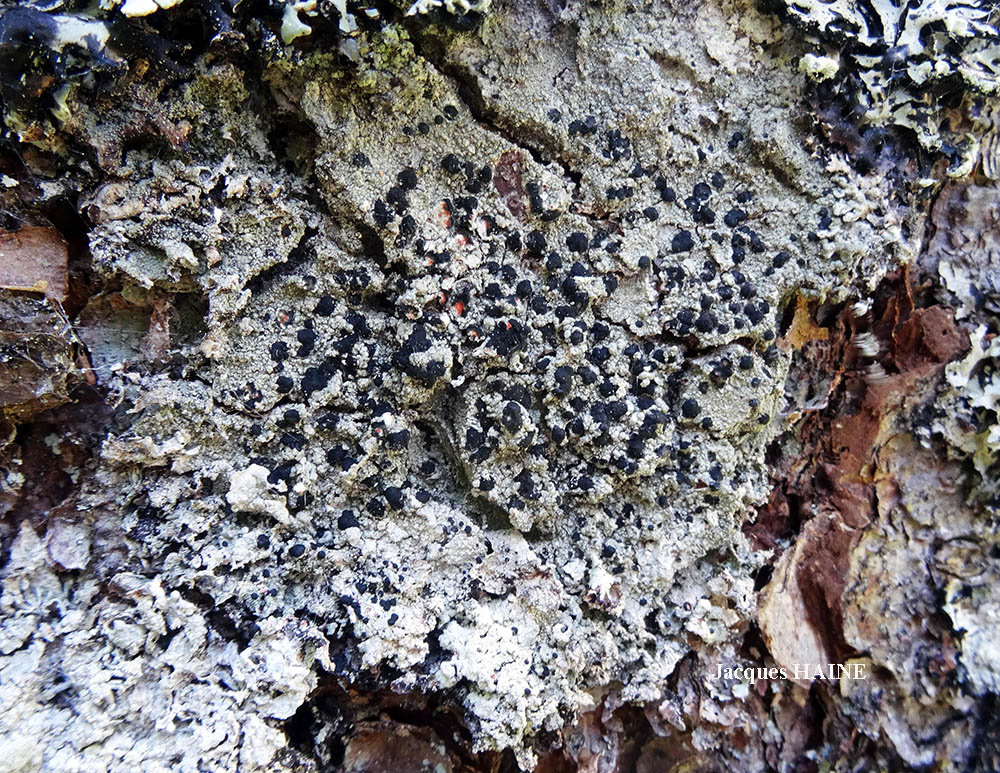
Jacques Haine - Source: http://www.lichensmaritimes.org/index.php?task=fiche&lichen=897&lang=en
France, Jura
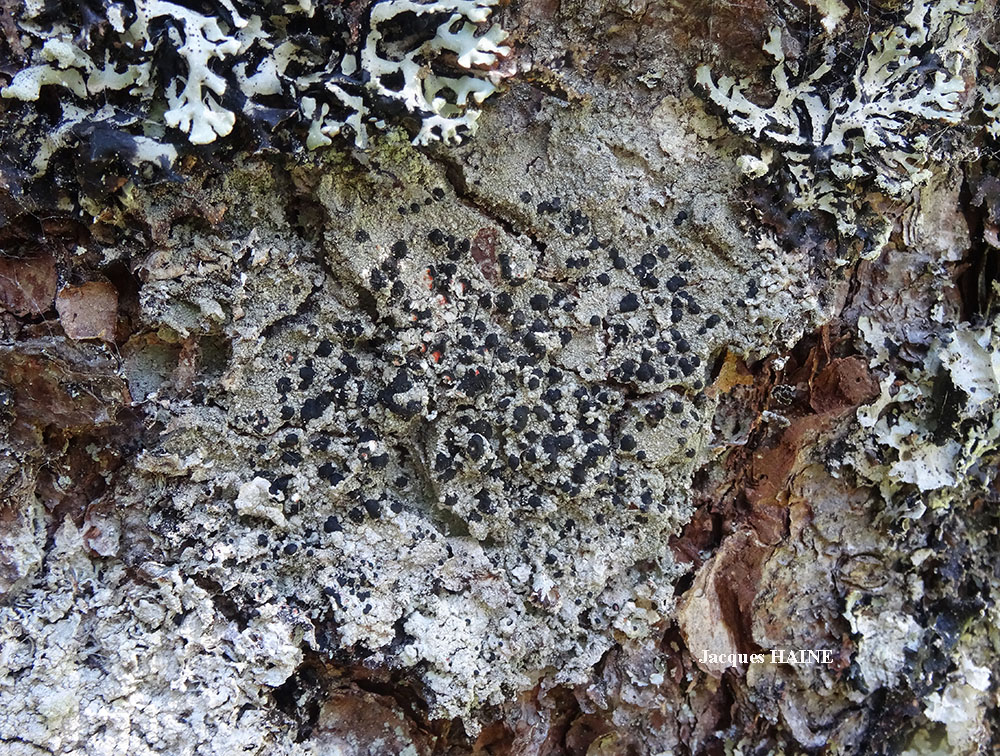
Jacques Haine - Source: http://www.lichensmaritimes.org/index.php?task=fiche&lichen=897&lang=en
France, Jura
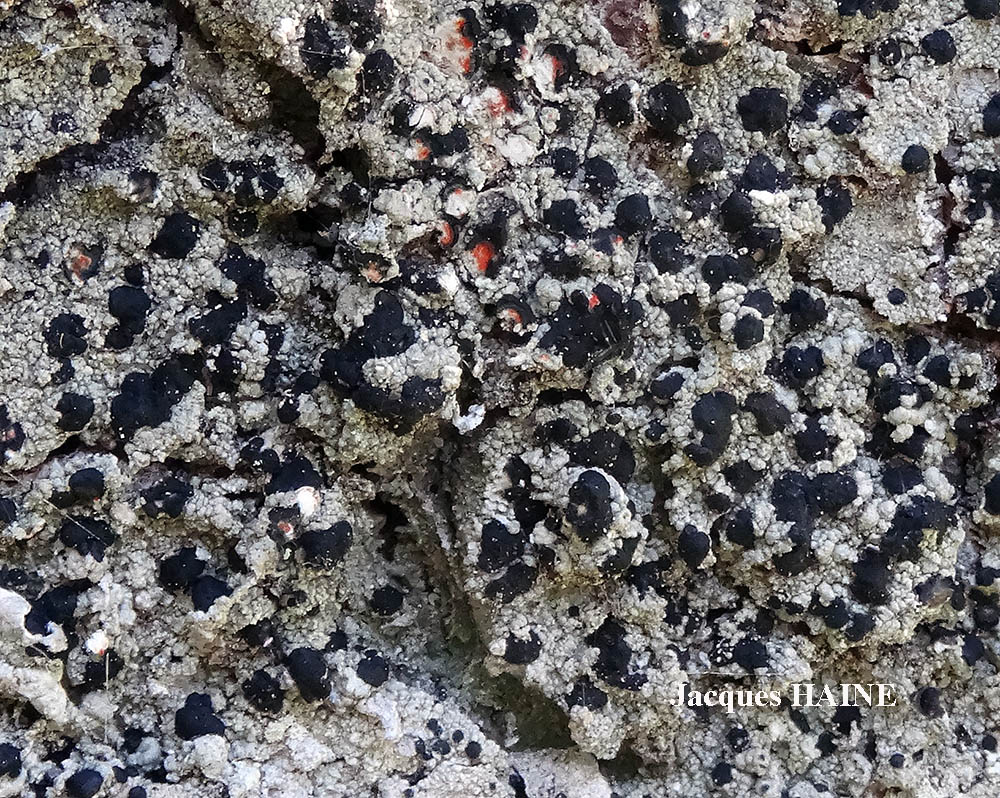
Jacques Haine - Source: http://www.lichensmaritimes.org/index.php?task=fiche&lichen=897&lang=en
France, Jura
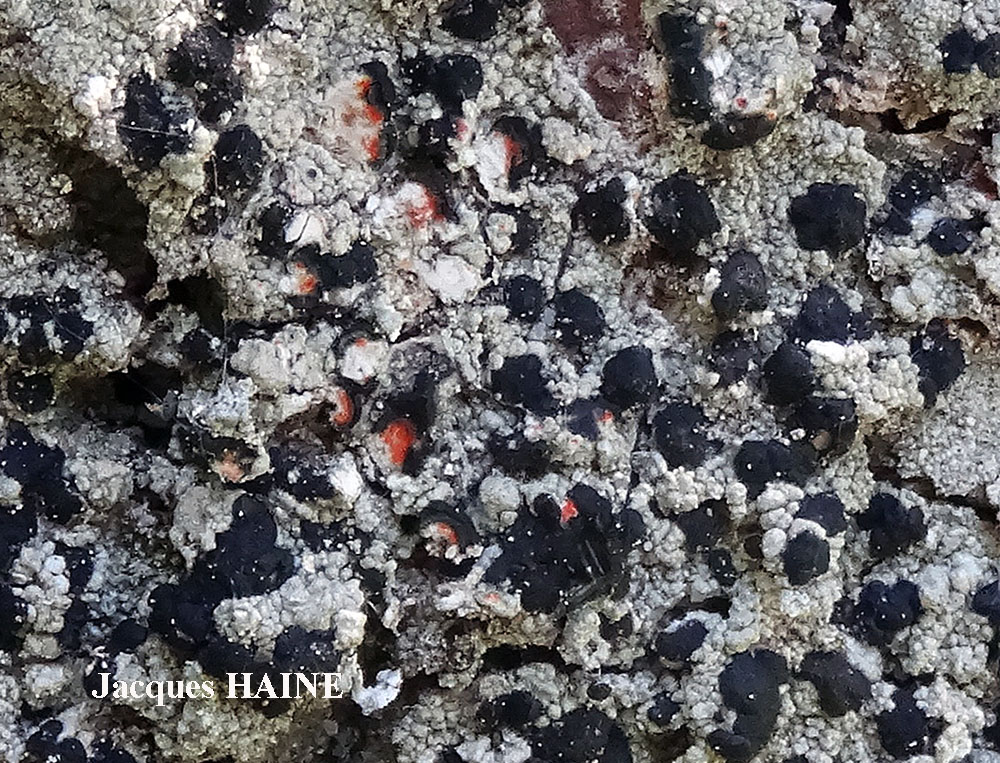
Jacques Haine - Source: http://www.lichensmaritimes.org/index.php?task=fiche&lichen=897&lang=en
France, Jura
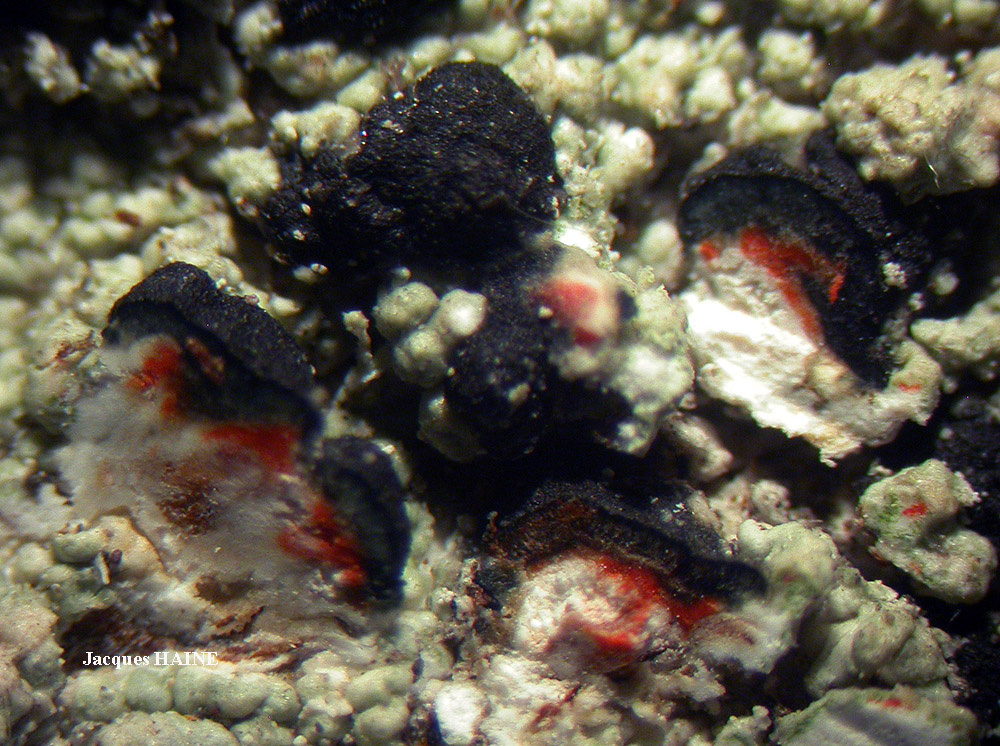
Jacques Haine - Source: http://www.lichensmaritimes.org/index.php?task=fiche&lichen=897&lang=en
France, Jura
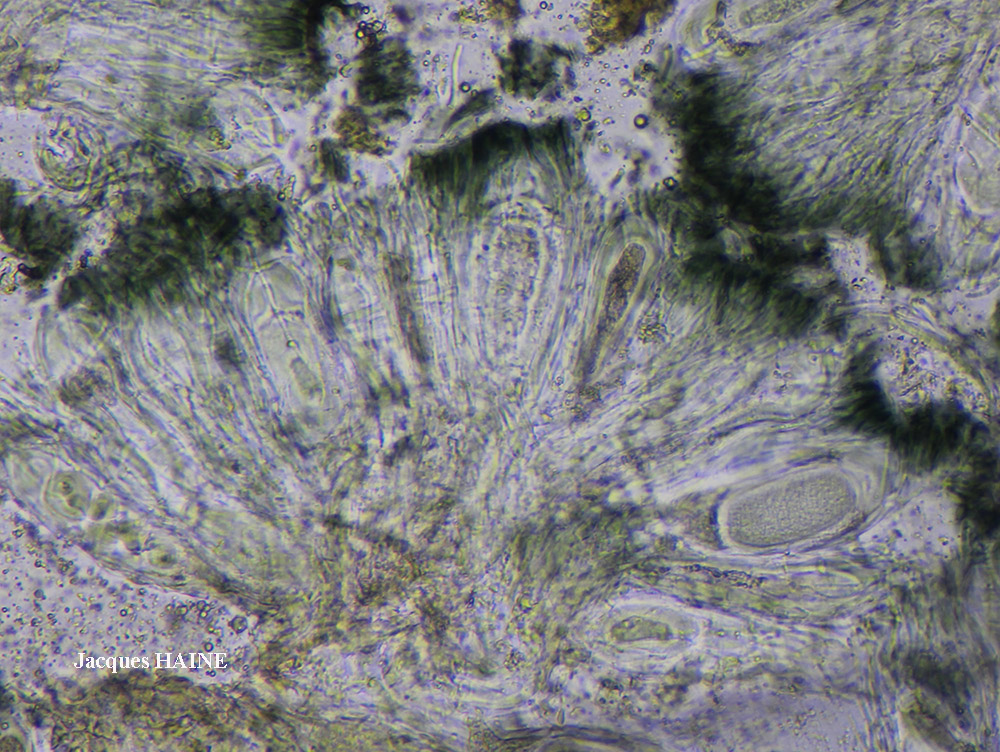
Jacques Haine - Source: http://www.lichensmaritimes.org/index.php?task=fiche&lichen=897&lang=en
France, Jura
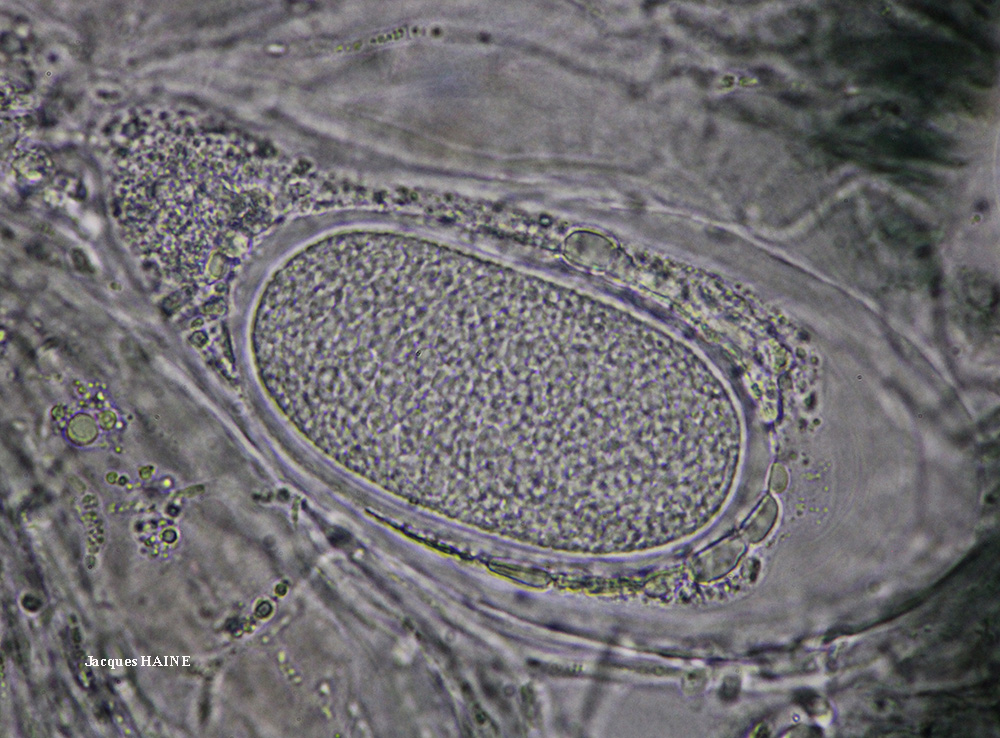
Jacques Haine - Source: http://www.lichensmaritimes.org/index.php?task=fiche&lichen=897&lang=en
France, Jura
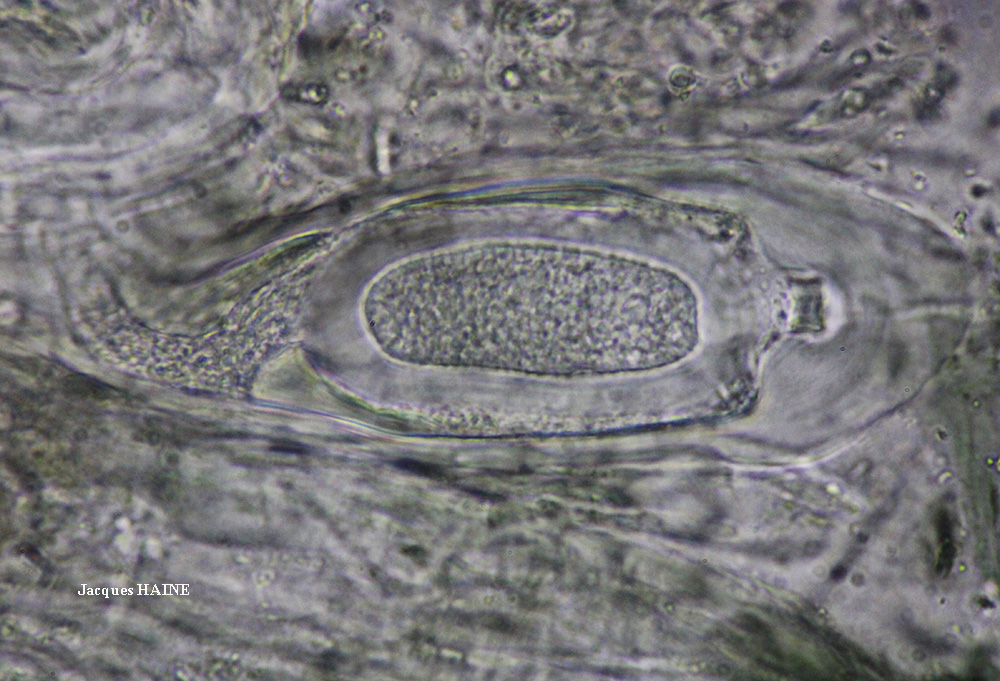
Jacques Haine - Source: http://www.lichensmaritimes.org/index.php?task=fiche&lichen=897&lang=en
France, Jura
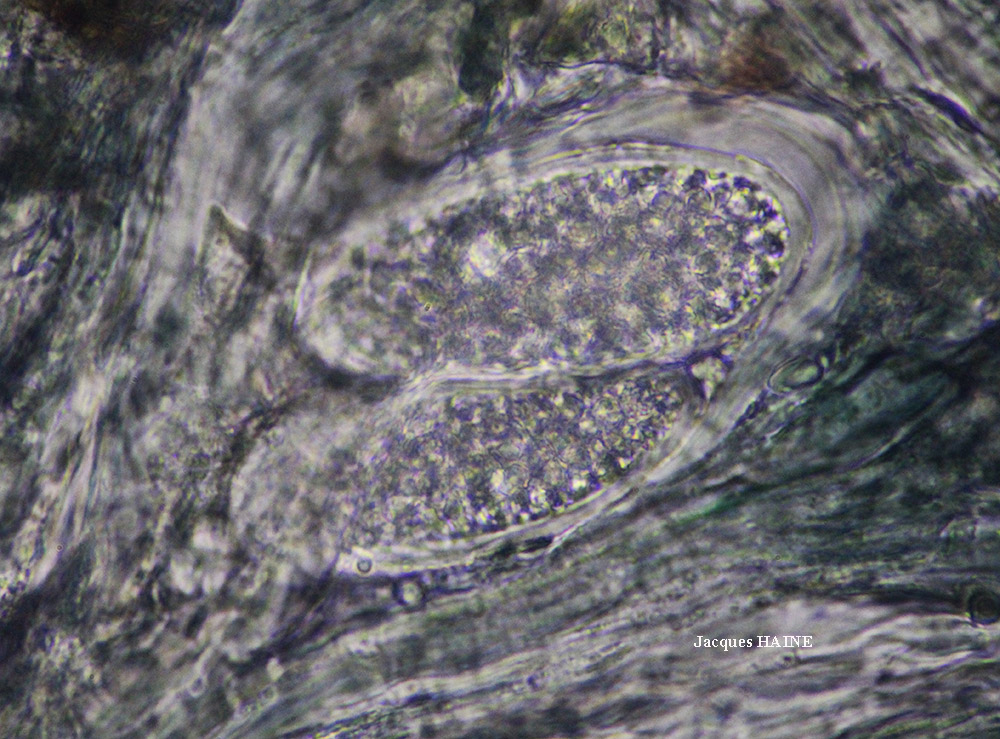
Jacques Haine - Source: http://www.lichensmaritimes.org/index.php?task=fiche&lichen=897&lang=en
France, Jura
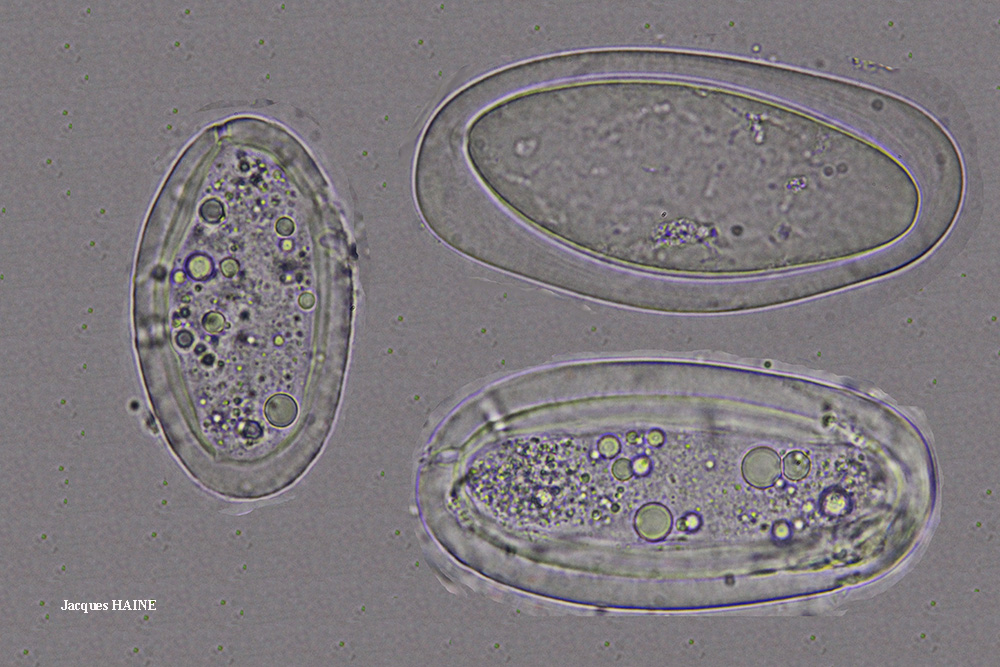
Jacques Haine - Source: http://www.lichensmaritimes.org/index.php?task=fiche&lichen=897&lang=en
France, Jura
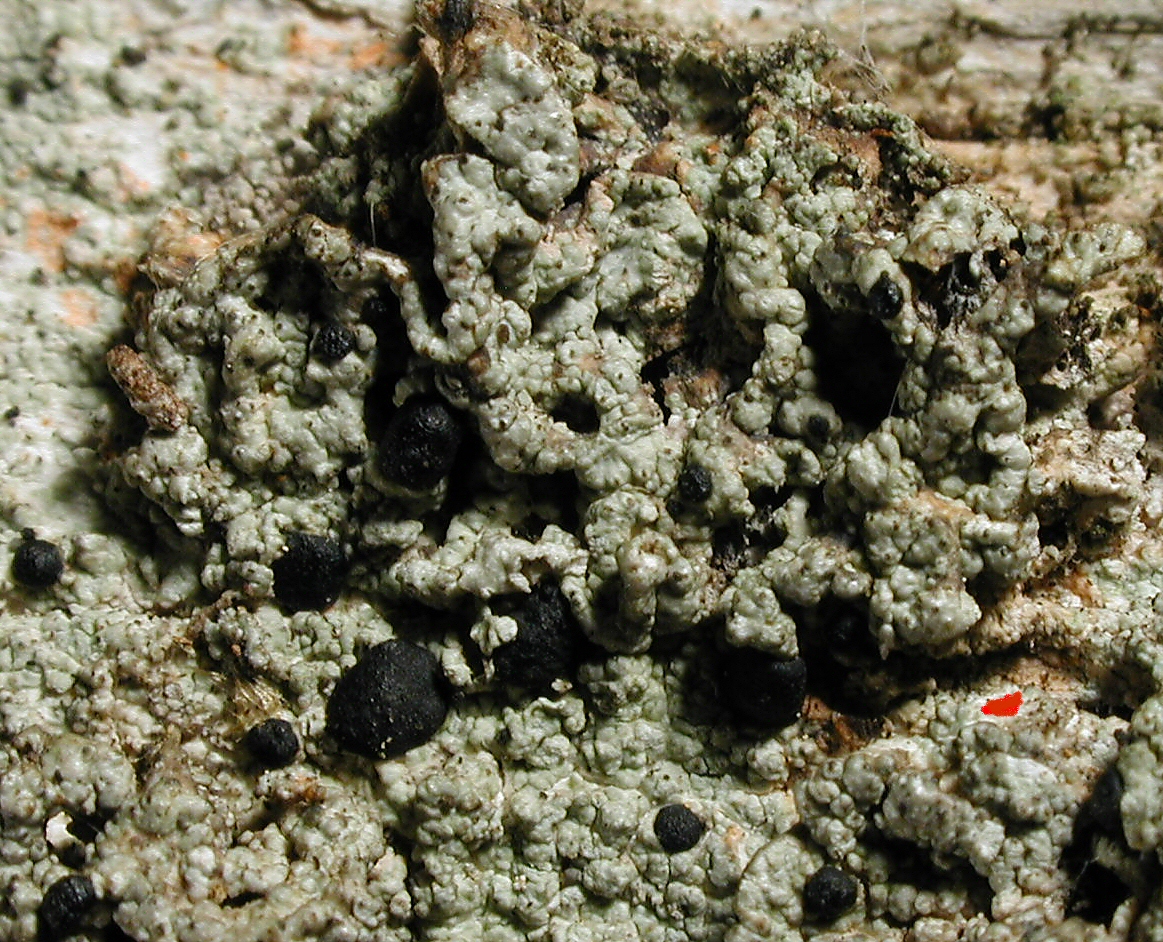
Ulrich Kirschbaum CC BY-SA 4.0 - Source: https://www.thm.de/lse/ulrich-kirschbaum/flechtenbilder
Central Europe: Germany, Hesse, Rhön Mountains. on Betula

Marta González Garcia - Centro de Estudios Micologicos Asturianos
Spain, Puerto del Connio (Cangas del Narcea-Asturias), 30-VII-2021, en madera decorticada de Betula celtiberica, leg. Jesús Linde, det. M. González, ERD-9113.

Marta González Garcia - Centro de Estudios Micologicos Asturianos
Spain, Puerto del Connio (Cangas del Narcea-Asturias), 30-VII-2021, en madera decorticada de Betula celtiberica, leg. Jesús Linde, det. M. González, ERD-9113.

Marta González Garcia - Centro de Estudios Micologicos Asturianos
Spain, Puerto del Connio (Cangas del Narcea-Asturias), 30-VII-2021, en madera decorticada de Betula celtiberica, leg. Jesús Linde, det. M. González, ERD-9113.

Marta González Garcia - Centro de Estudios Micologicos Asturianos
Spain, Puerto del Connio (Cangas del Narcea-Asturias), 30-VII-2021, en madera decorticada de Betula celtiberica, leg. Jesús Linde, det. M. González, ERD-9113.

Marta González Garcia - Centro de Estudios Micologicos Asturianos
Spain, Puerto del Connio (Cangas del Narcea-Asturias), 30-VII-2021, en madera decorticada de Betula celtiberica, leg. Jesús Linde, det. M. González, ERD-9113.

Marta González Garcia - Centro de Estudios Micologicos Asturianos
Spain, Puerto del Connio (Cangas del Narcea-Asturias), 30-VII-2021, en madera decorticada de Betula celtiberica, leg. Jesús Linde, det. M. González, ERD-9113.

Marta González Garcia - Centro de Estudios Micologicos Asturianos
Spain, Puerto del Connio (Cangas del Narcea-Asturias), 30-VII-2021, en madera decorticada de Betula celtiberica, leg. Jesús Linde, det. M. González, ERD-9113.

Collezione lichenologica Abramo Massalongo del Museo di Storia Naturale G. Ligabue di Venezia - Autori: Seggi, Linda; Trabucco, Raffaella Proprietà: Fondazione Musei Civici di Venezia - CC BY-NC
Italy, Veneto, in alp. Cadubriae. 1855
as Megalospora sanguinaria