Polyozosia sambuci (Pers.) S.Y. Kondr., Lőkös & Farkas
in Kondratyuk & al., Acta Bot. Hung., 61, 1-2: 157, 2019. Basionym: Lichen sambuci Pers. - Ann. Bot. (Usteri), 7: 26, 1794.
Synonyms: Lecanora sambuci (Pers.) Nyl.; Lecanora sambucioides H. Magn.; Myriolecis sambuci (Pers.) Clem.
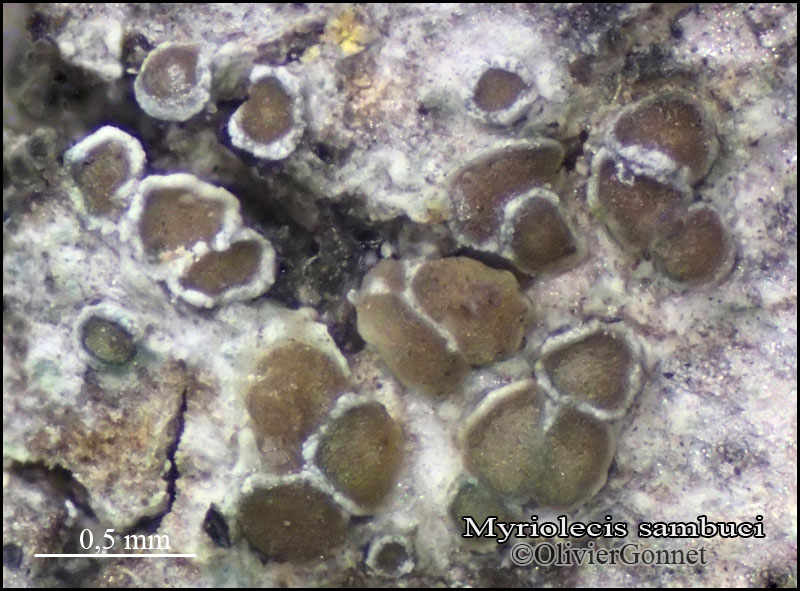
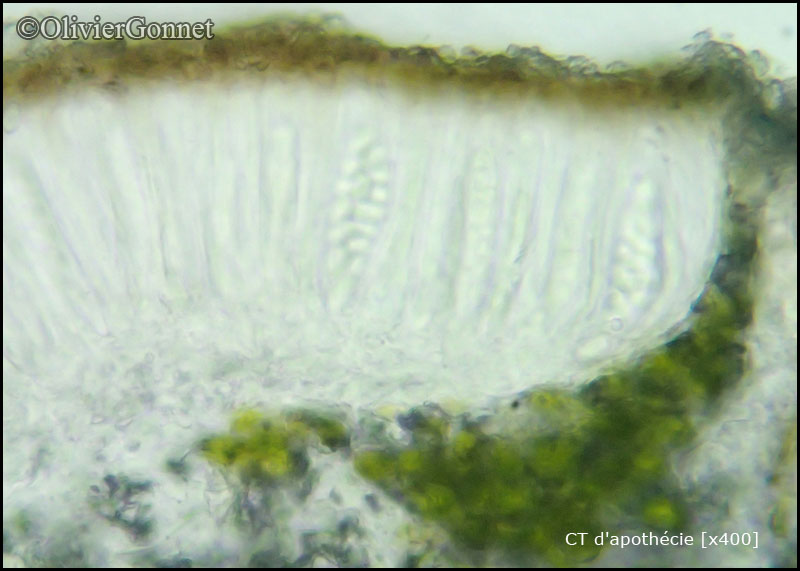
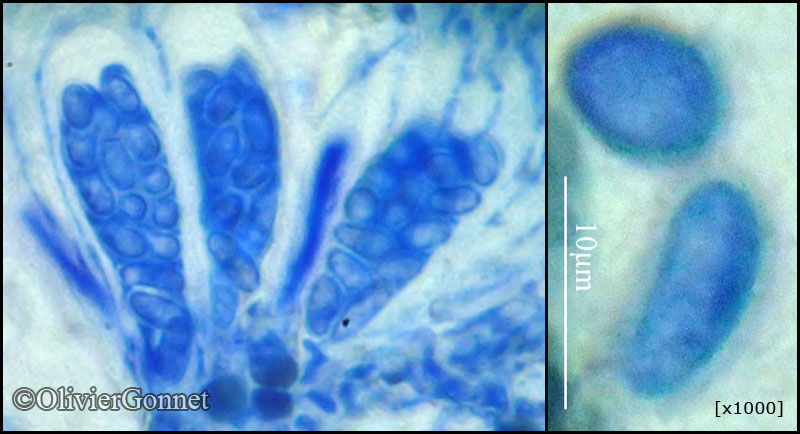
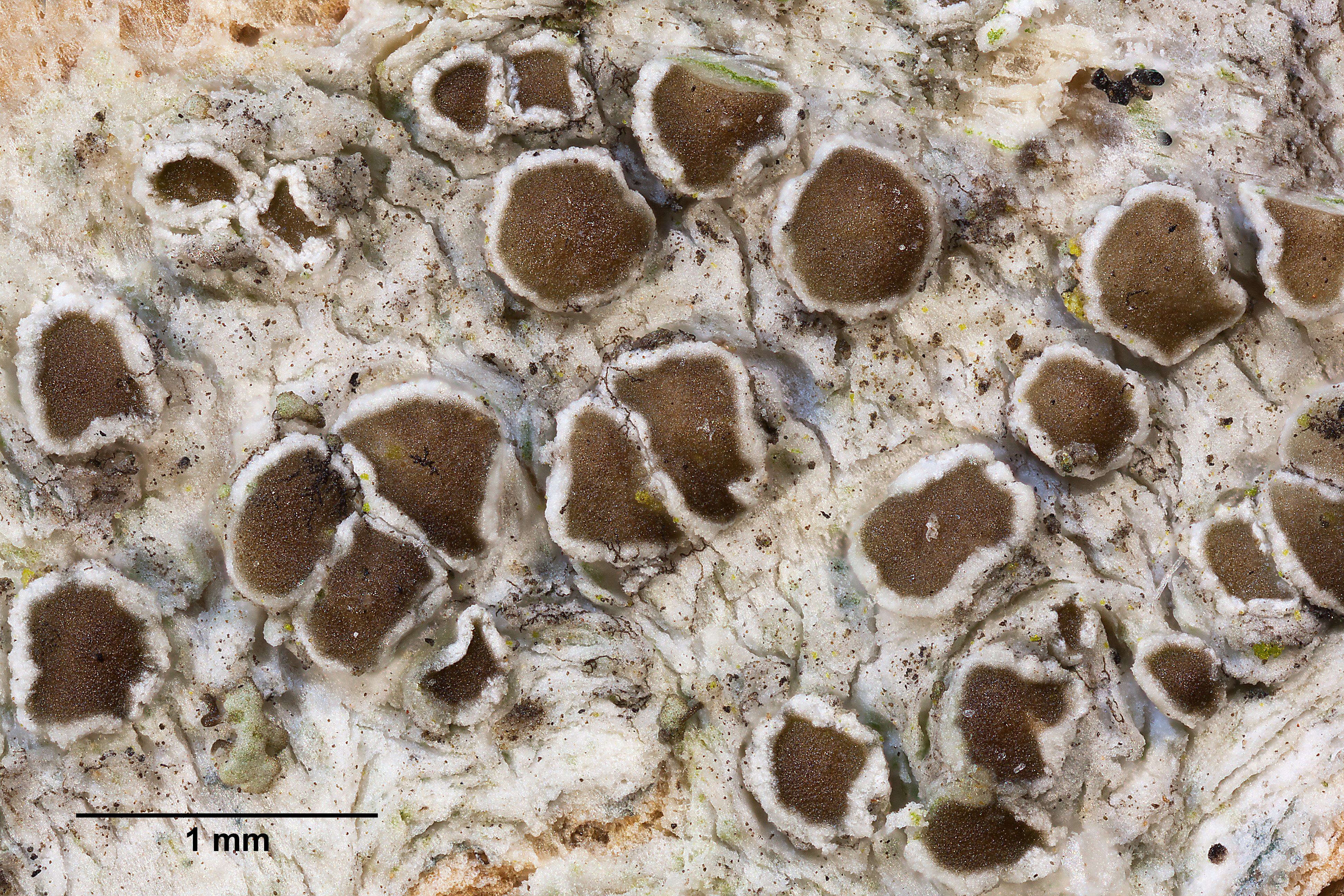
Description: Thallus crustose, endosubstratic or very thinly episubstratic, continuous or minutely granulose, white or whitish grey, often poorly evident. Apothecia lecanorine, sessile, 0.2-0.6(-0.8) mm across, with a grey-brown to reddish brown, flat to slightly convex, sometimes slightly pruinose disc and a white-pruinose, prominent, usually smooth or irregularly crenulate thalline margin. Thalline exciple c. 80 µm wide, corticate, the cortex 20–30 μm thick laterally, 30–60 μm thick at base, the medullary part filled with small crystals insoluble in K but soluble in N; proper exciple not evident; epithecium yellowish brown, rarely with a few superficial granules; hymenium colourless, 40-70 µm high; paraphyses simple, thick, capitate, brown-pigmented at tips, usually free in K; hypothecium colourless, without granules. Asci (8-)16-32-spored, elongate-clavate, very thin-walled, with a K/I+ blue, tall tholus penetrated by a faintly amyloid apical cushion, the wall K/I-, surrounded by a K/I+ blue outer layer, Lecanora-type. Ascospores 1-celled, hyaline, ellipsoid, (6.5-)8-10(-12) x (3-)4-6(-7.5) µm. Pycnidia frequent, black, erumpent. Conidia 10-12 x c. 1 µm, straight or curved. Photobiont chlorococcoid. Spot tests: thallus and apothecial margin K-, C-, KC-, P-, UV-. Chemistry: without lichen substances.
Growth form: Crustose
Substrata: bark
Photobiont: green algae other than Trentepohlia
Reproductive strategy: mainly sexual
Commonnes-rarity: (info)
Alpine belt: absent
Subalpine belt: absent
Montane belt: very rare
Dry submediterranean belt: rather rare
Humid submediterranean belt: rather rare
Padanian area: extremely rare
pH of the substrata:
1 2 3 4 5

Solar irradiation:
1 2 3 4 5
Aridity:
1 2 3 4 5
Eutrophication:
1 2 3 4 5
Poleotolerance:
0 1 2 3
Altitudinal distribution:
1 2 3 4 5 6
Rarity
absent
extremely rare
very rare
rare
rather rare
rather common
common
very common
extremely common
Loading data...
Occurrence data
Predictive map
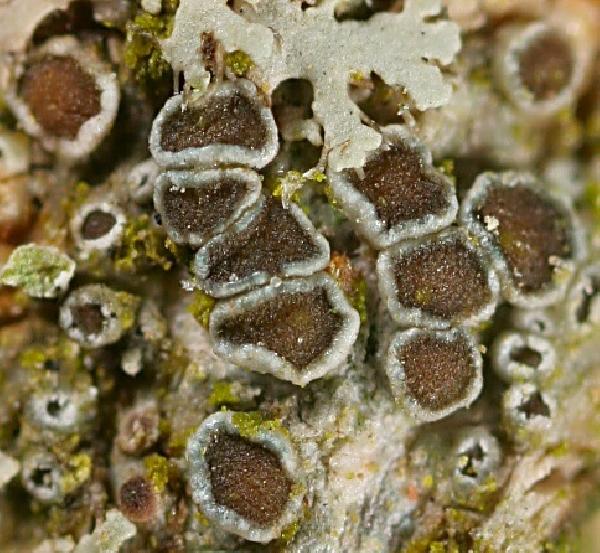
Ulrich Kirschbaum CC BY-SA 4.0 - Source: https://www.thm.de/lse/ulrich-kirschbaum/flechtenbilder
Central Europe; Germany: Hesse.
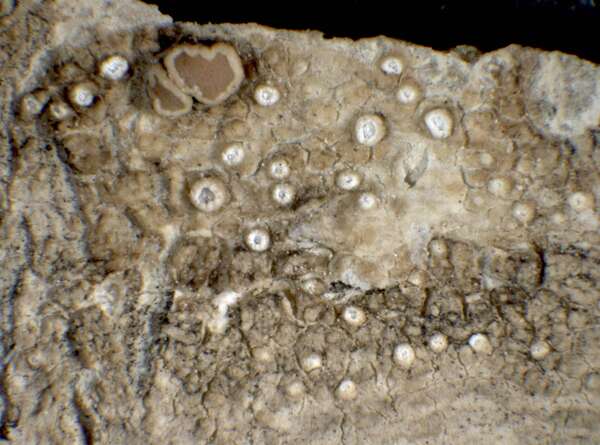
P.L. Nimis; Owner: Department of Life Sciences, University of Trieste
Herbarium: TSB (11237)
2001/12/08
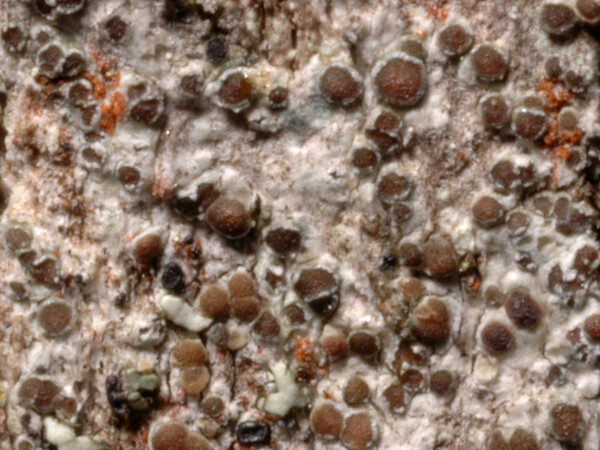
Leif Stridvall - Source: http://www.stridvall.se/la/galleries.php . Courtesy: A. Stridvall
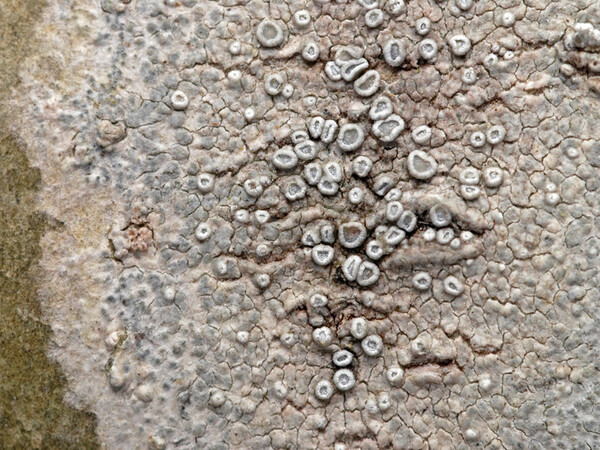
Leif Stridvall - Source: http://www.stridvall.se/la/galleries.php . Courtesy: A. Stridvall
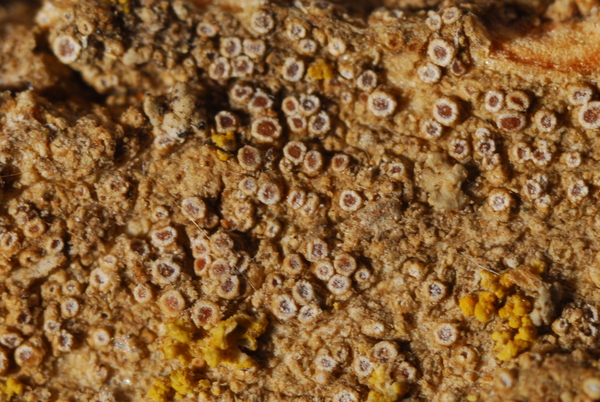
Domenico Puntillo; Owner: Domenico Puntillo
Italy
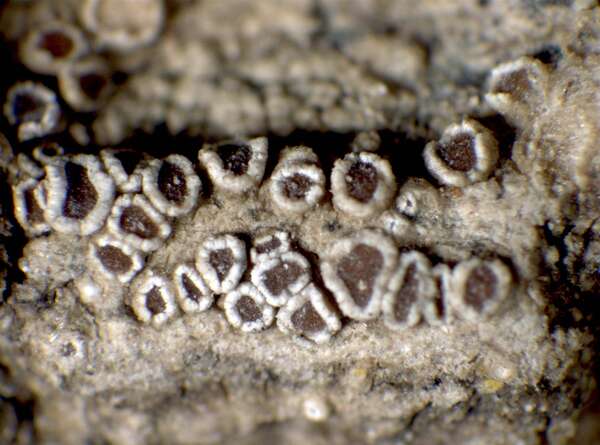
P.L. Nimis; Owner: Department of Life Sciences, University of Trieste
Herbarium: TSB (17387)
2001/11/26
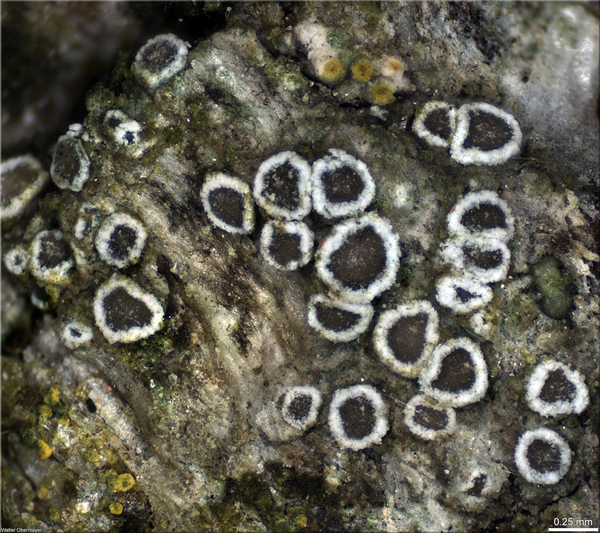
Walter Obermayer CC BY-SA 4.0 - Source: Lichens of Noricum - http://lichens-of-noricum.uni-graz.at/
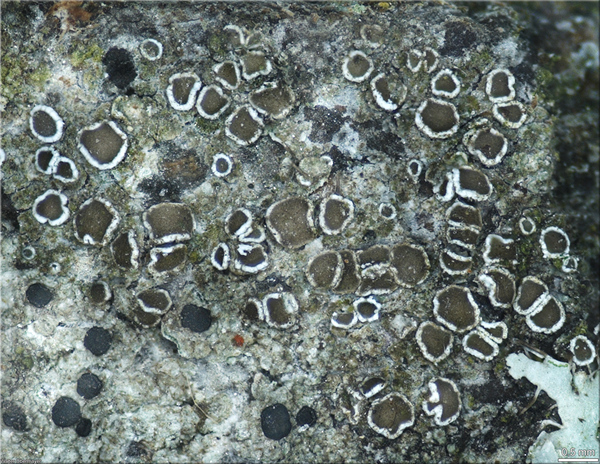
Walter Obermayer CC BY-SA 4.0 - Source: Lichens of Noricum - http://lichens-of-noricum.uni-graz.at/
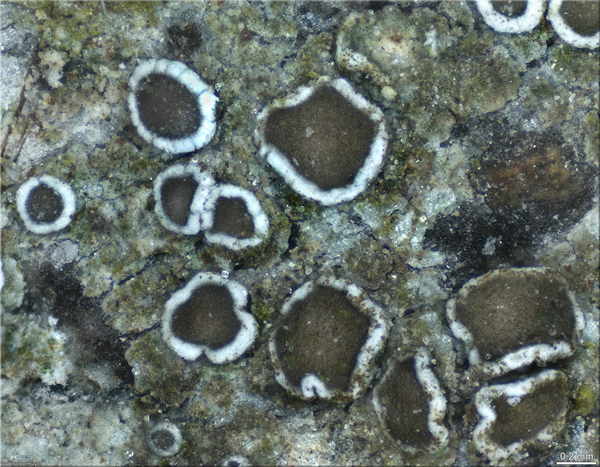
Walter Obermayer CC BY-SA 4.0 - Source: Lichens of Noricum - http://lichens-of-noricum.uni-graz.at/
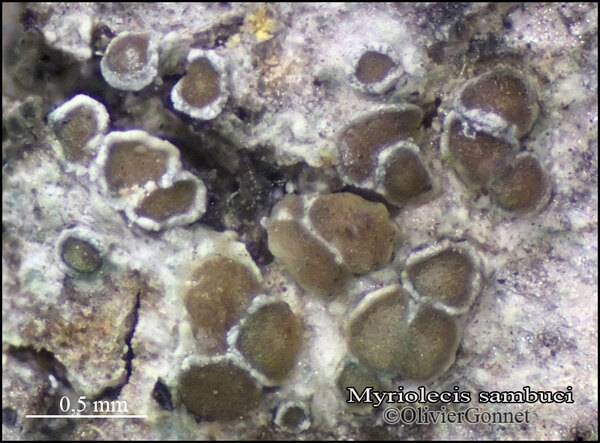
Courtesy Danièle et Olivier Gonnet - Source: https://www.afl-lichenologie.fr/Photos_AFL/Photos_AFL_M/Texte_M/Myriolecis_sambuci.htm
France, Brives-Charensac - Haute-Loire
8/11/2016
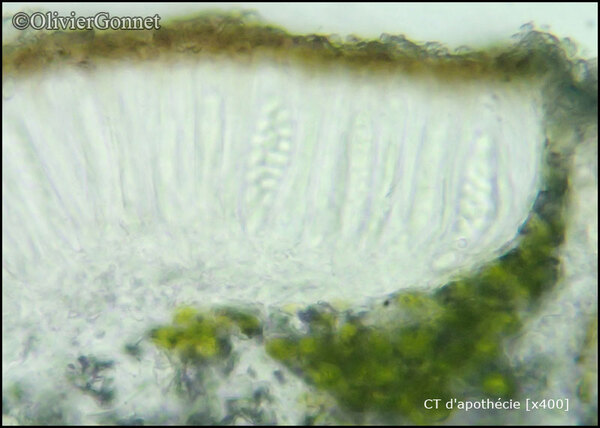
Courtesy Danièle et Olivier Gonnet - Source: https://www.afl-lichenologie.fr/Photos_AFL/Photos_AFL_M/Texte_M/Myriolecis_sambuci.htm
France, Brives-Charensac - Haute-Loire
8/11/2016
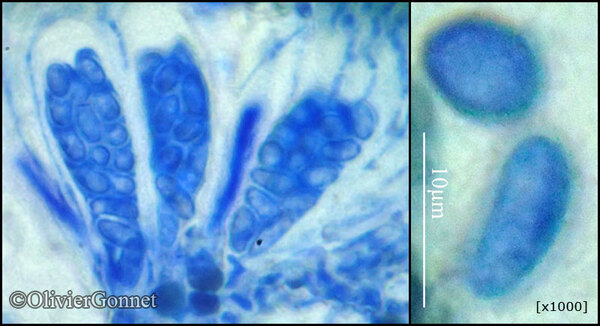
Courtesy Danièle et Olivier Gonnet - Source: https://www.afl-lichenologie.fr/Photos_AFL/Photos_AFL_M/Texte_M/Myriolecis_sambuci.htm
France, Brives-Charensac - Haute-Loire
8/11/2016
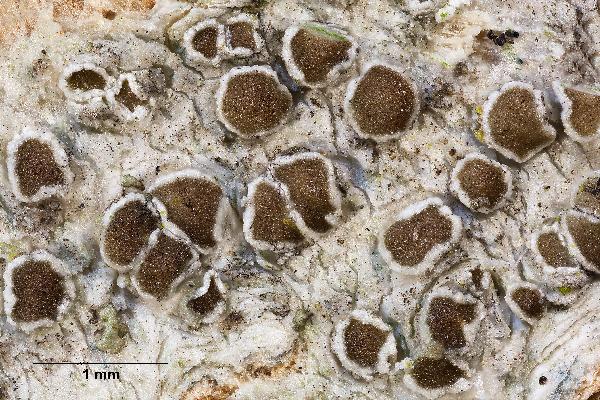
Ulrich Kirschbaum CC BY-SA 4.0 - Source: https://www.thm.de/lse/ulrich-kirschbaum/flechtenbilder
Central Europe: Germany, Hesse, Wetterau. Coll. C. Parson. On Juglans regia
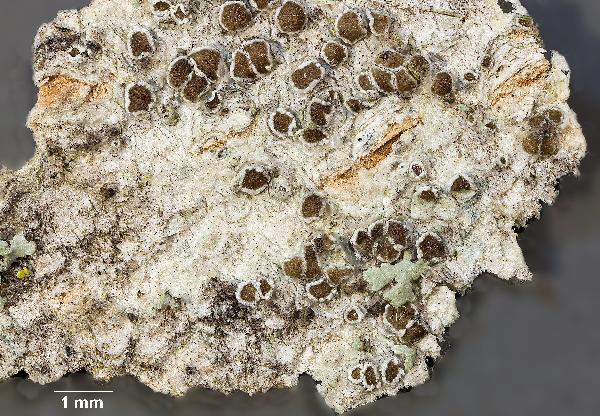
Ulrich Kirschbaum CC BY-SA 4.0 - Source: https://www.thm.de/lse/ulrich-kirschbaum/flechtenbilder
Central Europe: Germany, Hesse, Wetterau. Coll. C. Parson. On Juglans regia
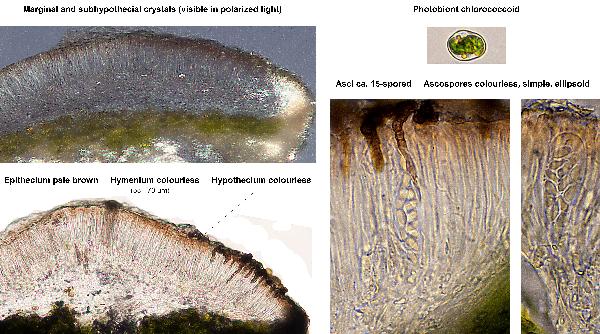
Ulrich Kirschbaum CC BY-SA 4.0 - Source: https://www.thm.de/lse/ulrich-kirschbaum/flechtenbilder
Central Europe: Germany, Hesse, Wetterau. Coll. C. Parson. On Juglans regia
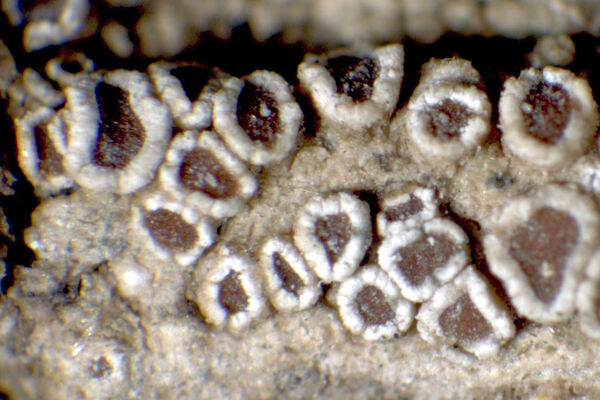
P.L. Nimis CC BY-SA 4.0
TSB 17387
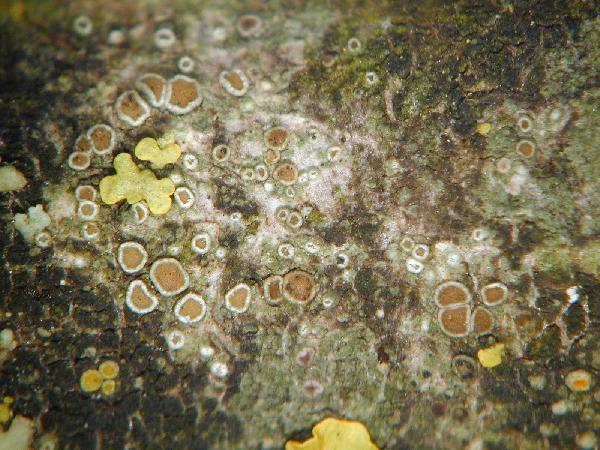
Wolfgang von Brackel - CC BY-4.0
Germany, Bavaria, Hohenfels
Growth form: Crustose
Substrata: bark
Photobiont: green algae other than Trentepohlia
Reproductive strategy: mainly sexual
Commonnes-rarity: (info)
Alpine belt: absent
Subalpine belt: absent
Montane belt: very rare
Dry submediterranean belt: rather rare
Humid submediterranean belt: rather rare
Padanian area: extremely rare
pH of the substrata:
| 1 | 2 | 3 | 4 | 5 |
Solar irradiation:
| 1 | 2 | 3 | 4 | 5 |
Aridity:
| 1 | 2 | 3 | 4 | 5 |
Eutrophication:
| 1 | 2 | 3 | 4 | 5 |
Poleotolerance:
| 0 | 1 | 2 | 3 |
Altitudinal distribution:
| 1 | 2 | 3 | 4 | 5 | 6 |
Rarity
absent
extremely rare
very rare
rare
rather rare
rather common
common
very common
extremely common
Loading data...
Occurrence data
Predictive map
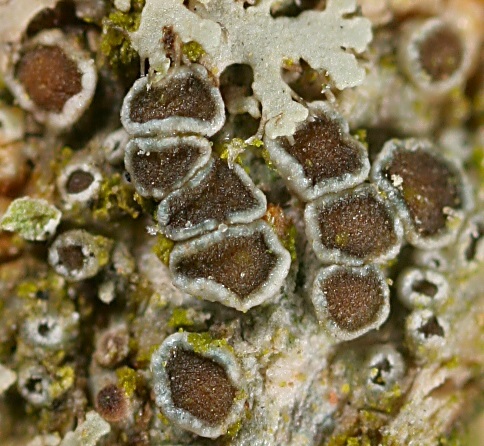
Ulrich Kirschbaum CC BY-SA 4.0 - Source: https://www.thm.de/lse/ulrich-kirschbaum/flechtenbilder
Central Europe; Germany: Hesse.

P.L. Nimis; Owner: Department of Life Sciences, University of Trieste
Herbarium: TSB (11237)
2001/12/08
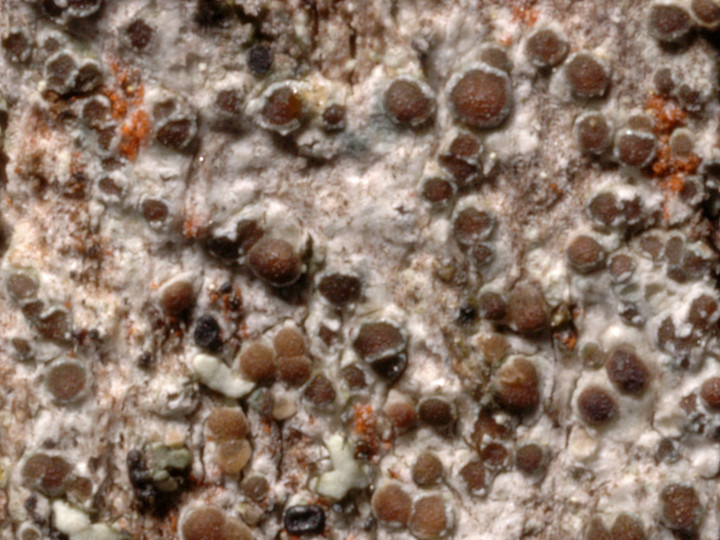
Leif Stridvall - Source: http://www.stridvall.se/la/galleries.php . Courtesy: A. Stridvall

Leif Stridvall - Source: http://www.stridvall.se/la/galleries.php . Courtesy: A. Stridvall
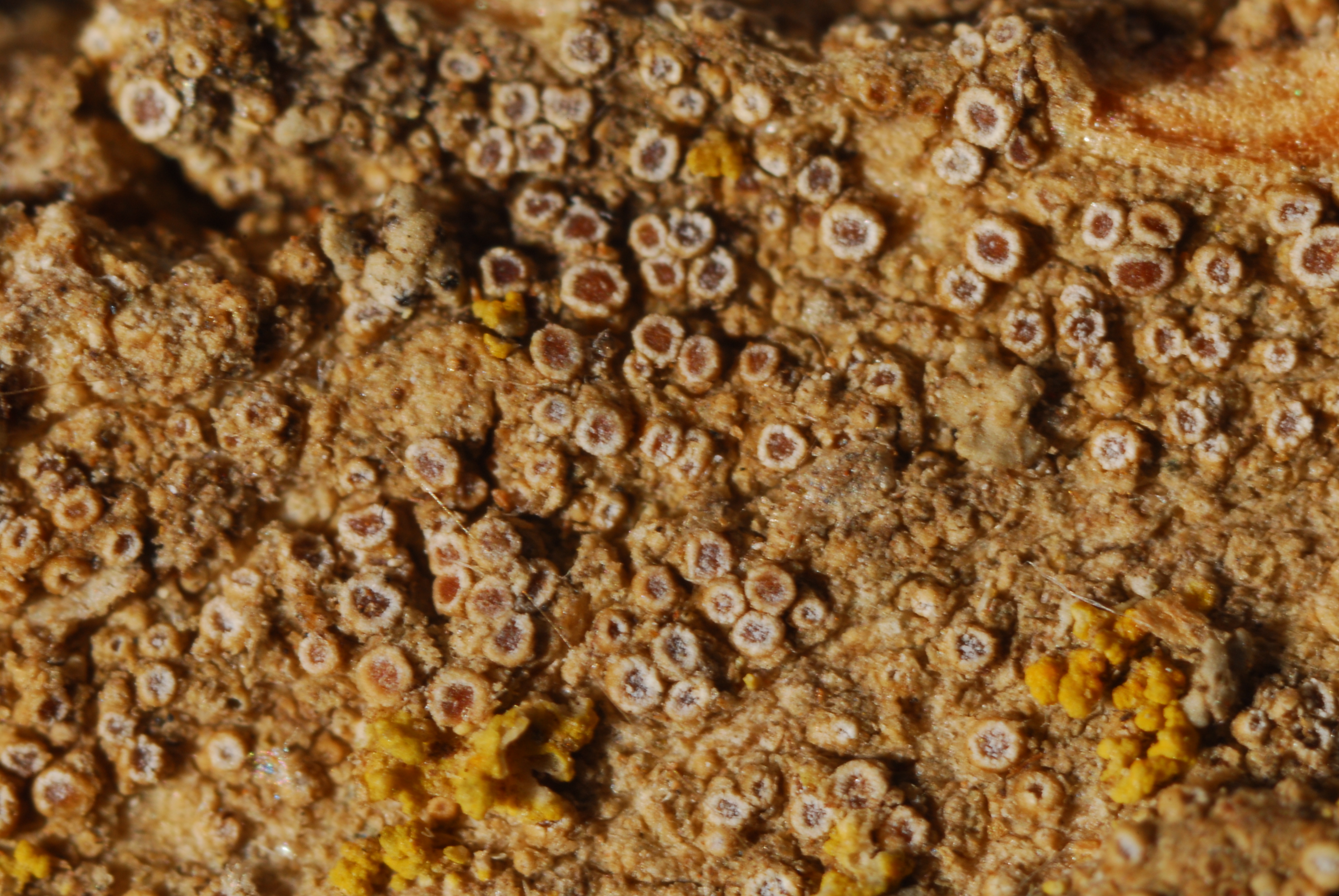
Domenico Puntillo; Owner: Domenico Puntillo
Italy
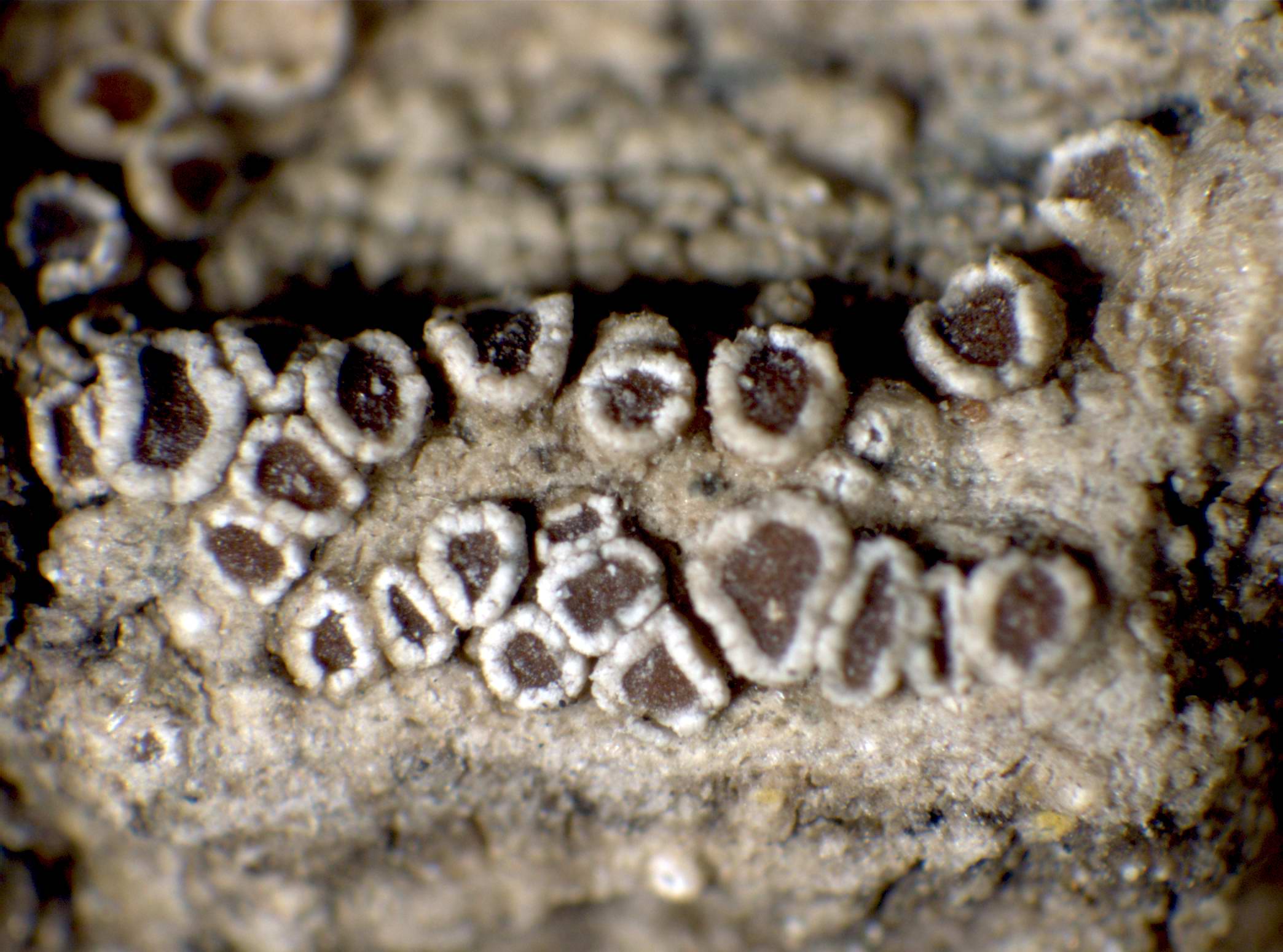
P.L. Nimis; Owner: Department of Life Sciences, University of Trieste
Herbarium: TSB (17387)
2001/11/26
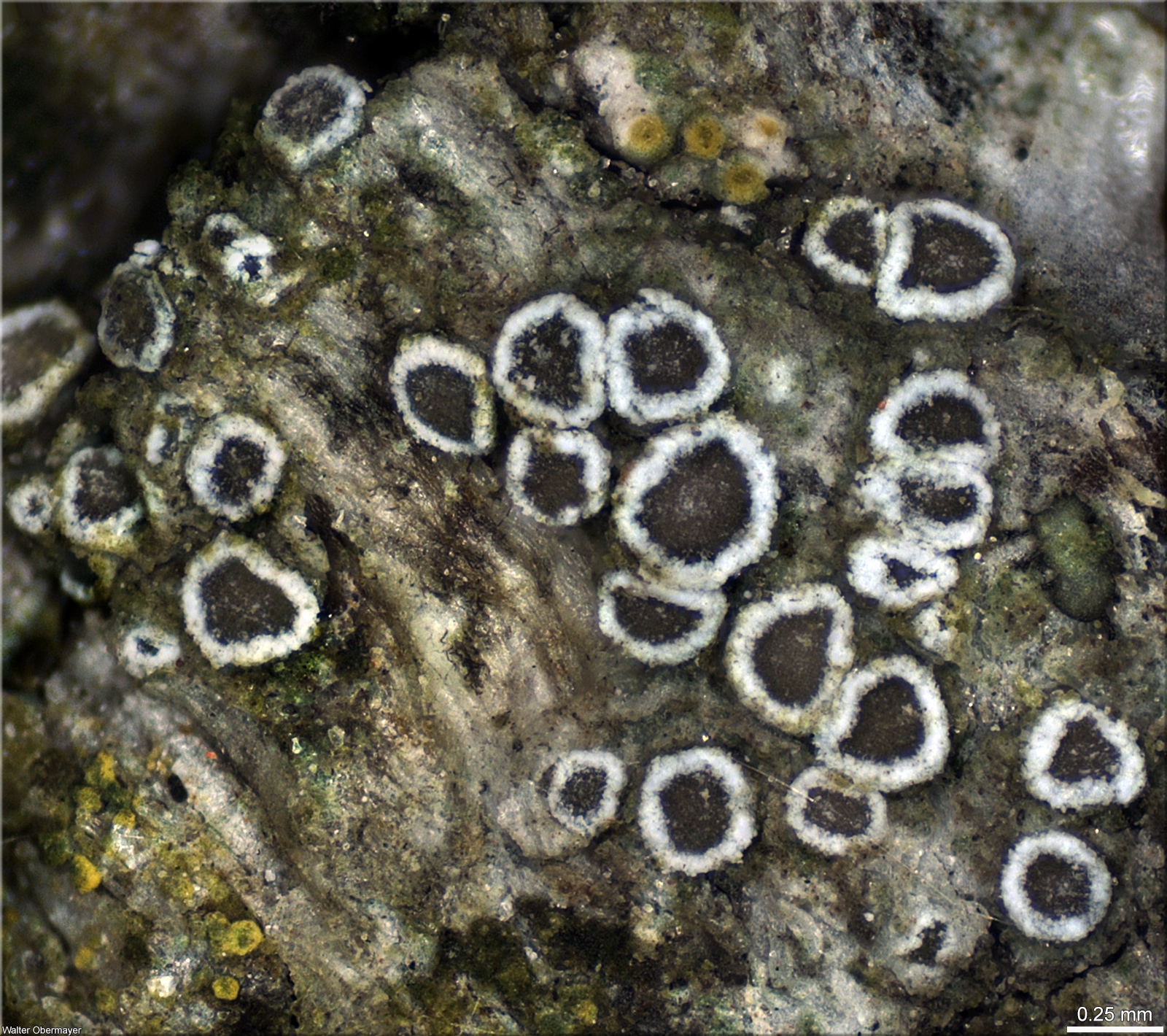
Walter Obermayer CC BY-SA 4.0 - Source: Lichens of Noricum - http://lichens-of-noricum.uni-graz.at/
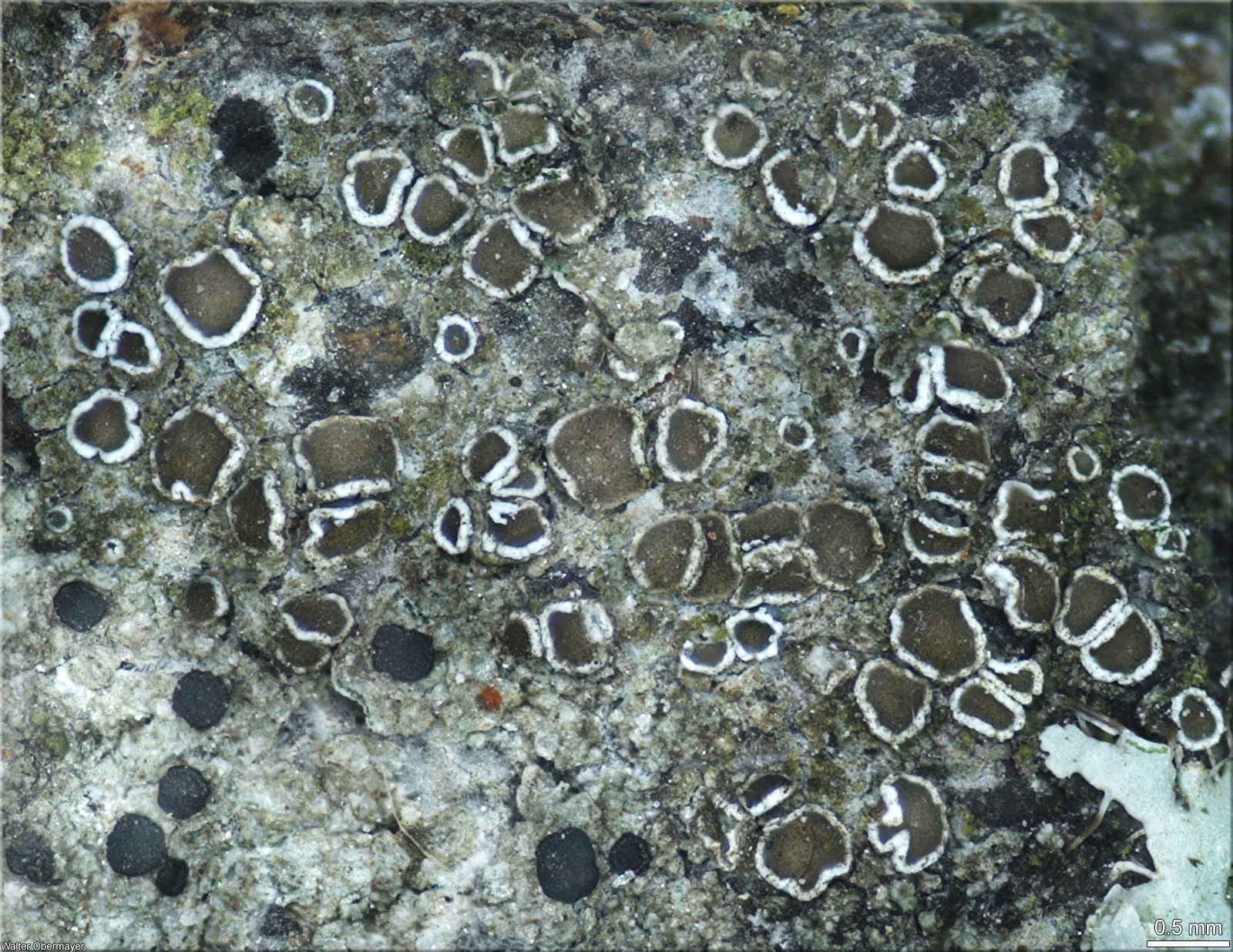
Walter Obermayer CC BY-SA 4.0 - Source: Lichens of Noricum - http://lichens-of-noricum.uni-graz.at/
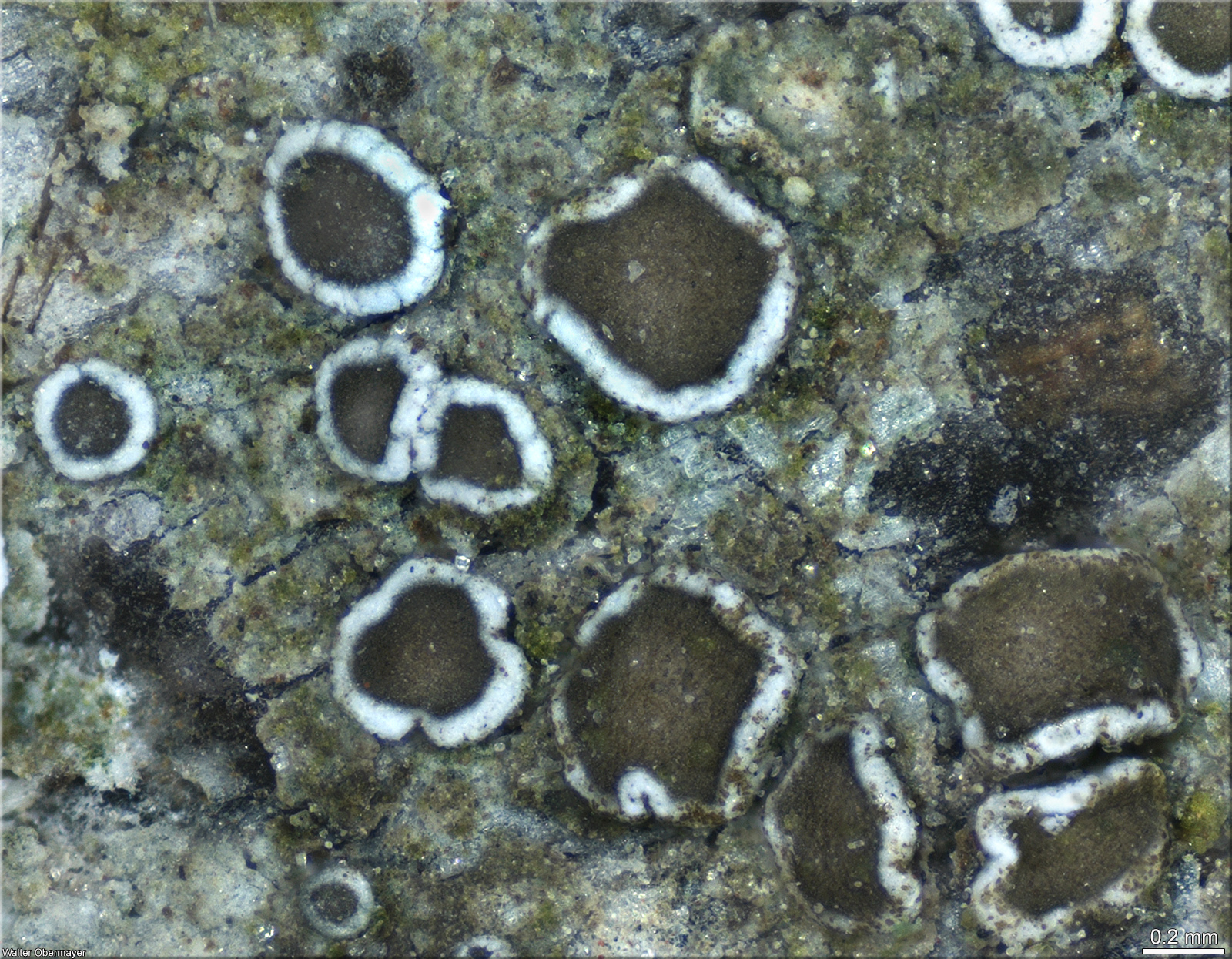
Walter Obermayer CC BY-SA 4.0 - Source: Lichens of Noricum - http://lichens-of-noricum.uni-graz.at/
Courtesy Danièle et Olivier Gonnet - Source: https://www.afl-lichenologie.fr/Photos_AFL/Photos_AFL_M/Texte_M/Myriolecis_sambuci.htm
France, Brives-Charensac - Haute-Loire
8/11/2016
Courtesy Danièle et Olivier Gonnet - Source: https://www.afl-lichenologie.fr/Photos_AFL/Photos_AFL_M/Texte_M/Myriolecis_sambuci.htm
France, Brives-Charensac - Haute-Loire
8/11/2016
Courtesy Danièle et Olivier Gonnet - Source: https://www.afl-lichenologie.fr/Photos_AFL/Photos_AFL_M/Texte_M/Myriolecis_sambuci.htm
France, Brives-Charensac - Haute-Loire
8/11/2016
Ulrich Kirschbaum CC BY-SA 4.0 - Source: https://www.thm.de/lse/ulrich-kirschbaum/flechtenbilder
Central Europe: Germany, Hesse, Wetterau. Coll. C. Parson. On Juglans regia
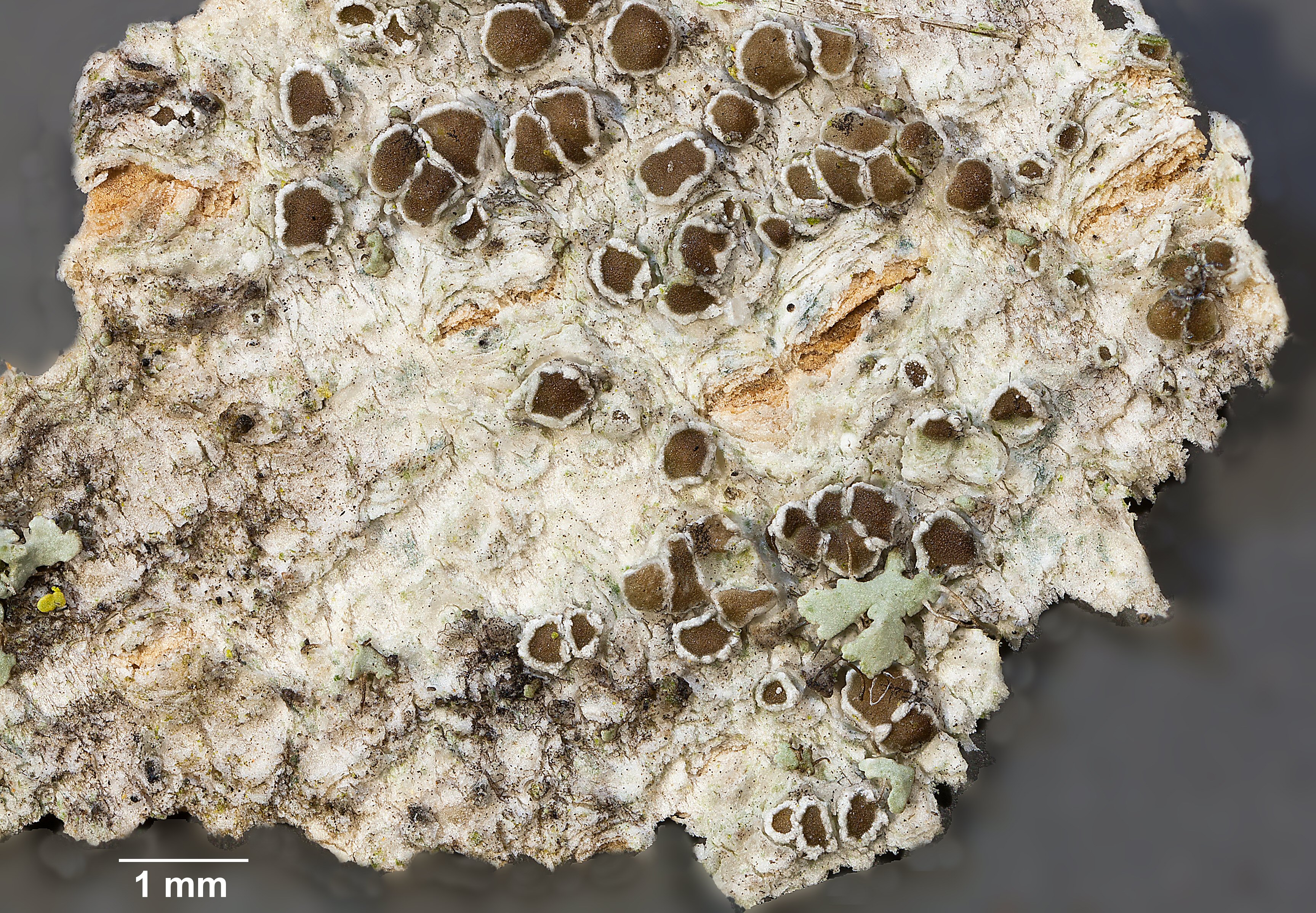
Ulrich Kirschbaum CC BY-SA 4.0 - Source: https://www.thm.de/lse/ulrich-kirschbaum/flechtenbilder
Central Europe: Germany, Hesse, Wetterau. Coll. C. Parson. On Juglans regia
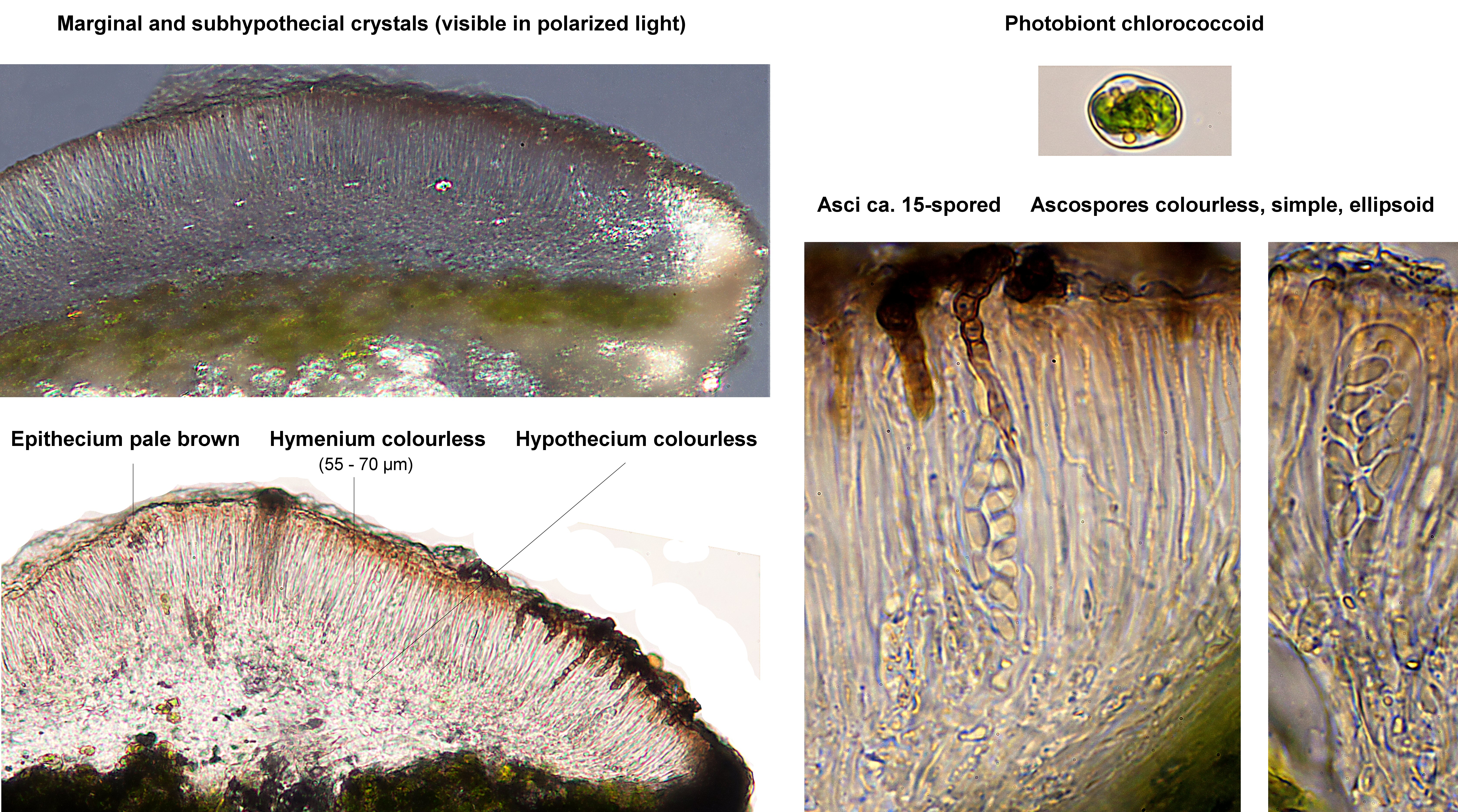
Ulrich Kirschbaum CC BY-SA 4.0 - Source: https://www.thm.de/lse/ulrich-kirschbaum/flechtenbilder
Central Europe: Germany, Hesse, Wetterau. Coll. C. Parson. On Juglans regia

P.L. Nimis CC BY-SA 4.0
TSB 17387