Normandina pulchella (Borrer) Nyl.
Ann. Sc. Nat. Bot., ser. 4, 15: 382, 1861. Basionym: Verrucaria pulchella Borrer in Smith & Sowerby - Engl. Bot., Suppl. 1: tab. 2602, 1829.
Synonyms: Lauderlindsaya borreri (Tul.) J.C. David & D. Hawksw.; Lenormandia jungermanniae Nyl.; Lenormandia pulchella (Borrer) A. Massal.; Normandina jungermanniae (Nyl.) Nyl.
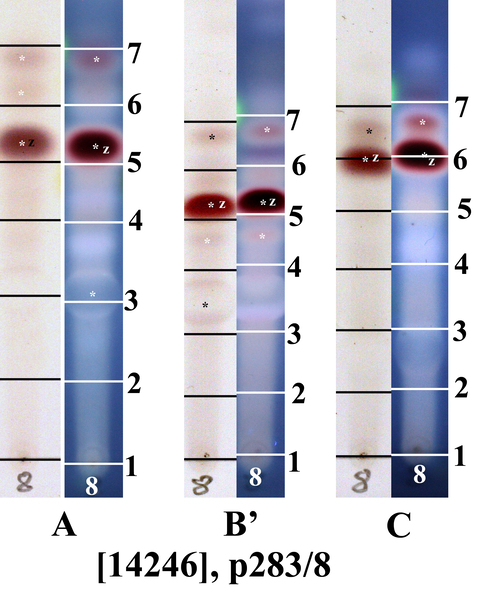
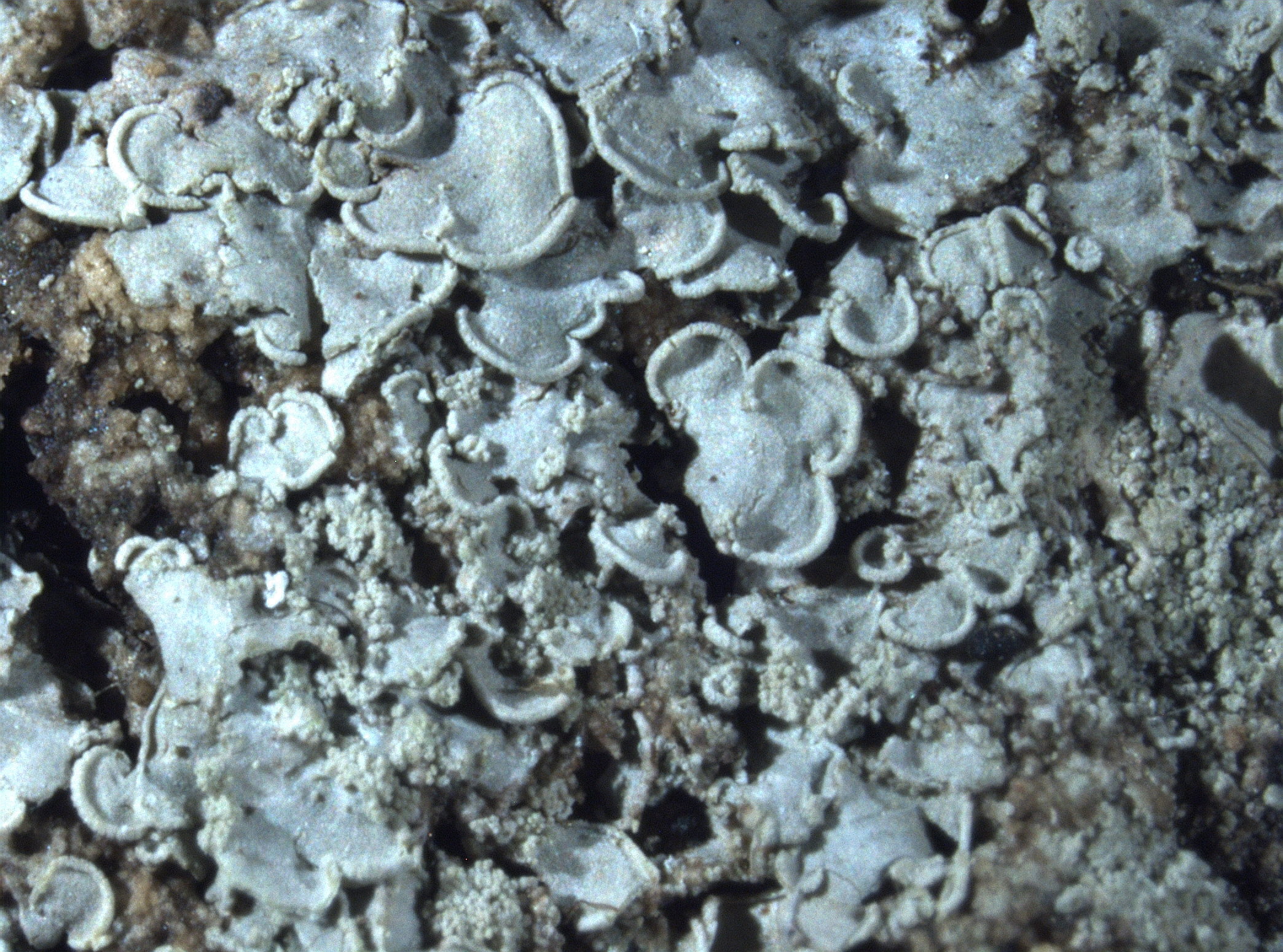
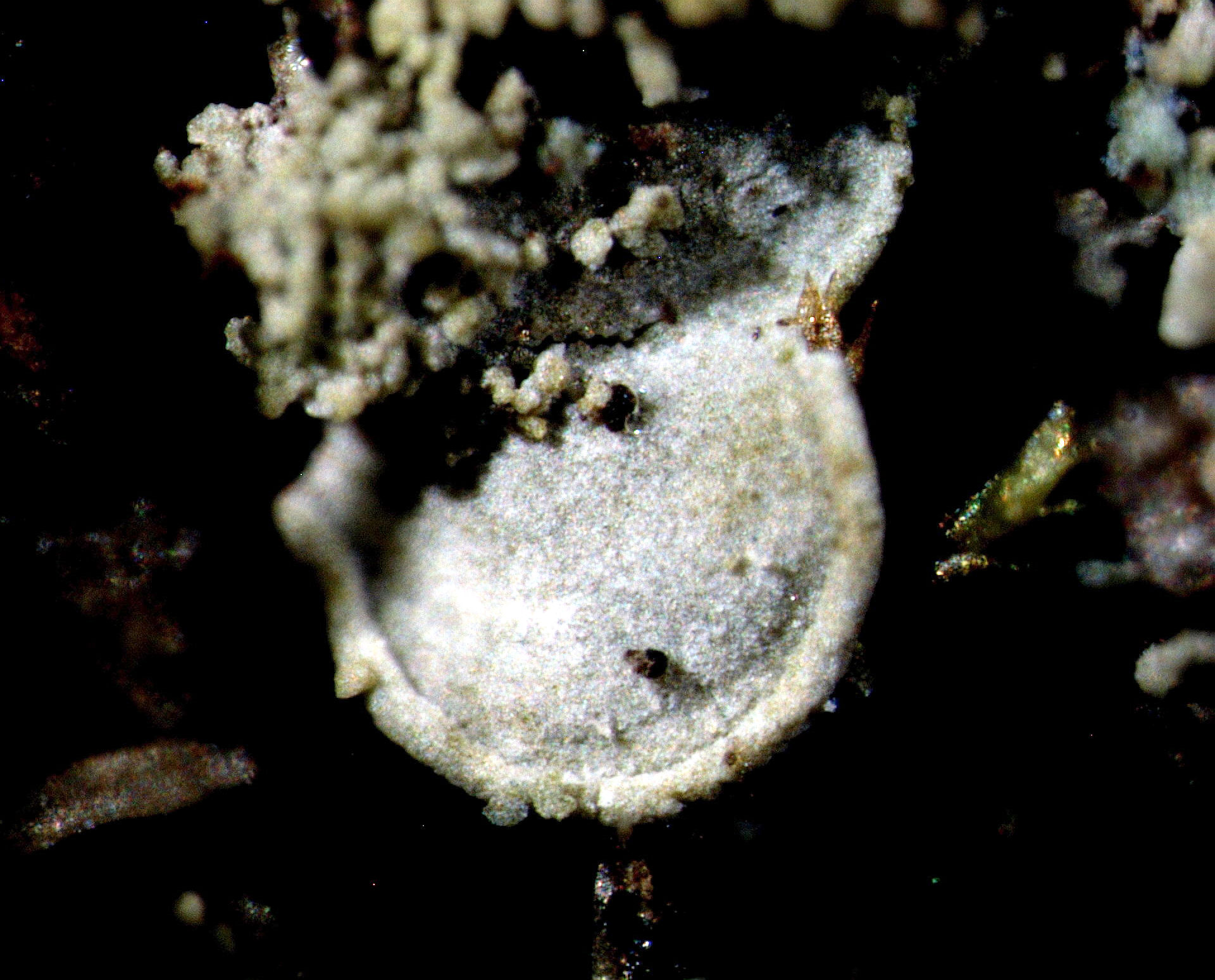
Description: Thallus squamulose, heteromerous, of 1-2(-3) mm wide and 30-70 µm thick, flat to concave, isolated to crowded, rounded, shell-like, glaucous green (to grey-green in sun-forms), concentrically ridged squamules with sharply raised margins bearing greenish, farinose to small-granulose, 20-50(-80) µm wide soredia which, albeit rarely, extend to the whole upper surface giving it a leprose appearance. Lower surface whitish, slightly felted, broadly attached by numerous hyphae. Upper cortex pseudoparenchymatous or hardly evident; medulla very thin, inconspicuous; photobiont layer 35-60 µm thick, of hyphae with mostly subglobose cells arranged in a net-like structure around groups of algal cells. Perithecia very rare, up to 0.4 mm across, immersed in the thallus and strongly projecting from its lower part, subglobose, black, without an involucrellum. Exciple with elongated cells, composed of 10-15 cell layers, 30-40 μm thick, the outer cells with densely pigmented walls, the inner layers colourless. Hamathecium lacking interascal filaments, periphyses well developed at the ostiole, septate. Asci 8-spored, clavate, short-stalked, with delicate walls, I-. Ascospores (5-)7-septate, at first hyaline then turning pale brown, more or less bacilliform, smooth-walled, (22-)25-35(-40) x (5-)6-9(-10) μm. Photobiont chlorococcoid. Spot tests: K-, C-, KC-, P-, UV-. Chemistry: zeorin.
Growth form: Squamulose
Substrata: bark
Photobiont: green algae other than Trentepohlia
Reproductive strategy: mainly asexual, by soredia, or soredia-like structures (e.g. blastidia)
Most common in areas with a humid-warm climate (e.g. most of Tyrrenian Italy)
Commonnes-rarity: (info)
Alpine belt: absent
Subalpine belt: absent
Montane belt: rare
Dry submediterranean belt: rather rare
Humid submediterranean belt: rather common
Padanian area: extremely rare
pH of the substrata:
1 2 3 4 5

Solar irradiation:
1 2 3 4 5
Aridity:
1 2 3 4 5
Eutrophication:
1 2 3 4 5
Poleotolerance:
0 1 2 3
Altitudinal distribution:
1 2 3 4 5 6
Rarity
absent
extremely rare
very rare
rare
rather rare
rather common
common
very common
extremely common
Loading data...
Occurrence data
Predictive map
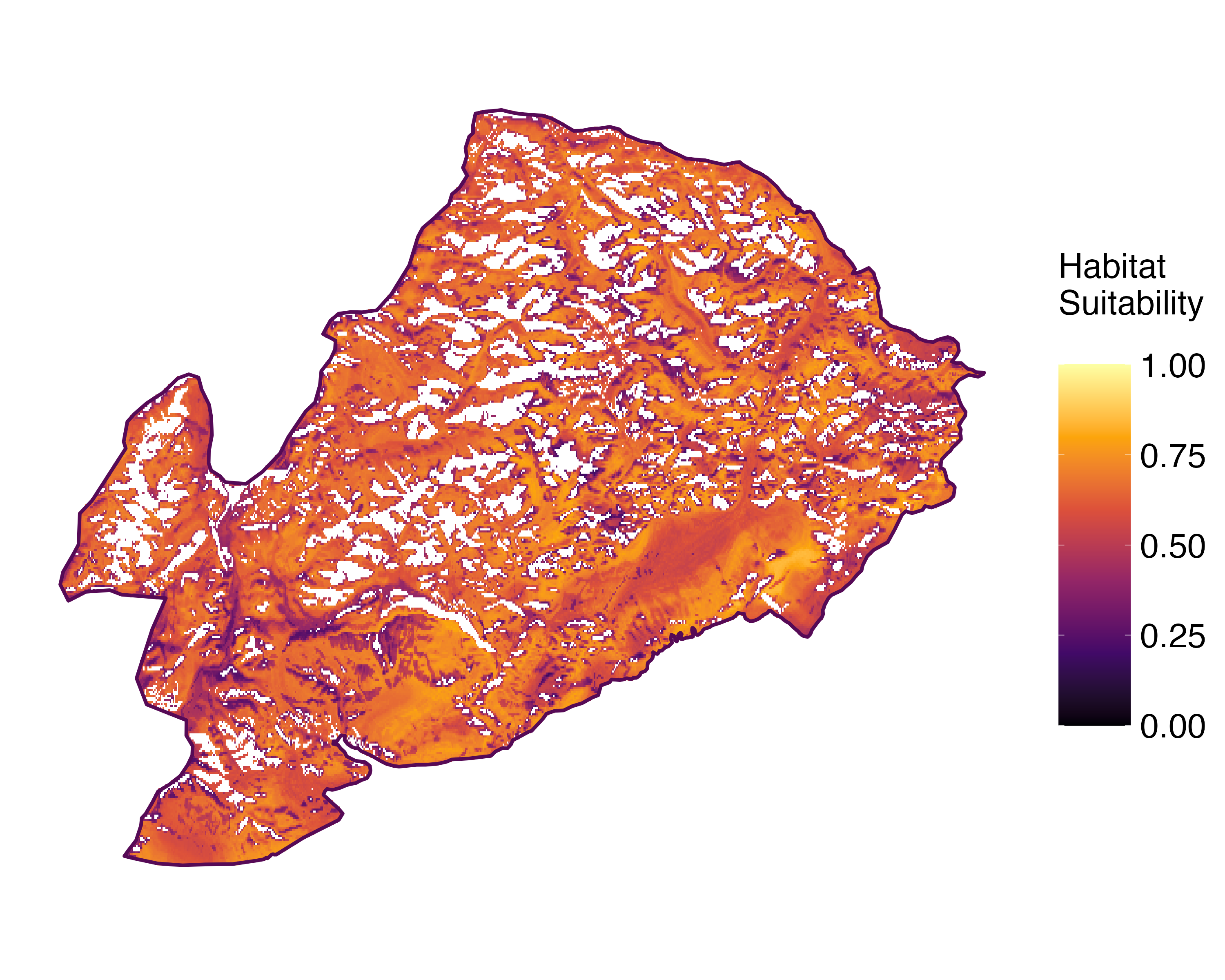 Current prediction (1981-2010)
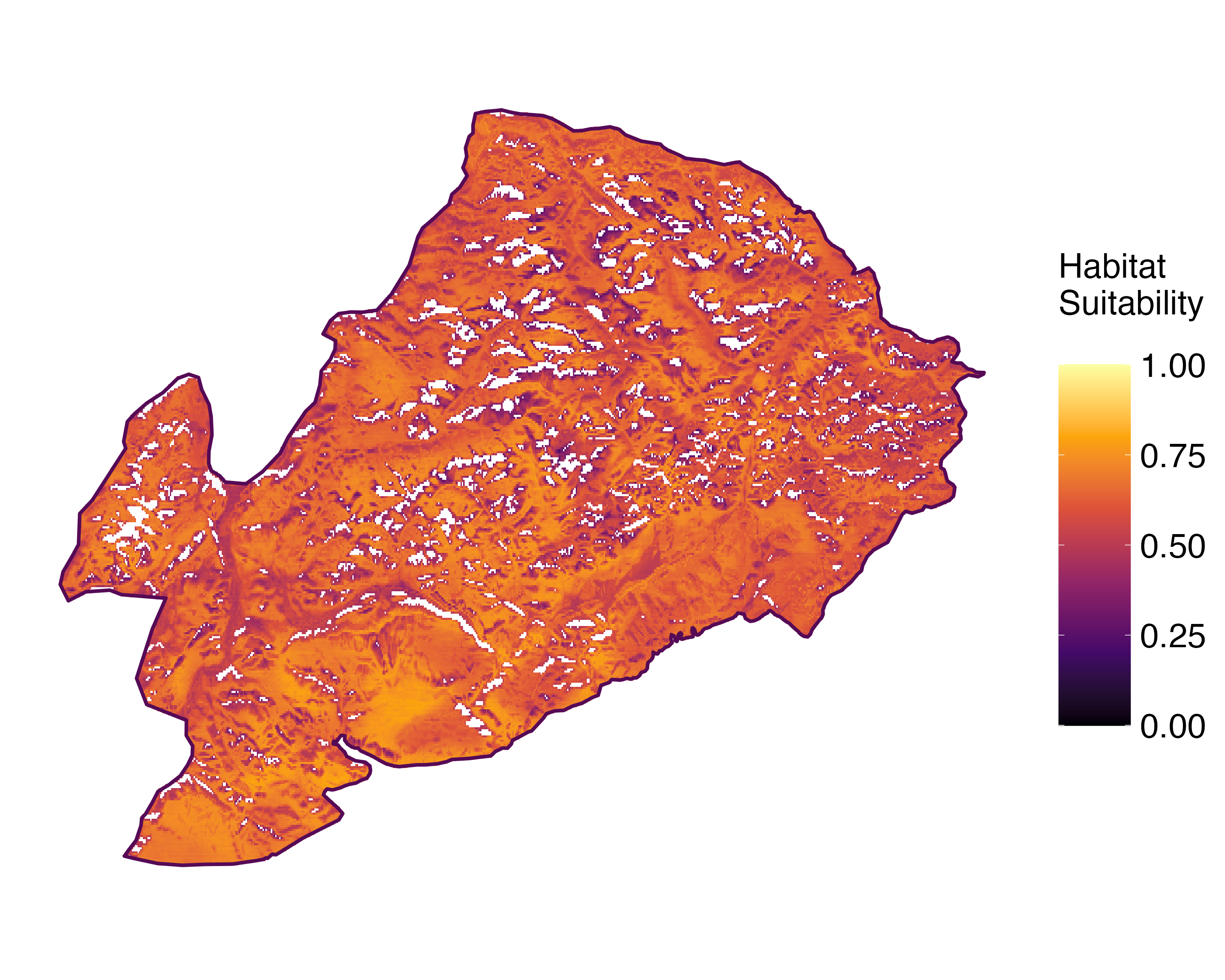 Future prediction (2071-2100) SSP 1-2.6
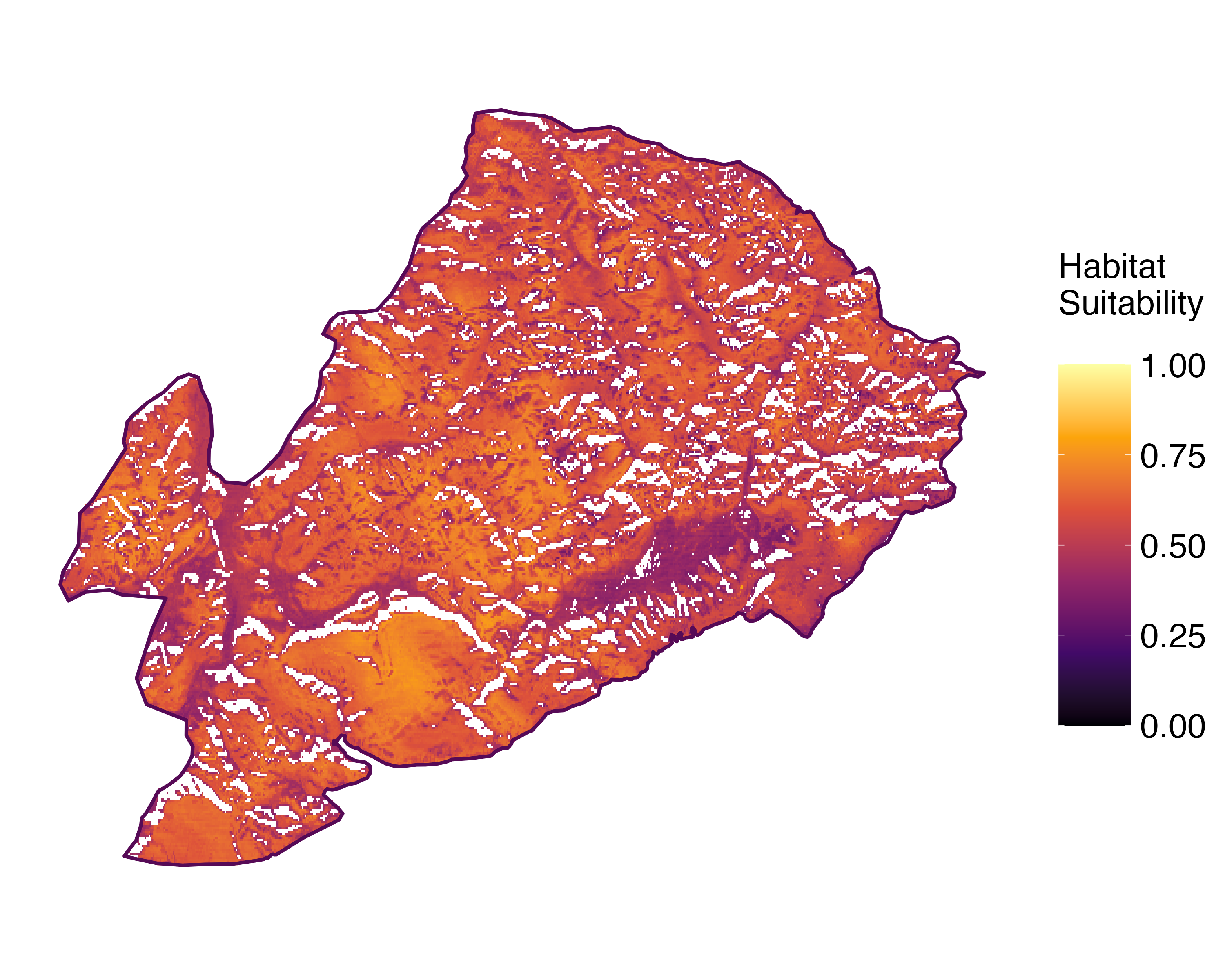 Future prediction (2071-2100) SSP 5-8.5Predictive maps according to Francesconi et al. 2025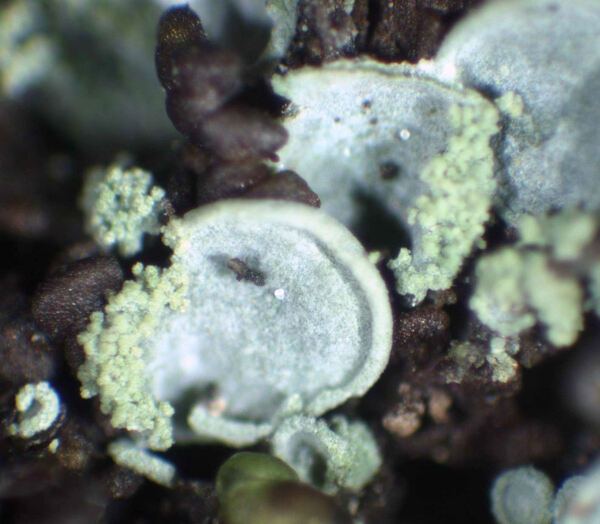
P.L. Nimis CC BY-SA 4.0
TSB 35079
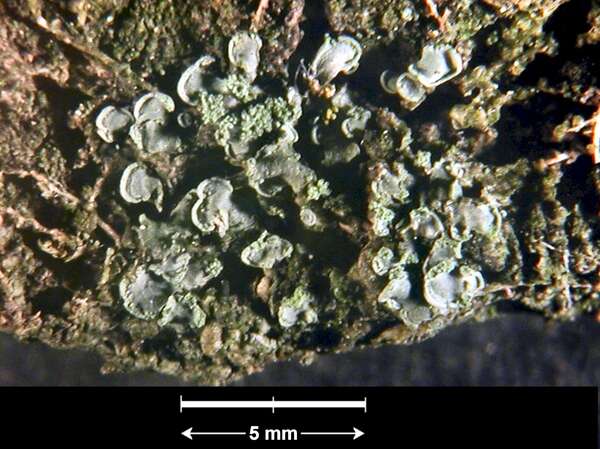
G. Incerti; Owner: Department of Life Sciences, University of Trieste
2001/11/26
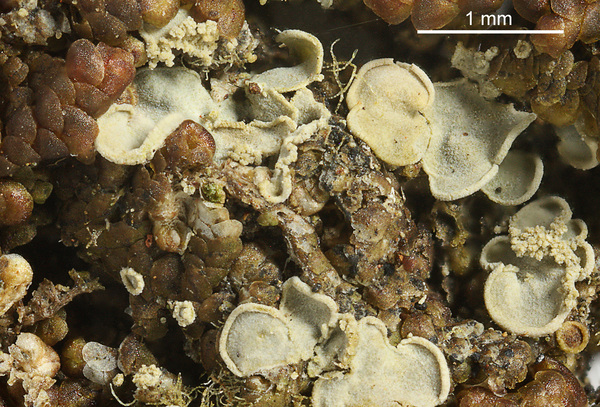
Felix Schumm – CC BY-SA 4.0
[14246], Portugal, Azoren, NW-Terceira, zwischen Biscoitos und Bagacina am Rastplatz neben der Abzweigung nach Caparica, 38°46.2492' N, 27°15.736' W, ca. 350 m. Leg. et det. Schumm 18.07.2008
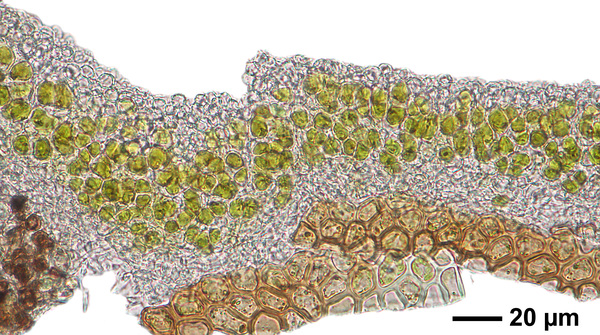
Felix Schumm – CC BY-SA 4.0
[14246], Portugal, Azoren, NW-Terceira, zwischen Biscoitos und Bagacina am Rastplatz neben der Abzweigung nach Caparica, 38°46.2492' N, 27°15.736' W, ca. 350 m. Leg. et det. Schumm 18.07.2008
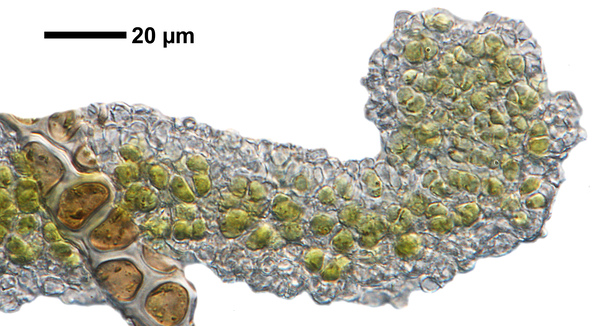
Felix Schumm – CC BY-SA 4.0
[14246], Portugal, Azoren, NW-Terceira, zwischen Biscoitos und Bagacina am Rastplatz neben der Abzweigung nach Caparica, 38°46.2492' N, 27°15.736' W, ca. 350 m. Leg. et det. Schumm 18.07.2008
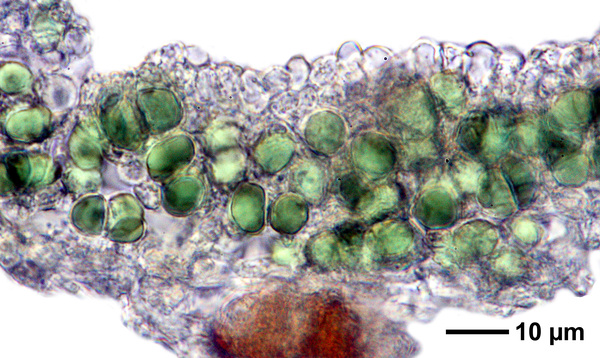
Felix Schumm – CC BY-SA 4.0
[14246], Portugal, Azoren, NW-Terceira, zwischen Biscoitos und Bagacina am Rastplatz neben der Abzweigung nach Caparica, 38°46.2492' N, 27°15.736' W, ca. 350 m. Leg. et det. Schumm 18.07.2008
Felix Schumm – CC BY-SA 4.0
[14246], Portugal, Azoren, NW-Terceira, zwischen Biscoitos und Bagacina am Rastplatz neben der Abzweigung nach Caparica, 38°46.2492' N, 27°15.736' W, ca. 350 m. Leg. et det. Schumm 18.07.2008
HPTLC in den Laufmitteln A, B’ und C nach Säurebehandlung bei
Tageslicht und 366 nm UV-Langwelle.
1: Start,
4: Position von Norstictinsäure,
7: Position von Atranorin,
z: Zeorin
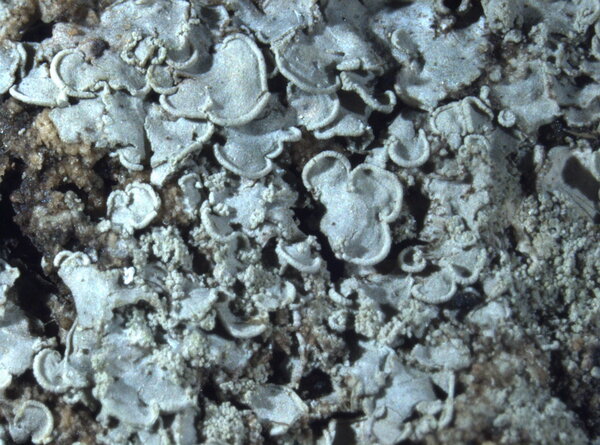
Pier Luigi Nimis - CC BY-SA 4.0
TSB 41784
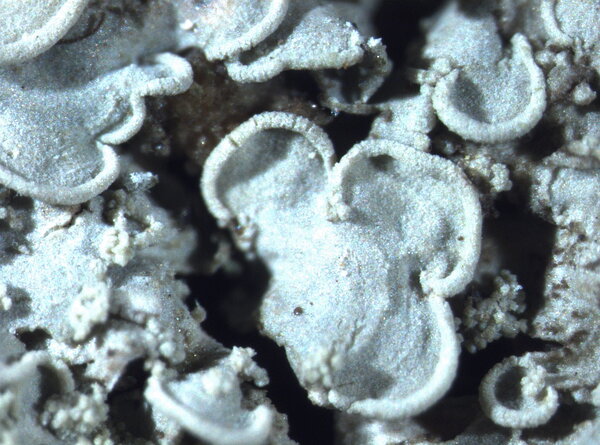
Pier Luigi Nimis - CC BY-SA 4.0
TSB 41784
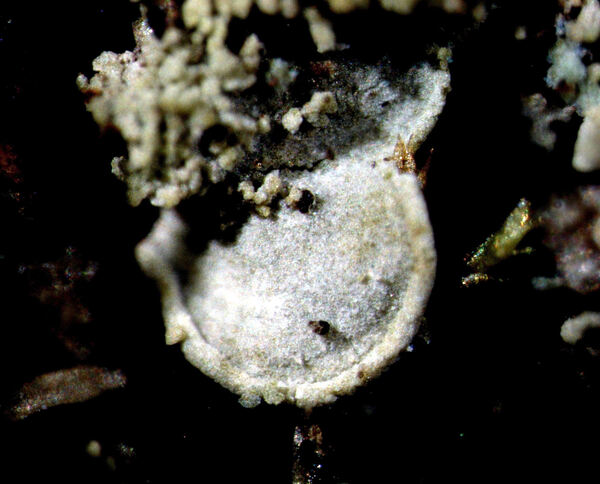
P.L. Nimis CC BY-SA 4.0
TSB 4205
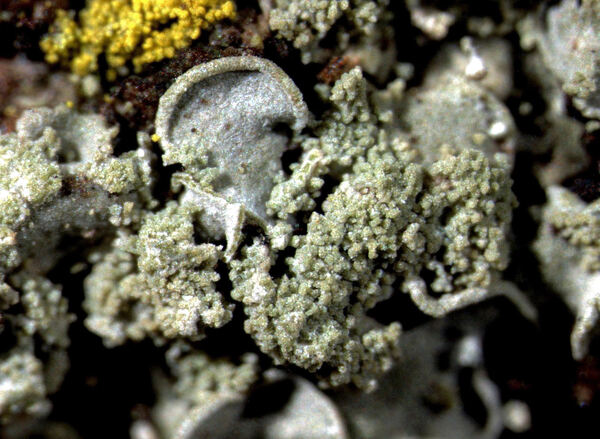
P.L. Nimis CC BY-SA 4.0
TSB 4206
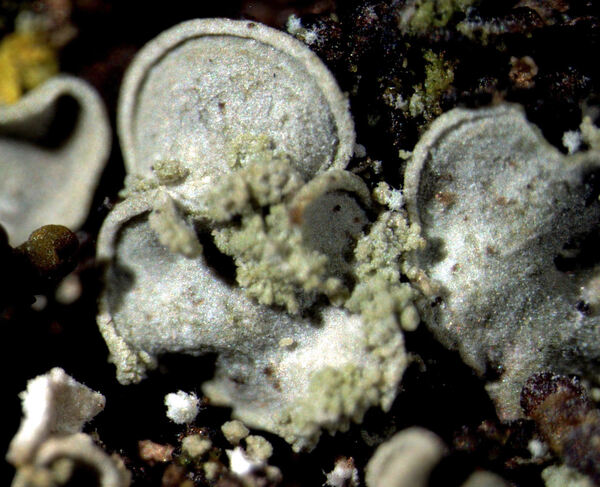
P.L. Nimis CC BY-SA 4.0
TSB 4206
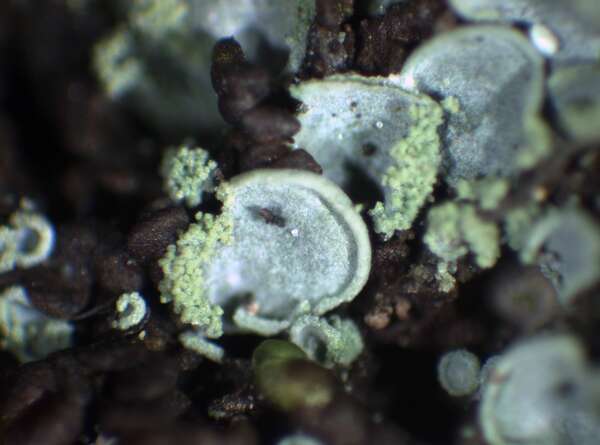
P.L. Nimis; Owner: Department of Life Sciences, University of Trieste
Herbarium: TSB (35079)
2002/05/02
habitus
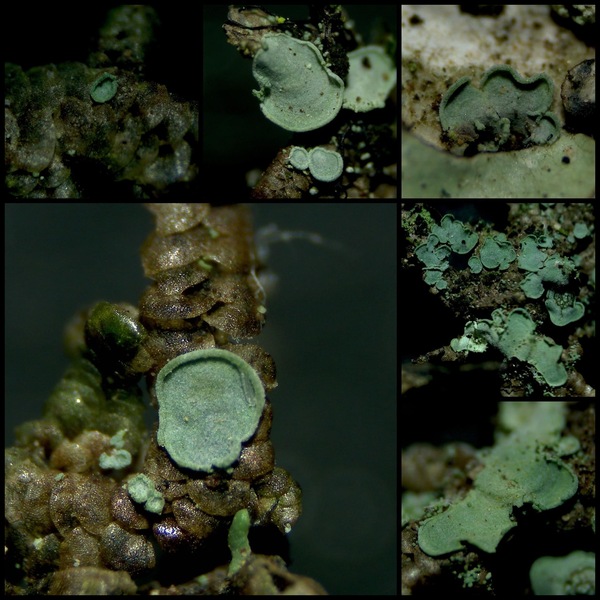
Manuel Gil
Spain, Canary Islands, Tenerife
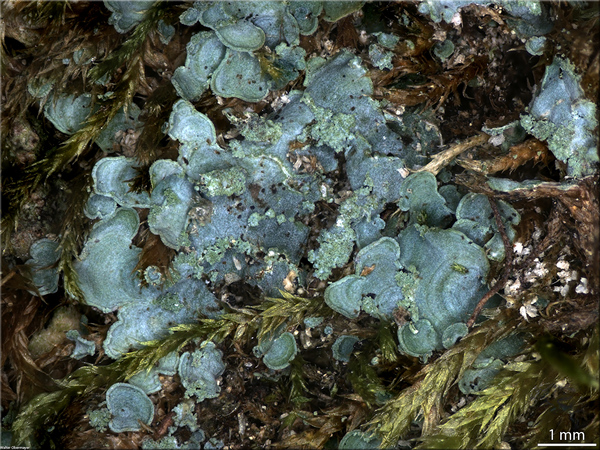
Walter Obermayer CC BY-SA 4.0 - Source: Lichens of Noricum - http://lichens-of-noricum.uni-graz.at/
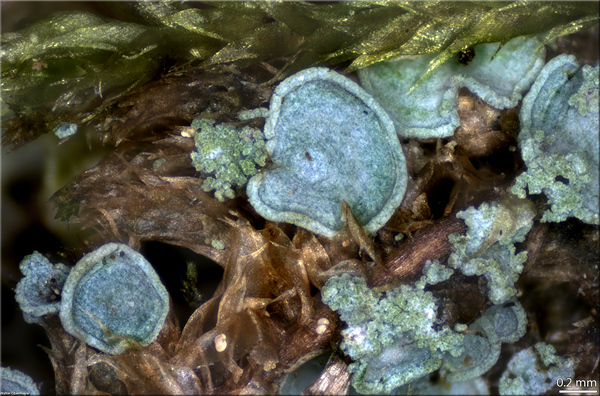
Walter Obermayer CC BY-SA 4.0 - Source: Lichens of Noricum - http://lichens-of-noricum.uni-graz.at/
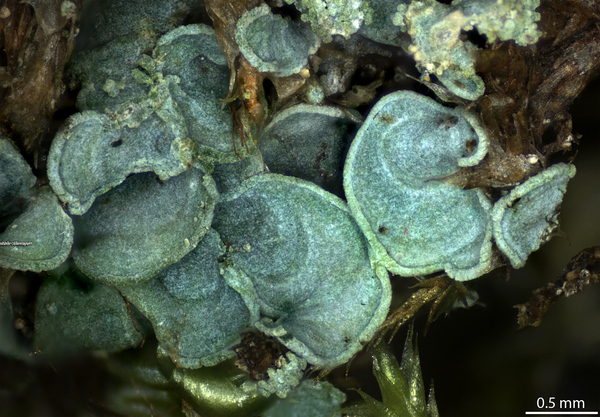
Walter Obermayer CC BY-SA 4.0 - Source: Lichens of Noricum - http://lichens-of-noricum.uni-graz.at/
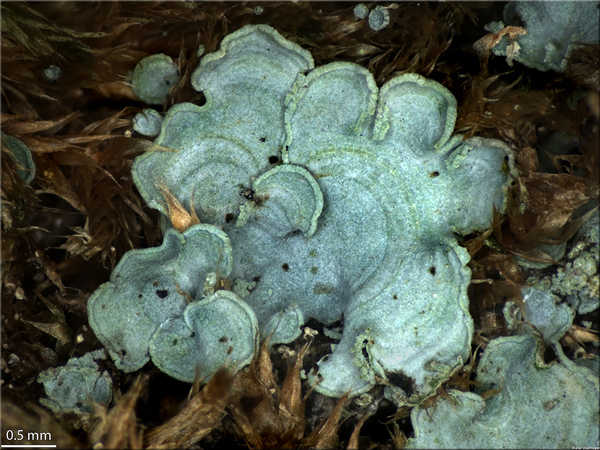
Walter Obermayer CC BY-SA 4.0 - Source: Lichens of Noricum - http://lichens-of-noricum.uni-graz.at/
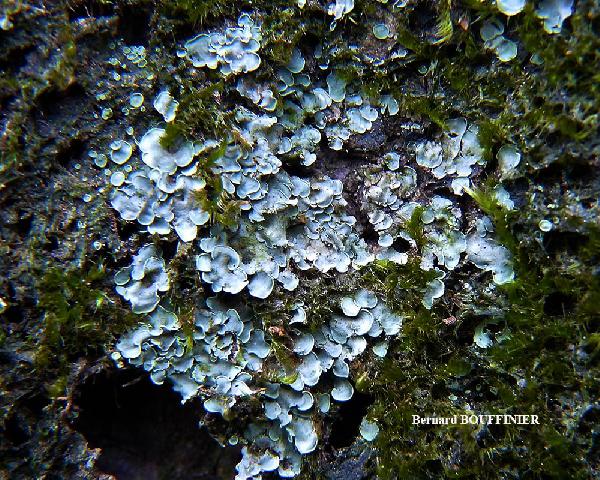
Bernard Bouffinier - Source: http://www.lichensmaritimes.org/index.php?task=fiche&lichen=364&lang=en
France, Le Poulmic
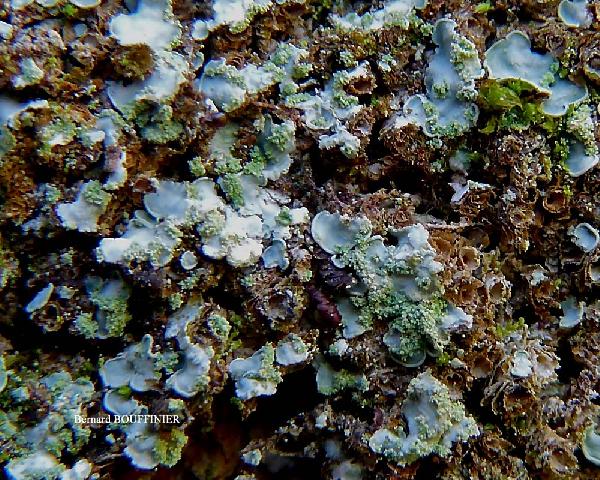
Bernard Bouffinier - Source: http://www.lichensmaritimes.org/index.php?task=fiche&lichen=364&lang=en
France, Crozon
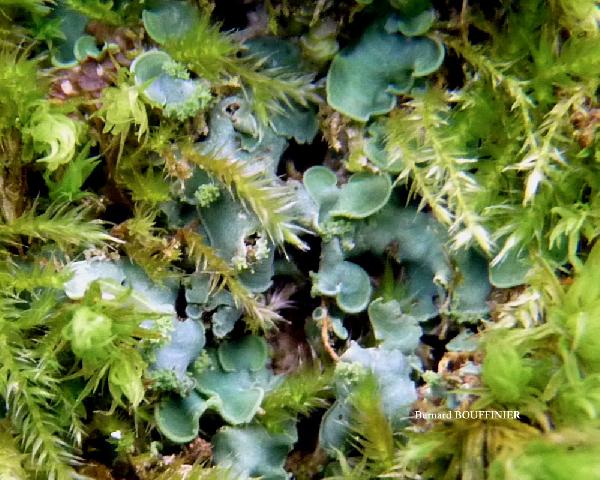
Bernard Bouffinier - Source: http://www.lichensmaritimes.org/index.php?task=fiche&lichen=364&lang=en
France, Crozon
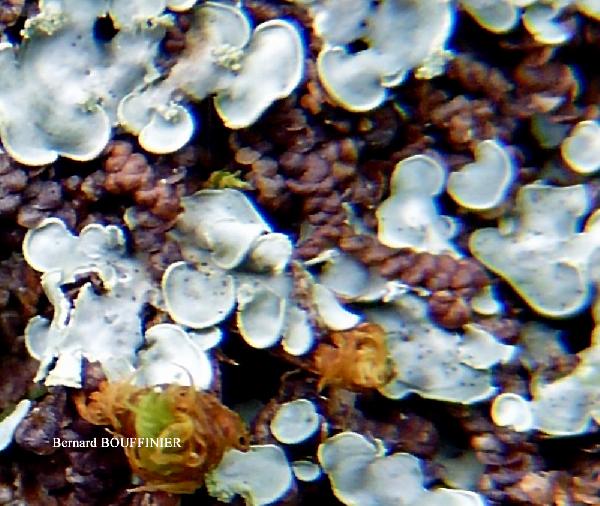
Bernard Bouffinier - Source: http://www.lichensmaritimes.org/index.php?task=fiche&lichen=364&lang=en
France, Crozon
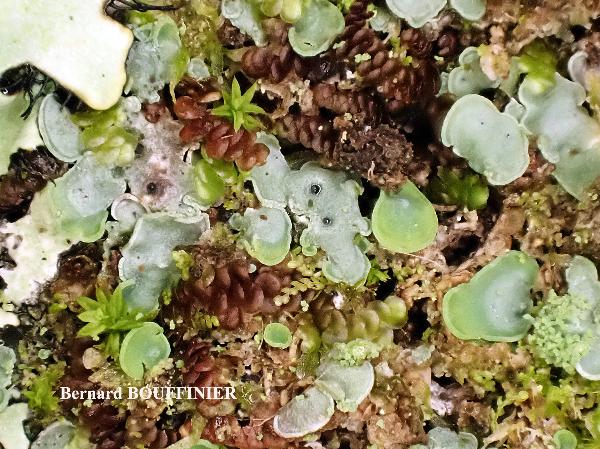
Bernard Bouffinier - Source: http://www.lichensmaritimes.org/index.php?task=fiche&lichen=364&lang=en
France, Briec
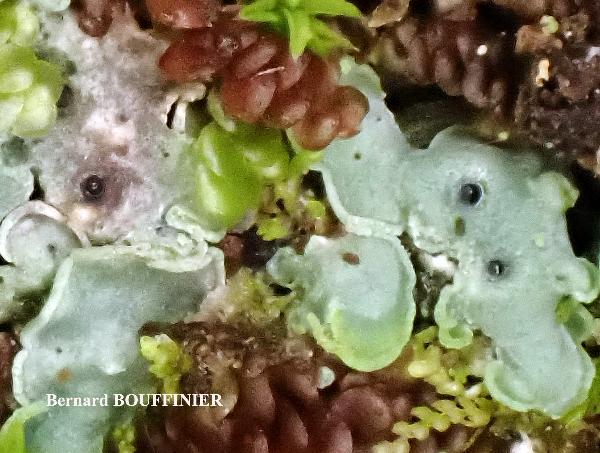
Bernard Bouffinier - Source: http://www.lichensmaritimes.org/index.php?task=fiche&lichen=364&lang=en
France, Briec
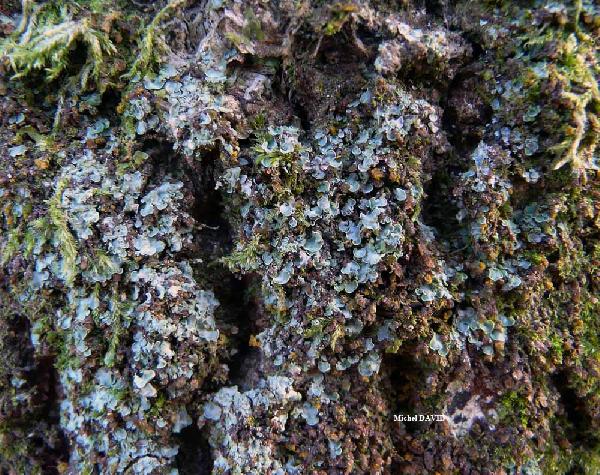
Michel David- Source: http://www.lichensmaritimes.org/index.php?task=fiche&lichen=364&lang=en
France, Argol
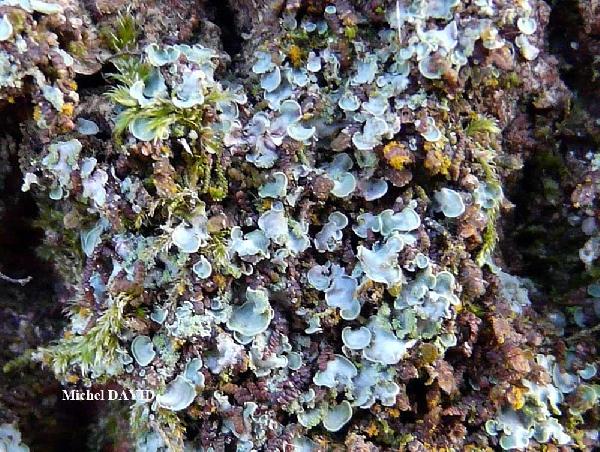
Michel David- Source: http://www.lichensmaritimes.org/index.php?task=fiche&lichen=364&lang=en
France, Argol
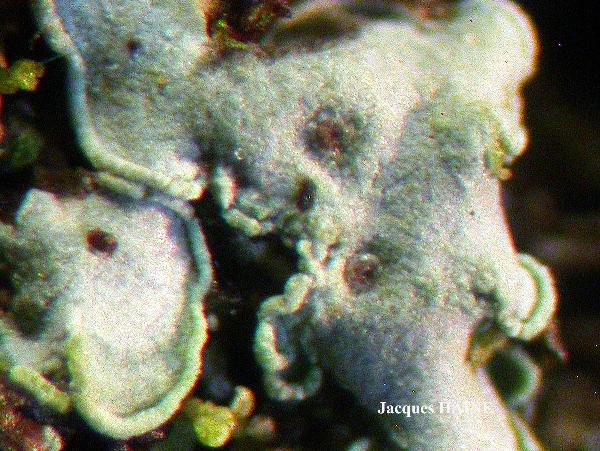
Jacques Haine - Source: http://www.lichensmaritimes.org/index.php?task=fiche&lichen=364&lang=en
France, Crozon
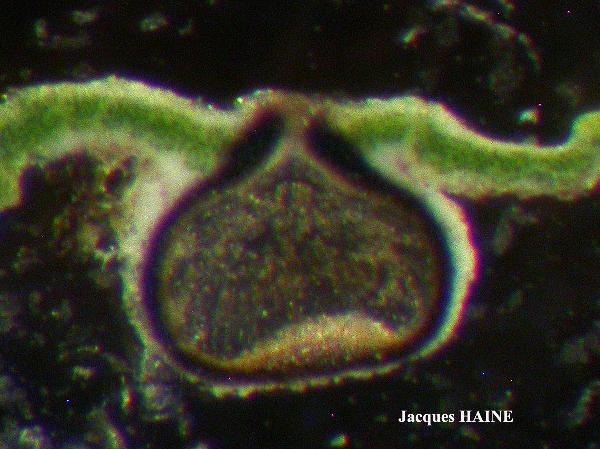
Jacques Haine - Source: http://www.lichensmaritimes.org/index.php?task=fiche&lichen=364&lang=en
France, Crozon
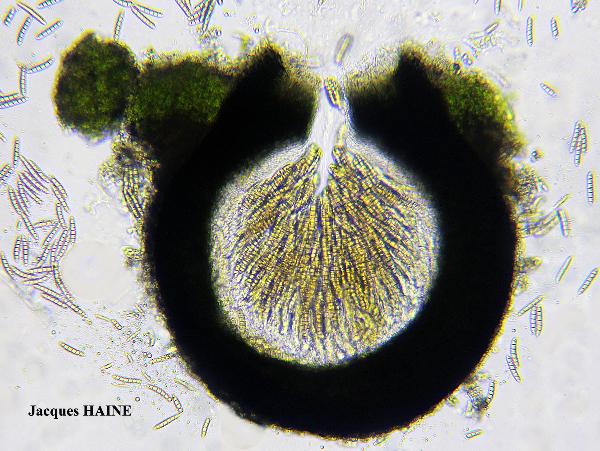
Jacques Haine - Source: http://www.lichensmaritimes.org/index.php?task=fiche&lichen=364&lang=en
France, Crozon
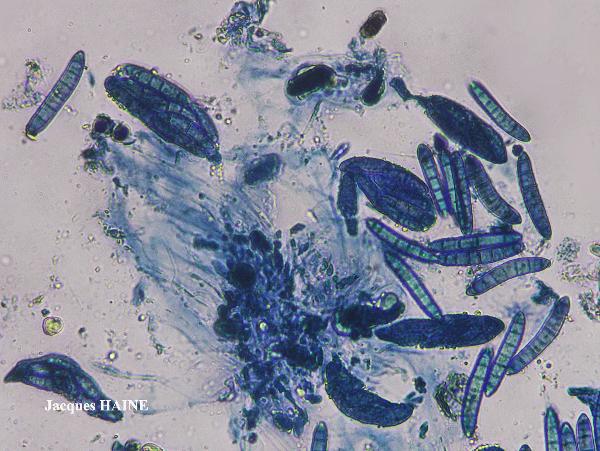
Jacques Haine - Source: http://www.lichensmaritimes.org/index.php?task=fiche&lichen=364&lang=en
France, Crozon
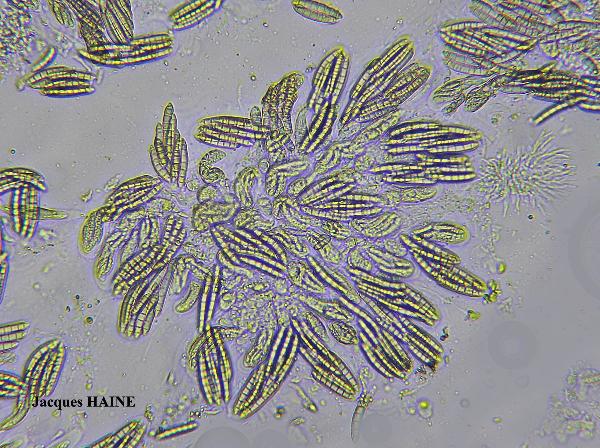
Jacques Haine - Source: http://www.lichensmaritimes.org/index.php?task=fiche&lichen=364&lang=en
France, Crozon
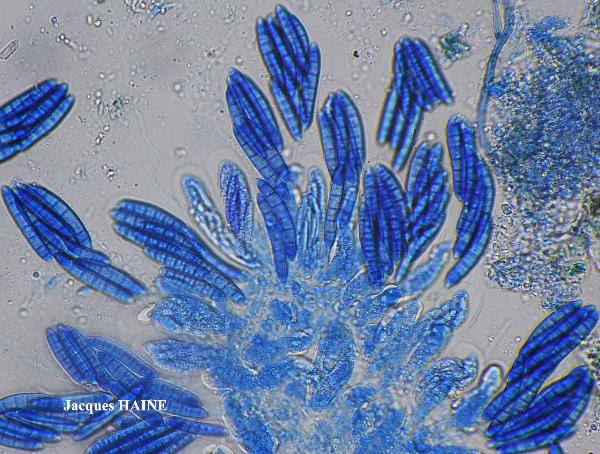
Jacques Haine - Source: http://www.lichensmaritimes.org/index.php?task=fiche&lichen=364&lang=en
France, Crozon
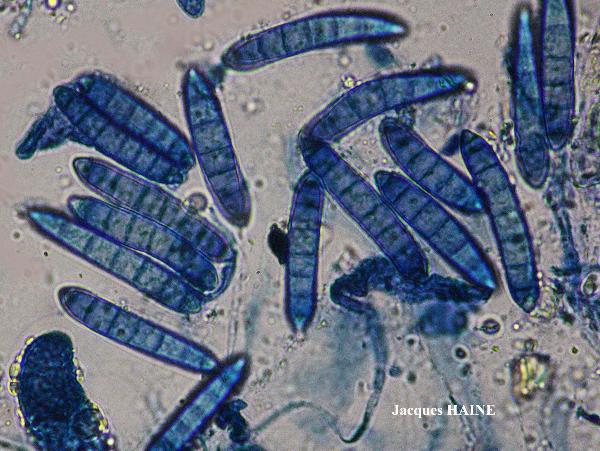
Jacques Haine - Source: http://www.lichensmaritimes.org/index.php?task=fiche&lichen=364&lang=en
France, Crozon
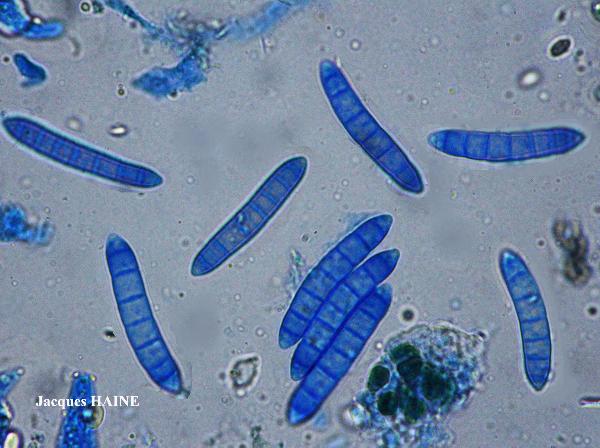
Jacques Haine - Source: http://www.lichensmaritimes.org/index.php?task=fiche&lichen=364&lang=en
France, Crozon
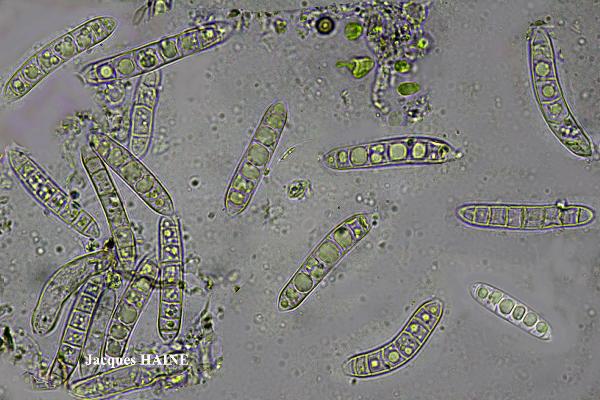
Jacques Haine - Source: http://www.lichensmaritimes.org/index.php?task=fiche&lichen=364&lang=en
France, Crozon
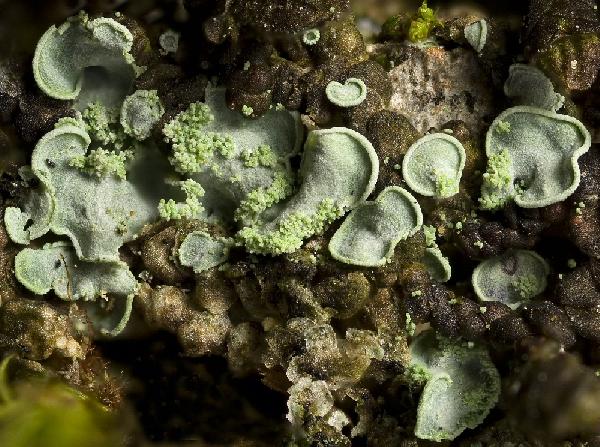
Ulrich Kirschbaum CC BY-SA 4.0 - Source: https://www.thm.de/lse/ulrich-kirschbaum/flechtenbilder
Central Europe; Germany; Baden-Württemberg: Black Forest.
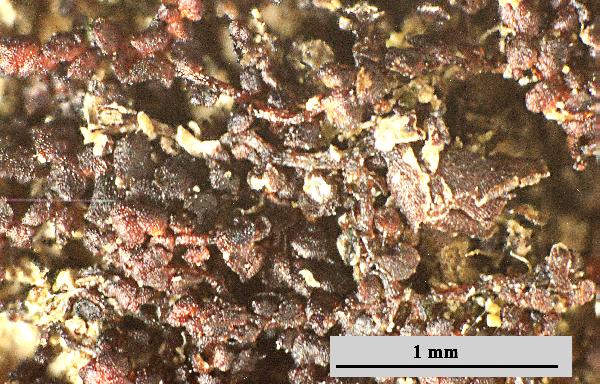
Felix Schumm - CC BY 4.0
[15015], La Reunion, beim Kraterrand des Piton Maido, Ginster-Erica-
Gebüschvegetation mit Lavablöcken; 21,07100°S, 55,38788°E, 2090
m.Leg. F. Schumm & J.-P. Frahm, 07.09.2009, det. F. Schumm 2009.
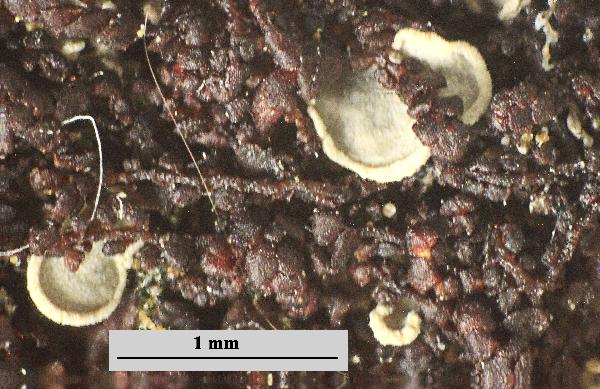
Felix Schumm - CC BY 4.0
[15015], La Reunion, beim Kraterrand des Piton Maido, Ginster-Erica-
Gebüschvegetation mit Lavablöcken; 21,07100°S, 55,38788°E, 2090
m.Leg. F. Schumm & J.-P. Frahm, 07.09.2009, det. F. Schumm 2009.
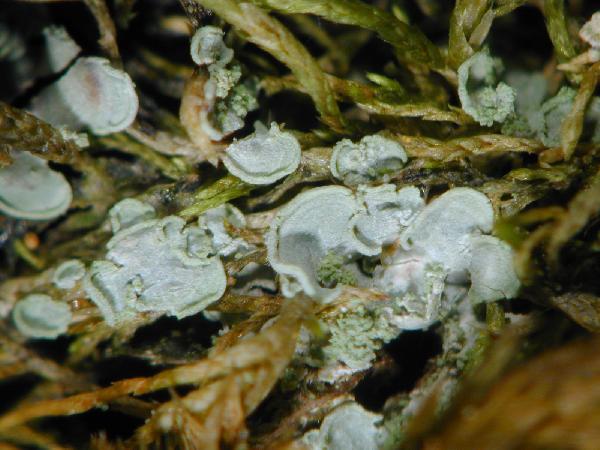
Wolfgang von Brackel - CC BY-4.0
Germany, Bavaria, Kempten
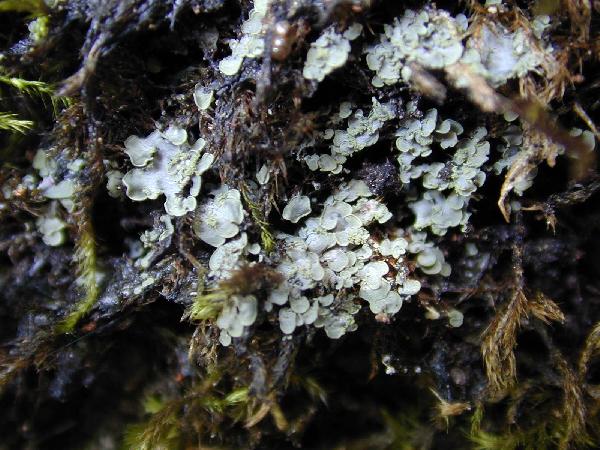
Wolfgang von Brackel - CC BY-4.0
Germany, Bavaria, Oberstaufen Oberallgäu
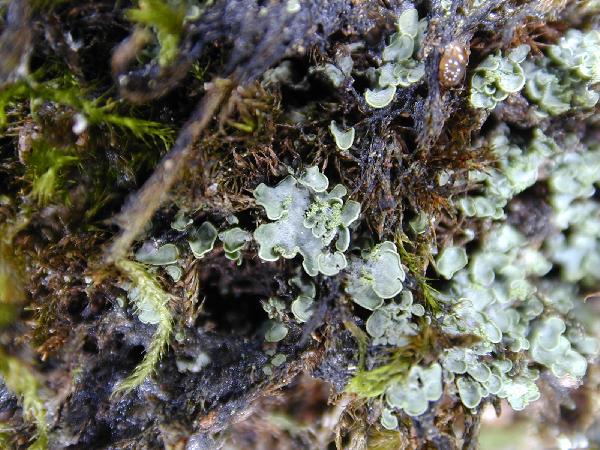
Wolfgang von Brackel - CC BY-4.0
Germany, Bavaria, Oberstaufen Oberallgäu
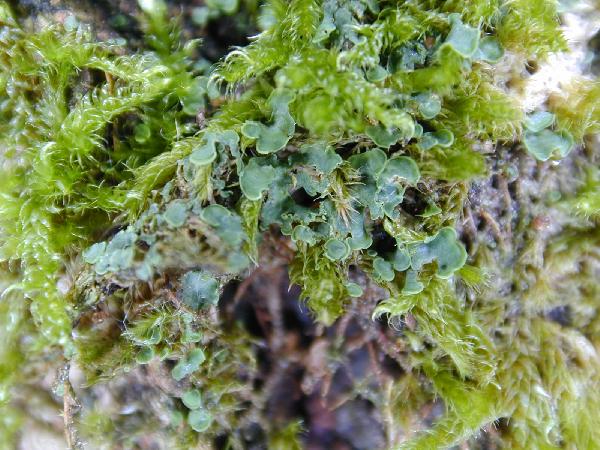
Wolfgang von Brackel - CC BY-4.0
Germany, Bavaria, Taubenberg
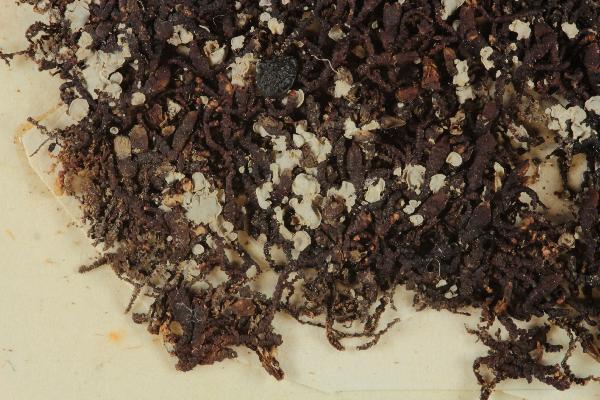
Collezione lichenologica Abramo Massalongo del Museo di Storia Naturale G. Ligabue di Venezia - Autori: Seggi, Linda; Trabucco, Raffaella Proprietà: Fondazione Musei Civici di Venezia - CC BY-NC
Italy, in opp. Cividale 1855
As Lenormandia jungermanniae
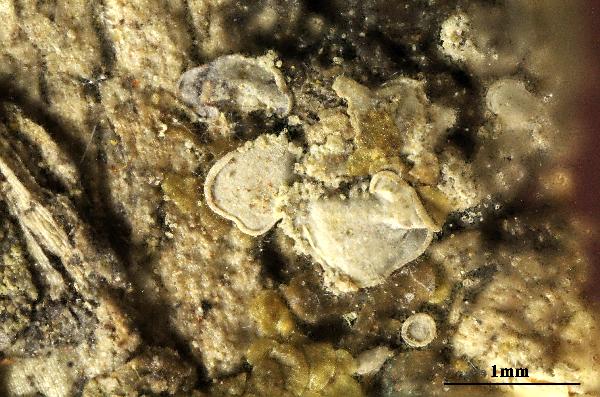
Felix Schumm - CC BY 4.0
[VZ1671], URSS. Transcaucasia. Colchis. Distr. Gagra, in valle angusta
rivi Zo Ekvara, 30 m. Ad ramulos Buxi colchicae. Leg. V. Vašák et
A. Vezda, 18.6.1979. EX A. VEZDA LICHENES SELECTI EXSICCATI NR.
1671.
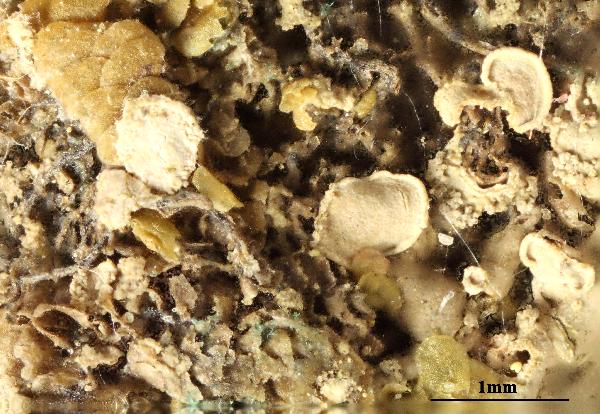
Felix Schumm - CC BY 4.0
[VZ1671], URSS. Transcaucasia. Colchis. Distr. Gagra, in valle angusta
rivi Zo Ekvara, 30 m. Ad ramulos Buxi colchicae. Leg. V. Vašák et
A. Vezda, 18.6.1979. EX A. VEZDA LICHENES SELECTI EXSICCATI NR.
1671.
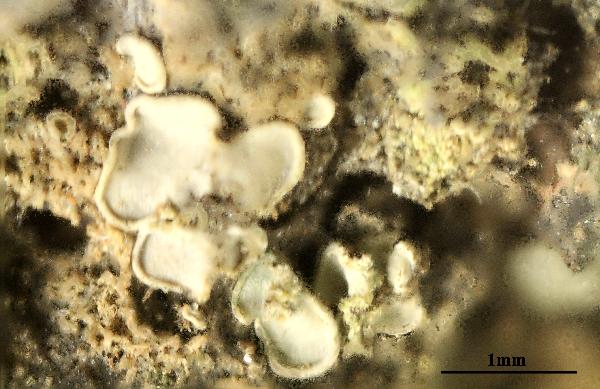
Felix Schumm - CC BY 4.0
[VZ2251], Italia. Calabria, in monte Luta, 1250 m. Ad corticem Populi
sp. Leg. D. Puntillo, 26.7.1988. EX A. VEZDA LICHENES SELECTI
EXSICCATI NR. 2251.
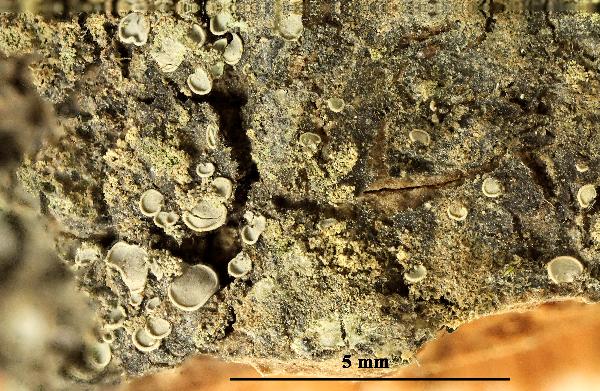
Felix Schumm - CC BY 4.0
[VZ2251], Italia. Calabria, in monte Luta, 1250 m. Ad corticem Populi
sp. Leg. D. Puntillo, 26.7.1988. EX A. VEZDA LICHENES SELECTI
EXSICCATI NR. 2251.
Growth form: Squamulose
Substrata: bark
Photobiont: green algae other than Trentepohlia
Reproductive strategy: mainly asexual, by soredia, or soredia-like structures (e.g. blastidia)
Most common in areas with a humid-warm climate (e.g. most of Tyrrenian Italy)
Commonnes-rarity: (info)
Alpine belt: absent
Subalpine belt: absent
Montane belt: rare
Dry submediterranean belt: rather rare
Humid submediterranean belt: rather common
Padanian area: extremely rare
pH of the substrata:
| 1 | 2 | 3 | 4 | 5 |
Solar irradiation:
| 1 | 2 | 3 | 4 | 5 |
Aridity:
| 1 | 2 | 3 | 4 | 5 |
Eutrophication:
| 1 | 2 | 3 | 4 | 5 |
Poleotolerance:
| 0 | 1 | 2 | 3 |
Altitudinal distribution:
| 1 | 2 | 3 | 4 | 5 | 6 |
Rarity
absent
extremely rare
very rare
rare
rather rare
rather common
common
very common
extremely common
Loading data...
Occurrence data
Predictive map
Current prediction (1981-2010)Future prediction (2071-2100) SSP 1-2.6Future prediction (2071-2100) SSP 5-8.5Predictive maps according to Francesconi et al. 2025
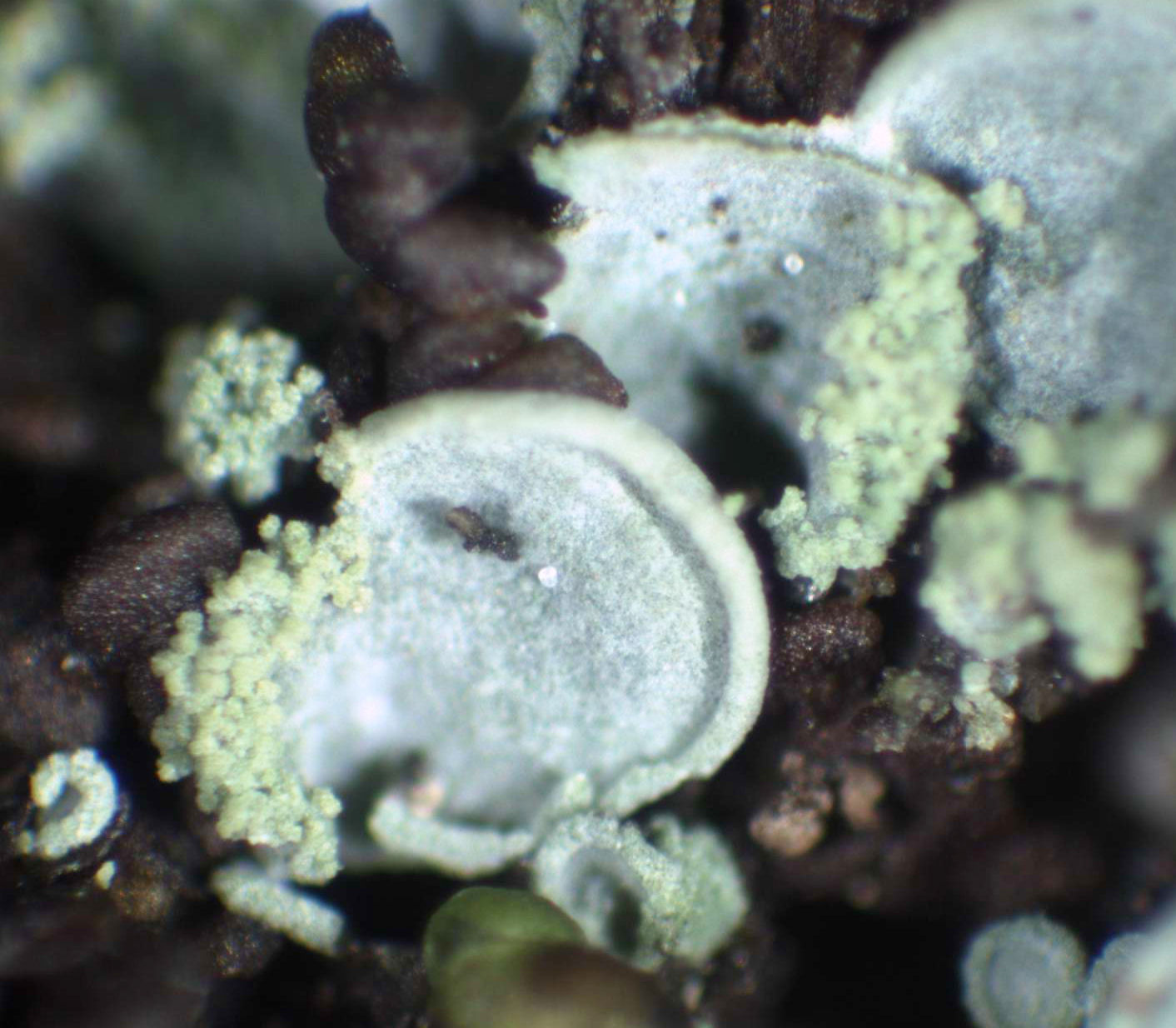
P.L. Nimis CC BY-SA 4.0
TSB 35079
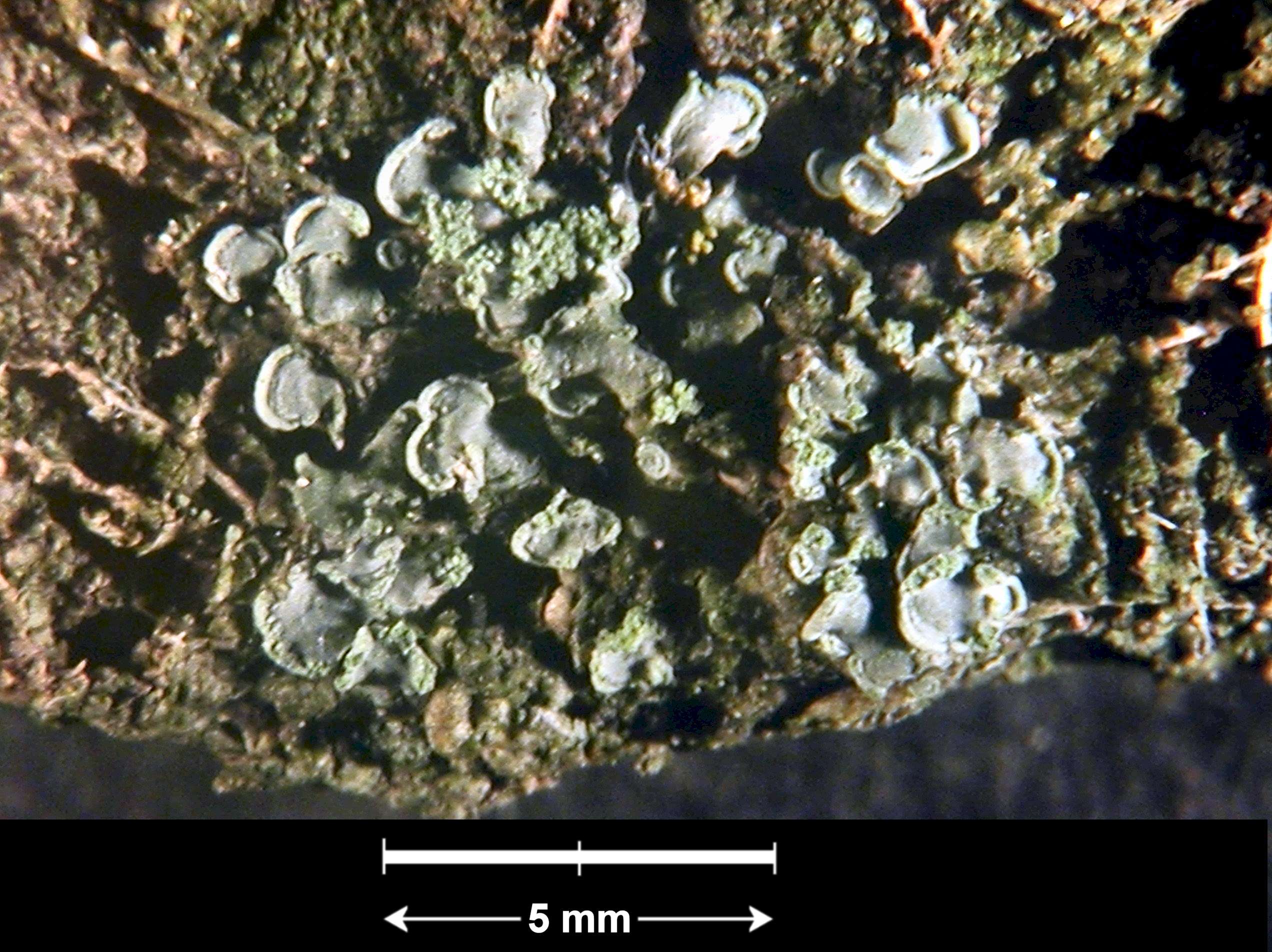
G. Incerti; Owner: Department of Life Sciences, University of Trieste
2001/11/26
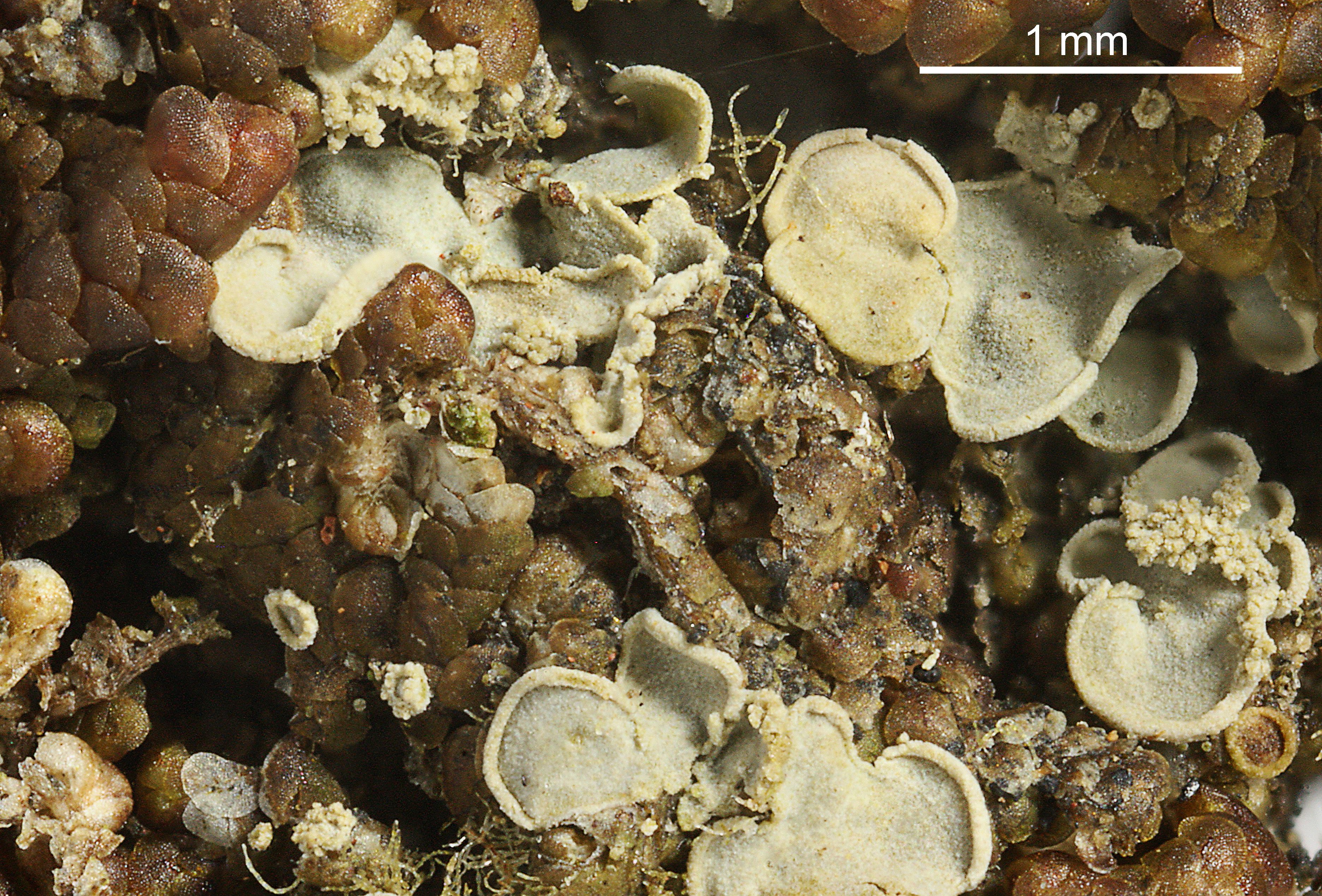
Felix Schumm – CC BY-SA 4.0
[14246], Portugal, Azoren, NW-Terceira, zwischen Biscoitos und Bagacina am Rastplatz neben der Abzweigung nach Caparica, 38°46.2492' N, 27°15.736' W, ca. 350 m. Leg. et det. Schumm 18.07.2008
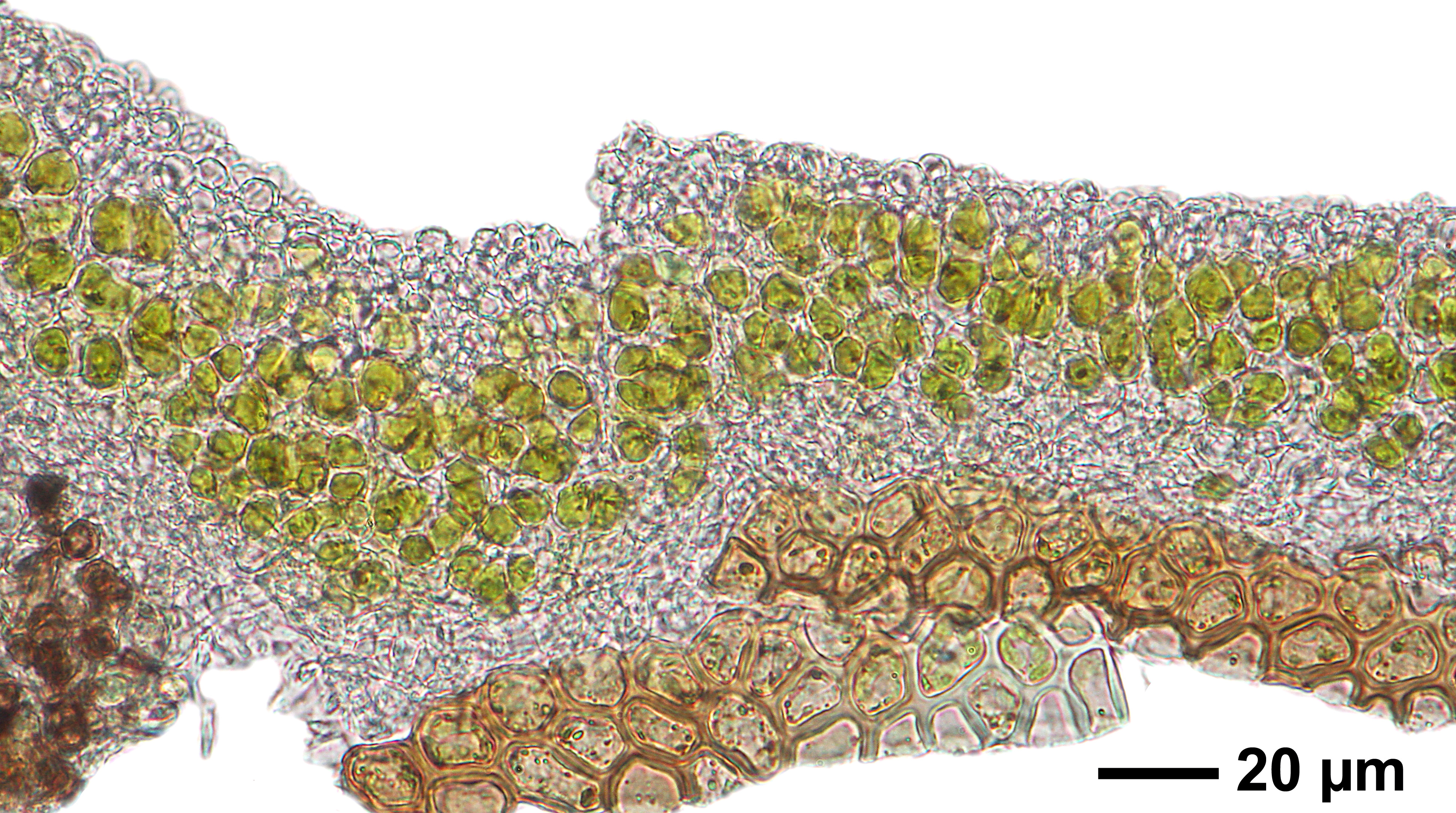
Felix Schumm – CC BY-SA 4.0
[14246], Portugal, Azoren, NW-Terceira, zwischen Biscoitos und Bagacina am Rastplatz neben der Abzweigung nach Caparica, 38°46.2492' N, 27°15.736' W, ca. 350 m. Leg. et det. Schumm 18.07.2008
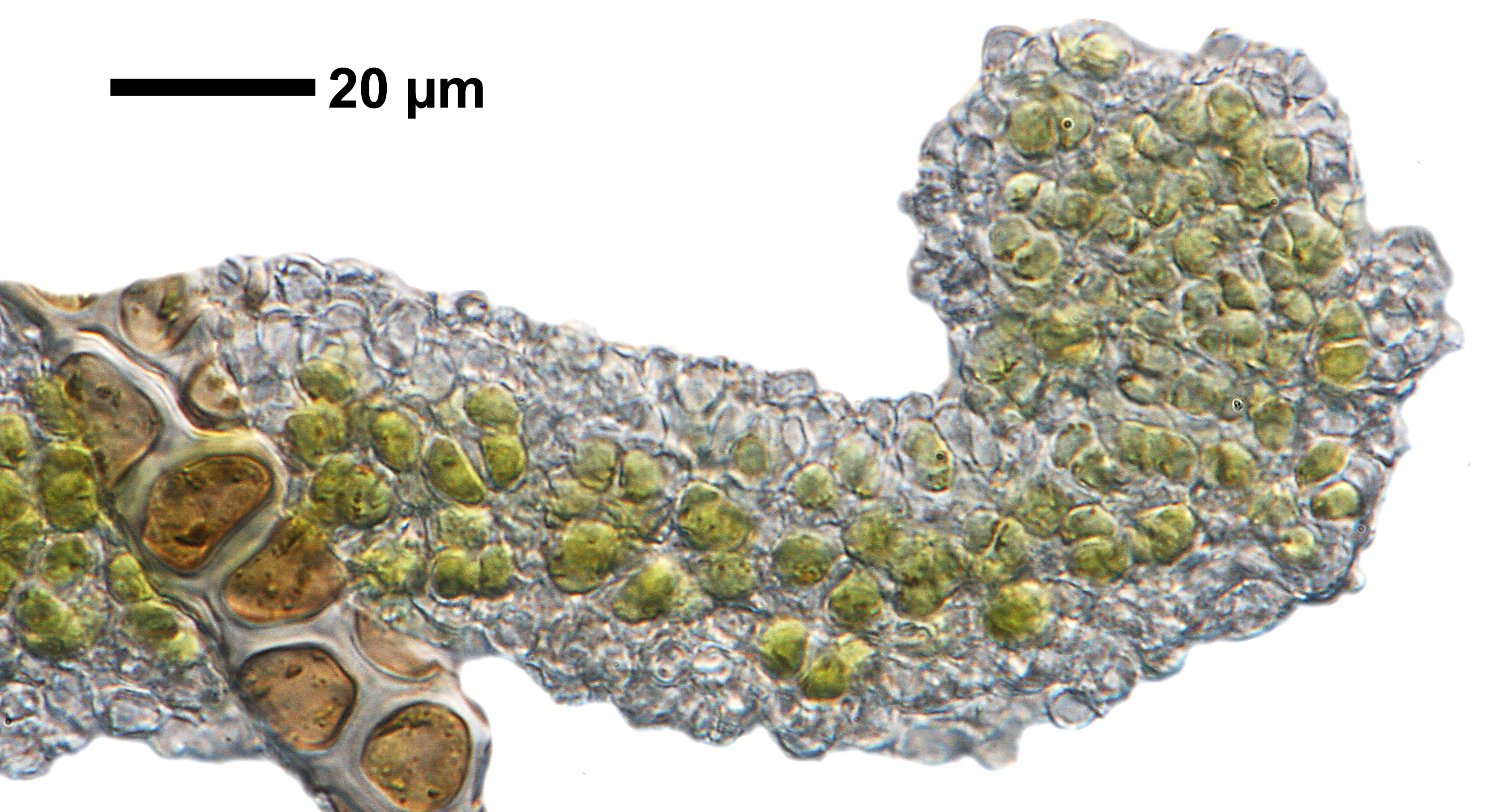
Felix Schumm – CC BY-SA 4.0
[14246], Portugal, Azoren, NW-Terceira, zwischen Biscoitos und Bagacina am Rastplatz neben der Abzweigung nach Caparica, 38°46.2492' N, 27°15.736' W, ca. 350 m. Leg. et det. Schumm 18.07.2008

Felix Schumm – CC BY-SA 4.0
[14246], Portugal, Azoren, NW-Terceira, zwischen Biscoitos und Bagacina am Rastplatz neben der Abzweigung nach Caparica, 38°46.2492' N, 27°15.736' W, ca. 350 m. Leg. et det. Schumm 18.07.2008
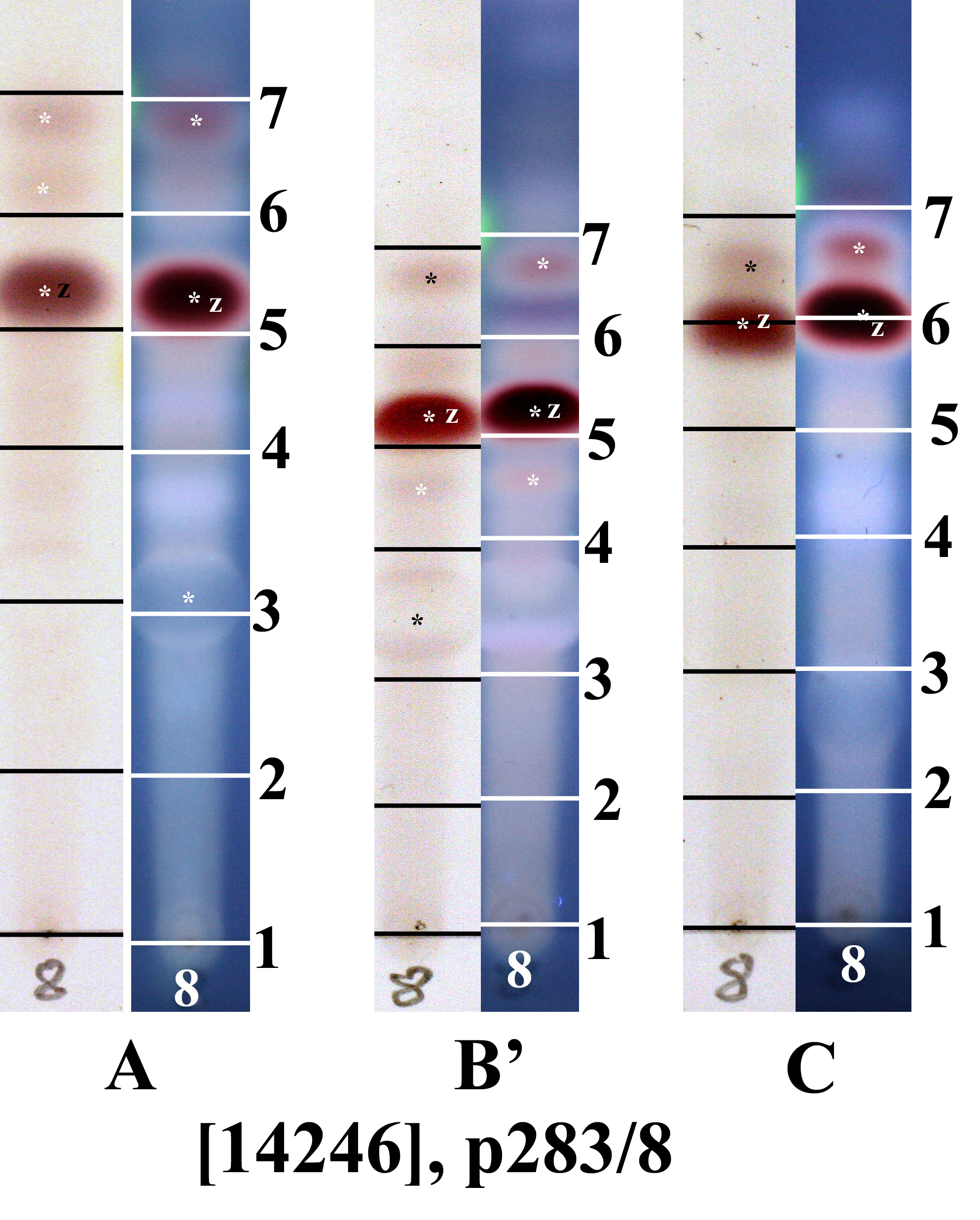
Felix Schumm – CC BY-SA 4.0
[14246], Portugal, Azoren, NW-Terceira, zwischen Biscoitos und Bagacina am Rastplatz neben der Abzweigung nach Caparica, 38°46.2492' N, 27°15.736' W, ca. 350 m. Leg. et det. Schumm 18.07.2008
HPTLC in den Laufmitteln A, B’ und C nach Säurebehandlung bei
Tageslicht und 366 nm UV-Langwelle.
1: Start,
4: Position von Norstictinsäure,
7: Position von Atranorin,
z: Zeorin
Pier Luigi Nimis - CC BY-SA 4.0
TSB 41784

Pier Luigi Nimis - CC BY-SA 4.0
TSB 41784
P.L. Nimis CC BY-SA 4.0
TSB 4205
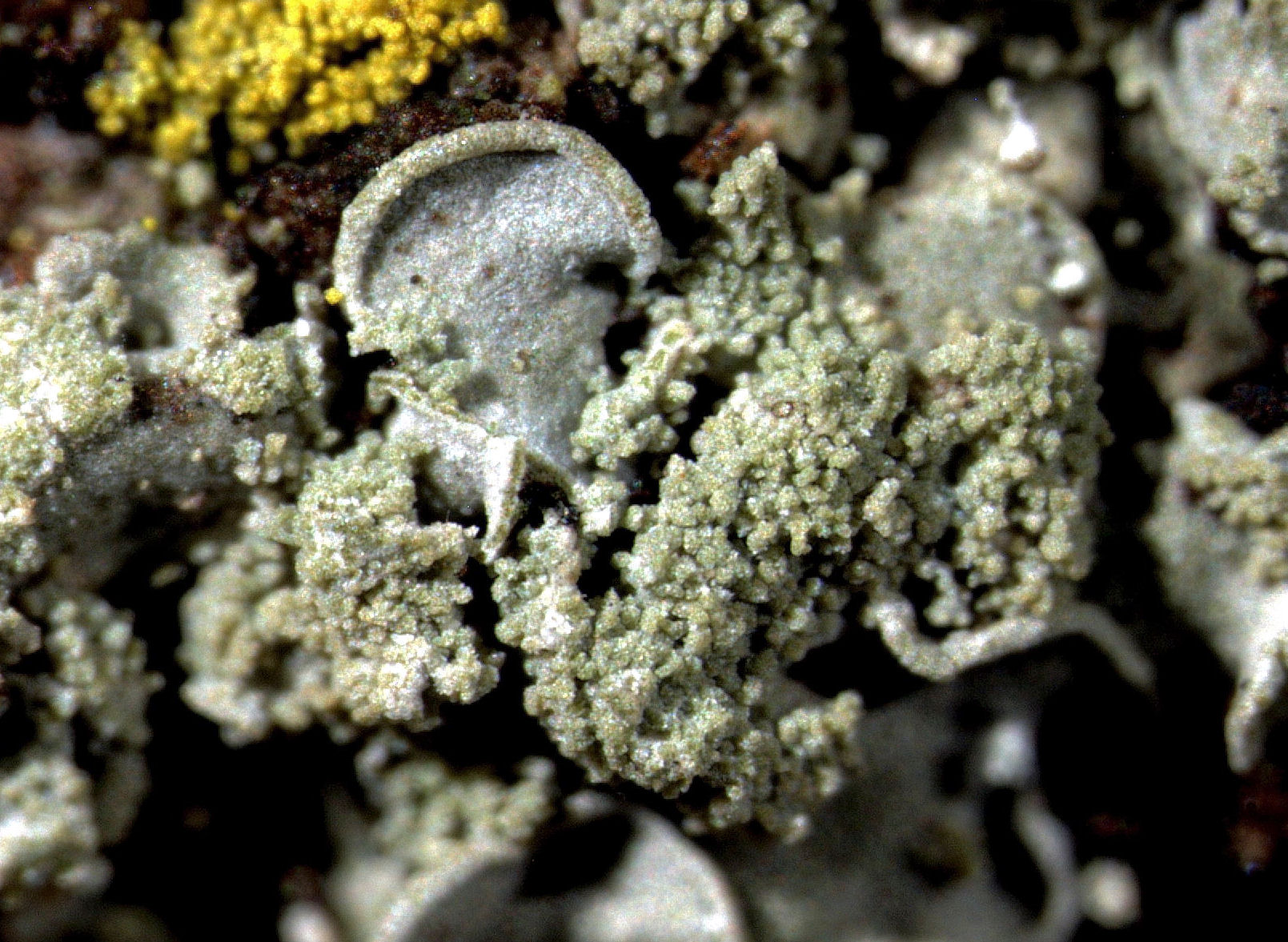
P.L. Nimis CC BY-SA 4.0
TSB 4206
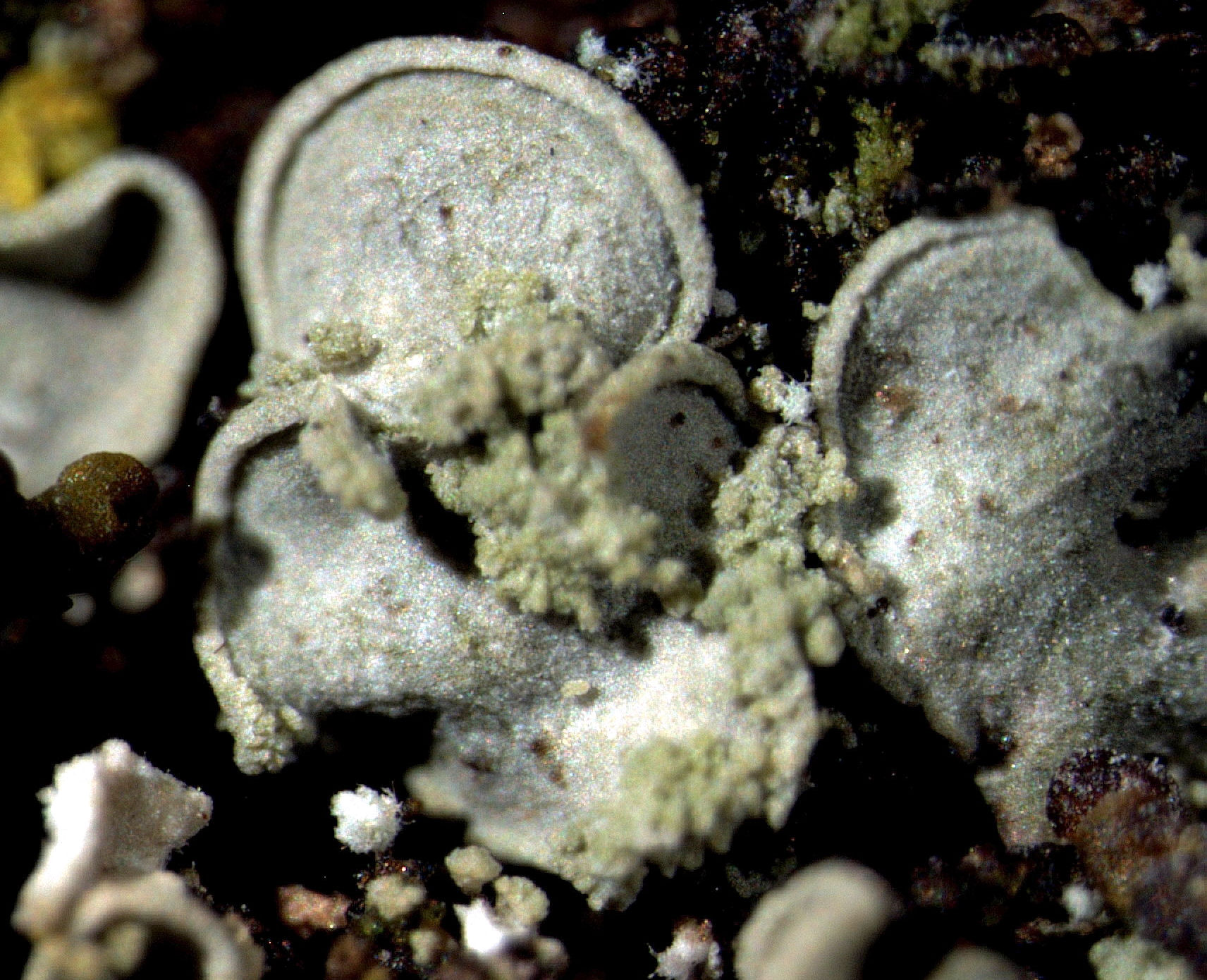
P.L. Nimis CC BY-SA 4.0
TSB 4206
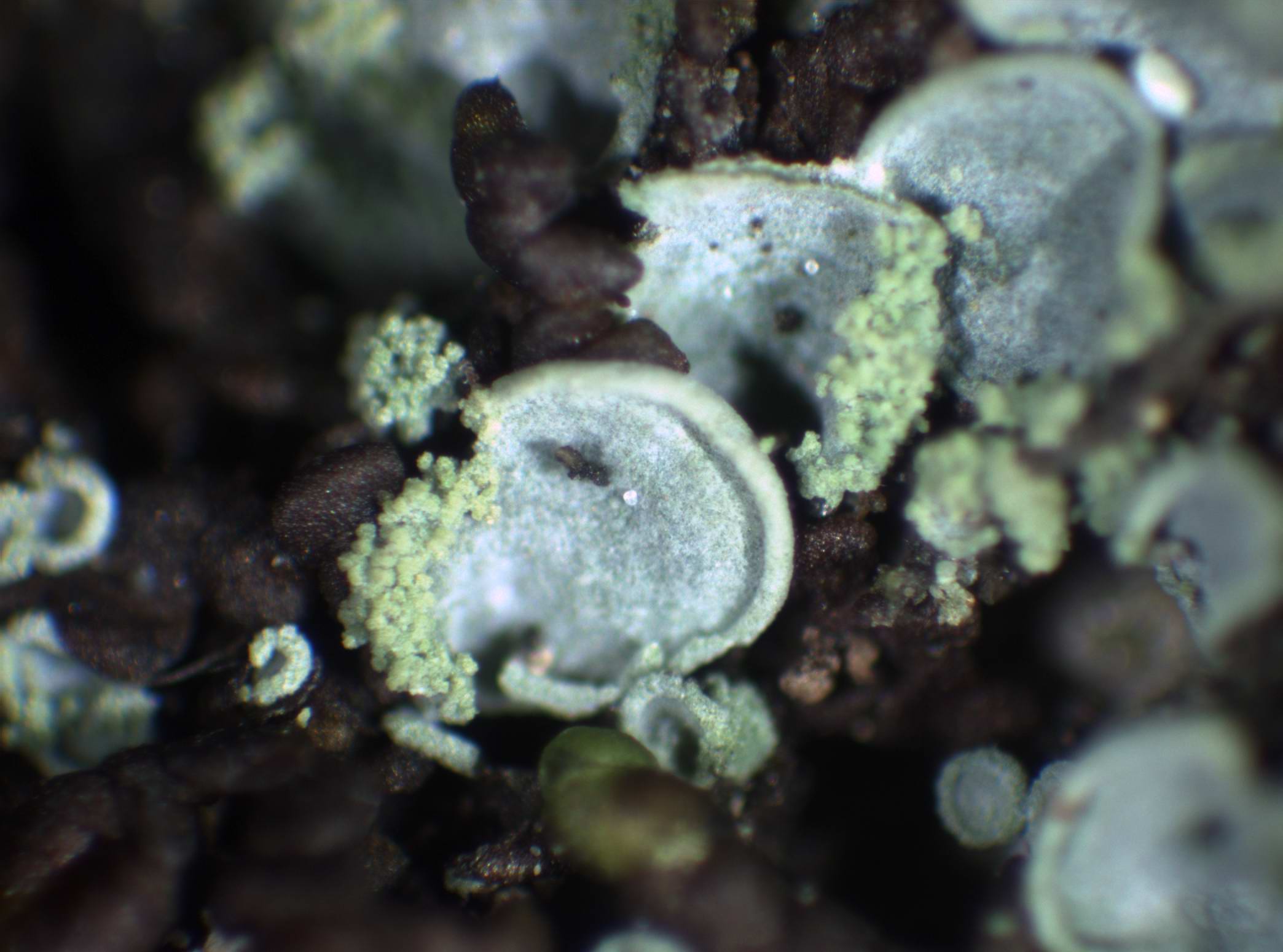
P.L. Nimis; Owner: Department of Life Sciences, University of Trieste
Herbarium: TSB (35079)
2002/05/02
habitus
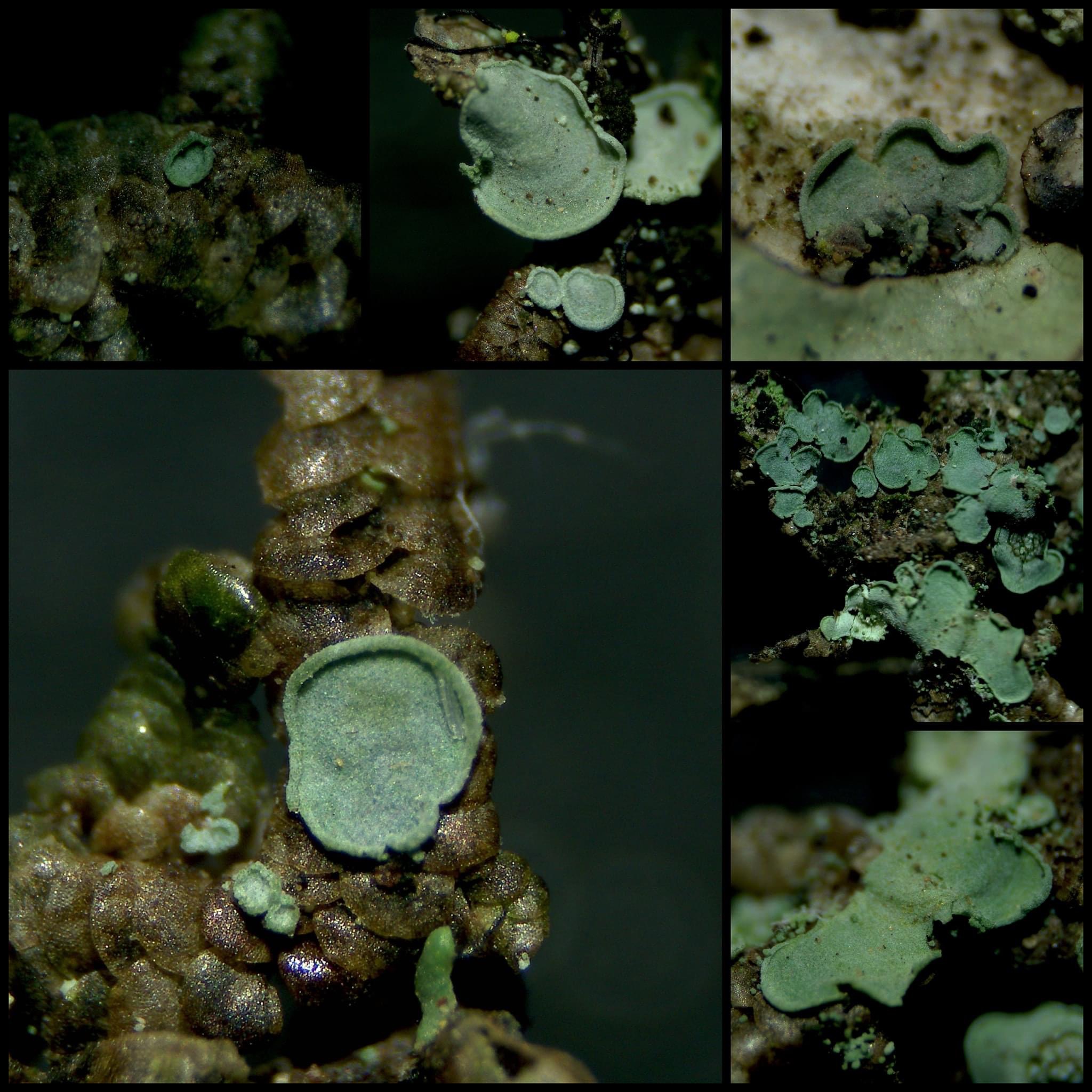
Manuel Gil
Spain, Canary Islands, Tenerife
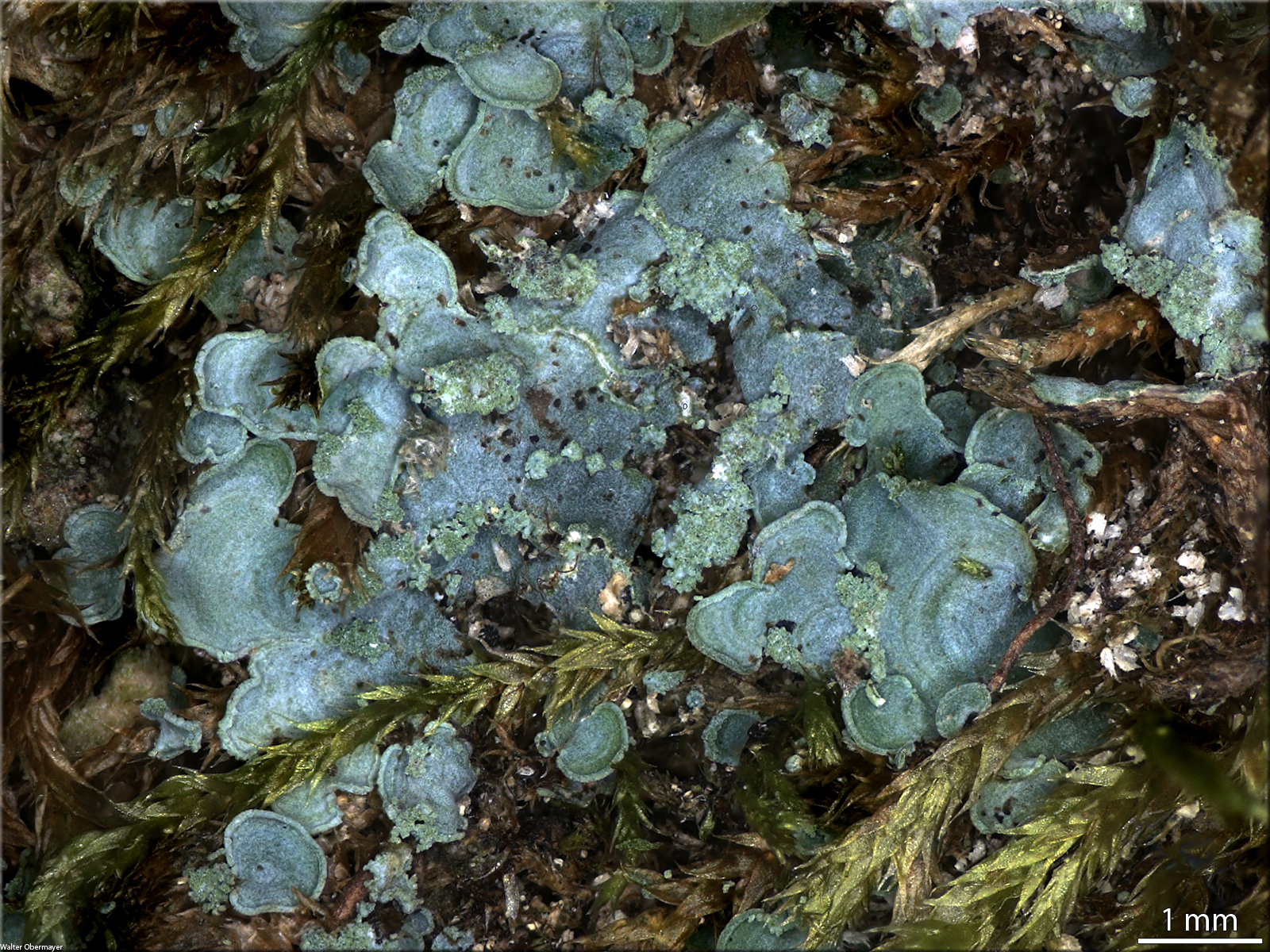
Walter Obermayer CC BY-SA 4.0 - Source: Lichens of Noricum - http://lichens-of-noricum.uni-graz.at/
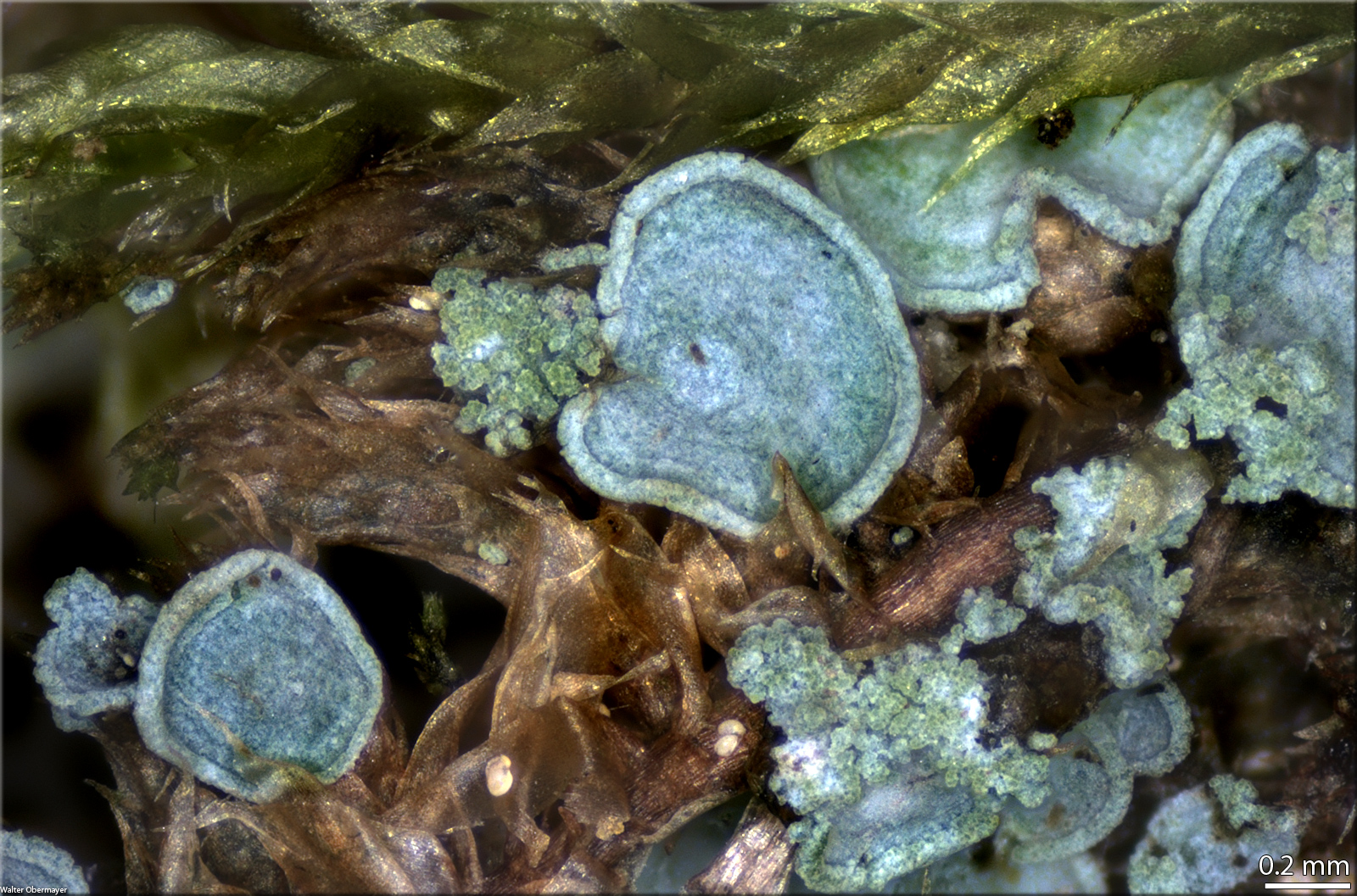
Walter Obermayer CC BY-SA 4.0 - Source: Lichens of Noricum - http://lichens-of-noricum.uni-graz.at/

Walter Obermayer CC BY-SA 4.0 - Source: Lichens of Noricum - http://lichens-of-noricum.uni-graz.at/
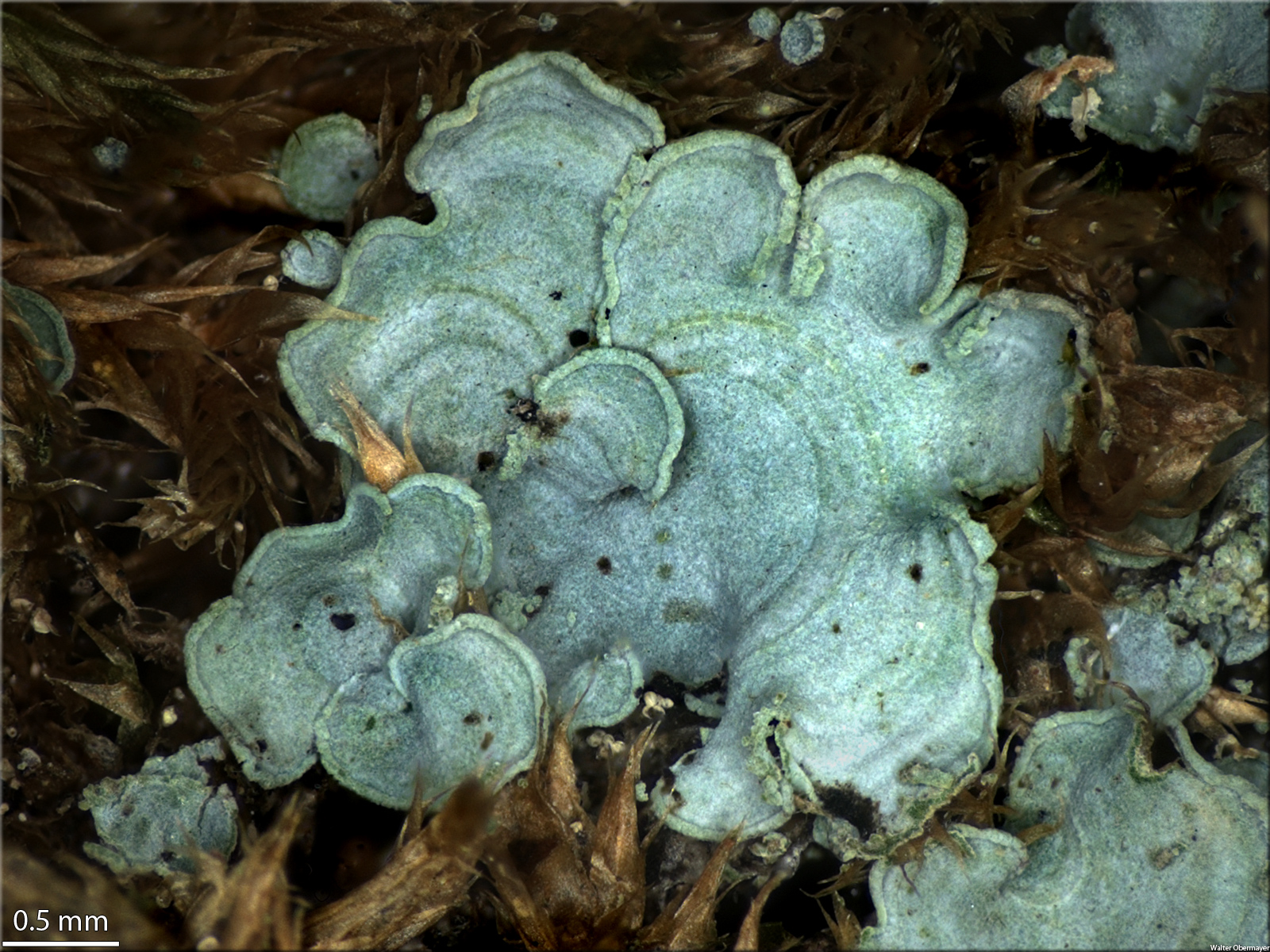
Walter Obermayer CC BY-SA 4.0 - Source: Lichens of Noricum - http://lichens-of-noricum.uni-graz.at/
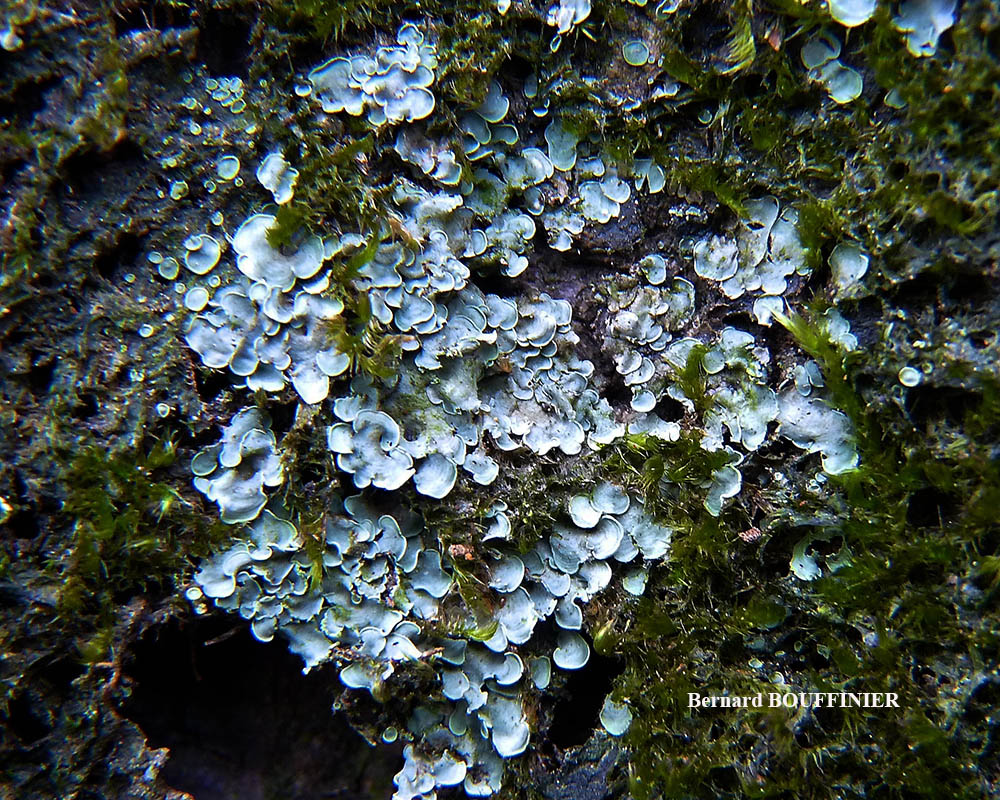
Bernard Bouffinier - Source: http://www.lichensmaritimes.org/index.php?task=fiche&lichen=364&lang=en
France, Le Poulmic
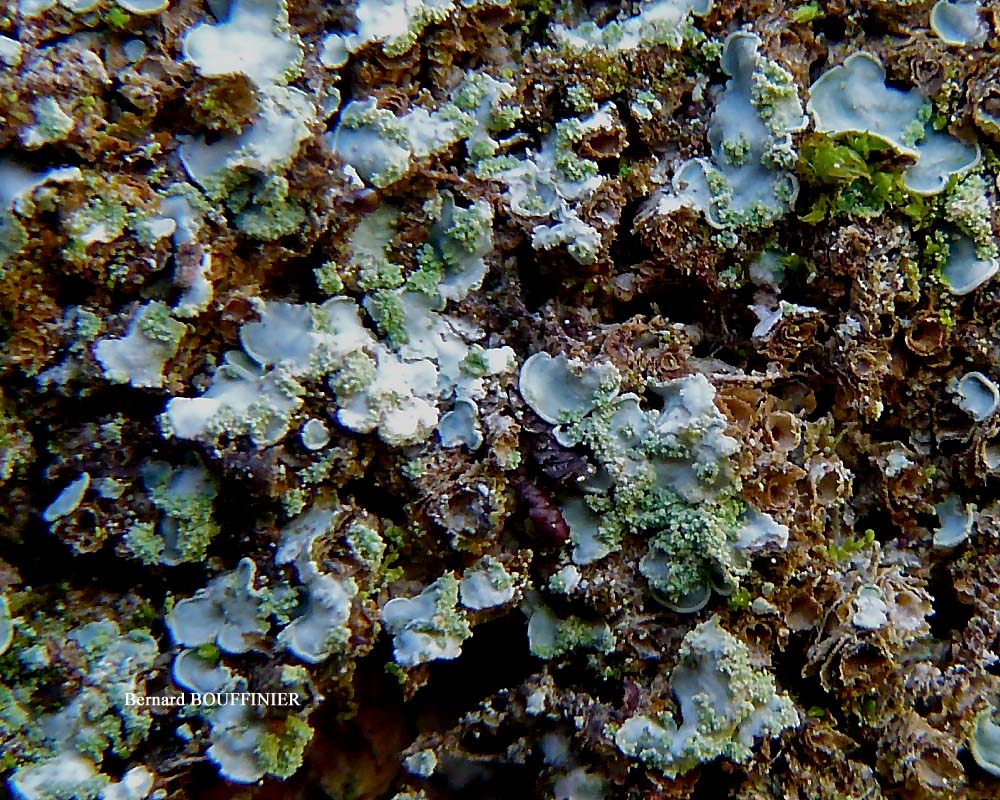
Bernard Bouffinier - Source: http://www.lichensmaritimes.org/index.php?task=fiche&lichen=364&lang=en
France, Crozon
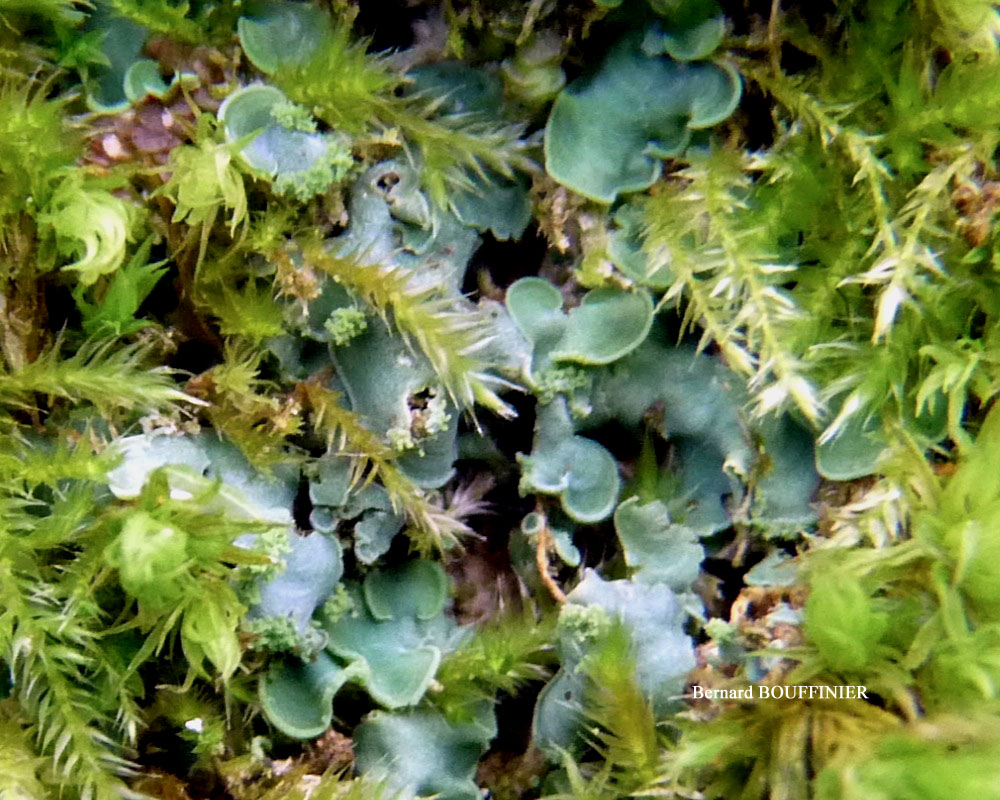
Bernard Bouffinier - Source: http://www.lichensmaritimes.org/index.php?task=fiche&lichen=364&lang=en
France, Crozon
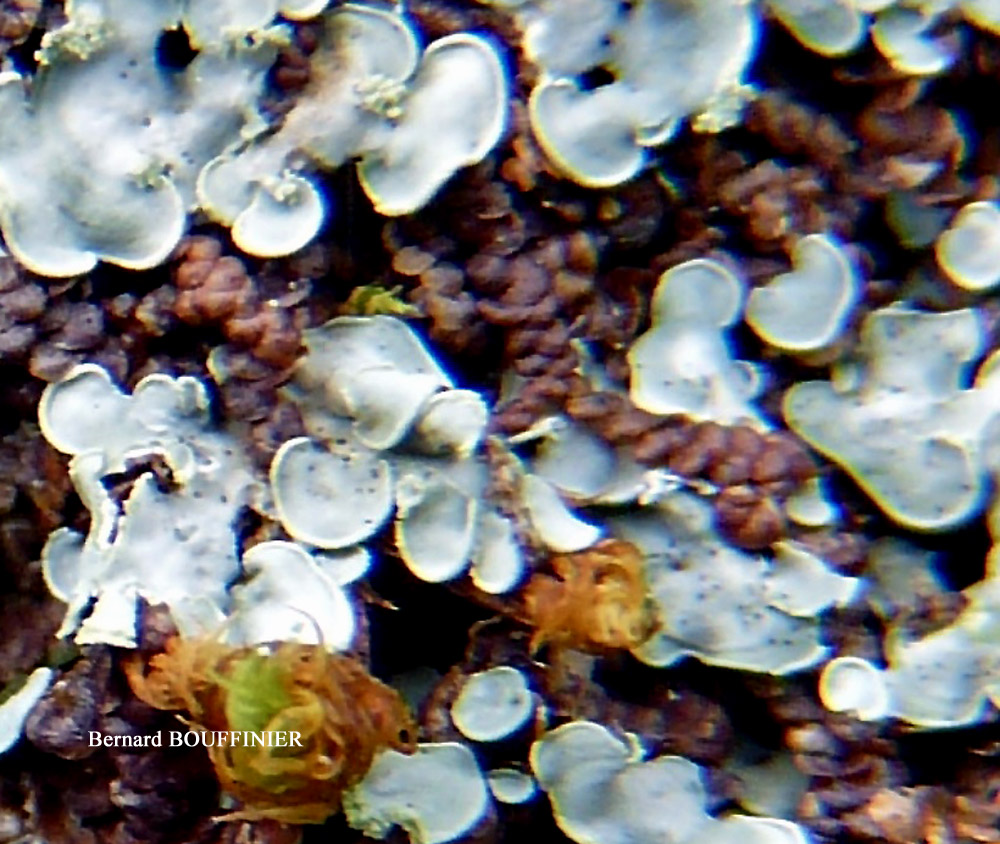
Bernard Bouffinier - Source: http://www.lichensmaritimes.org/index.php?task=fiche&lichen=364&lang=en
France, Crozon
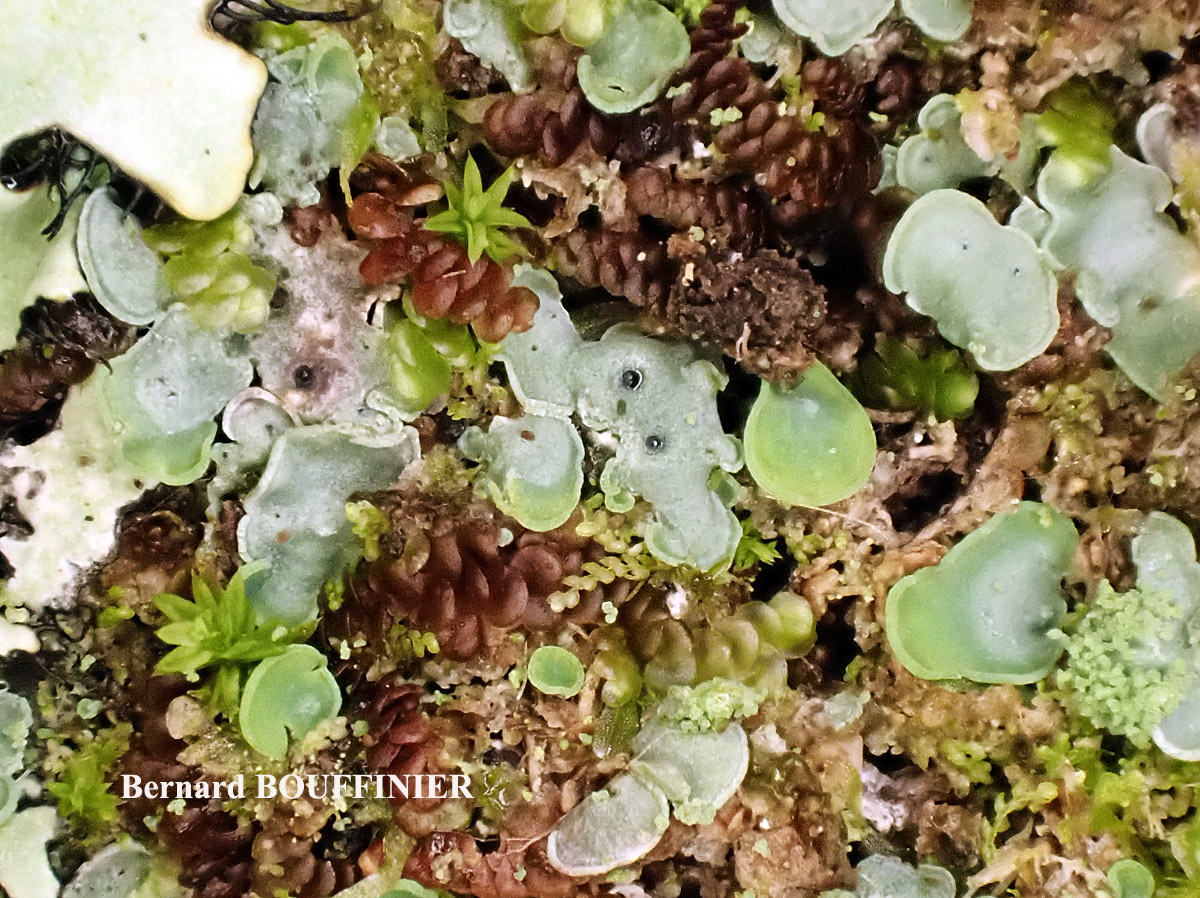
Bernard Bouffinier - Source: http://www.lichensmaritimes.org/index.php?task=fiche&lichen=364&lang=en
France, Briec
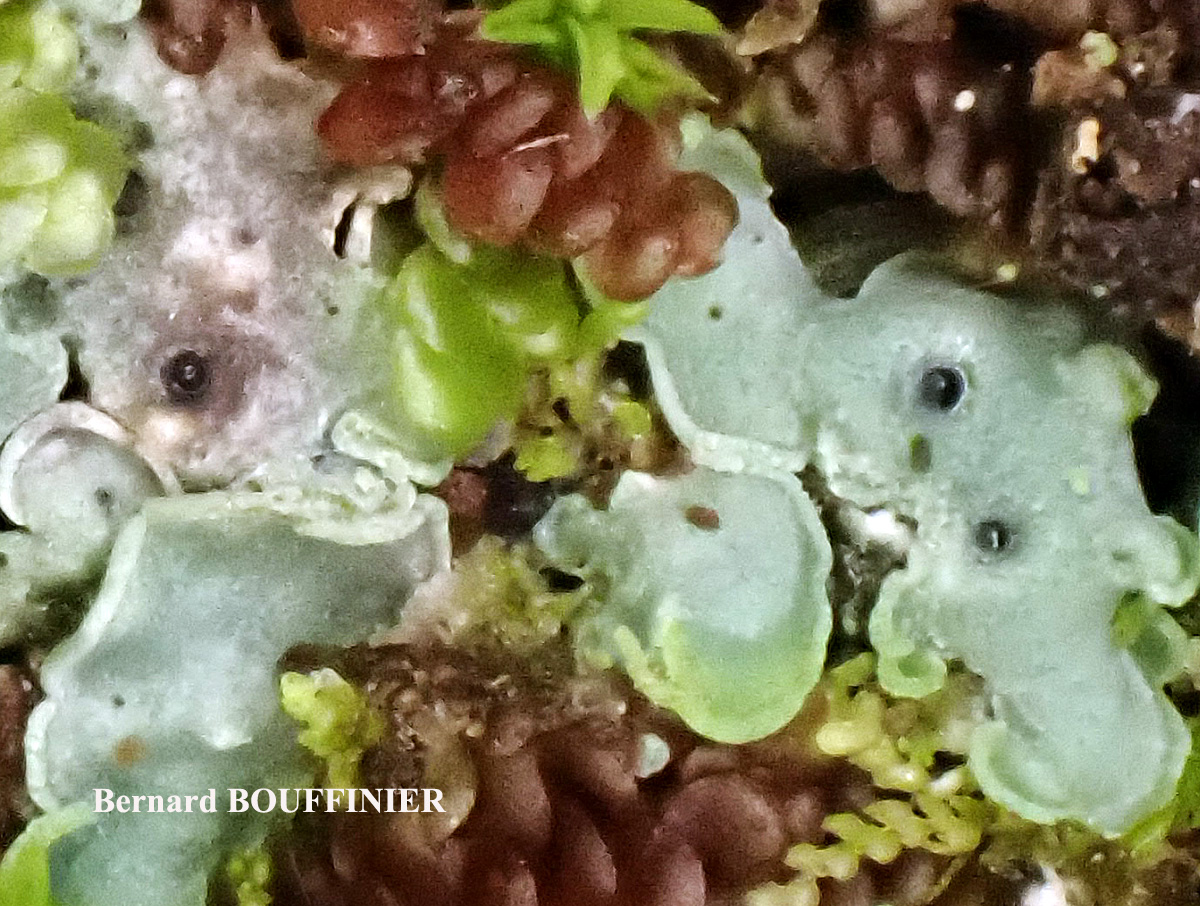
Bernard Bouffinier - Source: http://www.lichensmaritimes.org/index.php?task=fiche&lichen=364&lang=en
France, Briec
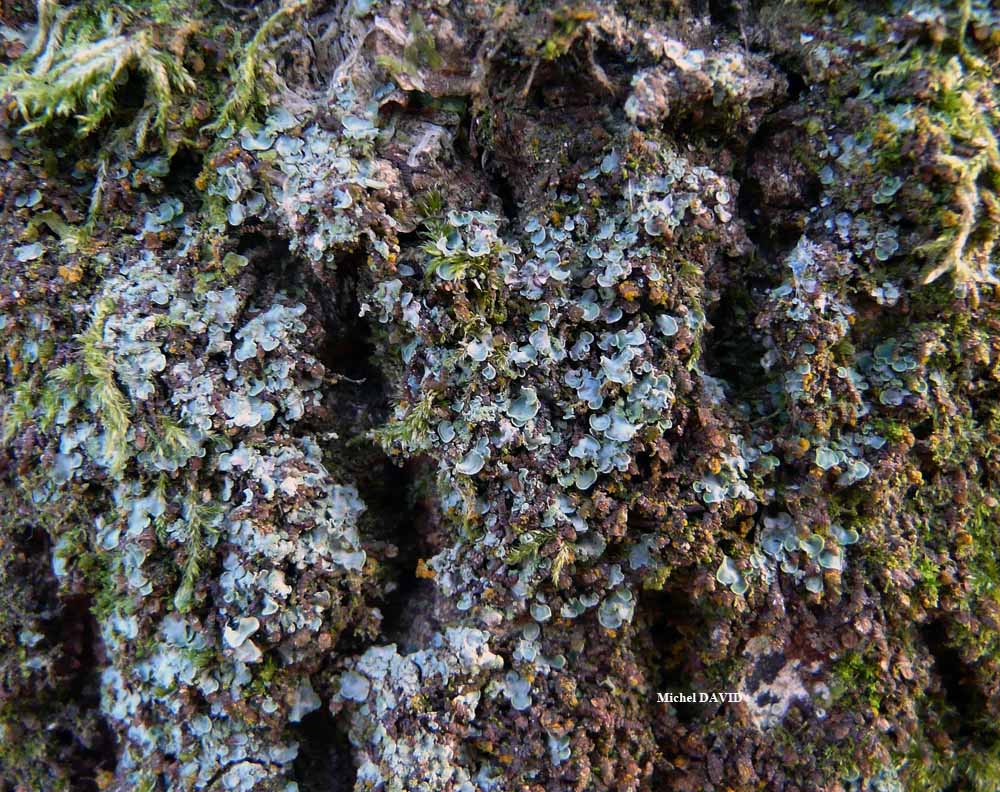
Michel David- Source: http://www.lichensmaritimes.org/index.php?task=fiche&lichen=364&lang=en
France, Argol
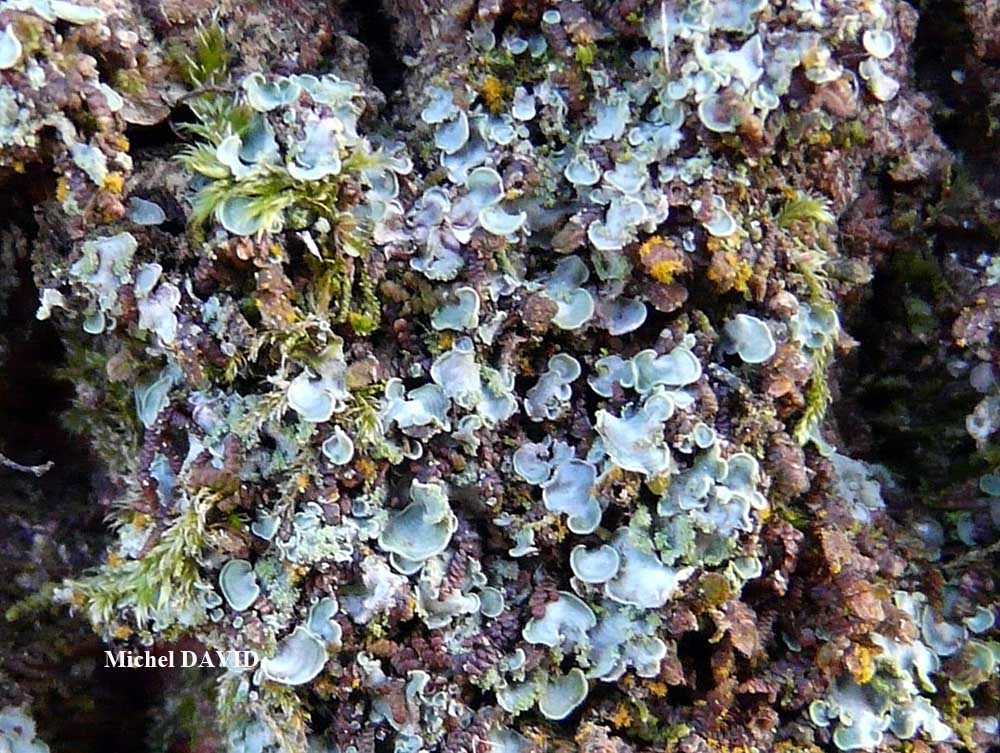
Michel David- Source: http://www.lichensmaritimes.org/index.php?task=fiche&lichen=364&lang=en
France, Argol
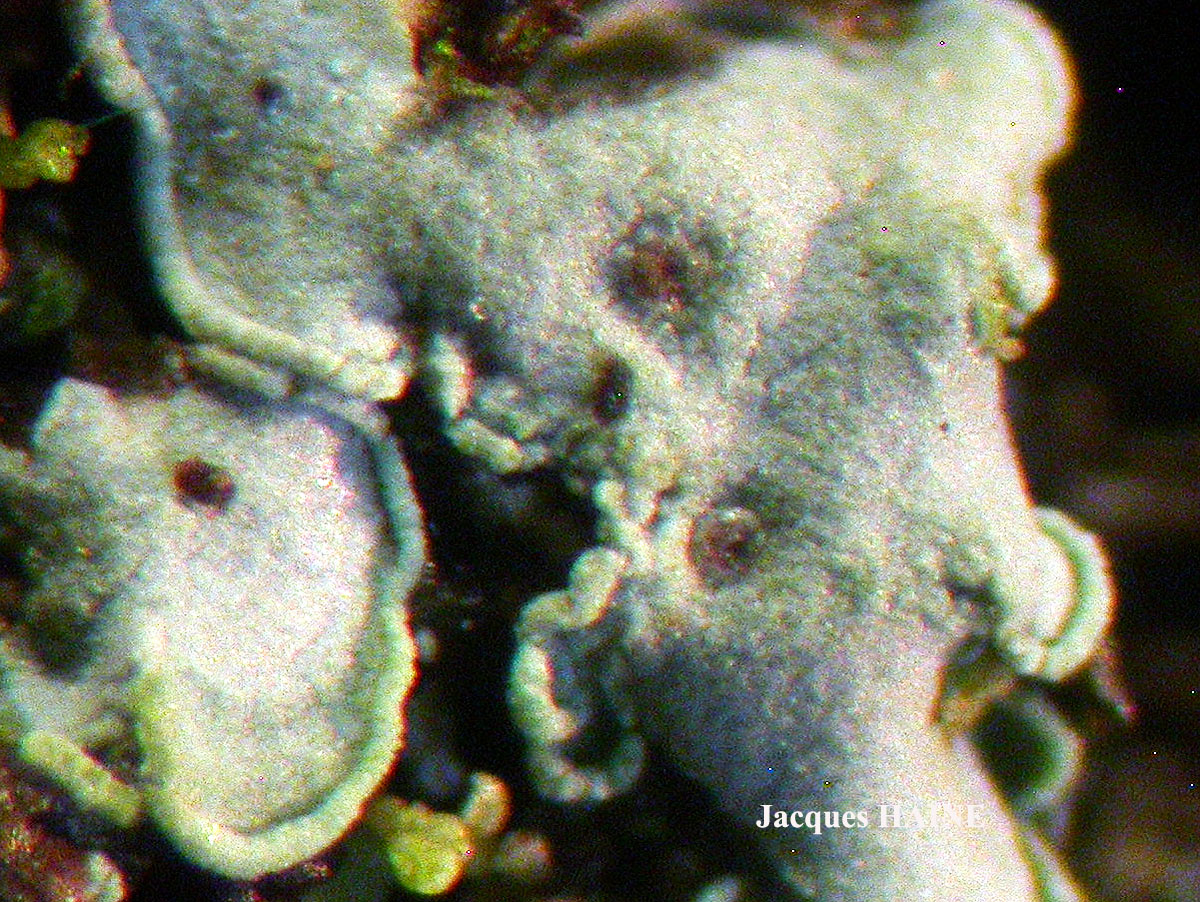
Jacques Haine - Source: http://www.lichensmaritimes.org/index.php?task=fiche&lichen=364&lang=en
France, Crozon
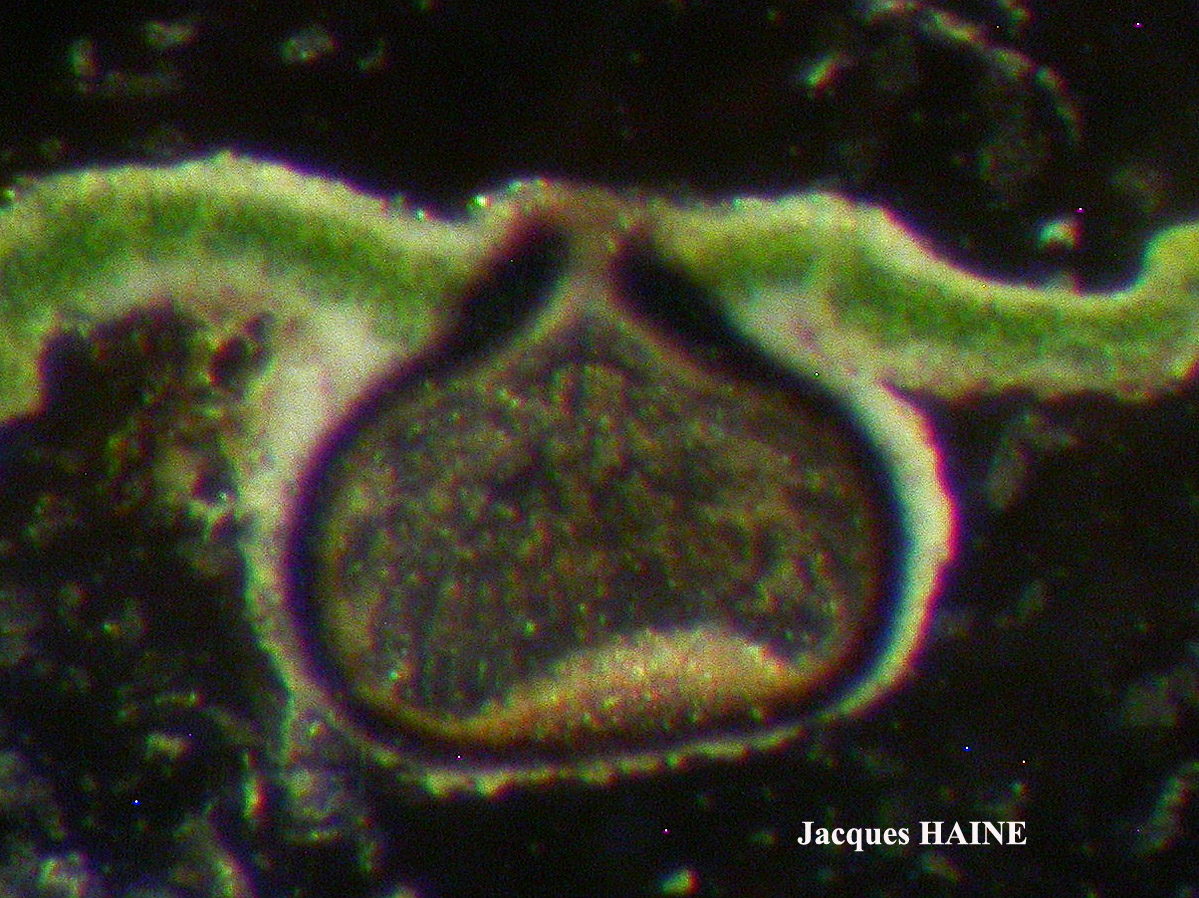
Jacques Haine - Source: http://www.lichensmaritimes.org/index.php?task=fiche&lichen=364&lang=en
France, Crozon
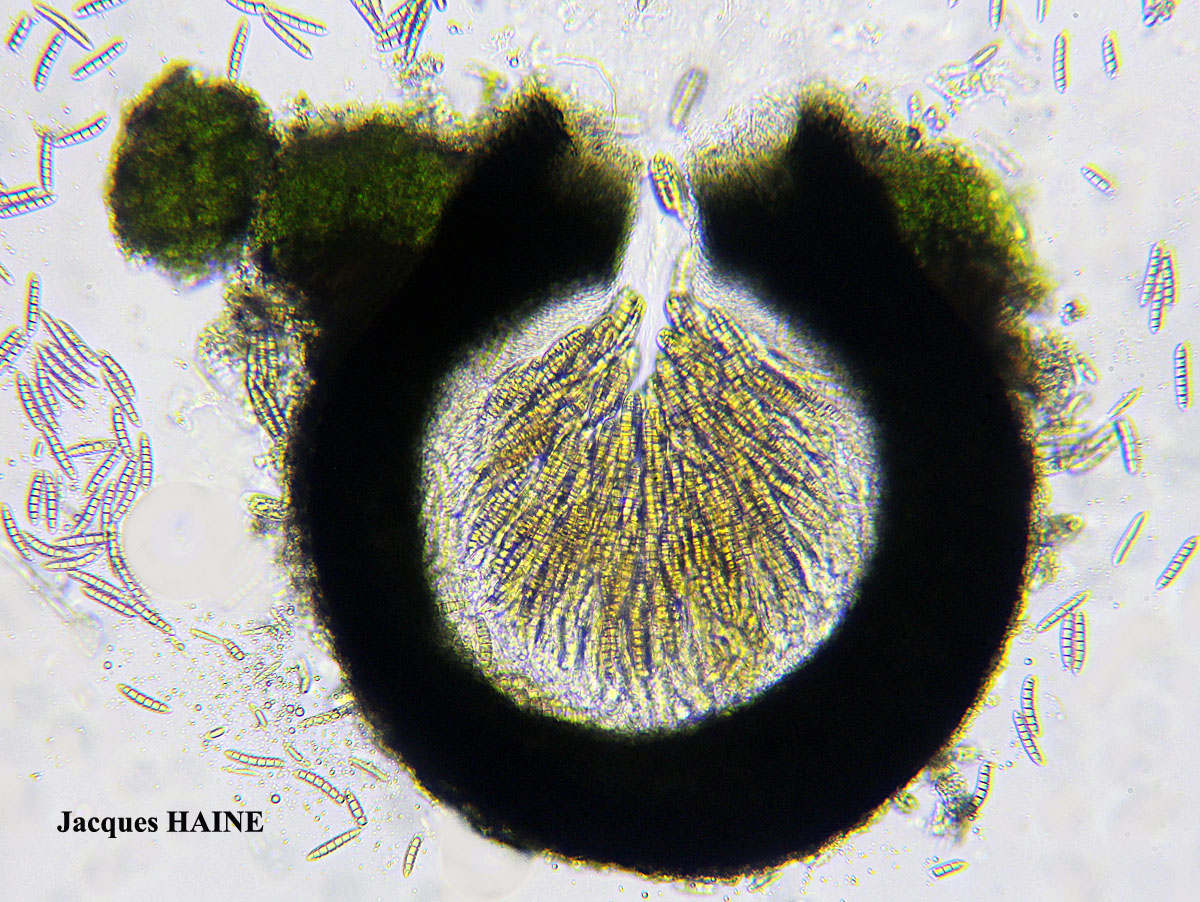
Jacques Haine - Source: http://www.lichensmaritimes.org/index.php?task=fiche&lichen=364&lang=en
France, Crozon
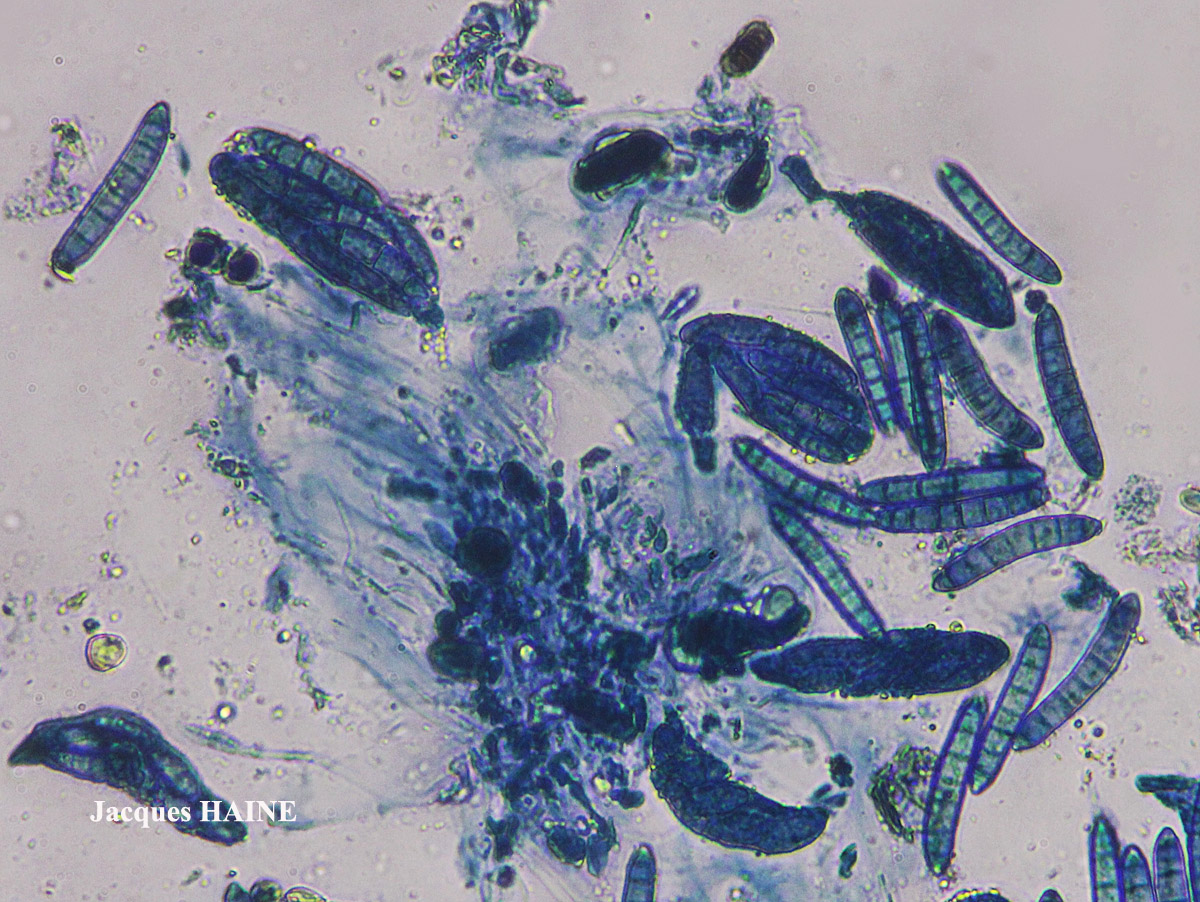
Jacques Haine - Source: http://www.lichensmaritimes.org/index.php?task=fiche&lichen=364&lang=en
France, Crozon
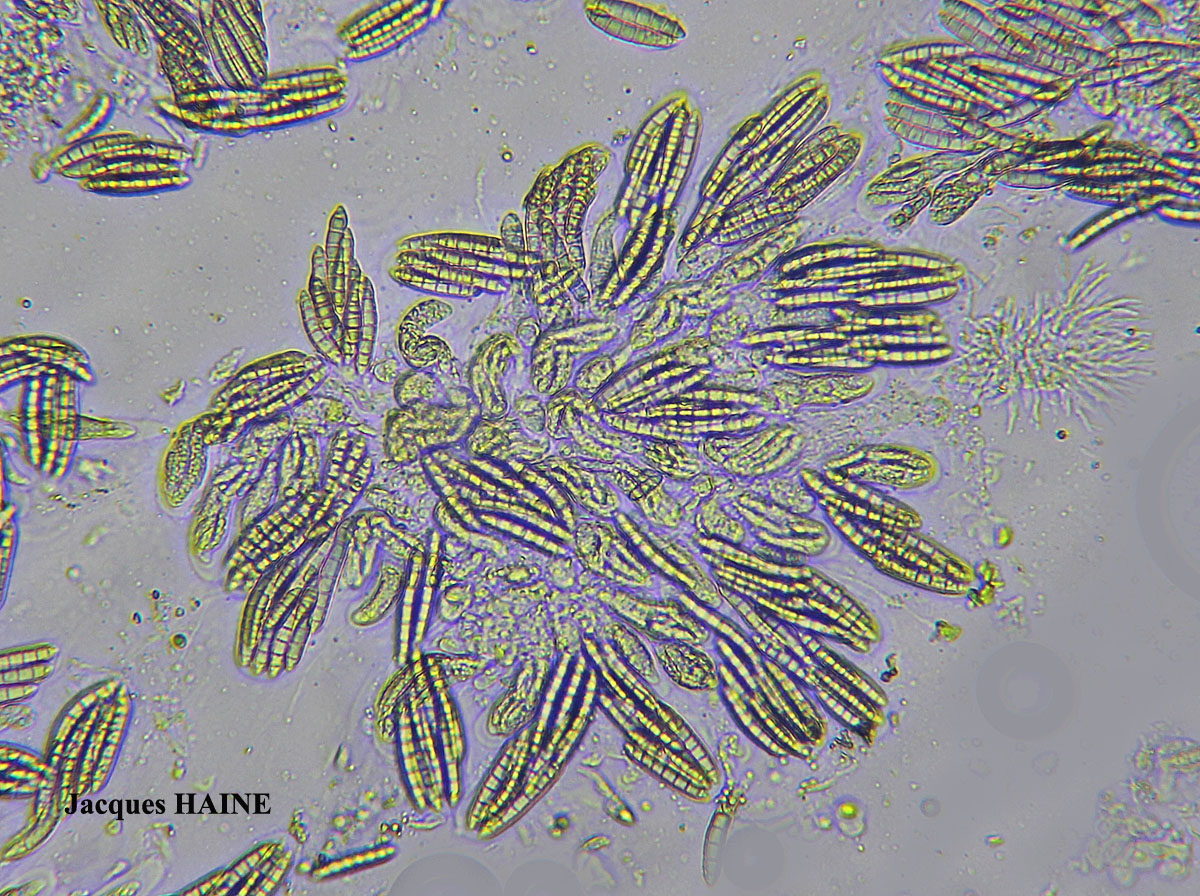
Jacques Haine - Source: http://www.lichensmaritimes.org/index.php?task=fiche&lichen=364&lang=en
France, Crozon
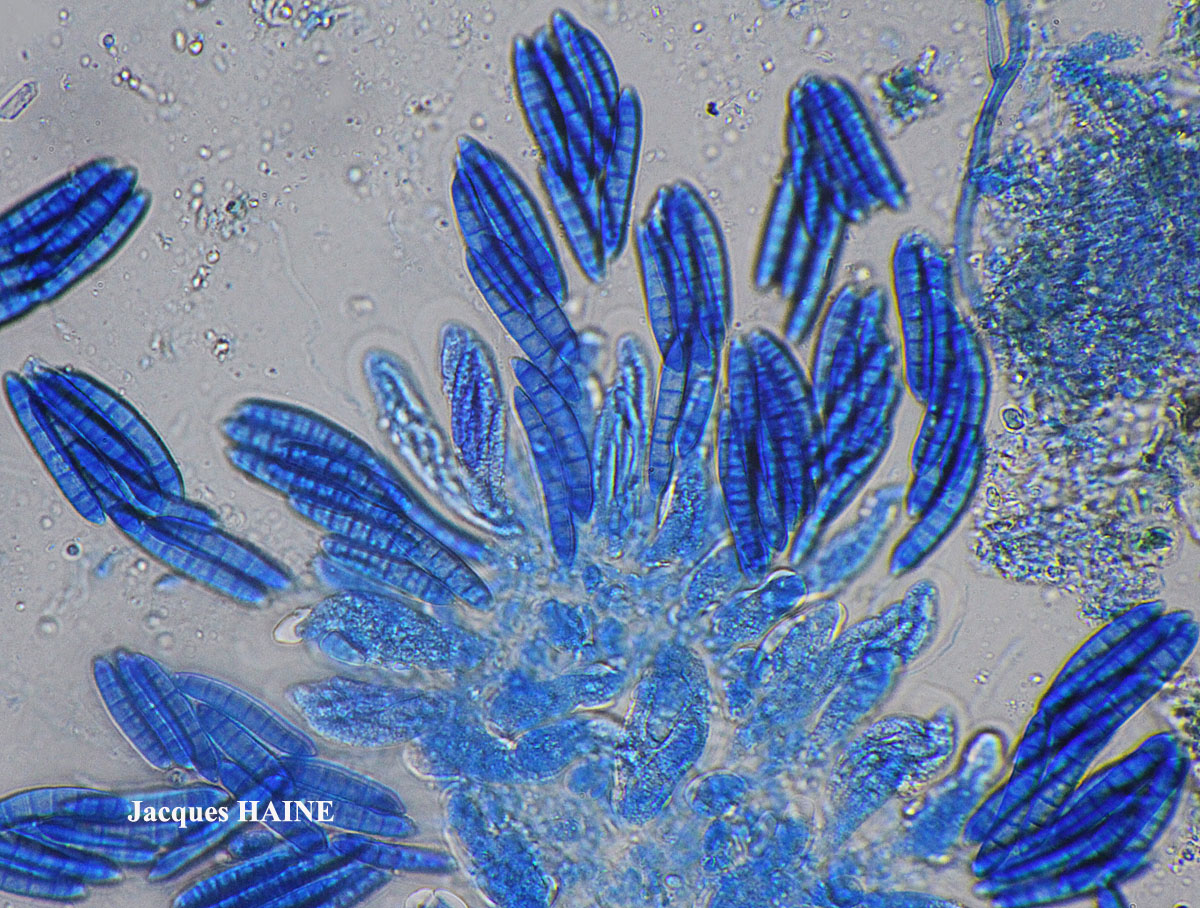
Jacques Haine - Source: http://www.lichensmaritimes.org/index.php?task=fiche&lichen=364&lang=en
France, Crozon
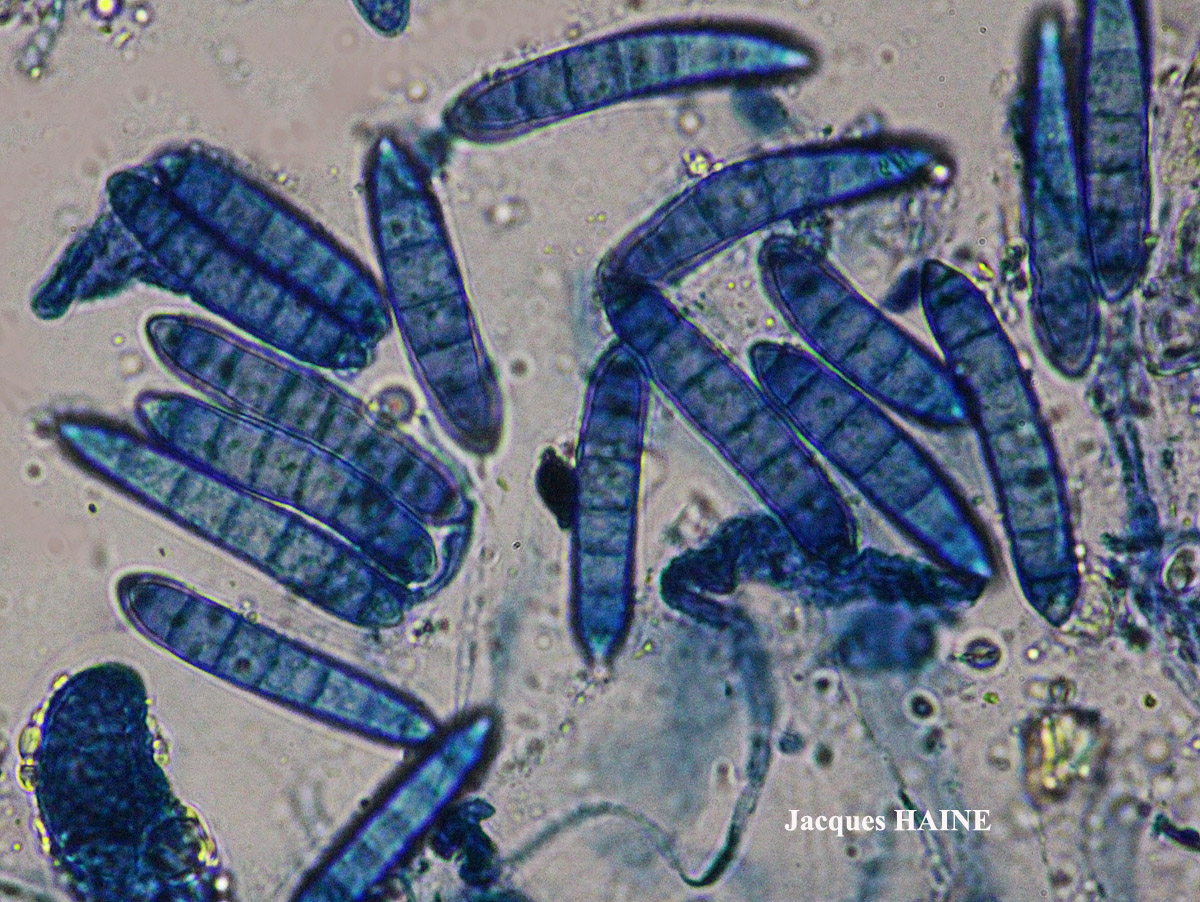
Jacques Haine - Source: http://www.lichensmaritimes.org/index.php?task=fiche&lichen=364&lang=en
France, Crozon
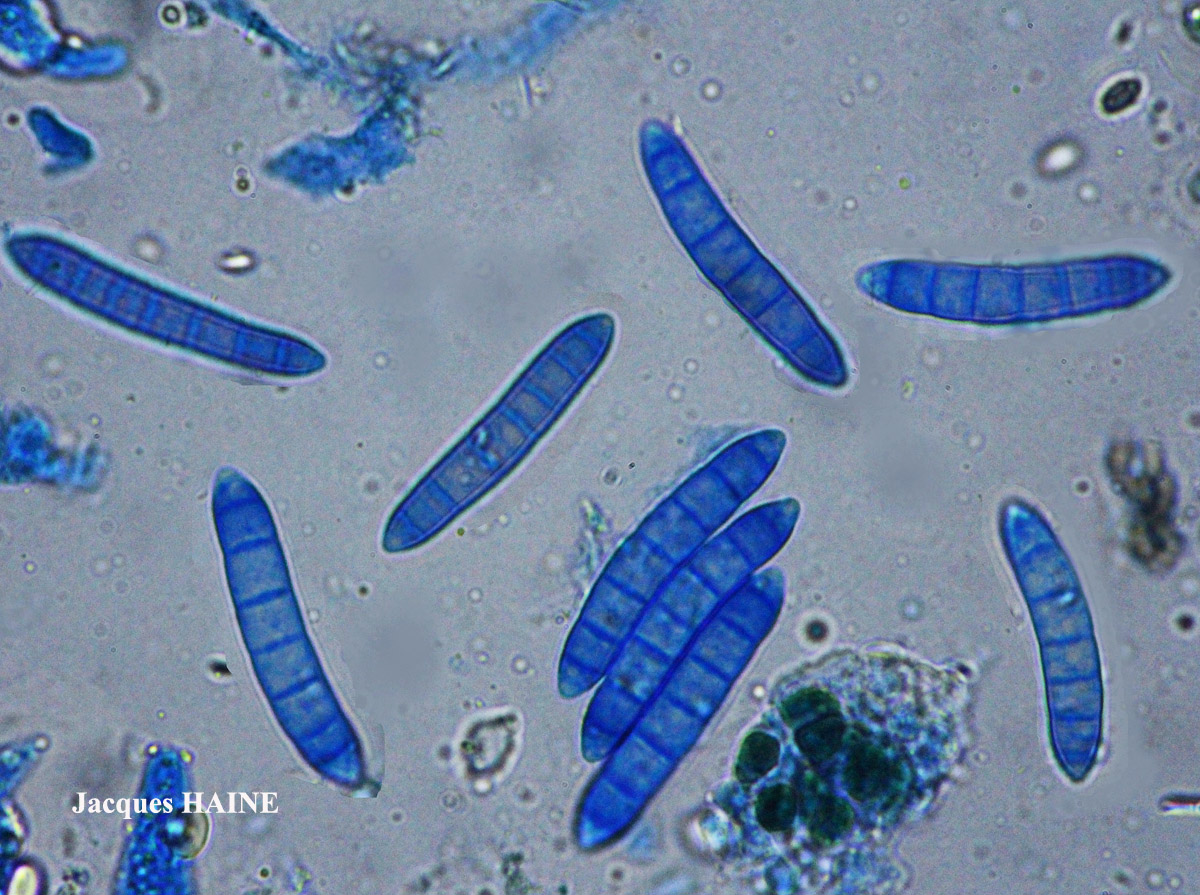
Jacques Haine - Source: http://www.lichensmaritimes.org/index.php?task=fiche&lichen=364&lang=en
France, Crozon
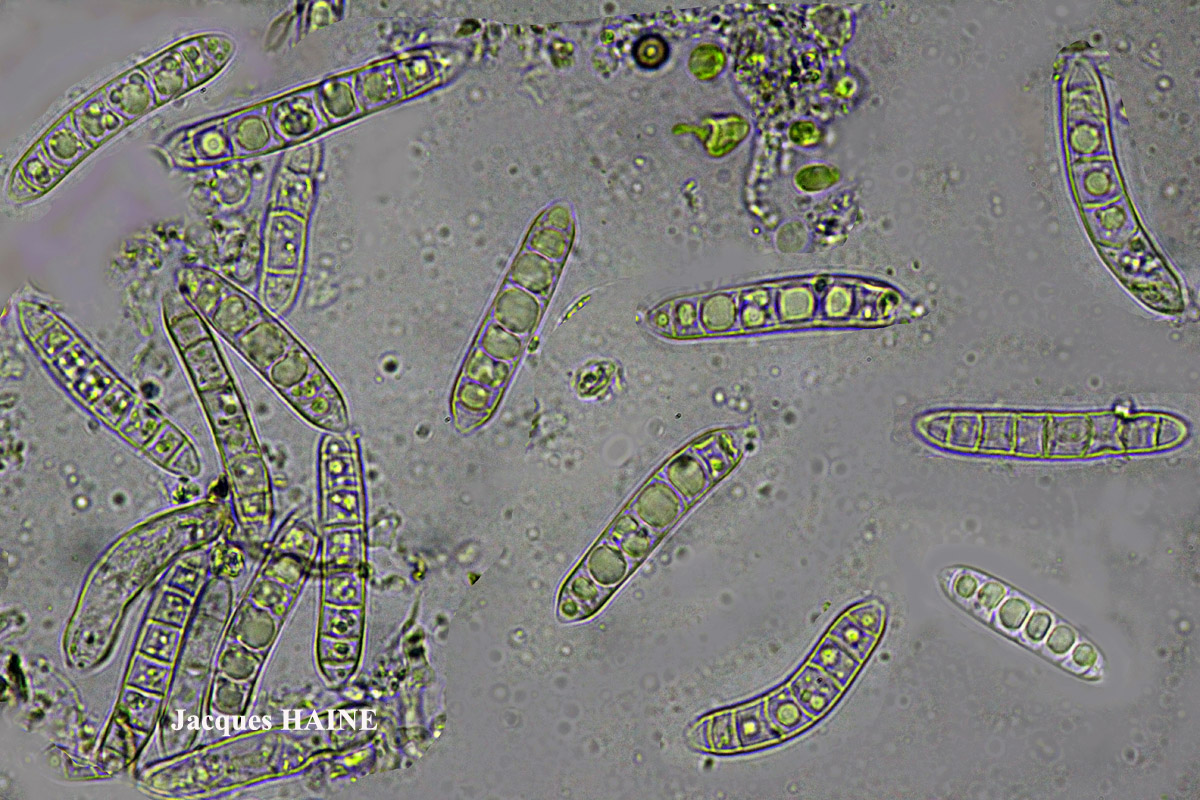
Jacques Haine - Source: http://www.lichensmaritimes.org/index.php?task=fiche&lichen=364&lang=en
France, Crozon
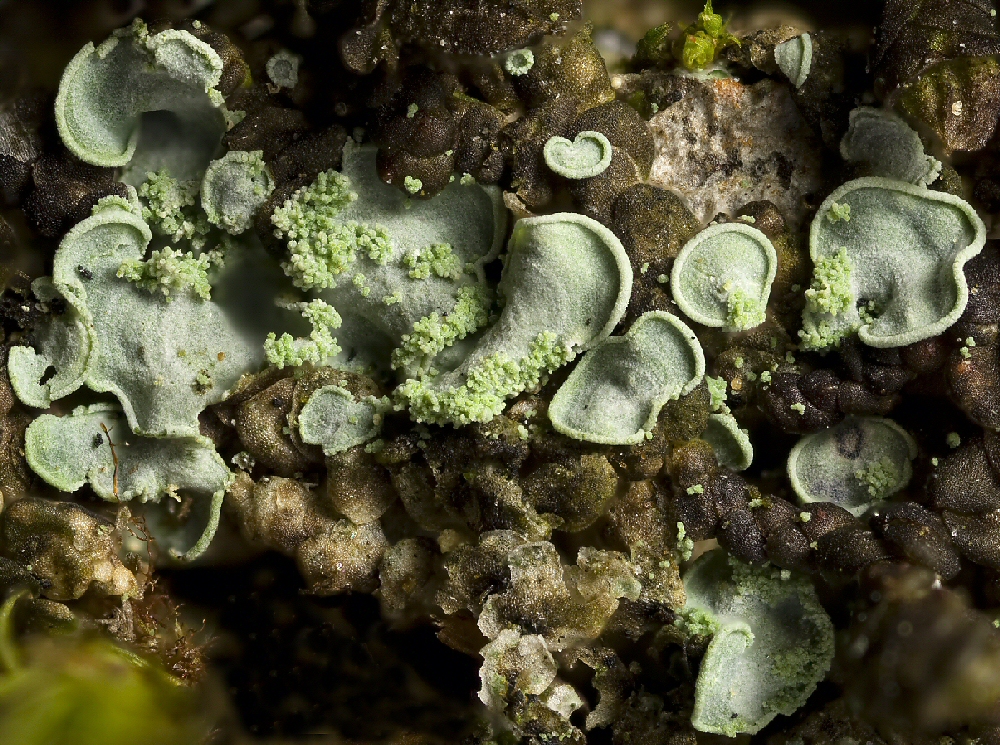
Ulrich Kirschbaum CC BY-SA 4.0 - Source: https://www.thm.de/lse/ulrich-kirschbaum/flechtenbilder
Central Europe; Germany; Baden-Württemberg: Black Forest.
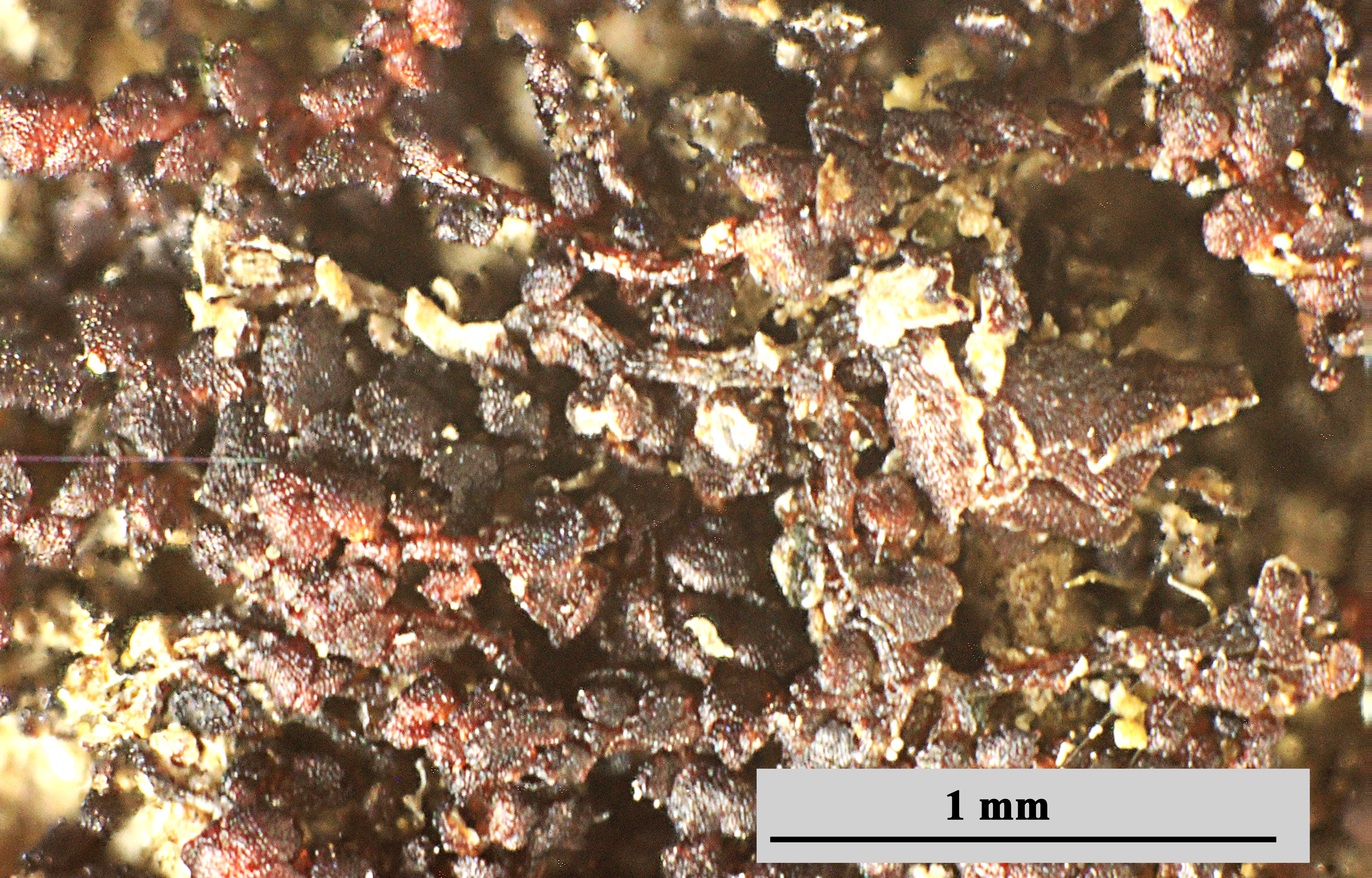
Felix Schumm - CC BY 4.0
[15015], La Reunion, beim Kraterrand des Piton Maido, Ginster-Erica- Gebüschvegetation mit Lavablöcken; 21,07100°S, 55,38788°E, 2090 m.Leg. F. Schumm & J.-P. Frahm, 07.09.2009, det. F. Schumm 2009.

Felix Schumm - CC BY 4.0
[15015], La Reunion, beim Kraterrand des Piton Maido, Ginster-Erica- Gebüschvegetation mit Lavablöcken; 21,07100°S, 55,38788°E, 2090 m.Leg. F. Schumm & J.-P. Frahm, 07.09.2009, det. F. Schumm 2009.

Wolfgang von Brackel - CC BY-4.0
Germany, Bavaria, Kempten

Wolfgang von Brackel - CC BY-4.0
Germany, Bavaria, Oberstaufen Oberallgäu

Wolfgang von Brackel - CC BY-4.0
Germany, Bavaria, Oberstaufen Oberallgäu

Wolfgang von Brackel - CC BY-4.0
Germany, Bavaria, Taubenberg

Collezione lichenologica Abramo Massalongo del Museo di Storia Naturale G. Ligabue di Venezia - Autori: Seggi, Linda; Trabucco, Raffaella Proprietà: Fondazione Musei Civici di Venezia - CC BY-NC
Italy, in opp. Cividale 1855
As Lenormandia jungermanniae

Felix Schumm - CC BY 4.0
[VZ1671], URSS. Transcaucasia. Colchis. Distr. Gagra, in valle angusta rivi Zo Ekvara, 30 m. Ad ramulos Buxi colchicae. Leg. V. Vašák et A. Vezda, 18.6.1979. EX A. VEZDA LICHENES SELECTI EXSICCATI NR. 1671.

Felix Schumm - CC BY 4.0
[VZ1671], URSS. Transcaucasia. Colchis. Distr. Gagra, in valle angusta rivi Zo Ekvara, 30 m. Ad ramulos Buxi colchicae. Leg. V. Vašák et A. Vezda, 18.6.1979. EX A. VEZDA LICHENES SELECTI EXSICCATI NR. 1671.

Felix Schumm - CC BY 4.0
[VZ2251], Italia. Calabria, in monte Luta, 1250 m. Ad corticem Populi sp. Leg. D. Puntillo, 26.7.1988. EX A. VEZDA LICHENES SELECTI EXSICCATI NR. 2251.