Parmelia saxatilis (L.) Ach.
Meth. Lich.: 204, 1803. Basionym: Lichen saxatilis L. - Sp. Pl.: 1142, 1753.
Synonyms: Imbricaria saxatilis (L.) Körb.; Parmelia saxatilis f. rubricosa J. Steiner; Parmelia saxatilis var. laciniata Erichsen; Parmelia saxatilis var. laevis Nyl.; Parmelia saxatilis var. pseudoviridis Gyeln.; Parmelia saxatilis var. retiruga (DC.) Th. Fr.
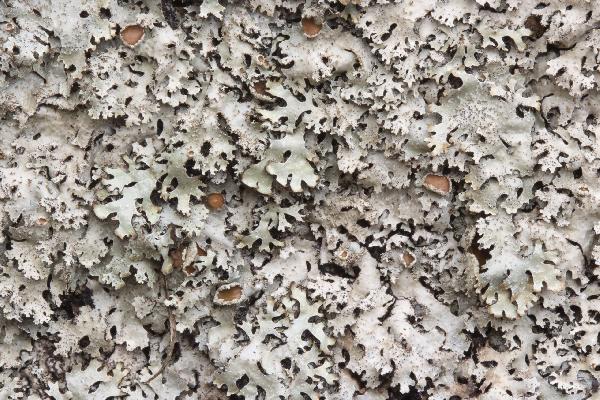
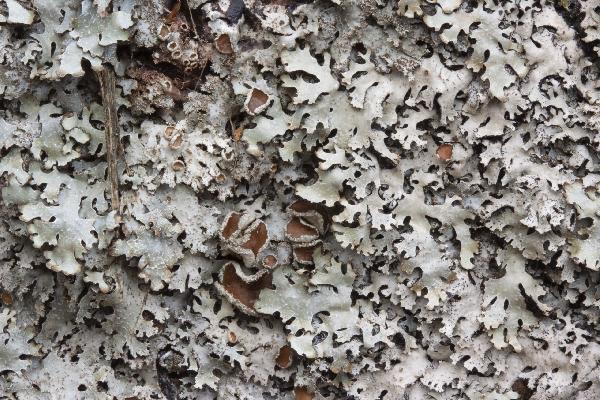
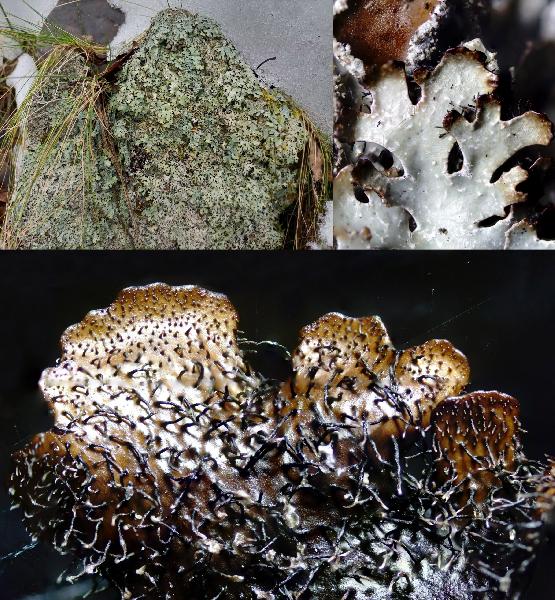
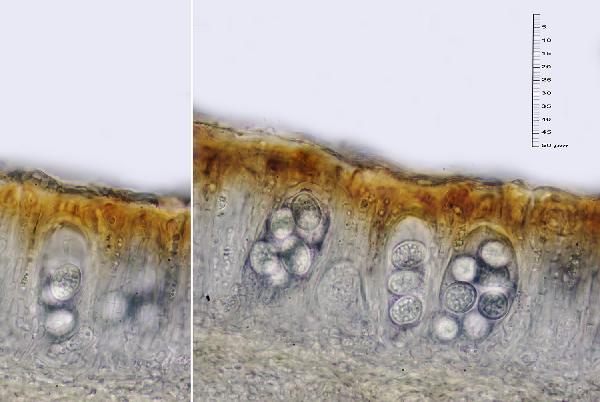
Description: Thallus foliose, heteromerous, dorsiventral, rather loosely attached, forming 4-20 cm wide, mostly regular rosettes. Lobes sublinear, contiguous, elongate, separate, flat, 1.5-2.5(-3.5) mm wide, with truncate apices, rarely lobulate. Upper surface grey (to brown in exposed situations and at lobe tips), smooth to foveolate, somehow shiny, rarely slightly white-pruinose in marginal parts, with numerous, mostly apical or marginal, elongate-linear, rarely weakly anastomosing, white pseudocyphellae. Isidia cylindrical, simple to coralloid, often darkened at tips, scattered to clustered but not developing in lines along the pseudocyphellae, mainly laminal and most abundant in central parts of thallus. Lower surface black, with simple to furcate, black rhizines present also along the margins. Upper cortex paraplectenchymatous, of 2-6 layers of densely packed cells, with a usually non-pored epicortex, the cell walls with isolichenan; medulla white; algal layer continuous; lower cortex paraplectenchymatous, thinner than upper cortex. Apothecia rare, lecanorine, 2-8 mm across, with a brown disc and a usually isidiate thalline margin. Epithecium brownish; hymenium and hypothecium colourless. Asci 8-spored, clavate, Lecanora-type. Ascospores 1-celled, ellipsoid, hyaline, (11-)13-15(-18) x 6-8(-11) µm. Pycnidia black. Conidia cylindrical to bacilliform, 5-8 x c. 1 µm. Spot tests: upper cortex K+ yellow (but often slowly turning orange-red due to medullary substances), C-, KC-, P- or P+ faintly yellow; medulla K+ yellow turning orange-red, C-, KC-, P+ orange-red, UV-. Chemistry: upper cortex with atranorin and chloroatranorin; medulla with salazinic acid (major) and consalazinic acid (minor), and often traces of lobaric and protocetraric acids; fatty acids (lichesterinic and protolichesterinic acids) absent.
Growth form: Foliose, broad lobed
Substrata: bark and rocks
Photobiont: green algae other than Trentepohlia
Reproductive strategy: mainly asexual, by isidia, or isidia-like structures (e.g. schizidia)
Commonnes-rarity: (info)
Alpine belt: rare
Subalpine belt: rather common
Montane belt: common
Dry submediterranean belt: rare
Humid submediterranean belt: rather rare
Padanian area: absent
pH of the substrata:
1 2 3 4 5

Solar irradiation:
1 2 3 4 5
Aridity:
1 2 3 4 5
Eutrophication:
1 2 3 4 5
Poleotolerance:
0 1 2 3
Altitudinal distribution:
1 2 3 4 5 6
Rarity
absent
extremely rare
very rare
rare
rather rare
rather common
common
very common
extremely common
Loading data...
Occurrence data
Predictive map
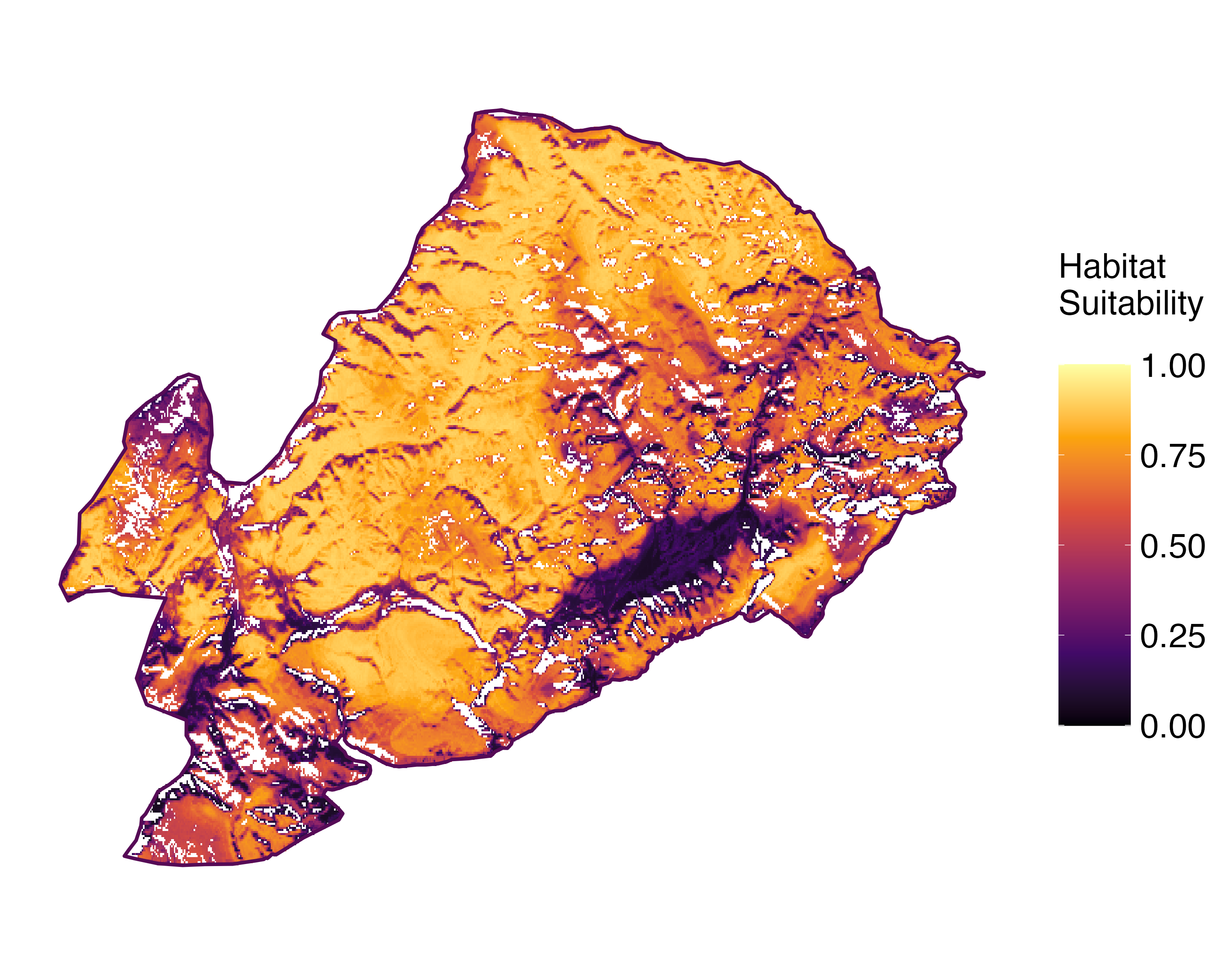 Current prediction (1981-2010)
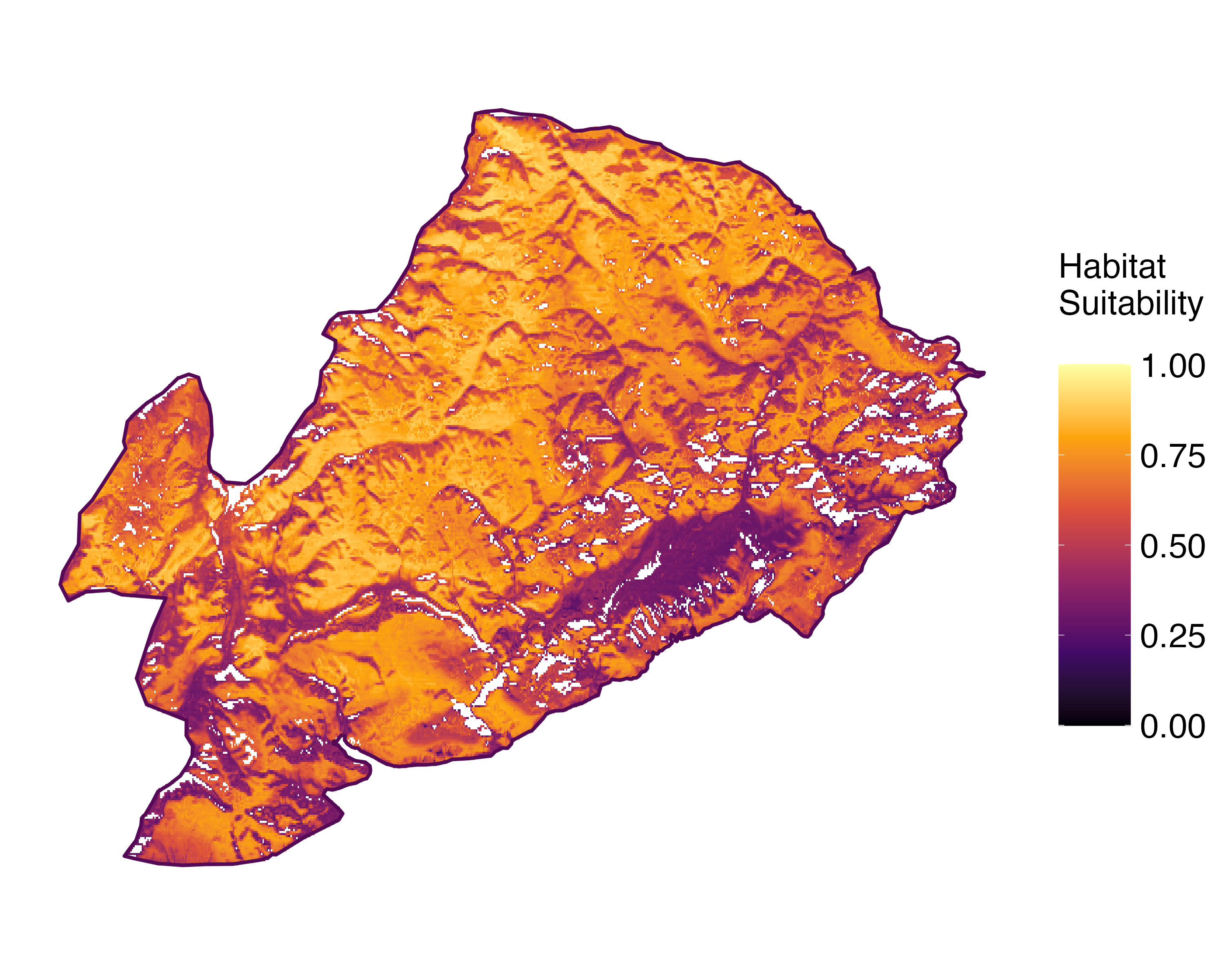 Future prediction (2071-2100) SSP 1-2.6
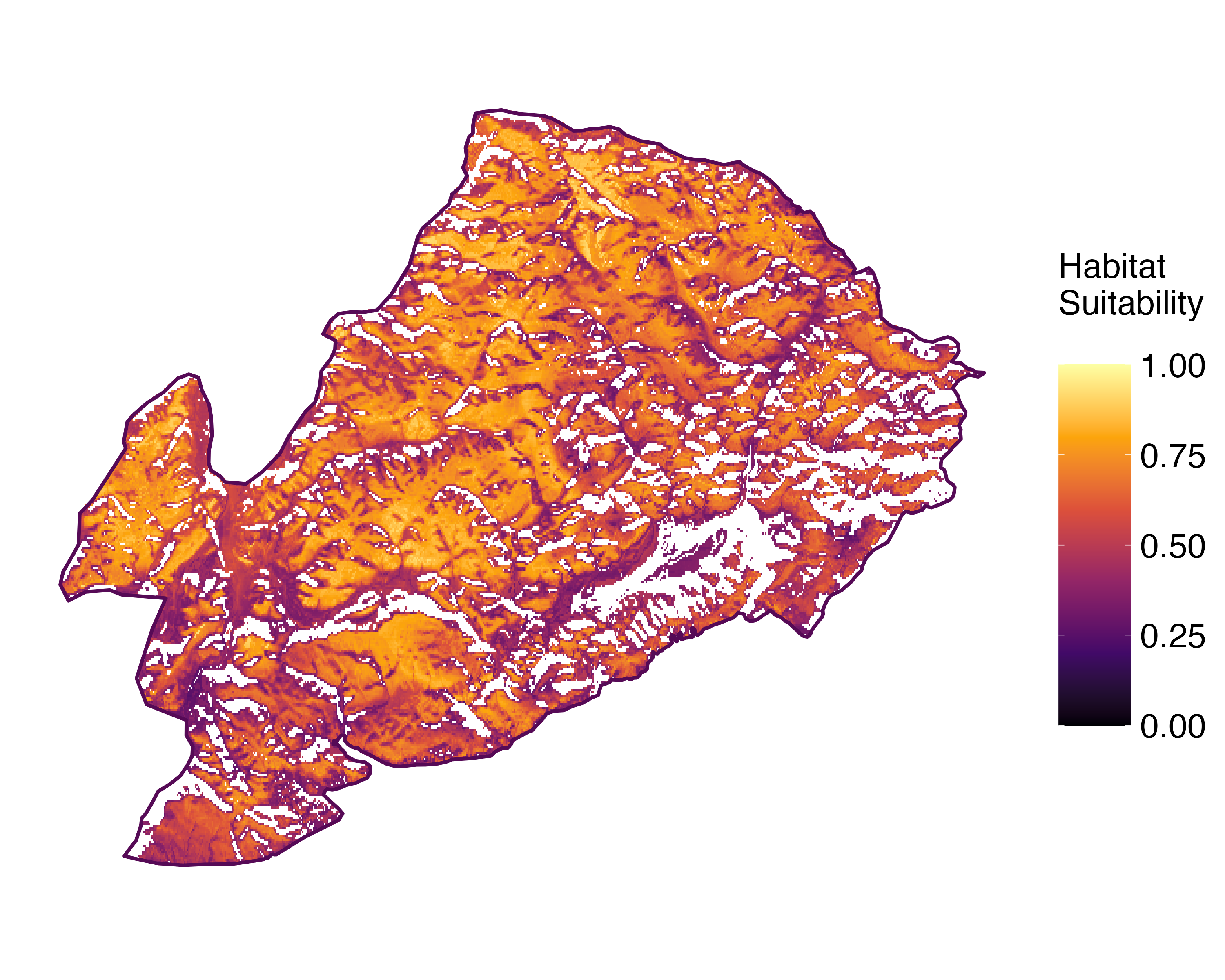 Future prediction (2071-2100) SSP 5-8.5Predictive maps according to Francesconi et al. 2025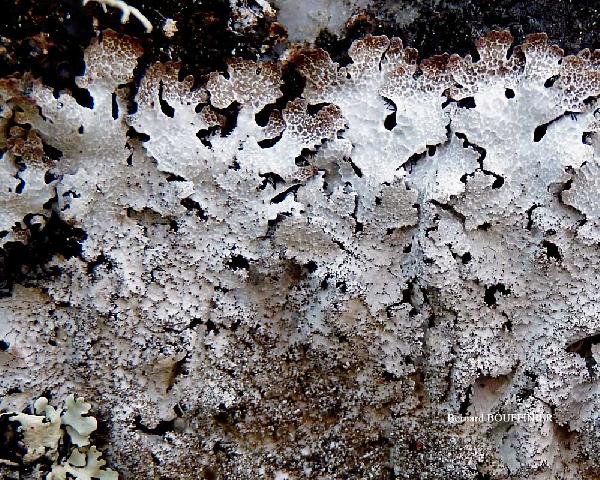
Bernard Bouffinier - Source: http://www.lichensmaritimes.org/index.php?task=fiche&lichen=358&lang=en
France, Lesteven
saxicolous
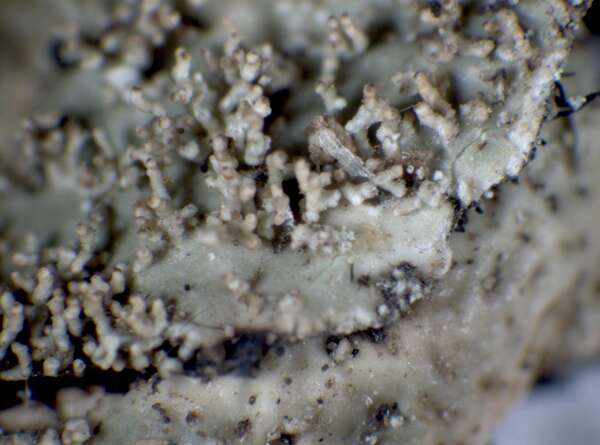
P.L. Nimis; Owner: Department of Life Sciences, University of Trieste
Herbarium: TSB (23059)
2001/12/03
detail of isidia
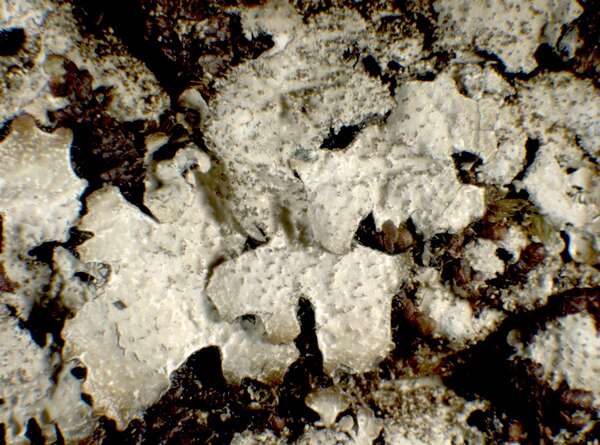
P.L. Nimis; Owner: Department of Life Sciences, University of Trieste
Herbarium: TSB (19666)
2001/12/05
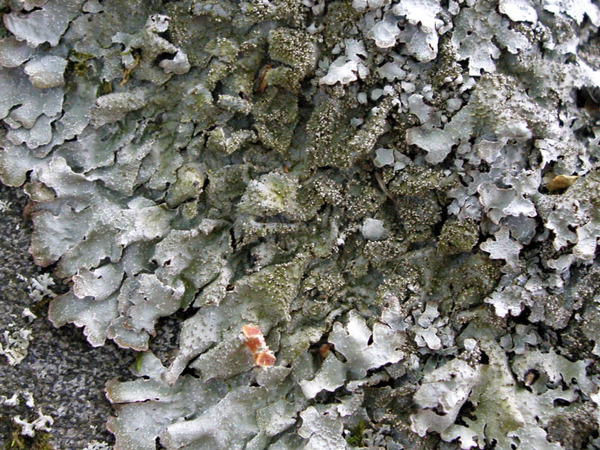
Andres Saag; Owner: University of Tartu
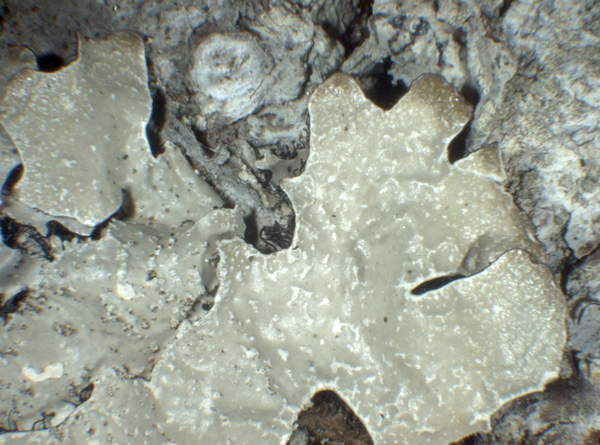
P.L.Nimis; Owner: Department of Life Sciences, University of Trieste
Herbarium: TSB (36795)
2008.02.28
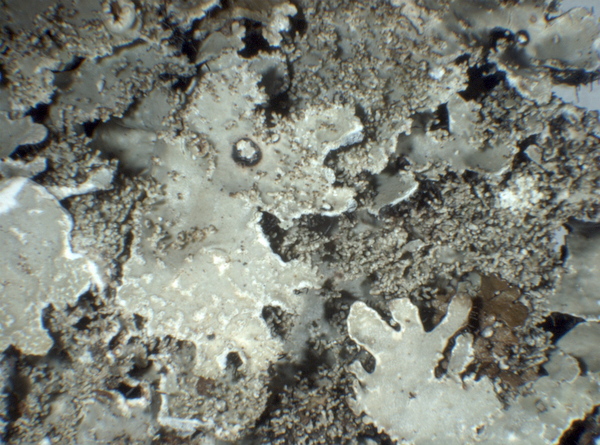
P.L.Nimis; Owner: Department of Life Sciences, University of Trieste
Herbarium: TSB (36795)
2008.02.28
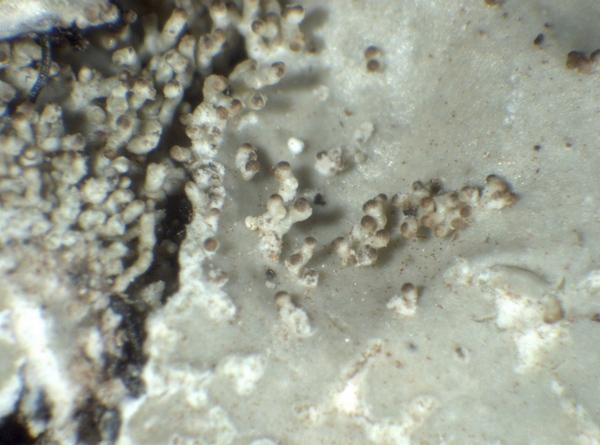
P.L.Nimis; Owner: Department of Life Sciences, University of Trieste
Herbarium: TSB (36795)
2008.02.28
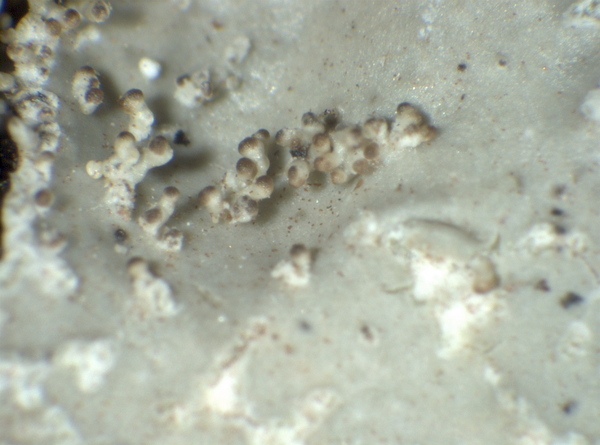
P.L.Nimis; Owner: Department of Life Sciences, University of Trieste
Herbarium: TSB (36795)
2008.02.28
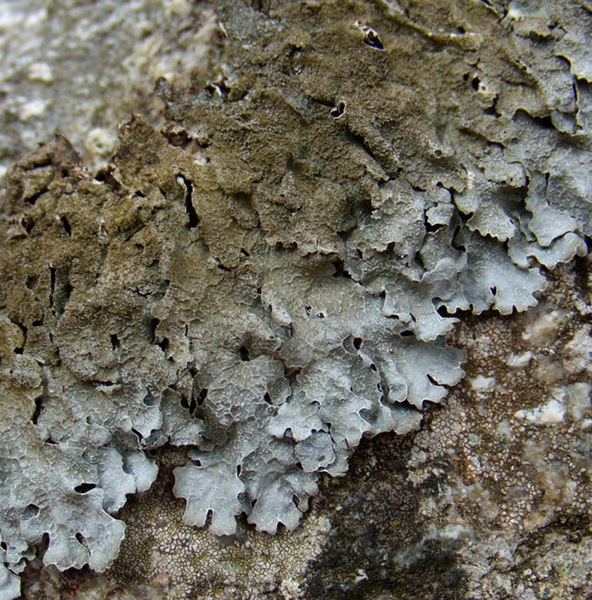
Manilio Prignano; Owner: Manilio Prignano
France, Corsica
2010
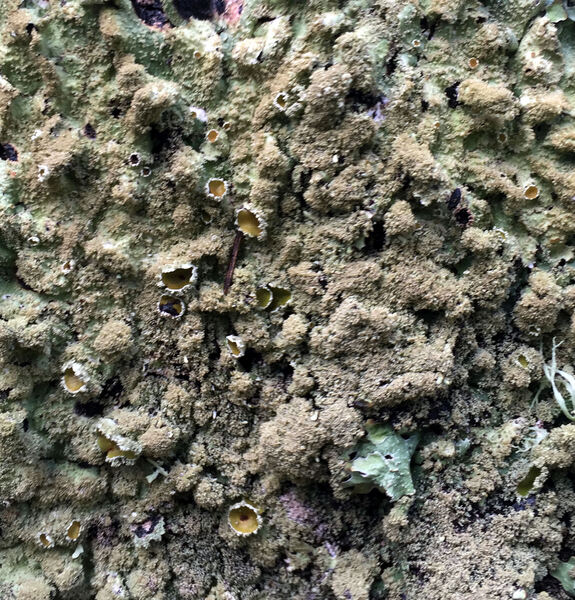
P.L. Nimis; Owner: Department of Life Sciences, University of Trieste
Italy, Friuli Venezia Giulia, Udine, Passo del Pura, Alpi Carniche, 1400 m; altitude: 1400 m
09.09.2016
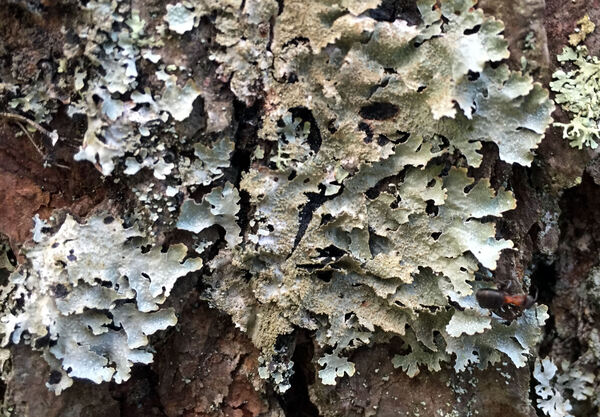
P.L. Nimis; Owner: Department of Life Sciences, University of Trieste
Italy, Friuli Venezia Giulia, Udine, Ampezzo Carnico, 650 m
09.09.2016
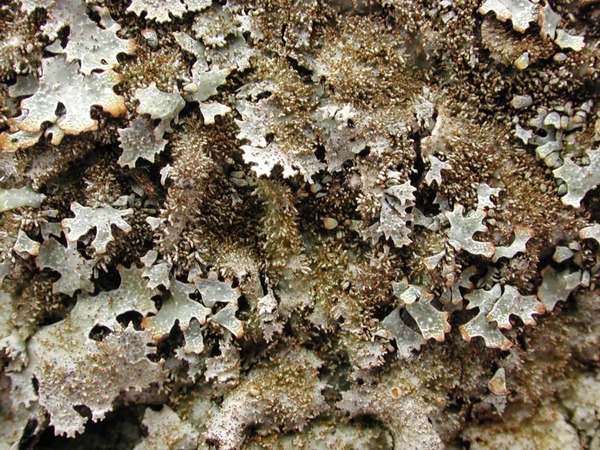
Einar Timdal - Source: http://nhm2.uio.no/lav/web/index.html - CC BY-NC
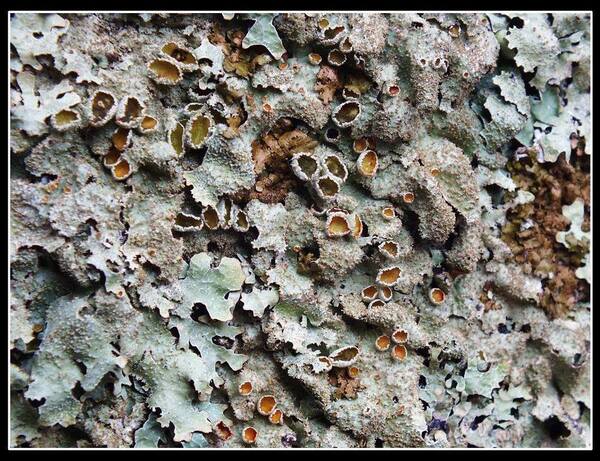
Giulio Pandeli
Italy
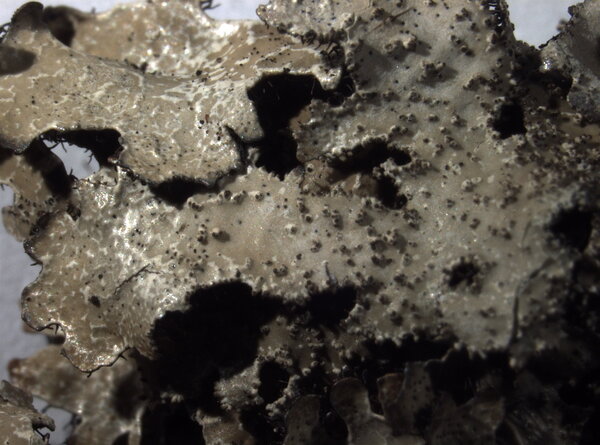
Pier Luigi Nimis CC BY-SA 4.0
TSB 37569
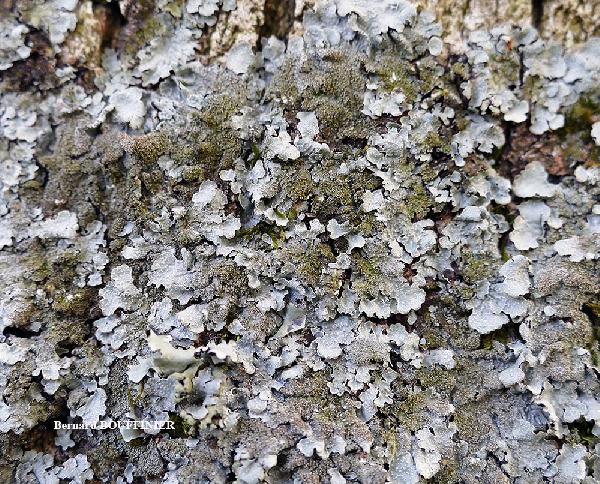
Bernard Bouffinier - Source: http://www.lichensmaritimes.org/index.php?task=fiche&lichen=863&lang=en
France, Kergoat
corticolous
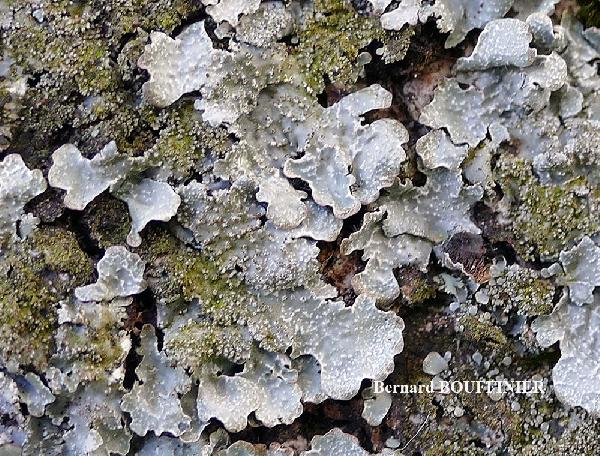
Bernard Bouffinier - Source: http://www.lichensmaritimes.org/index.php?task=fiche&lichen=863&lang=en
France, Kergoat
corticolous
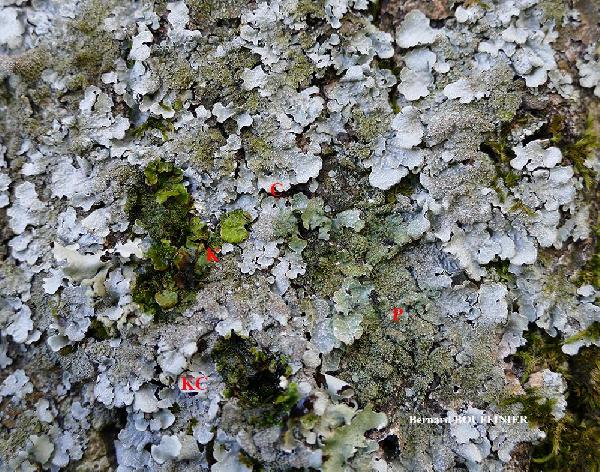
Bernard Bouffinier - Source: http://www.lichensmaritimes.org/index.php?task=fiche&lichen=863&lang=en
France, Kergoat
corticolous
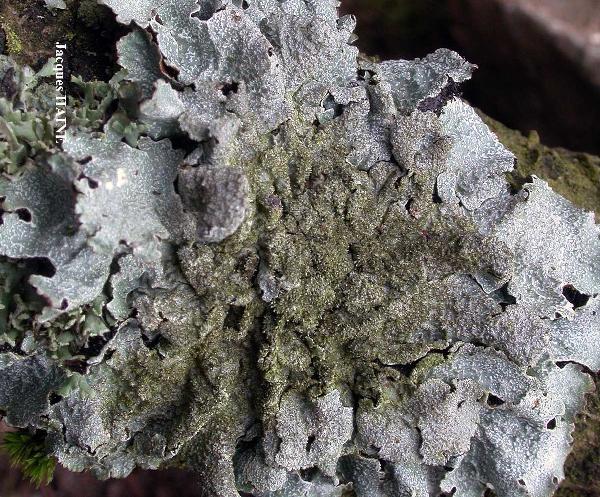
Jacques Haine - Source: http://www.lichensmaritimes.org/index.php?task=fiche&lichen=863&lang=en
France, Ardennes
corticolous
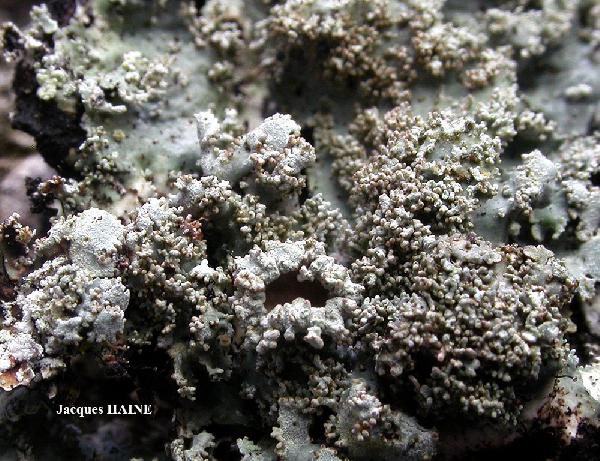
Jacques Haine - Source: http://www.lichensmaritimes.org/index.php?task=fiche&lichen=863&lang=en
France, Ardennes
corticolous
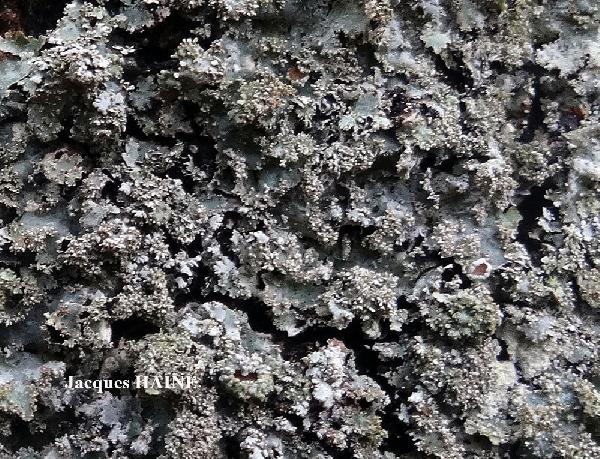
Jacques Haine - Source: http://www.lichensmaritimes.org/index.php?task=fiche&lichen=863&lang=en
France, Ardennes
corticolous
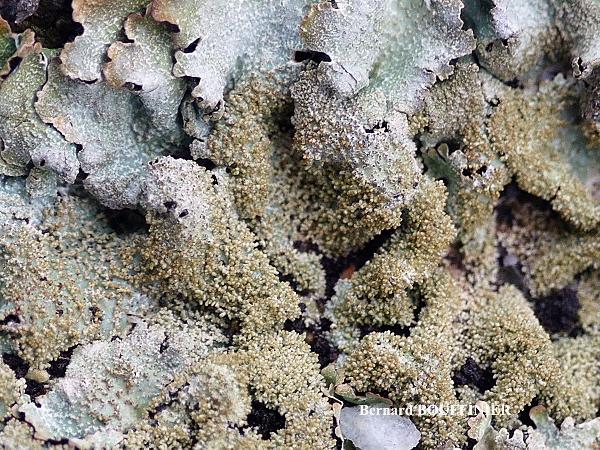
Bernard Bouffinier - Source: http://www.lichensmaritimes.org/index.php?task=fiche&lichen=358&lang=en
France, Camaret
saxicolous
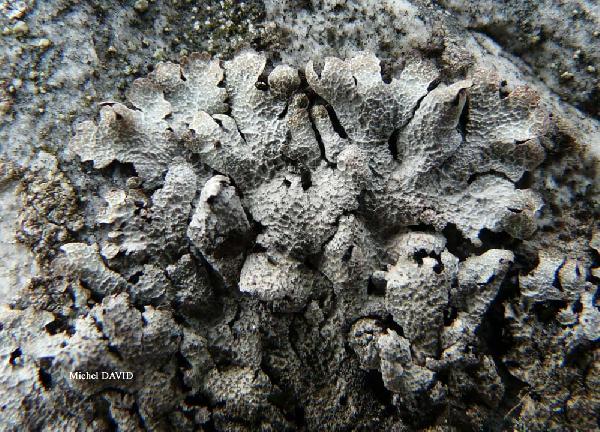
Michel David - Source: http://www.lichensmaritimes.org/index.php?task=fiche&lichen=358&lang=en
France, Pointe de Pen-Hir
saxicolous
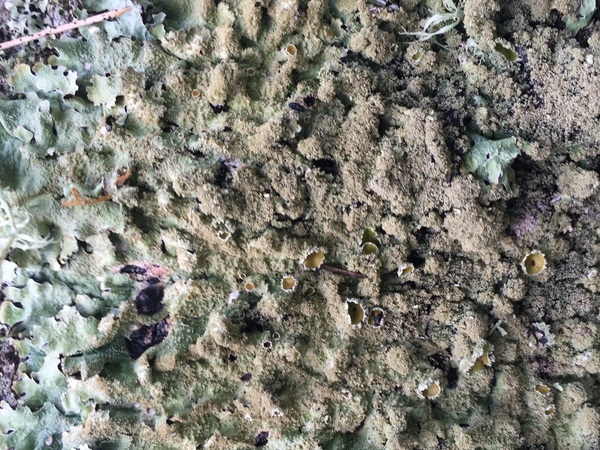
P.L. Nimis; Owner: Department of Life Sciences, University of Trieste
Italy, Friuli Venezia Giulia, Udine, Carnic Alps, Passo Pura (Ampezzo Carnico); altitude: 1470
22.07.2016
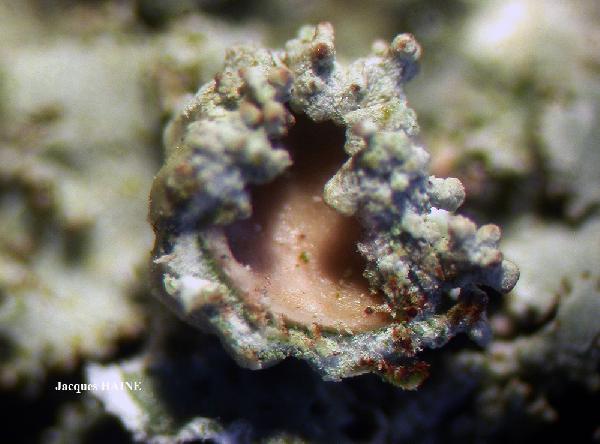
Jacques Haine - Source: http://www.lichensmaritimes.org/index.php?task=fiche&lichen=863&lang=en
France, Ardennes
corticolous
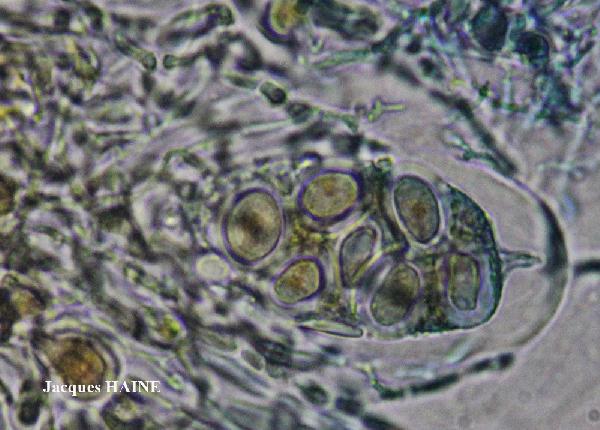
Jacques Haine - Source: http://www.lichensmaritimes.org/index.php?task=fiche&lichen=863&lang=en
France, Ardennes
corticolous
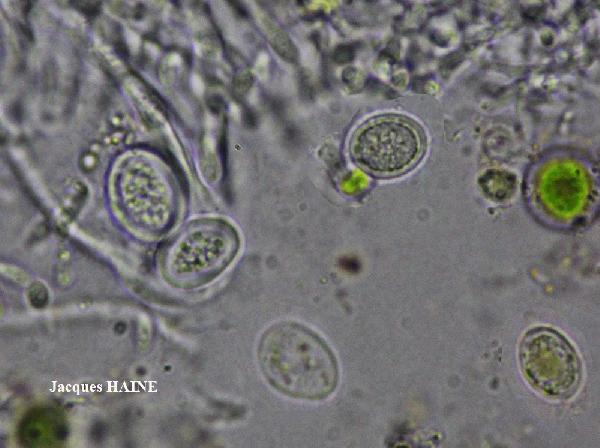
Jacques Haine - Source: http://www.lichensmaritimes.org/index.php?task=fiche&lichen=863&lang=en
France, Ardennes
corticolous
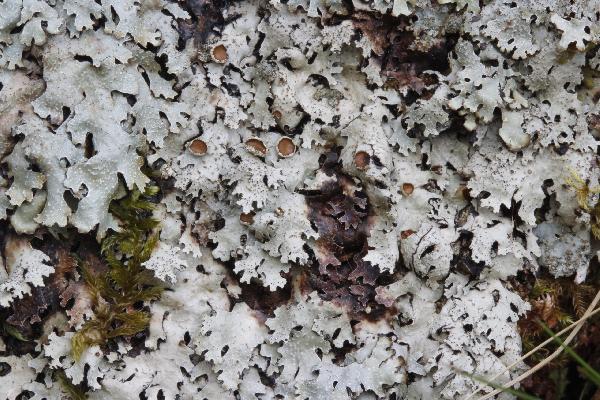
Marta González Garcia - Centro de Estudios Micologicos Asturianos
Spain, Puerto de San Lorenzo (Teverga-Asturias), 15-II-2023, en rocas ácidas.
Marta González Garcia - Centro de Estudios Micologicos Asturianos
Spain, Puerto de San Lorenzo (Teverga-Asturias), 15-II-2023, en rocas ácidas.
Marta González Garcia - Centro de Estudios Micologicos Asturianos
Spain, Puerto de San Lorenzo (Teverga-Asturias), 15-II-2023, en rocas ácidas.
Marta González Garcia - Centro de Estudios Micologicos Asturianos
Spain, Puerto de San Lorenzo (Teverga-Asturias), 15-II-2023, en rocas ácidas.
Marta González Garcia - Centro de Estudios Micologicos Asturianos
Spain, Puerto de San Lorenzo (Teverga-Asturias), 15-II-2023, en rocas ácidas.

Marta González Garcia - Centro de Estudios Micologicos Asturianos
Spain, Puerto de San Lorenzo (Teverga-Asturias), 15-II-2023, en rocas ácidas.
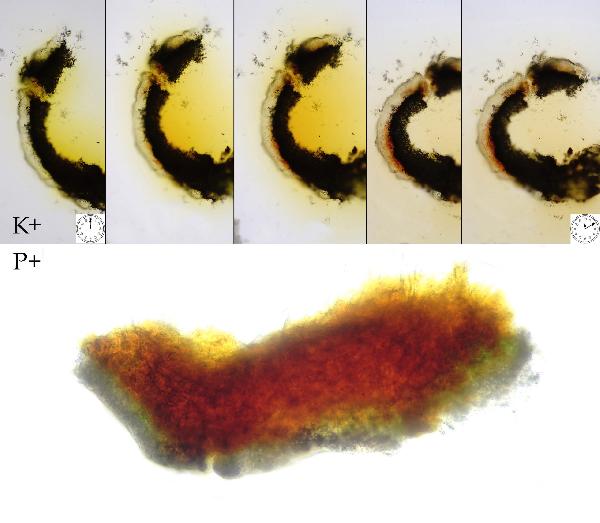
Marta González Garcia - Centro de Estudios Micologicos Asturianos
Spain, Puerto de San Lorenzo (Teverga-Asturias), 15-II-2023, en rocas ácidas.
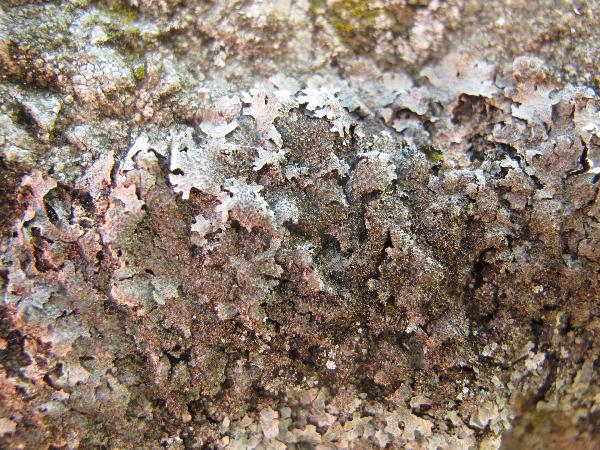
Wolfgang von Brackel - CC BY-4.0
Germany, Bavaria, Bogenberg
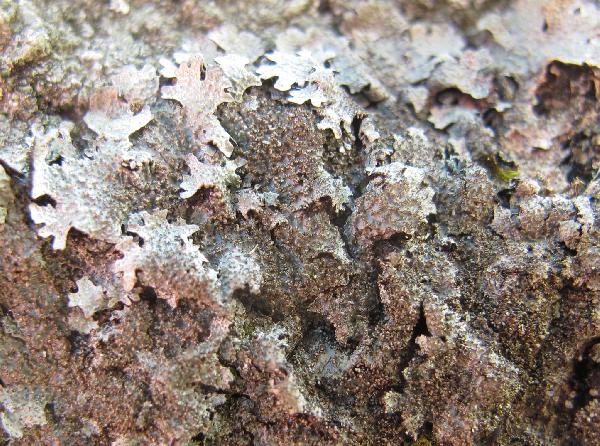
Wolfgang von Brackel - CC BY-4.0
Germany, Bavaria, Bogenberg
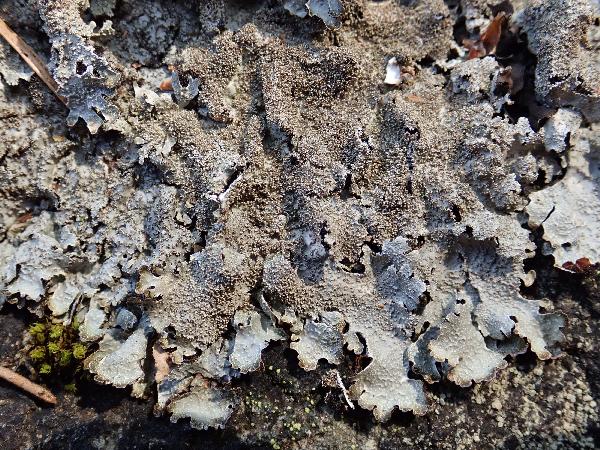
Wolfgang von Brackel - CC BY-4.0
Germany, Bavaria, Hirschstein
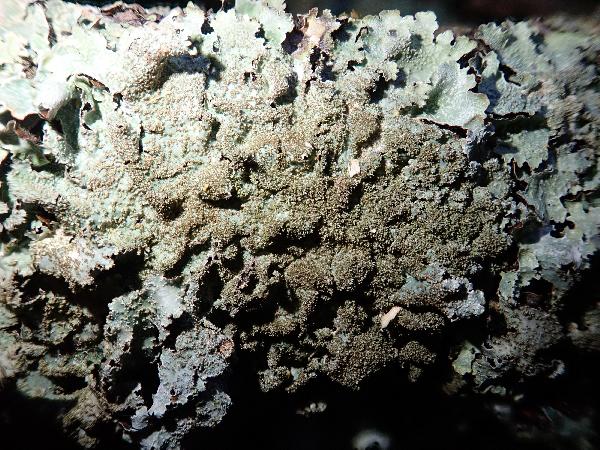
Wolfgang von Brackel - CC BY-4.0
Germany, Bavaria, Markwald
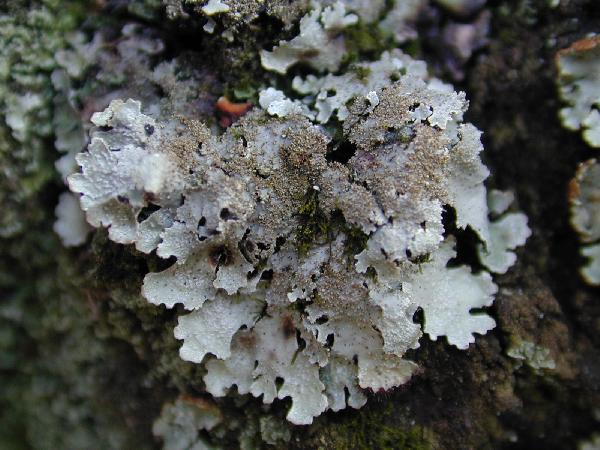
Wolfgang von Brackel - CC BY-4.0
Germany, Bavaria, Nürnberg
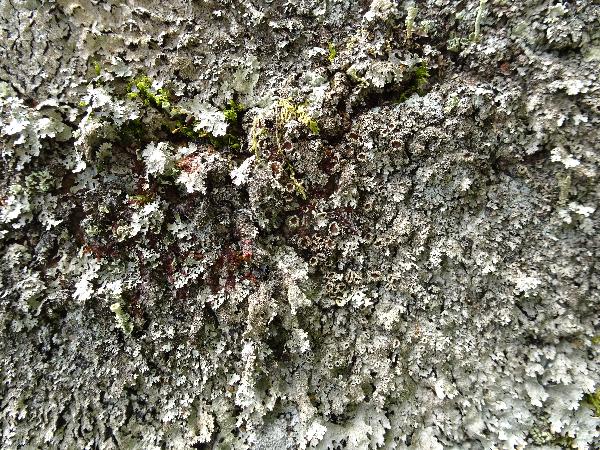
Wolfgang von Brackel - CC BY-4.0
Germany, Bavaria, Bornstein
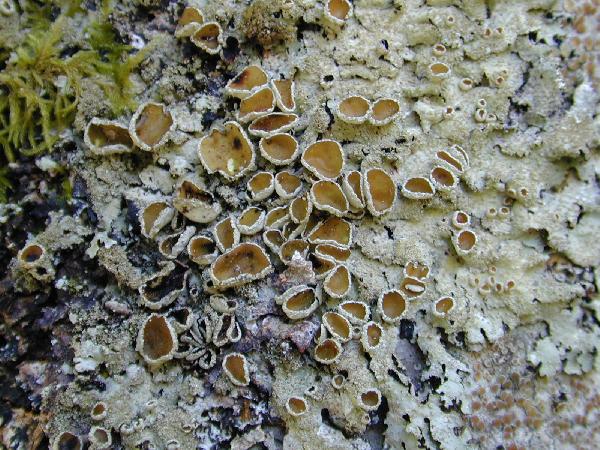
Wolfgang von Brackel - CC BY-4.0
Germany, Bavaria, Breitachklamm Oberallgäu
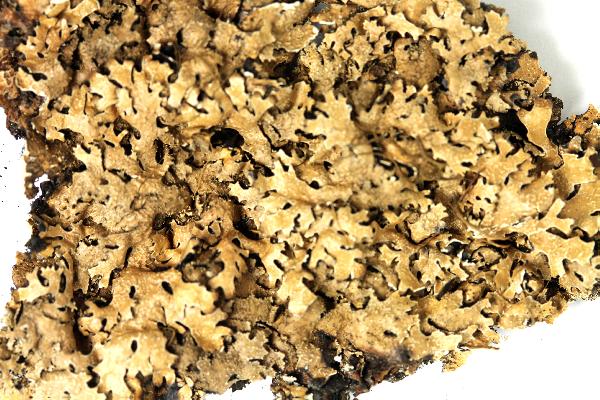
Felix Schumm - CC BY 4.0
[VZ1741], Gallia, Hautes- PyPrénées; Inter Cauterets et Pont
d'Espagna. Ad saxa muscosa. Leg. W. L. Culberson (no. 11931-B) et C.
F. Culberson. -Annot.: Atranorin (trace), lobaric acid, salazinic acid,
consalazinic acid, and galbinic aci (trace) by TLC; anal. A. Johnson and
C. F. Culberson. - EX A. VEZDA LICHENES SELECTI EXSICCATI NR, 1741.
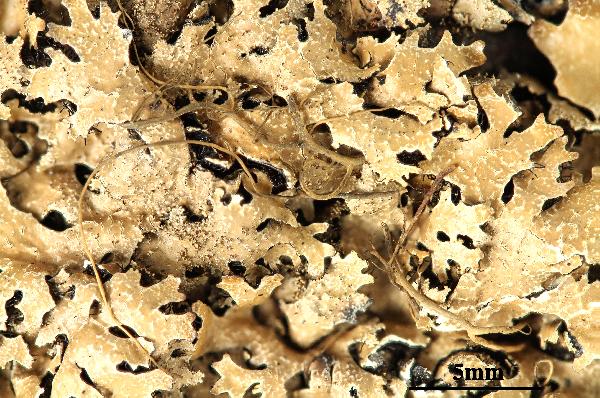
Felix Schumm - CC BY 4.0
[VZ1741], Gallia, Hautes- PyPrénées; Inter Cauterets et Pont
d'Espagna. Ad saxa muscosa. Leg. W. L. Culberson (no. 11931-B) et C.
F. Culberson. -Annot.: Atranorin (trace), lobaric acid, salazinic acid,
consalazinic acid, and galbinic aci (trace) by TLC; anal. A. Johnson and
C. F. Culberson. - EX A. VEZDA LICHENES SELECTI EXSICCATI NR, 1741.
Growth form: Foliose, broad lobed
Substrata: bark and rocks
Photobiont: green algae other than Trentepohlia
Reproductive strategy: mainly asexual, by isidia, or isidia-like structures (e.g. schizidia)
Commonnes-rarity: (info)
Alpine belt: rare
Subalpine belt: rather common
Montane belt: common
Dry submediterranean belt: rare
Humid submediterranean belt: rather rare
Padanian area: absent
pH of the substrata:
| 1 | 2 | 3 | 4 | 5 |
Solar irradiation:
| 1 | 2 | 3 | 4 | 5 |
Aridity:
| 1 | 2 | 3 | 4 | 5 |
Eutrophication:
| 1 | 2 | 3 | 4 | 5 |
Poleotolerance:
| 0 | 1 | 2 | 3 |
Altitudinal distribution:
| 1 | 2 | 3 | 4 | 5 | 6 |
Rarity
absent
extremely rare
very rare
rare
rather rare
rather common
common
very common
extremely common
Loading data...
Occurrence data
Predictive map
Current prediction (1981-2010)Future prediction (2071-2100) SSP 1-2.6Future prediction (2071-2100) SSP 5-8.5Predictive maps according to Francesconi et al. 2025
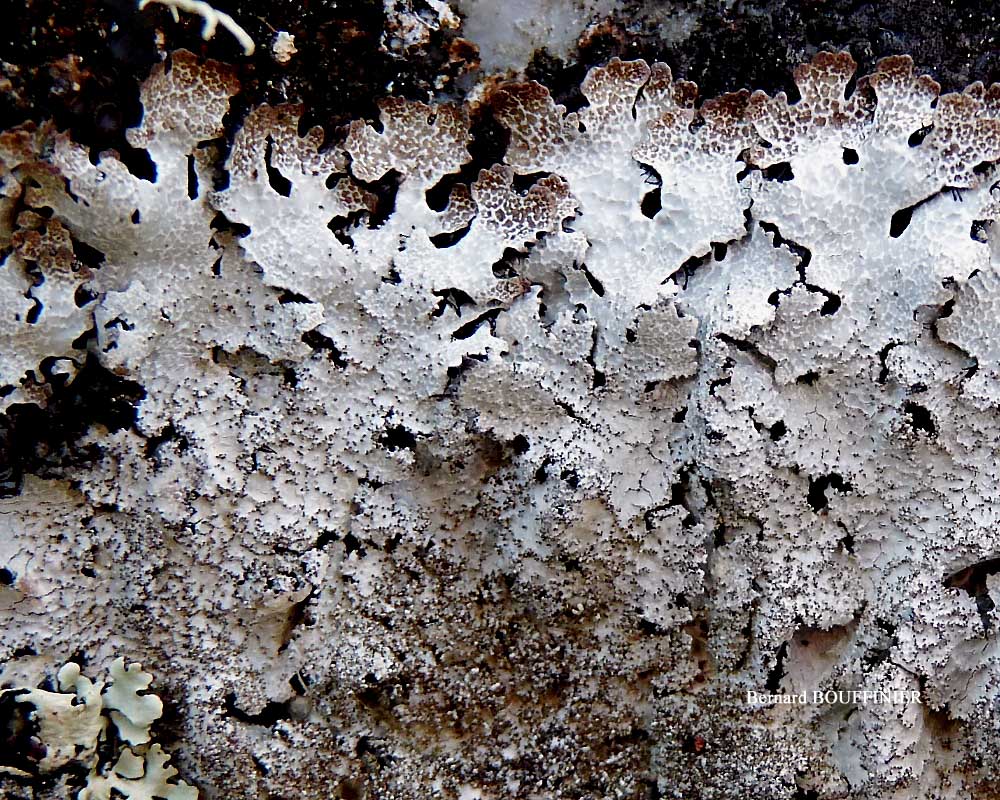
Bernard Bouffinier - Source: http://www.lichensmaritimes.org/index.php?task=fiche&lichen=358&lang=en
France, Lesteven
saxicolous
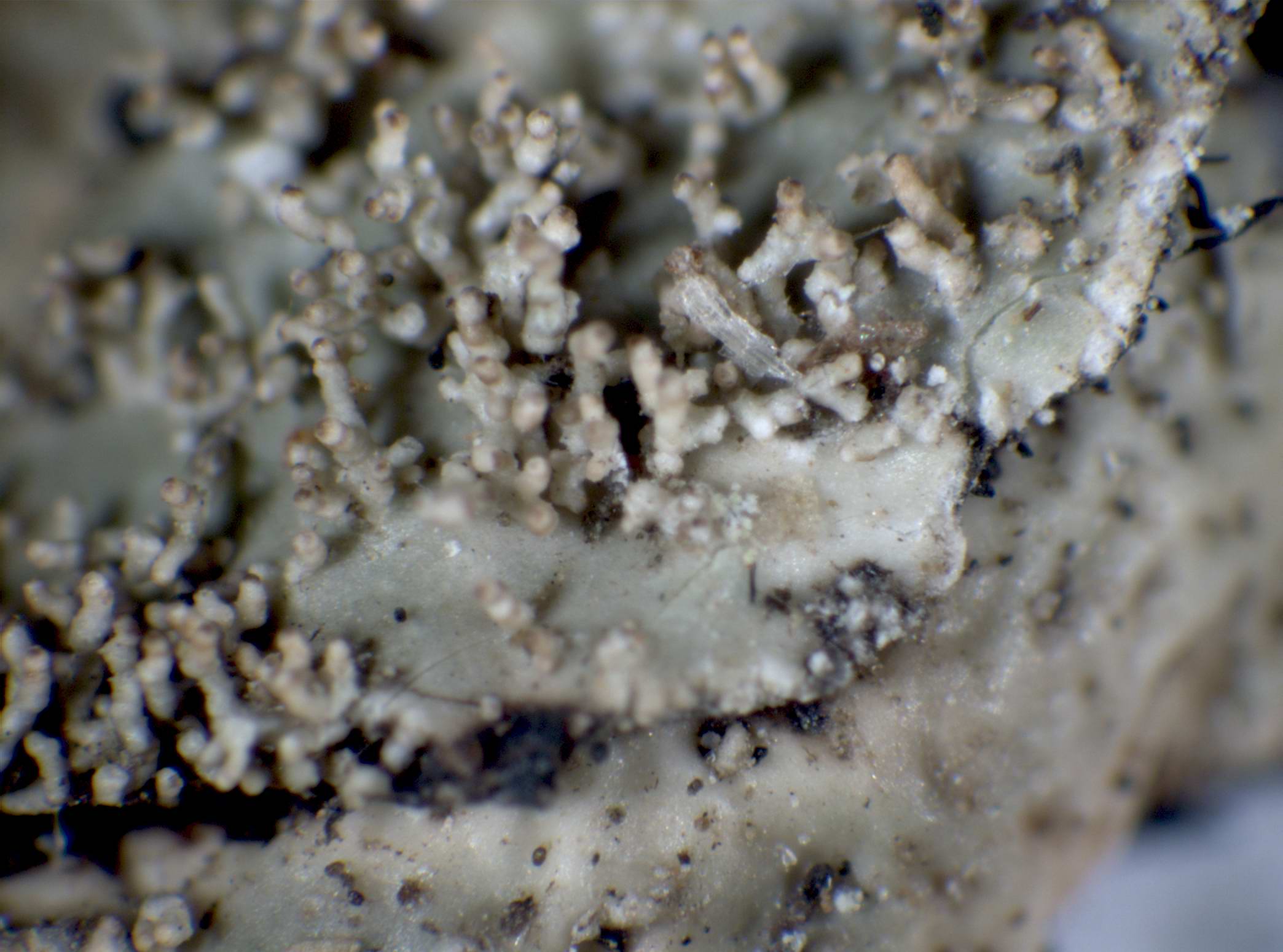
P.L. Nimis; Owner: Department of Life Sciences, University of Trieste
Herbarium: TSB (23059)
2001/12/03
detail of isidia

P.L. Nimis; Owner: Department of Life Sciences, University of Trieste
Herbarium: TSB (19666)
2001/12/05
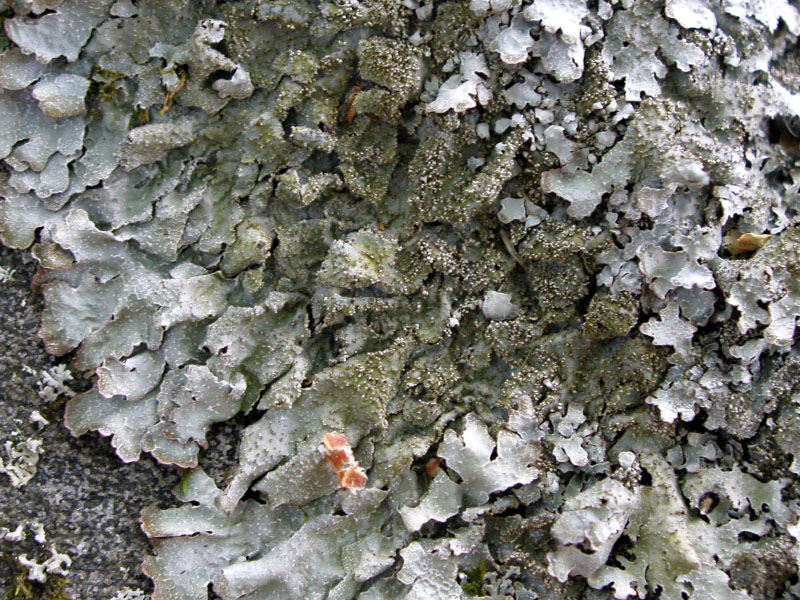
Andres Saag; Owner: University of Tartu

P.L.Nimis; Owner: Department of Life Sciences, University of Trieste
Herbarium: TSB (36795)
2008.02.28

P.L.Nimis; Owner: Department of Life Sciences, University of Trieste
Herbarium: TSB (36795)
2008.02.28

P.L.Nimis; Owner: Department of Life Sciences, University of Trieste
Herbarium: TSB (36795)
2008.02.28
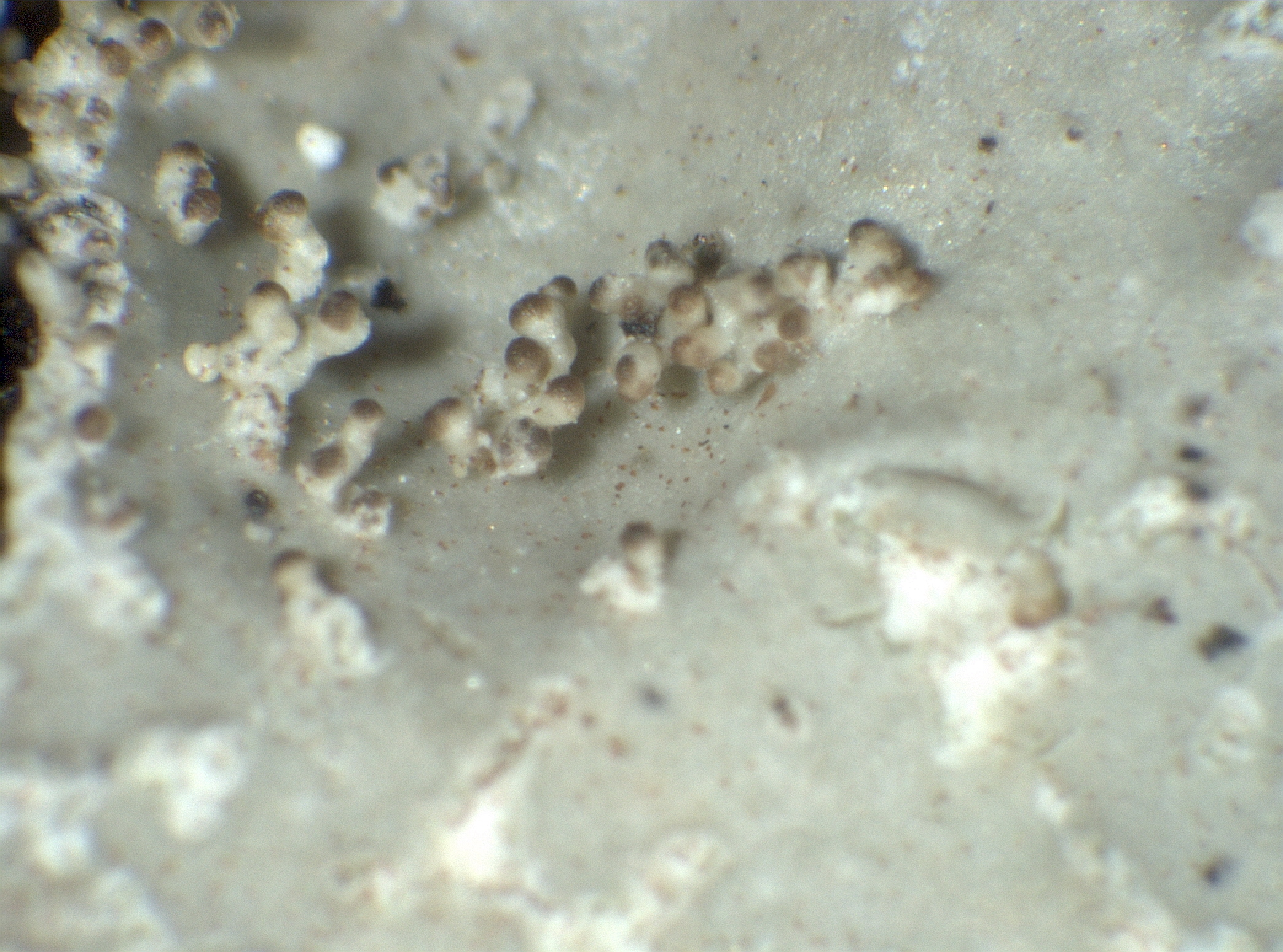
P.L.Nimis; Owner: Department of Life Sciences, University of Trieste
Herbarium: TSB (36795)
2008.02.28
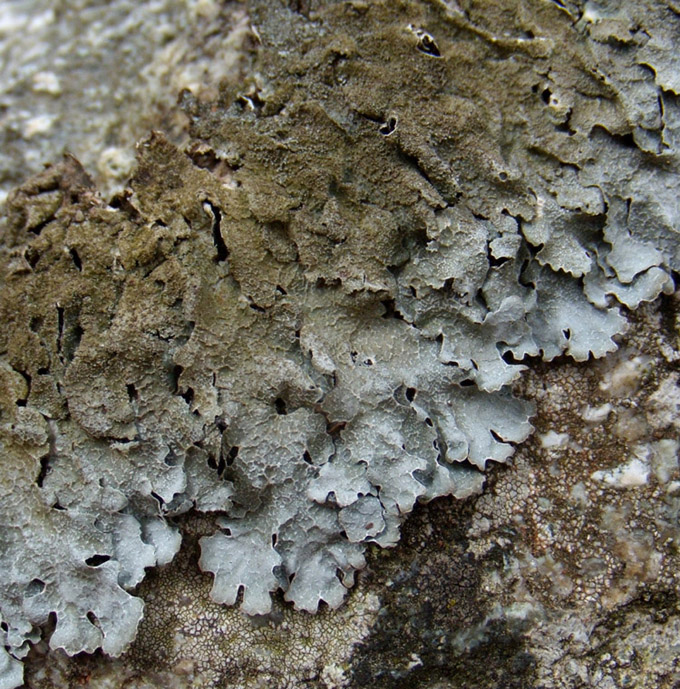
Manilio Prignano; Owner: Manilio Prignano
France, Corsica
2010
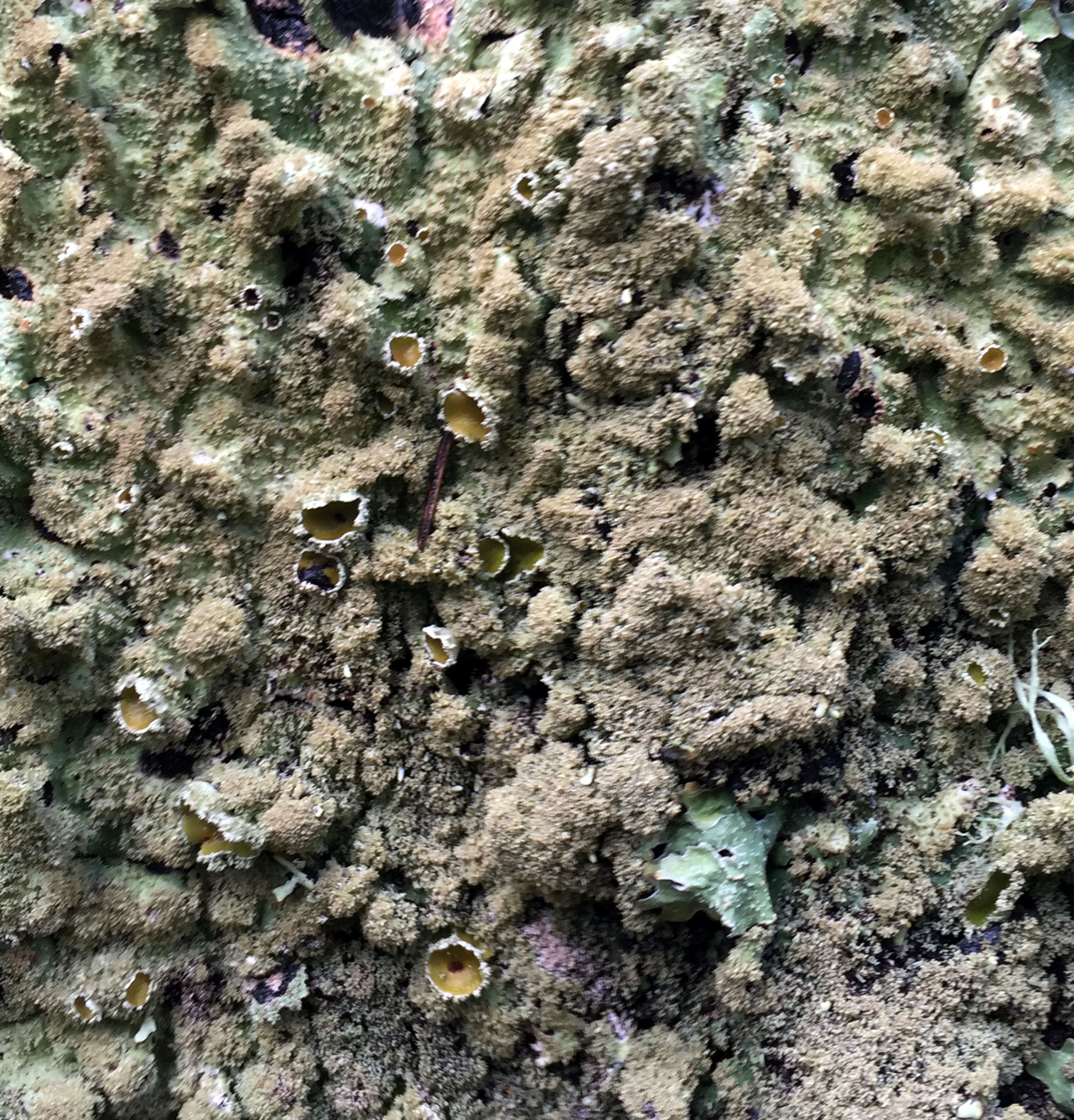
P.L. Nimis; Owner: Department of Life Sciences, University of Trieste
Italy, Friuli Venezia Giulia, Udine, Passo del Pura, Alpi Carniche, 1400 m; altitude: 1400 m
09.09.2016
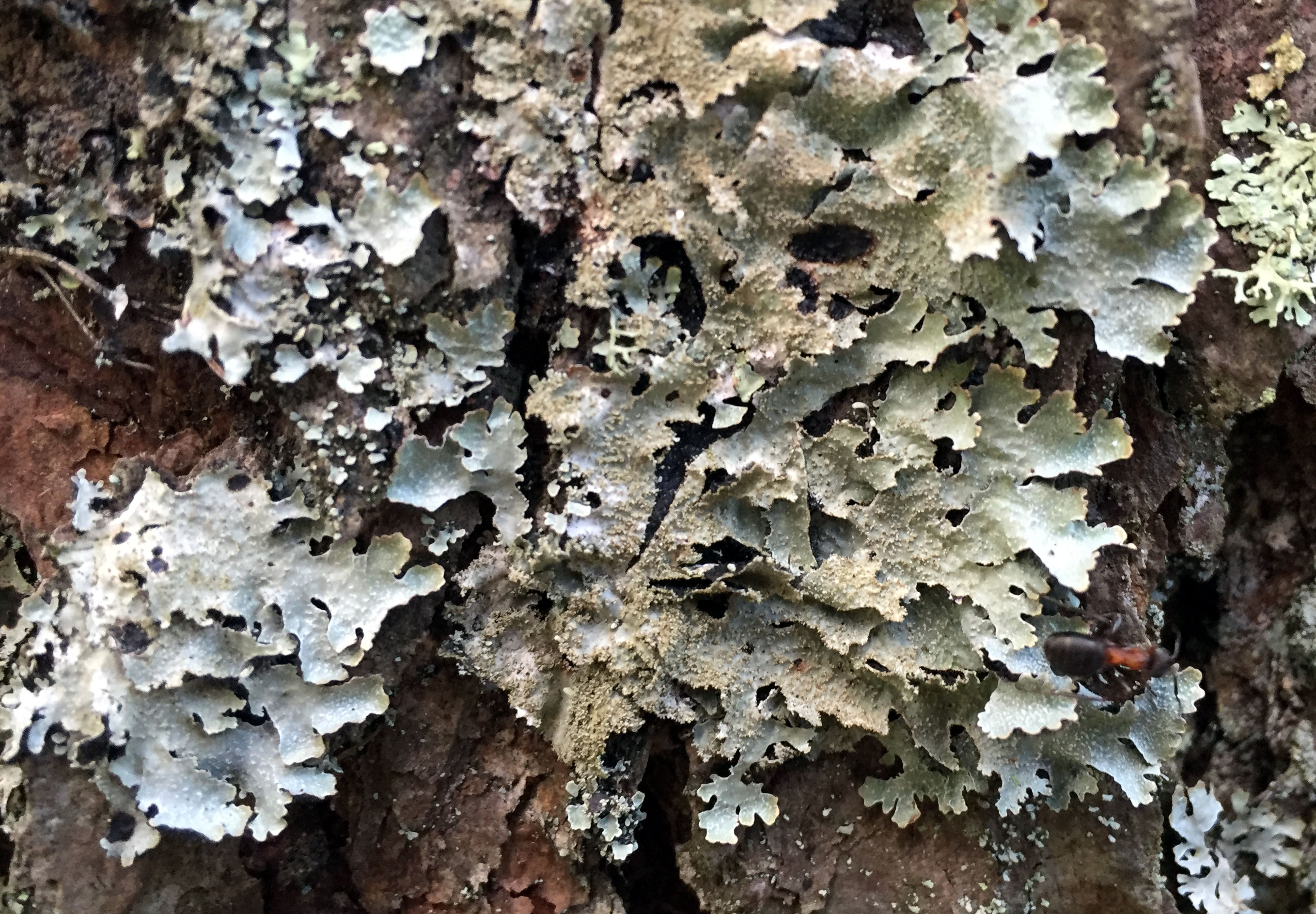
P.L. Nimis; Owner: Department of Life Sciences, University of Trieste
Italy, Friuli Venezia Giulia, Udine, Ampezzo Carnico, 650 m
09.09.2016
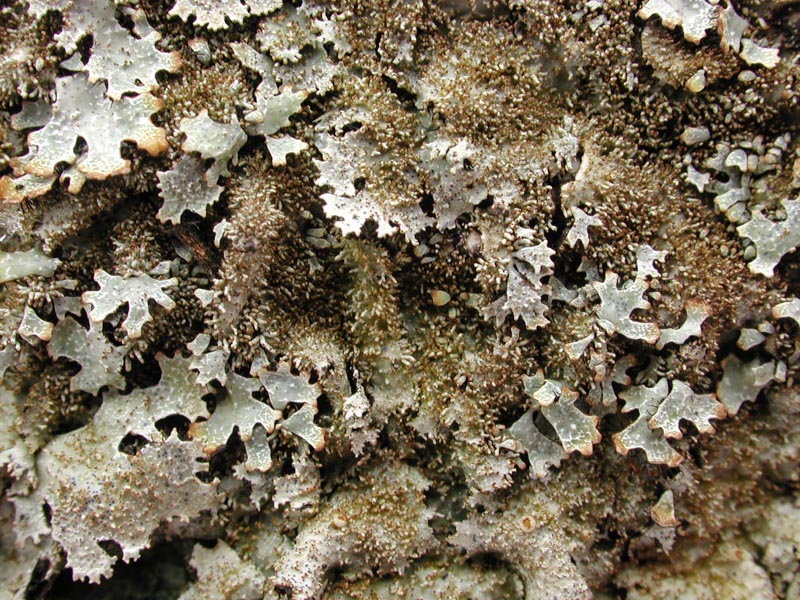
Einar Timdal - Source: http://nhm2.uio.no/lav/web/index.html - CC BY-NC
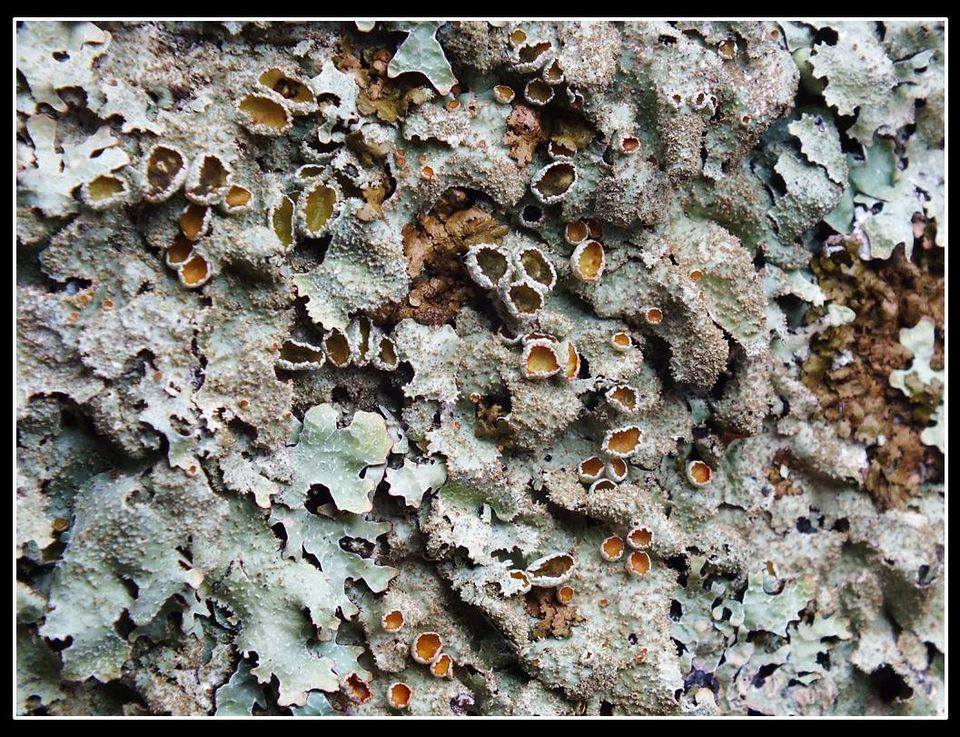
Giulio Pandeli
Italy
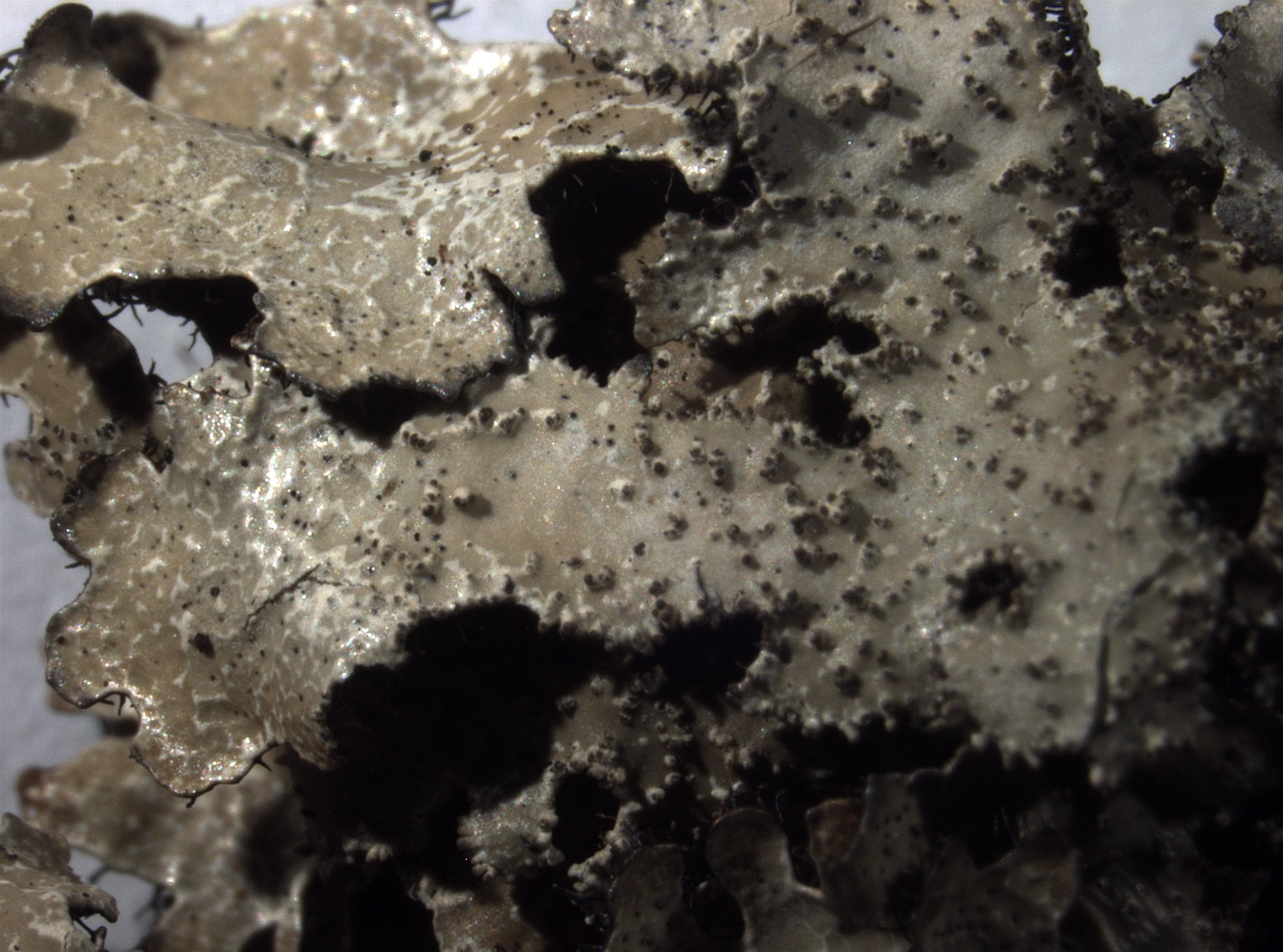
Pier Luigi Nimis CC BY-SA 4.0
TSB 37569
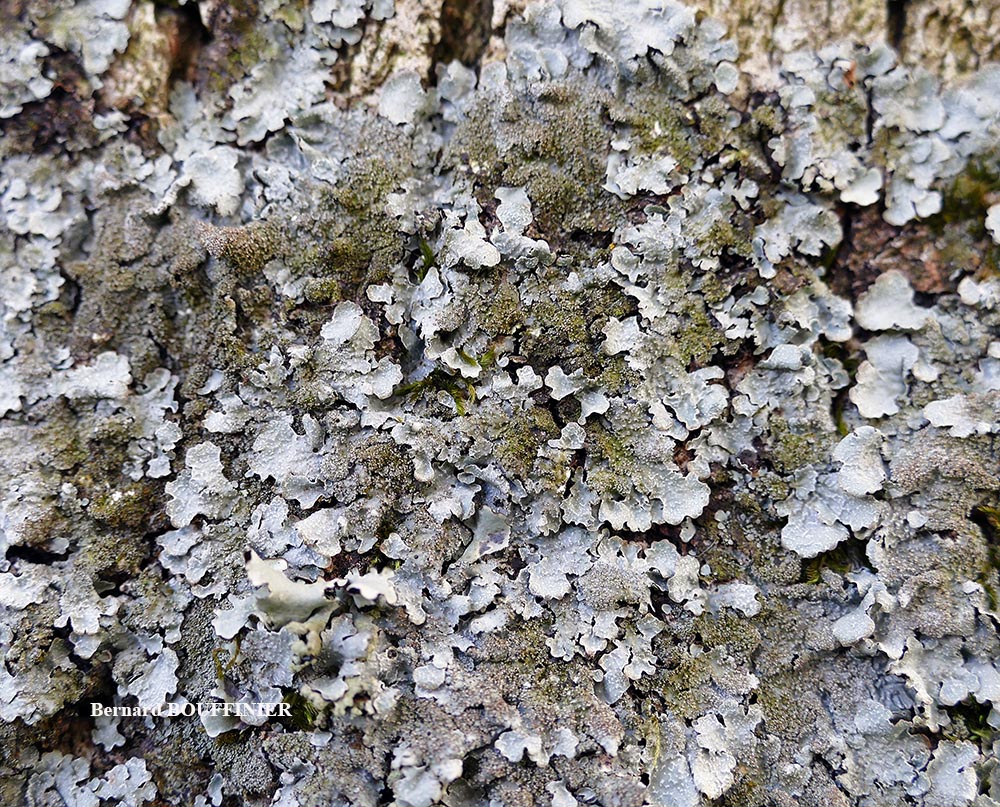
Bernard Bouffinier - Source: http://www.lichensmaritimes.org/index.php?task=fiche&lichen=863&lang=en
France, Kergoat
corticolous
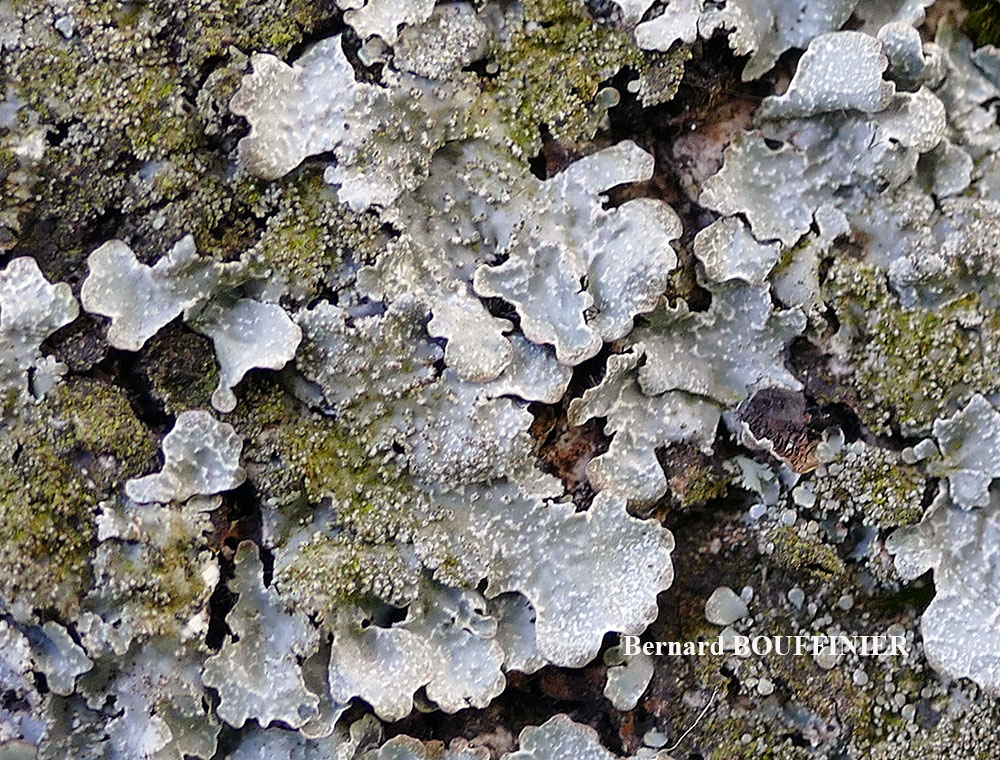
Bernard Bouffinier - Source: http://www.lichensmaritimes.org/index.php?task=fiche&lichen=863&lang=en
France, Kergoat
corticolous
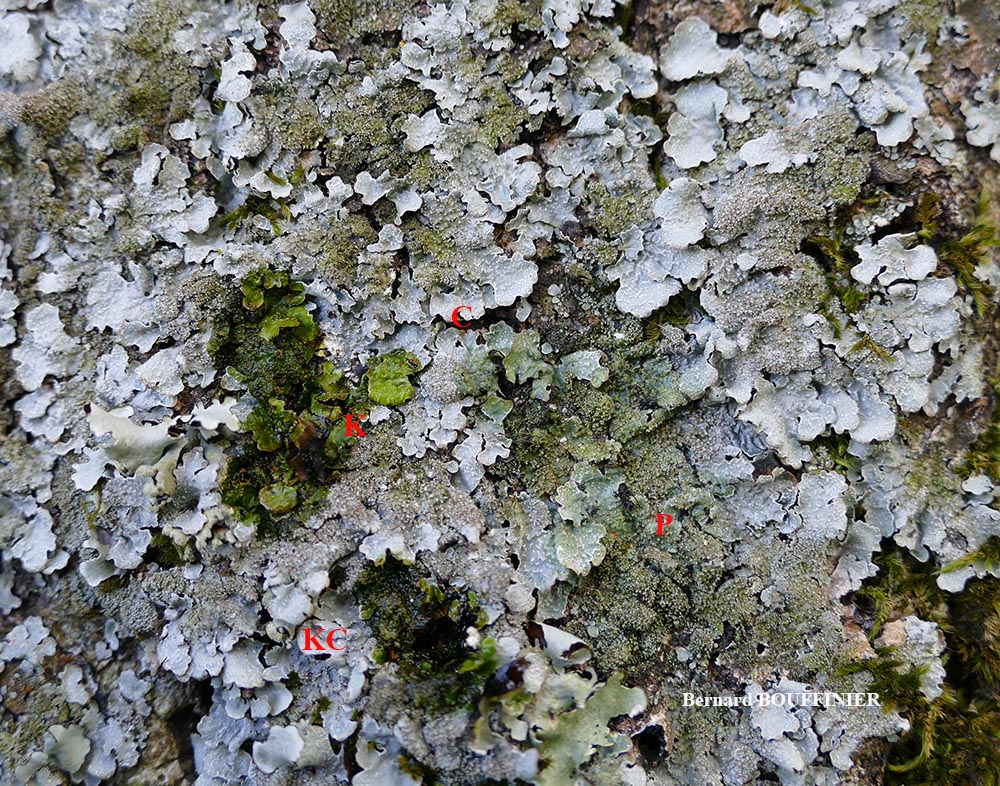
Bernard Bouffinier - Source: http://www.lichensmaritimes.org/index.php?task=fiche&lichen=863&lang=en
France, Kergoat
corticolous
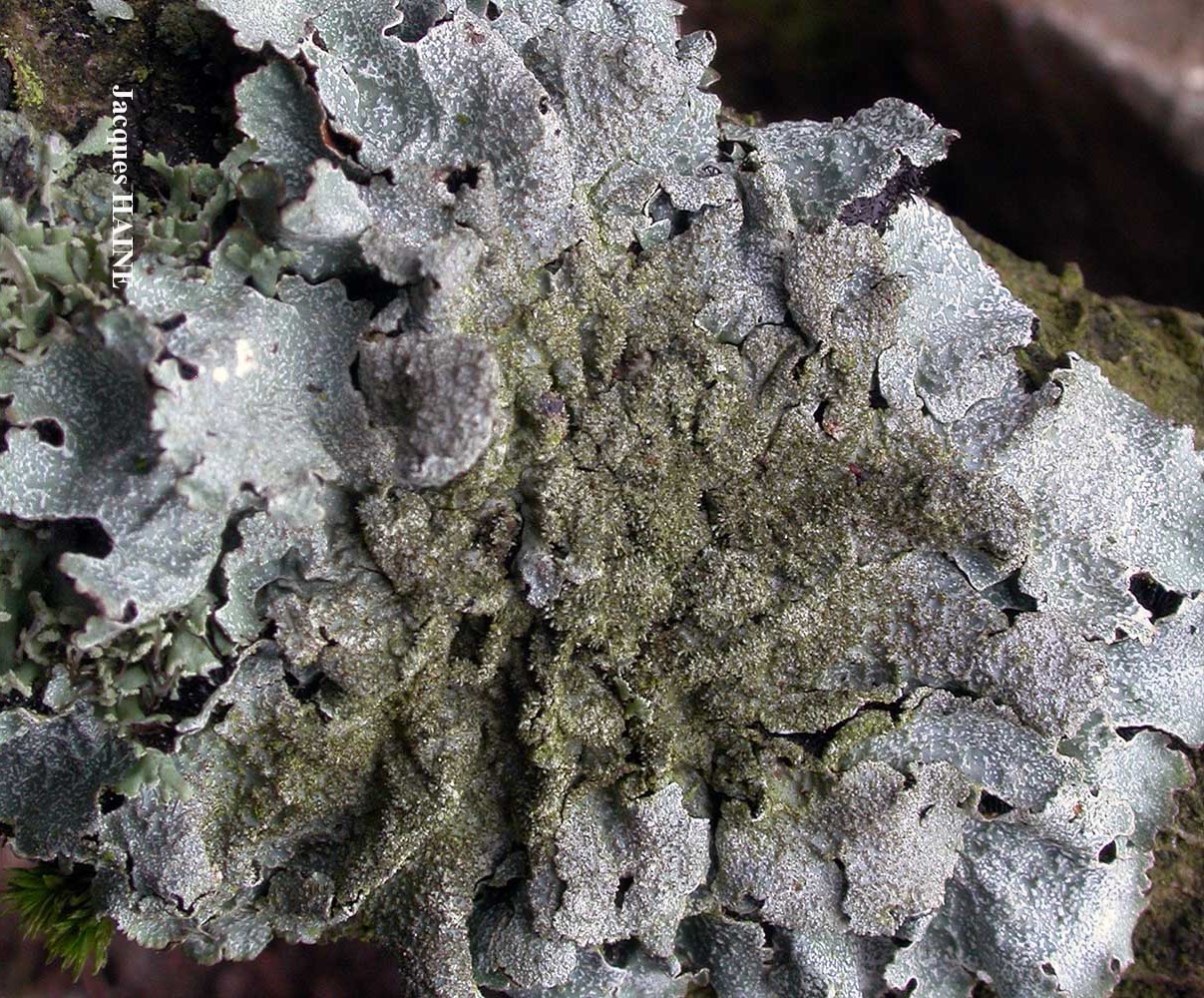
Jacques Haine - Source: http://www.lichensmaritimes.org/index.php?task=fiche&lichen=863&lang=en
France, Ardennes
corticolous
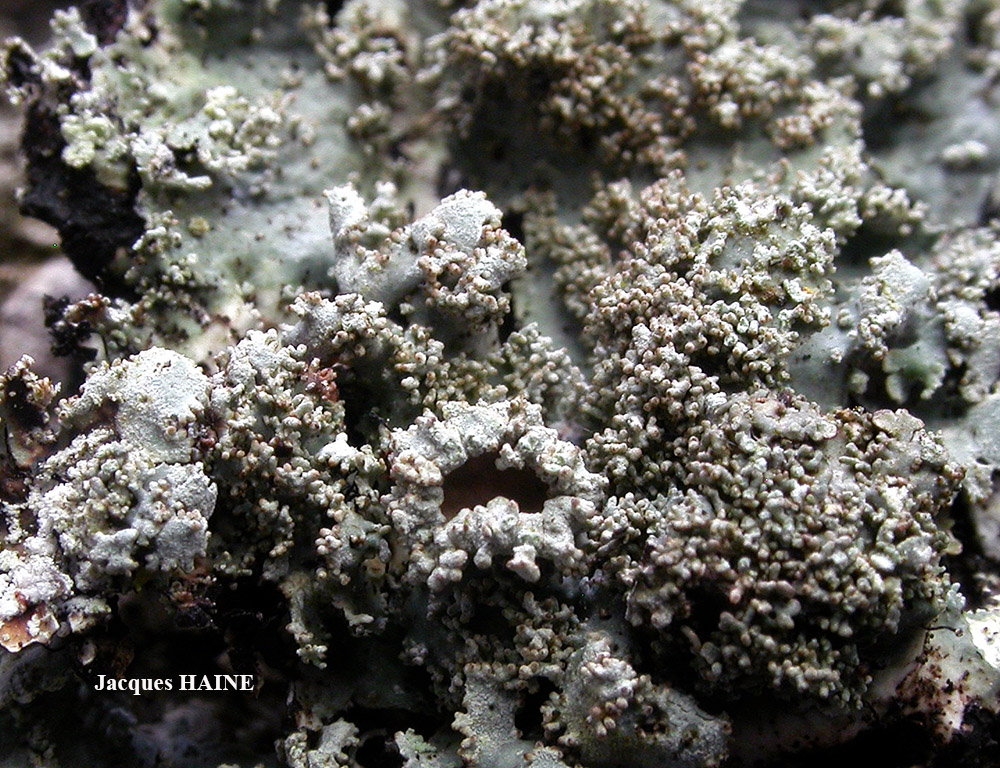
Jacques Haine - Source: http://www.lichensmaritimes.org/index.php?task=fiche&lichen=863&lang=en
France, Ardennes
corticolous
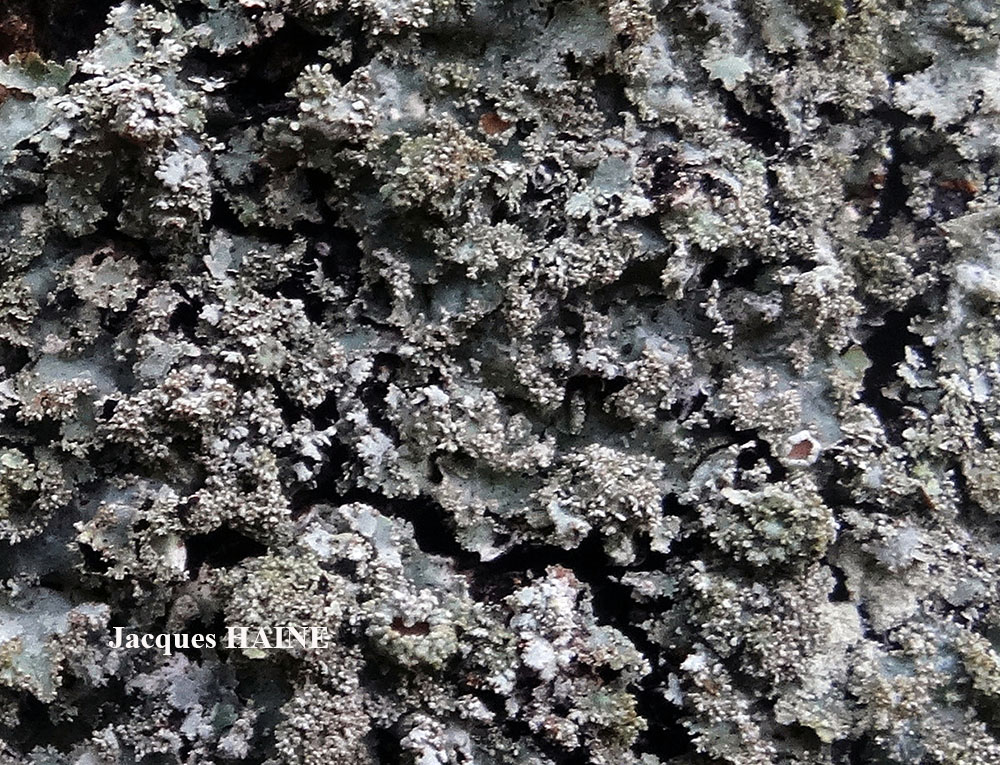
Jacques Haine - Source: http://www.lichensmaritimes.org/index.php?task=fiche&lichen=863&lang=en
France, Ardennes
corticolous
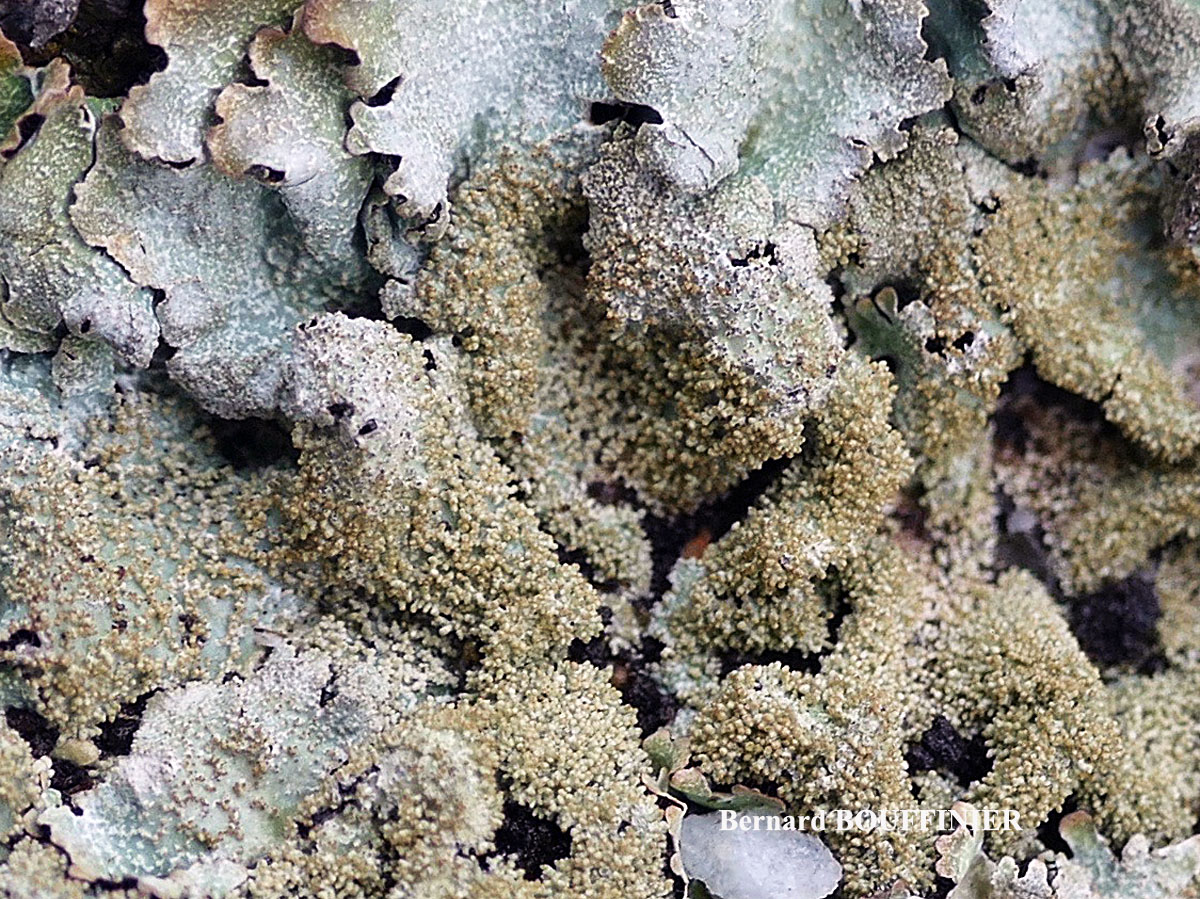
Bernard Bouffinier - Source: http://www.lichensmaritimes.org/index.php?task=fiche&lichen=358&lang=en
France, Camaret
saxicolous
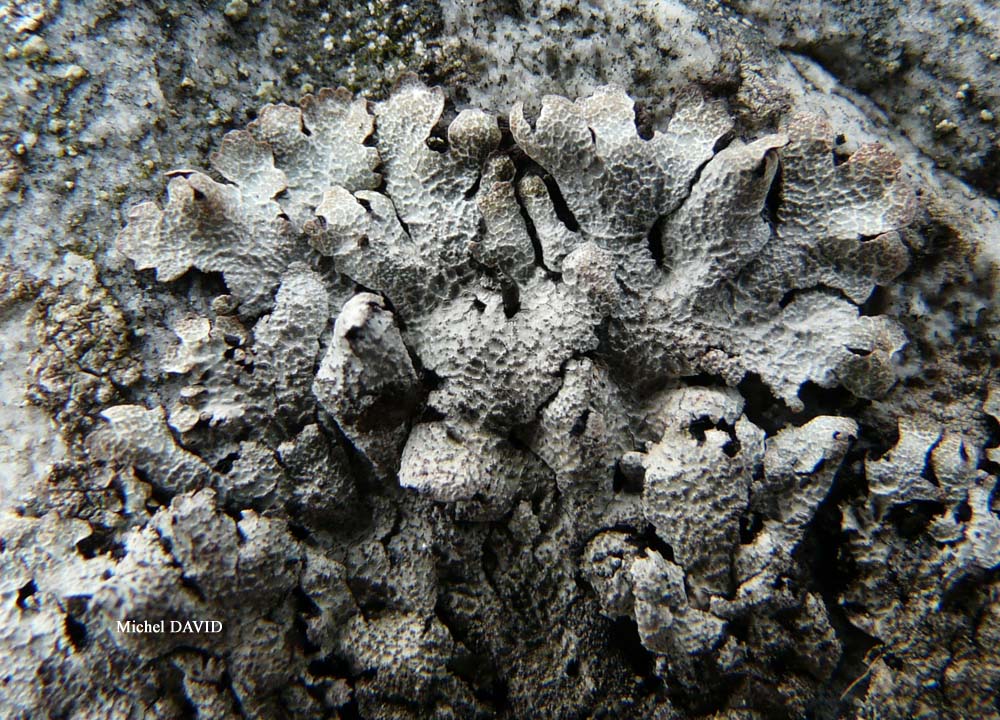
Michel David - Source: http://www.lichensmaritimes.org/index.php?task=fiche&lichen=358&lang=en
France, Pointe de Pen-Hir
saxicolous

P.L. Nimis; Owner: Department of Life Sciences, University of Trieste
Italy, Friuli Venezia Giulia, Udine, Carnic Alps, Passo Pura (Ampezzo Carnico); altitude: 1470
22.07.2016
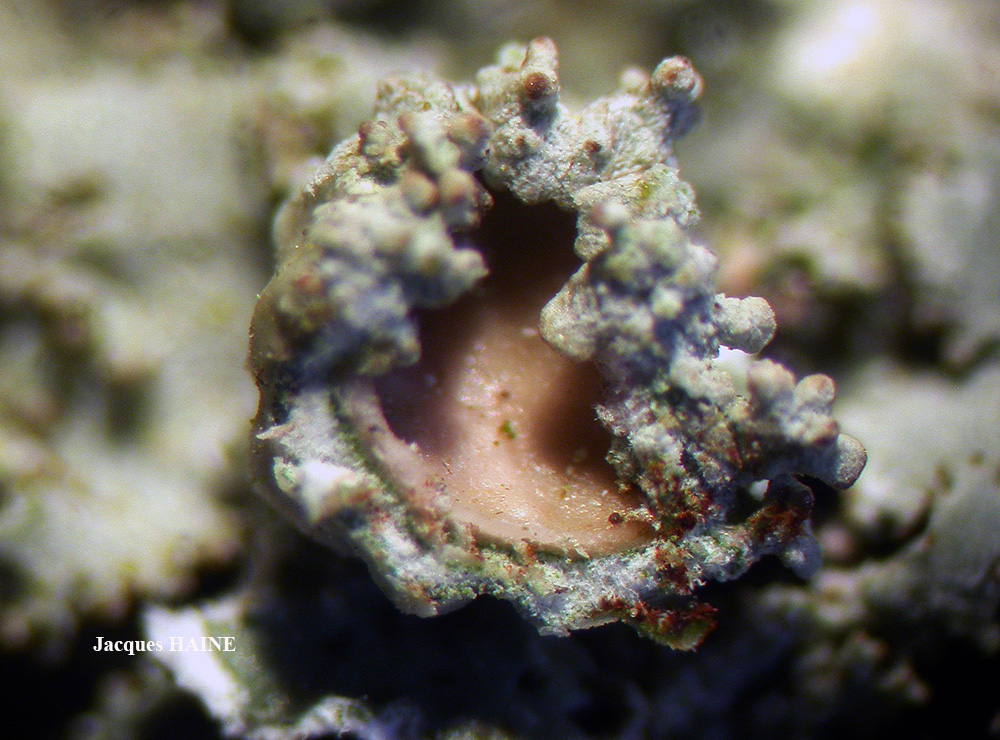
Jacques Haine - Source: http://www.lichensmaritimes.org/index.php?task=fiche&lichen=863&lang=en
France, Ardennes
corticolous
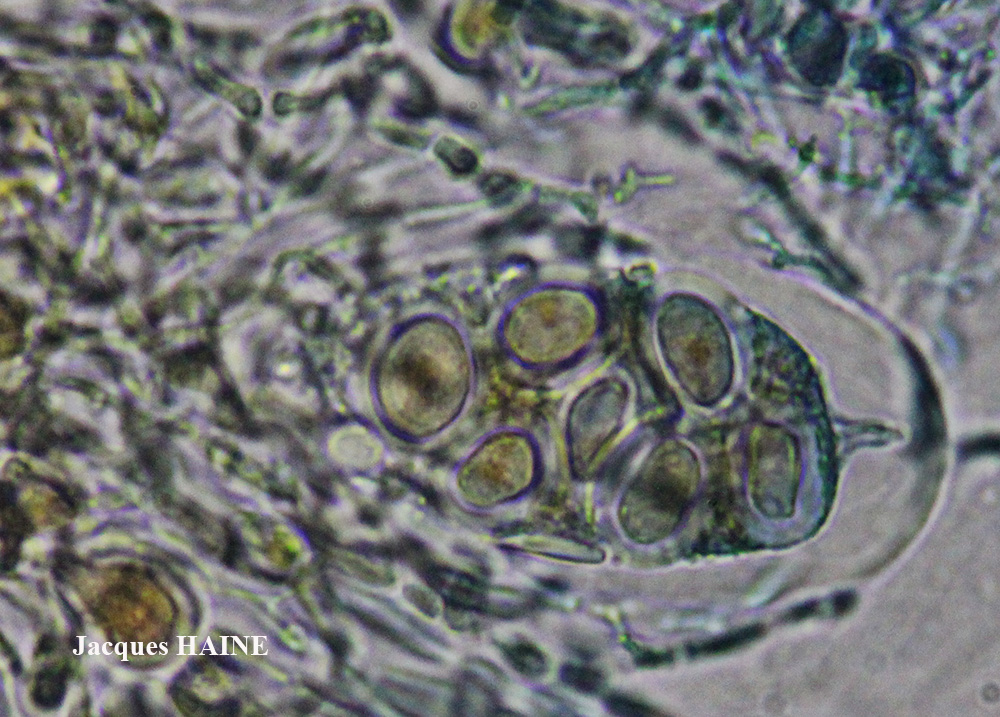
Jacques Haine - Source: http://www.lichensmaritimes.org/index.php?task=fiche&lichen=863&lang=en
France, Ardennes
corticolous
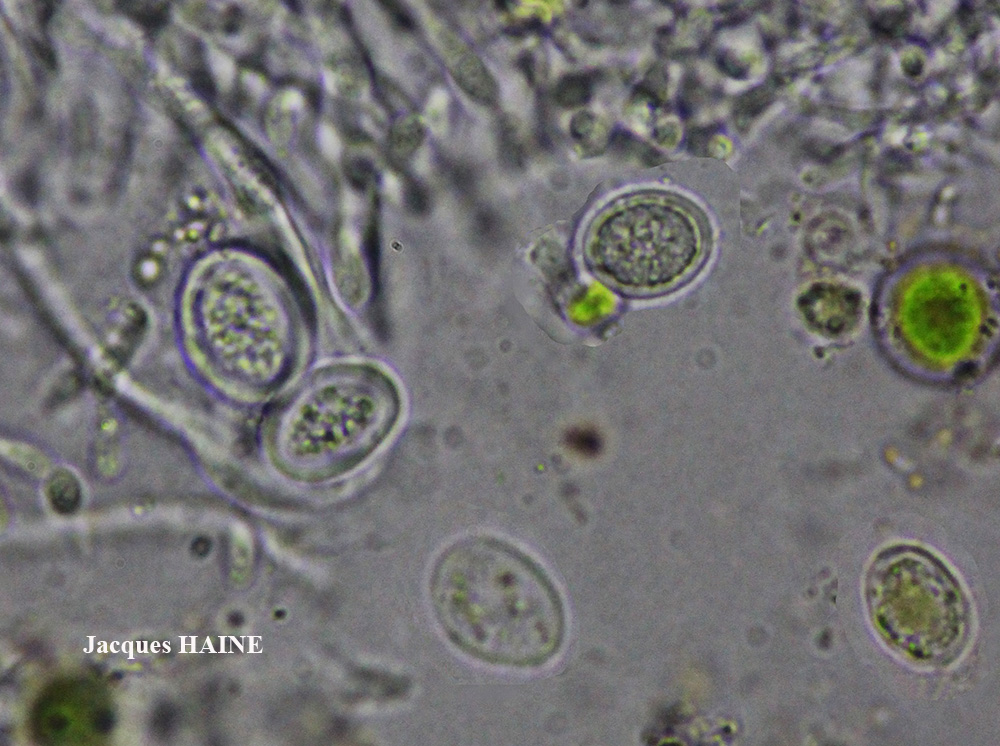
Jacques Haine - Source: http://www.lichensmaritimes.org/index.php?task=fiche&lichen=863&lang=en
France, Ardennes
corticolous

Marta González Garcia - Centro de Estudios Micologicos Asturianos
Spain, Puerto de San Lorenzo (Teverga-Asturias), 15-II-2023, en rocas ácidas.

Marta González Garcia - Centro de Estudios Micologicos Asturianos
Spain, Puerto de San Lorenzo (Teverga-Asturias), 15-II-2023, en rocas ácidas.

Marta González Garcia - Centro de Estudios Micologicos Asturianos
Spain, Puerto de San Lorenzo (Teverga-Asturias), 15-II-2023, en rocas ácidas.
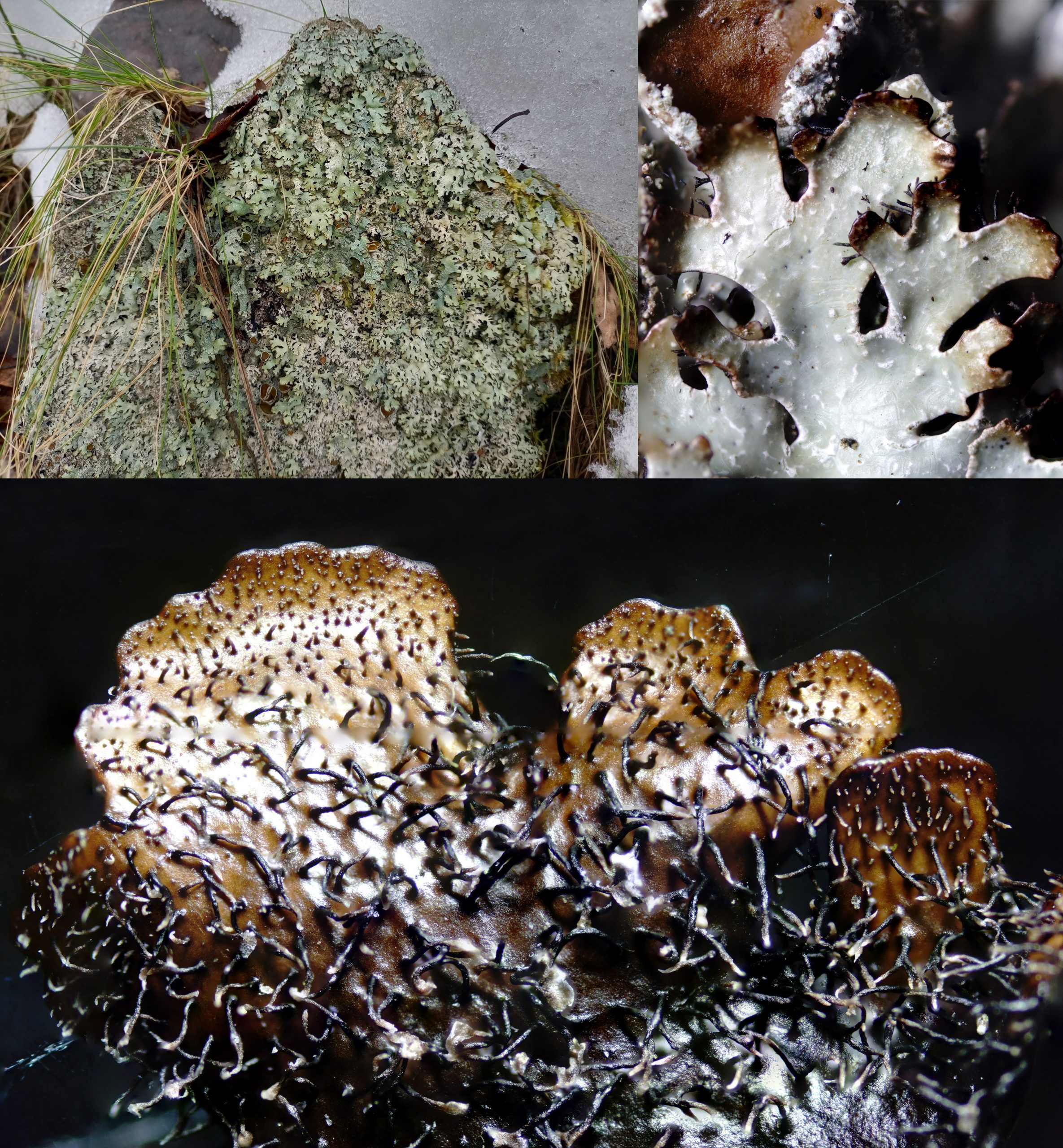
Marta González Garcia - Centro de Estudios Micologicos Asturianos
Spain, Puerto de San Lorenzo (Teverga-Asturias), 15-II-2023, en rocas ácidas.

Marta González Garcia - Centro de Estudios Micologicos Asturianos
Spain, Puerto de San Lorenzo (Teverga-Asturias), 15-II-2023, en rocas ácidas.

Marta González Garcia - Centro de Estudios Micologicos Asturianos
Spain, Puerto de San Lorenzo (Teverga-Asturias), 15-II-2023, en rocas ácidas.

Marta González Garcia - Centro de Estudios Micologicos Asturianos
Spain, Puerto de San Lorenzo (Teverga-Asturias), 15-II-2023, en rocas ácidas.

Wolfgang von Brackel - CC BY-4.0
Germany, Bavaria, Bogenberg
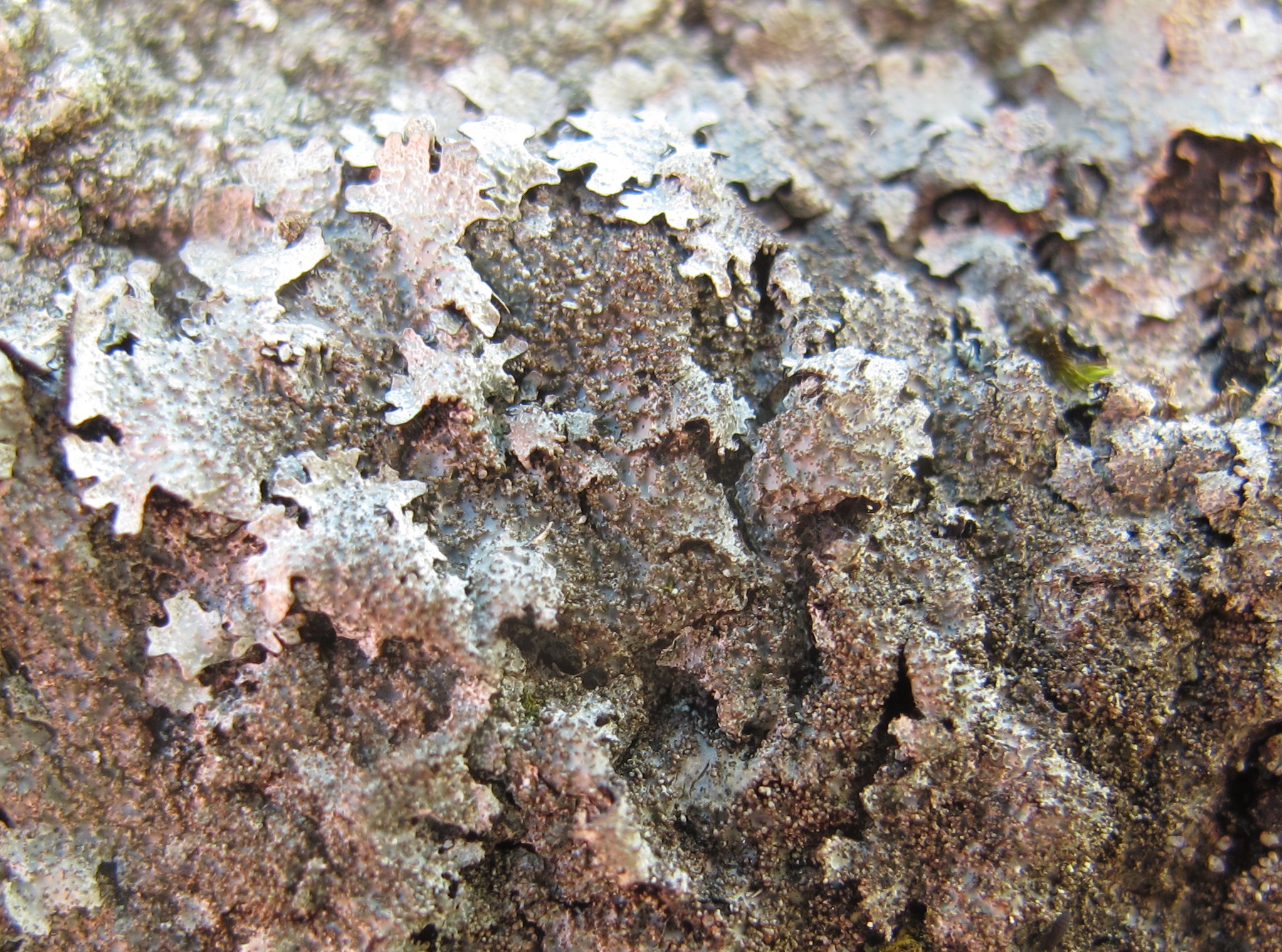
Wolfgang von Brackel - CC BY-4.0
Germany, Bavaria, Bogenberg

Wolfgang von Brackel - CC BY-4.0
Germany, Bavaria, Hirschstein

Wolfgang von Brackel - CC BY-4.0
Germany, Bavaria, Markwald

Wolfgang von Brackel - CC BY-4.0
Germany, Bavaria, Nürnberg

Wolfgang von Brackel - CC BY-4.0
Germany, Bavaria, Bornstein

Wolfgang von Brackel - CC BY-4.0
Germany, Bavaria, Breitachklamm Oberallgäu

Felix Schumm - CC BY 4.0
[VZ1741], Gallia, Hautes- PyPrénées; Inter Cauterets et Pont d'Espagna. Ad saxa muscosa. Leg. W. L. Culberson (no. 11931-B) et C. F. Culberson. -Annot.: Atranorin (trace), lobaric acid, salazinic acid, consalazinic acid, and galbinic aci (trace) by TLC; anal. A. Johnson and C. F. Culberson. - EX A. VEZDA LICHENES SELECTI EXSICCATI NR, 1741.