Parmelia squarrosa Hale
Phytologia, 22: 29, 1971.
Synonyms:
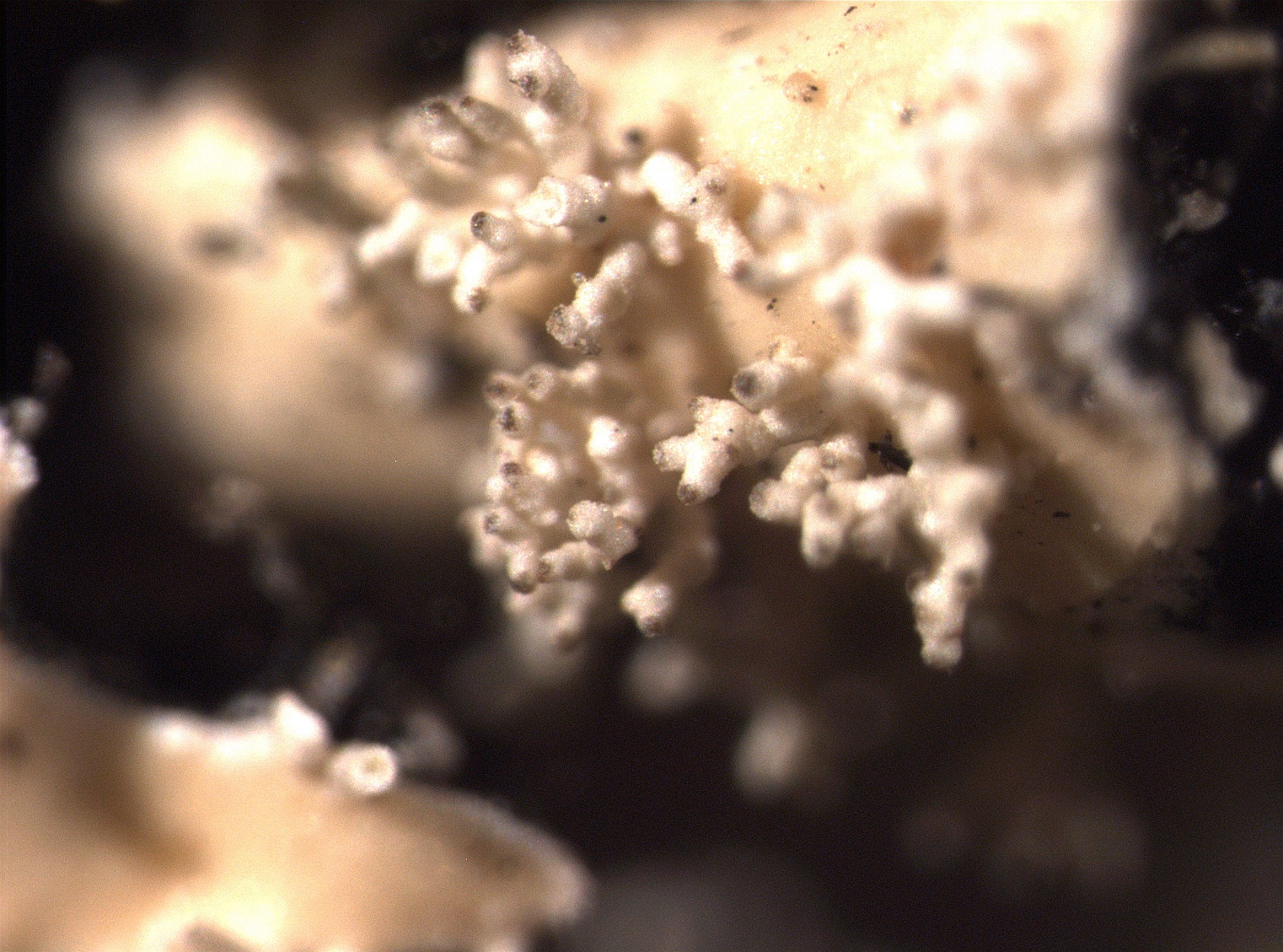
Description: Thallus foliose, heteromerous, dorsiventral, adnate to rather loosely attached, forming 3-10 cm wide, regular rosettes. Lobes relatively thin, dichotomously branched, 1-3(-5) mm wide, usually divergent, sometimes overlapping, sublinear, with angular apices. Upper surface pale greenish-grey to whitish-grey, weakly ridged, epruinose, with a conspicuous network of laminal, whitish, at first punctiform but soon linear pseudocyphellae, and with cylindrical, laminal or marginal, simple or branched isidia that are up to 0.5 mm tall. Lower surface black, with dense, squarrosely branched (simple at margins), black rhizines. Upper cortex paraplectenchymatous, of 2-6 layers of densely packed cells, with a usually non-pored epicortex, the cell walls with isolichenan; medulla white; algal layer continuous; lower cortex paraplectenchymatous, thinner than upper cortex. Apothecia very rare, lecanorine, with a concave, brown disc and an isidiate thalline margin. Epithecium brownish; hymenium and hypothecium colourless. Asci 8-spored, clavate, Lecanora-type. Ascospores 1-celled, hyaline, broadly ellipsoid, 13-15 x 8-9 μm. Pycnidia rare, black. Spot tests: upper cortex K+ yellow (but often slowly turning orange-red due to medullary substances), C-, KC-, P- or P+ faintly yellow; medulla K+ yellow turning red, C-, KC-, P+ orange-red. Chemistry: upper cortex with atranorin; medulla with salazinic acid (major), and consalazinic acid (minor).
Growth form: Foliose, broad lobed
Substrata: bark
Photobiont: green algae other than Trentepohlia
Reproductive strategy: mainly asexual, by isidia, or isidia-like structures (e.g. schizidia)
Most common in areas with a humid-warm climate (e.g. most of Tyrrenian Italy)
Commonnes-rarity: (info)
Alpine belt: absent
Subalpine belt: absent
Montane belt: extremely rare
Dry submediterranean belt: absent
Humid submediterranean belt: absent
Padanian area: absent
pH of the substrata:
1 2 3 4 5

Solar irradiation:
1 2 3 4 5
Aridity:
1 2 3 4 5
Eutrophication:
1 2 3 4 5
Poleotolerance:
0 1 2 3
Altitudinal distribution:
1 2 3 4 5 6
Rarity
absent
extremely rare
very rare
rare
rather rare
rather common
common
very common
extremely common
Loading data...
Occurrence data
Predictive map
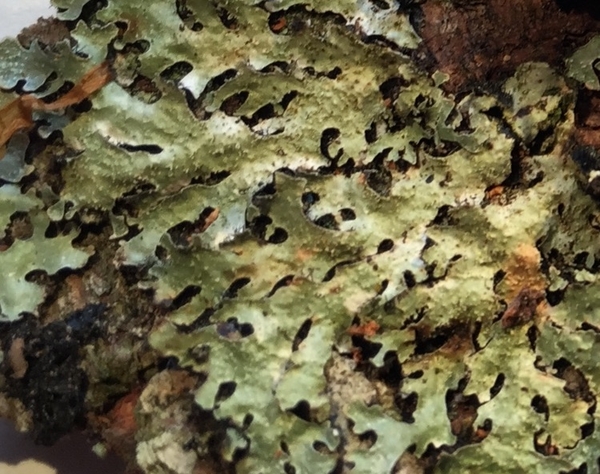
Pier Luigi Nimis; Owner: Department of Life Sciences, University of Trieste
Italy, Friuli Venezia Giulia, UD, Carnic Alps, Bosco della Stua near the Lake of Sauris (Udine), c. 1000 m
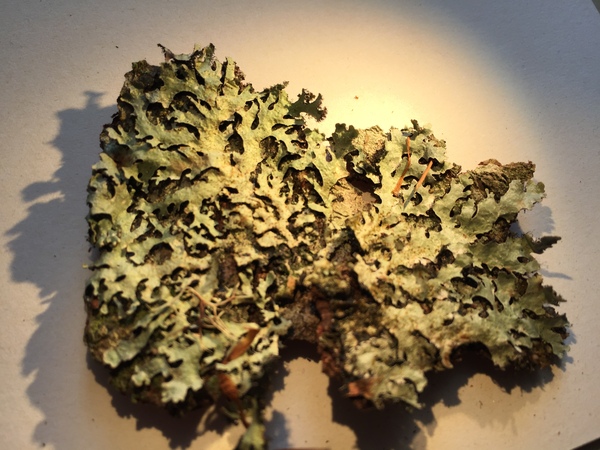
Pier Luigi Nimis; Owner: Department of Life Sciences, University of Trieste
Italy, Friuli Venezia Giulia, UD, Carnic Alps, Bosco della Stua near the Lake of Sauris (Udine), c. 1000 m
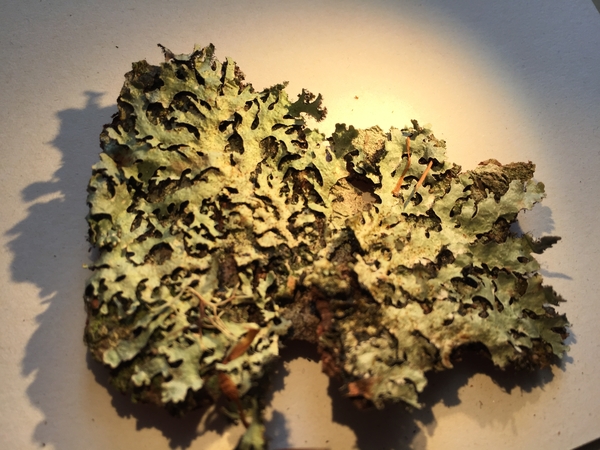
Pier Luigi Nimis; Owner: Department of Life Sciences, University of Trieste
Italy, Friuli Venezia Giulia, UD, Carnic Alps, Bosco della Stua near the Lake of Sauris (Udine), c. 1000 m
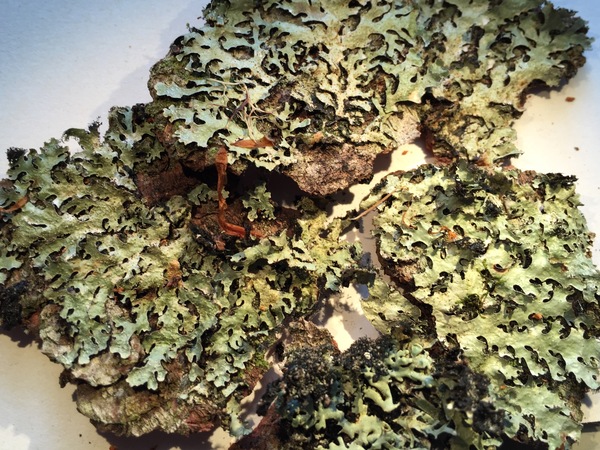
Pier Luigi Nimis; Owner: Department of Life Sciences, University of Trieste
Italy, Friuli Venezia Giulia, UD, Carnic Alps, Bosco della Stua near the Lake of Sauris (Udine), c. 1000 m
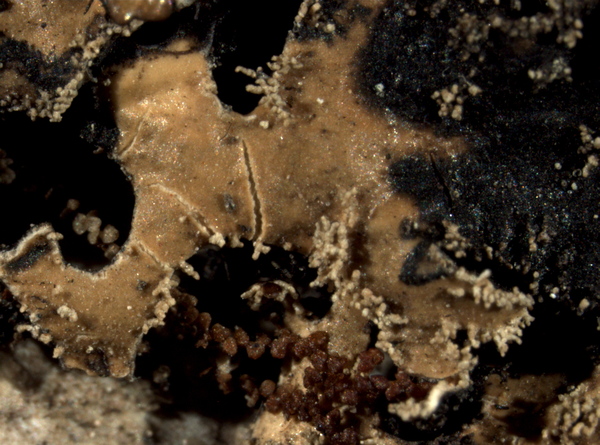
Pier Luigi Nimis - CC BY-SA 4.0
Herbarium: TSB 19472
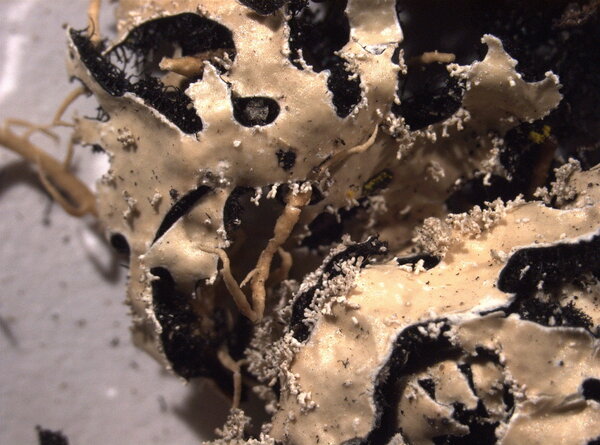
P.L. Nimis - CC BY-SA 4.0
TSB 42033
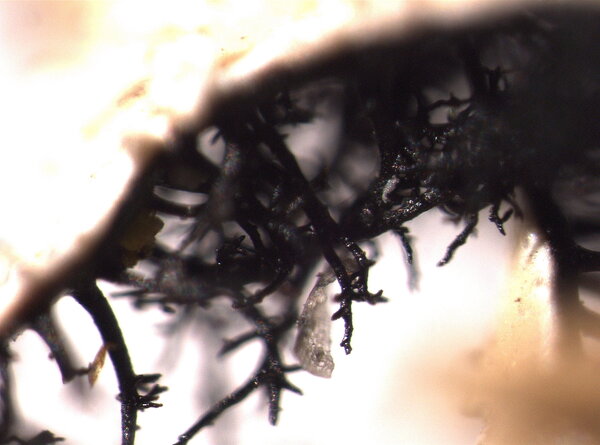
P.L. Nimis - CC BY-SA 4.0
TSB 42033
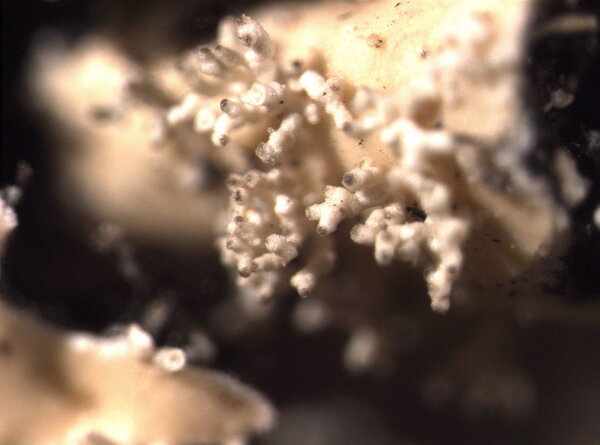
P.L. Nimis - CC BY-SA 4.0
TSB 42033
Growth form: Foliose, broad lobed
Substrata: bark
Photobiont: green algae other than Trentepohlia
Reproductive strategy: mainly asexual, by isidia, or isidia-like structures (e.g. schizidia)
Most common in areas with a humid-warm climate (e.g. most of Tyrrenian Italy)
Commonnes-rarity: (info)
Alpine belt: absent
Subalpine belt: absent
Montane belt: extremely rare
Dry submediterranean belt: absent
Humid submediterranean belt: absent
Padanian area: absent
pH of the substrata:
| 1 | 2 | 3 | 4 | 5 |
Solar irradiation:
| 1 | 2 | 3 | 4 | 5 |
Aridity:
| 1 | 2 | 3 | 4 | 5 |
Eutrophication:
| 1 | 2 | 3 | 4 | 5 |
Poleotolerance:
| 0 | 1 | 2 | 3 |
Altitudinal distribution:
| 1 | 2 | 3 | 4 | 5 | 6 |
Rarity
absent
extremely rare
very rare
rare
rather rare
rather common
common
very common
extremely common
Loading data...
Occurrence data
Predictive map
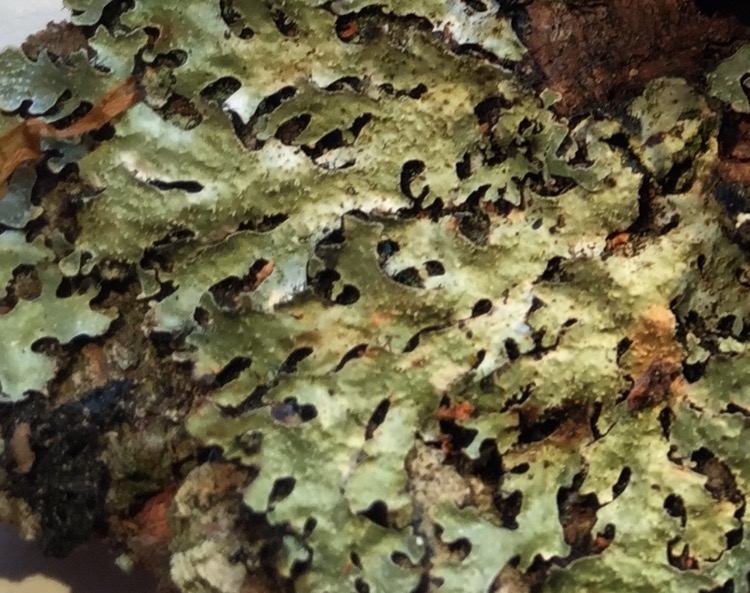
Pier Luigi Nimis; Owner: Department of Life Sciences, University of Trieste
Italy, Friuli Venezia Giulia, UD, Carnic Alps, Bosco della Stua near the Lake of Sauris (Udine), c. 1000 m
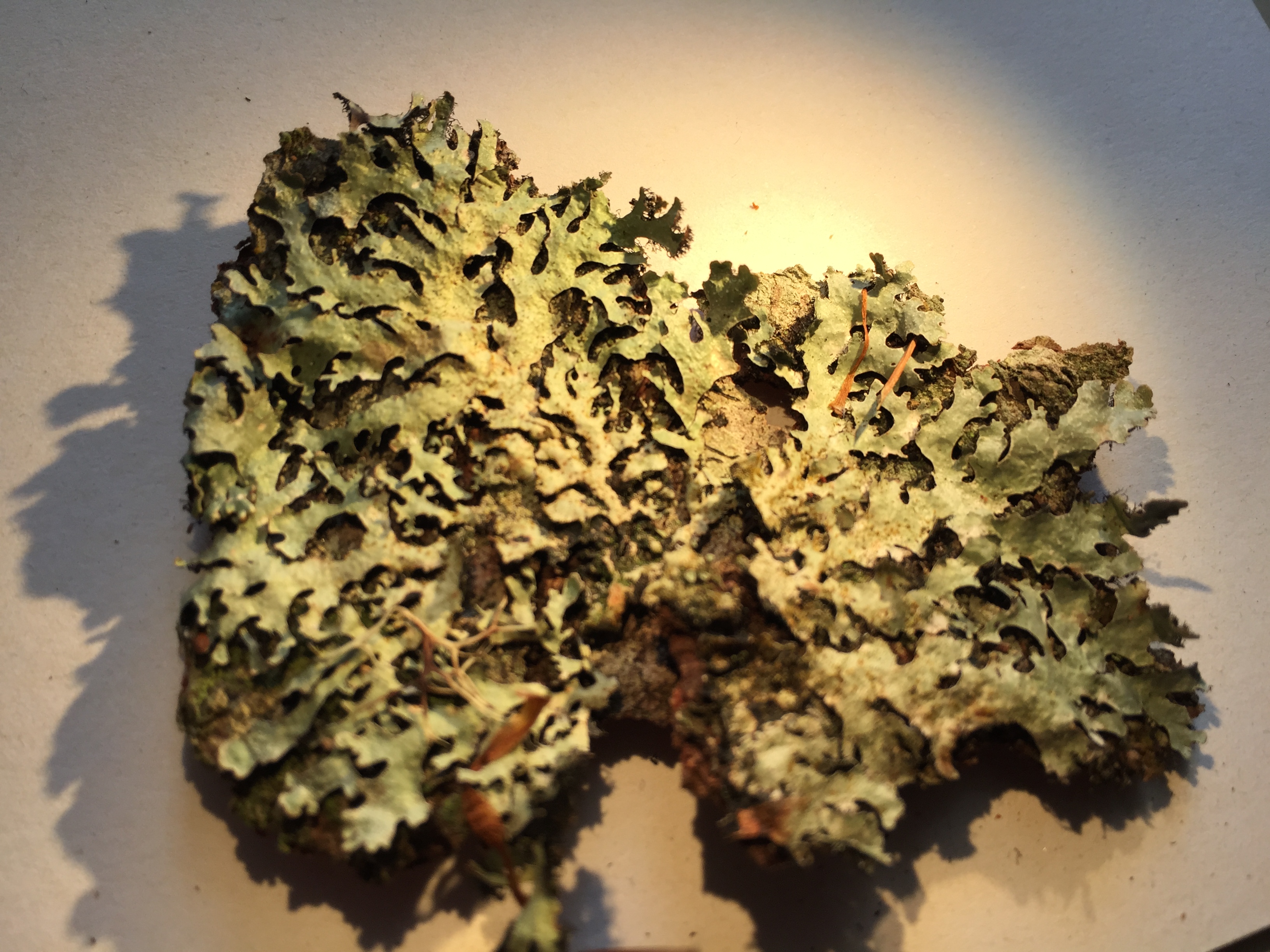
Pier Luigi Nimis; Owner: Department of Life Sciences, University of Trieste
Italy, Friuli Venezia Giulia, UD, Carnic Alps, Bosco della Stua near the Lake of Sauris (Udine), c. 1000 m
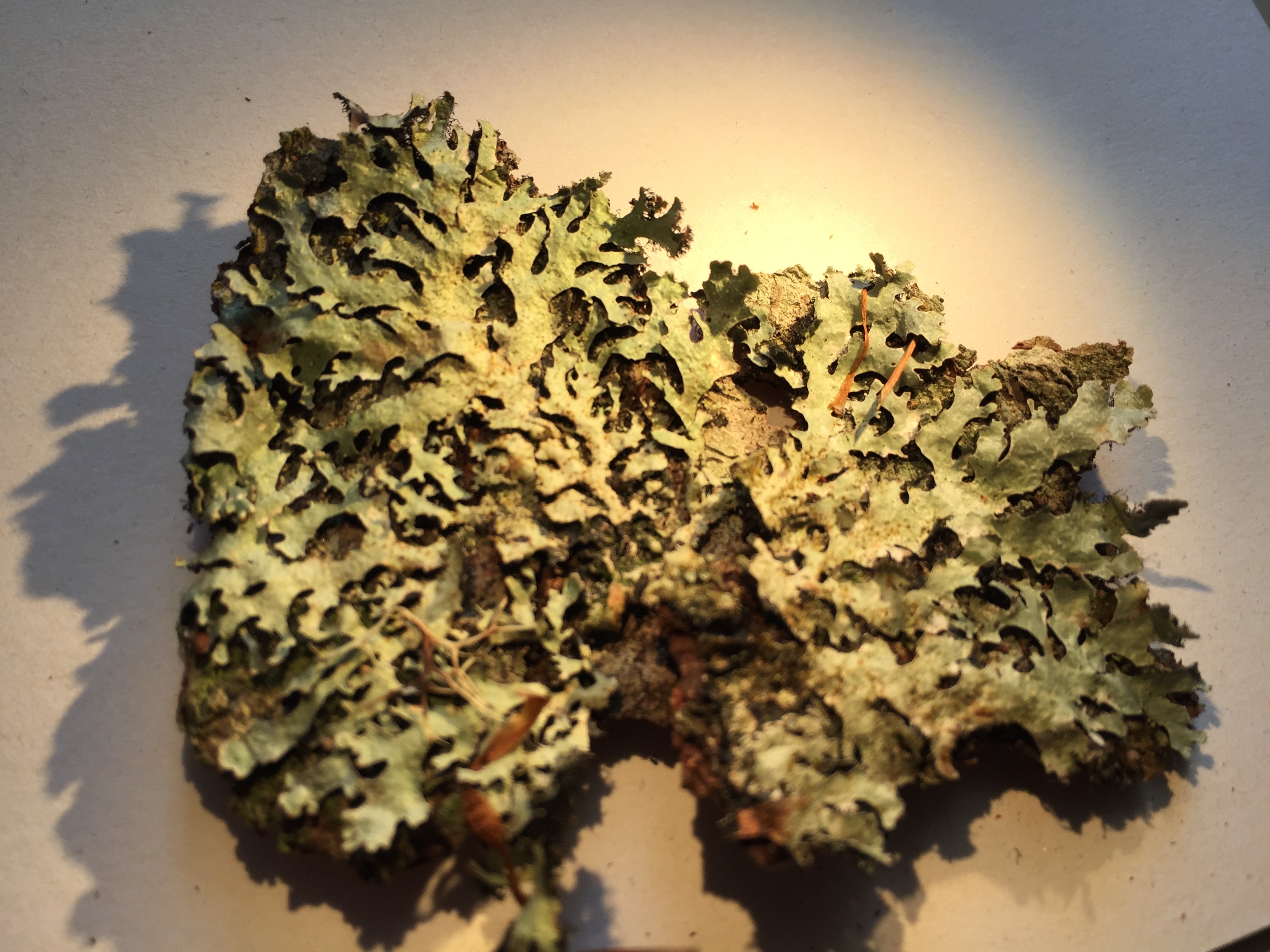
Pier Luigi Nimis; Owner: Department of Life Sciences, University of Trieste
Italy, Friuli Venezia Giulia, UD, Carnic Alps, Bosco della Stua near the Lake of Sauris (Udine), c. 1000 m
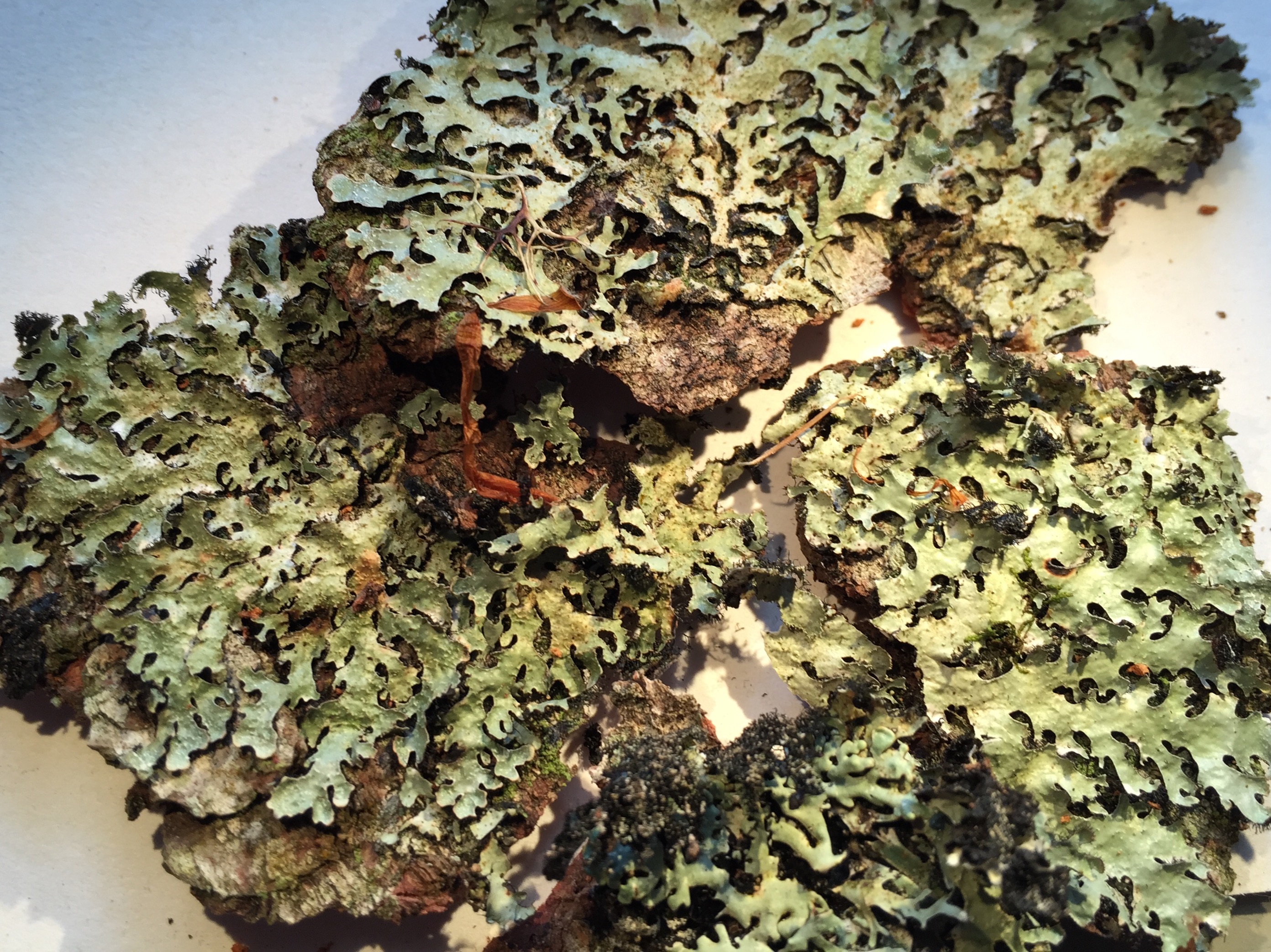
Pier Luigi Nimis; Owner: Department of Life Sciences, University of Trieste
Italy, Friuli Venezia Giulia, UD, Carnic Alps, Bosco della Stua near the Lake of Sauris (Udine), c. 1000 m
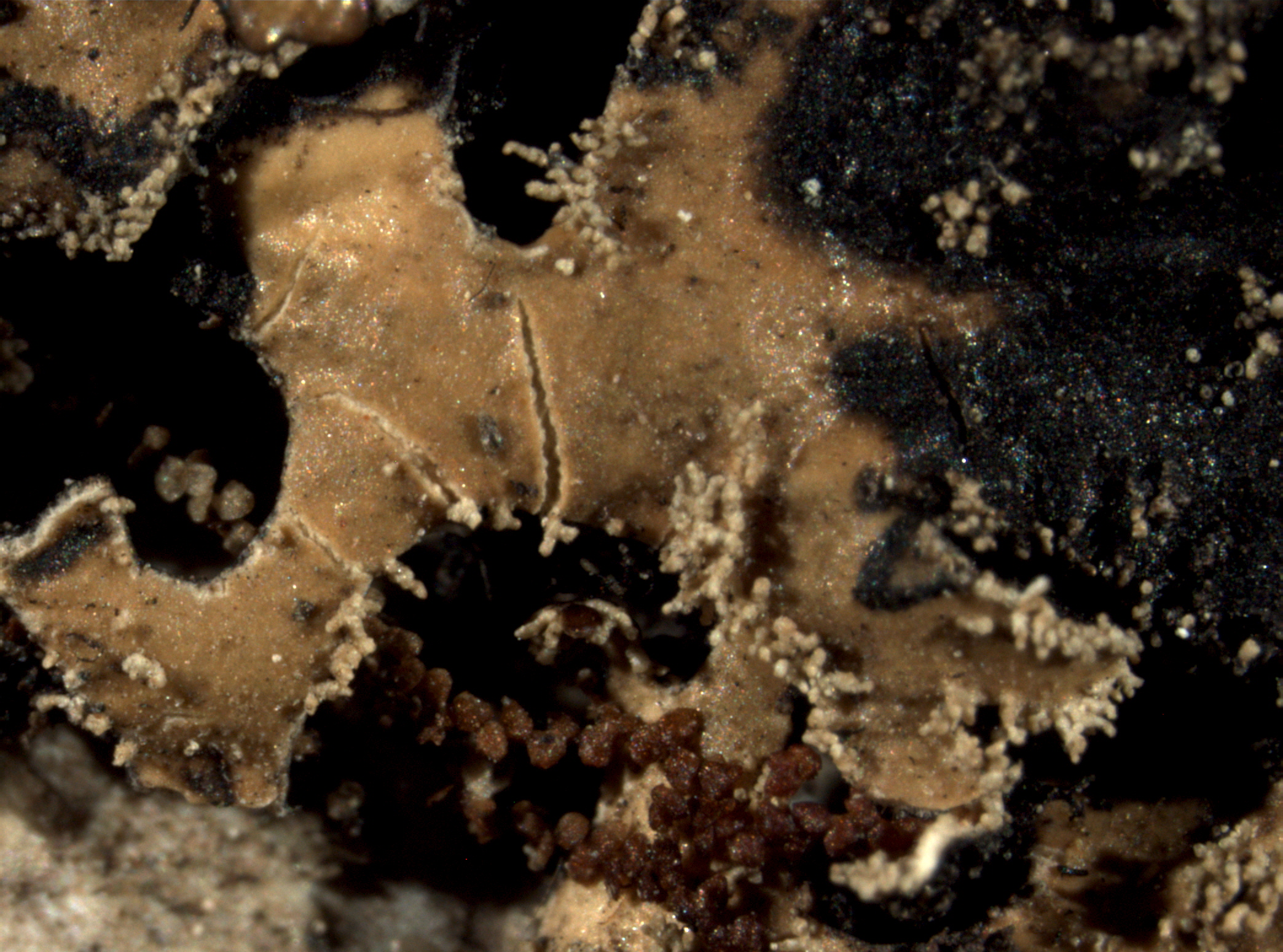
Pier Luigi Nimis - CC BY-SA 4.0
Herbarium: TSB 19472
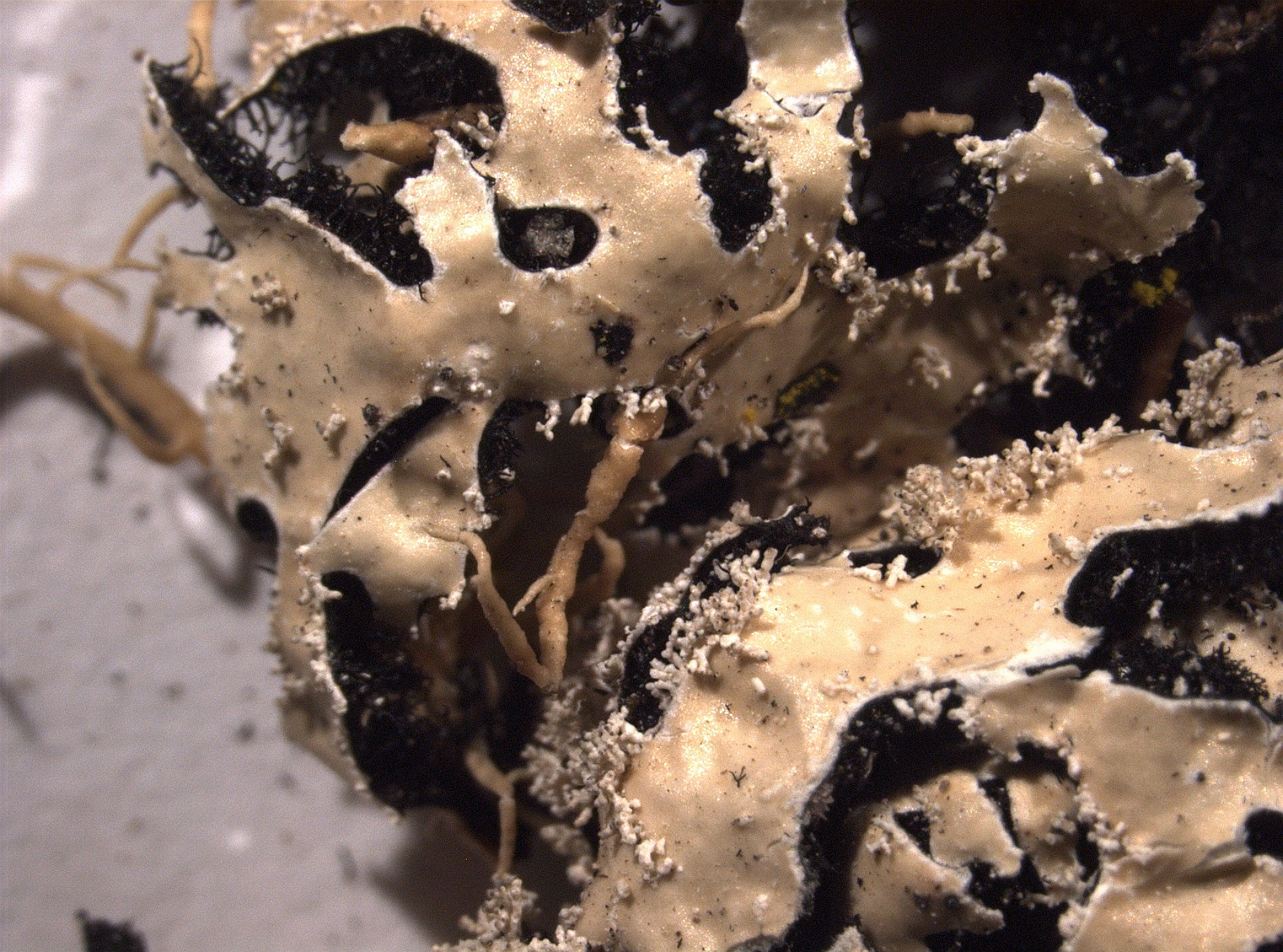
P.L. Nimis - CC BY-SA 4.0
TSB 42033
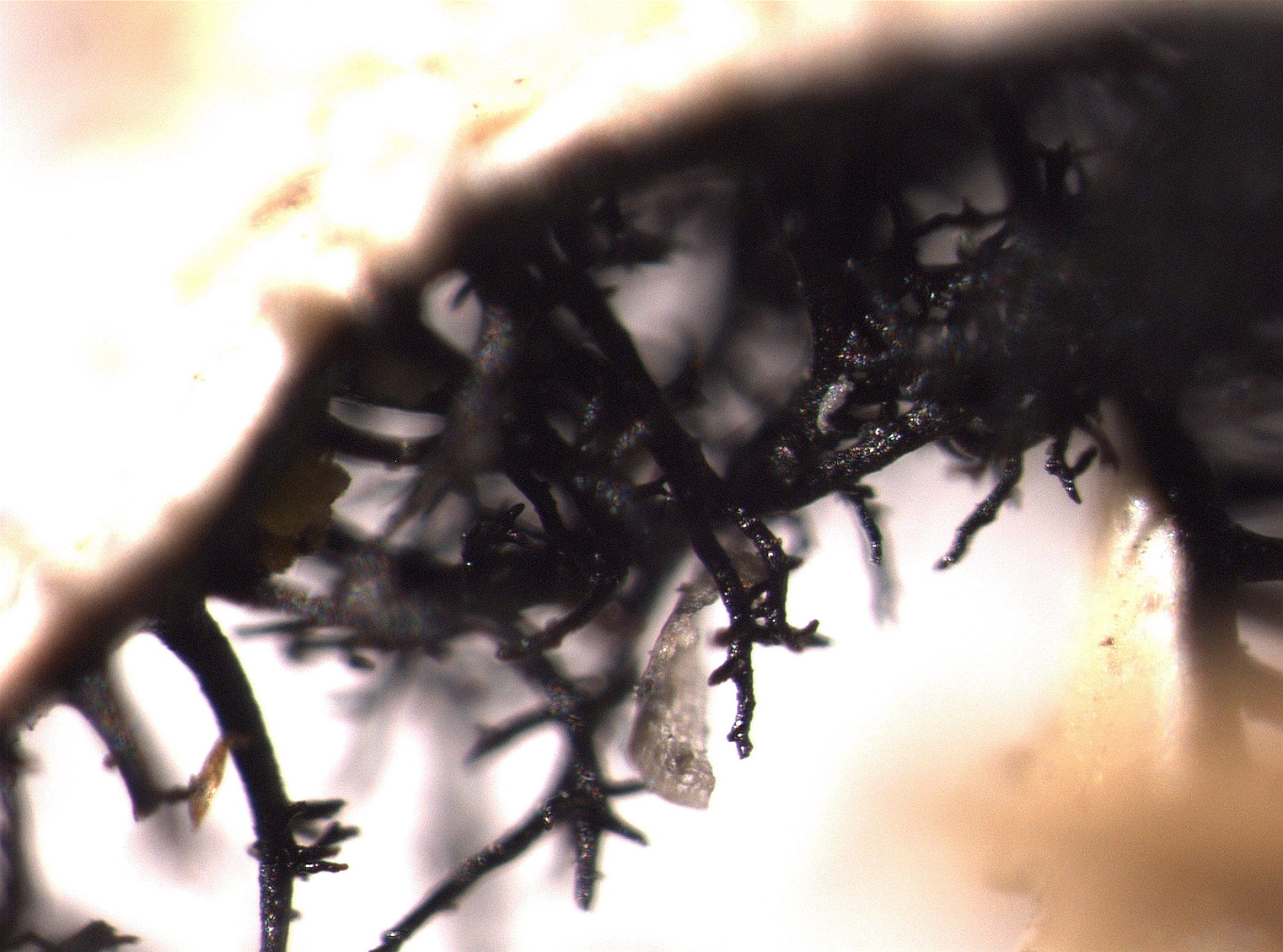
P.L. Nimis - CC BY-SA 4.0
TSB 42033