Parmelia submontana Hale
Smithsonian Contr. Bot., 66: 44, 1987.
Synonyms: Parmelia bohemica Nádv. non Gyeln.; Parmelia contorta Bory non (Hoffm.) Spreng.; Parmelia saxatilis var. contorta (Bory) Zahlbr.; Parmelia sulcata var. contorta (“Bory”) Nyl.; Parmelia sulcata var. contortoides Zahlbr.
Description: Thallus foliose, heteromerous, dorsiventral, very loosely attached, not forming rosettes. Lobes strap-shaped, geotropically oriented, with upwards incurved apices, sublinear, elongate, separate, to 7 cm long, 2-4(-6) mm wide, often with down-rolled margins. Upper surface grey (to pale brown in exposed situations), with a network of white, elongated pseudocyphellae which erode to form punctiform, up to 0.3 mm wide soralia soon developing dense clusters of subglobose to ovoid, rarely coralloid, c. 0.2 mm wide, soft isidioid outgrowths. Lower surface black, except at the brown apices, with simple to rarely furcate, black rhizines, most abundant in the older parts of thallus. Upper cortex paraplectenchymatous, of 2-6 layers of densely packed cells, with a usually non-pored epicortex, the cell walls with isolichenan; medulla white; algal layer continuous; lower cortex paraplectenchymatous, thinner than upper cortex. Apothecia extremely rare, lecanorine. Asci 8-sporeed, Lecanora-type. Ascospores 1-celled, hyaline, ellipsoid. Photobiont chlorococcoid. Spot tests: upper cortex K+ yellow (but often slowly turning dirty orange-red due to medullary substances), C-, KC-, P- or P+ orange-yellow; medulla K+ yellow turning orange-red, C-, KC-, P+ orange-red, UV-. Chemistry: upper cortex with atranorin; medulla with salazinic acid (major) and consalazinic acid (minor).
Growth form: Foliose, broad lobed
Substrata: bark
Photobiont: green algae other than Trentepohlia
Reproductive strategy: mainly asexual, by isidia, or isidia-like structures (e.g. schizidia)
Commonnes-rarity: (info)
Alpine belt: absent
Subalpine belt: absent
Montane belt: rather rare
Dry submediterranean belt: absent
Humid submediterranean belt: absent
Padanian area: absent
pH of the substrata:
1 2 3 4 5

Solar irradiation:
1 2 3 4 5
Aridity:
1 2 3 4 5
Eutrophication:
1 2 3 4 5
Poleotolerance:
0 1 2 3
Altitudinal distribution:
1 2 3 4 5 6
Rarity
absent
extremely rare
very rare
rare
rather rare
rather common
common
very common
extremely common
Loading data...
Occurrence data
Predictive map
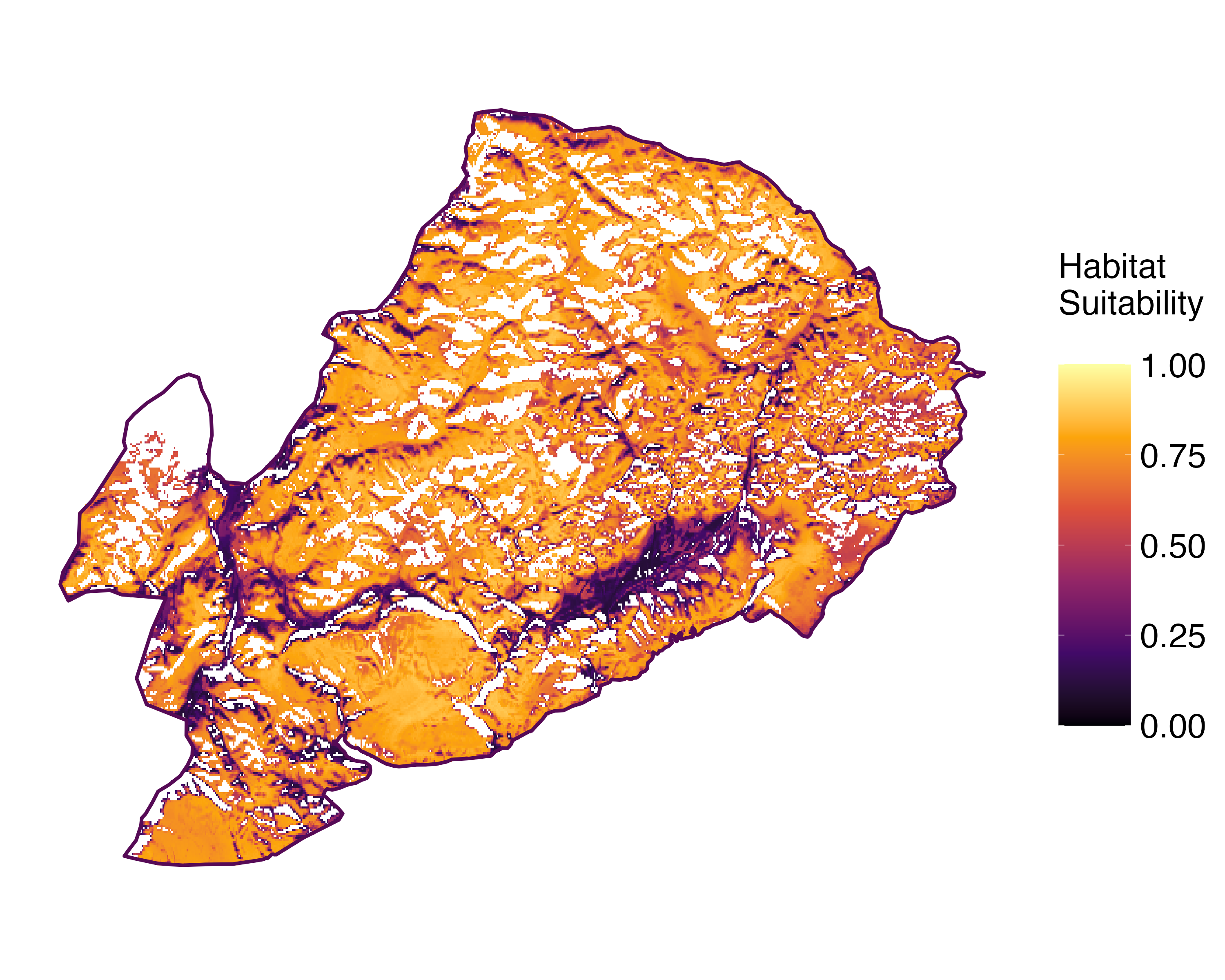 Current prediction (1981-2010)
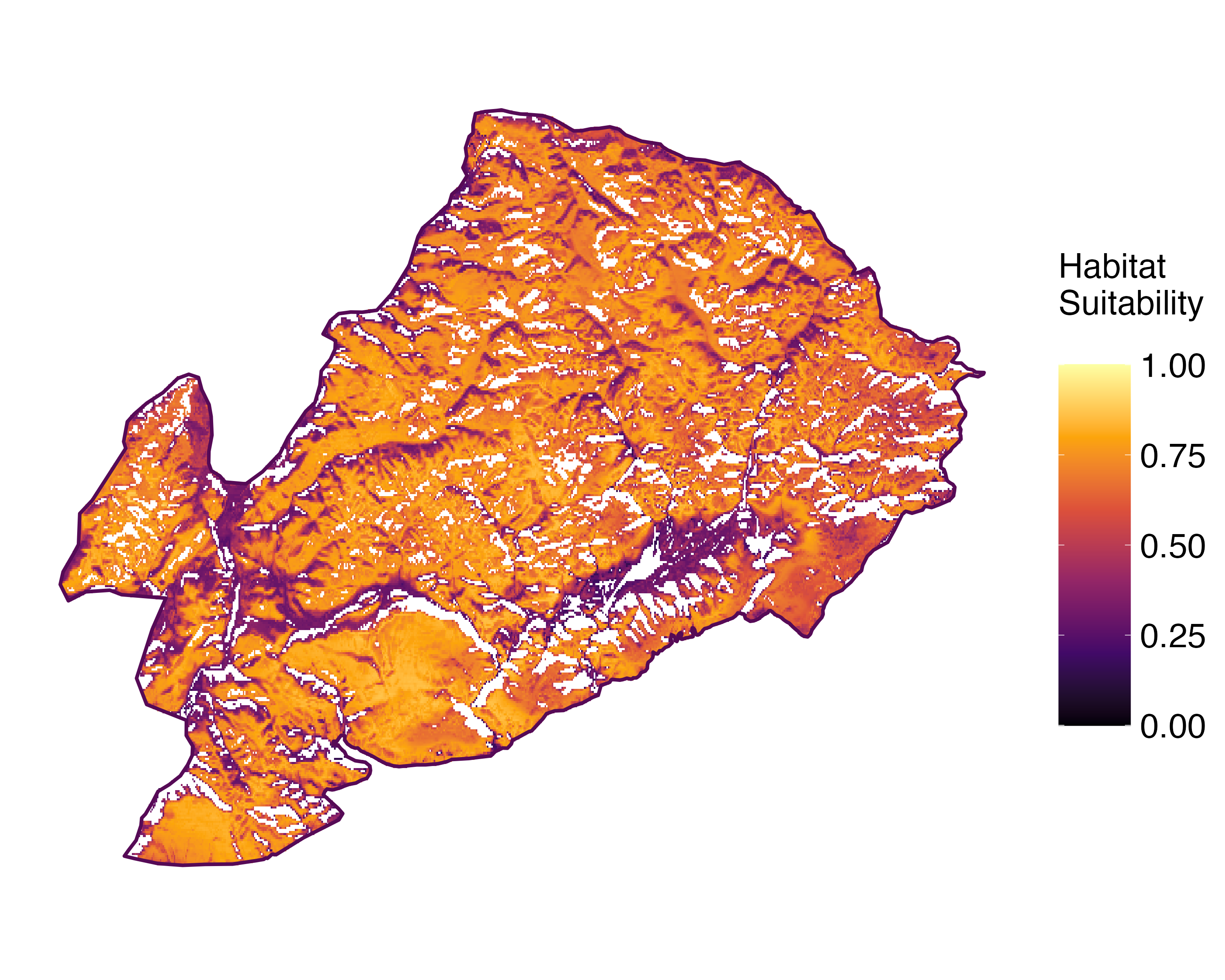 Future prediction (2071-2100) SSP 1-2.6
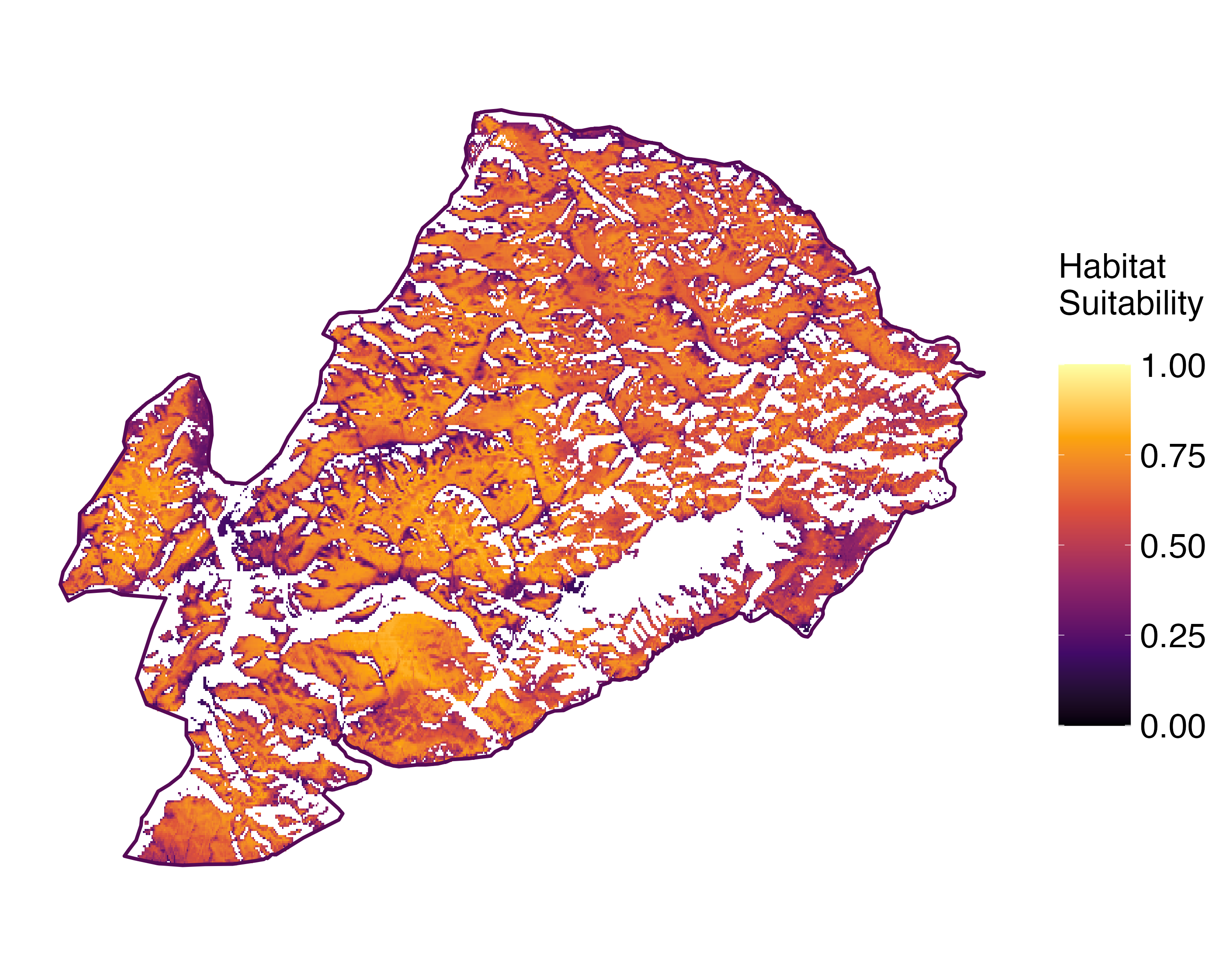 Future prediction (2071-2100) SSP 5-8.5Predictive maps according to Francesconi et al. 2025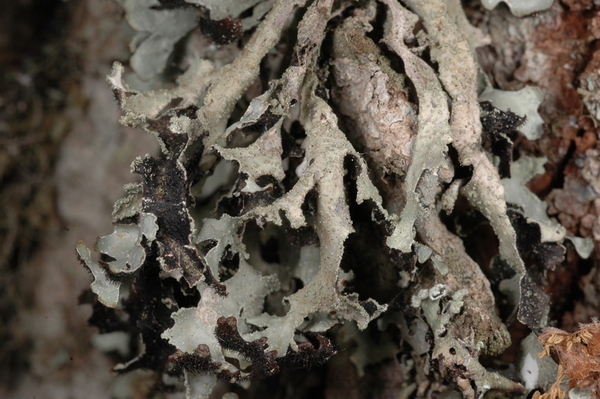
Einar Timdal - Source: http://nhm2.uio.no/lav/web/index.html - CC BY-NC
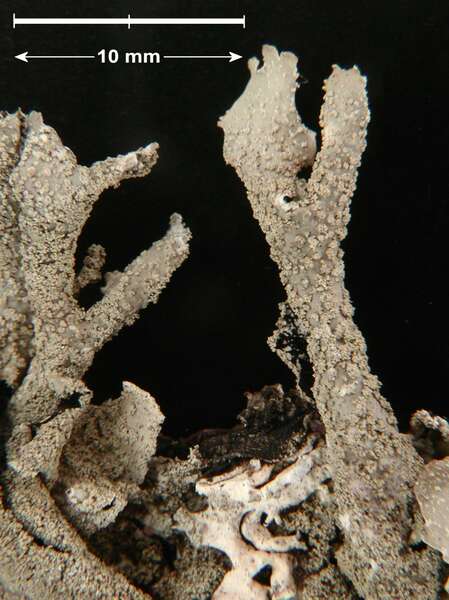
G. Incerti; Owner: Department of Life Sciences, University of Trieste
Herbarium: TSB (17784)
2001/11/26
lobes
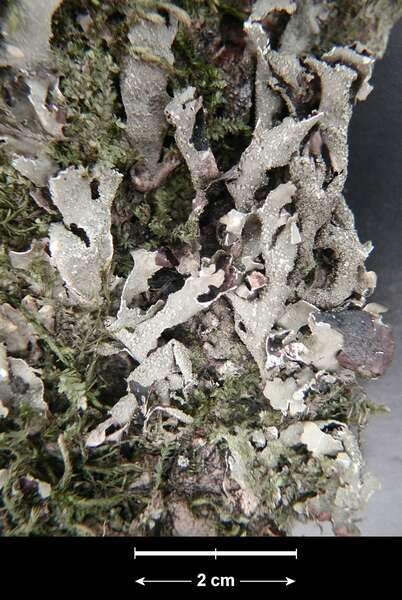
G. Incerti; Owner: Department of Life Sciences, University of Trieste
Herbarium: TSB (17784)
2001/11/26
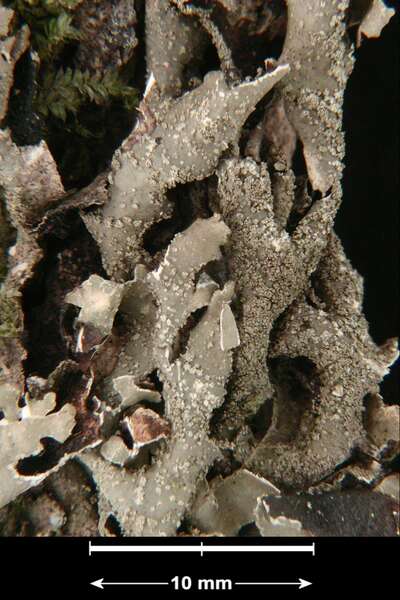
G. Incerti; Owner: Department of Life Sciences, University of Trieste
Herbarium: TSB (17784)
2001/11/26
lobes
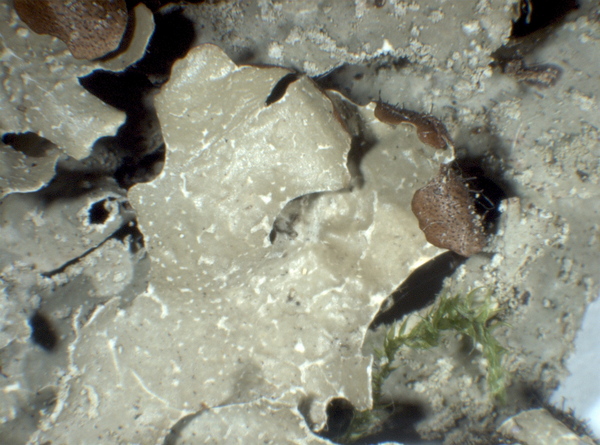
P.L.Nimis; Owner: Department of Life Sciences, University of Trieste
Herbarium: TSB (36994)
2008.02.28
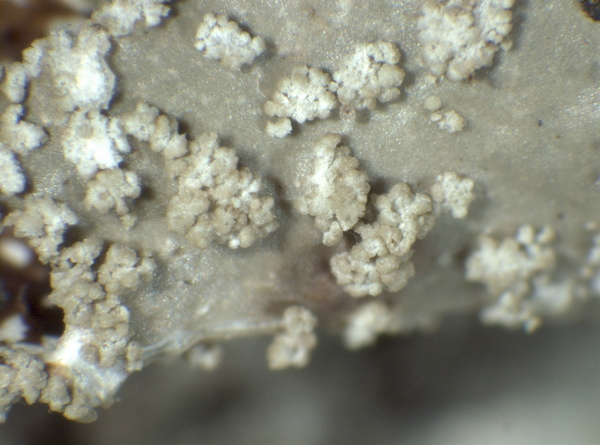
P.L.Nimis; Owner: Department of Life Sciences, University of Trieste
Herbarium: TSB (36994)
2008.02.28
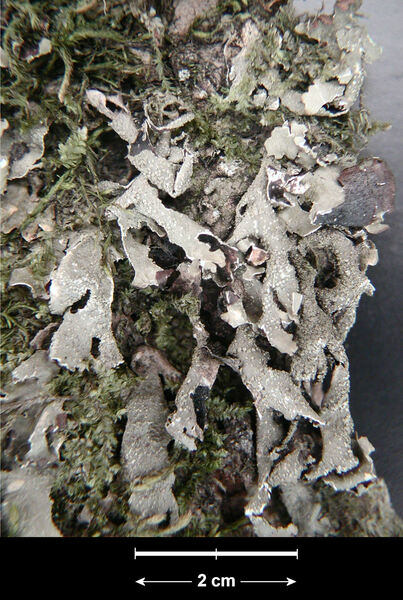
P.L. Nimis; Owner: Department of Life Sciences, University of Trieste
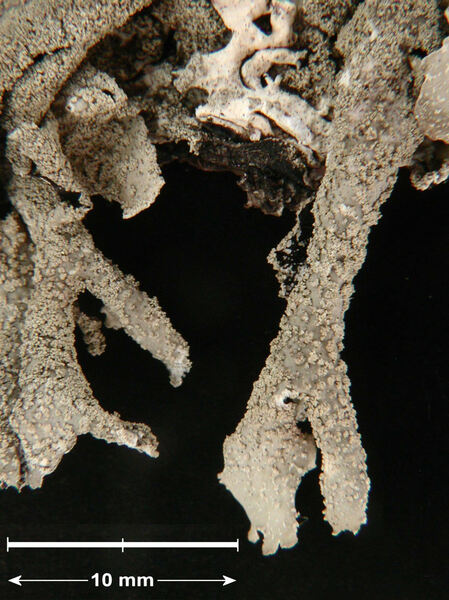
P.L. Nimis; Owner: Department of Life Sciences, University of Trieste
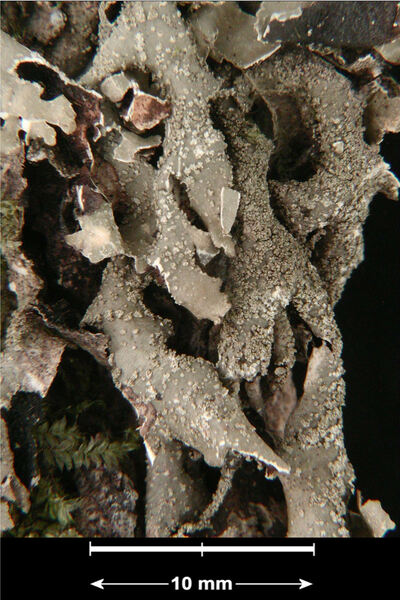
P.L. Nimis; Owner: Department of Life Sciences, University of Trieste
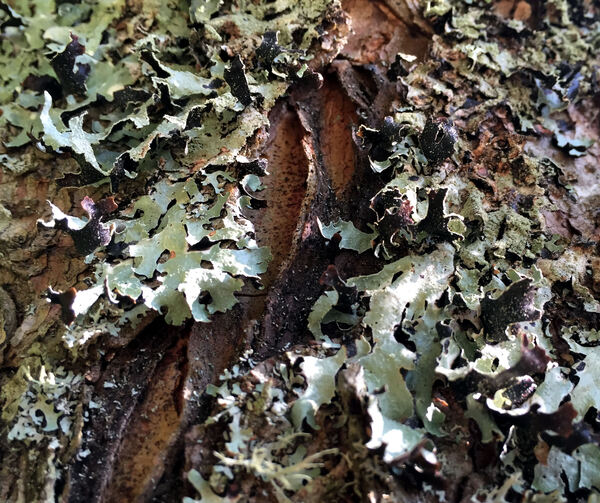
P.L. Nimis; Owner: Department of Life Sciences, University of Trieste
Italy, Friuli Venezia Giulia, Udine, Passo del Pura, Ampezzo Carnico, 1400 m
09.09.2016
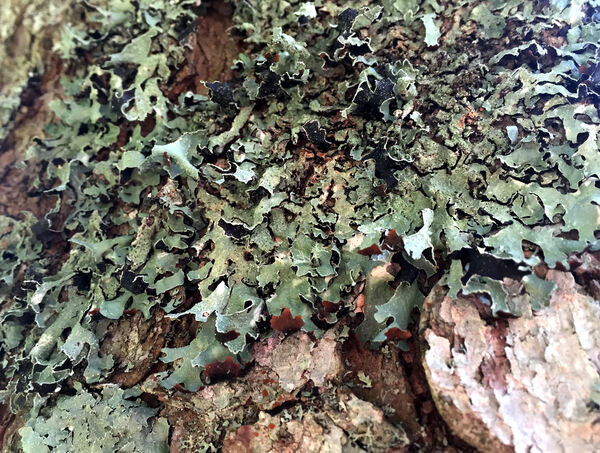
P.L. Nimis; Owner: Department of Life Sciences, University of Trieste
Italy, Friuli Venezia Giulia, Udine, Passo del Pura, Ampezzo Carnico, 1400 m
09.09.2016
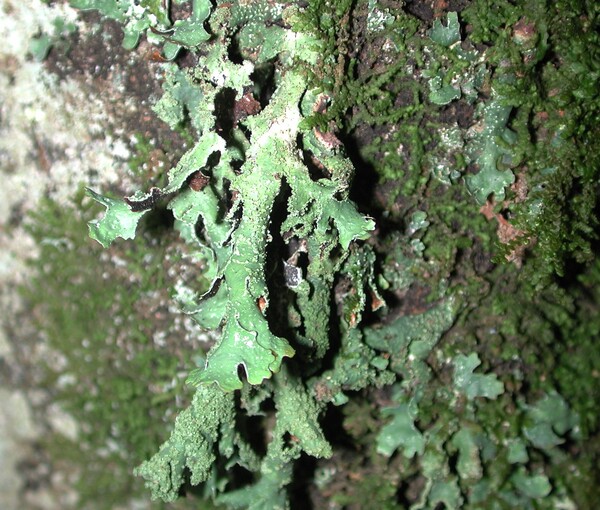
Juri Nascimbene - CC BY-SA 4.0
Italy, Veneto, Belluno, Val Tovanella, Cadore
2007
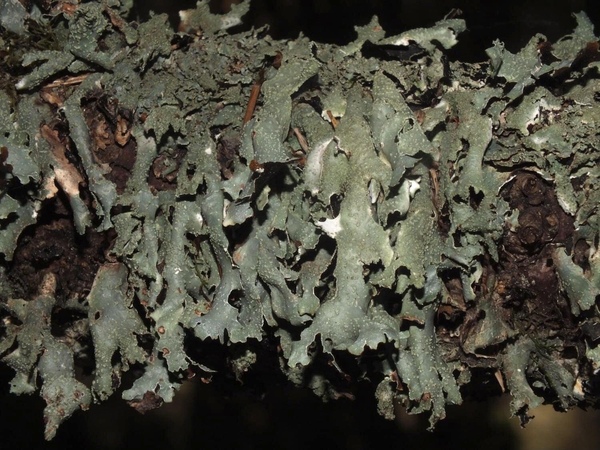
Giulio Pandeli
Italy, Toscana, Provincia di Pistoia
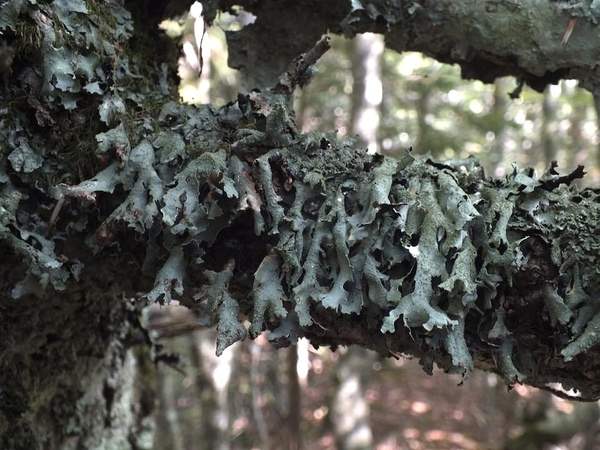
Giulio Pandeli
Italy, Toscana, Provincia di Pistoia
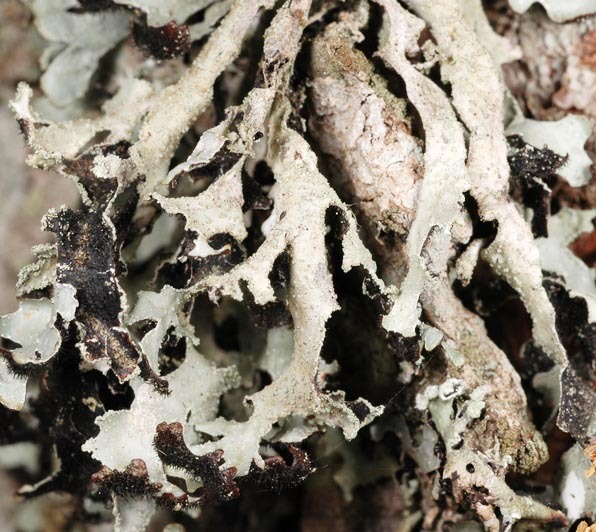
Einar Timdal - Source: http://nhm2.uio.no/lav/web/index.html - CC BY-NC
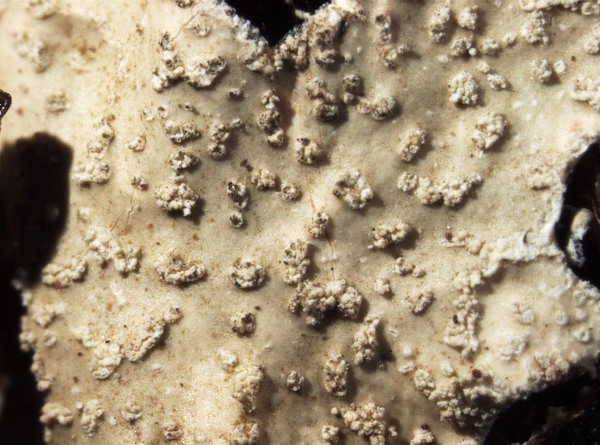
P.L. Nimis CC BY-SA 04
TSB 37549
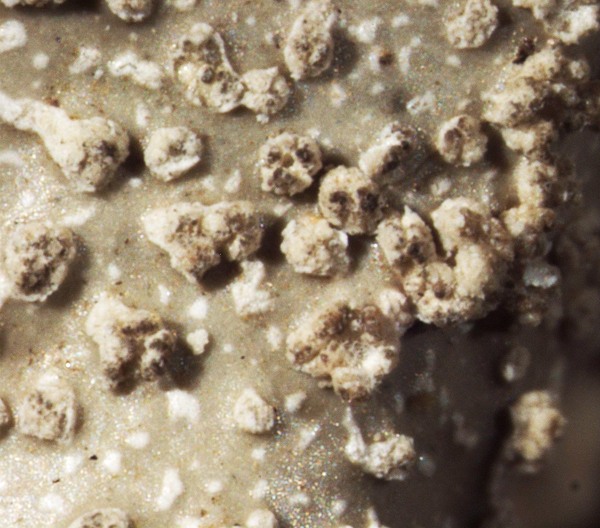
P.L. Nimis CC BY-SA 04
TSB 37549
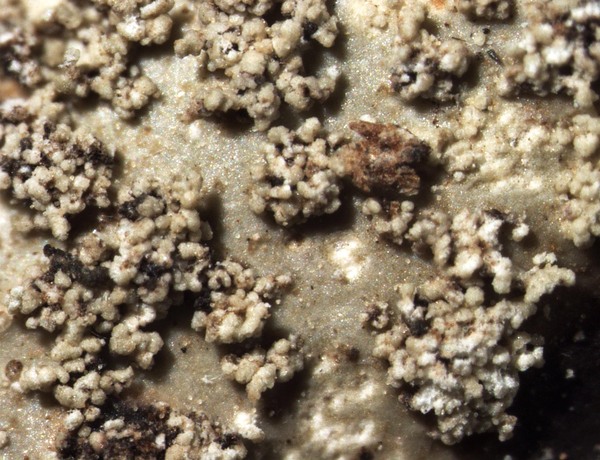
P.L. Nimis CC BY-SA 04
TSB 37550
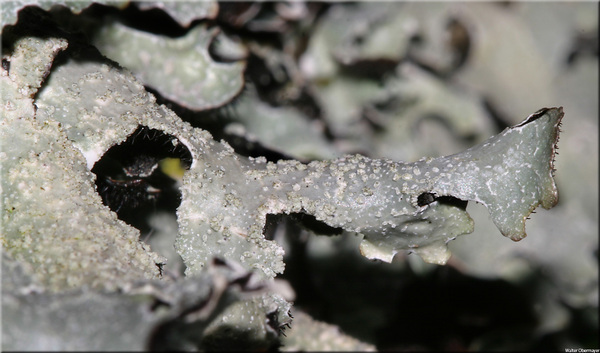
Walter Obermayer CC BY-SA 4.0 - Source: Lichens of Noricum - http://lichens-of-noricum.uni-graz.at/
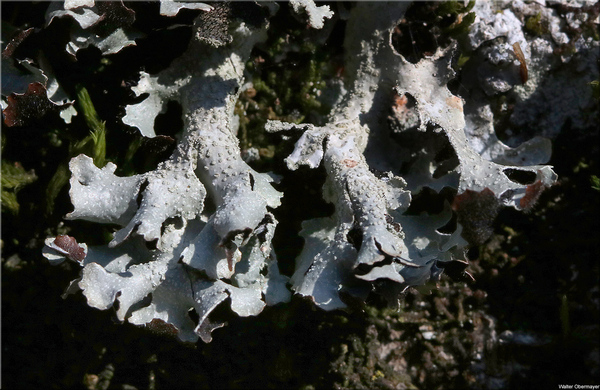
Walter Obermayer CC BY-SA 4.0 - Source: Lichens of Noricum - http://lichens-of-noricum.uni-graz.at/
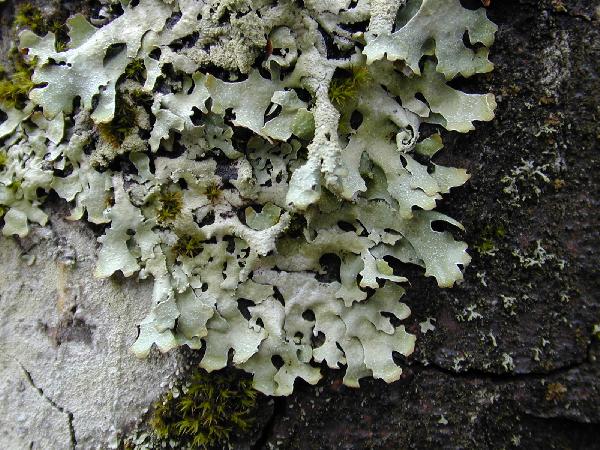
Wolfgang von Brackel - CC BY-4.0
Germany, Bavaria, Burgberg Oberallgäu
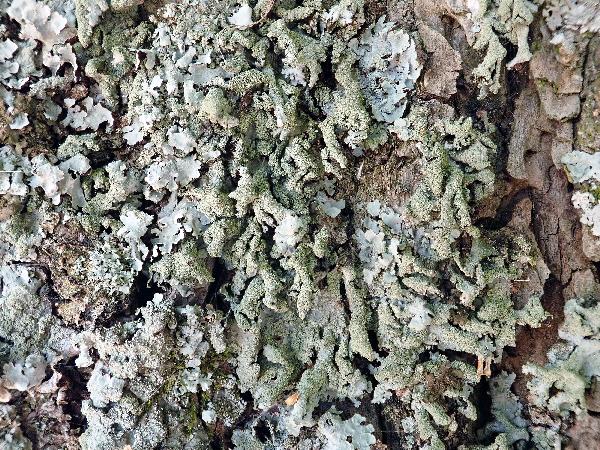
Wolfgang von Brackel - CC BY-4.0
Germany, Bavaria, Ebensfeld
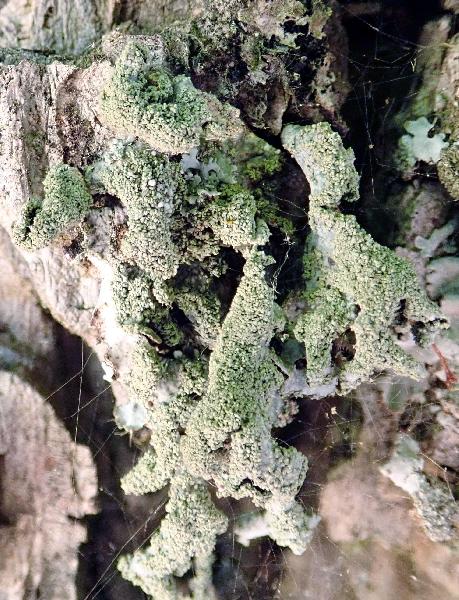
Wolfgang von Brackel - CC BY-4.0
Germany, Bavaria, Ebensfeld
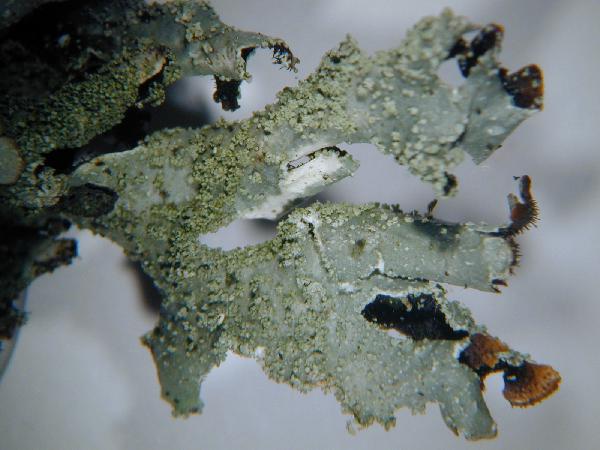
Wolfgang von Brackel - CC BY-4.0
Germany, Bavaria, Kempten
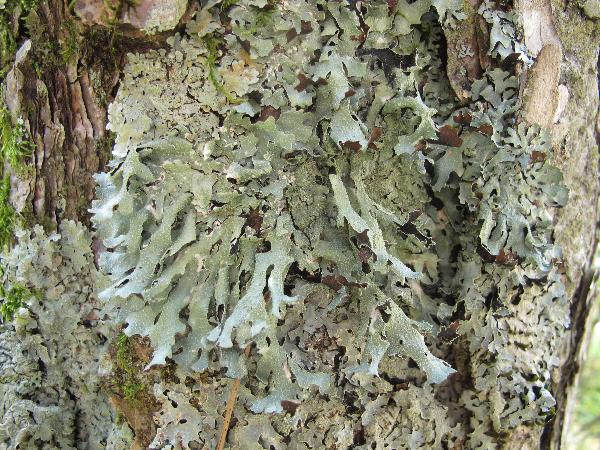
Wolfgang von Brackel - CC BY-4.0
Italy, Latium
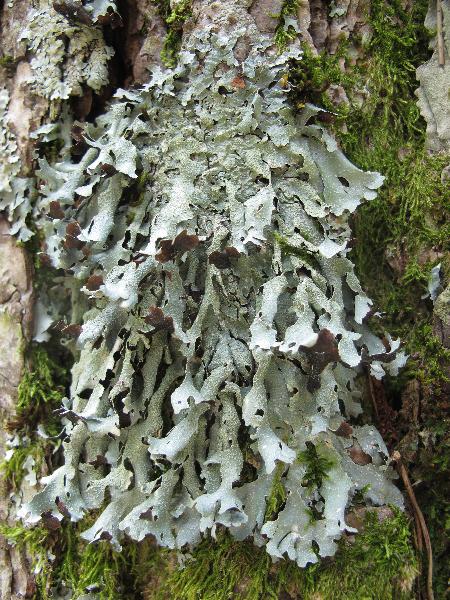
Wolfgang von Brackel - CC BY-4.0
Italy, Latium
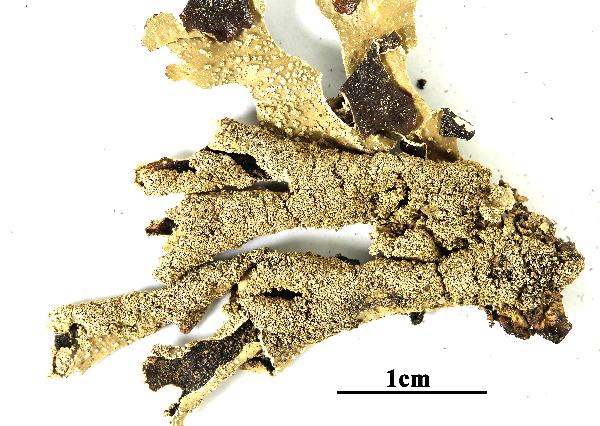
Felix Schumm - CC BY 4.0
[VZ2212] Italia. Sardinia. Prov. Sassari: Gallura, montes Limbara,
prope Vallicciola, 1000-1200 m. Ad truncum arboris. Leg. A. Vezda,
20.7.1987. EX A. VEZDA LICHENES SELECTI EXSICCATI NR. 2212.
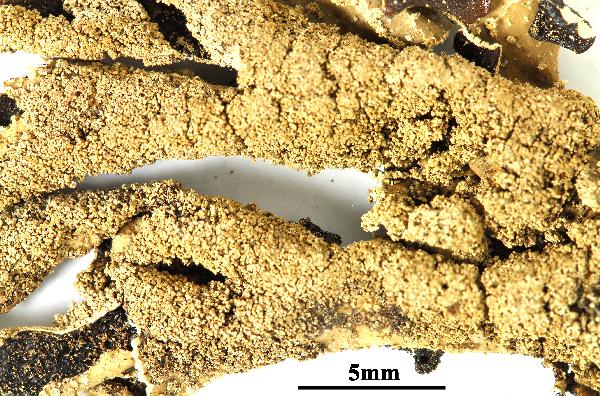
Felix Schumm - CC BY 4.0
[VZ2212] Italia. Sardinia. Prov. Sassari: Gallura, montes Limbara,
prope Vallicciola, 1000-1200 m. Ad truncum arboris. Leg. A. Vezda,
20.7.1987. EX A. VEZDA LICHENES SELECTI EXSICCATI NR. 2212.
Growth form: Foliose, broad lobed
Substrata: bark
Photobiont: green algae other than Trentepohlia
Reproductive strategy: mainly asexual, by isidia, or isidia-like structures (e.g. schizidia)
Commonnes-rarity: (info)
Alpine belt: absent
Subalpine belt: absent
Montane belt: rather rare
Dry submediterranean belt: absent
Humid submediterranean belt: absent
Padanian area: absent
pH of the substrata:
| 1 | 2 | 3 | 4 | 5 |
Solar irradiation:
| 1 | 2 | 3 | 4 | 5 |
Aridity:
| 1 | 2 | 3 | 4 | 5 |
Eutrophication:
| 1 | 2 | 3 | 4 | 5 |
Poleotolerance:
| 0 | 1 | 2 | 3 |
Altitudinal distribution:
| 1 | 2 | 3 | 4 | 5 | 6 |
Rarity
absent
extremely rare
very rare
rare
rather rare
rather common
common
very common
extremely common
Loading data...
Occurrence data
Predictive map
Current prediction (1981-2010)Future prediction (2071-2100) SSP 1-2.6Future prediction (2071-2100) SSP 5-8.5Predictive maps according to Francesconi et al. 2025
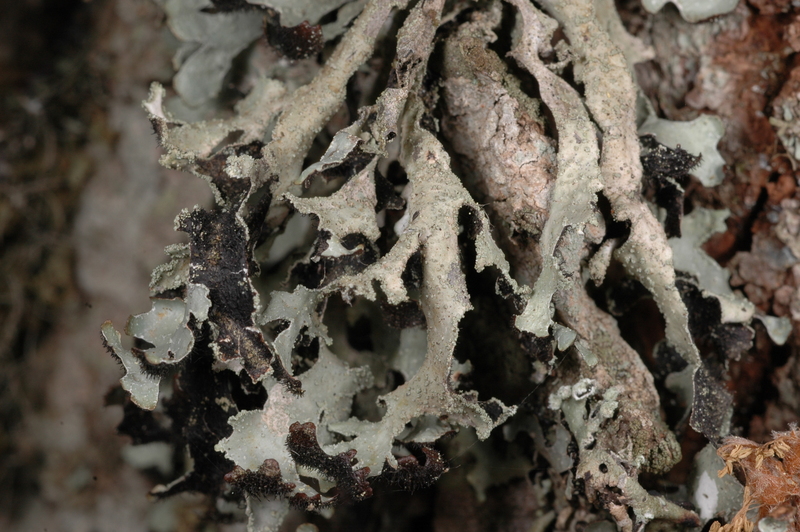
Einar Timdal - Source: http://nhm2.uio.no/lav/web/index.html - CC BY-NC
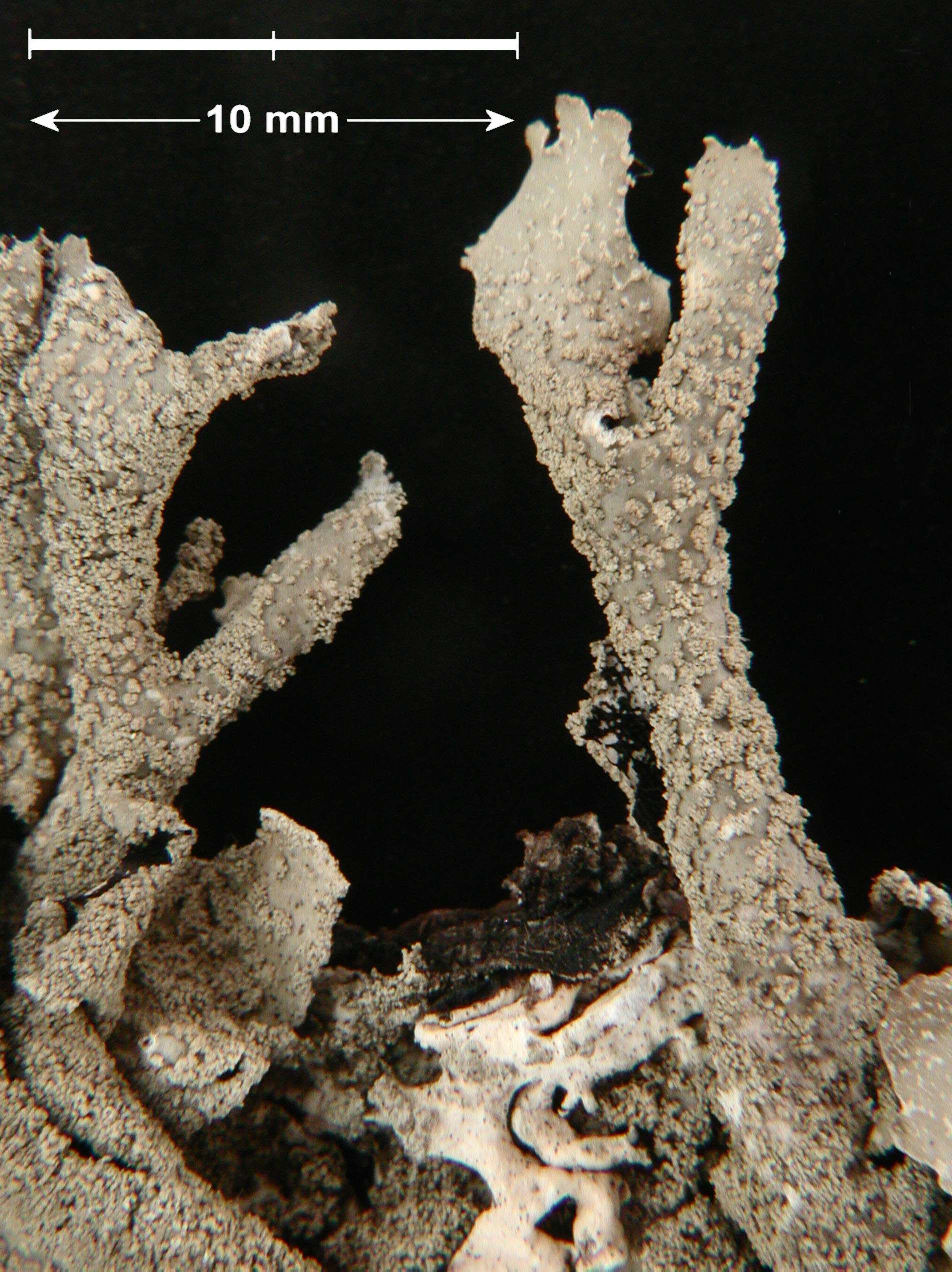
G. Incerti; Owner: Department of Life Sciences, University of Trieste
Herbarium: TSB (17784)
2001/11/26
lobes
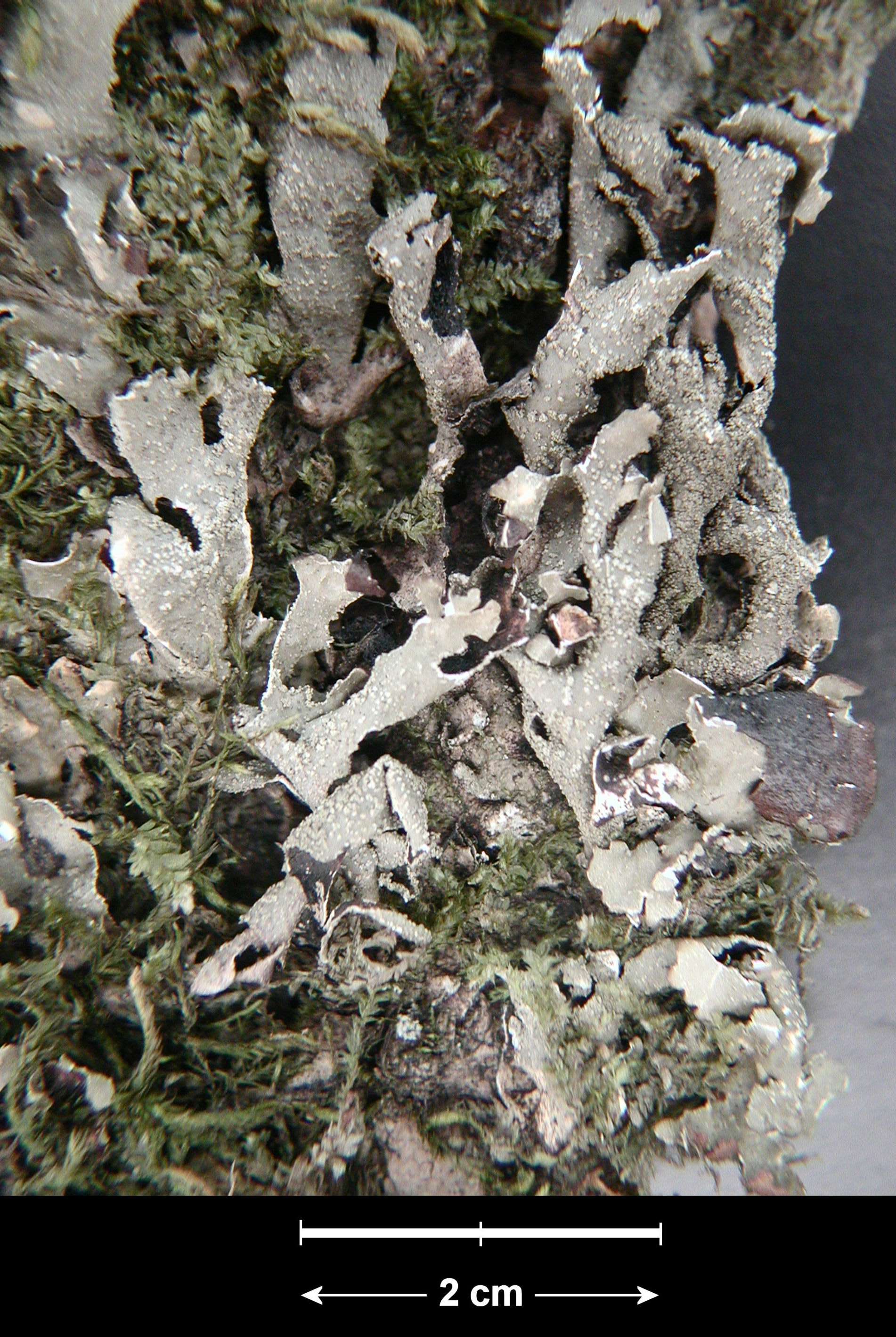
G. Incerti; Owner: Department of Life Sciences, University of Trieste
Herbarium: TSB (17784)
2001/11/26
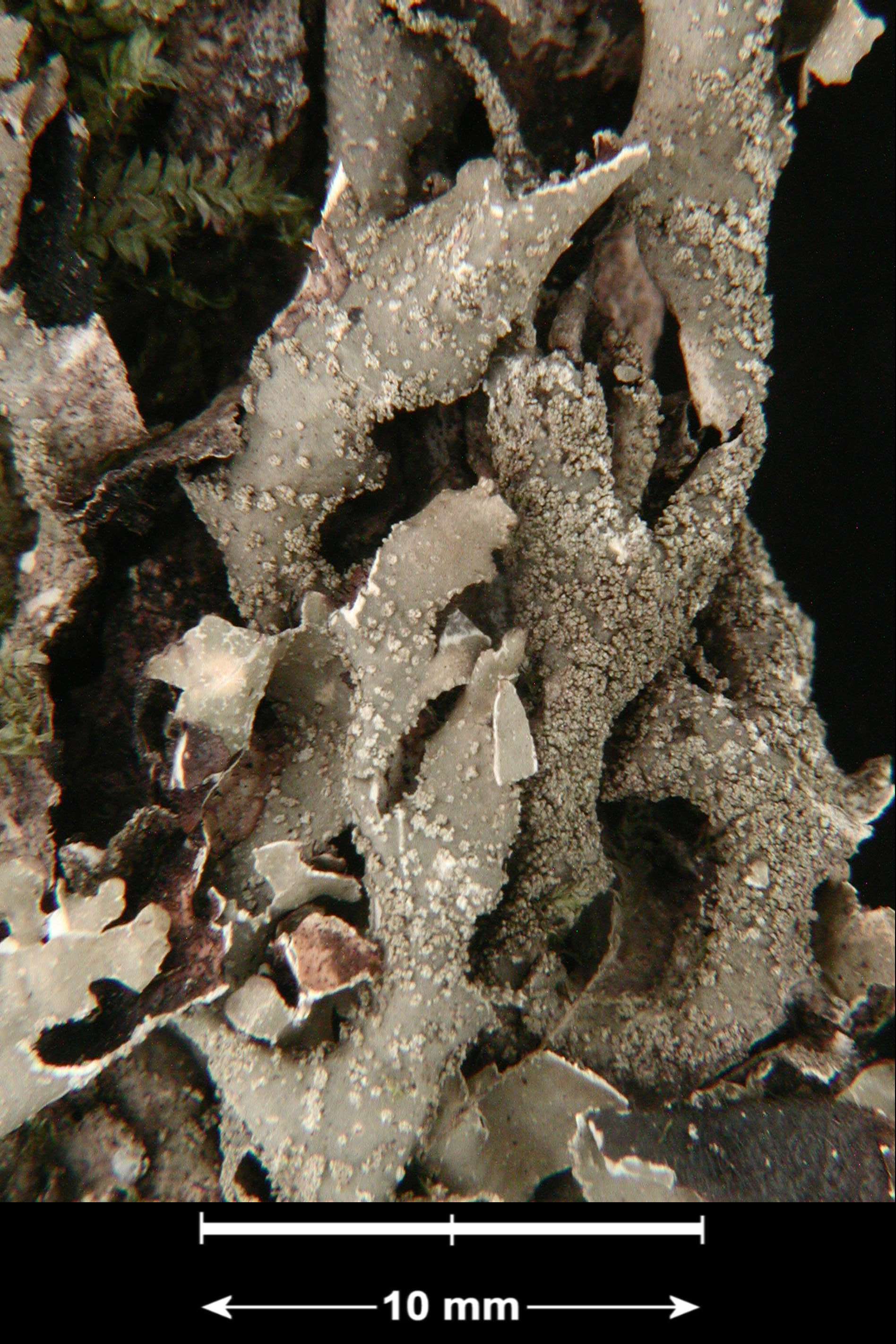
G. Incerti; Owner: Department of Life Sciences, University of Trieste
Herbarium: TSB (17784)
2001/11/26
lobes
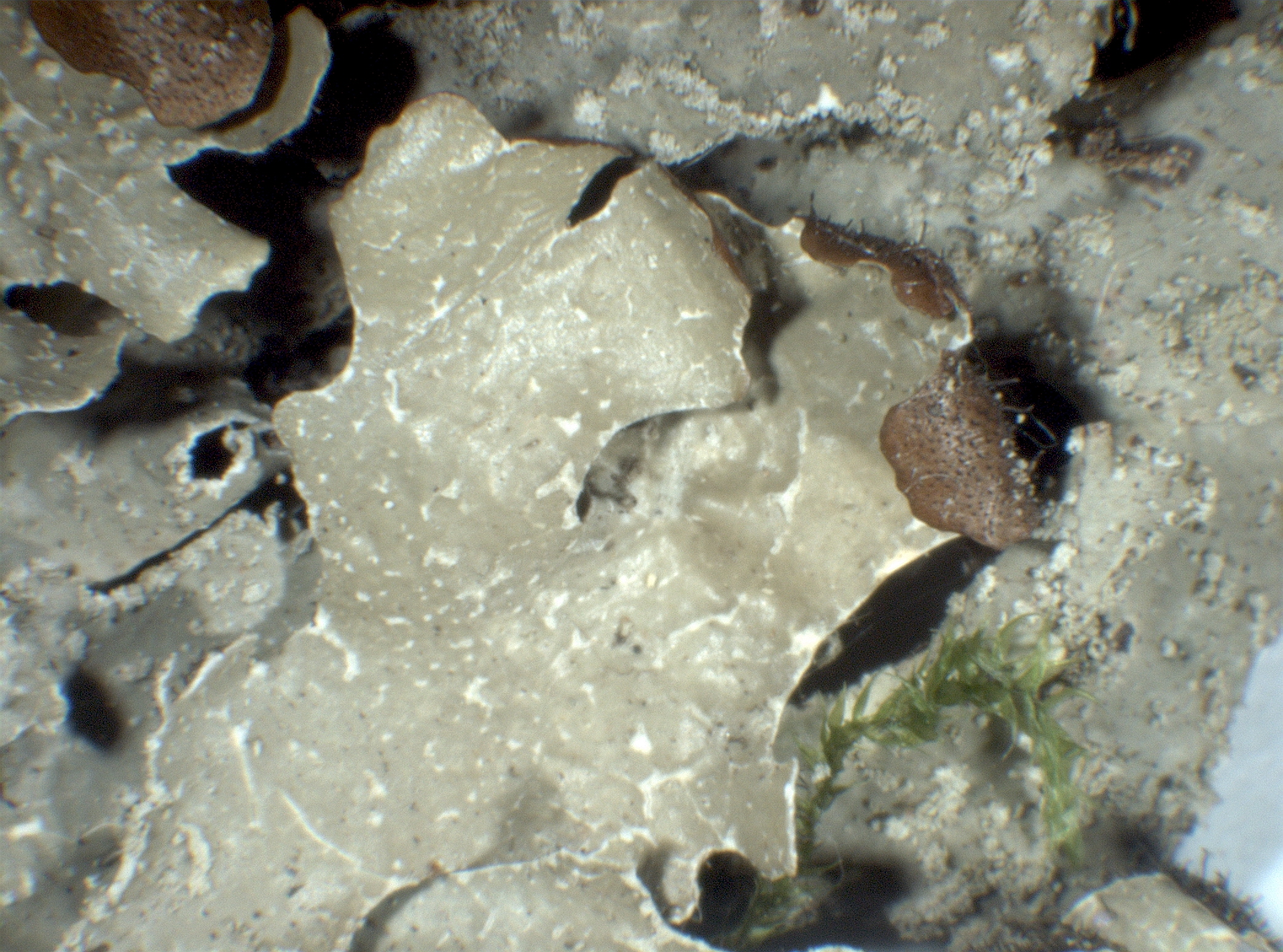
P.L.Nimis; Owner: Department of Life Sciences, University of Trieste
Herbarium: TSB (36994)
2008.02.28
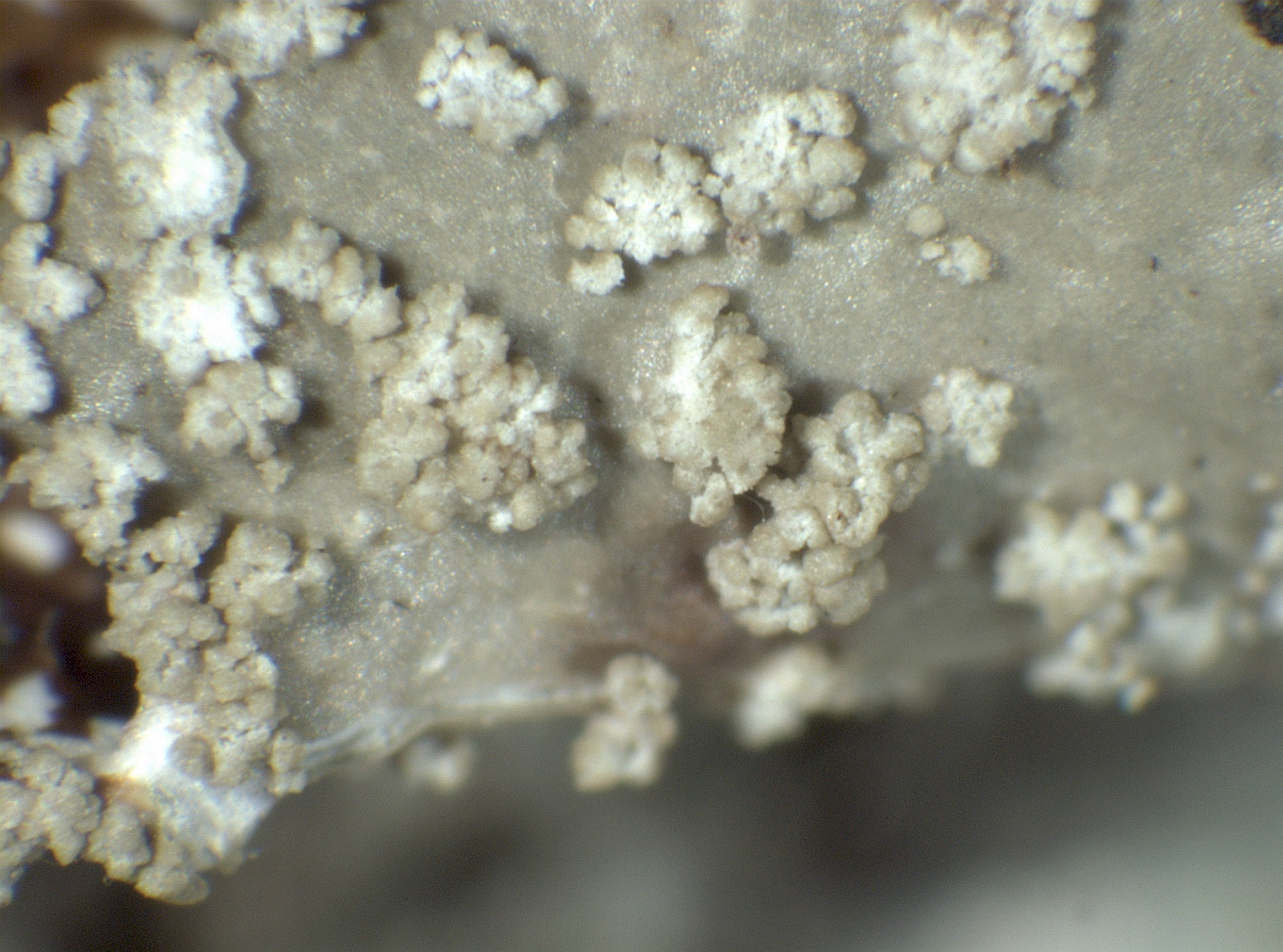
P.L.Nimis; Owner: Department of Life Sciences, University of Trieste
Herbarium: TSB (36994)
2008.02.28
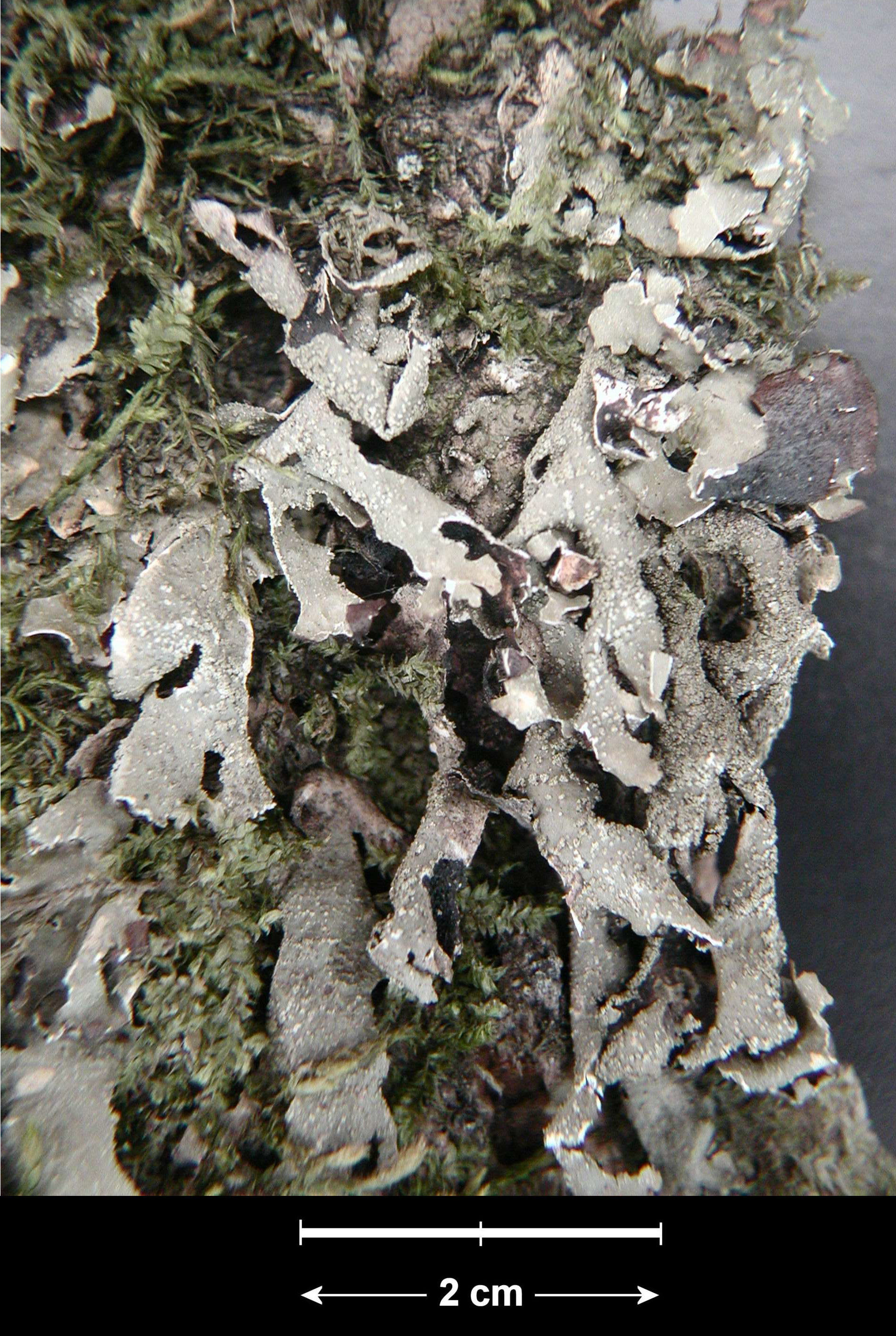
P.L. Nimis; Owner: Department of Life Sciences, University of Trieste
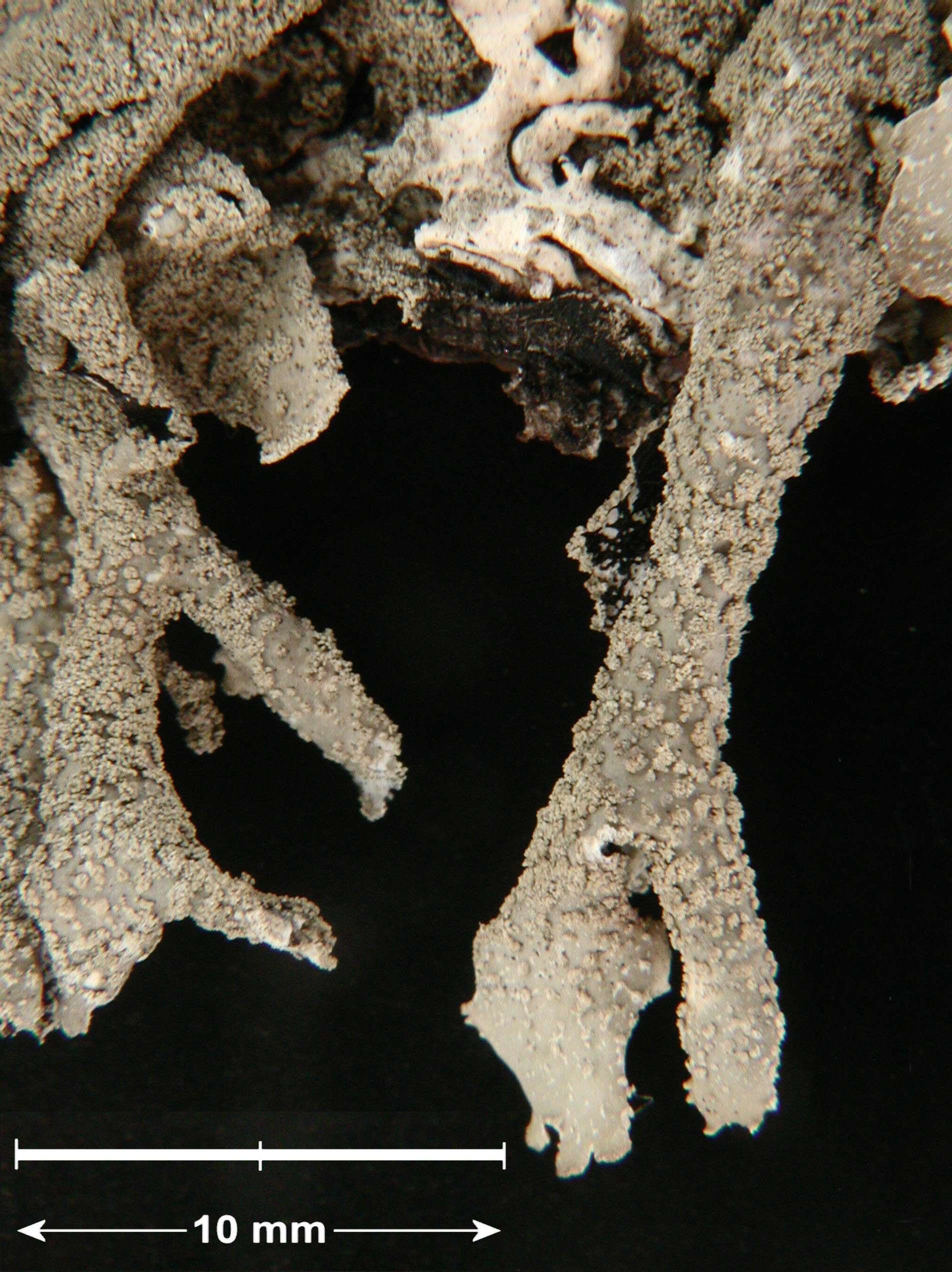
P.L. Nimis; Owner: Department of Life Sciences, University of Trieste
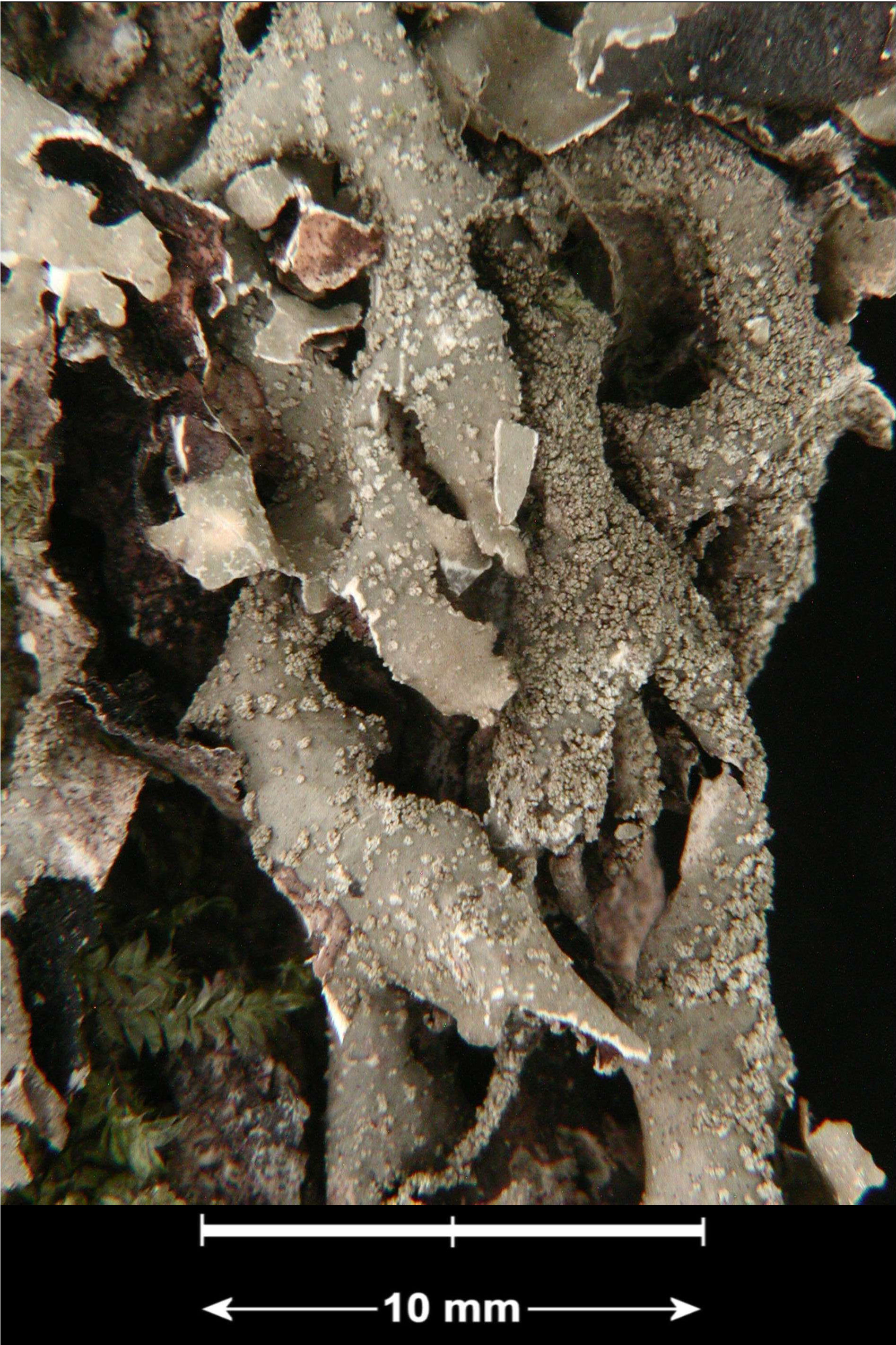
P.L. Nimis; Owner: Department of Life Sciences, University of Trieste
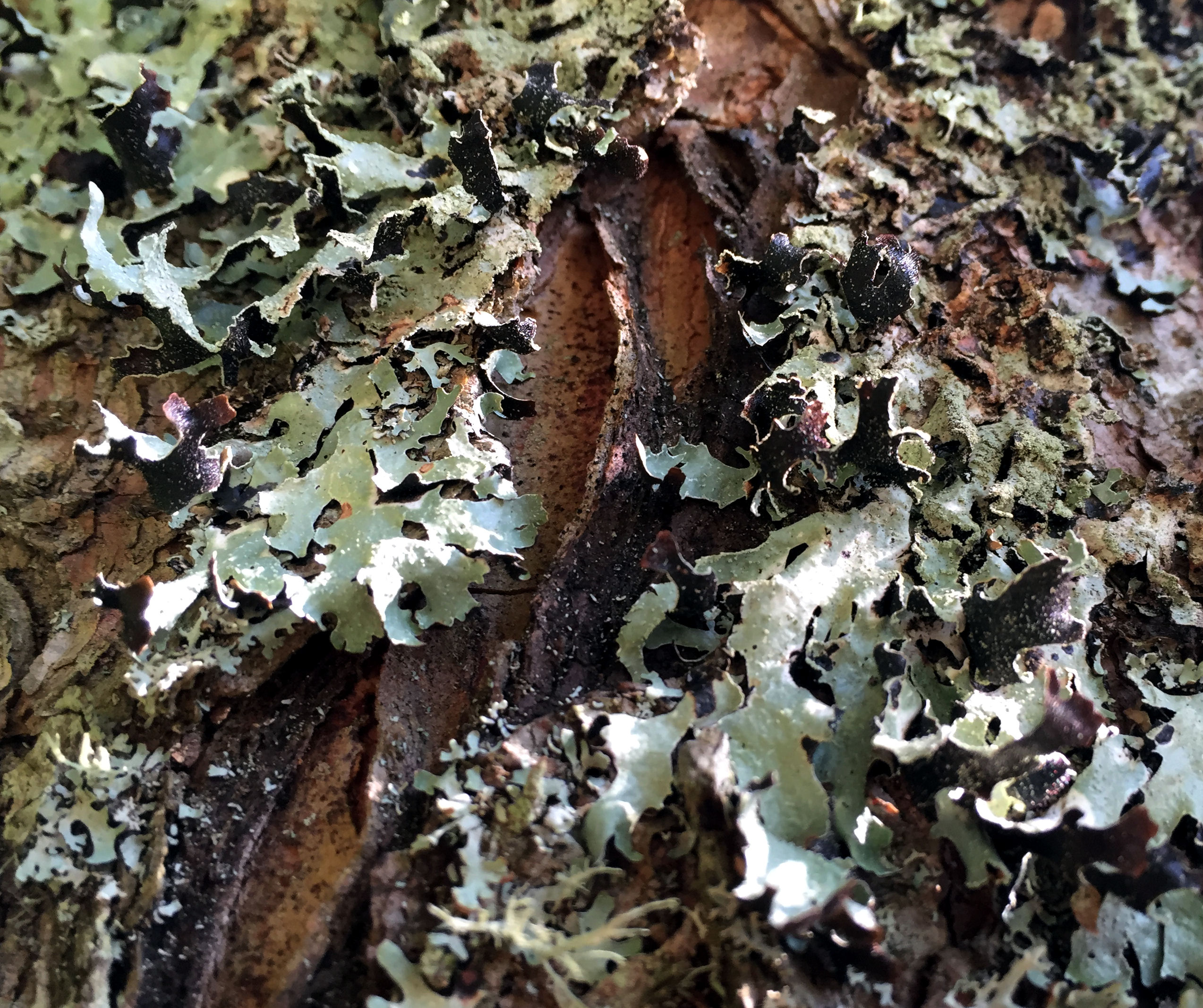
P.L. Nimis; Owner: Department of Life Sciences, University of Trieste
Italy, Friuli Venezia Giulia, Udine, Passo del Pura, Ampezzo Carnico, 1400 m
09.09.2016
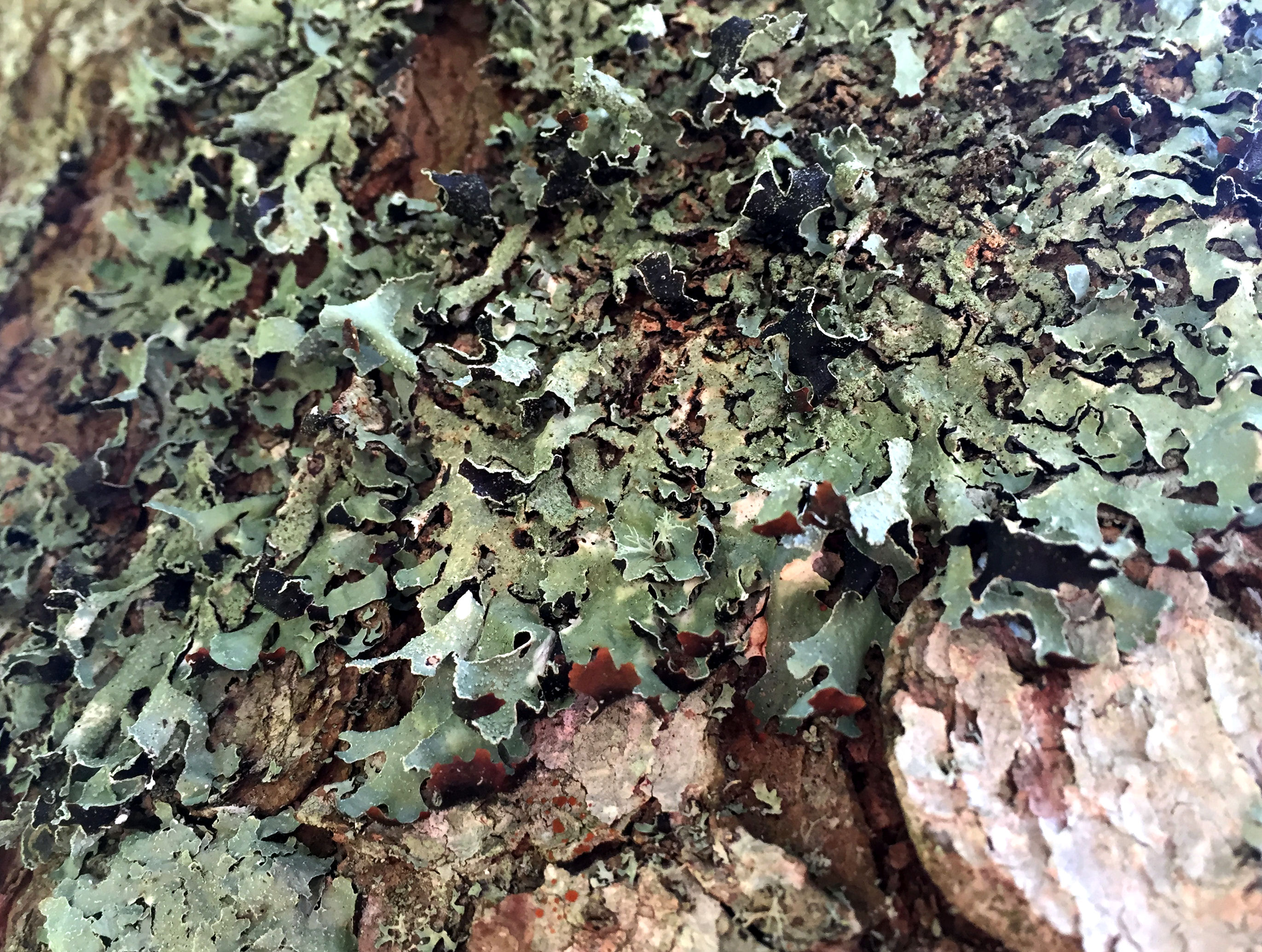
P.L. Nimis; Owner: Department of Life Sciences, University of Trieste
Italy, Friuli Venezia Giulia, Udine, Passo del Pura, Ampezzo Carnico, 1400 m
09.09.2016
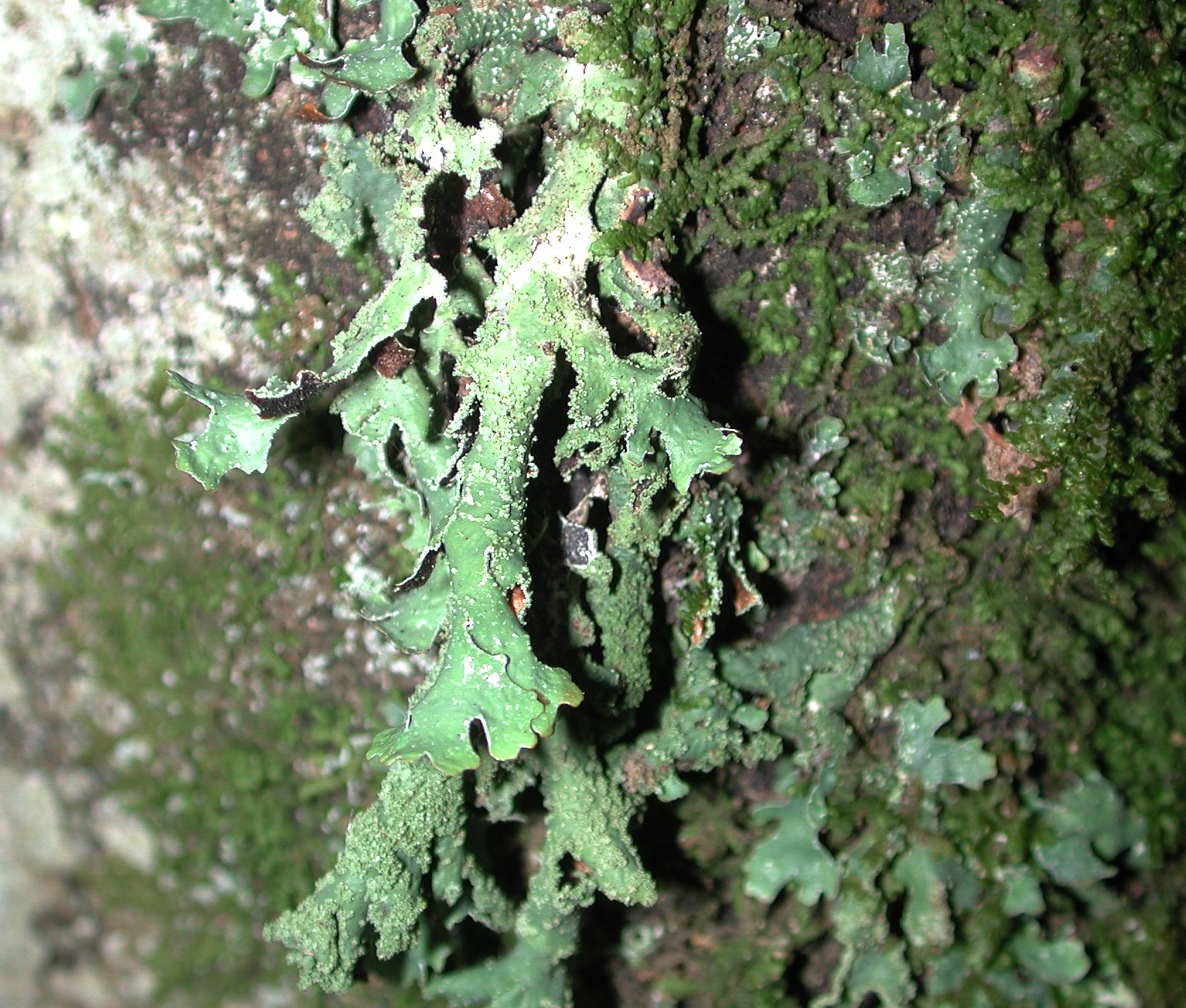
Juri Nascimbene - CC BY-SA 4.0
Italy, Veneto, Belluno, Val Tovanella, Cadore
2007
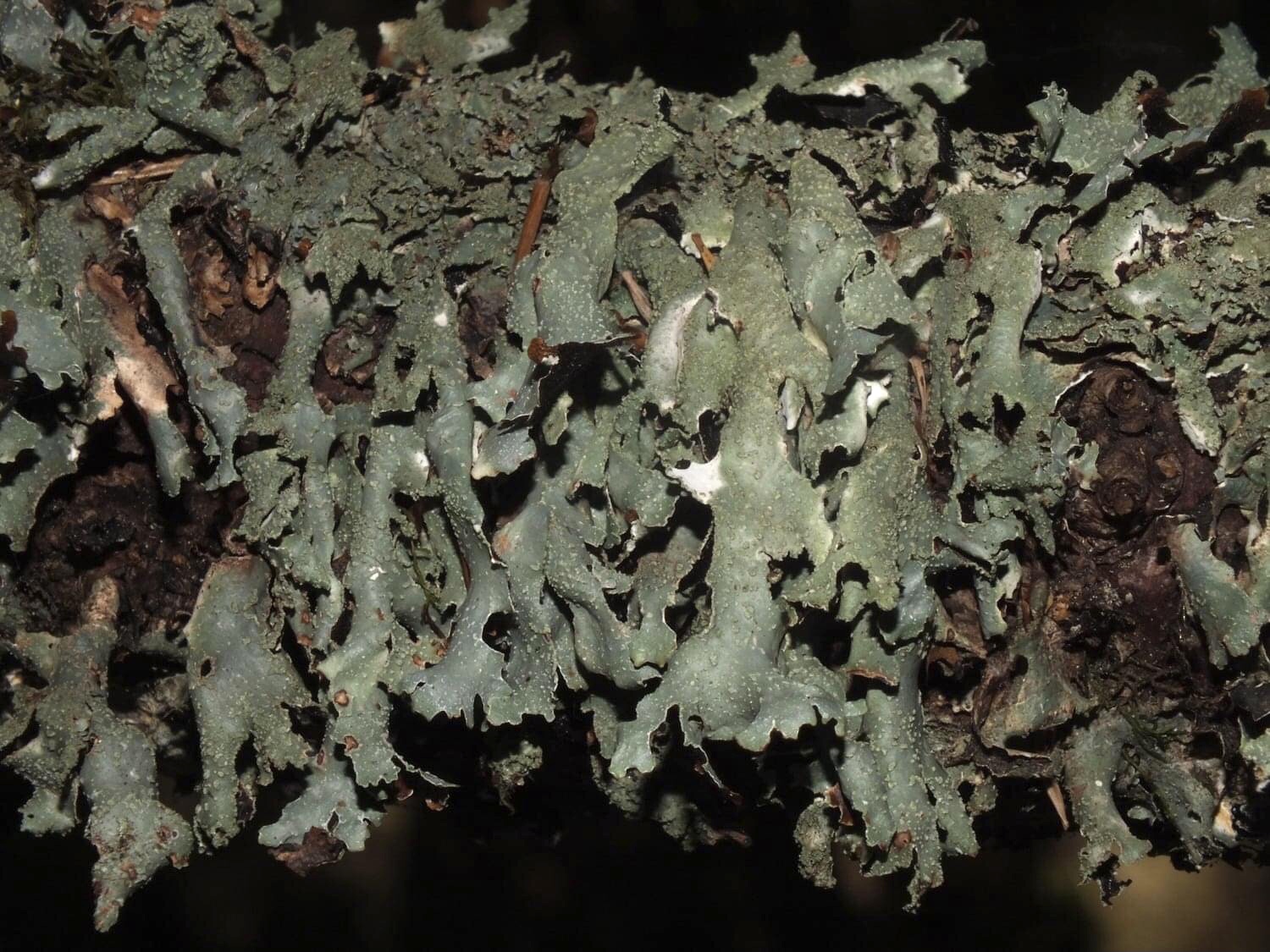
Giulio Pandeli
Italy, Toscana, Provincia di Pistoia
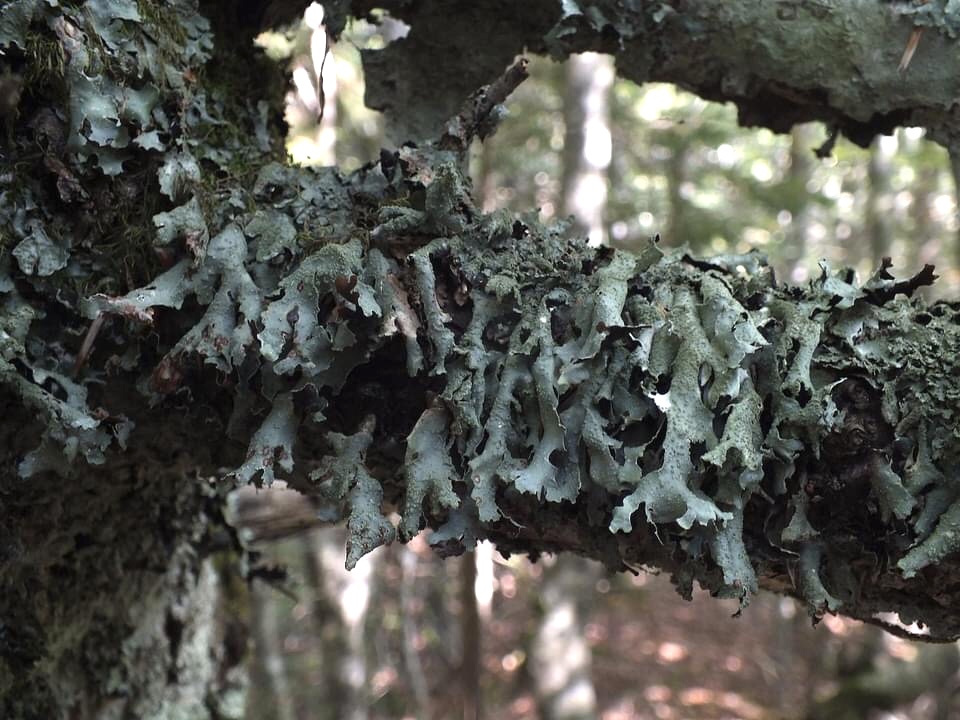
Giulio Pandeli
Italy, Toscana, Provincia di Pistoia
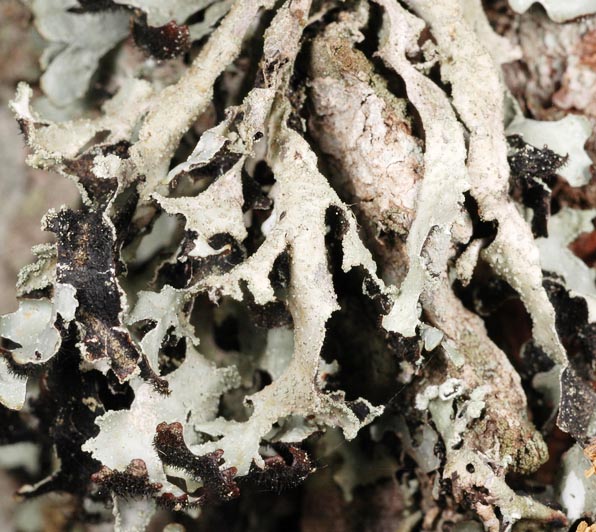
Einar Timdal - Source: http://nhm2.uio.no/lav/web/index.html - CC BY-NC
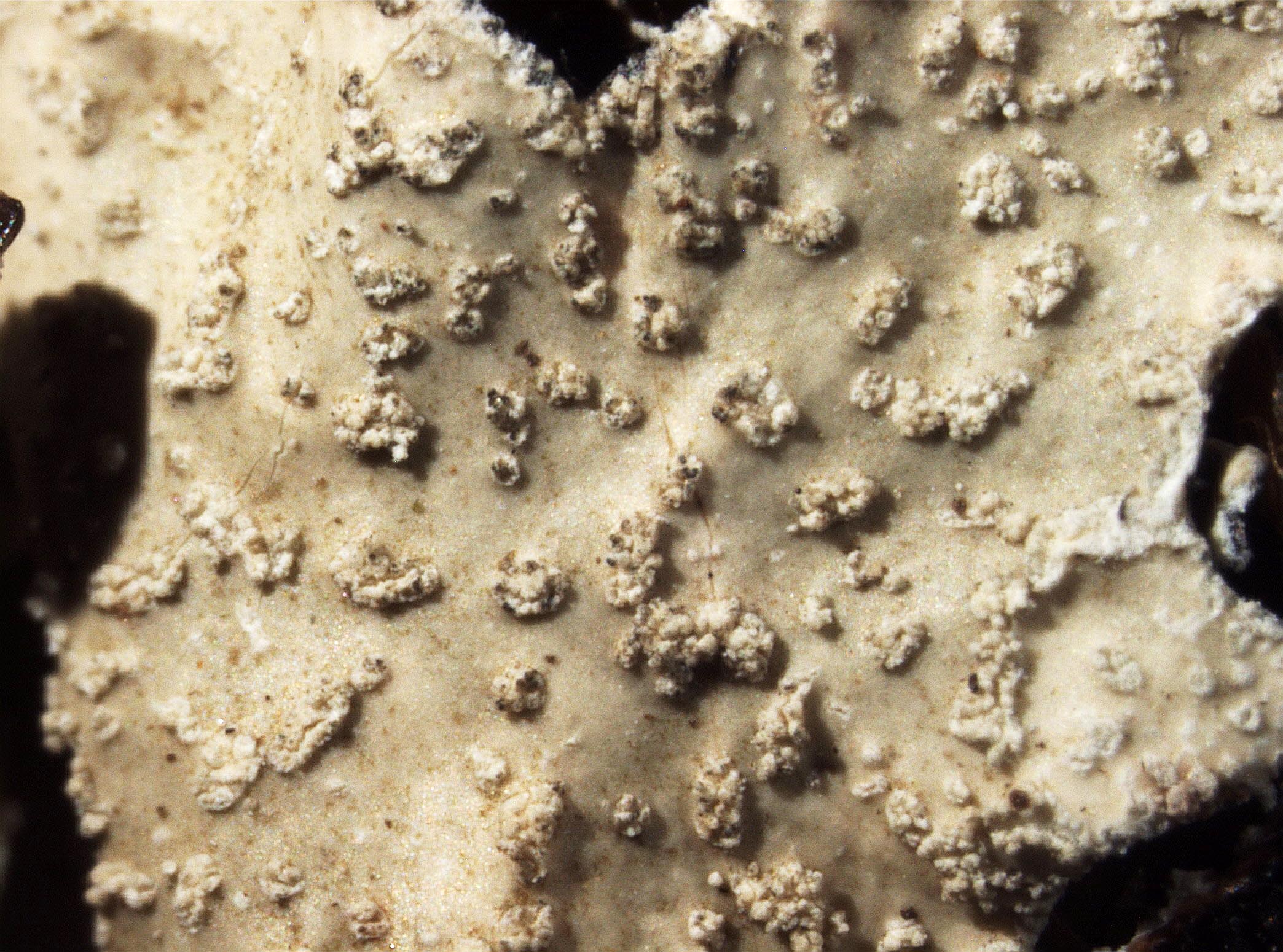
P.L. Nimis CC BY-SA 04
TSB 37549
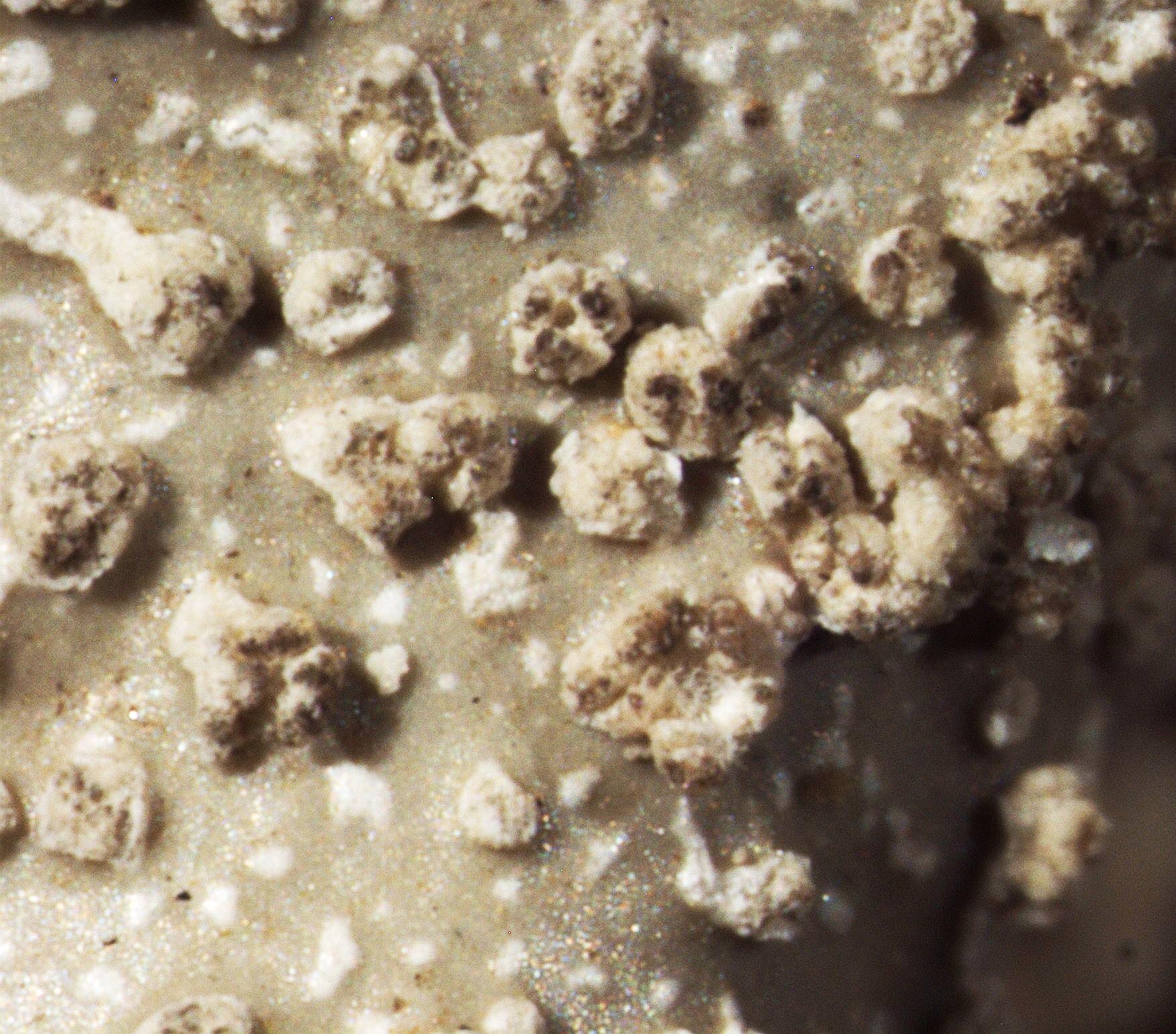
P.L. Nimis CC BY-SA 04
TSB 37549
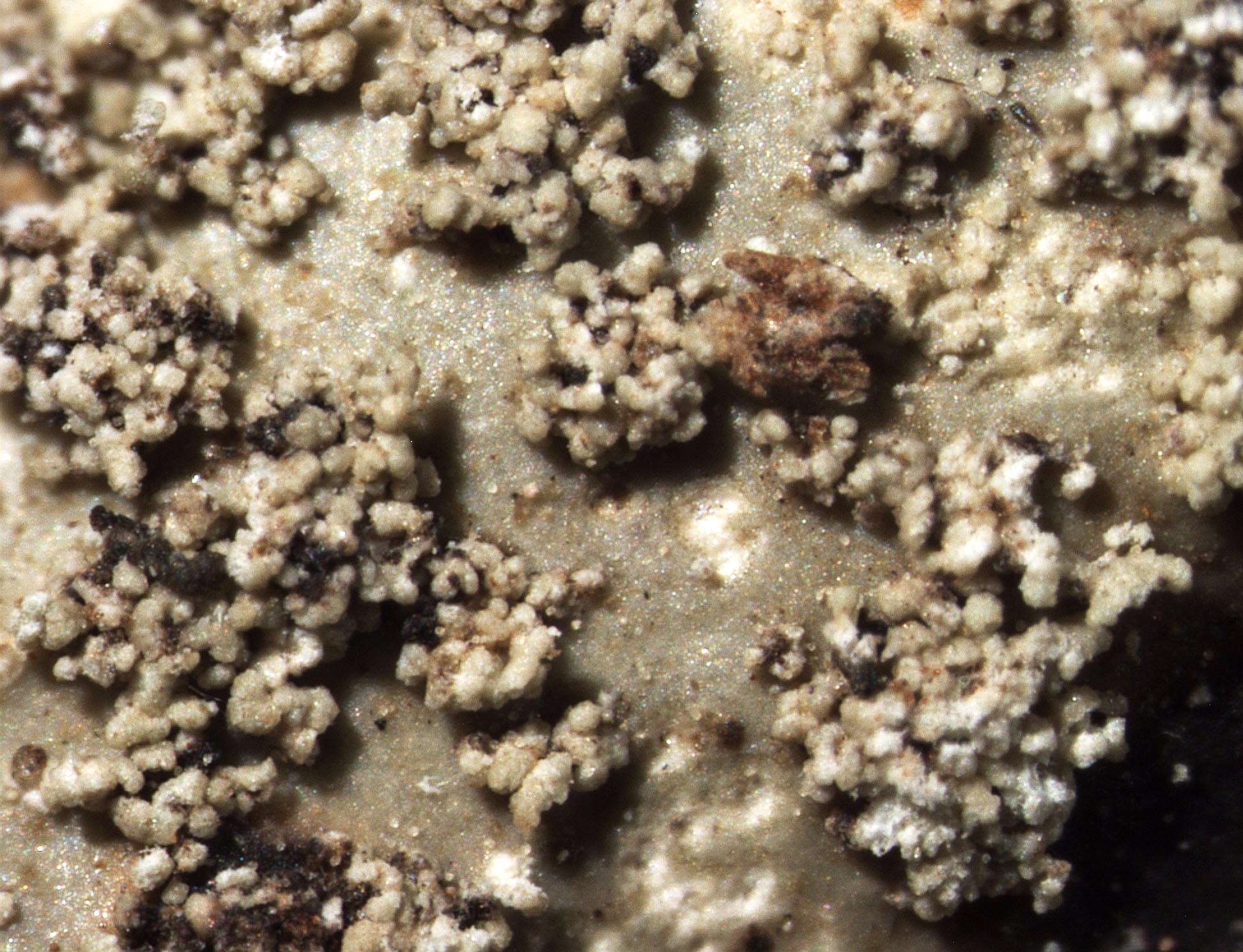
P.L. Nimis CC BY-SA 04
TSB 37550
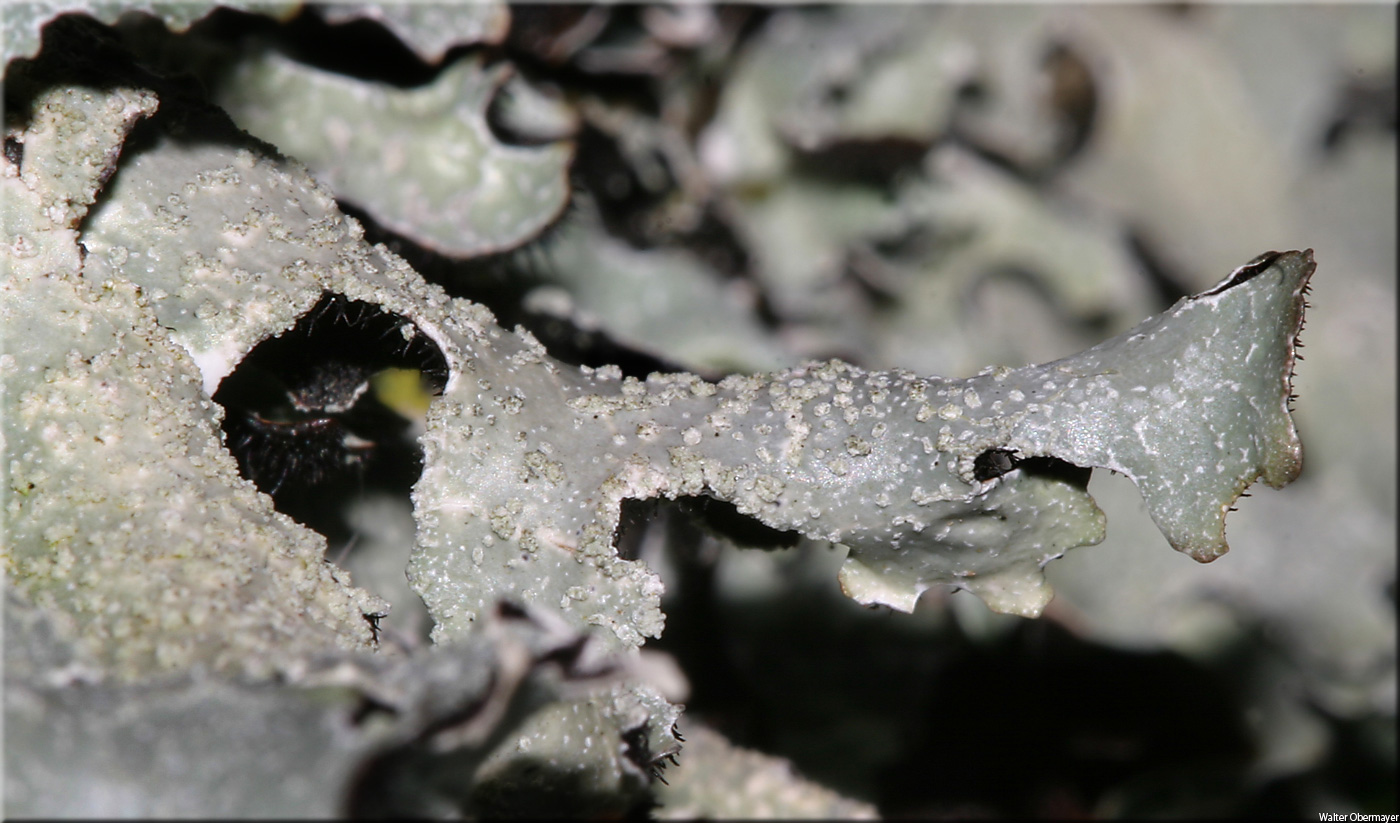
Walter Obermayer CC BY-SA 4.0 - Source: Lichens of Noricum - http://lichens-of-noricum.uni-graz.at/
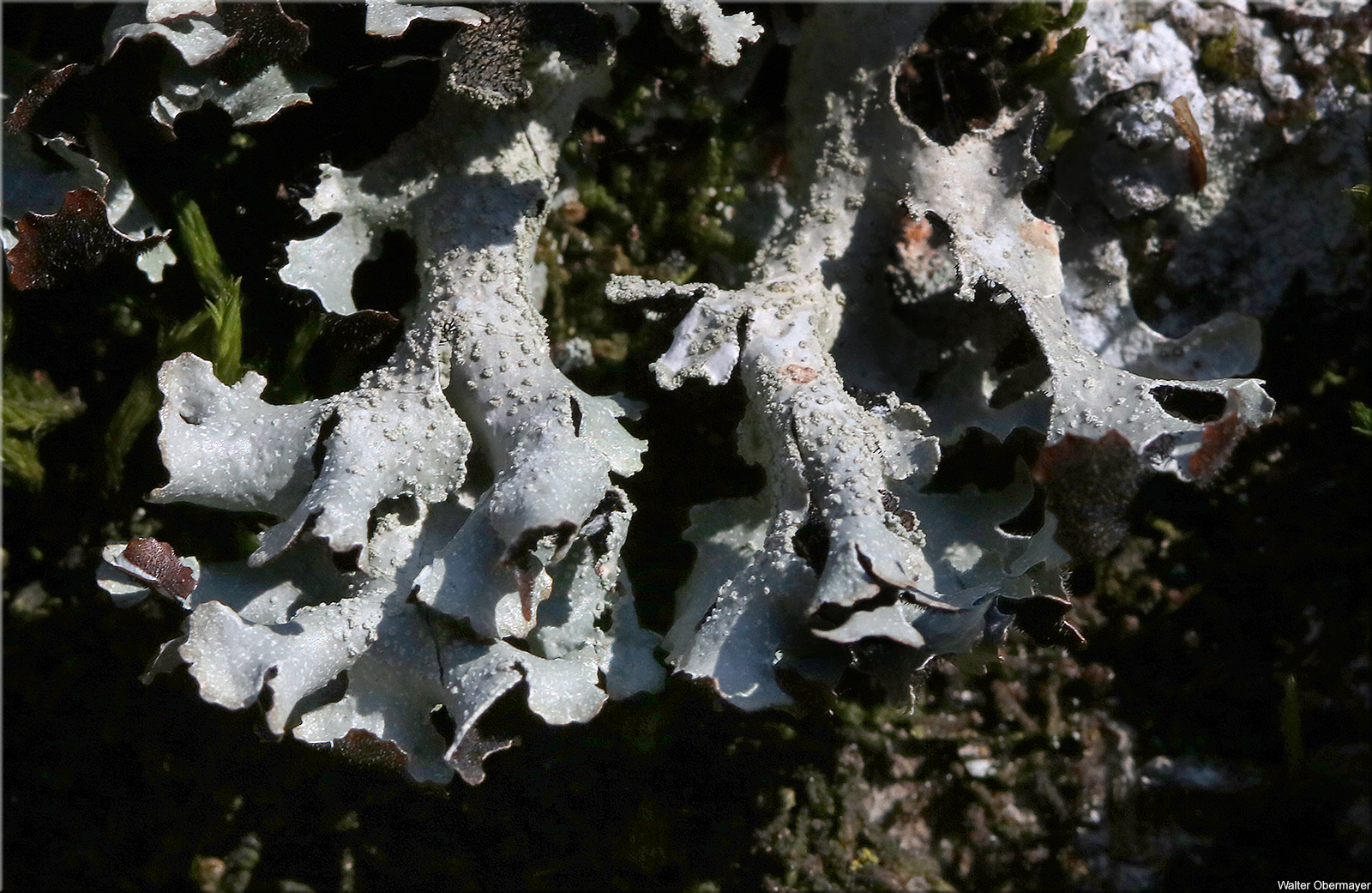
Walter Obermayer CC BY-SA 4.0 - Source: Lichens of Noricum - http://lichens-of-noricum.uni-graz.at/

Wolfgang von Brackel - CC BY-4.0
Germany, Bavaria, Burgberg Oberallgäu

Wolfgang von Brackel - CC BY-4.0
Germany, Bavaria, Ebensfeld

Wolfgang von Brackel - CC BY-4.0
Germany, Bavaria, Ebensfeld

Wolfgang von Brackel - CC BY-4.0
Germany, Bavaria, Kempten

Wolfgang von Brackel - CC BY-4.0
Italy, Latium

Wolfgang von Brackel - CC BY-4.0
Italy, Latium

Felix Schumm - CC BY 4.0
[VZ2212] Italia. Sardinia. Prov. Sassari: Gallura, montes Limbara, prope Vallicciola, 1000-1200 m. Ad truncum arboris. Leg. A. Vezda, 20.7.1987. EX A. VEZDA LICHENES SELECTI EXSICCATI NR. 2212.