Parmeliella triptophylla (Ach.) Müll. Arg.
Mém. Soc. Phys. Hist. Nat. Genève, 16: 376, 1862. Basionym: Lecidea triptophylla Ach. - K. Vetensk.-Akad. Nya Handl., 29: 272, 1808.
Synonyms: Lecanora triptophylla (Ach.) Link; Lecidea microphylla var. corallinoides sensu Ach.; Lecidea microphylla var. schraderi Schaer.; Pannaria lasiella Stirt.; Pannaria triptophylla (Ach.) A. Massal.; Pannaria triptophylla f. incrassata Nyl.; Pannaria triptophylla f. xamia A. Massal.; Parmeliella corallinoides auct. non (Hoffm.) Zahlbr.; Parmeliella corallinoides var. nigrocarpa Gyeln.; Parmeliella corallinoides var. pulvinata H. Magn.; Trachyderma triptophyllum var. oryctogenum Anzi
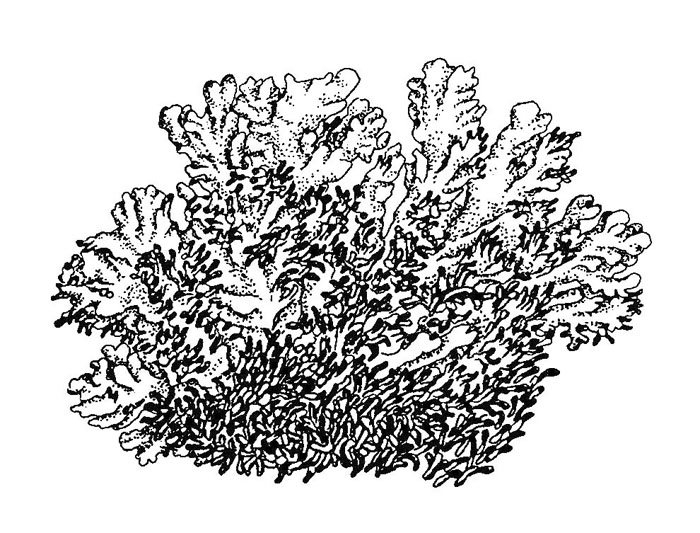
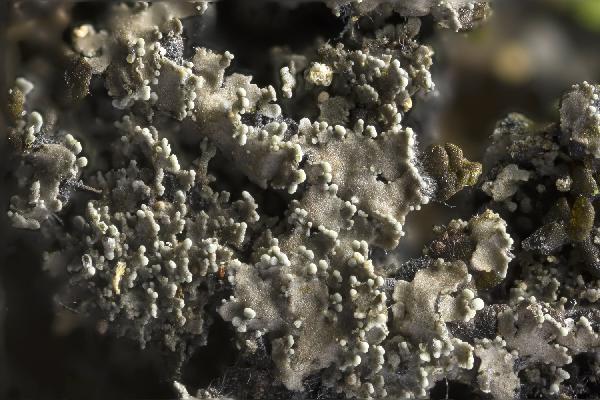
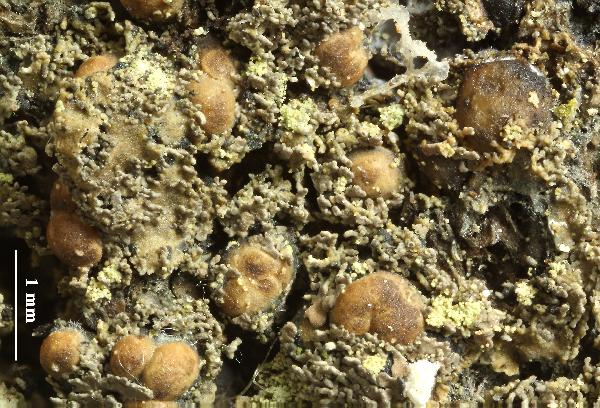
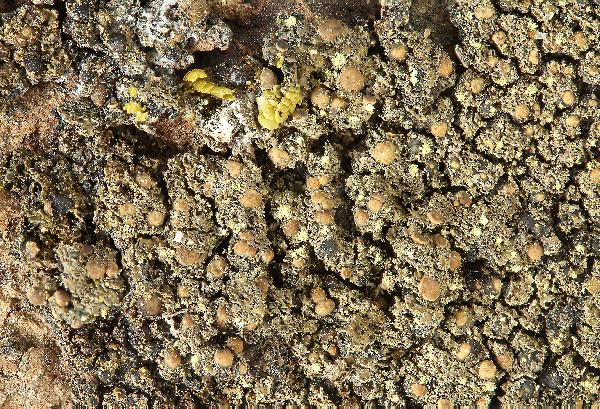
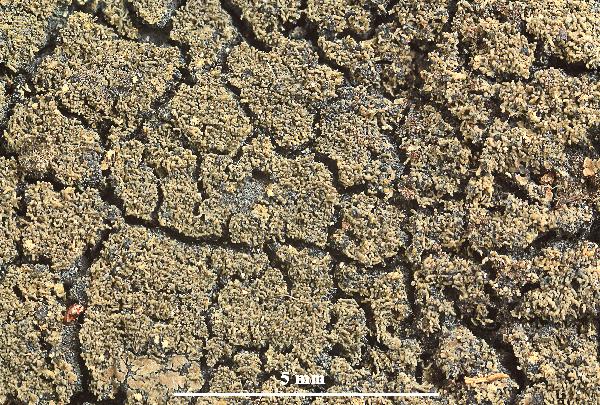
Description: Thallus small-squamulose, heteromerous, 75-100 μm thick, developing on an extended, thin but prominent, blackish hypothallus, the squamules scattered to contiguous, 0.5-1(-1.5) mm wide, incised, blue-grey to brown, more or less shiny, with coralloid marginal isidia (often interspersed with flattened lobules) which may later cover the entire surface. Upper cortex paraplectenchymatous, 25-35 μm thick; medulla white; lower cortex absent. Apothecia rather rare, biatorine, 0.5-1.2 mm across, with a red-brown to blackish, finally convex disc, and a thin, finally often excluded proper margin. Proper exciple paraplectenchymatous, up to 90 µm wide laterally; epithecium brown-black; hymenium colourless, up to 100 µm high, I+ persistently deep blue; paraphyses simple, not or slightly thickened at apices; hypothecium brownish. Asci 8-spored, subcylindrical to clavate, with a I+ blue tholus and an internal, more intensely I+ blue tubular structure. Ascospores 1-celled, hyaline, ellipsoid, 10-17 x 5-8 µm, without an epispore, the inner wall smooth, the outer one uneven. Photobiont cyanobacterial (Nostoc, the cells in clusters). Spot tests: cortex and medulla K-, C-, KC-, P-, UV-. Chemistry: without lichen substances.
Growth form: Crustose
Substrata: bark and rocks
Photobiont: cyanobacteria, filamentous (e.g. Nostoc, Scytonema)
Reproductive strategy: mainly asexual, by isidia, or isidia-like structures (e.g. schizidia)
Most common in areas with a humid-warm climate (e.g. most of Tyrrenian Italy)
Commonnes-rarity: (info)
Alpine belt: extremely rare
Subalpine belt: very rare
Montane belt: very rare
Dry submediterranean belt: extremely rare
Humid submediterranean belt: very rare
Padanian area: absent
pH of the substrata:
1 2 3 4 5

Solar irradiation:
1 2 3 4 5
Aridity:
1 2 3 4 5
Eutrophication:
1 2 3 4 5
Poleotolerance:
0 1 2 3
Altitudinal distribution:
1 2 3 4 5 6
Rarity
absent
extremely rare
very rare
rare
rather rare
rather common
common
very common
extremely common
Loading data...
Occurrence data
Predictive map
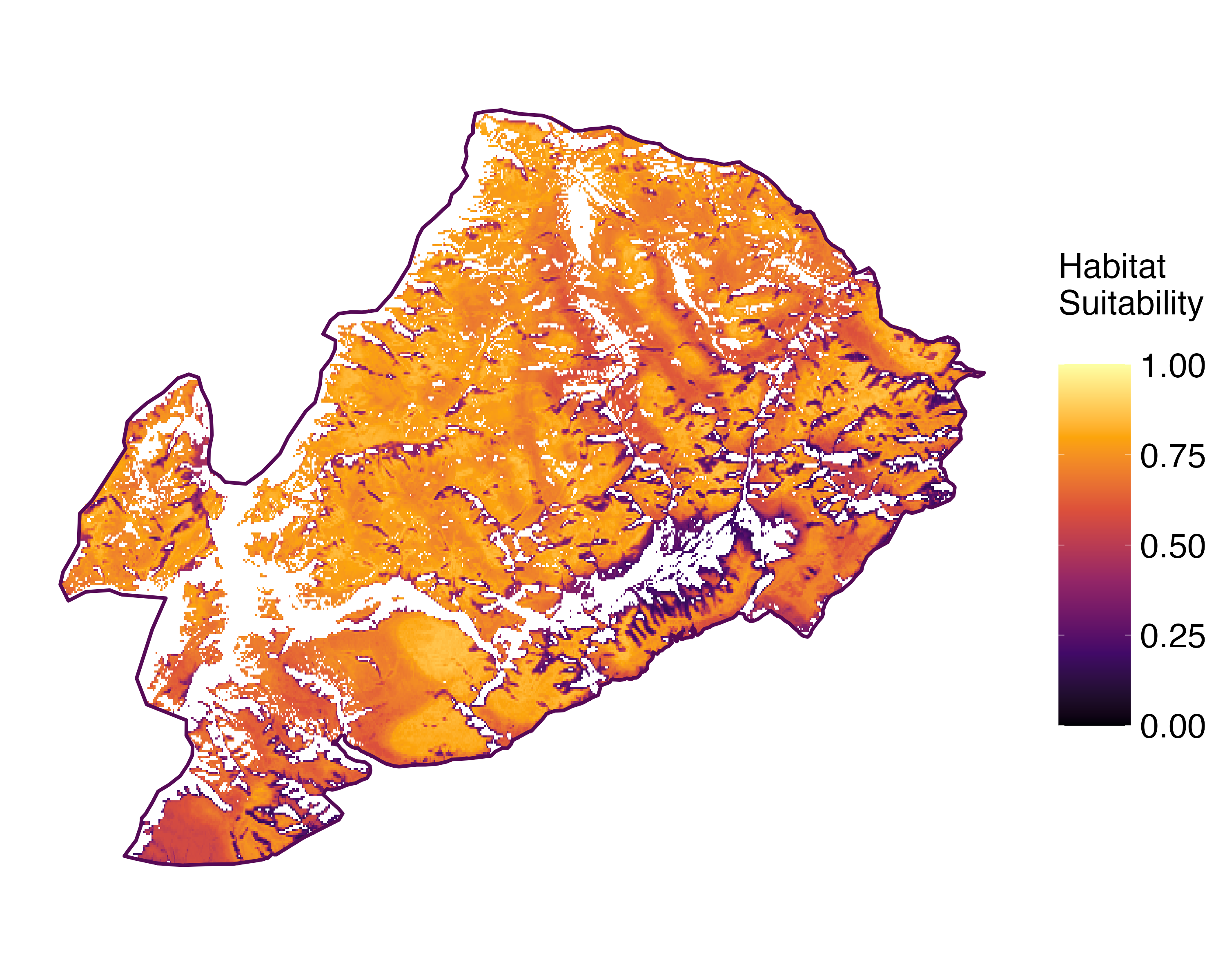 Current prediction (1981-2010)
 Future prediction (2071-2100) SSP 1-2.6
 Future prediction (2071-2100) SSP 5-8.5Predictive maps according to Francesconi et al. 2025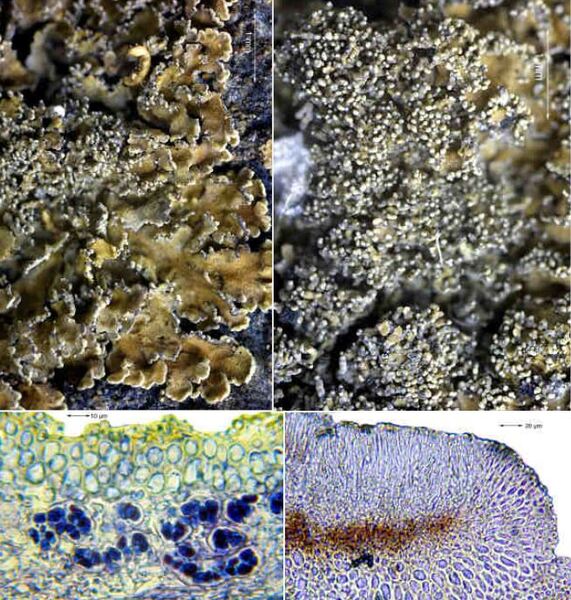
Felix Schumm – CC BY-SA 4.0
Image from: F. Schumm (2008) - Flechten Madeiras, der Kanaren und Azoren. Beck, OHG - ISBN: 978-3-00-023700-3
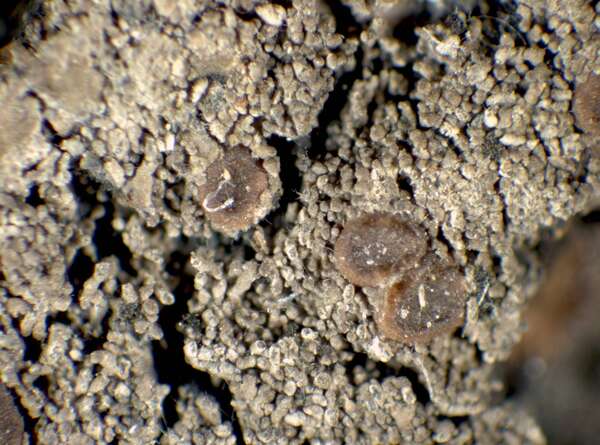
P.L. Nimis; Owner: Department of Life Sciences, University of Trieste
Herbarium: TSB (9116)
2001/12/13
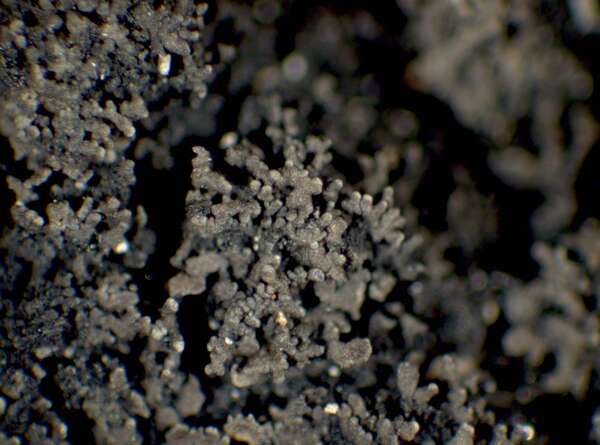
P.L. Nimis; Owner: Department of Life Sciences, University of Trieste
Herbarium: TSB (16053)
2001/12/13
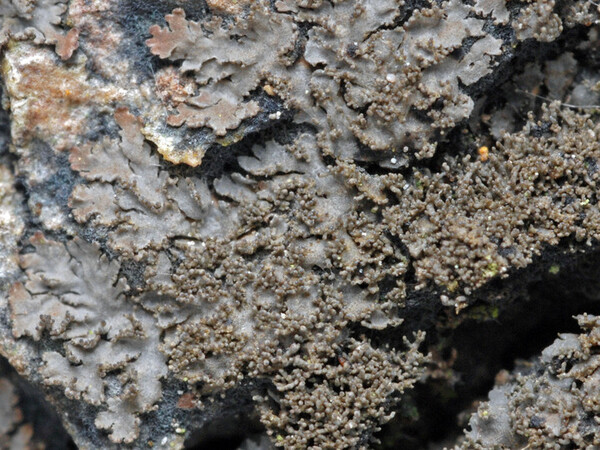
Leif Stridvall - Source: http://www.stridvall.se/la/galleries.php
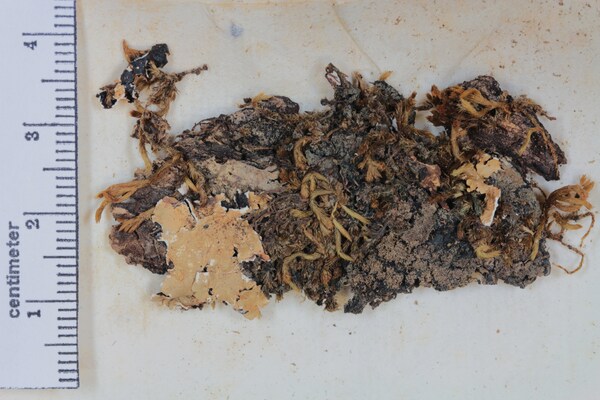
Photo by Maria Zardini, Museo di Storia Naturale di Venezia CC BY-SA 4.0
Ad cort. Castanearum in collibus circa Farra in prov. Vicetina.
Trevisan Lichenotheca Veneta 99 as Trachyderma triptophyllum
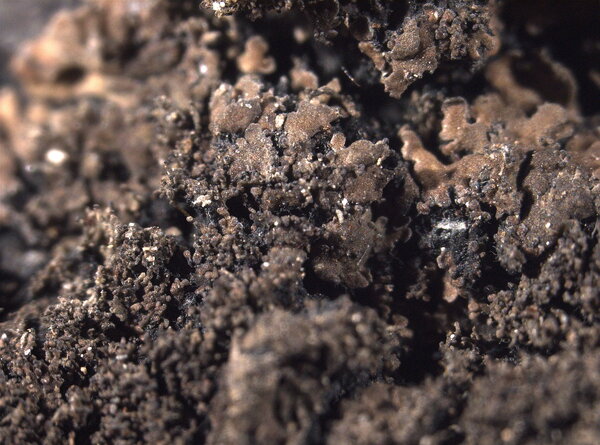
P.L. Nimis - CC BY-SA 4.0
TSB 42038
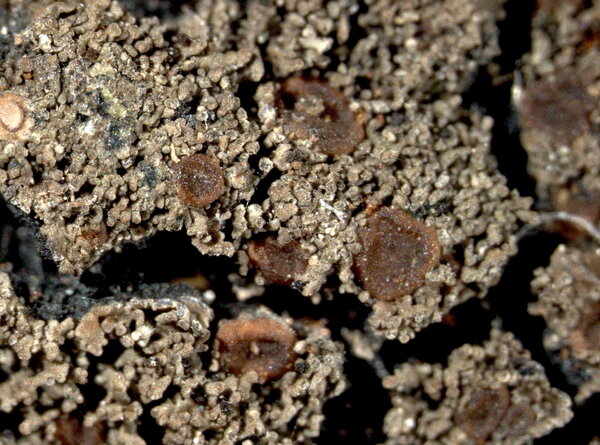
Pier Luigi Nimis - CC BY-SA 4.0
TSB 9114
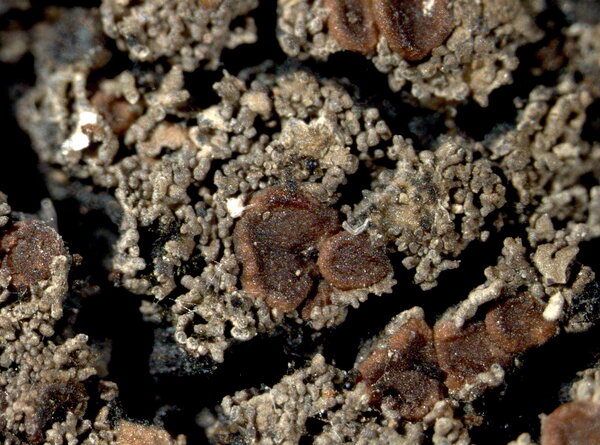
Pier Luigi Nimis - CC BY-SA 4.0
TSB 9114
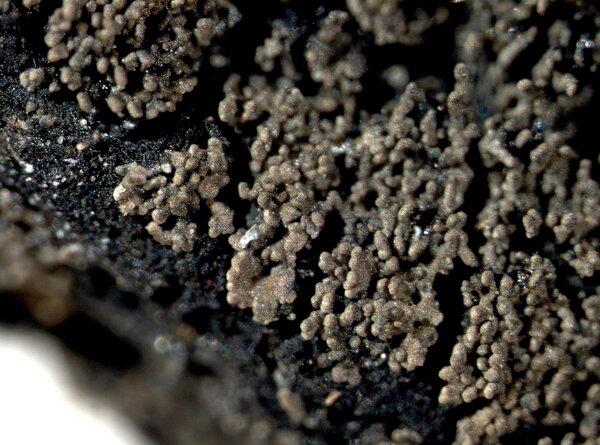
Pier Luigi Nimis - CC BY-SA 4.0
TSB 16053
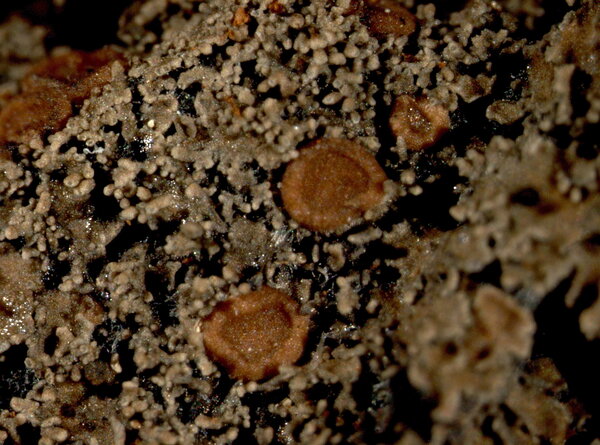
Pier Luigi Nimis - CC BY-SA 4.0
TSB 5050
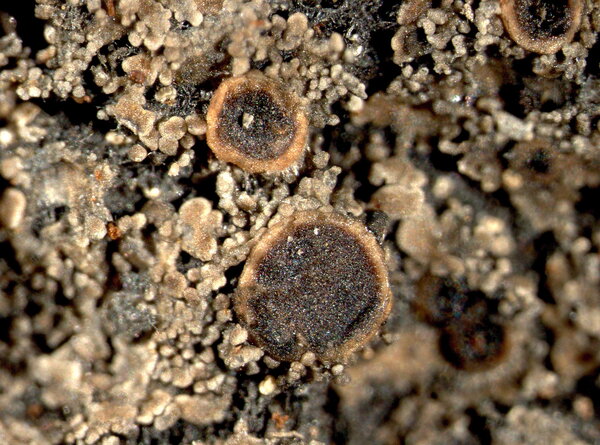
Pier Luigi Nimis - CC BY-SA 4.0
TSB 5050
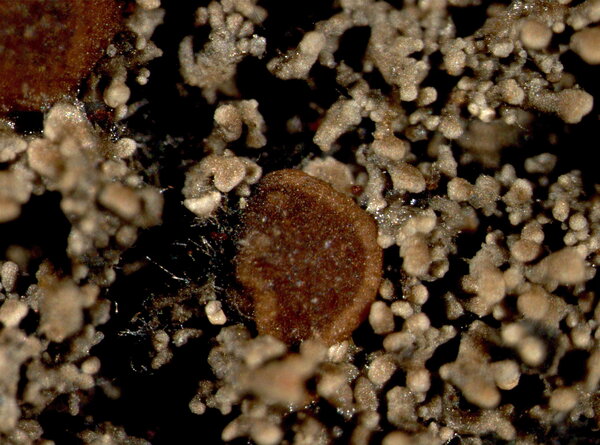
Pier Luigi Nimis - CC BY-SA 4.0
TSB 5050
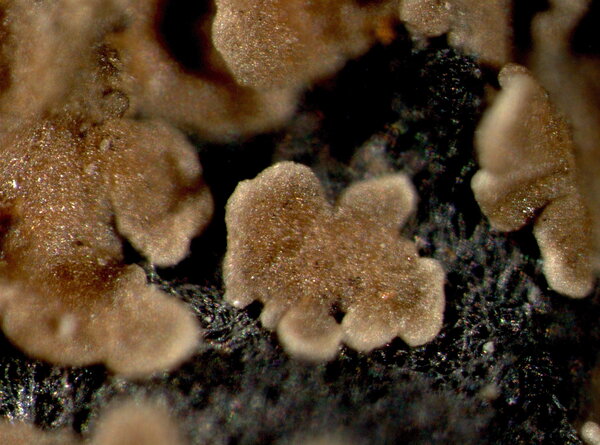
Pier Luigi Nimis - CC BY-SA 4.0
TSB 5050
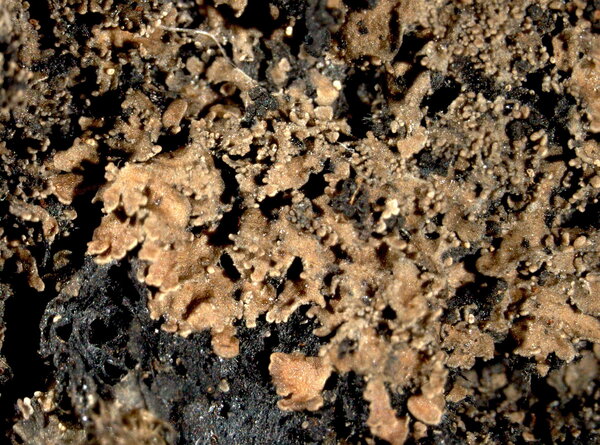
Pier Luigi Nimis - CC BY-SA 4.0
TSB 5050
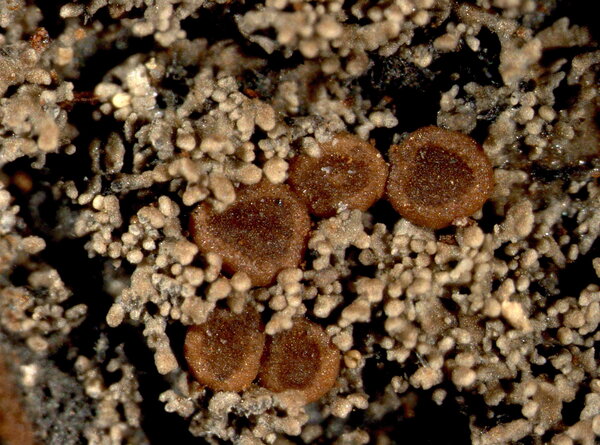
Pier Luigi Nimis - CC BY-SA 4.0
TSB 5050
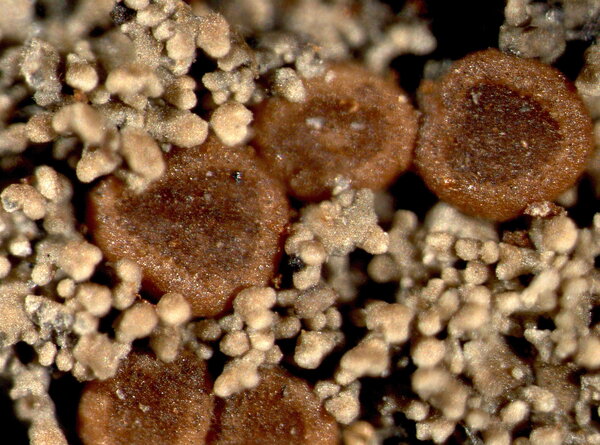
Pier Luigi Nimis - CC BY-SA 4.0
TSB 5050
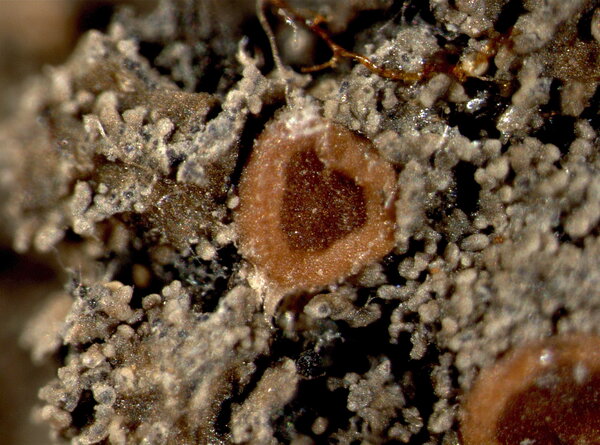
Pier Luigi Nimis - CC BY-SA 4.0
TSB 5050
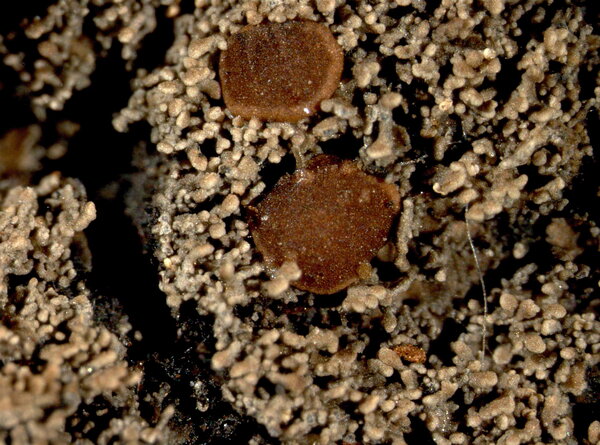
Pier Luigi Nimis - CC BY-SA 4.0
TSB 5050
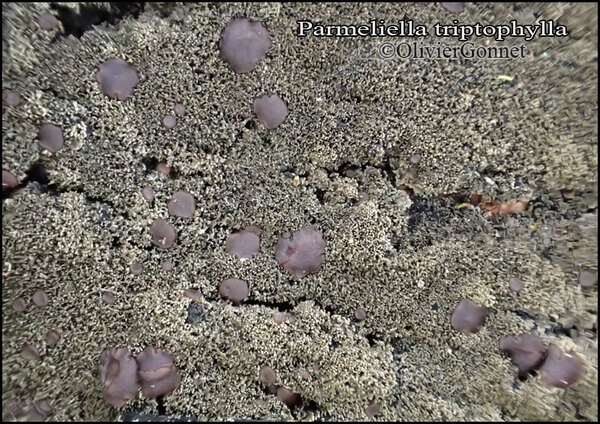
Courtesy Danièle et Olivier Gonnet - Source: https://www.afl-lichenologie.fr/Photos_AFL/Photos_AFL_P/Text_P_3/Parmeliella_triptophylla.htm
France, 20/9/2015 - Bois barbu - Villard-de-Lans - Isère
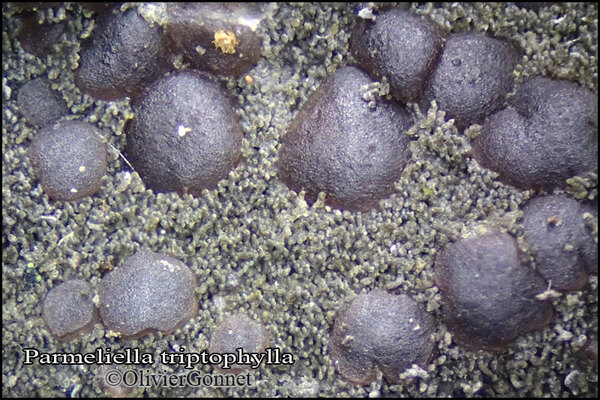
Courtesy Danièle et Olivier Gonnet - Source: https://www.afl-lichenologie.fr/Photos_AFL/Photos_AFL_P/Text_P_3/Parmeliella_triptophylla.htm
France, 20/9/2015 - Bois barbu - Villard-de-Lans - Isère
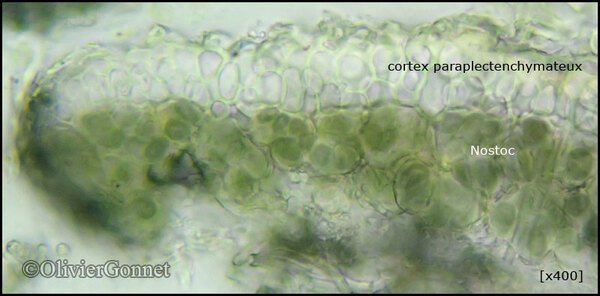
Courtesy Danièle et Olivier Gonnet - Source: https://www.afl-lichenologie.fr/Photos_AFL/Photos_AFL_P/Text_P_3/Parmeliella_triptophylla.htm
France, 20/9/2015 - Bois barbu - Villard-de-Lans - Isère
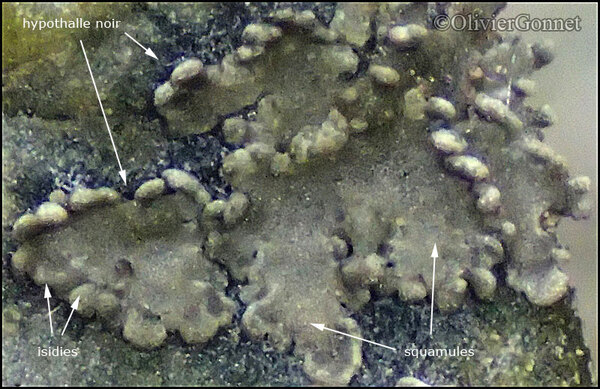
Courtesy Danièle et Olivier Gonnet - Source: https://www.afl-lichenologie.fr/Photos_AFL/Photos_AFL_P/Text_P_3/Parmeliella_triptophylla.htm
France, 20/9/2015 - Bois barbu - Villard-de-Lans - Isère
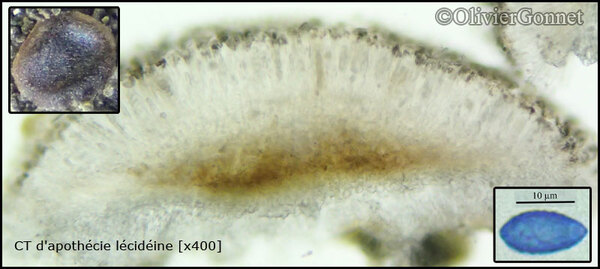
Courtesy Danièle et Olivier Gonnet - Source: https://www.afl-lichenologie.fr/Photos_AFL/Photos_AFL_P/Text_P_3/Parmeliella_triptophylla.htm
France, 20/9/2015 - Bois barbu - Villard-de-Lans - Isère
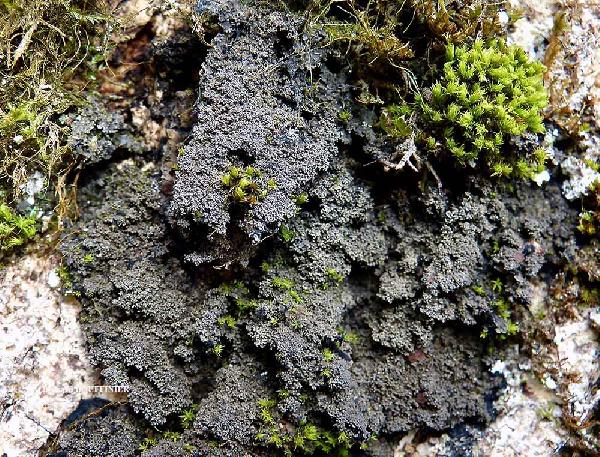
Bernard Bouffinier - Source: http://www.lichensmaritimes.org/index.php?task=fiche&lichen=688&lang=en
France, Forêt du Cranou
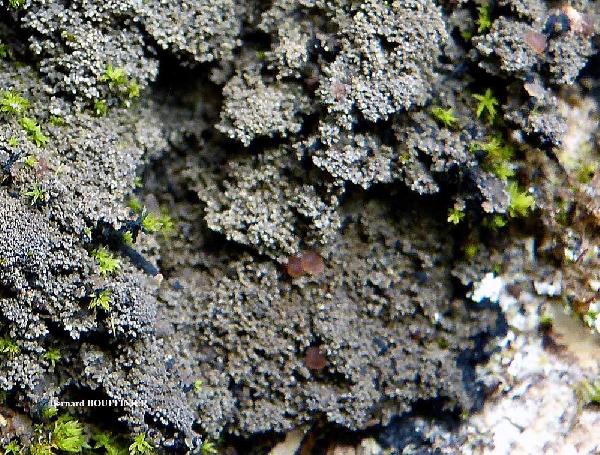
Bernard Bouffinier - Source: http://www.lichensmaritimes.org/index.php?task=fiche&lichen=688&lang=en
France, Forêt du Cranou
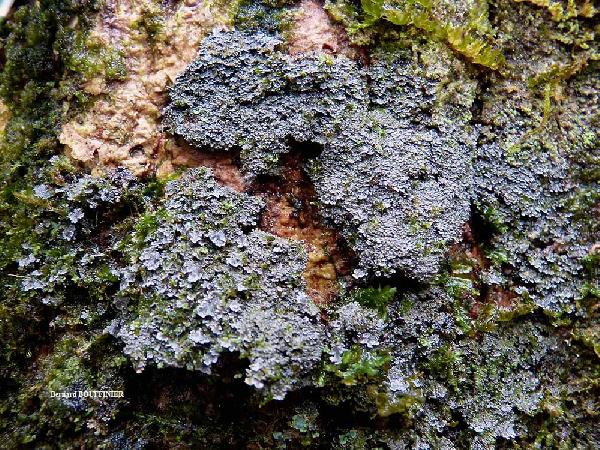
Bernard Bouffinier - Source: http://www.lichensmaritimes.org/index.php?task=fiche&lichen=688&lang=en
France, Forêt du Cranou
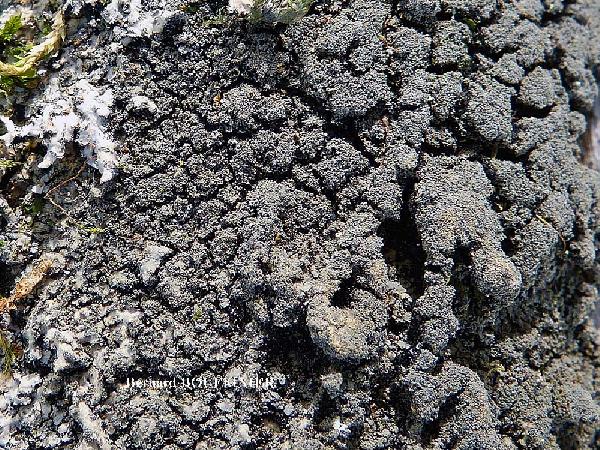
Bernard Bouffinier - Source: http://www.lichensmaritimes.org/index.php?task=fiche&lichen=688&lang=en
France, ForêSource de la Bidouze, Pays Basque
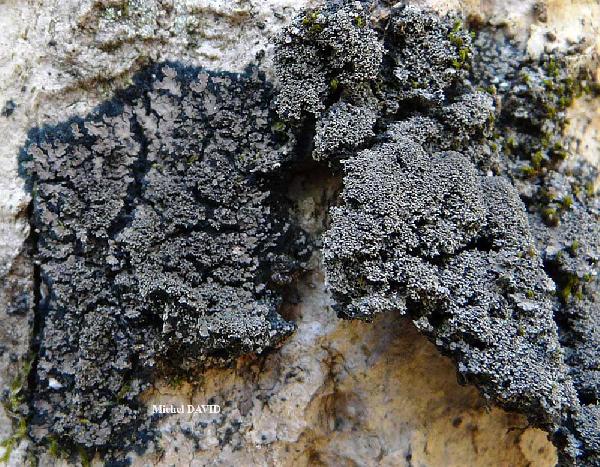
Michel David - Source: http://www.lichensmaritimes.org/index.php?task=fiche&lichen=688&lang=en
France, Forêt du Cranou
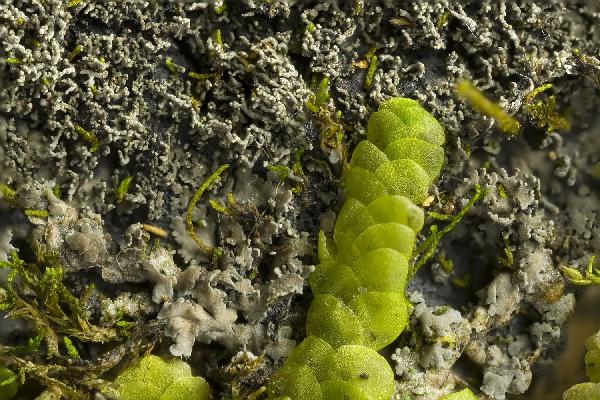
Ulrich Kirschbaum CC BY-SA 4.0 - Source: https://www.thm.de/lse/ulrich-kirschbaum/flechtenbilder
Austria: Alps.
Ulrich Kirschbaum CC BY-SA 4.0 - Source: https://www.thm.de/lse/ulrich-kirschbaum/flechtenbilder
Austria: Alps.
Felix Schumm - CC BY-SA 4.0
[20928], Austria, Salzburg, Eastern Alps, Berchtesgaden Alps, Pongauregion,
Hagengebirge, 10.5 km NW of the centre of Bischofshofen,
valley-area of the brook Blühnbach, between Maxlehen and "Schloss
Blühnbach", 47°28'38'' N, 13°06'46'' E, 765 m, on Acer. Leg. R. Türk
(no 58088), 17.06.2017, det R. Türk. Ex: LICHENOTHECA GRAECENSIS
NR. 466
Felix Schumm - CC BY-SA 4.0
[20928], Austria, Salzburg, Eastern Alps, Berchtesgaden Alps, Pongauregion,
Hagengebirge, 10.5 km NW of the centre of Bischofshofen,
valley-area of the brook Blühnbach, between Maxlehen and "Schloss
Blühnbach", 47°28'38'' N, 13°06'46'' E, 765 m, on Acer. Leg. R. Türk
(no 58088), 17.06.2017, det R. Türk. Ex: LICHENOTHECA GRAECENSIS
NR. 466
Felix Schumm - CC BY-SA 4.0
[3077], Österreich, östlich von Biberwier, westlich des Wampezer
Schrofens, 1350 m, an Bergahorn. Leg. F. Schumm & H.-J. Wolf,
22.09.1985, det. F. Schumm.
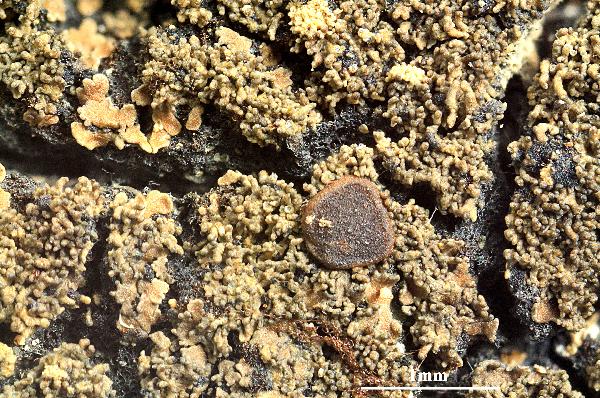
Felix Schumm - CC BY-SA 4.0
[3077], Österreich, östlich von Biberwier, westlich des Wampezer
Schrofens, 1350 m, an Bergahorn. Leg. F. Schumm & H.-J. Wolf,
22.09.1985, det. F. Schumm.
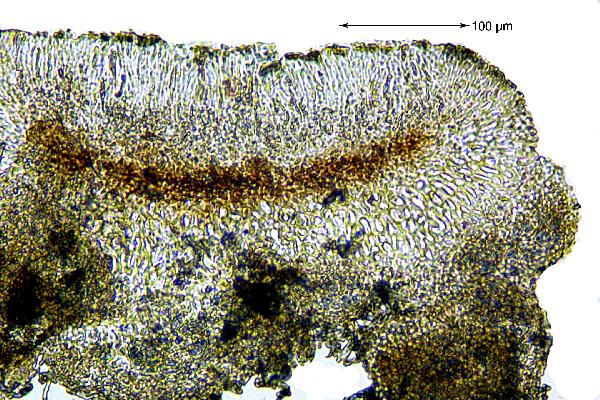
Felix Schumm - CC BY-SA 4.0
[3077], Österreich, östlich von Biberwier, westlich des Wampezer
Schrofens, 1350 m, an Bergahorn. Leg. F. Schumm & H.-J. Wolf,
22.09.1985, det. F. Schumm.
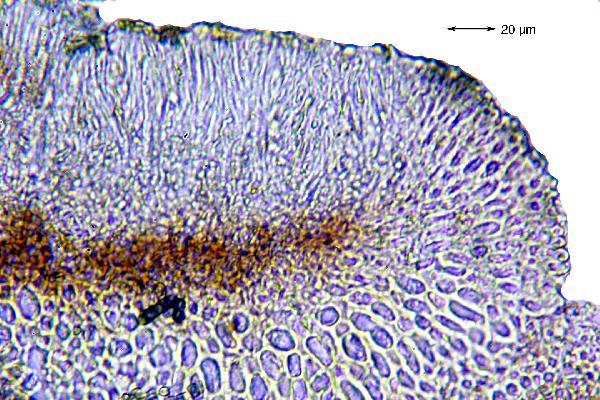
Felix Schumm - CC BY-SA 4.0
[3077], Österreich, östlich von Biberwier, westlich des Wampezer
Schrofens, 1350 m, an Bergahorn. Leg. F. Schumm & H.-J. Wolf,
22.09.1985, det. F. Schumm.
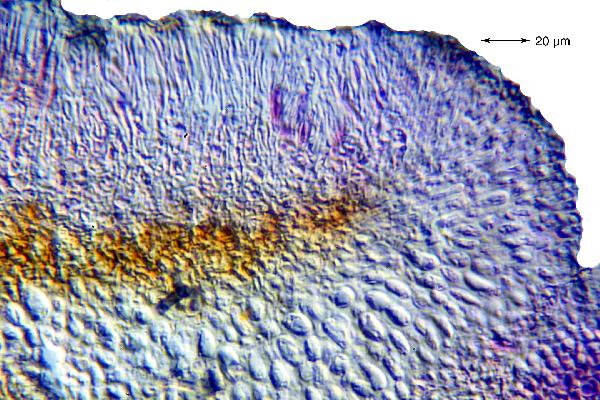
Felix Schumm - CC BY-SA 4.0
[3077], Österreich, östlich von Biberwier, westlich des Wampezer
Schrofens, 1350 m, an Bergahorn. Leg. F. Schumm & H.-J. Wolf,
22.09.1985, det. F. Schumm.
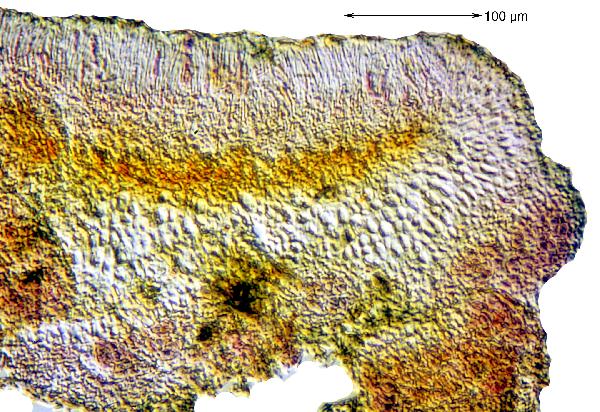
Felix Schumm - CC BY-SA 4.0
[3077], Österreich, östlich von Biberwier, westlich des Wampezer
Schrofens, 1350 m, an Bergahorn. Leg. F. Schumm & H.-J. Wolf,
22.09.1985, det. F. Schumm.
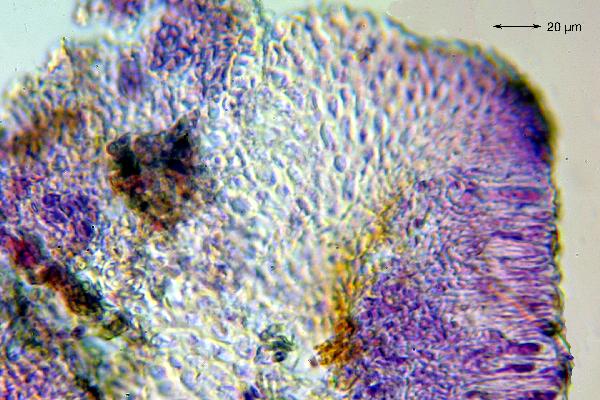
Felix Schumm - CC BY-SA 4.0
[3077], Österreich, östlich von Biberwier, westlich des Wampezer
Schrofens, 1350 m, an Bergahorn. Leg. F. Schumm & H.-J. Wolf,
22.09.1985, det. F. Schumm.
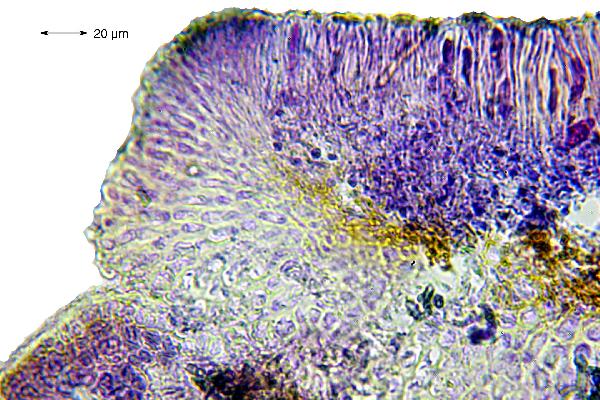
Felix Schumm - CC BY-SA 4.0
[3077], Österreich, östlich von Biberwier, westlich des Wampezer
Schrofens, 1350 m, an Bergahorn. Leg. F. Schumm & H.-J. Wolf,
22.09.1985, det. F. Schumm.
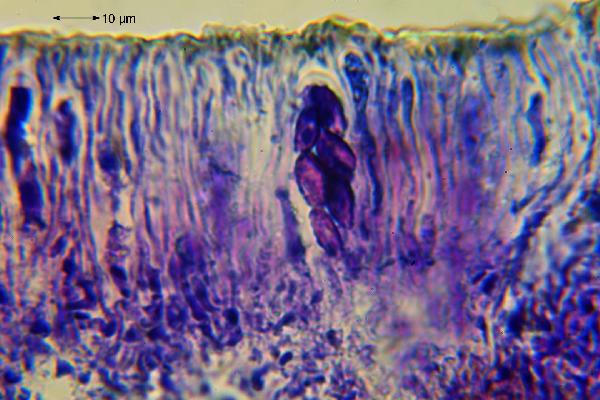
Felix Schumm - CC BY-SA 4.0
[3077], Österreich, östlich von Biberwier, westlich des Wampezer
Schrofens, 1350 m, an Bergahorn. Leg. F. Schumm & H.-J. Wolf,
22.09.1985, det. F. Schumm.
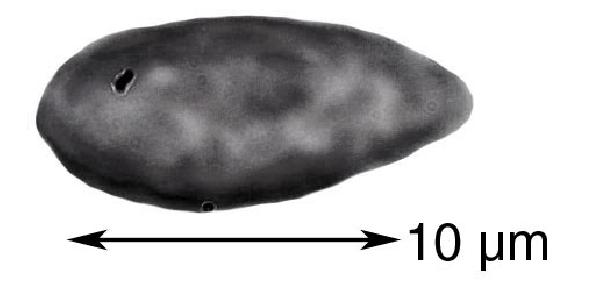
Felix Schumm - CC BY-SA 4.0
[3077], Österreich, östlich von Biberwier, westlich des Wampezer
Schrofens, 1350 m, an Bergahorn. Leg. F. Schumm & H.-J. Wolf,
22.09.1985, det. F. Schumm.
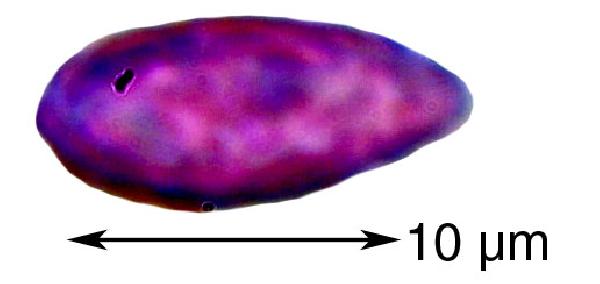
Felix Schumm - CC BY-SA 4.0
[3077], Österreich, östlich von Biberwier, westlich des Wampezer
Schrofens, 1350 m, an Bergahorn. Leg. F. Schumm & H.-J. Wolf,
22.09.1985, det. F. Schumm.
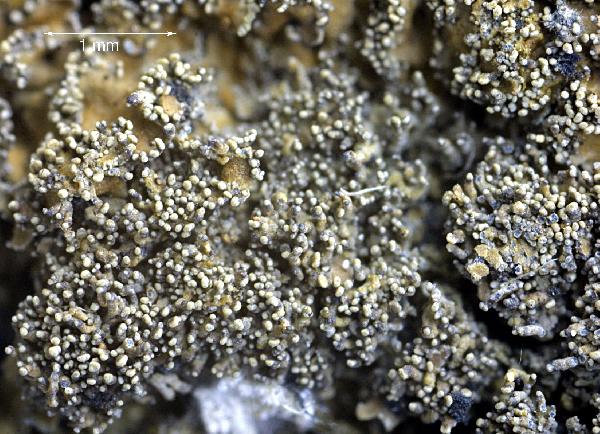
Felix Schumm - CC BY-SA 4.0
[2086]
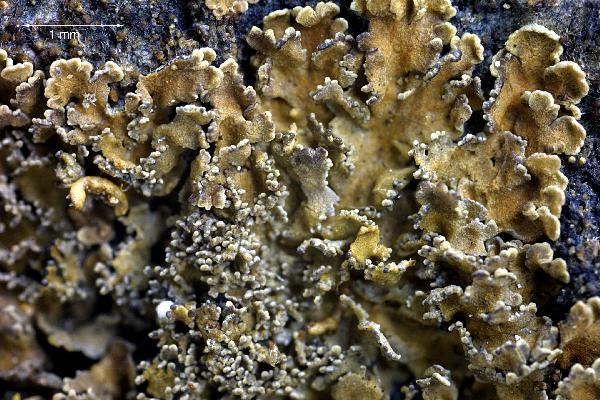
Felix Schumm - CC BY-SA 4.0
[2086]
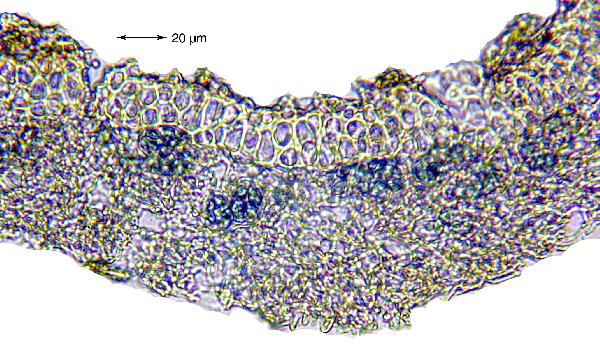
Felix Schumm - CC BY-SA 4.0
[2086]
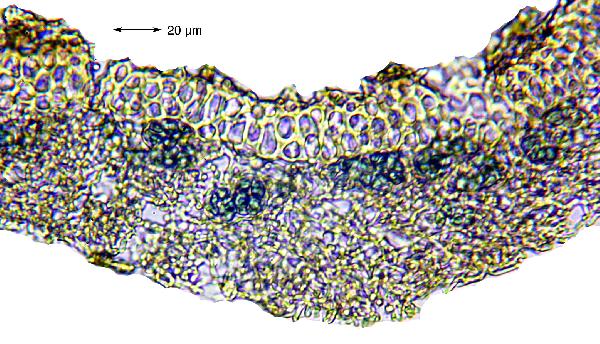
Felix Schumm - CC BY-SA 4.0
[2086]
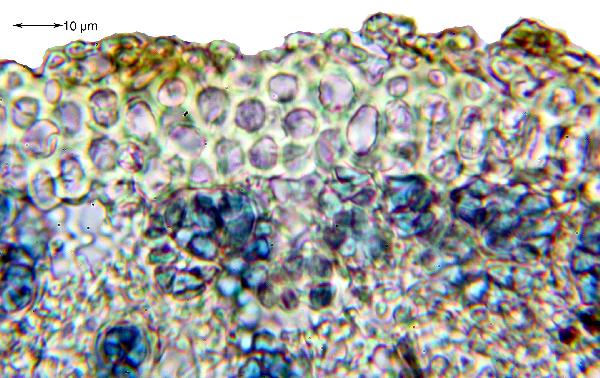
Felix Schumm - CC BY-SA 4.0
[2086]
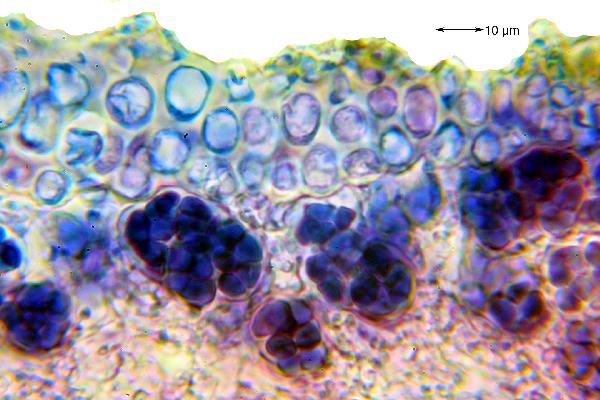
Felix Schumm - CC BY-SA 4.0
[2086]
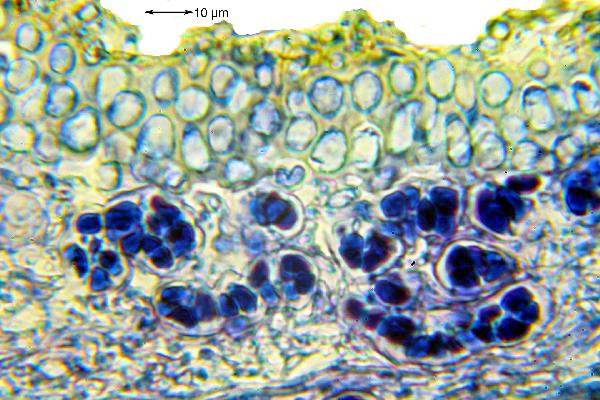
Felix Schumm - CC BY-SA 4.0
[2086]
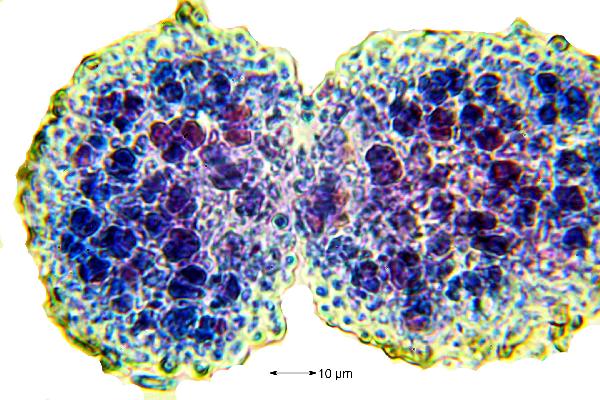
Felix Schumm - CC BY-SA 4.0
[2086]
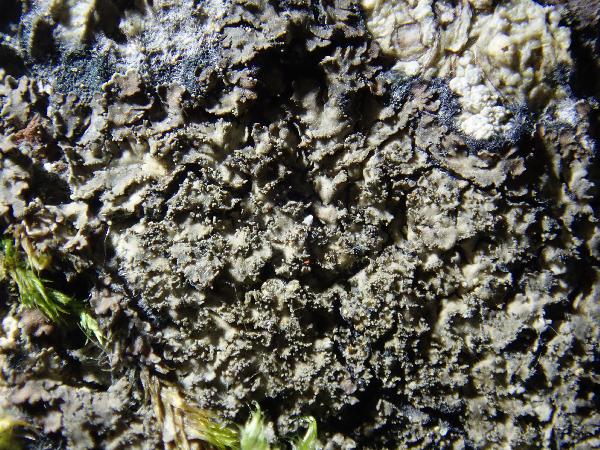
Wolfgang von Brackel - CC BY-4.0
Germany, Bavaria, Elmaubachtal
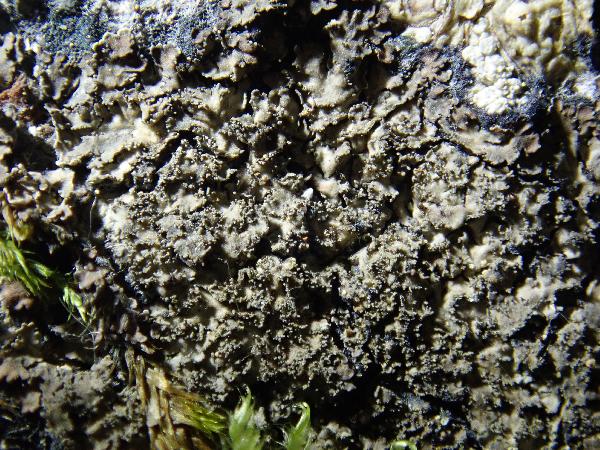
Wolfgang von Brackel - CC BY-4.0
Germany, Bavaria, Elmaubachtal
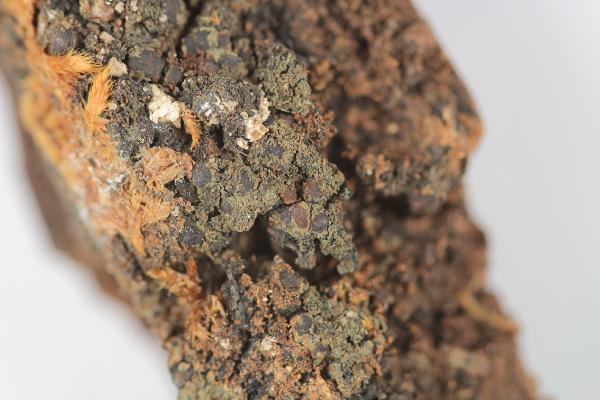
Collezione lichenologica Abramo Massalongo del Museo di Storia Naturale G. Ligabue di Venezia - Autori: Seggi, Linda; Trabucco, Raffaella Proprietà: Fondazione Musei Civici di Venezia - CC BY-NC
Italy, Veneto, in op. Badia (xami)
as Pannaria triptophylla f. xamia A. Massal.
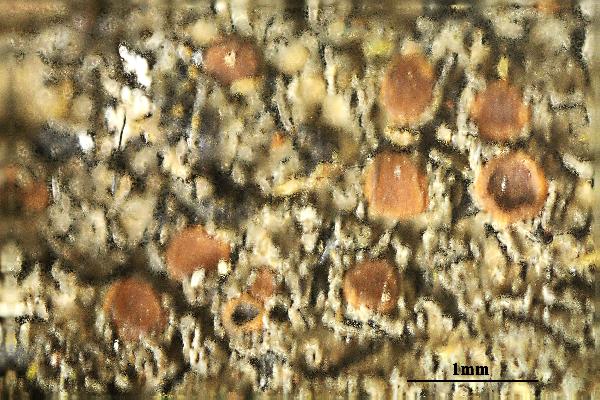
Felix Schumm - CC BY 4.0
[VZ1927], URSS. Georgia (Caucasus occidentalis). Distr. Sukhumi: in
declivibus montis Bashta prope pagum Pskhu, 900-1000 m. Ad corticem
Alni barbatae. Leg. V. Vašák, 9.8.1983, det. A. Vezda. EX A.
VEZDA LICHENES SELECTI EXSICCATI NR. 1927.
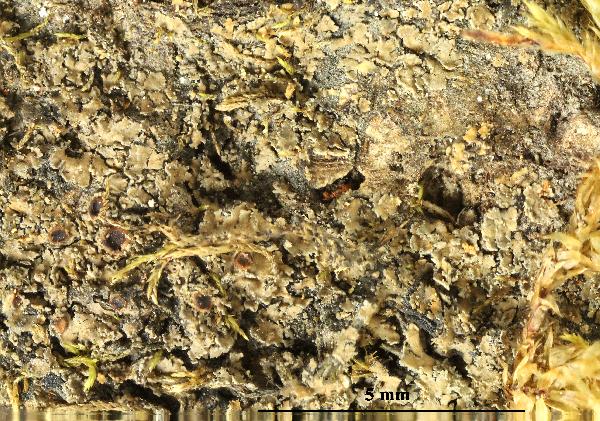
Felix Schumm - CC BY 4.0
[VZ1927], URSS. Georgia (Caucasus occidentalis). Distr. Sukhumi: in
declivibus montis Bashta prope pagum Pskhu, 900-1000 m. Ad corticem
Alni barbatae. Leg. V. Vašák, 9.8.1983, det. A. Vezda. EX A.
VEZDA LICHENES SELECTI EXSICCATI NR. 1927.
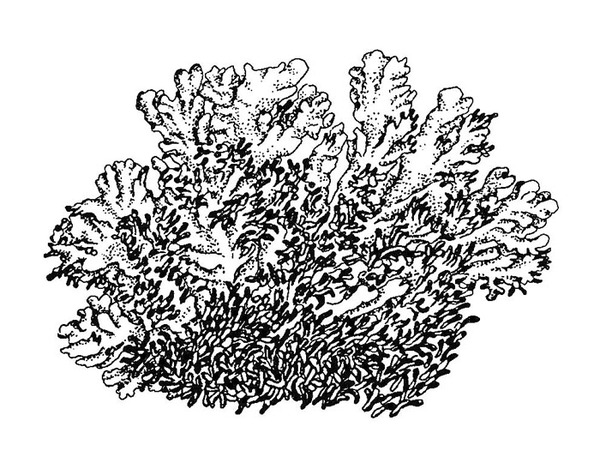
Triin Aimla; Owner: University of Tartu
Growth form: Crustose
Substrata: bark and rocks
Photobiont: cyanobacteria, filamentous (e.g. Nostoc, Scytonema)
Reproductive strategy: mainly asexual, by isidia, or isidia-like structures (e.g. schizidia)
Most common in areas with a humid-warm climate (e.g. most of Tyrrenian Italy)
Commonnes-rarity: (info)
Alpine belt: extremely rare
Subalpine belt: very rare
Montane belt: very rare
Dry submediterranean belt: extremely rare
Humid submediterranean belt: very rare
Padanian area: absent
pH of the substrata:
| 1 | 2 | 3 | 4 | 5 |
Solar irradiation:
| 1 | 2 | 3 | 4 | 5 |
Aridity:
| 1 | 2 | 3 | 4 | 5 |
Eutrophication:
| 1 | 2 | 3 | 4 | 5 |
Poleotolerance:
| 0 | 1 | 2 | 3 |
Altitudinal distribution:
| 1 | 2 | 3 | 4 | 5 | 6 |
Rarity
absent
extremely rare
very rare
rare
rather rare
rather common
common
very common
extremely common
Loading data...
Occurrence data
Predictive map
Current prediction (1981-2010)Future prediction (2071-2100) SSP 1-2.6Future prediction (2071-2100) SSP 5-8.5Predictive maps according to Francesconi et al. 2025
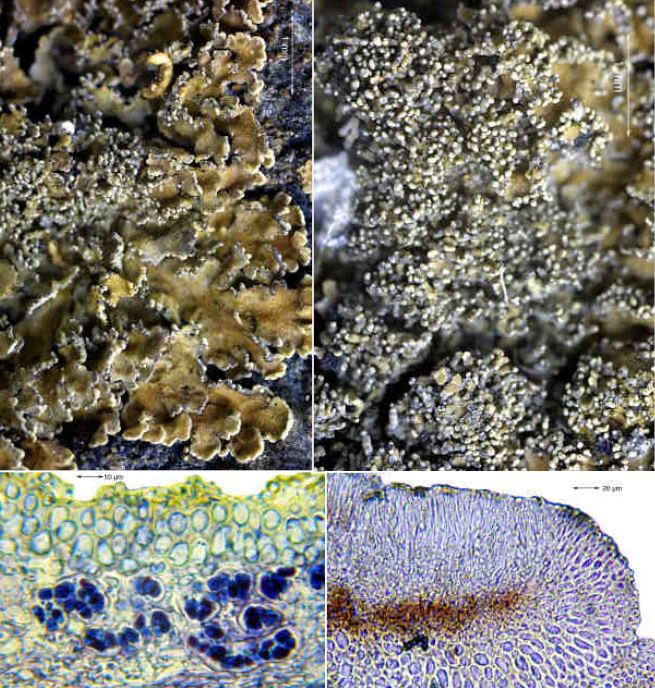
Felix Schumm – CC BY-SA 4.0
Image from: F. Schumm (2008) - Flechten Madeiras, der Kanaren und Azoren. Beck, OHG - ISBN: 978-3-00-023700-3
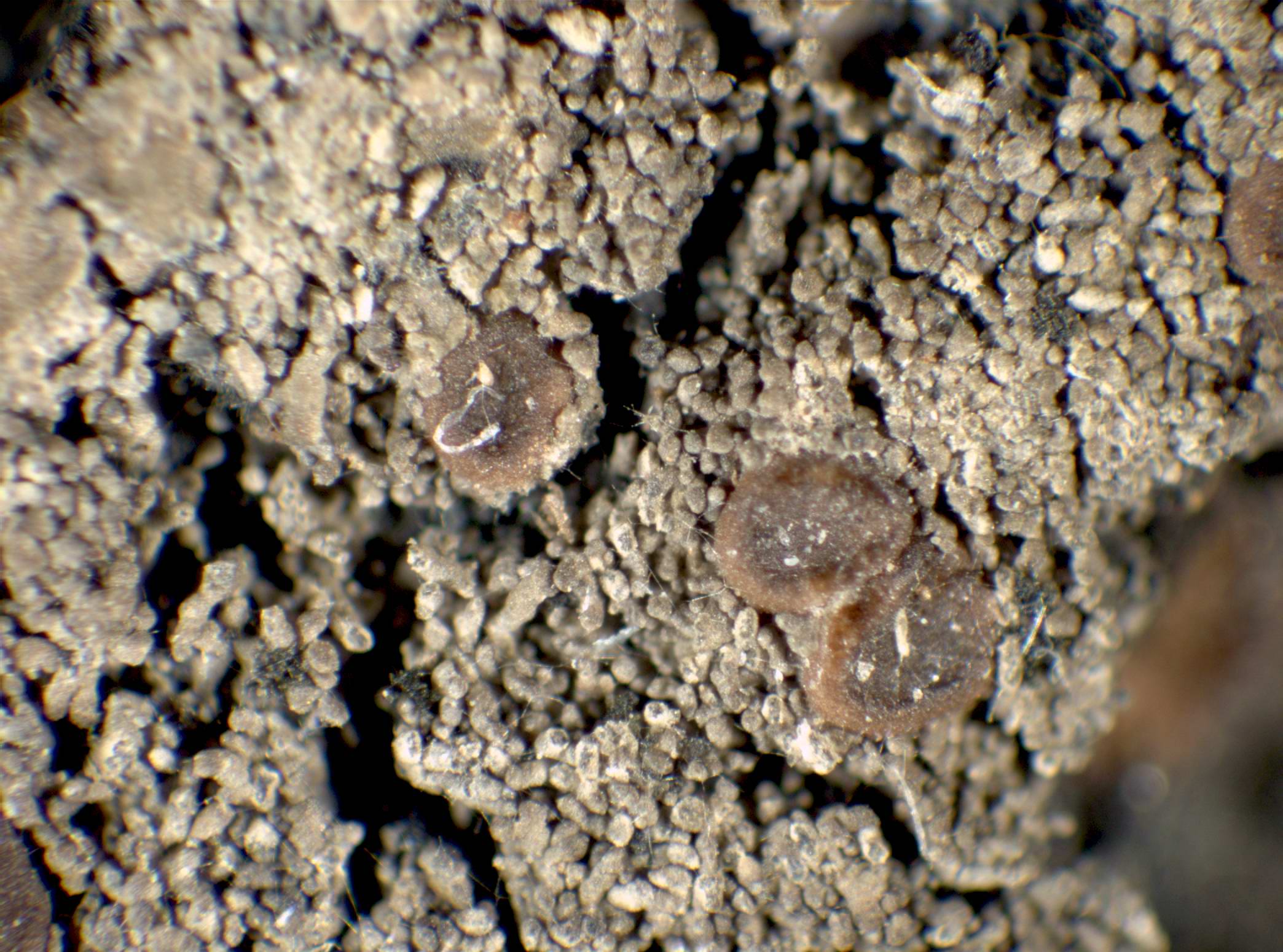
P.L. Nimis; Owner: Department of Life Sciences, University of Trieste
Herbarium: TSB (9116)
2001/12/13
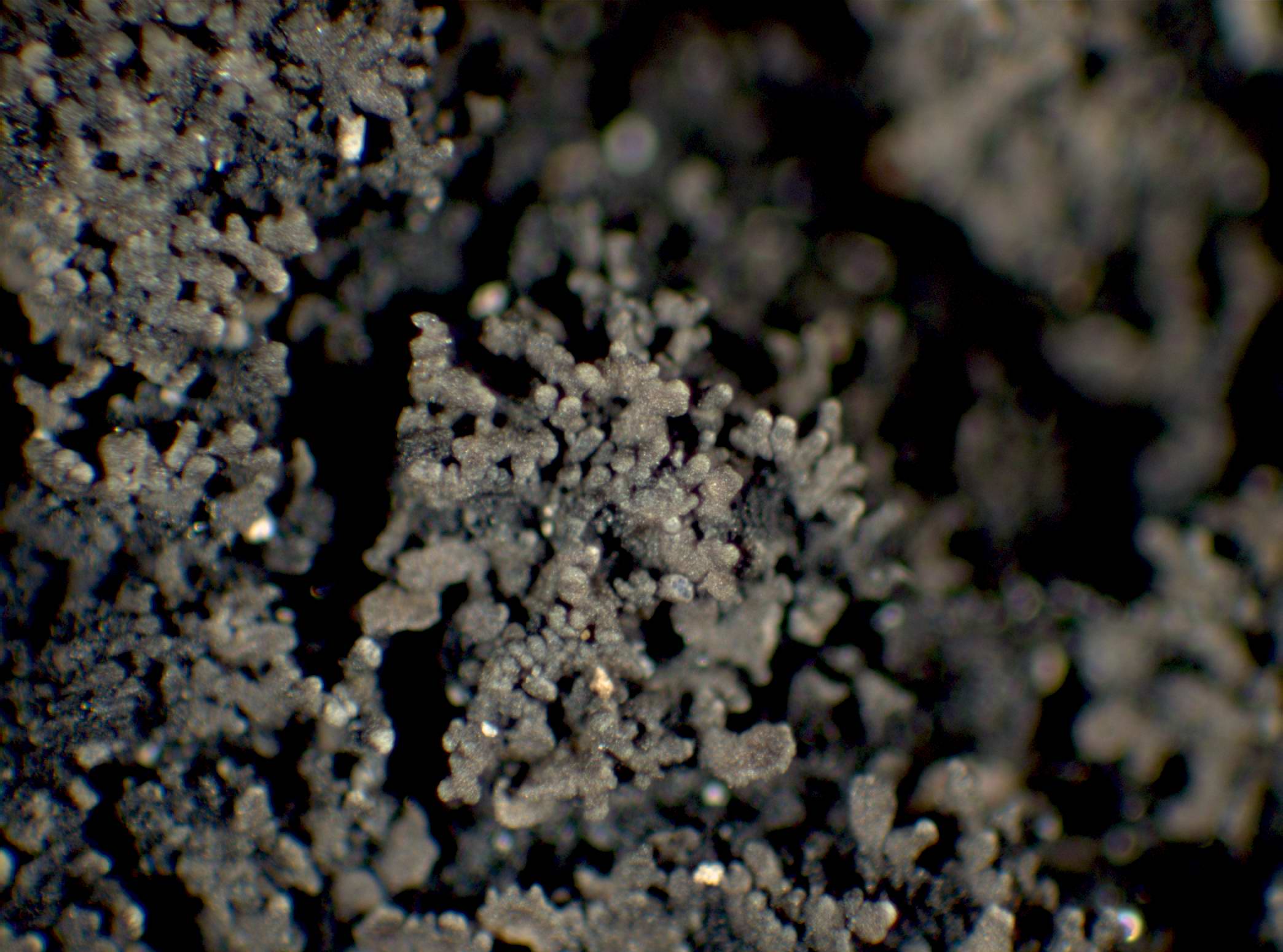
P.L. Nimis; Owner: Department of Life Sciences, University of Trieste
Herbarium: TSB (16053)
2001/12/13
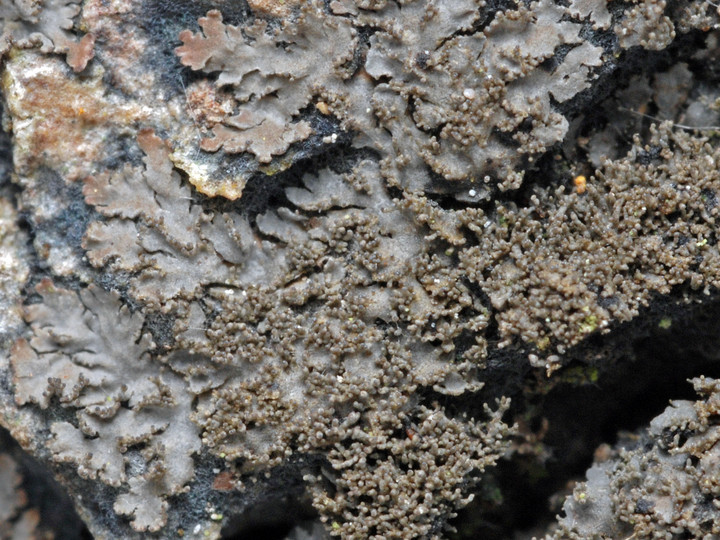
Leif Stridvall - Source: http://www.stridvall.se/la/galleries.php
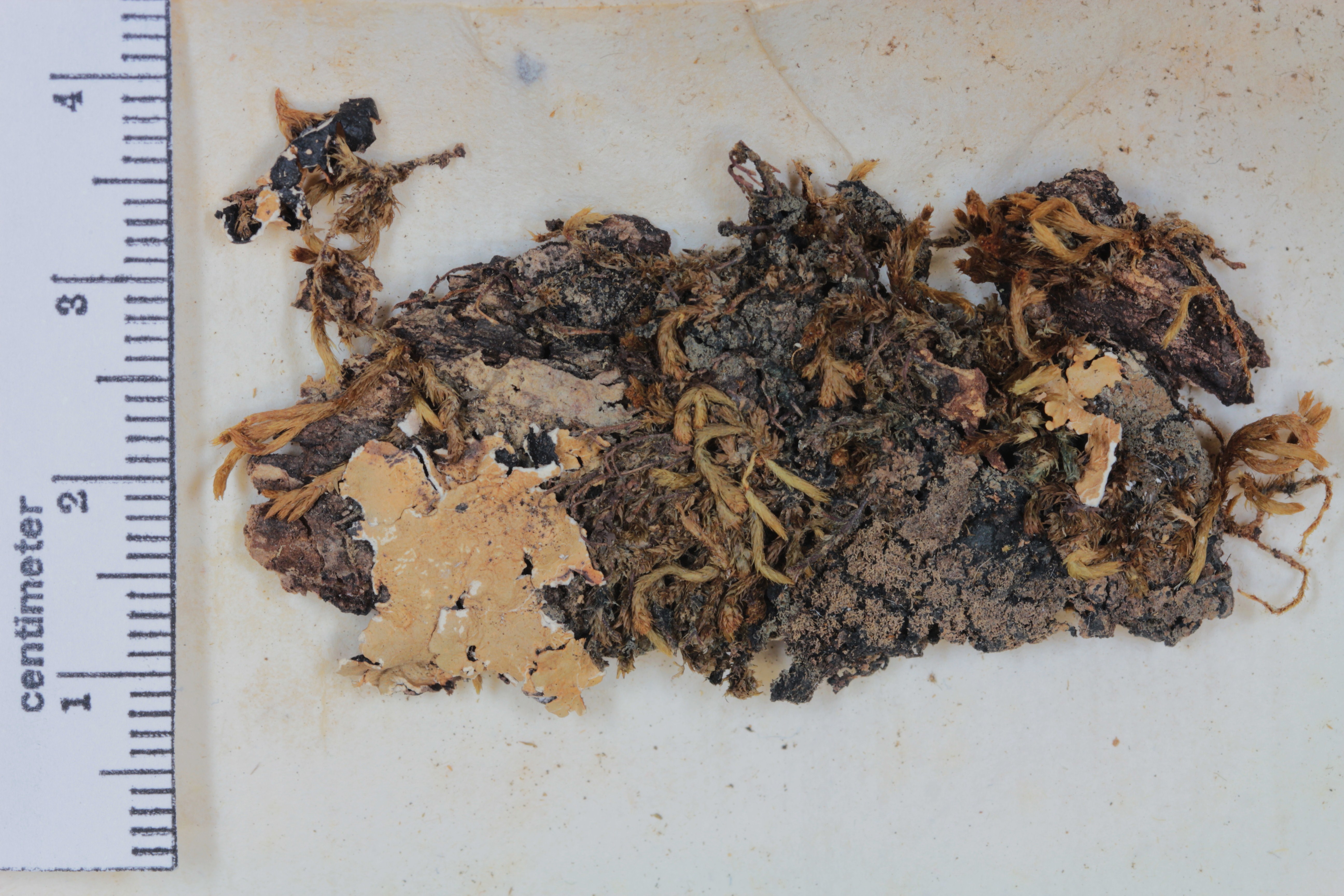
Photo by Maria Zardini, Museo di Storia Naturale di Venezia CC BY-SA 4.0
Ad cort. Castanearum in collibus circa Farra in prov. Vicetina.
Trevisan Lichenotheca Veneta 99 as Trachyderma triptophyllum
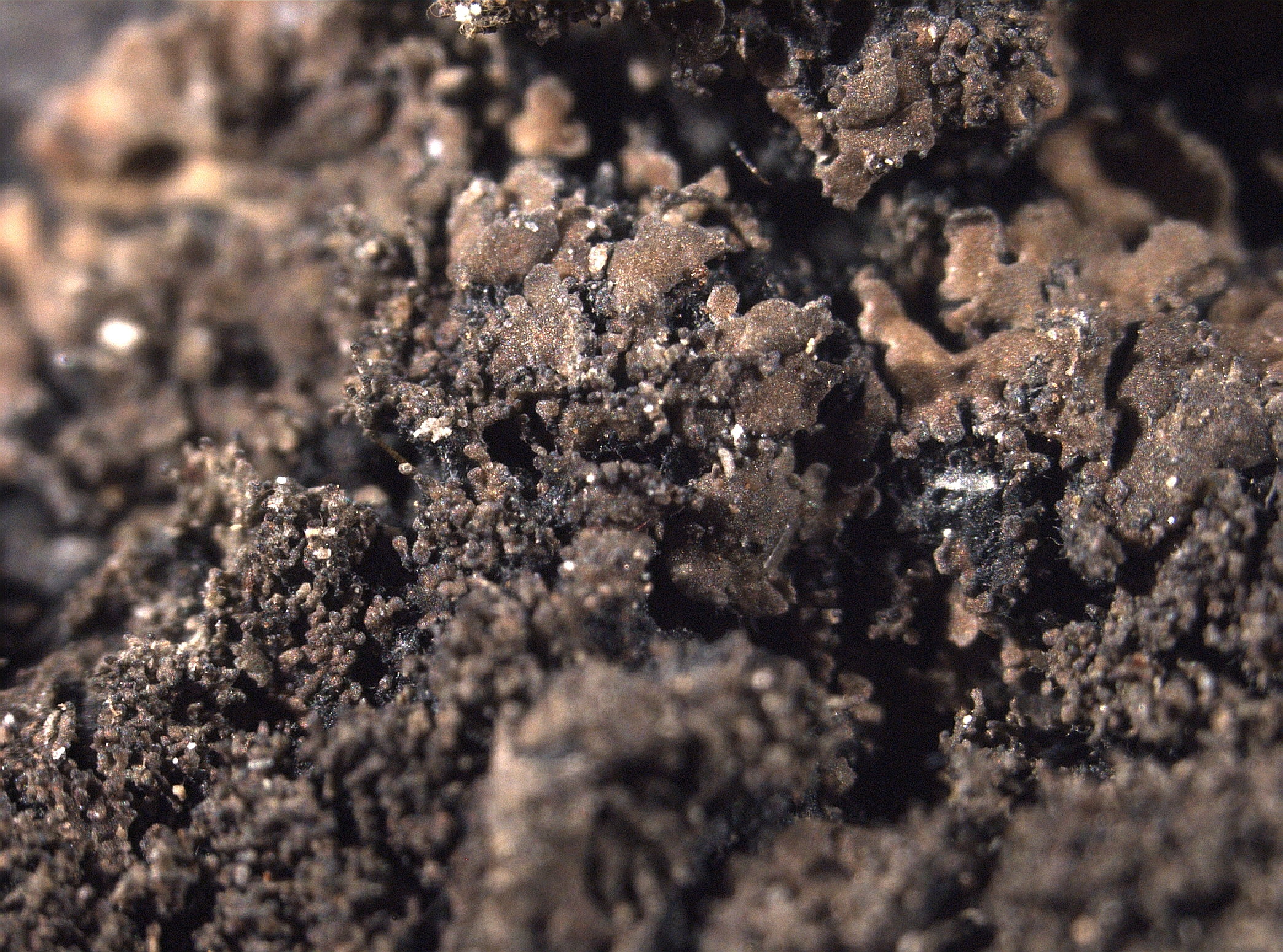
P.L. Nimis - CC BY-SA 4.0
TSB 42038
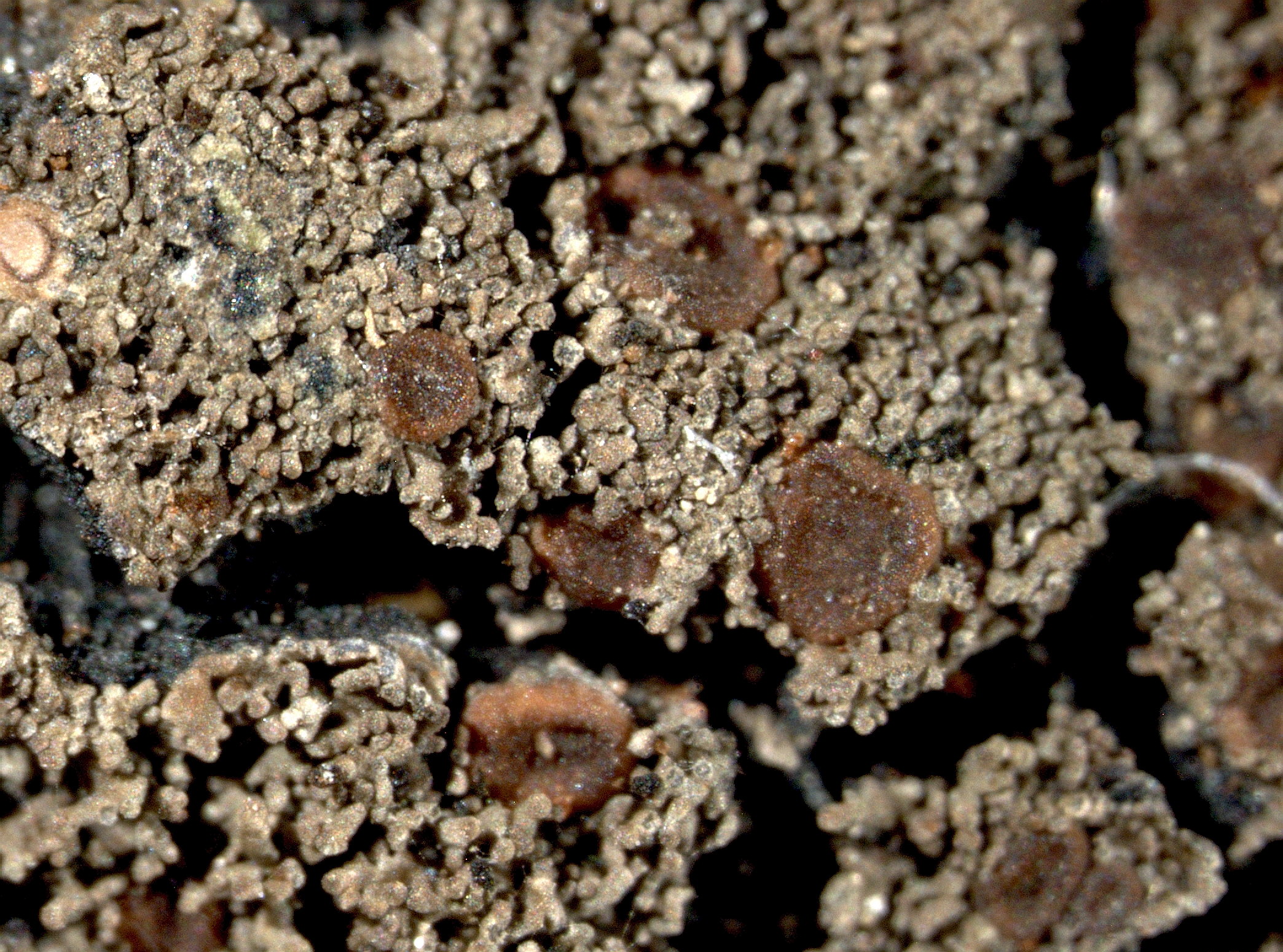
Pier Luigi Nimis - CC BY-SA 4.0
TSB 9114
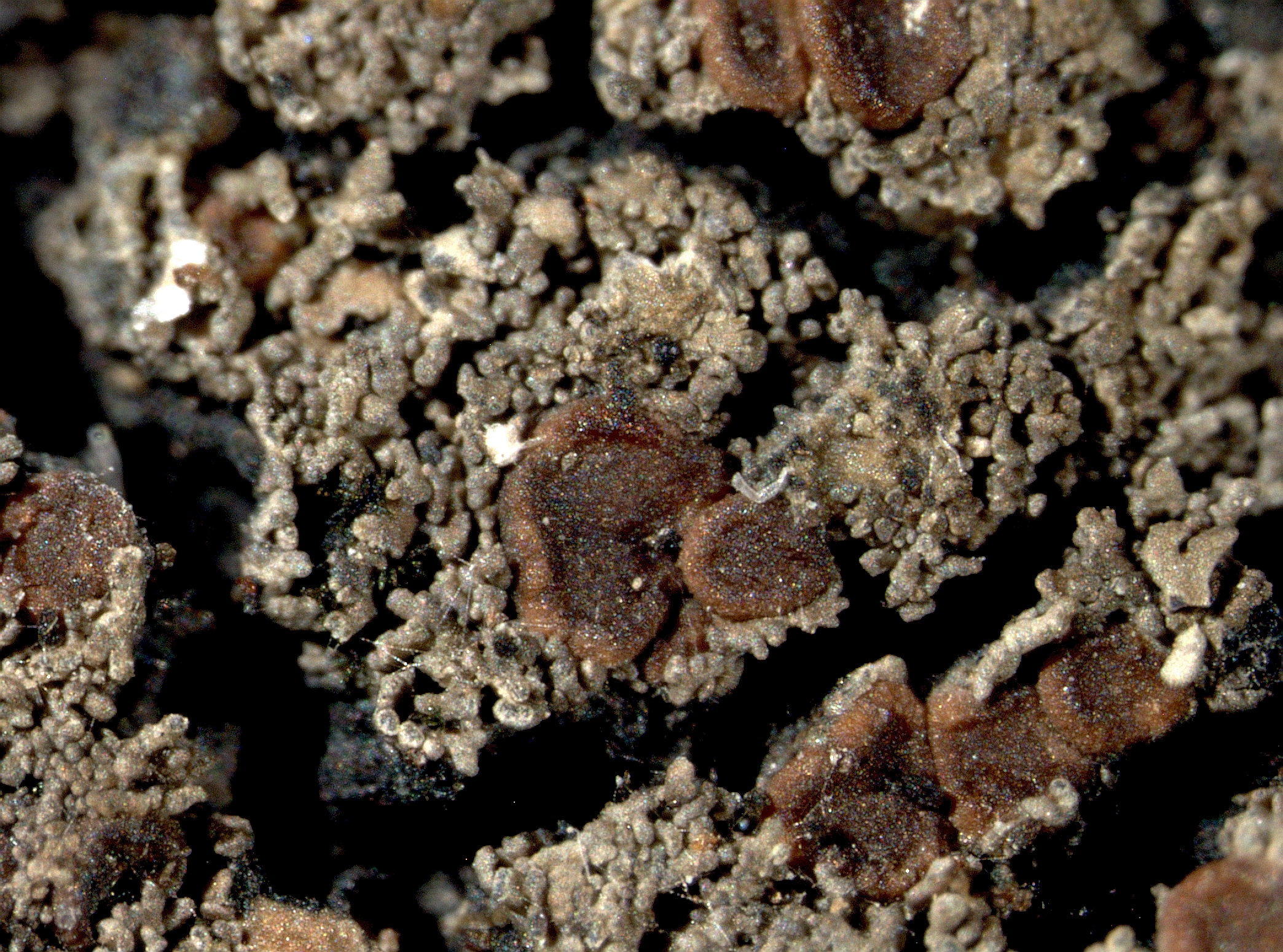
Pier Luigi Nimis - CC BY-SA 4.0
TSB 9114
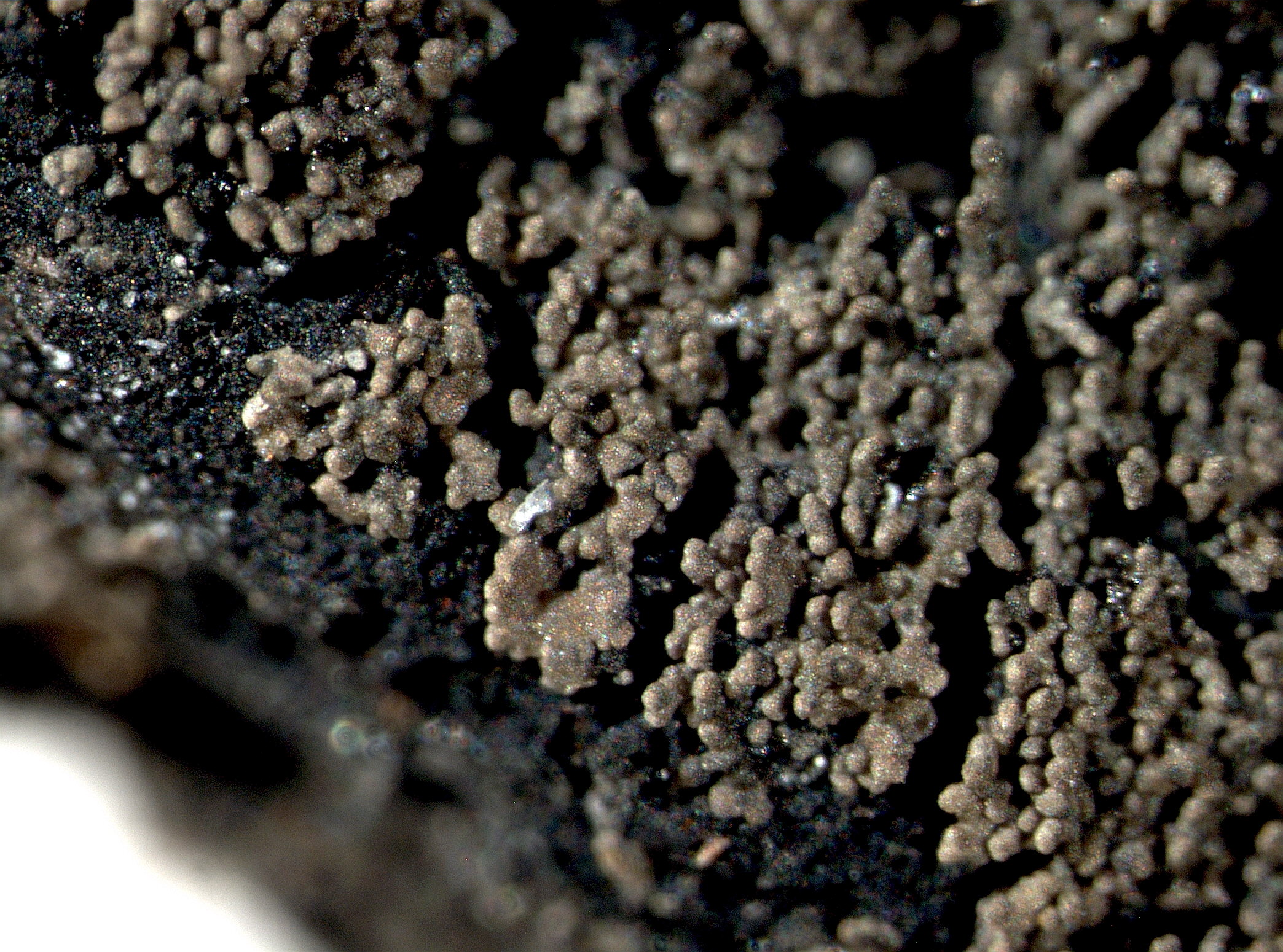
Pier Luigi Nimis - CC BY-SA 4.0
TSB 16053
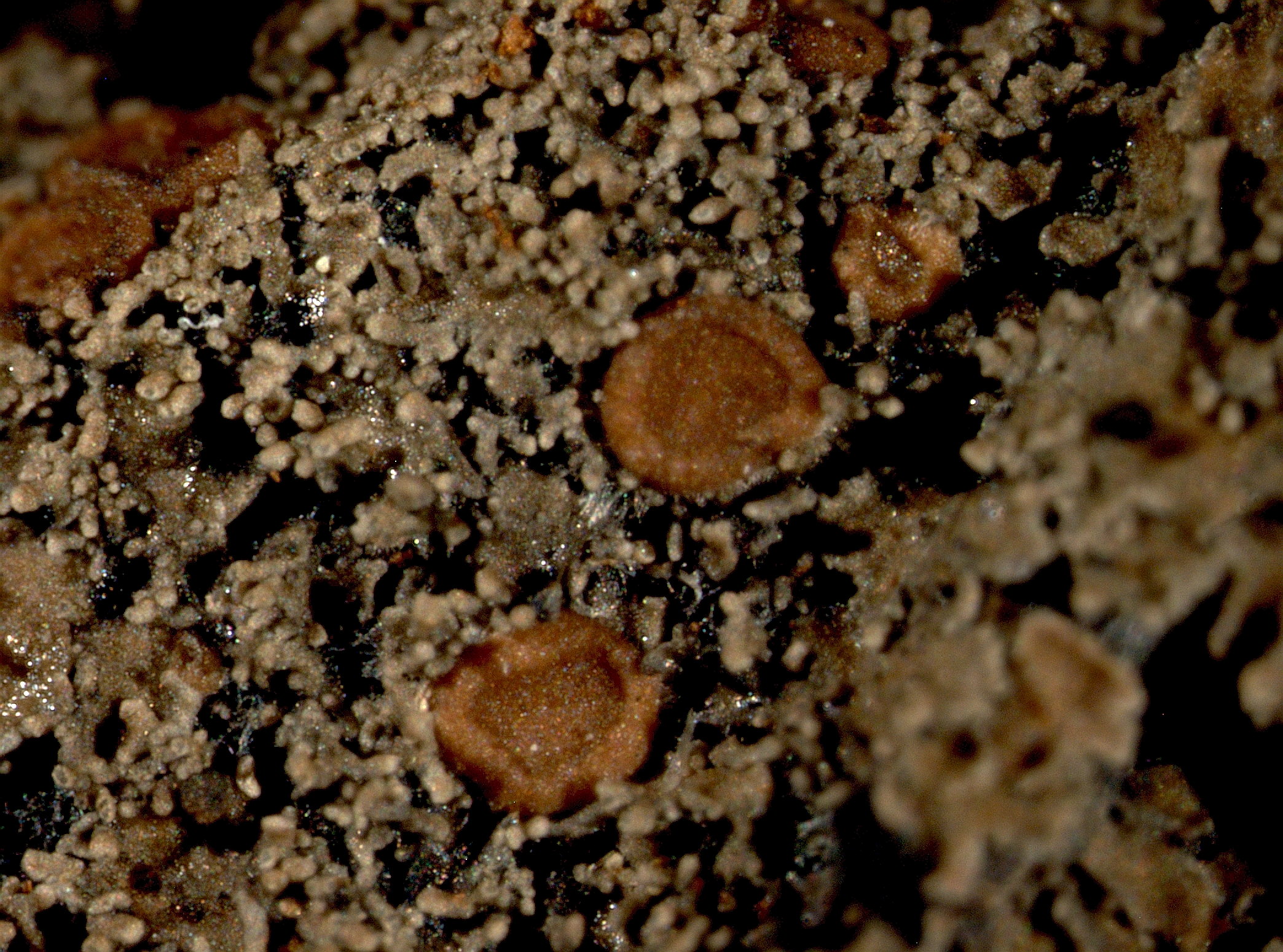
Pier Luigi Nimis - CC BY-SA 4.0
TSB 5050
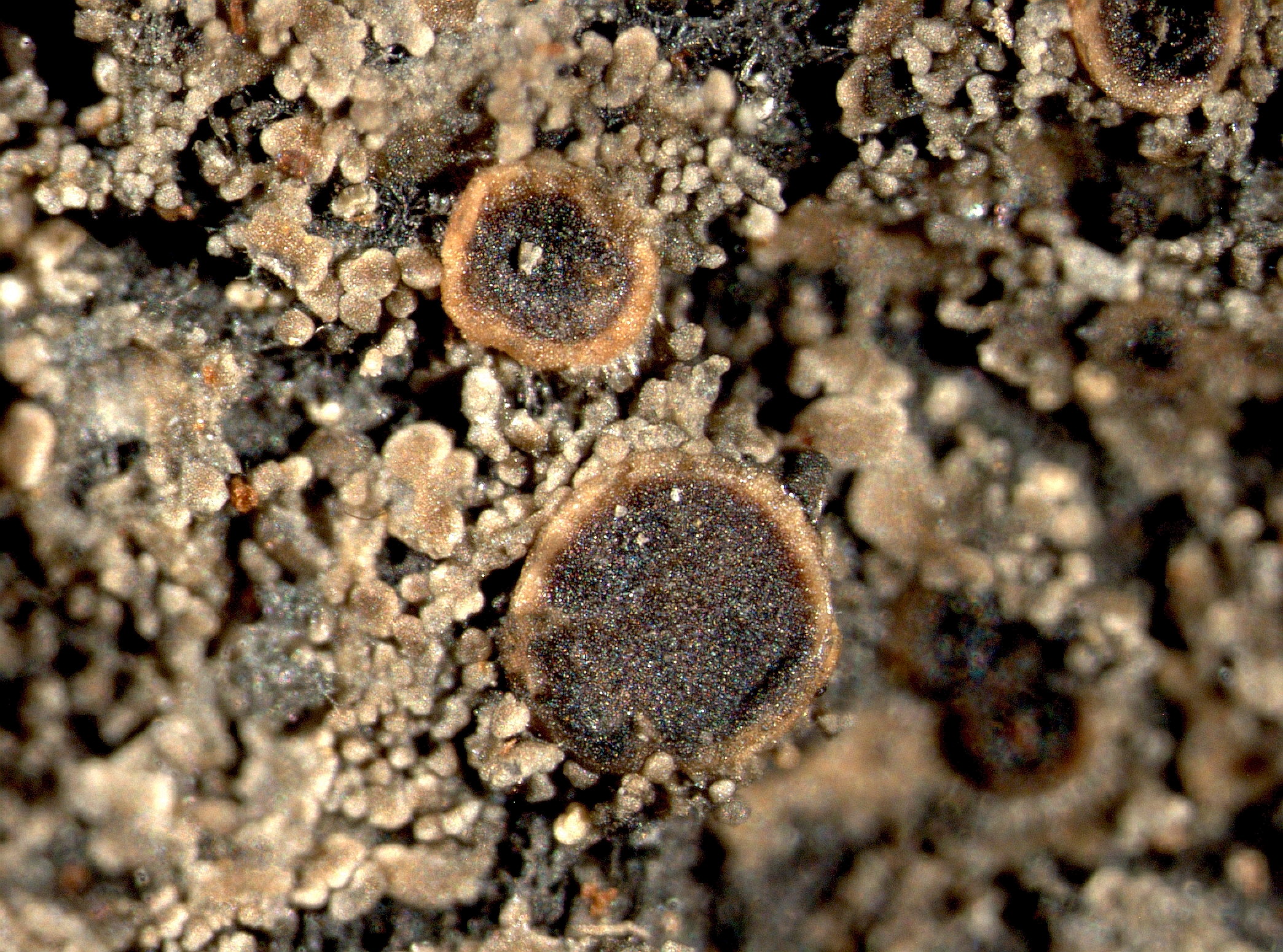
Pier Luigi Nimis - CC BY-SA 4.0
TSB 5050
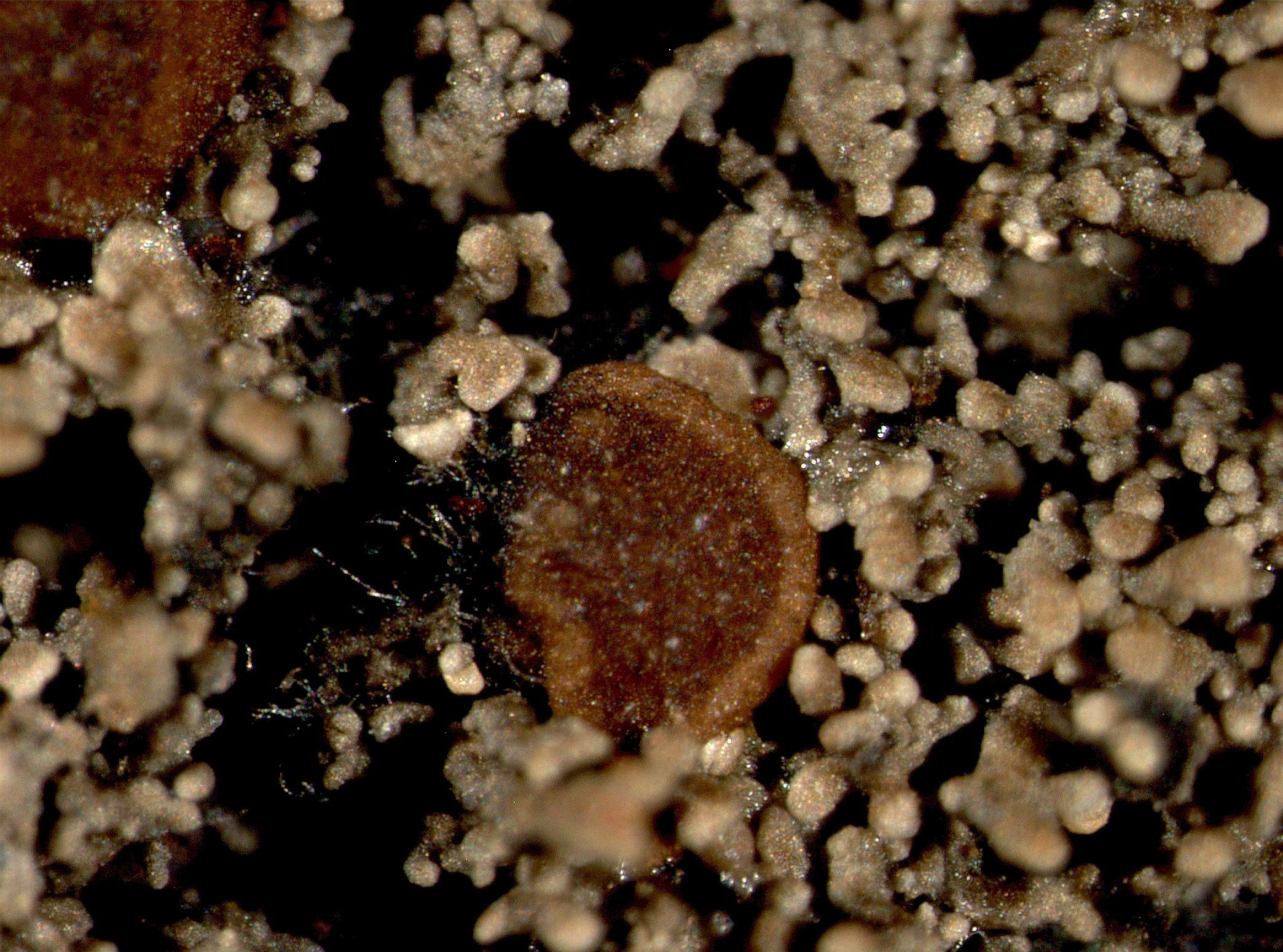
Pier Luigi Nimis - CC BY-SA 4.0
TSB 5050
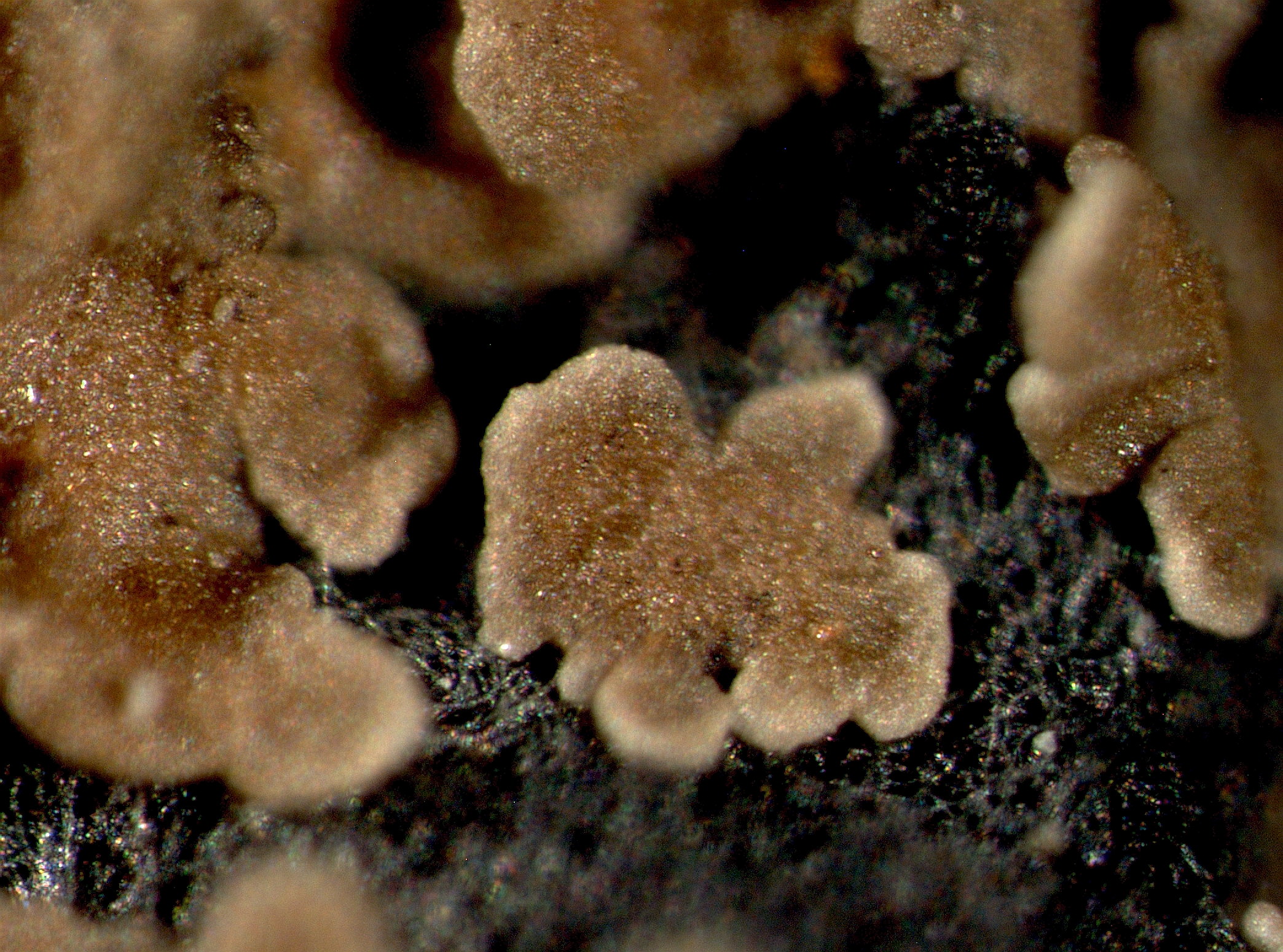
Pier Luigi Nimis - CC BY-SA 4.0
TSB 5050
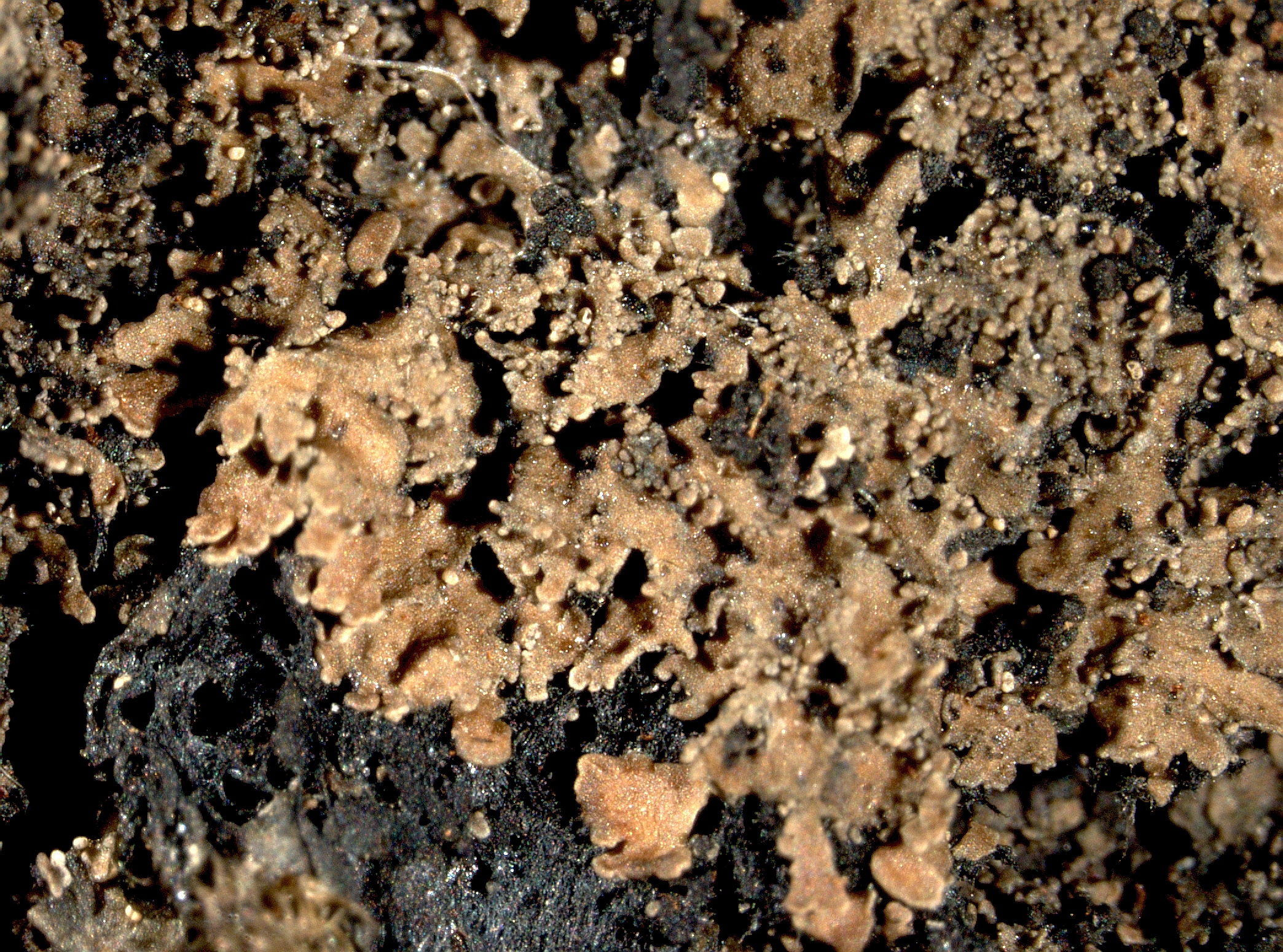
Pier Luigi Nimis - CC BY-SA 4.0
TSB 5050
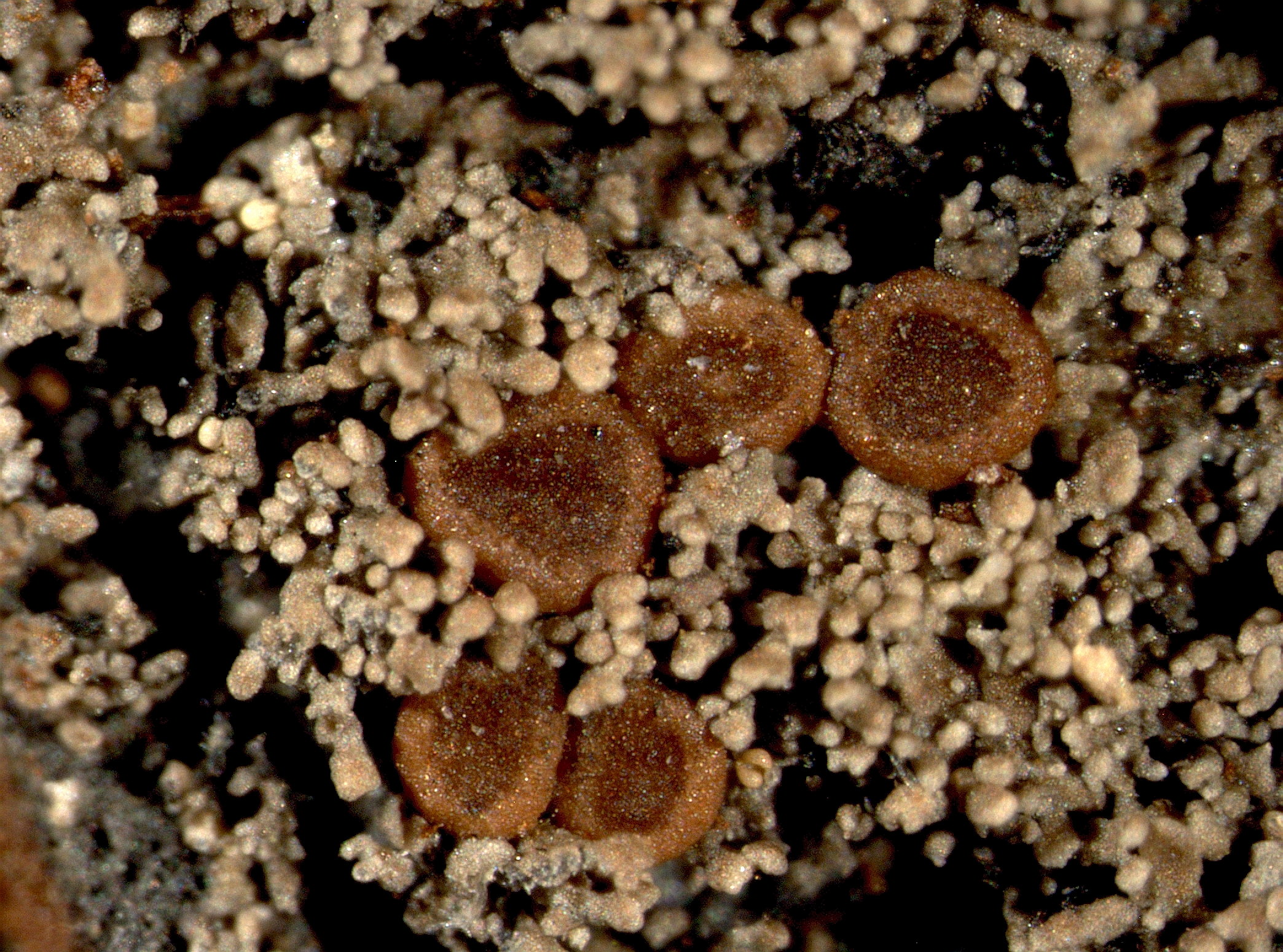
Pier Luigi Nimis - CC BY-SA 4.0
TSB 5050
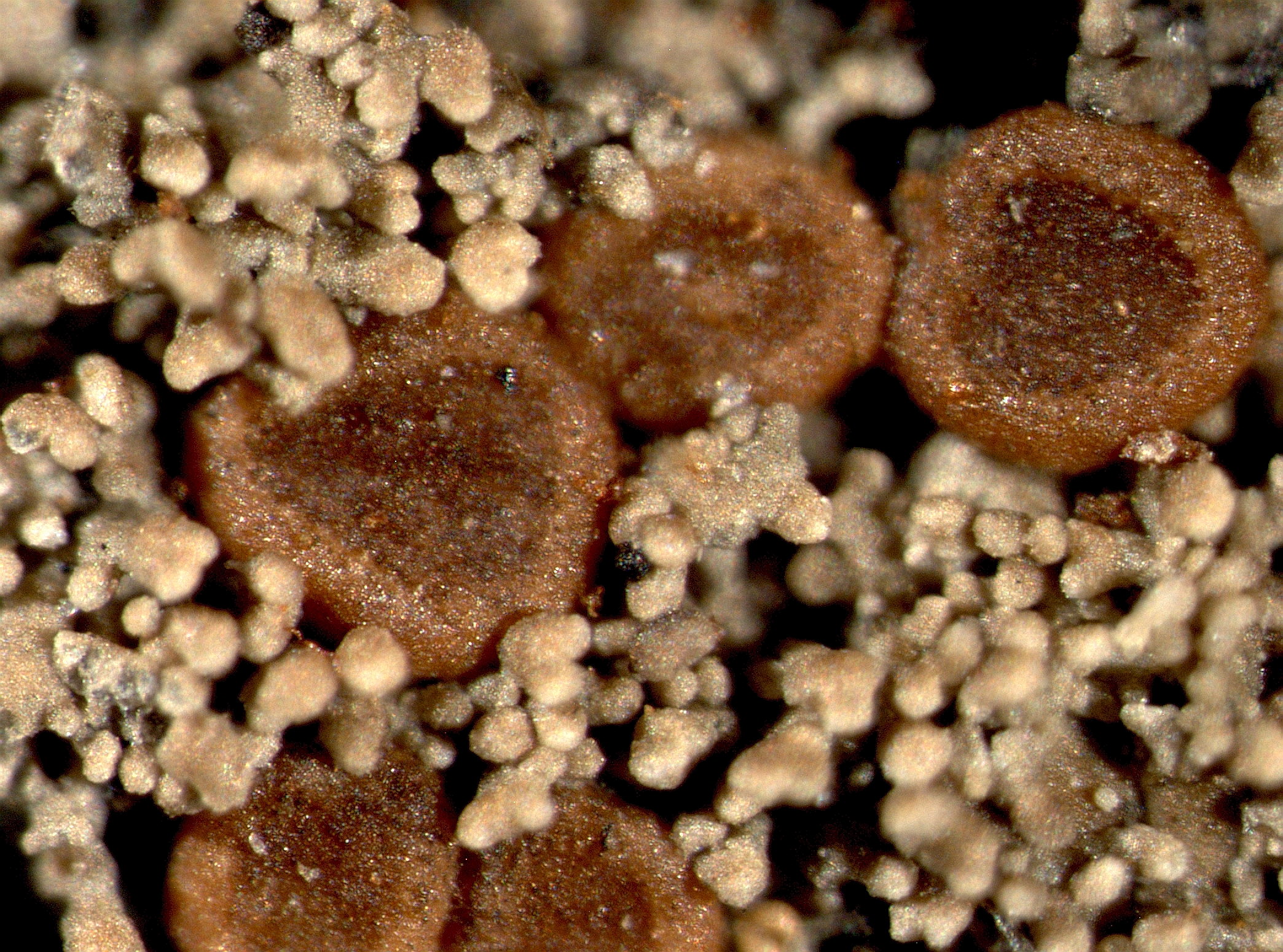
Pier Luigi Nimis - CC BY-SA 4.0
TSB 5050
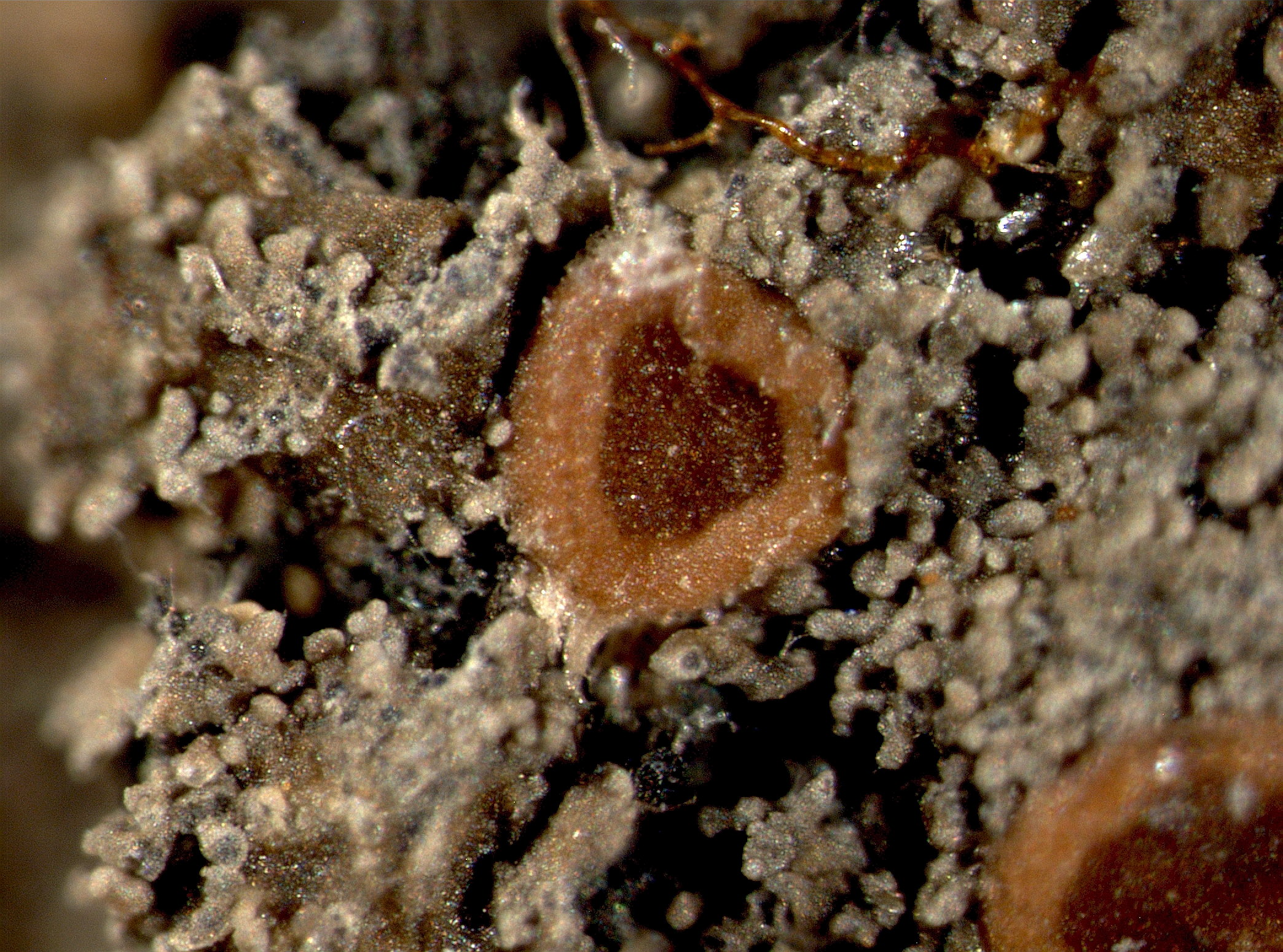
Pier Luigi Nimis - CC BY-SA 4.0
TSB 5050
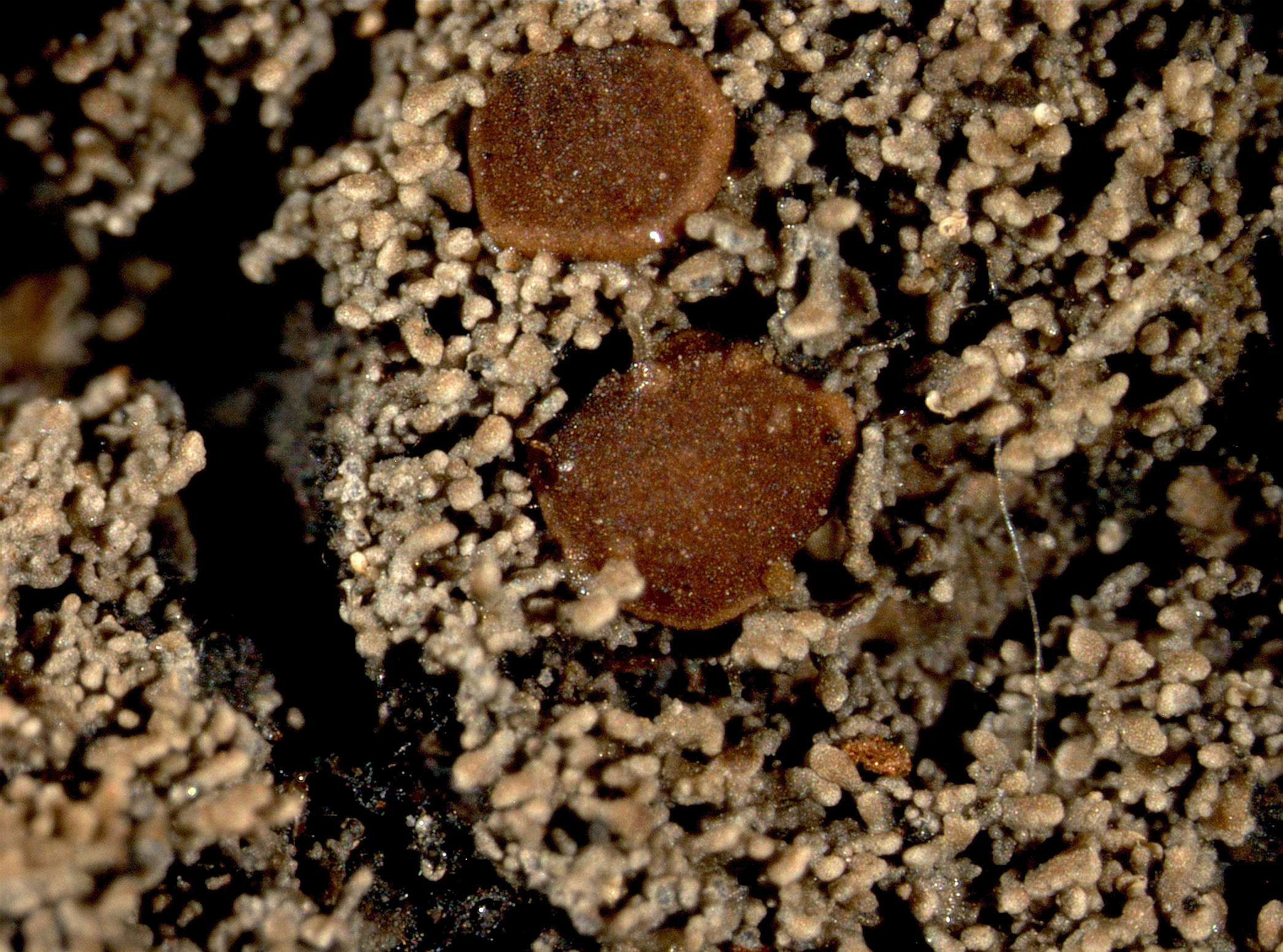
Pier Luigi Nimis - CC BY-SA 4.0
TSB 5050
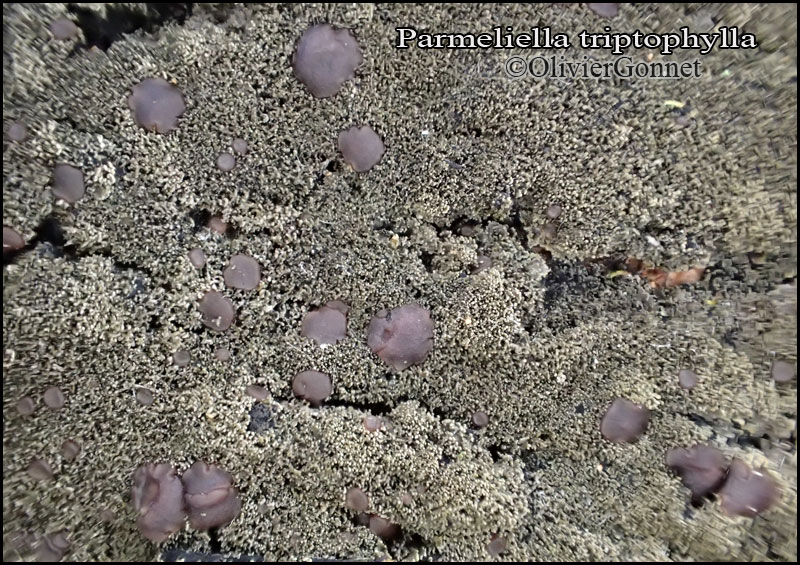
Courtesy Danièle et Olivier Gonnet - Source: https://www.afl-lichenologie.fr/Photos_AFL/Photos_AFL_P/Text_P_3/Parmeliella_triptophylla.htm
France, 20/9/2015 - Bois barbu - Villard-de-Lans - Isère
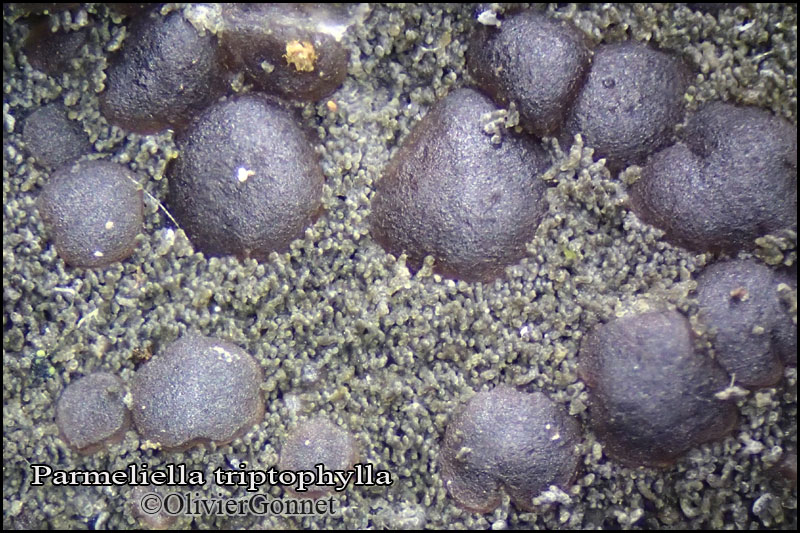
Courtesy Danièle et Olivier Gonnet - Source: https://www.afl-lichenologie.fr/Photos_AFL/Photos_AFL_P/Text_P_3/Parmeliella_triptophylla.htm
France, 20/9/2015 - Bois barbu - Villard-de-Lans - Isère
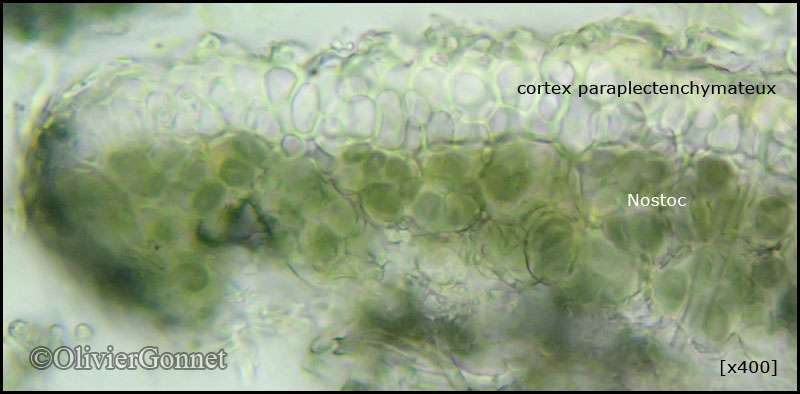
Courtesy Danièle et Olivier Gonnet - Source: https://www.afl-lichenologie.fr/Photos_AFL/Photos_AFL_P/Text_P_3/Parmeliella_triptophylla.htm
France, 20/9/2015 - Bois barbu - Villard-de-Lans - Isère
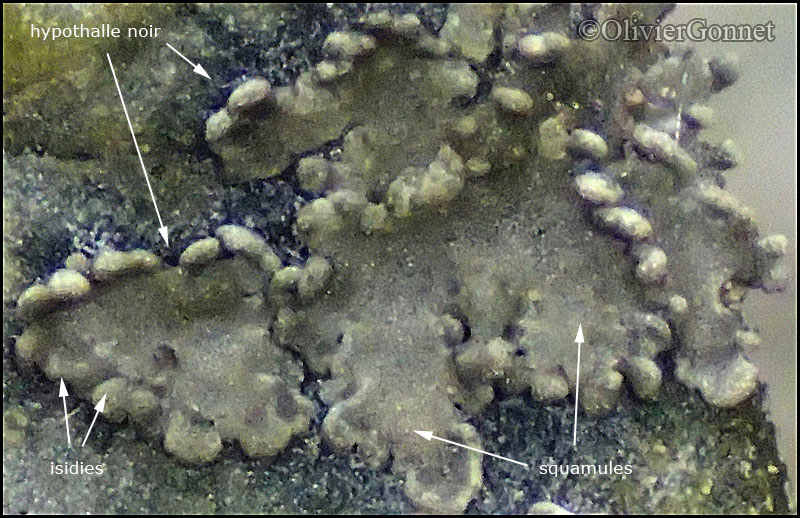
Courtesy Danièle et Olivier Gonnet - Source: https://www.afl-lichenologie.fr/Photos_AFL/Photos_AFL_P/Text_P_3/Parmeliella_triptophylla.htm
France, 20/9/2015 - Bois barbu - Villard-de-Lans - Isère
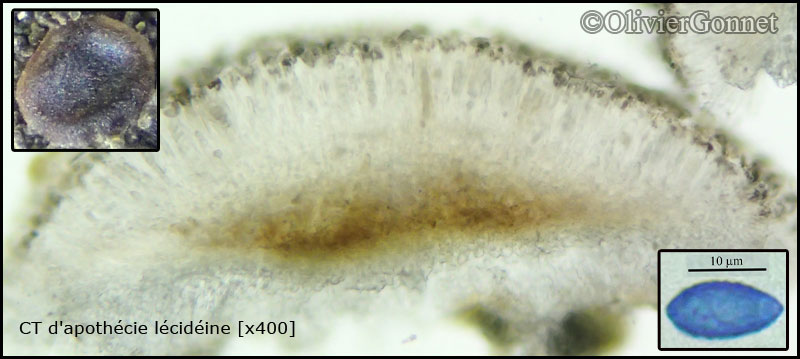
Courtesy Danièle et Olivier Gonnet - Source: https://www.afl-lichenologie.fr/Photos_AFL/Photos_AFL_P/Text_P_3/Parmeliella_triptophylla.htm
France, 20/9/2015 - Bois barbu - Villard-de-Lans - Isère
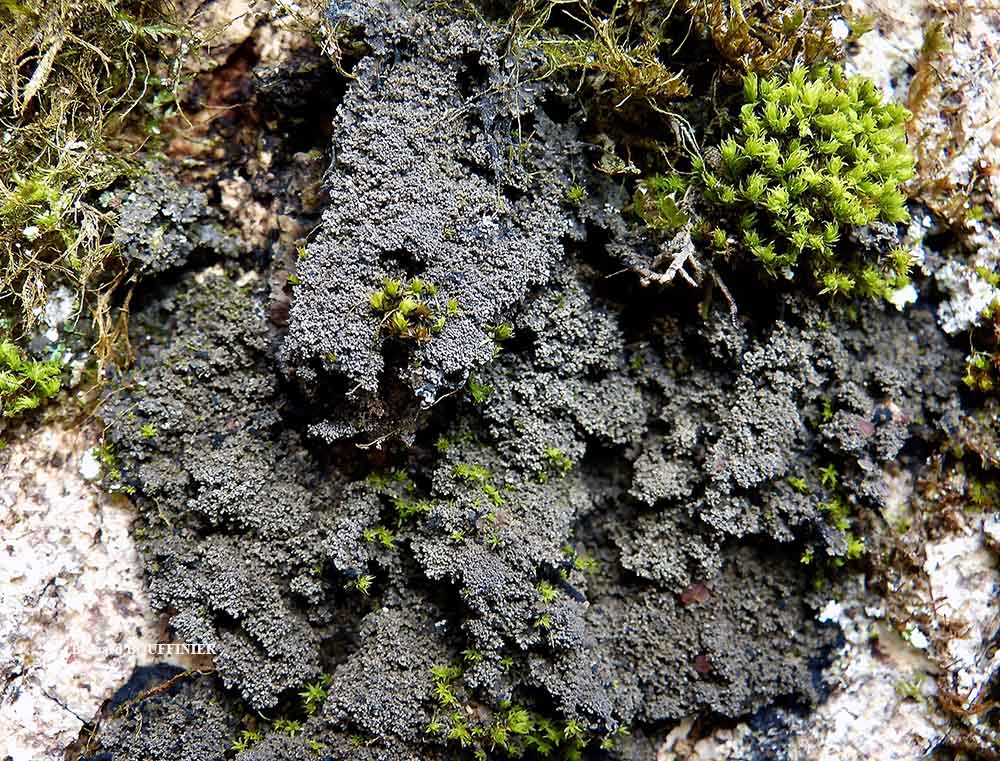
Bernard Bouffinier - Source: http://www.lichensmaritimes.org/index.php?task=fiche&lichen=688&lang=en
France, Forêt du Cranou
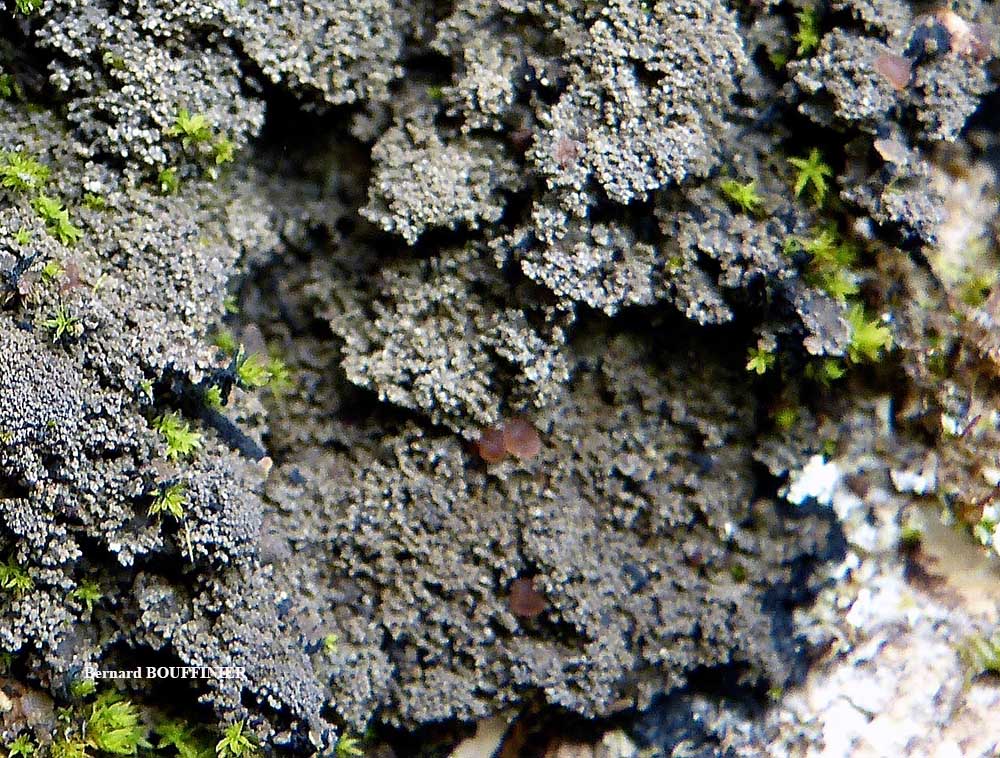
Bernard Bouffinier - Source: http://www.lichensmaritimes.org/index.php?task=fiche&lichen=688&lang=en
France, Forêt du Cranou
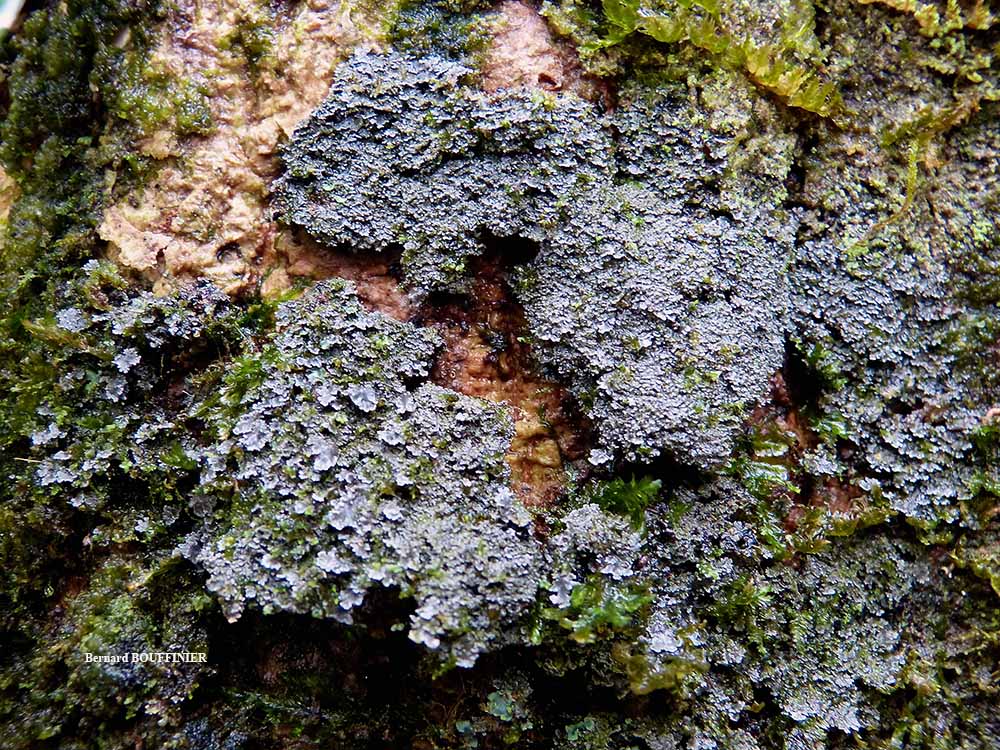
Bernard Bouffinier - Source: http://www.lichensmaritimes.org/index.php?task=fiche&lichen=688&lang=en
France, Forêt du Cranou
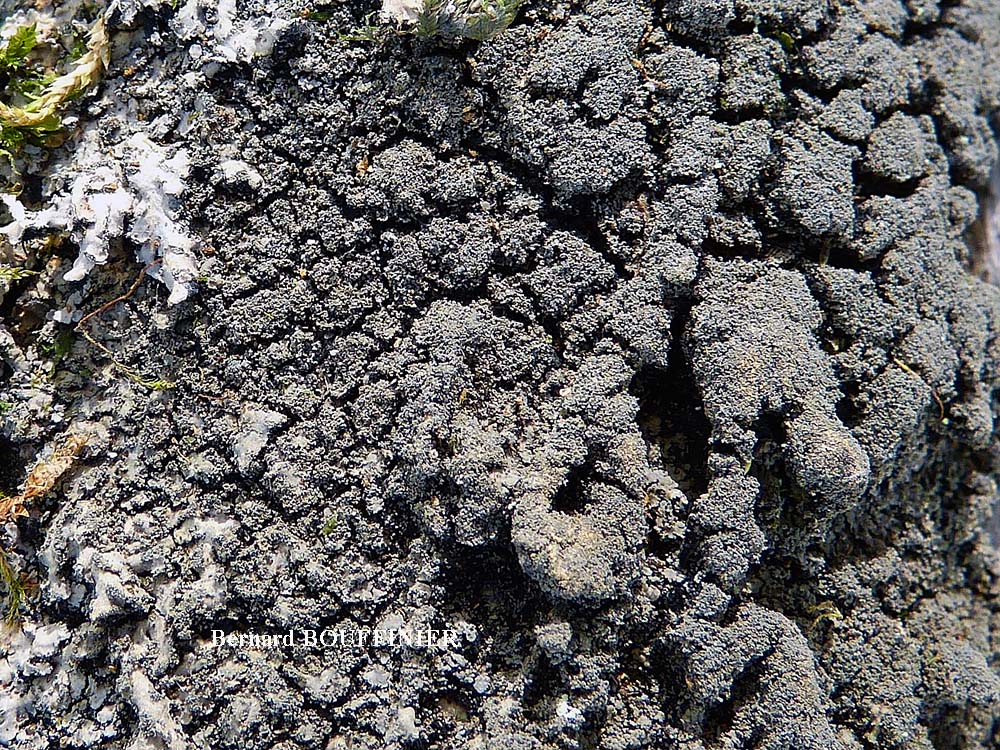
Bernard Bouffinier - Source: http://www.lichensmaritimes.org/index.php?task=fiche&lichen=688&lang=en
France, ForêSource de la Bidouze, Pays Basque
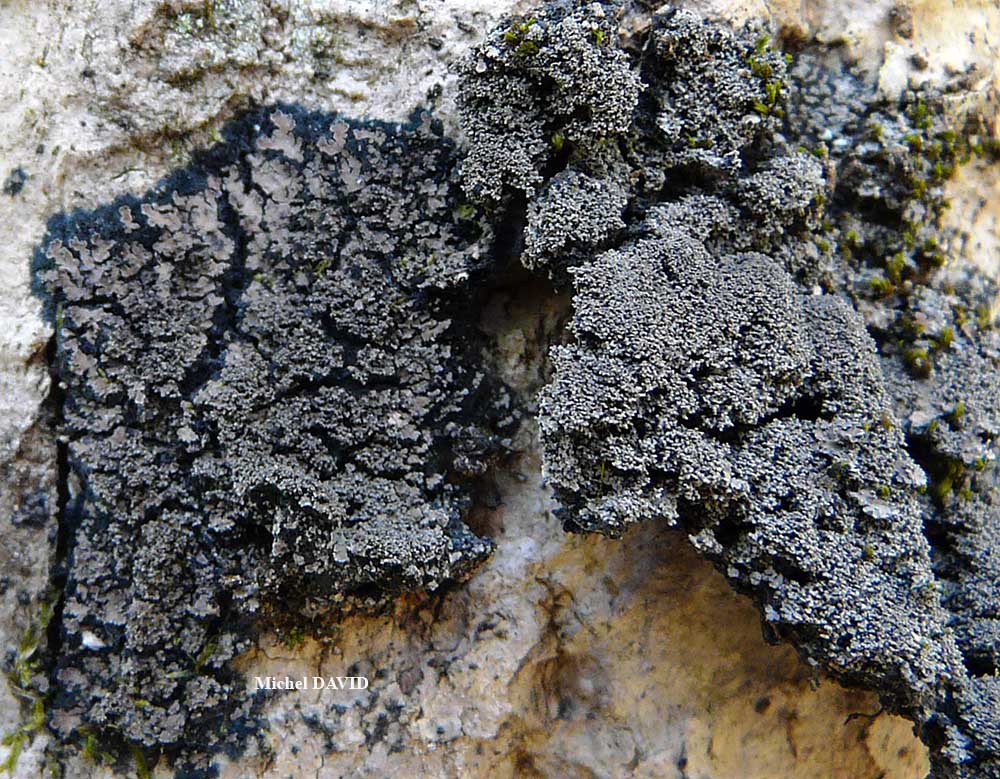
Michel David - Source: http://www.lichensmaritimes.org/index.php?task=fiche&lichen=688&lang=en
France, Forêt du Cranou
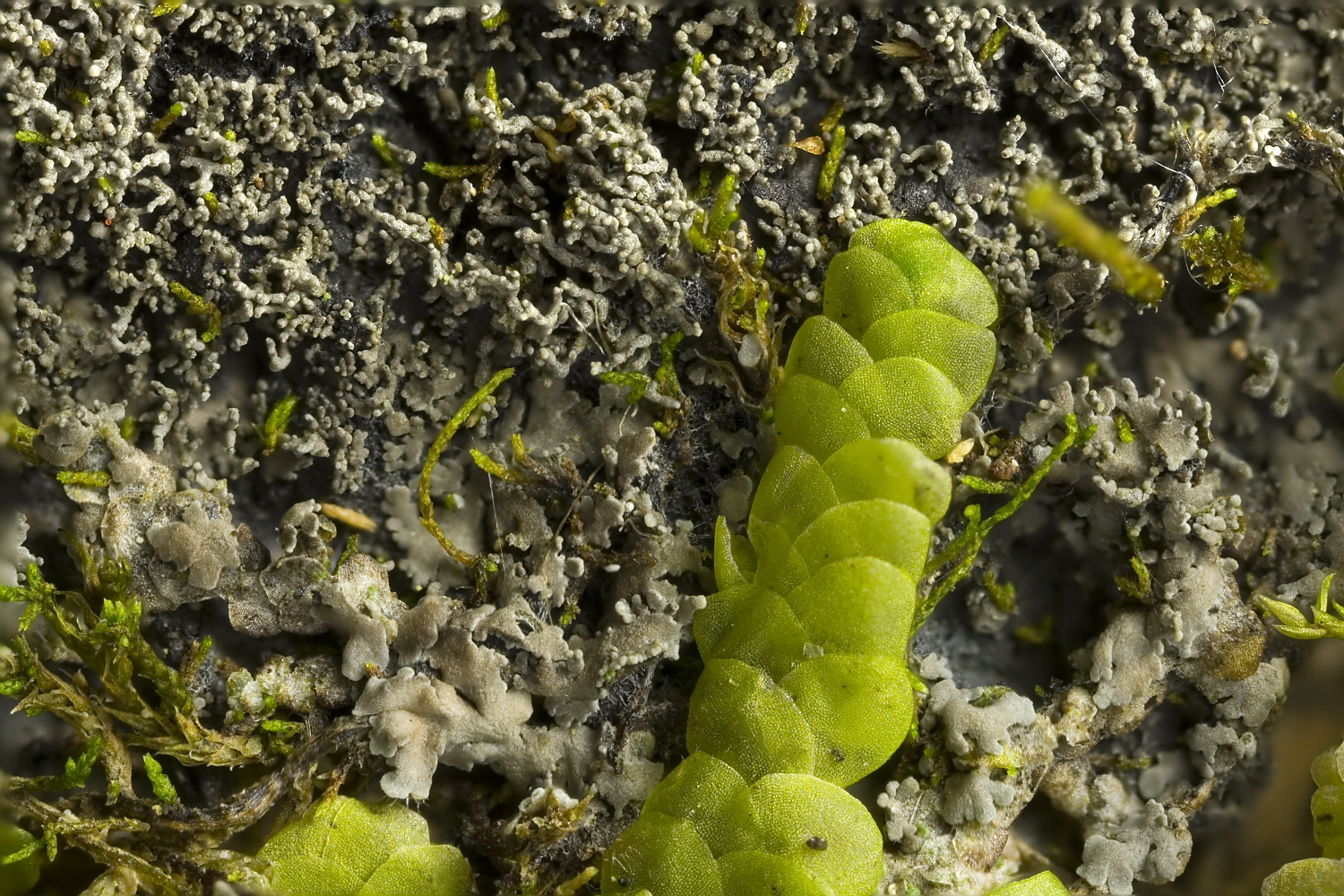
Ulrich Kirschbaum CC BY-SA 4.0 - Source: https://www.thm.de/lse/ulrich-kirschbaum/flechtenbilder
Austria: Alps.
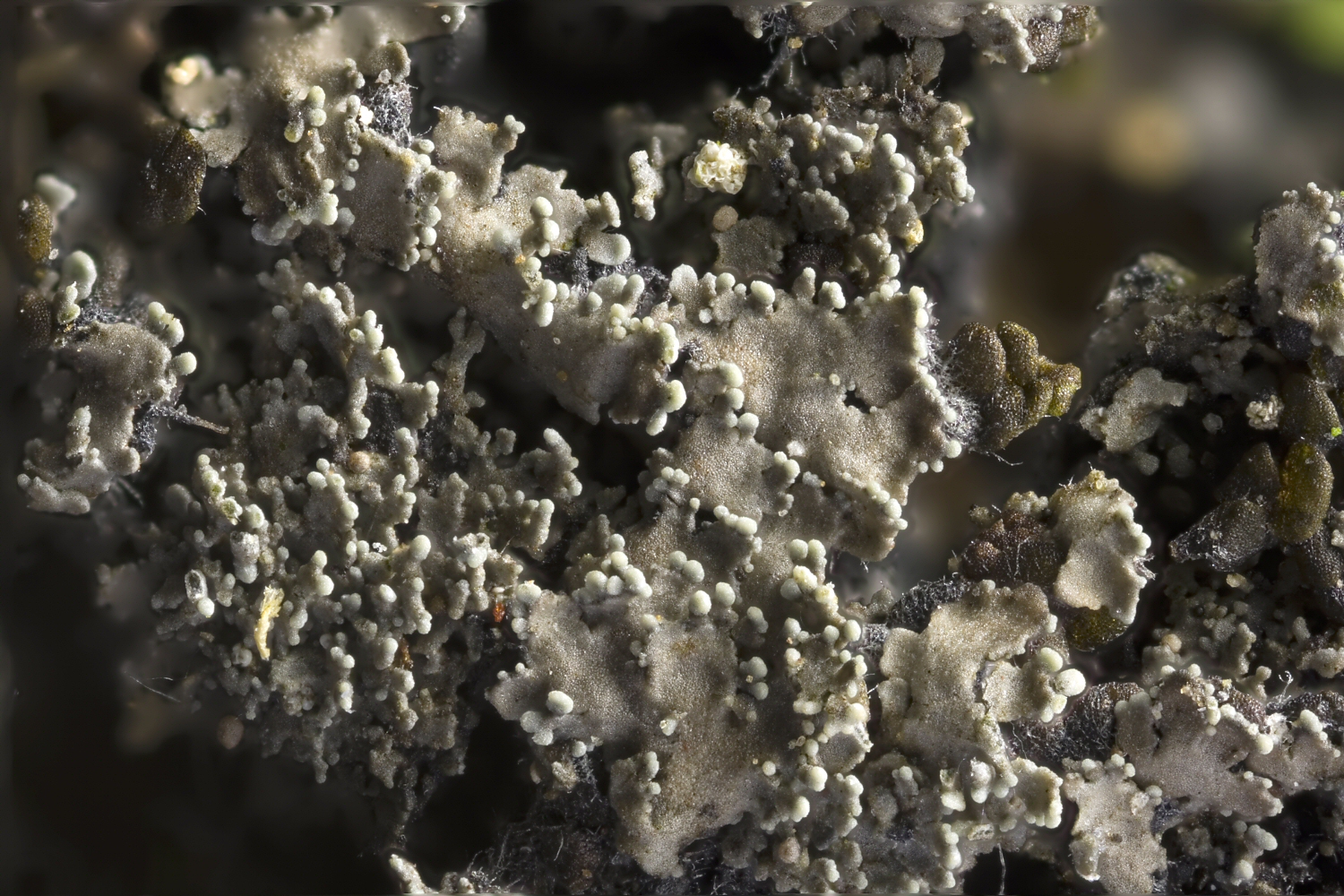
Ulrich Kirschbaum CC BY-SA 4.0 - Source: https://www.thm.de/lse/ulrich-kirschbaum/flechtenbilder
Austria: Alps.

Felix Schumm - CC BY-SA 4.0
[20928], Austria, Salzburg, Eastern Alps, Berchtesgaden Alps, Pongauregion, Hagengebirge, 10.5 km NW of the centre of Bischofshofen, valley-area of the brook Blühnbach, between Maxlehen and "Schloss Blühnbach", 47°28'38'' N, 13°06'46'' E, 765 m, on Acer. Leg. R. Türk (no 58088), 17.06.2017, det R. Türk. Ex: LICHENOTHECA GRAECENSIS NR. 466

Felix Schumm - CC BY-SA 4.0
[20928], Austria, Salzburg, Eastern Alps, Berchtesgaden Alps, Pongauregion, Hagengebirge, 10.5 km NW of the centre of Bischofshofen, valley-area of the brook Blühnbach, between Maxlehen and "Schloss Blühnbach", 47°28'38'' N, 13°06'46'' E, 765 m, on Acer. Leg. R. Türk (no 58088), 17.06.2017, det R. Türk. Ex: LICHENOTHECA GRAECENSIS NR. 466

Felix Schumm - CC BY-SA 4.0
[3077], Österreich, östlich von Biberwier, westlich des Wampezer Schrofens, 1350 m, an Bergahorn. Leg. F. Schumm & H.-J. Wolf, 22.09.1985, det. F. Schumm.

Felix Schumm - CC BY-SA 4.0
[3077], Österreich, östlich von Biberwier, westlich des Wampezer Schrofens, 1350 m, an Bergahorn. Leg. F. Schumm & H.-J. Wolf, 22.09.1985, det. F. Schumm.

Felix Schumm - CC BY-SA 4.0
[3077], Österreich, östlich von Biberwier, westlich des Wampezer Schrofens, 1350 m, an Bergahorn. Leg. F. Schumm & H.-J. Wolf, 22.09.1985, det. F. Schumm.

Felix Schumm - CC BY-SA 4.0
[3077], Österreich, östlich von Biberwier, westlich des Wampezer Schrofens, 1350 m, an Bergahorn. Leg. F. Schumm & H.-J. Wolf, 22.09.1985, det. F. Schumm.

Felix Schumm - CC BY-SA 4.0
[3077], Österreich, östlich von Biberwier, westlich des Wampezer Schrofens, 1350 m, an Bergahorn. Leg. F. Schumm & H.-J. Wolf, 22.09.1985, det. F. Schumm.

Felix Schumm - CC BY-SA 4.0
[3077], Österreich, östlich von Biberwier, westlich des Wampezer Schrofens, 1350 m, an Bergahorn. Leg. F. Schumm & H.-J. Wolf, 22.09.1985, det. F. Schumm.

Felix Schumm - CC BY-SA 4.0
[3077], Österreich, östlich von Biberwier, westlich des Wampezer Schrofens, 1350 m, an Bergahorn. Leg. F. Schumm & H.-J. Wolf, 22.09.1985, det. F. Schumm.

Felix Schumm - CC BY-SA 4.0
[3077], Österreich, östlich von Biberwier, westlich des Wampezer Schrofens, 1350 m, an Bergahorn. Leg. F. Schumm & H.-J. Wolf, 22.09.1985, det. F. Schumm.

Felix Schumm - CC BY-SA 4.0
[3077], Österreich, östlich von Biberwier, westlich des Wampezer Schrofens, 1350 m, an Bergahorn. Leg. F. Schumm & H.-J. Wolf, 22.09.1985, det. F. Schumm.

Felix Schumm - CC BY-SA 4.0
[3077], Österreich, östlich von Biberwier, westlich des Wampezer Schrofens, 1350 m, an Bergahorn. Leg. F. Schumm & H.-J. Wolf, 22.09.1985, det. F. Schumm.

Felix Schumm - CC BY-SA 4.0
[3077], Österreich, östlich von Biberwier, westlich des Wampezer Schrofens, 1350 m, an Bergahorn. Leg. F. Schumm & H.-J. Wolf, 22.09.1985, det. F. Schumm.

Felix Schumm - CC BY-SA 4.0
[2086]

Felix Schumm - CC BY-SA 4.0
[2086]

Felix Schumm - CC BY-SA 4.0
[2086]

Felix Schumm - CC BY-SA 4.0
[2086]

Felix Schumm - CC BY-SA 4.0
[2086]

Felix Schumm - CC BY-SA 4.0
[2086]
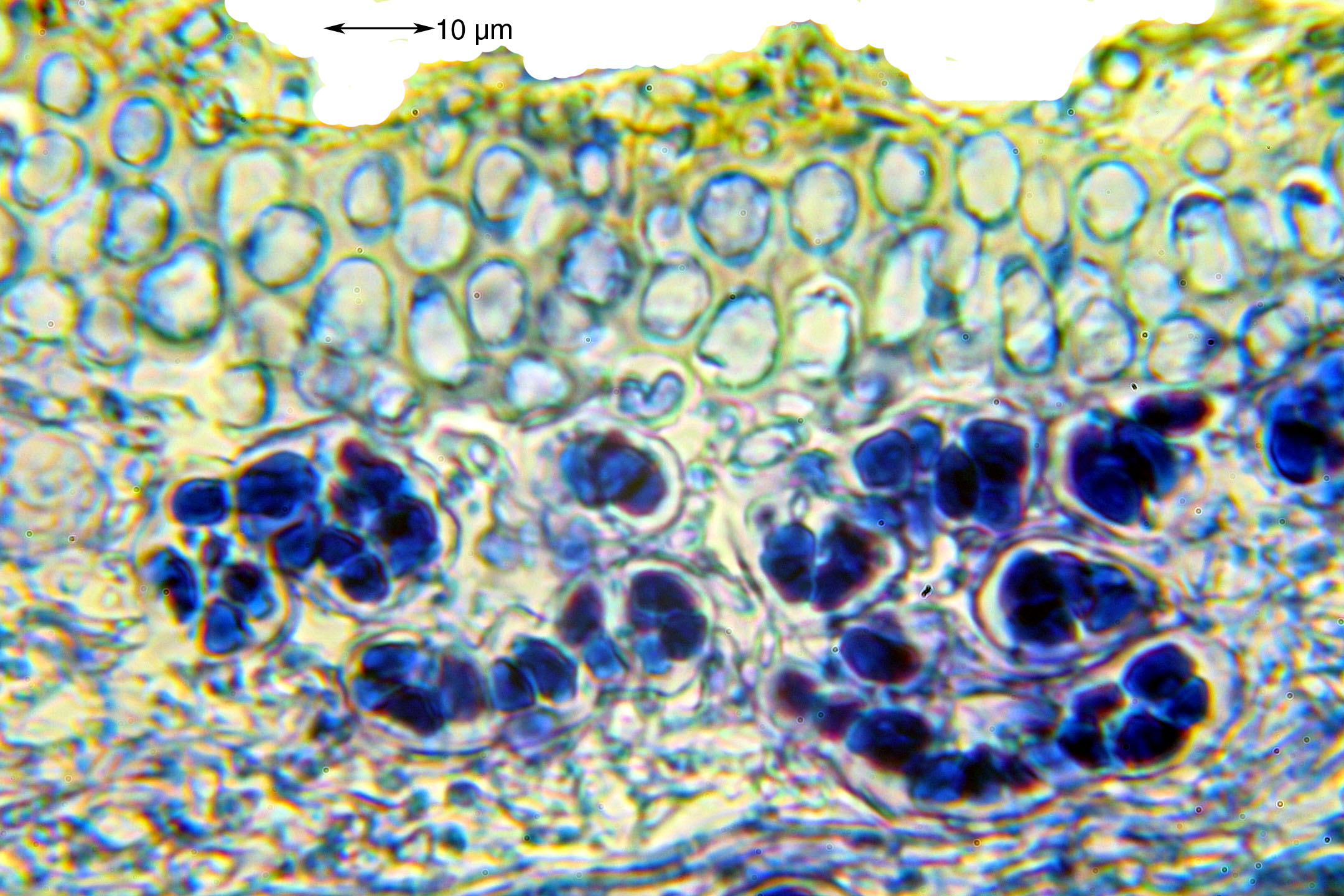
Felix Schumm - CC BY-SA 4.0
[2086]

Felix Schumm - CC BY-SA 4.0
[2086]

Wolfgang von Brackel - CC BY-4.0
Germany, Bavaria, Elmaubachtal

Wolfgang von Brackel - CC BY-4.0
Germany, Bavaria, Elmaubachtal

Collezione lichenologica Abramo Massalongo del Museo di Storia Naturale G. Ligabue di Venezia - Autori: Seggi, Linda; Trabucco, Raffaella Proprietà: Fondazione Musei Civici di Venezia - CC BY-NC
Italy, Veneto, in op. Badia (xami)
as Pannaria triptophylla f. xamia A. Massal.

Felix Schumm - CC BY 4.0
[VZ1927], URSS. Georgia (Caucasus occidentalis). Distr. Sukhumi: in declivibus montis Bashta prope pagum Pskhu, 900-1000 m. Ad corticem Alni barbatae. Leg. V. Vašák, 9.8.1983, det. A. Vezda. EX A. VEZDA LICHENES SELECTI EXSICCATI NR. 1927.

Felix Schumm - CC BY 4.0
[VZ1927], URSS. Georgia (Caucasus occidentalis). Distr. Sukhumi: in declivibus montis Bashta prope pagum Pskhu, 900-1000 m. Ad corticem Alni barbatae. Leg. V. Vašák, 9.8.1983, det. A. Vezda. EX A. VEZDA LICHENES SELECTI EXSICCATI NR. 1927.