Diarthonis spadicea (Leight.) Frisch, Ertz, Coppins & P.F.Cannon
in Cannon & al., Revisions of British and Irish Lichens. Vol. 1 Arthoniales: Arthoniaceae: 44, 2020. . Basionym: Arthonia spadicea Leight. - Ann. Mag. Nat. Hist., ser. 2, 13: 442, 1854.
Synonyms: Arthonia lurida Ach. non auct. ital. p.p.; Arthonia lurida var. spadicea (Leight.) Nyl.; Arthonia sublurida Anzi?; Coniangium spadiceum (Leight.) Arnold
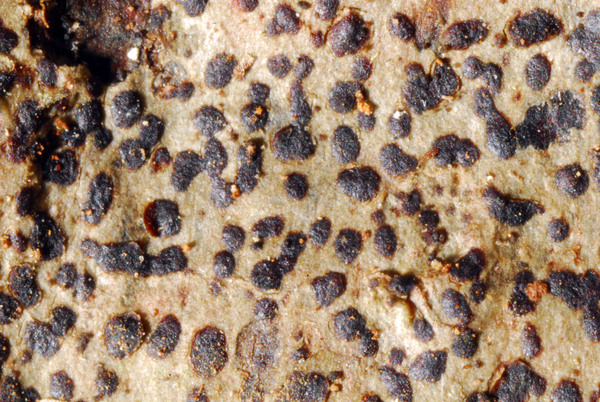
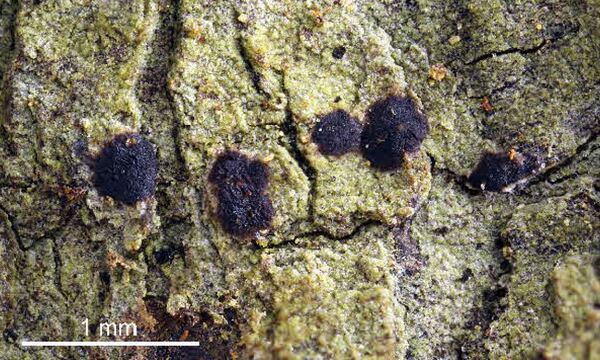
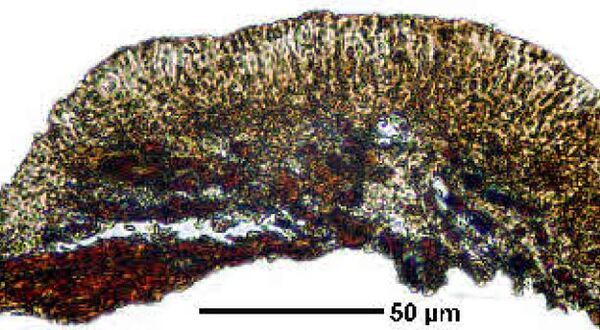
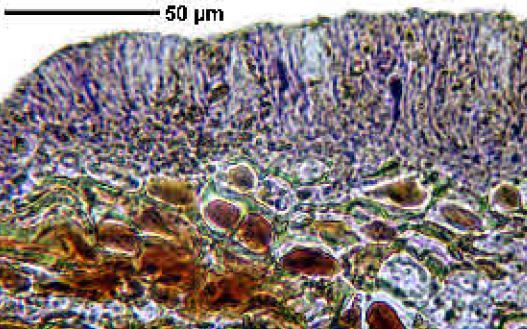
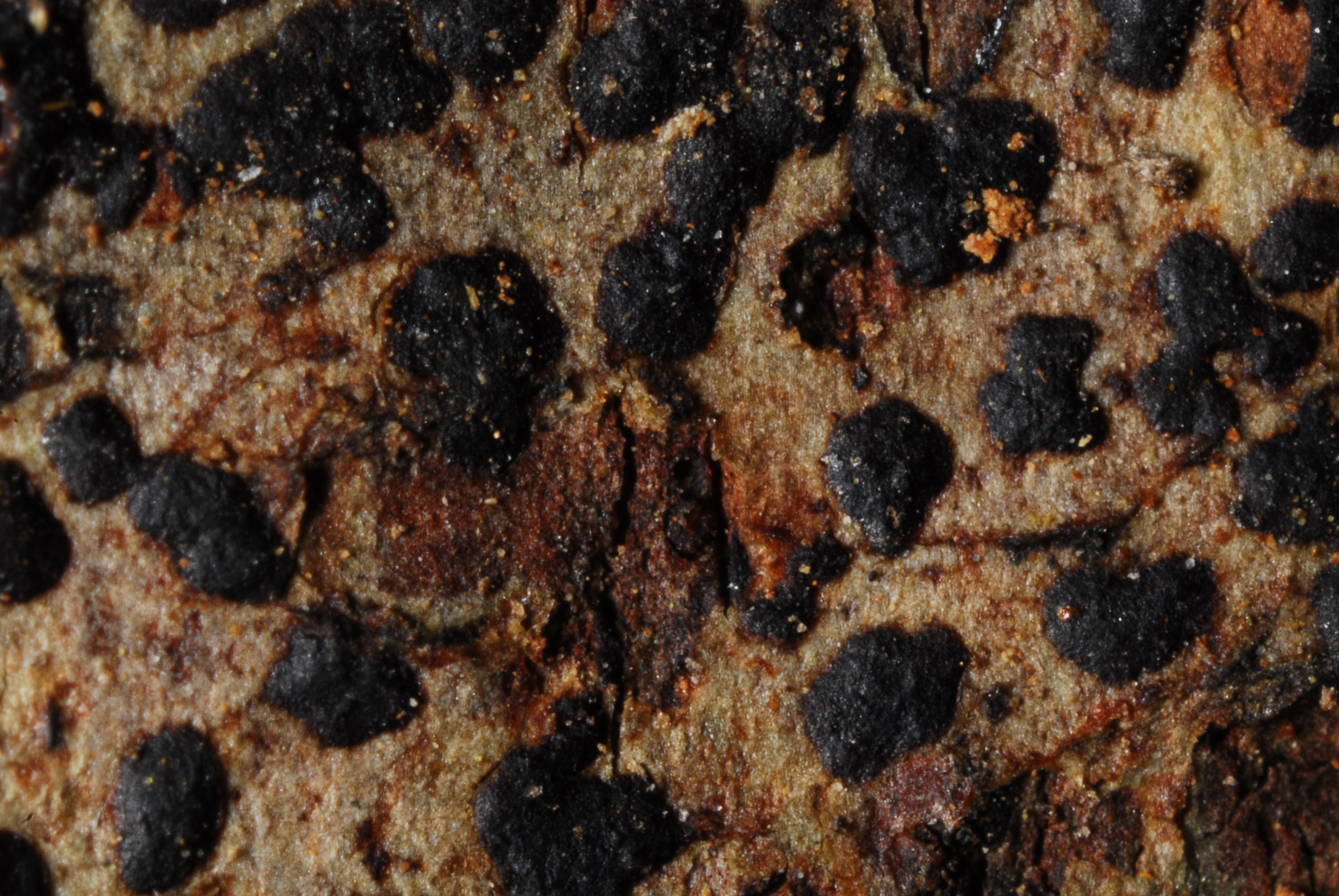
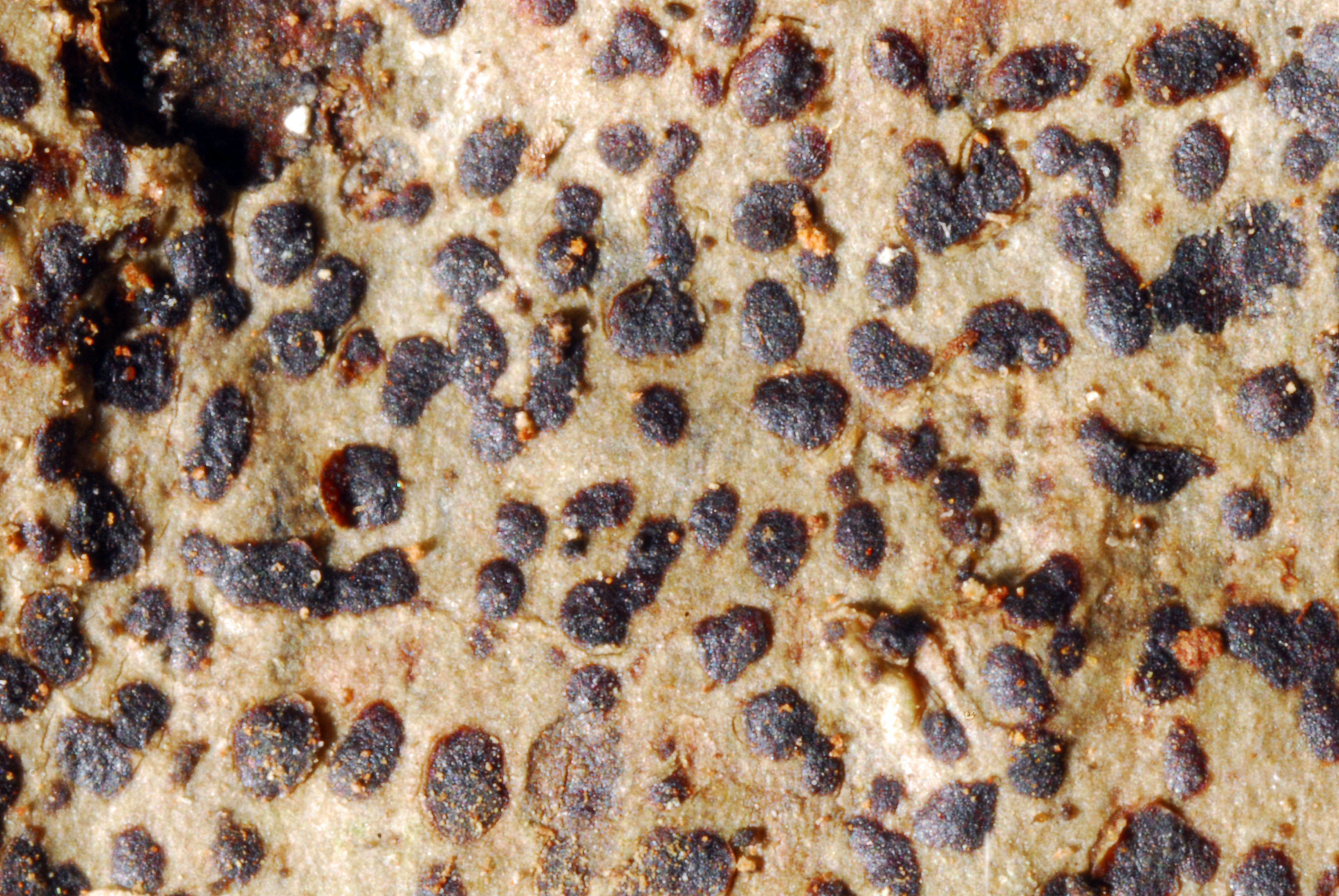
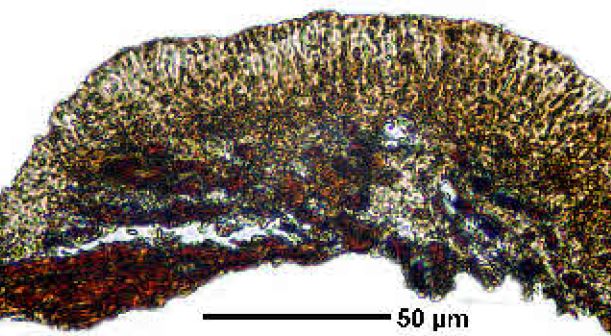
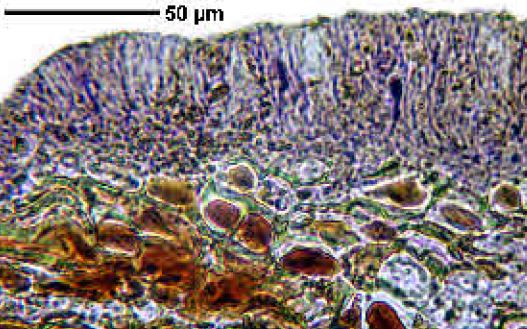
Description: Thallus crustose, mostly endosubstratic, rarely thinly episubstratic, up to 40 μm thick, not well-delimited, greenish grey to olive-coloured, the hyphae K/I-. Apothecia arthonioid, rounded, elliptical or irregular in outline, red-brown to brown-black, often slightly glossy, 0.2-1(-1.5) mm across, 50-75 μm tall, with a flat to slightly convex disc, without a distinct proper margin. Epithecium indistinct; hymenium 25-35(-40) μm high, orange-brown, K+ pale purple, I+ wine-red; paraphysoids 0.5-1(-1.5) μm thick, not swollen at apices, without a dark cap; hypothecium orange-brown, 30-40 μm high. Asci 8-spored, broadly clavate to subglobose, distinctly stipitate, semi-fissitunicate, with a large apical dome and a distinct ocular chamber, Arthonia-type. Ascospores 1-septate with slightly unequal cells, hyaline, ovoid, 7-11 x 3-4 μm. Pycnidia frequent, 80-100 μm across, brown, the wall orange- to red-brown, K+ pale purple, the pigments not dissolving. Conidia bacilliform or narrowly ellipsoid, straight or slightly curved, 3-4.5(-6) x 0.5-1 μm. Photobiont trentepohlioid. Spot tests: thallus K-, C-, KC-, P-, UV-. Chemistry: thallus without lichen substances.
Growth form: Crustose
Substrata: bark
Photobiont: Trentepohlia
Reproductive strategy: mainly sexual
Most common in areas with a humid-warm climate (e.g. most of Tyrrenian Italy)
Commonnes-rarity: (info)
Alpine belt: absent
Subalpine belt: absent
Montane belt: very rare
Dry submediterranean belt: extremely rare
Humid submediterranean belt: very rare
Padanian area: extremely rare
pH of the substrata:
1 2 3 4 5

Solar irradiation:
1 2 3 4 5
Aridity:
1 2 3 4 5
Eutrophication:
1 2 3 4 5
Poleotolerance:
0 1 2 3
Altitudinal distribution:
1 2 3 4 5 6
Rarity
absent
extremely rare
very rare
rare
rather rare
rather common
common
very common
extremely common
Loading data...
Occurrence data
Predictive map
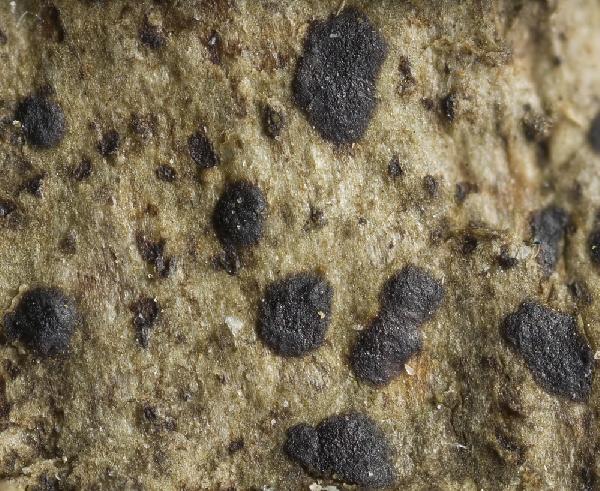
Ulrich Kirschbaum CC BY-SA 4.0 - Source: https://www.thm.de/lse/ulrich-kirschbaum/flechtenbilder
On the base of deciduous trees.Central Europe: Germany.(Coll/ident: Eichler/Cezanne).
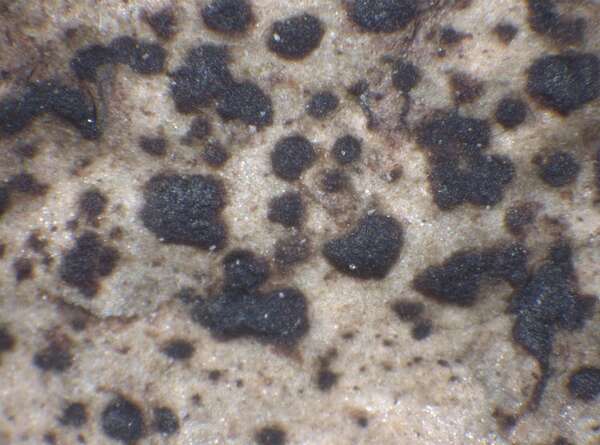
P.L. Nimis; Owner: Department of Life Sciences, University of Trieste
Herbarium: TSB (21819)
2003/03/11
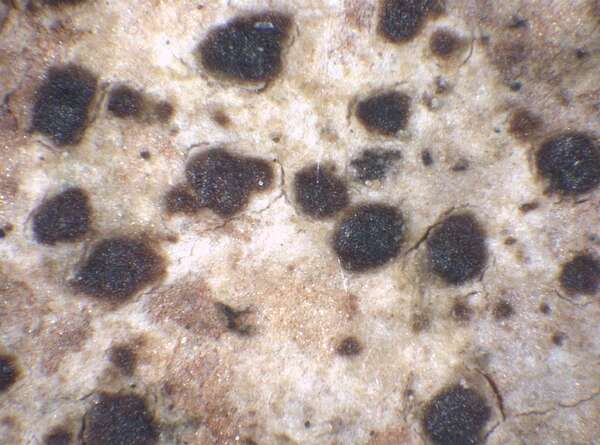
P.L. Nimis; Owner: Department of Life Sciences, University of Trieste
Herbarium: TSB (21819)
2003/03/11
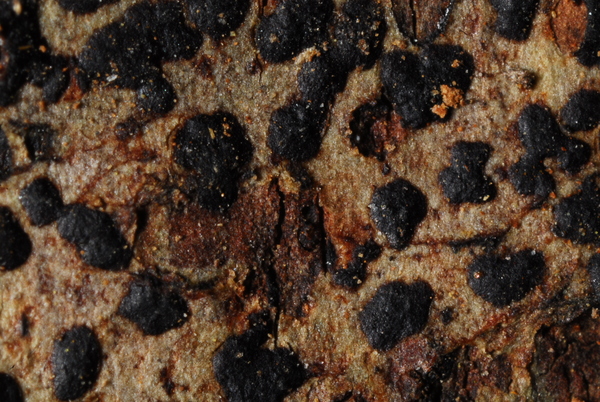
Domenico Puntillo; Owner: Domenico Puntillo
Italy
Domenico Puntillo; Owner: Domenico Puntillo
Italy
Felix Schumm - CC BY-SA 4.0
[14377], Seychelles, Praslin.
Felix Schumm - CC BY-SA 4.0
[14377], Seychelles, Praslin.
Felix Schumm - CC BY-SA 4.0
[14377], Seychelles, Praslin.
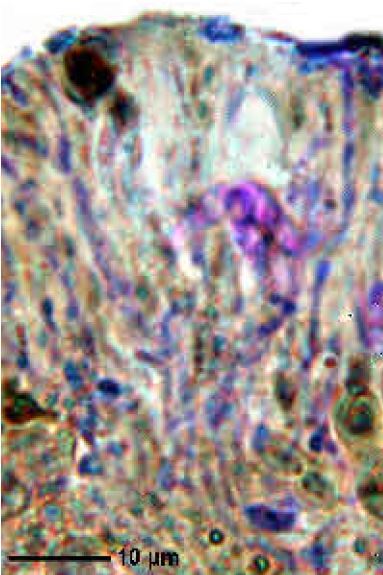
Felix Schumm - CC BY-SA 4.0
[14377], Seychelles, Praslin.
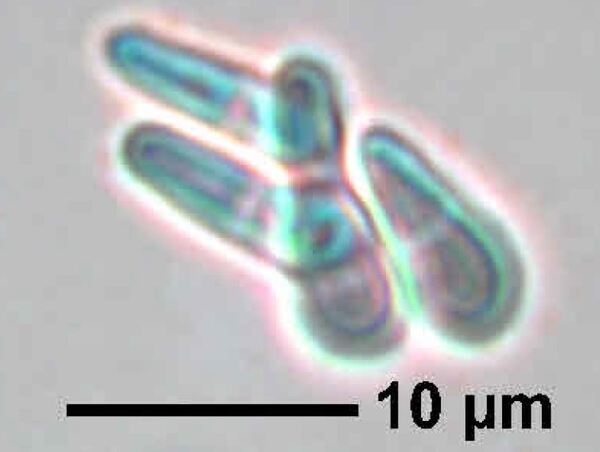
Felix Schumm - CC BY-SA 4.0
[14377], Seychelles, Praslin.
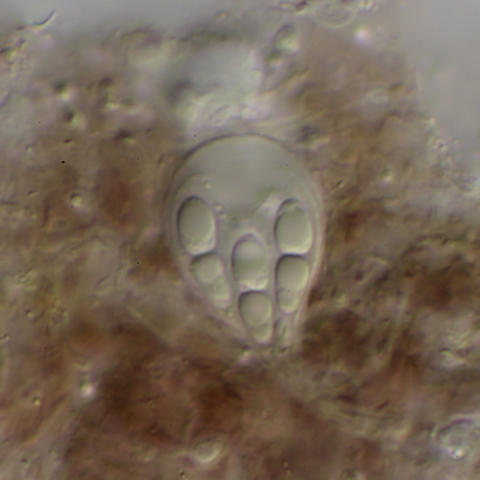
Photo uploaded by P. Cannon, CC BY-SA NC Source: http://fungi.myspecies.info/file/12422
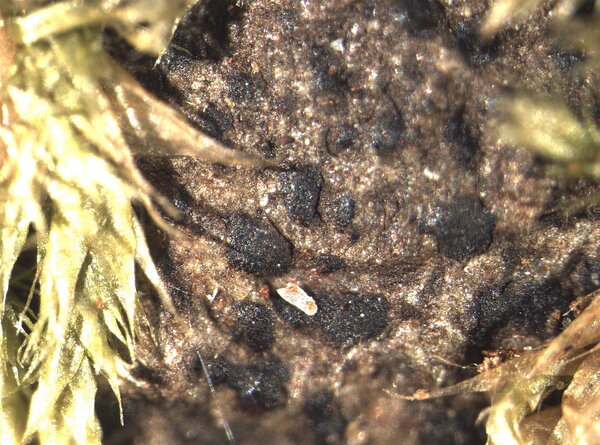
P.L. Nimis CC BY-SA 04
TSB 42563
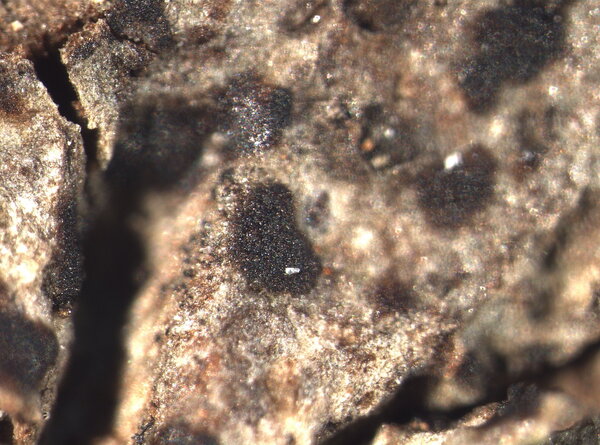
P.L. Nimis CC BY-SA 04
TSB 42563
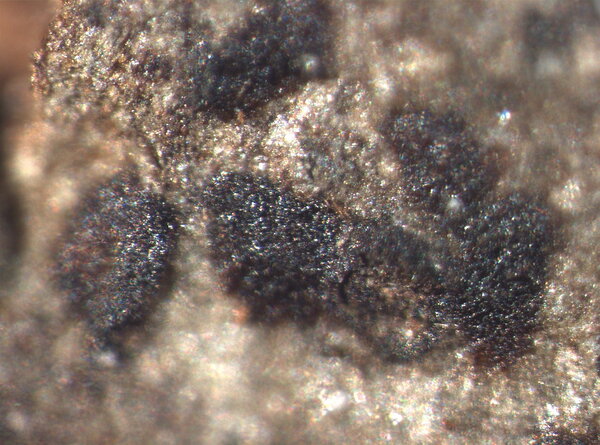
P.L. Nimis CC BY-SA 04
TSB 42563
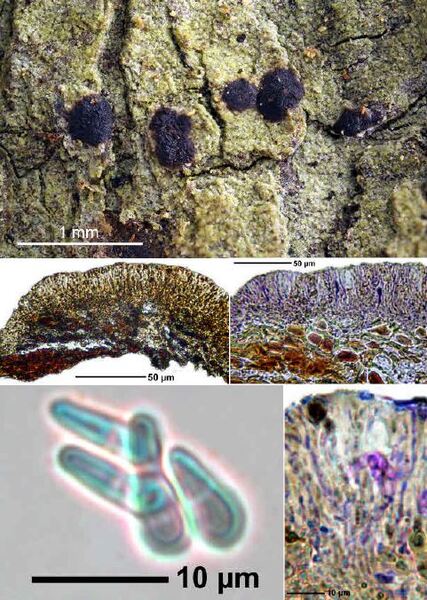
Felix Schumm – CC BY-SA 4.0
[14377], Seychelles, Praslin.
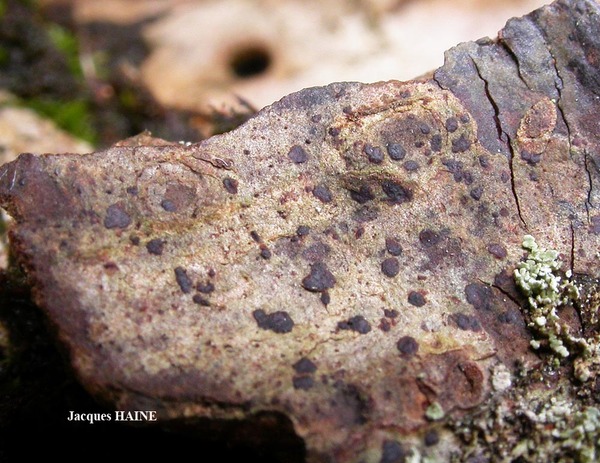
Jacques Haine - Source: http://www.lichensmaritimes.org/index.php?task=fiche&lichen=573&lang=en
France, Ardennes
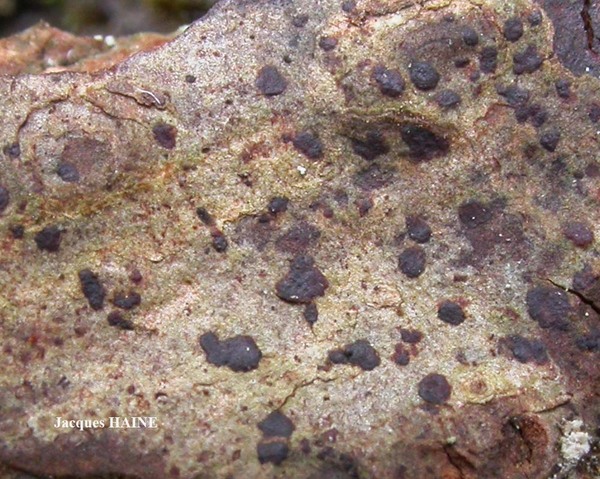
Jacques Haine - Source: http://www.lichensmaritimes.org/index.php?task=fiche&lichen=573&lang=en
France, Ardennes
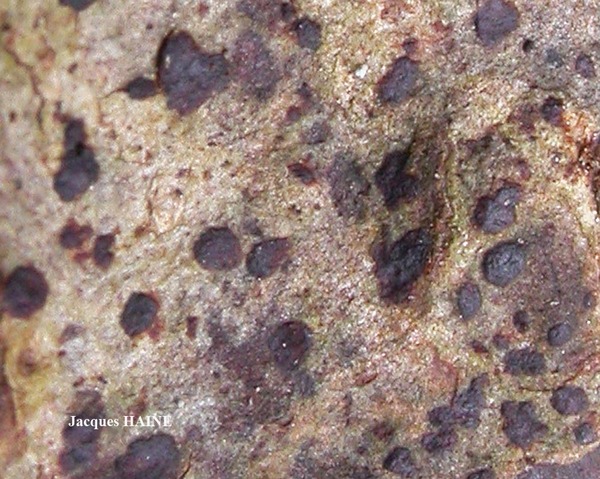
Jacques Haine - Source: http://www.lichensmaritimes.org/index.php?task=fiche&lichen=573&lang=en
France, Ardennes
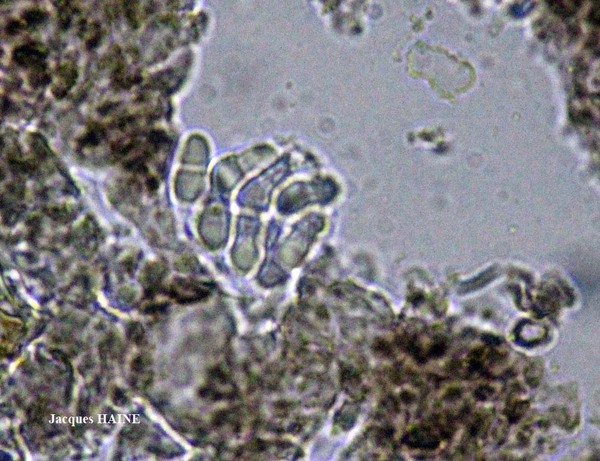
Jacques Haine - Source: http://www.lichensmaritimes.org/index.php?task=fiche&lichen=573&lang=en
France, Ardennes
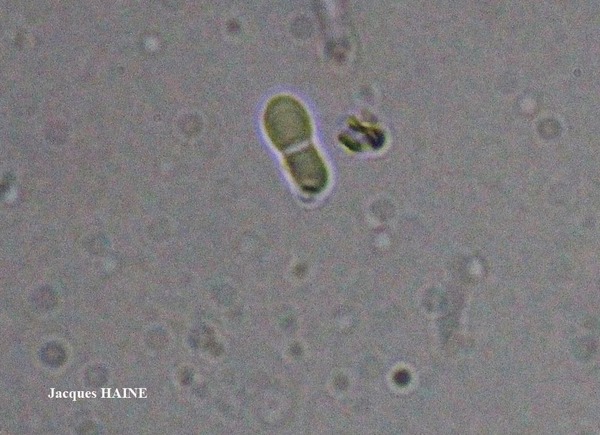
Jacques Haine - Source: http://www.lichensmaritimes.org/index.php?task=fiche&lichen=573&lang=en
France, Ardennes
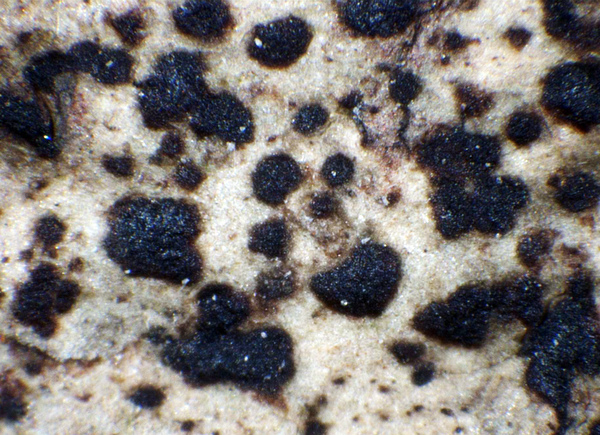
P.L. Nimis CC BY-SA 04
TSB 21819
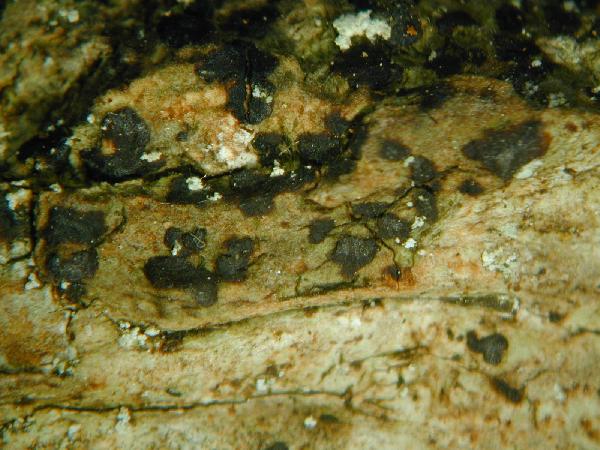
Wolfgang von Brackel - CC BY 4.0
Germany, Bavaria, Oberallgäu, Breitachklamm, ., .
Growth form: Crustose
Substrata: bark
Photobiont: Trentepohlia
Reproductive strategy: mainly sexual
Most common in areas with a humid-warm climate (e.g. most of Tyrrenian Italy)
Commonnes-rarity: (info)
Alpine belt: absent
Subalpine belt: absent
Montane belt: very rare
Dry submediterranean belt: extremely rare
Humid submediterranean belt: very rare
Padanian area: extremely rare
pH of the substrata:
| 1 | 2 | 3 | 4 | 5 |
Solar irradiation:
| 1 | 2 | 3 | 4 | 5 |
Aridity:
| 1 | 2 | 3 | 4 | 5 |
Eutrophication:
| 1 | 2 | 3 | 4 | 5 |
Poleotolerance:
| 0 | 1 | 2 | 3 |
Altitudinal distribution:
| 1 | 2 | 3 | 4 | 5 | 6 |
Rarity
absent
extremely rare
very rare
rare
rather rare
rather common
common
very common
extremely common
Loading data...
Occurrence data
Predictive map
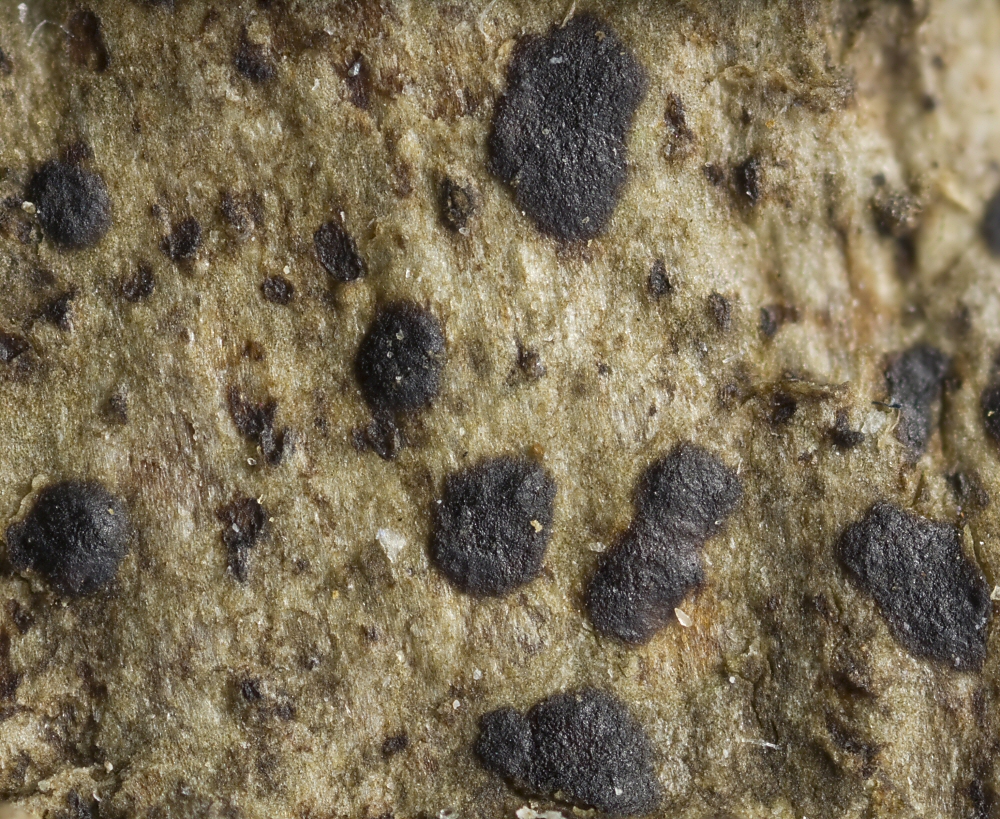
Ulrich Kirschbaum CC BY-SA 4.0 - Source: https://www.thm.de/lse/ulrich-kirschbaum/flechtenbilder
On the base of deciduous trees.Central Europe: Germany.(Coll/ident: Eichler/Cezanne).
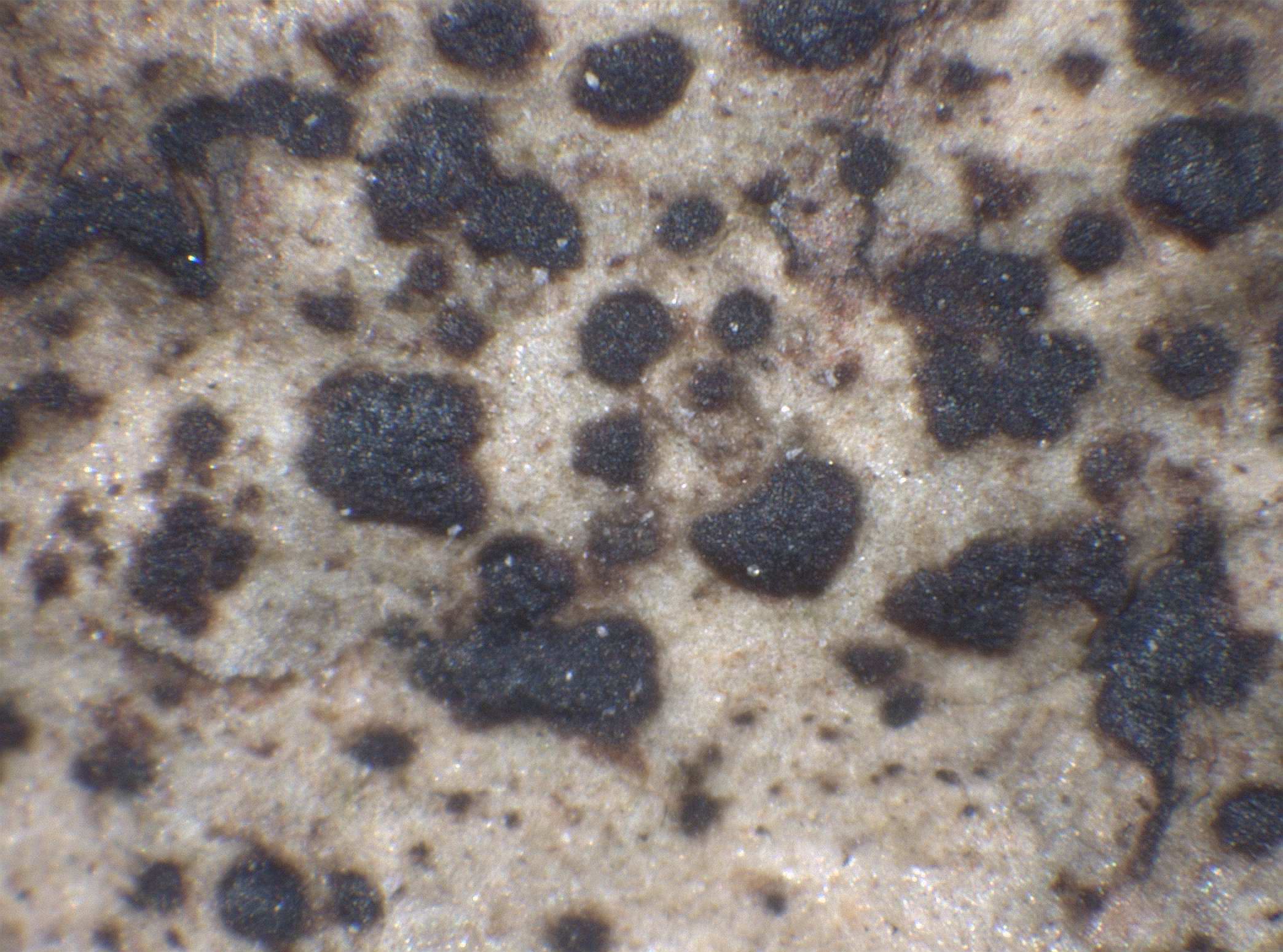
P.L. Nimis; Owner: Department of Life Sciences, University of Trieste
Herbarium: TSB (21819)
2003/03/11

P.L. Nimis; Owner: Department of Life Sciences, University of Trieste
Herbarium: TSB (21819)
2003/03/11
Domenico Puntillo; Owner: Domenico Puntillo
Italy
Domenico Puntillo; Owner: Domenico Puntillo
Italy

Felix Schumm - CC BY-SA 4.0
[14377], Seychelles, Praslin.
Felix Schumm - CC BY-SA 4.0
[14377], Seychelles, Praslin.
Felix Schumm - CC BY-SA 4.0
[14377], Seychelles, Praslin.
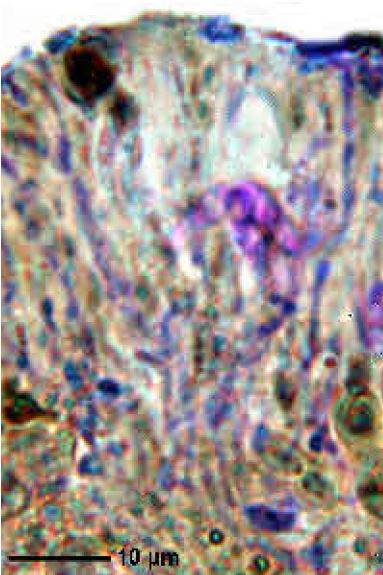
Felix Schumm - CC BY-SA 4.0
[14377], Seychelles, Praslin.
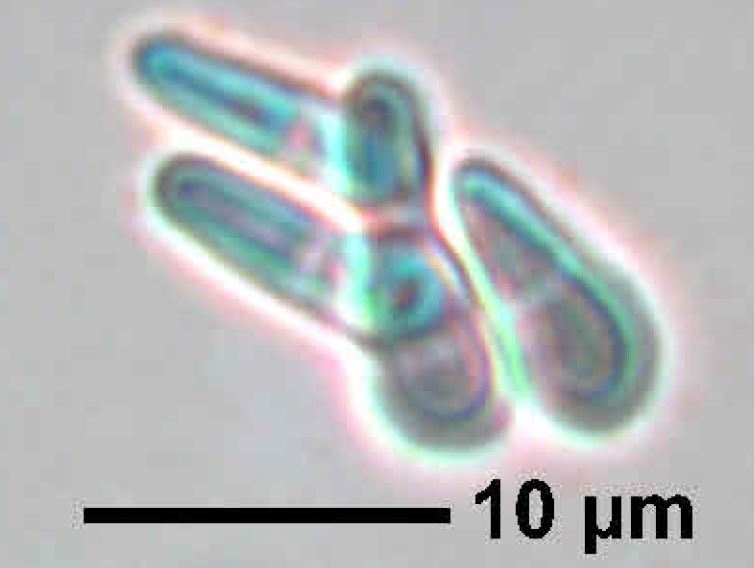
Felix Schumm - CC BY-SA 4.0
[14377], Seychelles, Praslin.
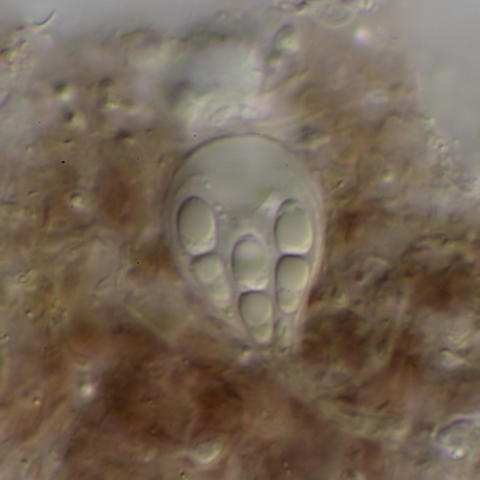
Photo uploaded by P. Cannon, CC BY-SA NC Source: http://fungi.myspecies.info/file/12422
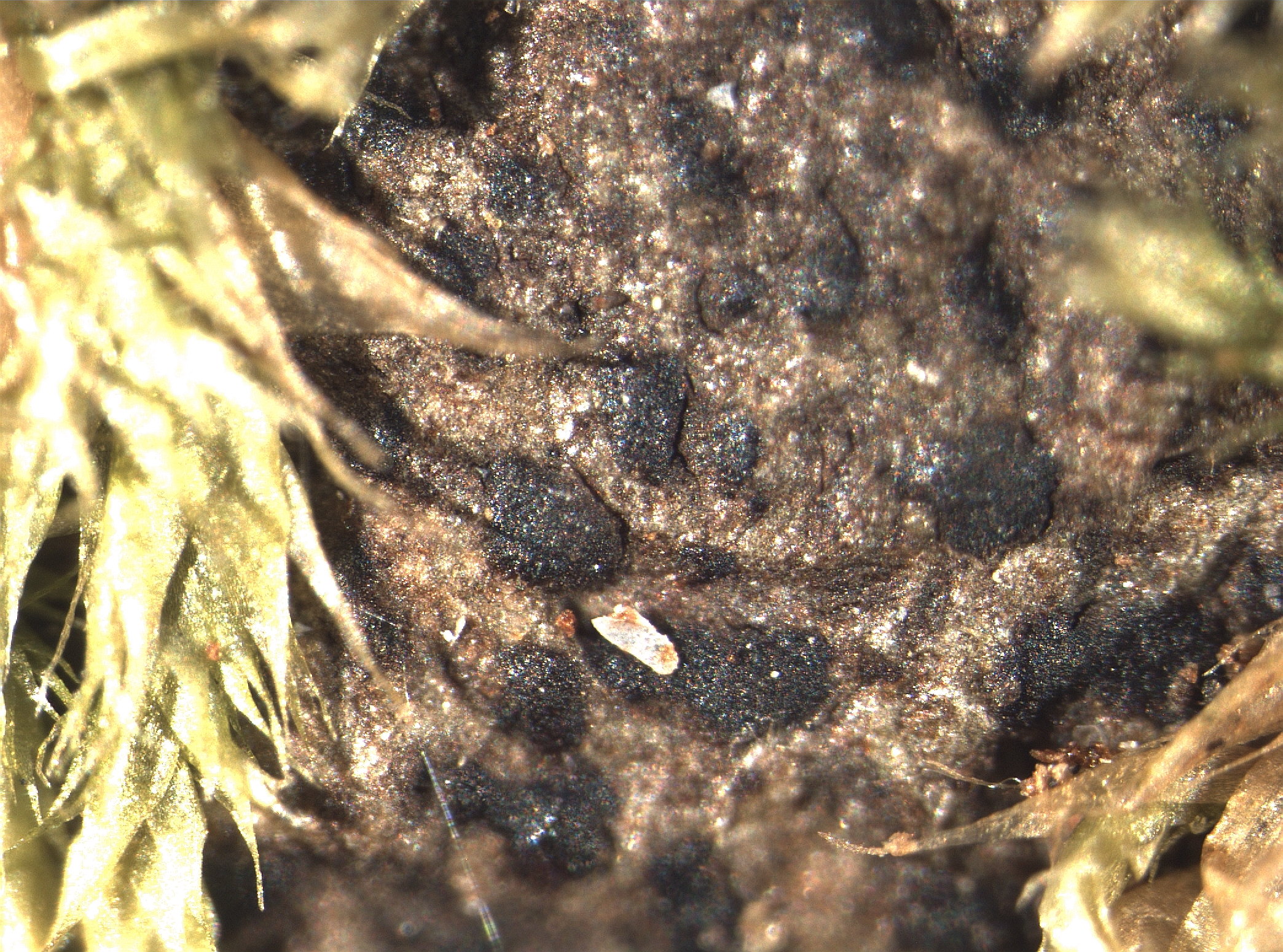
P.L. Nimis CC BY-SA 04
TSB 42563
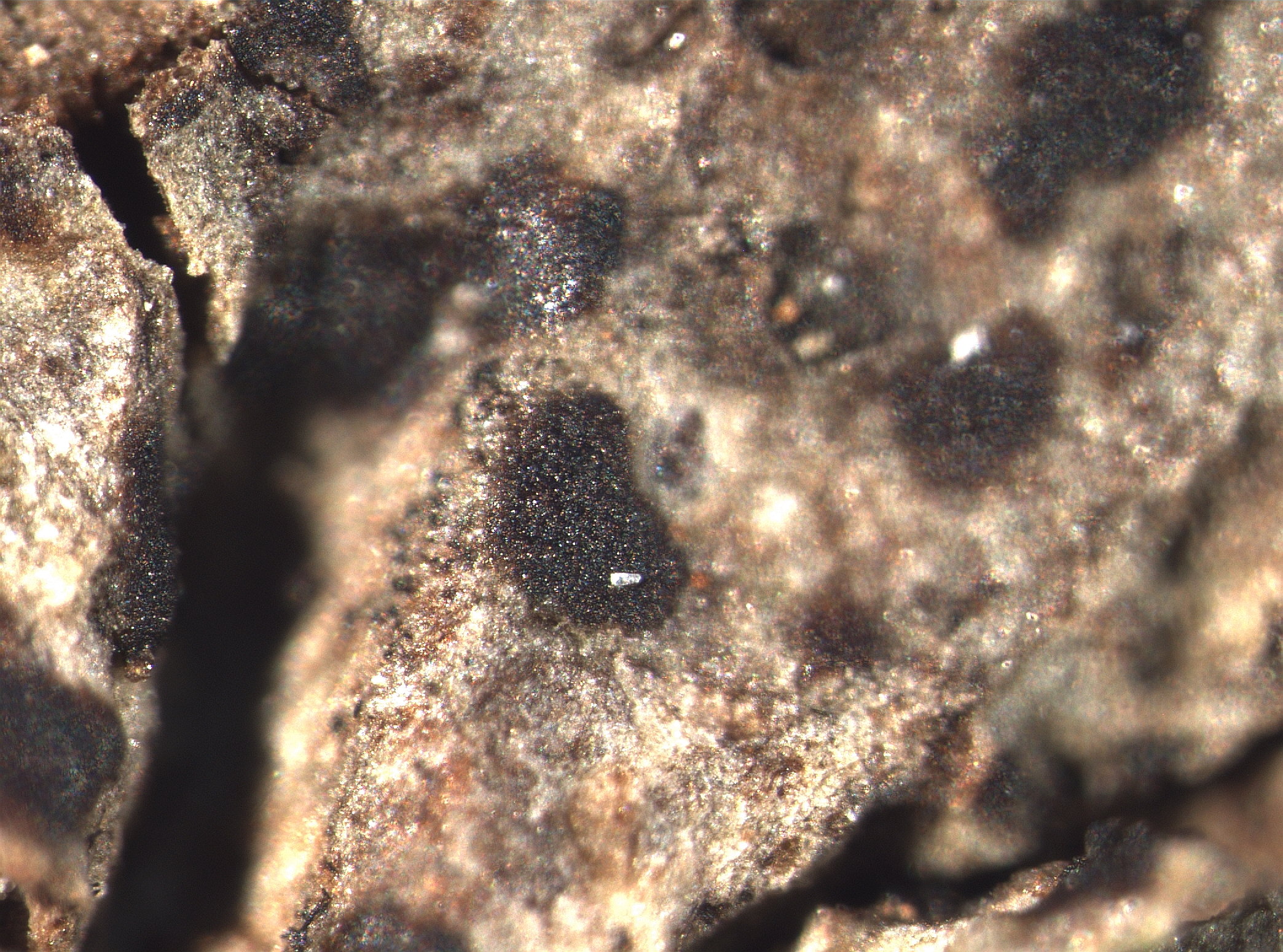
P.L. Nimis CC BY-SA 04
TSB 42563

P.L. Nimis CC BY-SA 04
TSB 42563
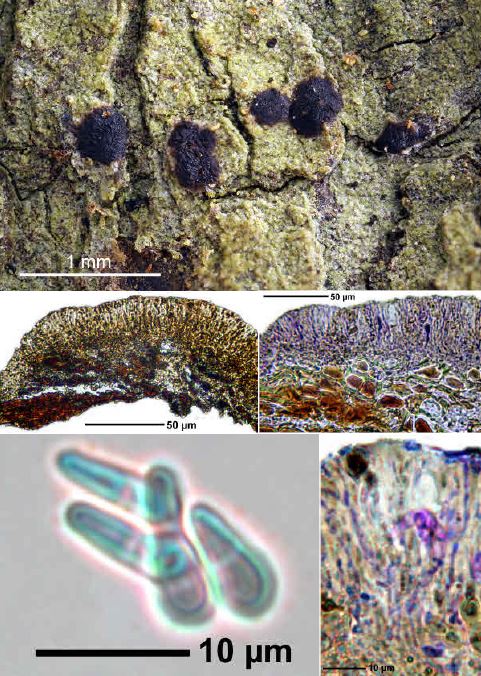
Felix Schumm – CC BY-SA 4.0
[14377], Seychelles, Praslin.
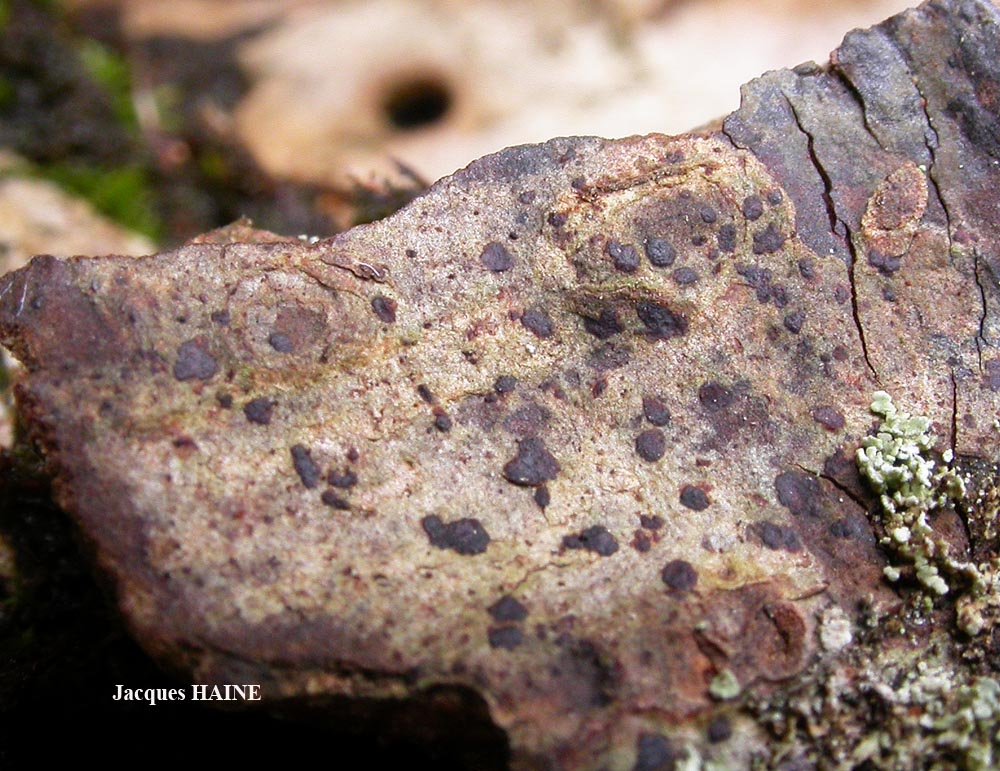
Jacques Haine - Source: http://www.lichensmaritimes.org/index.php?task=fiche&lichen=573&lang=en
France, Ardennes
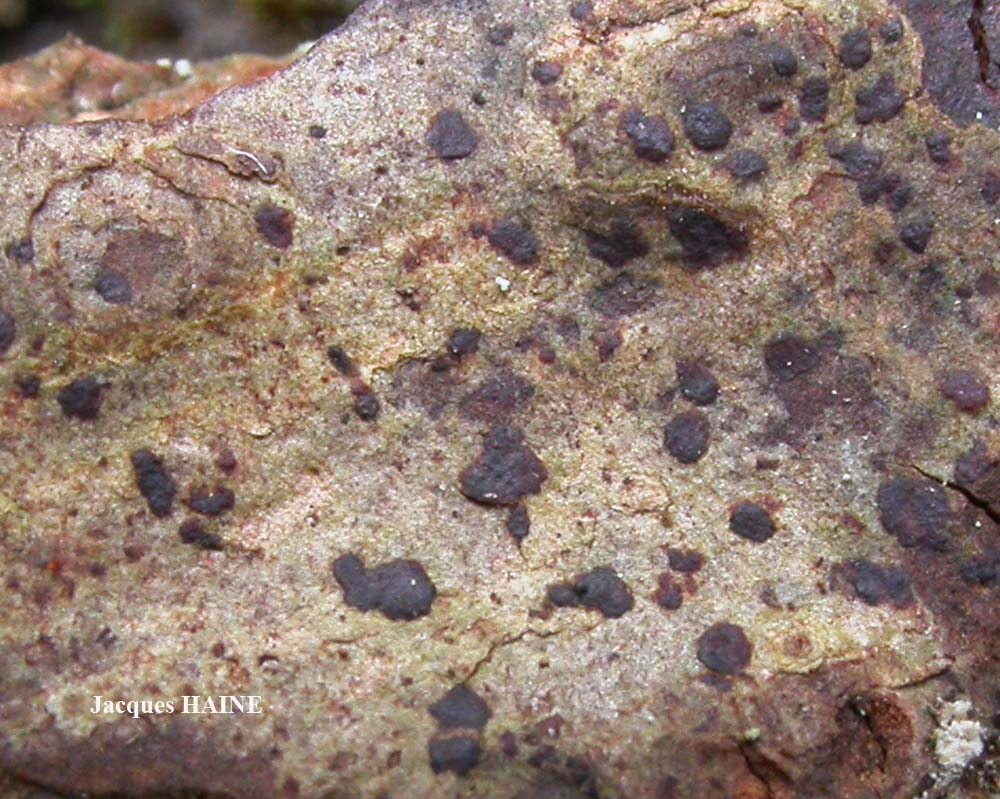
Jacques Haine - Source: http://www.lichensmaritimes.org/index.php?task=fiche&lichen=573&lang=en
France, Ardennes
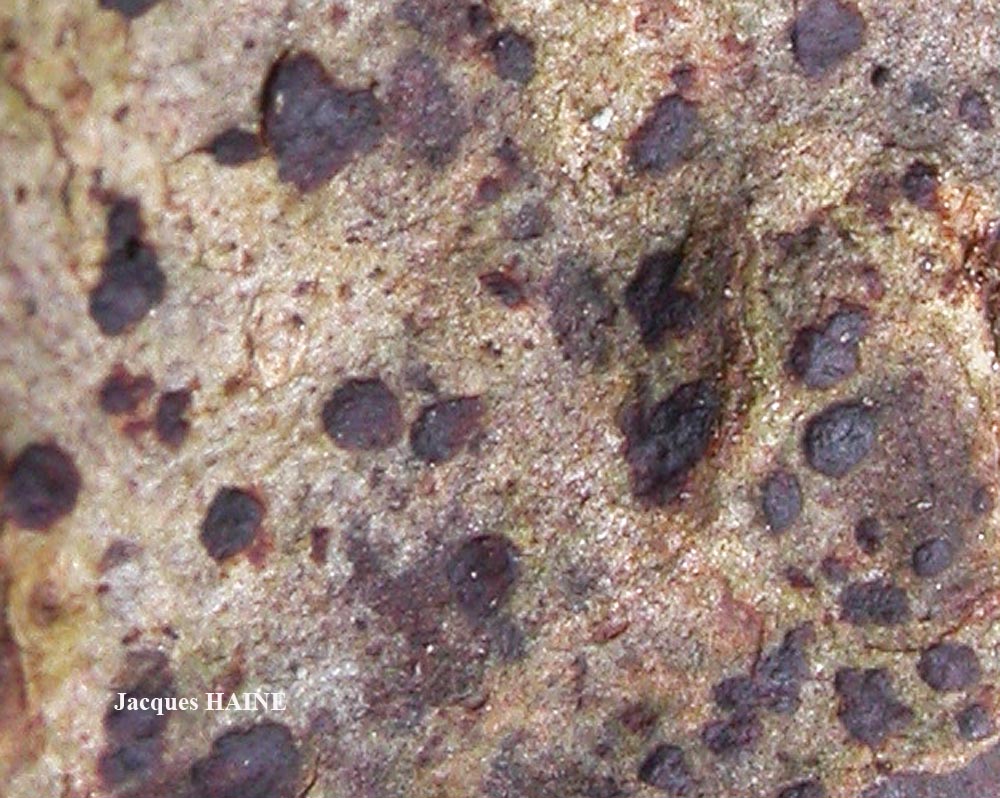
Jacques Haine - Source: http://www.lichensmaritimes.org/index.php?task=fiche&lichen=573&lang=en
France, Ardennes
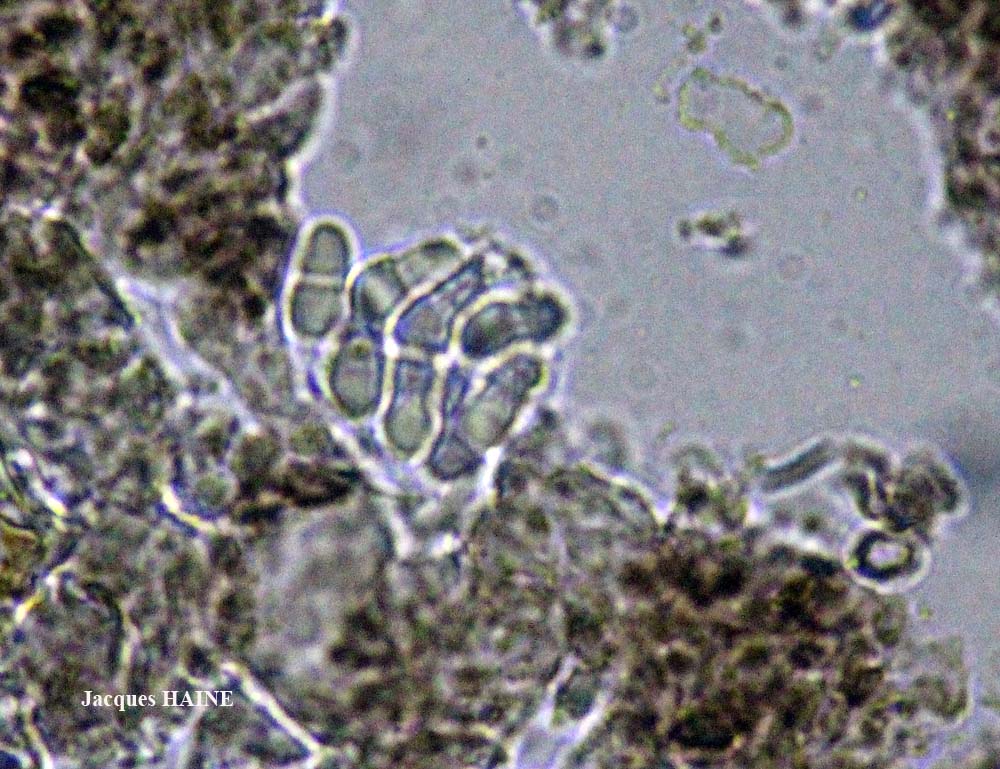
Jacques Haine - Source: http://www.lichensmaritimes.org/index.php?task=fiche&lichen=573&lang=en
France, Ardennes
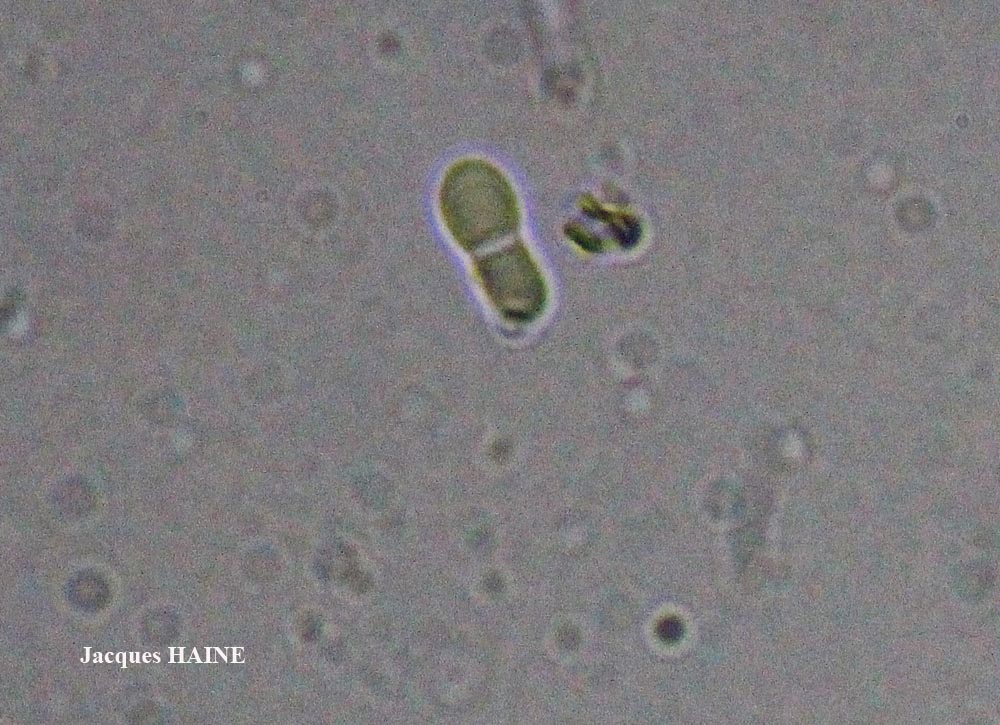
Jacques Haine - Source: http://www.lichensmaritimes.org/index.php?task=fiche&lichen=573&lang=en
France, Ardennes

P.L. Nimis CC BY-SA 04
TSB 21819