Parmelina pastillifera (Harm.) Hale
Smithsonian Contr. Bot., 33: 39, 1976. Basionym: Parmelia scortea var. pastillifera Harm. - Lich. de France, 4: 558, 1910 ("1909").
Synonyms: Parmelia pastillifera (Harm.) R. Schub. & Klem.; Parmelia tiliacea var. pastillifera (Harm.) Grummann
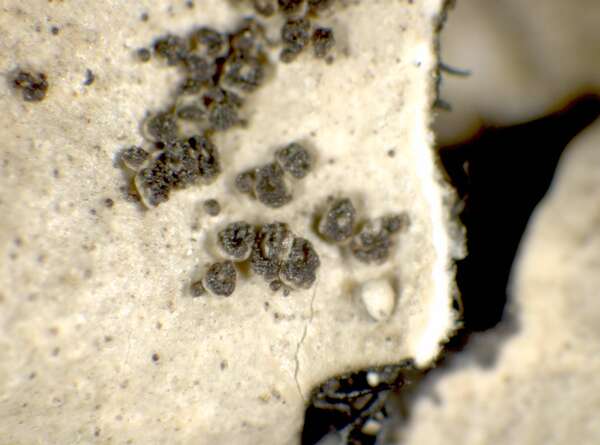
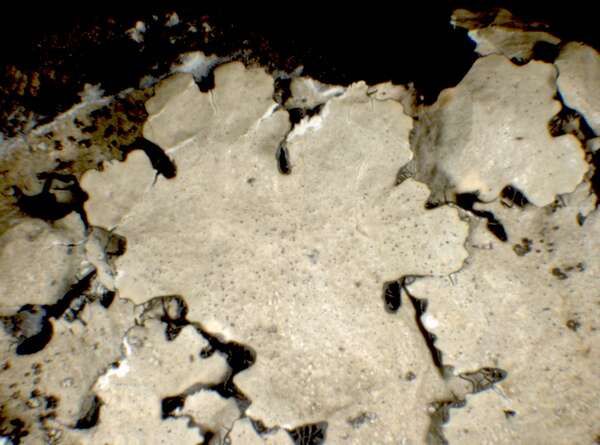
Description: Thallus foliose, heteromerous, forming regular, up to 15 cm wide rosettes. Lobes pale mineral grey to pale blue-grey, often somehow glossy, rounded at apices, smooth, faintly maculate, (3-)4-7(-10) mm wide, with undulate to incised margins and characteristically rounded axils which sometimes bear a few, short, poorly visible cilia, the central parts of thallus with black isidia which are broader than tall, flattened at top, sometimes stalked, to 0.12 mm wide, the tips developing a raised margin and becoming knob-like; fallen isidia leave concave depressions on the thallus; lower surface brown at margin, otherwise black, with black, simple rhizines. Upper cortex of tightly packed, anticlinally oriented hyphae, with a pored epicortex, the cell walls with isolichenan; medulla white; algal layer continuous; lower cortex paraplectenchymatous, with rounded and thick-walled cells. Apothecia very rare, lecanorine. Epithecium brownish; hymenium and hypothecium colourless. Asci 8-spored, Lecanora-type. Ascospores 1-celled, hyaline, short-ellipsoid, 8-11 x 5-7 μm. Pycnidia rare, appearing as black dots. Conidia bacilliform, straight, slightly swollen at bothh ends, 5-7 x c. 1 μm. Photobiont chlorococcoid. Spot tests: upper cortex K+ yellow, C-, KC-, P- or P+ faintly yellow; medulla K-, C+ red, KC+ red, P-, UV-. Chemistry: upper cortex with atranorin, medulla with lecanoric acid.
Growth form: Foliose, broad lobed
Substrata: bark
Photobiont: green algae other than Trentepohlia
Reproductive strategy: mainly asexual, by isidia, or isidia-like structures (e.g. schizidia)
Most common in areas with a humid-warm climate (e.g. most of Tyrrenian Italy)
Commonnes-rarity: (info)
Alpine belt: absent
Subalpine belt: extremely rare
Montane belt: rather common
Dry submediterranean belt: rare
Humid submediterranean belt: rather rare
Padanian area: extremely rare
pH of the substrata:
1 2 3 4 5

Solar irradiation:
1 2 3 4 5
Aridity:
1 2 3 4 5
Eutrophication:
1 2 3 4 5
Poleotolerance:
0 1 2 3
Altitudinal distribution:
1 2 3 4 5 6
Rarity
absent
extremely rare
very rare
rare
rather rare
rather common
common
very common
extremely common
Loading data...
Occurrence data
Predictive map
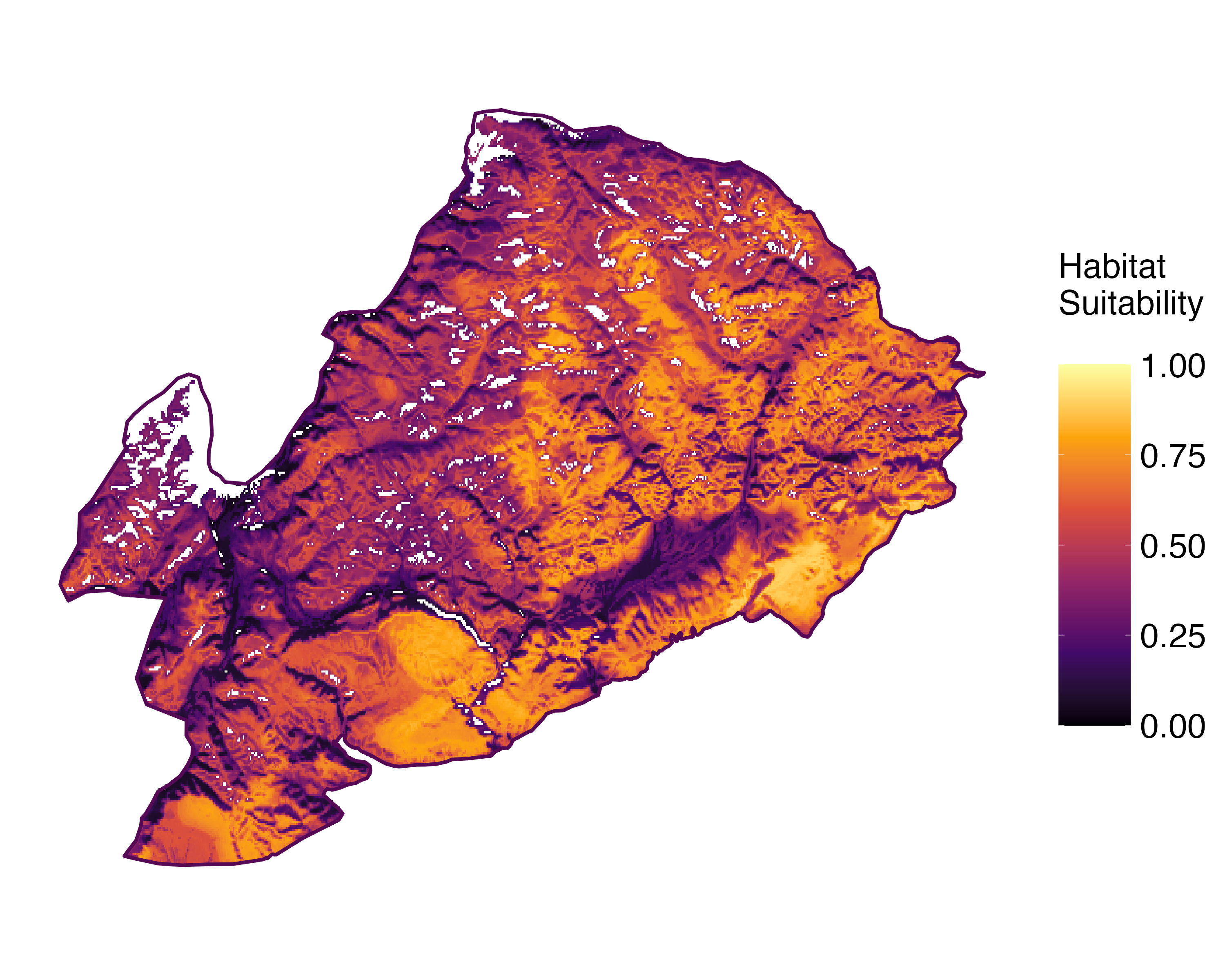 Current prediction (1981-2010)
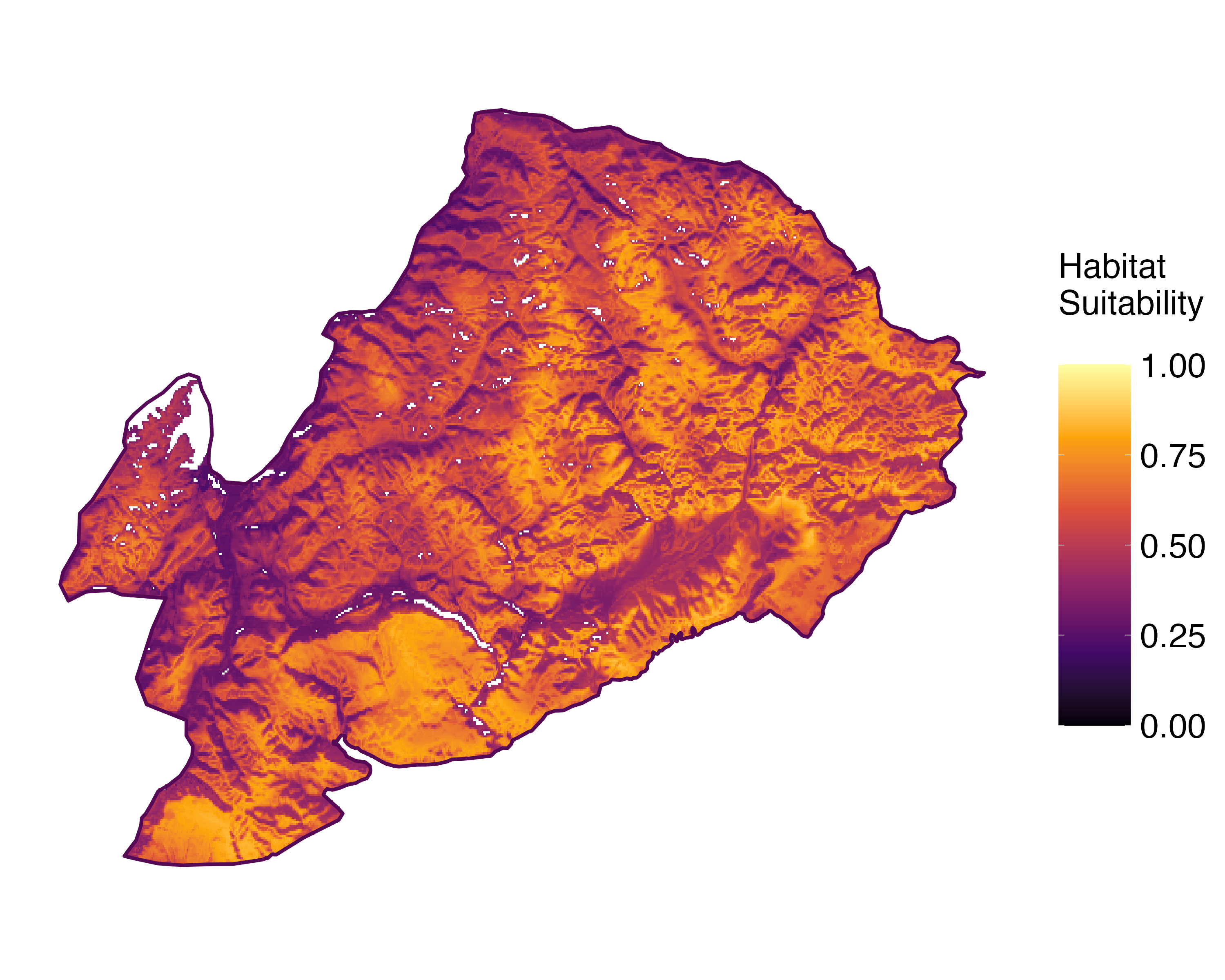 Future prediction (2071-2100) SSP 1-2.6
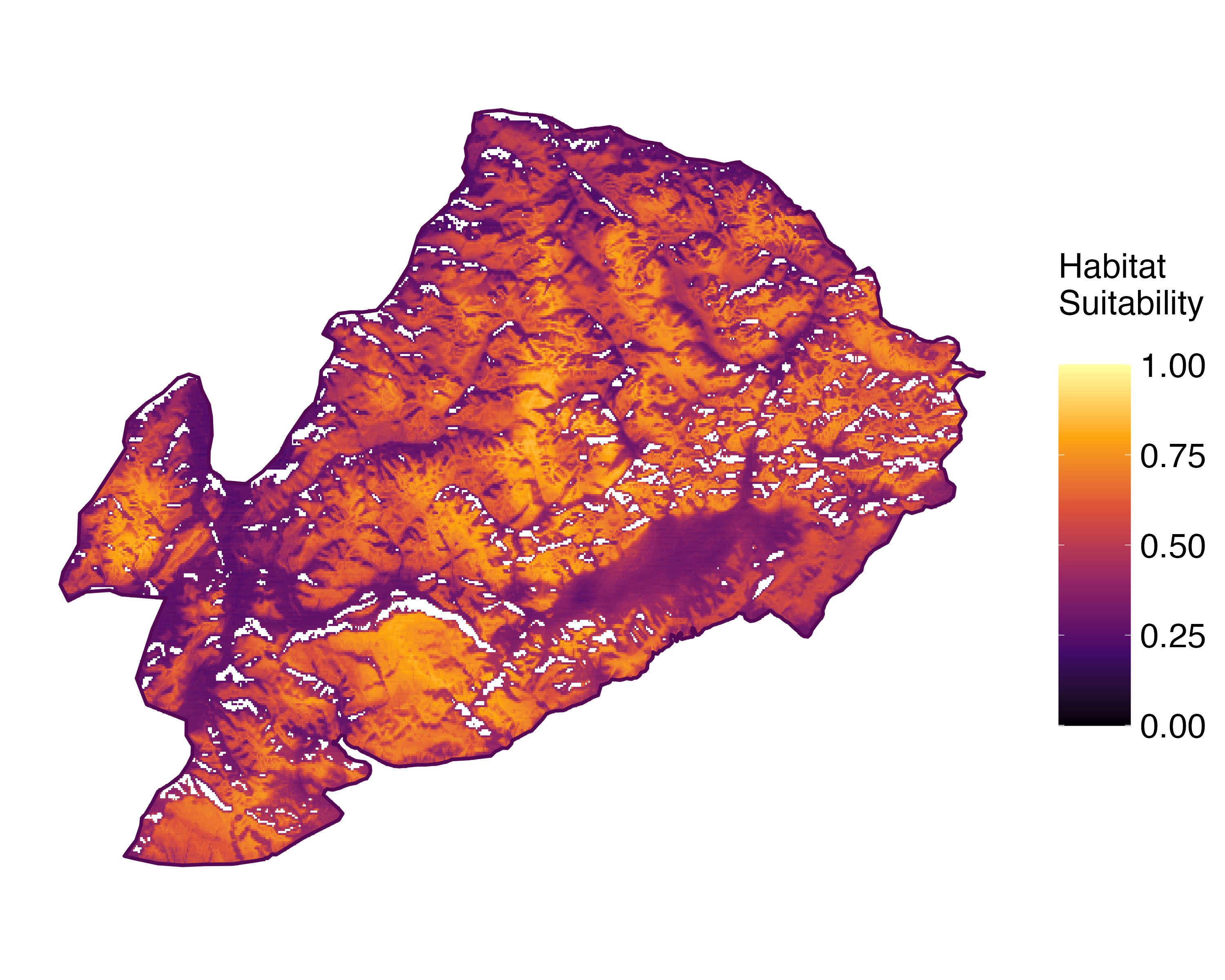 Future prediction (2071-2100) SSP 5-8.5Predictive maps according to Francesconi et al. 2025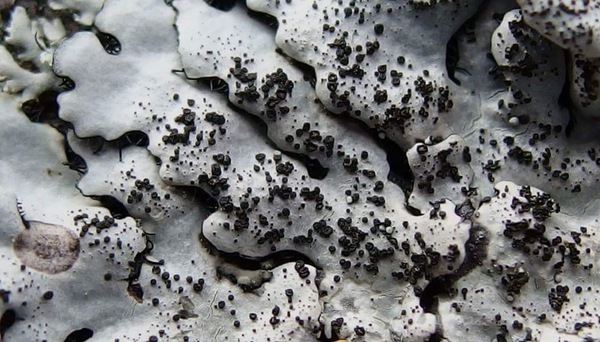
Nere Sorrentino
Spain, Canary Islands, Tenerife
P.L. Nimis; Owner: Department of Life Sciences, University of Trieste
Herbarium: TSB (8829)
2001/12/05
detail of isidia
P.L. Nimis; Owner: Department of Life Sciences, University of Trieste
Herbarium: TSB (8829)
2001/12/05
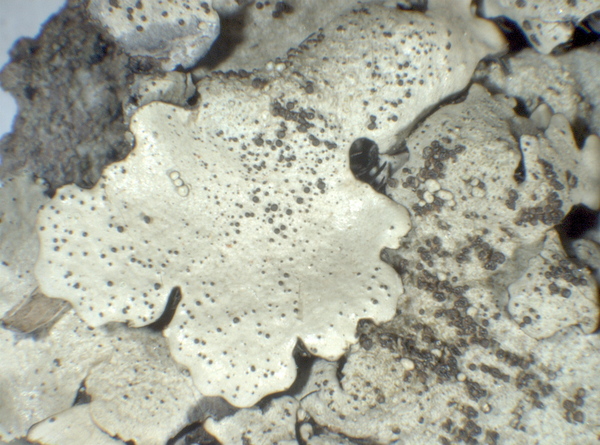
P.L.Nimis; Owner: Department of Life Sciences, University of Trieste
Herbarium: TSB (37016)
2008.02.28
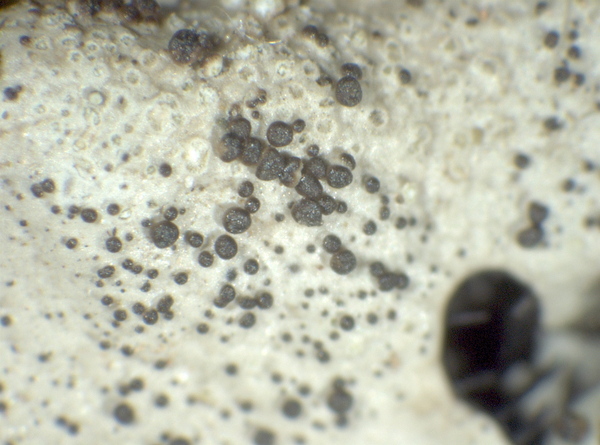
P.L.Nimis; Owner: Department of Life Sciences, University of Trieste
Herbarium: TSB (37016)
2008.02.28
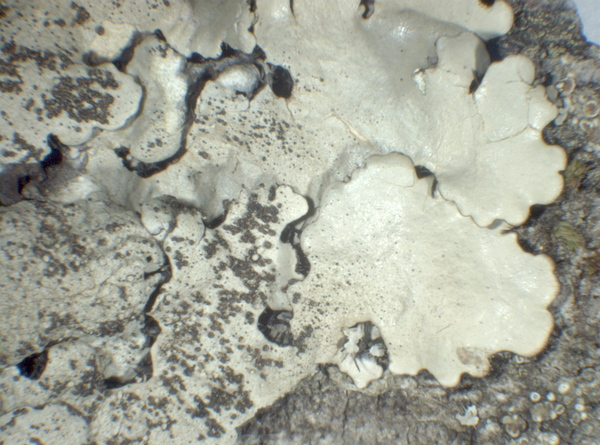
P.L.Nimis; Owner: Department of Life Sciences, University of Trieste
Herbarium: TSB (37016)
2008.02.28
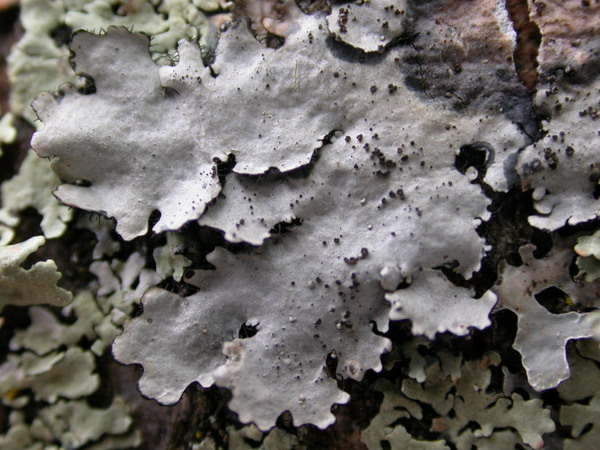
Juri Nascimbene; Owner: Department of Life Sciences, University of Trieste
Italy, Trentino-Alto Adige, Trento, Villa Welsperg, Centro Visitatori del Parco di Paneveggio; altitude: 1030 m
03.04.2009
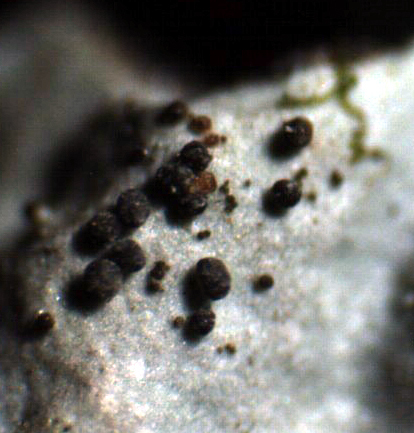
Costanza Sartori; Owner: Costanza Sartori
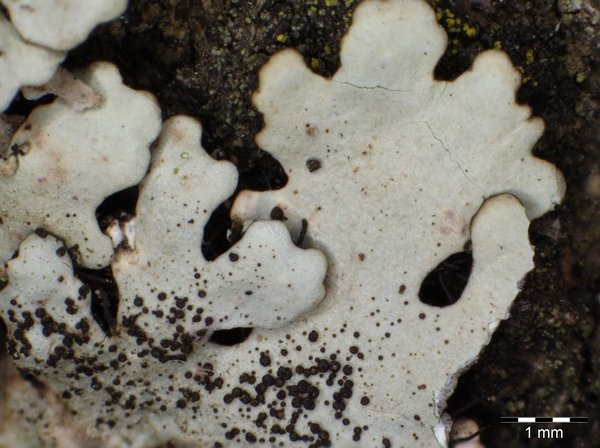
Arsen Gasparyan; Owner: Arsen Gasparyan CC-BY-SA-4.0
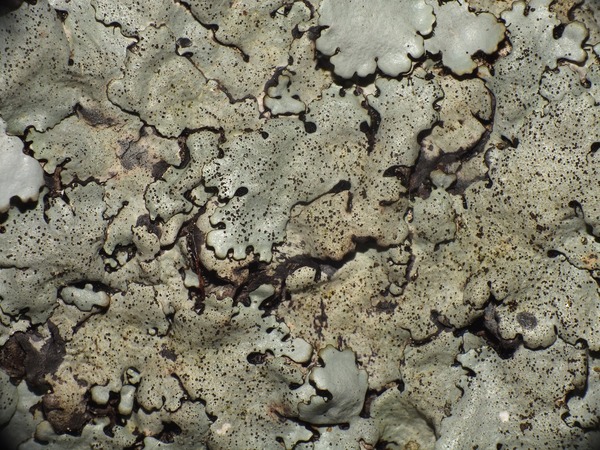
Giulio Pandeli
Italy
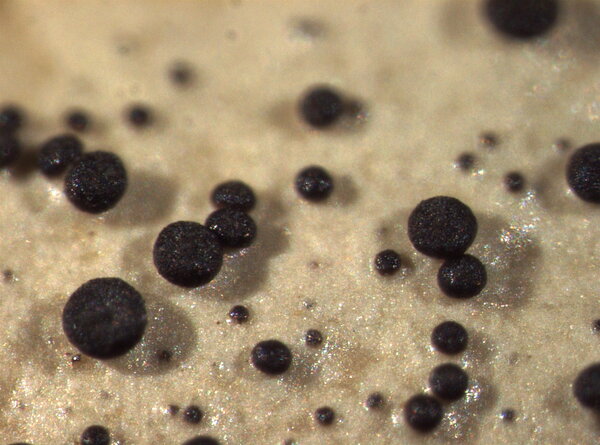
Pier Luigi Nimis CC BY-SA 4.0
TSB 37566
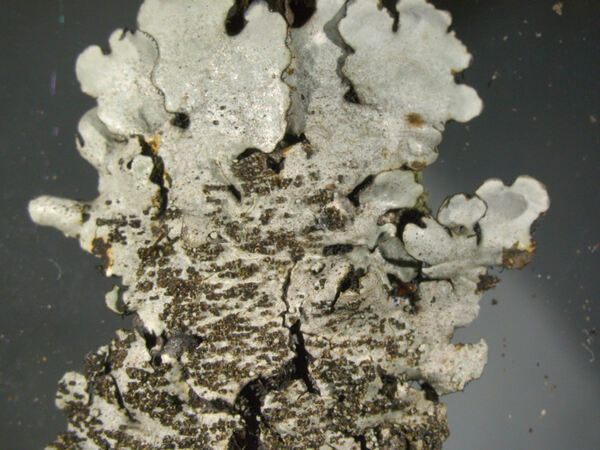
J. Nascimbene CC BY SA 4.0
Italy, Trentino-Alto Adige, Villa Welsperg, Centro Visitatori del Parco di Paneveggio, 1030 m
03/04/2009
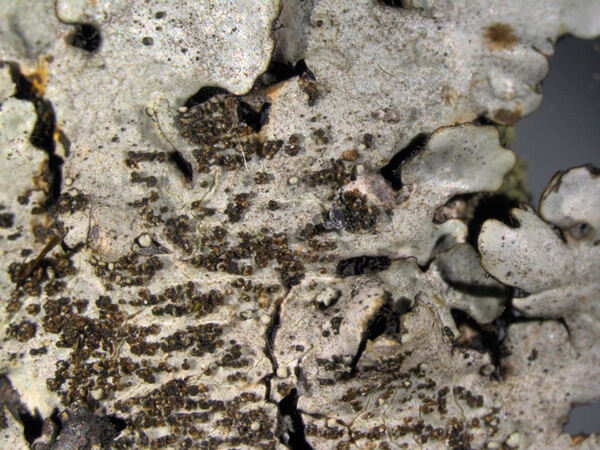
J. Nascimbene CC BY SA 4.0
Italy, Trentino-Alto Adige, Villa Welsperg, Centro Visitatori del Parco di Paneveggio, 1030 m
03/04/2009
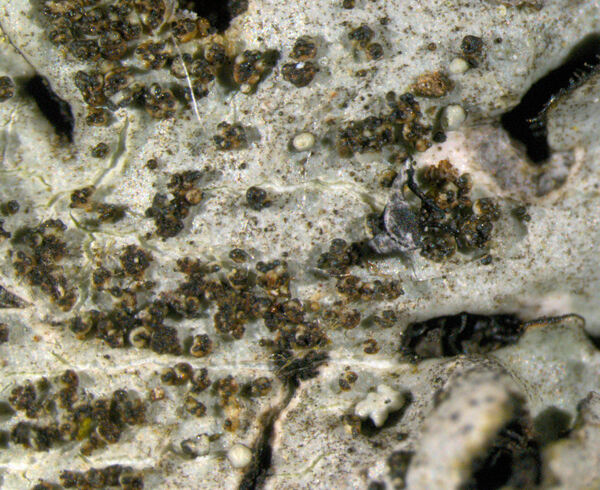
J. Nascimbene CC BY SA 4.0
Italy, Trentino-Alto Adige, Villa Welsperg, Centro Visitatori del Parco di Paneveggio, 1030 m
03/04/2009
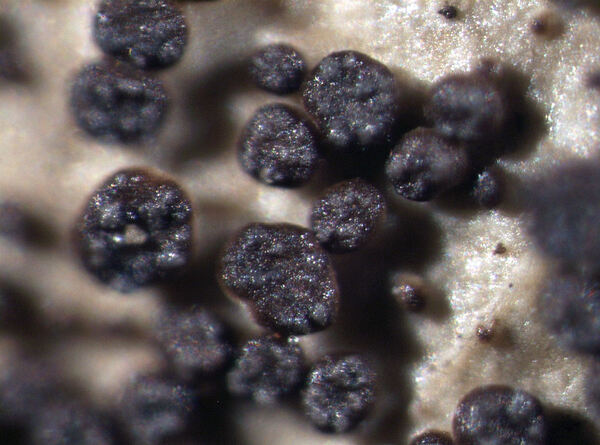
P.L. Nimis CC BY SA 4.0
TSB 37566
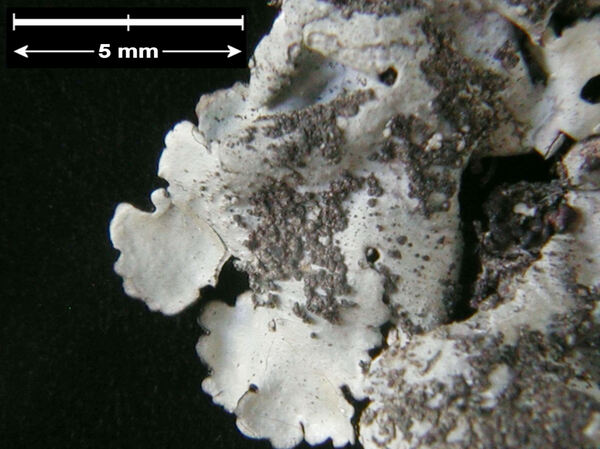
G. Incerti CC BY SA 4.0
TSB 31767
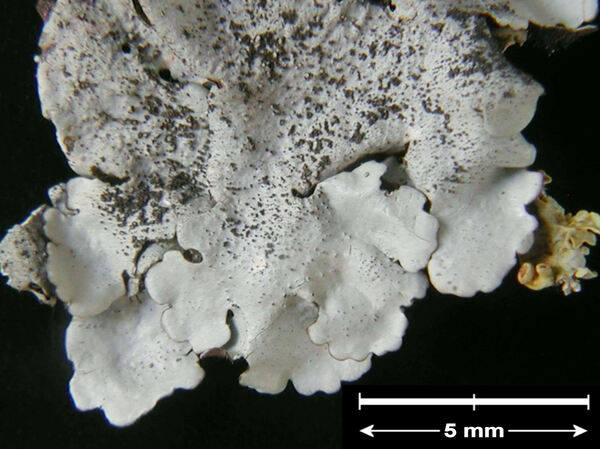
G. Incerti CC BY SA 4.0
26/11/2001
TSB 31767
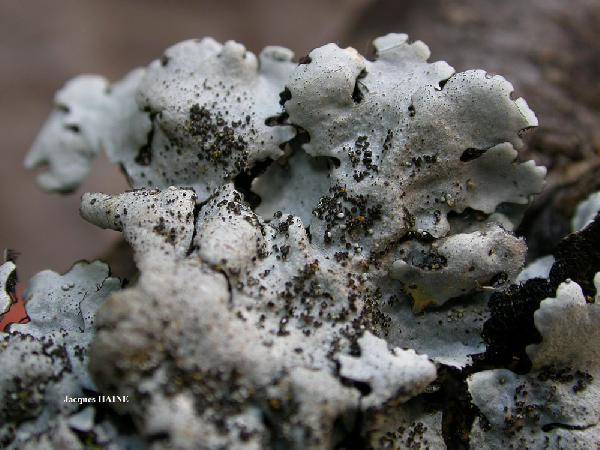
Jacques Haine - Source: http://www.lichensmaritimes.org/index.php?task=fiche&lichen=534&lang=en
France, Doubs
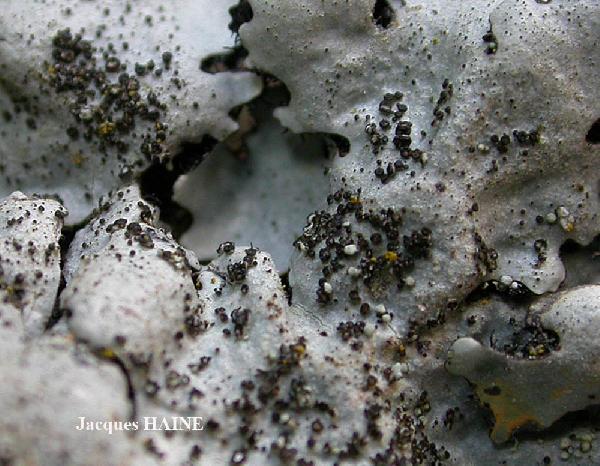
Jacques Haine - Source: http://www.lichensmaritimes.org/index.php?task=fiche&lichen=534&lang=en
France, Doubs
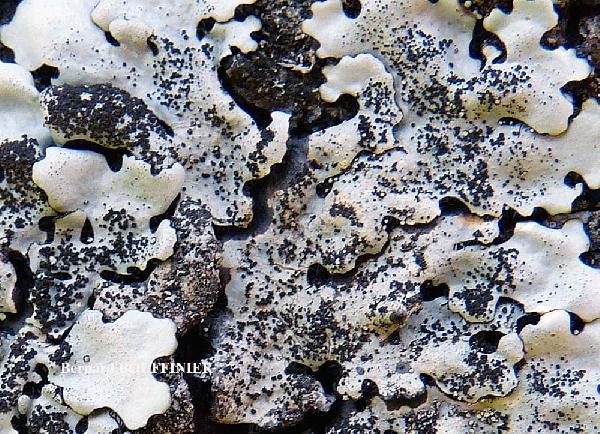
Bernard Bouffinier - Source: http://www.lichensmaritimes.org/index.php?task=fiche&lichen=534&lang=en
France, Roncevaux
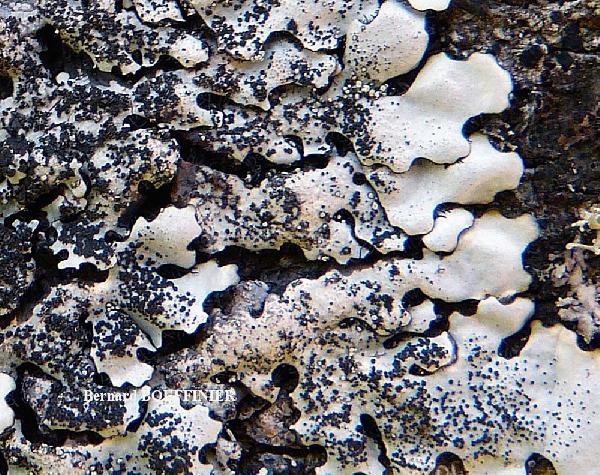
Bernard Bouffinier - Source: http://www.lichensmaritimes.org/index.php?task=fiche&lichen=534&lang=en
France, Roncevaux
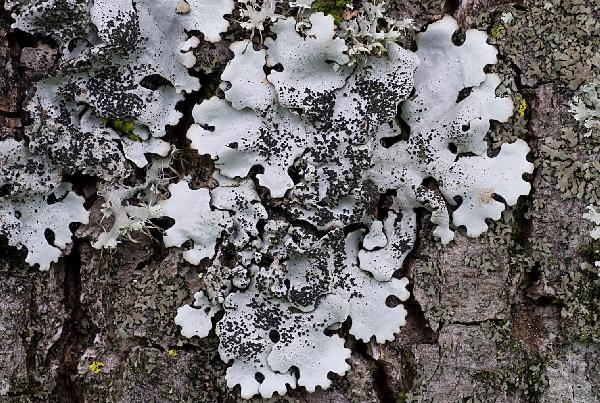
Ulrich Kirschbaum CC BY-SA 4.0 - Source: https://www.thm.de/lse/ulrich-kirschbaum/flechtenbilder
Austria: Alps.
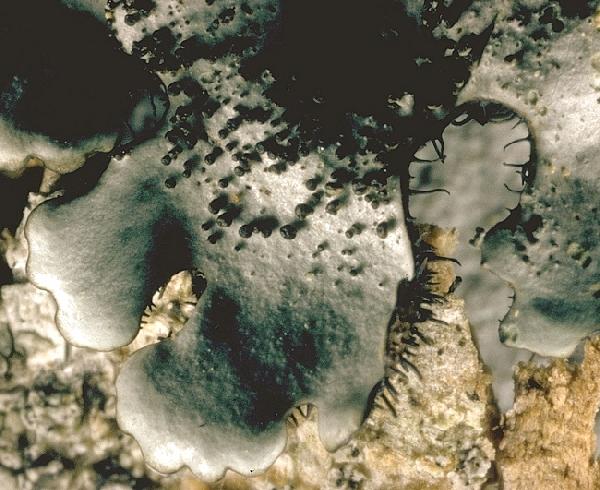
Ulrich Kirschbaum CC BY-SA 4.0 - Source: https://www.thm.de/lse/ulrich-kirschbaum/flechtenbilder
Austria: Alps.
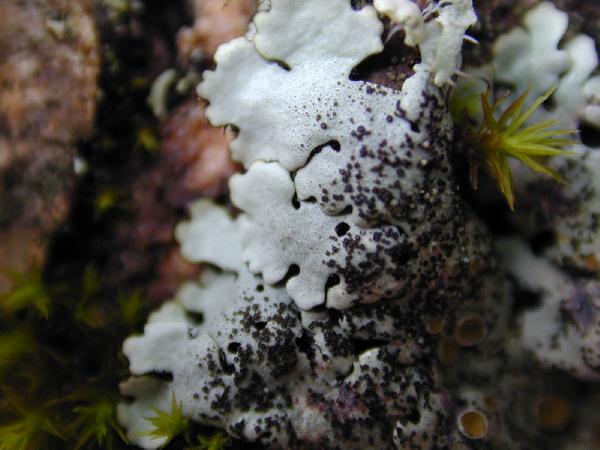
Wolfgang von Brackel - CC BY-4.0
Germany, Bavaria, Burgberg Oberallgäu
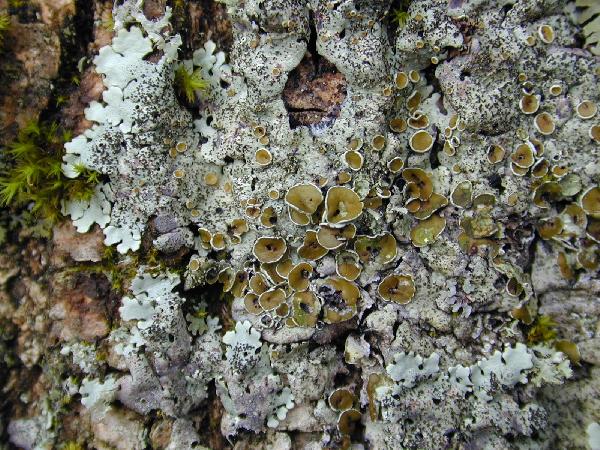
Wolfgang von Brackel - CC BY-4.0
Germany, Bavaria, Burgberg Oberallgäu
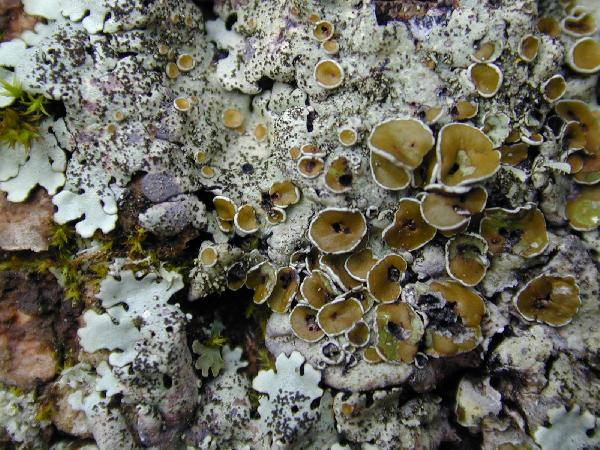
Wolfgang von Brackel - CC BY-4.0
Germany, Bavaria, Burgberg Oberallgäu
Growth form: Foliose, broad lobed
Substrata: bark
Photobiont: green algae other than Trentepohlia
Reproductive strategy: mainly asexual, by isidia, or isidia-like structures (e.g. schizidia)
Most common in areas with a humid-warm climate (e.g. most of Tyrrenian Italy)
Commonnes-rarity: (info)
Alpine belt: absent
Subalpine belt: extremely rare
Montane belt: rather common
Dry submediterranean belt: rare
Humid submediterranean belt: rather rare
Padanian area: extremely rare
pH of the substrata:
| 1 | 2 | 3 | 4 | 5 |
Solar irradiation:
| 1 | 2 | 3 | 4 | 5 |
Aridity:
| 1 | 2 | 3 | 4 | 5 |
Eutrophication:
| 1 | 2 | 3 | 4 | 5 |
Poleotolerance:
| 0 | 1 | 2 | 3 |
Altitudinal distribution:
| 1 | 2 | 3 | 4 | 5 | 6 |
Rarity
absent
extremely rare
very rare
rare
rather rare
rather common
common
very common
extremely common
Loading data...
Occurrence data
Predictive map
Current prediction (1981-2010)Future prediction (2071-2100) SSP 1-2.6Future prediction (2071-2100) SSP 5-8.5Predictive maps according to Francesconi et al. 2025
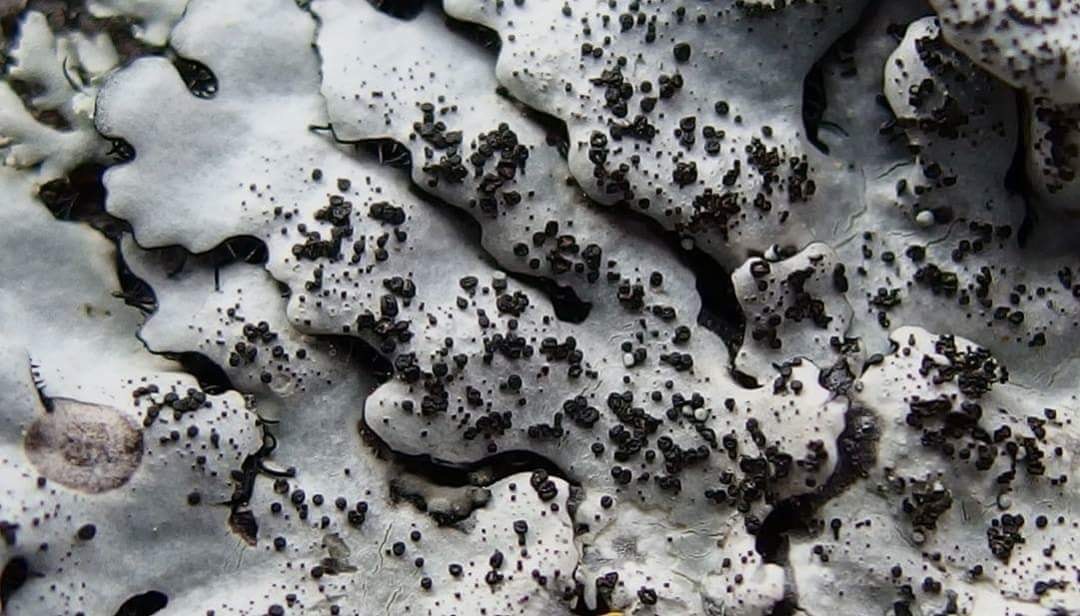
Nere Sorrentino
Spain, Canary Islands, Tenerife
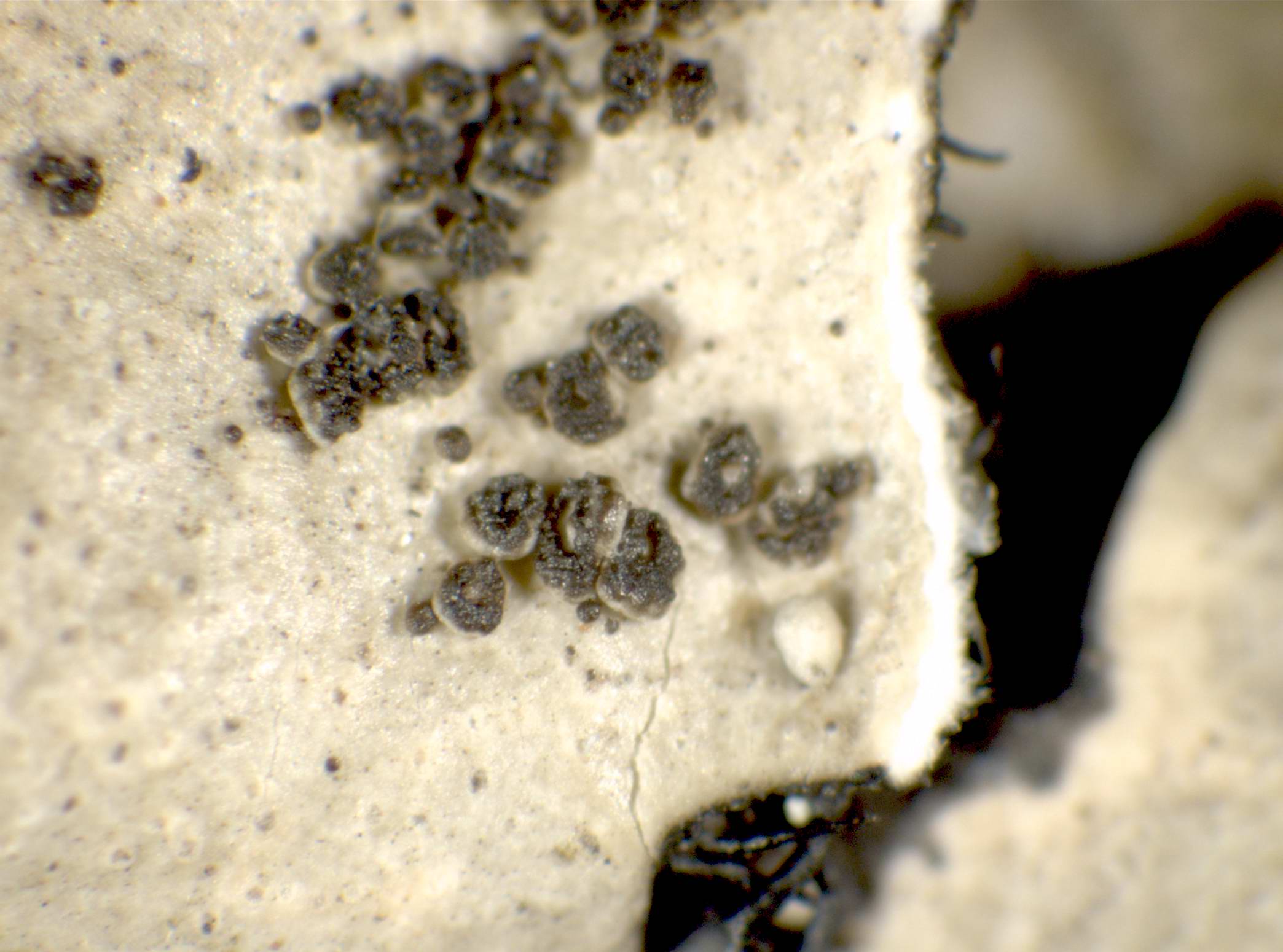
P.L. Nimis; Owner: Department of Life Sciences, University of Trieste
Herbarium: TSB (8829)
2001/12/05
detail of isidia
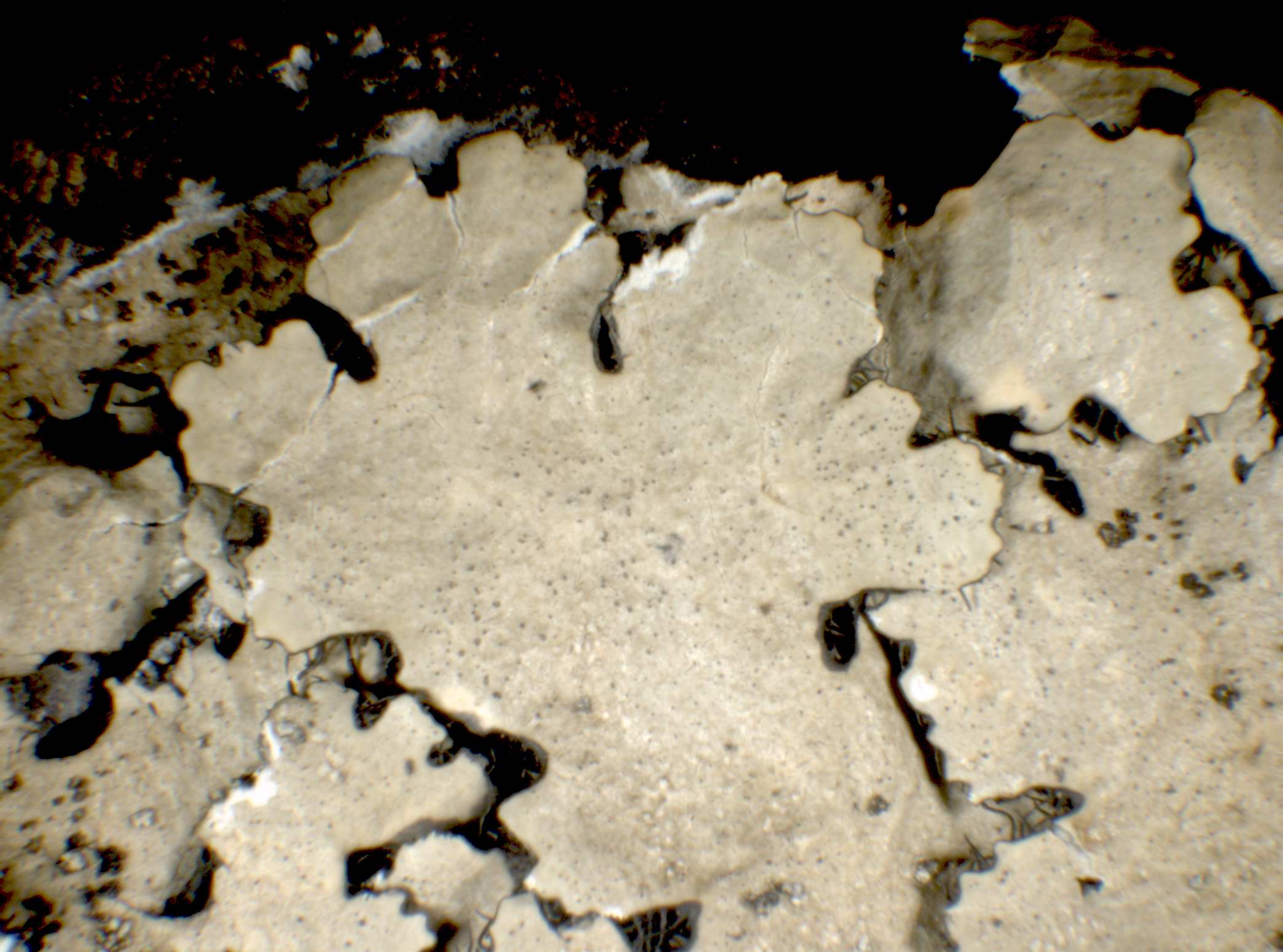
P.L. Nimis; Owner: Department of Life Sciences, University of Trieste
Herbarium: TSB (8829)
2001/12/05
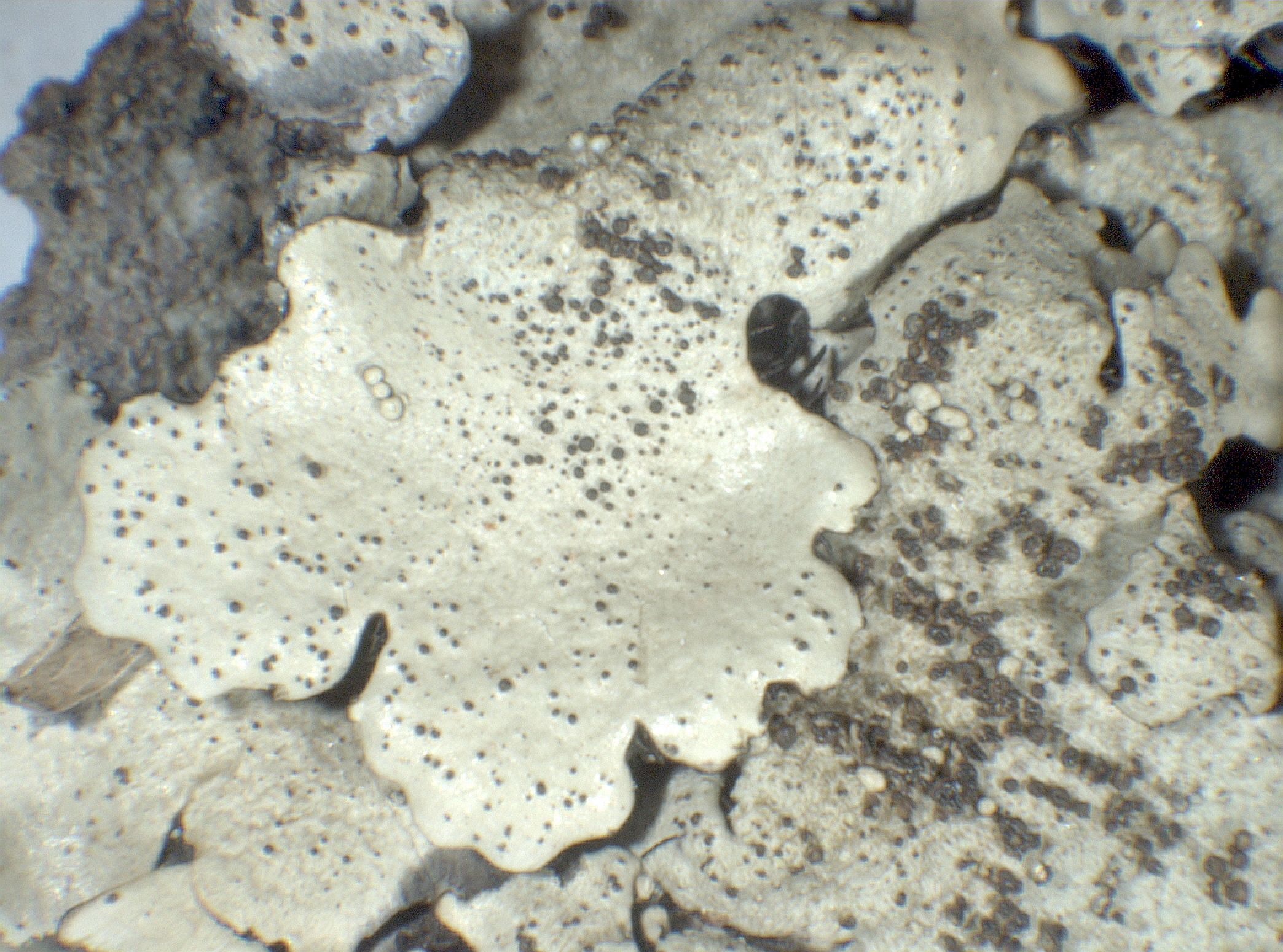
P.L.Nimis; Owner: Department of Life Sciences, University of Trieste
Herbarium: TSB (37016)
2008.02.28
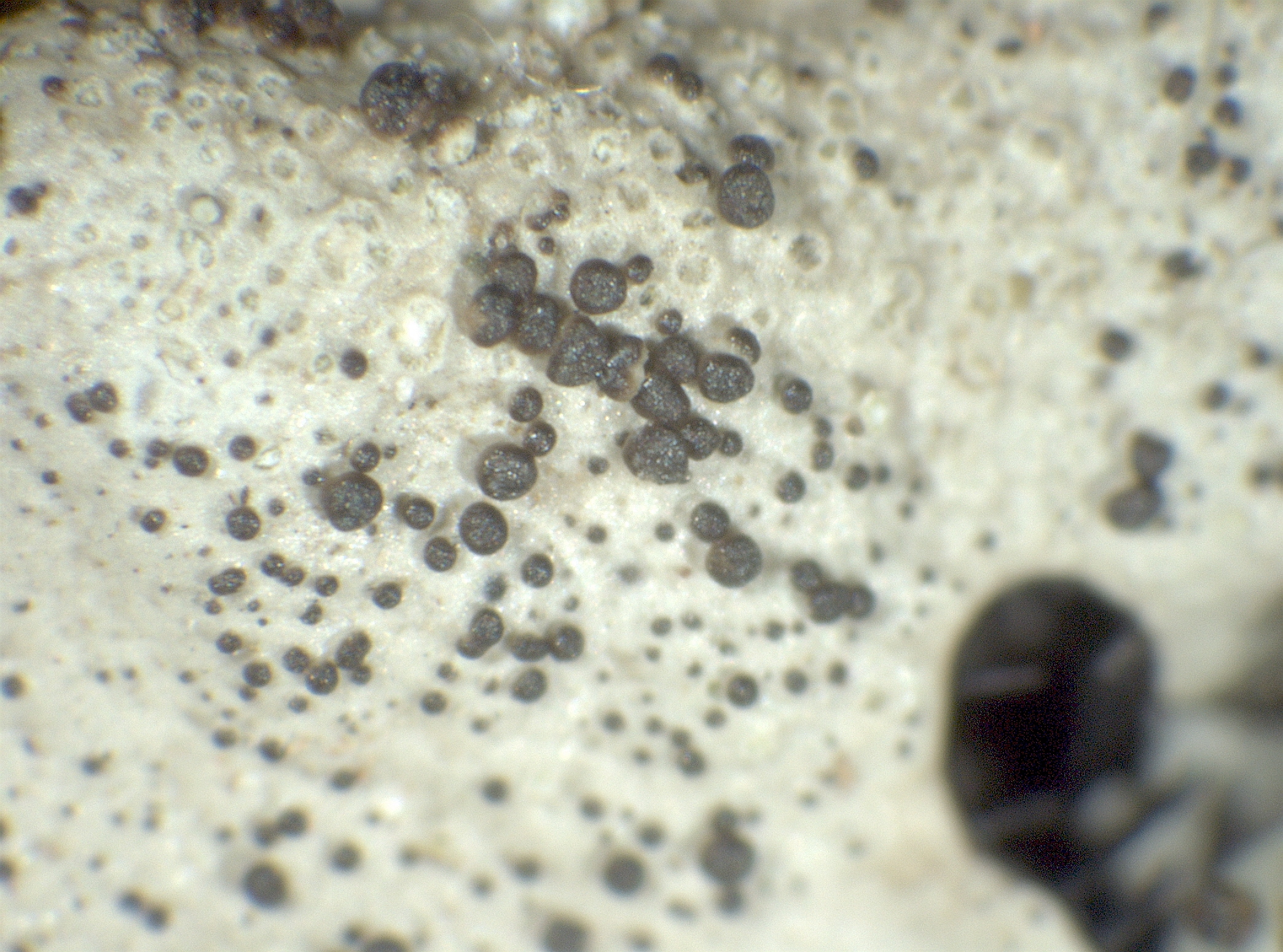
P.L.Nimis; Owner: Department of Life Sciences, University of Trieste
Herbarium: TSB (37016)
2008.02.28
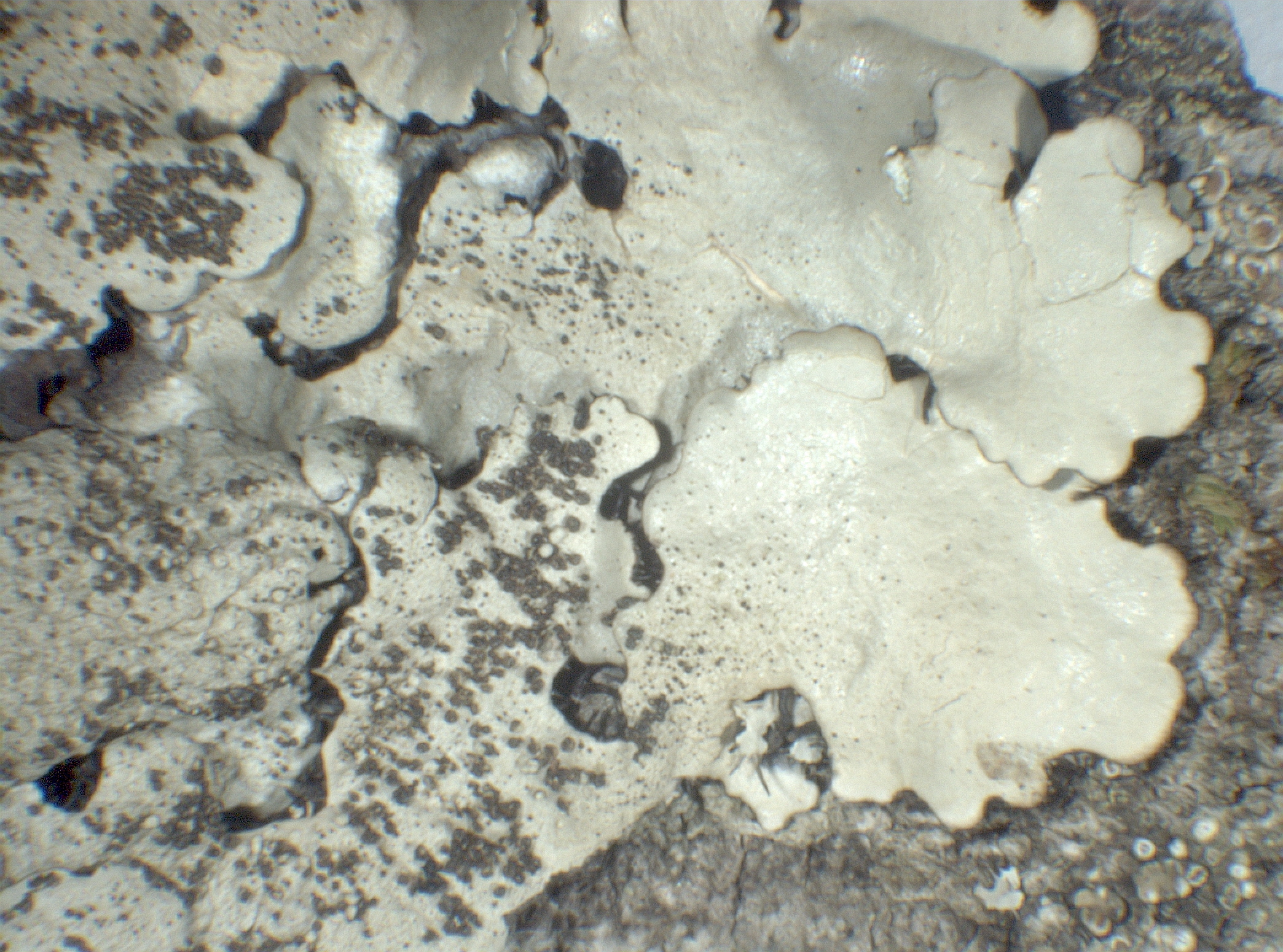
P.L.Nimis; Owner: Department of Life Sciences, University of Trieste
Herbarium: TSB (37016)
2008.02.28
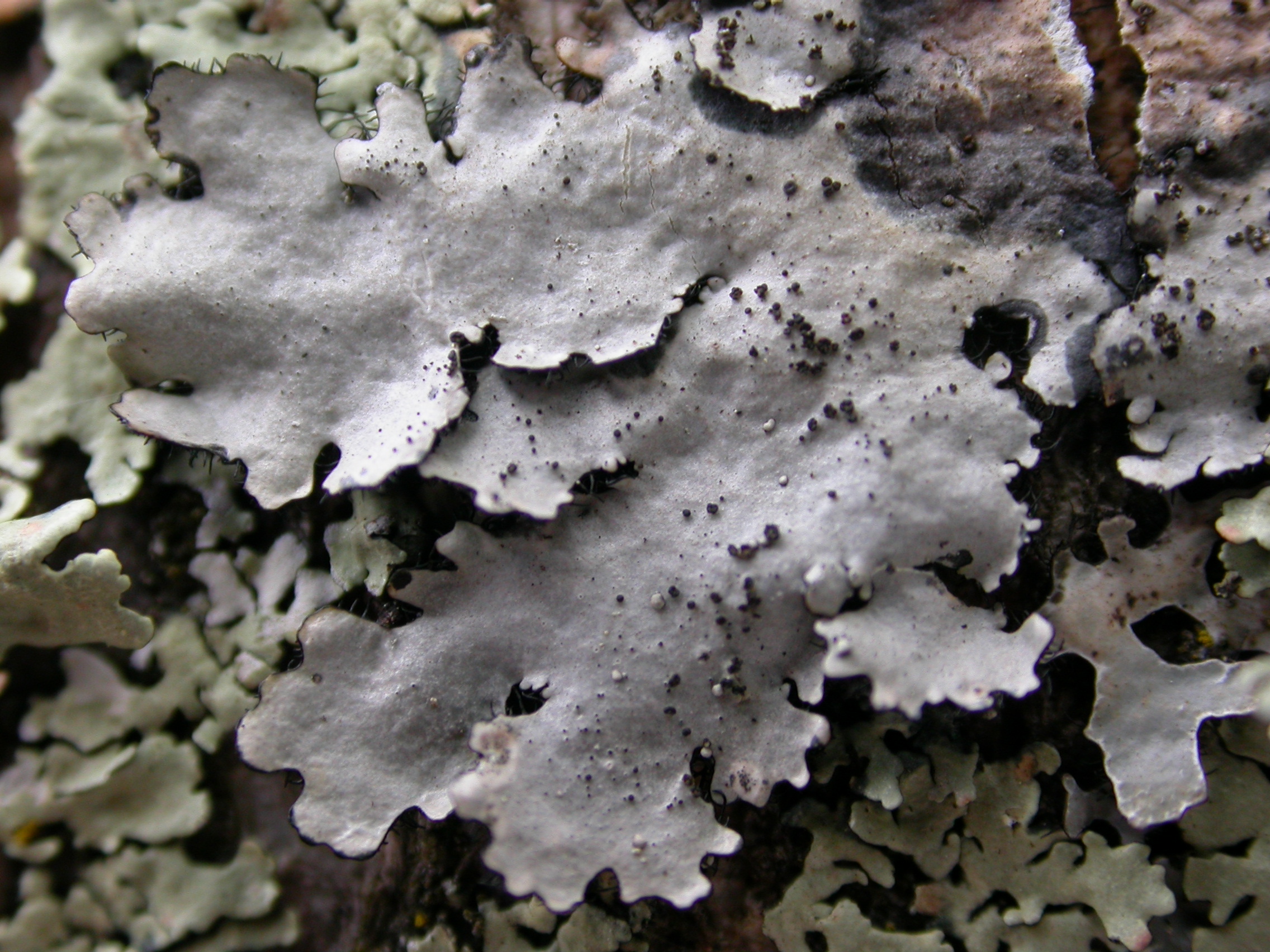
Juri Nascimbene; Owner: Department of Life Sciences, University of Trieste
Italy, Trentino-Alto Adige, Trento, Villa Welsperg, Centro Visitatori del Parco di Paneveggio; altitude: 1030 m
03.04.2009
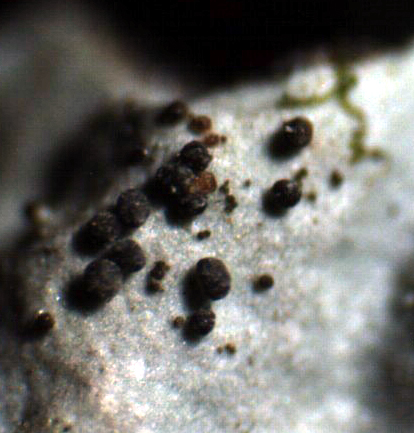
Costanza Sartori; Owner: Costanza Sartori
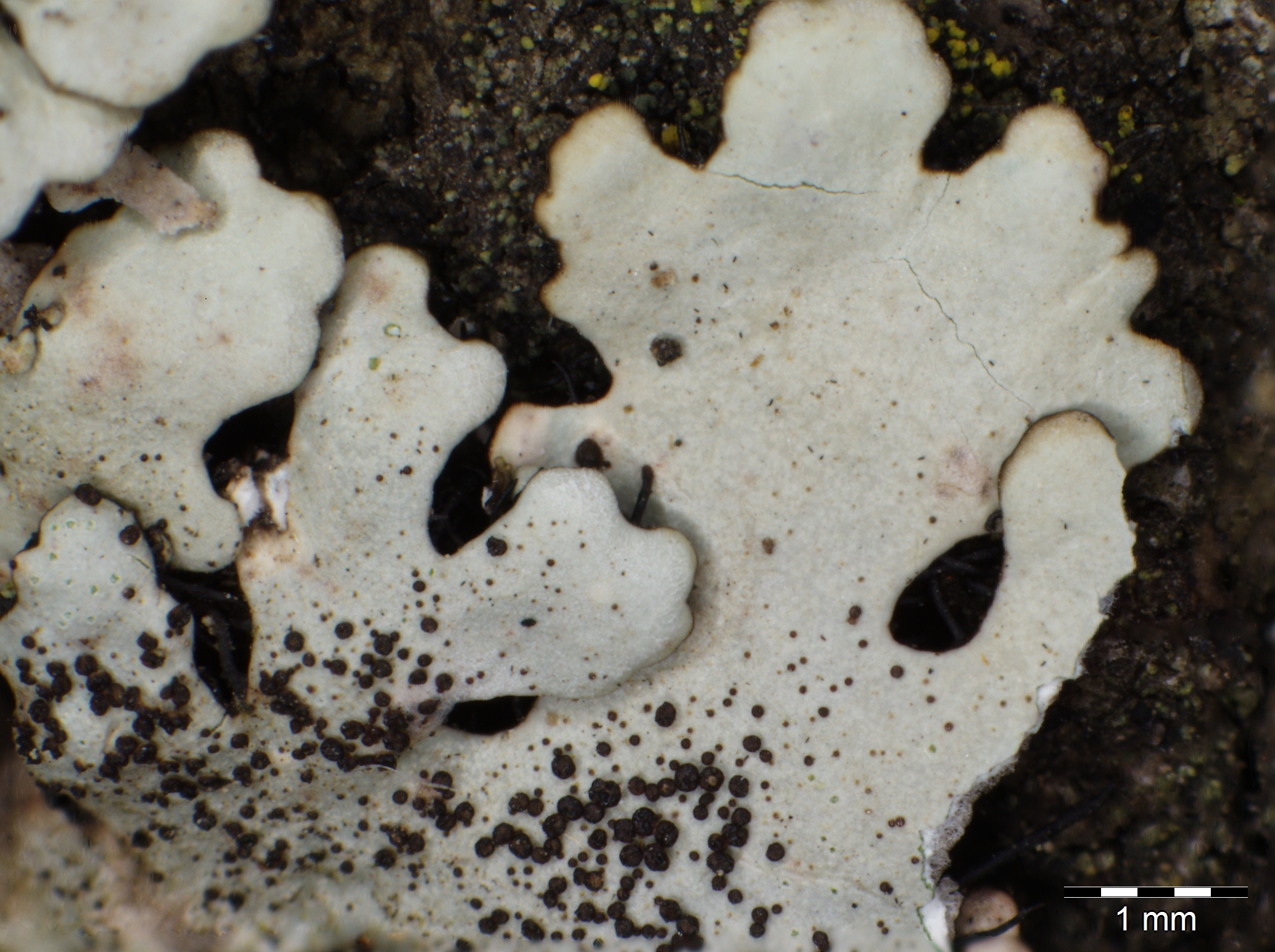
Arsen Gasparyan; Owner: Arsen Gasparyan CC-BY-SA-4.0
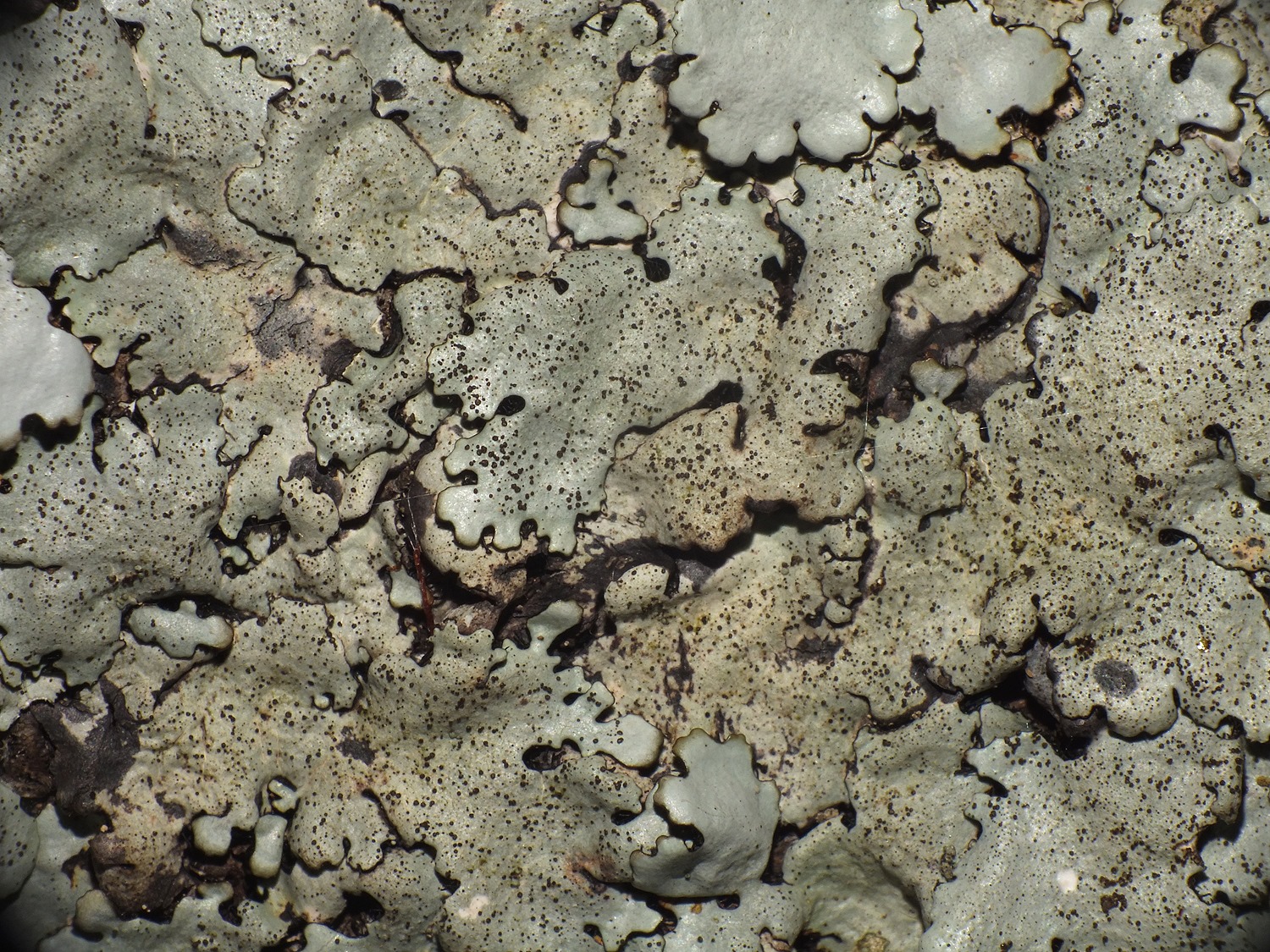
Giulio Pandeli
Italy
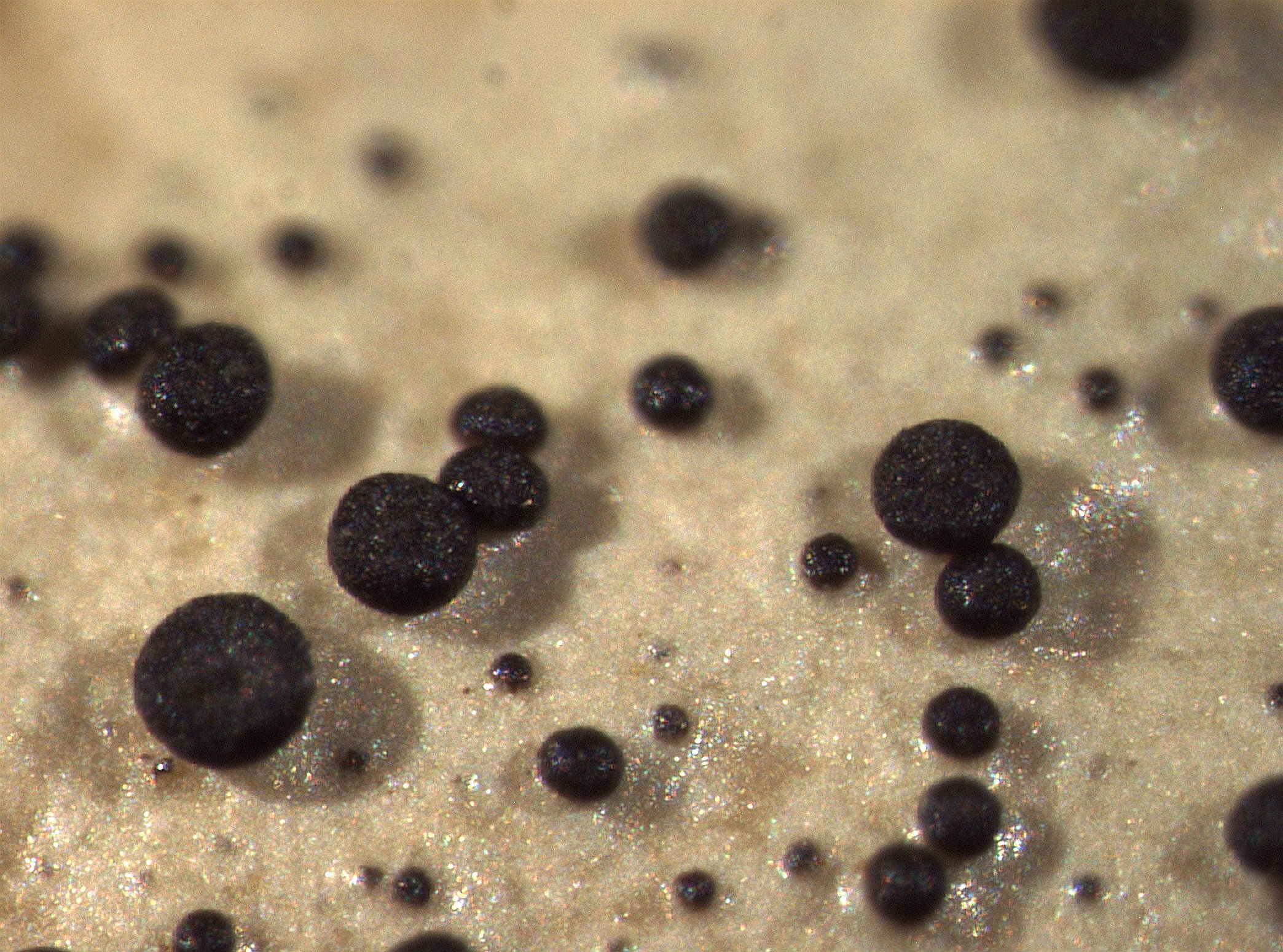
Pier Luigi Nimis CC BY-SA 4.0
TSB 37566
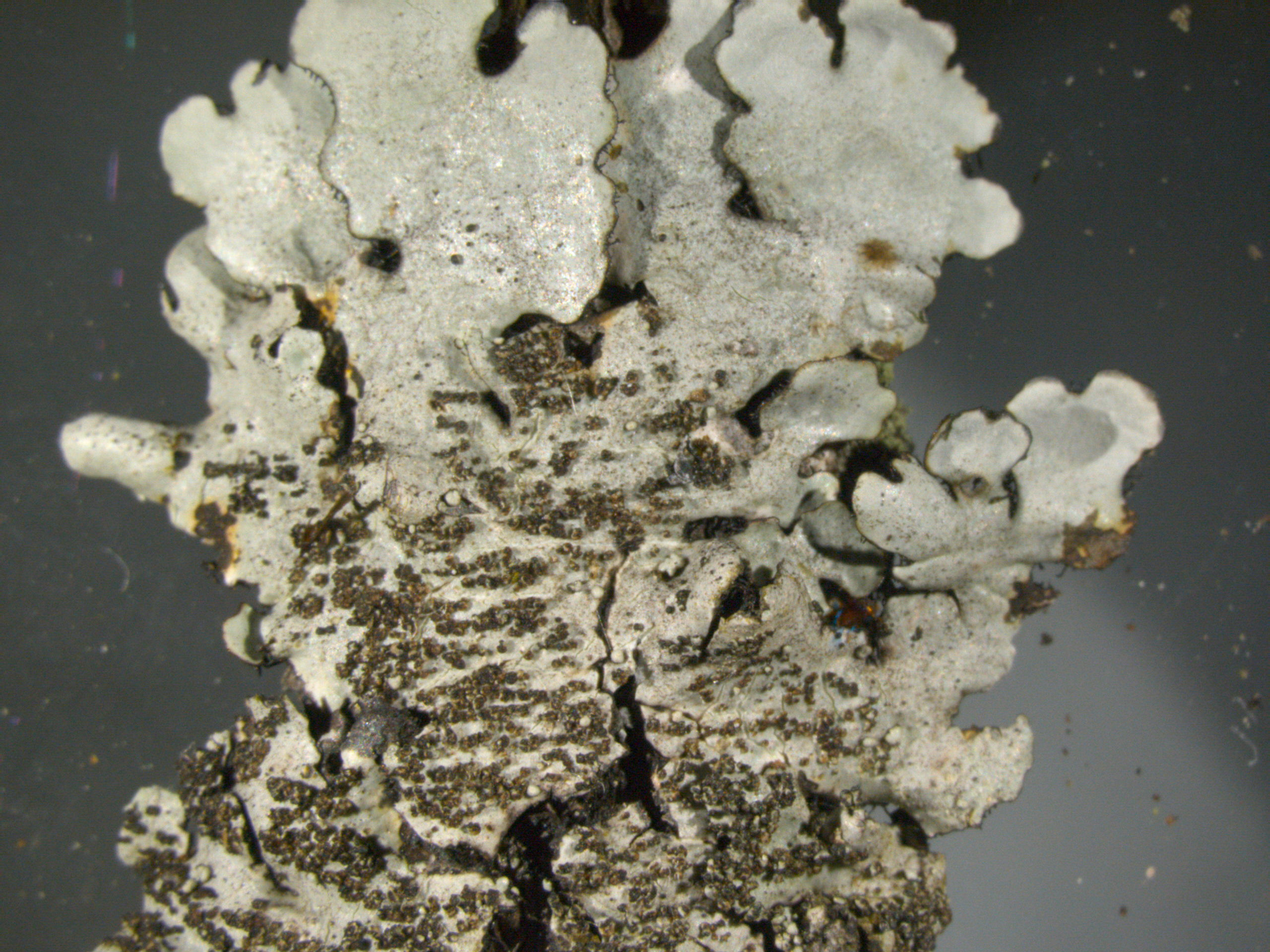
J. Nascimbene CC BY SA 4.0
Italy, Trentino-Alto Adige, Villa Welsperg, Centro Visitatori del Parco di Paneveggio, 1030 m
03/04/2009
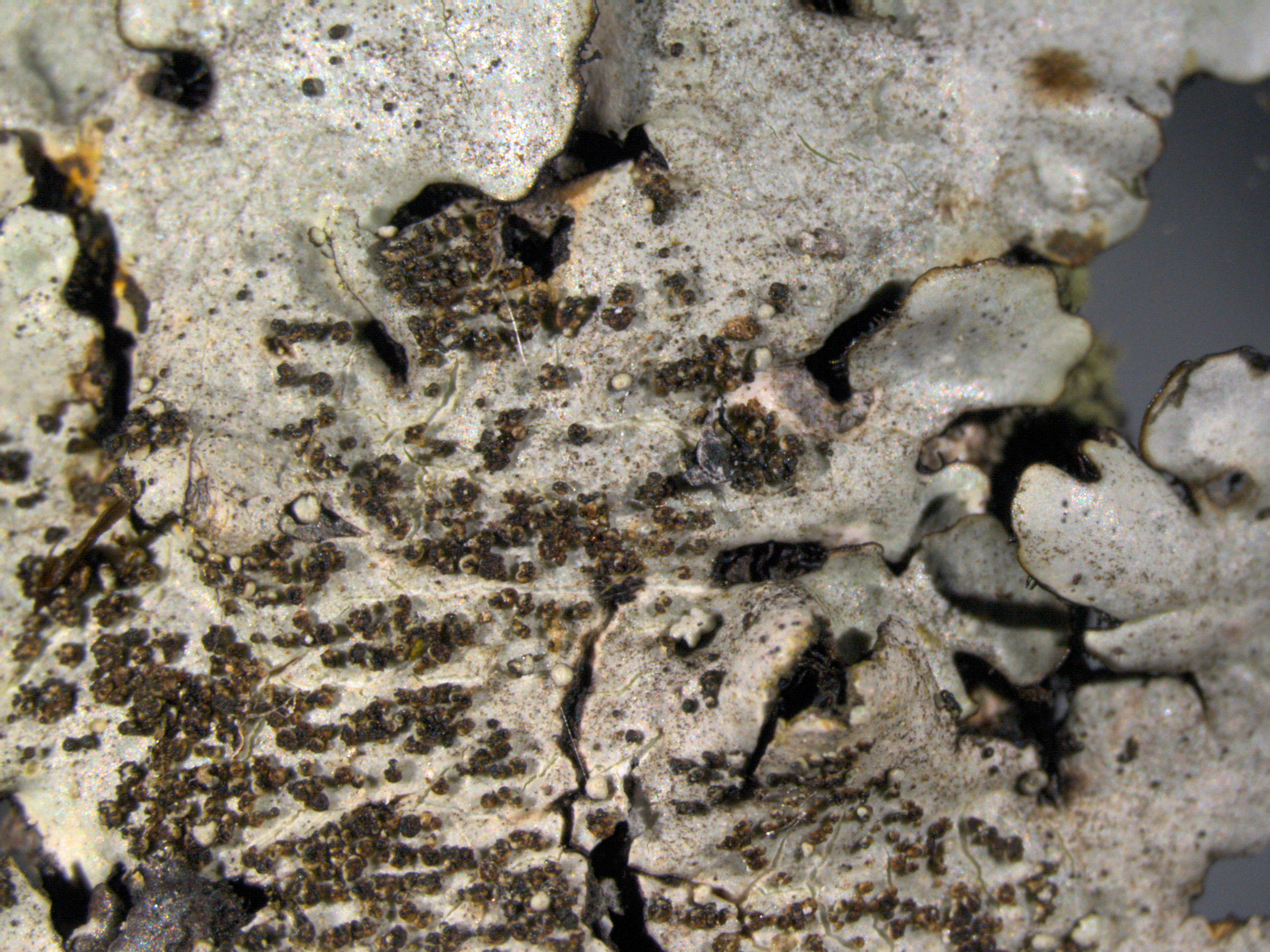
J. Nascimbene CC BY SA 4.0
Italy, Trentino-Alto Adige, Villa Welsperg, Centro Visitatori del Parco di Paneveggio, 1030 m
03/04/2009
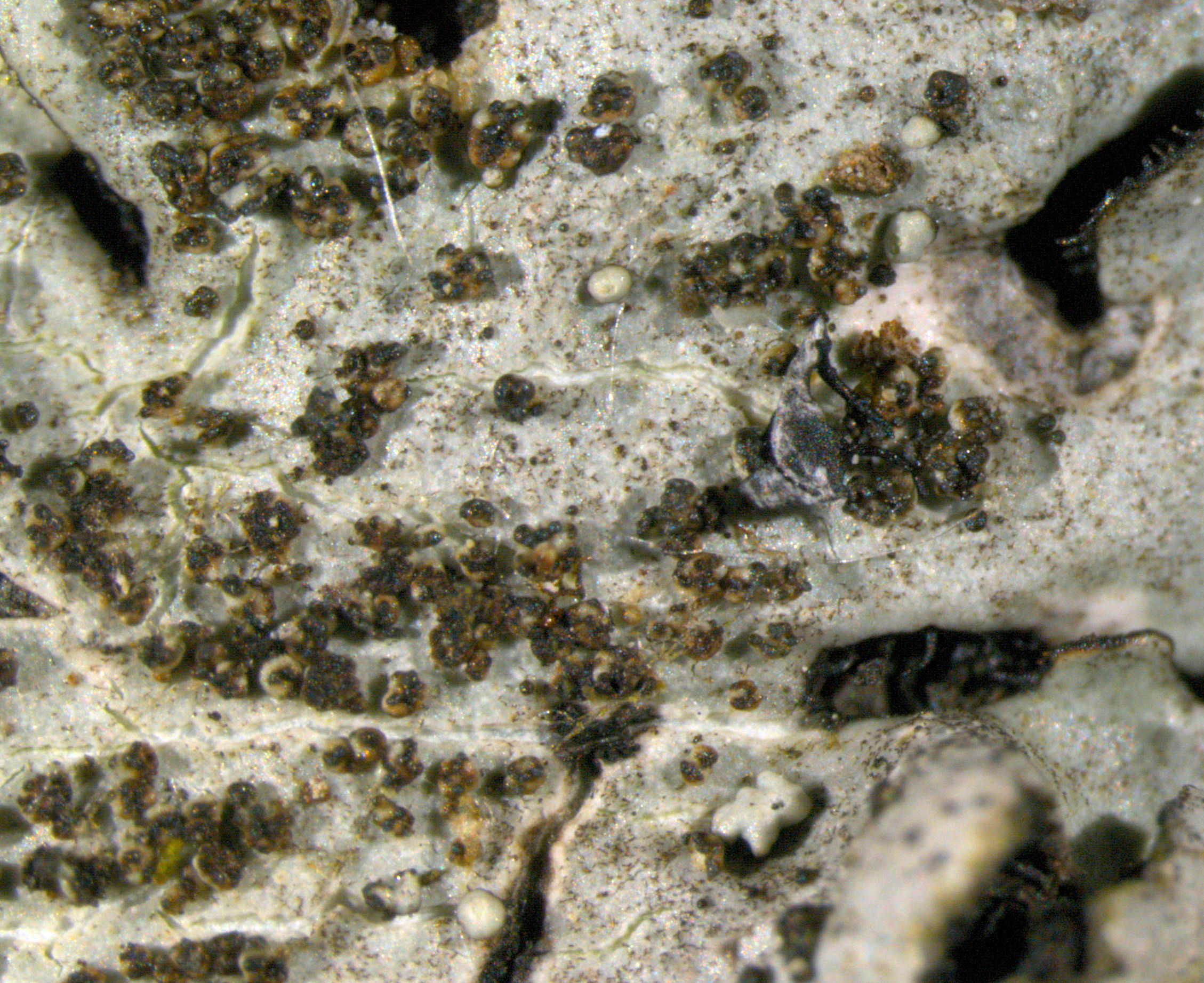
J. Nascimbene CC BY SA 4.0
Italy, Trentino-Alto Adige, Villa Welsperg, Centro Visitatori del Parco di Paneveggio, 1030 m
03/04/2009
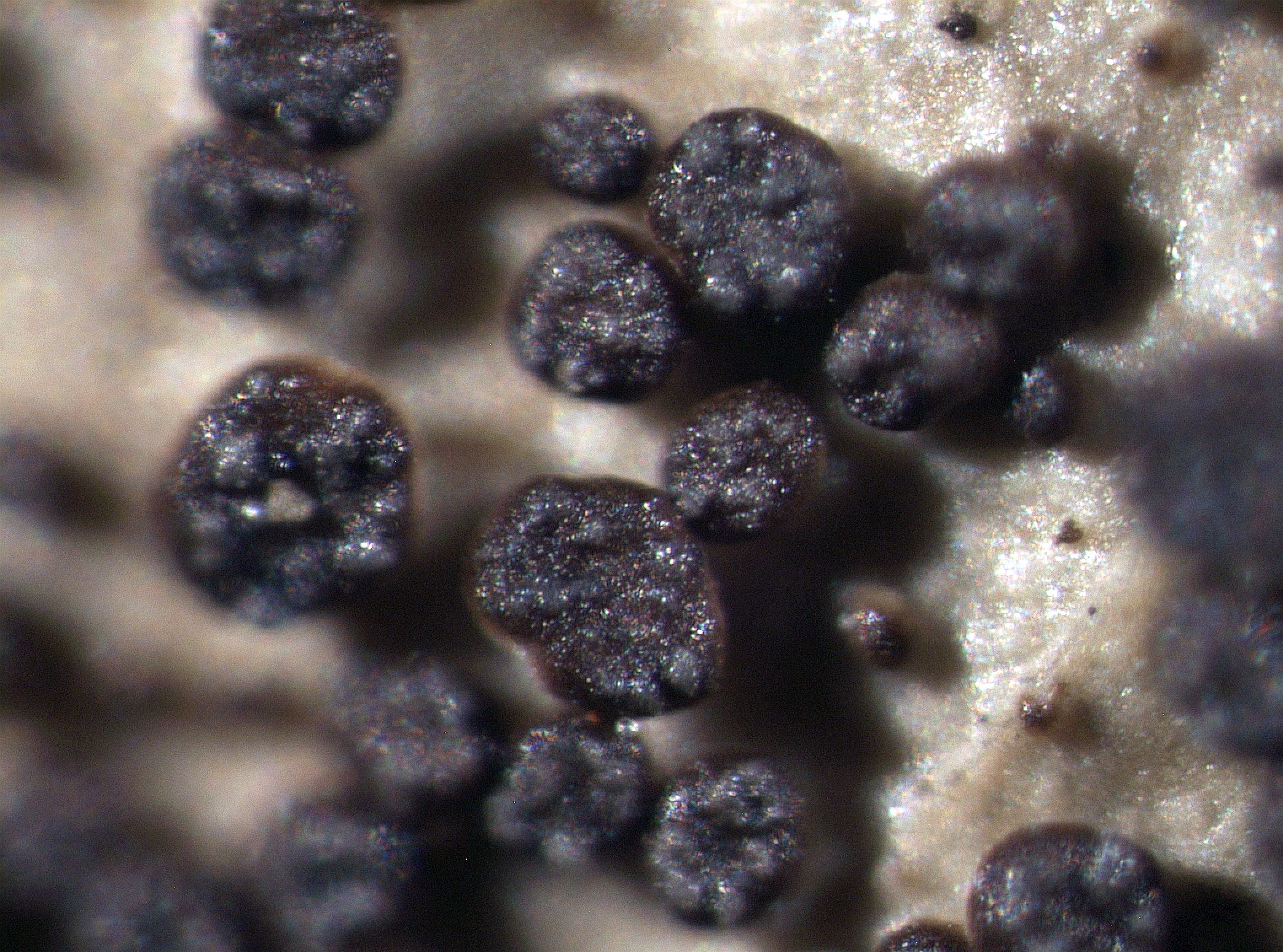
P.L. Nimis CC BY SA 4.0
TSB 37566
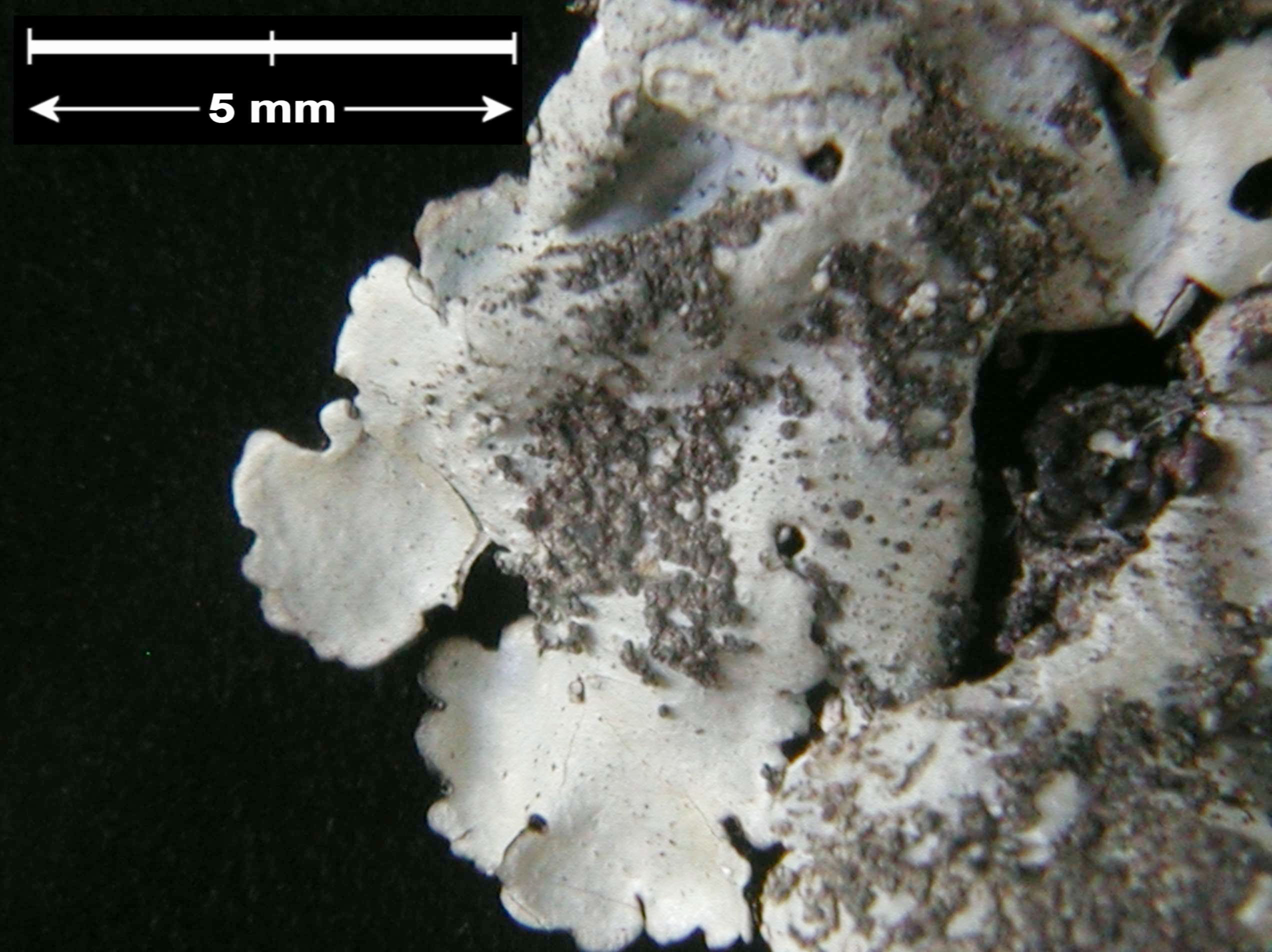
G. Incerti CC BY SA 4.0
TSB 31767
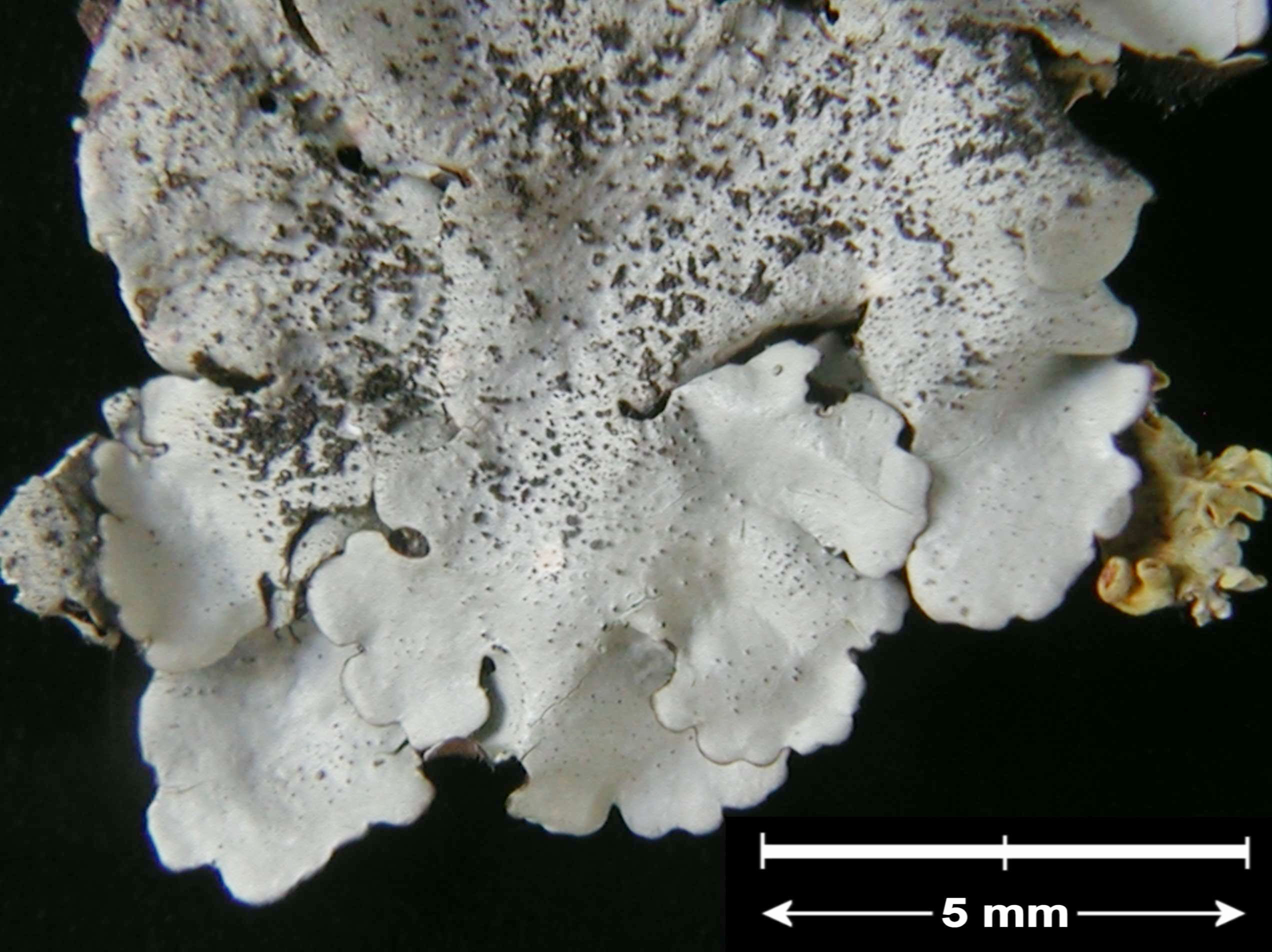
G. Incerti CC BY SA 4.0
26/11/2001
TSB 31767
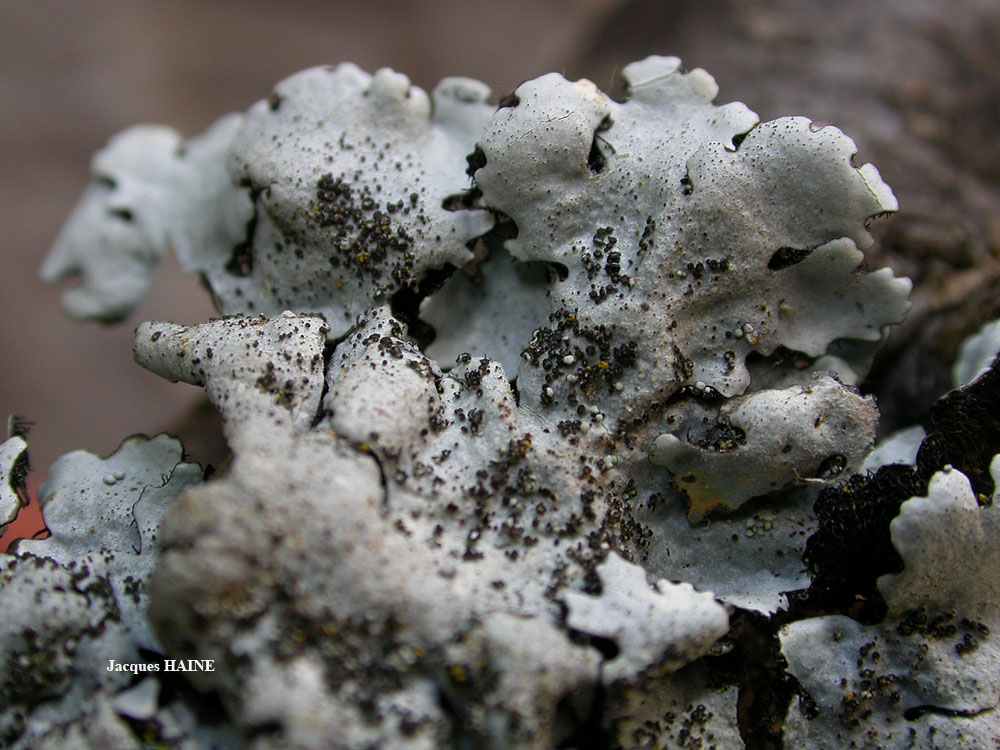
Jacques Haine - Source: http://www.lichensmaritimes.org/index.php?task=fiche&lichen=534&lang=en
France, Doubs
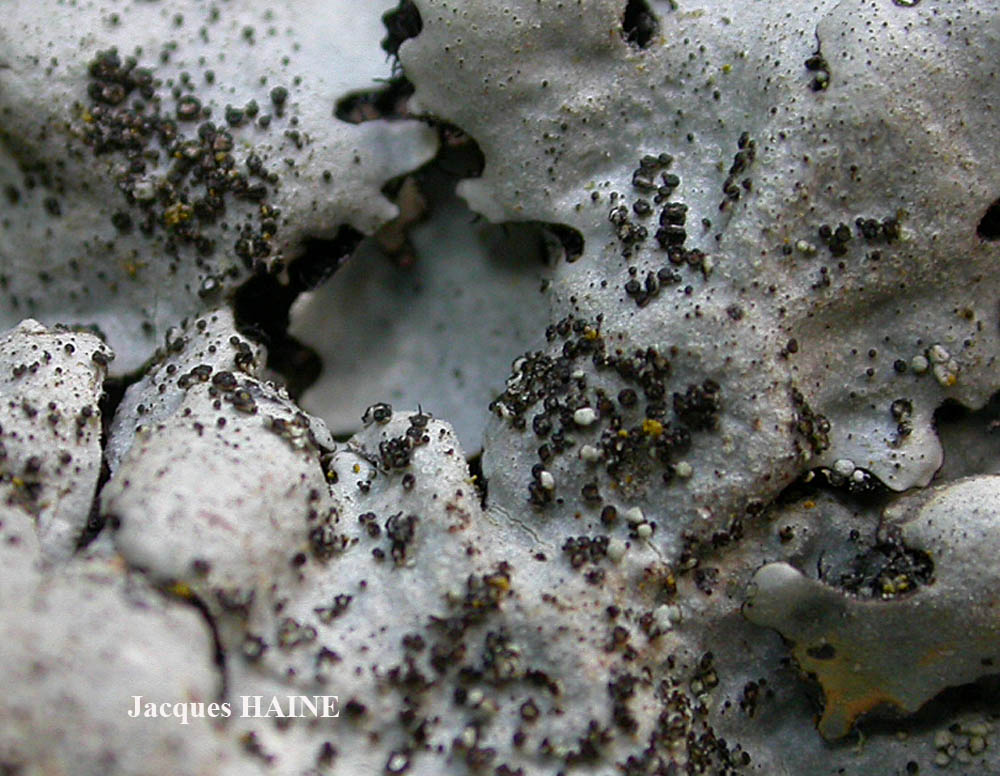
Jacques Haine - Source: http://www.lichensmaritimes.org/index.php?task=fiche&lichen=534&lang=en
France, Doubs
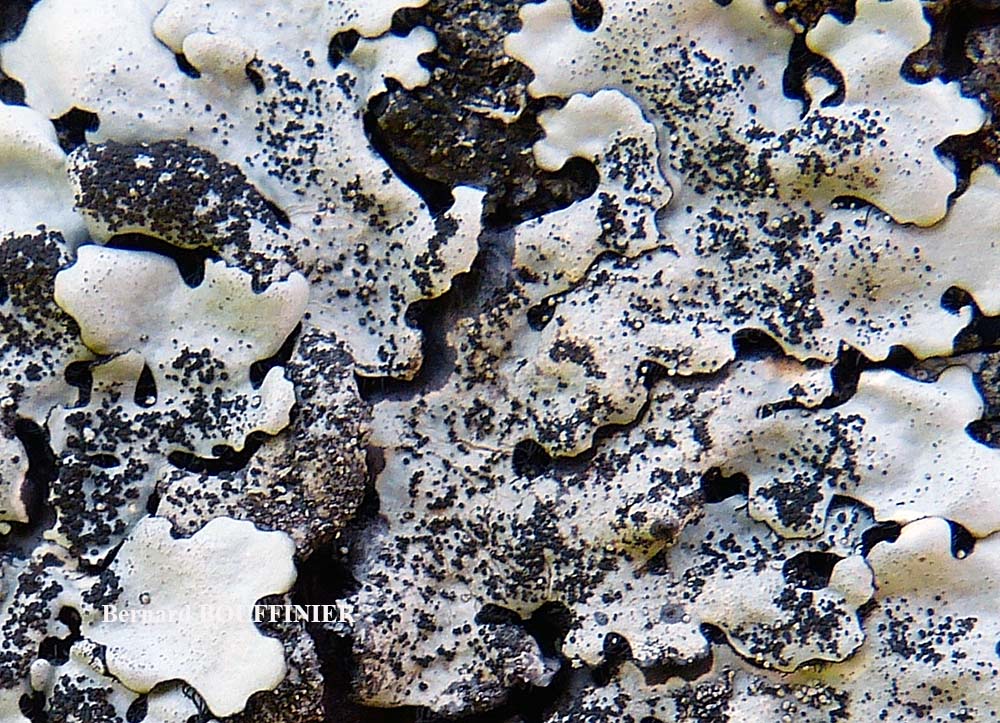
Bernard Bouffinier - Source: http://www.lichensmaritimes.org/index.php?task=fiche&lichen=534&lang=en
France, Roncevaux
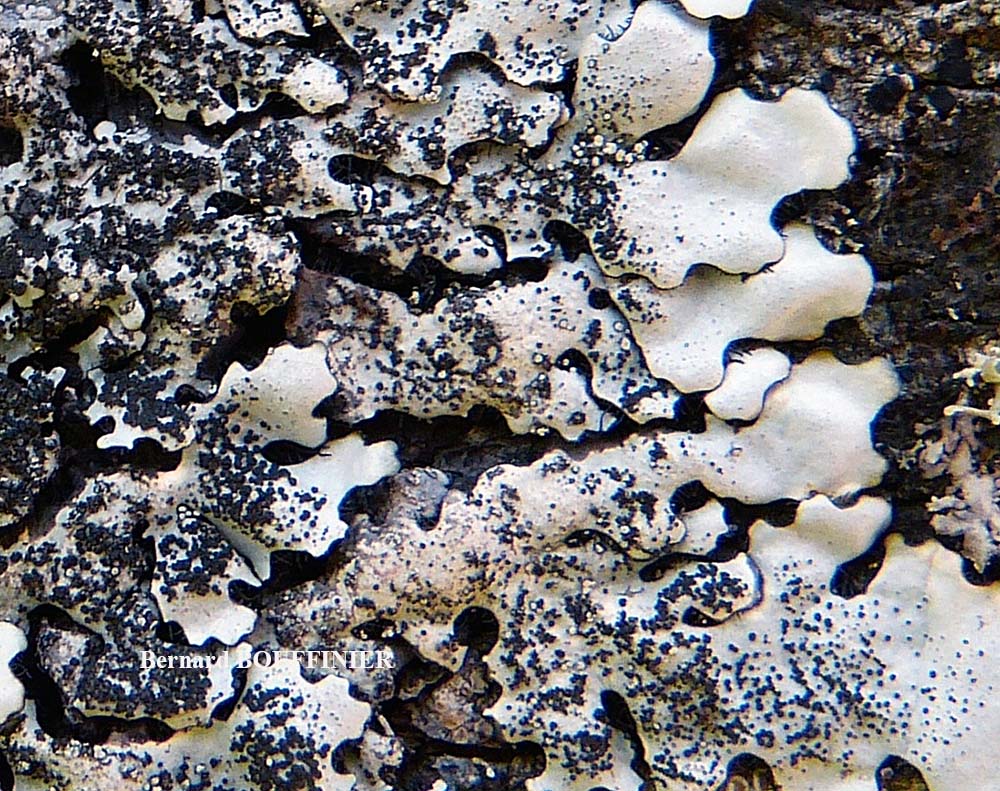
Bernard Bouffinier - Source: http://www.lichensmaritimes.org/index.php?task=fiche&lichen=534&lang=en
France, Roncevaux
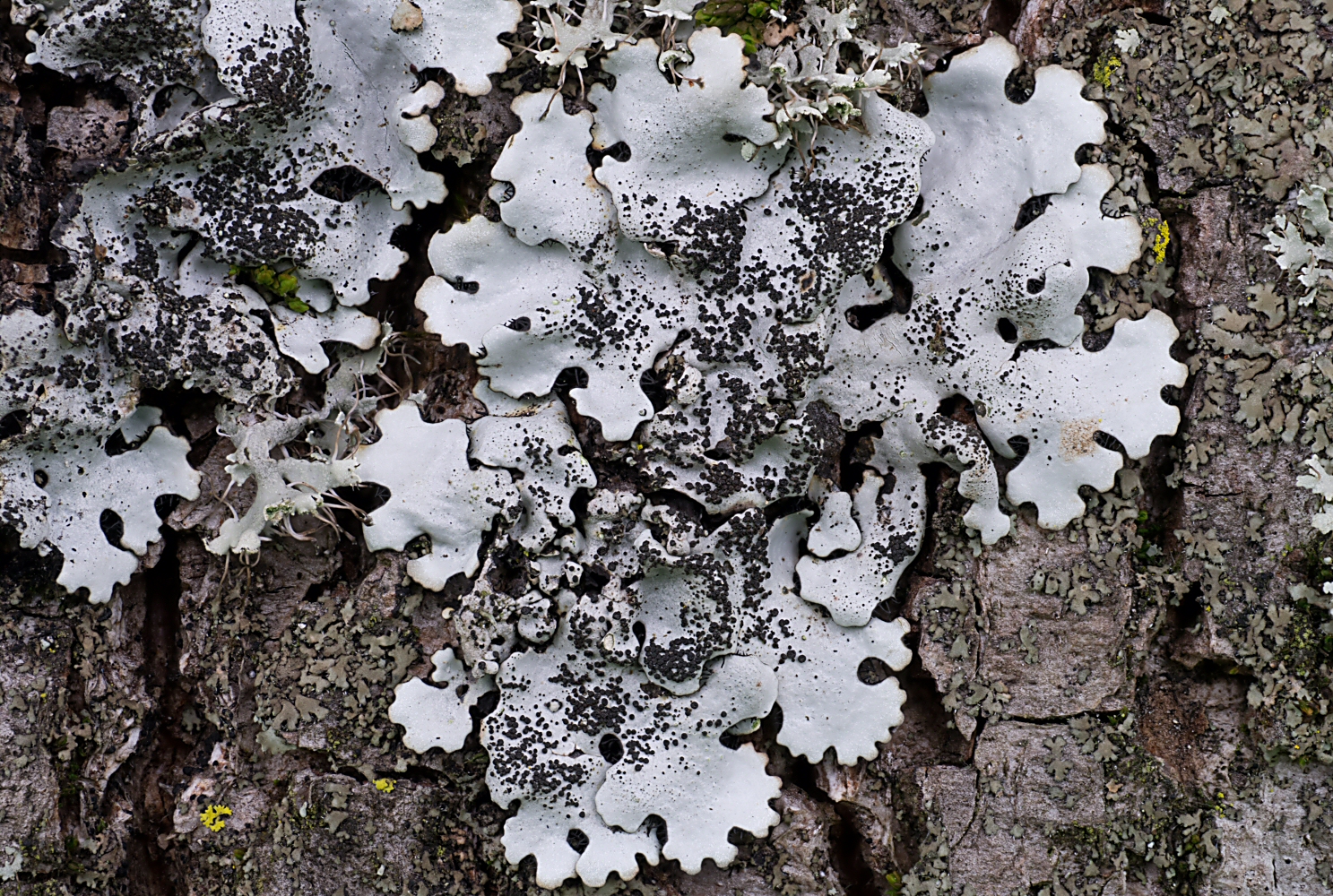
Ulrich Kirschbaum CC BY-SA 4.0 - Source: https://www.thm.de/lse/ulrich-kirschbaum/flechtenbilder
Austria: Alps.
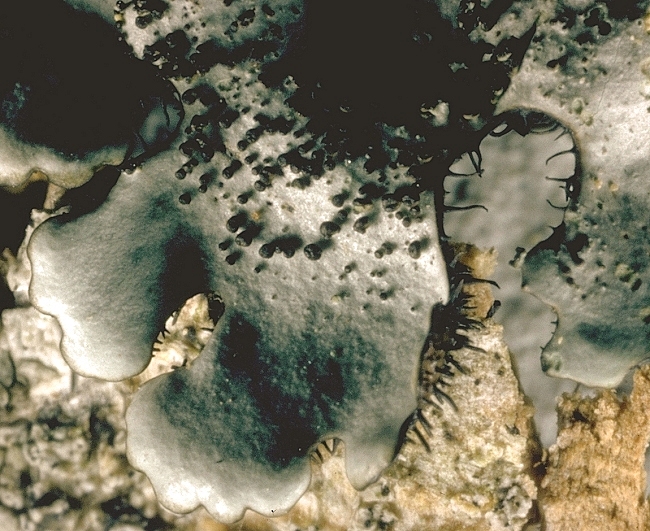
Ulrich Kirschbaum CC BY-SA 4.0 - Source: https://www.thm.de/lse/ulrich-kirschbaum/flechtenbilder
Austria: Alps.

Wolfgang von Brackel - CC BY-4.0
Germany, Bavaria, Burgberg Oberallgäu

Wolfgang von Brackel - CC BY-4.0
Germany, Bavaria, Burgberg Oberallgäu