
Parmotrema stuppeum (Taylor) Hale
Phytologia, 28: 339, 1974. Basionym: Parmelia stuppea Taylor - London J. Bot., 6: 175, 1847.
Synonyms: Parmelia claudelii (Harm.) Vain.; Parmelia maxima Hue; Parmelia trichotera var. claudelii (Harm.) Du Rietz
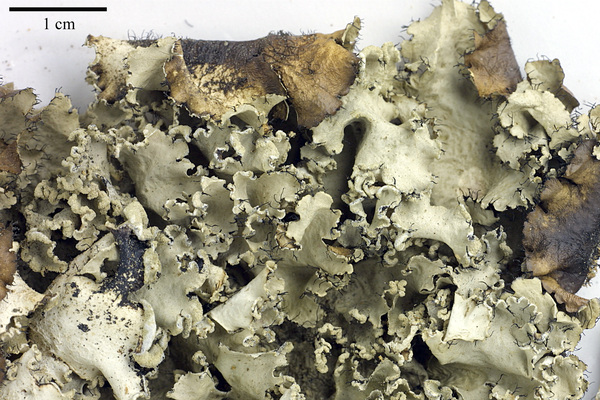
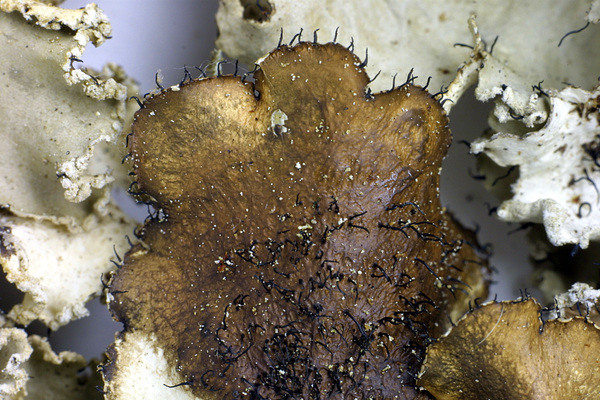
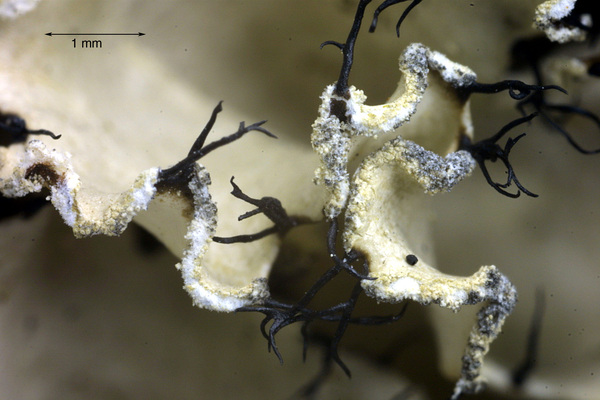
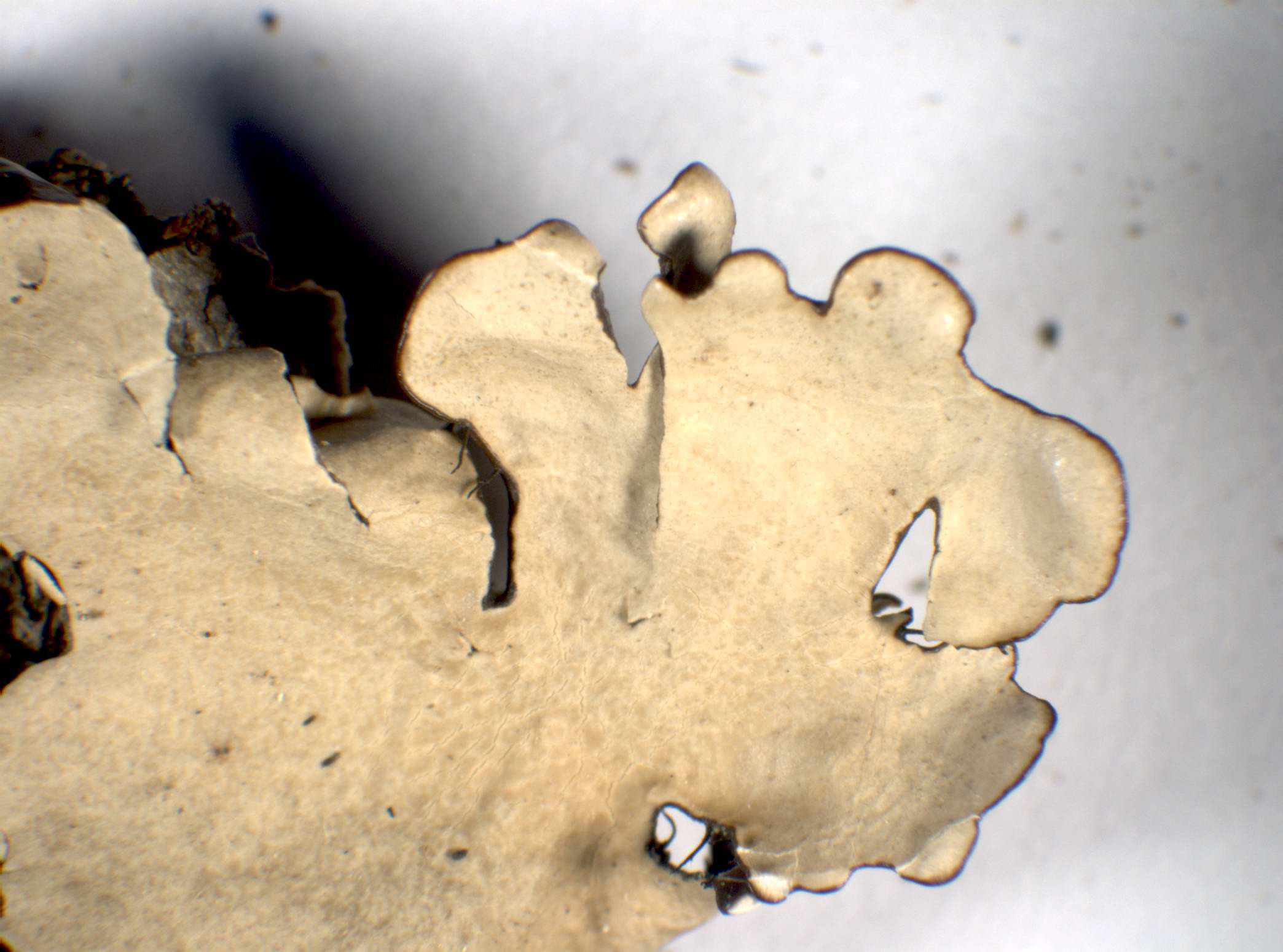
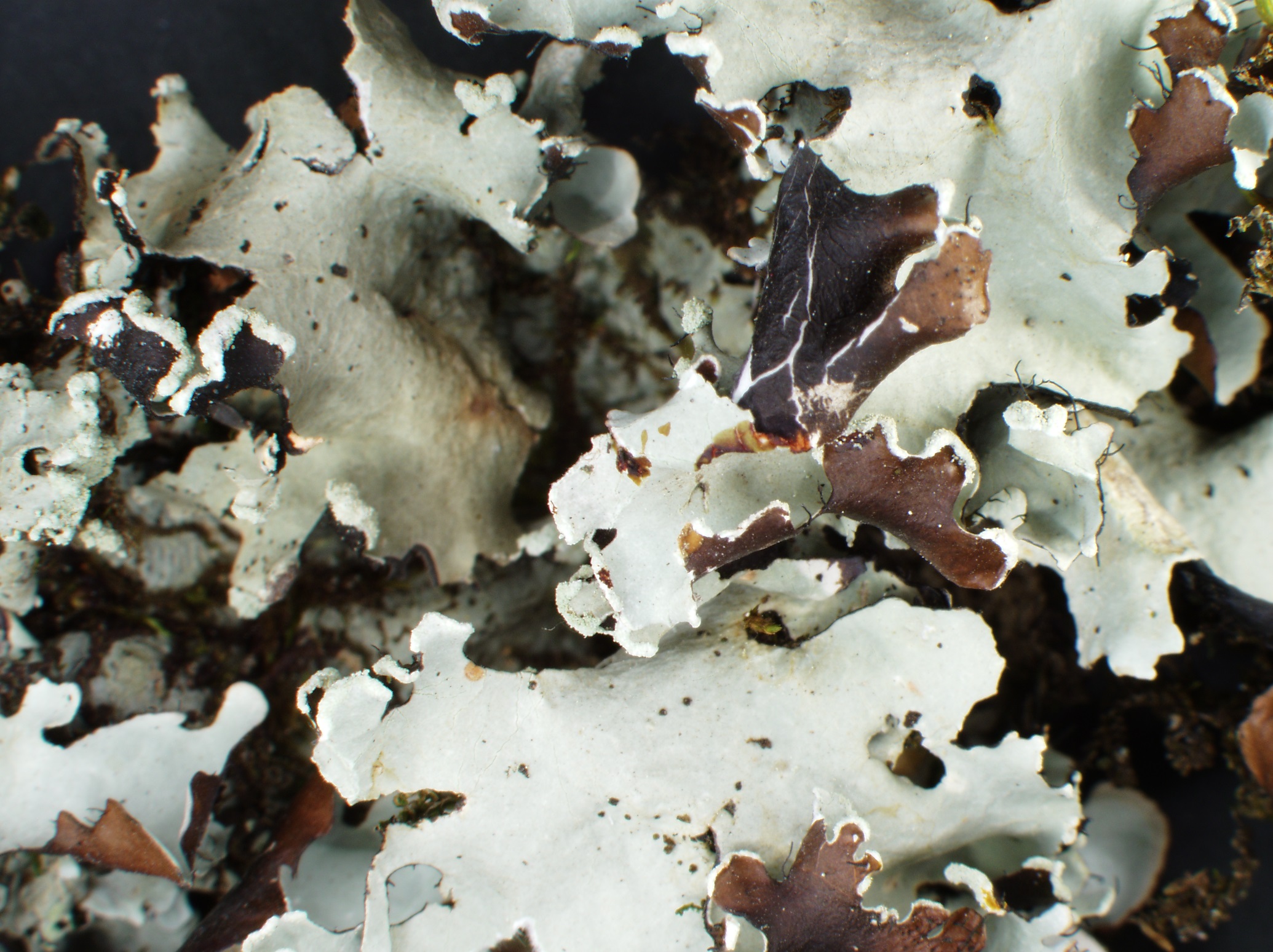
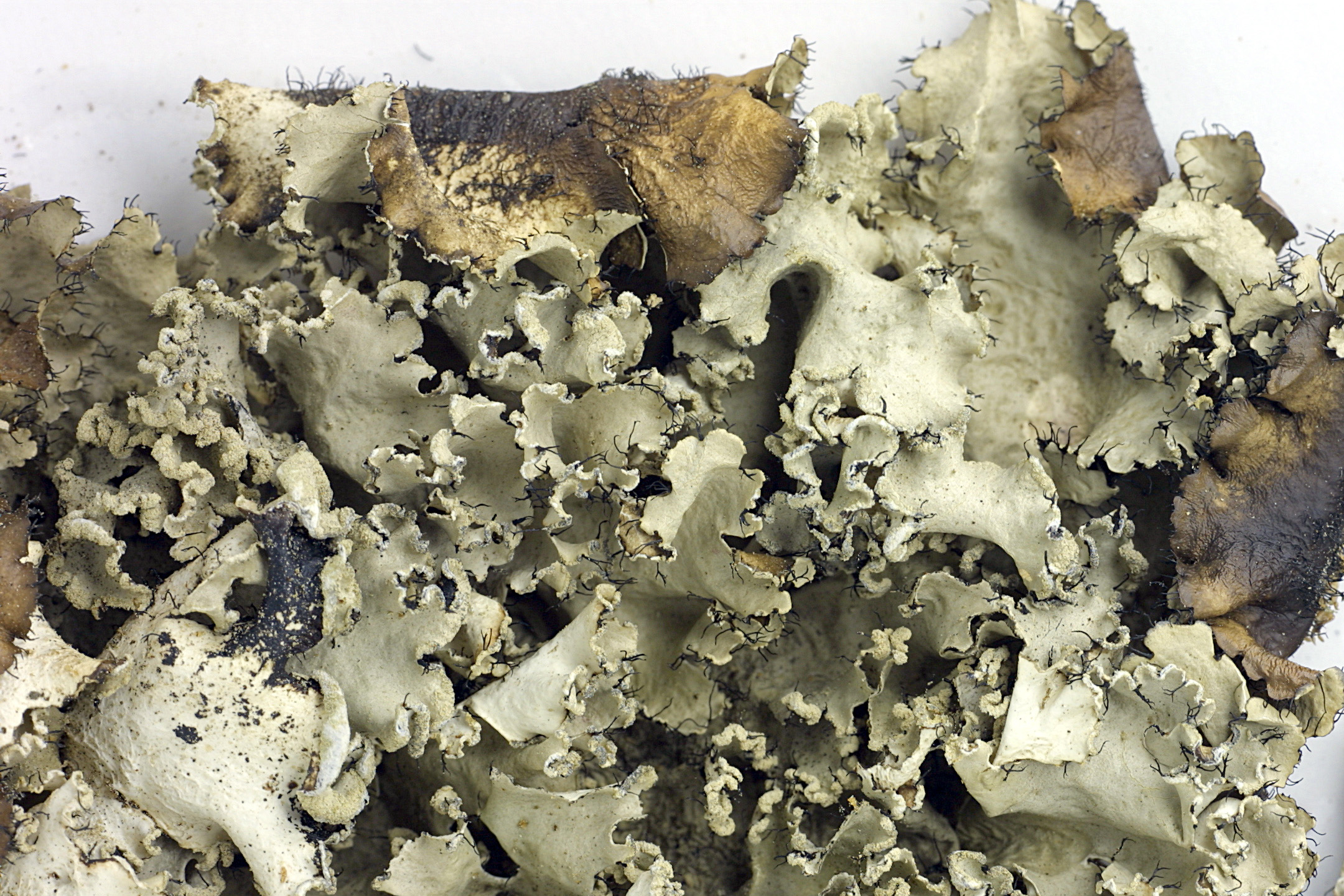
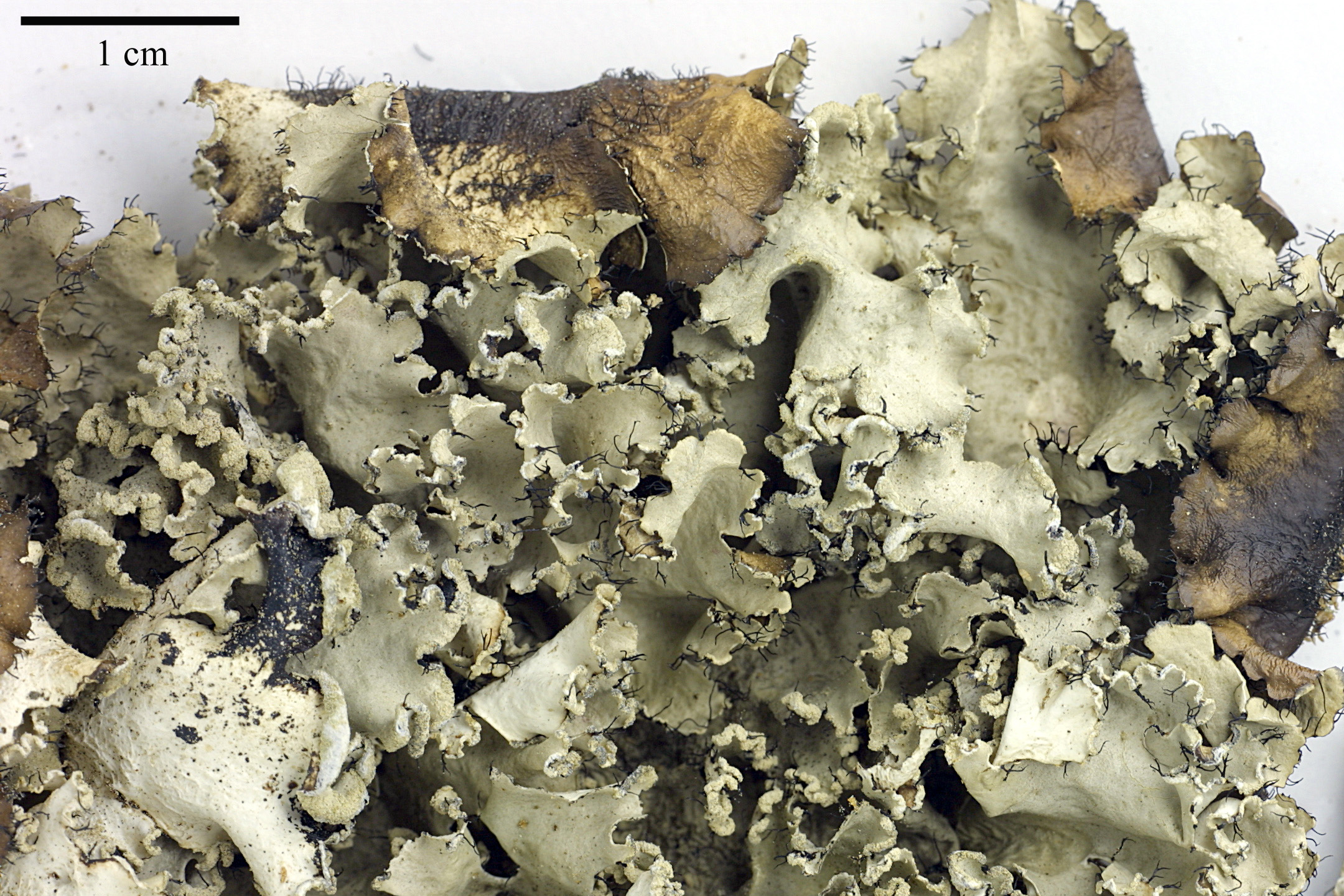
Description: Thallus foliose, heteromerous, dorsiventral, adnate to loosely adnate, grey, (5-)10-20 cm in diam., sorediate. Lobes elongate, slightly imbricate, emaculate, (4-)8-15 mm wide, rounded at apices, the margins with up to 2 mm long, black cilia. Soredia granular, arranged in linear to orbicular, laminal or marginal, usually confluent soralia. Lower surface black in central parts, with black, simple rhizines, the marginal zone pale brown, erhizinate. Upper cortex of tightly packed, anticlinally oriented hyphae, with a pored epicortex, the cell walls with lichenan intermediate between the Cetraria- and the Xanthoparmelia-types; medulla white; algal layer continuous; lower cortex prosoplectenchymatous, with rounded and thick-walled cells. Apothecia very rare, lecanorine, substipitate, up to 30 mm across, with a brown, imperforate disc, and a smooth, raised thalline margin. Epithecium brownish; hymenium and hypothecium colourless. Asci 8-spored, Lecanora-type. Ascospores 1-celled, hyaline, ellipsoid, 12-17 x 6-9 µm. Pycnidia common only in fertile specimens, immersed, punctiform, black. Conidia sublageniform, 4-6 x c. 1 µm. Photobiont chlorococcoid. Spot tests: upper cortex K+ yellow, C-, KC-, P- or P+ faintly yellow, UV-; medulla K+ yellow turning deep red, C-, KC- or KC+ orange, P+ orange, UV-. Chemistry: upper cortex with atranorin and chloroatranorin; medulla with salazinic acid (major) and consalazinic acid (minor).
Growth form: Foliose, broad lobed
Substrata: bark
Photobiont: green algae other than Trentepohlia
Reproductive strategy: mainly asexual, by soredia, or soredia-like structures (e.g. blastidia)
Most common in areas with a humid-warm climate (e.g. most of Tyrrenian Italy)
Commonnes-rarity: (info)
Alpine belt: absent
Subalpine belt: absent
Montane belt: extremely rare
Dry submediterranean belt: absent
Humid submediterranean belt: extremely rare
Padanian area: absent
pH of the substrata:
1 2 3 4 5

Solar irradiation:
1 2 3 4 5
Aridity:
1 2 3 4 5
Eutrophication:
1 2 3 4 5
Poleotolerance:
0 1 2 3
Altitudinal distribution:
1 2 3 4 5 6
Rarity
absent
extremely rare
very rare
rare
rather rare
rather common
common
very common
extremely common
Loading data...
Occurrence data
Predictive map
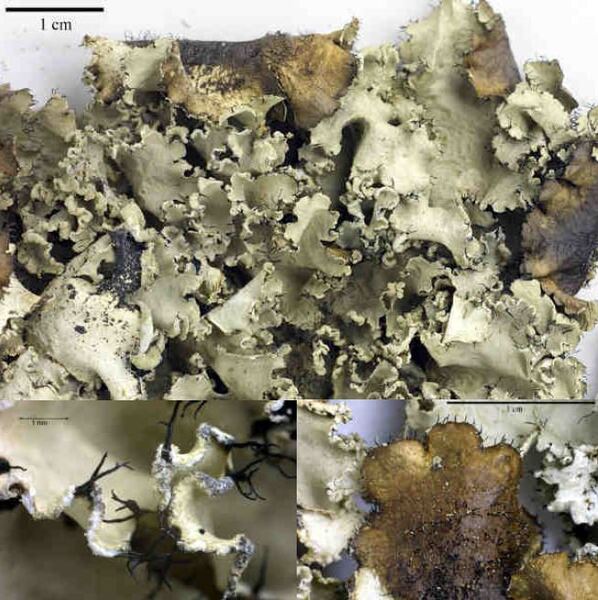
Felix Schumm – CC BY-SA 4.0
Image from: F. Schumm (2008) - Flechten Madeiras, der Kanaren und Azoren. Beck, OHG - ISBN: 978-3-00-023700-3
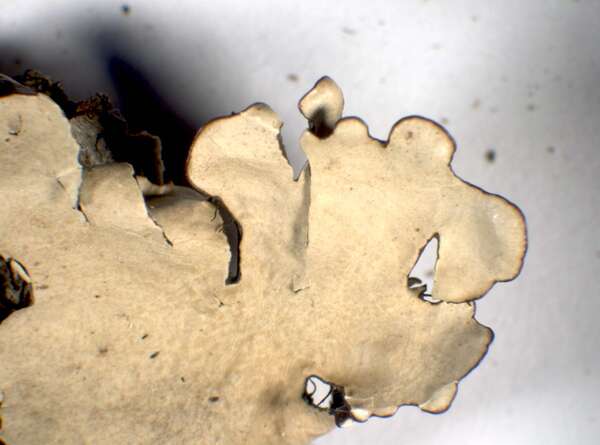
P.L. Nimis; Owner: Department of Life Sciences, University of Trieste
Herbarium: TSB (10719)
2001/11/28
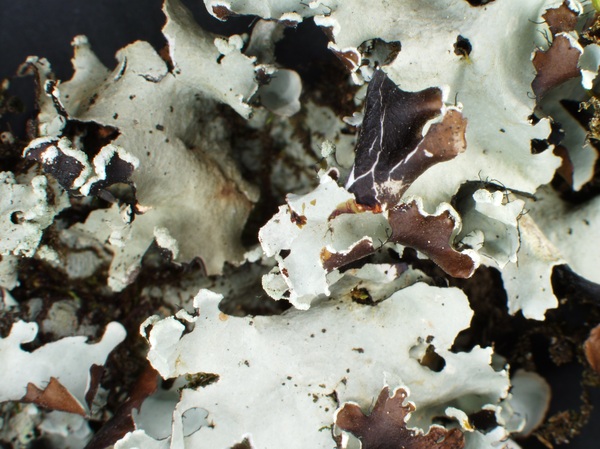
Arsen Gasparyan; Owner: Arsen Gasparyan CC-BY-SA-4.0
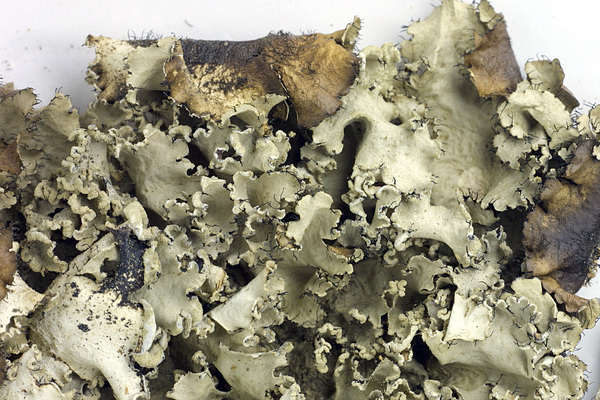
Felix Schumm - CC BY-SA 4.0
[9437], USA, Maryland, Baltimore County: 2825 Ridge Road (Baltimore, MD 21244). Growing on the bark of a limb of a dying Norway Maple in the front yard of a private residence. Leg. Edward C. Uebel 23.08.2001 (U-331H), det. Edward C. Uebel.
Felix Schumm - CC BY-SA 4.0
[9437], USA, Maryland, Baltimore County: 2825 Ridge Road (Baltimore, MD 21244). Growing on the bark of a limb of a dying Norway Maple in the front yard of a private residence. Leg. Edward C. Uebel 23.08.2001 (U-331H), det. Edward C. Uebel.
Felix Schumm - CC BY-SA 4.0
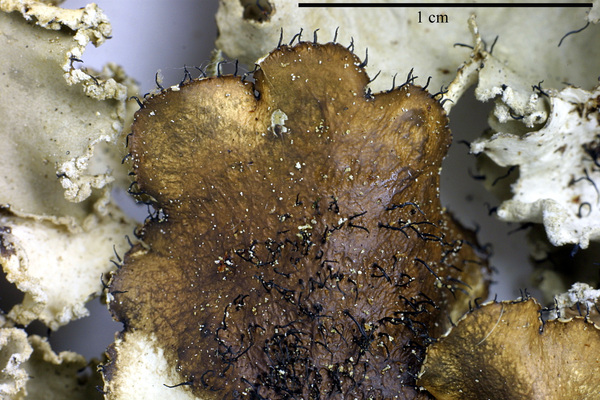
[9437], USA, Maryland, Baltimore County: 2825 Ridge Road (Baltimore, MD 21244). Growing on the bark of a limb of a dying Norway Maple in the front yard of a private residence. Leg. Edward C. Uebel 23.08.2001 (U-331H), det. Edward C. Uebel.
Felix Schumm - CC BY-SA 4.0
[9437], USA, Maryland, Baltimore County: 2825 Ridge Road (Baltimore, MD 21244). Growing on the bark of a limb of a dying Norway Maple in the front yard of a private residence. Leg. Edward C. Uebel 23.08.2001 (U-331H), det. Edward C. Uebel.
Felix Schumm - CC BY-SA 4.0
[9437], USA, Maryland, Baltimore County: 2825 Ridge Road (Baltimore, MD 21244). Growing on the bark of a limb of a dying Norway Maple in the front yard of a private residence. Leg. Edward C. Uebel 23.08.2001 (U-331H), det. Edward C. Uebel.
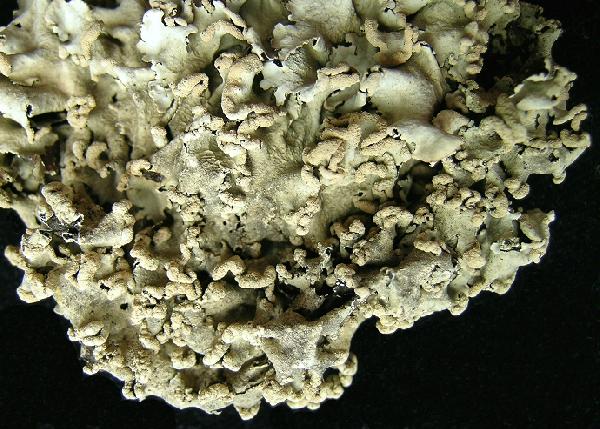
Ulrich Kirschbaum CC BY-SA 4.0 - Source: https://www.thm.de/lse/ulrich-kirschbaum/flechtenbilder
Portugal: Madeira.
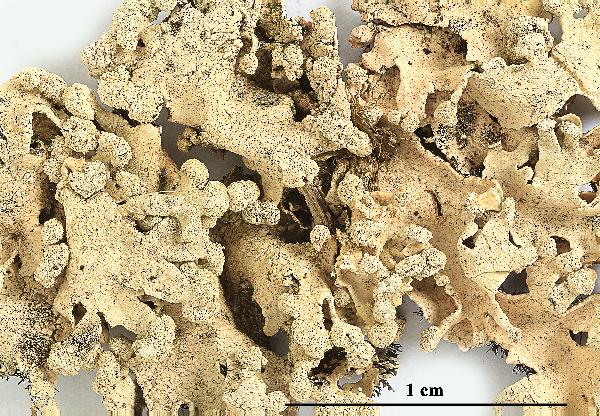
Felix Schumm - CC BY-SA 4.0
[ABL78762], Brazil, Santa Catarina, Rio Negrinho, Rio Preto, Fazenda
Velha, on farm on tree bark. 26°17'57'' S, 49°37'24'' W, 800 m. Leg. A.
Aptroot (no 78762), 31 March 2019, det. A. Aptroot 2019. - Thallus
ciliate, cilia up to 2 mm long. Upper surface grey, emaculate. Soredia
granular, in linear to orbicular, laminal or marginal soralia. Isidia and
pustulae absent. Apothecia rare, disc imperforate. Spores 12-17 x 6-9
μm. Pycnidia common, punctiform. Chemistry: upper cortex K+ yellow,
C-, KC-, P-; medulla: K+ yellow turning deep red, C-, KC-, P+
orange. TLC: atranorin, chloroatranorin, salazinic acid (major), consalazinic
acir (minor).
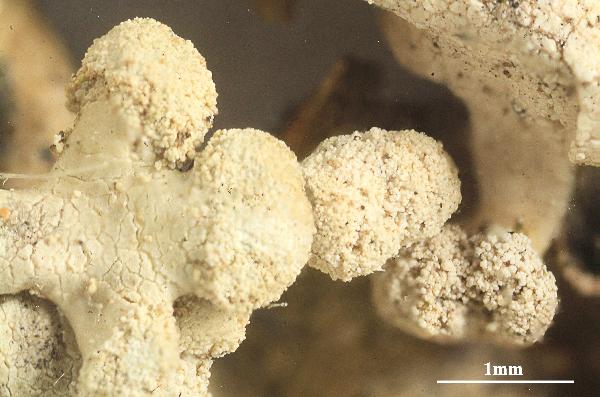
Felix Schumm - CC BY-SA 4.0
[ABL78762], Brazil, Santa Catarina, Rio Negrinho, Rio Preto, Fazenda
Velha, on farm on tree bark. 26°17'57'' S, 49°37'24'' W, 800 m. Leg. A.
Aptroot (no 78762), 31 March 2019, det. A. Aptroot 2019. - Thallus
ciliate, cilia up to 2 mm long. Upper surface grey, emaculate. Soredia
granular, in linear to orbicular, laminal or marginal soralia. Isidia and
pustulae absent. Apothecia rare, disc imperforate. Spores 12-17 x 6-9
μm. Pycnidia common, punctiform. Chemistry: upper cortex K+ yellow,
C-, KC-, P-; medulla: K+ yellow turning deep red, C-, KC-, P+
orange. TLC: atranorin, chloroatranorin, salazinic acid (major), consalazinic
acir (minor).
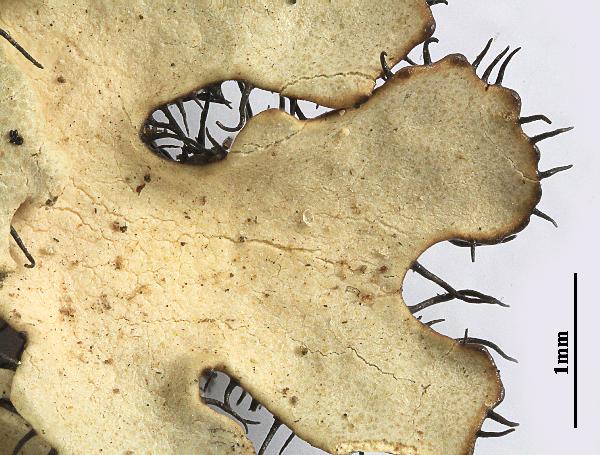
Felix Schumm - CC BY-SA 4.0
[ABL78762], Brazil, Santa Catarina, Rio Negrinho, Rio Preto, Fazenda
Velha, on farm on tree bark. 26°17'57'' S, 49°37'24'' W, 800 m. Leg. A.
Aptroot (no 78762), 31 March 2019, det. A. Aptroot 2019. - Thallus
ciliate, cilia up to 2 mm long. Upper surface grey, emaculate. Soredia
granular, in linear to orbicular, laminal or marginal soralia. Isidia and
pustulae absent. Apothecia rare, disc imperforate. Spores 12-17 x 6-9
μm. Pycnidia common, punctiform. Chemistry: upper cortex K+ yellow,
C-, KC-, P-; medulla: K+ yellow turning deep red, C-, KC-, P+
orange. TLC: atranorin, chloroatranorin, salazinic acid (major), consalazinic
acir (minor).
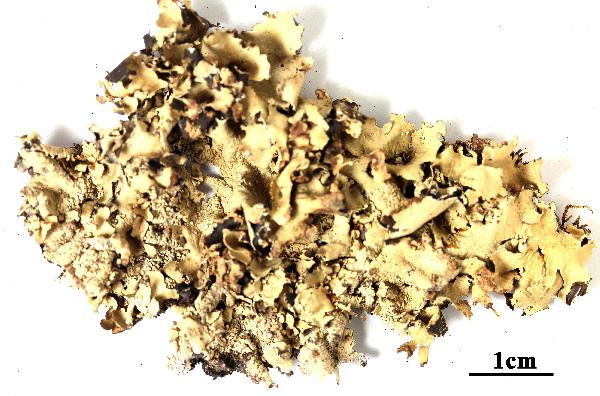
Felix Schumm - CC BY 4.0
[VZ2364], Germany, Bavaria, Berchtesgadener Land, Bischofswiesen,
secus viam ad Winkl ductam, 660 m. Ad corticem Fagi silvaticae. Leg.
R. Türk (8343) & H. Wunder, 4.4.1989. EX A. VEZDA LICHENES SELECTI
EXSICCATI NR. 2364. - As Parmelia stuppea
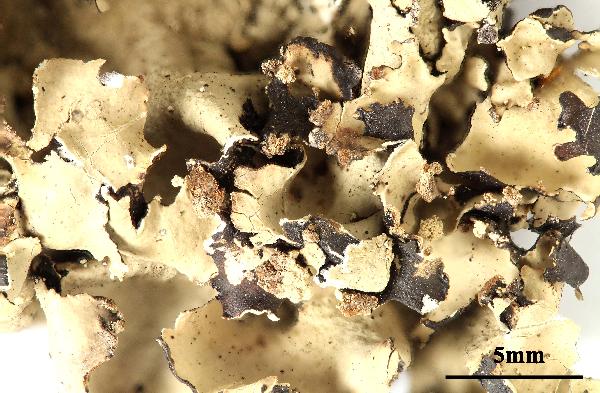
Felix Schumm - CC BY 4.0
[VZ2364], Germany, Bavaria, Berchtesgadener Land, Bischofswiesen,
secus viam ad Winkl ductam, 660 m. Ad corticem Fagi silvaticae. Leg.
R. Türk (8343) & H. Wunder, 4.4.1989. EX A. VEZDA LICHENES SELECTI
EXSICCATI NR. 2364. - As Parmelia stuppea
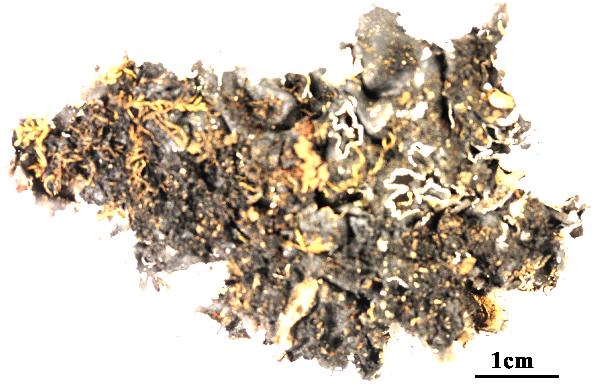
Felix Schumm - CC BY 4.0
[VZ2364], Germany, Bavaria, Berchtesgadener Land, Bischofswiesen,
secus viam ad Winkl ductam, 660 m. Ad corticem Fagi silvaticae. Leg.
R. Türk (8343) & H. Wunder, 4.4.1989. EX A. VEZDA LICHENES SELECTI
EXSICCATI NR. 2364. - As Parmelia stuppea
Growth form: Foliose, broad lobed
Substrata: bark
Photobiont: green algae other than Trentepohlia
Reproductive strategy: mainly asexual, by soredia, or soredia-like structures (e.g. blastidia)
Most common in areas with a humid-warm climate (e.g. most of Tyrrenian Italy)
Commonnes-rarity: (info)
Alpine belt: absent
Subalpine belt: absent
Montane belt: extremely rare
Dry submediterranean belt: absent
Humid submediterranean belt: extremely rare
Padanian area: absent
pH of the substrata:
| 1 | 2 | 3 | 4 | 5 |
Solar irradiation:
| 1 | 2 | 3 | 4 | 5 |
Aridity:
| 1 | 2 | 3 | 4 | 5 |
Eutrophication:
| 1 | 2 | 3 | 4 | 5 |
Poleotolerance:
| 0 | 1 | 2 | 3 |
Altitudinal distribution:
| 1 | 2 | 3 | 4 | 5 | 6 |
Rarity
absent
extremely rare
very rare
rare
rather rare
rather common
common
very common
extremely common
Loading data...
Occurrence data
Predictive map
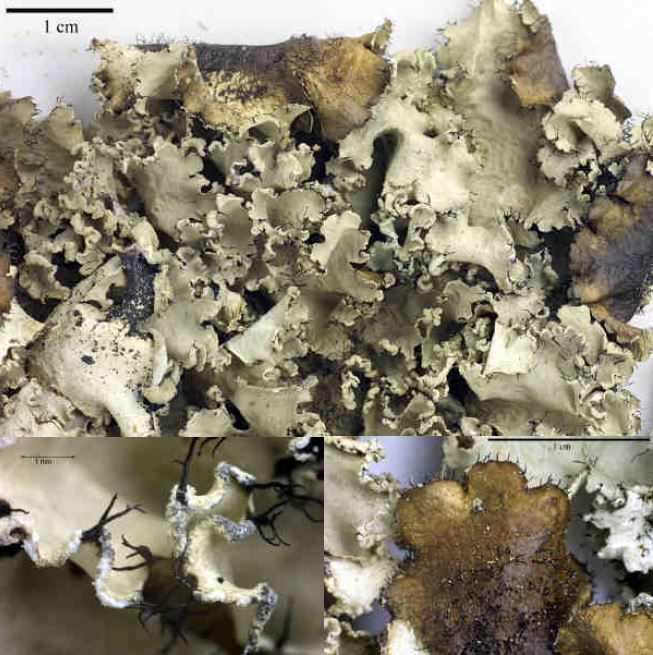
Felix Schumm – CC BY-SA 4.0
Image from: F. Schumm (2008) - Flechten Madeiras, der Kanaren und Azoren. Beck, OHG - ISBN: 978-3-00-023700-3
P.L. Nimis; Owner: Department of Life Sciences, University of Trieste
Herbarium: TSB (10719)
2001/11/28
Arsen Gasparyan; Owner: Arsen Gasparyan CC-BY-SA-4.0
Felix Schumm - CC BY-SA 4.0
[9437], USA, Maryland, Baltimore County: 2825 Ridge Road (Baltimore, MD 21244). Growing on the bark of a limb of a dying Norway Maple in the front yard of a private residence. Leg. Edward C. Uebel 23.08.2001 (U-331H), det. Edward C. Uebel.
Felix Schumm - CC BY-SA 4.0
[9437], USA, Maryland, Baltimore County: 2825 Ridge Road (Baltimore, MD 21244). Growing on the bark of a limb of a dying Norway Maple in the front yard of a private residence. Leg. Edward C. Uebel 23.08.2001 (U-331H), det. Edward C. Uebel.
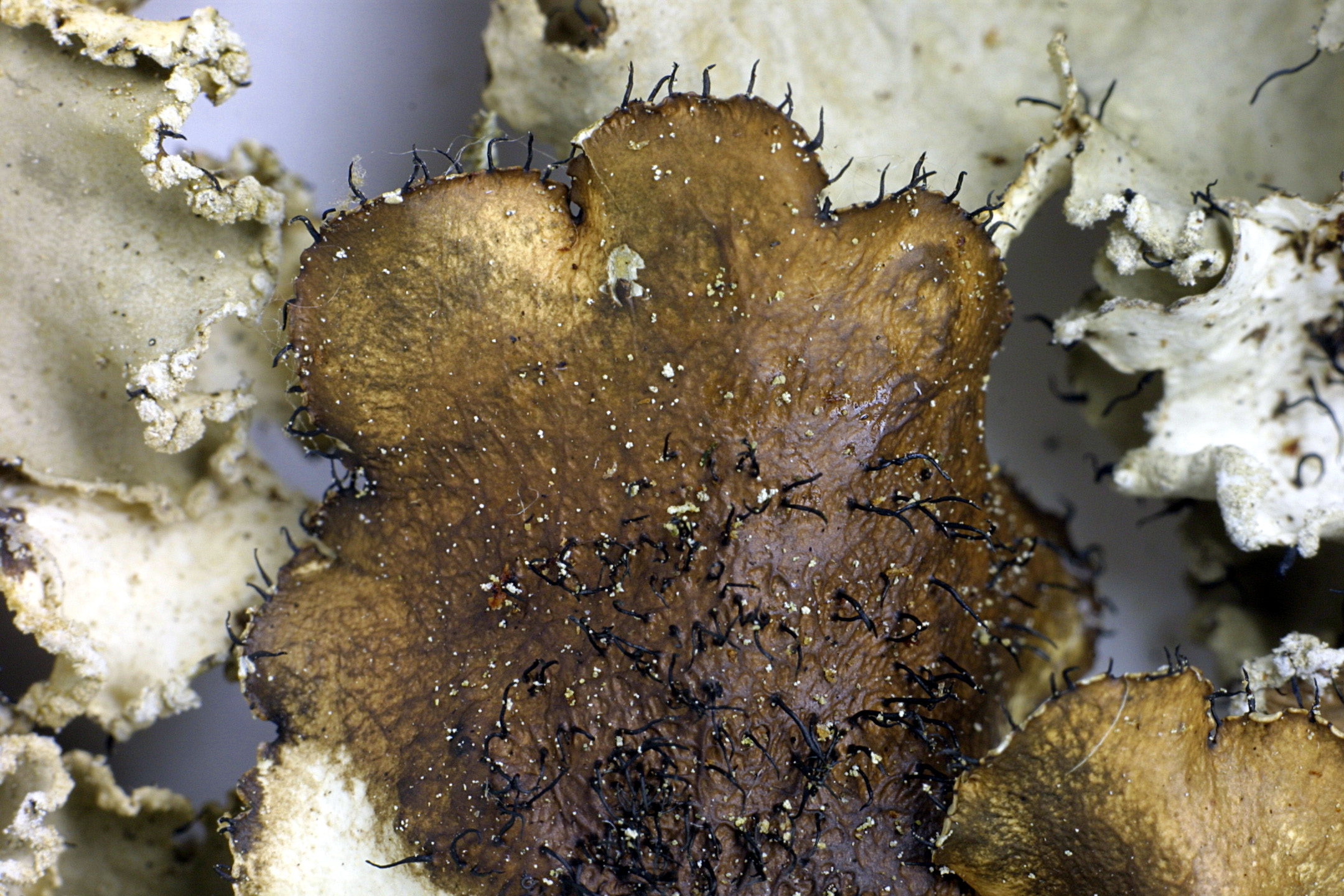
Felix Schumm - CC BY-SA 4.0
[9437], USA, Maryland, Baltimore County: 2825 Ridge Road (Baltimore, MD 21244). Growing on the bark of a limb of a dying Norway Maple in the front yard of a private residence. Leg. Edward C. Uebel 23.08.2001 (U-331H), det. Edward C. Uebel.
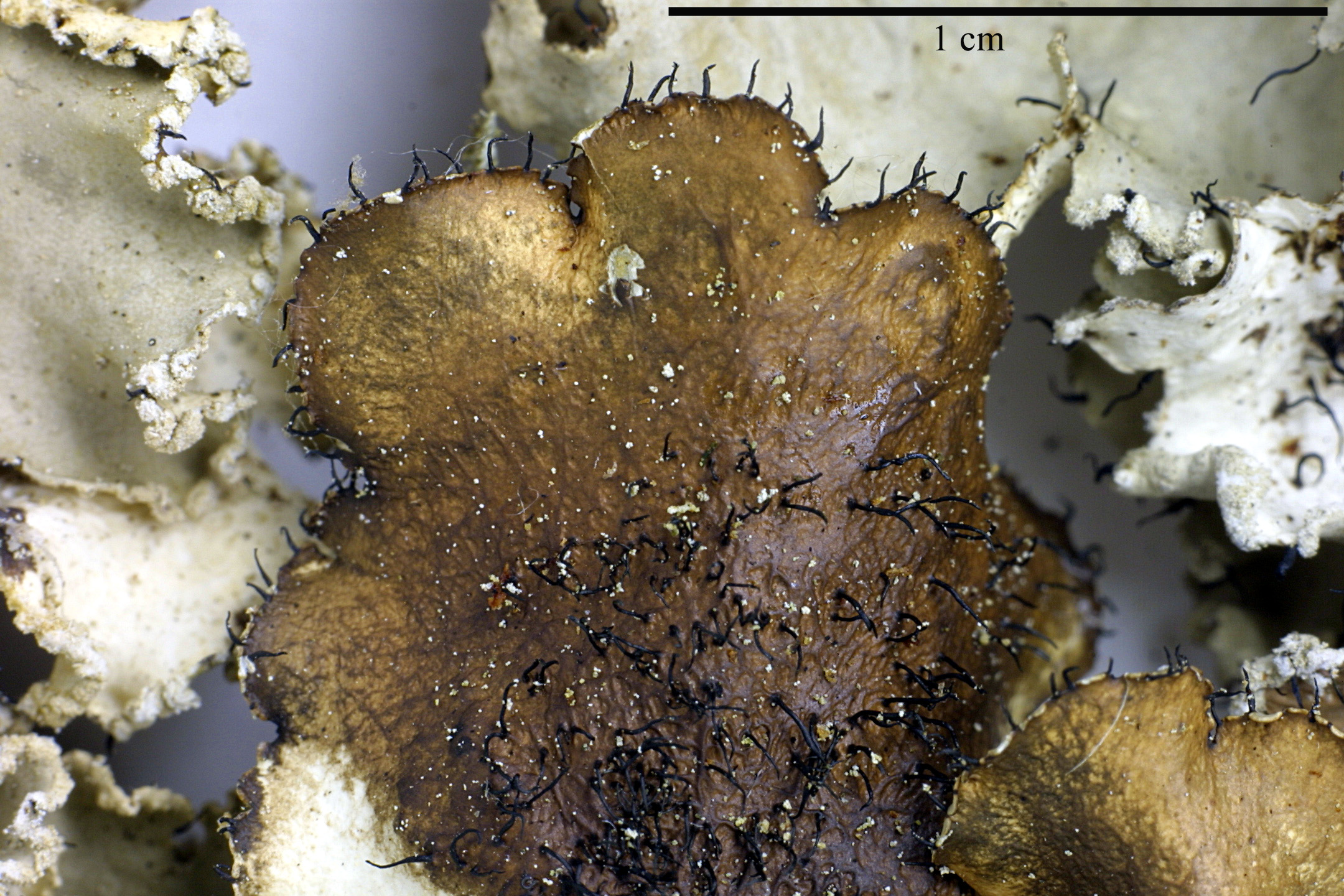
Felix Schumm - CC BY-SA 4.0
[9437], USA, Maryland, Baltimore County: 2825 Ridge Road (Baltimore, MD 21244). Growing on the bark of a limb of a dying Norway Maple in the front yard of a private residence. Leg. Edward C. Uebel 23.08.2001 (U-331H), det. Edward C. Uebel.
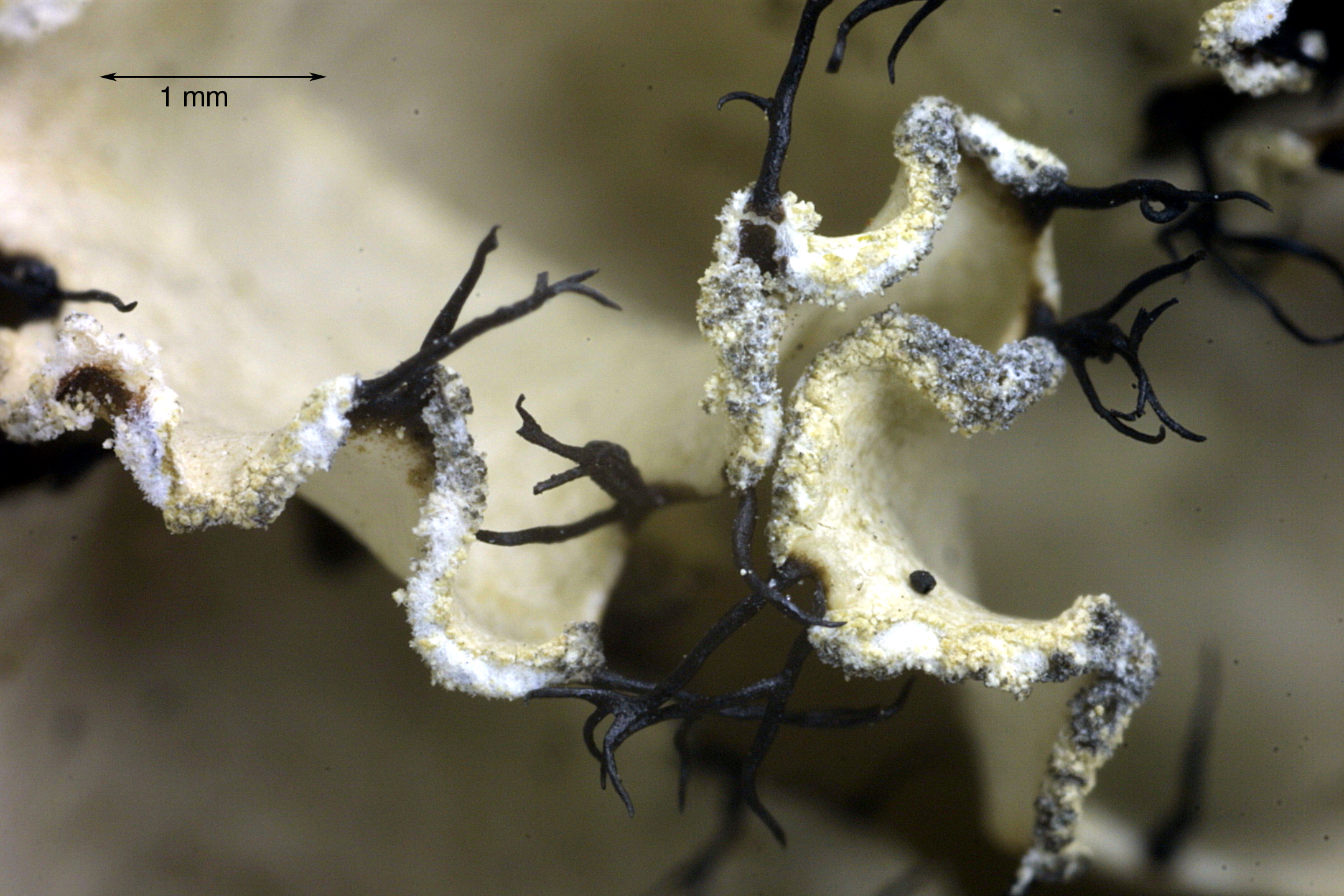
Felix Schumm - CC BY-SA 4.0
[9437], USA, Maryland, Baltimore County: 2825 Ridge Road (Baltimore, MD 21244). Growing on the bark of a limb of a dying Norway Maple in the front yard of a private residence. Leg. Edward C. Uebel 23.08.2001 (U-331H), det. Edward C. Uebel.
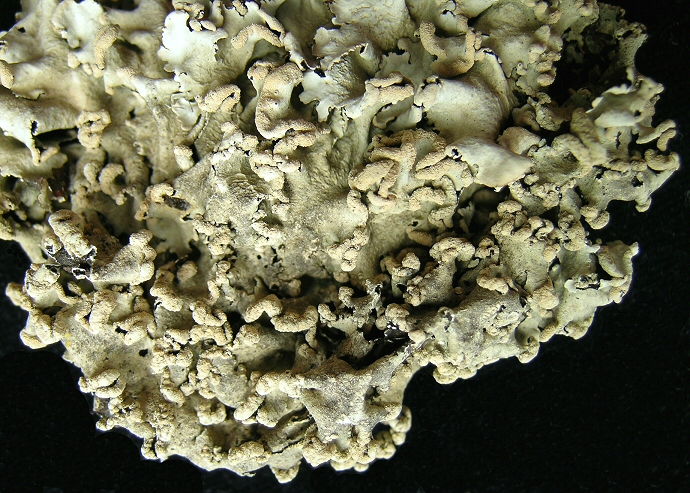
Ulrich Kirschbaum CC BY-SA 4.0 - Source: https://www.thm.de/lse/ulrich-kirschbaum/flechtenbilder
Portugal: Madeira.

Felix Schumm - CC BY-SA 4.0
[ABL78762], Brazil, Santa Catarina, Rio Negrinho, Rio Preto, Fazenda Velha, on farm on tree bark. 26°17'57'' S, 49°37'24'' W, 800 m. Leg. A. Aptroot (no 78762), 31 March 2019, det. A. Aptroot 2019. - Thallus ciliate, cilia up to 2 mm long. Upper surface grey, emaculate. Soredia granular, in linear to orbicular, laminal or marginal soralia. Isidia and pustulae absent. Apothecia rare, disc imperforate. Spores 12-17 x 6-9 μm. Pycnidia common, punctiform. Chemistry: upper cortex K+ yellow, C-, KC-, P-; medulla: K+ yellow turning deep red, C-, KC-, P+ orange. TLC: atranorin, chloroatranorin, salazinic acid (major), consalazinic acir (minor).

Felix Schumm - CC BY-SA 4.0
[ABL78762], Brazil, Santa Catarina, Rio Negrinho, Rio Preto, Fazenda Velha, on farm on tree bark. 26°17'57'' S, 49°37'24'' W, 800 m. Leg. A. Aptroot (no 78762), 31 March 2019, det. A. Aptroot 2019. - Thallus ciliate, cilia up to 2 mm long. Upper surface grey, emaculate. Soredia granular, in linear to orbicular, laminal or marginal soralia. Isidia and pustulae absent. Apothecia rare, disc imperforate. Spores 12-17 x 6-9 μm. Pycnidia common, punctiform. Chemistry: upper cortex K+ yellow, C-, KC-, P-; medulla: K+ yellow turning deep red, C-, KC-, P+ orange. TLC: atranorin, chloroatranorin, salazinic acid (major), consalazinic acir (minor).

Felix Schumm - CC BY-SA 4.0
[ABL78762], Brazil, Santa Catarina, Rio Negrinho, Rio Preto, Fazenda Velha, on farm on tree bark. 26°17'57'' S, 49°37'24'' W, 800 m. Leg. A. Aptroot (no 78762), 31 March 2019, det. A. Aptroot 2019. - Thallus ciliate, cilia up to 2 mm long. Upper surface grey, emaculate. Soredia granular, in linear to orbicular, laminal or marginal soralia. Isidia and pustulae absent. Apothecia rare, disc imperforate. Spores 12-17 x 6-9 μm. Pycnidia common, punctiform. Chemistry: upper cortex K+ yellow, C-, KC-, P-; medulla: K+ yellow turning deep red, C-, KC-, P+ orange. TLC: atranorin, chloroatranorin, salazinic acid (major), consalazinic acir (minor).

Felix Schumm - CC BY 4.0
[VZ2364], Germany, Bavaria, Berchtesgadener Land, Bischofswiesen, secus viam ad Winkl ductam, 660 m. Ad corticem Fagi silvaticae. Leg. R. Türk (8343) & H. Wunder, 4.4.1989. EX A. VEZDA LICHENES SELECTI EXSICCATI NR. 2364. - As Parmelia stuppea

Felix Schumm - CC BY 4.0
[VZ2364], Germany, Bavaria, Berchtesgadener Land, Bischofswiesen, secus viam ad Winkl ductam, 660 m. Ad corticem Fagi silvaticae. Leg. R. Türk (8343) & H. Wunder, 4.4.1989. EX A. VEZDA LICHENES SELECTI EXSICCATI NR. 2364. - As Parmelia stuppea








