Peltigera leucophlebia (Nyl.) Gyeln.
Magyar Bot. Lapok, 24: 79, 1926. Basionym: Peltigera aphthosa var. leucophlebia Nyl. - Syn. Lich.: 323, 1860.
Synonyms: Peltidea aphthosa f. crispa Vain.; Peltigera aphthosa var. complicata (Th. Fr.) Zahlbr.; Peltigera leucophlebia f. variolosa (A. Massal.) Gyeln.; Peltigera leucophlebia var. complicata (Th. Fr.) Gyeln.; Peltigera variolosa (A. Massal.) Gyeln.; Peltigera variolosa f. dilaceratella Gyeln.; Peltigera variolosa f. subalba Gyeln.; Peltigera variolosa var. dactylodes Gyeln.; Peltigera variolosa var. microphyllina Gyeln.; Peltigera vrangiana Gyeln.
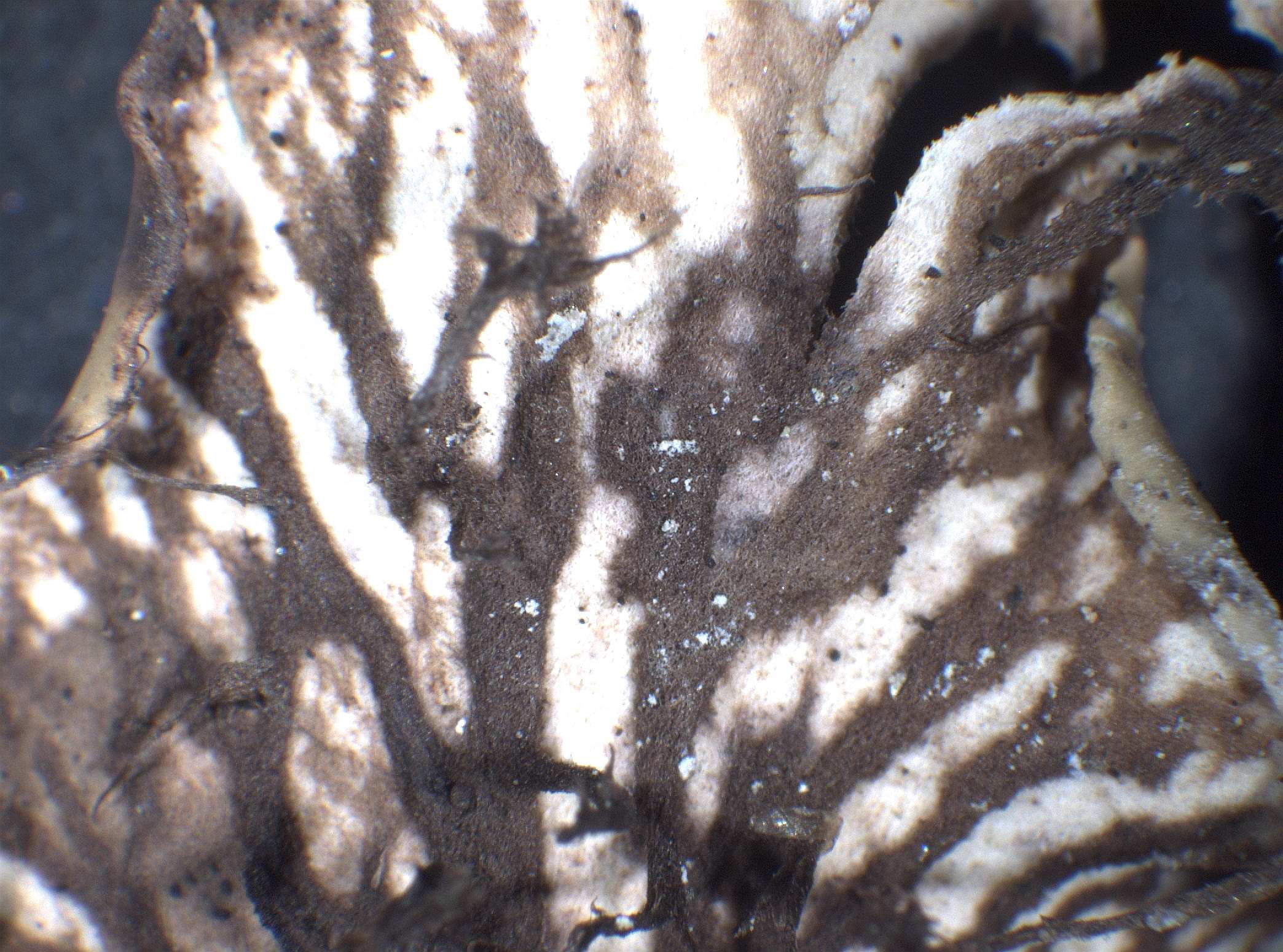
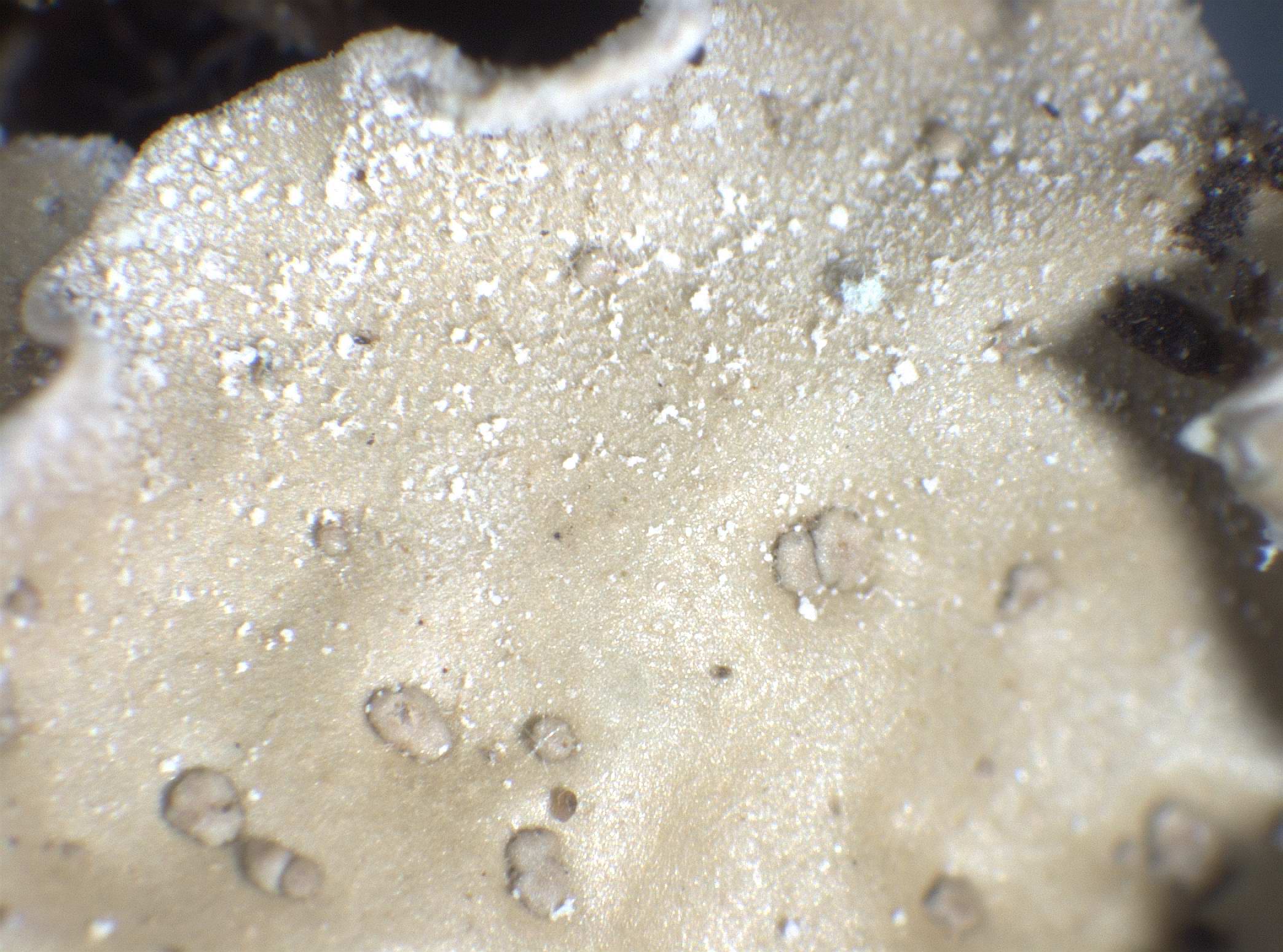
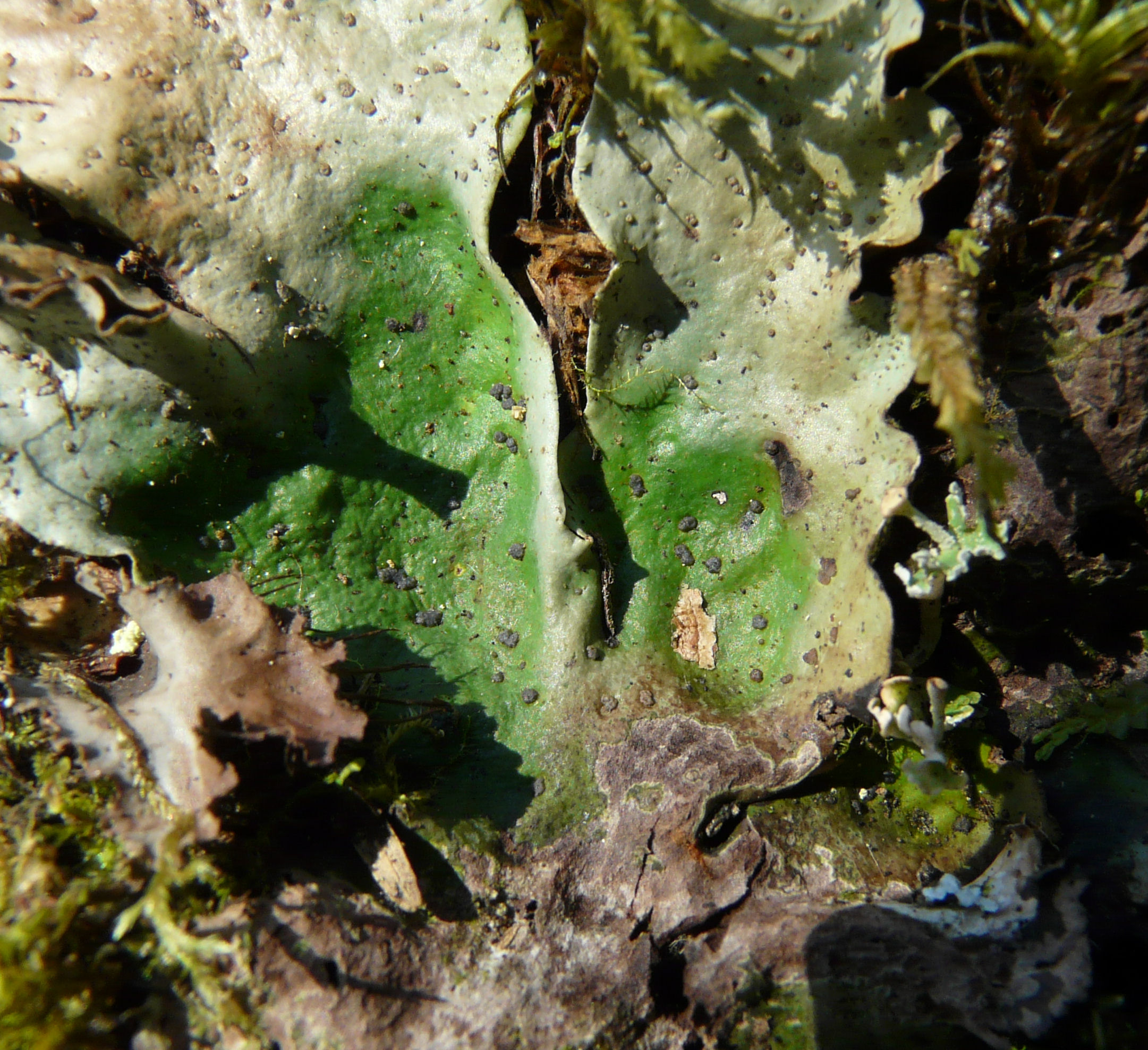
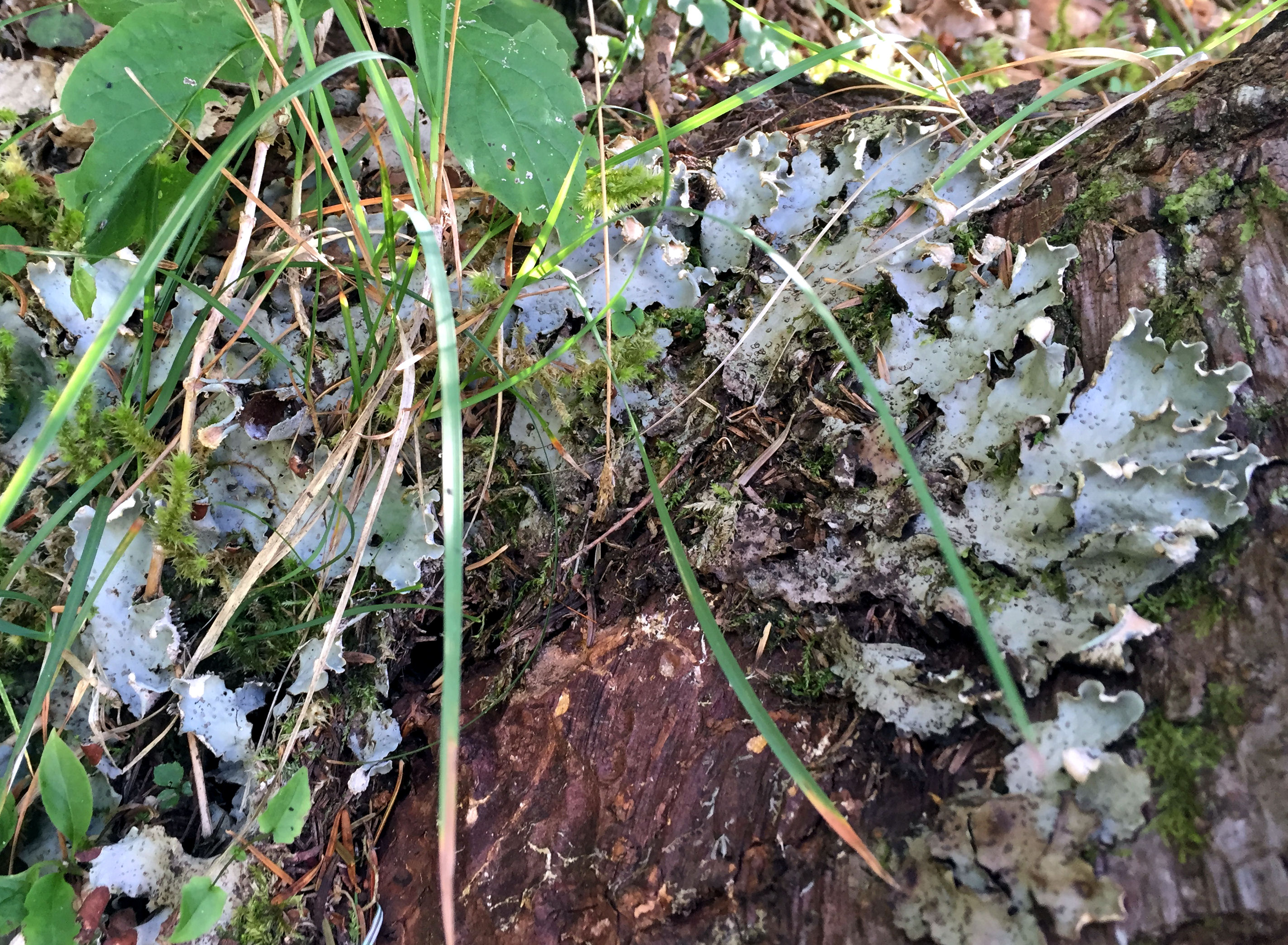
Description: Thallus foliose, heteromerous and dorsiventral, broad-lobed, loosely attached, forming 5-25(-30) cm wide rosettes. Lobes elongate, concave, contiguous, 1.5-3(-5) cm broad, up to 10(-15) cm long, usually obtuse to boat-shaped, with ascending, entire to crenate margins. Upper surface grey to greenish-grey when dry, bright green when wet, smooth or weakly wrinkled, with c. 1-1.3 mm wide, numerous, scattered, dark grey, warted cephalodia containing Nostoc, the marginal parts minutely erect-tomentose. Lower surface tomentose, whitish in marginal parts, dark brown to blackish in central parts, with well-distinct, reticulate, dark brown to black veins and pale to dark, separate, simple to tufted, up to 5 mm long rhizines. Upper cortex pseudoparenchymatous; medulla white, with loosely interwoven hyphae; lower cortex absent. Apothecia rare, saddle-shaped, terminal, brown, the cortex on the lower side disrupted into small green patches, 4-7(-15) mm. Paraphyses simple, distinctly thickened in upper part. Asci 8-spored, fissitunicate, the thickened apex with a K/I+ blue ring, Peltigera-type. Ascospores 3-5(-7)-septate, hyaline to pale brown at maturity, acicular, thin-walled, (45-)50-70(-80) x 4-6 μm. Photobiont chlorococcoid (Coccomyxa), cephalodia with Nostoc. Spot tests: K-, C-, KC-, P-, UV-, or medulla rarely faintly C+ and KC+ pink. Chemistry: tenuiorin, methyl gyrophorate and triterpenoids, sometimes with low amounts of gyrophoric acid in the medulla.
Growth form: Foliose, broad lobed
Substrata: soil, terricolous mosses, and plant debris
Photobiont: green algae other than Trentepohlia (primary); cyanobacteria, filamentous (e.g. Nostoc, Scytonema) (secundary, e.g. in cephalodia)
Reproductive strategy: mainly sexual
Commonnes-rarity: (info)
Alpine belt: rare
Subalpine belt: rather rare
Montane belt: very common
Dry submediterranean belt: extremely rare
Humid submediterranean belt: extremely rare
Padanian area: absent
pH of the substrata:
1 2 3 4 5

Solar irradiation:
1 2 3 4 5
Aridity:
1 2 3 4 5
Eutrophication:
1 2 3 4 5
Poleotolerance:
0 1 2 3
Altitudinal distribution:
1 2 3 4 5 6
Rarity
absent
extremely rare
very rare
rare
rather rare
rather common
common
very common
extremely common
Loading data...
Occurrence data
Predictive map
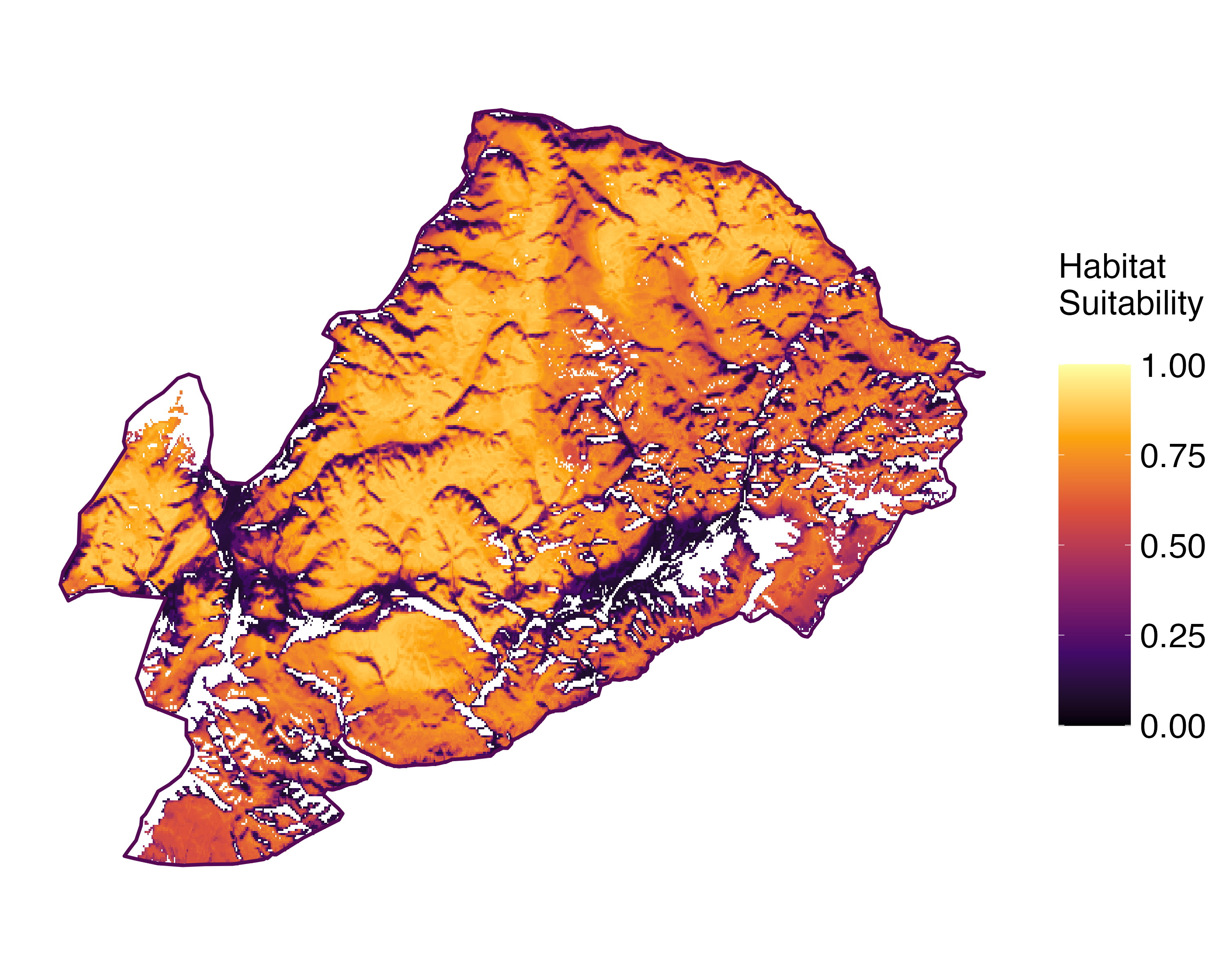 Current prediction (1981-2010)
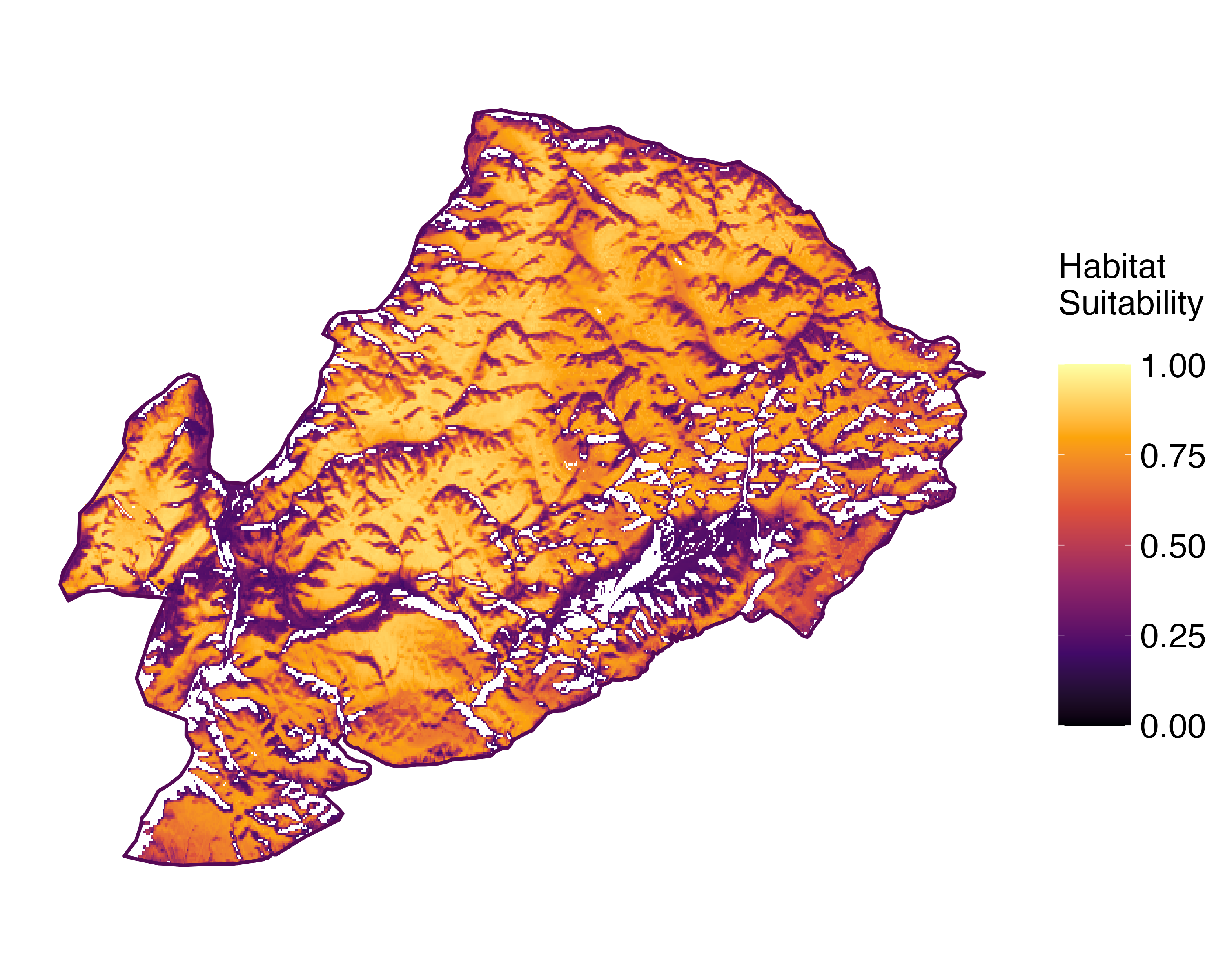 Future prediction (2071-2100) SSP 1-2.6
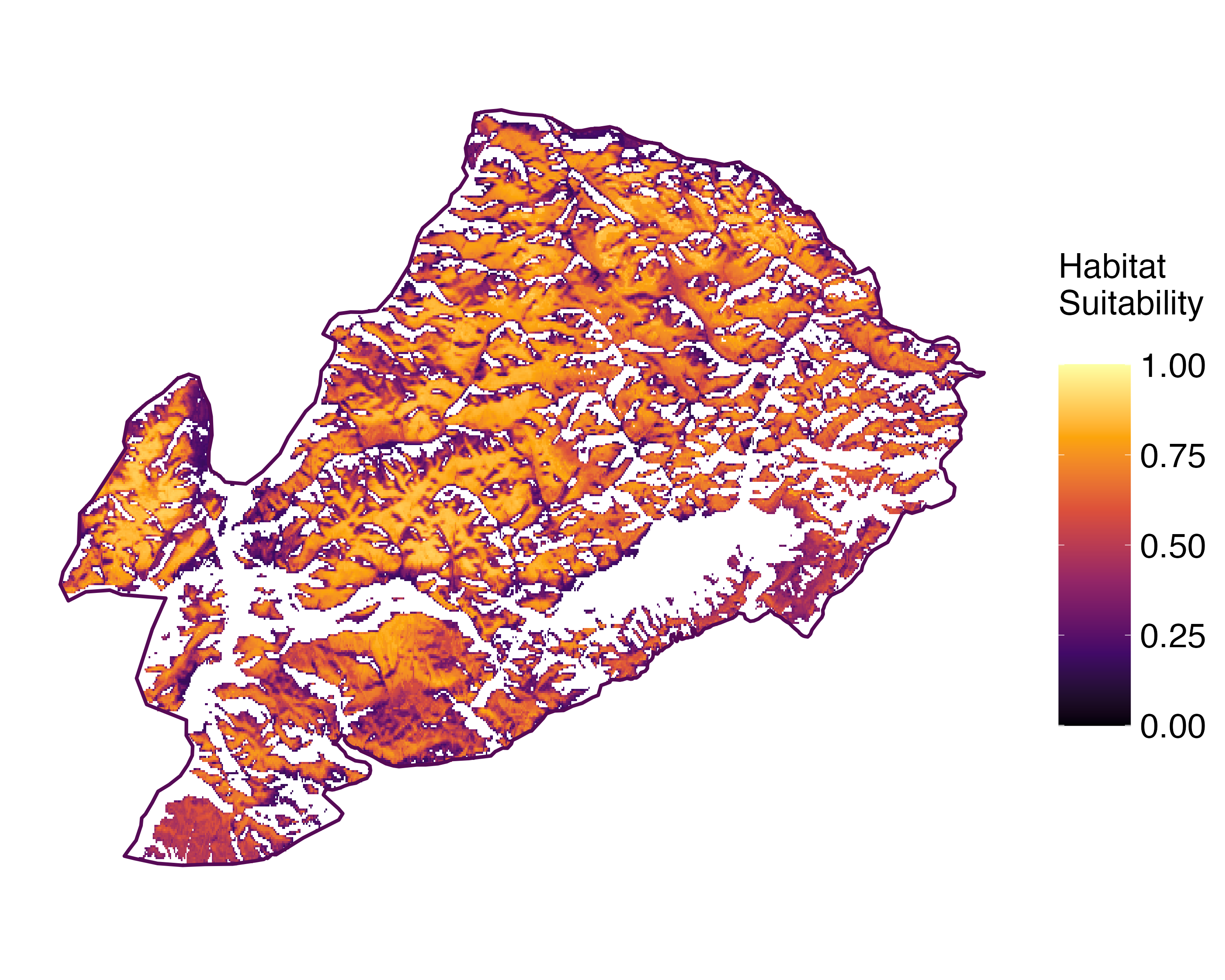 Future prediction (2071-2100) SSP 5-8.5Predictive maps according to Francesconi et al. 2025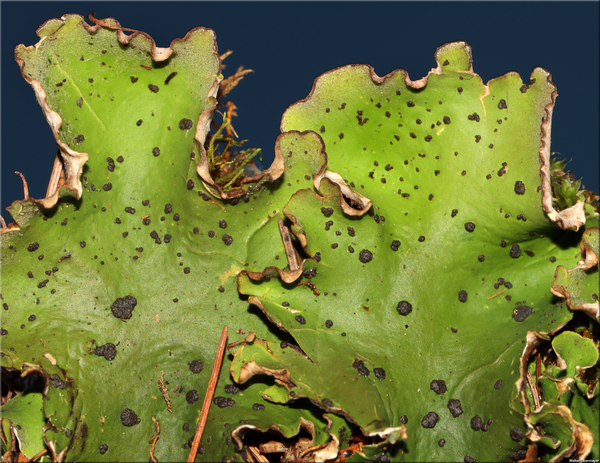
Walter Obermayer CC BY-SA 4.0 - Source: Lichens of Noricum - http://lichens-of-noricum.uni-graz.at/
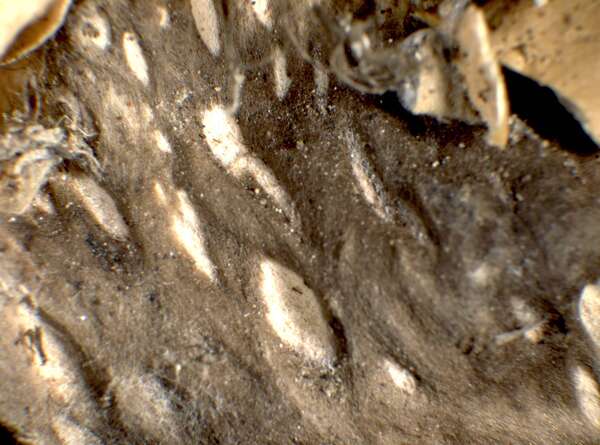
P.L. Nimis; Owner: Department of Life Sciences, University of Trieste
Herbarium: TSB (6475)
2001/12/05
detail of lower surface
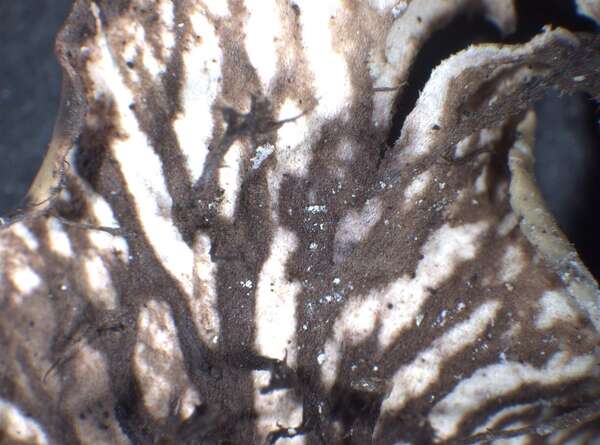
P.L. Nimis; Owner: Department of Life Sciences, University of Trieste
Herbarium: TSB (21107)
2003/03/03
lower surface
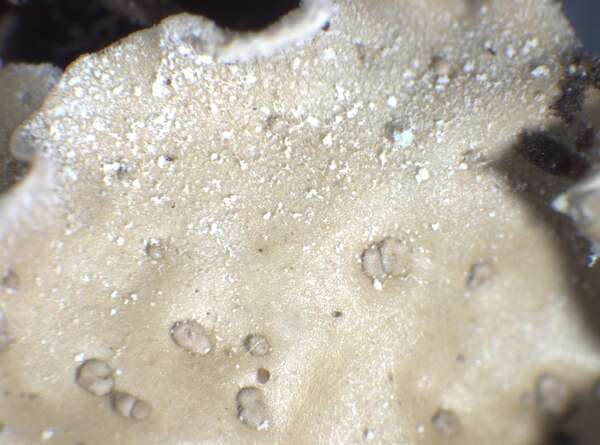
P.L. Nimis; Owner: Department of Life Sciences, University of Trieste
Herbarium: TSB (21107)
2003/03/03
detail of upper surface with pruina and cephalodia (dry)
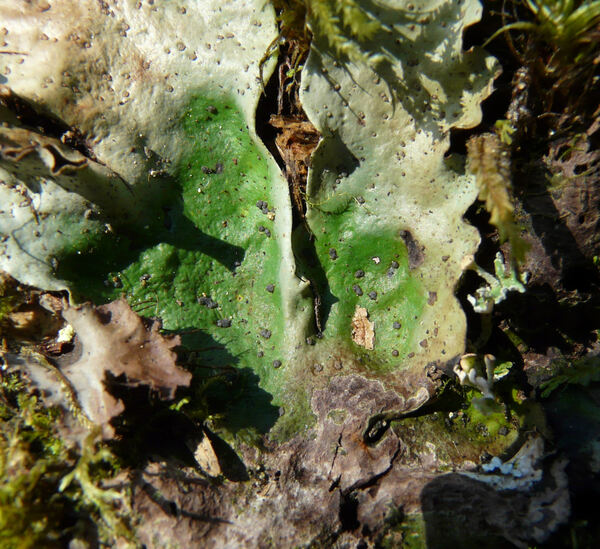
Andrea Moro; Owner: Department of Life Sciences, University of Trieste
Italia, Friuli-Venezia Giulia, UD, Comune di Sauris, Bosco della Stua presso il Lago
2008.26.08
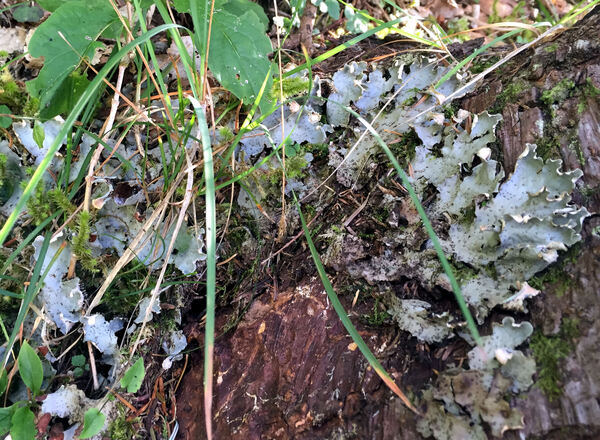
P.L. Nimis; Owner: Department of Life Sciences, University of Trieste
Italy, Friuli Venezia Giulia, Udine, Passo del Pura, Ampezzo Carnico, 1400 m
09.09.2016
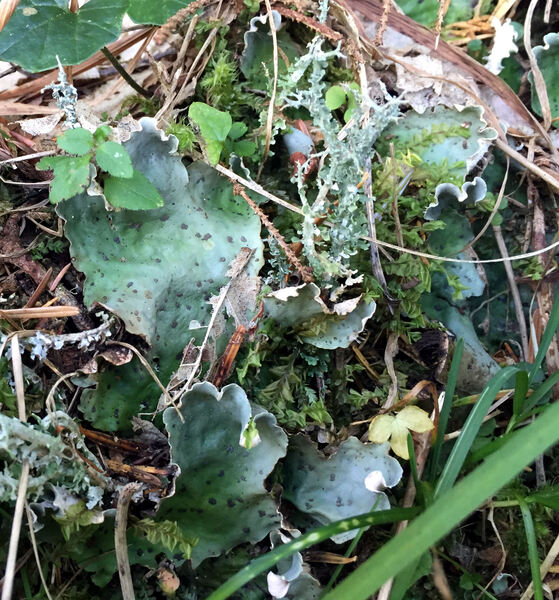
P.L. Nimis; Owner: Department of Life Sciences, University of Trieste
Italy, Friuli Venezia Giulia, Udine, Passo del Pura, Ampezzo Carnico, 1400 m
09.09.2016
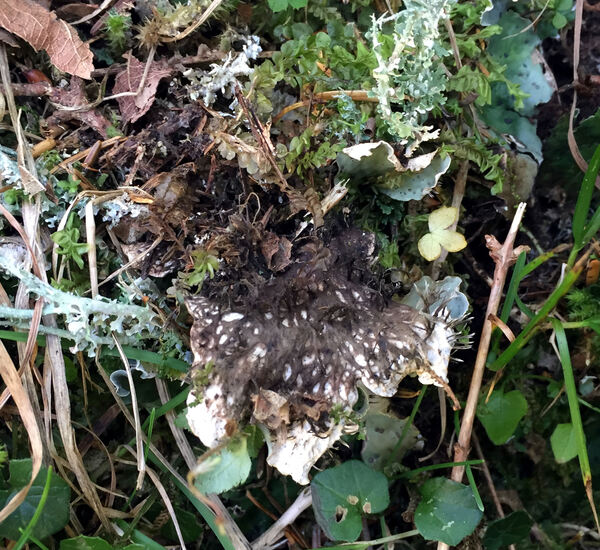
P.L. Nimis; Owner: Department of Life Sciences, University of Trieste
Italy, Friuli Venezia Giulia, Udine, Passo del Pura, Ampezzo Carnico, 1400 m
09.09.2016
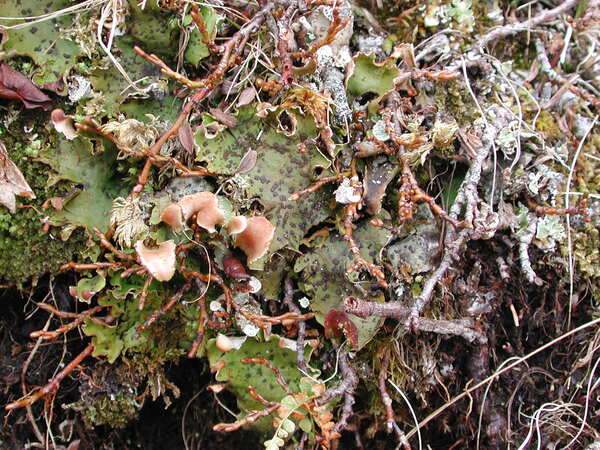
Juri Nascimbene - CC BY-SA 4.0; Owner: ITALIC - Dyades Project - Dept. of Life Sciences, University of Trieste
Italy, Trentino-Alto Adige, Trento, Monte Bondone
2014
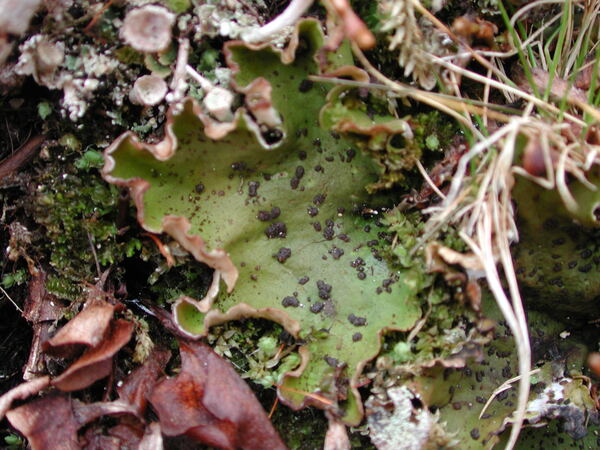
Juri Nascimbene - CC BY-SA 4.0; Owner: ITALIC - Dyades Project - Dept. of Life Sciences, University of Trieste
Italy, Trentino-Alto Adige, Trento, Monte Bondone
2014
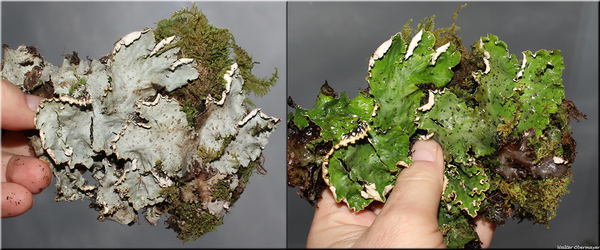
Walter Obermayer CC BY-SA 4.0 - Source: Lichens of Noricum - http://lichens-of-noricum.uni-graz.at/
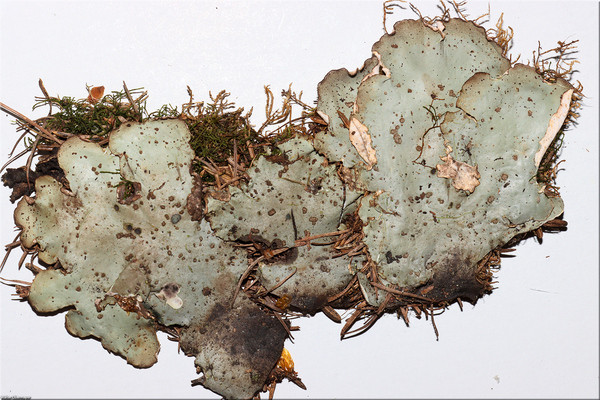
Walter Obermayer CC BY-SA 4.0 - Source: Lichens of Noricum - http://lichens-of-noricum.uni-graz.at/
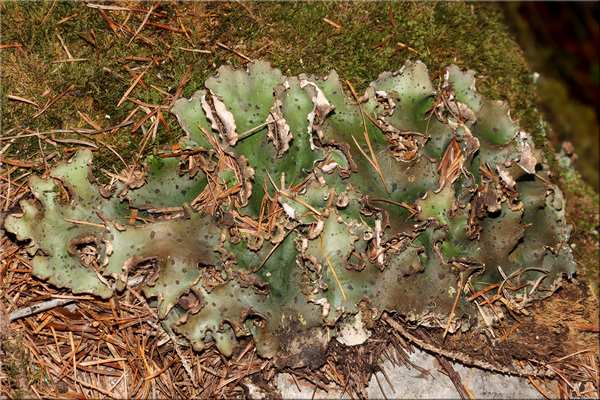
Walter Obermayer CC BY-SA 4.0 - Source: Lichens of Noricum - http://lichens-of-noricum.uni-graz.at/
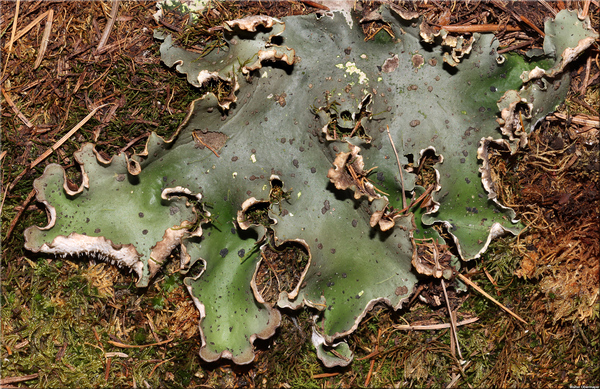
Walter Obermayer CC BY-SA 4.0 - Source: Lichens of Noricum - http://lichens-of-noricum.uni-graz.at/
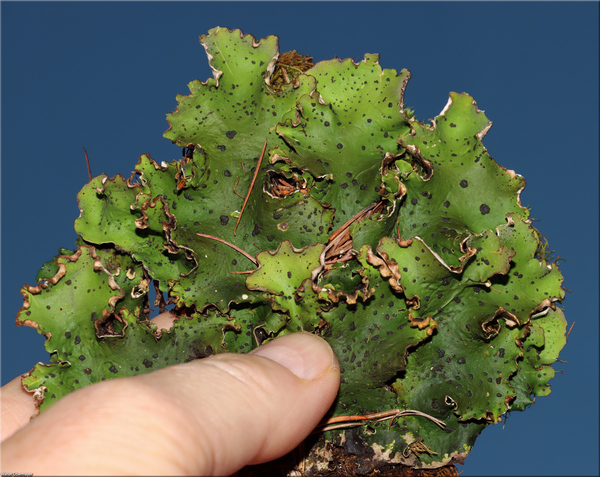
Walter Obermayer CC BY-SA 4.0 - Source: Lichens of Noricum - http://lichens-of-noricum.uni-graz.at/
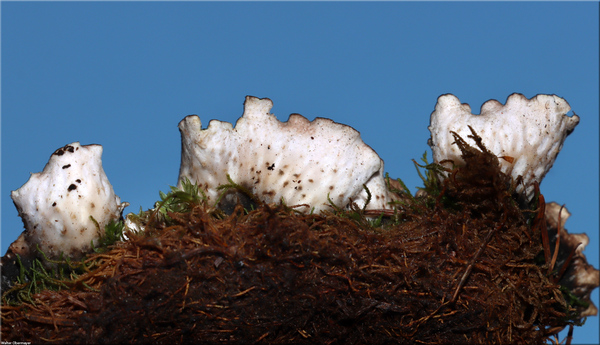
Walter Obermayer CC BY-SA 4.0 - Source: Lichens of Noricum - http://lichens-of-noricum.uni-graz.at/
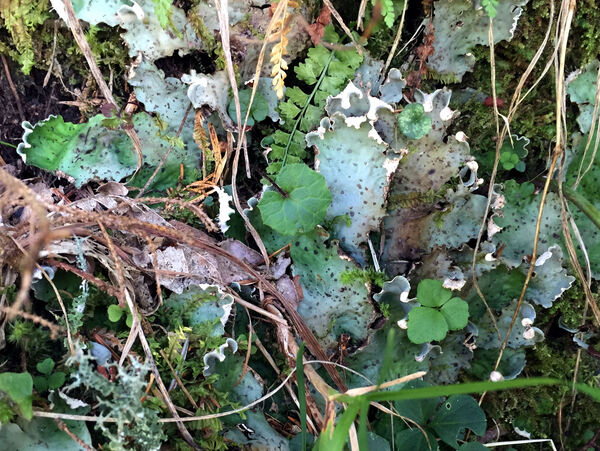
P.L. Nimis; Owner: Department of Life Sciences, University of Trieste
Italy, Friuli Venezia Giulia, Udine, Passo del Pura, Ampezzo Carnico, 1400 m
09.09.2016
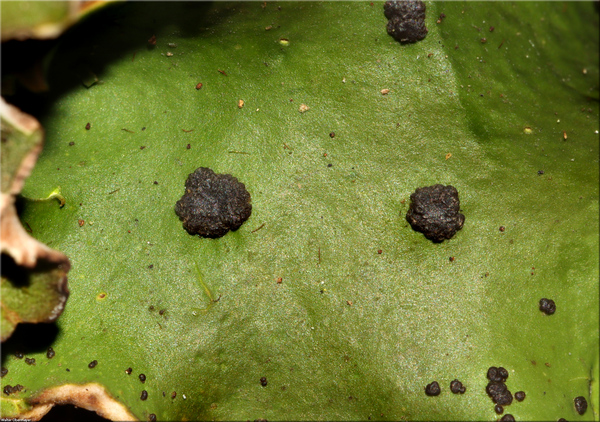
Walter Obermayer CC BY-SA 4.0 - Source: Lichens of Noricum - http://lichens-of-noricum.uni-graz.at/
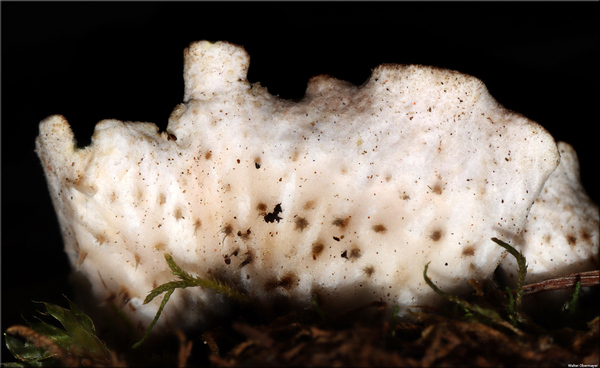
Walter Obermayer CC BY-SA 4.0 - Source: Lichens of Noricum - http://lichens-of-noricum.uni-graz.at/
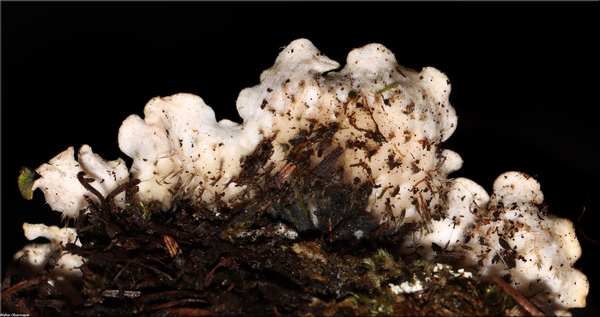
Walter Obermayer CC BY-SA 4.0 - Source: Lichens of Noricum - http://lichens-of-noricum.uni-graz.at/
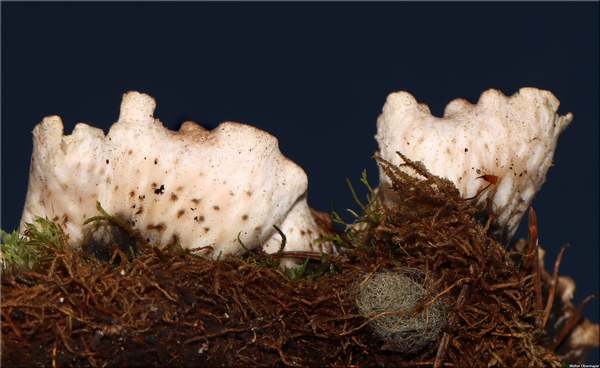
Walter Obermayer CC BY-SA 4.0 - Source: Lichens of Noricum - http://lichens-of-noricum.uni-graz.at/
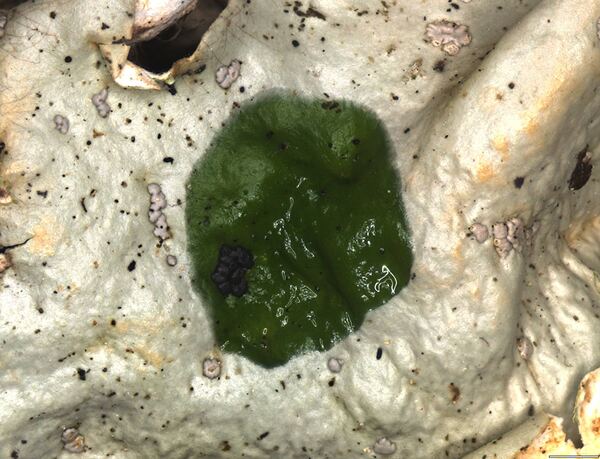
Walter Obermayer CC BY-SA 4.0 - Source: Lichens of Noricum - http://lichens-of-noricum.uni-graz.at/
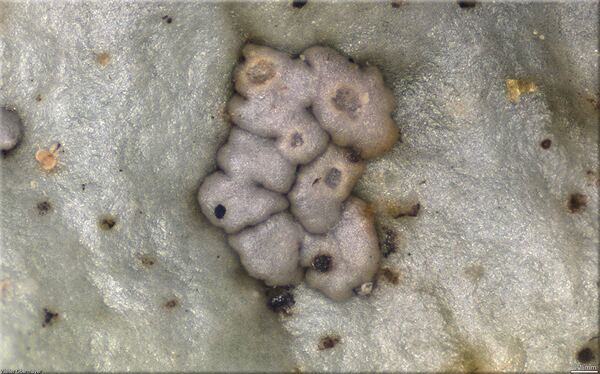
Walter Obermayer CC BY-SA 4.0 - Source: Lichens of Noricum - http://lichens-of-noricum.uni-graz.at/
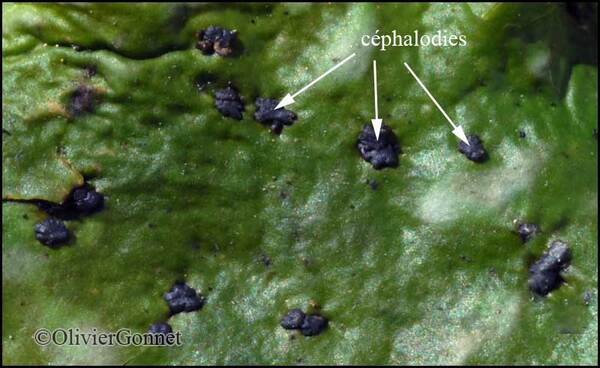
Courtesy Danièle et Olivier Gonnet - Source: https://www.afl-lichenologie.fr/Photos_AFL/Photos_AFL_P/Text_P_2/Peltigera_leucophlebia.htm
France, 27/04/2011 - Olmetto - Miluccia - Corse
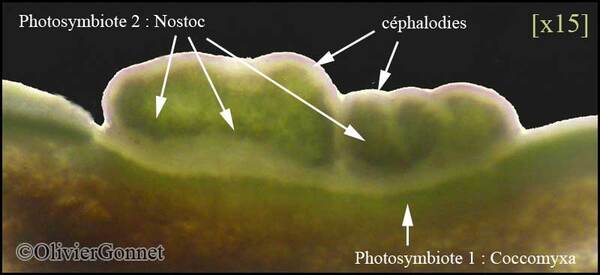
Courtesy Danièle et Olivier Gonnet - Source: https://www.afl-lichenologie.fr/Photos_AFL/Photos_AFL_P/Text_P_2/Peltigera_leucophlebia.htm
France, 27/04/2011 - Olmetto - Miluccia - Corse
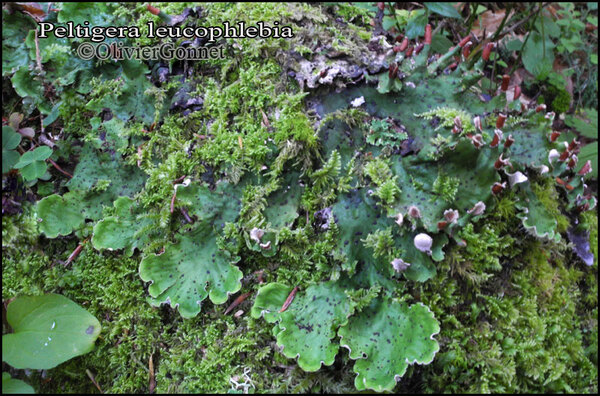
Courtesy Danièle et Olivier Gonnet - Source: https://www.afl-lichenologie.fr/Photos_AFL/Photos_AFL_P/Text_P_2/Peltigera_leucophlebia.htm
France, 24/9/2013 - Vercors - Isère
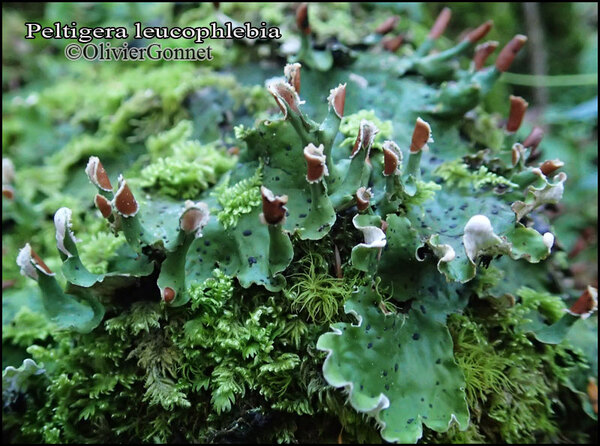
Courtesy Danièle et Olivier Gonnet - Source: https://www.afl-lichenologie.fr/Photos_AFL/Photos_AFL_P/Text_P_2/Peltigera_leucophlebia.htm
France, 24/9/2013 - Vercors - Isère
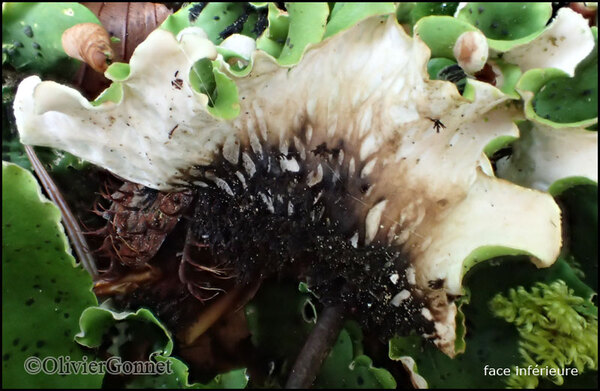
Courtesy Danièle et Olivier Gonnet - Source: https://www.afl-lichenologie.fr/Photos_AFL/Photos_AFL_P/Text_P_2/Peltigera_leucophlebia.htm
France, 24/9/2013 - Vercors - Isère
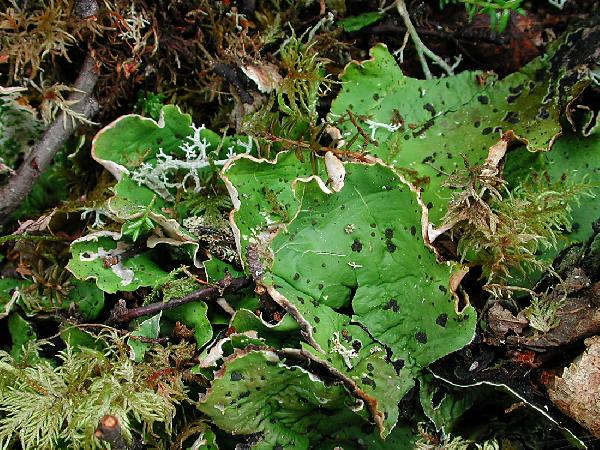
Ulrich Kirschbaum CC BY-SA 4.0 - Source: https://www.thm.de/lse/ulrich-kirschbaum/flechtenbilder
Sweden: Dalarna.
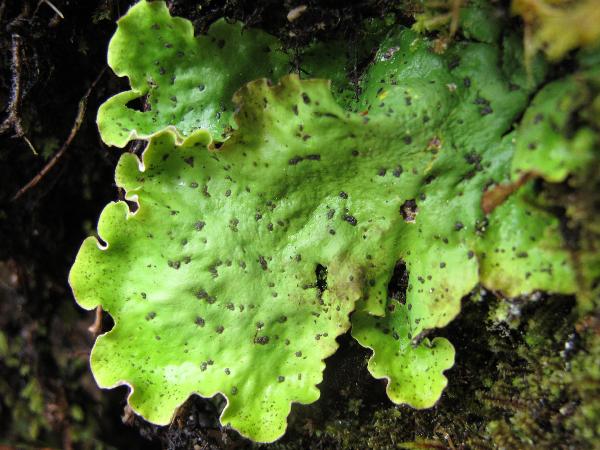
Wolfgang von Brackel - CC BY-4.0
Germany, Bavaria, Berchtesgaden
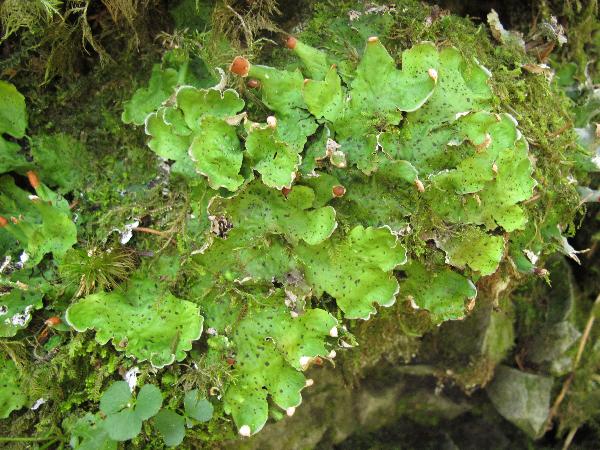
Wolfgang von Brackel - CC BY-4.0
Germany, Bavaria, Halbammertal
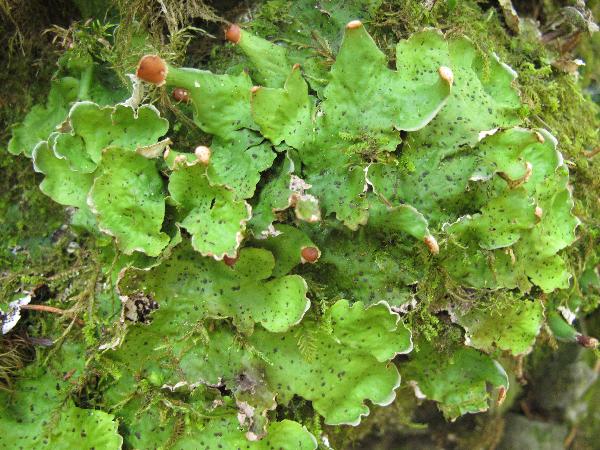
Wolfgang von Brackel - CC BY-4.0
Germany, Bavaria, Halbammertal
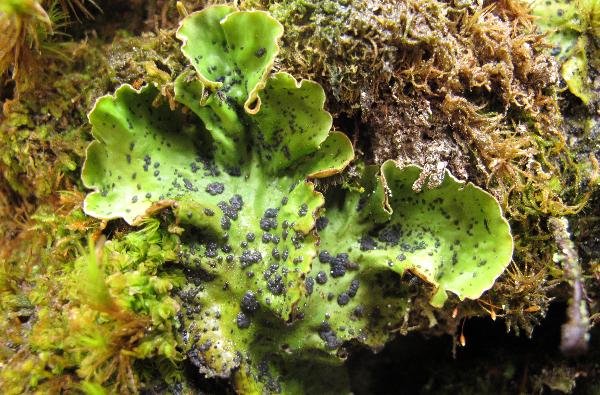
Wolfgang von Brackel - CC BY-4.0
Germany, Bavaria, Königsbachalpe
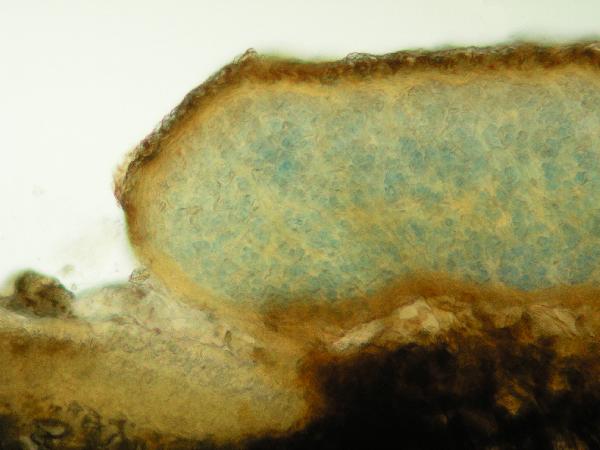
Wolfgang von Brackel - CC BY-4.0
Cephalodium - Germany, Bavaria
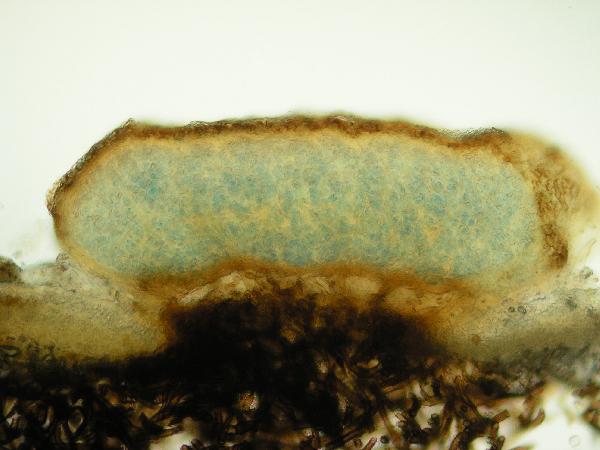
Wolfgang von Brackel - CC BY-4.0
Cephalodium - Germany, Bavaria
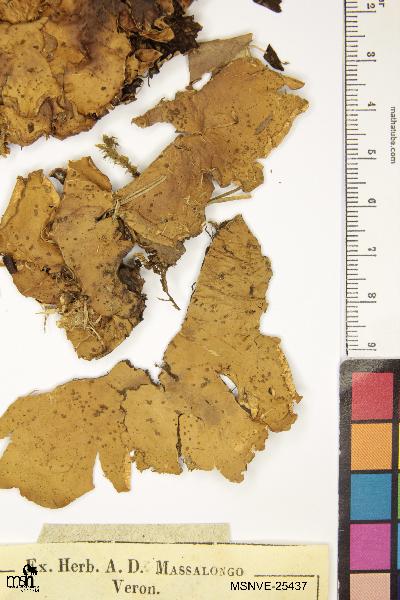
Collezione lichenologica Abramo Massalongo del Museo di Storia Naturale G. Ligabue di Venezia - Autori: Seggi, Linda; Trabucco, Raffaella Proprietà: Fondazione Musei Civici di Venezia - CC BY-NC
Italy, Veneto, in op. Bolca
as Peltigera aphthosa
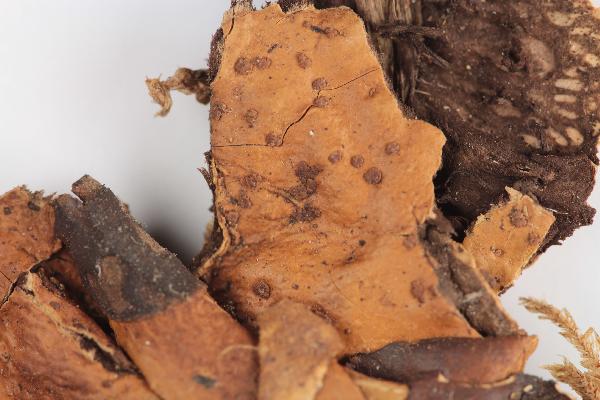
Collezione lichenologica Abramo Massalongo del Museo di Storia Naturale G. Ligabue di Venezia - Autori: Seggi, Linda; Trabucco, Raffaella Proprietà: Fondazione Musei Civici di Venezia - CC BY-NC
Italy, Veneto, in op. Bolca
as Peltigera aphthosa
Growth form: Foliose, broad lobed
Substrata: soil, terricolous mosses, and plant debris
Photobiont: green algae other than Trentepohlia (primary); cyanobacteria, filamentous (e.g. Nostoc, Scytonema) (secundary, e.g. in cephalodia)
Reproductive strategy: mainly sexual
Commonnes-rarity: (info)
Alpine belt: rare
Subalpine belt: rather rare
Montane belt: very common
Dry submediterranean belt: extremely rare
Humid submediterranean belt: extremely rare
Padanian area: absent
pH of the substrata:
| 1 | 2 | 3 | 4 | 5 |
Solar irradiation:
| 1 | 2 | 3 | 4 | 5 |
Aridity:
| 1 | 2 | 3 | 4 | 5 |
Eutrophication:
| 1 | 2 | 3 | 4 | 5 |
Poleotolerance:
| 0 | 1 | 2 | 3 |
Altitudinal distribution:
| 1 | 2 | 3 | 4 | 5 | 6 |
Rarity
absent
extremely rare
very rare
rare
rather rare
rather common
common
very common
extremely common
Loading data...
Occurrence data
Predictive map
Current prediction (1981-2010)Future prediction (2071-2100) SSP 1-2.6Future prediction (2071-2100) SSP 5-8.5Predictive maps according to Francesconi et al. 2025
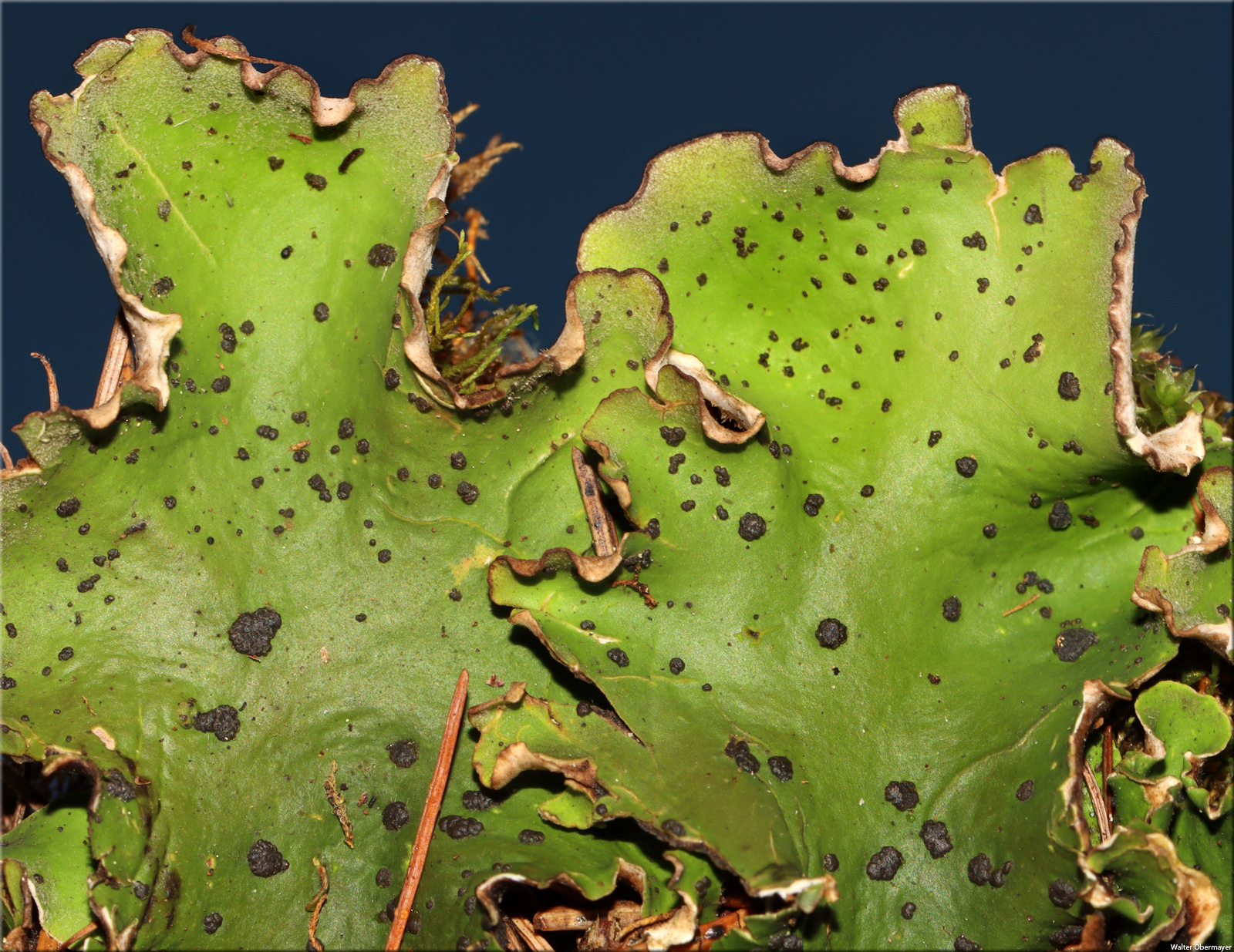
Walter Obermayer CC BY-SA 4.0 - Source: Lichens of Noricum - http://lichens-of-noricum.uni-graz.at/
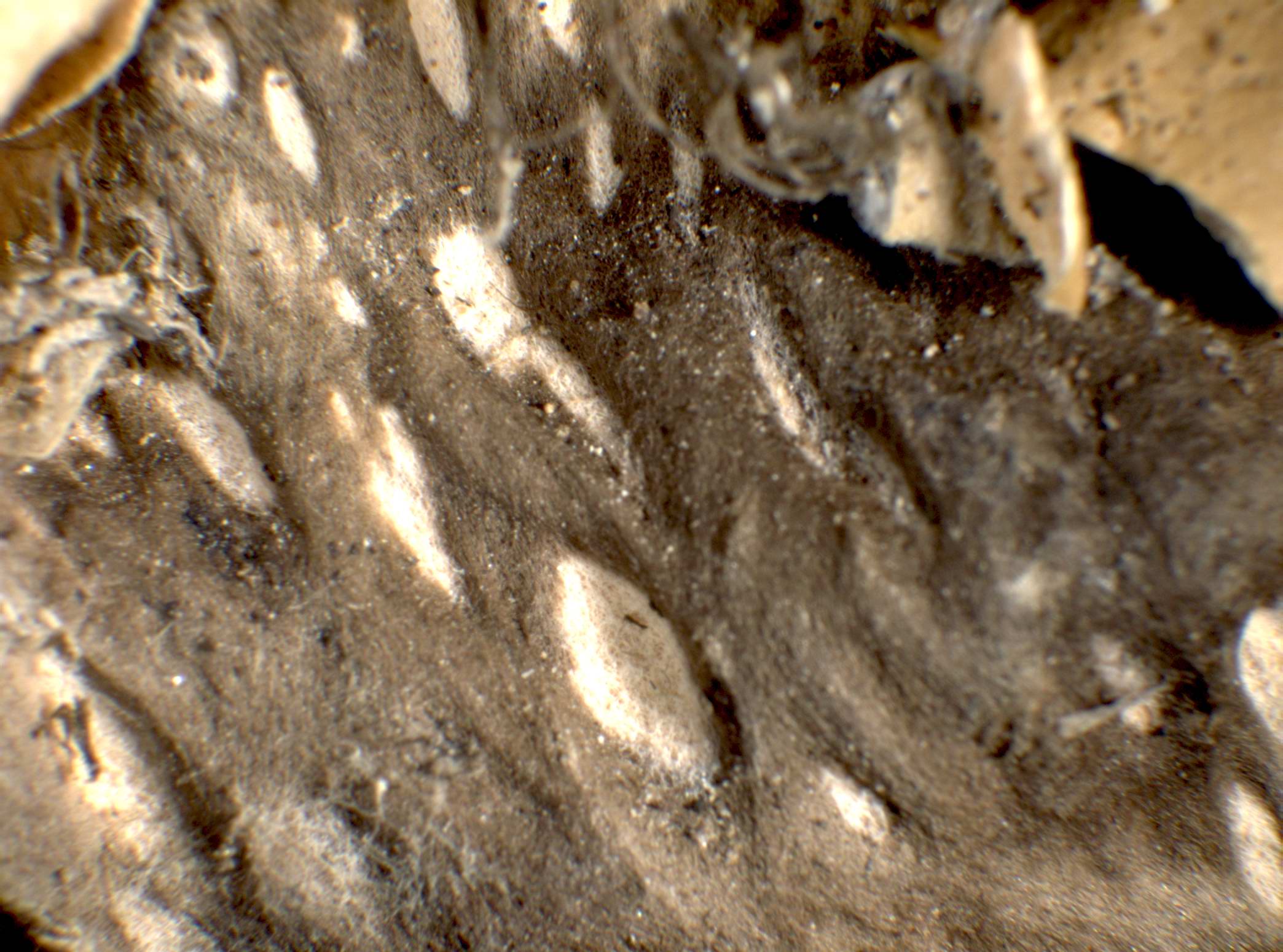
P.L. Nimis; Owner: Department of Life Sciences, University of Trieste
Herbarium: TSB (6475)
2001/12/05
detail of lower surface
P.L. Nimis; Owner: Department of Life Sciences, University of Trieste
Herbarium: TSB (21107)
2003/03/03
lower surface
P.L. Nimis; Owner: Department of Life Sciences, University of Trieste
Herbarium: TSB (21107)
2003/03/03
detail of upper surface with pruina and cephalodia (dry)
Andrea Moro; Owner: Department of Life Sciences, University of Trieste
Italia, Friuli-Venezia Giulia, UD, Comune di Sauris, Bosco della Stua presso il Lago
2008.26.08
P.L. Nimis; Owner: Department of Life Sciences, University of Trieste
Italy, Friuli Venezia Giulia, Udine, Passo del Pura, Ampezzo Carnico, 1400 m
09.09.2016
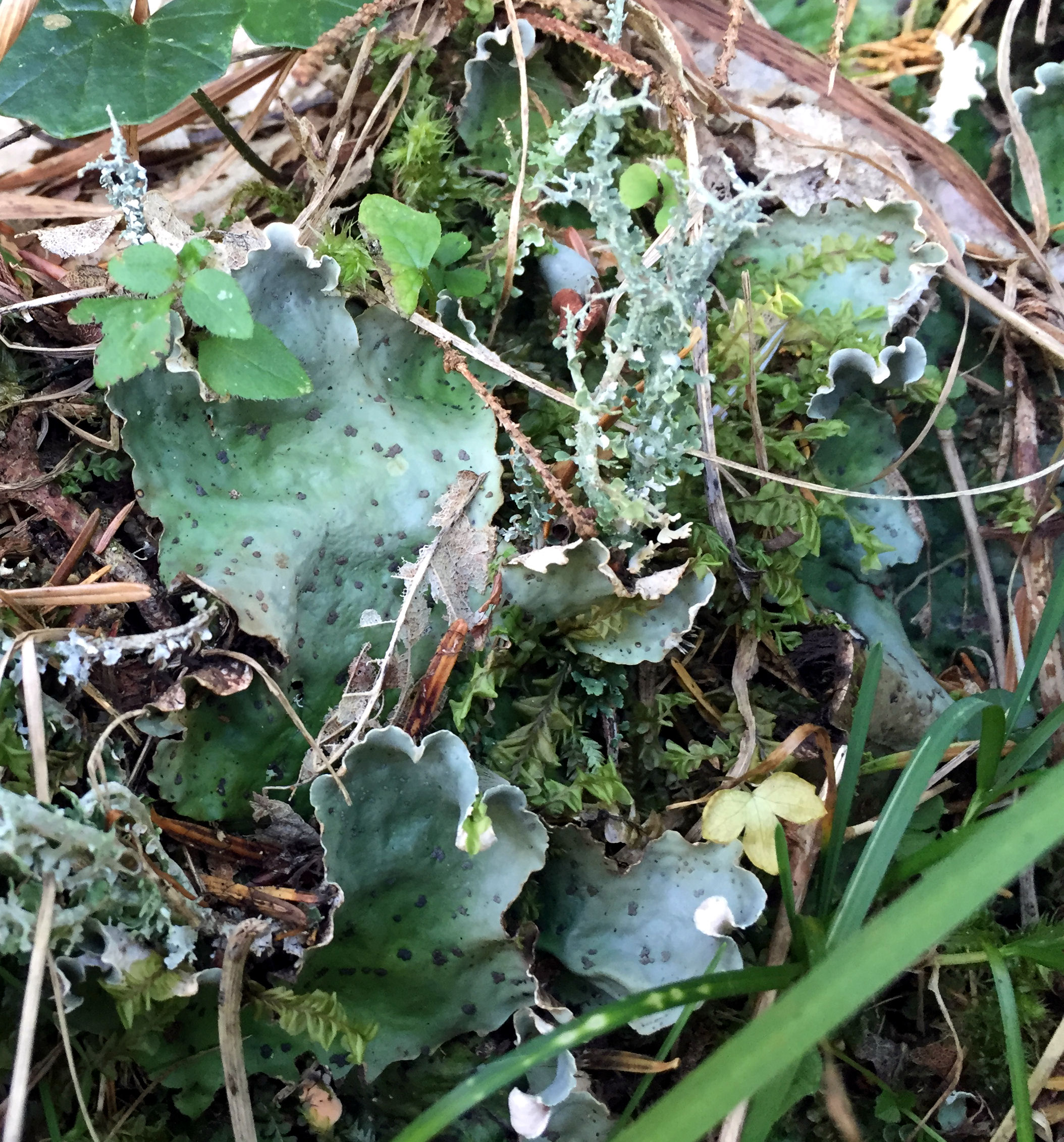
P.L. Nimis; Owner: Department of Life Sciences, University of Trieste
Italy, Friuli Venezia Giulia, Udine, Passo del Pura, Ampezzo Carnico, 1400 m
09.09.2016
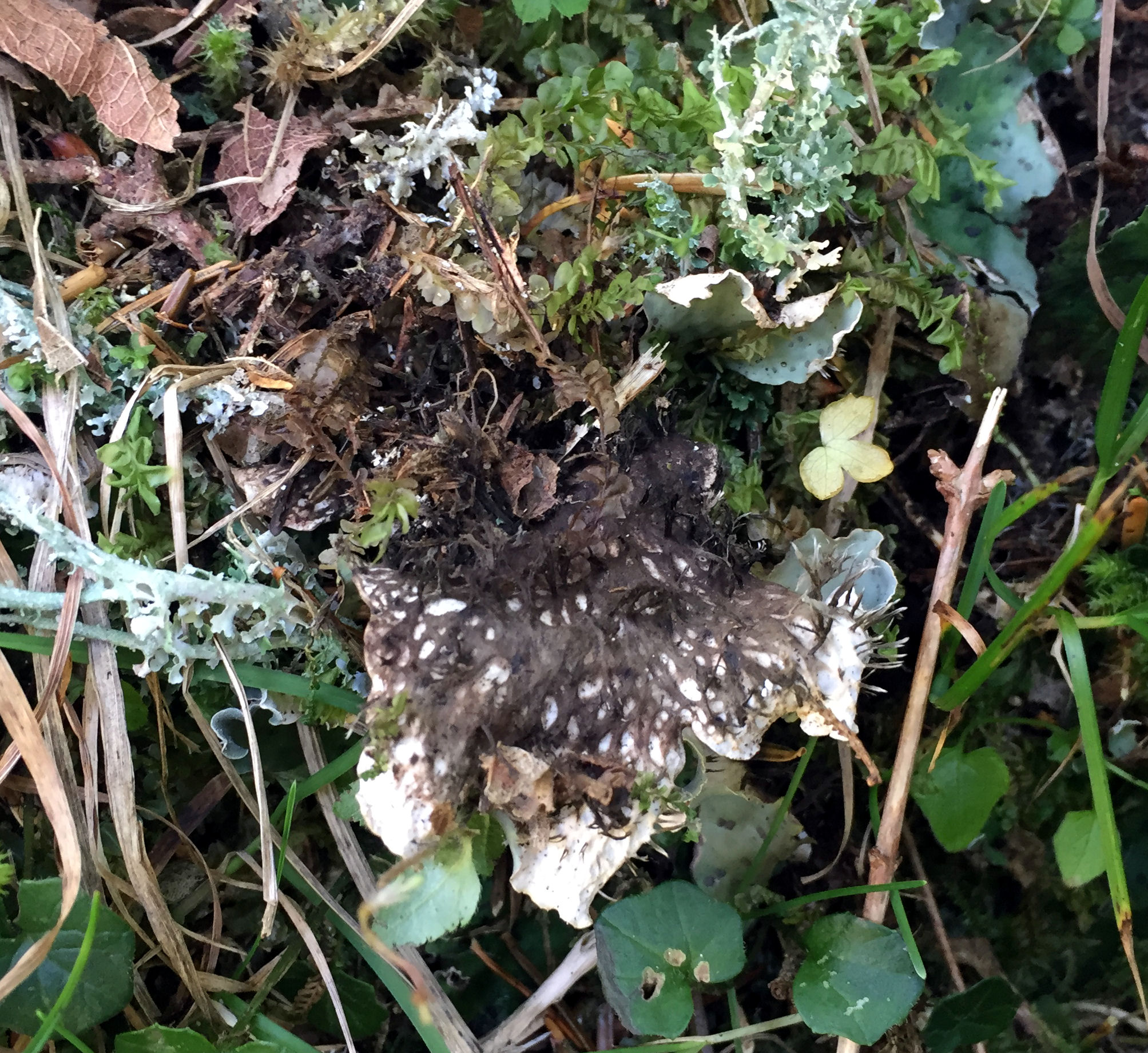
P.L. Nimis; Owner: Department of Life Sciences, University of Trieste
Italy, Friuli Venezia Giulia, Udine, Passo del Pura, Ampezzo Carnico, 1400 m
09.09.2016
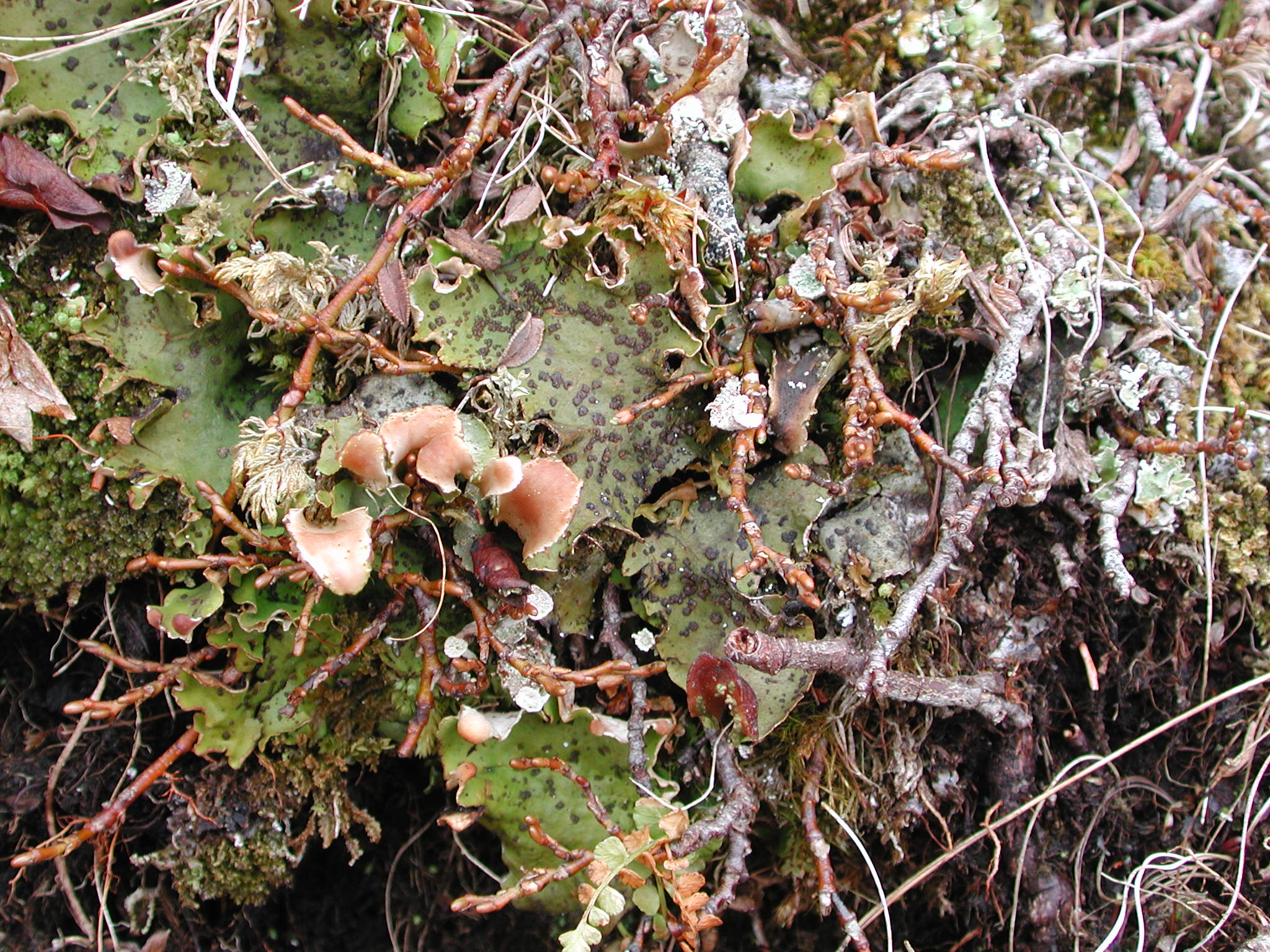
Juri Nascimbene - CC BY-SA 4.0; Owner: ITALIC - Dyades Project - Dept. of Life Sciences, University of Trieste
Italy, Trentino-Alto Adige, Trento, Monte Bondone
2014
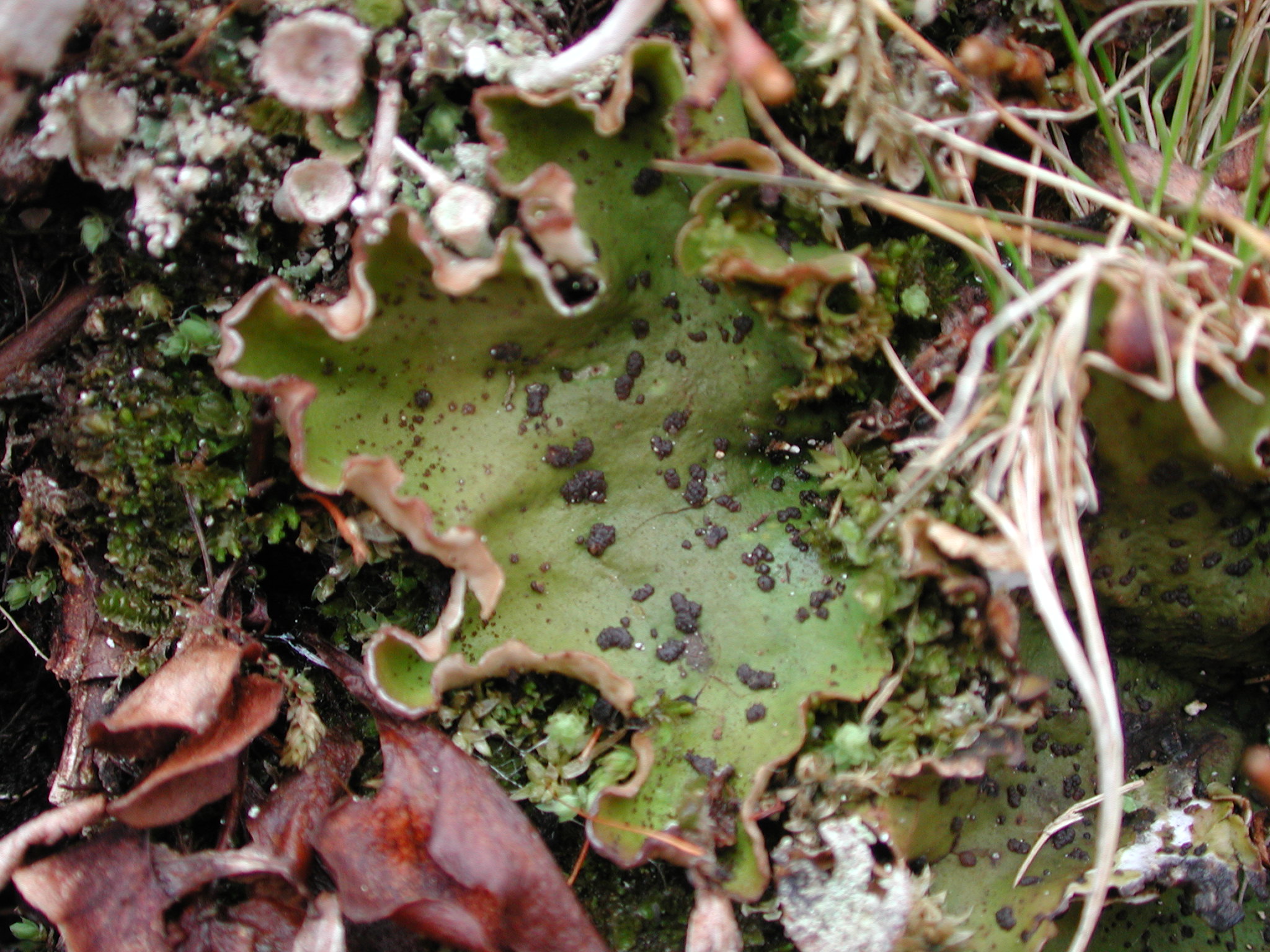
Juri Nascimbene - CC BY-SA 4.0; Owner: ITALIC - Dyades Project - Dept. of Life Sciences, University of Trieste
Italy, Trentino-Alto Adige, Trento, Monte Bondone
2014
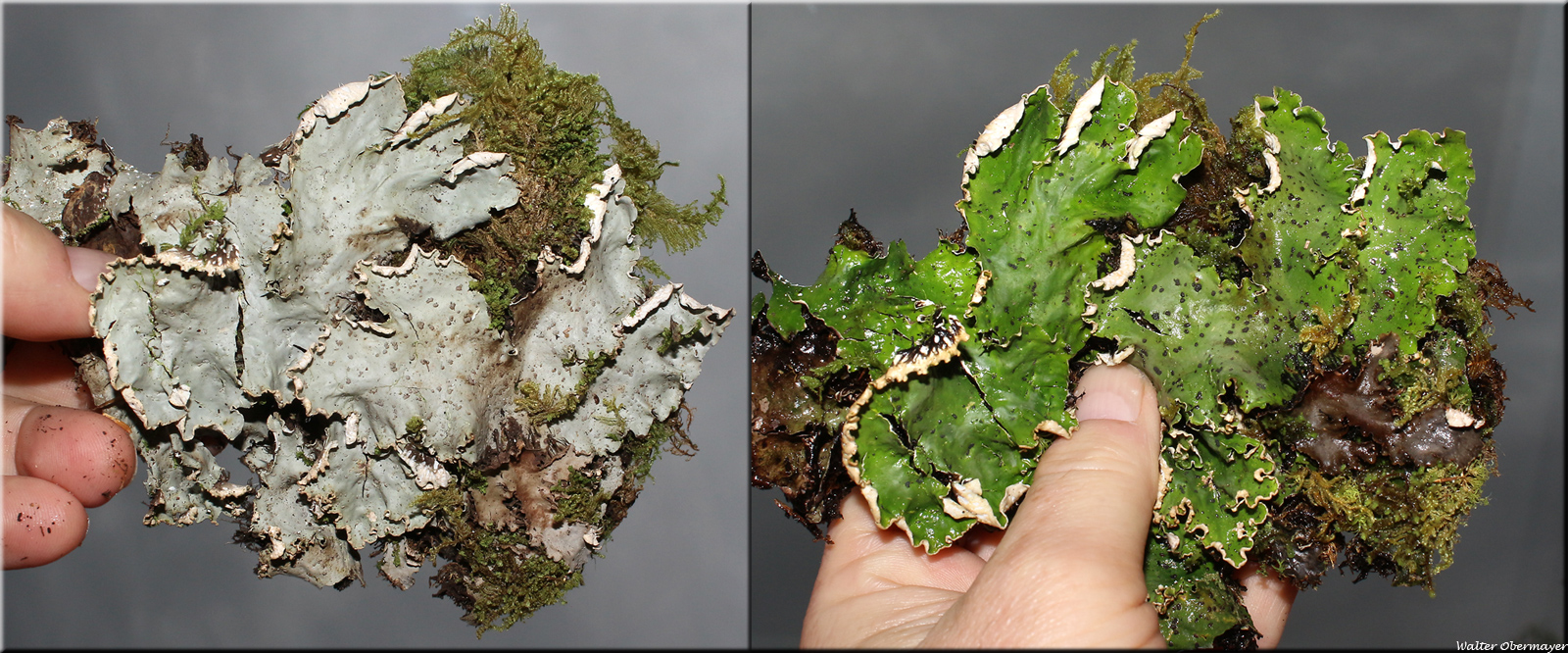
Walter Obermayer CC BY-SA 4.0 - Source: Lichens of Noricum - http://lichens-of-noricum.uni-graz.at/
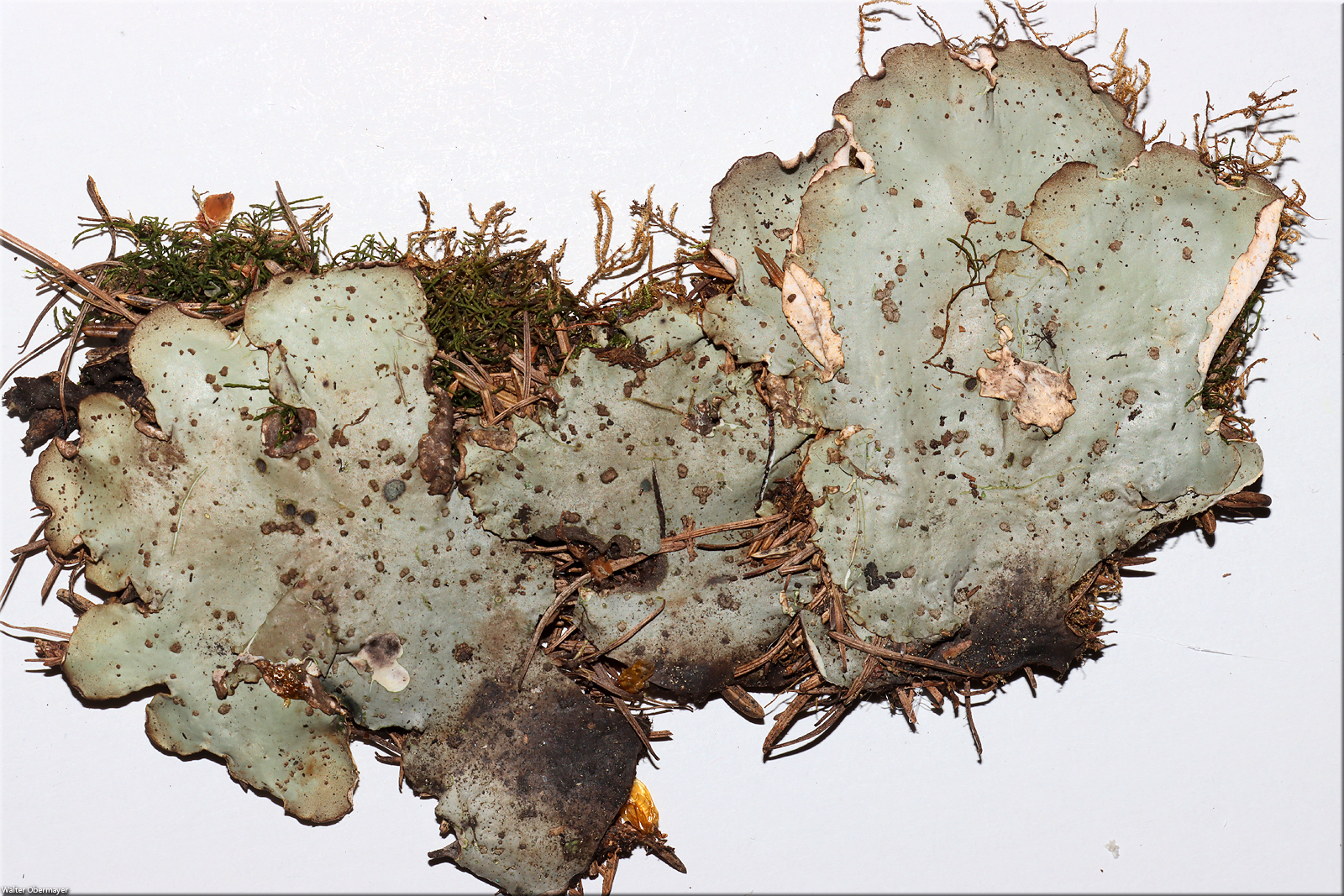
Walter Obermayer CC BY-SA 4.0 - Source: Lichens of Noricum - http://lichens-of-noricum.uni-graz.at/
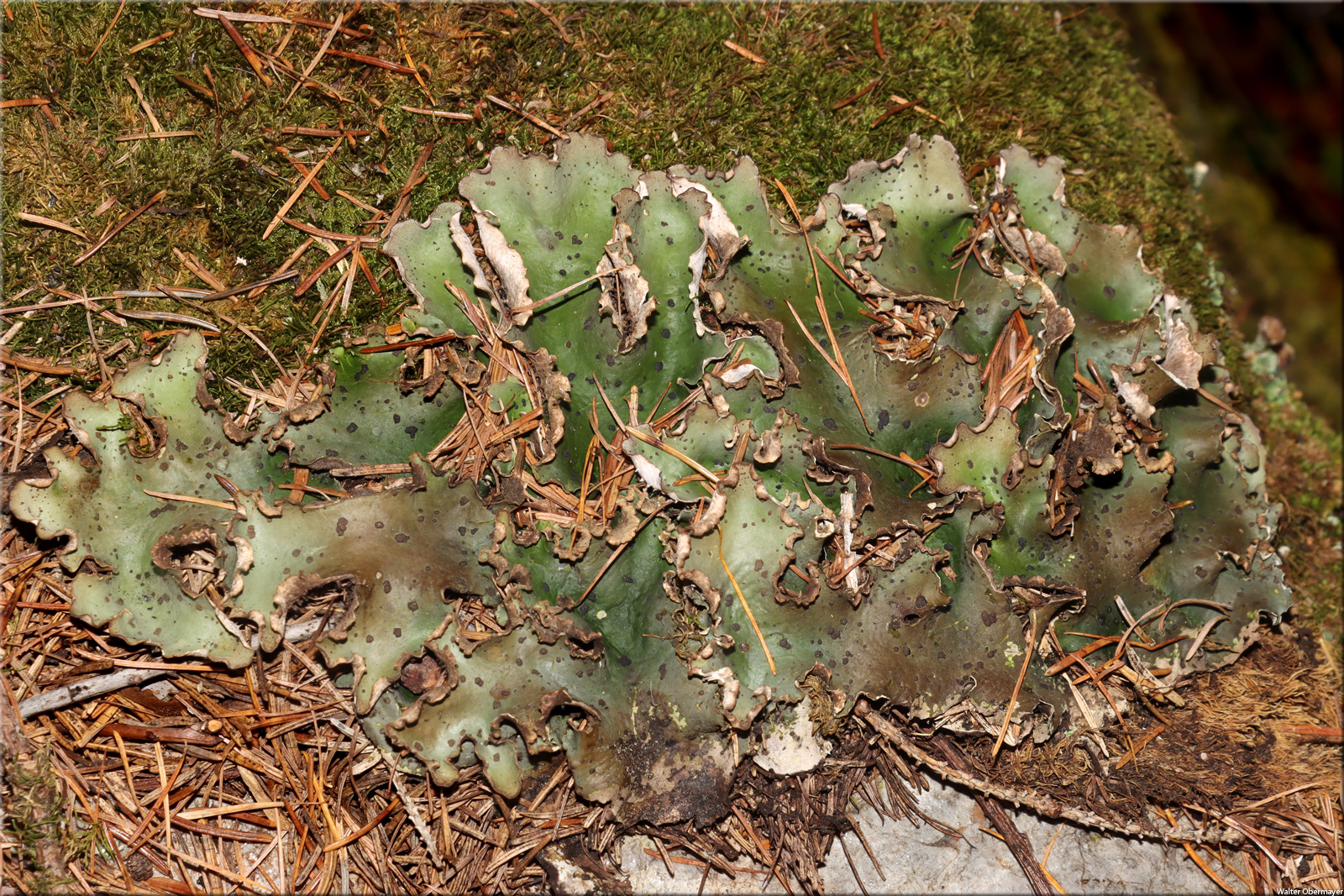
Walter Obermayer CC BY-SA 4.0 - Source: Lichens of Noricum - http://lichens-of-noricum.uni-graz.at/
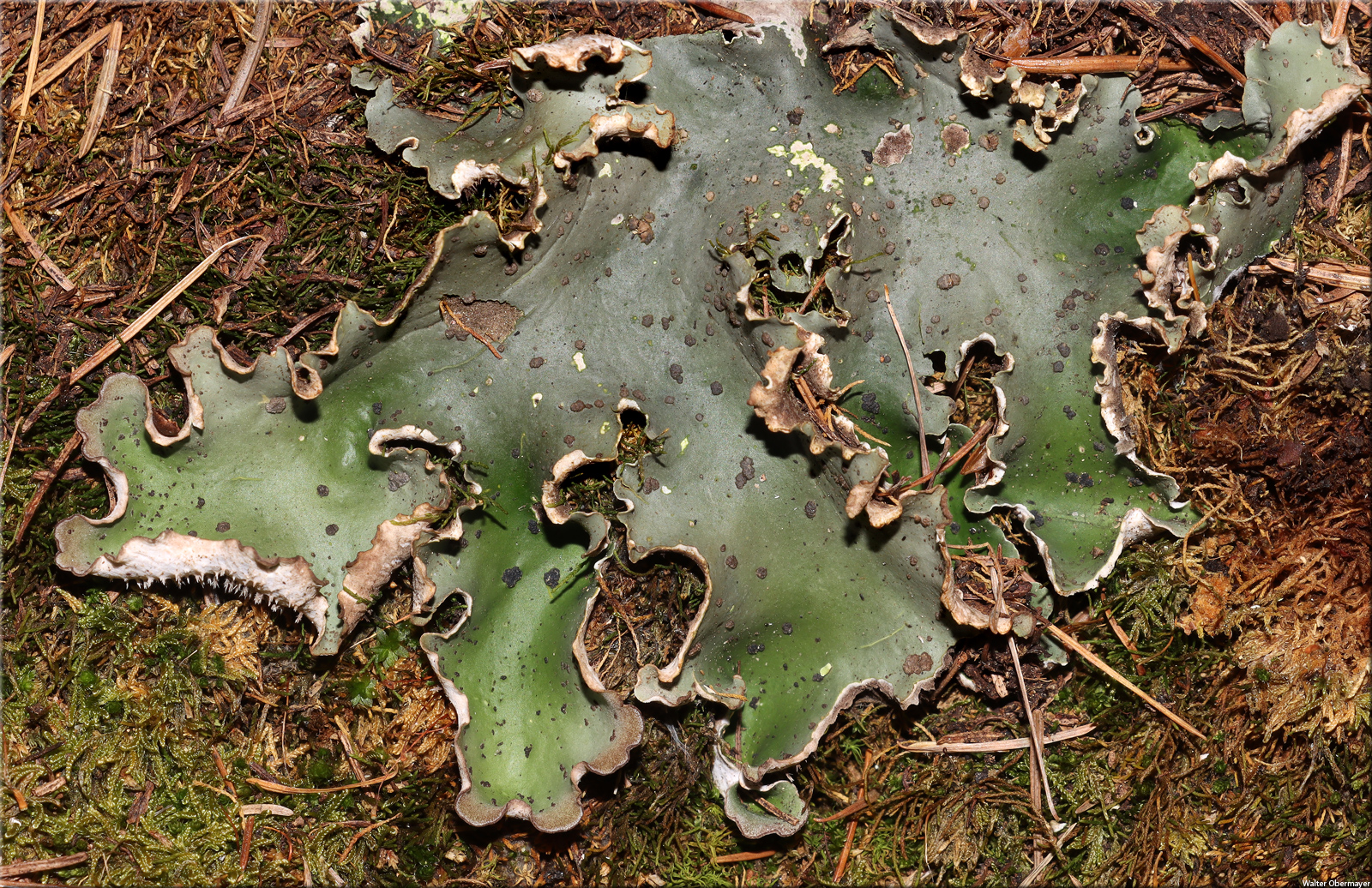
Walter Obermayer CC BY-SA 4.0 - Source: Lichens of Noricum - http://lichens-of-noricum.uni-graz.at/
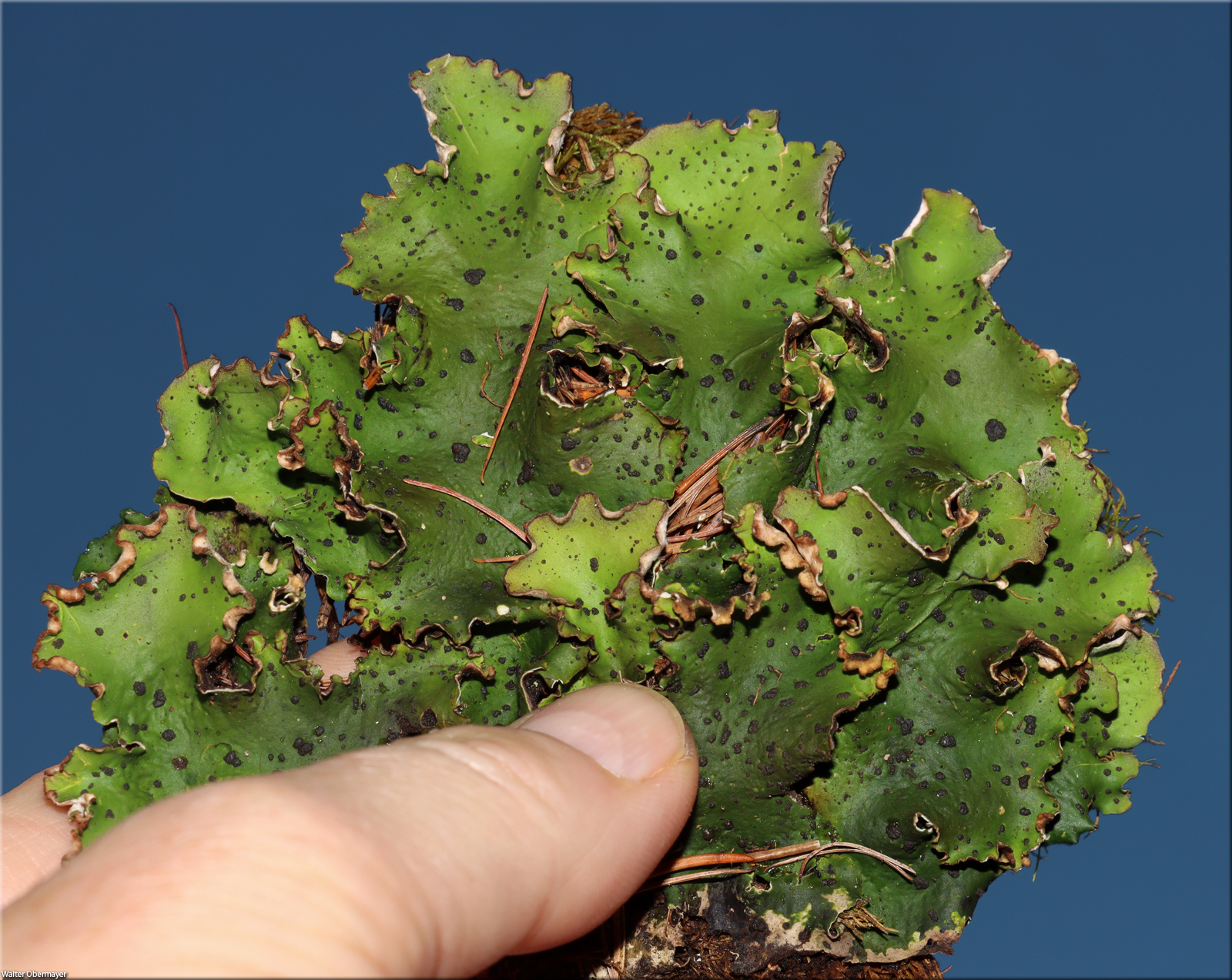
Walter Obermayer CC BY-SA 4.0 - Source: Lichens of Noricum - http://lichens-of-noricum.uni-graz.at/
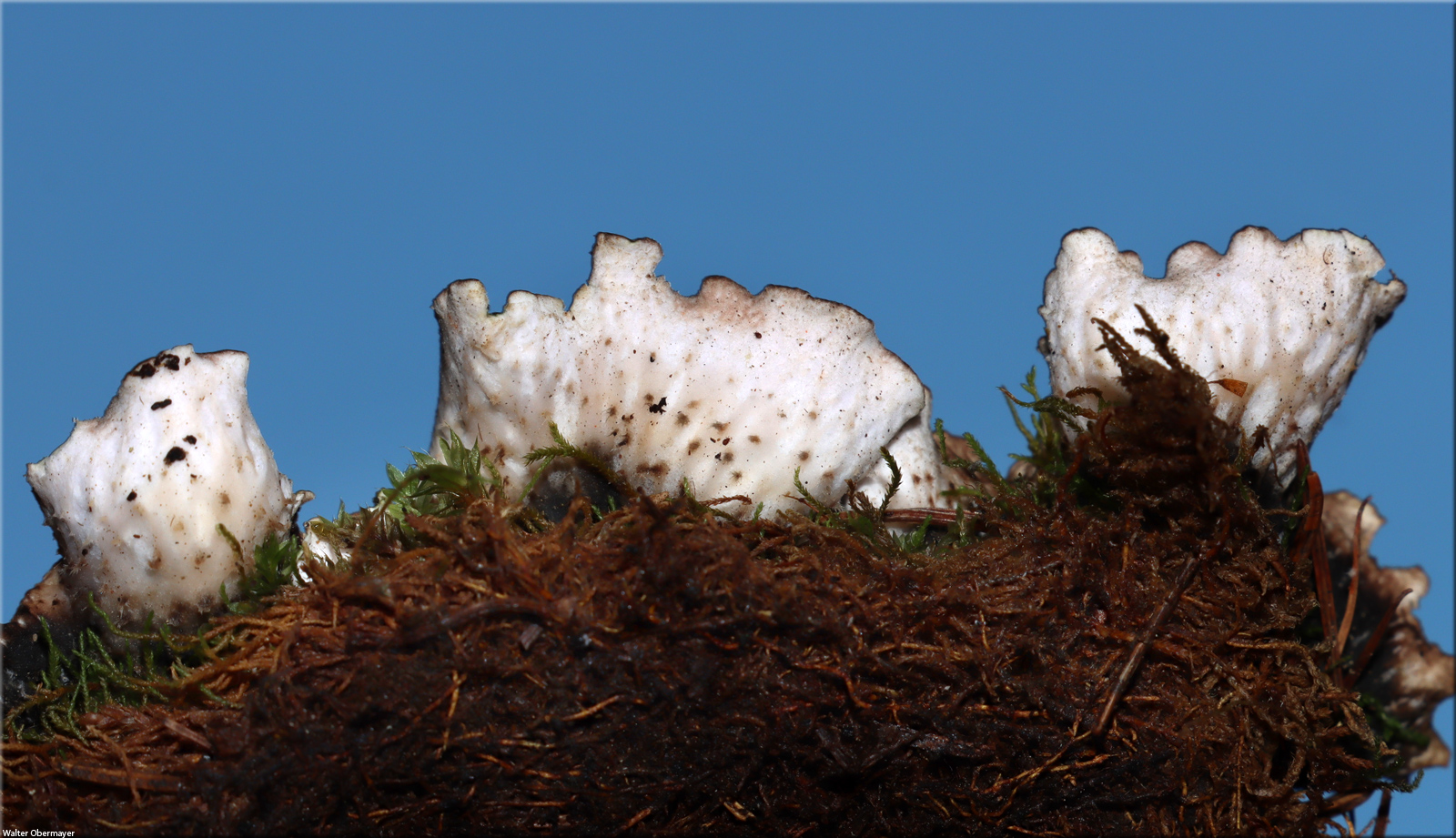
Walter Obermayer CC BY-SA 4.0 - Source: Lichens of Noricum - http://lichens-of-noricum.uni-graz.at/
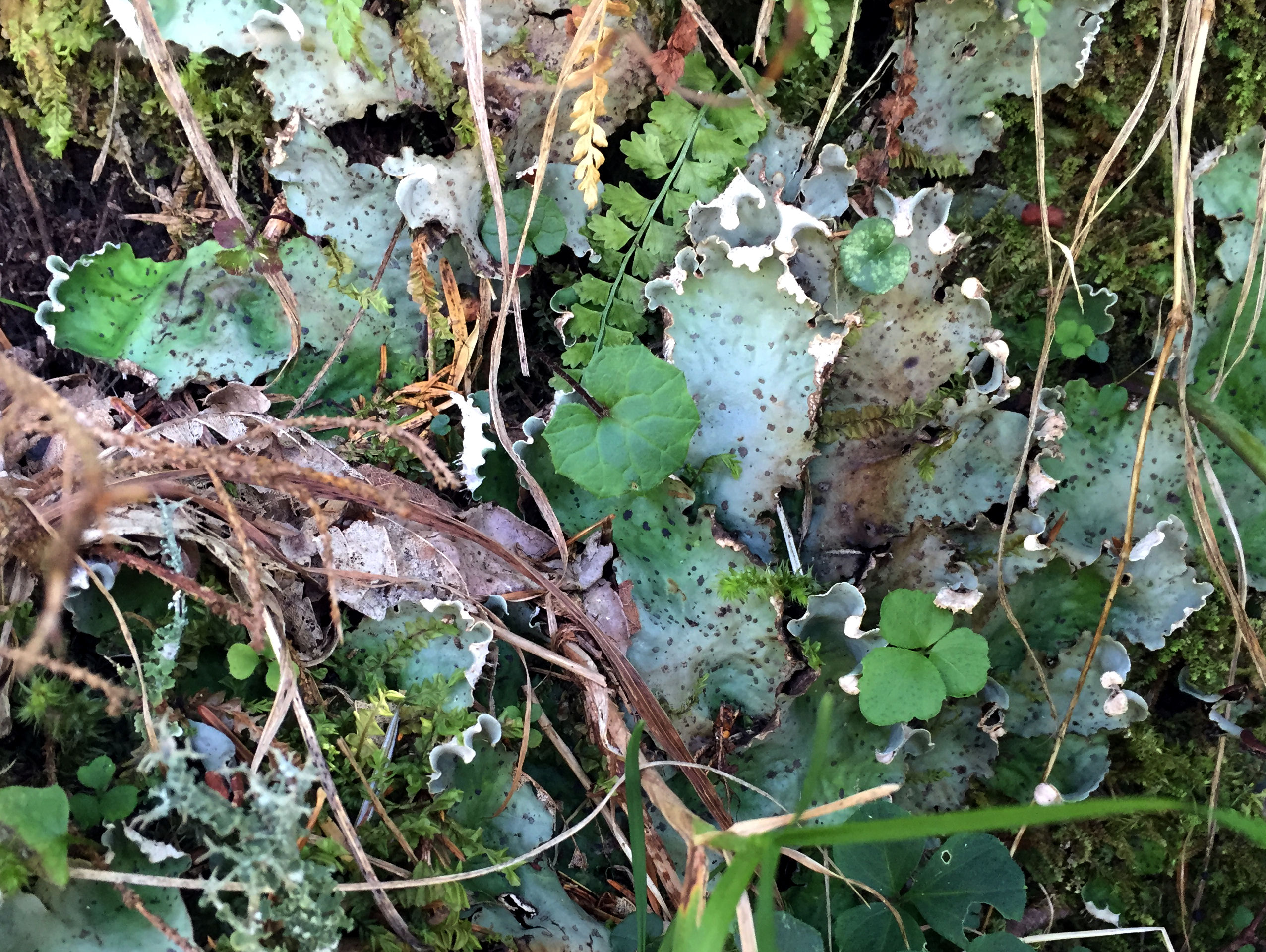
P.L. Nimis; Owner: Department of Life Sciences, University of Trieste
Italy, Friuli Venezia Giulia, Udine, Passo del Pura, Ampezzo Carnico, 1400 m
09.09.2016
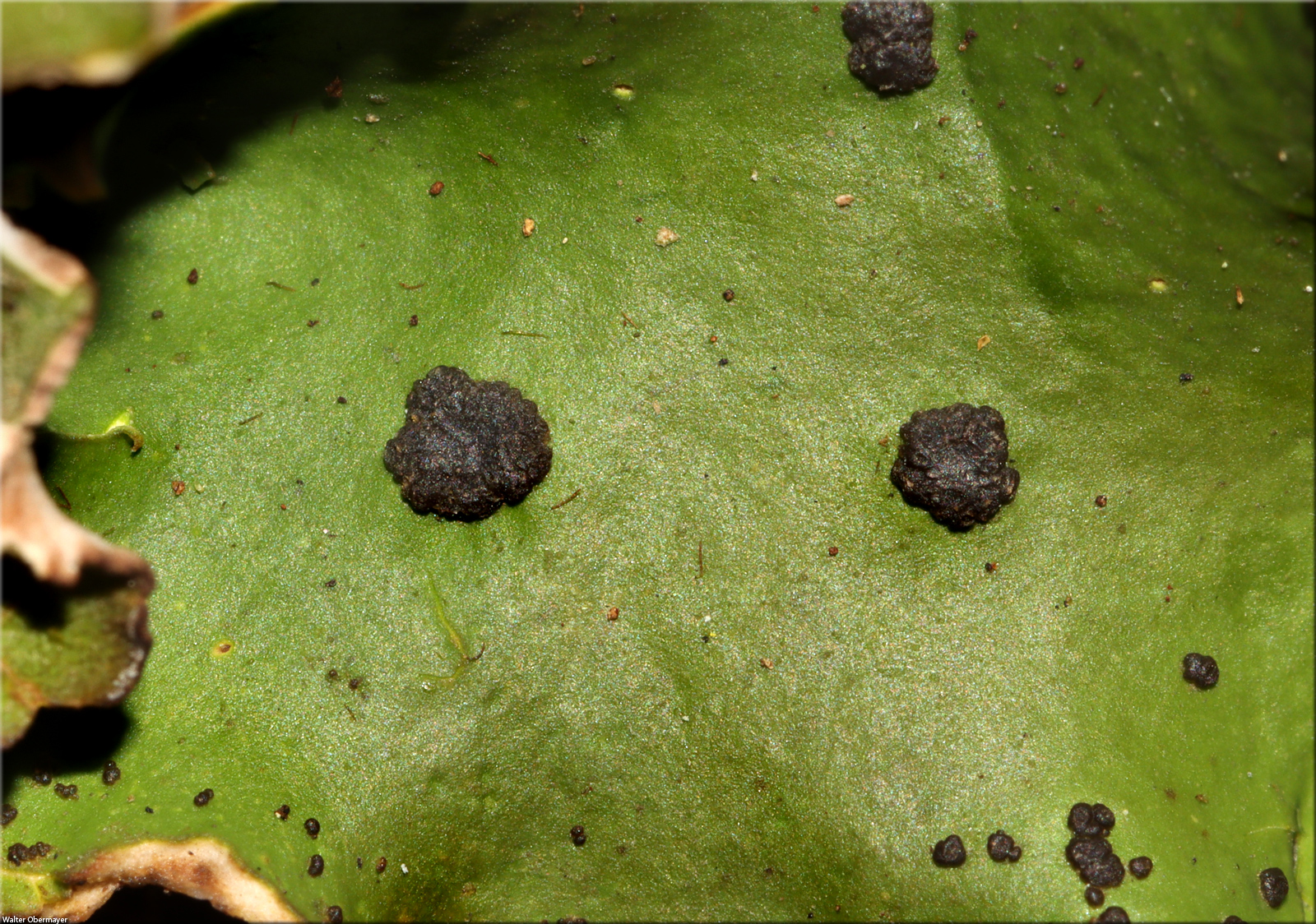
Walter Obermayer CC BY-SA 4.0 - Source: Lichens of Noricum - http://lichens-of-noricum.uni-graz.at/
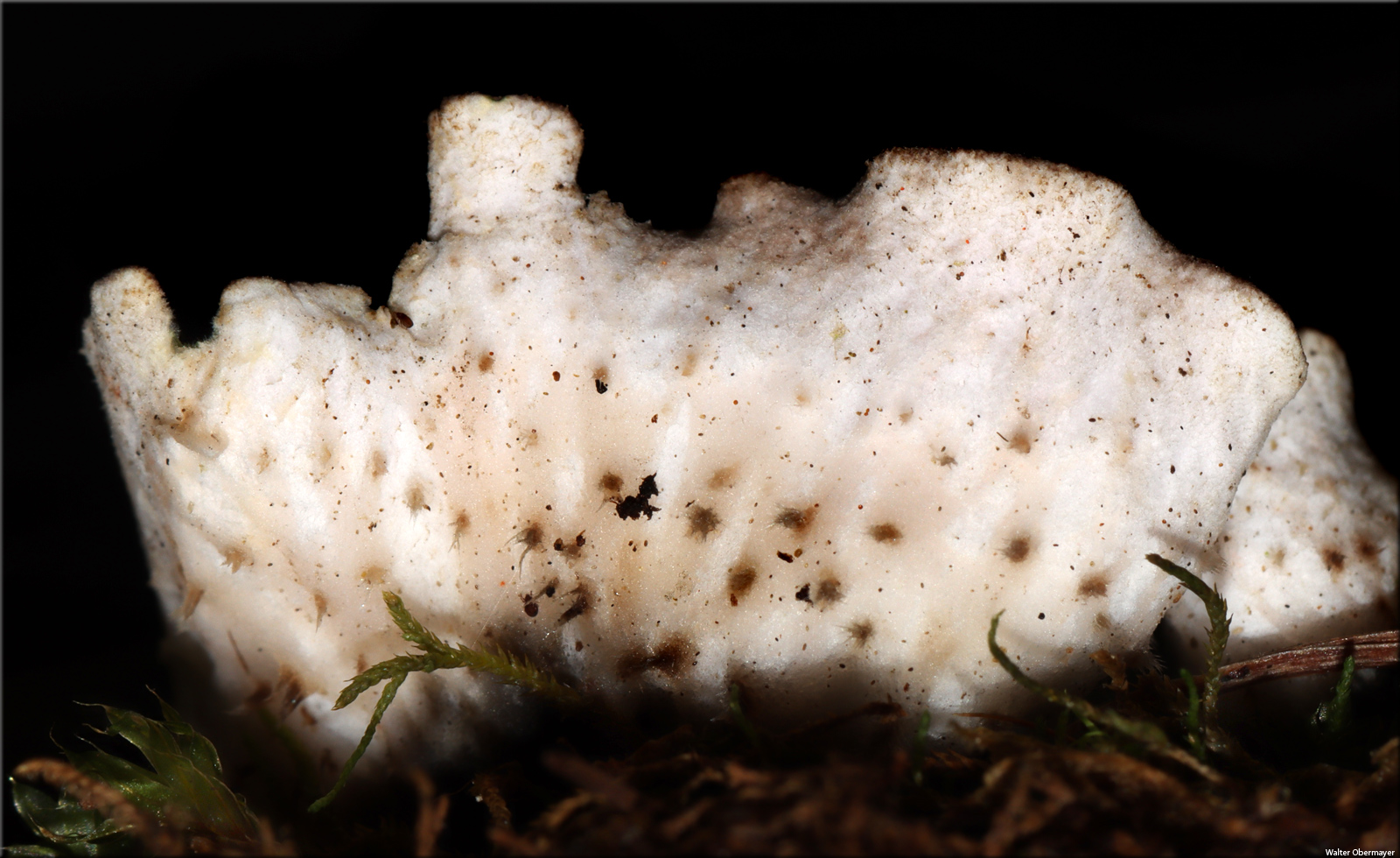
Walter Obermayer CC BY-SA 4.0 - Source: Lichens of Noricum - http://lichens-of-noricum.uni-graz.at/
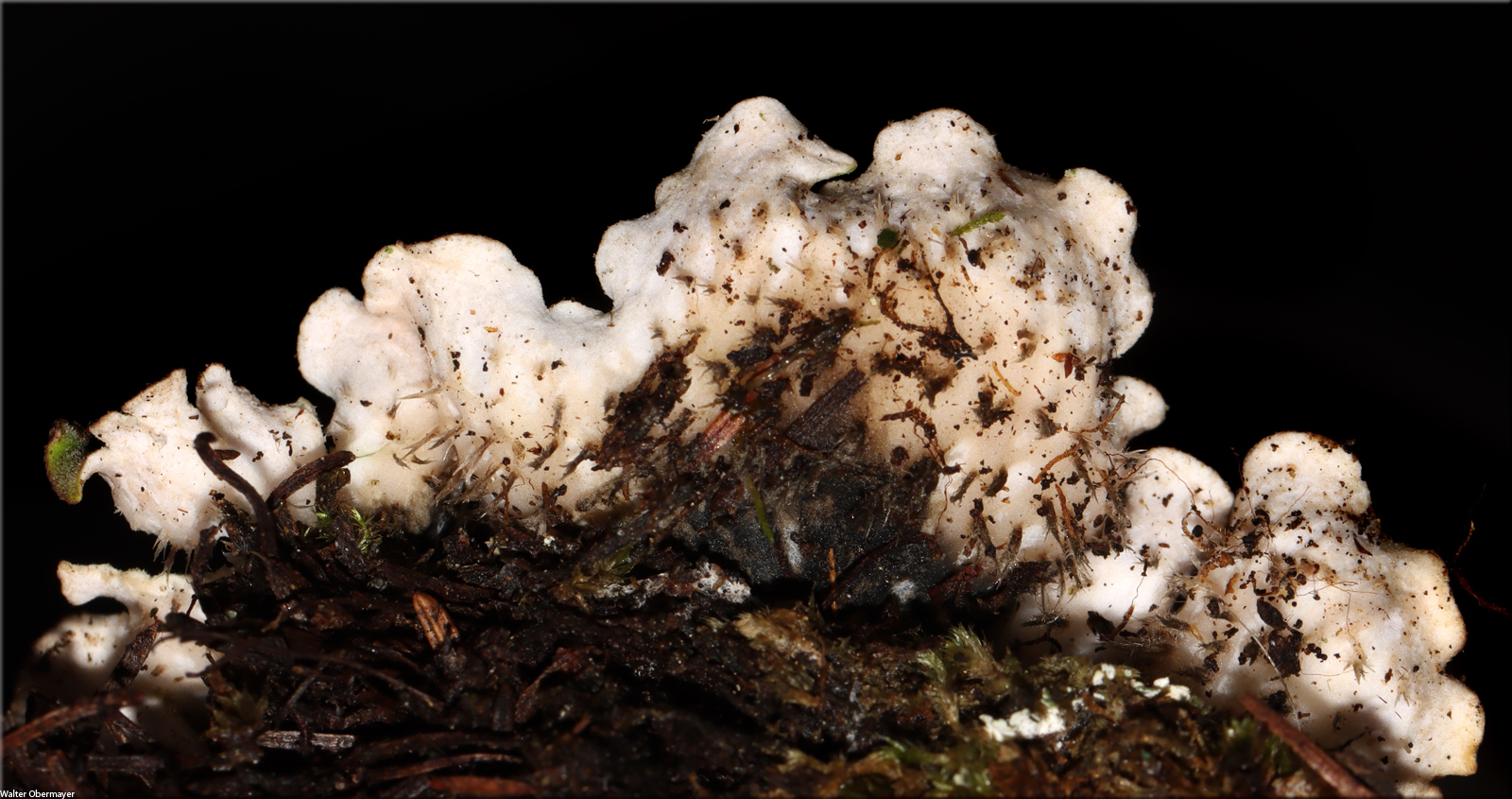
Walter Obermayer CC BY-SA 4.0 - Source: Lichens of Noricum - http://lichens-of-noricum.uni-graz.at/
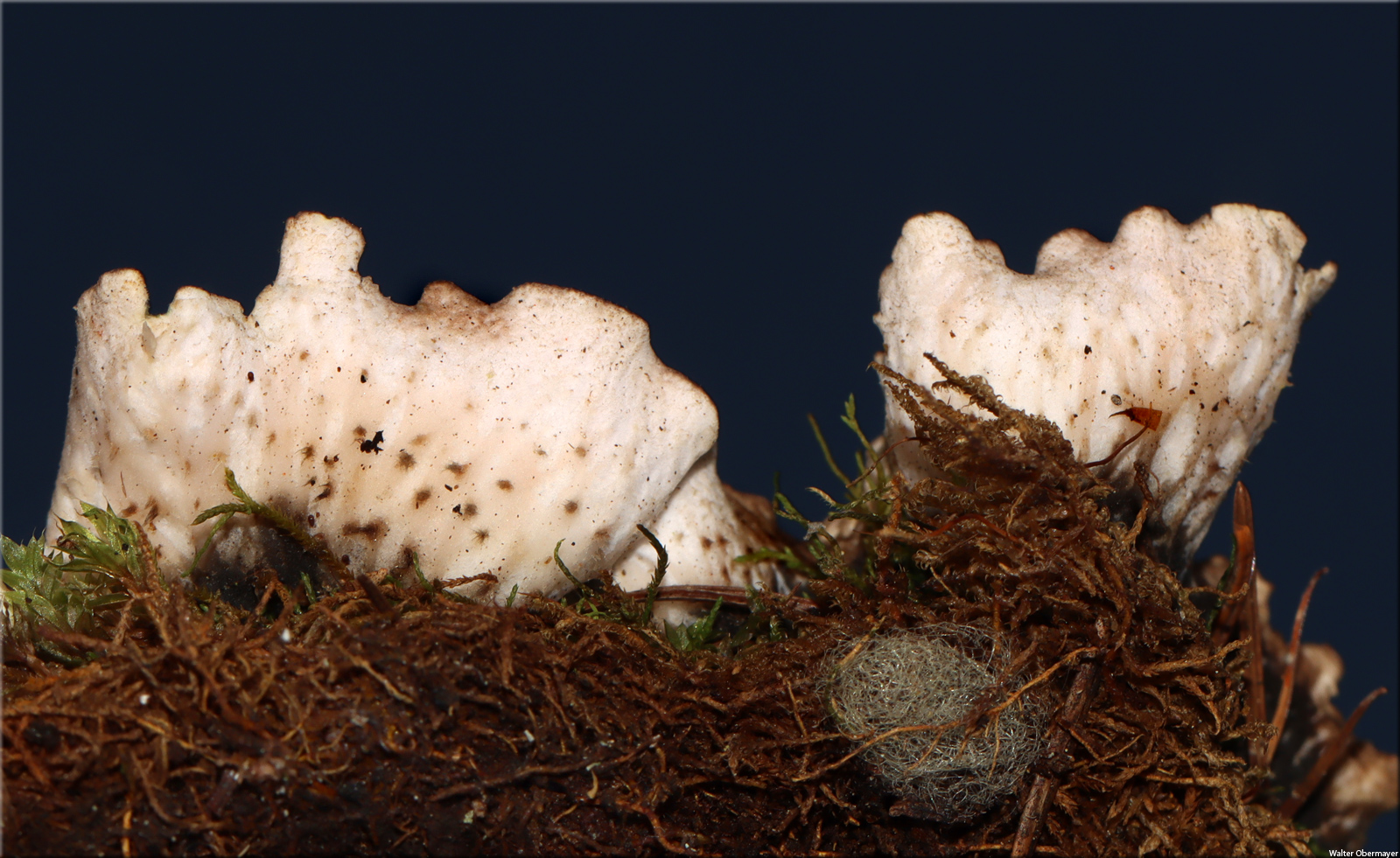
Walter Obermayer CC BY-SA 4.0 - Source: Lichens of Noricum - http://lichens-of-noricum.uni-graz.at/
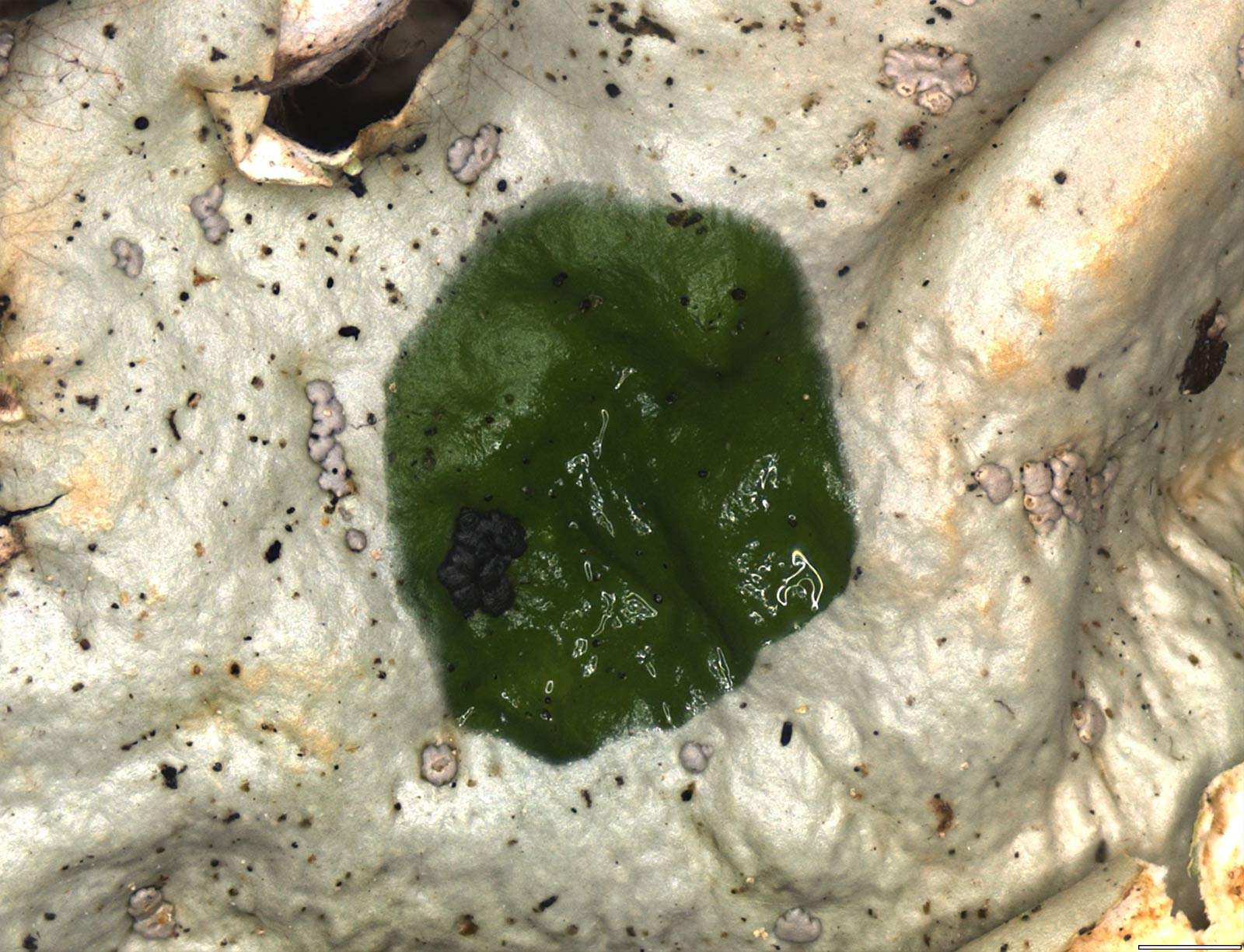
Walter Obermayer CC BY-SA 4.0 - Source: Lichens of Noricum - http://lichens-of-noricum.uni-graz.at/
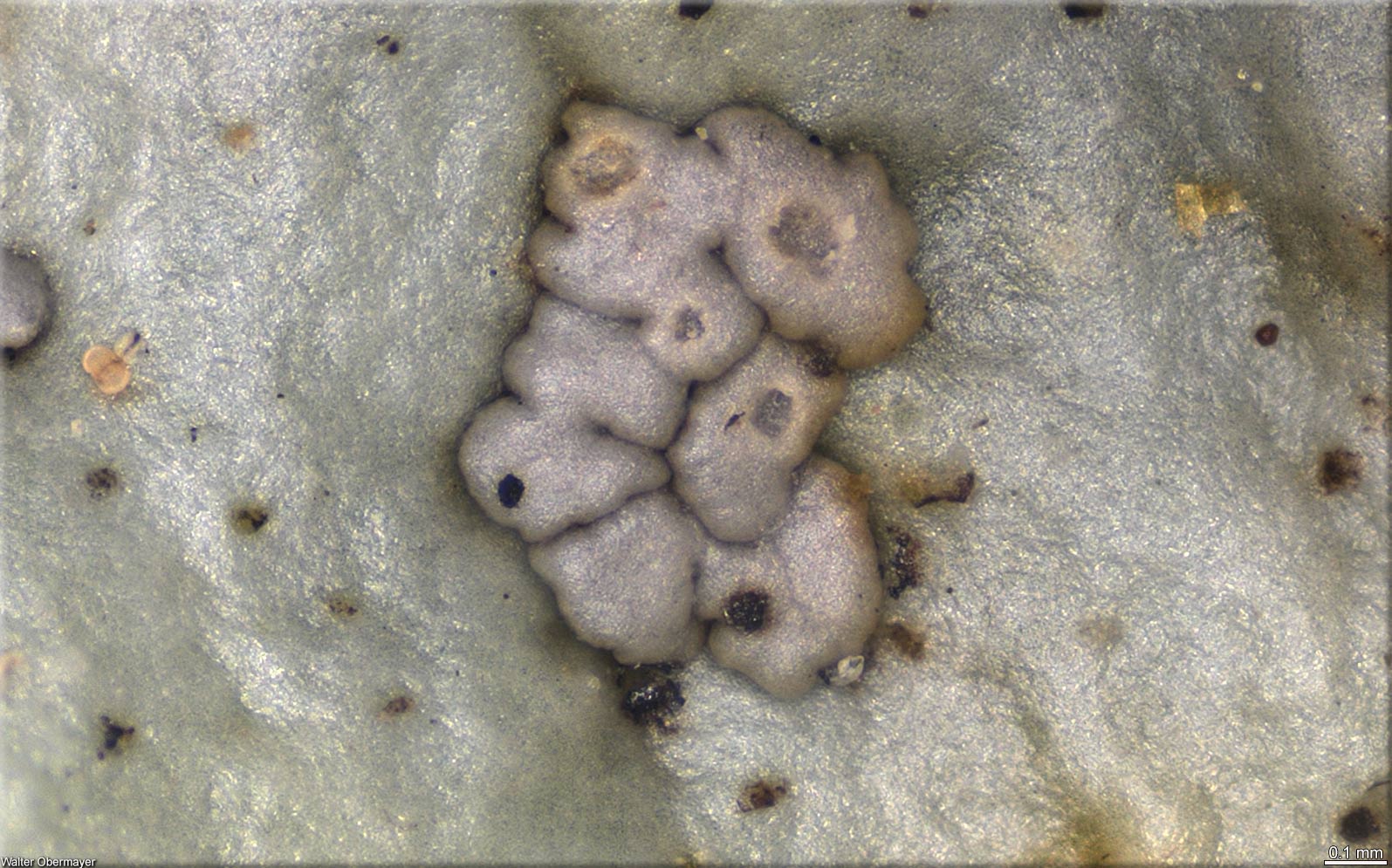
Walter Obermayer CC BY-SA 4.0 - Source: Lichens of Noricum - http://lichens-of-noricum.uni-graz.at/
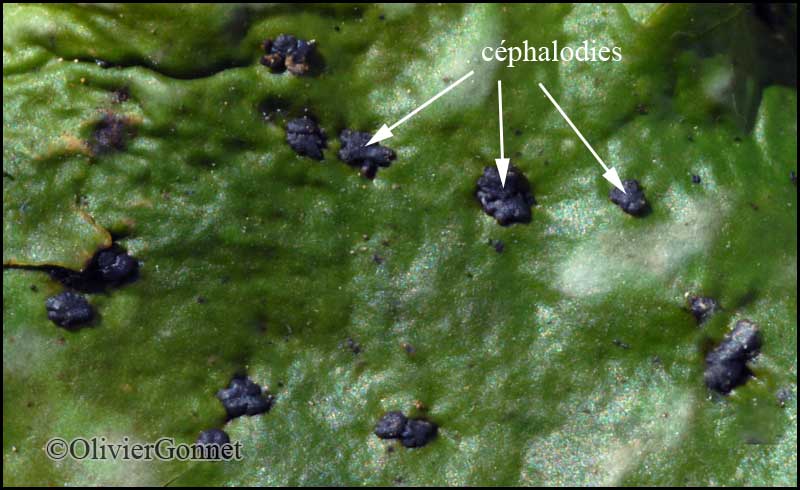
Courtesy Danièle et Olivier Gonnet - Source: https://www.afl-lichenologie.fr/Photos_AFL/Photos_AFL_P/Text_P_2/Peltigera_leucophlebia.htm
France, 27/04/2011 - Olmetto - Miluccia - Corse
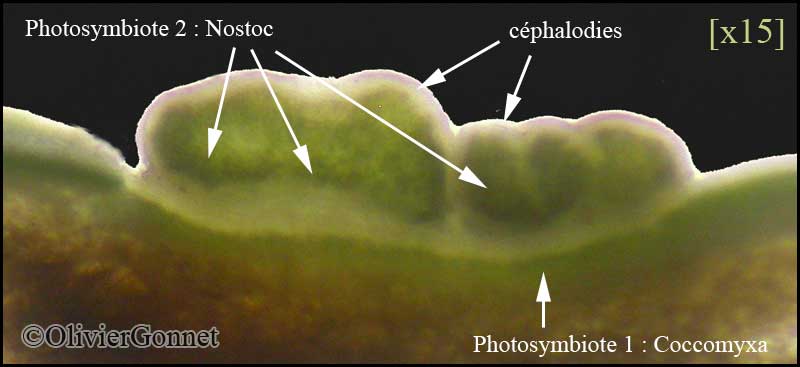
Courtesy Danièle et Olivier Gonnet - Source: https://www.afl-lichenologie.fr/Photos_AFL/Photos_AFL_P/Text_P_2/Peltigera_leucophlebia.htm
France, 27/04/2011 - Olmetto - Miluccia - Corse
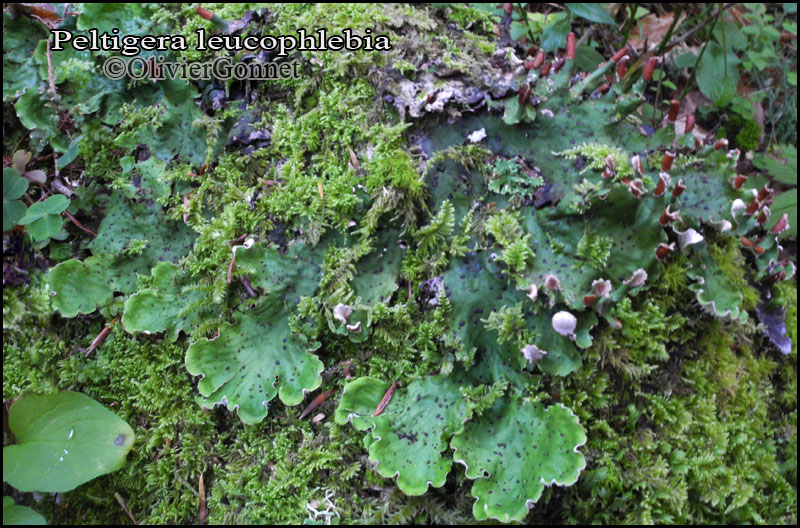
Courtesy Danièle et Olivier Gonnet - Source: https://www.afl-lichenologie.fr/Photos_AFL/Photos_AFL_P/Text_P_2/Peltigera_leucophlebia.htm
France, 24/9/2013 - Vercors - Isère
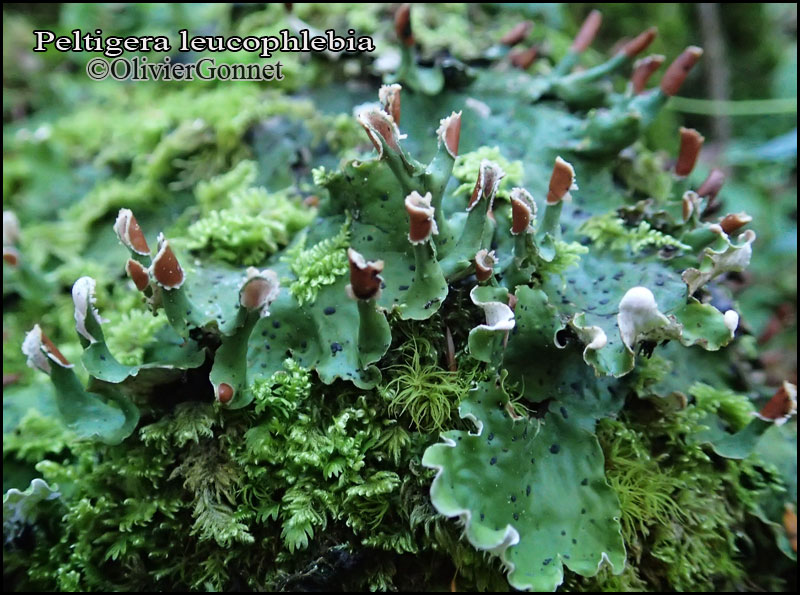
Courtesy Danièle et Olivier Gonnet - Source: https://www.afl-lichenologie.fr/Photos_AFL/Photos_AFL_P/Text_P_2/Peltigera_leucophlebia.htm
France, 24/9/2013 - Vercors - Isère
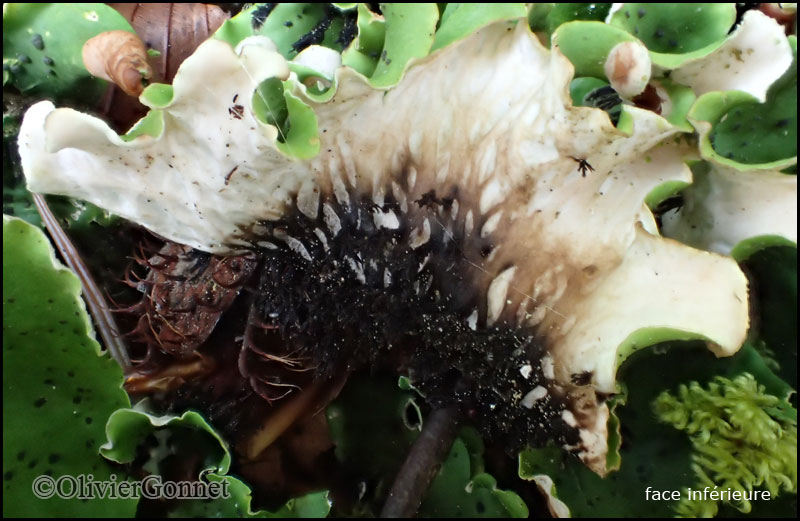
Courtesy Danièle et Olivier Gonnet - Source: https://www.afl-lichenologie.fr/Photos_AFL/Photos_AFL_P/Text_P_2/Peltigera_leucophlebia.htm
France, 24/9/2013 - Vercors - Isère
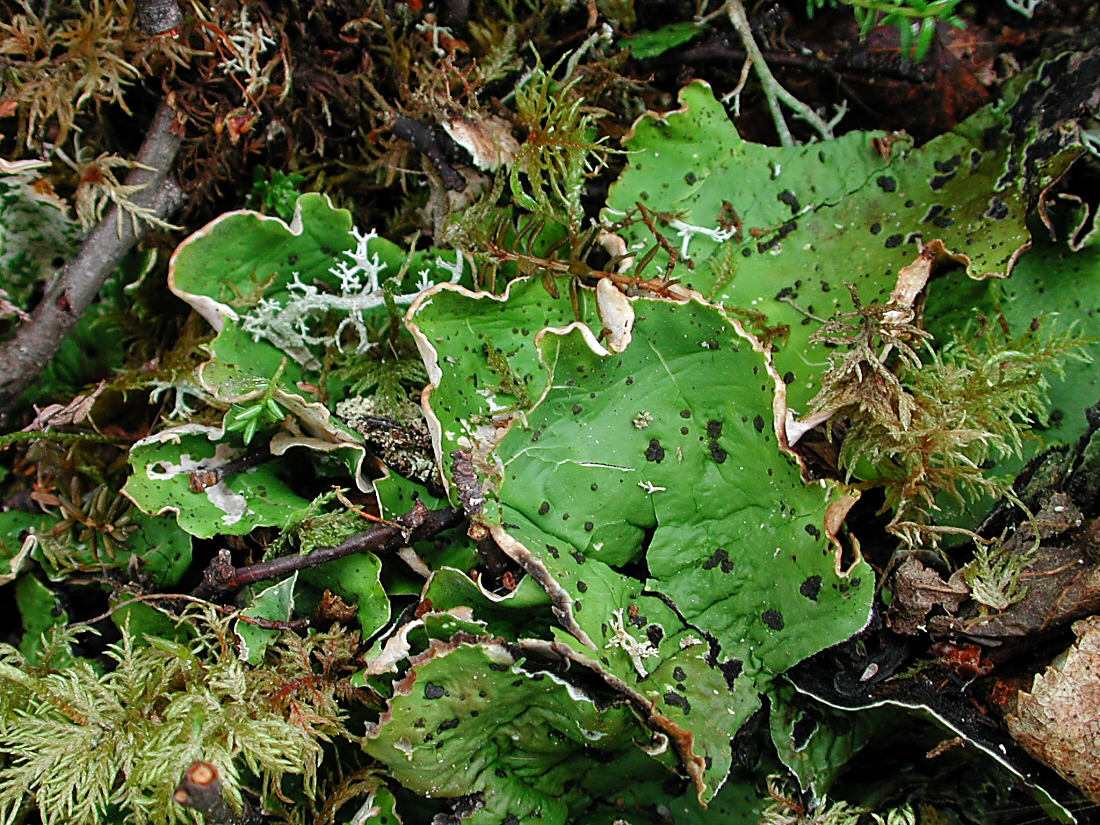
Ulrich Kirschbaum CC BY-SA 4.0 - Source: https://www.thm.de/lse/ulrich-kirschbaum/flechtenbilder
Sweden: Dalarna.

Wolfgang von Brackel - CC BY-4.0
Germany, Bavaria, Berchtesgaden
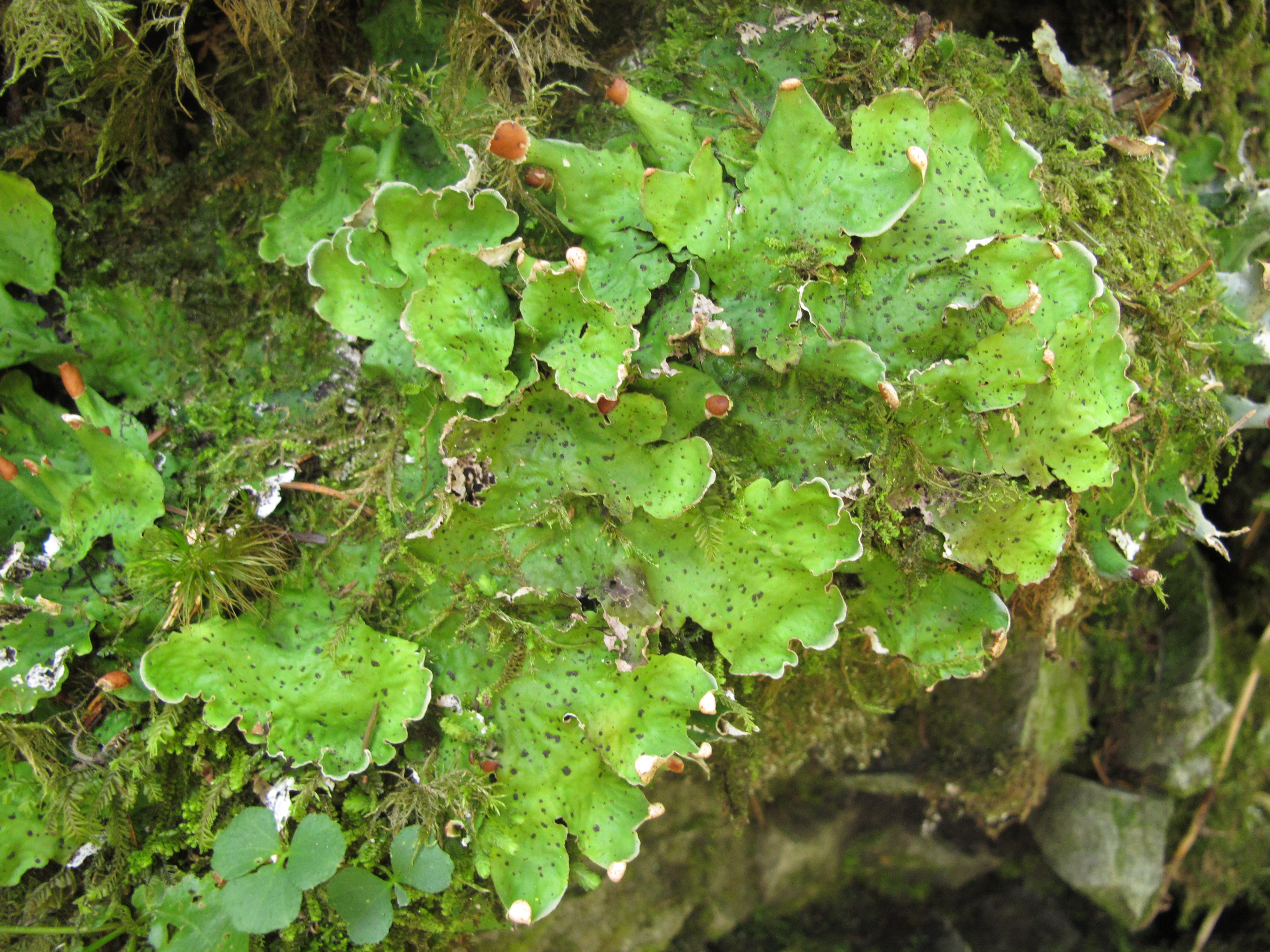
Wolfgang von Brackel - CC BY-4.0
Germany, Bavaria, Halbammertal

Wolfgang von Brackel - CC BY-4.0
Germany, Bavaria, Halbammertal

Wolfgang von Brackel - CC BY-4.0
Germany, Bavaria, Königsbachalpe

Wolfgang von Brackel - CC BY-4.0
Cephalodium - Germany, Bavaria

Wolfgang von Brackel - CC BY-4.0
Cephalodium - Germany, Bavaria
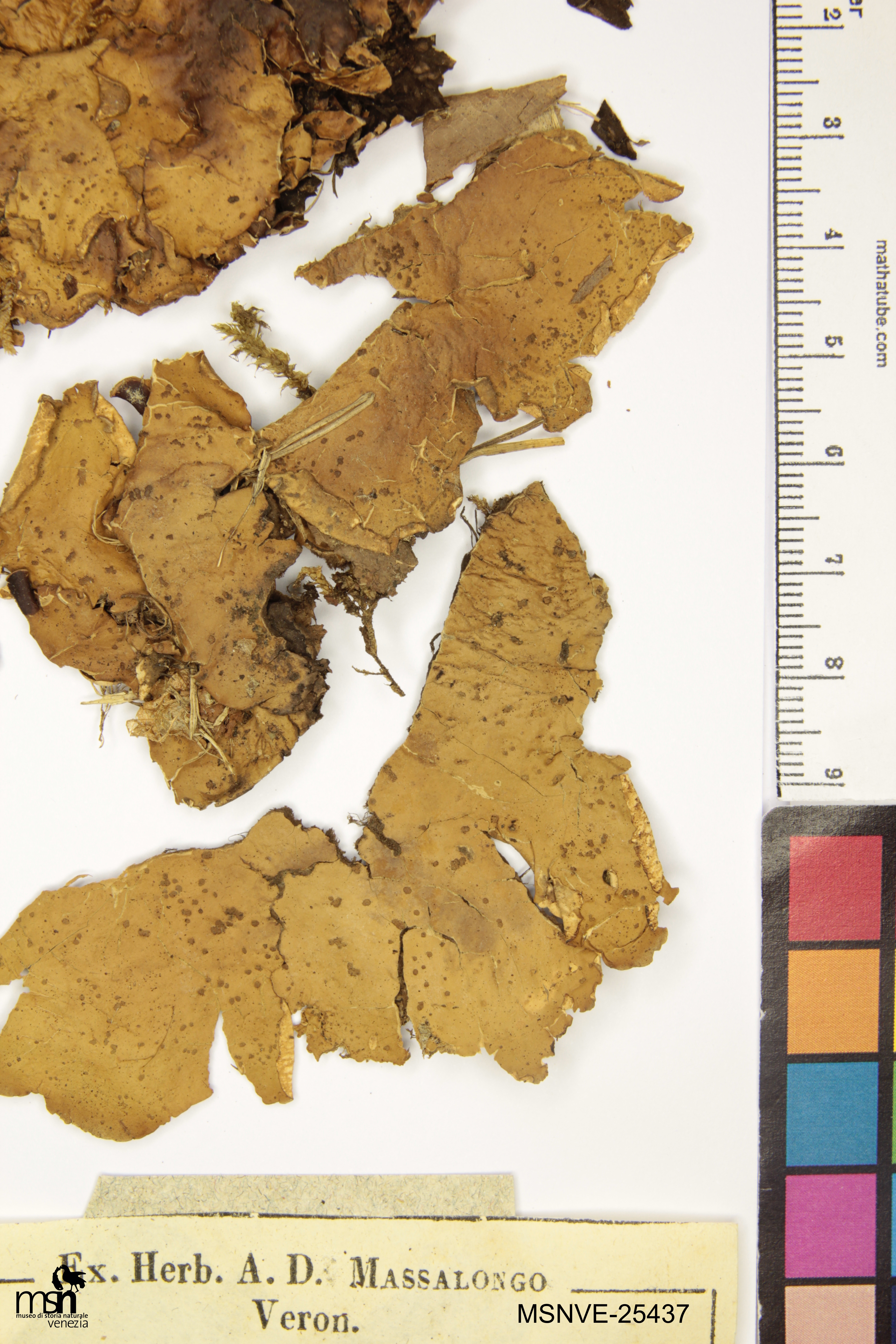
Collezione lichenologica Abramo Massalongo del Museo di Storia Naturale G. Ligabue di Venezia - Autori: Seggi, Linda; Trabucco, Raffaella Proprietà: Fondazione Musei Civici di Venezia - CC BY-NC
Italy, Veneto, in op. Bolca
as Peltigera aphthosa