Peltigera polydactylon (Neck.) Hoffm.
Descr. Adumbr. Pl. Crypt. Lich., 1: 19, 1790. Basionym: Lichen polydactylon Neck. - Meth. Muscor.: 85, 1771.
Synonyms: Lichen caninus var. polydactylon (Neck.) Lightf.; Peltidea canina var. glabra Ach.; Peltidea polydactylon (Neck.) Ach.; Peltigera canina var. polydactylon (Neck.) Branth & Rostr.; Peltigera polydactylon f. microcarpa (Ach.) Mérat; Peltigera polydactylon f. multilobata Gyeln.; Peltigera polydactylon f. multisecta Gyeln.; Peltigera polydactylon var. microcarpa (Ach.) Schaer.; Peltigera rufescens var. polydactylon (Neck.) Torss.
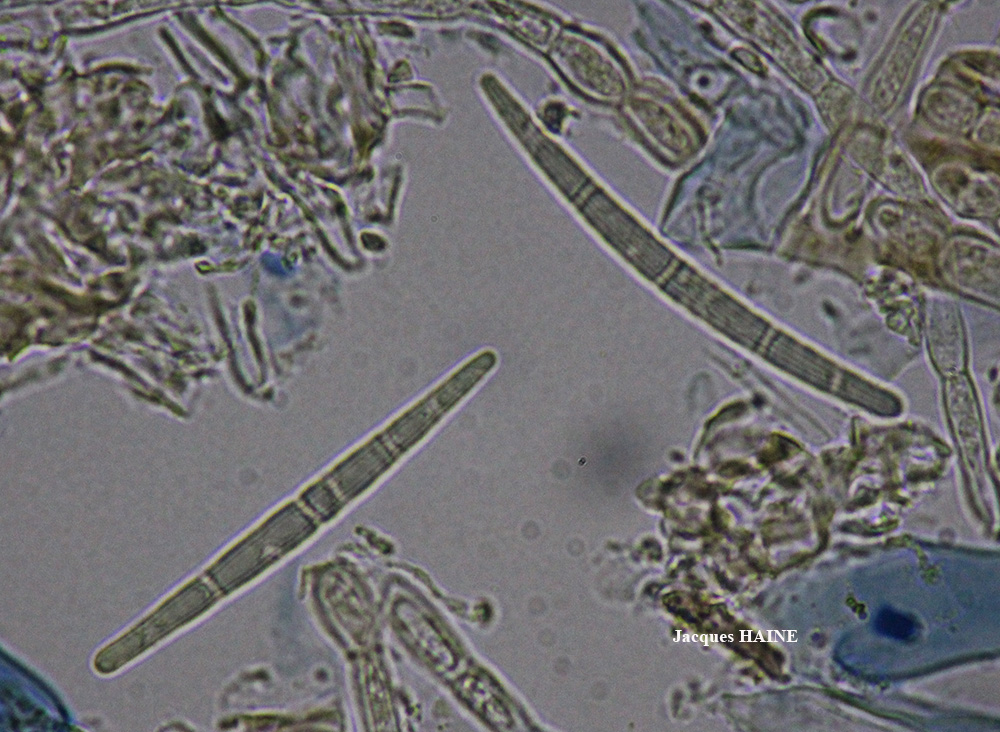
Description: Thallus foliose, broad-lobed, heteromerous and dorsiventral, loosely attached, forming 5-20(-30) cm wide rosettes. Lobes blue-grey to brown when dry, blackish green when wet, contiguous, 1-1.5(-2) cm broad, 4-5(-12) cm long, with ascending, crisped, sometimes phyllidiate margins, the upper surface glabrous, smooth and shiny. Lower surface brownish at margin, darker in central parts, with flat, brown veins and fasciculate, up to 5 mm long rhizines becoming confluent, not arranged in concentric lines. Upper cortex pseudoparenchymatous; medulla white; lower cortex absent. Apothecia frequent, saddle-shaped, on rather long, ascending lobes, with a pale to dark brown disc. Paraphyses simple, distinctly thickened above. Asci 8-spored, fissitunicate, the thickened apex with a K/I+ blue ring, Peltigera-type. Ascospores 3(-5)-septate, hyaline to pale brown at maturity, acicular, thin-walled, (40-)51-66(-73) x 2.5-5.2 µm. Photobiont cyanobacterial (Nostoc, the cells not in long chains). Spot tests: cortex and medulla K-, C-, KC-, P-, or medulla sometimes faintly and fleeting C+ and KC+ pale pink. Chemistry: tenuiorin, methyl gyrophorate, gyrophoric acid, hopanes and unidentified terpenoids.
Growth form: Foliose, broad lobed
Substrata: soil, terricolous mosses, and plant debris
Photobiont: cyanobacteria, filamentous (e.g. Nostoc, Scytonema)
Reproductive strategy: mainly sexual
Commonnes-rarity: (info)
Alpine belt: very rare
Subalpine belt: rare
Montane belt: rather common
Dry submediterranean belt: very rare
Humid submediterranean belt: rare
Padanian area: absent
pH of the substrata:
1 2 3 4 5

Solar irradiation:
1 2 3 4 5
Aridity:
1 2 3 4 5
Eutrophication:
1 2 3 4 5
Poleotolerance:
0 1 2 3
Altitudinal distribution:
1 2 3 4 5 6
Rarity
absent
extremely rare
very rare
rare
rather rare
rather common
common
very common
extremely common
Loading data...
Occurrence data
Predictive map
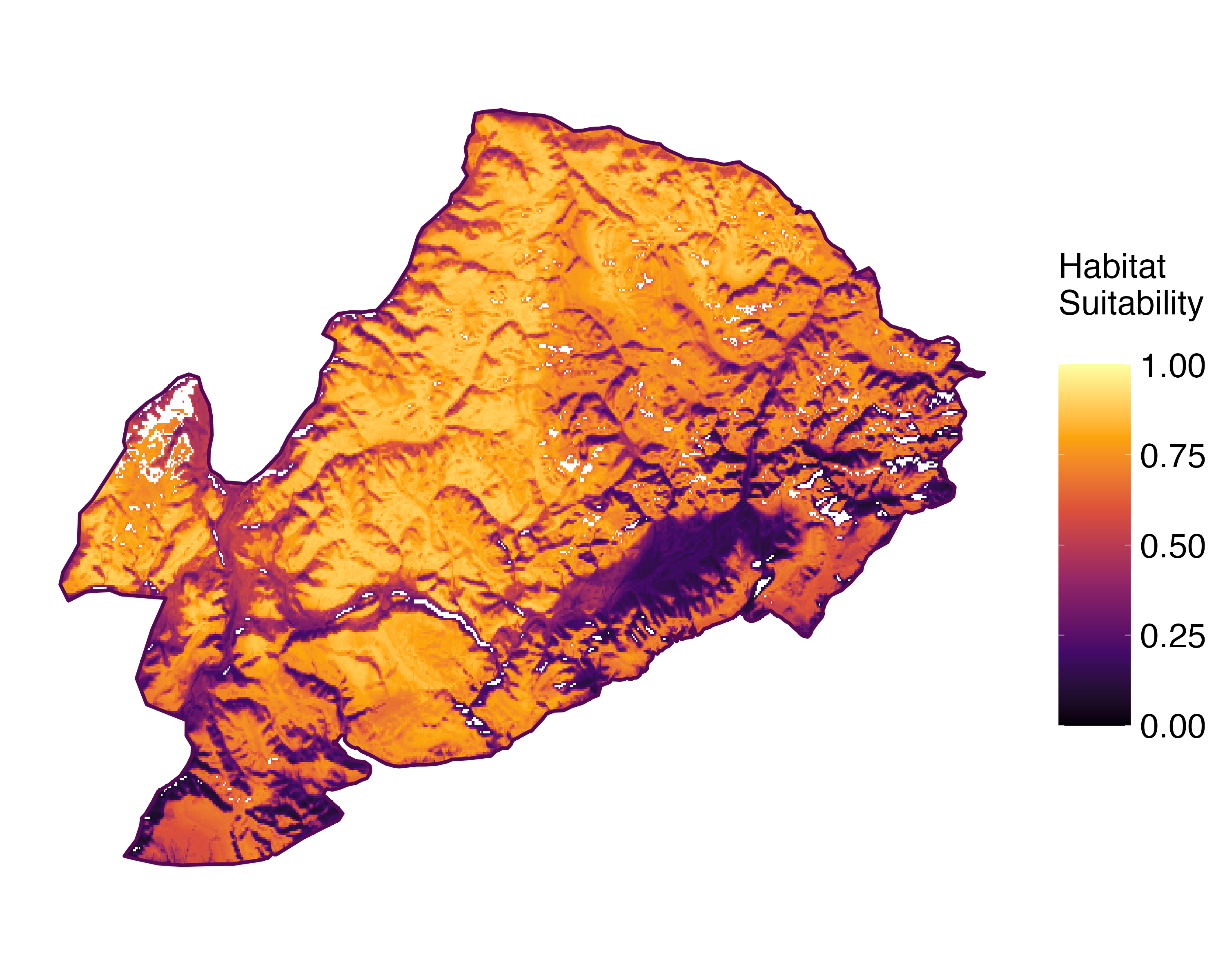 Current prediction (1981-2010)
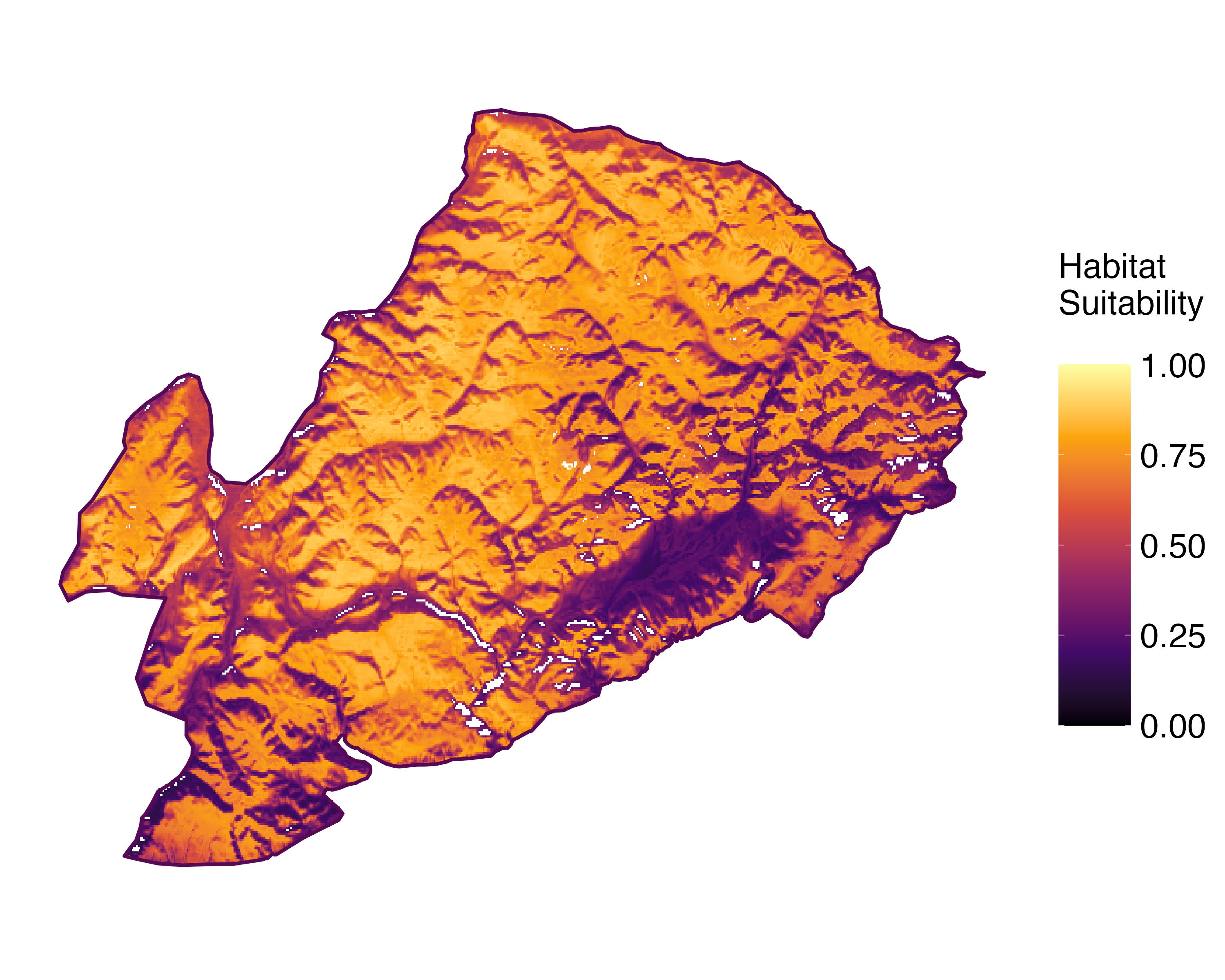 Future prediction (2071-2100) SSP 1-2.6
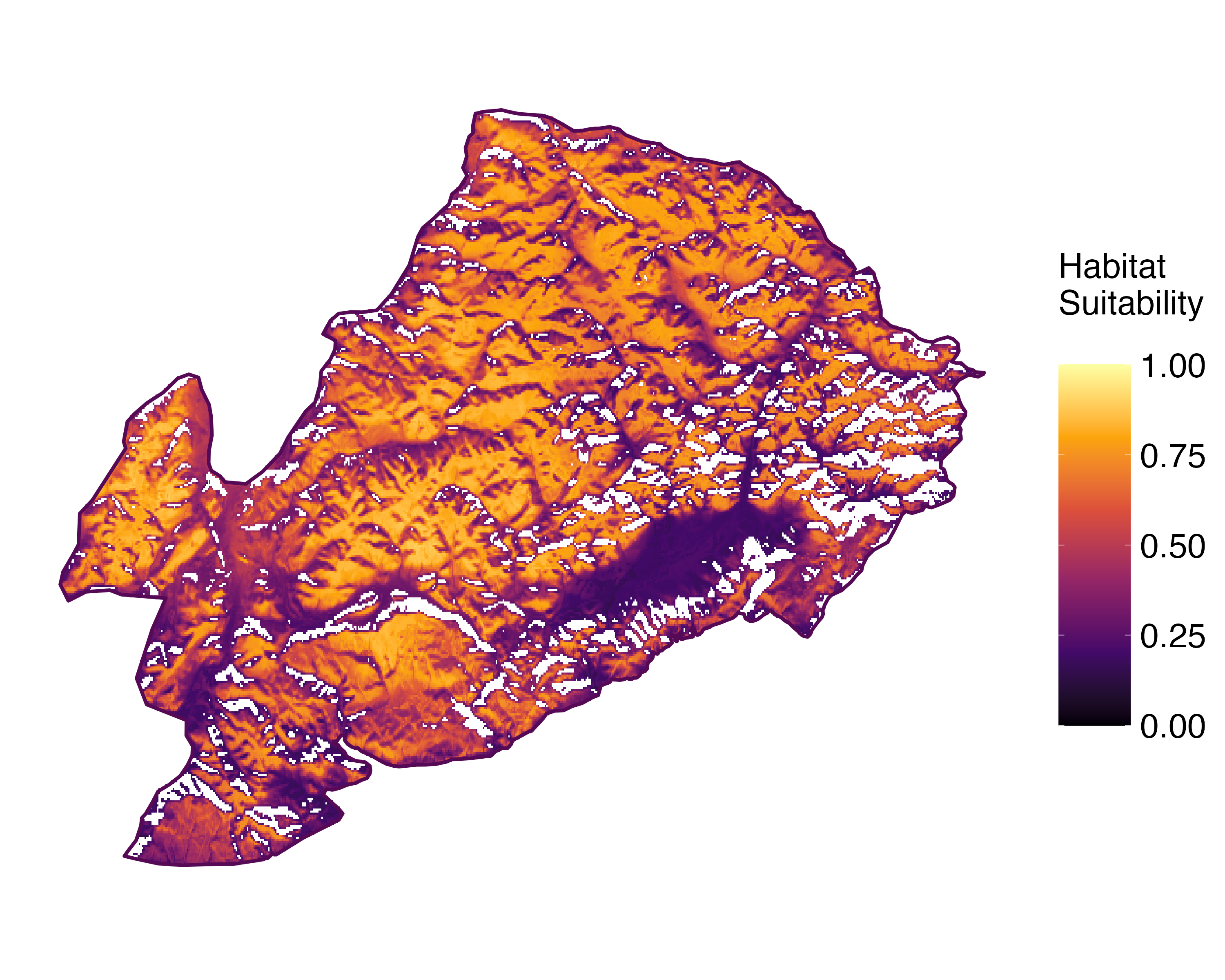 Future prediction (2071-2100) SSP 5-8.5Predictive maps according to Francesconi et al. 2025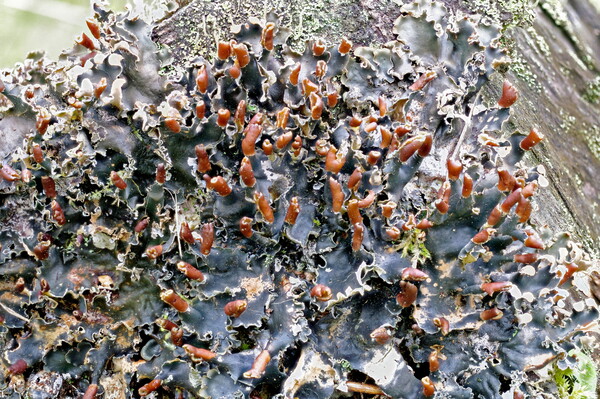
Anres Saag CC BY-SA NC ND
Iran
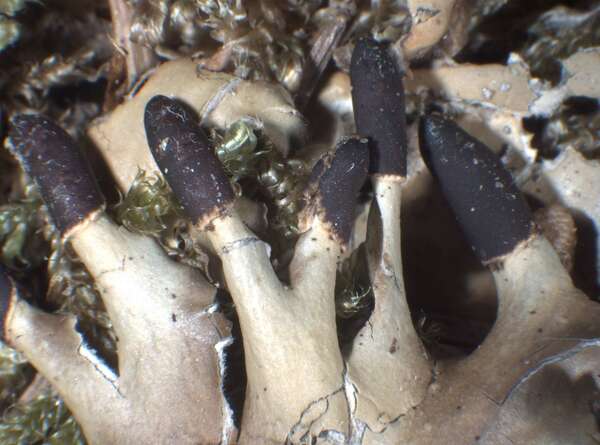
P.L. Nimis; Owner: Department of Life Sciences, University of Trieste
Herbarium: TSB (25193)
2003/03/03
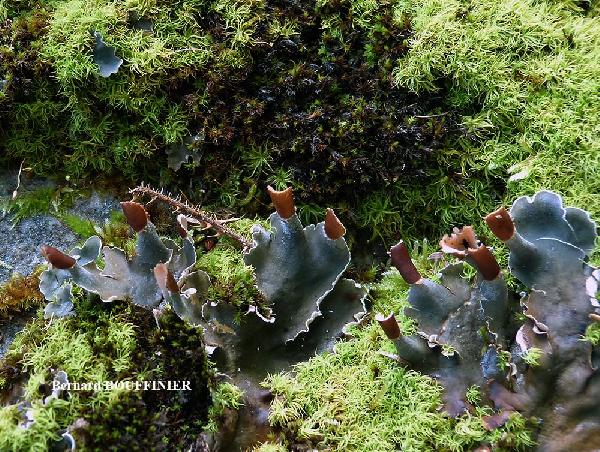
Bernard Bouffinier - Source: http://www.lichensmaritimes.org/index.php?task=fiche&lichen=749&lang=en
France, Barrage du Tech
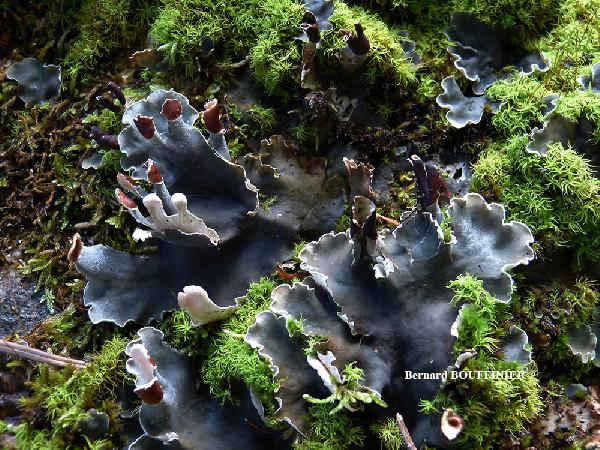
Bernard Bouffinier - Source: http://www.lichensmaritimes.org/index.php?task=fiche&lichen=749&lang=en
France, Barrage du Tech
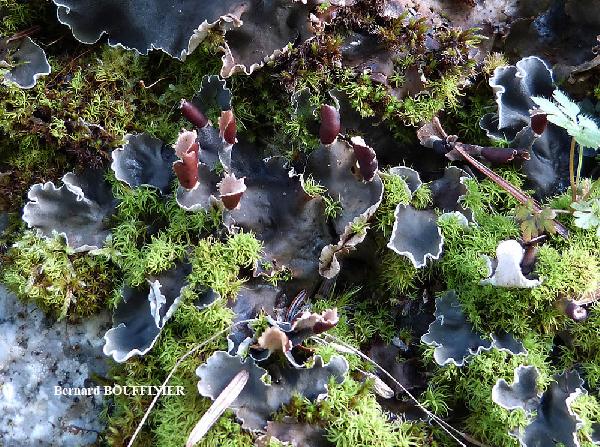
Bernard Bouffinier - Source: http://www.lichensmaritimes.org/index.php?task=fiche&lichen=749&lang=en
France, Barrage du Tech
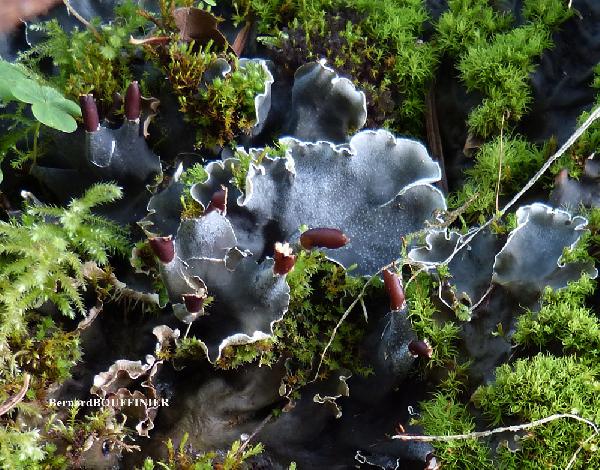
Bernard Bouffinier - Source: http://www.lichensmaritimes.org/index.php?task=fiche&lichen=749&lang=en
France, Barrage du Tech
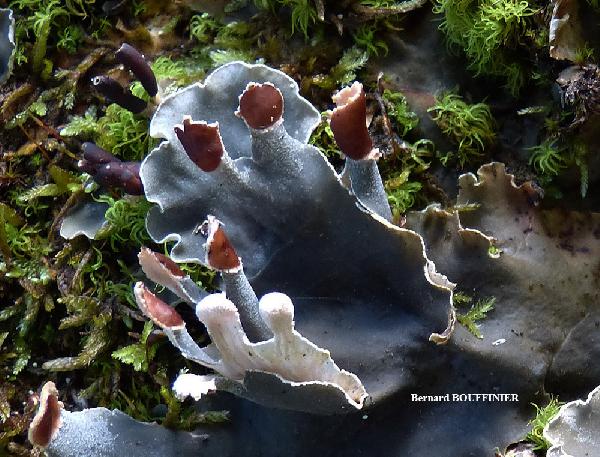
Bernard Bouffinier - Source: http://www.lichensmaritimes.org/index.php?task=fiche&lichen=749&lang=en
France, Barrage du Tech
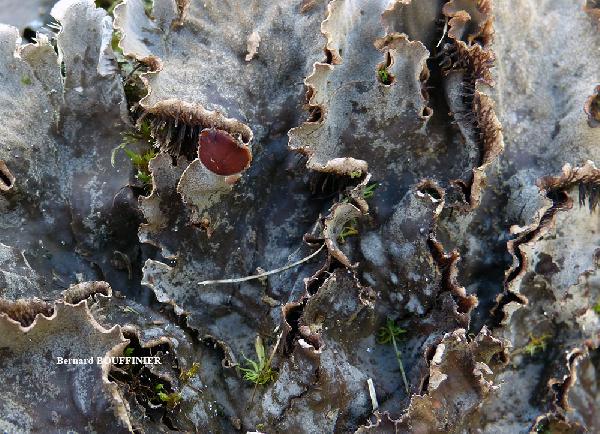
Bernard Bouffinier - Source: http://www.lichensmaritimes.org/index.php?task=fiche&lichen=749&lang=en
France, Barrage du Tech
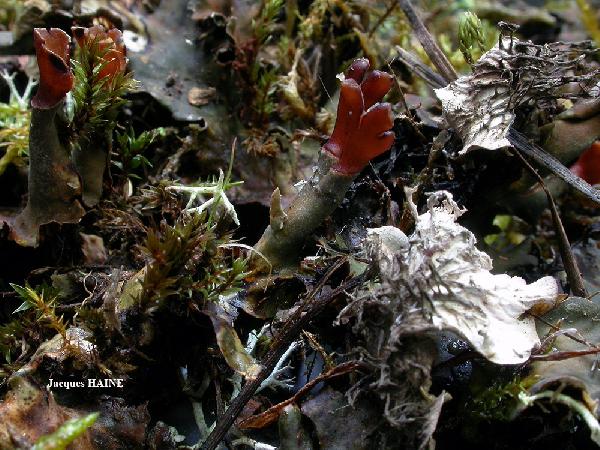
Jacques Haine - Source: http://www.lichensmaritimes.org/index.php?task=fiche&lichen=749&lang=en
France, Ardennes
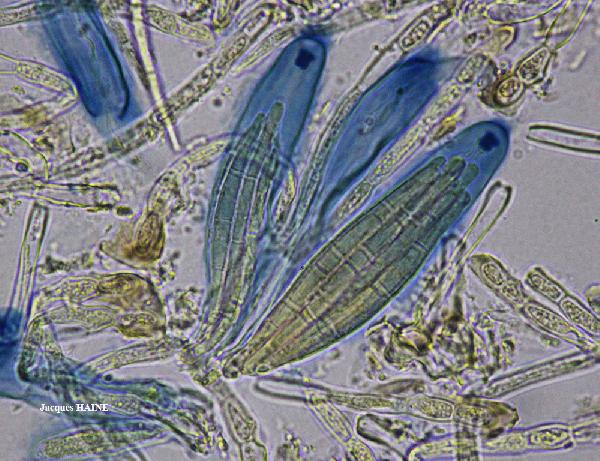
Jacques Haine - Source: http://www.lichensmaritimes.org/index.php?task=fiche&lichen=749&lang=en
France, Ardennes
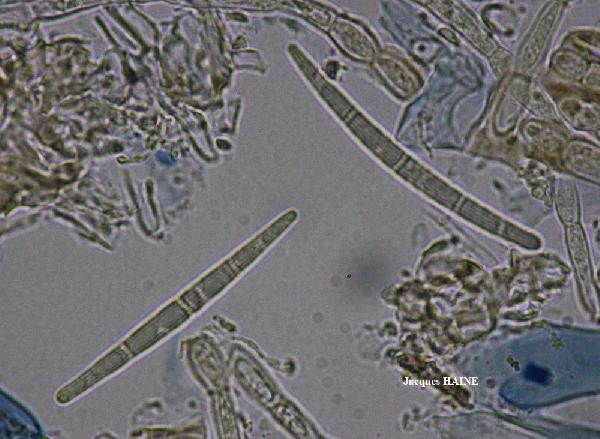
Jacques Haine - Source: http://www.lichensmaritimes.org/index.php?task=fiche&lichen=749&lang=en
France, Ardennes
Growth form: Foliose, broad lobed
Substrata: soil, terricolous mosses, and plant debris
Photobiont: cyanobacteria, filamentous (e.g. Nostoc, Scytonema)
Reproductive strategy: mainly sexual
Commonnes-rarity: (info)
Alpine belt: very rare
Subalpine belt: rare
Montane belt: rather common
Dry submediterranean belt: very rare
Humid submediterranean belt: rare
Padanian area: absent
pH of the substrata:
| 1 | 2 | 3 | 4 | 5 |
Solar irradiation:
| 1 | 2 | 3 | 4 | 5 |
Aridity:
| 1 | 2 | 3 | 4 | 5 |
Eutrophication:
| 1 | 2 | 3 | 4 | 5 |
Poleotolerance:
| 0 | 1 | 2 | 3 |
Altitudinal distribution:
| 1 | 2 | 3 | 4 | 5 | 6 |
Rarity
absent
extremely rare
very rare
rare
rather rare
rather common
common
very common
extremely common
Loading data...
Occurrence data
Predictive map
Current prediction (1981-2010)Future prediction (2071-2100) SSP 1-2.6Future prediction (2071-2100) SSP 5-8.5Predictive maps according to Francesconi et al. 2025
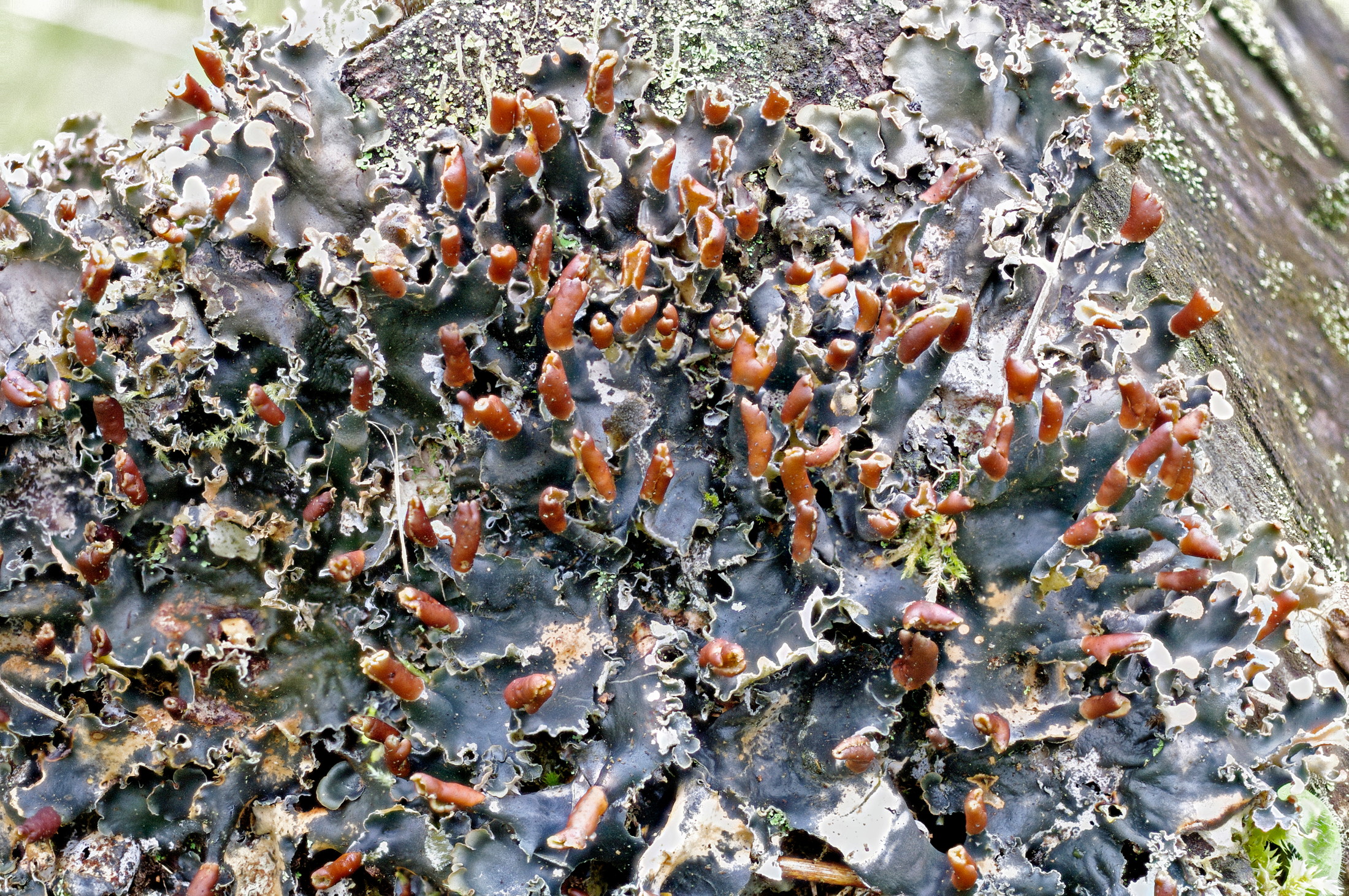
Anres Saag CC BY-SA NC ND
Iran
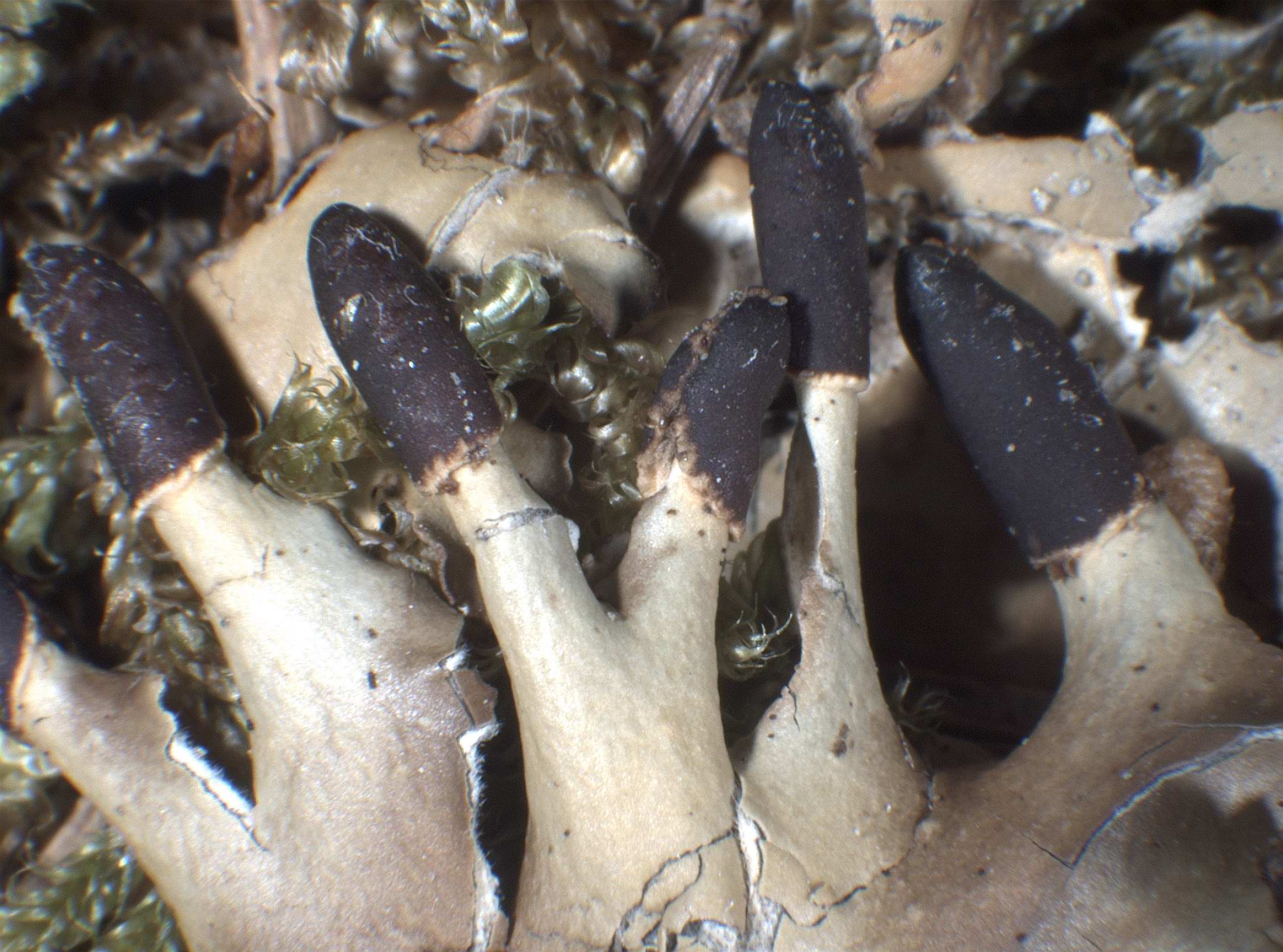
P.L. Nimis; Owner: Department of Life Sciences, University of Trieste
Herbarium: TSB (25193)
2003/03/03
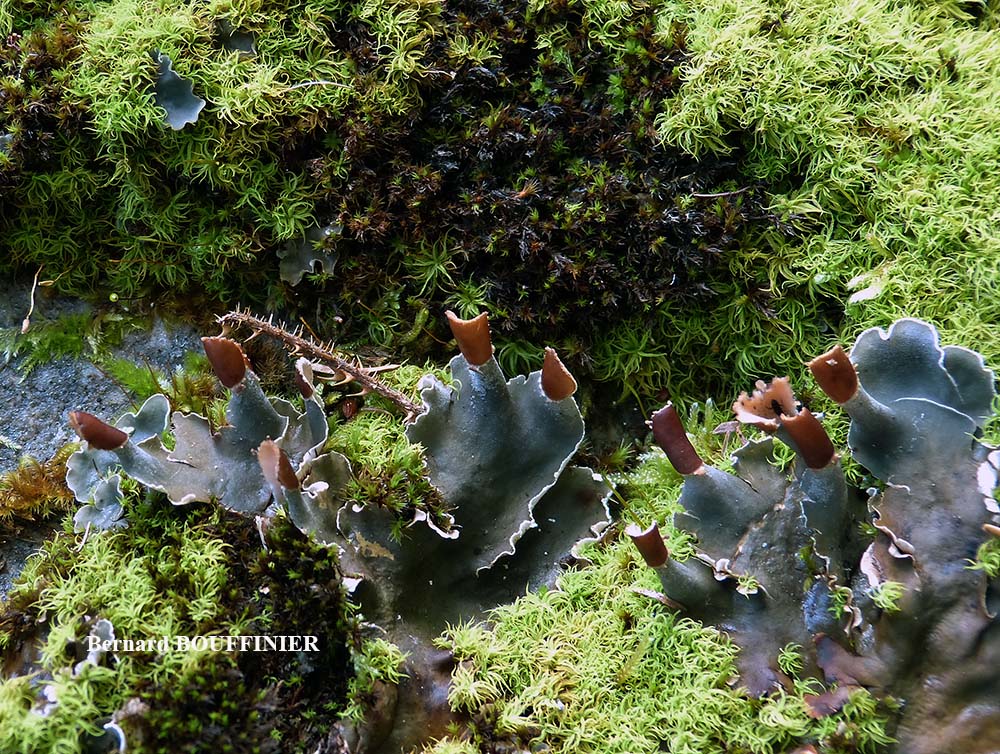
Bernard Bouffinier - Source: http://www.lichensmaritimes.org/index.php?task=fiche&lichen=749&lang=en
France, Barrage du Tech
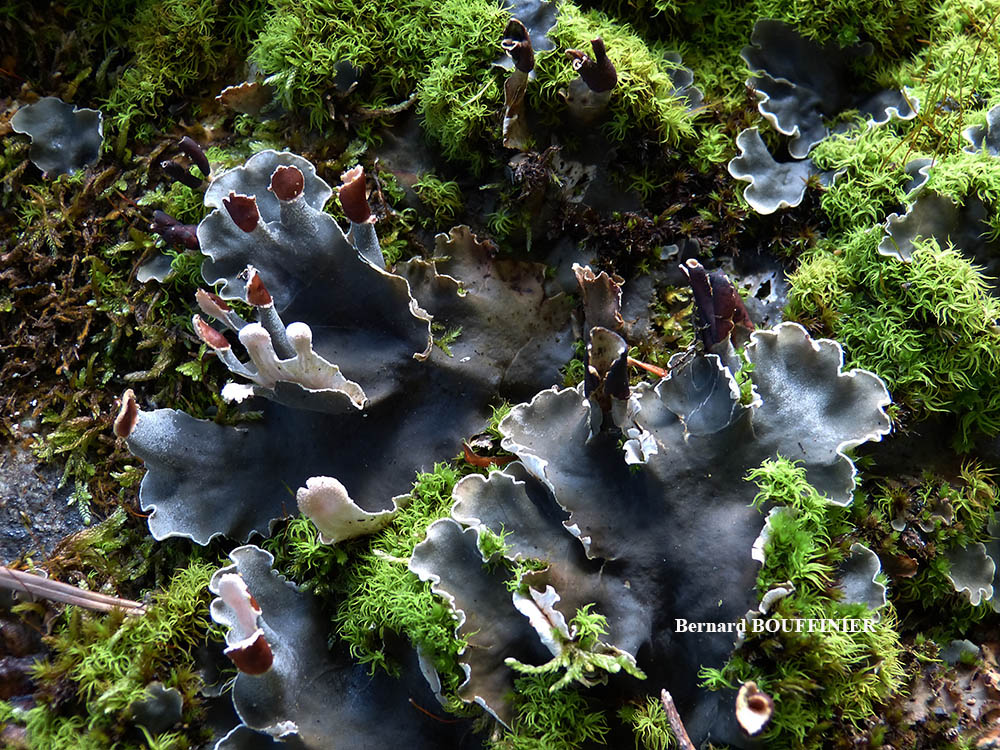
Bernard Bouffinier - Source: http://www.lichensmaritimes.org/index.php?task=fiche&lichen=749&lang=en
France, Barrage du Tech
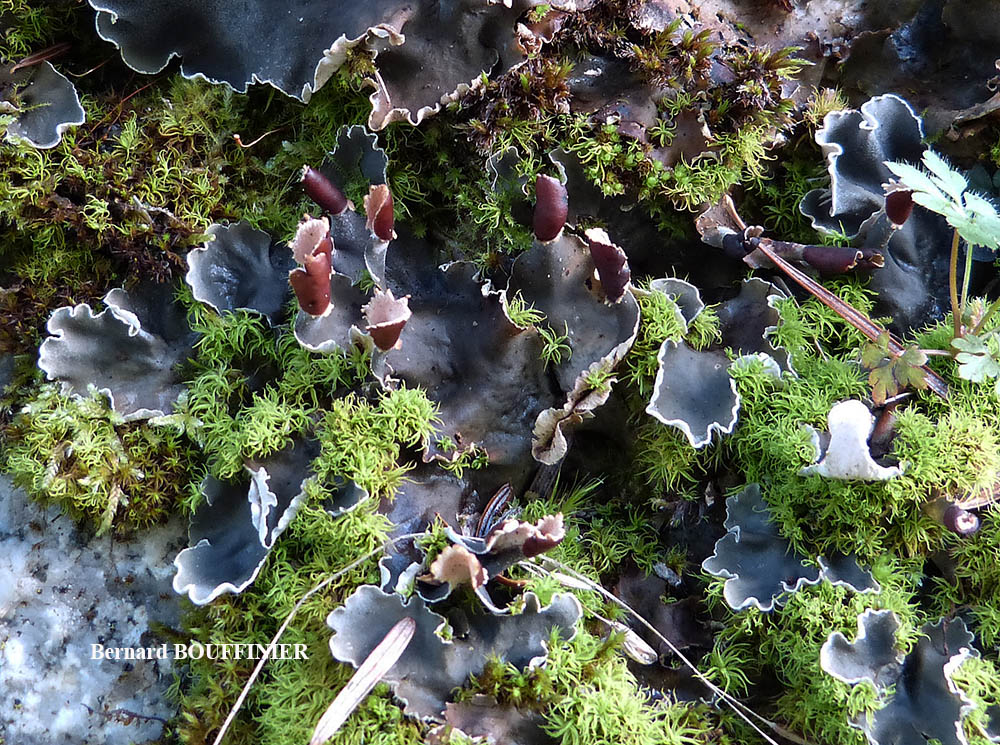
Bernard Bouffinier - Source: http://www.lichensmaritimes.org/index.php?task=fiche&lichen=749&lang=en
France, Barrage du Tech
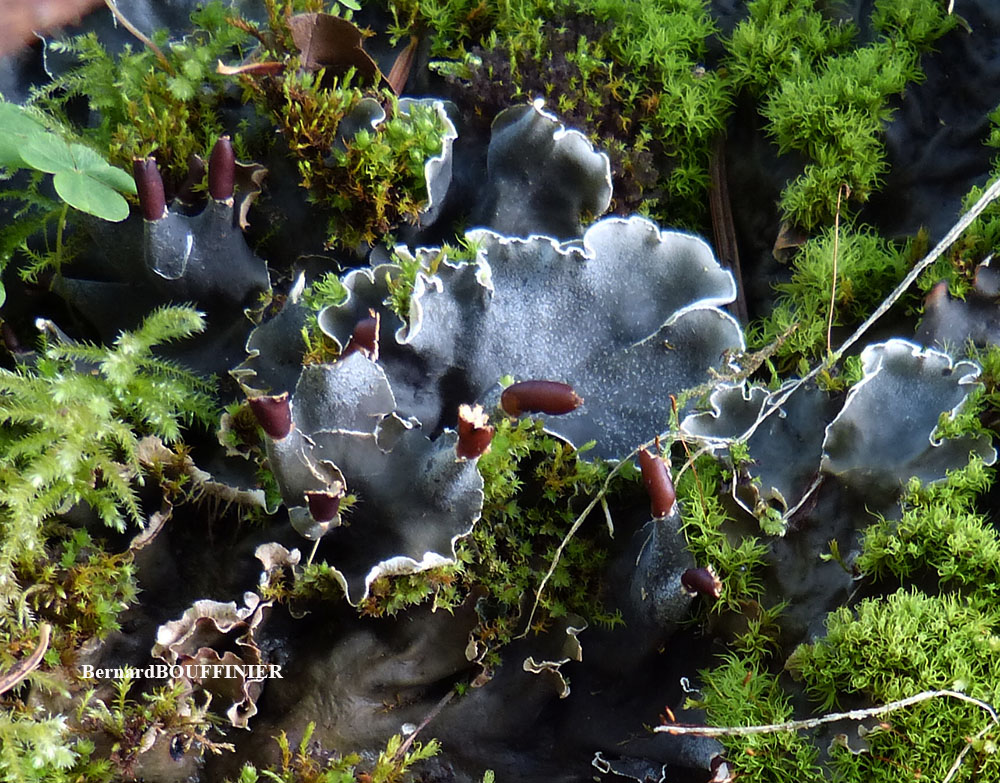
Bernard Bouffinier - Source: http://www.lichensmaritimes.org/index.php?task=fiche&lichen=749&lang=en
France, Barrage du Tech
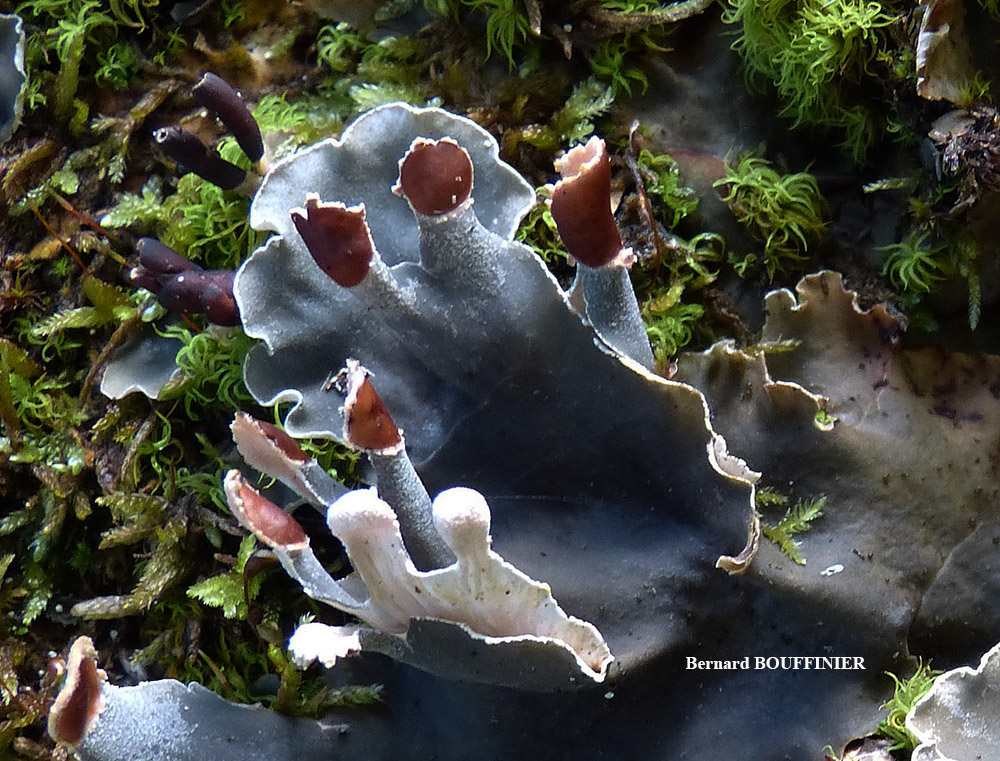
Bernard Bouffinier - Source: http://www.lichensmaritimes.org/index.php?task=fiche&lichen=749&lang=en
France, Barrage du Tech
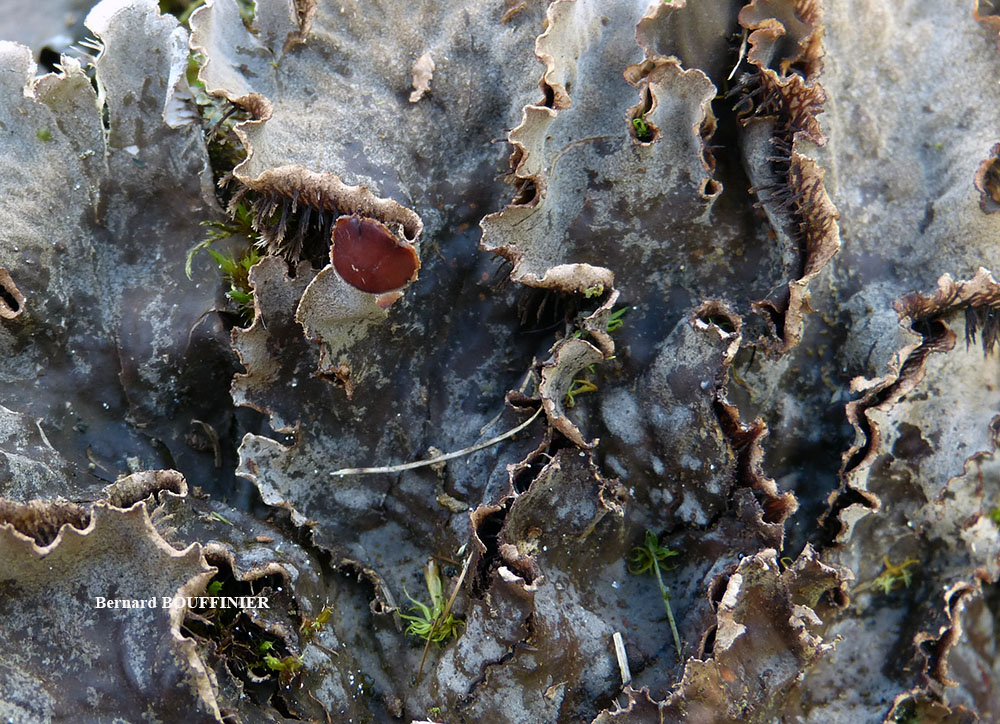
Bernard Bouffinier - Source: http://www.lichensmaritimes.org/index.php?task=fiche&lichen=749&lang=en
France, Barrage du Tech
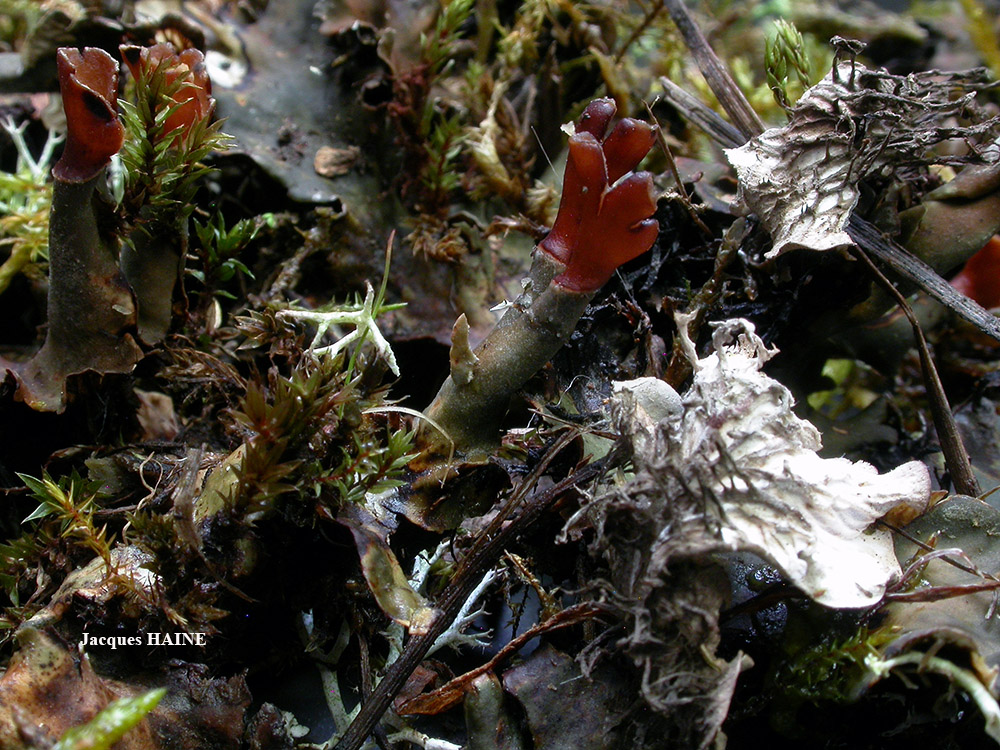
Jacques Haine - Source: http://www.lichensmaritimes.org/index.php?task=fiche&lichen=749&lang=en
France, Ardennes
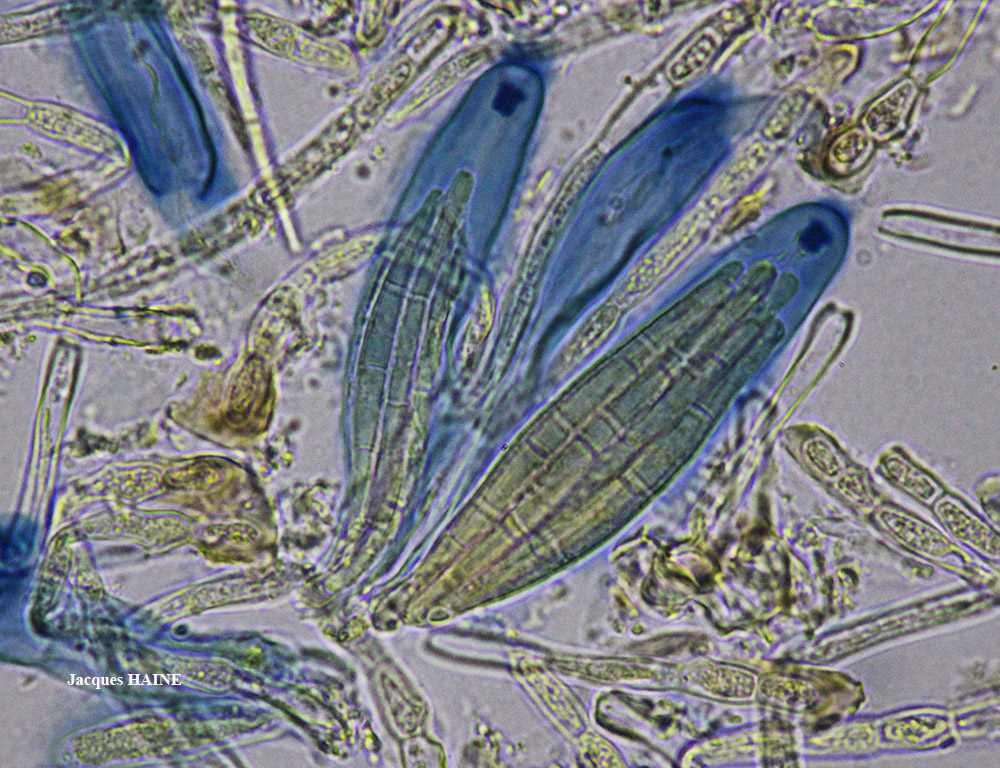
Jacques Haine - Source: http://www.lichensmaritimes.org/index.php?task=fiche&lichen=749&lang=en
France, Ardennes