Pertusaria amarescens Nyl.
Flora, 57: 311, 1874.
Synonyms: Pertusaria affinis Erichsen; Pertusaria coudercii Harm.; Pertusaria flavicans var. coudercii (Harm.) Erichsen; Pertusaria flavicans var. schistosa Erichsen
Description: Thallus crustose, episubstratic, rather thin, continuous to rimose, pale grey or whitish grey, sometimes with a yellowish tinge, at first radiately rimose, later rimose-areolate, sorediate. Soralia maculiform, 0.3-0.8 mm across, slightly paler than thallus, at first orbicular, then often confluent and diffuse, especially in central parts of thallus. Apothecia and pycnidia unknown. Spot tests: thallus K+ yellow, C+ orange, KC+ orange, P-; soralia P+ brick-red (slow reaction), UV+ pale orange and more or less spotted blue-white. Chemistry: thiophaninic, stictic, menegazziaic acids and variable amounts of norstictic acid.
Growth form: Crustose
Substrata: rocks
Photobiont: green algae other than Trentepohlia
Reproductive strategy: mainly asexual, by soredia, or soredia-like structures (e.g. blastidia)
Most common in areas with a humid-warm climate (e.g. most of Tyrrenian Italy)
Poorly known taxon in need of further study
Commonnes-rarity: (info)
Alpine belt: absent
Subalpine belt: absent
Montane belt: extremely rare
Dry submediterranean belt: extremely rare
Humid submediterranean belt: rare
Padanian area: absent
pH of the substrata:
1 2 3 4 5

Solar irradiation:
1 2 3 4 5
Aridity:
1 2 3 4 5
Eutrophication:
1 2 3 4 5
Poleotolerance:
0 1 2 3
Altitudinal distribution:
1 2 3 4 5 6
Rarity
absent
extremely rare
very rare
rare
rather rare
rather common
common
very common
extremely common
Loading data...
Occurrence data
Predictive map
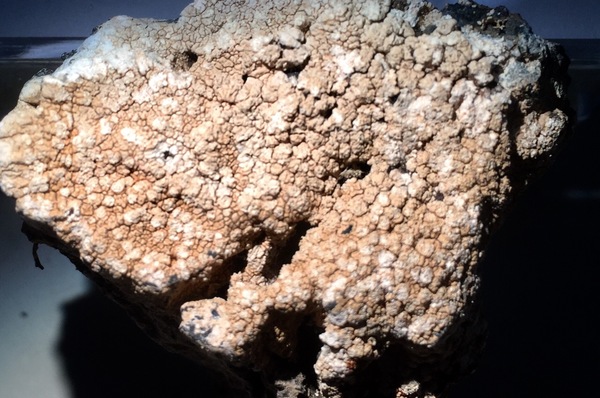
Pier Luigi Nimis
Italy, Sicily, Island of Linosa
TSB 17321
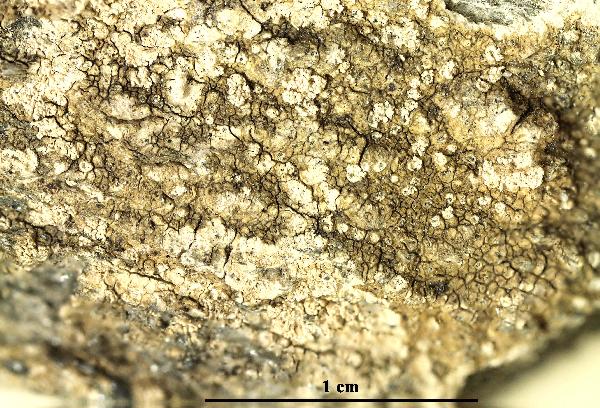
Felix Schumm - CC BY 4.0
[VZ1188],Bohemoslovacia. Slovacia, Carpati, montes Liptovské hole:
in valle Zdiarská dolina, in pede montis Baranec, 1300 m. Ad saxa schistosa
EX A. VEZDA LICHENES SELECTI
EXSICCATI NR. 1188. As Pertusaria flavicans var. schistosa
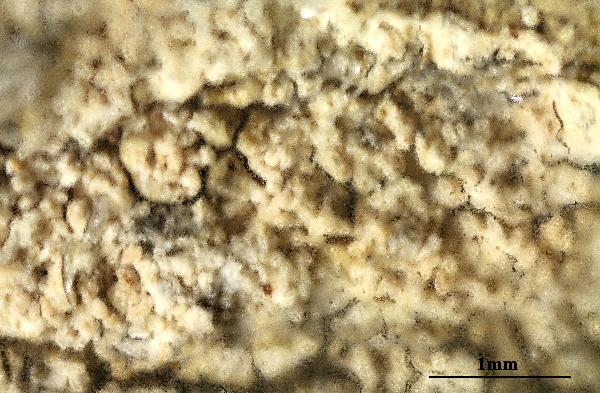
Felix Schumm - CC BY 4.0
[VZ1188],Bohemoslovacia. Slovacia, Carpati, montes Liptovské hole:
in valle Zdiarská dolina, in pede montis Baranec, 1300 m. Ad saxa schistosa
EX A. VEZDA LICHENES SELECTI
EXSICCATI NR. 1188. As Pertusaria flavicans var. schistosa
Growth form: Crustose
Substrata: rocks
Photobiont: green algae other than Trentepohlia
Reproductive strategy: mainly asexual, by soredia, or soredia-like structures (e.g. blastidia)
Most common in areas with a humid-warm climate (e.g. most of Tyrrenian Italy)
Poorly known taxon in need of further study
Commonnes-rarity: (info)
Alpine belt: absent
Subalpine belt: absent
Montane belt: extremely rare
Dry submediterranean belt: extremely rare
Humid submediterranean belt: rare
Padanian area: absent
pH of the substrata:
| 1 | 2 | 3 | 4 | 5 |
Solar irradiation:
| 1 | 2 | 3 | 4 | 5 |
Aridity:
| 1 | 2 | 3 | 4 | 5 |
Eutrophication:
| 1 | 2 | 3 | 4 | 5 |
Poleotolerance:
| 0 | 1 | 2 | 3 |
Altitudinal distribution:
| 1 | 2 | 3 | 4 | 5 | 6 |
Rarity
absent
extremely rare
very rare
rare
rather rare
rather common
common
very common
extremely common
Loading data...
Occurrence data
Predictive map
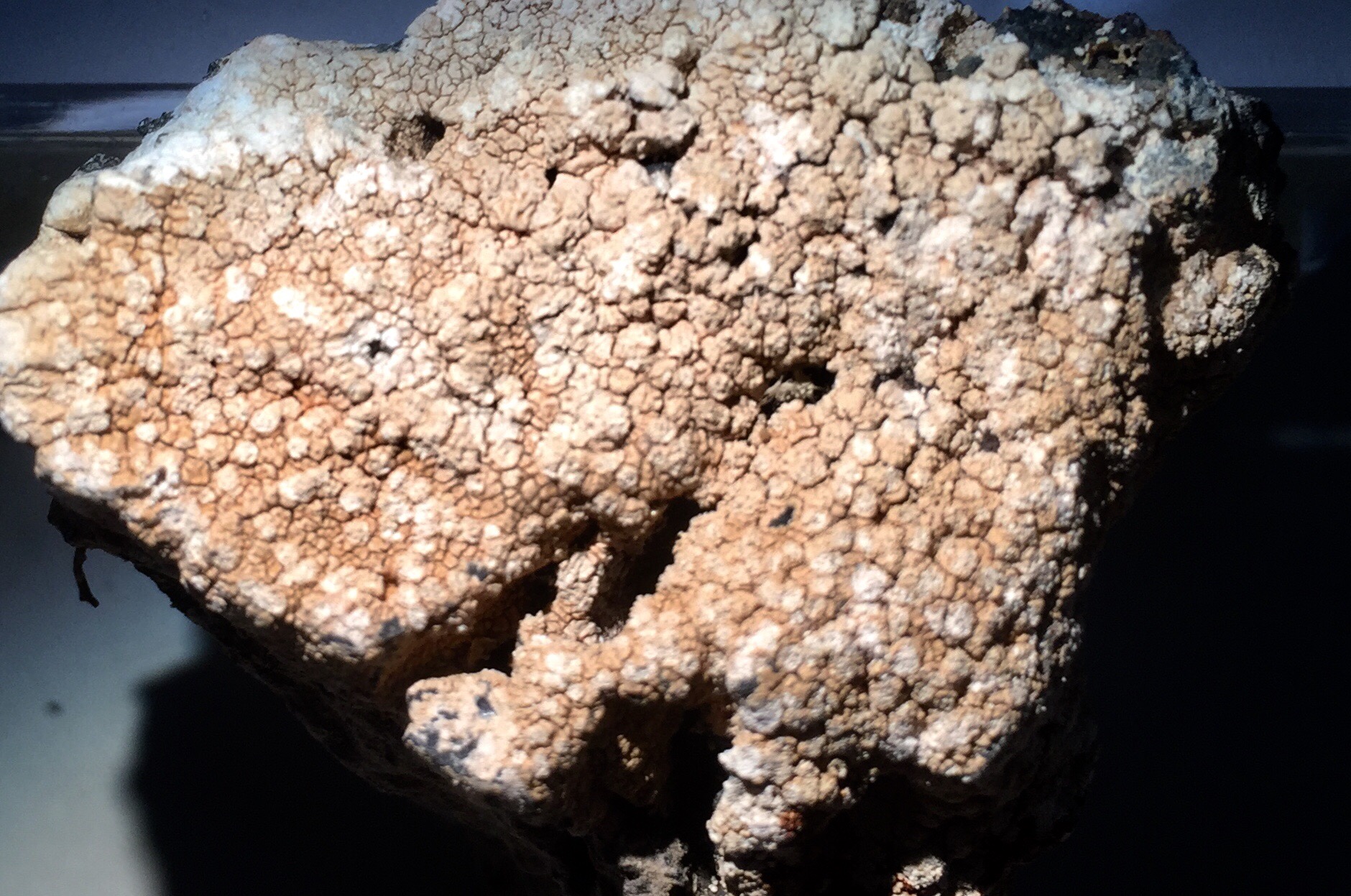
Pier Luigi Nimis
Italy, Sicily, Island of Linosa
TSB 17321

Felix Schumm - CC BY 4.0
[VZ1188],Bohemoslovacia. Slovacia, Carpati, montes Liptovské hole: in valle Zdiarská dolina, in pede montis Baranec, 1300 m. Ad saxa schistosa EX A. VEZDA LICHENES SELECTI EXSICCATI NR. 1188. As Pertusaria flavicans var. schistosa