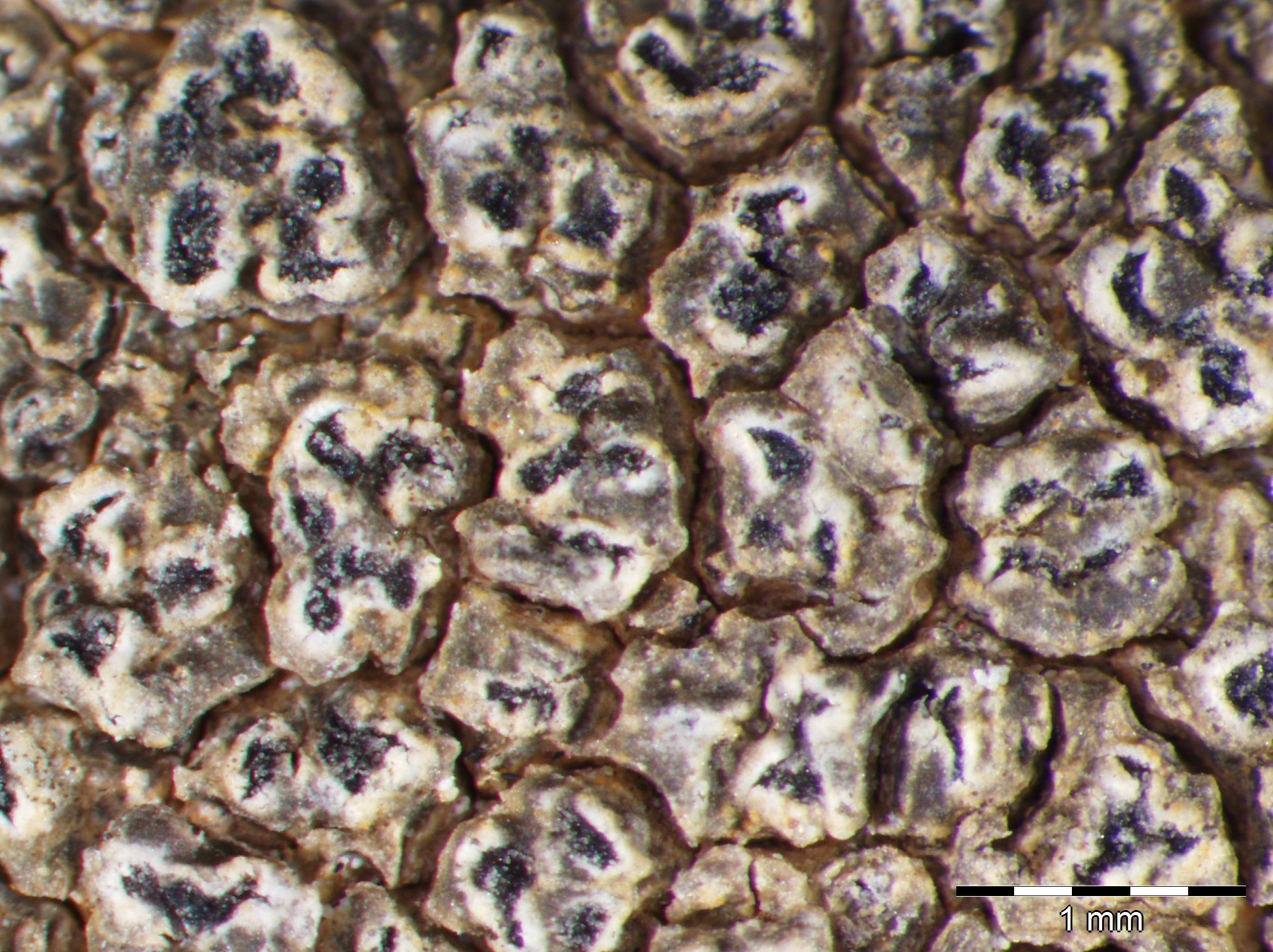
Pertusaria chiodectonoides A. Massal.
Bagl. ex A. Massal., Misc. Lichenol.: 26, 1855.
Synonyms: Pertusaria aspicilioides Samp.; Pertusaria chiodectonoides var. inquinata (Ach.) Poelt; Pertusaria inquinata (Ach.) Th. Fr.; Pertusaria inquinata f. nolens (Nyl.) Boistel; Pertusaria nolens Nyl.
Description: Thallus crustose, episubstratic, usually <1 mm thick, rimose-areolate, pale to dark grey, without a distinct prothallus, the fertile areoles flat to slightly convex, irregular in outline, 0.3-1(-1.5) mm wide, slightly constricted at base. Apothecia lecanorine, immersed in the areoles, 1-3(-8) per areole, 0.4-0.6 mm across, often angular, linear or deformed, sometimes confluent, with a black, often grey-pruinose disc and a thin, irregular, not or only slightly raised thalline margin. Epithecium dark brown to blackish brown, K+ deep violet; hymenium colourless; paraphyses richly branched; hypothecium colourless or yellowish. Asci 8-spored, broadly cylindrical, the apex with a broad ocular chamber, the outer sheath K/I+ blue, otherwise K/I-, with an inner extensible layer, Pertusaria-type. Ascospores 1-celled, hyaline, ellipsoid to fusiform, (20-)25-40(-50) x 10-25 µm, the wall smooth, 1-layered, (2-)3-5 µm thick. Pycnidia immersed. Conidia bacilliform, 7-10 x c. 1 µm. Photobiont chlorococcoid. Spot tests: thallus K+ (sometimes faintly) yellow, C-, KC- or KC+ pale yellow, P- or P+ orange-red, UV-. Chemistry: stictic acid (major), constictic and norstictic acids (both minor or traces).
Growth form: Crustose
Substrata: rocks
Photobiont: green algae other than Trentepohlia
Reproductive strategy: mainly sexual
Commonnes-rarity: (info)
Alpine belt: absent
Subalpine belt: absent
Montane belt: very rare
Dry submediterranean belt: extremely rare
Humid submediterranean belt: very rare
Padanian area: absent
pH of the substrata:
1 2 3 4 5

Solar irradiation:
1 2 3 4 5
Aridity:
1 2 3 4 5
Eutrophication:
1 2 3 4 5
Poleotolerance:
0 1 2 3
Altitudinal distribution:
1 2 3 4 5 6
Rarity
absent
extremely rare
very rare
rare
rather rare
rather common
common
very common
extremely common
Loading data...
Occurrence data
Predictive map
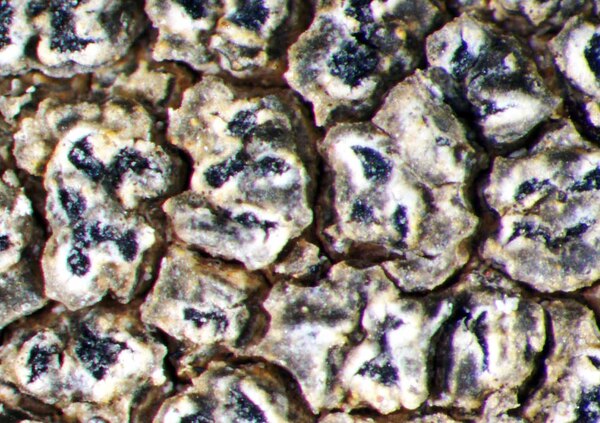
Harrie Sipman – Source http://www.bgbm.fu-berlin.de/sipman/Zschackia/AegeanLichens/CaloplacaAC.htm - As Caloplaca oasis
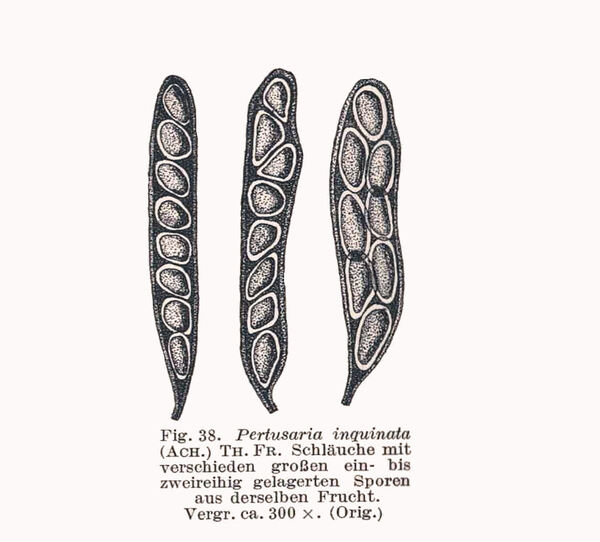
Erichsen C.F.E. 1936. Pertusariaceae. - In: Dr. L. Rabenhorsts Kryptogamenflora von Deutschland, Österreich und der Schweiz. Bd. IX, Abt. 5, T. 1. Akad. Verlagsges., Leipzig, pp. 321-512, 513-728. - Public Domain
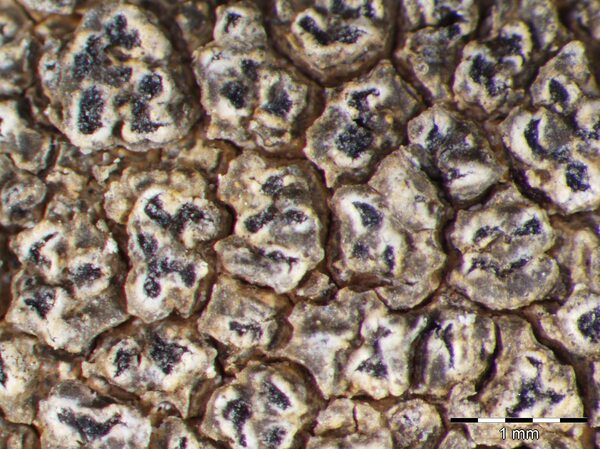
Harrie Sipman – Source http://www.bgbm.fu-berlin.de/sipman/Zschackia/AegeanLichens/CaloplacaAC.htm - As Caloplaca oasis
Growth form: Crustose
Substrata: rocks
Photobiont: green algae other than Trentepohlia
Reproductive strategy: mainly sexual
Commonnes-rarity: (info)
Alpine belt: absent
Subalpine belt: absent
Montane belt: very rare
Dry submediterranean belt: extremely rare
Humid submediterranean belt: very rare
Padanian area: absent
pH of the substrata:
| 1 | 2 | 3 | 4 | 5 |
Solar irradiation:
| 1 | 2 | 3 | 4 | 5 |
Aridity:
| 1 | 2 | 3 | 4 | 5 |
Eutrophication:
| 1 | 2 | 3 | 4 | 5 |
Poleotolerance:
| 0 | 1 | 2 | 3 |
Altitudinal distribution:
| 1 | 2 | 3 | 4 | 5 | 6 |
Rarity
absent
extremely rare
very rare
rare
rather rare
rather common
common
very common
extremely common
Loading data...
Occurrence data
Predictive map
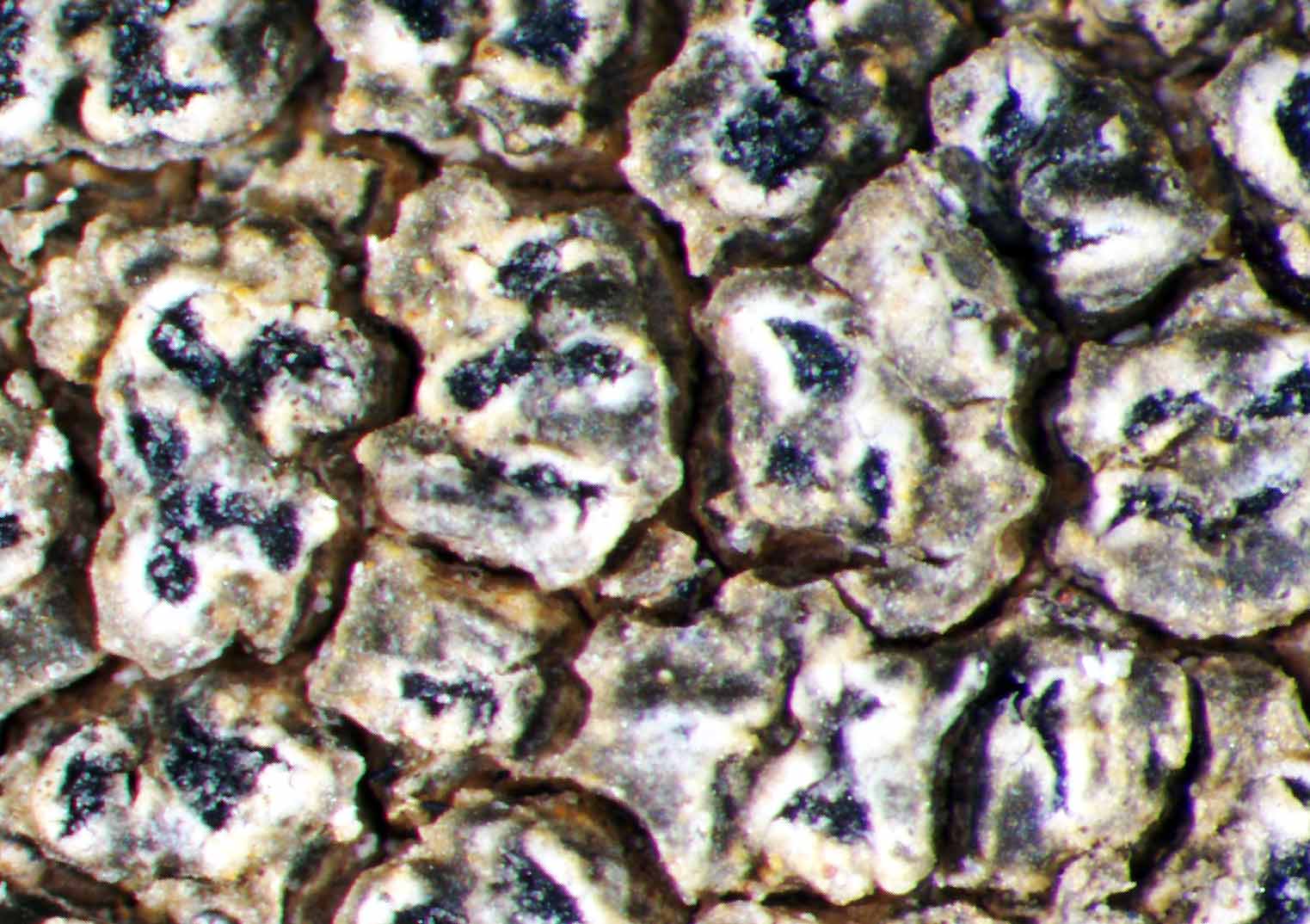
Harrie Sipman – Source http://www.bgbm.fu-berlin.de/sipman/Zschackia/AegeanLichens/CaloplacaAC.htm - As Caloplaca oasis
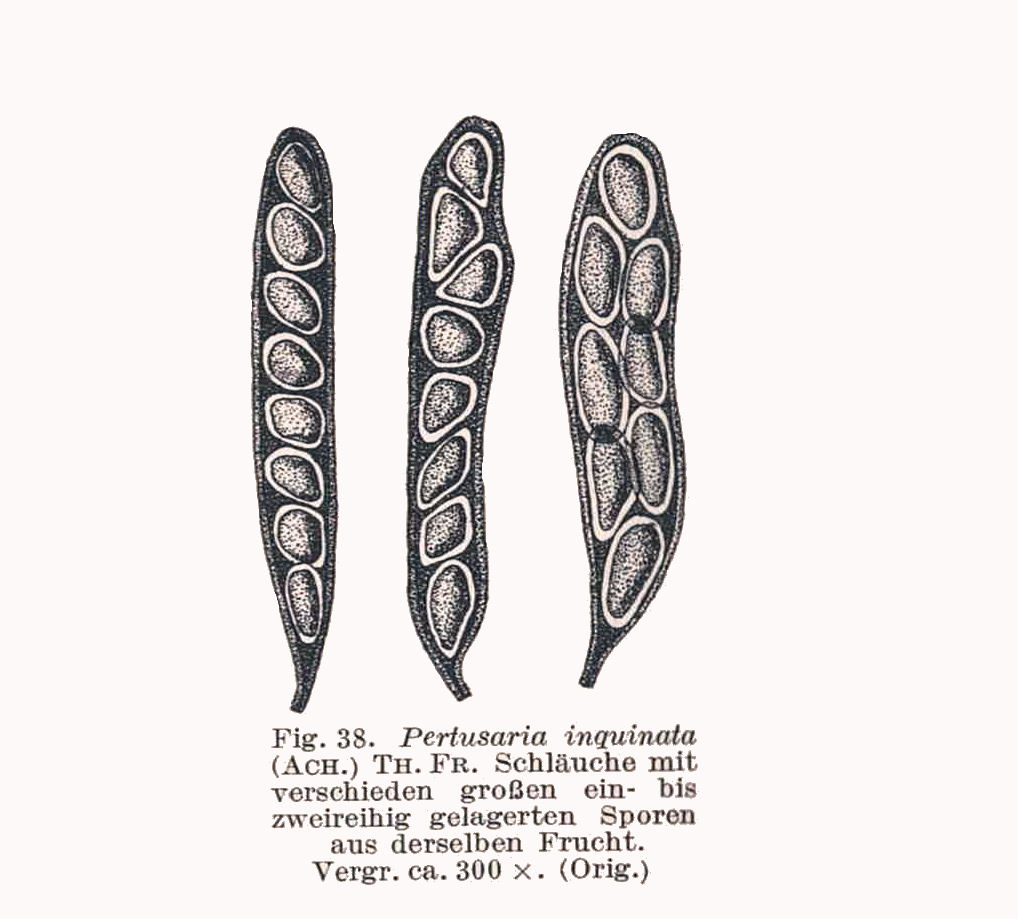
Erichsen C.F.E. 1936. Pertusariaceae. - In: Dr. L. Rabenhorsts Kryptogamenflora von Deutschland, Österreich und der Schweiz. Bd. IX, Abt. 5, T. 1. Akad. Verlagsges., Leipzig, pp. 321-512, 513-728. - Public Domain