Pilophorus cereolus (Ach.) Th. Fr.
Lichenogr. Scand., 1: 55, 1871. Basionym: Lichen cereolus Ach. - Lichenogr. Suec. Prodr.: 89, 1799.
Synonyms: Stereocaulon cereolinum Ach. non auct. ital.; Stereocaulon cereolum (Ach.) Ach.
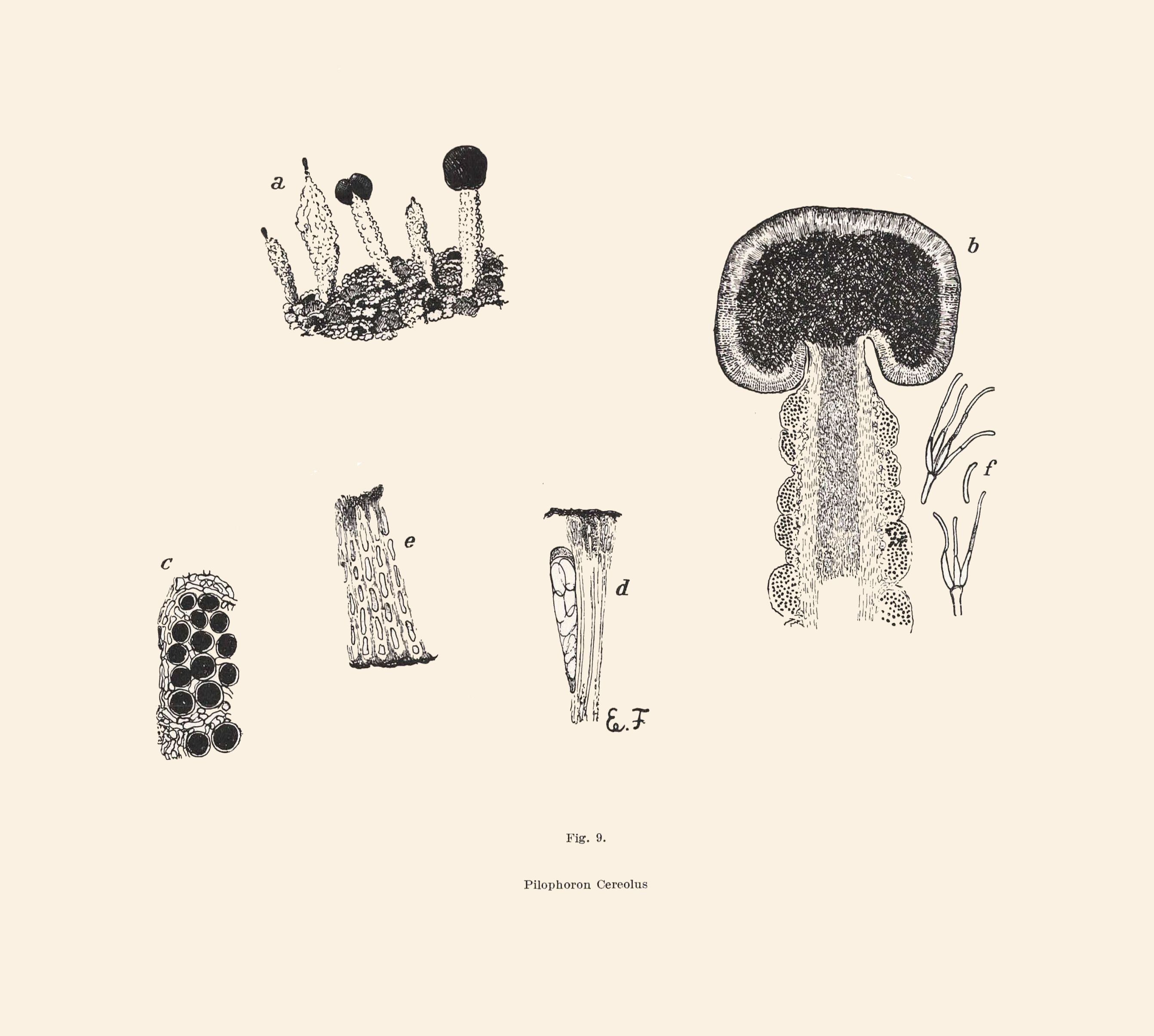
Description: Primary thallus crustose, persistent, of sorediate, 0.1-0.2 mm broad, grey-green to grey-brown granules, with scattered, brown to almost black, 1-2 mm wide cephalodia. Pseudopodetia simple, solid, to 1.5-4(-8) mm tall, 0.3-1(-1.5) mm thick in the middle, the sterile and pycnidiate ones thinner at the base and apex, farinose-sorediate throughout, often irregularly curved. Stalks composed of strongly gelatinized cells with narrow lumina. Apothecia biatorine, rare, solitary at tips of pseudopodetia, black, spherical, to 1.5 mm across. Proper exciple not developed; epithecium blackish brown, the pigment deposited between the terminal cells of the paraphyses; hymenium colourless to purplish, c. 80 μm high; hypothecium absent or very poorly developed. Asci 8-spored, elongate-clavate, with a thin, outer amyloid layer and a thickened tholus penetrated by a pore, the sides of which stain I/KI+ deep blue, Porpidia-type. Ascospores 1-celled, hyaline, spindle-shaped, 14-21 x 5-6.5 μm. Pycnidia bottle-shaped, black, on the tips of short pseudopodetia. Conidia sickle-shaped, hyaline, c. 5 x 1 μm. Photobiont chlorococcoid, Nostoc in the cephalodia. Spot tests: K+ yellow, C-, KC-, P-. Chemistry: atranorin, isousnic acid and zeorin.
Growth form: Fruticose
Substrata: rocks
Photobiont: green algae other than Trentepohlia
Reproductive strategy: mainly sexual
Commonnes-rarity: (info)
Alpine belt: absent
Subalpine belt: extremely rare
Montane belt: extremely rare
Dry submediterranean belt: absent
Humid submediterranean belt: absent
Padanian area: absent
pH of the substrata:
1 2 3 4 5

Solar irradiation:
1 2 3 4 5
Aridity:
1 2 3 4 5
Eutrophication:
1 2 3 4 5
Poleotolerance:
0 1 2 3
Altitudinal distribution:
1 2 3 4 5 6
Rarity
absent
extremely rare
very rare
rare
rather rare
rather common
common
very common
extremely common
Loading data...
Occurrence data
Predictive map
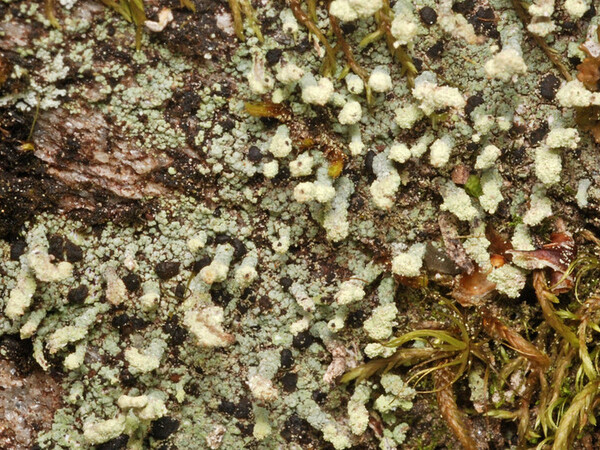
Leif Stridvall - Source: http://www.stridvall.se/la/galleries.php
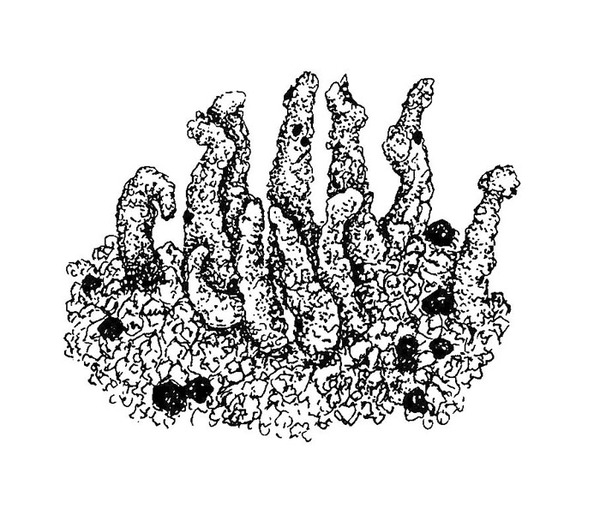
Triin Aimla; Owner: University of Tartu
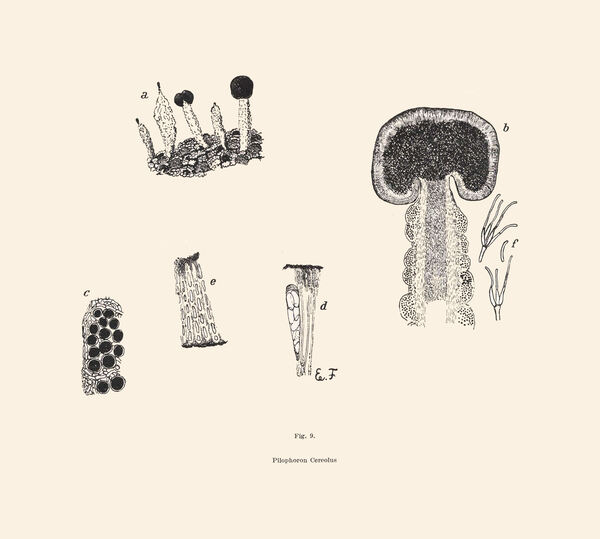
Frey E. 1933. Cladoniaceae (unter Ausschluß ded Gattung Cladonia) und Umbilicariaceae. In: Rabenhrst’s Kryptogamenflora von Deutschland, Österreich und der Schweiz. 15: 1-208.
Growth form: Fruticose
Substrata: rocks
Photobiont: green algae other than Trentepohlia
Reproductive strategy: mainly sexual
Commonnes-rarity: (info)
Alpine belt: absent
Subalpine belt: extremely rare
Montane belt: extremely rare
Dry submediterranean belt: absent
Humid submediterranean belt: absent
Padanian area: absent
pH of the substrata:
| 1 | 2 | 3 | 4 | 5 |
Solar irradiation:
| 1 | 2 | 3 | 4 | 5 |
Aridity:
| 1 | 2 | 3 | 4 | 5 |
Eutrophication:
| 1 | 2 | 3 | 4 | 5 |
Poleotolerance:
| 0 | 1 | 2 | 3 |
Altitudinal distribution:
| 1 | 2 | 3 | 4 | 5 | 6 |
Rarity
absent
extremely rare
very rare
rare
rather rare
rather common
common
very common
extremely common
Loading data...
Occurrence data
Predictive map
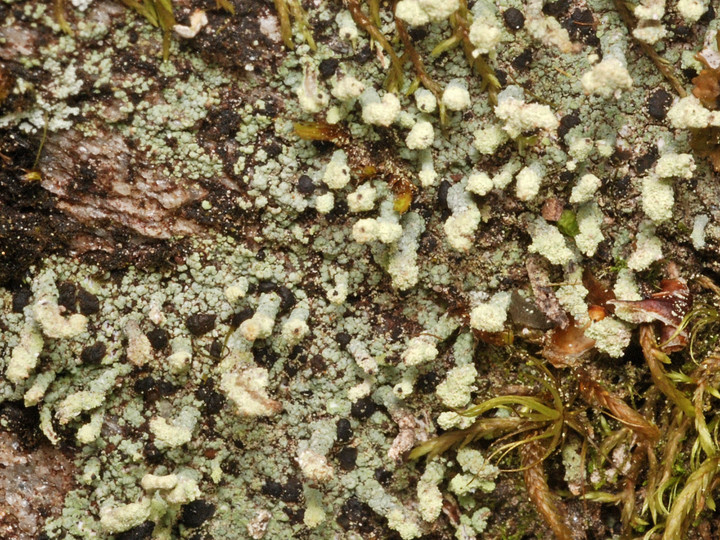
Leif Stridvall - Source: http://www.stridvall.se/la/galleries.php
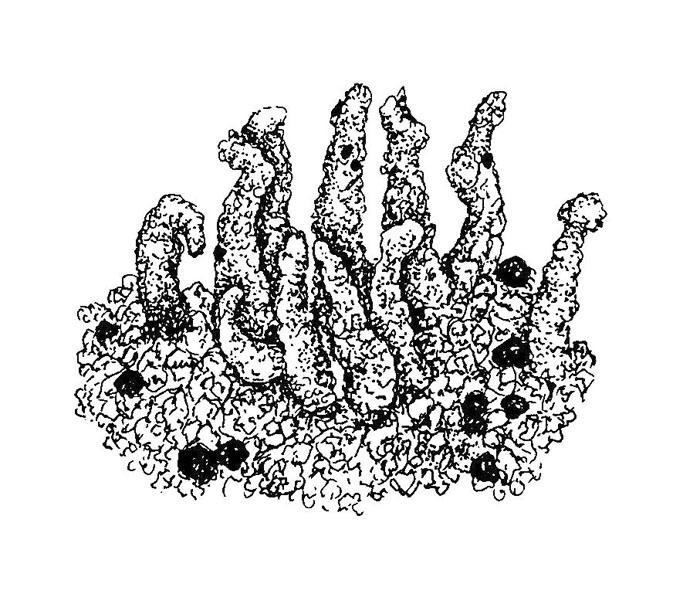
Triin Aimla; Owner: University of Tartu