Placolecis opaca (Dufour) Hafellner
Beih. Nova Hedwigia, 79: 317, 1984. Basionym: Lecidea opaca Dufour in Fries - Lichenogr. Eur. Ref.: 289, 1831.
Synonyms: Astroplaca balanina (Fr.) Anzi; Astroplaca opaca (Dufour) Bagl.; Biatora opaca (Dufour) Jatta; Lecidea adglutinata Nyl.; Lecidea balanina (Fr.) Hue; Lecidea entochrysoides Hue; Parmelia balanina Fr. nom. illegit.; Placolecis balanina Trevis.; Psora opaca (Dufour) A. Massal.; Psora opaca var. crocea B. de Lesd.
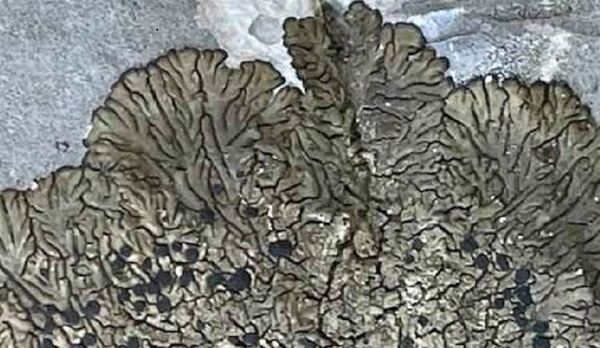
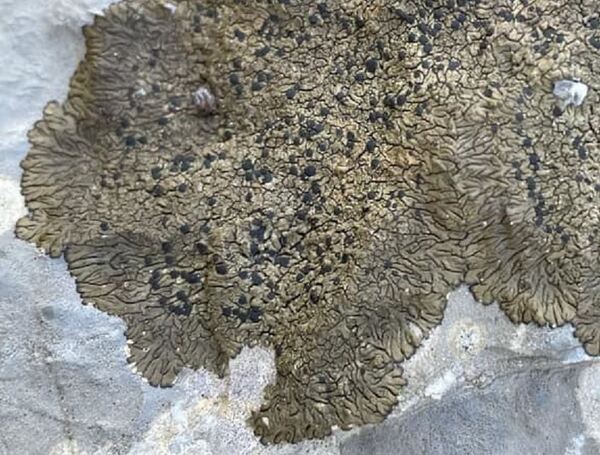
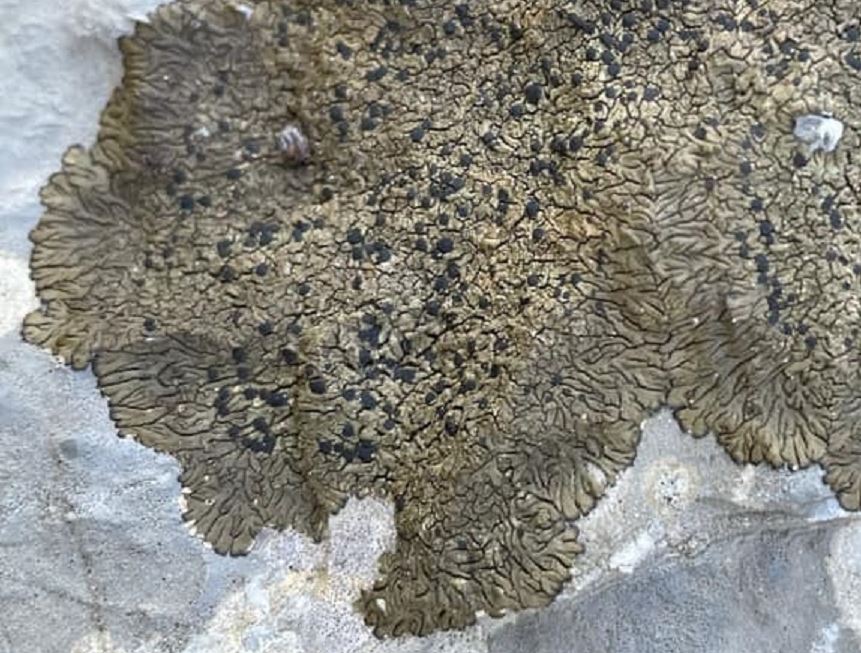
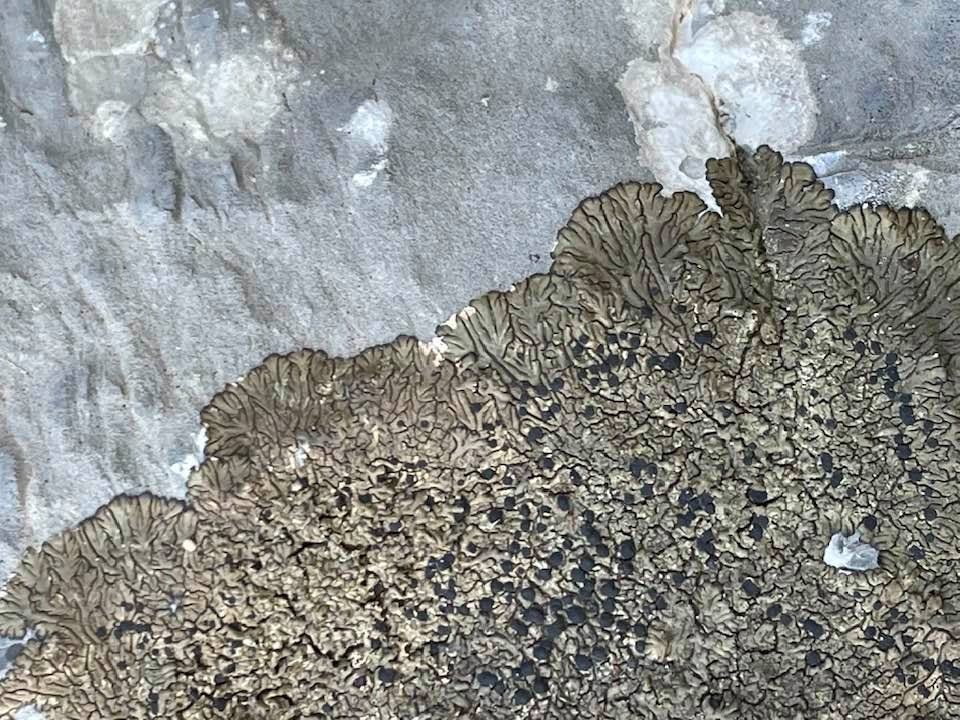
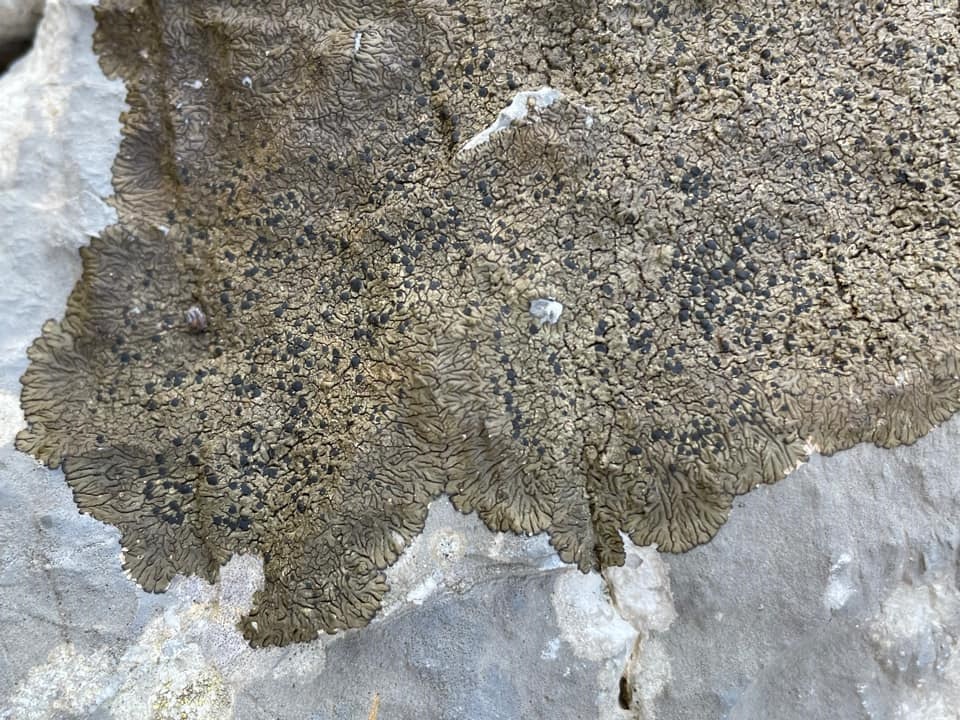
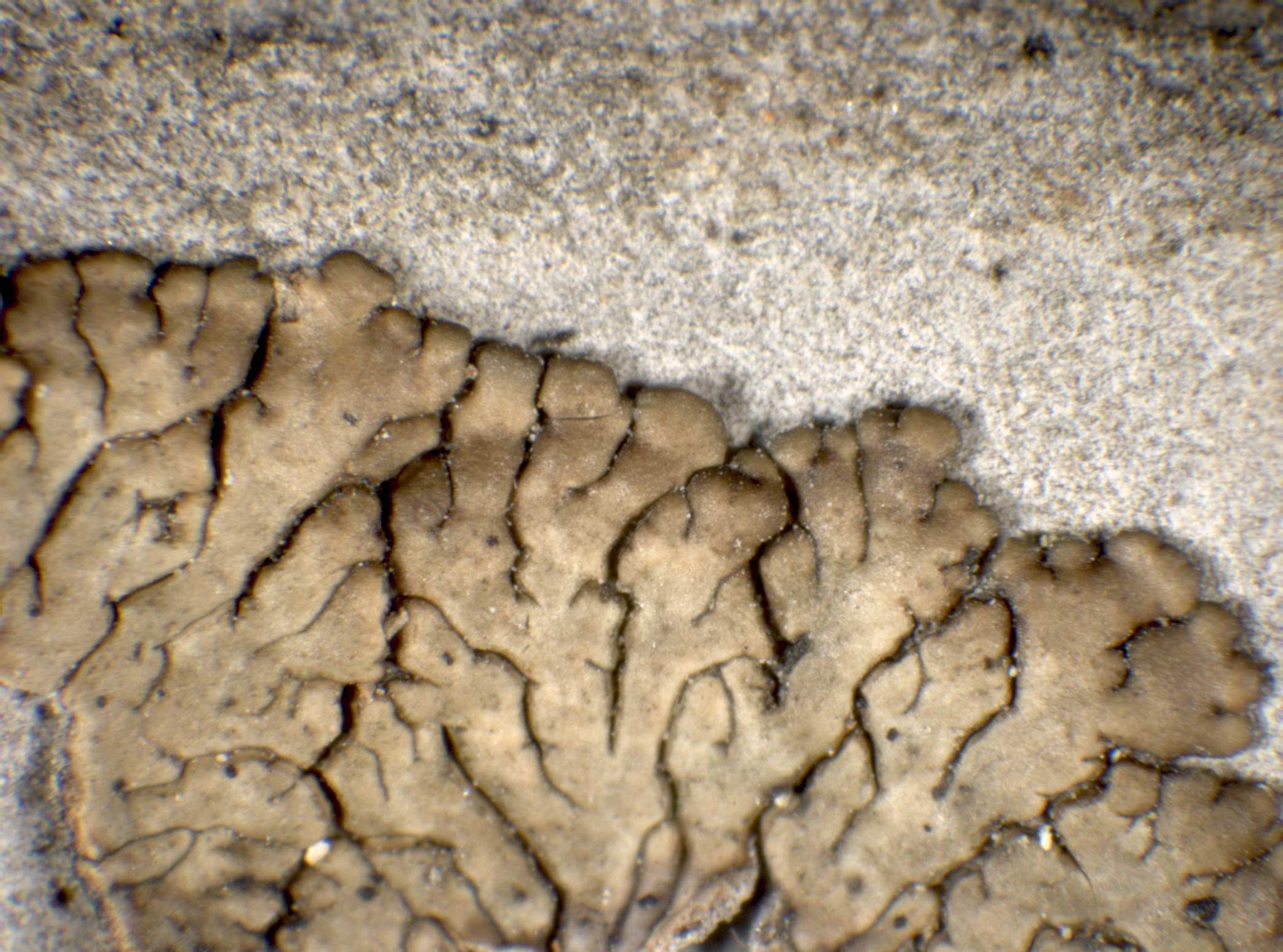
Description: Thallus crustose-placodioid, episubstratic, pale to dark brown (almost black in sun-forms), somewhat shiny, areolate in central parts, forming up to 5 cm wide, regular to irregular rosettes. Lobes elongated, 0.3-0.9 mm wide, contiguous, flat to slightly convex, usually branched. Cortex brown in upper part, colourless in lower part, paraplectenchymatous, with a thin epinecral layer; medulla orange at least in upper part, white to pale orange in lower part. Apothecia rather rare, lecideine, 0.3-1.3 mm across, black, sessile, with a flat to convex disc and a persistent to finally excluded proper margin. Proper exciple brown in outer part, colourless within; epithecium brown; hymenium colourless, I+ blue; paraphyses capitate, the apical cells with an internal pigment cap; hypothecium pale brown. Asci 8-spored, cylindrical-clavate, with a K/I+ blue outer coat and a K/I+ uniformly blue apical dome, Catillaria-type. Ascospores simple to apparently 1-septate due to a pseudoseptum, hyaline, ellipsoid, (7.5-)10-12 x (4-)5-7.5 μm. Pycnidia frequent, immersed or slightly projecting, the wall colourless except in uppermost part. Conidia hyaline, bacilliform, straight, 3-6 x c. 0.8 μm. Photobiont chlorococcoid. Spot tests: cortex K-, C-, KC-, P-; medulla K+ red, C+ red, KC+ red, P-. Chemistry: medulla with fragilin and other anthraquinones.
Growth form: Crustose
Substrata: rocks
Photobiont: green algae other than Trentepohlia
Reproductive strategy: mainly sexual
Commonnes-rarity: (info)
Alpine belt: absent
Subalpine belt: absent
Montane belt: absent
Dry submediterranean belt: rare
Humid submediterranean belt: rather rare
Padanian area: extremely rare
pH of the substrata:
1 2 3 4 5

Solar irradiation:
1 2 3 4 5
Aridity:
1 2 3 4 5
Eutrophication:
1 2 3 4 5
Poleotolerance:
0 1 2 3
Altitudinal distribution:
1 2 3 4 5 6
Rarity
absent
extremely rare
very rare
rare
rather rare
rather common
common
very common
extremely common
Loading data...
Occurrence data
Predictive map
Paolo Giordani
Italy, Liguria
Paolo Giordani
Italy, Liguria
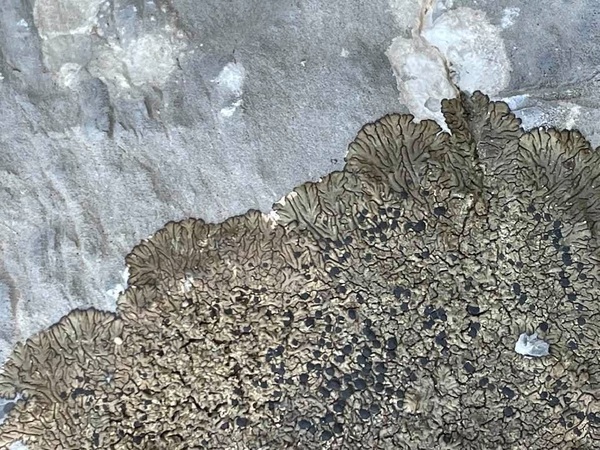
Paolo Giordani
Italy, Liguria
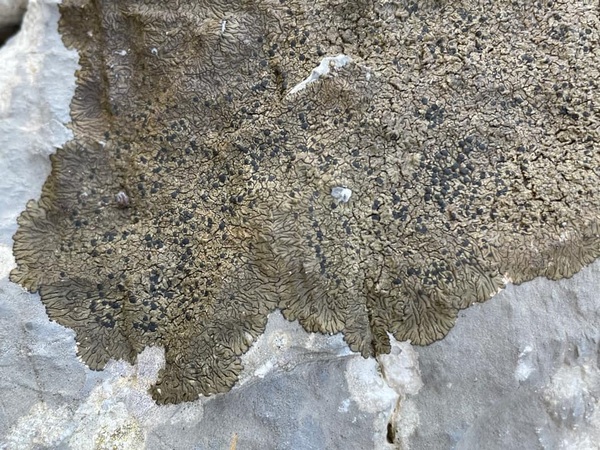
Paolo Giordani
Italy, Liguria
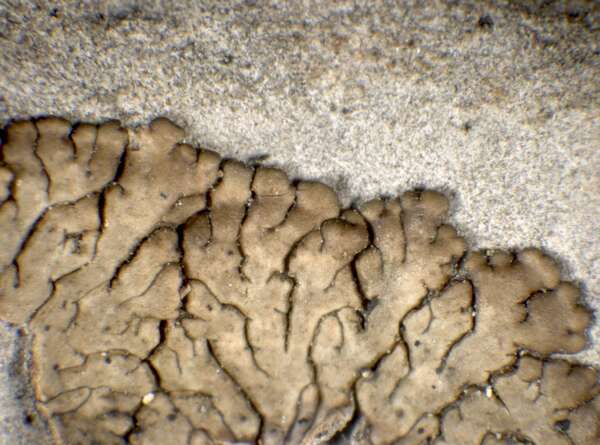
P.L. Nimis; Owner: Department of Life Sciences, University of Trieste
Herbarium: TSB (10119)
2001/11/28
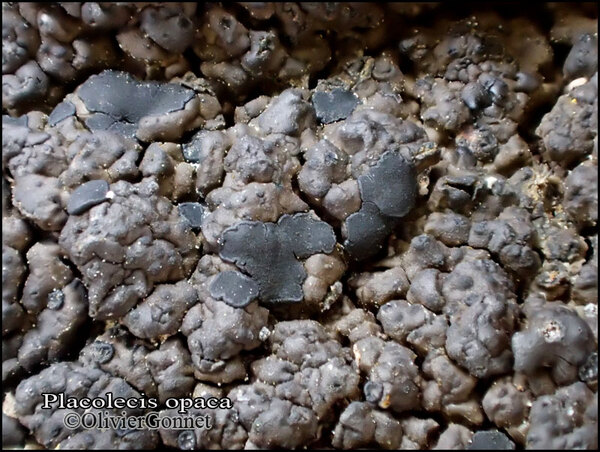
Courtesy Danièle et Olivier Gonnet - Source: https://www.afl-lichenologie.fr/Photos_AFL/Photos_AFL_P/Text_P_4/Placolecis_opaca.htm
France, 23/5/2017 - Falaise de la Madeleine, alt. 370 m - Lioux - Vaucluse
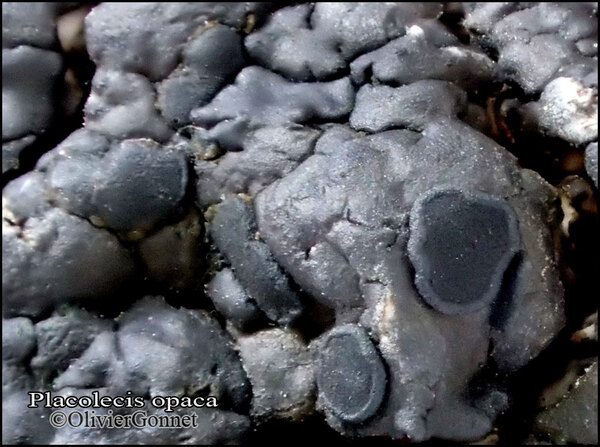
Courtesy Danièle et Olivier Gonnet - Source: https://www.afl-lichenologie.fr/Photos_AFL/Photos_AFL_P/Text_P_4/Placolecis_opaca.htm
France, 23/5/2017 - Falaise de la Madeleine, alt. 370 m - Lioux - Vaucluse
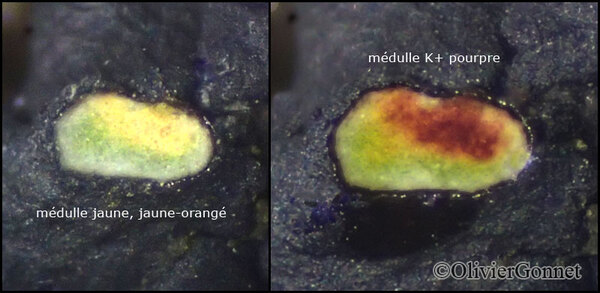
Courtesy Danièle et Olivier Gonnet - Source: https://www.afl-lichenologie.fr/Photos_AFL/Photos_AFL_P/Text_P_4/Placolecis_opaca.htm
France, 23/5/2017 - Falaise de la Madeleine, alt. 370 m - Lioux - Vaucluse
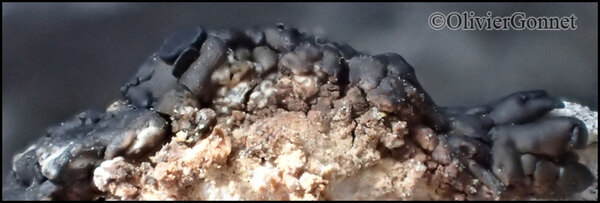
Courtesy Danièle et Olivier Gonnet - Source: https://www.afl-lichenologie.fr/Photos_AFL/Photos_AFL_P/Text_P_4/Placolecis_opaca.htm
France, 23/5/2017 - Falaise de la Madeleine, alt. 370 m - Lioux - Vaucluse
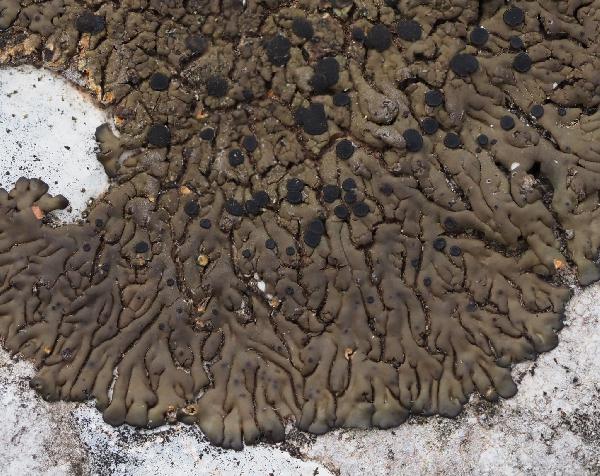
Marko Doboš
Radašinovci, Croatia
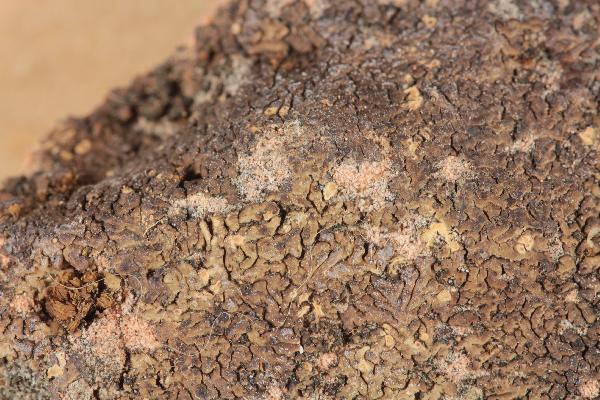
Collezione lichenologica Abramo Massalongo del Museo di Storia Naturale G. Ligabue di Venezia - Autori: Seggi, Linda; Trabucco, Raffaella Proprietà: Fondazione Musei Civici di Venezia - CC BY-NC
Italy, Veneto, in op. Tregnago (rarissima)
as Psora opaca
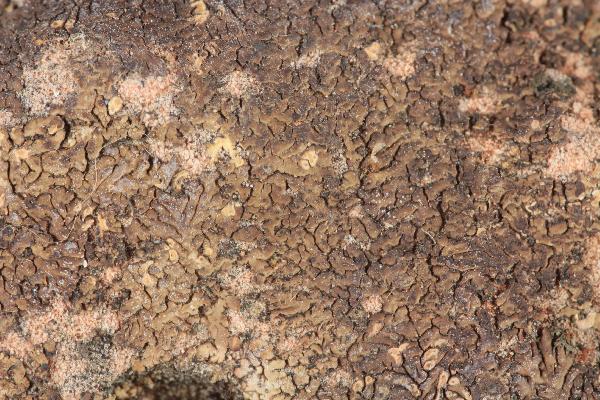
Collezione lichenologica Abramo Massalongo del Museo di Storia Naturale G. Ligabue di Venezia - Autori: Seggi, Linda; Trabucco, Raffaella Proprietà: Fondazione Musei Civici di Venezia - CC BY-NC
Italy, Veneto, in op. Tregnago (rarissima)
as Psora opaca
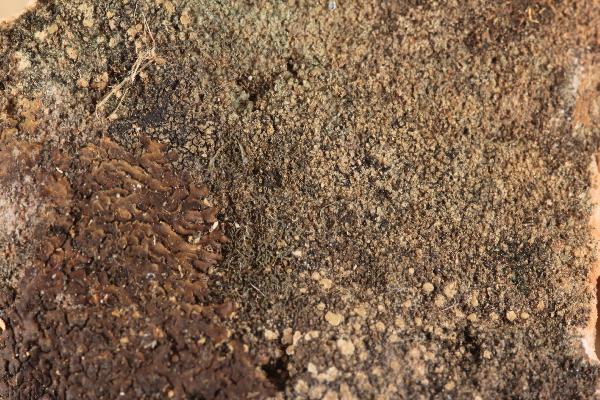
Collezione lichenologica Abramo Massalongo del Museo di Storia Naturale G. Ligabue di Venezia - Autori: Seggi, Linda; Trabucco, Raffaella Proprietà: Fondazione Musei Civici di Venezia - CC BY-NC
Italy, Veneto, in op. Tregnago 1855
as Psora opaca
Growth form: Crustose
Substrata: rocks
Photobiont: green algae other than Trentepohlia
Reproductive strategy: mainly sexual
Commonnes-rarity: (info)
Alpine belt: absent
Subalpine belt: absent
Montane belt: absent
Dry submediterranean belt: rare
Humid submediterranean belt: rather rare
Padanian area: extremely rare
pH of the substrata:
| 1 | 2 | 3 | 4 | 5 |
Solar irradiation:
| 1 | 2 | 3 | 4 | 5 |
Aridity:
| 1 | 2 | 3 | 4 | 5 |
Eutrophication:
| 1 | 2 | 3 | 4 | 5 |
Poleotolerance:
| 0 | 1 | 2 | 3 |
Altitudinal distribution:
| 1 | 2 | 3 | 4 | 5 | 6 |
Rarity
absent
extremely rare
very rare
rare
rather rare
rather common
common
very common
extremely common
Loading data...
Occurrence data
Predictive map
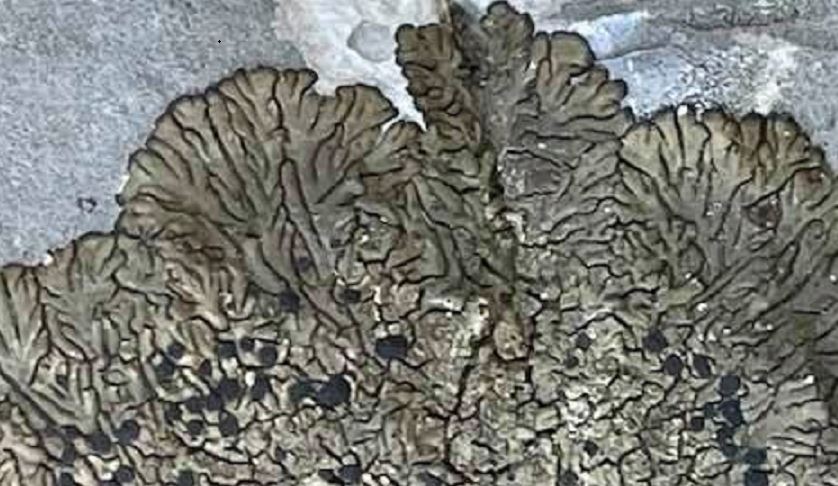
Paolo Giordani
Italy, Liguria
Paolo Giordani
Italy, Liguria
Paolo Giordani
Italy, Liguria
Paolo Giordani
Italy, Liguria
P.L. Nimis; Owner: Department of Life Sciences, University of Trieste
Herbarium: TSB (10119)
2001/11/28
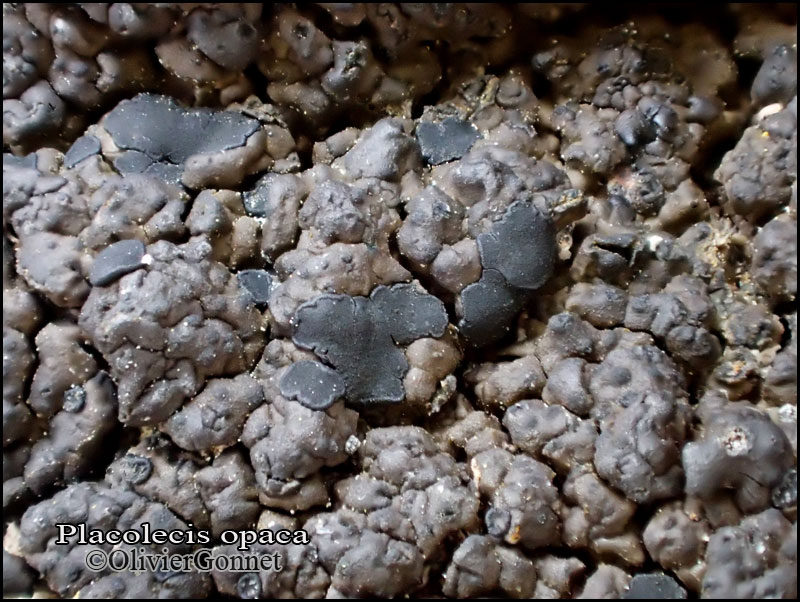
Courtesy Danièle et Olivier Gonnet - Source: https://www.afl-lichenologie.fr/Photos_AFL/Photos_AFL_P/Text_P_4/Placolecis_opaca.htm
France, 23/5/2017 - Falaise de la Madeleine, alt. 370 m - Lioux - Vaucluse
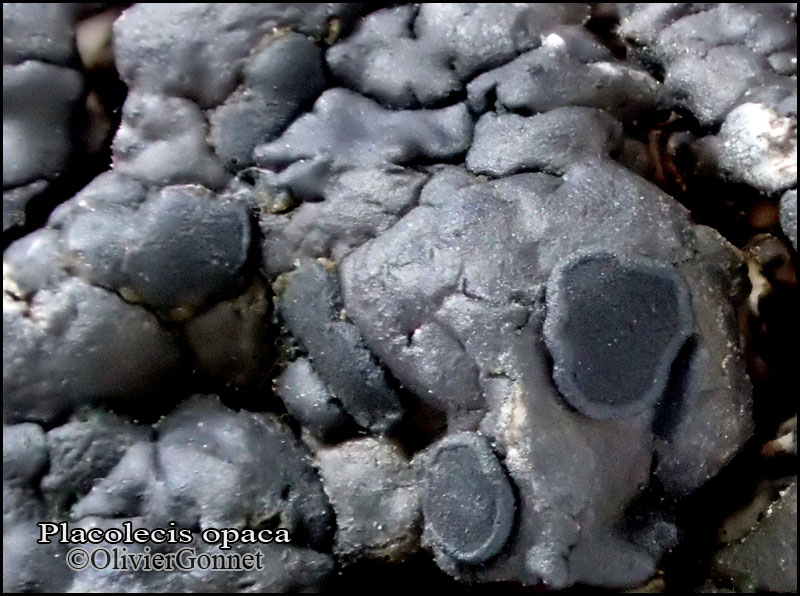
Courtesy Danièle et Olivier Gonnet - Source: https://www.afl-lichenologie.fr/Photos_AFL/Photos_AFL_P/Text_P_4/Placolecis_opaca.htm
France, 23/5/2017 - Falaise de la Madeleine, alt. 370 m - Lioux - Vaucluse
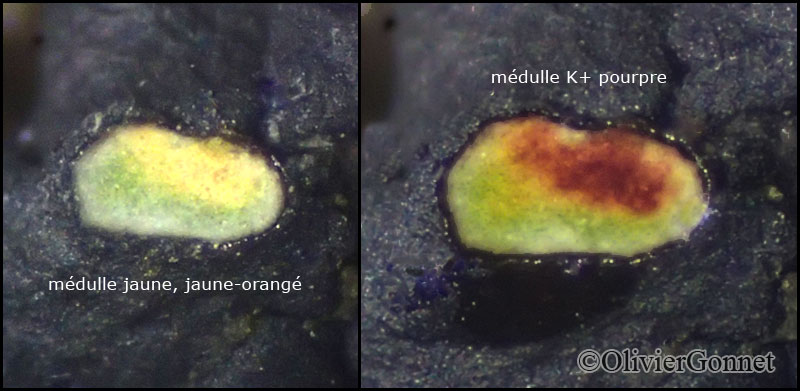
Courtesy Danièle et Olivier Gonnet - Source: https://www.afl-lichenologie.fr/Photos_AFL/Photos_AFL_P/Text_P_4/Placolecis_opaca.htm
France, 23/5/2017 - Falaise de la Madeleine, alt. 370 m - Lioux - Vaucluse
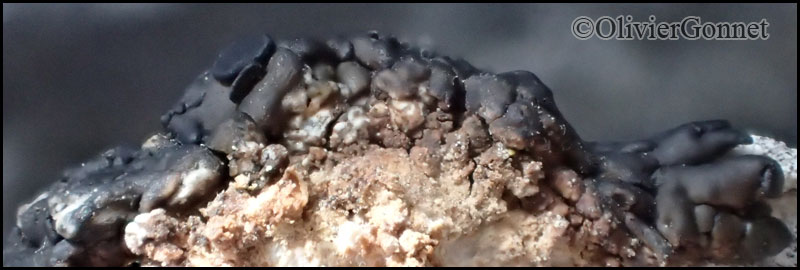
Courtesy Danièle et Olivier Gonnet - Source: https://www.afl-lichenologie.fr/Photos_AFL/Photos_AFL_P/Text_P_4/Placolecis_opaca.htm
France, 23/5/2017 - Falaise de la Madeleine, alt. 370 m - Lioux - Vaucluse

Marko Doboš
Radašinovci, Croatia

Collezione lichenologica Abramo Massalongo del Museo di Storia Naturale G. Ligabue di Venezia - Autori: Seggi, Linda; Trabucco, Raffaella Proprietà: Fondazione Musei Civici di Venezia - CC BY-NC
Italy, Veneto, in op. Tregnago (rarissima)
as Psora opaca

Collezione lichenologica Abramo Massalongo del Museo di Storia Naturale G. Ligabue di Venezia - Autori: Seggi, Linda; Trabucco, Raffaella Proprietà: Fondazione Musei Civici di Venezia - CC BY-NC
Italy, Veneto, in op. Tregnago (rarissima)
as Psora opaca