Polycauliona candelaria (L.) Frödén, Arup & Søchting
in Arup & al., Nord. J. Bot, 31: 51, 2013. Basionym: Lichen candelarius L. - Sp. Pl., 1141, 1753.
Synonyms: Lecanora candelaria (L.) Ach.; Massjukiella candelaria; Parmelia parietina var. candelaria (L.) Spreng.; Physcia candelaria (F.H. Wigg.) Anzi; Physcia controversa A. Massal.; Physcia lychnea (Ach.) Nyl.; Placodium candelarium F.H. Wigg.; Xanthoria candelaria (L.) Th. Fr.; Xanthoria controversa (A. Massal.) Rabenh.; Xanthoria lychnea (Ach.) Th. Fr. non auct. p.p.; Xanthoria lychnea var. perfusa (Nyl.) H. Olivier; Xanthoria lychnea var. pygmaea (Bory) Th. Fr.
Description: Thallus foliose to subfruticose, yellow-orange to orange, forming small, up to 2(-3) cm wide cushions which often merge into extensive colonies. Lobes erect, flattened but at least partially subterete, 0.2-0.5 mm wide (the tips slightly thinner), often wrinkled, the lobe tips and the lower side with 25-35 µm wide blastidia often aggregated into (40-)45-70(-110) µm wide conblastidia. Lower surface white to yellow, somewhat wrinkled, usually without hapters and rhizines. Cortex paraplectenchymatous; medulla white. Apothecia rare, lecanorine, stipitate, subterminal, (0.5-)1-3(-4) mm across, with an orange disc and a blastidiate, finally sometimes excluded thalline margin. Thalline exciple paraplectenchymatous; epithecium orange-brown, c. 10 µm high, K+ purple-red; hymenium colourless, 60-90 µm high; paraphyses simple or sparingly branched; hypothecium colourless to pale brown, 25-70 µm high. Asci 8-spored, clavate, functionally unitunicate, apically thickened with a broad internal beak, the inner part of apex and external cap I+ blue, Teloschistes-type. Ascospores 2-celled, polarilocular, hyaline, ellipsoid, 11-15 x (4.5-)6-8(-10) µm, the equatorial thickening (“septum”) 3-6 µm. Pycnidia common, immersed, concolorous with upper surface or slightly darker orange. Conidia ellipsoid, 2.3-3 x 1-1.5 µm. Photobiont chlorococcoid. Spot tests: thallus, apothecia and blastidia K+ purple-red, C-, KC-, P-, UV+ intensely orange-red. Chemistry: parietin (major), fallacinal, emodin, teloschistin and parietinic acid, corresponding to chemosyndrome A of Søchting (1997).
Growth form: Foliose, narrow lobed
Substrata: bark and rocks
Photobiont: green algae other than Trentepohlia
Reproductive strategy: mainly asexual, by soredia, or soredia-like structures (e.g. blastidia)
Subcontinental: restricted to areas with a dry-subcontinental climate (e.g. dry Alpine valleys, parts of Mediterranean Italy)
Commonnes-rarity: (info)
Alpine belt: very rare
Subalpine belt: rather rare
Montane belt: rare
Dry submediterranean belt: extremely rare
Humid submediterranean belt: absent
Padanian area: extremely rare
pH of the substrata:
1 2 3 4 5

Solar irradiation:
1 2 3 4 5
Aridity:
1 2 3 4 5
Eutrophication:
1 2 3 4 5
Poleotolerance:
0 1 2 3
Altitudinal distribution:
1 2 3 4 5 6
Rarity
absent
extremely rare
very rare
rare
rather rare
rather common
common
very common
extremely common
Loading data...
Occurrence data
Predictive map
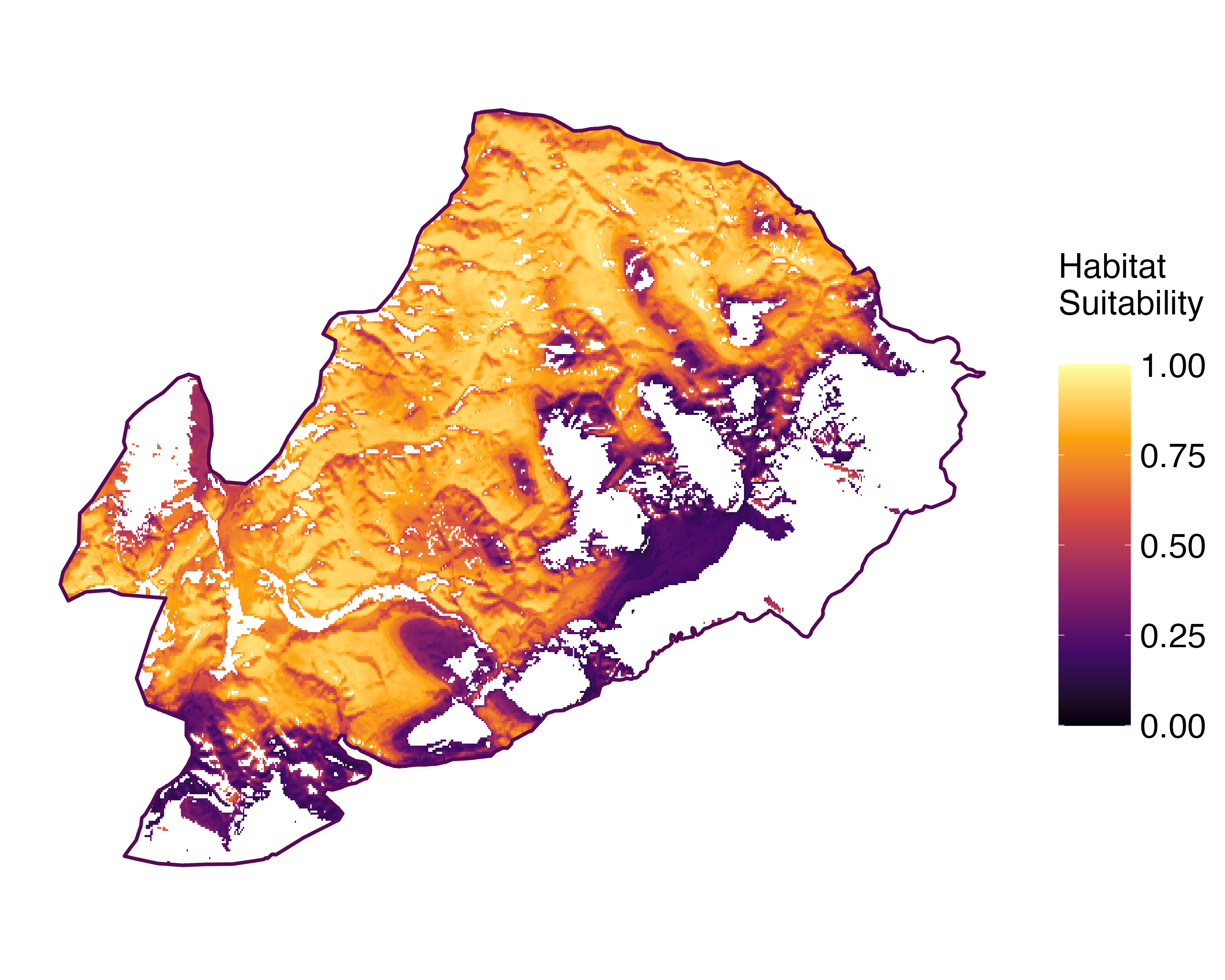 Current prediction (1981-2010)
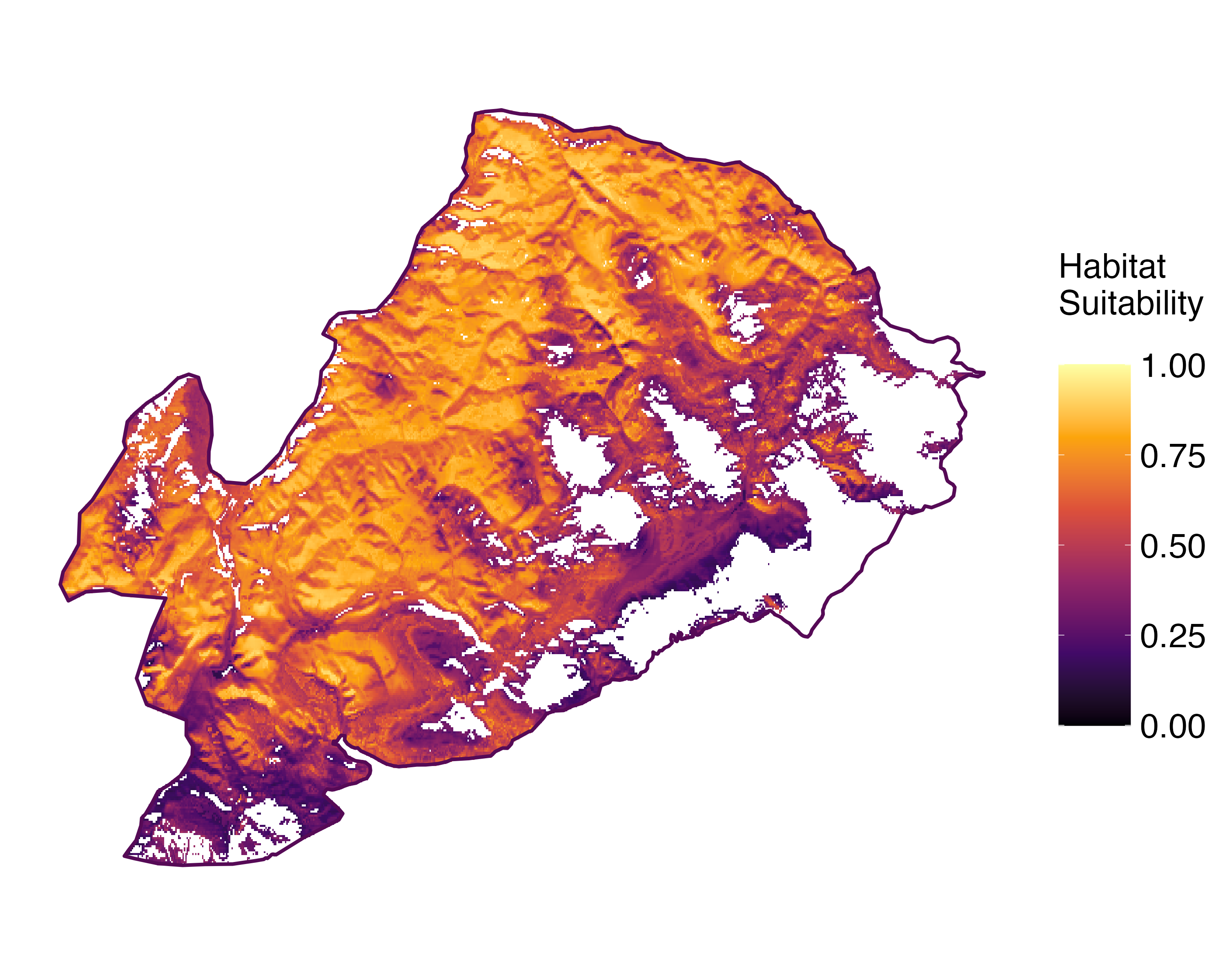 Future prediction (2071-2100) SSP 1-2.6
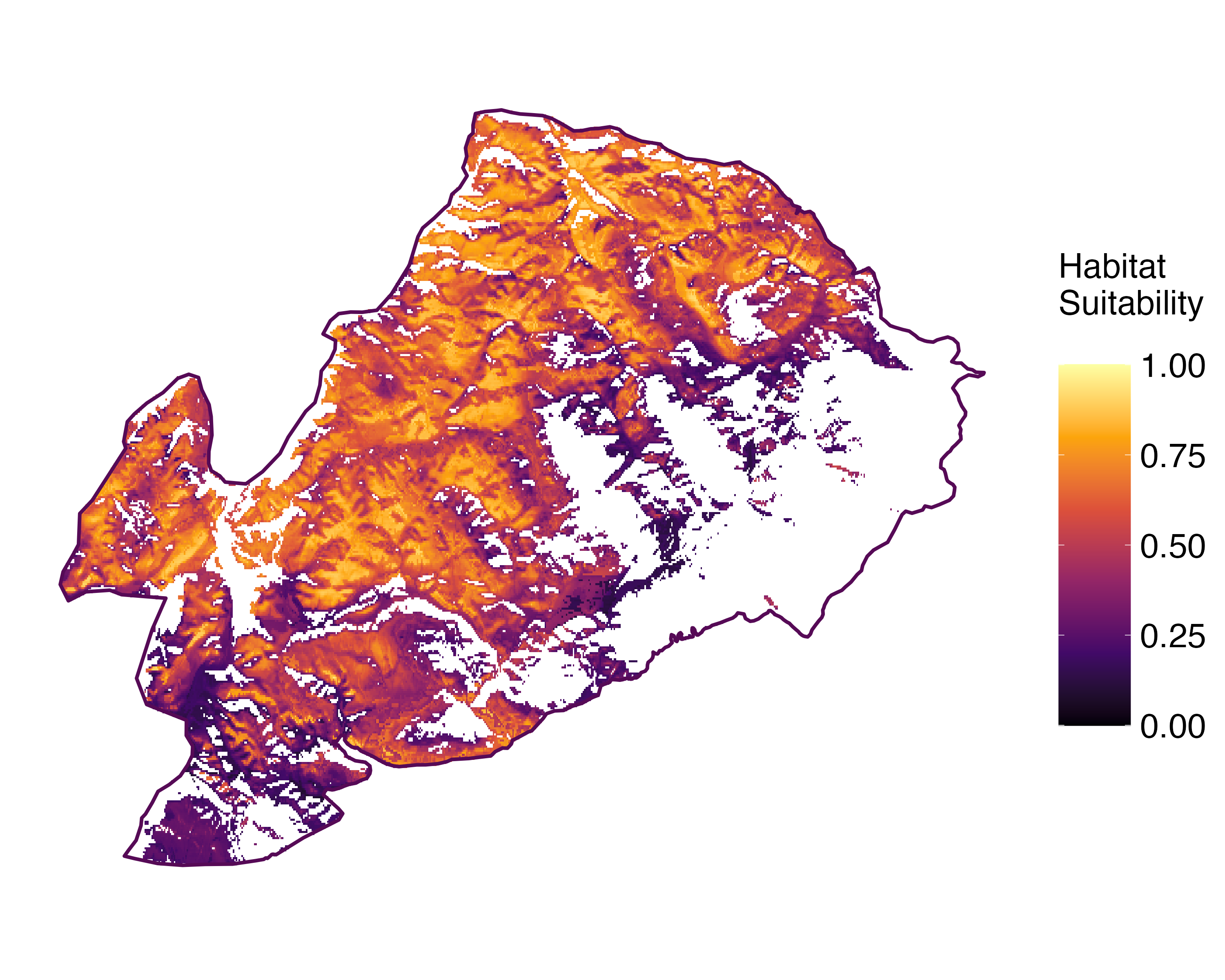 Future prediction (2071-2100) SSP 5-8.5Predictive maps according to Francesconi et al. 2025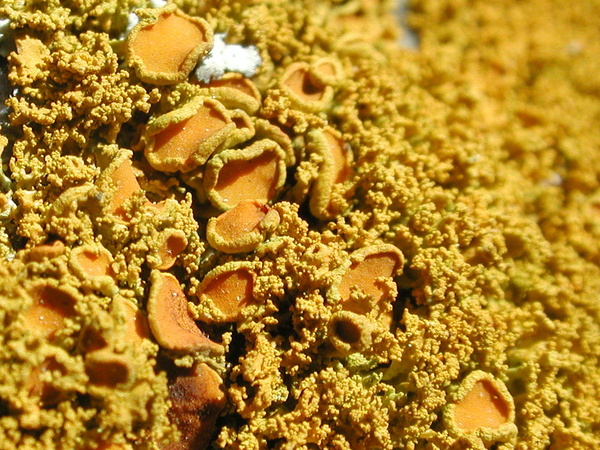
Leif Stridvall - Courtesy: Anita Stridvall - Source: http://www.stridvall.se/lichens/gallery/
holotype
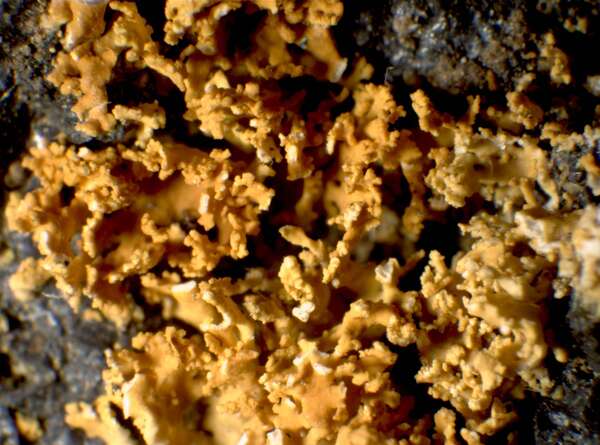
P.L. Nimis; Owner: Department of Life Sciences, University of Trieste
Herbarium: TSB (14182)
2001/12/03
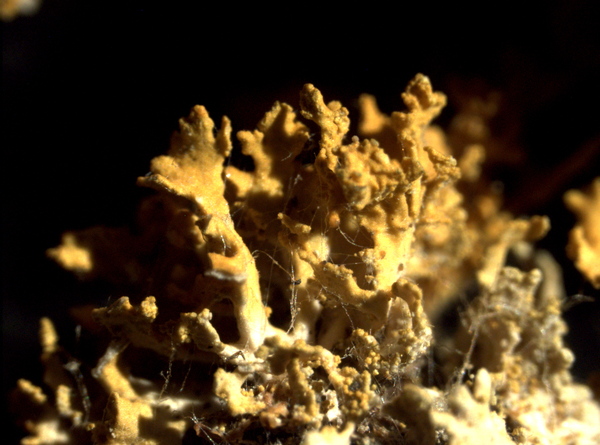
Pier Luigi Nimis - CC BY-SA 4.0
Herbarium: TSB 10689
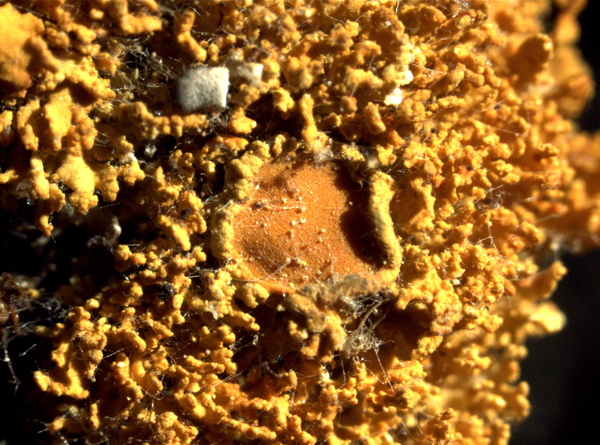
Pier Luigi Nimis - CC BY-SA 4.0
Herbarium: TSB 10689
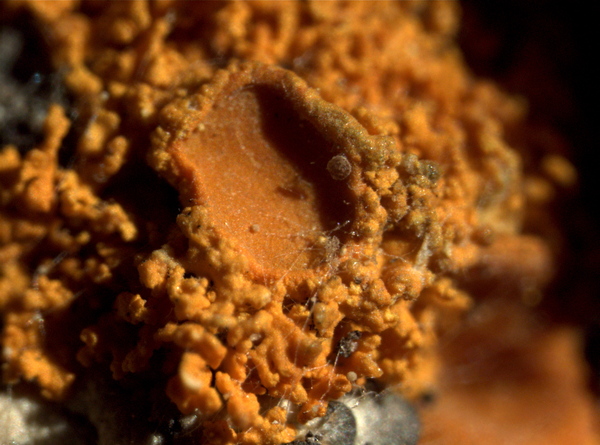
Pier Luigi Nimis - CC BY-SA 4.0
Herbarium: TSB 10689
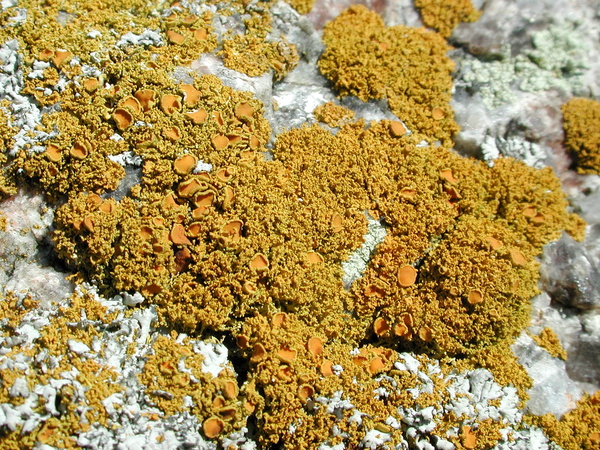
Leif Stridvall - Courtesy: Anita Stridvall - Source: http://www.stridvall.se/lichens/gallery/
holotype
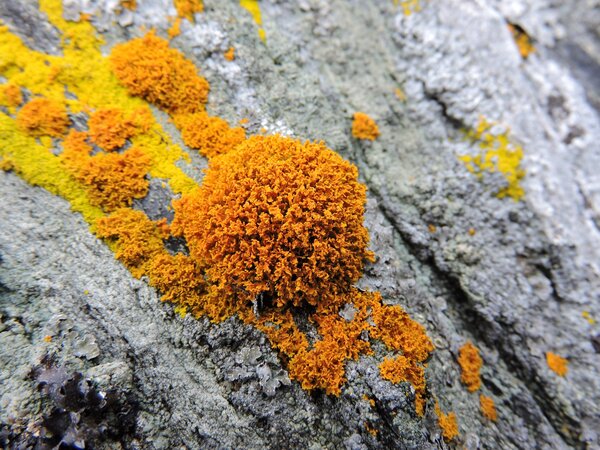
Helena Rodriguez
Spain, Galicia, Peña Trevinca
06.2019
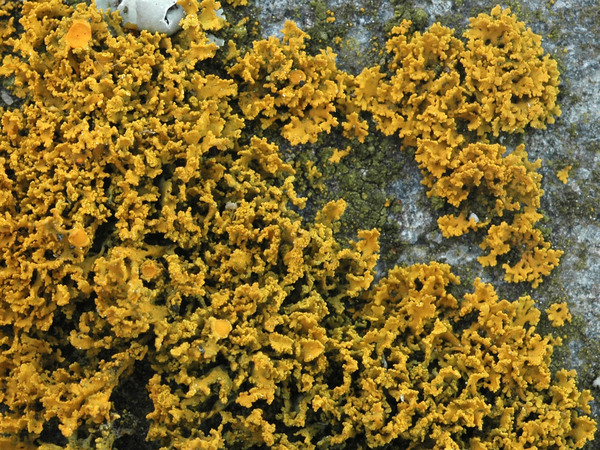
Leif Stridvall - Courtesy: Anita Stridvall - Source: http://www.stridvall.se/lichens/gallery/
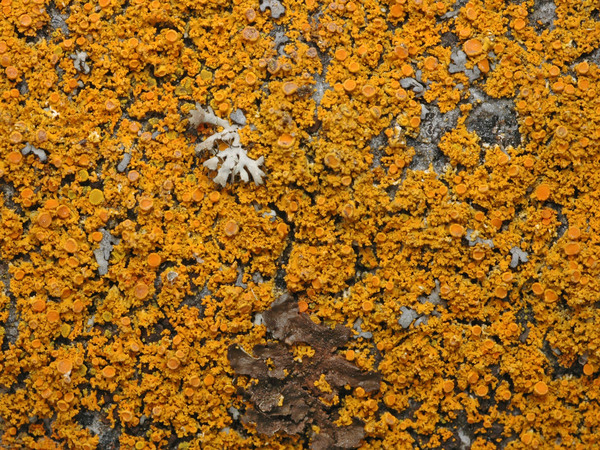
Leif Stridvall - Courtesy: Anita Stridvall - Source: http://www.stridvall.se/lichens/gallery/
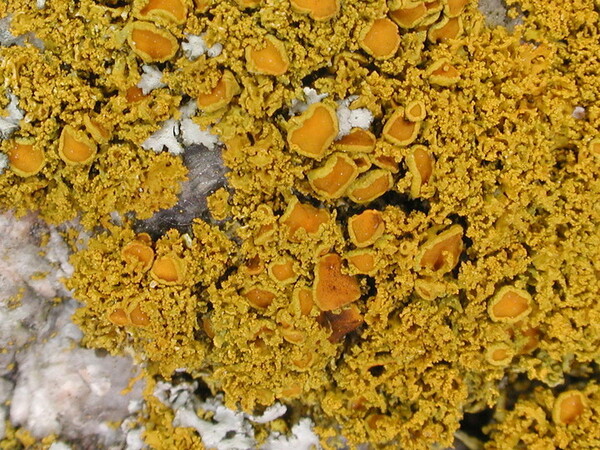
Leif Stridvall - Source: http://www.stridvall.se/la/galleries.php
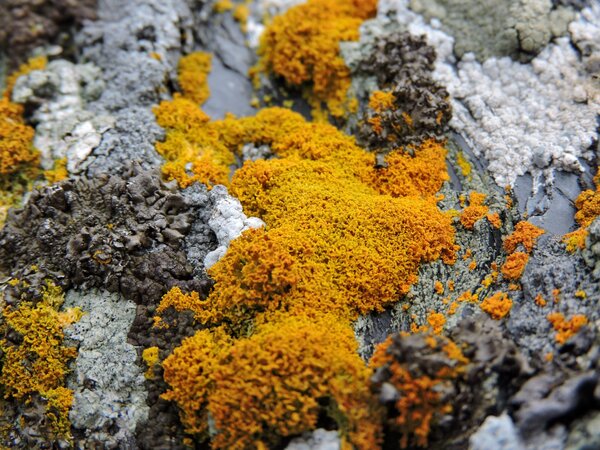
Helena Rodriguez
Spain, Galicia, Peña Trevinca
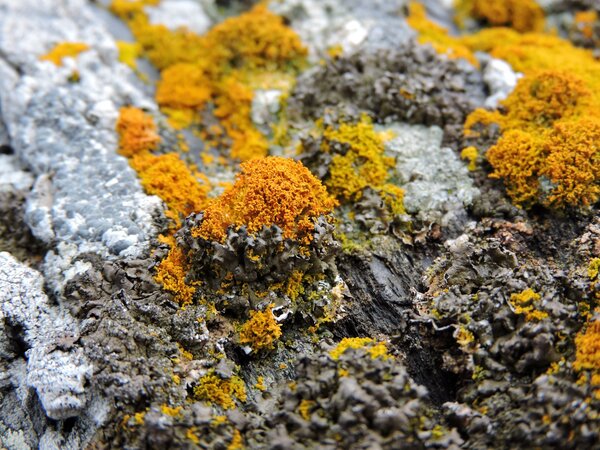
Helena Rodriguez
Spain, Galicia, Peña Trevinca
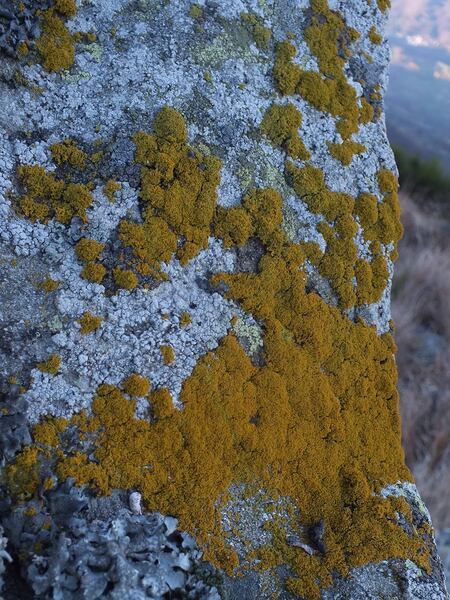
Giulio Pandeli
Italy, Emilia Romagna, Modena
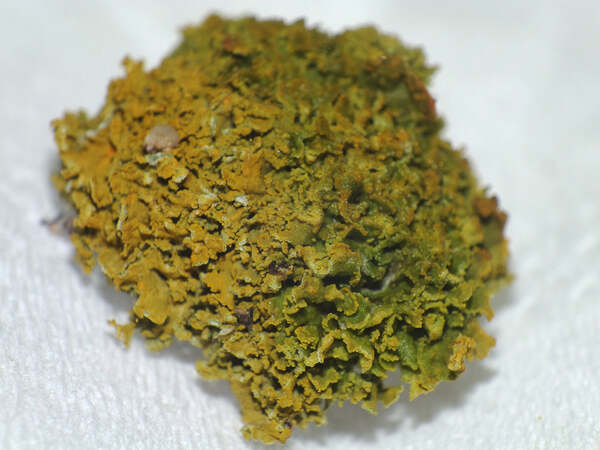
Giulio Pandeli
Italy, Emilia Romagna, Modena
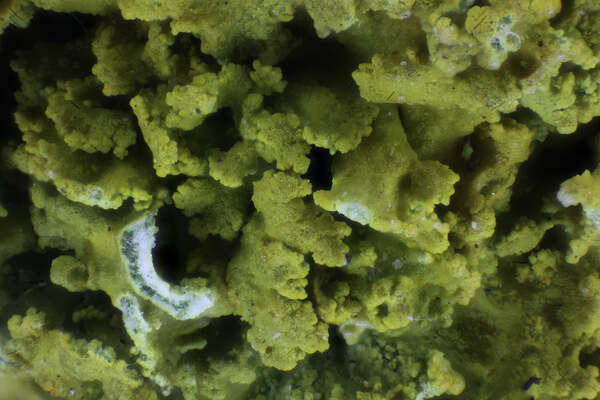
Giulio Pandeli
Italy, Emilia Romagna, Modena
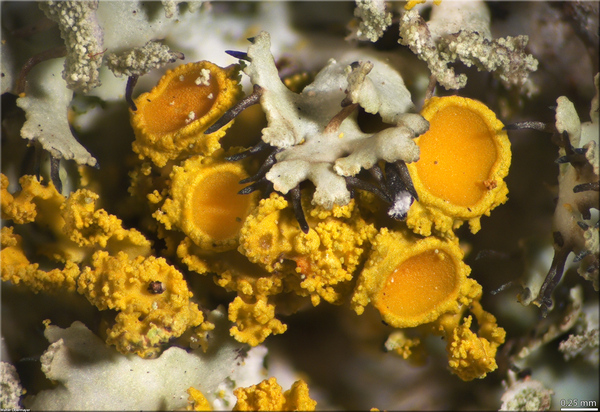
Walter Obermayer CC BY-SA 4.0 - Source: Lichens of Noricum - http://lichens-of-noricum.uni-graz.at/
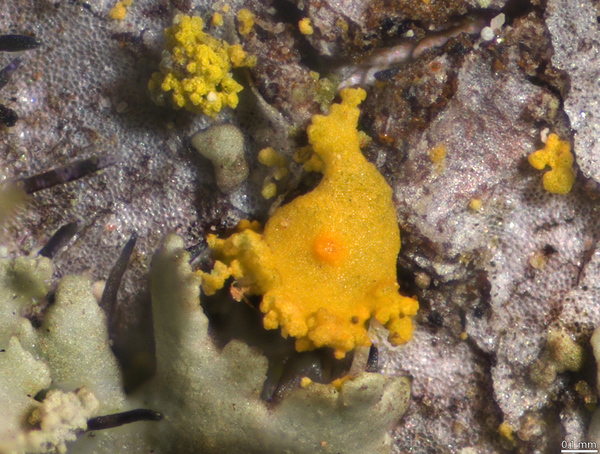
Walter Obermayer CC BY-SA 4.0 - Source: Lichens of Noricum - http://lichens-of-noricum.uni-graz.at/
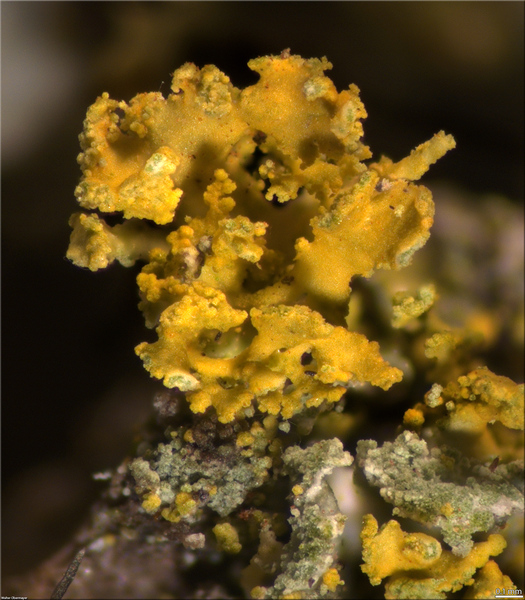
Walter Obermayer CC BY-SA 4.0 - Source: Lichens of Noricum - http://lichens-of-noricum.uni-graz.at/
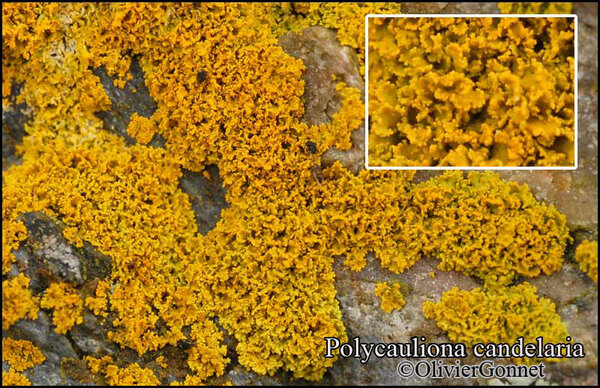
Courtesy Danièle et Olivier Gonnet - Source: https://www.afl-lichenologie.fr/Photos_AFL/Photos_AFL_P/Text_P_5/Polycauliona_candelaria.htm
France, session AFL 2005 - Finistère
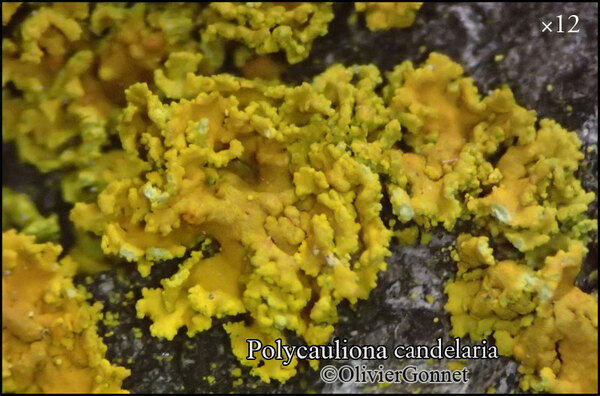
Courtesy Danièle et Olivier Gonnet - Source: https://www.afl-lichenologie.fr/Photos_AFL/Photos_AFL_P/Text_P_5/Polycauliona_candelaria.htm
France, session AFL 2014 dans le Lot
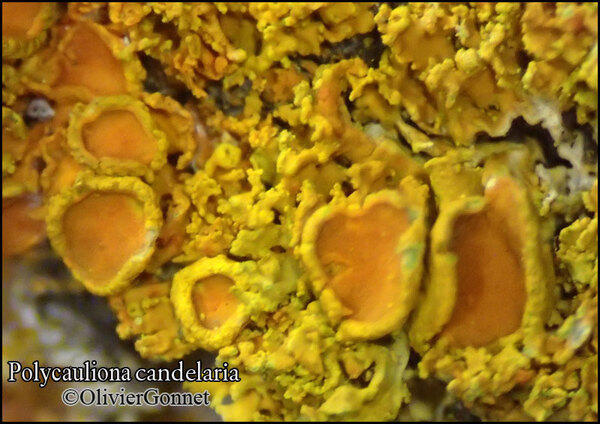
Courtesy Danièle et Olivier Gonnet - Source: https://www.afl-lichenologie.fr/Photos_AFL/Photos_AFL_P/Text_P_5/Polycauliona_candelaria.htm
France, session AFL 2014 dans le Lot
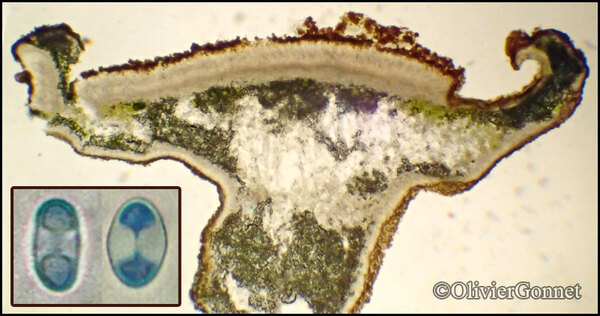
Courtesy Danièle et Olivier Gonnet - Source: https://www.afl-lichenologie.fr/Photos_AFL/Photos_AFL_P/Text_P_5/Polycauliona_candelaria.htm
France, session AFL 2014 dans le Lot
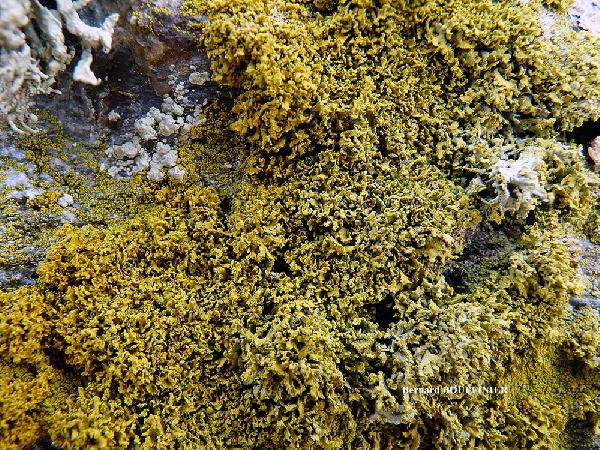
Bernard Bouffinier - Source: http://www.lichensmaritimes.org/index.php?task=fiche&lichen=767&lang=en
France, Roc'h Trédudon
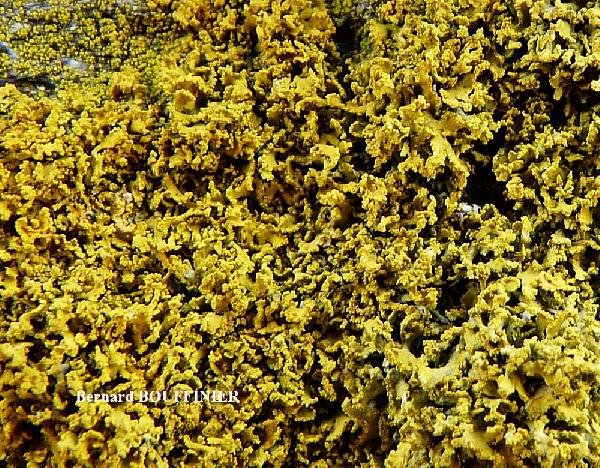
Bernard Bouffinier - Source: http://www.lichensmaritimes.org/index.php?task=fiche&lichen=767&lang=en
France, Roc'h Trédudon
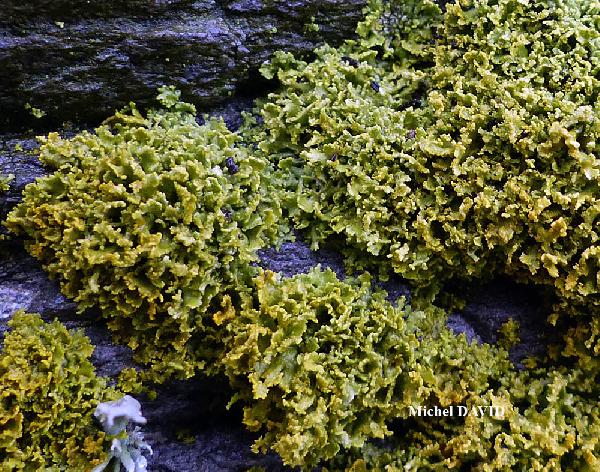
Michel David - Source: http://www.lichensmaritimes.org/index.php?task=fiche&lichen=767&lang=en
France, Hanvec
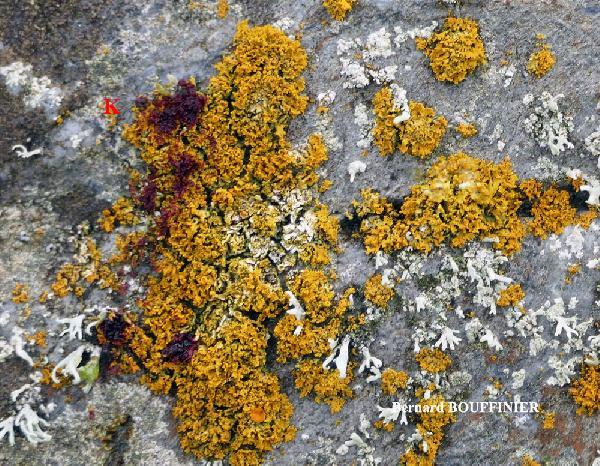
Bernard Bouffinier - Source: http://www.lichensmaritimes.org/index.php?task=fiche&lichen=767&lang=en
France, Gouezec
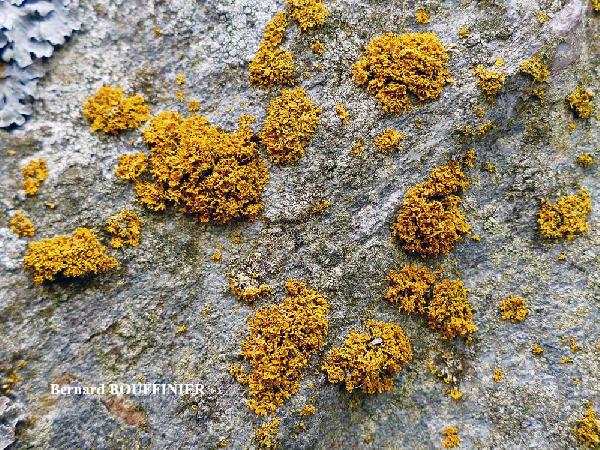
Bernard Bouffinier - Source: http://www.lichensmaritimes.org/index.php?task=fiche&lichen=767&lang=en
France, Gouezec
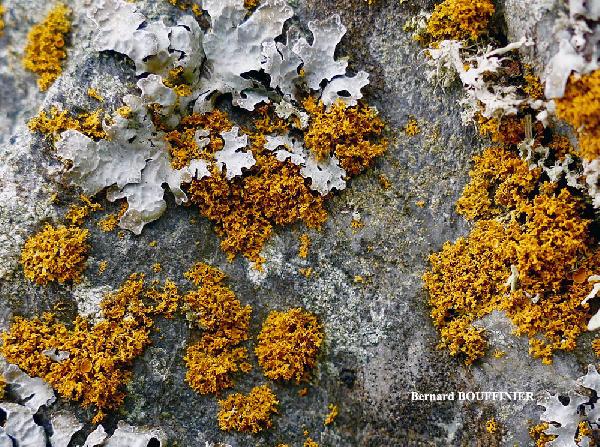
Bernard Bouffinier - Source: http://www.lichensmaritimes.org/index.php?task=fiche&lichen=767&lang=en
France, Gouezec
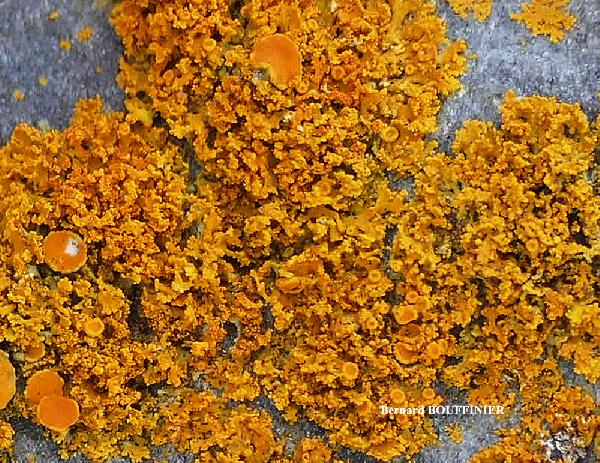
Bernard Bouffinier - Source: http://www.lichensmaritimes.org/index.php?task=fiche&lichen=767&lang=en
France, Gouezec
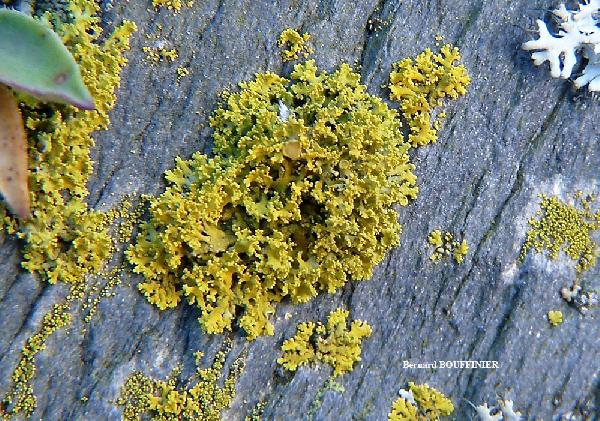
Bernard Bouffinier - Source: http://www.lichensmaritimes.org/index.php?task=fiche&lichen=767&lang=en
France, Roc'h Trevezel
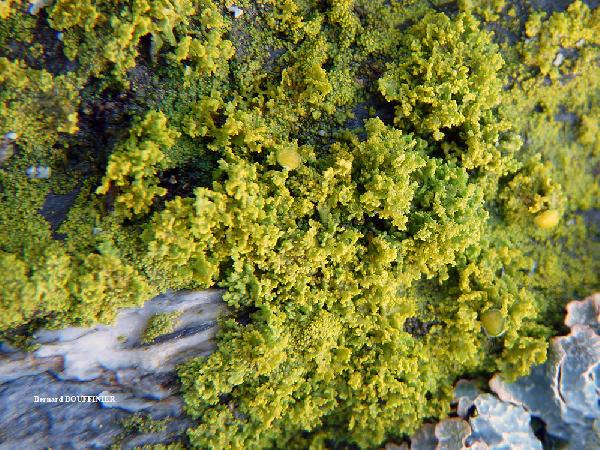
Bernard Bouffinier - Source: http://www.lichensmaritimes.org/index.php?task=fiche&lichen=767&lang=en
France, Roc'h Trevezel
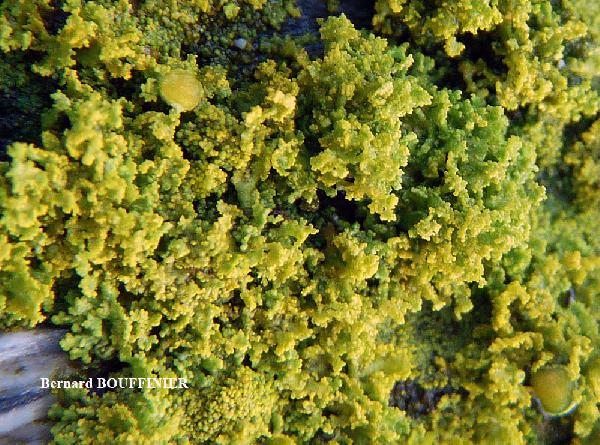
Bernard Bouffinier - Source: http://www.lichensmaritimes.org/index.php?task=fiche&lichen=767&lang=en
France, Roc'h Trevezel
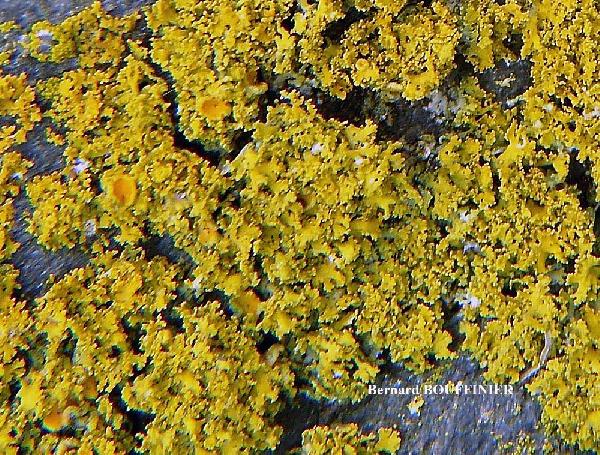
Bernard Bouffinier - Source: http://www.lichensmaritimes.org/index.php?task=fiche&lichen=767&lang=en
France, Roche du Feu
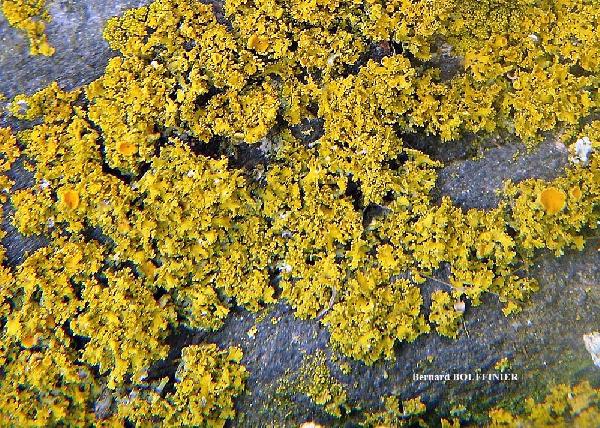
Bernard Bouffinier - Source: http://www.lichensmaritimes.org/index.php?task=fiche&lichen=767&lang=en
France, Roche du Feu
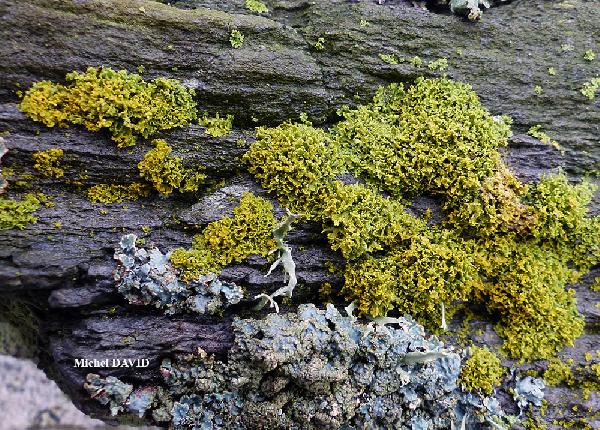
Michel David - Source: http://www.lichensmaritimes.org/index.php?task=fiche&lichen=767&lang=en
France, Hanvec
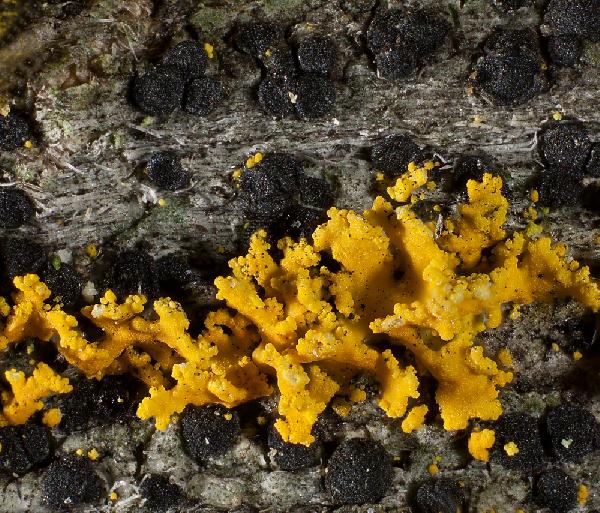
Ulrich Kirschbaum CC BY-SA 4.0 - Source: https://www.thm.de/lse/ulrich-kirschbaum/flechtenbilder
Central Europe.
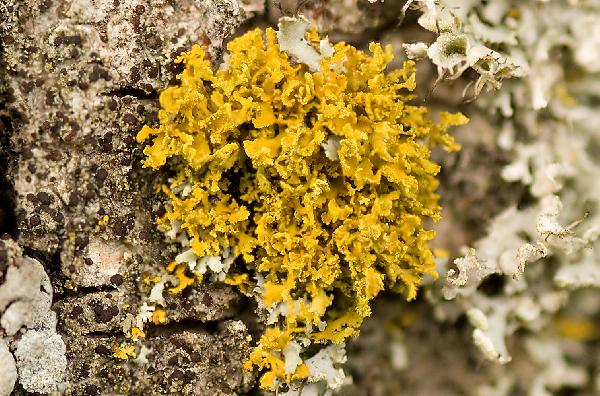
Ulrich Kirschbaum CC BY-SA 4.0 - Source: https://www.thm.de/lse/ulrich-kirschbaum/flechtenbilder
Central Europe.
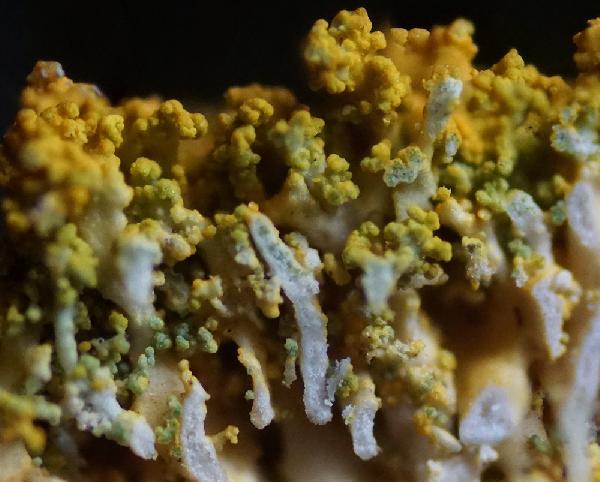
Marta González Garcia - Centro de Estudios Micologicos Asturianos
Spain, Asturias
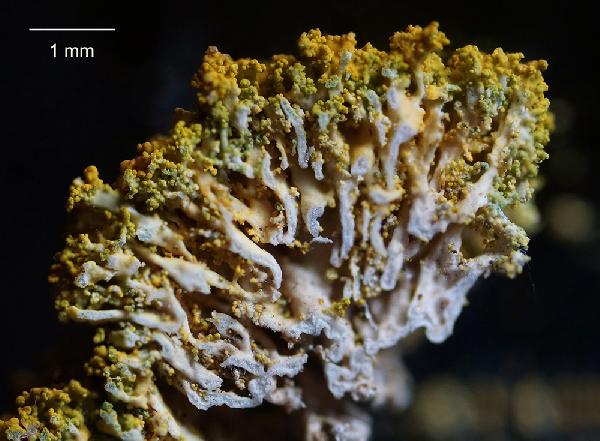
Marta González Garcia - Centro de Estudios Micologicos Asturianos
Spain, Asturias
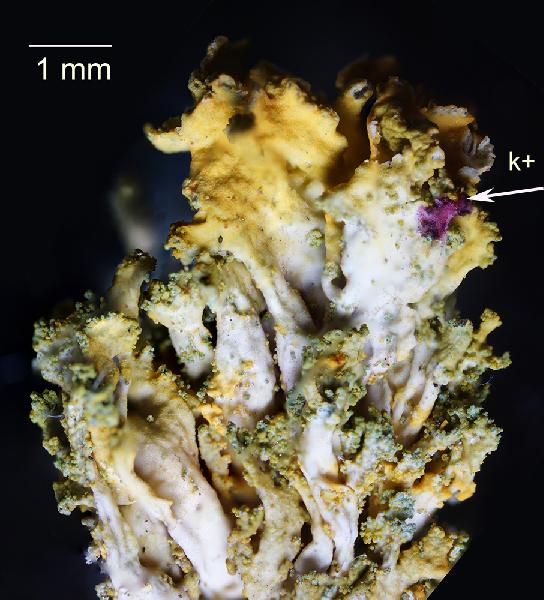
Marta González Garcia - Centro de Estudios Micologicos Asturianos
Spain, Asturias
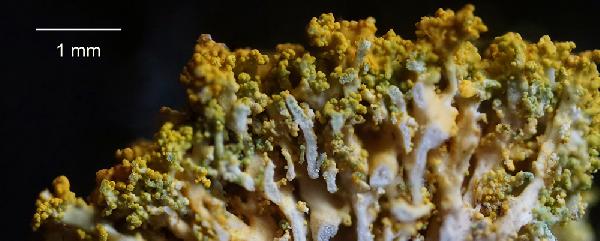
Marta González Garcia - Centro de Estudios Micologicos Asturianos
Spain, Asturias
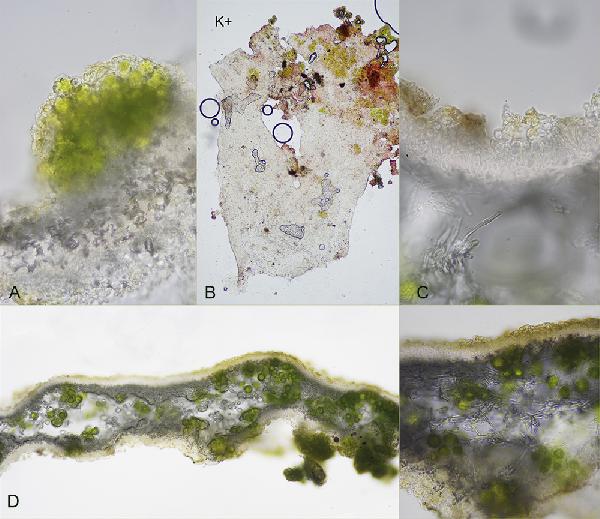
Marta González Garcia - Centro de Estudios Micologicos Asturianos
Spain, Asturias
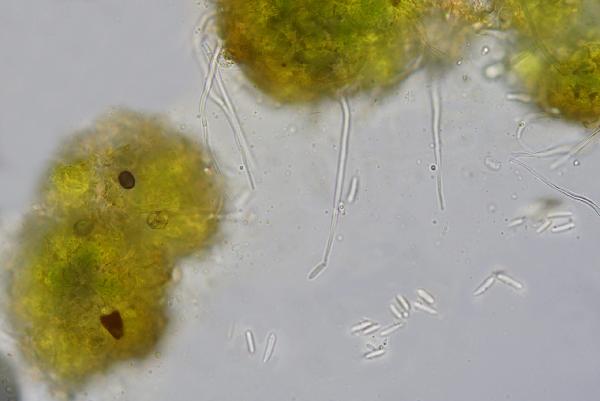
Marta González Garcia - Centro de Estudios Micologicos Asturianos
Spain, Asturias
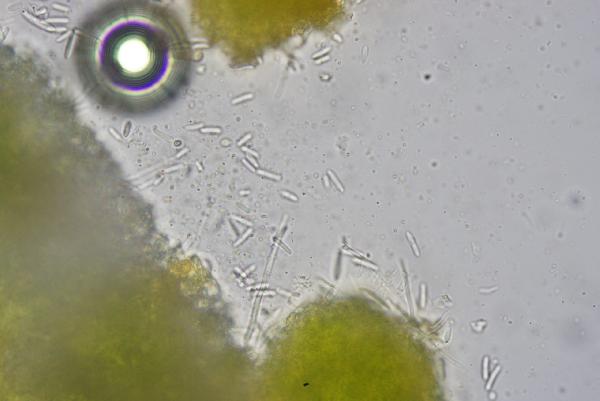
Marta González Garcia - Centro de Estudios Micologicos Asturianos
Spain, Asturias
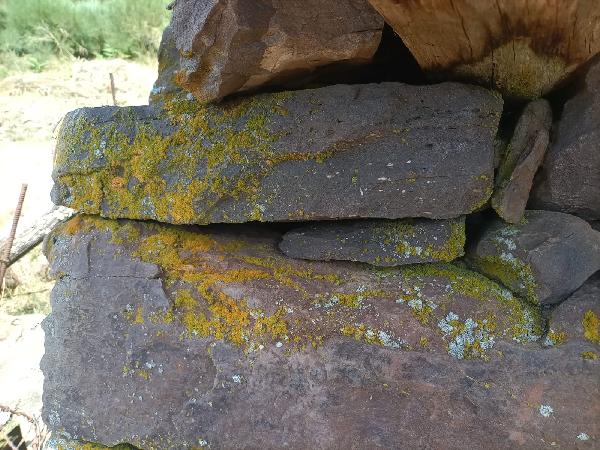
Marta González Garcia - Centro de Estudios Micologicos Asturianos
Spain, Asturias
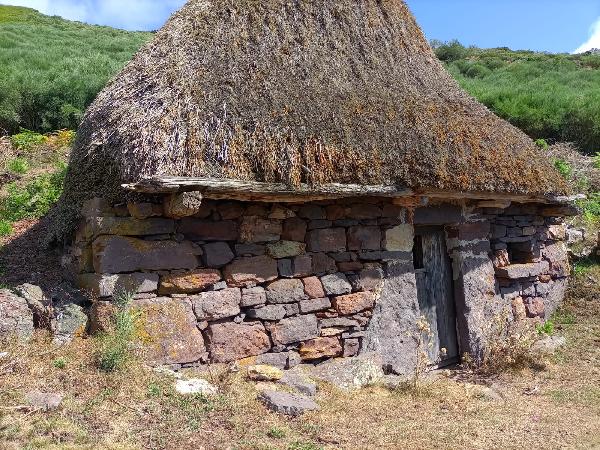
Marta González Garcia - Centro de Estudios Micologicos Asturianos
Spain, Asturias
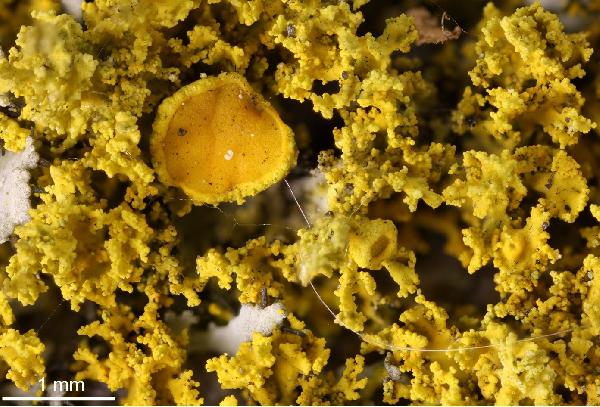
Felix Schumm - CC BY-SA 4.0
[14916], Germany, Baden-Württemberg, Schwäbische Alb, Alb-Donaukreis,
nördlich von Westerheim, Straßenbäume (meist Ahorn),
48,52485° N, 9,62333° E, 830 m. Leg. F. Schumm 24.05.2009.
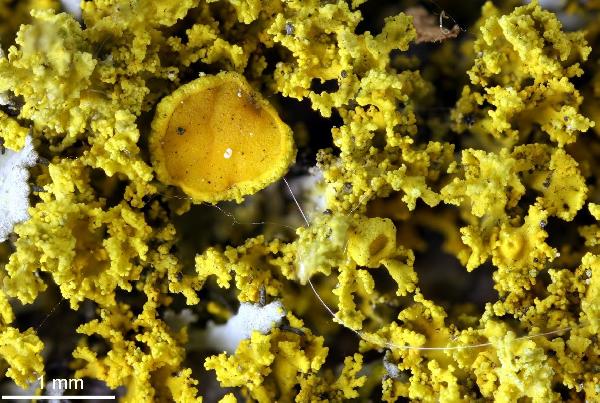
Felix Schumm - CC BY-SA 4.0
[14916], Germany, Baden-Württemberg, Schwäbische Alb, Alb-Donaukreis,
nördlich von Westerheim, Straßenbäume (meist Ahorn),
48,52485° N, 9,62333° E, 830 m. Leg. F. Schumm 24.05.2009.
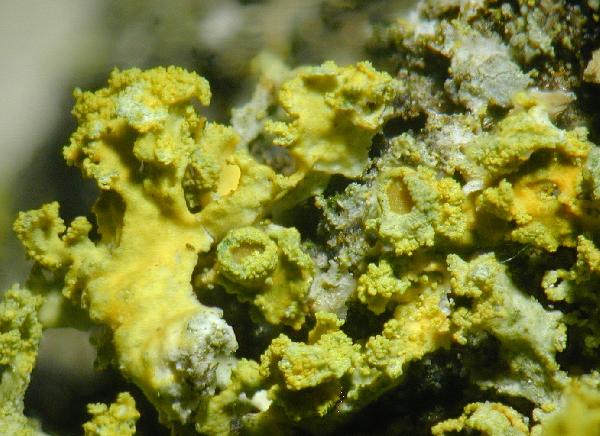
Wolfgang von Brackel - CC BY-4.0
Germany, Bavaria, Rodach
Growth form: Foliose, narrow lobed
Substrata: bark and rocks
Photobiont: green algae other than Trentepohlia
Reproductive strategy: mainly asexual, by soredia, or soredia-like structures (e.g. blastidia)
Subcontinental: restricted to areas with a dry-subcontinental climate (e.g. dry Alpine valleys, parts of Mediterranean Italy)
Commonnes-rarity: (info)
Alpine belt: very rare
Subalpine belt: rather rare
Montane belt: rare
Dry submediterranean belt: extremely rare
Humid submediterranean belt: absent
Padanian area: extremely rare
pH of the substrata:
| 1 | 2 | 3 | 4 | 5 |
Solar irradiation:
| 1 | 2 | 3 | 4 | 5 |
Aridity:
| 1 | 2 | 3 | 4 | 5 |
Eutrophication:
| 1 | 2 | 3 | 4 | 5 |
Poleotolerance:
| 0 | 1 | 2 | 3 |
Altitudinal distribution:
| 1 | 2 | 3 | 4 | 5 | 6 |
Rarity
absent
extremely rare
very rare
rare
rather rare
rather common
common
very common
extremely common
Loading data...
Occurrence data
Predictive map
Current prediction (1981-2010)Future prediction (2071-2100) SSP 1-2.6Future prediction (2071-2100) SSP 5-8.5Predictive maps according to Francesconi et al. 2025
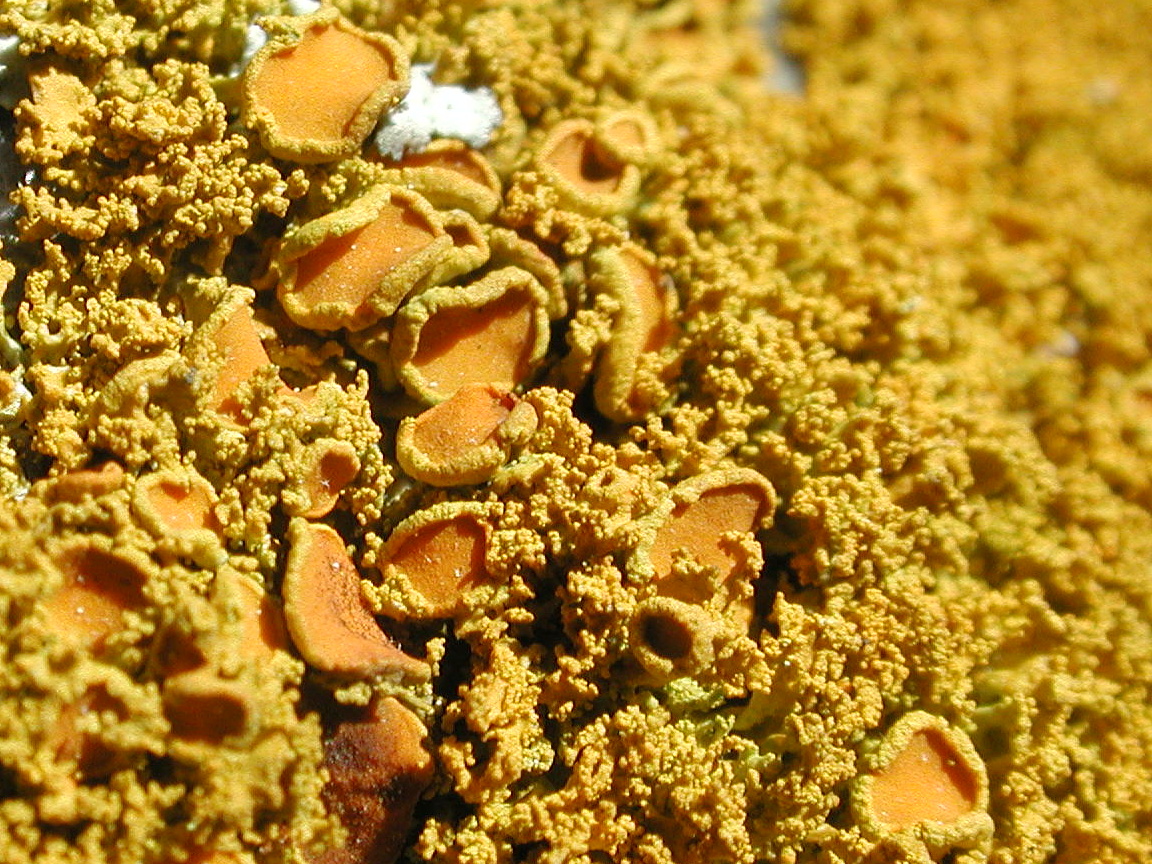
Leif Stridvall - Courtesy: Anita Stridvall - Source: http://www.stridvall.se/lichens/gallery/
holotype
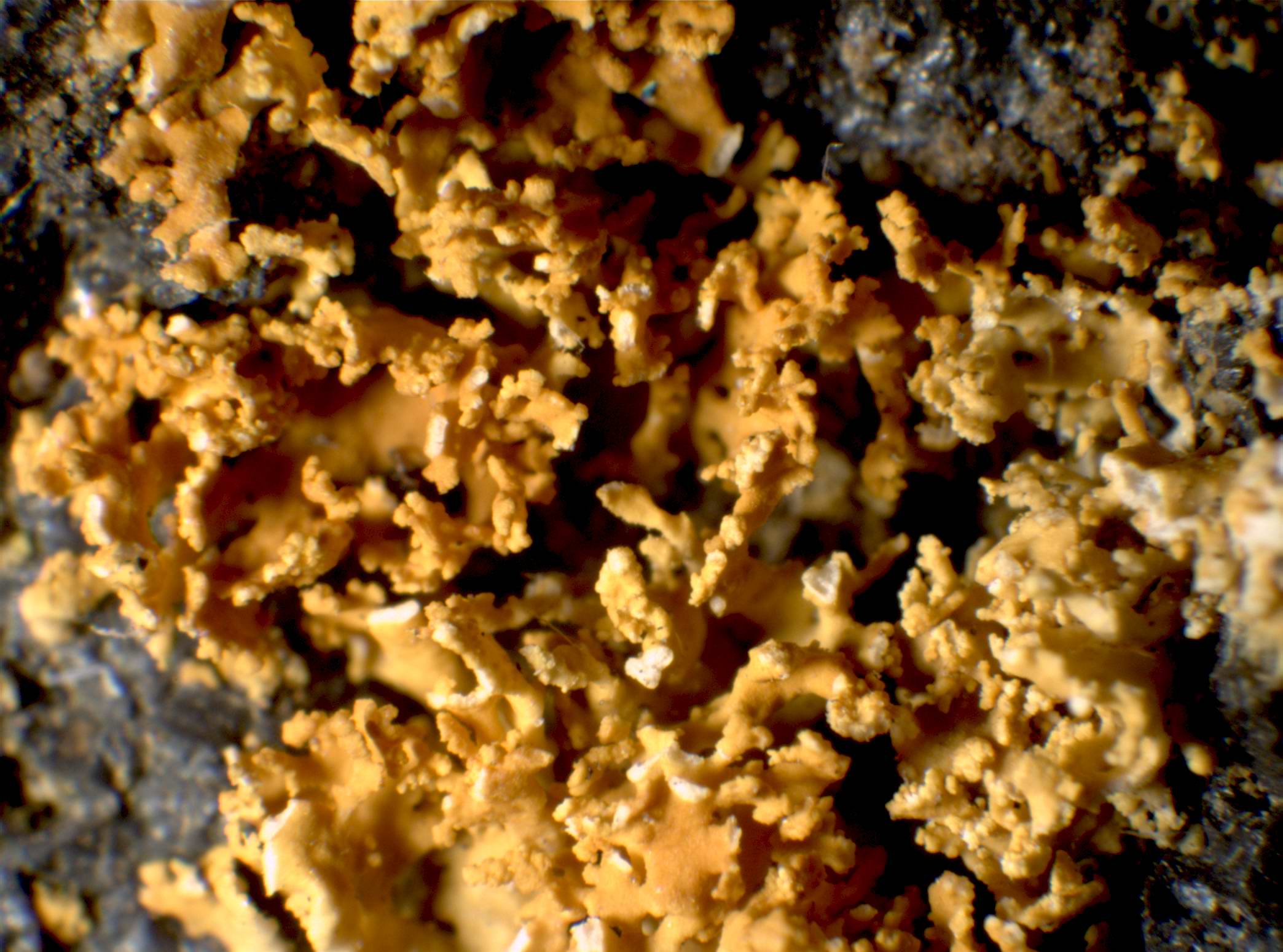
P.L. Nimis; Owner: Department of Life Sciences, University of Trieste
Herbarium: TSB (14182)
2001/12/03
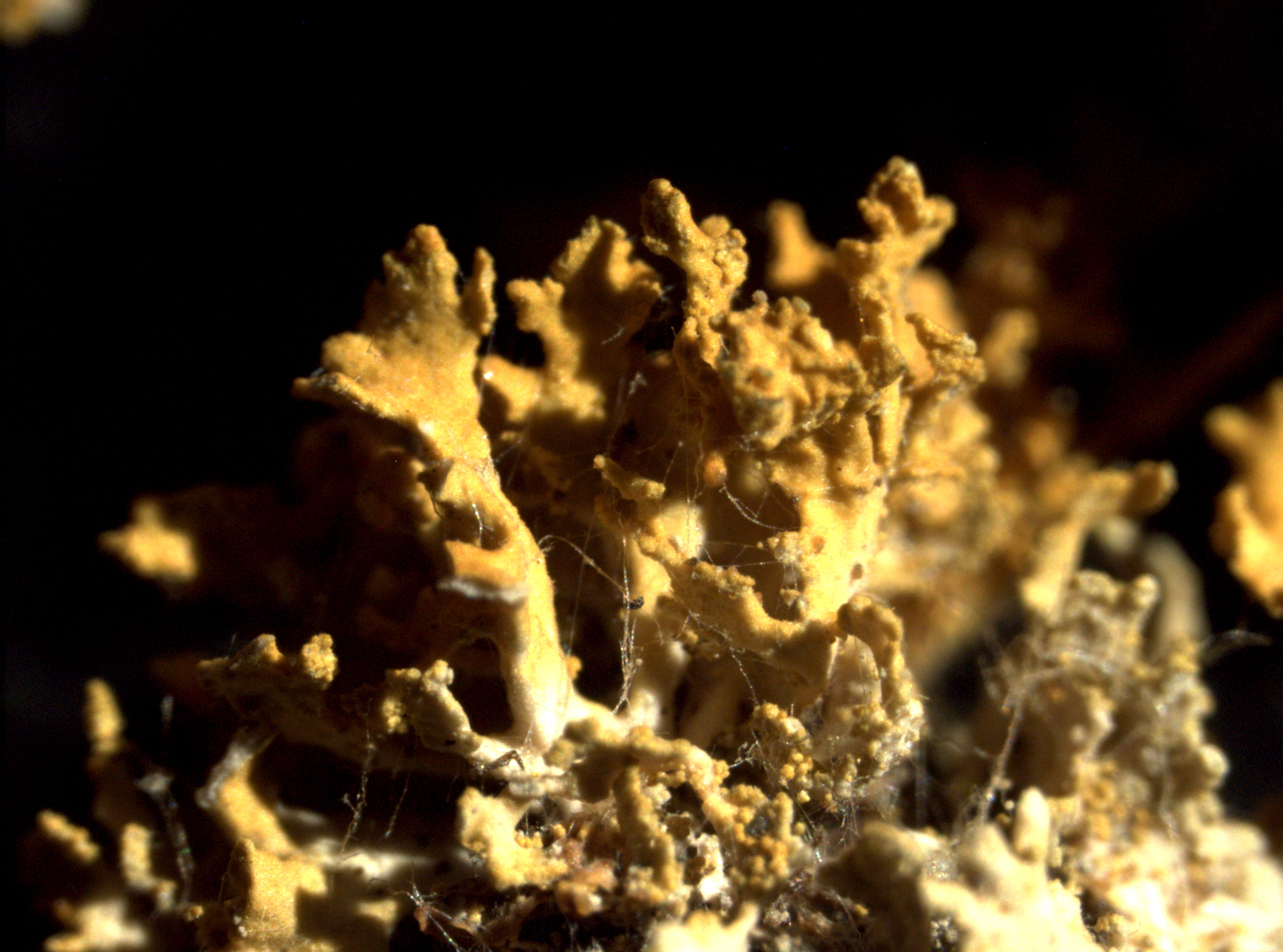
Pier Luigi Nimis - CC BY-SA 4.0
Herbarium: TSB 10689
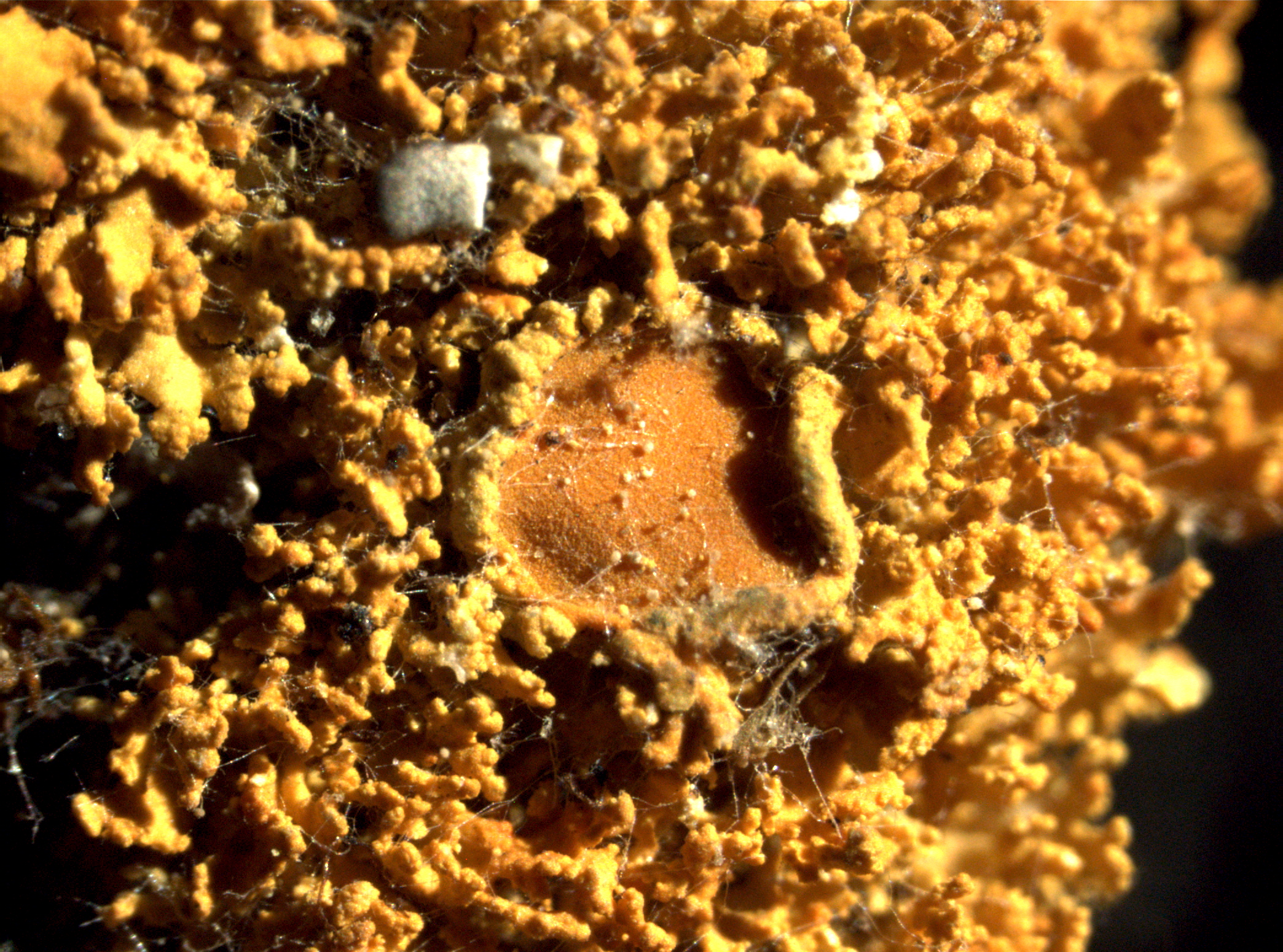
Pier Luigi Nimis - CC BY-SA 4.0
Herbarium: TSB 10689
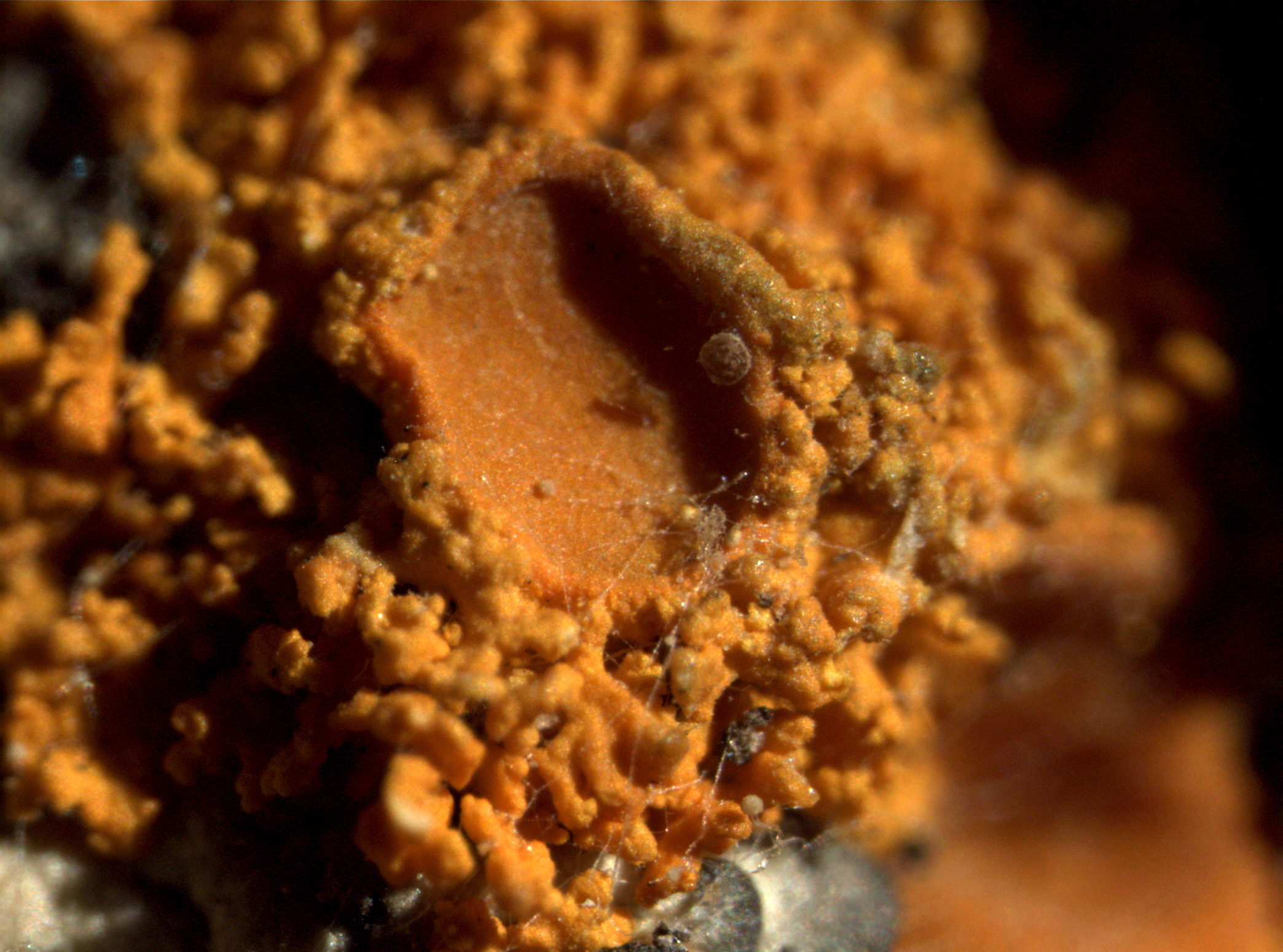
Pier Luigi Nimis - CC BY-SA 4.0
Herbarium: TSB 10689
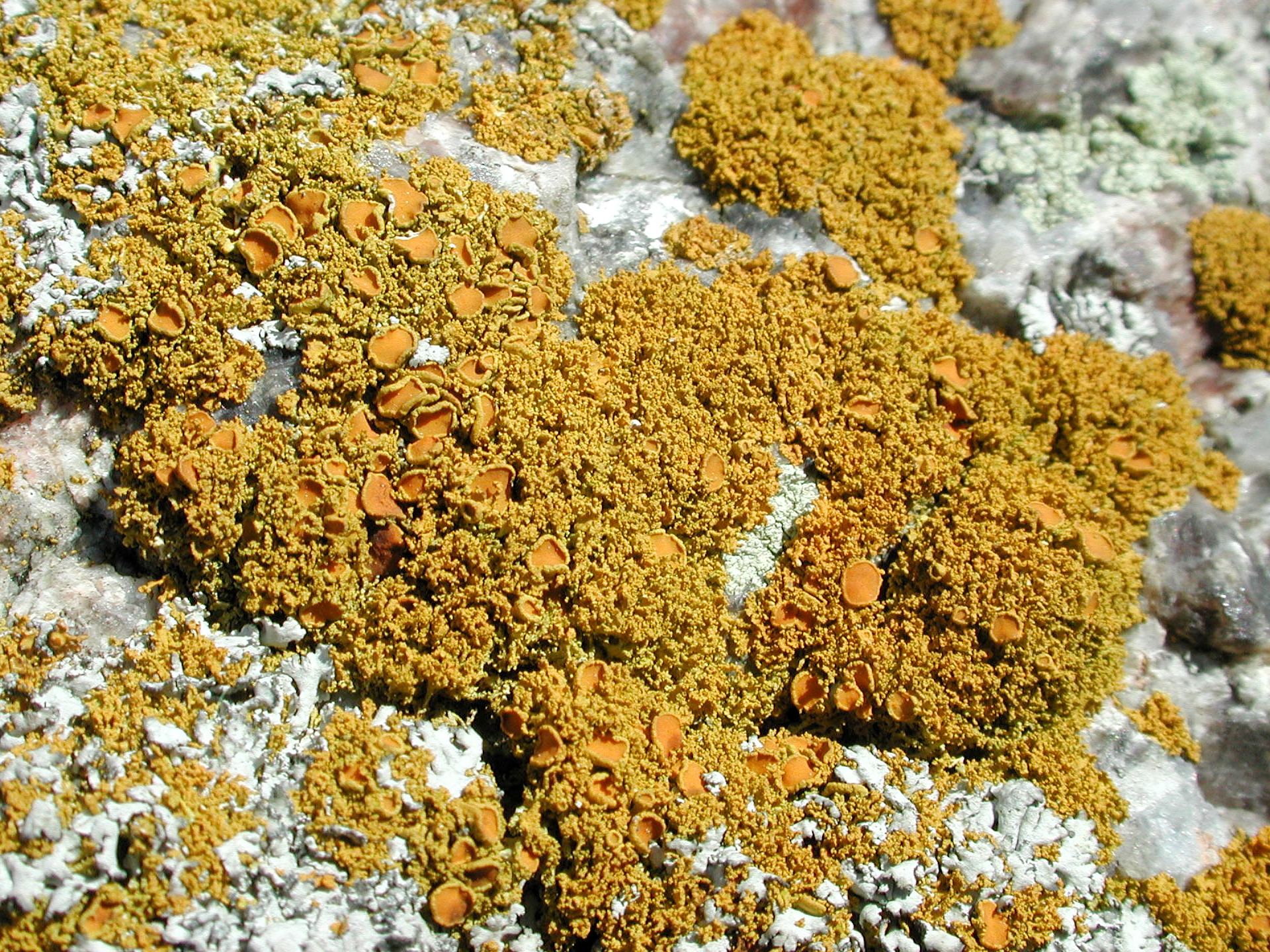
Leif Stridvall - Courtesy: Anita Stridvall - Source: http://www.stridvall.se/lichens/gallery/
holotype
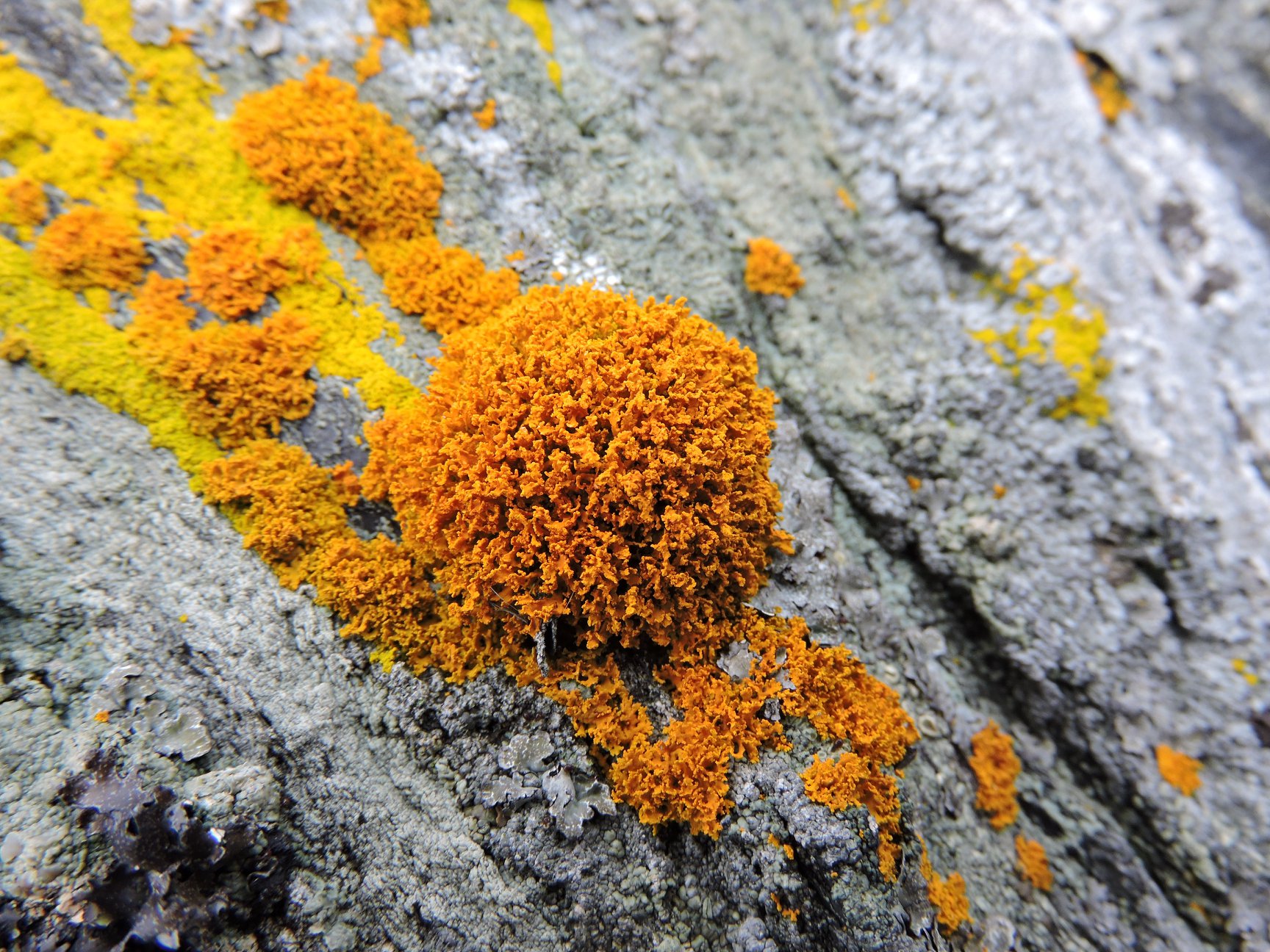
Helena Rodriguez
Spain, Galicia, Peña Trevinca
06.2019
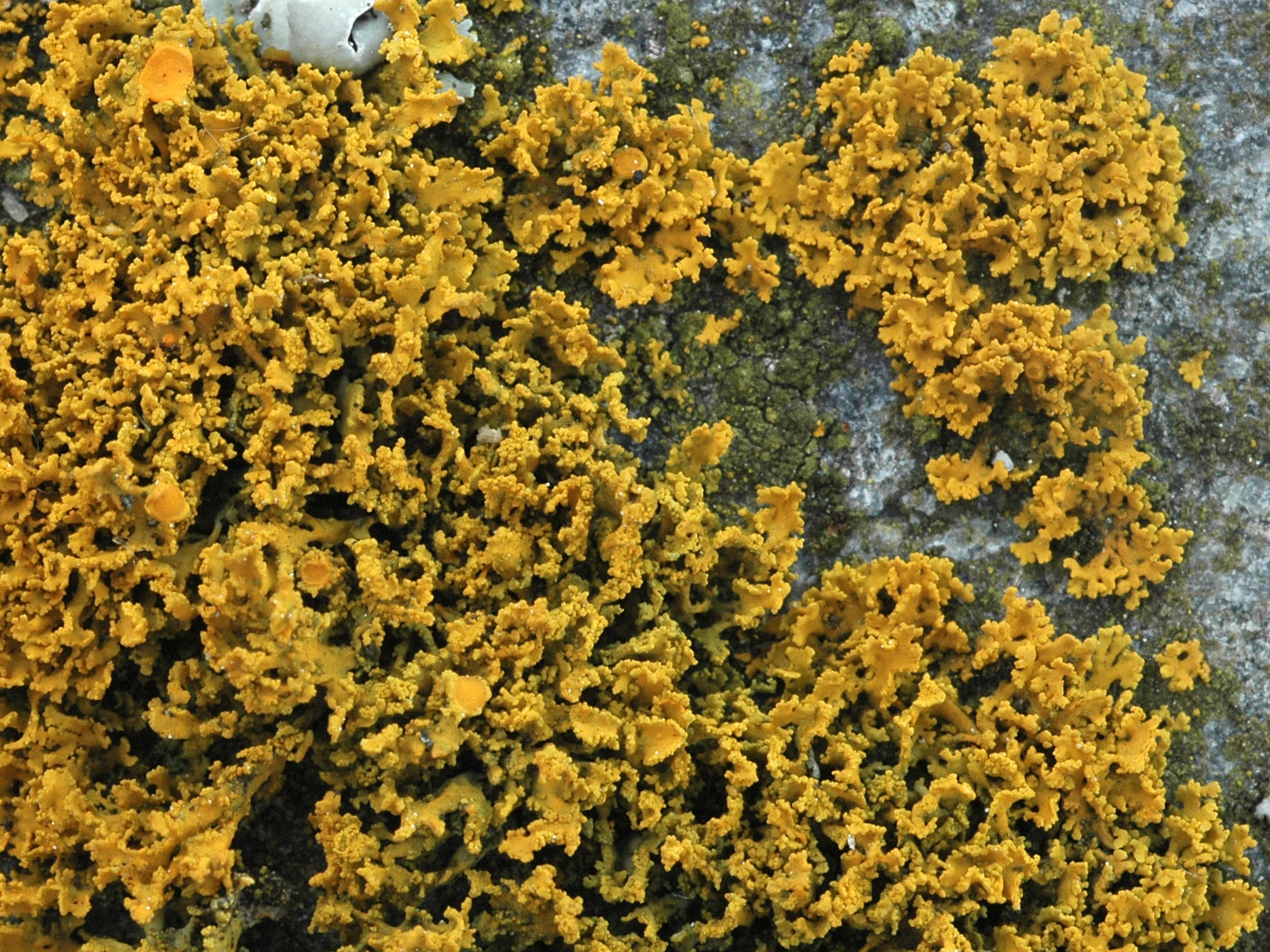
Leif Stridvall - Courtesy: Anita Stridvall - Source: http://www.stridvall.se/lichens/gallery/
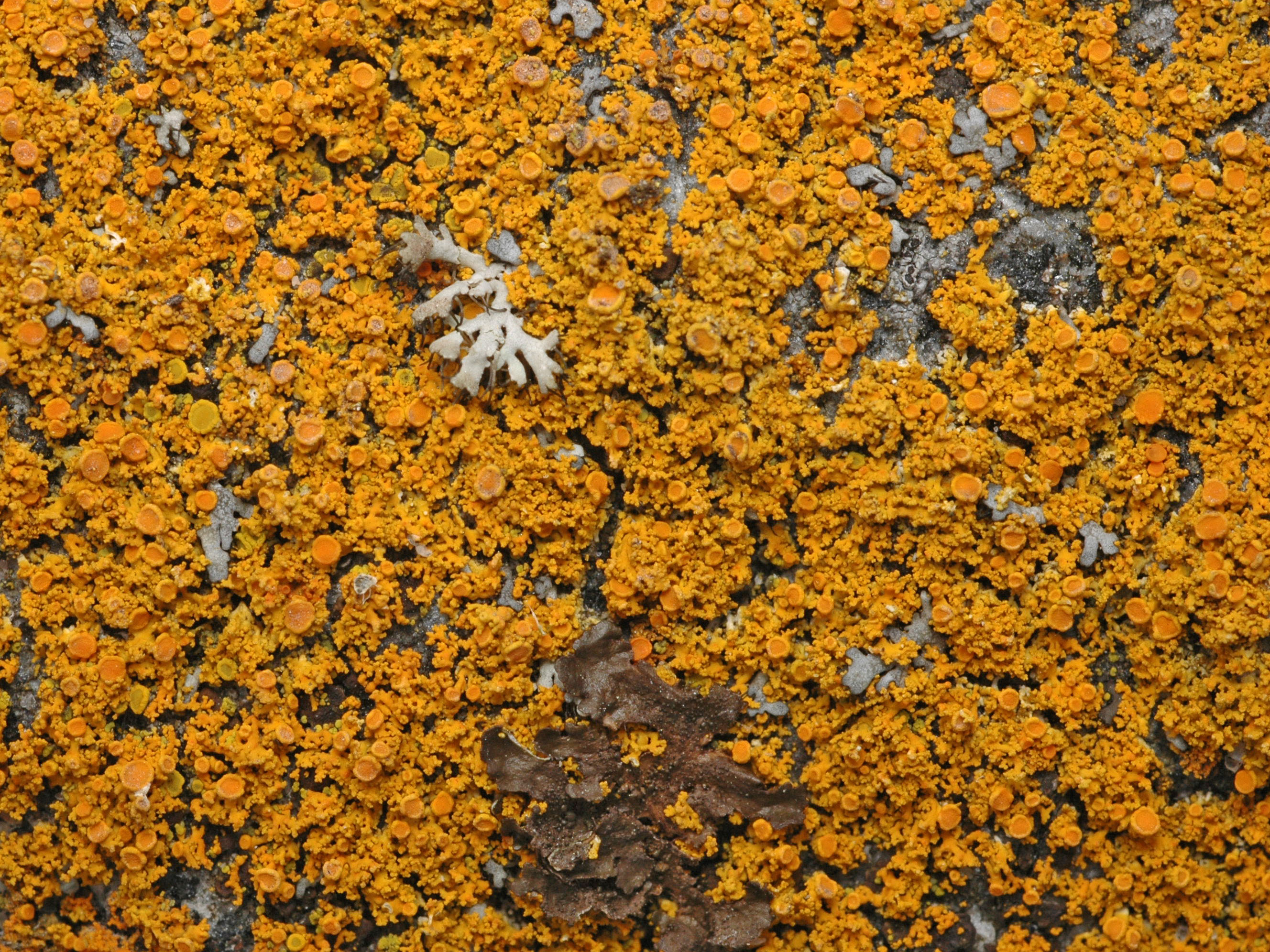
Leif Stridvall - Courtesy: Anita Stridvall - Source: http://www.stridvall.se/lichens/gallery/
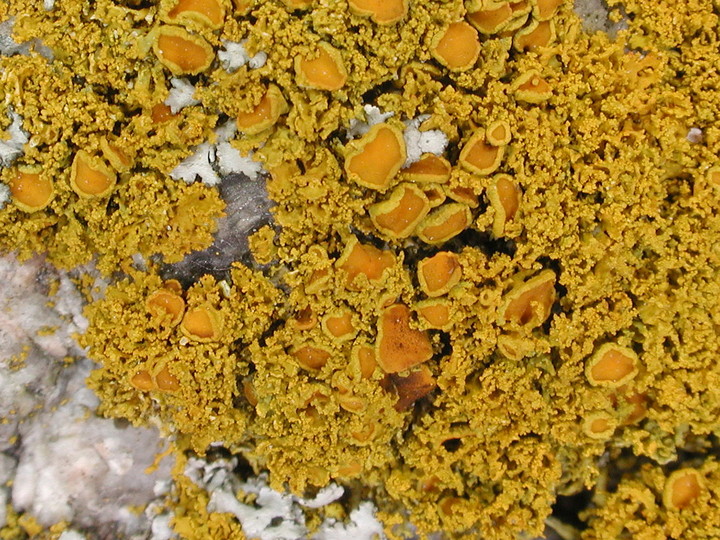
Leif Stridvall - Source: http://www.stridvall.se/la/galleries.php
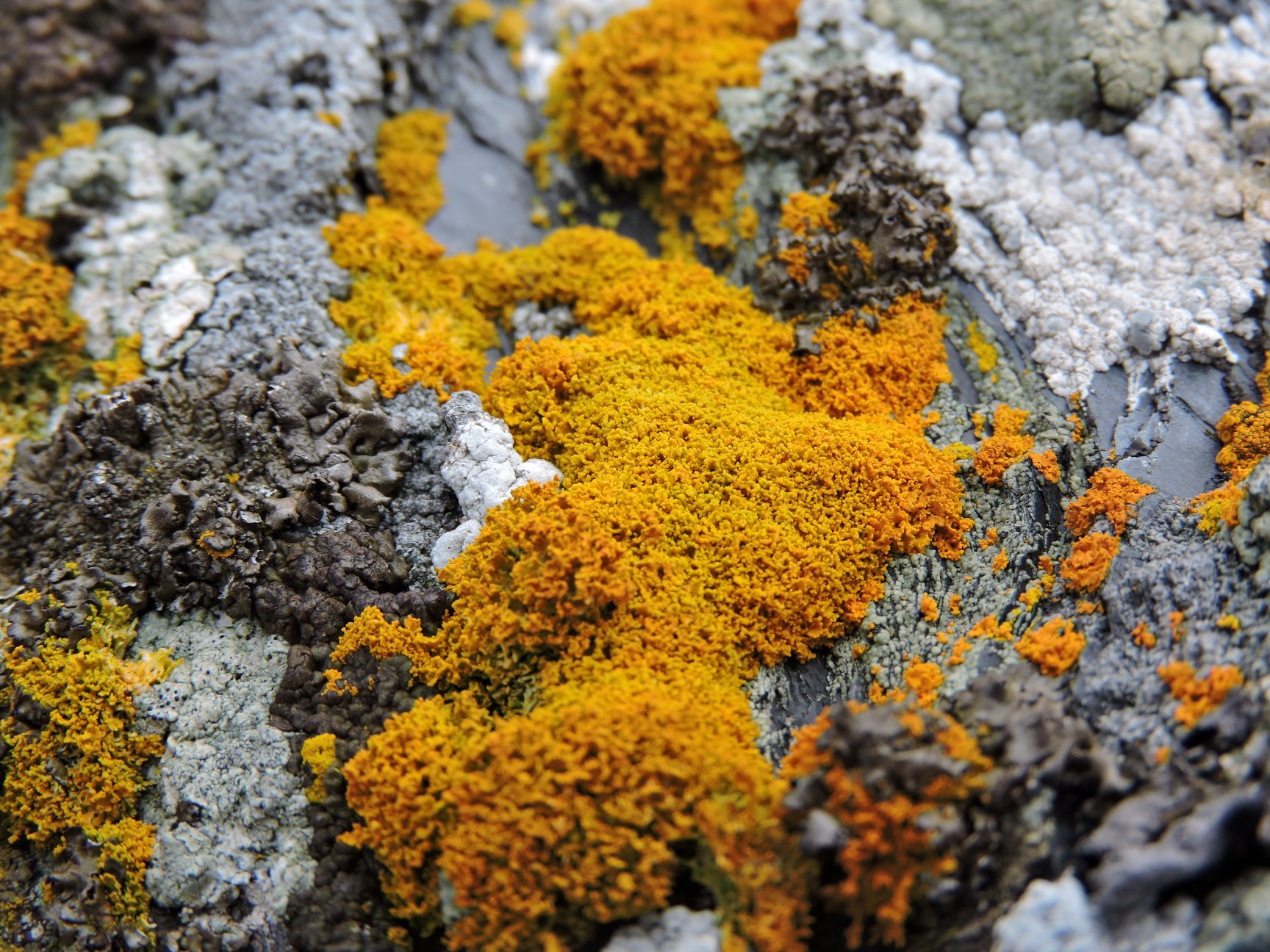
Helena Rodriguez
Spain, Galicia, Peña Trevinca
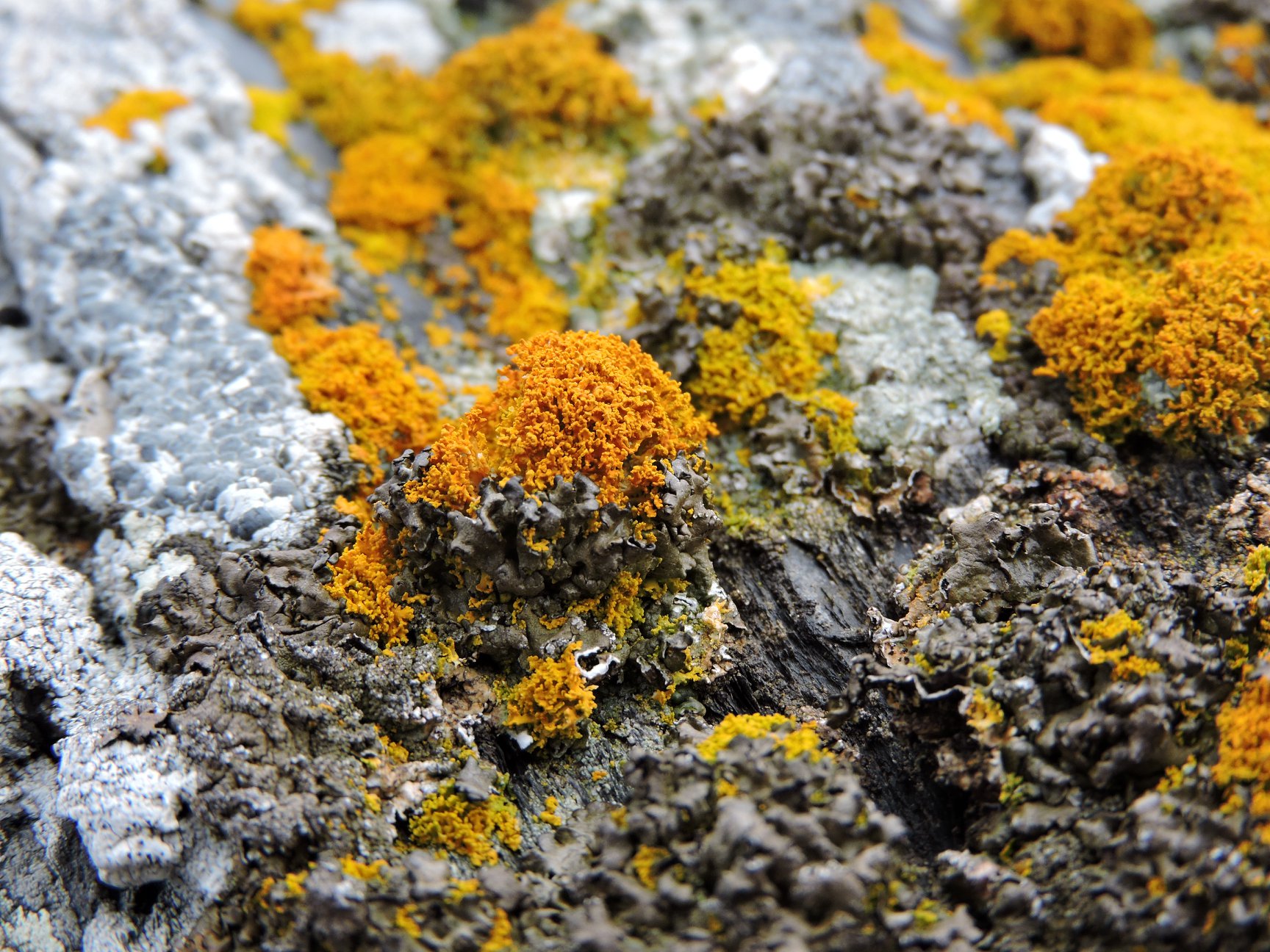
Helena Rodriguez
Spain, Galicia, Peña Trevinca
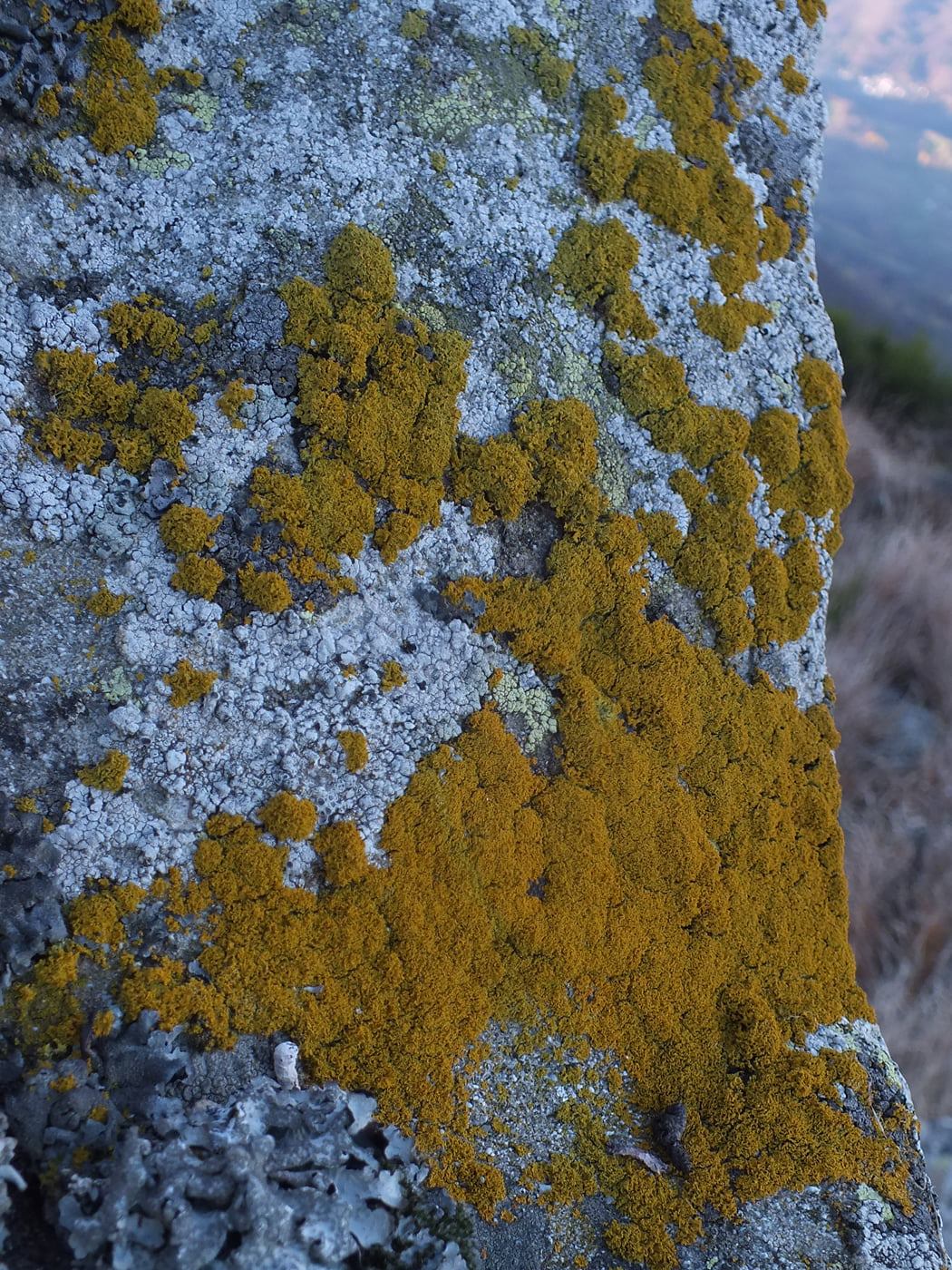
Giulio Pandeli
Italy, Emilia Romagna, Modena
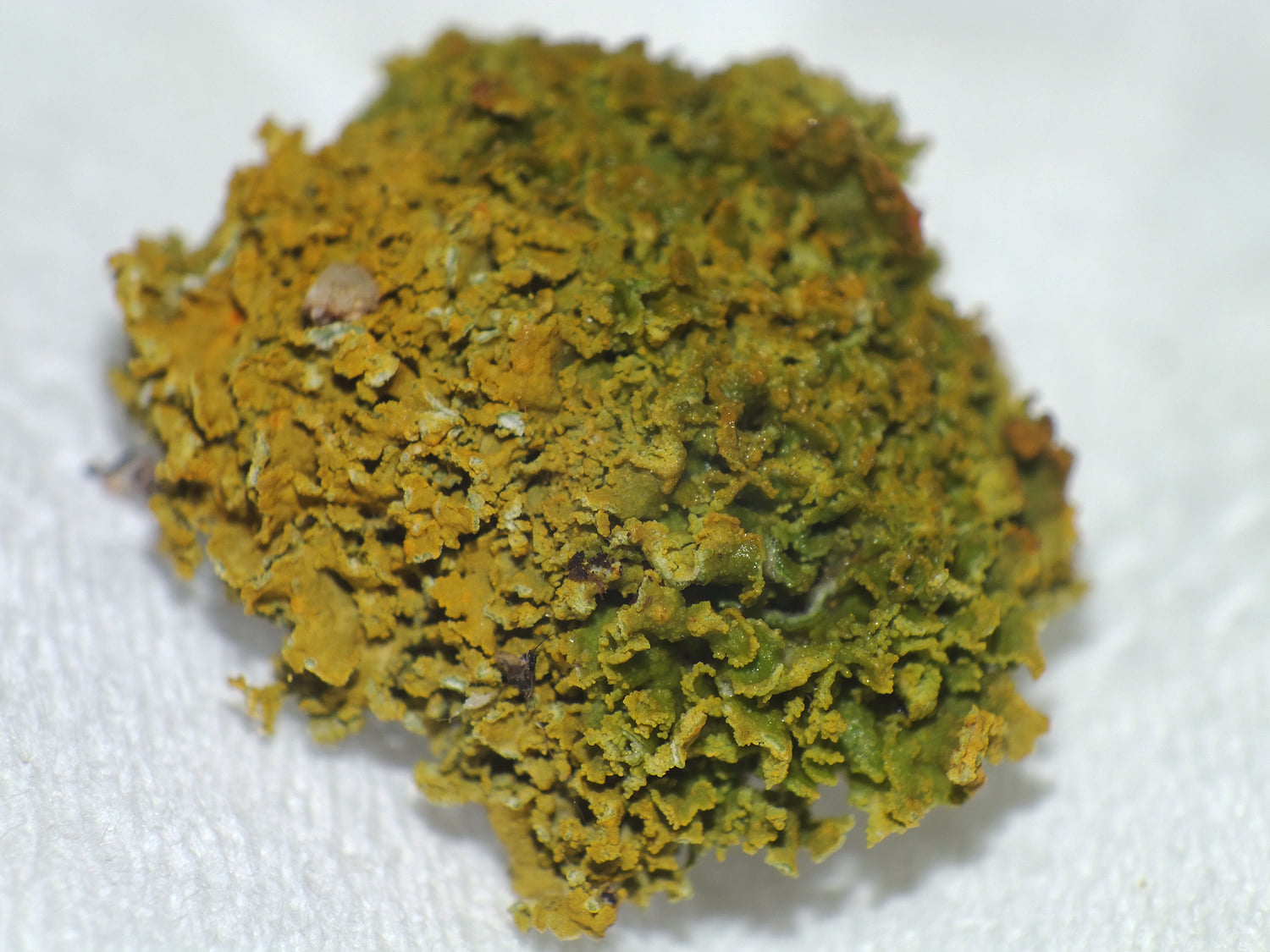
Giulio Pandeli
Italy, Emilia Romagna, Modena
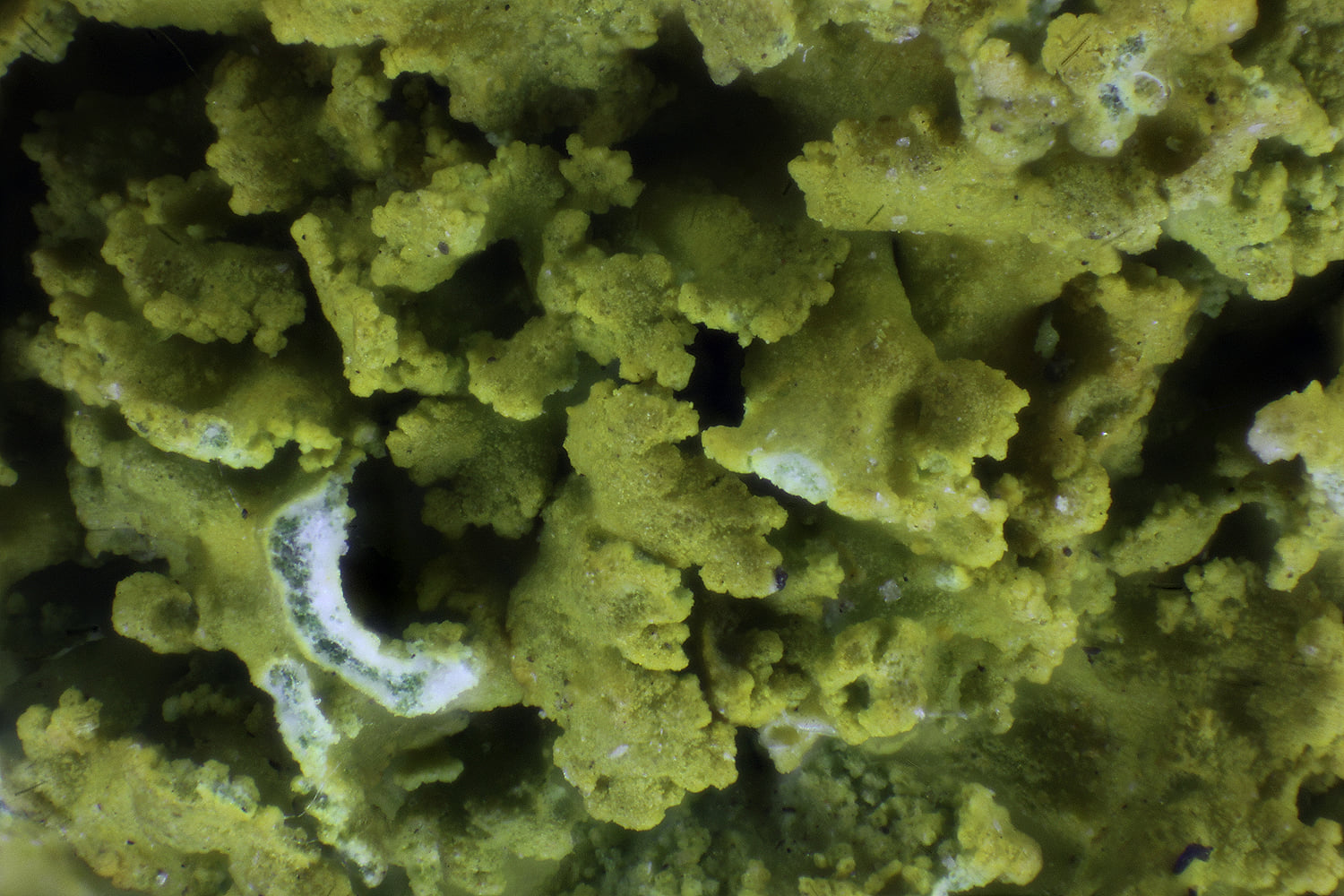
Giulio Pandeli
Italy, Emilia Romagna, Modena
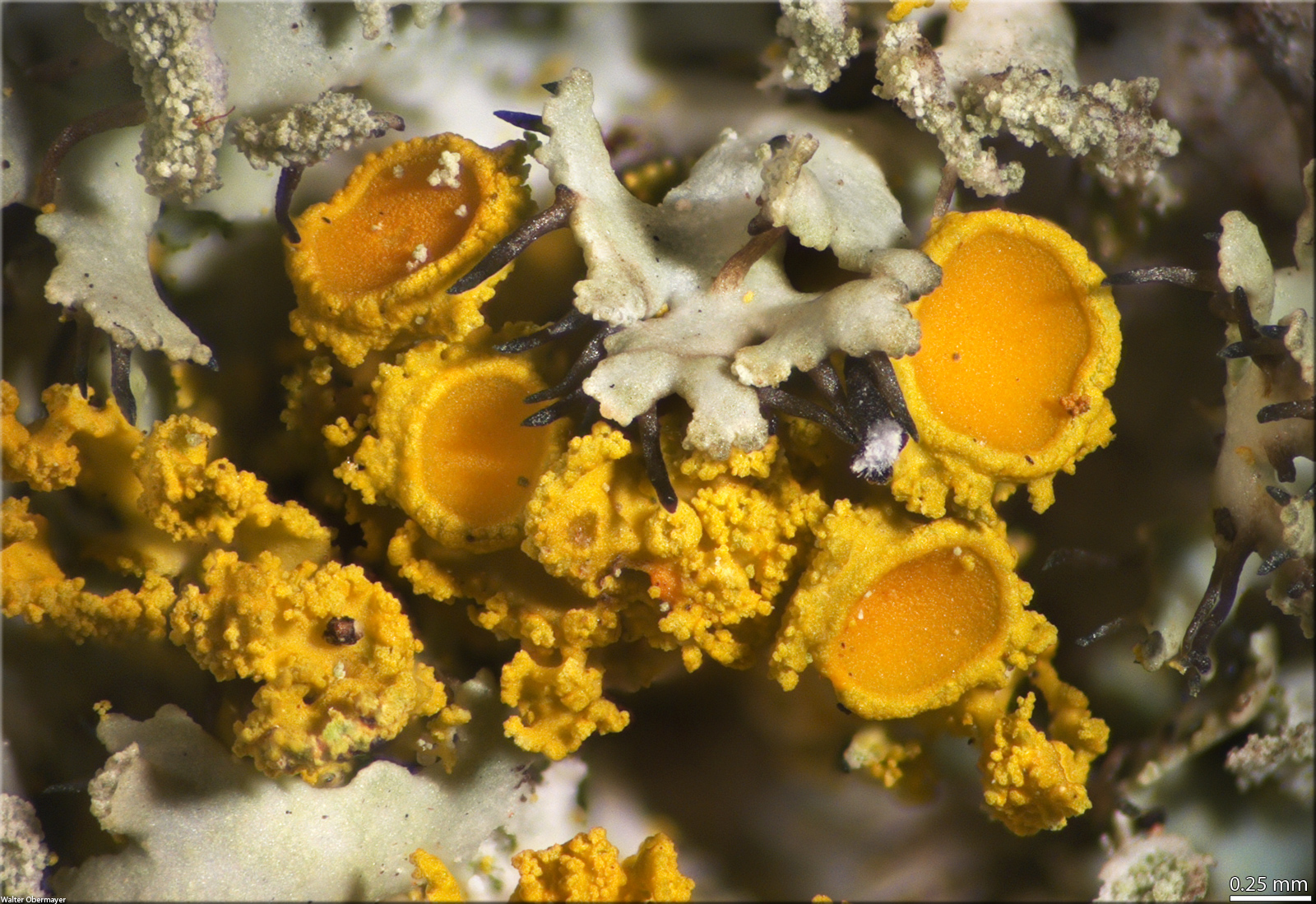
Walter Obermayer CC BY-SA 4.0 - Source: Lichens of Noricum - http://lichens-of-noricum.uni-graz.at/
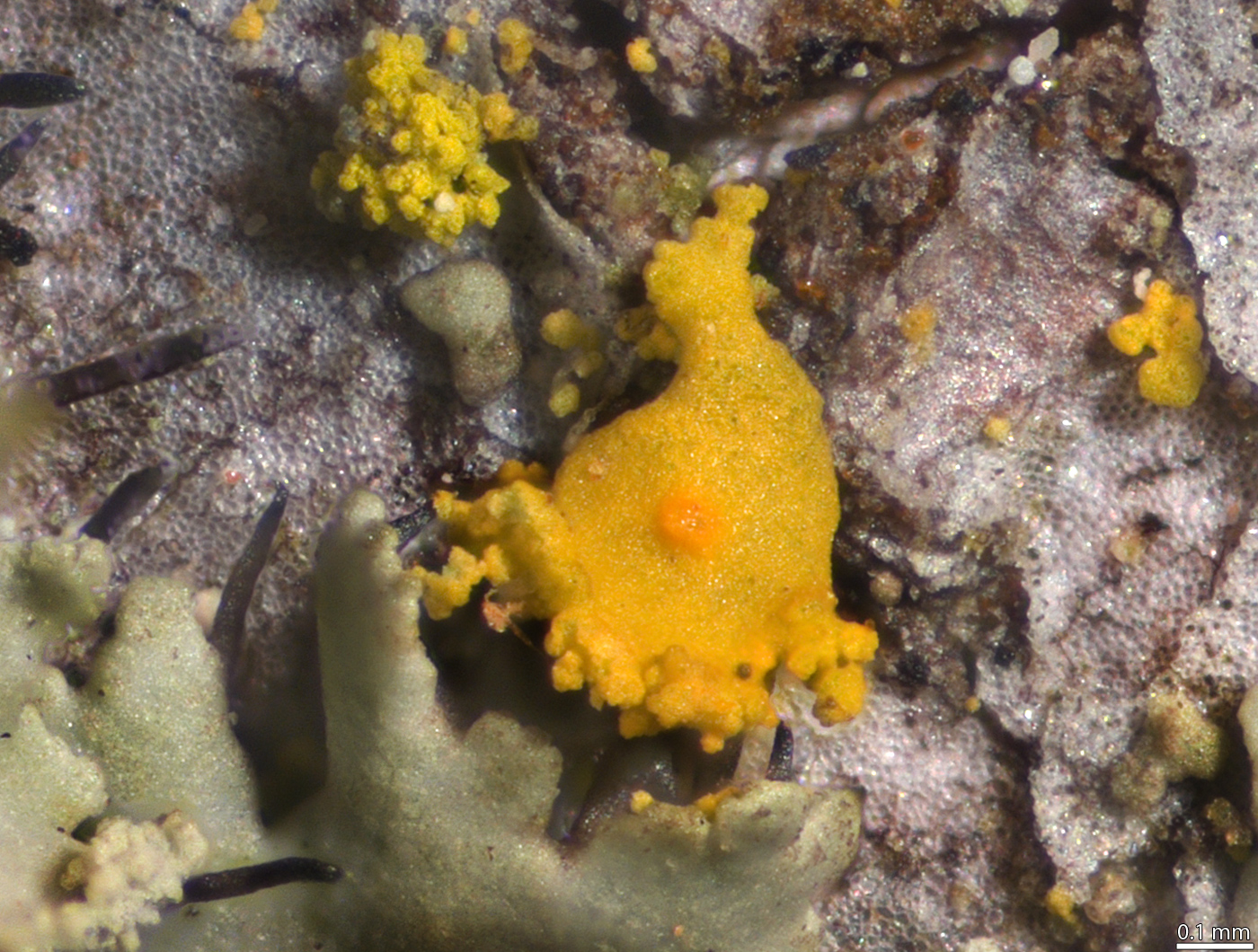
Walter Obermayer CC BY-SA 4.0 - Source: Lichens of Noricum - http://lichens-of-noricum.uni-graz.at/
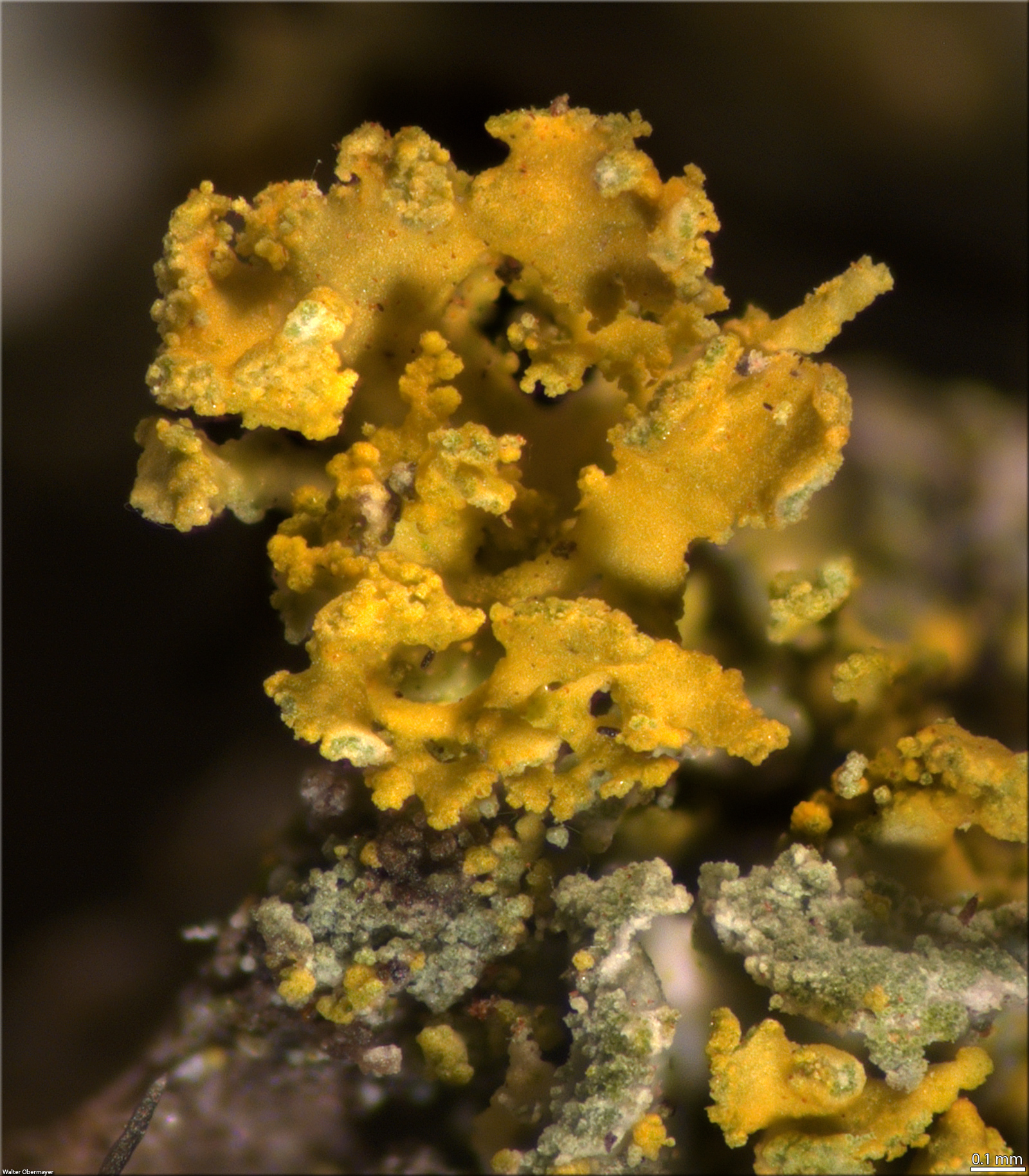
Walter Obermayer CC BY-SA 4.0 - Source: Lichens of Noricum - http://lichens-of-noricum.uni-graz.at/
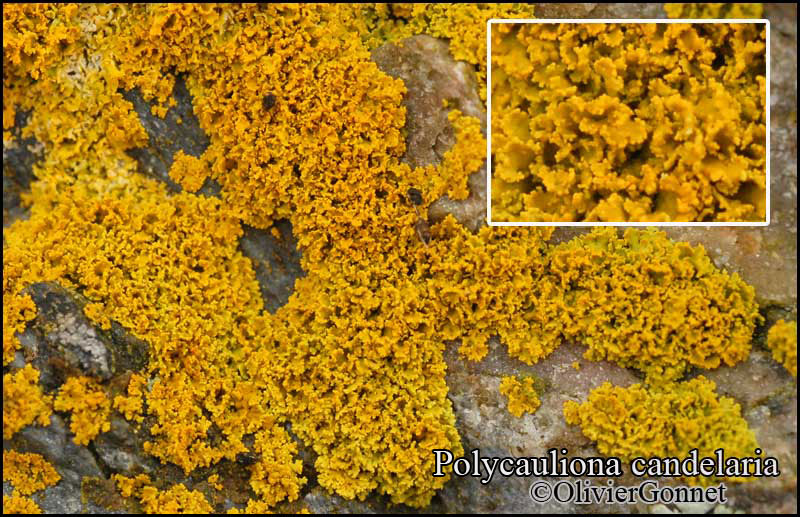
Courtesy Danièle et Olivier Gonnet - Source: https://www.afl-lichenologie.fr/Photos_AFL/Photos_AFL_P/Text_P_5/Polycauliona_candelaria.htm
France, session AFL 2005 - Finistère
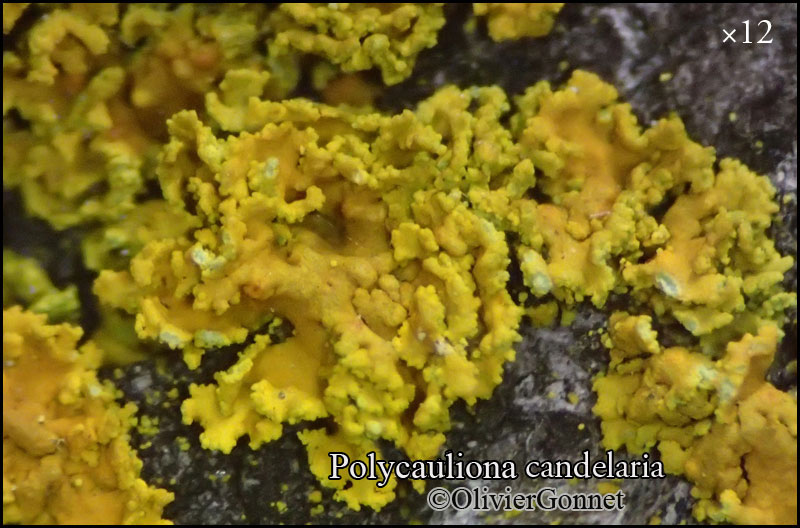
Courtesy Danièle et Olivier Gonnet - Source: https://www.afl-lichenologie.fr/Photos_AFL/Photos_AFL_P/Text_P_5/Polycauliona_candelaria.htm
France, session AFL 2014 dans le Lot
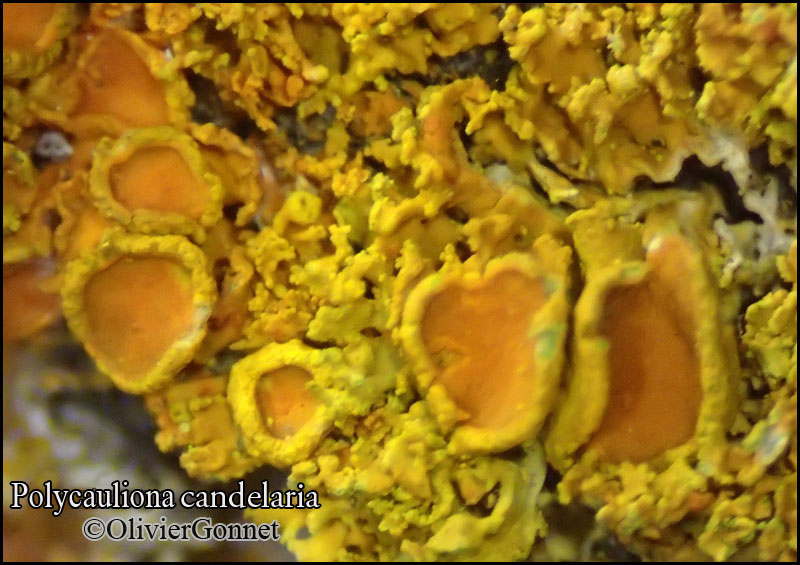
Courtesy Danièle et Olivier Gonnet - Source: https://www.afl-lichenologie.fr/Photos_AFL/Photos_AFL_P/Text_P_5/Polycauliona_candelaria.htm
France, session AFL 2014 dans le Lot
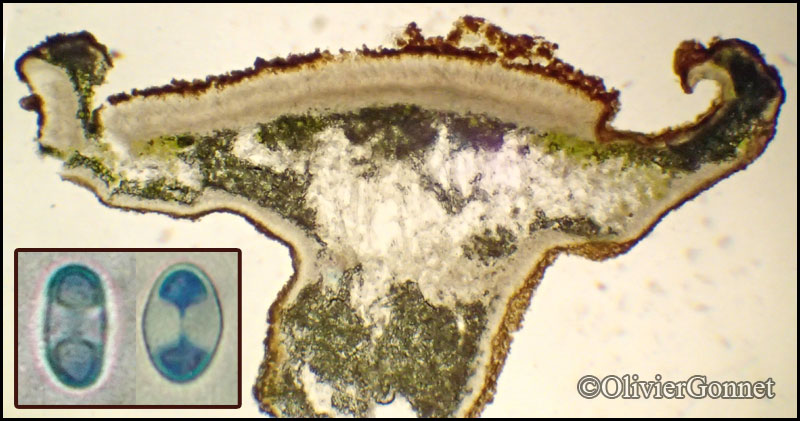
Courtesy Danièle et Olivier Gonnet - Source: https://www.afl-lichenologie.fr/Photos_AFL/Photos_AFL_P/Text_P_5/Polycauliona_candelaria.htm
France, session AFL 2014 dans le Lot
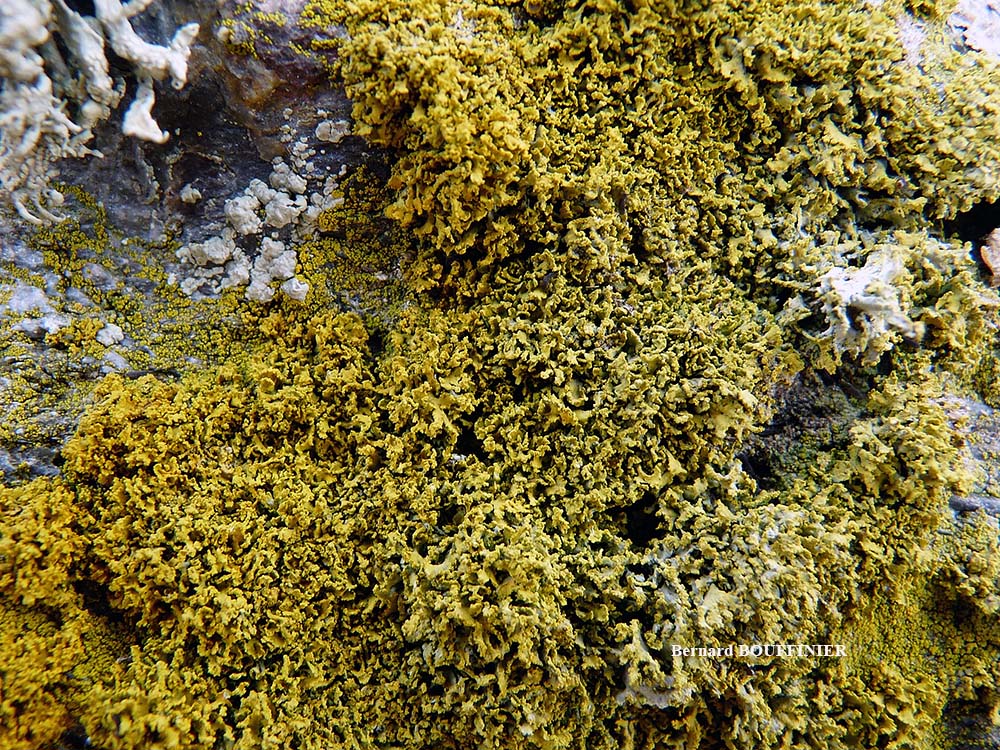
Bernard Bouffinier - Source: http://www.lichensmaritimes.org/index.php?task=fiche&lichen=767&lang=en
France, Roc'h Trédudon
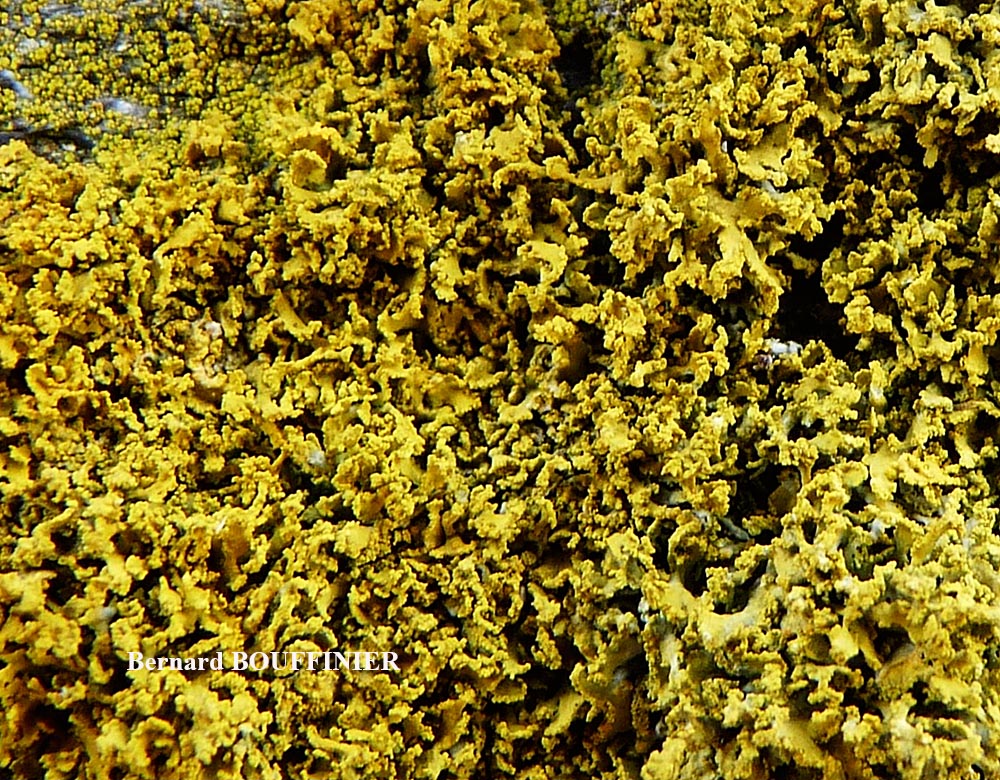
Bernard Bouffinier - Source: http://www.lichensmaritimes.org/index.php?task=fiche&lichen=767&lang=en
France, Roc'h Trédudon
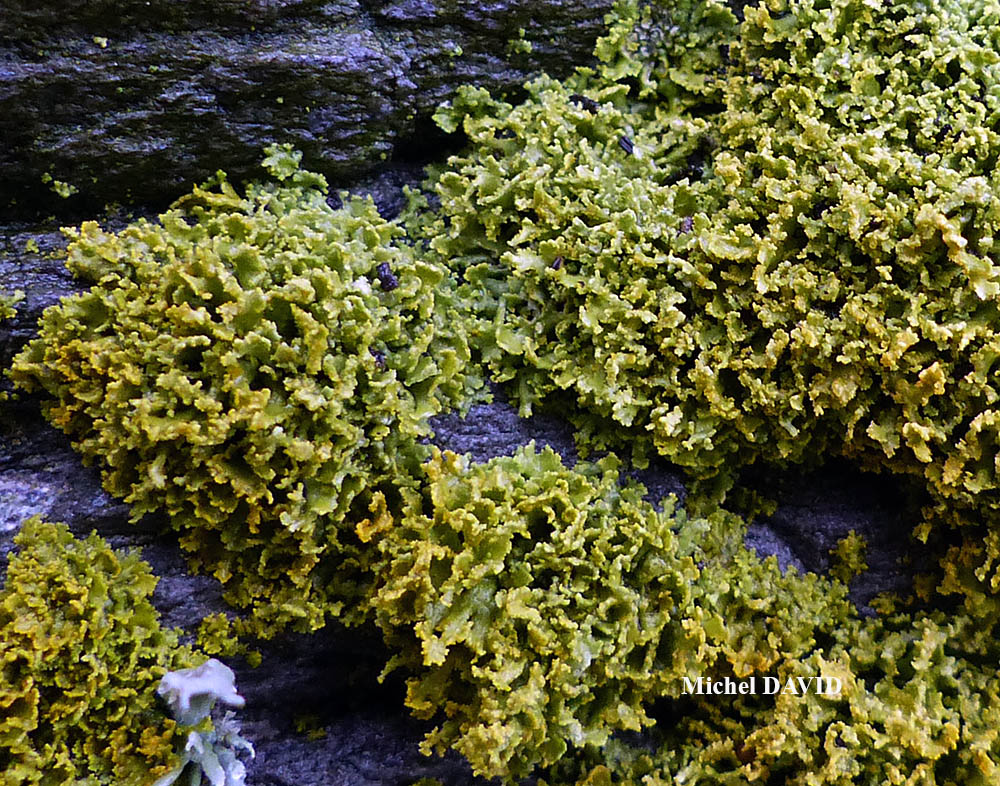
Michel David - Source: http://www.lichensmaritimes.org/index.php?task=fiche&lichen=767&lang=en
France, Hanvec
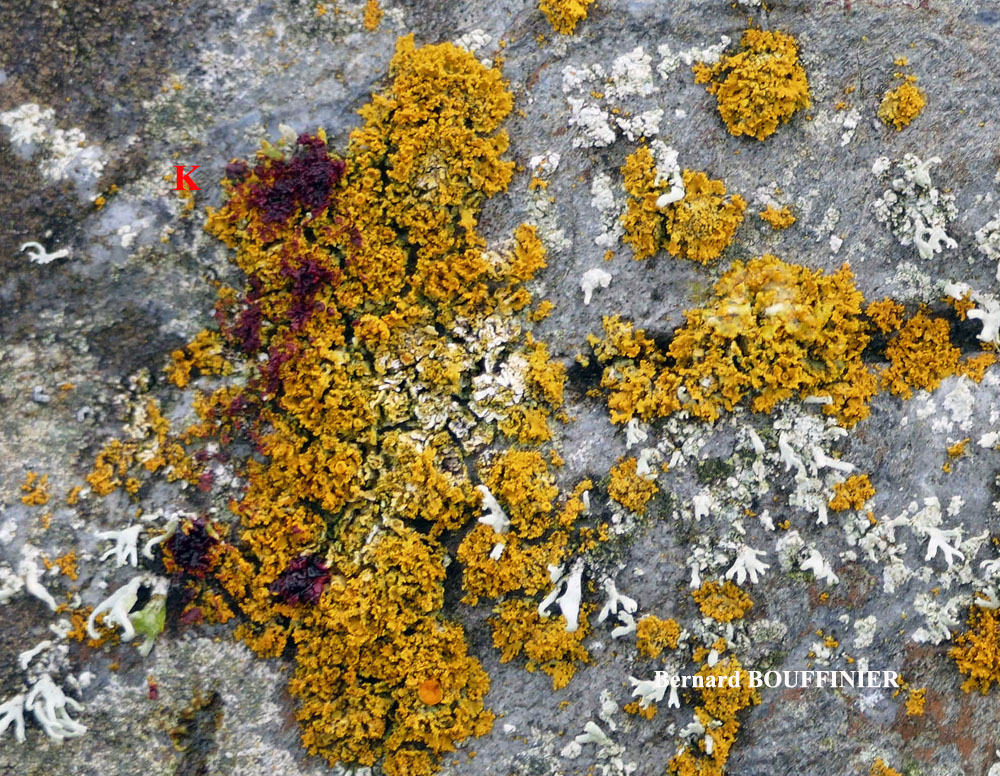
Bernard Bouffinier - Source: http://www.lichensmaritimes.org/index.php?task=fiche&lichen=767&lang=en
France, Gouezec
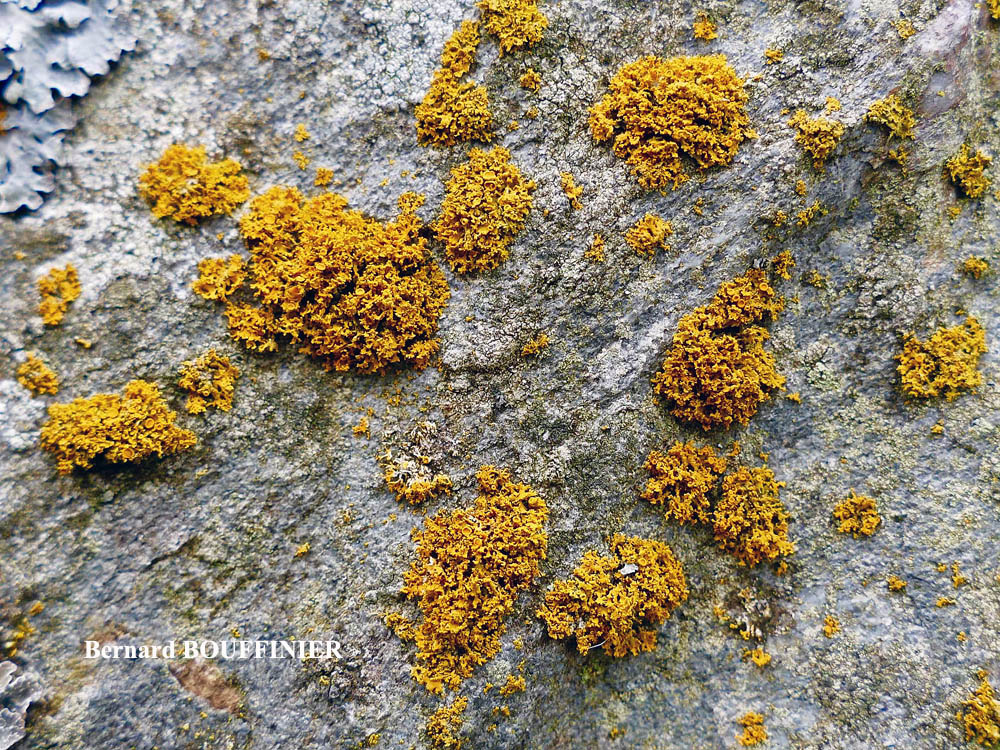
Bernard Bouffinier - Source: http://www.lichensmaritimes.org/index.php?task=fiche&lichen=767&lang=en
France, Gouezec
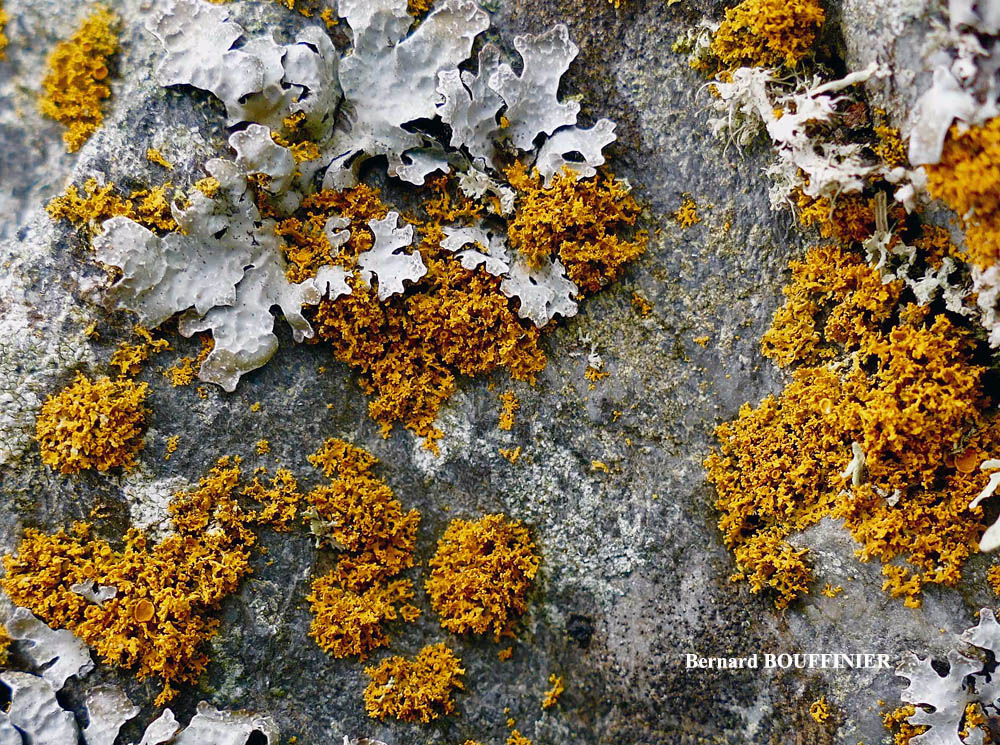
Bernard Bouffinier - Source: http://www.lichensmaritimes.org/index.php?task=fiche&lichen=767&lang=en
France, Gouezec
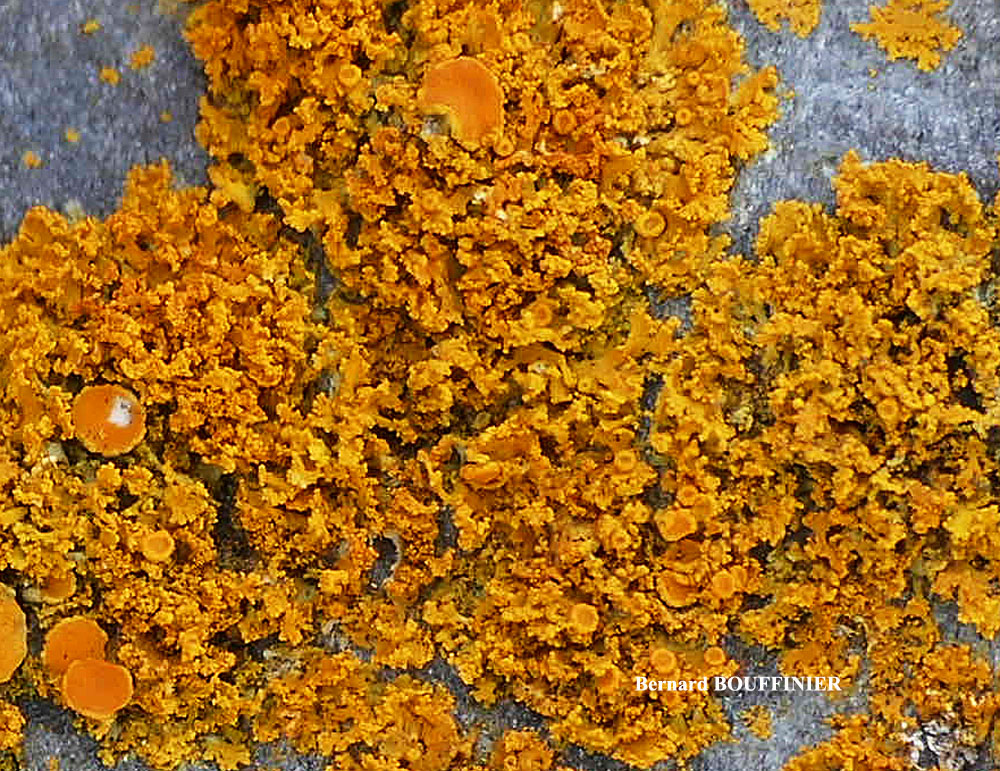
Bernard Bouffinier - Source: http://www.lichensmaritimes.org/index.php?task=fiche&lichen=767&lang=en
France, Gouezec
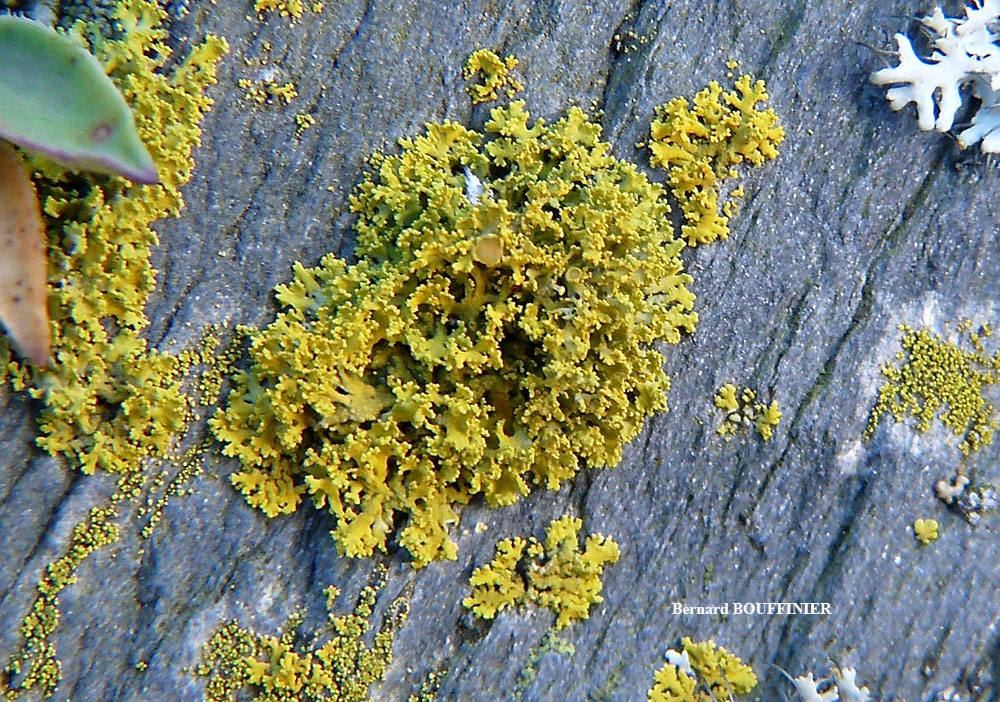
Bernard Bouffinier - Source: http://www.lichensmaritimes.org/index.php?task=fiche&lichen=767&lang=en
France, Roc'h Trevezel
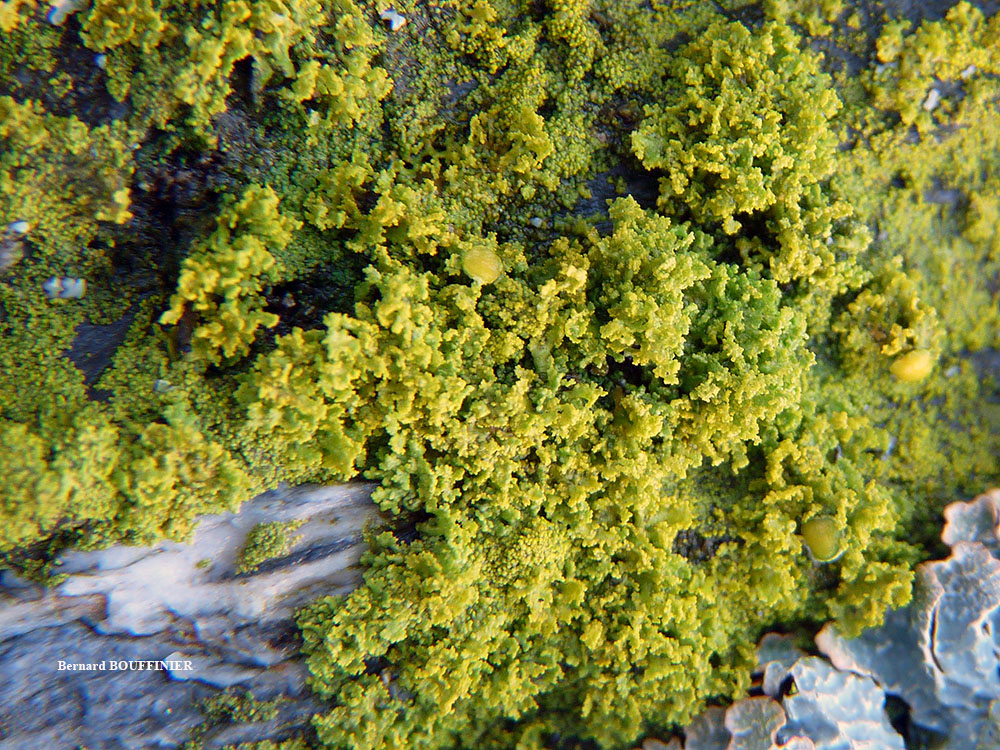
Bernard Bouffinier - Source: http://www.lichensmaritimes.org/index.php?task=fiche&lichen=767&lang=en
France, Roc'h Trevezel
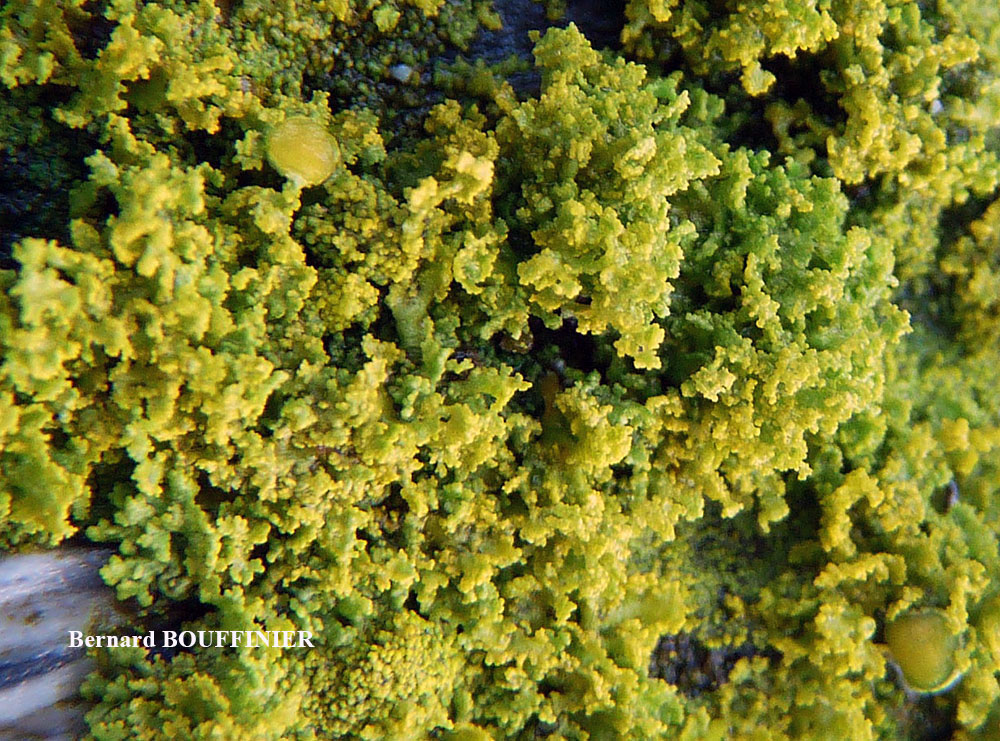
Bernard Bouffinier - Source: http://www.lichensmaritimes.org/index.php?task=fiche&lichen=767&lang=en
France, Roc'h Trevezel
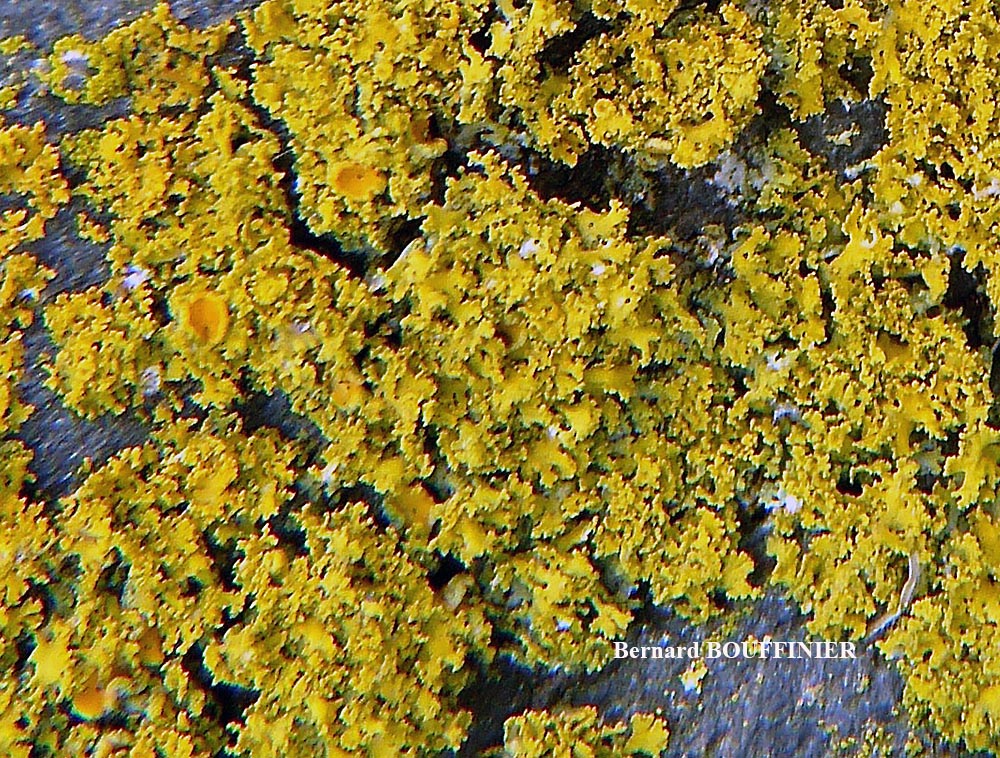
Bernard Bouffinier - Source: http://www.lichensmaritimes.org/index.php?task=fiche&lichen=767&lang=en
France, Roche du Feu
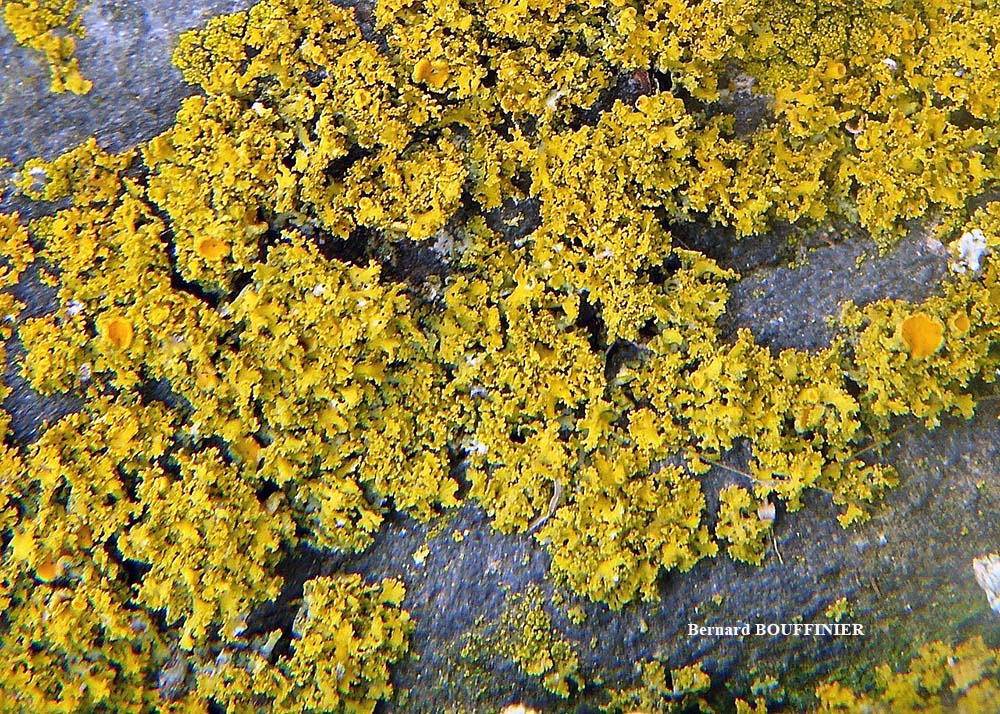
Bernard Bouffinier - Source: http://www.lichensmaritimes.org/index.php?task=fiche&lichen=767&lang=en
France, Roche du Feu
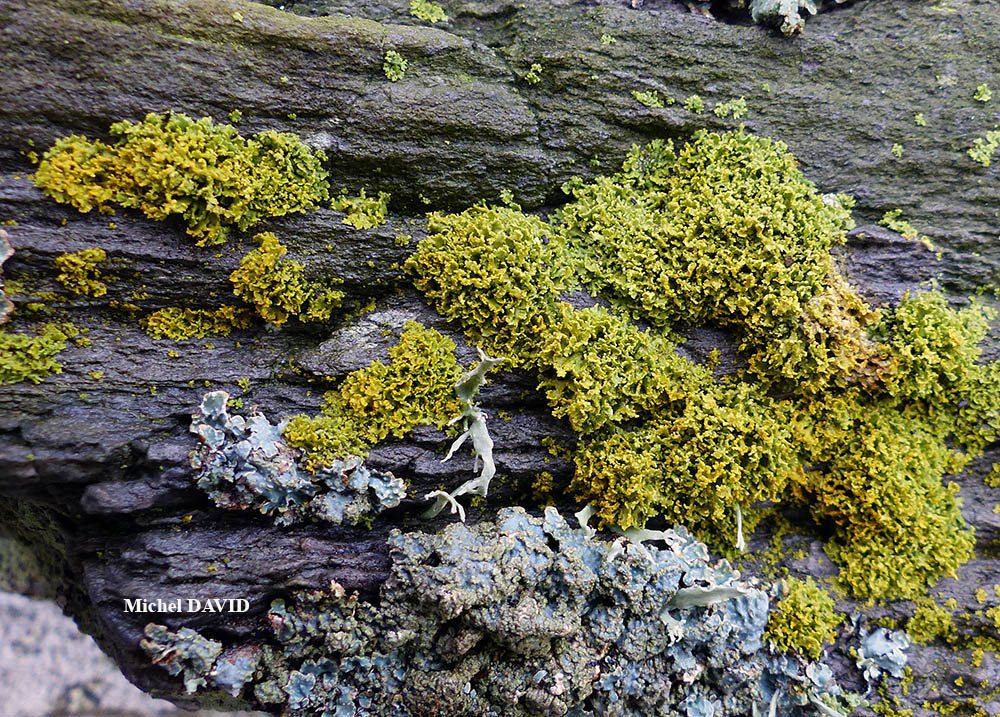
Michel David - Source: http://www.lichensmaritimes.org/index.php?task=fiche&lichen=767&lang=en
France, Hanvec
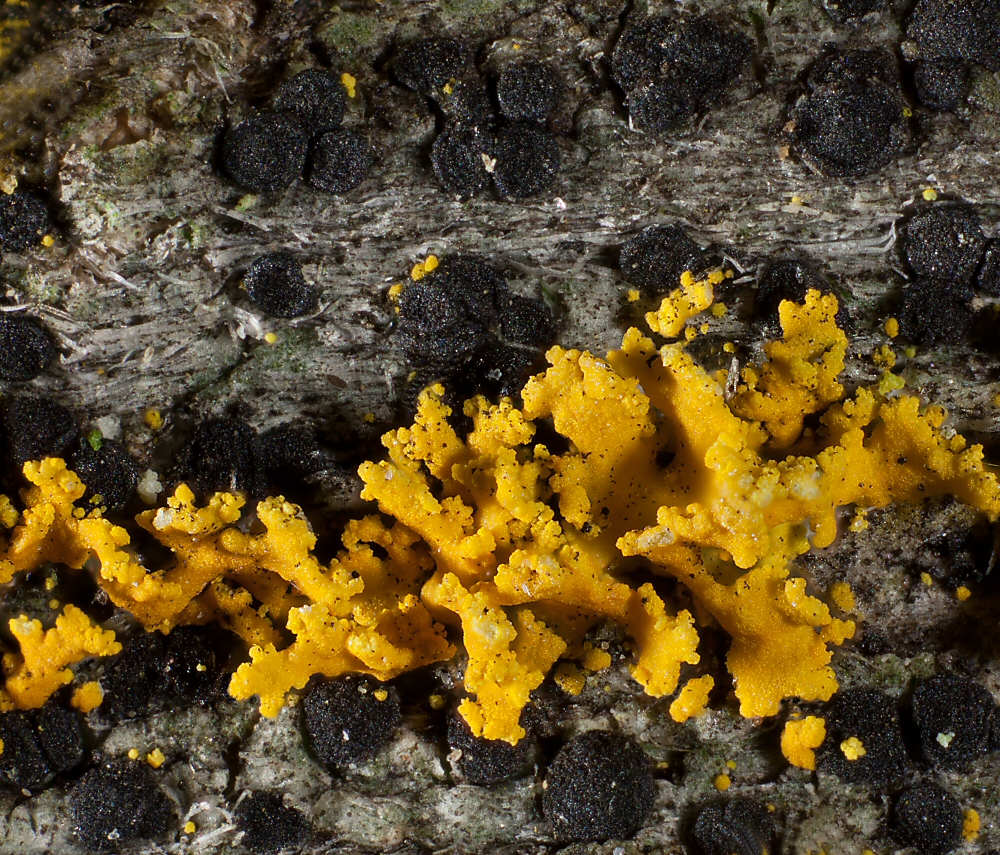
Ulrich Kirschbaum CC BY-SA 4.0 - Source: https://www.thm.de/lse/ulrich-kirschbaum/flechtenbilder
Central Europe.
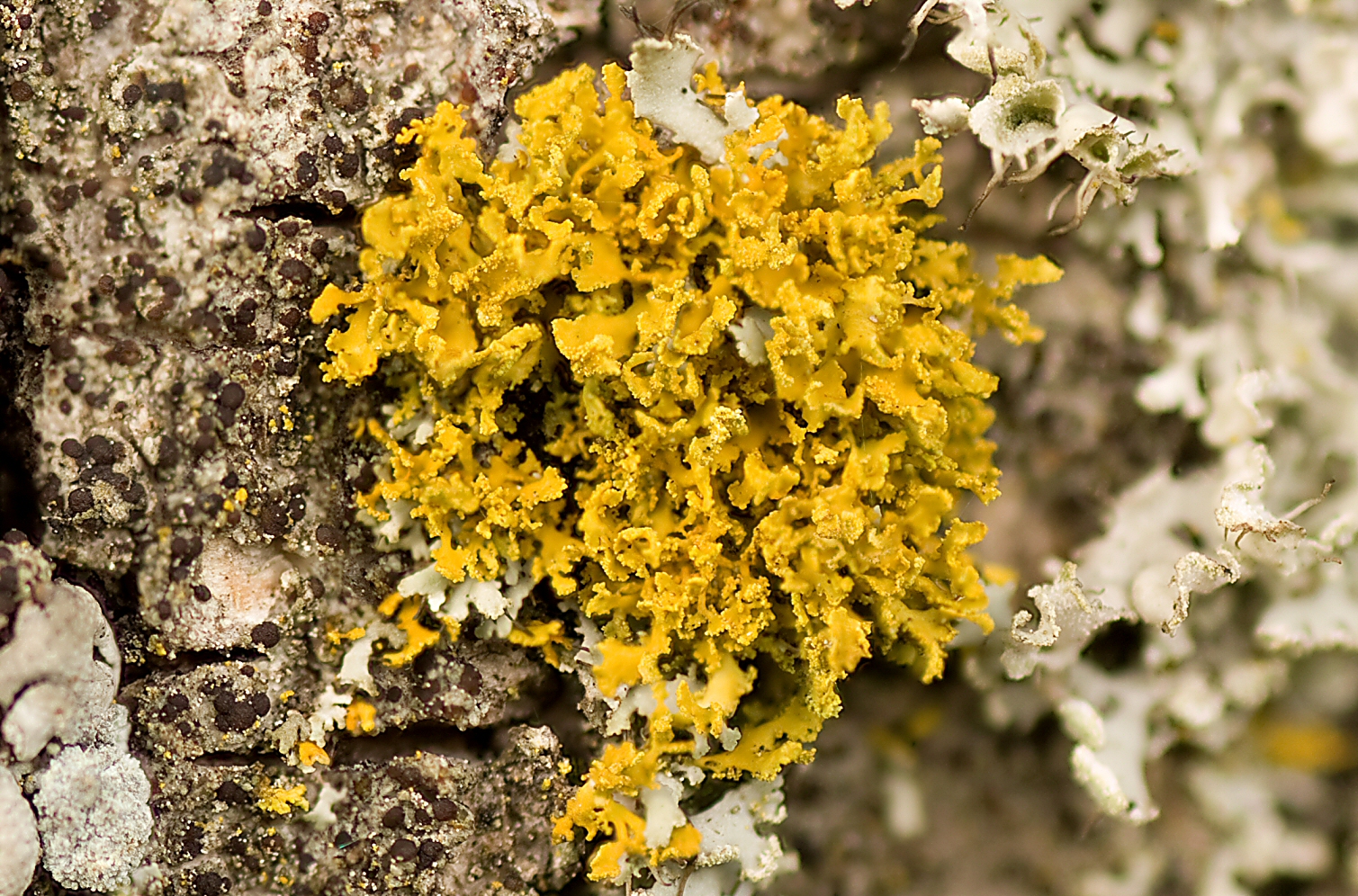
Ulrich Kirschbaum CC BY-SA 4.0 - Source: https://www.thm.de/lse/ulrich-kirschbaum/flechtenbilder
Central Europe.

Marta González Garcia - Centro de Estudios Micologicos Asturianos
Spain, Asturias

Marta González Garcia - Centro de Estudios Micologicos Asturianos
Spain, Asturias

Marta González Garcia - Centro de Estudios Micologicos Asturianos
Spain, Asturias
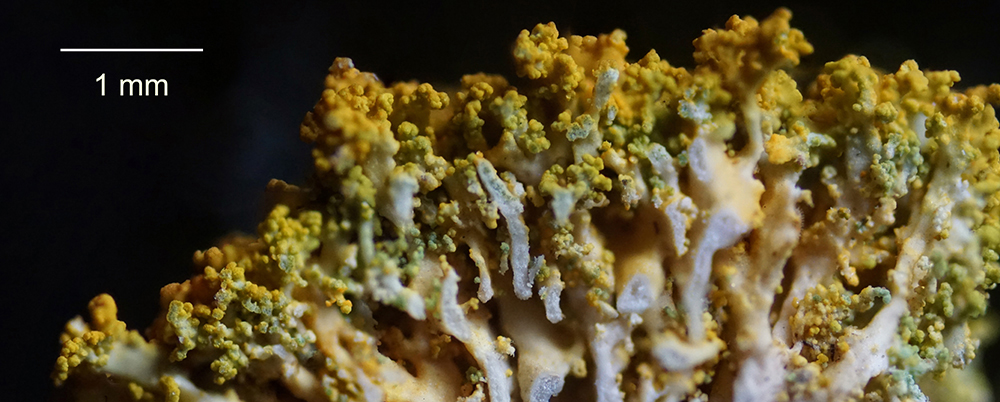
Marta González Garcia - Centro de Estudios Micologicos Asturianos
Spain, Asturias

Marta González Garcia - Centro de Estudios Micologicos Asturianos
Spain, Asturias

Marta González Garcia - Centro de Estudios Micologicos Asturianos
Spain, Asturias

Marta González Garcia - Centro de Estudios Micologicos Asturianos
Spain, Asturias

Marta González Garcia - Centro de Estudios Micologicos Asturianos
Spain, Asturias
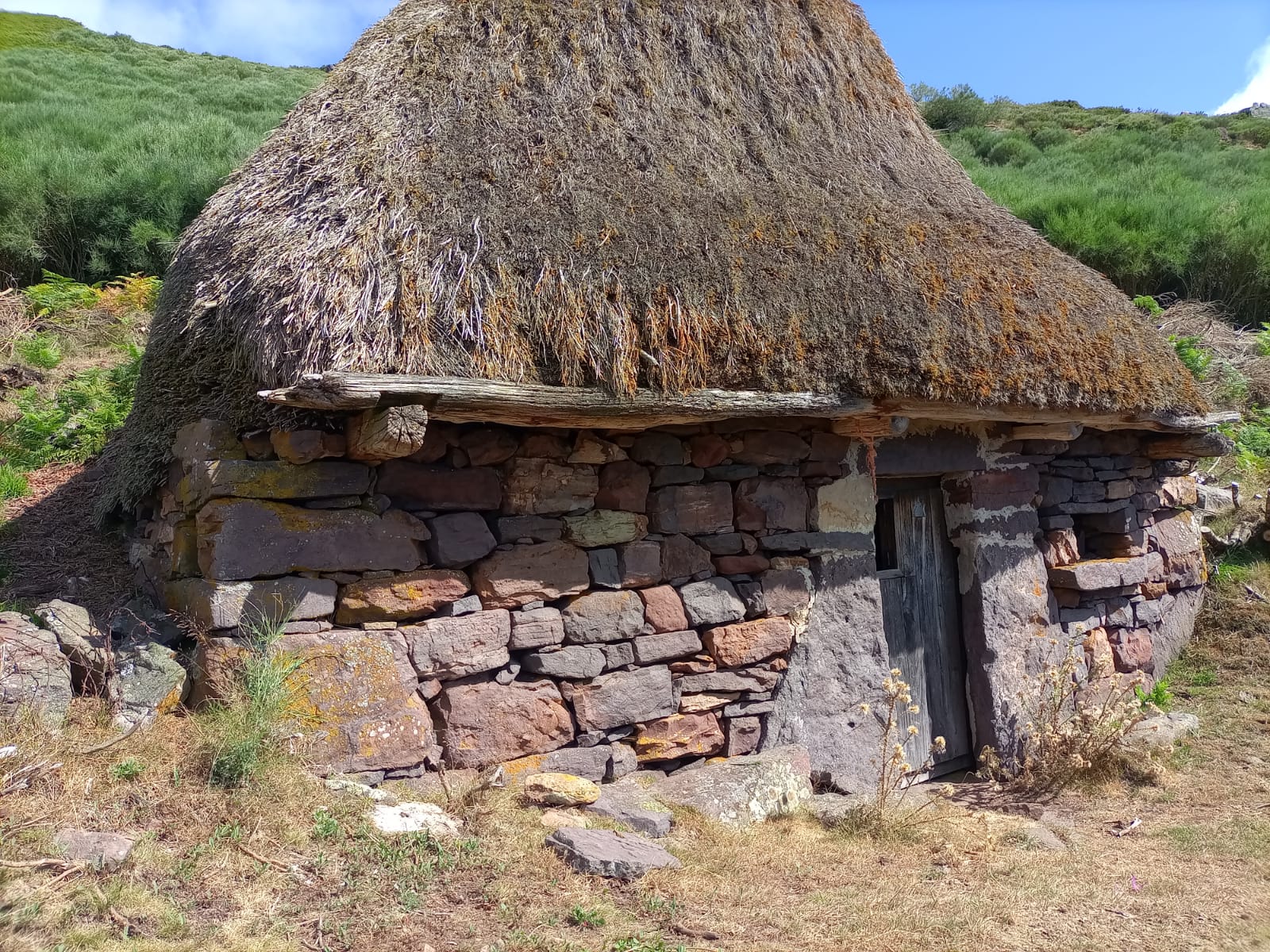
Marta González Garcia - Centro de Estudios Micologicos Asturianos
Spain, Asturias

Felix Schumm - CC BY-SA 4.0
[14916], Germany, Baden-Württemberg, Schwäbische Alb, Alb-Donaukreis, nördlich von Westerheim, Straßenbäume (meist Ahorn), 48,52485° N, 9,62333° E, 830 m. Leg. F. Schumm 24.05.2009.

Felix Schumm - CC BY-SA 4.0
[14916], Germany, Baden-Württemberg, Schwäbische Alb, Alb-Donaukreis, nördlich von Westerheim, Straßenbäume (meist Ahorn), 48,52485° N, 9,62333° E, 830 m. Leg. F. Schumm 24.05.2009.