Porina mammillosa (Th. Fr.) Zahlbr.
Cat. Lich. Univ., 1: 393, 1922. Basionym: Segestria mammillosa Th. Fr. - N. Acta Reg. Soc. Sci. Upsal., ser. 3, 3: 362, 1861.
Synonyms: Porina epigaeoides (Nyl.) A.L. Sm.; Porina furvescens (Nyl.) A.L. Sm.; Porina humicolor (Nyl.) A.L. Sm.; Sagedia declivum Bagl. & Carestia; Sagedia trechalea (Nyl.) Arnold; Verrucaria furvescens Nyl. non Zschacke
Description: Thallus crustose, episubstratic, greenish grey to dark grey or almost blackish, often tinged brown-purple, continuous, smooth or granular, rather thick. Perithecia black, (0.2-)0.3-0.5 mm across, globose, partly covered by a thalline layer. Involucrellum thick, apical, black in outer part, with a purple, K+ blue-grey pigment (Sagedia-red), the inner layers reddish orange (Porina-yellow), with photobiont cells locted between involucrellum and exciple; exciple reddish brown in upper half, yellowish to pale orange in lower half; paraphyses simple, filiform, numerous, persistent, c. 1 μm thick; hymenial gel I-, K/I-. Asci 8-spored, clavate-cylindrical, thin-walled, functionally unitunicate, I-, K/I-, the apex truncate and containing a refractive ring which stains with Congo Red. Ascospores 3-septate, hyaline, fusiform, (22-)25-35(-40) x 4-6 μm. Photobiont trentepohlioid. Spot tests: thallus K-, C-, KC-, P-. Chemistry: thallus without lichen substances.
Growth form: Crustose
Substrata: soil, terricolous mosses, and plant debris
Photobiont: Trentepohlia
Reproductive strategy: mainly sexual
Commonnes-rarity: (info)
Alpine belt: very rare
Subalpine belt: rare
Montane belt: absent
Dry submediterranean belt: absent
Humid submediterranean belt: absent
Padanian area: absent
pH of the substrata:
1 2 3 4 5

Solar irradiation:
1 2 3 4 5
Aridity:
1 2 3 4 5
Eutrophication:
1 2 3 4 5
Poleotolerance:
0 1 2 3
Altitudinal distribution:
1 2 3 4 5 6
Rarity
absent
extremely rare
very rare
rare
rather rare
rather common
common
very common
extremely common
Loading data...
Occurrence data
Predictive map
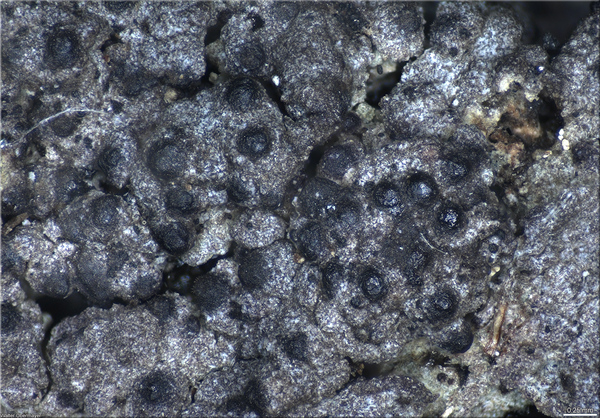
Walter Obermayer CC BY-SA 4.0 - Source: Lichens of Noricum - http://lichens-of-noricum.uni-graz.at/
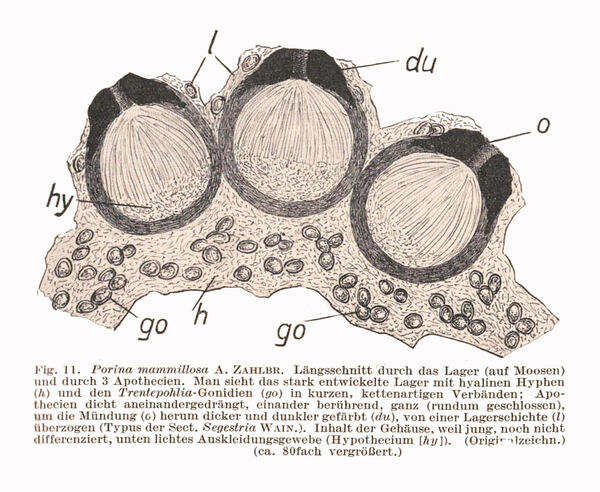
Source: Keissler K. von 1938. Pyrenulaceae, Mycoporaceae, Coniocarpineae. In: Rabenhorst G L: Kryptogamen-Flora von Deutschland, Österreich und der Schweiz. 2nd, IX, Die Flechten, Abt. 1, 2. Gebr. Borntraeger, Leipzig, pp. 1-846.
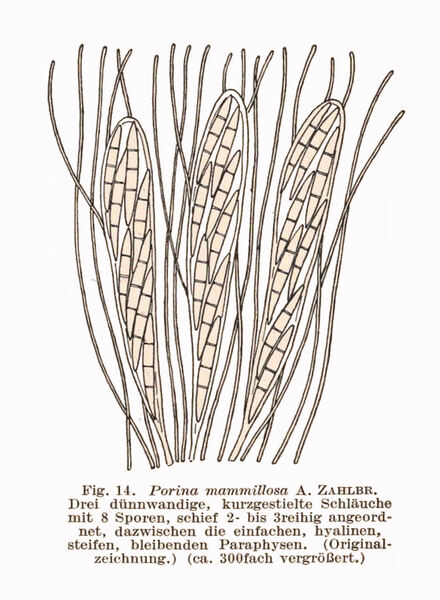
Source: Keissler K. von 1938. Pyrenulaceae, Mycoporaceae, Coniocarpineae. In: Rabenhorst G L: Kryptogamen-Flora von Deutschland, Österreich und der Schweiz. 2nd, IX, Die Flechten, Abt. 1, 2. Gebr. Borntraeger, Leipzig, pp. 1-846.
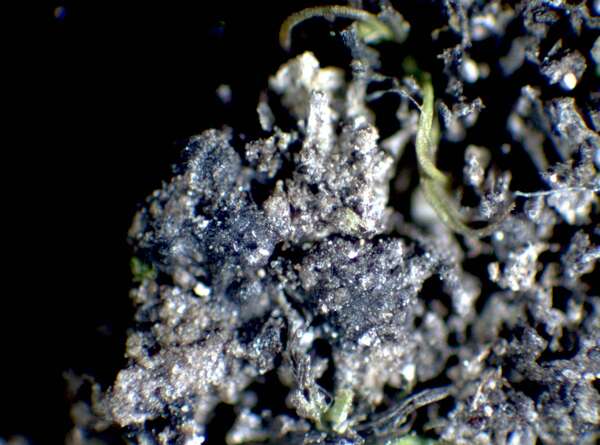
P.L. Nimis; Owner: Department of Life Sciences, University of Trieste
Herbarium: TSB (16654)
2001/11/29
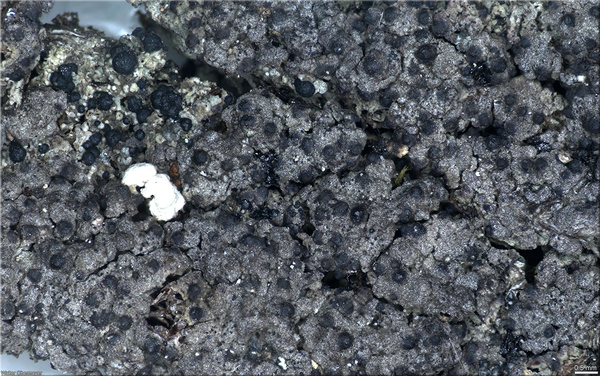
Walter Obermayer CC BY-SA 4.0 - Source: Lichens of Noricum - http://lichens-of-noricum.uni-graz.at/
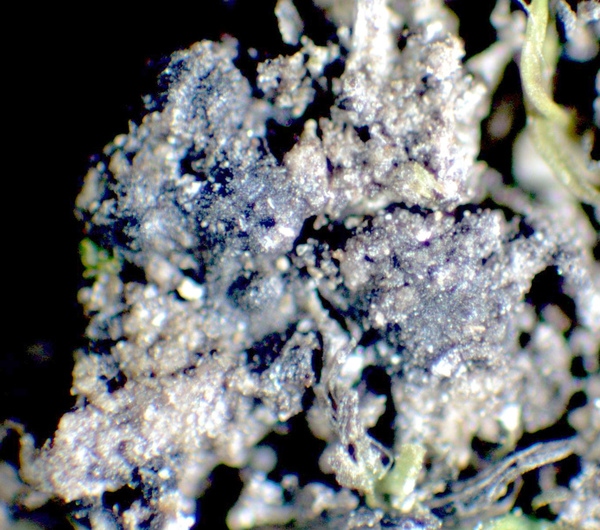
P.L. Nimis CC BY-SA 04
TSB 16656
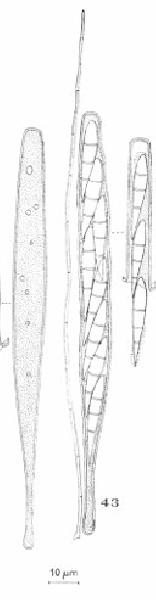
Source: Vězda A. (1968) Fol. Geobot. Phytotax. 3(4): 363-406 Taxonomische Revision der Gattung Thelopsis Nyl. (lichenisierte Fungi).
Growth form: Crustose
Substrata: soil, terricolous mosses, and plant debris
Photobiont: Trentepohlia
Reproductive strategy: mainly sexual
Commonnes-rarity: (info)
Alpine belt: very rare
Subalpine belt: rare
Montane belt: absent
Dry submediterranean belt: absent
Humid submediterranean belt: absent
Padanian area: absent
pH of the substrata:
| 1 | 2 | 3 | 4 | 5 |
Solar irradiation:
| 1 | 2 | 3 | 4 | 5 |
Aridity:
| 1 | 2 | 3 | 4 | 5 |
Eutrophication:
| 1 | 2 | 3 | 4 | 5 |
Poleotolerance:
| 0 | 1 | 2 | 3 |
Altitudinal distribution:
| 1 | 2 | 3 | 4 | 5 | 6 |
Rarity
absent
extremely rare
very rare
rare
rather rare
rather common
common
very common
extremely common
Loading data...
Occurrence data
Predictive map
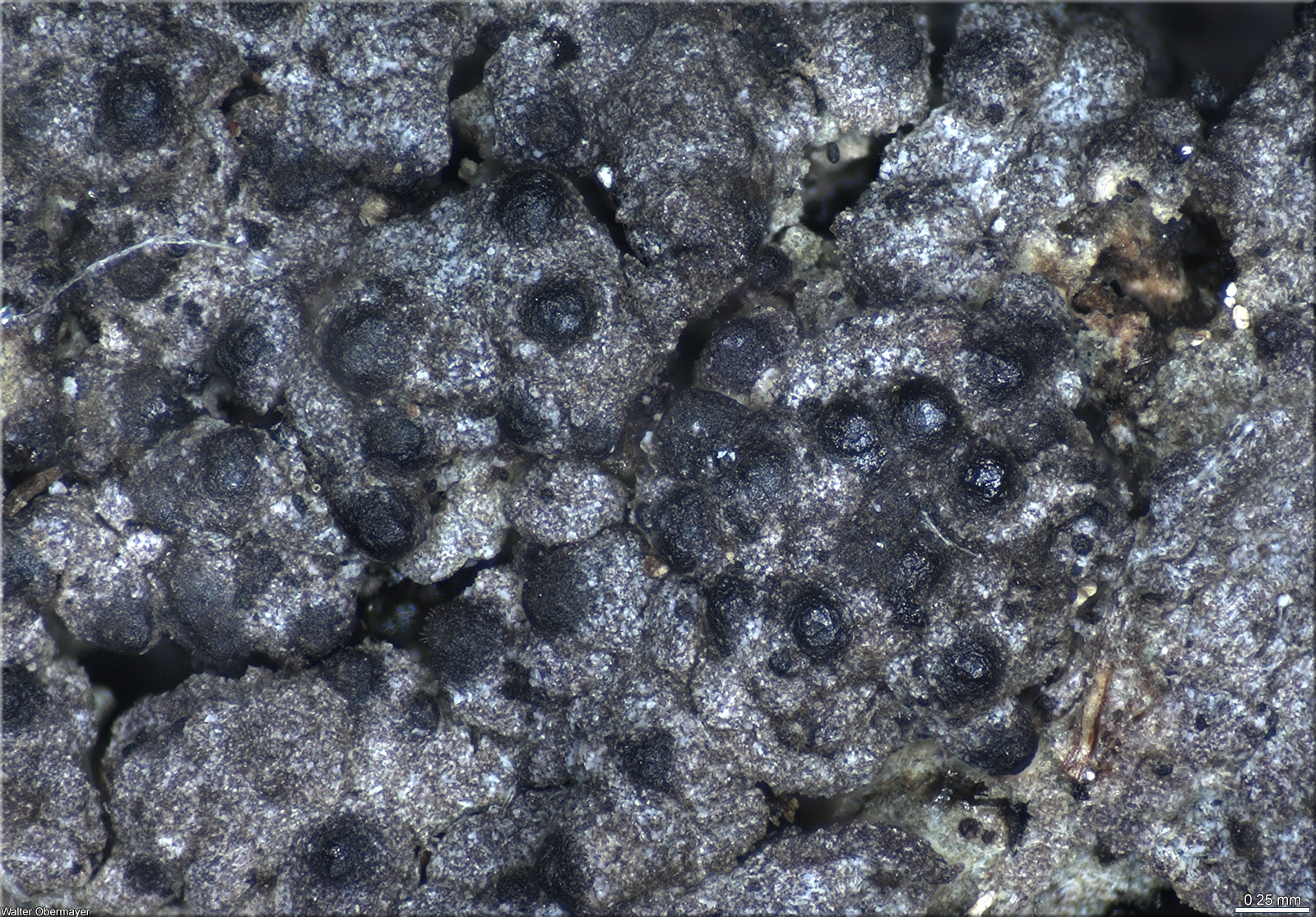
Walter Obermayer CC BY-SA 4.0 - Source: Lichens of Noricum - http://lichens-of-noricum.uni-graz.at/
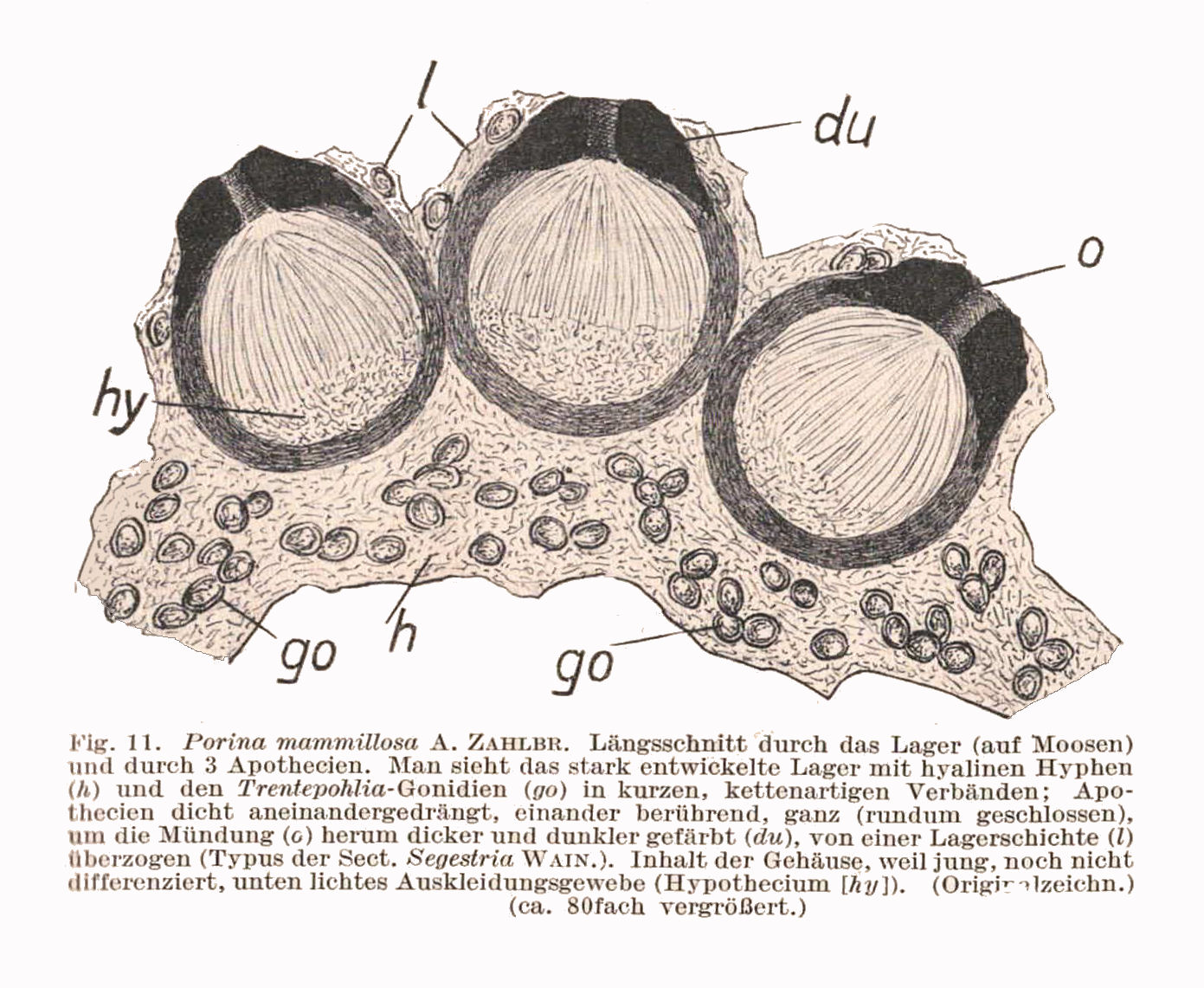
Source: Keissler K. von 1938. Pyrenulaceae, Mycoporaceae, Coniocarpineae. In: Rabenhorst G L: Kryptogamen-Flora von Deutschland, Österreich und der Schweiz. 2nd, IX, Die Flechten, Abt. 1, 2. Gebr. Borntraeger, Leipzig, pp. 1-846.
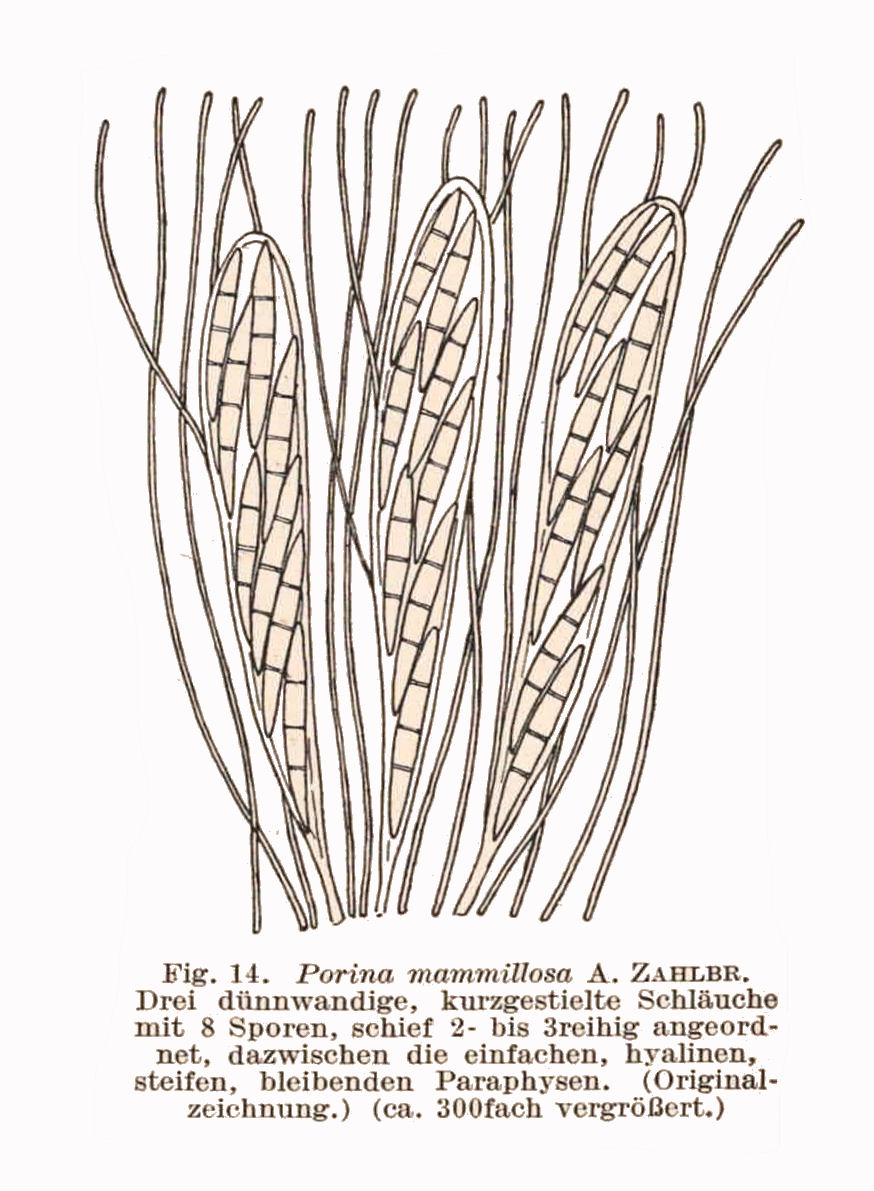
Source: Keissler K. von 1938. Pyrenulaceae, Mycoporaceae, Coniocarpineae. In: Rabenhorst G L: Kryptogamen-Flora von Deutschland, Österreich und der Schweiz. 2nd, IX, Die Flechten, Abt. 1, 2. Gebr. Borntraeger, Leipzig, pp. 1-846.
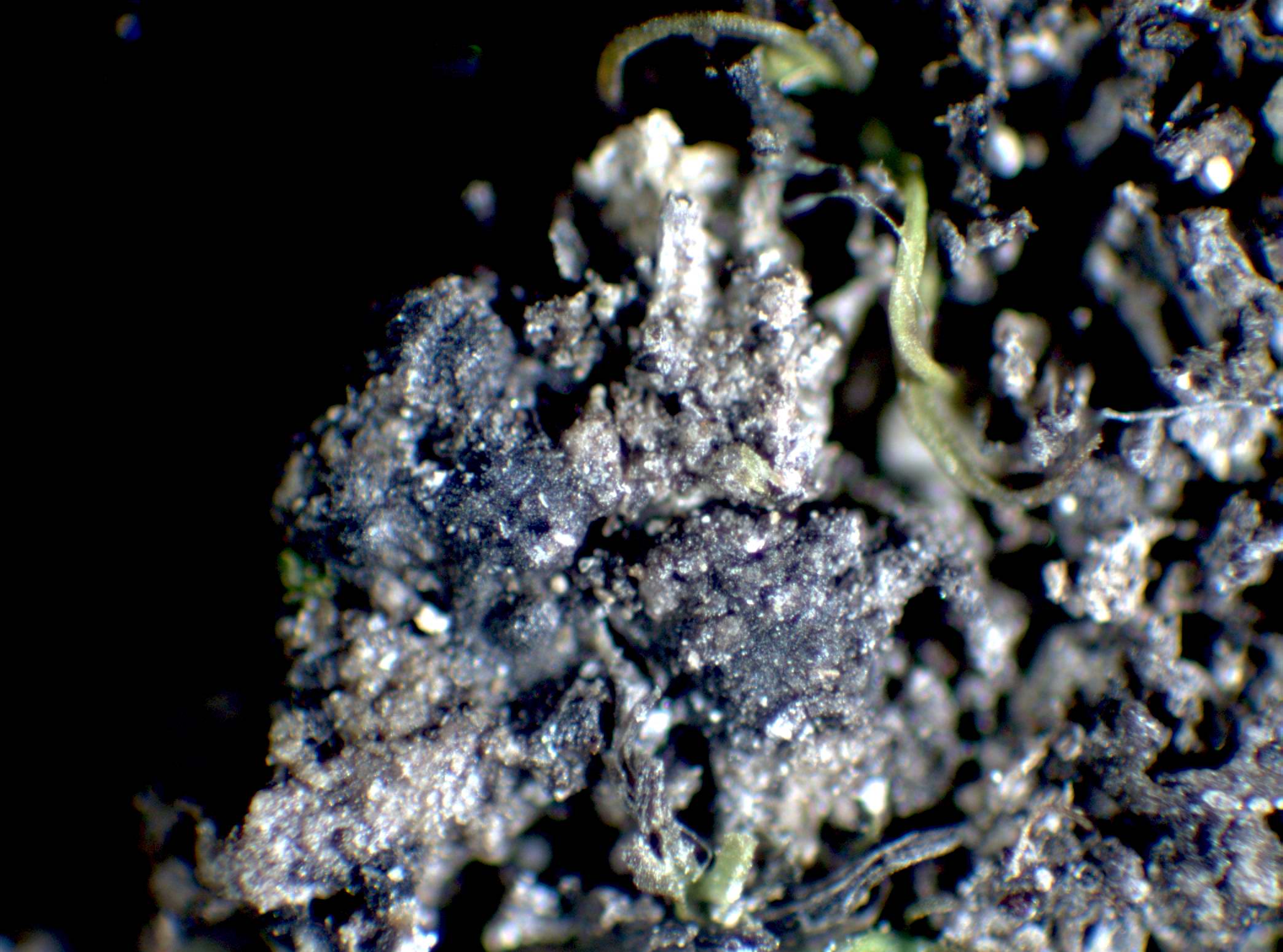
P.L. Nimis; Owner: Department of Life Sciences, University of Trieste
Herbarium: TSB (16654)
2001/11/29
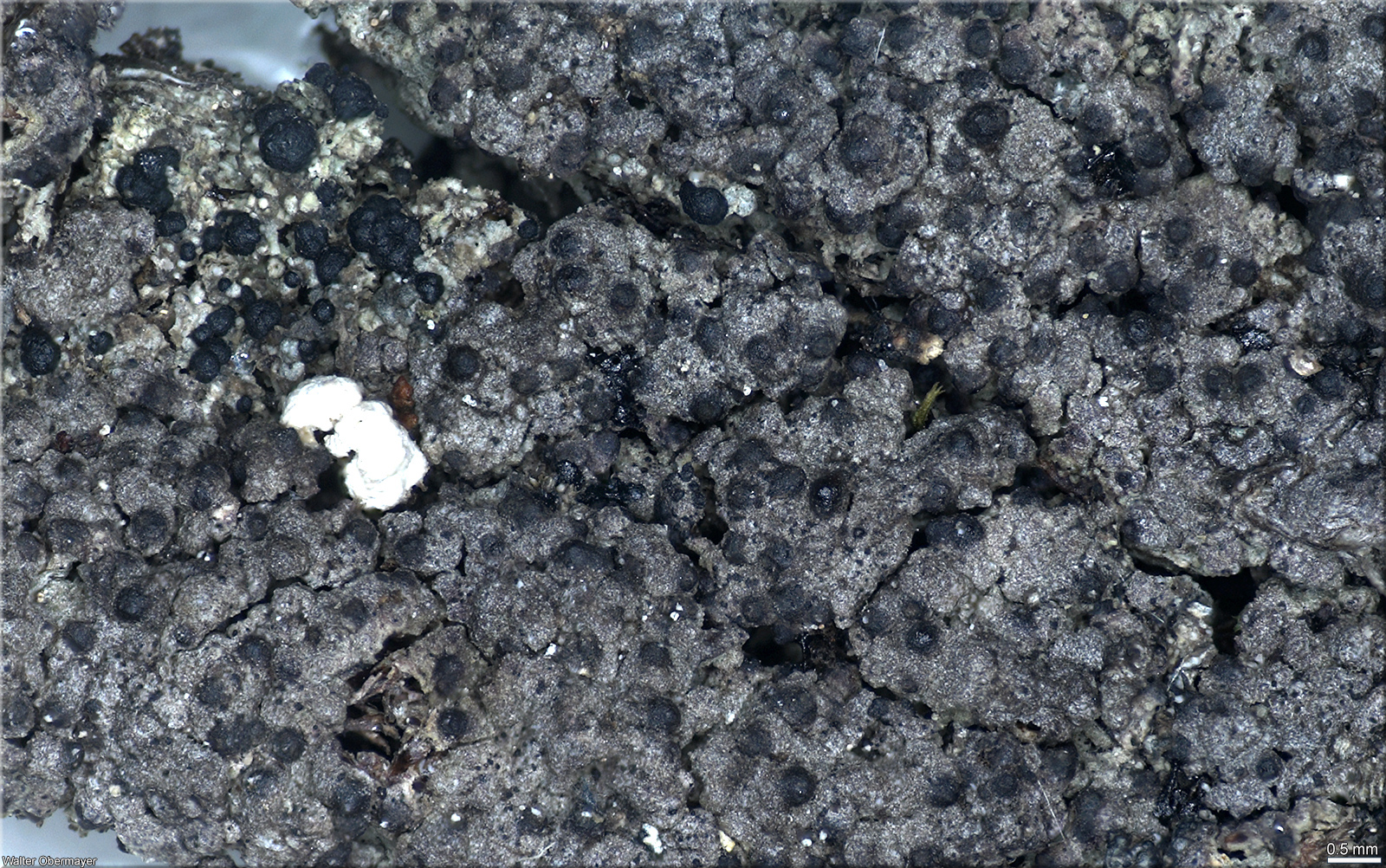
Walter Obermayer CC BY-SA 4.0 - Source: Lichens of Noricum - http://lichens-of-noricum.uni-graz.at/
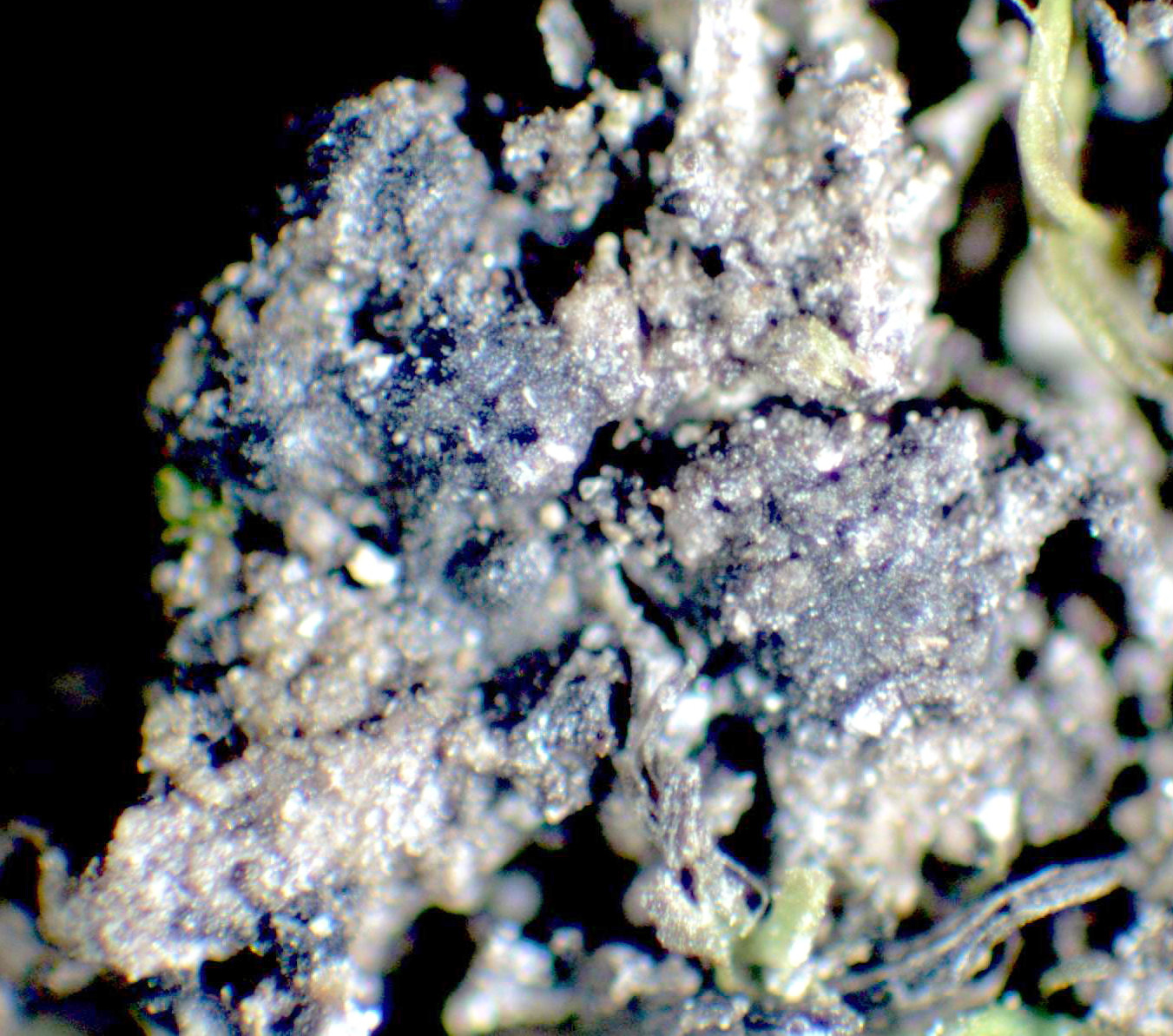
P.L. Nimis CC BY-SA 04
TSB 16656