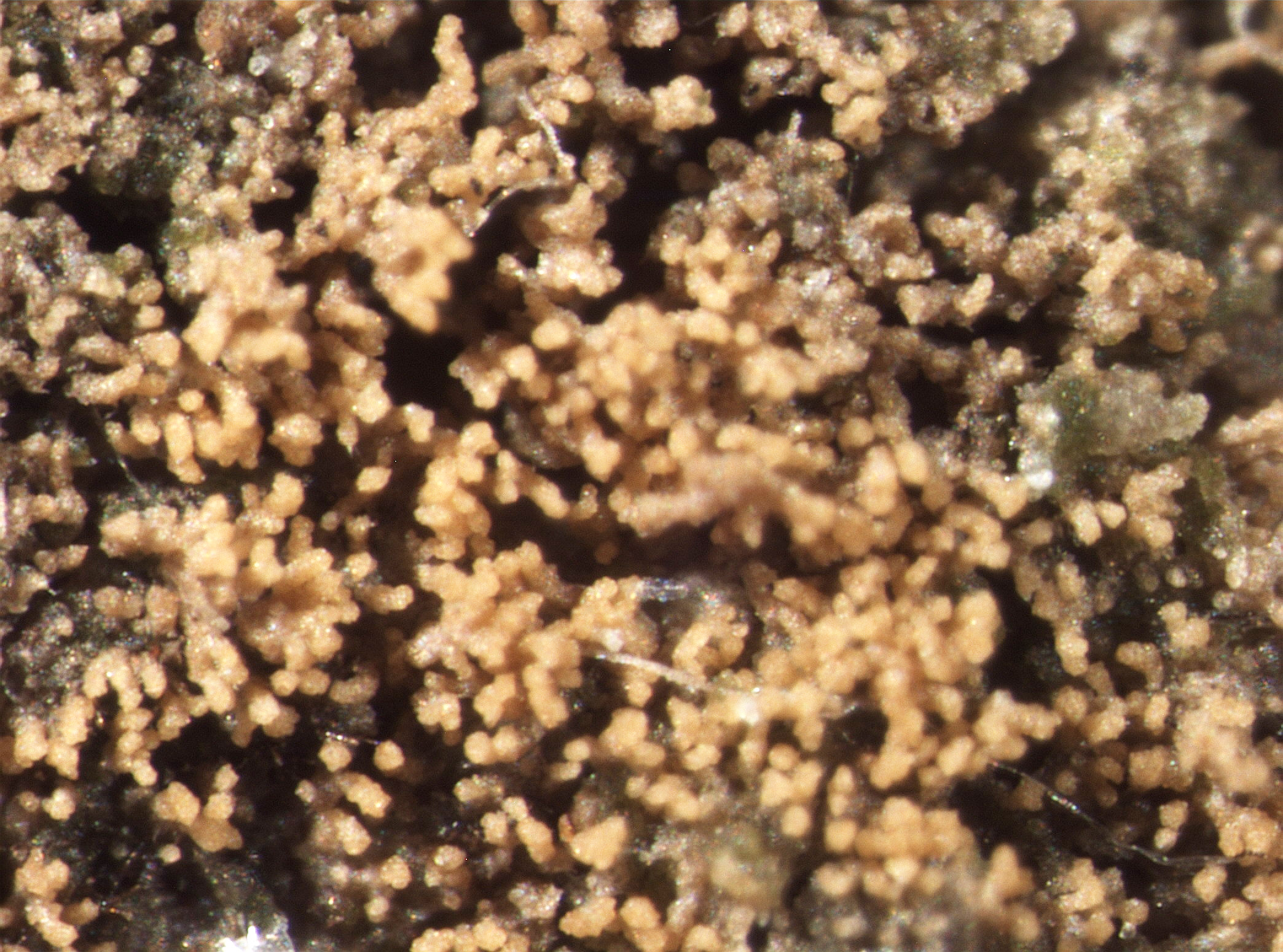
Porina pseudohibernica Tretiach
Lichenologist, 46: 618, 2014.
Synonyms: Zamenhofia pseudohibernica (Tretiach) Cl. Roux & Tretiach
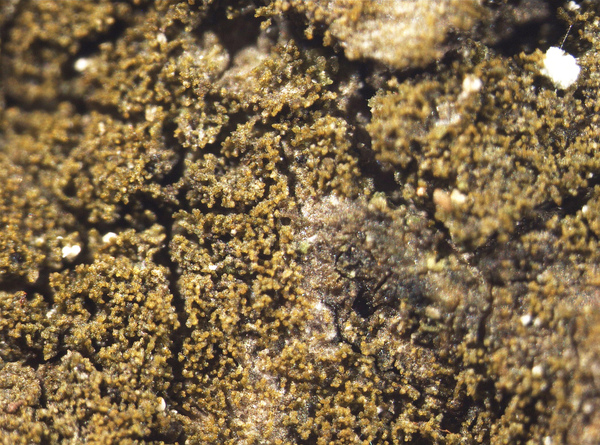
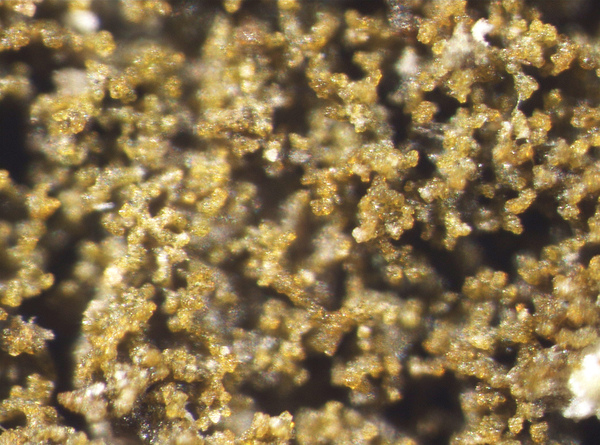
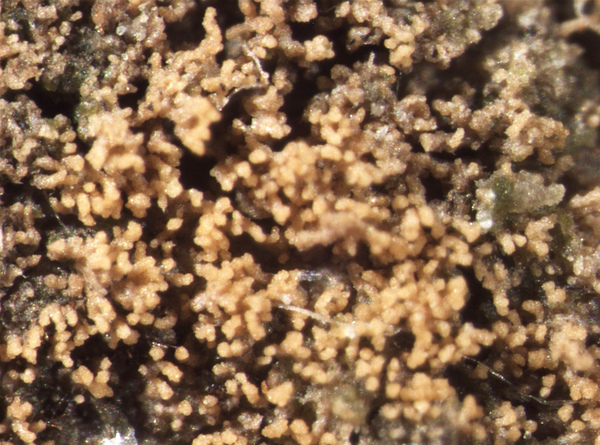
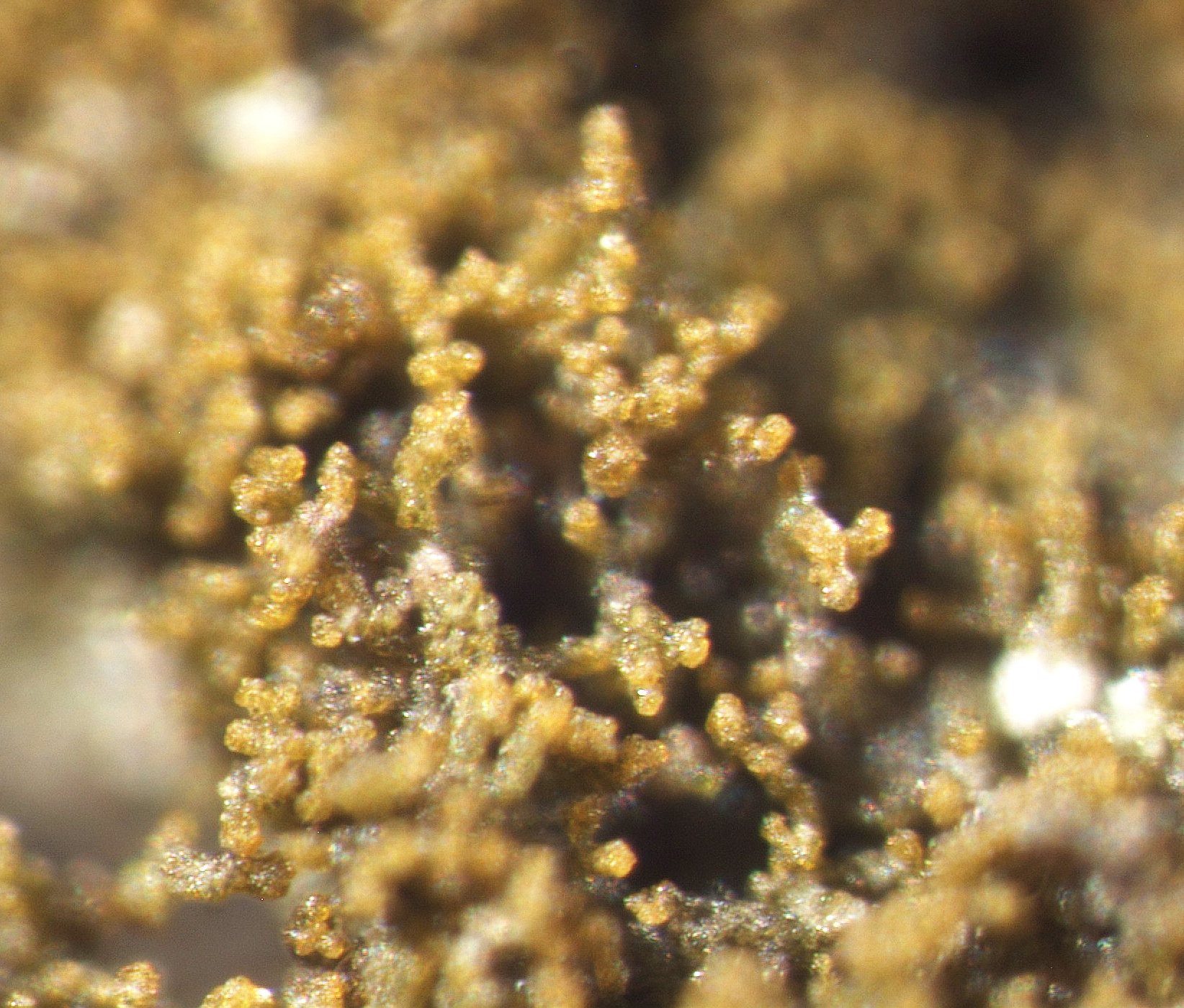
Description: Thallus crustose, episubstratic, pale orange-brown with an olive-green tinge, fading to ochre or pale brown in the herbarium, isidiate. Isidia often crowded, branched and coralloid, fragile, to 0.7 mm tall, the branches 27-37(-45) μm thick, ecorticate or with a thin, inconspicuous cortex. Perithecia occasional, subglobose, black, matt, semi-immersed but not covered by a thalline layer, solitary, 0.34-0.43 mm across, the ostiole white in fertile perithecia due to a distinct, persistent crown of periphyses protruding slightly from the pore. Involucrellum contiguous with the exciple, extending to exciple-base level, dull brown to black, in section dull reddish brown to blackish, K+ greenish to blackish blue, N+ golden to reddish brown; exciple thin, colourless throughout; paraphyses simple, filiform, numerous, persistent, c. 1 μm thick; hymenium inspersed with oil droplets. Asci 8-spored, thin-walled, with a more or less truncate apex and without an apical chitinoid ring, I-, the cytoplasm I+ yellowish red. Ascospores 7-8(-9)-septate, hyaline, thin-walled, fusiform or caudate-fusiform, with acute ends, 34-53 x 7-10 μm; immature spores with a well-developed gelatinous perispore. Photobiont trentepohlioid. Spot tests: thallus K-, C-, KC-, P-, UV-. Chemistry: thallus without lichen substances.
Growth form: Crustose
Substrata: bark
Photobiont: Trentepohlia
Reproductive strategy: mainly asexual, by isidia, or isidia-like structures (e.g. schizidia)
Most common in areas with a humid-warm climate (e.g. most of Tyrrenian Italy)
Commonnes-rarity: (info)
Alpine belt: absent
Subalpine belt: absent
Montane belt: extremely rare
Dry submediterranean belt: absent
Humid submediterranean belt: absent
Padanian area: absent
pH of the substrata:
1 2 3 4 5

Solar irradiation:
1 2 3 4 5
Aridity:
1 2 3 4 5
Eutrophication:
1 2 3 4 5
Poleotolerance:
0 1 2 3
Altitudinal distribution:
1 2 3 4 5 6
Rarity
absent
extremely rare
very rare
rare
rather rare
rather common
common
very common
extremely common
Loading data...
Occurrence data
Predictive map
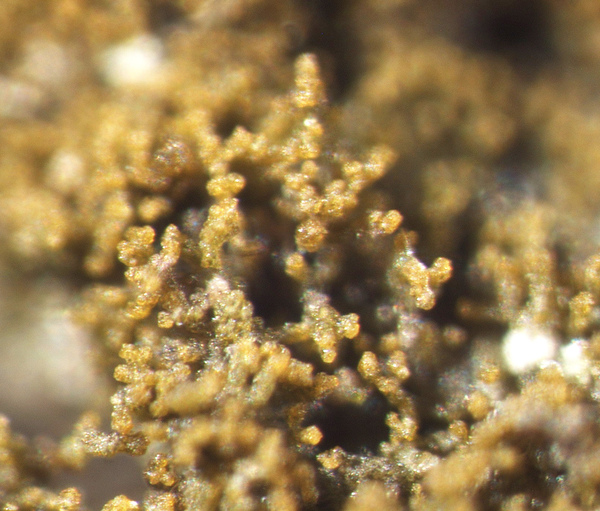
P.L. Nimis CC BY-SA 04
TSB 44410
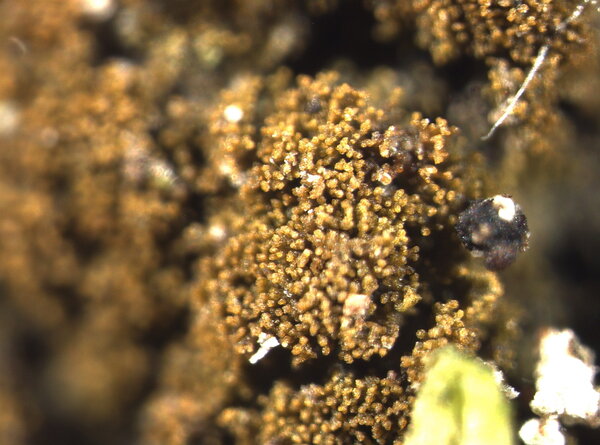
Pier Luigi Nimis CC BY-SA 4.0
TSB44410
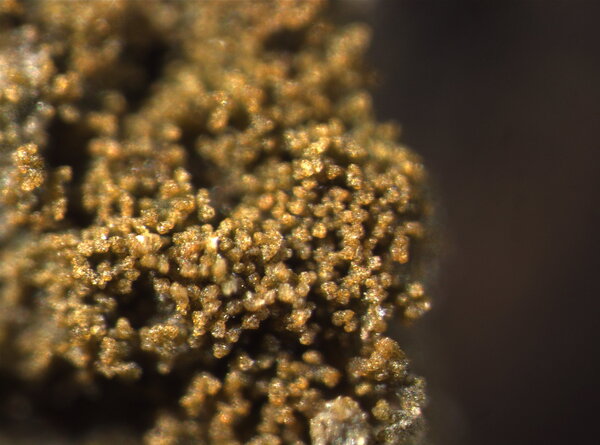
Pier Luigi Nimis CC BY-SA 4.0
TSB44410
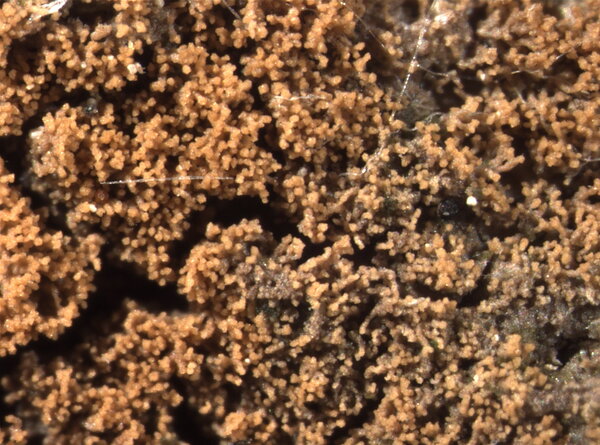
Pier Luigi Nimis CC BY-SA 4.0
TSB44410
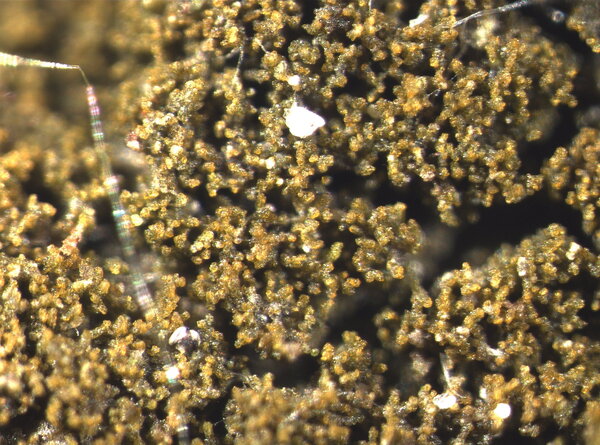
Pier Luigi Nimis CC BY-SA 4.0
TSB44410
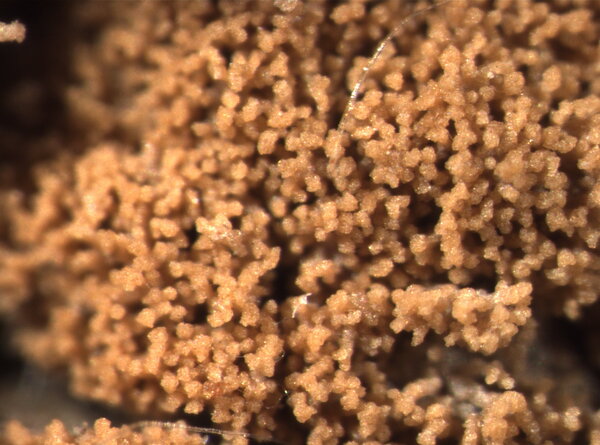
Pier Luigi Nimis CC BY-SA 4.0
TSB44410
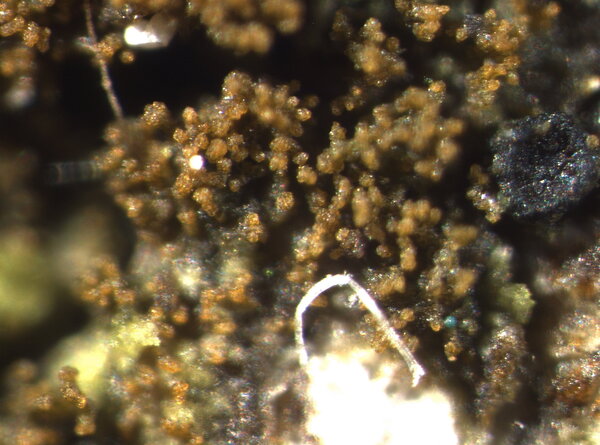
Pier Luigi Nimis CC BY-SA 4.0
TSB44410
P.L. Nimis CC BY-SA 04
TSB 44410
P.L. Nimis CC BY-SA 04
TSB 44410
P.L. Nimis CC BY-SA 04
TSB 44410
Growth form: Crustose
Substrata: bark
Photobiont: Trentepohlia
Reproductive strategy: mainly asexual, by isidia, or isidia-like structures (e.g. schizidia)
Most common in areas with a humid-warm climate (e.g. most of Tyrrenian Italy)
Commonnes-rarity: (info)
Alpine belt: absent
Subalpine belt: absent
Montane belt: extremely rare
Dry submediterranean belt: absent
Humid submediterranean belt: absent
Padanian area: absent
pH of the substrata:
| 1 | 2 | 3 | 4 | 5 |
Solar irradiation:
| 1 | 2 | 3 | 4 | 5 |
Aridity:
| 1 | 2 | 3 | 4 | 5 |
Eutrophication:
| 1 | 2 | 3 | 4 | 5 |
Poleotolerance:
| 0 | 1 | 2 | 3 |
Altitudinal distribution:
| 1 | 2 | 3 | 4 | 5 | 6 |
Rarity
absent
extremely rare
very rare
rare
rather rare
rather common
common
very common
extremely common
Loading data...
Occurrence data
Predictive map
P.L. Nimis CC BY-SA 04
TSB 44410
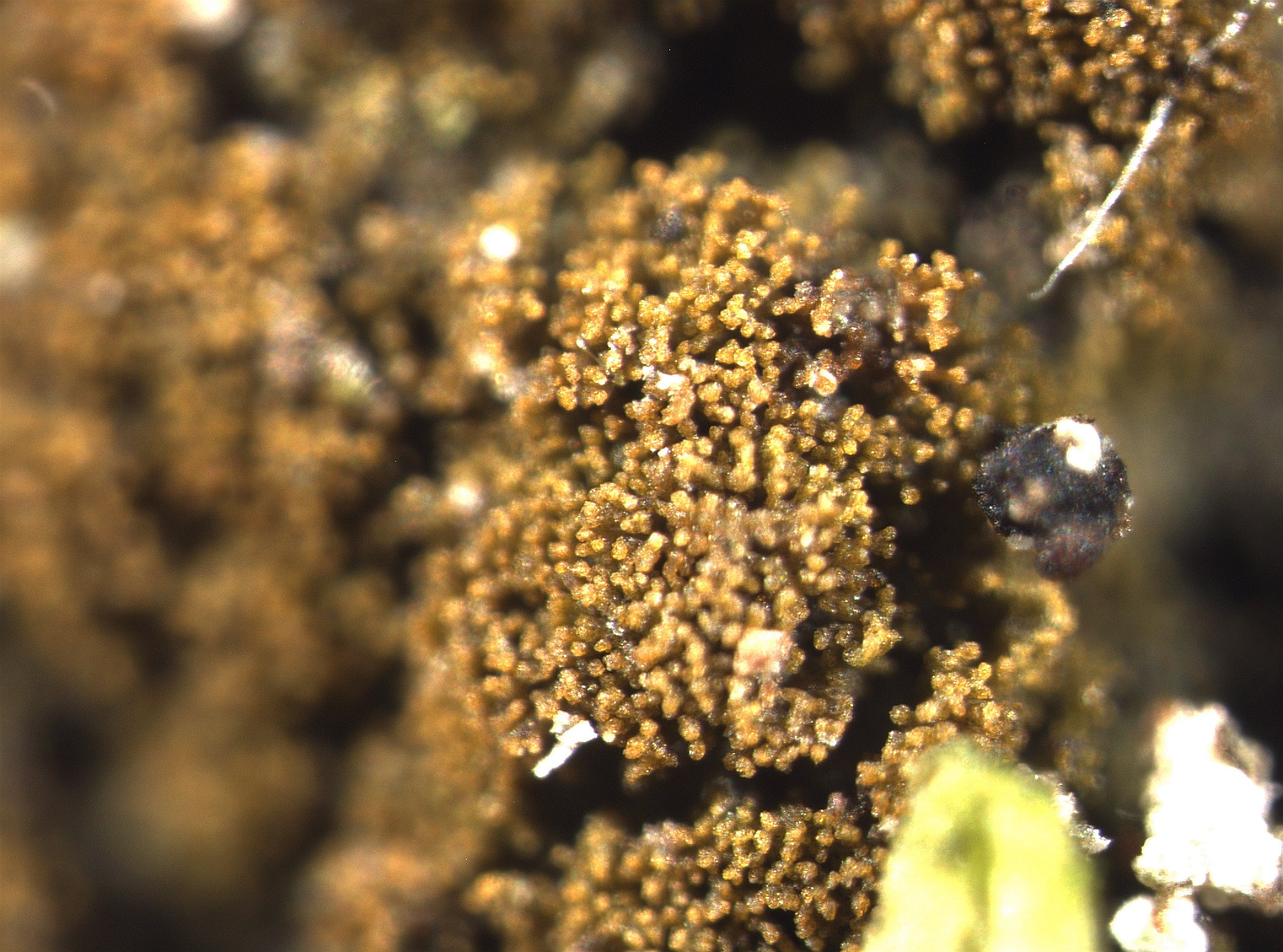
Pier Luigi Nimis CC BY-SA 4.0
TSB44410
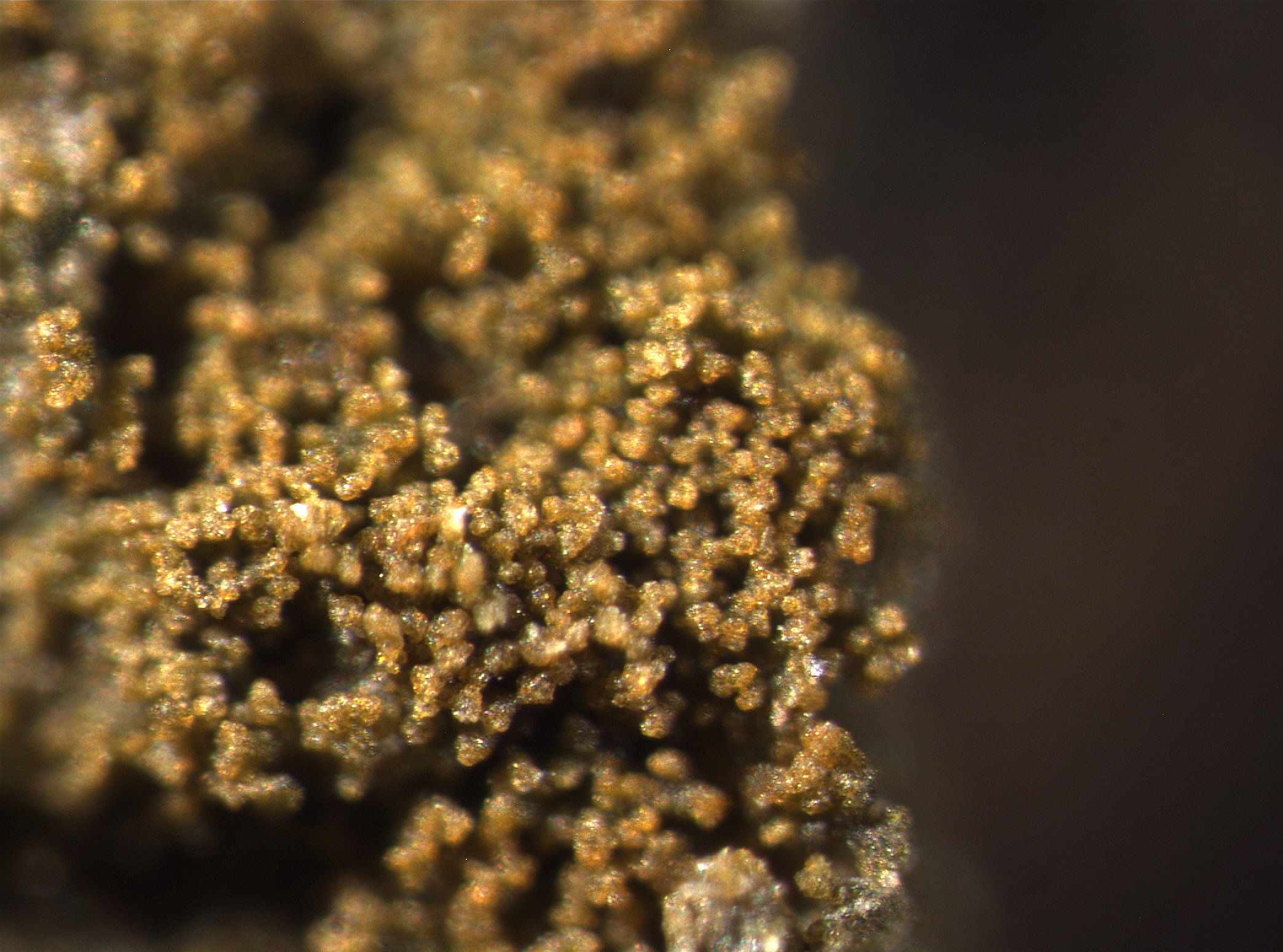
Pier Luigi Nimis CC BY-SA 4.0
TSB44410
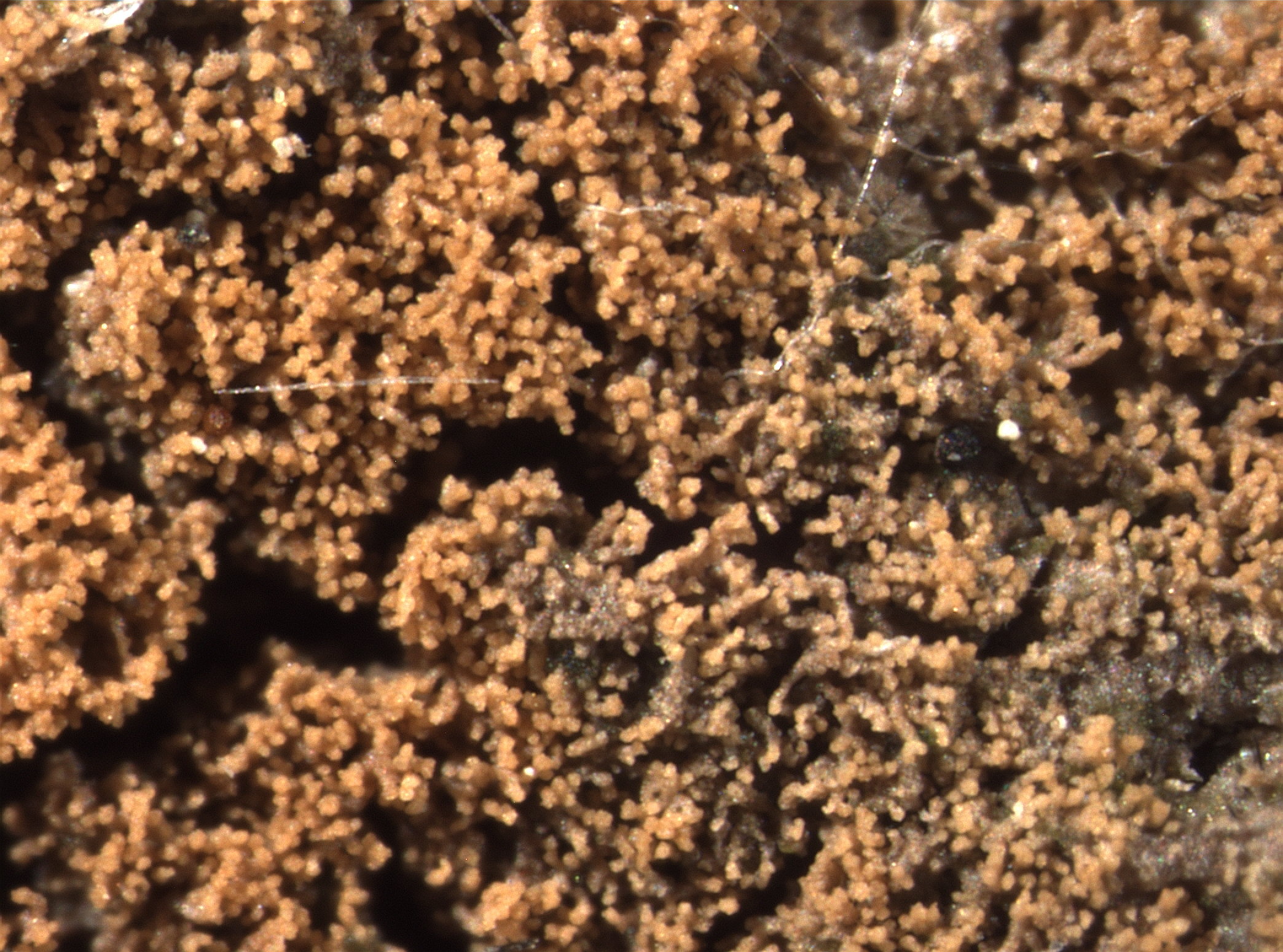
Pier Luigi Nimis CC BY-SA 4.0
TSB44410
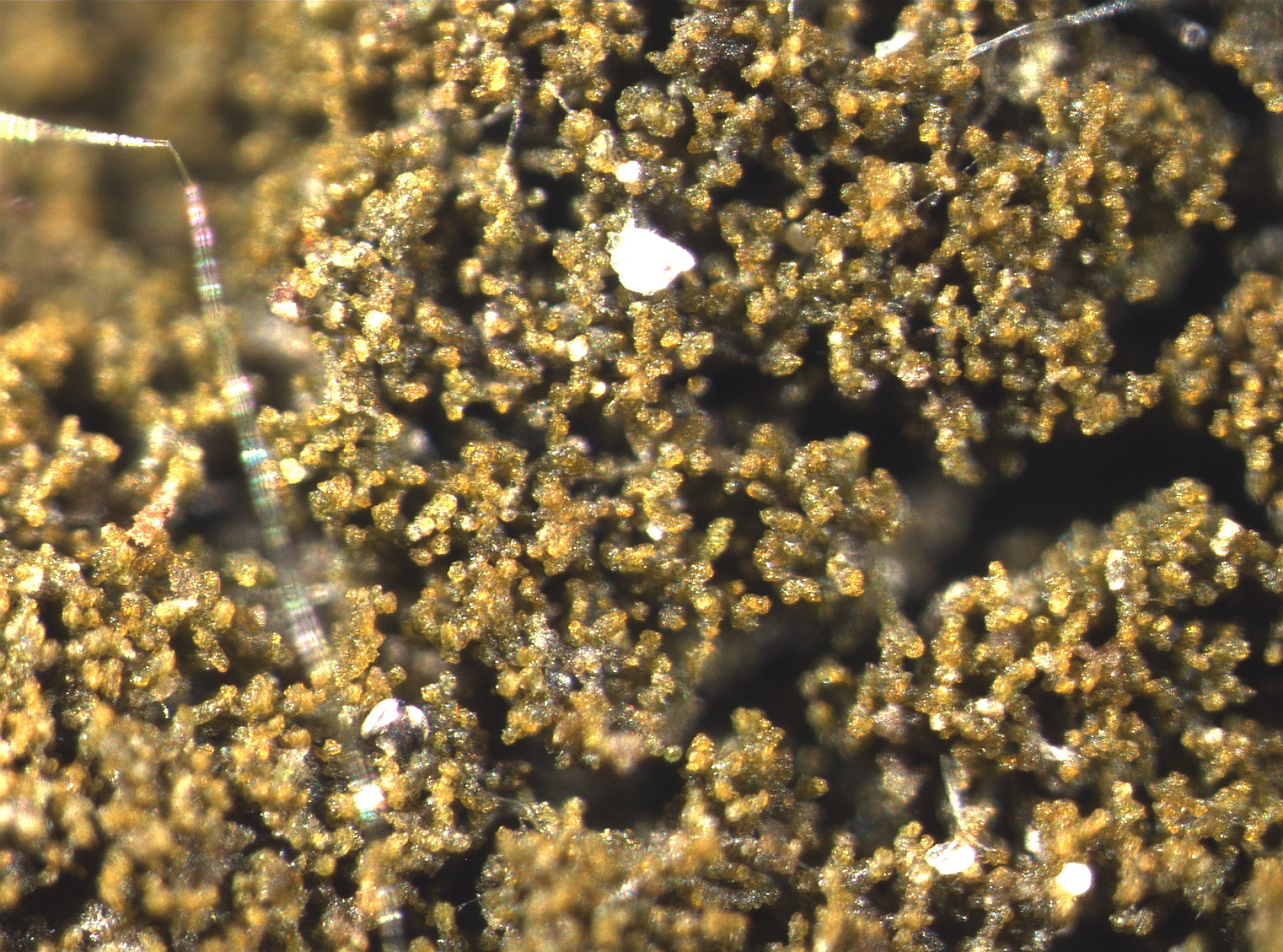
Pier Luigi Nimis CC BY-SA 4.0
TSB44410
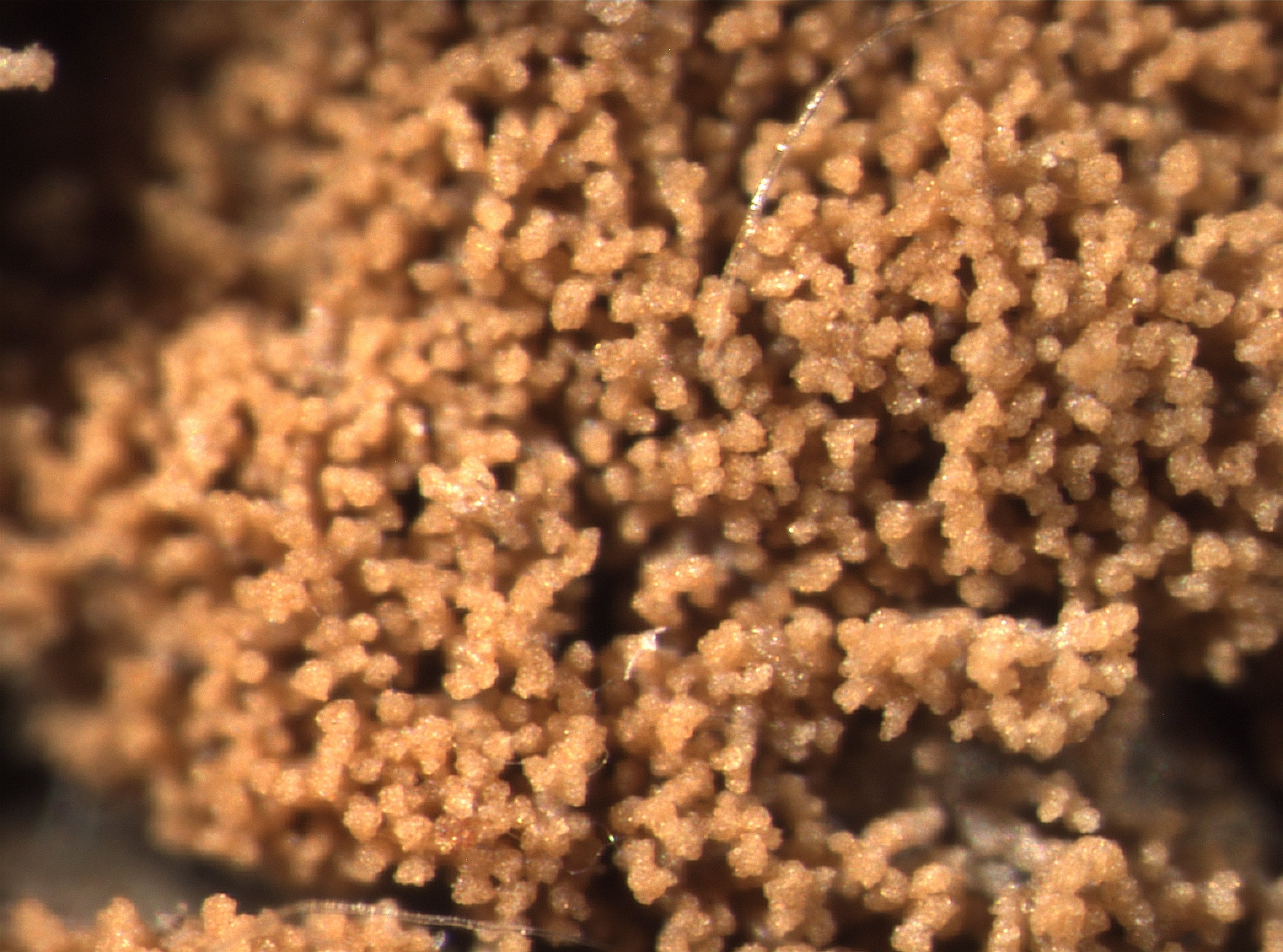
Pier Luigi Nimis CC BY-SA 4.0
TSB44410
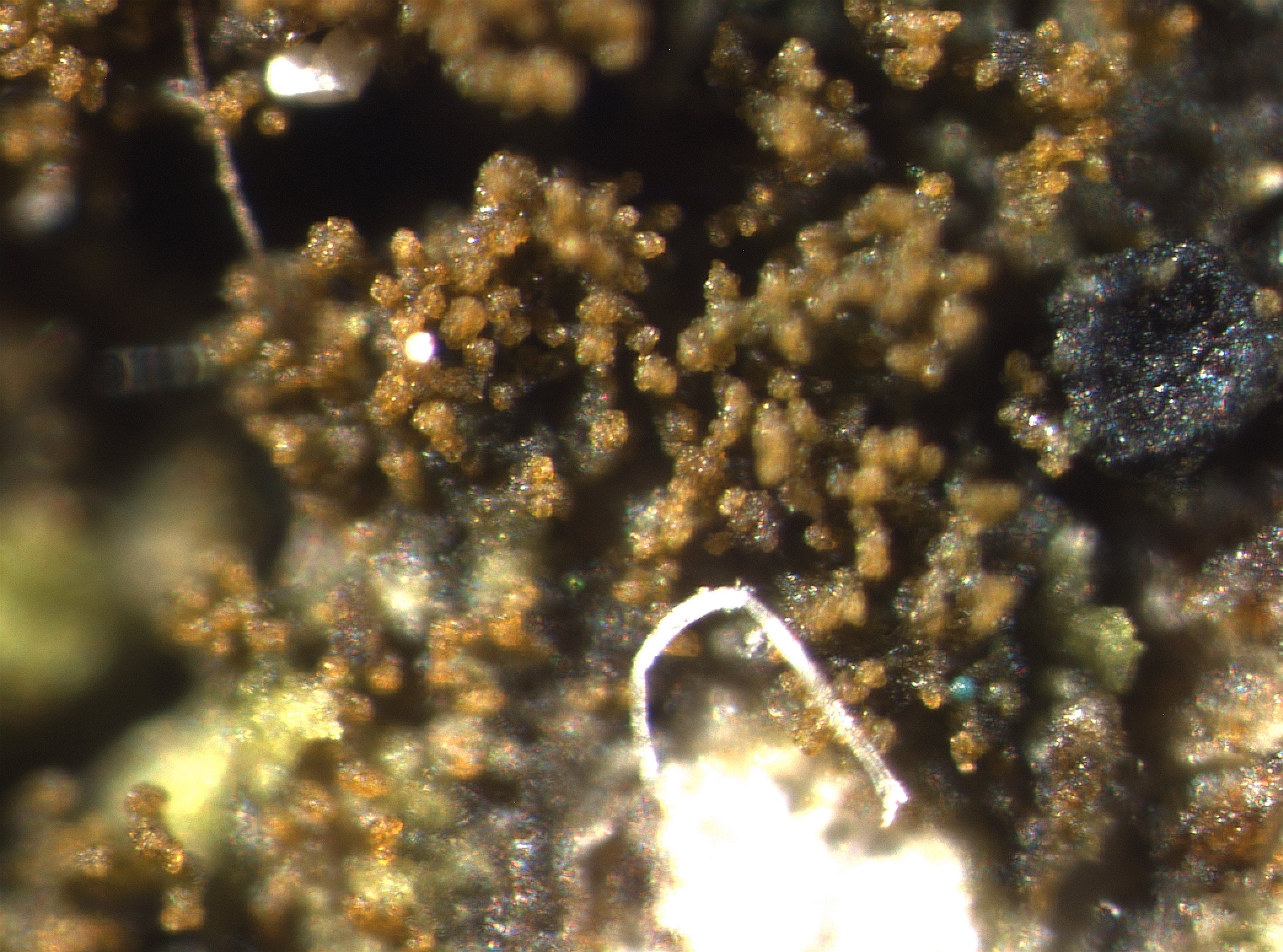
Pier Luigi Nimis CC BY-SA 4.0
TSB44410
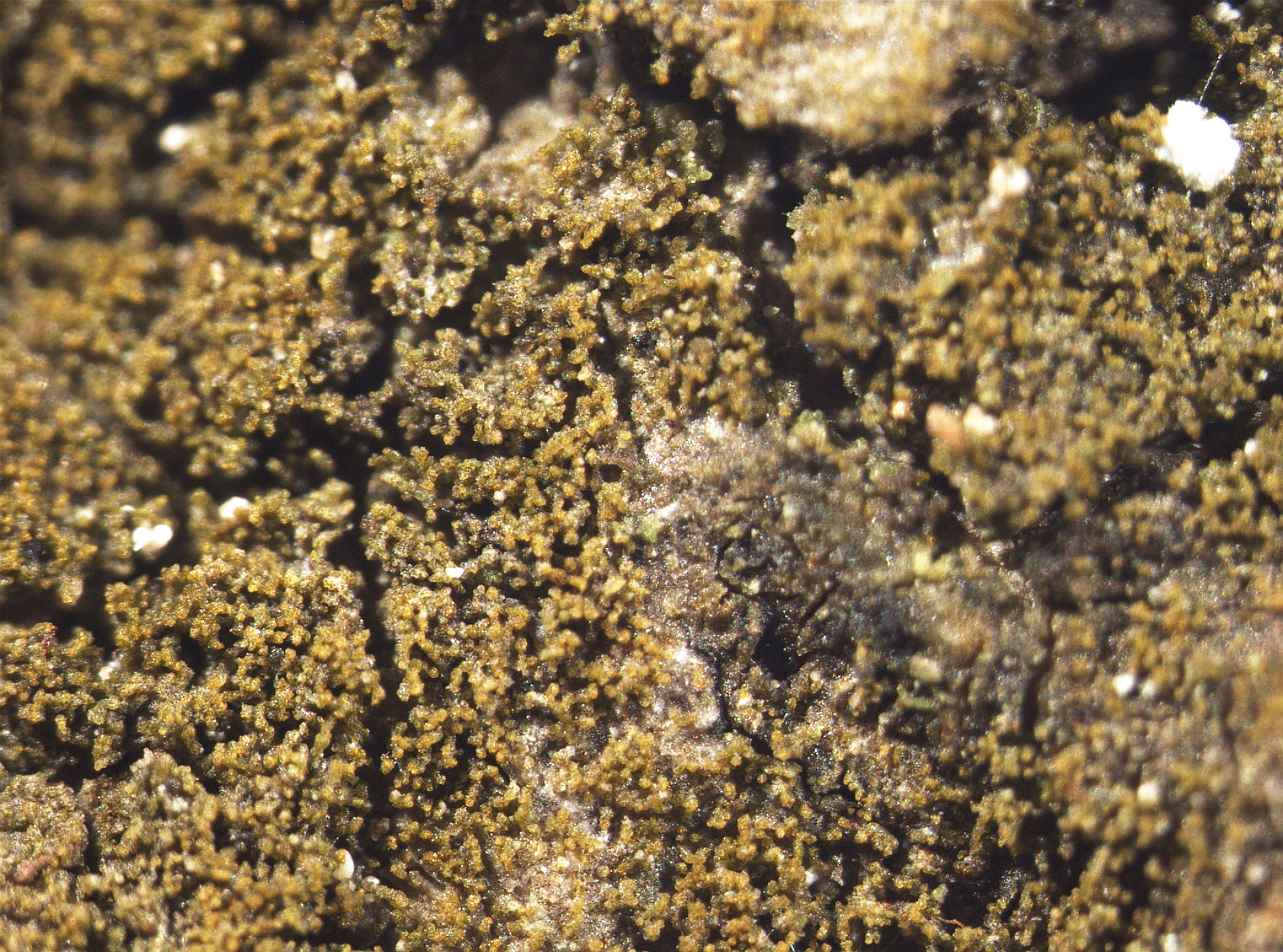
P.L. Nimis CC BY-SA 04
TSB 44410
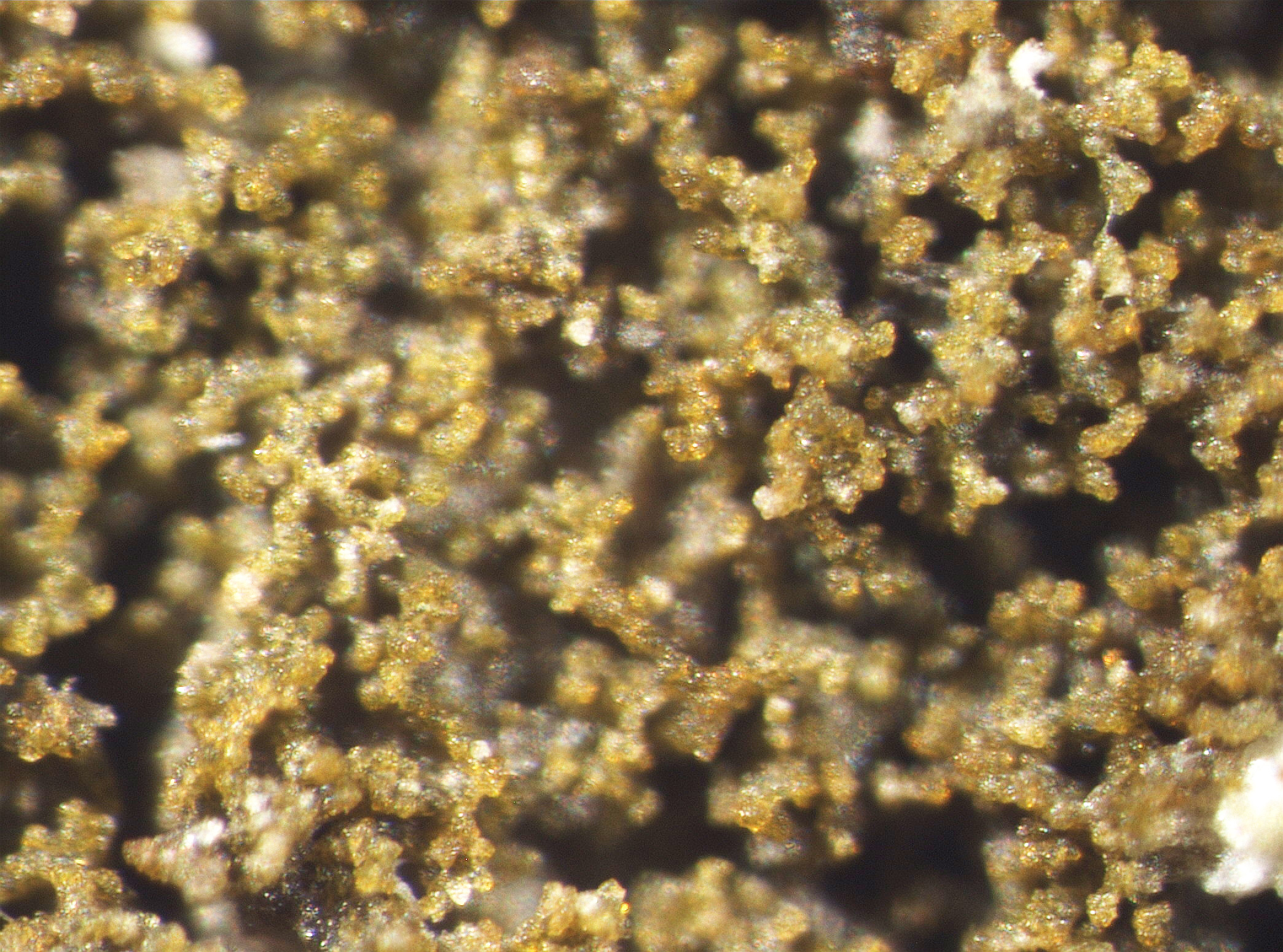
P.L. Nimis CC BY-SA 04
TSB 44410