Porocyphus rehmicus (A. Massal.) Zahlbr.
Cat. Lich. Univ., 2: 765, 1924. Basionym: Psorotichia rehmica A. Massal. - Miscell. Lichenol.: 23, 1856.
Synonyms: Collemopsis rehmii (Körb.) H. Olivier; Porocyphus byssoides Hepp?; Porocyphus globulosus (A. Massal.) Couderc; Porocyphus rehmii (Körb.) Harm.; Porocyphus riparius (Arnold) Körb.; Psorotichia riparia Arnold
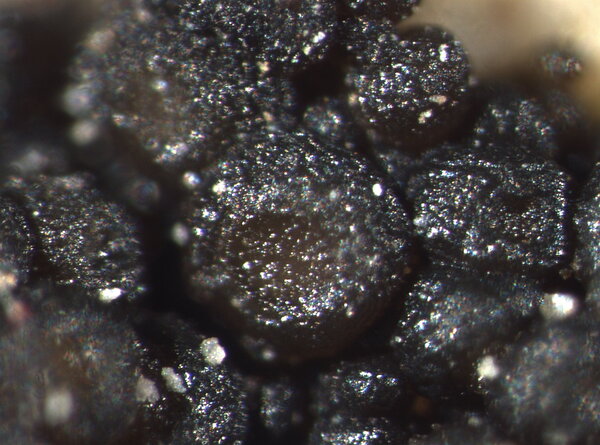
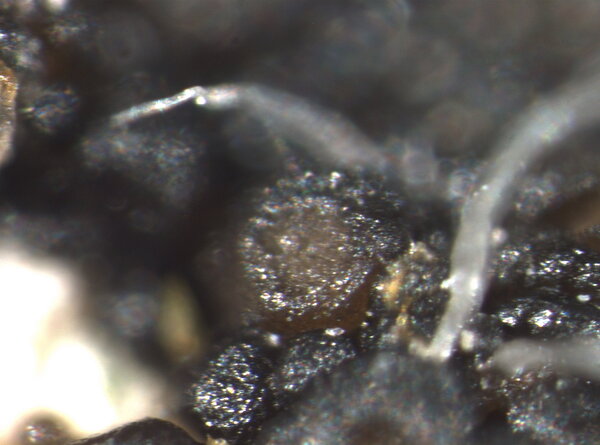
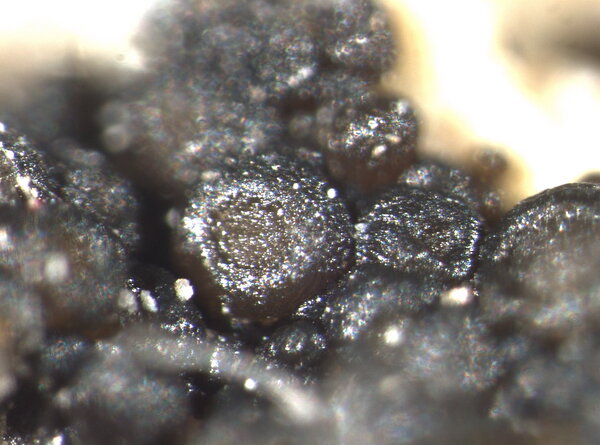
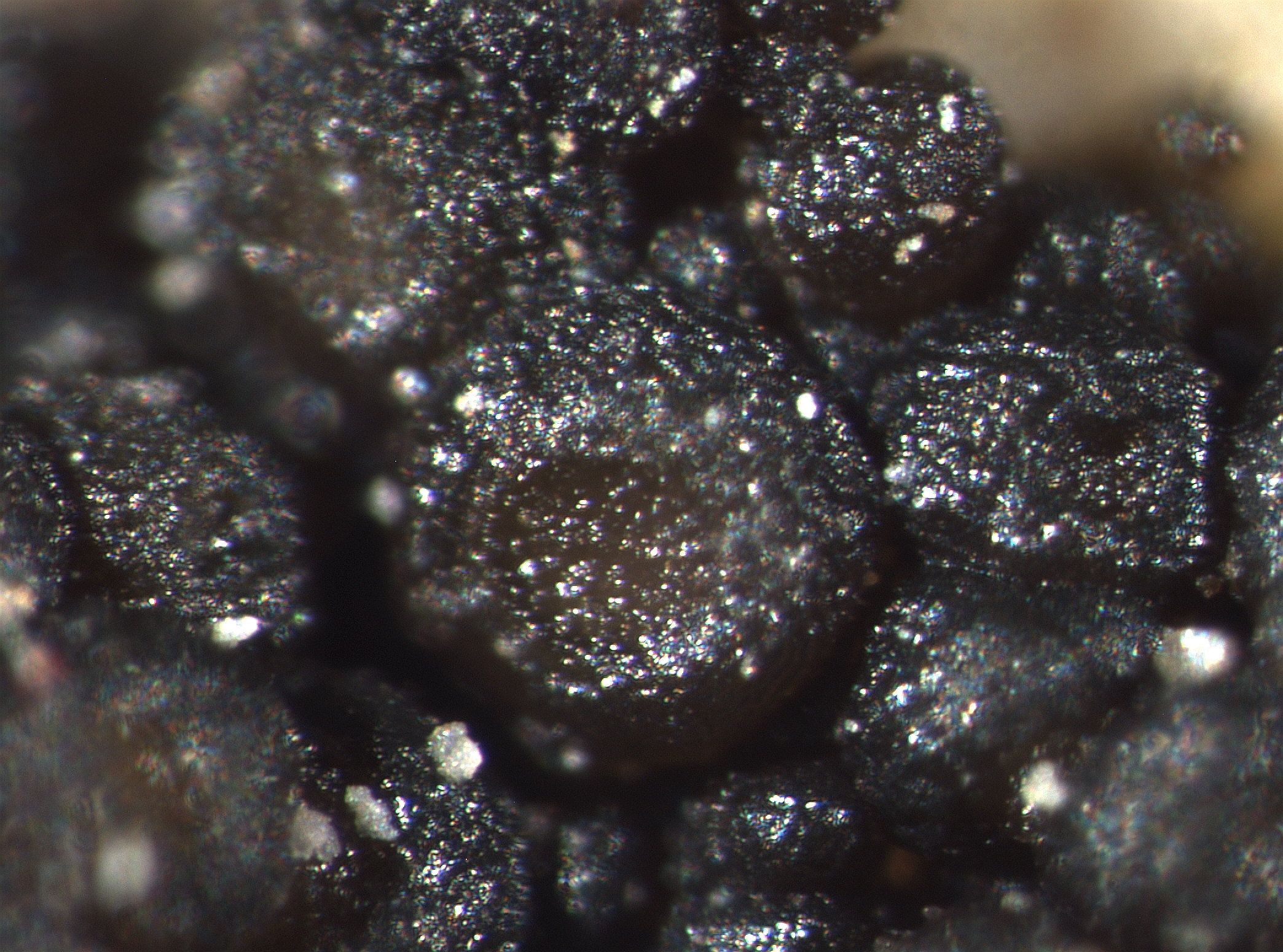
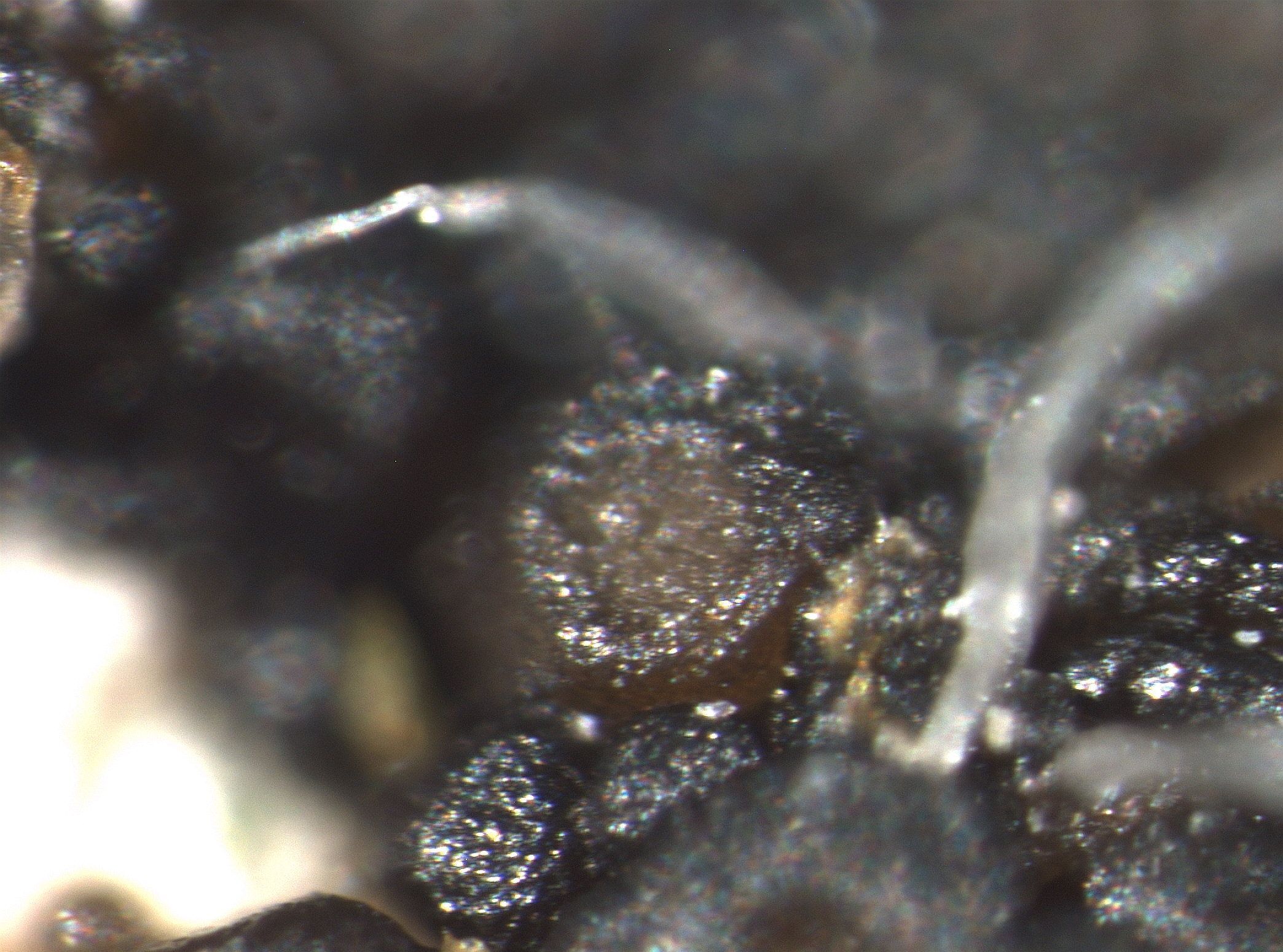
Description: Thallus crustose, irregularly rimose-areolate to subsquamulose, greenish black to black, subgelatinous when wet, ecorticate, homoiomerous. Areoles attached by rhizohyphae, 0.3-1(-1.5) mm wide, 0.2-0.5(-1) mm thick, usually uneven, warty to granulose (almost never smooth), often dissolved into more or less erect, 50-200 µm long, 20-50 µm thick, coralloid granules. Thallus anatomy paraplectenchymatous, with irregularly arranged, 2-4(-5) µm thick hyphae. Apothecia pycnoascocarps (developing from pycnidia), semi-immersed to sessile, 1-3(-8) per areole, 0.15-0.3(-0.5) mm across, with a yellowish brown to dark reddish brown, at first poriform, finally expanded, convex disc, a brownish parathecial ring most evident in wet apothecia, and a soon excluded, usually shiny thalline margin. Thalline exciple 20-50 µm wide; proper exciple cupuliform, colourless and 10-20 µm wide at base, distinctly brown and 35-55(-65) µm wide in upper part; epithecium orange-brown, 5-10 µm high; hymenium colourless, 90-130 µm high, I+ blue; paraphyses very thin, indistinctly septate, sparingly branched and anastomosing, c. 2 µm thick, the apical cells to 3 µm wide; subhymenium colourless, 20-30 µm high. Asci 8-spored, cylindrical, prototunicate, the wall very thin, with a thin amyloid outer coat, often bulging when spores mature, Lichina-type. Ascospores 1-celled, hyaline, ellipsoid or broadly ellipsoid, 15-25 x 6-12 µm or 10-16 x 6-9 µm in the forms corresponding to P. byssoides. Pycnidia immersed or slightly projecting, globose to broadly pyriform, with a colourless wall, 0.01-0.125 mm across. Conidia simple, hyaline, short-cylindrical, c. 2.5 x 1 µm. Photobiont cyanobacterial (Calothrix), the cells measuring 4-7 x 4-5 µm, isolated or arranged in small clusters. Spot tests: all negative. Chemistry: without lichen substances.
Growth form: Crustose
Substrata: rocks
Photobiont: cyanobacteria, coccaceous (e.g. Gloeocapsa)
Reproductive strategy: mainly sexual
Periodically submerged (e.g. in creeks)
Commonnes-rarity: (info)
Alpine belt: absent
Subalpine belt: absent
Montane belt: extremely rare
Dry submediterranean belt: very rare
Humid submediterranean belt: extremely rare
Padanian area: absent
pH of the substrata:
1 2 3 4 5

Solar irradiation:
1 2 3 4 5
Aridity:
1 2 3 4 5
Eutrophication:
1 2 3 4 5
Poleotolerance:
0 1 2 3
Altitudinal distribution:
1 2 3 4 5 6
Rarity
absent
extremely rare
very rare
rare
rather rare
rather common
common
very common
extremely common
Loading data...
Occurrence data
Predictive map
Pier Luigi Nimis - Department of Life Sciences, University of Trieste - CC BY-SA 4.0
TSB 39002
Pier Luigi Nimis - Department of Life Sciences, University of Trieste - CC BY-SA 4.0
TSB 39002
Pier Luigi Nimis - Department of Life Sciences, University of Trieste - CC BY-SA 4.0
TSB 39002
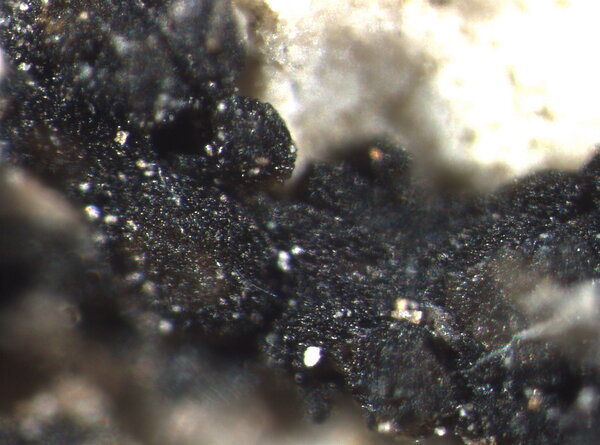
Pier Luigi Nimis - Department of Life Sciences, University of Trieste - CC BY-SA 4.0
TSB 39002
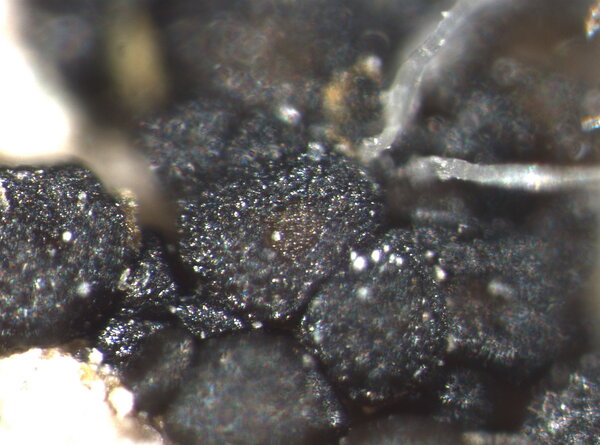
Pier Luigi Nimis - Department of Life Sciences, University of Trieste - CC BY-SA 4.0
TSB 39002
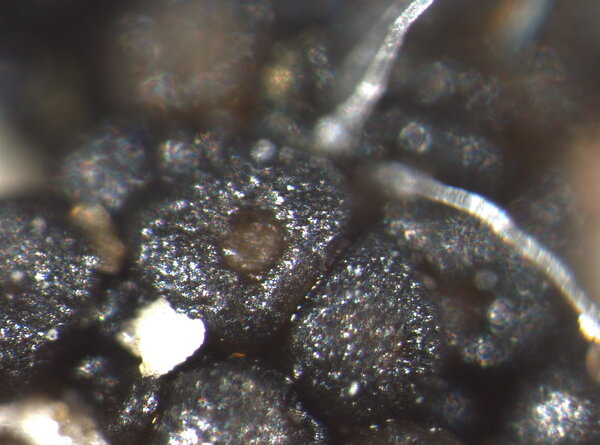
Pier Luigi Nimis - Department of Life Sciences, University of Trieste - CC BY-SA 4.0
TSB 39002
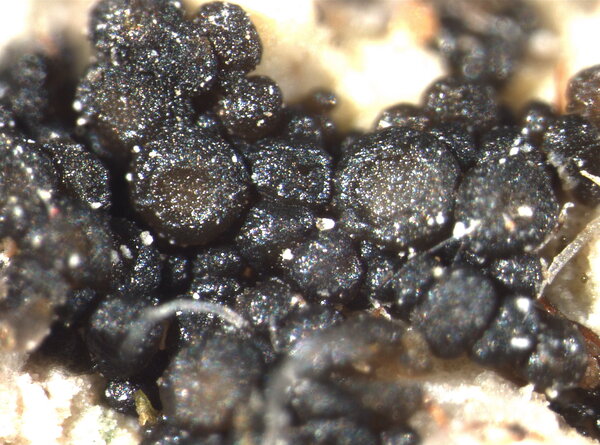
Pier Luigi Nimis - Department of Life Sciences, University of Trieste - CC BY-SA 4.0
TSB 39002
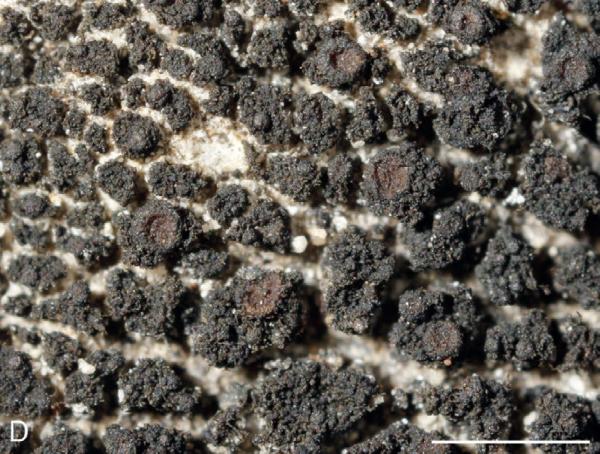
Source: Prieto M., Wedin M., Schultz M. 2024. Phylogeny, evolution and a re-classification of the Lichinomycetes. Studies in Mycology, 109: 595-655. - CC BY-NC-ND
Areoles with rough surface and adnate apothecia (Schultz 03456). Scale bar: 1 mm
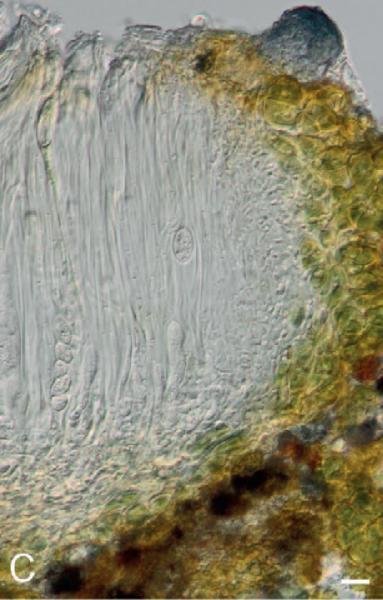
Source: Prieto M., Wedin M., Schultz M. 2024. Phylogeny, evolution and a re-classification of the Lichinomycetes. Studies in Mycology, 109: 595-655. - CC BY-NC-ND
Porocyphus rehmicus, zeorine apothecial margin, slender
paraphyses and ascospores (Schultz 03471a). Scale bar: 10 µm
Growth form: Crustose
Substrata: rocks
Photobiont: cyanobacteria, coccaceous (e.g. Gloeocapsa)
Reproductive strategy: mainly sexual
Periodically submerged (e.g. in creeks)
Commonnes-rarity: (info)
Alpine belt: absent
Subalpine belt: absent
Montane belt: extremely rare
Dry submediterranean belt: very rare
Humid submediterranean belt: extremely rare
Padanian area: absent
pH of the substrata:
| 1 | 2 | 3 | 4 | 5 |
Solar irradiation:
| 1 | 2 | 3 | 4 | 5 |
Aridity:
| 1 | 2 | 3 | 4 | 5 |
Eutrophication:
| 1 | 2 | 3 | 4 | 5 |
Poleotolerance:
| 0 | 1 | 2 | 3 |
Altitudinal distribution:
| 1 | 2 | 3 | 4 | 5 | 6 |
Rarity
absent
extremely rare
very rare
rare
rather rare
rather common
common
very common
extremely common
Loading data...
Occurrence data
Predictive map
Pier Luigi Nimis - Department of Life Sciences, University of Trieste - CC BY-SA 4.0
TSB 39002
Pier Luigi Nimis - Department of Life Sciences, University of Trieste - CC BY-SA 4.0
TSB 39002
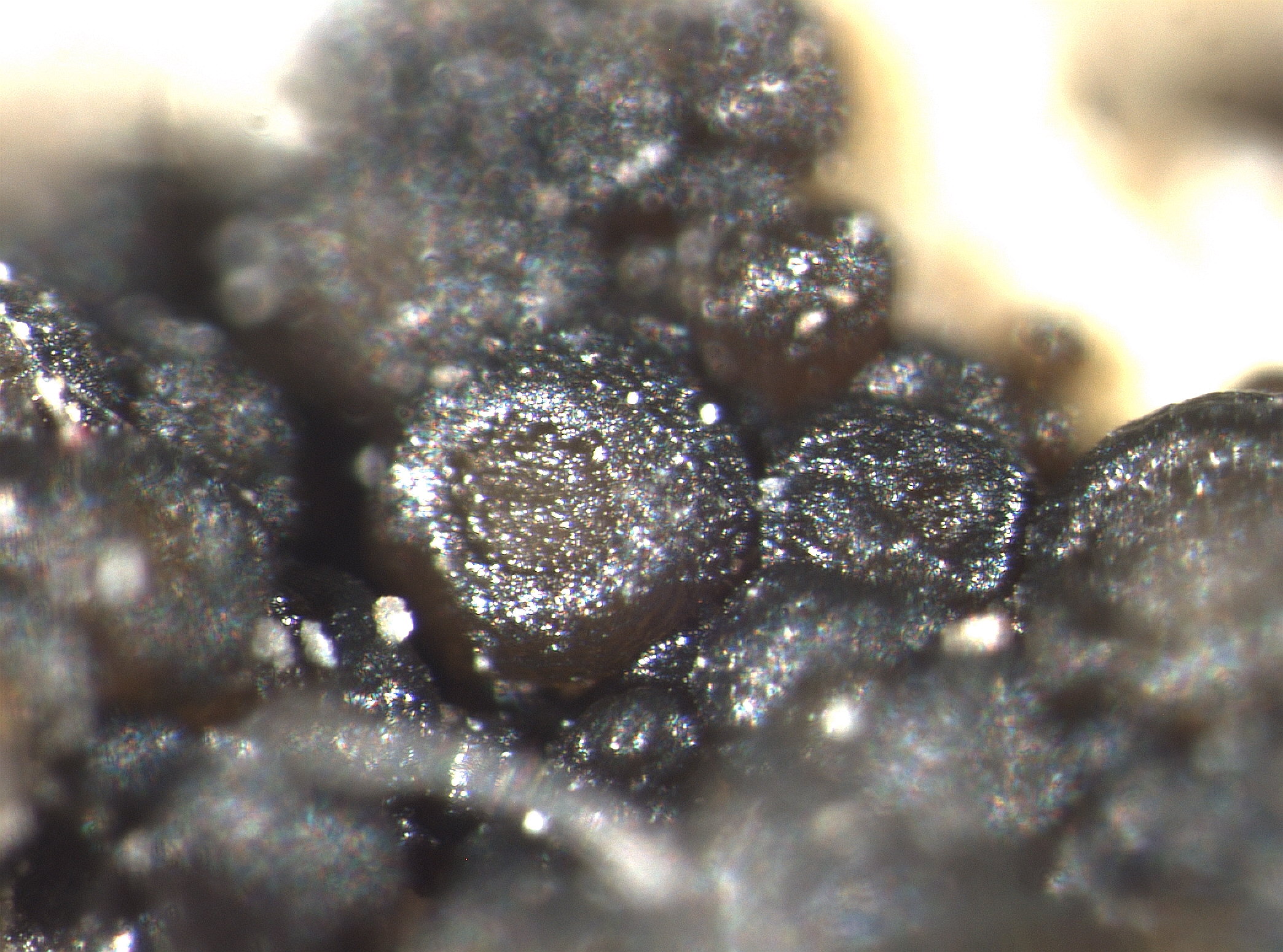
Pier Luigi Nimis - Department of Life Sciences, University of Trieste - CC BY-SA 4.0
TSB 39002
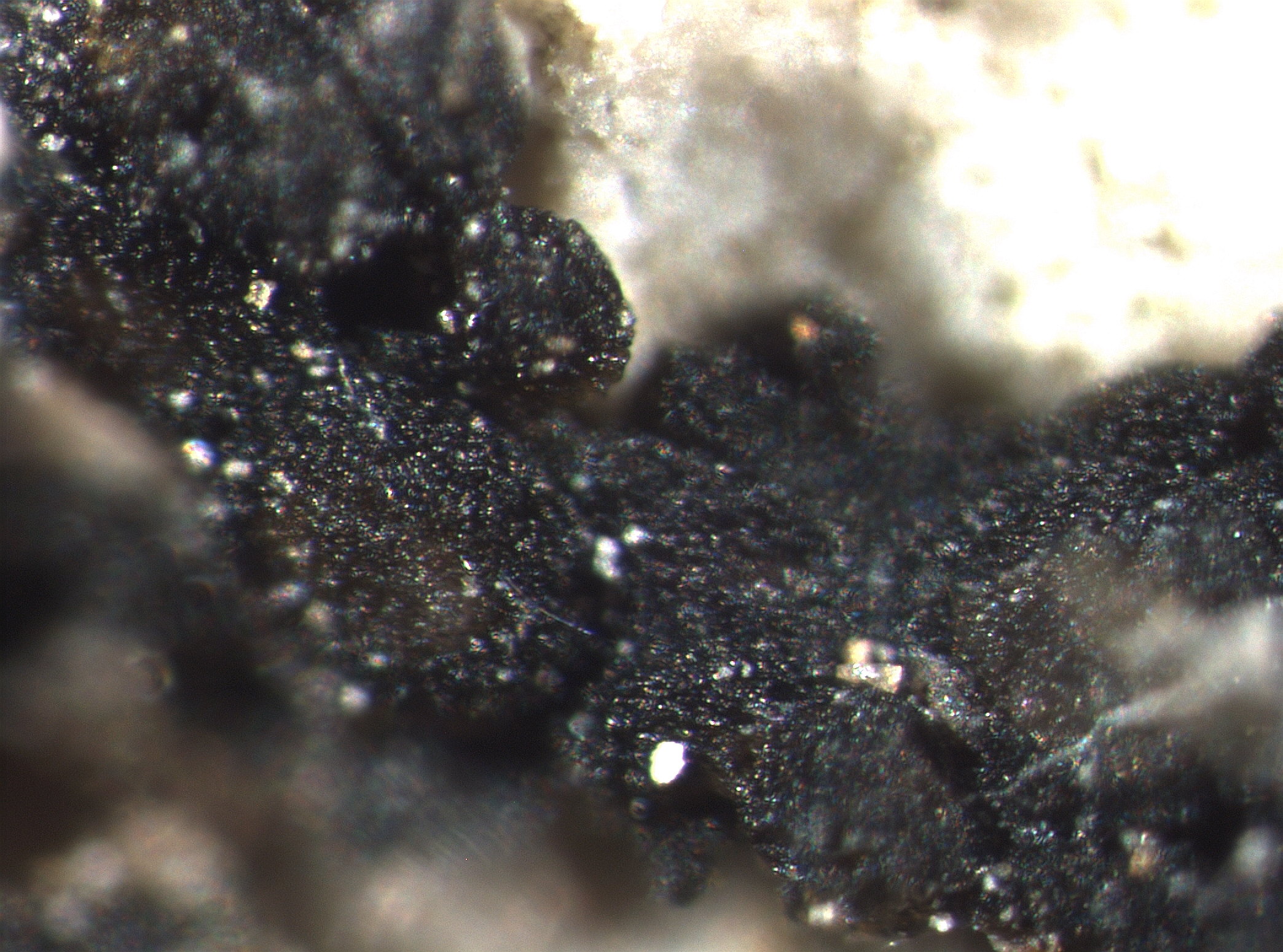
Pier Luigi Nimis - Department of Life Sciences, University of Trieste - CC BY-SA 4.0
TSB 39002
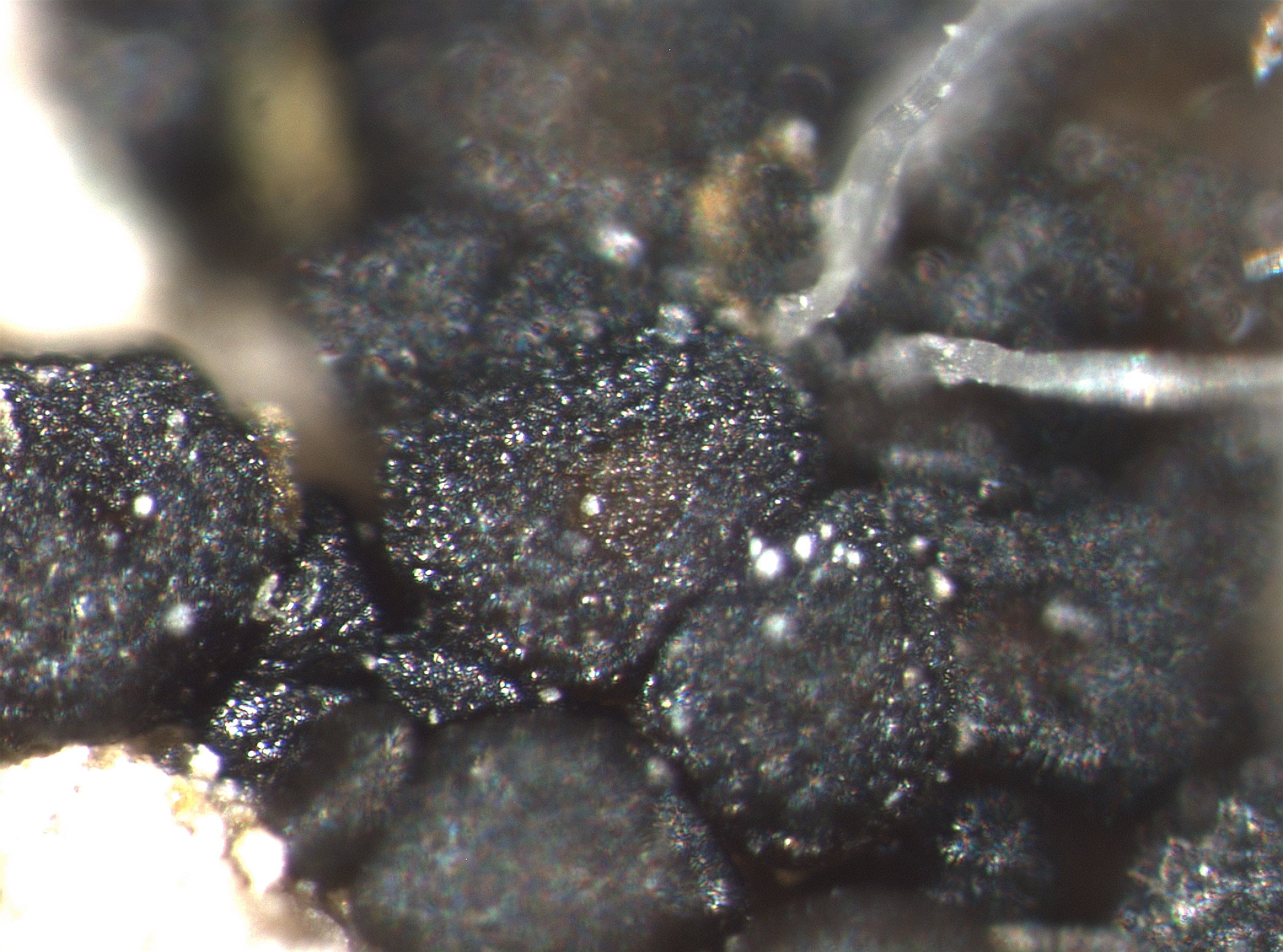
Pier Luigi Nimis - Department of Life Sciences, University of Trieste - CC BY-SA 4.0
TSB 39002
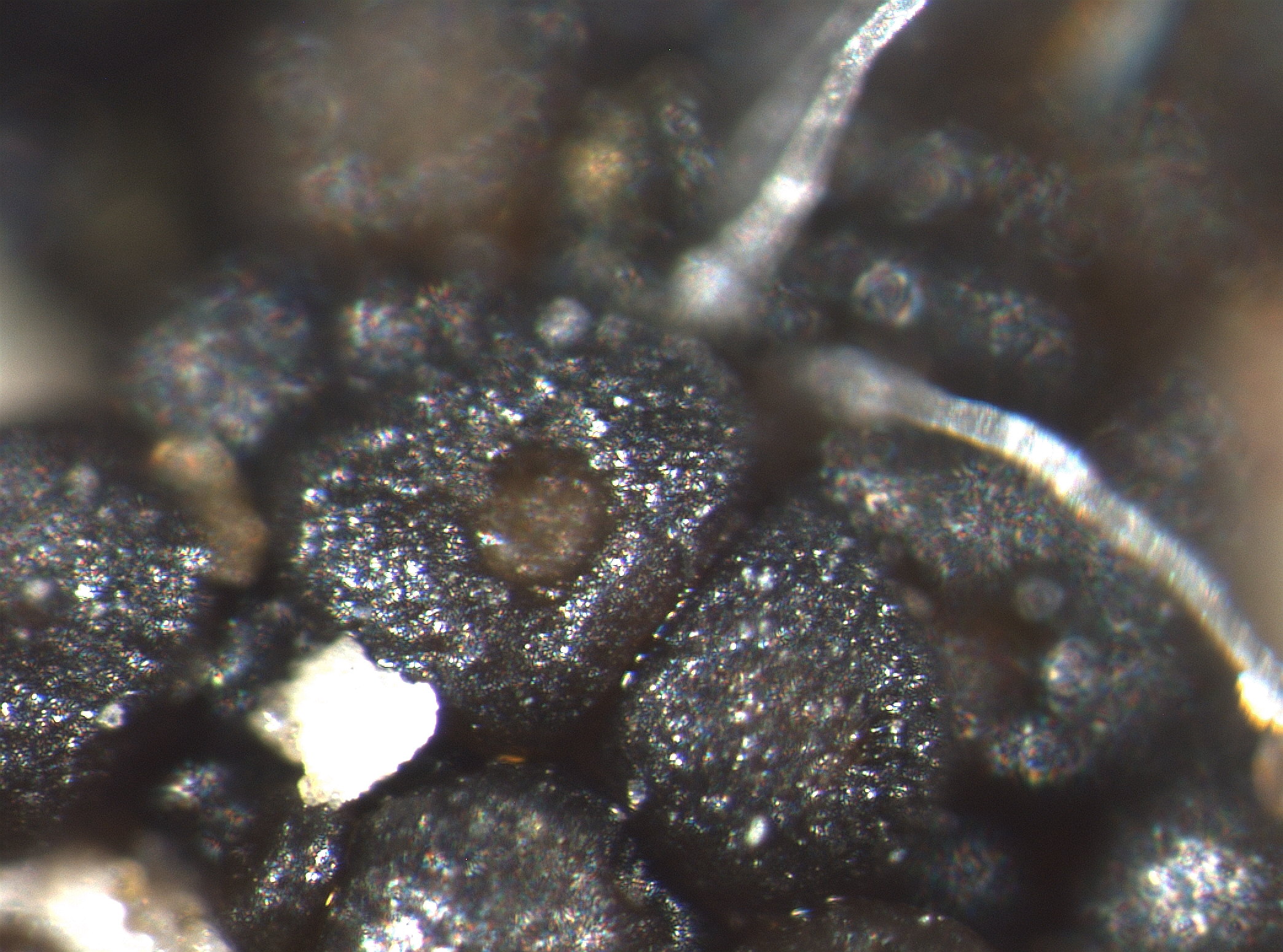
Pier Luigi Nimis - Department of Life Sciences, University of Trieste - CC BY-SA 4.0
TSB 39002
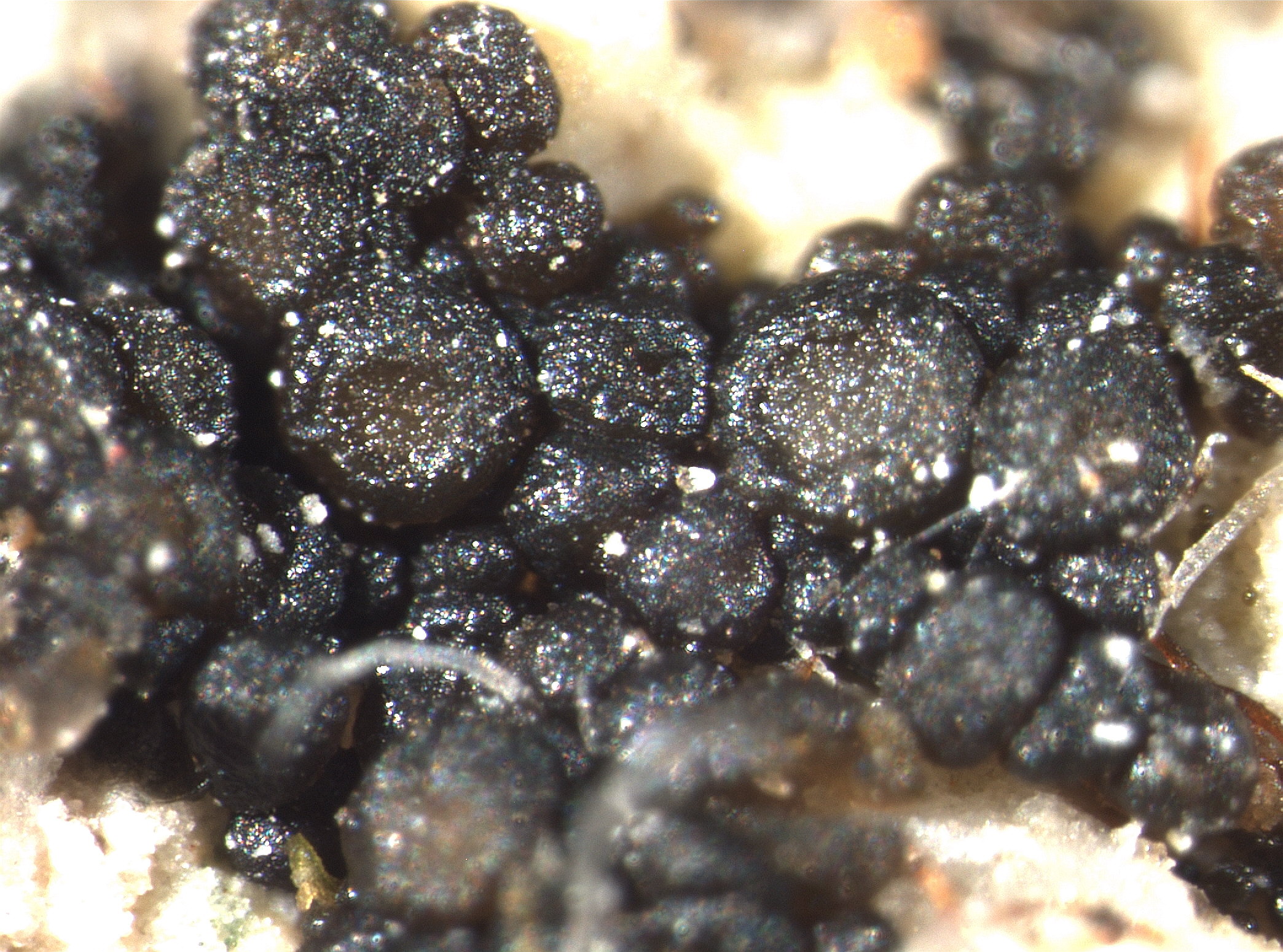
Pier Luigi Nimis - Department of Life Sciences, University of Trieste - CC BY-SA 4.0
TSB 39002

Source: Prieto M., Wedin M., Schultz M. 2024. Phylogeny, evolution and a re-classification of the Lichinomycetes. Studies in Mycology, 109: 595-655. - CC BY-NC-ND
Areoles with rough surface and adnate apothecia (Schultz 03456). Scale bar: 1 mm