Protoparmeliopsis garovaglii (Körb.) Arup, Zhao Xin & Lumbsch
in Zhao Xin & al., Fungal Divers., 78: 301, 2016. Basionym: Placodium garovaglii Körb. - Parerga Lichenol.: 54, 1865.
Synonyms: Lecanora cascadensis H. Magn.; Lecanora garovaglii (Körb.) Zahlbr.; Lecanora nevadensis H. Magn.; Placodium peruvianum Müll. Arg.; Squamaria garovaglii (Körb.) Anzi
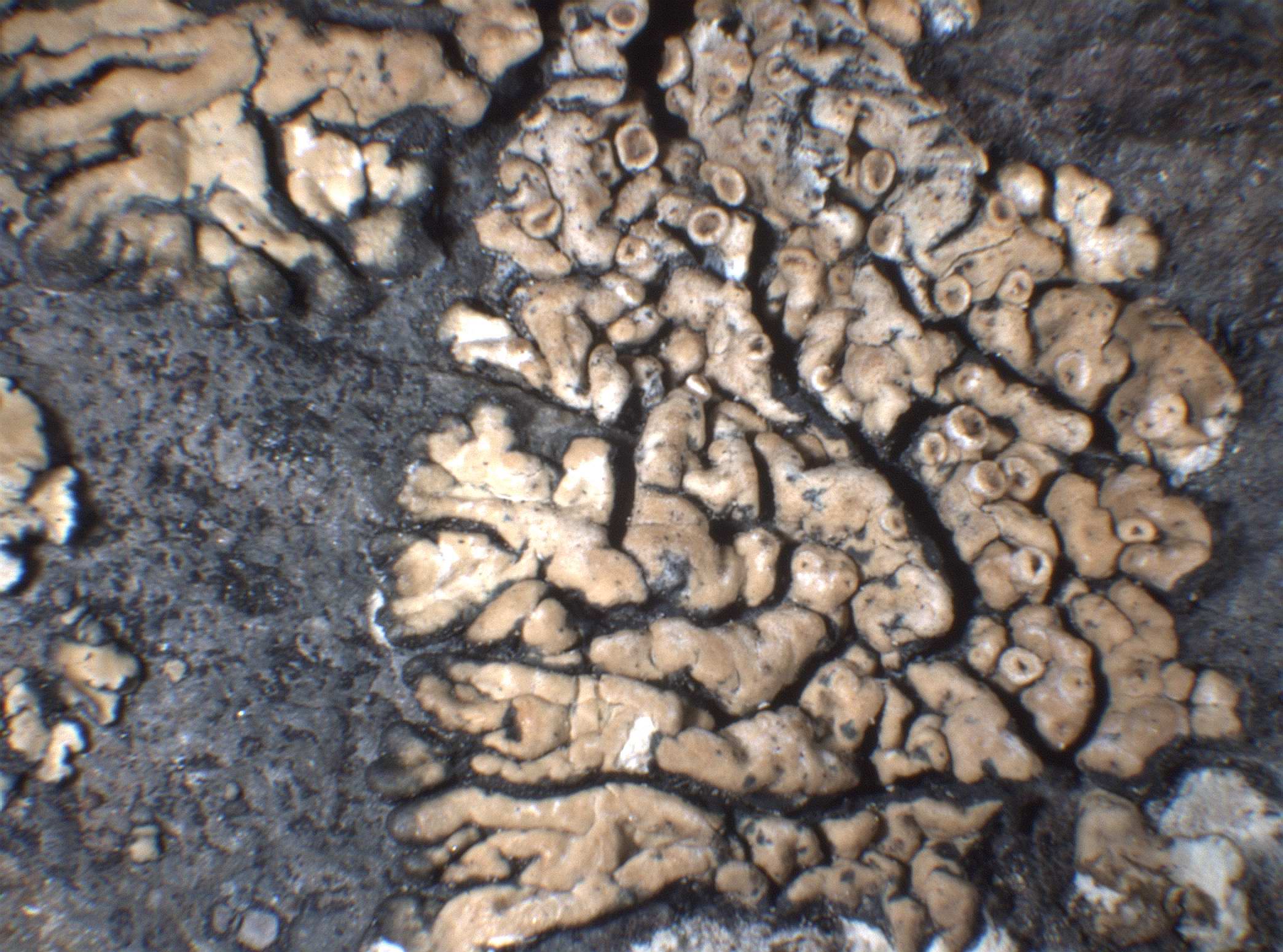
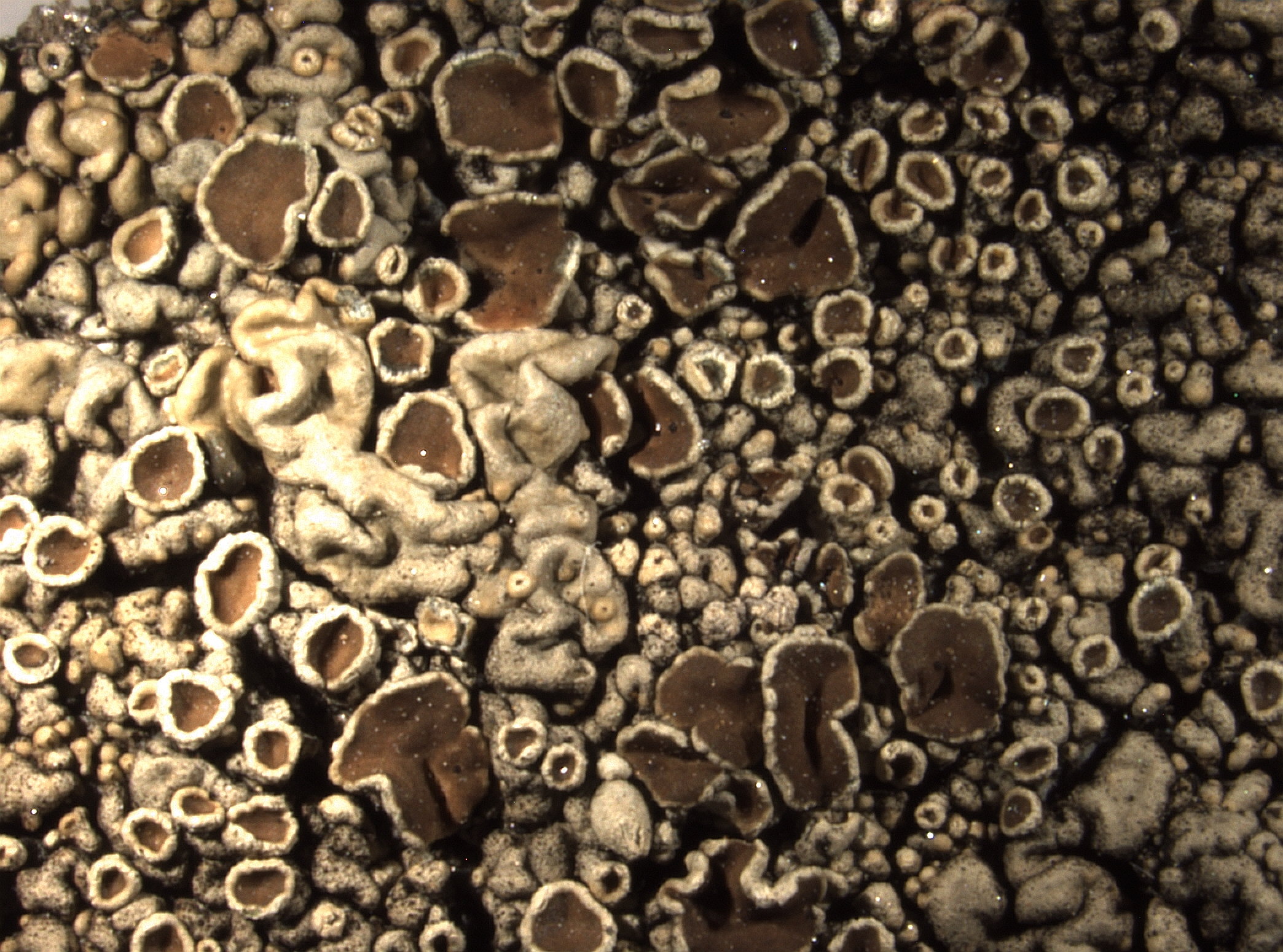
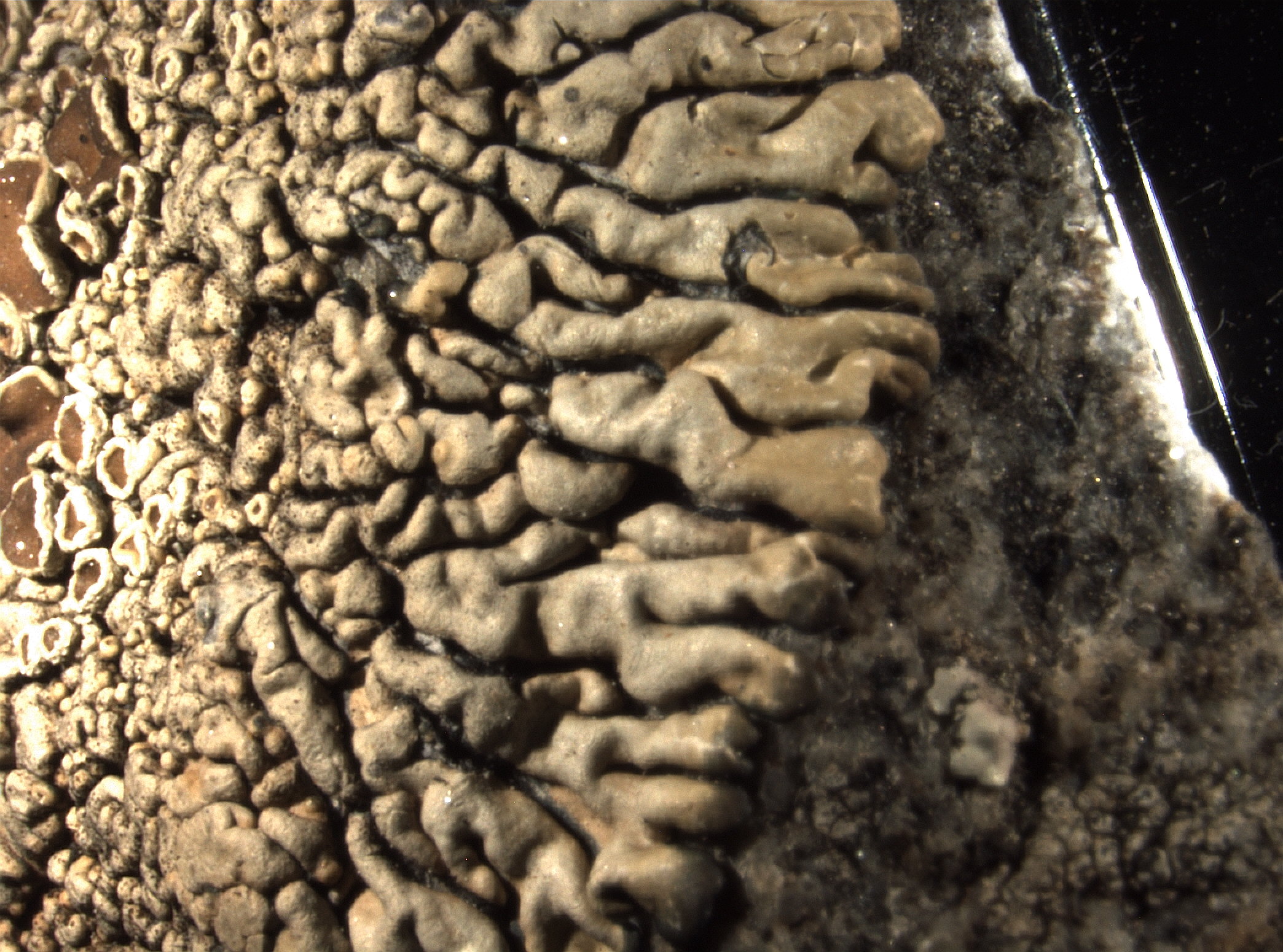
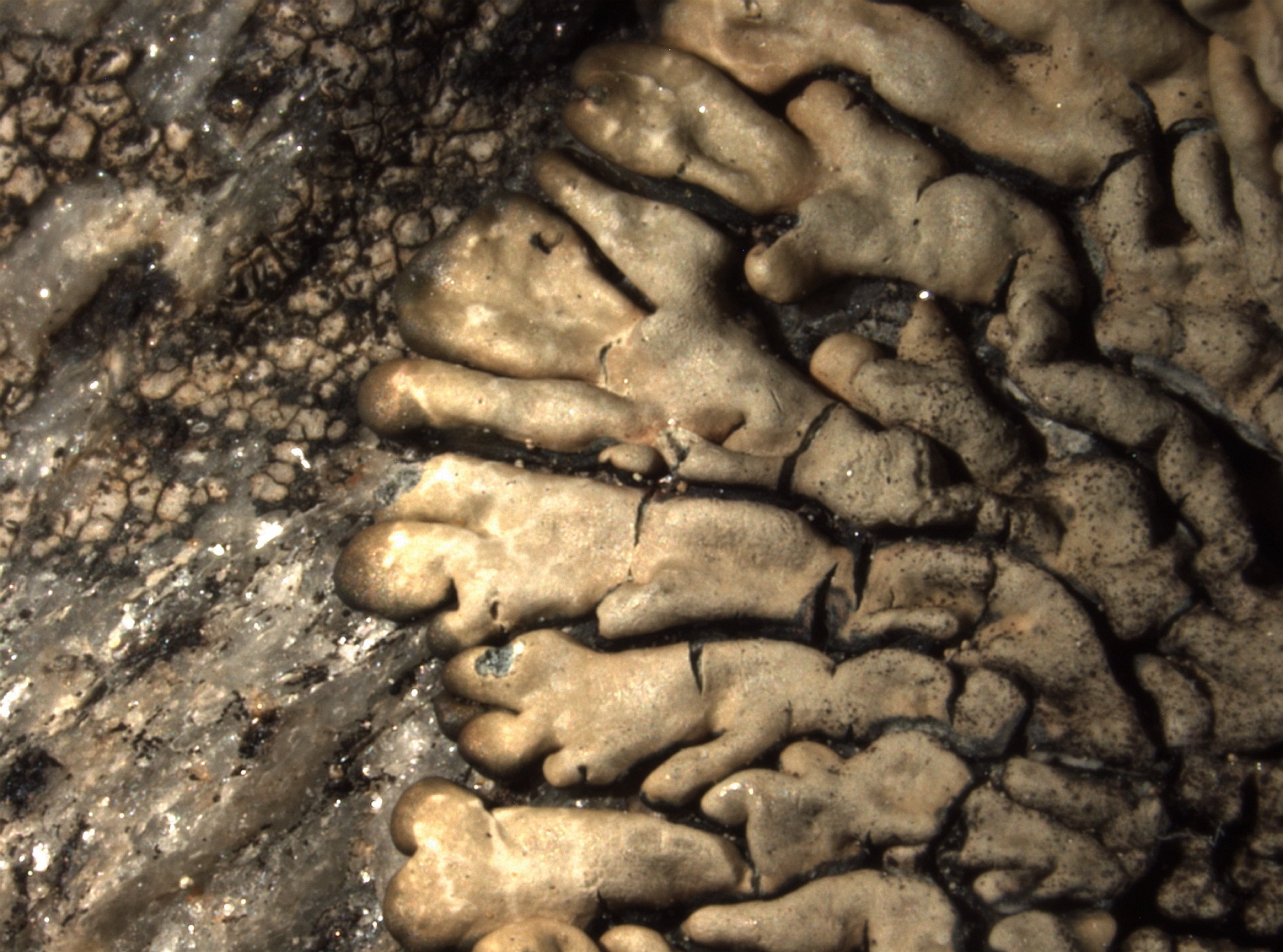
Description: Thallus crustose-placodioid, episubstratic, areolate and 0.5-2(-3) mm thick in central parts, rather loosely attached, epruinose to patchily pruinose, greenish yellow to grey-yellowish green, often darker at lobe-tips and grey-green in central parts, forming rosettes to 6 cm and more in diam., but often several thalli merging to cover larger surfaces. Central areoles contiguous, 0.3-1.5 mm wide, slightly to strongly convex; marginal lobes 4-8 mm long, 0.5-1.5 mm wide, strongly and irregularly convex, sinuous, often with transversal cracks, partially hollow inside. Upper cortex 15-50 µm thick, inspersed with yellowish granules soluble in K; medulla white, very loose, often becoming hollow in center. Apothecia lecanorine, sessile and constricted at base, 0.7-2 mm across, with a reddish brown to finally rarely blue-black, flat, epruinose disc and a 0.1-0.2 mm thick, finally excluded thalline margin, with a conspicuous parathecial ring. Thalline exciple corticate, paraplectenchymatous, the algal layer extending below the hypothecium; proper exciple colourless, prosoplectenchymatous, 15-25 µm thick; epithecium pale orange to dark brown, inspersed with fine granules soluble in K and insoluble in N, 10-25 µm high; hymenium colourless, 50-65 µm high, I+ blue; paraphyses coherent, with clavate, 2-3 mm wide apical cells; hypothecium colourless. Asci 8-spored, elongate-clavate, very thin-walled, with a K/I+ blue, tall tholus penetrated by a faintly amyloid apical cushion, the wall K/I-, surrounded by a K/I+ blue outer layer, Lecanora-type. Ascospores 1-celled, hyaline, ellipsoid to broadly ellipsoid, 7-12 x 5-7 µm. Pycnidia immersed, dark around the ostiole. Conidia filiform, (20-)25-35 µm long. Photobiont chlorococcoid. Spot tests: K- or K+ pale yellow, C-, KC+ pale yellow, P-. Chemistry: cortex with usnic acid (major), placodiolic and/or isousnic acids (minor); medulla usually with zeorin and unidentified terpenoids.
Growth form: Crustose placodiomorph
Substrata: rocks
Photobiont: green algae other than Trentepohlia
Reproductive strategy: mainly sexual
Subcontinental: restricted to areas with a dry-subcontinental climate (e.g. dry Alpine valleys, parts of Mediterranean Italy)
Commonnes-rarity: (info)
Alpine belt: absent
Subalpine belt: very rare
Montane belt: very rare
Dry submediterranean belt: rare
Humid submediterranean belt: absent
Padanian area: absent
pH of the substrata:
1 2 3 4 5

Solar irradiation:
1 2 3 4 5
Aridity:
1 2 3 4 5
Eutrophication:
1 2 3 4 5
Poleotolerance:
0 1 2 3
Altitudinal distribution:
1 2 3 4 5 6
Rarity
absent
extremely rare
very rare
rare
rather rare
rather common
common
very common
extremely common
Loading data...
Occurrence data
Predictive map
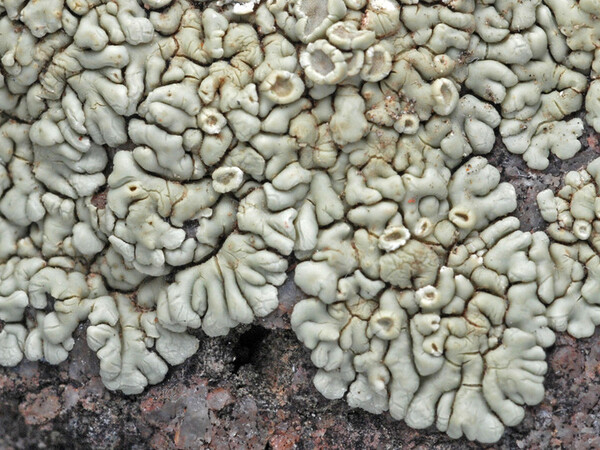
Author: Leif Stridvall - Source: http://www.stridvall.se/la/galleries.php
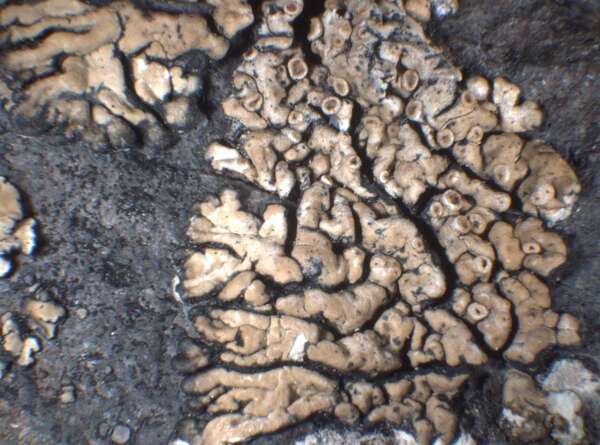
P.L. Nimis; Owner: Department of Life Sciences, University of Trieste
Herbarium: TSB (26019)
2003/03/12
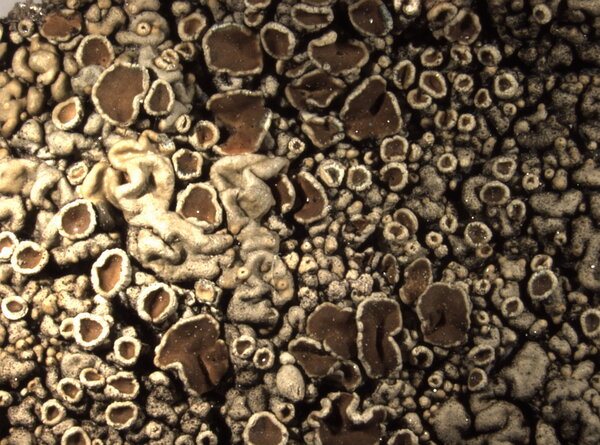
Pier Luigi Nimis CC BY-SA 4.0
TSB 42504
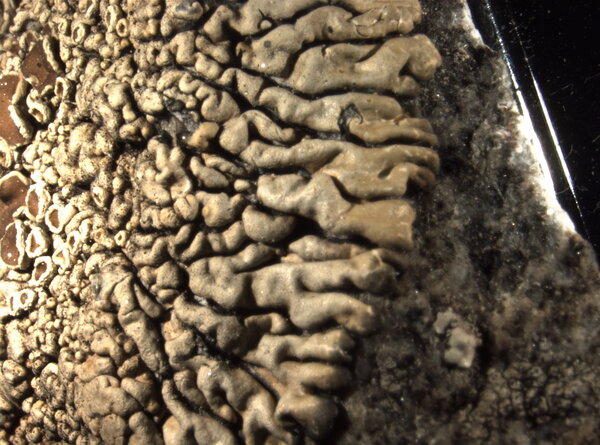
Pier Luigi Nimis CC BY-SA 4.0
TSB 42504
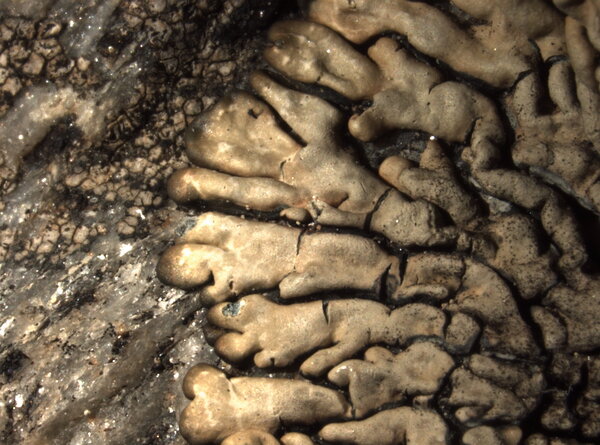
Pier Luigi Nimis CC BY-SA 4.0
TSB 42504
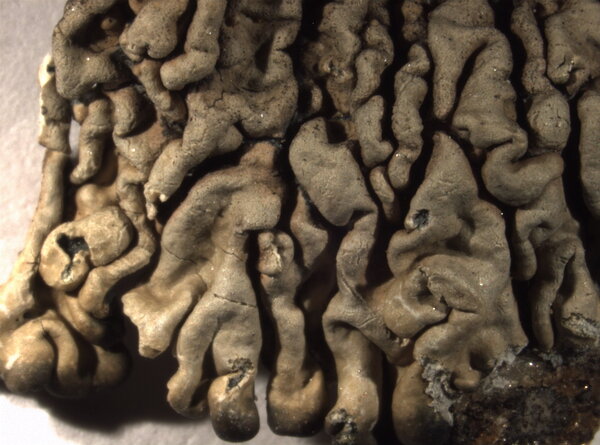
Pier Luigi Nimis CC BY-SA 4.0
TSB 42504
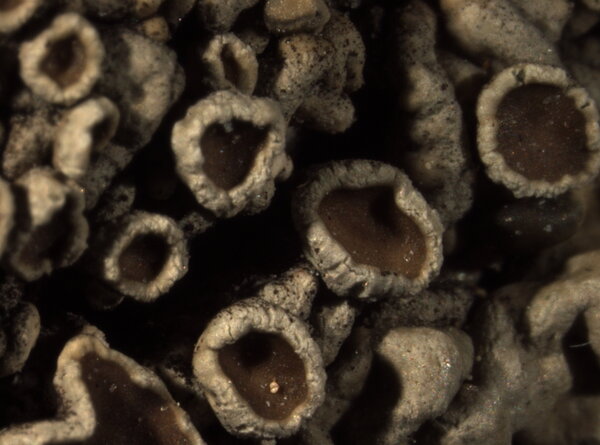
Pier Luigi Nimis CC BY-SA 4.0
TSB 42504
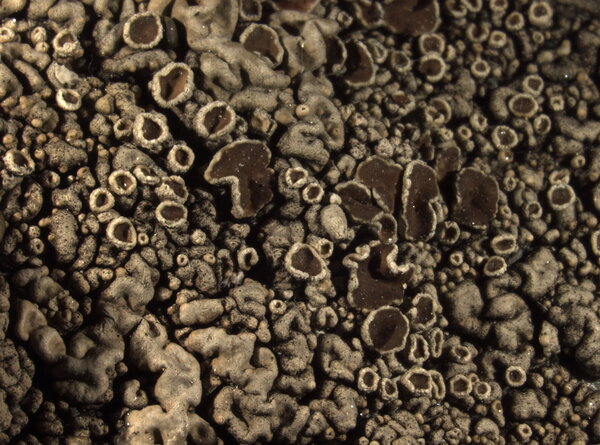
Pier Luigi Nimis CC BY-SA 4.0
TSB 42504
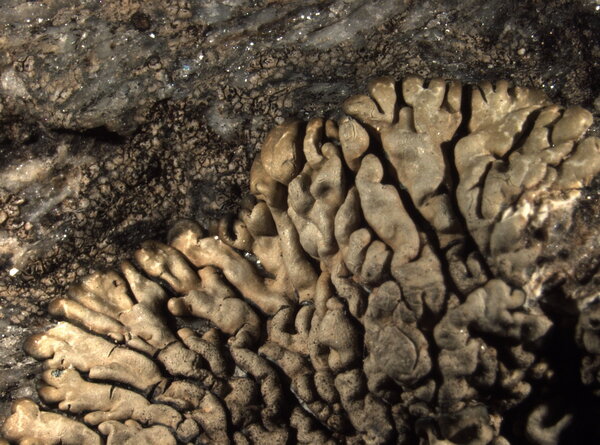
Pier Luigi Nimis CC BY-SA 4.0
TSB 42504
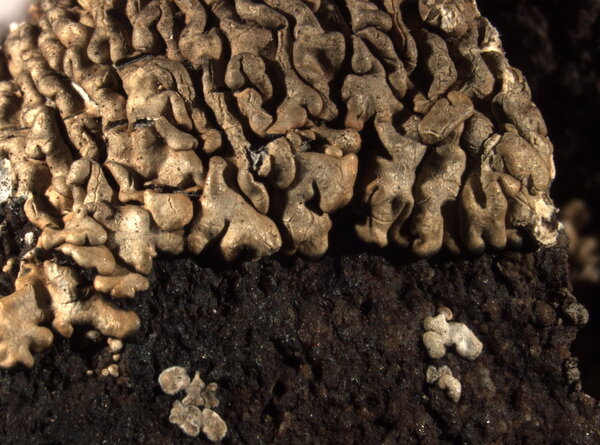
Pier Luigi Nimis CC BY-SA 4.0
TSB 42570
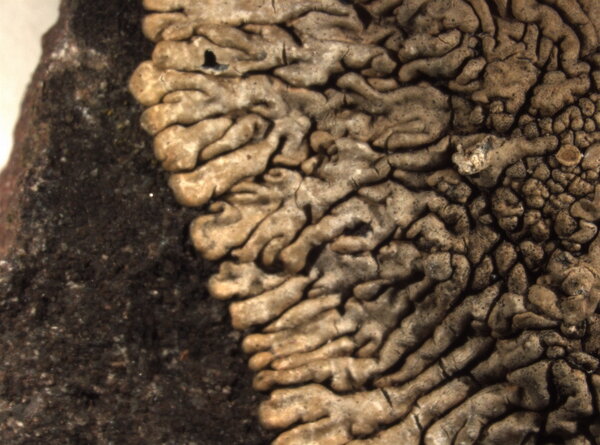
Pier Luigi Nimis CC BY-SA 4.0
TSB 42570
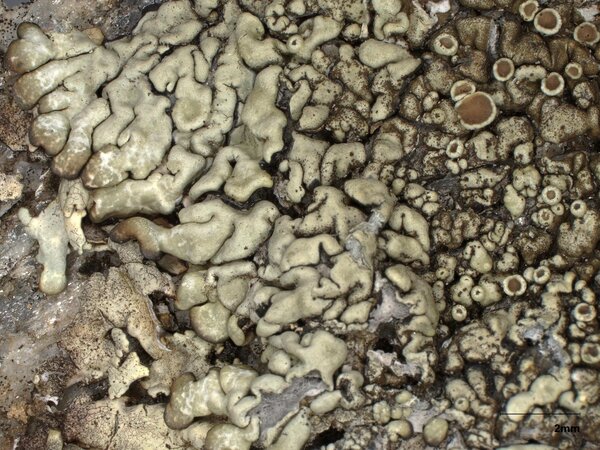
Martin Grube
Silandro, Trentino-Alto Adige (Italy) 5.8.2022
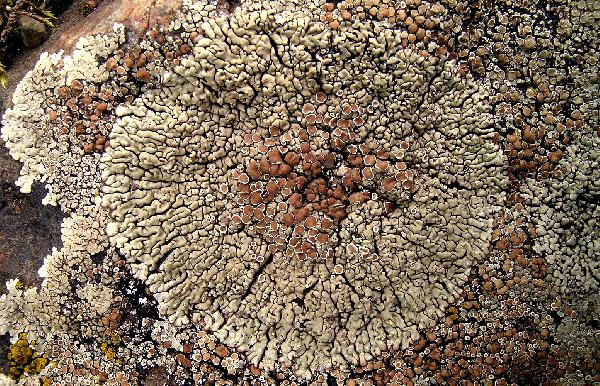
Ulrich Kirschbaum CC BY-SA 4.0 - Source: https://www.thm.de/lse/ulrich-kirschbaum/flechtenbilder
Central Europe; Germany: Hesse. (Coll/ident: Eichler/Cezanne).
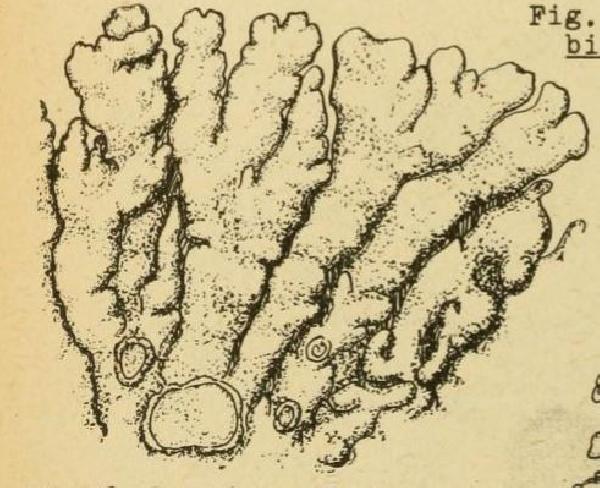
source: Poelt J. (1958) Mitt. Bot. Staatssamml. München 2: 411-589 Die lobaten Arten der Flechtengattung Lecanora Ach. s.ampl. in der Holarktis.
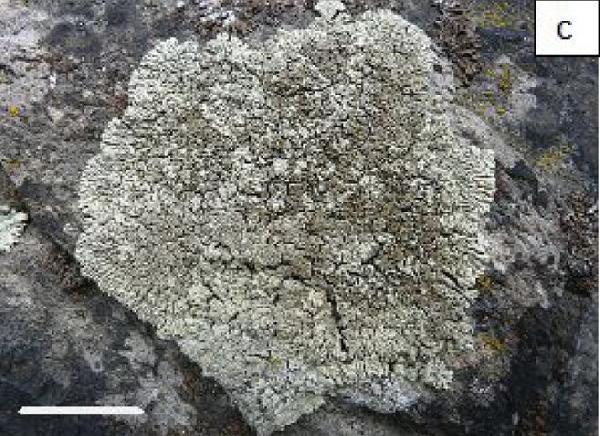
Source:Szczepańska K, Rodriguez-Flakus P, Urbaniak J, Śliwa L (2019) Neotypification of Protoparmeliopsis garovaglii and molecular evidence of its occurrence in Poland and South America. MycoKeys 57: 31-46. - CC BY-4.0
Scale bar: 4 cm
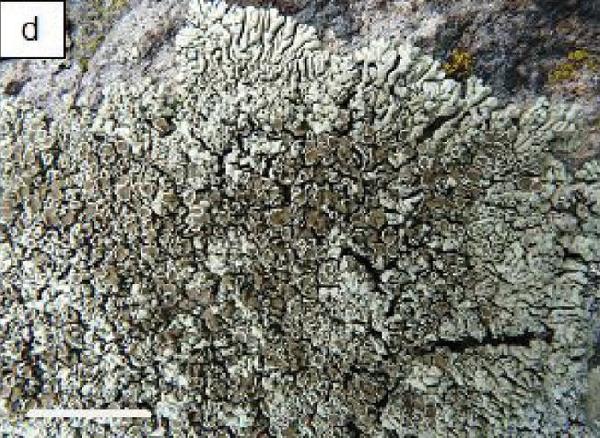
Source:Szczepańska K, Rodriguez-Flakus P, Urbaniak J, Śliwa L (2019) Neotypification of Protoparmeliopsis garovaglii and molecular evidence of its occurrence in Poland and South America. MycoKeys 57: 31-46. - CC BY-4.0
Scale bar: 2 cm
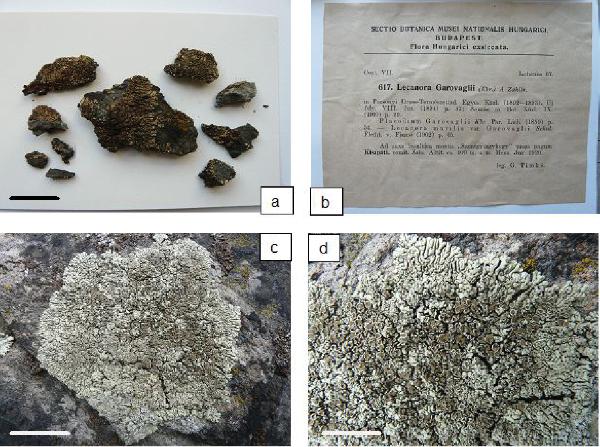
CC BY-4.0 - Source: Szczepańska K, Rodriguez-Flakus P, Urbaniak J, Śliwa L (2019) Neotypification of Protoparmeliopsis garovaglii and molecular evidence of its occurrence in Poland and South America. MycoKeys 57: 31-46. https://doi.org/10.3897/mycokeys.57.34501
a, b Neotype for Protoparmeliopsis garovaglii designated in WRSL herbarium c, d Thallus of Protoparmeliopsis garovaglii in natural habitat. Scales: 2 cm (a); 4 cm (c); 2 cm (d).
Growth form: Crustose placodiomorph
Substrata: rocks
Photobiont: green algae other than Trentepohlia
Reproductive strategy: mainly sexual
Subcontinental: restricted to areas with a dry-subcontinental climate (e.g. dry Alpine valleys, parts of Mediterranean Italy)
Commonnes-rarity: (info)
Alpine belt: absent
Subalpine belt: very rare
Montane belt: very rare
Dry submediterranean belt: rare
Humid submediterranean belt: absent
Padanian area: absent
pH of the substrata:
| 1 | 2 | 3 | 4 | 5 |
Solar irradiation:
| 1 | 2 | 3 | 4 | 5 |
Aridity:
| 1 | 2 | 3 | 4 | 5 |
Eutrophication:
| 1 | 2 | 3 | 4 | 5 |
Poleotolerance:
| 0 | 1 | 2 | 3 |
Altitudinal distribution:
| 1 | 2 | 3 | 4 | 5 | 6 |
Rarity
absent
extremely rare
very rare
rare
rather rare
rather common
common
very common
extremely common
Loading data...
Occurrence data
Predictive map
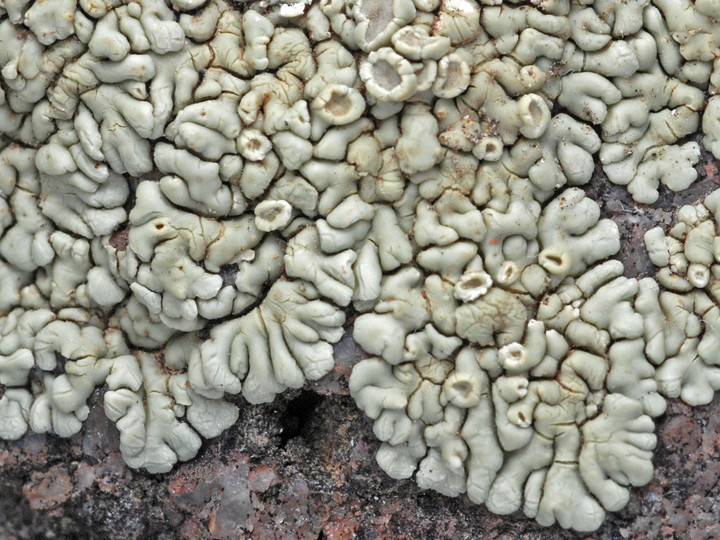
Author: Leif Stridvall - Source: http://www.stridvall.se/la/galleries.php
P.L. Nimis; Owner: Department of Life Sciences, University of Trieste
Herbarium: TSB (26019)
2003/03/12
Pier Luigi Nimis CC BY-SA 4.0
TSB 42504
Pier Luigi Nimis CC BY-SA 4.0
TSB 42504
Pier Luigi Nimis CC BY-SA 4.0
TSB 42504
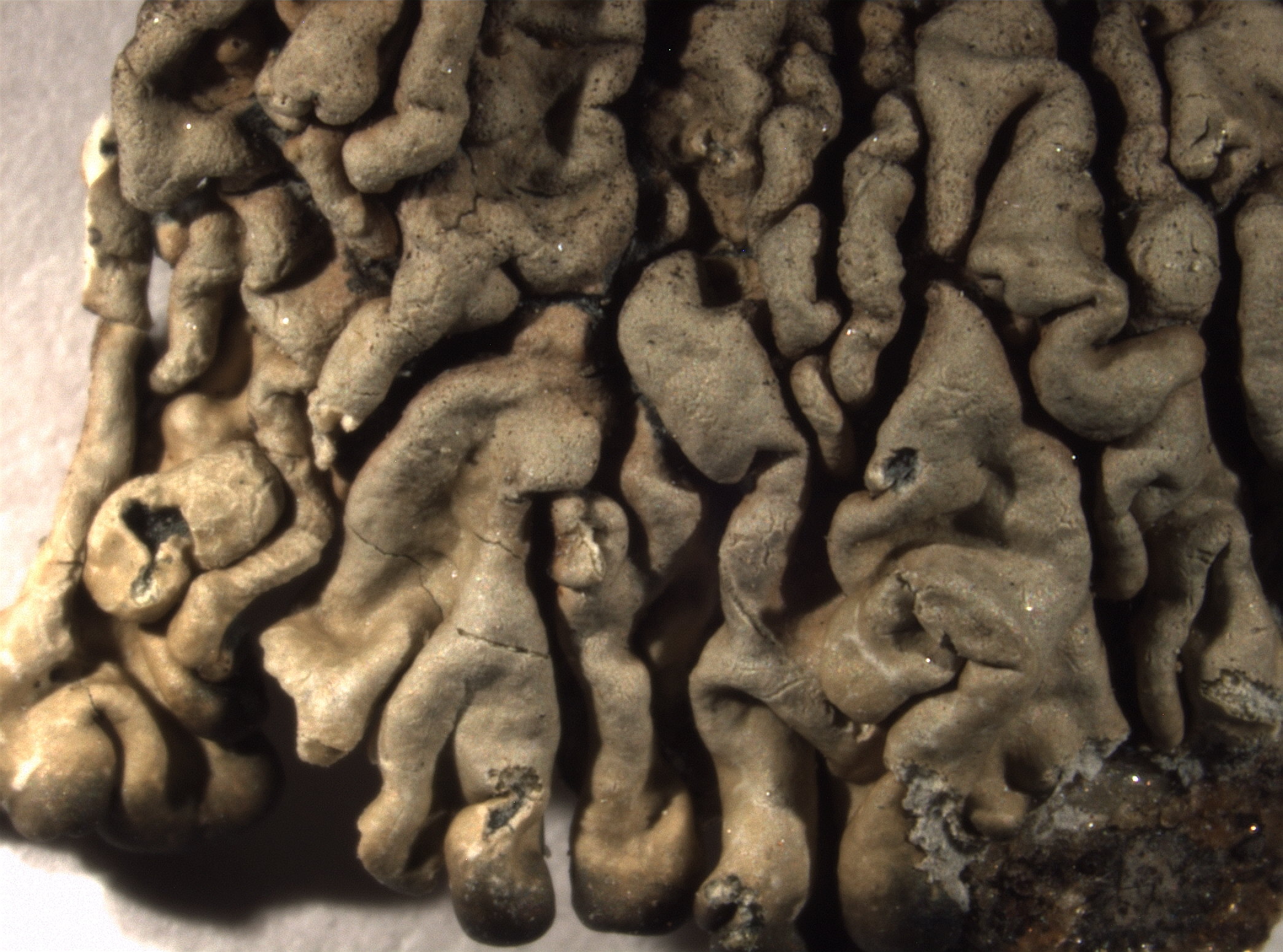
Pier Luigi Nimis CC BY-SA 4.0
TSB 42504
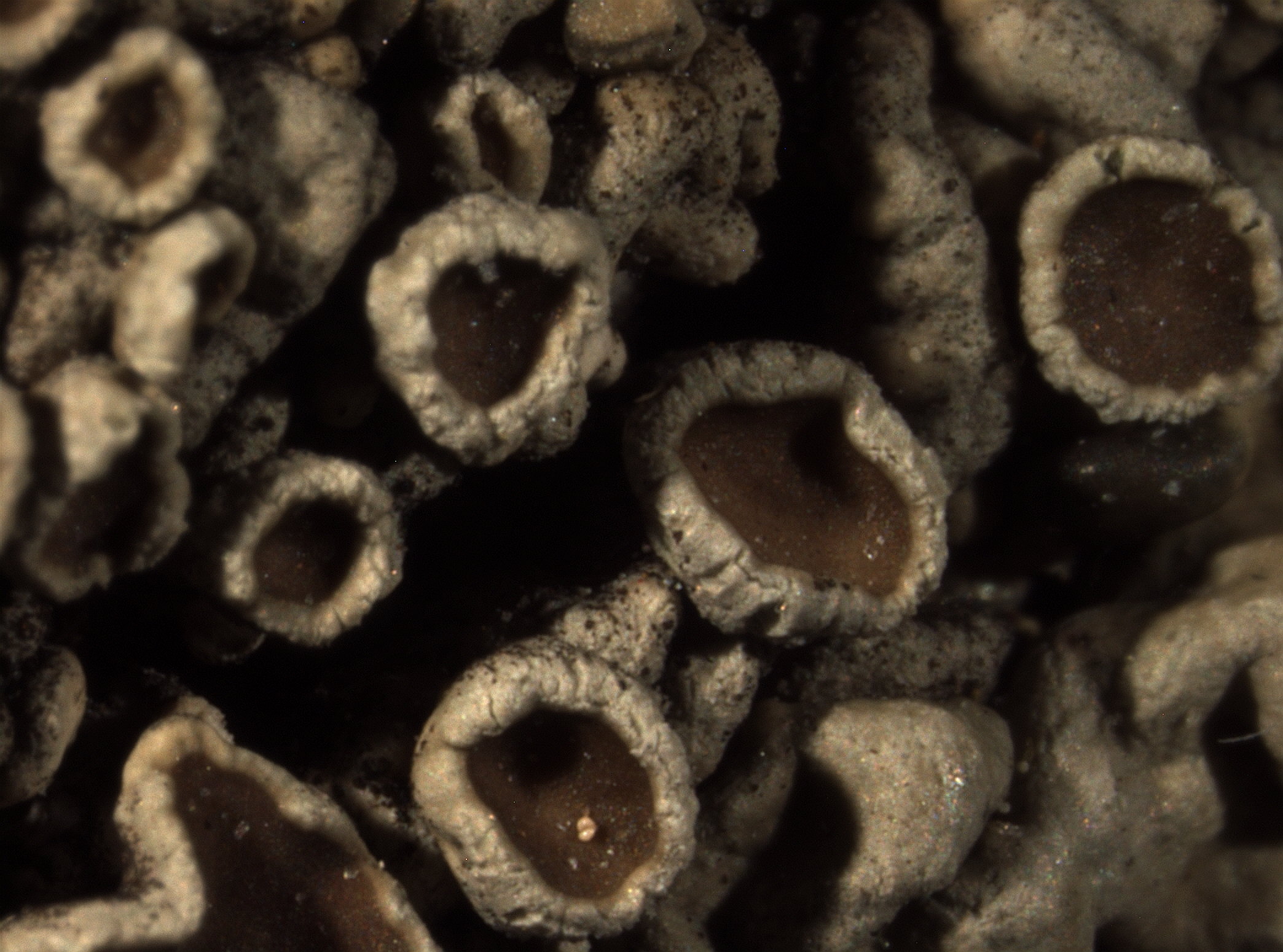
Pier Luigi Nimis CC BY-SA 4.0
TSB 42504
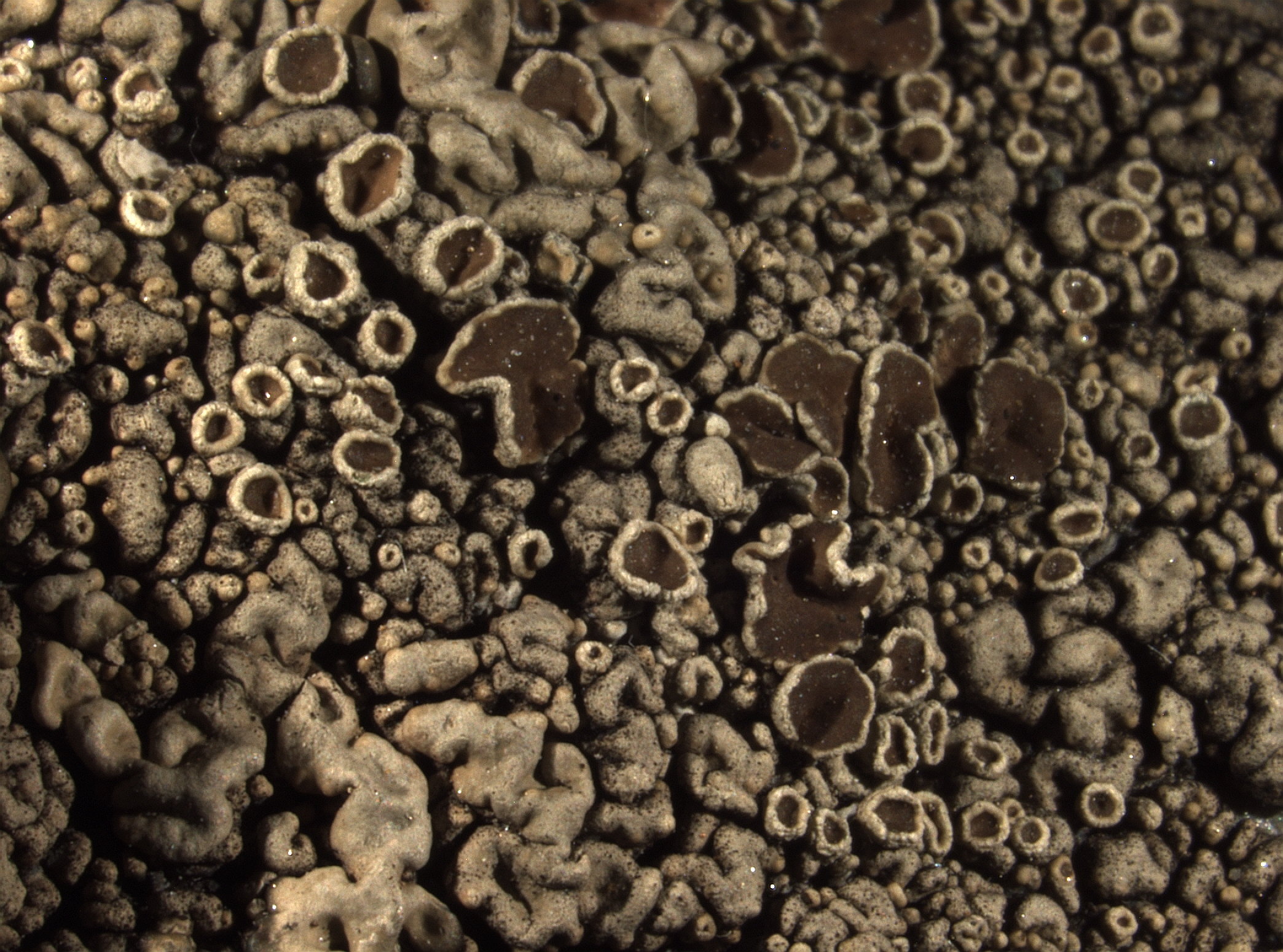
Pier Luigi Nimis CC BY-SA 4.0
TSB 42504
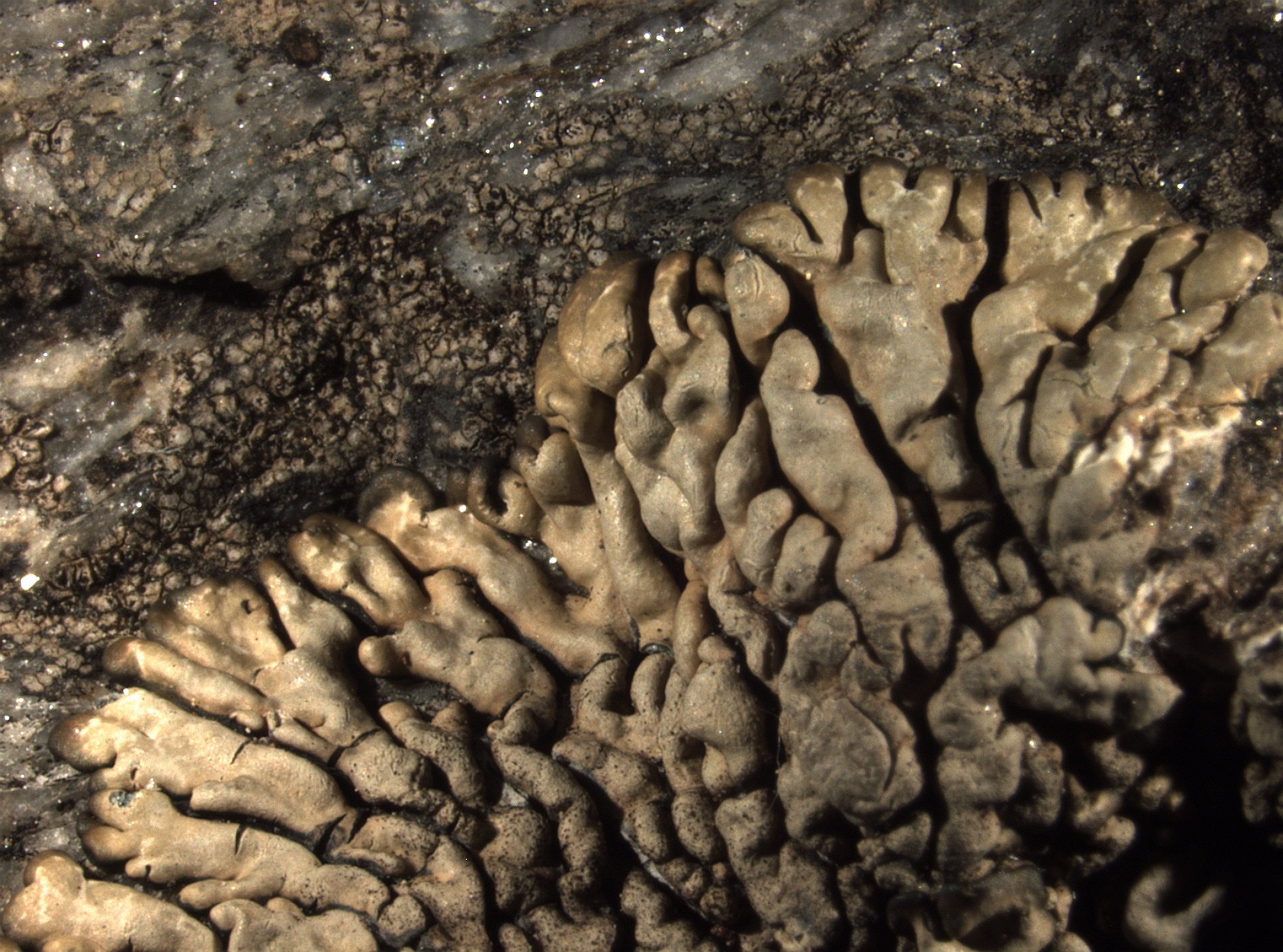
Pier Luigi Nimis CC BY-SA 4.0
TSB 42504
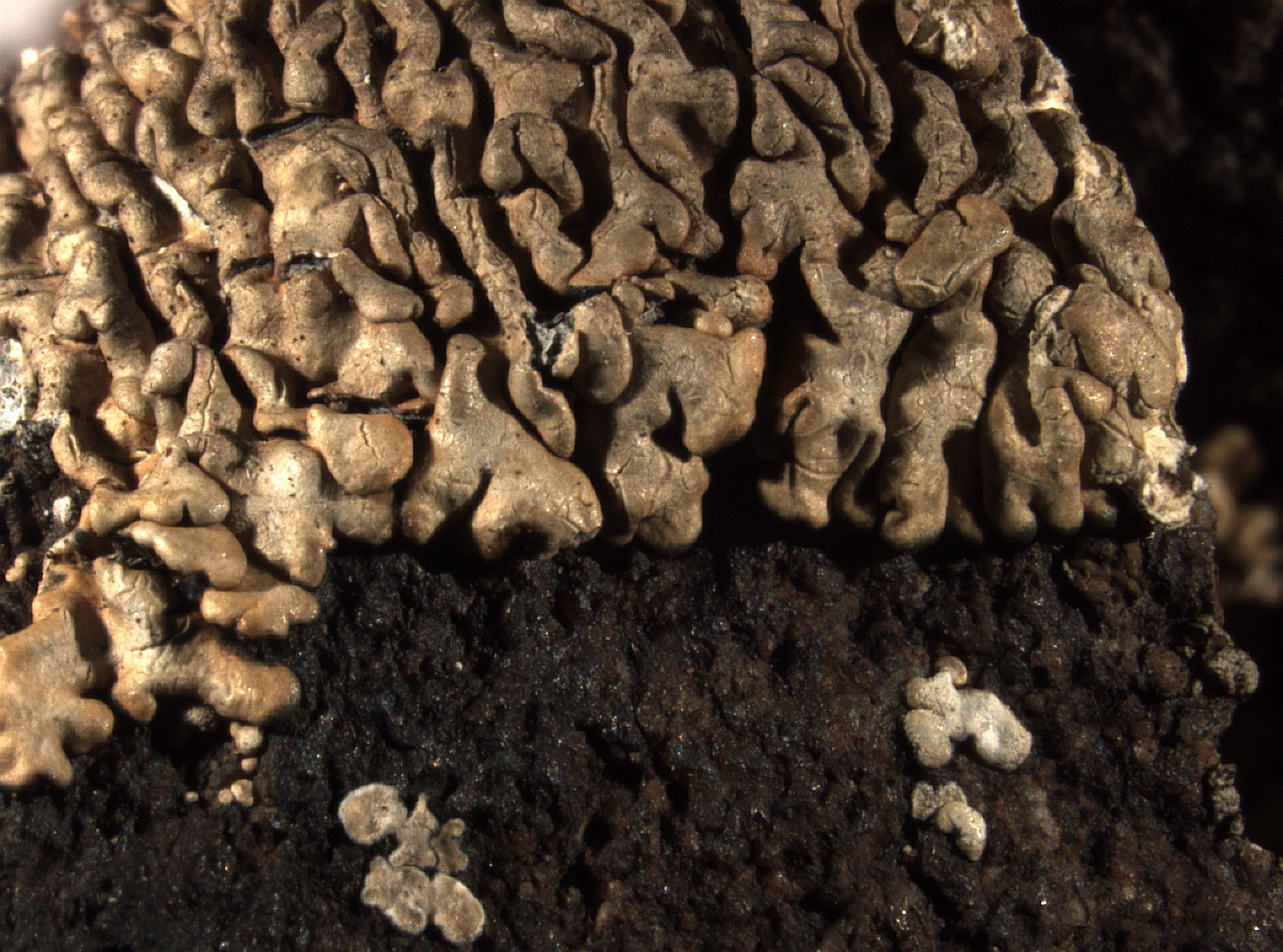
Pier Luigi Nimis CC BY-SA 4.0
TSB 42570
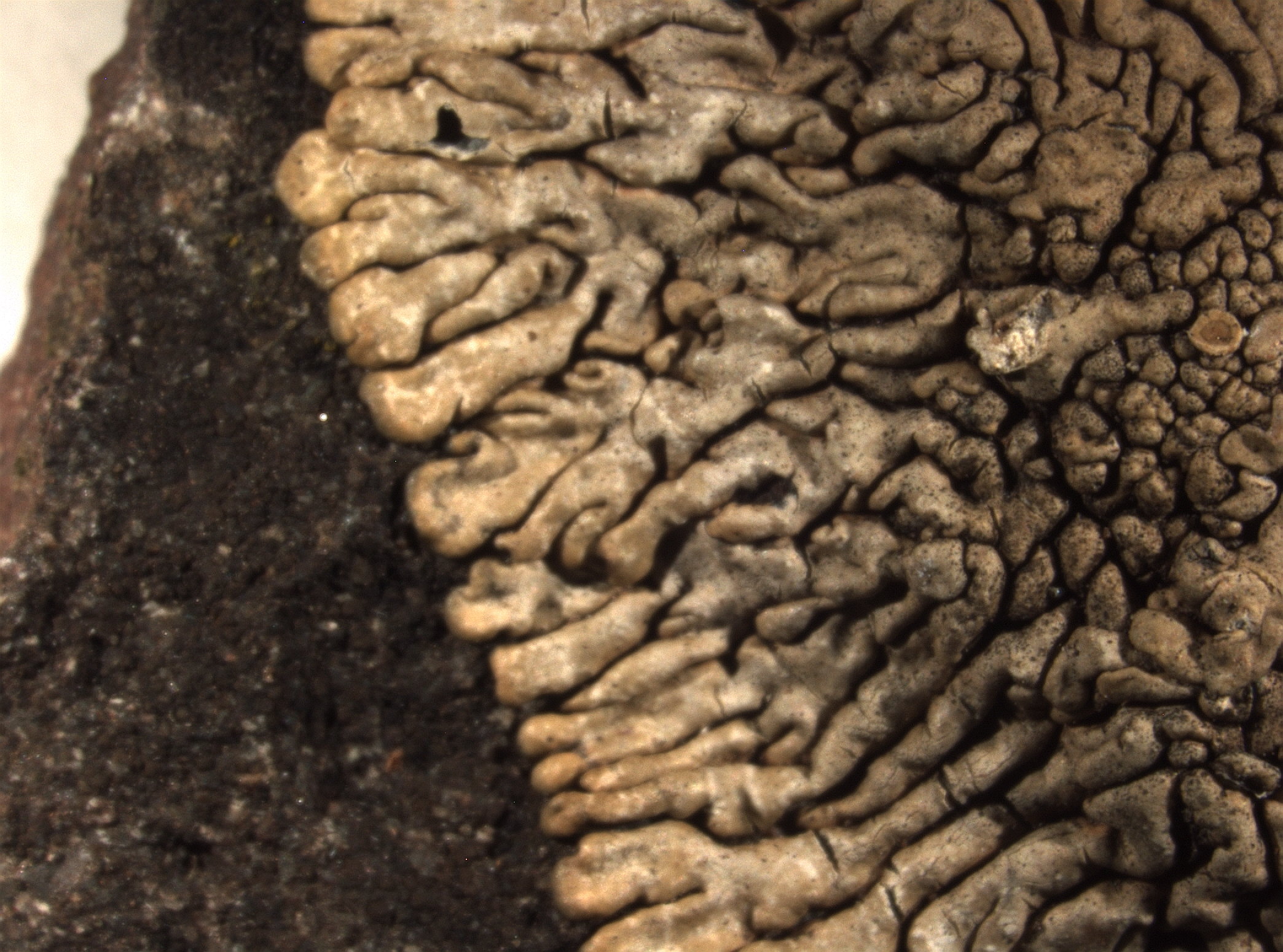
Pier Luigi Nimis CC BY-SA 4.0
TSB 42570
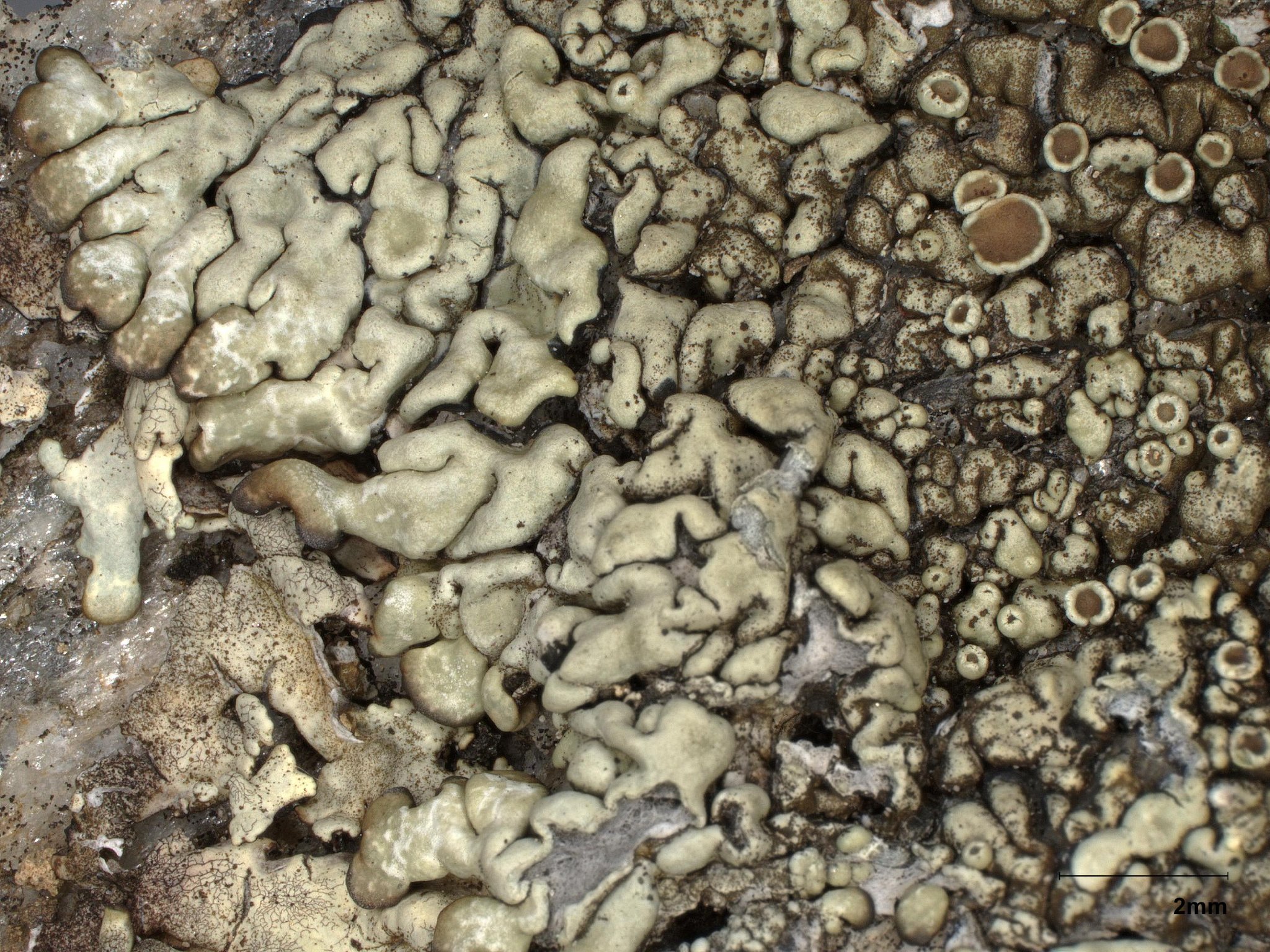
Martin Grube
Silandro, Trentino-Alto Adige (Italy) 5.8.2022
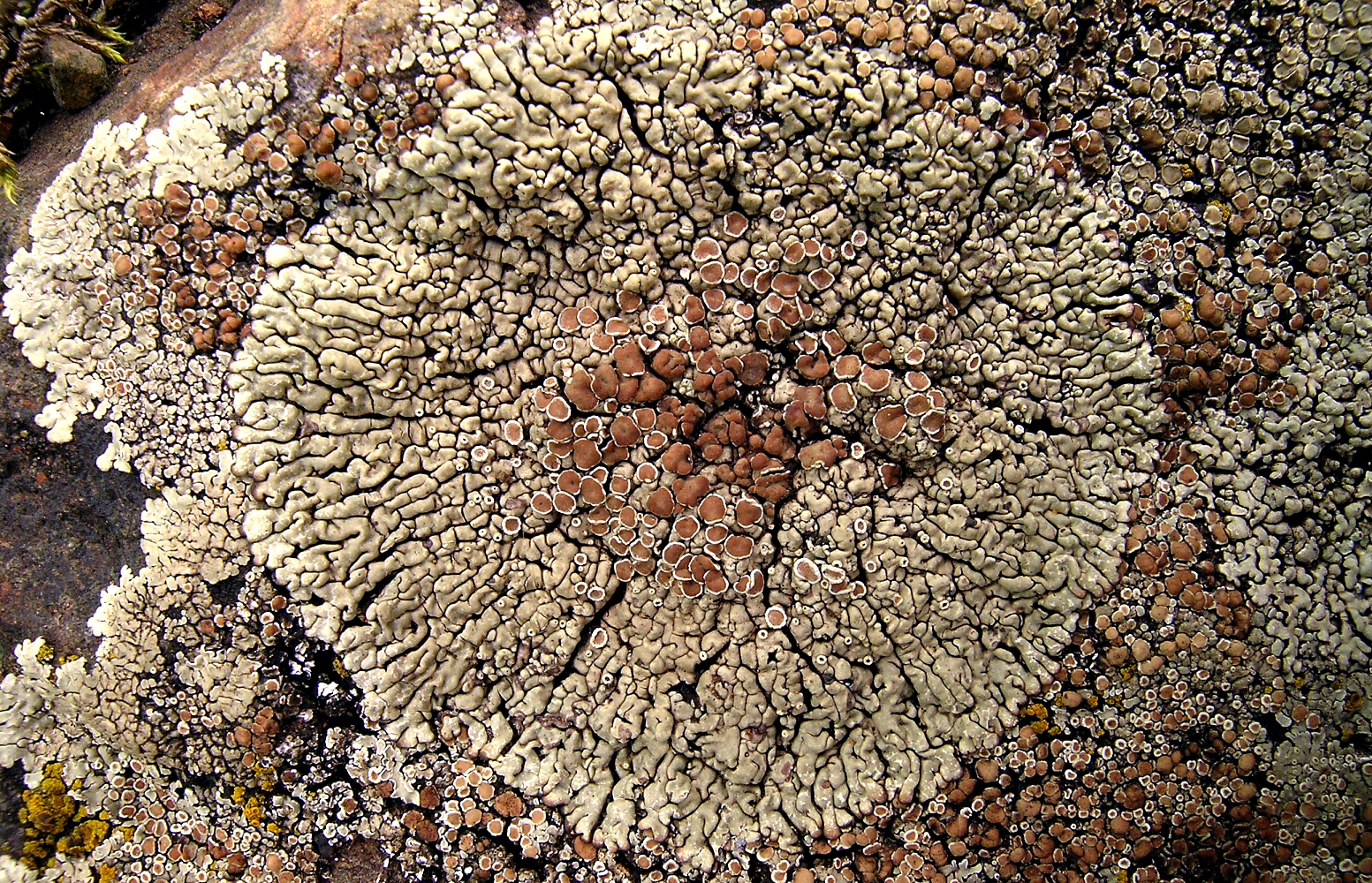
Ulrich Kirschbaum CC BY-SA 4.0 - Source: https://www.thm.de/lse/ulrich-kirschbaum/flechtenbilder
Central Europe; Germany: Hesse. (Coll/ident: Eichler/Cezanne).

source: Poelt J. (1958) Mitt. Bot. Staatssamml. München 2: 411-589 Die lobaten Arten der Flechtengattung Lecanora Ach. s.ampl. in der Holarktis.
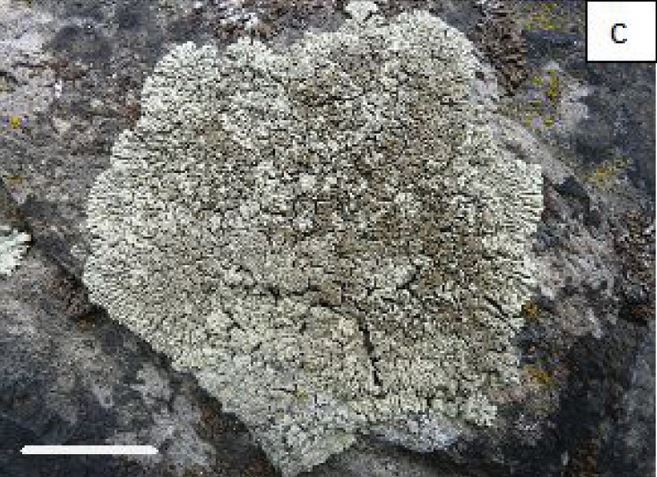
Source:Szczepańska K, Rodriguez-Flakus P, Urbaniak J, Śliwa L (2019) Neotypification of Protoparmeliopsis garovaglii and molecular evidence of its occurrence in Poland and South America. MycoKeys 57: 31-46. - CC BY-4.0
Scale bar: 4 cm

Source:Szczepańska K, Rodriguez-Flakus P, Urbaniak J, Śliwa L (2019) Neotypification of Protoparmeliopsis garovaglii and molecular evidence of its occurrence in Poland and South America. MycoKeys 57: 31-46. - CC BY-4.0
Scale bar: 2 cm