Psilolechia lucida (Ach.) M. Choisy
Bull. Mens. Soc. Linn. Lyon, 18: 142, 1949. Basionym: Lichen lucidus Ach. - Lichenogr. Suec. Prodr.: 39, 1799.
Synonyms: Biatora lucida (Ach.) Fr.; Lecidea lucida (Ach.) Ach.; Lepra chlorina sensu A. Massal.
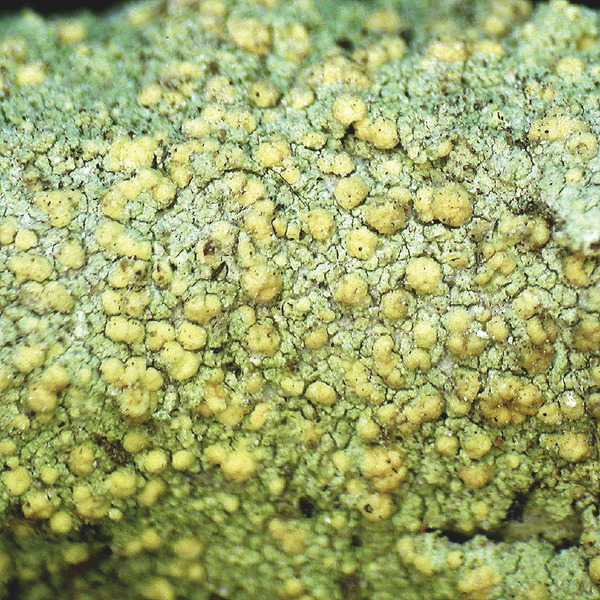
Description: Thallus leprose-granular, episubstratic, ecorticate, continuous to cracked, effuse, bright sulphur yellow to yellow-green in shade-forms, entirely consisting of mainly farinose, more or less globose, 10-35(-60) µm wide goniocysts surrounded by irregularly arranged hyphae and interspersed with numerous, large, colourless crystals insoluble in K, visible in squash preparations. Apothecia rather rare, biatorine, convex to subglobose, immersed in the thallus, 0.1-0.3 mm across, sometimes confluent, tuberculate and up to 0.8 mm across, with a yellow-green to pale or lemon yellow or yellow-orange to olivaceous or brownish yellow disc, without a distinct margin. Proper exciple very poorly developed; epithecium intensely yellow-green, with small yellow crystals not dissolving in K, K-, N-; hymenium colourless, 25-35 µm high, I+ blue; paraphyses simple or forked, the apices hardly swollen; hypothecium colourless. Asci 8-spored, cylindrical-clavate, the apical dome K/I+ pale blue, with a dark blue apical tube diverging towards the apex, the wall with a K/I+ dark blue outer layer. Ascospores 1-celled, hyaline, oblong-ovoid, 4-5(-7) x 1-2(-2.5) µm. Photobiont chlorococcoid, the cells rounded, up to 10 µm wide. Spot tests: thallus and apothecia K-, P-, KC-, P-, UV+ dull orange. Chemistry: rhizocarpic acid (major) and an unidentified pigment (trace).
Growth form: Leprose
Substrata: rocks
Photobiont: green algae other than Trentepohlia
Reproductive strategy: mainly asexual, by soredia, or soredia-like structures (e.g. blastidia)
Most common in areas with a humid-warm climate (e.g. most of Tyrrenian Italy)
In underhangs rarely wetted by rain
Commonnes-rarity: (info)
Alpine belt: extremely rare
Subalpine belt: very rare
Montane belt: rare
Dry submediterranean belt: extremely rare
Humid submediterranean belt: very rare
Padanian area: absent
pH of the substrata:
1 2 3 4 5

Solar irradiation:
1 2 3 4 5
Aridity:
1 2 3 4 5
Eutrophication:
1 2 3 4 5
Poleotolerance:
0 1 2 3
Altitudinal distribution:
1 2 3 4 5 6
Rarity
absent
extremely rare
very rare
rare
rather rare
rather common
common
very common
extremely common
Loading data...
Occurrence data
Predictive map
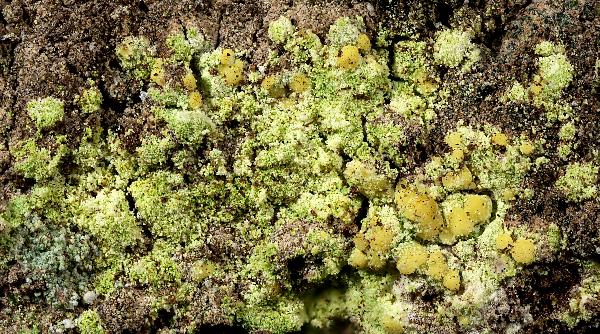
Ulrich Kirschbaum CC BY-SA 4.0 - Source: https://www.thm.de/lse/ulrich-kirschbaum/flechtenbilder
Spain; Canary Islands: La Gomera.
Andres Saag; Owner: University of Tartu
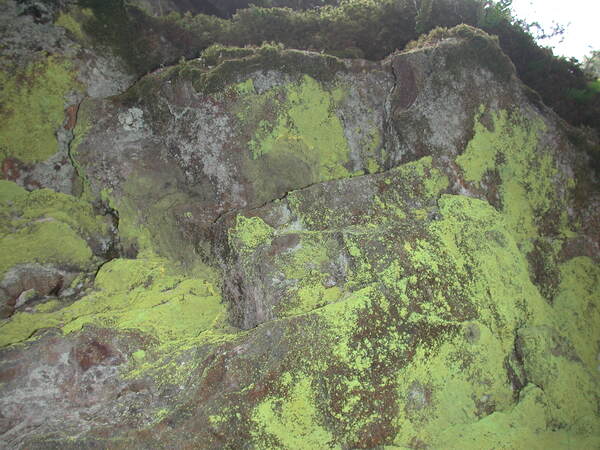
Juri Nascimbene - CC BY-SA 4.0
Stelvio National Park, Reg. Trentino-Alto Adige Prov. Trento, Italy.
07.2005
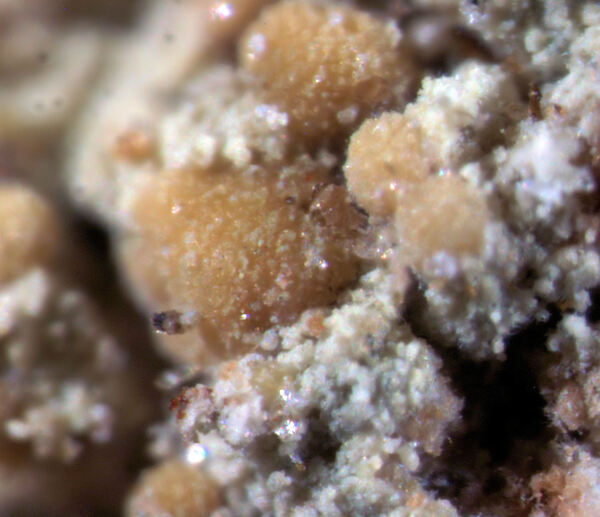
P.L. Nimis CC BY-SA 4.0
TSB 37624
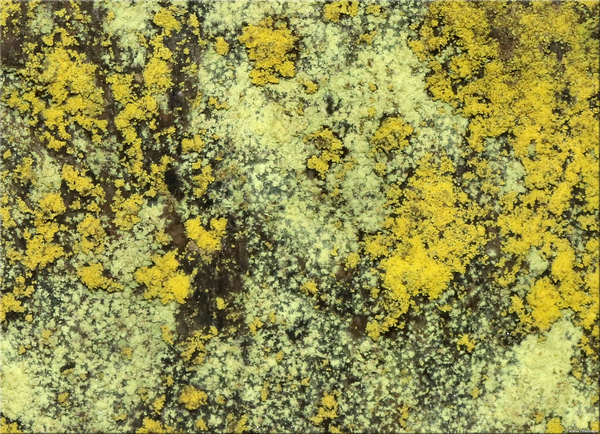
Walter Obermayer CC BY-SA 4.0 - Source: Lichens of Noricum - http://lichens-of-noricum.uni-graz.at/
with Chrysothryx chlorina
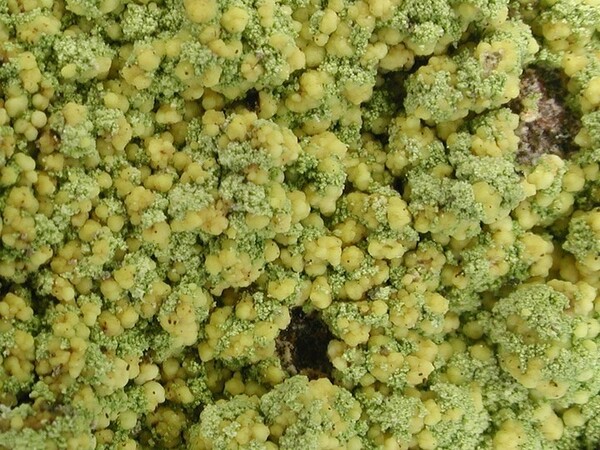
Leif Stridvall - Source: http://www.stridvall.se/la/galleries.php
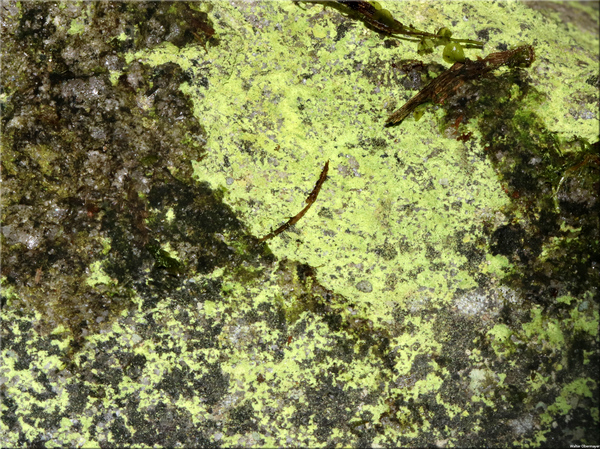
Walter Obermayer CC BY-SA 4.0 - Source: Lichens of Noricum - http://lichens-of-noricum.uni-graz.at/
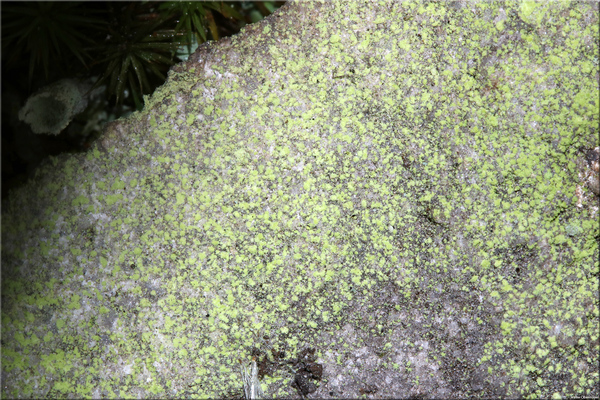
Walter Obermayer CC BY-SA 4.0 - Source: Lichens of Noricum - http://lichens-of-noricum.uni-graz.at/
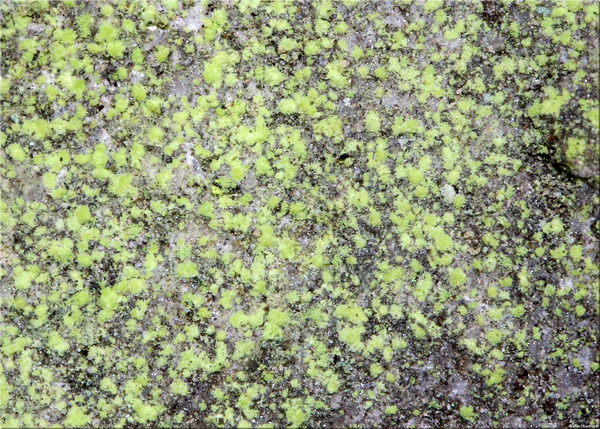
Walter Obermayer CC BY-SA 4.0 - Source: Lichens of Noricum - http://lichens-of-noricum.uni-graz.at/
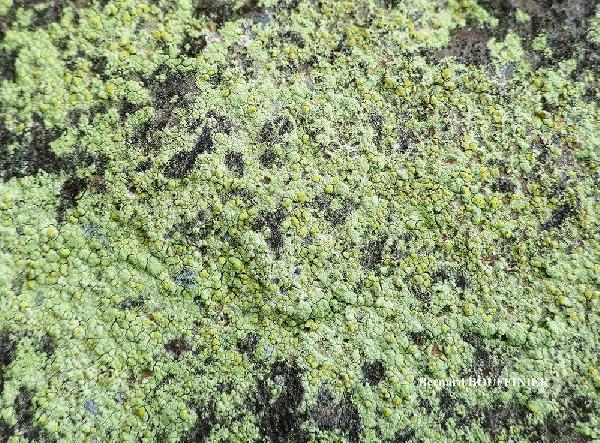
Bernard Bouffinier - Source: http://www.lichensmaritimes.org/index.php?task=fiche&lichen=349&lang=en
France, Commana
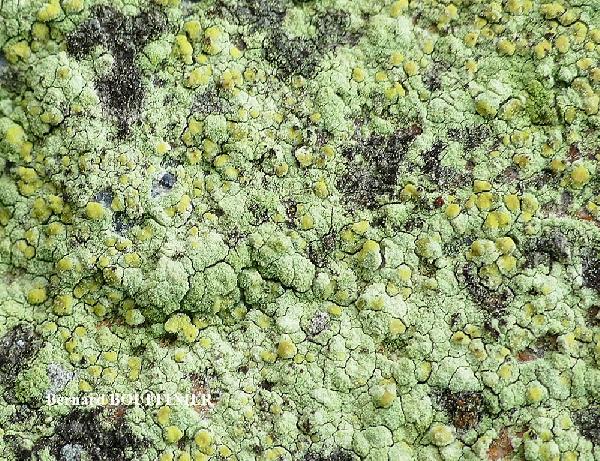
Bernard Bouffinier - Source: http://www.lichensmaritimes.org/index.php?task=fiche&lichen=349&lang=en
France, Commana
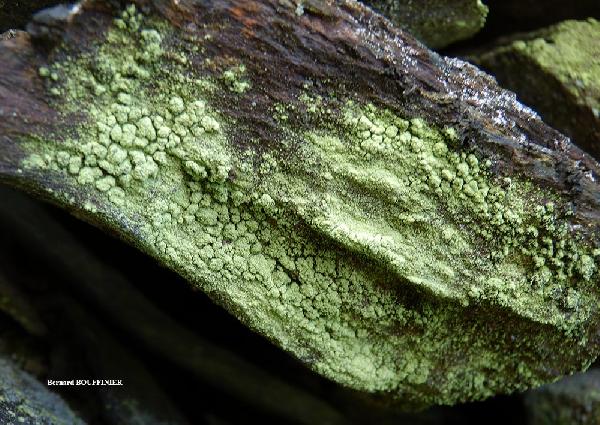
Bernard Bouffinier - Source: http://www.lichensmaritimes.org/index.php?task=fiche&lichen=349&lang=en
France, Commana
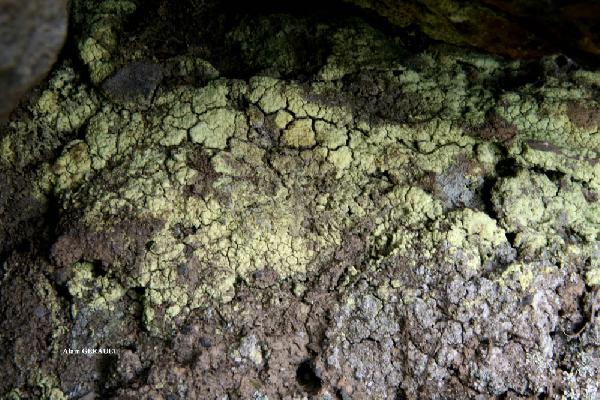
Alain Gerault - Source: http://www.lichensmaritimes.org/index.php?task=fiche&lichen=349&lang=en
France, Poullaouen
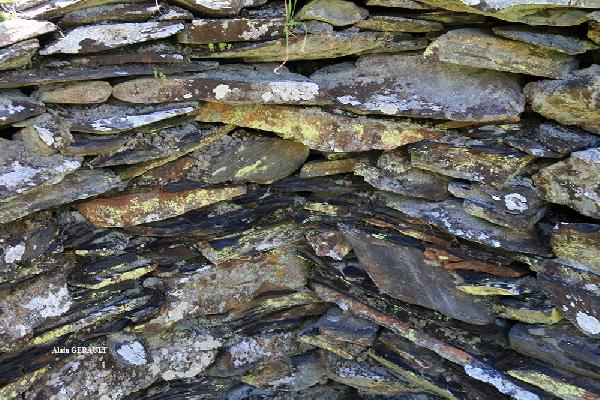
Alain Gerault - Source: http://www.lichensmaritimes.org/index.php?task=fiche&lichen=349&lang=en
France, Commana
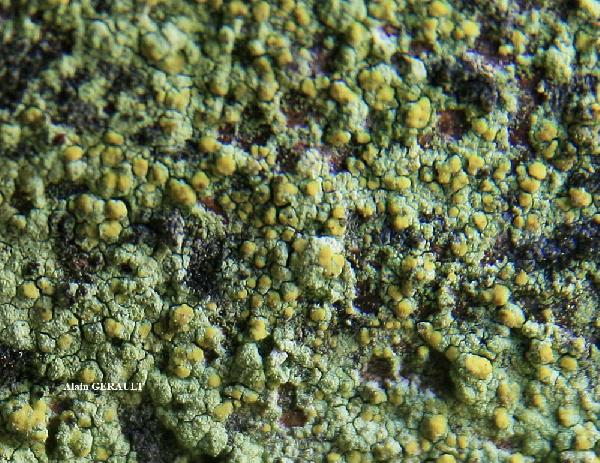
Alain Gerault - Source: http://www.lichensmaritimes.org/index.php?task=fiche&lichen=349&lang=en
France, Commana
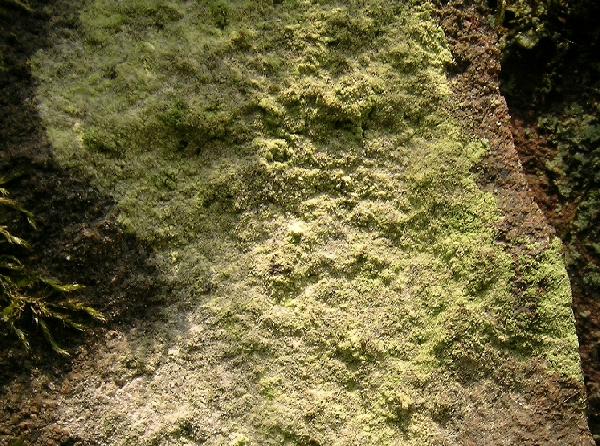
Ulrich Kirschbaum CC BY-SA 4.0 - Source: https://www.thm.de/lse/ulrich-kirschbaum/flechtenbilder
Central Europe; Germany; Hesse.
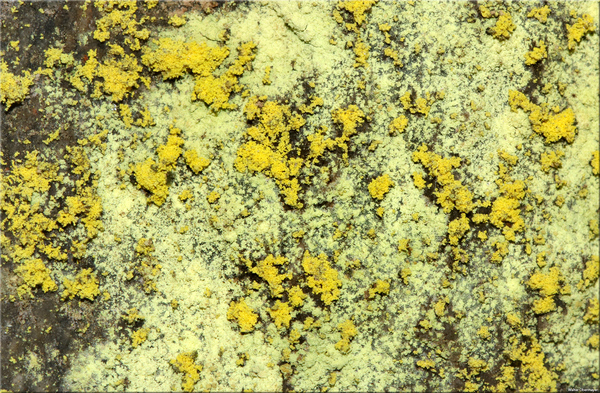
Walter Obermayer CC BY-SA 4.0 - Source: Lichens of Noricum - http://lichens-of-noricum.uni-graz.at/
with Chrysothryx chlorina
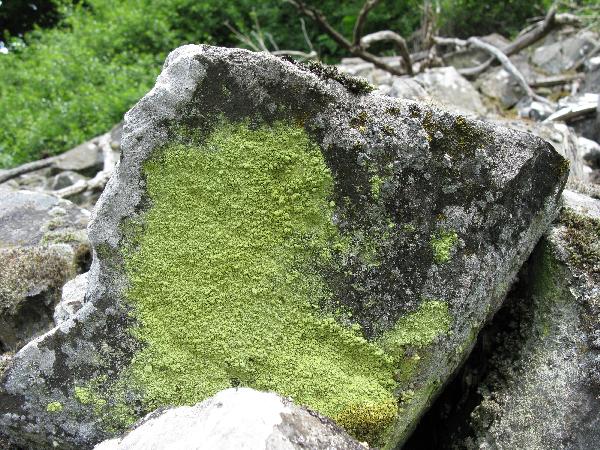
Wolfgang von Brackel - CC BY-4.0
Germany, Bavaria, Rauher Kulm
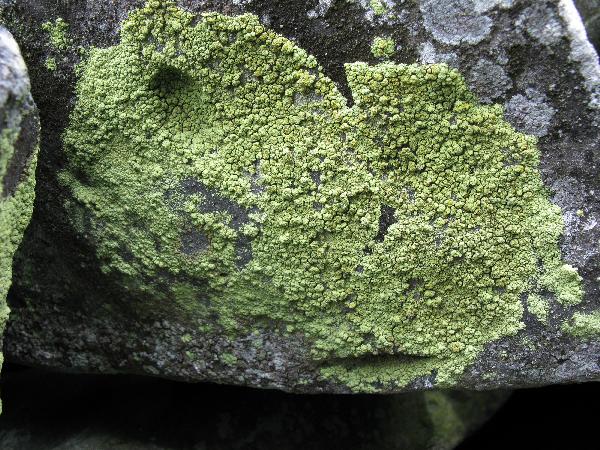
Wolfgang von Brackel - CC BY-4.0
Germany, Bavaria, Rauher Kulm
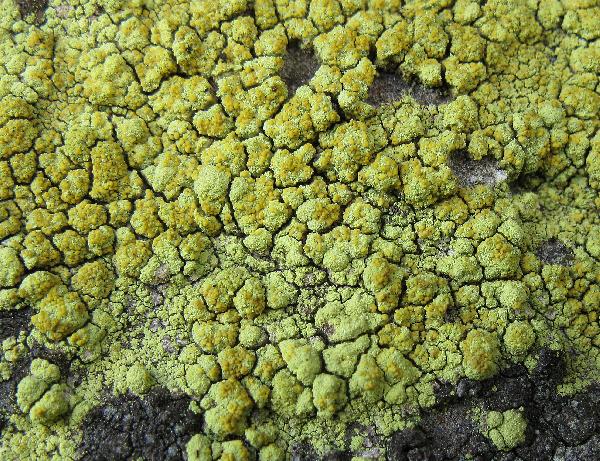
Wolfgang von Brackel - CC BY-4.0
Germany, Bavaria, Rauher Kulm
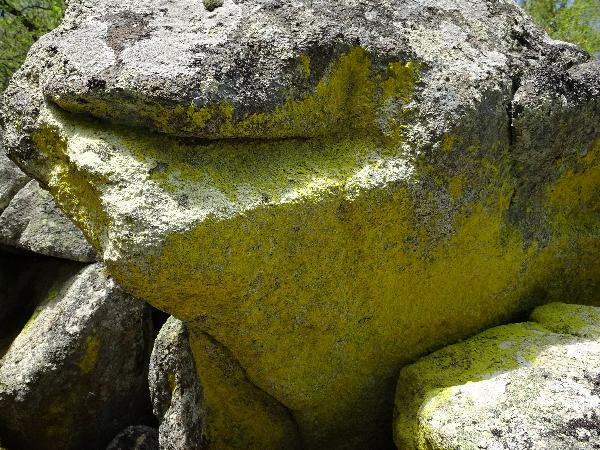
Wolfgang von Brackel - CC BY-4.0
Germany, Bavaria, Bornstein
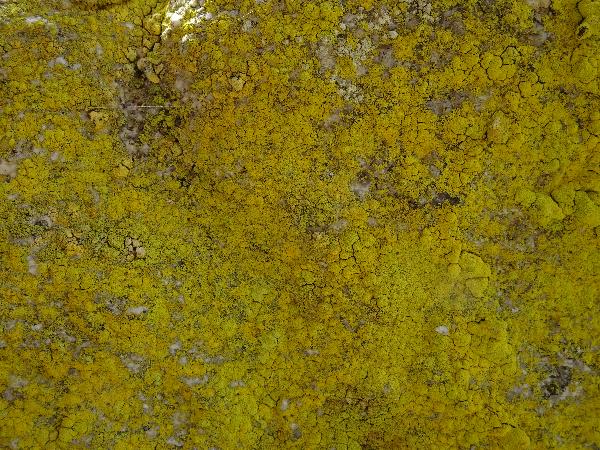
Wolfgang von Brackel - CC BY-4.0
Germany, Bavaria, Bornstein
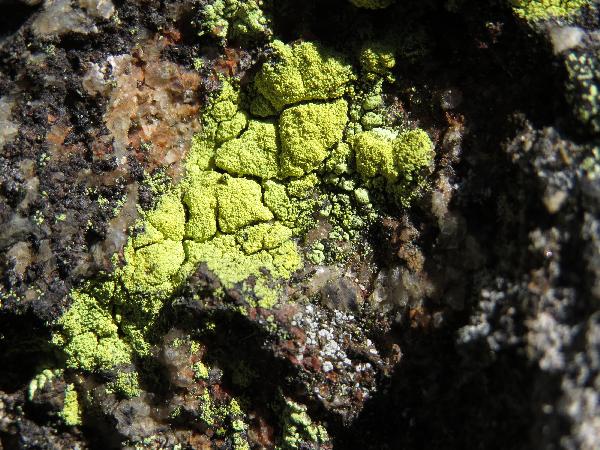
Wolfgang von Brackel - CC BY-4.0
Germany, Bavaria, Farrenberg
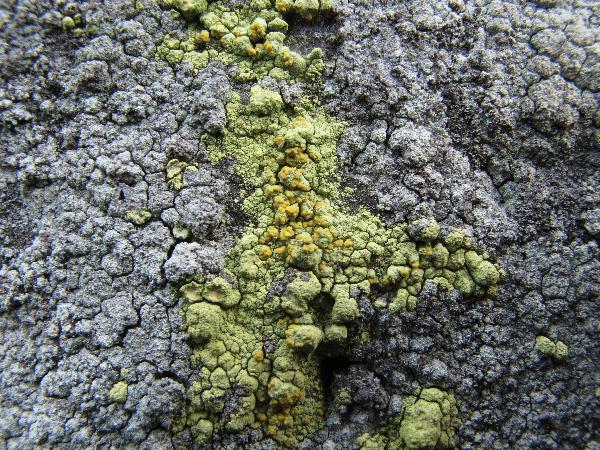
Wolfgang von Brackel - CC BY-4.0
Germany, Bavaria, Rauher Kulm

Felix Schumm - CC BY-SA 4.0
[11566], Portugal, Madeira, Rabaçal, Levadaweg zum Wasserfall Cascata
do Risco, auf Wurzeln, 1080 m, ca. 32°45' N, 17°08' W. Leg.
Schumm 29.12.2003, det. Schumm.

Felix Schumm - CC BY-SA 4.0
[11566], Portugal, Madeira, Rabaçal, Levadaweg zum Wasserfall Cascata
do Risco, auf Wurzeln, 1080 m, ca. 32°45' N, 17°08' W. Leg.
Schumm 29.12.2003, det. Schumm.

Felix Schumm - CC BY-SA 4.0
[11566], Portugal, Madeira, Rabaçal, Levadaweg zum Wasserfall Cascata
do Risco, auf Wurzeln, 1080 m, ca. 32°45' N, 17°08' W. Leg.
Schumm 29.12.2003, det. Schumm.

Felix Schumm - CC BY-SA 4.0
[11566], Portugal, Madeira, Rabaçal, Levadaweg zum Wasserfall Cascata
do Risco, auf Wurzeln, 1080 m, ca. 32°45' N, 17°08' W. Leg.
Schumm 29.12.2003, det. Schumm.

Felix Schumm - CC BY-SA 4.0
[11566], Portugal, Madeira, Rabaçal, Levadaweg zum Wasserfall Cascata
do Risco, auf Wurzeln, 1080 m, ca. 32°45' N, 17°08' W. Leg.
Schumm 29.12.2003, det. Schumm.

Felix Schumm - CC BY-SA 4.0
[11566], Portugal, Madeira, Rabaçal, Levadaweg zum Wasserfall Cascata
do Risco, auf Wurzeln, 1080 m, ca. 32°45' N, 17°08' W. Leg.
Schumm 29.12.2003, det. Schumm.

Felix Schumm - CC BY-SA 4.0
[11566], Portugal, Madeira, Rabaçal, Levadaweg zum Wasserfall Cascata
do Risco, auf Wurzeln, 1080 m, ca. 32°45' N, 17°08' W. Leg.
Schumm 29.12.2003, det. Schumm.

Felix Schumm - CC BY-SA 4.0
[11566], Portugal, Madeira, Rabaçal, Levadaweg zum Wasserfall Cascata
do Risco, auf Wurzeln, 1080 m, ca. 32°45' N, 17°08' W. Leg.
Schumm 29.12.2003, det. Schumm.

Felix Schumm - CC BY-SA 4.0
[11566], Portugal, Madeira, Rabaçal, Levadaweg zum Wasserfall Cascata
do Risco, auf Wurzeln, 1080 m, ca. 32°45' N, 17°08' W. Leg.
Schumm 29.12.2003, det. Schumm.

Felix Schumm - CC BY-SA 4.0
[11566], Portugal, Madeira, Rabaçal, Levadaweg zum Wasserfall Cascata
do Risco, auf Wurzeln, 1080 m, ca. 32°45' N, 17°08' W. Leg.
Schumm 29.12.2003, det. Schumm.

Felix Schumm - CC BY-SA 4.0
[11566], Portugal, Madeira, Rabaçal, Levadaweg zum Wasserfall Cascata
do Risco, auf Wurzeln, 1080 m, ca. 32°45' N, 17°08' W. Leg.
Schumm 29.12.2003, det. Schumm.

Felix Schumm - CC BY-SA 4.0
[11566], Portugal, Madeira, Rabaçal, Levadaweg zum Wasserfall Cascata
do Risco, auf Wurzeln, 1080 m, ca. 32°45' N, 17°08' W. Leg.
Schumm 29.12.2003, det. Schumm.
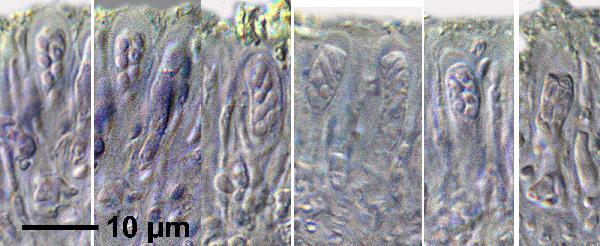
Felix Schumm - CC BY-SA 4.0
[11566], Portugal, Madeira, Rabaçal, Levadaweg zum Wasserfall Cascata
do Risco, auf Wurzeln, 1080 m, ca. 32°45' N, 17°08' W. Leg.
Schumm 29.12.2003, det. Schumm.
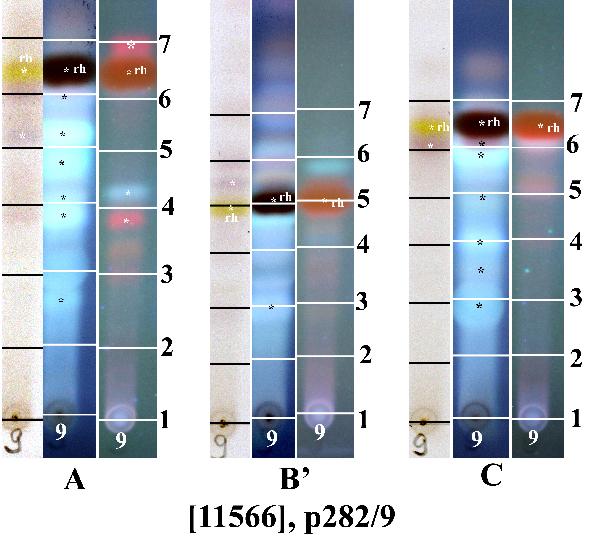
Felix Schumm - CC BY-SA 4.0
[11566], Portugal, Madeira, Rabaçal, Levadaweg zum Wasserfall Cascata
do Risco, auf Wurzeln, 1080 m, ca. 32°45' N, 17°08' W. Leg.
Schumm 29.12.2003, det. Schumm.
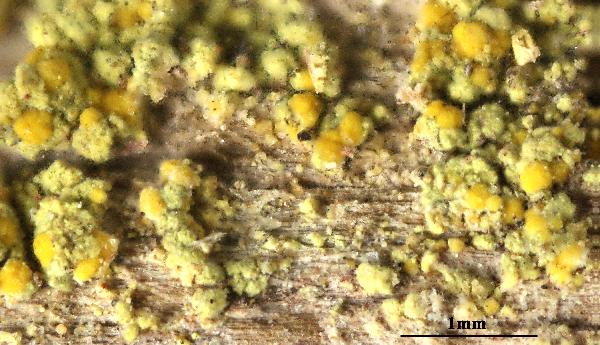
Felix Schumm - CC BY 4.0
[VZ1708}, Suecia. Värmland, Gräsmark, Blabärskullen, 270 m. Ad
saepimenta lignea. Leg. S. W. Sundell (no. 13610), 24.9.1979. EX A.
VEZDA LICHENES SELECTI EXSICCATI NR. 1708.
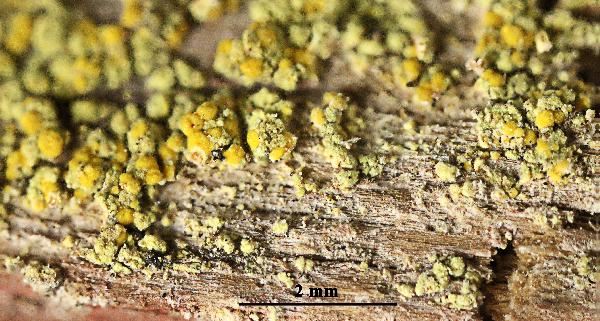
Felix Schumm - CC BY 4.0
[VZ1708}, Suecia. Värmland, Gräsmark, Blabärskullen, 270 m. Ad
saepimenta lignea. Leg. S. W. Sundell (no. 13610), 24.9.1979. EX A.
VEZDA LICHENES SELECTI EXSICCATI NR. 1708.
Growth form: Leprose
Substrata: rocks
Photobiont: green algae other than Trentepohlia
Reproductive strategy: mainly asexual, by soredia, or soredia-like structures (e.g. blastidia)
Most common in areas with a humid-warm climate (e.g. most of Tyrrenian Italy)
In underhangs rarely wetted by rain
Commonnes-rarity: (info)
Alpine belt: extremely rare
Subalpine belt: very rare
Montane belt: rare
Dry submediterranean belt: extremely rare
Humid submediterranean belt: very rare
Padanian area: absent
pH of the substrata:
| 1 | 2 | 3 | 4 | 5 |
Solar irradiation:
| 1 | 2 | 3 | 4 | 5 |
Aridity:
| 1 | 2 | 3 | 4 | 5 |
Eutrophication:
| 1 | 2 | 3 | 4 | 5 |
Poleotolerance:
| 0 | 1 | 2 | 3 |
Altitudinal distribution:
| 1 | 2 | 3 | 4 | 5 | 6 |
Rarity
absent
extremely rare
very rare
rare
rather rare
rather common
common
very common
extremely common
Loading data...
Occurrence data
Predictive map
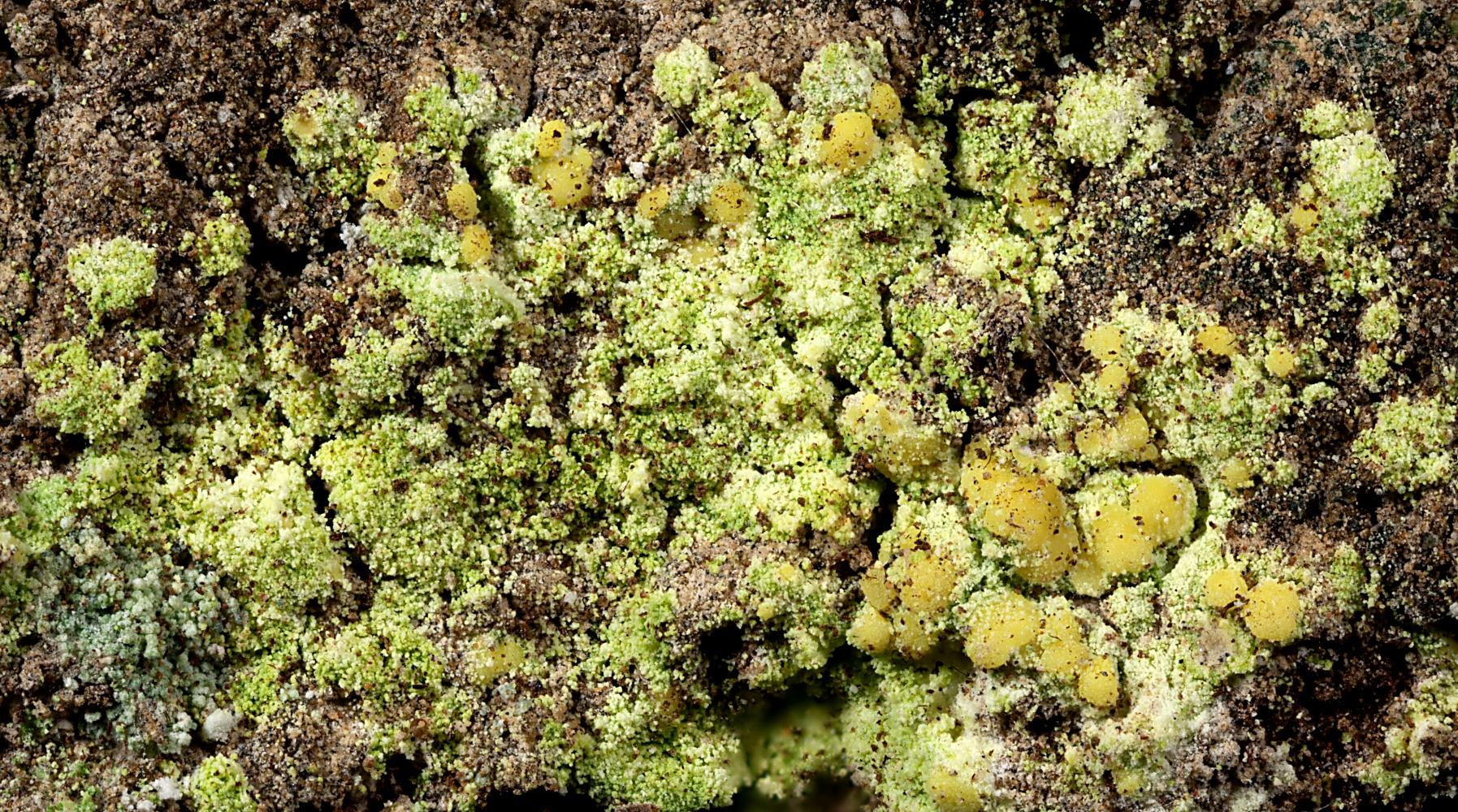
Ulrich Kirschbaum CC BY-SA 4.0 - Source: https://www.thm.de/lse/ulrich-kirschbaum/flechtenbilder
Spain; Canary Islands: La Gomera.
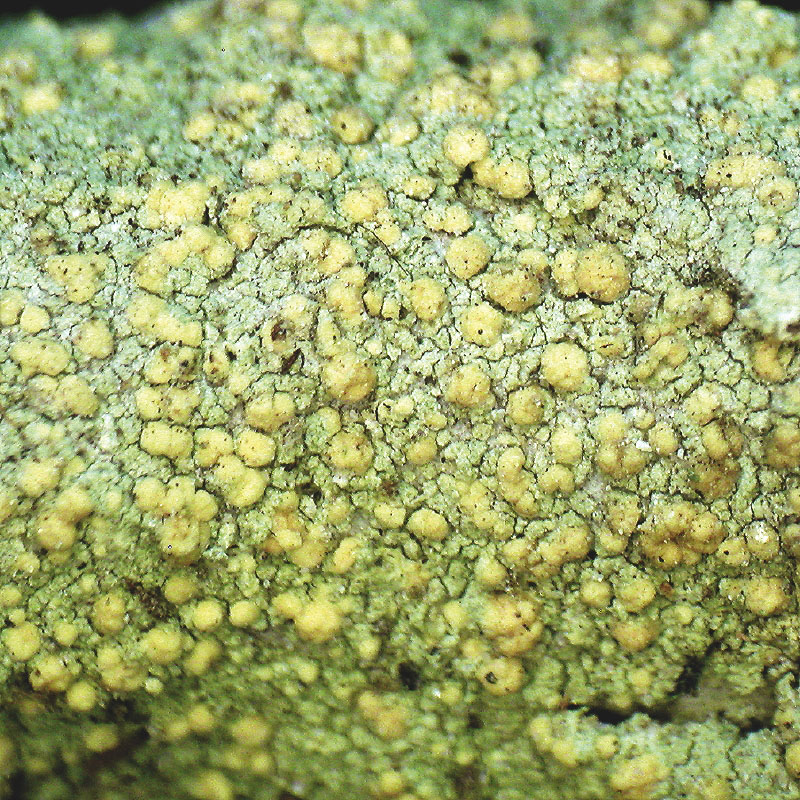
Andres Saag; Owner: University of Tartu
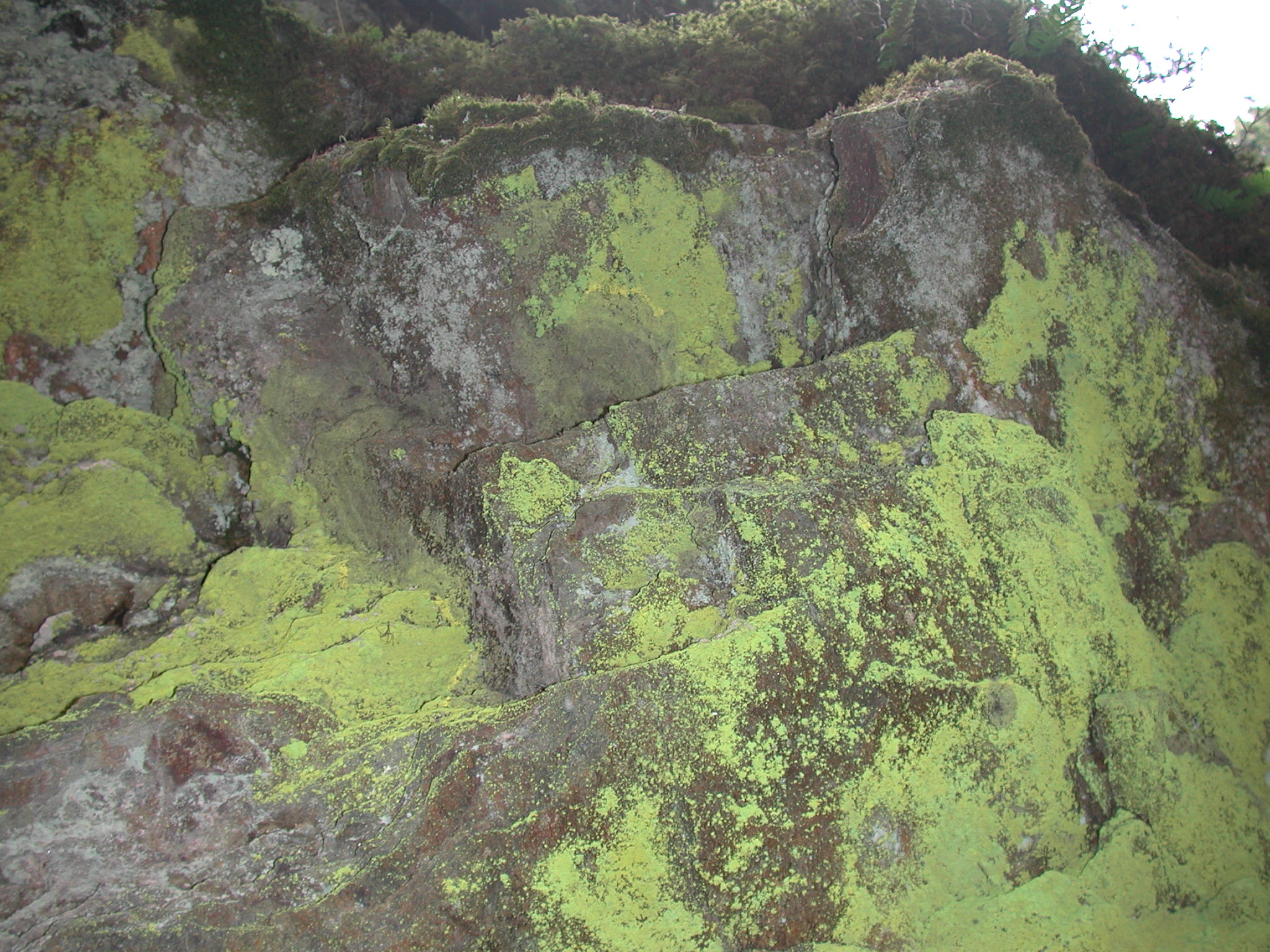
Juri Nascimbene - CC BY-SA 4.0
Stelvio National Park, Reg. Trentino-Alto Adige Prov. Trento, Italy.
07.2005
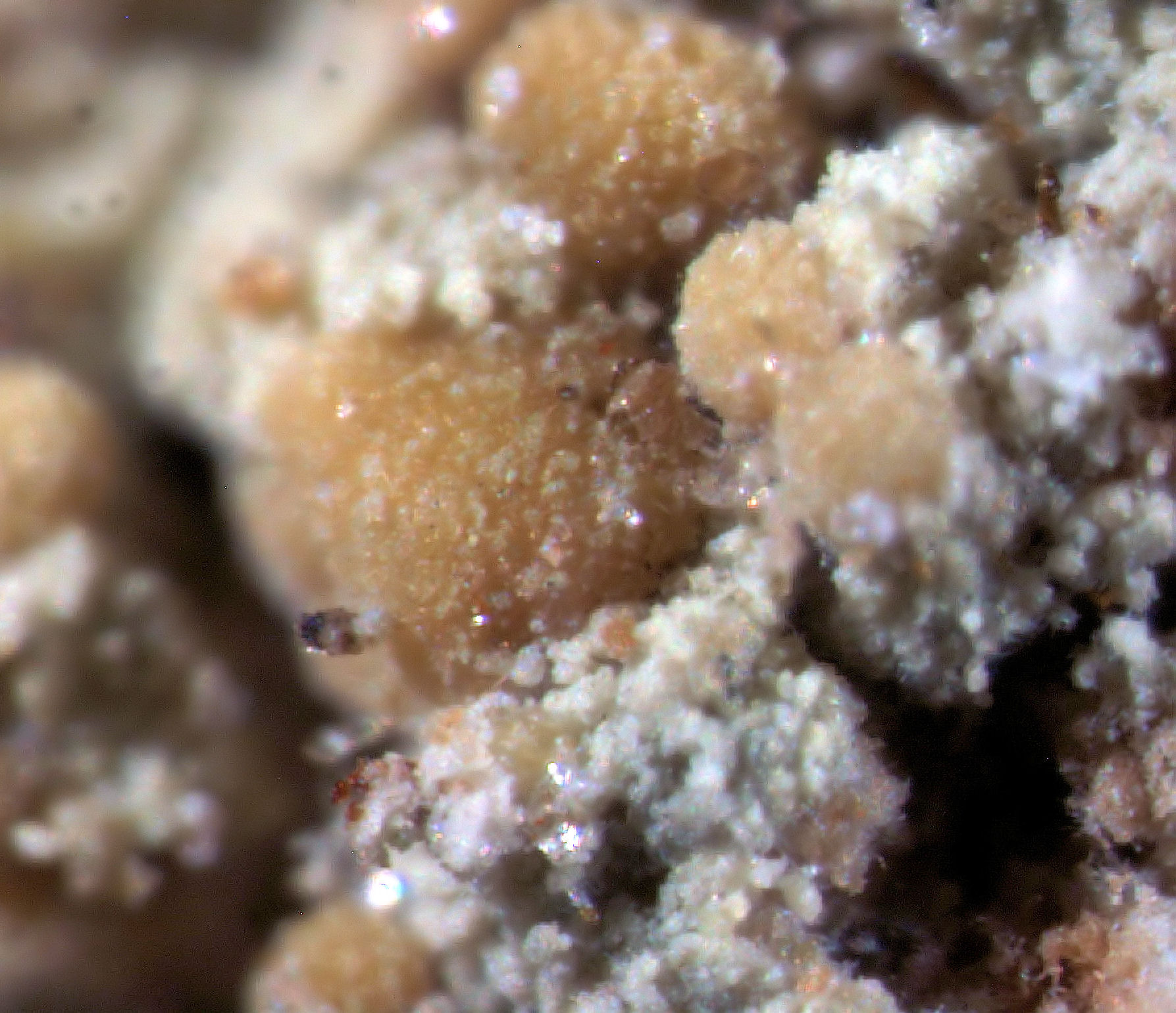
P.L. Nimis CC BY-SA 4.0
TSB 37624
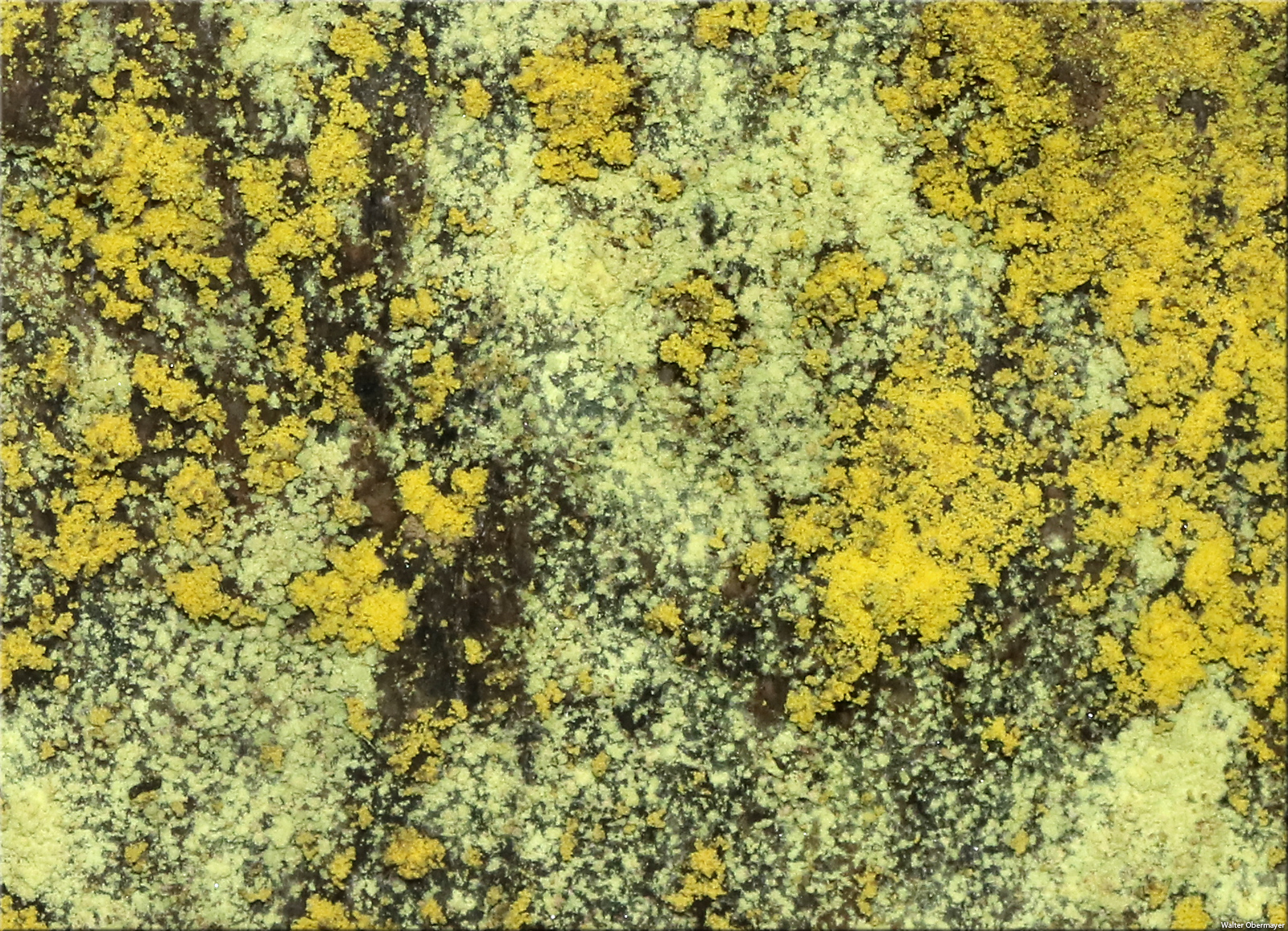
Walter Obermayer CC BY-SA 4.0 - Source: Lichens of Noricum - http://lichens-of-noricum.uni-graz.at/
with Chrysothryx chlorina
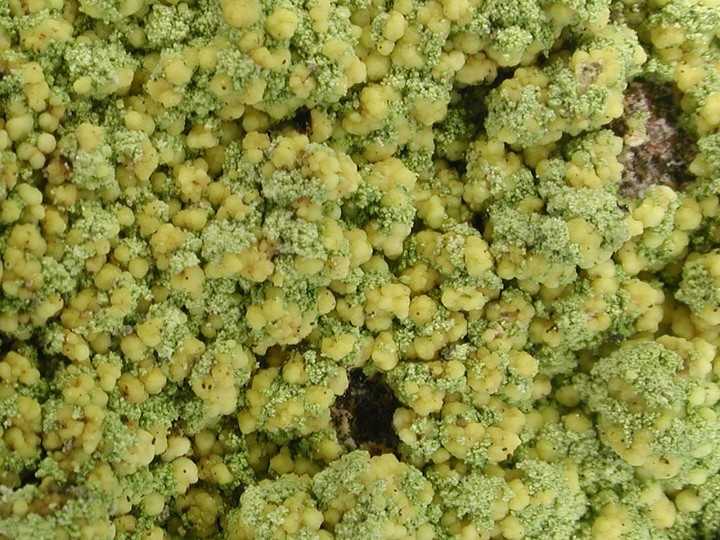
Leif Stridvall - Source: http://www.stridvall.se/la/galleries.php
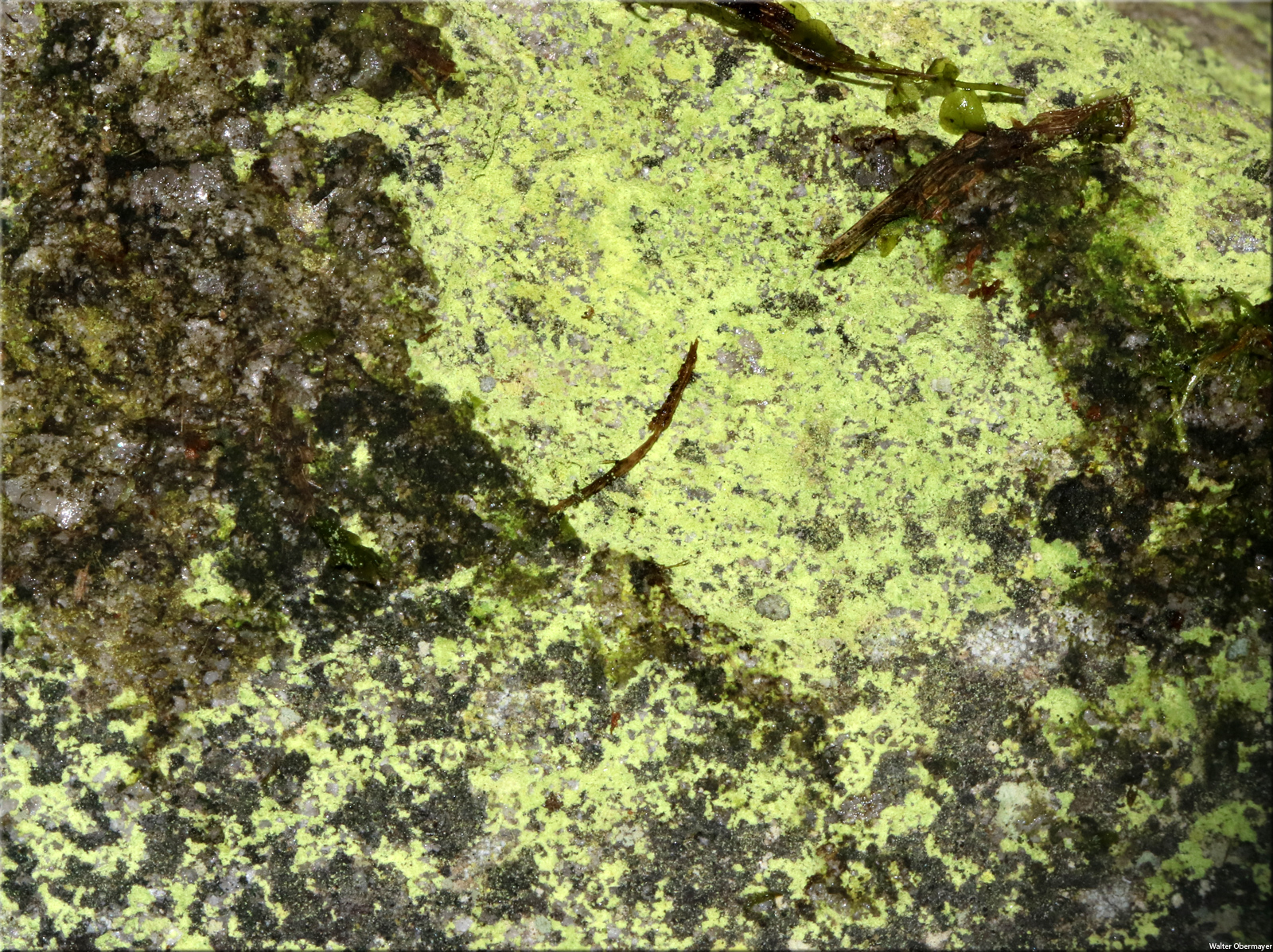
Walter Obermayer CC BY-SA 4.0 - Source: Lichens of Noricum - http://lichens-of-noricum.uni-graz.at/
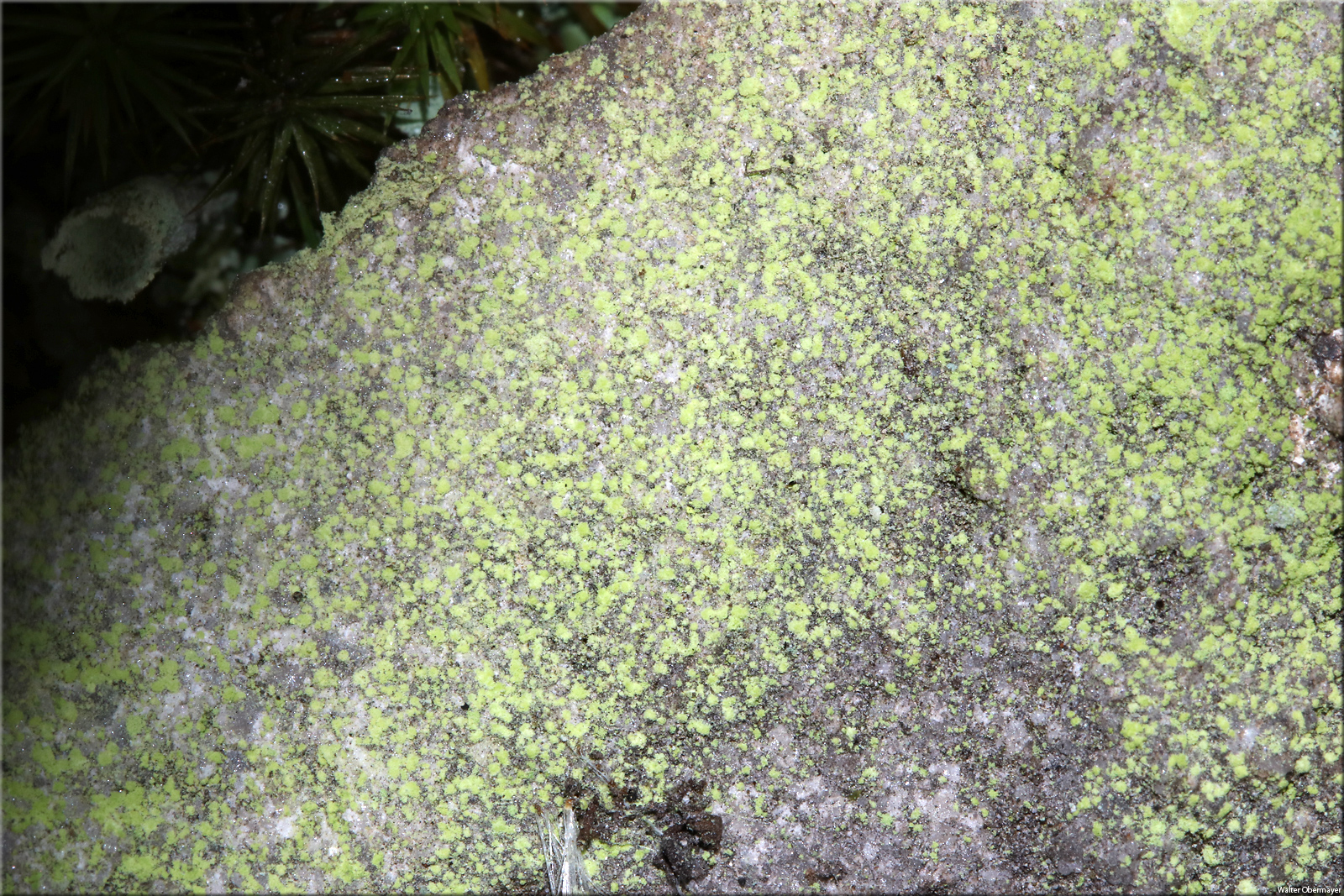
Walter Obermayer CC BY-SA 4.0 - Source: Lichens of Noricum - http://lichens-of-noricum.uni-graz.at/
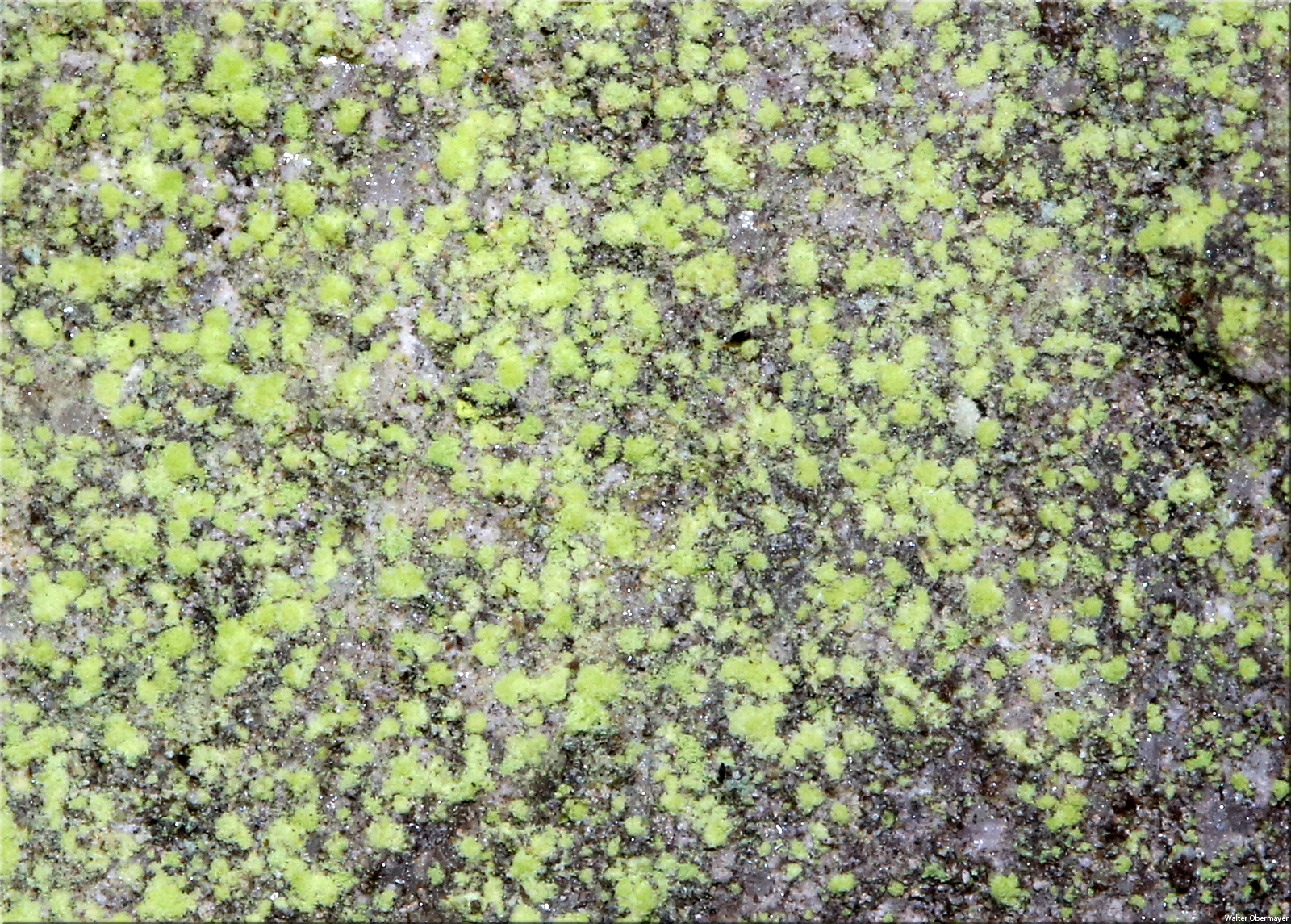
Walter Obermayer CC BY-SA 4.0 - Source: Lichens of Noricum - http://lichens-of-noricum.uni-graz.at/
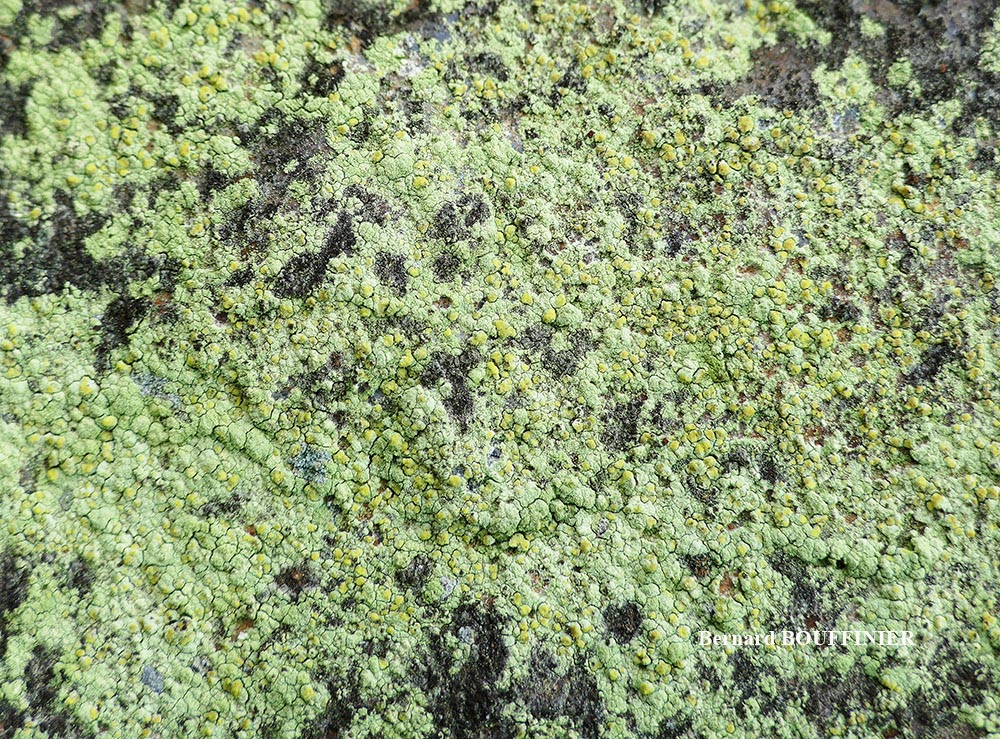
Bernard Bouffinier - Source: http://www.lichensmaritimes.org/index.php?task=fiche&lichen=349&lang=en
France, Commana
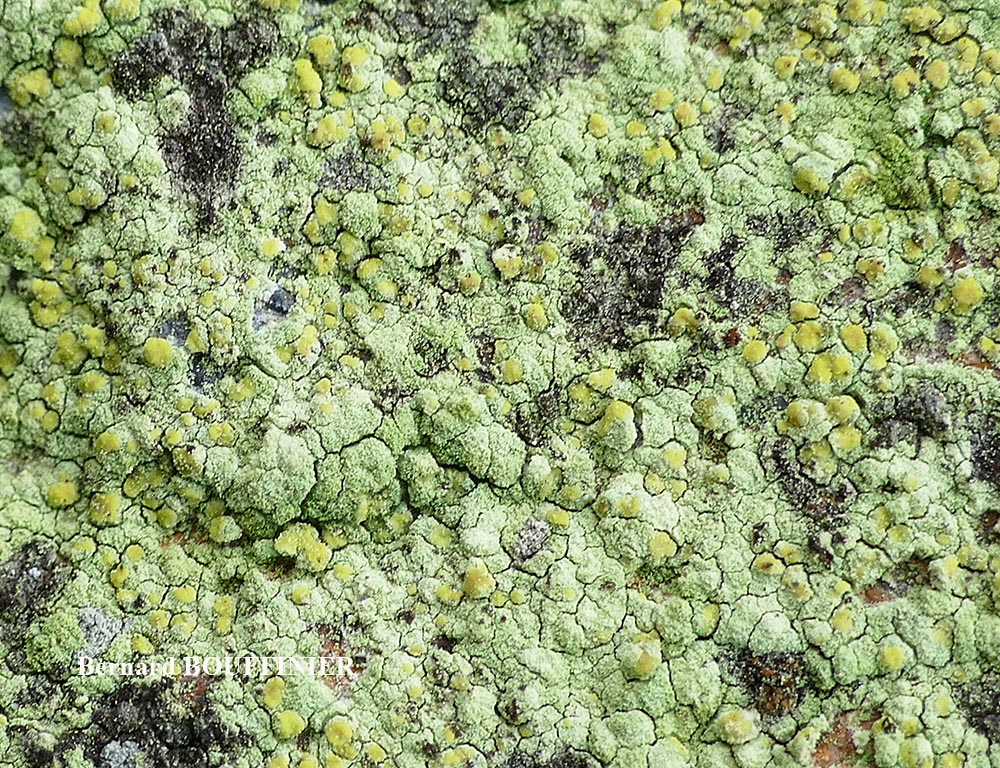
Bernard Bouffinier - Source: http://www.lichensmaritimes.org/index.php?task=fiche&lichen=349&lang=en
France, Commana
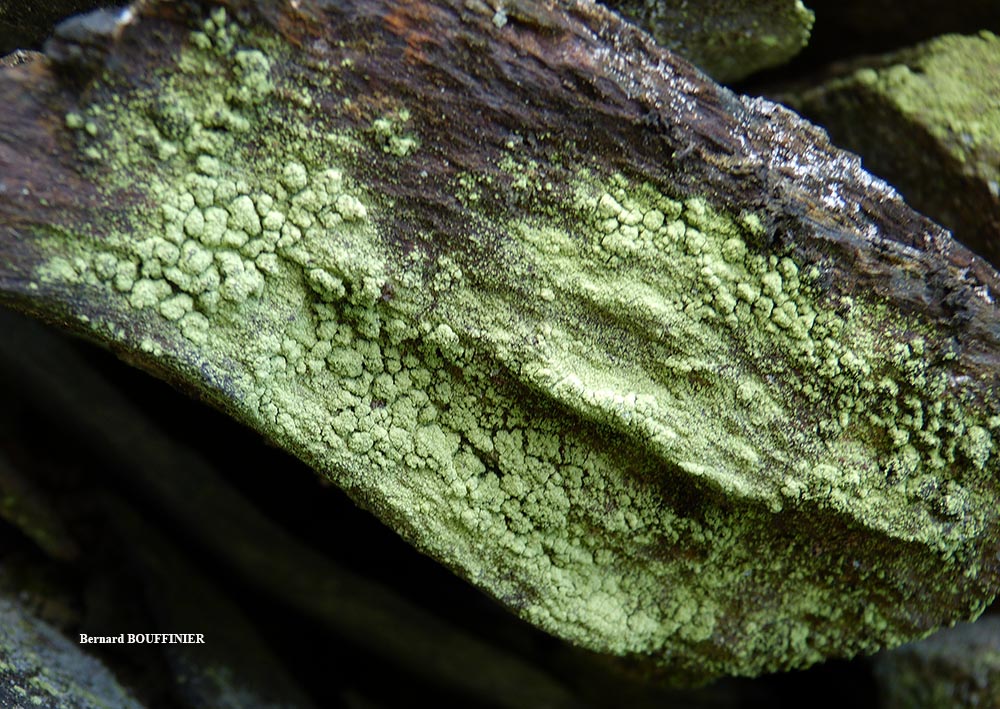
Bernard Bouffinier - Source: http://www.lichensmaritimes.org/index.php?task=fiche&lichen=349&lang=en
France, Commana
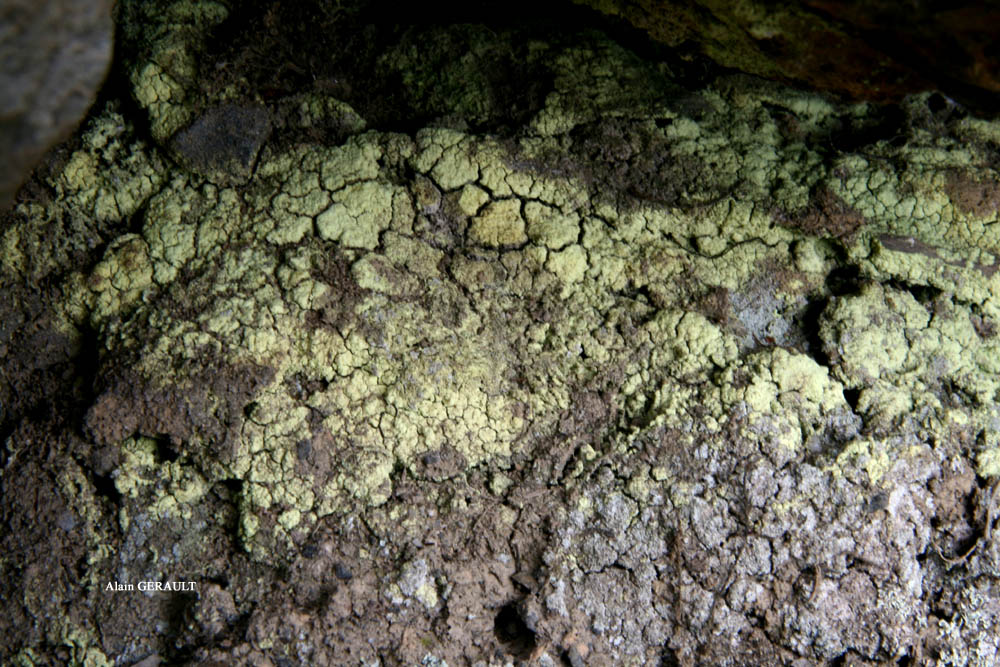
Alain Gerault - Source: http://www.lichensmaritimes.org/index.php?task=fiche&lichen=349&lang=en
France, Poullaouen
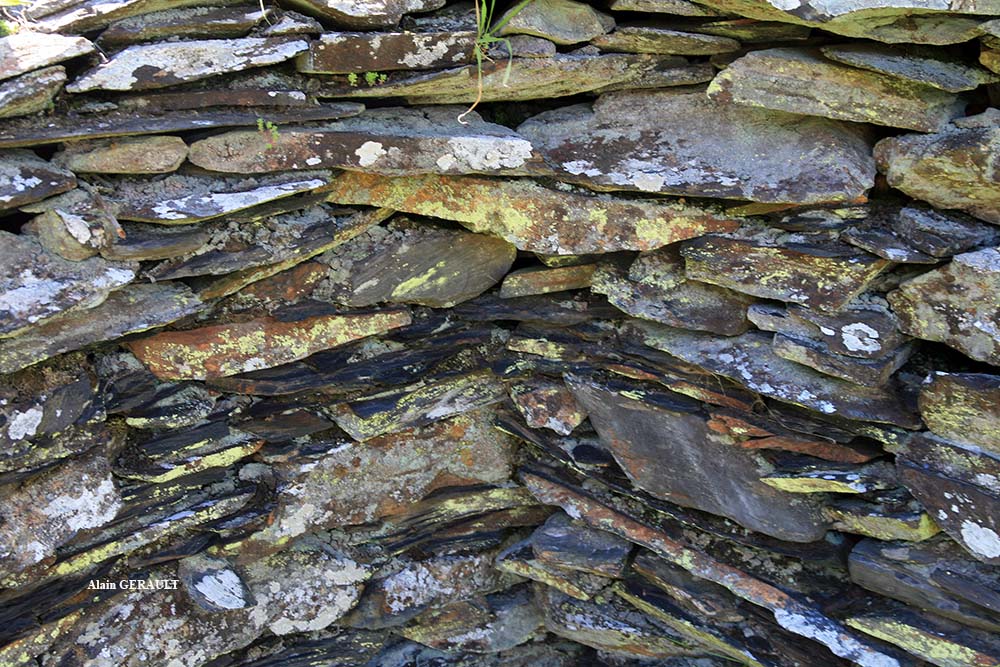
Alain Gerault - Source: http://www.lichensmaritimes.org/index.php?task=fiche&lichen=349&lang=en
France, Commana
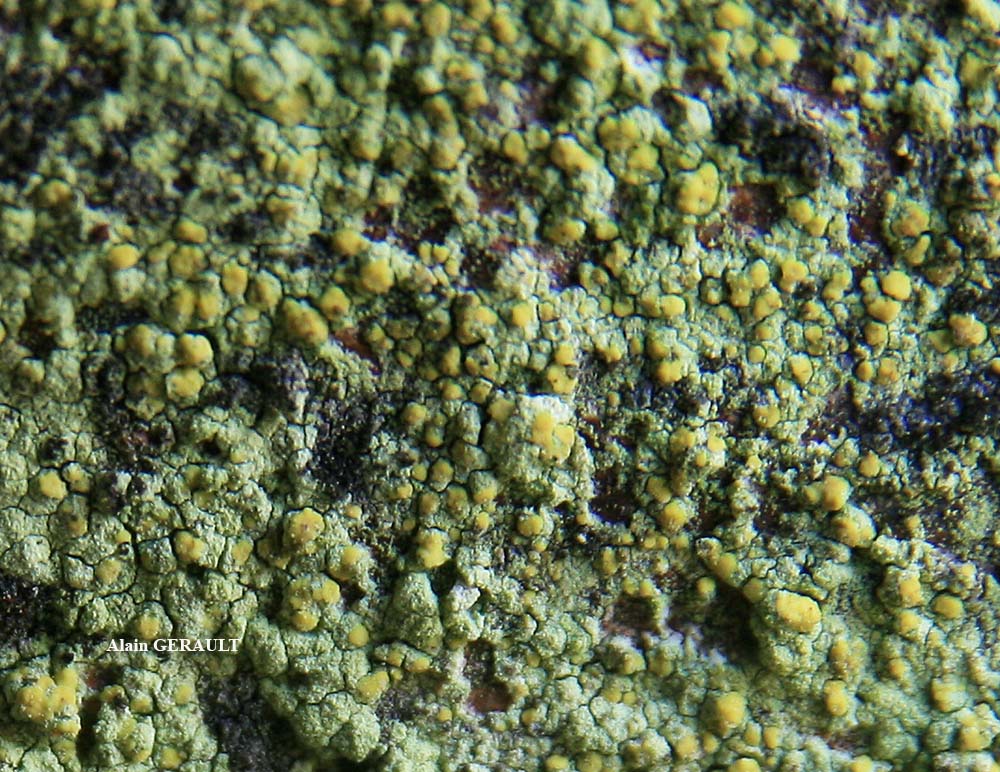
Alain Gerault - Source: http://www.lichensmaritimes.org/index.php?task=fiche&lichen=349&lang=en
France, Commana
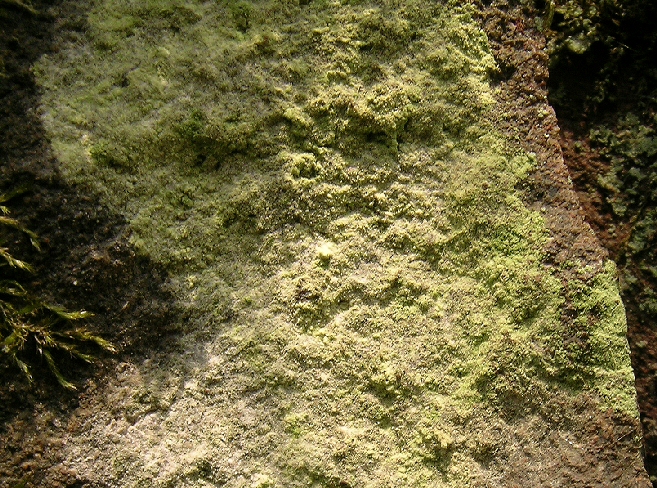
Ulrich Kirschbaum CC BY-SA 4.0 - Source: https://www.thm.de/lse/ulrich-kirschbaum/flechtenbilder
Central Europe; Germany; Hesse.
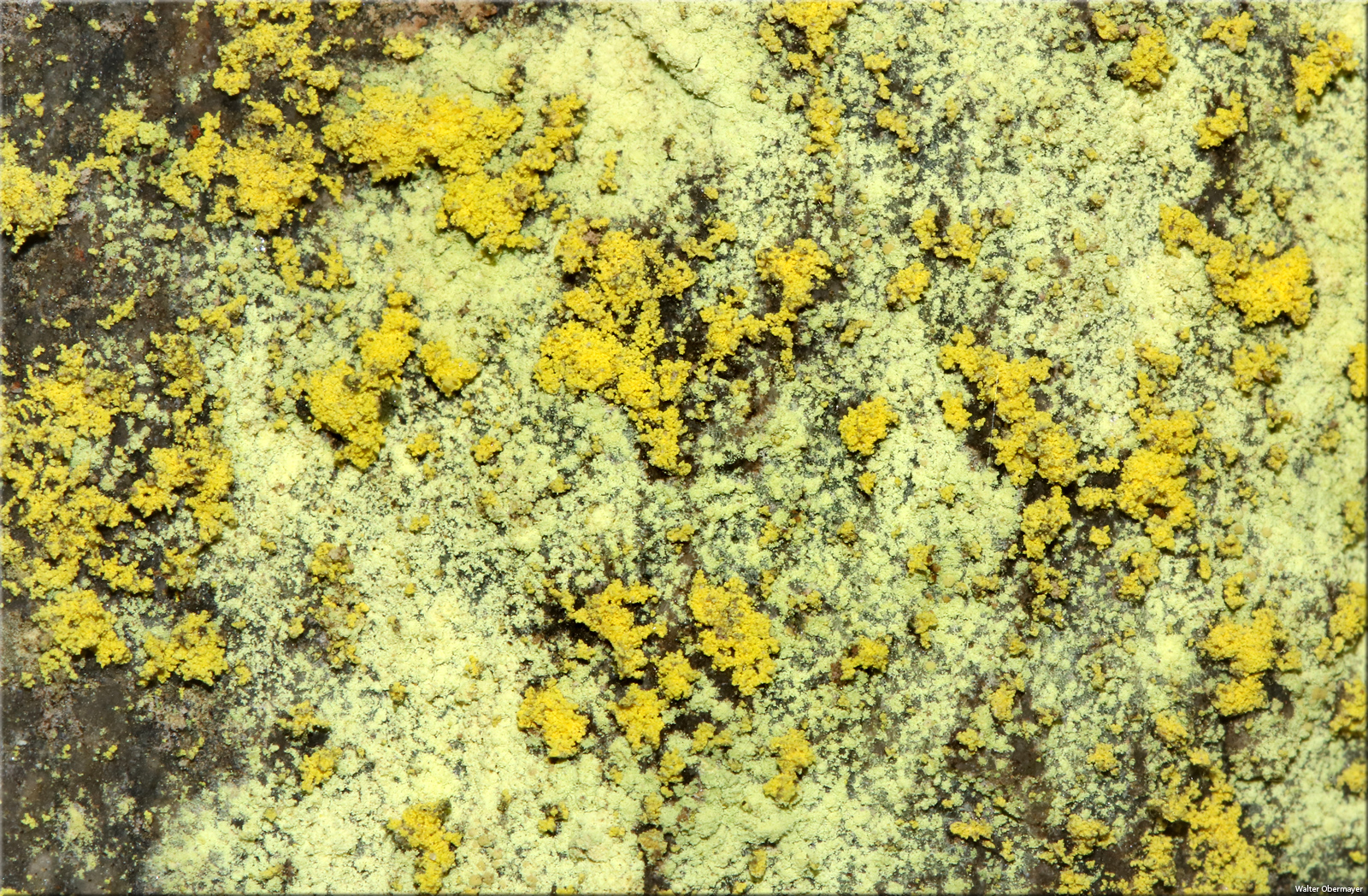
Walter Obermayer CC BY-SA 4.0 - Source: Lichens of Noricum - http://lichens-of-noricum.uni-graz.at/
with Chrysothryx chlorina

Wolfgang von Brackel - CC BY-4.0
Germany, Bavaria, Rauher Kulm

Wolfgang von Brackel - CC BY-4.0
Germany, Bavaria, Rauher Kulm

Wolfgang von Brackel - CC BY-4.0
Germany, Bavaria, Rauher Kulm

Wolfgang von Brackel - CC BY-4.0
Germany, Bavaria, Bornstein

Wolfgang von Brackel - CC BY-4.0
Germany, Bavaria, Bornstein
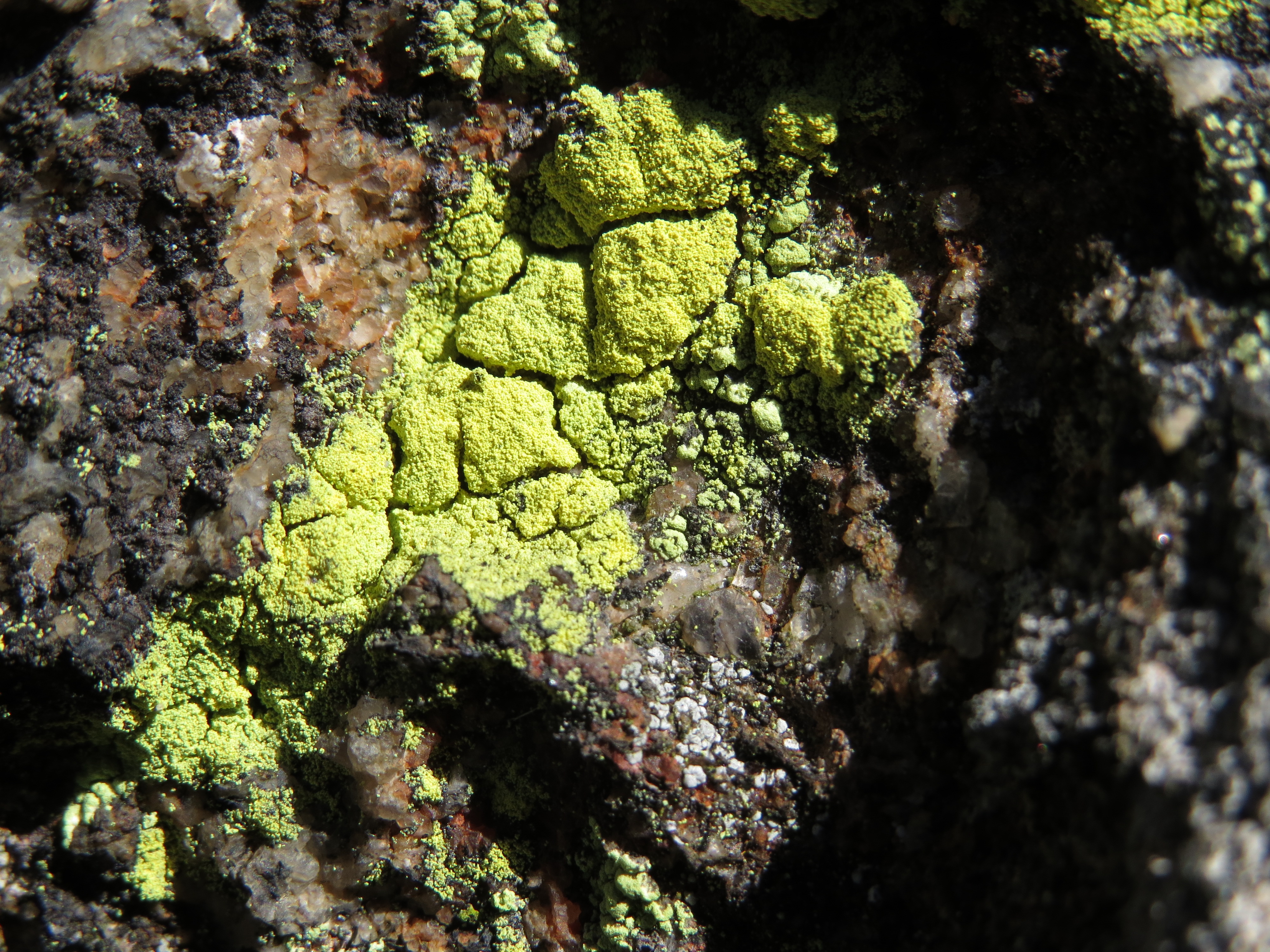
Wolfgang von Brackel - CC BY-4.0
Germany, Bavaria, Farrenberg

Wolfgang von Brackel - CC BY-4.0
Germany, Bavaria, Rauher Kulm

Felix Schumm - CC BY-SA 4.0
[11566], Portugal, Madeira, Rabaçal, Levadaweg zum Wasserfall Cascata do Risco, auf Wurzeln, 1080 m, ca. 32°45' N, 17°08' W. Leg. Schumm 29.12.2003, det. Schumm.

Felix Schumm - CC BY-SA 4.0
[11566], Portugal, Madeira, Rabaçal, Levadaweg zum Wasserfall Cascata do Risco, auf Wurzeln, 1080 m, ca. 32°45' N, 17°08' W. Leg. Schumm 29.12.2003, det. Schumm.

Felix Schumm - CC BY-SA 4.0
[11566], Portugal, Madeira, Rabaçal, Levadaweg zum Wasserfall Cascata do Risco, auf Wurzeln, 1080 m, ca. 32°45' N, 17°08' W. Leg. Schumm 29.12.2003, det. Schumm.

Felix Schumm - CC BY-SA 4.0
[11566], Portugal, Madeira, Rabaçal, Levadaweg zum Wasserfall Cascata do Risco, auf Wurzeln, 1080 m, ca. 32°45' N, 17°08' W. Leg. Schumm 29.12.2003, det. Schumm.

Felix Schumm - CC BY-SA 4.0
[11566], Portugal, Madeira, Rabaçal, Levadaweg zum Wasserfall Cascata do Risco, auf Wurzeln, 1080 m, ca. 32°45' N, 17°08' W. Leg. Schumm 29.12.2003, det. Schumm.

Felix Schumm - CC BY-SA 4.0
[11566], Portugal, Madeira, Rabaçal, Levadaweg zum Wasserfall Cascata do Risco, auf Wurzeln, 1080 m, ca. 32°45' N, 17°08' W. Leg. Schumm 29.12.2003, det. Schumm.

Felix Schumm - CC BY-SA 4.0
[11566], Portugal, Madeira, Rabaçal, Levadaweg zum Wasserfall Cascata do Risco, auf Wurzeln, 1080 m, ca. 32°45' N, 17°08' W. Leg. Schumm 29.12.2003, det. Schumm.

Felix Schumm - CC BY-SA 4.0
[11566], Portugal, Madeira, Rabaçal, Levadaweg zum Wasserfall Cascata do Risco, auf Wurzeln, 1080 m, ca. 32°45' N, 17°08' W. Leg. Schumm 29.12.2003, det. Schumm.

Felix Schumm - CC BY-SA 4.0
[11566], Portugal, Madeira, Rabaçal, Levadaweg zum Wasserfall Cascata do Risco, auf Wurzeln, 1080 m, ca. 32°45' N, 17°08' W. Leg. Schumm 29.12.2003, det. Schumm.

Felix Schumm - CC BY-SA 4.0
[11566], Portugal, Madeira, Rabaçal, Levadaweg zum Wasserfall Cascata do Risco, auf Wurzeln, 1080 m, ca. 32°45' N, 17°08' W. Leg. Schumm 29.12.2003, det. Schumm.

Felix Schumm - CC BY-SA 4.0
[11566], Portugal, Madeira, Rabaçal, Levadaweg zum Wasserfall Cascata do Risco, auf Wurzeln, 1080 m, ca. 32°45' N, 17°08' W. Leg. Schumm 29.12.2003, det. Schumm.

Felix Schumm - CC BY-SA 4.0
[11566], Portugal, Madeira, Rabaçal, Levadaweg zum Wasserfall Cascata do Risco, auf Wurzeln, 1080 m, ca. 32°45' N, 17°08' W. Leg. Schumm 29.12.2003, det. Schumm.

Felix Schumm - CC BY-SA 4.0
[11566], Portugal, Madeira, Rabaçal, Levadaweg zum Wasserfall Cascata do Risco, auf Wurzeln, 1080 m, ca. 32°45' N, 17°08' W. Leg. Schumm 29.12.2003, det. Schumm.

Felix Schumm - CC BY-SA 4.0
[11566], Portugal, Madeira, Rabaçal, Levadaweg zum Wasserfall Cascata do Risco, auf Wurzeln, 1080 m, ca. 32°45' N, 17°08' W. Leg. Schumm 29.12.2003, det. Schumm.

Felix Schumm - CC BY 4.0
[VZ1708}, Suecia. Värmland, Gräsmark, Blabärskullen, 270 m. Ad saepimenta lignea. Leg. S. W. Sundell (no. 13610), 24.9.1979. EX A. VEZDA LICHENES SELECTI EXSICCATI NR. 1708.