Psora vallesiaca (Schaer.) Timdal
Nord. J. Bot., 4: 538, 1984. Basionym: Lecidea vallesiaca Schaer. - Lich. Helv. Spicil., 12: 631, 1842.
Synonyms: Lecidea albilabra auct.; Lecidea deceptoria Nyl.; Psora albilabra auct. non (Dufour) Körb.; Psora albilabra subsp. deceptoria (Nyl.) Clauzade & Cl. Roux; Psora deceptoria (Nyl.) Flagey; Psora subdecipiens (Nyl.) Flagey; Squamaria deceptoria (Nyl.) M. Choisy & Werner
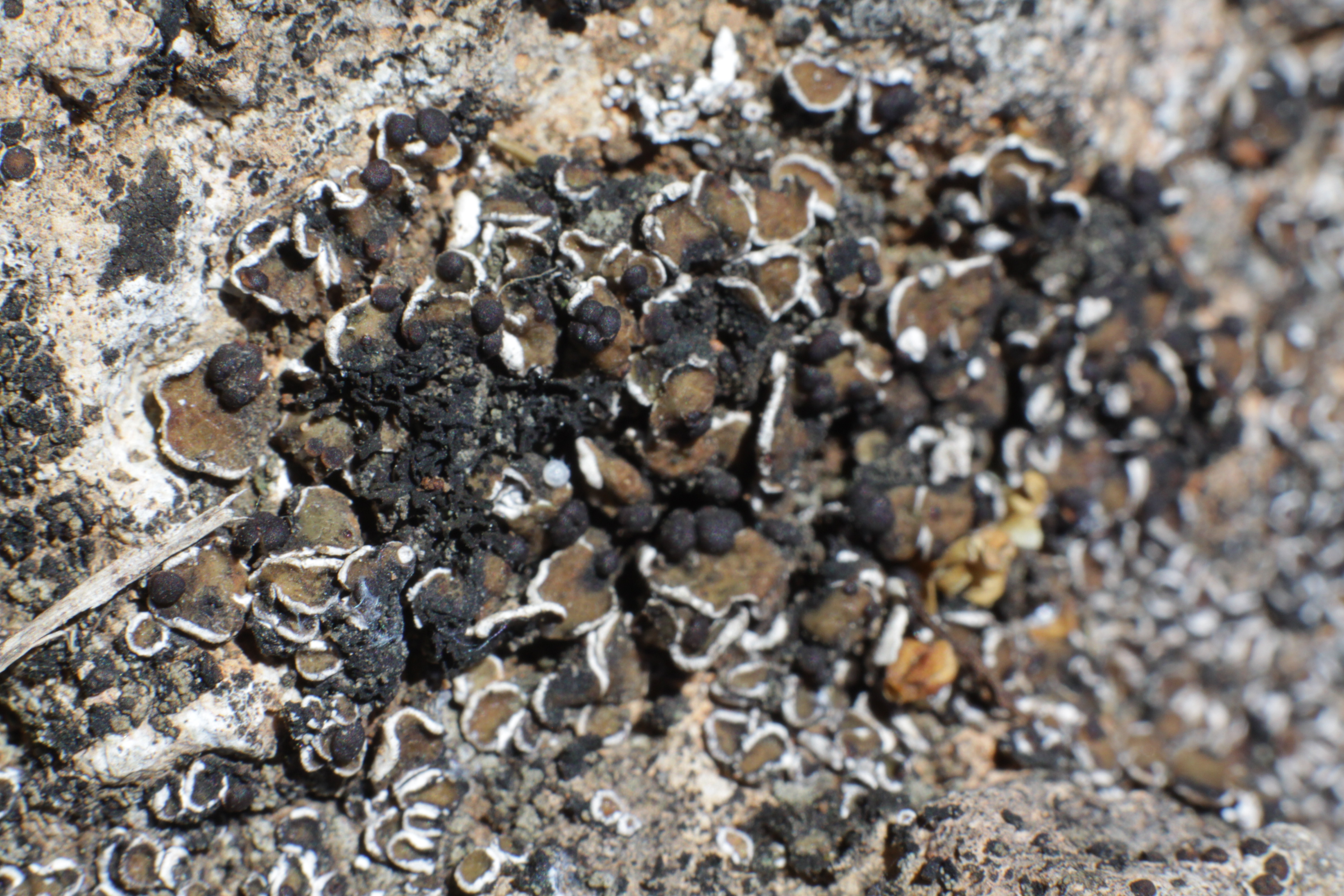
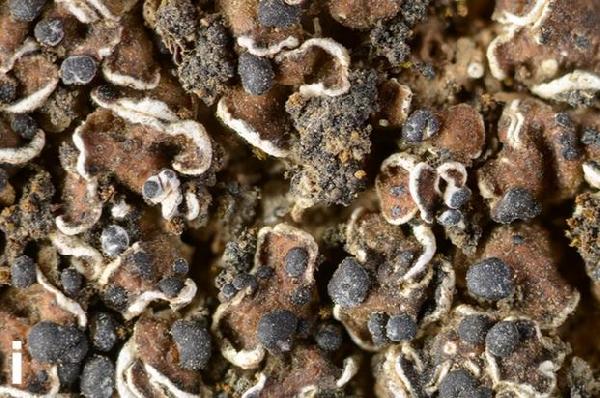
Description: Thallus squamulose, of medium brown (olive-green when wet), dull to glossy, rarely partly white-pruinose, (2-)3-5(-6) mm wide, concave, contiguous to dispersed, rarely slightly imbricate squamules with up-turned, mostly crenulate, prominent white margins; lower surface pale brown, attached by rhizohyphae. Upper cortex sleroplectenchymatous, 70-130 µm thick, of rather thin-walled hyphae with round, ellipsoid or angular lumina, sometimes containing calcium oxalate crystals; medulla containing norstictic acid and calcium oxalate crystals; lower cortex poorly developed or absent. Apothecia biatorine, sessile, mostly laminal, up to 1.5 mm across, with a black, convex disc and a thin, grey, soon excluded proper margin. Epithecium brownish, containing orange crystals dissolving in K, K+ purple, N-; hymenium colourless, amyloid; paraphyses coherent, simple or sparingly branched and anastomosing, the apical cell slightly swollen; hypothecium pale brown, with crystals of calcium oxalate. Asci 8-spored, elongate-clavate, with a thin, outer amyloid layer and a thickened tholus penetrated by a tube, the sides of which stain I/KI+ deep blue, without an ocular chamber, Porpidia-type. Ascospores 1-celled, hyaline, fusiform, thin-walled, 9-14(-17) x 5-7(-8) µm. Pycnidia immersed. Conidia bacilliform, 5-7 x c. 1 µm. Photobiont chlorococcoid. Spot tests: cortex K-, C-, KC-, P-; medulla K+ yellow turning red, P- or P+ yellow-orange. Chemistry: medulla with variable amounts of norstictic acid, epithecium with anthraquinones.
Growth form: Squamulose
Photobiont: green algae other than Trentepohlia
Reproductive strategy: mainly sexual
Subcontinental: restricted to areas with a dry-subcontinental climate (e.g. dry Alpine valleys, parts of Mediterranean Italy)
Commonnes-rarity: (info)
Alpine belt: absent
Subalpine belt: absent
Montane belt: extremely rare
Dry submediterranean belt: rare
Humid submediterranean belt: rather rare
Padanian area: absent
pH of the substrata:
1 2 3 4 5

Solar irradiation:
1 2 3 4 5
Aridity:
1 2 3 4 5
Eutrophication:
1 2 3 4 5
Poleotolerance:
0 1 2 3
Altitudinal distribution:
1 2 3 4 5 6
Rarity
absent
extremely rare
very rare
rare
rather rare
rather common
common
very common
extremely common
Loading data...
Occurrence data
Predictive map
Source: Evankow, A.M., Yin, A., Zulfiqar, R. et al. Psora mediterranea (Lecanorales, Psoraceae), a new lichen species from Europe, including a new concept for P. himalayana and a revised key to the European species. Mycol Progress 24, 26 (2025). https://doi.org/10.1007/s11557-025-02045-8 - CC BY 4.0
Greece, O-L-15186, Photo: E. Timdal
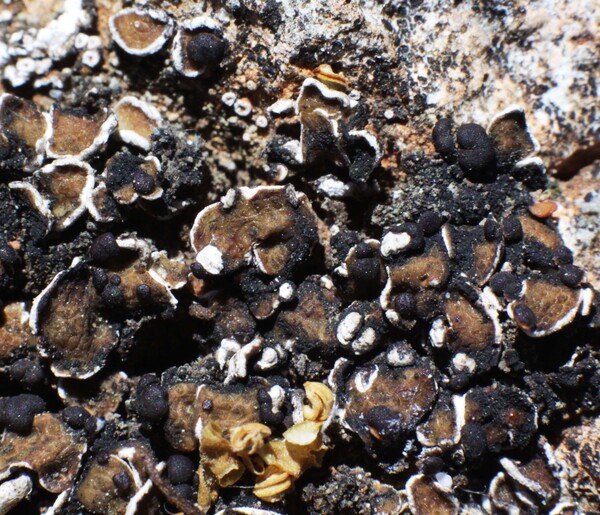
Luca di Nuzzo
Italy, Toscana, PT, Monsummano Terme, on limestone outcrops along the path to Monsummano Alto, 127 m
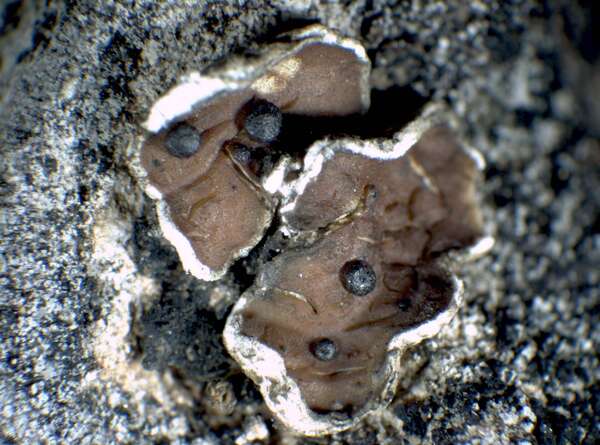
P.L. Nimis; Owner: Department of Life Sciences, University of Trieste
Herbarium: TSB (13176)
2001/11/29
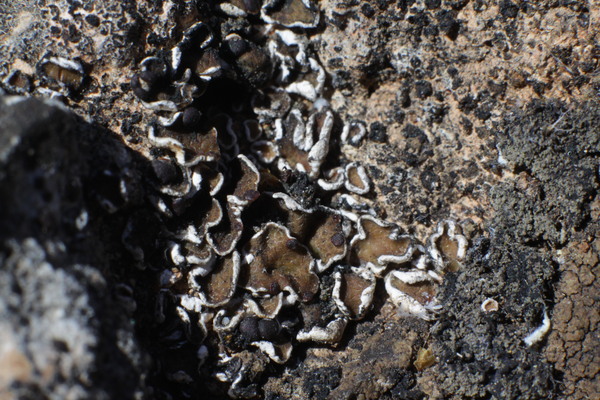
Luca di Nuzzo
Italy, Toscana, PT, Monsummano Terme, on limestone outcrops along the path to Monsummano Alto, 127 m
03.2019
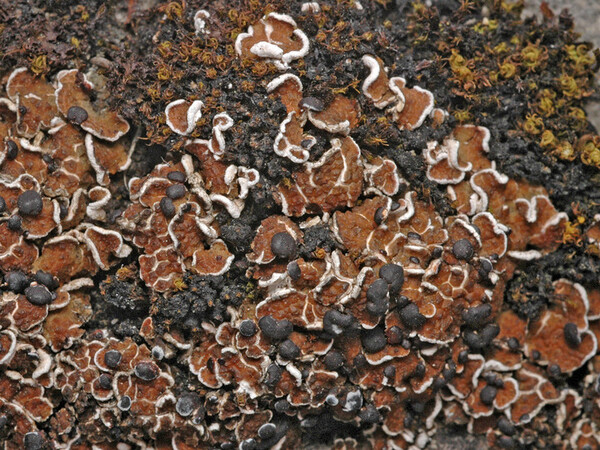
Leif Stridvall - Source: http://www.stridvall.se/la/galleries.php
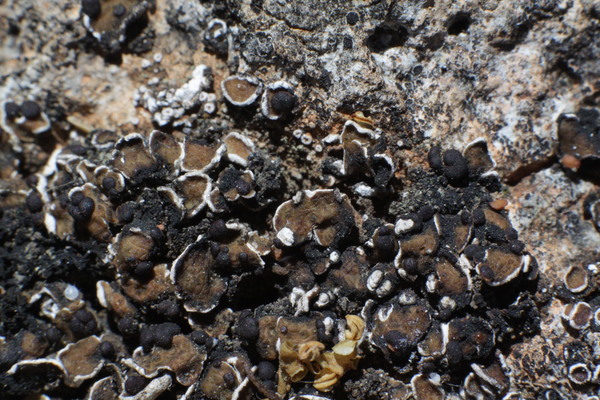
Luca di Nuzzo
Italy, Toscana, PT, Monsummano Terme, on limestone outcrops along the path to Monsummano Alto, 127 m
03.2019
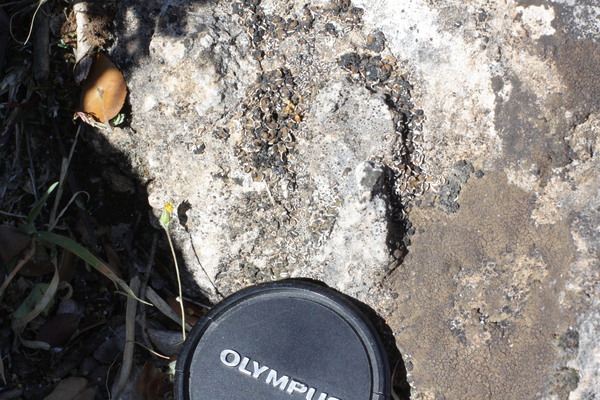
Luca di Nuzzo
Italy, Toscana, PT, Monsummano Terme, on limestone outcrops along the path to Monsummano Alto, 127 m
03.2019
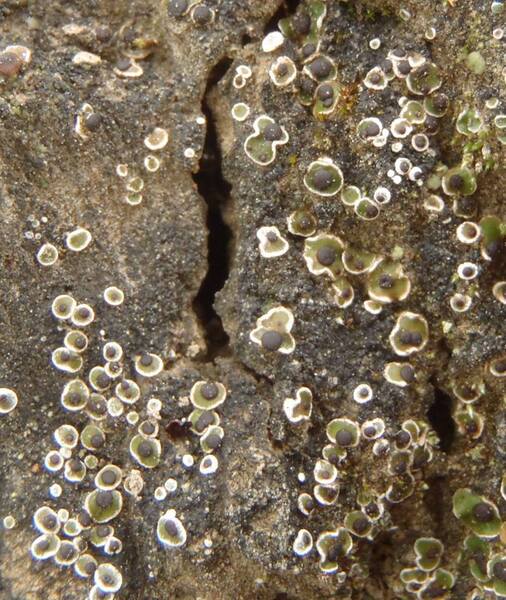
Curtis Randall Björk – CC BY-SA 4.0
Murray River Canyon, British Columbia, Canada
07.2013
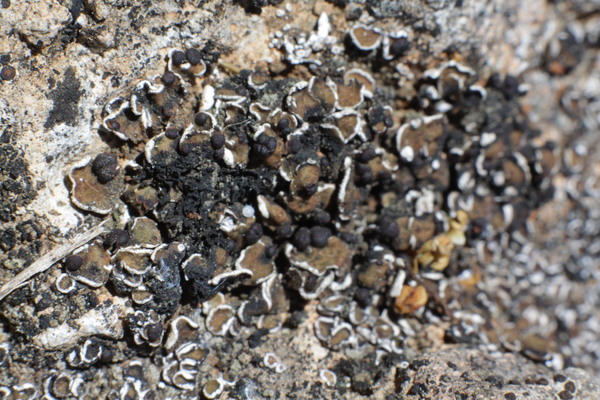
Luca di Nuzzo
Italy, Toscana, PT, Monsummano Terme, on limestone outcrops along the path to Monsummano Alto, 127 m
03.2019
Growth form: Squamulose
Photobiont: green algae other than Trentepohlia
Reproductive strategy: mainly sexual
Subcontinental: restricted to areas with a dry-subcontinental climate (e.g. dry Alpine valleys, parts of Mediterranean Italy)
Commonnes-rarity: (info)
Alpine belt: absent
Subalpine belt: absent
Montane belt: extremely rare
Dry submediterranean belt: rare
Humid submediterranean belt: rather rare
Padanian area: absent
pH of the substrata:
| 1 | 2 | 3 | 4 | 5 |
Solar irradiation:
| 1 | 2 | 3 | 4 | 5 |
Aridity:
| 1 | 2 | 3 | 4 | 5 |
Eutrophication:
| 1 | 2 | 3 | 4 | 5 |
Poleotolerance:
| 0 | 1 | 2 | 3 |
Altitudinal distribution:
| 1 | 2 | 3 | 4 | 5 | 6 |
Rarity
absent
extremely rare
very rare
rare
rather rare
rather common
common
very common
extremely common
Loading data...
Occurrence data
Predictive map

Source: Evankow, A.M., Yin, A., Zulfiqar, R. et al. Psora mediterranea (Lecanorales, Psoraceae), a new lichen species from Europe, including a new concept for P. himalayana and a revised key to the European species. Mycol Progress 24, 26 (2025). https://doi.org/10.1007/s11557-025-02045-8 - CC BY 4.0
Greece, O-L-15186, Photo: E. Timdal
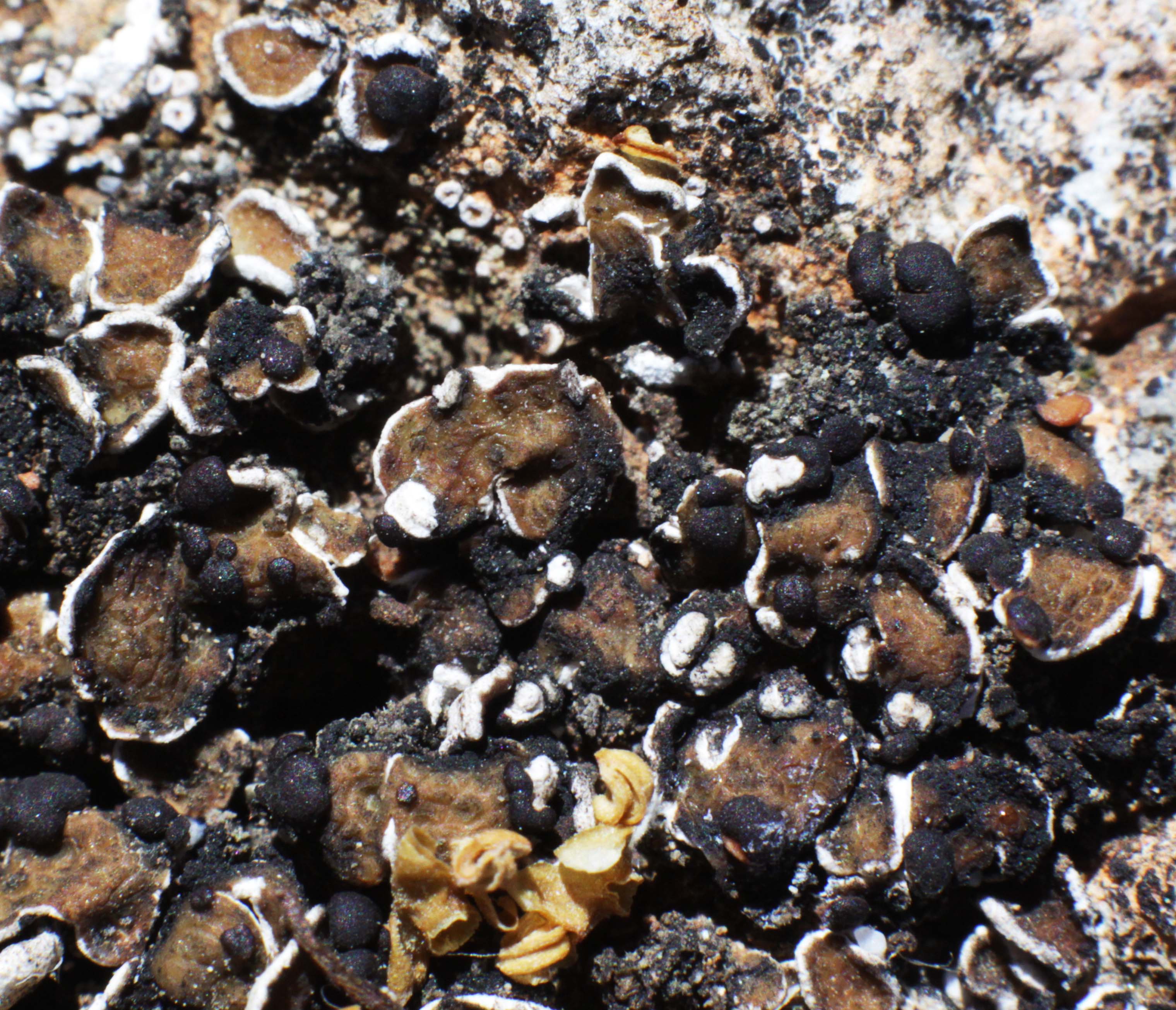
Luca di Nuzzo
Italy, Toscana, PT, Monsummano Terme, on limestone outcrops along the path to Monsummano Alto, 127 m
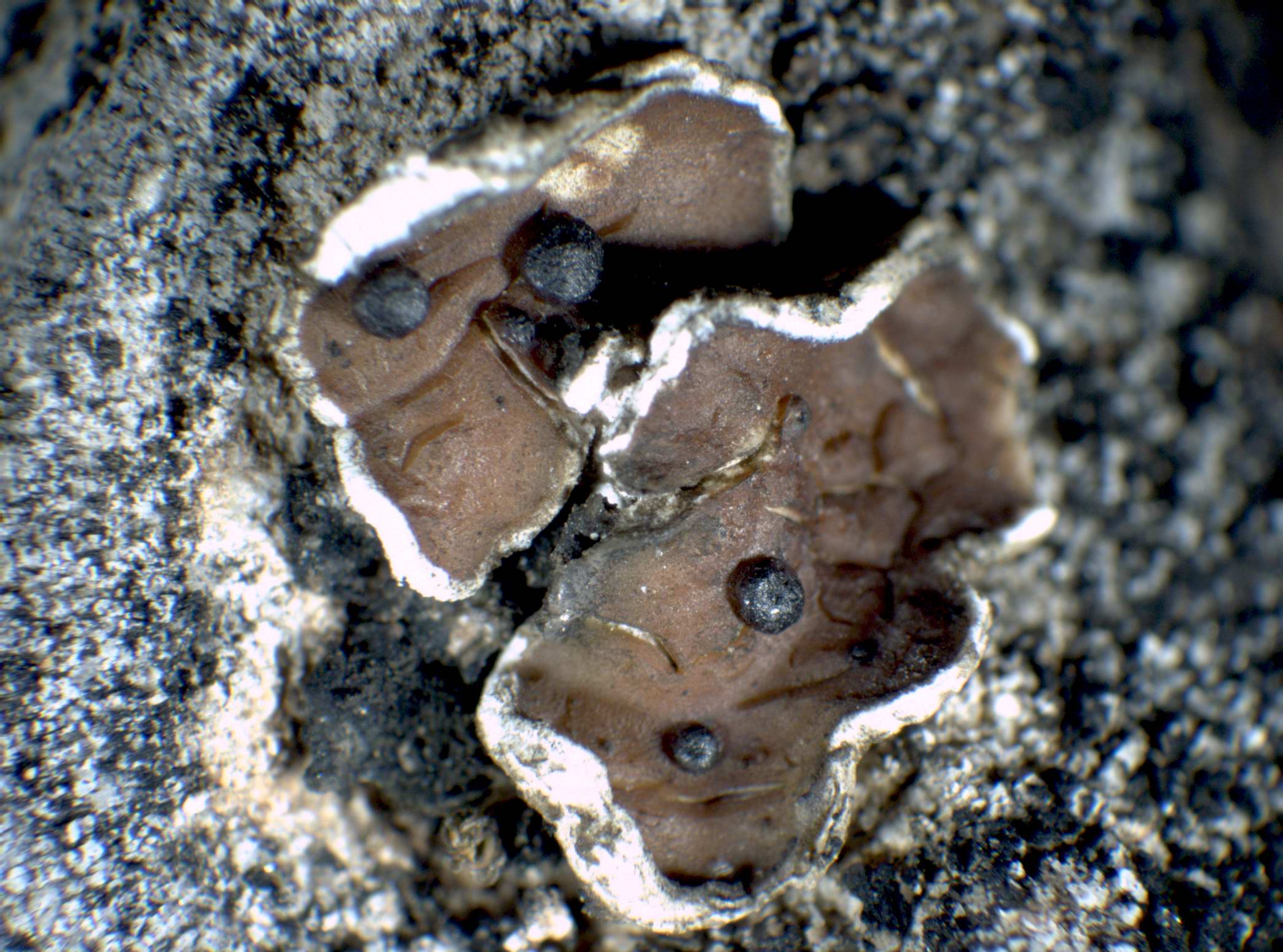
P.L. Nimis; Owner: Department of Life Sciences, University of Trieste
Herbarium: TSB (13176)
2001/11/29
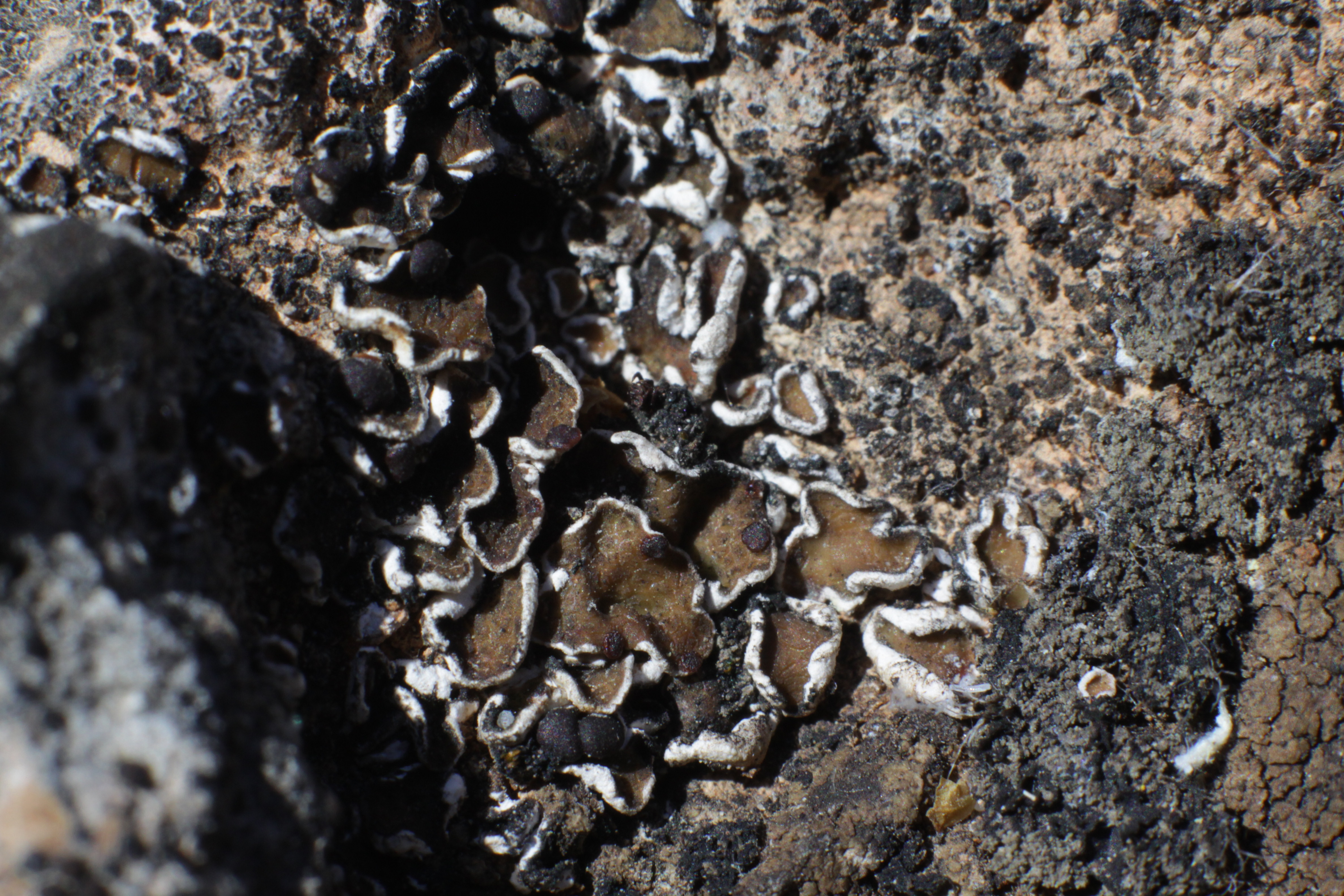
Luca di Nuzzo
Italy, Toscana, PT, Monsummano Terme, on limestone outcrops along the path to Monsummano Alto, 127 m
03.2019
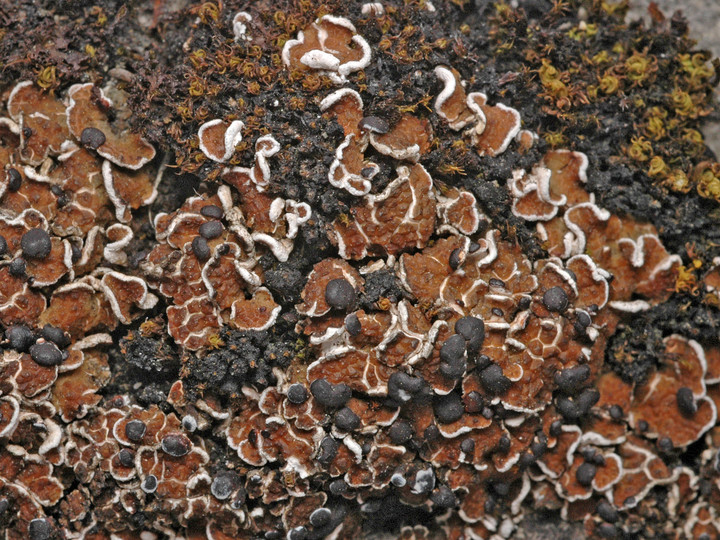
Leif Stridvall - Source: http://www.stridvall.se/la/galleries.php
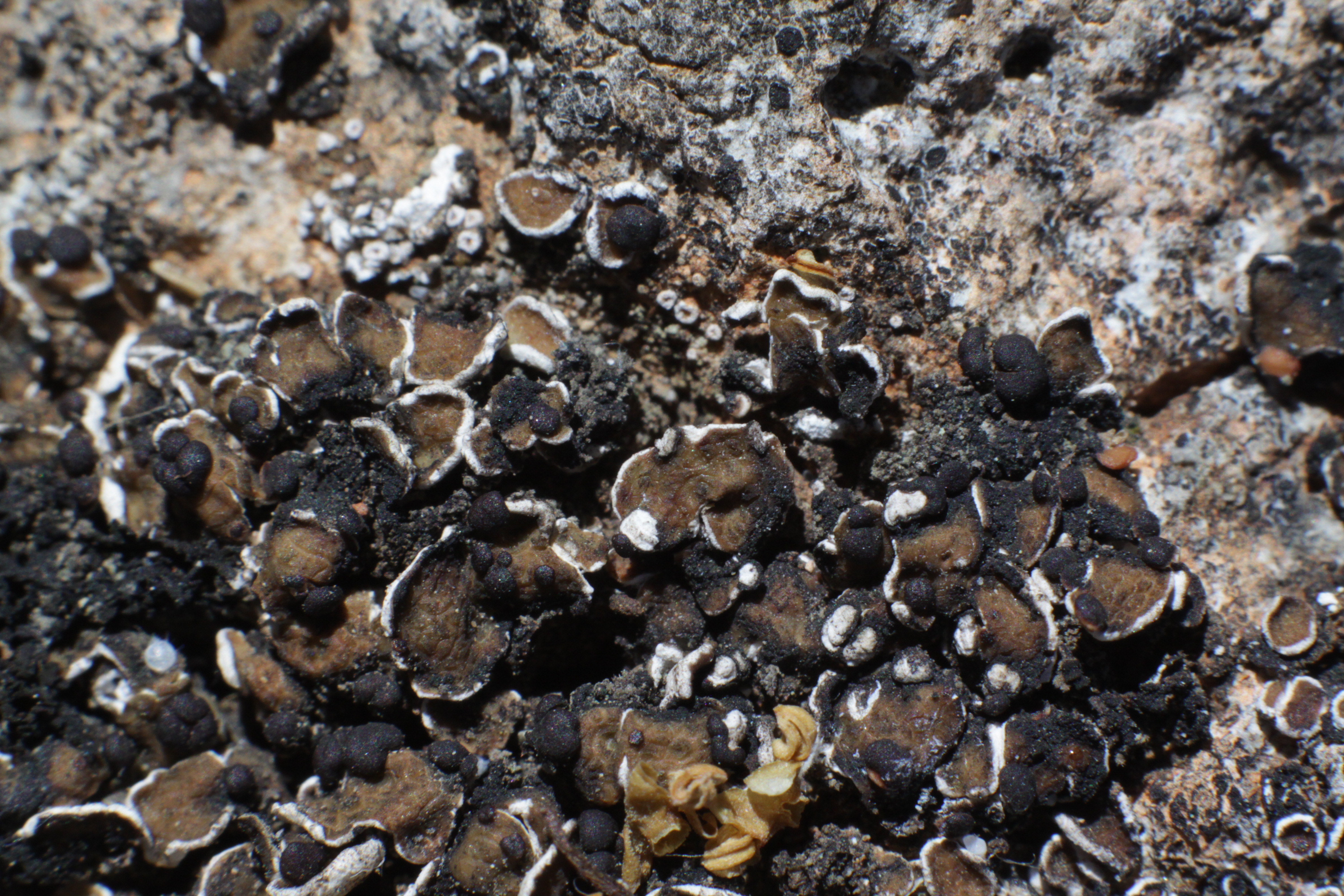
Luca di Nuzzo
Italy, Toscana, PT, Monsummano Terme, on limestone outcrops along the path to Monsummano Alto, 127 m
03.2019
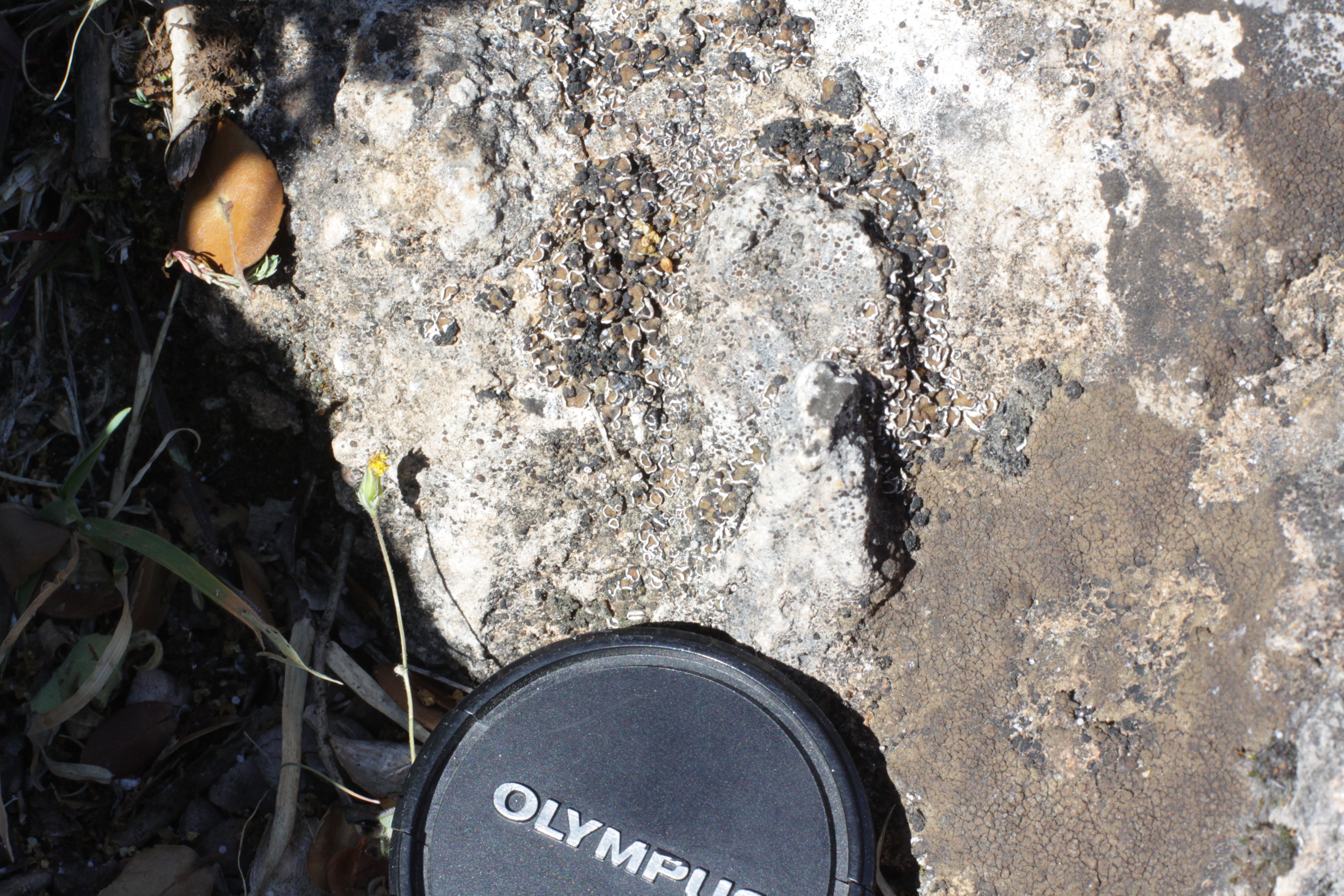
Luca di Nuzzo
Italy, Toscana, PT, Monsummano Terme, on limestone outcrops along the path to Monsummano Alto, 127 m
03.2019
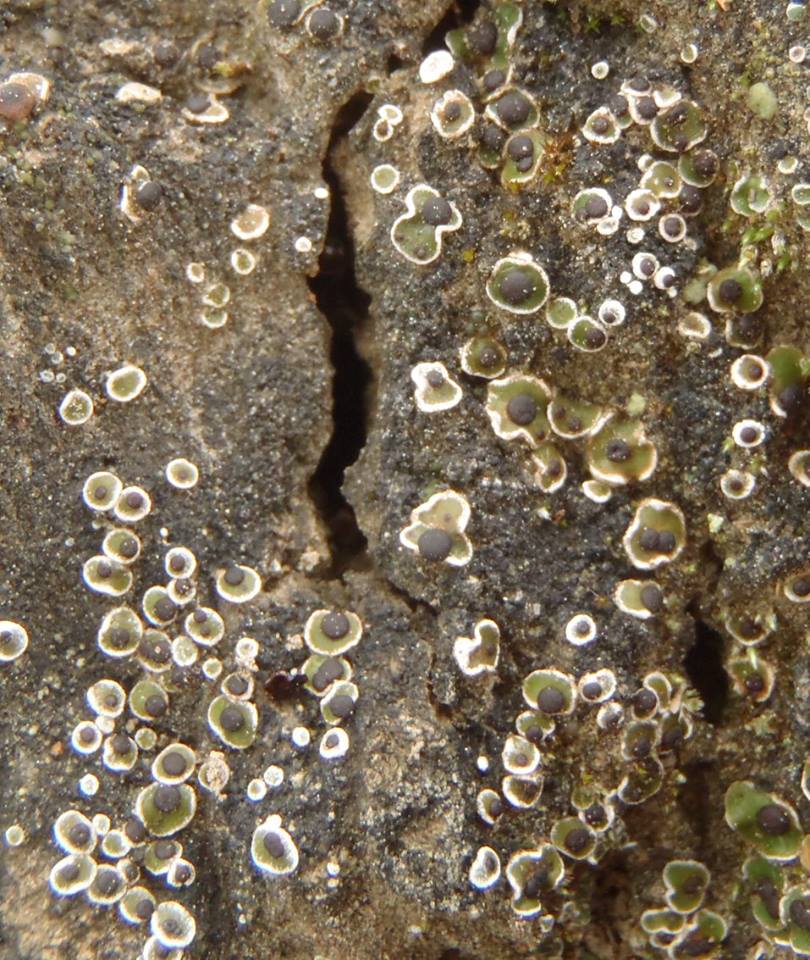
Curtis Randall Björk – CC BY-SA 4.0
Murray River Canyon, British Columbia, Canada
07.2013