Punctelia jeckeri (Roum.) Kalb
Bibl. Lichenol., 95: 312, 2007. Basionym: Sticta jeckeri Roum. - Rev. Mycol., 3: 33, 1881.
Synonyms: Parmelia borreri var. ulophylla (Ach.) Nyl.; Parmelia caperata var. ulophylla Ach.; Parmelia dubia var. ulophylla (Ach.) Harm.; Parmelia ulophylla (Ach.) F. Wilson; Punctelia ulophylla (Ach.) Herk & Aptroot
Description: Thallus foliose, heteromerous, dorsiventral, forming 3-6(-10) cm wide, regular to often irregular rosettes, sorediate. Lobes 3-7 mm wide, with rounded, ascending, eciliate margins, grey-green to (rarely) grey-brown, often pruinose al lobe-tips and along margins, with numerous punctiform, white pseudocyphellae; soralia mainly marginal on secondary ascending lobes, elongated, often crescent-shaped, with farinose to granular soredia. Lower surface cream-white at margins, pale brown in central parts, with simple rhizines except at lobe margins. Upper cortex paraplectenchymatous, of 2-6 layers of densely packed cells, with a non-pored epicortex, the cell walls with isolichenan; medulla white; algal layer continuous; lower cortex paraplectenchymatous. Apothecia unknown. Pycnidia rare, laminal, immersed. Conidia unciform to short-filiform, 3-5 x c. 1 µm. Photobiont chlorococcoid. Spot tests: upper cortex K+ yellow, C-, KC-, P- or P+ faintly yellow; medulla and soralia K-, C+ red, KC+ red, P-, UV-. Chemistry: upper cortex with atranorin; medulla and soralia with lecanoric acid.
Growth form: Foliose, broad lobed
Substrata: bark
Photobiont: green algae other than Trentepohlia
Reproductive strategy: mainly asexual, by soredia, or soredia-like structures (e.g. blastidia)
Commonnes-rarity: (info)
Alpine belt: absent
Subalpine belt: absent
Montane belt: very rare
Dry submediterranean belt: rather rare
Humid submediterranean belt: rather rare
Padanian area: extremely rare
pH of the substrata:
1 2 3 4 5

Solar irradiation:
1 2 3 4 5
Aridity:
1 2 3 4 5
Eutrophication:
1 2 3 4 5
Poleotolerance:
0 1 2 3
Altitudinal distribution:
1 2 3 4 5 6
Rarity
absent
extremely rare
very rare
rare
rather rare
rather common
common
very common
extremely common
Loading data...
Occurrence data
Predictive map
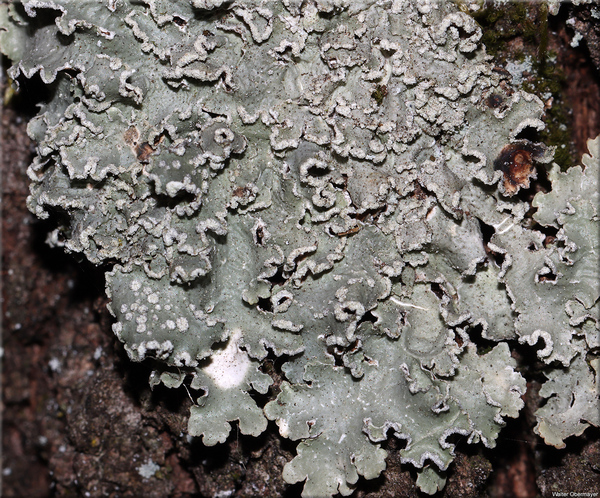
Walter Obermayer CC BY-SA 4.0 - Source: Lichens of Noricum - http://lichens-of-noricum.uni-graz.at/
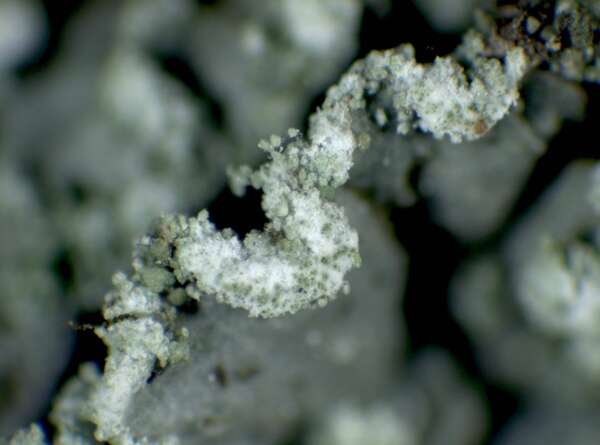
P.L. Nimis; Owner: Department of Life Sciences, University of Trieste
Herbarium: TSB (34311)
2001/12/18
soralia
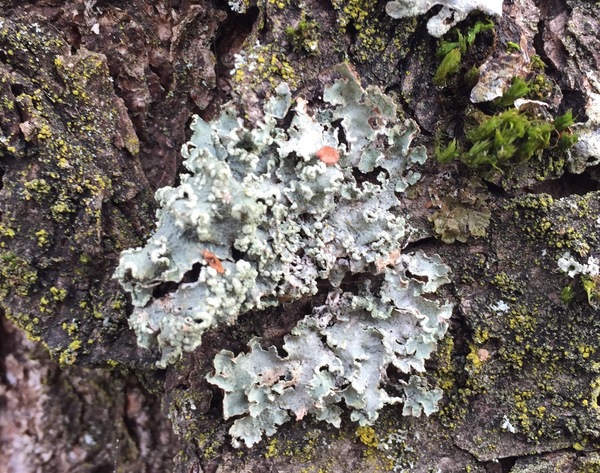
Pier Luigi Nimis
Slovenia, Ljubljiana, University Campus, on Tilia
07.2016
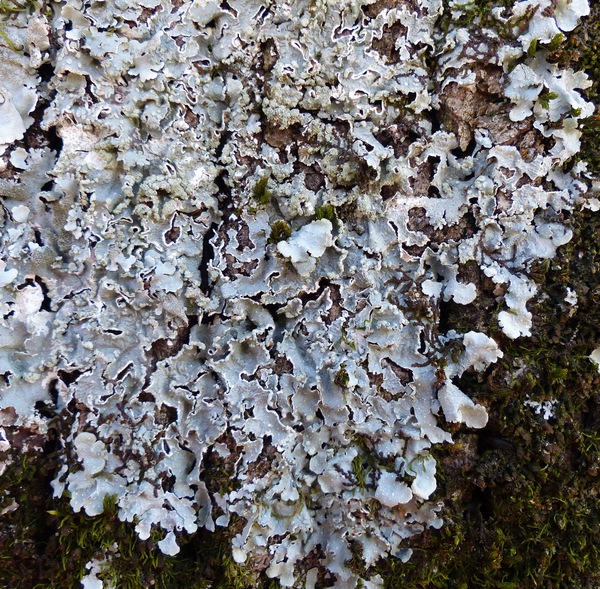
Andrea Moro; Owner: Department of Life Sciences, University of Triedte
Italy, Friuli Venezia Giulia, Trieste, Trieste Karst, Rocca di Monrupino
20/02/2017
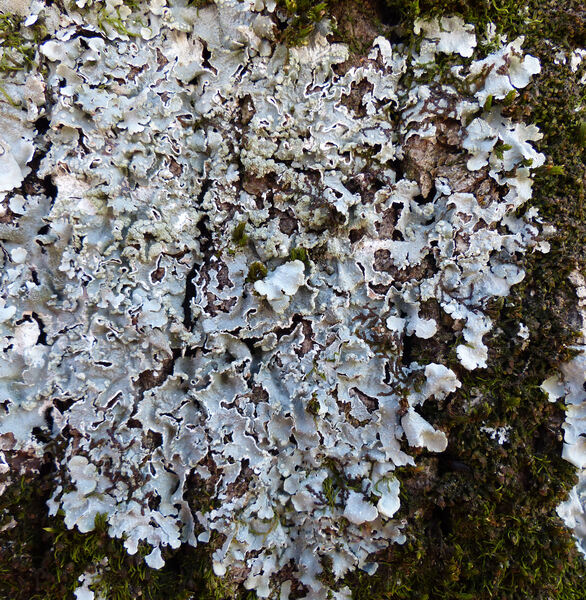
Andrea Moro; Owner: Department of Life Sciences, University of Triedte
Italy, Friuli Venezia Giulia, Trieste, Trieste Karst, Rocca di Monrupino
20/02/2017
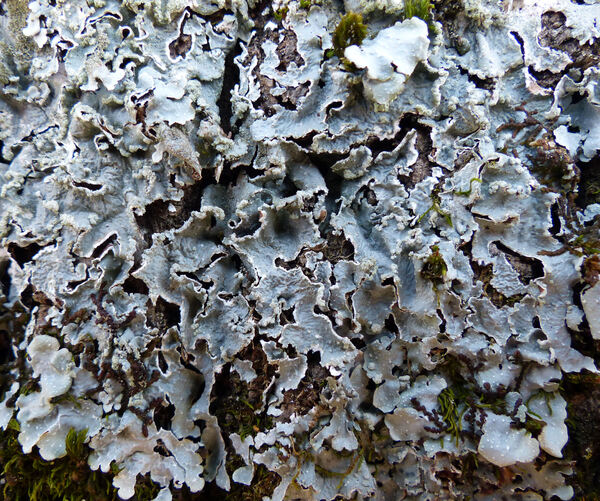
Andrea Moro; Owner: Department of Life Sciences, University of Triedte
Italy, Friuli Venezia Giulia, Trieste, Trieste Karst, Rocca di Monrupino
20/02/2017
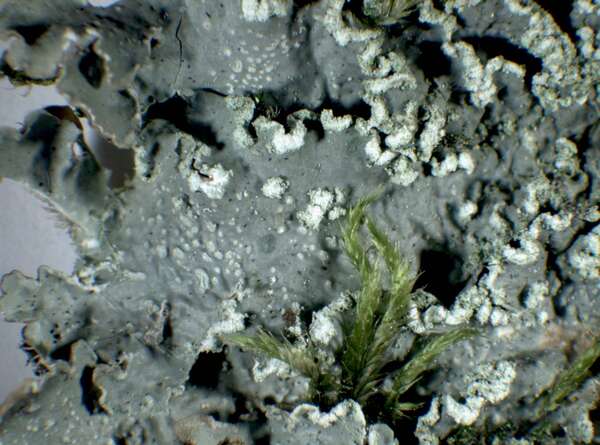
P.L. Nimis; Owner: Department of Life Sciences, University of Trieste
Herbarium: TSB (34311)
2001/12/18
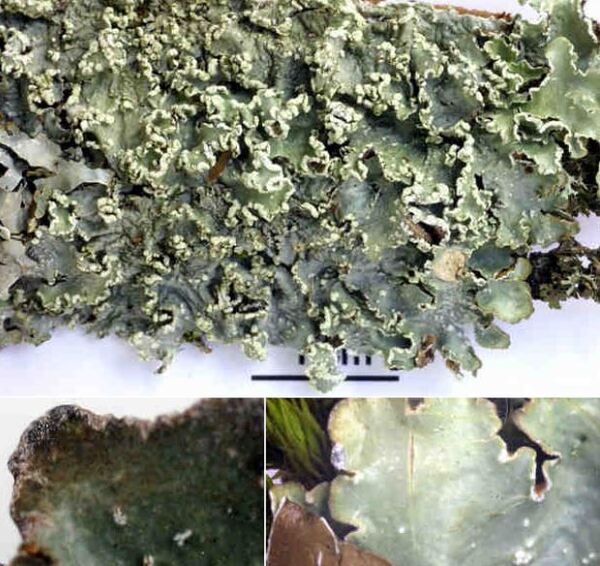
Felix Schumm – CC BY-SA 4.0
Image from: F. Schumm (2008) - Flechten Madeiras, der Kanaren und Azoren. Beck, OHG - ISBN: 978-3-00-023700-3
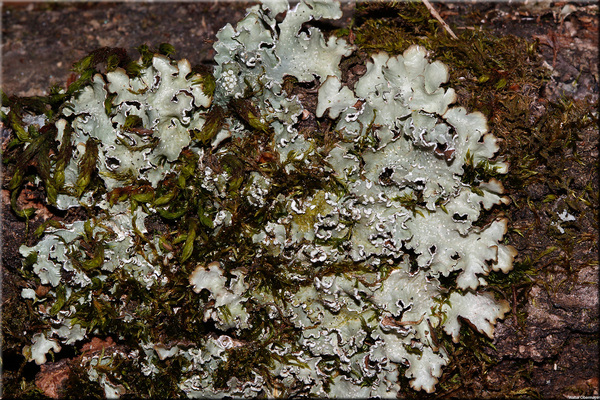
Walter Obermayer CC BY-SA 4.0 - Source: Lichens of Noricum - http://lichens-of-noricum.uni-graz.at/
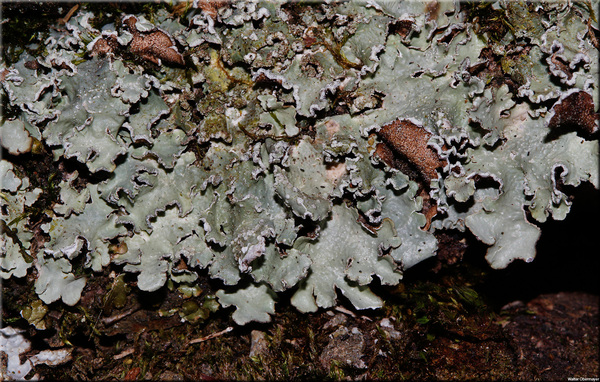
Walter Obermayer CC BY-SA 4.0 - Source: Lichens of Noricum - http://lichens-of-noricum.uni-graz.at/
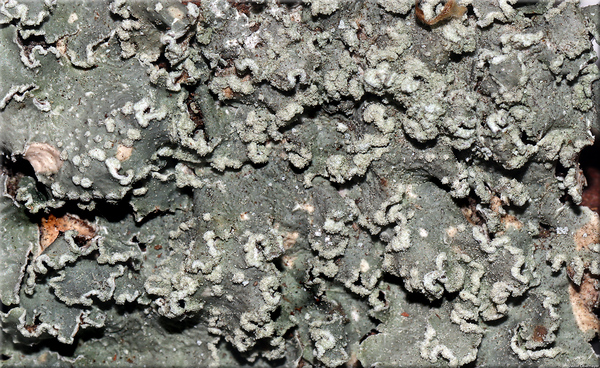
Walter Obermayer CC BY-SA 4.0 - Source: Lichens of Noricum - http://lichens-of-noricum.uni-graz.at/
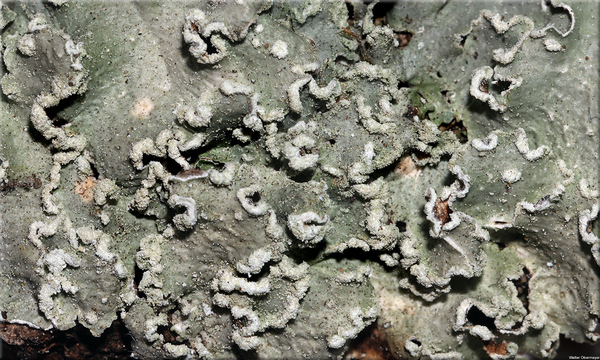
Walter Obermayer CC BY-SA 4.0 - Source: Lichens of Noricum - http://lichens-of-noricum.uni-graz.at/
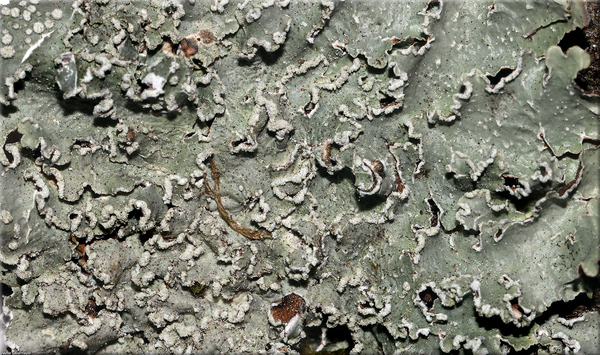
Walter Obermayer CC BY-SA 4.0 - Source: Lichens of Noricum - http://lichens-of-noricum.uni-graz.at/
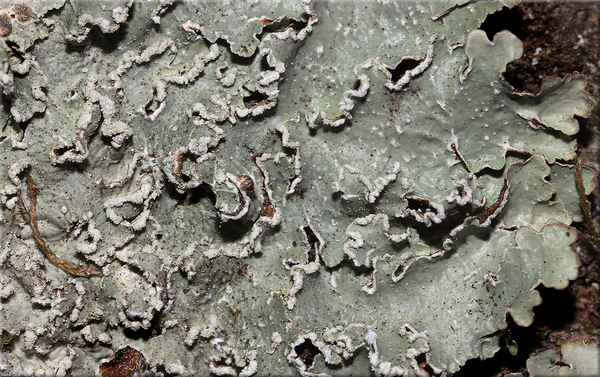
Walter Obermayer CC BY-SA 4.0 - Source: Lichens of Noricum - http://lichens-of-noricum.uni-graz.at/
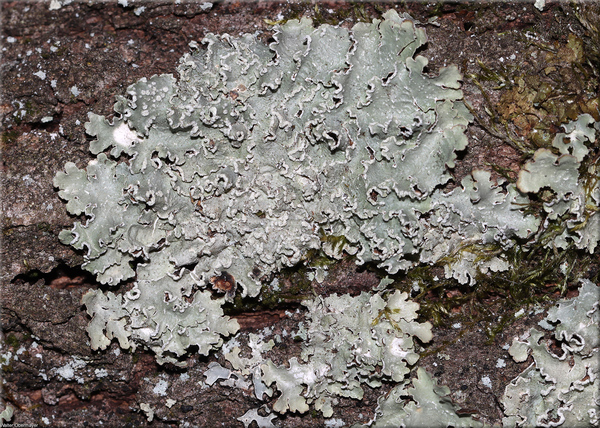
Walter Obermayer CC BY-SA 4.0 - Source: Lichens of Noricum - http://lichens-of-noricum.uni-graz.at/
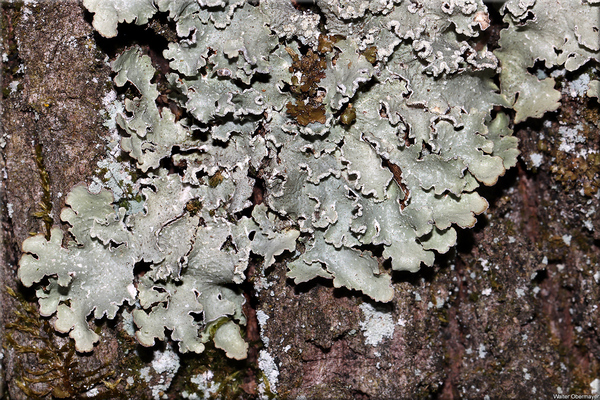
Walter Obermayer CC BY-SA 4.0 - Source: Lichens of Noricum - http://lichens-of-noricum.uni-graz.at/
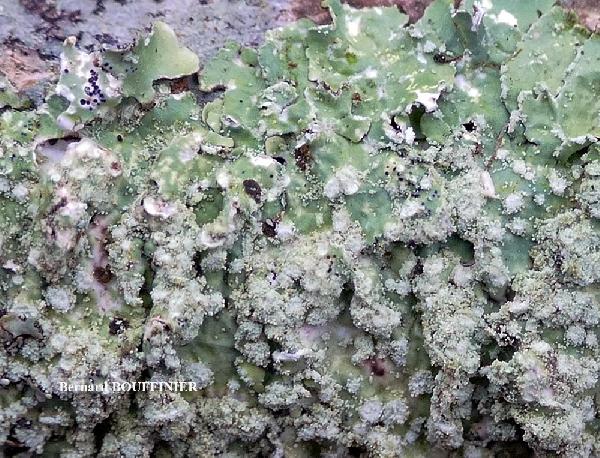
Bernard Bouffinier - Source: http://www.lichensmaritimes.org/index.php?task=fiche&lichen=426&lang=en
France, Crozon
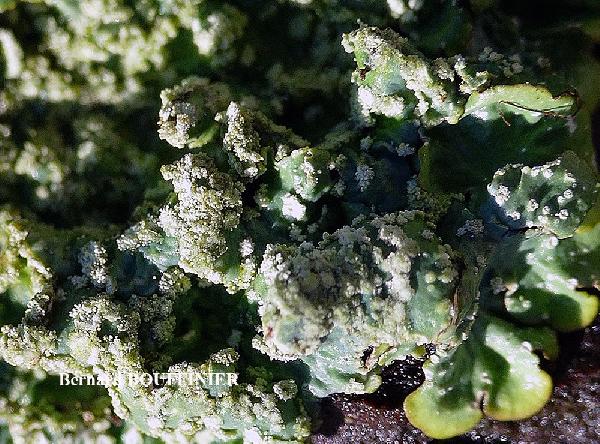
Bernard Bouffinier - Source: http://www.lichensmaritimes.org/index.php?task=fiche&lichen=426&lang=en
France, Crozon
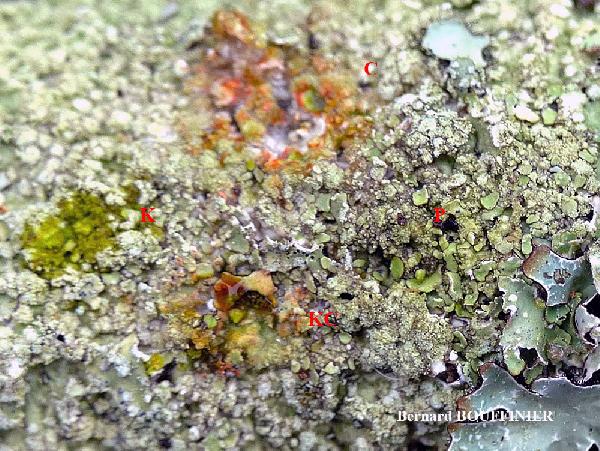
Bernard Bouffinier - Source: http://www.lichensmaritimes.org/index.php?task=fiche&lichen=426&lang=en
France, Crozon
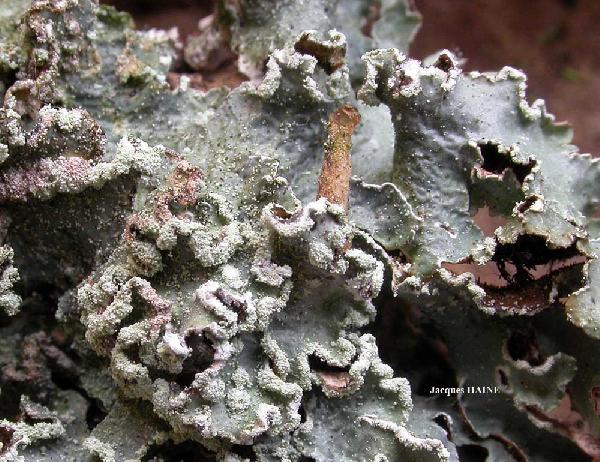
Jacques Haine - Source: http://www.lichensmaritimes.org/index.php?task=fiche&lichen=426&lang=en
France, Ardennes
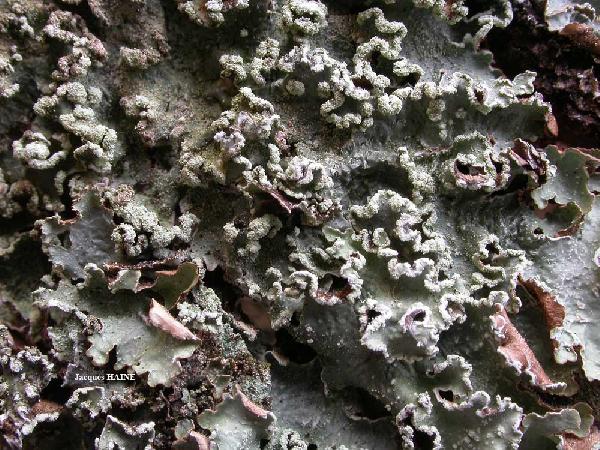
Jacques Haine - Source: http://www.lichensmaritimes.org/index.php?task=fiche&lichen=426&lang=en
France, Ardennes
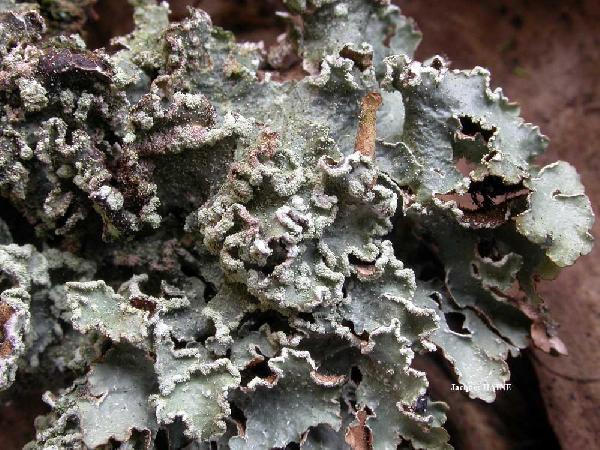
Jacques Haine - Source: http://www.lichensmaritimes.org/index.php?task=fiche&lichen=426&lang=en
France, Ardennes
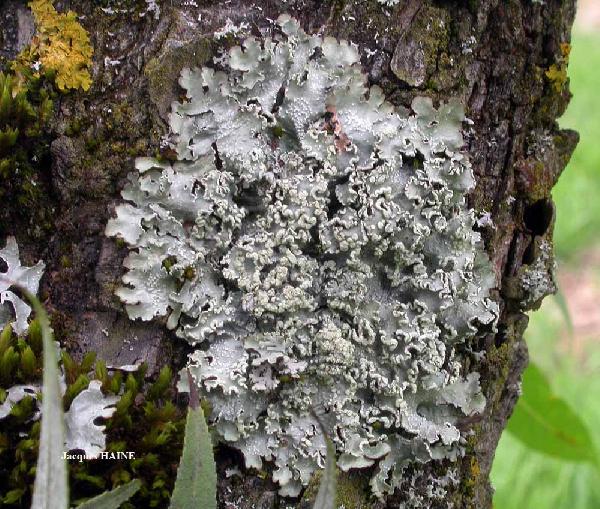
Jacques Haine - Source: http://www.lichensmaritimes.org/index.php?task=fiche&lichen=426&lang=en
France, Drôme Provençale, Remuzat
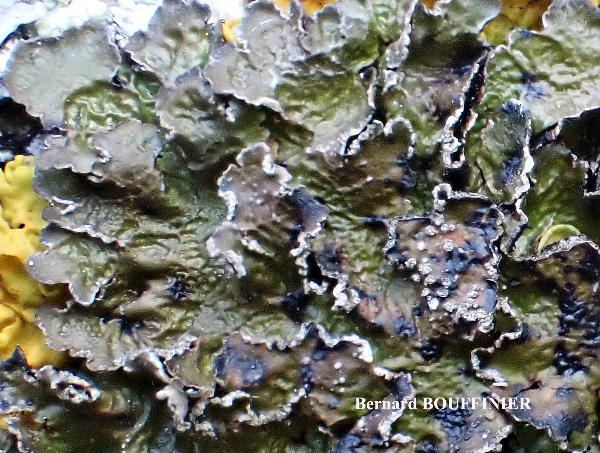
Bernard Bouffinier - Source: http://www.lichensmaritimes.org/index.php?task=fiche&lichen=426&lang=en
France, Pyrénées, Azet

Wolfgang von Brackel - CC BY-4.0
Germany, Bavaria, Rodach

Wolfgang von Brackel - CC BY-4.0
Germany, Bavaria, Rodach

Wolfgang von Brackel - CC BY-4.0
Germany, Bavaria, Rodach

Wolfgang von Brackel - CC BY-4.0
Germany, Bavaria, Ebensfeld

Wolfgang von Brackel - CC BY-4.0
Germany, Bavaria, Ebensfeld

Felix Schumm - CC BY-SA 4.0
[VZR434], Hollandia. Brabantia borealis, Son, Hautens, prope pontum
parvum supra canalem, ad corticem arboris (Quercus robur). Leg. &
det. P. v. Boom. EX A. VEZDA: LICHENES RARIORES EXSICCATI NR. 434. As Punctelia ulophylla

Felix Schumm - CC BY-SA 4.0
[VZR434], Hollandia. Brabantia borealis, Son, Hautens, prope pontum
parvum supra canalem, ad corticem arboris (Quercus robur). Leg. &
det. P. v. Boom. EX A. VEZDA: LICHENES RARIORES EXSICCATI NR. 434. As Punctelia ulophylla
Growth form: Foliose, broad lobed
Substrata: bark
Photobiont: green algae other than Trentepohlia
Reproductive strategy: mainly asexual, by soredia, or soredia-like structures (e.g. blastidia)
Commonnes-rarity: (info)
Alpine belt: absent
Subalpine belt: absent
Montane belt: very rare
Dry submediterranean belt: rather rare
Humid submediterranean belt: rather rare
Padanian area: extremely rare
pH of the substrata:
| 1 | 2 | 3 | 4 | 5 |
Solar irradiation:
| 1 | 2 | 3 | 4 | 5 |
Aridity:
| 1 | 2 | 3 | 4 | 5 |
Eutrophication:
| 1 | 2 | 3 | 4 | 5 |
Poleotolerance:
| 0 | 1 | 2 | 3 |
Altitudinal distribution:
| 1 | 2 | 3 | 4 | 5 | 6 |
Rarity
absent
extremely rare
very rare
rare
rather rare
rather common
common
very common
extremely common
Loading data...
Occurrence data
Predictive map
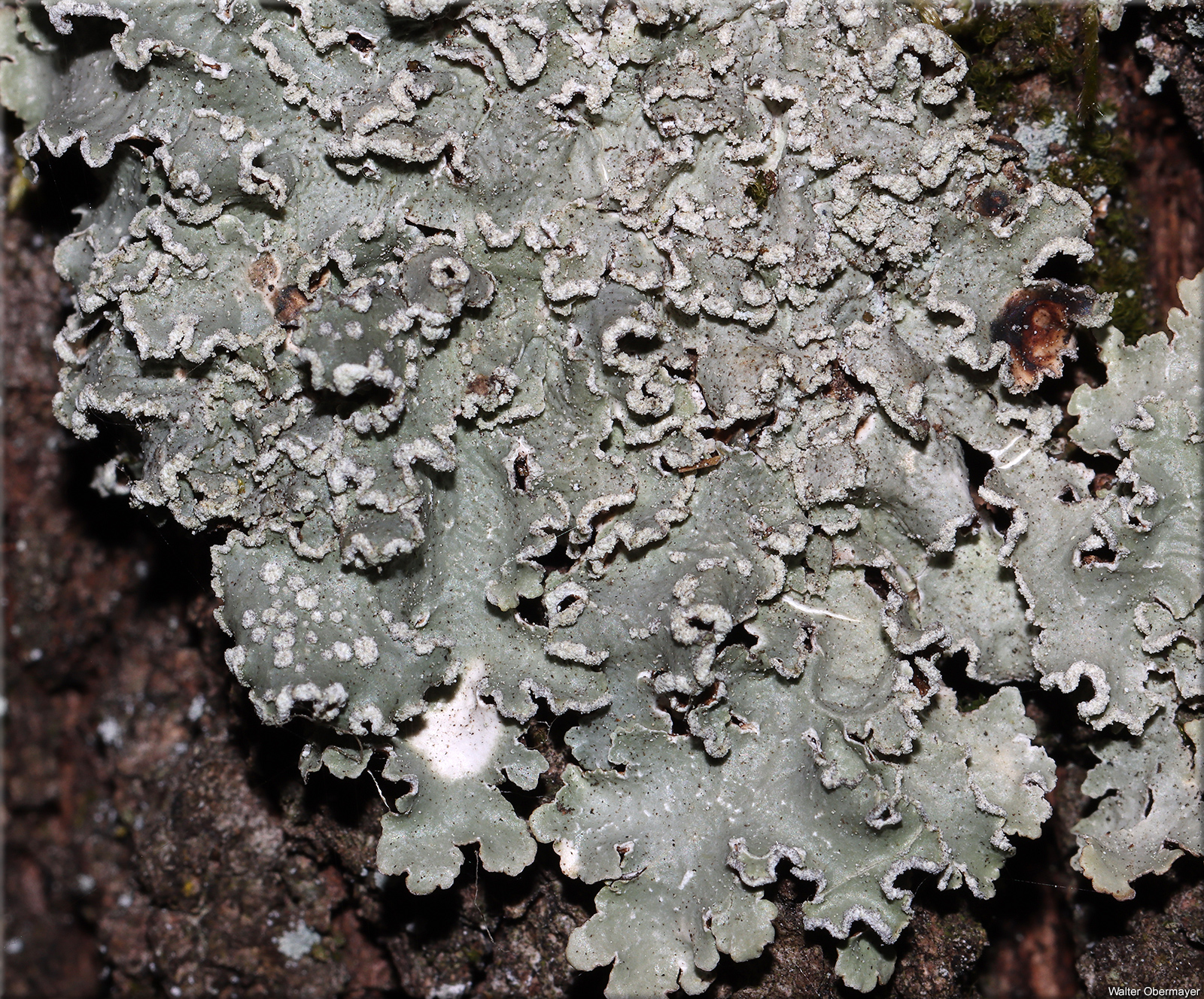
Walter Obermayer CC BY-SA 4.0 - Source: Lichens of Noricum - http://lichens-of-noricum.uni-graz.at/
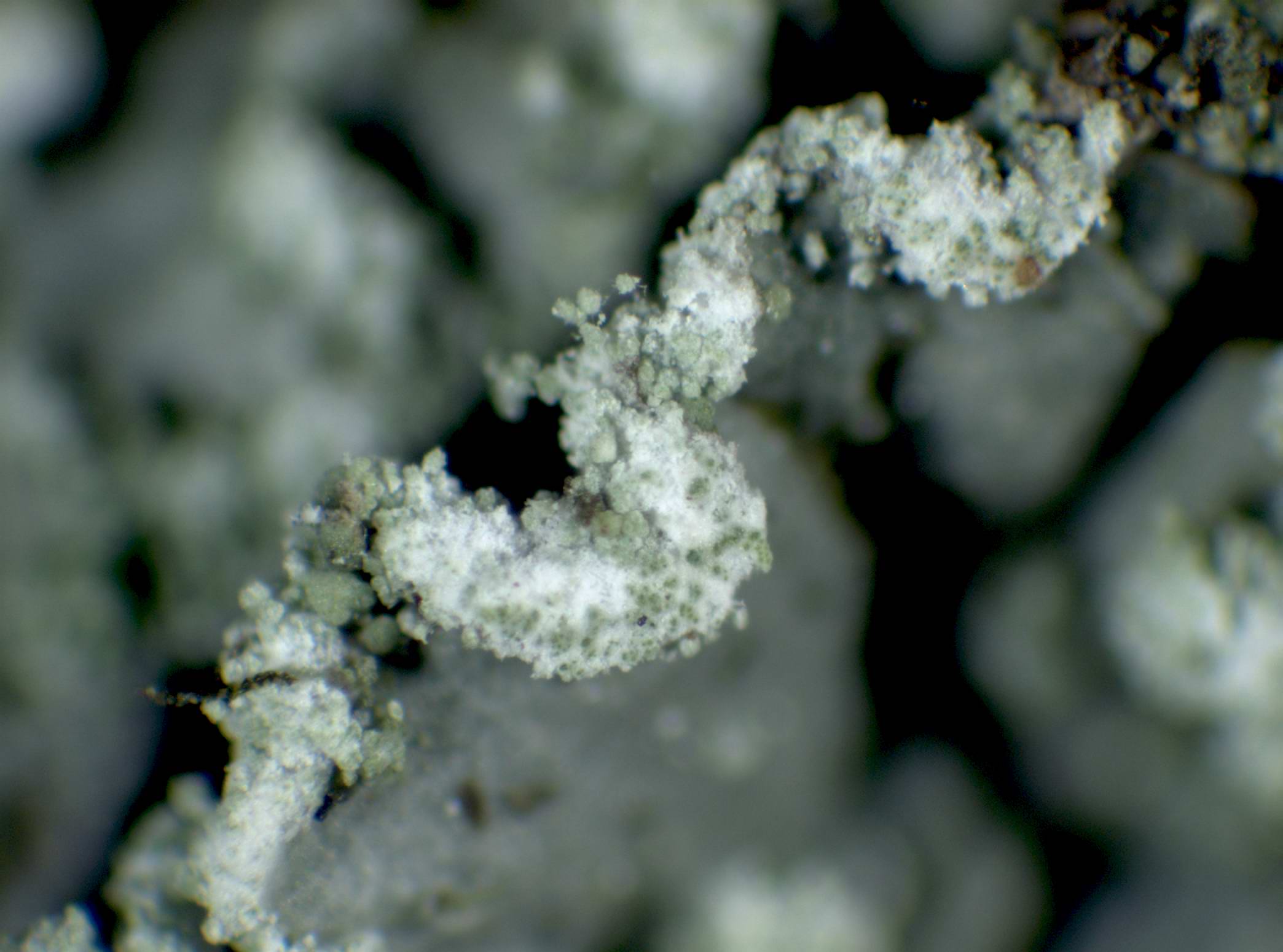
P.L. Nimis; Owner: Department of Life Sciences, University of Trieste
Herbarium: TSB (34311)
2001/12/18
soralia
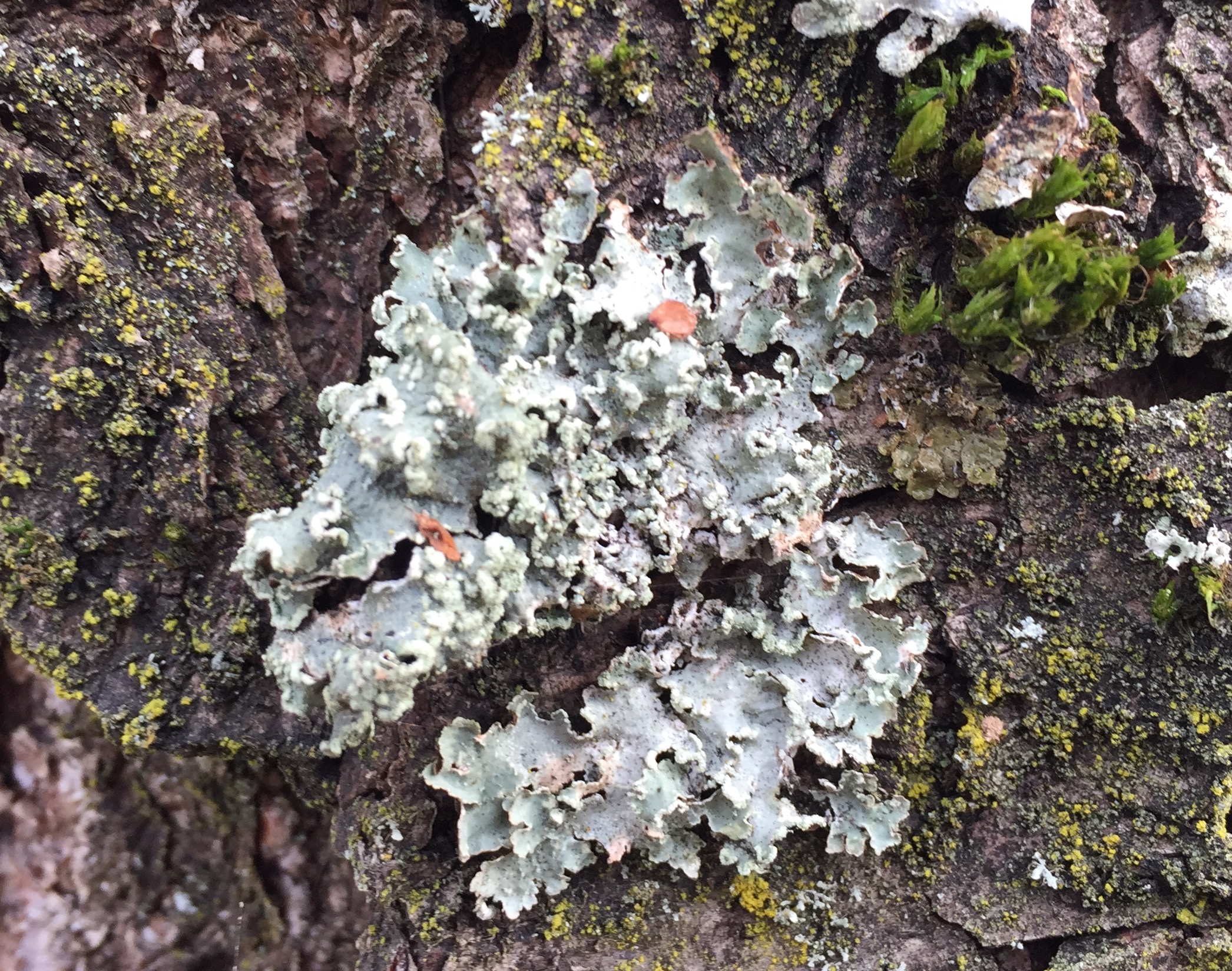
Pier Luigi Nimis
Slovenia, Ljubljiana, University Campus, on Tilia
07.2016
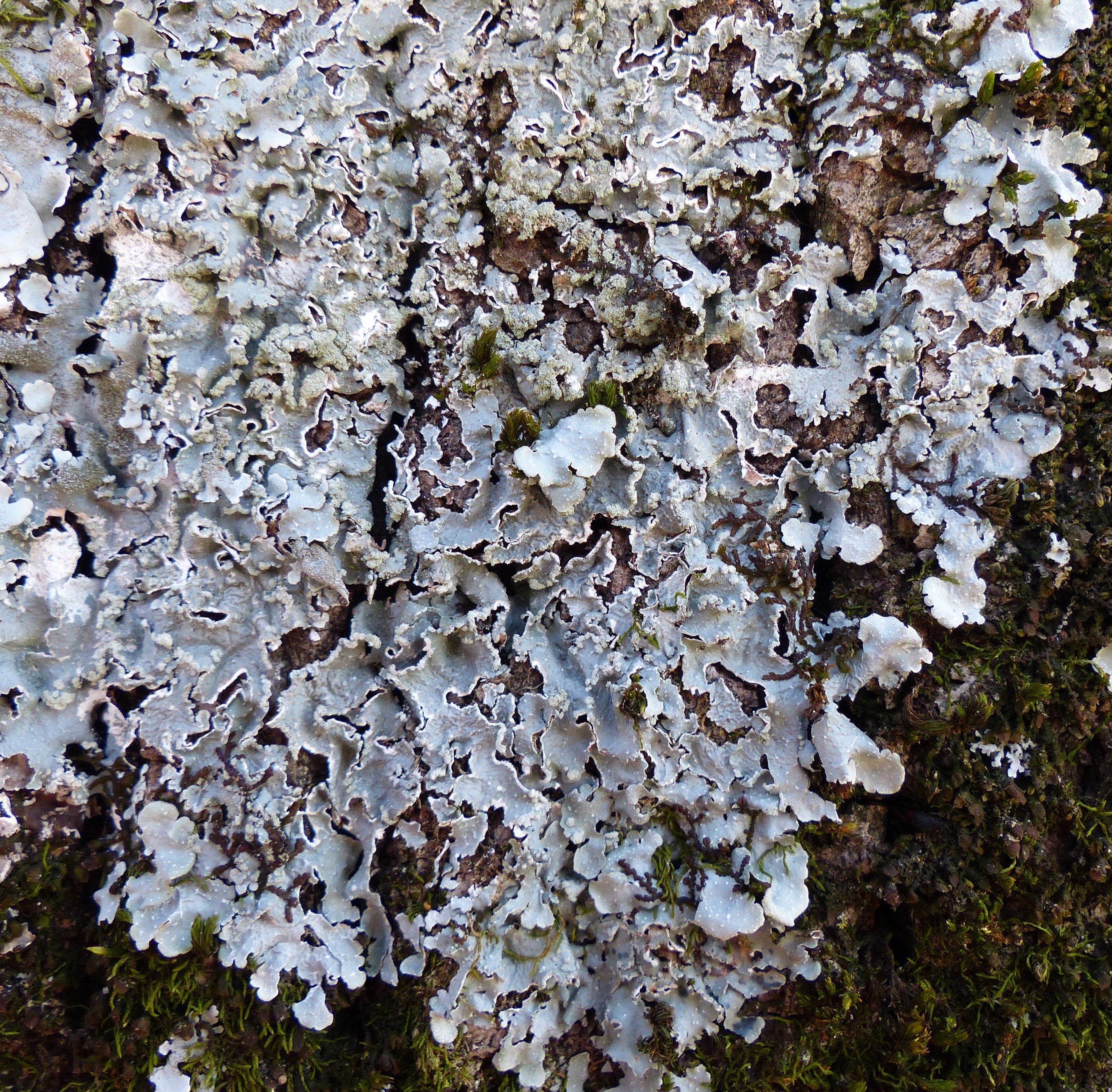
Andrea Moro; Owner: Department of Life Sciences, University of Triedte
Italy, Friuli Venezia Giulia, Trieste, Trieste Karst, Rocca di Monrupino
20/02/2017
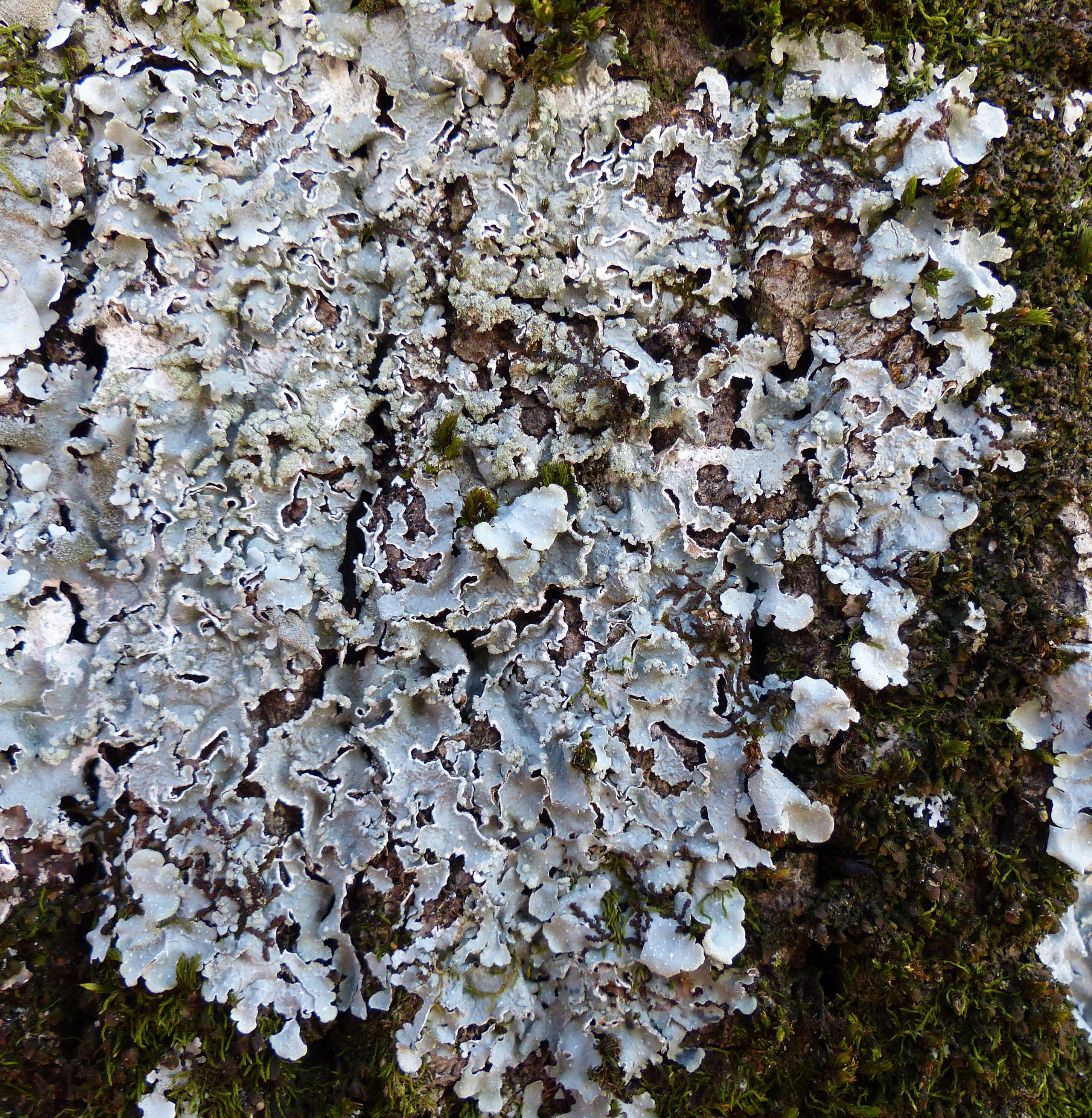
Andrea Moro; Owner: Department of Life Sciences, University of Triedte
Italy, Friuli Venezia Giulia, Trieste, Trieste Karst, Rocca di Monrupino
20/02/2017
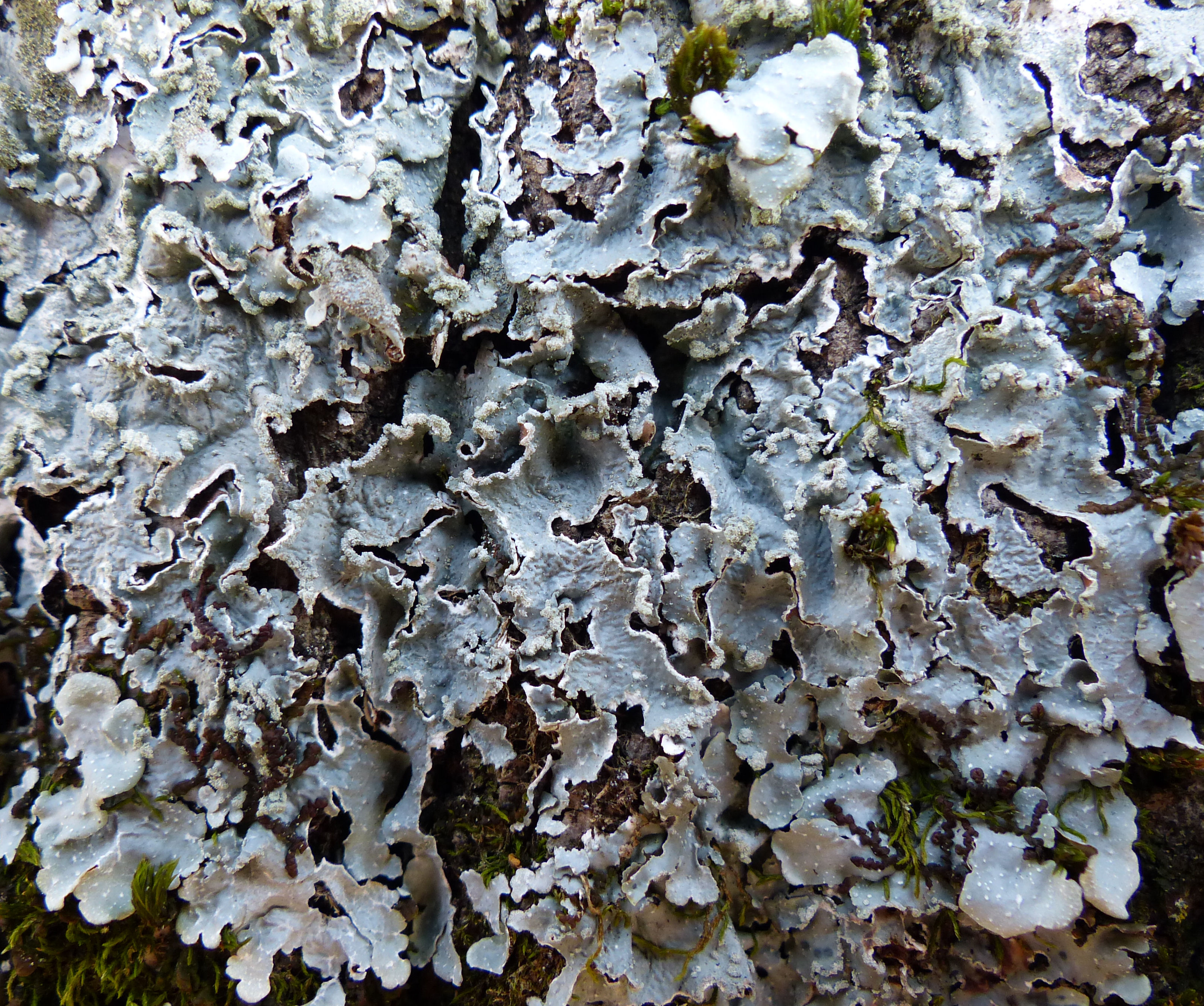
Andrea Moro; Owner: Department of Life Sciences, University of Triedte
Italy, Friuli Venezia Giulia, Trieste, Trieste Karst, Rocca di Monrupino
20/02/2017
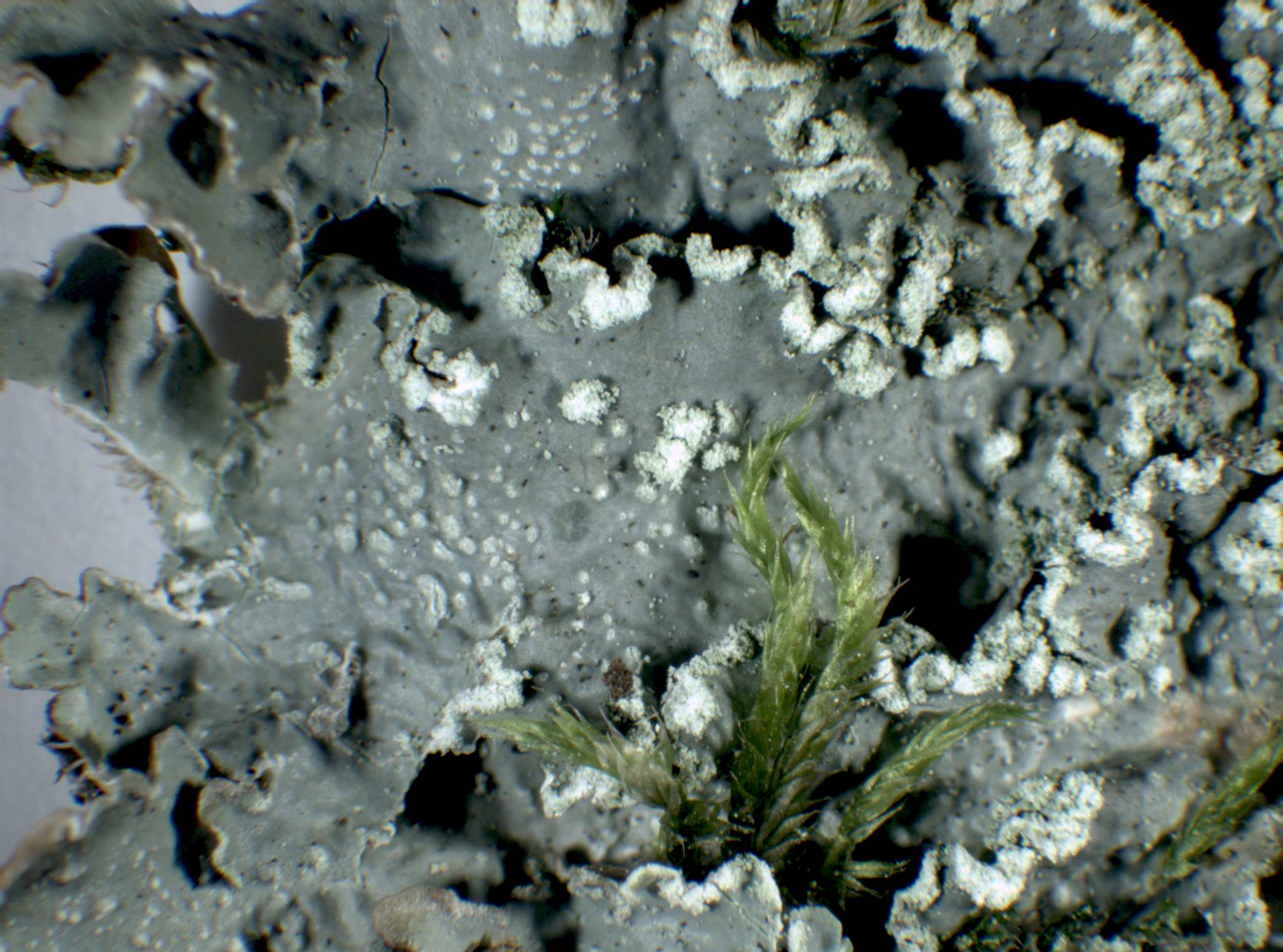
P.L. Nimis; Owner: Department of Life Sciences, University of Trieste
Herbarium: TSB (34311)
2001/12/18
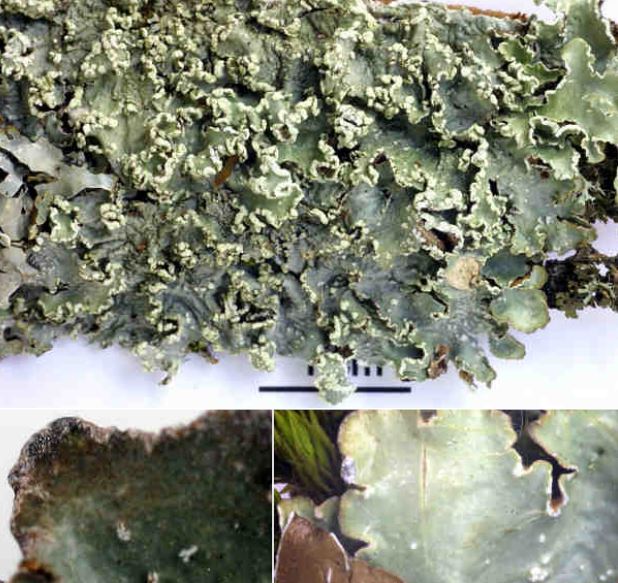
Felix Schumm – CC BY-SA 4.0
Image from: F. Schumm (2008) - Flechten Madeiras, der Kanaren und Azoren. Beck, OHG - ISBN: 978-3-00-023700-3
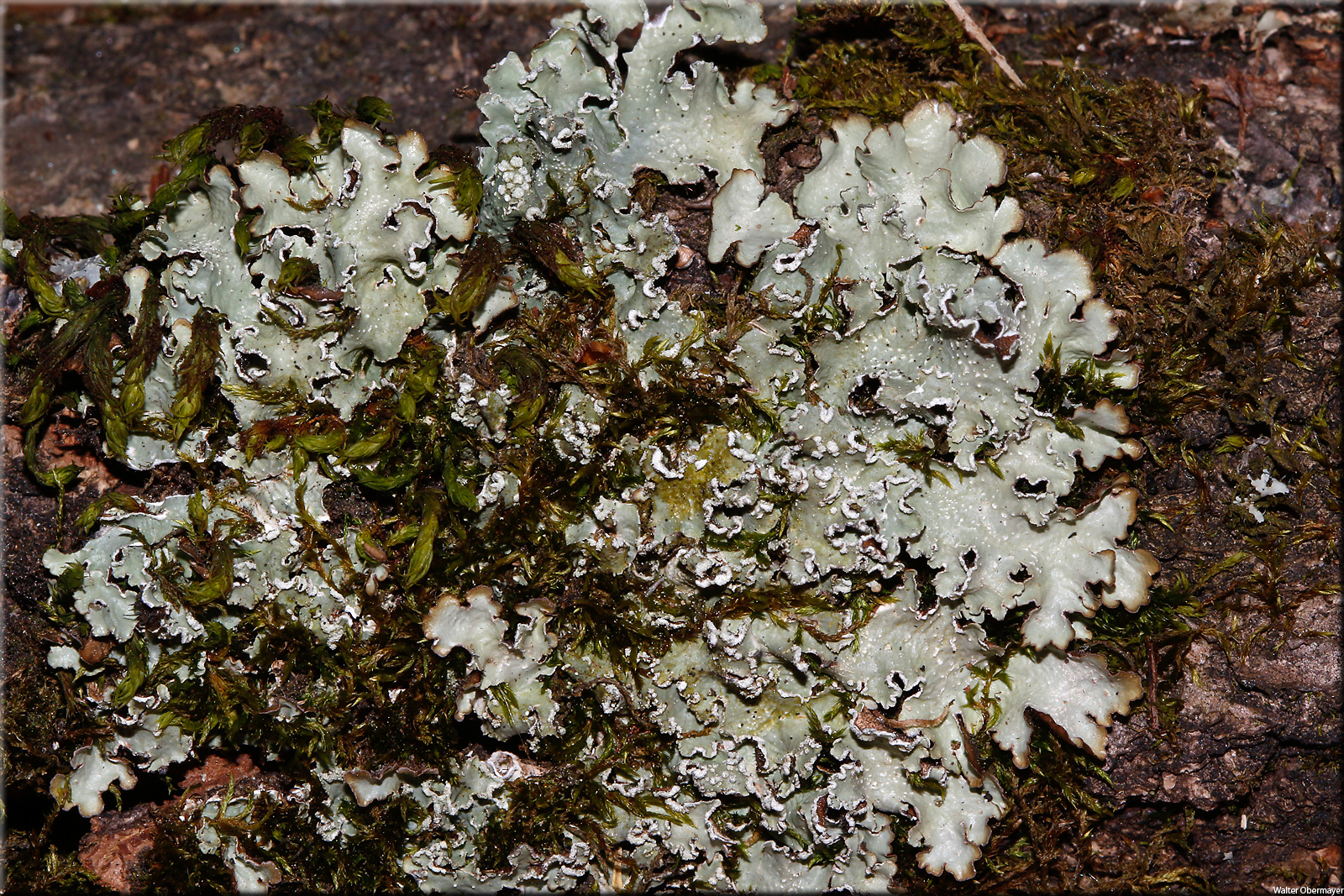
Walter Obermayer CC BY-SA 4.0 - Source: Lichens of Noricum - http://lichens-of-noricum.uni-graz.at/
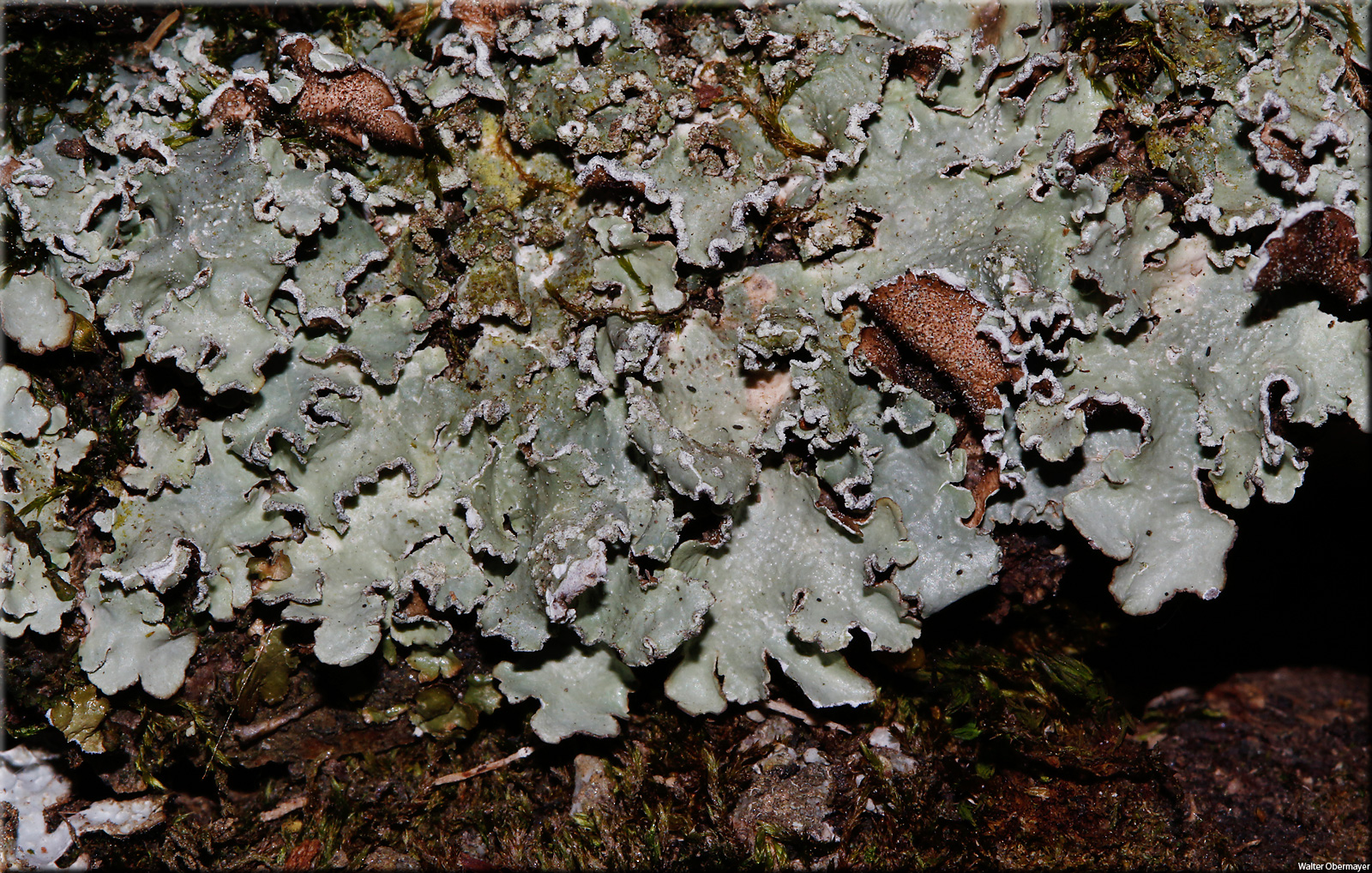
Walter Obermayer CC BY-SA 4.0 - Source: Lichens of Noricum - http://lichens-of-noricum.uni-graz.at/
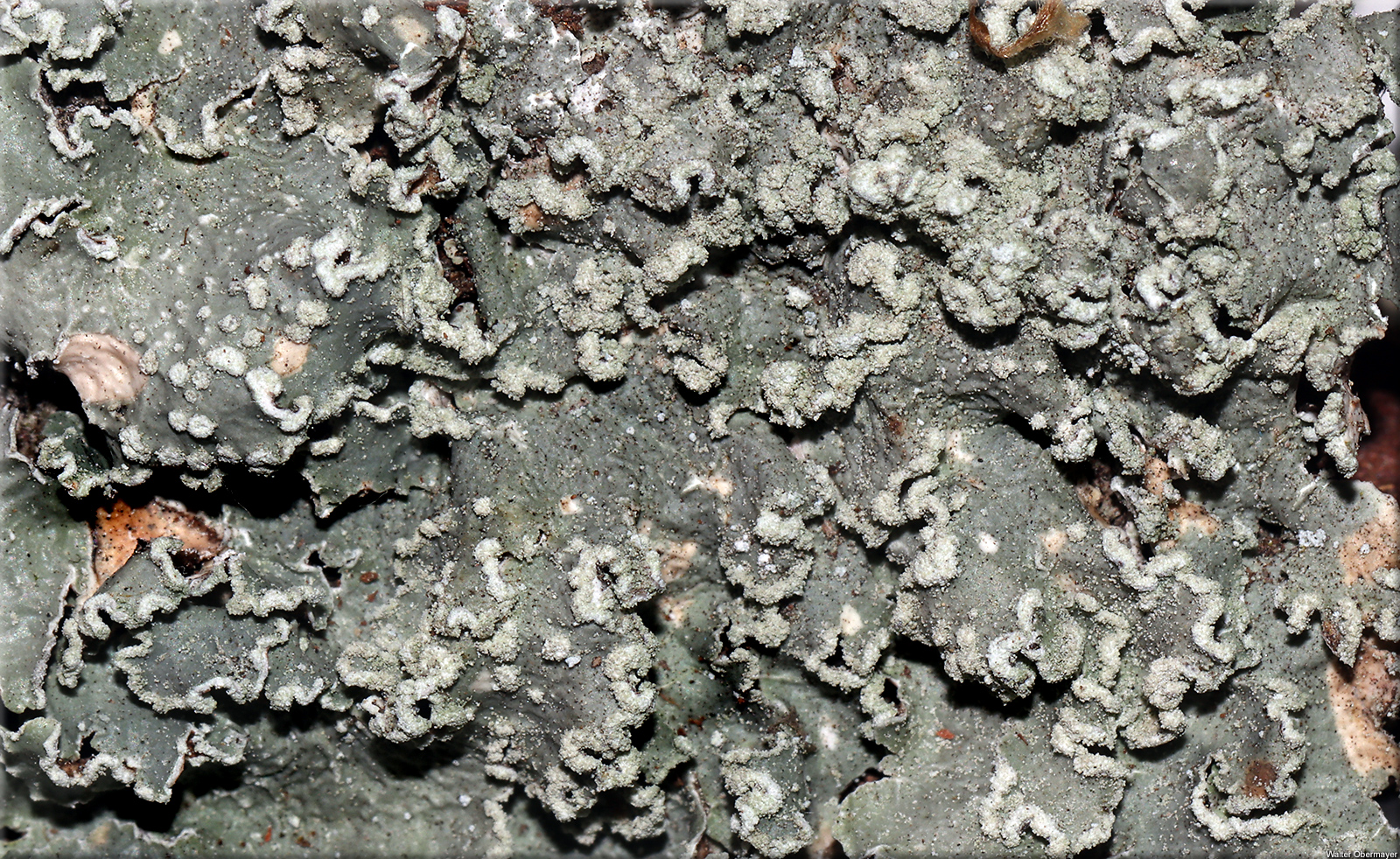
Walter Obermayer CC BY-SA 4.0 - Source: Lichens of Noricum - http://lichens-of-noricum.uni-graz.at/
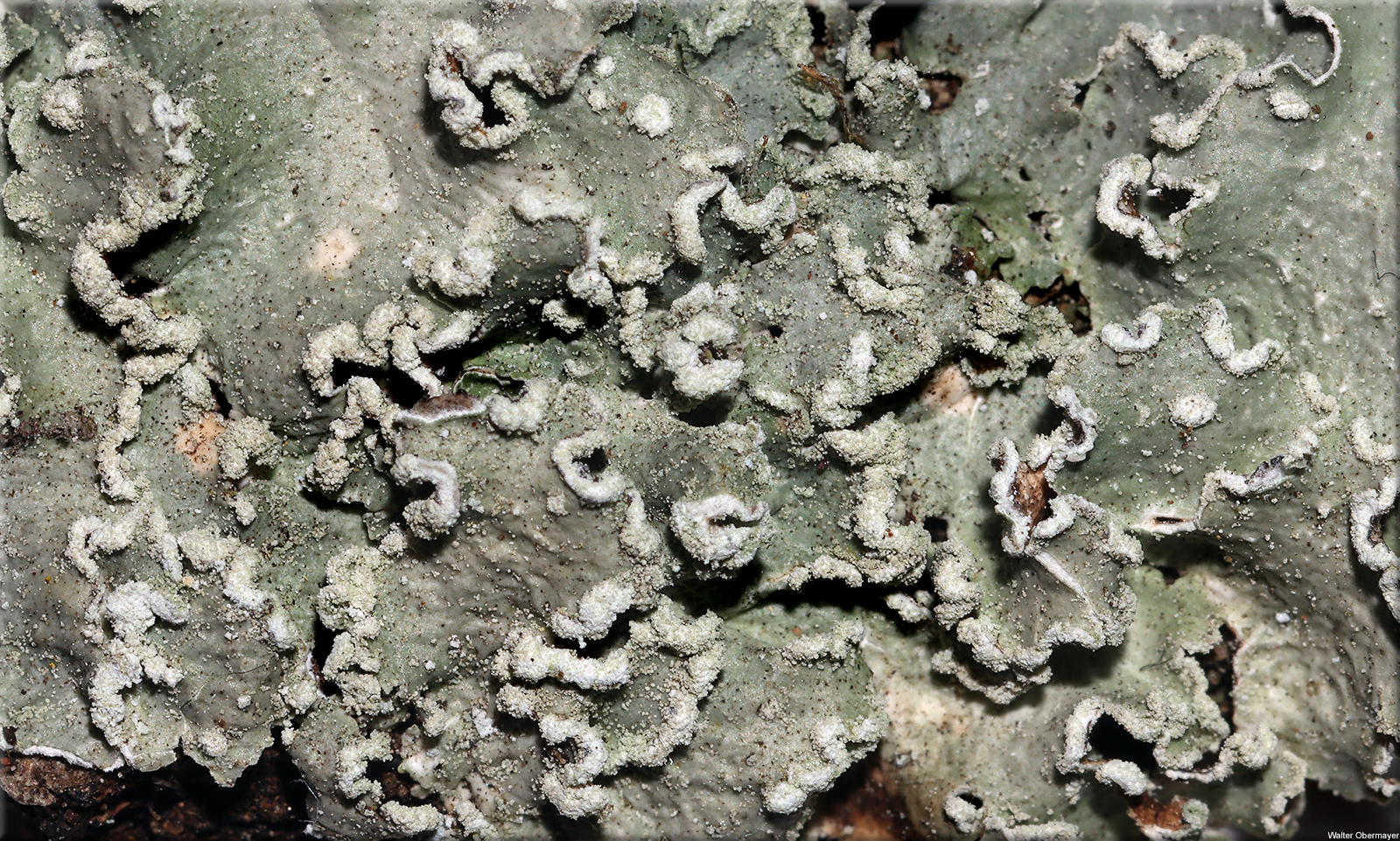
Walter Obermayer CC BY-SA 4.0 - Source: Lichens of Noricum - http://lichens-of-noricum.uni-graz.at/
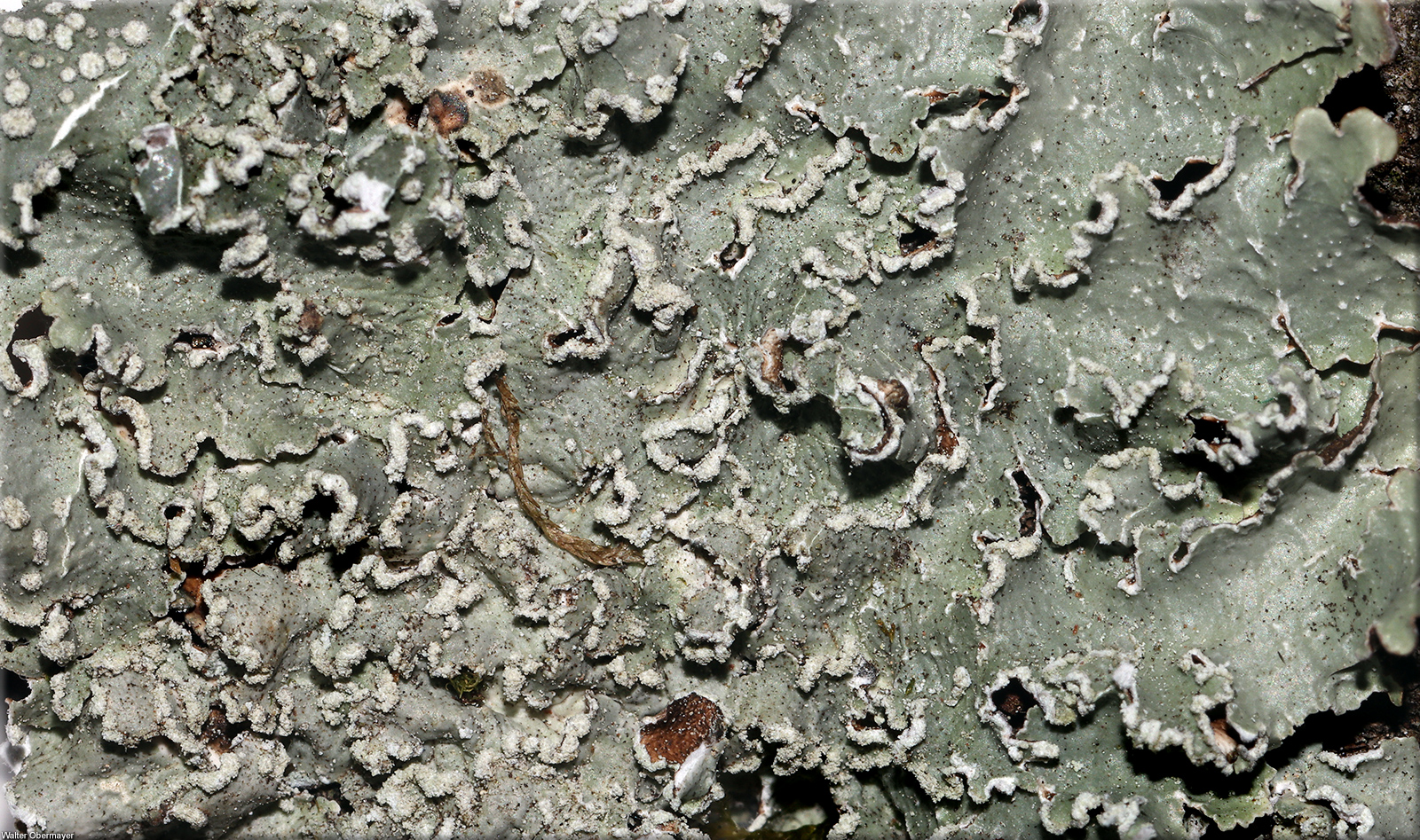
Walter Obermayer CC BY-SA 4.0 - Source: Lichens of Noricum - http://lichens-of-noricum.uni-graz.at/
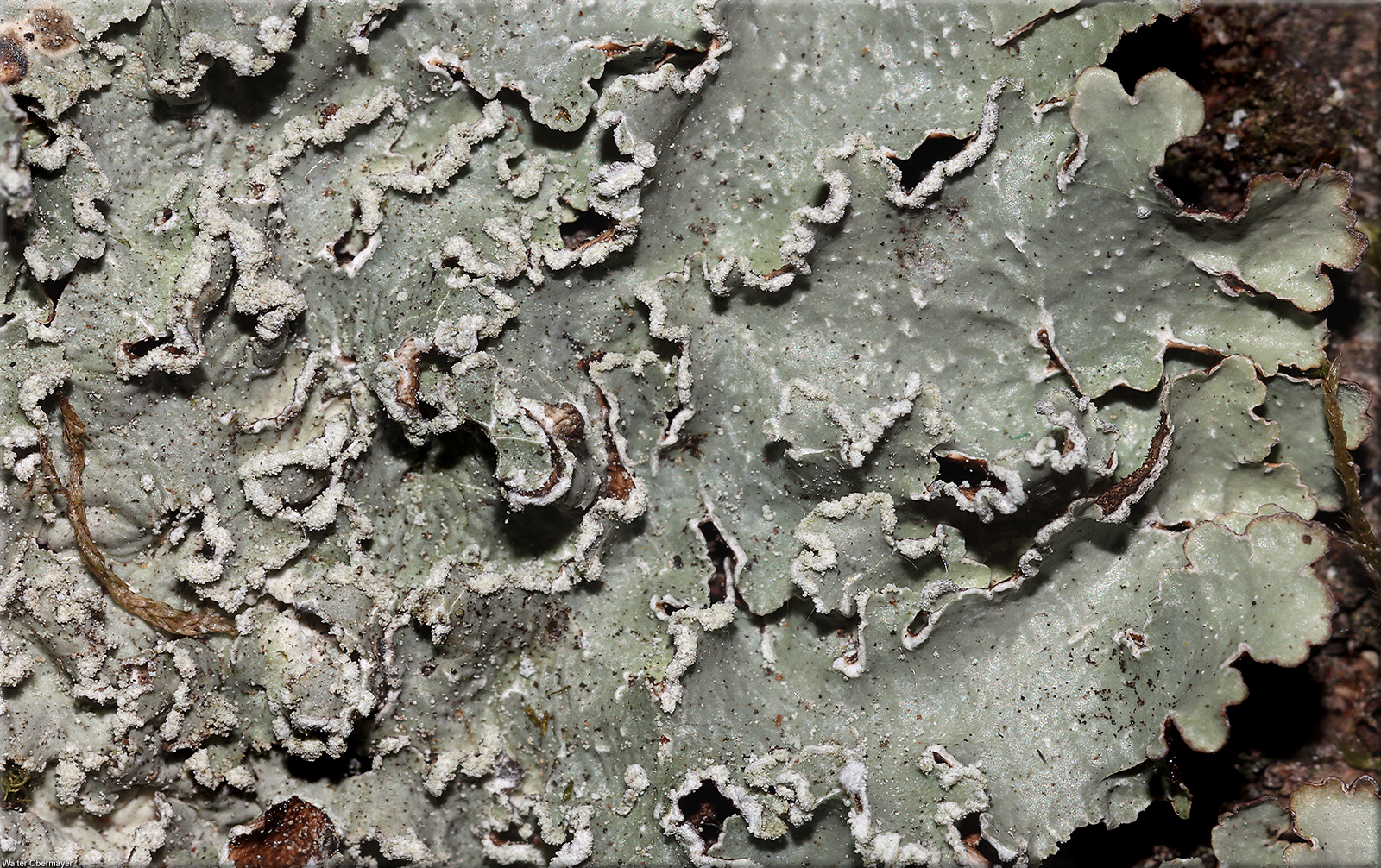
Walter Obermayer CC BY-SA 4.0 - Source: Lichens of Noricum - http://lichens-of-noricum.uni-graz.at/
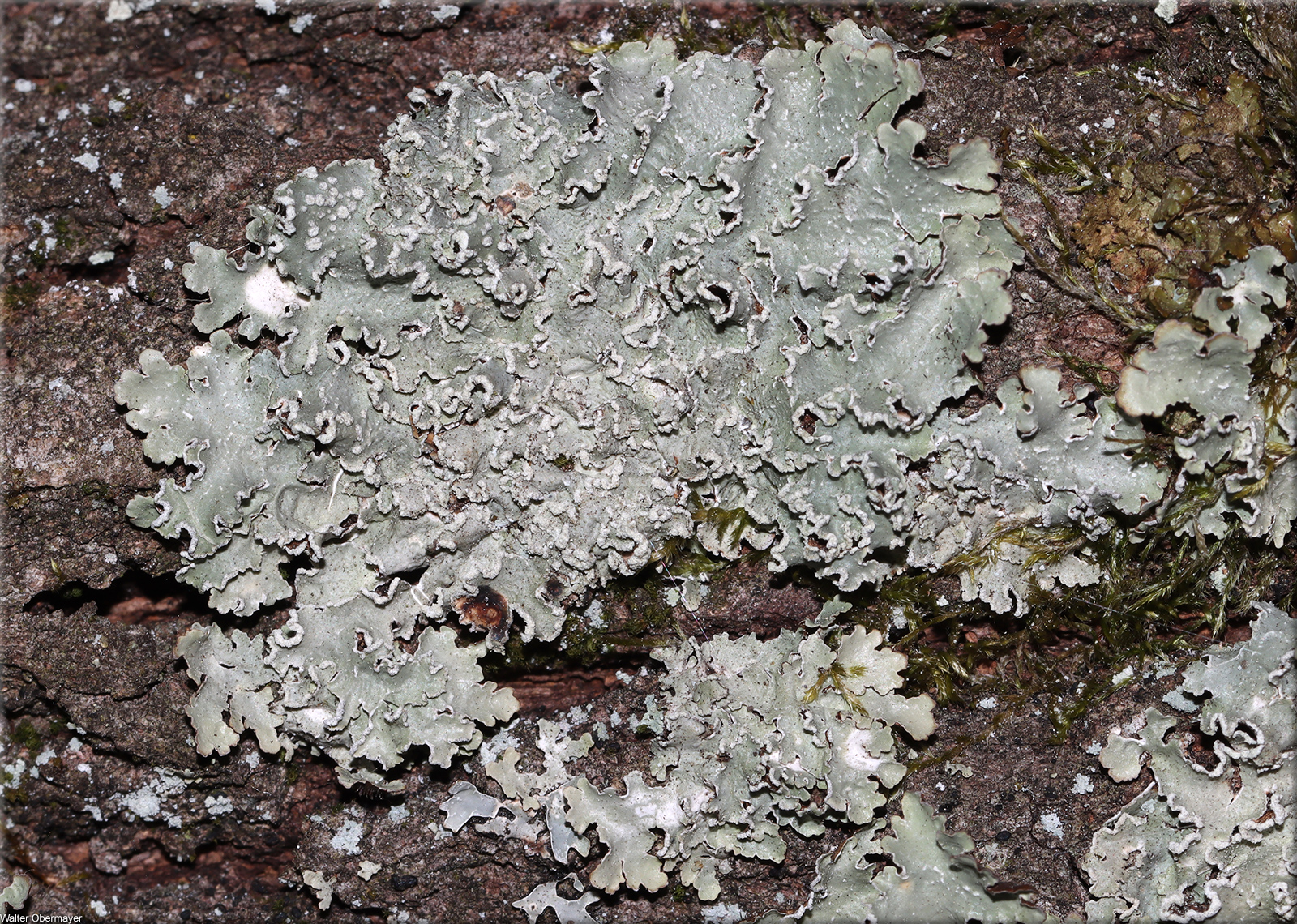
Walter Obermayer CC BY-SA 4.0 - Source: Lichens of Noricum - http://lichens-of-noricum.uni-graz.at/
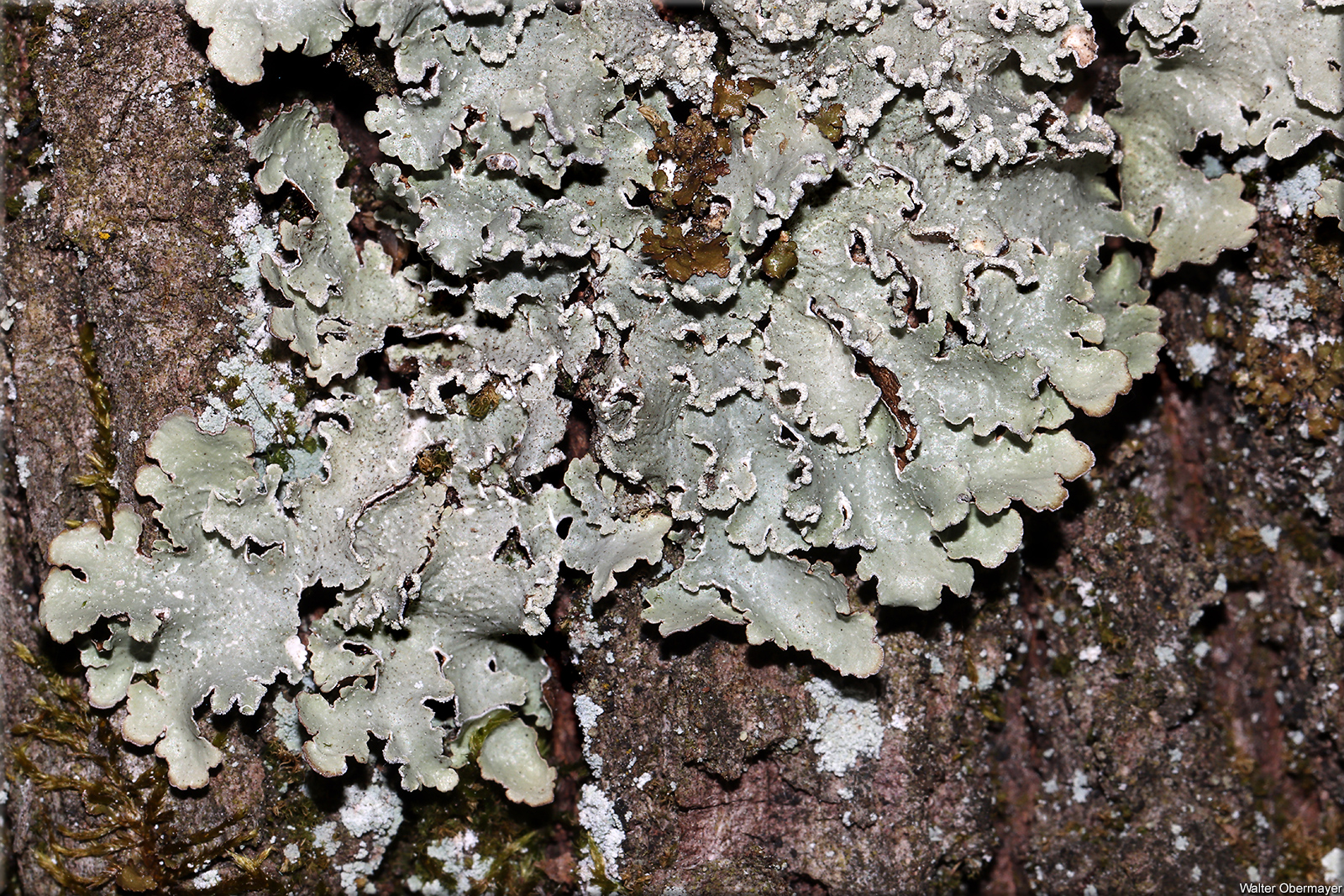
Walter Obermayer CC BY-SA 4.0 - Source: Lichens of Noricum - http://lichens-of-noricum.uni-graz.at/
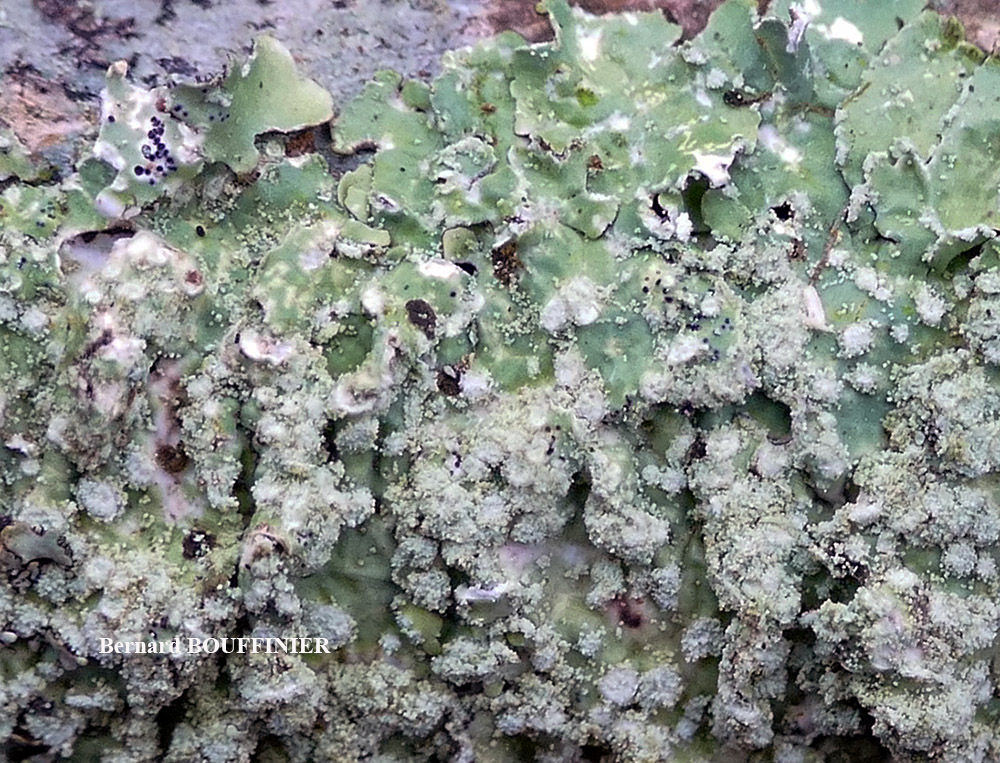
Bernard Bouffinier - Source: http://www.lichensmaritimes.org/index.php?task=fiche&lichen=426&lang=en
France, Crozon
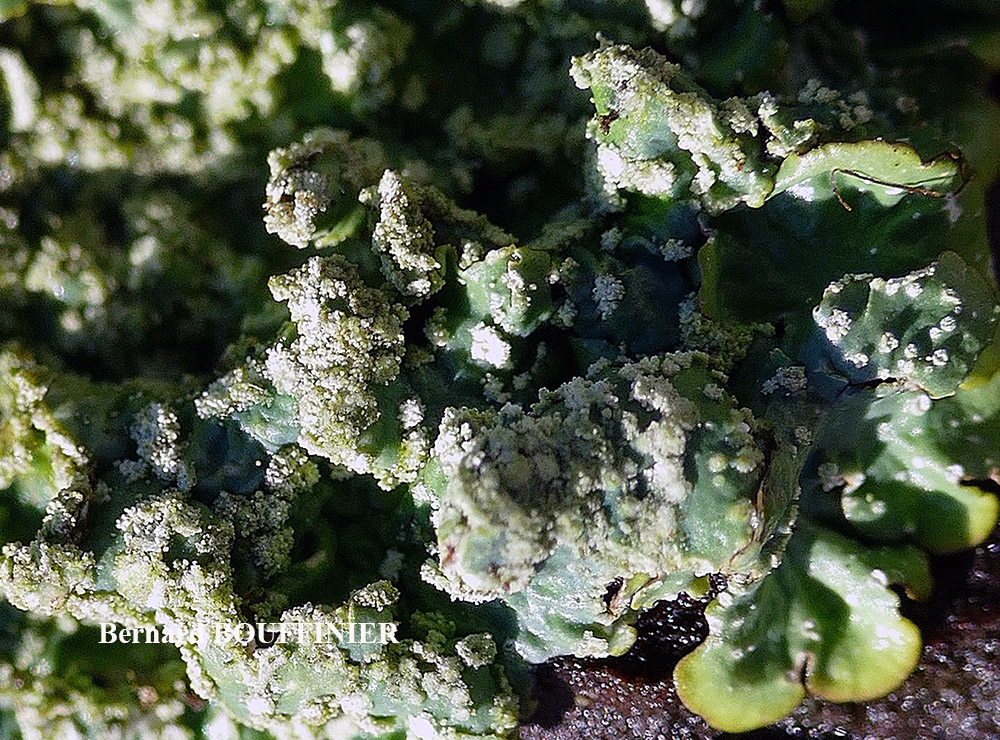
Bernard Bouffinier - Source: http://www.lichensmaritimes.org/index.php?task=fiche&lichen=426&lang=en
France, Crozon
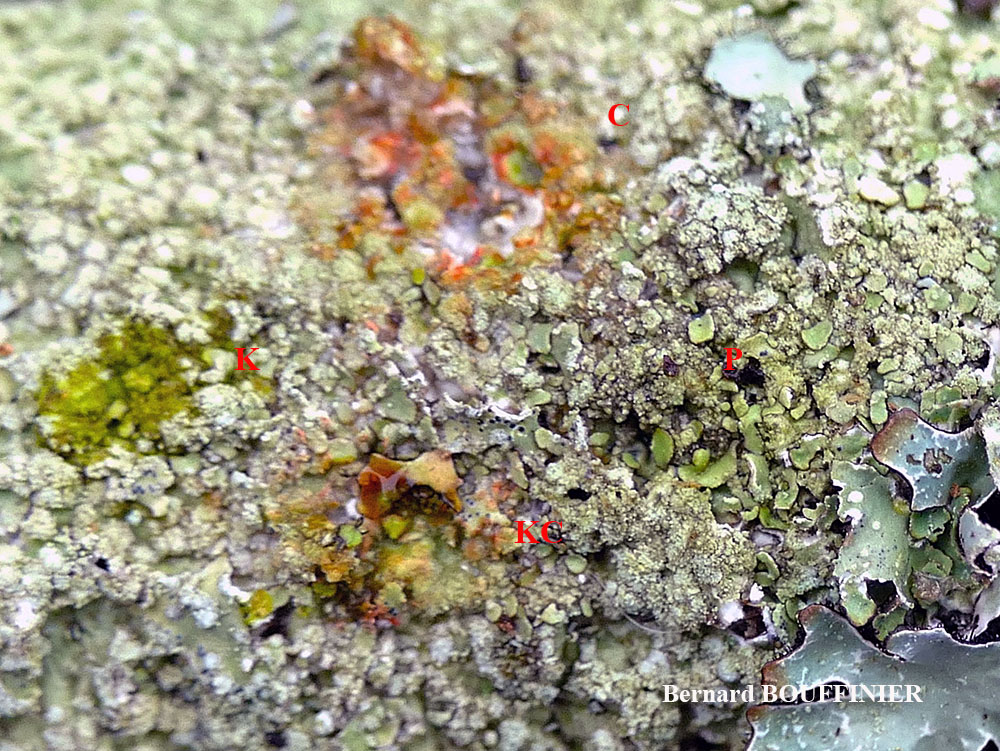
Bernard Bouffinier - Source: http://www.lichensmaritimes.org/index.php?task=fiche&lichen=426&lang=en
France, Crozon
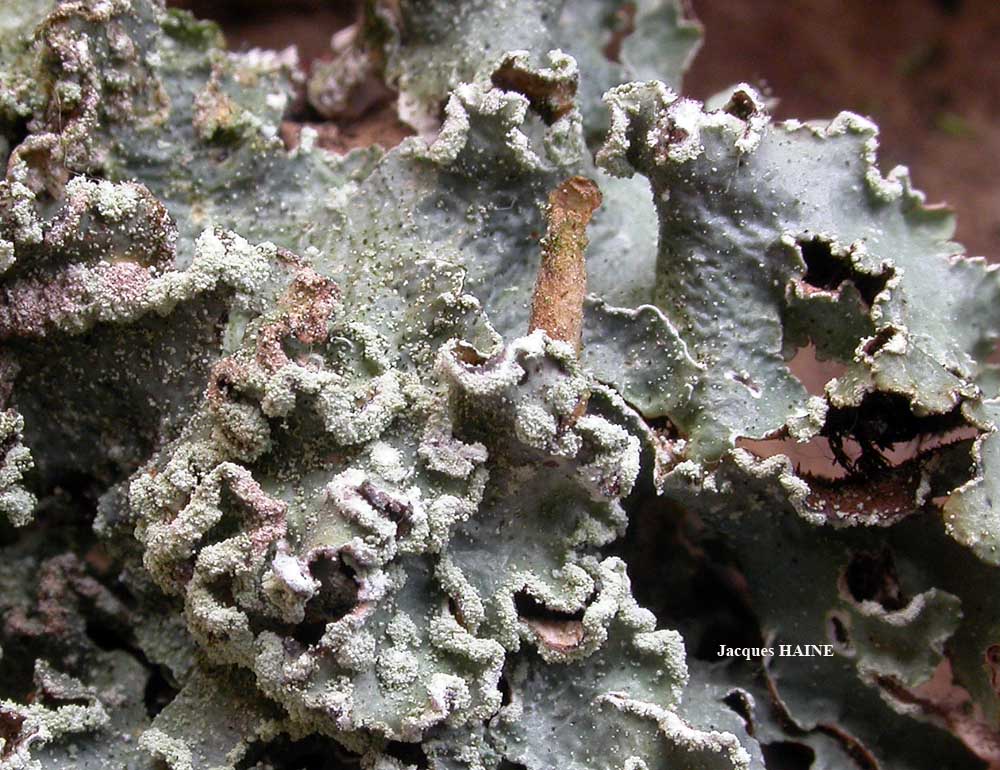
Jacques Haine - Source: http://www.lichensmaritimes.org/index.php?task=fiche&lichen=426&lang=en
France, Ardennes
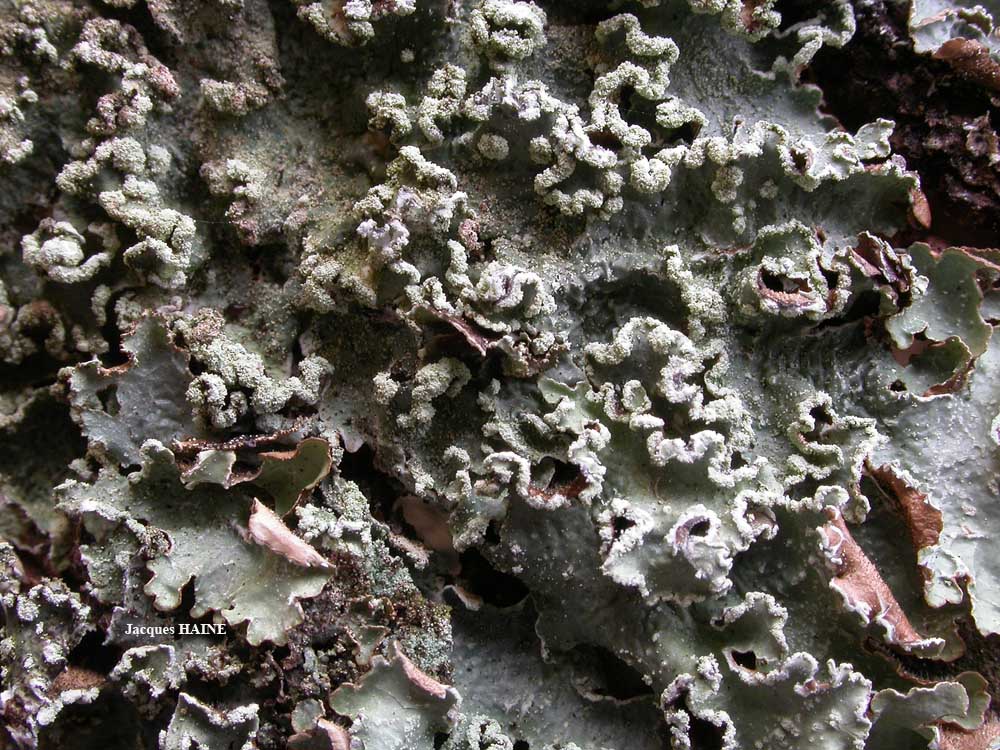
Jacques Haine - Source: http://www.lichensmaritimes.org/index.php?task=fiche&lichen=426&lang=en
France, Ardennes
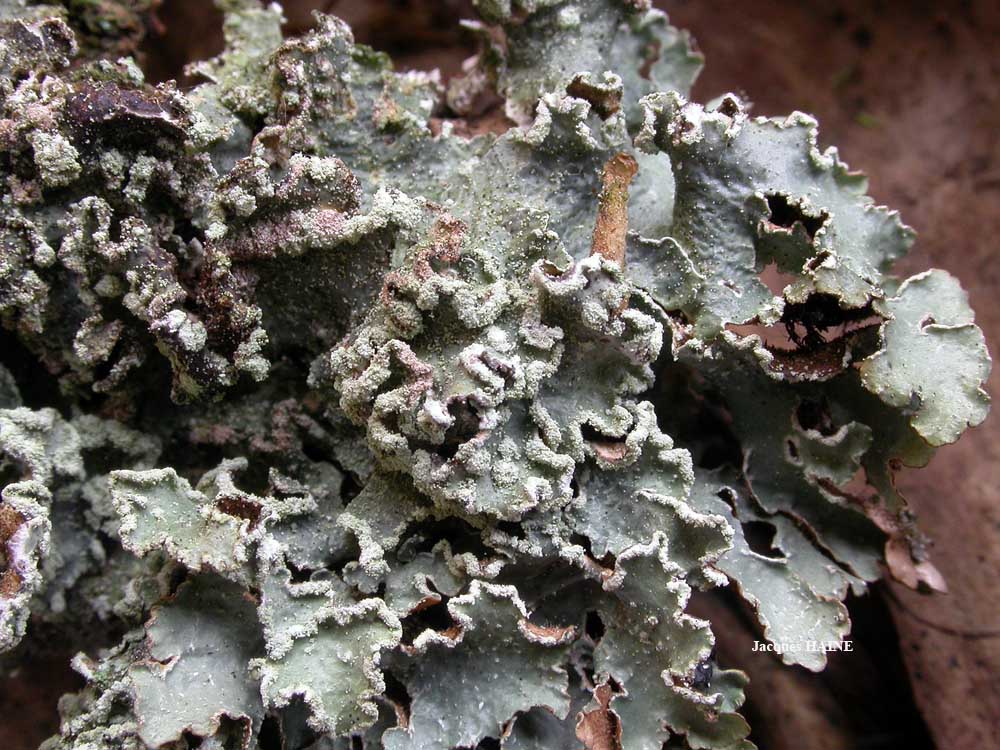
Jacques Haine - Source: http://www.lichensmaritimes.org/index.php?task=fiche&lichen=426&lang=en
France, Ardennes
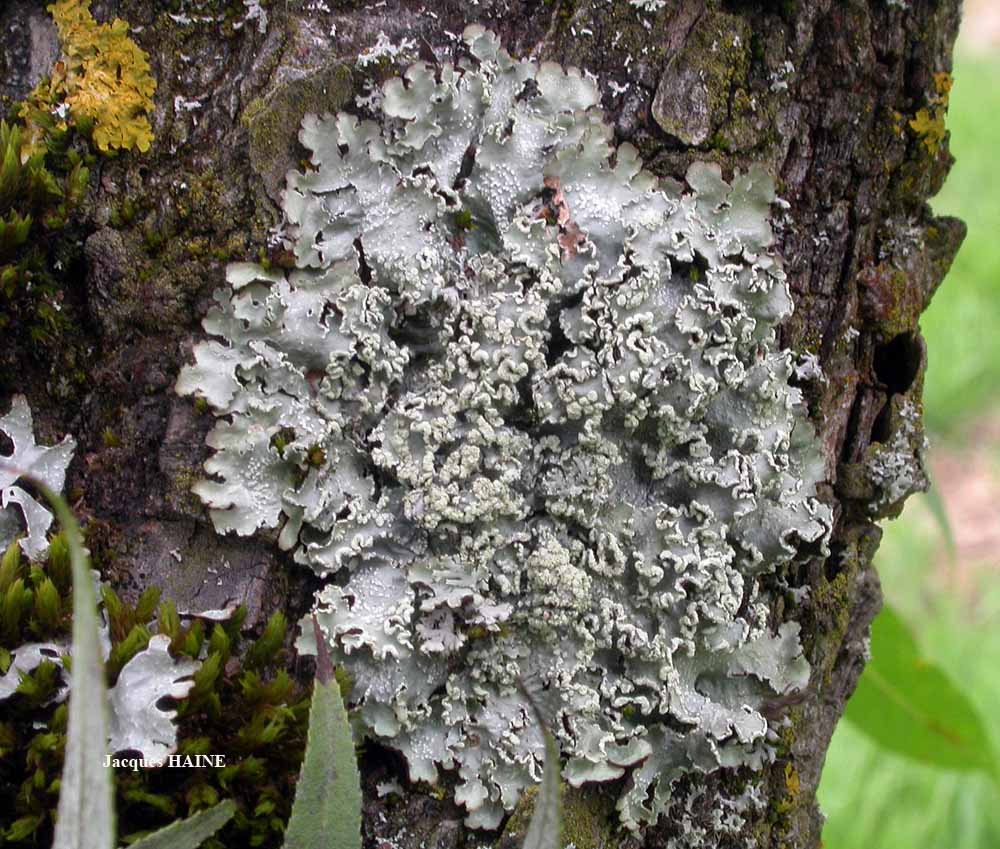
Jacques Haine - Source: http://www.lichensmaritimes.org/index.php?task=fiche&lichen=426&lang=en
France, Drôme Provençale, Remuzat
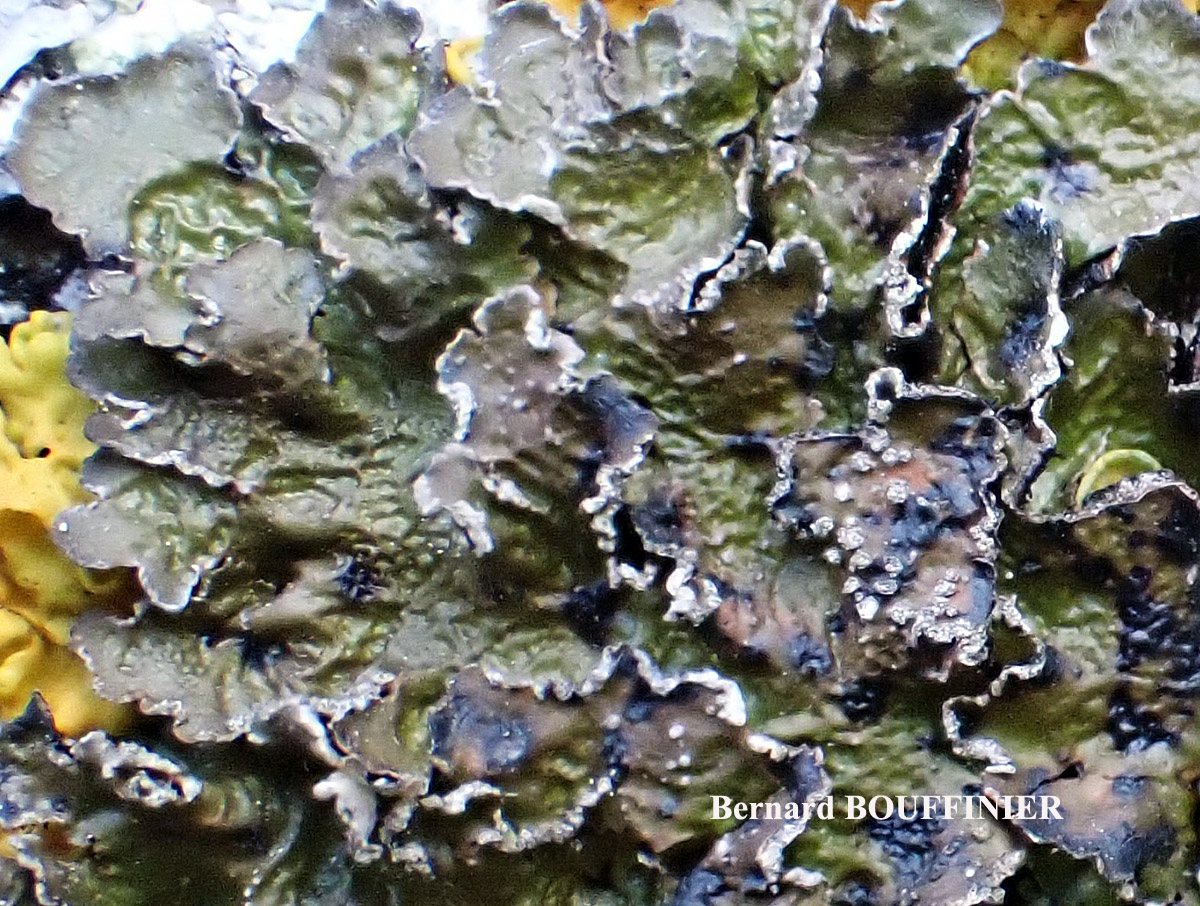
Bernard Bouffinier - Source: http://www.lichensmaritimes.org/index.php?task=fiche&lichen=426&lang=en
France, Pyrénées, Azet

Wolfgang von Brackel - CC BY-4.0
Germany, Bavaria, Rodach

Wolfgang von Brackel - CC BY-4.0
Germany, Bavaria, Rodach

Wolfgang von Brackel - CC BY-4.0
Germany, Bavaria, Rodach

Wolfgang von Brackel - CC BY-4.0
Germany, Bavaria, Ebensfeld

Wolfgang von Brackel - CC BY-4.0
Germany, Bavaria, Ebensfeld

Felix Schumm - CC BY-SA 4.0
[VZR434], Hollandia. Brabantia borealis, Son, Hautens, prope pontum parvum supra canalem, ad corticem arboris (Quercus robur). Leg. & det. P. v. Boom. EX A. VEZDA: LICHENES RARIORES EXSICCATI NR. 434. As Punctelia ulophylla