
Ramalina sinensis Jatta
N. Giorn. Bot. Ital., n. ser., 9: 462, 1902.
Synonyms: Ramalina calicaris f. fibrillosa Th. Fr.; Ramalina calicaris var. nervosa (Nyl.) Räsänen; Ramalina fastigiata var. nervosa Nyl.; Ramalina landroënsis Zopf; Ramalina nervosa (Nyl.) Räsänen
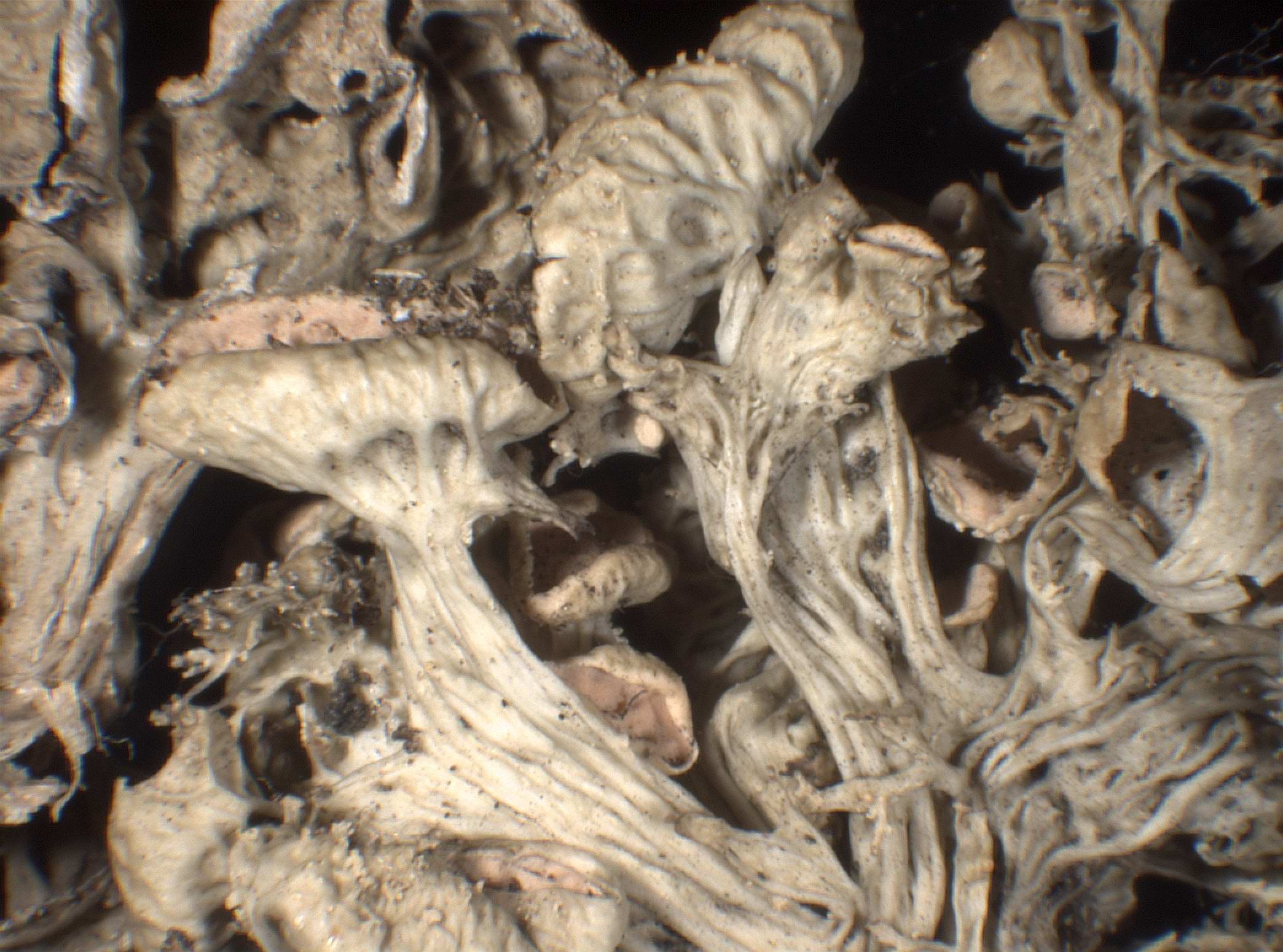
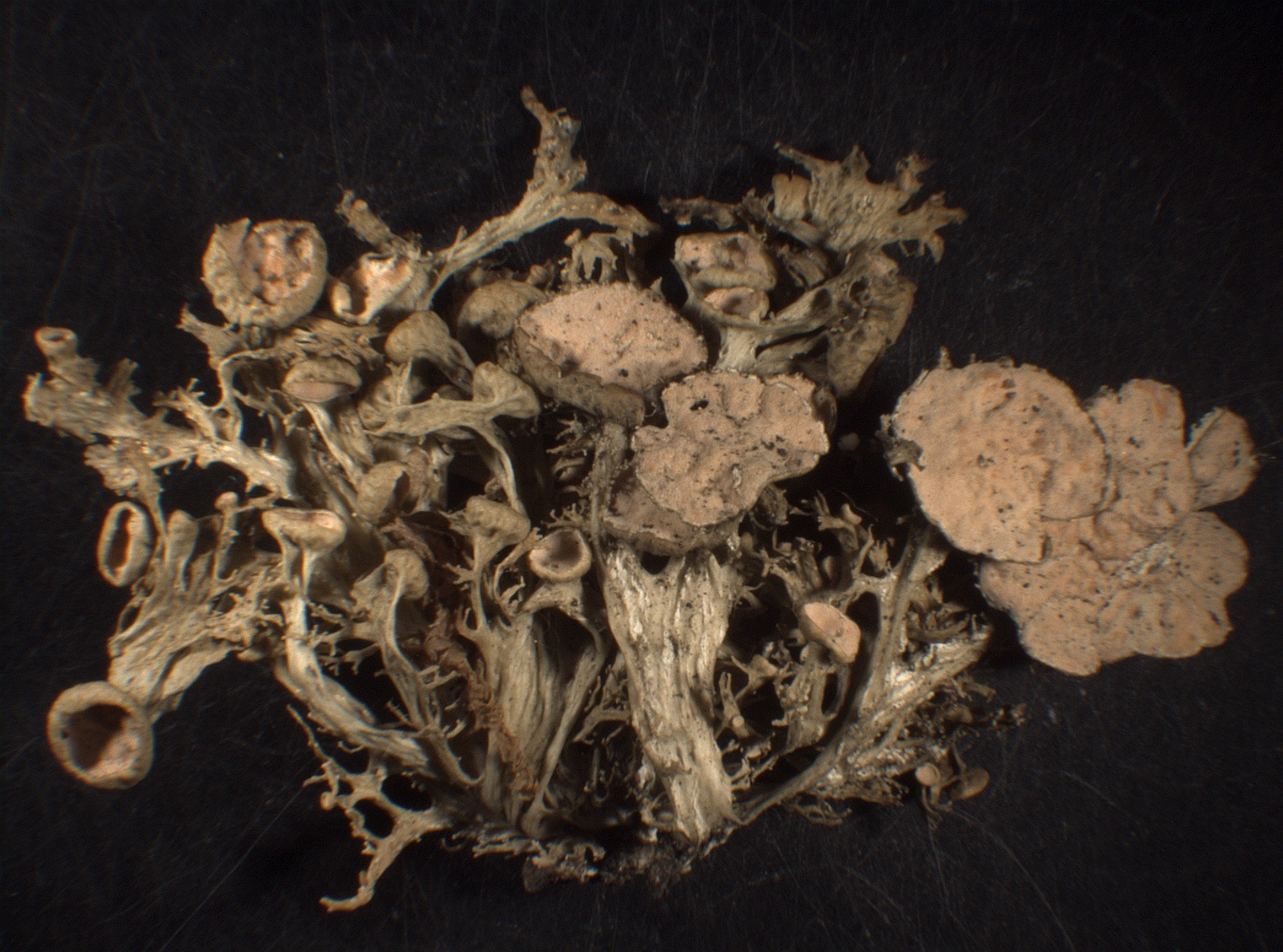
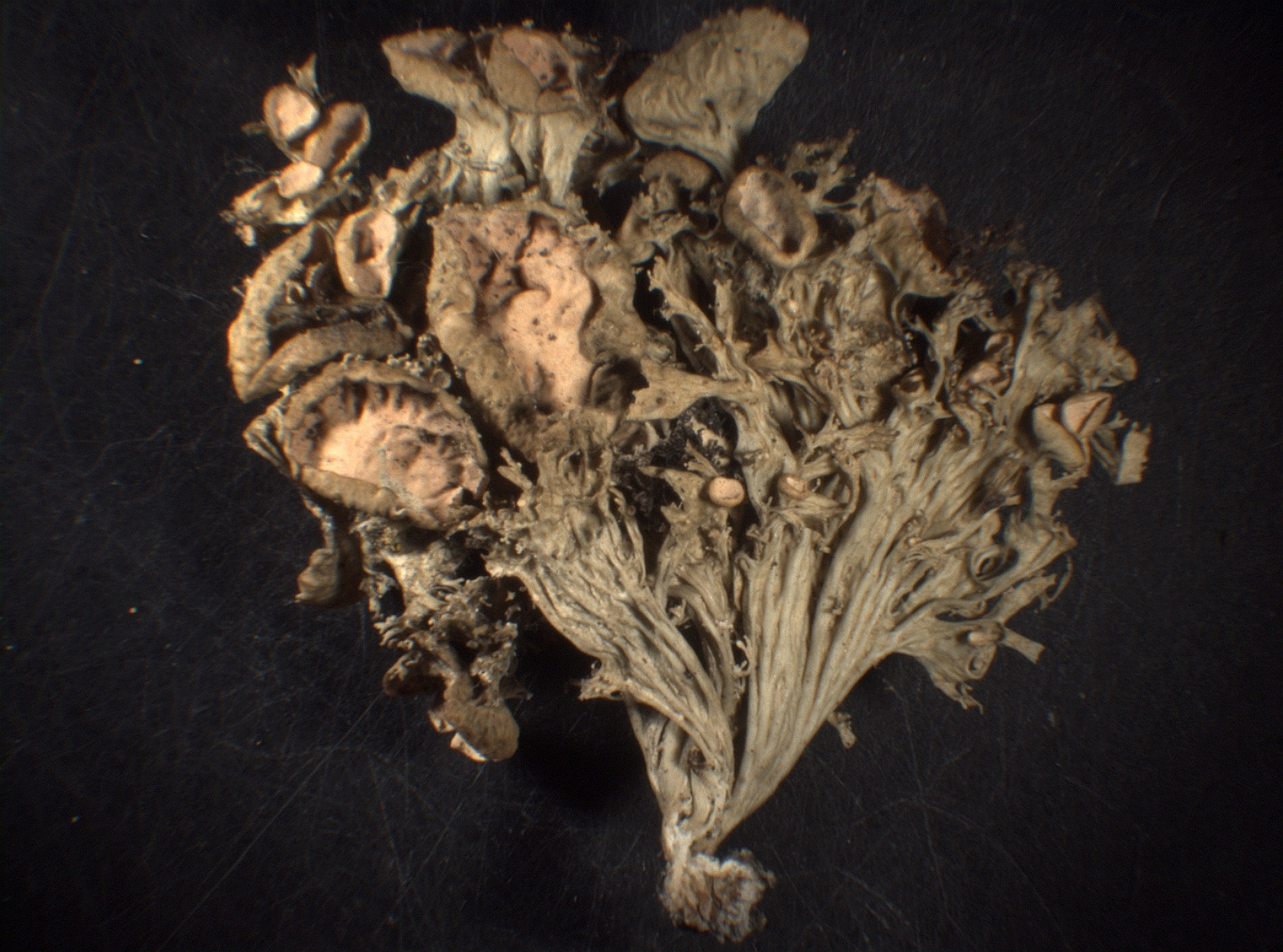
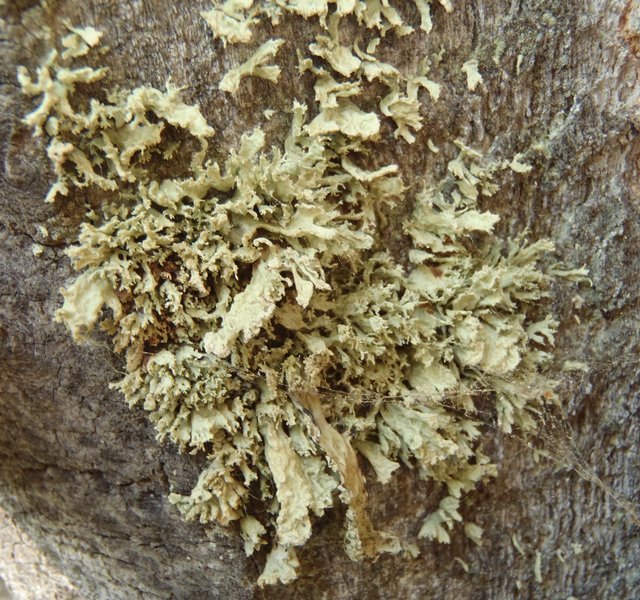
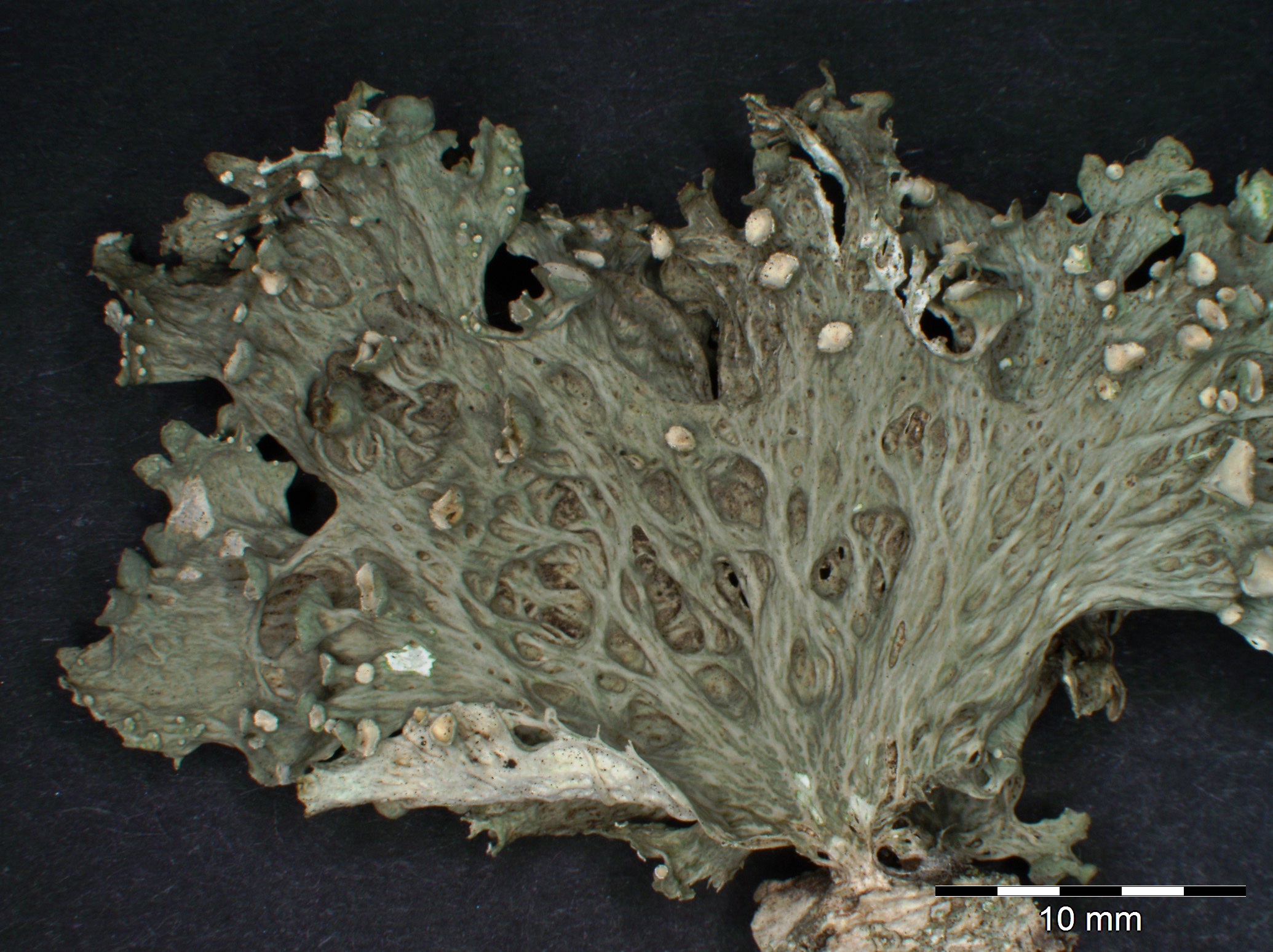
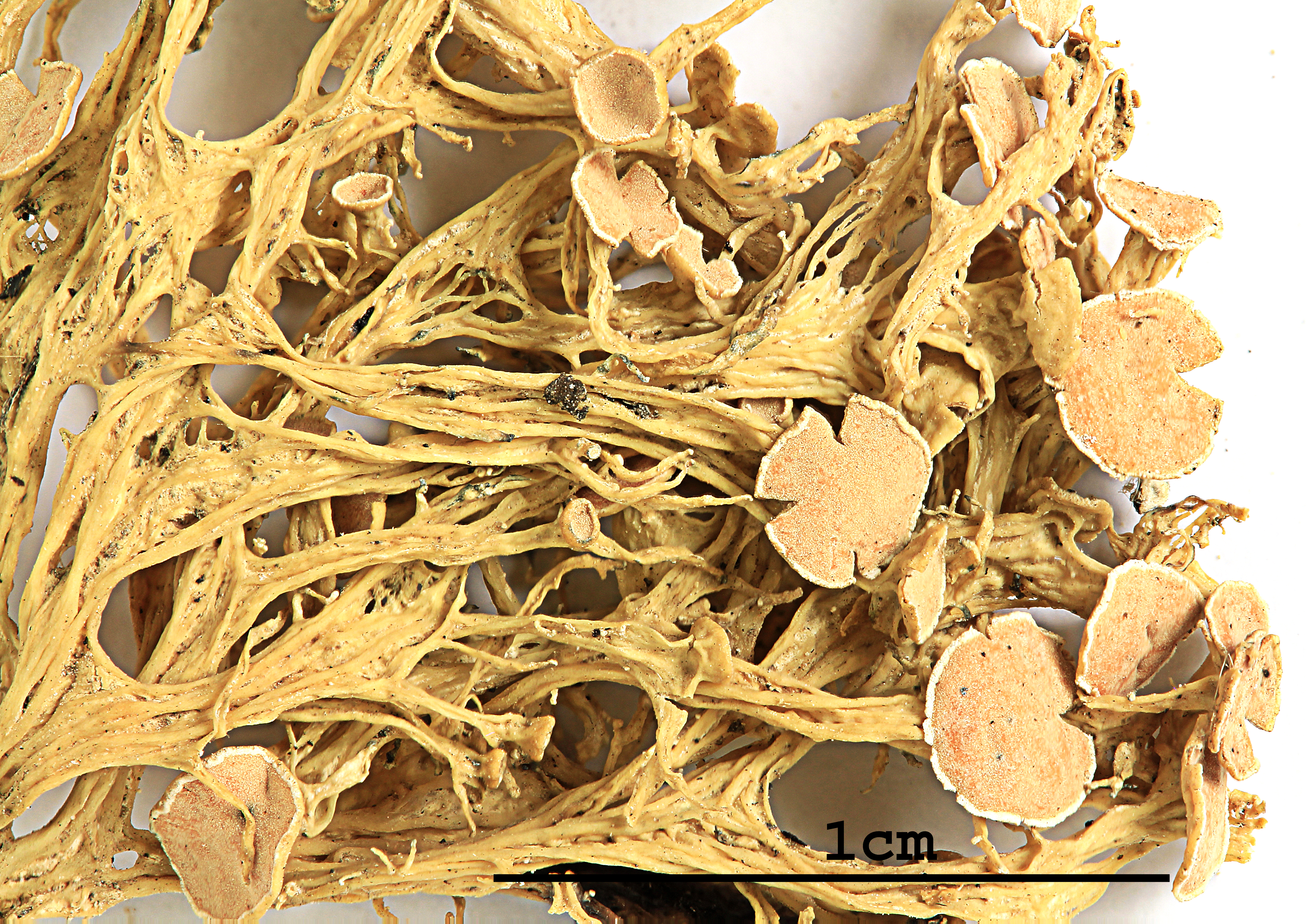
Description: Thallus fruticose, straw-coloured to greenish, flaccid when wet, with more or less scattered, erect or hanging laciniae growing from a basal holdfast. Laciniae often monophyllous, fan-shaped, up to 5 cm long (usually less), to 2(-3) cm wide at apex, simple or palmately divided, flattened, rather thin, slightly dorsiventral. Upper surface longitudinally or reticulately wrinkled, with elevated chondroid strands; lower surface paler than the upper one, with more or less longitudinally oriented, anastomosing low
ridges and white, decorticate intercalary interstices (pseudocyphellae), especially towards the holdfast but sometimes throughout the entire surface. Cortex 2-layered, the outer part paraplectenchymatous, the inner part of cartilaginous chondroid strands; medulla white, compact. Apothecia lecanorine, laminal or subterminal, 3-10 mm across, with a flat to convex, greenish disc and a concolorous, ridged-reticulate thalline margin. Epithecium pale brownish-olive; hymenium and hypothecium colourless; paraphyses thick-walled, richly branched in upper part. Asci 8-spored, the apical dome K/I+ dark blue with a pale, conical-pointed apical cushion (axial mass), the wall I-, but the thin outer gel I+ blue, Bacidia-type. Ascospores 1-septate, hyaline, ellipsoid, straight or curved, 12-17 x 6-7 µm. Photobiont chlorococcoid. Spot tests: K-, C-, KC- or KC+ pale yellow (cortex only), P-, UV-. Chemistry: cortex with usnic acid; medulla without lichen substances (traces of atranorin reported from N America).
Growth form: Fruticose
Substrata: bark
Photobiont: green algae other than Trentepohlia
Reproductive strategy: mainly sexual
Subcontinental: restricted to areas with a dry-subcontinental climate (e.g. dry Alpine valleys, parts of Mediterranean Italy)
Commonnes-rarity: (info)
Alpine belt: absent
Subalpine belt: extremely rare
Montane belt: extremely rare
Dry submediterranean belt: absent
Humid submediterranean belt: absent
Padanian area: absent
pH of the substrata:
1 2 3 4 5

Solar irradiation:
1 2 3 4 5
Aridity:
1 2 3 4 5
Eutrophication:
1 2 3 4 5
Poleotolerance:
0 1 2 3
Altitudinal distribution:
1 2 3 4 5 6
Rarity
absent
extremely rare
very rare
rare
rather rare
rather common
common
very common
extremely common
Loading data...
Occurrence data
Predictive map
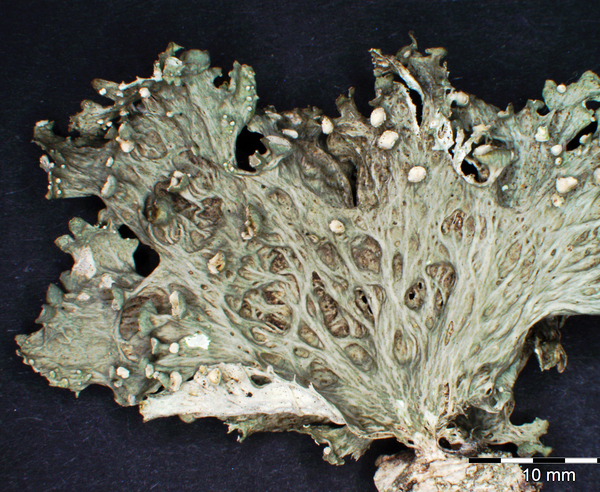
Arsen Gasparyan CC-BY-SA-4.0
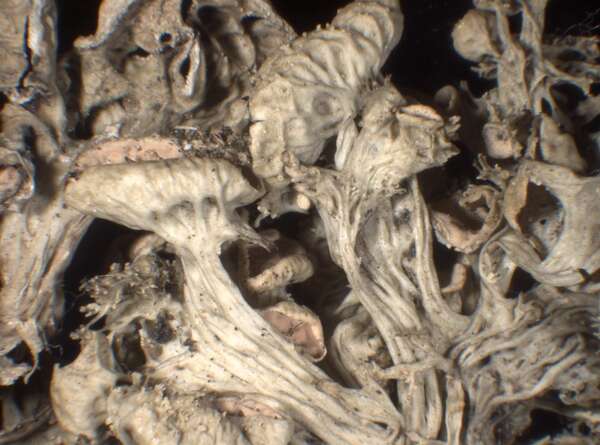
P.L. Nimis; Owner: Department of Life Sciences, University of Trieste
Herbarium: TSB (29011)
2003/03/17
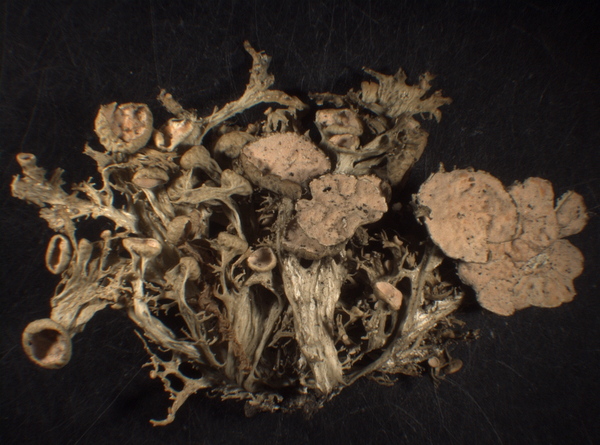
E. Pittao; Owner: Department of Life Sciences, University of Trieste
Herbarium: TSB (29011)
2008.04.02
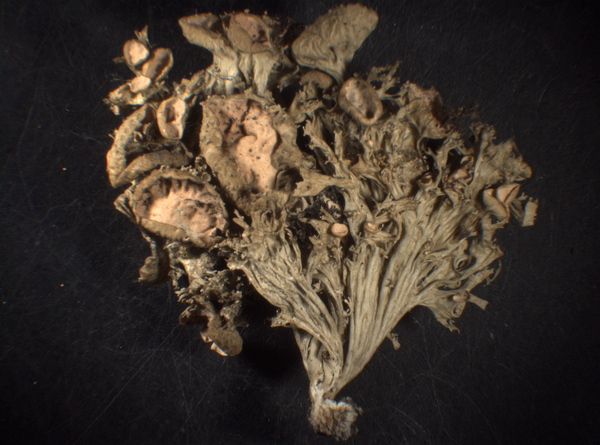
E. Pittao; Owner: Department of Life Sciences, University of Trieste
Herbarium: TSB (29011)
2008.04.02
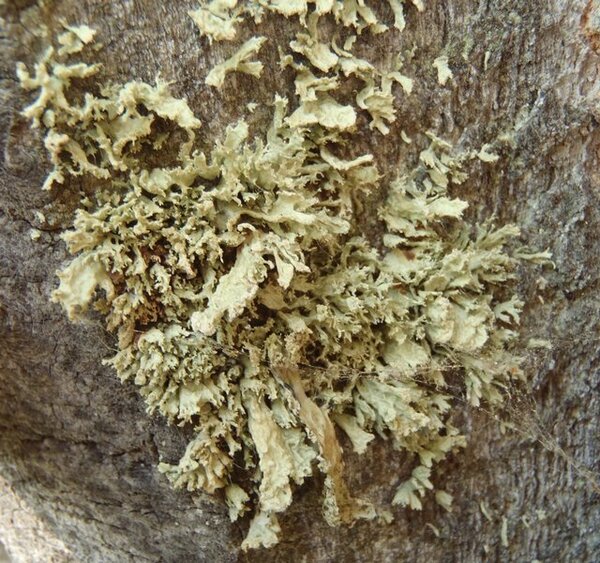
Curtis Randall Björk – CC BY-SA 4.0
ritish Columbia, Fraser Plateau, near Prince George Date: 2012-09-08 Corticolous, riparian forest; thalli uncharacteristic, sickened by poor air quality due to three nearby pulp mills and other urban-source pollution
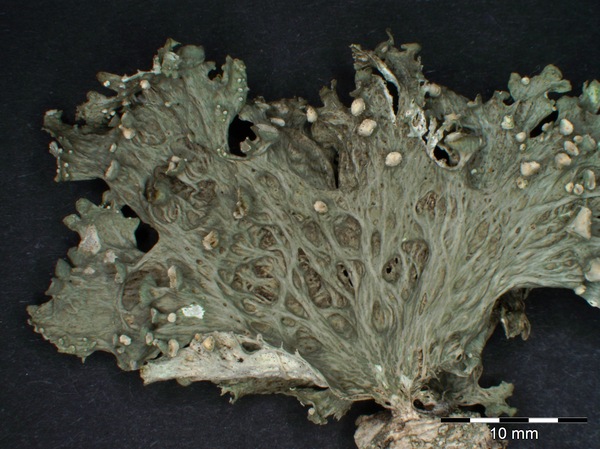
Arsen Gasparyan; Owner: Arsen Gasparyan CC-BY-SA-4.0
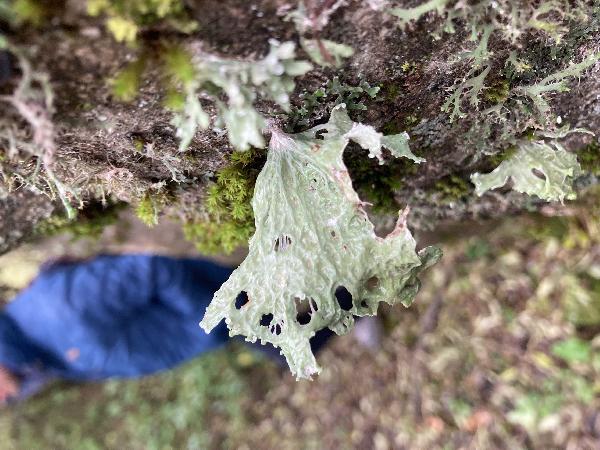
Pier Luigi Nimis - CC BY-SA 4.0
Armenia, Dilijan National Park
27.09.2024

Pier Luigi Nimis - CC BY-SA 4.0
Armenia, Dilijan National Park
27.09.2024
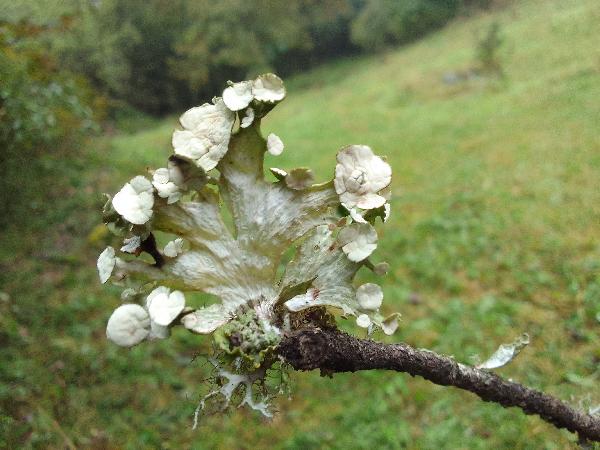
Naira Sargsyan - Institute of Botany A. Takhtajyan, Yerevan CC BY-SA 4.0
Armenia
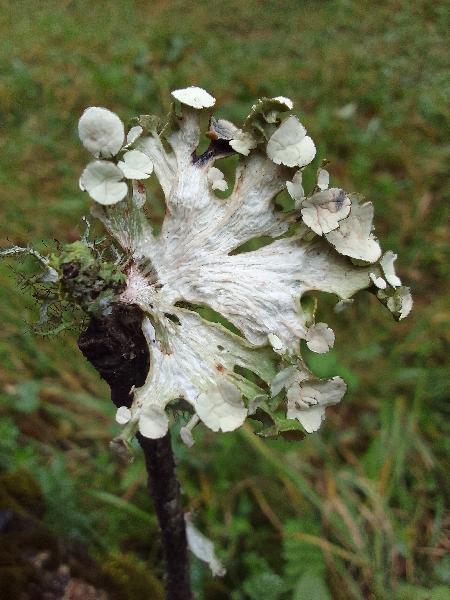
Naira Sargsyan - Institute of Botany A. Takhtajyan, Yerevan CC BY-SA 4.0
Armenia
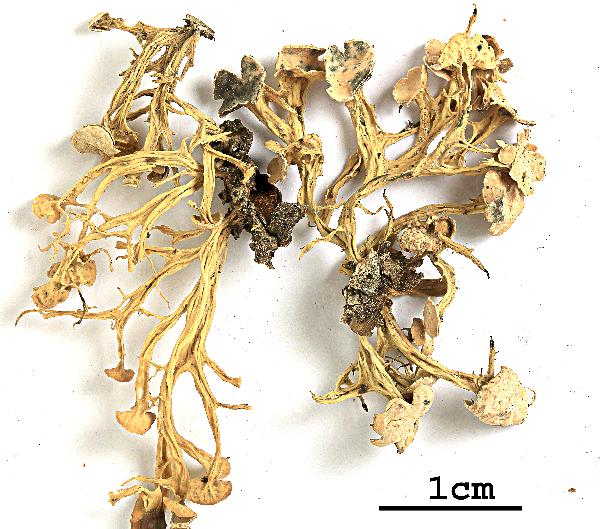
Felix Schumm - CC BY 4.0
[KW348], China. Prov. Sichuan. Pref. Aba Songpan County: ca. 20 km
E of Chuanxi Temple (32°45' N, 103°39' E). On bark of Picea sp., 3300
m. Leg. K. H. Moon (no. 5013), 08.10.1999, det. H. Kashiwadani. EX
H.KASHIWADANI: LICHENES MINUS COGNITI EXSICCATI NO. 348. - Note by Nimis: not typical.
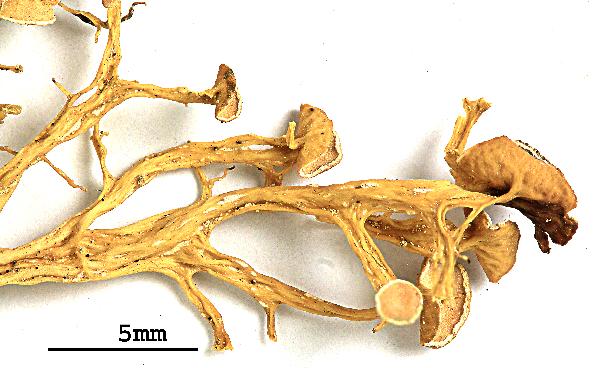
Felix Schumm - CC BY 4.0
[KW348], China. Prov. Sichuan. Pref. Aba Songpan County: ca. 20 km
E of Chuanxi Temple (32°45' N, 103°39' E). On bark of Picea sp., 3300
m. Leg. K. H. Moon (no. 5013), 08.10.1999, det. H. Kashiwadani. EX
H.KASHIWADANI: LICHENES MINUS COGNITI EXSICCATI NO. 348. - Note by Nimis: not typical.
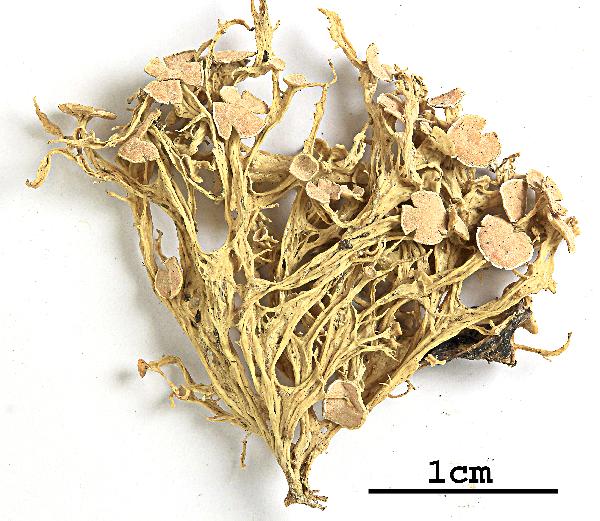
Felix Schumm - CC BY 4.0
[OH421], China. Prov. Sichuan. Pref. Aba. Songpan County: ca. 20 km
E of Chuanxi Temple. On bark of Picea sp., 3300 m. Leg. K. H. Moon
(no. 4981), 08.10.1999, det. H. Kashiwadani. EX Y. OHMURA: LICHENES
MINUS COGNITI EXSICCATI NO. 421. - Note by Nimis: not typical.
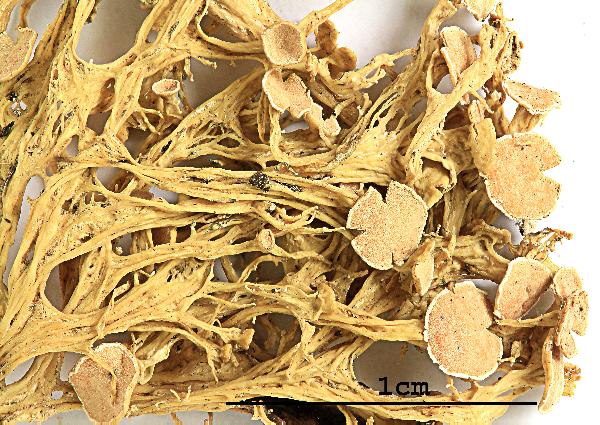
Felix Schumm - CC BY 4.0
[OH421], China. Prov. Sichuan. Pref. Aba. Songpan County: ca. 20 km
E of Chuanxi Temple. On bark of Picea sp., 3300 m. Leg. K. H. Moon
(no. 4981), 08.10.1999, det. H. Kashiwadani. EX Y. OHMURA: LICHENES
MINUS COGNITI EXSICCATI NO. 421. - Note by Nimis: not typical.
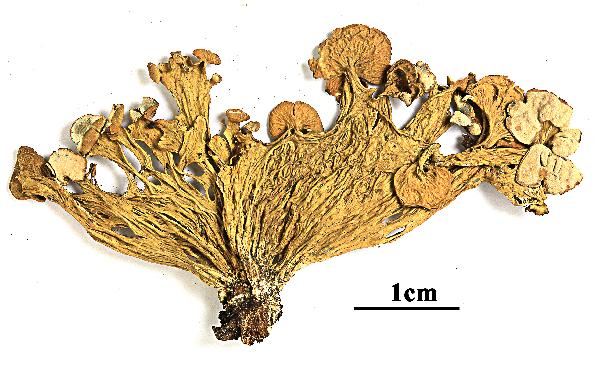
Felix Schumm - CC BY 4.0
[VZ1418], U.R.S.S. Caucasus Magnus, Osetija Sept., distr.
Ordžonikidze: In valle rivi Fiagdon, supra vicum Zivgis, 1700m. Ad
corticem Juniperi sp.. Leg. E. Jelínková et A. V zda, 31.05.1976. EX A.
V ZDA: LICHENES SELECTI EXSICCATI NR. 1418.
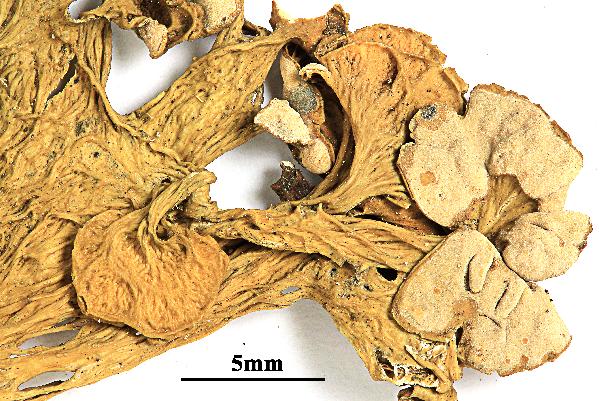
Felix Schumm - CC BY 4.0
[VZ1418], U.R.S.S. Caucasus Magnus, Osetija Sept., distr.
Ordžonikidze: In valle rivi Fiagdon, supra vicum Zivgis, 1700m. Ad
corticem Juniperi sp.. Leg. E. Jelínková et A. V zda, 31.05.1976. EX A.
V ZDA: LICHENES SELECTI EXSICCATI NR. 1418.
Growth form: Fruticose
Substrata: bark
Photobiont: green algae other than Trentepohlia
Reproductive strategy: mainly sexual
Subcontinental: restricted to areas with a dry-subcontinental climate (e.g. dry Alpine valleys, parts of Mediterranean Italy)
Commonnes-rarity: (info)
Alpine belt: absent
Subalpine belt: extremely rare
Montane belt: extremely rare
Dry submediterranean belt: absent
Humid submediterranean belt: absent
Padanian area: absent
pH of the substrata:
| 1 | 2 | 3 | 4 | 5 |
Solar irradiation:
| 1 | 2 | 3 | 4 | 5 |
Aridity:
| 1 | 2 | 3 | 4 | 5 |
Eutrophication:
| 1 | 2 | 3 | 4 | 5 |
Poleotolerance:
| 0 | 1 | 2 | 3 |
Altitudinal distribution:
| 1 | 2 | 3 | 4 | 5 | 6 |
Rarity
absent
extremely rare
very rare
rare
rather rare
rather common
common
very common
extremely common
Loading data...
Occurrence data
Predictive map
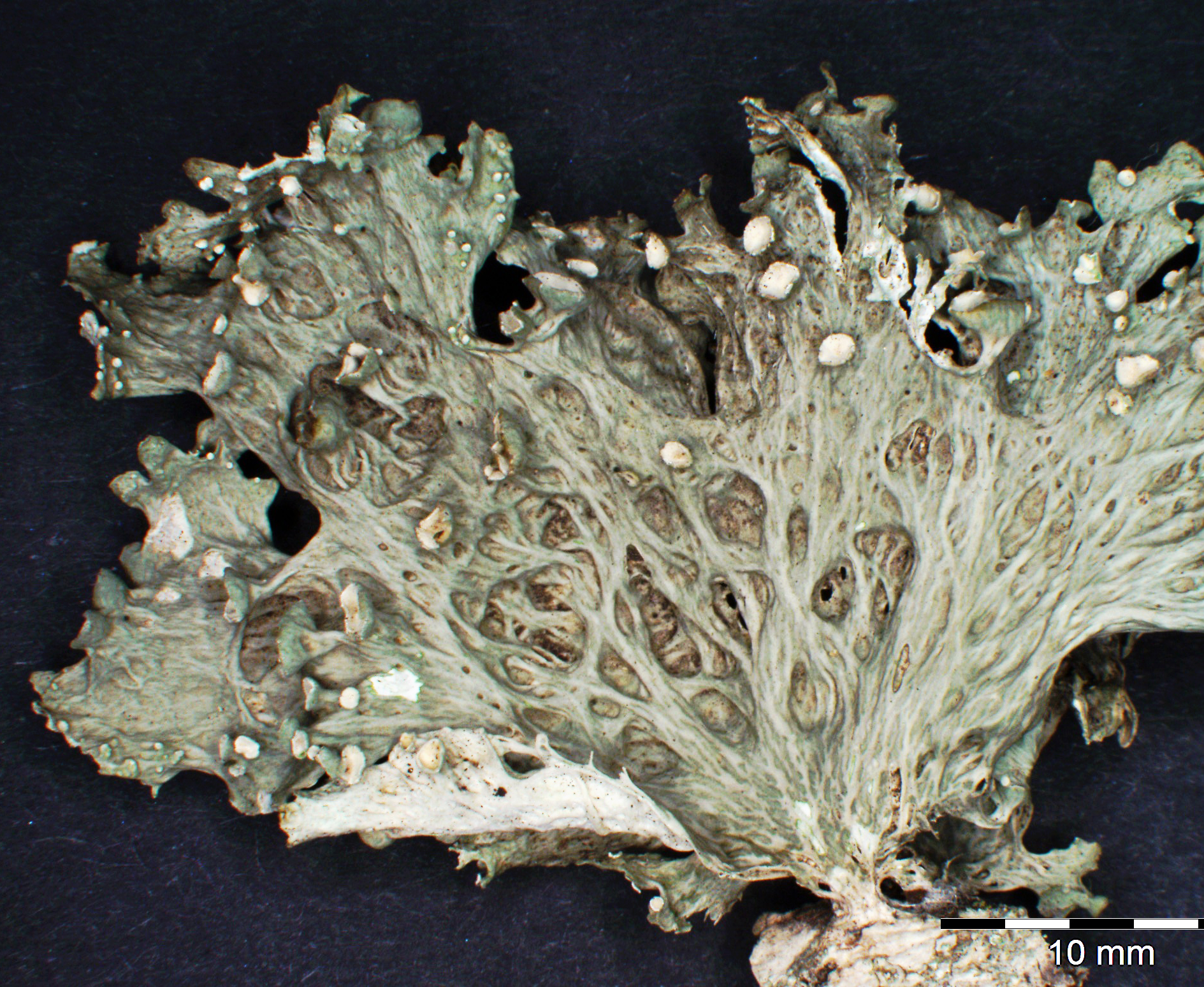
Arsen Gasparyan CC-BY-SA-4.0
P.L. Nimis; Owner: Department of Life Sciences, University of Trieste
Herbarium: TSB (29011)
2003/03/17
E. Pittao; Owner: Department of Life Sciences, University of Trieste
Herbarium: TSB (29011)
2008.04.02
E. Pittao; Owner: Department of Life Sciences, University of Trieste
Herbarium: TSB (29011)
2008.04.02
Curtis Randall Björk – CC BY-SA 4.0
ritish Columbia, Fraser Plateau, near Prince George Date: 2012-09-08 Corticolous, riparian forest; thalli uncharacteristic, sickened by poor air quality due to three nearby pulp mills and other urban-source pollution
Arsen Gasparyan; Owner: Arsen Gasparyan CC-BY-SA-4.0

Pier Luigi Nimis - CC BY-SA 4.0
Armenia, Dilijan National Park
27.09.2024

Pier Luigi Nimis - CC BY-SA 4.0
Armenia, Dilijan National Park
27.09.2024

Naira Sargsyan - Institute of Botany A. Takhtajyan, Yerevan CC BY-SA 4.0
Armenia

Naira Sargsyan - Institute of Botany A. Takhtajyan, Yerevan CC BY-SA 4.0
Armenia

Felix Schumm - CC BY 4.0
[KW348], China. Prov. Sichuan. Pref. Aba Songpan County: ca. 20 km E of Chuanxi Temple (32°45' N, 103°39' E). On bark of Picea sp., 3300 m. Leg. K. H. Moon (no. 5013), 08.10.1999, det. H. Kashiwadani. EX H.KASHIWADANI: LICHENES MINUS COGNITI EXSICCATI NO. 348. - Note by Nimis: not typical.

Felix Schumm - CC BY 4.0
[KW348], China. Prov. Sichuan. Pref. Aba Songpan County: ca. 20 km E of Chuanxi Temple (32°45' N, 103°39' E). On bark of Picea sp., 3300 m. Leg. K. H. Moon (no. 5013), 08.10.1999, det. H. Kashiwadani. EX H.KASHIWADANI: LICHENES MINUS COGNITI EXSICCATI NO. 348. - Note by Nimis: not typical.

Felix Schumm - CC BY 4.0
[OH421], China. Prov. Sichuan. Pref. Aba. Songpan County: ca. 20 km E of Chuanxi Temple. On bark of Picea sp., 3300 m. Leg. K. H. Moon (no. 4981), 08.10.1999, det. H. Kashiwadani. EX Y. OHMURA: LICHENES MINUS COGNITI EXSICCATI NO. 421. - Note by Nimis: not typical.
Felix Schumm - CC BY 4.0
[OH421], China. Prov. Sichuan. Pref. Aba. Songpan County: ca. 20 km E of Chuanxi Temple. On bark of Picea sp., 3300 m. Leg. K. H. Moon (no. 4981), 08.10.1999, det. H. Kashiwadani. EX Y. OHMURA: LICHENES MINUS COGNITI EXSICCATI NO. 421. - Note by Nimis: not typical.

Felix Schumm - CC BY 4.0
[VZ1418], U.R.S.S. Caucasus Magnus, Osetija Sept., distr. Ordžonikidze: In valle rivi Fiagdon, supra vicum Zivgis, 1700m. Ad corticem Juniperi sp.. Leg. E. Jelínková et A. V zda, 31.05.1976. EX A. V ZDA: LICHENES SELECTI EXSICCATI NR. 1418.








