Rhizocarpon norvegicum Räsänen
Feddes Repert., 52, 2: 141, 1943.
Synonyms:
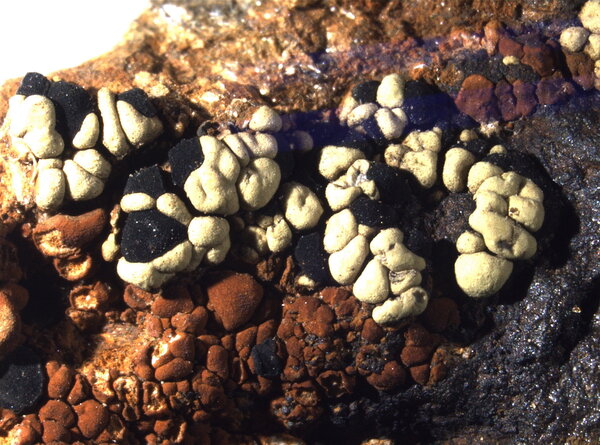
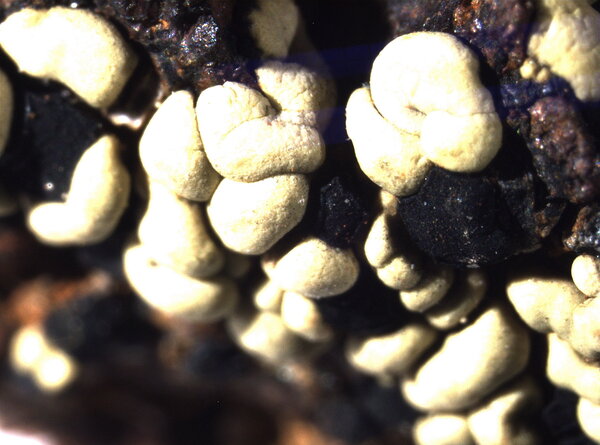
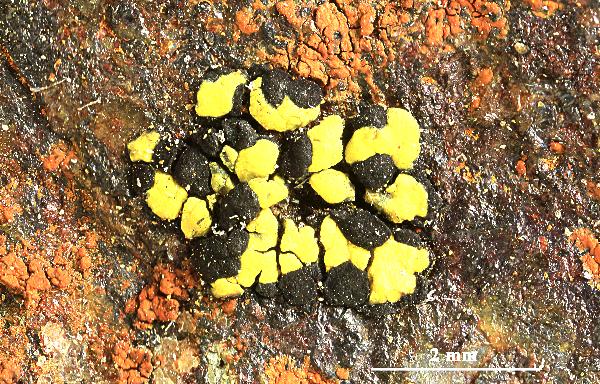
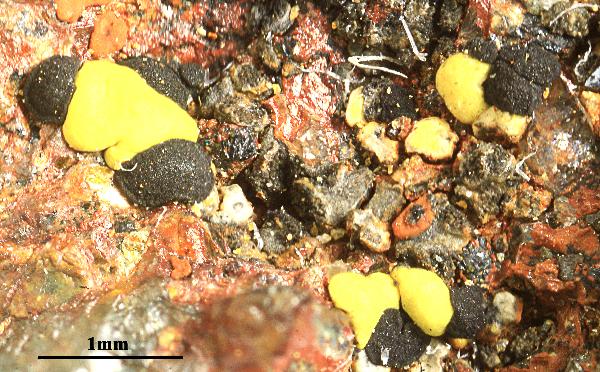
Description: Thallus crustose, episubstratic, areolate, yellow-green, rarely delimited by a black prothallus, forming 0.2-0.5 cm wide patches consisting of 2-10 areoles and 2-5 apothecia, the areoles dispersed or contiguous, 0.3-0.7 mm wide, more or less angular, usually strongly convex, smooth, dull or glossy. Cortex poorly differentiated, 30-50 µm thick; medulla white, I+ blue. Apothecia lecideine, black, 0.3-0.7 mm across, rounded-angular to round, with a slightly to strongly convex disc and a thin, soon excluded proper margin. Proper exciple reddish brown in outer part, paler within, K+ purple-red; epithecium brown, K- or K+ purple-red; hymenium colourless, 60-90 µm high; paraphysoids coherent, branched and anastomosing, the apical cells capitate; hypothecium brown, 100-200 µm high, K-. Asci 8-spored, clavate, fissitunicate, with a well-developed tholus that is K/I- in lower part and K/I+ blue near the apex, lacking an ocular chamber, Rhizocarpon-type. Ascospores 1-septate, dark brown, ellipsoid, 9-15 x 6-7 µm, halonate at least when young. Photobiont chlorococcoid. Spot tests: medulla K-, C-, KC-, P-, or P+ yellow. Chemistry: cortex with rhizocarpic acid, medulla with or without psoromic acid.
Growth form: Crustose
Substrata: rocks
Photobiont: green algae other than Trentepohlia
Reproductive strategy: mainly sexual
paras Acarosporaceae
Pioneer species
Commonnes-rarity: (info)
Alpine belt: very rare
Subalpine belt: extremely rare
Montane belt: very rare
Dry submediterranean belt: absent
Humid submediterranean belt: absent
Padanian area: absent
pH of the substrata:
1 2 3 4 5

Solar irradiation:
1 2 3 4 5
Aridity:
1 2 3 4 5
Eutrophication:
1 2 3 4 5
Poleotolerance:
0 1 2 3
Altitudinal distribution:
1 2 3 4 5 6
Rarity
absent
extremely rare
very rare
rare
rather rare
rather common
common
very common
extremely common
Loading data...
Occurrence data
Predictive map
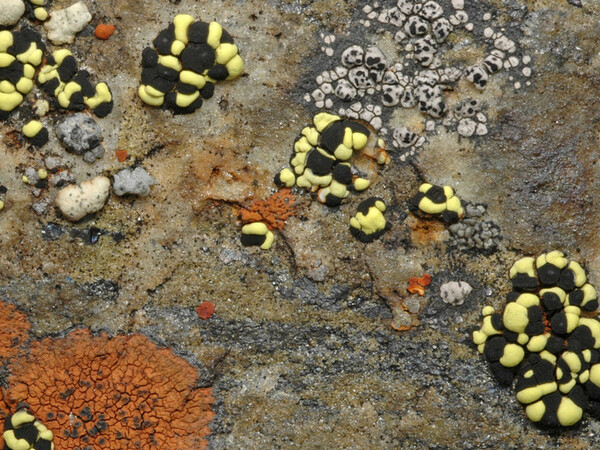
Author: Leif Stridvall - Source: http://www.stridvall.se/la/galleries.php
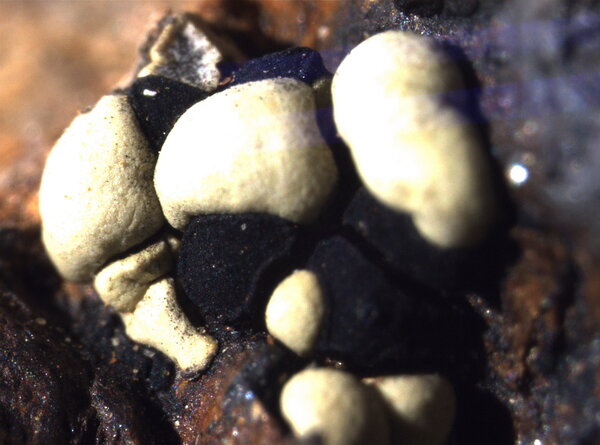
Pier Luigi Nimis CC BY-SA 4.0
TSB 41440
Pier Luigi Nimis CC BY-SA 4.0
TSB 41141
Pier Luigi Nimis CC BY-SA 4.0
TSB 41140
Felix Schumm - CC BY-SA 4.0
[VZ1207], Suecia. Härjedalen. Tännäs Paroecia. Gruvvålen prope
Mittåkläppen, 900 m. Ad saxa prope metalla vetusta cupri. Leg. R.
Santesson(no. 24425)(, 18.07.1973. EX A. V ZDA: LICHENES SELECTI
EXSICCATI NR. 1207.
Felix Schumm - CC BY-SA 4.0
[VZ1207], Suecia. Härjedalen. Tännäs Paroecia. Gruvvålen prope
Mittåkläppen, 900 m. Ad saxa prope metalla vetusta cupri. Leg. R.
Santesson(no. 24425)(, 18.07.1973. EX A. V ZDA: LICHENES SELECTI
EXSICCATI NR. 1207.
Growth form: Crustose
Substrata: rocks
Photobiont: green algae other than Trentepohlia
Reproductive strategy: mainly sexual
paras Acarosporaceae
Pioneer species
Commonnes-rarity: (info)
Alpine belt: very rare
Subalpine belt: extremely rare
Montane belt: very rare
Dry submediterranean belt: absent
Humid submediterranean belt: absent
Padanian area: absent
pH of the substrata:
| 1 | 2 | 3 | 4 | 5 |
Solar irradiation:
| 1 | 2 | 3 | 4 | 5 |
Aridity:
| 1 | 2 | 3 | 4 | 5 |
Eutrophication:
| 1 | 2 | 3 | 4 | 5 |
Poleotolerance:
| 0 | 1 | 2 | 3 |
Altitudinal distribution:
| 1 | 2 | 3 | 4 | 5 | 6 |
Rarity
absent
extremely rare
very rare
rare
rather rare
rather common
common
very common
extremely common
Loading data...
Occurrence data
Predictive map
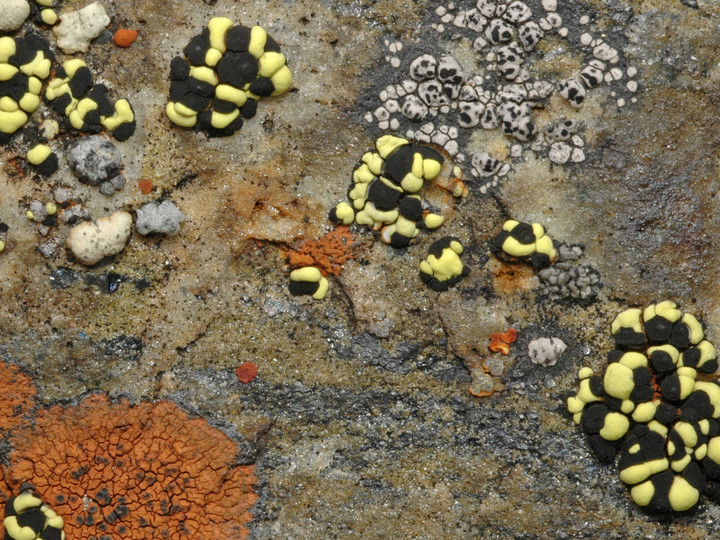
Author: Leif Stridvall - Source: http://www.stridvall.se/la/galleries.php
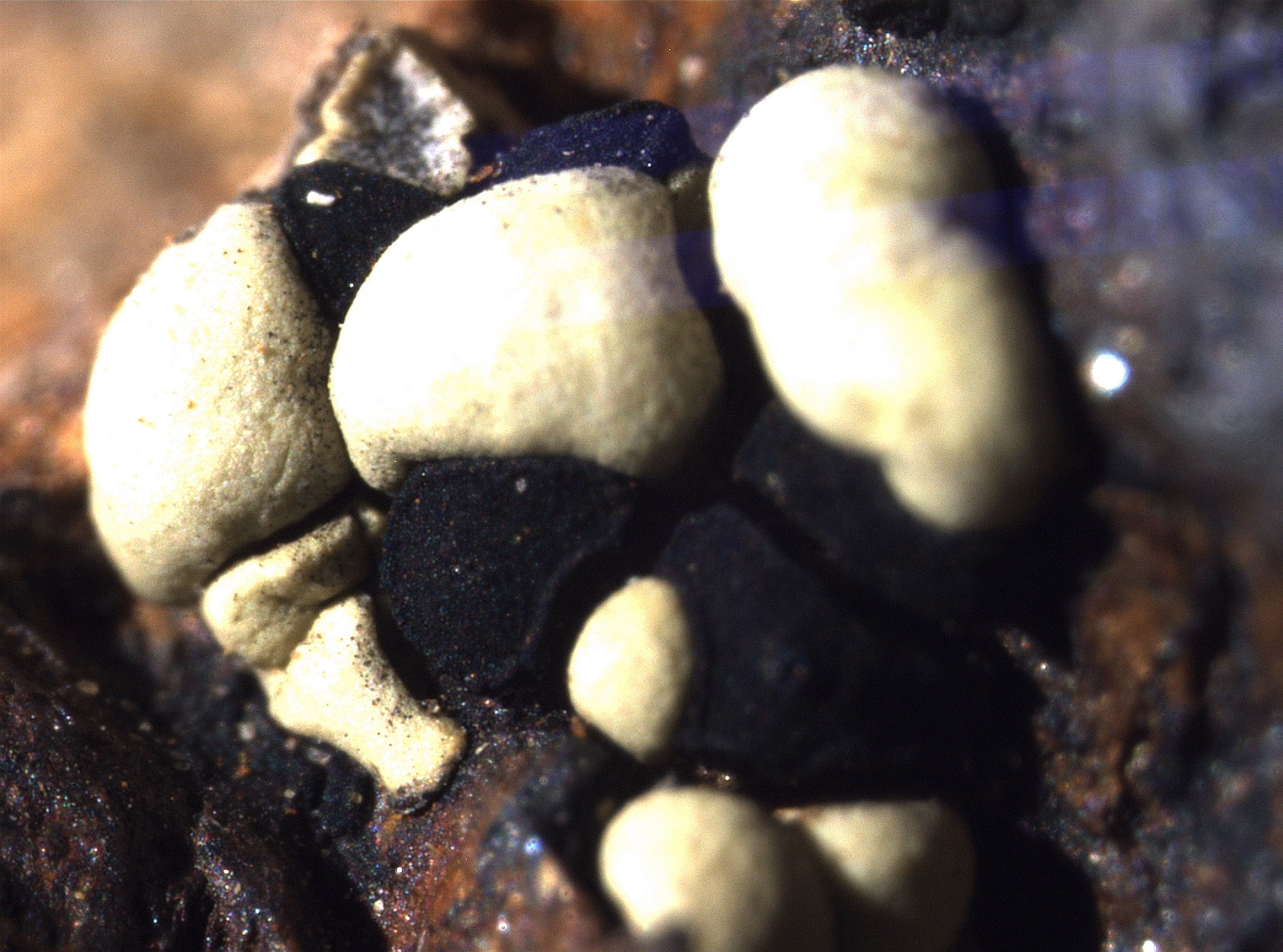
Pier Luigi Nimis CC BY-SA 4.0
TSB 41440
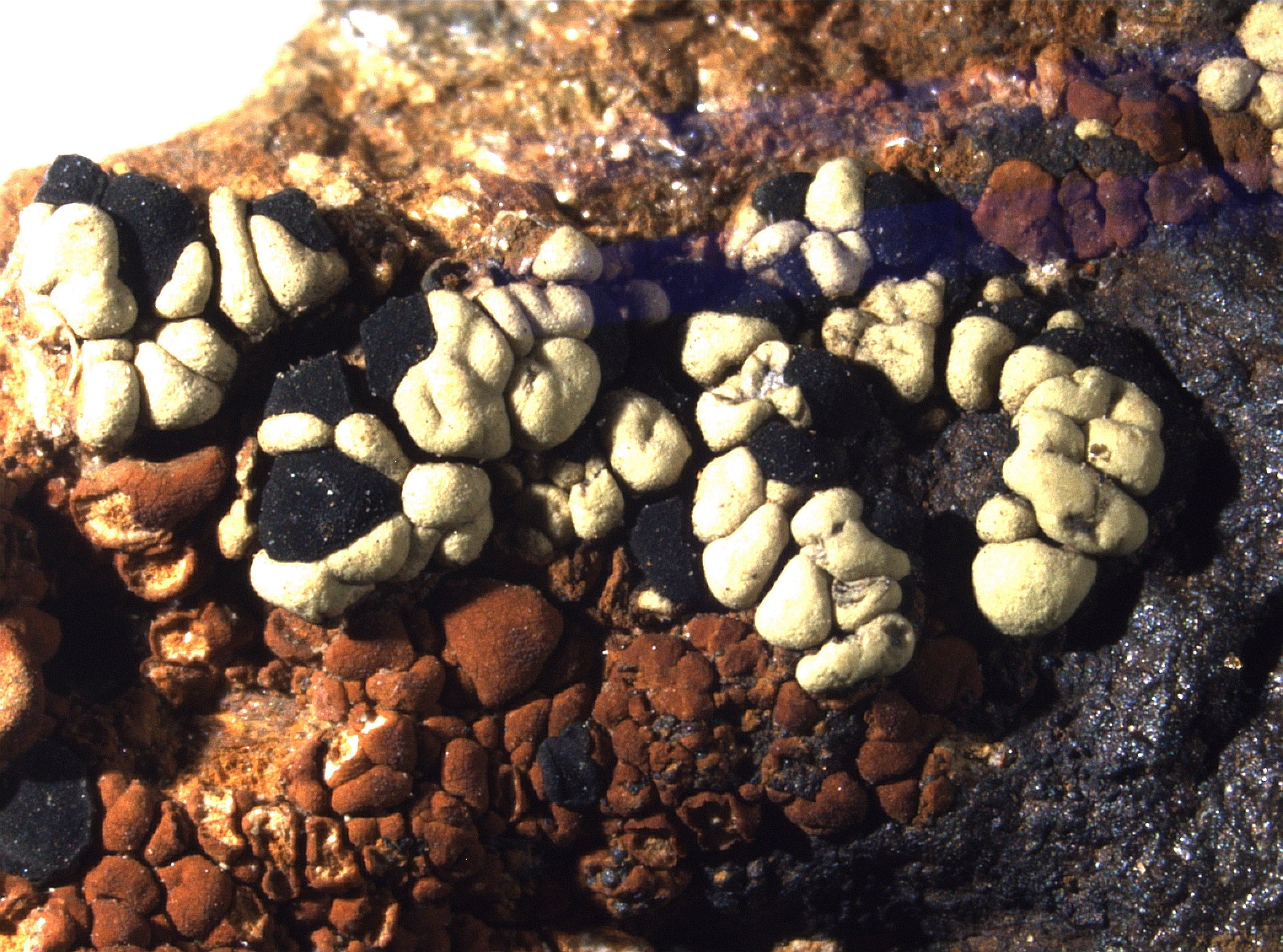
Pier Luigi Nimis CC BY-SA 4.0
TSB 41141
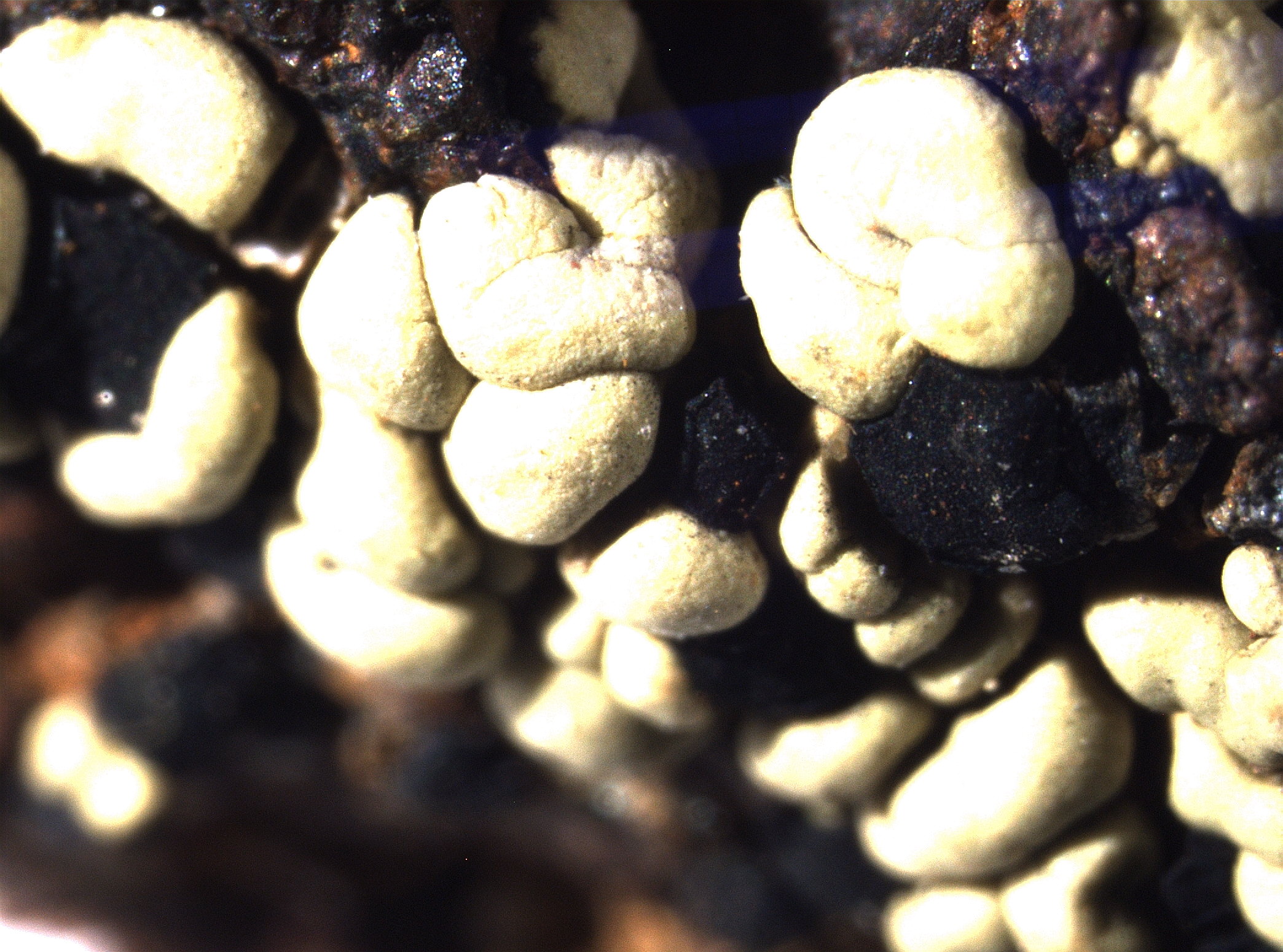
Pier Luigi Nimis CC BY-SA 4.0
TSB 41140

Felix Schumm - CC BY-SA 4.0
[VZ1207], Suecia. Härjedalen. Tännäs Paroecia. Gruvvålen prope Mittåkläppen, 900 m. Ad saxa prope metalla vetusta cupri. Leg. R. Santesson(no. 24425)(, 18.07.1973. EX A. V ZDA: LICHENES SELECTI EXSICCATI NR. 1207.