Rhizocarpon superficiale (Schaer.) Malme
Svensk Bot. Tidskr., 8, 3: 282, 1914. Basionym: Lecidea superficialis Schaer. - Lich. Helv. Spicil.: 125, 1828.
Synonyms: Rhizocarpon crystalligenum Lynge; Rhizocarpon scabridum Räsänen; Rhizocarpon splendidum Malme
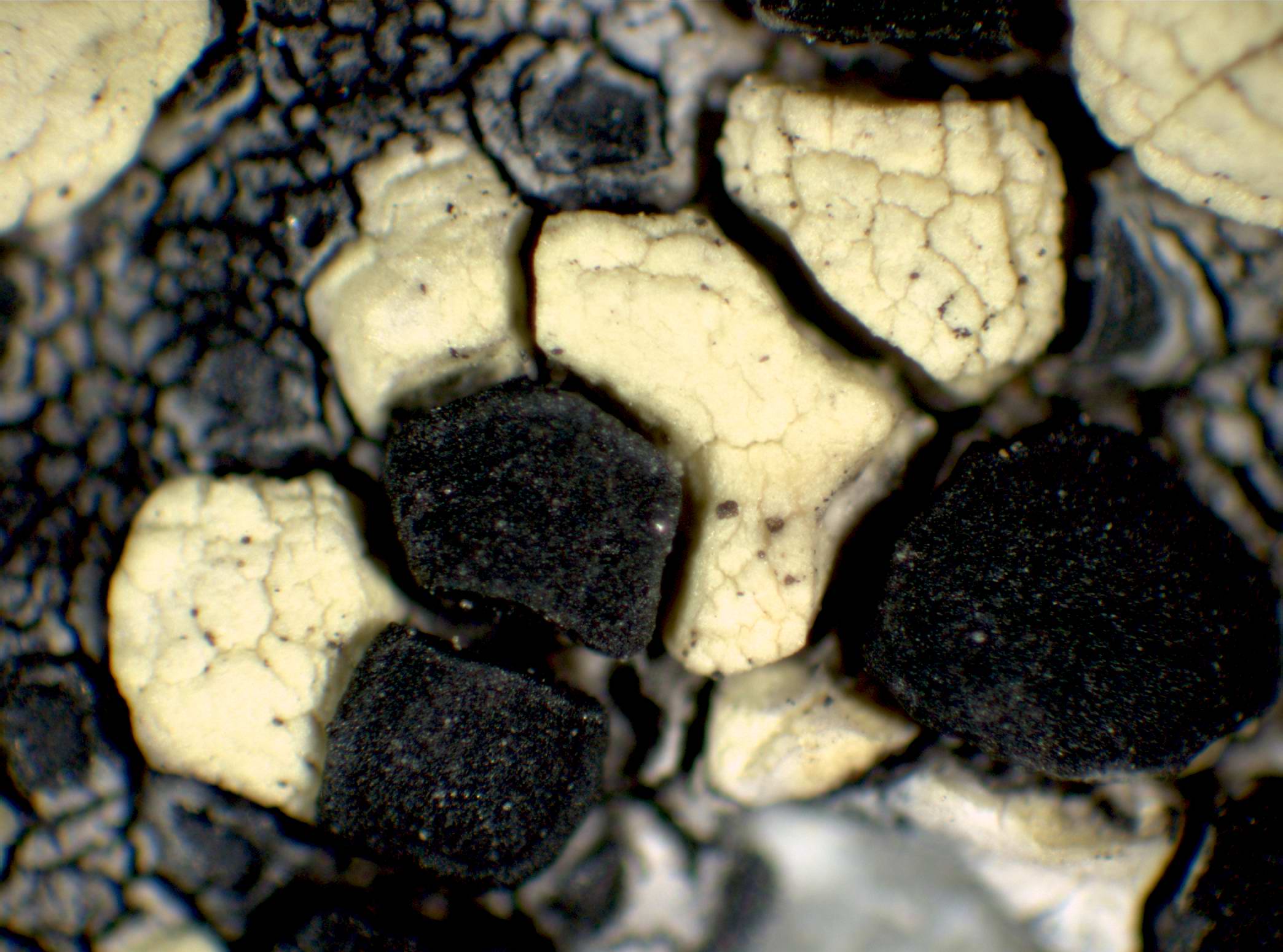
Description: Thallus crustose, episubstratic, areolate, bright yellow-green to whitish yellow, forming 2-10 cm wide patches delimited by a dark prothallus, the areoles round to angular, contiguous, the peripheral ones not markedly elongate, slightly to strongly convex, (0.3-)0.8-1.8(-2.5) mm wide, coarsely verrucose. Cortex poorly differentiated, 20-75 µm thick; medulla white, I-. Apothecia lecideine, black, angular, to 1.4(-2) mm across, with a flat to slightly convex, finely scabrid disc and a thin, often grey-white, usually finally excluded proper margin. Proper exciple reddish brown in outer part, paler within, K+ purple red; epithecium brown-black, blue-black or greenish brown, heavily inspersed with large black granules, K+ purple-red or rarely K-; hymenium colourless to brownish, 60-100 µm high; paraphysoids coherent, branched and anastomosing, the apical cells capitate; hypothecium brown, completely separated from the substrate by white medullary hyphae, 60-150 µm high, K-. Asci 8-spored, clavate, fissitunicate, with a well-developed tholus that is K/I- in lower part and K/I+ blue near the apex, lacking an ocular chamber, Rhizocarpon-type. Ascospores 1-septate, at first hyaline or pale green-brown, soon becoming dark green to brown, ellipsoid, 11-18(-20) x 6-8(-10) µm, halonate at least when young. Photobiont chlorococcoid. Spot tests: medulla K+ yellow turning red, rarely K+ persistently yellow, C-, KC-, P+ yellow, rarely P+ orange-red. Chemistry: cortex with rhizocarpic acid, medulla with norstictic acid or (rarely) stictic acid.
Growth form: Crustose
Substrata: rocks
Photobiont: green algae other than Trentepohlia
Reproductive strategy: mainly sexual
paras Pleopsidium when young
Commonnes-rarity: (info)
Alpine belt: rather common
Subalpine belt: rare
Montane belt: absent
Dry submediterranean belt: absent
Humid submediterranean belt: absent
Padanian area: absent
pH of the substrata:
1 2 3 4 5

Solar irradiation:
1 2 3 4 5
Aridity:
1 2 3 4 5
Eutrophication:
1 2 3 4 5
Poleotolerance:
0 1 2 3
Altitudinal distribution:
1 2 3 4 5 6
Rarity
absent
extremely rare
very rare
rare
rather rare
rather common
common
very common
extremely common
Loading data...
Occurrence data
Predictive map
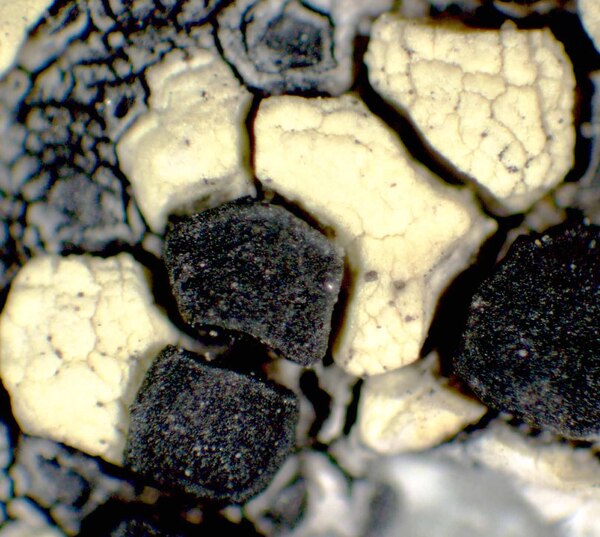
P.L. Nimis CC BY-SA 04
TSB 24644
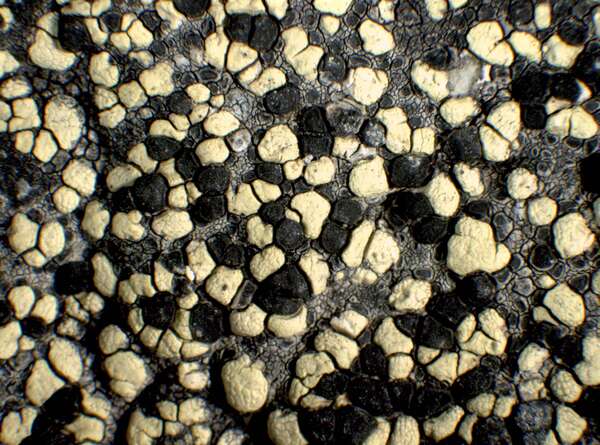
P.L. Nimis; Owner: Department of Life Sciences, University of Trieste
Herbarium: TSB (24644)
2001/12/10
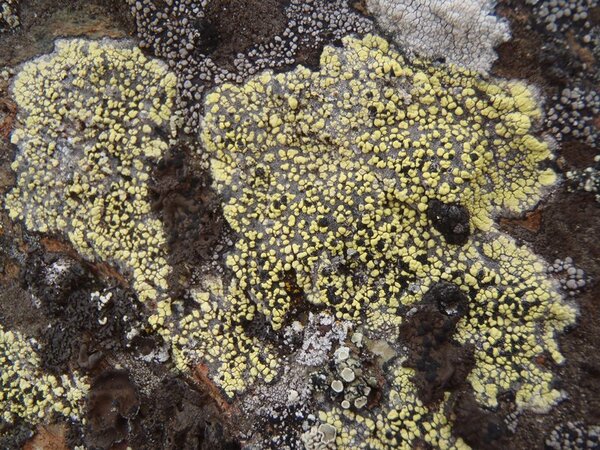
Curtis Randall Björk – CC BY-SA 4.0
British Columbia, Thompson Plateau, near Cache Creek Date: 2013-02-03 On rock in sagebrush steppe
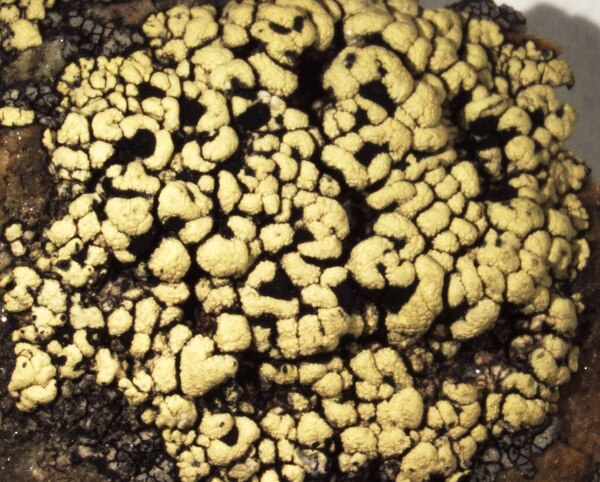
P.L. Nimis CC BY-SA 04
TSB 45512
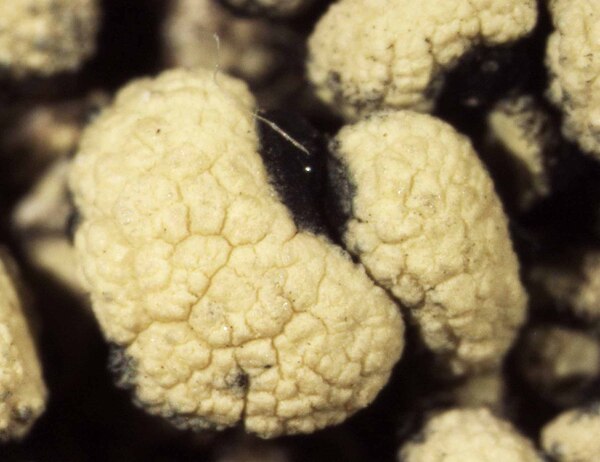
P.L. Nimis CC BY-SA 04
TSB 45512
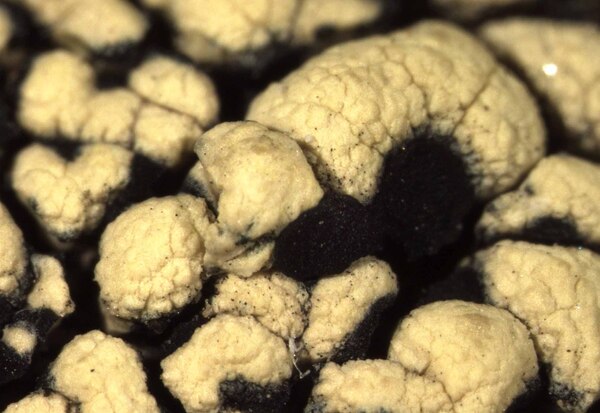
P.L. Nimis CC BY-SA 04
TSB 45512
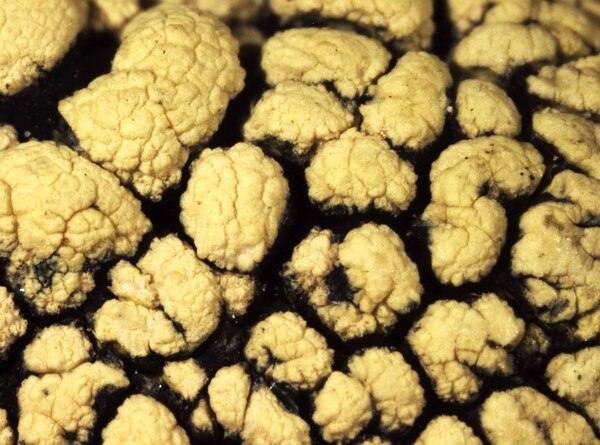
P.L. Nimis CC BY-SA 04
TSB 45512
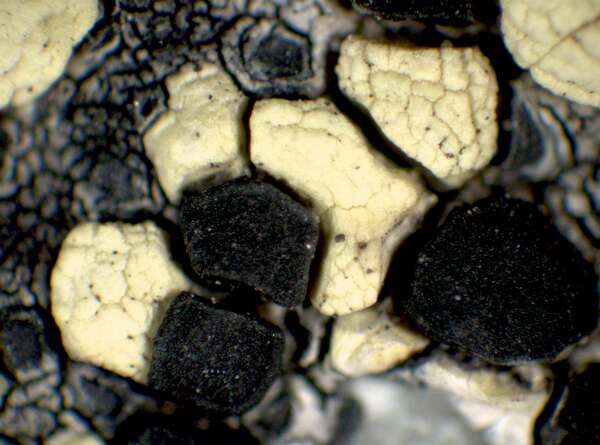
P.L. Nimis; Owner: Department of Life Sciences, University of Trieste
Herbarium: TSB (24644)
2001/12/10
Growth form: Crustose
Substrata: rocks
Photobiont: green algae other than Trentepohlia
Reproductive strategy: mainly sexual
paras Pleopsidium when young
Commonnes-rarity: (info)
Alpine belt: rather common
Subalpine belt: rare
Montane belt: absent
Dry submediterranean belt: absent
Humid submediterranean belt: absent
Padanian area: absent
pH of the substrata:
| 1 | 2 | 3 | 4 | 5 |
Solar irradiation:
| 1 | 2 | 3 | 4 | 5 |
Aridity:
| 1 | 2 | 3 | 4 | 5 |
Eutrophication:
| 1 | 2 | 3 | 4 | 5 |
Poleotolerance:
| 0 | 1 | 2 | 3 |
Altitudinal distribution:
| 1 | 2 | 3 | 4 | 5 | 6 |
Rarity
absent
extremely rare
very rare
rare
rather rare
rather common
common
very common
extremely common
Loading data...
Occurrence data
Predictive map
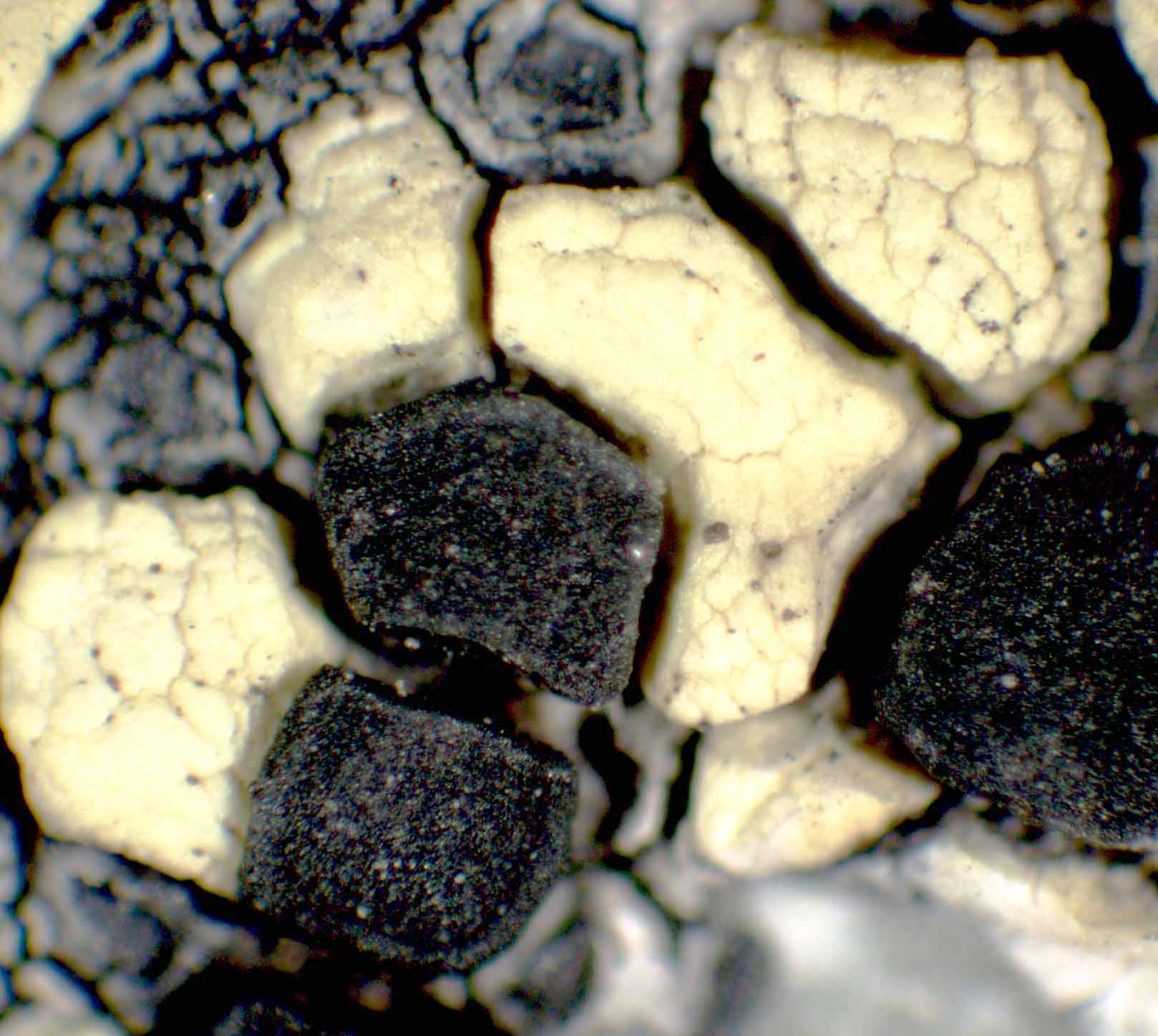
P.L. Nimis CC BY-SA 04
TSB 24644
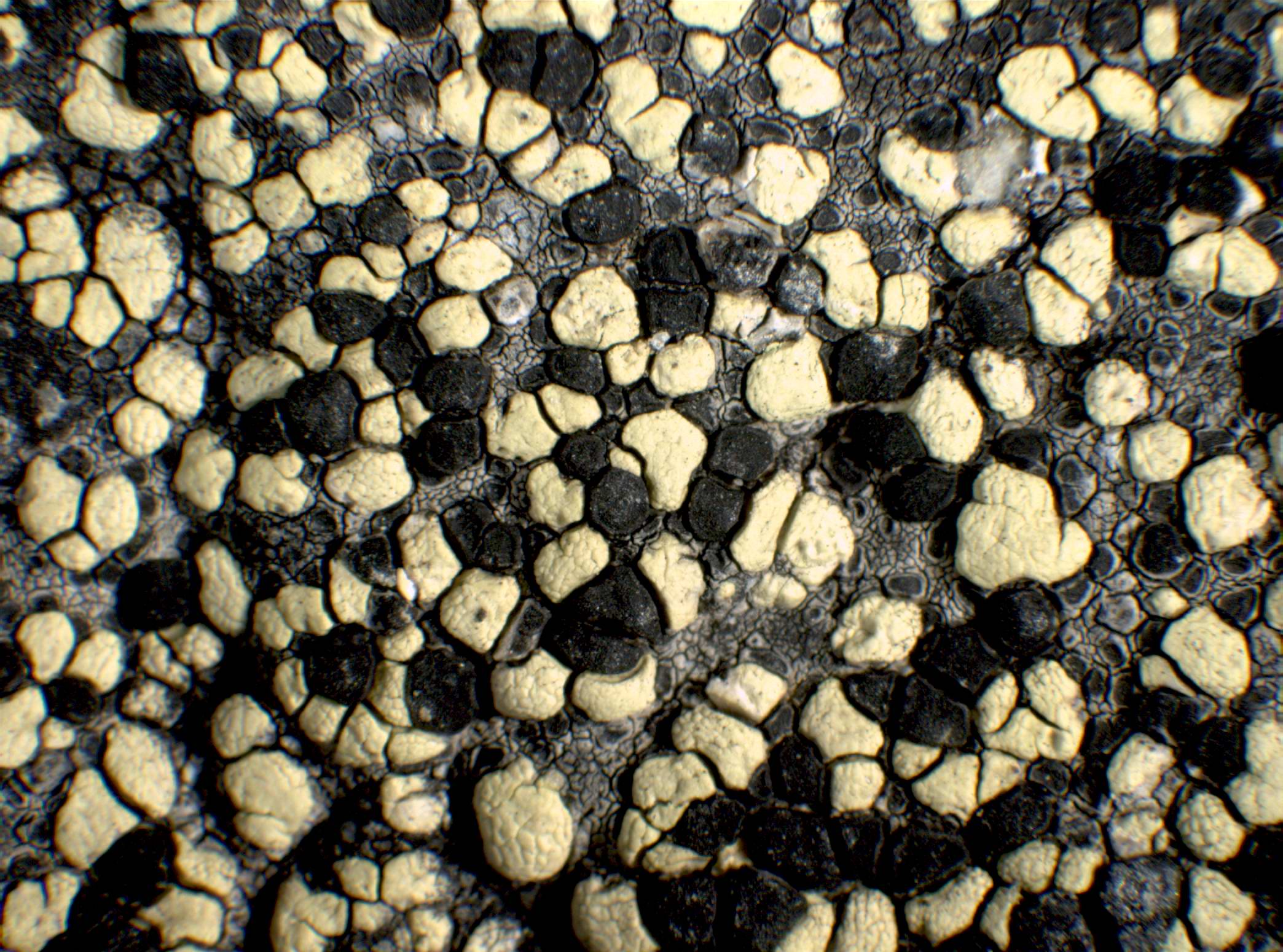
P.L. Nimis; Owner: Department of Life Sciences, University of Trieste
Herbarium: TSB (24644)
2001/12/10
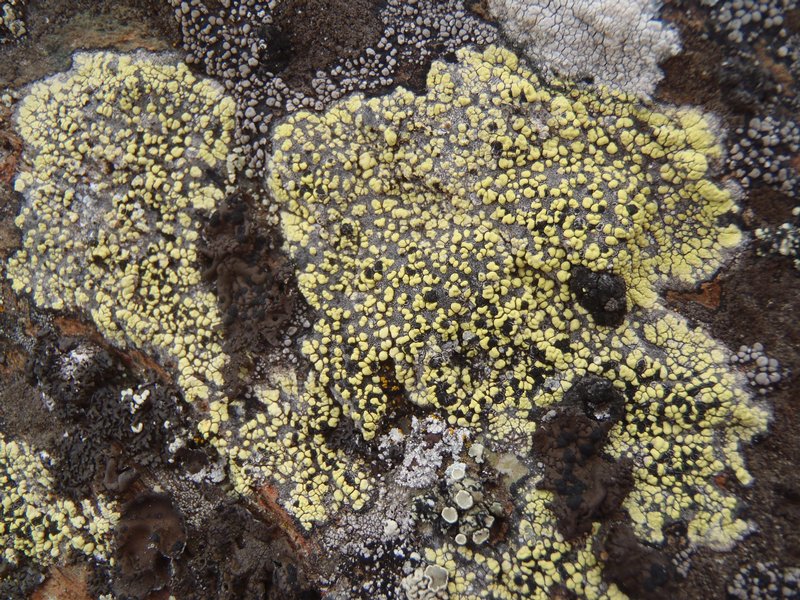
Curtis Randall Björk – CC BY-SA 4.0
British Columbia, Thompson Plateau, near Cache Creek Date: 2013-02-03 On rock in sagebrush steppe
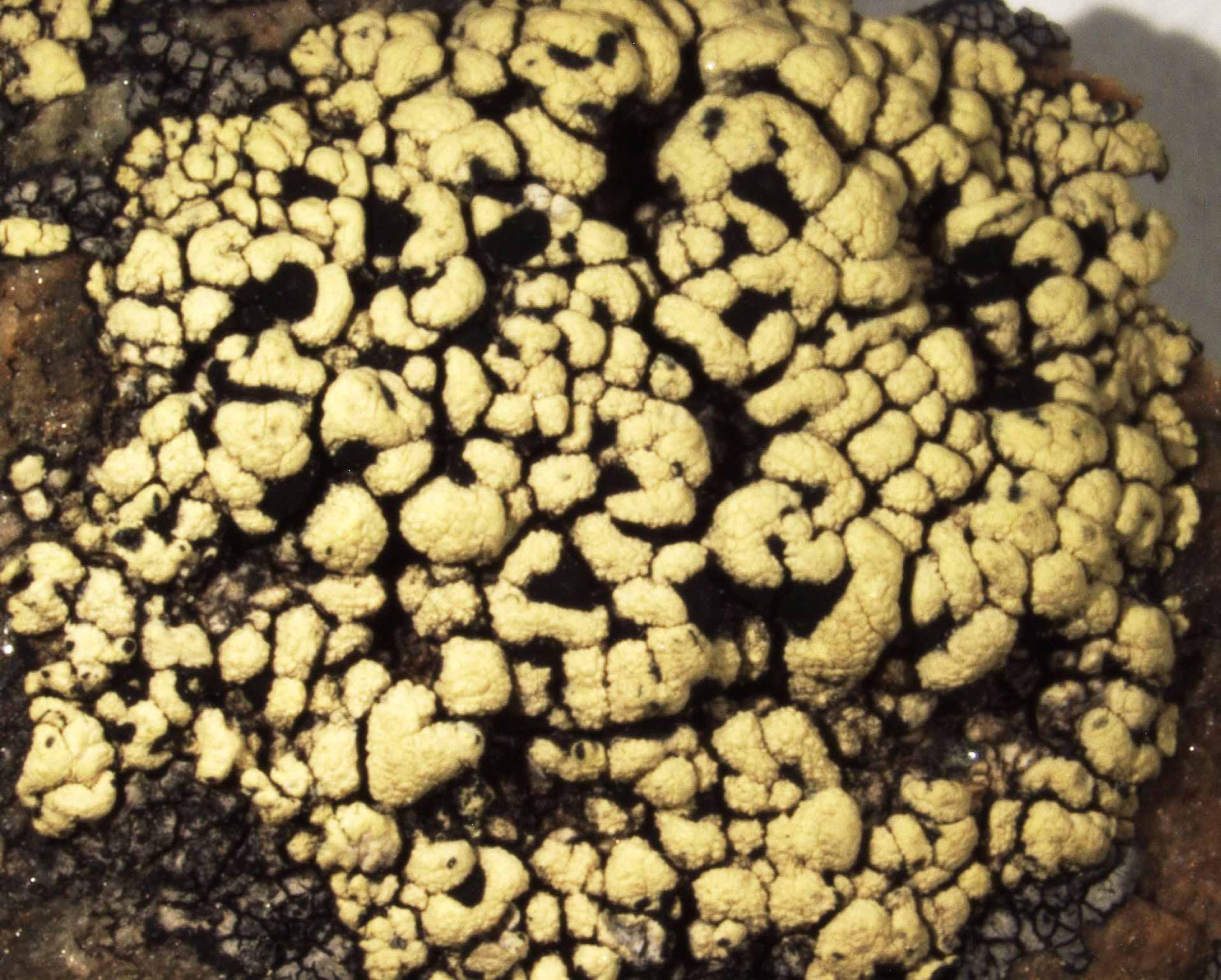
P.L. Nimis CC BY-SA 04
TSB 45512
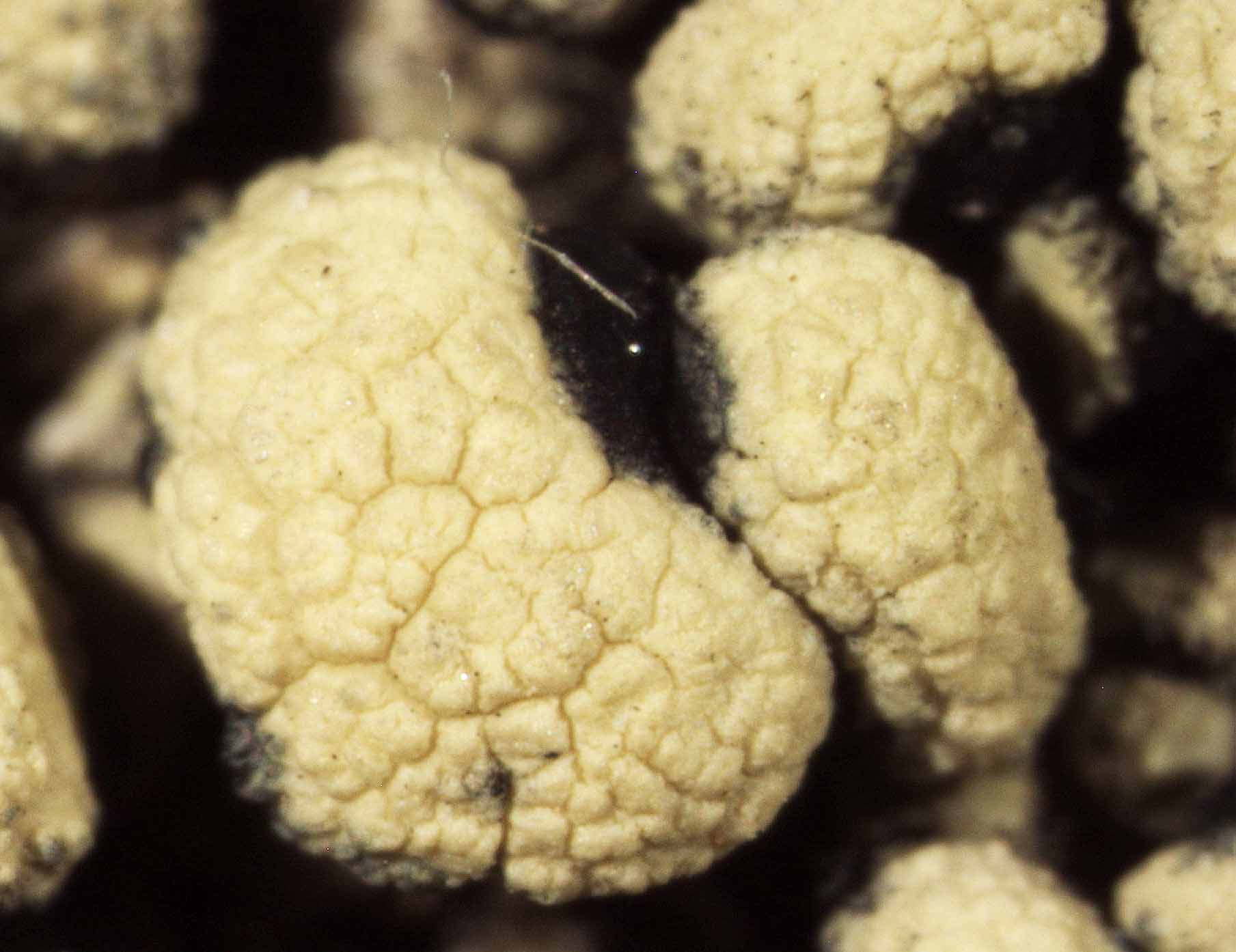
P.L. Nimis CC BY-SA 04
TSB 45512
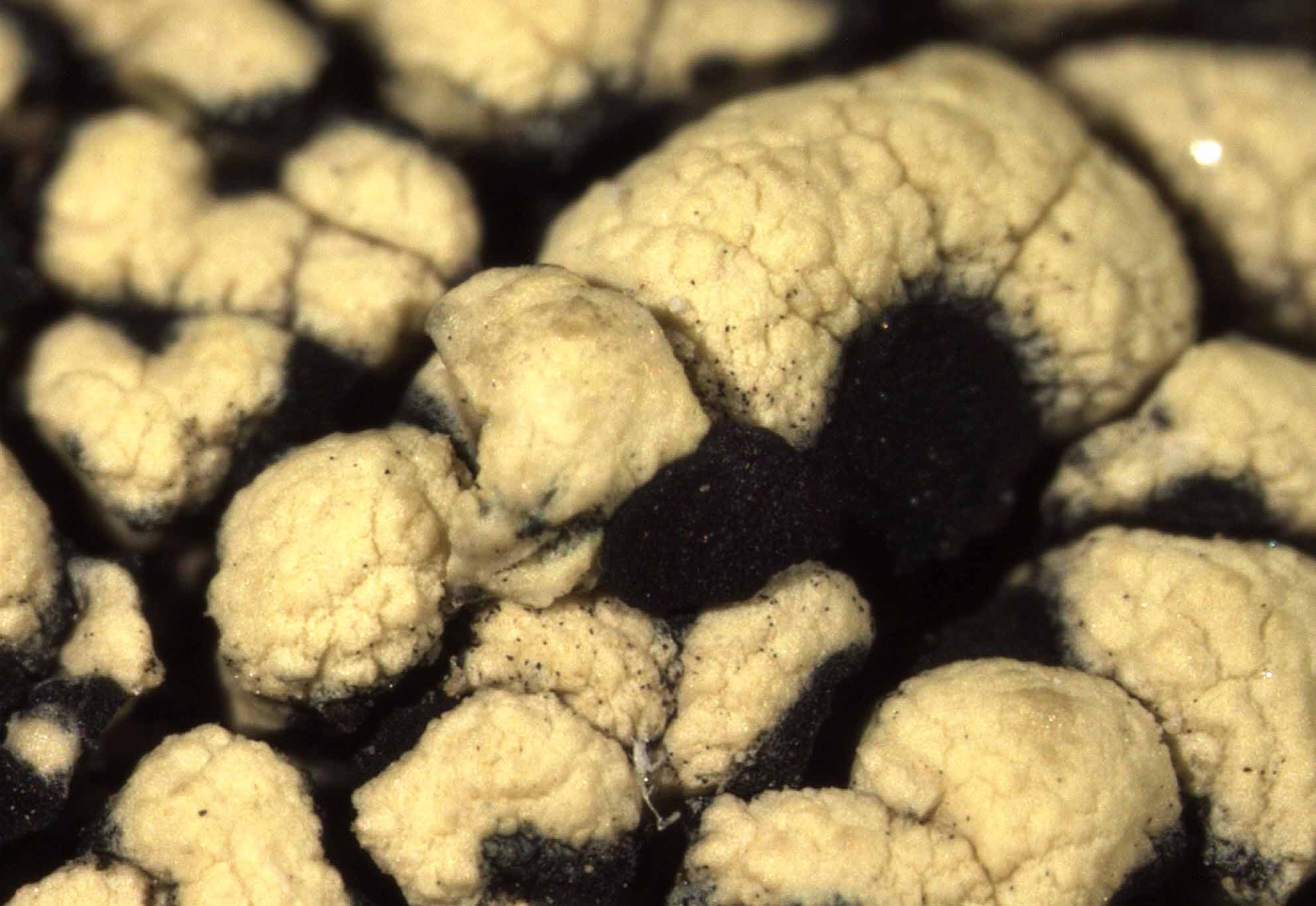
P.L. Nimis CC BY-SA 04
TSB 45512
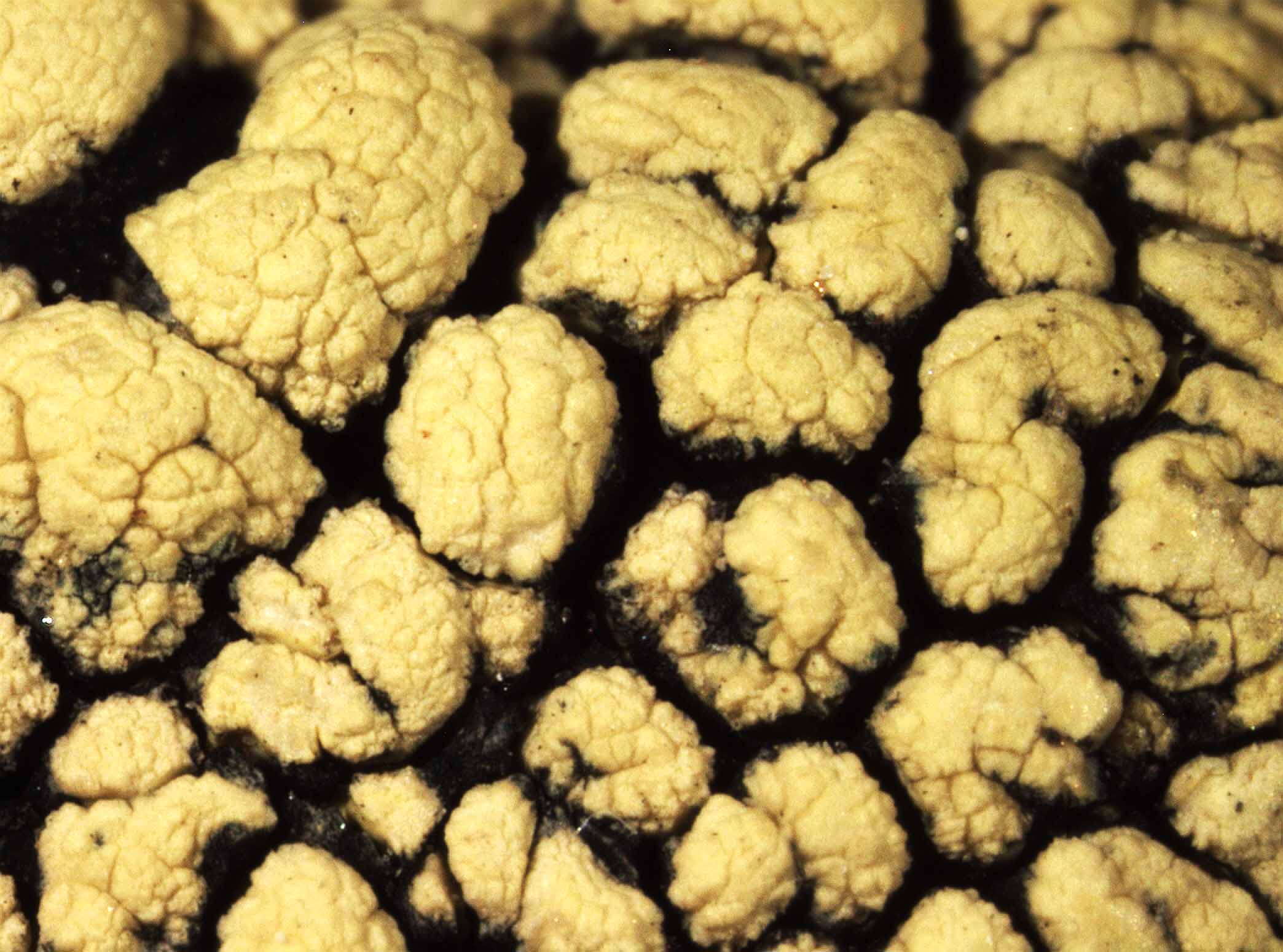
P.L. Nimis CC BY-SA 04
TSB 45512