Rinodina roscida (Sommerf.) Arnold
Verh. zool.-bot. Ges. Wien, 37: 133, 1887. Basionym: Lecanora roscida Sommerf. - Suppl. Fl. Lappon.: 97, 1826.
Synonyms: Berengeria turfacea var. microcarpa (Hepp) Trevis.; Kudratovia roscida (Sommerf.) S.Y. Kondr., Lőkös & Hur; Rinodina turfacea var. microcarpa (Hepp) Körb.
Description: Thallus crustose, episubstratic, thin and often evanescent, smooth or more rarely minutely granulose, white to greyish white, without a distinct prothallus. Apothecia lecanorine, usually abundant, 0.5-1(-3) mm across, constricted at base and often substipitate, with a concave to flat, black but often white-pruinose disc, and a prominent, smooth to crenulate, often white-pruinose thalline margin. Thalline exciple corticate, the cortex 20-40 µm thick, I-, the medulla with oxalate crystals insoluble in K, but soluble in N; epithecium pale brown, K-; hymenium colourless, 100-150 µm high; hypothecium colourless, 30-60 µm high. Asci 8-spored, clavate, the K/I+ blue tholus penetrated by a faintly amyloid apical cushion with parallel or diverging flanks, the wall K/I-, surrounded by a K/I+ blue outer layer, Lecanora-type. Ascospores 1-septate, brown, elongate-ellipsoid, 24-35 x 8-13 µm, Physcia-type, submucronate at both ends, with a well-developed torus and ontogeny of type A (apical wall thickening after septum formation). Pycnidia dark, immersed in thallus. Conidia bacilliform, 4-5 µm long. Photobiont chlorococcoid. Spot tests: K-, C-, KC-, P-, UV-. Chemistry: with variable amounts of variolaric acid, zeorin and an unknown triterpenoid.
Growth form: Crustose
Substrata: soil, terricolous mosses, and plant debris
Photobiont: green algae other than Trentepohlia
Reproductive strategy: mainly sexual
Commonnes-rarity: (info)
Alpine belt: rare
Subalpine belt: very rare
Montane belt: absent
Dry submediterranean belt: absent
Humid submediterranean belt: absent
Padanian area: absent
pH of the substrata:
1 2 3 4 5

Solar irradiation:
1 2 3 4 5
Aridity:
1 2 3 4 5
Eutrophication:
1 2 3 4 5
Poleotolerance:
0 1 2 3
Altitudinal distribution:
1 2 3 4 5 6
Rarity
absent
extremely rare
very rare
rare
rather rare
rather common
common
very common
extremely common
Loading data...
Occurrence data
Predictive map
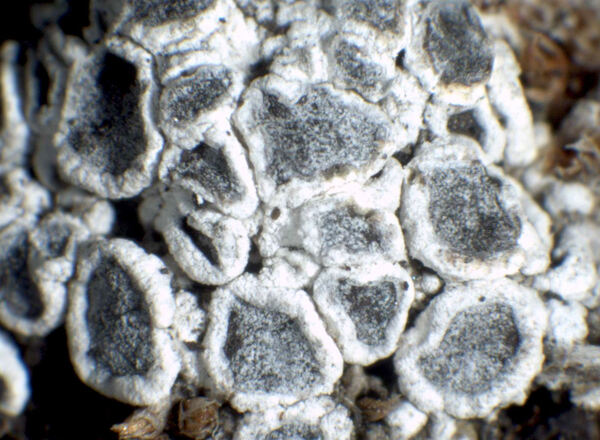
P.L. Nimis CC BY-SA 4.0
TSB 2759
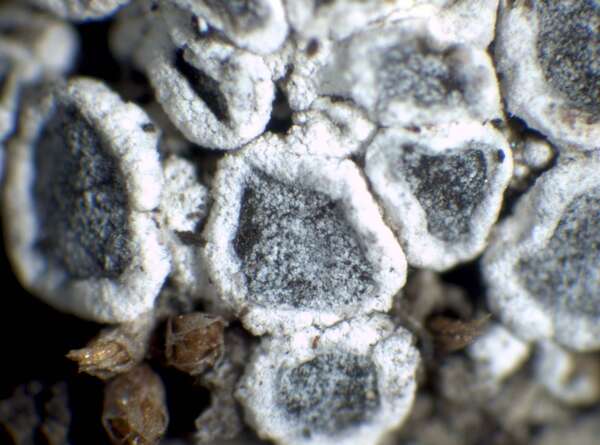
P.L. Nimis; Owner: Department of Life Sciences, University of Trieste
Herbarium: TSB (2759)
2002/05/13
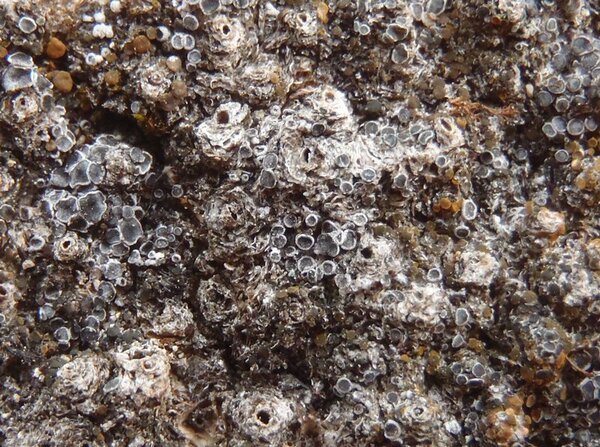
Curtis Randall Björk – CC BY-SA 4.0
British Columbia, Whistler, Seventh Heaven Date: 2007-08-02 Over humus in dry alpine heath
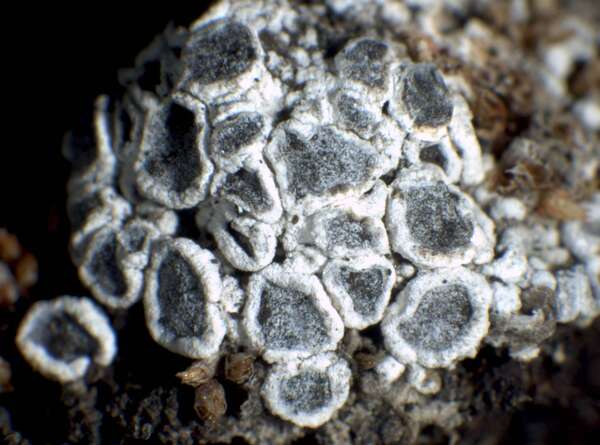
P.L. Nimis; Owner: Department of Life Sciences, University of Trieste
Herbarium: TSB (2759)
2002/05/13
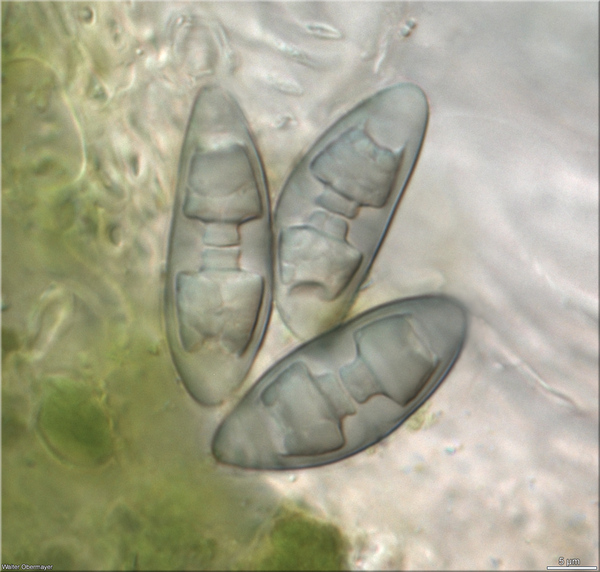
Walter Obermayer CC BY-SA 4.0 - Source: Lichens of Noricum - http://lichens-of-noricum.uni-graz.at/
Austria, Kammspitz
2015
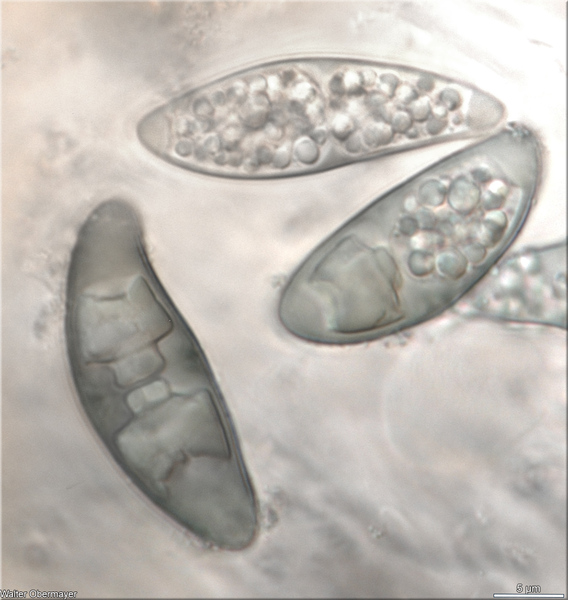
Walter Obermayer CC BY-SA 4.0 - Source: Lichens of Noricum - http://lichens-of-noricum.uni-graz.at/
Austria, Kammspitz
2015
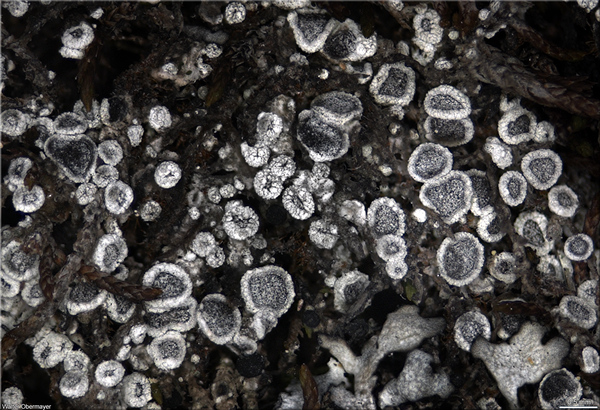
Walter Obermayer CC BY-SA 4.0 - Source: Lichens of Noricum - http://lichens-of-noricum.uni-graz.at/
Austria, Kammspitz
2015
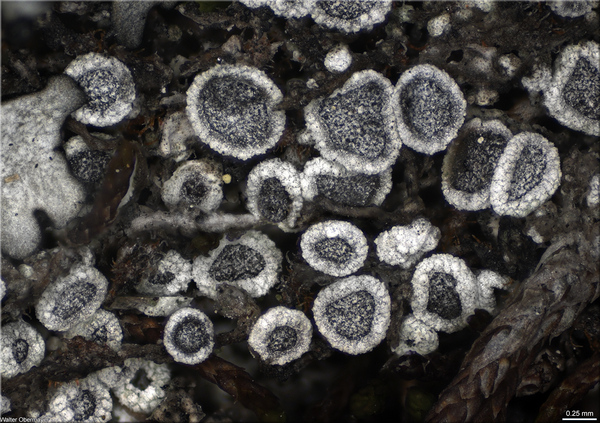
Walter Obermayer CC BY-SA 4.0 - Source: Lichens of Noricum - http://lichens-of-noricum.uni-graz.at/
Austria, Kammspitz
2015
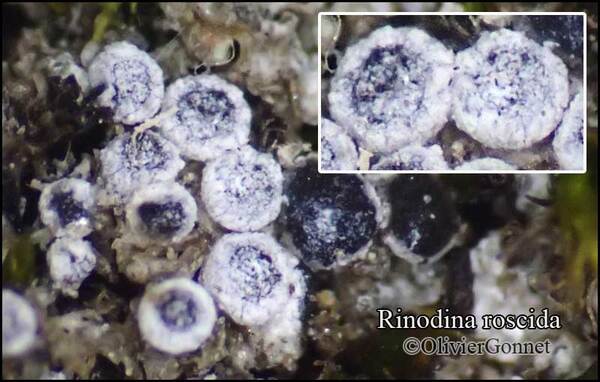
Courtesy Danièle et Olivier Gonnet - Source: https://www.afl-lichenologie.fr/Photos_AFL/Photos_AFL_R/Textes_R/Rinodina_roscida.htm
France, 26/12/2014 - Vanoise - Mont Cenis - Savoie
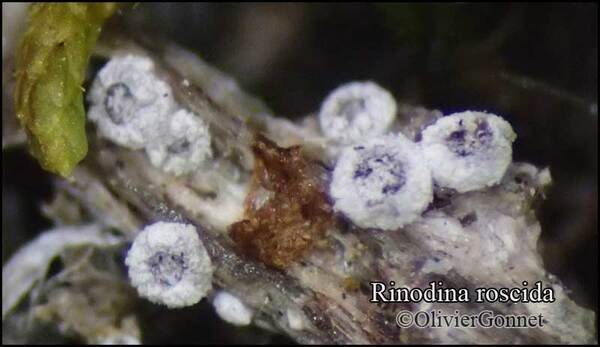
Courtesy Danièle et Olivier Gonnet - Source: https://www.afl-lichenologie.fr/Photos_AFL/Photos_AFL_R/Textes_R/Rinodina_roscida.htm
France, 26/12/2014 - Vanoise - Mont Cenis - Savoie
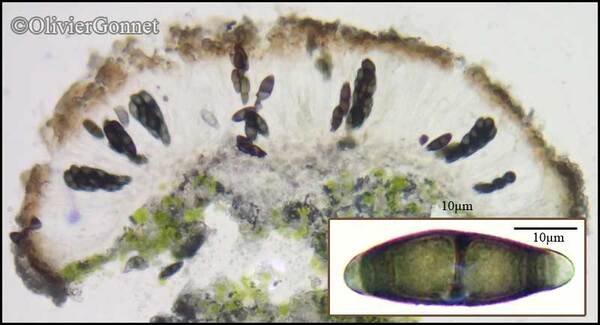
Courtesy Danièle et Olivier Gonnet - Source: https://www.afl-lichenologie.fr/Photos_AFL/Photos_AFL_R/Textes_R/Rinodina_roscida.htm
France, 26/12/2014 - Vanoise - Mont Cenis - Savoie
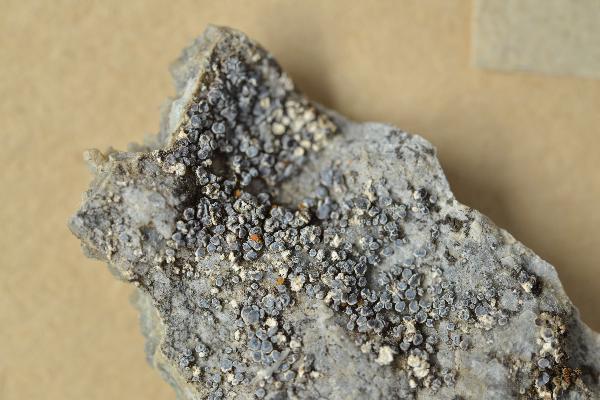
Source: https://nhm2.uio.no/typephotos/lichens/arkiv/O-L-000655d.jpg
NORWAY, NORDLAND, SALTDAL: ad Rognlien, 1824.07.00, Sommerfelt, S.C. - ISOTYPE
Growth form: Crustose
Substrata: soil, terricolous mosses, and plant debris
Photobiont: green algae other than Trentepohlia
Reproductive strategy: mainly sexual
Commonnes-rarity: (info)
Alpine belt: rare
Subalpine belt: very rare
Montane belt: absent
Dry submediterranean belt: absent
Humid submediterranean belt: absent
Padanian area: absent
pH of the substrata:
| 1 | 2 | 3 | 4 | 5 |
Solar irradiation:
| 1 | 2 | 3 | 4 | 5 |
Aridity:
| 1 | 2 | 3 | 4 | 5 |
Eutrophication:
| 1 | 2 | 3 | 4 | 5 |
Poleotolerance:
| 0 | 1 | 2 | 3 |
Altitudinal distribution:
| 1 | 2 | 3 | 4 | 5 | 6 |
Rarity
absent
extremely rare
very rare
rare
rather rare
rather common
common
very common
extremely common
Loading data...
Occurrence data
Predictive map
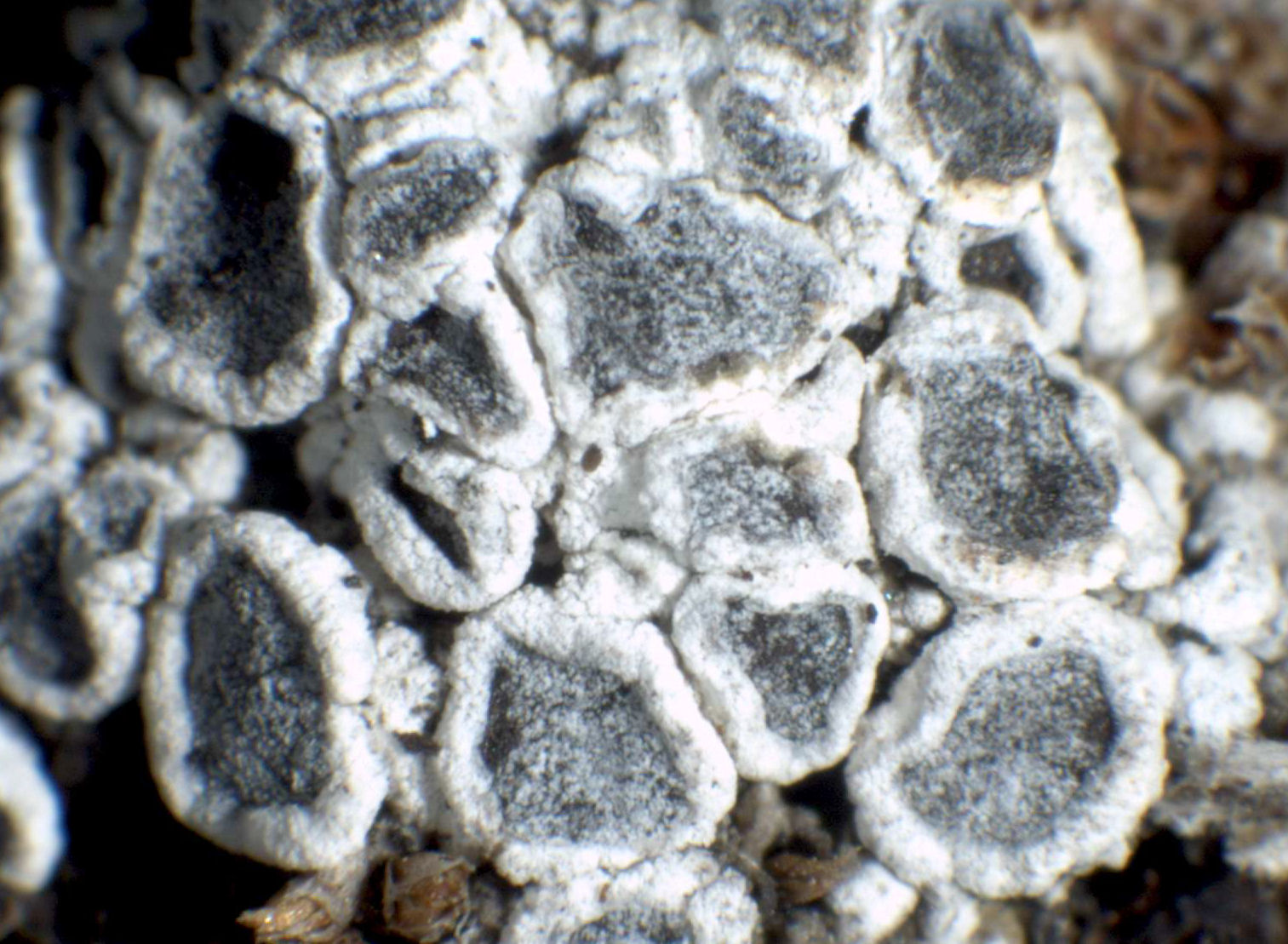
P.L. Nimis CC BY-SA 4.0
TSB 2759
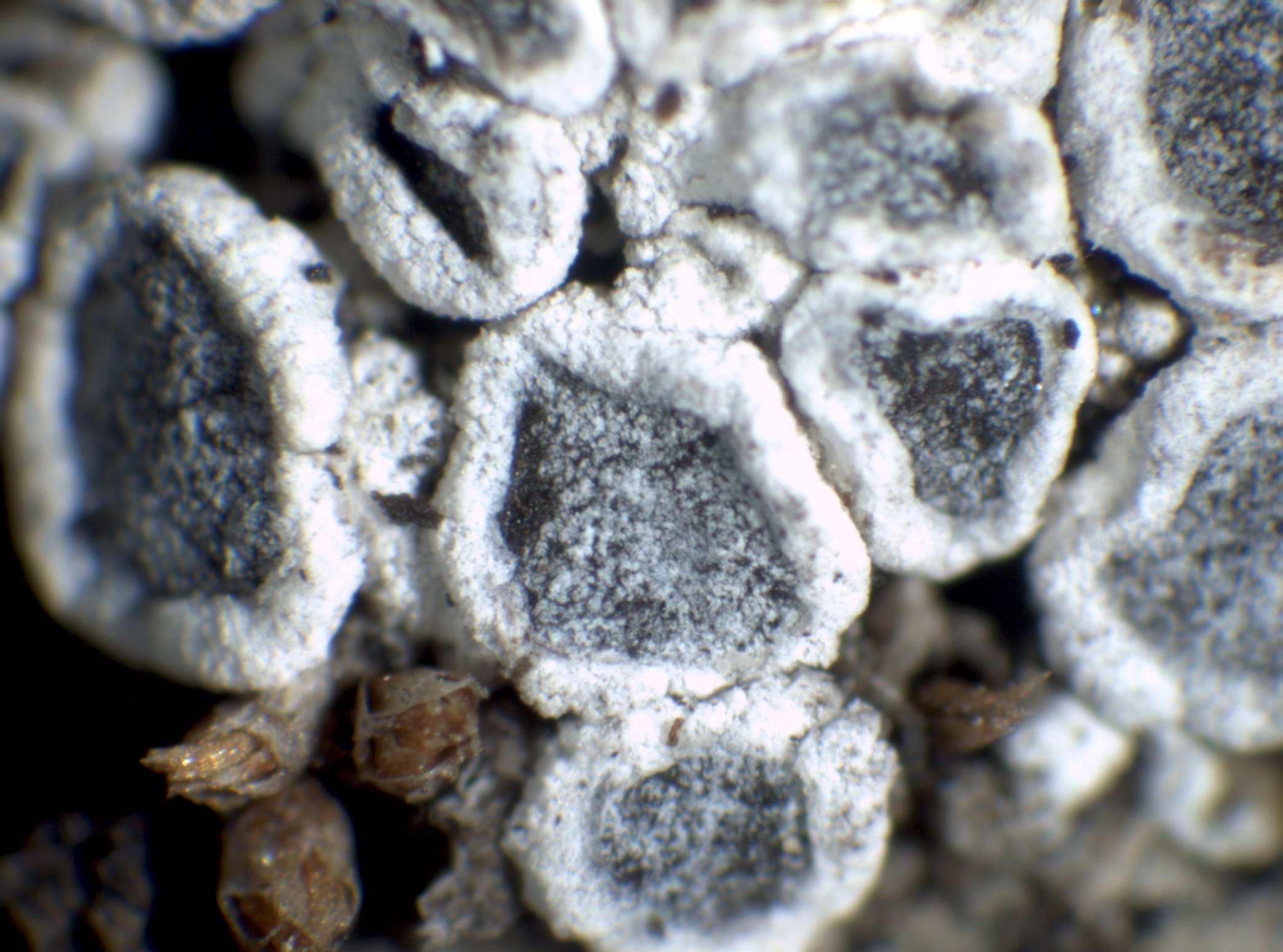
P.L. Nimis; Owner: Department of Life Sciences, University of Trieste
Herbarium: TSB (2759)
2002/05/13
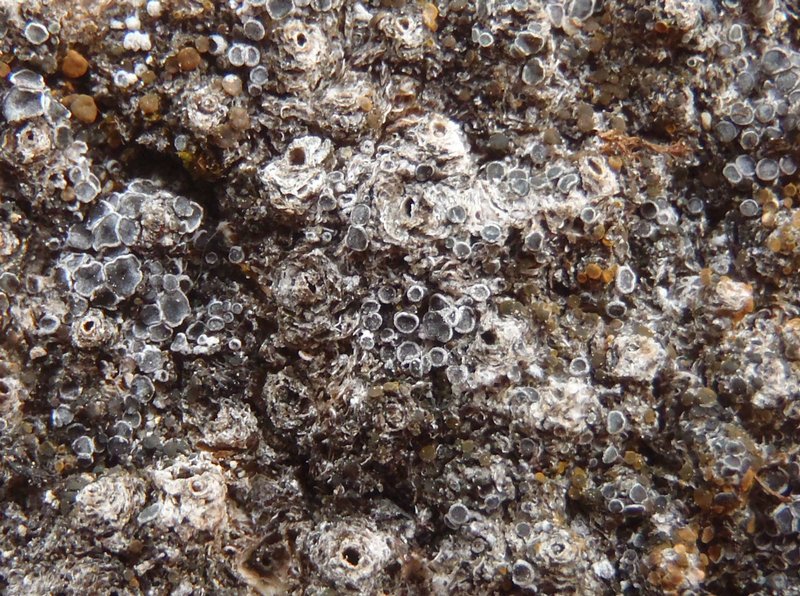
Curtis Randall Björk – CC BY-SA 4.0
British Columbia, Whistler, Seventh Heaven Date: 2007-08-02 Over humus in dry alpine heath
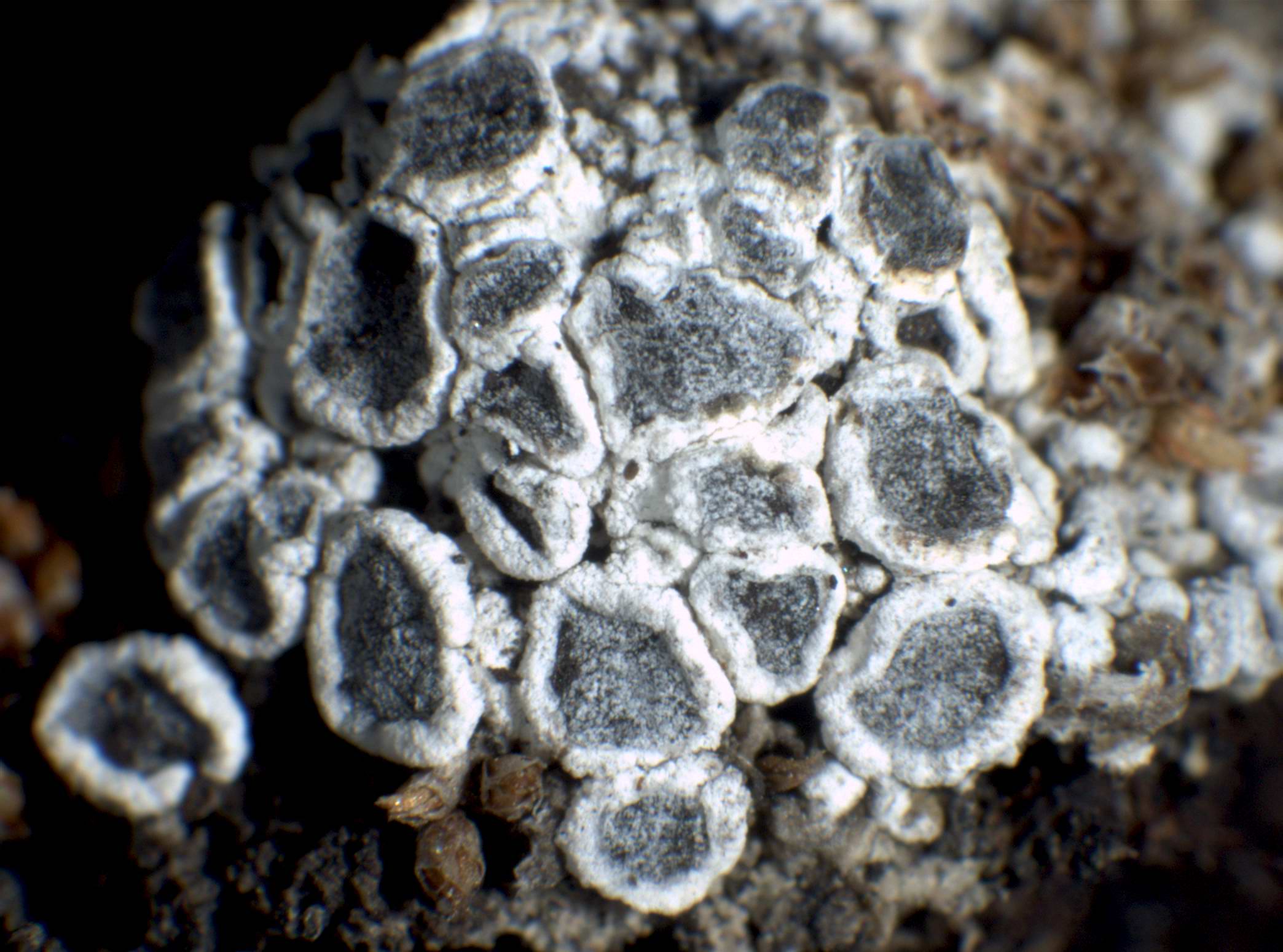
P.L. Nimis; Owner: Department of Life Sciences, University of Trieste
Herbarium: TSB (2759)
2002/05/13
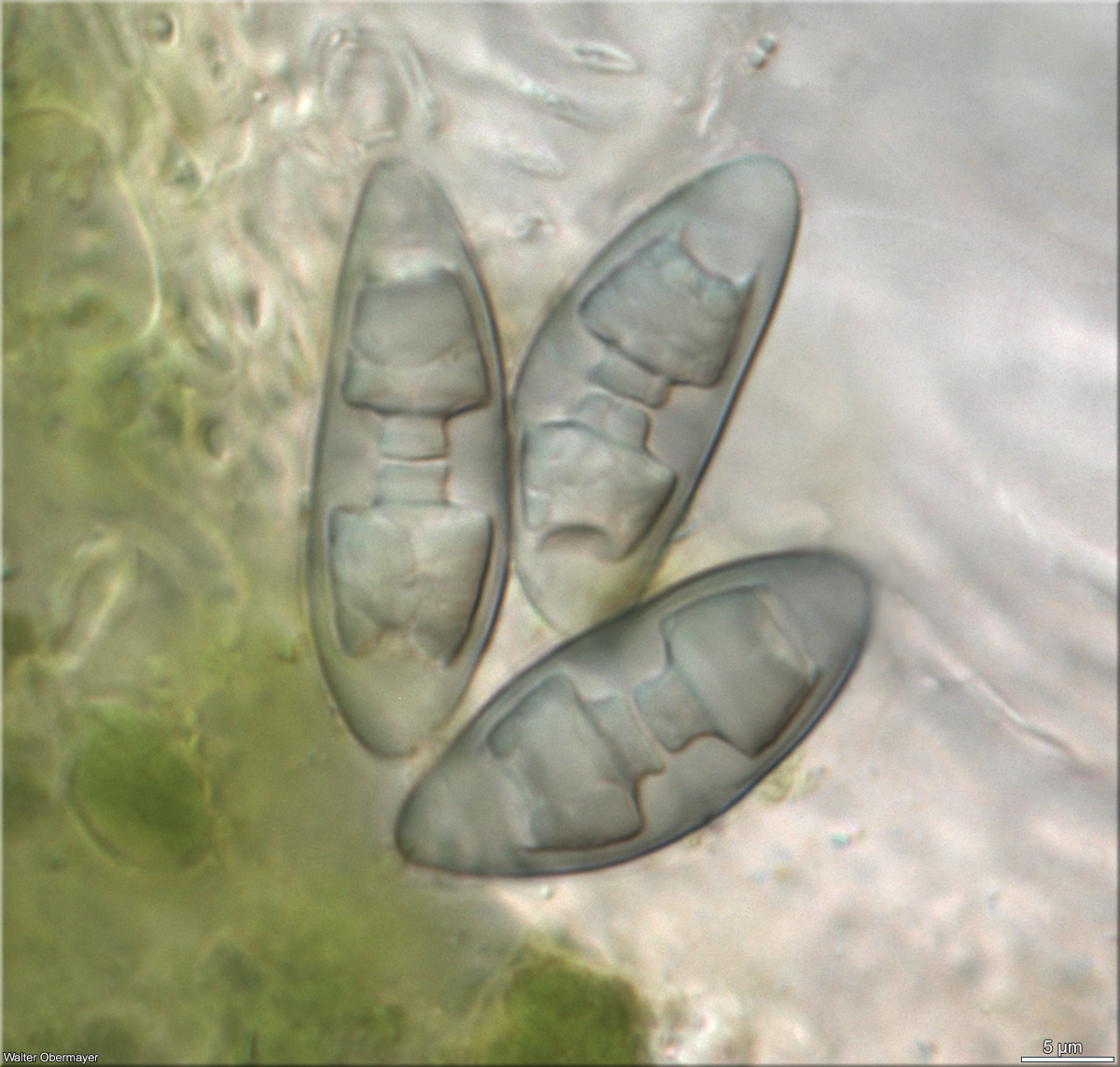
Walter Obermayer CC BY-SA 4.0 - Source: Lichens of Noricum - http://lichens-of-noricum.uni-graz.at/
Austria, Kammspitz
2015
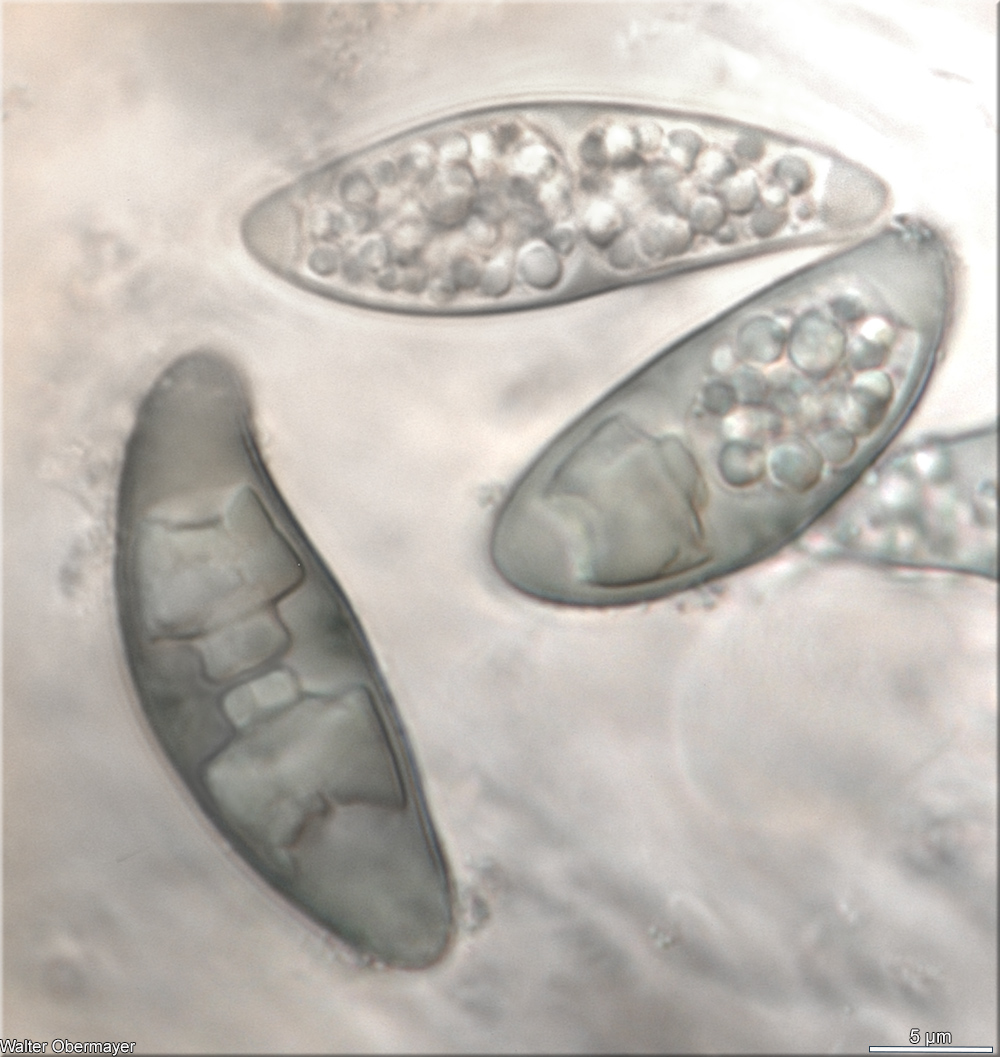
Walter Obermayer CC BY-SA 4.0 - Source: Lichens of Noricum - http://lichens-of-noricum.uni-graz.at/
Austria, Kammspitz
2015
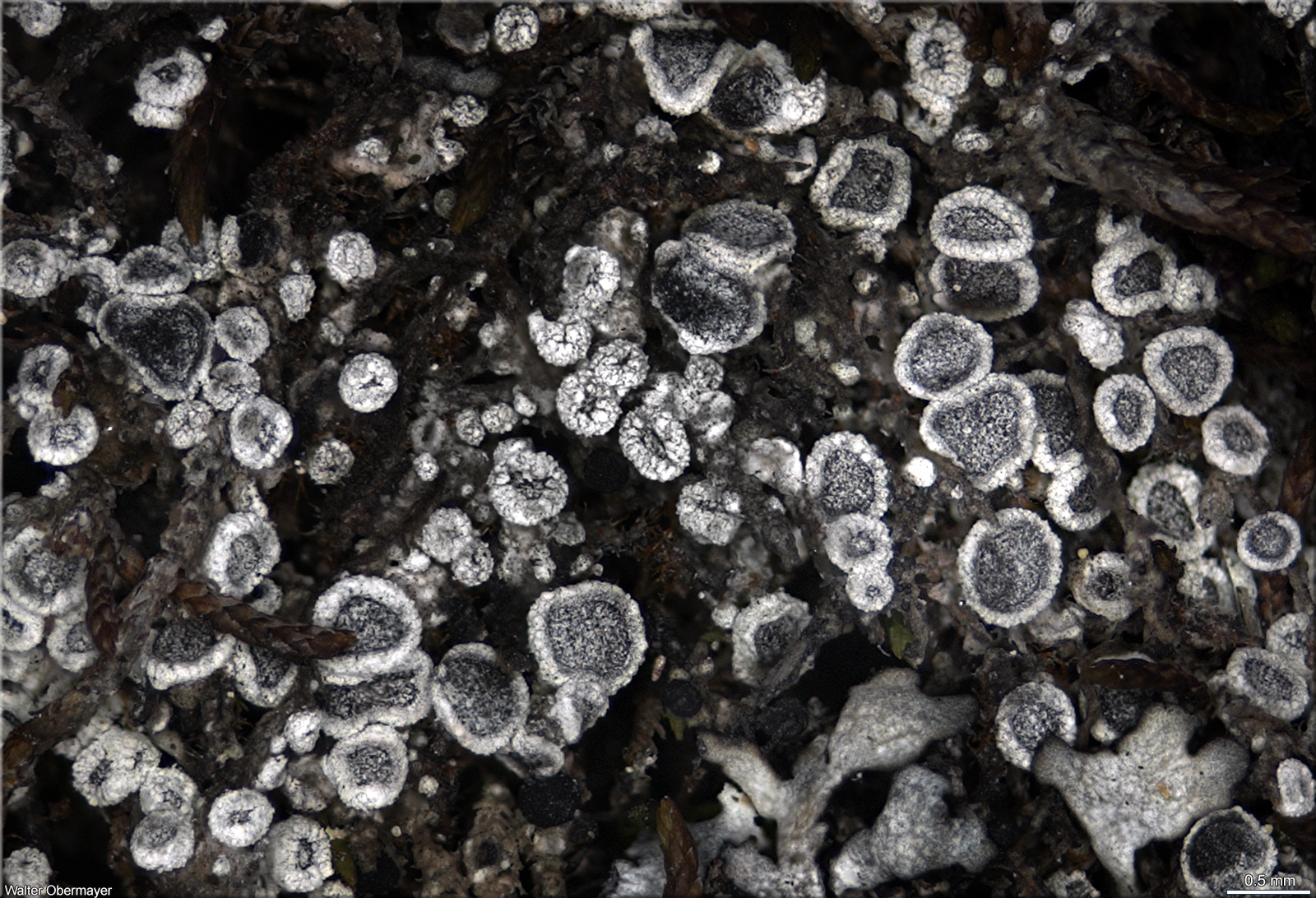
Walter Obermayer CC BY-SA 4.0 - Source: Lichens of Noricum - http://lichens-of-noricum.uni-graz.at/
Austria, Kammspitz
2015
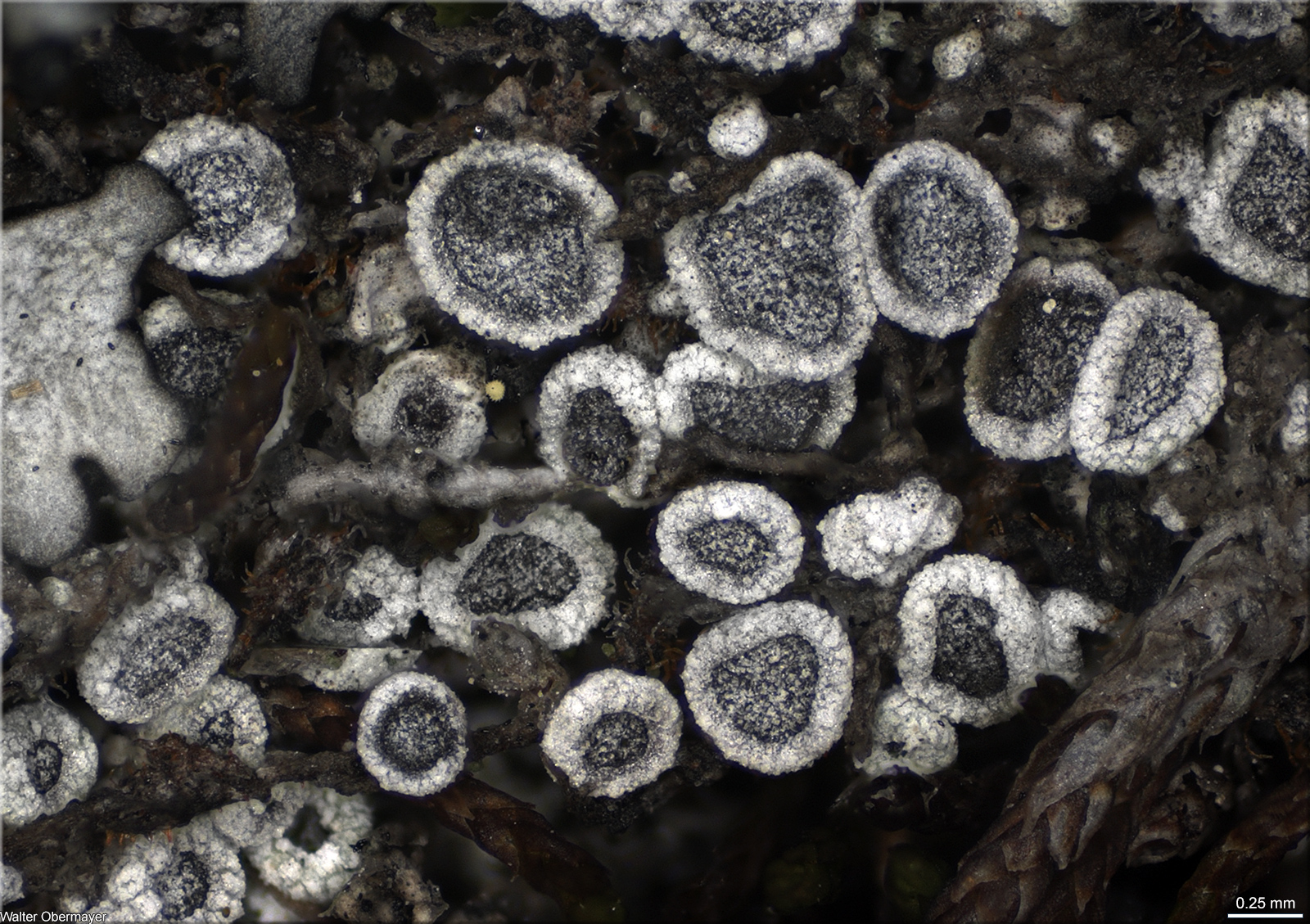
Walter Obermayer CC BY-SA 4.0 - Source: Lichens of Noricum - http://lichens-of-noricum.uni-graz.at/
Austria, Kammspitz
2015
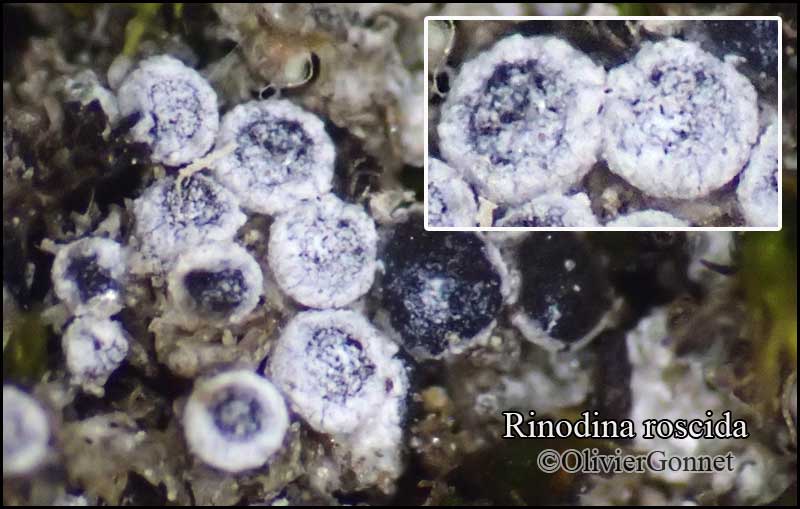
Courtesy Danièle et Olivier Gonnet - Source: https://www.afl-lichenologie.fr/Photos_AFL/Photos_AFL_R/Textes_R/Rinodina_roscida.htm
France, 26/12/2014 - Vanoise - Mont Cenis - Savoie
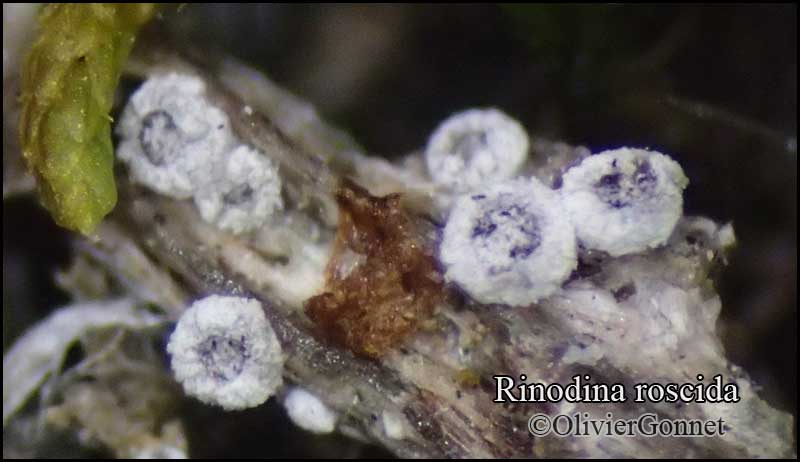
Courtesy Danièle et Olivier Gonnet - Source: https://www.afl-lichenologie.fr/Photos_AFL/Photos_AFL_R/Textes_R/Rinodina_roscida.htm
France, 26/12/2014 - Vanoise - Mont Cenis - Savoie
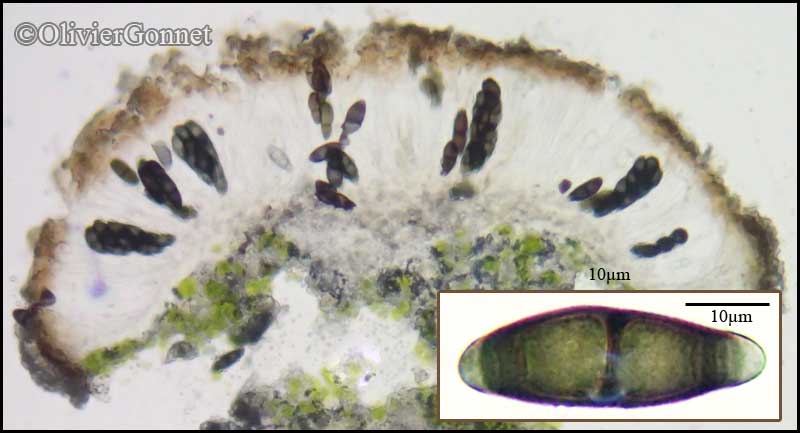
Courtesy Danièle et Olivier Gonnet - Source: https://www.afl-lichenologie.fr/Photos_AFL/Photos_AFL_R/Textes_R/Rinodina_roscida.htm
France, 26/12/2014 - Vanoise - Mont Cenis - Savoie